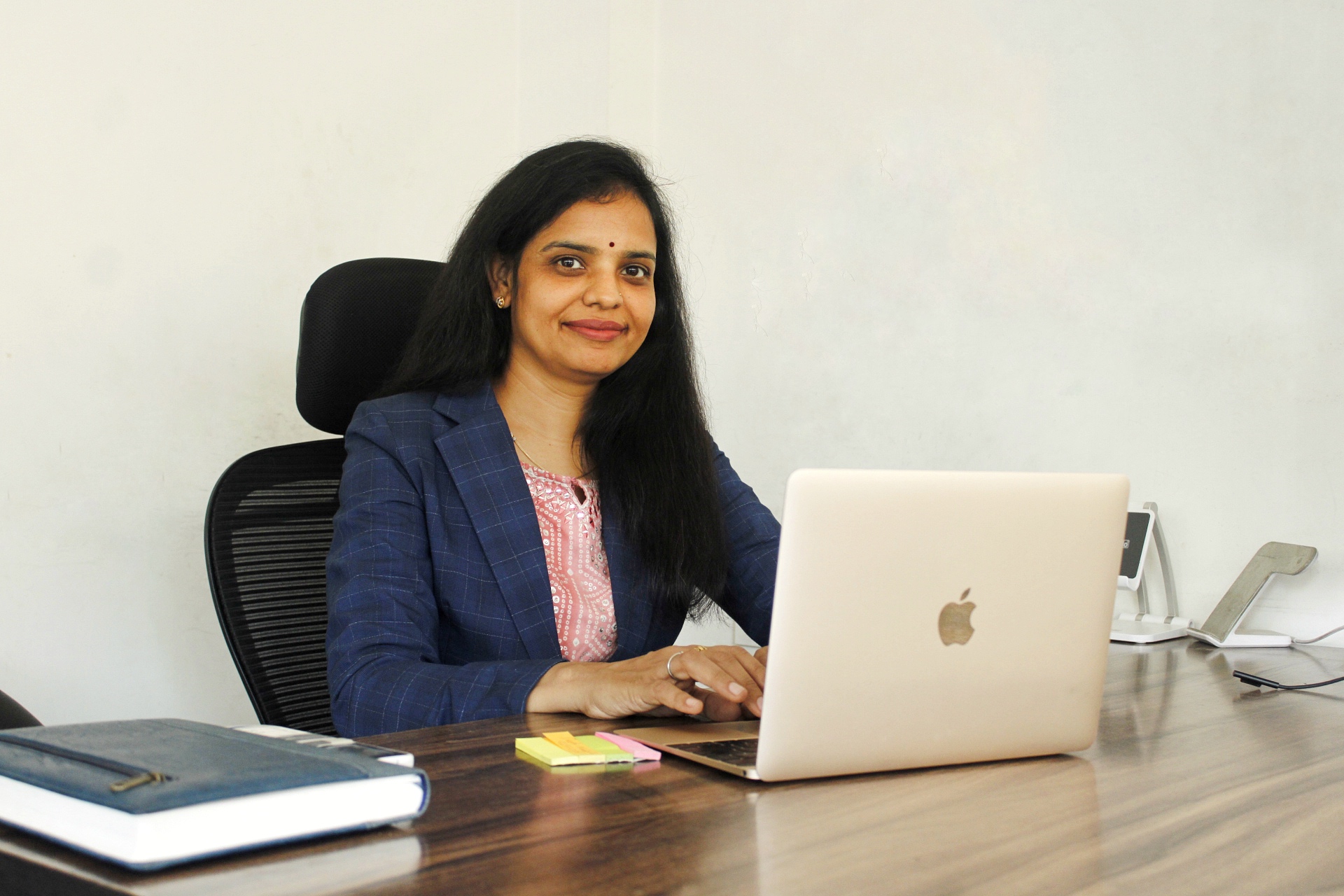
Category: Law Firm

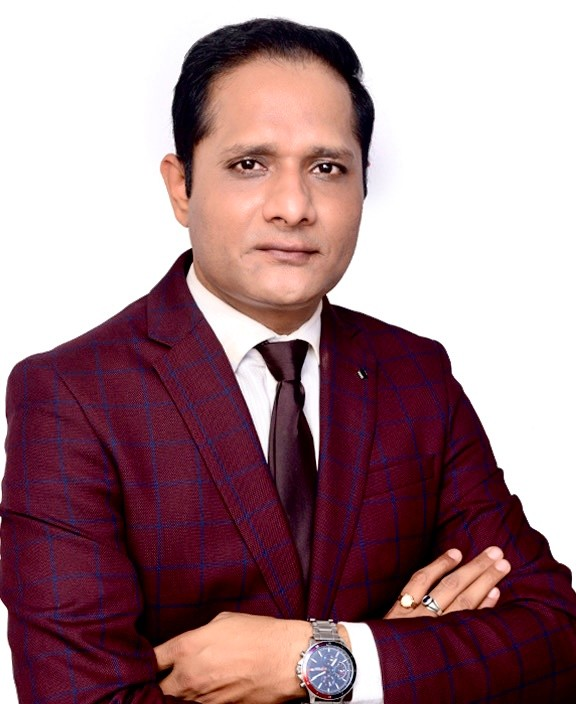
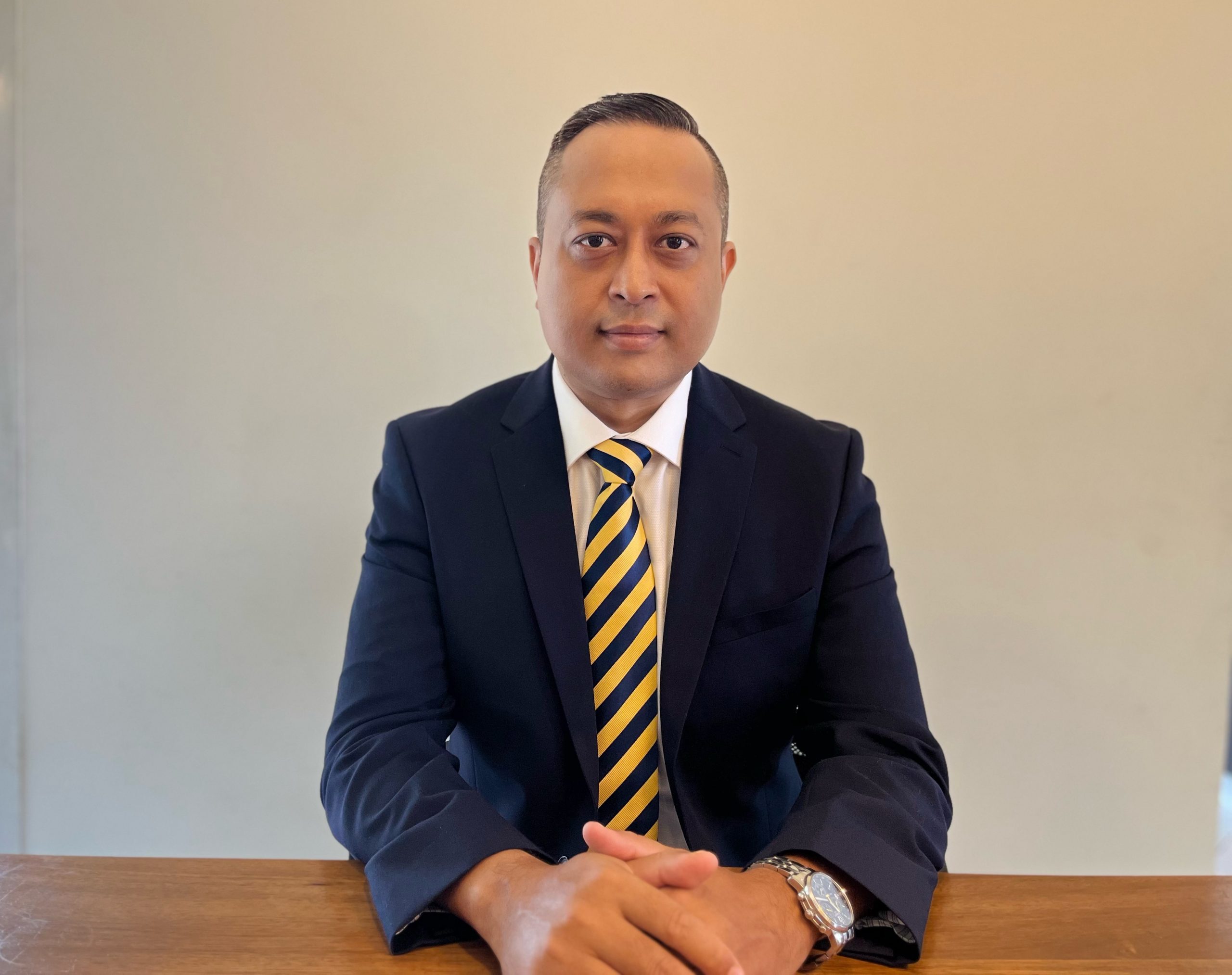
  • “I attribute my success to a combination of continuous learning, meticulous preparation, strategic thinking, adaptability, and dedication to my craft”- Sachiv Kumar, Senior Partner, SDS Advocates

    “I attribute my success to a combination of continuous learning, meticulous preparation, strategic thinking, adaptability, and dedication to my craft”- Sachiv Kumar, Senior Partner, SDS Advocates

    This Interview has been published by Pragya Chandni and The SuperLawyer Team

    Could you share a bit about your journey into the legal profession, particularly what led you to specialize in Banking & Finance and General Corporate law?

    My career path is a tapestry of diverse experiences, woven together by a passion and zeal for continuous learning and a relevant drive to understand the intricate legal landscape and providing strategic solutions to complex legal challenges. 

    My Journey of becoming a corporate lawyer has been very dynamic and full of exciting professional challenges. To sum up these extremely rich and eventful years (approx. 16 years) in a few sentences/para is surely an impossible task, however when I look back, the journey has been very rewarding and no experiences, challenges and detours have gone in vain. I have handled an enormous variety of matters and legal issues pertaining to Banking & Finance, General Corporate, Real Estate and Foreign Exchange Laws.  I also have experience in handling cross border deals encompassing Singapore and English laws. 

    My legal profession began when I secured placement from my college in India’s top private bank in 2008 and as an in-house counsel gained first-hand experience with the intricacies of financial laws, regulations and varied nature of transactions including project finance, corporate lending, syndications, consortium lending, etc. Working as an in-house counsel initially in a highly reputed private bank provided me with valuable insights into the legal challenges faced by financial institutions and complex documentations. This experience sparked my interest in specializing in Banking & Finance law, as I saw the opportunity to deepen my understanding of regulatory frameworks and provide strategic legal advice to financial entities. Within 4 years of my career, I was exposed to International banking and handled work related to English Laws, Singapore Laws, DIFC laws and worked on varied complex matters pertaining to these geographies along with all tier-1 international/domestic law firms and understood the nuances of International transactions which sparked my further interest in Banking and finance.

    Moreover, my role exposed me to various corporate matters, from contract negotiations to compliance issues, structuring the deals (including cross-border) and handling the clients on a day to day basis, which piqued my interest in General Corporate laws. My early days taught me to be disciplined, versatile, multi-tasking and detail oriented. 

    “You might find it funny but my friends used to call me ‘justice’ during my early days which some of them still continue to do and I was being labelled as ‘Hawk Eye’ because of my eye to minute details”. 

    What is your approach or philosophy to winning or representing a client and how do you balance the strategic needs of your clients?

    My approach inculcates ethics that best suit clients’ needs and works towards the satisfaction of clients. I have earned a reputation for the simple philosophy of “personal and prompt service and advice relevant to modern practical requirements of business”. My out of box thinking about a particular issue and providing a solution which is in the best interest of the client is what sets me apart. I take extra care to ensure that my client feels assured, focused and on track throughout the tenure of our arrangement.

    On various occasions, pointed out to me by my clients, my ability to deeply empathize with them, being able to put myself squarely in their shoes, and suggest a course of action that is in their genuine best interests even if it means it might not be so much in my own, has

    been the reason for winning the confidence of my clients. 

    One needs to understand that while negotiating you should only speak when it is required, be articulative, put in a fair offer and add value. While negotiating contracts my approach is to have a detailed eye on the minutest thing and find a balance. I don’t believe in taking extreme approaches and keep my calm and patience even if the discussion is going otherwise . No doubt for doing a proper negotiation you need to be prepared, have subject knowledge and confidence. I make sure that I have read the agreement and related laws before my negotiations and have thought about the best and worst outcome. 

    Balancing the strategic needs of clients with legal requirements in corporate advisory involves careful analysis and communication. I prioritize understanding the client’s goals and objectives, then develop strategies that align with both their business objectives and legal compliance. This often entails conducting thorough legal research, risk assessment, and collaborating closely with the client to ensure transparency and informed decision-making throughout the process. Effective communication and proactive management of expectations are key to maintaining this balance while navigating complex legal landscapes.

    I float ideas and suggestions and have my back up ready in case the initial recommendation/suggestion fails. Also I synchronised my thoughts and executed in such a manner that the other side get convinced with my arguments and advances. I give patient hearing to the points made by the other side and then ask them questions as to ‘why’ and ‘how’ the same is relevant to a particular issue. The idea/approach is to close the deal and find out the solutions so that the business is not affected and also legal requirements are met. There have been various instances where I have been part of major negotiations with bigger law firms/companies of the country, and I have been able to get the deal done in favour of my client with my negotiation skills and understanding of laws.

    With your extensive experience in both Indian and English law, could you highlight some of the key differences you’ve encountered when handling cross-border deals?

    Though Indian laws are based on common law principles, there are lots of differences between the two. The distinctions between Indian and foreign laws (including English Laws) encompasses various aspects, including the way commercial contracts are drafted, legal frameworks and jurisdictional principles, contract formation requirements, dispute resolution mechanisms, regulatory environments, and taxation considerations. 

    In most of the foreign geographies including England, there is no concept of stamping the contracts (except the debenture for mortgage of immovable assets), unlike India. There is no requirement of signing each and every page and only the last page is signed and executed as the burden of proof lies on the person denying the execution.  Anything above 2 (two) % of default interest is treated as damages, which can only be awarded by the courts, treatment of fixed and floating charges by the authorities under insolvency process. The loan agreement in foreign geography is based on standard Loan Market Association (‘LMA’) format in UK/European Countries and Asia Pacific Loan Market Association (“APLMA”) format which is a guiding factor and works as model loan agreements for use in various transactions and jurisdictions. Additionally, the compliance requirements, licensing procedures, and reporting obligations are slightly cumbersome in India unlike foreign countries which impacts the structuring and execution of cross-border transactions.

    Further, in Singapore, providing upward/cross guarantees are not easy unless some commercial consideration and corporate benefit is involved between the subsidiary (guarantor) and holding company. There is no requirement of board resolution in Singapore and the extract of ACRA is sufficient proof to evidence the persons authorised on behalf of the Company to execute the documents. 

    Your accolades speak volumes about your contributions to the legal industry. What do you attribute your success to, and how do you stay ahead in such a dynamic field?

    A lawyer’s work is perpetually exciting and stimulating. Please refer to the answer given in Question no.2 above, which is required to win your client and stay ahead in this dynamic field.

    Further, I attribute my success to a combination of continuous learning, meticulous preparation, strategic thinking, adaptability, and dedication to my craft. In such a dynamic field of law, staying ahead requires staying updated on legal developments, networking with peers, and being proactive in seeking out new opportunities for growth and innovation. Additionally, maintaining a strong work ethic and a passion for the law has been essential in staying ahead in this competitive environment.

    What sets me apart is my ability to understand clients’ wants, empathise with them, and ensure desired results in a time bound manner. Professionalism and courtesy towards my clients are my distinctive traits. One of my notable attributes is attention to detail and to leave no margin for errors. Reading large amounts of research, absorbing facts and figures, analysing material, and distilling it into something manageable is my key feature. In order to ensure that my clients feel assured and satisfied, I pass a legal problem through multiple screens and filters and subject it to multiple revisions to ensure a favourable outcome. 

    Further you need to be innovative in approaching clients nowadays as they have multiple options to get the desired result and to break the ice in this competitive environment one needs to be equipped with the target sectors. One of the innovative ways to get client’s attention is to keep updating your practice areas, your portfolio and your recent achievements on your website and periodically sharing information on various social media platforms and across various legal networking websites so that clients have easy access to them. Our team does extensive research on various RBI & SEBI Notifications/Circulars, Important Judgments and creates “Articles/Newsletters” and sends them to my clients so that they are informed about the latest changes in law. We are trying to focus more on making ourselves available and accessible digitally. Additionally, I also stay updated by reading newsletters/articles by other law firms and publications by legal databases/journals.

    Given your expertise in areas like Fintech Laws and Digital Lending, could you shed light on some emerging trends or challenges you foresee in these sectors?

    Certainly, In the rapidly evolving landscape of Fintech laws and digital lending, there are several emerging trends and challenges to consider:

    1. Regulatory Compliance: As Fintech innovations continue to disrupt traditional financial services, regulators are working to keep pace with new technologies while ensuring consumer protection and financial stability. Compliance with evolving regulations such as sandbox regulations, AIF regulations, Digital lending Guidelines, Digital Personal Data Protection Act, 2023, GDPR, and AML/KYC requirements, etc. remains a significant challenge.
    2. Data Privacy and Security: With the increasing digitization of financial services, the protection of sensitive consumer data/personal data becomes paramount. Fintech firms must navigate complex data privacy laws and implement robust security measures to safeguard against cyber threats and data breaches and would need to strictly adhere to DPDPA, 2023, otherwise there may be huge penalties.
    3. Digital Identity Verification: As digital lending platforms gain popularity, the need for reliable methods of identity verification becomes critical. Fintech companies are/should explore innovative solutions such as biometric authentication and blockchain-based identity verification to streamline the lending process while mitigating fraud risks.
    4. Default Loss Guarantee (‘DLG’): With RBI coming with an overall cap of 5% on DLG structure to the LSP under Default Loss Guarantee Guidelines and all-in-cost mechanism, the Fintech’s/FIs are finding it difficult to the do the business and time and again clarity has been posed to RBI.

    Navigating these emerging trends and challenges will require collaboration between Fintech firms, regulators, and other stakeholders to foster innovation while maintaining trust and stability in the financial system.

    Handling diverse finance deals, from ship financing to asset-backed finance, must present unique challenges. Can you share a particularly memorable or challenging deal you’ve worked on and how you navigated it?

    It’s very hard to think of a memorable or challenging deal as there are quite a few and I encounter the same ‘now and then’ and I have always believed in taking up challenges and don’t like doing work where there are no challenges. The recent being the resolution of Reliance Commercial Finance and Reliance Home Finance Limited, where the matter went up to Supreme Court where the issue encompassed SEBI circular, RBI framework on stressed assets, debenture holder rights, etc. 

    Though each case presents unique complexities, but with my ‘out of box thinking’, greater and clear understanding of the issue and by staying adaptable and keeping abreast of legal developments, I am able to overcome these challenges. I think from 360 degree on any problem and filter my thought process. My approach inculcates ethics that is best suited for clients, and I ensure to put their interests over and above everything. I act with reasonable diligence and promptness in representing a client and patience and never-giving attitude is the key. 

    In your experience, what are some common misconceptions/expectations that corporate clients have, and how do you address them?

    Some common misconceptions clients have:

    1. Cost: As there are a variety of corporate clients ranging from start up to mid-size and mid-size to big one, clients sometimes think that hiring a corporate lawyer will be too expensive. But we have modelled various categories of fee structures which are tailor made depending upon the complexity of matter and size of the corporation we are dealing with. For mid-size companies, we also offer a flexible retainership monthly model and navigate their day to day issues at a reasonable cost.
    2. Complexity: Clients sometimes believe that corporate law is overly complex and difficult to understand. We simplify legal concepts, providing clear explanations, and guiding them through the process step by step.
    3. One-size-fits-all solutions: Clients might assume that corporate legal solutions are standard and apply universally. We provide tailored legal advice to the specific needs and circumstances of each client’s business and tell them how a particular agreement cannot be used for some other deal.
    4. Timeframe: Clients may expect quick fixes or immediate results, underestimating the time required for structuring a complex contract or legal processes involved in achieving a desired result. We normally manage the expectations and provide realistic timelines so as to give quality services. In case of any urgent matter, we make sure that clients meet their deadlines even if we have to work extra hours.
    5. Importance: Some clients may not fully appreciate the critical role that corporate lawyer plays in protecting their business interests but in our discussions we have highlighted the potential risks of non-compliance and the benefits of proactive legal strategies.

    By addressing these misconceptions through clear communication, education, and personalized attention, corporate lawyers can help clients better understand the value and importance of their services.

    With your wealth of experience, what advice would you give to young lawyers aspiring to specialize in Banking & Finance and General Corporate law?

    Banking & finance is a wide spectrum. Being a banking lawyer gives you exposure to a wide variety of laws and clients. It encompasses lending, fintech lending, real estate, project finance, NCDs, Securitisation, syndications, issuance of equity, fund creation, etc. Not only as a banking lawyer but being a corporate lawyer requires resolute, unwavering, and fierce commitment to underlying principles of understanding and applying the laws. Needless to say, smart work coupled with hard work is the ultimate combination. 

    Some of my advice to young lawyers aspiring to specialize in Banking & Finance law or otherwise in any area of law would be:

    1. Passion and Zeal: First and foremost unless you are passionate and have the zeal to achieve, you cannot achieve the desired result. One needs to be mad for this profession and there is nothing called work-life balance, if you want to be successful in this profession. You need to make law your life and your life should be dedicated to law.
    2. Dream Big: Unless you dream, your dreams will never turn into reality and if you have to dream then why to dream small.
    3. Observe and Focus: Students must be very focussed during internships and should learn as much as they can and should not be in a hurry to leave early. Apart from learning legal knowledge, in my view internship is all about understanding the traits of becoming a lawyer. One should observe his/her seniors and learn the trick of the trade.
    4. USP/Impact: Create your own USP and be different from others. Make your presence felt. Please remember that it does not matter what you do, but it matters what impact and impression you create, when you leave the place.
    5. Delivery: Deliver more than what is expected.
    6. Responsible: Be responsible for your work and take onus for any mistakes. Committing a mistake is not an issue, but repeating the same and not admitting your mistake is a big problem amongst the current generation. Don’t give justification for your mistakes. Just admit it and move on. 
    7. In-depth Knowledge and Continuous Learning: Focus on building a solid understanding of  laws, including corporate law and financial principles. Read the books and bare acts instead of google research. Google is for reference and not the source of your opinion. Stay curious and open to learning. The legal landscape is always evolving, so ongoing education and professional development are critical for long-term success.
    8. Stay Updated: Keep abreast of industry trends, regulations, and market developments. The banking and finance sector is constantly evolving, so staying informed is key.
    9. Develop Analytical Skills: Hone your analytical skills to assess complex financial transactions and corporate structures. Attention to detail is paramount in these areas of law.
    10. Inter-personal skill: Build relationships with professionals in the field, including clients, mentors, and peers. Networking can open doors to opportunities and provide valuable insights. Develop strong communication skills, both written and verbal. Clear, synchronised thoughts and concise communication is key for a lawyer. One should be able to express what they think.
    11. Integrity and Professionalism: Lastly, uphold the highest ethical standards and act with integrity in all your dealings. Trust and credibility are invaluable assets in the legal profession.

    Get in touch with Sachiv Kumar-

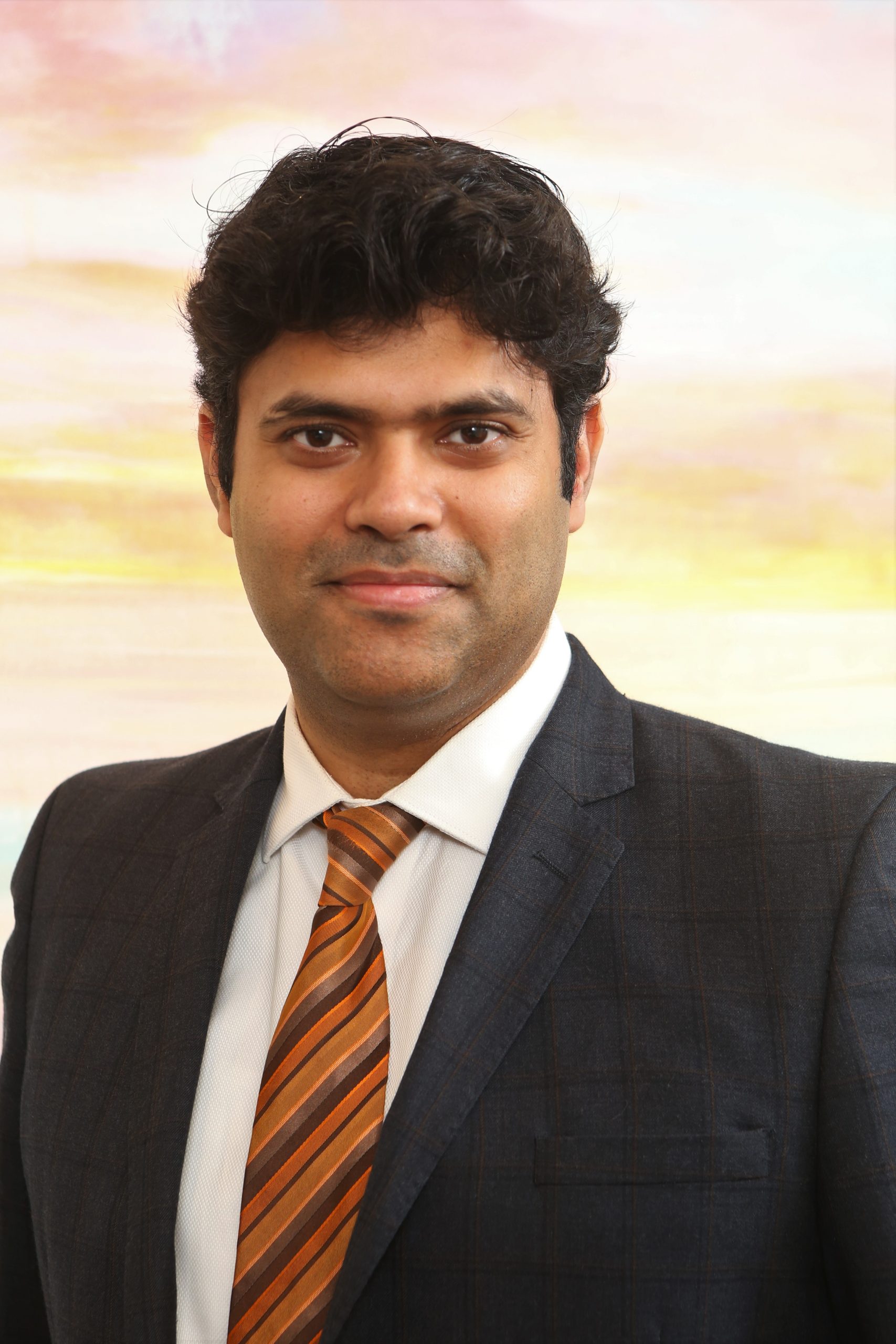
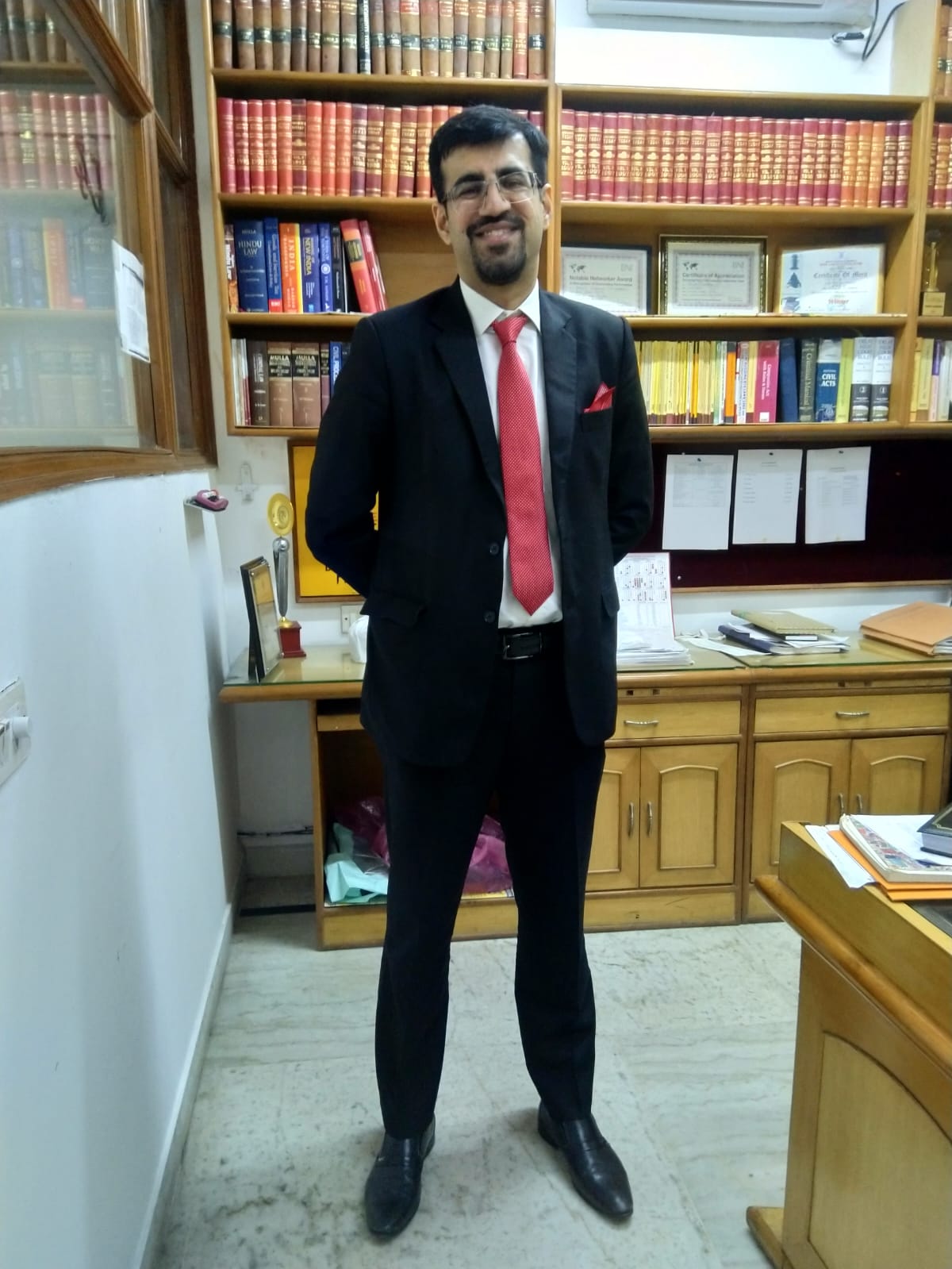
  • “I think it’s important to bear in mind that we always need to keep our clients’ interests paramount and advocate their cases accordingly, whether before a regulator or across counterparties in any deals”- Rohan Kumar, Partner at Quillon Partners

    “I think it’s important to bear in mind that we always need to keep our clients’ interests paramount and advocate their cases accordingly, whether before a regulator or across counterparties in any deals”- Rohan Kumar, Partner at Quillon Partners

    This Interview has been published by Pragya Chandni and The SuperLawyer Team

    Can you share with us what initially sparked your interest in pursuing a career in law, especially in the field of corporate transactions and mergers and acquisitions?

    From my days in high school, when I needed to make a decision on my career, I was quite clear that I wanted to take up a career in law. I felt that a legal career would give me flexibility across other disciplines as well, such as journalism (which was my second option). While all my internships in law school were with litigators and litigation firms, I realised thereafter that my interest and skill sets were more suited to corporate transactions. Having said that, I still believe that all young lawyers should ideally start off with a litigation practice to gain an understanding of our courts system. Contracting, conveyancing and litigating in the courts (or in arbitration) are all inter-connected. If you look at any of the older generation of lawyers, they are equally comfortable in a court, arbitration process, or negotiating an M&A or financing deal.

    With over a decade of experience advising clients across various sectors, could you highlight a pivotal moment or experience that solidified your passion for corporate law?

    I don’t think I can highlight any one moment. It’s a gradual process. Certainly, after the initial 3-5 years of practice, I did see myself working as a lawyer long-term and I continue to enjoy my work. The regulatory developments and changing business requirements ensure that there’s always a challenge to confront.

    You’ve worked with esteemed law firms in India for several years before joining Quillon Partners. How did these early experiences shape your understanding of the legal profession and influence your career trajectory?

    Each experience was unique and fulfilling. I have been extremely lucky to always have worked with not just wonderful lawyers, but wonderful human beings. My early experiences taught me the value of attention to detail, hard work and the right attitude. The rest will fall in place.

    Your representative experience includes advising on significant transactions such as fundraise, investments, and mergers. Can you walk us through one of the most challenging projects you’ve tackled and the strategies you employed to navigate it successfully?

    I was advising a client on a fast-track merger sometime around 2017-2018, which is when the provisions had been recently introduced and notified. The process was getting delayed, impacting the companies’ operations. We didn’t really have a template process / precedent to follow, other than the merger approvals under the regular S.230-232 provisions. I decided to appear before the Regional Director’s office to allay their concerns, pointing out relevant precedents under the regular S.230-232 provisions and we managed to secure the approval shortly thereafter.

    Another challenging project was securing merger-control approval from the CCI back in 2013. It was one of the first merger-control filings our office was handling (the merger-control provisions had been notified a few years previously).

    I think it’s important to bear in mind that we always need to keep our clients’ interests paramount and advocate their cases accordingly, whether before a regulator or across counterparties in any deals.

    Having published articles on key reforms proposed by India’s capital markets regulator, could you discuss the importance of staying updated with regulatory changes in the legal field, especially in your area of expertise?

    I cannot overemphasise the importance of staying updated with regulatory changes and developments. This impacts the advice we give our clients on a daily basis, whether in terms of structuring transactions or negotiating an investment. It’s a key differentiator in providing high quality and effective advice.

    Transitioning from the Bangalore office to the Mumbai office of Quillon Partners, what factors contributed to this move, and how has it impacted your professional growth?

    It’s been a wonderful experience, with a new set of challenges. It’s really taken me out of my comfort zone, but I have enjoyed the transition. Of course, it’s helped that I continue to work out of both the Mumbai and Bangalore offices and get to enjoy the best of both worlds. As an M&A lawyer, it just made sense to make the move, but I also needed to be sure of working with the right set of people. In a world that’s increasingly interconnected and where physical boundaries no longer remain a challenge, I felt it shouldn’t really make a difference, whether I’m based out of Mumbai or London or Singapore.

    Drawing from your extensive experience, what advice would you offer to law graduates aspiring to specialize in transactional law and navigate the complex landscape of corporate transactions and mergers?

    Don’t stop learning. Whether we have completed 5 years or 15 years of post-qualification experience, we need to keep learning, given the demands of this profession. Don’t restrict yourself to strictly ‘legal’ knowledge. Expand your horizons of learning. Keep abreast with great cinema, the arts and culture. This better informs your skill sets, especially soft skills, which is invaluable as a lawyer.

    Get in touch with Rohan Kumar-

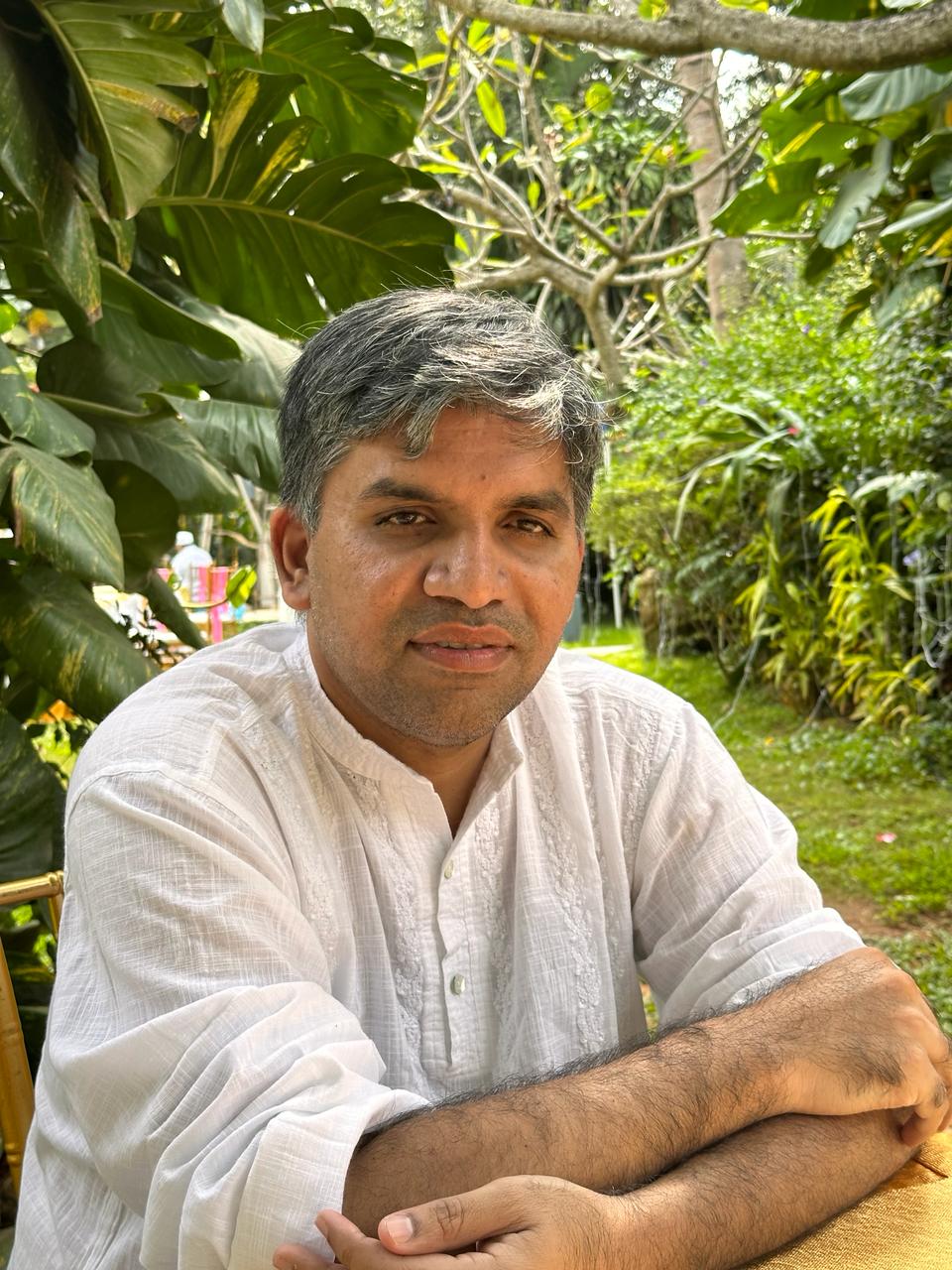
  • “If you’re committed to making a positive impact, integrating accessibility into your daily interactions and engagements is essential.” – Dr. Kalyan C. Kankanala, IP Attorney and Managing Partner at BananaIP Counsels

    “If you’re committed to making a positive impact, integrating accessibility into your daily interactions and engagements is essential.” – Dr. Kalyan C. Kankanala, IP Attorney and Managing Partner at BananaIP Counsels

    This interview has been published by Namrata Singh and The SuperLawyer Team

    Dr. Kalyan, as a founder, could you  give us an overview of BananaIP Counsels and describe your current responsibilities within the  firm?

    Absolutely. At BananaIP Counsels, we pride ourselves on being a forward-thinking IP firm that is not only technology-driven but also champions diversity, with a strong emphasis on women leadership and inclusivity of persons with disabilities. Our combination of technological specialization, legal expertise, and business insight allows us to  provide high quality IP services to clients.

    Our firm has specialized departments led by experienced partners in various technology sectors.  Additionally, we also have focused departments dealing with Trademarks, Copyrights, E-commerce Law, Entertainment Law, Open Source Law, and Technology Law, some of which are integrated IP divisions.

    In my current role, I lead the innovation, consulting, and strategy department of the firm. Our department focuses on the strategic IP needs of our clients, and the professional growth and knowledge development of our associates. We handle strategic and complex IP projects that cover a broad spectrum, from IP mining and audits to devising IP protection strategies, and from resolving disputes to facilitating licensing and commercialization efforts. 

    Interesting! We noted that this year marks the 20th anniversary of BananaIP Counsels. Could you share some insights into the firm’s evolution and highlight some of the key milestones achieved along the way?

    BananaIP Counsels is marking its 20th anniversary this year, having initially taken root in IIM Bangalore’s entrepreneurship cell (NSRCEL) back in 2004 as Brain League IP Services. Our journey through the years has been a tale  of survival, stabilization, and success. Despite the hurdles and destabilizing events encountered along the way, we have achieved at least part of what we set out to do. We believe that our efforts have   contributed to the current IP ecosystem in India at different levels. Overall, our endeavors over the past 20 years have fostered IP knowledge development, human capital growth, policy and legislative advancement, and the enhancement of IP service standards.

    From your experience, what is your assessment of the current IP landscape in India? Additionally, can you tell us your predictions for its development over the next decade?

    Over the past twenty years, the Intellectual Property (IP) system has witnessed considerable advancements in terms of IP filing numbers, the processes and systems introduced by the IP office, enforcement mechanisms, and the judiciary’s responsiveness. As of now, the IP system in India can be described as ‘reasonably friendly’.

    Despite these advancements, there remains substantial work to be done to cultivate an IP ecosystem in India that is both business-friendly and equitable. Currently, the system faces challenges such as limited accessibility, inconsistency and diversity in Court processes and speed, difficulties in digital IP enforcement, an underdeveloped licensing framework, and low hygiene levels. Over the next five to ten years, I anticipate progress in these areas, and I also expect a significant rise in IP filings and registrations.

    I believe the upcoming decade will be a ‘golden era’ for IP in India.

    With the ongoing discussions around Artificial Intelligence (AI) and its influence across sectors, what impacts do you foresee AI having on the field of IP, specifically regarding IP management and practices?

    Today’s discussions on AI encompass a range of IP issues, including protectability, ownership, enforcement, and dispute resolution. While important, these topics will not be the focus of this response. Instead, I will briefly touch upon how BananaIP is leveraging AI in our operations and our future plans for its use.

    BananaIP has always been an early adopter of technology, and we have developed several tools to enhance the quality and efficiency of our work. Currently, we utilize AI to assist us in reviewing and refining our work products, and to supplement some of our file management  and communications.  Due to concerns over confidentiality, we do not use AI for drafting patents and designs at this time.

    Additionally, we have developed complementary tools that aid in file management and the review of competitor filings. We are also in the process of creating predictive and analytical tools aimed at automating audits, portfolio management, and project documentation.

    While General AI has the potential to draft legal documents, the quality of its current output does not yet meet our firm’s standards. However, we anticipate significant advancements in this area, and believe that AI will soon be capable of producing first drafts that exceed the quality produced by our new recruits. Although we do not foresee AI replacing IP professionals in the near future, we do expect a notable adjustment in the distribution of tasks and responsibilities.

    Looking ahead, our goal for the next three years is to develop proprietary tools that will assist us in creating certain deliverables, reviewing projects, and automating manual processes.  Whether we like it or not, I believe that the IP profession has to adapt to the advancements in AI technology, and we must reconsider some of our current  practices. 

    Based on your experience, do interdisciplinary teams having technology, law and business experts work well together? What has your experience been?

    Our experience with interdisciplinary teams has been excellent. The interdisciplinary approach at BananaIP fosters a stimulating and intellectually rewarding work environment. Our operational model blends the openness of research labs with the structured discipline of law firms. Our team comprises technology specialists, many of whom are also qualified patent agents or attorneys with a deep understanding of  the law. Our lawyers   specialize in IP, and have an open mind to learning the science and technology relevant to their work. They   bring unique perspectives and contributions to each project, which  add significant value to our work products.

    We have learned that  BananaIP does not function like a typical law firm, and has  a unique culture. Can you tell us about your culture and values?

    BananaIP offers a welcoming, intellectually stimulating and open work environment. We value balancing work and life as much as we value our clients’ IP and business needs. Unlike many IP law firms, we don’t have a strict hierarchy and rigid structures. Our structure is mostly flat. Diversity, equity, and inclusion are  integral to our culture and values.

    Honesty, integrity, and dedication to our client’s cause form the core of  all our services.

    You have been talking a lot about accessibility off late, why do you believe accessibility is crucial for the IP system?

    One of the primary objectives of the IP system is  the benefit of the public. It  promotes creativity and inventive activity, and grants exclusive rights over inventions and creations with the objective of   eventually benefitting the general public. This objective is achieved through access, disclosure and publication of ideas and creations, and unless  these are fully accessible, a large portion of the public will not be able to benefit from them. In other words, accessibility of the IP system and   disclosures plays an important role in achieving the ultimate goal of  public benefit, and if there is no accessibility, the very purpose of the IP system  will not be served. Therefore, it is important to make the IP system fully accessible to everyone, and to ensure that no one is left   behind.

    In your interactions, you have often highlighted the suitability of the IP profession for individuals with disabilities. Could you explain your perspective on this?

    Certainly, to start with, let me state that I am a person with blindness, and  I have been able to  successfully practise as an IP attorney. This of course would not have been possible without the help and assistance of my colleagues, and confidence reposed in me by my clients. From my experience in the field, I strongly believe that the IP system is very suitable for persons with disabilities. Many reasons led me to this belief, and I will tell you three of them:

    A. Firstly, IP  filing and prosecution is today fully online, and one can practise   this without the  barriers  relating to physical movement and inaccessible premises. Several Courts have also gone online, and  have    taken some steps to facilitate accessibility of documents and materials.

    b. The IP Office  has issued accessibility guidelines, and has established a system to seek  reasonable accommodations. While there is much to be done to make its online systems fully accessible, the IP Office has shown the intent to do so. This makes it relatively easy for persons with disabilities to  overcome accessibility hurdles, and participate fully/equally  in the IP process.

    c. To get into this profession, a person with a disability need not be a lawyer. Persons with any degree can qualify as trademark agents, and  persons with a technical background can get into the patent profession.

    Overall, the IP profession is welcoming, and companies are not too uncomfortable in working with persons with disabilities. In my opinion, if a person with a disability is looking for an option that provides independence, autonomy, and respectability, the IP profession is a good  choice.

    You have been  interacting with  the Indian IP Office to improve accessibility to persons with disabilities. What  do you think the IP Office must do to make its systems and processes accessible to persons with disabilities? 

    The IP Office has taken an important step by releasing guidelines to improve access for all. However, this intention needs to be put into practice effectively. The IP Office  must take the following steps:

    a. The IP Office should organize training sessions to educate their staff about the needs of individuals with disabilities and highlight the importance of providing access. Currently, many officials believe that they have the right to refuse accessibility requests, thinking that the rules in IP laws are more important than the requirements of the Rights of Persons with Disabilities Act. Changing this mindset will make it easier for individuals with disabilities to engage with the IP Office.

    b. It is also important for the IP Office to enhance the accessibility of its online platforms. Despite some progress, their systems do not meet essential accessibility standards. Improving the accessibility of their filing systems and documents would be significantly beneficial.

    c. Furthermore, the IP Office has to consider issuing guidelines or circulars that require the submission of documents in an accessible format. This will ensure that everyone, including those with disabilities, can access these documents easily. Many High Courts have already required documents to be submitted in a format that is readable by optical character recognition (OCR), and the IP Office should follow this example.

    By implementing these measures, the IP Office can facilitate full and equal participation of all individuals, including those with disabilities, in the IP process.

    These steps do not seem very complex, and we hope the IP Office will look into them seriously. We noted that you recently published a book on accessibility entitled ‘Understanding Accessibility’ in which you  have  pointed out that everyone can contribute to accessibility. Can you tell us how we can do that?

    Well, if you have the intent and willingness to make a difference, you may consider  the following simple steps:

    1. Share any document or information you file or distribute in accessible formats. This is easy, and you may consider doing this for   all types of documents you share in general, or file before Courts or Tribunals. Here is a link that gives accessibility guidance for word documents, PDFs, and PPTs: https://www.adcet.edu.au/inclusive-teaching/accessible-content/accessible-documents
    2. Whenever you  share something on social media, ensure that  you include alternative text, image descriptions, video captions, etc. Most social media and messaging platforms have enabled these features, and all you need to do is spend an extra minute to make your post, photo, video, or document, accessible. You will find some accessibility tips at this link: https://disabilityin.org/resource/creating-accessible-social-media-content/

    I hope you will consider  incorporating these as a part of your day to day interactions and engagements.

    Thanks a lot for giving me this opportunity.

    Get in touch with Dr. Kalyan C. Kankanala–

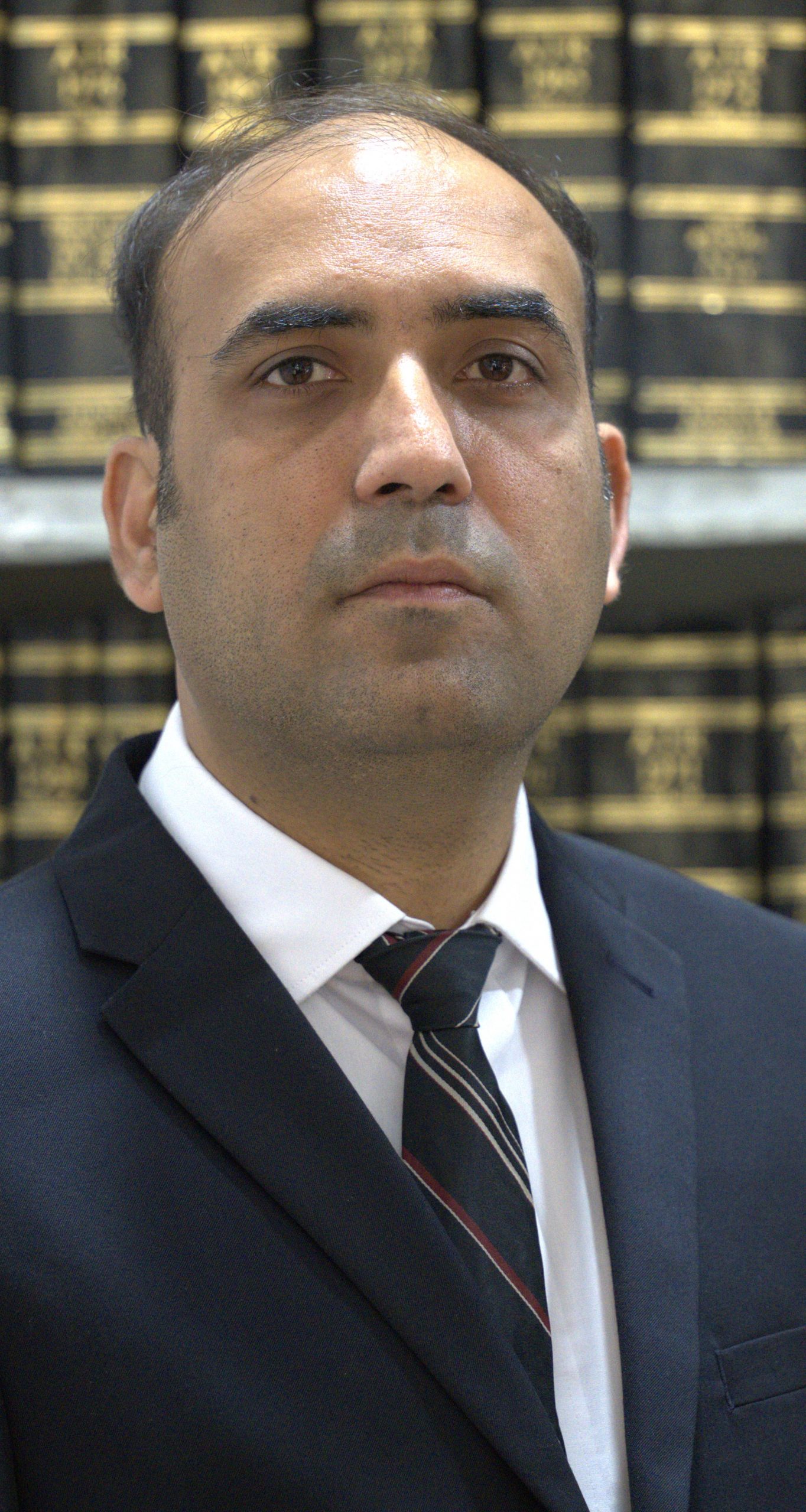
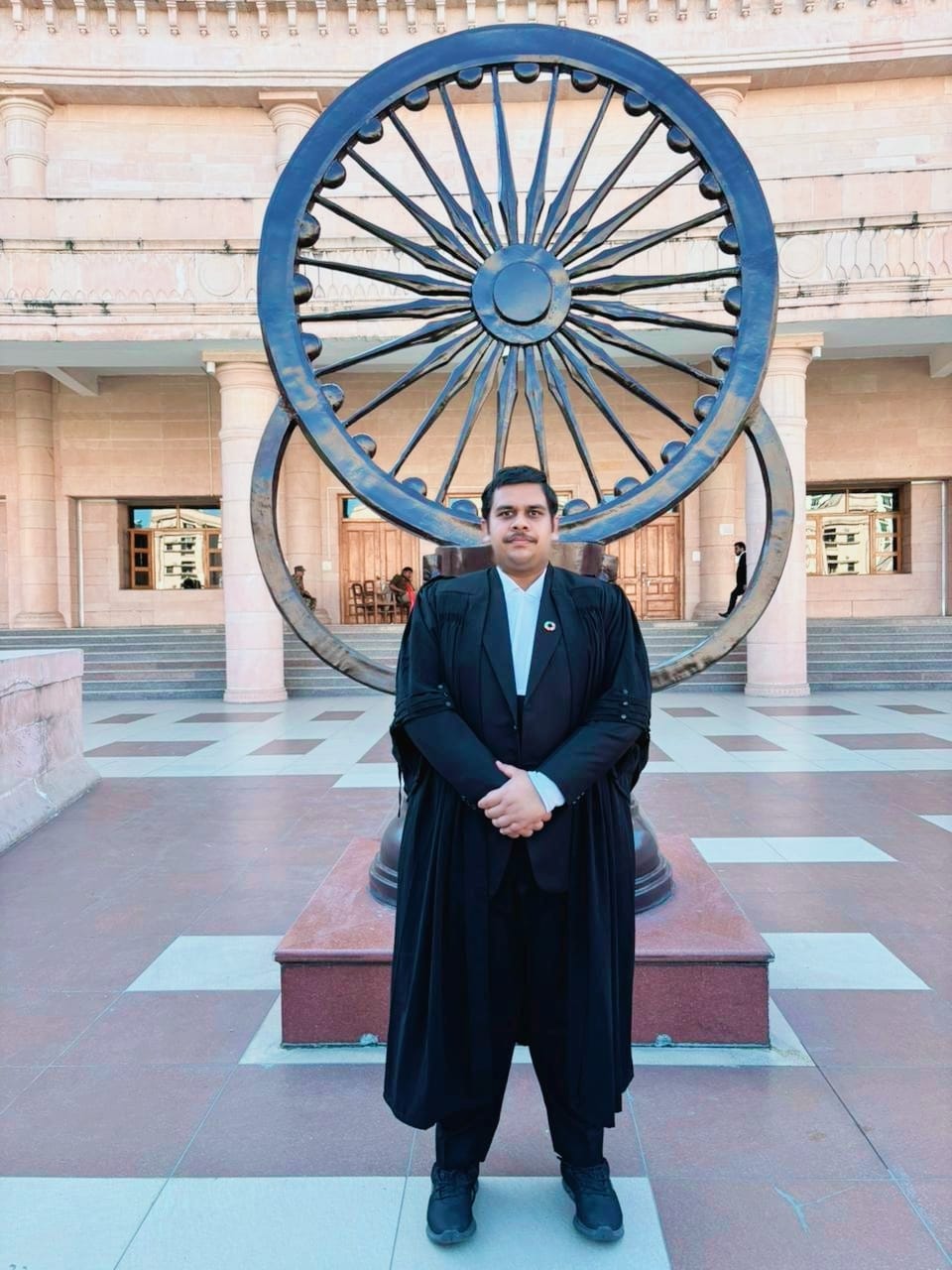
  • “The major problem that multi-million dollar companies face while entering India to expand is choosing the wrong shareholding structure and wrong business structure delaying the corporate compliances and inviting various penalties”- Nipun Khanna, Founder, Startup Solicitors LLP

    “The major problem that multi-million dollar companies face while entering India to expand is choosing the wrong shareholding structure and wrong business structure delaying the corporate compliances and inviting various penalties”- Nipun Khanna, Founder, Startup Solicitors LLP

    This Interview has been published by Pragya Chandni and The SuperLawyer Team

    Can you share with us your journey into law? What motivated you to pursue both chartered accountancy and a bachelor’s degree in law?

    Since I was born in the family of lawyers, I would further like to say that both my grandfather and my father, who themselves were in the field of law as regular practitioners mainly in the state High Court & from them I was fully inspired to join the profession of law. My elder brother who already had preferred to join the same profession in the established law firm Khanna And Associates. Being fully inspired & encouraged joining the law firm passionately, & finding fully satisfied positively ensuring myself in choosing this right path into the profession of law. 

    It needs no mention to state that the repute and the status that this profession owed to our family is un parallel and being able to make an impact in the society by using the law in the best interest of the society is always the motivation behind pursuing the law

    Not to forget the black uniform, the British formalities, and being able to express yourself more profoundly seemed charming to the younger version of me back in the days of opting for law.

    I always wanted to work with big corporations shoulder to shoulder and thus law and chartered accountancy both has opened this gateway for me. 

    Your expertise lies in a diverse range of legal areas, from corporate compliance to taxation and intellectual property. How did you develop such a multifaceted skill set?

    When you plan to work in business law, you have to equip yourself with whatever it takes. There is no exception to that. As a corporate lawyer your job expects you to guide your client in all the aspects of law applicable to them and since your client is a corporate entity you have to equip yourself with all the laws applicable to the entity and such dynamics keep changing with the change of law or change of business circumstances.

    Your expertise has to vary in various areas of corporate/business law :

    1. Whether it is forming/incorporating a company in the best business structure for your clients business.
    2. Devising the best tax strategy, acting as their legal architect, formulation of a plan for them to execute their business or routing the funds by abiding the banking laws thus forcing you to become an expert in banking law as well.
    3. Once when the company is set up then you have to devise various internal controls for which you have to be well versed with various auditing procedures, practices and standards enabling you to guide your client entity to manage itself without disputes and with full transparency. Thus Auditing knowledge comes into picture and you are required to have the knowledge of this field.
    4. When your client starts recruiting employees then you are assumed to be a contractual law expert along with tax and employment laws as applicable to the respective industry.
    5. When your client begins operation/production you are expected to be an expert in seeking various licenses and IPR laws.
    6. Then finally after all this spade work you reach corporate advisory. Advising provisions as applicable to directors and KMP and the entity as well.

    Thus as a corporate lawyer you have to put your mind in various branches of law that offshoots from company law itself.

    As the founder of Startup Solicitors LLP, you’ve been deeply involved in helping startups navigate legal complexities. Could you tell us about a particularly challenging case or project you’ve worked on and how you tackled it?

    As a law firm we are more likely than not to face challenges in terms of legal complexities. The world is evolving with unprecedented pace and keeping up with the AI and Web3.0 hand in hand with legalities which are not adapting with the pace of technology.

    Though there are many challenging project that came before us, but one interesting project that I would like to draw your attention to would be is of a US client who is working in the blockchain technology and wanting to launch their cryptocurrency few years back when lawmakers did not inked a word on the legality of cryptocurrency. The challenges that we faced were many :-

    1. Whether the cryptocurrency can be tendered as a legal currency in India ?
    2. Whether Crypto mining is acceptable in India ?
    3. Can Cryptocurrency be listed in regulated markets in India ? If not can a Crypto exchange be formulated ?
    4. What is the Tax applicability on crypto transactions in India ?
    5. How to report cryptocurrency to the government Authorities in India ?
    6. Which country in the globe is most suitable for ICO launch and Crypto mining if not India?

    It took us a lot of research work in both the legal and geo political field in understanding the mindsets of various countries towards crypto currency acceptance enabling us to advise the client in choosing India vs Rest of the world for its multi-billion dollar idea. Helping him find the right country for setting up business, choosing the right country for its distinctive operations keeping in mind the future plans of our client.

    Today, we can see the global acceptance of crypto currency. The law remains in grey areas in various parts of the globe.

    With your experience in assisting multi-million dollar companies expand into India and serving on their boards, what are some common challenges these companies face when entering the Indian market, and how do you address them?

    The major problem that multi-million dollar companies face while entering India to expand is choosing the wrong shareholding structure and wrong business structure delaying the corporate compliances and inviting various penalties.

    We address the same by emulating a documentary check and analyzing the business structure comprehensively from all corners and creating timeline keeping in mind the MCA compliances, RBI Compliance, FRRO Compliances and tax laws prior to executing the incorporation process for setting up company in India

    You’ve been involved in setting up new businesses and handling legal and financial consultations. Could you walk us through the process of setting up a new business, highlighting the key legal considerations and steps involved?

    Setting up a new business involves several key legal considerations and steps. Here’s an outline of the process:

    1. Choose a Business Structure: Decide on the legal structure of your business. Common options include sole proprietorship, partnership, limited liability company (LLC), or corporation. Each structure has different legal and tax implications, so it’s essential to choose the one that best fits your needs.
    2. Register Your Business: Register your business name with the appropriate government authorities. This may involve registering a “Doing Business As” (DBA) name or incorporating your business with the state.
    3. Obtain Necessary Permits and Licenses: Depending on your industry and location, you may need to obtain specific permits or licenses to operate legally. Research the requirements in your area and ensure compliance.
    4. Secure Intellectual Property Rights: If your business involves unique products, services, or branding, consider securing intellectual property rights through patents, trademarks, or copyrights. This can help protect your business from infringement and establish your ownership of valuable assets.
    5. Set Up Taxation and Financial Systems: Obtain an Employer Identification Number (EIN) from the IRS if necessary. Set up accounting and financial systems to track income, expenses, and taxes. Consult with a tax advisor to ensure compliance with tax regulations.
    6. Draft Legal Documents: Create legal documents such as contracts, agreements, and terms of service. These documents define the rights and responsibilities of your business and its stakeholders, including customers, suppliers, and employees.
    7. Hire Employees: If you plan to hire employees, familiarize yourself with employment laws and regulations. Create employment contracts, establish payroll systems, and adhere to labor laws regarding wages, working hours, and workplace safety.
    8. Protect Your Business: Purchase insurance coverage to protect your business against potential risks such as property damage, liability claims, or employee injuries. Consider general liability insurance, professional liability insurance, and other relevant policies.
    9. Comply with Regulations: Stay informed about industry-specific regulations and compliance requirements. Depending on your business activities, you may need to adhere to environmental regulations, health and safety standards, or data protection laws.
    10. Create a Business Plan: Develop a comprehensive business plan outlining your goals, strategies, and financial projections. A well-crafted business plan can help attract investors, secure financing, and guide your business’s growth and development.
    11. Open a Business Bank Account: Separate your personal and business finances by opening a dedicated business bank account. This will simplify accounting, tax reporting, and financial management.
    12. Market Your Business: Develop a marketing plan to promote your products or services and attract customers. Consider online and offline marketing channels, such as websites, social media, advertising, and networking events.
    13. Stay Compliant and Adapt: Regularly review and update your business practices to ensure ongoing compliance with legal requirements and industry standards. Stay informed about changes in regulations or market conditions that may impact your business operations.

    Your background includes work with Forbes Asia Pacific Enlisted clients and conducting audits for various organizations. How do you maintain a high level of professionalism and attention to detail in your audit processes?

    That is just experience and practice. You learn every day, you evolve and you grow every day.

    Could you share a particularly rewarding moment in your career, where you felt your expertise made a significant impact on a client’s success or outcome?

    Well, there are many and I would like to share few:

    1. Standing shoulder to shoulder with my father and assisting him in arguing a matter in High Court, witnessing him argue with perfection and representing the client was not less than a reward for me in my early days of career.
    2. Now today as the time has passed since my inception in the field of law and finance I feel very happy seeing that we helped some European Jewelry companies and US based IT companies set up their base in India leading them to scale volumes and generate employment in INDIA.

    Lastly, considering your extensive experience and knowledge, what advice would you give to fresh graduates aspiring to enter the fields of law and finance? What key lessons have you learned throughout your career that you believe would benefit them?

    Be genuine. Be Honest with your client. Say no if he cannot win the case.

    Get in touch with Nipun Khanna-

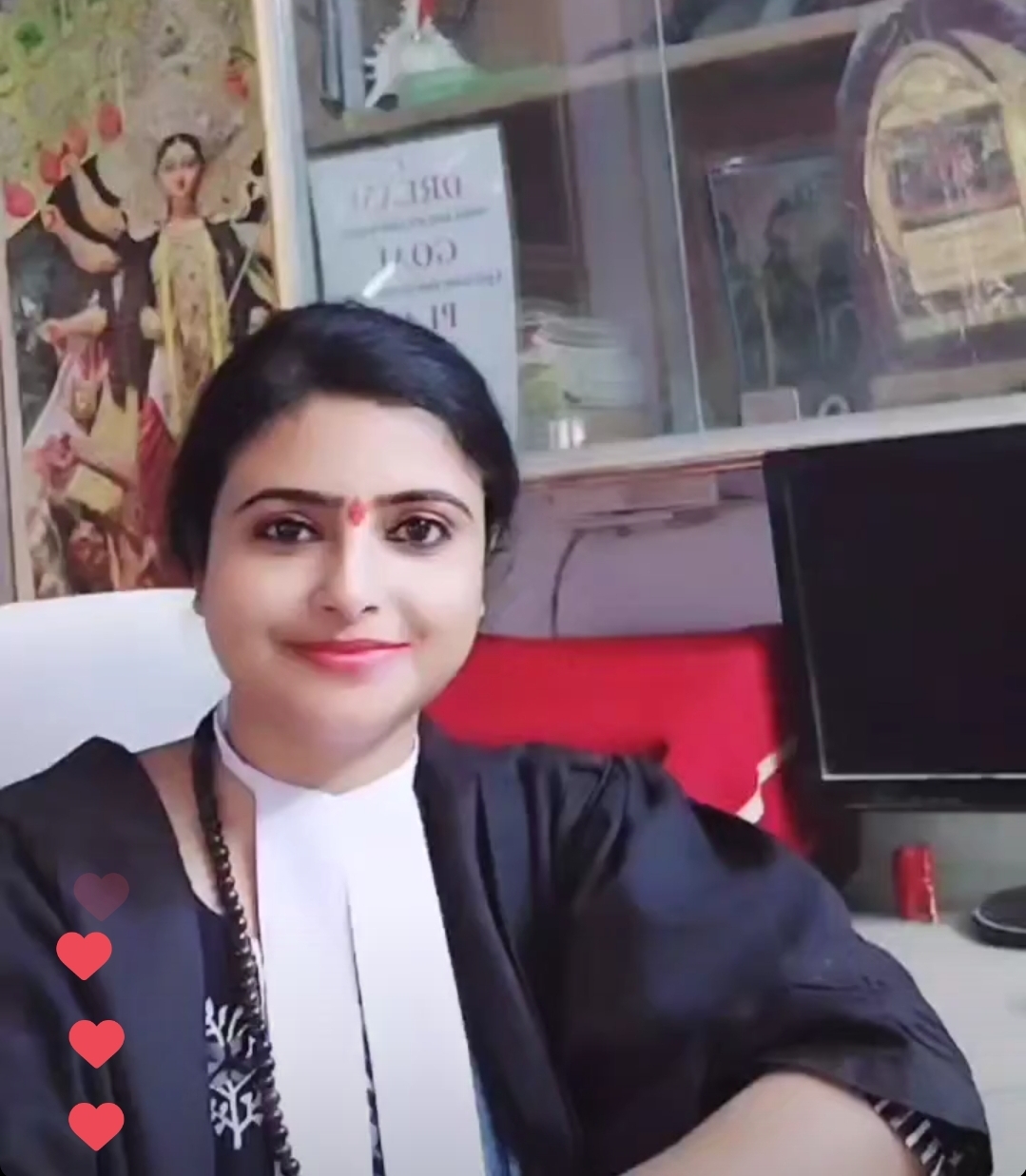
  • “Being a lawyer is not merely a vocation. It is a public trust, and each of us has an obligation to give back to our communities” – Adv Anjana Sharma,  Founder of Anjana Law Offices

    “Being a lawyer is not merely a vocation. It is a public trust, and each of us has an obligation to give back to our communities” – Adv Anjana Sharma, Founder of Anjana Law Offices

    This interview has been published by Namrata Singh and The SuperLawyer Team

    Your journey from a small village in Bengal to becoming a leading figure in the legal industry is truly inspiring. Can you take us back to when you first started your law education and share some of the challenges you faced during those initial stages of your career? How did you overcome them, and what lessons did you learn along the way that have shaped your path to success today? 

    Yes it’s always a difficult journey for everyone who hails from a small area with no opportunities, less exposures, no proper infrastructures and so was mine being  born in a Family where  providing best of educations to girl child ( specially in the legal field) and sending them to English Medium or even to  different cities like Mumbai, Kolkata, Delhi, Varanasi  etc  for getting Higher Education  was so very financially , socially difficult and challenging even for my parents that time.  Gratitude to them. Through sheer perseverance and determination, I’ve managed to carve out a path for myself in this profession. Visualisation, Full Commitments and love towards your work  Resilience and believing in your dreams can take you places. You don’t need to come from a family of lawyers to make it in this field 

    Journey has  been filled with challenges and triumphs that I never could have imagined.  When Arjun asked for guidance, Krishna said the Gita. In it he went to the root of all conflict: the conflict between the human will and the divine will.  See the omniscient has the best plan for everything; When we willingly and intelligently play our part in His plan, we enjoy the fulfillment of love and the achievement of success and that’s what I am doing till date amidst all my challenges and conflicts in this life  Initially, my Father had this vision of me going into civil services or judiciary, but fate had other plans for me. When I  was in Delhi preparing for my UPSC my social passion  in my heart  that we are born on this earth for some purpose,  pulled me towards the law and appeared for the entrance and then did my LLB from Faculty of Law University of  Delhi.  The law faculty days were also  challenging at the same time they were a great life learning lessons from attending faculty classes, contesting Student Union Elections, attending Seminars,  conferences etc  in ISIL,   working with Professional Book Publishers , to  going to  learn basics  Tis Hazari Courts to Supreme Court of India  to gain practical knowledge. I remember it was difficult during those days to get internships in big law firms, with big dignatories in the legal arena as compared to now in this easy digitally approached world.  I was opposed and obstructed by many when I thought after completion of law  to start independently initially Anjana Law Offices from Delhi  many factors were there like  being underestimated ,no family background /generations also initial stage  who will give cases and how will  I manage finances and everything   but I just  went with the Flow as I believe in the Super Power who is there to guide and enlighten and make our path  we are not the doers everything is destined only we have to enlighten ourselves in such a way that we get that light which will show that path and we just have to walk on with our full  dedication by believing in ourselves. 

    Journey as a first-generation and also a female  lawyer to face in a profession that was earlier dominated by men for so long  has been quite a rollercoaster ride 

     Initial struggle days were same like many first generation lawyers from starting with no work no money (not getting clients, cases,  initially with no office space, as it was hard to get one without money and somehow getting both ends meet) and many other issues   to reaching out to this level after 15 years I am living in gratitude always.  With Benedictions of God and well wishers and family we  have now expanded our wings. Deciding to have a law firm office in commercial city Mumbai in Maharashtra, that was also a whole different ball game.  I mean, grappling with a new language, dealing with financial constraints, and not having any family background in law—it was tough, to say the least. But I wasn’t about to let any of that hold me back. I dove headfirst into learning the language, worked tirelessly, often without even getting paid, and I made some incredible connections with fellow enthusiasts along the way.

    As the founder of Anjana Law Offices, you’ve expanded your practice across multiple cities, recently launching a branch office in Chandigarh. What motivated you to establish such a widespread presence, and what challenges did you face along the way?

    As someone who’s deeply connected to spirituality, I have this unwavering belief in the vastness of the world around us. It’s like echoing the timeless wisdom of Sanatan, where even the cosmos itself is in a perpetual state of expansion. I see myself as just a tiny part of this grand essence of Brahma, playing my role in the greater unfolding of things.

    And speaking of expansion, our decision to grow Anjana Law Offices into multiple cities, including our recent branch in Chandigarh, wasn’t merely a strategic move. It was a deep commitment to providing top-notch legal services. Sure, we faced some hefty challenges along the way, like maintaining our high standards and navigating through complex regulations. But our expansion is fueled by a fierce determination to reach out to diverse communities and make a positive impact.

    Through sheer perseverance and a steadfast dedication to our core values, we’ve managed to overcome these obstacles. It’s a testament to our unshakable commitment to ethical excellence in everything we do.

    Your dedication to social causes, especially your work with senior citizens, women, children, and the differently-abled, is commendable. Can you tell us about a particularly impactful case or initiative where your legal expertise made a significant difference in the lives of those you’ve helped?

    Our Constitution of India also ensures that  everyone regardless of their background or financial status has the ability to have their legal rights and grievances properly heard, represented and addressed. However despite its importance, access to justice for many people we see while practicing is a challenge altogether.   Role of lawyers is very important. I firmly believe in this quote “Being a lawyer is not merely a vocation. It is a public trust, and each of us has an obligation to give back to our communities”. 

    In one of my recent case in  the Supreme Court  wherein it  held that the Sessions Court or High Court that would have the power to grant interim/transit anticipatory bail, when the FIR is not registered within the territory of a particular State but in a different State has not only impacted our client life but also will have an impact in many innocent people’s lives  Earlier different courts had different views on such issue but now after this judgment there is a clarity so far as this bail criminal jurisprudence is concerned.
    At our office we also give time in helping people who are really needy  and are victims too to help them come out of their legal problems to the best of their capacity. Through our social projects we have been able to  help many needy people through law. Many times I have even faced threats to my life and limb. I am  grateful for having a great team who is my ALO Pariwar I call who always assists me wholeheartedly whether it be my social initiatives or may it be our corporate business commitments.  Well  there are many cases which  were landmark in  my and my firms growth  covering almost all spheres of laws and cannot be shared in details here  There is a  case which comes to my mind  where a  Senior Citizen  was admitted by children to a renowned Hospital for treatment,   she never had imagined that she would be lying there  for almost 8 months with no visible improvement in her health and also was a victim of medical negligence her health has only become worsen but somehow the hospital managed to rack up a bill of Rs more than 30  lakh  She left to the heavenly abode though but the legal entanglement faced by children is still going on and we are still fighting for her rights. As in medical negligence cases so far as our country is concerned  the fight is real tough the way we find the views of Courts recently MP High Court had quashed petition of medical negligence in case of three doctors, then Karnataka High Court quashed similar petition for want of expert opinion. One divyangjan who lost his life at a port trust his family  got compensation  Recently  I  fought for rights of a victim who was just 36 years old and  he was forced to burn himself alive  before the DSP office for not registering the FIR against culprits and he also had released a video. Beyond legal help we also tried to help him get blood and other requirements when he was admitted. Such cases involves lot of risk to life and limb as it’s a fight with the system is very challenging specially 

    Your commitment to social engineering and providing pro bono legal services to the needy is remarkable. Could you share a story or experience that touched your heart and reinforced your belief in the power of law to bring about positive change in society?

    Indeed Law is a powerful tool if effectively used to spread peace and humanity throughout. Well  at the end justice matters and lawyers are the  powerful social engineers who can bring great transformation to the society.  However though  in practice many times it is seen that justice is delayed however not denied. This happens because when we talk about rule of law and democracy there are wide gaps between policies and practical procedures and also lack of awareness of  basic laws  The Supreme Court of India has priorities and bolstered legal aid by forging a crucial link between Article 21 of the Indian Constitution and the right to free legal assistance, particularly highlighted in the Hussainara Khatoon v. State of Bihar case it was commitment to empower marginalized communities and enhance legal awareness, the Supreme Court established the Supreme Court Legal Services Committee also 

    Well I remember one matter where  helping one girl child from Bihar  and her family trapped in a  false Child Labour Offence case is worth mentioning. I remember not sleeping for a couple of days when we were at this  project with goose bumps. It gave us practical hands-on experience with the darker side of an 94 year old NGO institution whose administration involved abusing physically, mentally and sexually abusing the children. It was a real tough legal battle where we used our  legal knowledge with par excellence and strategizing the case Well  the basic objective of the Child Labour (Prohibition & Regulation) Act, 1986, was  to ban employment of children below the age of 14 years in factories, mines and hazardous employments, and to regulate the working conditions of children in other employments, however how  some syndicates are operating whereby genuine people are trapped also is a big question mark on the government , administration, policy and implementations system. 

    Your authored book, “The Art of Managing Housing Society,” is a notable achievement. What inspired you to write this book, and could you provide us with an overview of its contents and the key insights it offers to readers, particularly those involved in housing society management? 

    “The Art of Managing Housing Society” was inspired by the need to address the unique challenges faced by housing societies in India.  I was  involved in a few society matters where people came to me  to take legal help both from  management committee against their members and members against their management committee corruption exposures.During that time only I had taken a stay order against one management committee notification given to a third party  parking contractor. So I realized that people  are entangled in legal issues from various spheres and most of the cases occurred due to lack of legal knowledge  towards society’s laws. This book offers practical insights tailored to the Indian context, covering legal compliance, administrative best practices, financial management, conflict resolution, and community engagement. Readers gain practical guidance on effectively managing housing societies, promoting harmonious living environments, and fostering a sense of community. Through this resource, I aim to empower readers to navigate the complexities of housing society management and promote a culture of cooperation and well-being.

    Having represented various high-profile clients, political figures, media professionals, and Bollywood personalities, among others, what are some key lessons you’ve learned about navigating the complexities of legal representation in such cases?

    Representing high-profile clients, including political figures, media professionals, and Bollywood personalities, has provided me with valuable insights into navigating the complexities of legal representation in such cases.  Here are key lessons learned: Confidentiality: Strict adherence to privacy and discretion builds trust and credibility. Media Management: Clear communication strategies help shape public perception and protect the client’s reputation. Legal Strategy: Thorough analysis and strategic planning are essential for achieving favourable outcomes. Ethical Standards: Upholding professional ethics safeguards the lawyer-client relationship and the integrity of the legal process. Effective Communication: Transparent communication fosters trust and collaboration between the legal team and the client. Crisis Management: Swift action and proactive planning are crucial for mitigating potential damage. Collaborative Approach: Leveraging diverse expertise ensures comprehensive support tailored to the client’s needs

    As someone who has conducted numerous workshops and training sessions on law and legal awareness, what do you think are the most pressing legal issues facing society today, and how can individuals contribute to addressing them?

    Here are the most pressing legal issues facing society today and how individuals can contribute to addressing them: Access to Justice: Many face barriers in accessing legal services. Individuals can support legal aid organizations and advocate for equal access to justice for all. Discrimination and Gender-Based Violence: Promoting awareness of laws against discrimination and gender-based violence and supporting initiatives that address these issues are crucial steps in protecting human rights. Environmental Protection: Advocating for stronger environmental regulations and supporting conservation efforts can help address environmental challenges such as climate change and pollution. Cybersecurity and Data Privacy: Increasing awareness of online risks and advocating for robust data protection laws are essential in safeguarding individuals’ privacy and security in the digital age. Criminal Justice Reform: Supporting efforts to address systemic inequalities in the criminal justice system, advocating for police accountability, and promoting restorative justice practices are vital for reform. By educating themselves, supporting advocacy efforts, engaging in legal advocacy, and promoting dialogue and collaboration, individuals can contribute to addressing these pressing legal issues and promoting justice and equality  in society.

    You’ve been recognized for your persuasive communication skills and spiritual quotient. How do you incorporate spirituality into your legal practice, and how does it influence your approach to advocacy and mentorship?

    Incorporating spirituality into my legal practice is integral to my approach to advocacy and mentorship. As someone who practices yoga and pranayama techniques and reads spiritual philosophy, I prioritize maintaining a clear head, good health, and spiritual wellbeing. These practices help me rise above stress and short-term thinking, allowing me to approach legal matters with a calm and centered mindset. Spirituality influences my advocacy by fostering empathy, compassion, and a deep understanding of human nature. I strive to connect with clients on a deeper level, recognizing their inherent dignity and worth. This approach enables me to advocate for their rights and interests with authenticity and conviction, seeking outcomes that align with principles of justice and fairness. In mentorship, spirituality guides my interactions with aspiring legal professionals. I emphasize the importance of integrity, ethical conduct, and mindfulness in their legal practice. Through mentorship, I encourage them to cultivate a sense of purpose and meaning in their work, empowering them to make a positive impact in the lives of others. Overall, spirituality infuses my legal practice with a sense of purpose, mindfulness, and compassion. By integrating yoga and pranayama techniques into my daily routine and engaging with spiritual philosophy, I strive to maintain balance, clarity, and spiritual well-being, enriching both my professional and personal life. 

    Apart from your impactful work in the legal field and your dedication to social causes, what activities or hobbies bring you joy and relaxation outside of your professional life? How do you unwind and recharge after a busy day of advocating for justice and supporting those in need?

    Outside of my demanding professional life, finding time for relaxation and rejuvenation is crucial. Though my schedule leaves me with limited free time, I prioritize spending quality moments with my loved ones which brings me immense joy and provides a sense of balance amidst the demands of my work. Additionally, I find solace and fulfillment in pursuing my personal interests, even within the realm of law. I devote time to reading legal texts out of my own volition, continuously seeking to expand my knowledge and deepen my understanding of the field. Furthermore, I am drawn to Indian spiritual and philosophical texts, which offer profound insights and nourishment for the soul. Engaging with these texts not only enriches my spiritual journey but also provides a source of inspiration and perspective beyond the realm of law. In essence, while my professional commitments are demanding, I prioritize finding moments of relaxation and enrichment outside of work. Whether spending time with loved ones, delving into legal literature, or exploring spiritual texts, these activities allow me to unwind, recharge, and find fulfillment beyond the courtroom.  

    Your dedication to mentoring youth and first-generation lawyers is commendable. Can you share a piece of advice or a mantra that has guided you throughout your career and that you pass on to those you mentor?

    For young juniors entering the field of law, trust, confidentiality, patience and diligence are paramount. In advocacy your good behaviour and your communication skills  also matters as people who come to you to seek justice are already in trouble.  Working under a seasoned senior provides invaluable guidance and a platform for learning. Curiosity about the ever-evolving landscape of law is essential, especially in the face of advancing AI technologies and the consequential social and political shifts. Developing strong drafting skills begins with being a voracious reader. Reading extensively about law and related subjects not only enhances knowledge but also hones the ability to craft articulate arguments and documents. With the convenience and accessibility of e-books and smartphones, there’s never been a better time to cultivate a habit of reading. I believe big dreams become pure only after overcoming big difficulties. This is the truth. There is never a shortcut to anything in life. It is necessary to apply it with the spirit of human welfare Your company also matters with whom you sit, it is very important that intention is important, with what intention you are doing the work, it is necessary to surrender to the Master all your acts, be spiritually dedicated towards your work , make it your love  and worship, only then will you  get a stable success and blessings will pour like anything in all  forms  no matter what you do, he will always be with you.

    Get in touch with Anjana Sharma-

  • “Our role as in house counsels is to push the limits of permissible law and guide our business to take difficult decisions by explaining possible risk scenarios”- Ankur Deka Rabha, Founder & Managing Partner ~ Λrgħyä Legal

    “Our role as in house counsels is to push the limits of permissible law and guide our business to take difficult decisions by explaining possible risk scenarios”- Ankur Deka Rabha, Founder & Managing Partner ~ Λrgħyä Legal

    This Interview has been published by Pragya Chandni and The SuperLawyer Team

    Can you share with us your journey of becoming a lawyer, starting from your graduation at NLSIU, Bangalore, to your current role as Managing Partner at Λrgħyä Legal?

    My journey as a lawyer began when I joined the prestigious National Law School of India University (NLS), Bangalore in the year 1997. Law school gave me a whole new perspective on life, purpose and law in general. The initial years until graduation was a period of great learning and appreciating the law, legal research and developing an analytical mindset. After graduation, I worked under a few senior counsels as a litigating lawyer in New Delhi being fortunate enough to be practising in various courts like DRT, Tis Hazari, Patiala House, High Court and Supreme Court. This is the phase in my life where I learnt the importance of PERSEVERANCE & RESILIENCE. When your salary is meagre  (compared to what your peers earn in a company or law firm) and you need to survive on that, it requires a lot of PERSEVERANCE & RESILIENCE to not give up on your dream. 

    I transitioned from a litigation lawyer to an associate in a law firm in the year 2006 when I shifted from New Delhi to Bangalore to work with a law firm dealing mostly with foreign clientele wanting to set up business in India. I was fortunate to be a part of the team managing contracts drafting and negotiations, M&A for some well known corporate clients.  This experience along with my previous experience as a litigation lawyer helped me to get into Bosch as an inhouse counsel and thus transition myself from a lawyer to a business lawyer. During this phase, I was fortunate to have both local and international exposure on various aspects of business and law in general. This phase was also about understanding and appreciating the importance of forging collaborations, understanding business, numbers, managing stakeholder expectations, managing teams, having the foresight for incoming risks and proactively taking steps to minimise risks.

    Finally the culmination of all that I had learned and experienced over the years helped me in pursuing this new phase in my professional career i.e. the setting up of Λrgħyä Legal  The firm was set up with the aim of providing affordable and high quality services to select clients. Having been an in-house counsel most of my professional life I am able to understand the pain points/areas of concerns of corporations better and provide solutions which are practical and easy to implement from a business standpoint. Currently the firm’s focus is mostly on assisting in house counsels with the day to day issues, mergers and acquisitions, secretarial assistance and compliance training. 

    With your extensive experience in various industries like healthcare, e-commerce, and IT, what motivated you to pursue a career in law, particularly in corporate and regulatory aspects?

    Few factors that contributed to my decision to join NLS and pursue a career in law. The desire to move out of Guwahati to broaden my horizon in life in general and to join a professional course which was equally relevant as that of medical and engineering courses.  I was very fortunate to be a part of this prestigious  institution.  NLS helped bring in a lot of maturity and clarity in my thoughts so once I graduated I had a clear roadmap in mind. Although someday I wanted to be an inhouse counsel, I first wanted to understand law and its nuances and see how it’s actually dealt with by courts, then law firms and finally settling down as an inhouse counsel. These experiences help me immensely while dealing with complex and critical situations which require strategic thinking. 

    Coming to the question of why I focus particularly in the area of corporate and regulatory aspect. Well I would say although these two aspects are very important, it would not be the only ones that I would need to look at if I am an in house counsel in a leadership position. One has to remember that the role of an inhouse legal counsel is about being a generalist in law, being foresighted, proactive, collaborative, approachable and generally having an idea about every aspect of law which applies to the organisation. You are the first line of defence and your internal stakeholders will look to you for answers and solutions. So I would say I am a generalist whose job is to maintain a fine balance between compliance of law while facilitating smooth business transactions. I have been really fortunate to be a part of multinational organisations which exposed me to a whole gamut of issues on various aspects of law which were really complex and some of them even path breaking, both nationally and internationally. Such experience has enabled me handle complex issues with poise and maturity. 

    You’ve held significant positions in both multinational corporations like Bosch and Essilor, as well as in consulting roles. How have these diverse experiences shaped your approach to legal counsel and leadership?

    Experience does matter and as a lawyer, I have been really fortunate to have worked with great senior counsels, being part of great teams at various law firms and finally exposed to a whole gamut of critical issues in a corporate world mostly in the IT and manufacturing side ranging from labour issues, product issues, litigation, M&A, compliance etc. After more than two decades of being in the profession, each stage of my career has taught me something new which I would not have been privy to or learnt had I continued in just one field and not delved into others. I can safely  say I have seen it all but of course with the humility to state that the learning never stops and I still think of myself as a student who has the courage and conviction to unlearn and learn if required.

    These past experiences of what it takes to drive business has an effect on how I counsel my clients today.  I look at the business and then apply law to see to what extent I can stretch my risks. Years of experience helps in a way to already visualise consequences. Hence, every suggestion or an opinion given to clients is based on their business need and practicality within the ambit of the permissible laws.  One size may not fit everyone so one has to be agile, quick and flexible to innovate. For example, I will never advise anyone to go in for litigation as a first step in a dispute situation. It should be the last resort and one needs to understand that the cost of litigation could dent a company’s bottom line.  During my stint as a General Counsel I have facilitated many negotiations and saved huge litigation costs to the companies I was associated with. 

    As someone who’s been recognized for achievements such as “General Counsel of the Year – Healthcare,” what are some of the key challenges you’ve faced as a first-generation lawyer, and how did you overcome them?

    Challenge is a perception and quite subjective. I always saw opportunities in everything that came my way and grabbed them to make a mark. There is also no alternative to hard work. Challenges are always present in life and we have to figure out a way to navigate through these challenges. Everyday something new happens which we may not comprehend nor anticipate and that is what keeps us going. Life without it will be very boring.


    I was never really dependent only on people teaching and guiding me to learn new things. Of course its importance can never be negated. However, I realised early in life to learn from experiences around me by myself as well. Time is always of the essence and sometimes you miss the bus. During one farewell, the managing director of the company asked me what I would have done differently or changed if I had the opportunity to go back in time. I replied saying none. They were valuable experiences and if I had not encountered them then I would have never learnt. Learning is not only about law, at a leadership level it is about how much you understand the business of your organisation, it is about managing people, managing expectations of your stakeholders, maintaining a fine balance between compliance and business, learning leadership skills etc. This attitude helped me rise the corporate ladder faster and become the general counsel of a listed company at a very early age where I also had to lead cross functional peers who were double my age and experience. 

    In your roles at Flipkart and Walmart, you managed legal aspects of B2B wholesale business. Could you elaborate on the complexities and nuances you encountered in navigating regulatory landscapes in the e-commerce sector?

    I will answer this question in a more generic manner rather than answering specifically with regard to my stint at Flipkart as it applies in general with every organisation in the B2B e-commerce sector. Although regulated, it is not as stringent as the B2C ecommerce sector. Nonetheless, one cannot deny the fact that compliance of the applicable regulations is very important and in order to ensure compliance we need to understand the current gaps and that is only possible through regular interactions with internal stakeholders to understand how the business is being driven. Only once you understand what is currently in place can you strategize on whether any alignment or realignment has to be undertaken. Further, there are also changes in certain areas of law or process which are constant in the B2B sector. Most of the time you will see clarifications and circulars issued by the government under FSSAI, ISI or Legal Metrology or CDSCO on a regular basis.  Sometimes interpretation of such changes becomes an issue as they could be interpreted in more than one way and this is where we need to step in to reach out to the right authorities and conclude on the correct interpretation. Likewise we also need to reach out to relevant authorities and advocate for change whenever we find new changes in law detrimental to our business interest. In general I would say in today’s fast paced business and cut-throat competition, agility and quick decision making is critical to the success of a business. Our role as in house counsels is to push the limits of permissible law and guide our business to take difficult decisions by explaining possible risk scenarios. 

    You’ve been involved in various legal domains such as M&A, compliance, and litigation management. How do you stay updated on legal developments, and how do you integrate these insights into your strategic advice for businesses?

    Overall there are a few things which we need to keep in mind as in inhouse counsel. Firstly understanding the law enables me to visualise consequences and such awareness enables me to guide internal clients in the right direction. Hence, having a proactive mindset to look out for new changes in law and how it is going to affect your organisation’s business and ensure mitigation measures well in advance by working with business colleagues to ensure smooth transition is key. I strive to continuously read and research  on relevant and complex legislations/ provisions of law to ensure that I get the required clarity of its nuances from the perspective of courts/case law to not only properly guide and advice clients but also to be able to successfully provide alternatives during negotiations. Sometimes a simple oversight could cost a lot for your clients. Therefore, it is important to have an eye for detail and the patience to read every line and use one’s analytical skills to question whether what one is looking at really applies to the current situation or not. 

    What is the story behind starting Λrgħyä Legal and embarking on a new chapter in your life. Many would see this as a huge risk stepping out of the comfort of a stable job and a successful career.

    I always had a desire of exploring and stepping out of my comfort zone to try something of my own. After a lot of thought and deliberation with my family, my peers in the industry from whom I found acceptance in the concept of our firm, I finally decided that it is about time I pursued this passion. Having spent more than two decades as a lawyer and most of part of that career as an inhouse counsel with various multinational companies gave me great insights into the various nuances/complexities of managing an inhouse team, budget constraints, work pressure and impossible timelines.  It is very difficult most of the time for in-house counsels to manage/outsource work due to the high cost of legal services. I understand that very well being in that situation myself and feeling helpless. Hence, Λrgħyä Legal was born in the month of August, 2023 with the aim of addressing such issue and coming up with affordable services without compromising on quality. Λrgħyä Legal strives to foster partnership and lasting relationship with our clients rather than just mere commercial transaction.

    Λrgħyä in Sanskrit means “Sacred Offering”. Λrgħyä Legal was set up keeping in mind the four principles: (a) Availability; (b) Affordability; (c) Quality; (d) Integrity. We collaborate with in house counsels and work on various models which helps in (i) outsourcing at affordable rates (ii) continuity of work during headcount reduction or headcount freeze (iii) managing critical manpower and reducing headcount costs and (iv) enabling ample time  to the in house counsels to focus on critical issues and (v) assisting organisation to implement compliance trainings on various legal topics. Currently the firm’s focus is mostly on assisting in house counsels with the day to day issues, mergers and acquisitions, secretarial assistance and compliance training. 

    Lastly, given your wealth of experience, what advice would you offer to fresh law graduates aspiring to pursue a career similar to yours, particularly in corporate law and regulatory compliance?

    In general, all I can say is no matter what one does, they should do it with complete dedication. Patience, Perseverance and Resilience is key to any successful career. There are no shortcuts to success. Do not be in a hurry to move on to new things without mastering what you are currently doing. 

    Get in touch with Ankur Deka Rabha-

  • Change is never brought about overnight, it is small efforts made by various people across professions genders and age groups which contribute to the growth of a country – Shohit Chaudhry, Advocate-on-Record at the Supreme Court of India

    Change is never brought about overnight, it is small efforts made by various people across professions genders and age groups which contribute to the growth of a country – Shohit Chaudhry, Advocate-on-Record at the Supreme Court of India

    This interview has been published by Namrata Singh and The SuperLawyer Team

    Shohit, could you take us through the beginnings of your career in law? What inspired you to pursue a career in law, and what were some of the initial challenges you faced as you embarked on this journey?

    I graduated from National Law University Jodhpur, in 2008. I was very clear that I wanted to do litigation. I joined the offices of Mr. Neeraj Malhotra, (now a Senior Advocate), in Delhi. I worked with him for a year and learnt the basics of litigation. Thereafter, I worked as the member of the legal team of Central Vigilance Committee on Public Distribution System of food grain, a committee appointed by the Hon’ble Supreme Court of India under the chairmanship of Justice (Retd.) D.P. Wadhwa, retired judge of the Supreme Court in the Right to Food Case. The Committee was required to submit a report on the functioning and maladies of the PDS in the entire country and suggest remedies in order to improve the system. The Committee was required to visit the States and prepare a report on each State separately. I visited a total of 9 states across the country in a period of 7 months. The exposure was immense, however, it took me away from litigation.

    I then worked with Zeus Law Associates for 1.5 years and started getting experience in high-stake matters. In August, 2011, I left and started taking on independent work. Alongside, I worked with The Chambers of Law under Mr. Dinesh Chand Mathur, Senior Advocate and Mr. Mohit  Mathur (now a Senior Advocate). This office taught me all the criminal law I know today. In May 2012, I became independent, completely. 

    The challenges I faced in my journey were all to do with the real world. Thanks to the curriculum of our University, we were taught laws, public speaking and were comfortable in appearing in Court from the first day itself. However, I did not know networking, how to get a new Client or how to retain a Client. I am a first-generation litigator and have had to happily work for everything I have. I always believe that there is space for merit and that is the quota I target. I was taught to question everything and seek advice from subject-matter experts. Thus, I did. I spoke to parents, friends, colleagues, and coaches on all that our formal education does not teach us. 

    As the President of the NLUJ Alumni Association, you play a significant role in fostering connections and opportunities for alumni. What inspired you to take on this responsibility, and what initiatives have you undertaken to strengthen the alumni network?

    The National Law University, Jodhpur, is a relatively young institution and we are a very young alumni body. Our first batch passed out in 2006 and our oldest alumni may not be over the age of 41. In June, 2020, when we had a lot of time on our hands, our alumni, a number of whom were in a WhatsApp group, started debating on the usefulness and outreach of the Alumni Association. It is then when I realised the generational difference in the thought process of a graduate of 2006 and that of 2020. The only way to keep such a diverse group united was to bring them under the umbrella of the Alumni Association. 

    Our first election was in 2021. I had the option of becoming the President, however, I chose to become the Secretary, as I realised that the maximum amount of work was to be done by the Secretary. In the next elections, in 2023, I became President. The work that we undertook on behalf of the National Law University Jodhpur Alumni Association (NLUJAA) was – 

    But this is just the beginning. We are in the process of raising our game and increasing the number of activities of the Association. 

    Your work profile spans across various areas of law, from civil and criminal to corporate and constitutional matters. Which aspect of law do you find most challenging yet rewarding to navigate, and why?

    I most enjoy the challenge when the chips are stacked against me. The field of law does not matter. It so happens, I mostly represent the underdog – the parents against the school, the pilot against the airline, the homebuyer against the real estate giant, the poor man in judicial custody, the person seeking to enforce the right against the State and so on.

    A lot of times you have a very tough case and the Court is against you and the other side is packed with senior lawyers. It is at such times when your preparation and court craft matters, when as you argue and contest the case, you actually see the expression of the Court change, the opposing lawyers fumble, and the Court realising that you actually have made out a good case where perhaps there was none. 

    The beauty of matter is the journey it undertakes – how each step in a litigation contributes to the victory at last. 

    You’ve been involved in drafting and amending rules for the Delhi High Court, among other prestigious appointments. Can you share some insights into the challenges and opportunities you encountered during these processes?

    Being part of the team which drafted the Delhi High Court (Original Side) Rules, 2018, has been an honour and the most rewarding assignment of my career, so far. I was the youngest in a team comprising the then Acting Chief Justice of the Hon’ble High Court of Delhi, the Hon’ble Judges presiding over the Original Side of the Hon’ble High Court of Delhi and Senior Advocates. When we litigate, we only represent the interests of one side. However, when we legislate, like we did with these Rules, you have to strike a balance with all sides – the bar, the bench, the litigant, the system and of course, the country. 

    It was a massive learning process. For about 6 months, I used to spend a few hours every day on the formulation of these Rules.  It was a privilege, having got an opportunity to do this after spending only 9 years at the bar. I was the point of contact for all the constituents of the Committee and had to keep the answers handy at all times. I used to prepare for the meetings of the Committee like we prepare final arguments for our matters. Queries used to fly thick and fast and we were required to be ready with answers. 

    I had an opportunity to understand, perceive and observe how Judges and senior lawyers, all with a wealth of experience, discuss and debate the nuances of law. 

    I was rewarded with being Nominated by the Hon’ble High Court of Delhi as Counsel to represent the Hon’ble High Court of Delhi, before various fora. 

    In your media coverage, you’ve addressed significant legal issues ranging from aviation safety to real estate disputes. How do you approach communicating complex legal concepts to the public and media, ensuring accuracy and clarity?

    Simple. People don’t read. You have to make them read. One of my seniors said, your draft should be so simple, even a common man can read it. That is what my endeavour is. Every time a journalist calls me to understand something, I try and break it down in a manner that even a common man with a non-legal background can understand. 

    Your contributions to landmark judgments like ‘Pioneer Urban Land and Infrastructure Limited v. Union of India’ have had a profound impact. What role do you believe legal professionals play in shaping societal norms and policies through such cases?

    The success of Pioneer Urban Judgment ultimately led the government to amend the Insolvency and Bankruptcy Code, 2016. I believe all lawyers do their fair share of work which is towards a cause or an advancement of society. However, influencing policy in an evolving system is the best gift we can give in our profession. 

    Change is never brought about overnight. It is small efforts made by various people across professions, genders and age groups which contribute to the growth of a country. Law is one of the most powerful professions in the world. Apart from doing their day-to-day work, a number of lawyers wear several hats. They are part of societies, boards of Companies, political bodies, governments, sports associations, charitable organizations etc. and are often at the helm of these organizations. One way is to influence society by their actions in each of these organizations. Another is changing the legal system for the bar, bench, litigants and legal professionals by participating in various exchanges of ideas when invited by the Government, the Courts and organizations working in this space. It is easy to complain, however, very few reach out to the system and bring to the knowledge of the relevant person, the challenges being faced. The moment you do so, very often a solution presents itself. The system is designed to work, however, it always requires a fresh perspective. 

    As someone deeply involved in legal education and mentorship, what steps do you believe law schools can take to better prepare students for the practical aspects of legal practice?

    Universities must endeavour to bridge the gap between the theoretical aspects of education and practical use in the real world. They must increase interaction between alumni and students from the perspectives of different fields. This is applicable to all professions and more so, in law. 

    Law Schools must make internships mandatory as that provides exposure to the life of a real professional. Fortunately, our University has a robust system for internships. However, sometimes 5th year students of certain Law Schools have come for internships who have never entered Court. It is their first legitimate internship and they appear clueless. Mentoring them is tougher as they have lesser exposure. 

    For our University, we are in conversation and are in the process of increasing the number of guest lectures by our alumni who are leaders in their respective fields. We are also attempting to increase the exposure of our students to fields of law which are not taught in detail in law schools or are barely touched upon. 

    Could you share a memorable experience from your journey as an advocate-on-record, perhaps a case that presented unique challenges but ended with a satisfying outcome?

    Few instances come to mind – 

    1. A landlord despite being successful in the High Court was unable to get his property vacated from his tenant. We were before the Hon’ble Supreme Court of India having assailed an interim order. The Court stated that the matter had to go back to the High Court. I politely pleaded but to no avail. However, the other side was anxious and in their impatience they said that the matter does not even deserve to go to the High Court. The Judges were not happy and enquired as to the reasons. They then heard the entire matter. They were not satisfied with the arguments of the tenant; were satisfied with mine. Directed the tenant to vacate within a year. My Client was pleasantly shocked. He had been waiting for his property to be vacated for decades. 
    1. We were representing the minority Directors of a Board who were being oppressed and suppressed by the majority in their Company. When the file came to me, in 2012, we had been under fire from the Delhi High Court and the Company Law Board and had various orders passed against us. We were fire-fighting every day. We spent the first two months only getting our house in order, filing replies, filing Applications, and making various compliances, as directed by the Court. We then started going on the offence, filing positive Applications and securing small relief(s) for our Client. After 4 months, we got an order by which our Client got hold of certain valuable information and was able to change the composition of the Board of Directors. For the first time, my Client had the upper hand. The other side settled immediately. 
    1. 5 students were made to sit in the library because their parents were opposing the illegal increase of fees by the School. Matter was ongoing before the Court. An Application was prepared overnight and filed. I argued that everything can be compensated or made good later, however, students missing their classes on the issue of fees was simply not acceptable. The Court ripped into the School and reinstated the students.  
    1. The audit by the Comptroller and Auditor General (CAG) of India of the accounts of the Commonwealth Games Village (CWG) was directed by the Hon’ble High Court of Delhi on our insistence. It revealed a lot. The matter is still pending in Court, so no more comments on that. 
    1. Getting directions to conduct the elections of the Boxing Federation of India, when the people in power were refusing to do so.  

    Outside of your legal practice, do you have any hobbies or interests that help you unwind or maintain a work-life balance?

    I am someone who gets bored very easily. So every now and then I take up a new project. I always believe we should always do something which is bigger than ourselves. Work is constant but variety makes it interesting. In litigation, the diverse fields that I work in, ensure that no day is boring. 

    Beyond litigation, I was part of an international networking organization for 2.5 years (2014 to 2016). In 2014, I did a personal development course which is modelled on life transformation. It opened my mind to the endless possibilities in my life. Since then I have not stopped working on myself. For more than 10 years now, I have been consulting a Life Coach.

    The Delhi High Court (Original Side) Rules, 2018, was a project that came my way in 2017-2018. Thereafter, I try to contribute to the Hon’ble High Court in whichever way possible and as and when I am called upon. It has been a wonderful opportunity to work for the Delhi Arbitration Weekend, 2023 and now 2024. I have now started getting involved in my school alumni group. I also have a few things in the pipeline, however, I will share once they happen. 

    Other than this, I love to travel, however, the details of the same will probably be longer than this interview. I love watching Cricket and follow the game passionately. I am a movie-buff and extremely social. 

    Given your vast experience and success in the legal field, what suggestions or advice would you offer to aspiring law students who are just beginning their journey into the legal profession?

    My constant advice to students is that their decision should be based on 3 criteria – (i) Location (ii) Area of Work and (ii) Money. Please consider what is important for you and decide accordingly. 

    If you want to practice in the Supreme Court, however, you are required in your home city as your parents have certain medical needs, then compromise on your location. Once that is resolved then make the move. Similarly, in case you want to do litigation, however, money is important for you, it is not a bad idea to work for a couple of years doing transactional work with a law firm or work in-house, save your money and then move on litigation. 

    It is likely that at a given point of time, you may not get all three, but that’s fine. Prioritise. Bide your time. You will eventually get where you want to be. 

    Get in touch with Shohit Chaudhry-

  • “Law is an instrument of socio-economic change for me. Being an Advocate is both a privilege and responsibility.” – Aditya Singh, Founder and Chairman of Alexis Group

    “Law is an instrument of socio-economic change for me. Being an Advocate is both a privilege and responsibility.” – Aditya Singh, Founder and Chairman of Alexis Group

    This interview has been published by Namrata Singh and The SuperLawyer Team

    Aditya, looking back at the start of your career, what were some of the biggest challenges you faced, and how did you overcome them? Could you share a bit about your journey from your early days to where you are now?

    I am a first generation Advocate and lifelong student of law. I transitioned from management consulting to law in my late twenties. At the start of my career, some of the biggest challenges were uncertainty about career direction, lack of social networks within the legal profession, moral and ethical dilemmas, cultural and social barriers, facing rejection from potential clients, getting a fair remuneration, and difficulty in building the personal brand. 

    To overcome these challenges, I started seeking guidance and mentorship from seniors at the Bar, gaining practical experience by assisting them in a variety of matters, exploring different industries, prioritizing time management, viewing rejection as a learning opportunity, engaging in networking activities, pursuing continuous learning, and remaining adaptable to change.

    I believe that by persevering, staying resilient, and embracing opportunities for growth and development, I am navigating through these challenges and progressing in my career. 

    Now, I am working on a wide variety of matters in civil, criminal, commercial, constitutional, corporate, service/employment, and labour & industrial relations domains. My focus is on corporate advisory, dispute resolution, governance and compliances, research and analysis, and legal awareness and education. I also serve as a Legal Advisor or Empanelled Advocate for various companies, firms, and organisations such as the Vodafone Idea Limited, Docland Services Limited, and Uttar Pradesh Kabaddi Association to name a few. 

    You may learn more about me and my journey on www.adityasingh.co

    Could you tell us more about Alexis Law? What kind of work does the law firm undertake, and how do you leverage its resources and network to drive your initiatives in legal practice, public policy, and youth empowerment?

    Alexis Law is a full-service law firm based out of Lucknow. The firm offers wide range of legal services, spanning arbitration and mediation, litigation, corporate advisory, policy advocacy, and more. Leveraging its resources and networks, the firm undertakes pro bono work and community engagement efforts, such as legal clinics, legal awareness camps, and educational seminars. Furthermore, the firm supports youth empowerment initiatives by offering internships, and mentorship programs, thereby promoting diversity in the legal profession. 

    Please tell us about your latest initiative – Alexis Legal? What is your vision for this initiative?

    Alexis Legal is a global alliance of legal and dispute resolution professionals. Our team includes leading advocates, consultants, chartered accountants, company secretaries, cost accountants, and insolvency professionals.

    It is a values driven and membership based organization built on the principles of equity, fairness, and trust. Our core values are Integrity, Excellence, Commitment To Justice, and Continued Innovation.

    This alliance is a one of its kind professional development platform for enhancing the income and impact of legal professionals by improving their discovery and expanding their expertise, practice areas, and jurisdictions.

    As an advocate and consultant, you’ve been involved in various legal matters across different jurisdictions. Can you share a memorable experience or case that has shaped your perspective on the legal profession and advocacy?

    Law is an instrument of socio-economic change for me. Being an Advocate is both a privilege and responsibility. I have joined this noble profession for advancing social justice, protecting human rights, and fostering positive change at both the individual and systemic levels.

    In a recent case argued by me, Hon’ble High Court of Judicature at Allahabad, Lucknow Bench observed that True Love Between Adolescents Can’t Be Controlled Through Rigours of Law or State Action in its reportable judgement.

    It was a case of inter-caste love marriage which turned into an ugly legal battle as the family members of the girl lodged criminal complaints against the boy and his family members. The case was of technical nature due to various stringent sections of IPC and POCSO Acts.

    After dealing the case on technical and maintainability grounds, I presented three crystallised arguments, (a) Love knows no caste boundaries, (b) Romantic relationships between consenting adolescents must not be viewed as criminal acts mechanically, and (c) Happiness and well-being of an innocent couple and their children needs to be protected by the Hon’ble Court using its inherent powers u/s 482 Cr.PC. to uphold rule of law in the society.

    Hon’ble Court graciously allowed the application by accepting our submissions along with relevant judgements and quashed all the criminal proceedings.

    In this case, my team could secure relief for the client and his family in an 11-year-old case. Overall, it was a very fulfilling experience. 

    You’ve been involved in initiatives related to the environment and climate change. How do you see the role of law and advocacy in addressing these pressing global challenges, especially from the perspective of youth engagement?

    Law and advocacy play a vital role in addressing global environmental challenges, with youth engagement serving as a catalyst for positive change. Through policy advocacy, young people can push for the development and implementation of sustainable legislation at various levels of governance. Additionally, they can utilize litigation and legal action to hold governments and corporations accountable for environmental harm, demanding justice for affected communities and action on climate change. By raising public awareness and promoting education, youth-led initiatives can mobilize communities to adopt sustainable practices and advocate for environmental solutions. 

    I firmly believe that innovation and collaboration are fostered through interdisciplinary approaches, technology, and creative solutions, driving systemic change in environmental policy and practices. Furthermore, youth engagement in international forums like the United Nations Climate Change Conferences amplifies their voices on a global scale, fostering solidarity and cooperation in addressing shared environmental challenges. 

    Overall, law and advocacy provide a powerful platform for youth to effect positive change, shaping a more sustainable and resilient future for generations to come. Through strategic engagement in legal and advocacy efforts, young people can play a pivotal role in driving forward the global environmental agenda and promoting a healthier planet for all.

    Your participation in the UN Water Conference in New York and the UN Climate Change Conference in Dubai is quite remarkable. What insights or learnings did you take away from these global platforms, and how do you bring them back to your work in India?

    Last year, I got the opportunity to participate in the UN Water Conference in New York and the UN Climate Change Conference in Dubai as a representative of the Alexis Foundation.

    The 2023 UN Water Conference was held at the UN Headquarters in New York. I led a 7-member delegation and hosted an official side event on the topic – Innovative Solutions for a Sustainable Blue Economy through Water Action, Cooperation and Youth Engagement at the conference. 

    During this conference, I gained a deeper understanding of the global water crisis and the importance of collaborative efforts to address water scarcity, pollution, and access issues. Learning about innovative solutions and best practices from around the world has inspired me to advocate for more sustainable water management practices in India. I have incorporated these insights into my work by promoting water conservation, supporting community-led initiatives, and advocating for policies that prioritize equitable access to clean water for all.

    On the side-lines of this conference, I also met several dignitaries from around the world and Indian leaders and diplomats such as the Hon’ble Minister of Jal Shakti, Government of India, Permanent Representative of India to the United Nations, and Consul General of India, New York.

    The 2023 UN Climate Change Conference was held at the Expo City in Dubai. I led a 5-member delegation to the conference and Alexis Foundation was admitted as an Observer to the United Nations Framework Convention on Climate Change. This conference offered me valuable perspectives on the urgency of addressing climate change and the need for ambitious, collective action at both the global and local levels.

    Witnessing the global dialogue and negotiations first-hand reinforced the importance of interdisciplinary collaboration and stakeholder engagement in tackling climate-related challenges. I have leveraged these insights to advocate for climate resilience measures, renewable energy adoption, and sustainable development policies in India. Additionally, I am working to raise awareness about the impacts of climate change on vulnerable communities and promote climate justice principles in my advocacy efforts.

    Overall, my experiences at these global platforms have deepened my commitment to addressing pressing environmental issues and advancing sustainable development goals in India. By applying the insights and learnings gained from these conferences to my work, I strive to contribute to positive change and empower communities to build a more resilient and equitable future for all.

    Your journey includes several prestigious fellowships and certifications. How have these experiences contributed to your personal and professional growth, and what role do you see continuous learning playing in your career?

    My journey has been instrumental in shaping both my personal and professional growth. These experiences have provided invaluable opportunities for networking, mentorship, and exposure to diverse perspectives, all of which have enriched my understanding of the field of law and expanded my skill set.

    Participating in prestigious fellowships has allowed me to engage with leaders and experts, fostering mentorship relationships that have provided guidance and support in navigating complex professional challenges. These experiences have also exposed me to innovative ideas and approaches, pushing me to think creatively and critically about my work.

    Moreover, earning certifications has demonstrated my commitment to excellence and expertise in specific areas of interest such as Arbitration and Mediation, Constitutional Law, White Collar Crimes, Intellectual Property Law, Technology Law, and Right to Information. These credentials have enhanced my credibility and opened doors to new opportunities for career advancement and impact.

    Continuous learning is essential for staying relevant and effective in any career, but particularly in the ever-evolving field of law. Embracing a mindset of lifelong learning enables me to adapt to changing trends and technologies, deepen my expertise, and remain at the forefront of innovation. Moreover, it allows me to constantly refine my skills, broaden my knowledge base, and drive meaningful progress in my career.

    In essence, my journey through prestigious fellowships and certifications has underscored the importance of continuous learning in my career. By embracing opportunities for growth and development, I have become better equipped to navigate the complexities of the legal field, contribute to meaningful change, and achieve my professional goals.

    Given your background in both law and management, what approach do you employ to drive innovation and strategic thinking within your legal practice and social impact initiatives?

    As someone who has navigated the intersection of law and management, I have integrated Environmental, Social, and Governance (ESG) efforts into the firm’s strategy and operations and recommend the same to my clients and partner organizations.

    In legal practice, innovation means adapting to client needs. Therefore, Alexis Law has embraced technology to streamline processes, and enhance client experiences. Our team members embody the values of empathy, integrity, commitment to justice and continued innovation.

    To sum up, my approach combines legal acumen, management principles, and a commitment to positive change.

    When you’re not immersed in your professional endeavours, how do you like to unwind and recharge? Any hobbies or interests you’d like to share with our readers? 

    I am a firm believer in the philosophy of work-life integration. To unwind and recharge, I take short vacations every quarter and travel around the countryside in India and around the world. As a spiritual and religious person who loves nature, history, art and culture, I prefer to visit ancient temples, forts, palaces, museums and art galleries. My hobbies are photography, numismatics (collecting coins and notes), and philately (collecting stamps).

    What advice would you give to the current generation looking to pursue a career in law or advocacy, considering the evolving landscape of legal practice and social issues?

    For those aspiring to pursue a career in law or advocacy, it’s crucial to stay informed on legal trends, policy changes, and social issues, developing strong communication and critical thinking skills, and embracing technology. I believe that building a professional network, prioritizing ethics, and remaining adaptable and resilient are essential for success in the evolving legal landscape. 

    Furthermore, practical experience through internships and clerkships is invaluable, as is focusing on social impact and contributing positively to the society. Last but not the least, it’s imperative to prioritize self-care and well-being to sustain a fulfilling career amidst the demands of the legal profession. 

    Overall, aspiring legal professionals must strive for a combination of knowledge, skills, ethical integrity, adaptability, resilience and a commitment to making a difference in the society.

    Get in touch of Aditya Singh-

  • “Helping a larger community is incredibly fulfilling… It’s rewarding to know that my work contributes to their well-being and empowerment outside of formal legal proceedings.” – Sapna Patwa, Former Civil Judge & Managing Director at Legal House Law Firm.

    “Helping a larger community is incredibly fulfilling… It’s rewarding to know that my work contributes to their well-being and empowerment outside of formal legal proceedings.” – Sapna Patwa, Former Civil Judge & Managing Director at Legal House Law Firm.

    This interview has been published by Namrata Singh and The SuperLawyer Team

    Could you please introduce yourself to our readers and share with us how you decided  to pursue a career in law? What challenges did you encounter when starting your career,  and how did you overcome them? 

    Hello, readers. My name is Sapna Patwa, and I am a former judge who served in the Madhya Pradesh judiciary for 8 years. Currently, I am practicing at the High Court of Madhya Pradesh. 

    My journey into pursuing a career in law has been a unique one, filled with challenges. Initially, after completing my undergraduate and postgraduate studies in commerce (M.Com),  I got married, thereafter I took a break from academics to focus on raising my children. However, after a gap of six years, my husband encouraged me to continue my education, and  it was his support and motivation that reignited my passion for learning. 

    In my first year of pursuing my LL.M, I became acquainted with the field of judicial services. Learning about this path sparked my interest, and from then on, I dedicated myself to prepare for it. Despite the challenges of balancing familial responsibilities and academic pursuits, I persevered with the unwavering support of my husband and mother. 

    The journey towards becoming a judge was not without any obstacles. Studying law after a  significant gap presented its own set of challenges, but through determination and hard  work, I overcame them. Additionally, preparing for the judiciary exams required immense  dedication and focus, but with perseverance and the grace of the lord, I was able to  successfully clear the Madhya Pradesh Civil Judge exam in my second attempt. 

    I am deeply grateful for the unwavering support of my family, especially my husband and  mother, whose encouragement has been instrumental in my journey. As I continued to serve in the legal profession, I remained committed to upholding justice and making a positive impact in the lives of those I serve. 

    Your journey from a civil Judge to managing director at Legal House is inspiring. Can you share a pivotal moment or decision that led you to transition from the bench to  advocacy and legal consultancy? 

    As a civil judge, I found that dispensing justice from the bench had its limitations. Working within the confines of the judiciary restricted my ability to reach out to a broader segment of  society. Conversely, transitioning to advocacy and legal consultancy allowed me to assist a greater number of underserved individuals by being actively involved in the community. This  realization prompted me to make the transition from the bench to advocacy and legal  consultancy. 

    Your dedication to educating and guiding aspiring legal professionals is evident. What  motivated you to become a guest lecturer and a mock interview panelist at Judiciary  Gold, and how has this experience influenced your approach to practicing law? 

    My decision to become a guest lecturer and mock interview panelist at Judiciary Gold was driven by the challenges I encountered while preparing for judiciary exams myself. I struggled to find proper guidance and support during that time, and I realized that many  others were facing similar difficulties. This motivated me to become a lecturer, so I could provide aspiring legal professionals with the guidance and support I wished I had received. 

    By sharing my knowledge and experiences, I aim to help them navigate the complexities of  legal examinations more effectively. This experience has shown me the importance of  mentorship and education in the legal profession. It has also deepened my understanding of  the challenges faced by aspiring legal professionals and the need for adequate resources  and support. 

    Engaging with students has not only allowed me to give back to the legal community but has  also enhanced my own understanding of legal concepts and principles. Overall, my role as a  guest lecturer and mock interview panelist has been a rewarding experience, benefiting both  the aspiring legal professionals and myself. 

    As a former Judge, you’ve presided over numerous sensitive family law cases. Can you  share a particularly challenging case that left a lasting impact on you and shaped your perspective on family law and justice? 

    As a former judge, I’ve dealt with many difficult family law cases that have shaped my perspective on justice. One case that stands out involved a bitter dispute between two  parents over custody of their children. The hostility between them made finding a resolution  incredibly challenging. Despite my efforts to encourage cooperation, their deep-seated emotions hindered progress. 

    What made this case especially tough was seeing the impact on the children caught in the middle. Their well-being was overshadowed by their parents’ conflict, which took a toll on their emotional health. Witnessing this reinforced the importance of prioritizing the children’s best interests in family law proceedings. 

    This experience deepened my understanding of the complexities of family law and the need  for empathy in resolving disputes. It also strengthened my commitment to promoting  cooperation between parents and protecting children’s welfare. 

    While cases like these can be emotionally draining, they remind us of the importance of our role in shaping the lives of those we serve, especially in family law matters. 

    Your involvement as a legal advisor for the All India Chief Life Insurance Welfare  Association showcases your commitment to community service. How has this role  allowed you to make a positive impact beyond the courtroom? 

    Being a legal advisor for the All India Chief Life Insurance Welfare Association (CLIA) fills me with pride. It’s a chance to handle various cases from all over India, which goes beyond just  courtroom work. 

    Helping a larger community is incredibly fulfilling. By giving free legal advice to CLIA members, I not only inform them about their rights but also educate them on legal procedures and options. This knowledge empowers them to make informed decisions that  can improve their lives. 

    This role allows me to make a real, positive impact on individuals and families. It’s rewarding  to know that my work contributes to their well-being and empowerment outside of formal  legal proceedings. 

    Overall, being a legal advisor for the CLIA lets me continue my commitment to community service and create meaningful change in people’s lives, beyond what happens in the  courtroom. 

    Given your extensive experience, what advice would you give to young legal professionals aspiring to pursue a career in the judiciary or legal consultancy? 

    For young legal professionals aiming for a career in the judiciary or legal consultancy, here’s some advice. If you’re leaning towards becoming a judge, it’s important to intern in a court  for around 2 to 3 years. This hands-on experience will give you a practical understanding of  how to handle cases effectively. Remember, both fields offer diverse opportunities, so choose based on what aligns with your strengths and interests. It’s important to consider  your own nature and abilities when deciding. 

    Starting Legal House was indeed a significant undertaking for me. Leaving my honorable post was not an easy decision, but it was my family’s encouragement and support that motivated me to pursue a career as an advocate. My husband played a vital role in helping me build a client base, while my son assisted me in establishing Legal House. Despite facing challenges, such as transitioning from a prestigious position to advocateship, their support made the journey possible. 

    Beyond your legal career, what are some of your personal hobbies or interests that you enjoy pursuing in your free time? 

    Outside of my legal career, I find fulfillment in exploring spirituality, which occupies much of my free time. Additionally, I enjoy cooking as a way to unwind and express creativity in the kitchen. These interests enrich my life beyond the realm of law and provide balance and  fulfillment in my personal pursuits.

  • “There are no shortcuts in this profession, reading reading and reading.. is the only mantra to be successful, whatever be the circumstances, don’t compromise with your integrity” – Madhup Singhal, Founder & Managing Partner, MSA Legal.

    “There are no shortcuts in this profession, reading reading and reading.. is the only mantra to be successful, whatever be the circumstances, don’t compromise with your integrity” – Madhup Singhal, Founder & Managing Partner, MSA Legal.

    This interview has been published by Namrata Singh and The SuperLawyer Team

    Your academic background includes a BSc in Science before pursuing law. What inspired your shift from the Sciences to a Legal Career, Could you walk us through the challenges you faced during the initial stages of your legal career and how you overcame them?

    To answer this, I will have to take you through my early life which is quite interesting and of course would become inspirational once I establish a successful international law firm of repute for which I am endeavouring.  

    I was a good student of Science and I was preparing mainly for JEE along with my 12th Board exams. In the Board exams,  I could not even secure First Division as my complete focus was on clearing JEE. The only reason for not securing the First Division in my Boards was getting very less marks in Physics and Chemistry practical for the reasons best known to my then respected teachers of respective subjects, though I scored very good in theories. At that time it was a major setback for me which shattered  my confidence and (gave me a huge blow)caused a big depression as well. After that I dropped a year for JEE preparation but could not succeed again. Next year, I took admission in B.Sc. but kept preparing for JEE. Just before one and half months from JEE exams I had a fever which turned into Typhoid and later on into Measles , which ruined my entire preparation and so I could not get through the JEE exams again. Since I took admission in B. Sc. Therefore, at least my year did not get wasted and with overnight studies, I could manage a score of around 70% in BSc first year. Getting this kind of marks with very less studies was a big boost to my confidence and again I prepared for JEE. My preparation was good but unfortunately that year I along with my family had met with a very severe accident due to which I could not appear in my JEE exams. The accident was such severe that I lost my memory for more than 20 days. After this I decided to leave the Science stream and decided to join the CA course. After starting the CA course, everything was going very well. In my first year of article ship, I had started conducting audits of Banks and Companies Independently. My first CA attempt was in November 1998, my preparation was good but suddenly in the last week of September 1998, I started feeling severe pain in my hand while writing. I thought it was because of over studying as at that time I used to study for around 14-15 hours in a day. I took lots of medicines but no relief and the result was my first CA attempt went futile. After that I consulted many Orthopaedic Doctors but no relief. Then one of my uncles who was an Orthopaedic Surgeon suggested consulting a Neuro physician. I consulted one of the renowned Neuro Physicians who diagnosed it as WRITER’s CRAMP (a disease wherein a person can do all works except WRITING). I took his medicines for a long time but no relief. In the meantime I lost my May 99 and Nov 99 attempt of CA course. I also tried all the therapies but I could not get relief from any. Since this problem was not curing, therefore, I could not see but a dark tunnel through my future. Then one fine day I read in the newspaper that CCS UNIVERSITY has introduced an LLB course with an objective pattern. I joined the same and because of the objective pattern I could manage to complete the LLB course despite the acute problem of Writer’s Cramp, which still has not cured. To be honest, I wanted to do LLB since beginning but along with CA and never thought that I will practise Law. Therefore, shifting to a legal career from Science was not by choice but then prevailing circumstances as enumerated. I will always remain indebted to CCS University for introducing the LLB Course in an objective pattern during those days, due to which I could complete Law and achieve this success being a first generation lawyer.

    In the initial days of my career I faced almost all the challenges which a first generation lawyer from a small town of India faces like rejection by big law firms as I did not have any God Father and I was passed out from CCS University, sometimes insult from near and dears as they used to think that I was wasting my time and I should join my father at his small pharmacy shop. My father never wanted me to sit in his pharmacy shop because he, himself started the pharmacy shop after losing his big Oil Business to his uncle and their son who fraudulently took over the same from my father, frustrations of my earlier failures and obviously monetary challenges. Therefore my early days of my career were full of challenges but I kept patience all the time and never accepted defeat from defeat. 

    Your firm, MSA Legal, offers a full range of legal services, including corporate advisory work, litigation, and arbitrations. Could you tell us more about the ethos and mission behind MSA Legal, and what sets it apart from other law firms? Additionally, what types of interns do you typically take, and what opportunities do they have to learn and grow within your firm?

    Being a small town guy,  I was not aware about the Legal Profession and used to think that CA profession is very big as compared to Legal Profession, but after joining The Chambers of Law, as an Intern, I came to know about the Legal Profession in a real sense. I found that it is no lesser than the CA profession. After completing the LLB I joined Gagrat & Company and started my career at the Supreme Court. In the initial days of my career while with Gagrat & Co. I handled Bofors Case on behalf of Hinduja Brothers, briefed almost all renowned Senior Advocates of India independently and leant about  all renowned law firms of India. Then only I dreamt of establishing my own Full Service Law Firm. After working with Gagrat where I did majorly Supreme Court & High Court Litigation and Construction Arbitrations, I joined Mr Atul Chitale, Senior Advocate. At that time he used to run his Corporate Law Firm. There I did lots of Corporate Work like Merger & Acquisitions, JV Agreements and Corporate Litigation before the Company Law Board. After working with him, I started my own company along with working with one US Company where I did a lot of work on US laws but because of some financial reasons I had to join the Corporate Houses. I joined Jubilant Energy, an Oil & Gas Company, after that Monnet Group a mining, power & steel Company, then GMR Energy a Company involved in Thermal, Hydro, Renewable and Transmission and finally Vedanta Cairn, an oil & gas company. While working in these  big Corporate Houses,  I understood business very well and while dealing with lots of Law Firms as an In House Counsel, I realised that Lawyers understand Law but not the business and therefore applicability of law in the given business scenario always remain a challenge even for a lawyer who has good understanding of law. Though since the beginning of my career, I always wanted to start my firm but when I noticed this scenario, my determination got stronger and I took a plunge of starting my own law firm. 

    I have the business knowledge of certain sectors like Oil & Gas, Power, Mining, Steel & Infrastructure besides me there are business experts of all these fields in our firm, our approach always remains very practical & solution oriented and we believe in continuity of business. That’s how our Law Firm is different from other firms. 

    I always prefer to take interns who are first generation budding lawyers, having a humble background and willing to devote time to the profession without seeking any short cuts. Being a (comparative)small full service law firm, exposure in our firm is much more as compared to other big law firms as in our firm everyone gets an opportunity of doing all kinds of matters. Therefore, in our firm, a person gets all kinds of exposure. 

    Your expertise includes contract negotiation, arbitration, and legal documentation across industries like IT, energy, and mining. What drew you to such a broad spectrum of sectors, and how do you navigate the unique legal landscapes of each?

    At the outset, I would like to state that I am not an expert and still learning from my daily experience. Advocacy is an ongoing learning process. It’s correct that I have done a lot of work relating to negotiating the high value contracts with parties situated in different geographical regions of the world. It’s just because I have worked in  different industries and could come across the nuances of the business which help a lot in negotiating agreements. As I understand the flow of transactions & steps involved in the entire cycle of the project due to which it becomes easier to find the loopholes and the same can be mitigated while negotiating a contract. Same thing applies in the  arbitrations and litigation since you are already aware of the flow of the transaction, you may anticipate questions or arguments encountered by the other side or bench. This gives an edge to you over other lawyers and you can provide better solutions to your clients.

    In addition to your professional achievements, you mentioned involvement in cooperative societies and chambers of commerce. How do you balance your legal career with community engagement, and what role do you believe lawyers should play in society?

    I am on the Advisory board of some Co-operative Societies one of them is NQOCN i.e. a society funded by WHO for creating awareness for the new born babies. My philosophy of life is that besides your professional duties you owe to the society as well and one has to give it back to the society irrespective of his family or professional commitments. I am an active member of various Chambers of Commerce like ASSOCHAM, PHD Chamber of Commerce, IOFGE and others wherein my role remains to create legal and compliance awareness among the  industry. I divide my day into several activities. I want to allocate more time for social activities but due to my other commitments, I spare a minimum 7 hours in a week. The only key is time management. Besides my already fixed commitment, for the rest of the day. I always plan my day one or two days in advance.

    A lawyer can play a very important role in society as he is aware of his duties in an equal manner as he is aware of his rights. There is one major problem in our country that here everyone is aware of his/ her rights but no-one bothers to know his/her duties towards nation and society. A lawyer can make the public aware of their duties towards the nation and society and make them more vigilant about their rights.

    Your profile highlights involvement in drafting agreements for large transactions and acquisitions. Could you walk us through the process of negotiating such complex deals and ensuring favourable outcomes for your clients?

    While starting drafting agreements for large transactions or even for small transactions, the foremost thing is the wish of your client. One has to understand in a very clear manner what exactly is the client’s requirement. After understanding the requirements of the Client, the process needs to be identified through which the transaction will go through. After understanding of the process, one has to see which laws and provisions thereof will impact the transaction. All these laws and provisions are required to be read in a very thorough manner including the precedents available as on date so that all mitigation strategies can be decided. Contract Negotiation is an art which develops over a period of time and there are no set rules for the same. It  is different in all the matters and depends on your client’s wishes and how hard it is the other side.

    Your career spans across different roles, from in-house counsel to managing your own law firm. What motivated you to transition into entrepreneurship, and what challenges did you face along the way?

    As I told you in my earlier answers after joining the profession in 2003 and joining Gagrat & Co then only I decided that one day I have to start my own law firm but being the first generation lawyer, not belonging to Delhi, not having any Godfather, I had lots of challenges to face. I always wanted to do good work for the big corporates and in the starting phase of your career, it’s very difficult that any big corporate will assign you any work, I could not get entry in any big law firm so that I could do the niche work moreover my financial position was not that I could survive in the city on my own therefore I took a cautious decision to first work as an In House Counsel to understand business, to do the niche work from the other side of table and also to collect some amount so that after starting my own practise, I can have some time to sustain in the market easily and do the quality work even on the lower rates. So that I can work for big companies and gain their trust. With the grace of God, it’s happening in a nice way.

    Considering your involvement in policy advocacy and corporate affairs, how do you perceive the evolving regulatory landscape in India, and what implications does it have for businesses and legal practitioners?

    According to me, the kind of environment this Government has created in the entire world about the INDIA and the target which the Government has put before everyone to reach up to 5 Trillion Economy in next few years and to be a developed nation by 2047, there would be lots of investment in India in next two decades. This Government, has simplified lots of things but simultaneously to maintain transparency in the business, has introduced lots of regulatory compliances (checks and balances). With the liberal policies of the Government lots of investment is coming to India due to which Indian local businesses are also growing. In case the business will grow, there would definitely be more work for the lawyers particularly who are into corporate advisory. In the present regime the involvement of a Lawyer is equally necessary and required as of CA for finance function.  

    Your experience includes working with multinational companies and startups alike. How do you adapt your legal strategies to cater to the diverse needs and scales of these organizations?

    As explained earlier, my approach to every assignment remains very unique. There is no straight jacket formula which applies to all the situations, it’s all based on the requirement of clients be it an established multinational or a start up.  The bottom line is to understand the needs of the client, understand his business, apply the prevalent law in the given scenario, that’s it.

    Apart from your legal career, what are some of your personal interests or hobbies that you find equally fulfilling? How do you manage to balance your professional life with your personal passions?

    My foremost personal interest is to serve my nation but for that it’s not the correct time as at this stage I have my other commitments.  After sometime when things will be settled, I will start giving my maximum time in serving the nation. As far as my hobbies are concerned, I used to like watching movies but in the last five years I watched very few movies and in most of them I slept. I like cooking and driving and am fond of listening to music of  Mukesh, Jagjit Singh’s Ghazals and songs of the 90s. To relax myself while cooking or driving alone I listen to songs or ghazals.

    Given your extensive experience, what advice would you offer to young professionals aspiring to build a career in law, especially in today’s competitive landscape? 

    I would like to advise following to the young professionals especially who are first generation lawyers and belong to a humble background:-

    1. There are no shortcuts in the Profession;
    2. Reading, Reading and Reading is the only mantra to be successful;
    3. Whenever you start working don’t see the time . I’m not saying that time management is not important but not at the cost of quality. and not fix any time to complete any task. Keep on working till the time you are not satisfied with your work. After submitting your work, you should not have any regrets like  if I had put in some more effort ,results could be different. Therefore always give your best;
    4. Be a good listener;
    5. Always read judgements in its entirety not the relevant para or head notes;
    6. In the initial days of the career don’t run after the money;
    7. Don’t compare yourself with your other friends who are in different professions especially in engineering or in management as they start earning very good from day one while in Legal Profession money comes late. After 20 years when you will compare you will find that you are on equal footing and after 30 years you will find yourself much ahead. Obviously some exceptions always remain;
    8. Whatever be the circumstances, don’t compromise with your integrity;
    9. This is the profession where Sky is the limit but with continuous hard work and labour. You can’t take anything lightly at any point of time when you are in this profession.

    Get in touch with Madhup Singhal-