Category: Founder

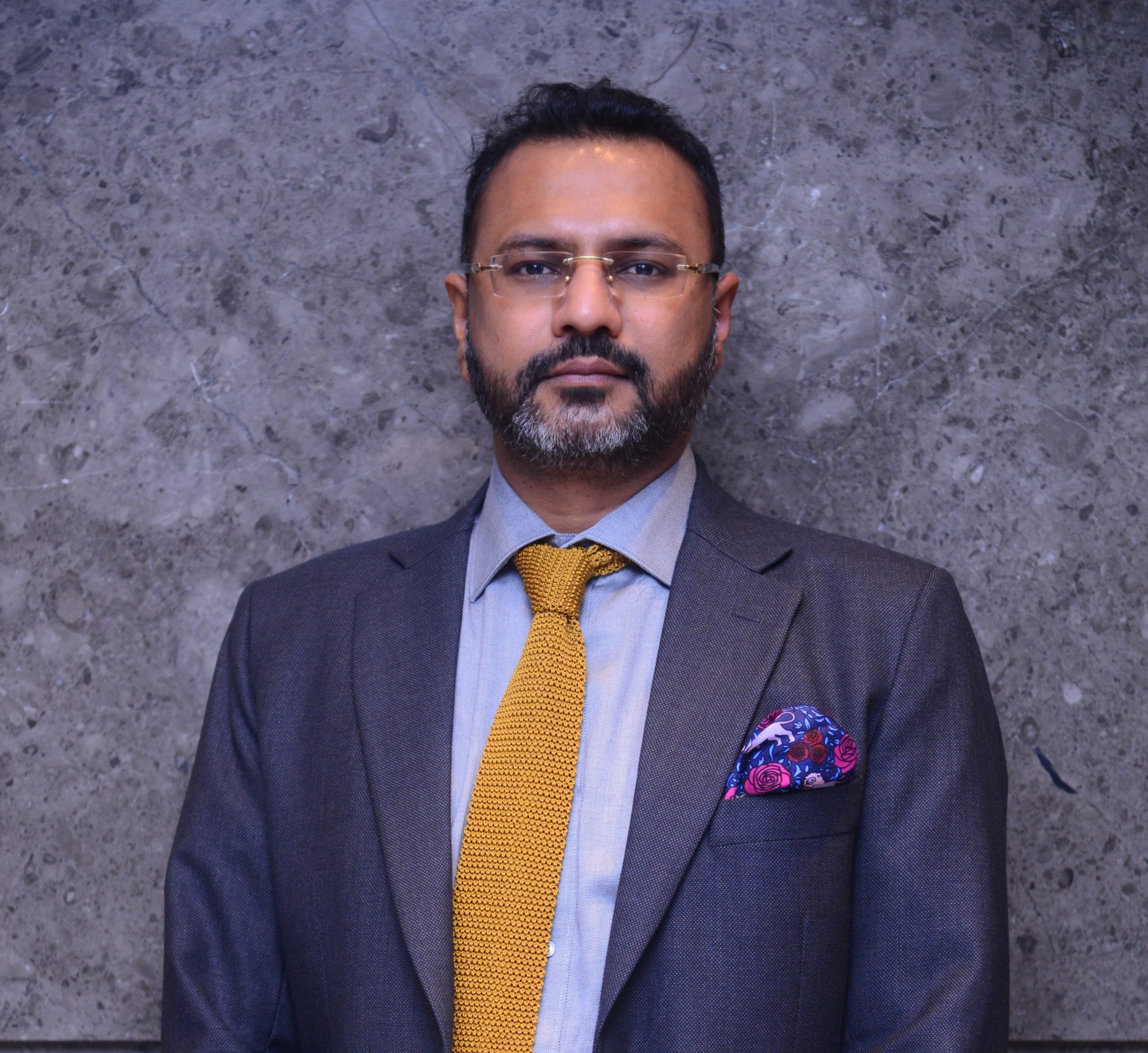
  • The usage of technology and artificial intelligence to streamline legal processes and improve efficiency is a trend that will continue to grow- Rohan Sharma FCIArb, Principal Associate at Karanjawala & Company and Solicitor (England & Whales)

    The usage of technology and artificial intelligence to streamline legal processes and improve efficiency is a trend that will continue to grow- Rohan Sharma FCIArb, Principal Associate at Karanjawala & Company and Solicitor (England & Whales)

    This interview has been published by  Priyanka Karwa and The SuperLawyer Team

    Can you tell us about your journey into the field of law and what inspired you to pursue a career as an Advocate and Solicitor in both India and England & Wales?
    Coming from a generational family of lawyers, taking up law as a profession was a default option. However, after completing my graduation in Political Science (Hons.) from Delhi University, I initially dabbled in venturing towards doing something Information Technology or Business Administration, but not getting the college of my choice I finally decided to pursue law. By the time I made my decision, the entrance exams for both IP University and Campus Law Center, Delhi University were over, so I took up admission at Mewar Law College, C.C.S University. Looking back I regret that despite the opportunity I never interned with any law firm or Advocate during my studies at the law college. 

    After completing my graduation I read law in the chambers of Sr. Counsel Mr Arun Bhardwaj for almost 6 years and practised both on the Civil and criminal side during which I had secondments with both English and Singapore law firms, and then in 2013 I joined my current law firm Karanjawala & Co, I am very grateful to Mr Raian Karanjawala who gave me the opportunity to sharpen my legal skills in my current firm which I call the “AIIMS” of legal practice, because of the sheer amount of diverse matters one gets to handle ranging from complex commercial disputes, PIL, writs petitions, etc to family disputes and one is exposed to the whole spectrum. My supervising partners, Debmalya Banerjee and Meghna Mishra, also deserve credit for their priceless guidance and mentorship.

    Credit goes to my father who encouraged me to become a Solicitor as after completing of LL.B., we discussed the possibility of doing an LL.M. However, I was not keen to do further studies, so he suggested that I should sit for the Solicitors conversion test and simultaneously work with either English or Singapore law firm for some time abroad to broaden my horizons. I qualified as a Solicitor after taking the erstwhile conversion test known as the Qualified Lawyers Transfer Test (QLTT) in 2010 and my experience working at Clyde & Co, London gave me key insights into the life of an English Solicitor. Following my secondment at Clydes, I had the privilege to join Rajah & Tann in Singapore where I worked under the current Chief Justice of Singapore, Mr. Sundaresh Menon SC, as well as Jainil Bhandari, Partner in Admiralty & Shipping, and Prakash Pillai, Partner in International Arbitration and then later on I continued my professional journey at Herbert Smith Freehills, under Mr. Nicholas Peacock, Partner in Arbitration.

    Just before the Covid 19 pandemic, I submitted my application via The Experienced Practitioner Route (EPR) to become a Fellow with the Chartered Institute of Arbitrators (CIArb) which is the world’s largest community of alternative dispute resolution (ADR) professionals, and in 2020 after review of my application and interview by the main office at London, I was inducted as a Fellow.

    With around 15 years of experience in civil & commercial litigation, arbitration, and corporate matters, could you share some key highlights or memorable cases from your career that have had a significant impact on you?

    Sure, let’s start in a descending timeline, in 2022, it is every lawyer’s aspiration to brief and assist Mr Fali Nariman, Sr. Advocate who had been on hiatus for quite some time, my chance to brief Mr Nariman came during the COVID pandemic in 2022 when Mr Nariman agreed to appear for Surat Parsi Panchayat Board before the Supreme Court who were seeking a traditional burial of Parsi Zoroastrian Covid-19 victims. From the initial preparation of the special leave petition to the final disposal of the matter, Mr Nariman even at the age of 94 is full of energy and spent a great deal of time and energy going through every document. Mr Nariman used to dictate numerous notes, which he used to consistently amend to make them as concise as possible for the Bench. My big takeaway is to consistently think about your case as with the passage of time you are able to articulate the material facts required for the applicable rule in a concise manner. 

    The culmination of a successful arbitration (Government Of NCT Of Delhi. Vs. M/S Shonkh Technologies ) that started from seeking an injunction (Section 9 of A&C Act Petition) against the termination order passed by the Transport Department, Government of NCT in 2013 against our clients- Concessionaires. Due to the sheer volume of documents we had to sift through and collate them in a logical manner in relation to our claims with the various Sr. Advocates that were briefed in the matter starting from Mr Gopal Subramaniam, Dr. Abhishek Manu Singhvi, Mr Sandeep Sethi, Mr Saurabh Kripal and  Mr Chinmoy Sharma, gave me a front row seat the manner in which the said Sr. Advocates muster and applied law to common facts, their legal strategy has been invaluable in my growth as a lawyer. The case is memorable as the client reposed faith in me and referred me to subsequent matters. 

    During my initial days of joining Karanajwala & Co I was marked on an ongoing writ petition against an Insurance Company that had unilaterally deleted rain cover for a cricket match and subsequently repudiated the insurance claim. After two concurrent findings by Delhi High Court that writ petition is not maintainable, we were able to successfully persuade the Supreme Court to set aside the concurrent findings. This case is memorable as we developed the parameters for invoking writ-large jurisdiction concerning insurance policies, rather than resorting to alternative remedies.

    I have had the best time working at Barlow Lyde & Gilbert now known as Clyde & Co and I express deep gratitude to my supervising partners Mr Richard Black, Eurof Lloyd Lewis, Patric McGonigal, Jeb Culow and colleagues Lyall Hickson, Leon Alexander and Kenzia who involved me in their matters, encouraged me and were patient in clarifying my numerous concerns. 

    During my tenure in the Marine Energy & Trade department at Barlows, Mr. Black engaged me in the Elektrim SA v Vivendi Universal SA case, which was a multi-billion-euro dispute ranked by American Lawyer magazine as the 11th largest arbitration in the world in the year 2008. As this matter had only a limited number of associates involved due to its focus on insolvency issues and compliance with EU Regulation No. 44/2001, rather than shipping-related disputes. So Mr Black involved me and I had the chance to undertake various tasks preparing notes for the hearing, from drafting witness statements & procedural applications, bundling & filling, attending conferences with Barristers and Kings Counsels such as Gabriel Moss KC, Richard Millett KC & Julian Kenny KC, court hearing, etc.

    I recall that in one of the hearings before the Commercial Court, Royal Court of Justice, Mr Toby Landu KC who acting for the Vivendi Universal SA during his submissions quoted from the book- EU Regulation on Insolvency Proceedings which was incidentally authored by Gabriel Moss KC who was leading us in the same matter which lead to a series of amusing comedy of errors during the hearing.

    One of the other big matters- Congentra AG v Sixteen Thirteen Marine SA (The “Nicholas M”) in which assisted & acted for the Russian Charterer- Congentra AG against the Greek Shipowners-Sixteen Thirteen Marine SA who had instituted London arbitration proceedings and obtained attachment order in New York in support of their arbitration claim. We counterclaimed that the attachment order was wrongfully obtained and the injunction should be discharged. We were led by Richard Southern KC, Richard Walker KC and Anna Gotts. Leading up to the dispute the emails were exchanged from different parts of the world so to get a real sense of the timeline I remember we had to cross-reference each email with the corresponding UK, Russian and New York time. 

    You are the Director of the Federation of Indian Corporate Lawyers (FICL), a not-for-profit organization. Could you tell us more about FICL’s mission and the role it plays in the Indian corporate legal community?

    Yes, FICL (www.ficl.org.in) was incorporated during the Covid pandemic in 2020 as a not-for-profit company. FICL’s vision and mission are centred around becoming the leading advocate for corporate lawyers in India. We aim to facilitate the sharing of legal expertise among the Indian corporate legal community while promoting the highest professional standards and offering valuable developmental opportunities for in-house lawyers and legal professionals in India to enhance their skills and expertise. To that effect, FICL released “FICL Code of Ethics & Standards of Professional Conduct for In-House Lawyers’ ‘ (“FICL Code”) during its Inaugural “FICL 1st Corporate Lawyers Summit 2022 held in New Delhi. FICL Code aims to provide general guidance on the ethical and professional standards to the In-house corporate lawyers community in India. 

    This year Justice Navin Chawla (Delhi High Court) released the results of India’s first “Survey on Dispute Resolution in India” undertaken by FICL & Centre for Trade and Investment Law (CTIL) during FICL’s annual one-day conference “DELHI DISCOURSE 2023”. FICL signed a Memorandum of Understanding with the Singapore International Arbitration Centre (SIAC), Beihai Asia International Arbitration Centre Pte Ltd (‘BAIAC’) to promote international arbitration as a preferred method for resolving international disputes. FICL also supports seminars of ICC, SIAC, IPBC, ACGC, Singapore Academy of Law, АРАС, etc for wider reach and participation of key stakeholders. 

    In 2022, you were recognized as one of the Forbes Top 100 Individual Lawyers in India and received the Lex-Falcon Global Award for Outstanding Achievements in the Legal Industry. What do these recognitions mean to you, and how have they influenced your career?

    These recognitions hold immense personal and professional significance for me, as they validate the dedication and effort I have invested in my practice. They serve as a powerful motivator and a source of pride, not only for myself but also for my team and my current colleagues Kartik, Nicholas, Anmol and Shreesh who have supported me along the way. Moreover, these accolades have had a substantial impact on my career trajectory. They have enhanced my professional reputation and opened doors to new opportunities. For instance, they have facilitated networking with like-minded professionals, leading to collaborations and partnerships that have further enriched my work.

    Your professional journey has taken you to law firms in India, London, and Singapore. How has working in these diverse legal environments shaped your perspective on the practice of law?

    I consider myself fortunate to have had the opportunity to work in diverse legal environments, which has greatly enriched my legal skill set. For example, in the UK, it is common for English Solicitors to engage in settlement negotiations and discuss the merits of a case without prejudice before it proceeds to a hearing, as the prospect of bearing actual and punitive costs in the event of loss weighs heavily on the parties involved. Likewise, I have observed that the legal practice in Singapore tends to be characterized by its clinical and direct approach. All in all, my experience of working in leading law firms across different parts of the world has provided valuable insights into their approaches and behaviours in different situations. 

    You’ve been involved in a wide range of legal matters, from representing corporations in arbitration to dealing with government regulations. Can you share some strategies or insights you’ve gained for effectively navigating complex legal landscapes?

    Whilst navigating disputes complex or otherwise, what I have learned is to develop a central theme like a tree trunk and then to categorise all the ancillary, supporting points like branches. This is also useful for complex legal issues where you can compartmentalize your key premises by using deductive and inductive reasoning methods as to why the court should rule in your favour. One should use a visual representation of a complex problem/ transaction by way of charts, diagrams or photographs which break down a big issue into bite-size issues which are easy to understand. 

    In drafting with the advent of cut-copy-paste, there is always an inclination to paraphrase and verbosity does not help either your clients or the judges so keep it concise. If you represent the Plaintiff- use active voice and vice versa for the Defendant. As mundane and time-consuming as it may be, make it a point to peruse through all the correspondence, documents, etc yourself and not solely rely on the client’s inputs.

    It’s prevalent for English solicitors to maintain a case diary/logbook, which basically is a notebook in which they pen down their case notes, client conferences, conferences with Barristers, coordination, etc which serves as a time capsule and it can be referred back for clarification, itemising memos, etc. This practice I believe one should inculcate.

    Can you discuss any trends or developments in the legal industry that you find particularly interesting or noteworthy, especially in the context of India and international practice?

    Technology Adoption: The Indian legal industry has increasingly adopted technology solutions for tasks such as e-filling, document review, research, case management, VC hearings, etc in the aftermath of the confinement during the COVID-19 pandemic. The usage of technology and artificial intelligence to streamline legal processes and improve efficiency is a trend that will continue to grow.

    Entry of foreign law firms in India: The much-awaited entry of foreign law firms this year by BCI is a big development that has happened this year. As these foreign firms establish a presence in India, a demand for local legal expertise in areas such as transactional and corporate law, JV, M&A, intellectual property, contract drafting, etc would emerge. The inclusion of foreign law firms in active participation in arbitration cases in India in form of either venue or seat will contribute to India’s potential to become a prominent international arbitration centre akin to London and Singapore. Simultaneously, this would open doors for Indian legal professionals to engage in arbitration activities abroad, presenting substantial prospects for them.  

    Alternative Dispute Resolution (ADR): India is ranked the fifth-largest economy in the world which is fuelled by mega infrastructure projects, Services, IT, manufacturing, etc. Consequently, the momentum of this booming economy often translates into an increase in commercial disputes. Resolutions of commercial disputes through arbitration and the newly enacted The Mediation Act are popular ADR methods. Furthermore, making India the hub of International Arbitration has been one of the pioneering initiatives of Prime Minister Shri Narendra Modi. So I do see a huge potential in this area.

    Finally, as someone with a wealth of experience and achievements in the legal field, what advice would you like to give to fresh graduates who are just starting their legal careers and are eager to make their mark in the profession?

    I am reminded of what a KC said to me when I was delivering hearing bundles at his chambers he asked “What is the similarity between mushroom and trainee solicitor” after a few moments he replied, “Both are kept in the dark and fed shit”. My advice to recent graduates is to prioritize the finer details, such as organizing paperwork in accordance with court records and staying in regular communication with your seniors regarding case progress or when things go south. These are the qualities that will make you stand out and your Seniors will entrust you with greater responsibility. Make a habit of writing legal articles periodically. The rest is about embracing your legal journey with a touch of humour and paying attention to your mental health. 

    Get in touch with Rohan Sharma-

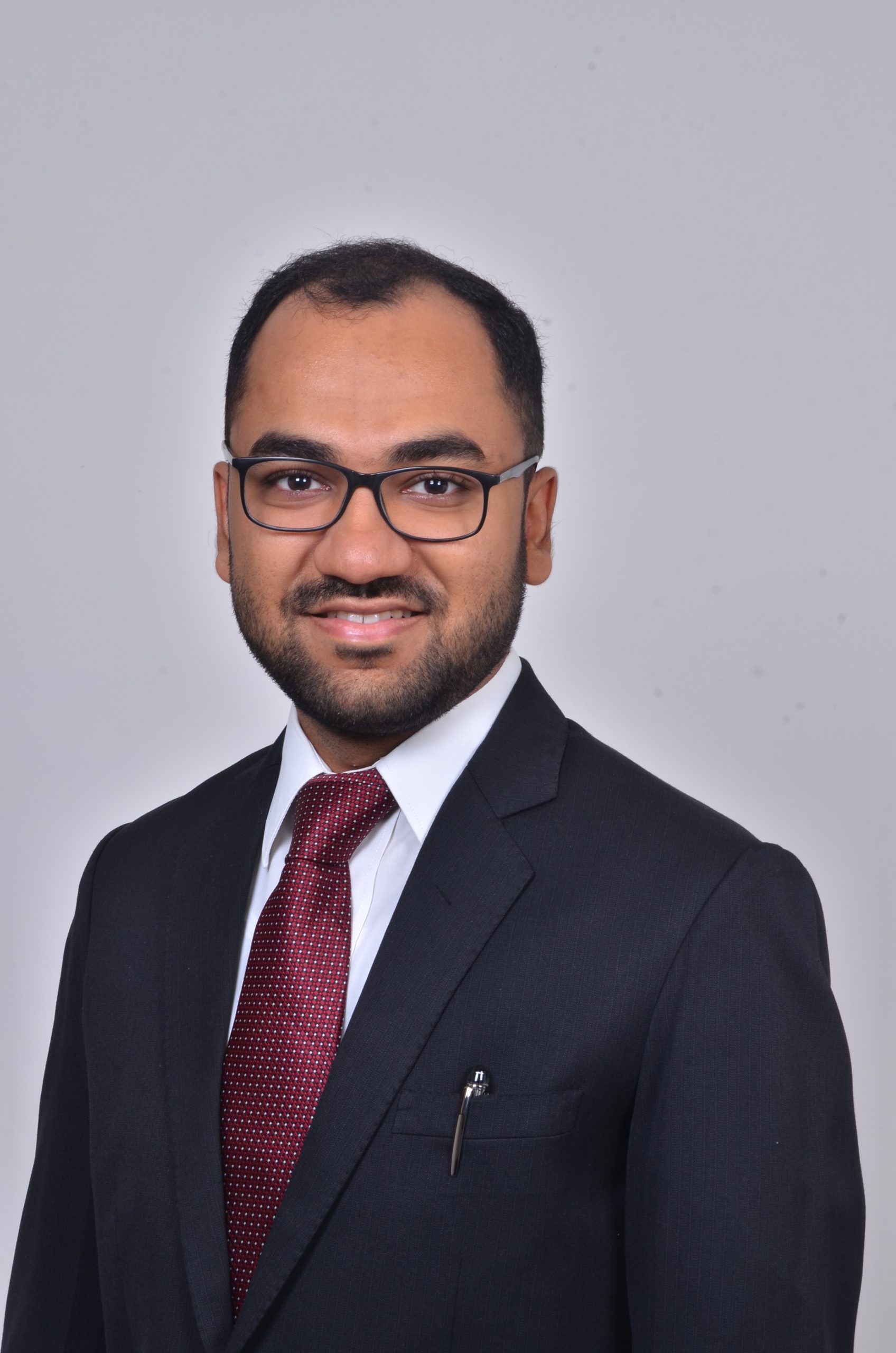
  • Embarking on a career in law and Alternative Dispute Resolution (ADR) is an exciting yet challenging endeavour that requires a multifaceted approach-Param Bhamra,Founding Partner at MediateGuru

    Embarking on a career in law and Alternative Dispute Resolution (ADR) is an exciting yet challenging endeavour that requires a multifaceted approach-Param Bhamra,Founding Partner at MediateGuru

    This interview has been published by  Priyanka Karwa and The SuperLawyer Team

    Can you tell us about your journey into the field of law and how you eventually became involved in alternative dispute resolution (ADR)?

    My interest in Alternative Dispute Resolution (ADR) was piqued during my formative years as a law student. I was deeply engrossed in the philosophies of capitalism and free-market economics, and I saw a parallel between these concepts and ADR. To me, ADR represented a form of judicial privatization, offering a more efficient and effective means of resolving disputes compared to traditional litigation. Recognizing the untapped potential of ADR, I initiated MediateGuru along with my esteemed colleagues, Mr. Aditya Mathur and Ms. Garima Rana. Our mission has been to normalize the practice of mediation and ADR in the legal landscape. I am pleased to say that our efforts have yielded some measure of success, and we continue to work diligently towards making ADR a standard practice in dispute resolution. 

    You’re the founding partner at MediateGuru, co-founder of LicitElite, and founder of DiploTics. Could you share the inspiration behind starting these initiatives and the impact you aim to make in the legal and ADR sectors?

    As the founding partner at MediateGuru, co-founder of LicitElite, and founder of DiploTics, my overarching vision has been to innovate and elevate the standards within the legal and ADR sectors. Each initiative serves a unique purpose but collectively aims to bring about meaningful change.

    MediateGuru was born out of a desire to mainstream Alternative Dispute Resolution methods, particularly mediation, as a viable and efficient means of settling disputes. We aim to educate, train, and create awareness about the benefits of ADR, thereby transforming it into a norm rather than an exception in the legal landscape.

    The future of dispute resolution is not in the courtroom, but in the meeting room—where mediation and arbitration reign supreme.

    LicitElite, on the other hand, focuses on legal research and advocacy. We strive to provide a platform for young legal minds to engage in meaningful research and contribute to the legal discourse. Our goal is to foster a culture of continuous learning and intellectual curiosity within the legal community.

    DiploTics is my latest venture, which aims to bridge the gap between diplomacy and technology. In an increasingly interconnected world, it’s crucial to understand the legal implications of technological advancements. DiploTics serves as a think tank that brings together experts from various fields to discuss, analyze, and offer solutions to complex issues at the intersection of law, technology, and diplomacy.

    The impact I aim to make through these initiatives is multi-faceted: from making ADR a standard practice to enriching legal research and understanding the confluence of technology and law. I am committed to driving change and setting new benchmarks in each of these areas.”

     MediateGuru connects experienced mediators and arbitrators with young lawyers and ADR practitioners in over 150 countries. What led you to create this international platform, and what role do you see it playing in the future of ADR?

    In recognizing the transformative potential of Alternative Dispute Resolution (ADR), I felt a compelling need to create MediateGuru as an international platform that could serve as a vital conduit between experienced mediators and arbitrators and the next generation of ADR practitioners. The idea was not just a fleeting thought but a culmination of years of observation, research, and firsthand experience in the field. I noticed a significant gap in the market where young lawyers and ADR practitioners, especially those from developing countries, often lacked the resources, mentorship, and opportunities to excel in this specialized area of law. This observation was juxtaposed with another reality: that seasoned professionals in the field were looking for ways to give back, to mentor, and to pass on their wealth of knowledge to the next generation. MediateGuru was conceptualized to bridge this gap, to create a symbiotic relationship where knowledge could be exchanged, skills could be honed, and the overall quality of ADR practice could be elevated on a global scale. 

    The international aspect was crucial; ADR is not confined by geographical boundaries. Disputes are increasingly becoming cross-border, and the laws and practices governing them are becoming more harmonized. Therefore, it was imperative that MediateGuru had a global reach, connecting professionals and young practitioners across more than 150 countries. This international dimension adds layers of complexity but also unparalleled opportunities for learning and growth. It allows for the sharing of diverse perspectives, methodologies, and cultural nuances that are incredibly enriching and eye-opening for anyone serious about a career in ADR. 

    Looking ahead, I see MediateGuru playing a multifaceted role in the future of ADR. First, as a catalyst for change, challenging the status quo and pushing for reforms in how ADR is perceived and practiced globally. Second, as an enabler, providing the tools, resources, and opportunities for anyone interested in ADR to pursue their passion and excel in their career. Third, as a thought leader, contributing to the global discourse on ADR, influencing policy decisions, and setting new benchmarks in practice and ethics. And finally, as a community builder, fostering a sense of belonging, collaboration, and mutual respect among ADR practitioners worldwide. In essence, MediateGuru aims to be more than just a platform; it aspires to be a movement that democratizes access to ADR education and opportunities, thereby playing a pivotal role in shaping the future of this ever-evolving field.”

    LicitElite focuses on enhancing legal skills and knowledge for young law students. How do you believe this platform can help shape the careers of aspiring lawyers, and what unique features set it apart from other legal education platforms?

    LicitElite is designed with the specific intent of nurturing the foundational skills and knowledge that young law students require to excel in their future careers. Unlike traditional legal education platforms that often focus solely on theoretical knowledge, LicitElite takes a holistic approach by integrating practical skill-building exercises, mentorship programs, and real-world case studies into its curriculum. We believe that the law is not just about understanding statutes and precedents but also about knowing how to apply this knowledge effectively in various professional settings. To that end, LicitElite offers a range of unique features such as interactive webinars with industry experts, hands-on legal research projects, and a peer-to-peer networking platform that allows students to collaborate and learn from each other. These features not only provide students with a comprehensive understanding of the law but also equip them with the soft skills needed to navigate the complexities of the legal profession. In essence, LicitElite aims to be a one-stop solution for aspiring lawyers, offering them the resources, guidance, and community support they need to shape a successful and fulfilling career.

    DiploTics focuses on grooming diplomatic and political skills for young people. Could you share some insights into the importance of diplomatic skills in today’s global landscape and how DiploTics contributes to this?

    In today’s interconnected and rapidly changing global landscape, diplomatic skills are more crucial than ever. They serve as the linchpin for effective communication, conflict resolution, and international cooperation. Understanding this, DiploTics was established to groom the diplomatic and political acumen of young individuals who are the future leaders and decision-makers. Our platform offers a unique blend of theoretical knowledge and practical exercises, including simulated diplomatic negotiations, crisis management scenarios, and policy analysis workshops. These activities are designed to instill a nuanced understanding of international relations, geopolitics, and diplomacy. Moreover, DiploTics provides access to a network of professionals and experts in the field, offering mentorship and real-world insights that are invaluable for anyone aspiring to make a mark in the realms of diplomacy or politics. In summary, DiploTics aims to be a catalyst in shaping competent, ethical, and globally-minded individuals who can navigate the complexities of the international stage with finesse and integrity.

    You’ve published extensively on topics related to human rights, international ADR, and geopolitics. What motivated you to delve into research, and how does your academic work complement your practical experience in ADR?

    My motivation to engage in extensive research on topics such as human rights, international ADR, and geopolitics stems from a deep-rooted commitment to contribute substantially to these critical areas. Holding an LLM in ADR has provided me with a robust academic foundation that complements my practical experience. Research allows me to explore the nuances and complexities of these subjects, offering a theoretical lens through which I can better understand and navigate real-world challenges. It also serves as a platform for me to share my insights and findings with the broader academic and professional communities, thereby fostering a dialogue that can lead to more effective and equitable solutions. My academic work and practical experience in ADR are mutually enriching; the research informs my practice, providing me with a well-rounded understanding of the issues at hand, while my practical experience offers a tangible context that adds depth and relevance to my academic pursuits. In essence, the synergy between my research and practical work in ADR enhances not only my own professional development but also contributes to the broader discourse on these vital topics.

    Your research on “Property Rights in Space and Analysis of India’s Future Space Law” was published in a SCOPUS-indexed journal. Could you provide a brief overview of this research and its significance?

    My research on, ‘Property Rights in Space and Analysis of India’s Future Space Law,’ published in a SCOPUS-indexed journal, addresses the complex issues surrounding property rights in outer space. The paper critically examines existing international treaties and conventions, such as the Outer Space Treaty of 1968, to understand their implications for both state and non-state actors in space activities. It also delves into India’s proposed ‘Space Activities Bill,’ evaluating its potential to encourage private sector involvement in space exploration. This research is particularly significant in today’s context, where commercial activities in space are on the rise. It raises essential questions about ownership, ethical considerations, and the role of national legislation in shaping the future of space exploration. The academic work serves to complement my practical experience by offering a nuanced understanding of property rights, a foundational issue that could become increasingly relevant in dispute resolution scenarios in space activities

    Finally, what advice would you like to give to fresh graduates who are just starting their careers in law and alternative dispute resolution, based on your extensive experience and accomplishments in the field?

    Embarking on a career in law and Alternative Dispute Resolution (ADR) is an exciting yet challenging endeavour that requires a multifaceted approach. Based on my extensive experience and accomplishments in the field, I have several pieces of advice for fresh graduates who are just starting their careers.

    Firstly, invest in continuous learning. The legal landscape is ever-evolving, with new laws, precedents, and technologies constantly emerging. Stay updated by reading legal journals, attending seminars, and participating in workshops. Don’t limit yourself to just the law; understand the socio-economic and political factors that influence legal decisions. This broader perspective will not only enrich your understanding but also make you a more effective advocate or mediator.

    Secondly, specialize but don’t silo yourself. While it’s beneficial to have a specialized skill set, especially in niche areas like ADR, it’s equally important to have a broad understanding of various legal disciplines. This multidisciplinary approach will make you more versatile and better equipped to handle complex cases that often involve multiple areas of law.

    Thirdly, networking is crucial. The legal profession is built on relationships. Attend industry events, join professional organizations, and don’t hesitate to reach out to senior professionals for advice or mentorship. Your network can provide you with invaluable opportunities and insights that you won’t find in any textbook.

    Fourthly, focus on skill development. ADR, in particular, requires a unique set of skills that go beyond legal knowledge. You need to be an excellent communicator, a keen listener, and a skilled negotiator. Practice these skills in real-world settings; offer to mediate small disputes, participate in moot court competitions, or volunteer at legal aid clinics. 

    Fifthly, embrace technology. We live in a digital age where technology plays a significant role in the legal profession. Familiarize yourself with legal research databases, case management software, and virtual communication tools. Being tech-savvy will give you a competitive edge.

    Sixthly, ethics and integrity are non-negotiable. The legal profession is built on trust, and your reputation is your most valuable asset. Always adhere to the highest ethical standards, whether you’re interacting with clients, opposing counsel, or the judiciary.

    Seventhly, be patient and persistent. Success in the legal field doesn’t come overnight. You’ll face setbacks, make mistakes, and encounter challenges that test your resolve. It’s essential to remain committed, learn from your experiences, and continually strive for excellence.

    Eighthly, contribute to the community. Whether it’s through pro bono work, academic research, or advocacy, find ways to use your skills to make a positive impact. Not only is this personally fulfilling, but it also enhances your professional standing.

    Ninthly, take care of yourself. The legal profession can be demanding, both mentally and physically. Make time for self-care, maintain a healthy work-life balance, and don’t hesitate to seek support when needed.

    Lastly, never stop dreaming big. Set ambitious goals for yourself and work diligently to achieve them. Whether it’s becoming a partner at a prestigious law firm, establishing your own practice, or contributing to landmark legal reforms, the sky is the limit.

    In summary, a career in law and ADR is a marathon, not a sprint. It requires a combination of education, skills, ethics, and perseverance. Equip yourself with these tools, and you’ll be well on your way to a fulfilling and successful career.

    Get in touch with Param Bhamra-

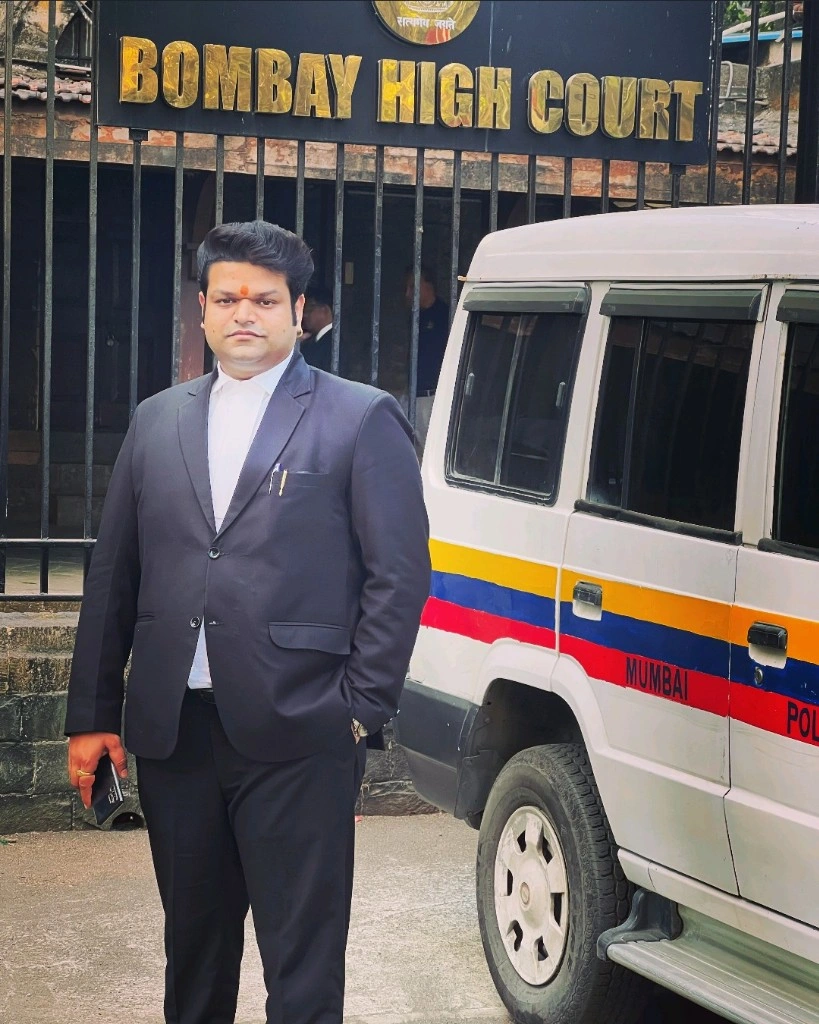
  • A crisp Synopsis can win or lose a case before Judges who have 80-100 cases listed before them-V M Kannan, Advocate-on-Record

    A crisp Synopsis can win or lose a case before Judges who have 80-100 cases listed before them-V M Kannan, Advocate-on-Record

    This interview has been published by  Priyanka Karwa and The SuperLawyer Team

    Please tell us about your family background, pre-law school life and your experience at Symbiosis Law School, Pune.

    I was completely raised by my mother Smt. S. Mohanaranai, who is a Central Government employee and completed my secondary and senior schooling from Delhi Tamil Education Association (DTEA) School. Academically, I was an above-average student and took a keen interest in extra-curricular and co-curricular activities.

    Symbiosis Law School, Pune is a confluence of culture, ideas and bright minds. It was then located in the heart of Pune surrounded by plenty of colleges, universities, religious institutions and other centres of excellence and this was surely a boon for any young student far away from home. 

    Thanks to God almighty, I made great friends and a really supportive peer group, due to which I was able to overcome my initial fears and excel in prestigious Moot Courts and other co-curricular activities including representing my law school at the Williem C. Vis International Commercial Arbitration Moot, Hong Kong.

    I am also very blessed that my wife Ms. Harimohana N. too is an Advocate and we support each other in our law practice.

    You were one of the initial Law Clerks of Justice Najmi Waziri, popularly known as the Green Judge of the Delhi High Court. Please tell us about your experience with him and your other seniors at Bar.

    I was Justice Waziri’s third law clerk. Joining his prestigious chambers, right after law school, was purely a matter of chance and I am very fortunate to have been a part of it. Justice Waziri made a deep impact in my life with his thought process such as respect for law, women, nature and religious beliefs. He was very polite and courteous to everyone. To us Law Clerks, he gave us several opportunities to prepare draft judgments and research on complex legal problems, which laid a strong foundation for me as a lawyer. I was mentored further in the profession by Mr. TK Bhaskar, Mr. Sanjay Kapur and Mr. Shri Venkatesh, who gave me several opportunities to conduct and argue cases.

    Please tell us about your law practice, practice areas and the clients whom you represent before Courts.

    I founded my law firm VMK Law Offices in the year 2018 and we are located in South Delhi, in close proximity to the Supreme Court of India, High Court of Delhi and other major Tribunals. We have a fairly vast and diverse practice area such as commercial disputes, Energy Regulatory, Insolvency & Bankruptcy, Company, Arbitration, Property, White Collar Crimes, Telecom and Competition. We regularly appear before the Supreme Court, High Courts (Delhi, Madras, Calcutta, Gujarat, Chhattisgarh), APTEL, NCLAT, NCLT, Central / State Electricity Regulatory Commissions, TDSAT, Competition Commission, PMLA / FEMA Appellate Tribunal, District Courts and Arbitral Tribunals. I have represented Public Sector Banks and Undertakings, Statutory Authorities, Multinational Companies, Power Generators (Private and State Owned), Transmission Licensees and Utilities, Distribution Companies, EPC Contractors and Sports Federations.

    Please tell us about a few important and challenging cases that you have handled as a lawyer. 

    To me, no case is less important or less challenging. All the cases that we do, be it before the highest Court or otherwise, are equally prioritised.  However, a few of the reported judgments to my credit are below:

    1. SBI Vs. Vibha Agro – (2023) 1 SCC 286 
    2. Lalit Kumar Jain Vs. UoI – (2021) 9 SCC 321 
    3. SBI Vs. Radhey Shyam Pandey (2020) 6 SCC 438
    4. ARCIL Vs. Bishal Jaiswal – (2021) 6 SCC 366 
    5. SSIM Association Vs. UoI – (2021) 8 SCC 511
    6. A. Nabibasha Vs. Small Farmers Agri Business Consortium –  2020 SCC OnLine Del 1250 : 2020 ACD 877 : (2020) 3 MWN (Cri) DCC 51 : (2020) 4 RCR (Cri) 575
    7. SBI Vs. Athena Energy Ventures – 2020 SCC Online NCLAT 774
    8. 2021 SCC Online NCLAT 4
    9. 2021 SCC Online NCLAT 1621
    10. 2022 SCC OnLine NCLAT 27
    11. 2020 SCC OnLine NCLAT 717 

    You are an Advocate-on-Record (AoR) of the Supreme Court of India. How is an AoR different from a non-AoR before the Supreme Court?

    As per the Supreme Court Rules, no Advocate other than an AoR can appear, plead and address the Supreme Court unless he is instructed by the AoR. Therefore, an AoR has been statutorily conferred a privilege with respect to cases before the highest Court of the land. However, this privilege comes with enormous responsibility at various stages right from drafting of a petition/appeal, which have to be done with utmost honesty and precision. It is common knowledge that the Supreme Court is a very busy place, therefore, brevity and speed are vital. A crisp Synopsis can win or lose a case before Judges who have 80-100 cases listed before them. Next, strategizing, preparation and thinking out of the box are essential for a Supreme Court practice. It must always be borne in mind that the Supreme Court is the last Court and the result can be a make or break situation for the clients. The AoR system at the Supreme Court equips us to handle these challenges.

    What advice would you like to give to young lawyers who are starting their careers?

    Young lawyers, who want to be litigation practitioners should carefully choose their seniors and mentors. It is equally important to enjoy the process and seize any and all the opportunities that come your way. Since a litigation practitioner is required to do multiple tasks such as drafting, filing, arguing, briefing, clerical work, client and financial management etc., one must constantly learn and implement new and effective ways to manage the workload. Litigation practice is one of the most thrilling professions and I urge all young lawyers to take a shot at it.

    Get in touch with V M Kannan-

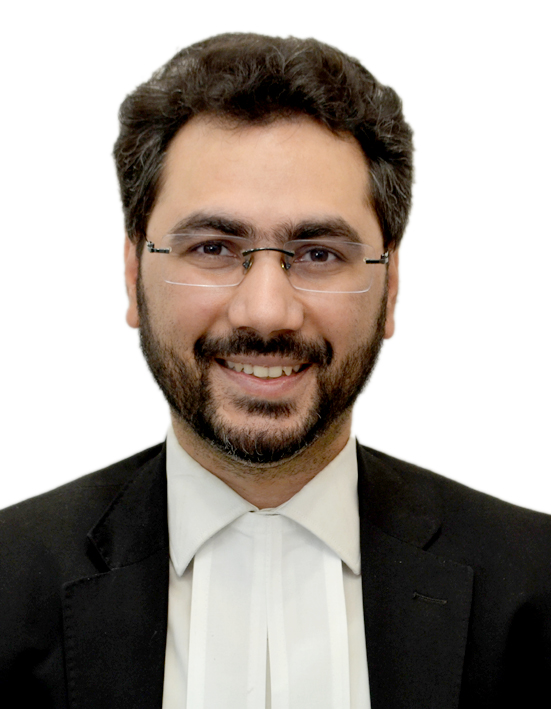
  • The multi-dimensional folds of this profession have a lot in store for everyone and if you have conviction in your actions then pursue it without any fear or doubt- Malak Bhatt, Advocate-on-Record, Supreme Court of India

    The multi-dimensional folds of this profession have a lot in store for everyone and if you have conviction in your actions then pursue it without any fear or doubt- Malak Bhatt, Advocate-on-Record, Supreme Court of India

    This interview has been published by  Priyanka Karwa and The SuperLawyer Team

    Can you share your journey of how you ended up pursuing a career in law, and what led you to specialize in commercial litigation and white-collar crime?

    Being a third generation lawyer, choosing a career in the field of law became a natural progression at the crossroads of life. While I was pursuing a science based professional during my high school, I always remained fascinated with my parents talking about cases at home, how things unfolded in court etc. and as it would turn out, my passion and aptitude for law took over.

    While working at Shardul Amarchand Mangaldas since 2012, my Partner Anuj Berry and I were representing certain clients in large scale litigation and anti-corruption compliances in India for foreign companies. Under his able guidance and together with him, we started working to build the white-collar crime practice as a niche area at SAM. As luck would have it, our in-depth work on the advisory side soon translated into many courts facing white-collar crime matters around 2017-18 when there was a surge of criminal investigations by specialized agencies like CBI, ED and SFIO. Once I branched out to pursue my independent practice, I developed this expertise further and continue to ride the learning curve in this field. What is the most interesting part of white collar crime practice is the inter-sectional dynamics it holds between criminal law on one hand and commercial laws, taxation laws on the other. 

    You completed your B.A., LLB (Hons.) from NALSAR University of Law and later pursued a Bachelor of Civil Laws from the University of Oxford. How did these academic experiences shape your perspective and approach to practicing law?

    I believe the holistic course structure at NALSAR and the increasing importance given to procedural laws really helped in shaping my understanding of the court processes. One always found these subjects boring in class – however, once I got into active practice, the realization dawned soon that the foundational stone for easing out court related process and practices was set through these subjects taught phenomenally well at NALSAR. As a word of advice, I always harp on the fact that one must always pay utmost attention to the finer details of our procedural laws – the CPC, CrPC, Evidence Act etc., which are the heart and mind for a career in litigation.

    Coupled with this, the Socratic method of teaching at Oxford really instilled the practice of self-reading, analysis of finer details and most importantly, joining the dots across subjects – a key aspect which one should practice when it comes to a court case.

    You’ve been recognized as a “Rising Star” by Legal 500 in the Asia Pacific Region for White Collar Crime Practice. Could you tell us about one of your most challenging or high-profile white-collar crime cases, and how you navigated the complexities of such cases?

    Undoubtedly, the most challenging case was the investigations being conducted by multiple agencies into the affairs of Frost International Limited and its group companies. What later turned out to be one of the biggest cases – started with 3 different agencies probing the companies on the same set of facts. We were faced with several complex legal issues – such as whether different agencies could look into the same transactions for alleging different offences under special statutes, what would be the evidentiary value of a one sided forensic audit, whether a counter audit would be a plausible defence at the investigation stage itself. Faced with these complex questions, our team was able to ably navigate through these issues with a 3 step simple approach – (i) break down the issue and assess the answer from a first principles perspective (ii) a textbook approach may not always work in niche situations which the law would otherwise not have contemplated – think out of the box when the situation requires (iii) always keep the fundamental rights of the persons facing investigation at the forefront. Since liberty remains at stake in such cases – prompt action and immediate responses are key.

    Your career includes a role as a Panel Counsel for the High Court of Gujarat to represent at the Supreme Court. How has this experience informed your understanding of the judicial process, and what unique challenges does representing a high court at the apex court pose?

    Representing a High Court is the most valuable and honourable experience one can get. Time and again the Supreme Court has reiterated that the High Courts are no subordinate courts – they are equal constitutional courts as the Supreme Court. To appear on behalf of the High Court requires a lot of preparation and is a position of very high responsibility. At times, the High Court is required to take an adversarial stand, in some cases it may not. It is my role and responsibility to assess the High Court’s position for an effective representation before the Supreme Court. 

    You’ve advised and represented multinational companies in litigation proceedings before the Supreme Court and High Courts. Could you share a memorable case where your legal expertise made a significant impact on the final outcome?

    One of the most significant and interesting cases I worked on was the case of Neeharika Infrastructure Pvt. Limited v. State of Maharashtra, which is now a landmark reported judgment. The Supreme Court was faced with a very interesting, yet peculiar question of law – can the High Court give protection to accused while hearing petitions under S. 482 CrPC and in what cases can the trials/investigations be stayed. Knowing that Mr. K.V. Vishwanathan (as he then was before Lordship’s elevation as a Judge of Supreme Court) will be arguing for the Petitioner, I knew my preparation had to be top notch and very detailed. Appearing for the private Respondent in the case, I presented a detailed comparative approach on how this issue had been addressed not only by High Courts, but also by other foreign jurisdictions having similar provisions. The bench was very accommodative and patient during arguments – which really helped me in arguing full length before the Supreme Court. Albeit having lost the matter, it was a great experience which really helped me at the preparation stage of the matter, a practice which I now adopt in all matters.

    Your involvement with organizations like the ICC Young Arbitrators’ Group and the Oxford Cambridge Society of India showcases your commitment to professional growth. How have these affiliations enriched your legal career and influenced your approach to the law?

    Man is a social animal. A lawyer is “social-er”. Our interactions with other members of the society, our intersections with people across other forums, professional and walks of life shapes our outlook and understanding of law. Being a member of these bodies and actively participating in the events has really developed my understanding of one very basic fact – there may be different approaches to the same set of facts and a lawyer’s appreciation of this helps immensely in setting out preparing for a court case.

    As someone who has successfully represented both companies and individuals, what advice do you have for aspiring lawyers seeking a balance between providing effective representation and upholding ethical standards?

    A career in litigation is a steep slope. Gestation periods are high, rewards are initially low and recognition is seldom easy at an early stage. However, my only advice to young lawyers on this difficult path would be not to lose hope or your passion for law. Easy money is easy for a reason – but reputation and recognition is for those who persevere. Never let down your guard when it comes to maintaining the ethics of this noble profession. I echo the words of the one I look upto, Mr. Mukul Rohatgi– don’t count the hours you put in as a young lawyer.

    Lastly, what advice would you give to fresh law graduates who are about to embark on their legal careers, especially considering the evolving landscape of the legal industry?

    The field of law is ever expansive , inclusive and experimental. At the crossroads of choosing what to do, you will always get the conventional options and yet some new avenues which may not only interest you, but may be the path of your passion. Do not ever hesitate to try something new in the field of law. The multi-dimensional folds of this profession have a lot in store for everyone and if you have conviction in your actions then pursue it without any fear or doubt.

  • After spending reasonable time on all the preparation, it is equally important to sleep peacefully within time and appear with a calm mind without trying to attach any emotions to your client/matter-Divanshu Gupta, Advocate, Rajasthan High Court

    After spending reasonable time on all the preparation, it is equally important to sleep peacefully within time and appear with a calm mind without trying to attach any emotions to your client/matter-Divanshu Gupta, Advocate, Rajasthan High Court

    This interview has been published by  Priyanka Karwa and The SuperLawyer Team

    Can you tell us about your journey into the field of law? What inspired you to pursue a career in this field?

    I am a first generation lawyer with no lawyer in the immediate or distant family. I appeared for my 12th standard examination and parallel competitive entrance exams in 2009. I belong to a generation where the traditional career choices of medicine/engineering had just begun to phase out and emerging career choices like law, arts, actuarial science etc. had begun to phase in. Like many others, I was preparing for engineering entrance exams and used to study law/law entrance during my free time or just as a back up. Incidentally, all the law entrance exams were scheduled after all the engineering entrance exams. I could take out time and focus on the same. The one thing which intrigued me the most about law entrance was – how the overall subject was technical on one hand and yet so narrative like a story book on the other hand. I could relate very well to this unique sort of intersection.  

    You’ve had a diverse career, starting with working for a prominent law firm and now running your own law chambers in Jaipur. How did you decide to transition into independent practice?

    At and around the time I graduated, GNLU was one of the (and continues to be) most sought after institution for recruitment by top tier law firms from India and abroad. I too was one of the many candidates who wanted to be a part of this ‘to be hired bunch’. A position with a top tier transactional law firm brought much required and sought after financial comfort, peace and stability. However, the work was far away from how one traditionally perceives the practice of law, be it a layman or a lawyer. It was away from reading and understanding latest case laws, working on matters before the courts or even going to courts. Everytime I had an opportunity to visit any court or do anything related, it would bring in some natural excitement and eagerness. Untill I transitioned to independent practice, I realized that this was my calling which I had been ignoring forever due to different reasons. I first transitioned by shifting from transactional law practice to litigation practice within the same firm. Since I was already more than 4 years old in Bombay, I then considered where did I want to be in the long run. At the same time, I could see Jaipur (my hometown) continuing to grow as an emerging metro city. Many of my knowns/seniors were satisfied with litigation and overall career opportunities over here in the legal field. I did a detailed survey of lawyers and opportunities in the city and luckily some of them were kind enough to give me a holistic and unbiased picture of what law-life here is going to be like. I found this platform to be more full of opportunities without any compromise in scope of learning and exposure. After quitting my job at CAM in January 2019, I started with my practice in Jaipur in April 2019.      

    During your time with Cyril Amarchand Mangaldas, you worked on project finance and later diversified into dispute resolution. How did this experience shape your legal perspective and approach?

    For all transactional law lawyers, they say that one should have working knowledge of litigation. And I feel the same other way round for litigation lawyers as well. Since the time I shifted untill now, my overall understanding of finance/transactional law continues to aid me day in and day out in ways more than one. So many litigation/legal issues these days stem from some or the other kind of emerging and complicated financial structure. In such a situation, one needs to be very adaptive to first understand the complex arrangement himself and then being able to break it down in a manner before the concerned forum that it becomes inclined to grant your client the desired relief within reasonable time.     

    It’s impressive to see the range of entities you currently represent as their empaneled advocate in Rajasthan. Can you share some of the highlights of your work with these organizations?

    A lot of the entitles of which I am a panel lawyer, are government bodies/corporations. In my limited experience and exposure, the case of such entities is often strong on paper but usually not properly represented. Many such cases relate to projects of public importance involving public money. Given the opportunity, I always try my best to deep dive into the entire case bunch/file such that false/frivolous claims, if any, are not allowed and what should remain for adjudication is the actual genuine claim. The work usually involves arbitration matters arising out commercial contracts, writ jurisdiction work arising out of service law issues, matters before the consumer forum etc.

    Dealing with complex legal issues to find simple solutions is an intriguing approach. Could you share an example of a particularly challenging case you worked on and how you managed to simplify the legal complexities for your client?

    As part of project finance practice, one works on lot of financing documents like – loan, guarantee, mortgage, pledge etc. many of which find their roots in the Indian Contract Act, 1872. I had drafted and negotiated these documents extensively for almost 4 years. Cut to 2022, I was dealing with a case of a widow lady ousted from her home by the lender bank on account of being a defaulting guarantor in a loan arrangement. While under general principles of contract law, it possibly appeared to be the right thing to do by the bank, however, her legal arrangement fell within the purview of the Rajasthan Cooperative Societies Act, 2001 which created an exception to the general rule of subrogation/co-extensive liability (Section 128 of the Contract Act) – i.e. recovery from the guarantor could only have been done after exhausting recovery mechanisms against the borrower. This is how my overall experience at a law firm doing financing documents day in and day out came in handy and based on this one point itself, we could secure back the possession of the house of our client.

    Apart from your legal practice, you also provide training for law students in various areas. What motivates you to engage in academic activities, and how do you balance them with your legal practice?

    As a law student and even before that in school, I always faced issues with respect to proper practical guidance – especially on things not available in any books or the internet. What motivates me to engage in academic activities is to eliminate fear and anxiety within then student/graduate community to take up new challenges/roles. Law for everyone including students should be a tool and not a mystery. Whenever I feel saturated or worked up with my regular legal work, it is actually the work of legal training which keeps me motivated and going.

    As a successful advocate, you have valuable experience appearing before different courts and tribunals. What advice would you give to young law graduates who aspire to excel in litigation and advocacy?

    Thoroughness in everything in my view matters a lot in litigation and advocacy. However, you cannot allow the perfect to be the enemy of good (something which I also recently learned from my father). One will never feel prepared enough to appear for any kind of matter. After spending reasonable time on all the preparation, it is equally important to sleep peacefully within time and appear with a calm mind without trying to attach any emotions to your client/matter (easier said than done). The more objective your approach would be, the more you’ll be at peace leading to overall positive legal consequences.

    Your journey seems to have taken you to various cities and law firms through internships. How did these internships contribute to your growth as a lawyer, and what key lessons did you learn from these experiences?

    My internships formed the backbone of what I should be like an actual lawyer – whether it was dressing, appearance, the way I spoke, ate, walked, responded, client dealing, file management, email writing and any and everything. All of these internships were a lot about observing minutely and learning how to keep calm at the time of legal chaos, urgencies and short deadlines. Everything which an intern does or is asked to do, should not be treated as unimportant or miniscule. Every single piece of such delegated work matters to the core and can have positive/negative irreversible consequences on any matter.

    Could you share some insights into the legal landscape in Rajasthan and the unique challenges and opportunities it presents for legal practitioners?

    One unique thing about legal practice in Rajasthan which I personally like dealing with is that the practice is not dominated by one particular kind of matters/lawyers – lets say banking, service law, electricity, start ups etc. and at the same time does not allow you to maintain that kind of approach. There is available work and clientele of diverse fields which one needs to tap, be it out of choice or compulsion. Similarly, there are both young as well as experienced senior lawyers in the market, contributing to the system at large in their own unique manner. Rajasthan, being at the pinnacle of renewable energy in the country continues to offer plenty of opportunities in the area of electricity law. In terms of challenges, there are many fora which continue to work in hindi pleadings, ordersheets and arguments. While it is not a challenge for seasoned lawyers, but could possibly be a challenge for lawyers fresh out of university.

    Running your law chambers must have its own set of challenges and rewards. What are some of the most fulfilling aspects of having your own practice, and how do you navigate the complexities of managing a legal firm?

    Being your own boss is the most fulfilling as well the most challenging aspect at the threshold. There is no office/firm if you are not there in the first place either by being physically present or in form of conducting daily review meetings/discussions. As a chamber practitioner, work flows down the in the hierarchy only from a single point of contact, i.e. myself. In such times, you ought to be constantly available for resolving queries of interns and associates, queries posed by a judge in court and kept for the next day, meeting and closing deals with new clients for upcoming legal work, focusing on your own legal and overall growth, taking out time to finish complicated drafting exercises, ensuring that the same gets filed without exceeding the limitation period and so on. Ultimately, the chain of command flows from you and everything which goes wrong, the buck stops at you. This is both challenging and yet enjoyable at the same time. It keeps you on your toes always, tires you out but doesn’t ever make you feel redundant – and that in my view is the silver lining. You only grow and every bad or unfortunate incident is a learning experience. This becomes most challenging when suddenly you have to deal with a legal issue you have never dealt before. The issue is not that much with legal skill but rather with the short span of time in which you have to resolve it out. In such a scenario, all your previous experiences of being a cucumber in chaos come in handy, you spoil some and you learn from some.  

    In your experience, what are some of the critical skills or qualities that young lawyers should focus on developing to build a successful legal career?

    Patience, is not a new answer to this question. Additionally, irrespective of whether someone is in litigation, transaction or anywhere else, being well read, thorough, being able to listen more and speak less (or only when it is required), not allowing a situation to overpower your senses, demeanor, being able to manage your temper, being slightly overprepared and most importantly – being responsive and not reactive to people as well as situations are the critical skills that young lawyers should focus on developing.

    Finally, considering your journey from a young law graduate to an established advocate and legal consultant, what advice would you like to give to fresh graduates who are about to step into the legal profession?

    I would tell them and rather clarify – I continue to establish myself and we all are sailing in the same boat. It’s just that our journeys began at different points of time. The moment one starts feeling that he/she has established himself at any point of time is the moment that you have slipped into some or the other kind of comfort zone. Don’t let that happen to you. As they say, if you are the smartest in your class, you are in the wrong class. One should try to be in company of people or lawyers where there is always something new to learn. There is no dearth of legal opportunities in the market. There are so many people literally craving for the right legal advice, don’t disappoint or misguide or play around with them. I am not telling you to work for free, after all we all have to first feed ourselves and then only we can feed the law. But, don’t take up a particular legal assignment or case only for the money and at the same time don’t abandon one because of money. There will always be some or the other kind of compromise. So, see accordingly where your sense of judgment takes you as everything you’d do as part of your daily work – drafting, research, arguing, filing, marketing yourself, you’ll always find yourself amidst a set of choices or options. Exercise your choices carefully but don’t be hesitant in doing that. Lastly, if you have 60% positive inclination towards doing a particular thing or making a choice and 40% negative, do go for it as not every time one can have 100% clarity or instinct with respect to everything.   

    Get in touch with Divanshu Gupta-

  • A good real estate practitioner needs to be familiar with multiple laws which impact real estate- Probal Bhaduri, Managing Partner at EVA Law

    A good real estate practitioner needs to be familiar with multiple laws which impact real estate- Probal Bhaduri, Managing Partner at EVA Law

    This interview has been published by  Priyanka Karwa and The SuperLawyer Team

    Sir, could you please share with us your journey and how you ended up pursuing a career in law, especially with such a diverse background that includes corporate, commercial, and employment law?

    Prior to joining Law School (National Law School of India University) I was lucky enough to have interacted with Prof. Dr. N. R. Madhava Menon.  It was these interactions that led me to sit for the entrance exam.

    At the time I graduated, law firms did not put lawyers into specific practice areas as is the case today.  I, therefore, got exposed to various areas of laws during my initial years.  At that point of time, the liberalisation of the Indian economy was slowly gathering steam and owing to the same, I ended up doing a lot of corporate and commercial work and found that I enjoyed it.  

    You have extensive experience in mergers, acquisitions, private equity investments, and joint ventures. Could you tell us about a particularly challenging or memorable deal you’ve worked on and what made it stand out?

    Every transaction is memorable since by its very nature a transaction consists of balancing competing interests and arriving at a result which is a win-win.  Personally speaking, the learnings from each transaction have been different since nearly all of them required me to ‘re-learn’. 

    In addition to your work in M&A and private equity, you’ve also advised on real estate transactions. What are some key considerations for clients when navigating the complexities of real estate deals, especially in India?

    Real estate practice in India is fairly varied in terms of local practices and on-ground situations.  A good real estate practitioner needs to be familiar with multiple laws which impact real estate such as stamp duty laws, succession laws under various communities, environmental laws, land acquisition, etc.

    For a good real estate practitioner, balancing commercial needs with on-ground realities and legal protection is key and this is something which requires time and experience.  A diligent real estate lawyer is one who is aware of the legal precedents on a continuous basis.

    You’ve had the opportunity to work both in India and internationally, including with European clients on investment opportunities in India. What are some key differences you’ve noticed in the legal landscape and business practices between these regions?

    One of the key differences I noticed while working abroad was the focus and attention given by law firms to the mental well-being of their lawyers.  The other big difference was the way big law firms were structured to ensure focus on quality of deliverables, knowledge management, standardisation of work products, etc.  Indian law firms have taken time to walk down this path.

    Shareholder and commercial disputes can be intricate and sensitive matters. Can you discuss some strategies or approaches you’ve used to successfully resolve these types of conflicts for your clients?

    In India, given the stress our judicial system has, it becomes imperative to resolve disputes efficiently in a time bound manner.  This makes alternative modes of dispute resolution including negotiation and mediation particularly important.  Drafting commercial agreements which will stand the test of a legal challenge is a first step towards ensuring prevention of such disputes.  Furthermore, a key aspect in intricate shareholder and commercial disputes is the careful balancing of interests of both parties that a lawyer must strive for to ensure a speedy redressal of grievances of the parties involved.  In my experience, commercial disputes usually arise when the thought process of the people at the time of entering into the transaction has shifted which leads to one of the parties trying to ‘re-interpret’ the intention behind a particular provision of a transaction document.  By drafting documents using language which is not capable of multiple interpretations, some of these disputes can be resolved without having to go down a lengthy process of dispute resolution.  

    In my view, mediation seems to be the way forward, especially for shareholder and commercial disputes considering the many benefits it offers.  Lawyers and law firms would be well advised in educating themselves in this area and then advising their clients to use mediation as a process to resolve issues.  

    Your career has spanned various roles, including Managing Partner at Lumiere Law Partners and Director (Legal) at the Avenue Capital Group. How have these diverse experiences shaped your approach to legal practice and client service?

    During my formative years as a legal professional, I was very fortunate to have worked directly under lawyers who I would consider as doyens of the legal profession. Their kindness in taking the time out to mentor me is perhaps the biggest reason why I enjoy what I do even today.  While reading and constantly updating oneself is a prerequisite for a lawyer to do well in the profession, client servicing (learning how to deal with clients) is something which is equally important.  I built upon my client servicing skills gradually over the course of my career while working at law firms in India and abroad.  When I was working at Avenue Capital, I was essentially a client for law firms and that stint was invaluable in giving me the perspective from the other side – how a client ‘measures’ law firms/ lawyers and what he expects from his legal counsel(s).  

    You’ve been recognized by prestigious legal publications like the Legal 500 and Chambers and Partners. What do you attribute to your success in the legal field, and how do you stay current and relevant in such a dynamic industry?

    One of my professors in law school had once made a comment, “Lawyers are not brilliant by birth, they become brilliant only by working hard”.  The legal profession is one of those where knowledge trumps everything else.  When I started off my career, there was no internet, no google, which have now become an integral part of our lives.  Reading and researching, the two essential elements that form a key part of a lawyer’s arsenal, were to be approached differently as compared to today’s times.  This, however, is only half the story. Truly brilliant lawyers, in my experience, have a third element which is ‘analysis’.  In order to stay relevant in an ever-evolving legal landscape, especially in India, the first order of business is to read as much as possible and then analyse what one has read to see how to best use that learning.  Further, having a problem-solving attitude is critical in order to be able to serve your clients effectively and efficiently.

    You’re currently the Managing Partner of EVA Law. Can you tell us about your vision for the firm and the areas of law where you see the most growth and potential in the coming years?

    The word ‘EVA’ stands for life itself. My vision for EVA Law is not so much for the firm but for the lawyers who work with us.  My learning over nearly three decades is that for any vision to be successful, it has to first become a value system for the people in the organization.  

    My vision for EVA would be threefold:  

    (a) Building a culture of extraordinary mentorship.  Lawyers in EVA Law must instil a culture of thirst for knowledge and achieving excellence.  The culture must embrace openness and inclusiveness.  The mentorship must encourage everyone to aspire to become leaders and decision makers.  

    (b) Recognising teamwork is critical.  Every team member in EVA Law will be respected and appreciated for their contribution and learn from each other in that process.  Younger members of the team must feel committed to the process.

    (c) Dealing with mistakes and failures – The work culture must empower people to be secure enough to admit wrong decisions.  Failures and mistakes are not about putting blame on someone but learning individually and collectively.

    In terms of the areas of law that have a lot of potential, data privacy is right up there. I also feel that with the growing trend towards digitisation, cyber security laws will be in vogue.  Also as I mentioned above, mediation will be an important area.  

    As someone who has achieved remarkable success in the legal profession, what advice would you give to law school graduates and young professionals aspiring to excel in their legal careers?

    All the recognitions and accolades that I have received in my career are not by any stretch of imagination attributable to anything extraordinary done by me.  They are a reflection of all my team members who have worked extremely hard to ensure that our work got noticed. Success means different things to different people. For me, success is the fact that people who have worked with me have gone on to become remarkable lawyers; success is the fact that lawyers in my team who are less than half my age call me by name; success is the fact that my clients allow me to tell them what they ought to hear rather than what they want to hear. To all the law graduates out there aspiring to make a mark in the legal profession, all I would like to say is that be the lawyer who other lawyers call when they need good advice and (quite importantly) don’t take yourself too seriously.

    Get in touch with Probal Bhaduri-

  • The legal profession offers a vast array of opportunities, and your career journey can be as unique as you are- Bharat Sharma, Advocate at the Supreme Court of India and Managing Partner at Praxous De Legal Law Firm

    The legal profession offers a vast array of opportunities, and your career journey can be as unique as you are- Bharat Sharma, Advocate at the Supreme Court of India and Managing Partner at Praxous De Legal Law Firm

    This interview has been published by  Priyanka Karwa and The SuperLawyer Team

    You started your career teaching German and later ventured into the world of finance and law. Can you share the pivotal moments that led you to this diverse career path?

    • “My career path is a tapestry of diverse experiences, woven together by a passion for continuous learning and a relentless drive to excel.”
    • “From the classrooms of language instruction to the high-stakes world of finance and law, my journey has been marked by pivotal moments that have deepened my understanding of diverse fields.”
    • “I transitioned from shaping minds through language instruction to shaping financial futures, where I learned that every success story is a testament to the power of knowledge and dedication.”
    • “The financial and legal sectors exposed me to the complexities of the modern world, where I realized that my ability to help people extended beyond language and education.”
    • “My journey underscores the importance of adaptability and seizing opportunities that align with one’s core values and a commitment to making a meaningful impact.”
    • “Teaching German and guiding students was the foundation of my career, but my foray into finance and law was the bridge that allowed me to connect with people on a deeper level, addressing their financial and legal needs.”
    • “In the world of finance and law, I discovered that my background in education was not a departure but a valuable foundation for effective communication, problem-solving, and client advocacy.”
    • During this period, I honed my skills and managed investment portfolios for high-net-worth clients globally. The corporate banking and insurance industry taught me the value of customer-centricity, and I climbed the career ladder with eight consecutive promotions, earning numerous accolades and certifications. Being recognized among the top 10 managers in the entire Delhi region was a significant milestone.
    • “My diverse career path has taught me that success is not confined to a single field; it is a reflection of one’s ability to adapt, learn, and embrace new challenges with enthusiasm.”
    • However, a pivotal moment occurred when I encountered a distressed client who had fallen victim to insurance fraud. This incident awakened my desire to help individuals facing white-collar crimes and misconduct. It led me to transition into the field of law and join my father’s law firm, where I could provide legal aid and support to those in need.
    • In summary, my diverse career path is a culmination of my experiences in teaching, entrepreneurship, finance, and law. Each phase has contributed to my growth and shaped my commitment to making a positive impact on people’s lives. My journey has been guided by a passion for learning, a desire to help others, and a drive to excel in diverse fields, ultimately leading me to where I am today.”

    There was a significant turning point when you helped a client recover a substantial sum from fraudulent insurance policies. What was the most challenging aspect of this case, and how did it inspire your interest in legal aid for white-collar crimes?

    • “The turning point in my career occurred during a profoundly challenging case where I assisted a client in recovering a substantial sum from fraudulent insurance policies. This experience not only tested my problem-solving abilities but also ignited my passion for providing legal aid in the realm of white-collar crimes.
    • The most challenging aspect of this case was uncovering the extensive web of deception that had ensnared my client. He had fallen victim to individuals who had impersonated IRDA management Officials, engaging in misconduct and selling fraudulent insurance policies with false promises of bonuses and RBI Bonds worth a staggering amount.
    • What made this case particularly daunting was the sheer magnitude of the deception – my client carried a trolley bag filled with 167 insurance policy bonds from over 10 insurance companies, totalling a premium amount of 3.8 Crores. It was a complex and overwhelming situation.
    • As I delved deeper into the case, I realized the depth of despair that had befallen my client and many others who had been similarly deceived. He had even attempted suicide, which added an emotional layer to the already intricate legal aspects of the case.
    • The process of uncovering the fraud and assisting my client in recovering his investments was an arduous journey that required meticulous research, legal expertise, and unwavering dedication. I worked tirelessly for over six months, tirelessly navigating the intricacies of the insurance industry, and coordinating with various insurance companies to secure the refunds. Ultimately, 159 out of 167 policies were successfully refunded, amounting to 3.54 Crores. Witnessing my client’s relief and gratitude was an incredibly rewarding moment in my career.
    • This experience profoundly affected me and kindled a deep-seated desire to assist individuals facing white-collar crimes, where unsuspecting victims often suffer substantial losses. It made me acutely aware of the prevalence of such crimes in India and the need for legal professionals to step forward and provide support.
    • This case became a pivotal moment that guided me towards transitioning into the field of law, ultimately leading me to join my father’s law firm. It underscored the importance of legal advocacy and the critical role that lawyers can play in safeguarding the rights and interests of individuals in the face of financial misconduct and fraud. My commitment to this cause has only grown stronger since, and it continues to drive my dedication to providing legal aid and support to those in need, particularly in the realm of white-collar crimes.”

    Joining your father’s law firm was a significant step in your career. What did you find most rewarding about working in a family law firm, and how did it influence your perspective on legal practice?

    • “In addition to serving our existing clients at my father’s law firm, I set out on a mission to elevate our practice into one of Delhi’s Top 20 law firms. To achieve this, I took a proactive approach by tapping into my extensive network of old clients from my prior career in banking and insurance.
    • I recognized that these clients could benefit from comprehensive legal support, so I offered pro bono assistance tailored to their specific needs. Initially, many approached me with banking and insurance disputes, given my background in the industry. However, as word of our firm’s capabilities spread, our caseload expanded to encompass corporate, civil and criminal matters.
    • Each day brought new challenges and opportunities for growth. I embraced this learning curve wholeheartedly, continuously improving my legal skills. This dedication allowed me to provide efficient and effective legal solutions to my clients, ensuring their legal issues were addressed promptly and comprehensively.”
    • This showcases your proactive approach, commitment to growth, and adaptability in expanding your law firm’s practice areas.

    You mentioned pursuing international law certifications, including the IBMI program in Berlin. How has your international legal education shaped your approach to commercial and corporate law, especially in the Indian context?

    • “Pursuing international law certifications, such as the IBMI program in Berlin, has significantly influenced my approach to commercial and corporate law, particularly in the context of India. It provided me with a global perspective and a deeper understanding of the interconnectedness of legal systems, which has been extremely valuable in my legal practice.
    • Broader Perspective: International legal education exposed me to a wide range of legal frameworks, practices, and case studies from around the world. This broader perspective has allowed me to approach commercial and corporate law in India with a more open mind, integrating international best practices and innovative solutions into my strategies.
    • Cross-Border Transactions: Understanding international law is essential in today’s globalized business landscape. It has equipped me to handle cross-border transactions more effectively, facilitating smoother negotiations and compliance with international regulations. This is particularly important as Indian businesses increasingly engage in global trade and investments.
    • Legal Innovation: International legal education emphasized the importance of legal innovation and staying updated with evolving legal trends and technologies. This mindset has encouraged me to adopt innovative approaches and leverage technology in the Indian legal context, enhancing efficiency and client service.
    • Adaptability: International legal education has taught me the importance of adaptability in the face of rapidly changing global legal dynamics. In the Indian context, where laws and regulations can evolve swiftly, this adaptability is a crucial asset for both clients and legal practitioners.
    • Diversity and Inclusivity: It has also deepened my appreciation for diversity and inclusivity in legal practice. Recognizing the multicultural aspects of international law has made me more attuned to the diverse needs and perspectives of clients in India, helping me provide more comprehensive and tailored legal advice.
    • In summary, my international legal education has not only enriched my understanding of commercial and corporate law but also empowered me to offer more comprehensive and globally informed legal solutions to clients in the Indian context. It has broadened my horizons, encouraged innovation, and fostered adaptability, all of which have proven to be invaluable assets in my legal practice.”
    • Conflict Resolution: International legal education emphasized various methods of conflict resolution, including arbitration and mediation, which have become increasingly relevant in India’s corporate landscape. These alternative dispute resolution mechanisms have allowed me to guide clients towards quicker and cost-effective resolutions.
    • Global Compliance Standards: International certifications have made me well-versed in global compliance standards and regulations, which I can apply to ensure that Indian companies adhere to international norms, enhancing their reputation and global competitiveness.
    • Cross-Cultural Communication: Dealing with international legal matters has honed my cross-cultural communication skills. This proficiency is beneficial when representing Indian clients in negotiations or transactions involving foreign counterparts, where effective communication can be a key factor in achieving successful outcomes.
    • International Networking: My international legal education has expanded my professional network across borders. These connections have proven valuable for collaborating with legal experts from different jurisdictions, allowing me to provide comprehensive advice when clients have multi-jurisdictional legal needs.
    • Risk Assessment: Understanding international legal frameworks has equipped me with a nuanced approach to risk assessment. I can better identify potential risks and opportunities for Indian businesses operating globally, aiding them in making informed decisions.
    • Legal Research and Comparative Analysis: International legal education has enhanced my skills in legal research and comparative analysis. This proficiency enables me to stay updated with global legal developments and apply relevant international precedents and case studies to Indian legal scenarios.
    • Adherence to Ethical Standards: International legal education underscores the importance of ethical standards and professional conduct, which I have integrated into my practice in India. Upholding these principles ensures that clients receive not only legally sound advice but also ethical guidance.

    As the Managing Partner at PRAXOUS DE LEGAL LAW FIRM, you oversee a wide range of legal services. Can you highlight some of the most challenging and rewarding cases or projects you’ve worked on in recent years?

    In recent years, my role as a Legal Counsel and Retainer for prominent Indian and international corporations has provided me with the unique opportunity to represent clients in a variety of legal settings. I’ve had the privilege of appearing in District Courts across seven to eight different states in India and have also presented cases in the High Courts of eight Indian states, including Delhi, Bombay, Allahabad, Karnataka, Rajasthan, Madhya Pradesh, Punjab & Haryana, and Uttarakhand. These experiences have allowed me to serve my corporate clients effectively and meet the legal needs of international clients with branches in India.

    “As the Managing Partner at PRAXOUS DE LEGAL LAW FIRM, I have had the privilege of overseeing a diverse portfolio of legal services. In recent years, several cases and projects have stood out as both challenging and profoundly rewarding. I won’t be able to disclose the names of the cases but allow me to highlight a few of these significant experiences:

    Complex Cross-Border Merger: One of the most challenging and rewarding cases involved facilitating a complex cross-border merger between an Indian company and a multinational corporation. Navigating the intricate web of international regulations, compliance, and negotiations required a meticulous approach. Successfully closing this merger not only demonstrated our firm’s proficiency in international corporate law but also contributed to fostering foreign investments in India.

    High-Stakes Litigation: We recently took on a high-stakes litigation case representing a client facing a multi-million-dollar dispute. The intricate legal complexities and the pressure of the substantial financial stakes made this a challenging undertaking. However, achieving a favourable resolution for our client was immensely rewarding, reinforcing the significance of thorough legal research, strategic planning, and advocacy.

    Intellectual Property Rights Protection: Protecting the intellectual property rights of an innovative Indian startup in the technology sector posed a unique set of challenges. We successfully navigated patent and trademark issues, both in India and internationally, securing our client’s innovative ideas and products. This case highlighted the crucial role that intellectual property plays in modern businesses and the importance of safeguarding these assets.

    Pro Bono Advocacy: Beyond corporate cases, our firm is committed to pro bono work, and one of the most rewarding experiences involved providing legal support to an underprivileged community facing land disputes. Our efforts resulted in securing land rights for numerous families, providing them with a sense of security and a place to call home. This case exemplified the profound impact that legal advocacy can have on marginalized communities.

    Cybersecurity and Data Privacy Compliance: With the growing emphasis on data privacy, we embarked on a challenging project involving cybersecurity and data privacy compliance for a multinational corporation operating in India. Crafting a comprehensive compliance framework that adhered to global standards while meeting local legal requirements was a noteworthy accomplishment. It reinforced our commitment to staying ahead of evolving legal landscapes.

    Criminal Litigation – Delhi Riots 2020 Case: We undertook a complex criminal litigation case related to the Delhi Riots in 2020, representing individuals Hindu Community Individuals. The case required a deep understanding of criminal law and a meticulous examination of evidence. Successfully representing our clients and ensuring a fair legal process in such a high-profile case was both challenging and deeply significant. “The trial is currently ongoing.”

    In conclusion, overseeing a wide range of legal services at PRAXOUS DE LEGAL LAW FIRM has allowed me to engage in diverse and complex cases and projects. While each case presented its own unique challenges, the satisfaction of achieving successful outcomes for our clients reaffirms our dedication to delivering exceptional legal services and making a positive impact in the legal landscape.”

    You have a strong background in various industries, including insurance, insurtech, blockchain, and more. What industry trends or developments are you currently excited about, and how do they intersect with your legal practice? Please answer by primarily focusing on Insurtech and Insurance and technology driven companies like gaming , blockchain, ai integrated companies for data privacy and copyright legal assistance.

    “I am genuinely excited about several industry trends and developments, especially in the realms of Banking, Insurtech, insurance, and technology-driven sectors like gaming, blockchain, and AI-integrated companies. These trends intersect closely with my legal practice and present both challenges and opportunities:

    1. Insurtech Revolution: The Insurtech landscape is undergoing a remarkable transformation. Technology-driven innovations, such as AI-powered underwriting, IoT-based risk assessment, and blockchain for smart contracts, are reshaping the insurance industry. As a legal practitioner, I find this trend particularly intriguing because it necessitates a thorough understanding of emerging regulations and compliance in the insurance and technology sectors. My role involves helping clients navigate this evolving regulatory landscape, ensuring they harness the full potential of Insurtech while remaining compliant.

    2. Gaming and Intellectual Property: The gaming industry continues to experience exponential growth, driven by advancements in virtual reality, augmented reality, and esports. Protecting intellectual property and copyright has become paramount in this sector. I find it fascinating to assist gaming companies in safeguarding their creative content, trademarks, and patents. This entails staying abreast of international copyright laws and advocating for our clients’ rights in a rapidly evolving digital landscape.

    3. Blockchain and Data Privacy: Blockchain technology holds immense promise, not only in finance but also in areas like supply chain management, healthcare, and digital identity. My legal practice aligns with blockchain’s intersection with data privacy. Ensuring compliance with data protection regulations while leveraging the transparency and security of blockchain is a complex yet exciting challenge. I work closely with clients to establish robust data privacy protocols in their blockchain implementations.

    4. AI and Data Protection: Companies integrating AI into their operations generate vast amounts of data, raising critical data privacy concerns. The evolving landscape of AI and data privacy laws requires continuous vigilance. My legal practice focuses on helping businesses strike a balance between harnessing AI’s potential and safeguarding the privacy of individuals, ensuring compliance with regulations such as GDPR and CCPA.

    5. Evolving Regulatory Landscape: The constantly changing regulatory environment is a significant trend across these industries. Staying updated with new laws and regulations, both in India and internationally, is crucial. As a legal practitioner, I ensure my clients remain compliant while taking advantage of these trends.

    6. Cybersecurity Challenges: With the increasing digitization of businesses, cybersecurity has become paramount. Technology-driven companies face continuous threats, and ensuring data protection and cybersecurity measures are up to par is an ongoing concern. My role involves advising clients on robust cybersecurity strategies and legal compliance to safeguard sensitive information.

    7. Global Expansion: Many technology-driven companies aspire to expand globally. Navigating international laws and regulations, trade agreements, and intellectual property rights becomes essential. My legal practice supports these ambitions, providing guidance on international business operations and regulatory compliance.

    8. Digital Transformation: As companies embrace digital transformation, they often require assistance in drafting and negotiating contracts, ensuring compliance with digital laws, and protecting their digital assets. I specialize in helping clients navigate the legal intricacies of digital transformation.

    9. Environmental, Social, and Governance (ESG) Focus: In recent years, there has been a growing emphasis on ESG factors in corporate governance. Technology-driven companies are no exception. I assist clients in aligning their practices with ESG principles, which can enhance their reputation, reduce risk, and attract socially responsible investors.

    10. Dispute Resolution in the Digital Age: With technology playing a significant role in business operations, disputes and litigation often involve complex digital evidence. I specialize in helping clients resolve disputes efficiently and effectively in this digital age, including e-discovery and digital forensics.

    In summary, these industry trends and developments intersect with my legal practice in various ways, from regulatory compliance and data privacy to intellectual property protection and global expansion strategies. My role is to provide legal counsel that empowers businesses to navigate these trends successfully while adhering to the highest ethical and legal standards but also to act as a strategic partner, helping clients navigate the evolving regulatory environment, mitigate risks, and seize opportunities. I’m excited to be at the forefront of these transformative trends, offering legal solutions that empower businesses to innovate responsibly and ethically in an increasingly technology-driven world.”

    With your diverse career journey, what advice would you give to fresh law graduates who are just starting out in their respective fields, especially those who might be considering multiple career paths like you did?

    “To the aspiring law graduates just setting foot in the legal profession, especially those who are contemplating diverse career paths, I offer the following guidance based on my own diverse experiences:

    Master the Fundamentals: Start by building a strong foundation in core legal principles and practices. Solid legal knowledge is your bedrock and will serve you well regardless of your chosen path.

    Pursue Passion and Purpose: Law is a versatile field, and there are numerous specializations and niches to explore. Choose a legal path that aligns with your passions and values. When you’re genuinely interested in your work, it becomes a source of motivation and satisfaction.

    Stay Adaptable: The legal landscape is dynamic. Be open to exploring different areas of law, as well as adjacent fields that intersect with law, such as compliance, consulting, or alternative dispute resolution. Adaptability is key to a successful legal career.

    Network Actively: Building a professional network is essential. Attend legal seminars, join bar associations, and connect with experienced legal practitioners. Networking can open doors to valuable opportunities and mentorship.

    Mentorship Matters: Seek out mentors who have navigated various legal career paths. They can provide insights, guidance, and help you make informed decisions about your career journey.

    Continual Learning: The legal profession demands ongoing learning. Stay updated with legal developments, attend workshops, and consider pursuing specialized certifications or advanced degrees to enhance your expertise.

    Embrace Technology: Technology is rapidly changing the legal landscape. Familiarize yourself with legal tech tools and platforms that can streamline your work and improve efficiency.

    Ethical Integrity: Uphold the highest ethical standards in all your legal endeavours. Trust and integrity are the cornerstones of a successful legal career.

    Persistence Pays Off: Building a rewarding legal career may take time. Be patient, and don’t be discouraged by initial setbacks. Each experience, whether positive or challenging, contributes to your growth.

    Diversify Experience: Don’t limit yourself to one type of legal practice. Explore different aspects of law, such as litigation, corporate law, or public interest law. Diverse experiences will make you a more versatile and well-rounded legal professional.

    Consider the Bigger Picture: Beyond legal expertise, develop skills in communication, negotiation, and problem-solving. These skills are invaluable in any legal role.

    Stay Inquisitive: Be curious and inquisitive. Ask questions, seek out novel solutions, and be open to unconventional approaches to legal challenges.

    In summary, the legal profession offers a vast array of opportunities, and your career journey can be as unique as you are. Embrace the journey, remain adaptable, and never stop learning. By combining passion, purpose, and a commitment to excellence, you can build a fulfilling legal career that aligns with your aspirations and values.”

    So,

    “Follow Excellence” “And Success will follow you”

    Get in touch with Bharat Sharma-

  • You have to be in the process of continuous learning as the legal world  is like a dynamic river; it never stops moving-Shivee Pandey Sinha, Managing Partner at Sinha & Partners

    You have to be in the process of continuous learning as the legal world is like a dynamic river; it never stops moving-Shivee Pandey Sinha, Managing Partner at Sinha & Partners

    This interview has been published by  Priyanka Karwa and The SuperLawyer Team

    Can you share the story of how you decided to pursue a career in law, and  what inspired you to become a lawyer? 

    Well, my journey into the field of law was greatly influenced by my family’s  legacy of distinguished lawyers, particularly my maternal grandfather, Mr. Gyan  Chandra Dwivedi. He was a Senior Advocate at the High Court of Judicature at  Allahabad and a true luminary in the legal world. His reputation for his commitment to  justice and his impact on people’s lives left an enduring impression on me. 

    As a child, I often found myself intrigued by the stories and discussions about  legal cases that echoed through our family gatherings. These conversations weren’t just  about courtroom dramas; they were about real people’s lives being shaped and justice  being served. The more I heard, the more I felt drawn to the idea of becoming a lawyer. 

    After finishing school, I decided to follow this innate calling and embarked on  my journey towards a career in law. I got myself enrolled in a B.B.A. LLB (Hons) program at Amity University, Uttar Pradesh. This was the first step in the realization of  my passion for the legal profession. 

    However, the pivotal moment in my journey came during my second year of  law school when I had the opportunity to intern with the Human Rights Law Network  (H.R.L.N.) in Allahabad. It was during this internship that I got a taste of what it truly  means to be a lawyer. 

    One particular case during this internship became a turning point in my life. I  was entrusted with the responsibility of drafting and arguing a Public Interest Litigation  (PIL) seeking a ban on the sale of acid in Uttar Pradesh. This was not just a case but a  chance to bring about tangible and positive change in society. 

    The day came when I had to stand before the court and present our case. To my  surprise and honour, the case was heard by the now Chief Justice of India, Justice D.Y.  Chandrachud, who was then presiding in Allahabad High Court along with Justice  Harcauli. My heart raced as I presented our case, knowing that it had the potential to  make a difference in the lives of countless people. 

    The order came in our favour, whereby the CMO of Allahabad was directed to  ensure that medical aid (bed in the severely burned ward) be provided to the acid attack  victim immediately. Further, Justice Chandrachud’s kind words of appreciation for our  efforts were incredibly encouraging. This experience was profoundly enriching and  reinforced my passion for law. It showcased the immense potential law holds to bring  about positive change in society and ensure justice is served. 

    From that moment on, my commitment to the legal profession deepened, and I  knew that I was on the right path. It was a journey driven by my family’s legacy and  fuelled by the desire to make a meaningful contribution to the world through the pursuit  of justice.

    Today, as a lawyer and Managing Partner at Sinha & Partners, Advocates and  Solicitors, I continue to be inspired by the values instilled in me by my family and the  belief that law has the power to transform lives and society for the better. This is the  story of how I found my calling in the world of law, and it’s a journey I cherish every  day. 

    Can you walk us through some key milestones and experiences that shaped  your legal career? 

    Certainly, let me take you on a journey through some key milestones and  experiences that have profoundly shaped my legal career. 

    One of the pivotal moments in my career came when I had the opportunity to  argue a case of medical negligence. It was a case that not only tested my legal acumen  but also my dedication to seeking justice for my client. The District Forum passed a  judgment in our favor, holding the doctors and hospital guilty of medical negligence  and unfair trade practice. It was a significant victory, but the journey was far from over. 

    The case was subsequently challenged before the State Commission, where we  faced a setback. The appeal was allowed, based on an erroneous finding by the State  Commission. It was a moment of adversity, but it only fuelled my determination. I  decided to challenge the State Commission’s order and sought revision before the  National Consumer Dispute Redressal Commission. 

    This was a critical juncture in my career, and it required unwavering  perseverance. After a rigorous legal battle, the National Consumer Dispute Redressal  Commission ultimately passed judgment in favor of my client. It was a sweet victory  that reaffirmed my belief in the legal system’s ability to right wrongs. 

    Another significant milestone in my journey was when I successfully had an  award passed by a Sole Arbitrator set aside under Section 34 of the Arbitration and  Conciliation Act, 1996. The circumstances surrounding this case were unique and  challenging. The award had erroneously granted rent to the landlord for a commercial  property during the lockdown imposed due to the COVID-19 pandemic. 

    The legal battle that followed was intense, but it led to a groundbreaking  decision by the Hon’ble High Court. The court ruled that COVID-19 constituted a force  majeure event, and invoking the force majeure clause during such times was both valid  and legal. It was a significant precedent that not only benefited my client but also had  broader implications for legal interpretations during unprecedented events. 

    In another instance, I managed to halt the initiation of the Corporate Insolvency  Resolution Process (CIRP) after the first meeting of the Committee of Creditors (CoC).  This achievement was the result of a strategic settlement between the Corporate Debtor  and the Creditor. It was a testament to the power of negotiation and finding common  ground in the often-complex world of insolvency proceedings.

    These milestones and experiences have played a crucial role in shaping my legal  career. They have instilled in me a deep sense of commitment to delivering excellence  in the legal profession. They have also equipped me with the skills and determination  needed to navigate the intricate and challenging legal landscapes that continue to unfold  before me. 

    As the Managing Partner at Sinha & Partners, you’ve navigated complex legal  landscapes. Could you share an example of a particularly challenging case or  situation you’ve encountered and how you successfully handled it? 

    There are several challenging situations which I encountered during my tenure as  the Managing Partner at Sinha & Partners. It is a complex legal landscape, and the  stakes are extremely high. 

    Let me share one of such many cases. The case involved a multinational corporation  embroiled in a protracted contractual dispute with a key business partner. The dispute  was multi-faceted, spanning several jurisdictions and involving significant financial  interests. Our client was facing the risk of substantial financial losses and damage to its  reputation if the dispute wasn’t resolved favorably. 

    Navigating this complex situation required a multi-pronged approach. Here’s how we  tackled it: 

    Thorough Analysis: The first step was an in-depth analysis of the contractual  agreements, relevant laws, and the nuances of the dispute. This involved a meticulous  review of documents and a deep understanding of the client’s business operations. 

    Strategy Development: Based on our analysis, we crafted a comprehensive legal  strategy. This included identifying potential weaknesses in the opposing party’s  arguments and formulating strong counterarguments. 

    Multi-Jurisdictional Coordination: Given the international aspects of the dispute, we  coordinated with legal experts and partners in various jurisdictions to ensure a cohesive  approach. Clear communication and strategic alignment were paramount. 

    Negotiation and Mediation: Recognizing the potential benefits of an amicable  resolution, we engaged in extensive negotiation and mediation efforts. This required  maintaining a delicate balance between asserting our client’s rights and exploring  settlement options. 

    Litigation Preparedness: Simultaneously, we prepared for potential litigation. This  involved gathering evidence, identifying key witnesses, and ensuring our legal team  was ready for courtroom proceedings. 

    Client Communication: Throughout the process, we maintained open and transparent  communication with our client. We provided regular updates on the progress of the case  and discussed potential scenarios and their implications.

    After months of intense negotiations and legal manoeuvring, we achieved a  favorable settlement for our client. The agreement not only safeguarded their financial  interests but also included provisions to protect their reputation and ongoing business  relationships. 

    This case taught me several valuable lessons. It emphasized the importance of  meticulous preparation, strategic thinking, and effective communication. It also  underscored the significance of flexibility and adaptability in the face of evolving  circumstances. 

    Ultimately, successfully handling this complex case was a team effort, and it  showcased the dedication and expertise of our legal team at Sinha & Partners. It  reinforced our commitment to delivering exceptional results for our clients, even in the  most challenging legal landscapes. 

    During your time as an External Member of the Internal Complaint  Committee under the Sexual Harassment of Women at Workplace Act, what have  been some of the most important lessons you’ve learned about workplace  compliance and gender equality? 

    Certainly, let me share my experiences during my time as an External Member of  the Internal Complaint Committee under the Sexual Harassment of Women at  Workplace Act. It’s been a journey filled with valuable lessons about workplace  compliance and gender equality. 

    Picture this – I found myself in a unique position, serving as an External  Member on the Committee. From the very beginning, it was evident that empathy plays  a pivotal role in addressing workplace harassment cases. Hearing the survivors’ stories  and understanding their experiences first hand made me realize the profound impact  empathy can have. It’s not just a professional duty; it’s about creating a safe and  supportive space where survivors can find solace and trust the process. 

    One of the standout lessons was the importance of proactive prevention. It’s not  enough to have policies in place; it’s about fostering a culture of respect and equality  within the workplace. When employees feel genuinely valued and respected, issues are  less likely to surface in the first place. Prevention truly is worth its weight in gold. 

    Then came the realization that fair procedures are the bedrock of any effective  complaint resolution process. The investigations must be thorough, impartial, and swift.  This ensures justice for all parties involved and maintains trust in the system. 

    Education emerged as a key component. Many employees, I discovered, weren’t  fully aware of their rights or what constituted harassment. Educating the workforce  about these critical matters proved to be pivotal. Knowledge empowers individuals to  recognize and report inappropriate behaviour, fostering a safer working environment. 

    Perhaps one of the most resounding lessons was the unequivocal stance against  retaliation. It was abundantly clear that employees should feel safe and secure when 

    coming forward with complaints. Fear of repercussions should have no place in such a  scenario. 

    And then there was the understanding that gender equality isn’t the sole  responsibility of one gender. It’s a collective effort that requires both men and women  to champion equality in the workplace. Everyone must play their part. 

    Lastly, the journey underscored that workplace compliance and gender equality  are not one-time achievements. They demand continuous improvement. Regularly  revisiting and enhancing policies and practices is the key to creating a better work  environment. 

    In summary, serving as an External Member of an Internal Complaint Committee  of an organisation is a profound experience that reinforced the significance of active  commitment, empathy, and an unceasing pursuit of improvement in creating a truly  inclusive and safe workplace for all. It’s a journey we should all embark upon together,  because, in the end, it’s about justice, respect, and equality for everyone. 

    Your expertise includes Commercial Litigation and Corporate Compliance.  Could you provide insights into the intersection of these two areas and how they  impact businesses in today’s legal environment? 

    Commercial litigation and corporate compliance—it’s like a dynamic dance, and  let me share some insights into how they tango in today’s legal landscape: 

    Risk Mitigation: Picture this as your shield in the legal battlefield. Strong  corporate compliance practices are your first line of defense. They’re all about  making sure your business plays by the rules and stays on the right side of the law.  Why? Because when you’re compliant, you’re mitigating the risk of legal disputes.  It’s like having an insurance policy against lawsuits. 

    Dispute Resolution: But hey, life’s not always a smooth sail. Disputes happen, and  when they do, your compliance practices and records can be your knight in shining  armor. They’re crucial in defending your actions and minimizing any potential legal  liabilities. It’s like having a well-prepared strategy for a chess match. 

    Contractual Compliance: Ever heard the phrase, “It’s all in the fine print”? Well,  in commercial litigation, it often is. Many cases revolve around contractual  disputes. So, if you’ve diligently adhered to your contractual obligations, you’re in  a much better position to steer clear of litigation storms. It’s like ensuring  everyone’s on the same page. 

    Regulatory Changes: The legal landscape is like a moving target—regulations  change, and they change fast. Staying updated on these changes and adapting your  compliance practices accordingly is like navigating a constantly shifting maze. It’s  a must to reduce the chances of legal headaches down the road. 

    Reputation Management: In today’s hyperconnected world, your reputation is  gold. Effective compliance and litigation management are like your guardians of 

    reputation. They not only keep you out of trouble but also safeguard your  company’s image. And in business, that’s priceless. 

    So, there you have it—commercial litigation and corporate compliance, two sides of  the same coin in today’s legal arena. Together, they help businesses thrive while  minimizing the legal hiccups that can trip you up along the way. It’s all about keeping  the dance smooth and in harmony. 

    You have experience representing clients before different courts and forums  in Delhi NCR. Can you share some valuable tips for young lawyers on effective  courtroom advocacy and client representation? 

    Absolutely, I’d be happy to offer some practical advice for young lawyers when  it comes to effective courtroom advocacy and client representation: 

    Thorough Preparation: Before stepping into the courtroom, invest ample time in  thoroughly understanding your case, including the legal aspects, relevant  precedents, and the key facts. Anticipate potential arguments from the opposing  side, and be ready with well-researched counterarguments. 

    Confidence and Professionalism: Maintain a confident demeanour while always  upholding the highest standards of professionalism. This includes how you interact  with both the court and your clients. Confidence can inspire trust in your clients and  convey competence to the court. 

    Effective Communication: When presenting your case, aim for clear and concise  communication. Avoid using legal jargon that might confuse your clients or the  court. Ensure that your client fully comprehends the proceedings, and be ready to  explain legal matters in plain language. 

    Active Listening: Actively listen to your client’s concerns and questions. Keeping  your clients well-informed about the progress of their case is vital. Address their  queries promptly and provide updates on the developments in their legal matter. 

    Adaptability: Be flexible in your approach. Legal proceedings can take unexpected  turns, so always be prepared to adapt your strategy and arguments if the  circumstances change during the case. This flexibility can be a key asset in  achieving the best possible outcome for your client. 

    Ethical Practice: Uphold the highest ethical standards in all your interactions and  actions. Your reputation for integrity is one of your most valuable assets as a lawyer.  Always act in the best interests of your clients while adhering to ethical guidelines  and professional conduct. 

    Mentorship: Seek out experienced lawyers who can serve as mentors. Learning  from their insights and experiences can be incredibly valuable as you navigate the  complexities of legal practice. A mentor can provide guidance, share practical  knowledge, and help you grow as a legal professional.

    Remember that effective courtroom advocacy and client representation are skills that  develop over time with experience and continuous learning. Stay dedicated to honing  these skills, and you’ll be better equipped to serve your clients and achieve success in  your legal career 

    When it comes to dealing with the Companies Act, 2013, I’ve seen firsthand  how it can get pretty complex. Businesses often encounter some common  challenges, and here’s my take on it: 

    Regulatory Changes: This act is like a chameleon—it’s always changing its colors.

    Frequent amendments and updates keep rolling in, and businesses need to stay on  their

    toes to keep up. It’s like trying to catch a moving target. 

    Corporate Governance: Proper corporate governance is crucial, but it’s not  always a walk in the park. It involves things like making sure board meetings are  held as required and disclosures are made accurately. Sometimes, it feels like  juggling multiple balls in the air. 

    Financial Reporting: Ah, financial reporting! This one’s a classic challenge. It’s  not just about numbers; it’s about getting them right, auditing them thoroughly, and  filing them on time. It’s like a high-stakes game of financial precision. 

    Related-Party Transactions: Compliance with regulations on related-party  transactions can be quite a puzzle. It’s a delicate balancing act, and one wrong move  can lead to trouble. Managing these intricacies is key. 

    Compliance Documentation: Let’s not forget about the paperwork. Maintaining  meticulous records and documentation is critical. It’s like building a paper trail that  stands up to scrutiny. 

    So, how do I lend a hand to businesses dealing with these challenges? Well, I like to be  proactive. I offer compliance solutions that are ahead of the curve, conduct thorough  compliance audits, and provide guidance that helps businesses navigate the Companies  Act, 2013, and all its intricacies. It’s all about making sure they stay on the right side of  the law while they focus on their core operations 

    Finally, for fresh graduates aspiring to pursue a career in law, what advice  would you offer based on your own experiences and growth in the legal field? 

    To fresh graduates with dreams of embarking on a legal career, I’ve got some  advice based on my own experiences and growth in the legal field: 

    First and foremost, nurture a true passion for the law and a steadfast dedication  to the pursuit of justice. Trust me, it’s this passion that will be your unwavering ally  when you face the inevitable challenges along the way. 

    Secondly, you have to be in the process of continuous learning as the legal world  is like a dynamic river; it never stops moving. So, make a pact with yourself to be a  lifelong learner. Stay curious, stay hungry for knowledge, and keep an eagle eye on 

    legal developments, including the latest case law and legislative changes. This  knowledge is your secret weapon for excelling in your practice and serving your clients  with excellence. 

    Finally, I could not stress more on the power of connections. Take the time to  build relationships within the legal community. It’s not just about collecting business  cards; it’s about forging genuine connections with fellow lawyers, mentors, and  seasoned practitioners. These connections can work wonders, opening doors to exciting  opportunities and valuable mentorship that can fast-track your journey in the legal  profession. 

    Remember, the path you’re embarking on is both challenging and incredibly rewarding.  With passion, continuous learning, and a well-nurtured network, you’ll not only  navigate this path but also thrive in the world of law. Best of luck on your exciting  journey ahead!

    Get in touch with Shivee Pandey Sinha-

  • At the outset, it is easier said than done because once you don the hat of an Arbitrator, you have to ensure impartiality and neutrality on one hand while ensuring procedural efficiency and effective communication on the other hand- Dr. Shashwat Bajpai, Founder of DRSB Law Chambers

    At the outset, it is easier said than done because once you don the hat of an Arbitrator, you have to ensure impartiality and neutrality on one hand while ensuring procedural efficiency and effective communication on the other hand- Dr. Shashwat Bajpai, Founder of DRSB Law Chambers

    This interview has been published by  Priyanka Karwa and The SuperLawyer Team

    Can you share your journey from being a B.A.LL.B (Hons.) graduate to completing your Master’s degree at the University of Oxford, specializing in Corporate Business Taxation and Arbitration? What inspired you to pursue such specific fields of law?

    My initial inspiration towards litigation emanated from being a 3rd generation lawyer and seeing both my father and grandfather argue in courts. My journey thereafter was fuelled by my deep interest in litigation and commercial law, and during my undergraduate studies I became captivated by the complexities of business transactions and the legal aspects of taxation and dispute resolution. This fascination motivated me to further my education and seek a deeper understanding of these subjects.

    My dream University was of course Oxford for pursuing their coveted Master’s degree  immediately after my graduation, due to its renowned academic reputation and rich legal heritage. Specializing in Corporate Business Taxation and Arbitration seemed natural, given the increasing relevance of these fields in our globalized business landscape.

    In essence, my academic journey reflects my passion for these two very specific and mutually exclusive fields of law.

    Your academic achievements include a Ph.D. from the National Law University, Delhi, and being a Fellow with the Chartered Institute of Arbitrators, United Kingdom. How did these experiences shape your career in law, particularly in arbitration?

    A short tete-a-tete with the legal luminary Dr. Abhishek Manu Singhvi propelled me towards embarking on pursuing a Doctorate degree. Completing my Ph.D. in a very niche area of Transfer Pricing provided me with a deep and comprehensive understanding of the intricacies of international tax law and practice. It allowed me to delve into complex legal issues, conduct in-depth research, and contribute to the evolving body of knowledge in this field. This academic journey not only honed my research and analytical skills but assisted me in my dealing of litigation challenges before the Courts while arguing complex issues.

    Becoming a Fellow with the Chartered Institute of Arbitrators is a pivotal step in my Arbitration career. This globally recognized qualification not only enhanced my credibility as an arbitrator / practitioner but also exposed me to diverse Arbitration and Award Writing perspectives as well as international best practices in the field. It was a transformative experience that broadened my horizons and equipped me with the skills necessary to handle intricate International arbitrations and disputes.

    In essence, these academic achievements have been instrumental in shaping my career by providing me with the knowledge, skills, and global perspective needed to excel in these specialized and rapidly evolving fields. 

    As the Founder Partner of DRSB Law Chambers, you’ve had an impressive career. Could you tell us about some of the significant milestones or cases that have defined your journey in the legal profession?

    Founding and leading DRSB Law Chambers has indeed been a remarkable journey , and I’m proud of the milestones and cases that have defined the Chambers. It’s been more than a decade, so there have been many jewels and it’s a uniquely difficult task to pick out a select few but I’ll highlight two.

    One notable case involved representing a Construction corporation in a complex 1000 Crore construction arbitration dispute. This case tested our expertise in not just the legal but the technical aspects around the much talked about Ashram Metro Station. The nuances argued before a 3-SC judges’ panel (retd.) was a challenging but ultimately successful endeavor that showcased the Chambers’ dedication to achieving the best outcomes for our clients as well as meticulous application of the law to the complicated facts.

    Another milestone was successfully arguing a transfer pricing case before the Delhi HC on the issue of comparables wherein the uphill task was to distinguish our case with the then settled law pertaining to the ‘question of law’ surrounding the issue of comparables. The facts were not only legally intricate but also strategically significant for our client, an international MNC, given its implications for previous and next several years.

    You’re known for your expertise in Domestic & International Arbitration and EPC Construction Claims. What drew you to these particular practice areas, and what challenges have you faced in handling such complex disputes?

    My focus on Domestic & International Arbitration and EPC Construction Claims was driven by a combination of factors, as these practice areas have indeed presented both unique opportunities and encounters in my legal career.

    The attraction to Domestic & International Arbitration emerged from my early experiences with a few established senior advocates practicing in this area. I was captivated by the idea of resolving disputes outside the traditional courtroom setting, especially in the context of infrastructure disputes. EPC (Engineering, Procurement, and Construction) Construction Claims, became an area of specialization due to the intricate and multi-faceted nature of construction projects. These claims involve complex contractual relationships, technical specifications, and often span multiple jurisdictions. My interest in this area grew as I realized the critical role it played in large-scale infrastructure and development projects worldwide.

    While these practice areas have been rewarding, they do come with their fair share of challenges.

    In EPC Construction Claims, the complexity lies in dissecting intricate technical details and translating them into legal arguments. Ensuring that both legal and technical aspects align in a claim can be a delicate balance. Additionally, construction claims often involve substantial sums of money, which adds pressure to deliver successful outcomes for clients, especially when involving ongoing projects.

    Moreover, the evolving landscape of domestic & international arbitration laws and rules requires practitioners like myself to stay constantly updated and adapt to new norms and regulations. Keeping abreast of these changes while maintaining the highest standards of legal representation is a continuous challenge and opportunity for growth.

    In summary, my attraction to Domestic & International Arbitration and EPC Construction Claims stemmed from a fascination with efficient dispute resolution and the complexity of construction projects and though the process can be demanding but eventually, also immensely gratifying.

    With your involvement in various legal associations and committees, such as the Chartered Institute of Arbitrators (CIArb), Society for Construction Law (SCL) and the International Fiscal Association (IFA), how have these affiliations contributed to your professional growth and knowledge in the field of arbitration?

    My involvement in various legal associations and committees, including the Chartered Institute of Arbitrators (CIArb), Society for Construction Law (SCL), and the International Fiscal Association (IFA), has been instrumental in my professional growth and has significantly enriched my knowledge in my fields.

    First and foremost, these affiliations have provided me with invaluable opportunities to network and collaborate with leading experts and practitioners in their respective fields. Being part of CIArb, especially as the Core Committee Member of the YMG (Young Member Group), for instance, has allowed me to engage with a global community of arbitration professionals and mentor young(er) minds. These connections have not only broadened my perspective but have also facilitated the exchange of best practices and innovative ideas in the realm of arbitration. CIArb has the unique distinction of offering excellent mentorship led by Dr. Bhasin, Tejas Karia, Nusrat Hasan and Vyapak Desai, amongst others.

    Furthermore, my involvement in the Society for Construction Law under the tutelage of Mr. Ratan Singh has been profoundly interesting, being in a category of a distinct few organizations of entirely focusing on the niche area of construction arbitration both domestic & international. Additionally, participation in these associations has granted me access to a wealth of resources and continuing qualification opportunities. Whether it’s attending seminars, conferences, or accessing specialized publications, these platforms have enabled me to stay updated with the latest developments and emerging trends in arbitration and related areas.

    On the other end of the spectrum, two tax spearheads, Mr. Ajay Vohra & Mr. Mukesh Bhutani propelled me towards the IFA membership, where I am currently the Vice-Chairman [IFA India-NRC]. It has provided me with unique insights into the intersection of domestic & International taxation perspectives. This multidisciplinary exposure has been invaluable in understanding the complex legal landscape surrounding working and finance mechanisms of multinational companies, especially when it comes to addressing taxation issues.

    These affiliations have also allowed me to contribute actively to the legal community by sharing my knowledge and experiences. Whether it’s through speaking engagements, publications, networking opportunities or committee work, I’ve had the privilege of giving back to the profession and promoting excellence in the field. In summary, my involvement in legal associations and committees, such as CIArb, SCL, and IFA, has been a catalyst for my professional growth.

    You’ve presided as the Sole Arbitrator under the administration of DIAC and Delhi High Court appointments. Can you walk us through your experience in this role and some key takeaways from your time as an arbitrator?

    Serving as a Sole Arbitrator appointed by the Delhi High Court and under the administration of DIAC (Delhi International Arbitration Centre) has been a fulfilling and enlightening experience. It has allowed me to witness first-hand the dynamics of dispute resolution from a neutral perspective. At the outset, it is easier said than done because once you don the hat of an Arbitrator, you have to ensure impartiality and neutrality on one hand while ensuring procedural efficiency and effective communication on the other hand. 

    It is essential to approach each case with an open mind, without any preconceived notions or biases. The realization that donned over me while sitting as an Arbitrator in a construction dispute, is combing through the complex factual aspects disputes assessing evidence, and documentary proof, which is crucial for rendering just awards. Fact-Finding Skills is indispensable to the process, especially while drafting the Award. Crafting a clear, comprehensive, and well-reasoned award is the final and critical step in the arbitration process, even in cases where the parties are settling and the Arbitrator is called upon to provide a settlement Award like in my case. The award should reflect the arbitrator’s understanding of the case and the legal principles applied.

    In summary, my experience as a Sole Arbitrator has reinforced the importance of impartiality, procedural efficiency, effective communication, legal expertise, fact-finding skills, and adaptability. It has been a continuous journey of learning and growth, and I remain committed to upholding the highest standards of arbitration practice in all my future appointments as well.

    In addition to being an advocate in the Supreme Court of India and High Courts, you’re also a voracious writer & author. Could you share some insights into this aspect compared to traditional legal advocacy?

    Being both an advocate in the Courts and a writer/ author has been a rewarding dual journey that has allowed me to explore the legal profession from two distinct but complementary angles, where both the legal advocacy and writing complement each other. I have written several articles and even a Book, and this passion for writing and authorship allows me to engage with legal topics on a broader scale, and not just from the limited perspectives of an argument before the court. 

    Through articles, books, and legal commentary, I can explore complex legal issues in greater depth and detail. Writing provides a platform to share knowledge, insights, and analysis with a wider audience, including fellow legal professionals, scholars, and the public. It allows for a more contemplative and in-depth exploration of legal concepts and developments.

    In fact, I feel writing and legal advocacy are not mutually exclusive but rather complementary. Writing enhances my advocacy skills by deepening my understanding of legal principles, enabling me to stay updated with legal developments, and improving my ability to communicate complex ideas clearly. It also helps in building a reputation as a thought leader in specific areas of law, which can enhance credibility as an advocate.

    Both legal advocacy and writing offer personal fulfillment, but in different ways. Advocacy provides the satisfaction of directly representing clients and securing favorable outcomes for them. Writing, on the other hand, offers the joy of intellectual exploration and the opportunity to contribute to the legal body of knowledge.

    In summary, the roles of an advocate and a writer/author are complementary facets of my legal career and I implore all young professionals starting their careers to embark upon their own writing expeditions.

    Finally, as someone with a wealth of experience in commercial law and arbitration, what advice would you give to fresh law graduates who are just starting their legal careers, especially those who may be interested in pursuing a path similar to yours in arbitration and dispute resolution?

    To fresh law graduates embarking on their legal careers, especially those considering a path in arbitration and dispute resolution, I offer the following advice:

    1. Build a Strong Foundation – Begin by building a solid foundation in the fundamentals of law. Understand the core legal principles, procedures, and jurisprudence. This strong base will serve as the bedrock for your future endeavors.

    2. Embrace Continuous Learning – The legal field is ever-evolving. Stay committed to lifelong learning. Attend seminars, workshops, and courses to keep abreast of legal developments, especially in the area of arbitration.

    3. Seek Mentorship – Find mentors who can guide you in your legal journey. Experienced mentors can provide invaluable insights, advice, and opportunities for growth.

    4. Develop Advocacy Skills – Whether you are interested in arbitration or litigation, honing your advocacy skills is essential. Practice public speaking, persuasive writing, and argumentation. These skills will serve you well in any legal field.

    5. Pursue Alternative Dispute Resolution (ADR) Training – If you are interested in arbitration and dispute resolution, consider pursuing specialized training in ADR methods. This can include courses on arbitration, mediation, and negotiation.

    In the end be patient and persistent and don’t be discouraged by setbacks or challenges. Also, consider engaging in pro bono work or community service ,as it is not only a way to contribute to society but also an opportunity to gain valuable experience and make a positive impact. Remember that your legal career is a journey, and each step, whether big or small, contributes to your growth and expertise.

    Get in touch with Dr. Shashwat Bajpai-

  • Handling intricate matters of Family Law, especially matrimonial disputes, demands a high  degree of sensitivity, discretion, and compassion- Mitali Arora, Founder of MAK Law Firm

    Handling intricate matters of Family Law, especially matrimonial disputes, demands a high degree of sensitivity, discretion, and compassion- Mitali Arora, Founder of MAK Law Firm

    This interview has been published by  Priyanka Karwa and The SuperLawyer Team

    Could you please share your journey and the pivotal moments that led you to pursue a career in Intellectual Property Rights and Corporate Law, especially considering your diverse experience and background?

    I am a first-generation lawyer and belong to a through and through business oriented family.  So it would be fair to say, Business instinct runs in my genes. My journey in law began with a  genuine passion for understanding the intricacies of business and innovation. Throughout my  educational years, I was deeply intrigued by how businesses evolve, and the role intellectual  property plays in safeguarding creativity and fostering innovation. Those formative years  allowed me to delve deep into the nuances of Intellectual Property Rights. It’s not just about  trademarks or patents; it’s about safeguarding the very essence of an individual’s or a  corporation’s innovative spirit.  

    Corporate Law, on the other hand, appealed to my analytical side. It provides a framework for  businesses to operate, grow, and expand. I was particularly interested in how businesses  navigate the complex regulatory landscape, make strategic decisions, and ensure compliance  while still being competitive and innovative. Over the years, with my diverse experience, I’ve  come to appreciate the nuances, the intricacies, and the beauty of both these fields. They might  seem poles apart for some, but to me, they are two sides of the same coin – both essential for a  business’s growth and protection. 

    How has your global academic exposure shaped your perspective and approach in  law? 

    Pursuing my education from the University of Torino and WIPO was a transformative  experience that deeply influenced my approach to the legal landscape. The University of  Torino, with its rich academic traditions and its location in Italy—a hub of art, culture, and  innovation—offered a profound understanding of the historical and contemporary nuances of  IP law. This foundation was complemented by WIPO’s expertise, which is the Mecca of IP.  The synergy of these two esteemed institutions offered a unique blend of academic rigor and  practical insights into the global IP landscape. 

    Interacting with a diverse group of peers, professors, and industry experts, I gained a holistic  view of legal frameworks across various jurisdictions. This experience not only sharpened my  technical acumen but also cultivated a global perspective in me. Today, when I advise clients  or engage in multifaceted legal cases, I frequently draw upon this reservoir of international  knowledge, ensuring that the counsel I provide is both globally informed and locally pertinent. 

    In fact, this was not just an academic endeavor; it was an opportunity to be part of a global  community of legal professionals. This rich network that I cultivated during my L.L.M has  since become an invaluable asset in my practice back in India. With this international network  at my fingertips, I can confidently assist and represent my clients on a global stage. It ensures  that they receive not only locally tailored advice but also benefit from a wealth of international  insights and collaborations. 

    What prompted you to start your own journey and launch your Firm in 2019?  

    After years of working in the bustling legal environment of Delhi, life took an unexpected turn  and led me to relocate to Dehradun in 2019, owing to personal circumstances. Having been  deeply rooted in a corporate framework for most of my career, I felt a distinct void in  Dehradun’s legal landscape. Rather than viewing this shift as a setback, I saw it as an 

    opportunity – a chance to create the very ecosystem I thrived in. It was a confluence of this  need, my passion, and years of experience that drove me to establish MAK LAW. Launching  my own firm wasn’t just about continuing my profession; it was about recreating the dynamic  environment I was so accustomed to and contributing to the legal community in Dehradun. 

    Although launching it single-handedly, especially as a first-generation lawyer, presented its  own set of unique challenges, I was not alone in this journey. The wonderful support and  guidance of my family, friends, colleagues, mentors, and even my professors were instrumental  in helping me take this bold step. Every challenge faced, every hurdle overcome, served to  solidify the foundation of MAK LAW, making it the reputable law firm it is today.  

    Could you shed light on some of the most significant cases you’ve handled, and the  complexities or challenges they presented? 

    Among the cases that deeply resonate with me, the one involving a seasoned Silicon Valley  professional with over three decades of experience, engaged our firm in a multi-faceted case  encompassing violation of contractual obligations, IP infringement, and theft of intellectual  property between his company and two other entities. 

    The case was particularly challenging due to its international scope, requiring adept handling  of both Indian and US laws. However, what sets this case apart was not just the complexity but  also the swiftness with which it was resolved. Within a mere span of two months since  initiation, we managed to settle the case for an impressive amount of 200 million dollars against a prominent US company. Achieving such a settlement in a short time frame was a testament  to our meticulous strategy, transparent communication, and relentless pursuit of our client’s  best interests. It’s cases like these, where the stakes are high and the complexities manifold,  that truly underscore the essence and importance of the legal work we do at MAK LAW. 

    You also practice Family Law along with IPR and how does that intersect in your  practice, and what inspired your involvement in both areas? 

    In my practice at MAK LAW, I’ve had the privilege of delving deeply into both Intellectual  Property Rights (IPR) and Family Law. While they might seem worlds apart to many, I  approach them with equal commitment and passion. My foray into Family Law began  organically, initially assisting on pro bono cases and extending a helping hand to friends and  family. Over time, this transformed into a specialized vertical within our firm. 

    Handling intricate matters of Family Law, especially matrimonial disputes, demands a high  degree of sensitivity, discretion, and compassion. At MAK LAW, we’ve tackled some of the  most challenging familial disputes, always prioritizing the well-being of the aggrieved parties.  Being a woman-led firm, I’ve emphasized an approach that is empathetic, yet ensures fairness,  striving to offer relief without any gender bias. We are known to have settled family disputes  effectively in shorter spans than the usual legal scenarios.  

    What are the challenges you faced while floating your own law firm and how has that  journey been for you? 

    Launching MAK LAW was both a dream realized and a massive challenge, especially as a  first-generation lawyer. Establishing a new law firm in a market already populated with well entrenched firms was not easy. I was resolute that MAK LAW would not just be another firm 

    but would stand for ‘Legal insight. Business instinct’. Our initial struggles ranged from  convincing potential clients to entrust their legal matters to a relatively new firm was a hurdle.  However, our emphasis on strong relationships and transparency gradually solidified our  reputation in the market. The most difficult to handle was personal pressure: Being at the helm  meant my successes were the firm’s successes, but so were my failures. The weight of  responsibility, especially in the initial years, was immense. 

    Despite these challenges, the journey has been immensely rewarding. Each time we win a case,  we win a client’s trust, and we solidify our base automatically. The testimonials from satisfied  clients have been constant reminders of why I embarked on this journey. It has truly been a path paved with lessons, growth, and sheer hard work. 

    Given your background and expertise, what do you believe are the most significant  challenges and opportunities in the field of Intellectual Property Rights and Corporate  Law today, and how do you see it evolving in the future? 

    At MAK LAW, we pride ourselves on navigating the complex arenas of IPR and Corporate  Law with meticulous precision and dedication. That said, practicing these domains hasn’t been  without its challenges. With technology evolving at a lightning pace, keeping up with IPR  changes to safeguard digital creations and inventions has been a continuous effort. Especially  in fields like AI, IoT, and blockchain, where the line between innovation and IP often blurs. 

    Representing clients with global portfolios has meant grappling with diverse IPR laws across  countries. Each jurisdiction has its nuances, making it essential to continuously update our  knowledge. On top of that, the digital age, while presenting opportunities, has also been a  breeding ground for copyright and trademark infringements. Monitoring digital platforms and  swiftly acting against violations remains a consistent challenge. Especially in M&A or joint  ventures, ensuring IP assets are correctly valued, transferred, or protected can be intricate. 

    It’s a delicate balance of safeguarding IP while also looking at the broader corporate picture. I  envision the realms of IPR and Corporate Law becoming even more intertwined in the future.  As businesses increasingly rely on their IP assets for growth, corporate strategies will need to  be framed with IP protection and monetization at their core.  

    In future, I foresee an increased emphasis on digital IP rights, sustainable business practices,  and more collaborative, international legal frameworks to address the challenges posed by a  globalized business environment. We are continually preparing and adapting for this future,  ensuring we remain at the forefront of these evolutions. 

    Finally, what is your Advice for aspiring law graduates stepping into the legal world? 

    For those stepping into the legal world, my advice is multifaceted – 

    – Stay curious, passionate and keep pace with the evolving legal landscape – in short read, read and read the relevant laws and new developments, especially in the world of  Artificial intelligence – create your niche.  

    – Building and cherishing relationships should be paramount; they are as invaluable as  your legal skills.  

    – Engage in continuous internships, stay actively connected with your alumni, and  network diligently. Especially for first-generation lawyers, embrace every opportunity  and task, no matter how daunting.  

    – Additionally, never underestimate the importance of your academics and participation  in moot courts. They provide the foundational bedrock upon which you’ll build a  successful legal career.  

    Remember, in this profession, the combination of a solid academic base and a strong network often determines your net worth. While at it, please also remember to have fun – this profession is already notorious for being taxing!

    Get in touch with Mitali Arora