With over a decade of experience in the legal field, what was the initial inspiration that motivated you to pursue a career in law?
Honestly, I joined law school primarily because I didn’t want to pursue a career in medicine or engineering, as my parents had hoped. Convincing them that there could be a respectable career outside these two professions was challenging. However, with their blessings, it has turned out to be a better choice for all of us.
You began your professional journey in law during your final year of law school under the mentorship of Mr. A.P. Singh. How did this early exposure to infrastructure arbitration shape your career path, and what key lessons did you learn from working with him that have influenced your approach to legal practice?
For any professional, and particularly for a first-generation lawyer, mentorship is crucial in shaping their skills and understanding of the trade. While time and experience help hone one’s abilities, a professional’s approach often reflects the quality of mentorship they receive and the kind of people and environments they work with.
I began my professional journey in the 4th year of law school under the guidance of my first mentor, Mr. A.P. Singh. I worked with him in my final year of college and continued after obtaining my degree and enrollment for over a year. Working with him provided my initial exposure to infrastructure arbitration, which became the foundation of my early practice—frequenting arbitration tribunals in venues like Neeti Bagh Club, India Habitat Centre, and five-star hotels more than the courts. This unique start gave me a different perspective on legal practice, which proved invaluable later. Mr. Singh has been a constant guide in my professional journey and continues to be so to this day.
After your initial experience, you moved to Fox Mandal to gain experience at a law firm. Could you describe how your time there expanded your legal horizons, especially with regard to high-profile international arbitrations?
My time at Fox Mandal was immensely enriching, offering me the opportunity to work on high-profile, high-value international arbitrations and litigations. The experience of engaging in contests against magic circle firms significantly broadened my understanding of the global legal profession and deepened my knowledge of the complexities involved in cross-border disputes. In fact, I chose to decline higher paying job offers from Tier-1 law firms, opting to remain at Fox Mandal because of the exceptional quality of work and exposure it provided—an opportunity I deeply valued for its impact on my professional growth.
Having worked in a smaller firm environment at Lotus Law Partners, how did this experience differ from working in larger firms like Fox Mandal? What specific aspects of working in a smaller firm did you find most beneficial for your development?
My stint with Lotus Law Partners, led by Mr. Keshav Mohan, was brief but insightful. At the time, Mr. Mohan, counsel for Sahara Chief Mr. Subrata Roy, had recently gained prominence. Tragically, we lost him to the COVID pandemic.
In my experience, smaller offices foster stronger friendships and closer collaboration. They offer greater access to the overall strategy, as well as the finer details of decision-making processes, providing a more holistic understanding of legal practice.
Your time at Jaitley & Bakhshi must be pivotal in honing your leadership skills. Can you elaborate on how your role at the firm helped you develop the skills necessary to lead a team and understand corporate clients’ needs?
There’s a significant difference between executing an assignment and effectively getting it executed by a team. The latter is a critical leadership skill that builds upon mastering the former. My time at Jaitley & Bakhshi challenged me to step into this role, helping me develop the ability to lead a team, manage responsibilities, and understand corporate clients’ needs from a leadership perspective.
What makes my tenure at Jaitley & Bakhshi more special is its personal connection to why I chose law in the first place—my admiration for Mr. Arun Jaitley. His charismatic oratory and debating skills left a lasting impression on me during my younger years. To work with his family office and have the opportunity for personal interactions with him was nothing short of a dream come true. I am deeply grateful to Sonali Jaitley and Jayesh Bakhshi, the firm’s partners, for their invaluable support and mentorship.
In 2018, you made the bold decision to start your independent practice, Alt India Legal, despite being in a stable position. What motivated you to take this leap, and how did you prepare yourself for the transition from working within established law firms to running your own practice?
My decision to start independent practice surprised many, given my stable professional and financial position at the time. However, I had come to realize that true growth only happens when you step outside your comfort zone. This belief motivated me to take the leap, and looking back, I’m glad I did. The transition from working within established law firms to running my own practice was undoubtedly challenging, but it has been incredibly fulfilling. Drawing on the experiences from my previous roles, I focused on building a practice that serves clients across key sectors, striving to deliver practical and effective solutions.
Specializing in contractual and commercial disputes, employment litigation, insolvency, and infrastructure arbitrations, can you share an example of a particularly challenging case from your career, and how you navigated the complexities involved?
There have been many challenging and interesting cases which are worth mentioning here but I would stick to a very recent case wherein the Supreme Court has agreed to consider the issue of lack of procedural guidelines in investigating the crime of fake/ counterfeit drugs being rampantly sold in Indian markets including private and government hospitals.
The background stems from the Supreme Court’s 2020 judgment in Union of India vs. Ashok Kumar & Ors. (AIR 2020 SC 5274), which removed the power of investigation in such cases from the police and entrusted it to drug inspectors. While the decision was well-intentioned, it has led to significant practical challenges. Drug inspectors, primarily functioning as licensing and regulatory authorities, lack the necessary wherewithal to investigate complex criminal activities.
We are representing an association of 23 leading pharmaceutical companies in India, united in their fight against this menace. This case is not only about protecting the rights and business interests of these companies but, more importantly, about safeguarding the right to life of citizens. Counterfeit drugs pose a direct threat to consumers, who are often unaware they are the ultimate victims of such counterfeiting.
Given your extensive career, what advice would you give to law students and young professionals aspiring to succeed in the legal field, particularly those interested in arbitration, insolvency, and corporate law?
I understand that law schools have become more expensive, and students feel pressured to recoup these costs early in their careers. However, it’s important to approach the profession realistically and recognize that it differs from conventional jobs. My advice is to value mentorship and focus on acquiring the right skills—money is merely a by-product. Trust me, in the long run, this profession is financially rewarding and socially empowering.
Balancing the demands of managing your firm, practicing law, and personal commitments, how do you prioritize self-care and find time to unwind?
Balancing the demands of managing my firm, practicing law, and personal commitments is undoubtedly challenging, especially given the constant urgency the profession demands. However, I recognize the importance of allocating time for health and family, making it a non-negotiable aspect of my life. I am fortunate to have a very supportive spouse, an adorable son, and very caring parents who constantly inquire about my health, much like the most diligent clients following up on their assignments.
With over 15 years of experience in law, did you always envision a career in this field? How was your experience studying law at Symbiosis Law School, Pune?
This is one of those questions that comes up in almost every interview—whether I’m answering it or asking it of others. And I think it’s because it goes to the heart of how focused and dedicated a person is when embarking on a career in law. Law, unlike many other professions, requires an immense amount of internal motivation to push through the tough times.
To answer your question: no, I did not always envision myself as a lawyer. However, I knew from a young age that my strengths lay in words, speaking, reading, and intellectual work. I felt confident in these areas and knew they would guide me toward a suitable profession. But where exactly they would take me remained unclear for a long time.
The closest I came to consciously choosing a profession was when I dreamed of becoming a marine biologist. I loved the ocean and was enchanted by the idea of swimming with whales and other large sea creatures—probably inspired by watching numerous nature shows. But once I discovered that marine biology required studying sciences after the 10th grade—subjects like physics, chemistry, and biology—that plan was quickly abandoned. I raised my hands in surrender and asked my parents for guidance.
The second career I considered was becoming an IAS officer, like my father. However, my father dissuaded me for reasons that are beyond the scope of this interview. Eventually, after family meetings and discussions, a consensus emerged: I should become a lawyer. The reasoning was that law is a “platform profession,” offering a wide range of opportunities and avenues. My family believed I had the temperament and acumen for it, and they also felt that if I ever wanted to change directions later, law would provide a solid foundation.
I’m grateful for the support and wisdom of my family in steering me toward this profession. They made a great call on my behalf because, in hindsight, I’ve never wanted to do anything else. Being a lawyer has not only worked out for me but has also intellectually stimulated, motivated, and nourished me in ways I couldn’t have imagined.
As for my time at Symbiosis Law School, Pune, I can only speak positively about it. It was a significant learning experience and, in many ways, transformative. It marked the first time I stepped out of the dual bubbles of home and boarding school—I had studied at Mayo College for nine years. Living on my own in Pune, alongside friends (several of us from Mayo landed there at the same time), was an entirely new experience.
I would describe my time in Pune with words like fun, educational, and maturity-inducing. It made me independent and helped me understand the value of friendships. We used to joke that ‘Symbi taught us law, but Pune taught us life.” I wholeheartedly agree. Spending half a decade in one place gives you the opportunity to discover yourself—how you want to identify, behave, and respond to both pleasant and unpleasant experiences.
Of course, it wasn’t without its ups and downs. You get into trouble; you get out of trouble. You make mistakes and grow from them. You learn to navigate relationships, conflicts, and emotions. But that’s the beauty of the experience—it’s all-encompassing.
On the academic side, Symbiosis did its part as well. Classes were organized well, and while the attendance rules were fairly relaxed (which can be both a blessing and a curse), I think they struck a balance. In the end, I believe the institution delivered, as evidenced by the success of its alumni. Pune and Symbiosis shaped us into who we are today, and I’ll always be grateful for those formative years.
Your time at the Chambers of Sh. Arun Kathpalia must have been formative. How would you describe your overall experience working with a Senior Advocate and what were some key lessons you learned under his mentorship?
You’re absolutely right—my time with Mr. Arun Kathpalia was immensely formative. Coming out of Symbiosis, I didn’t have a concrete plan for my legal career. I was clear about what I didn’t want to do—I didn’t want to join a firm (ironic in hindsight) or work in-house at a company. Joining a chamber felt like the natural choice, and I was fortunate to have been introduced to Mr. Kathpalia through my school history teacher.
I interned with him during law school, and the experience was both enlightening and gave me the confidence which I never realized I was lacking. It was after that internship I fully embraced the fact that I was going to be a lawyer. This was probably because he was kind, knowledgeable, and approachable.
On the professional front, the biggest lessons I learned from him were many, but let me just list the top few:
Be thorough: Always read your files, know the facts, and leave no stone unturned.
Research is key: He emphasized researching through commentaries and books for deeper conceptual clarity. He was always sceptical of the “Ctrl + F” approach.
Know when to speak and when to remain silent: Discretion is the better part of valor, and knowing when to keep quiet can be as important as knowing when to make your argument.
Know thy judge: Understanding the judge is critical for any case.
Beyond professional skills, he emphasized the importance of balance. He made time to play tennis regularly, regardless of his workload, which inspired me to prioritize my health as well. He also fostered a positive office culture. He was patient, understanding, and always ready to teach. While he is an exceptional lawyer, I often say he is an even better teacher—and that’s saying a lot.
He also has a phenomenal memory. He could recall case details effortlessly and recite works of literature—like Oscar Wilde’s Lady Windermere’s Fan—from memory. I vividly remember verifying one of his recitations and finding him word-perfect. His love for English literature and language was something we shared, and I think it shaped both his personality and his practice.
He encouraged intellectual curiosity beyond the law. During my time there, I explored topics like blockchain, climate change, synthetic biology, Austrian economics, etc., and he was always open to engaging in discussions that went beyond the profession. This approach showed me that being a well-rounded human being makes you a better lawyer.
Some lessons were smaller but equally profound. For example, after my first car accident, he said, “Now you can truly enjoy the car—until the first scratch, you’re always afraid of it.” His advice on fashion was equally memorable: “Don’t dress so well that people look at you twice, and don’t dress so poorly that they look at you twice.”
In sum, my time with Mr. Kathpalia was about mastering the larger game that is life. He wasn’t just a boss; he was a mentor. For anyone starting out in this profession, my advice would be to choose a mentor, not just a workplace. If the right balance is hit, which in my case it was, you get a family, and not mere bosses and colleagues. The right mentor can shape your career and your character, and for me, Mr. Kathpalia did both.
After working with a Senior Advocate for nearly a decade, what inspired you to start your own practice? What challenges did you face in the early stages, and how did you manage to overcome them?
Starting my own practice was both a push and a pull. In Mr. Kathpalia’s chamber, it was always clear that working there wasn’t a permanent arrangement—it was meant to be a stepping stone for growth. I saw my senior colleagues transition out to start their own practices, and I knew I’d have to take that leap eventually. Law, at its core, is an entrepreneurial profession; sooner or later, you have to go out on your own. For me, that realization came naturally over time.
Web3 was the perfect opportunity to make that leap. Back then, it was mostly referred to as cryptocurrency, and terms like blockchain and distributed ledger technologies (DLT) were just starting to gain traction. I became deeply interested in the space, and that interest eventually led to work referrals from Dubai. These clients needed a firm—not just an individual—to handle their matters, and that’s what pushed my friends and me to come together to form Panda Law. It was a humble beginning, but a meaningful one.
Of course, starting a practice came with its share of challenges. The first and biggest was finding clients. When you’re in a chamber, your focus is purely on the work—clients and payments are handled for you. But starting from scratch means building everything yourself: finding clients, setting up billing cycles, paying your team before paying yourself, and relying on your savings to get through the lean days. Financial insecurity was a real struggle in the beginning, and the uncertainty weighed heavily on me at times.
The trust and support of my partners made all the difference. We were friends before we were partners, and that foundation of mutual respect and collaboration helped us navigate the tough times. It’s hard to overstate how valuable friendship and trust are when you’re building something from the ground up.
Running a firm also meant adapting to roles I wasn’t used to. Apart from delivering high quality legal work, I had to train and retain associates, manage cash flow, ensure clients paid on time, and sometimes even take loans to keep things afloat in the short term. Balancing the operational demands of running a firm with delivering high-quality work was a steep learning curve. And keeping the team motivated while juggling all of this? Definitely not easy.
Starting your own practice is, above all, a lesson in humility. You face rejection, financial strain, and setbacks, and it forces you to become collaborative and interdependent. Lone-wolf strategies simply don’t work when you’re building a practice from scratch.
One unique challenge we faced was establishing our firm in Guwahati. There was this persistent belief—often reinforced—that there wasn’t much scope for corporate lawyers or advisory practices there. Ignoring naysayers, especially when they’re people you respect, and carving out your own path is its own kind of challenge.
That said, the rewards of running your own practice are immense. While the outside world often sees only the successes, the real journey is a test of trust, self-belief, and determination. My advice to anyone considering this path is to speak to someone who’s done it before. I had a conversation with Mr. Kathpalia about what to expect, and his insights and advice have stayed with me ever since.
With over 15 years of experience in civil-commercial disputes, what has been one of the most complex cases you’ve handled before various judicial and quasi-judicial forums? I’ve always found that cases in new jurisdictions or with unfamiliar subject matter tend to be inherently more complex—there’s no well-trodden path to follow. By that measure, one of the most challenging cases I’ve handled was right at the onset of COVID-19.
We were representing a publicly listed, well-known electronics manufacturer with a factory on the outskirts of Guwahati. The factory was leased, and for commercial reasons, the client decided to terminate the lease and relocate. The landlord, however, was not happy. He claimed to have made significant investments to customize the property for our client and decided to retaliate by physically blocking the removal of their highly valuable manufacturing machinery.
These machines weren’t just critical to their operations—they were incredibly sensitive. Moving them required specialized cranes provided by the manufacturers to meet strict insurance and warranty requirements. Mishandling them could result in massive financial and operational losses. Understandably, the client was reluctant to take any hasty action and turned to us for help.
We triggered the arbitration clause in their lease agreement and secured favourable orders from the local court directing the landlord to allow the removal of the machinery. But just as we were gearing up to enforce the order, things took an unexpected turn.
The landlord continued to resist, so we involved law enforcement. In the middle of all this, the district administration declared the entire factory premises a COVID-19 containment zone. It was converted into a makeshift quarantine centre, and COVID-positive patients started arriving.
This threw a wrench into everything. Even though we had a court order in our favour, the realities of the pandemic, disaster relief efforts, and public health priorities added layers of complexity. We had to get creative and act fast.
To resolve the situation, we brought everyone—the landlord, our client, the district administration, and local law enforcement—to the table. The goal was to balance the immediate need for public health safety with our client’s right to retrieve their machinery. After intense negotiations and careful coordination, we reached a settlement that allowed the machinery to be removed without disrupting the quarantine centre’s operations.
This case stands out for its sheer complexity. It involved multiple stakeholders, high stakes, and a rapidly evolving crisis. It was also one of the first cases I handled in the Northeast, shortly after opening our office in Guwahati. Navigating a new jurisdiction, unfamiliar courts, and a high-profile client under such unprecedented circumstances was a real test. In the end, resolving it successfully was a testament to the power of collaboration, quick thinking, and proactive problem-solving.
You’ve represented major publicly listed companies such as Tata Steel and Havells India. How do you manage the legal complexities when advising such large-scale corporations on corporate governance and compliance?
The secret to managing legal complexities for large-scale corporations—whether publicly listed giants or fledgling startups—is the same: a structured approach, clear collaboration, and a deep understanding of what the client truly wants.
First up is corporate governance. It’s crucial to align all stakeholders—directors, management, investors, shareholders, employees, and even users or community members where applicable—with shared incentives and secure documentation. This alignment minimizes disputes and lays the foundation for the corporation to thrive. The principle applies to both large and small entities, but the stakes and complexity are much higher at scale.
Compliance comes next. There’s a simple rule here: if you think compliance is expensive, try non-compliance. Compliance is non-negotiable. Larger corporations often have the resources and systems to handle it, but for startups, it can be a challenge—and sometimes a barrier to entry. Regardless, getting compliance right is critical because the consequences of non-compliance are almost always worse than the costs of doing it properly.
Understanding the client’s business is just as important. To give meaningful advice, you need to deeply understand their goals, align with their vision, and anticipate challenges before they arise. Proactive solutions are always more effective than reactive fixes, and they can save clients from a lot of trouble down the road.
Teamwork is the final piece of the puzzle. Large corporations like Tata Steel and Havells typically have smart, driven General Counsel teams who know their businesses inside out. Collaborating with these teams is not only productive but also smooth—when our team is in sync with theirs, it solves half the problem right there.
Ultimately, all legal advice should aim to give clients peace of mind, reduce risks, and drive efficiencies. The goal is to create strategies that minimize disputes and help the business thrive.
You’ve worked with Web3 companies like Kucoin, Hike Pvt. Ltd., and others. What are the primary legal considerations when advising startups and businesses in the space, particularly around areas like intellectual property, privacy, and data security?
When advising Web3 and emerging technology clients, our go-to legal strategy is what we call the GRID framework: Governance, Regulation and Compliance, Intellectual Property, and Disputes. It’s a systematic approach that helps us tackle the unique challenges these entities face in an ever-evolving and often ambiguous legal landscape.
It all starts with governance. The first step is understanding how these entities want to be structured and managed. Who are the key players—the team, the management, the founders? Are there ultimate beneficial owners? Are we dealing with a DAO, a protocol, or an application? How centralized or decentralized are they? Where do they sit on the decentralization spectrum? These are foundational questions that guide how we set up the corporate structure.
Most Web3 entities aren’t simple setups—they tend to have complex, internationally spread-out corporate structures. Think HoldCos (for IP or other purposes), DevCos, and OpCos, often housed across various jurisdictions. These roles can be fulfilled by a mix of corporate vehicles, from foundations and DAO LLCs to trusts, exempted companies, and more. It’s a balancing act because every jurisdiction has its own legal requirements, and when your operations span multiple countries, things get even trickier.
In many cases, we also act as the client’s internal GC team, stepping in to provide comprehensive advice until they’re ready to build their own legal team. At that point, we seamlessly hand over the reins to ensure continuity.
Next up is regulation and compliance. This area is deeply tied to governance and influences how and where the entity should be set up. For instance, if a protocol is issuing tokens and aiming for decentralization, it’s critical to avoid jurisdictions with restrictive laws on token issuance. And it’s not just about tokens—privacy, data protection, data localization, and industry-specific rules (whether gaming, financial services, or art-based) all play a big role. The regulations of each jurisdiction where the entity operates—or plans to operate—must align with its business model.
Intellectual property is another big focus. Web3 businesses are constantly creating substantial IP—brand names, software, algorithms, copyrights, trademarks, patents, you name it. While open-source practices are a big part of this ecosystem, centralized entities often hold IP close to their chest. It’s our job to craft robust strategies for IP protection and monetization, whether that’s choosing the right jurisdictions, drafting airtight agreements, or setting up effective IP frameworks.
And then we have disputes. The aim of the GRID framework is to avoid disputes whenever possible. But if disputes do arise, we ensure there’s a clear dispute resolution mechanism in place—usually arbitration—that can be handled efficiently and remotely. For Web3 businesses, disputes often involve balancing the interests of community members with the stability and security of the entity itself.
What really sets Web3 businesses apart from legacy businesses is how they view their stakeholders. Legacy businesses typically see their customers as users or consumers. Web3 businesses, on the other hand, view them as community members. This shift changes everything—from governance to operations to how disputes are handled. It’s a new way of doing business, and governance mechanisms are evolving to reflect this shift.
Given your broad experience, from corporate advisory to litigation, how do you foresee the intersection of traditional legal practice and emerging technologies in the next 5 to 10 years?
This is a fascinating question and one I’ve given a lot of thought to. Over the next 5 to 10 years, I see emerging technologies overhauling legal systems in ways we’re just starting to grasp. Using my GRID framework—Governance, Regulation, Intellectual Property, and Disputes—let me explain.
Governance is already being disrupted. For over a century, corporations have been the go-to model for organizing economic activity, but now technologies like large language models (LLMs), distributed oracle networks, and blockchains are reshaping how businesses operate. These tools enable real-time collaboration, transparency, and efficiency.
We’re also seeing the rise of Decentralized Autonomous Organizations (DAOs), which are becoming the digital-age equivalent of corporations. Jurisdictions are starting to recognize DAOs as legal entities, and I believe they’ll play a major role in the future of governance. Lawyers, in turn, will need to adapt to automation in areas like compliance and governance, with technologies like RegTech taking over many traditional tasks.
Regulation is heading toward automation. Oracle networks and blockchain systems will streamline compliance, flagging issues in real time and easing regulatory burdens. This shift will free lawyers to focus more on advisory roles and shaping new regulations for emerging tech.
Disputes may see the most dramatic changes. Blockchain’s ability to record immutable truths and execute smart contracts will reduce ambiguity and human error, cutting down on disputes. When conflicts do arise, automated dispute resolution systems will handle many cases before they even reach a human arbitrator.
LLMs will also transform how lawyers approach disputes, making research, drafting, and other tasks faster and more accessible. For smaller firms and solo practitioners, these tools are game-changers, allowing them to compete on par with larger firms.
Overall, the legal profession is at a tipping point. Emerging technologies will make it more efficient, automated, and accessible, but they also demand that lawyers stay informed and adaptable. Those who embrace these changes will thrive, focusing on strategy, ethics, and solving complex problems—ensuring lawyers remain indispensable in a tech-driven future
The legal profession is at a tipping point, with automation and emerging technologies set to redefine how lawyers operate. Tasks that once required large teams may now be handled by fewer individuals with the aid of AI and LLMs. This presents both a challenge and an opportunity. Lawyers must stay informed and adapt to these changes, as those who embrace technology will thrive in this evolving landscape.
Given the demanding nature of your work environment, how do you manage to balance your professional and personal life? What activities or practices help you unwind and recharge?
Balancing work and life are essential in this profession. Without it, things can go south quickly—burnout, ill health, and lack of focus don’t help anyone. So, the big question is how to maintain that balance. For me, it comes down to focusing on three things: exercise, sleep, and diet.
I stay active by mixing strength training, yoga, and occasional runs. I also try to make my daily life more active—taking the stairs, walking while waiting in court, or just being outdoors. It’s less about squeezing in a workout and more about weaving activity into the day.
On diet, I keep it simple. I follow intermittent fasting, stick to a few healthy meals, and avoid sugar as much as possible. It keeps me sharp and energetic.
Sleep is the most underrated but critical factor. I stick to a consistent sleep schedule, avoid late-night meals, and prioritize rest. When I get this right, everything else just flows better.
I also make time for routines that recharge me. Reading before bed is a must—it helps me unwind. Gardening is another favourite; spending time with nature and doing something as simple as pruning plants is surprisingly therapeutic.
And, of course, friendships are key. Lawyers are naturally social, especially in court, but maintaining a strong personal network outside of work is just as important. It keeps me grounded and connected.
Lastly, I’m not a fan of the “cult of overwork.” Overwork isn’t a badge of honor—it’s a fast track to burnout. If you’re overwhelmed, talk to your mentors or managers and find the support you need. It’s all about working smarter, not harder, and building a life that works for you.
What advice would you give to young lawyers interested in specializing in emerging technologies, given your experience working at the intersection of law, technology, and business?
If you want to specialize in emerging technologies, the first thing I’d say is this: make sure you’re genuinely interested in the subject. Technology is technical—it’s in the name. You need to have some curiosity about how it works, why it works, and where it’s headed. Without that interest, it can feel like a chore.
The best way to develop an understanding and explore your interests is to get your hands dirty. Use the technology, especially when it’s still rough around the edges—before it’s hyped and polished. The messy, early stages of a technology’s life cycle can teach you so much about its evolution. Watching how it changes and grows over time gives you a deeper, more nuanced perspective than just jumping in after it’s all figured out.
Next, read. Read everything you can get your hands on—books, papers, articles. Whatever’s out there. Understanding a technology intellectually complements the practical experience you get from using it. Together, they give you a solid foundation to build on.
Then there’s the community aspect. Every emerging technology has its own community—on Discord, Farcaster, Reddit, or wherever. Join these spaces, participate in discussions, and get involved in projects. Emerging tech projects are usually in early stages and always need extra hands. This is your chance to dive in, take on responsibilities, and grow your reputation within the space. Plus, being part of the community is invaluable—it gives you a front-row seat to the latest developments and a network of like-minded people.
With over a decade of experience in various areas of the law, was law a planned career path for you, and what inspired you to specialize in corporate law, particularly in the maritime and international trade sectors?
Law was always a calling for me; the discipline, the analytical rigor, and the opportunity to impact society resonated with my drive for meaningful work. My journey to specialize in corporate and maritime law, however, was shaped by my academic background and early exposure to international trade’s vast complexity. Earning my LL.M. in Maritime Law from the Indian Maritime University, where I graduated with a Silver Medal, gave me a solid foundation in both theoretical and practical aspects of maritime law. Corporate and international trade law present a unique set of challenges and rewards that only a global, multidisciplinary approach can address. This field offers a constant intellectual challenge and an opportunity to work at the intersection of law and global business, which I find immensely fulfilling.
What do you consider the most pressing legal challenges that companies in the shipping and maritime industries face today, especially in the context of cross-border trade?
Today, maritime companies are navigating a minefield of legal challenges, with compliance and risk management at the forefront. Companies face increasingly stringent environmental regulations—compliance with IMO standards on emissions, for instance, is now critical. Global trade tensions have also intensified the need for adaptable legal strategies, as tariffs, sanctions, and embargoes add layers of complexity to cross-border trade. Additionally, cybersecurity risks are an urgent concern as shipping operations become more digitized, making robust data protection policies and crisis management strategies essential. Having represented clients in international arbitration and cross-border disputes, I’ve seen firsthand how preparation and adaptability are key to meeting these multifaceted challenges.
Given the evolving nature of corporate governance in India, how do you advise shipping and maritime companies to navigate compliance with both Indian and international regulatory frameworks?
In today’s regulatory environment, I advise maritime companies to adopt a comprehensive compliance strategy that harmonizes Indian laws with international requirements. With my background in both Indian corporate law and international maritime regulations, I focus on creating frameworks that meet the stringent standards of bodies like the IMO while aligning with Indian regulatory mandates. Regular training and internal audits are invaluable for keeping teams aware of emerging compliance needs. It’s also critical for companies to build relationships with regulators and industry experts, as this fosters an environment of mutual understanding that aids in anticipating and preparing for regulatory changes.
You have extensive experience in international arbitration. Can you discuss a particularly complex international trade dispute that you’ve been involved in, and the strategies you used to achieve a favourable outcome for your client?
Well, there are many, but I’d like to share a notable case involving bunker fraud. This was issue with regards to the time charter party, where charterer hired a vessel on a six-month time charter, incurring losses exceeding million dollars due to severe underperformance (over consumption of fuel). Complicated by a penalty clause for early termination, the charterer sought expert guidance to mitigate potential legal risks.
Our investigation uncovered a Cappuccino bunker fraud conspiracy (cappuccino effect is a type of fuel fraud that occurs when compressed air is introduced into fuel delivery hose during bunkering) involving the ship management company, bunker supplier, and crew. We responded with strategic, multi-jurisdictional legal action:
– Initiated criminal proceedings against the supplier in its concerned jurisdiction.
– Filed parallel arbitration for damages against the owner and ship management company according to Charterparty Arbitration Clause.
– Secured the arrest of a sister vessel in admiralty to ensure payment.
These coordinated efforts across three jurisdictions prompted the respondent to settle, securing justice and recovering our client’s losses.
How do you balance your dual roles as a practicing lawyer and a faculty member teaching maritime law? What are the most common gaps in legal knowledge relating to maritime law that you encounter among students and professionals, and how do you address these in your teaching?
Balancing a legal practice with teaching at institutions like the Indian Maritime University and Narottam Morarjee Institute of Shipping requires a structured approach. Both roles feed into each other: my practice enriches my teaching, allowing me to bring real-world cases to the classroom, while teaching helps me stay sharp and analytical. One common gap I observe is a limited understanding of the global regulatory landscape—students often lack context on how international treaties like UNCLOS and IMO conventions interact with national laws. I address this by emphasizing a global perspective in my lectures, encouraging students to think beyond national boundaries, as maritime law is inherently international. This perspective prepares them to handle the legal and regulatory complexities they will encounter in practice.
Given your extensive experience in Corporate, Shipping/Maritime & International Trade Law, what motivated you to become a Partner at International Maritime Law Chambers, and what were the initial challenges you faced?
Joining International Maritime Law Chambers as a Partner was motivated by my commitment to advancing the field of maritime law in India and beyond. As a Partner, I wanted to not only lead complex cases but also mentor young lawyers interested in this specialized area. Initially, building a team that could meet the high standards we set for international arbitration and complex cross-border cases was challenging. Developing a reputation for excellence required establishing trust with clients, consistently delivering favorable outcomes, and positioning our firm as a trusted advisor in high-stakes matters. These early challenges have since translated into rewarding partnerships with clients and an exceptional team dedicated to the firm’s mission.
How do you balance your corporate law practice and your role as an educator and trainer with your personal life?
Balancing these responsibilities requires setting clear priorities and respecting my personal time. I believe in structured time management—segmenting the day for client work, research, teaching, and personal commitments. I am fortunate to have a supportive family and a team that enables me to manage my workload effectively. Maintaining a balanced life isn’t just about work—it includes time for self-reflection and rejuvenation, which are vital for sustaining the energy needed in a demanding profession. Ultimately, my roles as a partner, educator, and advocate are deeply fulfilling, as they allow me to make meaningful contributions while honoring my personal values and commitments.
What advice would you offer to young aspiring lawyers who aim to excel in the field of maritime law?
For aspiring maritime lawyers, a solid grounding in both Indian and international law is essential. I encourage young lawyers to invest time in understanding treaties, conventions, and the workings of regulatory bodies like the IMO, as maritime law is global by nature. Building expertise in arbitration and cross-border dispute resolution is equally critical, as maritime disputes often require these specialized skills. Finally, cultivate a mindset of continuous learning; maritime law evolves in response to global trade trends, and staying informed will differentiate you in this highly specialized field. As a faculty member, I always remind students that success in this field comes from both expertise and a commitment to lifelong learning.
Your educational background spans a range of fields, from M. Com and LLB to Company Secretary (Executive) and an LLM in International Trade Laws and WTO. What motivated you to pursue a career in law, and why did you choose to specialise in International Trade and WTO during your LLM?
My decision to pursue a career in law stemmed from the profound realization that lawyers hold one of the most influential roles in shaping not only society but also the economy, industry, and politics on a global scale. The weight of responsibility carried by legal professionals, whose work directly impacts individuals, communities, and the broader environment, deeply resonated with me. This sentiment was strongly reinforced during my childhood when a neighbour, wrongfully accused, was forced to endure repeated visits to the police station. Witnessing this firsthand highlighted the immense difference that legal support can make during distressing and complex situations. This experience solidified my belief that the power of legal knowledge, combined with the ethical responsibility it entails, is what inspired my journey into law.
In essence, the law’s ability to safeguard rights and bring justice fuelled my passion, and I remain steadfast in my commitment to upholding these principles.
As for my choice to specialize in International Trade Laws and WTO during my LLM, it was driven by my keen interest in the global market, international politics, and economic policies. I have always been fascinated by the intricate workings of international commerce and governance. I wanted to equip myself with a solid understanding of the fundamental norms, agencies, and regulatory standards that shape global trade, ensuring that I am well-prepared to support businesses operating in an interconnected world.
Could you walk us through your career progression, starting from your early days as a Junior Associate to your current role as a Partner at Singhania & Co LLP? What were some of the most valuable lessons you learned in the early stages of your practice that have influenced your professional journey?
My professional journey has been an enriching experience, shaped by diverse roles and exposure across multiple jurisdictions. I have had the privilege of working with three listed companies and two top-tier law firms, gaining legal expertise in India, the UAE, and Africa. My career began in litigation, which laid the groundwork for a comprehensive understanding of dispute resolution. Over time, I transitioned into the corporate and regulatory domains, acquiring hands-on experience in areas like real estate, corporate laws, intellectual property rights, projects, project finance, technology, M&A, EPC contracts, and FEMA compliance.
In my early roles, I served as the legal head for zones spanning West Bengal, Rajasthan, North and East India, and Delhi NCR for leading housing finance companies. This phase gave me practical insights into regulatory compliance, litigation, and real estate transactions. My tenure at Amarchand Mangaldas & Suresh A. Shroff, and later with Shardul Amarchand Mangaldas and Cyril Amarchand Mangaldas, further refined my expertise in corporate transactions and advisory work. Before joining Singhania & Co LLP, I gained international exposure working with a Dubai-based conglomerate with operations in Miami, the Middle East, Europe, and eight African countries.
This diverse journey, spanning five cities and engaging with varied sectors, has been a transformative experience. It has equipped me with a strong legal foundation, strategic thinking, and the ability to navigate complex legal landscapes effectively—skills that I bring to every professional engagement.
You have extensive experience in structuring, strategizing, and negotiating transaction documents across multiple sectors. Can you discuss a particularly challenging deal and how you overcame the challenges?
One of the most challenging deals I worked on involved a multi-jurisdictional M&A transaction for exploration of iron ore deposits that required navigating conflicting regulatory frameworks across India, Africa, and Dubai, and involved government representative, multinational mining giant. The primary challenge was aligning the interests of stakeholders while ensuring compliance with diverse legal systems. By fostering open communication among parties, engaging local legal experts, and adopting a phased negotiation strategy, we successfully closed the deal. This experience underscored the importance of adaptability, cultural sensitivity, and a solution-oriented approach.
You’ve worked on transactions across various jurisdictions, including Africa, Dubai, and India. What are the unique legal and cultural challenges you face when dealing with cross-border deals?
Navigating cross-border transactions requires a combination of legal expertise and cultural sensitivity. For example, while structuring agreements in African jurisdictions, addressing legal ambiguities is often critical, as is fostering trust through strong personal relationships, especially given the significant involvement of government liaisons and multinational stakeholders, including European influences. Similarly, in Dubai, aligning with DIFC and free zone regulations, adhering to Sharia law, and respecting local business customs are essential. Success in these transactions is not just about technical proficiency but also about understanding and adapting to diverse cultural and regulatory landscapes.
Ultimately, the ability to engage with local norms, working practices, and mindsets strengthens relationships and significantly enhances the chances of successful negotiations and seamless transactions.
How do you manage the complexities of advising clients on international legal frameworks, especially when dealing with issues like FDI, foreign exchange regulations (FEMA), and local laws in emerging markets?
Advising clients on international legal frameworks, such as FDI policies, FEMA regulations, and local laws, requires not only a deep understanding of evolving regulations but also a strong network of global legal experts. This task is often more challenging than it appears, as the legal environment has become increasingly dynamic and complex over time. My approach is to first understand the client’s specific needs and then ensure alignment with the applicable laws. When necessary, I also guide clients to take corrective steps to achieve compliance. Industry norms play a crucial role, as they often drive changes in regulations over time, which must be carefully considered while structuring advice.
Breaking down intricate legal requirements into actionable steps and delivering clear, pragmatic solutions is at the heart of my practice. By combining legal knowledge with strategic foresight, I ensure my clients remain compliant while safeguarding their interests, especially in the context of emerging markets. Ultimately, success in this field comes from balancing legal expertise with a nuanced understanding of industry trends and regulatory shifts.
Having led teams in multiple roles, from Manager (Legal) at DHFL to Partner at Singhania & Co, what is your approach to managing legal teams? How do you ensure high levels of productivity and collaboration within your team?
Leading legal teams have underscored the importance of clear communication, strategic delegation, and fostering a collaborative, trust-driven environment. I prioritize understanding each team member’s strengths, aspirations, and areas of interest, which helps me align individual goals with collective objectives. Encouraging ownership of work, while providing guidance and support, empowers the team to approach tasks with passion and responsibility. Regular knowledge-sharing sessions and open discussions keep the team updated, motivated, and aligned with evolving legal trends.
By cultivating a culture of trust, mutual respect, and continuous learning, I have consistently seen high levels of productivity, innovative problem-solving, and seamless collaboration, ensuring exceptional outcomes for clients and individual growth for team members.
You’ve advised clients on issues like data mining and trademark infringements on websites. In your view, what are the biggest emerging legal challenges in the technology space, and how do you see them evolving in the next 5-10 years?
The technology landscape is advancing at an unprecedented pace, bringing forth multifaceted challenges such as data privacy, cybersecurity, and the regulation of AI and blockchain technologies. Emerging concerns, including cross-border data transfers, digital copyright infringement, and the intricacies of smart contracts, highlight the growing complexity in legal documentation and compliance. Over the next 5-10 years, these issues will necessitate the formulation of robust policies, standard operating procedures (SOPs), and multi-jurisdictional frameworks to address the regulatory gaps many are still grappling with today.
Irrespective of the nature of a business—be it a sole proprietorship or a publicly listed company—or whether one is an individual or an entity, technology is profoundly impacting and will continue to reshape every sphere of life and profession. This digital transformation spares no domain, making it imperative for everyone to adapt to the rapid pace of change. As lawyers and policy influencers, we bear a greater responsibility to engage with technology, society, and industry in a way that ensures the outcomes of this technological advent are beneficial to all, rather than resulting in exploitation. It is our duty to ensure that the legal frameworks and policies we shape foster innovation while safeguarding against undue risks and inequities, creating a more equitable and sustainable future for all.
The legal profession itself is undergoing a transformative shift, especially post-COVID, where technological fluency has become indispensable. The era of delegating technological tasks solely to juniors is long past—modern lawyers must actively skill up to adapt to this digital transgression. As legal practitioners, agility, foresight, and a proactive approach will be essential to effectively navigate this evolving landscape and remain relevant in the globalized legal domain.
What advice would you offer to the younger generation aspiring to succeed in the field of Corporate Law, given your extensive experience?
For freshers starting their careers in law, my advice is simple: first, build a strong foundation by mastering the basics of law, whether in corporate or litigation. A solid understanding of legal principles will set the stage for your career. Stay curious and proactive about learning, especially in emerging fields like technology, cross-border transactions, and regulatory developments. Equally important is building relationships—networking with clients and colleagues will play a big role in your growth, as trust and communication are key to success.
For mid-level lawyers, it’s time to focus on deepening your expertise in a specific area and honing your skills. Whether it’s corporate law, litigation, or a niche practice, developing specialization will help you stand out and become a trusted advisor. Be proactive in managing client relationships, taking ownership of complex cases, and looking for new business opportunities. In addition, focus on improving your efficiency—balancing technical knowledge with client-focused, practical solutions will be crucial as you progress in your career. Ultimately, whether you’re a fresher or mid-level lawyer, success comes from a combination of knowledge, integrity, and a client-first approach.
With over 10 years of experience, can you tell us what inspired you to pursue law and why did you choose to pursue such a diverse range of legal areas?
Accidentally, I stumbled into the field of law abandoning my Chartered Accountancy course after meeting Shri Ahmed Shareef. Watching him handle cases with exceptional skill, wisdom, and the sheer class of advocacy left a profound impression on me. That moment sparked a deep-seated passion for justice and advocacy, and I was inspired to follow in his footsteps, with a clear vision of becoming an advocate of his caliber. From a young age, I was naturally inclined towards using my voice to help others. Whether in school or clubs, I excelled in debating and elocution, winning numerous state and national-level medals. These innate skills, combined with the inspiration I drew from Shri Ahmed Shareef when I began my legal journey, further fueled my commitment to the profession. Over time, I came to appreciate the transformative power of advocacy and the legal system in shaping lives and communities, solidifying my dedication to this path.
The diverse range of legal areas I chose to specialize in stems from the foundational experience I gained under my senior, who had a remarkably varied practice. This early exposure instilled in me the belief that every case is an opportunity to grow, learn, and make a meaningful impact. Over the years, I have had the privilege of working with clients from diverse backgrounds, each presenting unique legal challenges. This inspired me to broaden my expertise, allowing me to approach cases with creativity and provide tailored solutions. Whether it’s civil law, family law, criminal law, corporate law, or even sports law—a specialization that I developed in 2020—I have embraced the variety of challenges with enthusiasm. Ultimately, I find immense satisfaction in the diversity and complexity of my work. It is deeply rewarding to guide individuals and organizations through pivotal moments in their lives, making a tangible difference through my practice. My father, Shri M.M. Pasha, a practicing lawyer in Andhra Pradesh, has been a significant source of inspiration and mentorship. He often emphasized that a strong case is built not just on sound legal principles but on a deep and thorough understanding of the facts.
You began your career working with a prominent Senior Advocate. Can you share some of your experiences or lessons from the time that have shaped your legal practice?
Beginning my career under the mentorship of the esteemed Senior Advocate Shri Ahmed Shareef was one of the most transformative experiences of my life. It gave me a front-row seat to the intricacies of the legal profession and a profound understanding of the depth and complexity of our judicial system. Working alongside someone of his caliber imparted invaluable lessons that continue to influence and refine my approach to law and advocacy to this day.
One of the most valuable lessons I learned early in my career was the importance of meticulous preparation. Observing my father, I realized the transformative power of painstaking preparation—whether it meant poring over volumes of evidence or meticulously researching precedents. This habit of leaving no detail overlooked, regardless of how routine a matter might seem, has become a cornerstone of my practice. Another defining influence was watching my senior, Shri Ahmed Shareef, in action. Observing his mastery of courtroom advocacy, I saw how clarity, precision, and persuasiveness could turn even the most challenging arguments into compelling ones. Both my father and my senior exemplified the art of tailoring arguments to their audience—whether addressing a judge or engaging with opposing counsel—without ever compromising integrity or substance. Their example taught me that effective advocacy is as much about understanding people as it is about understanding the law, a principle that continues to guide me in every case I undertake.
I also gained profound insights into the significance of ethical practice during my formative years. My mentor consistently emphasized the immense responsibility that comes with being an officer of the court. Upholding honesty, safeguarding client confidentiality, and approaching every case with the seriousness it deserves were values deeply instilled in me during that time. These principles have not only shaped my professional conduct but have also been instrumental in building enduring trust with clients and maintaining credibility within the legal community.
One of the most impactful lessons I learned was the art of balancing empathy with objectivity. Working on cases involving deeply personal matters—such as family disputes, criminal defense, or civil rights issues—showed me how my mentor approached clients with genuine compassion while maintaining the professional detachment required to provide sound and effective advice. This ability to connect with clients on a human level while staying focused on their legal needs has been a guiding principle in my practice, and it’s something I strive to emulate every day.
Lastly, the diverse range of cases I was exposed to during that time proved to be invaluable. From intricate constitutional matters to high-stakes commercial disputes, I had the privilege of observing how the law operates across a variety of domains. This experience highlighted the interconnectedness of legal issues and broadened my perspective on the multifaceted nature of the legal profession. It also inspired me to pursue a diverse range of practice areas in my own career, enriching my ability to approach cases holistically and adapt to the unique challenges each one presents.
In hindsight, those early years were more than just a learning experience—they were a foundation for my growth as a lawyer. They shaped my work ethic, sharpened my analytical skills, and deepened my commitment to serving clients with integrity and excellence. I remain incredibly grateful for the mentorship I received, and the lessons I learned continue to influence my approach to the law every day.
Given your diverse practice in areas such as Civil Litigation, Family Law, Consumer Law, IPR, and more, how do you stay informed about the evolving trends in the legal field?
“Practicing across diverse legal areas such as Civil Litigation, Family Law, Consumer Law, and Intellectual Property Rights (IPR) demands not only expertise but also a commitment to continuous learning. The legal field evolves constantly, shaped by new legislation, judicial precedents, societal shifts, and technological advancements. To stay ahead, I have developed a structured and multifaceted approach to staying informed about these trends:
I dedicate time to stay up-to-date with the latest judgments and rulings from courts at all levels, from trial courts to the Supreme Court. Reading legal journals, case law digests, and authoritative commentary helps me understand emerging trends and their implications across different areas of practice. In areas like IPR, where technology and innovation play a significant role, I follow international developments closely, particularly in jurisdictions like the U.S. and EU, which often set global benchmarks.
Engaging with fellow practitioners, academics, and industry professionals through bar associations, legal forums, and conferences is another key strategy. These interactions often provide practical insights into how new trends are being applied and interpreted in real-world scenarios. Collaborative discussions also expose me to diverse perspectives that enrich my understanding of complex legal issues.
Lastly, listening to my clients and understanding their evolving needs is one of the most practical ways to stay informed. Whether it’s a family law client navigating modern parenting arrangements or a business client concerned about data privacy laws, their concerns often signal broader trends in the legal landscape.
By combining these strategies, I ensure that I remain well-informed and capable of delivering high-quality, forward-looking legal services. In an ever-changing legal world, adaptability and a commitment to lifelong learning are not just beneficial—they are essential.”
Given your experience in both corporate law and civil litigation, what has been one of the most memorable or challenging cases you’ve worked on in your career, and how did you prepare for such a challenging case?
“One of the most memorable and challenging cases I worked on involved a high-stakes corporate dispute between two major shareholders of a multinational company. The case revolved around allegations of financial mismanagement, and a contested merger that threatened to dismantle the company’s operations in a key market. This matter was significant not only because of the financial implications but also due to the reputational stakes for both parties and the broader impact on employees and stakeholders.
From the outset, I understood that thorough preparation would be the key to navigating such a complex case. My team and I began by meticulously analyzing thousands of pages of financial records, board meeting minutes, and correspondence to uncover patterns and discrepancies. We worked closely with forensic accountants and industry experts to strengthen our understanding of the technical details and build a compelling narrative around our client’s claims.
Legal research played a critical role as well. Since the case involved cross-border elements, we needed to familiarize ourselves with applicable laws in multiple jurisdictions, ensuring our strategy aligned with both domestic and international regulations. This required collaborating with foreign counsel to address jurisdictional issues and compliance requirements.
What was your motivation behind establishing your own practice with MP Legal and what were some of the key challenges in expanding your firm?
In the year 2020, establishing my own practice with MP Legal was both a deeply personal decision and a professional aspiration. After years of working under experienced mentors and gaining exposure to various facets of law, I felt ready to carve out a space where I could apply my own vision and values to legal practice. My primary motivation was to create a firm that prioritized not just legal excellence but also a client-centric approach, addressing their needs holistically and with empathy.
1.Desire for Independence and Innovation:
I wanted the freedom to shape a practice that reflected my philosophy of law—one that combined technical precision with accessibility and innovation. By establishing MP Legal, I could focus on fostering meaningful client relationships, exploring diverse practice areas, and developing creative solutions to complex legal issues.
2. A Diverse and Inclusive Practice:
Having worked across Civil Litigation, Family Law, Sports law, Consumer Law, Intellectual Property Rights (IPR), and more, I saw an opportunity to create a multidisciplinary firm. The idea was to offer clients a one-stop solution where they could find expertise across a broad spectrum of legal areas without needing to approach multiple firms.
3. Client Empowerment and Education:
Many clients approach law with apprehension, feeling overwhelmed or unsure of their rights. I wanted to build a practice that empowered clients by demystifying legal processes, providing clear guidance, and being a dependable partner during their most critical moments.
4. Contributing to Society:
Establishing MP Legal allowed me to take on pro bono cases and work on matters that resonated with my commitment to social justice. This was especially important to me, as I believe law is not just a profession but a tool for positive change.
Key Challenges in Expanding the Firm:
Building a Client Base:
One of the initial challenges was building a reputation and attracting clients in a competitive legal market. As a new firm, we had to rely heavily on word-of-mouth referrals and demonstrate our competence through consistent results. Establishing trust and credibility took time and effort.
Assembling the Right Team:
A firm’s success is rooted in its people. Finding skilled, passionate, and ethical legal professionals who aligned with the firm’s vision was both critical and challenging. Recruiting and retaining talent required creating a work environment that encouraged collaboration, growth, and a shared commitment to excellence. At present I am proud to have an excellent team of associates namely Advocate Anisha (Senior associate), Advocate Pranvitha, Advocate Sofian, Advocate Sai Krishna, Advocate Govinda, Advocate Suresh, Advocate Shrutha Keerthi and Advocate Sayeed who supported me in all aspects of the work to ensure all the matters are addressed on time. Without the team of hard working associates it is impossible to achieve the best results.
Managing Resources:
Like any new business, resource management was a key hurdle. Balancing operational costs, investing in technology, and ensuring compliance with legal and administrative requirements while scaling the practice demanded careful planning and prioritization.
Expanding the Practice Areas:
As the firm grew, we encountered increasingly complex cases that required specialization. Expanding our expertise in areas like, sports law, corporate law involved rigorous training, attending industry seminars, and fostering partnerships with experts in niche fields.
Staying Adaptable in a Changing Legal Landscape:
The legal field is constantly evolving, with new legislation, judicial trends, and technological disruptions shaping how firms operate. Embracing legal tech, implementing efficient case management systems, and staying ahead of regulatory changes were essential to staying competitive.
Maintaining Quality Amid Growth:
Rapid expansion came with its own set of challenges, particularly maintaining the personalized, high-quality service that MP Legal was founded on. Ensuring that every client, regardless of the size of their case, received the same level of attention and dedication required constant vigilance and internal alignment.
You have specialized in Sports law and advised and represented many sports federations and sports bodies/ Associations and many athletes of National and International level. What do you think are the most common legal pitfalls, and how do you help them avoid these risks?
Advising sports federations, associations, and world-level athletes has given me a unique perspective on the complexities of sports law and the legal challenges that arise in this dynamic field. Sports law sits at the intersection of multiple disciplines, including contract law, intellectual property, labor law, Arbitration Law or ADR and even criminal law, making it both fascinating and intricate.
At the very outset, Sports law is very niche and raw in India right now. There are a lot of gaps that need to be bridged along with many pitfalls that need to be addressed from the governance level. When I started my journey as a sports lawyer I was fortunate enough to be associated with the Cycling Federation of India under the thought leadership of Shri. Onkar Singh (Chairman, Asian Cycling Confederation), Shri. Maninderpal Singh (Secretary General, Cycling Federation of India) through Dr. Maxwell Trevor (Eminent International Cyclist India has produced). The Cycling Federation of India gave me an opportunity to serve them since then and also appointed me as a member of the Grievance Committee and that helped me to understand and address various issues that arise in sports. Sports law being very niche in the country there is a very less scope of opportunities in the country as of now. However, the Cycling Federation of India that works towards excellence and vision, encourages young and new talent in every field, by giving me the opportunity to serve such a pioneer and the best National Sports Federation in the country, the additional perks are that it gives me an opportunity to appear in High Courts all over the country is an honor and privilege. “And there is a lot of work for me”.
Common Legal Pitfalls in Sports Law, Corporate Law and Litigation:
Poorly Drafted Contracts:
Many issues in sports law stem from inadequately drafted contracts. Whether it’s athlete agreements, sponsorship deals, broadcasting rights, or endorsement contracts, vague or imbalanced terms can lead to disputes. These contracts often fail to address contingencies such as injuries, termination clauses, or changes in governing rules.
Intellectual Property (IP) Mismanagement:
Athletes and federations often underestimate the importance of protecting their brands, logos, and trademarks. Unauthorized use of an athlete’s likeness or improper licensing of IP can lead to revenue loss and brand dilution. Conversely, improper use of third-party trademarks or copyrighted material can result in costly litigation.
Doping and Regulatory Violations:
Compliance with anti-doping regulations and other governing body rules is a significant concern. Athletes and federations sometimes fail to keep abreast of updates to anti-doping lists, eligibility criteria, or reporting requirements, which can lead to sanctions, disqualifications, and reputational damage. Additionally the issue of Over The Counter medication is a major concern in India and for athletes right now.
Discrimination and Harassment Claims:
Issues related to gender equality, discrimination, and harassment are increasingly prominent in sports. Federations and associations can face litigation for failing to create and enforce policies that promote a safe, inclusive environment.
Labor Disputes:
Disputes over athlete compensation, contract breaches, and transfer agreements are common. Without clear terms or effective dispute resolution mechanisms, such conflicts can escalate into prolonged litigation.
Governance and Compliance Failures:
Federations are often scrutinized for issues like mismanagement, lack of transparency, or non-compliance with governing body regulations. These failures can lead to penalties, loss of recognition, or diminished credibility.
Ambush Marketing and Sponsorship Conflicts:
In major events, ambush marketing—where brands attempt to associate themselves with an event without official sponsorship—poses challenges for rights holders. Similarly, conflicts arise when athletes’ personal sponsorships clash with federation agreements.
Data Privacy Concerns:
With the increasing use of technology in sports, such as wearables and analytics platforms, managing and protecting athletes’ personal and performance data has become a pressing issue. Non-compliance with data protection laws can result in hefty fines and loss of trust
The world of sports law is as exhilarating as the games themselves, filled with high stakes and rapid developments. My role is to help athletes, federations, and associations navigate this landscape with confidence, ensuring they can focus on excellence in their respective fields while I handle the legal complexities. By combining proactive risk management with a client-centered approach, I aim to safeguard their interests and contribute to the growth and integrity of sports.
How do you prioritize and manage your time effectively when juggling your responsibilities as a litigator, corporate advisor and sports law advisor, especially with the wide variety of clients and industries you serve?
Balancing the dual responsibilities of being a litigator and a corporate advisor across a wide array of clients and industries requires a strategic approach to time management and prioritization.
Managing Time Effectively as a Litigator, sports law advisor and Corporate Advisor:
Juggling the demands of litigation and corporate advisory work is no small feat, given the distinct skill sets, deadlines, and expectations each requires. Over the years, I’ve developed a disciplined and adaptable approach to ensure that I meet the needs of all my clients effectively:
1. Establishing Clear Priorities:
The first step is understanding what requires immediate attention versus what can be planned for later. Litigation often involves strict court-imposed deadlines, so those tasks naturally take precedence. On the other hand, corporate advisory work may involve strategic planning, which allows for a more structured timeline. To stay organized:
• I maintain a detailed calendar for court hearings, filing deadlines, and client meetings.
• I break down tasks into daily, weekly, and monthly goals, focusing on urgent and high-impact activities first.
• For long-term corporate projects, such as contract drafting or compliance reviews, I allocate dedicated blocks of time to ensure steady progress without last-minute pressure.
2. Leveraging Technology:
I rely heavily on technology to streamline my workflow and stay organized:
• Legal Tech Platforms: Tools like case management systems and legal research databases help me manage litigation-related documents, track case progress, and access critical precedents efficiently.
• Collaborative Tools: Platforms like Slack, Microsoft Teams, or project management software enable seamless communication with my team and clients, particularly for corporate matters.
• Automated Alerts: I set reminders for key deadlines and milestones to ensure nothing slips through the cracks.
3. Delegation and Teamwork:
I recognize that I cannot do everything alone. Building a strong, capable team has been essential in managing my workload.
• For litigation, my team assists with tasks like preparing briefs, reviewing documents, and conducting preliminary research, allowing me to focus on strategy and courtroom advocacy.
• For corporate advisory work, I delegate specific aspects of projects, such as compliance reviews or drafting initial agreements, while I oversee and refine the final output.
Regular check-ins ensure that my team remains aligned with client goals and deadlines.
4. Maintaining Flexibility:
The unpredictable nature of litigation often requires me to pivot quickly. A last-minute hearing or urgent client issue can disrupt even the best-laid plans. To accommodate this:
• I build buffer time into my schedule to handle unexpected developments.
• I communicate transparently with corporate clients, ensuring they understand when timelines might shift and keeping them updated on progress.
5. Effective Communication:
Managing diverse clients and industries means tailoring my communication style and approach to each client’s needs. Clear, concise communication ensures that:
• Litigation clients are updated on case progress and understand their options at every stage.
• Corporate clients receive actionable advice that aligns with their strategic objectives without unnecessary legal jargon.
6. Staying Informed Across Industries:
To provide valuable insights to my corporate clients while addressing litigation demands, I dedicate time to staying current on industry trends and legal developments. This often involves:
• Setting aside specific hours each week for reading legal updates, industry news, and case law digests.
• Attending industry-specific seminars or webinars to remain informed about the latest regulations affecting my corporate clients.
7. Balancing Personal and Professional Well-Being:
High-pressure roles like litigation and corporate advisory can be mentally and physically demanding. To stay at my best:
• I prioritize health by maintaining a regular exercise routine and practicing mindfulness.
• I set boundaries to ensure I have time to recharge, knowing that a well-rested mind is more productive and creative.
8. Building Long-Term Client Relationships:
Strong relationships with clients reduce inefficiencies. When I understand a client’s needs, preferences, and long-term goals, I can anticipate their requirements and streamline my work. For example:
• For corporate clients, this might involve creating templates for recurring contracts or compliance processes.
• For litigation clients, maintaining detailed records of past cases ensures I’m always prepared for follow-ups or related matters.
Conclusion:
Balancing litigation and corporate advisory work across diverse industries is both challenging and rewarding. It requires meticulous planning, efficient execution, and a commitment to delivering excellence. By staying organized, leveraging technology, and fostering strong team collaboration, I ensure that every client receives the attention and expertise they deserve, no matter how complex their needs may be.
Given your experience, what advice would you offer to young lawyers who are interested in pursuing a career in both litigation, sports law and corporate advisory roles?
Pursuing a career that spans both litigation and corporate advisory is demanding but immensely rewarding. It requires a unique blend of skills, adaptability, and a strategic approach to learning and professional growth. Here’s the advice I would offer to young lawyers:
1. Build a Strong Foundation in Legal Principles:
• Focus on mastering the basics of law, including procedural rules, substantive legal principles, and statutory interpretation. A strong foundation will serve you well in both litigation and corporate advisory.
• Pay special attention to contract law, corporate law, and dispute resolution, as these areas often intersect in dual-practice roles.
2. Develop Core Skills for Both Roles:
Litigation:
Hone your research and drafting skills. Learn to write clear, concise pleadings and legal arguments.
Practice public speaking and courtroom advocacy to build confidence in presenting your case.
Observe experienced litigators to understand courtroom etiquette and strategy.
Gain Diverse Experience early on
Intern or work with firms or professionals specializing in both litigation and corporate law. This will give you exposure to a variety of cases and clients, helping you identify your strengths and interests.
Participate in pro bono projects or legal clinics to gain hands-on experience, particularly in litigation.
Embrace Lifelong Learning
The legal field evolves rapidly, especially in areas like corporate law, which is influenced by economic trends and regulatory changes.
Attend seminars, workshops, and webinars to stay updated on legal developments. Consider enrolling in specialized certifications, such as arbitration, mediation, or corporate governance, to enhance your skills.
Build a Professional Network
Develop relationships with peers, mentors, and professionals in the industry. Networking can open doors to opportunities, provide guidance, and offer insights into the dual nature of litigation and corporate advisory work.
Join bar associations, young lawyer forums, or industry-specific groups to connect with professionals in your areas of interest.
Balance Assertiveness with Empathy
In litigation, you must advocate strongly for your client while maintaining professionalism and respect for the opposing side and the court.
In corporate advisory, understanding your client’s business goals and challenges is crucial. Approach problems from their perspective and offer practical, actionable solutions.
Be Prepared for Multitasking
Juggling litigation and corporate advisory requires excellent time management. Develop the ability to prioritize tasks, meet deadlines, and handle unexpected challenges efficiently.
Use tools like task management software and calendars to stay organized.
Cultivate Patience and Resilience
Litigation often involves prolonged timelines and unexpected outcomes. Patience and the ability to manage setbacks are critical.
Corporate advisory demands attention to detail and strategic thinking, sometimes under tight deadlines. Stay calm under pressure and focus on delivering quality work.
Choose the Right Mentor or Guidance
Seek mentors who have experience in both litigation and corporate law. They can provide valuable insights into balancing these roles and navigating challenges.
Work closely with them to learn how they manage their time, approach client interactions, and stay updated on legal trends.
Maintain Ethical Standards and Integrity
Whether in the courtroom or boardroom, your reputation as a lawyer is your most valuable asset. Always act with integrity, maintain confidentiality, and uphold professional ethics.
Stay Curious and Open-Minded
Both litigation, sports law and corporate advisory involve continuous problem-solving. Be open to learning from every case and client, and use each experience to sharpen your skills.
Explore diverse industries and types of cases early in your career to broaden your perspective and build a versatile skill set.
Final Thoughts:
A dual career in litigation and corporate advisory is demanding but highly fulfilling. It allows you to experience the intellectual rigor of courtroom advocacy and the strategic problem-solving of corporate practice. With dedication, continuous learning, and a willingness to adapt, you can build a career that is both dynamic and impactful.
Can you share how you started your legal career, and what motivated you to pursue this legal field? Please allow us to walk through your journey.
My legal career was motivated by the influence of my father, who was a practicing lawyer before the Hon’ble High Court. His work and dedication inspired me to follow a similar path. I started my legal career at Crawford Bayley & Co. as a litigating lawyer, practicing before the Hon’ble Bombay High Court and the Mumbai City Civil Court. During my time in litigation, I was particularly drawn to the aspect of legal research, which sparked a new interest in me. This led me to decide to pursue a deeper focus in research, prompting me to embark on my doctorate degree. In the first year of my doctoral studies, I took a complete break from practice to focus on clearing my pre-PhD examination and finalizing my thesis topic and synopsis. During this phase, as I delved deeper into research, I became increasingly fascinated by Intellectual Property Rights (IPR), which eventually became the central focus of my Ph.D. thesis topic. This newfound interest in IPR motivated me to explore this field professionally. In 2017, I joined Krishna & Saurastri Associates LLP in their Pune office as a Junior Associate in the trademark team. I had the privilege of working under the mentorship of Adv. Anand Mahurkar, who was not only the head of the Pune office but also a partner at the firm. His guidance shaped much of my professional growth. After almost two years with Krishna & Saurastri, I moved on to AM Legal Associates as an Associate Advocate, seeking further opportunities for professional development. After three rewarding years with AM Legal, I was honored to be elevated to Partner in November 2022. This progression reflects the invaluable experiences and mentorship I have received throughout my journey, and I am grateful for the opportunities that have shaped my career in the legal field.
You began your career in litigation and contract drafting before moving to IPR in 2017. How did this transition influence your perspective on legal practice, and what unique insights have you gained from your earlier roles?
The transition from litigation and contract drafting to Intellectual Property Rights (IPR) in 2017 was both a natural evolution and a transformative shift in my legal career. My earlier experiences in litigation and contract drafting provided me with a solid foundation in the practical aspects of law. In litigation, I developed a keen understanding of legal strategy, client management, and the importance of thorough legal research. These skills were invaluable when it came to analysing cases and building arguments. Contract drafting, on the other hand, taught me the critical importance of precision in language and attention to detail, which are crucial in the drafting and enforcement of contracts. When I moved into the IPR field in 2017, under the mentorship of Adv. Anand Mahurkar at Krishna & Saurastri Associates LLP, my perspective on legal practice expanded significantly. IPR, including but not limited to trademarks, copyrights, patents and designs, is a highly specialized area that blends legal knowledge with an understanding of business strategy, innovation, and market dynamics. This field is inherently dynamic, constantly evolving due to technological advancements and changes in international law, which made my work in IPR feel more forward-thinking. The transition gave me unique insights into the intersection of legal practice with commercial interests. I learned how intellectual property is not only about protecting the rights but also about safeguarding brand value and market positioning. Moreover, working in IPR helped me appreciate the importance of proactive legal measures, such as registrations and enforcement actions, versus the reactive nature of litigation. My earlier roles, particularly in litigation, have equipped me with a deeper understanding of how legal protections can be tested and challenged in courts. This experience has been particularly useful in my IPR practice, as I approach IP disputes with a practical mindset, always considering how theories will hold up in a legal battle. In short, my transition to IPR has broadened my legal horizons, allowing me to appreciate the diverse applications of law while the skills gained from my earlier experiences continue to inform my approach to legal practice in this evolving field.
With your vast experience in handling contentious and non-contentious matters, can you share a few memorable cases that taught you significant lessons about IP law?
Throughout my career, I’ve had the privilege of working on a variety of contentious and non-contentious IP matters that have significantly shaped my understanding of IP law. A few memorable cases stand out, each providing me with valuable lessons that continue to influence my practice today.
Trademark Infringement and Passing Off Case: One particularly memorable case involved a trademark infringement and passing off dispute, where we represented a well-known brand in the real estate industry. The defendant had adopted a confusingly similar mark, which led to a real risk of consumer deception wherein consumers had rendered the services of the Defendant thinking those belong to my cline. What made this case particularly significant was the challenge of proving the likelihood of confusion in a crowded market. The key lesson here was the importance of facts and research with regards to the judicial precedents which in turn helped me securing a favourable injunction order in favour of my client restraining the Defendants from using my clients registered trademark till the final the disposal of suit;
Non-Contentious Trademark Registration: On the non-contentious side, I worked on a trademark registration for a major brand. While this may seem like a routine matter, it taught me an invaluable lesson about proactive legal protection. The brand was already in market, but they had not secured registration which was worrisome for the management. This is where my firm was briefed, and the matter was listed for Show Cause hearing for the 3rd time. I appeared for the Show Cause Hearing and argued that the subject mark is a part of an already registered trademark and thus the Subject Mark shall be accepted as the same is associated with my client and the said mark was Accepted which as on date stands registered. This process reinforced the importance of pre-emptive action in IP law—registering trademarks early on, conducting thorough clearance searches, and understanding potential risks before market entry. It highlighted that securing intellectual property rights upfront can save significant resources and avoid future litigation; and
Copyright and Digital Content Protection: A more recent case involved protecting digital content for an individual. The case required swift action to take down infringing content from various international platforms. The lesson from this case was about the importance of timely enforcement in the digital age. The fast pace of the digital world means that IP owners must be vigilant and ready to act at a moment’s notice to protect their rights. Additionally, the case reinforced how quickly IP infringement can spread across the internet, and how critical it is to stay up-to-date with evolving digital rights management tools and online platforms.
All of these cases aught me important lessons about the dynamic nature of IP law, making me more adaptable and better equipped to handle the complexities of both contentious and non-contentious IP matters.
You’ve worked across different organizations and mentored juniors along the way. How do you approach mentoring young lawyers in your firm, and what do you emphasize most in their professional development?
Mentoring my juniors and fellow juniors who are not directly involved with my firm as always been a rewarding aspect of my career, and I approach it with a focus on both professional development and personal growth as taught by my mentor. My first focus when mentoring junior lawyers is ensuring they have a good grasp of legal fundamentals. I encourage them to understand the core principles of law and how to apply them in real-world scenarios. While knowledge of statutes and case law is important, it’s the practical application of that knowledge that truly matters. I emphasize the importance of attention to detail, especially when drafting documents or filing trademark applications or drafting responses or analysing legal issues, as even small errors can have significant consequences in legal practice. I also place emphasis on understanding the client’s perspective and I always encourage my mentees to think beyond the letter of the law and consider how our advice impacts a client’s business or personal interests. I believe that developing a client-centric mindset is crucial in fostering strong relationships and providing high-quality service. Lastly, I believe that the most effective mentorship happens through leading by example. I strive to demonstrate professionalism, integrity, and diligence in all my work, and I believe that young lawyers learn a lot by observing how we handle both successes and challenges. I encourage them to approach each task with the same level of commitment and care, regardless of its size.
Ultimately, my goal as a mentor is to empower young lawyers, providing them with the tools and confidence they need to grow into skilled, independent professionals who can contribute meaningfully to the firm and the legal community at large.
Your Ph.D. focused on digital copyright. How do you think digital platforms and the rise of user-generated content have reshaped copyright enforcement, and what challenges do you foresee in this area?
Firstly, the rise of digital platforms and user-generated content has dramatically reshaped the landscape of copyright enforcement. As digital content becomes more accessible and easily shared across platforms like social media, streaming services, and content-sharing websites, the challenges related to copyright protection and enforcement have multiplied. One of the most significant changes has been the increased volume of content that is uploaded and shared daily. With millions of videos, images, and text being posted by users globally, it becomes increasingly difficult for copyright holders to track and enforce their rights, and this has made it essential for copyright owners to rely on more automated tools (such as content recognition systems) and platform-specific reporting mechanisms to identify and take down infringing material. Secondly, the growth of user-generated content (UGC) has led to new challenges, particularly when users remix or modify existing copyrighted works. Market leader platforms are filled with content that may incorporate copyrighted music, videos, or images. While these platforms have made strides in facilitating copyright enforcement, this has often resulted in debates around fair use and fair dealing exceptions and therefore I feel that this has created a legal grey area that copyright holders must navigate, balancing the protection of their rights while not stifling creativity and freedom of expression. Thirdly, the most important factor is the growing scrutiny on the role of platforms themselves in copyright infringement. These platforms increasingly monetize user-generated content, there is a growing call for platforms to take a more active role in monitoring and preventing infringement. The challenge here lies in balancing the responsibility of platforms to curb infringement with the free speech rights of users.
To conclude, the intersection of digital platforms, user-generated content, and copyright enforcement presents a complex and dynamic challenge. As a result, ongoing innovation in both legal strategy and technology will be crucial in shaping the future of digital copyright protection in India.
Success in legal practice is not always about winning cases. Can you share an example where success for a client was achieved through strategic negotiation or an innovative legal solution rather than a courtroom victory?
I completely second you on this. In a classic case where my client had adopted a brand name which contained a well-known trademark wherein, I had advised my client to not include the well-known mark as part of the proposed brand. However, my client was ready to accept the risk and went ahead with the filing of the application. The application was examined and subsequently Accepted and Advertised in the Journal. The proprietor of the well-known trademark filed opposition against my client’s application, and we communicated the same to our client. Our client asked for our opinion was to how do we tackle this as our client wasn’t well equipped monetarily to stand against the proprietor of the well-known trademark that is where I advised my client that we shall initiate dialogue with the registered trademark owner stating that we shall delete the device which was in question and our clients agreed to the same. Pursuant to our clients’ instructions, we initiated the dialogue stating that we shall delete the device and proposed to amicable settle the matter. The other side agreed to our proposal, and we filed a request for amendment to delete the device from our client’s trademark. This case taught me that strategic negotiation and creative solutions can often be more effective than litigation, especially in matters where brand value, business relationships, and long-term goals and finance are at stake. It reinforced the importance of thinking outside the box, being attuned to the client’s needs, and finding the best path forward by way of negations, even if it doesn’t involve a courtroom victory.
Startups often face challenges in protecting their intellectual property with limited resources. What advice do you have for new businesses looking to secure their IP while balancing growth and innovation?
While advising startups on protecting their intellectual property (IP) while balancing growth and innovation, I always emphasize the importance of being proactive, strategic, and resource efficient. Startups often operate with limited resources, so it’s crucial to focus on the most valuable aspects of their IP and protect them in a way that aligns with their business goals. Here’s the advice I typically offer viz., identify and prioritize core IP assets, file for registration of the identified IP, enter into appropriate agreements with partners, investors, contractors, or even potential employees, push and enforce your rights and keep good records. While protecting IP might seem daunting for startups with limited resources, taking proactive, strategic steps can go a long way in safeguarding their innovations and setting them up for future growth. It’s about focusing on the most valuable IP assets, taking advantage of protection methods, and using strategic legal solutions that align with the business’s goals. By taking these steps early on, startups can ensure that they have the foundation for both innovation and long-term success, all while minimizing risks associated with IP infringement
In your opinion, how can Intellectual Property laws be better leveraged to protect cultural heritage and traditional knowledge, especially in a diverse country like India?
Intellectual Property laws can be better leveraged to protect cultural heritage and traditional knowledge (TK) in India by adopting a multifaceted approach viz., recognizing collective ownership, creating a Dedicated Legal Framework, Strengthening Documentation and Databases, Geographical Indications (GI), Customary Laws Integration, Benefit-Sharing Mechanisms, by spreading and creating awareness, International Collaboration, Preventing Misappropriation and Cultural Sensitivity in IP Laws. All implementing these factors, India can better safeguard its rich cultural diversity and traditional wisdom while promoting their sustainable use.
With such a demanding and dynamic career in Intellectual Property Rights, how do you unwind and recharge? Are there any hobbies or activities you enjoy outside of the legal field that help you maintain balance?
Maintaining balance in a demanding career like Intellectual Property Rights requires intentional effort. The main factors that help me unwind and recharge are listening to music, playing Xbox, travel with family, get together and hang out with friends, reading blogs on IP and last a most favourite going on long rides with my wife. Such hobbies not only provide relaxation but often inspire fresh perspectives, essential in a dynamic career like IPR.
What advice would you give to young lawyers entering the field of Intellectual Property Rights? Are there any specific skills or knowledge areas they should focus on?
According to me I would recommend the following to young lawyers entering the field of IPR viz., develop a strong foundation by strengthening the basics during your law school by understating basic concepts of IP law, build good analytical and research skills by reading blogs on IP, keep up a track the on current and more recent judicial precedents with regards to IP, stay updated about the global IP trends, explore drafting and take lessons on negotiations by engaging into internships, try to gain practical knowledge during your internships, learn to navigate national and global IP databases, stay updated with recent technology and industry trends, network with professionals through LinkedIn, focus on soft skills, and last but not the least continue to learn. By honing these skills and remaining adaptable, young lawyers can excel in this dynamic and rewarding field.
After receiving your B. Com Degree, what motivated you to pursue a Law Degree at Tamil Nadu Dr. Ambedkar Law University in Chennai?
I am a second generation lawyer, with my father Mr. Ramachandrudu (Retd IOB Legal Advisor and Deputy Secy. to Banking Ombudsman) hailing from Chennai and an ardent steward from Adv. K.K. Venugopal Offices in Chennai where other stalwarts like Hon. Former Minister Mr. Chidambaram, Late Mr. R. Mohan (Former Addl. Solicitor General of India), so it was inevitable that I was subconsciously tuned from the very beginning to what was expected from a logical, pragmatic solution provider and as a crisis handler. Business Studies culminated interest to further Commercial and Corporate laws in India.
You went on to pursue your LLM from University of Manchester, United Kingdom where you specialised in International Business Law. Can you share with us your experiences and your motivation to pursue this specialisation?
To have a global business acumen, one has to extensively study how different legal environments can impose on businesses. My agenda was to study business law with a mindset of how justice can be delivered for cross border work apart from what is practiced domestically. When laws encompass boundaries, certain denominators are preset – It is important to ascertain them while traversing the dynamism that circumstances create when businesses are perceived and run globally.
You briefly worked with a law firm before moving to the Corporates and then back to founding a law firm. What motivated your transition and could you share your experience working in both cultures?
Honestly, that is what the external world will see, when you see a profile like mine. I started with a law firm, to choose what kind of company or sector that I wished to see myself for the future, after spending some time, I realised I was interested in Cross border contracts, IT contracts and FEMA. When I realised that when money was coming into India, majority had to be invested in real estate as there was a boom around 2008. By end of 2010, I had equipped myself to handle various subjects in International law, along with FEMA and Real Estate. From manning a 10-member team to a team of 100 and also leading legal departments for 15 years across India, I realised with the connect and bandwidth, the natural progression was to lead a team with my own firm, in my case it was more of a rebranding from my father’s sole practitioner firm.
You have headed various legal departments of different big companies before starting your independent practice in 2015. What were the initial challenges that you faced while running your practice and how has your experience in the corporate world shaped your practice?
Advocates largely come from a sole practioner/ promoter/ senior practitioner driven set ups, which means they come unorganised yet they are effective in their own ways to perform a desired task. Corporate experience comes in handy, when we quantify the quality work that is executed, meaning, – adhering to process, setting policies, having TAT’s, Setting the flow of reporting structure, Ensuring Good communication and also to a large extent find time to work as a team and progress to a collective growth and vision. Heading Legal departments gives you an expertise to handle different stakeholders in ahigh paced setup by meeting their already high expectations. Being Agile and flexible at the same time can accommodate one’s decision-making power in a dynamic environment.
As the Managing Director and Principal Attorney of M/s. 5IVE LEGAL, you have experience representing clients in various intellectual property matters, including domain name disputes. What are the key challenges that international entities encounter when dealing with domain disputes in India?
Half the Work is done at the application stage itself. By having a robust application with best precedence and details will ensure your applications are successful. Secondly, when we appear for a dispute, the weightage given more to the research and that sort of research that does not necessarily extend to legal books or precedence alone but reaching and dipping into practical real-world implications. To be honest, common sense alone can half your battles in any court room. We should remember we are not creating anything but delivering what is already created, so we should not lose focus on issues that are primarily important. One main challenge for entities globally is the hesitation to challenge as they are unaware of the cost or timely outcome. They are also blindsided by the procedures involved. Domain disputes and cybersquatting to a large extent has had their disputes resolved by various forums by treating them largely to a Trade Mark that has been existing.
You have extensive experience in Private Equity Financing and advising clients on investment-related matters. How do you stay updated with the evolving trends in private equity, investment law, and regulations?
These PE or Debt Transactions revolve around various stakeholders in a transaction such as a Banker, Loan Provider, Investment Banker, TPA, Tax advisors, Authorities such as RBI/SEBI etc, and clients who are either mortgagors, debenture issuers or purchasers. I might have missed some, these entities ensure we are up to date with what’s happening, so is our language while dealing with such transactions. We treat every deal individually and hence generalisation is a misconception when dealing with such transactions.
We understand that your firm has merged with another large full-service law firm, what does this mean for the future?
The recent merger with AKM and Associates LLP, (A Six-decade old long firm) – “AKM 5ive Legal” stands as a testament to my vision for the firm—a vision that blends deep legal expertise with forward-thinking solutions. By leveraging the combined resources and expertise of both firms, this merger aims to consolidate its position as one of the top tier corporate law firms in Chennai by addressing a broad spectrum of corporate legal needs while upholding a strong commitment to ethics, excellence, and strategic vision. We have embraced technology as a means of improving service delivery, ensuring that our clients receive innovative, future-ready legal support. This transformation is a reflection of my broader belief in the power of adaptability and continuous learning.
With your expertise and experience, what advice would you give to the younger generation who wish to excel in the field of law?
My advice to young lawyers is to find you drive in what you love to practice as a lawyer in this very road that many have travelled. Now your journey may not be like others, so you can pave new paths, create detours, or merge with other knowledge banks, as long as you steer yourself to your destination.
Looking at your educational background you initially pursued B.Com from Delhi University and thereafter a Masters in Finance & Control. What motivated you to transition to a career in Law, particularly in Intellectual Property?
My academic journey began with a focus on commerce, which led me to pursue B.Com and later a Masters in Finance & Control. During this time, I joined a top-tier law firm as a Trademark Assistant, where I was introduced to the dynamic world of Intellectual Property (IP) law. This exposure sparked my interest in IP, as I began to appreciate its vital role in brand protection and innovation. Inspired by the field’s unique impact on business and creativity, I decided to pursue an LL.B. and dedicate my career to IP.
Transitioning into IP law has been immensely fulfilling, enabling me to work at the intersection of law, business, and creativity. This path allows me to guide clients through complex legal landscapes, helping them safeguard and grow their brands in an increasingly competitive market.
You began your career with Top-Tier Firms which provided you with a strong foundation in IP fundamentals and allowed you to gain extensive experience. Can you take us back to your key learnings from the period that played a pivotal role in shaping your career?
Starting my career at a top-tier law firm was invaluable in shaping my path in IP law. Those early years provided a solid grounding in the fundamentals of IP, from understanding the nuances of trademark registration to managing the complexities of opposition and enforcement. Working on a diverse array of cases allowed me to understand the strategic role IP plays in protecting and advancing business interests.
One of the key leanings was the importance of precision and attention to detail. IP law demands meticulous attention to both procedure and strategy, as a single oversight can significantly impact a client’s rights. I also gained a deep appreciation for balancing legal rigor with commercial insight. Early exposure to high-stakes cases taught me to think about IP from a business perspective, a skill that continues to shape my approach today.
Finally, attributes like hard work, discipline, determination, self-reflection, and honesty have been pivotal in shaping my professional journey.
As a Partner at RNA, Technology and IP Attorneys you oversee various domains such as Trademark Prosecution, Opposition, Litigation etc. What in your experience has been the most interesting case you’ve come across in your vast practice and how do you prepare for such a challenging case?
Throughout my practice, I have handled a variety of complex and compelling IP enforcement cases. One such case involved trademark and copyright infringement, where a third party was mixing counterfeit products with genuine ones and selling them in packaging that closely imitated our client’s. The primary challenge was tracing the source, as these products were not sold online or stored at any physical outlet, making detection difficult. Moreover, the necessary lab testing sometimes confirmed product authenticity due to the blending of genuine and counterfeit products, further complicating the case.
This case required innovative legal strategies, extensive evidence gathering through in-house investigations, and close collaboration to refine our arguments. We carefully assessed both sides’ positions, developing a robust plan while maintaining clear communication with the client to keep them informed and engaged. Through detailed research, strategic planning, and strong teamwork, we successfully navigated the complexities of the case to protect our client’s interests.
As someone involved with the Trade Marks Journal and TM Watch Projects, what are the key challenges you encounter in this area? Additionally, how effective do you find the recently launched AI and Machine Learning-based Trademark Search Technology Portal by the Ministry of Commerce & Industry?
We currently employ a third-party AI-powered tool to streamline the review of Trade Marks Journals, conduct comprehensive clearance searches, and enhance our trademark watch services. A key challenge in these projects is managing the extensive volume of data that requires thorough review and analysis. Ensuring consistency and accuracy in further refining the system-generated results is crucial, as even minor oversights can lead to significant implications for our clients. The team’s meticulous attention to detail is essential in filtering and verifying these reports to uphold the high standards our clients expect.
The AI and machine learning-powered Trademark Search Technology, introduced by the Union Minister of Commerce & Industry on September 18, 2024, became publicly accessible recently on October 28, 2024. Although its full capabilities and effectiveness are still being assessed, this innovation is anticipated to significantly improve the accuracy and speed of trademark searches, creating a more efficient process for stakeholders and examiners alike. As with any new technology, some refinement may be necessary over time, but I believe that, as it evolves, this tool will become an invaluable asset to IP professionals.
With more than 15 years in the legal field and your extensive expertise in IP management and strategy, what key changes do you believe the government should implement in the IP landscape to benefit all stakeholders?
Enhancing IP awareness, particularly among startups, SMEs and law enforcing agencies, is essential. Streamlining IP registration processes to minimize delays and fostering cross-border IP collaboration would significantly benefit stakeholders. Further, integrating advanced tech tools like AI-driven analytics for faster IP clearance and infringement detection could make IP protection more accessible and effective. Strengthening enforcement mechanisms would also provide more robust protection, reinforcing India’s IP infrastructure and making it a stronger player on the global IP stage.
You mentioned that you participated in the “JPO/ IPR Training Course for Practitioners Specialising in Trademarks” conducted by Japan Patent Office (JPO) and were awarded a Certificate of Appreciation. Can you share with us what that experience was like and what are the key differences in your opinion in the workings of JPO and Office of the CGPDTM?
The training at JPO was an enriching experience that deepened my understanding of trademark law, especially from an international perspective. The JPO stands out for its remarkable operational efficiency and its forward-thinking use of advanced technology to streamline key processes, including trademark registration. While both the JPO and the Office of the CGPDTM share the goal of safeguarding intellectual property, the JPO’s use of AI in processing applications is a notable difference. Incorporating similar AI-driven solutions at CGPDTM could lead to significant advancements in process optimization and user satisfaction.
As a Partner, you handle multiple areas, including IP management and strategy, domain name and company name disputes, as well as data privacy and protection laws. How do you balance your demanding workload with your personal life?
Balancing a demanding workload with personal life requires disciplined time management and a clear prioritization of tasks. I have found that setting boundaries for work and dedicating time to personal interests—such as exercising, meditation, and travel—helps me stay grounded. Additionally, having a strong support system and a talented team at RNA enables me to delegate effectively, ensuring that both my work and personal life receive the attention they deserve.
As a guest speaker at numerous IP training workshops, what advice would you offer to our young readers who aspire to become successful IPR attorneys like you in the future?
My advice would be to embrace learning, stay adaptable, and focus on building a solid foundation in IP fundamentals. Understanding the broader implications of IP law on business and innovation is crucial. Equally important is to stay informed about technological advancements and evolving legal landscapes. Finally, developing soft skills—such as communication, resilience, and ethical integrity—is invaluable in this field, as it enables you to connect with clients effectively and grow as a trusted advisor.
You have extensive experience in handling multiple legal sectors including insurance, electricity distribution, healthcare, financial services, and corporate law. How would you describe your professional journey until now?
My professional journey has been exhilarating! I’ve been fortunate to explore the legal intricacies of diverse sectors like insurance, electricity distribution, healthcare, financial services, and corporate law, each with its unique challenges and legal complexities. Embracing change whenever new opportunities arose has been the key to my growth and success. This journey wouldn’t have been possible without the unwavering support of my parents, who gave me the courage to move forward and face each challenge head-on.
To start at the beginning, was studying law a pre-decided career path for you? What was your motivation behind growing within the legal field?
Studying law was never a pre-decided career path for me. I initially aspired to become a veterinary doctor but was destined to become a lawyer. Once I began my legal journey, I realized that law is like a vast ocean—how much you explore depends on your commitment to integrity and hard work.
My journey from Faculty of Law, University of Delhi, to becoming a Senior Partner at Law Veritas: North has been one of constant growth and learning. After completing my studies, I was drawn to law for its potential to positively impact society, inspiring me to contribute to the legal framework and serve justice.
You have headed various legal departments of different companies and managed legal and compliance matters and now are the Senior Associate Partner and the Head of Corporate Legal & Litigation at Law Veritas North where being client centric is one of the fundamental values. How do you ensure a smooth workflow and a collaborative and supportive environment within your team?
Ensuring a smooth workflow and fostering a collaborative environment begins with empathy. Being empathetic costs nothing, yet it builds trust and mutual respect within the team, which is essential for a cohesive work culture. I believe in empowering my team rather than micromanaging. Tasks are delegated equitably, with clear deadlines and responsibilities, allowing each member to take ownership of their work.
I also implement work rotation to keep things dynamic and encourage skill development. Additionally, we hold fortnightly knowledge-sharing sessions, where team members present case studies, fostering an environment of continuous learning and collaboration. This not only sharpens our collective expertise but also reinforces a supportive and client-centric approach, aligning with our core values at Law Veritas North.
With 25 years of comprehensive legal expertise across various sectors of law. What is your work day like and how do you balance your personal commitments with a demanding career?
With 25 years of comprehensive legal experience across various sectors, my workdays are typically fast paced and demanding. When I’m in the office, time flies as I manage complex legal matters, client consultations, and team collaborations. However, balancing personal commitments with a demanding career is essential for me. Once I’m home, the digital ecosystem plays a significant role in maintaining this balance. With most tasks accessible via smartphone, I can manage urgent work issues efficiently while still making time for my family. This flexibility allows me to stay connected professionally without compromising on quality time with the loved ones.
Your expertise in structuring legal frameworks that align with business goals of your clients is commendable. What are the key instances in your professional career that you’d credit to have shaped your career?
Key factors that have shaped my career are integrity, hard work, and adhering to promised timelines. Maintaining integrity has helped me build long-lasting relationships with the clients, while hard work has been the foundation of every success I’ve achieved. Sticking to deadlines, no matter how challenging, has allowed me to gain trust and credibility with both clients and colleagues. Over the years, I’ve also had the opportunity to work on complex legal frameworks that align with clients’ business goals, and these experiences have not only sharpened my skills but also strengthened my commitment to delivering best results.
In your experience negotiating complex contracts and handling high-stakes litigation for insurance and financial institutions, what has been one of the most challenging experiences for you that you’d like to share with us?
One of the most challenging experiences I’ve faced in negotiating complex contracts and handling high-stakes litigation is aligning all stakeholders. It can be incredibly time-consuming and mentally draining to ensure everyone is on the same page, but it’s crucial for achieving a successful outcome and maintaining strong professional relationships throughout the process.
Your contributions to the legal field have been widely recognized and you have received several prestigious awards and accolades. How do these recognitions motivate you in your career?
While I appreciate the recognition and awards, I’ve received, they don’t significantly motivate me. My true drive comes from the work itself, the challenges I face, and the positive impact I can make in my clients’ lives. Focusing on results and client satisfaction is what truly inspires me.
What advice would you give to the younger generation, especially women lawyers who aspire to excel in the field of law?
Stay focused in all your endeavours and distance yourself from people and environments that don’t respect you. Never compromise your integrity. The legal field is vast and ever-changing, so it’s essential to keep up with the legal developments. Manage your finances wisely and invest early. Finally, maintain a strong support system at home and delegate time-consuming tasks to ensure a balanced and productive life.
You are also involved in various CSR activities, including cancer awareness camps and vaccination drives for children in rural areas which reflects your commitment to social responsibility. What drives you to be involved in such activities and are there more such activities that you’re involved in?
As citizens, we have a moral obligation to give back to society in any way we can. Participating in CSR activities, such as cancer awareness camps and vaccination drives, not only supports those in need but also enhances our sense of purpose and fulfilment. This commitment to social responsibility inspires us to strive for greater positive impact in our communities.
What inspired you to pursue a career in law, and how did starting as a law clerk for Justice Kurian Joseph at the Supreme Court shape your early understanding of the legal profession?
From a very early age, I was fascinated by the concept of law, justice and the judiciary. Conversations about justice, ethics, and the intricate workings of the legal system would often surround me. I would often visit the courts or spend time in my father’s chambers. It was all these things coupled with the conversations that generally happened at home that played a monumental role in piquing my interest in Law. His thriving practice, a short stint as a Sessions Judge, and power-packed career as a special prosecutor painted a vivid picture of what I wanted my tomorrow to be.
Over the years, my father encouraged me to look at multiple viewpoints or to think critically. I would look forward to the lengthy dinner-time discussions with him, where he would dissect varied matters and he would explain to me the nitty-gritty. I can recollect the lengthy discussions that would span over a few hours to a few days over civics lessons relating to working of the parliament and the judiciary, etc. Though I could grasp only as much in my nascent years, early interactions with several legal luminaries and their working etiquettes taught me that law is more than just a set of rules- it is a breathing, evolving framework that shapes the society. This was enough to gravitate towards the profession.
Now for the second part of your question, I want to tell you after graduating from Symbiosis Law School, Pune, I was fortunate to work as a judicial clerk cum research assistant with Justice Kurian Joseph, a former judge of the Supreme Court of India. As a raw professional, learning from a noteworthy Supreme Court Judge was an unforgettable experience that was instrumental in paving my legal journey from there. My responsibilities involved undertaking extensive research (they could sometimes get pretty daunting) and learning how landmark judgements come into existence. I remember sitting in the judge’s library of the Supreme Court on many occasions for hours like once we had to look at the Cooperative Societies Act of all the Indian states to find out which states have the provision to recall the elected nominees or during the NJAC case when we had to look at all the countries of the world how they appoint their higher judiciary. I used to be pleasantly surprised as Justice Joseph would spend quality time with all the clerks and interns, providing feedback to our research and perspectives to the cases argued in front of his bench on that day. I also had the opportunity to watch the country’s best lawyers showcase their impeccable court craft and legal acumen. It was like a dream brought to life for an aspiring counsel like me.
However, something else about him will forever be etched in my mind and soul. My precious takeaways were that I could closely observe his dedication, discipline, work ethic and eye for the most astute and acute details. I would love to tell you how on a couple of occasions he would take Suo Moto cognizance of Delhi’s most neglected causes like the case of the deplorable conditions of the Delhi public parks. In my interview he had asked me questions about the lesser-known fundamental duties, something which the law students generally miss out on while learning constitutional law, and the fact that he has authored a book on the same shows his eye for detail. The way he made the work look effortless is evidenced by the fact that he was a very vibrant judge and has authored 1110 judgements, the 10th highest among all the supreme court judges till today. Working under a visionary like Justice Kurian Joseph sir not only broadened my vision horizon but was also instrumental in shaping my core principles.
You’ve mentioned providing pro-bono legal services. What drives you to take on such cases, and how important do you think it is for lawyers to contribute to access to justice for all?
There is a quote by the American author, Raymond Chandler,” The law isn’t justice. It’s a very imperfect mechanism. If you press exactly the right buttons – and are also lucky – justice may show up in the answer. A mechanism is all the law was ever intended to be.” And I swear by it. As an officer of the court and a member of the legal fraternity, I feel, the importance of public trust in the judicial system is paramount. People will put their faith in the legal system only if they believe in it. The access to the justice system shouldn’t be restricted to the top 1%; it must also extend to the remaining 99%. More and more people need positive experiences with the system to build trust and to retain it. Hence, many litigants who cannot afford the best legal services but fight for just causes need to be seen and heard. I genuinely believe that, as lawyers, we are the voice of the common man who stands behind the closed doors of justice waiting and hoping for the miracle to happen.
It is about giving back to society. Do you know that once, while working at the office of Mr. Sidharth Luthra, he asked me if I knew why lawyers with extensive practice opt for the bench, the positions like the ASG/SG/AG, or undertake pro bono cases? After a few moments of pondering, he told me they want to make society a better place for their children. These words have never left me and have acted as my compass as I walk this journey.
With such diverse experience, what would you advise young legal professionals who are just starting their careers and aim to navigate the complexities of litigation?
As a budding lawyer or a young professional, you must explore various fields before finding your true calling. As popularly quoted by Julian Assange — ‘What we know is everything, it is our limit, of what we can be.’ So, budding legal entrants should try to know everything to find out where and how they can channel themselves.
My father’s wisdom often reminds me that law is prudence- it is a manifestation of common sense. It revolves around what a person of normal prudence would do in a given situation. This practical, judicious perspective is the foundation of interpreting any law.
One common myth I encountered early in my legal journey was the idea of ‘Sundays in litigation’. There is a very famous interview of a Senior Counsel who has said that there are no Sundays when you work at a litigation office. It is absolutely true. While the entire week goes attending to matters in court, weekends are spent in litigation offices drafting and conducting conferences. It’s a life of dedicated hard work and discipline. I believe, success in litigation is not about being a born genius, but about years of hard work, dedication, honesty, patience, integrity and self-belief. In the end, like my father says, law is just common sense.
As far as my journey as a young professional goes, my clerkship at the Supreme Court was immensely helpful. I took lessons in court craft from the country’s best counsels which was through self-learning as they argued in front of the court. I would say, that for those who don’t have time to invest in clerkship, spend some time sitting in the court halls and observing the court proceedings— that is where the best learning experience lies. One should also invest time in learning about the trial court proceedings even if you aspire to practice in the appellate courts. If you are unaware of how the artist performs critiquing the art, is something you cannot self-learn. Keeping up with the latest judicial pronouncements by the High Courts and the Supreme Court is something that you can’t miss on this journey. These are the basic blocks to making a career as a sound counsel.
You’ve worked on both prosecution (such as the 1993 Bombay Bomb Blast case) and defense (such as the Kamala Mills fire case). How do you balance these two perspectives, and what key lessons have you learned from each side?
Once you get a decent grasp of the law, you realise that defence and prosecution are just two sides of the same coin. It is a matter of perspective. A good litigator should be able to anticipate both the prosecutor’s and defence’s arguments trajectory. It’s like when you argue at the Writ court, there are several parties involved. As a legal counsel, you must safeguard the client’s interests while also keeping an eye out for the bigger picture.
At the trial stage, the prosecutor shoulders the most challenging task. As per the Supreme Court, the prosecutor’s job is to assist the court to come to a judicious conclusion, but in reality, it involves proving every fact in the chargesheet beyond a reasonable doubt. This requires presenting the entire chain and sequence of events with utmost precision while the defence attempts to discredit their narrative.
The defence tries every trick in the book to get some relief for the undertrial accused persons. I remember in one of the recent trials the defence lawyer did everything in his ability to delay the trial and he also argued on the fact about the continued delay to try to secure bail. The issue of systemic delays in courts in India has become so rampant that the courts have laid down precedents to avoid punitive detention of the undertrials. But the same is now being misused in this fashion. While the prosecutor is proving the charges, he also has to counter the defence’s attempt to take undue advantage of the systematic delay. Balancing these multiple counteracting factors while being fair to the accused is akin to balancing on a tied rope.
The job of a defence attorney is akin to that of a hawk. They must meticulously examine the entire prosecution story, searching for the weak links that can be exploited without disturbing certain aspects of the prosecution’s story. As a defence lawyer, you align with the prosecutor until it doesn’t incriminate you, and you must converge just enough to avoid liability. The goal is not to disprove the whole theory but to create enough doubts to hint at the fallacies in the prosecutor’s premise.
Practically, therefore, it’s not a difficult task to balance out the two perspectives and as a lawyer, professionally, you should not let the moral compass get in the way of your balance.
How did pursuing your LL.M. at Queen Mary, University of London, enhance your understanding of international legal systems, and how has that influenced your practice in India?
Pursuing my LL.M. at Queen Mary, University of London, significantly enhanced my understanding of international legal systems. The program allowed me to interact with peers representing different nations and learn from globally renowned professors. This exposure broadened my perspective on legal frameworks in various jurisdictions, particularly in the context of commercial law and arbitration.
When the Supreme Court faces any legal dilemma, we look up to the legal frameworks of other international jurisdictions to find solutions, especially the commonwealth countries. Similarly, a commercial law-arbitration comparative study assists in determining how the law is going to evolve.
Studying alongside brilliant legal minds from multiple jurisdictions allowed me to gain insights into how different courts behave and interpret laws. Understanding these differences has been invaluable in my practice in India, especially when dealing with cross-border disputes. It has also helped me navigate the complexities of international arbitration and work towards establishing uniformity in interpreting and implementing arbitration awards.
Overall, the experience has equipped me with the knowledge and tools to navigate the complexities of international legal systems and apply comparative insights to my practice in India.
Looking back on your career so far, what do you believe is the most significant impact your work has had on your clients and the legal system, and how do you hope to continue shaping the legal landscape moving forward?
Every small relief we secure has a profound impact on the lives of the litigants. For them, it can be a life-changing moment. We deal with people’s lives, and it feels like a lifesaver when you bail out an innocent person or secure an acquittal. A favorable judgement not only impacts their life but also extends to many more lives dependent on them. I recall a case from Kolhapur in which I had taken pro bono. The accused and his father had killed the accused’s brother over a property dispute, leaving three women in the family without any support or protection. We fought tirelessly to get his bail rejected, knowing that this rejection order meant saving the lives of those three women. For every client, each order we secure makes a significant impact.
There was another case in which, as sad as it may sound, a 13-year-old girl was molested by her own uncle. The accused secured anticipatory bail from the trial court within a week without notice to the victim. We approached the High Court to get his anticipatory bail cancelled, even the Supreme Court refused to grant him protection and thereafter he was finally arrested.
However, there are many systematic delays which happen in the judicial system. So many times, the essence of the order is only when the court decides in a time-bound manner. Otherwise, the impact can be subdued or the meaning entirely lost. Hence, I strive to resolve matters as early as possible through my work. I do not believe in unnecessary adjournments to fuel selfish goals. There have been instances when I have secured an ABA from the Bombay High Court for a client within 4 days from the filing date. I try and minimise systematic delays at my end as much as possible. Sometimes, the delays are imminent, but as an officer of court, you can at least try. A pioneer of this can be Justice Kathawala, who sat till 5:00 AM on the day before Diwali vacations. Not that in one day he could solve the issue of pendency, but everyone deserving relief on the day got one which could have been prolonged for a month at least.
The unfortunate reality is that many have lost faith in the country’s two limbs, but there is still hope in the efficacy of the judiciary system. It is crucial that justice is not just done, but, done in a timely manner. Justice delayed is justice denied, and it is only by ensuring timely justice that we can restore faith in the judiciary and uphold the rights of every individual.
With your busy schedule and involvement in high-profile cases, how do you unwind and maintain a work-life balance? Are there any specific hobbies or activities that help you recharge?
As a litigating lawyer, I know that there are effectively no Sundays. But everyone deserves and needs that breath of fresh air now and then to keep re-fueling the inner juices. But, as we are city dwellers, there is a way to escape. Hence, as litigating lawyers, court vacations must be spent out of your residential town, somewhere you can’t be disturbed. I love travelling. I travel with my wife on longer weekends and during court vacations. It helps me ease out of the monotone.
When time is short, I turn to simple activities like swimming or running. These acts of self-care can work wonders, refreshing and rejuvenating the mind, body, and soul. There’s something almost therapeutic about a peaceful run or a swim before starting a hectic day, it’s like meditation. And on those rare days when I wrap up early, indulging in OTT content is my guilty pleasure. On rare occasions, I also love to don my chef’s hat and cook up a storm. Finding time for these activities and also indulging in meaningful conversations with my law school friends keeps me grounded during this journey.








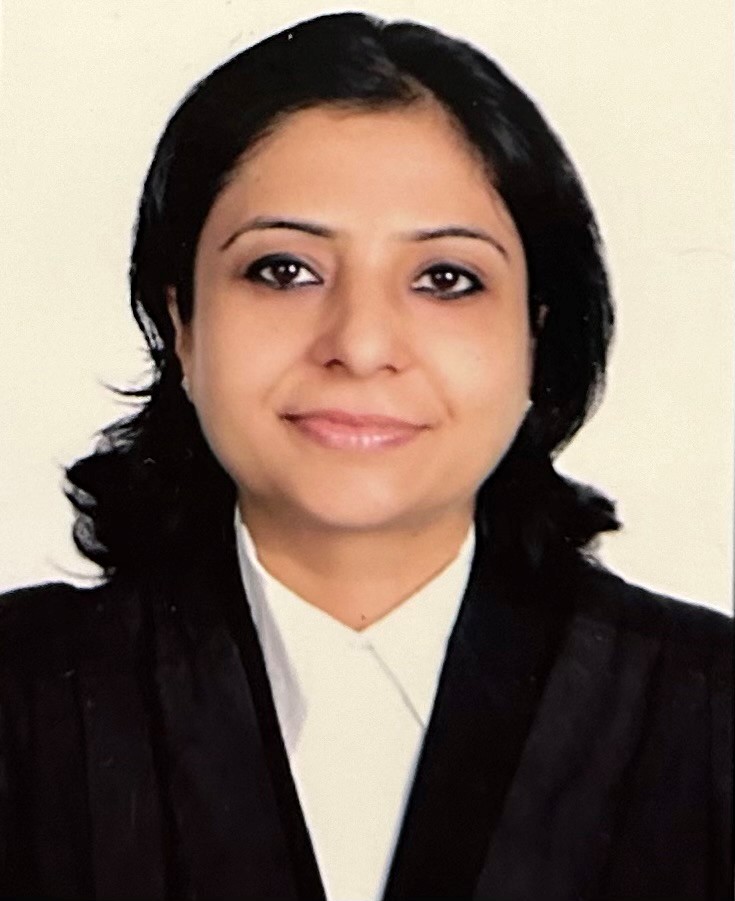



 Allow notifications