With over a decade of extensive practice, what initially inspired you to pursue a career in law and what factors led you to choose this profession?
My father, Mr. Rameshwar Totala, who is practising at Bombay High Court since 1985, inspired me to pursue a career in law. Since my childhood, I have seen this profession very closely. Since my school days, I accompanied my father and his juniors to courts and spent evening time at his office, so choosing this career came very naturally to me.
What was your area of specialization during your LLM at Bharti Vidyapeeth University, Pune, and what motivated you to choose that particular field of study?
During my LLM at Bharti Vidyapeeth University in Pune, I specialized in Corporate Law. I recognized that expertise in Corporate and Commercial Law would not only enhance my professional capabilities but also allow me to assist clients effectively in navigating complex commercial disputes, making it a strategic choice for my career development especially when you are practising at the financial capital of the country, Mumbai.
Following law school at ILS Law College, Pune, you interned and worked with several prominent advocates and law firms. Could you describe your formative years and the key lessons and experiences that influenced your career path?
My formative years at Law School included internships with esteemed advocates such as Shri Harish Salve, Senior Advocate, Supreme Court of India and Shri Vineet Naik, Senior Advocate, Bombay High Court. I also got an opportunity to intern in my final semester at Lakshmikumaran & Shridharan firm, Delhi, which specialises in indirect taxation. I also actively participated in moot court competitions and got the opportunity to represent ILS Law College both nationally and internationally. I was also an active participant in cultural events during college in drama and music, which also helped me connect with students from 1st year to 5th year and I am proud that I have friends today from college, not only my batch but throughout all the batches of 2005 to 2010. All these experiences were instrumental in opening a new horizon for me in the legal profession. Working closely with the best professionals in the world allowed me to gain practical insights into various legal strategies and the nuances of litigation, which have been invaluable throughout my career. I have been in touch with all seniors and colleagues whom I met during my internship even today, who helped and guided me during my formative years and I take it as my responsibility to pass on the same learnings, tips and methods to the interns and juniors who intern and work at our chambers.
You’ve been an independent counsel for almost a decade and what challenges did you face during this transition after you switched from a law firm?
My journey from working as a Legal Associate at Vidhii Partners, Mumbai after ILS Law College from 2010 to 2011, then working as a Junior Counsel with Shri Chetan Kapadia, Senior Advocate, Bombay High Court from 2011 to 2017, and then to an Independent Counsel at RT LEGAL chambers since then has been both demanding and deeply fulfilling and I am eternally grateful to my seniors, because of whom, I am able to litigate effectively in courts and tribunals across the globe. I was always sure since beginning that I wanted to be a litigating lawyer and be in the Courtroom throughout my Career. I was fortunate to work at Vidhii Partners after college, where I got the exposure to work at every possible court and tribunal at Mumbai thereby understanding the procedural niceties and the said experience helped me throughout my career till today.
Given your extensive experience in arbitration, how do you prepare for representing clients in arbitral tribunals, particularly in international commercial and contractual disputes?
Preparing for representation in arbitral tribunals involves comprehensive case analysis and strategic planning. Our aim is to have the client bring us all the minute details, which may be either in the form of documentary evidence or oral evidence and then we try to understand the factual scenario after keeping ourselves in the shoes of our client. This fact discovery exercise with the client, prior to initiation of legal proceedings is very important, to avoid any surprises from the other side during the course of trial. In the evolving global landscape, arbitration throughout the globe has become the “new normal” for resolution of disputes and I try and keep myself updated with the best international practices in order to effectively represent my clients. Also, my first effort is to try and convince the client to mediate, if that is an option in the given facts and circumstances. In the last 24 months, despite initiation of Arbitral Proceedings in multiple cases, we have been able to effectively settle half a dozen cases through mediation for our clients to their utmost satisfaction. Out of court settlement brings respite to the client and reduces the litigation at all future stages, thereby saving the burden on our judicial system which is already reeling under the pressure of pendency.
What do you consider to be the primary challenges companies face when dealing with Insolvency petitions and liquidation matters, and how do you assist them?
I have represented and advised several companies in Insolvency and Liquidation matters. The primary challenge faced by the companies, who find themselves in such a position, is lack of legal awareness. I assist these companies by providing tailored legal advice which helps them navigate their rights and obligations under the law so that further damage could be controlled and if required, options for restructuring or liquidation of such companies while ensuring compliance with relevant regulations could also be worked out. I have been fortunate enough to have worked on several large insolvency cases which the country has witnessed since 2017.
What advice would you offer to law students aspiring to build a successful career like yours? Are there any resources or tools you regularly refer to while navigating the legal profession?
For law students aspiring to build successful careers, I recommend seeking diverse experiences through internships and actively networking within the legal community. They should explore different areas of practice in Law before choosing a niche area of practice. Engaging with mentors can provide invaluable guidance. Staying updated on legal developments through journals, books, online resources is also crucial for continuous professional growth. The field of law is vast and offers numerous opportunities. Through internships, students can explore and determine their preferred career paths, whether it be litigation, corporate law, serving as In-House legal Counsel, being a part of Judiciary or pursuing a career in academia. Last but not the least, litigation is a marathon race, in which you will succeed only if you stick around. After COVID, Virtual hearings are the new normal and most of the courts have also begun to live stream the proceedings. It is a great opportunity for the law students and lawyers to regularly witness these proceedings virtually in the comfort of your home/office and follow the cases, which are of national importance or involve an interesting question of law.
With the demanding nature of your career and responsibilities, how do you manage to unwind and maintain a healthy work-life balance? What strategies or activities help you cope with stress and stay focused?
Our work often demands frequent travel to different cities for court hearings, client meetings, or case preparations. Amidst the relentless pace of this profession, I strive to carve out moments to unwind. Music, one of my cherished hobbies, becomes a sanctuary where I can momentarily escape the pressures of legal battles. It allows me to slow down, regain my composure, and reconnect with myself and approach my responsibilities with renewed focus and energy. If I would not have been a lawyer, I surely would have been in the music profession.
Looking back on your early career, was law a profession you always intended to pursue, or was there a specific experience or event that led you to choose this path? Additionally, what sparked your interest in specialising in Arbitration Law?
Reflecting on my journey, while a lifelong fascination with law wasn’t my initial trajectory, a personal experience profoundly influenced my decision to pursue this path. Witnessing the impact of a significant business dispute within my family during my 12th grade board exams instilled in me a deep appreciation for the importance of legal knowledge and the power of the law. As it is said knowledge is power and therefore, law was the natural choice.
Although I initially enrolled in Economics Hons. from Delhi University, my burgeoning interest in the law led me to pursue a law degree at Amity Law School (affiliated to GGSIPU), a decision that was met with both support and a degree of apprehension from my family, as I was the first in my family to venture into the legal profession.
Regarding your second question, my initial foray into the world of arbitration occurred during my internship with Mr. Shaiwal Srivastava at Paras Legal. The intricacies of arbitration practice, the flexibility it provides to parties and counsel, captivated my imagination. This early exposure ignited a deep and enduring passion for this specialized field, ultimately shaping my professional trajectory.
During the early stages of your practice, you were involved in India-seated arbitration for various Public Sector Undertakings (PSUs). What key lessons did you learn from that phase that helped shape your reputation in the field and contributed to your career growth?
My early career involved significant engagement in India-seated arbitrations for various Public Sector Undertakings (PSUs), an experience that proved invaluable in shaping my professional trajectory. This formative period under the mentorship of Mr. S.K. Maniktala, my first mentor, instilled crucial lessons that continue to guide my practice today.
One of the most significant takeaways was the paramount importance of rigorous legal research. As a junior lawyer, I was deeply involved in researching case law, not only from Indian jurisdictions but also from other common law countries, recognizing that certain legal concepts were relatively nascent in India in the field of Construction law like Concurrent delay. Mr. Maniktala imparted a valuable piece of advice: if a particular legal argument/proposition cannot be found through thorough research, it is crucial to question whether the situation is truly unprecedented, if not then further research is required. This guidance has consistently challenged me to delve deeper and ensure comprehensive analysis.
Furthermore, this period underscored the critical role of meticulous drafting. Under Mr. Maniktala’s guidance, I learned to pay close attention to the structure and language of legal documents. His meticulous review of my drafts, often involving hours of discussion, instilled a deep appreciation for the precision and clarity required in legal writing.
Finally, this experience reinforced the ethical obligations of legal practice. Mr. Maniktala emphasized the importance of honesty and transparency before the court. He instilled the principle that a lawyer’s duty is to assist the court in arriving at a just outcome, which may sometimes involve presenting arguments that may not be entirely favorable to their client’s position. This emphasis on ethical conduct has been a cornerstone of my legal career. If a fact or law is not in our favour, it is the responsibility of the lawyer to show that the said fact or law is not relevant or other considerations hold more importance.
After working with a Law Firm in your initial years, what made you switch to Chambers of Senior Advocates Mr. Pravin H. Parekh and Mr. Ramji Srinivasan and what were the key differences that you came across while working in a law firm and Chambers?
After gaining valuable experience in a law firm, I made a conscious decision to transition to the Chambers of Senior Advocates Mr. Pravin H. Parekh and Mr. Ramji Srinivasan. While my time in the law firm provided a strong foundation in procedural aspects, drafting, and legal research, I observed a significant difference in the approach to legal practice between the two environments.
In the law firm setting, I often found myself involved in presenting a considerable amount of information to Senior Advocates. However, I witnessed how Senior Advocates possess an exceptional ability to distill complex legal arguments, identify the core issues, and present them in a concise and impactful manner. This acute analytical ability, honed through years of experience in high-stakes litigation, particularly resonated with me, given the limited time available for oral arguments before courts in comparison to arbitral tribunal.
This realization, coupled with my deep admiration for the expertise and experience of Senior Advocates like Mr. Fali Nariman, who famously described the above practice as “The School of the Hard Knocks,” led me to pursue this path. My time in the Chambers of Mr. Ramji Srinivasan and subsequently Mr. Pravin Parekh proved to be an invaluable and intellectually stimulating experience and enriching in honing my advocacy skills. I had the privilege of assisting them on matters of national significance, including the landmark Sabrimala case before the nine-judge bench and the AGR matter, gaining invaluable insights into the highest levels of legal advocacy.
Presently, you are working with MRP Advisory. Could you please share more about your experience managing various legal disputes across different legal areas you work in?
I am currently a Senior Associate at MRP Advisory, where I have the privilege of working under the esteemed leadership of Mr. Adarsh Ramakrishnan. My role involves a diverse portfolio of international and domestic disputes, encompassing seat of arbitration in India, UAE, Singapore, Qatar, Oman, London, and Nepal.
The firm specializes in high-stakes international and domestic arbitration matters, primarily focusing on construction/infrastructure and complex contractual disputes. This challenging and rewarding work environment provides ample opportunities for professional development and contributes significantly to my legal career.
This exposure to a wide range of legal systems, including both common and civil law, presents a unique and intellectually stimulating environment. The constant engagement with different legal frameworks and cultural nuances fosters continuous learning and prevents professional stagnation.
Furthermore, collaborating with foreign legal counsel from various jurisdictions provides invaluable insights into international legal practices and fosters a deeper understanding of cultural diversity.
MRP Advisory empowers its associates to grow independently, allowing for significant autonomy and minimal supervision. I am particularly proud to have led the firm’s initiative on discussions concerning construction law and policies in both the Middle East and India, through Podcasts/Webinars and assisted in Dubai Arbitration Week.
Given your extensive experience in handling arbitrations across different jurisdictions, how do you stay current with the evolving trends in this field? What advice would you give to newcomers aspiring to build a career similar to yours, and what resources do you rely on to stay informed?
Reading and keeping abreast with the current trends and law is sine qua non. For this my advice would be:
Jurisdictional Focus:Selecting a specific jurisdiction (or a few) is crucial. This allows for deeper specialization and a better understanding of the nuances of that legal system.
Leading Professionals: Following prominent figures on LinkedIn is invaluable. Platforms like LinkedIn, Twitter, and even blogs provide insights into current debates, case developments, and industry events.
Key Institutions: Staying informed about the activities of major arbitral institutions (ICC, SIAC, LCIA, MCIA etc.) is essential. Their websites, publications, and events offer valuable resources and insights into evolving trends. Along with this, regional institutions of the particular jurisdiction must be followed as well.
Legal Databases and Publications: Utilizing platforms like Kluwer Arbitration, Westlaw, LexisNexis, and specialized journals is crucial for in-depth legal research and analysis.
Conferences and Workshops: Attending conferences and workshops is vital for networking, learning from experts, and staying abreast of the latest developments in the field.
Professional Associations: Utilize the resources available on International Bar Association (IBA), Chartered Institute of Arbitrators (CIArb), Society of Construction Law etc.
Advice to new comers:
While I feel I am too junior to offer advice to newcomers on building a career in international arbitration, I would like to emphasize the importance of maintaining an open mindset regarding career paths early in one’s legal career. Law is a vast and multifaceted discipline, presenting a myriad of opportunities.
Internships and the initial years of practice should be approached as a time for exploration across various legal domains. Personally, I have gained experience in diverse areas such as domestic and international arbitration, commercial and civil litigation, insolvency, and constitutional law. Furthermore, I continually seek to expand my knowledge in technology law whenever I have the opportunity.
It is essential to recognize that each individual’s career journey is unique. Rather than simply following in the footsteps of others, I encourage you to carve your own path in the legal profession. Enjoy the process and always be a student of law.
Reflecting on your extensive experience of over a decade, what initially inspired you to pursue a career in law, and what was your journey like during law school at NLU Jodhpur?
I’ve always been fascinated by how the law shapes societies and protects individual rights. Growing up, dinner conversations always revolved around legal and political issues. My father’s stories about his day at Court or a case often left an impression on me. However, it was not until Class 12, that I finally decided to pursue law. Preparing for the Common Entrance Test with Mrs. Sheela Reddy, who trained a handful of students pro bono, cemented my interest in law. She followed a Socratic method of teaching which I came to appreciate even more when I was at UC Berkeley. She would often quip that training with her, we had already covered all the subjects that would be covered till the third year of law school. She was not entirely wrong.
Choosing NLU Jodhpur was a turning point—it was challenging, exciting, and rewarding in equal measure. The curriculum was rigorous, and opportunities like mooting and journal editing pushed me to think critically and hone my legal acumen. Brief Writing for Moot Court Competitions gave me an opportunity to really experiment not just with legal writing but also with legal research. Although, when I look at those Briefs now, they seem silly, they have played a huge role in exposing me to various facets of advocacy. I was always clear that I wanted to pursue Litigation, probably because that is all that I had seen growing up.
Having completed your LL.M. at UC Berkeley, California, what led you to choose this institution and specialize in areas such as Constitutional Law and International Commercial Arbitration? How did the teaching methodology at Berkeley differ from what you experienced in India?
Berkeley popularly is known for its IP program. However, I wanted to study with Professors like Erwin Chemrinsky and Neil Popovich who are well known in the fields of Constitutional Law and International Commercial Arbitration respectively. During my time at Berkeley I also opted for some IP course which focused on Federal Litigation which helped me a great deal when I later worked in the US. One Senior Advocate I worked with used to refer to Constitutional Law as the divine law. I agree with him. For me the genesis of any legal system flows from its constitution and constitutional theory. Even during law school, constitutional philosophy appealed to me a lot. The socratic approach of dissecting seminal Constitutional Law cases at Berkeley, gave me new insights into constitutional philosophy and the critical approach to reading any case law. I also had the opposite to explore the field of Administrative Law, an offshoot of Constitutional law during my time at Berkeley. Comparing the evolution of Administrative Law in India and the US gave me a new perspective about how Indian Courts dealt with this subject. The compare and contrast approach along with the socratic approach, I believe has a lasting impact on anyone who studies as such institutions. The exposure the Institution offered is unparalleled. The multi national perspective you get to experience aids one in thinking from different perspectives as well.
As a dual-qualified lawyer in both India and California, how has this qualification shaped your practice? How do you handle multi-jurisdictional disputes, particularly those involving private international law?
Being qualified in both jurisdictions allows me to work seamlessly on matters in both jurisdictions and also cross-border matters, especially in cases involving overlapping jurisdictions. Like Courts in India, most Courts in the US have also gone digital during the COVID-19 pandemic. That change has further helped me appear virtually in matters in the US. Doing cases in both jurisdictions simultaneously offers me a unique way to compare both the systems, the laws, the manner of interpretation, and the approach. This has helped me in doing multi-jurisdictional matters as well. I am able to anticipate how different aspects could play out in the two jurisdictions.
Managing each multi-jurisdictional dispute is unique. For instance, in a corruption case involving Indian and foreign entities, understanding the nuances of both legal systems was crucial. Managing such disputes often involves coordinating with subject experts, local counsel, and understanding the differing legal frameworks. One has to anticipate how any stance taken in one jurisdiction may impact the other jurisdictions.
In your litigation practice in India, you’ve worked on intricate cases in Administrative Law, Company Law, and Constitutional Law. Could you share an example of a particularly challenging case and how you navigated it?
I was fortunate to work on a few white collar offences and was successful in defending the independent directors of the Company. However, as an offshoot of the main offence, the SFIO had initiated proceedings before the NCLT against all the directors. Ultimately, it took us close to 14 years to have the matter resolved. All through this period, the case was heard by different benches of NCLT – some time in New Delhi and then in Hyderabad. Navigating the voluminous record running into several thousand pages each time we had to argue the matter and then to have the matter placed before a different bench was initially disheartening. Several other directors, considering the time it was taking, admitted their guilt and agreed for the punishment. However, we advised our client not to take such a plea and to fight it out. Ultimately, our client was the only one who was successful in defending the charges and the case was dismissed against him. The case was a learning experience not just on the skill of advocacy but also on the overlapping legal issues between criminal law and Company law.
Transitioning from the Indian legal system to the U.S. must have presented its challenges. What were the key differences in litigation practices between the two systems, and what were the most difficult aspects of passing the California Bar exam?
While I noticed a lot of similarities between the two systems, the biggest difference I noticed is the approach to Litigation. All the stake holders in a dispute, including the Lawyers and Judges always try to settle the matter either before going to court or before trial begins. The attempt to settle disputes is not limited to civil matters but extends to criminal matters as well in the form of plea bargains. The other aspect that I noticed is the time it takes to get a dispute / case heard. There have been occasions where we would complete a trial in half a day and the judgement is also delivered immediately.
The most difficult part about the Bar exam, especially for foreign lawyers, is to be able to study for 14-16 hours a day for at least 50-60 days. That is the amount of time it takes to go over the 14 odd subjects that you get tested on. Most courses for the preparation are designed keeping in view this requirement. If one were to put in the long hours without giving into exhaustion, then clearing the exam is not that difficult. I think lawyers with some amount of practical training fare better in the exam because they are able to compare and contrast the systems to make it easier to remember a large amount of information.
In both the corruption case and shareholder dispute you handled, you faced complex, multi-jurisdictional issues. How do you manage the intersection of domestic and international law in such cases?
These cases require a fine balance between understanding the specifics of domestic law and the broader implications of international treaties or foreign regulations. In one of those instances, we had to attend court proceedings in three different jurisdictions carefully monitoring the stand being presented to avoid adverse results in any other jurisdiction. Trying to coordinate with lawyers from two other jurisdictions was very enriching in the sense that it gave us an opportunity to understand how they viewed and dealt with such disputes. Sometimes, the discussions would see no end as we differed on the strategy to be adopted in each jurisdiction. Thankfully those were very few instances.
Can you elaborate on your role and the specific challenges you face while representing institutions like the Tirumala Tirupati Devasthanam (TTD) before the Andhra Pradesh High Court?
While representing institutions like TTD a nuanced approach is required that takes into account the complexities of the case and the specific context of religious institutions. One of the primary challenges is balancing the legal aspects of the case with the deep religious sentiments of the millions of devotees associated with TTD.
When addressing legal issues, it’s crucial to be sensitive to the cultural and spiritual importance of TTD, as any decisions made can significantly impact the faith and emotions of the community. This requires not only legal expertise but also an understanding of the social and religious dynamics at play.
Additionally, I focus on looking at the larger picture. This means considering the long-term implications of legal decisions, not just for TTD, but for the broader community and the heritage it represents. It’s important to advocate for solutions that not only resolve immediate legal challenges but also promote the greater good and ensure the continued functioning of the institution in a way that respects and upholds the values of the devotees.
Overall, navigating these challenges requires a careful balance of legal strategy, cultural sensitivity, and a commitment to the wider implications of our work.
What advice would you give to law students and professionals who aspire to build a career like yours, with a focus on international practice and successfully clearing the California Bar Exam?
I believe that going forward there would be a globalisation of the legal industry. Lawyers with training in other jurisdictions are needed in all fields of law. For instance, when we represent Indian origin clients in the US, the client and the lawyers there prefer to have an Indian lawyer on the team. This would ensure a more robust representation for the client. I think multi-jurisdictional careers are going to be the norm. It is very doable and in fact some jurisdictions in the US enable foreign trained lawyers to apply to the Bar without further education. California is one such jurisdiction.
For those preparing for the California Bar, practice is key—focus on understanding patterns and writing concise, analytical answers. Legal writing is what most candidates find difficult.
With your numerous professional commitments, how do you manage to maintain a balance between your personal life and your demanding legal practice?
Balancing a demanding legal practice with personal life is indeed very difficult. One of the key strategies I employ is setting clear boundaries. This means making a conscious effort to separate work from personal time, ensuring that I dedicate specific hours to my legal practice while also carving out time for my personal life and family.
Additionally, I maximize my time in court. Court appearances can be time-consuming, but I use that time efficiently. By preparing thoroughly and organizing my schedule around court dates, I can minimize the amount of time spent on related tasks outside of court, which helps free up more time for my personal commitments.
Overall, while the challenge of maintaining this balance is significant, being disciplined about boundaries and strategic about my court-related time helps me manage both my professional responsibilities and personal life more effectively.
After completing your Bachelor of Science at St. Stephen’s College, Delhi University, you chose to pursue a law degree at the Faculty of Law, Delhi University. What inspired you to transition from a science background to law?
Growing up, I couldn’t help but notice the inequalities that shaped the lives of those around me, especially the women in my family and community. It was clear that opportunities were often more accessible to men, while women struggled to break through societal barriers. I wondered why this was the case, and why these disparities seemed to be reinforced by the very structures that shaped our daily lives. These questions sparked a desire in me to understand and challenge the systems that perpetuated such inequalities igniting a passion for social justice that would go on to define both my academic and professional journey.
Like many young people, I didn’t initially know what path to take. With limited exposure to different fields, I chose science, as it seemed like the natural route at the time. However, as I progressed in my studies, I began to feel a growing sense that my true calling lay in something that could directly address the inequalities I had observed. My involvement in student activism during my undergraduate years was a turning point. Working with others who shared my drive for change, I saw how collective action, combined with legal frameworks, could lead to real impact. I started to see the power of law—not just as a career, but as a tool for social change. The more I learned, the more I realized how law could be used to challenge injustices, shape policies, and drive societal transformation. This experience solidified my belief that law was the right path for me—not just to build a career, but to actively contribute to advancing justice and creating lasting change.
You completed your Master’s in Law at the London School of Economics and Political Science, specializing in Public International Law with a focus on International Law. What motivated you to choose this particular specialization, and why did you decide to study at LSE?
My career began as a litigator, and later as theLaw Clerk (Research Assistant) to the then Chief Justice of India, Hon’ble Justice Dr. T.S. Thakur. These formative experiences provided me with invaluable, hands-on exposure to the inner workings of the domestic legal system. I gained a deep, practical understanding of how law operates on the ground—how cases unfold, which strategies are employed, and, most importantly, the profound impact legal decisions have on individuals and communities.
However, as I spent more time in the field, I began to feel a growing sense of unease. While domestic law certainly plays a pivotal role in shaping society, I found myself drawn to the larger, more complex global issues that transcend borders—issues that require solutions beyond the scope of national legislation. The pressing challenges of our time—climate change, human rights abuses, and systemic inequality—are not confined to one nation or jurisdiction; they demand a global response. It was through this realization that I became captivated by the potential of international law to address these global concerns.
The more I learned, the more convinced I became that international law was the key to understanding and influencing these global systems. I saw how it shapes the legal frameworks governing the relationships between nations and people, and how it holds the power to tackle some of the world’s most urgent challenges. This growing fascination inspired me to specialize in international law, with the aim of acquiring the knowledge and skills needed to contribute meaningfully to resolving these complex issues and working towards a more just, sustainable, and equitable future.
To pursue this passion, I sought an academic environment that would challenge me and equip me with the necessary tools to navigate the intricacies of international legal systems. The opportunity to study at the London School of Economics (LSE) felt like a natural next step. Renowned for its interdisciplinary approach to legal education, LSE emphasizes combining rigorous academic analysis with practical, real-world application. This approach resonated deeply with my aspirations and offered exactly what I was looking for—an education that would push me to think critically about global legal challenges and develop holistic solutions by providing me not only quality education but also complementing the same with work experience in the UK, Türkiye and Austria.
I was humbled and honored to be awarded the prestigious Chevening Scholarship by the British Foreign, Commonwealth, and Development Office. This scholarship not only provided the financial support I needed to study at one of the world’s leading institutions but also connected me to a network of passionate, like-minded individuals from diverse backgrounds. The exposure to a broad range of perspectives and experiences enriched my academic journey, broadened my worldview, and deepened my commitment to addressing the world’s most pressing challenges.
Looking back, my journey from a domestic litigator to an international law scholar has been driven by a single, unwavering conviction: to challenge systemic inequalities and create a lasting impact toward a more just and equitable world.
Having worked with various advocates and judges in different roles and forums, you eventually chose to pursue a career in the judiciary. What motivated you to take this step, and how did you approach preparing for the Delhi Judicial Services (DJS) exam, ultimately securing second rank nationwide?
My decision to pursue a career in the judiciary was shaped by two deeply personal influences: my family history and my professional journey.
My father grew up in a small village in Uttar Pradesh, where educational opportunities were nearly nonexistent. He walked miles barefoot to attend school and defied the odds to ensure his children had access to the opportunities he was denied. He often recounts how, in his community, the birth of a daughter was met with pity—a reflection of the deep-rooted gender biases that continue to persist. My mother, too, came from a traditional background where her decision to work full time faced resistance. Despite these challenges, my parents led by example, instilling in me a sense of resilience, perseverance and dedication towards public service. Throughout my career, I made decisions that were unfamiliar and, at times, difficult for my parents to understand. One such decision was my shift from science to law. This was a major transition, and at first, they were unsure about it. However, once they understood my motivations, they fully supported my choice. My parents then encouraged me to pursue the judiciary, seeing it as the perfect blend of public service and my desire to make a meaningful impact on the world.
Further, as a litigator and later a Law Clerk, I saw firsthand the judiciary’s vital role in society. For many, the courts represent the last hope when all other avenues have failed. Witnessing people place their trust in the system during moments of vulnerability left a profound impact on me. These experiences fueled my desire to contribute to a system that provides fairness and resolution to those in need. Joining the judiciary wasn’t just a career choice; it was an opportunity to serve, learn, and grow while making decisions that had tangible impacts on people’s lives.
Reflecting back, becoming the first judge from my father’s village remains a proud moment, not just for my family but for the community as well. It symbolized a shift, however small, in a deeply ingrained cultural narrative—the idea that daughters can rise to fulfill their potential and become agents of change. My father’s journey, from being pitied for having a daughter to celebrating her success, serves as a testament to what can happen when one refuses to be defined by societal limitations.
As far as the preparation of the judiciary goes: it taught me the importance of strategy and focus. Instead of overwhelming myself with an excess of resources, I prioritized the quality of information over quantity. Having clear and solid fundamentals was the key to my preparation. I relied on one or two trusted resources, studying them thoroughly rather than spreading myself thin across multiple materials. This approach not only deepened my understanding but also saved valuable time. When it came to writing the mains, I realized that efficiency mattered more than perfection. Focusing on presenting well-structured, concise answers was far more effective than chasing unattainable flawlessness.
As a Metropolitan Magistrate, you had a wide range of responsibilities. Could you describe some of your key duties in this role? Afterclose to three years in the judiciary, what factors led you to transition out of this career and move into your current position?
My journey in the Delhi judiciary began as a Metropolitan Magistrate in the Negotiable Instruments Court, where my primary responsibility was adjudicating cases under Section 138 of the NI Act. However, like most judicial roles, the work extended beyond just the allotted cases. As a duty magistrate, I handled interim orders, bails, and applications across various laws, including POCSO, IPC, and NDPS. The COVID-19 pandemic further shifted the landscape, introducing new responsibilities like regular prisonvisits to ensure the safety and health of inmates. Alongside this, the shift to digital hearings became a steep learning curve—not just for judges, but for all involved and it was fascinating to witness and be a part of that transformation. Throughout my tenure, I learned not just legal principles, but valuable life lessons. The responsibilities were not just about legal questions; they extended to understanding the deeper ethical and human aspects of justice. It reminded me of the words of the Alexandrian philosopher, Philo: “A judge must bear in mind that when he tries a case, he himself is on trial.”
After more than two and a half fulfilling years as a judge, I made the difficult decision to leave judiciary. It wasn’t an easy choice, but it was a necessary one for my personal growth stemming from a desire to expand my horizons and contribute on a larger scale. The experiences I had on the bench taught me that justice is not just about the law – it’s about transforming lives, and I wanted to create a broader, systemic change.
I recall a moment when I went back to my village after clearing the judiciary exam. I was greeted by a group of 30-40 men from my father’s and the surrounding villages – the first time they had ever seen a judge from their community. In a place where women traditionally cover their faces in the presence of men, this was an extraordinary scene. They had no questions for me, just a deep curiosity as to “what does a judge look like?” I found myself responding to them with a question of my own asking “If you had allowed girls to attend school, perhaps we would have had a judge from this village long ago.” There was a deep silence, and I could feel the weight of their realization. They had never considered the connection between education and opportunity.
It was a moment that profoundly impacted my perspective on the societal barriers we often overlook. It made me realize that systemic issues are deeply interconnected and cannot be solved in isolation. I saw firsthand how societal change requires addressing multiple levels—be it education, social equity, or gender norms. If I wanted to create lasting true societal and systematic change, it had to go beyond the courtroom. My parents’ own struggles to, against all odds, ensure my educationtaught me the power of challenging conventions and pushing boundaries. It became clear to me that the change I sought wasn’t just about interpreting laws; it was about creating environments where every person, regardless of their background, could thrive. This was not just about personal achievement—it was about changing the narrative for future generations.
How did your legal background and experience in the judiciary and litigation influence your shift into the field of corporate sustainability and social impact? What skills and insights from your previous roles have proven most valuable in your current position?
Ruth Bader Ginsburg famously said, “Fight for the things that you care about, but do it in a way that will lead others to join you.” For me, this wisdom became a guiding principle. During my second masters, I saw corporate sustainability as a way to channel my passion for justice into a broader, more integrated approach that not only held businesses accountable but also empowered them to make a positive impact. I knew that by shaping corporate practices to be more socially responsible, I could help create a future where both people and the planet were prioritized—not as an afterthought, but as a core part of business operations.
This transition wasn’t something I planned, but in many ways, it felt like a natural evolution. My time in the judiciary had always been about questioning the status quo—about examining how systems could be more just, inclusive, and equitable. The move into corporate sustainability felt like the next step in challenging conventional narratives. I wanted to challenge the notion that justice is confined to the courtroom, or that sustainability is just a buzzword used in boardrooms to appease shareholders. I believed it was time to reshape these narratives and make them more inclusive, impactful, and aligned with the needs of society and the planet. The skills I honed as both a judge and a lawyer have proven invaluable in my current position. As a judge, I learned how to critically analyze complex situations, weigh diverse perspectives, and make reasoned decisions with fairness and equity at the forefront. These skills are essential in navigating the complexities of corporate responsibility, where the stakes are high, and solutions require a delicate balance of stakeholder interests. As a lawyer, I gained a deep understanding of legal frameworks, negotiation tactics, and advocacy—tools that are indispensable when driving systemic change within corporate structures. My experience in the law and judiciary has shaped the way I think about systems and change. And now, through my present position at Beiersdorf, I believe I have the opportunity to drive that change in ways that are both impactful and lasting.
Looking back, I strongly believe that my journey from judiciary to corporate sustainability was rooted in my deep belief that meaningful change requires us to look beyond traditional roles and systems. More than the skills, it is my core values that have driven this transition. I’ve always believed in challenging conventional narratives, pushing boundaries, and seeking innovative, holistic solutions. In the end, this shift was about embracing a bigger vision of justice—one that extended beyond the courtroom and into the communities, and global marketplaces that shape our future.
During your time at the UNODC, you worked on the United Nations Convention against Transnational Organized Crime. How did this experience shape your understanding of global governance, and how does it inform your current approach to driving social impact at Beiersdorf?
My experience with the United Nations Office on Drugs and Crime (UNODC), in the field of organized crime, significantly shaped my approach towards my future endeavors including the present one in corporate sustainability. At the UNODC, I gained insight into the complex, global nature of transnational crime and its profound social, economic, and environmental effects. I learned how systemic issues—such as poverty, corruption, and inequality—are interconnected, and addressing them requires coordinated, multi-dimensional solutions across borders, sectors, and institutions. I realized that social impact, whether through law enforcement or corporate responsibility, is not about solving isolated issues but addressing them holistically.
Furthermore, working at the UNODC taught me how to navigate complex international frameworks and collaborate with diverse stakeholders. This experience has been invaluable in my present position, where cross-sector collaboration is essential. Whether working with governments, NGOs, or businesses, I understand the power of collaboration in driving systemic change—just as international organizations do in addressing global challenges.
In summary, my time at the UNODC taught me the importance of a comprehensive, multi-stakeholder approach and a commitment to ethical practices. In my current role as Global Impact Strategy & Partnerships Manager at Beiersdorf, I draw heavily on these experiences. I leverage my understanding of interconnected challenges to design and implement strategies that integrate social impact into the corporate framework.The comprehensive perspective I gained at the UNODC ensures that the initiatives I work upon are rooted in a deep understanding of systemic challenges and guided by a commitment to ethical collaboration. By leveraging strategic partnerships, data-driven insights, and a focus on long-term change, I aim to contribute meaningfully to building a more just and inclusive society through corporate social impact.
Reflecting on your career so far, what has been the most rewarding project or initiative you’ve been a part of, and what made it particularly meaningful to you?
My career journey has been shaped by a range of diverse experiences that have both challenged and inspired me such as supporting landmark rulings during my time as a Law Clerk (Research Assistant) to then Chief Justice of India and supporting refugees, particularly women, with their integration process during my internship with the Afghanistan and Central Asian Association in London. These experiences, among others, have been both professionally rewarding and personally transformative for me.
However, when thinking about the most rewarding initiatives of my career, two specific projects stand out—both of which have impacted me and reaffirmed my passion for meaningful work.
The first initiative is a deeply personal experience I had while serving as a judge. I was tasked with adjudicating a more than six-years-old negotiable instrument (NI) case involving a senior citizen complainant, who was over 80 years old. This case had been delayed through the tenure of three judges, including myself, and was delayed further due to the COVID-19 lockdown. Throughout the trial, I witnessed the deep emotional toll that the long wait for justice had on the complainant. When the judgment was finally announced, it took him several moments to grasp that the case had come to a close in that court. He stared at me from a distance for several minutes; with tears and disbelief in his eyes. The case highlighted how complex legal processes, while necessary, can often obscure the truth, leaving the common person to struggle through a maze of procedural stages. For me, this case was a poignant reminder of the judiciary’s role in untangling these complexities and ensuring that true justice is served. The profound impact this experience had on me gave me a deeper understanding of the power the law holds in changing lives, particularly for those who need it most.
The second initiative that has had a deep and lasting impact on me is the Empowering Girls program I’ve worked on for the past two years at Beiersdorf. Focused on providing girls and young women in Africa, Asia, and Latin America with the resources and opportunities to unlock their potential, this initiative resonates deeply with me. Over the course of this initiative, I’ve seen firsthand how corporations can contribute to positive change by applying their resources, expertise, and networks in ways that support long-term development. Despite the challenges, the lessons my team and I have learned about the transformative power of this work have been invaluable. What makes this initiative so rewarding is not just the direct impact on our project participants, but the ripple effect it has had on their families and communities.
While these two projects may seem to come from different worlds—one from my role in the judiciary and the other from my work in the corporate sector—they both embody the same underlying principle: that meaningful impact doesn’t always follow a conventional path. Both experiences have reaffirmed my commitment to creating change and providing opportunities for others, no matter the sphere of influence. These initiatives have been incredibly rewarding, not only because they allowed me to make a difference but because they have been formative in shaping my understanding of how true impact is made: through persistence, compassion, and a commitment to justice.
With your unconventional career trajectory, what advice would you give to young professionals just starting out in their careers, particularly those interested in blending law, international relations, and corporate sustainability?
Like my career, my advice to young professionals—especially young lawyers—is a bit unconventional. Instead of focusing on exams or internships, I want to emphasize something more fundamental: your approach to your career as a whole.
Socrates once said, “The unexamined life is not worth living“. This idea has always resonated with me because I believe real growth happens when we question our paths, reflect on our choices, and dare to push beyond the limits that others set for us.
When I started my career, I faced a constant stream of advice telling me to take the “safe” and “secure” route—a government job, something stable and predictable. Coming from a middle-class family, the pressure to follow this path was immense. My family, like many others, also believed that a government job would guarantee security, respect, and a clear future. The idea of a secure, stable career was so ingrained in my surroundings that for the longest time I simply didn’t know there was any other way. But as I progressed in my career, I wanted to push the boundaries of what was possible. I wanted to step beyond the confines of what people around me thought I could achieve and challenge the very notion of what was “expected.” My ambition was to make an impact not just within a local or national framework, but on a global scale—something that would allow me to contribute to change at a broader, more meaningful level. I didn’t just want to follow the traditional path laid out for me—it was about following the one that aligned with my own passions and values.
This led to a significant turning point. I made the bold decision to leave my position as a judge, a role that many saw as secure and prestigious, and chose to pursue something far less conventional: corporate sustainability. This decision come with its challenges—leaving behind a stable, respected career to start anew in a foreign country was a huge leap. There were moments of doubt. I faced resistance from those who believed I was throwing away a secure future. But it has also been one of the most fulfilling decisions of my life. Every step of this journey has been an opportunity to learn, to grow, and to discover a deeper sense of purpose. It’s shown me that sometimes, the path less traveled holds the most rewarding experiences.
My advice to young professionals—especially young women—is simple, though it might not always be easy: trust your own journey. Growing up, there’s often pressure to follow the “safe” path—specific jobs, predictable roles, and stability. But the truth is, those paths don’t define your worth or your potential. I know many of us feel boxed in by societal expectations.
But here’s something I’ve learned from my journey: many of the limitation’s society places on us—especially on women—are simply the consequence of restrictive viewpoints. We are told which careers are “appropriate,” which dreams are “too big,” and which ambitions are “unrealistic”. But your potential is yours to define. The journey might not always be straightforward—there might be struggles, financial challenges, or familial expectations—but there’s immense value in questioning, reflecting, and finding your own way, no matter how unconventional it may seem. Yes, stability is important, but success isn’t just about job security. It’s about finding a path that aligns with your values, passions, and strengths. And if that path feels risky, even unreasonable, then so be it.
As George Bernard Shaw famously said, “The reasonable man adapts himself to the world; the unreasonable one persists in trying to adapt the world to himself.” I’ve always believed that the world needs the “unreasonable ones”—the ones who persist in trying to shape the world to their vision rather than simply conforming to what’s expected.
So, be unreasonable. Dream big, take risks, and stay true to what feels right for you. Your journey may not always follow a straight path, but that’s where the real growth happens. Embrace the unknown and let it shape you into the person you’re meant to become.
Coming from a science background, what experiences led you to pursue a career in law and ultimately gain admission to Symbiosis Law School, Pune?
In Tier II cities [like Bhopal], engineering and medical streams were the most sought after graduation qualifications. Going with the flow, I opted PCM as the stream in 11th & 12th standard and prepared extensively for competitive exams like IIT and AIEEE for two years. However, I realised that my core acumen is more suited for law where I can perform and achieve better as compared to hardcore technical streams like engineering. I found law to be attractive, expressive and more relatable. When I conveyed the same to my parents, they happily supported my decision and gave me free hand to do whatever I felt comfortable in life. My father, who himself was heading the Editorial department at a PSU and an avid reader, knew that the legal profession is a dignified and respectable profession, and motivated me to take the chance at law, though a less opted path at that time. On a lighter note, 3 Idiots was also released in 2009 and it gave a clear message that unless you are a Rancho, it is okay to go for course correction like Farhan or Rastogi, so I also had some kind of validation for taking a leap of faith. In 2010, I appeared for various Law Entrance Examinations and cleared Symbiosis Entrance Test [SET] with AIR 49. I happily joined Symbiosis Law School, Pune which was the best decision of my life.
How was your experience working at three tax law firms in New Delhi? What influenced your decision to specialize in Tax Law, and what early experiences helped deepen your understanding of the legal field?
As a law student, I didn’t have many things under control such as choice of internships and specific teams where I wanted to intern. The foundation of one’s inclination towards a specific field of law is built through the work done during law school such as moots, research papers etc.
My influence towards the tax laws began when I participated and won the Nani Palkhivala Research Paper Competition in 2013 [3rd year of Law School] on ‘Advance Pricing Agreements’ [International Taxation]. At the prize distribution event [in GLC Mumbai] I had the privilege to briefly interact with Retd. Justice Sanklecha [Heading the tax roster bench of Bombay High Court at that time] and Sr Adv. Soli Dastur [a doyen in Bombay High Court tax circle] who motivated me to explore tax practice in future. However, I never had any exposure to tax laws at that time. Out of my 11 internships during law school, I then interned for more than 4 months in PDS Legal Bombay to understand the aspects of ‘direct tax litigation’ under Mr Nishant Thakkar and Ms. Jasmin Amalsadvala. During internships, I regularly attended proceedings before the Bombay High Court and observed many prominent seniors arguing the cases before the High Court. It was the exposure to Courtrooms during my internships that inspired me to become an arguing counsel. Though I got placed from College at a Company in Mumbai, I chose to go for tax litigation at Delhi.
In 2015 when I joined my first Firm [Reina Legal], I started practicing indirect tax litigation, which had a much wider base than direct tax litigation as Indirect taxation at that time covered laws like VAT, Service Tax, Excise, Customs etc.. My mentor Mr. Gajendra Maheshwari trained me from scratch and gave me arguing opportunities in tax matters before the Tribunals and High Courts which is quite rare in the current era. It was a rocket start for a fresher who was dreaming to become a litigator one day. He taught me things like a younger brother and corrected my mistakes with compassion.
When I joined Advaita Legal [best friend firm of KPMG] in 2017, I had the privilege to work with stalwarts of indirect taxes such as Mr. Sujit Ghosh [Now Sr. Adv, SC], Mr. A R Madhav Rao and Mr. Sudipta Bhattacharjee [now at Khaitan & Co.]. I learnt many new concepts while working under my seniors as to how a problem is approached and how a strategy is devised which brings a relief to the client. They were live databases of the jurisprudence on indirect taxation and taught me the foundation and history of each dispute. Tax disputes are as old as the laws are being in existence, thus the evolution of jurisprudence bears huge history.
Thereafter, I joined DMD Advocates [formerly Dutt and Menon] in 2019 where I joined the team of Mr. Tushar Jarwal. It was like working with Special Forces. One aim, no error was the policy. I was expected to prepare the matters within a limited time frame without compromising on quality. Working under Mr. Jarwal was more of a training of mind that every case has to be won at any cost and we have to give 200% to the case. The preparations for the matters were so thorough that there was no room for error, whatever may be the query which may come from the Hon’ble Bench or the opposite counsel. War scale preparation would be an appropriate description for the same. In my understanding, knowledge is something which one continues to gather and accumulates but the way of execution and getting results is something which changes your perception towards the work. This policy was applicable irrespective of worth of matter, whether it was a 10,000 crore tax dispute or a pro bono matter for a poor retired employee, mindset has to be the same. Discipline and devotion to work is something which I cherished in the team.
In nutshell, the experiences in the three firms developed my overall mindset and personality, be it knowledge or quick execution. It led to the creation of an independent human being and a lawyer who was ready to face the challenges in the coming future.
How briefing of Sr Counsels takes place in high stake tax matters? Having had the privilege to work with prominent senior counsels like Harish Salve, Arvind Datar, S Ganesh, N Venkatraman how did these experiences shape your approach to law? What valuable lessons have you learned from them that you apply in your own legal practice?
The fate of any case being weak or strong is based on its drafting and presentation of correct facts and law. But the magic comes when it is being argued by arguing counsels using their experience, court craft and convincing skills. At the High Court and Supreme Court, the stakes are usually high, and the drafting counsels usually try to incorporate all the legal arguments for their cases. On the other hand, Senior Advocates know that which precise legal point will turn the tides in Clients favour. This is a skill acquired by years of practice and there is no shortcut to it. The entire art before the Court is to present the most complex situation in simple words so that each and every person in the courtroom can understand and relate to it. It is the crystal clear presentation, in the shortest possible time, by Senior Advocates that makes them so special..
During briefing, the briefing counsels are expected to explain the entire case to the Seniors crisply so that they understand the issue and initiate their thought process. This involves preparation of comprehensive briefing notes and compilations for the Senior Advocates so that they can scan the relevant details and accurately present the case before the Court.
While working with some of the leading Senior Advocates I learnt that thinking out of the box is very relevant as the case may not be covered by any existing precedent and the Hon’ble Court is required to be persuaded in a manner which yields a positive outcome. The situation is more difficult when there are existing precedents but against us. In such situations, the burden is on us to distinguish and make out a case for the client. Further, I clearly learnt that every matter is build block by block and there is no jumping to the conclusion howsoever easy the issue may appear. The facts are analysed in detail and documented, the applicable laws are checked with amendments along with their legislative intent. Post this grounds and prayers are structured. If this foundation is strong then it becomes much easier to persuade the Hon’ble Court and results are better.
After gaining significant experience at various law firms, you chose to start your own practice. What prompted this decision, and as a first-generation lawyer, what challenges did you face in the early stages and how did you overcome them?
Independent practice arms a lawyer to drive a matter according to his own acumen, understanding and experience. Unlike a Firm structure where every step is scrutinised at multiple levels, such is not the case in independent practice. The entire responsibility is on your shoulder to take the case to its logical end. I chose independent practice as it gave me the stage to argue before the courts on an independent basis. The sooner you start the easier it is. I am not over quoting by making a reference to a movie named “The Judge” wherein Robert Downy Junior [& other lawyers] used to feel nauseous before each court hearing due to the extreme pressure of courtroom. Such situations are real because the Hon’ble Judges may ask questions from anywhere in the brief and it is on the arguing counsel’s shoulder to satisfy the queries of the judge. The stage fear is real till you get used to it. It is a dive which every aspiring litigation lawyer is required to take and believe me there is never a perfect time for the same.
Having worked with different distinguished lawyers in the industry, I was able to understand the pattern and art of executing a case from drafting to final arguments. In my previous firms I had handled complex tax litigations which prepared me to face any challenge which may come in future.
In initial years of independent practice you are one man army who will have to handle the drafting, filing, arguing, client handling etc. on your own. This is time consuming but necessary also. Another hurdle is the infrastructure which is required to operate a full time litigation chamber. But this is the time when your good deeds pay back. Your previous interns, colleagues, relatives refer you cases. Independent practice is one man show but built on many peoples support and trust based on you by well-wishers.
For freshers and aspiring independent litigators, the most important aspect in litigation is to not get demotivated and keep struggling. There will be days with no work but that time can be utilised in going to courts and networking. The Internet is free, one can write articles and keep his/her presence alive. The entire game of litigation is to never leave the game. There will be financial hit initially but if that period is crossed then you will realise that it is the best decision of life.
You successfully cleared the AOR exam in December 2022 on your first attempt, after studying a broad range of laws beyond tax. How does being an AOR impact your legal practice, and can you share some tips or tricks that you employed for clearing the exam for our readers?
Before preparing for the AOR examination, taxation law was my lifeline and core expertise. There was never any need to understand any other procedural laws like CPC or CRPC as Tax Adjudication system have their own hierarchy and own dispute resolution system. For example, adjudication starts with Commissioner, against which appeal goes to Commissioner (Appeals), followed by appeal in Tax tribunals and then to High Court and Supreme Court. The tax laws are code in itself and there is hardly any requirement to make reference outside such statutes.
On the other hand, the AOR examination is all about knowing the powers and limits of the Supreme Court. Such knowledge or procedure is an outcome of the Constitution, Supreme Court Rules, 2013 and the judicial precedents. The judicial precedents can be from any stream of law, for example a famous matrimonial disputes case laid down the jurisprudence on Review and Curative jurisdiction of Supreme Court [Rupa Ashok Hurra v Ashok Hurra]. A case of sexual offence on social worker, led to the laying down of guidelines for sexual harassment by Supreme Court expanding the scope of judicial activism [Vishakha v State of Rajasthan]. A case on Taxation on denatured alcohol led to the expansion of doctrine of prospective overruling [Synthetics and Chemicals v State of UP].
It is immaterial as to which area of law one had specialised before appearing for the AOR exam. One needs to know everything from the perspective of working for the Supreme Court. Bare minimum knowledge of each subject is necessary if one is aiming to appear for the AOR exam.
There are two cheat codes which I followed during my examination preparation as I only had three weeks to prepare due to my hectic schedule at the office. First, pattern of last five year question papers. And Second, lectures conducted by SC Registry and SCAORA. If one blindly follows these two methods then it is easy to decipher as to what are the expectations of the examination body. Since I had considerable experience in drafting SLPs, Writs before the Supreme Court during my tenure at previous firms, the drafting examination paper was not a big challenge.
After becoming an AOR, having read/acquainted with the major/relevant laws, I got the confidence to take up any matter and execute the same as the AOR examination preparation clears up your core concepts and builds your ability to think on first principles. Though, legal field is an ocean in itself, clearing the AOR exam gives a sense of confidence and completion.
Can you share one of the most fascinating cases you’ve worked on so far? How did you prepare for such a complex and intriguing case?
I have majorly represented companies before the High Courts and Supreme Court in tax matters. In such cases, human emotions are not involved and ultimately the companies are benefitted or take a hit as a ‘corporate entity’. However, when you deal with cases involving life and liberty of an individual, then the real heat is involved. A win or a loss strikes you personally as you tend to feel elated when the outcome is positive or you tend to feel guilty/sad when the outcome is negative. These emotions are very personal and impacts the mindset of a lawyer.
I recently did a pro bono case, wherein my house maid informed that her neighbour’s new born daughter is missing after being forcibly taken from her parent’s custody. The parents were labourers and uneducated and had been trapped in a child trafficking racket/syndicate. Neither the police nor any NGO was ready to provide any assistance to the poor parents. Everyone had a perception that parents are part of the racket and are equally guilty. Until I met the parents, I was also reluctant to take this case as my conscience was not allowing me to defend someone who is remotely involved in any form of child trafficking. However, when I met the parents, my views changed and I deciphered that it was a case not only involving a child trafficking racket but also a case of police brutality/custodial torture on parents who were victims in true sense. We immediately moved a habeas corpus petition before the Hon’ble High Court and got the matter listed on the same day. Subsequently, the 14 day old baby was traced and handed over to the parents. Parents were also given protection from police subject to their participation in the investigation. I learnt my lesson that as a lawyer having a pre conceived notion is not appropriate and one must perform his/her duty to defend its client. For me it was an emotional moment when I saw the baby girl being rescued who could not have survived without her mother. Sometimes the profession gives you the chance to become Sunny Deol [of Damini Movie] and you should never think twice to accept such a role. To rise and fight for the weak is what about legal profession is for.
With continuous reforms in Indian Taxation laws, how do you see the landscape evolving? How do you stay informed about the latest trends, particularly in taxation, and can you recommend any resources for our readers?
The concept of tax is simple. The government needs money to run the country. Tax statutes keep on evolving to tax such transactions which involve some sense of commerce or business. On the other hand, the assessee or the tax payer will always try to claim a benefit or rebate or deduction on such taxes. This fight is never ending. For example when crypto currencies or online gaming were introduced in the country the tax departments were quick enough to issue notices to levy GST on such transactions. It is at this point when the lawyers come into picture and question the procedures or the levy itself in light of the constitution and the applicable statute. Writs are filed under Article 226 of the Constitution to contest such demands and this cycle goes on. A tax lawyer is hired for the fact that the client may be saved from paying taxes but in accordance of the law and within legal mandates.
There are dedicated portals like taxsutra, taxmann, taxmanagementindia etc. which keep on sending the updates on a daily basis. When you are in practice, one can easily relate as to which update is relevant with respect to his/her brief. Also, these portals publish articles by industry professionals which keeps you updated about recent disputes and litigation.
Tax Law is a specialized field. What advice would you give to young, aspiring lawyers who wish to pursue a career in taxation?
Tax laws, though complex, ultimately test your reading and interpretational skills. Generally speaking, if a lawyer learns tax law in earlier stage of their career then he/she can read and interpret any other laws with less effort. For example when you have already completed a marathon then you will never find a 5K or 10K run a challenge. When you have already tackled the most complex statute you will find some ease in interpreting the other laws.
Some of the legendary lawyers in the history of Indian Legal System were/are primarily from tax background, such as Nani Palhivala, Harish Salve, Arvind Datar.
Balancing a demanding legal career with personal life can be challenging. How do you manage to maintain a healthy work-life balance while meeting the demands of your profession?
In the beginning of career, I used to work like a frontline soldier. I hardly cared about my health and routine and gave preference to myself only on Saturday and Sundays which were off days in Court. Those days also went in partying or meeting friends. However, after 6-7 years, this disbalance showed impact on health with weight gain and also high levels of stress and cholesterol. This reduced overall efficiency and had a deep impact on mind. The main issue with beginning any exercise is that if your mind is cluttered or stressed you will find exercising as a burden. Therefore, the first step I took was to reorganise my thought process and then started mild exercises at home. COVID 19 was an eye opener and made me think that if I am not exercising still, being at home then it is entirely my lack of motivation as I was anyway saving 2-3 hours of travelling in lockdown. Therefore, I gradually started challenging myself and started doing pushups. Began with 2-3 in a day to 100 pushups in a day. I started to monitor my heart using a smartwatch and started full-fledged gym. Now this has become a routine. Half of the day is already won when you achieve that adrenaline rush at Gym in the morning. I also play badminton on weekends which is an amazing way to hangout with friends and release stress.
However, sometimes when there are back to back hearings in Court across the week, this routine has to be moulded and I try to compensate by lifting some extra kilos on the weekends. On a lighter note, there are many seniors in the Supreme Court who run from court to court faster than the much younger generation. If you cannot keep up your pace with them at a younger age then it is high time to introspect your health.
As a highly experienced legal professional with over 12 years in the field, what initially inspired you to pursue law, and how did your early years shape this decision? Kindly reflect on your time at law school.
My decision to pursue law was driven by a strong sense of justice and a desire to help people understand their legal rights in a system that can often feel overwhelming. Growing up in a family where my grandfather was a police officer and my father an advocate, I witnessed situations where legal awareness and timely assistance could have made a difference. This understanding inspired me to become an advocate. My early years were marked by an interest in understanding human conflicts and resolving disputes fairly.
However, my experience at the law school was transformative. My professors played an important role in cultivating my curiosity for constitutional and dispute resolution matters, which remain central to my practice today. Looking back, I can say the early learnings and guidance shaped my analytical abilities, sharpened my understanding of the legal system, and introduced me to the practical side of the law. Indeed, the experience served as a foundation that gave me the knowledge and the confidence to enter this profession.
How did working with Senior Advocate Mr. Sunil Sethi impact your early career, and what key lessons did you learn?
Working with Senior Advocate Mr. Sunil Sethi was a defining period in my career. He taught me how to develop a meticulous eye for detail and the importance of presenting a case with clarity and conviction. He has a very calm personality, which has influenced my attitude towards life and my profession significantly. Under his guidance, I learned to build strong legal arguments rooted in logic and evidence, which proved invaluable in courtrooms.
Mr. Sethi’s dedication to his clients and ethical practice further taught me the significance of trust and professionalism in the legal field. Additionally, watching him handle complex cases with precision inspired me to adopt a similar approach in my independent practice.
What inspired you to establish Meridian Law Chambers in 2022, and what were your main goals for founding the firm?
After years of experience in independent practice and working with senior legal stalwarts, I founded Meridian Law Chambers in 2022. I started the venture with a vision of creating a law firm that offers effective legal solutions while maintaining personalised client attention. When I began, I wanted to build a team capable of addressing modern legal challenges across sectors like infrastructure, banking, real estate, and defence. However, my primary goal was to address the gap between specialised legal services and a client-centric approach. Today, I am proud to bring the vision to reality. The team has been adept at leveraging expertise across litigation, arbitration, and advisory to deliver tailored solutions to all our clients.
How do you balance leadership responsibilities with your advisory and consultancy roles as Head of Meridian Law Chambers?
During my journey, I have learned that balancing leadership and legal roles requires an effective time management strategy and a collaborative team structure. This insight encouraged me to ensure that responsibilities are well-delegated within the firm so that every case and client receives undivided attention. I oversee major cases personally while empowering my associates to handle specific aspects of litigation, advisory, and due diligence.
Over the years, by maintaining open communication, mentoring my team, and prioritising strategic matters, I have tried to balance my leadership responsibilities alongside my advisory roles. Hence, you can say that the journey so far has been about trusting the team while staying deeply engaged with the firm’s overall direction.
Can you describe your role as Standing Counsel for the Reserve Bank of India in Jammu & Kashmir and Ladakh and the challenges you face?
As Standing Counsel for the Reserve Bank of India, my role involves representing the RBI in key litigation matters, protecting its interests, and ensuring compliance with changing financial and regulatory frameworks. The primary challenge I often face pertains to addressing complex financial disputes and the need to stay ahead of changing legal and economic landscapes.
Throughout my career, my go-to approach to face these challenges has been through proper research and clear advocacy. I have always believed that it is vital to understand the nuances of financial regulations and their interplay with the judicial process to defend a client’s interest. The approach continues to help me uphold the institution’s interests and its beliefs successfully.
What are the significant legal challenges faced by hydropower and infrastructure projects in India, and how do you ensure compliance as a consultant?
Historically, hydropower and infrastructure projects in our country face several challenges, particularly those related to regulatory clearances, land acquisition disputes, environmental concerns, and contract enforcement issues.
Additionally, delays in obtaining permits and disputes over compensation often create hurdles for such projects. As a legal consultant, it is my duty to ensure compliance by conducting comprehensive due diligence, analysing risks, factoring in evolving environmental laws, and advising clients on regulatory frameworks. This approach has helped me draft contracts that account for contingencies to mitigate risks while maintaining compliance with legal and environmental mandates.
Could you share your approach and strategies in the case pertaining to the termination of the Chairman of Jammu and Kashmir Bank?
In this particular case, I had the opportunity to represent the Reserve Bank of India, which is a proud and significant assignment. Since the matter pertained to the termination of the chairman of a reputed bank, it was a high-stakes case for me with wide-reaching implications. Typically, in high-stakes litigation, there is little to no room for errors. So, I had to be extra cautious with my approach.
I focused my strategy on the legal and regulatory framework governing the case and combined the findings with detailed research. However, I made sure my strategy inclined more towards presenting a clear and factual argument for this sensitive case without jeopardising procedural and substantive legal principles.
What advice would you give aspiring lawyers to succeed in today’s competitive legal environment?
My advice for aspiring lawyers is to be confident about your abilities and focus on three core principles: first, master the basics like how to start legal research, draft documents, and conduct court procedures. Next, you must stay informed about the legislative changes and legal trends. Lastly, remember that work ethics, integrity, and perseverance are non-negotiable and key to building trust with clients. Above all, I advise them to be open to challenges and learn from both success and failure to ensure a successful career in the legal profession.
How do you maintain a healthy work-life balance, and what motivates you to write alongside your busy practice?
To be honest, it is quite challenging to balance work and personal life in this profession. However, I try to prioritise spending quality time with my family and indulge in activities that help me rewind and recharge. Over time, maintaining clear boundaries, delegating tasks, and managing time efficiently have helped me strike a much-needed balance in my life.
Writing and researching contract law, consumer law, and cyber law is my passion, which I take seriously. However, what excites me the most is that my insights and contributions to legal discourse could help others understand their legal struggles better.
You are an accomplished lawyer and you are practicing in both of the countries. How did you build this particular process for yourself, that you studied in India and then moved to Ontario, Canada and built a law practice over there?
I studied law from Panjab University, the five-year law department UILS, and once I finished, I moved to Delhi to study for competitive exams for some time. I stayed there in Delhi then after that I started practicing in Patiala district court in Punjab. I practiced there for more than a year and my parents live in Chandigarh. I am from Chandigarh, but I used to work in Patiala because I got an opportunity to work under a very good, very senior lawyer there. And I used to do civil litigation there in Patiala because my inclination was towards civil litigation.
Then one of my friends told me that there’s this program, you can go to Canada, you can become a permanent resident directly based on points, so I calculated my points. I was eligible and I applied for the permanent residency and I became a PR. I moved to Canada in 2019. And, after a few months, I was lucky enough to get a job in a criminal law firm in Canada. I started working there as a legal assistant and then slowly and steadily I cleared my NCA exam. For any person who wants to become a lawyer in Canada and who has not done law from Canada, the first step is to do the NCA exams. There are five, six exams. Basically, those are equivalency exams. Once you clear them and then you enroll yourself in the lawyer licensing process.
In the lawyer licensing process, you have to do three things. You have to clear the barrister exam, the solicitor exam, because in Canada, lawyers are called barristers and solicitors. We can practice as both barristers and solicitors the way we like and also complete a 10-month internship period with a lawyer, which is called an articling. So, I did all of that. Once I cleared my bar exams, I started working in the same firm as an articling student. And once I completed my articling, I was called to the bar in Ontario in February, 2022. the day I got called to the bar, the next day I opened my own practice, I started practicing on my own.
And I think I got called to the bar on February 26th, and I registered my firm on February 27th. And I used to do immigration law and criminal defense law in the beginning. I did immigration for a couple of months, but my focus, my interest, my inclination was towards criminal defense law, because I was lucky enough to get a mentor here in Canada as well. He’s a very senior criminal lawyer practicing for more than 40 years in Canada, only criminal law, and I got to learn the ropes of criminal law from him. My inclination was to practice criminal law in Canada. I stopped taking immigration files after a couple of months. After that, I’ve solely focused my practice on criminal defense law. And primarily I’m based in the GTA, which is the greater Toronto area, but I practice all over Ontario. I appear in all courts in Ontario and I deal with every kind of criminal case that exists in Canada.
How has your career in law or rather your decision to do law been instrumental in giving you this much confidence? You of course do a law degree to practice, but still confidence comes from many other sources as well. How have you done that for yourself?
I think mainly, especially in the legal field, your first mentor matters a lot. If you get a good mentor in the beginning, because invariably you become like them. When you start practicing, you pick up the traits of your first mentor you have. Your temperament becomes like them, you, your ethics, everything you copy from them, basically.
Because that’s your starting point. Unless your father is a lawyer, you have a family of lawyers, then that’s different. But if you’re a first-generation lawyer, your mentor is everything for you, in the beginning. I was lucky enough to get a very good mentor in India as well, in Patiala. And then I was very lucky to have a mentor here in Canada.
Who treated me like his son. He was the managing partner of the firm. They have 12 offices in Ontario. It’s a very big criminal law firm. I used to be with him all the time. Before COVID, we used to go to all courts in Ontario in person, every day. We used to devise a route in such a way, if I give you an example, an Indian example, you’re practicing in Patiala and you have a few court appearances on Monday, then we will devise a route in such a way that we will do Patiala, we will do Ropar, we will do Ludhiana and we can go to Hisharpur next. So, in that way. One day we are going in the other direction towards Delhi, one day we are going in the other direction. So, we used to cover all of Ontario in one week before COVID. But after COVID, everything started happening virtually. Now we do court appearances virtually. We’re doing this interview virtually.
Everything is virtual now and which is convenient for us as well because today also, I have a court date in Brampton, and I have a court date in a city which is 100 kilometers away, I have a court date in a city which is 200 kilometers away in the other direction. So, just because of these virtual appearances and zoom and everything, I would say it’s better for the justice system because we’re able to defend clients, access to justice is readily available now. And it is less expensive for clients as well because traveling costs and everything used to add up. So, I would say, getting a good mentor is crucial. I think he trained me in a way that after about two years of working with him, I was confident enough that I can start my own practice and I can do criminal law.
As you were discussing how you transitioned from India to Canada, is there any checklist that you could share with us and our learners? How did you do it in a stepwise manner? If that’s possible.
I would say there is only one way and it is not easy. I mean, the legal field is already competitive. Whether it’s India, Canada, US or England, wherever, the legal field is a competitive field. And if you’re changing countries, you’ve done law from another country, and you’re going to practice in another country, you have to learn their system, learn law, learn the procedure, learn everything that is there to learn.
And people are new, they won’t give you a chance very easily because you’re not a lawyer who’s done law from their country, you’re a foreign trained lawyer. Initially it is not easy. You have to be mentally tough; I would say it was easier because of the support of my parents. I moved to Canada.
I’m the only son and they were very supportive of my move to Canada. And initially, I would just say, anybody who comes to Canada. I would like to talk about Canada because I’m here. I can’t say about other countries. Don’t go astray. Don’t go into other areas. Stick to the legal field. People start driving, for example, trucks, taxis, and work in restaurants. Anybody who is not able to make ends meet, that’s a different scenario for them. But if you can afford, stick to the legal field, clear your exams as soon as possible, and then try to find a good mentor and find a good job. Getting the first job in the legal area, in the legal field is, I would say, one of the toughest things.
Once you get your first job in Canada, then you start building experience, you start learning things, you get the required skills that you need for your second job or to further your career in law. I would say getting the first job is crucial, and getting it as soon as possible is even more crucial because if you don’t get the first job in time, a few months pass. It is very difficult to survive in Canada without a job or without a proper job. That is why people tend to go to other areas to just survive which is okay given everybody’s circumstances, but if you can stick to the legal field, clear your exams, get your first job and it is also important to get a job where the mentor is good. Because the first job is not about money, it is all about learning. So, if you can get a job, get in that door, work for six months, learn something out of it, then getting a second job would be very easy for you. People start expecting money in the beginning. If the minimum wage is this, I should be getting this but that’s, I would say, especially in the legal field That’s not how it works.
Not everybody wants to pay. Not everybody wants to pay you well. So, if you are very lucky if you find an employer who’s paying you well or who’s treating you well, to get a first job, doing volunteer work is the best way and quickest way to get your job. Don’t worry about money if you work for them for one or two months. They like you; they like your skills, they like the hard work you put in and your mentor is good. They will definitely start paying you. Nobody wants to have a person who’s a hard-working person and nobody wants to have them work for free. Once you show them that you were really worth something, money will follow.
As a criminal defense lawyer, what has been one of the most or some of the most challenging cases that you may have handled, if it is possible for you to share any particular case or the outcome of that particular case, which has actually significantly influenced your approach towards criminal law?
I have handled a variety of cases, but the difficulty I think is in the client. Law is the same. If there is a case which pertains to an area of criminal law, which I’m not very familiar with. I can read up, I have books, there are so many resources, judgments, everything.
You can learn those things. I think it depends on the client. Sometimes clients are difficult. For example, now primarily, most of my clients are immigrants. They come from South Asian backgrounds, Indians, Pakistanis, Afghanis, Iranian, Middle Eastern people, Southwest Asian people, Southeast Asian people, Filipinos, all of those. So mostly immigrants, plus local people. The majority of my practice consists of immigrants. Immigrants come from countries where there is corruption, where you know you can manage things in your own way. They come with this expectation to Canada that if they get charged with a criminal offense. They will hire a lawyer and the lawyer will do some magic and the lawyer can get them out of it. In some cases, it’s possible.
It’s not possible and the main difference between Indian and Canadian legal systems, especially in criminal law is we do plea bargaining a lot. In India there is provision in the CRPC for plea bargaining, but it’s not done very often In Canada, most cases resolve by getting a plea bargain. I would say 20, 25 percent cases go to trial. In Canada, if the evidence is against you, the crown, we call prosecutors crown attorneys here because Canada is a constitutional democracy. So the crown attorneys have enough evidence against you, they think they will be able to prove the case against you, then there is no other way out. You cannot bribe the crown attorney.
You cannot bribe the judge and neither the police. But I think people come with an expectation that our lawyer will manage everything. They will just get us out of everything. Unscratched. So, I think managing people’s expectations is most difficult. Because if you tell your client in the beginning just to get retained that, okay, your case is very easy.
I will do this and this, I will do wonders in your case. Then you’ve created such expectations that once you also know that those are not true because when the case ends, your client is bound to be dissatisfied with you. They are bound to be unhappy with you because you gave them expectations which are not real. So, managing the client’s expectations. It’s not true for immigrants only. It’s true for everyone, but I’ve seen a tendency of immigrants who think like this. They’re more in number. I would say that is the most difficult task. If you manage your client’s expectations appropriately, I think there’s nothing to worry about.
And now there comes this issue of credibility as well. As a new lawyer. If I start telling my clients, okay, these are the pros, these are the cons. This can be done. This cannot be done. They will most probably go to another lawyer who gives them better expectations or who promises better things.
In the beginning, it is very difficult to manage expectations and on the same hand get yourself retained. But as you, your practice grows older you get credibility. People start trusting you, they believe what you say and they trust you. Now it is easier for me at this stage. Whatever I tell my clients they trust me, they believe me. But in the beginning, it was very difficult. When you tell clients that this cannot be done, they will go to another person who promises better things. Now you have to promise also and you have to execute your plan and get what you promised.
As you were mentioning during your answer about the difference between the way we practice law in India and the way you practice law in Canada, you are a dual license lawyer, with your experiences in both of the countries. How have you seen the difference between the legal system and the kind of function it has in each country? Is there any particular reason for you to choose especially criminal law practice? And also, what are the particular differences between these two jurisdictions? As you mentioned, Canada is a constitutional law country.
I think I chose criminal law by chance, because in India I was practicing civil litigation. When I came to Canada, I got my first job in a criminal law firm. I learned criminal law. I got experience. I developed the skillset for a criminal defense lawyer. That is why I got into criminal law. I wouldn’t say it was planned. It was just by chance. But there are differences also in Indian and Canadian legal systems.
There are similarities as well. I would say, in India, we have a very good legal system as in Canada, but I think the difference is in the implementation. Police have all the powers, but police cannot implement their powers, execute their powers. due to various reasons. Similarly, when the case goes to the court, the prosecutors, judges have lots of powers, but the implementation, especially the delay. Justice delayed is always justice denied.
I would say the main problem in Indian courts is the delay. In Canada, there’s a Supreme Court judgment that you have to finish a criminal case in 18 months. If it’s not finished in 18 months and the delay is unreasonable, the court will withdraw your charges. They will throw the case out of the court and your charges will be stayed or withdrawn. So, this is how serious they are with regards to timelines. A criminal case gets finished in one and a half years to two years. That’s the maximum. On an average, a criminal case gets finished, I would say six, seven months, eight months. When you get justice in time, justice seems to have been done.
But when you don’t get justice for years, even if justice gets done in the end, I don’t think it’s of any use to the person who’s been fighting for justice for so many years. Second thing is I found a lot of difference in sentencing and how people are sentenced. For example, you are found guilty of any offense or you plead guilty to something and then a sentencing hearing is scheduled.
Before the sentencing hearing, we provide all the information about our client’s background to the judge, including any counseling that they’ve done, any background reference letters, any immigration consequences they may have, a lot of different things depending on the charges and the situation. And when the sentence hearing takes place, the prosecutor, the crown attorney, they tell the judge what sentence they are asking for and the reasons for the sentence. Then it’s our turn, we make our submissions, and when the judge sentences the person, they talk to the person, they tell them that we are imposing this sentence on you.
These were the aggravating factors that I considered. These were the mitigating factors that I considered. And this is the reason that I’m imposing this sentence on you, and this is what you have to do. They take their time, they take half an hour, one hour, two hours, to explain everything to the person so that that person knows why this sentence was imposed on me, what were the things that were against me, what were the things that were in my support. And the result is that the person is usually satisfied with the result, with the sentence and they have faith in the criminal justice system. They don’t think that the sentence is arbitrary or they don’t think that the judge was biased or they just imposed a sentence which was not appropriate in the circumstances. So this process taking time to explain things to the person I think has a great impact on that person and that person usually doesn’t come before the court again. They’re usually done because the main sentencing principle in Canada usually is rehabilitation.
You have to give a sentence in a way so that the sentence should not be too harsh, that the person goes to jail and becomes a criminal in jail. Otherwise, he’s not a criminal. And the sentence should not be too lenient so that the person thinks, okay, I can get away with everything. The sentence should be balanced enough to take care of all the sentencing principles. I would say sentencing in Canada is very thorough and is very important and everybody gives it importance.
You have also mentioned about your passion of spreading awareness related to law, especially not only criminal law, but obviously about these kinds of differences as well. What kind of advice would you like to give to the young and aspiring lawyers who are actually dreaming to become international practitioners like you?
I think the way to success in the legal profession is the same in every country. It doesn’t matter if you’re in Canada, India, US, wherever. Initially, you have to focus on learning. Don’t focus on money. Focus on developing your skill set for the initial four or five years or less or more depending on your circumstances.
Money will follow after that. If you start focusing on money, focusing on glamour, focusing on other things in the beginning, your practice may not go in the direction that you want it to go to. But if you focus on learning, getting a good mentor, I think nothing beats it. Nothing beats hard work. There is no shortcut to anything.
You have to be uncomfortable; you have to go out of your comfort zone. If you don’t become uncomfortable, if you don’t take risks, smaller risk or big, you don’t have to take a very big risk initially, it’s all about smaller risks that you take on a daily basis. Taking up a case, which you don’t know much about, then researching and finding out everything about it and going to court, speaking in a court which is packed with lawyers, people on Zoom, judges listening to you, your client is listening to you. The other party is listening to you. Sometimes you become weak in your legs, sometimes you start shaking, you are very nervous, but you cannot show that to the judge. You cannot show that to the crown.
You cannot show that to other lawyers, your client, anybody else. I think hard work, research, and preparation is the only, only, and only way to get success in the legal profession. Without preparation or hard work, if you don’t know your file, you’ll make a laughing stock of yourself in court. I would just say that.
When you started Jaslegals, which now operates across five office locations in the Greater Toronto area itself, can you tell us more about your vision for the firm and how you effectively manage the operations and maintain a consistent workflow across these multiple locations?
First of all, most things happen virtually. That helps. Because we’re able to do everything virtually sitting in one place because Ontario, I think it’s larger than Punjab, Haryana and Rajasthan combined or even larger. It is impossible to go everywhere physically.
I have five different offices in different locations in the greater Toronto area. My main office is in Mississauga. I am based in Mississauga, but I go to my other offices by appointment. If somebody wants to meet me in Waterloo, Toronto, Scarborough, Hamilton, I go there by appointment. Now, I have a team working for me.
I have my office managers, legal assistants working for me. My wife is a big support. She’s been working with me since day one. She handles the firm’s marketing and social media aspect of the firm and every kind of marketing. She does everything. She’s made the logo. She’s made the website She’s made our flyers everything that she does.
I don’t know anything about those things so without her that site wouldn’t have been possible and yes, we have five locations and usually we do things virtually, but if somebody, if the client insists that I meet them in person in a different city, then I go wherever they need me to come.
But yes, we have a system. We have employees working for us. We have streamlined everything. And recently, I posted an ad for a lawyer. I wanted to hire a lawyer. I finalized somebody, our team is growing. And my vision is for the firm to practice criminal law across Canada, to open up offices in different provinces of Canada and just focus on criminal law and just focus on imparting knowledge about criminal law because like I told you mostly my clients are immigrants and immigrants do not know about criminal law. Everybody in Canada knows about real estate law or immigration law because they’ve been through that process. But criminal law impacts them on a daily basis and the consequences of getting into trouble with criminal law are deputation, jail term, getting a criminal record, which are very serious.
You lose your job, lose your family, lose the country. I thought when I started that it’s very important for people to know about criminal law so that they don’t get into trouble with criminal law unintentionally. So that is my goal and I’m very active on social media. I make videos in English and Punjabi, which is my mother tongue, so that people understand what criminal law is and how to stay out of trouble with criminal law.
We would love to understand how you balance between your personal and professional commitments as both of you are working professionals and also the kind of professional demands that you have because of the five locations. How soon do you see yourself being spread all over Canada?
I would say, first of all, I try to balance my personal and professional life. Spending time with my family is very important to me. We have a dog as well. We don’t have a child, but we have a dog which is like our child.
I make sure that I’m home from the office about four o’clock, which is my dog’s dog park time. He’s waiting for me to take him. Then we spend about two hours together, my wife and our dog, we go on hikes, we go to the dog park. I’m usually not available between four to six. So, my assistants or my associates, they answer my phone calls and everything. Then I resume work. Because I get phone calls a lot. I get phone calls 24×7. People get stuck. People keep getting arrested. People have troubles late at night. I’m always on the phone. I resume my work after that, but I make it a point to come home in time so that we’re able to spend our evenings together.
And my wife and I have no issues spending time together because we are always together. We go to the office together. We are at home together in the evening also. We try to cook and stay together. We like staying in. We don’t like going out that much because of your dog also. And because it’s just what we prefer. I think balancing is no problem. And I stress on it a lot because my parents, my mother especially used to emphasize the importance of balancing different things in life. She used to say, don’t do anything extreme, balance everything. If you balance everything, that’s better in the long run.
I would like to ask you about the kind of issues that are coming up with not only lawyers, but other professions also related to mental health. What are your views about that as you are so keen on spreading awareness about criminal law in immigrants. So how do you see that one can actually go ahead and try and help these kinds of issues or address these issues at least because these have become very evident right after COVID as well?
Absolutely, I would say the legal profession is a tough profession and especially criminal law because when a person gets charged with a criminal offense, they come to you with their problem. They are in trouble. They are panicking. If you are dedicated to your practice. Over time, you start thinking that your client’s problems are your problems.
You treat their problems as your own because they tell you, their problems. They tell you everything about their life. You know, everything about their life, their challenges, if they have any money problems, if they have any family problems, partner problems, anything else. So eventually when people are telling you their problems, 24/7, you start thinking that their problems are your problems and you start taking the stress of their problems. It happened to me as well. I used to get stressed a lot. I used to get anxious sometimes in the mornings when I wake up.
But I identified this and I told myself that I will not let troubles of my clients take the better of me. It is okay till a point to understand their problems, but to take on their problems as your own is, I would say a negative thing, which I’ve learned very recently. I would say at the end. You’re just doing your job. You’re a professional. You’re being paid to do your job, do your job properly. If you’re not doing your job properly, sometimes then you get stressed because you’re not putting in the work in the file that the file demands. Sometimes you are not looking after your clients’ demands, but if you are doing your job properly, I think you should not be stressed about the outcome because you are not the judge, you are not God, you are not anybody else. You are just an advocate for your client. If you advocate for your client to the best of your ability, I think there’s nothing to worry about. Result doesn’t matter. Even if the result is not what you expected I think the client will be happy with you because you put in a lot of hard work and it will show to the client. I think balancing your life and separating your professional problems or professional demands from your personal life is very important, especially in criminal law.
I would say this kind of stress real estate lawyers do not experience, immigration lawyers do not experience, or may not experience to the level, because my client, if I don’t do a good job, that person can be in jail for years. That person will get a criminal record. That person will lose his job. And if that person is not a Canadian citizen, they will also be deported. Sometimes they have their family, their kids here. And if the husband gets deported or the wife gets deported, it can break up their family. I think it takes time to learn all those things. That doesn’t come on day one. But as you grow, as you get more experienced, you tend to learn how to separate these things.
Having graduated from Hidayatullah National Law University, Raipur, what was your experience of getting into an NLU, and was law always the career path you envisioned for yourself?
I got into a NLU in the pre-CLAT era (2005-06) so it was a very different experience back then. Hailing from a small-town, there was a lot of misinformation as to what a 5-year course was like. I remember telling my parents that I want to do law and their reaction was “why would you want to do that. You are good at studies and law is for people who cannot do anything else.” However, I was somehow able to convince them and then came the most difficult part, applying to the institutions. At that time each institution used to have their own selection process. A different exam for each institution. I remember giving at least 12 exams in one season (April-June). I am sure I missed many others.
As regards the exams, most were MCQ based, except a few. And what I realised was that I was a good student mainly in the eyes of my parents. Despite giving 12 exams I got into only a handful and none of the top few. Thankfully, I got into HNLU which happens to be in Raipur which in turn happens to be my hometown too. In a way I was fortunate to enjoy both the campus life on weekdays as well as home-cooked food on weekends.
When it comes to law as a career option, I was (like any other kid in their school days) mostly confused about my career. I was brought up in a joint family so I had already seen some of my siblings/ cousins pursue their careers in medicine, engineering and management. However, none had pursued law by that time. As usual I was mostly inclined towards a career in Engineering (was already pursuing PCM in school), but I’d blame the destiny for my career in law. In my 12th Std. I fell seriously ill (was on bed-rest for almost 5 months) and could barely give my board exams. So naturally I could not even prepare for any competitive exams. During my bed-rest I had a lot of time to read which led me down the path of exploring various aspects of our lives including law. Fortunately or unfortunately, I used to ask a lot of questions, was very opinionated and liked arguing unnecessarily and that’s when someone jokingly suggested that I should pursue a career in law. And again, fortunately or unfortunately, I took that as advice. In hindsight, it turned out to be a good decision.
In the early stages of your career, you worked with various law firms specializing in Customs, Trade Remedial Measures, Service Tax, VAT, and CENVAT Credit. How did these experiences contribute to shaping your legal career?
Initially in my college days I was fortunate to have some opportunities of participating in International Trade Law moots which ultimately laid the foundation for my first job which was in International Trade Remedies. This experience was highly enriching as it got me firsthand experience in not just the legal aspects but also from a cost accounting perspective. To give you an insight – in order to avail these trade remedies, the ‘domestic industry’ (which is suffering at the hands of below cost imported products) was required to prove that there is an injury to it due to the imports. This required a lot of research and analysis into the cost of production (and export to India) for the exporters. Once we established that the imports into India were significantly below the cost, we used to prepare a memo for representing before the nodal agency (current Directorate General of Trade Remedies aka DGTR) mixing it up with the legal principle for determining the injury to the domestic industry. This paved the way for me to do “number-crunching” which most advocates dread.
Over time as I developed some understanding of the numbers, it became easier for me to get an entry into the world of taxes. That is when I got an opportunity in BMR Advisors, Mumbai, which was a consulting stint for me. Being a CA firm, BMR had a different way of working than a law firm and that was also an immensely enriching experience. While the work hours were erratic, it gave me exposure at a level which is incomparable to any. By this time I had become a full-time indirect tax professional getting to work on not less than 35 legislations (pre-GST era) across the country and having a list of marquee clients.
After gaining experience in several law firms in Delhi and Mumbai, you transitioned to corporate practice. What inspired this career shift, and how did the work culture differ between law firms and corporate environments?
While consulting gave me the most extensive exposure into indirect taxes, the work-life balance was not as great for me. Like many lawyers, I hit a burn-out phase, couldn’t keep up with long working hours and also faced some health issues. This led to an introspection and I took a sabbatical from work.
While I was taking a step back, I was also trying to figure out what I want in life as a whole, figuring out the bigger picture. This is when I got an offer from Godrej’s Corporate Legal Team. It was an exciting opportunity, primarily because it gave me an opportunity to continue my passion of practicing taxes and at the same time allowed me some work life balance. Even more interesting was the ability to work on different clientele, as the corporate team in Godrej used to cater to multiple companies under the banner of Godrej Industries and Allied Companies.
Though, there is a general perception that in-house lawyers have it easy when it comes to the work pressure or for that matter the gravity related to it, when I started working I realised the stark difference in the way you have to approach any problem sitting in-house vis-à-vis consulting. Consulting it seems (though I may be wrong) is more focussed and less business-driven. In-house practice requires much more involvement from a business perspective and even more important is a solution-based approach. I was no longer a mere legal consultant but a business partner too at Godrej.
One of the most stark difference in the way of working in an in-house role was the greater autonomy that I got. Unlike a consulting role there is a lesser hierarchy and one gets more room and time to give out a deliverable, although it did come with its own set of accountability. However, this played a pivotal role in shaping my career and the choices I made in the time to come.
Over the four year period that I worked with GILAC I not only got opportunities to work in indirect taxes but other areas as well like general corporate, regulatory/ licensing matters, environment, etc. This broadened my expertise in law and also provided me an insight into the myriad issues that a business has both at macro and micro levels. These four years trained me in being a better lawyer by thinking more like a business person and less like a lawyer. Godrej also gave me a lot of opportunities to travel and develop a network of some great individuals across the country, who helped me later in my career.
Following your role as Manager at Godrej Industries Limited and Allied Companies (GILAC), where you spent four years as part of the corporate legal team, you decided to establish your own practice. What motivated this move, and what challenges did you encounter during the transition?
GILAC and the Epiphany
The role as Manager, GILAC was a very fulfilling role. But everyone outgrows their work and work environment sooner or later, it is a natural progression. This came for me in the form of an epiphany: around 2017 when GST was about to be implemented, I was offered a few roles back to consulting (mostly from law firms and big-fours). However, at this stage I had already had experiences in both these kinds of work environments, I was aware of the ways and the work. This somewhere discouraged me from going back on the same track. However, I had a gut feeling, I knew it was time for me to make a move – where? I did not know.
This brought me to my next pivotal juncture. Between 2017 and 2018 I did my second round of soul searching, figuring out my place in the bigger picture. I had always wanted to set-up something of my own. But how would that happen, I had not a single clue about it. For almost a year, I prepared myself to take that leap of faith. With some guidance from my seniors and colleagues I closed down on litigation. But the road ahead was difficult.
Preparing for litigation
Like in a video game the difficulty keeps increasing with every level, so in life difficulty keeps increasing as one grows. In order to start my career in litigation I had prepared a lot. For me (so I thought) it had to be a calculated risk. Foremost, since it had already been 7 years for me in my career, I could not have relied on anyone else for my sustenance. Hence, I set up a capital fund for myself. Unfortunately, there are no PE/ VC Fund or angel investors in the litigation space.
Next I reduced my liabilities to almost nil, except for my day-to-day expenses. This meant that I could not afford a new car or buy a home for the next few years. This also meant that I live as frugal a lifestyle as possible. Having your own practice is like running a full-fledged business, alone. Club that up with living in the most expensive city (Mumbai) in this country, you have a recipe for disaster. So it was clear to me that the longer I could sustain myself on that capital I had saved, the better are my chances of succeeding. However, all of this was easier said than done.
Creating something of your own is like learning to become a potter from scratch. Even if you know what you need to do, there still is a huge learning curve. During the past 6 years of my independent practice, the one thing I have learnt is – you can never stop learning. There is learning both on the professional and personal front. As lawyers we see a lot of personal trauma and injury – nothing prepares us for the same. Most days, stakes are so high that even the stress level is off the roof. But rarely does anyone prepare you for the same. It is a journey we figure out on our own. For me personally meditation has done wonders and I always advise my juniors to practice daily to have a better life.
Game of Survival
A newly launched car in the market, trying to gain a market share, requires a good deal of marketing and promotion. But what do you do when you don’t have a budget for the same? Well, you don’t sell cars, you sell the next best thing. While starting out when I faced my fair share of rejections, I started taking up all kinds of matters (next best thing), because ultimately it was my own survival at stake. I was away from home, burning cash on a daily basis with limited to no support from elsewhere. Thus, from filing a Section 125 maintenance application to arguing Section 9 applications under IBC, I went for anything and everything. I was no longer just a tax lawyer, I had become an ‘advocate.’ In hindsight, it is this resilience and hunger for survival which ultimately defines one’s existence.
But more than this there is one more thing which played a pivotal role in my survival. It is generally said that it takes a whole village to raise a child, same goes with a law practice. It takes a whole lot of support from a great number of generous people to believe in you enough to give their cases in your hands. I guess I just got lucky enough to have too many of these kind people. Initially one does feel that it’s your fight and you have to fight it alone, but along the way you do find a few great companions having their own fights and looking for and even ready to lend support. Couple that with a little bit of hard-work and you have a recipe for something sustainable.
Only one more learning in my journey so far – “the only way humans have ever figured out of getting somewhere is to leave something behind.” This very important dialogue from a very famous movie, helped me realise my full potential. Most days I was too worried where my next sustenance is going to come from, but it was those really adventurous days when instead of thinking about my sustenance, I cared more about the kind of work that I was doing. I took risks in terms of letting go of work which didn’t fit well in my value system or even my aspirations, though it may have brought in some easy money. Thus, most days it was a mental fight with oneself, marred by self-doubt. How I overcame that, is the story of my life.
As a Counsel at the Bombay High Court, you handle a diverse range of litigation, including tax, corporate-commercial, IP, and constitutional matters for well-known clients. Could you share an example of the most challenging case you’ve worked on and the preparation involved?
It is sometimes said in Hindi: “Mauka milta har kisi ko hai, jazbaat ye hain ki mauke ki tayyari me aapne kya kiya?” (Opportunity will knock on your doors, it is up to you whether you’re ready for it or not) Something similar happened with me when a govt. agency approached me to file a Section 9 Application under IBC before the Hon’ble NCLT in Mumbai. The Application was to be filed against a company which had defaulted in payment of certain dues to the agency under a contract. Prima facie it was a simple case but the remedy for the same was not under Section 9. There were multiple disputes to the claim and I had already informed clients that chances are bleak. Still upon their insistence, we proceeded with the filing of the application and as was expected the same was dismissed.
As already highlighted earlier, there are a lot of generous people out there who are willing to bet on you. One such person was a counsel representing the agency, who despite losing the matter placed his faith in me and requested me to carry out a research as to what can be an alternative remedy. The matter involved an issue of high commerce involving thousands of crores of public money. I took that as a challenge and embarked on one of the longest running and almost awe inspiring litigation journey so far in my life.
Upon deeper study I realised that the agency had contracted with the company to collect some kind of taxes on its behalf and when the company defaulted, there were various coercive mechanisms available with the agency (as with any tax collector like Income Tax Dept. or GST, etc.) which it could have adopted to recover the same. The only hurdle was that the assets of the company against which such coercive recovery could be implemented were not within the jurisdiction of the agency.
A law researcher is like a seeker in a game of Quidditch (Harry Potter), one can’t lose sight of that Golden Snitch, that proposition of law. My focus was to extend the jurisdiction of the agency to the location of the Company and its assets. And the answer I found was in a 130 years old legislation which is still in force – which allowed the agency to request the collectors, in the jurisdiction where the Company and its assets lie, to act on its behalf for the recovery of any dues in the nature of ‘land revenue.’ I know, pretty colonial.
However, up until this point it was simply a prologue and the real battle started now. The actions of the agency were first not accepted by the collectors and were therefore marred by inaction. This led to rounds two of litigation seeking mandamus against the govt. functionaries. Once the govt. functionaries sprung to action upon directions by the Hon’ble Bombay High Court, the defaulting company challenged the validity of recovery. To be honest it was not an easy task to defend a 130 years old legislation which was based on colonial ideas. However, we still gave our best and obtained 4 back-to-back favourable orders (two of which even got reported). This took almost two years.
In the third round of litigation, the issues went up to the Hon’ble Supreme Court and here was a real test of the legal principles which had found some favour with various benches of the Hon’ble Bombay High Court. By this time we were in the third year of this matter’s litigation journey. Defending an already settled position (by a high court) never seemed like an uphill task like it did this time. Endless hours of conferences with not one but three senior counsels, endless volumes of research and from that was derived crisp arguments which should hopefully sit well with the Hon’ble Judges. Every time a senior counsel played the devil’s advocate, we had to recount our steps from the beginning, rethink the proposition of law from the start. However, the hard-work paid off and we got at least two favourable orders from the Hon’ble Supreme Court, upholding the law laid down by the Hon’ble Bombay High Court.
While this should have been a personal victory it felt more like providence. For the first time in my life I understood the meaning of this term which almost every well know lawyer in this country believes in.
But this was not the end; at the beginning of this year, we were back to square one, when just before the auction of the attached assets of the company could be carried out, the company underwent CIRP and Section 14 moratorium was put in place. Remember, we had already lost that battle in the very first round? The matter is now still sub-judice with various other dimensions being opened, including lifting and reverse lifting of corporate veils.
Although, there are other matters which have brought much more fame as well as remuneration to me than this matter, still I feel this matter deserves more to be mentioned in response to this questions than others.
What are the key challenges you have faced while dealing with compliance and disputes under highly specialized regulations like the Drugs & Cosmetics Act, the Insecticides Act, or the Legal Metrology Act?
Most specialised legislation are highly technical as they need to regulate various technical and scientific products. While dealing with such legislation one doesn’t just read the law but also about the products and the science relating to the same. This although is very challenging but it also very interesting and stimulating.
In most cases involving first time registration under such acts, there mostly is an overlap of various IP protection laws (mostly patents). One of the primary concerns of the clients in such cases becomes the protection of their IP when the idea is still undergoing IP registration process and yet it needs to be converted into a product-market fit (PMF), by obtaining relevant licensing and registrations.
Another important aspect of these legislations is the product liability. Under all the recent legislations like FSSAI, Drugs & Cosmetics, Insecticide & Fertilizers, Legal Metrology, etc. there is a concept of default attribution whereunder it is incumbent upon the companies to designate a specific officers who may be held responsible for various defaults which may occur under the Acts. At times the responsibility is even affixed on Managing or Executive Directors of the Company, creating a huge gap in terms of the risks. This is even more aggravated by the fact that while the licensing/ registration requirements under these Acts may be centralised at State/ Union level, but their enforcement is very decentralised. Meaning that when there is a default the same is mostly identified by an official generally at local level in some remote location. An apt example of this is the Maggie (Nestlé) case which started out in Barabanki District in Uttar Pradesh.
As India is growing as a global exporter, especially, in food and pharma sectors, the exposure has become manifold. A number of Indian companies from the pharma sector are on the edge of facing even class action suit due to product liability. In order to mitigate such exposure we are advising a lot of Indian companies to rely on insurances in the form of Commercial General Liability (CGL), Product Liability, D&O, and E&O policies to cushion their exposure.
You have provided advisory and litigation support to startups across various sectors, including Fin-Tech, Agri-Tech, and Edu-Tech. What specific challenges do Agri-Tech startups face in India?
Food security is one of the biggest growing concerns world over and the answer to the same lies in the marriage of technology with agriculture. A huge number of tech companies world over are working towards this much needed collaboration. The five primary aspects of agriculture – soil, water, seed, nutrition and protection – all have seen major technological research being undertaken to improve the quality and quantity of food. Food safety being the biggest concern, there is a lot of emphasis on sustainability and organic production.
Some of the major challenges that Indian Agri-Tech space is seeing in the current times:
Funding: While innovation in a lab can be easily created, replicating it into a commercially successful product is much more difficult. Especially, keeping in mind that agriculture is dependent on various other factors like weather and irrigation. Thus, mere effectiveness of any product is not a guarantee for its commercial success. This result has caused the funding ecosystem to develop unevenly in the Agri-Tech space. A lot of sustainable and organic technologies are facing the brunt of it.
IP Protection: Most start-ups working in this space lack the basic understanding of the IP protection laws. Further, since a lot of research is funded by the govt. (like through agriculture institutes (ICAR) or KVKs in collaboration with some private players) not enough attention is given to this aspect. One more deterrent is the affordability. Since agriculture in India is still very fragmented and individual driven, to make the newer products affordable is a challenge.
Awareness: Making an Indian farmer learn about a new technology or product is likely talking to them through a grapevine. The conventional or rather traditional approaches have marred the efforts of Agri-tech companies in achieving a decent level of adaptability. While the govt. does come out with various schemes from time to time to promote such technologies (e.g. promotion of Integrated Pest Management, bio-gas production, etc.), the sector is so unorganised that it is still difficult to generate adaptability on a large scale and information moves mostly through the word of mouth.
Regulatory: The next aspect is the regulatory issue which plagues the start-up space in general and agri space in particular. Since most of the products used in application of agriculture have a direct impact on the quality and safety of food, there are high levels of regulation. While regulation itself may not be as much of a problem, the difficulty arises in implementation of those regulations. There are primarily three reasons for the same:
Lack of clarity in the laws themselves which lead to confusion. For example, the govt. keeps coming out with notifications making changes to various laws like Fertilizer Control Order in order to cover new and evolving bio-fertilizer and growth promoters. But most of the times such notifications are ad-hoc and badly worded leading to more confusion than clarification.
Lack of understanding amongst the implementing agencies. As already highlighted, the enforcement of these laws is decentralised and at a local level where the resources implementing the same have limited understanding or knowledge about the product at times leading to harassment. Should this happen in a remote location, the problem is aggravated even more.
Agriculture is a space which is already dominated by big corporations working in the chemical fertilizer and pesticide space which tend to try and retain their market share by adopting (not so apparent) predatory practices. This has led to suppression of innovation in sustainable technologies. Agri-tech start-ups coming out with newer and sustainable ways to deal with older problems, may result in displacement of already existing products, which may or may not be as profitable for existing players. However, there are no regulatory frameworks or for that matter incubatory eco-system to address the same.
What advice would you give to young lawyers and law students who aspire to excel in legal practice, based on your own journey and experiences?
This question treats me like a wise old man, which let me assure you, I am definitely not. In terms of knowledge & experience, I may very well be comparable to any other young lawyer. So the best I can share is my learnings:
Patience: The most important aspect of anyone’s life is patience. Whether it be litigation or any other form of employment patience forms the bedrock for achieving anything in life. Be it professional or personal, having patience makes a lot of things easier. But having patience itself is not an easy task, it definitely requires a concerted effort and making up your mind on a daily basis, convincing yourself every few moments.
Basics: So far as the field of law goes, there are certain basic concepts which every law student and any young lawyer should know. Unless you have your basics clear, you will always be far from excellence. I was fortunate to have amazing seniors in college to lead us along a path which started with learning the basics of law. Every student should know the laws on jurisprudence, interpretation of statutes and constitution at the least. Further, there are a body of rules in the form of legal methodology which come in handy whether you know the law itself or not. I always advise students and young professionals to always read a book called “Learning the Law” by Glanville Williams.
Reading: The next in the checklist is a habit of reading. I guess all known and reputed lawyers of the past have recommended this and so shall I. It is a sine qua non to have a regular reading habit. Not just about law but all aspects of life in general. Law is something which regulates every aspect of life and therefore, it doesn’t harm knowing about its various aspects. Bottom line – READ.
Compounding: Warren Buffet describes compounding as building a little snowball and rolling it down a very long hill. As the snowball rolls down the hill, it collects more and more snow until it becomes a huge snowball. This is not just true about money but also about knowledge and experience. As we progress in our careers, we see the effects of this compounding, when we keep practicing our skills and arts. But why am I discussing compounding? Because I see a lot of young lawyers running after easier ways to earn money, focussing more on remuneration than vocation. But what we fail to understand is that Vocation is that very long hill which gives results over time.
I believe the basics of life remain the same wherever we are, whatever we do. There may be a difference in pace and the scenery while we roll down that very long hill.
With such a diverse range of practice areas and an extensive clientele, how do you effectively manage the constant demands of your professional workload while maintaining a healthy work-life balance?
To be honest, I feel that I have not been able to manage my professional workload as effectively as I would want to. However, I must still credit a great team of colleagues who are there to support me and at times even lead me wherever necessary. The best way to manage my work that I have realised is to continue working with my junior colleagues, who grow out of their roles in my chamber. I continue to collaborate with them as peers and at the same time help them achieve their own aspirations.
In terms of the work-life balance, I feel the legal fraternity as a whole is not maintaining enough balance. But I still try to keep things simple by following these mantras:
10,000 steps a day
6 Hours of sleep a day
2.5 litres of water a day
Half an hour of meditation a day; and
At least 2 hours of family-time a day.
Again, easier said than done. Still we can all strive for it, although we can never achieve it – perfection and our tryst with it. I attribute much of my ability to maintain a balance to my family who not only hold me accountable but also support me through thick and thin.
With your background in B.Sc. Zoology (Hons) from Delhi University, what inspired you to pursue transition into a career law?
I have always loved animals and had a deep desire to conserve the ecosystem. And so, I pursued Zoology (hons.). However, I found myself spending more time dissecting animals in the lab rather than engaging in real-world conservation, and I realized that wasn’t my true calling. Instead, I tapped into my passion for justice, perhaps inspired by my grandfather, who was a distinguished advocate at the Calcutta High Court. Law felt like the perfect path to channel my analytical skills, problem-solving abilities, and commitment to helping others navigate complex systems. The prospect of influencing businesses, individuals and society through legal frameworks ultimately motivated me to choose the legal profession.
Having begun your career with leading companies like Paytm and MakeMyTrip, what are some key learning experiences from these roles that helped shape the foundation of your legal practice?
Beginning my legal career with industry giants like Paytm and MakeMyTrip were deep learning experiences that shaped my professional trajectory. These dynamic, high-growth environments coincided with the emergence of fintech and e-commerce in India, at a time when payment gateways, wallets, and online marketplaces were still novel concepts. As one of the first few legal professionals in India to finalize merchant onboarding processes and payment gateway agreements, I was at the forefront of a rapidly evolving legal landscape. I learned that legal decisions cannot be made in isolation; and that they must align with broader business strategies, technology, regulatory frameworks and stakeholder expectations.
Working in such a dynamic landscape helped me realise the need to understand business at a granular level, recognizing that legal solutions must be both proactive and adaptable to the shifting needs of the market. Equally important was the realization that close collaboration with business teams is essential, ensuring that legal counsel supports and aligns with commercial objectives while managing risk effectively. These formative years shaped my approach to legal practice, grounding it in practical, risk-aware solutions that are strategically integrated with business’s broader goals.
Given your extensive experience in data protection and privacy compliance across jurisdictions such as the EU, USA, Brazil, and India, how do you ensure your organization’s privacy policies remain up-to-date and compliant with evolving global regulations like GDPR, CCPA, and HIPAA? Could you elaborate on the process you follow for conducting Data Protection Impact Assessments (DPIAs) and ensuring ongoing compliance?
Keeping privacy policies compliant in an ever-changing global landscape is a real challenge, but it’s also incredibly rewarding. To stay on top of regulations like GDPR, CCPA, HIPAA, and other global frameworks, it’s essential to have a clear understanding of the data being handled by the organization. Proper classification of data ensures that each type of data is managed according to its specific requirements. Regular audits of current policies are crucial for identifying gaps and aligning practices with the latest regulatory requirement; and ensuring data collection, storage, and sharing are compliant. I actively engage with legal-tech networks like the DPO Club, attend relevant webinars, and consult with experts across different jurisdictions. When conducting Data Protection Impact Assessments (DPIAs), I follow a rigorous process that begins with identifying potential privacy risks. Collaborating closely with business, product, and technology teams helps me mitigate these risks, ensuring our policies are not only compliant but also serve the best interests of our users. Continuous reviews, audits, and training are essential to maintaining ongoing compliance in this dynamic environment.
You have significant experience in standardizing and reviewing high-risk agreements across various teams. Could you describe your approach to negotiating complex contracts, such as technology development or licensing agreements, with international partners? How do you ensure these contracts are both legally sound and strategically aligned with the company’s goals?
Negotiating complex contracts in areas such as tech development, licensing, SaaS, fintech, and transactional agreements is one of the most stimulating aspects of my role. I approach these agreements with a careful yet flexible mindset, and after fully understanding the intricate nature of the technologies involved. The growing integration of artificial intelligence, coupled with the regulatory intricacies of fintech and transactional law, adds another layer of complexity. It’s essential that the terms are not only legally sound but also strategically aligned with the company’s Memorandum of Association (MOA), Articles of Association (AOA), shareholder agreements, and Investor Protection matters. Ensuring compliance and minimizing risk requires close collaboration with cross-functional teams, guaranteeing that agreements are robust, enforceable, and fully aligned with both legal requirements and business objectives.
In your current role, you’ve led cross-functional teams to deliver projects on time, showcasing strong leadership and collaboration. How do you effectively manage teams across legal and business functions, especially in complex projects that require close coordination between multiple departments?
I focus on clear communication and strong collaboration. It’s critical to connect with marketing/sales, tax, finance, tech, and SCM to ensure everyone’s inputs are met and validated. I prioritize regular check-ins and transparent discussions to keep everyone aligned on objectives, timelines, and potential risks. By fostering an environment where cross-functional teams feel comfortable sharing insights, risk can be mitigated.
As an expert in Data Privacy Law with knowledge of various global privacy laws, such as GDPR, PDPB, Australian Privacy, and US laws, how do you view the evolution of India’s privacy landscape, particularly with the DPDP Act? What areas do you think require improvement based on your understanding of these international laws?
India’s privacy landscape is rapidly evolving with the introduction of the Digital Personal Data Protection (DPDP) Act, but much depends on the upcoming rules and their practical application. While the Act is a significant step forward, there are key questions, particularly around defining ‘significant data fiduciaries’ and managing end-user consent within existing tech ecosystems. The success of the DPDP Act will ultimately depend on its enforcement and how businesses implement it in practice.
Managing work commitments and handling stressful situations daily must be demanding. How do you balance your professional responsibilities with personal obligations, and what strategies do you use to remain calm in high-pressure situations? What motto or philosophy helps you stay motivated?
Balancing work and life can feel like juggling flaming swords, but I’ve learned to embrace the chaos. My secret- I’ve made a pact with stress: ‘You can hang around, but we’re not going to be best friends.’ I take regular breaks, go for walks, and create to-do lists so detailed they could be mistaken for novels. Staying organized and setting boundaries is key though sometimes my calendar looks like a colourful game of tetris. When challenges arise, I focus on solutions and try to keep a cool head which becomes tough sometimes. My motto is ‘Focus on what you can control and let go of the rest.
What advice would you give to aspiring legal professionals who hope to follow a career path similar to yours, working for large corporations in a legal capacity? Additionally, could you share the resources you rely on to stay informed about the latest trends in data privacy and cyber law, and recommend them to learners interested in this field?
To aspiring legal professionals, my advice is simple: be curious, stay humble, and embrace continuous learning. The legal field is constantly evolving, especially in areas like data privacy and cyber law. To stay ahead, I recommend diving into resources like IAPP, DSCI and podcasts focused on data privacy. These are great ways to keep up with the latest trends and best practices. Networking with professionals in the field and attending conferences or webinars can also provide valuable insights. Most importantly, don’t be afraid to step out of your comfort zone and take on challenging roles that push you to grow.
Having completed your law degree at Government Law College in Mumbai and your Juris Doctorate at the University of Arizona, how do you think the teaching methods at both universities differ? What steps did you take to prepare for your transition to the University of Arizona for your JD?
Esteemed faculty members at both the Universities provided an invaluable learning experience. However, their teaching methodology and philosophy differed significantly. While the education system in India often focuses on rote learning and memorization, the US education system tends to focus more on critical thinking, problem-solving, and creativity. More often than not, professors in India are generally seen as authority figures leaving little room for engaging in discussions in such a formal environment. In the US, the teacher-student relationship is more informal and collaborative, with students even addressing their professors on a first-name basis. The Socratic method of teaching is widely prevalent in the US which encourages critical thinking, dialogue, and the development of deeper understanding through questioning. Professors use open-ended questions to stimulate critical thinking, challenge assumptions, uncover contradictions, and deepen understanding. ‘Cold calling’ is a concept used by the US law school professors to randomly call on a particular student to answer questions or engage in a discussion pertaining to the reading assignment for that particular day. Although it was daunting at first, my experience was really enriching since it gave me a chance to put forward my thoughts and get constructive feedback. Transitioning to the US law school system was exciting as well as challenging. It was really helpful to understand the nature of the program, the classroom environment, the cultural nuances, academic expectations amongst several other factors. Speaking with other seniors tremendously alleviated my anxiety as they were super helpful in guiding me each step of the way.
Given your specialization in Intellectual Property Law and your thesis on ‘Deciphering Trademark Dilution – A Comparative Analysis of U.S. and Indian Law,’ can you share your key findings on the differences between the U.S. and Indian trademark law?
In my opinion, the most notable difference in the US and Indian trademark law is with respect to the concept of ‘fair use’. In India, fair use of a trademark is mainly limited to descriptive use, comparative advertising, and honest concurrent use. It is more restrictive when it comes to the scope of nominative use. To simplify Nominative fair use with an example, an auto repair shop may be able to advertise their services with an inclusion of famous automobile brands such as BMW or Audi under this concept. On the other hand, fair use is broader under US law, with provisions for nominative fair use, non-commercial use, and descriptive fair use. US law provides a clearer path for comparative advertising and non-commercial uses, like parody or commentary.
During your time at Krishna & Saurastri Associates LLP, you assisted foreign attorneys with trademark registrations in India and through the Madrid Protocol. What were some of the major challenges you faced in navigating both local and international trademark laws?
As a trademark attorney, it is pivotal to understand the precise needs of your client. Once that is accomplished, the next step is to identify and categorize the goods and/or services of the client accordingly. Under both, the Indian Trade Marks Act, 1999, as well as the Madrid Protocol, the classification of goods and services for trademark registration follows a system called the Nice Classification (also known as NCL), which categorizes goods and services into 45 classes. Applying for an international application under the Madrid Protocol requires a national trademark application or registration in your home country. This is known as the basic application or basic registration (in the case of India, the trademark must be registered with the Indian Trademark Registry). The World Intellectual Property Organization (WIPO) administers the Madrid application once filed. WIPO does not substantively examine the trademark but ensures that it complies with international standards. The challenging part is deciding on whether to stick with a national application or to opt for the international Madrid application. The Indian Trademark Registration system is ideal for businesses that plan to operate only within India. It is simpler, more cost-effective, and straightforward but limits protection to India. Whereas the Madrid Protocol offers a streamlined and cost-efficient way for businesses that intend to expand internationally to secure trademark protection in multiple countries. However, it requires a valid basic application or registration and involves procedural complexities for each country. Depending on the client’s business areas and their potential to expand internationally, I was able to advise them as to the pros and cons of each system which allowed them to make an informed decision.
At Family Housing Resources, you reviewed contracts to ensure compliance with affordable housing regulations. Could you describe the challenges you faced initially while ensuring compliance with local, state, and federal laws and how you navigated them?
At Family Housing Resources (FHR), I was able to contribute in a dual capacity. First, as a program manager for several state and federal programs including Rent and Mortgage assistance. Second, as an in-house counsel for advising and maintaining compliance with the local, state, and federal laws. Joining FHR right after completion of my Juris Doctorate marked a significant milestone in my career as this was my first full-time position in the US. Initially, my focus was oriented towards the research aspect of the affordable housing regulations. Gradually, I was able to acknowledge the differences between the different US states and systems. Once my research was complete, my next goal was to design and frame a robust system for FHR in order to provide safe, secure, and affordable housing to low- and middle-income individuals and families. Identifying the requisite subsidies and tax incentives, land acquisition and zoning laws, city and state building codes, and stakeholder engagement was quintessential. The final step in this process was working and collaborating with several NGOs and social enterprises that specialize in housing solutions for low-income groups. These organizations brought innovative and cost-effective housing designs or financing mechanisms. Being a complete fresher, this journey was enriching and equally challenging.
While working as a Summer Judicial Extern under Hon. Greg Sakall at the Pima County Superior Court, what key experiences helped shape your understanding of US family laws and influenced your career in international legal practice?
During the summer of 2019, I was fortunate to receive a judicial externship under the Hon. Greg Sakall of the Pima County Superior Court. Judge Sakall was the then-presiding judge of the Family Law division of the Pima County Superior Court. As judicial externs, we were able to observe Family Law hearings pertaining to Dissolution of Marriage, Child Support, Parenting Time, Spousal Maintenance, Orders of Protection, and attended Resolution Management Conferences. Each day, we researched relevant statutes and regulations, discussed and deliberated the factual and legal position of the cases listed or heard with the Judge and received his feedback. Toward the end of my externship, I was able to draft an Office Memorandum for the judge pertaining to ‘Third-Party Visitation with respect to children under A.R.S. § 25-409. These courtroom experiences bolstered my confidence and cemented my ambition of litigating cases. This externship provided a crucial insight into the US court system, how legal arguments are presented, and how the judges make decisions. Preparing daily bench memoranda immensely improved and honed my legal writing skills which helps me even today.
At Cruz & Associates, you handled Workers’ Compensation cases. Can you walk us through a particularly complex case you worked on, including how you managed the case, negotiated and navigated hearings before the Industrial Commission of Arizona?
After joining Cruz & Associates in April 2023, in their Workers’ Compensation department, I was able to start a new chapter of my life. This was my first law firm experience in the US, and it kickstarted my litigation journey. Workers’ Compensation in Arizona is a no-fault system wherein an employee/worker injured in the course of his employment is offered financial compensation and medical benefits. The aim of this system is to try to make the injured person whole by providing a remedy for workplace injuries. A notably challenging case at hand was of an elderly person who suffered a catastrophic spinal injury at work. The injury was of such a nature that our client was unable to continue working and was provided a permanent impairment rating during an independent medical evaluation with long-term work restrictions. However, even with such severe injuries the insurance company for the employer denied future care benefits under the pretext of a degenerative condition which resulted from old age. Our client was understandably distraught from this decision, and we were able to successfully challenge this stance before the Industrial Commission of Arizona (ICA). This was possible with a thorough investigation and due diligence of the client’s prior medical history and with the medical causation report authored by a neurosurgeon which pointed to the workplace injury aggravating his previous condition. Ever since the COVID pandemic, the ICA hearings were conducted virtually which facilitated ease of access to clients who relocated/migrated to different states in the US.
In your current role as an Associate Attorney at Phillips Law Group, you draft motions, pleadings, and handle depositions among other tasks. How do you find the legal procedures and practices in the U.S. differ from those in India, especially when dealing with personal injury cases?
While the legal procedures and practices in the United States and India share many commonalities due to their common law roots, they differ significantly in terms of court structures, procedural details, speed of proceedings, and access to justice. The U.S. system places a significant emphasis on jury trials and adversarial litigation, while India’s system is more judge-centric with a greater focus on written procedures. The US has a dual system of court system – Federal (for Federal matters) and State (for State matters). Each state has its own legal system and judicial infrastructure, although they all follow the basic principles of common law. A personal injury case typically falls under the State court’s jurisdiction, however, can be removed to Federal court if it fulfills the requisite criteria. Once a lawsuit is initiated by filing the complaint, the other side is served with a copy of the complaint and needs to file an answer within 30 days depending on the residential/incorporation status of the entity. Once an answer is filed, both the parties then engage in what is called a discovery process in which information is exchanged transparently, witnesses and documents are disclosed, depositions (formal interviews) are conducted of the involved parties. After the end of discovery phase, typically a mediation is set wherein both parties try to resolve the dispute out of court and attempt to reach a settlement. If no settlement ensues then the case proceeds to trial. The most unique part about a US trial is that the case is decided by the jury and not a judge. A jury of 6 to 12 US citizens decides the verdict based on facts of the case, while the judge instructs them on the law to be applied. I was able to be a co-chair for a trial back in September 2024 wherein I presented the opening statement and conducted examination of a damage witness. The experience was surreal and there were plenty of takeaways by the end of it.
How did your educational background in India influence your approach to practicing personal injury law in the U.S.? Additionally, how has passing the Uniform Bar Exam and qualifying to practice across multiple jurisdictions enhanced your practice and understanding of the Law?
Coming from a family of doctors, my family always embodied altruism through the medium of serving the community. After pursuing the Science stream in my high school years (11th and 12th), I followed my instinct and applied to GLC Mumbai. My ambition to pursue law stemmed from my mother, who had herself completed a law degree after getting married. She encouraged me to follow my passion and commit myself to the profession. During my time at GLC Mumbai, I was able to participate in several moot court competitions and model united nations (MUNs), each time fueling my passion and learning from every single experience. Starting my journey with Family Housing Resources (FHR), which was a local non-profit organization, couldn’t have been more apt. Transitioning from that, I was able to join Cruz & Associates in their Workers’ Compensation team. Being closely knitted with injury law, I realized that my ultimate destination was being able to contribute towards personal injury law.
Passing the Uniform Bar Exam (UBE) in October 2020 is one of my most memorable and cherished moments. I still remember those three months wherein my daily routine only consisted of studying for the bar apart from eating and sleeping. It was a life changing moment to pass the UBE with a high score sufficient to transfer and practice in all 41 UBE states. Graduating from an Arizona law school, it made the most sense to get licensed in that state and it has been a truly rewarding journey so far.
You enjoy soccer, cricket, and hiking in your free time. How do you manage a demanding legal career while maintaining a healthy work-life balance? How do these activities help you stay relaxed and motivated in your legal practice?
Maintaining a good work-life balance is pivotal in one’s life and is a priority for me. I have been really fortunate to be with Phillips Law Group who support this practice, which also aligns with our firm’s objectives. Studies have shown that when individuals have time to recharge, they return to work with a clearer mind and increased focus. A well-rested and emotionally balanced person is more productive, creative, and efficient at work. Soccer, cricket, and hiking are those activities for me which help me complete my 3 ‘R’s – Relax, Recharge, and Rejuvenate. Life outside of work is equally essential for personal growth and self-fulfillment. For me, legal profession is a marathon. If one does not take necessary breaks to complete their 3 ‘R’s then chances are pretty high that they might run out of energy to sustain a long-term career.
What advice would you give to young law students and professionals who aspire to build an international legal practice, similar to your own career journey?
Never, ever give up! When we take up law as a profession, this is a motto we should embody every step of the way. We may falter often at first, but everything is a learning process which is gradually building you into a seasoned lawyer. The journey of being a multi-jurisdictional attorney has been full of ups and downs. Fulfilling admission requirements, bearing tuition fees, overcoming language barriers and cultural nuances, navigating through visa challenges, preparing for the bar exam, are some of the most critical challenges a law student faces while studying in a foreign country. Nevertheless, there is always light at the end of the tunnel and your hard work will pay off eventually. If you aspire to pursue a foreign degree, start researching and preparing for every little step in the way. Try to ascertain the area of law you want to pursue and get the requisite experience before taking the next step of applying. Feel free to reach out to me via LinkedIn for more details and I will be happy to share my thoughts and experiences.
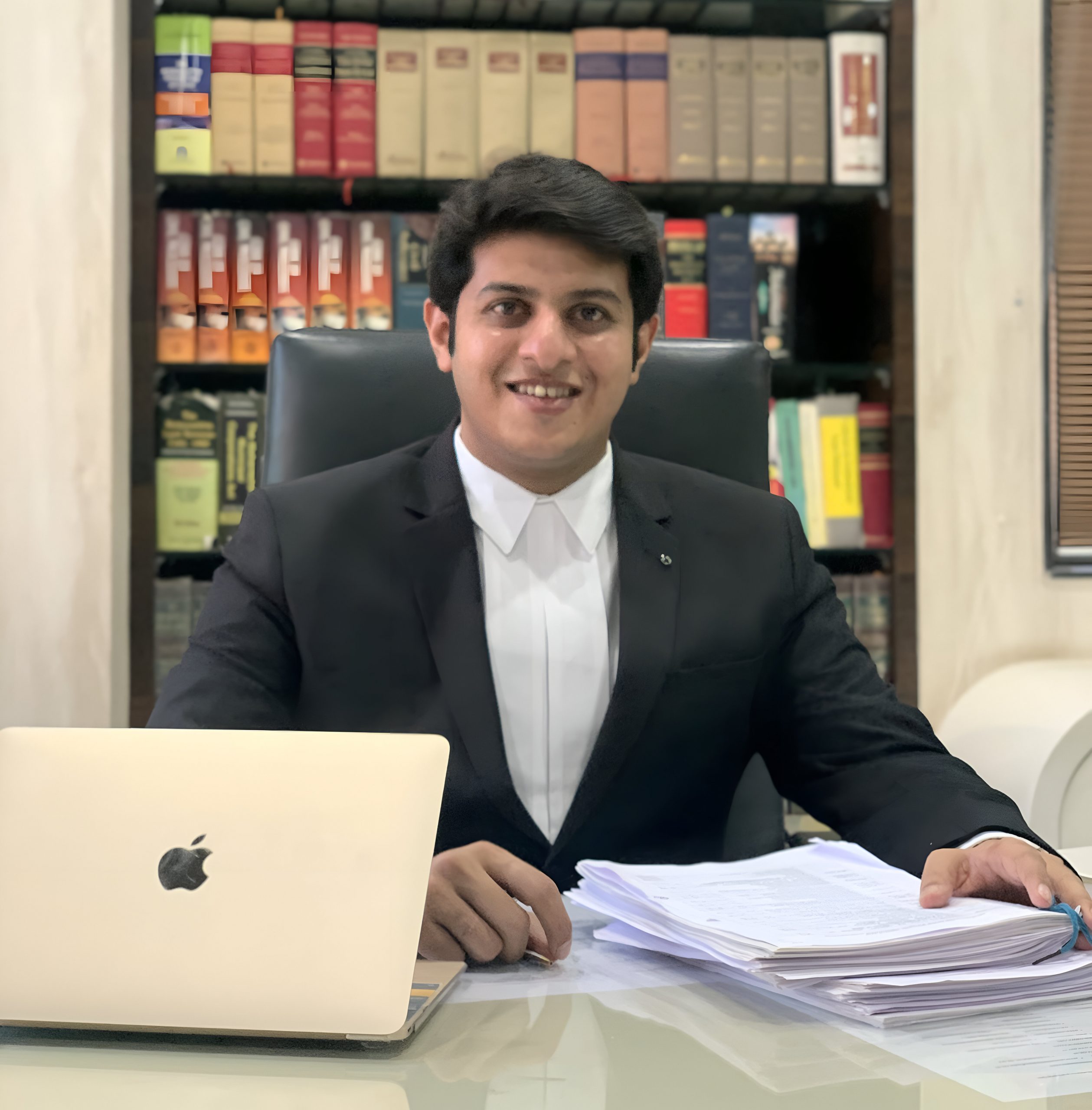

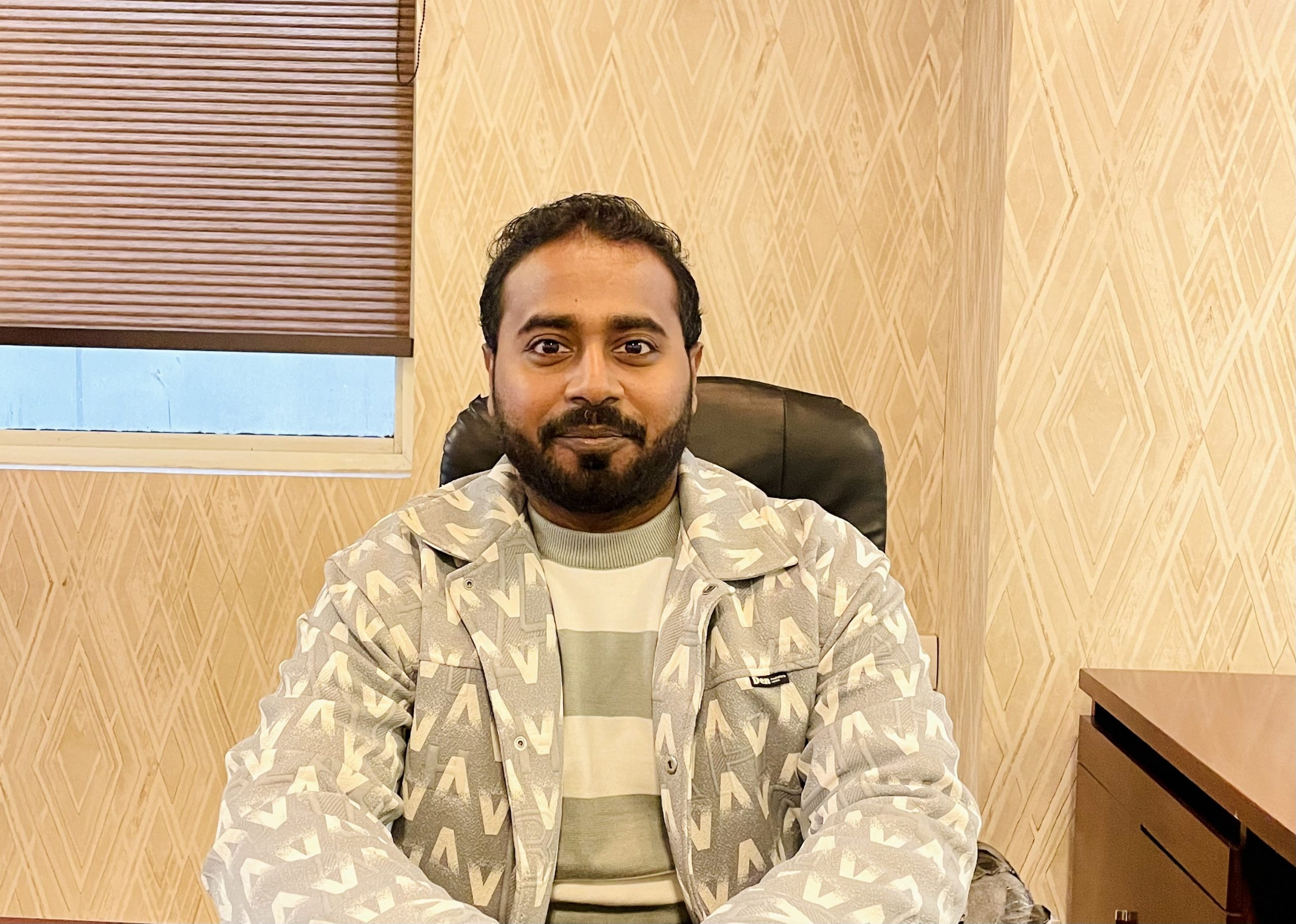

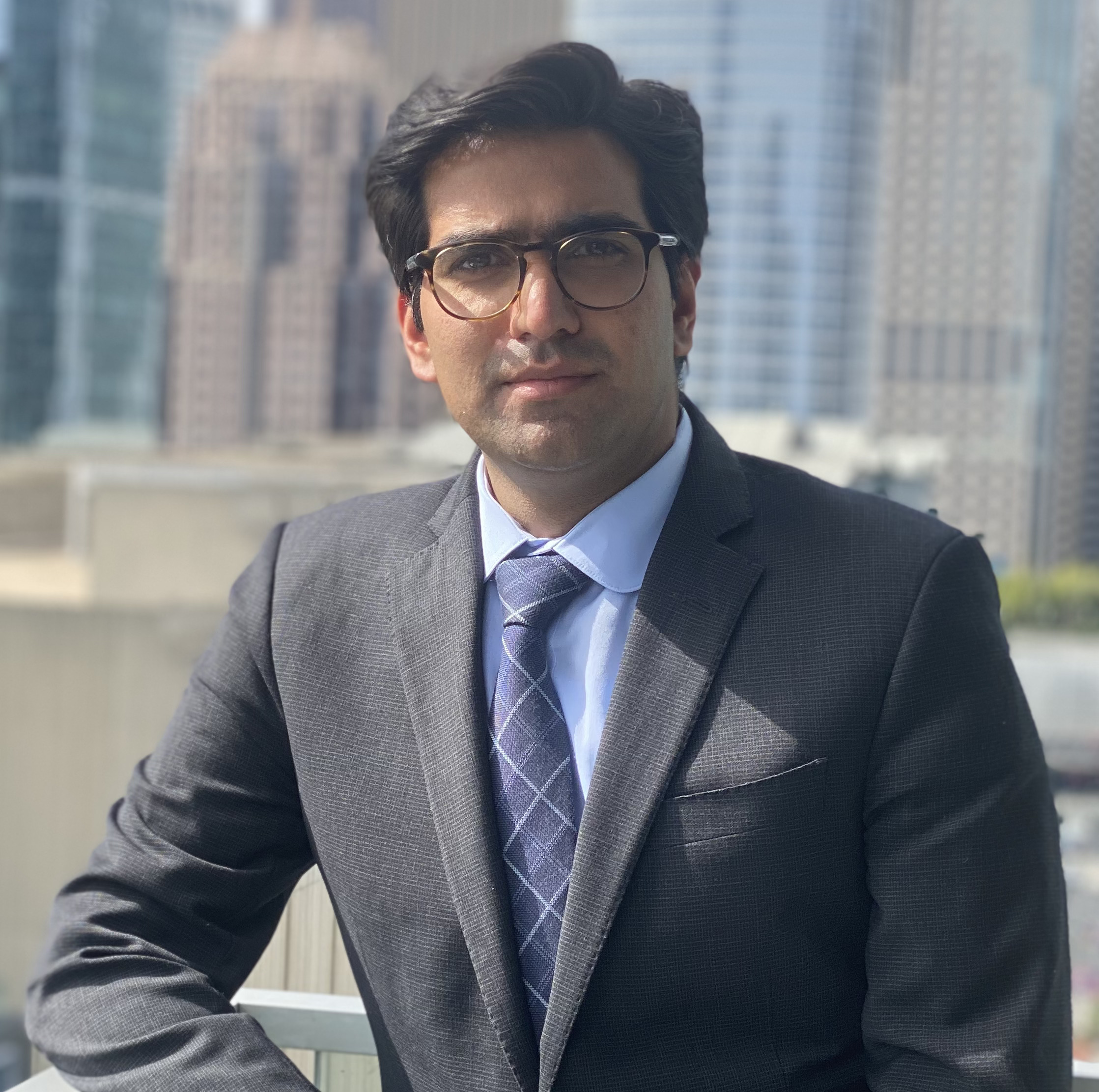





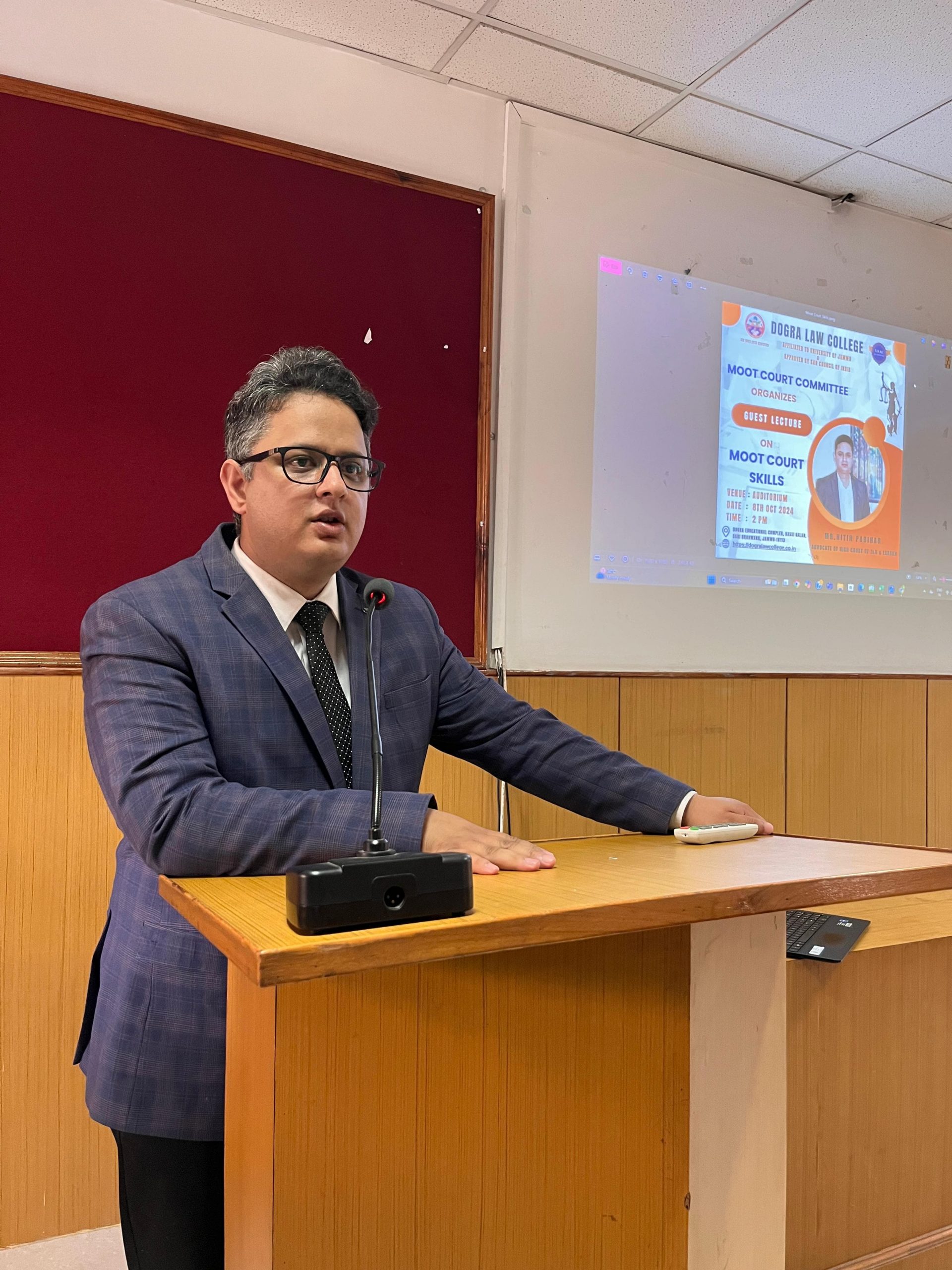










 Allow notifications