Blog

  • “Cut Through the Noise and Focus on What Truly Matters: Resilience, Grace, and Patience Will Propel You in Your Legal Career” – Aditi Pawar, Counsel at Bombay High Court and Solicitor (England & Wales).

    “Cut Through the Noise and Focus on What Truly Matters: Resilience, Grace, and Patience Will Propel You in Your Legal Career” – Aditi Pawar, Counsel at Bombay High Court and Solicitor (England & Wales).

    This interview has been published by Anshi Mudgal and The SuperLawyer Team

    With over 13 years of experience in the legal field, what initially motivated you to pursue law as a career? Was it a deliberate decision, or did it evolve over time?

    Interestingly, my decision to pursue law wasn’t deliberate at all—it was a last-minute escape. A week before my engineering and medicine entrance exams, I realized neither path appealed to me. The thought of spending my life crunching formulas or dissecting cadavers didn’t exactly inspire joy.  By chance, I spotted an ad for law entrance coaching and thought, “This seems like a good way out—let’s give it a shot.” I didn’t know if law was my calling but was sure engineering and medicine weren’t.

    The first two years of law school felt like any other degree, but the third year, with its core law subjects, changed everything. It wasn’t an epiphany but a steady realization that I had found something I truly enjoyed. Thirteen years later, I genuinely still love being a lawyer. As a first-generation lawyer, the challenges have been daunting yet rewarding. What started as a spontaneous decision turned out to be the best choice of my life, and I wouldn’t have it any other way.

    Having started your career at a law firm and then transitioning to working as a Counsel in the Chambers of a Senior Counsel, how have these distinct experiences influenced and shaped your legal journey today?

    Starting my career at a law firm was an invaluable introduction to the legal world, exposing me to large disputes and seasoned practitioners. However, within a year, I realized my passion lay in counsel practice, driven by advocacy and the dynamic energy of the courtroom. Transitioning was challenging, but with my family’s unwavering support, I embraced the long-term growth this path promised.

    The turning point was joining the chambers of Senior Counsel Mr. Rahul Narichania, where my journey truly began. His chambers were a crucible of discipline, hard work, and rigorous legal thinking. Sir created an environment where asking “why” was never off-limits, encouraging us to challenge assumptions and delve deeply into the essence of every principle grounding my practice in clarity and first principles. His words, “Make your point—it might be taken, it might not, but make it,” reinforced the value of contribution regardless of seniority and built my confidence.

    In chambers, I learned to sift through complexities, focus on what truly mattered, and embrace the inherent uncertainty of counsel practice. Sir also encouraged me to chart my unique path however different it might to others with utmost courage and dignity, a lesson that has stayed with me. These foundational values have not only shaped my skills but also defined my identity as a lawyer. They have equipped me to navigate legal complexities, collaborate across jurisdictions, and build meaningful global relationships. For this- I remain deeply grateful.

    You successfully defended a high value Special Court Suit concerning securities transactions before the Bombay High Court. What was the most critical legal challenge you faced in defending such a high value case, and how did you prepare for it?

    Defending my client in this high-stakes case was a defining moment in my career, as it was my first final hearing brief as Lead Counsel at just 26 years old. The matter, an offshoot of the infamous Harshad Mehta scam, involved highly complex securities transactions, including Bankers’ Receipts (BRs) and Security General Ledger (SGL) entries, with claims exceeding hundreds of crores.

    The case required me to master intricate financial instruments and alleged misappropriations within the securities market. Understanding these complexities was crucial to framing effective arguments. I immersed myself in the fundamentals of these instruments and their regulatory framework, breaking them down to articulate their nuances clearly in court. Hours of detailed study and conferences with my attorneys, who placed immense trust in my abilities, helped me build a comprehensive understanding and argue with confidence.

    Arguing against seasoned senior advocates was both challenging and motivating. Their expertise pushed me to prepare meticulously, anticipate arguments, and analyse precedents thoroughly. By reconstructing the transaction timeline and exposing discrepancies in the plaintiff’s evidence, I successfully demonstrated that my client’s involvement was administrative and lacked fraudulent intent.

    A loss would have been catastrophic for my client, both financially (as the plaintiff sought to hold him liable for over Rs. 100 crore) and reputationally. The high stakes demanded absolute precision. This case, although daunting, became my greatest teacher, deepening my understanding of commercial litigation and refining my advocacy skills. This experience holds a resonant place in my career, not only for the legal challenges it presented but also for the invaluable lessons it taught me about resilience, collaboration, and the transformative power of belief in oneself.

    As a Solicitor qualified in England & Wales, how has this qualification enhanced your approach to handling cross-border work, particularly in international arbitration?

    My qualification as a Solicitor in England & Wales has profoundly enhanced my approach to cross-border work, particularly in international arbitration. However, the foundation of this expertise lies in the rigorous legal education and practice I received in India. The Indian legal system, with its unique blend of statutory frameworks and common law principles, provided the analytical rigor and adaptability essential for addressing complex legal issues. This solid foundation was further refined through my Solicitor’s qualification.

    The qualification exposed me to global legal standards, emphasizing precision, clarity, and commercial awareness. It deepened my understanding of common law principles, which are widely applied in international contexts, and equipped me to assess multi-jurisdictional risks effectively. As the legal system of England & Wales is a cornerstone of common law influencing global commercial systems, the insights gained were pivotal for navigating international legal principles, commercial practices, and dispute resolution mechanisms.

    Beyond technical expertise, the qualification broadened my cultural and professional perspectives. It enhanced my ability to work seamlessly with international teams, adapt to diverse legal frameworks, and meet the expectations of global clients. This experience fostered cultural sensitivity and strengthened my negotiation skills—critical when dealing with multinational stakeholders.

    Having represented clients in international commercial arbitrations under ICC, SIAC, LCIA, and other major arbitration bodies, what are the major challenges you face and how do you mitigate these challenges?

    Representing clients in international commercial arbitrations under institutions like ICC, SIAC, and LCIA requires a fundamentally different approach than domestic arbitration or commercial litigation. International arbitration emphasizes brevity and precision, (as I call it “appreciation for brevity”) with concise submissions and oral arguments tailored to tight timelines. Distilling complex issues into focused arguments is essential, demanding sharp analytical skills and the ability to present clear, persuasive cases.

    Cross-border disputes add layers of complexity, involving diverse jurisdictions, conflicting legal systems, and varying arbitration practices. Substantive foreign laws often govern, requiring meticulous research and collaboration with local counsel, when necessary to ensure compliance and alignment with the tribunal’s expectations. Sensitivity to cultural differences in legal reasoning further underscores the need for adaptability and global awareness.

    International arbitration operates within a dynamic framework shaped by treaties like the New York Convention, where enforcement strategies play a critical role. Pro-arbitration jurisdictions like Singapore provide robust support, while others with restrictive public policy interpretations demand tailored strategies. Effective arbitration agreements, neutral seats, and enforceable procedural rules are key to navigating these challenges. Emerging trends like ESG disputes, third-party funding, and rapid technological adoption continue to reshape the arbitration landscape. It is imperative to adapt swiftly by staying informed, embracing innovation, and continuously learning to navigate these evolving dynamics effectively.

    What I particularly find challenging, yet invigorating, is the swift adaptability required in presenting cases. International arbitration demands a nuanced alignment with the substantive or governing legal frameworks of a particular jurisdiction and procedural rules of each institution. I ensure that my approach is tailored to meet the specific demands of the arbitration at hand, aligning with its unique requirements while consciously avoiding the mixing of practices from domestic arbitration or commercial litigation. The two disciplines differ significantly in their approach, and maintaining clarity in practice is critical to delivering effective outcomes.

    Your experience spans drafting and negotiating key corporate documentation, such as M&A, joint venture, and licensing agreements. How do you ensure these agreements effectively manage risks and comply with both domestic and international legal frameworks?

    Although I began my career as a disputes lawyer, I also transitioned into transactional work after recognizing that many disputes stemmed from gaps or ambiguities in documentation. Disputes background has been invaluable, giving me a unique perspective on drafting and enabling me to identify potential areas of conflict and mitigate risks effectively through precise and strategic provisions.

    Drafting and negotiating corporate agreements demands a structured approach to manage risks and ensure compliance with both domestic and international legal frameworks. I begin with thorough due diligence, gaining a deep understanding of the transaction’s structure, regulatory environment, and jurisdictional specifics. For cross-border transactions, I analyse foreign investment regulations, tax implications, and competition law requirements within my professional boundaries. Collaborating with local experts in the relevant jurisdiction ensures compliance with foreign legal frameworks, while my research on treaties and international agreements bridges knowledge gaps.

    Precise drafting is central to risk management. I focus on clear definitions of roles, responsibilities, and obligations, and ensure robust indemnity, warranty, and liability clauses. Compliance with domestic laws such as the Companies Act, FEMA, and competition laws is integrated seamlessly with advice from foreign counsel for jurisdiction-specific issues. For cross-border agreements, I emphasize tailored dispute resolution mechanisms, often incorporating arbitration clauses under institutions like ICC or SIAC with neutral seats to ensure enforceability.

    Aligning agreements with the parties’ commercial goals is a priority. Active engagement with stakeholders ensures that contractual terms reflect their objectives accurately. My knowledge of English law, given its global relevance, has been instrumental in navigating cross-border transactions and collaborating effectively with international teams, always supported by local expertise for jurisdictional precision.

    Balancing a thriving legal career with personal commitments can be tough. How do you manage to navigate both your professional responsibilities and personal life?

    Balancing a legal career with personal life? It’s a bit like juggling flaming torches—demanding, precarious, and occasionally singeing. Over time, I’ve realized it’s not about achieving perfect balance but savouring small, meaningful moments amidst the chaos. It takes flexibility, planning, and a sense of humour that outruns even your tightest deadline. For me, balance is about finding joy in both work and life, whether it’s uncovering the perfect case law or unwinding with a good book and jazz.

    The key is giving 100% to whatever you’re doing—work or personal. This clarity didn’t come easily, and I’ve stumbled plenty along the way. I am still “work in progress” when it comes to this. Planning helps, but the unpredictable nature of law demands constant reprioritization. Some weeks, work dominates, while other weeks, I consciously slow down to recharge. I’ve come to embrace this rhythm and focus on what truly matters in the moment.

    Another important lesson is to separate professional pressures from personal life. The disputes or transactions we handle aren’t personal battles, and understanding this fosters a healthier relationship with the profession. Drawing boundaries has helped me maintain perspective and protect personal relationships from work stress.

    Above all, prioritizing health has been a hard-earned lesson. It’s a non-negotiable investment in sustained performance and clarity. Law is a marathon, not a sprint—though it often feels like a 100-meter dash with flaming hoops on heels. The late nights and challenges are part of the journey, but so is the unparalleled satisfaction of seeing hard work pay off.

    What advice would you give to young professionals aspiring to follow your path and build a successful career in commercial litigation and international and domestic arbitration?

    The best advice I can offer young professionals aspiring to succeed in commercial litigation and international arbitration is to be clear about what you want—and equally, what you don’t want. Your journey will be unique, and that’s perfectly fine. Confidence is key—build it daily. It’s not just a professional asset but a life skill that grows with every challenge you overcome.

    In commercial litigation, focus on mastering procedural laws and core areas like contracts and corporate disputes—they form the backbone of your practice. Start with domestic arbitration to develop a strong foundation in procedural nuances, drafting, and hearings before transitioning to international arbitration. Avoid jumping into international arbitrations directly; instead, strengthen your foundation through the rigors of commercial litigation and domestic arbitration. When you transition towards international arbitration deepen your understanding of cross-border principles to effectively navigate global challenges.

    Finally, cut through the noise and focus on what truly matters. Being a lawyer is demanding, so maintain resilience with grace and have dignified patience —it will take you far. Stay true to your goals, trust your instincts, and prioritize integrity, quality of work, and continuous growth. Law is as much about relationships as it is about rules. Nurture meaningful connections, embrace opportunities, and keep evolving and learning. Show up every day, even in moments of self-doubt, work hard, and bring along those who supported you on your journey- they deserve a share in your success.

    Get in touch with Aditi Pawar –

  • “It is deeply rewarding to guide individuals and organizations through pivotal moments in their lives, making a tangible difference through my legal practice.” – M.K. PASHA, Principal Managing Partner at MP Legal Associates.

    This interview has been published by Anshi Mudgal and The SuperLawyer Team

    With over 10 years of experience, can you tell us what inspired you to pursue law and why did you choose to pursue such a diverse range of legal areas?

    Accidentally, I stumbled into the field of law abandoning my Chartered Accountancy course after meeting Shri Ahmed Shareef. Watching him handle cases with exceptional skill, wisdom, and the sheer class of advocacy left a profound impression on me. That moment sparked a deep-seated passion for justice and advocacy, and I was inspired to follow in his footsteps, with a clear vision of becoming an advocate of his caliber. From a young age, I was naturally inclined towards using my voice to help others. Whether in school or clubs, I excelled in debating and elocution, winning numerous state and national-level medals. These innate skills, combined with the inspiration I drew from Shri Ahmed Shareef when I began my legal journey, further fueled my commitment to the profession. Over time, I came to appreciate the transformative power of advocacy and the legal system in shaping lives and communities, solidifying my dedication to this path.

    The diverse range of legal areas I chose to specialize in stems from the foundational experience I gained under my senior, who had a remarkably varied practice. This early exposure instilled in me the belief that every case is an opportunity to grow, learn, and make a meaningful impact. Over the years, I have had the privilege of working with clients from diverse backgrounds, each presenting unique legal challenges. This inspired me to broaden my expertise, allowing me to approach cases with creativity and provide tailored solutions. Whether it’s civil law, family law, criminal law, corporate law, or even sports law—a specialization that I developed in 2020—I have embraced the variety of challenges with enthusiasm. Ultimately, I find immense satisfaction in the diversity and complexity of my work. It is deeply rewarding to guide individuals and organizations through pivotal moments in their lives, making a tangible difference through my practice. My father, Shri M.M. Pasha, a practicing lawyer in Andhra Pradesh, has been a significant source of inspiration and mentorship. He often emphasized that a strong case is built not just on sound legal principles but on a deep and thorough understanding of the facts.

    You began your career working with a prominent Senior Advocate. Can you share some of your experiences or lessons from the time that have shaped your legal practice?

    Beginning my career under the mentorship of the esteemed Senior Advocate Shri Ahmed Shareef was one of the most transformative experiences of my life. It gave me a front-row seat to the intricacies of the legal profession and a profound understanding of the depth and complexity of our judicial system. Working alongside someone of his caliber imparted invaluable lessons that continue to influence and refine my approach to law and advocacy to this day.

    One of the most valuable lessons I learned early in my career was the importance of meticulous preparation. Observing my father, I realized the transformative power of painstaking preparation—whether it meant poring over volumes of evidence or meticulously researching precedents. This habit of leaving no detail overlooked, regardless of how routine a matter might seem, has become a cornerstone of my practice. Another defining influence was watching my senior, Shri Ahmed Shareef, in action. Observing his mastery of courtroom advocacy, I saw how clarity, precision, and persuasiveness could turn even the most challenging arguments into compelling ones. Both my father and my senior exemplified the art of tailoring arguments to their audience—whether addressing a judge or engaging with opposing counsel—without ever compromising integrity or substance. Their example taught me that effective advocacy is as much about understanding people as it is about understanding the law, a principle that continues to guide me in every case I undertake.

    I also gained profound insights into the significance of ethical practice during my formative years. My mentor consistently emphasized the immense responsibility that comes with being an officer of the court. Upholding honesty, safeguarding client confidentiality, and approaching every case with the seriousness it deserves were values deeply instilled in me during that time. These principles have not only shaped my professional conduct but have also been instrumental in building enduring trust with clients and maintaining credibility within the legal community.

    One of the most impactful lessons I learned was the art of balancing empathy with objectivity. Working on cases involving deeply personal matters—such as family disputes, criminal defense, or civil rights issues—showed me how my mentor approached clients with genuine compassion while maintaining the professional detachment required to provide sound and effective advice. This ability to connect with clients on a human level while staying focused on their legal needs has been a guiding principle in my practice, and it’s something I strive to emulate every day.

    Lastly, the diverse range of cases I was exposed to during that time proved to be invaluable. From intricate constitutional matters to high-stakes commercial disputes, I had the privilege of observing how the law operates across a variety of domains. This experience highlighted the interconnectedness of legal issues and broadened my perspective on the multifaceted nature of the legal profession. It also inspired me to pursue a diverse range of practice areas in my own career, enriching my ability to approach cases holistically and adapt to the unique challenges each one presents.

    In hindsight, those early years were more than just a learning experience—they were a foundation for my growth as a lawyer. They shaped my work ethic, sharpened my analytical skills, and deepened my commitment to serving clients with integrity and excellence. I remain incredibly grateful for the mentorship I received, and the lessons I learned continue to influence my approach to the law every day.

    Given your diverse practice in areas such as Civil Litigation, Family Law, Consumer Law, IPR, and more, how do you stay informed about the evolving trends in the legal field?

    “Practicing across diverse legal areas such as Civil Litigation, Family Law, Consumer Law, and Intellectual Property Rights (IPR) demands not only expertise but also a commitment to continuous learning. The legal field evolves constantly, shaped by new legislation, judicial precedents, societal shifts, and technological advancements. To stay ahead, I have developed a structured and multifaceted approach to staying informed about these trends:

    I dedicate time to stay up-to-date with the latest judgments and rulings from courts at all levels, from trial courts to the Supreme Court. Reading legal journals, case law digests, and authoritative commentary helps me understand emerging trends and their implications across different areas of practice. In areas like IPR, where technology and innovation play a significant role, I follow international developments closely, particularly in jurisdictions like the U.S. and EU, which often set global benchmarks.

    Engaging with fellow practitioners, academics, and industry professionals through bar associations, legal forums, and conferences is another key strategy. These interactions often provide practical insights into how new trends are being applied and interpreted in real-world scenarios. Collaborative discussions also expose me to diverse perspectives that enrich my understanding of complex legal issues.

    Lastly, listening to my clients and understanding their evolving needs is one of the most practical ways to stay informed. Whether it’s a family law client navigating modern parenting arrangements or a business client concerned about data privacy laws, their concerns often signal broader trends in the legal landscape.

    By combining these strategies, I ensure that I remain well-informed and capable of delivering high-quality, forward-looking legal services. In an ever-changing legal world, adaptability and a commitment to lifelong learning are not just beneficial—they are essential.”

    Given your experience in both corporate law and civil litigation, what has been one of the most memorable or challenging cases you’ve worked on in your career, and how did you prepare for such a challenging case?

    “One of the most memorable and challenging cases I worked on involved a high-stakes corporate dispute between two major shareholders of a multinational company. The case revolved around allegations of financial mismanagement, and a contested merger that threatened to dismantle the company’s operations in a key market. This matter was significant not only because of the financial implications but also due to the reputational stakes for both parties and the broader impact on employees and stakeholders.

    From the outset, I understood that thorough preparation would be the key to navigating such a complex case. My team and I began by meticulously analyzing thousands of pages of financial records, board meeting minutes, and correspondence to uncover patterns and discrepancies. We worked closely with forensic accountants and industry experts to strengthen our understanding of the technical details and build a compelling narrative around our client’s claims.

    Legal research played a critical role as well. Since the case involved cross-border elements, we needed to familiarize ourselves with applicable laws in multiple jurisdictions, ensuring our strategy aligned with both domestic and international regulations. This required collaborating with foreign counsel to address jurisdictional issues and compliance requirements.

    What was your motivation behind establishing your own practice with MP Legal and what were some of the key challenges in expanding your firm?

    In the year 2020, establishing my own practice with MP Legal was both a deeply personal decision and a professional aspiration. After years of working under experienced mentors and gaining exposure to various facets of law, I felt ready to carve out a space where I could apply my own vision and values to legal practice. My primary motivation was to create a firm that prioritized not just legal excellence but also a client-centric approach, addressing their needs holistically and with empathy.

    1.Desire for Independence and Innovation:

    I wanted the freedom to shape a practice that reflected my philosophy of law—one that combined technical precision with accessibility and innovation. By establishing MP Legal, I could focus on fostering meaningful client relationships, exploring diverse practice areas, and developing creative solutions to complex legal issues.

    2. A Diverse and Inclusive Practice:

    Having worked across Civil Litigation, Family Law, Sports law, Consumer Law, Intellectual Property Rights (IPR), and more, I saw an opportunity to create a multidisciplinary firm. The idea was to offer clients a one-stop solution where they could find expertise across a broad spectrum of legal areas without needing to approach multiple firms.

    3. Client Empowerment and Education:

    Many clients approach law with apprehension, feeling overwhelmed or unsure of their rights. I wanted to build a practice that empowered clients by demystifying legal processes, providing clear guidance, and being a dependable partner during their most critical moments.

    4. Contributing to Society:

    Establishing MP Legal allowed me to take on pro bono cases and work on matters that resonated with my commitment to social justice. This was especially important to me, as I believe law is not just a profession but a tool for positive change.

    Key Challenges in Expanding the Firm:

    1. Building a Client Base:

    One of the initial challenges was building a reputation and attracting clients in a competitive legal market. As a new firm, we had to rely heavily on word-of-mouth referrals and demonstrate our competence through consistent results. Establishing trust and credibility took time and effort.

    1. Assembling the Right Team:

    A firm’s success is rooted in its people. Finding skilled, passionate, and ethical legal professionals who aligned with the firm’s vision was both critical and challenging. Recruiting and retaining talent required creating a work environment that encouraged collaboration, growth, and a shared commitment to excellence. At present I am proud to have an excellent team of associates namely Advocate Anisha (Senior associate), Advocate Pranvitha, Advocate Sofian, Advocate Sai Krishna, Advocate Govinda, Advocate Suresh, Advocate Shrutha Keerthi and Advocate Sayeed who supported me in all aspects of the work to ensure all the matters are addressed on time. Without the team of hard working associates it is impossible to achieve the best results.

    1. Managing Resources:

    Like any new business, resource management was a key hurdle. Balancing operational costs, investing in technology, and ensuring compliance with legal and administrative requirements while scaling the practice demanded careful planning and prioritization.

    1. Expanding the Practice Areas:

    As the firm grew, we encountered increasingly complex cases that required specialization. Expanding our expertise in areas like, sports law, corporate law involved rigorous training, attending industry seminars, and fostering partnerships with experts in niche fields.

    1. Staying Adaptable in a Changing Legal Landscape:

    The legal field is constantly evolving, with new legislation, judicial trends, and technological disruptions shaping how firms operate. Embracing legal tech, implementing efficient case management systems, and staying ahead of regulatory changes were essential to staying competitive.

    1. Maintaining Quality Amid Growth:

    Rapid expansion came with its own set of challenges, particularly maintaining the personalized, high-quality service that MP Legal was founded on. Ensuring that every client, regardless of the size of their case, received the same level of attention and dedication required constant vigilance and internal alignment.

    You have specialized in Sports law and advised and represented many sports federations and sports bodies/ Associations and many athletes of National and International level.  What do you think are the most common legal pitfalls, and how do you help them avoid these risks?

    Advising sports federations, associations, and world-level athletes has given me a unique perspective on the complexities of sports law and the legal challenges that arise in this dynamic field. Sports law sits at the intersection of multiple disciplines, including contract law, intellectual property, labor law, Arbitration Law or ADR and even criminal law, making it both fascinating and intricate.

    At the very outset, Sports law is very niche and raw in India right now. There are a lot of gaps that need to be bridged along with many pitfalls that need to be addressed from the governance level. When I started my journey as a sports lawyer I was fortunate enough to be associated with the Cycling Federation of India under the thought leadership of Shri. Onkar Singh (Chairman, Asian Cycling Confederation), Shri. Maninderpal Singh (Secretary General, Cycling Federation of India) through Dr. Maxwell Trevor (Eminent International Cyclist India has produced). The Cycling Federation of India gave me an opportunity to serve them since then and also appointed me as a member of the Grievance Committee and that helped me to understand and address various issues that arise in sports. Sports law being very niche in the country there is a very less scope of opportunities in the country as of now. However, the Cycling Federation of India that works towards excellence and vision, encourages young and new talent in every field, by giving me the opportunity to serve such a pioneer and the best National Sports Federation in the country, the additional perks are that it gives me an opportunity to appear in High Courts all over the country is an honor and privilege. “And there is a lot of work for me”. 

    Common Legal Pitfalls in Sports Law, Corporate Law and Litigation:

    1. Poorly Drafted Contracts:

    Many issues in sports law stem from inadequately drafted contracts. Whether it’s athlete agreements, sponsorship deals, broadcasting rights, or endorsement contracts, vague or imbalanced terms can lead to disputes. These contracts often fail to address contingencies such as injuries, termination clauses, or changes in governing rules.

    1. Intellectual Property (IP) Mismanagement:

    Athletes and federations often underestimate the importance of protecting their brands, logos, and trademarks. Unauthorized use of an athlete’s likeness or improper licensing of IP can lead to revenue loss and brand dilution. Conversely, improper use of third-party trademarks or copyrighted material can result in costly litigation.

    1. Doping and Regulatory Violations:

    Compliance with anti-doping regulations and other governing body rules is a significant concern. Athletes and federations sometimes fail to keep abreast of updates to anti-doping lists, eligibility criteria, or reporting requirements, which can lead to sanctions, disqualifications, and reputational damage. Additionally the issue of Over The Counter medication is a major concern in India and for athletes right now.

    1. Discrimination and Harassment Claims:

    Issues related to gender equality, discrimination, and harassment are increasingly prominent in sports. Federations and associations can face litigation for failing to create and enforce policies that promote a safe, inclusive environment.

    1. Labor Disputes:

    Disputes over athlete compensation, contract breaches, and transfer agreements are common. Without clear terms or effective dispute resolution mechanisms, such conflicts can escalate into prolonged litigation.

    1. Governance and Compliance Failures:

    Federations are often scrutinized for issues like mismanagement, lack of transparency, or non-compliance with governing body regulations. These failures can lead to penalties, loss of recognition, or diminished credibility.

    1. Ambush Marketing and Sponsorship Conflicts:

    In major events, ambush marketing—where brands attempt to associate themselves with an event without official sponsorship—poses challenges for rights holders. Similarly, conflicts arise when athletes’ personal sponsorships clash with federation agreements.

    1. Data Privacy Concerns:

    With the increasing use of technology in sports, such as wearables and analytics platforms, managing and protecting athletes’ personal and performance data has become a pressing issue. Non-compliance with data protection laws can result in hefty fines and loss of trust

    The world of sports law is as exhilarating as the games themselves, filled with high stakes and rapid developments. My role is to help athletes, federations, and associations navigate this landscape with confidence, ensuring they can focus on excellence in their respective fields while I handle the legal complexities. By combining proactive risk management with a client-centered approach, I aim to safeguard their interests and contribute to the growth and integrity of sports.

    How do you prioritize and manage your time effectively when juggling your responsibilities as a litigator, corporate advisor and sports law advisor, especially with the wide variety of clients and industries you serve?

    Balancing the dual responsibilities of being a litigator and a corporate advisor across a wide array of clients and industries requires a strategic approach to time management and prioritization. 

    Managing Time Effectively as a Litigator, sports law advisor and Corporate Advisor:

    Juggling the demands of litigation and corporate advisory work is no small feat, given the distinct skill sets, deadlines, and expectations each requires. Over the years, I’ve developed a disciplined and adaptable approach to ensure that I meet the needs of all my clients effectively:

    1. Establishing Clear Priorities:

    The first step is understanding what requires immediate attention versus what can be planned for later. Litigation often involves strict court-imposed deadlines, so those tasks naturally take precedence. On the other hand, corporate advisory work may involve strategic planning, which allows for a more structured timeline. To stay organized:

    • I maintain a detailed calendar for court hearings, filing deadlines, and client meetings.

    • I break down tasks into daily, weekly, and monthly goals, focusing on urgent and high-impact activities first.

    • For long-term corporate projects, such as contract drafting or compliance reviews, I allocate dedicated blocks of time to ensure steady progress without last-minute pressure.

    2. Leveraging Technology:

    I rely heavily on technology to streamline my workflow and stay organized:

    • Legal Tech Platforms: Tools like case management systems and legal research databases help me manage litigation-related documents, track case progress, and access critical precedents efficiently.

    • Collaborative Tools: Platforms like Slack, Microsoft Teams, or project management software enable seamless communication with my team and clients, particularly for corporate matters.

    • Automated Alerts: I set reminders for key deadlines and milestones to ensure nothing slips through the cracks.

    3. Delegation and Teamwork:

    I recognize that I cannot do everything alone. Building a strong, capable team has been essential in managing my workload.

    • For litigation, my team assists with tasks like preparing briefs, reviewing documents, and conducting preliminary research, allowing me to focus on strategy and courtroom advocacy.

    • For corporate advisory work, I delegate specific aspects of projects, such as compliance reviews or drafting initial agreements, while I oversee and refine the final output.

    Regular check-ins ensure that my team remains aligned with client goals and deadlines.

    4. Maintaining Flexibility:

    The unpredictable nature of litigation often requires me to pivot quickly. A last-minute hearing or urgent client issue can disrupt even the best-laid plans. To accommodate this:

    • I build buffer time into my schedule to handle unexpected developments.

    • I communicate transparently with corporate clients, ensuring they understand when timelines might shift and keeping them updated on progress.

    5. Effective Communication:

    Managing diverse clients and industries means tailoring my communication style and approach to each client’s needs. Clear, concise communication ensures that:

    • Litigation clients are updated on case progress and understand their options at every stage.

    • Corporate clients receive actionable advice that aligns with their strategic objectives without unnecessary legal jargon.

    6. Staying Informed Across Industries:

    To provide valuable insights to my corporate clients while addressing litigation demands, I dedicate time to staying current on industry trends and legal developments. This often involves:

    • Setting aside specific hours each week for reading legal updates, industry news, and case law digests.

    • Attending industry-specific seminars or webinars to remain informed about the latest regulations affecting my corporate clients.

    7. Balancing Personal and Professional Well-Being:

    High-pressure roles like litigation and corporate advisory can be mentally and physically demanding. To stay at my best:

    • I prioritize health by maintaining a regular exercise routine and practicing mindfulness.

    • I set boundaries to ensure I have time to recharge, knowing that a well-rested mind is more productive and creative.

    8. Building Long-Term Client Relationships:

    Strong relationships with clients reduce inefficiencies. When I understand a client’s needs, preferences, and long-term goals, I can anticipate their requirements and streamline my work. For example:

    • For corporate clients, this might involve creating templates for recurring contracts or compliance processes.

    • For litigation clients, maintaining detailed records of past cases ensures I’m always prepared for follow-ups or related matters.

    Conclusion:

    Balancing litigation and corporate advisory work across diverse industries is both challenging and rewarding. It requires meticulous planning, efficient execution, and a commitment to delivering excellence. By staying organized, leveraging technology, and fostering strong team collaboration, I ensure that every client receives the attention and expertise they deserve, no matter how complex their needs may be.

    Given your experience, what advice would you offer to young lawyers who are interested in pursuing a career in both litigation, sports law and corporate advisory roles?

    Pursuing a career that spans both litigation and corporate advisory is demanding but immensely rewarding. It requires a unique blend of skills, adaptability, and a strategic approach to learning and professional growth. Here’s the advice I would offer to young lawyers:

    1. Build a Strong Foundation in Legal Principles:

    • Focus on mastering the basics of law, including procedural rules, substantive legal principles, and statutory interpretation. A strong foundation will serve you well in both litigation and corporate advisory.

    • Pay special attention to contract law, corporate law, and dispute resolution, as these areas often intersect in dual-practice roles.

    2. Develop Core Skills for Both Roles:

    1. Litigation:
    • Hone your research and drafting skills. Learn to write clear, concise pleadings and legal arguments.
    • Practice public speaking and courtroom advocacy to build confidence in presenting your case.
    • Observe experienced litigators to understand courtroom etiquette and strategy.
    1. Gain Diverse Experience early on
    • Intern or work with firms or professionals specializing in both litigation and corporate law. This will give you exposure to a variety of cases and clients, helping you identify your strengths and interests.
    • Participate in pro bono projects or legal clinics to gain hands-on experience, particularly in litigation.
    1. Embrace Lifelong Learning
    • The legal field evolves rapidly, especially in areas like corporate law, which is influenced by economic trends and regulatory changes.
    • Attend seminars, workshops, and webinars to stay updated on legal developments. Consider enrolling in specialized certifications, such as arbitration, mediation, or corporate governance, to enhance your skills.
    1. Build a Professional Network
    • Develop relationships with peers, mentors, and professionals in the industry. Networking can open doors to opportunities, provide guidance, and offer insights into the dual nature of litigation and corporate advisory work.
    • Join bar associations, young lawyer forums, or industry-specific groups to connect with professionals in your areas of interest.
    1. Balance Assertiveness with Empathy
    • In litigation, you must advocate strongly for your client while maintaining professionalism and respect for the opposing side and the court.
    • In corporate advisory, understanding your client’s business goals and challenges is crucial. Approach problems from their perspective and offer practical, actionable solutions.
    1. Be Prepared for Multitasking
    • Juggling litigation and corporate advisory requires excellent time management. Develop the ability to prioritize tasks, meet deadlines, and handle unexpected challenges efficiently.
    • Use tools like task management software and calendars to stay organized.
    1. Cultivate Patience and Resilience
    • Litigation often involves prolonged timelines and unexpected outcomes. Patience and the ability to manage setbacks are critical.
    • Corporate advisory demands attention to detail and strategic thinking, sometimes under tight deadlines. Stay calm under pressure and focus on delivering quality work.
    1. Choose the Right Mentor or Guidance
    • Seek mentors who have experience in both litigation and corporate law. They can provide valuable insights into balancing these roles and navigating challenges.
    • Work closely with them to learn how they manage their time, approach client interactions, and stay updated on legal trends.
    1. Maintain Ethical Standards and Integrity
    • Whether in the courtroom or boardroom, your reputation as a lawyer is your most valuable asset. Always act with integrity, maintain confidentiality, and uphold professional ethics.
    1. Stay Curious and Open-Minded
    • Both litigation, sports law and corporate advisory involve continuous problem-solving. Be open to learning from every case and client, and use each experience to sharpen your skills.
    • Explore diverse industries and types of cases early in your career to broaden your perspective and build a versatile skill set.

    Final Thoughts:

    A dual career in litigation and corporate advisory is demanding but highly fulfilling. It allows you to experience the intellectual rigor of courtroom advocacy and the strategic problem-solving of corporate practice. With dedication, continuous learning, and a willingness to adapt, you can build a career that is both dynamic and impactful.

    Get in touch with M.K. PASHA –

  • “From Knitting, Kitchen, and Kids to Serial Entrepreneur: My Journey from Family Tradition to Entrepreneurial Success.” – Dr. Shweta Singh, a Serial Entrepreneur and Founder of Ennoble IP.

    “From Knitting, Kitchen, and Kids to Serial Entrepreneur: My Journey from Family Tradition to Entrepreneurial Success.” – Dr. Shweta Singh, a Serial Entrepreneur and Founder of Ennoble IP.

    This interview has been published by Anshi Mudgal and The SuperLawyer Team

    Your work in the intellectual property law space is highly specialized. What initially sparked your interest in IP law?

    This is a very interesting question for me. I’ve been asked this many times, and I always say that actually, my personality is such that I get bored easily with things. Things, not people—okay? So, if I am doing something continuously and it feels monotonous, I get bored. Since my childhood, it has been a dream of mine to do something of my own, possibly due to my background or family conditions—a very orthodox family. But I wanted to do something interesting that always excites me.

    It should always give me a kick to do better and better, until I achieve the best, right? So, that’s how I developed my journey. I would say my interest in IP law was sparked during my graduation days when I was actually searching for what I should do.

    And I encountered a book by B.D. Singh with a chapter on patents, and this chapter opened my eyes to the fascinating world of innovation and technology. As I delved deeper, I realized that working in this field means being exposed to new ideas and groundbreaking technologies every day.

    It felt like being on the front line of innovation. Now that you are involved in IP, you will realize why I chose it. What truly drove me to start my journey in IP was that it became not just my passion but my attitude. IP became more than just a field of study for me; it became a part of who I am. I believe I am at my best when I’m working in this space, and this confidence gave me the drive to turn my passion into a business.

    More than working with corporates and universities, I realized that there’s a huge gap in the support provided to universities, startups, and SMEs. When I entered the field of IP, I started catering to these needs. For me, it’s not just about protecting ideas but also empowering innovators and helping them realize the full potential of their creativity.

    During early stages of your career, while you spent four years working as an IP consultant, basically in patent research and analytics, what kind of experience was it that influenced your career trajectory? And what were the key insights that you would prefer to share?

    During the early stages of my career, I spent not four but six years working as an IP professional, focusing on patent research and analytics in both corporate and academic environments.

    I worked in the corporate sector and with Amity University, which was the only university where I worked as an employee. This experience was instrumental in shaping my career trajectory and deepening my understanding of IP from multiple perspectives. I learned how IP is handled in the corporate and business sectors and how it is managed in academia.

    In the corporate sector, I learned business strategies around IP that help companies stay ahead in competitive markets. Large corporations file patents not just to protect their inventions but to monetize them. This taught me how patents drive innovation and secure market advantages.

    In contrast, my time with Amity University exposed me to the academic approach to IP: how research translates into intellectual property and the challenges faced by institutions in managing and leveraging their innovation effectively.

    The biggest lesson I learned during this time was the immense potential of IP to create tangible value—whether for multinational corporations, universities, or startups. It also made me realize the importance of bridging the gap between innovators and the IP process, which ultimately inspired me to start my own venture.

    I also remember a pivotal experience in Singapore, where I attended a conference through WIPO. During the conference, someone remarked that India and China are “jugaad” countries that copy products and lack awareness about protecting intellectual property.

    This comment struck a nerve. It motivated me to return to India, leave my job, and create something that could address this issue. I conducted 75 free workshops for SMEs and universities in 2013 to spread awareness about why IP is important. It wasn’t just about filing; it was about understanding what you are losing by not protecting your ideas.

    You actually are the first-generation serial woman entrepreneur. Can you take us through that journey, through that experience that actually led you to start Ennoble IP and how do you see that this is impacting society at large and majorly women entrepreneurs?

    Let’s not define entrepreneurship by gender. I used to think of myself as a woman entrepreneur, but over time, I realized entrepreneurship transcends gender.

    Yes, as a woman, 20-40% of the challenges we face may be gender-specific. But the rest are the same for all entrepreneurs. I come from a small town in Eastern UP, and I belong to a traditional Rajput family. The mindset in my family was that women were destined for the “3 Ks”—knitting, kitchen, and kids.

    However, my parents, particularly my mother, were rebellious. My mother was determined to ensure that my sisters and I became financially independent. She always emphasized that financial independence is the key to freedom—freedom to make decisions without asking a father, husband, or boss for money.

    My journey as a first-generation entrepreneur has been both challenging and rewarding. During my university days, I discovered my passion for IP and realized I could work with innovators to protect groundbreaking ideas. After gaining industry experience in corporate and academic settings, I saw a significant gap in IP services for startups, universities, and SMEs.

    Starting Ennoble IP was my way of addressing these gaps, but it was also a journey of self-discovery. Each experience taught me resilience, adaptability, and the importance of staying true to my vision.

    So, he makes the decisions on how the house will run. We live in a joint family, and to this day, we still have a joint family. My uncle guided my father, and my grandfather also guided him, saying, “You have a daughter; save money and give her basic education if you want.” But my mother and father were very rebellious—both of them, I would say.

    The first step was taken by my mother, but yes, my father joined hands with her. My mother declared, “I have daughters, but that doesn’t stop me from building their careers or making them financially independent.” And my mother was determined throughout, until we realized the importance of financial independence.

    She taught us that financial independence is the freedom you actually require in your life. Otherwise, you will always have to ask. If you don’t have a brother, you’ll always turn to your father, saying, ‘I want this; give me this money.’ Then you’ll turn to your husband, saying, ‘I want this; give me your money.’ Finally, you’ll turn to your male bosses, asking for a raise.

    So, she asked, “Why don’t you create your own financial freedom so you don’t have to ask anyone?” She even gave her example: “See, if I have to make any decision, I have to ask your father. If I had been earning, I would have sat with him to discuss whether we should invest or not. Instead of asking, ‘I want this—will you help me buy that?’ I would have had the confidence to contribute equally.”

    So, she talked about financial freedom and confidence until the three of us realized how essential they are. My father supported me—I would say he was always the strongest backbone for us, alongside my mother.

    Now, coming to being a first-generation entrepreneur: my journey has been both challenging and incredibly rewarding. I always say, “Be proud of yourself,” and I am very proud of whatever I have achieved.

    Growing up, I didn’t have—as I mentioned—a family business or entrepreneurial legacy to guide me. But I always had a strong drive, inspired by my mother, to create something meaningful.

    The key moment that set me on this path was during my university days when I discovered my passion for IP. The idea that I could work with innovators, support them, and help protect groundbreaking ideas fascinated me immensely.

    After gaining industry experience—both in corporate and academic settings—I saw a significant gap, as I mentioned, in how IP services were being delivered to startups, universities, and SMEs.

    While large corporations had access to world-class IP support systems, smaller entities were often left struggling to navigate the complexities of intellectual property. That was something I wanted to change. That realization was the kick I needed to get started.

    I wanted to be independent, and my independence inspired my sisters, who said, “Yes, we will work.” But I was determined: “No, I don’t want to limit myself to one job. I want to build a business.” At that time, I was young and naïve, but as you grow, wisdom comes. I was still a child back then, thinking, “I will start a business where my daddy’s friends will come and say, ‘Please employ my child.’”

    And these relatives will come and say, “Please help me with the job also.” I was of that mindset, but I was totally wrong. So, for the young people who are watching this, this should not be the driving force for you. I was scared. I was scared, but with the vision, with the wisdom that comes with age and experience, I am not working today for myself.
    I’m working for almost 260 people who are working with me right now. Together, we are working towards that vision. So, entrepreneurship, I would say, is a very beautiful thing if you actually enjoy this journey. Starting Ennoble IP was my way of bridging the gap—not only in the industry but also in my thought process.

    I wanted to create a platform that not only provides IP services but also empowers innovators by making it more accessible, more understandable, and more strategically strong, where they get the support they need. Along the way, the three challenges I faced were, first, learning to navigate the business world without prior experience, second, building a trusted network, and third, establishing credibility as a first-generation entrepreneur.

    Now, coming to your question—yes, I faced challenges being a woman. As I mentioned, it’s only 20–40%, not more than that. The rest of the problems are the same. Trust is the major issue. At the time when I started, I was very thin and looked much younger than my age. This made people reluctant to trust me.

    Once, I was sitting with a vice-chancellor of a university, and after a talk, he said, “Madam, I thought that as the chief guest, you must be very old. Will you be able to handle this workshop and the university’s work? You are just a woman, madam. This university is very big.”

    In my mind, I was thinking, ‘Where have you come from? You have so many female faculty members, yet you doubt me?’ But I said politely, “Sir, I’ll need your help. If you help me, I will be able to manage.” This was me satisfying the male ego.

    After my talk, he said, “You are like chota packet bada dhamaka.” I responded, “No, sir, you are wrong. I may be small or big—I don’t know—but I am definitely a dhamaka.” Then I added, “Never underestimate women because if we can handle a kitchen and kids, we can handle anything.”

    I continued, “If a woman can bring life into this world, she can do anything.” He was silent, but now, we are good friends. I respect him a lot, and he often says, ‘Shweta, you changed my mindset.’ After that, he gave his daughter the wings she wanted.

    What I want to emphasize is that each experience has taught me resilience, adaptability, and, most importantly, staying true to my vision. This is very important. I often say resilience has built me because it’s like fighting against odd situations every time.

    As a woman, we face challenges, but as an entrepreneur, we face even more. It’s resilience that helps us persevere. People these days on Instagram talk about manifestation, right? I didn’t know this word back then, but now I realize that all this while, I was manifesting.

    From my childhood, I manifested something, and I believe in it. My favorite song is Chaand Taare Tod Lau. That song is about manifestation—and look at the actor! It’s all in your mind. You just have to believe.

    These characteristics and skills, no one is born with. You develop them through experience. I was very naïve when I started meeting investors. I didn’t want to raise money for my startup, but I have an NPO where I support women.

    I believe in giving back to society. Through that NPO, we support women. It’s not for profit. I have only invested my own money so far. We do not work for CSR funds because the women we support are doing fantastically well.

    When I started in 2012 or 2013, there wasn’t much exposure. In meetings with investors, they would say, “She may get married soon and plan a family.” I got furious during some of those interviews and said, “Sir, that boy will also plan for a family. He will also have a child.”

    Just because we, as women, go through this process doesn’t mean we are weak. It’s a mutual responsibility. But I have seen a change in the ecosystem now. We have become fearless.

    I had to learn and develop these skills, but this new generation—Gen Z—is already born with this fearless expression and thought process, which is commendable and really cool.

    When we three sisters discuss, we always say that if our mom had received a proper education, she would have been the CEO of a company. My dad has a slow decision-making process. My mom, on the other hand, is quick with decisions.

    But I would again emphasize—until the father supports the mother, she cannot do anything. My father is not a risk-taker, but I inherited that ability from my mother. The values and empathy, however, I got from my father.

    Intellectual properties have often been considered very complex and intimidating for startups. How did you handle those particular challenges whenever you faced those young innovators and startups?

    China is still leading the world in terms of patents. And I believe that we must strive to surpass China because population-wise, we are stronger. First, we are intellectually very sound when it comes to technology. So, I’m a very proud Indian. Actually, I say this often: I travel to a lot of countries, and when I come back, I love inhaling this polluted air. I genuinely love India, despite its challenges. However, India still has a long way to go.

    The scenario has changed. Earlier, there was no awareness. People didn’t know about IP, so they weren’t filing patents. Now, there is awareness. But still, many startups do not file. Why? Because they don’t give priority to IP.

    They think it’s something that can be addressed at a later stage. They ask, ‘Why invest the money now?’ They don’t realize that investing in IP strategies is the key to driving their business forward. They are unaware of the story of Google. They don’t want to know. They just see that Google has become Google—not through business strategy alone, but through its IP strategy.

    Apple is Apple because of its IP strategy. So, this is something I would like to emphasize before starting my answer.

    Coming back to your question, IP law does seem daunting for startups and young innovators, especially when they are more focused on developing their products or services than navigating the legal complexities.

    Some key challenges they face—and this is based entirely on my 10–12 years of experience—are:

    1. Lack of awareness: As I mentioned, many startups are unaware of the importance of intellectual property or the steps required to protect their innovations. IP strategy should be an integral part of the business strategy from the very beginning. They often underestimate how crucial it is to secure patents, trademarks, copyrights, or, if it’s a product, the design, right at the early stages.
    2. Limited resources: Startups, being small businesses, typically operate on tight budgets. This makes it difficult for them to prioritize IP amidst other pressing needs like product development or marketing. They end up investing more in product development and marketing rather than prioritizing IP.
    3. Global complexity: For startups looking to expand internationally, understanding and complying with IP laws across different jurisdictions can be overwhelming.
    4. Timing and strategy: Filing for IP protection too late or without a clear strategy can make startups vulnerable to infringement, competition, or even losing their innovations.

    At Ennoble IP, we address these challenges directly. We have designed our services specifically to tackle these four challenges. We start by educating startups and SMEs about intellectual property and how it can serve as a powerful business asset. We offer tailored solutions that are not only cost-effective but also of the same quality as corporate-grade services, and they align with the startup’s stage of growth.

    For example, we help startups conduct patent searches, explain why it is done, file applications, and ensure that their IP strategy aligns with their business goals. We also do not force startups to file a patent if it is unnecessary. Right? There are different IPs, and you already know this because you are in the same business line. Sometimes, a patent may not even be required—for example, in the music industry, where copyright is often sufficient. So, we create strategies accordingly. We also assist with global filings and provide strategic advice on leveraging IP portfolios for funding, partnerships, and market positioning.

    Our goal is to make the IP process as seamless as possible for startups and SMEs so that they can focus on what they do best: innovating. We always say, “You handle your product and marketing strategy, and we’ll handle your IP strategy.” Marketing also requires IP. Many firms don’t realize that their marketing materials and overall marketing strategy should involve IP considerations.

    Ultimately, IP should not be viewed as a hurdle but as an opportunity for smart businesses—startups and SMEs—to strengthen their competitive edge. As I mentioned, I am passionate about helping in these areas. 

    Given the scenario today, there is a rise of new technologies, there is a growing need for IP protection in the kind of fields where AI is getting involved. How do you see the intersection of IP laws and IP per se with this kind of disruptive tech, which is going to shape the future of innovation in a very different manner specially in the Indian environment and ecosystem?

    I would say that the intersection of IP law and emerging technologies is becoming increasingly crucial in shaping the future of innovation. Technologies like artificial intelligence, blockchain, quantum computing, and biotechnology are evolving rapidly, pushing the boundaries of traditional intellectual property frameworks. This presents both challenges and opportunities. One key challenge is the pace at which technology is advancing, often outpacing the conventional IP systems designed for traditional inventions.

    For instance, questions around the patentability of AI-generated inventions or the ownership of decentralized blockchain solutions are sparking new debates in legal and regulatory spaces. On the other hand, this intersection drives a deeper understanding of the strategic importance of IP. Companies and innovators are recognizing that a robust IP strategy is not just about protecting ideas but also about creating a competitive edge in a technology-driven market.

    Here, you don’t just need an IP strategy; you also need good market research. IP portfolios are becoming integral to attracting investments, forming strategic partnerships, and determining valuations during mergers and acquisitions. A classic example, albeit not recent, is Nokia, Microsoft, and BlackBerry. These cases illustrate how an IP portfolio can protect an entire company.

    At Ennoble IP, we are at the forefront of this intersection. We work with innovators to navigate this complexity, whether it involves filing patents for AI algorithms, protecting proprietary aspects of blockchain applications, or managing IP risks in cross-border collaborations. Our role is not just to protect innovations but also to help innovators leverage their IP to unlock new opportunities.

    Looking ahead, I believe IP law will continue to evolve to address the unique challenges posed by emerging technologies. For instance, there will be greater emphasis on global harmonization of IP laws to address the borderless nature of technology. More collaboration will also emerge between legal, technical, and policy experts to ensure that IP frameworks foster innovation without stifling it.

    The future of innovation will rely heavily on how effectively we align IP protection with the needs of new technologies. By staying ahead of trends and proactively addressing challenges, we can ensure that the innovation ecosystem remains vibrant and sustainable. IP, market research, and business intelligence must work collaboratively. For instance, in the case of AI and blockchain, where new advancements emerge daily, a robust strategy is essential.

    With my UAE office, I have seen how blockchain startups are leveraging IP strategies effectively despite varying jurisdictional rules. This diversity creates challenges, but India is becoming a goldmine for IP service providers. With huge investments in R&D flowing into India, we are at the cusp of something big.

    And believe me, my dad always told me, and this was my dad’s wisdom, people can take away your wealth and other materialistic things; they can take away everything, but two things nobody can rob you of are your knowledge and character. So, always work on those things. Today, I’m not scared, even if I lose everything, because I know I have expertise, and I have knowledge. I can earn again. Since I’m not scared, I always take risks. Knowledge is a very important tool in today’s world.

    Fifth is to create your own opportunities. If you find a door closed, don’t hesitate to build your own. As a first-generation entrepreneur, I didn’t inherit a business, right? I built one from scratch. It’s about being resourceful and proactive in creating pathways where none exist. Let me give you an example: I started a business in a very crowded space. IP is a very crowded space. But I didn’t hesitate to enter because I came up with an innovative model, collaborating with universities, startups, and small businesses.

    Now, the sixth point I would like to mention is to advocate for others. As women, we have a unique opportunity to lift each other up, whether through mentorship, collaboration, or simply sharing stories. Supporting other women can create a ripple effect of empowerment.

    For example, I often refer to the movie Jai Ho. If you’ve seen Salman Khan’s movie, you’ll recall the chain they create. I don’t remember all the details now, but the concept stuck with me. If one woman holds the hand of another and uplifts her, this chain can actually bring about change.

    Because, speaking from my own experience, I got more support from men than women. I didn’t receive much support from women, and that’s why I started my mission through WIF, my NPO, which supports women. Helping others in this way is one of the most meaningful things you can do in life.

    Lastly, the seventh point: embrace resilience. For me, resilience has been key. There will be setbacks, but resilience will carry you through. Every obstacle you overcome adds to your strength and experience, making you better equipped for the next challenge.

    What kind of advice would you give to others, specially women entrepreneurs as we see a lot of technology biases are also there. How do you see that one can navigate through those kinds of obstacles, especially in IP.?

    To all women entrepreneurs, I would say this: don’t let anyone define your potential. Dream big, be ambitious, and proudly say, “I am ambitious.” Don’t feel shy about wanting to make money—it’s okay to say, “I want to make money.” You must aim to build a business that not only fulfills your passion but also generates wealth. And don’t hesitate to seek help when needed.

    So, dream big, be ambitious, work relentlessly, and lead with purpose. Remember, your success is not just your own; it is an inspiration for others who are watching and believing they can do it too.

    Get in touch with Dr. Shweta Singh-

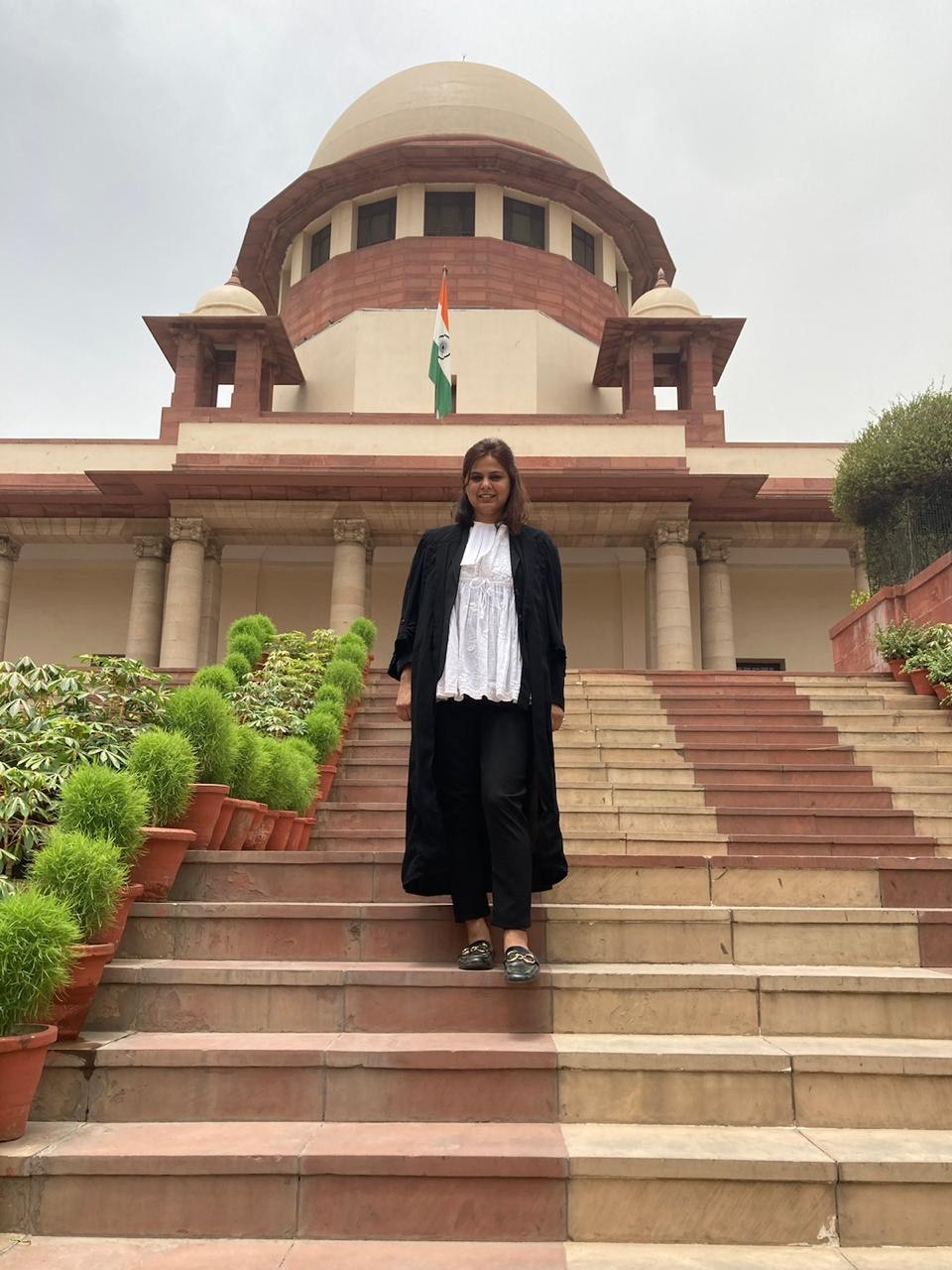
  • “The Legal profession demands hard work, dedication, perseverance, and a great deal of patience. While it is undoubtedly challenging, it is equally fascinating and rewarding.” – Yoothica Pallavi, Advocate on Record at Supreme Court of India.

    “The Legal profession demands hard work, dedication, perseverance, and a great deal of patience. While it is undoubtedly challenging, it is equally fascinating and rewarding.” – Yoothica Pallavi, Advocate on Record at Supreme Court of India.

    This interview has been published by Anshi Mudgal and The SuperLawyer Team

    Coming from a science background, was pursuing law a deliberate decision for  you? How did you prepare to gain admission to Chanakya National Law University,  Patna? 

    This question brings back a wave of nostalgia, and I find it hard to decide where  to begin—it’s quite a story. I belong to a generation where most students were drawn  towards either medicine or engineering. After completing my 12th in 2007, I, too, took  a gap year to prepare for engineering entrance exams. In 2008, I had secured admission  to an engineering college through my AIEEE rank. 

    However, my father, an IITian himself, always had a keen interest in law that ultimately  inspired me to consider law as a profession. 2008 was also, if I recall correctly, the  inaugural year of the CLAT examination. At his encouragement, I decided to take the  exam, and soon after, I found myself admitted to CNLU, Patna—without having spent  even a single day in an engineering classroom. 

    My father often says, “Law is nothing but science,” and it wasn’t long after stepping  into this noble profession that I realized how true this is. Law is fundamentally rooted  in logic and reason. Looking back, I am grateful for the redirection and for discovering  a field where I truly belong. 

    You have significant experience in education law and have represented clients in  cases such as the NEET UG Test 2024 case. What do you believe are the most pressing  legal challenges currently faced by students and educational institutions in India? 

    Talking in legal context, students are among the most vulnerable segments of  society, and it deeply concerns me when they are forced to seek relief through the courts.  I have had the privilege of representing and seeking relief for several students who, after  completing their MBBS degrees from foreign universities, were denied eligibility  certificates by the National Medical Commission (NMC). This certificate is essential  for appearing in the Foreign Medical Graduate Examination (FMGE), which is a  prerequisite for practicing medicine in India. Unfortunately, in some cases, the NMC  denies these certificates due to non-fulfilment of specific conditions. 

    The situation is particularly distressing for students who, after investing more than five  years to earn their MBBS degrees, find themselves unable to practice in India due to  technicalities. These students are left with no choice but to approach the courts. 

    Similarly, I have encountered cases where students are denied admission or faced issues  related to unfair examinations, such as those arising in NEET-UG 2024. For instance, I  had the opportunity to represent tribal students from Meghalaya in the NEET-UG 2024 dispute.

    On the other hand, educational institutions also face significant challenges, particularly  regarding recognition from regulatory bodies like the University Grants Commission  (UGC) or the All India Council for Technical Education (AICTE). One particularly  intriguing case I am currently handling involves a dispute over granting recognition for  a dual-mode university (for running conventional and open courses both) to a university  with “Open” in its name. 

    In addition to these issues, there are numerous disputes concerning fee regulation,  inadequate infrastructure, reservations, and other systemic challenges within the  education sector. These matters highlight the pressing need for robust policies and a  student-centered approach to ensure that education serves its intended purpose  effectively. 

    In your early years of practice, you worked with various advocates and law firms,  handling diverse areas such as Constitutional Law, Civil Law, Arbitration Law, and the  Law of Limitation. How did these experiences shape your approach to litigation, and  what key lessons did you take away from them? 

    When I joined law school, one thing I was certain about was my desire to practice  in courts. I never had any second thoughts about it. However, when I initially entered  the profession, adapting to court life was quite challenging. During those early years, I  was exclusively practicing in the Delhi High Court as I was working under the guidance  of Hon’ble Mrs. Justice Mini Pushkarna, who was then Standing Counsel for Municipal  Corporation of Delhi. I was fortunate enough to have regular appearances before the  High Court on a daily basis and that gave me confidence and encouragement to handle  the matters in Court even in adverse situations. I have many anecdotes also which I would never forget. 

    However, contrary to what it may seem to beginners, litigation is not solely about  appearing in court and presenting arguments. It encompasses much more. The process,  from drafting a case to getting it listed before the court, is a journey in itself. Litigation  also involves various registry-related tasks, which are crucial for any lawyer to learn  and understand. In my experience, I firmly believe that a lawyer first has to become a  clerk to grasp the basics of the profession and its importance one would realise after  beginning her/his own practice. It didn’t take long for me to realize the immense  physical and mental effort required in this field. 

    Another vital lesson I learned over time—though I underestimated its significance in  the beginning—is the importance of client handling. As lawyers, we are not only  officers of the court but also advocates for our clients’ interests. Effective client  management is a core skill for building a successful legal practice. A lawyer must  understand client’s needs, build trust, communicate effectively, and provide advice  within ethical boundaries. 

    Currently, at Indus Law Associates, you handle litigation and arbitration before the  Hon’ble Supreme Court of India, the Delhi High Court, the Meghalaya High Court and  various District Courts. Can you share one of the most challenging cases you’ve  encountered, and how did you approach your preparation for it? 

    While working in my current office, I have had the opportunity to handle a variety  of cases across different forums. Among the most notable were two cases involving  students who were denied eligibility certificates after completing their MBBS degrees  in Ukraine. Securing favourable orders in these matters was particularly challenging. 

    Primarily practicing in civil litigation, I faced a unique challenge while handling a  criminal case in the District Court. This bail matter involved allegations of forgery and required navigating proceedings from the Magistrate Court to the District and Sessions  Court. The case provided me with valuable insights into the fundamentals of criminal  law. Additionally, it offered the rare experience of visiting Tihar Jail for a client meeting,  which further broadened my professional exposure. 

    I am also handling election petition before the Hon’ble High Court of Meghalaya, which  has been a challenging and enriching experience. This case has allowed me to explore  a new area of law, delving into its intricacies and technicalities, thereby by broadening  my experience.  

    Could you explain your experience in arbitration, particularly your role in  representing clients such as the Meghalaya Urban Development Authority? How do you  ensure effective representation in arbitration as compared to traditional litigation? 

    Arbitration and litigation are fundamentally different methods of dispute resolution. Arbitration offers an efficient and flexible approach, making it particularly  suitable for commercial disputes. In contrast, litigation is generally preferred for cases  requiring public scrutiny due to its broader scope. 

    For a lawyer, excelling in arbitration demands a deep understanding of the field’s  complexities, especially the Arbitration and Conciliation Act. While the Act may appear  concise, it raises numerous intricate legal questions. Arbitration is often more complex  than litigation, requiring extensive time, effort, and meticulous attention to  documentation and record-keeping, which are critical to the process. 

    Evidence is pivotal in arbitration proceedings, making cross-examination one of the  most essential advocacy skills for arbitration lawyers. 

    Representing government clients in arbitration adds another layer of responsibility.  Cases involving government entities, such as MUDA, necessitate a careful balance  between safeguarding public interest and protecting public funds. These matters often 

    involve substantial sums of money and require adherence to public policy  considerations, given their sensitive nature. 

    Arbitration indeed, is challenging but also interesting.  

    What do you find most fulfilling about your practice as an Advocate on Record,  and what motivates you to continue pursuing this challenging and demanding  profession? 

    Becoming an Advocate on Record (AoR) in the Supreme Court was a significant  milestone in my legal career, something I had always aspired to achieve. The journey  to earning this title was not without its challenges, particularly as I became an AoR in  2020 during the height of the Covid-19 pandemic. It was a time of rapid digital  transformation in the judiciary, and adapting to the newly introduced procedures was  initially challenging. However, this digital shift proved to be a great relief and a stepping  stone toward a more efficient system. 

    A common misconception about AoRs is that they function merely as filing agents for  the Supreme Court. While it is true that an AoR must be well-versed in the Court’s  procedural rules, I soon realized that their role goes far beyond filing documents. Early  in my practice, there was an expectation that my involvement would be limited to  lending my name and signature. Fortunately, with the guidance of my seniors, I quickly  understood the deeper purpose and responsibility of an AoR. 

    AoRs are not just intermediaries; they are the “face of the case” before the Hon’ble  Supreme Court. This role demands accountability, and a deep understanding of the  matter being presented. The Supreme Court itself has recently underscored the critical  responsibilities of AoRs, issuing strict guidelines to ensure that cases are filed and  presented with the utmost diligence and professionalism. 

    Beyond the procedural responsibilities, the designation of “AoR” brings a sense of  professional recognition and respect. It is both a privilege and a significant  responsibility. The journey as an AoR is undoubtedly challenging, but it is also  immensely rewarding, offering the opportunity to make significant contributions in  delivery of justice at the highest level. 

    Considering the demanding nature of your legal career, how do you manage to  balance your professional duties with personal commitments? 

    Litigation is undoubtedly a demanding profession, requiring unwavering dedication and the ability to work under constant deadlines. As a lawyer, the work never  truly ends—court hours are followed by preparation for the next day’s cases, client  meetings, drafting, and various other responsibilities.

    For me, balancing this rigorous professional life with personal commitments, especially  as a mother, presents new challenges every day. Maintaining a work-life balance is  crucial, but I won’t deny that there are moments of panic and stress. 

    However, I firmly believe that in both personal and professional spheres, no one can do  it all alone. Teamwork plays a vital role in navigating challenges and achieving success.  I am incredibly fortunate to have a strong support system—both in my personal life and  in my professional circle. Their encouragement, collaboration, and assistance enable me to meet the demands of my profession while fulfilling my responsibilities at home.  Without their support, it would have been nearly impossible to strike this balance and  carry out my duties effectively. 

    What advice would you give to young lawyers looking to follow a similar career  path in litigation and arbitration? 

    This profession demands hard work, dedication, perseverance, and a great deal of  patience. While it is undoubtedly challenging, it is equally fascinating and rewarding.  Be willing to learn from failures and adapt to the demands of each case. Never  compromise on integrity and ethics.  

    Keeping oneself updated with legal developments and regularly reading and analysing  judgments is indispensable. It is one of the critical skills necessary for excelling in  litigation, enabling lawyers to stay informed, craft stronger arguments, and navigate the  evolving legal landscape effectively. 

    On a lighter note, this profession also gives the benefit of the summer and winter  vacations. These small breaks offer lawyers a well-deserved opportunity to relax,  unwind, recharge, and prepare for the challenges ahead. 

    Get in touch with Yoothica Pallavi-

  • “I strive to demonstrate professionalism, integrity, and diligence in all my work, and believe that young lawyers learn a lot by observing how we handle both successes and challenges.” – Dr. Selwyn D’costa, Partner at AM Legal Associates.

    This interview has been published by Anshi Mudgal and The SuperLawyer Team

    Can you share how you started your legal career, and what motivated you to pursue this legal field? Please allow us to walk through your journey.

    My legal career was motivated by the influence of my father, who was a practicing lawyer before the Hon’ble High Court. His work and dedication inspired me to follow a similar path. I started my legal career at Crawford Bayley & Co. as a litigating lawyer, practicing before the Hon’ble Bombay High Court and the Mumbai City Civil Court. During my time in litigation, I was particularly drawn to the aspect of legal research, which sparked a new interest in me. This led me to decide to pursue a deeper focus in research, prompting me to embark on my doctorate degree. In the first year of my doctoral studies, I took a complete break from practice to focus on clearing my pre-PhD examination and finalizing my thesis topic and synopsis. During this phase, as I delved deeper into research, I became increasingly fascinated by Intellectual Property Rights (IPR), which eventually became the central focus of my Ph.D. thesis topic. This newfound interest in IPR motivated me to explore this field professionally. In 2017, I joined Krishna & Saurastri Associates LLP in their Pune office as a Junior Associate in the trademark team. I had the privilege of working under the mentorship of Adv. Anand Mahurkar, who was not only the head of the Pune office but also a partner at the firm. His guidance shaped much of my professional growth. After almost two years with Krishna & Saurastri, I moved on to AM Legal Associates as an Associate Advocate, seeking further opportunities for professional development. After three rewarding years with AM Legal, I was honored to be elevated to Partner in November 2022. This progression reflects the invaluable experiences and mentorship I have received throughout my journey, and I am grateful for the opportunities that have shaped my career in the legal field.

    You began your career in litigation and contract drafting before moving to IPR in 2017. How did this transition influence your perspective on legal practice, and what unique insights have you gained from your earlier roles?

    The transition from litigation and contract drafting to Intellectual Property Rights (IPR) in 2017 was both a natural evolution and a transformative shift in my legal career. My earlier experiences in litigation and contract drafting provided me with a solid foundation in the practical aspects of law. In litigation, I developed a keen understanding of legal strategy, client management, and the importance of thorough legal research. These skills were invaluable when it came to analysing cases and building arguments. Contract drafting, on the other hand, taught me the critical importance of precision in language and attention to detail, which are crucial in the drafting and enforcement of contracts. When I moved into the IPR field in 2017, under the mentorship of Adv. Anand Mahurkar at Krishna & Saurastri Associates LLP, my perspective on legal practice expanded significantly. IPR, including but not limited to trademarks, copyrights, patents and designs, is a highly specialized area that blends legal knowledge with an understanding of business strategy, innovation, and market dynamics. This field is inherently dynamic, constantly evolving due to technological advancements and changes in international law, which made my work in IPR feel more forward-thinking. The transition gave me unique insights into the intersection of legal practice with commercial interests. I learned how intellectual property is not only about protecting the rights but also about safeguarding brand value and market positioning. Moreover, working in IPR helped me appreciate the importance of proactive legal measures, such as registrations and enforcement actions, versus the reactive nature of litigation. My earlier roles, particularly in litigation, have equipped me with a deeper understanding of how legal protections can be tested and challenged in courts. This experience has been particularly useful in my IPR practice, as I approach IP disputes with a practical mindset, always considering how theories will hold up in a legal battle. In short, my transition to IPR has broadened my legal horizons, allowing me to appreciate the diverse applications of law while the skills gained from my earlier experiences continue to inform my approach to legal practice in this evolving field.

    With your vast experience in handling contentious and non-contentious matters, can you share a few memorable cases that taught you significant lessons about IP law?

    Throughout my career, I’ve had the privilege of working on a variety of contentious and non-contentious IP matters that have significantly shaped my understanding of IP law. A few memorable cases stand out, each providing me with valuable lessons that continue to influence my practice today.

    1. Trademark Infringement and Passing Off Case: One particularly memorable case involved a trademark infringement and passing off dispute, where we represented a well-known brand in the real estate industry. The defendant had adopted a confusingly similar mark, which led to a real risk of consumer deception wherein consumers had rendered the services of the Defendant thinking those belong to my cline. What made this case particularly significant was the challenge of proving the likelihood of confusion in a crowded market. The key lesson here was the importance of facts and research with regards to the judicial precedents which in turn helped me securing a favourable injunction order in favour of my client restraining the Defendants from using my clients registered trademark till the final the disposal of suit;
    2. Non-Contentious Trademark Registration: On the non-contentious side, I worked on a trademark registration for a major brand. While this may seem like a routine matter, it taught me an invaluable lesson about proactive legal protection. The brand was already in market, but they had not secured registration which was worrisome for the management. This is where my firm was briefed, and the matter was listed for Show Cause hearing for the 3rd time. I appeared for the Show Cause Hearing and argued that the subject mark is a part of an already registered trademark and thus the Subject Mark shall be accepted as the same is associated with my client and the said mark was Accepted which as on date stands registered. This process reinforced the importance of pre-emptive action in IP law—registering trademarks early on, conducting thorough clearance searches, and understanding potential risks before market entry. It highlighted that securing intellectual property rights upfront can save significant resources and avoid future litigation; and
    3. Copyright and Digital Content Protection: A more recent case involved protecting digital content for an individual. The case required swift action to take down infringing content from various international platforms. The lesson from this case was about the importance of timely enforcement in the digital age. The fast pace of the digital world means that IP owners must be vigilant and ready to act at a moment’s notice to protect their rights. Additionally, the case reinforced how quickly IP infringement can spread across the internet, and how critical it is to stay up-to-date with evolving digital rights management tools and online platforms.

    All of these cases aught me important lessons about the dynamic nature of IP law, making me more adaptable and better equipped to handle the complexities of both contentious and non-contentious IP matters.

    You’ve worked across different organizations and mentored juniors along the way. How do you approach mentoring young lawyers in your firm, and what do you emphasize most in their professional development?

    Mentoring my juniors and fellow juniors who are not directly involved with my firm as always been a rewarding aspect of my career, and I approach it with a focus on both professional development and personal growth as taught by my mentor. My first focus when mentoring junior lawyers is ensuring they have a good grasp of legal fundamentals. I encourage them to understand the core principles of law and how to apply them in real-world scenarios. While knowledge of statutes and case law is important, it’s the practical application of that knowledge that truly matters. I emphasize the importance of attention to detail, especially when drafting documents or filing trademark applications or drafting responses or analysing legal issues, as even small errors can have significant consequences in legal practice. I also place emphasis on understanding the client’s perspective and I always encourage my mentees to think beyond the letter of the law and consider how our advice impacts a client’s business or personal interests. I believe that developing a client-centric mindset is crucial in fostering strong relationships and providing high-quality service. Lastly, I believe that the most effective mentorship happens through leading by example. I strive to demonstrate professionalism, integrity, and diligence in all my work, and I believe that young lawyers learn a lot by observing how we handle both successes and challenges. I encourage them to approach each task with the same level of commitment and care, regardless of its size.

    Ultimately, my goal as a mentor is to empower young lawyers, providing them with the tools and confidence they need to grow into skilled, independent professionals who can contribute meaningfully to the firm and the legal community at large.

    Your Ph.D. focused on digital copyright. How do you think digital platforms and the rise of user-generated content have reshaped copyright enforcement, and what challenges do you foresee in this area? 

    Firstly, the rise of digital platforms and user-generated content has dramatically reshaped the landscape of copyright enforcement. As digital content becomes more accessible and easily shared across platforms like social media, streaming services, and content-sharing websites, the challenges related to copyright protection and enforcement have multiplied. One of the most significant changes has been the increased volume of content that is uploaded and shared daily. With millions of videos, images, and text being posted by users globally, it becomes increasingly difficult for copyright holders to track and enforce their rights, and this has made it essential for copyright owners to rely on more automated tools (such as content recognition systems) and platform-specific reporting mechanisms to identify and take down infringing material. Secondly, the growth of user-generated content (UGC) has led to new challenges, particularly when users remix or modify existing copyrighted works. Market leader platforms are filled with content that may incorporate copyrighted music, videos, or images. While these platforms have made strides in facilitating copyright enforcement, this has often resulted in debates around fair use and fair dealing exceptions and therefore I feel that this has created a legal grey area that copyright holders must navigate, balancing the protection of their rights while not stifling creativity and freedom of expression. Thirdly, the most important factor is the growing scrutiny on the role of platforms themselves in copyright infringement. These platforms increasingly monetize user-generated content, there is a growing call for platforms to take a more active role in monitoring and preventing infringement. The challenge here lies in balancing the responsibility of platforms to curb infringement with the free speech rights of users.

    To conclude, the intersection of digital platforms, user-generated content, and copyright enforcement presents a complex and dynamic challenge. As a result, ongoing innovation in both legal strategy and technology will be crucial in shaping the future of digital copyright protection in India.

    Success in legal practice is not always about winning cases. Can you share an example where success for a client was achieved through strategic negotiation or an innovative legal solution rather than a courtroom victory?

    I completely second you on this. In a classic case where my client had adopted a brand name which contained a well-known trademark wherein, I had advised my client to not include the well-known mark as part of the proposed brand. However, my client was ready to accept the risk and went ahead with the filing of the application. The application was examined and subsequently Accepted and Advertised in the Journal. The proprietor of the well-known trademark filed opposition against my client’s application, and we communicated the same to our client. Our client asked for our opinion was to how do we tackle this as our client wasn’t well equipped monetarily to stand against the proprietor of the well-known trademark that is where I advised my client that we shall initiate dialogue with the registered trademark owner stating that we shall delete the device which was in question and our clients agreed to the same. Pursuant to our clients’ instructions, we initiated the dialogue stating that we shall delete the device and proposed to amicable settle the matter.  The other side agreed to our proposal, and we filed a request for amendment to delete the device from our client’s trademark. This case taught me that strategic negotiation and creative solutions can often be more effective than litigation, especially in matters where brand value, business relationships, and long-term goals and finance are at stake. It reinforced the importance of thinking outside the box, being attuned to the client’s needs, and finding the best path forward by way of negations, even if it doesn’t involve a courtroom victory.

    Startups often face challenges in protecting their intellectual property with limited resources. What advice do you have for new businesses looking to secure their IP while balancing growth and innovation?  

    While advising startups on protecting their intellectual property (IP) while balancing growth and innovation, I always emphasize the importance of being proactive, strategic, and resource efficient. Startups often operate with limited resources, so it’s crucial to focus on the most valuable aspects of their IP and protect them in a way that aligns with their business goals. Here’s the advice I typically offer viz., identify and prioritize core IP assets, file for registration of the identified IP, enter into appropriate agreements with partners, investors, contractors, or even potential employees, push and enforce your rights and keep good records. While protecting IP might seem daunting for startups with limited resources, taking proactive, strategic steps can go a long way in safeguarding their innovations and setting them up for future growth. It’s about focusing on the most valuable IP assets, taking advantage of protection methods, and using strategic legal solutions that align with the business’s goals. By taking these steps early on, startups can ensure that they have the foundation for both innovation and long-term success, all while minimizing risks associated with IP infringement

    In your opinion, how can Intellectual Property laws be better leveraged to protect cultural heritage and traditional knowledge, especially in a diverse country like India?

    Intellectual Property laws can be better leveraged to protect cultural heritage and traditional knowledge (TK) in India by adopting a multifaceted approach viz., recognizing collective ownership, creating a Dedicated Legal Framework, Strengthening Documentation and Databases, Geographical Indications (GI), Customary Laws Integration, Benefit-Sharing Mechanisms, by spreading and creating awareness, International Collaboration, Preventing Misappropriation and Cultural Sensitivity in IP Laws. All implementing these factors, India can better safeguard its rich cultural diversity and traditional wisdom while promoting their sustainable use.

    With such a demanding and dynamic career in Intellectual Property Rights, how do you unwind and recharge? Are there any hobbies or activities you enjoy outside of the legal field that help you maintain balance?  

    Maintaining balance in a demanding career like Intellectual Property Rights requires intentional effort. The main factors that help me unwind and recharge are listening to music, playing Xbox, travel with family, get together and hang out with friends, reading blogs on IP and last a most favourite going on long rides with my wife. Such hobbies not only provide relaxation but often inspire fresh perspectives, essential in a dynamic career like IPR.

    What advice would you give to young lawyers entering the field of Intellectual Property Rights? Are there any specific skills or knowledge areas they should focus on? 

    According to me I would recommend the following to young lawyers entering the field of IPR viz., develop a strong foundation by strengthening the basics during your law school by understating basic concepts of IP law, build good analytical and research skills by reading blogs on IP, keep up a track the on current and more recent judicial precedents with regards to IP, stay updated about the global IP trends, explore drafting and take lessons on negotiations by engaging into internships, try to gain practical knowledge during your internships, learn to navigate national and global IP databases, stay updated with recent technology and industry trends, network with professionals through LinkedIn, focus on soft skills, and last but not the least continue to learn. By honing these skills and remaining adaptable, young lawyers can excel in this dynamic and rewarding field.

    Get in touch with Dr. Selwyn D’costa-

  • “The ability to adapt, learn, and deliver tailored solutions will set you apart in the dynamic world of International Legal Practice.” – Somya Priyadarshini,  Senior Associate at NHB Legal, Dubai.

    “The ability to adapt, learn, and deliver tailored solutions will set you apart in the dynamic world of International Legal Practice.” – Somya Priyadarshini, Senior Associate at NHB Legal, Dubai.

    This interview has been published by Anshi Mudgal and The SuperLawyer Team

    With almost a decade of experience in various areas of the law, looking back, was law a planned career path for you? And, what inspired you to specialise in International Commercial Arbitration from University of Miami?

    Coming from a family with a strong academic tradition and a father who practiced law, pursuing a career in law felt like a natural progression. However, my true passion for the field developed during law school, particularly through my involvement in the Legal Aid Clinic, where I worked on resolving real-world disputes for underprivileged communities. This experience sparked my interest in dispute resolution, especially arbitration, as a means of achieving efficient and fair outcomes.

    Specializing in International Commercial Arbitration at the University of Miami was driven by my aspiration to gain a global perspective. Miami’s reputation as a hub for international arbitration and its proximity to Latin America offered the ideal setting to study cross-border disputes. The program’s focus on both theoretical and practical aspects of arbitration, coupled with mentorship from globally renowned faculty, solidified my decision to specialize in this dynamic area of law.

    From your early days at Siegfried Rivera to your current role at NHB Legal, what are the key experiences that have shaped your approach to arbitration and dispute resolution?

    My journey began at Siegfried Rivera, where I gained exposure to construction law and arbitration under AAA rules, particularly involving complex commercial and construction disputes. Working in a U.S. legal framework sharpened my understanding of structured case preparation, meticulous research, and the strategic use of evidence.

    At NHB Legal, I have been involved in high-stakes multi-jurisdictional disputes under various institutional frameworks IVF, DIAC and ICC. I have also represented clients in industries as diverse as construction to precious metals trading; this has further refined my ability to temper technical legal analysis with an appreciation of the client’s commercial interests. All of these experiences have uniquely influenced my approach to arbitration, with a focus on ensuring adaptable, client-based solutions that are sensitive to the various cultural differences between them.

    Having spent your early years working alongside a Senior Advocate, what were the most valuable lessons you learned during that time, and what motivated you to transition into international arbitration and cross-border legal practice?

    In India, I was fortunate to work with a Senior Advocate who specializes in high-value disputes for government undertakings and private parties — litigations and arbitrations, developing my skills accordingly. That gave me a good sense of how to prepare, be precise in drafting and advocate your case orally. During these formative years, I also learned how to negotiate and navigate procedural intricacies, ensuring that every case was approached strategically.

    The motivation to transition into international arbitration stemmed from my desire to expand my horizons and engage with diverse legal frameworks. Cross-border disputes present unique challenges that require a blend of legal acumen, cultural awareness, and commercial pragmatism. This transition allowed me to bridge the gap between different legal systems, making my practice truly global.

    Can you walk us through your professional journey as a lawyer, highlighting key milestones in both India and the U.S. being a dual qualified lawyer? How have your cross-border experiences influenced your legal philosophy and approach to advising clients in complex transactions?

    My journey began in India, where I worked on domestic arbitration and litigation matters, often involving government undertakings and large corporate clients. A key milestone was securing significant arbitral awards in cases involving infrastructure and construction disputes. These experiences laid a strong foundation in arbitration and procedural law.

    Transitioning to the U.S., I gained exposure to construction law and commercial arbitration, particularly under AAA and UNCITRAL rules. Drafting motions, advising on contracts, and assisting in arbitrations for high-value disputes were integral to my role. As a dual-qualified lawyer, my cross-border experiences have profoundly influenced my legal philosophy. They taught me the importance of adaptability, cultural awareness, and precision when dealing with complex, multi-jurisdictional matters. When advising clients, I ensure that my strategies are aligned not only with the legal framework but also with the client’s business objectives and cultural context.

    How have your previous roles in both the US and India influenced your approach to handling disputes in the Middle East, particularly when dealing with regional legal frameworks like DIFC and DIAC?

    In India, I developed a strong foundation in procedural rigor and arbitration law, while my U.S. experience introduced me to sophisticated commercial arbitration practices. These roles equipped me with a unique perspective, allowing me to adapt to the hybrid legal systems of the Middle East, such as DIFC and DIAC.

    When handling disputes in this region, I leverage my ability to synthesize principles from common law and civil law systems, tailoring my approach to suit the jurisdictional and cultural nuances. This adaptability ensures effective representation in a complex and evolving legal environment.

    Handling ad-hoc arbitrations and working with clients across the globe, how do you keep up with emerging trends and changes in international arbitration law, and how do you incorporate this into your practice?

    Staying current with trends in international arbitration requires constant learning and engagement. I actively participate in forums like the International Council for Commercial Arbitration (ICCA) and attend global conferences to stay updated on developments such as third-party funding, technology integration, and procedural efficiency in arbitration.

    In practice, I incorporate these insights by adapting strategies to reflect emerging trends. For instance, I ensure clients are aware of cost-effective procedural options, the implications of technological advancements in evidence presentation, and jurisdiction-specific updates. This proactive approach allows me to deliver solutions that are innovative and aligned with global standards.

    How do you balance the demands of a high-pressure, multi-jurisdictional practice with maintaining work-life balance?

    Balancing a demanding practice requires a structured approach to time management and delegation. I prioritize tasks based on urgency and impact while ensuring clear communication with my team. Personal well-being is equally important, and I make it a point to disconnect from work during family time and engage in mindfulness practices.

    This balance not only sustains my productivity but also ensures I approach each case with clarity and focus. It’s about maintaining harmony between professional excellence and personal fulfilment.

    Having handled several high-stakes arbitrations, what do you consider your biggest professional challenge to date, and how did you overcome it?

    One of the most challenging cases I’ve handled involved a high-stakes international arbitration concerning a large-scale construction project. The dispute centered on technical claims involving structural defects, delays, and significant financial losses. The arbitration was seated in London, governed by a mix of common and civil law principles, and involved parties, witnesses, and experts from multiple jurisdictions. What stood out in this case and is common to most international arbitrations was the added complexity of navigating diverse perspectives among the parties involved. The counsel teams, witnesses, and tribunal members came from various legal traditions, cultural backgrounds, and generations, each bringing their unique approach to the case. These differences impacted everything, from procedural expectations to how evidence was perceived, and arguments were evaluated.

    To overcome these challenges, I focused on collaboration and adaptability. I worked closely with technical experts to present the evidence in a way that was both legally sound and easily understood by the tribunal. I also ensured our legal strategy was flexible, adjusting arguments and advocacy styles to resonate with the tribunal’s preferences while maintaining consistency in the case’s overall narrative. Recognizing the importance of bridging cultural and generational gaps, I approached the proceedings with openness and respect for differing viewpoints, fostering an environment where constructive dialogue could thrive.

    These kinds of issues are not unique to this case but are a hallmark of international arbitration. Each arbitration comes with its own set of unique challenges, shaped by the diversity of the individuals and systems involved. Successfully navigating these challenges has reinforced my belief that international arbitration requires not only legal and technical acumen but also an ability to adapt to the human elements of the process. This balance is essential to delivering results in complex, multi-jurisdictional disputes.

    In your experience, what common pitfalls do contractors and developers often face in construction contracts, and how do you mitigate these issues during the contract negotiation phase?

    Contractors and developers often face several pitfalls in construction contracts, primarily due to lack of clear documentation. Ambiguities around the scope of work, variations, and payment terms can lead to disputes. Unclear dispute resolution clauses are also common, making it difficult to address conflicts efficiently. Additionally, inadequate risk allocation and unclear deadlines or penalties can cause misunderstandings, especially in projects with complex timelines or unforeseen risks.

    To mitigate these issues, I focus on ensuring precise documentation of all terms, including scope, timelines, and payment schedules. I also stress the importance of clear dispute resolution mechanisms, typically favouring arbitration for its efficiency. Additionally, I ensure proper risk allocation and emphasize the need for consistent documentation of any changes throughout the project. By addressing these issues upfront, we reduce the risk of future disputes and ensure smoother project delivery.

    Given your broad experience across different legal domains, what advice would you give to young legal professionals who aspire to have international practice as you?

    Aspiring international lawyers should build a strong foundation in core legal principles while seeking exposure to diverse legal systems. Developing cultural awareness and language skills is equally important. Networking through global platforms and engaging with mentors in the field can open doors to international opportunities.

    Most importantly, approach every case with diligence, empathy, curiosity and a global perspective, understanding the unique needs of clients in cross-border contexts. The ability to adapt, learn, and deliver tailored solutions will set you apart in the dynamic world of international legal practice.

    Get in touch with Somya Priyadarshini-

  • “Find you drive in what you love to practice as a lawyer. Pave new paths, create detours, or merge with other knowledge banks, as long as you steer yourself to your destination.” – Prashanth Ram, Managing Partner at 5ive Legal LLP.

    This interview has been published by Anshi Mudgal and The SuperLawyer Team

    After receiving your B. Com Degree, what motivated you to pursue a Law Degree at Tamil Nadu Dr. Ambedkar Law University in Chennai?

    I am a second generation lawyer, with my father Mr. Ramachandrudu (Retd IOB Legal Advisor and Deputy Secy. to Banking Ombudsman) hailing from Chennai and an ardent steward from Adv. K.K. Venugopal Offices in Chennai where other stalwarts like Hon. Former Minister Mr. Chidambaram, Late Mr. R. Mohan (Former Addl. Solicitor General of India), so it was inevitable that I was subconsciously tuned from the very beginning to what was expected from a logical, pragmatic solution provider and as a crisis handler. Business Studies culminated interest to further Commercial and Corporate laws in India.

    You went on to pursue your LLM from University of Manchester, United Kingdom where you specialised in International Business Law. Can you share with us your experiences and your motivation to pursue this specialisation?

    To have a global business acumen, one has to extensively study how different legal environments can impose on businesses. My agenda was to study business law with a mindset of how justice can be delivered for cross border work apart from what is practiced domestically. When laws encompass boundaries, certain denominators are preset – It is important to ascertain them while traversing the dynamism that circumstances create when businesses are perceived and run globally.

    You briefly worked with a law firm before moving to the Corporates and then back to founding a law firm. What motivated your transition and could you share your experience working in both cultures?

    Honestly, that is what the external world will see, when you see a profile like mine. I started with a law firm, to choose what kind of company or sector that I wished to see myself for the future, after spending some time, I realised I was interested in Cross border contracts, IT contracts and FEMA. When I realised that when money was coming into India, majority had to be invested in real estate as there was a boom around 2008. By end of 2010, I had equipped myself to handle various subjects in International law, along with FEMA and Real Estate. From manning a 10-member team to a team of 100 and also leading legal departments for 15 years across India, I realised with the connect and bandwidth, the natural progression was to lead a team with my own firm, in my case it was more of a rebranding from my father’s sole practitioner firm.

    You have headed various legal departments of different big companies before starting your independent practice in 2015. What were the initial challenges that you faced while running your practice and how has your experience in the corporate world shaped your practice?

    Advocates largely come from a sole practioner/ promoter/ senior practitioner driven set ups, which means they come unorganised yet they are effective in their own ways to perform a desired task. Corporate experience comes in handy, when we quantify the quality work that is executed, meaning, – adhering to process, setting policies, having TAT’s, Setting the flow of reporting structure, Ensuring Good communication and also to a large extent find time to work as a team and progress to a collective growth and vision. Heading Legal departments gives you an expertise to handle different stakeholders in ahigh paced setup by meeting their already high expectations. Being Agile and flexible at the same time can accommodate one’s decision-making power in a dynamic environment.

    As the Managing Director and Principal Attorney of M/s. 5IVE LEGAL, you have experience representing clients in various intellectual property matters, including domain name disputes. What are the key challenges that international entities encounter when dealing with domain disputes in India?

    Half the Work is done at the application stage itself. By having a robust application with best precedence and details will ensure your applications are successful. Secondly, when we appear for a dispute, the weightage given more to the research and that sort of research that does not necessarily extend to legal books or precedence alone but reaching and dipping into practical real-world implications. To be honest, common sense alone can half your battles in any court room. We should remember we are not creating anything but delivering what is already created, so we should not lose focus on issues that are primarily important. One main challenge for entities globally is the hesitation to challenge as they are unaware of the cost or timely outcome. They are also blindsided by the procedures involved. Domain disputes and cybersquatting to a large extent has had their disputes resolved by various forums by treating them largely to a Trade Mark that has been existing.

    You have extensive experience in Private Equity Financing and advising clients on investment-related matters. How do you stay updated with the evolving trends in private equity, investment law, and regulations?

    These PE or Debt Transactions revolve around various stakeholders in a transaction such as a Banker, Loan Provider, Investment Banker, TPA, Tax advisors, Authorities such as RBI/SEBI etc, and clients who are either mortgagors, debenture issuers or purchasers. I might have missed some, these entities ensure we are up to date with what’s happening, so is our language while dealing with such transactions. We treat every deal individually and hence generalisation is a misconception when dealing with such transactions.

    We understand that your firm has merged with another large full-service law firm, what does this mean for the future?

    The recent merger with AKM and Associates LLP, (A Six-decade old long firm) – “AKM 5ive Legal” stands as a testament to my vision for the firm—a vision that blends deep legal expertise with forward-thinking solutions. By leveraging the combined resources and expertise of both firms, this merger aims to consolidate its position as one of the top tier corporate law firms in Chennai by addressing a broad spectrum of corporate legal needs while upholding a strong commitment to ethics, excellence, and strategic vision. We have embraced technology as a means of improving service delivery, ensuring that our clients receive innovative, future-ready legal support. This transformation is a reflection of my broader belief in the power of adaptability and continuous learning.

    With your expertise and experience, what advice would you give to the younger generation who wish to excel in the field of law?

    My advice to young lawyers is to find you drive in what you love to practice as a lawyer in this very road that many have travelled. Now your journey may not be like others, so you can pave new paths, create detours, or merge with other knowledge banks, as long as you steer yourself to your destination.

    Get in touch with Prashanth Ram-

  • “Stay focused, work hard, and build discipline as a core habit. Success comes from commitment, perseverance, and consistently applying these principles in both practice and life.” – Tariq Ahmed, Co-Founder of Ahmadi Law Offices.

    “Stay focused, work hard, and build discipline as a core habit. Success comes from commitment, perseverance, and consistently applying these principles in both practice and life.” – Tariq Ahmed, Co-Founder of Ahmadi Law Offices.

    This interview has been published by Anshi Mudgal and The SuperLawyer Team

    Your legal career spans a wide range of practice areas. What inspired you to pursue law as a profession, and what led you to specialize in Corporate Law at NLU Jodhpur?

    My journey into law was deeply influenced by my early childhood experiences. Growing up in a household where my father, both a law graduate and government officer, instilled a profound respect for the legal system, I developed a natural gravitation toward the profession. His influence, combined with my inherent desire to pursue justice, solidified my decision to study law during my school years.

    During my time at Aligarh Muslim University, I was fortunate to learn from distinguished law professors who shaped my understanding of legal principles. 

    A particularly transformative experience was my exposure to Nehru studies, which opened my eyes to the crucial relationship between economics and law. This course helped me understand how even minor policy oversights could significantly impact market dynamics and national growth. A pivotal moment in my academic journey was my introduction to Eric Posner’s groundbreaking work on law and economics. His analytical framework and insights into how legal rules affect economic outcomes resonated deeply with me and ultimately shaped the trajectory of my legal career. Looking back, I see how this exposure laid the intellectual foundation for my current approach to my practice.

    These experiences naturally led me to pursue a specialization in Corporate Law at National Law University, Jodhpur. The robust curriculum in the course, with its strong emphasis on foreign trade and corporate governance, perfectly aligned with my growing interest in the legal framework that emerged in the wake of India’s transformative 1991 liberalization policies. This has proven invaluable in my practice, enabling me to better serve clients navigating the complexities of modern corporate law.

    Having worked alongside senior advocates like Mr. Irshad Ahmed and Mr. A. Samad, what were some key lessons or insights you gained during your early practice that have shaped your approach to law?

    My early legal career began under the mentorship of a senior law officer of Uttar Pradesh, which provided an excellent foundation in legal practice. While those initial years were enriching, I soon recognized that staying within my comfort zone would not serve my professional growth. This realization prompted me to pursue a more challenging path in economic offenses and white-collar crimes.

    A defining moment in my career was the opportunity to work with Mr. Abdul Samad, whose visual impairment never hindered his exceptional legal acumen. His mastery over money laundering laws, indirect taxation, customs, DRI, and financial fraud matters was remarkable, which I had the privilege to observe and imbibe first-hand. What truly set him apart was his meticulous attention to detail and unwavering professional discipline. Under his guidance, I had the privilege of working on diverse cases across India, from Guwahati to Bengaluru, including complex corporate matters and cases under COFEPOSA. 

    After spending nearly six years working as an associate with senior lawyers, what motivated you to start your own practice? What were some of the initial hurdles you encountered in that transition?

    After two enriching years with Mr. Samad, I began to recognize that independent practice would allow me to fully embrace the challenges and responsibilities of the legal profession. The timing proved fortuitous – as the market began recovering from the second wave of COVID-19, my elder brother, Mr. Shariq Ahmed, and I established Ahmadi Law Offices, which is a registered Advocate on Record Firm based in Delhi.

    While we faced the typical challenges that first-generation lawyers encounter, our journey was thankfully smooth, thanks to our strong foundation and support system. My brother’s unwavering faith in divine justice and constant encouragement were instrumental in our success. I must also acknowledge the invaluable guidance of Ms. Vibha Datt Makhija, Senior Advocate, whose mentorship has been crucial in our professional development.

    As stated earlier, our background had equipped us with the mental fortitude necessary to overcome professional obstacles, and this resilience has been key to our firm’s growth. Looking back, what might have seemed like hurdles were actually stepping stones that helped shape our practice into what it is today.

    With over a decade of experience, you’ve regularly dealt with complex Money Laundering and FEMA matters. Could you share details of one particularly challenging case, and how you approached its preparation?

    White collar crimes and economic offences particularly those involving Money Laundering and FEMA, represent some of the most challenging areas of legal practice. The sensitive nature of these cases, combined with constantly evolving jurisprudence, demands exceptional attention to detail and precision in deploying the appropriate legal strategy.

    In my experience handling these matters, I have learned that no two cases are identical, as each presents its unique set of complexities and challenges. The stakes are invariably high, and the margin for error is effectively non-existent.

    For me, each case is a child I nurtured, requiring careful preparation, from researching relevant precedents to crafting precise legal arguments. While every case has been uniquely challenging, success consistently depends on meticulous planning and effective presentation. The key lies not only in understanding the law but also in anticipating its application to each distinctive situation.

    Handling cases that intersect environmental, industrial, and corporate law can be challenging. How do you ensure a smooth workflow while effectively managing your practice?

    My answer might seem clichéd but success in legal practice follows a compound effect which means that one well-handled case leads to many opportunities. The practice of law, especially when dealing with intersecting areas, requires more than just technical knowledge. It demands unwavering confidence and self-belief to effectively manage both the practice’s growth and workflow complexities. I have found that maintaining strong organizational capacity while staying adaptable to changing circumstances is key to handling these cases effectively.

    Given the high demands of your role, particularly Independent Practitioner and Co-founder Ahmadi Law Offices, how do you manage personal obligations? What strategies do you employ to recharge and stay motivated in your legal career?

    Maintaining work-life balance is crucial in our demanding profession. I make it a point to spend quality vacation time with my family, and always outside Delhi, to truly disconnect from work. While weekends tend to sometimes blur into workdays due to professional commitments, I ensure we maximize our vacation time. 

    To stay grounded, I find solace in literature and arts – reading biographies, enjoying poetry in Hindi, Urdu, and English, and listening to Ghazals.  I am particularly drawn to Satyajit Ray’s work, especially “The Apu Trilogy.” The way he portrayed human relationships and societal transitions in films like “Pather Panchali” resonates deeply with me. They are a constant reminder of the human elements that underlie our professional work.

    Given your broad experience across different legal domains, what advice would you give to young legal professionals who aspire to have a corporate practice as you?

    My advice to law students and aspiring lawyers is very straightforward: maintain unwavering focus and work consistently toward your goals. Remember that no challenge should shake your confidence. Success in this field is built on the fundamental pillars of commitment, hard work, patience, and perseverance. Most importantly, make discipline your core habit – it is not just about managing your practice, but about making it an integral part of your life. This discipline will naturally reflect in your work quality and professional relationships.

    Get in touch with Tariq Ahmed-

  • “Young lawyers should not lose themselves in over planning everything about their career. Work hard, be authentic and allow things to happen.” – Kaushik Sochannam, Managing Partner at Sochannam Legal Indian Advocates.

    “Young lawyers should not lose themselves in over planning everything about their career. Work hard, be authentic and allow things to happen.” – Kaushik Sochannam, Managing Partner at Sochannam Legal Indian Advocates.

    This interview has been published by Anshi Mudgal and The SuperLawyer Team

    Having extensive experience in shipping, insurance, commodities, and international trade, can you walk us through the journey that led you to choose law as a career and to specialize in these areas?

    My decision to study law was an unplanned act of desperation based on a two-minute argumentative interaction with women’s rights lawyer Flavia Agnes who visited KC college (where I was pursuing BSc – Statistics and Economics) to conduct a seminar on women’s rights. During the discussion, Flavia touched upon the topic of martial rape of wife by the husband. The impatient rebel in me promptly asked her whether the wife could be guilty of martial rape when the husband didn’t want to have sexual intercourse. This interaction with Flavia and her articulation stayed with me.

    When I completed my Bsc – Statistics and Economics, I realised that as much as I enjoyed statistics as a subject, I was not good at it. pursuing it further would be a torture that I preferred to avoid. I had to tell my parents that I was pursuing higher studies to get them off my back!!!   

    Right next to KC College was KC Law College. I recollected my discussion with Flavia Agnes which I found intellectually refreshing. In an act of desperation (or a leap of faith) I decided to apply for admission at KC Law and secured my seat!!! That’s it. No research, no carrier prospects analysis, no guidance counsellor, never met a lawyer previously, neither saw a court room nor did I know how a court room looked, no idea what a solicitor/counsel meant!!! etc. I was the antithesis of what most prospective law students went through when they enrolled in law school and what most law students endure today!!!     

    To be honest, I did not choose to specialize in shipping and insurance law. Shipping law chose me. I would like to think that.  During law school, I was eager for internships to gain experience. I was sending my CV wherever I could to secure an internship. I received a call from Crawford Bayley for an interview. I met the partner who asked me a few generic questions. He asked me to join the next day. While leaving his office, I asked him what law he practices. He said shipping. I said, cool!! I am doing shipping law now. That’s it. No grand plan or scheme was hatched. I stumbled into the field of shipping law!!

    You have worked on admiralty cases across Indian courts. Could you share one of the most complex or interesting cases you have handled in the admiralty space?

    There are so many. A case involving the Salgaocar Group and Goldgen Ocean Group involving ani-suit injunctions against English court proceedings, arrest of vessel in South Africa as security and eventual settlement on favour of the client. 

    Another case involving European creditors against a fleet of vessels controlled by Jaisu Shipping. This involved the arrest of their entire fleet in India, dealing with multiple creditors, challenging port claims, priority of claims and arriving at a resolution where my clients made a full recovery of their claims from the sale proceeds.  

    Allison incident with a chemical jetty where shipowners were straddled with inflated claims. This was one of those cases where you delve into root case analysis, construction path analysis, remoteness of damages, delay analysis, liability in tort, contract and statute. At the end of the journey, the owners were not held liable for any of the claims made by port authorities. 

    In your experience, how has the legal landscape surrounding maritime law in India evolved in recent years, particularly in terms of regulation, enforcement, and the role of the courts?

    The biggest change in the legal landscape is the Admiralty Act, 2017. The Admiralty Act 2017 vested more high courts with admiralty jurisdiction. Previously, it was only the chartered high courts and their successor courts that were vested with admiralty jurisdiction. In terms of substantive legislation, regarding maritime claims and liens, we are following Arrest Convention, 1999 with some variations. 

    Could you share some of your experiences from the early years of your practice as an associate that helped shape your career? And, after almost five years of working with a law firm, what motivated you to establish your own practice? What were some of the key challenges you encountered in the initial stages?

    Looking back, the early years in the profession were exciting, challenging and rewarding. Challenging in part – as I was argumentative, impatient, and blunt without due regard to the person I was dealing with. I was fortunate enough to have worked with Ananjan Mitter at ALMT Legal who encouraged me to soften the rough edges of my personality. His guidance helped me a long way in adjusting to the requirements of the profession. I am indebted to him. The biggest take away from those years – the profession is about people. Dealing with people in an honest, fair and respectable way goes a long way in getting things done.   

    Ananjan decided to pursue other interests and left the firm. I was at crossroads in terms of where I wanted to be. At that point, I did not see myself in the law firm architecture. I was securing decent amount of work through my contacts.  In a leap of faith or madness, at the age of 29 in the year 2013, I set up my private practice under the banner – Sochannam Legal. I sought freedom and had a load of dreams.  In return, I received a rewarding roller-coaster ride that I would not trade for the world!!!  

    The key challenge when setting up practice is migrating from just servicing a client to managing and servicing the client while keeping in mind the value for the services you are offering. It’s a 360-degree role. Private practice is not meant for everyone. Once you endure the practice for a few years, you get a hang of it. 

    How do you manage the complexities of different legal jurisdictions and international laws when handling maritime cases that involve multiple parties across borders?

    Research, research and more research. Speaking with lawyers in other jurisdictions to understand how things work there. You start from a position of understanding what you do not know and then work towards finding answers to them.  

    When dealing with parties across multiple jurisdictions, it is always good to understand the culture they come from. Every culture is unique. Understanding another culture (without being judgmental!!) goes a long way in dealing effectively with clients and parties. 

    You have significant experience in handling arbitrations related to COA disputes, Off-hire disputes, charterparty disputes, and demurrage. What strategies do you find most effective when preparing for and managing arbitration proceedings in these areas?

    1. Get the facts right.
    2. Provide documentary proof for damages. Especially in cases of repudiatory breach of charterparty/COA. Depending on the market situation, these claims can go into millions of $$. 
    3. There are many reasons for demurrage and dispatch claims.  When your clients are relying on adverse weather to defeat demurrage claim, make sure there is adequate documentary proof to demonstrate adverse weather. Vanilla weather reports won’t do. The weather report will be unique to the location of the weather station. The moot point will be if the weather was prevailing at the port.    

    Given your experience in corporate structuring, particularly when advising companies looking to set up operations in India, what are the most critical legal considerations for international businesses entering the Indian market?

    The critical issues are FEMA compliance and sectoral caps. Restrictions on foreign shareholders. Whether they intend to form a wholly owned subsidiary or form a Joint Venture company with a local partner. In which case, shareholding interest in the JV company plays a significant role. Assessing consequences of DTAA which may impact the operations in India and the global parent company. Repatriation of profits.    

    What advice would you give to a young lawyer starting out in the areas of shipping, insurance, and international trade law?

    After a year/two into the practice, young lawyers should ask themselves if they really like this area of law. If they do not, they should be honest enough to admit it and be open to make changes to their career path. These days, a lot of aspiring lawyers at very early stage of their career set their agenda in the profession. This is good when there is clarity of thought. In most cases, it is based on insufficient information, and this is where people get stuck.   

    It serves no purpose to do something you do not like. In my case, I knew I was not good at statistics though I enjoyed it. I took a chance and decided to study law and got involved with shipping. The journey has been enriching and rewarding. More importantly, young lawyers should not lose themselves in over planning everything about their career. Work hard and allow things to happen. Be authentic and don’t be an imitation!!! be open to change!!!

    Get in touch with Kaushik Sochannam-

  • “There is no short cut to hard work. Success can only be achieved with patience, hard-work and perseverance fuelled by honesty and integrity.” – Shilpi Mehta Nanda, Founding and Managing Partner at Zeal Attorneys.

    “There is no short cut to hard work. Success can only be achieved with patience, hard-work and perseverance fuelled by honesty and integrity.” – Shilpi Mehta Nanda, Founding and Managing Partner at Zeal Attorneys.

    This interview has been published by Anshi Mudgal and The SuperLawyer Team

    You have completed your Masters degree from University of New Hampshire School of Law, USA specializing in Intellectual Property Law, Commerce and Technology. What was your motivation to choose this specialization?

    I remember taking the ‘Intellectual Property Law’ as a mandatory subject in third year of my law school. I was so intrigued by the subject that I finished the entire course curriculum even before our professor taught it in the class. To further increase my knowledge on the subject I started a diploma course in Intellectual Property Laws at the Indian Law Institute, Delhi and attended the evening classes. I believe my attraction towards fancy colorful logos and brands along with my passion for reading stories and inclination towards dramatics and storytelling attributed to my decision of specialising in Intellectual Property Law. 

    Starting your career at prominent IP firms like Lall and Sethi and Anand & Anand must have been a rewarding experience. What key lessons did you learn during your time there that significantly influenced your career?

    It was an enriching experience to work with two of the prestigious law firms in the field of IP. One of the most important lessons I learnt at the beginning of my career at Lall and Sethi was to be always honest with your clients. I run my present firm ZEAL on the same principles –  honesty and integrity. At Anand and Anand, I learnt to handle bulk work and multi-tasking and the importance of billable hours in a lawyer’s life.    

    Serving as an Intellectual Property Attaché for India at the British High Commission and the UK Intellectual Property Office (IPO) must have provided valuable insights. Could you share your observations and experiences on how the UKIPO operates differently from the CGPDTM?

    At the British High Commission and the UKIPO, I majorly did policy related work relating to Intellectual property. This role was quite challenging as I was contributing to developing policies and engaging with Ministers and high-level officials of both the UK and India.  At the UKIPO, I polished my skills in the art of networking. The same holds immense importance to me even today.  While each job helped me in building my career and skills, my policy driven role at British High Commission assisted my vision and career path exponentially. 

    I particularly worked in the international division of the UKIPO which was responsible for serving the British stakeholders in India. My main profile was to assist and launch British businesses and work on their IP portfolios while working on their IP issues with DPIIT (at the policy level) and CGPDTM.  I majorly worked with DPIIT and CIPAM instead of CGPDTM during my tenure at UKIPO. 

    After gaining experience with various firms, you founded your own practice. What initial challenges did you encounter, and how did you navigate those obstacles?

    To my surprise, I did not face a lot of challenges after setting up my own practice. On the contrary, I faced a lot of criticism while leaving a prestigious job at the UKIPO. Everyone around me, except for a few people, discouraged me to start my own practice, advising it was a difficult market and I might not be able to survive, especially being a woman with two kids. However, my heart was set on building my own independent law firm. I successfully have been running my own firm for the past five and a half years now (special thanks to my supportive husband). 

    Six months after I started my own practice, covid crisis devastated the whole world and my newly established business was severely affected and so was my health. However, I bounced back both on the work and health front with the help of my family and my business partner Swati Mehta who joined the firm in 2020 as litigation head. With her joining and setting up of litigation department we expanded and diversified our practice areas significantly.     

    While advising clients on brand protection strategies and domain name disputes, what key factors do you consider? Can you discuss a time when your advice significantly helped a client?

    While advising our clients on brand protection strategies or domain name disputes, we take multiple factors into consideration for instance, statutory and common law rights of the client,  how big and important the brand is for the client, infringer’s economic and business strength, for how long the infringer has been in the market and most importantly, the client’s budget.

    One of our clients was struggling with getting his trade marks renewed by the Trade Marks Office for almost 2 decades. We advised the client to file a writ petition before the High Court of Delhi and am proud to say that we successfully received a favourable order for our client within merely 2 court hearings. 

    In another case, {Om Logistics Ltd. vs Sh Mahendra Pandey (CS (COMM) 447/2021)} we (along with Adv. Rahul Ajatshatru and Adv. Gitika Khanchandani) got a prominent order under Order 39 Rule 4. An ex-parte ad interim injunction issued by our client was set aside by the Delhi High Court. The Court held that the descriptive Words/ Religious Symbols/ Names of Deities cannot be monopolized. This order proved to be a significant milestone in field of Intellectual property and is often cited by the Judges while deciding trade marks matters. 

    Further, in another case {Usha Varia vs Rupinder Kaur & Ors (CS(COMM) 446/2022)}, the Defendants represented by us and Adv. Rahul Ajatshatru were restrained from infringing the Plaintiff’s registered trade mark ‘SAMOOLAM’ and from passing off of Plaintiff’s trade mark and Copyright material.

    You have mentioned that you’re an Independent Director at the Phonographic Performance Limited, India (PPL, India). How does your position on the board influence your broader goals and strategies in the IP landscape?

    As an Independent Director at the PPL, India, we collectively make sure that piracy is reduced, people get quality music and stakeholders get their dues. Being on the PPL Board assists me to approach the issue of Piracy and illegal distribution of music not only from the legal point of view but also business point of view as well as from the perspective of creators and distributors of music. 

    You have worked on various IP portfolios of National and International Clients, what has been one of the most interesting issues that you have dealt with that you’d like to share with our readers?

    One of the most interesting and recurring issue that keep on resurfacing in most of our matters is unauthorized registration of trade mark by the distributors. The domestic distributors get the registration of the trademark before the original international proprietor can get the trademark registered in India. I have seen this in several matters where the international clients have distributors in India operating for years and got their trademark registered in their own name and the clients are absolutely unaware of such registration for decades until one day they move to a new distributor and are threatened by the previous distributor of being the registered proprietor of international entities’ trade mark in India . 

    As a member of the Panel for Standardization at the Bureau of Indian Standards, what specific strategies are you advocating to combat piracy in India, and how do you envision these standards impacting both creators and consumers?

    Some of the strategies to combat piracy is India would include collaborating with all the stakeholders to ensure that the music is original, flagging websites that infringe copyright, giving proper credits to the creators, framing guidelines to not promote channels/ websites/ domain names that infringe copyright of the creators, creating an infringing website list (IWL) and spreading awareness amongst consumers as well as encouraging them to buy from the original source  are few measures that will help both creators and consumers.  

    In your opinion, what is the biggest challenge stakeholders are facing in the field of intellectual property law specially and what role do emerging technologies play in shaping these challenges?

    Some of the biggest challenges that stakeholders face in current IP scenarios include high litigation cost, widespread counterfeiting and piracy, lack of intermediary accountability and fallacious use of AI technology. Emergence of technology can work both as a catalyst for such challenges as well as a preventive tool to deal with them. Another major setback stakeholders are facing is that the technology is fast emerging and changes / progresses every day; however the pace at which the law agencies work is not only at the speed of a snail but also expensive and time consuming. Thus, it would not be wrong to say that infringers are often left unpunished and their illegal businesses (affecting rightsholders’ IP) keep on flourishing contributing immensely to heinous crimes like terrorism, drug and child trafficking etc.    

    How have accolades like the Indian Achievers Award impacted your career trajectory and the growth of ZEAL Attorneys?

    The awards have assisted us in gaining recognition among the existing and future clientele. Getting recognized for the hard work and efforts helps the organization to provide better services to our clients. To be candid, however, client’s feedback and satisfaction matters to us more than the Awards itself. 

    As a guest lecturer and author of numerous research papers, what core messages do you hope to convey to students and young professionals in the legal field that aspire to become IP professionals in the future?

    My advice to the students and young professionals would be that “there is no short cut to hard work”. Success can only be achieved with patience, hard-work and perseverance fuelled by honesty and integrity.

    Get in touch with Shilpi Mehta Nanda-