Tag: advocate on record

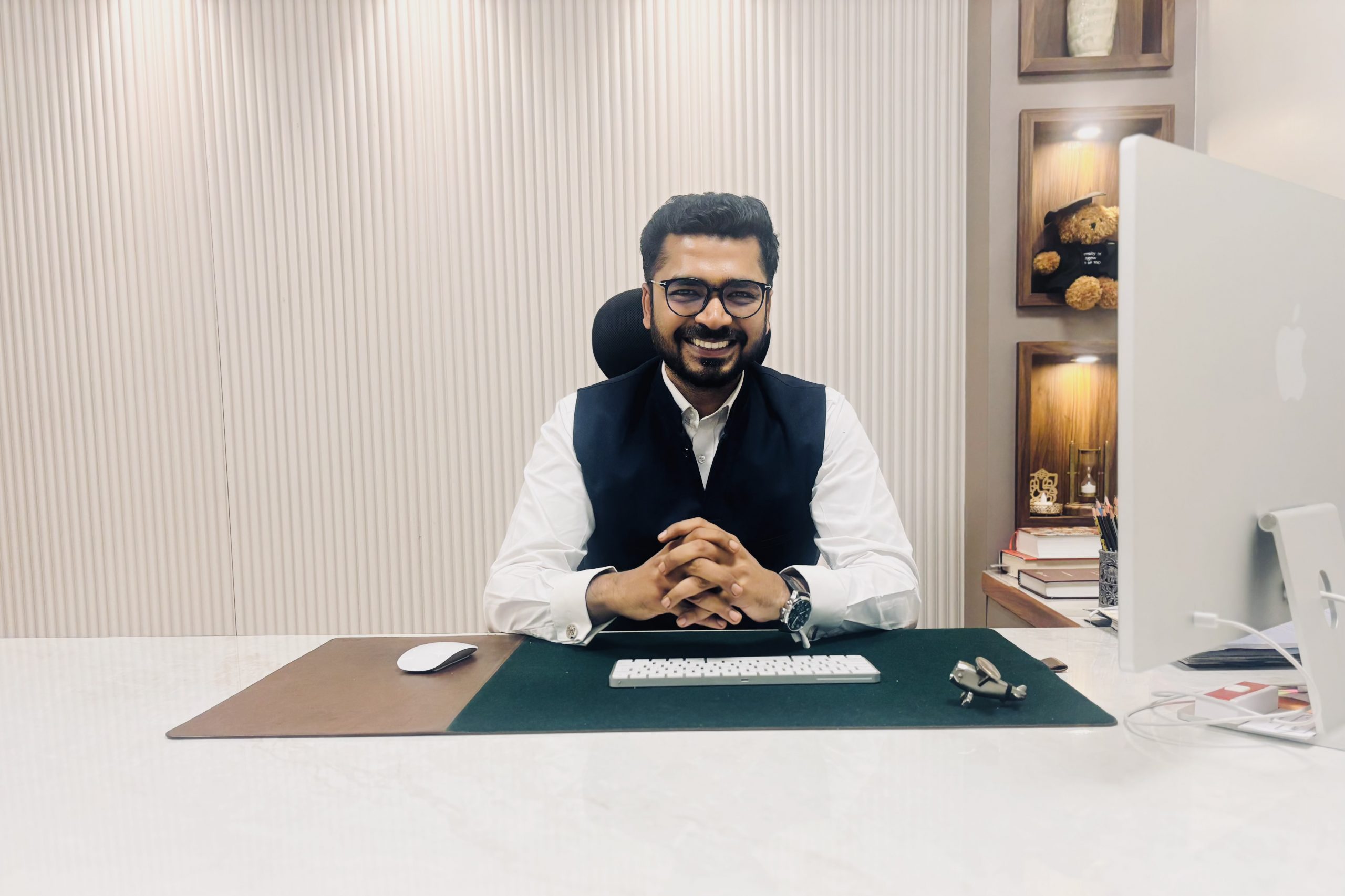
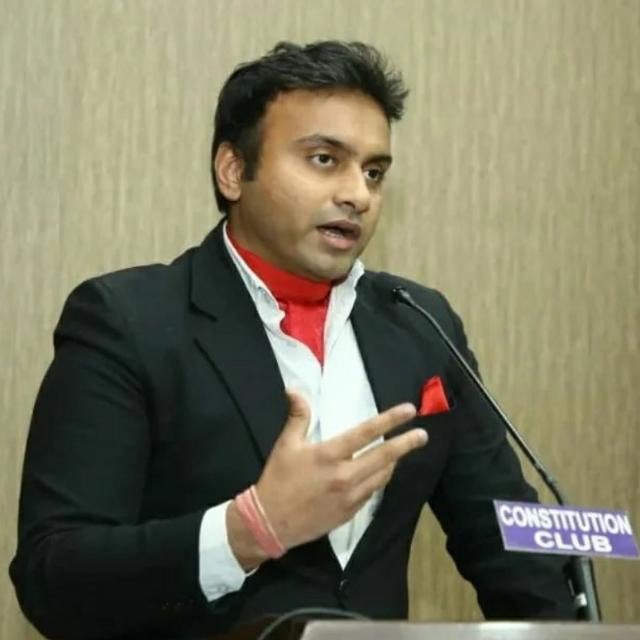
  • “Tax laws, though complex, ultimately test your reading and interpretational skills. If a lawyer learns tax law in earlier stage of their career then they can read and interpret any other laws with less effort.” – Anurag Soan, Advocate on Record at the Supreme Court of India.

    “Tax laws, though complex, ultimately test your reading and interpretational skills. If a lawyer learns tax law in earlier stage of their career then they can read and interpret any other laws with less effort.” – Anurag Soan, Advocate on Record at the Supreme Court of India.

    This interview has been published by Anshi Mudgal and The SuperLawyer Team
    Coming from a science background, what experiences led you to pursue a career in law and ultimately gain admission to Symbiosis Law School, Pune?

    In Tier II cities [like Bhopal], engineering and medical streams were the most sought after graduation qualifications. Going with the flow, I opted PCM as the stream in 11th & 12th standard and prepared extensively for competitive exams like IIT and AIEEE for two years. However, I realised that my core acumen is more suited for law where I can perform and achieve better as compared to hardcore technical streams like engineering. I found law to be attractive, expressive and more relatable. When I conveyed the same to my parents, they happily supported my decision and gave me free hand to do whatever I felt comfortable in life. My father, who himself was heading the Editorial department at a PSU and an avid reader, knew that the legal profession is a dignified and respectable profession, and motivated me to take the chance at law, though a less opted path at that time. On a lighter note, 3 Idiots was also released in 2009 and it gave a clear message that unless you are a Rancho, it is okay to go for course correction like Farhan or Rastogi, so I also had some kind of validation for taking a leap of faith. In 2010, I appeared for various Law Entrance Examinations and cleared Symbiosis Entrance Test [SET] with AIR 49. I happily joined Symbiosis Law School, Pune which was the best decision of my life.  

    How was your experience working at three tax law firms in New Delhi? What influenced your decision to specialize in Tax Law, and what early experiences helped deepen your understanding of the legal field?

    As a law student, I didn’t have many things under control such as choice of internships and specific teams where I wanted to intern. The foundation of one’s inclination towards a specific field of law is built through the work done during law school such as moots, research papers etc. 

    My influence towards the tax laws began when I participated and won the Nani Palkhivala Research Paper Competition in 2013 [3rd year of Law School] on ‘Advance Pricing Agreements’ [International Taxation]. At the prize distribution event [in GLC Mumbai] I had the privilege to briefly interact with Retd. Justice Sanklecha [Heading the tax roster bench of Bombay High Court at that time] and Sr Adv. Soli Dastur [a doyen in Bombay High Court tax circle] who motivated me to explore tax practice in future. However, I never had any exposure to tax laws at that time. Out of my 11 internships during law school, I then interned for more than 4 months in PDS Legal Bombay to understand the aspects of ‘direct tax litigation’ under Mr Nishant Thakkar and Ms. Jasmin Amalsadvala. During internships, I regularly attended proceedings before the Bombay High Court and observed many prominent seniors arguing the cases before the High Court. It was the exposure to Courtrooms during my internships that inspired me to become an arguing counsel. Though I got placed from College at a Company in Mumbai, I chose to go for tax litigation at Delhi.

    In 2015 when I joined my first Firm [Reina Legal], I started practicing indirect tax litigation, which had a much wider base than direct tax litigation as Indirect taxation at that time covered laws like VAT, Service Tax, Excise, Customs etc.. My mentor Mr. Gajendra Maheshwari trained me from scratch and gave me arguing opportunities in tax matters before the Tribunals and High Courts which is quite rare in the current era. It was a rocket start for a fresher who was dreaming to become a litigator one day. He taught me things like a younger brother and corrected my mistakes with compassion.

    When I joined Advaita Legal [best friend firm of KPMG] in 2017, I had the privilege to work with stalwarts of indirect taxes such as Mr. Sujit Ghosh [Now Sr. Adv, SC], Mr. A R Madhav Rao and Mr. Sudipta Bhattacharjee [now at Khaitan & Co.]. I learnt many new concepts while working under my seniors as to how a problem is approached and how a strategy is devised which brings a relief to the client. They were live databases of the jurisprudence on indirect taxation and taught me the foundation and history of each dispute. Tax disputes are as old as the laws are being in existence, thus the evolution of jurisprudence bears huge history. 

    Thereafter, I joined DMD Advocates [formerly Dutt and Menon] in 2019 where I joined the team of Mr. Tushar Jarwal. It was like working with Special Forces. One aim, no error was the policy. I was expected to prepare the matters within a limited time frame without compromising on quality. Working under Mr. Jarwal was more of a training of mind that every case has to be won at any cost and we have to give 200% to the case. The preparations for the matters were so thorough that there was no room for error, whatever may be the query which may come from the Hon’ble Bench or the opposite counsel. War scale preparation would be an appropriate description for the same. In my understanding, knowledge is something which one continues to gather and accumulates but the way of execution and getting results is something which changes your perception towards the work. This policy was applicable irrespective of worth of matter, whether it was a 10,000 crore tax dispute or a pro bono matter for a poor retired employee, mindset has to be the same. Discipline and devotion to work is something which I cherished in the team.

    In nutshell, the experiences in the three firms developed my overall mindset and personality, be it knowledge or quick execution. It led to the creation of an independent human being and a lawyer who was ready to face the challenges in the coming future.

    How briefing of Sr Counsels takes place in high stake tax matters? Having had the privilege to work with prominent senior counsels like Harish Salve, Arvind Datar, S Ganesh, N Venkatraman how did these experiences shape your approach to law? What valuable lessons have you learned from them that you apply in your own legal practice?

    The fate of any case being weak or strong is based on its drafting and presentation of correct facts and law. But the magic comes when it is being argued by arguing counsels using their experience, court craft and convincing skills. At the High Court and Supreme Court, the stakes are usually high, and the drafting counsels usually try to incorporate all the legal arguments for their cases. On the other hand, Senior Advocates know that which precise legal point will turn the tides in Clients favour. This is a skill acquired by years of practice and there is no shortcut to it. The entire art before the Court is to present the most complex situation in simple words so that each and every person in the courtroom can understand and relate to it. It is the crystal clear presentation, in the shortest possible time, by Senior Advocates that makes them so special.. 

    During briefing, the briefing counsels are expected to explain the entire case to the Seniors crisply so that they understand the issue and initiate their thought process. This involves preparation of comprehensive briefing notes and compilations for the Senior Advocates so that they can scan the relevant details and accurately present the case before the Court. 

    While working with some of the leading Senior Advocates I learnt that thinking out of the box is very relevant as the case may not be covered by any existing precedent and the Hon’ble Court is required to be persuaded in a manner which yields a positive outcome. The situation is more difficult when there are existing precedents but against us. In such situations, the burden is on us to distinguish and make out a case for the client. Further, I clearly learnt that every matter is build block by block and there is no jumping to the conclusion howsoever easy the issue may appear. The facts are analysed in detail and documented, the applicable laws are checked with amendments along with their legislative intent. Post this grounds and prayers are structured. If this foundation is strong then it becomes much easier to persuade the Hon’ble Court and results are better.      

    After gaining significant experience at various law firms, you chose to start your own practice. What prompted this decision, and as a first-generation lawyer, what challenges did you face in the early stages and how did you overcome them?

    Independent practice arms a lawyer to drive a matter according to his own acumen, understanding and experience. Unlike a Firm structure where every step is scrutinised at multiple levels, such is not the case in independent practice. The entire responsibility is on your shoulder to take the case to its logical end. I chose independent practice as it gave me the stage to argue before the courts on an independent basis. The sooner you start the easier it is. I am not over quoting by making a reference to a movie named “The Judge” wherein Robert Downy Junior [& other lawyers] used to feel nauseous before each court hearing due to the extreme pressure of courtroom. Such situations are real because the Hon’ble Judges may ask questions from anywhere in the brief and it is on the arguing counsel’s shoulder to satisfy the queries of the judge. The stage fear is real till you get used to it. It is a dive which every aspiring litigation lawyer is required to take and believe me there is never a perfect time for the same. 

    Having worked with different distinguished lawyers in the industry, I was able to understand the pattern and art of executing a case from drafting to final arguments. In my previous firms I had handled complex tax litigations which prepared me to face any challenge which may come in future.  

    In initial years of independent practice you are one man army who will have to handle the drafting, filing, arguing, client handling etc. on your own. This is time consuming but necessary also. Another hurdle is the infrastructure which is required to operate a full time litigation chamber. But this is the time when your good deeds pay back. Your previous interns, colleagues, relatives refer you cases. Independent practice is one man show but built on many peoples support and trust based on you by well-wishers. 

    For freshers and aspiring independent litigators, the most important aspect in litigation is to not get demotivated and keep struggling. There will be days with no work but that time can be utilised in going to courts and networking. The Internet is free, one can write articles and keep his/her presence alive. The entire game of litigation is to never leave the game. There will be financial hit initially but if that period is crossed then you will realise that it is the best decision of life.

    You successfully cleared the AOR exam in December 2022 on your first attempt, after studying a broad range of laws beyond tax. How does being an AOR impact your legal practice, and can you share some tips or tricks that you employed for clearing the exam for our readers?

    Before preparing for the AOR examination, taxation law was my lifeline and core expertise. There was never any need to understand any other procedural laws like CPC or CRPC as Tax Adjudication system have their own hierarchy and own dispute resolution system. For example, adjudication starts with Commissioner, against which appeal goes to Commissioner (Appeals), followed by appeal in Tax tribunals and then to High Court and Supreme Court. The tax laws are code in itself and there is hardly any requirement to make reference outside such statutes.

    On the other hand, the AOR examination is all about knowing the powers and limits of the Supreme Court. Such knowledge or procedure is an outcome of the Constitution, Supreme Court Rules, 2013 and the judicial precedents. The judicial precedents can be from any stream of law, for example a famous matrimonial disputes case laid down the jurisprudence on Review and Curative jurisdiction of Supreme Court [Rupa Ashok Hurra v Ashok Hurra]. A case of sexual offence on social worker, led to the laying down of guidelines for sexual harassment by Supreme Court expanding the scope of judicial activism [Vishakha v State of Rajasthan]. A case on Taxation on denatured alcohol led to the expansion of doctrine of prospective overruling [Synthetics and Chemicals v State of UP].

    It is immaterial as to which area of law one had specialised before appearing for the AOR exam. One needs to know everything from the perspective of working for the Supreme Court. Bare minimum knowledge of each subject is necessary if one is aiming to appear for the AOR exam.  

    There are two cheat codes which I followed during my examination preparation as I only had three weeks to prepare due to my hectic schedule at the office. First, pattern of last five year question papers. And Second, lectures conducted by SC Registry and SCAORA. If one blindly follows these two methods then it is easy to decipher as to what are the expectations of the examination body. Since I had considerable experience in drafting SLPs, Writs before the Supreme Court during my tenure at previous firms, the drafting examination paper was not a big challenge.  

    After becoming an AOR, having read/acquainted with the major/relevant laws, I got the confidence to take up any matter and execute the same as the AOR examination preparation clears up your core concepts and builds your ability to think on first principles. Though, legal field is an ocean in itself, clearing the AOR exam gives a sense of confidence and completion. 

    Can you share one of the most fascinating cases you’ve worked on so far? How did you prepare for such a complex and intriguing case?

    I have majorly represented companies before the High Courts and Supreme Court in tax matters. In such cases, human emotions are not involved and ultimately the companies are benefitted or take a hit as a ‘corporate entity’. However, when you deal with cases involving life and liberty of an individual, then the real heat is involved. A win or a loss strikes you personally as you tend to feel elated when the outcome is positive or you tend to feel guilty/sad when the outcome is negative. These emotions are very personal and impacts the mindset of a lawyer. 

    I recently did a pro bono case, wherein my house maid informed that her neighbour’s new born daughter is missing after being forcibly taken from her parent’s custody. The parents were labourers and uneducated and had been trapped in a child trafficking racket/syndicate. Neither the police nor any NGO was ready to provide any assistance to the poor parents. Everyone had a perception that parents are part of the racket and are equally guilty. Until I met the parents, I was also reluctant to take this case as my conscience was not allowing me to defend someone who is remotely involved in any form of child trafficking. However, when I met the parents, my views changed and I deciphered that it was a case not only involving a child trafficking racket but also a case of police brutality/custodial torture on parents who were victims in true sense. We immediately moved a habeas corpus petition before the Hon’ble High Court and got the matter listed on the same day. Subsequently, the 14 day old baby was traced and handed over to the parents. Parents were also given protection from police subject to their participation in the investigation. I learnt my lesson that as a lawyer having a pre conceived notion is not appropriate and one must perform his/her duty to defend its client. For me it was an emotional moment when I saw the baby girl being rescued who could not have survived without her mother. Sometimes the profession gives you the chance to become  Sunny Deol [of Damini Movie] and you should never think twice to accept such a role. To rise and fight for the weak is what about legal profession is for.     

    With continuous reforms in Indian Taxation laws, how do you see the landscape evolving? How do you stay informed about the latest trends, particularly in taxation, and can you recommend any resources for our readers?

    The concept of tax is simple. The government needs money to run the country. Tax statutes keep on evolving to tax such transactions which involve some sense of commerce or business. On the other hand, the assessee or the tax payer will always try to claim a benefit or rebate or deduction on such taxes. This fight is never ending. For example when crypto currencies or online gaming were introduced in the country the tax departments were quick enough to issue notices to levy GST on such transactions. It is at this point when the lawyers come into picture and question the procedures or the levy itself in light of the constitution and the applicable statute. Writs are filed under Article 226 of the Constitution to contest such demands and this cycle goes on. A tax lawyer is hired for the fact that the client may be saved from paying taxes but in accordance of the law and within legal mandates.

    There are dedicated portals like taxsutra, taxmann, taxmanagementindia etc. which keep on sending the updates on a daily basis. When you are in practice, one can easily relate as to which update is relevant with respect to his/her brief. Also, these portals publish articles by industry professionals which keeps you updated about recent disputes and litigation.

    Tax Law is a specialized field. What advice would you give to young, aspiring lawyers who wish to pursue a career in taxation?

    Tax laws, though complex, ultimately test your reading and interpretational skills. Generally speaking, if a lawyer learns tax law in earlier stage of their career then he/she can read and interpret any other laws with less effort. For example when you have already completed a marathon then you will never find a 5K or 10K run a challenge. When you have already tackled the most complex statute you will find some ease in interpreting the other laws.

    Some of the legendary lawyers in the history of Indian Legal System were/are primarily from tax background, such as Nani Palhivala, Harish Salve, Arvind Datar. 

    Balancing a demanding legal career with personal life can be challenging. How do you manage to maintain a healthy work-life balance while meeting the demands of your profession?

    In the beginning of career, I used to work like a frontline soldier. I hardly cared about my health and routine and gave preference to myself only on Saturday and Sundays which were off days in Court. Those days also went in partying or meeting friends.  However, after 6-7 years, this disbalance showed impact on health with weight gain and also high levels of stress and cholesterol. This reduced overall efficiency and had a deep impact on mind. The main issue with beginning any exercise is that if your mind is cluttered or stressed you will find exercising as a burden. Therefore, the first step I took was to reorganise my thought process and then started mild exercises at home. COVID 19 was an eye opener and made me think that if I am not exercising still, being at home then it is entirely my lack of motivation as I was anyway saving 2-3 hours of travelling in lockdown. Therefore, I gradually started challenging myself and started doing pushups. Began with 2-3 in a day to 100 pushups in a day. I started to monitor my heart using a smartwatch and started full-fledged gym. Now this has become a routine. Half of the day is already won when you achieve that adrenaline rush at Gym in the morning. I also play badminton on weekends which is an amazing way to hangout with friends and release stress. 

    However, sometimes when there are back to back hearings in Court across the week, this routine has to be moulded and I try to compensate by lifting some extra kilos on the weekends. On a lighter note, there are many seniors in the Supreme Court who run from court to court faster than the much younger generation. If you cannot keep up your pace with them at a younger age then it is high time to introspect your health.

    Get in touch with ANURAG SOAN –

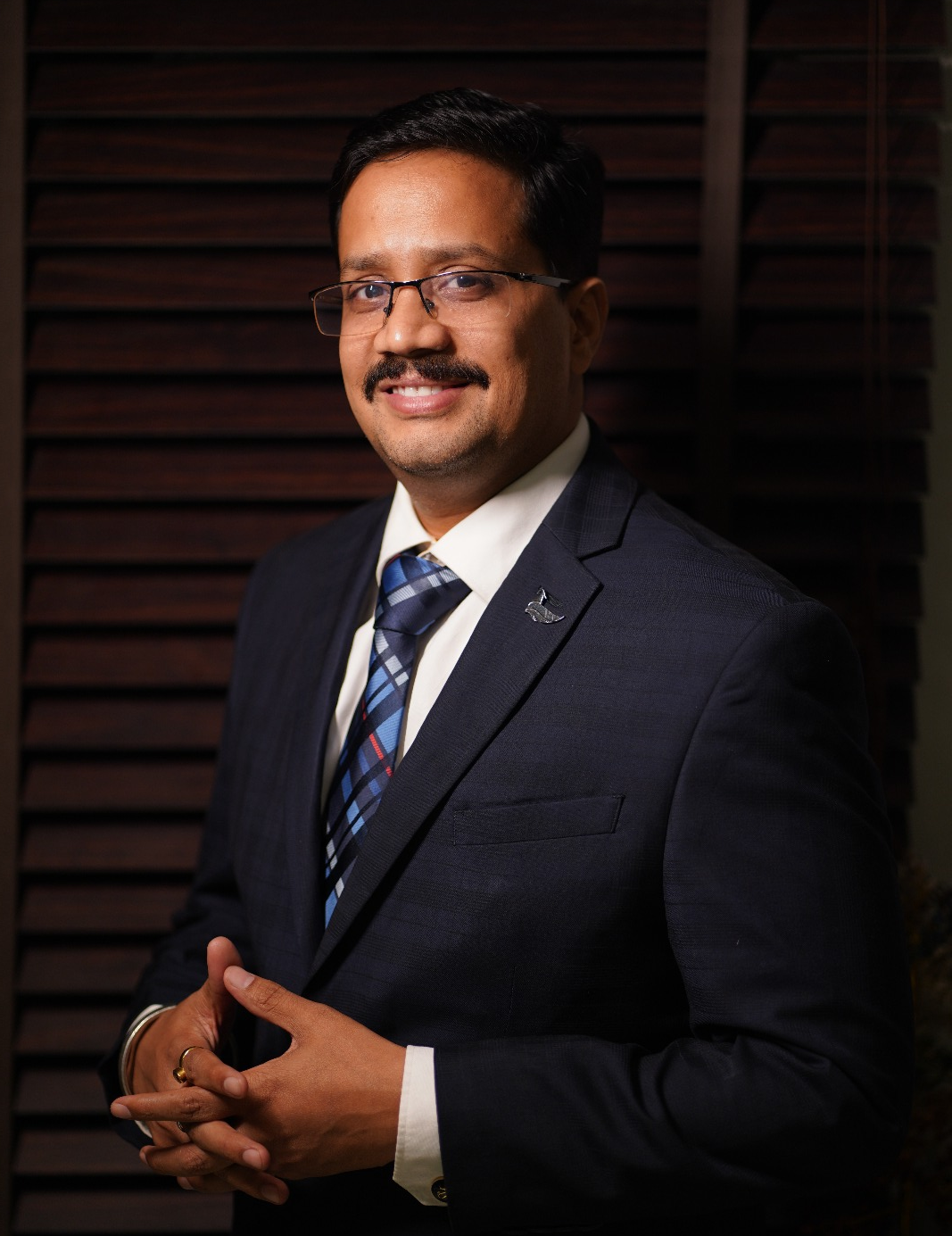
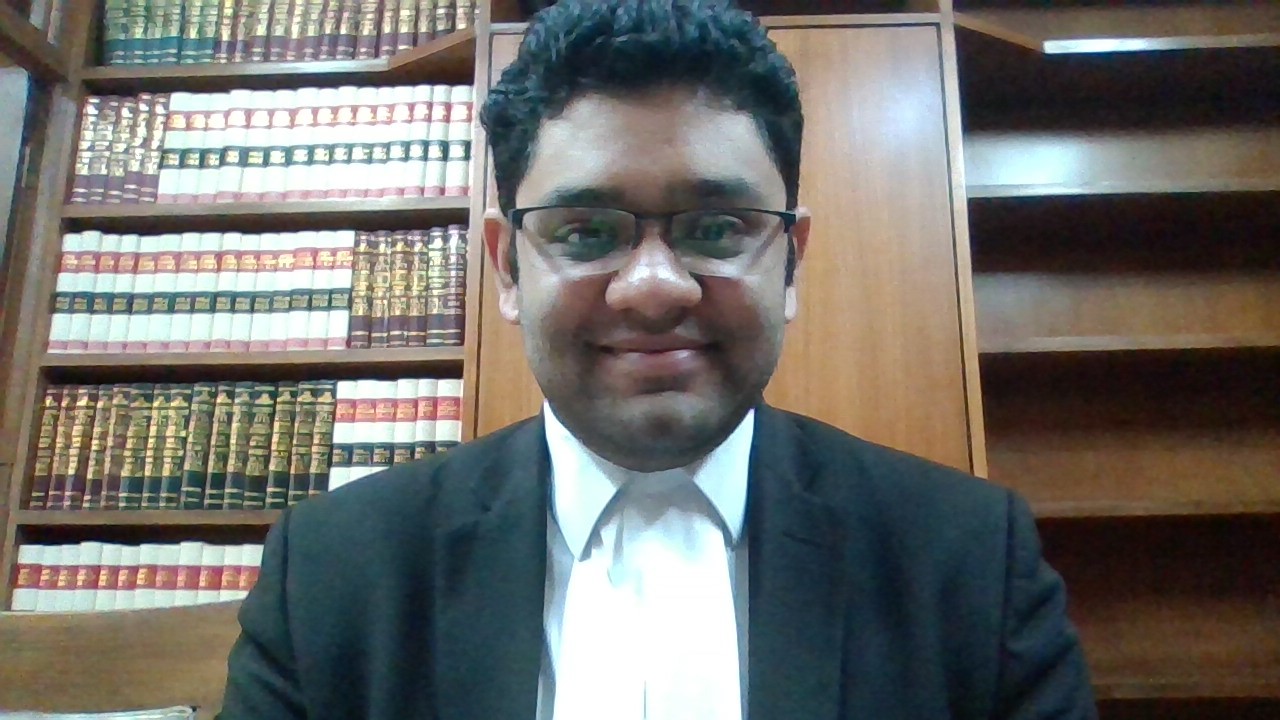
  • “For me, the beauty of being a lawyer lies in the constant pursuit of excellence and the privilege of contributing to a profession that holds justice at its core.” – Advocate on Record Supreme Court of India and Founding Partner at ARCAS LAW.IN.

    “For me, the beauty of being a lawyer lies in the constant pursuit of excellence and the privilege of contributing to a profession that holds justice at its core.” – Advocate on Record Supreme Court of India and Founding Partner at ARCAS LAW.IN.

    This interview has been published by Anshi Mudgal and The SuperLawyer Team

    Your extensive experience and diverse areas of practice are highly admirable. What motivated you to choose a career in law, and what factors influenced your decision to pursue this profession?

    Choosing a career in law was a decision driven by both inspiration and a deep sense of purpose. Over the years, my journey in this profession has only deepened my appreciation for its intellectual rigor and dynamic nature. The legal field is an ever-evolving landscape, and even after a decade of practice, I find myself constantly learning and adapting. Whether it’s interpreting new statutes, analysing evolving precedents, or crafting arguments, the law demands a mindset that embraces lifelong growth and curiosity.

    What continues to motivate me is the unparalleled opportunity to think critically, solve complex problems, and make a meaningful impact on society. The challenges posed by each case remind me of the importance of staying engaged, asking questions, and honing my skills. This profession is not just about mastering the law but about continuously striving to better understand its nuances and applications in a changing world. For me, the beauty of being a lawyer lies in the constant pursuit of excellence and the privilege of contributing to a profession that holds justice at its core.

    After completing your Law degree, what led you to choose the University of Glasgow for your LL.M. in Intellectual Property and Digital Economy? What aspects of this specialization interested you, and how did the university’s teaching approach stand out to you?

    After completing my 5 year course from Institute of Law, Nirma University, I started practising before the Rajasthan High Court and gained some valuable experience. It was during this time that I realised that it was the right time for me to devote some additional time towards academics. Since Intellectual Property was my major subject in law school and I had developed a peculiar interest in it I decided to look for universities offering post graduate degree course in this subject. A few major considerations for me while deciding the university were firstly of course the curriculum and the professors but as I started with my list of universities, apart from the above the next few considerations which came were the cost of living and the expenses to be incurred apart from the tuition fee. While I got offers from University of Manchester, Edinburgh and Warwick, I finally selected the University of Glasgow for it having the most advanced course module which dealt with Intellectual Property in Digital Economy. My course included subjects of brand protection, moral rights in copyright which was also the subject of my thesis at the University. 

    As far as the teaching pedagogy of the University of Glasgow I should admit that I was literally taken aback in the initial weeks as the classrooms were more of discussions where students coming from different backgrounds used to share their insights and their understanding of the subjects. The professors used to share articles and course materials beforehand and the classes usually happened in a manner where the floor was left open for discussion on the understanding of the subject and for sharing the analysis of the material. A significant part of the discussions in the class was having students from different backgrounds where they would shed light on the laws as in their respective countries. I had the privilege of discussing the Indian IP laws and I should say that some of our judgments particularly on fair use of copyrighted material specially course books and patents applications for generic medicine were quite a hit amongst the class. I believe the type of teaching approach followed at the University was absolutely outstanding as in most of the discussions there were no wrong answers, just observations, analysis and critiques by students which helps in gaining a new perspective, something which cannot be done if the classes are merely discussing the views of the authors. 

    As you were starting your career, what were some key experiences that served as valuable learning moments and have stayed with you throughout your journey?

    When I had just begun my practise, a very kind senior of mine told me that as a lawyer, its your duty towards the client as well as the Court that you should always be thoroughly prepared, you should know the facts of the case, the applicable substantive and procedural laws and the relevant judgments on the subject. This commitment to diligence has been my guiding principle. One of the most valuable lessons I’ve gained is that no two cases are alike, and each case presents an opportunity to learn and grow. Whether it’s through direct mentorship, observing senior counsel in court, or engaging in discussions with colleagues, every experience has contributed to honing my legal acumen.

    These experiences, coupled with the guidance from mentors, have shaped the lawyer I am today, and I continue to carry them with me in every matter I handle.

    What inspired you to establish your own practice, Arcas Law? What were some of the early challenges you faced, and how did you overcome them?

    This is something I believe every first generation lawyer dreams of the moment they enter the profession. I have been blessed to have worked with some of the most brilliant minds in this profession who were kind enough to not just help me grow but also taught me the nuances of practice of law and more than anything the art of advocacy. I truly and most humbly believe that having a good senior by your side is the single most important thing in this profession. There are numerous occasions where you just want someone to guide you to the right direction and that is what inspired me. I have been closely associated with people who I have seen working very hard in established law offices and firms and I have seen them set up their own offices and that just lit a spark in me that I too wanted to follow their path. Now that I think of it, I just wanted to be like them because I admired them so much. 

    Initially, yes there are few things which need attention and once you make the switch from being in an office to having your own office it is only then that you figure them out. I was lucky that my colleagues and staff were very accommodative and adjusted well to the change. From day one in our office we had a few ground rules which I carried forward from my previous office where the work is aptly delegated and divided amongst the staff, we have regular meetings to discuss the ongoing work and to also discuss about the functioning in the office, and all of which helps in streamlining and getting work done at the right pace. 

    With your extensive experience as an AOR before the Supreme Court of India and representing high-profile clients such as Mahindra & Mahindra and ICICI Bank, is there one case that particularly stands out as memorable? If so, could you share your experience dealing with that case and how you prepared for it, with our readers?

    I have always believed that no matter is ever big or small and that every case or brief deserves the same amount of respect and dedication. As a matter of practise at our office we always strive to strike a balance between the type of cases that we take up, so on one hand while we are dealing with matters relating to commercial interest of companies and other matters involving substantial transactions, on the other hand we also have matters which we take up on pro -bono basis and  more often than not that it is the latter type which always stands out for me in terms of being memorable. 

    I can tell you about a few recent ones that our office dealt with and I am very happy to share that in one of them the Hon’ble Supreme Court settled the law with respect to the offense of abetment vis-à-vis the offense of bigamy. In this matter we were appearing for the wife whose husband allegedly got married for the second time. However, the Hon’ble High Court allowing the petition filed by the relatives of the second wife held that bigamy is not an offense of wider amplitude and thus there can be no question of its abetment and allowed the Petition thereby setting aside the summoning order. Interestingly, the Petitioner in this case first approached the Legal Services Committee which rejected her case saying that there are no grounds to interfere with the judgment of the High Court as it is on sound principles of law. 

    When the Petitioner approached us we ran through the papers and found that the observations of the High Court were completely uncalled for. We decided to take up the case pro bono and during its preparation our entire office was busy collating judgments and going through commentaries on abetment and bigamy and once we were done we had judgments ranging from 1902 to 2024 covering the subject. We argued our case before the Hon’ble Apex Court and the Bench of the Hon’ble Chief Justice was pleased to note that the observations of the High Court on bigamy were in teeth of the judgments of this Court and further also set the principle that the offense of abetment to bigamy is applicable and can be imposed when conditions are met. 

    Similarly we had another case where we were appearing pro bono for a deaf and mute person and our challenge was that the disability of the person cannot be used as a ground to deny him his basic rights. In order to research for the same we went through a lot of literature on sign language and even the different types of symbols & signs and also learnt how the same sign used can have different meanings as this sign language varies in regional languages. I would say it is always the preparation of these cases that is the most memorable part for me.

    Given your specialization in Intellectual Property law and the growth of e-commerce and technology-driven businesses in India, how do you envision the future of intellectual property protection in the digital economy?

    Every industry player, be it in any kind of industry, wants to make sure that their product or service be associated with their name or mark or their brand and that the customer should not come looking for the service or the product but should come for the name. This is where the role of intellectual property comes in. It is a very vast subject and the implications it can have on one’s business are huge.

    The digital economy is characterised by its global outreach which involves innovations at a rapid pace and places huge reliance on intangible assets. Thus, having a robust and strong IP presence is at the heart of every business strategy. 

    In this dynamic environment, the most important thing that people or consumers look for is authenticity and trust. Intellectual property is literally the backbone of these attributes as it creates a foundation that allows business to distinguish themselves in this crowded digital marketplace. 

    A strong mark creates that bridge of trust between a business and its consumers which is more relevant than ever in the e-commerce era and technology driven sectors as the physical interaction with the product is almost zero and the decision hinges particularly on the reputation and goodwill associated with the brand. 

    But when we talk of the future of IP in this digital economy it hinges on and is intrinsically tied to the ability of stakeholders to adapt to new challenges. On one side we have the global reach of the digital marketplace but we also need to keep an eye on the amplified risks associated with IP infringement in the digital space and as we witness the evolution of AI, there is no dearth of methods that can be used to exploit the gaps in IP protection. I would say that any business that takes Intellectual property as a strategic asset will not only be in a position to safeguard its innovations but will also be able to cement its place in the digital economy. 

    In your experience with real estate law, what do you believe is the biggest challenge facing developers and homeowners in India today?

    I think the aspiration of owning a home contributed a lot towards the development of real estate laws. In fact there was a time when everyday the newspapers used to be filled with advertisements of new housing and commercial projects coming up which would boast about their spacious apartments, extra facilities like gyms, spas, and landscaped gardens. Homebuyers and investors, lured by these promises, poured significant resources into these projects, often viewing them as secure and high-yielding investments.

    However, the real estate market is not immune to macroeconomic factors. Over time, rising inflation, increasing construction costs, and growing interest rates created a ripple effect that significantly impacted the financial ecosystem of this sector. One of the most critical challenges that emerged was the cyclical nature of defaults. A delay or default in payments by homebuyers often strained the liquidity of developers, causing them to default on their financial obligations, including project completion. Conversely, when developers failed to deliver on time, homebuyers faced financial distress, particularly those servicing home loans. 

    The result is a pervasive sense of mistrust and financial instability, which has triggered a flood of legal disputes between developers and homeowners and the same has thus manifested across various legal forums like consumer commissions, RERA and even NCLT. 

    A key challenge that becomes a major issue in the real estate sector is the financial interdependence of buyers and developers. Sometimes delays in payment can cause a domino effect and the entire project suffers. Additionally this sector is also exposed to certain broader economic and policy issues such as land acquisition, inflation, market fluctuation which add to the complexity. 

    Another key challenge for developers is navigating the different regulatory frameworks. While legislations such as the Real Estate (Regulation and Development) Act, 2016 (RERA) aim to ensure transparency and accountability, compliance can be burdensome, particularly for smaller developers. On the other hand, homeowners often face the challenge of enforcing their rights in the face of delays, substandard construction, or outright abandonment of projects. For many, the legal process can be daunting, time-consuming, and financially draining.

    What advice would you offer to young lawyers who aspire to have a successful career like you as an AOR? How can they best prepare for success in these fields, and what challenges should they anticipate?

    The transition from law school to practice can be very overwhelming. Early in the career, lawyers may often feel that the financial returns are not to be commensurate with the effort that is being put in. To all the young lawyers and students reading this I would say patience and perseverance are very crucial in this phase. Litigation demands unwavering commitment, discipline and adaptability. A litigation office often operates like a fire brigade where unexpected challenges arise and immediate action is required. Litigation often involves juggling multiple cases with overlapping deadlines. Time management and prioritization are critical. 

    As an AOR, drafting pleadings and petitions is a significant part of your role. Meticulous research and clear, concise drafting can make or break a case. Cultivate the habit of reading judgments critically and understanding the reasoning behind them. At the same time, young lawyers need to work hard to familiarise themselves with the emerging technologies and be savvy with legal research platforms, case management software, e-filing systems, and virtual court proceedings. 

    To build a successful career as an AOR or as a lawyer preparation and persistence are key. While preparation will always remain first, the art of presentation is as important. Pay attention to how senior lawyers argue their cases in court. Learn the art of persuasion, and work on your confidence and communication skills. 

    Given the demands of your profession, how do you manage to unwind and maintain a healthy work-life balance?

    The profession has its perks. Many would agree that as lawyers, we are fortunate to have the benefit of scheduled vacations—once during the summer, once in the winter, and a handful of breaks throughout the year. While our work philosophy is firmly grounded in the “work comes first” principle, we are also mindful of the challenges posed by such a demanding profession. Balancing personal well-being alongside professional responsibilities is essential.

    For me personally, travel plays a significant role in unwinding and recharging. I’ve discovered that I am more of a “lazy traveller,” someone who eagerly looks forward to new destinations but ends up spending most of the vacation relaxing, sleeping, and taking it slow. This approach allows me to truly disconnect from the pressures of work and focus on re-energizing myself. Whether it’s exploring a new place or simply enjoying a change of scenery, taking time off helps me return to my practice with a renewed sense of purpose and clarity.

    Get in touch with Arpit Gupta –

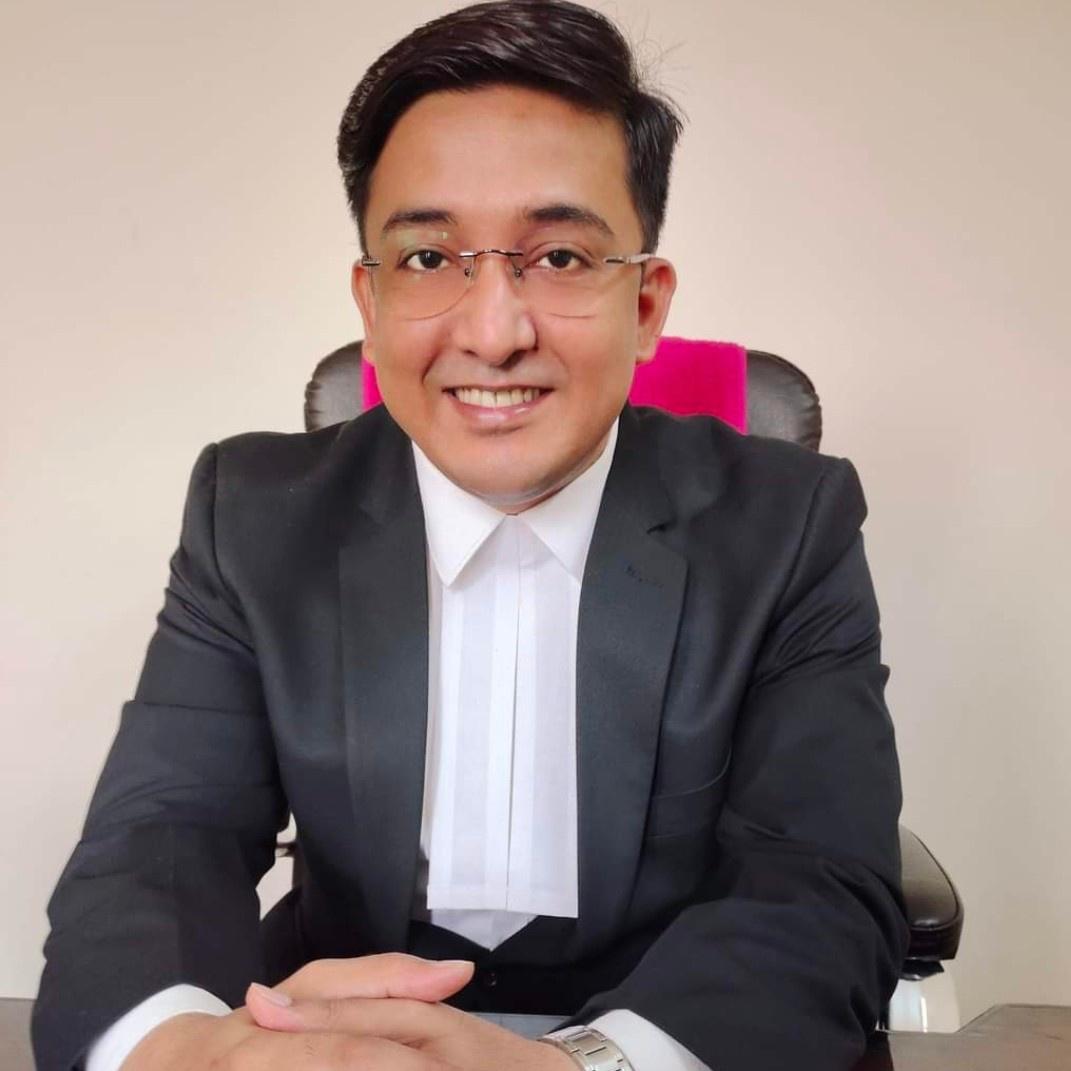
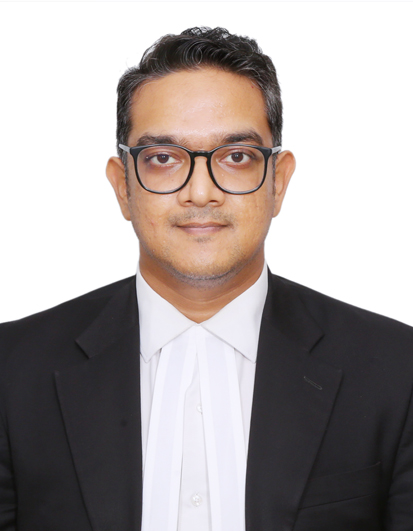
  • “What truly drew me to the field of Law was its dynamic nature and the intellectual challenge of navigating intricate commercial disputes.” – Prateek Mishra, Advocate-on-Record at Supreme Court of India and Principal at EP Advocates.

    “What truly drew me to the field of Law was its dynamic nature and the intellectual challenge of navigating intricate commercial disputes.” – Prateek Mishra, Advocate-on-Record at Supreme Court of India and Principal at EP Advocates.

    This interview has been published by Anshi Mudgal and The SuperLawyer Team

    With over 10 years of experience in commercial litigation and arbitration, what initially inspired you to pursue a career in law, and how has your professional journey evolved over time?

    My parents were not from a legal background, and as such, the inspiration to take up law did not come from my immediate environment. However, during my formative years, I found that my acquaintances in the legal profession always displayed an unwavering sense of purpose. I also remember getting inspired by the views that Mr. Rajeev Dhavan, Senior Advocate, would express on public issues, all rooted in constitutional values, and without any fear of the popular opinion. This, coupled with a deep disinclination towards pursuing a career in engineering, made law a natural choice.

    During my time at NLIU Bhopal, I developed a particular interest in international arbitration, which is reflected in my dissertation on jurisdictional aspects of international investment arbitration. What truly drew me to this field was its dynamic nature and the intellectual challenge of navigating intricate commercial disputes.

    Over the years, my practice has evolved from focusing purely on arbitration to encompassing a broader spectrum of dispute resolution. My experience at Luthra & Luthra helped shape my approach to complex commercial litigation. When we started EP Advocates in 2020, I focused greatly on disputes involving insurance law and insolvency, which is something I had already extensively undertaken in the past as well. Now, my role as an Advocate-on-Record at the Supreme Court has added another dimension to that practice. The evolution has been organic, driven by a desire to provide comprehensive dispute resolution services to clients.

    You completed your LLM at Queen Mary University of London, specializing in International Commercial Arbitration among other areas, what drew you to this specialization, and how was your experience at the university?

    My choice to pursue an LLM at Queen Mary was deliberate, given its renowned reputation in international arbitration. QMUL and MIDS Geneva are the only programmes that I had applied for. The program’s focus on comparative and international dispute resolution perfectly aligned with my academic interests and professional aspirations. I particularly valued the exposure to diverse perspectives, studying under leading practitioners and scholars in the field. The experience was transformative – I graduated with distinction in my dissertation on ‘The Relevance of Local Remedies in ICSID arbitration,’ and the program’s practical approach to complex international disputes has significantly influenced my practice. The modules provided insights that I apply to this day.

    With respect to your current focus, could you share some of the most challenging disputes you’ve encountered and how you managed the complexities of those cases?

    Some of the recent disputes, where we have prevailed include: (i) in insolvency, we were able to negotiate a settlement for certain homebuyers whose rights had been extinguished by the Resolution Plan, when the matter was pending before the Supreme Court – the challenge was that the Resolution Plan had already been approved by the NCLT and NCLAT; and 

    (ii) in insurance, before an arbitral tribunal, we were able to successfully defend an insurance company against a commercial entity on the quantum of claims that had to be paid – the challenge for our team was more with respect to adopting the best strategy for our arguments, given that the case involved various issues of ‘industry practice’ and voluminous documentation.

    In these cases, and even otherwise, I have found that one does not have to ‘manage’ complexities, if they are avoided. I believe complexities can be avoided if:

    1. you can anticipate and discuss with your clients, the difficulties in their case, and explore the possible arguments and solutions;
    2. simplify the case, present facts and arguments in a manner that is holistic but concise, and do not present a complicated picture without a solution;
    3. stick to first principles throughout the case and justify your arguments and pleadings using those principles.

    Having worked with a leading law firm for over six years before establishing your own practice, what were some key lessons learned early in your career, and what motivated you to start your own firm?

    My six years at L&L Partners were instrumental in shaping my understanding of dispute resolution and law practice. Leading a young disputes team at the Mumbai office taught me invaluable lessons about team management, client relationships, and strategic dispute resolution. One key lesson was the importance of understanding not just the legal aspects, but also the commercial implications of every dispute for the client. The decision to establish my own practice stemmed from a desire to provide a more personalized service to clients. The experience of independently handling major mandates under the Insolvency & Bankruptcy Code and leading significant arbitrations in areas of construction law gave me the confidence to take this step.

    What were some of the initial challenges you faced while founding your practice at EP Advocates, and how did you navigate them?

    Starting EP Advocates in 2020 came with its unique set of challenges. The primary challenge was establishing a new practice during the pandemic, which required adapting to remote working while maintaining the highest standards of legal service. We focused on building a lean, technology-driven practice that could deliver sophisticated legal solutions efficiently.

    Another significant challenge was transitioning from a large law firm setup to building systems and processes from scratch. However, this also presented an opportunity to implement modern practice management techniques and create a more agile organization. Within two years, we successfully built a strong client base including major entities like National Insurance Company Limited, Dish TV India Limited, BSNL, and NTPC Limited, validating our business model and approach.

    Given that you are an Advocate-on-Record before the Supreme Court of India, could you share with us some significant cases ?

    Being qualified as an Advocate-on-Record has been a significant milestone. Even prior to becoming an AOR, I was a part of teams that handled significant arbitration-related cases. One notable matter involved advising the Petitioner on issues relating to appointment of arbitrators given the inter-connected nature of several agreements, each of which had a separate arbitration clause. The judgment in that case is now a leading decision on appointment of arbitrators in international arbitrations under Section 11 of the Arbitration Act.

    Recent cases, as an Advocate-on-Record, have involved representing a leading bank in Special Leave Petitions (SLPs) filed by debtors challenging eventual court-ordered auction of properties. With respect to insolvency, I recently had the privilege of representing one of the impleadment parties in a Civil Appeal titled Ayush Agarwal v. Jaypee Infratech Limited & Others, where the Supreme Court’s intervention ensured that rights of certain active homebuyers did not get extinguished by a Resolution Plan.

    You have represented major clients in complex disputes. What are some unique legal challenges faced during long-drawn litigation, and how do you help navigate these?

    Long-drawn litigation presents multiple challenges, particularly in maintaining consistency in approach while adapting to evolving circumstances. One key challenge has been managing the intersection of public policy considerations with commercial interests.

    We help clients navigate these challenges through:

    1. regular strategic reviews and updates on regulatory changes;
    2. proactive risk assessment and mitigation strategies;
    3. maintaining clear communication channels.

    For instance, in insurance matters, we’ve developed specialized approaches for handling claims under various policies, from Standard Fire & Special Perils to Bankers’ Indemnity Policies, always keeping in mind the evolving regulatory landscape.

    What advice would you give to law students or young professionals aspiring to build a career in areas of insurance or insolvency law? How should they prepare to handle high-stakes disputes and gain expertise in this area?

    My advice would be threefold:

    First, develop a strong foundation in commercial laws. Understanding the business aspects is as crucial as knowing the legal provisions.

    Second, gain practical exposure through internships and hands-on experience. The field of insolvency law, in particular, requires understanding practical aspects of business operations. Insurance law requires a good understanding of how insurance companies handle claims, and what regulations apply, and one must know these irrespective of the side they appear for.

    Third, stay updated with evolving regulations and judicial interpretations. Both insurance and insolvency laws in India are rapidly evolving, and staying current is crucial.

    I would also emphasize the importance of developing strong analytical skills and the ability to handle pressure, as these areas often involve time-sensitive, high-stakes matters.

    With your extensive professional commitments, how do you manage to balance your personal life with the demands of your legal practice?

    Maintaining work-life balance in a demanding practice requires disciplined time management and efficient delegation. Technology has been a great enabler – we’ve implemented systems that allow for effective remote working while maintaining high service standards.

    I believe in building strong teams and empowering them to handle responsibilities effectively. This not only ensures better service delivery but also helps maintain a sustainable work environment. Regular team meetings and clear communication channels help manage workload efficiently.

    Additionally, I make it a point to stay involved in academic activities, such as conducting lectures at law schools. These activities provide a refreshing break from practice while contributing to the legal community.

    Get in touch with Prateek Mishra –

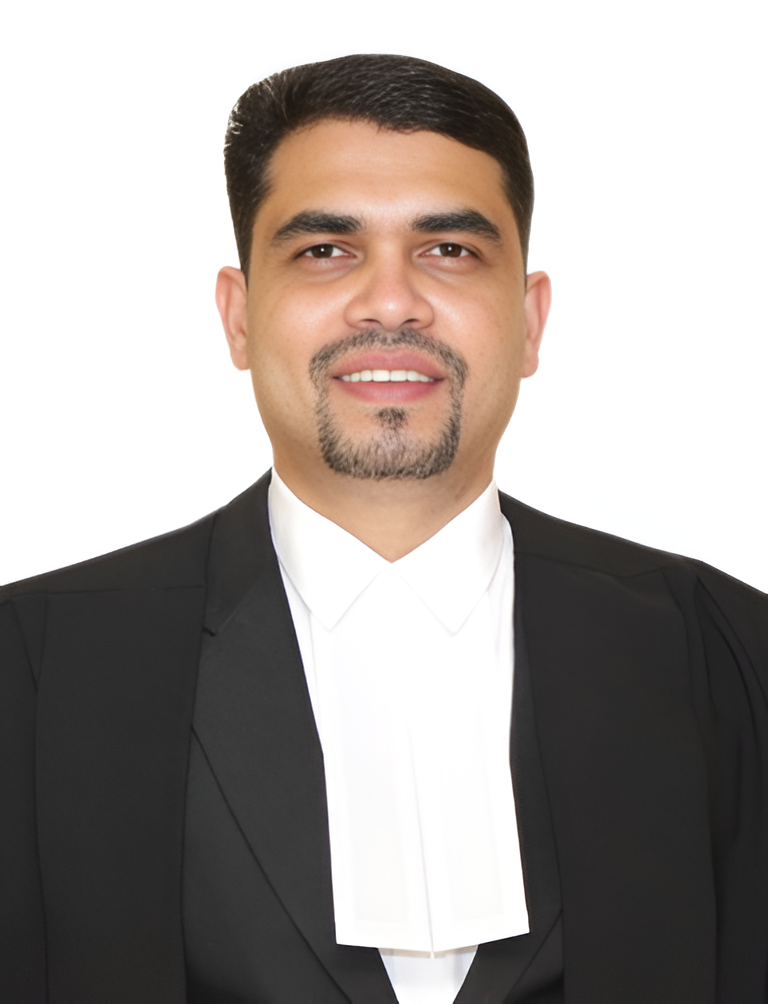
  • “My takeaway from my journey in the field of law has been to be patient, to keep up the hard-work, and to know that every opportunity and every win or loss is a golden ticket to learn something new.” – Shraddha Deshmukh, Advocate-on-Record at Supreme Court of India.

    “My takeaway from my journey in the field of law has been to be patient, to keep up the hard-work, and to know that every opportunity and every win or loss is a golden ticket to learn something new.” – Shraddha Deshmukh, Advocate-on-Record at Supreme Court of India.

    This interview has been published by Anshi Mudgal and The SuperLawyer Team

    You completed your Bachelor in Civil Law at Brasenose College, University of Oxford. Was law always the career path you envisioned for yourself and what motivated you to pursue law as a profession?

    My tryst with law was accidental. I had lost my Civics book, a day prior to my final exams in school. My father sat me down with a copy of the Constitution of India and spoke about Keshvananda Bharti. Whilst reading through the charter on Fundamental rights and duties, I came across the wide powers of the courts as enforcers and protectors of rights and therefore, by default, the duty of the lawyers to bring causes to justice. That was it! Dreamy eyed about the change and difference that lawyers can make to society (of course also influenced by Alan Shore from Boston Legal), I decided to pursue Law as my profession.

    Early in your career, you worked at several prestigious law firms before transitioning to work with Senior advocates like Mr. Akhil Sibal and Mr. K.K. Venugopal. How would you describe the cultural differences between these two environments, and how did you adapt to each?

    There are definite distinctions and also certain similarities in the working culture of a Law Firm when compared to a Counsel’s Chamber. 

    Starting with the distinction first, at a law firm, you are exposed to direct client dealings, extensive drafting and working with many counsels and senior counsels. You are involved with filing and getting matters listed, billing and preparing recording letters for the client. 

    On the other hand, working in a Senior Advocate’s chamber gives you a balcony view into the mind of the lawyer- her/his quirks, style of presentation, method of preparation and the ultimate act of reading the law and convincing the bench with arguments. Preparation of briefing notes involved detailed churning of legal research with factual analysis.

    Coming to the similarity– at both places, you are expected to work hard and stay abreast with the law and the legal system. The working hours don’t get better at either, and you learn and gain immensely at both!

    Therefore, whilst the scope of work for the junior may differ in a Law Firm when compared to a Senior’s chamber, the expectations from her/him to give their best- remains the same.

    Having worked closely with prominent Senior Advocates like Mr. K.K. Venugopal, what are some of the most valuable lessons you’ve learned from them, and how have those lessons shaped your approach to legal practice?

    Working with a venerated counsel like Mr. Venugopal- who is an institution in himself, was a guiding factor in me truly coming to love the law and understand the rigours and discipline that are basic tenets for a lawyer. Boss, as we all call him in his chamber, taught us that there are no shortcuts to success. Even today, whilst preparing for a matter, he refers to judgments and makes copious notes, with the same curiosity as he would have if he were reading it for the first time, despite having argued many of them himself and having applied them in several instances. During arguments, Boss could ask any question from the briefing junior, which was born from the facts stated in the file or beyond, which meant that we had to always be on top of things and be prepared for a volley of questions- sometimes tougher than what came from the bench itself. This taught us to be prepared beyond the file, to ask questions and analyse, to fact-check and to never argue on conjectures. Boss would rarely ever raise his voice at us and his disappointment was often remarked with a long sigh reverberating in a whistle, the consequence of which was far stronger than mere words. He taught us the discipline to reach court early irrespective of how late your matter was on board. He taught us to be fair and to act as an ethical officer of the court. He treats every colleague of his as an extension of his family. One instance that I will never forget was, when I was seeking a passover for him in Court as he was stuck before another bench, and the concerned Judge asked me to argue the matter instead. He came in the middle of my arguments, but patted me on my back and asked me to continue arguing and sat right next to me-that kind of encouragement to a young counsel starting out in their career meant a lot! Despite working so hard, boss also taught us to not take ourselves too seriously and to always remain curious. In his own words, he taught us that “to know that you don’t know is the beginning of knowledge.” I am truly blessed to be a part of his chamber- which has had a large part in shaping me as a lawyer. 

    Working with Mr. K.K. Venugopal on landmark cases like the Right to Privacy case must have been an enriching experience. Could you share some insights from your involvement in that case and how it has influenced your career?

    Being a part of the 9 Judge bench’s unanimous declaration of the right to privacy as a fundamental right definitely stands out for me as one of the most exhilarating experiences in my short stint as a lawyer. Days preceding and during the hearing were spent reading countless judgments, articles, international covenants, and expert views on the issue. As a student of law, partaking in thought-provoking arguments from some of the finest minds in the country- at bar and on bench, was outstanding. It exposed me to understand the many different silos that exist in the right to privacy, beyond its manifest existence in body integrity. As a counsel, I have applied the said doctrine in my matters dealing with data privacy and boundaries of authentication and digital records. We are all richer in our rights by the said decision and I couldn’t be more grateful for having been a part of this landmark case. 

    After gaining experience with top law firms and senior advocates, you made the transition to establishing your own practice. What motivated that shift, and what were some of the challenges you faced when starting your independent practice?

    Like any other counsel, I also dreamt of having my own independent practise and to put my training to task. So, after about 8 years of apprenticeship, and with a small handful of clients, I decided to take the plunge and went independent. The initial days were tough especially as the quality and quantity of work that comes to you as a fresh, off the hook, independent counsel is very different from what you may have done in the senior’s chambers or in firms. But the free time gives you an opportunity to read and update your knowledge base. Being on the panel for the Union of India at the time gave me the opportunity to work on diverse areas of law and appear in court regularly. Soon after, I was appointed as the Deputy Advocate General for the State of Chhattisgarh. As special counsel, I successfully represented the Special Task force in Rajasthan in a multi-cooperative society scam involving thousands of crores of Rupees, which added to my experience. When I look back, my takeaway has been to be patient, to keep up the hard-work, and to know that every opportunity and every win or loss is a golden ticket to learn something new. I am extremely grateful for my fears and experiences, which play a part in shaping me as a lawyer today. 

    As an Advocate on Record and now running your own practice in areas like Constitutional and Administrative Law, Arbitration, Data Protection etc. You’re clearly dealing with highly complex issues. Could you share one of the most interesting or challenging cases you’ve worked on, and how did you prepare for that case?

    A very interesting case that I recently argued was the 7 judges constitutional bench reference on the issue of sub-classification of reservation benefits to Scheduled Caste and Scheduled Tribe seeking re-consideration of the decision in E.V. Chinnaiah v. State of Andhra Pradesh and Ors. [(2005) 1 SCC 394]. In order to justify the reversal of the earlier judgment required presenting the Hon’ble court with constituent assembly debates- to show the original intent of the constitutional framers. I argued that Compensatory discrimination, as a subset of Affirmative Action, has the preliminary goal of curbing discrimination and the ultimate goal of its eradication. I presented empirical data to show that Scheduled Caste as a group is heterogeneous in its form and acute disparity exists within the groups and treating them with the same brush of representation is antithetical to the concept of substantive equality. Several scholarly writings on the subject, such as Marc Galanter’s book-Competing Equalities: Law and the Backward Classes in India, J.H. Hutton’s book, Caste in India: Its Nature, Functions and Origins, celebrated Austrian Economist Friedrich A. Hayek’s work on the Constitution of Liberty, to name a few, came to my extensive aid. We are now in receipt of the landmark judgment, where my arguments have found mention, and which lays down the distinguished principle of sub-classification of reservation benefits as a facet of substantive equality. 

    Given the demanding nature of your work, especially your role as Counsel for the Union of India in the Supreme Court, how do you manage to maintain a work-life balance? What strategies do you use to recharge and stay passionate about law?

    I remember reading the quote somewhere that “The law is a jealous mistress and requires long and constant courtship. It is not to be won by trifling favors, but by lavish homage.” I couldn’t agree more- it takes away most of your weekends and expects you to burn the midnight oil. But the profession is also like riding a wave, some days are crazier than others-So in my free time, I love to read, spend time with my family and pursue my hobbies.  Also, the court calendar sets out long vacation periods, allowing us to travel or take time off, which for me, is the best energiser. Staying passionate about law comes from staying in tune with the changing times and also from rigorous reading and discussions. Even if I am not involved in a matter, I love watching cases being argued in court and to witness legal jurisprudence develop. Discussion with my colleagues in the office is an enriching exchange of fresh ideas. Legal conferences can also be a great venue to brainstorm and to learn from other’s experiences and discussions. 

    For young lawyers just starting out, particularly in the fields of litigation and international/domestic arbitration, what advice would you offer to help them navigate these complex areas and build a successful career?

    Young lawyers just starting out today have far more exposure and better understanding of the nuances of law and its practise, than I remember having, when I started out. The only thing that I sometimes find lacking in young lawyers is patience. I see young counsels diving into calling themselves specialists without knowing basic procedural laws. Also, whilst arguing matters in the Apex Court or doing big ticket arbitrations is a thrilling experience, learning from the ground carries you higher. Walking through the registries and learning how to get defects cured and getting matters filed and listed, to me, is as crucial as knowing how to argue a case. These learnings help you especially when you start out on your own and have to run an office and give time commitments to your client. In today’s time, being comfortable with technology is a must- both for litigation and Arbitration. Staying abreast with evolving law helps you stand out. AI based research may have made life easier, but it is crucial that the foundations are laid stronger and provisions in a statute are read before diving into research. In my opinion, perseverance, hard work and integrity are key ingredients to success for any and all. 

    Get in touch with Shraddha Deshmukh –

  • “The legal profession demands not just brilliance but a deep sense of responsibility. I’ve always believed that a lawyer’s word should carry as much weight as a legal document.” – Kanhaiya Singhal, Advocate-on-Record at the Supreme Court of India and Founder of Kanhaiya Singhal Law Office.

    “The legal profession demands not just brilliance but a deep sense of responsibility. I’ve always believed that a lawyer’s word should carry as much weight as a legal document.” – Kanhaiya Singhal, Advocate-on-Record at the Supreme Court of India and Founder of Kanhaiya Singhal Law Office.

    This interview has been published by Anshi Mudgal and The SuperLawyer Team

    You completed your B. Com (Hons.) degree in 2002. How did your background in commerce shape your decision to pursue a career in law?

    Ah, actually I never dreamt or thought to become an advocate and did my graduation in Commerce to become a Chartered Accountant. Somehow, when I was about to start my studies for CA Exams, I was advised by my Uncle who is a CA himself to choose law as a career. He was of the view that an Advocate has the capability to represent the Client for fervently. I had a passion for justice as I belong to a sub-rural area of Uttar Pradesh and during my schooling days and so of college days, I had seen many such instances of injustice. I will say thanks to almighty to allow me to do graduation in Commerce as the skills and understanding of financial systems and economic principles, which I developed while pursuing my B. Com (Hons.) degree, later proved to be crucial in handling intricate income tax and benami matters. My choice of studying law was certainly not my choice, however, since after completion of my studies of law, pursuing the practice of law was/is not just a career choice for me and in fact, it is a commitment to contribute towards building a fairer society.

    After enrolling as an advocate with the Bar Council of Delhi in 2006, how did your early career experiences help you navigate the challenges of becoming a prominent legal professional?

    My early years in practice were like stepping into a rigorous legal boot camp.My senior was a very humble person and he always allowed me to appear in Courts and during my 4 and half year stint as an associate in his office, I got the opportunity to travel throughout the Country and had appearance in almost more than half of the High Courts of Country. I had the benefit of doing arbitration, civil and services including Telecom dispute cases. Every brief, every court appearance sharpened my skills. I remember juggling diverse matters, from criminal matters to intricate civil matters. This exposure taught me resilience and the art of crafting compelling arguments. More importantly, it imbibed a sense of humility and the understanding that every case, no matter how small, deserves meticulous attention.

    As a Special Public Prosecutor for the Income Tax Department under the Income Tax & Black Money Act, what has been your experience handling cases in this role?  

    Representing the Income Tax Department has been both challenging and fulfilling. Each case is a battle against financial complexities and ingenious tax evasions. I have been entrusted with the task of prosecuting several high profile cases like Gautam Khaitan, Sanjay Bhandari etc. I have the privilege to be appointed as Special Counsel by the Ministry of Finance to represent prosecution matters at Bhopal as well. So, what I learnt is that, the Officers who are the work force behind these prosecution matters, meticulously examine their cases which is generally the result of hard work and patience. The role of Public Prosecutor does not remain stringent to the documents provided but also to personally examine the merits/demerits and properly opine. Being the SPP, I had the occasion to provide several key opinions which were very well appreciated and the same carried satisfaction in terms of intellectual well being.  

    As a lawyer with almost two decades of experience, what personal values and principles have guided you throughout your career, and how do you continue to motivate yourself amidst challenging cases?

    Integrity and diligence are my north stars. The legal profession demands not just brilliance but a deep sense of responsibility. I’ve always believed that a lawyer’s word should carry as much weight as a legal document. Motivation, for me, comes from the pursuit of justice, knowing that my efforts can shape lives, industries, and sometimes even policies.

    As an Arbitrator with the Delhi International Arbitration Centre (DIAC), how do you approach the arbitration process? Could you also share any particularly challenging arbitration cases you have handled and your key findings in that case?

    Arbitration is about adjudication of disputes while keeping in mind the sound principles of law, public policy with efficiency. My approach is to foster collaboration while adhering strictly to legal principles. One challenging case related to arbitration is still pending before the Hon’ble Division Bench of High Court of Delhi, however, upto limited extent, i can elaborate by pointing out that the  biggest challenge to arbitration is larger time being taken at the stage of objection u/s 34 & further appeal u/s 37 of the Arbitration & Conciliation Act. 

    Given the demanding nature of your practice and responsibilities, how do you unwind and balance your personal commitments alongside your professional obligations?

    Balance is key, though it often feels like an art rather than a science. I find solace in reading, both legal and non-legal literature, and spending quality time with family. Occasionally, a quiet walk or a weekend getaway helps reset my mind, allowing me to return to work with renewed vigor. I love to travel.

    How does your law firm KSLO foster an environment of collaboration and continuous learning within the firm to maintain its standing as a multi-disciplinary legal expert?

    KSLO thrives on a culture of mentorship and innovation. I always wanted to develop a law firm which would provide easy solutions to its clients and assistance seekers. We actively encourage our team to engage in cross-disciplinary training and discussions. Every team member is both a student and a teacher, sharing insights from diverse cases. This collaborative approach ensures that we stay at the forefront of legal expertise. I am planning to expand more by having offices in different cities of our country. 

    As a first-generation lawyer, what advice would you give to young law students and aspiring lawyers who wish to excel in the field of litigation and public law?

    My advice? Embrace the grind litigation brings in your life. Litigation is a marathon and not a sprint. Don’t forget success comes to those who combine patience with persistence. Never stop learning as laws evolve, and so must you. Most importantly, stay grounded as your integrity and reputation will be your strongest assets in this profession. Last but not the least, stay for a firm time with one good senior who can guide you in the profession. 

    Get in touch with Kanhaiya Singhal-

  • “Reflecting on this journey, from a small-town upbringing to standing before the Supreme Court, fills me with both immense satisfaction and a renewed sense of resolve.” – Aakarshan Aditya, Advocate-on-Record, Supreme Court of India.

    “Reflecting on this journey, from a small-town upbringing to standing before the Supreme Court, fills me with both immense satisfaction and a renewed sense of resolve.” – Aakarshan Aditya, Advocate-on-Record, Supreme Court of India.

    This interview has been published by Anshi Mudgal and The SuperLawyer Team

    With over 13 years of extensive legal experience as an Advocate and over 6 years as an Advocate on Record at the Supreme Court of India, what inspired you to choose law as your career path? 

    The inspiration to pursue law came from multiple sources. My mother is a significant influence— she joined the legal profession at the age of 45, once my elder brother had joined the Army, my elder sister was in college pursuing medicine, and I was transitioning from Class 10 to 11. Her resilience and passion greatly inspired me. Growing up, I was also deeply interested in reading newspapers and absorbing information. This habit nurtured my analytical thinking and my drive to stay informed, traits that have greatly helped me in my legal career; I became fascinated by the stories of lawyers and how their work shaped society. The idea that lawyers could make such a difference, combined with the intellectual challenge and professional independence aligned perfectly with my aspirations and personality, making law the ideal career choice for me.

    What motivated you to start your own practice after completing your law degree, and what were some of the initial challenges you encountered while setting up? 

    Once you choose to become a practicing lawyer, the natural progression is to set up an independent practice. The real challenge, however, is deciding when to take that step. For me, the motivation was always there—it was a matter of timing. I started as a chamber junior, gradually assisting other lawyers on case-to-case basis, and eventually became an Advocate-on-Record in 2018, which marked my readiness to embrace independent practice. Every stage before that was preparation, building the skills and confidence needed to take the plunge. 

    A key factor in making the transition successful is cultivating strong professional relationships. In our profession, seniors often move on to more complex and high-value cases as they gain experience, leaving opportunities for younger lawyers to handle the work they previously did. If you maintain positive relationships and avoid burning bridges, seniors are more likely to trust you with cases or clients they can no longer manage, providing you with both work and credibility. 

    The challenges of independent practice are significant. Financial uncertainty, ensuring timely client payments, and retaining clients require tact and effort. Additionally, during slow periods, staying productive is crucial. These moments should not feel like “off days.” Instead, they are opportunities to improve skills, network, and prepare for future cases. Success in independent practice requires resilience, adaptability, and consistent effort to navigate uncertainties and grow. 

    Given your diverse legal practice, could you share a particularly challenging constitutional law case you have argued before the Hon’ble Supreme Court of India? What strategies did you use in preparing for the case? 

    One of the most challenging constitutional law cases I argued before the Hon’ble Supreme Court involved the arbitrary exercise of legislative and executive powers in notifying sporting events as “Events of National Importance” under the Sports Broadcasting Signals (Mandatory Sharing with Prasar Bharti) Act, 2007. The case raised critical questions about the violation of Article 14 of the Constitution, focusing on the lack of objective criteria for determining such events, which led to inconsistencies and arbitrariness in notifications. 

    The case attracted significant attention as it directly impacted the sports broadcasting industry, threatening the revenue models of major broadcasters who relied on exclusive rights. During the admission hearing, the courtroom saw intense arguments from several senior advocates representing the broadcasters, emphasizing how arbitrary classifications undermined their profitability and autonomy. 

    Our challenge focused on the absence of transparent guidelines, arguing that such notifications disregarded constitutional principles of equality and fairness. Drawing comparisons with global best practices, such as the “anti-siphoning lists” in Australia and “listed events” in the UK, we highlighted how these systems balanced public access with commercial interests. 

    Preparation of the case, required multi-faceted approach to address its complexity and ensure a robust argument. This began with in-depth legal research, focusing on judicial precedents related to Article 14, comparative analysis of global practices, including the “anti-siphoning lists” in Australia and “listed events” in the UK, to highlight the lack of transparency and objectivity in the Indian framework. A meticulous review of the notifications issued under the Act revealed inconsistencies, demonstrating how events of significant public interest were excluded while less important ones were arbitrarily included. Collaborative brainstorming with colleagues helped refine arguments and anticipate counterpoints, especially given the presence of senior advocates representing major broadcasters. Mock arguments further ensured clarity and precision in presenting key submissions. The strategy also involved framing the issue as one that extended beyond commercial concerns, emphasizing the public interest in accessing culturally significant events. 

    Can you share some impactful experiences from the “Lawyers on Borders” project that demonstrate the critical role of legal support for soldiers and their families? 

    The “Lawyers on Borders” initiative, launched by the KhushHal Bharat Public Charitable Trust in collaboration with VanGuard Legal, addresses the legal challenges faced by serving and retired Indian Armed Forces personnel and their families. Since November 2023, it has provided free legal consultancy, litigation support, and educational resources to over 50 soldiers and their families, covering civil, criminal, service, and consumer matters. Leveraging its extensive network and technology, VanGuard Legal operates a dedicated helpline, offers pro bono advisory services, and provides litigation support on a needs basis at most reasonable fees. Regular updates are shared via helplines, emails, Google Meet, and WhatsApp, ensuring convenience and accessibility even for soldiers in remote areas. This initiative embodies a commitment to safeguarding the rights and dignity of those who serve the nation, delivering legal solutions with the professionalism of a top-tier law firm. 

    How do you manage the dual responsibilities of being an Advocate on Record at the Supreme Court and leading VanGuard Legal? What challenges do you face in balancing both roles effectively? 

    Managing the dual responsibilities is undoubtedly demanding, but it is also deeply fulfilling. It requires careful planning, thoughtful delegation, and a sharp focus on priorities. I ensure my court work and client commitments are well-structured, allowing me to give focused attention to both roles. At VanGuard Legal, I am fortunate to have a dedicated and capable team that manages day-to-day operations, while I oversee strategic decisions and maintain the quality of our services. To ensure efficiency, my chamber and the firm operate as separate entities from distinct physical spaces. 

    Balancing time and energy can be challenging, particularly during peak litigation periods or when handling complex cases. However, open communication with and within the team and leveraging technology have been crucial in streamlining processes and ensuring that both roles align seamlessly. What inspires me the most is the work we are doing at VanGuard Legal, especially through the Lawyers on Borders project. It is more than just legal work—it feels like a way to repay our debt to the country and give back to those who serve us selflessly. This sense of purpose keeps me motivated and committed to making a meaningful impact. 

    How has your experience as an Advocate on Record at the Supreme Court contributed to the growth of your professional practice, and how do you keep yourself updated on the latest trends in the legal field? 

    It has profoundly enhanced my professional practice, allowing me to deepen my understanding of complex legal issues while honing my skills in drafting, advocacy, and strategy. It has also pushed me to develop my intellectual and cognitive faculties, sharpening my ability to analyze and address intricate cases. Representing a diverse range of clients at the highest judicial forum has strengthened my confidence, broadened my professional network across the country, and exposed me to the multifaceted challenges of the legal profession. 

    Beyond professional growth, this journey has enriched me personally. Becoming an AOR brought with it the honor of representing my peers as an elected member of the Supreme Court Advocates on Record Association—a responsibility I hold close to my heart. Securing the runner-up position in the first Hackathon organized by the Hon’ble Supreme Court was another milestone that reinforced my belief in innovation and teamwork. 

    Reflecting on this journey, from a small-town upbringing to standing before the Supreme Court, fills me with both immense satisfaction and a renewed sense of resolve.  

    To stay updated on the latest trends in the legal field, I make it a point to actively follow landmark judgments, legislative developments, and esteemed legal publications. Engaging in discussions with peers and participating in seminars, lectures and other programmes organised by SCAORA, SCBA and other platforms allows me to exchange ideas and gain fresh perspectives. I also rely on technology to access global legal resources, which keeps me informed and well-prepared for the evolving challenges of the profession. 

    In my free time, I enjoy exploring emerging tools like GPTs and similar platforms, where I engage in debates, discussions, and predictive analyses of legal and broader issues. While no one can predict the future with certainty, these interactions offer fascinating insights into the potential directions the profession might take. It excites me to imagine how legal practice could evolve and to prepare myself for those changes. At the same time, this exploration serves as a refreshing intellectual exercise, keeping me curious and forward-looking. 

    As a mentor to younger lawyers and law students, what advice do you offer to those aiming to build a successful career in litigation and corporate practice? 

    Start by mastering the fundamentals of law, developing strong drafting and research skills, and gaining hands-on experience through internships in diverse areas. Ideally, start from the Trial Courts moving up to Higher Courts. Work under experienced mentors who can guide you and help refine your skills while navigating the challenges of the profession. Communication and interpersonal skills are critical—both for courtroom advocacy and collaborative corporate work. Stay updated on legal developments, leverage technology to enhance your efficiency, and actively network with seniors and peers to create opportunities rather than waiting for them to come to you. Success, especially in our profession takes time, so be patient, persistent, and disciplined. Treat each day as a new opportunity—finish what you start, avoid procrastination, and tackle challenges with calm determination. Take pride in your profession, remain mentally agile under pressure, and continuously train yourself to be a powerhouse of knowledge and eloquence. Always maintain humility in your interactions, even as you take confidence in your growing abilities. This is a lifelong learning process—embrace it with passion, adaptability, and integrity, as your reputation and commitment to excellence will ultimately define your success. 

    How do you manage the demands of being an Advocate on Record and leading your firm, while also maintaining balance with your personal obligations? 

    We all operate within the same 24-hour framework, balancing the demands of personal and professional life. However, how effectively we use these hours determines our success and well-being. These days, many people adopt irregular routines, staying up late and following inconsistent sleep schedules. While a number of conversations these days often emphasize flexibility in choosing one’s schedule, the reality is that our profession demands a disciplined and structured approach to time management. 

    While it is essential to identify your own personal rhythm—understanding when you are most productive and at your best, however, a time-tested approach for our field is adhering to the principle of “early to bed and early to rise.” This routine not only ensures physical health but also sharpens mental clarity and focus, both of which are non-negotiable for success in the legal profession. Good health and wisdom form the bedrock of this career, and financial success inevitably follows when these two are in place. In a demanding profession like ours, maintaining discipline in your daily routine is not just advisable—it is essential for sustaining long-term excellence and balance.  

    One essential quality every lawyer should cultivate is the ability to switch between their professional and personal modes, even more so when family members or close friends are also part of the legal profession, such as in husband-wife, parent-child, or sibling relationships. While it is natural for discussions about law to spill over into personal spaces, it is equally important to consciously step out of your “lawyer mode” when you are with your family and friends. 

    Learning to disconnect from the professional mindset allows you to nurture your personal relationships, which are your greatest sources of strength, comfort, and happiness. Your loved ones offer the emotional balance and support needed to thrive in a demanding profession. By creating boundaries between your professional and personal life, you ensure that your personal relationships remain fulfilling and unaffected by the pressures of work, ultimately contributing to both your mental well-being and professional success.

    Get in touch with Aakarshan Aditya-

  • “Immigration law in India is still underdeveloped, which is why I focused on it. My goal is to educate and empower migrant laborers who often face exploitation, fraud, and other challenges.” – Jose Abraham, Advocate-On-Record at the Supreme Court of India

    “Immigration law in India is still underdeveloped, which is why I focused on it. My goal is to educate and empower migrant laborers who often face exploitation, fraud, and other challenges.” – Jose Abraham, Advocate-On-Record at the Supreme Court of India

    This interview has been published by Namrata Singh and The SuperLawyer Team

    Hello, and welcome to yet another episode of SuperLawyer YouTube channel. Today, we have with us esteemed advocate, Jose Abraham, who is Advocate on Record as well. And we are excited to hear his journey, who has authored five books alongside his booming practice and the kind of the connections he has built and the way he represents his clients. Thank you so much for joining us here. Hope you’ll enjoy the interview. Sir, let’s start with the very, very first question and an interesting one I would say that we want to hear your story from your school days till now, the kind of learnings, the kind of pivotal moments that you have gone through in the making of the Advocate on record and the author of five books, Jose Abraham, sir please.

    First of all, Namaskaram to all the viewers of SuperLawyer, and I would like to sincerely thank SuperLawyer for giving me this wonderful opportunity to interact with all of you. The first question is about my journey, from my school days to today.

    I am originally from a remote village in Kerala called Madampam, which is in the Kannur district. It’s a very remote area, and I attended a government school, which was a Malayalam-medium school. The reason I am mentioning this is because, nowadays, people might assume that one needs to come from an elite background or have a convent school education to succeed. So, I want to be honest and share my true background, as it might resonate with some of you and be of help.

    Coming from a remote area and attending a regular school, I am also a first-generation lawyer. During my school years, I developed an interest in reading books and newspapers, which made me aware of the significant role played by the judiciary and the legal profession. This became my motivation, and by the time I was in the 9th and 10th standards, my aim was very clear: I wanted to enter the legal profession.

    For my 11th and 12th grades, I chose humanities, and later pursued my law degree from Government Law College, Kozhikode, which is also in the northern part of Kerala. During my final years of law school, I considered preparing for the civil services. With that ambition, I moved to Delhi.

    However, after a month of civil services coaching, I had a realization. I felt that if a lawyer has the potential to be a civil servant, then a lawyer can contribute even more effectively than a civil servant. This realization came to me very quickly, and I decided to focus on my legal career.

    I began practicing at the Supreme Court, but I didn’t limit myself to just the Supreme Court. The office I joined handled cases from trial courts, high courts, and various tribunals in Delhi, which is a hub of legal opportunities. I took on cases in all these forums and even handled small matters, such as paying fines for traffic challans. These are cases where a lawyer might not even be necessary, but that’s how I started my journey.

    Wow, sir! You knew your passion from childhood. It’s rare to meet someone who decides at such a young age what they want to become and actually achieves it. You’ve been an Advocate-On-Record for over 16 years now. How has the legal landscape in India evolved during this time, and what new challenges have you or your colleagues faced? With the rapid advancements in technology and the constant introduction of new laws, we’d love to hear your thoughts on these changes and how they have impacted the legal profession.

    I would like to divide these 16 years of my practice into two periods: pre-COVID and post-COVID, because COVID has changed everything, including our legal profession. Yes, pre-COVID, there were challenges at that time as well. But after COVID, the whole system has changed. Of course, challenges remain, but I prefer to look at it from a positive perspective. New doors have opened for the legal fraternity.

    Now, a lawyer sitting in a remote place like Rajasthan can attend matters in the trial court, the High Court, and even the Supreme Court, all thanks to COVID and advancements in technology. Nowadays, lawyers can manage multiple cases simultaneously, sitting in their chambers with several devices in front of them. That’s one of the greatest advantages COVID and technology have brought to us. It’s one of the most positive changes I’d like to highlight.

    I also recognize that many law students or newly practicing lawyers might be listening. Virtual streaming is now available, and all courts are on YouTube or other specific platforms. I would like to request all young lawyers and law students: whenever you have time, please watch court proceedings. You can learn a lot by simply observing how things work.

    During my initial days, we would go to court just to see how senior lawyers like Nariman Sir, Arjun Sir, and other legal luminaries addressed the court, persuaded judges, and secured favorable orders. Back then, to witness these events, we had to be present in the Supreme Court, and it was rare to see them in High Courts. Today, however, everyone can watch how the Supreme Court’s constitutional bench handles matters. You can see the top lawyers arguing various cases.

    COVID has, in fact, given us many opportunities along with advancements in technology. There are numerous platforms now. For instance, SuperLawyer, which I believe is a more recent creation, is a result of technology. We are getting more opportunities, more platforms where we can interact and gain a wealth of knowledge. That’s what the present era offers us.

    Sir, beautifully said. The SuperLawyer YouTube channel is a relatively recent addition, but SuperLawyer written interviews have been conducted for over a decade now. This has actually helped us transition to more video interviews, as people often feel more comfortable speaking on camera rather than writing their responses. So, it has been beneficial for us as well.

    With that in mind, sir, I would first like to ask: how do you find the time to write such amazing books? One book, in particular, I’d like to discuss is Indians and Immigration Laws: Concerns and Remedies, which addresses the critical issue of migration in Indian society and explores the legal framework surrounding it. Could you elaborate on your thought process while writing this book and perhaps share some insights into the cases you’ve encountered related to Indian migration laws?

    Yes, as a first-generation lawyer, to establish a successful practice, we need to do multiple things. One of these things is writing books, as it gives the impression that we may be an authority on a particular subject. That’s why many choose to author books. This helps us gain recognition within the legal fraternity.

    I would advise participants and viewers to start writing whenever possible. You can begin by publishing articles in newspapers or journals—there are many available now. Take advantage of these opportunities as they can give you an edge and increase your visibility. Writing, especially authoring books, is one of the best ways to present yourself to your fraternity and potential clientele. It is essential for establishing a solid practice.

    The first book I authored is on immigration. Immigration law may be a well-developed area in most developed countries, but in India, unfortunately, it is still underdeveloped. Very few lawyers focus on this area. I realized that this was an untapped field, so I decided to concentrate on it and write a book about it.

    A large number of Indians migrate to foreign countries for jobs or studies, and this is covered under the Indian Immigration Act of 1983. There are laws and systems in place governing immigration, but the common person may not be aware of how the entire process works. I authored this book as a way to educate and empower ordinary people migrating abroad, particularly migrant laborers and domestic workers heading to the Middle East. Many of them face exploitation on multiple levels, such as fraudulent recruitment agencies, high fees, human trafficking, and bonded labor.

    I wrote this book to help NGOs and society as a whole, particularly those working in the field of migration. It also addresses the broader issues surrounding the migration process. Many cases are now emerging in courts related to recruitment fraud and other issues. When something happens to an Indian citizen abroad, it is often the responsibility of the Indian Embassy to intervene and provide legal support. The high courts can also entertain petitions regarding the kind of legal assistance Indian missions and embassies are supposed to provide if they fail to do so.

    What a beautiful area and as you rightly said that there are very few who are practicing this particular immigration laws in India. Outside India, especially developed countries, they have developed their own immigration system, which is more prominent.

    Sir, given all of this and your connection with NGOs and you being the global president of Pravasi Legal Cell, what inspired you to establish this particular NGO? And what unique legal issues do you actually encounter while dealing with the cases that are related to NRIs?

    In 2009, I was fortunate to have the opportunity to establish an NGO, Pravasi Legal Cell, aimed at providing legal assistance. I came to Delhi in 2007 to start my practice, and despite India being one country, the vast differences in languages and cultures across states made my initial years challenging, particularly as I am from the southern part of India. These early struggles inspired me to create an NGO that would offer pro bono legal aid to migrants, who often face similar challenges.

    That’s how Pravasi Legal Cell was founded. Initially, we focused on providing legal support to migrants in Delhi. At the time, a significant portion of these migrants were nurses from Kerala, who were subject to severe exploitation. There was a bond system in the nursing field that was prevalent between 2009 and 2011. Even though the Constitution abolishes bonded labor and specific legislation exists to prevent it, the bond system persisted in the nursing sector. Nurses, after completing their education and joining a hospital, were forced to sign a bond that required them to work for the hospital for three to five years. If they broke the bond, they had to pay a hefty compensation, sometimes as high as five to seven lakhs.

    In 2009, I filed a Public Interest Litigation (PIL) on behalf of one of these nurses. The Honorable Delhi High Court ruled that such bonded labor practices were not permissible in the nursing profession. The court directed the Nursing Council to issue proper guidelines and circulars to address this issue. Later, we filed another PIL in the Supreme Court, which led to a national resolution of the matter.

    This case was one of the first significant issues Pravasi Legal Cell tackled. Afterward, we gradually expanded our reach to other countries. We started with the Middle East and now have offices in almost all major countries in the Middle East, Europe, and the U.S. Pravasi Legal Cell has established chapters worldwide, and our primary objective is to provide legal aid to those in need and to advocate for policy changes related to immigration.

    What an accomplishment, sir! It’s truly amazing to hear about the changes you’ve brought forward. The kind of discrimination that was prevalent and the way you’ve addressed it is remarkable. I sincerely hope we have more dedicated individuals like you in this field, and that many more will follow. These changes are not only necessary but crucial for ensuring that India becomes one of the best countries on the global stage, both for work and immigration. This is something we constantly face, and addressing it is vital.

    Sir, considering you’re also an avid writer, how do you view the intersection of education and law, particularly the teaching aspect? As the Chairman of Paideia Institute in Delhi, how do you feel legal education in India has improved? Is it paving the way for a better future, and how are we working to make it even more competitive on an international level?

    What are your thoughts on ensuring that our legal education system becomes even more globally compatible than it was before?

    Yes, I have seen a lot of changes and improvements in the legal education system over the last decade, especially with the establishment of national law schools in multiple locations. This has significantly enhanced the quality of legal education in India. During my own law graduation, a systematic education was lacking. There were many law colleges that existed only on paper, and by spending some money, anyone could obtain a law degree. I had heard about many such instances at that time.

    However, as you rightly pointed out, the system has changed. Now, we can see a more structured approach to legal studies. Students who approach us for internships today are highly qualified. The standard of legal education has improved dramatically, thanks to various authorities, including the Bar Council of India and the State Bar Councils. Additionally, multiple orders from the Supreme Court have helped streamline legal education. Now, like IITs and IIMs, law schools are also offering campus placements, and bright students can secure high-paying jobs straight out of college.

    This is a very encouraging scenario. I am also heading an institute called Paidiea Institute, where we provide extensive training focused on capacity building, particularly in areas like POCSO, POSH, and RTI. RTI is one area where we have done a lot of work in spreading awareness about the Right to Information Act. In fact, we filed a PIL before the Supreme Court last year, which led to an order directing all High Courts and state governments to establish online RTI portals. Now, citizens can file RTI applications online, making the process more accessible.

    Paidiea Institute aims to provide training and capacity building to empower ordinary citizens.

    What has your experience been like while practicing in the Supreme Court, the High Court of Kerala, and other High Courts? What differences have you observed in the legal processes? And what are the challenges between these two levels of the judiciary? There seems to be a misconception among people who don’t fully understand the legal system. They often feel scared or think the case could have been resolved earlier, without moving to the Supreme Court. It’s difficult to explain to clients why a case had to escalate to the Supreme Court. How do you handle such questions, and how do you ensure your clients are satisfied with the solutions you find for them?

    In our legal system, we have multiple jurisdictions. At the district level, we have trial courts, at the state level, we have High Courts, and at the top, we have the Supreme Court. The skill set required to practice in these courts can differ significantly. For example, the skills needed in a trial court are different from those required in a High Court, and at the Supreme Court, it’s even more refined.

    In the Supreme Court, especially on an admission day, the court may hear around 80 to 90 petitions in just three to four hours. A lawyer only gets two or three minutes to present a case, and within that time, the court decides whether to admit the case. This requires a very specific skill set to handle such cases at the admission level.

    However, in a High Court, especially in its original jurisdiction, the process is not as fast-paced, and there is more room to present the case. So, yes, different courts require different skill sets. You also mentioned clients who question why a case wasn’t resolved at the first level itself, or why it had to move to the appellate level.

    As lawyers, we can only do our part, but for various reasons, justice may not be achieved at the first instance. That’s why we have a robust legal system with appellate jurisdictions. If there has been a misunderstanding or misapplication of the law, we can seek correction from a higher court. This is the beauty of our legal system.

    Yes, different platforms may require different skill sets, but my personal opinion is that it’s crucial to gain experience at the trial court level. The trial is the heart and soul of litigation, the foundation. If a lawyer can gain trial court experience early in their career, they will have a better understanding of the legal system—how to draft a plaint, how to file a complaint, how to conduct examinations and cross-examinations.

    This trial experience makes the transition to practicing in the High Court or even the Supreme Court much easier. I’ve seen some very talented colleagues in the Supreme Court, but because they lack trial experience, they sometimes feel a sense of incompleteness. On the other hand, a lawyer who has trial court experience often carries a higher level of confidence. That has been my experience.

    There are many aspirants for the AOR exam, but they often don’t know the right approach to prepare or understand the importance of being an Advocate on Record. We would request you to share some of the key details about the kind of preparation one should do, the resources they can use, and the strategies you followed that helped you become an Advocate on Record at such an early stage in your career.

    An Advocate on Record (AOR) is a designation given by the Supreme Court, allowing the advocate to file matters before the Supreme Court. This designation is an added advantage for getting cases in the Supreme Court. Yes, clearing the AOR examination requires significant preparation and effort. The passing percentage is around 10 to 15%, which shows that it requires thorough preparation to succeed.

    Most of the questions or syllabus for the AOR examination are related to the practical aspects of drafting, practice, procedure, and leading cases. These can be mastered through at least one year of practice in the Supreme Court, which will equip you with the skills needed to draft Special Leave Petitions (SLPs), Article 32 petitions, and transfer petitions before the Supreme Court.

    The key to passing the AOR exam is developing practical skills rather than relying solely on theoretical knowledge. Understanding leading cases is also crucial, as it equips you to draft well-supported petitions with settled laws or authoritative pronouncements of the Supreme Court.

    Additionally, knowledge of practice and procedure will inform you on when to file or approach the Supreme Court and how it handles matters under Article 136, Article 32 petitions, or even original jurisdiction cases. The Supreme Court can sometimes entertain original suits directly. These are all practical aspects of litigation in the Supreme Court.

    A year of sincere preparation will certainly help in clearing the AOR examination. The Supreme Court’s website provides access to previous question papers, materials, and the syllabus for the exam. There is a dedicated AOR section with a separate link where all this information can be accessed. I believe even interviews and other helpful resources may be available on other websites or in similar repositories of information.

    Now, I would like to move on and talk about work-life balance, which is such an important topic nowadays, especially when it comes to mental and physical health. How do you balance all of this with the kind of busy schedule you have with your cases? Is it just about hobbies and interests outside of law, or how do you make sure to carve out time for your family as well? I believe that’s one of the most important things, and we’d love to hear your perspective on it. Additionally, I’d like to ask about your views on mental health, especially for lawyers, as we are definitely under a lot of pressure.

    That’s a very interesting and relevant question. A balanced life is essential for any professional. Of course, all of us aim to be successful lawyers, but at the same time, we should also strive to be successful fathers, sons, and brothers. A balanced life enables success in all areas—personal, professional, and community life.

    You see, there are many “super lawyers” with wonderful practices, but some struggle to maintain their family relationships because they can’t make time for their loved ones. There are also lawyers who, by the time they reach 40 or 45, may have impressive careers but are physically weak due to neglecting their health. So yes, Divyaji, your question is very important. We must learn to balance our personal, private, and professional lives. Only then can we truly achieve success. There’s no point in sacrificing one for the other.

    Regarding mental health, it is indeed a growing concern, even for young children. The COVID pandemic gave us opportunities but also challenges, especially with technology. The increase in screen time has reduced personal interactions, whether with family or friends. While technology has its advantages, we must use it wisely to maintain a balanced and successful life. A content and happy life, in essence.

    Beautifully said, sir. Yes, screen time has definitely increased, and there are many perspectives we need to keep in check as the world, and India, continues to evolve. As a successful advocate, what advice would you give to first-generation lawyers who are just starting their practice? What kind of challenges do you think independent litigators face, and how can young lawyers stay motivated? Because often, we have a tendency to give up too early. You didn’t give up and made a name for yourself. Could you share your insights on that?

    Divyaji, it’s always a bit uncomfortable to talk about oneself. And I don’t claim to be a “successful” lawyer, but as a student of law and someone who has been in this profession for 17 years, I can offer a few observations.

    To succeed in this noble profession, certain skill sets are essential, and those can be developed through a committed and dedicated lifestyle. If you are sincere in your profession, it will reward you. Don’t worry if you’re a first-generation lawyer or come from a humble background. These factors don’t matter. A lot of young lawyers come from families with judges or senior lawyers, which may help them in the initial stages, but even for them, this profession requires continuous dedication, hard work, and commitment.

    This is a wonderful profession. Every day brings new challenges—new cases, new judges, new legal issues. The legal system is constantly evolving, so we must update ourselves regularly. Being a successful lawyer requires a unique set of skills, including excellent communication, both in drafting and oral arguments. It’s important to learn how to draft effectively and argue convincingly.

    Maintaining a good relationship with your clients is another key skill. There will be a lot of pressures—financial, familial, and emotional—but you must be able to manage these while staying focused. This profession, which deals with human issues like family matters and disputes, not only shapes us into successful professionals but also helps us become better human beings. That’s one of the most fulfilling aspects of being a lawyer.

    Thank you, Divyaji, for giving me this opportunity to share my thoughts. You’ve asked all the right questions in such a way that I felt comfortable sharing my experiences. Thanks again.

    Thank you so much for your humility and for agreeing to join us, sir. On behalf of the SuperLawyer team, Namrata, and myself, we sincerely thank you. You’ve shared your story so beautifully, even though we often hesitate to talk about our personal lives and motivations. I believe that those watching this video will learn so much from you—how to better themselves in life and in this profession. Once again, thank you for your time.

    Thank you very much, Divyaji, for giving me this opportunity. You are doing such important work by supporting young professionals. Please keep it up. You’ll always have my support, and best wishes to all the participants. Thanks again.

    Get in touch with Jose Abraham-

  • “Balancing litigation and corporate advisory is a delicate dance, but both complement each other and contribute equally to my growth.” – Charulata Chaudhary, Advocate on Record at the Supreme Court of India

    “Balancing litigation and corporate advisory is a delicate dance, but both complement each other and contribute equally to my growth.” – Charulata Chaudhary, Advocate on Record at the Supreme Court of India

    This interview has been published by Namrata Singh and The SuperLawyer Team

    Can you share what inspired you to pursue law, and how have your early experiences shaped your current practice and how the journey of your legal career began after graduating from Rajiv Gandhi National University of Law?

    I had chosen the Science group in the Higher Secondary education and wanted to become doctor by profession, having inspired by a family friend excelling in Nureo Surgery. Choosing law as a career option was by chance with the constant support and guidance from my father and family who have been my pillar of strength and source for inspiration till date. My father happened to do law but chosen to become a Police officer in State services. Since I have had an immense interest in general knowledge and my family discussions generally revolved around current affairs, politics, history, I guess it had a silent part in helping me preparing for the NLU’s entrance exams. I was introduced to the study material of LST, Universal Publishers and GK books since many familiar acquaintances and seniors were studying in NLU’s and suggested to consider law as a career option. The 5 years B.A. LLB. NLU’s courses entrance examination was conducted separately, I appeared only for a few colleges having a proximity and comfort of my residence.

    By the third year of law, I had decided to appear for the judicial examinations, so the inclination remained towards acquiring in depth knowledge of Civil and Criminal laws. After passing out, on basis of college merit, my profile was shortlisted for interview and led to appointment as Law clerk cum Research Assistant.

    You’ve had an impressive journey from a Law-Clerk- Cum-Research Assistant to becoming an Advocate- On-Record at the Supreme Court of India. Could you share the key moments or decisions that guided your career towards this prestigious role?

    In terms of exposure, the clerkship has opened wide horizons and given an entirely different take to observe, examine and analyse the nuanced approach employed to address the intricacies of law points from the bench side. In terms of the internships I did, they provided me with exposure, varied from a firm’s and/to a senior advocate’s perspective, so these experiences were different and rewarding for me and helped immensely and ignited a yearning in the initial years to pursue law as a profession.

    After working with esteemed law firms and Senior Advocates, you transitioned to independent practice. What challenges did you face during this shift, and how did you overcome them?

    I would say working with the law firm happened to be the best decision in terms of learning various branches of law and access right from trial courts to the Supreme Court of India, that has given a first-hand exposure to argue the matters before various forums and enabled me to brief the senior counsels for the matters.

    While working at senior’s office, the approach was different, and it was predominantly assisting on the case briefs received by senior before the Supreme Court and various High Courts.

    The Advocate-On-Record Examination is known for its rigor. How did you prepare for this exam, and what advice would you give to aspiring advocates aiming to take this path?

    By the time I wanted to take up the AOR Examination, I had already started my practice before the Apex Court. Hence, was having fair amount of exposure towards the practice and procedure of the Supreme Court. Though, at present there is ample literature readily available for clearing the exam, it’s always advisable to undergo 1-year training period seriously with an AOR to gain knowledge and nuances in practice and procedure as this is one amongst the four subjects in the examination. Besides that, the three other papers being drafting, legal ethics and case laws must be prepared meticulously with focus on various intricate details.

    How do you balance your work life between litigation and corporate advisory? Do you find one more fulfilling than the other, or do they complement each other in your practice?

    While working with law firm, I had first-hand experience with drafting notices, due diligence for companies, handling and advising high-profile clients before DRT, BIFR, and CLB helped me in enhancing the skills of corporate advisory practice.

    I would say, a delicate balance must be maintained between the two. I apparently enjoy both fields thoroughly and get a very fulfilling feel while employing the intricacies of one field in terms of execution and implementation in the other.  As per me, a well-drafted advocate will have an upper hand in court crafting and presenting the case. Therefore, I find both complimenting each other.

    As a partner at ABM Chambers, you head the Capital Markets, Compliances & Advisory division. Could you elaborate on the complexities involved in advising corporate clients, especially in dispute resolution?

    Balancing the interest of various stakeholders in the corporate entity is a challenge in itself. For a corporate client, a dispute resolution usually requires taking a multifaceted approach, integrating the legal expertise with the understanding of the business needs. Evaluating the costs of various dispute resolution options and the potential benefits /damages both in terms of cost and time are key in a decision-making process. So, advising a corporate client, is a sum total of various factors before arriving at a decision.

    Considering the diverse areas, you practice in, such as Constitutional Law and Corporate Advisory, did you pursue any specialized courses or training after your formal education to enhance your expertise? How important do you think continued legal education is for a successful legal career?

    It is too individualistic; a different viewpoint always exists and can’t be generic. There is a sub-set, who secure jobs through PPO’s and pursue one field continuously, develop a domain knowledge and commend over that stream out of their extensive experience spanning the years due to exposure through handling a similar set of matters. However, this is solely dependent on individual knowledge, skill set, and extensive experience over discipline.

    For me, it has been about the development of interest in capital market through continuous reading and being exposed to the field through my work with the law firm and my own investments that I had acquired over the years. While working, I have undertaken various assignments as to advising policy drafting for startup companies, MSME’s, advising them regularly with the ever changing legal and regulatory landscape, drafting and reviewing various sorts of agreements and contracts tailored for their need, keeping touch base with them and navigating the compliance aspects on regular basis.

    Serving as a Panel Counsel for Railways and ONGC involves significant responsibility. What are some of the unique legal challenges you’ve encountered in these roles, and how have they contributed to your professional growth?

    The issues that involve vast organization like ONGC and Railways are across the broad spectrum from Labour issues to contractual disputes. At an earlier stage in your career, working as a panel counsel for the PSU, you feel empowered and put to task in some of the complex legal issues. Because of the sheer volume of the work executed by these organizations, they invariably have to go through some legal impediments which from a legal perspective you cannot be exposed in any other organization, that to, at the formative stage of your career.

    You practice before the Supreme Court of India, the High Court of Delhi, and Madras, as well as various tribunals. How do you manage the differences in legal procedures and expectations across these jurisdictions?

    I had a brief work experience with an established decade old law firm based out of Chennai, which has helped in shaping my career and always kept me grounded while balancing my professional needs along with keeping empathy with clients and their requirements. In fact, appearing before different High Courts has helped me in observing the approach of judges while dealing the original and appellate side matters in different light altogether and enabled me to learn the high courts practice and procedure and neck of arguing the matter.

    As a partner at ABM Chambers, you are in a leadership position. How do you mentor young lawyers in your firm, and what qualities do you believe are essential   for   leadership   in   the legal profession?

    I believe in integrity and honesty to undertake and complete the assignment with swiftness in a stipulated period. While dealing with any matter be it litigation or advisory, one should adhere to the laws, rules and regulations operating in the field to provide a holistic shape to it before drafting or presenting. I believe being a part of such a vibrant and dynamic field we grow, learn, unlearn and relearn altogether, depending on the needs and requirement. But what’s more important is to have a positive outlook and constant feedback from your circle is key to achieve the goal. Law as a field is quite extensive and has a luring capacity extending an invitation to all for a level field and fair play. It’s just a combination of hard and smart work any individual ready to put in and the rewards would be unique and manifold.

    Get in touch with Charulata Chaudhary-

  • The journey of a first-generation lawyer is never easy, but through hard work, personal networking, and an unwavering commitment to ethics, success is achievable for anyone,” -Vaibhav Mishra, Advocate-On-Record at the Supreme Court of India.

    The journey of a first-generation lawyer is never easy, but through hard work, personal networking, and an unwavering commitment to ethics, success is achievable for anyone,” -Vaibhav Mishra, Advocate-On-Record at the Supreme Court of India.

    This interview has been published by Namrata Singh and The SuperLawyer Team

    Could you share what inspired you to pursue a career in law, and how your journey has evolved from your early days at Campus Law Center, Delhi University, to becoming an Advocate-On-Record at the Supreme Court?  

    In a way, I am an accidental lawyer as after my graduation in 2009 with B.Com (Hons.) course from Zakir Husain Delhi College(erstwhile Zakir Husain College), Delhi University I was preparing for CAT and other MBA entrance exams along with Combined Defence Services examination. I cleared my Combined Defence Services examination and went to 14 SSB (Service  Selection Board) Allahabad around March 2010. Unfortunately, I could not clear the Service Selection  Board interview and later joined Aon Hewitt (erstwhile Hewitt Associates) as a Research Associate.  In the meantime, I had cleared the Faculty Of Law, Delhi University entrance exam and got a decent rank so I took up the 3-year LLB course at Campus Law Centre. 

    During my days at Campus Law Centre, I took part in many Moot Court Competitions all over India and debates within the college itself. The atmosphere in Campus Law Centre is different as compared to other Law Schools’ be it National Law Universities or any other Law School. The vibe of studying at Delhi University, especially on North Campus and the exposure which one gets there develops the personality of an individual holistically. My internship stints in different offices after classes also helped me in making my decision towards taking up litigation as a career.  

    After my graduation in 2013, I was working as a Law Clerk with HMJ. (Retd.) Shiva Kirti Singh in  Hon’ble Supreme Court and later on in many different offices such as Suri & Co., Luthra & Luthra  Law Offices India (erstwhile L&L Partners), Chambers of Sr. Adv. Ajay Verma, C&C Associates,  M/s. Dev Bhumi Cold Chain Pvt. Ltd. before going fully independent. All these offices helped me in becoming a better individual in my professional career and maybe in life as well. The exposure of dealing with different kinds of people and different complex situations has its advantages &  disadvantages which one tries to navigate.  

    I had the opportunity to clear my Advocate-On-Record exam on my second attempt and got the result around April 2023. I think for establishing one’s career in litigation in the Supreme Court although it is not mandatory becoming an Advocate-On-Record does help as a stepping stone.  

    You are currently enrolled in the Professional Final Level of the Company Secretary course. What motivated you to pursue this course at this stage of your career? Do you see it as a strategic move for future growth in your field, or do you have any new plans or directions you aim to explore with this qualification?  

    I think this course will help as an add-on if one still pursues law as a career. I did B.Com  (Hons.) before doing law so I found taking up another course such as Company Secretary as an advantage. But mind you this course does take up quite some time & energy in preparations, even though I  am a bit held up in the Professional Final Level for quite some time. But it is also my opinion that the benefits after clearing this course are quite immense in commercial client buildups for individual practitioners specifically related to NCLT & NCLAT matters and even for those who want to join  Commercial Legal Practice of Law Firms or Corporate In-House jobs. 

    It is also a reality that at the end of the day one might have 2-3 or 7-8 academic/educational course degrees, but if one does not know how to use them practically, then it does not make much of a difference in a practical professional career.  

    As an Advocate-On-Record at the Supreme Court, could you describe the unique responsibilities and challenges associated with this role compared to other legal positions you have held? 

    As an Advocate-On-Record, one must be mindful of the Special Leave Petitions or other drafts drafted and filed in Hon’ble Supreme Court, since the language is explicitly read and re-read by Judges and Counsels in open Court. Anything that is seen as amateurish or even bordering contempt of court can have serious repercussions for the Advocate-On-Record on whose name the document has been filed. The strictness of the Hon’ble Supreme Court is also legitimate since there is no appellate court as per se after the Hon’ble Supreme Court. 

    The stakes are high being an Advocate-On-Record due to the responsibility being attached with cases in Court, hence that will be a big difference as compared to other positions held in my legal career.  

    Could you share some insights or memorable experiences from the high-profile cases you have handled, such as those involving the Delhi Development Authority (DDA) or the Airport Authority of  India? 

    With DDA, most cases were general land acquisitions in the manner of Writ Petitions in the High Court or Arbitrations related to the 2010 Commonwealth Games; henceforth, they were property law or commercial and arbitration-related. 

    However, there was one case while appearing for a private party against the Municipal Corporation of  Delhi wherein a commercial establishment was sealed which was against the Hon’ble Delhi High Court order. I was working at C&C Associates at that time and we had to apply with regard to the same in the High Court, got it mentioned and then listed so that it can be heard as soon as possible.  We argued in the evening and got a favourable order around 5:30-6 P.M. The efforts and the result of doing everything on almost the same day made this case special. 

    While looking after litigation matters at M/s. Dev Bhumi Cold Chain Pvt. Ltd. I had the opportunity to look after a case filed through a local Counsel in the United States Of America in the state of Washington, which required me to see witness depositions in a Court there till 2-4 A.M. in the night (Indian Standard Time) about 3-4 time and mediation attempt between parties couple of times, also had the opportunity to prep up an Indian witness being deposed in the Court in United States. I  must add that based on my experience just like most Indian Courts are not as depicted in Indian movies, similarly courts in the United States are not as depicted in their movies (may I mention A Few  Good Men!).  

    Another case was in Sikkim High Court wherein I flew to Gangtok to argue and get a stay order for the client. We had to file a Special Leave Petition in the Supreme Court to get the stay application heard in Sikkim High Court I think during winter vacation time. The climate terrain in that part of the region during winter is very cold, hence matter of preparation and getting a favourable order in an environment which one is not used to had its charm. I must add that North-East  India is extremely beautiful and if one can then one should see the natural scenery there. 

    What has your experience been like as a Group ‘A’ Panel Counsel for the Central Government, and how do you balance this role with your private practice? 

    Being a Group ‘A’ Central Govt. Counsel in the Hon’ble Supreme Court is a mixed bag, from criminal to tax to service matters all kinds of cases come up. The work quality gives great exposure and managing it with private practice is not that big a task if one gets used to handling it quickly &  efficiently.  

    You have significant experience in arbitration and mediation. What are the key skills a lawyer needs to succeed in these areas, and how do you prepare for arbitration proceedings? 

    I don’t know if I have significant experience in this field as it’s quite broad, but I can say that the preparation for cases in this area should be thorough since commercial arbitration matters have a lot at stake in terms of commercial repercussions. One should know the relevant provisions of law and the procedure before the appointment of an Arbitrator and after the appointment of an  Arbitrator.

    In Mediation proceedings, if parties are willing to settle the issues at hand, then all endeavours should be utilized to do so. Otherwise, prolonged litigation is in the interest of no one in the long run as compared to speedy disposal of a case at hand.  

    You have authored articles and a book on legal topics. How important do you think it is for practising lawyers to contribute to academic discourse, and what impact does it have on their practice? 

    I have written two books one on Patna High Court and its judgments and the other one on my  Grandfather Late Shri Lalit Narayan Mishra (Former Railways Minister). I believe writing is a flare that helps in augmenting the drafting skills of a lawyer. I also contribute articles for The Daily  Guardian, so I’ll encourage writing articles as a scope as well.  

    A practising lawyer should try to contribute to the academic discourse as a Guest Faculty or through any other medium as long as it does not affect the professional practice of the lawyer.  

    As someone with a highly demanding career, how do you manage to maintain a work-life balance,  and what advice do you have for young lawyers struggling with this aspect? 

    In my opinion, work-life balance goes for a toss whether you are an Independent Practitioner or working in a Chambers/Law Firm/In-House Corporate Office. The reason for the same is competition in the market especially when it’s difficult getting clientele for your practice or job in someone’s office.  

    Time management is quintessential in such situations. Although time management is still a work-in-progress for me, those who can handle time durations for work and family along with extracurricular activities such as theatre or sports can still have a decent work-life balance.  

    Based on your extensive experience, what advice would you give to young legal professionals who are just starting their careers, particularly in the areas of civil and commercial law?  

    My advice to someone would be to do your best, so you don’t have too many regrets later. Those who are young in the profession should work on what they can do rather than thinking of  something which might not be in their control for example applying for as much legal empanelment work as possible rather than waiting for work to come. 

    It’s a tough field where different types of people will come across in the profession, some as friends some may be something else. Always remember to value yourself no matter what the situation is while avoiding the fine line between self-confidence and arrogance.  

    The client whether an individual or a corporate house will be posting faith in you as a lawyer, so avoid letting someone down. Be ethical, since shortcuts and cutting corners will lead someone nowhere in the long run. 

    Any newcomer in the field should read the file at hand a lot and should be well-versed with the facts of the case while being updated with the recent judgments on the moot question in the matter. If opportunity is there then one should enjoy the process of arguing before the judge, whether District  Court or Supreme Court to the best of one’s ability; the next client/the next opportunity could very well be watching the proceedings.  

    I also believe that the difference between first-generation and second/third-generation lawyers is in the first few years of the profession, it all gets levelled out based on the hard work and personal networking skills of the individual. There are enough first-generation lawyers in the field who are role models for many. 

    Get in touch with Vaibhav Mishra-

  • “The global pandemic underscored the importance of technological advancements, demonstrating that even the legal profession is now deeply intertwined with technological progress.” – Ninad Dogra, Advocate-On-Record at the Supreme Court of India

    “The global pandemic underscored the importance of technological advancements, demonstrating that even the legal profession is now deeply intertwined with technological progress.” – Ninad Dogra, Advocate-On-Record at the Supreme Court of India

    This interview has been published by Namrata Singh and The SuperLawyer Team

    Can you share what inspired you to pursue a career in law and how your journey began at Amity Law School, New Delhi? 

    From a young age, I was drawn to a career in law. The respect and prestige associated with the profession initially piqued my interest while I was still in high school. The influence of my uncle further solidified the decision. J.K. Das, a Senior Advocate. His practice and the engaging stories he shared about the legal field deeply inspired me.  

    Determined to pursue law, I discussed my career choice with my parents, who supported my decision. I opted for an integrated five-year law course and focused solely on preparing for the entrance examination. At that time, Amity  Law School in New Delhi was highly regarded for its five-year law program. After successfully clearing the entrance exam,  it became the natural choice for my legal education. At Amity  Law School, I gained a solid understanding of legal concepts.  Many of the professors, who were former practitioners,  provided invaluable practical guidance and insights,  enriching my academic experience with real-world applications.

    You’ve represented clients across various sectors, from telecom sector to real estate to dispute resolution. How do you adapt your legal strategies when switching between such diverse industries?  

    Every case and client has unique demands, making understanding their wishes and aims fundamental to effective representation. Each industry requires a tailored strategy, and adaptability is crucial. For example, in the real estate sector, my primary focus is to protect my client at the stage of contract execution. The goal is not to suppress the consumer or customer but to ensure that the contract remains balanced and fair within the statutory framework and compliance requirements. This approach ensures that the contract does not become lopsided, protecting the client’s interests while upholding legal and ethical standards. In commercial arbitration matters, the aim is to try and attempt to get a just and quick resolution for the client.

    The emphasis is thus to have a client-centric legal practice and adaptability in meeting their needs effectively. 

    What motivated you to start your independent practice in 2017,  and what challenges did you face during this transition? 

    After working as a junior lawyer under seasoned and experienced professionals, transitioning to establish my independent practice felt like a natural progression. During my tenure as a junior, I dealt with a variety of legal issues and gained significant experience in briefing senior counsel. I was fortunate to have skilled mentors who guided me through the formative years of my career. Their support and mentorship provided me with the confidence and foundation needed to embark on my legal practice. 

    For a first-generation lawyer, establishing an independent practice presents significant challenges. Without a family background in law, navigating the complexities of setting up a practice and building a professional network can be daunting. However, the support and mentorship I received from experienced seniors played a crucial role in overcoming these obstacles and achieving success in my practice. 

    Independent practice as a litigating lawyer has two facets to it, on the one hand being an independent practitioner gives you the freedom to have complete control over your schedule or work, working style cases etc, whereas on the other hand having a sustained clientele in the beginning is a constant concern. Transitioning to an independent legal practice often also involves a significant shift from the stability of a regular income to the uncertainties of variable financial stability. However, with hard work and sincere efforts, one can overcome these difficulties and achieve success in establishing an independent practice.  

    Your experience spans multiple judicial fora. How do you prepare differently for cases in the Supreme Court versus other tribunals?  

    Arguing before any legal fora may appear glamorous, but it demands significant hard work and effort. Although there is not much difference in preparing for cases before the Hon’ble  Supreme Court or any other fora, the basics remain the same i.e. being fully prepared with the facts of your case. Being prepared with your file, and its minutest detail is essential for preparing your case before any legal fora.  

    Given your extensive experience with the NCLT and NCLAT, what trends do you see in corporate law and insolvency matters today?  

    Insolvency laws are indeed evolving, and each case can bring new interpretations and clarifications. The distinction between  “Operational Creditor” and “Financial Creditor” is a prime example of how nuanced and complex these laws can be.

    In the context of the Insolvency and Bankruptcy Code (IBC)  in India, “Operational Creditors” are typically those who provide goods or services to the debtor, while “Financial  Creditors” are those who lend money or provide financial assistance. The confusion you mentioned, particularly regarding authorities like NOIDA, highlights the challenges in applying these definitions to specific cases. 

    The Supreme Court’s ruling in NOIDA vs. Anand Sonbhadra was indeed pivotal. By clarifying that NOIDA qualifies as an  Operational Creditor rather than a Financial Creditor, the  Court helped to resolve ambiguities and set a precedent for similar cases. This kind of judicial intervention is crucial for providing clarity and ensuring that insolvency proceedings are conducted fairly and consistently. 

    You’ve written about the US Supreme Court conducting hearings via telephone. How do you see technology shaping the future of legal proceedings in India?  

    During the COVID-19 pandemic, while the world came to a standstill, our judiciary continued its operations. I recall that at the pandemic’s onset, Justice Siddharth Mridul (as he was then) conducted urgent court hearings via WhatsApp to address the well-being and transportation of students stranded in Kazakhstan. These instances highlighted the pivotal role of technology in the administration of justice. The global pandemic underscored the importance of technological advancements, demonstrating that even the legal profession is now deeply intertwined with technological progress.

    The legal field by its very nature is dynamic and ever-evolving and our legal system has adopted such advancement. The introduction of technology has indeed made our courts much more accessible, and transparent. Hybrid hearing is a norm in courts in Delhi, from District courts to the Hon’ble Supreme  Court.  

    While I acknowledge the benefits of technological advancements, I believe there are still limitations to address,  such as the need for a reliable internet connection.  Additionally, I feel that traditional in-person arguments can be more effective than virtual ones. Face-to-face interaction with the Court often provides a significant advantage in conveying your arguments persuasively and effectively. What was the process like for you to qualify as an Advocate-on-Record with the Supreme Court of India, and what key strategies or insights would you share with those preparing for this examination? 

    What advice would you give to young legal professionals aspiring to specialize in corporate law and dispute resolution?  

    For any young professional aiming for success, there’s no substitute for hard work. Burning the midnight oil, especially in the initial years, is often necessary. Alongside diligence, the ability to think on your feet and read the room is crucial.  For lawyers, this means not only focusing on the facts of a case but also being attuned to the judge’s reactions to achieve the best outcome for their clients. Also one should be open to exploring diverse practice areas for gaining valuable experience.  

    Staying updated on recent developments in the law is non-negotiable. The legal landscape, particularly in dispute resolution, is constantly evolving. For instance, the correctness of an arbitral award can now be decided through a curative petition, despite the general principle of minimal judicial intervention. Thus, being aware of these changes is essential. 

    Lastly, one important lesson I learned early in my career was the value of respecting opposing counsel. Maintaining professionalism and courtesy is key in any legal practice.

    Outside of your legal career, do you have any hobbies or interests that you feel contribute to your effectiveness as a lawyer?  

    Reading short anecdotal stories related to the legal field is a wonderful way to stay connected to your work while enjoying some downtime. It can also provide valuable insights and inspiration for your practice. 

    Playing team sports like volleyball and cricket is a fantastic way to unwind and develop important skills beyond the courtroom. The teamwork and strategic thinking involved in sports can translate to a more collaborative and strategic approach in your legal work. Physical activity is a great way to relieve stress and keep your mind sharp. It’s great to hear you’re managing to integrate these passions into your busy life!

    Get in touch with Ninad Dogra-