Could you please introduce yourself to our readers and share your journey of how you embarked on the path of law? What inspired you to pursue this profession, and could you walk us through the pivotal moments that shaped your journey from your initial interest in law to becoming a founding and managing partner at SMA Law Partners?
My journey started in my childhood when I saw my father getting ready for court hearings every day. Initially, as a child, I often wondered what my father did in court. As time passed by, my inquisitiveness grew, and I insisted on going to Chambers with him. I gradually began going to Chambers with my father and I think that’s when I developed a keen interest in law. Thereafter, I never looked back and decided to pursue law. My father realized that I had developed an interest in law and I was allowed to go to his Chambers and sometimes to court to witness proceedings. I can say with conviction that my father is my role model and my first mentor.
As a second-generation lawyer, I was blessed to have exposure to the legal fraternity even before joining the profession.
I was always encouraged to pursue further education after my LL.B. Degree which led me to pursue an LL.M. program from the prestigious University of London.
As my father practices at Nagpur, I always wanted to practice at Nagpur and follow in his footsteps after returning from London. However, my father had a better plan and wanted me to practice in Mumbai and get exposure in Commercial matters and Arbitration. Being my role model and mentor, I could not think of anything but to take his advice for a bright and better professional future and explore opportunities in Mumbai.
When I was exploring work opportunities in Mumbai, I got through a not-so-known law firm (now one of the leading law firms in Mumbai). Initially, I was sceptical about joining the law firm as I was unsure whether I would get any exposure there. However, I was encouraged to join the firm and was told I would get better opportunities to learn and work on matters in smaller firms. The decision to join a not-so-know law firm changed my life. I was exposed to such diverse matters and practice areas. I got opportunities to argue matters and also brief Counsels and Senior Counsels. I got an opportunity to extensively work on Arbitration matters. My partner and seniors at the firm also encouraged me to appear in the matters and gradually I was given independent assignments and then a Team to work. My first workplace in Mumbai enriched me with good exposure to diverse matters and instilled confidence in me to be a better lawyer. Thereafter, I worked with various leading law firms to gather more knowledge and experience. However, the enriching experience at my first workplace has played a pivotal role in my journey to become a Founding and Managing Partner at SMA Law Partners.
How has your experience studying law in different locations, such as London and India, influenced your approach to legal practice?
When I joined Law College, more attention was given to theoretical aspects. That is how the university curriculum was designed. Though theoretical knowledge is essential to understand the basic concepts of law, practical knowledge is also required to shape students for better application of law which is vital for lawyers in practice. The LL.M. course in London changed my perspective towards law and made it interesting by giving a practical approach in understanding the subject better.
However, now the scenario has completely changed and legal education in India has transformed to impart better education in terms of practical knowledge to the students.
You’ve specialized in various areas of law, including Corporate and Commercial, Insolvency and Bankruptcy, Civil and Criminal Litigation, among others. What drew you to such diverse practice areas?
Mumbai is a financial capital and is a hub for diverse business and financial transactions. This leads to various disputes under the commercial contracts between the parties. As a lawyer practicing in the courts in Mumbai, I was always exposed to disputes related to commercial transactions. I have appeared for various PSU Banks and Financial Institutions. With the introduction of the Insolvency and Bankruptcy Code, 2016, which amended and/or repealed almost 20 existing statutes, I entered this specialized sphere with an intention to explore new opportunities. As I commenced my journey in Insolvency and Bankruptcy Law, I developed a keen interest in it.
Balancing the roles of an Advocate at Bombay High Court and a Managing Partner at SMA Law Partners must be demanding. Could you walk us through a typical day in your life and shed some light on how you effectively manage your responsibilities in both realms?
It is undoubtedly demanding. The role at Bombay High Court and various courts is solely of a lawyer whereas the role of a Managing Partner is both, a lawyer and an administrator.
I start my day early which helps me plan my day effectively. As a lawyer, my typical day is nothing different from other lawyers. The day starts with reading briefs for the matters, sometimes conference with the clients and Counsels/Senior Counsels for the matters which are listed in court on the same day. As the day progresses and the matters before the Courts are over, I return to chambers to work on various drafts to deliver them to the clients within the best possible turnaround time. Evening time is usually dedicated to conferences with either the clients or with the Counsels and Senior Counsels. Though the day is long and ends with preparing for matters that are listed the next day, the thrill of the profession is never-ending.
Can you elaborate on your involvement with the Rights Protection Programme during the ICC World Cup in 2011? How did this experience shape your perspective on law and its broader societal implications?
I was one of the fortunate final-year students to be selected from my college to participate in the Rights Protection Programme of the International Cricket Council (ICC) during the Cricket World Cup in 2011. I got an opportunity to interact with the Rights Protection Team of the ICC which comprises of members from various nationalities. The programme gave me an insight into how the Rights Protection Team of ICC worked towards protecting the copyright and trademarks of its sponsors and other associated entities during the World Cup event.
Could you discuss a particularly complex or challenging case you’ve worked on, and what lessons you took away from it?
There were many complex and challenging cases that I have worked on. But one case I remember is that of a challenge to the Maratha Reservation Statute in the State of Maharashtra. We were representing the students enrolling for medical courses in one of the Petitions out of many on a similar issue. This was a Constitutional Law matter and gave me an opportunity to work with leading Senior Counsels from Mumbai and Delhi. I was actively involved in the matter working in tandem with lawyers appearing for other bunch of Petitioners and the Senior Counsels. The matter gave me an insight on meticulous way of working on a matter and interpretation of law from the Senior Counsels and Stalwarts of the professional.
Your LLM program in Commercial and Corporate Law at Queen Mary, University of London, provided you with international exposure. How did this experience shape your perspective on law, and what insights did you gain from studying in a diverse and cosmopolitan environment like London?
The experience of pursuing an LLM Program in London was indeed a wonderful and once-in-a-lifetime experience. The program was designed to impart practical knowledge to students. The personal interaction with the professors was frequent. Group Discussions and Presentations were a regular affair. Right from choosing a topic for the dissertation/thesis till its completion, the professors guided us well enough to make us comfortable to complete the dissertation/thesis. The Professors also insisted on regular discussions on its progress. All these practical aspects alleviate your knowledge and perspective on law. In addition to academics, we also meet people of various nationalities and understand the laws and legal concepts of their countries and diverse perspectives. Pursuing studies abroad with professors and students of varied nationalities is a life lesson and should be experienced by everyone.
Outside of law, you have interests in music, etc. How do these personal hobbies contribute to your professional life, if at all?
Since childhood, I have been fascinated with Indian Classical music which developed my interest in playing Tabla. Though I could not continue it due to professional commitments, I sometimes play Tabla whenever I get leisurely time. I was also associated with the Society for Promotion of Indian Classical Music and Culture Amongst Youth (SPICMACAY) which is an organisation established by an IIT Delhi Alumni and works towards the promotion and preservation of Indian Classical music. I regularly listen to Indian Classical Music which gives me peace of mind and rejuvenates me to prepare for another hectic day in court.
Given your experience, what advice would you offer to law students considering further education? Do you recommend gaining practical experience before pursuing an L.L.M., or do you believe it’s beneficial to pursue postgraduate studies immediately after completing an undergraduate law degree?
Pursuing postgraduate courses is always beneficial as it enhances your knowledge and also improves your perspective. My advice to law students who intend to practice law would be to pursue postgraduate courses immediately after completing an undergraduate degree in law. It is sometimes difficult to pursue full-time post-graduate courses after entering the profession.
What would be your advice for lawyers who have recently entered the profession?
Dedication, Punctuality and Patience are the most important attributes to be successful in the profession. As rightly said by Justice Joseph Story, “The law is a jealous mistress and requires long and constant courtship. It is not to be won by trifling favors, but by lavish homage”. Being a lawyer is a continuous learning process. I would advise the lawyers who have recently entered the profession to learn the nuances of the profession and absorb as much as they can around them, follow these attributes and success will follow.
Could you please share your journey of how you ventured into the legal field, especially considering your extensive experience in both litigation and corporate advisory roles?
I again wanted to study after my divorce as I had the responsibility of a child. One of my seniors and guide introduced me to litigation. When I stepped in Delhi High Court for the first time, I knew this was it. I interned all throughout my LLB during free time and started my own firm after passing the BAR exam. Litigation has always been my passion and while I was in transactional profile for one of the organizations, I requested the organization to assign litigation to me.
With over 14 years of experience in litigation, arbitration, and legal strategy, what significant lessons have you learned along the way that have shaped your approach to handling high-stakes legal matters?
Legal profession is practice and not every day is the same, patience, perseverance and discipline are key to surviving and eventually succeeding. To manage high stake matters, one has to have an eye for detail, early stage risk evaluation is must, multiple scenarios have to be worked out and strategies have to be prepared for the same in advance.
You’ve held various positions in both legal and entrepreneurial domains. How has your entrepreneurial experience influenced your perspective and approach as a legal expert?
My entrepreneurial experience made me understand the actual difficulties of the businesses and business teams, which made me a solution finder. It’s a well-established fact and has been a matter of research that if a solution is not holistic it’s not a solution but a long-term liability. This understanding is an asset for me, that the solutions or negotiations can’t be one sided and has to be made basis keeping holistic business welfare/ organizational welfare in mind.
As someone deeply involved in corporate advisory and transactions, could you elaborate on how you integrate legal strategies to mitigate risks for senior management within companies?
Knowledge set enhancement by keeping an eye on latest developments in the field of law always helps, connecting with the peers in the industry helps, usage of right risk mitigations tools is key these days due to dynamic legal/ business environment and employee training are key.
Your profile mentions expertise in stakeholder management at the company board level. How do you navigate the complexities of legal matters while ensuring alignment with broader business objectives and stakeholder interests?
I have managed stakeholders in regulated industries and across the industry and also at the internal company level. I would say 80% of any job done is people management and 20% is actual work, if you know people, their requirements and you can achieve it in a holistic manner. One should develop soft skills and enhance knowledge set to keep up with the stakeholders.
Given your background in setting up legal teams and managing cross-functional collaborations, what key strategies do you employ to ensure legal objectives are met efficiently, both in terms of time and budget?
While setting up the team, one must be mindful of the environment, policies and expectations of the organization. Right fit is difficult to find but it’s better to work hard in the beginning rather than struggling for long after a wrong person is hired. One has to have clear objectives, right partnerships with law firms/ other support organizations, ensuring budget is adhered to by having right contracts in place, evaluation of external counsels performance, etc are a few key aspects one has to keep in mind.
Your experience spans across multiple industries, from aviation to fintech. How do you adapt your legal expertise to address the unique regulatory challenges and compliance requirements of different sectors?
Fundamentals of law remain the same. As lawyers we are used to reading/ research and if one surrenders to learning, one can work in any domain. The best part about being a lawyer is that we can work in any industry. One should look at the right value, skills can be learnt.
Lastly, drawing from your wealth of experience, what advice would you offer to fresh law graduates who are stepping into the legal profession, particularly in terms of navigating the complexities of litigation, corporate advisory, and stakeholder management.
Focus on basics and fundamentals of law, be flexible, don’t let biases affect you. People see you as a success after hard work of 10+ years, till then it is tough for a first-generation lawyer. But if you follow the code, you will succeed, just believe in yourself. Another thing I have always believed is that nothing is impossible and don’t follow the rigid thought process, be flexible in approach and strategies. I always wanted to experience all the fields of law, and thus, I ensured that I work in varied profiles and not stick to one stream. I am a generalist and I believe that as lawyers we can venture into any aspect of law as and when needed (litigation background helps here).
Can you take us through your journey from college to becoming an advocate-on-record at the Supreme Court of India? What inspired you to pursue this path and take the Advocate on Record exam, and what challenges did you encounter during the initial stages of your career?
Law was not an obvious choice, and in fact, I didn’t really fully comprehend what it entails when I opted to study law at CLC, Delhi University. My friend’s father was a sitting judge in Tis Hazari Court. His encouragement to take the DU Law entrance, along with my active involvement in DU student politics, paved the way for my legal career. After this, I can say that I pursued my career in law with the utmost loyalty, and the journey has been fulfilling and enriching so far.
College internships provided practical insights into the legal profession and a glimpse of courtroom procedures. While my peers gravitated towards the lucrative corporate world, I naturally gravitated towards traditional litigation. After completing my law degree, I joined reputed litigation firms, where I had the opportunity to work on diverse cases and regularly and independently appear before courts and tribunals. In late 2016, I decided to go on my own and continued so until last year, when I, along with two other partners, decided to join hands and form a law firm.
Regarding my decision to become an AOR, I can confidently say that almost every lawyer, including myself, aspires for the privilege to appear before the highest court of this country. As my professional trajectory advanced, I decided to become an AOR so that I could independently represent my client and do the filings in my own name.
As far as encountering challenges in the initial stages of my career, I must state that working in law firms has its own set of advantages. Consequently, apart from meeting deadlines and managing court cases with diligence and effectiveness, I encountered no typical initial challenges, especially those concerning sustainability. Having said that, there are challenges that are inherent to this profession, such as the constant need to perform, obtain relief, look out for your client’s best interests, and strive for legal excellence. These challenges are timeless, and I still face them today, every day, and in every matter.
As a co-founder of Sarvagya Legal, what inspired you to establish your own law firm, and what unique perspective do you bring to the table?
I have come from a law firm culture and have always felt most at ease in an environment where people collaborate, a structure is in place, roles are defined, and responsibilities are shared.
After going independent and facing some initial resistance and hiccups, I was able to establish a comfortable practice. However, I still missed the camaraderie and support network that come with being part of a firm. This led to the need to look out for my comrades. Besides this, I have first-hand witnessed the difficulties that individual lawyers face when navigating legal matters. This experience, together with my personal preferences, strengthened my resolve to have a firm that unites like-minded people who prioritise legal excellence and professional ethics. Sarvagya Legal is all I really hoped for. Plus, Mr. Abhishek Birthray and Ms. Reeta Mishra, my partners, have a great deal of experience and expertise. Though Sarvagya Legal is only a year old, I believe the noteworthy standing of its partners is the reason our Firm has already gained a lot of credibility in the fraternity, and I couldn’t be prouder.
One of the unique perspectives I bring to the table is a rational approach to legal representation. I believe that the integration of legal proficiency, client-centricity, and a practical mindset leads to successful outcomes.
With your forte in infrastructure and construction arbitration, could you share a memorable case that taught you significant lessons about navigating such disputes?
For me, each case was memorable and had its own set of learnings and takeaways. One case taught me that in construction arbitration, which is primarily document-driven and involves admitted inordinate delays and cost overruns, a thorough cross-examination of cost overrun claims can reveal duplications and discrepancies. This, in turn, can aid in the huge reduction of overrun claim amounts.
Large-scale construction arbitrations generally involve a multitude of documents and contributory breaches by parties. There, the devil lies in the details. Thus, familiarising oneself with this multitude of documents is crucial.
I have also realised that even though in arbitration one is able to extensively introduce and argue its case and cite innumerable documents, it is a story that sticks. Therefore, introduce your case as a story and then substantiate it with supporting documentation.
Being an advocate-on-record at the Supreme Court of India, what challenges do you face in representing clients before such a prestigious institution, and how do you overcome them?
The first and foremost challenge is that there is intense pressure to secure a favourable outcome for your client, as it is generally the last resort. Clients often have high expectations when their cases reach the Supreme Court. It’s important to manage client expectations realistically and communicate clearly about the legal process and potential outcomes.
The Supreme Court has high standards of advocacy. Every minute that the Supreme Court provides is valuable. Thus, keeping arguments persuasive and succinct is often challenging, especially considering that a case that has already travelled this far involves complex issues and a gamut of facts.
To overcome this challenge, I ensure that I have a thorough understanding of the facts and legal principles involved, so that I can crystallise relevant issues in the simplest form possible. In addition, I attempt to mentally prepare myself to respond to difficult inquiries by practicing potential answers.
You’ve been actively involved in academia, speaking at law colleges and conducting online courses. How does this blend of academic engagement enrich your legal practice?
Maintaining a lifelong commitment to learning is critical, and being actively involved in academia helps me achieve it. Engaging with law students and professionals from non-legal backgrounds allows me to delve deeper into legal propositions from different perspectives. Moreover, these engagements allow me to contribute to the profession in my own little way.
Given your extensive experience, what advice would you offer to young lawyers aspiring to build a successful career in corporate-commercial litigation?
Your attention is your most valuable asset. So pay attention to developing a solid understanding of corporate law and industry knowledge. This foundation will serve as the basis for your expertise and confidence in handling complex cases.
Pay attention to the facts and legal principles involved in the matter. Precision and accuracy are crucial in corporate-commercial litigation, where even small errors can have significant consequences.
Pay attention to maintaining high ethical standards, and remember that trust and respect in the fraternity will be your professional legacy.
Lastly, pay less attention to the noise around you, and remember that there is no strait jacket formula for success; there is no singular definition of success. We all have different paths; what matters is whether we gave it our all.
Could you share a pivotal moment or mentor who significantly influenced your journey as an advocate-on-record?
It’s difficult to narrow down any particular pivotal moment or mentor who significantly influenced my journey. However, I have been fortunate enough to work closely with brilliant professionals and legal luminaries. Their wealth of experience, strategic insights, and dedication to the profession left a lasting impact on me. Their guidance continues to influence my journey, reminding me of the profound impact mentorship can have on one’s career in law. Perhaps that is one of the reasons that I actively dedicate my time to the world of academia.
With your involvement in various government organizations and public sector units, how do you navigate the intersection between legal intricacies and bureaucratic procedures?
While representing government organisations before constitutional courts is a matter of prestige, it comes with its own set of challenges owing to bureaucracy. Therefore, navigating this intersection requires a nuanced approach that involves understanding the organisational workings and a realistic approach, keeping red tapism and bureaucratic barriers in mind. Over the years, I have come to understand that maintaining records of everything in writing, effective communication, and conducting consistent follow-ups are the most effective approaches.
Considering your role as a guest faculty member, what fundamental skills or knowledge do you believe the current generation of law students should focus on to excel in their careers?
I believe the current generation of lawyers is far more committed to the profession, which helps them hit the ground running right after their law college. I was recently extended an invitation to serve as a judge in an international moot, and the calibre of advocacy exhibited by law students was tremendously impressive. Even in my engagement with law students as a guest faculty member, I can see how their legal acumen has evolved given their access to a huge digital database. Considering the availability of such an abundance of information, my advice would be to stay inquisitive and think critically and analytically. Also, read and understand Bare Acts first before delving into the ocean of articles, blogs, research papers, reels, etc.
Beyond your professional endeavors, what personal hobbies or interests do you pursue to maintain balance and rejuvenate?
Outside of my professional endeavours, I prioritise maintaining a healthy work-life balance. As I prefer to start my day at least by 6 a.m., my constant endeavour is to finish my work by 7-8 p.m. Morning strolls, reading literature from different genres, listening to podcasts, and travelling allow me to unwind. Whether it’s a weekend getaway to a nearby destination or an international adventure, I believe that experiencing the world outside of my professional sphere enriches my overall well-being and keeps me motivated.
Could you share a pivotal moment or experience that led you to pursue a career in law, particularly in dispute resolution and arbitration?
Choosing a career in law was a natural process as I chose it to follow my father’s wish to become a Barrister. Again dispute resolution especially arbitration was something I was introduced to at my very early ages. Since my father was into construction of ports, dam and road projects, the word ‘arbitration’ was often heard during family discussions. I was encouraged to go through the arbitration cases of my father and also participate in the meeting with his lawyers. The pivotal moment was when I was asked to conduct a cross examination of a witness in an arbitration matter soon after I had become a law graduate.
Your expertise in handling international commercial arbitrations is well-known. What initially drew you to specialize in this area of law, and how has your experience evolved over the years?
Handling international commercial arbitration is the most exciting part in the career of an arbitration lawyer. Attending international conferences on arbitration law opened up a new gamut of arbitration practice. The interaction with foreign lawyers from different jurisdictions was a great opportunity to broaden one’s knowledge base and delve into a field of law which is more challenging and stimulating. Over the years the experience has been enjoyable and fascinating. Every case teaches you to work harder, read more on the subject and the need to conduct in depth research on legal issues involved.
With such a vast knowledge of Indian law, what strategies do you typically employ when approaching complex disputes, particularly those involving contractual matters?
It is important to be thorough with the facts before reading up on the law. Without being well versed with the facts of the case it is difficult to succeed in contractual disputes. The more complex the case, the greater is the need to simplify the facts and the issues involved. The handling of documents and being aware of the case bundles is extremely crucial. The entire process requires forming of strategies and changing them if need be, as one goes along. It is necessary to keep evolving new strategies and to be flexible and receptive to clients feedback and comments.
Your achievements include winning plaudits for your thorough knowledge of contractual disputes. Can you elaborate on how you stay abreast of the latest developments and intricacies in this field?
One way to achieve it is to attend lawyers conferences on the subject, not limited to one’s own jurisdiction but also overseas. It is also necessary to read more judgments on the subject and also arbitration awards rendered by arbitral tribunals. Reading and publishing articles on the subject necessitates carrying out in depth study on the issue and an important means to staying abreast with topics.
As someone with extensive experience in construction arbitration, could you share some insights into the unique challenges and considerations involved in this type of arbitration work?
The biggest challenge in handling construction arbitration is handling the large volume of documents. It is of paramount importance to know which type of evidence would be relevant and necessary to corroborate your client’s case. A decision to lead oral evidence must be carefully thought of, and well considered with due consultation with the client. Clients may insist on expert evidence being presented before the arbitral tribunal but the decision whether to opt for expert evidence should always be that of the lawyer. This decision, considering the Indian scenario, should be taken after thorough understanding of the psyche of the arbitral tribunal.
Given your involvement in drafting arbitration rules and conducting certificate courses on arbitration and dispute resolution, what do you believe are the most crucial aspects for aspiring lawyers to understand in this field?
The rules are there to simplify procedures and this is exactly what lawyers should be doing when handling a matter. No judge or arbitral tribunal encourages complication of the already complicated disputes between the parties. It may seem a very easy task to achieve but it is perhaps the hardest and most difficult skill to hone.
You’ve authored two full-length books on arbitration in India. What motivated you to undertake these projects, and what key messages or insights do you hope to impart to your readers?
Writing books on arbitration is nothing but a means to expand one’s knowledge in the field. The process involves in depth reading and research on the subject. At the end of the process it is not the reader but the author who gains more knowledge who then is keenly waiting for the reader to achieve the same status. To take up this path, it is imperative to have the desire to learn more, the interest to explore and to work hard till one reaches the point where one is ready to write down the first word of the first chapter of the book.
Lastly, based on your wealth of experience and achievements, what advice would you offer to fresh graduates aspiring to pursue a successful career in law, especially in the realm of dispute resolution and arbitration?
Fresh graduates are normally overwhelmed by the success stories of lawyers who they interact with or come across. But more than being enamoured by their success stories it is their journey and hard work which should act as an inspiration and be a source of motivation. There is no instant success in arbitration and continuous dogged hard work without expectation of reward is the key to a successful career. I do understand that it is very easy to say, one should be hard working but more difficult to find the opportunity to do that hard work especially for fresh graduates. However, being resolute is an extraordinary temperament to have. Lastly, as the great Fali Nariman said, never stop being a student of law.
Could you walk us through your journey from completing your LL.B. to specializing in corporate compliance and dispute resolution, particularly in arbitration?
After completing the 5 yr LL.B. (H) program I joined a law chamber for about a year. The idea was to get an exposure to the trial work and gain an understanding of the ‘real world’ dispute resolution system. I remember on the first day of law school our constitutional teacher told us “you will spend 5 yr in law school to learn certain things that you will spend the next 1 year unlearning when you start practicing”. It was quite true. In fact interacting with a client and analysing facts to understand his underlying desired outcome is something I started learning during that period. I also wanted to add work experience before applying for LL.M. to improve chances of getting admission to a good university. During the LL.M. my focus was on ADR and business transactions. The classes on ADR introduced me to the advanced Mediation process being followed in the US at a time when Mediation was still not considered an effective alternative here. The Arbitration law had undergone a generational shift a few years ago and it was early days. The classes I took in LLM helped me grasp universally applicable principles in Arbitration which helped me when I came back and gradually focussed on ADR practice. Over the years working with several good corporate clients we realised that they were focussed on being legally compliant and always needed legal advice to avoid any pitfalls. I guess I kind of developed the necessary expertise to address the regular compliance issues of clients.
What motivated you to pursue a Master of Laws (LL.M.) degree with a specialization in ADR and international business transactions law at the University of Southern California (USC)?
The idea of doing LL.M. from a foreign university is not only to learn but to also develop additional skill sets and make new connections. Most of the faculty are practicing professionals from top tier firms and share the industry specific best practices. At that time there was a lot of focus on Bharat and with a lot of cross border transactions there was a growing market in the US for lawyers with working knowledge of Indian law and understanding of the legal ecosystem here. With the major focus on Arbitration as a dispute resolution option, the International ADR course seemed a logical extension of being prepared for practicing in that area. Unfortunately, the subprime mortgage crisis led to a prolonged economic downturn and cut short the plans to work on transactions but being taught ADR by some of the best faculty motivated me to focus part of my practice area on Arbitrations. It only helps to service clients today with a global presence as I am still connected to my fellow classmates from the LL.M. program who are based in Europe, Middle East and SouthEast Asia.
Your work involves representing both private and public sector corporations (PSU). How do you navigate the differences in handling legal matters for these different types of clients?
Whether you represent a government entity or a private party, a counsel’s approach towards finding a solution to those disputes remains largely the same. However, there is a wide difference between the two sides when it comes to the work culture and decision-making process especially when it comes to matters related to litigation or Arbitration. Whether its negotiating contracts or working on case strategy the private client is either more willing to settle with a reasonable outcome or pursue legal options up to the Apex court but there is finality in the decision making, however when it comes to PSU client we have to weigh the slow decision making process and also impact of any policy decisions made by government on the strategy being followed. We also have to understand that decisions for PSU clients are impacted by legal costs involved as it will burden the exchequers ultimately. I must add that though some lawyers may feel less incentivised to pursue government side work however, I feel that working on the government side allows one to get great exposure to a variety of complex legal problems and it is also a matter of great pride as one gets to be of service to the public in a way.
Could you share a particularly challenging case you’ve worked on and how you approached resolving it?
Every case comes with its own sets of challenges and in fact sometimes a case involving most basic issues can throw a completely new challenge at you at any stage of the case. Once a client came to us who was a defendant in a claim involving recovery of money which he was unable to pay due to the financial crisis. His right to cross-examine had been closed by the Court due to failure on part of his legal team, therefore he was clearly facing an adverse outcome ultimately. We were able to get the appeal admitted on legal issues and also conveyed our willingness to the court for closing the matter for a reasonable settlement. Since our client had previous long standing business relations with the plaintiff, I advised him to have the settlement discussion with the management of the plaintiff directly and fairly convey his difficulty and work out a structure for making reasonable payments over a period of time which included a large chunk of interest accrued. During the hearing the Judge appreciated the genuine effort being made by us and understood the financial distress caused during Covid period and prevailed upon the plaintiff to accept a reasonable payment structure. It ultimately saved our client from going out of business.
You’ve been heavily involved in advising on labour and HR compliance, as well as issues related to Sexual Harassment at Workplace (POSH Act). What are some common challenges you encounter in this area, and how do you address them?
Most common challenge we face when it comes to HR related issues is that there is a lack of awareness about the enforceability of various clauses that are put in contracts or conditions in the HR manual being followed by the entity. Sometimes the policies put in place are outdated and not in sync with the current legal scenario. Another issue we see is non implementation of policies across the offices in different places of the same company. For example, some organisations have policy for Maternity benefits under the Act but their implementation varies depending on the location and economics involved. When it comes to POSH related issues, I feel that implementation of the law in its true spirit is missing. Sometimes even the top management is not sensitized enough to understand that training sessions are not meant for female coworkers only but requires equal participation from male coworkers as well. I think the law itself requires to be redesigned to address some of the grey areas, the current issues and evolving work culture. But there is a serious need to at least have a system for enforcing the provision, as they exist, so that it is followed uniformly in every organisation / entity covered under it.
Your involvement as a certified Mediator and being empaneled with various legal bodies is impressive. How do you balance your role between advocacy and mediation, and what benefits do you see in offering both services to your clients?
I am a certified mediator empanelled with the Delhi High Court Mediation and Conciliation centre called “Samadhan” as well as the Mediation cell with NCDRC. In my 6-7 years of experience in mediating a range of disputes, I have realised that settling disputes through mediation is much more fulfilling professionally as it helps the litigants with timely relief compared to endlessly litigating with greater costs and worsening relationships. As a mediator, I do not have to think about the interest of only one party as there is no side to choose and the ultimate goal is to help parties in reaching an amicable solution to the entire dispute. While at the same time the process helps me in honing the negotiation skills as well.
I must confess that many of our colleagues believe that mediation is antithetical to a lawyers’ dispute resolution practice which is incorrect. In fact being a certified Mediator helps me in advising the client holistically. I always initiate a counselling session with the client to understand their underlying expectation of the outcome of either a negotiation or litigation with the opposite party and use mediation skills to help them understand their best-case scenario in case of failure to settle. The process helps the client to have a realistic assessment of his case and the actual time and costs involved. The ever growing importance of mediation was highlighted by the CJI Hon’ble DY Chandrachud at the National Conference on Mediation held last year, who called for a ‘Youth-based mediation’ and even J. Manmohan, the current acting Chief Justice of Delhi High Court remarked that mediation be made a part of curriculum for students as early as possible to ‘catch them young’.
I find mediation to be very rewarding and I hope more lawyers consider taking up mediation as a prominent part of ADR practice. In fact at a recently concluded Arbitration event, Hon’ble J. Sanjiv Khanna, Judge, Supreme Court of India remarked that some mechanism needs to be evolved to merge mediation process with the Arbitration Act in order to have a quick, party-driven dispute resolution mechanism.
With nearly 17 years of practice, what changes have you observed in the legal landscape, especially concerning arbitration and dispute resolution, and how have you adapted to them?
Arbitration proceedings in India were very different prior to the amendments introduced in 2015. Though the time consuming issues were addressed but still it was fraught with difficulties that made it challenging to obtain the arbitral award and far more challenging to execute it. Now with last amendments and a proactive approach by the bench over time, we are able to see arbitration proceedings working close to its objectives of being quick and efficient. However as recent decisions have shown, that many issues involved are still getting adjudicated and will take some more time to authoritatively address many complexities in interpretation of the clauses and unfettered powers of arbitrator which sometimes lead to situations where outcome in similar situations are not based on legal principle but on the understanding of particular arbitrator. I believe that greater push is rightly being made by the government towards institutional arbitration in the country to bring some sort of uniformity in the whole process.
When it comes to the dispute resolution system, I believe the greatest change brought in recent years is through complete digitisation of the court records especially in Delhi High Court and the availability of virtual hearings which has truly taken the justice delivery to every doorstep. As lawyers, efficiency and productivity of our practice has immensely grown due to the above changes and in almost all the Arbitrations I am involved in they are being conducted through virtual platforms. I believe that the continued promotion of digitisation of courts led by the Hon’ble Supreme Court and equally adopted vigorously by the Hon’ble High Court is commendable and deserves appreciation.
As a member of various legal associations and advisory boards, how important do you think networking and community engagement are for legal professionals, and what advice would you give to those looking to establish similar connections?
Aristotle is famously quoted for saying “Man is by nature a social animal” I believe he was thinking of lawyers when he said it! But on a serious note, I think networking for lawyers is as important as any other skill and maybe some have used it exceptionally to be quite successful. Not only does a good network allow one to bounce off different ideas and broaden their own horizons but can also help by opening doors for more opportunities and growing as a professional especially when it comes to young lawyers. I think young lawyers who are not part of lawyer networking events should try to attend conferences and lectures as much as possible which can help them with finding an opportunity or connecting with the right mentor. Also take up the membership of at least a couple of associations even if they are not connected with any particular court. Being a member of various bar associations especially at Delhi High Court has helped in connecting with colleagues over various sports activity or cultural programs and seminars which are organised regularly and in fact are equally supported by the bench also.
Can you share with us your journey into the field of law? What motivated you to pursue this career path, particularly focusing on corporate and securities laws?
It was continuously new learning every day and at every stage of my journey in the field of Law. After my law college and enrolment at Bar Council my first Guru is Sr. Advocate Mr. Kamal Nayan Choubey. He is one of the best Sr lawyer and legal luminaries practicing at Patna High Court. I have learnt a lot from him. He taught me court crafting and also taught me how much dedication is required to practice the law. During Practice I have also worked as Advocate Member at Mobile Lok Adalat under Bihar Legal Services Authority, also while practicing as a junior advocate associates with Sr Advocate Mr. K.N. Choubey I was thinking and dreaming about the in-house counsel’s/Legal Managers role in the corporate houses who earns well and dresses well, although my senior K.N Choubey ji was not in favour me to join any corporate houses.. as he used to say and pass comments on me jokingly that what In house counsels earn monthly you can earn more than that daily. But I had decided to join corporate house so started as Legal Manager at Pacific Development Corp Limited (Pacific Group, Delhi), then joined Treasure World Developers Pvt Ltd at Indore M.P, then returned to Delhi again and joined Omaxe Ltd. as Chief Manager Legal, then GM Legal as SGS Group and presently working as Head of Legal at a large conglomerate MBD Group, it is clarified here that while you work as Head of Legal team then you have to have good knowledge in all field of Law, not specific. However, during my journey additionally, I did LLM in Corporate and Securities Law, Diploma in Cyber Law, PG Diploma in Human Rights, which helps me while dealing with the matters pertaining to the respective laws.
With such a diverse educational background ranging from botany to law, how do you think your interdisciplinary knowledge has influenced your approach to legal practice, especially in the realms of corporate law and litigation management?
In the initial days, after my 10th I wanted to become a Scientist who has knowledge of plants/medicines so that I can formulate life saving drugs and Plant tonics, hence in 12th course taken Biology and thereafter in graduation Botany Hons. However, a litigation in my family changed my journey from Scientist to Lawyer/In House Counsel. Certainly the knowledge of Science always helps me in thinking systematically and with utmost patience in finding the right solution to any situation, because study of science requires a systematic approach and patience for the end result.
You’ve worked with various esteemed organizations in different capacities such as GM-Legal, Corporate Counsel, and Chief Manager-Legal. Could you elaborate on how each role has contributed to your growth as a legal professional?
Fortunately , I always got the lead role in the Legal Team in my past organizations since starting as Legal Manager in Pacific till Legal Head in MBD, but yes each role has contributed to my skills and experience whatever I have at present time. Every organization has its own working style/process and each organization teaches something new, Like, while I was appointed first time Legal Manager then I learnt how to work in the corporate culture which is altogether different from working with a law firm or designated Sr Advocate. Nature of work is also different. As inhouse counsel you work as a Client who knows the Law/court procedure and deals with the matter through external counsel. As Inhouse counsel, I have learnt how to mitigate the Legal risk, and started thinking like a Business man so that transactions can be materialized in a legal framework, also Team handling is a major learnings which came over the period of time.
Having handled litigations across a wide spectrum including commercial disputes, arbitration, consumer forums, and more, what do you consider as the most challenging aspect of litigation management, and how do you navigate through it effectively?
I have learnt that for proper management of any litigation of any nature the main thing is the collating the documents and relevant information pertaining to the case, management of case files, means one should must have grip on the facts of the matter and complete documents handy in the court , what and when to be presented before the court that is called court crafting and handling of litigations. Proper management of facts and documents increase 80% chances of winning the case and 20% merit in the matter. You do not require to explain to the Court what is Law but require to present your matter/facts events wise with all the supporting documents/information.
Your expertise extends to drafting a myriad of legal documents and agreements. Could you walk us through your approach to drafting and vetting contracts, ensuring clarity and legal compliance?
I personally enjoy drafting, vetting and negations on the terms of the Agreement and drafting/vetting of the Legal Documents. It is an art and comes gradually when you practice more and more. While drafting I start visualizing the events and consequences of the things not covered in your drafting. For example, if I draft any Construction Agreement on behalf of the Owner who desires to build a building on his plot, then I place myself in the place of Owner and think like Owner and start visualising the consequences of not covering in the Clause of the specific events which eventually shall take place.
As a legal head, you’ve been involved in mergers, acquisitions, and other corporate transactions. What strategies do you employ to ensure smooth legal processes in such complex endeavors?
I try to understand the exact requirement of the Management/Stakeholders and then start collating the data/information and documents. Thereafter we make a team of professionals who shall perform the work in a legal framework and achieve the desired goal.
Over your 16+ years of experience, what have been the most significant shifts or developments in corporate law and litigation management, and how have you adapted to these changes?
There are several changes taken place and still going on day by day, like some Acts/Law changed such as Company Law, amendments in Arbitration, RERA law introduced, forum changed like Company law board to NCLT, new RERA and Tribunal introduced, also some new Acts introduced like Insolvency and Bankruptcy Code and for litigation management changed from manual management to digital management. Legal profession requires regular updates and demands one should be always adaptive with the changes either in law and technology.
Finally, considering your vast experience and achievements, what advice would you offer to fresh law graduates aspiring to embark on a similar career path in the legal field, particularly focusing on corporate law and litigation management?
I would suggest being dedicated and focused on the subject, because it is not a part time job. He or she has to read apart from basic course materials all the subject related to corporate/commercial such as Company Law, Contract Act, Securities Law, SEBI Guidelines, Consumer Law, Arbitration, Competition law, IT Act, Data Protection Law, Cyber Laws, Partnership Act, Specific Relief Act, Bankruptcy & Insolvency Law, SARFAESI, Tax Laws, Employment Laws, T.P Act, RERA, PMLA, etc. It is also pertinent to mention herein that during study of law at least basic requirements of this profession should be well prepared.. such as command over the English language, knowledge of basic computer knowledge, knowledge of words, excel, power point, video conferencing ..means he or she should prepare him/herself to be well versed with the Technology/tools and systems used in the court proceedings. Reading habits of Judgements/orders and case study shall help in increasing the understanding of the delivery of judgement/order and thinking of the court on the subject matter. One should also visit the court to understand the business of courts.
Reflecting on your college days, what prompted you to pursue a career in law, and could you share some fond memories or experiences from your time as a law student? AlsoCan you share with us some pivotal moments or experiences that shaped your career, especially during your early years of practice?
My decision to pursue Law and become a lawyer was not planned. Upon completion of my matriculation from Delhi Public School, R.K. Puram, New Delhi, I opted for the Commerce stream as I had intended to pursue Chartered Accountancy and become a Chartered Accountant. In furtherance of the same, I took up the B.Com (Hons.) course in Delhi University in 1986 and persuaded the same till 1989. During the said period, I came in contact with another student in my college, whose father was a practicing advocate in the District Courts and the Delhi High Court. During my frequent visits to my friend’s residence in that period, I also had the occasion to communicate and interact with my friend’s father and he encouraged me to pursue a career in law and become a lawyer. That shaped the trajectory of my career and I decided to travel the path towards becoming an advocate.
Talking about my time as a Law Student in the Campus Law Centre, Delhi University makes me feel all nostalgic. The three year period was filled with excitement, hard-work and also the apprehension about the future which the legal profession would hold for me. I was anxious and happy at the same time. However the entire period of my graduation in law was very informative, enriching and satisfying wherein I was taught by best legal brains and scholars in multifarious subjects of law, which included Professor Upendra Baxi, Professor Mata Din, Professor Tahir Mahmood and Professor M.P. Singh. As a student, I was always zealous to learn and gain knowledge. I remember an instance when Professor Upendra Baxi did not come to the college on a particular day. Determined, not to miss a class and the passion to learn , I attended another class which was being taught by Professor Mool Chand Sharma, despite the fact that I was not a student of Professor Sharma’s class. I am also reminded of the fact that during that period we had wooden benches and tables in our classroom and had a small canteen, unlike a café today, where I used to have my tea during the Class breaks, along with some of my batchmates. We hardly had any moot courts at that point of time. My travel used to be in a DTC Bus on a monthly pass of Rs. 12.50 and the journey to and fro my residence and my college is still fresh in my mind.
During my initial and formative years as a Lawyer, I learned invaluable lessons from my seniors. I had the benefit of being mentored and guided by two seniors viz Mr. Justice Sanjay Karol, an incumbent Supreme Court Judge, who was a practicing advocate at that point of time and Mr. Sanjay Jain, Senior Advocate and ex-Additional Solicitor General of India. They taught me to be work centric and being meticulous in my work. I was asked to prepare my cases at least a week in advance of their hearing dates. I was also briefed about the manner in which case notes were to be prepared and how to undertake and execute quick and effective legal research qua any particular subject of law and dig out the most appropriate legal precedents . I also learnt the invaluable lessons of being “all ears to one’s clients”, to read the relevant statute(s) before venturing out to draft any pleadings, to be respectful towards the judges and practice ethically in the profession.
One instance which I would like to share with my readers relates to a judgment which had been passed by the Delhi High Court against one of our Clients. My Senior asked me to assail the same but without specifying whether the same should be done by means of a Review Petition or an Appeal. I drafted and filed an Appeal and when the same was listed for hearing , I apprised my Senior that I had drafted and filed an Appeal before the Division Bench of the High Court. After reading the judgment under Appeal , my Senior pointed out that the appropriate remedy was a Review Petition and not an Appeal. Though I attempted to convince him legally that an Appeal was the appropriate remedy instead of a Review, he was apprehensive that the Appeal would not be entertained and asked me to appear before the Appellate court. I appeared reluctantly and argued the Appeal for Admission . The Division Bench on the first hearing itself allowed the Appeal in our favour and disposed of the matter . The reward was prompt and my Senior took me out for lunch the very same day.
Your expertise spans across various branches of law including Arbitration, Capital Market, Electricity, Environment, Insolvency, Insurance, Intellectual Property (specially Patents) and Telecom. What inspired you to diversify your practice, and how do you manage to stay updated with the ever-evolving legal landscape in multiple domains?
I had the advantage of undertaking myriad and multitudinous cases for drafting, research and arguments in different Courts and Forums including the Supreme Court, High Court, MRTPC, NCDRC, Press Council of India, CAT, DRAT, DRT, CLB , during my initial years of practice , as my Seniors practice spanned over multifarious courts and Tribunals. I owe my knowledge and expertise in the niche subjects of law to the work which was entrusted to me during my period as a Junior Advocate / Associate and also to my decision to be acquainted with varied branches of law, instead of specializing in one branch which would have curtailed my legal knowledge. Specialization in a particular branch of law comes with its strengths but also has its disadvantages. It ultimately depends on the personal choice of a lawyer as to whether he wishes to attain specialization in a particular branch of law or specific branches of law or explore all branches of law. I chose to specialize in some upcoming and niche branches of law and to delve in other branches of law also.
After the grooming in my formative seven (7) years as a Junior Lawyer / Associate , I decided to venture out on my own and resultantly I joined hands with another lawyer and expanded my practice in diversified branches of law which included Arbitration Law, Banking Laws, Commercial Laws, Capital Market Law, Competition Law, Corporate Law, Criminal Laws, Electricity Law, Environmental Laws, Indirect Taxes, Insolvency Law, Insurance Law, Intellectual Property Rights related laws, Mining Law and Telecom Law, whereafter I was designated as a Senior Advocate in 2017.
It is very important to keep oneself abreast of the latest developments in all branches of laws including the amendments in various statute(s) and the latest judicial pronouncements on various branches of laws . Since I am an avid reader, I have subscribed to various online legal softwares besides different legal journals , which keeps me updated about the latest developments in law. Besides the above , I also read books and commentaries on various subjects of law in which I specialize . Legal Conferences also give me an insight to the latest developments as well as the changing trends around the globe and I actively participate in Indian and International Conferences. Additionally, I also run through articles on different subjects of law and articles which critically examine the interpretation of various judgments.
Your contribution to the development of competition law in India, especially through challenging the levy of pre-payment penalties by banks, is noteworthy. Could you share some insights into the challenges you faced during such landmark cases and how they have influenced your approach to similar matters?
Answer: In the year 2009, I filed a Complaint in my name under Section 19(1) of The Competition Act, 2002 against various Banks and the Indian Banks Association. My Complaint alleged that various banks were indulging in the practice of imposing prepayment penalty charges for the premature closure of housing loans which was ranging from 1 – 4 % , either on the entire principal amount of the loan or on the outstanding balance of the loan and this practice was creating a deterrent to a borrower from switching over and migrating to another Bank offering a lower rate of interest which could enable a borrower to avail of a reduced rate of interest and thereby a cheaper loan (also called refinancing the loan) from the other Bank . This practice was thus anti competitive and anti consumer as the same indirectly determined and controlled the price of the services and also created a barrier for new entrants in the market. Thus as per my Complaint, the Banks were contravening the provisions of Sec 3(1), 3(2), 3(3) (a) and 3(3) (b) and Sec 4(1), 4(2) (a) (i) of The Competition Act, 2002. My complaint was numbered as Case No. 5/2009 and was titled as Neeraj Malhotra, Advocate V/s Deutsche Post Bank Home Finance Ltd. & Ors.
The Commission after hearing me as the informant and considering the information and the documents filed by me arrived at a prima facie finding that a case of appreciable adverse effect on Competition existed against the Banks as mentioned in my Complaint and ordered investigation by the Director-General, CCI (DG) vide its order dated 10.09.2009.
The DG in his report recorded the finding that the allegations pertaining to the Banks imposing prepayment penalty/charges were found to be correct . Further, concerning my allegations of violation of Section 3(3) (a) & Section 3(3)(b) of the Act, the DG recorded his finding that Section 3(3) (b) of the Act was violated. The DG investigation further revealed that in the context of Section 19(3) of the Act, levying of prepayment penalty created a barrier to a new entrant in the market in a way that if the new entrant was providing competitive/lower interest rates, better services etc, the borrower of the existing banks could only avail the services of the new entrant by incurring an additional cost in the form of prepayment charges. The levy of prepayment penalty by banks made the exit expensive and thus acted as a deterrent to the borrower. It was further stated by the DG in his report that the group of banks (under the IBA) had come together and taken a collective decision to limit market competition and to generate fee-based income. The said collective decision of the bank was beneficial to the banks but on the contrary, was anti-consumer and anti-competitive. Given above, the DG came to a finding that levy of prepayment charges by the banks violated the provision of Section 19(3) (a) (c) and (d) also.
However, by a majority judgment of 4:2 pronounced on 02.12.2010, the Commission held that there was no contravention of Sections 3 and 4 of the Competition Act. The minority decision however dissented from the majority judgment and held that the Banks could not enter into any agreement for charging the above prepayment penalty.
I think the major takeaway from the above case was that after the passing of the above judgment, the Reserve Bank of India took up the said issue and clarified that the Banks and NBFCs could not impose prepayment penalties on loans sanctioned to individual borrowers., After the same, a substantial number of Banks waived off the prepayment penalty.
The biggest challenge faced by me while researching and drafting the above case was the collection of data pertaining to the banks which were levying the prepayment penalties, the rates of the penalties, the extent of loans availed of by the borrowers who intended to switch over to other banks ,the percentage of such borrowers etc. In addition to the same the law which was prevalent in other jurisdictions across the Globe pertaining to levy of prepayment loan penalty had also to be unearthed . During the stage of arguments , the tough queries put to me by the 6 member bench of the Commission , which consisted of experts on the subject , were also very challenging.
Being an avid writer and reader, how do you think literature and the habit of reading have enriched your legal practice? Are there any particular books or authors that have had a profound impact on your professional journey?
I have always been a very avid and a keen reader and devote a substantial part of my time on reading books relating to law. I believe that all of us, irrespective of being lawyers or not, must inculcate a habit of reading in any form whatsoever. Literature, viz. Written works are a form of human expression and have a high and lasting value on a human mind, be it Classical Literature, Modern Literature or Legal Literature. The benefit of reading enables a reader to understand the form of expressing an idea and also to improve one’s vocabulary and his manner of speech. Speaking about myself, I can say that the habit of reading has immensely contributed to my development as a lawyer. I attribute a significant part of my proficient drafting and oratory skills to my habit of reading . Literature has also contributed to my learning the art of cross-examination and I take pride in the fact that I am one of the few lawyers who have and are being engaged specially to cross-examine witnesses , including expert witnesses in highly complicated and high value disputes , before courts and in Arbitrations.
I have in the past two decades focused on books primarily pertaining to conducting cross examination, law lexicon with maxims, conducting civil and criminal trials besides books discussing aspects of articulating arguments, the thinking of judges, the idea of justice and the due process of law. In addition to the above, the autobiographies and biographies of various Legal Eagles including Nani Palkhivala, Fali S. Nariman, Moti Lal Setalvad, Justice Rajinder Sachhar have also been my favourite reads.
My favourite authors have been Lord Alfred Denning, Fali S. Nariman, Bhawani Lal, Moti Lal Setalvad, M.K. Gandhi, Richard A. Posner and Micheal S. Lief. Some of the books, which have contributed to my successful legal journey, include – My Life – Law & Other Things, How Judges Think, The Articulate Advocate, The Idea of Justice, You Must Know Your Constitution, The Due Process of Law, Courtroom Genius, The Devil’s Advocate and Extraordinary Trials.
You’ve authored a handbook on the Capital Market Laws. What motivated you to undertake this initiative, and what insights have you covered in this book?
Answering: My association with the Capital Market Regulator viz. Securities & Exchange Board of India (SEBI) relates back to the year 1997 when I got empaneled with SEBI and started conducting cases for SEBI in the Delhi High Court. Due to my proficient handling of their cases, I was assigned further matters by SEBI in other courts and Tribunals in the following years and my scope of work increased. I was one of the few lawyers who was handling important and sensitive matters of the Capital Market Regulator before the High Court of Delhi , Special Criminal Court, Central Information Commission , Company Law Board etc.
Due to my long and continuous association with SEBI, my expertise in the said Branch of Law and on account of my frequent appearances before the Delhi High Court, I was asked by one of the sitting judges of the Delhi High Court in early 2016 to author a handbook on SEBI for a better and holistic understanding of the law pertaining to the Securities Market, as the same was a Specialized branch of law. Taking a cue from the same and also considering the fact that knowledge was meant to be disseminated for the benefit of the Institution , I ventured on the job of penning down a basic hand-book on SEBI which I titled as “Securities & Exchange Board of India – A Broad Overview – 2016”.
The said hand-book gave a broad overview of the Securities Market Regulator wherein I traced the origin of the Securities Market in India, dealt with the history of the regulator of the securities market prior to the birth of SEBI viz, the Controller of Capital Issues, elucidated SEBI’s objectives, duties and powers, cited the key Regulations governing the securities market, touched upon other statutes which are interconnected with the SEBI Act, referred to the significant developments in the securities market, adverted to some important legal precedents and finally culled out the notable achievements of SEBI since its inception.
After printing the said hand-book , I presented a copy of the same to all the sitting judges of the Delhi High Court.
With the legal profession undergoing rapid changes, especially in the digital era, what advice would you give to aspiring lawyers looking to build a successful career in today’s dynamic legal landscape?
The legal profession is very challenging and equally competitive. In the past two decades, the legal profession has witnessed a large number of aspiring as well as practicing lawyers going abroad for studies to hone their knowledge in the legal field. The aspiring lawyers should realise that the legal profession has benefited immensely from the advancement in technology in the last two decades and the accessibility to the legal software on the mobiles and laptops has enabled them to be more aware and informed about the latest developments in law while being on the move and they should take advantage of the same . Aspiring lawyers should participate in moot courts and take up regular internships so as to build up their confidence and also get more exposure to real time practice in Courts and Tribunals. They should also make the optimum use of legal softwares and develop a strong aptitude for legal research. They should also endeavor to host webinars on different legal subjects by calling reputed lawyers from diversified fields of law. They should participate in legal conferences and widen their legal spectrum. They should be mindful of their objective and interests while choosing a Seniors chamber and should endeavour to associate themselves with a Chamber which aligns with the areas and branches of law of their interest and the courts/ forums where they intend to practice in the future. They must watch and observe the manner in which their Senior addresses arguments in the courts. They should remember that there is no substitute to hard work. They must be strong, be determined , be focused and be ethical.
Balancing a successful legal career with personal interests and hobbies can be challenging. How do you manage to maintain this balance, and are there any activities or hobbies that you find particularly rejuvenating outside the courtroom?
It is very important but equally difficult to balance one’s professional career, his hobbies and family commitments at the same time. The balance attains importance in view of the facts that a lawyer cannot put his professional guard down and has to be dedicated to his professional career. At the same time, he has to devote ample time towards his family and also has to cull out time for himself to pursue his hobbies in his areas of interest.
I balance my work, my hobbies and my family time to the best of my abilities. I ensure that I wind up my work by 9.00 PM and thereafter I spend quality time with my family till 11.00 PM. Hereafter again I read my briefs till around 1.00 AM. I manage to rise by 7.00 AM and thereafter go out for my walk / jog or play badminton. What I find very rejuvenating is to go out on a small vacation for 3-4 days and spent a relaxing time during the said sojourn by going out for walks or simply by reading my favourite books.
Your involvement in addressing sitting Judges from various High Courts on different aspects of law is commendable. Can you share some insights from these experiences and how they have influenced your perspective on legal education and awareness?
Answer: I have had the occasion to address sitting judges from various High Courts in the National Judicial Academy, Bhopal on more than one occasion. The first address by me was on the law pertaining to the Capital Markets and the said address was co-chaired by me along with Mr. U.K. Sinha, the then Chairman of SEBI. The second address was on the law pertaining to the Partnership Act, which I co-chaired along with Justice (Retd.) Sanjay Kishan Kaul, an erstwhile judge of the Supreme Court of India.
The experience of addressing sitting High Court Judges was very unique and interesting. The fact of a lawyer being on the dias and speaking on a branch of law in front of sitting High Court Judges actually reverses the role of a judge and lawyer , as otherwise the judges usually address lawyers on legal issues in legal conferences and seminars. The experience in the Academy was very meaningful inasmuch as the sitting judges actively participated in the session and put various queries to the Speakers. This was a manifestation of the fact that law is ever evolving and one is always a student of law, be it a lawyer or a judge . It should be understood that there are always areas to be explored in different branches of law and one can never be a jurist unless he reads, listens , queries and explores. The informal interaction by the sitting judges after the session was over was very encouraging and equally heartening as the judges praised the speakers for their in depth knowledge of the particular branch of law . This further evidenced the simplicity of the judges and their openness to become aware of the specialized branches of law. As the saying goes – Education is not subject to the law of diminishing returns.
As someone who has mentored and guided numerous aspiring lawyers, could you share your perspective on the importance of internships for law students? What advice would you give to students seeking meaningful internships to enhance their legal education and practical skills?
There is no substitute for hard-work, dedication and commitment in the legal profession. If you are focused on your work, you will succeed. An aspiring lawyer must have the zeal and enthusiasm to train oneself and emerge as a formidable lawyer. The stream of practice and the chamber which a lawyer joins, determines the trajectory of the career of lawyer.
Internships are a very important facet in the career of a lawyer. Internships give an aspiring lawyer a real feel of being on the job. Aspiring lawyers should prefer undertaking online internships instead of offline and should juxtapose legal research along with attending courts and observing court proceedings during their internships. During this period, they should also emphasis on writing legal articles on different aspects of law, which would enable them to improve their thinking, writing and research skills. They should be part of the conferences which takes place between their Seniors and Clients so as to learn the art of dealing with and handling of, the clients. They must have a full overview of the case before they go to the Court and should observe how their seniors argue in the Court. During their entire college tenure, they should endeavor to undertake internships in different chambers viz; with an individual lawyer, a designated senior lawyer, a law firm and also with Arbitrators, so as to have a myriad experience of different chambers of law .
Could you share a bit about your journey into the legal profession and what inspired you to specialize in Arbitration, White Collar Crimes, Company, and Insolvency Laws?
My journey into the legal profession was deeply influenced by my upbringing in a family that valued justice and integrity as I have seen my grandfather perform his duties as a High Court Judge. As a first-generation lawyer, I was inspired by the power of law to effect positive change in society. My interest in arbitration, white-collar crimes, company law, and insolvency laws stemmed from a desire to navigate complex legal landscapes and provide strategic solutions to clients. These areas not only challenge me intellectually but also allow me to contribute meaningfully to corporate governance, dispute resolution, and ensuring compliance with regulatory frameworks.
With over 9 years of experience, you’ve handled a diverse range of cases from representing individuals against gambling regulations to corporate disputes worth billions. How do you navigate such varied legal landscapes?
Indeed, my experience has been diverse, spanning from advocating for individuals facing regulatory challenges in areas like gambling to handling high-stakes corporate disputes worth billions. To navigate such varied legal landscapes, I rely on a combination of thorough research, collaboration with experts in specialized fields, and a deep understanding of legal principles. Each case presents unique complexities, but by staying adaptable, keeping abreast of legal developments, and leveraging my interdisciplinary skills, I’m able to provide effective representation tailored to the specific needs of my clients, regardless of the legal terrain
You’ve had significant experience in representing companies before various courts and tribunals. What are some key strategies you employ when handling high-stakes cases, particularly those involving complex contractual disputes or insolvency matters?
When handling high-stakes cases, especially in corporate matters, several key strategies come into play. Firstly, thorough preparation is paramount. This includes comprehensive case analysis, anticipating potential challenges, and developing robust legal arguments. Secondly, effective communication with clients is essential to ensure alignment on goals and expectations. Thirdly, strategic negotiation and alternative dispute resolution methods are often explored to mitigate risks and achieve favorable outcomes outside of court. Additionally, building strong relationships with opposing counsel and maintaining professionalism in all interactions can help in navigating complex legal proceedings. Ultimately, my approach revolves around a combination of meticulous preparation, strategic thinking, and proactive communication to safeguard the interests of my clients in high-stakes scenarios.
Given your extensive experience in drafting legal documents and notices, could you walk us through your process for ensuring accuracy and effectiveness in such critical tasks?
Drafting legal documents and notices requires meticulous attention to detail and a keen understanding of the relevant legal principles. My process begins with a thorough review of the relevant laws, regulations, and case precedents to ensure accuracy and compliance. I then work closely with my clients to understand their specific needs and objectives, tailoring the language and content of the documents accordingly. Throughout the drafting process, I employ rigorous quality control measures, including multiple rounds of review and peer feedback, to catch any errors or inconsistencies. Additionally, I prioritize clarity and precision in language to ensure that the documents effectively convey the intended message and stand up to scrutiny in legal proceedings. By combining legal expertise with a methodical approach to drafting, I strive to deliver documents that are not only legally sound but also strategically crafted to achieve the desired outcomes for my clients.
In your experience, what are some common challenges or misconceptions clients face when dealing with arbitration proceedings, especially in complex commercial disputes?
In my experience, clients often face several challenges and misconceptions when dealing with arbitration proceedings, particularly in complex commercial disputes. One common challenge is understanding the intricacies of the arbitration process itself, including the selection of arbitrators, procedural rules, and the enforceability of awards. Additionally, clients may underestimate the time and cost involved in arbitration compared to traditional litigation. Misconceptions about the finality of arbitration awards and the ability to appeal decisions also arise frequently. Furthermore, navigating multi-jurisdictional issues and enforcing awards across borders can pose significant challenges in international arbitration cases. To address these challenges, I prioritize proactive communication and education, ensuring that my clients have a thorough understanding of the arbitration process and its implications. By providing strategic guidance and advocating for their interests effectively, I help clients navigate arbitration proceedings with confidence and achieve favorable outcomes in even the most complex disputes.
Your expertise extends to navigating the intricacies of criminal law, including cases involving white-collar crimes. How do you approach defending clients in such cases, balancing legal strategies with maintaining their reputation and integrity?
When defending clients in cases involving white-collar crimes, I approach each situation with a dual focus on legal strategy and reputation management. Firstly, I conduct a comprehensive analysis of the legal aspects of the case, examining evidence, statutes, and precedents to formulate a robust defense strategy. This may involve challenging the prosecution’s evidence, negotiating plea deals, or presenting compelling arguments in court.
Simultaneously, I prioritize protecting my client’s reputation and integrity. This involves proactive communication with stakeholders, including the media, investors, and the public, to ensure transparency and maintain trust. I work closely with my clients to craft messaging that emphasizes their commitment to ethical business practices and compliance with the law.
Throughout the legal proceedings, I remain vigilant in safeguarding my client’s rights while also advocating for fair treatment and due process. By balancing legal strategies with reputation management, I aim to achieve the best possible outcome for my clients while minimizing the impact on their personal and professional integrity.
You’ve been involved in high-profile cases ranging from extradition proceedings to representing leading manufacturers and exporters against allegations of corruption and money laundering. How do you handle the pressure and public scrutiny that often accompanies such cases?
Handling high-profile cases, whether they involve extradition proceedings or allegations of corruption and money laundering against leading manufacturers and exporters, certainly comes with its share of pressure and public scrutiny. To effectively manage these challenges, I rely on a combination of resilience, professionalism, and strategic communication.
First and foremost, I prioritize maintaining a steadfast commitment to upholding the principles of justice and due process. This serves as the foundation for my approach to every case, regardless of its profile or complexity.
Additionally, I recognize the importance of proactive communication and transparency in managing public perception. By keeping clients informed and involved in strategic decisions, and by being accessible to address concerns from the media and other stakeholders, I aim to foster trust and confidence in the legal process.
Moreover, I surround myself with a supportive team of legal professionals who share my dedication to excellence and integrity. Collaborating with experts in various fields enables us to leverage diverse perspectives and resources to mount a robust defense or pursue legal remedies effectively.
Ultimately, I draw strength from my belief in the power of the law to bring about fair and just outcomes, even in the face of intense pressure and scrutiny. By remaining focused on the merits of each case and maintaining a commitment to ethical conduct, I strive to navigate high-profile cases with integrity and professionalism.
Finally, as someone with considerable experience in the legal field, what advice would you offer to fresh law graduates looking to establish themselves in the industry, particularly those interested in pursuing a career path similar to yours?
For fresh law graduates aspiring to establish themselves in the legal industry, especially those interested in a career path similar to mine, I offer the following advice:
1. *Continuous Learning:* The legal landscape is constantly evolving, so never stop learning. Stay updated on changes in laws, regulations, and industry trends to remain relevant and effective in your practice.
2. *Build a Strong Foundation:* Invest time in honing your foundational legal skills, such as research, writing, and critical thinking. These skills form the bedrock of a successful legal career and will serve you well across various practice areas.
3. *Find Your Niche:* Explore different areas of law to identify your interests and strengths. Specializing in niche practice areas, like arbitration or white-collar crimes, can set you apart and open up unique career opportunities.
4. *Network Strategically:* Cultivate professional relationships with mentors, peers, and industry professionals. Networking can provide valuable insights, opportunities for collaboration, and referrals for potential clients.
5. *Embrace Challenges:* Don’t shy away from challenging cases or opportunities. Embrace them as learning experiences that will help you grow and develop as a legal professional.
6. *Maintain Integrity:* Uphold the highest ethical standards in your practice. Integrity and professionalism are essential for building trust with clients, colleagues, and the broader legal community.
7. *Stay Resilient:* The legal profession can be demanding and unpredictable. Develop resilience to navigate setbacks and challenges, and remember to prioritize self-care to maintain your well-being.
By following these principles and staying committed to your professional development, you can lay a solid foundation for a successful and fulfilling career in the legal field.
Starting your career as a first-generation lawyer, can you share a bit about your journey and what inspired you to pursue law as a profession?
My fascination with the legal profession stemmed not from its prestige or the challenges it posed, but from the unique chance it gave me to explore the complexities of various businesses and industries. Each case was a new puzzle, and every law was a gateway to understanding a different aspect of the world through a legal perspective. Embarking on this path as a first-generation lawyer was both thrilling and intimidating. With no precedents in my family to guide me, I relied on my determination and adaptability to overcome academic and professional obstacles. The journey was tough, yet rewarding, as every legal concept I understood and every case study I examined deepened my knowledge and love for the law.
Along the way, I was fortunate to encounter some of the most supportive and insightful lawyers in the field. Their willingness to share knowledge, encourage my pursuits, and guide me through the legal landscape was invaluable. Their mentorship not only inspired me but also highlighted the importance of community within our profession. It taught me that success in law is not just about individual achievements but also about working together and lifting each other. This sense of belonging and mutual support has been a fundamental part of my journey.
As a co-founder of Alagh & Kapoor Law Offices, what unique approach do you bring to providing legal solutions for companies, and how do you deal with legal hurdles strategically?
At Alagh & Kapoor Law Offices, our distinctive approach is deeply rooted in a partner-focused model, where each client’s case is meticulously overseen by a partner. This method goes beyond merely addressing the issue at hand; we immerse ourselves in understanding the entirety of our client’s business. This comprehensive insight allows us to devise strategies that are not only tailored to solve immediate legal challenges but are also aligned with the broader business objectives of our clients. By integrating this deep business understanding with our legal expertise, we ensure that our solutions are both effective in the present and beneficial for the client’s future, enabling them to navigate their industry’s complexities with greater confidence and legal foresight.
You’ve worked with top law firms in India before co-founding your practice. How has this experience enriched your legal perspective, and what lessons did you carry into your own law office?
Working with top law firms in India prior to co-founding Alagh & Kapoor Law Offices has been an invaluable part of my professional journey, significantly enriching my legal perspective. One of the key lessons I’ve brought into our practice is the importance of transparent and comprehensive communication with our clients. We’ve adopted a unique approach of updating our clients through recording emails, which detail the entire proceedings before a court. This method has been particularly appreciated by our clients, as it ensures they are well-informed and engaged with the progress of their cases.
Additionally, my tenure at these esteemed firms instilled in me the ability to perform under high-pressure situations. This skill has been instrumental in shaping the ethos of our own law office, where we emphasize resilience, adaptability, and the capacity to deliver exceptional legal services, even under the most demanding circumstances. These experiences have not only enriched my legal perspective but have also been pivotal in defining the values and operational excellence of Alagh & Kapoor Law Offices.
Being empanelled with prestigious organizations like South Delhi Municipal Corporation and NBCC, how do these affiliations contribute to the breadth and depth of your legal practice?
Being empanelled with prestigious organizations like the South Delhi Municipal Corporation and NBCC has significantly enhanced the scope and depth of our legal practice. These empanelments have not only broadened our exposure to a variety of legal matters but have also been instrumental in building a strong reputation in various courts. Regular appearances in court, as a result of these affiliations, have allowed me to develop a familiarity with different benches. This familiarity is crucial as it fosters a level of trust and understanding; judges tend to recognize and appreciate lawyers who are consistently present and demonstrate a commitment to their profession. It’s important to note that this recognition is not about bias but rather about the confidence that comes from seeing a lawyer’s consistent performance and understanding of legal nuances over time. These opportunities have thus been pivotal in enhancing our credibility and expertise, allowing us to serve our clients more effectively and contribute meaningfully to the legal community.
Your legal practice encompasses diverse areas, including technology law, insolvency, and debt recovery. How do you navigate the unique challenges and nuances of each domain, and what skills do you find most crucial in maintaining proficiency across such varied legal landscapes?
Navigating the diverse realms of technology law, insolvency, and debt recovery requires a dynamic and informed approach, emphasizing the importance of staying current with the latest laws and judgments. In my practice, a strong focus on research and continuous learning is paramount, as these enable me to understand the intricacies of each domain thoroughly. Beyond diligent research, attending seminars, workshops, and conferences plays a crucial role in my professional development, offering fresh insights and perspectives on evolving legal issues. Networking with fellow lawyers and industry professionals further enriches my understanding and approach, allowing me to exchange ideas and strategies that enhance my proficiency. This combination of ongoing education, active engagement in the legal community, and a commitment to thorough research equip me to navigate the unique challenges of these varied legal landscapes effectively, ensuring I can provide high-quality legal services to my clients.
Internships play a crucial role in a young lawyer’s development. How does Alagh & Kapoor Law Offices engage with interns, and what opportunities do you provide for them to gain practical experience and exposure within the firm?
At Alagh & Kapoor Law Offices, we deeply value the role of internships in shaping the future of young lawyers. Being a boutique law firm, we offer a unique advantage for interns to engage directly with partners, fostering an environment where they feel comfortable seeking clarifications and engaging in meaningful discussions. Our approachability ensures that interns are not just observers but active participants in the legal process. We maintain a vibrant office culture, including social events that interns are encouraged to join, further integrating them into our team. Interns are considered an integral part of our office, held accountable for their contributions and encouraged to grow professionally. To facilitate this growth, we require interns to present on a topic they’ve worked on during their internship, allowing them to refine their research, analysis, and presentation skills. This hands-on experience, combined with our supportive and inclusive environment, equips interns with practical skills and exposure, preparing them for successful careers in law.
Beyond your thriving legal career, what activities or hobbies do you enjoy in your free time? How do you unwind and find balance outside the courtroom?
Beyond the courtroom and legal documents, I find solace and balance in the world of cinema, music, and open roads. As an avid movie enthusiast, I rarely miss any film, often spending my weekends catching a late-night show. This passion for movies offers a delightful way to recharge. Along with my love for movies, music is also a big part of my life. I often play the guitar to relax and find peace in the middle of my busy work as a lawyer. Additionally, I have a profound love for driving, though I steer clear of Delhi’s traffic. During court vacations, I’ve embarked on drives to Leh and Ladakh, Manali, and other serene hill stations. These hobbies not only help me unwind but also keep me connected to the creative and adventurous aspects of life, providing a harmonious balance to the rigor of law.
Given your diverse practice areas, including criminal law, insolvency, and consumer law, what advice would you give to law students and young lawyers looking to build a versatile legal career like yours?
For law students and young lawyers aspiring to build a versatile legal career, I’d suggest embracing the unique journey that lies ahead with patience and perseverance. Understand that law school is not just about academics; it’s a golden opportunity to forge connections that can last a lifetime. Internships offer a practical glimpse into the legal profession, so seize them to gain as much real-world experience as possible. Give yourself time to explore and immerse in various fields of law during the initial 5-7 years of your career before deciding to specialize, if at all. Remember, patience is key—there are no shortcuts, and there’s no substitute for hard work. It’s about finding what resonates with you and leveraging that to carve out your niche, ensuring a fulfilling and successful career in law.
Can you walk us through your journey into the field of law?
My journey into law began long before I even stepped foot into a law school. It all started with my mother’s unfulfilled dream of becoming a lawyer—a dream she passed on to me, along with a burning curiosity for all things legal. But unlike most, I took a bit of a detour. Before diving into my LL.B., I pursued a Master’s in Political Science. Why? Because I’ve always believed that understanding the broader political landscape is crucial for any lawyer. Sure, some might see it as an outdated approach, but for me, it’s been nothing but beneficial. It’s given me a deeper perspective on the law, allowing me to approach legal issues from a more practical angle. Instead of just diving into statutes and cases, I first dissect the underlying principles. This “old-school” approach, as some might call it, has been my secret weapon. It helps me craft stronger legal arguments and advocate more effectively for my clients. And in a field as competitive as law, having that extra edge can make all the difference.
What inspired or motivated you to pursue a career in arbitration and general civillitigation?
During my internship with Mr. Harish Salve, Senior Advocate, I had the privilege of delving into the world of arbitration—an experience that left an indelible mark on my legal journey. Working alongside Mr. Salve exposed me to the intricate workings of arbitration cases, offering me invaluable insights into this specialized field. Witnessing firsthand the rapid evolution of arbitration in India and its growing significance on the global stage was eye-opening. It became clear to me that arbitration holds immense practical importance and has the potential for significant expansion in our country. Seeing India’s conducive environment for arbitration, I’m inspired by the vision of it becoming a leading hub in this domain, and I’m eager to contribute to its advancement.
Additionally, I’m drawn to general civil litigation for its diverse practice areas, including property disputes, contract law, and family matters. The bustling demand for legal services in civil matters highlights the constant flow of meaningful work in this field. Starting out as a generalist allows me the opportunity to explore various areas and gradually specialize in those that resonate with me. This journey towards specialization not only fosters deeper engagement but also facilitates continuous development of expertise over time.
Furthermore, the direct interaction with clients in civil litigation adds a tangible sense of fulfillment to my work. Witnessing the real impact of my efforts on their lives is truly rewarding. The autonomy, flexibility, and ongoing learning opportunities inherent in this field make it an incredibly fulfilling career path for those who are passionate about effecting positive change through the practice of law in India.
With your extensive experience in various legal roles, could you share some highlights or memorable cases that have shaped your career?
In my career journey, while I’ve encountered numerous memorable moments, two cases hold particular significance for me. One of them was representing Dr. R. K. Pachauri, which served as a pivotal moment marking my entry into the legal profession as a junior in a law chamber. This case was unique in that it involved aspects of both civil and criminal law, offering me invaluable learning experiences. Through working on this case, I gained a deeper appreciation for the necessity of meticulous clerical work and thorough research in ensuring effective advocacy.
Another case that remains vivid in my memory involved a service matter with clear legal precedents but unique circumstances for my client. It was a challenging situation that required me to present arguments before the Hon’ble Division Bench of the Karnataka High Court. I vividly remember the pressure and intensity of the courtroom as I meticulously prepared to address the nuanced aspects of the case. With countless hours of research and preparation, coupled with careful attention to every detail, I stood before the bench, advocating for my client’s rights for 4 hours before the bench. The experience was intense, but seeing the judges carefully consider my arguments and ultimately ruling in favor of my client was incredibly rewarding. It was a testament to the importance of dedication, hard work, and attention to detail in achieving success in the legal profession.
These experiences have truly highlighted for me the critical importance of being thoroughly prepared and having a deep understanding of the intricacies within each case. It’s not just about knowing the law; it’s about going deep into the unique circumstances of every situation. These cases have shown me that with dedication and hard work, even the most challenging situations can be handled successfully. They’ve solidified my belief that true excellence in legal practice comes from this level of commitment and understanding.
You’ve been recognized for your excellent reputation in delivering high-quality client service. How do you ensure client satisfaction while navigating complex legal matters?
In my practice, my clients’ well-being is at the heart of everything I do. I believe in real, meaningful communication—not just ticking boxes. I make it a priority to have open and honest conversations with my clients regularly. Every case is different, so I adapt my approach to suit their individual needs, ensuring they have a clear understanding of what to expect. When the going gets tough, I’m not just a legal advisor—I’m a supportive ally. I’m there to provide not just legal expertise, but also a listening ear and a comforting presence during challenging times. I actively seek feedback from my clients because I value their perspective—it helps me refine my strategies and provide even better service.
Your educational background includes a Bachelor of Law from Campus Law Centre, University of Delhi as well as a Master’s Degree in Political Science. How did your academic experiences contribute to your professional development in the legal field?
In addition to my Law Degree, as already mentioned, I’ve pursued a Postgraduate degree in Political Science, a deliberate choice aimed at broadening my understanding of the legal field. I firmly believe that a multidisciplinary approach enhances one’s comprehension of law. Political science has provided me with valuable insights into the historical, social, and ideological factors that shape legal systems and frameworks. Through studying governance, policy-making, and power dynamics, I’ve gained a deeper understanding of the broader context in which legal decisions are made. By integrating these disciplines, I’ve developed a comprehensive perspective that enables me to understand legal matters effectively and advocate for my clients with clarity and depth.
As the founder and lead lawyer of Chatterjee Law Chambers, what challenges did you face in establishing your own practice, and what strategies did you employ to overcome them?
Establishing your own legal practice presents a myriad of challenges that are all too real. One of the biggest hurdle is attracting and retaining clients. It’s not just about being a great lawyer You also need to master the art of networking and marketing to build a solid client base. And once you’ve got clients, keeping them happy and loyal requires constant dedication and delivering top-notch service.
Financial management is another tough nut to crack. You’ve got to balance your income and expenses, handle billing and collections, and plan for future growth—all while keeping a keen eye on your bottom line.
Then there’s the administrative side of things, which can feel like a full-time job in itself. From managing paperwork and documentation to overseeing staff and office operations, there’s always something demanding your attention.
I’ve delved deep into these challenges in an article I wrote titled ‘Challenges Faced by Advocates When Establishing Their Own Chamber.’ In it, I share the gritty realities of starting and running a successful legal practice, along with practical strategies to overcome these obstacles. It’s all about proactive problem-solving and a relentless commitment to making it work, despite the hurdles that come your way.
Collaboration and teamwork are essential in the legal profession. How do you foster a collaborative environment within your legal team to achieve success in your cases?
We thrive on open communication, where everyone’s ideas and insights are valued and freely shared. We’ve learned that clearly defining roles and responsibilities is key to keeping things running smoothly and maximizing our efficiency. Plus, having a diverse range of perspectives around the table sparks creativity and helps us tackle problems from all angles.
Our collaboration isn’t limited to formal meetings; it’s a constant exchange of ideas and information. Whether we’re discussing case strategies over coffee or brainstorming solutions late into the night, everyone’s voice is heard and respected. Technology plays a big role in keeping us connected, especially since we often work remotely. But it’s the personal connections we’ve built—through mentorship, knowledge sharing, and celebrating each other’s successes—that truly bring our team together. And it’s not just about winning cases; it’s about growing together as professionals and as people.
In addition to your legal expertise, you also possess strong organizational skills and strategic communication abilities. How do these skills play a role in effectively representing your clients’ interests?
My ability to represent my clients effectively stems from a multifaceted skill set that I’ve gained through my limited years of experience. It’s not just about knowing the law; it’s about being organized, strategic, and an excellent communicator. When it comes to organization, I’m meticulous. I leave no stone unturned in managing every aspect of a case, ensuring nothing slips through the cracks. This attention to detail allows me to plan strategically, tailoring my approach to fit the unique needs of each case and maximizing our chances of success. But it’s not just about what happens in the courtroom. Building and maintaining strong relationships with my clients is equally important. I pride myself on my ability to communicate clearly and transparently, keeping my clients informed every step of the way. Whether it’s explaining legal options, providing updates, or preparing for negotiations, I ensure my clients are empowered to make informed decisions and actively participate in their legal matters.
Finally, considering your journey and accomplishments, what advice would you offer to fresh graduates aspiring to pursue a career in law, especially those interested in areas like arbitration and civil litigation?
Here’s some down-to-earth advice I’ve gathered from my own experience: Stay focused and humble. Surround yourself with people who can teach you something new every day. Don’t get sucked into office gossip—instead, listen to the constructive criticism your senior colleagues offer. Leave your ego at the door, especially when dealing with your immediate superiors. It’s crucial for maintaining good professional relationships. And when it comes to choosing a law firm to work for, do your homework. Don’t just settle for any firm out of desperation. It’s better to wait for the right fit than to end up feeling stuck and unfulfilled.
Finally, never underestimate the importance of mastering cross-examination. Whether you’re dealing with civil or criminal cases, it’s the bread and butter of legal practice. Approach it with dedication and sincerity, because it’s a skill that will serve you well throughout your career.










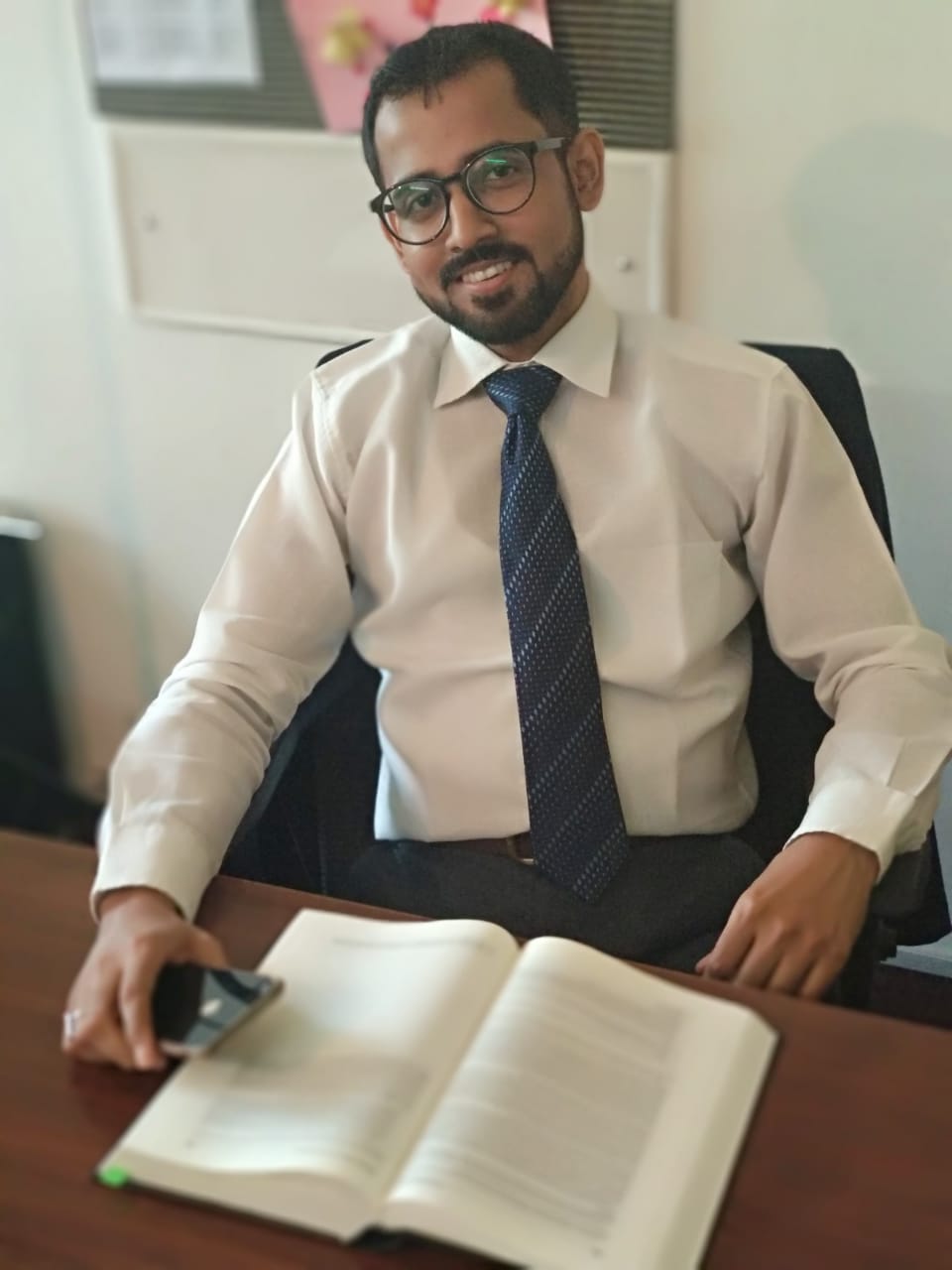


 Allow notifications