Sir, could you please share with us a bit about your journey into the field of international commercial arbitration and litigation? What initially drew you to this area of law?
I did my two year training contract between 1991-1993 at the London office of a law firm then called Denton Hall Burgin & Warrens, and, as was customary, did 4 seats each of 6 months duration. My seat in the dispute resolution group led by a partner called Bob Goldspink opened my eyes to the world of international commercial arbitration and litigation. Although Bob is now long retired, he was a great mentor to me and remains one of the biggest influences in my career. Bob made the practice area fun and dynamic, and I thoroughly enjoyed the challenge of solving commercial problems through the analysis of the facts and application of the law, the close interaction with clients, the global nature of the disputes, considering the best strategies to adopt and thinking about how our opponents might act. When I qualified as a solicitor in 1993, I became an associate in Bob’s team and continued to learn from him through working on a broad mix of arbitrations and litigations. He also gave me a lot of responsibility and independence from the outset.
You’ve had an extensive career with Reed Smith, including serving on the global board and executive committee. Can you highlight a few key milestones or cases that have been particularly significant in shaping your career?
My time at Denton Hall Burgin & Warrens from 1991-1997 will always be special as that was the first law firm I worked at and we should never forget where we all started. Apart from Bob Goldspink, I shall always be indebted to two other partners there; Virginia Glastonbury, who interviewed me for a training contract in 1989 and believed in me, and Bill Anderson, another disputes partner, who taught me how to really think through issues.
Shortly after I joined Reed Smith in 1997, I became the lead associate on a major litigation acting for the BBC in defending the arrangements it had entered into with the Premier League to acquire the exclusive rights to broadcast highlights of English Premier League football matches on its flagship Match of the Day programme. The BBC was ultimately successful in that litigation following a trial in 1999. Not only was that a fascinating and high profile case to work on, but it also enabled me to work very closely with Sarah Jones, then the BBC’s head of litigation, and who for many years now has been the BBC’s General Counsel. Sarah is both a formidable lawyer and wonderful person, and remains one of my very best friends in the law. Since that Premier League football case, I have been very fortunate to advise the BBC and its group entities on many significant matters, right through to the present day.
In the course of my now almost 27 years at Reed Smith, I have also been very fortunate to have worked with many colleagues on arbitrations and litigations involving clients and disputes all round the globe including India, Africa, the US, the Middle East, Singapore and SouthEast Asia, Mongolia, Kazakhstan and South America, amongst others. Those matters have all been great learning experiences, and have involved a wide range of industry and business sectors. The ability to work with clients and lawyers in those jurisdictions has been a real privilege as has being able to travel to so many countries as part of those cases. I genuinely did not think that I would visit so many countries when I was growing up in London. It has also been uplifting to see several lawyers who have worked with me on those cases achieve promotion at Reed Smith; a number are now my partners and a number have moved to prominent in-house roles. The success of each of my mentees has been a key milestone.
I shall always be thankful for being made a partner at Reed Smith in 2000, being asked to serve as the founding managing partner of Reed Smith’s Singapore office and being based in Singapore from 2012-2015, and for being a member of Reed Smith’s global board, its Executive Committee, from 2017-2023.
Looking at the list of representative matters, you’ve represented clients in a wide range of industries and jurisdictions. How do you navigate the unique challenges presented by different sectors and legal systems?
The variety is stimulating and, as every case is different, each is always a great learning experience. There is inevitably a core skill set which all disputes lawyers need to have, but being able to adapt, take things in stages, and think flexibly is important. There is also never a monopoly on wisdom, and everyone on the case team has an essential and valuable role to play. Working in a wide range of industries has given my colleagues and I the ability to interact closely with a broad spectrum of clients and form several long-lasting relationships. Almost invariably the external legal team and the client team become a seamless unit, looking out for each other and working towards common goals. Working on matters involving lawyers in other jurisdictions, apart from my home jurisdiction of England and Wales, is a fabulous way to expand our minds and to think even more broadly. When you also throw expert witnesses into the mix, that adds to things even further. We all learn a lot from each other, work symbiotically and continually appreciate that there are different ways to approach issues. That sums up what it means to be involved in international litigations and arbitrations.
How has your experience as an educator informed your approach to complex legal matters, and do you see any intersections between teaching and practicing law?
A phrase I read many years ago is that the legal profession graces lawyers, and lawyers do not grace the legal profession. It is therefore important to give back and to share knowledge, experience and expertise. I have always enjoyed giving talks on legal topics, speaking at conferences, teaching occasional classes, writing articles and contributing to legal publications. None of us stops learning. The law is dynamic and constantly evolving, and being as up-to-date as possible is essential. Being close to the core legal principles, practical developments, different viewpoints from commentators and possible areas for reform are essential to make the most of practising the law. Clients also expect us to not only have excellent judgment but to always be on top of legal learning, and so there is no substitute for that.
Balancing responsibilities as a former managing partner of Reed Smith’s Singapore office and chair of the India Business Team must have been challenging. How do you balance leadership roles with your legal practice?
With the support of incredible colleagues. Doing what we do is all about teamwork and supporting each other. It is rightly expected that senior lawyers should give back to their firms in a tangible and meaningful way through leadership roles, but no one can do everything. I am very fortunate to have so many amazing colleagues with whom I have worked closely over the years, and with whom I continue to work, who have enabled me to do what I do.
You’ve received numerous honors and awards, including being ranked in Chambers UK and listed as a ‘Leading Individual’ in The Legal 500. How do such recognitions impact your approach to your work, if at all?
Any recognitions are of course hugely appreciated but they truly primarily reflect on my colleagues with whom I work. It is also a broad team – my executive assistant, paralegals, trainee solicitors, associates, of counsel, and other partners. As a mentor, the objective should not be to have my mentees equal me but instead for them to surpass me.
Coming towards the end of this conversation, what advice would you give to law students or fresh graduates who are considering a career in international commercial arbitration and litigation?
Do it. Go for it. International commercial arbitration and litigation is an incredible practice area. Working on the resolution of major global disputes and advising clients, be it through arbitration, litigation or mediation or other types of proceedings, in a mix of industry sectors, will stimulate, challenge and test you, but it will in equal measure bring great satisfaction, sharpen your legal skill set and continuously broaden your learning.
Could you please share with us what initially sparked your interest in pursuing a career in law?
I was born and raised in Kolkata, West Bengal. After completing Class 12, I was looking for options other than the traditional courses like B.Com, BBA or pursuing CA. It was then, I chanced upon the integrated 5-year law course and thought of giving it a try. I pursued my graduation B.A. LLB from M.S. Ramaiah College of Law.
In college my interest towards Law grew more, as I was fascinated about Contracts and its various facets which has helped me later in building a career as an Arbitration Lawyer. Till date the nuances of contract fascinate me.
With your diverse experience across various law firms and legal internships, how did those early experiences shape your understanding of the legal profession?
Each internship and each role in my previous law firms taught me a different lesson. As far as my internships are concerned, I was learning the practical aspects of law as practice. Furthermore, during internships, I was more inclined to join in-house or corporate law firms. In my college I was also steer heading the placement committee with my dear batch mates. Being involved in the placement committee, I realised getting through in-house and joining a well known law firm would be difficult. Hence, after finishing college, I went to Delhi, through a friend’s reference I had joined a litigating lawyer practicing before the Supreme Court of India. I still remember my first day at the senior’s office. I was told to go to the Competition Commission of India, where I had the good fortune of observing a high-stake matter between a star cricketer and a sports apparel giant. During my first few weeks as a litigation lawyer, it was tough, as the picture I drew in my mind was of a big office and big pay scale. During this time, I had got an opportunity to join in-house, however, by this time I enjoyed appearing before various Courts and it was then I realised, I want to be a litigating lawyer. During my time as a junior advocate, since I was not local and being a first-generation lawyer, it was difficult to join good chambers/law firms, I used my learning from my placement committee days in college and kept on contacting chambers/law firms, fortunately, I have been able to get through some good chambers in Delhi and worked with a well-known law firm in Delhi. I have learned a lot from my seniors/mentors with whom I have been associated.
During my term as senior associate with a well-known law firm, I was trying to start my own setup. I had consulted a very good friend, who already had her own practice ongoing. She agreed to join me as a partner for opening a law firm. My journey with RG Legal Associates started in 2019 and thereafter we grew in number and we had the good fortune of adding two more partners and then our law firm was rebranded to RG & Kumar LLP. It is always tricky when one starts practicing/runs their own setup, that becomes a different ball game altogether, because, as a professional one becomes answerable to their clients. Especially when stakes are very high in the matter, the entire gamut changes. I have also learned through my seniors. What I am today in the professional field I owe to my mentors under whose mentorship I commenced my professional journey.
Another important aspect I learnt in the formative years of my career is teamwork. It is one of the most crucial yet neglected areas, if properly appreciated teamwork can yield results which have no bounds.
.
What motivated you to specialize in areas such as Corporate and Commercial Litigation, Arbitration, and White-Collar Crimes?
I took up all sorts of work that came my way. However, since the start of my career, I have always joined chambers/law firms specialising or have worked in arbitration/commercial litigation. I have been keen in reading materials about Arbitration, I still try to read one judgment on arbitration every day. For my love for the subject, I had completed the Associate level of professional curriculum offered by Chartered Institute of Arbitrators, London. I still plan to complete the remaining curriculum.
For matters in White Collar Crimes, I would have to give credit to my friend Ms. Kinnori Ghosh, Partner, RG & Kumar LLP. She is the one who heads this practice area in our firm and I have learned a lot from her. Whatmore attracted me to White Collar Crimes cases is the commercial angle involved in it. Interestingly, my client base has been more of Commercial litigation and white-collar crimes. Also, the complexities of special acts added as a catalyst to me, to read and find out of the box strategies for my client, which has in turn helped my clients.
We see you’ve represented clients across different forums and even internationally. Can you walk us through a particularly challenging case and how you navigated through it?
There is this case, wherein, the Government of India is requesting the extradition of my Client from London and the extradition proceedings were going on before the Westminster’s Court, UK. We as a team were working remotely round the clock for our client during the COVID-19, we had to work both Indian and UK time as well, as we had conference calls with a law firm based in London. We were opposing our Client’s extradition proceedings. Also, we had to appear as an expert witness in the matter to assist the Magistrate Westminster’s Court, UK in understanding Indian laws. That is one case where my team and myself had to work on dual jurisdictions and work on both UK and Indian timings. Coupled with the fact that extradition in itself is a very critical aspect where a number of technical aspects are to be checked and extensively worked upon.
As a certified Associate Arbitrator and a member of the Young Singapore International Arbitration Centre, what drew you to arbitration, and how has it enriched your legal practice?
Arbitration as a subject always excites me and as the law in arbitration is evolving and the steps taken by the various stakeholders to make it more efficient further adds to my interest. Further, being members of these prestigious institutions, the one advantage that one gets is to attend events and interact with the experts. We as a firm always encourage our partners to attend knowledge sharing events organised by the likes of SIAC.
You’ve been involved in matters related to Money Laundering, Customs, and other White-Collar Crimes. What unique challenges do you face in handling such high-stake cases, and how do you overcome them?
In matters of money laundering, customs and other white-collar crimes, the stakes involved are huge, to share one of such incident, we were assisting one of the companies in customs case, wherein, we as an organisation had to get a stay order from the Jaipur Bench of Rajasthan High Court, failure on our part would have resulted in halting of production of our client, in consequence it would have impacted the production of another listed company of which our client is the exclusive supplier for certain product to that listed company. Overnight we had the writ petition drafted and the same was filed and listed the next day. We were shuttling between Delhi and Jaipur for this specific matter. Our team had strategized the situation so well that we were able to get relief for our client without hampering the production and/or business of our client.
Lastly, considering your journey from law school to becoming a partner at RG & Kumar LLP, what advice would you offer to recent law graduates embarking on their legal careers?
Well, first and foremost, take care of your health, this was the first advice that I had received from my seniors that I have worked with. One can deliver the best if one can take care of his/her health.
Never give up, the worst of situations can turn around the best for you. To share one incident, in one of the matters we were briefed by a lawyer from Kolkata, wherein, our client had lost before the MM Court, Sessions Court, Calcutta High Court and thereafter we had filed SLP for stay of arrest for our client before Supreme Court of India, we had no hope in the matter, as concurrent findings were against our client, to our surprise we were able to get a stay on arrest from the Supreme Court of India.
Always be prepared with your brief, a client is more comfortable with a professional who is well versed with the facts of the case, this will help one to retain the client for a long period and most importantly will help one to get the best results for the client.
One should stay updated with the latest developments of law, one aspect I have learnt from my senior is reading one judgment a day. It helps you give a boost to your knowledge and also helps you stay confident in representing your clients or appearing for an interview.
Further, a lawyer should always socialise and should always meet people not only from the legal fraternity but also from people from different industries.
Sir, could you please share your journey of how you ended up becoming an Advocate-on-Record at the Supreme Court of India and a Principal Associate at Dua Associates? What motivated you to pursue a career in law?
The starting point of my journey with law was a matter of chance. During my school days I never imagined myself studying law, however, when I look back today, I think that joining law school was one of the best decisions which I took. I got through Gujarat National Law School, Gandhinagar in the year 2005 and started my journey in the profession in the year 2010 under the able guidance of Ratan Kumar Singh, Senior Advocate. Thereafter, I joined Kapil Sapra & Associates in the year 2012 where I dealt with multifarious works. Being a small set up, work was of different kinds, and the exposure there helped me understand the finer nuances of corporate commercial laws. In the year 2016, I joined Lakshmikumaran & Sridharan, where I dealt with high stake arbitration matters amongst others. Therefore, the exposure at this firm was of a completely different nature. In the year 2020, I joined Dua Associates as a principal associate and continue to work in this firm. I firmly believe that one must keep upgrading his skill sets to be relevant in the legal field. This belief led me to write Advocate-on-Record examinations and I cleared the same in my first attempt. I have enjoyed and learned immensely from different stints in the legal profession.
With a specialization in commercial/civil litigation, insolvency laws, and alternate dispute resolution, can you discuss a particularly challenging or significant case you’ve worked on? What lessons did you learn from that experience?
Every case presents a different set of challenges. Therefore, as a lawyer one must understand each case of its merits and treat the same accordingly. I started my practice with a strong foundation of civil, commercial and arbitration laws, which has helped me in dealing with other laws as well. With the advent of insolvency laws, the options available with the parties have increased manifold. Therefore, the first challenge which a lawyer faces today is to decide the right course of action in the given facts and circumstances. Whilst I have worked on various cases which have been challenging or significant, I have been recently involved in a matter before the National Company Law Tribunal, where I represented the financial creditor, in an application filed by the homebuyers, seeking to commence insolvency proceedings against a real estate developer, to which the financial creditor had lent money. Whilst the law is fairly settled, and in case the homebuyers meet the threshold and there is a default, insolvency proceedings should be commenced. However, I argued that the tribunal should not act mechanically and should see the financial health of the company, in addition to the intent behind the filing of the application by the homebuyers which can be fraudulent. I also argued that the interest of homebuyers who are not before the tribunal should also be considered before arriving at a final decision. The tribunal is yet to pass an order, however, this is significant because law is all about being creative within the realm of judicial precedents and legal principles.
As someone who appears regularly before various courts and tribunals, can you shed light on the dynamics of practicing law in different forums? How does your approach differ when dealing with cases in the Supreme Court compared to other fora?
Every forum presents a different set of challenges, and a lawyer should be flexible to deal with such challenges in case one intends to practice before a different forum. By flexibility I mean adapting to the situation at hand. A lawyer who regularly appears before a district court has a particular way of dealing with the cases, however, the same may not be applicable with higher forums. Similarly, a lawyer who practices before the higher forums, will find it difficult to practice before the district courts. That’s why a lot of lawyers choose forums and stick to it. My approach is different because I have been associated mostly with chambers and firms. I started with district courts, tribunals and gradually shifted to high courts and supreme courts, and therefore had the benefit of knowing finer nuances of various courts practice. The best approach according to me is to stick to the basics, i.e., mastery over facts, reliefs sought and an understanding of the forum where the matter is listed.
Given your extensive experience in handling commercial disputes and arbitration matters, both domestic and international, could you highlight some key trends or changes you’ve observed in the legal landscape over the years?
The legal landscape has undergone some of the most significant changes in recent years, due to technological advancements and subject-specific specialization. In addition, the legal profession is also moving towards a multidisciplinary approach, where there is an integration of legal services with other disciplines, such as technology, finance, and business. The areas which have seen significant change include information technology related laws, cyber laws, environmental law, arbitration law etc. In order to cater to the evolving laws and changing trends, a legal professional is required to be updated and focus on specialization.
Having dealt with cases across diverse sectors such as Oil & Gas, Infrastructure, Telecom & IT, Banking & Finance, etc., how do you stay updated on the intricacies of different industries? How important is industry-specific knowledge in your field?
It’s very essential for a lawyer to be updated with latest legal developments and changes, especially in the areas in which he/she works. The way in which I stay up to date is by regularly reading legal updates online and offline. These days there are various newsletters being issued by firms, organisation which contains useful industry specific updates. In addition, I also attend to webinars and conferences, whenever the time permits in order to stay updated. Industry-specific knowledge is very essential in my areas of practice since different industries have different styles of operation. For example, a banking and finance industry has a different style of operation if one compares the same with an oil and gas industry. Therefore, it becomes imperative for a legal professional to deal with every industry after understanding and analysing the basic difference. Once there is a clarity on the basics, one can deal with the issue at hand with ease.
What role does advisory work play in your practice? Can you share an instance where your advice made a significant impact on a client’s case or decision-making process?
Advisory assumes a great importance in my practice areas. Advisory does not only mean a written/oral legal advice, but it includes the day to day dealing with clients, and answering the queries, and extending support to them in the usual course as and when required. One of the opinions which according to me made a significant impact on a client’s case or decision-making process, relates to an analysis of attachment orders issued by district collector, pursuant to the recovery certificates issued by National Consumer Disputes Redressal Commission, and suggesting the future course of action. Pursuant to our thorough analysis and opinion, the attachment orders were quashed and the same was a big relief for the clients.
With over 13 years of experience in the legal field, what advice would you give to fresh graduates aspiring to pursue a career in law, considering the evolving nature of the legal profession? What qualities or skills do you believe are crucial for success in this field?
My advice to a fresh graduate aspiring to pursue a career in law is to focus on the basics first. One can excel in the field and do specialization only if the base is strong. Secondly one has to be humble and have a humane approach. The legal profession is a noble profession wherein we have to deal with various human beings on a daily basis, therefore being humble is very essential. In addition, being sincere and meticulous also helps a lawyer in the long run. Also, having a commercial bent of mind is also important for a lawyer, especially for lawyers who deal with commercial disputes, arbitration, insolvency, corporate laws, and others. Constant upgradation of skill set is also required for a lawyer who wants to succeed in the legal profession. Lastly, one must be solution oriented and should have clarity of thought. This can only come through continuous learning and adapting to the situation at hand.
Can you share some insights into your journey in the legal profession and how you decided to specialize in dispute resolution, particularly in areas such as arbitrations, insolvency, and regulatory practice?
Being the fourth-generation lawyer in a family of reputed criminal lawyers, it was clear that I will build my career in dispute resolution. During internships at various prestigious law firms in Delhi, I had the opportunity to work in various areas of practice in litigation, including Arbitrations, Company Law and Securities Law, which eventually opened new horizons for me. I began to realise that with increasing tribunalisation and diversification of the legal field, one cannot have a short-term vision. I believe that in our legal profession, initial three to five years are most crucial for self-development and therefore, in order to gain as much practical exposure as possible in my initial years, I ventured in all practice areas by associating with senior professionals specialising in different areas like Civil Trials, Company Law, Arbitrations, White Collar Crimes, Telecommunication Law, Electricity Law, Securities Law, Service Law and Constitutional Law.
You have extensive experience representing clients in various high-profile cases before different courts and tribunals. Could you highlight a case that you found particularly challenging or rewarding, and what lessons did you learn from it?
Many of the cases, argued by me, have been widely reported by news and legal journals, ranging from landmark judgments in Arbitration, Insolvency and Commercial Law issues to the judgments granting bail in Delhi Riots case and establishing the principle that ‘holding weapon is not a fundamental right’. I have worked on numerous high-profile cases, including those involving leading FMCG companies, real estate developers, hospitality group, electricity transmission cos., 2G spectrum allocation trial proceedings, challenging constitutionality of provisions of Companies Act, as well as cases related to SFIO, EOW, ED prosecutions involving hundreds of crores, and SEBI and FEMA violation cases. Each of these cases has been a different learning experience, particularly, in forming strategies to build the case in a manner that achieves the desired relief.
I always believe that litigation is akin to a game of chess where you must anticipate three to four steps of your opponent’s preparation accordingly. With time, I have also learned the importance of identifying the “fulcrum of the case”, that one crucial point in the brief around which the case needs to be built. Proficiency in drafting and research is invaluable in devising the right strategy. However, it’s important to emphasize that in my philosophy, I do not discriminate between cases or compromise my level of commitment based on factors such as monetary value or property valuation, or the stature of the individual / organisation involved.
Your career includes handling SFIO, EOW, ED prosecutions involving hundreds of crores and SEBI and FEMA violation cases. How do you navigate the complexities of economic offences and regulatory issues while dealing with such cases?
I have handled economic offences, regulatory violation proceedings and white collar crimes ranging from alleged Ponzi Schemes to alleged manipulation of accounts, incomplete disclosures to regulatory authorities and the 2G spectrum allocation process, where the alleged quantum is in multiples of hundred of crores based on initial investigations., These cases are unique as they require an understanding of accounts, commercial law, criminal intent and ultimate loss or injury caused. Additionally, one must gauge the aggrieved party’s nature of loss or injury caused and accordingly analyse the case. When representing clients in such cases, I adopt the simplest approach of assuming the client is placed at the weakest point and start self-questioning regarding the alleged act as presented, level of involvement shown, possible intent and natural consequences or repercussions on others as well as on the client.
Having worked with various senior advocates and legal luminaries, how has that shaped your professional growth and influenced your approach to legal practice?
In the past 16 years, I have been fortunate to work closely with many legal luminaries, senior advocates, namely Mr. Mukul Rohatgi, Dr. Abhishek Manu Singhvi, Mr. Sudipto Sarkar, Mr. Amit Sibal, Mr. Amarjit Singh Chandhiok, Mr. Dhruv Mehta, Mr. Neeraj Kishan Kaul, Mr. Arvind Nigam, Mr. Ashwini Kumar Mata, Mr. Mohit Mathur, Mr. Vikas Pahwa, Mr. Tarun Gulati, Mr. U.K. Chaudhary and my mentors Mr. Meet Malhotra, Mr. Vivek Kohli and Mr. Sumeet Pushkarna.
From my interactions and close work with all these respected senior advocates, I have learned that one must be a master of the facts of their brief. The entire facts, pages and interconnection of different documents must be mapped in your mind so clearly that you can anticipate the questions from the Bench and opponents and be ready with references in the case file instantaneously. While arguing in Court, you cannot leave grip of the facts because sometimes, you need to frame the argument thinking on your feet. Clarity of thought while preparing the case and explaining the case or arguing in Court is the most crucial aspect to be learned.
You have worked with government departments such as the Central Government, State Government, departments like Delhi Electricity Regulatory Commission, Delhi Transport Corporation, Delhi Jal Board, Employees’ Provident Fund Organisation. How has your experience with these government bodies influenced your approach to handling cases and managing client expectations?
Working with Government Regulators and Departments has been an enriching experience for me. I have had the opportunity to handle a variety of issues, ranging from defending constitutionality of Acts / Rules / Regulations to defending discretion in approvals, licensing, allotment of tenders, as well as intent and implementation of policies & schemes and also dealing with service law related issues.
Being a government lawyer is a position of utmost responsibility. It requires careful handling of confidential files and also defending executive actions, each of which is taken after detailed deliberation and approvals at different levels within the concerned department and ministry. I must commend government departments for their diligence in adhering timelines granted by Courts for preparation of pleadings or compliance with any interim or final decisions. In recent times, government departments have significantly ramped up recruitment of legal officers, leading to an overall improvement in case management at departmental level.
As an Advocate-on-Record with a significant presence in the Supreme Court, could you share some insights into the dynamics of presenting cases before the highest court in India? How do you approach advocacy in such a distinguished forum?
As an Advocate-on-Record, when filing pleadings or presenting cases before the Hon’ble Supreme Court, it is paramount to be thoroughly knowledgeable about the subject matter of the case. Being well-read extends beyond understanding the legal issues at hand, it also entails being familiar with judicial precedents and legal developments pertaining to the relevant statute.
The Hon’ble Supreme Court plays a pivotal role in the ongoing process of evolution of law, adapting to changing societal norms and refining legal complexities. This includes redefining principles of bail, fundamental rights, shaping jurisprudence of economic offences or commercial laws. Therefore, it is imperative to possess a strong foundation of legal knowledge when assisting the Bench.
Considering your extensive experience, what advice would you give to law graduates who are entering the legal profession today, especially in terms of specialization and adapting to the ever-changing legal landscape?
As I mentioned earlier, the initial three to five years in the legal profession are extremely crucial for professional development. Certain good practices, such as reading judgments, if cultivated since the beginning, prove invaluable in the long run. When I refer to “reading”, I don’t mean merely skimming legal news or excerpts of judgments available on various portals but reading the entire judgment – the original text.
Learning should not be confined to assignments alone. It’s only when you immerse yourself in reading and compiling research subject-wise that you can not only identify your areas of interest but also be well-prepared to adapt to the ever-changing legal landscape in any field of law.
Reflecting on your journey from ILS Law College, Pune, to your current position as a Founding Partner at Pransh Law Offices, what pivotal moments or experiences shaped your career in law and What inspired you to establish a legal practice in Chhattisgarh, and what unique approach does Pransh bring to the legal landscape?
My first encounter with Law was when I was an hour away from my higher secondary mid-term examinations at Symbiosis Junior College, Pune. I had received a call from my inconsolable mother, “Your father has been arrested”. I remember returning to my hometown Korba, Chhattisgarh after my exam and spending months going through the complex legal proceedings. It was then that I studied the law in detail and had a very many meaningful conversations with the lawyers. It took 4 months of hardships before he was discharged of all offences. I believe that’s when I found my true calling and joined ILS Law College in 2008.
At ILS, one had to be self-motivated in order to learn since the College did not mandatorily require anyone to partake in any activity other than attending lectures, which too, ended at 10 in the morning. This meant one had ample time to explore and identify one’s area of interest. I did a couple of internships in Corporate Law during the initial years, but it was my internship with a Senior Advocate in the Supreme Court in my penultimate year that made me realise that litigation was what intrigued me. Therefore, after passing out of ILS, I applied to a few law firms and Senior Advocates in Delhi to begin my career in litigation, however, nothing materialised and I was forced to start my career from my hometown in Chhattisgarh.
In Chhattisgarh, I realised that although opportunities abounded, the learning curve was slow and Seniors did not take particular interest in teaching the nuances of the law to a young graduate. As such, at the advice of my peers, I left my practice in a year and joined Tech Mahindra in their litigation team in Hyderabad. Tech Mahindra had just taken over Satyam Computers at that time, which meant, being involved in several high stake litigations to deal with. I enjoyed my time at Tech Mahindra but since the goal was always to gain experience and come back to Chhattisgarh, I left that job within a year; pursued a Master’s Degree from the National University of Singapore; and founded Pransh Law Offices in Raipur in July 2016.
At Pransh, we believe in keeping things simple. We ensure that our drafts are prepared on time and there are no unnecessary adjournments in Court. We thoroughly research the legal issue involved before giving opinions. We are polite, we do not overcharge, and we keep our Clients up to date with the developments in their matters. We are a team of 11 lawyers who stand shoulder to shoulder in pursuance of holistic growth. We also often collaborate with other firms/lawyers to ensure the best possible outcome for our Clients.
Having pursued your LL.M. in International and Comparative Law from the National University of Singapore, how has your international education influenced your approach to legal practice in India?
Studying at NUS for a year taught me to meticulously draft a legal document after extensive research. It helped me develop analytical skills, since at NUS, we were given reading material a week prior to lectures – where we were supposed to share our thoughts on the reading material. Other than that, the substantive law that I read there has not really helped me yet in my legal practice in India. In fact, a Masters does not really help in litigation, other than the skills one develops, and it is advisable only if academics is one’s calling.
As a seasoned legal professional, you have extensive experience in high-value commercial disputes and advising clients in various industries. Can you share some insights into the challenges and rewards of practicing law in the domains of DDUGKY, Mining, Construction, and Infrastructure?
In commercial disputes, it is important to know the business as much as it is important to know the law. These disputes are mainly governed by a Contract in writing, and therefore, a thorough understanding of the Law of Contracts is extremely important.
Early on in my practice, I got the opportunity to work on several low-stake commercial matters. Every matter had its own complexity where I made mistakes and learnt from them. Over time, it gave me the confidence to take on high-value commercial disputes; since there is no scope for making mistakes in high-value transactions.
One of the many challenges we often face in these domains is to quantify the damages that arise out of breach of the Contract. Courts, after Kailash Nath v/s DDA, have held that even Liquidated Damages have to be proved. Often, Clients – at least in a jurisdiction such as Chhattisgarh – don’t maintain their books of accounts properly to enable lawyers to quantify damages such as loss of profits and profitability. As such, a favourable Award / Order in such circumstances is always rewarding.
Pransh Law Offices covers a range of practice areas. Which area do you find the most fascinating or challenging, and why?
As a firm, my colleagues practice extensively in criminal and civil law; however, I personally don’t have the temperament to practice criminal law. As such, I stick to commercial disputes only.
The fascinating part about commercial disputes is that they can be settled; there’s a quietus to the never ending litigation. I think lawyers have a substantial role to play when it comes to settlement, as they are the ones who initially inform their Clients of the merits involved in the matter. An honest opinion can help litigants make an informed choice whether to pursue the matter in Court or settle.
Your time with the Global Litigation and Arbitration Team at Tech Mahindra involved handling diverse cases. Can you share an interesting or unexpected challenge you encountered during that phase of your career?
We were dealing with a litigation against Tech Mahindra in the Courts at Los Angeles, California, filed by a disgruntled employee who was sent Onsite from India. During discovery, we found documents against the employee; however, the legal costs, publicity, and risks of going through a jury trial forced us to settle the matter. It was then as an in-house counsel that I realised that litigation is not just about the law or proving who is right/wrong. There are many variables and considerations, such as costs, bargaining power of the parties involved, and attitude of the Presiding Officer of the Court, among others, that are to be kept in mind while dealing with a dispute.
Beyond your legal work, you’ve volunteered as a teacher with Make A Difference. How has your experience in community engagement shaped your perspective, both personally and professionally?
During my time at Make A Difference, I was tasked with teaching English to a Class of 4 Juvenile Convicts in a Juvenile Home in Pune. Professionally, it was obviously a very enriching experience since it was hands-on learning on how the Juvenile Justice Act worked. Personally, it was an experience that made me culturally sensitive and socially aware. These Juveniles were some of the smartest 10-year-olds I met who were also grateful for the learning opportunity. It made me trust the reformative form of punishment.
You’ve been recognized for your contributions. Could you share a bit about any notable publications you’ve authored or awards you’ve received, and what those moments meant to you?
I have not had the honour of receiving any of the prestigious legal awards.
My last publication was a result of a sleepless night during COVID-19 graciously published by Bar & Bench on Access to Justice in the State of Chhattisgarh, which can be accessed here:
Although it has been a while since I have done any legal writing, I believe legal writing offers a unique avenue for the expression of creative arguments; which unfortunately, legal pleadings do not provide. Legal writing fosters a dynamic and evolving dialogue within the legal community. I regularly read articles published on “indianconlawphil” and “indiacorplaw”. I can only wish that my practice affords me time to write such enriching articles.
As someone deeply connected to Chhattisgarh, how do you perceive the evolving legal landscape in the state, and what role does Pransh play in contributing to that evolution?
We have been making representations to the Government urging them to establish more Commercial Courts in the State as well as set up other Tribunals like DRT, NGT, and NCLT but to no avail. More Tribunals would mean more opportunities for Lawyers as well as access to litigants. It would also ensure the development of a Commercial Bar in the State, which is non-existent as of date. There is still a long way to go!
Beyond the legal realm, what are your hobbies or interests that bring you joy and relaxation outside of work?
General interests in movies/music aside, I went for a 7-day trek to Har-ki-doon a couple of years ago, which got me hooked on trekking. I make it a point to go on a trek during Court vacations in summer. It allows me to be completely disconnected, reducing the mental strain associated with information overload.
What advice do you have for law students and aspiring lawyers who are navigating their way through legal education and considering a career in law?
a) Politeness is an understated skill to possess; b) Don’t be arrogant, it reflects in Court, and no one likes to deal with an arrogant person – neither the judge nor the client; c) Try and make the job of the Court easier – submit brief written arguments with case compilations, whenever possible; d) Be patient, the learning process is slow; e) Don’t be hard on yourself.
Starting with the basics, can you share a bit about your journey into law and what inspired you to pursue a career in this field?
I started as a litigating lawyer with Mr. Vivek Chaudhary who was elevated as a HC Judge from Allahabad. Thereafter, I worked with Sr. Adv. Aman Lekhi for some time and went on to become an in-house counsel with CREDAI. Worked with CREDAI for a span of few years and realised that I could call myself a real estate lawyer. I got an offer from MAX subsidiary Antara Senior Living and joined Antara in 2021. I worked with MAX for two years and got an offer from an MNC to lead their real estate team in India. I resigned from Antara only to find out that the company’s culture is bad – hence, instead of finding another job, I ended up making MAYSS Partners with two other colleagues.
As the Founder of MAYSS Partners Law Offices, can you tell us about the ethos or guiding principles that define your law firm and set it apart in the legal landscape?
We wish to make a law firm that understands its Client’s business. Very soon, we will be taking up interns and freshers from Tier 3 colleges and try to give them exposure to good Clients and Courts in New Delhi
You transitioned from the role of Legal Counsel at Antara Senior Living to becoming the Managing Partner at MAYSS Partners. What motivated or inspired this transition, and how has your perspective on the legal profession evolved as a result of taking on a leadership role in your firm?
Honestly, it was never planned, it all accidental – A coffee meeting with my Promoter made me think if I should really work for a company that does not have very good intentions for its employees, I resigned immediately after the meeting and thanked the Promoter for being so honest on day one – Ended up making MAYSS Partners
As a Managing Partner, you lead a team of ten lawyers. What qualities do you look for in team members, and how do you foster a collaborative and productive work environment?
I honestly believe that everyone can learn and anyone can be trained. Therefore, the idea is to help young professionals from Tier 3 cities come to Delhi and Mumbai and learn the art of practice in these cities.
Given your expertise in regulatory compliance, what are some key considerations for businesses dealing with RERA, RBI, SEBI, IBC, and other relevant regulatory frameworks?
The only thing that businesses should bear in mind is that they cannot cheat the investors anymore.
Looking ahead, what are some trends or developments in the legal landscape that you find particularly intriguing or that you believe will shape the future of legal practice?
I think AI will bring in a massive change and it is high time that we start learning to use AI.
With your extensive experience, what are your thoughts on the dynamics of working as legal counsel compared to being a managing partner? How do you navigate the challenges and find fulfilment in these distinct roles?
In employment, you work for business teams who are your clients and the same goes for a law firm. As long as you are committed to solving a problem, it’s all the same.
For aspiring law students, internships are often pivotal in shaping their understanding of the legal profession. In your experience, what kind of internship do you believe is crucial for a law student, and what advice would you give on how students can make the most out of their internship experiences?
I think students must intern with good companies, law firms and lawyers. Students should learn how businesses are run and how do we reach out to the Clients.
Beyond the legal realm, what are some of your personal interests or hobbies that you find relaxing or rejuvenating?
I am trying to run five km every day. I love to cook and hang out with my family.
Considering your extensive experience, what are your thoughts on aspiring legal professionals choosing to intern or work with Tier 1 law firms as opposed to Tier 2 or Tier 3 firms?
How do you believe the choice of the firm tier can impact one’s career trajectory in the legal field? I think all three are important. Learning happens with all sorts of firms in different ways and means.
Can you share the journey that led you to pursue a career in law, starting from your education at Hidayatullah National Law University? What motivated you to choose law as a profession?
Honestly speaking I stumbled upon law by chance. I was always interested in humanities and social sciences but took up a Science in my plus 2. But I soon realised that I was not very good at it. A friend of mine then informed me that there are these institutions called the National Law Universities and people graduating for these institutions are getting well-paying jobs. It was the first time that CLAT was being conducted for admission to these colleges. I did some research and thought that it might suit my interest. So I must admit candidly that I chose law to avoid doing Engineering and was lured by the promise of a Fat Pay Cheque .
As an Advocate-on-Record at the Supreme Court of India, you’ve handled matters of constitutional and national importance. Could you discuss a specific case that stood out to you, and how it shaped your perspective on legal practice?
Ans. As an AOR one matter which really stood out for me was a case wherein My Client, who is an RTI Activist, was not being allowed to reside within the confines of a District on the basis of false FIR’s registered against him. The FIR’s were registered by the same people against whom action was being taken on the basis of representations made by My Client. The Supreme Court while allowing the Appeal observed and reiterated that the fundamental right of Free Movement and Residence across the Country cannot be curtailed on flimsy grounds.
Your experience involves representing clients in various High Courts, dealing with matters related to the Arbitration and Conciliation Act, 1996. Can you share insights into the challenges and strategies you often encounter in this area of law?
Ans. An Arbitration is nothing but a trial being conducted by a judge chosen by the parties and as per rules chosen by the parties. Therefore every Arbitration has to be approached in the same manner as one would approach a Trial before a Court of First Instance. As is the case with any Trial, even in Arbitration, it is of utmost importance that all the documents and facts, which are essential for establishing the claim, are brought on record. Even though it is said that one should not hide any facts from a doctor and a lawyer, however it is also a part of Human Nature to narrate only those facts which are beneficial to us. Therefore it is our job as lawyers to even extract those facts and documents, which are harmful to us so that we are not blindsided by them during the Arbitration. If you are thorough with your facts then all other challenges are manageable.
In your independent practice, you’ve represented clients before the National Company Law Tribunal and drafted appeals before the National Company Law Appellate Tribunal. How did this experience contribute to your understanding of corporate law and insolvency matters?
As a firm our primary focus is towards commercial litigation and naturally that includes litigation before the NCLT and the NCLAT. Since Insolvency Law is still at a fairly nascent stage, every case brings with it a new set of challenges. That also gives you the opportunity of contributing towards the Insolvency Jurisprudence as a whole. One case that stand out for us, which also then became a landmark judgment with respect to powers of NCLT under the IBC, is the case of E.S. Krishnamurthy v. Bharath Hi-tech Builders Ltd. We handled that case from the NCLT uptill the Supreme Court and therefore it is very close to our Hearts.
As an Associate at Gohil and Singh Law Chambers, you were involved in drafting and researching on petitions before the Supreme Court. Can you share a memorable case and the legal issues you tackled during that time?
Mr. Pradhuman Gohil, has played a big role in my development as a lawyer. I worked with him for four years and extensively worked on matters before the Supreme Court. There were several cases which helped me to hone my skills as a lawyer. However one case which stands out was a Criminal Appeal in which we were defending a person convicted for murder. The case was based purely on Circumstantial Evidence and primarily based on statements of witnesses. We prepared for that matter for over six months and the hearing went on for 3 weeks. That case had all the issues can can think of a in a Criminal Case, ranging from importance of a Statement under Section 313 CrPC, Completion of Chain in a case of Circumstantial Evidence, Veracity of the testimony of a Hostile Witness, etc.
During your association with the office of Mr. Ajit Kumar Sinha, Senior Advocate, you were involved in researching matters before the Supreme Court and High Courts. Can you elaborate on the types of cases you worked on and the legal principles you engaged with?
Mr. Ajit Kumar Sinha is my mentor in the profession. I did majority of my internships under him and eventually started my career with him. I worked under his guidance for 2 and a half year. During my time with Mr. Sinha, I had the opportunity to work on matters pertaining to mining laws, service laws, Land Laws, Tender Matters etc. I also had the opportunity to assist him in the Coal Scam Matter and the NJAC matter.
Given your diverse legal background, from constitutional matters to criminal law and commercial transactions, what advice would you offer to recent law graduates aspiring to build a versatile legal careerandthose interested in practicing law at a high level and dealing with matters of constitutional significance?
My Advice to recent law graduates to not restrict themselves to practising only in one area of Law. The Beauty of the profession lies in its diversity and therefore one must try and grab onto all the work that comes their way. One must be a jack of all trades, because that goes a long way at retaining clients. The aim has to be that for your Client you should be the one stop shop.
Every person has a different journey and one advice that a friend of mine once gave me is to not compare my journey with that of others. Law, and especially litigation, demands perseverance. You just need to stick around and give your hundred percent, and at the cost of sounding preachy, I must say that there are no short cuts.
Could you please share with our listeners how your journey in law began? What inspired you to pursue B.Sc. LL.B. (Corporate Law Hons.) from the National Law University, Jodhpur?
It’s a fairly interesting story. To be true, being from a family of lawyers and judges, my father never wanted me to be a lawyer. For the final two years of my schooling I was preparing for engineering and did not even fill the forms for law entrance examinations. After clearing the entrance test for Engineering, while depositing the fee in an engineering college in Bangalore, I felt that I don’t want to be an Engineer and rather, want to become a lawyer. Hence, I requested my father to not deposit the fee and expressed my willingness to prepare for the law entrance examination. Being from Rajasthan, NLU Jodhpur was my first preference and luckily, I cleared the entrance next year.
Your experience spans both litigation and corporate law. What led you to choose a career path that includes extensive practice in the Supreme Court and various other courts and tribunals?
After my graduation from NLUJ, I was fortunate to get placed with Amarchand Mangaldas, Mumbai. I was part of the Funds Team and was involved in structuring venture capital funds. One year in Amarchand gave me hands-on experience and confidence to take up corporate work which would benefit me later in my career. However, I couldn’t see myself doing only corporate work for the rest of my life and shifting to litigation was better sooner than later. I therefore shifted to Delhi and started with a litigation journey.
Beauty about having an independent practice is that one is not confined to a particular forum or field of law and can push boundaries. Delhi being hub of litigation work, there are ample of opportunities in various courts and tribunals. One has to rather restrict himself from taking up work in multiple forums. I try to confine myself to the Supreme Court, but work naturally spills over to the High Court and various Appellate Tribunals.
You’ve worked in diverse areas such as banking, arbitration, constitution, consumer, debt recovery, and more. Could you elaborate on how you found your niche within the legal profession and the areas that resonate with you the most?
Trend lately has been on super specialization in law. The law firms have dedicated teams to handle one subject or even one area of the subject. This trend is seen more in Tier-1 and Tier 2 law firms. While specialization is necessary, I strongly believe this approach is prejudicial to the interest of fresh graduates or ones with a couple of years of experience. In my view, any young lawyer should not specialise at an early stage of his career, rather a lawyer should have an experience to deal with as many subjects, fields and branches of law as possible. It not only gives an overall better understanding of law but also gives the ability to apply principles, precedents, and concepts from one field to another. Interplay of various subjects of law is an important tool which needs to be understood and applied both in courts and while undertaking advisory work.
I encourage my juniors to take up matters across various forums and subjects and not confine themselves to any particular field. While allocating work as well, I ensure that my team gets to work on different subjects. I believe it not only helps them to have confidence in undertaking new assignments but will also aid them later on in their career.
From being an associate at Amarchand Mangaldas & Suresh A. Shroff & Co. to becoming a partner at Pricus Legal LLP, can you discuss the pivotal moments and experiences that shaped your career trajectory?
Getting through Amarchand in college placement was one of the most memorable moments of my life. It was nothing short of a dream coming true, and of course it was financially highly rewarding. I was awed by the corporate culture, high profile clients and of course the stakes involved. However, having worked there for a year, I couldn’t find my calling in corporate work. As a result, I took the difficult decision of resigning from the firm and shifting to Delhi.
I was fortunate to get a chance to work in the chamber of Mr Parag Tripathi, Senior Advocate, who was also Additional Solicitor General of India at the time. He is one of the finest orators and sharpest minds in the legal fraternity. I am proud to be part of his chamber and couldn’t have prayed for a better ‘Guru’. Working in his chamber gave me a chance of working on thousands of cases. Every day over 20 matters were listed which were split amongst 4–5 juniors. On an average each junior had to brief sir in 4 to 5 cases everyday. Every briefing used to be like a short moot court for us where we had to be ultra precise and to the point in our briefing yet making sure we don’t miss out anything relevant and at the same time answer a volley of questions. Doing this for nearly 4 years prepared us well for anything the future had to offer.
I took yet another difficult decision to leave the chambers of Mr. Parag Tripathi and started my practice in the later part of 2012. Subsequently, I also cleared the Advocate-On-Record exam in 2015.
Having handled litigation both for individuals as well as companies, over the years, I started getting corporate advisory work as well. As we were getting corporate advisory and transactional work alongside litigation, we decided to formally incorporate Pricus Legal LLP to better manage and handle corporate work.
Being from a litigation background, I find that the way a litigating lawyer perceives things even in any corporate transaction or documentation is very different from a corporate lawyer. Experience in litigation comes in handy to foresee possible disputes and loopholes. Therefore, as a matter of practice in our firm all corporate advisory/transaction has to go through the litigation team as well.
As a registered Advocate-on-Record in the Supreme Court of India, you have been involved in several landmark judgments. Could you share one or two cases that you found particularly challenging or significant in your career?
An interesting case which comes to mind is that of Bhagwan Singh v. Dilip Kumar where son of sitting MLA was involved in gang rape of a minor and was granted bail by the High Court on the ground that FIR was lodged nearly over a year after the incidence and there was no direct evidence to connect the accused with commission of alleged crime. I was representing the minor victim who approached the Supreme Court against grant of bail by the High Court. We were able to persuade Hon’ble Supreme Court to set aside the bail on the ground that High Court can’t look into the evidence at the stage of bail and should confine itself to criteria like seriousness of offence, statement of prosecutrix, likelihood of influencing the trial et cetera while deciding the bail. Judgement makes an interesting read.
Another decision which I recollect is that of Ravi Khandelwal versus Taluka Store in which we challenged an order passed by the Larger Bench of the High Court in a reference involving question of interpreting Section 14(3) of Rajasthan Rent Control Act which provided a protection to the tenant against any suit for eviction for the first five years of tenancy. The Supreme Court overturned the conclusion of Larger Bench of High Court holding that even if a suit is filed within five years of commencement of tenancy, but during the pendency of suit five years lapse, the defect in the suit stands cured and the protection granted is achieved. However, what was more interesting was that the Hon’ble Supreme Court directed eviction of premises directly even when the appeal of the tenant was pending before the Single Judge of the High Court. Direction of eviction directly by the Supreme Court even while appeal on merits was pending before the High Court to my mind is unprecedented.
You’ve been a panel lawyer for various esteemed organizations. How did these associations come about, and how does being a panel lawyer for such entities impact your legal practice?
Getting any panel is fairly difficult, particularly in initial years of practice. Working in the office of ASG, all of us were empanelled with the Union of India which opened the doors for panels of other PSUs. One panel thereafter led to another over the years. Even though these panels are not usually financially very rewarding, they give an opportunity to appear and argue before the court and provide a constant source of work. In initial stages when individual clients are scarce, panel work comes in handy and ensures regular appearances before the court.
With your extensive experience in various legal domains, including banking, insurance, constitutional law, and more, how do you balance staying versatile with the need for deep specialization?
There is a saying that clients choose lawyers specialization. As I mentioned earlier, I strongly believe that lawyers, particularly in litigation, should not get specialised early in their career. It is only after a few decades of practice and incidentally handling a particular kind of cases more than others, that lawyers would get specialised on their own in a particular field. Personally, I would any day choose to do a variety and different kind of work every day rather than get super specialised in any particular field. One of the reasons why I shifted from corporate to litigation was to do a variety of work, but I think that’s a very personal choice.
Lastly, considering your journey and achievements, what advice would you like to give to fresh law graduates who are about to embark on their legal careers? What are the key lessons you’ve learned that you would like to share with them?
I would strongly advise young lawyers to explore different fields of law for the first few years of their career before choosing and settling into one which matches their aptitude and liking. Fresh graduates should not be reluctant to change their field, particularly in the first few years of their career and do something which they can call their calling. As one progresses into his career it becomes exponentially difficult to venture into these experiments.
I also highly recommend that every fresh graduate should start his career with litigation and rough it out in courts at least for sometime. It is only then one understands actual application of law and gives a perspective completely different from mere theoretical understanding. Even if eventually, they decide to move into a corporate setup, the experience in litigation will give them immense confidence. Getting into a super specialized team right out of college is not something I would recommend. Legal Profession is not a 5 year long but a 50 years long career and the initial few years should be an investment on oneself.
Sir, what inspired you to make your career in law? while you did that, you became a managing partner at Praveen Pathak, and Associates so would love to hear about your journey.
Allow me to provide you with some context initially. I didn’t start my professional journey as a lawyer; I was a financial consultant at ICICI Prudential and other financial institutions. My perspective shifted during the aftermath of the 2008 Lehman Brothers collapse, witnessing individuals earning substantial annual incomes suddenly losing their jobs. The realization that our profession lacked job security prompted me to reevaluate my career.
As someone accustomed to starting my day early and returning home late, the prospect of idleness after losing my job was challenging. Despite facing this situation, I didn’t share my predicament with my family. It was during this time that I stumbled upon information about the legal profession, which intrigued me. Although I had heard during my studies that law was a demanding field, my background in understanding people’s needs and navigating complex situations made it seem less formidable.
Being solution-oriented has always been my approach, and I bring this mindset to the legal profession. I see myself as a provider of comprehensive solutions, not just for individuals but for entire families and the corporate world. Many people, especially newcomers, lack a clear understanding of what they are getting into when pursuing a legal career. I take it upon myself to guide them and emphasize that the legal profession is inclusive, extending to everything from environmental concerns to the rights of individuals, unborn children, and even those who have passed away.
In discussing our current conversation, conducted over the internet, I highlight the universality of legal solutions. Where there are rights, there are remedies, applicable to every individual seeking solutions. Despite the observed gap in training within the Bar Council of India, I believe organizations like LawSikho play a crucial role in bridging that divide with their wealth of knowledge. I express this sentiment genuinely, independent of the fact that I’m being interviewed by someone associated with LawSikho.
How was it when you were with ICICI Prudential? And then all of a sudden, you had to switch jobs you rather had to switch professions. What kind of impact does it have on you? I would say mentally, and professionally. And how is it that your family cooped up with it?
To be completely candid, the impact of certain events has a profound influence on one’s life. The pivotal question is: How do you choose to navigate that impact? Is it a stumbling block that knocks you down, or do you transform it into a stepping stone for reaching new heights? Personally, I have always viewed every impact as a stepping stone, an opportunity for growth and learning. Life itself is a series of impacts—from the moment of birth when we know very little, to the present moment where I find myself being interviewed, answering questions about my experiences.
Life, much like a movie, unfolds, and through its narrative, it imparts valuable lessons. The key lies in our readiness to comprehend and appreciate the teachings that life imparts. The collapse of Lehman Brothers, for instance, presented me with a golden opportunity. It wasn’t just a setback; it was a chance to glean essential insights and evolve. Life constantly provides opportunities for learning, and recognizing them can lead to remarkable personal and professional development.
Could you provide insights into your legal responsibilities in your role as Vice President at P&P Advisory? How do you manage the dual responsibilities of being a Managing Partner and a Vice President simultaneously? You are essentially an authority figure in these roles. Moreover, how do you ensure effective outreach to a broad audience, serving as a guide and mentor to the maximum number of individuals? Can you shed light on your approach to fulfilling these mentoring responsibilities?
I attribute the perceived success that people recognize in my journey to the dedicated networking efforts spanning over 15-20 years. Many individuals, who started their endeavors at various points in time, found a connection with me at some intermediate level, and our relationships flourished. I offered my services, and one key takeaway for anyone reading or hearing this is the importance of nurturing relationships at every stage of your life and career.
Regardless of your current status or level, if you foster meaningful connections and contribute value to those relationships, the network you build over time will become increasingly robust. I emphasize the significance of evaluating and offering solutions within your relationships. When you place your solutions or products on this network platform, the people connected to you will embrace them with open arms.
Throughout my career, I cultivated connections with individuals in advertising agencies, corporate companies, financial institutions, home loans, and banks. The welcoming reception I received was a result of the commitment and assurance I consistently provided. When I made promises and commitments, they were backed by the legacy of 20-25 years of experience. Venturing into the legal field without a specific legal background or a legal “Godfather” was made possible through my strong connections with corporates and individuals. This network enabled a rapid and successful transition for me.
Transitioning from a finance background to law was facilitated by your network, but the aspect of your humble behavior—how has that contributed? These insights must reach new learners so they can understand the significance of humility, positivity, and perseverance in building a successful network and career. Your views on this would be invaluable, and if you could share a motivational message—whether it’s two lines or ten—I believe it would greatly resonate with those seeking inspiration.
For all the learners out there, here’s a piece of advice: Take a moment to look around, find ten people on your left and another ten on your right. Say hello, introduce yourself as a lawyer, and commit to standing by them through thick and thin. Building a network is not just about connecting; it’s about being there when they need you. Regardless of your background—whether in law, finance, or any field—the key is to be a good human being.
In every interaction, be considerate rather than demanding. Adopt a solution-oriented approach; be a problem solver. When someone approaches you with a legal issue, don’t jump straight into litigation—consider alternative solutions like amicable settlements. By becoming someone who provides solutions, you not only gain respect but also establish yourself as a reliable and valuable resource.
Understanding people’s problems is crucial. Everyone faces challenges, and your role as a solution provider extends beyond legal matters. A practical example is akin to a pharmacist directing a customer to another store for a specific medication. By doing this, you not only solve the problem but also position yourself as a one-stop solution for various needs, be it financial or otherwise.
If you aspire to specialize, focus on areas that interest you. Form a team with like-minded individuals who share your passion, especially if you are pursuing a practice rather than traditional employment. For those seeking self-employment, your value is paramount—you are your own shop. Be considerate, offer valuable solutions, and remember that sometimes people simply need affirmation, even when they already know the solution. A sincere and valuable presence is often all that’s needed.
What insights would you offer to newcomers, especially in terms of patience? Could you share your personal experience, the struggles you encountered, and the valuable lessons you gleaned?
One crucial aspect to note is the shift in perspective from using the term “struggle” to “challenges.” In a world where effective communication is a skill set we possess, with a vast market and numerous products available, the issue is not about selling itself. The real challenge lies in approaching the right objectives. Rather than struggling to make a sale, the focus should be on meaningful connections. Starting with a goal of meeting 50 people is a simple yet effective way to initiate this process.
A significant challenge many face is reluctance to discuss legal matters due to shyness or a lack of confidence. Building this confidence is a critical step. It involves addressing challenges systematically, step by step, just like counting from 1 to 5. For newcomers, starting with straightforward legal matters like negotiable instruments or straightforward divorces is a practical approach. These areas do not require rocket science to understand, and I extend an invitation for anyone eager to learn to visit my office for a week of free lessons.
Offering free services in areas like recovery matters or consumer cases serves a dual purpose. Firstly, it allows individuals to learn through practical application, and secondly, it creates a lasting impression. By providing a solution free of cost, you become imprinted in their minds as a reliable resource.
Importantly, the challenges are not external but internal. It’s about being open to adopting new approaches and being willing to learn. The real battle is not against external forces but within oneself, and the key is to stand up, confront those internal challenges, and keep moving forward.
If we step into your shoes as an individual practitioner collaborating with startups and corporates, what new challenges emerge, and what insights have you gained from these experiences? Do you believe that encountering these challenges contributes to personal and professional growth, irrespective of whether one is a first-generation or second-generation lawyer? Moreover, how do you perceive these challenges shaping you as an individual beyond your role as a lawyer?
Let’s approach it as challenge number one, not a struggle. Challenge number two: proactively engage in tasks. Reach out and express your willingness to assist, saying, “I’d like to do this for you. Can I help?” In an environment where everyone seeks help and wants someone to handle their responsibilities, spending time working diligently for others becomes crucial. However, a significant hurdle arises—there seems to be a shortage of students who are willing to adapt, choose to work, and invest time.
I apologize for being candid, but the reality is that only about 10% of individuals exhibit a serious commitment. The remaining 80% may talk about struggles but often fail to take meaningful action. It’s essential for individuals to reflect on their choices and question whether they are truly dedicated to the work.
Personally, I believe that 20% of people are inherently eager and capable of comprehending and implementing the tasks discussed here. For the remaining 80%, a common pattern emerges—expressing a desire for progress without corresponding action. This might sound straightforward, but it’s crucial for people to evaluate whether they are genuinely aligned with the work they’re pursuing.
I never instruct my juniors or interns to handle my files, as they are not clerks. Instead, I encourage them to spend time understanding the workings of a clerk, as it forms the foundation of their background. Clerks are invaluable resources and are willing to share their insights and solutions. Regarding the assignments provided by LawSikho, completing them is a significant step—accomplishing them means covering 70% of the necessary groundwork.
Commendably, LawSikho is doing remarkable work, and its impact should extend to a broader audience. I believe that 70% of individuals who may not have completed half of the assignments would significantly benefit from the institution’s initiatives. The world is replete with opportunities for those willing to explore, but success requires genuine willingness and dedication.
Reflecting on your global presence, can you elaborate on the notable differences you’ve observed between the local world, particularly around 2005-2006 before the Lehman Brothers crisis, and the transformed global landscape that emerged afterward? What broader societal impacts have you witnessed, particularly in the context of India opening up to the world?
Understanding the world today is far more accessible and straightforward than it was in 2019, let alone in the early 2000s. The transition from the graduating class of 2000 to the present generation is marked by the significant introduction of artificial intelligence, shaping an era where answers to virtually every question are readily available. The abundance of opportunities may appear daunting to some, but it’s essential to recognize that every perceived threat carries an inherent potential for benefit.
Embracing new technologies and staying informed is crucial. Even a tenth-grade student from a reputable public school can guide you through these innovations. In the context of COVID times, I recall having a busy schedule while many were not yet comfortable with Zoom meetings. Surprisingly, more than 50% of lawyers were sitting at home, and I had a substantial workload during that period.
Staying informed about your surroundings and current market trends is now easier than ever. Regularly reading newspapers allows you to engage in meaningful conversations about ongoing events. Keeping yourself updated through specific magazines or newspapers tailored to your field is equally important. Additionally, being part of a peer group or a community of lawyers provides valuable insights and support. Networking within a group of legal professionals creates an environment where lawyers can share experiences and knowledge, contributing to collective growth.
Highlighting the significance of research, how crucial do you consider it for individuals, whether they are lawyers or chartered accountants? You mentioned that during the COVID period, you experienced an increase in workload beyond expectations. Could you elaborate on how research played a pivotal role during that time and how it contributes to your knowledge, especially in areas such as artificial intelligence? What has been your approach to learning and staying informed in these domains?
I firmly believe that there’s no substitute for hard work, and by hard work, I mean rigorous research. Often, we overlook the importance of taking the time to thoroughly read the complete orders passed by the Supreme Court. Understanding why a single judgment spans multiple pages and carries various connotations is essential. It demands patience, dedicating long durations to continuous reading, sometimes up to 30 or 45 minutes for a single judgment. Complaining about the length becomes invalid when you realize that this comprehensive approach is critical to the legal profession.
In the legal realm, research should be an integral part of your daily routine. Just as a chef deals with spices and ingredients, a lawyer should engage with extensive reading. This practice provides a wealth of material to discuss and forms the foundation for constructing well-informed opinions. The readings you engage in essentially lay the groundwork, making reading and researching indispensable elements in the legal profession with no substitutes whatsoever.
You’ve consistently emphasized positive changes extending beyond the legal fraternity and the legal realm. Could you share insights into the initiatives and activities you’re involved in? Additionally, how do you envision your contribution to creating a better world for Homo sapiens, as you often express? What specific proposals or strategies do you have in mind to achieve this vision?
Survival hinges on three essential elements: air, earth, and water. Understanding the crucial link between our well-being and the environment, I emphasize the importance of giving back. Unfortunately, in the pursuit of development, the environment often faces exploitation with limited legal intervention. Those studying law or engaging in environmental materials must recognize this responsibility.
To address these concerns, I’ve initiated the JAL THAL VAYU Foundation. While its success may be uncertain, the aim is to inspire action. JAL represents the need to cleanse rivers and oceans, emphasizing water harvesting. Simultaneously, we encourage tree planting and other earth-centric activities under THAL. It’s a simple call to action – if you’re a lawyer, plant five trees. Engage in climate movements. This is not just charity; it’s a shared responsibility for everyone, you, me, and the entire community. The interconnectedness of air pollution, water, and soil underscores the significance of every action we take. By planting a tree, we contribute to supporting all three vital elements.
Sir, could you please share your journey of becoming a legal practitioner, from your education at the University of Aberdeen to your current position as a partner at Neupane Law Associates?
Like every other lawyer, my journey of becoming a legal practitioner began during my law school. The most helpful experience I had was volunteering as an advisor at the Citizens Advice Scotland. We advised mostly low-income clientele legal matters relating to debt, bankruptcy, consumer, landlord, family problems, etc. Clients in difficult situations needed quick and effective legal help. There I learnt you had to focus on reaching an effective solution for the clients quickly. This learning has stayed with me until now.
At law school, my interest was in commercial law and I enjoyed my elective courses in corporate finance law, corporate insolvency law, and tax law very much.
After graduating, I worked for around 2 years with a renowned senior advocate with extensive tax and commercial practice in Kathmandu. There I gained first-hand experience of Nepali contract, tax, and company laws. I also gained exposure to construction law and arbitration matters.
There were not many lawyers with good international exposure and English language skills in Nepal at the time. Commercial law practice was very small and focused mostly on compliance. Nepal was also recovering from a decade long insurgency and foreign investors were slowly returning back. Due to the market scenario at the time, I started getting contract drafting and foreign investment related matters through my personal contacts and references from other lawyers. Thereafter, I started with my current firm Neupane Law Associates serving my own clients. Currently, we are established as a go-to law firm for corporate and commercial matters in Nepal. Our firm’s practice is ranked Band-1 by Chambers and Tier-1 by Legal 500 in Nepal for a number of years now.
As a leading legal practitioner in Nepal, specializing in corporate, finance, cross-border transactions, and dispute resolution, could you highlight a particularly challenging case or project you’ve worked on recently and share the key strategies you employed?
Nepal is a challenging jurisdiction to work in due to vaguely drafted laws and bureaucratic unpredictability. Our approach is to strictly follow the law, while not being afraid to create new market practices. A rewarding experience for me early on in my career was to advise a consortium of foreign and local lenders as local counsel in the first international project finance transaction in over 20 years for Lower Solu Hydropower Project. Bridging the gap between best international practices and Nepali law was challenging. It created a market precedent that set a practice in other similar transactions. Another highlight of my career has been working as a tax and corporate law expert appointed by the Government of Nepal in the ICSID arbitration filed by Axiata. It was the largest legal dispute in Nepal’s history. It was also a learning experience to see leading international lawyers in action.
Our team has been working in various shareholder and construction disputes currently. They are naturally challenging and complex. In my view, a good lawyer should have the ability to simplify even the most complex issues. Being solution oriented and getting in-depth into the facts of the case are key strategies we employ.
Your expertise spans a wide range of areas such as arbitration, litigation, banking, finance, and M&A. How do you stay updated on the evolving legal landscape in Nepal, especially considering the complexities of cross-border transactions?
Being a transaction and disputes lawyer at the same time is very challenging from a time and knowledge management practice. However, I have found that these practice areas complement each other. I have found that the knowledge and experience gained in transactions can be used during litigation and vice versa. Being a small jurisdiction, many aspects of Nepalese commercial law jurisprudence are still unsettled. Therefore, taking inspiration from what is happening in other jurisdictions is important. Reading good international books and participating in international conferences and seminars has been very helpful in staying updated.
Given your involvement in advising world-renowned companies, including Texmaco, IFC, and Alibaba Group, can you share any unique challenges you’ve encountered while facilitating cross-border transactions between Indian companies and Nepal?
The challenge in Nepal is vaguely drafted laws, unpredictability of government agencies, and lack of established market practice for new and complex transactions. Oftentimes the Nepalese counterparts are also not assisted by an experienced commercial lawyer. Some international clients do not engage a Nepali lawyer at an early stage of the transactions but only do so later. When the client has not taken advice at an early stage, the transaction structure may have to be changed at the documentation stage which becomes a problem and causes delay. Enforceability of Indian seated arbitral awards in Nepal and vice versa has also come up recently as a new challenge due to a recent Supreme Court ruling in the Sangi Brothers case.
You’ve been recognized for your excellent knowledge of Nepali commercial and contractual law. How do you balance staying rooted in local legal nuances while also navigating the complexities of international law, especially in the context of your cross-border transactions?
As a lawyer advising in international matters, I find that you are required to have a good command in both Nepali law and law practices internationally. In-depth recognition of the similarities and differences in the laws of Nepal and of other jurisdictions is key to our legal practice. Like I mentioned earlier, I read good international books and exchange views with lawyers in other jurisdictions to balance these aspects.
Your recent work includes advising on equity investments in hydropower projects and various financings. What trends do you observe in the current landscape of foreign investments in Nepal, particularly in the energy sector?
Equity investments and financings in the hydropower sector for foreign clients have recently been challenging as Nepal has not signed power purchase agreements in US dollars and there is a lot of uncertainty about how to hedge currency risk. The Government of Nepal has come up with various hedging guidelines and regulations, however, foreign investors are yet to be convinced. Also, getting a bankable risk allocation in power purchase agreements and concession agreements has been difficult. Nevertheless, the governments of Nepal and India have entered into an agreement for Nepal to export 10,000 MWs of power to India over the next 10 years. This will open the door for Indian sponsors to sell power from Nepal to India and obtain financing from Indian banks.
Could you shed light on your role in defending lawsuits filed against Nissan Motors by distributors? How do you approach representing clients in the automotive sector, and what unique legal challenges arise in such cases?
We have been recently involved in a couple of cases of similar nature involving Nissan Motors, Royal Enfield, Preet Tractors and others. In my view, the key to avoiding disputes or having an upper hand when there is one is to have a well drafted distribution agreement and fully complying with the contract provisions and laws during termination. Nepalese courts can grant stay orders if contract terms are ambiguous and if the termination can be seen as unlawful due to non-compliance with contract provisions. This can be very risky and is best avoided.
Lastly, what advice would you give to law graduates aspiring to make a mark in corporate law, especially those interested in practicing in Nepal or dealing with cross-border transactions?
Law graduates should recognize that what they learn in law school is not enough for legal practice. They should extensively read judicial precedents in the practice areas of their interest and international books to stay updated. They should also recognize that the law in theory and the law applied in practice might differ. They should become more commercially aware and solution oriented.
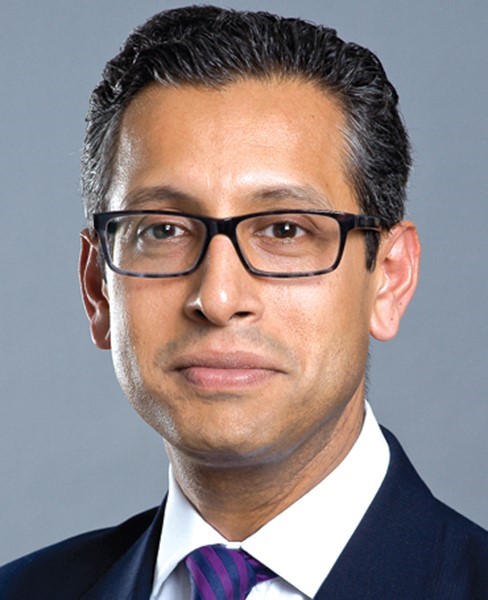

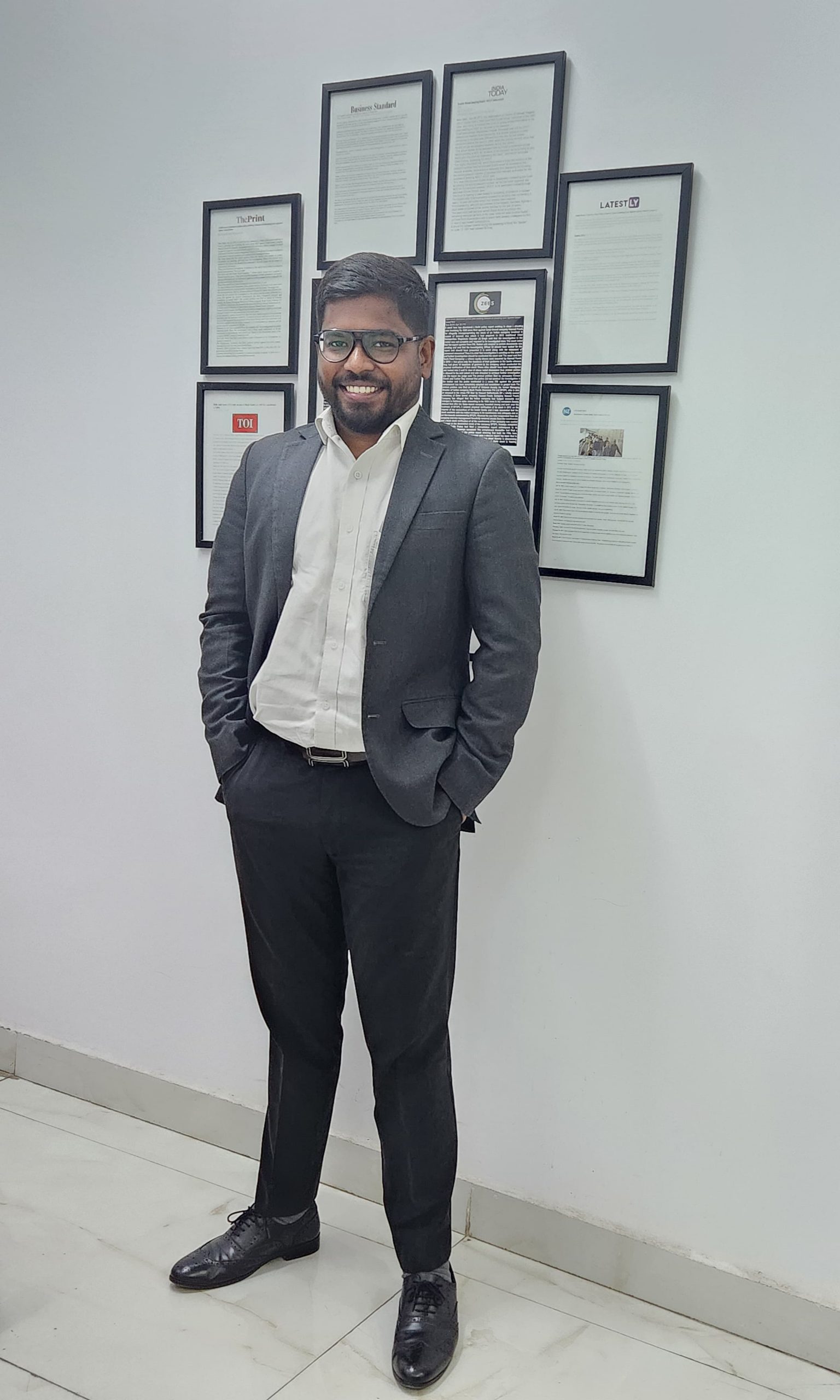
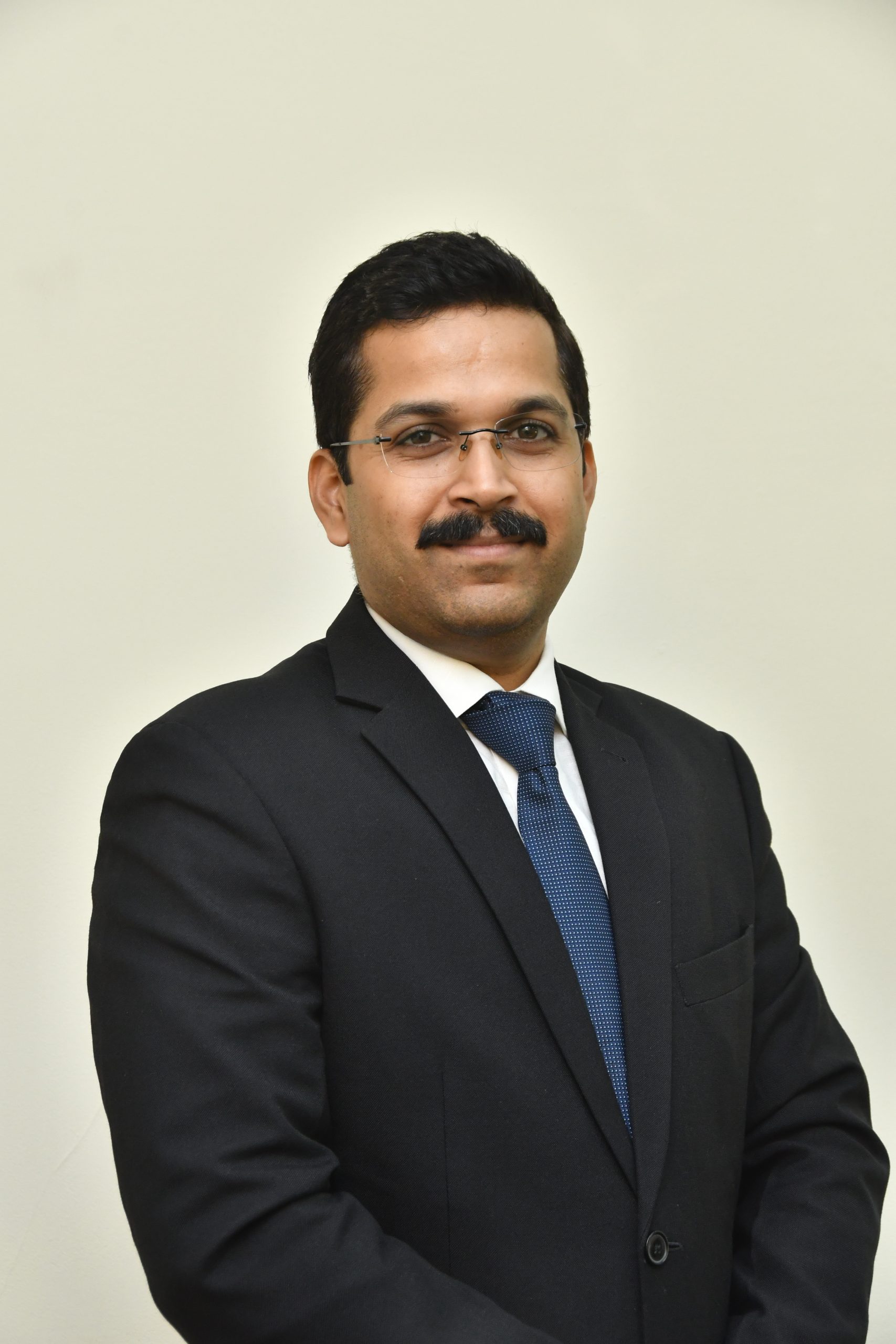




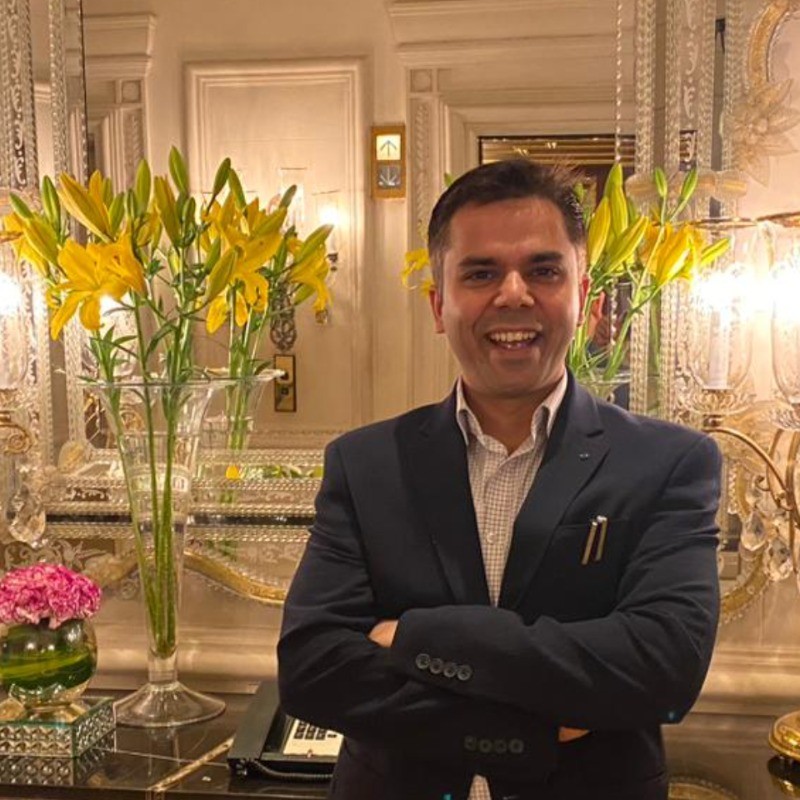






 Allow notifications