Could you share a bit about your journey into law, especially being a first-generation lawyer? What inspired you to take this path?
Well, this question takes me down the memory lane. I must admit that law was not the first career option I forayed into. I belong to a family of Chartered Accountants and it was expected that I also follow the footsteps of my father and eventually join the family firm. After completing my schooling, I did brush through the entrance exam for CA i.e., CPT exam. However, numbers never interested me. There was a subject in the syllabus for CPT exam – Mercantile Law which had topics like Contracts, Sale of Goods Act, Partnership Act etc. While reading the subject, I was intrigued. Thereafter, I started researching on law as a profession and gained more interest while reading about renowned seniors in newspaper articles and their interviews on TV, which helped me in taking the decision to pursue law.
As someone managing a diverse practice, from private clients to standing counsel for Election Commission and various authorities, how do you maintain a work-life balance? Any unique strategies you’ve developed?
Great Question! Managing work life balance is always a debated topic in any field of work. I must admit that initially it was very overwhelming for me but as a first-generation lawyer, I had the grit and determination to manage my work efficiently. Everyone has a different style of maintaining work-life balance. For me, better planning, thorough preparation and the ability to keep calm, even when there is are last-minute listing of cases or urgent drafting, is something I’ve learnt out of practice over the years.
Since my decision to litigate and develop my own practice was clear to me very early on in my career, I had accepted that the journey ahead would not be a cake walk. At the end of the day, the satisfaction I gain from my work is what pays off and makes me strive harder.
It would be wrong for me to paint a rosy picture and say that there is a good balance of work and life in the field of litigation. The balance does come, but not very early on in this path. One should always make the most out the moment. According to me, the best way to maintain work life balance is to unwind whenever one can and has time to.
Can you share a funny or memorable moment from your early days in the legal field that taught you a valuable lesson or made you laugh in hindsight?
After completing my course in law, I was placed with the litigation department of J. Sagar Associates, one of the leading law firms in India. Being a fresher with zero work experience, it was a very proud moment for me and at the same time, it was nerve-wracking. Working in a law firm that to one of the leading law firms, you are expected to be professional and crisp with your work.
In the first week of my joining the firm, I was given an assignment of drafting. According to me, drafting is something which nobody can teach you and you only get better at it with practice. So I had prepared a draft to the best of my ability and limited knowledge at the inception of my career. My reporting partner in the firm made me sit with him and explained that the synopsis which we make in the petitions is what makes or breaks your case. He explained that one should always make sure that the synopsis of the petition should ensure that your story reaches the Judge and it should be as short as possible. This valuable lesson which I got early in my career has helped me a lot while drafting petitions.
Starting your career at one of India’s top law firms and then transitioning to individual practice is quite a journey. What inspired you to take the leap and start your independent practice, and how has the experience shaped your approach to the legal profession?
Coming from a family of Chartered Accountants, I was always expected to become one as-well. Albeit my interests were always aligned towards law and I never imaged joining the family firm. But being brought up in this environment I saw my father build his practice from scratch. This instilled in me the principle of working for self and building one’s legacy (or at-least making an honest attempt). I learnt that in order to achieve the same, not only did it require patience, but also consistency.
Upon graduating I joined one of India’s top law firm’s only to realise that the structure, methods, and expectations were supportive/ aligned with the goal in my mind. Surely, I did learn a lot in the short span I worked in firm, but keeping in mind my ultimate objective, I pivoted and took a huge risk by going independent. This risk I took early on in my career was something I am thankful for today. Initially it was tough to develop clientele and I was surrounded by negativity. But with time it has only taught me that one needs to trust their instinct, stay consistent and put their best foot forward.
As the Standing Counsel for the Election Commission of India and representing industrial development authorities, your work spans various domains. What’s a case or project you’ve worked on that you are particularly proud of, and why does it hold significance for you?
To me, every case is important and challenging and has taught me something or the other which remains with me for a long time. Every case that I have done either before the Hon’ble Supreme Court of India or other High Courts are dear to me. It is difficult for me to pin point a specific case but I must tell you that being a Standing Counsel for the Election Commission of India comes with its own challenges. Why I say this is because Election Commission of India is a constitutional body which is entrusted with conducting the elections of the largest democracy in the world along with the legislatures of the States as well as the Hon’ble President and Hon’ble Vice President of India.
Of late much has been said about the Election Commission of India in the social media, however, when you appear for the Commission before any Court, it is expected that that you represent the Commission fairly and independently. The Courts also take your word for it because at the end of the day, you are representing a body which is the watchdog of free and fair elections in the country.
We know you’re deeply involved in legal matters, but when you step out of the courtroom, what’s Ankit Agarwal’s go-to way to unwind? Any hobbies or activities you indulge in to relax?
For me the best way to unwind is spending time with my family. Whenever I get the time to unwind, I make sure that I go out with my family for a meal or a movie. One thing that the Covid-19 pandemic has taught me is that there is nothing better to spend time with your loved ones.
For young aspiring lawyers looking up to your journey, what piece of advice would you offer to help them navigate the early years of their legal careers?
My advice to the young aspiring lawyers will be hat the journey is difficult but it’s not impossible. You need a lot of patience, hard work and zeal but later on in your career, you reap the results of the hard work put in in the initial years of your career. Litigation is not only limited to drafting and arguing in court but knowledge and awareness of law plays a pivotal role. Do not succumb to fear of judgment and pessimism which is very common in our profession. Work hard, trust your instincts and try to be as consistent as you can.
You have an extensive career in the legal field, spanning various industries and positions. Can you share your personal journey and what initially sparked your interest in law?
To talk about my background, I was born and brought up in Mumbai and I come from a family of doctors and engineers. No one from my family has worked in the field of corporate law and hence I am a first-generation corporate lawyer. My parents, now retired, were both hardworking individuals and were working. My father worked as a CS (Company Secretary) in various companies and my mother was in government service. Hard work and a zeal to learn was thus instilled in me from a very young age, since I grew up watching my working parents. I have completed my B.com and LLB from the Mumbai University along with a couple of additional diplomas and certifications. I was initially interested in being a Company Secretary (CS) which is a professional course, however my inclination towards being a corporate lawyer grew once I started studying law.
It was only after studying law alongside CS, I realized that it is of my interest and I would want to pursue it as my career. Law can be complex and challenging due to its interpretation at times and I enjoyed decoding its interpretation and studying its application. I cannot really point to a specific reason for choosing law – I just had a sense that in future the legal profession would gain importance & distinction, and I am very glad that it did.
As a seasoned professional with experience in law firms, manufacturing, and FMCG sectors, can you tell us about the most significant challenges you’ve encountered in each sector and how you navigated them?
That’s a very good question! A general perception about lawyers is that we know and do everything under the sun. However, one must know that the skills required for every vertical and industry differ from each other and while we know the foundation, many times it’s more of learning on the go for us.
I started my career with a law firm named, Oasis Counsel & Advisory (Chambers of Senior Counsel, Mr. Haresh Jagtiani) and I must say that my first taste of practical applicability of law and litigation was very exciting. Like every other law student, I too started my internships with law firms and while at Oasis, as an intern, my work mainly focussed on researching on case laws, finding precedents and drafting short documents like affidavits and letters. I qualified as a lawyer in 2014 and was lucky enough to be absorbed as an associate at Oasis. The kind of work that is handled at law firms is completely different than at corporates. At Oasis the challenges that I faced related to drafting court documents and handling clients at such a nascent stage of my career. I was blessed with amazing mentors during my tenure there who guided me to the right path and taught me the intricacies of practicing law. I would say that starting my career with a law firm was the best decision since this made my foundation of understanding law and the interpretation of it very strong.
Post this came my biggest challenge of transitioning from a law firm to a corporate since there is vast difference in the working culture and the system in general. For eg. In a law firm you deal with one client at a time, at a corporate you deal with multiple stakeholders which involves business partnering. One needs to align their goals with the vision and values the organization holds. The manufacturing sector is pretty compliance specific, and my role at PPG Asian Paints as well as Blue Star Limited, being a generalist one, included everything right from drafting contracts, identifying and ensuring compliances, handling trademarks and patents and business advisory. Wearing multiple hats and getting work done was challenging here, but then again my seniors helped me out and ensured that along with getting the work done it also gives me a good learning and enriching experience.
Post PPG Asian Paints, I worked with Bajaj Consumer Care Limited (BCCL) for a short while. BCCL is the FMCG wing of the Bajaj Group. It was a different industry than PPGAP and that’s what made it interesting. I worked extensively with the marketing and R&D teams on product claims and product packages, distributor contracts and IPR. It was during my time here, I learnt about product development and all the groundwork that happens on the same – on the legal front this was my first time working with and learning the workings of The Drugs & Cosmetics Act, The Advertising Standards Council of India (ASCI) guidelines, The Legal Metrology Act and International Trademarks. Quite an exciting space to be in. The challenge here was meeting tight deadlines before product launches. This included drafting of the product claims along with the R&D team, approving artworks, approving advertisement scripts in line with the ASCI guidelines and then gearing up for the product launch. The best way to overcome any challenge is to get adapted to the environment that you are in. Also, asking people around really helps. The business teams here were collaborative and hence the challenge no longer seemed like one.
You’ve been involved in areas such as consultation and advisory, civil and commercial law, and corporate and cyber law drafting. How do you balance such a diverse skill set, and how has it contributed to your success in the legal profession?
Working in multiple sectors helped me build acumen on the diverse skill set that I possess today. Even after a decade of experience in this profession, I am still as curious as a beginner and that helps me in honing my skills and learnings further. In house roles do require wearing multiple hats and catering to the needs of various divisions in the company, therefore, one cannot limit themselves to only one stream of law. My observation has been that most of the mid/large cap companies in India prefer having a counsel with a generalist experience rather than a specialised one and that’s what sets you above the rest. Balancing a diverse skill set can be challenging, but staying up to date with amendments and changes in your field is a must, especially, when the field is as dynamic as the legal gamut in India.
Could you share some notable milestones and achievements from your career, especially in your current role at Mahindra & Mahindra Limited?
Of course! As an in-house counsel, simply knowing the law is not enough. In-house counsels deal with a lot of complex transactions which need a deeper understanding of the business and its technicalities. Therefore, the first step that a corporate lawyer needs to excel in is business partnering. All my milestones have been possible due to business partnering in all the projects that I worked on and I cherish each of these milestones equally. However, if I have to point out specific ones, it would be implementation of compliance tools at two of the organizations I worked with. While I was working with PPG Asian Paints and Blue Star, I got the opportunity to digitize compliance reporting and monitoring. This helped the companies to a great extent since we transitioned from manual work to robust softwares. It involved a lot of effort and time since we had to coordinate with multiple functions and stakeholders before finalizing the compliances. I was recognized and rewarded for this effort at both the organizations and hence it’s one of my close memorable experiences. I have also handled and closed POSH complaints as a member of the IC committee at one of the organizations which was a huge learning experience and which I consider as a milestone too.
At Mahindra & Mahindra Limited (M&M), I am a part of the business legal team for the farm equipment sector. I have been a part of various benchmarking exercises through which we implemented anti-counterfeit strategies in the Agri space. Also worked extensively on the Drone Rules, 2021 and on drone operations in India. Since we have a lot of exposure to international markets, we devised a risk mitigation matrix for our contracts in Europe & China. That’s the benefit of working for large conglomerates, the diversity of the work that one can handle has no bounds.
You’ve held positions involving compliance, policy development, and risk mitigation. How do you approach the complex task of ensuring legal compliance for your organizations, and what advice do you have for legal professionals working in this area?
As we are aware, ESG (Environmental, Social, and Governance) is the buzzword in our field currently. ESG is a framework used to assess an organization’s business practices and performance on various sustainability and ethical issues. It also provides a way to measure business risks and opportunities in those areas. Organisations worldwide are becoming ESG compliant for their investors and shareholders. Be it in the form of disclosures in the board reports, accountability to the shareholders or the reputation of an organization, ethics & compliance are the two very important aspects of conducting any business these days.
Having said that, I believe that ensuring ethics & compliance is never a one man’s job – the compliance manager therefore has to collaborate with every function of the organization, create awareness, conduct training and instill the importance of compliance in every employee working at the ground & top level. There has to be constant talk about compliance in the organization along with tone from the top. I am fortunate enough to have worked with leaders who have always kept compliance at the forefront and this helped me drive compliance at all the organizations I worked with.
My advice to professionals working in the area of compliance would be to stay updated with the changing laws and rules. Implementation of a digital tool helps and supports in this regard. Compliance training and awareness sessions are equally important, be it in the form of mailers, quizzes, celebrating compliance week etc. One can start with a compliance audit as a dipstick to check where their organisation stands today. A good starting point could also be to go through the ISO 37301:2021 for Compliance management systems. This document specifies requirements and provides guidelines for establishing, developing, implementing, evaluating, maintaining and improving an effective compliance management system within an organization.
As someone who’s been recognized for your efforts and contributions, what key factors have contributed to your professional recognition in the field of law, and what advice do you have for others aspiring to make a meaningful impact in their legal careers?
In my case, thinking outside the box has immensely helped me. Especially as in house counsels, we need to constantly think about initiatives that will reduce manual work and move towards digitization. Being proactive and actively partnering with the business teams always gets recognized. For example: conducting knowledge sharing sessions for awareness, standardising templates, making risk mitigation matrixes helps the cross functional teams and also reduces future efforts, so that you can focus on more important things at work. Everything counts when one gets recognized, with a primary focus on the change that you have brought about in the organization. Recognition comes in when you move out from your comfort zone and do more than just your KRA’s. My advice would therefore be don’t limit yourself. Do whatever work that comes your way, it’ll certainly not go unnoticed and will be a learning experience for you!
As you’ve achieved success in your career, what advice would you like to offer to fresh graduates who are just starting their legal journey or considering a career in law?
I get asked a lot, especially by young law students, on whether they should start their career as an in-house counsel or with a law firm. It’s of course their preference, however I would suggest starting out with a law firm. Corporates in India do not really have many entry level vacant positions for freshers. They are always on the lookout for someone with law firm experience or someone shifting from another corporate. Also, as I mentioned earlier, a law firm experience would give a good foundational base of law which would really help fresh graduates at a later part of their careers.
Other than this, a few takeaways for aspiring fresh lawyers are as below:
Unless you ask, the answer is always no: we as humans, have the fear of being rejected. And this fear holds us back from taking the first step. I would say take the step anyway. You’ll either succeed or fail. Same goes with asking people for help at organizations. For being a successful corporate lawyer, knowing law alone is not enough. You need to collaborate with business teams effectively for valuable inputs and commercial reasoning. Therefore, be curious, ask multiple questions and most importantly, ask for help whenever required.
While at work, do anything and everything that comes your way: In the initial years, do not be picky with the kind of work that is handed over to you. Every assignment comes with a learning curve which will help you in some way or the other in the long run. Experiment with whatever comes your way and be a lifelong student!
Do not take up a profile which matches 100% with your previous role: Taking up a profile exactly similar to the previous one limits your growth. There should always be room for learning and doing more. Growth starts when you move out of your comfort zone.
Wishing all the readers a rewarding and fulfilling career!
I belong from a small town Ajmer, Rajasthan, my father is a lawyer in the same town, and I grew up watching him dress in black and white attire every day. We have a small office in the home where the clients used to come and share their cases in his office. Listening to them hiding behind the doors and watching my father helping them in every possible manner would always attract me towards this profession and here I am.
You graduated from M.S. Ramaiah College of Law, Bangalore in 2013. How does it feel being from (Non NLU) Law college – could you share your experience with us.
Before joining this college I did give entrance exams of various National Law Colleges in 2007 (as CLAT was introduced in 2008) but was not selected in any.
It was late mid-June when almost all the college admissions were closed and after rejections from all the national law colleges, I chose to travel alone by train from Ajmer for almost 42 hours to reach Bangalore in search of a good college.
I made a list of reputed law colleges and decided to visit each one of them to try for a seat. The first on the list I visited was M.S. Ramaiah College of Law. At the entrance of the college, a big board was fixed displaying “admissions closed”. Not to lose hope I still managed to push myself and enter into the building walking towards the administrative room. I swiftly entered the room where the manager had just ended a landline call by putting the receiver down and in a low voice I said “I want admission”. I was told to wait and have a seat, while the administrative persons had a meeting among themselves. After some time I was told by the manager that 80 seats of this academic year are full, however, a moment ago one candidate refused to join and now we have a single seat, are you carrying all your documents with you and the rest is history. This is the day when I learned the value of at least giving it a try and not giving up.
It is true in today’s life various offices and firms judge based on the name of colleges, however, I would like to add that in my opinion being from NLU or non-NLU College does not make much difference, if you are sincere and are passionate about your work. In fact, being from Non-NLU in my case had only benefitted me for making me strong enough to face the challenges of a litigating lawyer as a career.
Not being the icing on the cake will only make you the bottom part of the cake which is hard and filling, meaning thereby stronger and in a way fruitful for your future if you want to pursue a career in litigation which is itself full of challenges. A will to learn and zest for life will never depend on what college or institute you belong to. Face the challenges and enjoy the journey.
You graduated, Coming from a small town then working under an Advocate-On-Record at the supreme Court of India to becoming Yourself an Advocate-On-Record, How was the journey?
Being a lawyer is not easy, it demands lots of hard work, dedication and devotion. Especially, when you do not belong to this city that is in itself challenging. You have to live away from home starting from scratch. It almost seems like a never-ending struggle. After my graduation, I came directly to Delhi and shared a flat with my immediate seniors at Law College who were kind enough to give me some guidance.
I worked at various law offices where I was fortunate to be given the responsibility to handle matters individually. I used to draft, type and prepare it for filing and thereafter visiting courts for filing, everything right from:-
page numbering,
attestation,
notarizing,
court fees
Photocopies etc,
waiting in the queue for submission of the case at filing counter
curing defects
getting it listed and
arguing before the court
While deciding a case in the court of law there is an abbreviated form of Latin Maxim de minimis non curat lex, “law is not concerned with small things.” However, in the practice of law, it works the other way round .i.e. “the practice of law is concerned with each and every small thing”. Until and unless you learn how in litigation the small and minute things work you will find it difficult to deal with major things.
While digging the ground I never stopped looking at the sky. At the Supreme Court, I used to sit inside the court watching the proceedings in and out, observing the Hon’ble Judges their reactions and how learned advocates and senior advocates argue their cases and present themselves before the Court. Making notes, and learning the process and it is only a decade into 2023, with never to stop trying attitude and as they say “When there is a Will there’s a way” I cleared my Advocate-on-Record Exam.
Your work involves a mix of civil, criminal and corporate matters. If you had to choose, which type of case do you find more thrilling and why?
As recently Hon’ble Justice L. Nageswara Rao said:
“There Is No Profession Thrilling Than Legal Profession”
Well practice of the Supreme Court does require mixed knowledge of every subject, there is a CASE LAW paper in AOR Exam where one has to study all case laws around 64 judgments right from KESAVANANDA BHARATI SRIPADAGALAVARU VS. STATE OF KERALA & ANR. (Doctrine of Basic Structure Case) or LALITA KUMARI V. GOVTOF UTTAR PRADESH (Registration of First Information Report) to INDORE DEVELOPMENT Vs. MANOHAR LAL (Land Acquisition Case).
Either Civil, Criminal or Corporate matters, the recipe is the same .i.e. mastery of facts, relevant statutes, research, and application of law/judgments, only the taste changes .i.e. the result.
The thrilling part is not the subject, but the journey and the relief for which the client has engaged you and trusted you with the responsibility of seeking justice. When you give your best in the matter and present your true capabilities, knowledge, ideas, and skills of your experience, only then the whole process right from the first meeting with client up to the final argument stage the journey as a whole will thrill you and no matter what the subject is, your inner soul will always give a sign that yes you have done something worth for.
Balancing a career as an Advocate-on-Record with various high profile cases, you must have some unique strategies for managing stress. What do you do outside of work to unwind and recharge?
I am a son, a husband, a brother, and a friend. I am an old-school guy, I love being close to nature which keeps me calm and soothing and I also love to spend time with my family. Whenever I get time I travel back to my hometown and spend most of the time with family. In the morning I do give time to myself for at least 20 to 30 minutes, where I practice yoga, stretching, meditating, and gardening and relax with myself.
In my opinion, there are no unique strategies for managing stress, in reality, there are not any because the simpler you live the simpler your life will be. In these hectic times of the world, people have stopped realizing that we work to stay away from these so-called words like stress, tension and problems etc., so how come working would give you stress. I am not denying that these issues don’t exist but once you are doing your work with true passion and dedication and have opted for the right profession that keeps you motivated you will automatically ignore the unwanted things in your life and would focus on improving yourself every single day.
Being an Amicus Curiae in a service matter is an interesting role. How is the experience compared to your usual courtroom battles?
Well, it is a privilege and a great honour to be appointed as amicus by the Hon’ble Supreme Court of India and I am fortunate enough to play this role in my small legal career. As the Service matter is still pending consideration before the Hon’ble Supreme Court it would not be possible for me to discuss it.
However, in comparison to usual courtroom battles, there is definitely a different sense of pride within you when the court recognizes you and shares the burden of responsibility on your shoulders. As an amicus you have to act as a “friend of the Court” and your endeavour must be to guide the court with all the facts and laws to reach every possible way of finding the right solution both for the Court and the litigant.
Your journey involves work with a diverse range of legal matters. If you were to give advice to your younger self starting in the legal profession, what would it be, considering both the professional and personal aspects of your career?
OBSERVE THE COURT:-
I still remember in my initial days I attended a chamber matter before Hon’ble Mr. Justice Amitava Roy. My matter was listed as Item No. 12 and all the matters that were listed were for the reason of not curing the defects, for that reason the matters were pending in the registry.
During Item 1 to 10, I observed that in every Item Your Lordship was asking how much time you need to cure the defects and the Advocates were asking for 6 weeks, some asked for 4 weeks or 3 weeks time, the court was strictly taking Action against the advocates for not curing the defects timely and in almost every matter your lordship were passing order “as a Last opportunity counsel is given 2 weeks to cure the defects, failing which the Special Leave Petition will stand dismissed”
In item 11 your lordship had again asked “how much time” counsel replied “4 weeks”, and the Court said “2 weeks and failing which the Special Leave Petition will stand dismissed” with a comment “pull up your socks”.
When item 12 was called out I walked towards the desk and was asked by Your Lordship “Yes sailing in the same Boat, how much time do you need” I replied It is my fault for not curing the defects timely and I leave it to my lords any time as would be directed I would cure the defects” and in response, an order “6 weeks’ time granted to cure the defects”, without any condition of dismissal.
In short, it is very important to read the mind of the court and decide in what manner you can drive the court in your favor.
BE PATIENT:-
My message to the readers is: Be patient, and be diligent as this profession does not give any overnight success stories. This profession sometimes also demands sacrifices, as I can relate with those who come from outside the city in the hope of fulfilling their dreams, “you might lose many things but believe me you will achieve everything”. In the end I can only share the slogan by Great Swami Vivekananda:
You have an extensive legal career with experience in various roles and different areas of law. can you share the story of how you got started in law and what motivated you to pursue a career in the legal field?
Choosing a career path is often a journey of self-discovery, and mine was no exception. My initial plan was to pursue journalism. I have always been an unabashed talkative soul, fuelled by a desire to communicate and express myself. I have always been fascinated with languages, especially English, Hindi, and German. So, the power of words and the art of expression held a special place in my heart. Political science was another one of my favourite subjects. All of this felt like the perfect backdrop for a successful future in journalism.
Right after my last board exam, my parents suggested that I explore the field of law, in addition to pursuing a career in Journalism. At first, I was somewhat hesitant. But as they say – curiosity is a powerful force. As I delved into the subjects covered in law entrance exams, a transformation occurred. Legal concepts and the intricacies of the justice system began to grip my imagination. The more I learned, the more I realized that law had the power to shape societies, challenge injustices, and, most importantly, provide a platform to voice my convictions.
So I decided to take the plunge and appear for law entrance exams. To my delight, the study of law ignited a profound passion within me. It wasn’t merely an alternative path; it was a calling I couldn’t ignore.
I achieved a commendable rank in the Delhi law entrance exams, and got my admission to Amity Law School, Delhi (Guru Gobind Singh Indraprastha University). At that time i.e. in 2007, Amity Law School, Delhi was recognized as the 7th best law college in India.
My decision to enter the legal profession is not solely rooted in academic interest; it’s also deeply intertwined with a rich family legacy that has shaped my aspirations. From a young age, I heard captivating stories about my grandfather (Dadu), the late Sh. Jadhugopal Majumdar, who was a renowned criminal lawyer in Bangladesh. Unfortunately, I could never see him in person but his reputation as a legal luminary and his unwavering commitment to justice made a lasting impression on me.
In addition to my grandfather, my family boasts another legal stalwart in the form of my father’s maternal grandfather, the late Sh. Sharatchandra Sengupta. His brilliance in the legal profession was so evident that people at that time used to admire him as the sharpest of lawyers in Bangladesh. He selected my grandfather as his son-in-law, recognizing the extraordinary talent and dedication that ran in the family. The union of these two legal luminaries not only enriched our family history but also cemented the importance of the legal profession as a cornerstone of our legacy. Many of our family members hold a firm belief that, following in my grandfather’s footsteps, I have the potential to carry the torch forward.
How do you manage and oversee a diverse team while handling cases across different locations in your current role as the Founder of the Law Office of Paromita Majumdar?
I firmly believe that effective leadership begins with personal growth and capability development. To lead a team successfully, one must first become a credible individual that others can look up to. A leader must lead by example and by themselves demonstrating the values they expect from their team. It’s a principle I hold dear and consider fundamental to any leadership role. This not only builds respect and trust within the team but also provides a solid foundation for effective leadership.
I also believe that as a senior, you should be well-acquainted with the unique strengths of each of your team members. In a dynamic place like Delhi – where there are numerous courts and tribunals to be covered in a single day – it is important to be able to delegate tasks to the team strategically according to their expertise, capabilities and interests. It’s a practice that not only enhances our productivity, but also encourages their personal and professional growth.
However, I won’t sugar-coat the challenges of managing an inter-city legal team. It demands trust, self-discipline, constant evaluation, follow-ups and introspection. The demands of this profession can leave little room for your personal life. Yet, amidst these complexities, there is a deep satisfaction in doing what you love.
I especially relish being involved at every level, from coordinating with associates outside Delhi to personally representing our clients when required. Stepping out of my comfort zone and practicing in courts outside Delhi has been particularly fascinating. While Delhi has always been my primary place of practice, I have a deep appreciation for the unique procedural intricacies of other cities. I love making professional bonds with lawyers practising in different regions of the country. These bonds prove invaluable when our clients require representation in cities beyond Delhi.
Time management in order to make the travel plans is another challenging aspect, sometimes when I have to attend a matter outside Delhi, and there are matters also listed in Delhi Courts, that is when my immediate team in Delhi comes to the rescue.
In essence, managing a legal practice and a dedicated team is a dynamic and intricate process. It requires a shared commitment to delivering the best service to our clients, a willingness to adapt to new situations, and the ability to work together, even when geographically separated. The satisfaction of this journey is not only in the legal victories but also in the bonds forged and the sense of purpose that drives us forward.
Your career includes experiences in different law firms. How has each experience contributed to your growth as a legal professional, and what key takeaways have you gained from working in various law offices?
My path in the legal profession has been a unique and purpose-driven one, guided by a dream to practice in the top court of the country. From the outset, I harboured an ambition to argue cases in the apex court, even without fully comprehending the need to lay a robust foundation in the lower courts first. After graduating, I approached Madam Bina Madhavan, a well-respected legal practitioner, and expressed my desire to work as a chamber junior in the Supreme Court. However, Madam Bina Madhavan provided me with invaluable guidance. She emphasized the importance of acquiring a profound understanding of the trial courts and the fundamental legal procedures before setting my sights on the apex court. Her wisdom resonated with me, and I am forever grateful to her for steering me in the right direction.
And so, I embarked on a journey of exploration and self-discovery. I joined a chamber in Tis Hazari court, Delhi, and spent a significant period, nearly two and a half years, practicing in the District courts of Delhi. During this time, I immersed myself in a diverse array of cases, including bail applications, matrimonial disputes, cheque bounce matters, cases of cheating, theft, and more. This first-hand experience equipped me with a well-rounded perspective on the legal profession.
Crucially, my time in the District courts exposed me to the nuts and bolts of legal work, which I consider essential for every lawyer. Beyond courtroom appearances, I mastered the art of filing, navigating and rectifying procedural defects, re-filing, handling PFRC work, ensuring the proper service of summons and warrants, and the meticulous process of preparing bail surety bonds. It became evident that the role of a lawyer encompasses far more than courtroom advocacy, and I embraced this holistic approach to the profession.
In 2014, I took a significant step towards my dream when I joined Mr. Ankur Mital, an Advocate-On-Record. He generously provided me with the opportunity to assist him in my first matter before the Supreme Court. This experience was akin to taking my first significant step towards my long-cherished goal.
Subsequently, in June 2015, I joined J.S. Wad & Company, a well-regarded Advocate-On-Record office in Delhi, further deepening my understanding of the legal intricacies involved in Supreme Court practice.
From 2018 to 2023, I extended my horizons by associating myself with various law firms in different capacities. This enriching experience allowed me to continually evolve as a first-generation lawyer, discover my true passion, and build a well-rounded foundation in the profession. After 11 years of hard work and learning, I started the Law office of Paromita Majumdar (LOPM) in June, 2023 and have been enjoying the journey till now. Ups and downs are part of the profession; all days are not good days however there is a different kind of mental satisfaction which I get by doing my own work in my own way. I have a wonderful team of associates who are always ready to accept and meet any kind of challenges that are thrown at them be it late night drafting, urgent filing or handling a difficult client or any complicated legal research. Hence I am glad to have my team which is very supportive and never lets me down in situations of crisis.
In essence, my journey reflects a deliberate and dedicated approach to the legal profession. I granted myself the time and exposure needed to learn, grow, and discern my true calling within the legal landscape. Today, I stand before you as a lawyer deeply committed to the pursuit of justice and equipped with a multifaceted skill set, honed through diverse experiences and unwavering determination.
You have worked on a wide range of cases, from civil and commercial matters to bail applications and demolition cases. Can you share a memorable or challenging case from your current role and you approached it?
When one practices at the pinnacle of the country’s legal system, encounters with idiosyncrasies become an inherent aspect of the profession. In such a realm, parties often find themselves at the culmination of their legal journey, having exhausted all available remedies and received unfavorable rulings from lower courts. It is in this ultimate juncture that they turn to the apex court, hoping for some relief. The most formidable challenges arise in cases where petitioners apprehend to get arrested at any moment or the impending demolition of their properties.
In these urgent scenarios, time becomes a scarce resource, and the preparation of Special Leave Petitions (SLPs) is a task that demands overnight dedication. The immediate pursuit of a hearing becomes paramount, leading to SLPs being drafted hastily and filed the next morning. Amidst these high-pressure circumstances, a particular case from my initial days of independent practice stands out—a case which brought me some recognition in the Supreme Court of India.
This memorable case involved individuals hailing from economically weaker section of society, struggling with demolition notices issued by the Municipal Corporation targeting their homes. Initially hesitant due to strong adverse observations from the High Court, I eventually acceded to their persistent requests and filed SLPs on an urgent basis.
The pivotal moment arrived on the day scheduled for the houses’ demolition at 2:00 PM. At 10:30 AM, positioned at the top of the mentioning list in Court No. 1, I presented the matters before the Honorable Chief Justice of India. Describing the urgency and gravity of the situation, I sought the court’s intervention. The Honorable CJI, acknowledging the exigency, graciously granted a 3-day stay order, providing a temporary relief until the matters could be heard on their merits.
Those 72 hours proved crucial, affording the petitioners a breathing space to fortify their case and secure the services of a senior advocate. Although the SLPs were eventually dismissed due to technical reasons, the experience proved to be a defining and challenging chapter for both myself and my team. It not only showcased our dedication to justice but also served as a testament to our resilience in the face of adversity.
You have empanelled with private companies as their legal counsel, handling due diligence, drafting agreements, and advising on legal issues. What are some common legal challenges companies face in their day to day operations, and how do you assist them in addressing these challenges?
I am a legal counsel for some mid-level NGO’s, IT firms and builders. A prevailing concern among the IT enterprises revolves around challenges emanating from employment contracts and the safeguarding of confidential data. A recent case which I am dealing exemplifies the ramifications of a poorly drafted Non-Disclosure Agreement, wherein the company incurred substantial losses. An ex-employee exploited the inadequacies in the agreement, absconding with confidential data, the company laptop, and important softwares, collectively valued at over 10 Lakhs. Civil and criminal proceedings have been duly initiated against the said employee by my office.
Besides, Trademark clashes also stand out as another recurrent issue for such companies. We often are required to draft cease and desist notices, responding to instances where similar marks are utilized by other entities in the same class of services.
On the builder’s front, a pervasive challenge pertains to project completion issues, often resulting in legal actions instigated by aggrieved home-buyers. I recently aided a distinguished builder in Mirzapur to effectively abandon a project, rescind all allotment letters sans legal repercussions, and resolve outstanding litigations. My approach pivots towards proactively seeking solutions rather than dwelling solely on challenges. The overarching goal is to position the client in a win-win scenario, maximizing outcomes with minimal investments.
Apart from handling the litigation and Arbitration work, my practice extends comprehensively to cover a spectrum of contractual work crucial to these businesses, including franchise agreements, collaboration agreements, and more. Emphasizing the importance of articulating clauses with precision to avert ambiguity, my office diligently ensures the legal instruments align seamlessly with the client’s objectives.
Moreover, recognizing the aversion to protracted legal battles, our clients often seek preventive actions to avoid visiting courts. Most of my clients seek my opinion before entering into any agreement or any kind of arrangement with any party in order to avoid any future conflicts. These facets summarizes the multifaceted support my office extends to the companies with which we are currently empanelled, underscored by a close and collaborative working relationship that occasionally leads to on-site visits for document reviews.
In your role at Legacy Law offices, you managed the dispute resolution team and handled arbitration cases, could you elaborate on intricacies of Arbitration , especially in the context of construction contracts and share any notable cases or challenges you encountered?
Arbitration holds a special place in my legal affinity, primarily due to its non-adversarial nature, emphasizing meticulous evaluation of contractual clauses by an impartial arbitrator. In the realm of construction contracts, arbitration has emerged as the preferred method for dispute resolution. Common issues in construction disputes encompass aspects like payment disputes, contract scope, design discrepancies, quality and safety concerns, and losses incurred due to unforeseen events, such as Acts of God.
In the constitution of arbitral tribunals for construction disputes, parties are choosing a judicious blend of technical and judicial members. This ensures that the tribunal comprises individuals possessing a comprehensive understanding of technical intricacies related to construction projects, often including retired government chief engineers and architects etc. Remarkably, detailed dispute resolution mechanisms are now integral components of construction contracts, tailored to the unique demands of each project, promoting efficiency in both time and cost.
Notably, these contracts often incorporate multi-tier dispute resolution processes, encapsulated in escalation clauses. For instance, a Nego-Med-Arb clause may stipulate a sequence of negotiations, formal mediation, and ultimately binding arbitration. In instances where negotiation, conciliation, or mediation fails to yield resolution, parties often progress to binding arbitration.
In India, the Arbitration and Conciliation Act, 1996, governs the procedural aspects of arbitration. This legislation provides clarity on arbitrator appointment procedures, interim relief from courts or arbitrators, judicial interventions, and the setting aside of arbitral awards, encompassing both domestic and international commercial arbitrations. A nuanced understanding of this Act, coupled with the specific dispute resolution clauses within the contract agreements, forms the pathway to effective dispute resolution.
I remember a particularly intriguing arbitration case involving the Food Corporation of India, concerning the construction of food grain silos, a mere ambiguity in a clause led to unreasonable delay in appointment of the Arbitrators and multiple petitions under Section 9, 11 and Section 14 before the Hon’ble Delhi High Court. Meanwhile, our client’s bank guarantees were also encashed. The crux of the matter revolved around whether the reference to certain rules in the clause was mandatory or if parties had the flexibility to mutually choose alternative rules. Ultimately, a three-member arbitral tribunal was appointed by the court, and the disputes were successfully referred to arbitration.
During my tenure as Associate Partner at the Delhi office of Legacy Law offices, I had the privilege of leading a dynamic team in dispute resolution under the astute management of Mr. Gagan Anand, Managing Partner, and Ms. Sadiqua Fatma, Senior Partner—both exemplary mentors. Under their guidance, I navigated several compelling arbitration cases and secured favorable awards for our clients.
A pivotal moment in my professional journey unfolded when I argued on behalf of a contractor in arbitration proceedings related to the construction of a tunnel in Jammu and Kashmir. While the award favored our client, it currently faces challenges before the Hon’ble Delhi High Court. The crux of the matter revolved around a project suspension, an action not expressly covered in the contract. Despite the withdrawal of a writ petition challenging the suspension, the authority attempted to reopen the issue before the learned sole arbitrator, a move promptly disallowed.
In addition to the tunnel project, I’ve had the privilege of handling various arbitrations involving the construction of tunnels, roads, silos, bridges, and dams, each presenting unique challenges and opportunities for resolution
You have briefed and worked with renowned senior counsels in the Supreme Court of India, what is it like to collaborate with such eminent legal professionals, and how does this collaboration influence the outcome of cases?
During the period spanning from 2015 to 2019, while employed with an AOR (Advocate on Record) firm, I routinely found myself in the privileged position of briefing esteemed senior counsels in India, such as luminaries like Mr. Mukul Rohatgi, Dr. Singhvi, and Mr. Kapil Sibal. Engaging in conferences with these legal stalwarts provided me with a unique opportunity to closely observe their cognitive processes and strategic approaches to various cases. In the presence of such legal luminaries, direct instruction was often unnecessary, as their methodical application of law and logic served as an invaluable educational experience for me.
Collaborating with these eminent seniors bestowed upon me the profound advantage of assimilating their distinctive thought processes. Witnessing their adept and precise application of legal principles not only enriched my professional skills but also cultivated a deeper understanding of the nuances within the legal profession. The result-oriented nature of our conferences necessitated the seniors to expeditiously apply their theories and logics to legal questions, formulating effective solutions and strategies customized for the upcoming hearings.
I remember, in a case where we were unable to formally brief Mr. Rohatgi due to his demanding schedule, he reassured us that he would grasp the matter during the court proceedings. Positioned outside the courtroom, with our matter just 10 items away from its turn, I was taken by surprise Mr. Rohatgi appeared suddenly and asked me for a concise overview of the five crucial points of the case, I swiftly adhered to his instructions and provided the briefing within a mere five minutes.
I literally wondered, armed with this brief yet comprehensive understanding of the matter, Mr. Rohatgi entered the courtroom and adeptly presented those five points before the bench. The outcome was a stay order secured promptly for our client. As a budding legal professional, these instances became invaluable take-home lessons for me. Similar encounters with other senior lawyers further compelled me to refine and streamline my approach to applying legal reasoning whenever confronted with a complex legal issue.
Finally, what advice would you give to aspiring lawyers looking to specialise in specific areas of law like business law or arbitration?
My first and foremost advice to aspiring lawyers is to invest ample time in evaluating their areas of interest before making any hasty decisions. Particularly for first-generation lawyers, patience is paramount. The legal profession demands a profound commitment to reading and comprehending the practical dimensions of the law. Reflecting on my early experiences, a seasoned colleague once wisely remarked that the five years of legal education merely serve as a ticket to the movie—the true narrative unfolds when one enters the realm of actual legal practice. There is a huge difference between the theoretical studies and the realities of actual legal practice.
Furthermore, I urge young lawyers to prioritize reading the law thoroughly before dispensing advice to clients. A proficient lawyer is, above all, a diligent reader. Repeated readings of a document can lead to different interpretations, highlighting the nuanced complexity of legal matters. Staying abreast of the latest Supreme Court rulings and legislative amendments, attending seminars, and engaging in continuing legal education is crucial. Being well-versed in the current legal landscape allows you to confront situations armed with the knowledge of prevailing laws, enabling you to apply them judiciously to the specifics of a case and determine the optimal course of action.
When delving into business laws and arbitration, both of which involve extensive document analysis, it’s essential to recognize the inherent significance of each document. In arbitrations, voluminous files are commonplace due to the fundamental role of document interpretation. Understanding the intricacies of a case and securing a favorable order or award for your client hinges on a meticulous examination of these documents. Notably, many of these documents are crafted by corporate entities through their in-house legal advisors, rendering the identification of loopholes challenging. A thorough and patient analysis of these documents is the key to navigating and finding solutions in these intricate areas of law. My last advice would be to always uphold the highest ethical standards in your practice. Integrity is crucial in building trust with clients, colleagues, and the legal community. By steadfastly adhering to the principles, you not only preserve your personal integrity but contribute to the overall credibility and trustworthiness of the legal profession.
Can you share with us your journey and what inspired you to pursue a career in law, especially with your impressive academic achievements?
Like many others, I was once keen on cracking the UPSC exams and making my mark as an IAS officer. I was told by my family and friends that attempting the UPSC with law as a subject paper would make things easier. This made perfect sense. Law is after all a key pillar of governance, and I believed that having a degree in law would naturally give me an edge over my competitors when attempting the UPSC exams. So to my mind, the law was simply a means to an end at first. This is by no means to say that I did not take my CLAT preparations very seriously. I moved to ISC from the State Board after Class X as I felt this would allow me to pursue subjects that were more relevant for CLAT with more rigor. I also signed up for CLAT coaching classes, and gave it my best to make it to a good law school.
My larger goal of clearing the UPSC did not waiver, that is until I actually started law school and fell thoroughly in love with the law. I was awed by this complex network of norms that held the social contract together while leaving enough room for clever interpretations and mental gymnastics that it never became tedious. I lost myself in my textbooks and lectures, spending hours at the university library to soak in as much as I could of what the law had to teach me. I soon realized that the law was no longer something I had to do, but something I wanted to do. Once this realization hit, I never looked back.
As for my “academic achievements” as you call it, I believe they are the by-products of two things. First, a genuine fondness for what I do, and second, discipline / hard work. I also believe that consistent performance, be it at academics or any area for that matter, is just as important as excellence. Consistency takes determination, and a willingness to commit continuous effort to whatever one does. This belief has helped me stay focused not just in my academics, but also in my work.
You’ve had a diverse range of experiences, from working at a prestigious tax law firm to handling various civil and commercial matters. What prompted you to establish your independent law practice in 2019?
It was in my first year of law school, when I participated in the Nani Palkhivala Direct Tax Moot in Mumbai, that I was drawn towards tax law. This led me to pursue an internship with Lakshmikumaran & Sridharan in my third and fourth years, when I was fortunate enough to be offered a PPO. The time I spent at LKS in the formative years of my career was crucial, as it concretised my affinity towards tax law and ensured that it would remain one of my core practice areas. My subsequent stint reading for the BCL at Oxford University considerably broadened my professional horizons and opened my eyes to the fact that I need not pigeonhole myself into any one branch of law. The course structure allowed me to craft a cocktail curriculum for myself comprising among other things finance, trade, and comparative corporate law, which prompted me to look beyond my interest in tax when charting my career trajectory. My internship with Mr. Philip Baker, QC, served as a reminder of the adrenaline rush that came with running a well-researched and well-presented matter, and rekindled my interest in litigation. Upon my return to India, I spent some time learning the ropes of litigation at the chambers of Adv. C.K. Nandakumar (now a designated senior counsel), where I also learned invaluable lessons on running an independent law practice. From there, establishing my own chambers seemed a natural progression and I was able to fulfil that dream in 2019 – thanks in no small part to the blessings and support of my wonderful group of family, friends, seniors, and colleagues.
Your practice covers corporate insolvency, property, tax, and other commercial and civil matters. Could you give our listeners some insight into the unique challenges and rewards of handling such a wide array of legal areas?
There are moments when I identify all too well with the adage “jack of all trades and master of none” as a general practitioner, given the sheer scope of work. Apart from needing strong foundations in all areas in which you practice, you also need to constantly stay on top of domain developments – be it a landmark judgment settling (or-unsettling) a substantive question of law, or an obscure circular from a local authority that manages to make existing workflows obsolete in one swift stroke. Many colleagues also argue, perhaps rightly so, that the world is heading towards super-specialization. Increasingly complex problems call for increasingly complex solutions, and some say that it is simply too difficult if not impossible to gain the required level of insight into multiple domains at once.
However, for every moment of uncertainty, there are two others to remind me that there is still immense value in what we do. It is always an advantage to have a 360-degree perspective on briefs, as it helps avoid situations where you win the battle in one forum yet lose the war in another. Such a perspective only comes with experience gained by handling matters across domains and forums. We also do not work in silos and make it a point to enlist the help of domain experts as and when required.
In addition, and most importantly, the subjects we handle are all interconnected at various levels. It is not possible to practice say corporate or commercial law without having a good grip on property and tax law. Ultimately, what makes a good lawyer is their innate understanding of how people work and think. The broader your sense of how and what makes the world tick, the more effective you are as a lawyer.
You’ve represented both government and non-governmental organizations, as well as tier 1 and 2 law firms. How do you adapt your approach when working with different types of clients and organizations?
Every client, whether a government organization or a business, has a set of attributes that is unique to them. This could be their nature of work, familiarity with the legal system, reporting requirements, personal convictions – the list goes on. There are some clients who need to be sat down and patiently walk through their legal strategy many times over, while there are others you may not meet in person at all and with whom you interact only when strictly necessary. Needless to say, a one-size-fits-all approach will not work here and you are expected as a lawyer to tailor your approach based on the unique attributes of the client as well as the matter at hand.
While the specifics may vary, there are some aspects of client relationships that stay the same irrespective of the client. For instance, I make it a point to handle every client with a high degree of professionalism, always respecting the human element behind each litigation. I do not differentiate my clients on an interpersonal level based on where they come from or what their background is. Lessons learnt from working with some clients can also be transposed to others, making the overall processes stronger.
As a guest lecturer at several universities and a guest editor for peer-reviewed journals, you’re deeply involved in legal academia. How do these roles complement your legal practice, and what do you enjoy most about them?
While I have carried forward an interest in legal academia from my law school days, I am not sure it would be accurate to call me “deeply involved” at this point, as time and bandwidth constraints have certainly impacted my involvement. In the past, I used to be a frequent contributor to my university law journal and newsletters, as well as some external publications. We had an in-house knowledge building team at LKS, whose high-quality content kept us young lawyers on our feet and up to date. At Oxford, I was part of the South Asian Political Thought Discussion Group and occasionally coached younger students for moots and peer-reviewed their papers. I still receive invites to deliver guest lectures on tax and insolvency law from time to time and speak at various events / platforms.
I believe it is important to keep in touch with legal academia in whatever limited way our work schedule permits. Making time to read the right literature and also interact with students and other academicians will go a long way in strengthening one’s knowledge pool, particularly on aspects one may not routinely encounter in the course of work. As the rush from one matter to the next rarely leaves room for creative thought or knowledge-building, it becomes necessary to find other ways to organically stay in touch with academia. This could even be something as simple as setting aside time to discuss learnings with peers and colleagues.
You’ve been recognized with awards such as the “Emerging Women’s Leader” award. What do you believe contributed most to your success, both academically and professionally?
Success in any field in my opinion is largely the product of three things – determination, hard work, and consistency. If you give enough time and commitment to anything you do, success will find you sooner or later. Cliched as that might sound, I can say from personal experience that the formula does work. I had my priorities well-set from a very early age and was highly driven to be good at whatever I did. I knew my strengths and weaknesses well, and I put in as many hours as it took to get the results I wanted. I was also fortunate to have a good support system of family that helped me however they could, especially my parents, my husband and one particular maternal uncle, be it through words of encouragement to inspire me or objective reality-checks to keep me grounded.
In your impressive list of publications, you’ve covered topics ranging from tax law to arbitration. Could you highlight one area of law that you’re particularly passionate about and why it matters in today’s legal landscape?
Although I have written on a variety of matters in the past, they have all largely been the outcome and logical extension of some litigation or advisory opinion that I have rendered. This is an unfortunate reflection of the reality that litigation leaves very little time to focus on other areas of interest.
That said, if I were to highlight one area of law as my favourite, it would have to be insolvency and bankruptcy law. As an office, we handle matters under the IBC across all forums, from the NCLT up to the Hon’ble Supreme Court of India. This has given us a well-rounded and elaborate perspective in handling complex IBC matters. Our interactions with a variety of stakeholders including shareholders, directors, creditors, resolution professionals / liquidators and others in the system have not only helped us better understand the commercial motivations behind many decisions made in the IBC space, but they have also given us the ability predict with some accuracy the roadblocks in a resolution / liquidation process and plan around them. India’s experience with insolvency and bankruptcy may still be maturing, but I very much look forward to continuing my work in this evolving domain.
Given your extensive experience in the legal field, what advice would you offer to recent law graduates who are just starting their careers and navigating the legal profession?
As a first-generation woman lawyer, I was told at various points throughout my journey that the road ahead would be more than a little challenging. When I left my plush corporate job and set out to read for the BCL and thereafter, came back to India to be a full time litigator, there were several well-wishers who gave me similar caveats about the transition to litigation. I can now say with the benefit of hindsight that they were not wrong. There is a lot of struggle and even more uncertainty, especially as an independent practitioner. In my initial years of independent practice, the lack of definite answers like where / when / how will the next brief come if they come and will they pay, were all very unsettling. And very honestly, they still are.
What I was not told enough however, was how rewarding an experience it is to brave the storm and watch yourself grow into the lawyer you always wanted to be. It is in fact the years of struggle that taught me to trust myself better. I took many leaps of faith, some small and some big, I made mistakes, learned from my mistakes, sought help and gave help where I could, and made it my life’s mission to pursue my dream of becoming a good lawyer. I will take the very fact that I am speaking to you now as proof that all the time and effort put in over the years did pay off.
This would be my advice to my future colleagues who are just stepping into the legal profession as well. You have chosen a career full of promise and intrigue. The road to success may be more treacherous for some of you than others, but it will not be easy for anyone. The law truly is a jealous mistress, and will demand all the attention you can give. However, if you give it the attention it deserves, the sky’s the limit. Take the time to introspect and know the direction you wish your career to go, keeping in mind that there always is room to reorient down the line. Once you have this clarity, work with an office that teaches you not just the subject but also the smaller life lessons that will help you in your career. Build a robust network of friends, colleagues, and acquaintances, as the importance of reputation through word-of-mouth cannot be overstated. Last but not the least, never stop learning. There is an ocean of knowledge available at your fingertips – make good use of it.
Can you share your journey and tell us what inspired you to pursue a career in law, from your early legal experiences to your current role as a Legal Manager?
Coming from the land of beauty and chaos, Kashmir, gave me the sense of fair and unfair from my young age. Inherent good of man and fair treatment of societies was embedded in my mind. Growing up amidst military occupation and seeing the happenings had a profound impact on me. It was a confrontation everyday. Certainly that initial inclination for law was instilled right there and other factors played along. I always wanted to understand challenging rhetorical theory, to uncover the truth. World is full of issues that affect all of us across geographies and law touches everything, every facet of a society. My major inkling towards law came from my land, and the prevalent day to day conditions. I was clear about law from a young age as it had me glued to the fairness basis and felt like a just and honourable profession.
Obviously, an unconventional choice as I came from a traditional business family and in fact, the first one to go to law school from my immediate family. Law came from my upbringing and despite the odds, I was inspired to do my part for an equitable world by becoming the voice of the unheard. My schooling was done at Mallinson Girls School, Srinagar where I took part in extra curricular activities besides my academics. Being an avid debater, I always had a knack for formulating arguments and enjoyed that part. Being one of the players of the basketball team, I played some matches representing my school at that time. After finishing my school I went to South India, and opted for Bangalore Legal Studies to undertake my five year law course. Five years spent in Bangalore bring back fond memories and I cherish them like always. During my law school, I lived in the college premises with nine other law school mates. Our dormitory was filled with girls who came from different parts of the country and it gave me a chance to understand nine different mindsets. Along with enjoying law subjects, I thoroughly took part in the mooting, debating, and legal publications. Besides being rank holder in Constitutional and International Law, I also served as the Editor of our Law School Review, BILS Law Review. Many national and international moot courts were attended for sheer joy of analysing the problem, interpreting laws, drafting the memorials and weaving the argument. My main aim from mooting was to be a better learner, and to think on my feet while simultaneously stimulating and challenging my intellectual curiosity and capabilities. In my third year, I participated in the Bar Council of India International Moot organised by National Law University, Jodhpur along with my moot mates, Siri Roa (Counsel, USA) and Mohammad Azhar-u-ddin (Associate VP, Data Privacy Accenture). The problem was about International Law, Refugee Status and Sovereignty. In our semi final round in which we were pitted against National Law University, Delhi, the other side presented well crafted arguments with excellent oratory skills making such a compelling case. To my utter surprise, I almost got so engrossed by the arguments, that I caught myself in the abyss without the rebuttal points. While the other side was finishing their arguments, I quickly scribbled through pointers and jotted them down. We went for rebuttal over 12 factual and legal issues. To my utter surprise, we made it to the finals and the sitting Punjab Haryana Justice called our team and mentioned the reason for being in finals was “thinking on the foot and coming up with the 12 points”. Mooting tests and enriches one’s appetite for delivering under pressure early on. You take ownership of your calls which lets one reach his/her full potential. Teamwork decides how far a team can go. Two years later, while graduating out from law school, I was awarded ‘Best Mooter’ of Batch, 2012. With time, my passion for law grew and intensified. I am thankful to my mentors from law school who really taught me well.
In your role at Vipra Legal, you managed litigation and arbitration while providing commercial advisory to various entities. How do you balance the demands of litigation and advisory work in a legal setting, and what were some of the key challenges you faced?
It’s no secret that practising law is a bit demanding yet fulfilling. It’s not only about the best advice given to the clients but subsequently, to curtail down the risks. One has to step into the owners/ companies point of view to understand the depth of business risks and hence will emerge a balanced solution. Legal advisory has to align to the company’s risk tolerance and goals. Working with Partners to define and articulate each risk and its potential effects on business so decision makers could understand the impact and vulnerability. A top tier client at Vipra Legal was in the middle of a game changer merger wherein we reviewed and drafted exhaustive Commercial Agreements and Non Disclosure Agreements and designed a legal plan/strategy for execution which matched client objectives before putting the right people, tools in place for successful deliverance. You need to understand which task is critical and can convert revenue into profit. Balancing is an art which lawyers learn about from their mentors in the beginning itself and with having multiple clients waiting for the end result, whether a thorough advisory on the issue or an immediate filing and attaining of an injunction or favourable order, one has to prioritize the work and manage it timely. In a managerial role, besides being up to date on factual scenarios and prevalent law plus the winning strategy of multiple ongoing cases, organizing task progress and team work loads is essential. Challenge of dealing with associates and running the show as a team is where one’s real patience is tested. I would say, a litmus test. Usually, and particularly lawyers don’t like to be managed and hence the perfect workplace can be created by developing a collaboration with high level of trust and openness, communication and engagement. The tricky part comes in when at times, you have to manage peers who are equal, or even in cases have more experience and here you can’t go into the control mode but rather find that middle balanced ground and be thoughtful of relationships at the firm.
Your experience at Elevate involved document review and using artificial intelligence for litigation support. Could you explain how AI is changing the legal landscape and what benefits or challenges it brings to the field?
Legal landscape is shifting more than ever before as Companies look to adapt tools like Artificial Intelligence. Incorporating AI into legal practice drives day to day lives and more importantly, clients have come to accept it from employed firms. Al can make lawyers informed, provide data driven ideas, and above all improve efficiency. In my tenure with Elevate Services, as Senior Associate with Disputes and Investigations, I provided assistance to international Litigation teams of various top tier law firms; Gilbert and Tobin, Latham Watkins LLP, Backer Mckenzie, ReedSmith, DLA Piper, Skaden and many others. End to end legal solutions were provided to the law firms, right from the starting of the early assessment of the case until trial. Summarised chronologies, provided concise legal analysis, drawing up of Contracts, assisted in Due Diligence and weaved legal opinions. Now AI is being used to automate tasks and drive efficiencies, spurred to cut costs. Elevate is the first Company to join hands with top notch law firm, Gilbert and Tobin for its dominant business model which is a game changer and first of its kind in the legal industry of India.
With that, a new threat also looms. Law being the lucrative profession is most at the risk of AI advances. Can I be replaced ?! After all, lawyers are merchants of words for the matter of fact. Decades would see more changes in law practice and legal industry in toto, and subsequently jobs would be eliminated. A research by economists of Goldman Sachs estimated the amount of legal work that would be automated by AI and results are at 44%. I consider myself to be a lifelong learner and we are going to live with this now. The only way lawyers would survive amidst the growing technology is by updating their skillset, by training themselves to understand the most intricate and complex legal issues and pushing forward. One would have no choice but to climb up the skill ladder and stay ahead of technology. Change will come but I guess we are still far as there are thorny issues of Data Privacy, Ethics and conflicting data which we usually term as ‘Hallucinations’ in the world of AI prevalent and still that bridge ought to been gapped. It’s a powerful tool for productivity and we will see it growing as it’s here to stay.
As a Principal Associate at V Legal Empire, you were involved in a significant arbitration claim. Can you share a specific case or experience that stands out as a highlight of your career, and how did you navigate the complexities of such a high-stakes matter?
V Legal Empire’s Corporate team represented Russian construction company Mosmetrostroy for an ongoing billion dollar Arbitration claim against the Chennai Government. Strategies and methods were built to deliver the best outcomes. The most critical juncture in the Arbitration – We helped the client get a favourable order by allowing deposition via video conferencing in a cross examination which didn’t have a precedent of its kind in the Indian Arbitration cases. Application was drafted on strong facts, law and beautifully argued by the Senior Advocate. Quorum was presided over by three arbitrators and Justice AK Sikri allowed the Application keeping in view the complexities of cross border dispute and factual scenario of the case. Partner of the law firm was in Russia briefing the client on the nitty gritties of the cross examination and on the other hand, legal along with technical aspects were ensured by the corporate team on the Indian ground for profitable work. Document management of zillion documents were managed along with regular reporting of work in progress against the budget curtailing the project risks leading to efficiency in a more client oriented way. At that time, the article “Institutional Arbitration: Emerging need for robust dispute resolution mechanism in India” was co-authored with the Partner of V Legal Empire, Vijjay Mehta. The paper highlighted the need for more organised/ institutionalized based Arbitration with an aim to bring best international arbitration practices to the country. Most successful economies in the world prefer an international arbitration institution which is independent and credible, and enjoys the domestic market. Running of these institutes benefits all the stakeholders – from arbitrators to lawyers to clients, to governments. Significance of reduced number of arbitrations in India was highlighted despite India being a top player in Arbitration. Stats of SIAC, ICC, HKIAC were brought forth. It was published in Young Arbitration Review, Portugal 2018, Ed29.
You’ve also worked as a Legal Editor at LexisNexis. What does the role of a legal editor entail, and how does it contribute to the legal community?
I always remember my tenure with Lexis Nexis with a smile as it changed my perspective on a handful of things. LexisNexis, a United States based legal entity was my first International Corporate exposure and nothing could have been better than being under the guidance of Shilpi Pandita Ganesha (Associate Director) and Shreesh Chandra (Senior Director). One of the brilliant minds I have seen across various legal industries. Advancing the rule of law was the goal and what better than being the last set of eyes before the legal words are seen by the world. Actually, the job is simple: Monday through Friday, meetings in the morning, work on the scripts and contracts the rest of the day and into the night. Working with an International Publishing house is a different league altogether. Goal is always excellence: nothing less. You own your part of the Publishing calendar – you pick the authors (can be from a senior advocate to a judge, sitting judge for all your bad luck, jurist, legal luminary, academician). Calendar is driven by budget so deadlines are quite valuable. Right from the building of calendar, to the inception of the contract, improvisation of the Legal Content, research, analysing the judicial rulings cited. It is a painstaking process to achieve excellence. What I began to understand was that researching and writing legal content honed one’s skill so that mastering law becomes easier and faster. It reinforces that attitude with the unspoken doubt each editor has the intelligence and energy to do a fair job. Besides being responsible for every stage of law publication which involved contracts, content improvement, maintenance of daily communication with clients, also collaboration with leadership, strategy, sales, and marketing was done to ensure quality work. Regular feedback on playbooks and processes took place for smooth functioning of daily operations. One of the projects involved this – Days in a row, weeks, months I visited Professor VC Govindaraj who was living in South Delhi at that point of time. He being in his 90s’ was unable to move much and here we were sitting on random legal drafts to verify the accuracy of a detailed case analysis, Hague Convention on private law, and habitual residence and domicile and obligations for shaping foreign contracts and torts. Former Professor of Delhi University is the master of private international law and much to my relief it was nothing less than sheer joy working on the subject matter of my liking with the master himself. Conflict of laws is an increasingly important subject as now more than ever large numbers of people move through territories. This piece of work provided fresh perspectives on the subject of conflicting laws and analysed its significance in today’s dynamic contemporary world. Based on these meetings, I helped him finish the draft for final approval which finally got published five months later. The sharpness of the jurists mind was unbeatable. As he said, ‘ I want to have my dinner and never get up for morning tea. All I want is to leave behind my traces for the younger generation’. Without a doubt he has already.
During your tenure as a Judicial Law Clerkship, you provided assistance to a judge and contributed to improving the efficiency of the judiciary. How has your experience as a law clerk influenced your perspective on the legal system?
My path to clerkship was not something planned earlier. The idea of clerking hadn’t even crossed my mind until two years in Litigation. My career started with the Standing Counsel for the State of Jammu and Kashmir, Mr. Sunil Fernandes. His practice was majorly in the Apex Court of the country and what a commendable hold on the Constitutional Law he has attained. He backs everything up with law references and pure logic. I sometimes used to have casual conversations about the Kashmir issue and his progressive streak would always show. You were right fresh out of college and before the top judges of the country, looking at the famous seniors debating on the constitutionality of the provisions and what not. It was by the end of my two years in litigation that I had made up my mind about judicial clerking and the question now was which court and subsequently, the judge. It was going to be in Delhi High Court and someone on the civil side rooster, I thought as I wanted to get my basics and civil side stronger. Justice Endlaw was known for his rulings and integrity. A close friend of mine knew Mahfooz Nazki, (Associate Partner, ELP) a Kashmiri Delhi based lawyer (who was with Justice Endlaw’s chambers while he was on bar before getting elevated). I vividly remember my conversation with Mahfooz. ‘He is a good man, but a hard task master’ were his words and aptly so. I put in my application and got called into his chambers. He was sitting at his desk, so deeply engrossed in reading and when he noticed me, right away he shooted, ‘Why do you want to do the clerkship? You have already been in the Supreme Court for two years’ in a very candid demeanour. To my utter surprise, I was as frank as I could ever be with a sitting High Court Judge. I replied with my actual intentions of getting my basics straightened up. For the initial weeks, I was assigned with the part of observing the Court proceedings and mind you Justice Endlaw can start a random conversation about that one case. The way he thinks about his cases is absolutely stunning – law armoured with reasonability. Research work in his chambers is totally no nonsense business. He remembers his cases so well and to see him recite an old precedent with such an accuracy is unparalleled. He is usually the last judge to leave the High Court premises which is also the reason for his highest disposal rate in Delhi High Court. He maintains that balance of making the chambers lighter with his sense of humour. My probation with him was for three months and then I was termed ‘permanent’. Getting the perspective of a judge, as to how he looks at an issue is paramount. One should try a clerkship early in his days as it will be beneficial for having the correct approach to the case. Office of a judge also teaches you a lot about building trust and confidentiality. Justice Endlaw is a perfect judge to clerk with and it was my good fortune to be in his chambers.
Looking back on your journey and extensive legal career, what advice would you offer to fresh law graduates who are just starting their careers in the legal profession?
Remembering what Fali Nariman once said to us in his chambers while briefing him ‘Law is an ocean and if you dive into it, it gets deeper. No one is an expert. We only know of pieces here and there’. Being open to learning in the field of law is a must as it is a vast domain. Not a profession for the faint hearted. One must do his homework properly and your hard work is going to pay its debt. Read, re read and reflect back. Know your facts and law well before facing the judge. Never be too sure about things as it’s an unpredictable domain, ever evolving. Be very present and have an attention for the minute details. A philanthropist friend of mine describes lawyers as magicians and even, pure specialists, and it cannot be more true in this modern age. Be humble of your legal journey. Most importantly, among the rich resources of your legal career, probably the most integral part are your mates, colleagues, clerk, your own. Many of them are extraordinary people like you and take time to get to know them. Nurture the relationships. Time goes by too fast and law has a way of pressuring time and, more than often what gets lost in between are those significant ones. Cherish the time and enjoy lawyering !
Can you tell us about your journey into the field of law and what inspired you to pursue a career as an Advocate and Solicitor in both India and England & Wales? Coming from a generational family of lawyers, taking up law as a profession was a default option. However, after completing my graduation in Political Science (Hons.) from Delhi University, I initially dabbled in venturing towards doing something Information Technology or Business Administration, but not getting the college of my choice I finally decided to pursue law. By the time I made my decision, the entrance exams for both IP University and Campus Law Center, Delhi University were over, so I took up admission at Mewar Law College, C.C.S University. Looking back I regret that despite the opportunity I never interned with any law firm or Advocate during my studies at the law college.
After completing my graduation I read law in the chambers of Sr. Counsel Mr Arun Bhardwaj for almost 6 years and practised both on the Civil and criminal side during which I had secondments with both English and Singapore law firms, and then in 2013 I joined my current law firm Karanjawala & Co, I am very grateful to Mr Raian Karanjawala who gave me the opportunity to sharpen my legal skills in my current firm which I call the “AIIMS” of legal practice, because of the sheer amount of diverse matters one gets to handle ranging from complex commercial disputes, PIL, writs petitions, etc to family disputes and one is exposed to the whole spectrum. My supervising partners, Debmalya Banerjee and Meghna Mishra, also deserve credit for their priceless guidance and mentorship.
Credit goes to my father who encouraged me to become a Solicitor as after completing of LL.B., we discussed the possibility of doing an LL.M. However, I was not keen to do further studies, so he suggested that I should sit for the Solicitors conversion test and simultaneously work with either English or Singapore law firm for some time abroad to broaden my horizons. I qualified as a Solicitor after taking the erstwhile conversion test known as the Qualified Lawyers Transfer Test (QLTT) in 2010 and my experience working at Clyde & Co, London gave me key insights into the life of an English Solicitor. Following my secondment at Clydes, I had the privilege to join Rajah & Tann in Singapore where I worked under the current Chief Justice of Singapore, Mr. Sundaresh Menon SC, as well as Jainil Bhandari, Partner in Admiralty & Shipping, and Prakash Pillai, Partner in International Arbitration and then later on I continued my professional journey at Herbert Smith Freehills, under Mr. Nicholas Peacock, Partner in Arbitration.
Just before the Covid 19 pandemic, I submitted my application via The Experienced Practitioner Route (EPR) to become a Fellow with the Chartered Institute of Arbitrators (CIArb) which is the world’s largest community of alternative dispute resolution (ADR) professionals, and in 2020 after review of my application and interview by the main office at London, I was inducted as a Fellow.
With around 15 years of experience in civil & commercial litigation, arbitration, and corporate matters, could you share some key highlights or memorable cases from your career that have had a significant impact on you?
Sure, let’s start in a descending timeline, in 2022, it is every lawyer’s aspiration to brief and assist Mr Fali Nariman, Sr. Advocate who had been on hiatus for quite some time, my chance to brief Mr Nariman came during the COVID pandemic in 2022 when Mr Nariman agreed to appear for Surat Parsi Panchayat Board before the Supreme Court who were seeking a traditional burial of Parsi Zoroastrian Covid-19 victims. From the initial preparation of the special leave petition to the final disposal of the matter, Mr Nariman even at the age of 94 is full of energy and spent a great deal of time and energy going through every document. Mr Nariman used to dictate numerous notes, which he used to consistently amend to make them as concise as possible for the Bench. My big takeaway is to consistently think about your case as with the passage of time you are able to articulate the material facts required for the applicable rule in a concise manner.
The culmination of a successful arbitration (Government Of NCT Of Delhi. Vs. M/S Shonkh Technologies ) that started from seeking an injunction (Section 9 of A&C Act Petition) against the termination order passed by the Transport Department, Government of NCT in 2013 against our clients- Concessionaires. Due to the sheer volume of documents we had to sift through and collate them in a logical manner in relation to our claims with the various Sr. Advocates that were briefed in the matter starting from Mr Gopal Subramaniam, Dr. Abhishek Manu Singhvi, Mr Sandeep Sethi, Mr Saurabh Kripal and Mr Chinmoy Sharma, gave me a front row seat the manner in which the said Sr. Advocates muster and applied law to common facts, their legal strategy has been invaluable in my growth as a lawyer. The case is memorable as the client reposed faith in me and referred me to subsequent matters.
During my initial days of joining Karanajwala & Co I was marked on an ongoing writ petition against an Insurance Company that had unilaterally deleted rain cover for a cricket match and subsequently repudiated the insurance claim. After two concurrent findings by Delhi High Court that writ petition is not maintainable, we were able to successfully persuade the Supreme Court to set aside the concurrent findings. This case is memorable as we developed the parameters for invoking writ-large jurisdiction concerning insurance policies, rather than resorting to alternative remedies.
I have had the best time working at Barlow Lyde & Gilbert now known as Clyde & Co and I express deep gratitude to my supervising partners Mr Richard Black, Eurof Lloyd Lewis, Patric McGonigal, Jeb Culow and colleagues Lyall Hickson, Leon Alexander and Kenzia who involved me in their matters, encouraged me and were patient in clarifying my numerous concerns.
During my tenure in the Marine Energy & Trade department at Barlows, Mr. Black engaged me in the Elektrim SA v Vivendi Universal SA case, which was a multi-billion-euro dispute ranked by American Lawyer magazine as the 11th largest arbitration in the world in the year 2008. As this matter had only a limited number of associates involved due to its focus on insolvency issues and compliance with EU Regulation No. 44/2001, rather than shipping-related disputes. So Mr Black involved me and I had the chance to undertake various tasks preparing notes for the hearing, from drafting witness statements & procedural applications, bundling & filling, attending conferences with Barristers and Kings Counsels such as Gabriel Moss KC, Richard Millett KC & Julian Kenny KC, court hearing, etc.
I recall that in one of the hearings before the Commercial Court, Royal Court of Justice, Mr Toby Landu KC who acting for the Vivendi Universal SA during his submissions quoted from the book- EU Regulation on Insolvency Proceedings which was incidentally authored by Gabriel Moss KC who was leading us in the same matter which lead to a series of amusing comedy of errors during the hearing.
One of the other big matters- Congentra AG v Sixteen Thirteen Marine SA (The “Nicholas M”) in which assisted & acted for the Russian Charterer- Congentra AG against the Greek Shipowners-Sixteen Thirteen Marine SA who had instituted London arbitration proceedings and obtained attachment order in New York in support of their arbitration claim. We counterclaimed that the attachment order was wrongfully obtained and the injunction should be discharged. We were led by Richard Southern KC, Richard Walker KC and Anna Gotts. Leading up to the dispute the emails were exchanged from different parts of the world so to get a real sense of the timeline I remember we had to cross-reference each email with the corresponding UK, Russian and New York time.
You are the Director of the Federation of Indian Corporate Lawyers (FICL), a not-for-profit organization. Could you tell us more about FICL’s mission and the role it plays in the Indian corporate legal community?
Yes, FICL (www.ficl.org.in) was incorporated during the Covid pandemic in 2020 as a not-for-profit company. FICL’s vision and mission are centred around becoming the leading advocate for corporate lawyers in India. We aim to facilitate the sharing of legal expertise among the Indian corporate legal community while promoting the highest professional standards and offering valuable developmental opportunities for in-house lawyers and legal professionals in India to enhance their skills and expertise. To that effect, FICL released “FICL Code of Ethics & Standards of Professional Conduct for In-House Lawyers’ ‘(“FICL Code”) during its Inaugural “FICL 1st Corporate Lawyers Summit 2022 held in New Delhi. FICL Code aims to provide general guidance on the ethical and professional standards to the In-house corporate lawyers community in India.
This year Justice Navin Chawla (Delhi High Court) released the results of India’s first “Survey on Dispute Resolution in India” undertaken by FICL & Centre for Trade and Investment Law (CTIL) during FICL’s annual one-day conference “DELHI DISCOURSE 2023”.FICL signeda Memorandum of Understanding with the Singapore International Arbitration Centre (SIAC), Beihai Asia International Arbitration Centre Pte Ltd (‘BAIAC’) to promote international arbitration as a preferred method for resolving international disputes. FICL also supports seminars of ICC, SIAC, IPBC, ACGC, Singapore Academy of Law, АРАС, etc for wider reach and participation of key stakeholders.
In 2022, you were recognized as one of the Forbes Top 100 Individual Lawyers in India and received the Lex-Falcon Global Award for Outstanding Achievements in the Legal Industry. What do these recognitions mean to you, and how have they influenced your career?
These recognitions hold immense personal and professional significance for me, as they validate the dedication and effort I have invested in my practice. They serve as a powerful motivator and a source of pride, not only for myself but also for my team and my current colleagues Kartik, Nicholas, Anmol and Shreesh who have supported me along the way. Moreover, these accolades have had a substantial impact on my career trajectory. They have enhanced my professional reputation and opened doors to new opportunities. For instance, they have facilitated networking with like-minded professionals, leading to collaborations and partnerships that have further enriched my work.
Your professional journey has taken you to law firms in India, London, and Singapore. How has working in these diverse legal environments shaped your perspective on the practice of law?
I consider myself fortunate to have had the opportunity to work in diverse legal environments, which has greatly enriched my legal skill set. For example, in the UK, it is common for English Solicitors to engage in settlement negotiations and discuss the merits of a case without prejudice before it proceeds to a hearing, as the prospect of bearing actual and punitive costs in the event of loss weighs heavily on the parties involved. Likewise, I have observed that the legal practice in Singapore tends to be characterized by its clinical and direct approach. All in all, my experience of working in leading law firms across different parts of the world has provided valuable insights into their approaches and behaviours in different situations.
You’ve been involved in a wide range of legal matters, from representing corporations in arbitration to dealing with government regulations. Can you share some strategies or insights you’ve gained for effectively navigating complex legal landscapes?
Whilst navigating disputes complex or otherwise, what I have learned is to develop a central theme like a tree trunk and then to categorise all the ancillary, supporting points like branches. This is also useful for complex legal issues where you can compartmentalize your key premises by using deductive and inductive reasoning methods as to why the court should rule in your favour. One should use a visual representation of a complex problem/ transaction by way of charts, diagrams or photographs which break down a big issue into bite-size issues which are easy to understand.
In drafting with the advent of cut-copy-paste, there is always an inclination to paraphrase and verbosity does not help either your clients or the judges so keep it concise. If you represent the Plaintiff- use active voice and vice versa for the Defendant. As mundane and time-consuming as it may be, make it a point to peruse through all the correspondence, documents, etc yourself and not solely rely on the client’s inputs.
It’s prevalent for English solicitors to maintain a case diary/logbook, which basically is a notebook in which they pen down their case notes, client conferences, conferences with Barristers, coordination, etc which serves as a time capsule and it can be referred back for clarification, itemising memos, etc. This practice I believe one should inculcate.
Can you discuss any trends or developments in the legal industry that you find particularly interesting or noteworthy, especially in the context of India and international practice?
Technology Adoption: The Indian legal industry has increasingly adopted technology solutions for tasks such as e-filling, document review, research, case management, VC hearings, etc in the aftermath of the confinement during the COVID-19 pandemic. The usage of technology and artificial intelligence to streamline legal processes and improve efficiency is a trend that will continue to grow.
Entry of foreign law firms in India: The much-awaited entry of foreign law firms this year by BCI is a big development that has happened this year. As these foreign firms establish a presence in India, a demand for local legal expertise in areas such as transactional and corporate law, JV, M&A, intellectual property, contract drafting, etc would emerge. The inclusion of foreign law firms in active participation in arbitration cases in India in form of either venue or seat will contribute to India’s potential to become a prominent international arbitration centre akin to London and Singapore. Simultaneously, this would open doors for Indian legal professionals to engage in arbitration activities abroad, presenting substantial prospects for them.
Alternative Dispute Resolution (ADR): India is ranked the fifth-largest economy in the world which is fuelled by mega infrastructure projects, Services, IT, manufacturing, etc. Consequently, the momentum of this booming economy often translates into an increase in commercial disputes. Resolutions of commercial disputes through arbitration and the newly enacted The Mediation Act are popular ADR methods. Furthermore, making India the hub of International Arbitration has been one of the pioneering initiatives of Prime Minister Shri Narendra Modi. So I do see a huge potential in this area.
Finally, as someone with a wealth of experience and achievements in the legal field, what advice would you like to give to fresh graduates who are just starting their legal careers and are eager to make their mark in the profession?
I am reminded of what a KC said to me when I was delivering hearing bundles at his chambers he asked “What is the similarity between mushroom and trainee solicitor” after a few moments he replied, “Both are kept in the dark and fed shit”. My advice to recent graduates is to prioritize the finer details, such as organizing paperwork in accordance with court records and staying in regular communication with your seniors regarding case progress or when things go south. These are the qualities that will make you stand out and your Seniors will entrust you with greater responsibility. Make a habit of writing legal articles periodically. The rest is about embracing your legal journey with a touch of humour and paying attention to your mental health.
Can you share your journey from being a B.A.LL.B (Hons.) graduate to completing your Master’s degree at the University of Oxford, specializing in Corporate Business Taxation and Arbitration? What inspired you to pursue such specific fields of law?
My initial inspiration towards litigation emanated from being a 3rd generation lawyer and seeing both my father and grandfather argue in courts. My journey thereafter was fuelled by my deep interest in litigation and commercial law, and during my undergraduate studies I became captivated by the complexities of business transactions and the legal aspects of taxation and dispute resolution. This fascination motivated me to further my education and seek a deeper understanding of these subjects.
My dream University was of course Oxford for pursuing their coveted Master’s degree immediately after my graduation, due to its renowned academic reputation and rich legal heritage. Specializing in Corporate Business Taxation and Arbitration seemed natural, given the increasing relevance of these fields in our globalized business landscape.
In essence, my academic journey reflects my passion for these two very specific and mutually exclusive fields of law.
Your academic achievements include a Ph.D. from the National Law University, Delhi, and being a Fellow with the Chartered Institute of Arbitrators, United Kingdom. How did these experiences shape your career in law, particularly in arbitration?
A short tete-a-tete with the legal luminary Dr. Abhishek Manu Singhvi propelled me towards embarking on pursuing a Doctorate degree. Completing my Ph.D. in a very niche area of Transfer Pricing provided me with a deep and comprehensive understanding of the intricacies of international tax law and practice. It allowed me to delve into complex legal issues, conduct in-depth research, and contribute to the evolving body of knowledge in this field. This academic journey not only honed my research and analytical skills but assisted me in my dealing of litigation challenges before the Courts while arguing complex issues.
Becoming a Fellow with the Chartered Institute of Arbitrators is a pivotal step in my Arbitration career. This globally recognized qualification not only enhanced my credibility as an arbitrator / practitioner but also exposed me to diverse Arbitration and Award Writing perspectives as well as international best practices in the field. It was a transformative experience that broadened my horizons and equipped me with the skills necessary to handle intricate International arbitrations and disputes.
In essence, these academic achievements have been instrumental in shaping my career by providing me with the knowledge, skills, and global perspective needed to excel in these specialized and rapidly evolving fields.
As the Founder Partner of DRSB Law Chambers, you’ve had an impressive career. Could you tell us about some of the significant milestones or cases that have defined your journey in the legal profession?
Founding and leading DRSB Law Chambers has indeed been a remarkable journey , and I’m proud of the milestones and cases that have defined the Chambers. It’s been more than a decade, so there have been many jewels and it’s a uniquely difficult task to pick out a select few but I’ll highlight two.
One notable case involved representing a Construction corporation in a complex 1000 Crore construction arbitration dispute. This case tested our expertise in not just the legal but the technical aspects around the much talked about Ashram Metro Station. The nuances argued before a 3-SC judges’ panel (retd.) was a challenging but ultimately successful endeavor that showcased the Chambers’ dedication to achieving the best outcomes for our clients as well as meticulous application of the law to the complicated facts.
Another milestone was successfully arguing a transfer pricing case before the Delhi HC on the issue of comparables wherein the uphill task was to distinguish our case with the then settled law pertaining to the ‘question of law’ surrounding the issue of comparables. The facts were not only legally intricate but also strategically significant for our client, an international MNC, given its implications for previous and next several years.
You’re known for your expertise in Domestic & International Arbitration and EPC Construction Claims. What drew you to these particular practice areas, and what challenges have you faced in handling such complex disputes?
My focus on Domestic & International Arbitration and EPC Construction Claims was driven by a combination of factors, as these practice areas have indeed presented both unique opportunities and encounters in my legal career.
The attraction to Domestic & International Arbitration emerged from my early experiences with a few established senior advocates practicing in this area. I was captivated by the idea of resolving disputes outside the traditional courtroom setting, especially in the context of infrastructure disputes. EPC (Engineering, Procurement, and Construction) Construction Claims, became an area of specialization due to the intricate and multi-faceted nature of construction projects. These claims involve complex contractual relationships, technical specifications, and often span multiple jurisdictions. My interest in this area grew as I realized the critical role it played in large-scale infrastructure and development projects worldwide.
While these practice areas have been rewarding, they do come with their fair share of challenges.
In EPC Construction Claims, the complexity lies in dissecting intricate technical details and translating them into legal arguments. Ensuring that both legal and technical aspects align in a claim can be a delicate balance. Additionally, construction claims often involve substantial sums of money, which adds pressure to deliver successful outcomes for clients, especially when involving ongoing projects.
Moreover, the evolving landscape of domestic & international arbitration laws and rules requires practitioners like myself to stay constantly updated and adapt to new norms and regulations. Keeping abreast of these changes while maintaining the highest standards of legal representation is a continuous challenge and opportunity for growth.
In summary, my attraction to Domestic & International Arbitration and EPC Construction Claims stemmed from a fascination with efficient dispute resolution and the complexity of construction projects and though the process can be demanding but eventually, also immensely gratifying.
With your involvement in various legal associations and committees, such as the Chartered Institute of Arbitrators (CIArb), Society for Construction Law (SCL) and the International Fiscal Association (IFA), how have these affiliations contributed to your professional growth and knowledge in the field of arbitration?
My involvement in various legal associations and committees, including the Chartered Institute of Arbitrators (CIArb), Society for Construction Law (SCL), and the International Fiscal Association (IFA), has been instrumental in my professional growth and has significantly enriched my knowledge in my fields.
First and foremost, these affiliations have provided me with invaluable opportunities to network and collaborate with leading experts and practitioners in their respective fields. Being part of CIArb, especially as the Core Committee Member of the YMG (Young Member Group), for instance, has allowed me to engage with a global community of arbitration professionals and mentor young(er) minds. These connections have not only broadened my perspective but have also facilitated the exchange of best practices and innovative ideas in the realm of arbitration. CIArb has the unique distinction of offering excellent mentorship led by Dr. Bhasin, Tejas Karia, Nusrat Hasan and Vyapak Desai, amongst others.
Furthermore, my involvement in the Society for Construction Law under the tutelage of Mr. Ratan Singh has been profoundly interesting, being in a category of a distinct few organizations of entirely focusing on the niche area of construction arbitration both domestic & international. Additionally, participation in these associations has granted me access to a wealth of resources and continuing qualification opportunities. Whether it’s attending seminars, conferences, or accessing specialized publications, these platforms have enabled me to stay updated with the latest developments and emerging trends in arbitration and related areas.
On the other end of the spectrum, two tax spearheads, Mr. Ajay Vohra & Mr. Mukesh Bhutani propelled me towards the IFA membership, where I am currently the Vice-Chairman [IFA India-NRC]. It has provided me with unique insights into the intersection of domestic & International taxation perspectives. This multidisciplinary exposure has been invaluable in understanding the complex legal landscape surrounding working and finance mechanisms of multinational companies, especially when it comes to addressing taxation issues.
These affiliations have also allowed me to contribute actively to the legal community by sharing my knowledge and experiences. Whether it’s through speaking engagements, publications, networking opportunities or committee work, I’ve had the privilege of giving back to the profession and promoting excellence in the field. In summary, my involvement in legal associations and committees, such as CIArb, SCL, and IFA, has been a catalyst for my professional growth.
You’ve presided as the Sole Arbitrator under the administration of DIAC and Delhi High Court appointments. Can you walk us through your experience in this role and some key takeaways from your time as an arbitrator?
Serving as a Sole Arbitrator appointed by the Delhi High Court and under the administration of DIAC (Delhi International Arbitration Centre) has been a fulfilling and enlightening experience. It has allowed me to witness first-hand the dynamics of dispute resolution from a neutral perspective. At the outset, it is easier said than done because once you don the hat of an Arbitrator, you have to ensure impartiality and neutrality on one hand while ensuring procedural efficiency and effective communication on the other hand.
It is essential to approach each case with an open mind, without any preconceived notions or biases. The realization that donned over me while sitting as an Arbitrator in a construction dispute, is combing through the complex factual aspects disputes assessing evidence, and documentary proof, which is crucial for rendering just awards. Fact-Finding Skills is indispensable to the process, especially while drafting the Award. Crafting a clear, comprehensive, and well-reasoned award is the final and critical step in the arbitration process, even in cases where the parties are settling and the Arbitrator is called upon to provide a settlement Award like in my case. The award should reflect the arbitrator’s understanding of the case and the legal principles applied.
In summary, my experience as a Sole Arbitrator has reinforced the importance of impartiality, procedural efficiency, effective communication, legal expertise, fact-finding skills, and adaptability. It has been a continuous journey of learning and growth, and I remain committed to upholding the highest standards of arbitration practice in all my future appointments as well.
In addition to being an advocate in the Supreme Court of India and High Courts, you’re also a voracious writer & author. Could you share some insights into this aspect compared to traditional legal advocacy?
Being both an advocate in the Courts and a writer/ author has been a rewarding dual journey that has allowed me to explore the legal profession from two distinct but complementary angles, where both the legal advocacy and writing complement each other. I have written several articles and even a Book, and this passion for writing and authorship allows me to engage with legal topics on a broader scale, and not just from the limited perspectives of an argument before the court.
Through articles, books, and legal commentary, I can explore complex legal issues in greater depth and detail. Writing provides a platform to share knowledge, insights, and analysis with a wider audience, including fellow legal professionals, scholars, and the public. It allows for a more contemplative and in-depth exploration of legal concepts and developments.
In fact, I feel writing and legal advocacy are not mutually exclusive but rather complementary. Writing enhances my advocacy skills by deepening my understanding of legal principles, enabling me to stay updated with legal developments, and improving my ability to communicate complex ideas clearly. It also helps in building a reputation as a thought leader in specific areas of law, which can enhance credibility as an advocate.
Both legal advocacy and writing offer personal fulfillment, but in different ways. Advocacy provides the satisfaction of directly representing clients and securing favorable outcomes for them. Writing, on the other hand, offers the joy of intellectual exploration and the opportunity to contribute to the legal body of knowledge.
In summary, the roles of an advocate and a writer/author are complementary facets of my legal career and I implore all young professionals starting their careers to embark upon their own writing expeditions.
Finally, as someone with a wealth of experience in commercial law and arbitration, what advice would you give to fresh law graduates who are just starting their legal careers, especially those who may be interested in pursuing a path similar to yours in arbitration and dispute resolution?
To fresh law graduates embarking on their legal careers, especially those considering a path in arbitration and dispute resolution, I offer the following advice:
1. Build a Strong Foundation – Begin by building a solid foundation in the fundamentals of law. Understand the core legal principles, procedures, and jurisprudence. This strong base will serve as the bedrock for your future endeavors.
2. Embrace Continuous Learning – The legal field is ever-evolving. Stay committed to lifelong learning. Attend seminars, workshops, and courses to keep abreast of legal developments, especially in the area of arbitration.
3. Seek Mentorship – Find mentors who can guide you in your legal journey. Experienced mentors can provide invaluable insights, advice, and opportunities for growth.
4. Develop Advocacy Skills – Whether you are interested in arbitration or litigation, honing your advocacy skills is essential. Practice public speaking, persuasive writing, and argumentation. These skills will serve you well in any legal field.
5. Pursue Alternative Dispute Resolution (ADR) Training – If you are interested in arbitration and dispute resolution, consider pursuing specialized training in ADR methods. This can include courses on arbitration, mediation, and negotiation.
In the end be patient and persistent and don’t be discouraged by setbacks or challenges. Also, consider engaging in pro bono work or community service ,as it is not only a way to contribute to society but also an opportunity to gain valuable experience and make a positive impact. Remember that your legal career is a journey, and each step, whether big or small, contributes to your growth and expertise.
Can you tell us about your journey and how you ended up pursuing a career in law? What inspired you to specialize in arbitration law?
My father was a renowned Senior Counsel and at some point in my early years, I was intrigued to choose law as a career. However, I was still going back and forth in making a final decision. I, then met some people from America in Mumbai who had major on-going arbitrations with ONGC. Frankly, the fees that was offered to me as a Junior Counsel was so lucrative that I was immediately attracted to handle arbitrations for them. Yielding successful results for my clients, they recommended my name to a large number of international companies that had their base in India. So, I started getting a lot of international arbitration matters as a Junior Counsel in India.
Graduating with a Gold Medal from Bombay University is a remarkable achievement. How did your academic background influence your career path in law?
Receiving a Gold Medal from the Bombay University dissipated all the uncertainties I previously had, as it gave me the confidence that I obviously had the necessary skills for the legal profession and got even more determined to pursue law as a career.
You completed your degree in Law from the University of Cambridge, UK. How did studying abroad shape your perspectives on law and arbitration?
While studying in Cambridge, I learned how to carry out an in-depth analysis of legal cases. In those days, we did not have NLUs (National Law Universities) and only had very few law colleges, where they opted for a rather standard approach to legal studies. Cambridge taught me how to go about the subjects and understand the very core and nexus of the subjects with a certain amount of depth.
As the Founder and Managing Partner of Advani Law, you’ve become a highly regarded authority on arbitration law. Could you share some key moments or experiences that helped you reach this position?
I had desired to become a Counsel in the Bombay High Court, however, by sheer coincidence, my clients from America, with whom I had developed a long term association, suggested that I establish a law firm as large corporations usually preferred to engage law firms instead of lawyers in their individual capacity. With this understanding, I decided to start my law firm, Advani & Co. It was a very exciting journey, as all international companies I worked with made me travel around the world for many complex arbitrations. I found the work so exhilarating that I decided to focus on international arbitration instead of confining myself to courts in India.
You’ve been actively involved with various arbitral institutions, including SIAC, KLRCA, LCIA, and others. How did you become a member of the SIAC Court, and how has this involvement impacted your career?
I appeared in an arbitration before Michael Pryles, who later became the Chairman of Singapore International Arbitration Centre (SIAC) Court. He found that I would be a suitable candidate for spearheading arbitration work in India. It did not seriously impact my career until the SIAC Board started appointing me as an arbitrator alongside retired Hon’ble Chief Justices and Supreme Court Judges of India, with me being the presiding arbitrator in most cases. Therefore, my career grew as an arbitrator alongside my role as a lawyer.
Serving as the first President of the Indian Arbitration Forum is a significant accomplishment. Could you share some of the challenges and rewards you experienced during your tenure?
There were some conferences in Singapore that I was unable to attend, however, several of colleagues had attended the same and suggested my name as the first President of the Indian Arbitration Forum (IAF). When I arrived from abroad, I was informed that I was the first President of the IAF. I attempted to create an Arbitration Bar, but I was not very successful as more lawyers were not treating arbitration as a specialty at that time. So after several years, I deem its best to be left for the younger lawyers to create an Arbitration Bar for international cases.
Your expertise lies in both Commercial Domestic and International Arbitration. What sparked your interest in working with global players in the oil and gas, infrastructure, construction, and renewable energy sectors?
During the early 2005’s, I was handling the cream of international arbitration work in India. However, from 2005 onwards, all major arbitrations were going to international law firms. Consequently, I started taking on domestic cases where the stakes were higher, and Indian companies began paying more than before.
Enforcement of Awards and Foreign Decrees can be challenging, especially in India. How have you and your firm successfully navigated and enforced international awards in the country’s legal landscape?
Many international law firms are familiar with us and approach us for the enforcement of international arbitration awards and decrees from their courts. As for enforcement overseas, we engage law firms we have known in that territory for a long period of time, as we don’t have an active role in enforcing awards outside India.
You’ve been invited to speak at various organizations, both locally and internationally, on arbitration-related topics. How do you approach these speaking engagements, and what key messages do you aim to deliver to the audience?
Currently, for the last two years, there has been opposition and dissenting views with regards to whether non-signatories can be made party to arbitration proceedings. I strongly believe that Indian courts have taken a proper view that non-signatories can be made a party. Although this view is unpopular in England and Singapore, both of which are common law countries, I believe India has taken a lead in this regard. I have actively promoted this perspective in all the arbitration conferences where I have been a speaker in recent years.
With your wealth of experience in the legal profession, what advice would you give to fresh law graduates who are aspiring to pursue a career in arbitration or dispute resolution?
My first piece of advice to aspiring arbitration specialists would be to gain experience in trial courts where cross-examination is critical. Most high courts do not provide such experience. After gaining experience in trial courts across the nation, you should focus on gaining experience in the High Courts, particularly regarding Section 34 for setting aside awards, as nearly every arbitration in India is challenged in the courts. With experience in both of these areas, you will be well-prepared to establish yourself as an arbitration specialist, handling both international and domestic cases. It’s important to understand that in international arbitrations, you need to collaborate with a lawyer experienced in international arbitration, as they operate quite differently from domestic arbitrations. Armed with this experience, you can confidently handle arbitrations worldwide.
Can you share with us your journey and what inspired you to pursue a career in law?
I come from a family of lawyers, which cemented my interest in the legal profession. From a very young age I was sure that I wanted to pursue law as a career. The more I learned about the law, the more I realized its potential to bring about meaningful change.
Right after law school I took the conscious decision of not joining my family’s corporate firm and ventured into litigation, which I have found to be my true calling and passion.
I have been fortunate enough to have been mentored by the brightest legal minds in the fraternity who have shaped me into a confident young litigator. I look forward to reaching the pinnacle of success and mentoring the next generation of lawyers as I have been mentored by my seniors.
With 15 years of extensive experience, you’ve established a stellar reputation in the legal field. Could you tell us about the most challenging case you’ve worked on and the outcome you achieved?
I have been extremely fortunate to have worked on a wide range of matters in my career, and the experience I have gained while doing this is invaluable. While every case one argues is close to the heart, but one case that stands out is the Delhi University photocopy matter.
I was representing the photocopier in the matter against the might of international publishers. It was truly a David and Goliath story. Justice Endlaw ruled in our favour holding that the right to photocopy was ‘fair use’ under the Copyright Act. The impact that the judgment had on the students throughout the country and the education system in India has been immeasurable.
I vividly remember the day the judgment was pronounced. There were scenes of jubilation outside the court room. It was a very emotional and proud moment for me. The impact that the judgment had on the education system is immense.
You have a comprehensive understanding of various areas of law, including civil, commercial, arbitration, and white-collar crimes. How do you manage to maintain such a diverse legal practice effectively?
In today’s day and age, there is a huge focus on specialization. No doubt specialisation is extremely important, but as a general practitioner developing a diverse multi-disciplinary practice is very important in my view. In my opinion, you cannot limit yourself to one area of law, in view of the complexity of disputes these days.
As counsels were are exposed to a wide variety of matters, which hone your skills in different areas of law. One needs to constantly learn and adapt to different matters. This is very challenging, but is equally rewarding as well. I personally feel that once your fundamentals are clear, combined with knowledge of procedural aspects, you can easily adapt to any area of law, be it civil or on the criminal side.
You’ve been appointed as an arbitrator in numerous cases. What are the unique challenges and responsibilities that come with this role, and how do you ensure fair and efficient dispute resolution?
Being appointed as an arbitrator carries distinct challenges and responsibilities. One key challenge is maintaining impartiality and neutrality throughout the arbitration process. This involves avoiding any conflicts of interest and ensuring that both parties have an equal opportunity to present their case.
To ensure fair and efficient dispute resolution, I stay well-versed in the relevant laws and regulations, enabling me to interpret contracts, assess evidence, and make informed, legally sound decisions. Additionally, I actively encourage settlement discussions when appropriate.
In addition to your legal practice, you’ve also written several articles and publications. How does your commitment to sharing legal knowledge benefit the legal community as a whole?
I have a passion for writing, and I strongly feel that sharing knowledge and research through articles benefits the legal community greatly. In my view, it fosters a culture of continuous learning within the legal community. Sharing insights and expertise through articles and publications allows fellow legal professionals and clients to access valuable information, stay updated on legal developments, and explore innovative approaches to legal issues. This exchange of knowledge contributes to the growth and improvement of the legal profession as a whole.
Furthermore, it helps build trust and credibility. Clients and peers often view lawyers who actively contribute to legal literature as authorities in their field. This trust enhances one’s professional reputation and encourages clients to seek my counsel and representation, knowing that I am committed to staying at the forefront of legal knowledge.
Lastly, what advice would you like to give to fresh law graduates who are just starting their careers in the legal field?
My advice to fresh law graduates can be summed up in two key points. Firstly, never stop learning. The legal field is dynamic, so continuously update your knowledge through courses, seminars, and reading. Secondly, seek mentorship from experienced lawyers, as their guidance can significantly accelerate your growth. These principles will help you build a successful and fulfilling legal career.

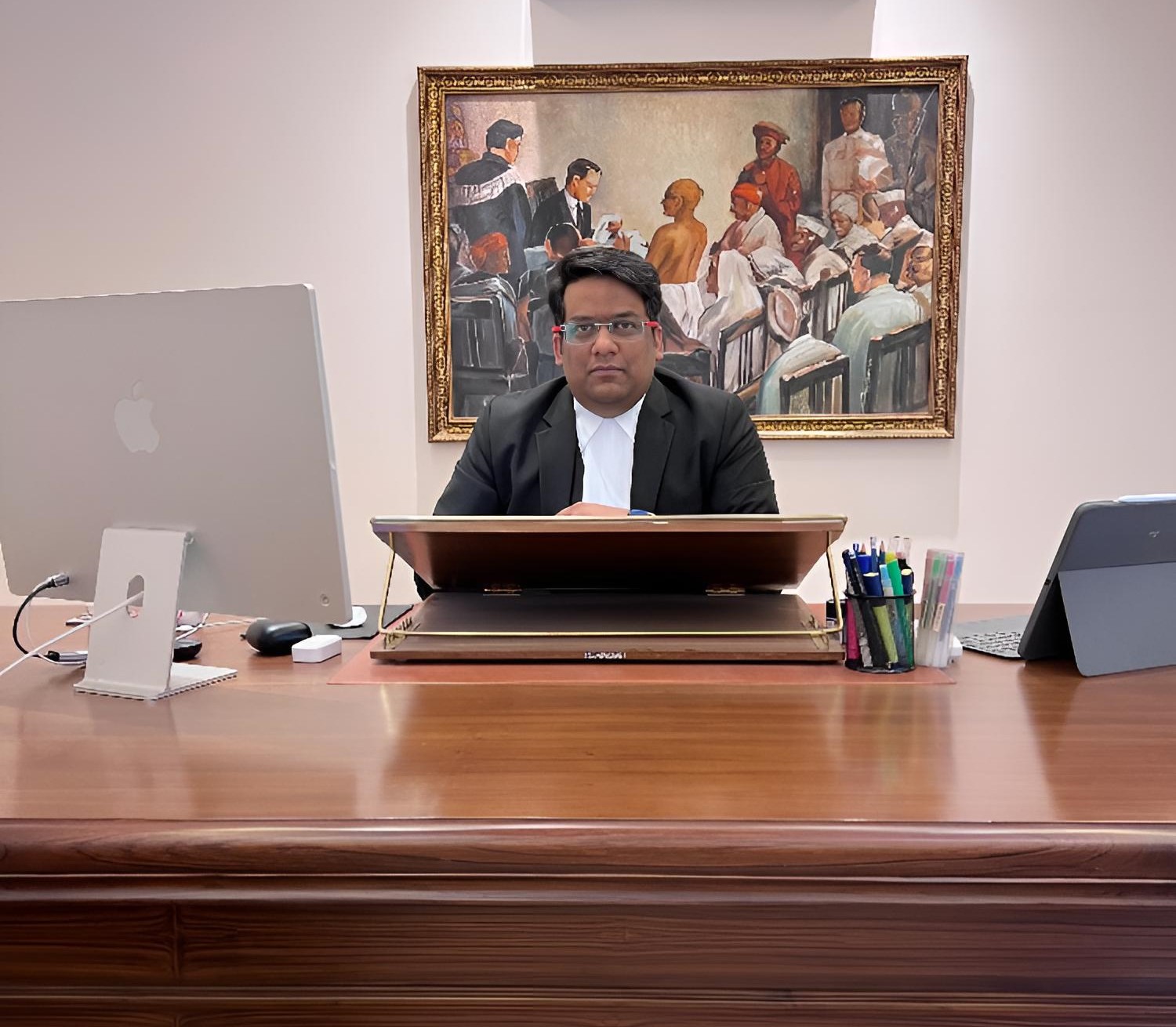



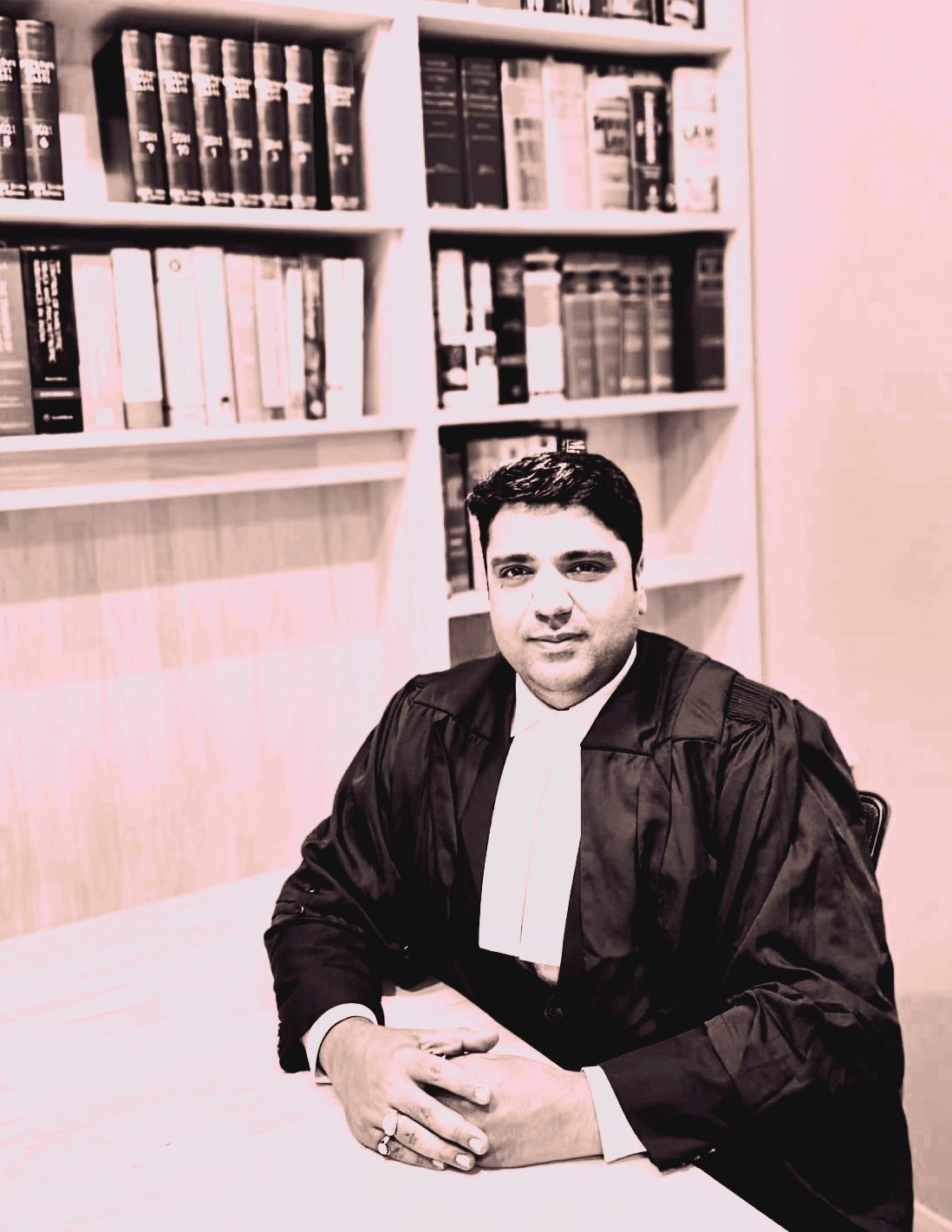

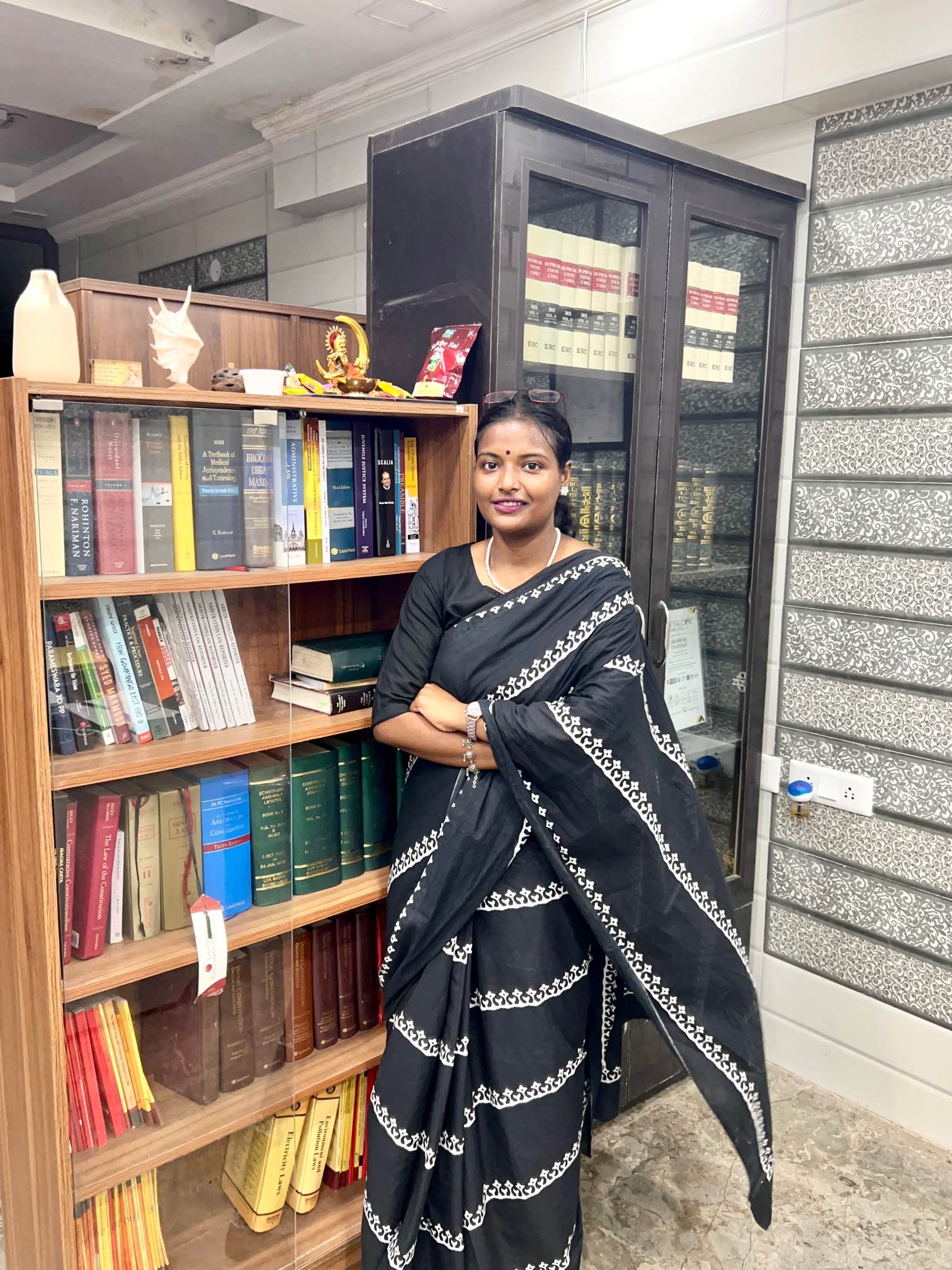




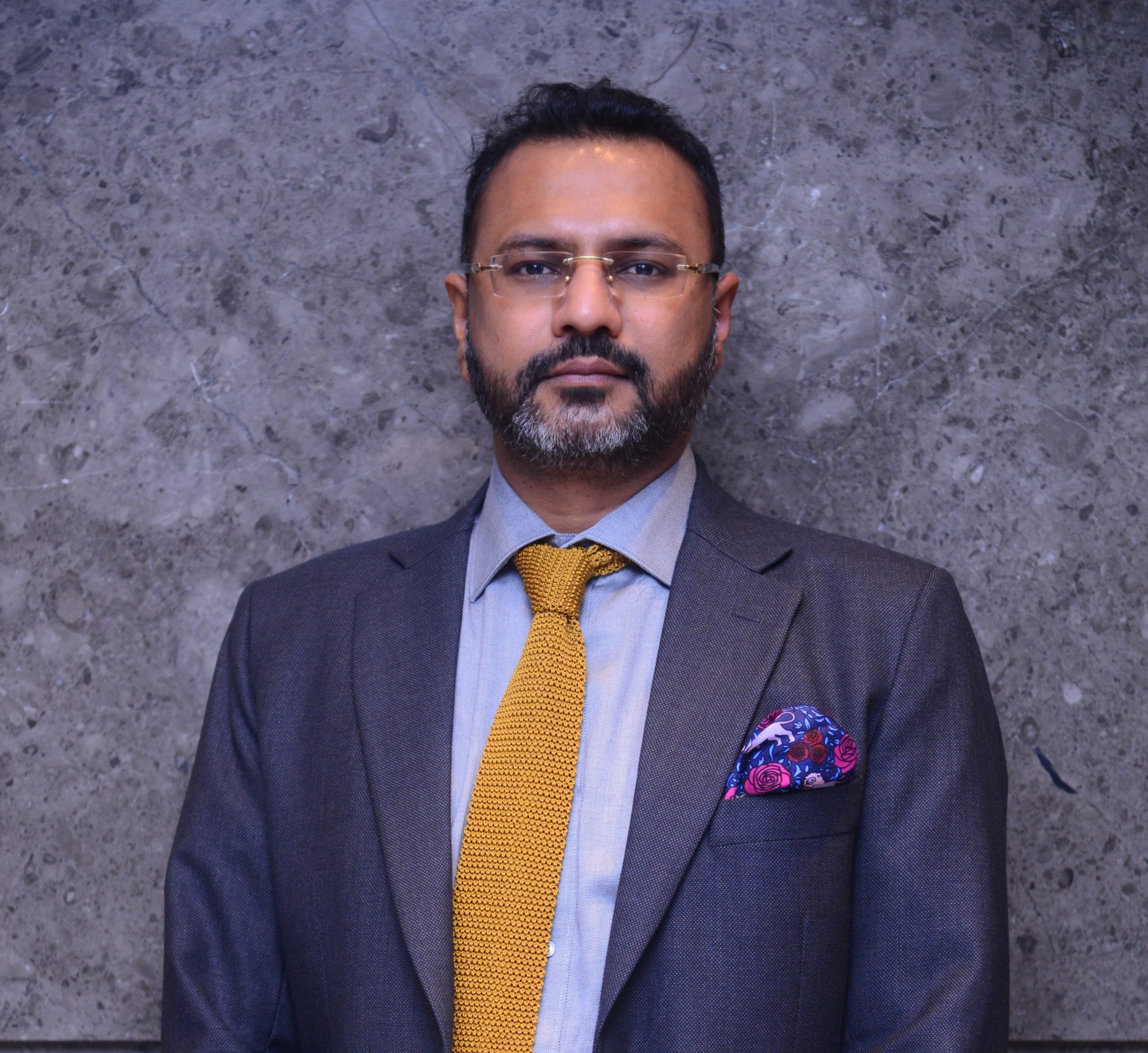

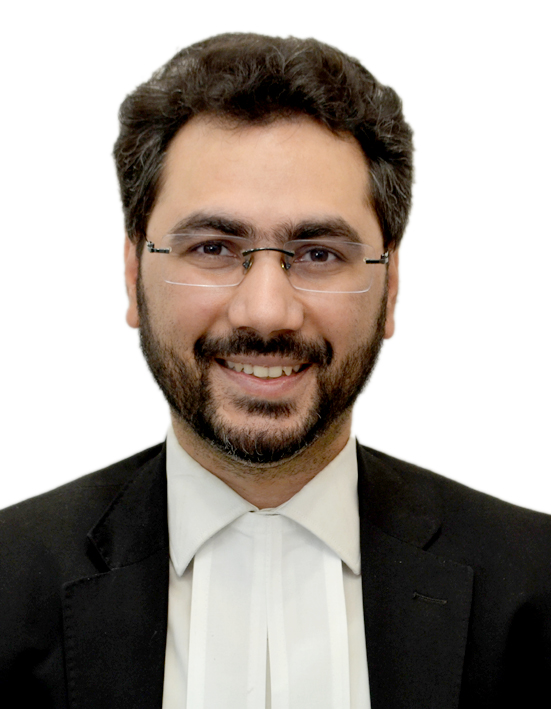




 Allow notifications