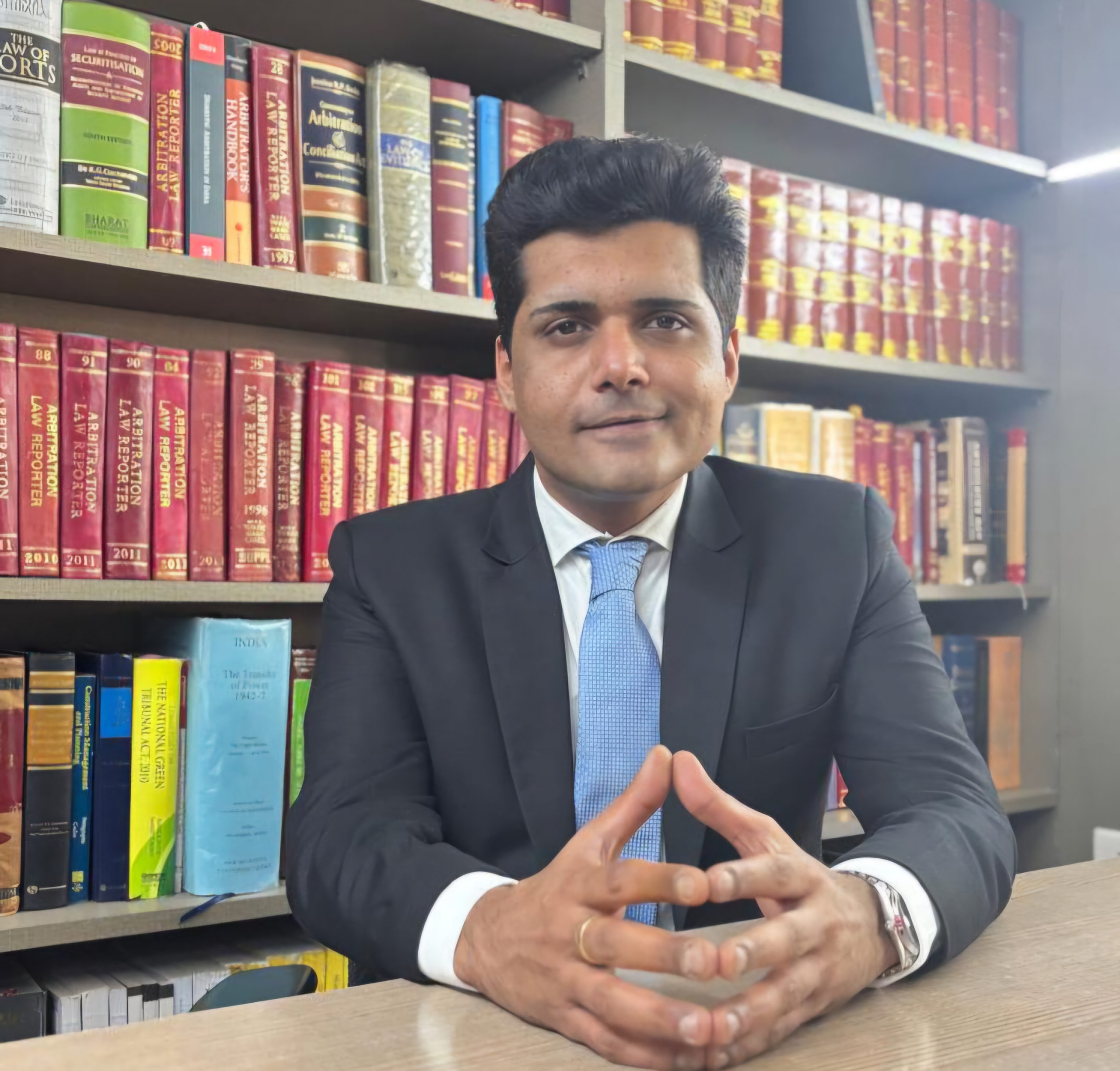
Tag: Commercial Lawyer

  • “The key to building a successful legal career is to have a strong understanding of core legal principles. I would advise law students to intern in different practice areas and gain experience in both litigation and corporate law.” – Mansi Singh,   Partner at BTG Advaya.

    “The key to building a successful legal career is to have a strong understanding of core legal principles. I would advise law students to intern in different practice areas and gain experience in both litigation and corporate law.” – Mansi Singh, Partner at BTG Advaya.

    This interview has been published by Anshi Mudgal and The SuperLawyer Team

    With your distinguished and extensive legal career, could you share the initial catalyst that sparked your passion for law? Was there a defining moment or experience that led you to pursue this field, or did your interest develop gradually over time?

    I arrived at my career choice after exploring various options and narrowing down the ones that did not align with my interests or goals. In other words, I kind of chose this career by crossing out everything I did not want to do but once I chose my career path, I dedicated myself fully to it. I consistently worked hard to develop my skills and grow within the field. 

    Looking back at the early stages of your career, what were some key experiences that significantly enhanced your understanding of the law? How did these formative moments influence the direction and trajectory of your professional journey?

    In the early stages of my career, the key learnings came from actual exposure to client work which also included litigation where observing court proceedings and drafting pleadings gave me a strong understanding of the real-world application of legal principles. On the corporate front, client interactions and negotiations helped me understand legal documents from a business perspective. I learnt that no client is looking for a lengthy memo full of disclaimers. Clients seek practical, commercial and easy to implement legal advice. While a strong understanding of the law is of the utmost importance, it is crucial to find business friendly solutions for the client. 

    Another defining moment for me was winning the International Bar Association’s Aviation Law Committee’s Annual Scholarship in 2017 and travelling to Sydney for the Annual Conference. This included an opportunity to make a presentation before senior legal professionals. The IBA conference brings together thousands of legal professionals from across the globe. The opportunity to interact with senior lawyers from different jurisdictions helped me understand the legal trends, opportunities and challenges faced by lawyers in different parts of the world. It also helped me improve my communication skills by engaging in panel discussions and networking events. Most importantly, I made many global connections that I truly cherish. 

    I have also been lucky to find mentors who trusted me when I was a young lawyer trying to understand the nuances of legal practice. Mona Bhide, Managing Partner, Dave & Girish & Co. and Ramesh Vaidyanathan, Managing Partner, BTG Advaya have been instrumental in shaping my growth by not only providing guidance on navigating complex legal issues but also invaluable insights on balancing personal and professional growth.

    Your practice involves advising both multinational and domestic corporations on various corporate and commercial matters. Could you outline some of the primary challenges companies encounter when doing business in India, and how do you assist them in overcoming these obstacles?

    Doing business in India, entails navigating a complex regulatory landscape. Any person looking to invest in India must perform due diligence to ensure that they can invest in the planned activities. It is important to include sufficient contingencies in planning and timelines for setting up business in India.  Indian company laws and labor laws set out extensive operational requirements, and non-compliances can lead to fines, penalties, and criminal liability, including liability attaching to directors and management of the Indian company. The key to successfully doing business in India is to have experienced legal advisors and compliance managers and maintain an annual audit checklist. 

    Corruption risks in India are generally perceived to be high due to the bureaucratic environment, particularly in specialized sectors such as government procurement and real estate. I advise my clients to clearly communicate the company’s ‘zero tolerance’ policy towards corruption and institute whistleblower and anti-bribery training programs for India-specific projects.

    India’s tax regime is complex and evolving, with stringent compliance requirements. The nuances of Indian tax laws and documentation requirements can significantly impact transaction structures. Failure to address these tax considerations early can lead to unexpected tax costs, compliance delays, and potential legal challenges, ultimately derailing business objectives. A proactive approach to Indian tax planning is essential to avoid surprises and safeguard strategic goals.

    As an external member of Internal Committees under the anti-sexual harassment law, what are the key legal considerations companies should keep in mind when establishing these committees? How do you ensure they effectively address complaints and foster a safe working environment?

    The Prevention of Sexual Harassment of Women at Workplace (Prevention, Prohibition and Redressal) Act, 2013 (“POSH Act”) requires an employer to set up an Internal Committee (“IC”) at each office of an organization employing ten or more employees to hear and redress grievances pertaining to sexual harassment. There must be a minimum of four IC members including a senior level woman employee as the Presiding Officer, two other members from employees and an external member. While the minimum requirement is to have four IC members, it is advisable for the IC to have an odd number of members to effectively address any conflicts that may arise. 

    Further, it is important to sensitize employees and train IC members about the requirements of the POSH Act. Many companies rely on online training platforms for employee education but conducting at least one in-person workshop every year led by a professional expert in this field can offer employees and the IC a comprehensive understanding of the POSH Act. Some key aspects that the IC must keep in mind while addressing sexual harassment complaints is that sexual harassment is not just about the man’s intent but the women’s perception, the IC must follow principles of natural justice and provide fair opportunity to both the parties to make their submissions, act in an unbiased manner as per due process, maintain confidentiality and ensure non-retaliation at all times. The IC must document/record every aspect of the enquiry process and adopt an empathetic, objective and fair approach. 

    With your extensive experience in aviation law, particularly regarding aircraft registration and deregistration, what are some of the primary legal and regulatory challenges in these processes? How do you support your clients in ensuring compliance with aviation regulations?

    Registration of an aircraft is a comparatively easier process, but clients often face challenges during deregistration and repossession of aircraft. In case of leased aircraft, once an application is received from an aircraft lessor being the irrevocable deregistration and export request authorization (IDERA) holder in the prescribed format, the Directorate General of Civil Aviation (“DGCA”) must deregister the aircraft within 5 working days. However, the airport operator must be paid the dues relating to the aircraft if the same are unpaid. Similarly, any other entity that has outstanding dues pertaining to the aircraft may also submit their claims to the DGCA. In cases where the lessee refuses to make the above payments, the lessors often end up paying them on behalf of the lessee and thereafter recovering them from the lessee is often an expensive and time-consuming process. 

    India acceded to the Cape Town Convention in 2008, but an enabling legislation was not passed. As a result, some domestic laws such as the Insolvency and Bankruptcy Code, 2016 (“IBC”) conflicted with the provisions of the Cape Town Convention. If an airline filed for bankruptcy (such as the recent Go First case) the lessors were prohibited from repossessing their aircraft during the moratorium period. However, by way of a notification that was issued in October 2023, aircraft and aircraft equipment were exempted from the moratorium provisions under the IBC. Also, the Cape Town Convention Bill is presently awaiting Presidential assent to become the law. Once, the Cape Town Convention Bill is passed, it will accord supremacy to the Cape Town Convention and will streamline the process for deregistration and repossession of aircraft from India. 

    I assist my clients by providing them with regulatory and compliance support, assisting them in liaison with the DGCA and other regulatory authorities, assisting with drafting and reviewing transaction documents such as aircraft purchase and lease agreements and advice on structuring of transactions and risk mitigation strategies.

    In your practice involving airline operations, what are some of the most frequent consumer grievances, and what legal frameworks exist to address these issues?

    Most consumer grievances relate to delays, cancellations and refunds. The DGCA has launched the “AirSewa” web-portal/mobile application to deal with passenger grievances.  The Civil Aviation Requirements also provide for facilities/compensation to be provided to passengers by airlines due to denied boarding, cancellation of flights and delays in flights. Passengers can file grievances related to delays, cancellations, etc., on the AirSewa portal.   The Consumer Protection Act, 2019 also provides for remedies for passengers to claim compensation for any deficiency in the services provided by the airlines.

    As the Senior Vice Chair of the Aviation Law Committee of the International Bar Association and Chair of the India Wing of the International Aerospace Women’s Association, how do you envision the future of Indian aviation?

    The aviation industry in India has emerged as one of the fastest growing industries in the country and has recovered from the Covid-19 pandemic with passenger numbers exceeding the pre-COVID levels.  With disposable income in India growing, the demand for air travel will only keep increasing. To cater to the growing demand, the airlines in India have huge order books and the Government of India has been working towards increasing the number of airports. The success of Indian aviation will depend on infrastructure development to support the growing demand, policy reforms to meet global expectations and availability of skilled labor. Investments in emerging technologies with a focus on sustainability will also be an indispensable consideration for the growth of the industry. 

    For aspiring law students who wish to follow a similar career path, what advice would you offer in building a successful legal career? In today’s evolving legal landscape, especially with the growing impact of technology, what skills or personal attributes do you consider most vital for achieving long-term success?

    The key to building a successful legal career is to have a strong understanding of core legal principles. I would advise law students to intern in different practice areas and gain experience in both litigation and corporate law. This will help in understanding the full spectrum of legal work from courtroom procedures to commercial drafting and negotiations. Early exposure to different practices also helps in discovering one’s interests and strengths. Internships also provide an opportunity to build professional relationships, and this may open doors to future job opportunities.  Further, we live in a fast-paced world driven by technology and it’s a lot easier to stay updated today. One should inculcate a habit of reading every day to stay abreast of legal developments. 

    Throughout your career, what strategies do you employ to maintain a healthy work-life balance, and what advice would you offer to others seeking to balance career ambitions with personal responsibilities and community involvement? 

    Maintaining a healthy work-life balance is not always easy but you have to put that on your priority list. There will be days when you manage work better and there will be days when you manage your personal life better, there is no perfect balance. Prioritizing and having a written to-do list helps me to identify and focus on the most important tasks each day. Over the years I have also learnt the importance of saying ‘no’ without feeling guilty.  If you ever feel overwhelmed by the increasing workload that could result in stress or reduced productivity, I suggest having an open conversation with your seniors. 

    It is also important to build a strong support system. Having colleagues you can trust and rely on and having a family that supports your aspirations and well-being is the biggest blessing. Finally, invest in self-care. Try to find some time to exercise, sleep well and take that holiday that is on your bucket-list to re-energize yourself. Remember that you cannot pour from an empty cup. 

    Get in touch with Mansi Singh –

  • “Every Indian-origin professional that I’ve met, who successfully transitioned internationally has had a unique journey marked by rejections, hard work, persistence and resilience.” – Khushboo Deshmukh, Assistant Legal Counsel at Permanent Court of Arbitration (PCA).

    “Every Indian-origin professional that I’ve met, who successfully transitioned internationally has had a unique journey marked by rejections, hard work, persistence and resilience.” – Khushboo Deshmukh, Assistant Legal Counsel at Permanent Court of Arbitration (PCA).

    This interview has been published by Anshi Mudgal and The SuperLawyer Team

    What initially motivated you to pursue a career in law? Could you share your experience at NLIU and what inspired your early interest in Alternative Dispute Resolution (ADR)?

    I knew by the 8th grade that I wanted to be a lawyer. Initially, I aspired to be a corporate lawyer (blame shows like Suits), but my law school internship in the dispute resolution team of a law firm, shifted my focus towards dispute resolution.

    NLIU played a crucial role in shaping my career as this pivotal phase provided me with an opportunity to interact and collaborate with brilliant minds from various backgrounds, an experience that not only enriched me personally but also broadened my perspective as a budding legal professional. I actively participated in co-curricular activities, including parliamentary debates, where I realized I enjoyed adjudicating more than debating. My participation in an investment arbitration moot sparked my interest in international arbitration, a path I have professionally reconnected with in recent years.

    My first mediation competition in my third year was a turning point, when I won my first individual mediator award in INADR Boston, and later represented NLIU in three more international mediation competitions in INADR London, INADR Chicago, and ICC Paris. These experiences, coupled with internships at leading law firms, cemented my passion for ADR. I was also deeply involved in NLIU’s ADR Cell and later served as its Co-Convenor.

    What were the most impactful experiences from your early years as an associate, and how did they shape your legal career?

    Starting my career at M/s Federal & Rashmikant, a boutique law firm (dissolved in 2018), was a transformative experience. I had the privilege of being mentored by highly sought after senior professionals with over 40 years of expertise, which gave me invaluable early exposure to handling complex disputes. I later continued working as a Senior Associate with Rashmikant and Partners. The firm is renowned for handling high-stake and complex disputes where I was exposed to a diverse range of legal matters, from civil and commercial litigation to ad hoc arbitration and mediation, even delving into the intricate realm of financial disputes and white-collar crime.

    Very early-on in my career, I was entrusted with significant responsibilities of handling clients, briefing senior counsels, and managing cases independently under partner supervision. I learned the importance of every step in dispute resolution, from drafting the first correspondence, seeking inspection and discovery of documents, to developing strategy, and ultimately securing the final order. This hands-on experience instilled in me a detail-oriented yet practical approach to legal problem-solving, which has guided my career ever since.

    What motivated you to pursue an Advanced LL.M. in International Dispute Settlement and Arbitration at Leiden University? What challenges did you face during the admission process, and how did the program shape your career?

    Before applying, I ensured that I knew what I wanted to study and why. I was certain I wanted a specialized LL.M. in international dispute settlement rather than a general LL.M., which helped me streamline my choices.

    Leiden University stood out due to its well-balanced curriculum providing the perfect blend of Public International Law, International Investment Arbitration, International Commercial Arbitration, as well as Negotiation and Mediation, all taught by leading experts in the field. This coupled with the university’s proximity to international organisations, courts and tribunals in The Hague offered unparalleled opportunities for practical insights and networking.

    The application process was competitive, requiring a strong academic and professional profile. My time at Leiden University significantly shaped my career, exposing me to diverse legal professionals as peers and professors who helped me in building a strong foundation in international dispute resolution.

    How did you manage the transition from an Indian legal background to an international career? What challenges did you face?

    For an Indian dispute resolution lawyer, transitioning internationally often starts with an international master’s degree. Hence, I researched my options and pursued a specialised master’s. Building an international career has undoubtedly been the most difficult challenge in my legal profession thus far, as there is no red carpet laid out for Indian disputes lawyers. The competition is fierce, and the international market is often saturated and full of international professionals with intimidating profiles.

    The only factors that I had on my side were hard work, persistence and a strong support system in the form of my family and friends, who stayed by my side while I made hundreds of applications and dealt with innumerable rejections. In order to continue upskilling myself and in line with my passion for meditation, I obtained an accreditation from ADR ODR International Ltd. as a Civil/Commercial Mediator. I also ensured that I engaged in networking both in-person and virtually with professionals across Europe, United Kingdom and Asia. Additionally, I offered legal services independently while I looked for positions which helped me to keep testing my legal skills and broadened my industry connections. Lastly, I kept myself abreast with the legal updates, which does not necessarily have to come from paid platforms.

    How has working across multiple jurisdictions—India, the UK, the Netherlands, and Singapore shaped your approach as a legal professional?

    Growing up in Indore, a city in central India which is rich in diversity and tradition, I naturally developed an ability to adapt to different cultures and environments. This adaptability has been instrumental in navigating the complexities of working across multiple jurisdictions.

    Working for five years in the Indian dispute resolution market has undoubtedly given me a strong foundation to build on. At WilmerHale, I gained firsthand experience at a top-tier international arbitration firm, working alongside some of the biggest names in the field of international arbitration. In the Netherlands, I worked independently, deepening my understanding of both common and civil law traditions. Each jurisdiction has its own legal framework, procedural nuances, and cultural approach to dispute resolution. For me, the most compelling aspect of international dispute resolution is that it provides the opportunity to delve into different legal jurisdictions, giving an insight into different ideologies and view-points of international professionals and parties from different nationalities.

    Now, at the Permanent Court of Arbitration, I’ve transitioned from private practice to an intergovernmental organization, which required a shift from an adversarial approach to a more neutral and institutional perspective. This transition has been a process of both unlearning certain practices and acquiring new skills to adapt to a more balanced and procedural role in dispute resolution. Every step in this journey has broadened my perspective, reinforcing the importance of adaptability, cultural sensitivity, and a deep understanding of international dispute resolution mechanisms.

    What advice would you give to aspiring lawyers seeking to make an impact on the international legal stage?

    Beyond academic credentials, one must actively develop skills that align with international legal standards and help you stand out. Networking, gaining practical exposure, and continuously upskilling are crucial. Every Indian-origin professional that I’ve met, who successfully transitioned internationally has had a unique journey marked by rejections, hard work, persistence and resilience.

    Stay informed about emerging legal trends through academic journals, online courses, and professional seminars. Network strategically by connecting with professionals in positions you aspire to be in, and learn what skills are in demand. Be proactive in gaining experience.

    Unfortunately, there is no cookie-cutter formula to this. At the risk of sounding like a broken record – it is only a commitment to keep growing and the willingness to adapt.

    How do you see technology evolving in dispute resolution, and what impact will it have on efficiency and accessibility?

    Technology is revolutionizing dispute resolution, making it more efficient, cost-effective, and accessible. The rapid adoption of virtual hearings, AI-driven legal research, and online dispute resolution platforms has eliminated geographical barriers and enhanced access to justice.

    COVID-19 accelerated this transition, normalizing virtual court hearings and international arbitrations via video conferencing. AI now assists in legal research, document review, and predictive analytics, allowing lawyers to develop stronger arguments faster. However, technology also brings challenges, including cybersecurity concerns and the digital divide, particularly in developing countries.

    Ultimately, while technology enhances accessibility, dispute resolution will likely follow a hybrid model. In-person hearings will remain crucial in certain cases, such as family mediations, where personal interaction is essential. Legal professionals must stay adaptable and embrace technology while ensuring it complements, rather than replaces, critical legal judgment.

    Given the demanding nature of your career, how do you maintain a healthy work-life balance? How do you encourage your team to do the same?

    Work-life balance is one of the biggest challenges for legal professionals worldwide. It’s unrealistic to expect a perfect balance every day. What matters is prioritizing effectively and being fully present in whatever you’re doing.

    I make time for personal life, even in small ways – whether it’s a morning coffee ritual, reading during my commute, or setting aside dedicated time for family and friends. I also enjoy playing the ukulele time to time. Some days work demands more, and some days personal life takes priority, but balance is an ongoing process rather than a daily equation.

    Having a hobby, as simple as reading, playing music and writing helps maintain personal well-being. Most importantly, building a strong support system is key. The legal profession is demanding, with inevitable highs and lows, and a reliable support network of family, friends, and peers is what sustains you through it all.

    Get in touch with Khushboo Deshmukh –

  • “The ability to shape my own legal practice, work directly with clients, and create a culture that reflects my values has been incredibly rewarding.” – Aditya Ganju, Counsel at AG Chambers.

    “The ability to shape my own legal practice, work directly with clients, and create a culture that reflects my values has been incredibly rewarding.” – Aditya Ganju, Counsel at AG Chambers.

    This interview has been published by Anshi Mudgal and The SuperLawyer Team

    You’ve had an impressive legal journey, from working with prestigious firms like Khaitan & Co. to establishing AG Chambers. What inspired you to pursue law?  

    I have been incredibly fortunate to have had the privilege of working in some of the most respected legal organizations, each of which has played a pivotal role in shaping my career. My legal journey began at Fox Mandal, followed by an enriching experience at the chambers of a senior advocate, and then a significant tenure at Khaitan & Co, where I eventually became a partner… 

    Each of these roles offered a unique set of challenges and learnings. The exposure to varied legal fields gave me the opportunity to refine my legal acumen and develop a holistic approach to problem solving. Yet, despite the growth I experienced in these firms, I eventually felt the calling to chart my own path—one where I could bring together my accumulated knowledge, my passion for law, and desire to provide clients with more personalized and agile solutions. It was this realization that led me to take the leap and set up my own chambers..

    The decision to pursue law was something that came to me naturally. My father, a senior counsel, was my role model, and I had the unique privilege of watching him work tirelessly through his briefs, preparing for court hearings, and discussing cases with his colleagues. The dinner table often turned into an impromptu courtroom, with legal discussions filling the air. These experiences, though subtle, sparked an early interest in the law.  

    With over 14 years of experience in the legal field, what are some key lessons you’ve learned through handling high-stakes disputes? How can younger lawyers incorporate these lessons into their practices?  

    High-stakes cases are often characterized by their complexity, both in terms of the factual details and the legal intricacies involved. These cases rarely follow a straightforward path, and the stakes are usually high, meaning that every decision made can have a significant impact on the outcome. In such scenarios, a legal team is typically required to work tirelessly, leaving no stone unturned to protect their client’s interests and to ensure the best possible result.

    The first step in managing such complex cases is mastering the facts. One must be thoroughly familiar with every aspect of the case. This often involves sifting through large volumes of case materials and identifying key pieces of information that could make or break the case. It’s critical to stay on top of the facts because they are often the foundation upon which the entire legal strategy will be built.

    However, the mere knowledge of facts is often not enough when the case involves specialized technicalities or industry-specific knowledge. In these instances, it is highly advisable to consult with industry experts. These experts can provide crucial insights that go beyond what is written in the case papers, offering a deeper understanding of the technical or sector-specific issues at play. 

    Additionally, client representatives—especially those working on the ground—can offer a wealth of information that may not be immediately apparent from the case documents. Their firsthand experience can provide unique perspectives on the practical realities of the situation, allowing the legal team to craft a strategy that is both legally sound and grounded in real-world considerations.

    As a young professional, handling such high-stakes cases can feel overwhelming at times. The responsibility of navigating complex disputes and managing all the details can be daunting, but it is also an invaluable learning experience. In these situations, it is essential to lean on the support of more experienced colleagues. Their guidance can help clarify the approach to take, provide insight into potential pitfalls, and offer strategies that may not be immediately apparent. Collaboration within a team is key and makes the process of tackling challenging cases much more manageable and strategic.

    After years of being a partner at Khaitan & Co, what motivated you to set up your own chambers? What differences in work dynamics and opportunities have you experienced since establishing AG Chambers?  

    Transitioning from a partner at Khaitan & Co. to setting up my own chambers was driven by a desire for greater autonomy, flexibility, and the opportunity to shape a personal brand that aligns with my professional aspirations and personal values. While my time at Khaitan & Co. provided invaluable experience and exposure, I recognized that to truly explore specific areas of law that resonated with me and to engage with clients in a more meaningful way, I needed the freedom to build something of my own. 

    One of the most rewarding aspects of running my own chambers has been the ability to cultivate more direct, personal relationships with clients. This deeper engagement has allowed me to gain a more nuanced understanding of their needs and challenges. Rather than focusing solely on legal issues, I am now able to take a more holistic approach, offering solutions that take into account both the legal and personal aspects of each case.

    Additionally, there is now a greater sense of responsibility, particularly in the area of business development. Now I am involved not only in legal work but also in the growth and strategic direction of the practice. This responsibility has been both challenging and fulfilling. There is also a constant drive to innovate and diversify the areas of work we handle, ensuring that the practice stays relevant and offers comprehensive services to our clients.

    Ultimately, it has brought a renewed sense of satisfaction. The ability to shape my own legal practice, work directly with clients, and create a culture that reflects my values has been incredibly rewarding. It has given me the opportunity to work on projects that I am passionate about, collaborate with a talented team, and continuously grow both professionally and personally.

    Your transition from being a Partner at Khaitan & Co. to setting up AG Chambers must have been significant. What challenges did you face in establishing your own practice, and how did you overcome them?  

    Stepping away from a prestigious firm like Khaitan & Co. to establish my own chambers certainly came with its own set of challenges. Starting from scratch—essentially restarting my practice—required not only a clear vision but also meticulous planning, resilience, and an unwavering determination to succeed. 

    Running a legal practice involves much more than simply practicing law. From securing office space and setting up the infrastructure, to managing IT systems, accounts, and day-to-day operations, there are many moving parts to consider. Building a team that shares the same commitment to excellence and values is crucial. In addition to internal office management, I also had to convince both existing and potential clients to take a chance with a new establishment. 

    Fortunately, I was able to ride over the hurdles along the way by leveraging my work experience and network which I have developed over the last 15 years in the profession. I have also been fortunate enough to stitch together a strong, talented and active team, who share my vision and are passionate about the legal profession. 

    I am quite pleased to say that AG Chambers has in a short span of time, grown rapidly and developed a sizable client base.

    Legal practice, especially in high-stakes arbitration and commercial disputes, can be incredibly demanding. What are some of your favorite ways to unwind and maintain a work-life balance amidst such a fast-paced career?  

    A lawyer’s life, by nature, comes with its fair share of professional hazards. The unpredictable nature of the job means that court matters and deliverables often clash, urgent briefs may arrive late into the night, and clients may impose tight, sometimes steep deadlines. This constant pressure can make it feel as though the work is never-ending.

    However, the key to managing these challenges lies in effective prioritization and, perhaps more importantly, knowing when to call it a day. It’s easy to fall into the trap of working continuously, but the reality is that the work will always be there. Learning to set boundaries and manage your time efficiently is essential not just for professional success, but for personal well-being as well.

    Ultimately, taking care of oneself is crucial. I believe it’s important to make time for activities outside of work that help you recharge. For me, that often means diving into a good book, unwinding with a Netflix show, or enjoying a meal out with friends or family. These moments of leisure allow me to decompress and return to work with renewed energy and focus.

    Get in touch with Aditya Ganju –

  • “Our mind learns a lot by observation, sometimes without us even being aware of it; and there is no better place to see the law actually play out than in the trial courts.” – Aman Vijay Dutta, Arbitration & Disputes Lawyer at Chambers of Aman Vijay Dutta.

    “Our mind learns a lot by observation, sometimes without us even being aware of it; and there is no better place to see the law actually play out than in the trial courts.” – Aman Vijay Dutta, Arbitration & Disputes Lawyer at Chambers of Aman Vijay Dutta.

    This interview has been published by Anshi Mudgal and The SuperLawyer Team

    With nearly a decade of experience across various areas of law, do you feel that law was always your intended path, or were there specific factors that guided you towards this profession?

    Strangely, the practice of law was the last thing I thought of as a child. I was never very studious and never really sat down to think of what I wanted to pursue as a career. My mother, who is a scientist, was insistent that I must obtain a professional qualification. And it was my father, who is a businessman, who first suggested I study law; he’s in the business of real estate and saw potential in the practice of law. In a nutshell, both my parents were of the view that I obtain a professional qualification, and then do whatever I deem fit, provided it was constructive. And I’ve seen that, law or anything else, this emphasis on professional qualification is arguably one of the most important things that a child can be directed towards in the absence of any pre-disposition or pre-existing plan. But after joining law college, and seeing students work as hard as they did with moots, debates, research papers, and internships, I began to lose interest; it seemed like a lot of work. In fact, around the 3rd year in law college, I even toyed with the idea of leaving the law all together with a BSL Degree. I didn’t realise it back then but, sub-consciously, my plan was to join my father’s business. It seemed like the easy way out. I even did an internship of sorts with his firm – he was a task master and I was a complete misfit because of my indiscipline. Once I saw that I’d have to work equally, or maybe even more hard with him, I decided to give law a shot. 

    In other words, I was a very dull and unambitious student until my 4th year; it was only around this time that I began to consider giving things a shot; I began to read and participate in moots. That changed a lot for me. And the moment I surrendered myself to the law, I couldn’t imagine going back. In hindsight, I can’t see how I’d been doing anything but practicing law. This profession has re-moulded me in ways that were so necessary but impossible anywhere else.

    You began your career in the Litigation team at a law firm. What were the key learning experiences during that time that shaped your legal perspective and influenced your career path?

    The first key learning was that come what may, the trial courts offer learnings that no other forum can offer in litigation; trial work is trial work. My first year of law practice (at Hariani & Co.) was exclusively restricted to trial courts, or tribunals of first instance. While it got boring at times, it was the most enriching overall experience. The reason for this is simple: Our mind learns a lot by observation, sometimes without us even being aware of it; and there is no better place to see the law actually play out than in the trial courts. That one year set a solid foundation in my mind about what the practice of law was at its very essence; facts first, procedure next, and then, the substantive law. 

    The second learning was that the more time you spend with a matter (mentally), the more you seem to get it. I have no doubts that –although my foray into arbitration was not to happen until 2 years after– I would not have gotten into this space, had it not been for my time at Hariani & Co., Pune. My time there, also showed me the tremendous potential that lay in establishing a trial practice, contrary to popular beliefs. When it came to civil law, everyone wanted to be in the Higher Courts or in the Big law ecosystem, perhaps, because they haven’t seen the plus sides of a career as a trial lawyer. And a lot of your baselining of what the future might hold, takes place during your first two or three years. So it’s important that your environment during these first few years gives you hope. There was not a single big case in the city that the firm wasn’t involved in. I was lucky that way. Hariani & Co., ingrained a think big mentality of sorts in my mind.

    During your time at AZB & Partners, you worked on a significant arbitration case against a Japanese conglomerate. What were some of the unique challenges you faced, and what strategies did you employ to successfully navigate those challenges?

    The things I learnt whilst working on that matter were probably my biggest learnings in practice until then. While it did concern a foreign entity, the opponent in the matter was an Indian subsidiary of that foreign entity – so it was a domestic arbitration through and through; that’s for context. What made that case challenging was the sheer volume of the records; the matter revolved around disputes between a contractor and sub-contractor over civil and mechanical work done at India’s largest thermal power plant. Although up to that point, I had worked on cases where the monetary stakes were even higher than those involved in this arbitration, the volume of the records in the previous cases was nowhere close. So the biggest challenge for me was to get a grip on the documents and the facts. I remember my boss repeatedly laying emphasis on the list of dates being as accurate as possible. It was overwhelming and I found myself lost almost every day. So the biggest takeaway from that arbitration was the importance of organizing your brief, getting a grip on facts, and your thoughts. In one sentence, I’ve learnt that the only strategy to focus on in any case, is to simply have a command over the facts. If you do that one thing right, the rest of it somehow seems to fall in place almost automatically. If you’ve done a good job with organizing and presenting the facts, transparently (emphasis added), to a Judge or an Arbitrator, then you have done half the job. If you’ve been honest and precise in your presentation, the decision maker’s work load is considerably reduced. They need not spend as much time ascertaining or weeding out each and every fact; that frees up mental space for them to apply the law accurately. The output will almost always depend on the input. 

    After working with two prestigious firms, you chose to establish your own practice. What motivated you to take this step, and what were some of the initial challenges you encountered while setting up your practice?

    I was always clear that if I practiced law, in the long term, it was going to be on my own; else, I’d give up practicing all together. I couldn’t see myself being a transactional lawyer or sitting in house, or only briefing other counsel. To do it any other way, was not something I could get myself to do willingly. It isn’t like I didn’t try to restrain myself and stay a little longer within the law firm ecosystem. But it was not in my DNA, and I was not doing justice to the jobs at hand; it was either leaving that ecosystem or leaving the law altogether. I decided to leave the former, albeit on an impulse, and initially regretted the decision a lot. But it is, in hindsight, the best thing that I’ve done. Initially after commencing independent practice, fear was the motivation. But I was fortunate that I got good work and opportunities from almost the first week, if not day, of my independence. Plus, I had no responsibilities and my parents were there to support me in every possible way. I could wax lyricals about “struggle” or challenges but there wasn’t any; there was a lot of self-doubt, many long hours, a lot of being alone as opposed to having colleagues, and so on. But that’s just nitpicking; I had work, my clients were fair, my parents were supportive, and I had no responsibilities. So no challenges. I only had to show up, and the rest somehow took care of itself. 

    Since launching your independent practice in January 2019, you have represented clients in various courts and arbitration tribunals. Could you share one of your most memorable or impactful cases, and what valuable insights did you gain from handling it?

    Come to think of it, strangely, it’s not an arbitration matter. I’ve had some extremely memorable experiences: my first argument – before a Small Causes Court; my first arbitration in which I was part of a team that appeared before 3 retired judges of the Supreme Court, against some of the finest arbitration lawyers of the country; my first ever cross examination – against a prominent German automobile manufacturer, an arbitration I won, albeit not as thumpingly as I’d like; representing Rapido against an obstinate State Government; my first brief as an arguing counsel. But the matter that stands out is a case that I did before the National Green Tribunal against an environmental clearance granted to a slum rehabilitation scheme which was being constructed by a prominent developer and the Pune Municipal Corporation. My client had challenged this clearance and other permissions and, incredibly, had lost before every forum including the Supreme Court; that is when he came to me. I spent months on the case and managed to pull out one seemingly small but actually significant violation which had not been agitated before or adjudicated by any court or tribunal. We managed to succeed based on the law laid down in the Forward Foundation. After the matter was disposed off, my opponent became my client. I could think of no better end to that litigation. That will always be special. 

    You have represented Roppen Transportation Services Private Limited in multiple forums. Could you describe the key complexities of this case and the challenges of representing a transportation company in such matters? How did you approach the legal strategy?

    What made this case peculiar was that something new kept happening almost every day. I’m based out of Poona but was practically living in Bombay for almost three whole weeks – afternoons were usually spent in my car at Horniman circle, waiting for the next call while populating the ever expanding list of dates. Before you knew it, you had to file something before the State Transport Appellate Tribunal, the Regional Transport Authority, and the Bombay High Court – things were on extremely short notice. Plus, there was some FIR or the other being registered against new employees every day. Added to that was the volatility of autorickshaw drivers. I was even threatened once. It was exciting and intimidating at once. 

    The matter hinged on the Motor Vehicles Law in Maharashtra, the Constitutionality of the State Government’s prohibitive actions, and Roppen’s right to ply in the absence of specific regulations for bike taxis; the complexity was owed to the fact that the grievance that Roppen had, on first blush, was more to do with policy making which is almost exclusively within the domain of the executive. All the same, there was no express embargo on plying of bike taxis. In fact, the central government had recognized the right to use motorcycles as contract carriages, as far back as in the year 2004. But the state government had nothing in place; and this being a concurrent list subject, the State maintained that it had absolute dominion to call the shots. All the same, there was an aggregator’s policy in place in Maharashtra but the Government kept insisting that bike taxis were illegal. It was a mish mash of law, both for and against us. 

    The strategy was simple: ensure compliance of the aggregator policy, and exhaust all alternative remedies before approaching the High Court and finally mounting a challenge to the constitutionality of the state law. We worked on the issue as a whole for almost a whole year, and in November 2022, even managed to convince the High Court to set aside an order of the RTO Pune, without having gotten into the merits. The matter was primed for us to move with this part of the challenge – the constitutionality, coupled with the fact that the government of Maharashtra had not obtained presidential assent to do away with the central law. But at the last minute, the clients decided to refrain from mounting this challenge on advice of other counsel, who had different ideas and took a different route; Roppen was ordered to shut down on 13 January 2023.. But the state government has finally come up with a policy; that was a relief. 

    The experience was incredible because I was the lead Advocate for the longest time. Drafting representations, appeals, petitions, overall strategy, understanding the views of the GCs, the stakeholders, and even appearing in a few matters and briefing Senior Counsel in others. It was a lot to take in. A different kind of learning. 

    As a guest lecturer at several universities, including your alma mater, what do you find most rewarding about teaching? How do you incorporate your practical experiences into your lectures, and how do you foresee the future of Alternative Dispute Resolution (ADR) evolving with the rise of technology in the legal field?

    The satisfaction of seeing someone understand a particular point or provision of law based on your expression of it, is the most rewarding aspect of teaching. Added to that, is the fact that if you’re serious about doing a good job as a professor, you need to be thoroughly prepared and really understand the subject deeply. This, in turn helps in expanding your own stock of knowledge, which is key to a good law practice. Teaching that way is a win-win for all concerned. I am of the firm opinion that any practicing / litigating Advocate cannot be at his or her best without being in constant touch with his or her academic or theoretical –some might even say– impractical or idealist side. I make it a point to explain threadbare the details of cases I’ve handled, while explaining a particular issue and I try to correlate the case with the provision we are studying; trying to draw out as many parallels as possible. I’ve found that to be one of the most effective ways of reaching into the minds of the students or recipients. As far as technology in ADR goes, of course, we aren’t at par with many foreign jurisdictions. And even things like virtual hearings and email filings have come into the mainstream in India, only post the pandemic. So while there is certainly a lot going on in that space, I don’t think India is ready yet. A lot of legislative groundwork needs to be laid before we can think of using advanced technology in India’s ADR ecosystem. 

    You have expressed a strong interest in philosophy, psychology, and history. How do these interests influence your approach to law and contribute to your professional growth? Do you find these subjects shape your views on justice and conflict resolution?

    My interests in philosophy and psychology stemmed from my need to find myself answers when I’d hit a rough patch. I was lost and miserable, both, personally and professionally. I’m glad that that happened very early on in my career. I think self-awareness is key for persuasion skills; one can only try to understand others, if they’ve looked within and understood their own self. Plus, it helps you deal with negativity a lot more effectively. I also think cognitive biases and heuristics should be taught in every school; things like the Pygmalion effect, the Confirmation bias, the Sunk Cost fallacy, and so on. These are aspects of everyday life, both in and out of court. And unless we understand the fallacies which are inherent in our thoughts as human beings, we can’t do justice to our jobs as Advocates. It also helps to keep the ego in check. All things equal, I think that an Advocate with a better stock of knowledge on psychology, has an edge over another with lesser of it. Philosophy is more to keep yourself on course when you’re despondent or face a setback, whether in or out of court. 

    I’ve always been interested in history. And, again, I don’t think there’s a better way to understand the future than by first understanding the past. They say every thought or idea that you might have, has already been thought of by someone else. That, in and of itself, should answer to its significance. And if that isn’t enough, even in our work as Advocates, we’re guided by case law – which is another piece of history. I’ve learnt that history also improves your Court craft in an unexplainable & intangible way. I can’t point out exactly how, but it does. 

    What advice would you give to young lawyers aiming to specialize in arbitration and build a successful practice like yours? Additionally, what resources or strategies would you recommend to help them stay updated on the latest legal trends?

    I think that inherent within the idea of being updated, is the presumption that we know what the law was or has been. I think therefore that staying updated on the law, begins with going back to its very origins. The history of the law is what will help you effectively understand the present. And so, focus on reading law reports (they’re freely available on ESCR now); the further into the past you go, the easier it becomes to keep up with the latest developments. 

    Coming to building a law practice, I don’t think I’m successful, given where I’d thought of getting by now, when I was a student. But yes, given where I began, I’m satisfied; much more than that actually. This is to say that I don’t think I’m qualified enough to  talk about building a successful practice, just yet. What I can offer, however, is advice in the form of a few eternal truths that I’ve come to know,  not understand. Know. 

    1) Your ability to succeed at anything is no small measure, directly proportionate to your ability to stick it out. There’s a reason they say that a rolling stone gathers no moss. 

    2) The more you read, the luckier you get. Especially the bare text of the law. 

    3) Procedure and Evidence are the keys to any door when it comes to civil and commercial work; and,

    4) You are your biggest resource. Never sell yourself short.  

    Get in touch with Aman Vijay Dutta –

  • “As an aspiring maritime lawyer, it will be important to not only master the centuries old prevailing foundational principles but also stay ahead of the curve and anticipate the significant changes that will reshape the industry.” – Harsh B. Buch, Advocate at Bombay High Court.

    “As an aspiring maritime lawyer, it will be important to not only master the centuries old prevailing foundational principles but also stay ahead of the curve and anticipate the significant changes that will reshape the industry.” – Harsh B. Buch, Advocate at Bombay High Court.

    This interview has been published by Anshi Mudgal and The SuperLawyer Team

    Being a first-generation lawyer coming from a completely non-legal background, how did you manage to switch from a computer science background to practising law? What motivated you to pursue a career in law? Has your scientific background enhanced your legal career? Tell us more about your journey into legal practice.

    When I first pursued a qualification in computer science, it was due to crumbling to parental expectations. Coming from a non-legal background, my parents valued practical, well-defined career paths as a sensible choice to shape one’s future. However, From an early age, I’ve always been deeply intrigued by the role of law in shaping society. Growing up, I was fascinated by how laws, policies, and constitutions are the backbone of societal order, and how they impact every aspect of life—whether it’s the protection of individual rights, the regulation of business, or the principles of justice that guide decisions in courts. Upon Completion of my Bachelor in Computer Science, I defied all advice and pursued law. At the time, this shift wasn’t easily understood by my family. They couldn’t foresee the future potential in me pursuing a legal career. Their lack of faith created significant obstacles, both emotional and practical. Yet, it was through overcoming these challenges that I gained a clearer understanding of my own strengths and aspirations. The process of standing firm in my decision—despite the resistance—instilled in me a confidence that pursuing law was not just a professional choice but the right path for me. Today, I am certain that transitioning into law was the best decision I could have made, both for my personal growth and for my long-term professional fulfillment. 

    One may say, that adamance motivated me to enter and continue my legal practice till date. Additionally, I feel that time spent in obtaining my graduation in science has only made me a more analytical and less presumptive kind of a person. Fortunately, today sitting at the cusp of the tech and law amalgamation in terms of AI intervention, I see myself at least being adequately qualified to address both aspects. 

    Generally, most students decide to pursue higher studies immediately upon graduating, what made you decide to embark on a Master’s Degree almost 8 years into legal practice? What led you to choose World Maritime University (WMU) for your LLM, and how does it stand out from other universities offering the same specialisation? 

    Upon becoming a qualified lawyer, I was eager to dive straight into practice. I wanted to gain real-world experience and court craft as well as build a foundation of professional expertise. Over the years, as I grew in my legal career and personal life with a wonderful wife and children, I realised practical experience is invaluable, however, there are areas of law—particularly in specialised fields—that require a deeper academic understanding. I have always believed that lifelong learning is essential in a profession like law, where the landscape is always changing. Gaining new perspectives, learning from leading experts, and engaging with academic research would not only enhance my legal practice but also contribute to my professional development. A Master’s degree would provide me with the opportunity to focus on these areas and refine my skills in a way that a purely practice-based career may not easily provide. Taking up this step amidst work commitments and a growing family was not just difficult but also tasking, however, superlative support from my wife helped me breeze past the course. Looking back, I think the support and time I received from my wife was also one of the main reasons I could dedicate my attention which returned with being awarded as the valedictorian of my batch. 

    Several universities of international repute and industrial recognition offer the expertise I was to pursue. WMU being one of only two affiliated and endorsed universities by the International Maritime Organisation not only seemed the right choice at this time in my professional career but also seemed to be the one aligning the most with my requirements. Today, WMU’s illustrious alumni includes dignitaries like the Secretary General of the apex authority; International Maritime Organisation and several King’s Counsel conducting maritime law matters across the world. Enrolling at WMU has provided for an unparalleled and second-to-none network of individuals strategically placed in the Maritime Industry which today has boosted my legal practice not just in India but internationally as well. 

    You were awarded the coveted Richard Charvet Scholarship at WMU, could you share the significance of receiving the Richard Charvet Scholarship and the criteria for this recognition, especially for aspiring students?

    The Worshipful Company of World Traders, London annually awards the Richard Charvet Scholarship, and it is awarded to the best student specialising in Maritime Law and Policy. The criteria are based on the efforts infused into the dissertation submitted which is evaluated for the potential contribution the dissertation offers to the International Maritime Community. My dissertation was based on the future of International Collision Regulations and their applicability on Autonomous Ships and potential recommendations Fault Recognition for Apportionment of Liability and deviation from traditional practices once Autonomous Vessels start plying the seas. This dissertation was largely supported by Retired Admiralty Judge of English High Court, Sir Richard Teare and the Western Command of the Indian Navy. My dissertation seemed to align with the criteria, and I was awarded the scholarship.

    In your years of practice, you have worked with various lawyers and law firms early in your career, what experiences during this time were particularly formative, and how did they shape your legal practice?

    My early years in legal practice were crucial in shaping the lawyer I am today. The diverse range of experiences I have had working with different lawyers and law firms in both Mumbai and Delhi have been instrumental in that development. Each firm and each mentor offered something unique which I have inculcated in my practice and at times, these traits of my seniors are even obviously visible in my conduct, practice and preparation.

    “Choose your first boss” was Mr. Sameer Tapia’s life changing advice during my interning days at ALMT Legal commenced my legal career at an esteemed law firm with excellent exposure. He mentored me as to how to conduct oneself as a lawyer, this singular aspect itself has taken me multitudes ahead in my practice. My official communication resonates with his style and poise even today. Another particularly formative experience was my apprenticeship under Senior Counsel, Mr. Vineet B. Naik. A lawyer with  an exceptional ability to view cases not just from a technical or procedural perspective, but with a focus on the broader strategic goals of providing necessitated and/or favourable orders. I learned from him the importance of considering the long-term implications of legal decisions and yes, impeccable court craft. I have learned the skills of Negotiations and Assessment of risks from Mr. Zulfiquar Memon from my time at MZM Legal. This holistic view of advocacy helped me to understand that the role of a lawyer extends beyond simply providing legal advice; it’s about guiding clients through complex situations with foresight and creativity.

    I quickly learned that the legal profession is as much about human interaction as it is about legal knowledge. The ability to translate complex legal concepts into clear, actionable advice for clients has been one of the most valuable skills I’ve developed over time. 

    Each of my associations in the past have only made me a stronger and legally balanced lawyer. 

    You have conducted matters in international jurisdictions like representing cargo interests in Egypt for a vessel arrest and assisting a foreign entity in setting up its Indian Shipping business. Could you describe your approach to handling such varied nature cross-border matters and how do you prepare for the same?

    Let me be candid, most of my international mandates are not closed by me alone. I have always believed that if someone is better experienced than you at something, accept it abreast, learn from the experience and be ready to tackle it individually on the next occasion. The representation of Indian cargo interest in Egypt was a product of the latter attitude and the Directorate of Shipping compliant shipping business in India is a product of the former attitude. Thankfully, for both of these mandates, my counterparts in the relevant international jurisdictions were fellow WMU Alumni and this made everything much easier than expected.

    My approach is fairly simple; transparency, honesty and clear expectations from one another, including the clients. However, preparation is altogether a different ball game. Handling a cross-border case requires a unique blend of legal expertise, quick grasping of new jurisdictions and laws, strategic thinking, and cultural awareness. The complexity of such cases often involves navigating multiple legal systems, jurisdictions, and varying regulatory environments, all while considering the interests of clients. The first step in preparing towards handling a cross-border assignment is to conduct a detailed analysis of the legal frameworks in each relevant jurisdiction. Application of international treaties, national regulations, or bilateral agreements—and assessment of any potential conflicts of law or political/geopolitical implications. I always recommend local counsel collaboration to ensure seamless and favourable completion of international mandates.

    Despite specialising in Maritime Law and Commercial Disputes, you have often conducted matters arising from various other aspects of law like Energy Law, Testamentary matters and General Litigation, how do you still generate specialisation specific business?

    While I do handle a diverse range of legal matters across different areas, my focus remains on building a strong reputation within my core areas of specialisation—Maritime Law and Commercial Disputes. The breadth of my experience complements my specialisation and helps me generate business in these areas by showcasing my versatility and ability to offer a more comprehensive legal service to my clients. The key is not just to handle diverse types of legal work but to be available to resolve all legal issues faced by your clients. I continue to pursue academic and professional learning in my sphere of interest to remain relevant both professionally and commercially. 

    After working with several law firms, what inspired you to start your own practice, and what were the initial challenges you encountered in establishing it?

    Legal practice is dynamic in nature. Each of my decisions have always been towards ensuring I conduct my practice more efficiently. I also feel that legal practice, per se, inherently, is always individualistic and it is only how you contribute with it that matters. Either collaboratively through firms or individually through independent practice. My dream, from the time I nurtured the fantasy of pursuing law, is rocking in a leather bound chair in my chamber. Even today, that vision inspires each of my decisions. However, this may change if I am able to serve my purpose better by collaborating my practice. I dare say that in time spent in the firms I have lost my individuality. 

    With regard to challenges one may encounter in independent practice, they are too many to enumerate. Financial instability, near depression level when work stress surmounts are only tips of the iceberg. Business generation itself is one of the strongest walls to break. Individual practice suffers from a palindrome like curse. Only when business is garnered will a lawyer excel but how will business be garnered without the lawyer getting a chance to show his skills? Patience is the biggest virtue that independent legal practice teaches. I have seen my nails grow waiting for work to come in. On the other hand, As you sow, so shall you reap is something that has never resonated better with Independent Practice. Each honest day’s effort will be rewarded in multiples. 

    What has been the most intriguing case you’ve handled in your career by far, and how did you prepare for it?

    Each case brings its elements of intrigue with it. However, from my recent assignments, pursuing a vessel for fraudulent delivery of cargo in South American port of Brazil seems to top the list. As an individual representing a partial load of cargo on a bulk carrier, I had to embark on a journey of investigations, detections and seek constant support of local authorities to be able to track the defaulting vessel. While the matter remains to be resolved, the initial part of lodging a maritime claim in an absolutely blindfolded manner seems the most challenging for me. I cannot thank my client who placed their trust in me to pursue this. 

    As someone who conducts workshops and lectures on legal awareness, what advice would you give to young lawyers and law students aspiring to excel in maritime law?

    Maritime law, in the coming years, undoubtedly is set to witness major transformations. As an aspiring maritime lawyer, it will be important to not only master the centuries old prevailing foundational principles of maritime law but also stay ahead of the curve and anticipate the significant changes that will reshape the industry. Autonomous ships, digitalisation of shipping processes, and the implementation of electronic bills of lading are poised to fundamentally alter the landscape of the industry. 

    For any young lawyer entering maritime law, understanding these technological changes and being well-versed in the legal implications of these innovations will be essential to staying relevant in the field. With the growing emphasis on environmental sustainability, stricter regulations on emissions, and the push for decarbonization, maritime law is becoming more intricate than ever before. As a young lawyer, one must be prepared to constantly adapt to these changing regulations. 

    In addition, geopolitical issues like piracy and regional conflicts, which are seeing an unusual rise, require maritime lawyers to be highly adaptable. These conflicts not only affect shipping routes and security but also raise complex legal challenges in areas like insurance, risk management, and international law. Being ready to adjust your approach based on evolving legal frameworks and political situations is critical. Young maritime lawyers must develop the ability to think flexibly, keep abreast of international regulatory changes, and understand how these shifts can impact shipping operations and dispute resolution. The future successful maritime practice will mean pursuing matters pertaining to sustainability, electronic data fraud and the sci-fi fantasy man vs machine conundrum almost becoming reality.

    With such demanding work commitments, what are your go-to methods for unwinding and relaxing after a busy day?

    A reassuring warm smile from my wife and the chirruping of my children calling out my name! Although beyond my practice, I love travelling and taking road trips whenever I can and, yes, Pink Floyd.

    Get in touch with Harsh B. Buch –

  • “Law and CS complement each other very well; however, my advice would be to first develop skills and a strong knowledge base, work on your communication/analytical skills and most importantly build a network of mentors for yourself.” – Sakshi Raizada, Legal Head & Corporate Secretary at MEIDENSHA CORPORATION.

    “Law and CS complement each other very well; however, my advice would be to first develop skills and a strong knowledge base, work on your communication/analytical skills and most importantly build a network of mentors for yourself.” – Sakshi Raizada, Legal Head & Corporate Secretary at MEIDENSHA CORPORATION.

    This interview has been published by Anshi Mudgal and The SuperLawyer Team

    After completing your law degree in 2012, you decided to pursue a CS qualification. What motivated you to choose law as a career, and how has your CS degree contributed to your professional journey?

    I pursued my law and CS degree simultaneously. My father suggested enrolling in CS course alongside law as he had this preconceived notion that students who are academically disinclined, choose law. But as fate would have it, the combination of law and CS turned out to be a powerful skill set for me. During my academic years I began to realise the profound impact of law and how a well-established legal system can be used as a means for promoting social progress and addressing business challenges. After interacting with Company Secretaries, I began to see the role of CS as KMP which puts you in a position to drive and manage the board members/ stakeholders- decision makers and driving force of any corporation. The combination has played an imperative role in my professional journey as it bridges Law and Business. In my shoes of an Inhouse counsel, I can have a broader perspective of business challenges, industry development and how to navigate the business through legal landscape by formulating a strong legal structure for catering to increasing business demands, stakeholders’ investment which comes with potential liability exposure, and compliance requirements.

    In the beginning of your career where you assisted clients with secretarial services, corporate structuring, and compliance, what were the key learning experiences that shaped your approach in the early years of your career? 

    After completing my law and CS degree, I accepted an offer from a corporate consultancy firm Bansal & Co. My initial years in the industry were full of sprits, as I worked with renowned clients with various industries including insurance, pharmaceuticals, food, technology, manufacturing, and education. After a few years I moved to a Fashion TV, Paris (India office) as an assistant legal manager where I spent generous amount of time to learn and understand the complexity and challenges of a foreign entity to establish business in India. In Fashion TV, I was responsible for legal and regulatory compliances associated with business and to safeguard the interests of businesses by being compliant with India’s legal framework. 

    Early in my career, many of my batchmates joined as fresh graduates in different set ups. But over time, I noticed that only a few of them could survive the harsh reality in the legal profession. The legal field is undeniably demanding and exposes you to its share of challenges. And soon I realized that the only way to address these challenges is by ensuring we stay committed to our respective legal journeys. 

    My sole motive has been how to align the spirit of law with the business strategic approach to make legal compliance a tool which enables a business to expand and not to be considered as an obstacle.  But to implement that It’s also important not to give up, but to keep trying and influencing the business and the leaders and the senior management to bring about the positive and constructive changes which are very good for your organization. Basically, these are some of the learnings and the insights and the trends that I think are extremely important

    Having worked at Fashion TV and Bansal & Co. in a Legal Manager & CS role, you transitioned to a law firm later. How did the culture differ between these organisations, and could you share a particularly challenging case you encountered in your time at Gravitas Legal?  

    Shifting to a Law firm was a life changing decision and was quite a challenging environment to work into. This shift was starkly different from my earlier roles. I have had the privilege of working with exceptional lawyers/ mentors who have been or continue to be part of my journey.

    My role at Gravitas Legal proved to be the perfect foundation for the lawyer in me today. They taught me how crucial it is to pay attention to detail in drafting any kind of legal document and application of the law therein. Though it was difficult to manage the demanding nature and expectations of clients, I learned to have a broader and proactive approach to address the complexities of the business propositions which refined my skills. While handling the project finance transactions, I also got an exposure to hard core litigations in insolvency laws and got the opportunity to work on diverse cases which helped me build a strong foundation in corporate laws.

    My time in Gravitas was a humbling and eye-opening experience and after spending a few years, began my journey as an in-house counsel, armed with a balanced perspective from both worlds.

    In the context of contract management at Meiden T&D, a power transformer manufacturing company, how do you manage dispute resolution and mitigate the risk of litigation through the use of airlock supply contracts, and what strategies are employed to ensure seamless execution while avoiding disputes?

    In Meidensha, I am responsible for contract management which includes setting up legal processes and internal policies for all stages of contract including standardisation of all contracts. Being a manufacturing industry, most of our contracts are driven through subcontracting, it leads to many legal complexities and multiple litigations on back-to-back contracts. Such disputes are common in industries like construction, infrastructure, manufacturing, and service contracts where multiple parties are involved in the execution of one project. Hence recognition of legal rights makes it very challenging to litigate and mitigate risk.

    I strive to keep a proactive approach while executing the contracts considering the interest of both the parties and allocating the risk equally and fairly between the parties. Our contracts clearly set out terms such as KPI- (Key performance Indicators), clear scope of service, incorporating informal discussions, ADR clauses wherein pre litigation mediation between the parties are encouraged to avoid issues escalating to litigations. 

    Over the years of my experience in dispute resolution leading to corporate litigation, I have developed an understanding that the fate of any litigation significantly depends on the jurisdiction of the courts that have authority. In India, the judicial process is a long road which is lengthy, costly due to ceiling of counsel’s and court fees. Hence a thorough cost-analysis and financial implications also become part of strategic considerations. Wherever possible, I aim to explore alternative mechanisms for dispute resolution to achieve faster and mutually agreeable outcomes.

    However, I strongly pursue litigation cases where the dispute raises an important question of law that requires intervention and adjudication, or where ADR’s method might set an unfavourable precedent, thereby impacting the interests of the company. On the other hand, if the dispute involves a relatively minor contractual issue and resolution is in the best interest of the company, we recommend a settlement route which allows us to mitigate risks, preserve business relationships with our vendors and consumers.

    In your current role, how do you maintain operational efficiency and ensure a smooth workflow while preventing burnout within your team?

    I believe that an efficient team is an asset and that without collaboration nothing can be achieved at the Lead position where I am today.  For optimal efficiency, you have to be able to trust yourself and be extremely energetic while you upskill. I strongly believe It is very important to know your team, their goals, ambitions, strengths and weaknesses and one must really show your team that you love them, and you care for their growth as well. To prevent burn out, I make efforts for effective communication in understanding the personal and professional difficulties my teammates are going through via meetings and get-togethers to build trust and improve relationships. 

     As the Legal Head and Company Secretary of MEIDEN T&D (INDIA) LIMITED can you elaborate on how you manage your role? How do you stay updated with evolving regulatory requirements?

    As a Company Secretary and Legal Head, I am responsible for the overall legal affairs of the company which includes minimising legal risks and to ensure compliances are in order so as for Meidensha to tread along their inspiring journey.

    Currently, I am leading a legal and secretarial team of Meidensha Corporation, India, where I oversee both the legal and secretarial functions. I’m responsible for developing the company’s legal strategy, managing risk, and ensuring that our business growth is aligned with legal and regulatory frameworks.

    My legal responsibilities are quite broad and include overseeing the legal structure of the Company, mitigating legal risks, managing contracts, and providing guidance on employment law and corporate governance. I also handle regulatory compliance, disputes, and work on arbitrations and litigations. Additionally, I support law enforcement agencies when needed and ensure that compliance management becomes more robust. My role ensures that legal considerations are integrated into decision-making processes, helping drive sustainable growth while managing risks. On the policy front, I’m responsible for drafting, implementing the policies by engaging with regulators and responding to government regulators that affect our business. 

    For a manufacturing industry, the constant flux of statutory and regulatory regulations makes compliance management quite challenging hence it makes it imperative to be updated and on your toes. I actively pursue to set up a stable legal regulatory framework by being in touch with the industry experts, while preparing the opinion on day-to-day strategic management, by upskilling, by conducting regular audits, by using the compliance management tools etc.

    Given the demanding nature of your work environment, how do you manage to balance your professional and personal life? What activities or practices help you unwind and recharge?

    It is necessary to complete the work assigned and live up to your professional commitments, but on the other hand you must prioritize your personal life as well. I strongly encourage and maintain a healthy work life balance by setting boundaries at my workplace. I keep an approach to maintain a professional and personal balance by structuring the office work within 9 hours of schedule and not to stress of my work and my professional life in my personal time. When I am not working, I ensure that I spend quality time with my parents, friends, and with my loved ones, when you don’t stress of your work and your professional life.

    There are multiple ways to unwind. For me, Unwinding is taking regular mental health breaks by practicing meditation, by indulging in building new skill sets, by regular exercising, by travelling, going on treks, travelling etc. 

    What advice would you offer to young professionals aspiring to pursue careers in both Company Secretarial and Law, and who are interested in following a path similar to yours?

    To all the young minds, please note, pursuing a career in Company Secretarial and Law is a lifelong learning. Law and CS complement each other very well; however, my advice would be to first develop skills and a strong knowledge base, work on your communication/analytical skills and most importantly build a network of mentors for yourself. 

    Further, I would like to add- Don’t worry about the “How” yet. Don’t get frustrated if you don’t know how, It is not important to know everything at the start. Just take the first step if you have a clear goal in your mind, your path will be shown to you by your perseverance.

    Get in touch with Sakshi Raizada –

  • “The road to success in law is rarely quick or easy. It is a journey that is built brick by brick, requiring dedication, resilience, and a constant commitment to justice.” – Avishkar Singhvi, Advocate at Supreme Court of India and Delhi High Court.

    “The road to success in law is rarely quick or easy. It is a journey that is built brick by brick, requiring dedication, resilience, and a constant commitment to justice.” – Avishkar Singhvi, Advocate at Supreme Court of India and Delhi High Court.

    This interview has been published by Anshi Mudgal and The SuperLawyer Team

    Was pursuing law a deliberate choice for you, or did it evolve into your chosen career over time?

    Pursuing law was the result of an evolving journey shaped by both destiny and conscious choice. Coming from a family of legal stalwarts, I grew up immersed in the world of law. Intense debates—ranging from courtroom strategies to ethical dilemmas—were a regular feature of our dinner-table conversations. While these discussions planted a seed of curiosity, I wasn’t immediately certain that law would be my path. My early years were marked by explorations in diverse fields, from economics to business, as I searched for a career that combined intellectual stimulation with a meaningful societal impact. It was during this exploration that I realized the unique power of the law. It offered not just a way to understand the complexities of human behavior and governance but also a means to address injustice and drive positive change. 

    Your career includes training under Mr. Harish Salve in 2012 and working with Sr. Adv. Shyam Divan from 2012-2015. How did these varied experiences shape your approach to legal strategy and advocacy? What key lessons from these roles have influenced your current practice?

    Working with legal stalwarts like Mr. Harish Salve and Mr. Shyam Divan was akin to being immersed in a legal crucible—intense, demanding, and transformative. Under Mr. Salve’s mentorship, I had the privilege of witnessing some of the most intricate legal battles, including the Vodafone tax case. Watching him distill the complexities of international tax law into a compelling narrative taught me a foundational truth: advocacy is as much about storytelling as it is about precision. The ability to craft a persuasive argument lies in presenting the law as a relatable, logical story.

    With Mr. Divan, the experience was equally inspiring but with a different focus. He emphasized the ethical dimensions of advocacy, championing causes like environmental protection and public interest. His approach reinforced the idea that law isn’t just about winning but about serving a larger purpose. These formative years grounded me in the importance of not just skillful argumentation but also principled advocacy.

    In 2015, I joined Agarwal Law Associates and had the privilege of working in the High Court team under Mr. Rishi Aggarwal. This role gave me a hands-on understanding of the complete lifecycle of a case-from meticulous drafting to effective courtroom strategy. It was a masterclass in building cases from the ground up and developing the confidence to tackle complex legal issues.

    My time as Additional Standing Counsel for Government of NCT which began in 2023 has been starkly different yet an equally enriching chapter. It requires navigating the delicate balance between policy-making and legal frameworks. This role has sharpened my sense of diplomacy and pragmatism, as it often involves reconciling competing interests while staying within the boundaries of law. It has also taught me the value of adaptability—essential for a litigator handling varied and dynamic challenges.  

    While litigation demands technical expertise, it also requires understanding the human element—the psychology of clients, the mood of the courtroom, and the pulse of a judge. Recognizing these subtleties has been crucial in my practice. In essence, these varied experiences have not only shaped my approach to legal strategy and advocacy but have also instilled in me the humility to learn, the courage to innovate, and the discipline to strive for excellence every single day.

    Anyone starting off must get all different kinds of flavours before charting out their own journey either as corporate, litigating advocate or an In-house counsel. I guess it’s a matter of identifying your strengths and weaknesses and personality traits and chart upon your own journey – As they say one man’s vulgarity is another man’s lyric!!

    As the Additional Advocate General for Karnataka, you represent the state in significant legal matters before the courts. Can you share some challenges you have faced in this capacity, and what your approach is in complex constitutional or administrative matters?

    Representing a state is an overwhelming responsibility. It transcends the goal of securing legal victories and focuses on safeguarding the public interest while upholding the fundamental principles of the Constitution. Every case carries weight, but some test the limits of your expertise and commitment. Among the most challenging matters I’ve handled was an essential policy dispute that put the delicate balance between federalism and state autonomy to the test. The stakes were monumental, and the case required a comprehensive examination of constitutional provisions, a thorough study of historical jurisprudence, and an acute understanding of the potential societal and economic ripple effects our stance could create.

    In tackling such high-stakes issues, my approach is deeply rooted in preparation and collaboration. It begins with an exhaustive analysis of the legal framework, ensuring that every aspect of the matter is understood in its entirety. I place great emphasis on engaging in intense, constructive discussions with my colleagues, leveraging their perspectives to build a stronger case. Anticipation is key—I work tirelessly to predict and prepare for potential questions or arguments that may arise, whether from opposing counsel or the judiciary. 

    The stakes in such state matters are undeniably high. Yet, the challenges come with an unparalleled sense of fulfillment. Contributing to the larger public good, shaping the course of policy, and upholding the ideals of justice are not just professional achievements—they are deeply personal rewards. This is what fuels my passion and dedication to the role, even in the face of its inherent complexities and pressures.

    After gaining experience with prominent figures in the legal field, what motivated you to establish your own practice? What challenges did you face in the early stages of building your own practice?

    Starting my own practice felt like jumping off a cliff with the hope of building wings on the way down. The motivation? A burning desire to step out of the shadows and craft my own identity in the legal world. I wanted the freedom to choose my battles, shape my approach to justice, and make a meaningful impact on both public and private interests. I’ve always relished diving deep into the complexities of law, even when it meant hitting roadblocks that tested my patience and resolve.

    The early days were a whirlwind of excitement and uncertainty. Earning the trust of clients was daunting—people place their faith in your expertise, and you have to prove your worth every single day. Building a competent team was another challenge; finding individuals who shared my vision and drive took time. Then there was the steep learning curve of managing finances and the logistics of running a practice—it felt like constructing a skyscraper, laying one brick at a time with no blueprint in sight.

    But every challenge taught me something invaluable. I learned resilience, adaptability, and the power of persistence. Those early struggles also revealed the importance of collaboration, mentorship, and an unwavering commitment to excellence. Gradually, what started as a daunting endeavor evolved into a fulfilling journey. My practice became more than just a professional commitment—it became a platform to explore complex legal issues, fight for justice, and pursue both commercial and public interest work.

    In hindsight, those early challenges weren’t just obstacles; they were stepping stones. They shaped me into a more nuanced and versatile practitioner, giving me a deeper appreciation for the law and its potential to transform lives. Starting my own practice wasn’t just a career move—it was a leap of faith that helped me grow in ways I never imagined.

    As an independent private practitioner, you specialize in a range of areas such as commercial disputes, company law, IP, and insolvency matters. How do you prioritize cases across such diverse fields, and how do you manage the intricacies of each area in your practice?

    Managing a practice that spans diverse legal fields is like orchestrating a symphony—each area has its distinct tempo and complexity, but success lies in achieving harmony. Prioritizing cases depends on several factors: urgency, the potential impact on the client, and the complexity of the legal issues involved. For example, commercial disputes often require quick, strategic interventions to minimize business disruptions, whereas insolvency matters demand meticulous analysis of financial details and legal frameworks to ensure equitable outcomes.

    My approach blends specialization with adaptability. Each area brings its own challenges—intellectual property law requires creativity and a nuanced understanding of innovation, while company law involves intricate knowledge of corporate governance and compliance. The key is to immerse myself fully in the specifics of each case, tailoring my strategy to the unique demands of the matter at hand.

    To manage such a dynamic practice, I maintain a disciplined workflow. This includes leveraging the expertise of a talented team, continuously updating my knowledge of legal developments, and maintaining a client-focused approach. Staying informed about the latest rulings, legislative changes, and industry trends is non-negotiable—it allows me to provide solutions that are not just legally sound but also practically effective.

    Ultimately, this multidisciplinary approach ensures that I can navigate the intricacies of each field while delivering cohesive, impactful results for my clients. It’s this balance between specialization and versatility that defines my practice and keeps me motivated to tackle challenges across the legal spectrum.

    Your practice spans both private commercial litigation and government representation. How do you approach preparing and arguing cases for the government, especially in sensitive constitutional matters or PILs? Can you share a particularly challenging case with us?

    Preparing for government cases requires carefully balancing social, legal, and policy considerations. Take, for instance, petitions involving land acquisition and compensation issues. The core challenge lies in reconciling public interest with the protection of individual rights. These cases demand not only a deep understanding of constitutional safeguards but also a keen awareness of the socio-economic implications of governmental policies.

    In such matters, my strategy revolves around crafting nuanced arguments that respect individual rights while emphasizing the broader public good. This involves meticulously analyzing legal precedents, assessing the societal impact of proposed actions, and ensuring that the state’s position aligns with constitutional principles. These cases push you to think beyond the technicalities of law. They require engaging with the larger societal context, understanding the effects of policy decisions, and striving to find solutions that uphold justice for all stakeholders. It’s this interplay between law and societal concerns that makes such cases both challenging and profoundly fulfilling. 

    I have been privileged to contribute to causes that hold immense significance, including public health, environmental protection, and the prevention of animal cruelty. These endeavors have given me a deep sense of pride and fulfillment, allowing me to serve as a responsible and conscientious citizen of India.

    That said, public interest litigation is a powerful tool but one that is often misused. It must be exercised sparingly and only in truly exceptional circumstances where the cause is both genuine and pursued with unwavering sincerity, passion, and integrity. PILs should always prioritize the ultimate beneficiary—public interest—and must never be driven by personal motives or frivolous intentions. When used responsibly, they can be a transformative force for justice and societal progress.

    You’ve been involved in pro bono work, particularly in areas like animal welfare and environmental law. Can you discuss your motivation and how you balance such work with your high-profile commercial litigation practice?

    Pro bono work is not just a professional obligation; it is a personal calling. Causes like animal welfare and environmental conservation resonate with my belief in the law as an instrument of social change. These cases often demand creativity and passion rather than resources, and the satisfaction they bring is unparalleled. Balancing this with commercial litigation is a matter of discipline and prioritization. I view pro bono work as an opportunity to give back to society, and it fuels my sense of purpose even amidst the rigors of high-stakes litigation.

    Having worked on several high-profile cases involving major corporations, how do you approach the strategy for such complex matters, particularly those with significant commercial implications?

    High-profile corporate cases are a testament to the art of legal strategy, demanding both precision and adaptability. Each case begins with a critical step: deconstructing intricate transactions and factual matrices into manageable and comprehensible components. The ability to simplify the seemingly convoluted comes with experience and continuous learning—a process I embrace daily. The sheer exposure these cases offer is a remarkable opportunity to deepen one’s understanding of the law and its real-world applications.

    Once the foundation is clear, the focus shifts to identifying potential legal risks, predicting opposing arguments, and crafting a strategy that not only protects the client’s interests but also aligns seamlessly with their commercial objectives. This requires a deep dive into the nuances of the case, backed by meticulous research and a robust understanding of the relevant legal framework.

    Collaboration is another cornerstone of my approach. High-profile matters often span multiple disciplines—finance, technology, regulatory compliance, and more. Partnering with domain experts ensures that every angle is considered, enabling the development of innovative legal solutions tailored to the client’s needs. For instance, in cases involving regulatory complexities, understanding the finer details of compliance is as crucial as interpreting the law itself. Equally important is clear communication. In high-stakes matters, ensuring that clients, stakeholders, and the legal team are aligned is paramount. Breaking down legal strategies into actionable insights allows clients to make informed decisions, fostering trust and confidence.

    Above all, my approach is guided by an unwavering commitment to ethical standards. Protecting the client’s interests is always the priority, but it must never come at the expense of integrity or the larger principles of justice. The intersection of law and business in such cases is both challenging and rewarding, offering the opportunity to create meaningful and impactful outcomes.

    Given the high demands of your legal career, how do you balance your professional responsibilities with personal obligations? What strategies do you use to recharge and stay motivated in your work?

    The idea of a perfect work-life balance in the legal profession is, in many ways, a myth. As a litigator, the demands are relentless—requiring an unwavering commitment of passion, intellect, and hard work. There are times when family commitments inevitably take a back seat. Let’s be clear: the profession isn’t for the faint-hearted. It calls for sacrifice, and the stakes are high.

    That said, it’s not all about unyielding work. I make a conscious effort to find pockets of time to recharge, especially during court recesses or when the case load allows for a break. These moments, though brief, are invaluable. I use them to reconnect with loved ones, dive into a good book, or engage in enriching conversations that allow me to step away from the legal grind and reset mentally.

    The motivation to keep going despite the pressures lies in the profound impact of the work I do. There is an undeniable sense of fulfillment in knowing that my efforts contribute to justice, the rule of law, and societal progress. This sense of purpose is what fuels my passion and drives me forward, even when the demands are at their peak.

    Ultimately, while work-life balance may be elusive, the positive influence of my work serves as the ultimate form of professional satisfaction, and that is what keeps me motivated and committed to my craft.

    You have been involved in training sessions with Senior Advocates and Judges. How do you approach mentoring young lawyers, and what advice would you offer to aspiring lawyers who hope to achieve success in the legal profession?

    Mentoring young lawyers is one of the most rewarding aspects of my career. I view it as both a responsibility and a privilege. In my mentorship, I encourage young lawyers to embrace the challenges that the profession presents. Every case, every legal question, is an opportunity for growth. I stress the importance of developing strong critical thinking skills and cultivating a deep, insatiable curiosity for the law. It is this curiosity that drives innovation and fuels the passion necessary to succeed in such a demanding field.

    For aspiring lawyers, my advice is straightforward but vital: never stop learning, stay persistent, and, above all, practice with humility and integrity. The road to success in law is rarely quick or easy. It is a journey that is built brick by brick, requiring dedication, resilience, and a constant commitment to justice. The legal profession rewards those who approach it with patience and diligence, knowing that each case and each experience contributes to a greater understanding of the law.

    Looking ahead, I also believe that technology, particularly AI, will play an increasingly significant role in the legal field. Just as technology has already transformed legal research and case management, I’m confident that AI will continue to aid lawyers in refining their practice. Lawyers who embrace these advancements and use them effectively will not only enhance their own productivity but also improve the quality of service they provide to their clients. The key is adapting to these changes and harnessing the power of technology to make the most of your time and expertise.

    Ultimately, mentoring is about instilling young lawyers and colleagues with the belief that success is not just about winning cases but about making a meaningful impact, continuously learning, and striving to elevate the practice of law to its highest ideals. We are constantly learning on a daily basis, knowledge must be imbued and absorbed with great hunger and passion.

    Get in touch with Avishkar Singhvi –

  • “Success in corporate governance demands a combination of technical expertise, ethical integrity, and strategic thinking.” – Sathish Kolar Ramamoorthy, General Counsel & Company Secretary at Manipal Health Enterprises Pvt. Ltd.

    “Success in corporate governance demands a combination of technical expertise, ethical integrity, and strategic thinking.” – Sathish Kolar Ramamoorthy, General Counsel & Company Secretary at Manipal Health Enterprises Pvt. Ltd.

    This interview has been published by Anshi Mudgal and The SuperLawyer Team

    With over 25 years of experience across various domains, looking back, what made you initially pursue a career in law and Company Secretaryship subsequently? Could you share some advice for young students who are pursuing multiple qualifications?

    My journey into law was inspired by a passion for understanding the complexities of legal systems and their pivotal role in shaping societies. Early on, I recognized the importance of a strong legal foundation in effectively navigating intricate legal and regulatory frameworks. Adding Company Secretaryship to my qualifications was a strategic decision to complement my legal acumen with a deep understanding of corporate governance and compliance. Together, these qualifications provided a holistic skill set to thrive in the corporate legal landscape with confidence.

    For young students pursuing multiple qualifications, my advice is to concentrate on creating synergy between their chosen fields. Prioritizing effective time management, maintaining focus, and aligning their learning path with long-term career aspirations are essential. These efforts not only offer a competitive edge but also help cultivate versatile and comprehensive skill sets.

    What was unique about the teaching pedagogy of Queen Mary University of London that piqued your interest instead of going with other universities offering similar courses?

    Queen Mary University of London stood out due to its rigorous academic environment combined with the institution’s global perspective. Its focus on corporate and commercial law aligned perfectly with my career aspirations. Additionally, the access to renowned faculty and diverse peer interactions enriched my learning experience. India also follows the common law tradition, and hence learning was seamless. The curriculum encouraged critical thinking, problem-solving, and an interdisciplinary approach, all of which have been instrumental in my professional journey.

    In your inspiring journey, you have worked as the Legal and Corporate Advisory head of various big companies. What, in your experience, is the future of technology in the field of contract management, compliance, and Data Protection with regards to the changes brought by the DPDP Act?

    Technology is reshaping the legal landscape in diverse areas including contract management, compliance, and data protection. Tools like CLM software, compliance management platforms leveraging AI and machine learning could streamline processes, improve accuracy, and mitigate risks. The Digital Personal Data Protection Act emphasizes the need for robust data governance frameworks, and the software tools can significantly enhance capabilities in data privacy, incident response, and compliance monitoring.

    Moving forward, the integration of AI, machine learning, blockchain for smart contracts, and enhanced data security protocols will redefine standards in these fields. Legal professionals must embrace these advancements to remain agile and add strategic value.

    Heading a law firm specializing in corporate, commercial, securities, finance, and real estate laws and providing strategic counsel to various national and multinational corporations must be a demanding task. What are some of the strategies that you employ to achieve desirable results for your clients?

    Delivering optimal results requires a blend of strategic thinking, meticulous preparation, and proactive client engagement. Key strategies include:

    • Understanding the unique objectives and challenges of each client to craft relevant strategies.
    • Engaging multidisciplinary teams to provide holistic advice that addresses both legal and business needs.
    • Focusing on providing solutions rather than being held up at problems.
    • Staying updated on legal developments and industry trends to anticipate potential challenges and opportunities.

    Your expertise extends across diverse sectors, and you have headed various legal and corporate advisory teams over the years. How do you ensure a collaborative and supportive environment within your team?

    Fostering a collaborative and supportive environment within a team begins with building trust and ensuring open communication. Setting a clear vision coupled with empowerment of the team plays a crucial role by encouraging team members to take ownership of their responsibilities while providing the necessary guidance and mentorship. A supportive environment thrives on mutual respect and a shared commitment to excellence, ensuring that every member contributes to the overall success.

    You must have a fast-paced work schedule as the General Counsel & Company Secretary to Manipal Health Enterprises Pvt. Ltd. How do you manage a work-life balance with a demanding career?

    Work-life balance in a demanding career involves setting clear boundaries and prioritizing responsibilities. Time management plays a crucial role, with specific time slots allocated for both professional and personal commitments. Delegation is equally important, as trusting the team to manage responsibilities while maintaining oversight ensures efficiency. Achieving a sustainable balance is an ongoing process that requires adaptability and a conscious effort to stay grounded.

    Given your diverse experience, what advice would you give to the young law students who aspire to be successful in the field of corporate governance?

    Success in corporate governance demands a combination of technical expertise, ethical integrity, and strategic thinking. My advice to young law students:

    • Focus on mastering core legal and regulatory principles.
    • Keep abreast of emerging trends, such as ESG and digital transformation.
    • Cultivate leadership, communication, and negotiation abilities.
    • Learn from experienced professionals who can guide your career trajectory.

    What has been the most challenging engagement that you have come across in your career in the healthcare sector, and how did you accomplish it?

    The most challenging engagement in the healthcare sector was overseeing the acquisition of Columbia Asia Hospitals, particularly during the challenging period of the COVID-19 pandemic. This required conducting thorough due diligence to identify potential risks, navigating negotiation of complex contracts, addressing regulatory compliance across jurisdictions, and ensuring a seamless post-acquisition integration. Effective collaboration with cross-functional teams was crucial to overcoming the obstacles underscoring the importance of adaptability and strategic foresight in executing high-stakes transactions.

    In your entrepreneurial venture, you led a boutique law firm specializing in corporate, commercial, securities, finance, and real estate laws. What were the key experiences that made you switch to starting your own practice and then again to working with Manipal Health Enterprises Pvt. Ltd.?

    Starting my own practice was driven by a desire for professional independence and the opportunity to build a client-centric firm. It allowed me to explore diverse industries, deepen my expertise, and develop strong client relationships. Transitioning to Manipal Health Enterprises was motivated by the scale and impact of the role. It presented an opportunity to work on transformative projects, such as large-scale acquisitions. This journey underscores the importance of aligning career decisions with both professional aspirations and personal values.

    Get in touch with Sathish Kolar Ramamoorthy-

  • “Cut Through the Noise and Focus on What Truly Matters: Resilience, Grace, and Patience Will Propel You in Your Legal Career” – Aditi Pawar, Counsel at Bombay High Court and Solicitor (England & Wales).

    “Cut Through the Noise and Focus on What Truly Matters: Resilience, Grace, and Patience Will Propel You in Your Legal Career” – Aditi Pawar, Counsel at Bombay High Court and Solicitor (England & Wales).

    This interview has been published by Anshi Mudgal and The SuperLawyer Team

    With over 13 years of experience in the legal field, what initially motivated you to pursue law as a career? Was it a deliberate decision, or did it evolve over time?

    Interestingly, my decision to pursue law wasn’t deliberate at all—it was a last-minute escape. A week before my engineering and medicine entrance exams, I realized neither path appealed to me. The thought of spending my life crunching formulas or dissecting cadavers didn’t exactly inspire joy.  By chance, I spotted an ad for law entrance coaching and thought, “This seems like a good way out—let’s give it a shot.” I didn’t know if law was my calling but was sure engineering and medicine weren’t.

    The first two years of law school felt like any other degree, but the third year, with its core law subjects, changed everything. It wasn’t an epiphany but a steady realization that I had found something I truly enjoyed. Thirteen years later, I genuinely still love being a lawyer. As a first-generation lawyer, the challenges have been daunting yet rewarding. What started as a spontaneous decision turned out to be the best choice of my life, and I wouldn’t have it any other way.

    Having started your career at a law firm and then transitioning to working as a Counsel in the Chambers of a Senior Counsel, how have these distinct experiences influenced and shaped your legal journey today?

    Starting my career at a law firm was an invaluable introduction to the legal world, exposing me to large disputes and seasoned practitioners. However, within a year, I realized my passion lay in counsel practice, driven by advocacy and the dynamic energy of the courtroom. Transitioning was challenging, but with my family’s unwavering support, I embraced the long-term growth this path promised.

    The turning point was joining the chambers of Senior Counsel Mr. Rahul Narichania, where my journey truly began. His chambers were a crucible of discipline, hard work, and rigorous legal thinking. Sir created an environment where asking “why” was never off-limits, encouraging us to challenge assumptions and delve deeply into the essence of every principle grounding my practice in clarity and first principles. His words, “Make your point—it might be taken, it might not, but make it,” reinforced the value of contribution regardless of seniority and built my confidence.

    In chambers, I learned to sift through complexities, focus on what truly mattered, and embrace the inherent uncertainty of counsel practice. Sir also encouraged me to chart my unique path however different it might to others with utmost courage and dignity, a lesson that has stayed with me. These foundational values have not only shaped my skills but also defined my identity as a lawyer. They have equipped me to navigate legal complexities, collaborate across jurisdictions, and build meaningful global relationships. For this- I remain deeply grateful.

    You successfully defended a high value Special Court Suit concerning securities transactions before the Bombay High Court. What was the most critical legal challenge you faced in defending such a high value case, and how did you prepare for it?

    Defending my client in this high-stakes case was a defining moment in my career, as it was my first final hearing brief as Lead Counsel at just 26 years old. The matter, an offshoot of the infamous Harshad Mehta scam, involved highly complex securities transactions, including Bankers’ Receipts (BRs) and Security General Ledger (SGL) entries, with claims exceeding hundreds of crores.

    The case required me to master intricate financial instruments and alleged misappropriations within the securities market. Understanding these complexities was crucial to framing effective arguments. I immersed myself in the fundamentals of these instruments and their regulatory framework, breaking them down to articulate their nuances clearly in court. Hours of detailed study and conferences with my attorneys, who placed immense trust in my abilities, helped me build a comprehensive understanding and argue with confidence.

    Arguing against seasoned senior advocates was both challenging and motivating. Their expertise pushed me to prepare meticulously, anticipate arguments, and analyse precedents thoroughly. By reconstructing the transaction timeline and exposing discrepancies in the plaintiff’s evidence, I successfully demonstrated that my client’s involvement was administrative and lacked fraudulent intent.

    A loss would have been catastrophic for my client, both financially (as the plaintiff sought to hold him liable for over Rs. 100 crore) and reputationally. The high stakes demanded absolute precision. This case, although daunting, became my greatest teacher, deepening my understanding of commercial litigation and refining my advocacy skills. This experience holds a resonant place in my career, not only for the legal challenges it presented but also for the invaluable lessons it taught me about resilience, collaboration, and the transformative power of belief in oneself.

    As a Solicitor qualified in England & Wales, how has this qualification enhanced your approach to handling cross-border work, particularly in international arbitration?

    My qualification as a Solicitor in England & Wales has profoundly enhanced my approach to cross-border work, particularly in international arbitration. However, the foundation of this expertise lies in the rigorous legal education and practice I received in India. The Indian legal system, with its unique blend of statutory frameworks and common law principles, provided the analytical rigor and adaptability essential for addressing complex legal issues. This solid foundation was further refined through my Solicitor’s qualification.

    The qualification exposed me to global legal standards, emphasizing precision, clarity, and commercial awareness. It deepened my understanding of common law principles, which are widely applied in international contexts, and equipped me to assess multi-jurisdictional risks effectively. As the legal system of England & Wales is a cornerstone of common law influencing global commercial systems, the insights gained were pivotal for navigating international legal principles, commercial practices, and dispute resolution mechanisms.

    Beyond technical expertise, the qualification broadened my cultural and professional perspectives. It enhanced my ability to work seamlessly with international teams, adapt to diverse legal frameworks, and meet the expectations of global clients. This experience fostered cultural sensitivity and strengthened my negotiation skills—critical when dealing with multinational stakeholders.

    Having represented clients in international commercial arbitrations under ICC, SIAC, LCIA, and other major arbitration bodies, what are the major challenges you face and how do you mitigate these challenges?

    Representing clients in international commercial arbitrations under institutions like ICC, SIAC, and LCIA requires a fundamentally different approach than domestic arbitration or commercial litigation. International arbitration emphasizes brevity and precision, (as I call it “appreciation for brevity”) with concise submissions and oral arguments tailored to tight timelines. Distilling complex issues into focused arguments is essential, demanding sharp analytical skills and the ability to present clear, persuasive cases.

    Cross-border disputes add layers of complexity, involving diverse jurisdictions, conflicting legal systems, and varying arbitration practices. Substantive foreign laws often govern, requiring meticulous research and collaboration with local counsel, when necessary to ensure compliance and alignment with the tribunal’s expectations. Sensitivity to cultural differences in legal reasoning further underscores the need for adaptability and global awareness.

    International arbitration operates within a dynamic framework shaped by treaties like the New York Convention, where enforcement strategies play a critical role. Pro-arbitration jurisdictions like Singapore provide robust support, while others with restrictive public policy interpretations demand tailored strategies. Effective arbitration agreements, neutral seats, and enforceable procedural rules are key to navigating these challenges. Emerging trends like ESG disputes, third-party funding, and rapid technological adoption continue to reshape the arbitration landscape. It is imperative to adapt swiftly by staying informed, embracing innovation, and continuously learning to navigate these evolving dynamics effectively.

    What I particularly find challenging, yet invigorating, is the swift adaptability required in presenting cases. International arbitration demands a nuanced alignment with the substantive or governing legal frameworks of a particular jurisdiction and procedural rules of each institution. I ensure that my approach is tailored to meet the specific demands of the arbitration at hand, aligning with its unique requirements while consciously avoiding the mixing of practices from domestic arbitration or commercial litigation. The two disciplines differ significantly in their approach, and maintaining clarity in practice is critical to delivering effective outcomes.

    Your experience spans drafting and negotiating key corporate documentation, such as M&A, joint venture, and licensing agreements. How do you ensure these agreements effectively manage risks and comply with both domestic and international legal frameworks?

    Although I began my career as a disputes lawyer, I also transitioned into transactional work after recognizing that many disputes stemmed from gaps or ambiguities in documentation. Disputes background has been invaluable, giving me a unique perspective on drafting and enabling me to identify potential areas of conflict and mitigate risks effectively through precise and strategic provisions.

    Drafting and negotiating corporate agreements demands a structured approach to manage risks and ensure compliance with both domestic and international legal frameworks. I begin with thorough due diligence, gaining a deep understanding of the transaction’s structure, regulatory environment, and jurisdictional specifics. For cross-border transactions, I analyse foreign investment regulations, tax implications, and competition law requirements within my professional boundaries. Collaborating with local experts in the relevant jurisdiction ensures compliance with foreign legal frameworks, while my research on treaties and international agreements bridges knowledge gaps.

    Precise drafting is central to risk management. I focus on clear definitions of roles, responsibilities, and obligations, and ensure robust indemnity, warranty, and liability clauses. Compliance with domestic laws such as the Companies Act, FEMA, and competition laws is integrated seamlessly with advice from foreign counsel for jurisdiction-specific issues. For cross-border agreements, I emphasize tailored dispute resolution mechanisms, often incorporating arbitration clauses under institutions like ICC or SIAC with neutral seats to ensure enforceability.

    Aligning agreements with the parties’ commercial goals is a priority. Active engagement with stakeholders ensures that contractual terms reflect their objectives accurately. My knowledge of English law, given its global relevance, has been instrumental in navigating cross-border transactions and collaborating effectively with international teams, always supported by local expertise for jurisdictional precision.

    Balancing a thriving legal career with personal commitments can be tough. How do you manage to navigate both your professional responsibilities and personal life?

    Balancing a legal career with personal life? It’s a bit like juggling flaming torches—demanding, precarious, and occasionally singeing. Over time, I’ve realized it’s not about achieving perfect balance but savouring small, meaningful moments amidst the chaos. It takes flexibility, planning, and a sense of humour that outruns even your tightest deadline. For me, balance is about finding joy in both work and life, whether it’s uncovering the perfect case law or unwinding with a good book and jazz.

    The key is giving 100% to whatever you’re doing—work or personal. This clarity didn’t come easily, and I’ve stumbled plenty along the way. I am still “work in progress” when it comes to this. Planning helps, but the unpredictable nature of law demands constant reprioritization. Some weeks, work dominates, while other weeks, I consciously slow down to recharge. I’ve come to embrace this rhythm and focus on what truly matters in the moment.

    Another important lesson is to separate professional pressures from personal life. The disputes or transactions we handle aren’t personal battles, and understanding this fosters a healthier relationship with the profession. Drawing boundaries has helped me maintain perspective and protect personal relationships from work stress.

    Above all, prioritizing health has been a hard-earned lesson. It’s a non-negotiable investment in sustained performance and clarity. Law is a marathon, not a sprint—though it often feels like a 100-meter dash with flaming hoops on heels. The late nights and challenges are part of the journey, but so is the unparalleled satisfaction of seeing hard work pay off.

    What advice would you give to young professionals aspiring to follow your path and build a successful career in commercial litigation and international and domestic arbitration?

    The best advice I can offer young professionals aspiring to succeed in commercial litigation and international arbitration is to be clear about what you want—and equally, what you don’t want. Your journey will be unique, and that’s perfectly fine. Confidence is key—build it daily. It’s not just a professional asset but a life skill that grows with every challenge you overcome.

    In commercial litigation, focus on mastering procedural laws and core areas like contracts and corporate disputes—they form the backbone of your practice. Start with domestic arbitration to develop a strong foundation in procedural nuances, drafting, and hearings before transitioning to international arbitration. Avoid jumping into international arbitrations directly; instead, strengthen your foundation through the rigors of commercial litigation and domestic arbitration. When you transition towards international arbitration deepen your understanding of cross-border principles to effectively navigate global challenges.

    Finally, cut through the noise and focus on what truly matters. Being a lawyer is demanding, so maintain resilience with grace and have dignified patience —it will take you far. Stay true to your goals, trust your instincts, and prioritize integrity, quality of work, and continuous growth. Law is as much about relationships as it is about rules. Nurture meaningful connections, embrace opportunities, and keep evolving and learning. Show up every day, even in moments of self-doubt, work hard, and bring along those who supported you on your journey- they deserve a share in your success.

    Get in touch with Aditi Pawar –

  • “The ability to adapt, learn, and deliver tailored solutions will set you apart in the dynamic world of International Legal Practice.” – Somya Priyadarshini,  Senior Associate at NHB Legal, Dubai.

    “The ability to adapt, learn, and deliver tailored solutions will set you apart in the dynamic world of International Legal Practice.” – Somya Priyadarshini, Senior Associate at NHB Legal, Dubai.

    This interview has been published by Anshi Mudgal and The SuperLawyer Team

    With almost a decade of experience in various areas of the law, looking back, was law a planned career path for you? And, what inspired you to specialise in International Commercial Arbitration from University of Miami?

    Coming from a family with a strong academic tradition and a father who practiced law, pursuing a career in law felt like a natural progression. However, my true passion for the field developed during law school, particularly through my involvement in the Legal Aid Clinic, where I worked on resolving real-world disputes for underprivileged communities. This experience sparked my interest in dispute resolution, especially arbitration, as a means of achieving efficient and fair outcomes.

    Specializing in International Commercial Arbitration at the University of Miami was driven by my aspiration to gain a global perspective. Miami’s reputation as a hub for international arbitration and its proximity to Latin America offered the ideal setting to study cross-border disputes. The program’s focus on both theoretical and practical aspects of arbitration, coupled with mentorship from globally renowned faculty, solidified my decision to specialize in this dynamic area of law.

    From your early days at Siegfried Rivera to your current role at NHB Legal, what are the key experiences that have shaped your approach to arbitration and dispute resolution?

    My journey began at Siegfried Rivera, where I gained exposure to construction law and arbitration under AAA rules, particularly involving complex commercial and construction disputes. Working in a U.S. legal framework sharpened my understanding of structured case preparation, meticulous research, and the strategic use of evidence.

    At NHB Legal, I have been involved in high-stakes multi-jurisdictional disputes under various institutional frameworks IVF, DIAC and ICC. I have also represented clients in industries as diverse as construction to precious metals trading; this has further refined my ability to temper technical legal analysis with an appreciation of the client’s commercial interests. All of these experiences have uniquely influenced my approach to arbitration, with a focus on ensuring adaptable, client-based solutions that are sensitive to the various cultural differences between them.

    Having spent your early years working alongside a Senior Advocate, what were the most valuable lessons you learned during that time, and what motivated you to transition into international arbitration and cross-border legal practice?

    In India, I was fortunate to work with a Senior Advocate who specializes in high-value disputes for government undertakings and private parties — litigations and arbitrations, developing my skills accordingly. That gave me a good sense of how to prepare, be precise in drafting and advocate your case orally. During these formative years, I also learned how to negotiate and navigate procedural intricacies, ensuring that every case was approached strategically.

    The motivation to transition into international arbitration stemmed from my desire to expand my horizons and engage with diverse legal frameworks. Cross-border disputes present unique challenges that require a blend of legal acumen, cultural awareness, and commercial pragmatism. This transition allowed me to bridge the gap between different legal systems, making my practice truly global.

    Can you walk us through your professional journey as a lawyer, highlighting key milestones in both India and the U.S. being a dual qualified lawyer? How have your cross-border experiences influenced your legal philosophy and approach to advising clients in complex transactions?

    My journey began in India, where I worked on domestic arbitration and litigation matters, often involving government undertakings and large corporate clients. A key milestone was securing significant arbitral awards in cases involving infrastructure and construction disputes. These experiences laid a strong foundation in arbitration and procedural law.

    Transitioning to the U.S., I gained exposure to construction law and commercial arbitration, particularly under AAA and UNCITRAL rules. Drafting motions, advising on contracts, and assisting in arbitrations for high-value disputes were integral to my role. As a dual-qualified lawyer, my cross-border experiences have profoundly influenced my legal philosophy. They taught me the importance of adaptability, cultural awareness, and precision when dealing with complex, multi-jurisdictional matters. When advising clients, I ensure that my strategies are aligned not only with the legal framework but also with the client’s business objectives and cultural context.

    How have your previous roles in both the US and India influenced your approach to handling disputes in the Middle East, particularly when dealing with regional legal frameworks like DIFC and DIAC?

    In India, I developed a strong foundation in procedural rigor and arbitration law, while my U.S. experience introduced me to sophisticated commercial arbitration practices. These roles equipped me with a unique perspective, allowing me to adapt to the hybrid legal systems of the Middle East, such as DIFC and DIAC.

    When handling disputes in this region, I leverage my ability to synthesize principles from common law and civil law systems, tailoring my approach to suit the jurisdictional and cultural nuances. This adaptability ensures effective representation in a complex and evolving legal environment.

    Handling ad-hoc arbitrations and working with clients across the globe, how do you keep up with emerging trends and changes in international arbitration law, and how do you incorporate this into your practice?

    Staying current with trends in international arbitration requires constant learning and engagement. I actively participate in forums like the International Council for Commercial Arbitration (ICCA) and attend global conferences to stay updated on developments such as third-party funding, technology integration, and procedural efficiency in arbitration.

    In practice, I incorporate these insights by adapting strategies to reflect emerging trends. For instance, I ensure clients are aware of cost-effective procedural options, the implications of technological advancements in evidence presentation, and jurisdiction-specific updates. This proactive approach allows me to deliver solutions that are innovative and aligned with global standards.

    How do you balance the demands of a high-pressure, multi-jurisdictional practice with maintaining work-life balance?

    Balancing a demanding practice requires a structured approach to time management and delegation. I prioritize tasks based on urgency and impact while ensuring clear communication with my team. Personal well-being is equally important, and I make it a point to disconnect from work during family time and engage in mindfulness practices.

    This balance not only sustains my productivity but also ensures I approach each case with clarity and focus. It’s about maintaining harmony between professional excellence and personal fulfilment.

    Having handled several high-stakes arbitrations, what do you consider your biggest professional challenge to date, and how did you overcome it?

    One of the most challenging cases I’ve handled involved a high-stakes international arbitration concerning a large-scale construction project. The dispute centered on technical claims involving structural defects, delays, and significant financial losses. The arbitration was seated in London, governed by a mix of common and civil law principles, and involved parties, witnesses, and experts from multiple jurisdictions. What stood out in this case and is common to most international arbitrations was the added complexity of navigating diverse perspectives among the parties involved. The counsel teams, witnesses, and tribunal members came from various legal traditions, cultural backgrounds, and generations, each bringing their unique approach to the case. These differences impacted everything, from procedural expectations to how evidence was perceived, and arguments were evaluated.

    To overcome these challenges, I focused on collaboration and adaptability. I worked closely with technical experts to present the evidence in a way that was both legally sound and easily understood by the tribunal. I also ensured our legal strategy was flexible, adjusting arguments and advocacy styles to resonate with the tribunal’s preferences while maintaining consistency in the case’s overall narrative. Recognizing the importance of bridging cultural and generational gaps, I approached the proceedings with openness and respect for differing viewpoints, fostering an environment where constructive dialogue could thrive.

    These kinds of issues are not unique to this case but are a hallmark of international arbitration. Each arbitration comes with its own set of unique challenges, shaped by the diversity of the individuals and systems involved. Successfully navigating these challenges has reinforced my belief that international arbitration requires not only legal and technical acumen but also an ability to adapt to the human elements of the process. This balance is essential to delivering results in complex, multi-jurisdictional disputes.

    In your experience, what common pitfalls do contractors and developers often face in construction contracts, and how do you mitigate these issues during the contract negotiation phase?

    Contractors and developers often face several pitfalls in construction contracts, primarily due to lack of clear documentation. Ambiguities around the scope of work, variations, and payment terms can lead to disputes. Unclear dispute resolution clauses are also common, making it difficult to address conflicts efficiently. Additionally, inadequate risk allocation and unclear deadlines or penalties can cause misunderstandings, especially in projects with complex timelines or unforeseen risks.

    To mitigate these issues, I focus on ensuring precise documentation of all terms, including scope, timelines, and payment schedules. I also stress the importance of clear dispute resolution mechanisms, typically favouring arbitration for its efficiency. Additionally, I ensure proper risk allocation and emphasize the need for consistent documentation of any changes throughout the project. By addressing these issues upfront, we reduce the risk of future disputes and ensure smoother project delivery.

    Given your broad experience across different legal domains, what advice would you give to young legal professionals who aspire to have international practice as you?

    Aspiring international lawyers should build a strong foundation in core legal principles while seeking exposure to diverse legal systems. Developing cultural awareness and language skills is equally important. Networking through global platforms and engaging with mentors in the field can open doors to international opportunities.

    Most importantly, approach every case with diligence, empathy, curiosity and a global perspective, understanding the unique needs of clients in cross-border contexts. The ability to adapt, learn, and deliver tailored solutions will set you apart in the dynamic world of international legal practice.

    Get in touch with Somya Priyadarshini-