Tag: Commercial Lawyer

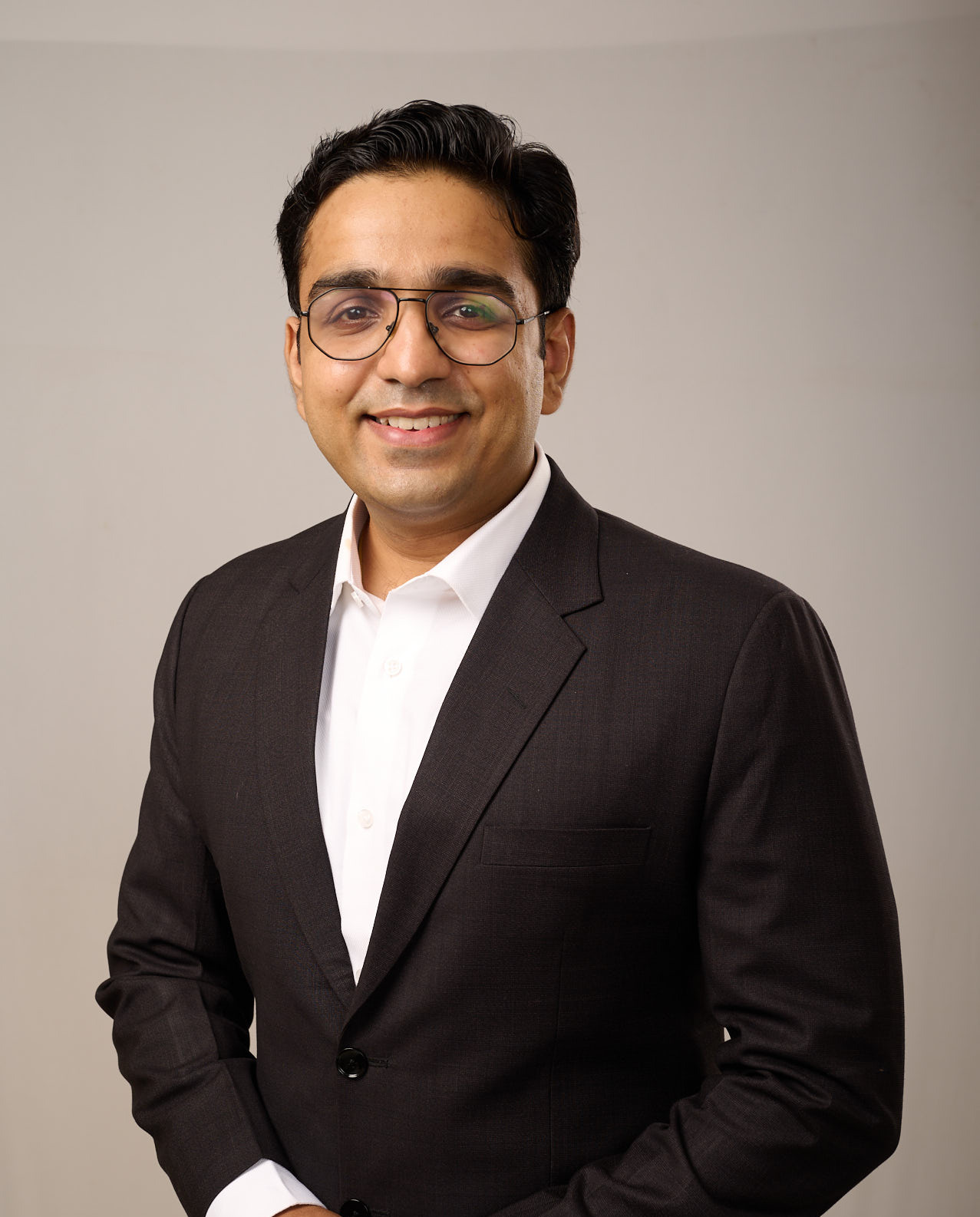
  • “Young lawyers should not lose themselves in over planning everything about their career. Work hard, be authentic and allow things to happen.” – Kaushik Sochannam, Managing Partner at Sochannam Legal Indian Advocates.

    “Young lawyers should not lose themselves in over planning everything about their career. Work hard, be authentic and allow things to happen.” – Kaushik Sochannam, Managing Partner at Sochannam Legal Indian Advocates.

    This interview has been published by Anshi Mudgal and The SuperLawyer Team
    Having extensive experience in shipping, insurance, commodities, and international trade, can you walk us through the journey that led you to choose law as a career and to specialize in these areas?

    My decision to study law was an unplanned act of desperation based on a two-minute argumentative interaction with women’s rights lawyer Flavia Agnes who visited KC college (where I was pursuing BSc – Statistics and Economics) to conduct a seminar on women’s rights. During the discussion, Flavia touched upon the topic of martial rape of wife by the husband. The impatient rebel in me promptly asked her whether the wife could be guilty of martial rape when the husband didn’t want to have sexual intercourse. This interaction with Flavia and her articulation stayed with me.

    When I completed my Bsc – Statistics and Economics, I realised that as much as I enjoyed statistics as a subject, I was not good at it. pursuing it further would be a torture that I preferred to avoid. I had to tell my parents that I was pursuing higher studies to get them off my back!!!   

    Right next to KC College was KC Law College. I recollected my discussion with Flavia Agnes which I found intellectually refreshing. In an act of desperation (or a leap of faith) I decided to apply for admission at KC Law and secured my seat!!! That’s it. No research, no carrier prospects analysis, no guidance counsellor, never met a lawyer previously, neither saw a court room nor did I know how a court room looked, no idea what a solicitor/counsel meant!!! etc. I was the antithesis of what most prospective law students went through when they enrolled in law school and what most law students endure today!!!     

    To be honest, I did not choose to specialize in shipping and insurance law. Shipping law chose me. I would like to think that.  During law school, I was eager for internships to gain experience. I was sending my CV wherever I could to secure an internship. I received a call from Crawford Bayley for an interview. I met the partner who asked me a few generic questions. He asked me to join the next day. While leaving his office, I asked him what law he practices. He said shipping. I said, cool!! I am doing shipping law now. That’s it. No grand plan or scheme was hatched. I stumbled into the field of shipping law!!

    You have worked on admiralty cases across Indian courts. Could you share one of the most complex or interesting cases you have handled in the admiralty space?

    There are so many. A case involving the Salgaocar Group and Goldgen Ocean Group involving ani-suit injunctions against English court proceedings, arrest of vessel in South Africa as security and eventual settlement on favour of the client. 

    Another case involving European creditors against a fleet of vessels controlled by Jaisu Shipping. This involved the arrest of their entire fleet in India, dealing with multiple creditors, challenging port claims, priority of claims and arriving at a resolution where my clients made a full recovery of their claims from the sale proceeds.  

    Allison incident with a chemical jetty where shipowners were straddled with inflated claims. This was one of those cases where you delve into root case analysis, construction path analysis, remoteness of damages, delay analysis, liability in tort, contract and statute. At the end of the journey, the owners were not held liable for any of the claims made by port authorities. 

    In your experience, how has the legal landscape surrounding maritime law in India evolved in recent years, particularly in terms of regulation, enforcement, and the role of the courts?

    The biggest change in the legal landscape is the Admiralty Act, 2017. The Admiralty Act 2017 vested more high courts with admiralty jurisdiction. Previously, it was only the chartered high courts and their successor courts that were vested with admiralty jurisdiction. In terms of substantive legislation, regarding maritime claims and liens, we are following Arrest Convention, 1999 with some variations. 

    Could you share some of your experiences from the early years of your practice as an associate that helped shape your career? And, after almost five years of working with a law firm, what motivated you to establish your own practice? What were some of the key challenges you encountered in the initial stages?

    Looking back, the early years in the profession were exciting, challenging and rewarding. Challenging in part – as I was argumentative, impatient, and blunt without due regard to the person I was dealing with. I was fortunate enough to have worked with Ananjan Mitter at ALMT Legal who encouraged me to soften the rough edges of my personality. His guidance helped me a long way in adjusting to the requirements of the profession. I am indebted to him. The biggest take away from those years – the profession is about people. Dealing with people in an honest, fair and respectable way goes a long way in getting things done.   

    Ananjan decided to pursue other interests and left the firm. I was at crossroads in terms of where I wanted to be. At that point, I did not see myself in the law firm architecture. I was securing decent amount of work through my contacts.  In a leap of faith or madness, at the age of 29 in the year 2013, I set up my private practice under the banner – Sochannam Legal. I sought freedom and had a load of dreams.  In return, I received a rewarding roller-coaster ride that I would not trade for the world!!!  

    The key challenge when setting up practice is migrating from just servicing a client to managing and servicing the client while keeping in mind the value for the services you are offering. It’s a 360-degree role. Private practice is not meant for everyone. Once you endure the practice for a few years, you get a hang of it. 

    How do you manage the complexities of different legal jurisdictions and international laws when handling maritime cases that involve multiple parties across borders?

    Research, research and more research. Speaking with lawyers in other jurisdictions to understand how things work there. You start from a position of understanding what you do not know and then work towards finding answers to them.  

    When dealing with parties across multiple jurisdictions, it is always good to understand the culture they come from. Every culture is unique. Understanding another culture (without being judgmental!!) goes a long way in dealing effectively with clients and parties. 

    You have significant experience in handling arbitrations related to COA disputes, Off-hire disputes, charterparty disputes, and demurrage. What strategies do you find most effective when preparing for and managing arbitration proceedings in these areas?

    1. Get the facts right.
    2. Provide documentary proof for damages. Especially in cases of repudiatory breach of charterparty/COA. Depending on the market situation, these claims can go into millions of $$. 
    3. There are many reasons for demurrage and dispatch claims.  When your clients are relying on adverse weather to defeat demurrage claim, make sure there is adequate documentary proof to demonstrate adverse weather. Vanilla weather reports won’t do. The weather report will be unique to the location of the weather station. The moot point will be if the weather was prevailing at the port.    

    Given your experience in corporate structuring, particularly when advising companies looking to set up operations in India, what are the most critical legal considerations for international businesses entering the Indian market?

    The critical issues are FEMA compliance and sectoral caps. Restrictions on foreign shareholders. Whether they intend to form a wholly owned subsidiary or form a Joint Venture company with a local partner. In which case, shareholding interest in the JV company plays a significant role. Assessing consequences of DTAA which may impact the operations in India and the global parent company. Repatriation of profits.    

    What advice would you give to a young lawyer starting out in the areas of shipping, insurance, and international trade law?

    After a year/two into the practice, young lawyers should ask themselves if they really like this area of law. If they do not, they should be honest enough to admit it and be open to make changes to their career path. These days, a lot of aspiring lawyers at very early stage of their career set their agenda in the profession. This is good when there is clarity of thought. In most cases, it is based on insufficient information, and this is where people get stuck.   

    It serves no purpose to do something you do not like. In my case, I knew I was not good at statistics though I enjoyed it. I took a chance and decided to study law and got involved with shipping. The journey has been enriching and rewarding. More importantly, young lawyers should not lose themselves in over planning everything about their career. Work hard and allow things to happen. Be authentic and don’t be an imitation!!! be open to change!!!

    Get in touch with Kaushik Sochannam-

  • “Success in law requires not just technical expertise, but also an understanding of human dynamics and effective communication.” – 𝐀𝐛𝐡𝐢𝐬𝐡𝐞𝐤 𝐄𝐬𝐪.,  Attorney at Law, at Delhi High Court

    “Success in law requires not just technical expertise, but also an understanding of human dynamics and effective communication.” – 𝐀𝐛𝐡𝐢𝐬𝐡𝐞𝐤 𝐄𝐬𝐪., Attorney at Law, at Delhi High Court

    This interview has been published by Namrata Singh and The SuperLawyer Team

    You have a diverse academic background, from hotel management to law. What inspired your transition into the legal profession, and how have your experiences in corporate hospitality and business management shaped your legal career?  

    My transition from hotel management to law was driven by a deep-seated passion for advocacy and a desire to impact the corporate landscape meaningfully. It was a natural progression stemming from a deep-seated fascination with human interaction, problem-solving, and the intricate web of laws that govern our society. While working in corporate hospitality, I gained invaluable insights into business operations, customer relations, and the importance of legal frameworks in guiding ethical practices. This experience fostered my understanding of how law intersects with various industries. The dynamic and often complex nature of the hospitality industry exposed me to a myriad of legal challenges. The hospitality sector sharpened my skills in negotiation and conflict resolution, which are crucial in legal practice. Additionally, managing diverse teams allowed me to appreciate the nuances of communication and the importance of clear, actionable advice—skills that I apply daily in my legal career.

    With over 18 years of experience in industries as varied as hospitality, language industry, and legal services, what have been the key lessons learned from working in such different fields, and how have they contributed to your current practice?  

    My journey across diverse industries has been a rich tapestry of experiences that have shaped my professional perspective and enriched my current practice. Working in hospitality, language industry, and legal services has provided me with unique insights into different business cultures, communication styles, and legal frameworks. One of the most valuable lessons I have learned is the importance of adaptability and cultural sensitivity. In hospitality, I encountered clients from all walks of life, each with their own expectations and preferences. This experience taught me to approach each situation with empathy and understanding, tailoring my approach to meet their specific needs. Similarly, working in localization industry exposed me to the nuances of different languages and cultures, fostering a deep appreciation for linguistic diversity. This adaptability allows me to navigate complex legal issues with a creative mindset, drawing from different perspectives and methodologies. Another key takeaway is the power of effective communication. In all three industries, clear and concise communication is essential for building relationships, resolving disputes, and achieving desired outcomes. My experience in these fields has honed my ability to articulate complex legal concepts in a way that is easily understood by clients and stakeholders, while also fostering open and productive dialogue with opposing counsel. Lastly, my diverse background has reinforced the value of collaboration. Each sector relies on teamwork and leveraging varied skill sets to achieve common goals. This collaborative spirit enhances my ability to work effectively with clients, colleagues, and other professionals, fostering a holistic approach to legal solutions.

    You specialize in both corporate and criminal law. How do you balance the intricacies of corporate governance and criminal defense, and what unique insights have you gained from handling cases across such varied legal disciplines?  

    Balancing the intricacies of corporate and criminal law requires a delicate interplay of analytical skills, strategic thinking, and a deep understanding of the ethical and legal implications of corporate conduct. While these two areas of law may seem disparate, they are interconnected in many ways. Corporate misconduct can often lead to criminal charges, and effective corporate governance can help prevent legal and reputational risks. One of the key insights I have gained from practicing in both corporate and criminal law is the importance of understanding the broader context of a case. By analyzing the corporate culture, business practices, and regulatory environment, I can identify potential vulnerabilities and develop strategies to mitigate risks. Additionally, my experience in criminal defense has taught me the value of aggressive representation and the importance of protecting my clients’ rights. Another valuable insight is the interconnectedness of legal issues. For example, a corporate fraud case may involve complex financial transactions, regulatory violations, and potential criminal liability for individuals. By understanding the interplay of these different legal areas, I can provide comprehensive advice and develop a tailored approach to address the specific needs of my clients.

    In your experience as a corporate governance expert and Independent Director, what ethical challenges do companies commonly face, and how do you guide them through ensuring compliance and ethical business practices?  

    As a corporate governance expert and Independent Director, I have encountered a wide range of ethical challenges faced by companies. Common issues include conflicts of interest, bribery and corruption, environmental sustainability concerns, and data privacy breaches. To address these challenges, I guide companies by promoting transparency, accountability, and ethical decision-making. This involves establishing robust governance frameworks, implementing ethical policies and procedures, conducting regular risk assessments, and fostering a culture of integrity within the organization. By providing independent oversight and guidance, I help companies navigate ethical complexities and maintain a strong reputation in the marketplace. Additionally, I stress the importance of board oversight to ensure accountability and adherence to ethical standards, ultimately guiding companies toward sustainable compliance and ethical business practices.

    As a seasoned legal professional, what advice would you give to young lawyers starting their careers, especially those interested in combining multiple areas of law as you have with corporate, criminal, and commercial law? 

    To young lawyers starting their careers, I would advise them to embrace a broad-based approach to their legal education and practice. While specializing in a particular area of law can be beneficial, a diverse background can offer unique insights and opportunities. By exploring multiple areas of law, you can develop a well-rounded understanding of the legal landscape and better serve your clients’ needs. Additionally, don’t be afraid to step outside of your comfort zone and take on challenging cases. Every experience, whether positive or negative, can contribute to your professional growth and development.

    Having qualifications in both corporate law and mediation, how do you blend these seemingly contrasting roles of litigation and peaceful dispute resolution in your day-to-day practice?

    Blending my qualifications in corporate law and mediation allows me to approach disputes with a unique perspective that balances advocacy and resolution. In my day-to-day practice, I assess each situation to determine the most effective strategy. While these two approaches may seem contrasting, they are actually complementary. In many cases, mediation can be a valuable tool for resolving disputes before they escalate into litigation. By leveraging my mediation skills, I can help parties identify common ground, explore mutually beneficial solutions, and reach agreements that avoid the time, expense, and stress of a courtroom battle.

    However, there are also situations where litigation may be necessary to protect clients’ rights or interests. In such cases, my corporate law expertise enables me to develop a strong legal strategy, advocate effectively in court, and negotiate favourable settlements when appropriate.

    As the founder of “Legal Eloquence” and an advocate for continuous learning, how do you mentor young lawyers and legal professionals in developing both technical legal skills and the softer skills required for success in the industry?  

    In today’s rapidly evolving legal landscape, marked by advancements in artificial intelligence and the increasing complexity of legal issues, success requires a multifaceted approach. At “Legal Eloquence,” we believe that thriving as a legal professional, demands not only a strong foundation of technical legal skills but also a deep understanding of human dynamics and effective communication. To mentor young lawyers and legal professionals, we focus on developing both aspects of their professional development. On the technical side, we provide comprehensive training in legal research, writing, and analysis, equipping them to navigate the complexities of the legal system and understand the ethical implications of their practice. We emphasize the importance of staying up-to-date with legal developments and industry trends, including the integration of AI tools into legal workflows.

    However, we also recognize that the legal profession is increasingly interpersonal. Therefore, we invest in developing the softer skills that are essential for building relationships, communicating effectively, and navigating the challenges of the legal workplace. By fostering a culture of continuous learning and professional development, we aim to inspire the next generation of legal leaders.

    Your background includes working with environmental, social, and governance (ESG) matters. How do you see interdisciplinary collaboration between lawyers and other professionals (like environmental scientists) playing a role in corporate legal strategies in the future?  

    Interdisciplinary collaboration between lawyers and professionals such as environmental scientists will be crucial in shaping corporate legal strategies related to ESG matters, particularly in the context of Business Responsibility and Sustainability Reporting (BRSR). This collaboration enables organizations to align legal compliance with environmental objectives, ensuring that their strategies meet BRSR requirements while addressing sustainability challenges. By integrating legal expertise with scientific insights, companies can develop comprehensive frameworks that not only enhance compliance but also drive innovation and responsible practices, ultimately fostering greater transparency and accountability in their operations.

    With such a demanding and diverse career, how do you find time to unwind and recharge? Are there any specific activities or hobbies that help you maintain a healthy work-life balance?  

    Balancing a demanding and diverse career with personal well-being is essential for long-term success and happiness. I prioritize unwinding through activities that allow me to disconnect and recharge.

    One of my favourite ways to relax is spending time in nature. I enjoy hiking, gardening, and simply being outdoors. Additionally, I find meditation and mindfulness practices to be invaluable tools for managing stress and maintaining focus. Regular exercise, such as jogging and yoga, helps me clear my mind and stay physically fit. Additionally, I enjoy reading, both fiction and non-fiction, as it provides an escape and stimulates my creativity. Spending time with family and friends is also vital; it keeps me grounded and offers a supportive network. Finally, I dedicate time to hobbies like cooking and exploring new cuisines, which not only relaxes me but also adds a personal touch to my life outside of work. These activities collectively help me maintain focus and energy in my professional endeavors.

    Get in touch with Abhishek ESQ-

  • “Legal tech can eliminate the mundane routine tasks and save the time of the lawyers in focusing on the core legal areas.” – Sridevi Sidharthan, Principal Associate at M&CO Legal, Dubai

    “Legal tech can eliminate the mundane routine tasks and save the time of the lawyers in focusing on the core legal areas.” – Sridevi Sidharthan, Principal Associate at M&CO Legal, Dubai

    This interview has been published by Namrata Singh and The SuperLawyer Team

    Could you share the pivotal moments and personal motivations that inspired your journey into the field of law, and how did you navigate the initial challenges and struggles as you embarked on your career?  

    My father is an advocate on record practicing in the Supreme court of India. So, most people naturally assume that is the reason why I chose law. While my father is my personal motivation however, there is quite a bit of story behind why I chose law as my career. I was in grade 5 in school when I first visited the Supreme Court with my dad during my winter vacation. The Court was also closed and there were very few visiting lawyers in the court premises. I was in the cafeteria, when a couple of lawyers approached me and my dad, probably they were curious about seeing a 10-year-old kid in the court premises. They started having a conversion and asked the cliché question, what I want to become in the future. I recollect mentioning wanting to become a scientist and they suddenly asked me, “Why don’t you become a judge”. I said okay and they said, “ promise us that one day you will become a judge of the supreme court”. The young me just went with the flow and promised them. But from that day onwards, I was clear that I wanted to pursue my career in the legal field. Even though later, I decided to take a different path and steer towards corporate practice. Nonetheless, I don’t regret the decision till date.

    I guess, the fact that I was determined to be a lawyer and that I wanted to become a corporate lawyer has made it easier for me to focus; the academic faculty at my university, notably Dr. Mamta Biswal, also helped me crystallize my decision to become a corporate lawyer. Our Commerce professor, Mr. Satya Ranjan Mishra encouraged me to pursue the Company Secretary course during my LLB, which helped me in gaining extra learning experience in the subject. While at university, acquiring an internship opportunity was quite stressful and I ended up getting rejected twice by Amarchand for the internship. However, perseverance and proper guidance from my seniors in the University helped me land a job with Shardul Amarchand Mangaldas & Co. (Erstwhile Amarchand Mangaldas Suresh Shroff & Co.)  during the campus placement.

    Given your diverse experience in both India and the UAE, how do you navigate the legal nuances and cultural differences in your practice, and how do you stay updated with the latest legal developments and industry trends to integrate these insights into your work?  

    I am indeed grateful to have worked in such diverse legal landscapes.  In India, working with Shardul Amarchand Mangaldas under the leadership of Mr. Inder Mohan Singh was a great learning experience. I remember when I joined the firm in 2013, the new companies’ law had just been enforced and our team was primarily working on dissecting the law, making submissions on the lacunas and shortfalls to the ministry as well as other organizations like FICCI. I am really thankful to my mentors, Mr. Aayush Kapoor and Mr. Harish Kumar, who moulded me as a lawyer and became a role model for me. In UAE, I work with M&Co Legal, which is a DIFC-registered law firm run by Emirati lawyers. The legal landscape of both India and UAE is completely different, as you may know, UAE is primarily a civil law country and has two common law jurisdictions in free zones (Dubai International Financial Center and Abu Dhabi Global Market). The transition from India to unlearn and learn civil laws in UAE was challenging in the beginning, especially, trying to understand the legal systems in place.  However, the partners and the colleagues at M&Co. Legal were quite helpful during this transition phase, and additionally, the training that I had received at Shardul Amarchand Mangaldas, also helped me to quickly complete the learning phase. Since I am working at a local law firm with a very niche clientele, it naturally assisted me in my understanding of not only the local culture, but also provided exposure in interacting with as well as dealing with clients and peers from different nationalities. The peculiarity of working in UAE (or rather interesting part) is that you get to work under both Civil and Common law jurisdiction, and I have thoroughly enjoyed maneuvering through both these jurisdictions simultaneously.  Both India and UAE have fast-changing economic and legal terrain, and I continue to keep myself abreast with the changing legal dynamics, as this is pertinent to provide plausible legal solutions to the client. I normally do that by following media (through news and professional social media platforms), from newsletters released by legal knowledge platforms, and keep a look-out for any important changes by setting a Google alert on the pertinent topics.

    Your profile mentions your involvement in drafting insider trading codes and handling related investigations. What insights have you gained from such regulatory experiences, and how do they inform your approach to compliance?

    During my tenure in India, drafting insider trading codes and especially handling related-investigations from regulatory authorities in India like SEBI was an interesting opportunity. The experience from dealing with insider trading investigations gave an insight to the regulators point-of-view as well as stance on the points and identify the key areas of focus. This experience in turn guided me while drafting such insider trading codes for the listed entities to ensure the key focus areas, and to effectively deal with the challenges as well as provide proper guidance on these matters to the client. Such matters are extremely delicate and there is a fine-line when it comes to becoming non-compliant, hence, it was important to lay down a proper strategy to ensure effective mechanism to deal with the price-sensitive information with the top management and employees of the organization.

    It is also interesting to mention that in UAE, as well, I have dealt with various investigations issued by the Ministry of Economy related to the breach of DNFBP (Designated Non-Financial Business or Profession) obligations and breach of licensing conditions raised by Abu Dhabi Financial Services Regulatory Authority. All these experiences with the regulators teach you to think from a different angle while approaching a matter, and helps you to visualize everything from a macroscopic level as well as gives you guidance to navigate through the regulatory requirements.

    With your expertise in employment laws, what advice would you offer to companies navigating labor-related challenges, especially in cross-border transactions?  

    During my practice in India, employment used to be one of the crucial areas of concern during the M&A deals, and the matter considering the impact on the livelihood of people had to be dealt with caution and delicately. UAE is a labour friendly country and the employment laws strike a balance between the Employers requirements and Employees rights. I would personally like to advise the companies in UAE to specifically be aware of the local employment laws and to understand that the common law free zones (ADGM & DIFC) have a separate employment law. It is important that the terms of employment are carefully drafted to ensure compliance with the local laws. I would specifically recommend the corporates to have an employee handbook to note down the various employment policies while dealing with matters such as disciplinary actions, internal grievance redressal, employee policies tailor-made to the specific industry and educate the employees about these policies.

    In relation to cross-border transactions, the areas of transfer of employees and secondment needs to be tackled carefully. Employees in international companies with offices in UAE are normally subjected to the group policies wherever applicable, however, it is to be noted that notwithstanding the group policies and benefits available to the employee, such that an employee in UAE will be receiving the necessary benefits and protection mandated by the local laws. Hence, it is important to reconcile these policies to include the local labour laws and the emoluments accordingly.

    In your opinion, how can the legal profession leverage technology and innovation to enhance efficiency and client service while maintaining confidentiality and security?  

    The advent of digital technologies is positively impacting the legal profession as well. At the moment, I don’t believe that AI can take over a lawyer’s job, however, I firmly agree that it can increase the efficiency in doing the job. Legal tech can eliminate the mundane routine tasks and save the time of the lawyers in focusing on the core legal areas. This will in turn ensure faster delivery of tasks and ensure economic efficiency for the clients by reducing the additional billable hours payable by them. Another area where legal tech can help lawyers is in data entry and research. Even though legal tech ensures efficiency, lawyers have to be responsible enough not to use free and public AI platforms to provide inputs on confidential information. It is always key to ensure that only secured legal tech platforms are used to avoid data leakage and breach.

    What motivated you to move your career to Dubai, and how has this transition influenced your professional growth and perspective on corporate law?  

    My career-move to Dubai was purely due to personal reasons and was not a calculated move from my end. However, I am thankful that it happened as UAE was truly resilient to the challenges during the covid times, and post-covid, the country has seen an economic upward trend. UAE is now increasingly becoming the hub not only for all the international businesses but also for the high-net-worth individuals from various parts of the world. Obviously with the increase in business activities in the country, the legal requirements also follow. Being in UAE and working with M&Co Legal has provided a vast exposure to me to develop my personal and professional growth. Being part of a small yet niche corporate team has expanded my horizon in practicing various aspects of the corporate laws and in various industries. This has helped me understand the business and regulatory requirements for various sectors such as F&B Industry, real estate among others.

    As a legal influencer recognized by Lexology, what advice would you offer to aspiring lawyers seeking to establish their presence in the legal community? 

    I would advice aspiring lawyers to carefully understand the law. “ The devil lies in the detail” is especially true in our legal profession. I understand that nowadays everything is available on AI and legal tech platforms, however, it is important not to blindly rely on it for research without reading the underlying law itself. While I am not against using AI, it is important to use these platforms as a reference and not base the entire work on it without using your own analytical skills. You leave a mark in the legal profession and on your client by using your analytical as well as problem-solving skills.

    The acquisition of Al Huraiz Packaging Industry LLC by Hotpack Packaging Industries LLC was a significant deal. What were the most complex aspects of this transaction, and how did you navigate them?  

    We represented the Seller, AL Huraiz Packaging Industry, which is a local Emirati Company involved in manufacturing packaging materials. The deal was a 100% shareholding acquisition by the major packaging company, Hotpack Packaging Industries LLC.  The transaction, considering 100% shareholder takeover included transferring the factory unit and other equipment to the new shareholder. Additionally, there was debt restructuring as part of the transaction; the aspect of regulatory approval and debt restructuring was the challenging part of the deal. However, the negotiations based on good-faith between the parties and legal representatives assisted in finding the appropriate resolution for the concerns.

    When advising on mergers and acquisitions, what key factors do you consider to ensure the transaction is legally sound and beneficial for your clients? 

    Fact-finding by way of due diligence (either legal or financial due diligence) is the most important part of ensuring whether the deal is legally plausible. Additionally,  it is commonly believed that the lawyers should not interfere with the commercial aspect of the transaction. However, I would opine otherwise; since commercial considerations have major legal impact, it is crucial that lawyers carefully review the commercial understanding and advice the client as well as provide any alternative solution for the client.

    Outside of your professional work, what hobbies or personal interests do you pursue, and how do they influence your approach to your legal practice?  

    I love travelling! I know it’s a cliché statement, but I consider myself a “traveller instead of tourist” while exploring a new place. My research skills are utilized prior to and while travelling, especially planning the travel. I plan the itinerary down to every intricate detail. I ensure I understand the local culture, interact with local people, and try out the local cuisine. I use travelling not only to unwind from my daily routine, but also the things I learn my travel helps me understand different people, including my clients and peers. I truly believe that to become a successful corporate lawyer and leader to your team, you not only need technical expertise but also need to have interpersonal as well as people-management skills.

    Get in touch with Sridevi Sidharthan

  • “All industries today are bound by numerous applicable laws, rules and regulations and strict compliance is not only the need of hour from regulators perspective but also from a perspective of maintaining good business hygiene”- Akanksha Khanna, Senior Legal Counsel at Flipkart

    “All industries today are bound by numerous applicable laws, rules and regulations and strict compliance is not only the need of hour from regulators perspective but also from a perspective of maintaining good business hygiene”- Akanksha Khanna, Senior Legal Counsel at Flipkart

    This Interview has been published by Pragya Chandni and The SuperLawyer Team

    Can you walk us through your journey into the field of law, particularly focusing on how you found your niche in brand protection and litigation counsel?

    Law as a subject had never been on my mind until school. It was a passion for my mother who due to her corporate profile at a major multinational bank and regular interactions with seasoned professionals inspired me to take up law. So, I can easily say law wasn’t planned for me; however, it just happened to me. Having said that, now 11 years down the line, I feel it was a beautiful accident which helped me shape my life both personally and professionally for the better. Being born and brought up in Delhi, I embarked on my journey of law through Guru Gobind Singh Indraprastha University, Delhi. 

    My first professional assignment was with Kochhar and Co.; however, owing to my area of interest in IP rights right from college, I made a switch to Saikrishna & Associates, a very well known name in the field of IP laws. It was my stint at Saikrishna & Associates that helped me identify my passion towards brand protection and enforcement of IP rights and eventually into associated litigation. I would take this opportunity to thank my mentor, Mr. Bharatvir Singh (Partner at Saikrishna & Associates) who led me through this journey of brand protection and made me aware of this vast space where brand owners and their niche brands are always at risk due to rampant counterfeiting. His vast experience, expertise and leadership and constant encouragement into direct client dealing made this otherwise difficult ride a smooth one.

    Thereafter I had a stint with Semita Legal, Advocates & Solicitors specializing in litigation and brand protection. It was during the tough COVID-19 times that the brand protection industry faced a tough challenge with ground movements and investigations being restricted. However, it was a great learning time as the industry re-invented with a major focus towards online counterfeiting. While strengthening the IP portfolio at Semita Legal, I was offered an interesting position with Flipkart to look after their litigation and regulatory issues. Hence, I moved to an in-house role to better equip myself with the corporate side of the legal challenges and to better appreciate the business angles and legal nuances.

    With your extensive experience across various industries such as e-commerce, FMCG, media, and apparel, what common challenges have you observed regarding brand protection, and how do you approach addressing them?

    Counterfeiting or sale of dubious quality products is a rampant issue being faced across all industries in general. The foremost sensitization should come to the brands that their goodwill which has been built over years of efforts and constant hustle is at major risk with brand dilution caused by counterfeiters by offering low quality products and ultimately putting the public at risk. Second major challenge is identifying and setting up a robust ground team and training them for identifying both offline and online counterfeits. The primary challenge kicks in when after successfully completing the two stages, the task of involving the law enforcement authorities comes into play. This involves strong liaising with enforcement authorities including Police, sensitising the authorities from time to time about the importance of copyrights and trademarks and the law which empowers them to undertake appropriate actions to curb this menace. We need to have regular interaction with authorities and keep them abreast about the latest developments and training in this space. The major fallout sensed by me when interacting with the authorities is that they feel once brands get their complaints registered, they don’t adequately support the further process of answering notices or attending Court dates. This to a large extent can be controlled by being vigilant to all requests related to complaints received from the authorities and providing them prompt support so that they are also not caught off guard before the Courts. Lastly, regular checks in the market and follow up actions on enforcements already conducted can help mitigate this evil to a large extent.      

    Given your background in handling regulatory matters, could you share some insights into navigating the complexities of compliance in industries with stringent regulations, such as food safety and legal metrology?

    All industries today are bound by numerous applicable laws, rules and regulations and strict compliance is not only the need of hour from regulators perspective but also from a perspective of maintaining good business hygiene. Firstly, we need to set up separate teams to look after the food safety and legal metrology compliances. They need to regularly conduct training at the ground to ensure awareness about the compliance requirements. Having said this, regular checks on the already compiled parameters need to be maintained to ensure non-expiry or any additional requirements that are required to be met. Constant tabs on the daily regulatory updates need to be kept so that the same can be promptly synced in with the business activities to avoid any actions from regulatory authorities by way of combining actions etc.

    Your role involves coordinating with law enforcement authorities and external stakeholders. How do you effectively manage these relationships to ensure swift action against counterfeit activities while maintaining a positive rapport?

    A4. Strong coordination and regular liaising with law enforcement authorities can take you a long time in initiating swift actions against the counterfeit activities. The most effective way to handle this is to always be prompt and responsive to any support being sought from the authorities, whether understanding the law, conducting regular training, providing them prompt responses to notices which ultimately aids in timely filing of chargesheets. Once the authorities develop confidence that proper support has been provided, they equally support in nabbing down the counterfeiters. Basically, it’s two-way traffic and to foster a positive roadmap to curb this menace, we need to be transparent and responsive to each other’s requirements.

    Could you elaborate on your strategies for identifying brand-specific threats and formulating proactive brand protection measures, especially in an increasingly digital landscape where counterfeiting is rampant?

    This requires a multifaceted approach. Here are some strategies: 1. Monitoring and Surveillance – employment of advanced tools and services such as keyword monitoring etc to track online mentions on social media and e-commerce platforms 2. Collaboration with Online Marketplaces for reporting counterfeit listings and consequent takedowns 3. Legal Measures to actively monitor infringements and take legal action against counterfeiters to protect brand’s goodwill and market share 4. Consumer Awareness to identify genuine products and distinguish them from counterfeit ones; provision of information on official websites and packaging about authentication methods etc. 5. Supply Chain Transparency and Security– to prevent unauthorized access to products or intellectual property. Implementation of technologies such as blockchain to track and authenticate products from manufacturing to distribution 6. Dedicated Brand Protection Team to work with specialized professionals that have expertise in identifying and combating counterfeit activities 7. Engagement with Law Enforcement– to investigate and prosecute counterfeiters 8. Continuous Improvement and Adaptation– regularly review and update the brand protection strategies to stay ahead of emerging threats and technologies used by counterfeiters.

    In your experience, what are some key considerations when devising litigation and brand protection strategies for corporate entities, and how do you ensure alignment with their overarching business objectives?

    When devising litigation and brand protection strategies, several key considerations should be taken into account: 1. Intellectual Property Portfolio Assessment including trademarks, copyrights, patents, and trade secrets 2. Risk Assessment to evaluate the potential risks and vulnerabilities faced by the company, including threats from competitors, counterfeiters, and unauthorized use of intellectual property; assess the likelihood of litigation and the potential impact on the company’s reputation, market share, and financials 3. Proactive Monitoring and Enforcement to detect and address instances of infringement, counterfeiting, and unauthorized use of the company’s intellectual property 4. Litigation Strategy Development that aligns with the company’s business objectives and risk tolerance; Factors to be borne in mind include strength of the company’s intellectual property rights, the nature of the infringement, the potential costs and benefits of litigation, and the likelihood of success in court 5. Alternative Dispute Resolution such as mediation or arbitration, as cost-effective alternatives to litigation 6. Continuous Evaluation and Adjustment of brand protection and litigation strategies and make adjustments on a need basis depending on changing business conditions, legal developments, and emerging threats.

    Can you share a memorable case or project where you successfully mitigated risks related to thefts, frauds, or process violations through timely legal intervention? What were the key factors contributing to its success?

    There was a huge theft and shrinkage of materials at the warehouse of a large corporate house wherein prime suspects were internal and contractual workers. A thorough enquiry was conducted, and an FIR was registered. Thereafter with promptness of Police officers and liaising with the legal team, the Police filed a chargesheet before the Court. This enabled the Company to recover the losses through insurance in a time bound manner. 

    Drawing from your journey and expertise, what advice would you offer to fresh law graduates aspiring to specialize in brand protection and litigation counsel roles?

    Fresh law graduates aspiring to specialize in brand protection and litigation counsel roles should foremost develop a strong foundation in IP Law and have a solid understanding of trademarks, copyrights, patents, trade secrets, and related areas of law. They should seek gaining as much practical experience as possible by way of internships, clerkships, or entry-level positions at law firms, corporate legal departments that specialize in intellectual property law or brand protection. Effective brand protection and litigation counsel needs strong research and writing skills to analyse complex legal issues, draft legal documents, and advocate on behalf of clients. Attend industry events, conferences, and networking opportunities to connect with practicing attorneys, legal professionals, and industry experts which helps to stay Informed about industry trends and developments. Most important in this field is to stay ethical and strictly professional in all enforcement related interactions. Integrity and ethical conduct are essential qualities for success in not only the legal profession but any field of work.

    Get in touch with Akanksha Khanna-

  • “Creating an inclusive environment that values diverse perspectives fosters effective collaboration and builds trust within the team.” – Raka Roy, Partner, Galadari Advocates & Legal Consultants

    “Creating an inclusive environment that values diverse perspectives fosters effective collaboration and builds trust within the team.” – Raka Roy, Partner, Galadari Advocates & Legal Consultants

    This interview has been published by Namrata Singh and The SuperLawyer Team

    Heading the IP and Data Protection practice at Galadari Advocates is no small feat. What sparked your interest in this field, and how has your journey been in managing high-profile projects and transactions? Can you share a bit about what drew you to this field and some highlights of your experience so far?”

    Heading the Intellectual Property (“IP”) and Data Protection practice at Galadari Advocates has indeed been a remarkable and rewarding journey. Well, I am old school on this, but for sure, it was my father, a techno legal patent attorney in the 80s, who sparked my first interest in the subject.  At that time India was still in the process of developing their Intellectual property laws and the landscape was only evolving. 

    Reading through the files and books and general casual chats with him on various patent and trademark related issues got me curious. Reading through files and commentaries, I found myself drawn to the intricacies of intellectual property law, realizing that it was more than just a legal practice – it was a unique blend of law and business. Furthermore, IP encompasses a broad spectrum of activities including  registration, protection and enforcing rights making it a dynamic field. 

    Dealing with clients from diverse backgrounds, ranging from multinational corporations to small and medium enterprises, has broadened my perspective and it is interesting to see the different dynamics between clients as their priorities towards their brand protection might be different and so would be their funding. An example for the same would be how, more often than not, high profile clients implement a proactive step towards protecting their IP whereas smaller clients implement a reactive approach, only when their rights have been violated. This is however shifting, with people getting more aware about the importance of protecting their IP. 

    Each project is made special by the personal touches of sitting down with clients, learning about their business, and developing methods to protect what is essential to their brand. This sector is rewarding and demanding due to its unique blend of legal expertise and commercial considerations.

    With over 19 years of experience, including 17 in the Middle East, how have you seen the landscape of IP and Data Protection evolve in the region, and what trends do you anticipate in the coming years?  

    Over the past 17+ years of navigating the IP and Data Protection landscape in the Middle East, I’ve seen a whirlwind of changes that truly reflect the region’s commitment to staying at par with global standards.

    One of the most exciting shifts has been the government’s proactive approach. Laws are no longer static; they’re in a constant state of evolution in alignment to the international standards. Signing the Madrid treaty has been one of the very progressive steps UAE IP office has taken. 

     Amendments in laws and regulations, international treaties, and a more practical stance on handling IP disputes showcase a dynamic and contemporary mindset. For instance, despite not being a common law country, it’s fascinating to note the newfound importance given to prior use in cases involving unregistered trademarks – a bit of a twist from the norm in civil law countries. Additionally, reducing the trademark registration fees, which were once sky-high but have now been dialed down to attract brands, has played a significant role in enticing businesses to set up shop in this first-to-file country.

    In the realm of Data Protection, it’s been a journey from virtually no laws to now having our own Personal Data Protection Law (PDPL). I still recall, during the earlier times, we used to rely on DIFC DP law or other privacy laws when we were approached to advise on the DATA P regime of the country. 

    Nonetheless, today the country has its own law, and we’re eagerly awaiting implementing regulations to solidify the DP framework. Looking ahead, there’s a buzz in the air for Data Protection. Sectors like finance, health, and insurance now have specific DP laws, and businesses of all sizes are gearing up for compliance, especially considering the potential fines. AI and FinTech are particularly two upcoming fields to watch out for in UAE’s legal landscape. 

    What’s heartening is the growing awareness among individuals of their rights and the relevant laws. With the authorities lending a helping hand through guidance and support, we’re seeing a more significant number of complaints being filed. In a nutshell, it’s been an incredible personal journey witnessing these transformations in the Middle East. It feels like we’re on the cusp of a new era, one where the region not only embraces but thrives in the realms of IP and Data Protection.

    As a member of the INTA Leadership Program and a regular speaker at international events, including chairing committees such as the Parallel Import Committee for the Middle East, Africa, and South Asia for INTA, can you share one memorable experience from these engagements? Additionally, what challenges and rewards have you encountered in leading initiatives on such a scale?

    Being a part of the INTA Leadership Program and taking on roles such as chairing the Parallel Import Committee for the Middle East, Africa, and South Asia has been an incredibly rewarding experience. The scope wasn’t limited to just the Asia-Pacific region, Africa, and the Middle East; it extended to handling matters in 17 countries. This provided a unique opportunity to navigate the legal landscapes of diverse jurisdictions, each with its own legal backgrounds, cultures, and languages.

    The most rewarding aspect was the exposure to such a wide array of legal professionals. Dealing with individuals from different knowledge backgrounds and approaches required flexibility. Instead of trying to change everyone else, the key was adapting to different nuances while staying focused on the end objectives.

    One particularly memorable experience involved a case related to parallel imports in Australia. The Parallel Imports Committee at INTA, including myself, worked on creating a white paper analyzing the case and proposing the best solutions. The paper, submitted by the Australian team, was accepted and analyzed, showcasing the tangible impact of our collaborative efforts.

    Another notable experience was engaging in policy dialogue with a Southeast Asian government. The goal was to shift from international exhaustion of rights to national exhaustion of rights. Being a part of a different country’s policy-making dialogue was fascinating, especially since I had no prior background in that particular jurisdiction.

    However, leading initiatives on such a scale also came with its set of challenges. One challenge involved working with individuals who may not have had the same intentions or commitment to contributing to the committee’s objectives. Identifying those who weren’t actively participating and diplomatically encouraging holistic participation was a balancing act.

    On the speaking front, the challenge was managing time effectively. Balancing commitments to billable work, client interactions, and INTA responsibilities required a keen understanding that the time invested in such leadership roles would contribute to the future development of clients and businesses. It was a juggling act, but the rewards of networking, learning, and contributing to the broader legal community made it all worthwhile!

    Having worked with diverse teams across the APAC region, what cultural nuances have you found particularly interesting or challenging, and how do you navigate them in a professional setting?

    Working with diverse teams in the APAC region, I’ve encountered interesting cultural nuances in decision-making, adaptability, and neutrality. Adapting my leadership style for consensus-building or direct approaches, adjusting communication styles, and maintaining impartiality have been key. Creating an inclusive environment that values diverse perspectives fosters effective collaboration and builds trust within the team. 

    You pursued additional education at the University of Pennsylvania and WIPO. Can you tell us about the motivations behind these choices and the impact they’ve had on your career? How has this knowledge enhanced your approach to handling data protection issues in the legal realm?

    Embarking on additional education at the University of Pennsylvania and WIPO was a pivotal decision in my mid-career journey, driven by a deep-seated belief in the importance of continuous learning. As a lawyer, being the first point of contact for businesses necessitates a deep understanding of evolving legal landscapes to better cater to client needs.

    The Middle East is undergoing rapid legal transformations and pursuing these courses was a deliberate effort to evolve as a lawyer in tandem to the ever-evolving legal landscape. It’s not just about knowledge; it’s about providing clients with informed and comprehensive guidance in navigating the intricacies of emerging legal frameworks. Studying the laws of countries that have already progressed helps you understand what to expect in a newer country like the UAE, where laws are still in the making. Understanding the trajectory of legal systems allows me to advise clients effectively, offering insights and strategies honed from the experiences of more developed legal landscapes.

    Something that needs to be noted by young legal professionals and aspiring lawyers is that beyond personal growth, expanding your education serves as a strategic move to enhance your marketability. It’s about presenting yourself as a professional committed to continuous improvement. This also instills confidence in clients, knowing they are entrusting their legal matters to someone deeply invested in staying at the forefront of their field.

    Balancing roles as Partner and Head of IP and Data Protection, Tech Laws, and  Corporate Commercial matters must be demanding. How do you unwind and recharge outside of work?

    Balancing my roles in various practice areas of law, can be intense. To unwind, I keep things simple and away from legal stuff. I love hanging out with friends—chatting about all sorts of things outside the legal world. It’s a great way to take a break and see things from different angles. 

    Movies are my escape. Getting lost in a good story helps me forget about work and just enjoy the moment. I’m also a fan of theatre. Most importantly, I make sure my free time is law-free. Keeping that separation helps me recharge, so when I get back to work, I’m ready to go with a fresh perspective.

    Your clients span various industries such as fashion, FMCG, real estate, and automotive. Do you have a favorite or most interesting case that stands out in your career?

    I had worked on a trademark cancellation case in the UAE before the Dubai courts a few years back. While the law did provide the grounds for illegal registration to be considered for cancelling the registration of a  mark, at that time I was surprised to see that there was hardly any recognition of this aspect and the country’s lawyers and judiciary was only aware of implementing cancellation under non-use provision. Having said that, I maintained my submissions strictly on the basis of illegal registration grounds and drew the judiciary’s attention to the Paris convention articles that clearly lays down this principle. We also went ahead to educate the UAE court of first instance on the international treaties that UAE is a signatory to be under an obligation to follow these principles. Interestingly, while the case had a judgement date, I had shifted law firms during then. While I remained curious to know if that matter would be well accepted, to my surprise the case came back to me in my new firm through a change of lawyers that client had. I was glad to see that by then the case was decided and the court had accepted that legal principle and passed an order in our client’s favour.  I dealt with the case till its end and the final execution of the favourable order. I always would think that when you’re meant to be the destined lawyer for a case, it does follow you through and sees daylight. 

    Given your wealth of experience and expertise, what advice or suggestions would you offer to aspiring legal professionals and those entering the field of intellectual property and data protection to thrive and make a positive impact in the coming generation?

    That’s a wonderful question! Starting out, keeping an open mind has been key for me. I’d encourage exploration and experimentation with different legal fields. Sometimes, your true passion might lie in an unexpected place, hence don’t put yourself in a box during the beginning stages of your career. Take advantage of the beginning years of your legal profession and take time to explore your interests. Understanding the business side of things is crucial. The intersection of legal matters with business decisions is common these days, so cultivating a solid grasp of business operations enhances your effectiveness as a legal professional. As previously mentioned, continuous learning has been a cornerstone of my career. The legal landscape, especially in areas like intellectual property and data protection, is dynamic

    LinkedIn has proven to be an invaluable tool for me! Actively engaging on platforms like LinkedIn, sharing insights, and building a professional network can open doors and provide valuable connections. Most importantly, knock on every possible door, because you may never know what lies on the other side!

     All being said, hard work is non-negotiable. Setting annual goals and consistently putting in the effort has been my approach. Regularly reassessing and adjusting these goals has kept me agile and responsive to changing circumstances. However, it’s equally important to work smart and finding efficient ways to navigate challenges is the way to go.

     It is important for young legal professionals to also understand that mistakes are part of the journey. Personally, I’ve found it essential to accept them, learn from them, and actively work towards minimizing their recurrence. Each mistake is an opportunity for personal and professional growth.

    Above all, attitude matters! Employers often look for a positive and determined mindset. If you bring the drive and passion to the table, you can overcome challenges and carve a successful path in your chosen field.

    And yes, I love learning from others and that’s been my mantra always to quote Steve Job …’Stay Hungry and Stay Foolish’  it certainly keeps one going. 

    Get in touch with Raka Roy-

  • “Effective mentorship involves mutual respect, open communication, and practical insights. Aspiring legal professionals, remember: Pursue excellence and professionalism, and money will follow.” – Shruba Bhattacharya, Counsel at ivari Canada

    “Effective mentorship involves mutual respect, open communication, and practical insights. Aspiring legal professionals, remember: Pursue excellence and professionalism, and money will follow.” – Shruba Bhattacharya, Counsel at ivari Canada

    This interview has been published by Namrata Singh and The SuperLawyer Team

    Your career has taken you from India to Dubai and now to Toronto. Transitioning between legal landscapes and cultures can be both professionally and personally transformative. Can you share insights into your journey and how you navigated these transitions, both in terms of your legal practice and adapting to new environments?

    UAE opened up a new world of personal and professional opportunities. I moved to UAE with about few years of work experience from India and with god’s grace, I was quickly able to find a position in one of Abu Dhabi’s oldest law firms. Though I had apprehensions about moving from a common law hybrid jurisdiction to a civil law hybrid jurisdiction, however, none of my apprehensions came to fruition, as the firm had amazing people who were happy to help and guide me. The addition of ADGM and DIFC, which are common law jurisdictions also helped. On a personal front, our stint in UAE was amazing, we started our family and made lifelong friends. However, owing to the non-permanent transient nature of the stay in UAE, we chose to move out to Canada, where I did my masters and licensure and am presently a Counsel at ivari. I am blessed to be working with an amazing team and a very competent and compassionate General Counsel. Moving countries takes and restarting life, gets harder with time. However, an indomitable spirit, ability to adapt, ability to keep an open mind and resilience are key to success. 

    As Counsel at ivari, you provide legal guidance on insurance-related issues and collaborate with internal clients. Can you share a recent project or challenge you’ve worked on at Ivari that stands out, and how did you navigate it to achieve positive outcomes for the company?

    While I can leverage my past work experience and at present predominantly work on the corporate commercial side of insurance, insurance is multifaceted– reinsurance, segregated funds, pension laws – and the list goes on.  While I have ample guidance with work, the biggest challenge for me is the transition from private practice to in-house. The challenge presents itself in dealing with various internal clients, while balancing out business needs with legal advice. To surmount these issues, I use a two-pronged approach – first I aim to identify the needs of the client, what are they looking for, have a chat with them if need be and then commence the work and second, properly manage internal client expectations.

    Your experience includes dealing with diverse legal areas such as corporate law, employment law, and foreign investment law. Is there a specific project or deal that stands out as particularly memorable or challenging in your career?

    One transaction that stands out was a settlement agreement I was working on for a French banking giant. One of the conditions involved vacating a “mortgage” on a ship which was one of the securities. While a tangent work, I do not deal with maritime law – therefore it was particularly memorable and enjoyable given that the ship was not in port, the intricacies of UAE law and formalities required by the authorities, the nature and timing required to complete the transaction.

    As someone who has worked on a range of transactions, from joint ventures to business purchase agreements, what aspect of corporate law do you find most fascinating or intellectually stimulating?

    I find acquisitions to be fascinating. It is dynamic in nature involving strategic planning – including financial considerations, negotiations, structuring, due diligence and drafting/negotiating definitive agreements. Acquisitions have an implication and impact for the stakeholders, the companies, operations and the broader business and legal landscape – and this adds another layer of complexity in what is already a complex matter.

    In your role as a lawyer in Abu Dhabi/Dubai, you managed deal/transactional teams and conducted sessions to develop transaction strategies. How do you foster collaboration and effective communication within a legal team working on complex transactions?

    The framework of effective communication is built on organisation within the team, defining the roles at the inception, regular/daily check-ins depending on the complexity and urgency of the matter, encouraging open communication wherein team members to bring in diverse perspectives and fostering a culture of respect (which is key when working in an ethnically and linguistically diverse workspace).

    You pursued a Master of Laws (LLM) at Osgoode Hall Law School in Toronto. What motivated your decision to undertake this academic journey, and how has this experience enriched your legal perspective, especially considering the transition from Abu Dhabi/Dubai to Toronto?

    The motivation was very personal. I was moving from UAE to Canada and therefore needed to relicense myself. I could have taken the exams route which would have been economical and less time-consuming – but instead, I went in for the longer route of LLM. Getting back to academia was hard. However, I wanted to ingratiate myself with Canadian laws. I would recommend that to anyone moving to Canada to pursue law – just gives you a better understanding of the legal system and legal community. The LLM brought me up-to-date with what is going on in the Canadian legal space.

    As a member of the 2022-2023 LPPCA Executive, what goals or initiatives are you particularly excited about, and how do you see these contributing to the legal community in Toronto?

    This was a student body at the LPP. Nothing major here.

    You have been involved in various extracurricular activities, including being a Vice Chair for the School Council. How do you balance your professional commitments with your community involvement, and what motivates you to actively contribute to the community?

    I have always wanted to give back to the community. In Canada, there is a huge thrust towards volunteering. It starts right at school. Doing something for the community and building a sense of community are part of the school curriculum. I too have always wanted to give back to the community. Education and the future of kids is an interest of mine. So, I volunteer my time at the school council. I also volunteer my time with the LPP program at Toronto Metropolitan University (previously Ryerson University) to give back to the profession. I am also in the process of getting involved with United Way – an organisation that my office supports.

    Outside the legal realm, you’ve mentioned being a food and K-drama enthusiast. Can you share a favourite dish you enjoy preparing or a K-drama series that you found particularly captivating, and how do these hobbies contribute to your work-life balance?

    Love eating, cooking and entertaining friends. I do not have a favourite dish – but love trying out new cuisines. At present, I am obsessed with Hong Kong Chinese cuisine, particularly Youtiao. I have been trying to make it at home with little success.

    Having mentored and coached interns during your time in Abu Dhabi, how do you approach mentorship, and what advice would you give to aspiring legal professionals starting their careers?

    For me effective mentorship involves guiding mentees through a legal issue – irrespective of the complexity, sharing practical insights, and sharing feedback (including taking feedback too).  The most essential element for a good mentor-mentee relationship is mutual respect followed by open communication.

    Advice to new lawyers, as I recently stated in an alumni panel discussion for the current batch of LPP candidates,:

    Identify what you can do/are good at. Can you get clients – private practice then; cannot get clients – consider in-house, do you like the academia, do you want to go into law adjacent careers?

    Once you have done that, try your hands at many things. Have some experience in litigation – that is the foundation for a good solicitor practice.

    Pursue excellence and professionalism, and money will follow.

    Get in touch with Shruba Bhattacharya

  • “As far as the ever evolving legal landscape is concerned, young professionals have wonderful knowledge management resources in the form of legal news portals and online workshops”-Mrinmoi Chatterjee  Advocate on Record

    “As far as the ever evolving legal landscape is concerned, young professionals have wonderful knowledge management resources in the form of legal news portals and online workshops”-Mrinmoi Chatterjee  Advocate on Record

    This interview has been published by Priyanka Karwa and The SuperLawyer Team

    Can you share the story of how you chose to pursue a career in law and specifically how you ended up becoming an Advocate on Record at the Supreme Court of India?

    I was always fascinated with law and the working of courts. My father being a member of Rajasthan Higher Judicial Services also naturally fuelled my inclination towards law. However, as it is with most people, it was not my first choice. I was preparing for engineering entrances and even scored well in some of them. But when I got through in CLAT, I wholeheartedly chose to join National Law University, Patiala, Punjab where I spent the most important five years of my life. 

    During my third year, I was fortunate to intern with Ms. Shobha, a distinguished Advocate on Record at the Supreme Court. This particular internship completely changed my perspective and helped me develop a keen interest in the practice of law, especially, at the Supreme Court. By the time I finished college I couldn’t wait to get my bar license and come to Delhi. 

    I immediately joined the offices of Ms. Aishwarya Bhati in 2014. I was fortunate enough to get invaluable opportunities to work on important legal matters, appear with and assist Seniors in the Supreme Court. Subsequently, I transitioned to the Delhi High Court where I learnt the ropes of original side work under the mentorship of Ms. Mrinalini Sen. The comprehensive exposure to various judicial fora, including district courts and tribunals, during my juniorship, significantly enriched my professional acumen. 

    With the blessings of my mentors and a couple of briefs in my repertoire, I went into independent practice in 2017 and set up my own office. As soon I became eligible to write the AOR examination, I diligently started preparing for it. However, on account of Covid-19 pandemic, AOR exams were rescheduled twice and came to be scheduled in December. It was extremely challenging to prepare and sit for the exams while also maintaining a running practice. However, all the hard work paid off and I was able to fulfil the dream I had since my third year of college. 

    With over nine years of experience in handling multifarious litigation, could you highlight a pivotal moment or case that significantly shaped your career as an advocate?

    I was fortunate to receive a number of opportunities wherein my seniors and mentors gave me a lot of freedom to independently draft, file and argue matters. The trust reposed by my mentors helped me develop the confidence to venture out on my own. I started taking on independent briefs from the beginning of my practice and achieved several wins, but one matter which will be close to my heart was a pro bono matrimonial matter for maintenance under Section 125CrPC. My client had been suffering from cancer but was extremely diligent in providing inputs and following up with her case. It was one of the first matters I did as an independent counsel where I conducted the entire trial by myself and eventually was able to get maintenance not only for her but even her major but dependent son. 

    Recently I was able to secure notice in a pension matter of a retired government officer from the Supreme Court. Another pivotal moment has been very recent wherein I was able to secure quashing of criminal proceedings as well as divorce under Article 142 from the Supreme Court for my client. 

    Your practice spans across various forums, including the High Court of Delhi and the Supreme Court of India. How do you navigate the unique challenges posed by different legal environments and what strategies do you employ to ensure success across these diverse platforms?

    Throughout my extensive legal practice across various courts in Delhi, I’ve come to realize that while the fundamental values of the judicial system and an Advocate’s preparation remain constant, the strategies employed must adapt to the distinct practices and procedures of each court. For instance, when dealing with the Supreme Court in a Special Leave Petition under Article 136, the focus lies in crafting a precise synopsis that highlights relevant legal points due to the limited scope. Miscellaneous days demand a quick-witted approach, as benches pose pointed questions, necessitating a thorough understanding of the case. Conversely, in Writ Petitions, where more time is allotted for arguments, a different presentation strategy is required. In trial courts, adherence to statutory timelines, rules of evidence, cross-examination, and knowing the procedural law thoroughly is imperative. My diverse experience has enabled me to tailor strategies on a case-by-case basis, involving clients in the decision-making process. Recognizing the importance of client inputs, particularly in matters of equity, underscores the necessity for effective communication. Staying updated with relevant cases, understanding the court dynamics, and maintaining a positive mindset are integral to my approach.

    Given your specialization in Commercial Litigation, Debt Recovery, and Litigation Management, can you elaborate on your approach to handling complex cases involving corporates and companies, especially with a focus on debt recovery?

    In handling complex cases involving corporates and companies, particularly with a focus on debt recovery, my approach centres on meticulous case analysis, client consultations to align legal strategies with business objectives and strategic planning tailored to each case’s unique aspects. I prioritize alternative dispute resolution (ADR) mechanisms to expedite resolutions and maintain effective client communication. Staying abreast of industry regulations and providing timely and relevant inputs to devise precise legal strategy is also key. Ultimately, my goal is to secure favourable outcomes for clients while upholding the highest standards of professionalism.

    You mentioned taking up pro-bono cases and providing legal consultation to those in need. How do you balance your commercial practice with pro-bono work, and what drives your commitment to providing legal assistance to those who may not afford it?

    Managing the balance involves meticulous time management and a strategic approach to workload allocation. I prioritize pro-bono cases that align with my expertise and can make a significant difference in someone’s life. While commercial cases may demand substantial attention, I allocate dedicated time and resources to pro-bono work, treating it with the same level of professionalism and commitment.

    As an aspiring speaker and mentor, you’ve presented at webinars attended by law students and legal professionals. What topics do you find most important to discuss with aspiring lawyers, and what advice do you typically offer to those entering the legal profession?

    I implore young professionals who are keen to learn the ropes to first conquer good drafting skills, which is the most important aspect of litigation which sets you apart from the competition. Sadly, university education hardly focuses on practical aspects of drafting. Second most important would be to maintain strong work and legal ethics without which it is difficult to build credibility with clients as well as mentors. Third would be to remain reasonably updated about the working of practice and procedure of different courts which builds confidence and independent thinking; and lastly to make lots of friends, develop strong relationships and have fun while you are at it. 

    Expanding your practice to the Rajasthan High Court at Jaipur indicates a dynamic multi-state approach. Could you share the challenges and opportunities you anticipate in creating and sustaining a multi-state practice?

    I have had the opportunity to appear before the courts at Rajasthan and collaborate with like-minded advocates which inspired me to expand my practice across jurisdictions. While there are inherent challenges, including adapting to divergent legal procedures, different client needs and logistical challenges, however, this expansion also brings forth significant opportunities for growth and networking. During the past years I have developed strong professional relationships which will help me overcome these challenges significantly. Additionally, key to growing any practice is meticulous planning and organizational efficiency. I am sure it would be an amazing opportunity for personal and professional advancement. 

    Lastly, drawing on your extensive experience, what advice would you give to fresh law graduates aspiring to build successful careers in law, especially considering the evolving landscape of legal practice in India?

    Every person who enters practice understands litigation differently based on their personal experiences, ambitions and capabilities. Strong work ethic and continuous learning are the basics, while, the more you work on upgrading your knowledge and skill, the more it will help you flourish. 

    However, it is indeed a very tough profession, a very long and arduous journey. I learnt really late that one should prioritize their mental and physical health to be able to survive and thrive in this profession. Fresh law graduates should learn to manage stress in positive ways and must aim for personal growth besides just professional growth. 

    As far as the ever evolving legal landscape is concerned, young professionals have wonderful knowledge management resources in the form of legal news portals and online workshops. Moreover, virtual courts, live streaming of constitution bench matters and open access to supreme court judgments are some of the recent welcome steps which can ensure easy access to learning. Fresh law graduates should not feel overwhelmed by the constant information overload by making reading and writing on legal issues a part of their daily or weekly schedule.

    Get in touch with Mrinmoi Chatterjee-

  • Commercial law can be very interesting. Everything depends on the lenses through which one views the world!- Neela Badami, Partner at Samvad Partners

    Commercial law can be very interesting. Everything depends on the lenses through which one views the world!- Neela Badami, Partner at Samvad Partners

    This interview has been published by Priyanka Karwa and The SuperLawyer Team

    Ma’am, we would like to know about your motivation to pursue law.

    I have always loved working with words and with people. I also thought I was good at problem solving. I love books and felt that would help in a career where I imagined the ability to be comfortable with processing large volumes of text was a plus point. I felt the law would give me the forum to marry all the things I enjoy doing.

    Was it your aim to become a gold medalist or it just happened?

    I think that gold medal was scored in a course which was taught very well, and that I enjoyed. A good teacher can make the driest subject matter interesting and bring alive its human dimensions. Since my interest was kindled, I had fun studying the subject. Then the gold medal ‘just happened.’

    Please elucidate about your experience of pursuing LLM from the University of Michigan Law School.

    One of the best decisions of my life, I think. I chose Michigan for a few reasons.

    One, I wanted the experience of living and studying in a small university town (Ann Arbor, in this case).

    Two, the small class size appealed to me. In the LL.M class, we really got to know each other as a group of lawyers from all over the world of all ages, with varied experiences and backgrounds.

    Three, the quality of the faculty and the brilliant mix of courses on offer.  

    I was looking to study both international law and commercial / corporate law, and I had the best of both experiences at Michigan Law. I took corporate law courses with Prof. Vikramaditya S Khanna, and also worked as a research assistant with him. I enjoyed the experience immensely and learnt a lot, including how to think about patterns and connections between law and business; as well as how to ideate projects and test hypotheses that need to be based on vast amounts of data.

    On the public international law side, I attended a course taught by ICJ judge Bruno Simma, called Leading Cases in International Law.

    I also did a handful of shorter courses for sheer joy. ‘Law and Popular Literature’ was a mini-seminar which met once a month over dinner at the home of Professor Gil Seinfeld. Given my love for books, and talking about them over good food and in congenial company, I thoroughly enjoyed this. (For book lovers, here are some of the titles we read: The Nine by Jeffrey Toobin, A Civil Action by Jonathan Harr, Scott Turow’s One-LA Trial by Jury by Professor Graham Burnett, and In the Shadow of the Law, by Professor Kim Roosevelt). Similarly, the Uncensored History of International Law, taught by Dino Kritsiotis and the late Brian Simpson, was a fascinating course where we did a variety of readings that I remember to this day.

    What did it take to get the opportunity to work as a Law Clerk at the International Criminal Court?

    Serendipity. In 2004, the problem theme in the Philip C Jessup International Law Moot Court Competition was ‘The Case Concerning the International Criminal Court.’ My teammates and I spent close to six months researching and writing up our memorials, taking part in the India qualifying rounds and so on. We were the first team from NALSAR University of Law to make it to the World Finals in Washington DC, so by the time we were done, we knew quite a bit about the ICC. Hence it was quite natural to put in a convincing application for a clerkship. The time I spent in the Hague at the ICC was an incredible learning experience in a multi-cultural, multi-ethnic, multi-lingual environment. The professional bonds forged there were special.

    How did you end up in the commercial area of law? 

    Commercial law can be very interesting. Everything depends on the lenses through which one views the world!

    I have always had varied interests. I think it helps for a lawyer to have a broad vision of the world. After my ICC clerkship I had worked in the Capital Markets team at Amarchand Mangaldas, Mumbai (now CAM), before I went for my LL.M at Michigan. It was a whirlwind of a time since the capital markets were ‘booming’ in 2006-07 and everyone wanted to go public. It was a great learning experience for a young lawyer to be plunged from the get-go into the middle of hectic transactions and timelines. I learnt how to think on my feet, how to process information coming at me from all sides in different forms, and how to handle the variety of stakeholders involved in a public issue (promoters, C-suite folks, investment bankers, lawyers both Indian and foreign, auditors). At large all-party meetings or ‘drafting sessions,’ sometimes I would be the only woman at the table. I think the gender ratios are much better today.

    Going public brings it with a great deal of excitement for companies and it was pleasant to be a very small part of that. As capital markets lawyers we would mark-up advertisements to ensure compliance with the law before issuer companies could plaster them on billboards. I remember how tickled I would feel that a piece of paper I had marked up with a red pen would be magnified 100 times over and splashed on hoardings I’d drive under on Marine Drive.  

    What qualities do you think an M&A Lawyer must possess?

    No two M&A transactions are exactly alike, so I would say the skill to understand first principles thoroughly and then be able to apply them in any context is key. Knowing the basics is crucial to structuring deals in compliance with the law. For new and young lawyers, there is no substitute to reading the Indian Contract Act, the Companies Act, the FEMA and Regulations/Rules made thereunder end to end. Once that is done, understanding the documentation involved in an M&A transaction, why certain clauses are written the way they are written, what is the overall structure of the document, what is its internal logic and coherence, the commercial imperatives behind clauses – all these are very important. The best M&A lawyers understand not just the law and documentation but have excellent project and people management skills as well. Transaction management is both an art and a science and M&A lawyers must wear this hat too in an M&A deal.  

    Please tell us more about your experience in the sectors of fintech, e-commerce and IT.

    At Samvad Partners, I work a lot with startups, corporates, and venture capital and private equity funds. I have been based in the Bangalore office since 2009, so we have been very much a part of the Indian startup growth story. We can only be effective advisors when we understand the business of the client and the counterparties deeply, as well as the regulatory and policy landscape. I think as a firm, we have come to develop expertise in these sectors (amongst others) as we always try to understand the business as well as the technologies of our clients and take a holistic approach.

    IT is a very broad term – I think most of my work has a tech angle to it in some way or the other. A lot of the work I do for our VC/PE clients involves their investments in tech companies, so we really need to understand the business of the target company in order to do an effective due diligence. This can be very exciting since we have to keep pace with rapid changes in technology; the law can be slow to catch up. For example, we recently examined the business of a global company operating in the Web3 space, that wanted to issue tokens instead of shares. Data protection and privacy is another space that we see quite active at the moment.  

    On the fintech side, we have been advising companies on a variety of new business models, including in the space of decentralized finance. We help our fintech clients structure their businesses in a legally compliant manner; as they need to be mindful of increased regulatory oversight.

    E-commerce continues to be an exciting space, as consumers we are thoroughly spoilt for choice! Our work here is similar to what we do for our other clients, helping them with compliance in different areas of law – foreign exchange management, company law, consumer protection, legal metrology, food safety and standards, and so on.

    The last question to you is what advice you would give to our audience who are looking forward to work in The areas of e-commerce, IT law and M&A? 

    It is difficult to say do XYZ to become an expert in these fields. At the end of the day, basics have to be strong because you will need your basics of contract law and company law to stand you in good stead in all of these fields. The other foundation you will need for all these fields is an understanding of the foreign exchange management regime. After the basics comes learning through experience, and reading up on sector-specific law and delegated legislation. Delegated legislation can be a maze. A good practitioner has an understanding of the overall picture and how to navigate the maze.  

    Over time, I have found that one typically does one’s best work when one enjoys what one is doing. So, I’d say, take the time to figure out what area of law you enjoy. Use your internships well to get a sense of the different options available. The same thing needn’t work for everyone. If there is a particular area of work you enjoy, go all-out with it. Read and learn deeply, not just the law/regulation, but white papers put out by regulators and think tanks, similar activity in other jurisdictions – be creative, think laterally, connect the dots in ways that people may not yet have thought of. Use your creative energies to their utmost. Stay abreast with the trends. Don’t expect someone else to make you an expert in the field, take the responsibility to make yourself the expert. Start writing and putting your work out there. Connect with the people in the field you’re interested in, who are doing similar work. Breathe it and live it until you achieve it. (Then, just re-double your efforts! )

    Get in touch with Neela Badami-

  • Lovejeet Singh- Managing Associate at Chandhiok & Mahajan, Alumni of Cardiff University UK, who paved his path in assorted parts of the law

    Lovejeet Singh- Managing Associate at Chandhiok & Mahajan, Alumni of Cardiff University UK, who paved his path in assorted parts of the law

    This interview has been published by Tanmaya Sharma. The Interview was taken by The SuperLawyer Team.


    Why does corporate law attract so much attention? What makes it so unique?

    The corporate sector in India is at a developing stage. The majority of the mid-size businesses in India are still not structured formally and are gradually moving towards formalization. Considering the aforesaid, there is a huge potential in corporate law practice. Further, there is a dearth of corporate lawyers in Tier II and Tier III cities including small towns. I think this is one of the key reasons that corporate law attracts more attention.

    The other aspect which makes corporate law unique is the financial aspect. Starting one’s legal journey in courts in India is still not financially viable, whereas, a career in corporate law with a law firm usually leads to a decent pay package even at the early stages of the career.  

    If we start from the beginning, were you ever dicey while choosing law as a career option? 

    I was never dicey while choosing law as a career option. As my father is a tax lawyer, I always had an inclination to be a lawyer from my school days despite being aware that it requires a lot of hard work and determination. I used to accompany him to tax tribunals at times during my school vacation. The courtrooms always intrigued me to be a lawyer. 

    However, I took time in choosing my practice area. I joined law school with a thought process that I will become a tax lawyer and join my father, however, later I realized my inclination towards corporate-commercial law. 

    You completed your LLB in 2008 from Panjab University and LLM (Commercial Law) in 2009 from Cardiff University, Cardiff (UK). How strenuous was it to get into Cardiff, a top ten university in the UK? Would you like to share your internship experience with a Kuala Lumpur-based law firm?

    I would say that completing Masters in Law at Cardiff University was more strenuous than getting into the university. As the Indian legal education system (when I completed law) was more subjective, getting a hang of the English education system (which focuses more on the practical side) took some time and effort in the initial days. Education at Cardiff University helped me to enhance my analytical and problem-solving skills which are much necessitated for a lawyer.  

    I had a delightful experience with Azmi & Associates, a Kuala Lumpur-based law firm. It was my first experience with a foreign law firm. I worked on corporate transactions and did advisory work during my internship. Perhaps, some of the assignments involved Indian parties so I also used to refer to Indian law. Further, the Contract Act and Companies Act applicable at that point of time in Malaysia were similar to what was applicable in India, hence adapting with work was not difficult. The Firm and its members were very supportive. I am still in touch with the Managing Partner and Corporate Partner of the firm.

    You assisted many renowned authors like Late Dr. Avtar Singh and were engaged in legal research while employed in LexisNexis. Immediately after that, you moved to CLG and dedicated almost 5 years. How has research work helped you in establishing your legal understanding at CLG?

    I think one of the important requirements for legal practice is that you should be aware of where the law is and what it says. Implementation of the law is a subsequent step. The research work done at LexisNexis helped me to gain an in-depth understanding of what the law says. Considering my interest in corporate-commercial law, I was always given the opportunity at Lexis Nexis to work on books relating to corporate-commercial law. 

    I would say that the research work gave me a foundation to practice law. At CLG, I worked in different areas of law including advice on corporate matters, regulatory aspects (in sectors like food processing and pharma) and disputes resolution. While I was not very keen to work on the disputes side, the Managing Partner at CLG persuaded me to have some experience of commercial litigation/ arbitration to have a holistic experience of legal practice. 

    You advise in assorted sectors like aviation, automobile, chemicals and fertilizers, food processing, manufacturing, IT, infrastructure, hospitality, and shipping. Which industry interests you the most? How does one handle advising all such evolving industries together?

    I find the transport industry (specifically aviation and shipping) more interesting in comparison to other sectors. I still remember my first assignment concerning aviation finance advice at Clasis Law. I found it challenging initially but, the aspects involved while advising on the assignment were fascinating. Subsequently, my secondment at Clyde & Co, Dubai in 2018 brought me closer to the aviation sector where I worked with the aviation team and got an opportunity to work on various aspects of aviation. I am currently advising on shipbuilding contracts and contracts relating to the procurement of equipment for shipbuilding.

    With regards to handling evolving sectors together, I think it is imperative to stay abreast with the legal developments in these sectors. As these are evolving sectors, the law keeps on developing from time to time and it is important to keep yourself updated to advise on such evolving sectors.

    What responsibilities do you carry out as a Managing Associate with Chandhiok & Mahajan (C&M)?

    At C&M, I handle transactional and advisory work. I have been working on assignments relating to aviation, automobile, chemicals and fertilizers, manufacturing, IT, and shipping. In addition, I am also gaining exposure to other areas of law such as insolvency and restructuring. 

    We often hear that a lawyer has a never-ending learning process. What is your next move to accelerate your career?

    Yes, learning is a never-ending process for lawyers and I believe it is important to upgrade your skills from time to time. 

    Going forward, I intend to focus on business development and further enhance my advocacy skills. I am currently exploring suitable study programs which can be taken up simultaneously with work to enhance my aforesaid skills. 

    Other than work, you are a fitness enthusiast and are involved in reading insightful books. How would you inspire a young mind to follow a healthy routine? 

    I think a healthy routine is not just for physical fitness, it also has an impact on your professional life. 

    For instance, following a regular fitness regime requires persistent determination and it keeps you more disciplined and focussed. Achieving fitness goals also boosts a person’s confidence. In my view, discipline, perseverance, a focussed approach, setting goals, and learning something new each day are a few of the key essentials for a successful professional life. I believe the advantages of a healthy routine and prerequisites for a successful career are interlinked.

    This connection can probably be a source of inspiration for young minds as everyone aims for a successful career. Further, reading insightful books keeps me motivated to keep going. I remember a quote from my recent read – Robin Sharma’s ‘5 AM Club’ which says “When you feel like surrendering, continue. Triumph loves the relentless.


    Get in touch with:

  • PRITISH SAHOO, LAWYER (LEGAL AND REGULATORY) AT VIACOM18 MEDIA PVT LTD, SHARES HIS EXPERIENCE WORKING AS A COMMERCIAL LAWYER, HIS INTEREST IN IP & TECHNOLOGY, AND HIS ADVICE TO LAW STUDENTS AND YOUNG LAWYERS

    PRITISH SAHOO, LAWYER (LEGAL AND REGULATORY) AT VIACOM18 MEDIA PVT LTD, SHARES HIS EXPERIENCE WORKING AS A COMMERCIAL LAWYER, HIS INTEREST IN IP & TECHNOLOGY, AND HIS ADVICE TO LAW STUDENTS AND YOUNG LAWYERS

    This interview has been published by Maaz Akhtar Hashmi and The SuperLawyer Team. The Interview was taken by Priyanka Cholera.


    Having studied law at KIIT University, you established a keen interest in Intellectual Property Rights (IPR) and corporate law, what drew you towards IP and Technology?

    I was always expected to go into the conventional fields of engineering or medicine. But the zeal of writing and my interest in policies governing the nation drew my initial interests towards the field of law. Further, during my law school days, having my background as a science student attracted my interest in the field of IP and technology – which is an ever-emerging field that draws a lot of curiosity among the young and old minds alike.

    During your graduation, you also were an Offshore Research Assistant for Cobalt Business Counsel PC. Could you explain how you stumbled upon this opportunity and the roles and responsibilities you undertook during your tenure?

    Cobalt Business Counsel is a Canadian legal processing firm, which was introduced to me by one of my seniors at the law college. Being offshore research assistants – we are expected to research Canadian case laws and make summary reports. Additionally, we also handled contract extraction to create clause banks for the team. The engagement at Cobalt was particularly important since it gave me first-hand knowledge of working with lawyers outside of India. This job also gave us the much-required financial independence while still studying in college.

    You joined the offices of Wadia Ghandy & Co., one of the country’s premier law firms, immediately after law school. How has that experience shaped you and contributed to your interest in the field of media & entertainment laws?

    I got selected for Wadia Ghandy & Co. during my college placements, wherein initially I worked in the banking and finance team and then in the general corporate team. While being at the firm, I got a few assignments on the media domain, which is where my interest grew in the field of media and entertainment, and that’s when I decided to specialize in that subject.

    You joined the postgraduate program at NALSAR, where you specialized in media laws. Can you tell our readers the importance of work experience before choosing an area of specialization?

    I completed the post-graduation in Media Laws from NALSAR while I was working with the law firm. This was particularly important since I had already worked on a few assignments. This is when I decided to specialize and enhance my learnings in the field of media, which ultimately opened better opportunities for me in the M&E industry.

    You started working as a Senior Legal Executive with Shemaroo Entertainment Limited. Could you share your experiences working with a leading Indian media and entertainment industry?

    The transition from a corporate lawyer at a law firm to being an in-house lawyer at a media company was particularly interesting. Being an in-house counsel has its fair share of advantages since the work was not limited to advising on the legal side of a particular deal. It is expected to understand both the legal as well as the business aspects in a more detailed manner and provide informed advice to the benefit of the company. At Shemaroo – I got the first-hand knowledge to know the distribution business of a prominent media company which further honed my skills as an in-house media counsel.

    You went ahead to work with BBC Studios as their lawyer for Business and Legal Affairs (Asia). Would you like to recall your interesting role working with arguably one of the biggest media broadcasting companies in the world?

    I was the sole legal counsel for the BBC Studios for their business in India, and working therein was an overwhelming experience. At the BBC – my team was based out of Singapore & London, which gave me the opportunity to work with lawyers around the globe. This role gave me insight into what it takes to be an in-house lawyer on a truly global scale while adjusting to different cultural ethics and time differences. I was also fortunate to find some great mentors while working therein and whose advise, and experience have further ushered my skills and expertise in the media and entertainment domain.                                                      

    After your brief stint with BBC, you joined Viacom18 Media Private Limited in their legal team. What responsibilities do you shoulder being part of the aforementioned team?

    At Viacom18, my role primarily requires me to handle agreements for its flagship entertainment channel ‘Colors’. A general day revolves around drafting and negotiating various types of agreements, including but not limited to production agreements, agreements with various artists/talents, agreements with music labels, content acquisitions, and syndication agreements, amongst others. Being a part of the legal team of a major broadcaster provides for a wider opportunity to understand the nuances of the ever-changing media landscape in the country while working for some very exciting big-ticket deals.

    The newly implemented IT Rules introduced by the government lay down a three-tier regulatory mechanism for the OTT platforms. How do you foresee the present rules will affect the media & entertainment industry?

    OTT platforms have become increasingly popular in our country, especially during the pandemic. Unlike the laws regulating the traditional media, no specific laws are regulating the content available on these digital platforms, save and except for certain sections under the Information Technology Act, 2000. While most of the platforms had signed a self-regulatory code, the Ministry of Information and Broadcasting enacted the Intermediary Guidelines and Digital Media Ethics Codes, Rules,2021. These rules make it imperative for the platforms to self-classify the content and to set up a 3-tier grievance redressal mechanism. With the unprecedented growth of the OTT  platforms in the country, regulations were always expected to come out. And I believe that the regulations will also assist in streamlining the content that is being made available on the digital platforms and bring about some or little level playing field vis-à-vis the traditional television/film industry.

    Your LinkedIn bio reads that “you are an experienced negotiator who thrives on applying the law to negotiate and close a deal keeping in mind the best interests of a client.” Can you share with us any professional anecdotes where you had a similar takeaway?

    I believe one of the most important soft skills that are essential for any corporate lawyer is to excel in is the art of contractual negotiation. And this applies to all fields and industries alike. And as a business and legal counsel – it is more than imperative to understand the exact needs of a particular deal and to be a business enabler. An in-house counsel is expected to provide informed advice to the business teams while mitigating the legal exposure of the Company.

    What advice would you have for law students & young lawyers who want to pursue a career in media law?

    Indisputably, a career specializing in the M&E field is an exciting choice, given its visual appeal. It does give a sense of genuine satisfaction to see the project that you were working upon, coming live on the big screen, and seeing your name in the credits roll. However, having said that – students and young lawyers need to be mindful of the fact that the opportunities in the M&E industry are limited in comparison to other sectors. Hence, they should keep their options open, especially when they are just starting. I strongly believe that one should try a few different avenues and fields of law – before finding his/her “Ikigai” and then excelling at it with full force. Nonetheless, the entertainment industry has undergone a paradigm shift in recent times with the penetration of the internet to the masses and the ever-increasing popularity of digital platforms. Hence, it’s safe to suggest that there cannot be a better and more exciting time to be an entertainment counsel.


    Get in touch with: