Tag: Counsel

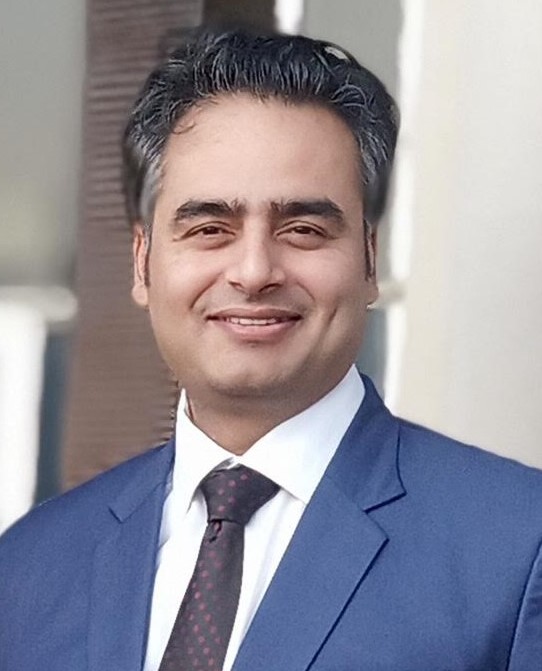
  • “I have always been fascinated by how FinTech can break down barriers of reach, scale and physical paperwork, create new opportunities, and redefine the way we think about financial services”- Sachin S., Director Legal-Regulatory & Licensing at PhonePe

    “I have always been fascinated by how FinTech can break down barriers of reach, scale and physical paperwork, create new opportunities, and redefine the way we think about financial services”- Sachin S., Director Legal-Regulatory & Licensing at PhonePe

    This Interview has been published by Pragya Chandni and The SuperLawyer Team

    Can you share with our listeners how your journey led you to the FinTech sector, and how you came to specialize in laws governing the FinTech?

    Certainly! My journey within FinTech has been both exciting and fulfilling. It all began with a keen interest in technology and its transformative potential in financial inclusion.

    During my early years as a lawyer, I observed the rapid growth and innovation in the FinTech space. I was fascinated by how startups were leveraging technology to create innovative solutions that addressed challenges in the financial industry. This led me to delve deeper into understanding the intricacies of FinTech law which continued to do a catch up behind technical innovation.

    As I continued to work with startups, I realized that they face unique legal challenges that require specialized knowledge and expertise. From navigating complex regulatory landscapes to protecting intellectual property and ensuring compliance with evolving laws, startups in the FinTech sector need legal guidance tailored to their specific product offering and target audience.

    Over the years, I have had the privilege of working with BankBazaar, KredX, Flipkart and Razorpay leading startups at various stages of their growth. This hands-on experience has allowed me to develop a deep understanding of the industry’s nuances and the legal and compliance frameworks that govern it.

    In addition to working directly with startups, I have also been actively involved in the broader FinTech community, attending closed group industry body forum discussions/ committees and seminars, and staying updated on the latest trends and developments in the industry. This continuous learning and engagement have been instrumental in honing my skills and staying ahead of the curve in the rapidly evolving digital finance and payments industry.

    You’ve had a diverse career path, ranging from law firm to in-house counsel. How have these different roles shaped your approach to legal advisory within the startup ecosystem?

    Starting my career with a law firm provided me with a strong foundation in understanding the intricacies of legal practice and the importance of rigorous research, analysis, and advocacy. Working in a law firm environment exposed me to a wide range of clients and industries, allowing me to develop legal skills and the ability to adapt to different regulatory challenges and scenarios.

    Transitioning to an in-house counsel role was a pivotal moment in my career. It offered me a unique perspective by immersing me directly into the operational and strategic aspects of a business. As an in-house counsel, I had the opportunity to work closely with business leaders, entrepreneurs, and cross-functional teams, gaining insights into the day-to-day challenges faced by startups and the broader business considerations that influence legal decisions.

    This dual experience has enabled me to approach legal advisory within the startup ecosystem with a holistic and pragmatic mindset. I understand the importance of aligning legal strategies with business objectives, prioritizing risk mitigation while fostering innovation, and providing practical solutions that support startups in achieving their goals.

    Moreover, having navigated both the law firm and in-house environments, I appreciate the value of collaboration and clear communication between legal counsel, business leaders, and cross functional stakeholders. I strive to build strong relationships based on trust, transparency, and open dialogue, ensuring that legal advice is not only legally sound but also actionable and tailored to the unique needs of the organization.

    What sparked your interest in the FinTech and financial sectors? Could you elaborate on some of the innovative strategies you’ve employed in your legal practice?

    I have always been fascinated by how FinTech can break down barriers of reach, scale and physical paperwork, create new opportunities, and redefine the way we think about financial services.

    In my legal practice, I adopt a proactive stance towards regulatory compliance. Rather than reacting to regulatory shifts, I work with stakeholders to foresee future trends and develop compliant strategies from the get-go. This approach allows me to navigate the regulatory landscape confidently and strategically.

    Additionally, I believe in collaborative relationships between startups, financial institutions, and regulatory bodies. By fostering open dialogue and partnerships, we can create a more harmonious ecosystem that encourages innovation while maintaining regulatory compliance and consumer protection. It is important to have regular open discussions with the regulators and licensing authorities to understand their perspective and their take on risks and consumer protection.

    Given your extensive experience in areas such as digital lending, payments, and data protection, how do you stay updated with the rapidly evolving regulatory landscape in the FinTech industry?

    Staying updated with the rapidly changing rules and regulations in the FinTech industry is crucial. To maintain a comprehensive understanding, I employ a systematic approach to staying informed. This approach allows me to deepen my expertise, refine my analytical skills, and adapt to the evolving regulatory environment effectively.

    Firstly, I regularly read industry news, updates, and legal articles about FinTech. This helps me keep track of new rules or changes that could affect the industry and understand emerging trends related to FinTech.

    Secondly, I attend seminars, workshops, and conferences focused on FinTech regulations and compliance whenever possible and actively participate in industry forums. These events provide valuable opportunities to learn from experts, engage in discussions with peers, and explore important issues in the field. Participating in these events allows me to share ideas, learn new strategies, and gain different perspectives on how to address regulatory challenges effectively.

    As a mentor and leader, you’ve curated a proficient team of lawyers. How do you foster an environment of responsibility and dedication within your team, especially in such dynamic industries?

    A captain is only as good as their team! Creating an inclusive work environment and ensuring equal opportunity within the team has always been a top priority for me. Here’s how we collaboratively approach this as a team:

    Clear and open communication is fundamental to our team’s success. By setting transparent expectations and outlining our collective goals, we as a team develop a roadmap that empowers each team member to take ownership of their roles. This clarity not only offers direction but also cultivates a sense of purpose and accountability among all team members.

    In the fast-paced FinTech, the power of collective intelligence is invaluable. We foster an environment that encourages knowledge sharing, open dialogue, and teamwork. This collaborative spirit enables us to harness diverse perspectives, drive innovation, and adapt effectively to challenges.

    Recognizing the importance of celebrating achievements and milestones, we make it a point to acknowledge each other’s hard work, innovation, and dedication. This approach not only boosts morale but also fosters a culture where excellence is both recognized and encouraged.

    Throughout your career, you’ve provided guidance on contract management, regulatory compliance, and legal matters. Could you share a particularly challenging case or project you’ve worked on and how you navigated through it?

    One of the exciting projects I have worked on involved advising BankBazaar, my previous employer, on expanding into new international markets. The main challenge was dealing with different rules and regulations in each country about financial services and technology. Each place had its own laws, making it hard to make sure we followed all the rules.

    To tackle this, I led a team to study the rules in each country carefully. We looked at what the local regulations were for the FinTech industry and what risks we might face. Based on this research, we created a detailed plan to help us follow the rules in each country while still achieving the company’s goals. 

    Reflecting on your journey, what advice would you give to fresh graduates aspiring to pursue a career in law, especially those interested in specializing in the FinTech sector?

    Here’s some advice I’d give to fresh graduates aiming for a career in law, especially in the FinTech sector. First, focus on developing your critical thinking and problem-solving skills. These skills will help you tackle complex legal issues and find innovative solutions, making you stand out as a valuable legal professional. Second, be resilient and adaptable. The world outside law school can be challenging, so having the perseverance to overcome setbacks will help you grow stronger in your career.

    Next, stay updated with technology and legal advancements. The legal sector is constantly evolving, and being tech-savvy will help you work more efficiently. Also, practice negotiation skills. These abilities will be crucial when resolving deadlocks and securing positive outcomes for your clients. Additionally, seek out a mentor or guru in your field of interest. I was fortunate enough to find one who guided me through both professional and personal challenges, providing invaluable insights and support.

    Get in touch with Sachin S.-

  • “Culture plays a very important role not just in doing business or solving legal issues, but also managing the teams”- Deepak Maharishi,Legal and Contract management Director,  Alstom

    “Culture plays a very important role not just in doing business or solving legal issues, but also managing the teams”- Deepak Maharishi,Legal and Contract management Director, Alstom

    This Interview has been published by Pragya Chandni and The SuperLawyer Team

    Can you share with us the pivotal moments or influences in your life that led you to pursue a career in law, especially considering your background in commerce?

    I finished my CS and Law in the same year and started my career as a Company Secretary in Delhi. Soon after that I realized that a CS was potentially working (and reporting) to either a CFO or a GC. Since I already had a degree in law, I wanted to clearly pursue that path. However, it was only after I was really mentored by the Senior Counsels in GE that I could really see that world as to what their day was like. I tried my hands on small assignments, thanks to my mentors in GE, which were given to me with no formal change in my role, but I was quite happy to see that dimension of profile additionally. This motivated me to then take a step further and eventually move from core CS role to Legal Counsel role in my career.

    You’ve navigated through various sectors, from real estate with Emaar to transportation with Bombardier and now at Alstom. What drew you to specialize in legal affairs within these industries, and how do you adapt your expertise across different sectors?

    In Emaar, I worked as a company secretary where I reported to Head – Legal and CS. I could see how busy but passionate he was in delivering all the assignments making sure that Emaar was progressing well on its growth path in India. It was my first job, so I was handling whatever came my way, which by the way was unbelievably exciting for someone who had just started the career. Apart from litigation management, I believe I was exposed to almost all major corporate transactions during my tenure.

    In GE, again joined as a corporate governance person but with a very small team. Thankfully, I had my previous experience and so managing compliances for a substantially lesser number of companies was quite relaxing. However, here I developed and delivered our solutions on the parameters of cost, speed, and quality. This very concept made me independent in terms of taking my own decisions and selling the ideas to bosses and eventually to other businesses that we were supporting. I also started informally working with senior counsel in GE on legal agreements. I could see how a lawyer / governance person can impact the business and the board of directors do listen to them!

    Bombardier (and now Alstom) has been an entirely different journey. Just after joining, in 4 months I was heading the function which continues till date. This demanded from me that I not only understand the business as a whole or the issue but derive the solution and own it. Whether it is public procurement, competition law, contract laws, numerous agreements, litigation, IPR, investigations, mergers, de-mergers, negotiations with suppliers / joint venture partners / customers,  setting up an entire function, developing teams, simplification, supporting other regions beyond India, handling an international team…thanks to this profile I have done it all and still find every day as exciting as it was my first day.

    Your journey encompasses experiences in both burgeoning companies like Emaar and established giants like General Electric. How have these contrasting environments shaped your approach to legal affairs and leadership?

    A Company like Emaar which was so well established in Dubai was entering into India and at the time when real estate was booking (prior to 2008 financial crises in the US). I witnessed aggressive growth, numerous due diligence exercises, and finally preparing for one of the biggest IPOs in real estate (although didn’t get successful). Within a year we were working with investment bankers independently while tremendously supported by our managers. Everything was a ‘first’ that we did there and brought a unique experience. My core learning has been speedy delivery and workload management here.

    GE on the other exposed me to apply my learnings but in a more organized manner. There we specialised how simplification even in a Governance function can enable the businesses. It was great learning how a governance function can focus on cost, speed and quality and support business.

    Bombardier (now acquired by Alstom) has been an entirely different world where I have seen business very closely. In order to adapt in a company like Alstom (and Bombardier) which works with government for building the railway transportation in the country, the biggest pillars of my profile are enabling the business by anticipating the risk while giving approval; and then immediately after winning the business, making sure that in the project execution we make sound progress by addressing all contingencies and surprises. By far, this very role where I am working in all dimensions (bids, projects, legal affairs, governance and compliance) has taken me to simply great heights in terms of analysing the problem and carving out strategy for resolving the issue for the company.

    Even after working in these different companies and environments, my learning underscores the paramount importance of integrity and a genuine concern for individuals.

    As someone who has managed complex legal matters across multiple regions, what are some of the key challenges you’ve faced in ensuring compliance and effective contract management, especially in diverse cultural and regulatory landscapes?

    Culture plays a very important role not just in doing business or solving legal issues, but also managing the teams. At one point I had the privilege of handling 7 lawyers from 7 nationalities, and this has been a surreal experience.

    From customers and partners standpoint, it is extremely important which are the areas that are most important for them as part of their brand equity or their culture. That area may not be relevant in other regions or strangely enough, in fact customers in one country may definitely want you to provide a better solution compared to the country you are coming from. This is very sensitive and must be handled very carefully. Negotiation, resultantly, becomes extremely crucial as to how we can still put forward our proposal.

    I still remember, I was in South Korea doing one negotiation and the potential local partner asked me a question. I said “yes, agreed”.  And then he continuously asked me the same question. I said “yes” again and again. My European colleague who was a business development director then intervened and said, “which part of Y-e-s is not clear”?  and then we all laughed.

    My learning is that all the efforts must first go into developing trust with a diverse and cross-cultural environment.  This is non-negotiable and anyone can sense it beyond the boundaries of language.

    On Compliance, it is extremely important that the message is understood in the same way it was delivered. A simple training like dawn raid may not be fully understood by a team of engineers sitting in another country who have no relation with such matters and yet you want that everyone must understand it well as you can’t be present in that premises personally.  This is my personal experience when I did a compliance tour in India, Thailand, Malaysia and Singapore. I thought I could repeat the slides which I have done many times, but the fact that I was going to engage with entirely different nationalities made a huge difference. In India, for e.g. for a competition law training, I can bring the BCCI case and cricket.  Not possible for countries which have no relation or craze for cricket for instance.

    Your role involves leading multidimensional teams comprising lawyers, company secretaries, and engineers. How do you foster collaboration and ensure alignment towards common goals within such diverse teams?

    It is a natural reflection of people that probably they are working with their different objectives and have no connection whatsoever with other team members in different profiles. Yet somehow, they must report to one manager. This mindset requires change otherwise function can’t deliver.

    My endeavour is to first of all make them understand in an open meeting what every sub-function is doing and how they contribute to organizational goals. At the same time, they are informed that a decision on a particular matter requires concurrence of these functions together. Beyond the individual objective setting cycle, I don’t shy away from sharing country level larger objectives to practically tell them how they will be achieved by way of collective working.

    Cross alignment is also ensured with one function taking a lead and inputs from other functions are obtained.  For instance, when we are doing a new business review (bids), then legal counsel will take all the lead and work on the risk profile, however, he/she is expected to take the lessons learnt from current projects from a contract manager who happens to be an engineer.  Likewise, a contract manager, while addressing a key item to a customer which can become a potential issue later, must be supported by a lawyer to set the tone, language, intent and evidential value.

    Lastly, there are team motivational ideas which we work on in which all the heads of these 3 sub-functions make a cross functional team and engage with all the members. This has turned out to be a very good tool for us for having camaraderie among the team members.

    With your interest in astrophysics and metaphysics, how do you integrate these seemingly disparate interests into your professional life, and do they influence your approach to legal strategy or problem-solving?

    Both these topics provide a broader perspective and deeper understanding of the world around us.

    I have personally become a better listener after paying attention to these topics. Inclusiveness requires you to open your mind first and destroy the ‘I’ factor. I don’t think there can be any better tool than learning about the Universe and metaphysics for this.

    These topics also touch upon ethical considerations and understanding these concepts can help us make decisions that align with right values.

    It also involves complex and abstract thinking which can improve the problem-solving skills.

    I truly believe that this unlimited and never-ending knowledge of Universe and metaphysics can lead to personal growth and development. This can improve self-awareness and emotional intelligence which are important factors in decision making.

    You’ve been recognized for your contributions to the legal field, receiving awards such as the Asia Law Business Award for Best Transportation Legal Team. Could you share some insights into the strategies or initiatives that have contributed to such recognitions?

    LEGAL: With an astounding amount of around 1 lakh crores of tenders submitted during 2023, the legal teams comprising just 3 members have supported the business with more than 30 tenders during the year. The tenders span across railway stock, railway signalling, and railway services segment with multiple customers in Central and State Governments. The terms and conditions of such tenders are influenced by international funding agencies in addition to Govt of India Public Procurement guidelines, ‘Make in India’ orders and Restriction orders related to land borders; amidst all other legal nuances.  The team also has been engaged in strategic partnership discussion where they play a pivotal role in supporting the business teams. While the team delivers on this key task, their focus continues to remain on adopting legal tech and automation.

    CONTRACT MMANGEMENT: The average project lifecycle is 7 years for urban rail transportation projects and more than 30 years for mainline railways including long term maintenance contracts. With a team size of 20, the contract management team has been successfully executing as many as 50+ large railway contracts with various government customers for delivering the backlog.  Their key deliverable during last year has been successful cost avoidance, cost claim, variation orders, cash negotiations, liquidated damages avoidance.

    CORPORATE GOVERNANCE: With 6 industrial sites, 2 major engineering centers, 3 legal entities including 1 Joint Venture with Indian Railways, Employee trusts, multiple committees, around 14 Directors across entities and 1 Branch Office of foreign associate in India, the company not only caters to domestic project needs, but also delivers for international projects. Corporate Governance in such a scenario becomes extremely important and at the same time crucial for meeting the compliances for the company. Our CS team during last year, has completed a strategic merger, strategic dividing in joint venture, capital repatriation going beyond the routine compliances.

    While we focused and achieved these strategic deliverables, I am very happy and proud to share that our teams have taken special initiatives in process automation, data analytics for risk management, legal tech solutions and developing KPI metrics for themselves.  

    Considering your extensive experience and achievements, what advice would you offer to law graduates aspiring to embark on a successful career in the legal field, particularly in the dynamic landscape of corporate law and compliance?

    I would recommend the following to my young friends:

    1. Education was a ticket through which you have (or will have) entered into an organization. The company hired you for your excellent education but also had expectations in mind that you are capable of picking up what they would like you to do.  They know that you will take time to learn and grow. That’s what you must prove.
    2. Be inquisitive. Start asking questions as soon as you enter an organization. This is extremely important for a lawyer and business counsel. Understanding the business model is extremely important at first than understanding the issue at hand.
    3. Learn the cash cycle of the company / your client as to how a company earns its own money. Always remember that any decisions that you will take as a GC / Practising Advocate eventually will impact the business of the company. Moreover, even if you are preparing to work as a Compliance Manager, this will really help you.
    4. In the initial learning years, unless absolutely necessary, don’t be in a hurry to say “no, this is not my job”. This is one of the most important things that has helped me personally. I have understood the entire business just by helping someone in his problems whether it required a legal opinion or not.
    5. You are a good lawyer if you can derive a solution which helps your company and client. But you are on a path to become a better lawyer if someone has trust in you with his personal issues. Develop that trust!

    Get in touch with Deepak Maharishi-

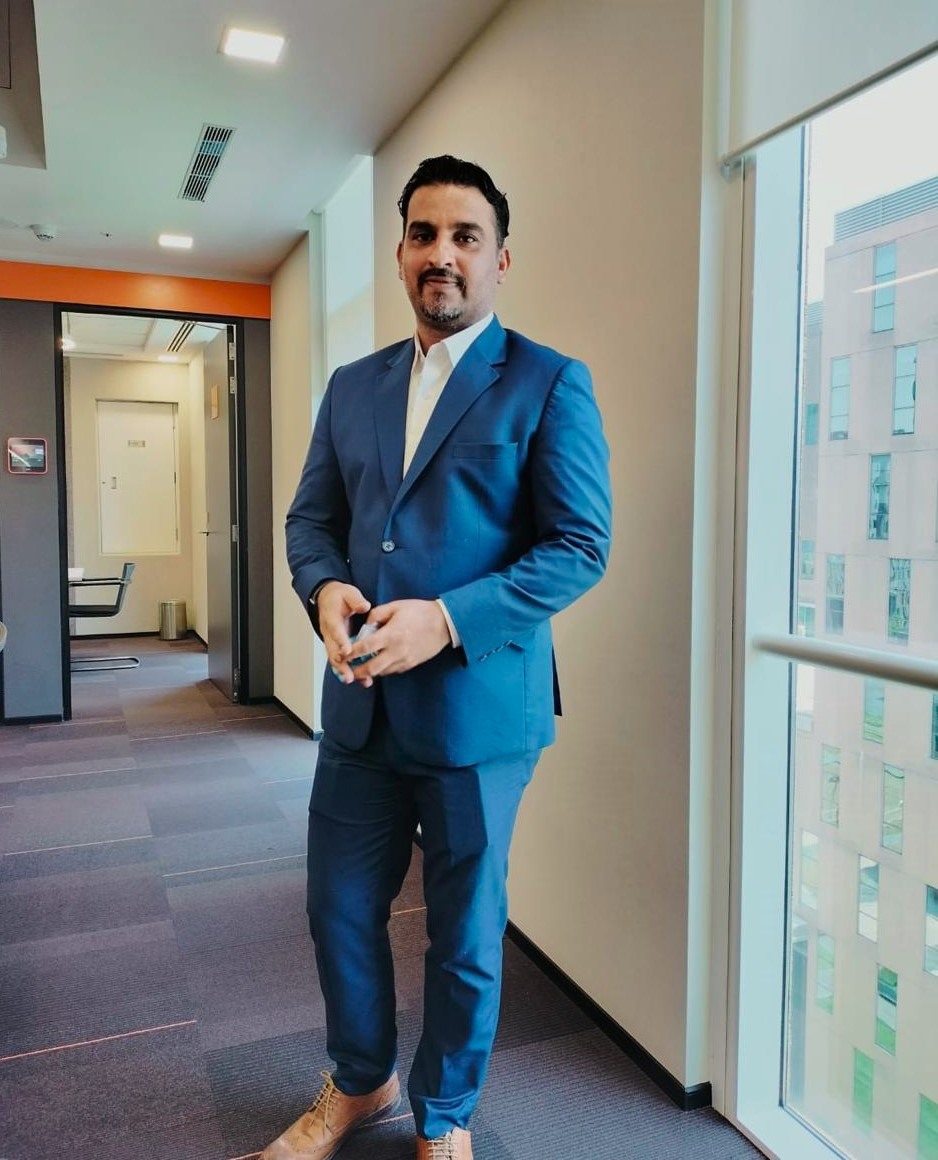
  • “In the current scenario, one must understand that environmental issues are highly critical and should be thoroughly evaluated to avoid huge financial liability for violation of environmental laws”- Dr. Khalid Khan, General counsel for Tenneco, India

    “In the current scenario, one must understand that environmental issues are highly critical and should be thoroughly evaluated to avoid huge financial liability for violation of environmental laws”- Dr. Khalid Khan, General counsel for Tenneco, India

    This Interview has been published by Pragya Chandni and The SuperLawyer Team

    Can you walk us through your journey in the legal profession, from your early days to your current position as General Counsel for Tenneco Inc.’s Indian operations?

    When I started my professional journey back in 1993, demand for in-house counsels was not so promising. You could make your place by really working hard and constantly meeting the expectations of your employer. It is very important for any new in-house counsel to get an opportunity to work under the guidance of a good senior professional. I consider myself lucky to have got that opportunity.

    As you know, learning is a continuous process. I too believe in that, and my quest for knowledge keeps me going.

    When you grow, you have to keep in mind that a good and motivated team plays an important role in your success. I always believe in building teams by having transparency, mutual respect & trust, delegation of authority, counselling & coaching and being there for them. I believe in simplification of legal processes.

    As a highly accomplished legal professional, what have been the most challenging yet rewarding aspects of aligning legal functions with business requirements throughout your career?

    It is a very good question. I always believe that a General Counsel is different from an outside counsel. A GC is expected to understand the business and try to give a solution which not only is in line with the legal framework but always gives a solution to the business. I know this is not easy. One may say that from a legal perspective, either something is permissible or it is not permissible. Based on my experience, I feel that a GC is supposed to provide different workable solutions to the business teams and help them in evaluating and deciding on the best solution.

    Being part of the Board of Directors, I am involved in important business decisions. This gives me an edge to review every transaction from a business perspective and  provide a legal solution in line with the business requirements.

    You’ve navigated through various industries such as Tyre, Financial Services, Chemical, and auto-component sectors. How has your diverse experience shaped your approach to legal strategies and corporate governance?

    Different industries that I have worked with have different challenges, requiring different approaches and strategies. For a GC, it is important to understand who your audience is. You need to have the ability to listen to your internal as well as external customers, understand their issues and provide the best legal options/ solutions.

    Given your extensive involvement in M&A, joint ventures, and divestitures, could you share some insights into the key strategies and considerations you employ when negotiating complex transactions?

    For M&A transactions, the first level of discussion revolves around the feasibility of the new business; what would be its value addition to your existing business and whether it would make a business sense to go for an M&A transaction.

    Once a business decision is taken, the second most important task is to do a thorough due diligence of the entire business involving financial, legal and environmental due diligence. In the current scenario, one must understand that environmental issues are highly critical and should be thoroughly evaluated to avoid huge financial liability for violation of environmental laws.

    For the success of any joint venture, it is important to ensure a lot of transparency in terms of sharing of important information with the JV partner and involve them in all the important decisions. It is very important to build a relationship, based on mutual trust and respect. This would ensure smooth running of the JV as well as future growth.

    How do you balance the need for legal compliance with the demands of business growth, especially in highly regulated sectors such as yours?

    As I said earlier, if you understand the business, you can surely provide a legal solution which aligns with the business.

    With your expertise in corporate governance and securities, what advice would you offer to companies aiming to enhance their governance standards and navigate regulatory landscapes effectively?

    I believe corporate governance is not just complying with the applicable legal provisions. Corporate governance should become part of a company’s culture. It should become the way of life. It has to be followed in the true spirit and, not just as a compliance obligation.

    You’ve been instrumental in implementing legal frameworks and adopting legal tech to support business growth. Can you share some examples of how technology has transformed legal operations during your tenure?

    Automation of processes is the need of the hour. With a lot of focus on having learner legal teams, it is important to keep working on automation. Compliance management tools, litigation management tools and contract management tools are few examples. These tools have not only saved a lot of time but also helped in ensuring accuracy of processes.  

    Lastly, drawing from your vast experience, what advice would you give to fresh graduates aspiring to pursue a career in law, especially those aiming for leadership roles in the corporate sector?

    My advice would be as follows:

    1. First and foremost, it is important to be a good human being. This quality would help you throughout your professional journey.

    2. Always believing in learning new things.

    3. Try to fully understand  and appreciate the perspectives of others. This would help you to provide a better legal solution.

    4. Build a good team. Trust and respect your team members. Always focus on the professional growth of your team members.

    Get in touch with Dr. Khalid Khan-

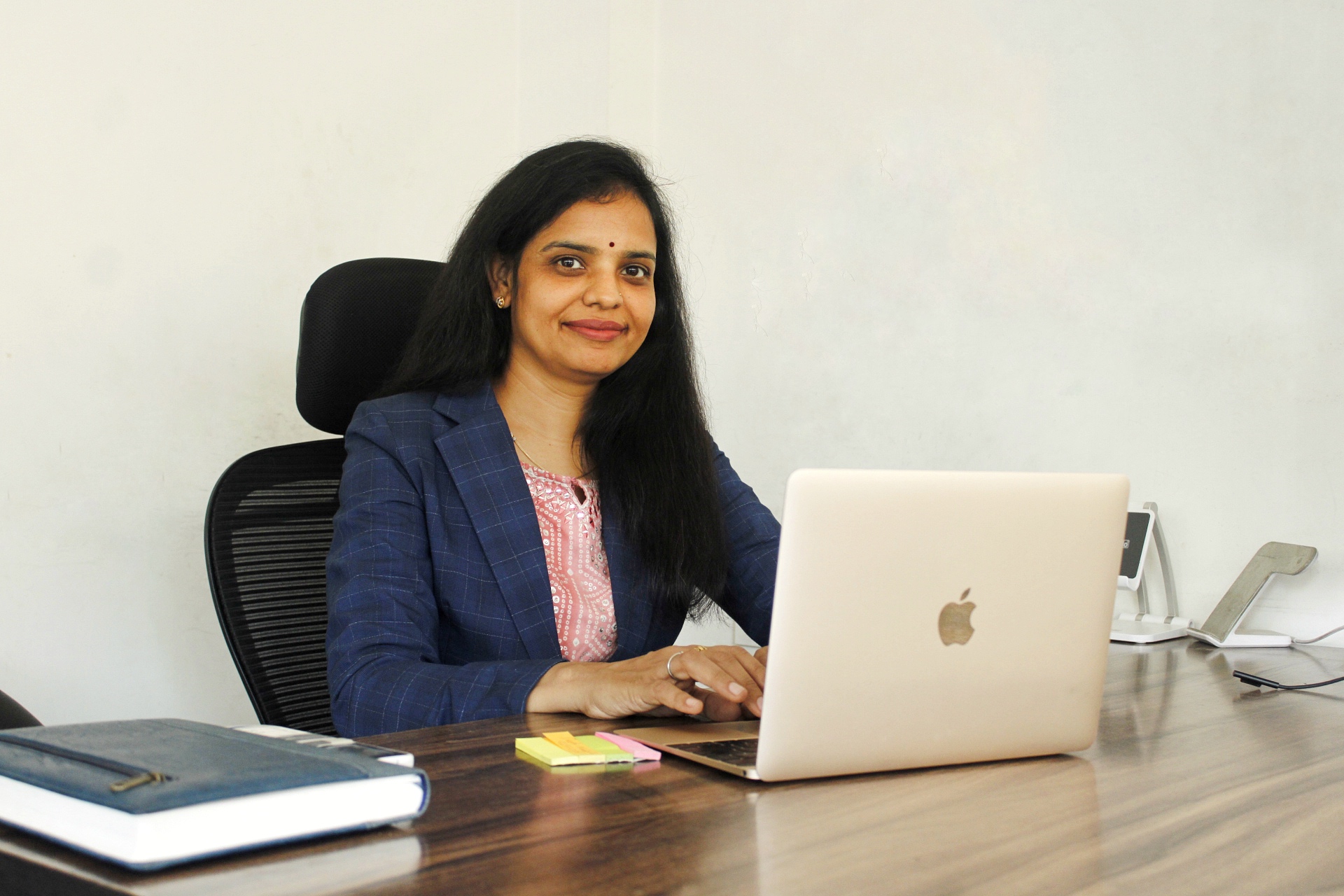
  • “The best part about being a lawyer is that we can work in any industry”- Jahnavi Upadhyay, Corporate Investigation Counsel, Accenture

    “The best part about being a lawyer is that we can work in any industry”- Jahnavi Upadhyay, Corporate Investigation Counsel, Accenture

    This interview has been published by  Priyanka Karwa and The SuperLawyer Team

    Could you please share your journey of how you ventured into the legal field, especially considering your extensive experience in both litigation and corporate advisory roles?

    I again wanted to study after my divorce as I had the responsibility of a child. One of my seniors and guide introduced me to litigation. When I stepped in Delhi High Court for the first time, I knew this was it. I interned all throughout my LLB during free time and started my own firm after passing the BAR exam. Litigation has always been my passion and while I was in transactional profile for one of the organizations, I requested the organization to assign litigation to me.

    With over 14 years of experience in litigation, arbitration, and legal strategy, what significant lessons have you learned along the way that have shaped your approach to handling high-stakes legal matters?

    Legal profession is practice and not every day is the same, patience, perseverance and discipline are key to surviving and eventually succeeding. To manage high stake matters, one has to have an eye for detail, early stage risk evaluation is must, multiple scenarios have to be worked out and strategies have to be prepared for the same in advance.

    You’ve held various positions in both legal and entrepreneurial domains. How has your entrepreneurial experience influenced your perspective and approach as a legal expert?

    My entrepreneurial experience made me understand the actual difficulties of the businesses and business teams, which made me a solution finder. It’s a well-established fact and has been a matter of research that if a solution is not holistic it’s not a solution but a long-term liability. This understanding is an asset for me, that the solutions or negotiations can’t be one sided and has to be made basis keeping holistic business welfare/ organizational welfare in mind.

    As someone deeply involved in corporate advisory and transactions, could you elaborate on how you integrate legal strategies to mitigate risks for senior management within companies?

    Knowledge set enhancement by keeping an eye on latest developments in the field of law always helps, connecting with the peers in the industry helps, usage of right risk mitigations tools is key these days due to dynamic legal/ business environment and employee training are key.

    Your profile mentions expertise in stakeholder management at the company board level.     How do you navigate the complexities of legal matters while ensuring alignment with broader business objectives and stakeholder interests?

    I have managed stakeholders in regulated industries and across the industry and also at the internal company level. I would say 80% of any job done is people management and 20% is actual work, if you know people, their requirements and you can achieve it in a holistic manner. One should develop soft skills and enhance knowledge set to keep up with the stakeholders.

    Given your background in setting up legal teams and managing cross-functional collaborations, what key strategies do you employ to ensure legal objectives are met efficiently, both in terms of time and budget?

    While setting up the team, one must be mindful of the environment, policies and expectations of the organization. Right fit is difficult to find but it’s better to work hard in the beginning rather than struggling for long after a wrong person is hired. One has to have clear objectives, right partnerships with law firms/ other support organizations, ensuring budget is adhered to by having right contracts in place, evaluation of external counsels performance, etc are a few key aspects one has to keep in mind.

    Your experience spans across multiple industries, from aviation to fintech. How do you adapt your legal expertise to address the unique regulatory challenges and compliance requirements of different sectors?

    Fundamentals of law remain the same. As lawyers we are used to reading/ research and if one surrenders to learning, one can work in any domain. The best part about being a lawyer is that we can work in any industry. One should look at the right value, skills can be learnt.

    Lastly, drawing from your wealth of experience, what advice would you offer to fresh law graduates who are stepping into the legal profession, particularly in terms of navigating the complexities of litigation, corporate advisory, and stakeholder management.

    Focus on basics and fundamentals of law, be flexible, don’t let biases affect you. People see you as a success after hard work of 10+ years, till then it is tough for a first-generation lawyer. But if you follow the code, you will succeed, just believe in yourself.   Another thing I have always believed is that nothing is impossible and don’t follow the rigid thought process, be flexible in approach and strategies. I always wanted to experience all the fields of law, and thus, I ensured that I work in varied profiles and not stick to one stream. I am a generalist and I believe that as lawyers we can venture into any aspect of law as and when needed (litigation background helps here).

    Get in touch with Jahnavi Upadhyay-

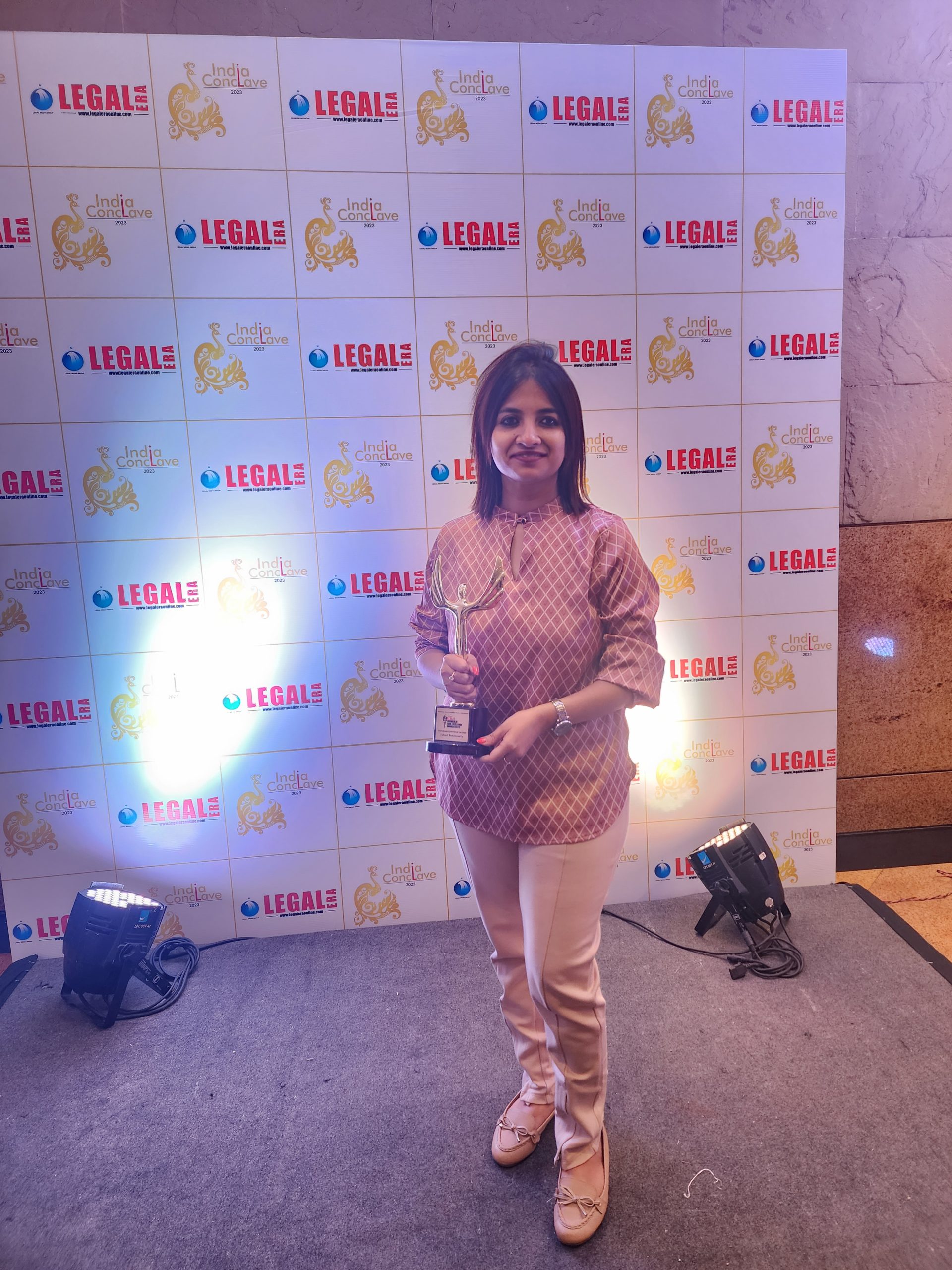
  • “I strongly believe if you are clear on your fundamentals and have the right discipline, you can easily sail through different sectors and areas of practice”- Esha Chakravarty, Chief Compliance Officer and Group General Counsel Cloud4C/CtrlS

    “I strongly believe if you are clear on your fundamentals and have the right discipline, you can easily sail through different sectors and areas of practice”- Esha Chakravarty, Chief Compliance Officer and Group General Counsel Cloud4C/CtrlS

    This Interview has been published by Pragya Chandni and The SuperLawyer Team

    Can you walk us through your journey from starting out as a lawyer to becoming the Chief Compliance Officer & Group General Counsel at CtrlS Datacenters & Cloud4C? What pivotal moments or experiences influenced your career trajectory?

    I am a first-generation common law jurisdiction qualified lawyer and my professional journey in the realm of corporate/commercial law and compliance domain commenced in the year 2008. I however started working practically full time whilst I was in my second year of the 5 years integrated LLB degree.  The actual reason why I decided to pursue law is because I wanted to appear for the civil service examination. However, once I started pursuing my degree, I decided to change course.  To be honest, law is one of the most nepotistic professions with a strong web of family legacy creating a launch pad for the next generation in their family. As is the case with any first-generation lawyer who does not have any legacy support in this profession, I did have my fair share of challenges, both academically as well as professionally, at the nascent stage of my career. Whilst it appears like an incident from another lifetime, during moot courts, I recall my fellow students having very well drafted and researched memorials using the resources, support and guidance of their parent’s chambers whilst me having to struggle in this front given the lack of support.  Likewise, for getting my first internship, given the fact that my college was new back then with no well established up and running placement committee, I recall several days of door to door walk-in interview attempts in the law firms based out of Fort Mumbai.  However, I finally did succeed in getting my first internship with Legal Pundits, a case law repository portal.  I was very active in my college and participated and won various intra as well as inter college debates, GDS, Moots including state levels. I strongly when one is determined and clear as regards one’s intent, guidance and support comes from unusual and unexpected quarters. 

    Whilst interning at Legal Pundits, I participated in an Exhibition where Legal Pundits had put up a promotional stall. Whilst participating in the stall, I happened to meet a solicitor who was kind enough to guide me to pursue my articles for the solicitor’s exam if I were serious about learning and building a career in this profession.  Post my short stint in Legal Pundits, I wanted to pursue a litigation-based internship opportunity. However, as luck would have it, I was guided by a Senior Counsel, Mr. Naveen Parekh, whom my father engaged in one of his matters. Mr. Parekh  guided me on the constraints inherent in litigation, both from timelines and financial standpoint and suggested that I must try getting into a corporate law firm given the potential and scope.  As luck would have it, there was a sole placement posting by DPA, a corporate law firm in my college. I got into DPA and signed up for a 3 year article ship. 

    The advantage of interning in a small firm is that you get to handle all kinds of work and get tremendous exposure in all domains, be it work or billing or relationship management. I worked in DPA whilst pursuing my law degree and whilst it was tough to juggle between academics and full time internship, the tenure at DPA and the rigorous training and work pressure laid the groundwork in shaping me as a professional in the realm of discipline, hard work, tenacity and proactive approach.  When you have limited choices, you learn to make the most of whatever comes your way. I appeared for the solicitor’s exam and cleared all my papers. I however missed my degree by 4 marks!

    After my stint at DPA, where I got exposure to general corporate, commercial contracts, PE deal and real estate, I joined Majumdar & Co., after graduating in 2008 where I worked with Mr. Neerav Merchant, a partner handling general corporate and real estate for over 3 years.  My stint at Majumdar & Partner has played a crucial role in my professional journey.  This is because the level of discipline, diligence and focus on quality of work, be it research, drafting or client relations at Majumdar helped me inculcate the right values professionally. 

    After working in law firms for over 7 years, I decided to move inhouse. Post my transition into Aegis, the ITES arm of Essar group, the journey has been upwards and onwards with amazing exposure to both IT and manufacturing sectors thanks to my stint at UPL, an agrochemical company, Datamatics, an IT/ITES company, Nuvoco Vistas Corp, a top tier cement manufacturing company and now finally in CtrlS Datacenters Ltd., and Cloud4C as CCO and Group GC. 

    With your diverse background spanning law firms and in-house roles across various industries, what motivated you to transition between different sectors and types of legal practice?

    Whilst I was working with the law firms, I got the opportunity to work on matters pertaining to different sectors, including IT/ITES, Pharmaceutical, Agro-Chemical, Heavy Industry i.e., coal and oil, Production Houses, FMCG. When you have clients from different domains and are working on different sets of issues, you invariably work on very stringent deadlines and have no choice but to acclimatize yourself as regards the relevant nuances, key variables and the sector specific issues that will have an impact on your advisory. This initial training helps you manage your time well, focus on what really matters to ensure quick turn-around and time bound support. At times whilst working as external consultant, the position adopted by in-house counsels that were not in sync with academic legal advice baffled me. I therefore was very keen to move in-house to get a well-rounded perspective and understand what are the factors that go into the decision-making process. My training and exposure in the law firms equipped me to handle and manage issues pertaining to different sectors with ease.  The motivation therefore to work for different sectors and areas of practice was the keen desire to learn, understand and eventually add value to whatever I sign up for. The different types of work also break the in-built monotony as you are always on your toes tackling new issues. 

    I strongly believe if you are clear on your fundamentals and have the right discipline, you can easily sail through different sectors and areas of practice. 

    Your expertise encompasses compliance risk management, corporate legal, and litigation domains. Could you share some key challenges you’ve faced in these areas throughout your career, and how you’ve addressed them?

    The mindset and the preparation that is needed in a corporate commercial domain as against litigation and compliance is different at many levels. However, there is a clear interdependence amongst various verticals. Whilst every role and stent had its own set of challenges, if I were to summarize the key challenge that has been common across various roles and sectors is getting your stakeholders and internal clients to appreciate your position and the rationale behind your advisory to ensure that the role of legal and compliance is not looked upon as a mere “paper pushing” activity and that cost and consequence of non-compliance is understood and factored in. Working on stringent timelines with quick turnaround time certainly cannot be labelled as a challenge but is a natural incidence of the profession and one has to make peace with it.  On some occasions, I did face mansplaining, gender and age based adverse presumption and the consequent loss of opportunities given the inherent bias. However, I could manage to overcome these roadblocks and I must acknowledge the support of all my mentors and seniors in my workspace who helped me navigate and sail through the various challenges. There are certain key non-negotiable parameters to tackle challenges. For me it was being highly proactive, taking total ownership of what you sign up for, being empathic and ensuring that folks can count upon and trust you in all your endeavors. 

    Given your extensive experience in compliance risk management, what strategies do you find most effective in developing and implementing compliance frameworks within organizations, particularly in multinational contexts?

    This is a very crucial question and goes to the heart of the inherent challenges in the risk and compliance domain. The most important strategy is to impress upon all the stakeholders that compliance is a necessary business cost and that you have to do things right the first time to set the right tone and context.  The function of compliance is very intense and all-encompassing from a process, protocol and implementation standpoint and the key strategy is to create a culture of compliance. Setting the right tone from the top is equally crucial.  Compliance is not a function in isolation and it certainly is not a one man show!  For me, as a part of effective compliance strategy, the key elements have been (a) Setting the right tone from the top; (b) Keeping abreast with the latest tools/tech and implementing the same to effectively monitor and reduce manual errors; (c) Robust training and awareness programs; (d) Continuous internal and external diligences; and (d) Ensuring that there are well defined consequences in place in case of non-compliance. 

    You’ve worked with top-tier international law firms as well as leading corporates and MNCs. How do you navigate the differences in culture, priorities, and working styles between law firms and in-house legal departments?

    With the increased focus on compliance, cost management and time bound advisory, the in-house role has become more all encompassing and challenging. I know of some of my friends who transited from top-tier law firms to in-house and were in for a rude shock. They presumed that after their stint in law firms, an in-house role would be a cake walk. Honestly, they were in for a rude shock.  In an in-house space, the buck does not stop with simply giving an opinion and/or representing and you have your skin in the game vis-à-vis ensuring that you make all the stakeholders understand the risk to effectively manage and ring fence the exposure. Also, on any given day, when you are leading the legal and compliance function, you navigate through multiple issues. For example, in a single day, you will have issues ranging from reviewing a high value contract, to advising on HR issues having legal implications, to working on a PE deal, to finalizing the pre-litigation strategy to ascertain gaps in compliance management, policy updates and on and on.  Whilst at in-house, your internal clients are lay man and they may have different levels of sensitivity and maturity vis-à-vis risk management.  Making them see through and appreciate your rationale is a challenge that is only there in the in-house domain. 

    Data protection laws and regulations, such as GDPR and the UK Data Protection Act, have become increasingly complex and stringent. How do you ensure that your organization stays compliant with these evolving standards, especially in the realm of cloud services?

    As I said, compliance and evolving regulation is a function of business and my job is to ensure that the operational and Infosec alignment are in place in sync with the ever-expanding requirement.  We do this via keeping ourselves abreast with the latest developments in law,  updating our policies, implementing necessary technical and organization measures, continuous training, and creating an ecosystem that has cross functional review and risk assessment measures in place. 

    In addition to your legal responsibilities, you’ve also managed various real estate, IPR, employee, and franchise-related matters. How do you balance the demands of these diverse legal areas while maintaining high standards of legal counsel?

    My initial training of around 7 years in the law firm where we catered to clients from different sectors and advised on different issues helped me develop the right base to work and manage a variety of issues.  However, it is also important to keep in mind that managing manifold matters is not a one man show. At a leadership level, finding the right resource and external advisors having the necessary subject matter expertise has also helped in tacking and managing issues effectively. 

    As someone with extensive experience and success in the legal field, what advice would you offer to fresh law graduates or aspiring legal professionals looking to build a successful career in today’s competitive legal landscape?

    My advice to fresh law graduates is that there is no short cut and instant gratification in this profession. You must sign up to be a lawyer if you are in for a long haul! There is no option but to be prepared for continuous hard work. You will have to be very patient and tenacious. If you do not like reading, do not even think about getting into law for reading and law goes hand in hand. It is imperative to bear in mind that given the nature of the profession, it is very important to remain objective and detached to manage stress better and do justice to the matters you are handling. This profession is very demanding and you will invariably have to invest long hours, work on the weekends and make many sacrifices at personal front. It is therefore important to have a good support system.  Focus on continuous learning and have an open mind. Ensure that you are dependable and can be trusted professionally. 

    Get in touch with Esha Chakravarty-

  • “Continuous learning is a key for any legal professional and in current times one needs to adapt to the constantly evolving legal requirements”- Sajid Nissar Mir, Senior Counsel at the Standard Chartered Bank.

    “Continuous learning is a key for any legal professional and in current times one needs to adapt to the constantly evolving legal requirements”- Sajid Nissar Mir, Senior Counsel at the Standard Chartered Bank.

    This Interview has been published by Pragya Chandni and The SuperLawyer Team

    Can you please share a bit about your journey into the field of law? What initially drew you to pursue a career in this field, especially with a focus on corporate law?

    I am an accidental lawyer (lawyer by destiny not by choice). My journey into law was unexpected while growing up, I never imagined myself as a lawyer. During my school days I was crazy about sports (especially cricket), I wanted my passion for cricket to turn into a profession. I represented my state J&K in multiple youth competitions organised by BCCI. For a number of years, I went through the ranks of representing J&K in various national level trophies U-14, U-16 and U-19, which included Vijay Merchant, Vinoo Mankand & Cooch Behar Trophy. Also, I was among very few to have achieved a unique fear of being selected to play a national level university tournament (Vizzy Trophy) for Kashmir and Bangalore University.  However, God had some other plans and I ended up being a lawyer.

    During my college days, I just wanted to finish 3 years of my 5-year law course and get back to cricket. I had enormous support from my college, teachers, staff and friends during my entire law degree. It was because of few well-wishers in the college, I ended up staying back for 5 years and completing my law degree. Honestly speaking without those individuals, I wouldn’t have completed my law degree – A big thanks to all of them.

    After finishing my law, I took a break for a few months and started to think about my future. At that point my cricket was going as I expected and I made the decision to dive into law as a full-time career. I always wanted to start my law career away from my hometown and by doing so, I kind of restricted my areas of practice. How did I choose corporate law as a career option? I had limited options and time was running away, in my personal opinion to have a flourishing career in private practise it is important that one should be proficient in the local language of that particular place and the other option was to get in corporate side of law and catch up on the learnings which I had missed doing during my college days (like doing internships). I chose the latter, I wanted to develop strong business acumen and a solid legal foundation, corporate law just provided me the perfect platform. Also, corporate law exposes you to different laws/ regulations, you are hand in hand with various strategies of business, helps you understand the market dynamics and you are among the early adopters of new technologies around the world. These are a few reasons which were aligned with my interests, my education and my personality that I chose corporate law, and the journey hasn’t been an easy one.

    Ranging from data privacy to cybercrime protection, how do these certifications contribute to your approach to legal counsel, particularly in a fast-paced environment like the banking sector?

    Continuous learning is a key for any legal professional and in current times one needs to adapt to the constantly evolving legal requirements. The modus operandi of crime is rapidly shifting toward the internet, in India alone last year (2023) 1.13 million cases of financial cyber fraud were reported. So, it becomes pivotal for a legal profession to understand these new requirements and develop an approach which protects your organisation from getting exposed to these modern-day crimes regardless of the industry.   

    These law courses and certificates are a good source to gain specialized knowledge in different areas of law. It has definitely helped me to gain practical skills that are required in understanding, tackling and overcoming these new changeling regulations. I also make it a point to attend as many workshops, seminars and webinars conducted by various renowned law firms on the subject of data privacy and cyber security, as these events are very rich in content and backed by practical experiences.  I would recommend all the future professionals to participate in these events (when time permits), this would enhance their learning and help them in developing new skills. 

    As a Senior Legal Counsel at Standard Chartered Bank, you’ve been deeply involved in various aspects of contract drafting, negotiation, and compliance. Can you elaborate on how you balance the need for legal rigor with the demands of driving business growth?

    In the era that we are in, the role of an in-house lawyer has changed significantly from a decade ago. We need to act as business enablers rather than just legal advisers, this “value add” helps business growth of organisation.

    While being a business enabler, one must not forget that in-house counsel is the gatekeepers of an organisation. So, it is critical to deploy agile ways of working that adds commercial value to the organisation while keeping it safe, enabling it to achieve its strategy objectives with high integrity. In my current role the expectation from me is to provide advice proactively, be a business enabler, think in terms of risk (and reward), and draft documents in line with business expectations and regulatory requirements. I often get asked by my stakeholders to find solutions to various difficult questions and grey areas. But I do keep in mind my professional duty of acting in the best interest of the organisation and therefore it becomes important for me to view the question from a very different perspective than my business colleagues. While drafting or during negotiation of a particular transition regardless of the monetary value, I ensure strict adherence to the legal/ regulatory obligations, eliminating any possibility of non-compliance. 

    A crucial aspect of maintaining consistency in a rapidly evolving industry that prioritises business expansion is by knowing the boundaries between what is lawful and right (doing the right thing).

    In your role at Standard Chartered Bank, you’ve been instrumental in managing complex M&A activities and supporting various global initiatives. Could you walk us through a particularly challenging project you’ve tackled and the strategies you employed to navigate it successfully?

    Standard Chartered is an amazing place to work, especially the legal department. I have grown leaps and bounds over the past few years and gained valuable experiences. A big shout to my colleagues, the legal management team and my people leader for having faith and trusting me to take a lead on some of the complex initiatives, giving me absolute freedom to plan my strategies around these projects.  

    It’s quite difficult to pick one project, honestly every project or every transaction that I’m part of has its own set of challenges. One simple rule which I follow in my day-to-day activities is that while I am working on a matter, whether I am drafting or during contract negotiations, I never look at the names of the people/ organisations on the other side of the table, I keep my (woodpecker) focus on what is beneficial and risk free for my organisation. Last year I was given a task to empanel some of the best law firms in the world on the Bank’s global legal panel. The purpose was to use the expertise of these firms in complex scenarios across the Bank’s physical and digital footprint. The negotiations were intense and engrossing not only on the provisions of law but on policies as well, the successful completion of the project resulted in many appreciations and me getting an award.     

    Collaboration seems to be a recurring theme in your career, from brokering alliances with law firms to supporting cross-functional initiatives within the bank. How do you approach building and maintaining productive relationships with diverse stakeholders, both internal and external?

    The knowledge of the law remains one essential skill to be successful as an in-house counsel. However, the ability to develop strong relationships with stakeholders inside the business, outside counsel, and other external stakeholders to the business is critical and a crucial soft skill one must possess. Better working relationships lead to better teamwork which will help you to be less stressed, more engaged, more productive and avoid time-consuming disagreements. 

    I keep it very simple, there is no rocket science in developing this soft skill, I always put myself in others shoes to understand their requirements or pain points. First and foremost, in a house role your need to understand the business requirement, have a clear communication with internal stakeholders, clear any ambiguity, be an active listener, values their inputs or suggestions, provide them clear expectations/ timelines, go back to the drawing board and come back with a solution which should be within the boundaries of your organisational policies and regulatory requirements. Once all the internal stakeholders are aligned with the solution, I would engage the external stakeholders and replicate the similar process of communication. From many years this has really worked well for me and I have been able to build a very strong working relation within my organisation outside as well.

    Your experience spans both in-house counsel roles and consultancy positions. How do these different perspectives inform your approach to legal counsel, particularly in terms of understanding and addressing the needs of your clients?

    After 5 years of working in a corporation, I decided to take a bold and conscious step of moving out of corporate and getting into the consultancy side of law. The move wasn’t a knee jerk reaction instead it was a thoughtful decision, the primary reason being getting involved in complex legal work. The roles which I was doing in corporate were completely driven by processes and SOPs and barely required any intellect or any out of box thinking, so I felt I was restricting my skills, plus I wasn’t gaining any new knowledge apart from getting to know the corporate culture in India works (which sometimes is toxic). The move was challenging and I knew from the start it was not going to be a walk in the park, initially I started attending courts in Bangalore. After a few months, I got a retainer from a hospitality organisation and that was my first client. I was given an initial task to streamline their policies, website T&C’s, service agreements, and initiate an IP suit. I was able to successfully complete all the tasks and they offered me a permanent role, but I ended up rejecting that and continuing as a consultant. During the same time, I met a GC India of a large pharma conglomerate and he gave a task of initiating money recovery suits against many of their non paying clients, it was a 90 days assignment. I ended up working as a consultant for them for close to two years, streamlining contracts, managing external legal counsels, leading a winding up petition against a big hospital chain in India and closing down a few manufacturing factory units in India. The period of 3 years working as a consultant with many clients ranging from pharma, ecommerce, hospitality and media agencies gave me a rich experience of handling different legal requirements, which in turn helped me grow as a sound legal professional. 

    I never changed my approach towards work whether it was during my time as consultant or in house role. The basics of lawyering remain the same, doing the proper discovery, immaculate drafting, understanding the need, interpretation of statutes keeping in mind that your client or business is from a non-law background and being confident/ consistent.  Yes, a minor adjustment here and there that’s all was required while performing the roles. The legal needs of clients or businesses mostly revolve around being proactive (safeguarding measures) or in some cases being reactive (remedial actions). 

    Lastly, considering your extensive experience and achievements, what advice would you offer to law graduates aspiring to build successful careers in the legal profession, particularly in navigating the evolving landscape of business and compliance?

    Smile! I am still learning, I firmly believe achievements are yet to come, I can just relate it to my playing days, that I have just got into double figures and I need to convert this into a big hundred and then celebrate, so there is a long way to go.

    Legal profession is a noble profession, you should be trusted advisers, upright citizens and honest in your approach.  Your interests should not be our own, but should be those which align with the discharge of your duties to the law, to your client and as per the oath.

    As a budding lawyer, if your interests are in helping people in your day-to-day life, being an inspiration or being real (not role) model in society, here are few tips which you can be fruitful and helpful:

    • Stay Humble and Grateful.  
    • Continuous learning.
    • Be Forthright.
    • Exercise Diligence.
    • Go above and beyond.
    • Have Integrity.
    • Trusted Advisor.
    • Celebrate Success.
    • Smile.

    Also, you must spend time on becoming a lawyer of the future; a lawyer who is not only fluent in the law, but also the commercial and customer-centric demands of the profession (O shaped Lawyer). You need to bring in a change to the public perception of lawyers, which in many societies today is that lawyers are ripping off people, greedy, selfish and arrogant. Lawyers have a fantastic opportunity to make significant contributions to society. You are privileged, educated, articulate and hard workers – make use of your skills. As a young legal professional raises your bar, you should be beyond reproach, something that others strive to be like, and something you should be honoured to be a part of. There is no short cut to success as you keep learning, you need to put in some hard yards to master the art and by doing so you will evolve as a professional.  

    May your future be bright and prosperous! 

    Happy Lawyering!

    Get in touch with Sajid Nissar Mir-

  • “Working in emerging areas presents a unique set of opportunities and challenges that make work both exciting and demanding”- Nandini Nambiar, Senior Corporate Counsel, Amazon

    “Working in emerging areas presents a unique set of opportunities and challenges that make work both exciting and demanding”- Nandini Nambiar, Senior Corporate Counsel, Amazon

    This Interview has been published by Pragya Chandni and The SuperLawyer Team

    Could you please share a bit about your journey into the fintech sector and what initially drew you to this industry?

    My journey in the fintech space started with Ola Money. When I joined Ola, I was initially working on Ola cab and other core Ola businesses. But soon an opportunity presented itself for me to take up the Ola Money charter. I wasn’t sure about what it involved (since I hadn’t worked on financial products before), but took it up as a challenge and a chance for me to learn something new. Since then, there has been no looking back for me – with Ola Money (now Ola Financial Services) and now Amazon Pay. The excitement I felt when I first started working in the fintech space, is something I still feel today. The fintech space has seen tremendous growth in the past decade, a trend that I expect will continue. I am grateful I had the opportunity to explore this sector, and work on a range of fintech products over the years, including wallets, postpaid payments, insurance, payment aggregation, mutual funds and more.

    You’ve had experience working both in-house and with law firms. How do these experiences differ, and how have they shaped your approach to legal counsel?

    That’s right, I started my work experience in law firms, and then moved to in-house roles. I personally think I got to experience the best of both worlds. The law firm experience is what helped me understand and learn the intricacies of law, and its application to everyday issues. This formative experience laid the groundwork for my subsequent transition to in-house roles. When I moved to an in-house role, I had to further learn how to translate legal advice into on-ground executable inputs, and how to deal with ambiguity. I had to analyze situations from multiple perspectives (business, tech etc.), evaluate risks, and make informed decisions in the absence of absolute certainty. I believe these experiences have made me a much better lawyer as I am able to understand and appreciate both the business and compliance aspects of operating a business.

    With your extensive background in regulatory compliance, particularly in emerging areas like fintech, what challenges have you faced, and how have you navigated them?

    Working in emerging areas presents a unique set of opportunities and challenges that make work both exciting and demanding. There is a constant exposure to the unknown! Almost every day brings forth a new scenario, a fresh set of variables, or a problem that requires novel solutions. This situation demands a combination of creativity, critical thinking, and a willingness to explore new paths.

    In the absence of established precedents, the ability to exercise sound judgment becomes paramount. Making informed decisions in the face of ambiguity requires a deep understanding of the subject matter, a thorough analysis of available information, and the capacity to weigh potential risks and benefits. It is a skill that is honed through experience and continuous learning.

    I have also found that regulators are very open to engagement and discussions. This creates a collaborative environment where regulators, industry participants, and stakeholders can work together to shape policies and regulations in a manner that promotes innovation, while ensuring public safety and welfare.

    So if I had to summarize, working in emerging areas offers a dynamic and ever-evolving environment where the unknown becomes a catalyst for growth and innovation. It is a space where individuals with a thirst for learning, a knack for problem-solving, and a commitment to excellence, can thrive and make a meaningful impact.

    Could you elaborate on your role as a strategic business advisor for legal compliance in new business operation areas? How do you stay ahead of the curve in such dynamic environments?

    As a legal counsel, it is crucial to operate as a strategic partner, collaborating with business to ensure we navigate the regulatory landscape successfully, and supporting innovation at the same time. This involves providing comprehensive advice and guidance that goes beyond the letter of the law, encompassing the spirit and intent behind regulations as well. In most instances, I have seen the goal of the regulations and business to be the same – give customers a product/ service offering, which is safe, secure, and easy to use. 

    To stay ahead of the curve, it is important to stay on top of new regulations, actively engage with the industry and regulator, and track what is happening in the industry. To balance what business wants, what customers want and what regulations mandate, is a fine balance.

    Having worked with giants like Amazon and Ola, what have been some of the most significant legal considerations unique to these tech-driven businesses?

    I have realized that each company is unique, having its own set of distinctive characteristics and objectives! For instance, I have worked on the wallet business in both Ola Money and Amazon Pay, but the kind of work I have done in both organizations is very different. Like I spoke of earlier, the advice varies considering what a particular business wants to achieve, the applicable legal considerations, technology build and so on. So, my advice would depend on various such factors. 

    These varied experiences have taught me that there is no one-size-fits-all approach when it comes to designing and implementing business and legal solutions. Each company has its unique set of requirements, customer base, and business model, which necessitates a tailored approach. Understanding these nuances is important in providing effective counsel. Also, one needs to apply the right judgement and understanding of what the regulations require, in letter and spirit, including what changes to expect, and how customers may perceive something. Factoring all this into my guidance is a critical part of how I work.

    Your educational background includes an LLM from the London School of Economics. How has this academic pursuit influenced your career trajectory?

    Education has always been a fundamental aspect of my life. Growing up, my family instilled in me the significance of acquiring a quality education. I think I always knew that pursuing a Master’s degree would be a natural progression for me. After my studies at Symbiosis, I applied for a Masters in the UK and was fortunate enough to get into LSE, where I completed my Masters in Law in Corporate and Commercial laws. My LLM experience was truly remarkable. I tried to make the most of it not just by focusing on studies (with some amazing professors), but participating in extra-curriculars, absorbing new cultural experiences, and making friends from all corners of the globe! Meeting individuals with varied backgrounds at LSE was a transformative experience. Their experiences and perspectives broadened my understanding of the legal profession and exposed me to various career options available to me. These interactions played a pivotal role in shaping my professional aspirations and goals.

    From drafting and reviewing contracts to undertaking due diligence, you’ve covered a wide spectrum of legal tasks. Can you share a particularly challenging or rewarding project from your career?

    I know it will sound like a clichéd response, but honestly, I don’t think I can pick something in particular. Each experience I have had so far, has helped shape me into the person/ legal counsel I am today. What is most rewarding for me is to work to solve problems/ challenges for customers, and every day that I am able to do that, it keeps me going! I have been working in the fintech space for almost a decade now, and I have been blessed to see this space grow and innovate. Being part of this journey has been very rewarding to me!

    As someone with rich experience in the legal field, what advice would you offer to fresh graduates aspiring to pursue a career in law, especially in the realm of corporate and commercial law?

    Firstly, one size won’t fit all! So my advice is purely based on what I have experienced. As a fresh graduate, I would say your main focus should be on learning. Find opportunities where you can do that, and build a strong foundation. Embrace opportunities to learn from senior colleagues, attend workshops/ seminars, and engage in continuous professional development. Also, don’t feel pressured to pick a specialty area of work right out of college. Experiment and try new things. When you do end up specializing down the line, you will be clear on what you want.

    What has also helped me during this entire journey, was having some great mentors. If you are fortunate enough to have a mentor, actively seek out their knowledge and learn as much as you can from them.

    Get in touch with Nandini Nambiar-

  • “With dedication and active involvement, success in the legal profession is not only achievable but also immensely fulfilling”-Rajiv Mandal ,Senior Legal Counsel – Flipkart 

    “With dedication and active involvement, success in the legal profession is not only achievable but also immensely fulfilling”-Rajiv Mandal ,Senior Legal Counsel – Flipkart 

    This Interview has been published by Pragya Chandni and The SuperLawyer Team

    Can you please share more about your upbringing in a rural village near the Parasnath Hills in Jharkhand? How did your family’s emphasis on education influence your decision to pursue a legal career?

    I was born in a remote village near the ‘Parasnath Hills’ in Giridih district of Jharkhand; I could never have imagined that one day I would call a bustling city like Bangalore my home. I was raised amidst a community where agriculture and daily wage labor were the primary means of sustenance. However, I was fortunate to be born into a family that placed great emphasis on education.  

    My father, a criminal lawyer, held firm to the belief that all his children should receive a proper education. Yet, in a middle-class joint family with my father as the sole breadwinner, this aspiration was not without its challenges. Consequently, to manage our agricultural responsibilities, my mother stayed back in the village while my father practiced law in Giridih town, thirty kilometers away.   

    Witnessing my father’s dedication to his legal practice from a young age deeply influenced my career aspirations. I admired his commitment to justice and the way he prepared for his cases. It ignited within me the desire to follow in his footsteps and pursue a career in law, a dream shared by both my father and myself.  

    Transitioning from a small Hindi-medium school to an English-medium institution like BNS DAV Public School must have presented its challenges. How did this transition impact your academic journey and your consideration of engineering as an alternative career option?

    Navigating through my educational journey posed its unique set of challenges, primarily stemming from financial constraints and the dynamics of belonging to a large joint family of twelve members. I commenced my schooling at a modest Hindi-medium institution nestled near my home in Giridih. There, I diligently pursued my studies up to the 7th grade before transitioning to Saraswati Shishu Vidya Mandir (SSVM), a semi-English medium school, in pursuit of a stronger command over the language. Adapting to SSVM initially proved to be a formidable task as I grappled with the linguistic transition across various subjects. However, through unwavering determination and continuous effort spanning three years from the 8th to the 10th grade, I gradually took hold of the curriculum and achieved good marks in my 10th-grade examinations.  

    Post my matriculation from SSVM, I earned admission to the esteemed ‘BNS DAV Public School’ located in the city, where I completed my 12th grade with a Science stream. Despite nurturing a longstanding aspiration to pursue a career in law, the academic environment at BNS DAV, coupled with the prevalent focus on engineering among my peers and even in two of my elder brothers, prompted me to momentarily entertain the idea of pursuing engineering. In alignment with this shift, I even applied for multiple engineering entrance examinations following the completion of my 12th grade.

    What motivated you to ultimately choose law over engineering, despite the prevailing enthusiasm for engineering studies during your time? 

    From a young age, I held onto a deep-seated desire to walk the path my father paved in the field of law, a dream we both cherished. However, amidst the prevailing fervor for engineering studies in 2009, swayed by the achievements of my peers and elder siblings in engineering, I found myself considering a different direction. I even went as far as clearing a few engineering entrance exams. Nevertheless, my childhood aspiration of becoming a lawyer remained steadfast. After extensive discussions with my father and thorough contemplation of various factors, I made the pivotal decision to pursue law.

    Opting for law over engineering was partly influenced by my struggles with mathematics. Recognizing my proficiency in literature, I believed law would better suit my strengths. Additionally, having my father, a seasoned lawyer, as a mentor was a compelling factor. His guidance and support would prove invaluable in navigating the complexities of legal studies and building a career in the field.

    In retrospect, choosing law has proven to be a wise decision. I flourished academically in my legal studies, reaffirming my passion for the subject matter. 

    Could you describe your experience studying law at M.S. Ramaiah College of Law in Bangalore? How did this experience prepare you for your career in the legal field? 

    Commencing my legal education journey in 2010 at M.S. Ramaiah College of Law (MSRCL) in Bangalore was a pivotal moment in my life. Transitioning from a quaint hometown to the bustling city of Bangalore and enrolling in such an esteemed institution like MSRCL brought forth its own set of challenges and opportunities.

    At MSRCL, I was immersed in a comprehensive legal education curriculum that not only familiarized me with various laws but also honed my presentation and negotiation skills. The college’s stringent academic standards, including mandatory attendance and adherence to proper uniform, instilled in me a sense of discipline and professionalism essential for the legal profession.

    Moreover, MSRCL provided a rich array of extracurricular activities such as moot courts, guest lectures, seminars, and legal aid clinics etc., which played a crucial role in shaping my overall personality and preparing me for a successful career in law.

    One particularly valuable aspect of the curriculum was the requirement for students to complete an internship at the end of each semester. These internships not only provided practical exposure to the legal field but also equipped me with invaluable hands-on experience that would prove instrumental in my future endeavors.

    Overall, my time at MSRCL was not only academically enriching but also personally transformative, laying a solid foundation for my journey as a legal professional. 

    You’ve had a diverse range of internships during your academic journey, including at Law Firms, NGO, MNCs, and even at the Karnataka High Court. How did these internships contribute to your understanding of the legal profession? 

    During my time at MSRCL, I found myself grappling with the decision of which career path to pursue: litigation, corporate law, or the judiciary. To gain practical insight and clarity, I embarked on a series of internships across various sectors. I sought experiences with NGOs, MNCs like Reliance, PSUs like SAIL, esteemed Law Firms like Lakshmi Kumaran & Sridharan Attorneys, and even had the privilege of interning at Karnataka High Court and  Giridih District Court. I also had an internship opportunity in the office of the Ex-Additional Solicitor General of India, Mr. K.V. Vishwanathan. Each internship revealed the distinct nature of legal practices, necessitating diverse skill sets and experiences. These internships proved invaluable, offering me first hand exposure to different legal domains and helping me align my interests with a suitable career path.  

    To support myself financially and further augment my practical legal skills, I actively sought out paid internships through our college placement cell. In my penultimate semester, I secured a position as a ‘Research Associate’ at a law firm in Bangalore, which I diligently balanced alongside my academic commitments. This experience proved pivotal in honing my research and analytical skills. This dedication ultimately led to a job offer from Wipro Ltd., secured through our college’s placement program in my final semester.

    Through this journey of internships, part-time roles, and academic pursuits, I have gained a comprehensive understanding of the legal landscape, allowing me to make informed decisions about my future career trajectory.  

    Joining Wipro’s legal team marked your entry into the corporate legal landscape. What were some of the initial challenges you faced in transitioning from academia to corporate practice? 

    Upon joining Wipro’s legal team, I initially grappled with uncertainties about my ability to thrive in the demanding corporate world, which values commitment, negotiation ability, effective communication, and a robust personality. Understanding the intricacies of Wipro’s diverse business operations, learning the drafting, contract negotiation skills, and mastering stakeholder management posed significant challenges at the onset. However, drawing from my past experiences and interactions with individuals from various backgrounds and cultures during my college years, I found myself adept at building relationships with diverse stakeholders, thereby enhancing stakeholder management. While my academic background provided a solid foundation in legal theory, it was immensely fulfilling and intellectually stimulating to witness how these theories seamlessly translated into real-world contract applications. Despite the initial challenges, I remained committed to my work, leveraging dedication and perseverance to excel in my role as a Corporate Lawyer/In-house Legal Counsel at Wipro. 

    As a Senior Legal Counsel at Flipkart, you’re responsible for a wide range of legal matters. Could you walk us through a typical day in your role and some of the key challenges you encounter.

    Working at Flipkart, a leading e-commerce giant in India, offers me a dynamic environment where I encounter fresh challenges and learning opportunities daily. My typical day revolves around the meticulous handling of drafting, reviewing, and negotiating a variety of contracts and legal documents. Additionally, I provide crucial legal advice across a range of matters of the company’s operations to safeguard its interests and mitigate potential risks effectively.   

    A significant aspect of my role involves navigating the intricacies of contract negotiation. This demands not only substantial effort but also a nuanced skill set to ensure that Flipkart operates within legal parameters while minimizing risk exposure. Given the diverse range of categories in which Flipkart operates, innovation is a constant endeavor. Thus, it’s imperative for me, as a Senior Legal Counsel, to stay abreast of evolving laws and regulations to ensure our compliance and guide the company effectively.

    Moreover, effective stakeholder management is also critical as I engage with stakeholders across various categories. This requires adept communication and negotiation skills to foster positive relationships while aligning with Flipkart’s objectives. In essence, my role extends beyond legal expertise; it entails strategic advice and proactive risk management to support Flipkart’s continued success in the dynamic e-commerce landscape.   

    Finally, based on your journey and experiences, what advice would you offer to law graduates aspiring to build successful careers in the legal profession, particularly in navigating the evolving landscape of business and compliance?     

    In the past, it was common for people to regard law as a secondary option for those who struggled academically. However, the modern business landscape highlights the paramount importance of legal compliance, elevating the demand for skilled legal professionals. 

    To law graduates, I offer this advice: Approach your studies with dedication and focus on understanding the core concepts of law rather than simply aiming for high grades. Regular and active participation in classes and extra-curricular activities are essential for success.  

    Furthermore, seek out diverse internship opportunities in areas such as NGOs, MNCs, PSUs, Courts, and Law firms. These experiences will help you discover your strengths and interests within the legal field.  

    Participation in extracurricular activities such as debate competitions, seminars, and moot courts is equally crucial. These engagements foster critical thinking, communication skills, and exposure to real-world legal scenarios. 

    My advice to law graduates echoes the sentiment that dedication and passion are the true determinants of success, regardless of one’s background. Reflecting on my own journey from a challenging rural upbringing to becoming a corporate lawyer in Bangalore, I can attest to the power of perseverance and dedication. Despite facing obstacles, I have been able to carve out a successful career path, working with prestigious organizations such as Wipro Ltd., Biocon Ltd., and Flipkart Internet Pvt. Ltd. 

    Therefore, I encourage law graduates to believe in themselves, seize every opportunity for growth, and pursue their aspirations with determination. With dedication and active involvement, success in the legal profession is not only achievable but also immensely fulfilling.   

    Get in touch with Rajiv Mandal-

  • “Helping a larger community is incredibly fulfilling… It’s rewarding to know that my work contributes to their well-being and empowerment outside of formal legal proceedings.” – Sapna Patwa, Former Civil Judge & Managing Director at Legal House Law Firm.

    “Helping a larger community is incredibly fulfilling… It’s rewarding to know that my work contributes to their well-being and empowerment outside of formal legal proceedings.” – Sapna Patwa, Former Civil Judge & Managing Director at Legal House Law Firm.

    This interview has been published by Namrata Singh and The SuperLawyer Team

    Could you please introduce yourself to our readers and share with us how you decided  to pursue a career in law? What challenges did you encounter when starting your career,  and how did you overcome them? 

    Hello, readers. My name is Sapna Patwa, and I am a former judge who served in the Madhya Pradesh judiciary for 8 years. Currently, I am practicing at the High Court of Madhya Pradesh. 

    My journey into pursuing a career in law has been a unique one, filled with challenges. Initially, after completing my undergraduate and postgraduate studies in commerce (M.Com),  I got married, thereafter I took a break from academics to focus on raising my children. However, after a gap of six years, my husband encouraged me to continue my education, and  it was his support and motivation that reignited my passion for learning. 

    In my first year of pursuing my LL.M, I became acquainted with the field of judicial services. Learning about this path sparked my interest, and from then on, I dedicated myself to prepare for it. Despite the challenges of balancing familial responsibilities and academic pursuits, I persevered with the unwavering support of my husband and mother. 

    The journey towards becoming a judge was not without any obstacles. Studying law after a  significant gap presented its own set of challenges, but through determination and hard  work, I overcame them. Additionally, preparing for the judiciary exams required immense  dedication and focus, but with perseverance and the grace of the lord, I was able to  successfully clear the Madhya Pradesh Civil Judge exam in my second attempt. 

    I am deeply grateful for the unwavering support of my family, especially my husband and  mother, whose encouragement has been instrumental in my journey. As I continued to serve in the legal profession, I remained committed to upholding justice and making a positive impact in the lives of those I serve. 

    Your journey from a civil Judge to managing director at Legal House is inspiring. Can you share a pivotal moment or decision that led you to transition from the bench to  advocacy and legal consultancy? 

    As a civil judge, I found that dispensing justice from the bench had its limitations. Working within the confines of the judiciary restricted my ability to reach out to a broader segment of  society. Conversely, transitioning to advocacy and legal consultancy allowed me to assist a greater number of underserved individuals by being actively involved in the community. This  realization prompted me to make the transition from the bench to advocacy and legal  consultancy. 

    Your dedication to educating and guiding aspiring legal professionals is evident. What  motivated you to become a guest lecturer and a mock interview panelist at Judiciary  Gold, and how has this experience influenced your approach to practicing law? 

    My decision to become a guest lecturer and mock interview panelist at Judiciary Gold was driven by the challenges I encountered while preparing for judiciary exams myself. I struggled to find proper guidance and support during that time, and I realized that many  others were facing similar difficulties. This motivated me to become a lecturer, so I could provide aspiring legal professionals with the guidance and support I wished I had received. 

    By sharing my knowledge and experiences, I aim to help them navigate the complexities of  legal examinations more effectively. This experience has shown me the importance of  mentorship and education in the legal profession. It has also deepened my understanding of  the challenges faced by aspiring legal professionals and the need for adequate resources  and support. 

    Engaging with students has not only allowed me to give back to the legal community but has  also enhanced my own understanding of legal concepts and principles. Overall, my role as a  guest lecturer and mock interview panelist has been a rewarding experience, benefiting both  the aspiring legal professionals and myself. 

    As a former Judge, you’ve presided over numerous sensitive family law cases. Can you  share a particularly challenging case that left a lasting impact on you and shaped your perspective on family law and justice? 

    As a former judge, I’ve dealt with many difficult family law cases that have shaped my perspective on justice. One case that stands out involved a bitter dispute between two  parents over custody of their children. The hostility between them made finding a resolution  incredibly challenging. Despite my efforts to encourage cooperation, their deep-seated emotions hindered progress. 

    What made this case especially tough was seeing the impact on the children caught in the middle. Their well-being was overshadowed by their parents’ conflict, which took a toll on their emotional health. Witnessing this reinforced the importance of prioritizing the children’s best interests in family law proceedings. 

    This experience deepened my understanding of the complexities of family law and the need  for empathy in resolving disputes. It also strengthened my commitment to promoting  cooperation between parents and protecting children’s welfare. 

    While cases like these can be emotionally draining, they remind us of the importance of our role in shaping the lives of those we serve, especially in family law matters. 

    Your involvement as a legal advisor for the All India Chief Life Insurance Welfare  Association showcases your commitment to community service. How has this role  allowed you to make a positive impact beyond the courtroom? 

    Being a legal advisor for the All India Chief Life Insurance Welfare Association (CLIA) fills me with pride. It’s a chance to handle various cases from all over India, which goes beyond just  courtroom work. 

    Helping a larger community is incredibly fulfilling. By giving free legal advice to CLIA members, I not only inform them about their rights but also educate them on legal procedures and options. This knowledge empowers them to make informed decisions that  can improve their lives. 

    This role allows me to make a real, positive impact on individuals and families. It’s rewarding  to know that my work contributes to their well-being and empowerment outside of formal  legal proceedings. 

    Overall, being a legal advisor for the CLIA lets me continue my commitment to community service and create meaningful change in people’s lives, beyond what happens in the  courtroom. 

    Given your extensive experience, what advice would you give to young legal professionals aspiring to pursue a career in the judiciary or legal consultancy? 

    For young legal professionals aiming for a career in the judiciary or legal consultancy, here’s some advice. If you’re leaning towards becoming a judge, it’s important to intern in a court  for around 2 to 3 years. This hands-on experience will give you a practical understanding of  how to handle cases effectively. Remember, both fields offer diverse opportunities, so choose based on what aligns with your strengths and interests. It’s important to consider  your own nature and abilities when deciding. 

    Starting Legal House was indeed a significant undertaking for me. Leaving my honorable post was not an easy decision, but it was my family’s encouragement and support that motivated me to pursue a career as an advocate. My husband played a vital role in helping me build a client base, while my son assisted me in establishing Legal House. Despite facing challenges, such as transitioning from a prestigious position to advocateship, their support made the journey possible. 

    Beyond your legal career, what are some of your personal hobbies or interests that you enjoy pursuing in your free time? 

    Outside of my legal career, I find fulfillment in exploring spirituality, which occupies much of my free time. Additionally, I enjoy cooking as a way to unwind and express creativity in the kitchen. These interests enrich my life beyond the realm of law and provide balance and  fulfillment in my personal pursuits.

  • “Even though fintechs are growing rapidly, it is becoming progressively harder and cumbersome for them to match pace with the regulations and compliances for their existing or new products”- Aman Yadav, Legal counsel, OLX Group

    “Even though fintechs are growing rapidly, it is becoming progressively harder and cumbersome for them to match pace with the regulations and compliances for their existing or new products”- Aman Yadav, Legal counsel, OLX Group

    This Interview has been published by Pragya Chandni and The SuperLawyer Team

    Can you share your education journey into the legal field, particularly what motivated you to pursue law after completing your B.A. in Business Economics? 

    During my bachelors I decided to pursue masters in economics or psychology but when I saw the career trajectories of Delhi University law graduates I realized that a Delhi University law degree has tremendous potential and is quite cost-effective. I graduated from the Faculty of Law, Delhi University in 2009 and joined the firm where I interned as an associate. 

    Your profile showcases a diverse range of experiences, from working as a Partner in a law firm to holding leadership roles in major corporations. How did these experiences shape your approach to legal practice? 

    I spent my first 10 years in the general corporate practice of a boutique law firm where I worked on several aspects of law ranging from general corporate to litigation and arbitration, and this varied exposure trained me for a larger role. When I got the 10-year itch I decided to move in-house to experience the business side of law. My first in-house role was eye opening because I had to quickly learn how to juggle a higher work volume but with lesser intensity unlike my law firm days where it was about specific assignments but high quality delivery. My rigorous law firm background helped me extensively in increasing the quality of in-house legal work and deliveries. In-house legal practice is vastly different from law firm practice primarily because almost all legal advice and decision matrix has to be delivered to the internal stakeholders in a simplified version for enabling business decisions but without removing the legal essence. 

    Could you elaborate on your work with the Indian Cyber Crime Coordination Centre (I4C, MHA) ? How did this experience influence your perspective on cybersecurity and online fraud prevention? 

    Cyber frauds between users were quite high in one of our online business verticals and we collaborated with I4C (MHA) in building an online fraud prevention model for intermediaries like us and others. My major learning from this experience was how introducing customer education, multi-check KYC mechanism (during account creation especially) and dynamic algorithmic filters can drastically increase cybersecurity and reduce online frauds to supplement the in-house legal team’s efforts. 

    You’ve been involved in various aspects of fintech. How do fintechs navigate the regulatory complexities while ensuring innovation and growth ?

    Even though fintechs are growing rapidly, it is becoming progressively harder and cumbersome for them to match pace with the regulations and compliances for their existing or new products. Our government is very frequently issuing guidelines, notifications, circulars, and laws which make it difficult for fintechs to quickly design, grow, or tweak products and synchronize with the government’s objectives. I feel that in the near future compliance and regulatory aspects for fintechs will stabilize and the Indian government will have completed building a large part of its fintech regulatory ecosystem. Until then fintechs have to operate on a risk-compliance model to build the most compliant platforms and products which minimize customer, business, and public risk. 

    You’ve filed a DRHP in December 2023 with SEBI for Awfis Space. What are some of the key preparatory points pre-DRHP filing ? 

    Company secretarial documentation and information, promoter identification, consents, litigation disclosures and risk factors form the backbone of a DRHP filing, especially in a company where several investment rounds have occurred and there are pending regulatory litigations. At least 7–8 months prior to DRHP filing it is advisable to be audit ready, collate and complete all secretarial documentation and information, resolve or settle larger vendor payments, litigations, arbitration, and disputes, and avoid new business complexities which can have adverse regulatory or legal impact. 

    You were part of Prosus’ Olx India business sale to Cartrade Tech in August 2023 for USD 65 million. What was a unique aspect of the transaction which you had not anticipated ? 

    It was a really interesting transaction because we first had to merge the classifieds business with the autos business and then sell the combined entity to Cartrade Tech. I had not anticipated the employee related complexities we would face in moving about 400 employees from one Olx business entity to the other. It was a legal and human resources issue where we had to interact and take written consents from all such employees which extended our closing timelines a bit. 

    How is AI changing in-house legal teams in routine legal work ? Any advice for new lawyers on maximizing AI use benefits ? 

    In routine legal work, the positives I see are faster research work and basic drafting. It is easy to generate basic templates for notices, representations, and low-value agreements. The negatives are that new lawyers are not reading articles, books, and case laws and heavily rely and trust AI generated results. Till AI advances to near perfect levels and becomes a default use case, a new lawyer should be able to draft simple documents by writing or typing to hone their legal skills and become comfortable with legalese.

    With your background in public policy, including your involvement in amending the Motor Vehicles Act in April 2023, what advice would you give to fresh law graduates aspiring to make an impact in shaping legislation and regulatory frameworks? 

    If public policy work interests a lawyer then it makes sense to practice for a few years especially in litigation to become comfortable with interpreting legislations and developing legal arguments and then work in the public policy department of a company or non-profit, or join a think tank. A masters degree in social sciences or public policy will add tremendous value and can unlock several opportunities.

    Get in touch with Aman Yadav-