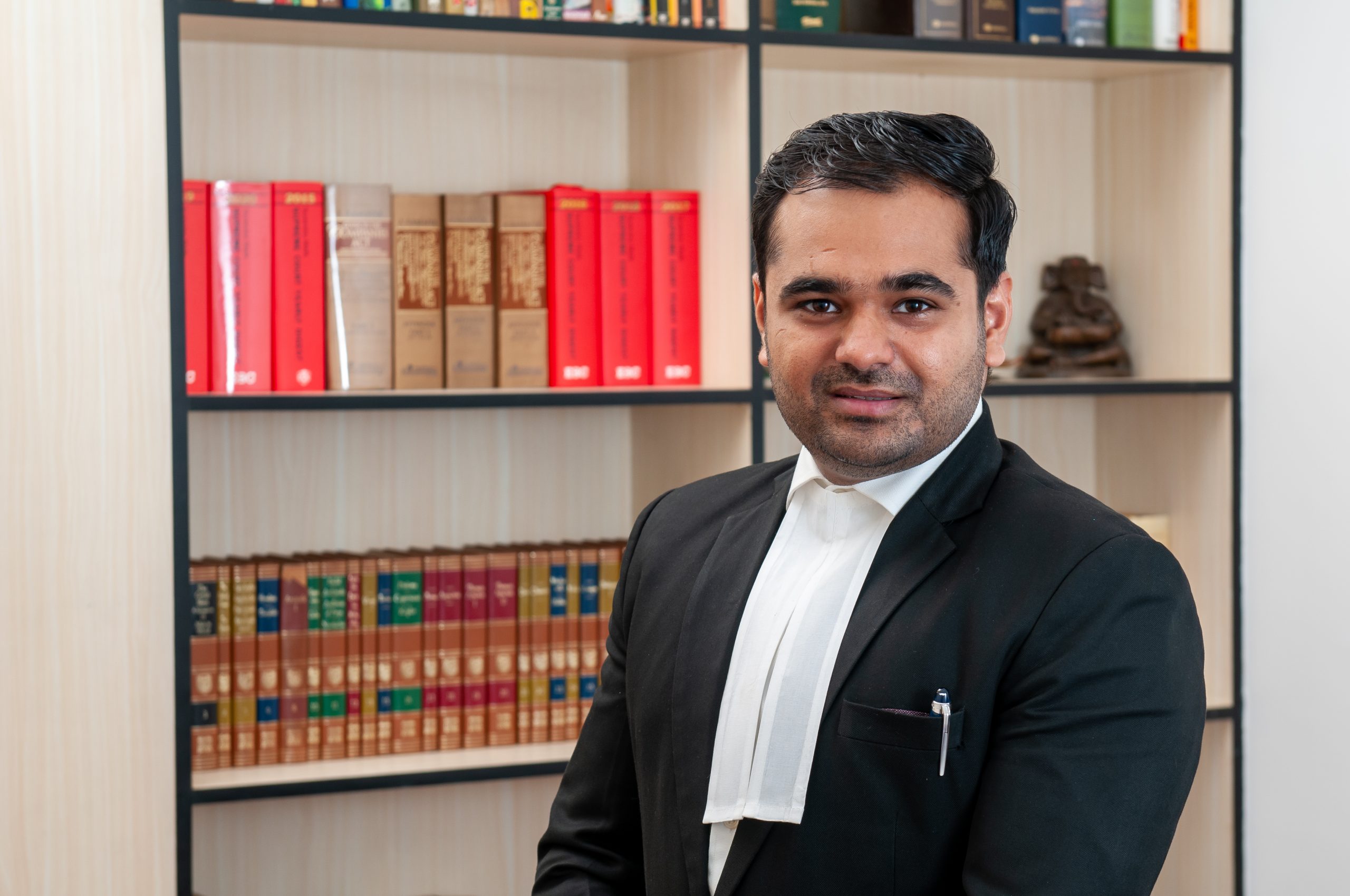
Tag: Criminal Law

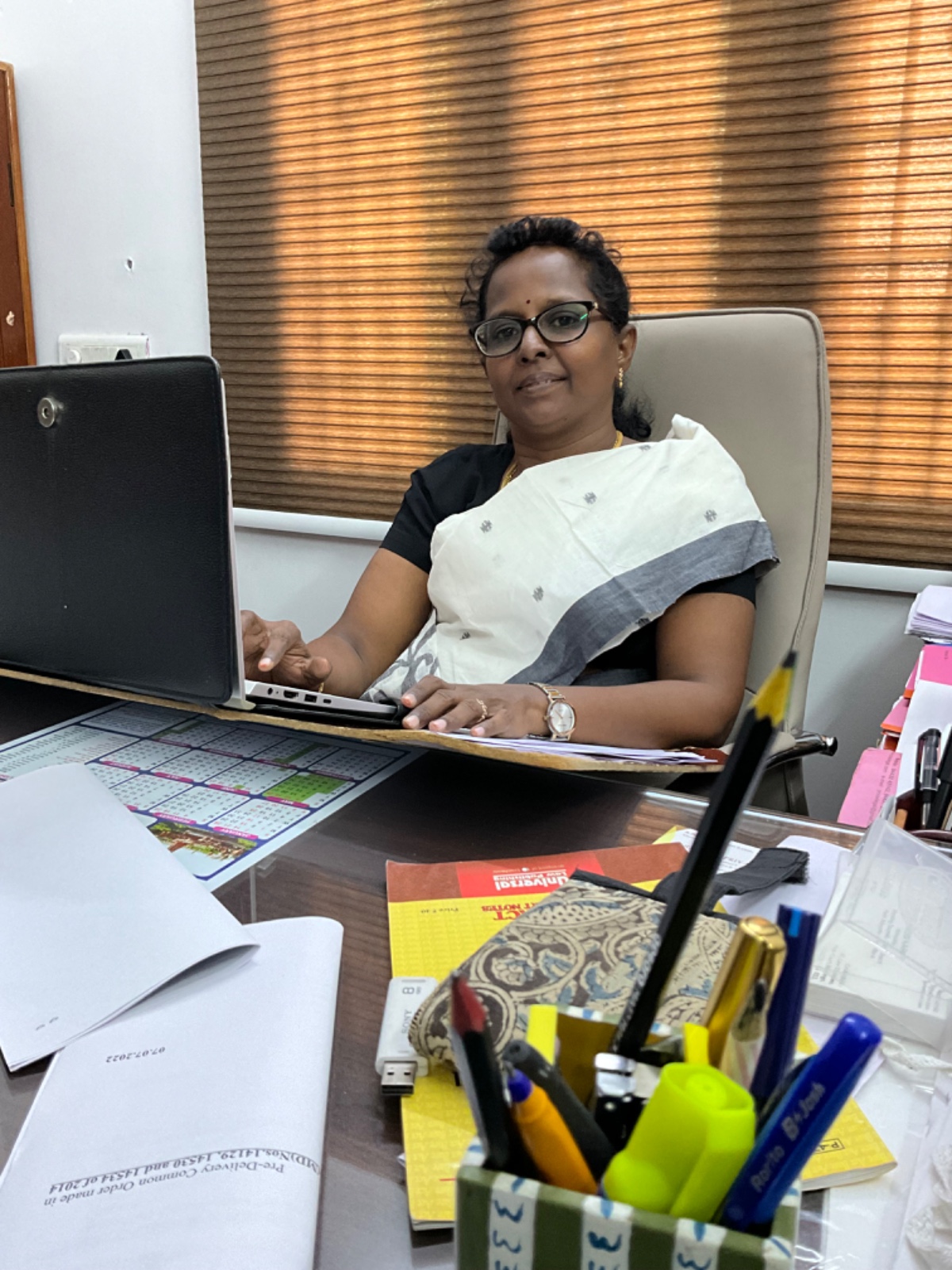
  • “A meaningful legal career is not just about financial success… It’s about using your legal expertise to make a difference.” – Geetika Jain, Senior Legal Analyst at APCFSS Government of Andhra Pradesh.

    “A meaningful legal career is not just about financial success… It’s about using your legal expertise to make a difference.” – Geetika Jain, Senior Legal Analyst at APCFSS Government of Andhra Pradesh.

    This interview has been published by Namrata Singh and The SuperLawyer Team

    Reflecting on your journey, what inspired you to pursue a career in law, and could you share some of the challenges you faced in the early stages of your career? How did you overcome them, and what lessons did you learn along the way?

    It was soon after my ICSE Board exams, I believe in the year 2007, when I came  across a newspaper article “JOIN INDIAN ARMY- JAG ENTRY SCHEME” I remember reading that article multiple times and checking the eligibility criteria being graduate in law with other requirements. At that moment I knew my calling was Law. I wanted to pursue Law to make my career in the Indian Army. One of the few challenges I faced early in my career was probably lack of guidance and mentorship. I believe my generation was still hesitant to ask questions to Professors or Seniors Advocates in the Law field. I also feel that back in 2007 we had very less practical exposure in the field of Law like we didn’t have field trips to Court back than or limited moot court competitions. However, I was able to overcome the obstacles and I started expressing these issues through my articles for a local newspaper. These articles helped me land internships and various other competitions that helped my overall growth in the early stages of my career. 

    Your journey showcases a remarkable blend of legal expertise and academic prowess. How do you balance your roles as a practicing lawyer, senior legal analyst, and a committed Ph.D. scholar?

    “Time management is an oxymoron. Time is beyond our control, and the clock keeps ticking regardless of how we lead our lives. Priority management is the answer to maximizing the time we have” –John C Maxwell. Practicing Law is my passion ever since I entered Law School. However, being in Practice for more than 12 years now has brought me the opportunities to don many hats and be versatile in my work. Being a Senior Legal Analyst with Government of Andhra Pradesh gave me insights of seeing the difficulties that any Government Office faces during the entire litigation process and with my experience, expertise and knowledge, if I am able to assist and help in resolving an X number of cases, helping the Government is a once in lifetime opportunity. However, at the same time I always had the desire to increase my knowledge and keep my research in various field of law active, hence I decided to pursue Ph.D. I prioritise my time during the day to find balance in my work as well as my personal life. I do prepare my To-do list everyday in the morning trying to tick of all of them during the day thus achieving my roles as a scholar, analyst and an advocate. 

    As a Senior Legal Analyst at APCFSS Government of Andhra Pradesh, you’ve been instrumental in various projects. Could you shed light on a project that particularly resonated with you and why?

    As a Senior Legal Analyst at APCFSS Government of Andhra Pradesh, I’ve been fortunate to contribute to two impactful projects.  The first is the AP Online Legal Case Management System (APOLCMS), a web-based system designed for government departments and officers to manage and monitor court cases.  APOLCMS significantly improves efficiency and transparency in the legal system.

    The second project involved conducting capacity building workshops for Government Officers.  In these workshops, I had the opportunity to explain the Basics of Law, including Writs, Contempt Petitions, and different types of Writ Petitions. I also helped them develop practical skills like preparing para-wise remarks for writ petitions and counter affidavits.

    There are a couple of reasons why this project resonates with me:

    • Improved Efficiency: Prior to APOLCMS, tracking cases and maintaining a complete history was a cumbersome and time-consuming process. APOL CMS allows departments to electronically manage cases, generate reports, and stay up-to-date on the latest developments – all of which significantly improves efficiency.
    • Transparency and Accessibility: APOLCMS promotes greater transparency by providing easy access to case information. This can be helpful for various stakeholders involved in the legal process, including government departments, lawyers, and potentially even the public (depending on the specific case).
    • Overall, I believe APOLCMS is a powerful tool that is making a positive impact on the Andhra Pradesh court system. It streamlines processes, improves transparency, and ultimately helps ensure that legal matters are handled more effectively.

    Your transition from practicing advocate to assistant professor reflects a significant shift. Could you elaborate on what prompted this transition and how your experiences in legal practice inform your approach to teaching law students?

    The transition from practicing advocate to Assistant professor was indeed a significant one, driven by a few key factors:

    A Passion for Knowledge Sharing: While I enjoyed the challenge and advocacy of legal practice, I’ve always had a strong interest in sharing legal knowledge and helping others understand the intricacies of the law. Teaching allows me to delve deeper into legal concepts and ignite a passion for the law in the next generation of legal professionals.

    A Broader Perspective: Legal practice often focuses on specific cases and client needs. As a professor, I have the opportunity to present a broader perspective on the law, exploring its historical context, theoretical underpinnings, and its evolution over time. This allows students to develop a more holistic understanding of the legal system.

    Real-World Application: My experience in practice allows me to bring real-world case studies and practical scenarios into the classroom. This helps bridge the gap between theory and practice, giving students a better understanding of how legal concepts are applied in real-world situations.

    Mentorship and Guidance: Beyond knowledge transfer, I value the opportunity to mentor and guide law students. Witnessing their growth and development as future lawyers is incredibly rewarding.

    In short, the transition was motivated by a desire to share my knowledge, provide a broader perspective on the law, and contribute to the development of the next generation of legal professionals. My experiences in practice inform my teaching in several ways. I can use real-world examples to illustrate legal concepts, discuss the practical considerations lawyers face, and prepare students for the realities of legal practice.

    You’re the founder of The Lawgical Network, a startup aimed at bridging gaps in legal education and professional networking. What inspired you to embark on this entrepreneurial journey, and could you elaborate on the idea behind it and how the venture is progressing?

    The idea for The Lawgical Network actually stemmed from two separate observations I made about the legal field:

    The Gap in Legal Education: Legal education often focuses heavily on theory and case law, but doesn’t always adequately equip students with the practical skills they need to succeed in the real world. This can leave recent graduates feeling unprepared for the day-to-day realities of legal practice.

    Limited Networking Opportunities: Building a strong professional network is crucial for any lawyer, but early-career professionals often lack access to established practitioners or mentors. This can make it difficult to find job opportunities or build a successful legal career.

    These observations fuelled my desire to create The Lawgical Network – a platform that would bridge these gaps.

    Here’s how we’re working towards that goal:

    Practical Skills Development: We offer workshops and online resources focused on practical skills like legal writing, negotiation, and client communication. This supplements the theoretical foundation students receive in law school and prepares them for the practicalities of legal practice.

    Mentorship Programs: We connect aspiring lawyers with established professionals for mentorship opportunities. This allows mentees to gain valuable insights and guidance from experienced practitioners.

    Networking Events: We organize online and in-person networking events (depending on location) that connect law students, recent graduates, and experienced professionals. This fosters collaboration and helps build a strong legal community.

    The Lawgical Network is still a young venture, but we’ve seen positive progress. We have a growing network of members, and our workshops and resources are receiving positive feedback. We’re constantly working on expanding our offerings and building a robust platform that empowers legal professionals at all stages of their careers.

    You’ve conducted workshops and lectures on topics ranging from drafting pleadings to medico-legal practices. How do you see the role of education and outreach in shaping the legal community? what kind of questions you come across from the students in these workshops.

    Education and outreach play a fundamental role in shaping a well-rounded and informed legal community. Here’s how I see their impact:

    • Bridging the Knowledge Gap: Legal practice is constantly evolving, and new areas of law emerge regularly. Educational programs and outreach initiatives help legal professionals stay up-to-date on the latest developments, best practices, and emerging legal issues like cyber law or data privacy. This ensures they can provide competent and relevant legal services to their clients.
    • Promoting Specialization and Expertise: Workshops and targeted programs allow legal professionals to delve deeper into specific areas of law, fostering specialization and expertise. This benefits both lawyers and the public, as clients can seek out lawyers with specialized knowledge tailored to their needs.
    • Enhancing Public Awareness: Outreach programs can educate the public about their legal rights and responsibilities. This empowers individuals to navigate legal issues with more confidence and seek legal help when necessary. It can also foster a better understanding of the legal system as a whole.
    • Promoting Ethical Conduct: Educational programs can emphasize ethical considerations and professional responsibility within the legal community. This helps maintain high ethical standards and fosters public trust in the legal system.

    Now, regarding the questions I encounter during workshops, they tend to fall into a few categories:

    • Practical Application: Many questions seek to bridge the gap between theory and practice. For instance, after a workshop on drafting pleadings, students might ask about specific situations or challenges they might encounter in real-world legal documents.
    • Clarity and Specificity: Sometimes, legal concepts can be complex. I often get questions seeking clarification on specific aspects of a topic or requesting more details about a particular legal procedure.
    • Emerging Areas of Law: As new areas of law develop, like those related to technology, students are curious about their implications and how they might impact their future legal careers.

    These questions highlight the value of interactive workshops and open discussions. They allow participants to gain a deeper understanding of the legal issues at hand and prepare them for the practical realities of the legal field.

    With your expertise, what advice would you offer to aspiring lawyers looking to make a meaningful impact in their careers, particularly in navigating the evolving legal landscape?

    As someone with experience in both legal practice and legal education, here’s some advice I’d offer to aspiring lawyers looking to make a meaningful impact in their careers, especially considering the evolving legal landscape:

    Develop a Strong Foundation:

    • Master the Fundamentals: A solid understanding of legal principles, critical thinking skills, and strong legal research abilities will serve you well throughout your career. Don’t underestimate the importance of a strong foundation in core legal subjects.
    • Stay Up-to-Date: The legal field is constantly changing. Commit to lifelong learning and stay abreast of emerging areas of law, such as cyber law, data privacy, and artificial intelligence’s legal implications. Consider attending workshops, conferences, or pursuing online courses.

    Embrace Practical Skills:

    • Go Beyond Theory: Legal education equips you with the theory, but practical skills are crucial for success. Seek opportunities to develop skills like legal writing, negotiation, client communication, and case management. This can be done through internships, externships, or online resources from platforms like The Lawgical Network (shameless plug!).
    • Technology as a Tool: Technology is transforming the legal profession. Learn how to leverage legal technology tools for research, document automation, and case management. This will improve your efficiency and make you a more valuable asset.

    Find Your Niche:

    • Identify Your Interests: The legal field is vast. Explore different areas of law to discover what interests you and aligns with your values. Don’t be afraid to specialize in a specific area as you gain experience.
    • Focus on Impact: Consider the kind of impact you want to make. Do you want to advocate for social justice issues, work in environmental law, or represent individuals in a specific legal area? Align your career path with your passions for a more fulfilling experience.

    Build Your Network:

    • Connect with Others: Building strong professional relationships is key to career success. Attend industry events, join bar associations, and connect with mentors who can offer guidance and support. Platforms like The Lawgical Network can also be a helpful tool for networking.
    • Give Back to the Community: Consider volunteering your legal skills to pro bono organizations or legal aid clinics. This not only helps those in need but also allows you to gain valuable experience and make a positive impact.

    Remember, a meaningful legal career is not just about financial success. It’s about using your legal expertise to make a difference, whether it’s advocating for a cause you believe in, helping individuals navigate complex legal issues, or simply upholding the rule of law. By continuously learning, developing practical skills, and aligning your work with your values, you can make a lasting impact in the ever-evolving legal landscape

    Your articles in Speaking Tree, including “Self Motivation for Achieving Excellence” praised by Kiran Bedi, reflect a profound understanding of motivational topics. What inspires you to write on such uplifting subjects, and could you share when you first began your journey as a writer?

    Thank you for mentioning my articles on Speaking Tree! It’s truly rewarding to know that my work resonates with others, especially the praise from someone as respected as Kiran Bedi.

    My foray into writing about motivational topics stems from two main inspirations:

    • Personal Growth: I’ve always been fascinated by the power of self-motivation and its ability to propel us towards achieving our goals. Throughout my own life, I’ve encountered challenges and setbacks, and learned the importance of maintaining a positive mindset and fostering self-belief. Writing allows me to explore these themes and share the insights I’ve gained with others.
    • Uplifting Others: Life can be demanding, and it’s easy to get discouraged. I believe that by sharing stories of resilience, perseverance, and the importance of self-motivation, I can help uplift and inspire others to navigate their own challenges and pursue their dreams.

    My writing journey actually began quite unexpectedly at the age of 7, when I started contributing to Champak and Tinkle in the form of poems, limericks and drawing. It wasn’t a predefined path, but rather an organic evolution. Perhaps during a particularly reflective period in my college days, I started penning down my thoughts and observations on self-motivation and achieving excellence. As I delved deeper, I felt compelled to share these ideas with a wider audience.

    Platforms like Speaking Tree provided a wonderful opportunity to connect with others who might benefit from these messages. The positive feedback I received further fuelled my passion for writing on motivational topics. It’s a privilege to know that my words can make a difference in someone’s life.

    As a Senior Legal Analyst at APCFSS Government of Andhra Pradesh, you’re engaged in a multitude of responsibilities. Could you walk us through a typical day in your professional life and shed light on the variety of tasks that keep you occupied?

    The beauty of my role as a Senior Legal Analyst at APCFSS is the variety it offers. There’s no such thing as a “typical” day, but here’s a glimpse into the different tasks that might fill my schedule:

    Morning:

    • Review Case Files: My day often starts with reviewing case files assigned to my department. This involves analyzing legal issues, researching relevant case law and statutes using online legal databases or APOLCMS (the Andhra Pradesh Online Legal Case Management System I helped develop!), and identifying any missing information or potential roadblocks.
    • Prepare Legal Memoranda: Based on my case file review, I might draft legal memoranda for senior attorneys. These documents summarize the key facts, legal arguments, and potential courses of action for a particular case.
    • Respond to Inquiries: I frequently receive inquiries from government departments or officers needing legal guidance on various matters. These inquiries could be related to contract review, regulatory compliance, or specific legal procedures. I provide them with clear and concise legal advice, ensuring it aligns with established legal principles and government policies.

    Afternoon:

    • Attend Meetings: Collaboration is key in our department. I might participate in internal meetings with colleagues to discuss complex legal issues, strategize case approaches, or brainstorm solutions for emerging legal challenges. Occasionally, there might be meetings with external parties, such as representatives from other government agencies, to discuss interdepartmental legal matters.
    • Legal Research: In-depth legal research is a recurring part of my day. This could involve delving into specific statutes, judicial precedents, or legal scholarship to identify the most relevant legal authorities to support our department’s position in a case or provide a comprehensive response to an inquiry.
    • Draft Legal Documents: Depending on the case at hand, I might draft legal documents like petitions, notices, or affidavits. This requires meticulous attention to detail and ensuring the documents adhere to legal formatting and court requirements.

    Later Afternoon/Evening:

    • Stay Up-to-Date: The legal landscape is constantly evolving. I dedicate some time each day to staying abreast of legal developments through legal publications, online resources, or attending webinars on emerging legal issues.
    • Project Work: In addition to my daily tasks, I might be involved in ongoing projects. This could involve anything from developing legal training materials for government officers to working on revisions to departmental legal policies and procedures.

    As you can see, my day is a blend of research, analysis, writing, collaboration, and staying informed. The variety of tasks keeps the work challenging and intellectually stimulating. The ultimate goal is to leverage my legal expertise to support the effective functioning of the government and ensure legal matters are handled efficiently and accurately.

    Amidst your demanding professional life, you’ve managed to pursue diverse interests, including trekking and writing. Could you share with us what aspects of these activities bring you the most joy, and how do you unwind and rejuvenate yourself amidst your busy schedule?

    You’re absolutely right, maintaining a healthy work-life balance is essential, especially in a demanding role like mine. Here’s how I unwind and find rejuvenation through my hobbies:

    Trekking:

    • Connecting with Nature: Stepping away from the urban environment and immersing myself in nature is incredibly restorative. Trekking allows me to appreciate the beauty of the outdoors, breathe fresh air, and clear my head. 
    • Challenge and Accomplishment: The physical challenge of a trek is a welcome change from mental exertion. Reaching a summit or conquering a tough trail brings a sense of accomplishment and boosts my confidence. Watching the first Sunrise at 18000 feet is an incredible sight which comes after gruelling climb of 5-6 hours and that is spectacular. The other thing is unfurling our national flag/tricolour gives you goosebumps and feeling of pride and joy which motivates me to be involved in these expeditions.
    • Mindfulness and Mental Clarity: The repetitive rhythm of walking and the focus required to navigate a trail promote mindfulness. This allows me to disconnect from daily worries and achieve a state of mental clarity.

    Writing:

    • Creative Expression: Writing provides a creative outlet for my thoughts and emotions. It allows me to explore ideas in a different way and express myself creatively.
    • Helping Others: The fact that my writing on motivation and self-improvement resonates with others and can potentially help them on their journeys is incredibly rewarding.
    • Mental Stimulation: Writing keeps my mind sharp and engaged. It requires research, critical thinking, and clear communication, all of which are valuable skills that translate into my professional life as well.

    Unwinding and Rejuvenation:

    • Prioritization: The key to unwinding is prioritization. I schedule time for these activities in my calendar, treating them as important appointments. This ensures I carve out dedicated time for myself amidst my busy schedule.
    • Finding Pockets of Time: Even short breaks can be refreshing. A short walk during lunch or a few minutes of meditation in the morning can help me refocus and recharge.
    • Importance of Sleep: Getting enough quality sleep is crucial for both physical and mental well-being. I prioritize a good night’s sleep to ensure I have the energy and focus to tackle my demanding tasks.

    By incorporating these activities and prioritizing well-being practices, I’m able to maintain a healthy balance between my professional life and personal passions. This allows me to approach my work with a renewed sense of focus and creativity, ultimately making me a more effective Senior Professional. 

    Get in touch with Geetika Jain-

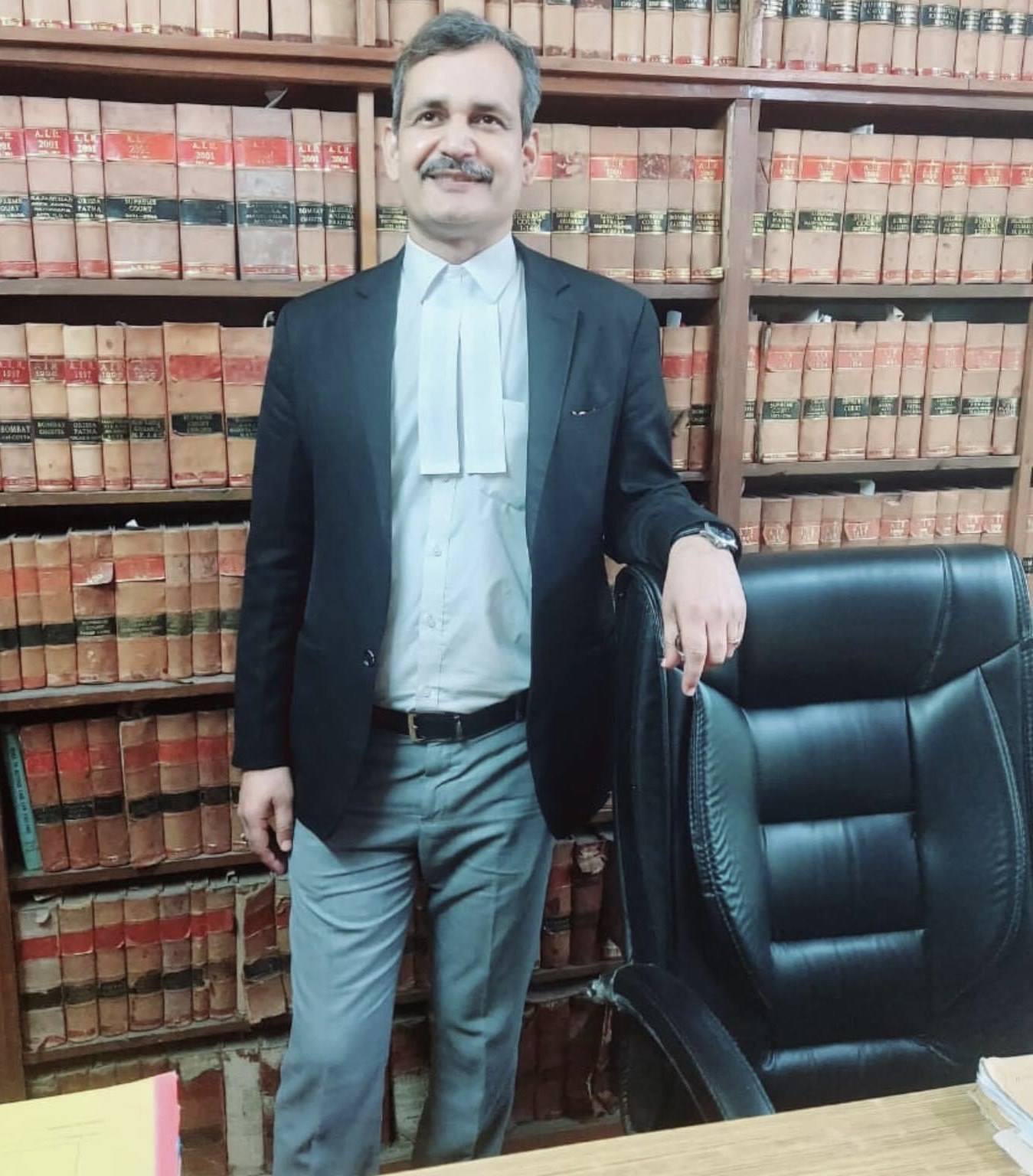
  • “Control the controllables and do not bother about what you cannot control… Hard work will never have a substitute and patience combined with dedication will never go unrewarded.” – Wasim Beg, Independent Counsel & Former Additional Advocate General (Jammu & Kashmir)

    “Control the controllables and do not bother about what you cannot control… Hard work will never have a substitute and patience combined with dedication will never go unrewarded.” – Wasim Beg, Independent Counsel & Former Additional Advocate General (Jammu & Kashmir)

    This interview has been published by Namrata Singh and The SuperLawyer Team

    Could you share with us your journey to becoming a legal professional? What inspired you to pursue a career in law, and could you recount any memorable experiences from your college days or your first job that influenced your trajectory in the legal field?

    My fascination with the legal world began (as I believe was common at that time in particular) by following some of the famous criminal trials. And all these controversial or ‘in the news’ criminal matters would invariably have one name in common – Ram Jethmalani. The way he would go about handling these matters certainly piqued my interest and I would pin point that to be the reason I took my first steps in the direction of pursuing a career in Law. It has been over 15 years since I started working at Mr. Jethmalani’s office (first as a long-term intern and then a brief stint as his junior) and even today, his first words (to me) echo in my ears and have inspired and shaped my professional trajectory, he said to me – ‘Remember – you may lose a case, but never lose your conscience’.

    Your legal journey is quite illustrious, marked by your tenure as the Additional Advocate General for the State of Jammu & Kashmir. Could you share some memorable experiences or cases from your time in this esteemed position that left a lasting impact on you?

    It would be extremely hard to lay my finger on one case. The very feeling of representing a State and the responsibility that comes with it gives you a sense of pride. This is where I learnt to really respect and value every file that I worked on. The sheer enormity of the responsibility makes you perform to the best of your ability.

    Your expertise spans across various branches of law, including constitutional law, criminal law, civil law, and more. How do you manage to maintain proficiency in such diverse areas, and do you have a particular favorite among these?

    I am not a huge votary of a lawyer specializing in one particular field of law, especially at the beginning of one’s career. To be a veracious reader is non-negotiable for any good lawyer. Anyone who restricts his/her knowledge to one particular field of law is at the same time closing all the options that lead to one being a ‘complete lawyer’. All the legal luminaries that we are so enamored with have vast experience and knowledge in all fields of the law, they keep reinventing themselves – that is possible only when we keep all doors open and embrace knowledge from all over. I certainly have a leaning towards Criminal and Constitutional Law.  

    Given your extensive experience in litigation, arbitration, and dispute resolution, what advice would you offer to young legal professionals aspiring to excel in these fields, especially in navigating the complexities of the legal system?

    Read, read and read – the right opportunity will come. I have seen youngsters who are over anxious and lose a lot of time lamenting. What is true in general, holds true while you navigate your way through the profession – control the controllables and do not bother about what you cannot control. Hard work will never have a substitute and patience combined with dedication will never go unrewarded. The problem comes-in when we lose patience and try to ‘manufacture’ success. You ‘build’ your success story, you do not ‘manufacture’ it. Keep things simple – be sincere in what you do, work hard, be patient and you will land up on your feet.

    Apart from your legal career, what are some of your personal interests or hobbies that you like to indulge in during your free time?

    I do like to read and write a fair bit. Like most of us, cricket does eat up a lot of my free time. I like to follow world politics and find psychology (especially criminal psychology) to be deeply fascinating and do read-ups and follow TV shows on the subject. 

    Your book on the “Dishonour of Cheques” is a significant contribution to legal literature. Could you share some key insights or lessons from the book, particularly regarding the legal intricacies surrounding dishonored cheques, and how this knowledge can benefit legal practitioners and individuals navigating such matters?

    The book is essentially to help any lawyer who takes up a case relating to dishonour of cheques. The book aims to cover and guide on every aspect/legal challenge that a lawyer would have to face during a proceeding of that nature. It sums-up how Courts have looked at every possible scenario in a cheque bounce case right from the inception to the culmination of the case.

    Your experience at Luthra and Luthra Law Offices India has been quite extensive. What were some of the most rewarding aspects of your role, and how did it shape your approach to legal practice?

    The sheer level of trust and peace of mind while at work always stood apart. The leaders and mentors at the firm like Mr. Rajiv Luthra and Mr. Vijay Sondhi were instrumental at creating that level of trust and the atmosphere where one could always hold his/her own and never be shy to share ideas, no matter who else sat at the table. I was put in a leadership role quite early and that really helped me develop and take rapid and confident strides in the profession. 

    Also, I learnt very early that a youngster can only grow well if he/she is not put in any fear of making a mistake. Once you fear making a mistake, you lose your originality and your independent thought process. Once you lose those two facets of your personality, you will do no better/bring no new perspective than your predecessors – for you will always look to play safe and only tread the path previously taken.

    You’ve recently transitioned into the role of an independent counsel. Could you shed some light on this new chapter of your career and what it entails? How does it differ from your previous roles, and what opportunities and challenges do you anticipate in this capacity?

    I have gotten along with some like-minded colleagues and started a Law Chamber. This is certainly a far more challenging task as compared to working with a Law Firm which comes with its own set of challenges and certain comforts. The beginning of this chapter certainly comes with lesser comforts and more challenges. These exciting challenges and our collective eagerness to scale them is what brought us together. The primary difference between this and my previous role as Partner in a Law Firm is that one comes out of the ‘comfort zone.’ While a Law Firm comes with its own legacy and you can certainly contribute to it, here you get to write your own script. The challenge is that you might have to prove yourself every day, but that is the biggest motivator as well.

    You’ve been recognized with numerous awards and accolades throughout your career, including the Global Lex-Falcon Award and the Money 2.0/Law 2.0 Award. Among these honors, is there one that holds particular significance for you? If so, could you share why it means so much to you?

    While I shall always remain thankful to those who considered me worthy of these awards, I have never attached much attention to these. At the end of the day – what matters is that you should be satisfied with the progress made and should be looking forward to the next day at work. As long as that is the feeling – you are a winner.

    Get in touch with Wasim Beg-

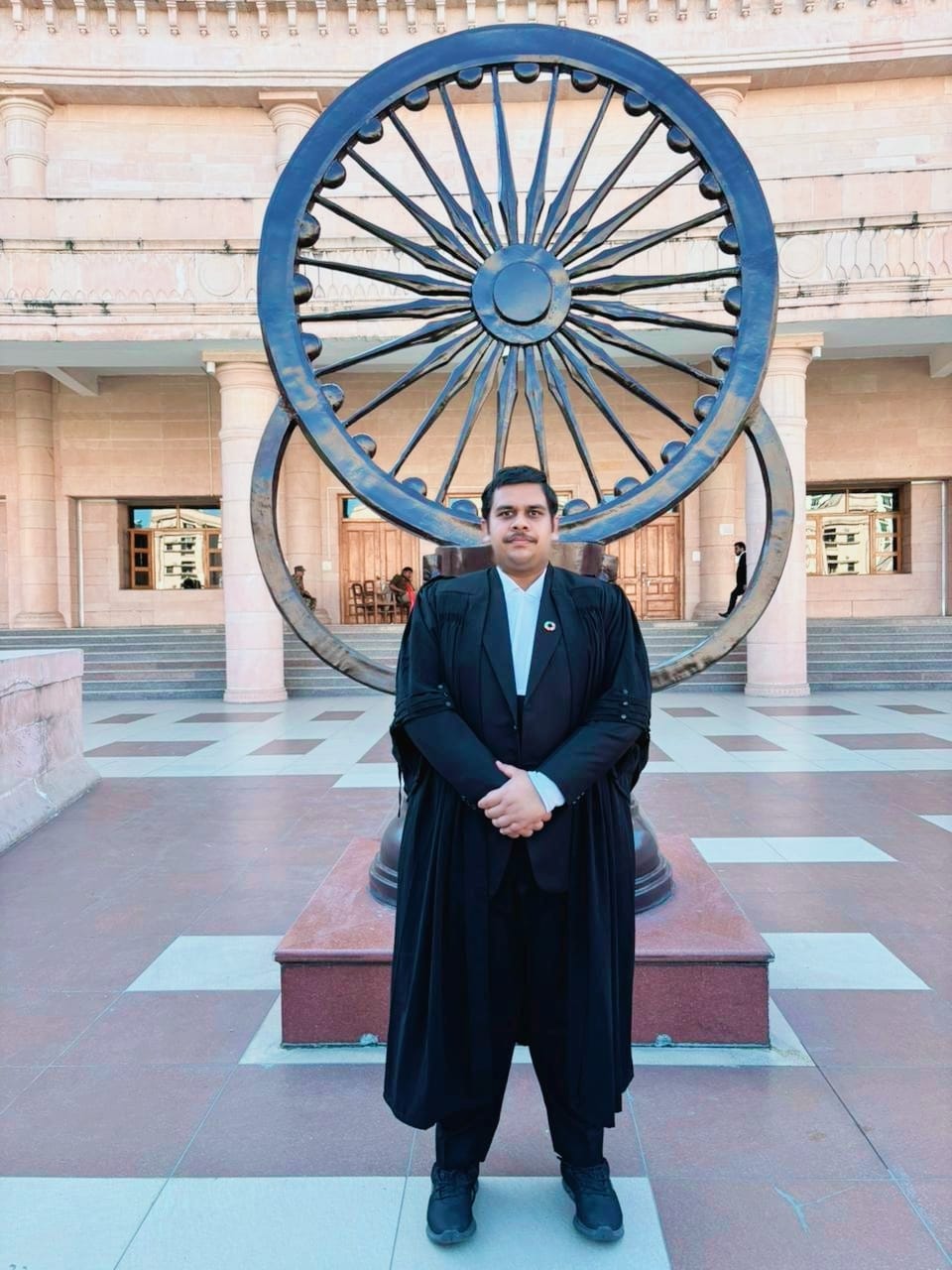
  • “Law is an instrument of socio-economic change for me. Being an Advocate is both a privilege and responsibility.” – Aditya Singh, Founder and Chairman of Alexis Group

    “Law is an instrument of socio-economic change for me. Being an Advocate is both a privilege and responsibility.” – Aditya Singh, Founder and Chairman of Alexis Group

    This interview has been published by Namrata Singh and The SuperLawyer Team

    Aditya, looking back at the start of your career, what were some of the biggest challenges you faced, and how did you overcome them? Could you share a bit about your journey from your early days to where you are now?

    I am a first generation Advocate and lifelong student of law. I transitioned from management consulting to law in my late twenties. At the start of my career, some of the biggest challenges were uncertainty about career direction, lack of social networks within the legal profession, moral and ethical dilemmas, cultural and social barriers, facing rejection from potential clients, getting a fair remuneration, and difficulty in building the personal brand. 

    To overcome these challenges, I started seeking guidance and mentorship from seniors at the Bar, gaining practical experience by assisting them in a variety of matters, exploring different industries, prioritizing time management, viewing rejection as a learning opportunity, engaging in networking activities, pursuing continuous learning, and remaining adaptable to change.

    I believe that by persevering, staying resilient, and embracing opportunities for growth and development, I am navigating through these challenges and progressing in my career. 

    Now, I am working on a wide variety of matters in civil, criminal, commercial, constitutional, corporate, service/employment, and labour & industrial relations domains. My focus is on corporate advisory, dispute resolution, governance and compliances, research and analysis, and legal awareness and education. I also serve as a Legal Advisor or Empanelled Advocate for various companies, firms, and organisations such as the Vodafone Idea Limited, Docland Services Limited, and Uttar Pradesh Kabaddi Association to name a few. 

    You may learn more about me and my journey on www.adityasingh.co

    Could you tell us more about Alexis Law? What kind of work does the law firm undertake, and how do you leverage its resources and network to drive your initiatives in legal practice, public policy, and youth empowerment?

    Alexis Law is a full-service law firm based out of Lucknow. The firm offers wide range of legal services, spanning arbitration and mediation, litigation, corporate advisory, policy advocacy, and more. Leveraging its resources and networks, the firm undertakes pro bono work and community engagement efforts, such as legal clinics, legal awareness camps, and educational seminars. Furthermore, the firm supports youth empowerment initiatives by offering internships, and mentorship programs, thereby promoting diversity in the legal profession. 

    Please tell us about your latest initiative – Alexis Legal? What is your vision for this initiative?

    Alexis Legal is a global alliance of legal and dispute resolution professionals. Our team includes leading advocates, consultants, chartered accountants, company secretaries, cost accountants, and insolvency professionals.

    It is a values driven and membership based organization built on the principles of equity, fairness, and trust. Our core values are Integrity, Excellence, Commitment To Justice, and Continued Innovation.

    This alliance is a one of its kind professional development platform for enhancing the income and impact of legal professionals by improving their discovery and expanding their expertise, practice areas, and jurisdictions.

    As an advocate and consultant, you’ve been involved in various legal matters across different jurisdictions. Can you share a memorable experience or case that has shaped your perspective on the legal profession and advocacy?

    Law is an instrument of socio-economic change for me. Being an Advocate is both a privilege and responsibility. I have joined this noble profession for advancing social justice, protecting human rights, and fostering positive change at both the individual and systemic levels.

    In a recent case argued by me, Hon’ble High Court of Judicature at Allahabad, Lucknow Bench observed that True Love Between Adolescents Can’t Be Controlled Through Rigours of Law or State Action in its reportable judgement.

    It was a case of inter-caste love marriage which turned into an ugly legal battle as the family members of the girl lodged criminal complaints against the boy and his family members. The case was of technical nature due to various stringent sections of IPC and POCSO Acts.

    After dealing the case on technical and maintainability grounds, I presented three crystallised arguments, (a) Love knows no caste boundaries, (b) Romantic relationships between consenting adolescents must not be viewed as criminal acts mechanically, and (c) Happiness and well-being of an innocent couple and their children needs to be protected by the Hon’ble Court using its inherent powers u/s 482 Cr.PC. to uphold rule of law in the society.

    Hon’ble Court graciously allowed the application by accepting our submissions along with relevant judgements and quashed all the criminal proceedings.

    In this case, my team could secure relief for the client and his family in an 11-year-old case. Overall, it was a very fulfilling experience. 

    You’ve been involved in initiatives related to the environment and climate change. How do you see the role of law and advocacy in addressing these pressing global challenges, especially from the perspective of youth engagement?

    Law and advocacy play a vital role in addressing global environmental challenges, with youth engagement serving as a catalyst for positive change. Through policy advocacy, young people can push for the development and implementation of sustainable legislation at various levels of governance. Additionally, they can utilize litigation and legal action to hold governments and corporations accountable for environmental harm, demanding justice for affected communities and action on climate change. By raising public awareness and promoting education, youth-led initiatives can mobilize communities to adopt sustainable practices and advocate for environmental solutions. 

    I firmly believe that innovation and collaboration are fostered through interdisciplinary approaches, technology, and creative solutions, driving systemic change in environmental policy and practices. Furthermore, youth engagement in international forums like the United Nations Climate Change Conferences amplifies their voices on a global scale, fostering solidarity and cooperation in addressing shared environmental challenges. 

    Overall, law and advocacy provide a powerful platform for youth to effect positive change, shaping a more sustainable and resilient future for generations to come. Through strategic engagement in legal and advocacy efforts, young people can play a pivotal role in driving forward the global environmental agenda and promoting a healthier planet for all.

    Your participation in the UN Water Conference in New York and the UN Climate Change Conference in Dubai is quite remarkable. What insights or learnings did you take away from these global platforms, and how do you bring them back to your work in India?

    Last year, I got the opportunity to participate in the UN Water Conference in New York and the UN Climate Change Conference in Dubai as a representative of the Alexis Foundation.

    The 2023 UN Water Conference was held at the UN Headquarters in New York. I led a 7-member delegation and hosted an official side event on the topic – Innovative Solutions for a Sustainable Blue Economy through Water Action, Cooperation and Youth Engagement at the conference. 

    During this conference, I gained a deeper understanding of the global water crisis and the importance of collaborative efforts to address water scarcity, pollution, and access issues. Learning about innovative solutions and best practices from around the world has inspired me to advocate for more sustainable water management practices in India. I have incorporated these insights into my work by promoting water conservation, supporting community-led initiatives, and advocating for policies that prioritize equitable access to clean water for all.

    On the side-lines of this conference, I also met several dignitaries from around the world and Indian leaders and diplomats such as the Hon’ble Minister of Jal Shakti, Government of India, Permanent Representative of India to the United Nations, and Consul General of India, New York.

    The 2023 UN Climate Change Conference was held at the Expo City in Dubai. I led a 5-member delegation to the conference and Alexis Foundation was admitted as an Observer to the United Nations Framework Convention on Climate Change. This conference offered me valuable perspectives on the urgency of addressing climate change and the need for ambitious, collective action at both the global and local levels.

    Witnessing the global dialogue and negotiations first-hand reinforced the importance of interdisciplinary collaboration and stakeholder engagement in tackling climate-related challenges. I have leveraged these insights to advocate for climate resilience measures, renewable energy adoption, and sustainable development policies in India. Additionally, I am working to raise awareness about the impacts of climate change on vulnerable communities and promote climate justice principles in my advocacy efforts.

    Overall, my experiences at these global platforms have deepened my commitment to addressing pressing environmental issues and advancing sustainable development goals in India. By applying the insights and learnings gained from these conferences to my work, I strive to contribute to positive change and empower communities to build a more resilient and equitable future for all.

    Your journey includes several prestigious fellowships and certifications. How have these experiences contributed to your personal and professional growth, and what role do you see continuous learning playing in your career?

    My journey has been instrumental in shaping both my personal and professional growth. These experiences have provided invaluable opportunities for networking, mentorship, and exposure to diverse perspectives, all of which have enriched my understanding of the field of law and expanded my skill set.

    Participating in prestigious fellowships has allowed me to engage with leaders and experts, fostering mentorship relationships that have provided guidance and support in navigating complex professional challenges. These experiences have also exposed me to innovative ideas and approaches, pushing me to think creatively and critically about my work.

    Moreover, earning certifications has demonstrated my commitment to excellence and expertise in specific areas of interest such as Arbitration and Mediation, Constitutional Law, White Collar Crimes, Intellectual Property Law, Technology Law, and Right to Information. These credentials have enhanced my credibility and opened doors to new opportunities for career advancement and impact.

    Continuous learning is essential for staying relevant and effective in any career, but particularly in the ever-evolving field of law. Embracing a mindset of lifelong learning enables me to adapt to changing trends and technologies, deepen my expertise, and remain at the forefront of innovation. Moreover, it allows me to constantly refine my skills, broaden my knowledge base, and drive meaningful progress in my career.

    In essence, my journey through prestigious fellowships and certifications has underscored the importance of continuous learning in my career. By embracing opportunities for growth and development, I have become better equipped to navigate the complexities of the legal field, contribute to meaningful change, and achieve my professional goals.

    Given your background in both law and management, what approach do you employ to drive innovation and strategic thinking within your legal practice and social impact initiatives?

    As someone who has navigated the intersection of law and management, I have integrated Environmental, Social, and Governance (ESG) efforts into the firm’s strategy and operations and recommend the same to my clients and partner organizations.

    In legal practice, innovation means adapting to client needs. Therefore, Alexis Law has embraced technology to streamline processes, and enhance client experiences. Our team members embody the values of empathy, integrity, commitment to justice and continued innovation.

    To sum up, my approach combines legal acumen, management principles, and a commitment to positive change.

    When you’re not immersed in your professional endeavours, how do you like to unwind and recharge? Any hobbies or interests you’d like to share with our readers? 

    I am a firm believer in the philosophy of work-life integration. To unwind and recharge, I take short vacations every quarter and travel around the countryside in India and around the world. As a spiritual and religious person who loves nature, history, art and culture, I prefer to visit ancient temples, forts, palaces, museums and art galleries. My hobbies are photography, numismatics (collecting coins and notes), and philately (collecting stamps).

    What advice would you give to the current generation looking to pursue a career in law or advocacy, considering the evolving landscape of legal practice and social issues?

    For those aspiring to pursue a career in law or advocacy, it’s crucial to stay informed on legal trends, policy changes, and social issues, developing strong communication and critical thinking skills, and embracing technology. I believe that building a professional network, prioritizing ethics, and remaining adaptable and resilient are essential for success in the evolving legal landscape. 

    Furthermore, practical experience through internships and clerkships is invaluable, as is focusing on social impact and contributing positively to the society. Last but not the least, it’s imperative to prioritize self-care and well-being to sustain a fulfilling career amidst the demands of the legal profession. 

    Overall, aspiring legal professionals must strive for a combination of knowledge, skills, ethical integrity, adaptability, resilience and a commitment to making a difference in the society.

    Get in touch of Aditya Singh-

  • “The most important thing is we should not treat clients as a single point solution for all our financial needs, we should explain to them exactly what we are going to do and the win or lose situation”- Advocate Porkodi Karnan, Founder of Polax Legal Solutions

    “The most important thing is we should not treat clients as a single point solution for all our financial needs, we should explain to them exactly what we are going to do and the win or lose situation”- Advocate Porkodi Karnan, Founder of Polax Legal Solutions

    This Interview has been published by Pragya Chandni and The SuperLawyer Team

    Can you share the journey that led you to pursue a career in law, especially considering your background and childhood ambition?

    I am from a backward district of Tamilnadu and I am one among the four daughters of my parents. Everyone opted for various professions, but interestingly, this profession attracted me more, even in my young days.  The reason might be that the Sub Court campus at my native is existing near to my school.  I was going to school everyday by watching the court campus, with the busy advocates roaming here and there with robes.  I was very eager to know more about it and lots of questions came into my mind and the same were clarified by my father who was a teacher by profession and the entire outcome was that this is the only profession where I could question anybody, however giant he or she might be. Further I found this profession makes one closer with human problems. I am fond of moving with people and would like to be surrounded with people always. The litigation area turned out to be a good option for me. This is the main curiosity that pushed me to choose this profession as my childhood ambition approximately from my 6th standard onwards.

    With 25 years of experience in law, what inspired you to specialize in labor, service, and writ matters, particularly in the high court setting?

    Yes… after choosing law as my career, I did not have any clear idea initially. But while studying the Constitutional Law and Administrative law as subjects, my mind was very much obsessed with various decisions of the Supreme Court and High Courts questioning the excessive actions or inactions of the Government and that had driven me to concentrate my work in the High Court.

    Founding a law firm, especially one like POLAX LEGAL SOLUTIONS, requires vision and determination. What motivated you to take that step, and what challenges did you face in establishing and maintaining it?

    Being a woman, I had to balance both family life and profession, though my family is a supportive system for me. Sometimes our presence is very much needed at home to take care of our elders, kids etc. My husband, Mr.Ramar is also an advocate on the criminal side but I wanted to establish a separate office, though he is very supportive to me in personal life and professional life. I felt the necessity of someone to continue my cases even in my absence to justify my Clients.  The same was felt by my friend, Mrs.Lakshmi. We both used to help each other in all our cases from drafting to arguing. This went well and we both realised our compatibility and thus the concept of a Law Firm was coined.  The Firm was conceptualised into reality in the year 2013. We both had the determination to continue the profession without any break and that was the main reason for the concept of this Law Firm.  It is also time to show our young woman advocates that persuasion and patience in the profession would make you withstand forever. We have to create our own path to success. Moreover, since it was my childhood ambition to become an advocate, I have never felt any stress or depression in my professional life. As we face different cases, dealing with each case needs to be addressed individually and so I feel refreshed in each and every case. In fact I enjoy working and I don’t see any difficulty in family life and professional life. So go by what your heart says and life is so beautiful.  

    As a founder-partner of a leading law firm, what are some key lessons you’ve learned about leadership and collaboration, especially in an industry that traditionally has been male-dominated?

    In fact, we don’t feel any difficulty in running the firm as all the junior advocates associated with us were more co-operative, helpful and played a vital role in running our Firm. Legal profession is basically a 24 x 7 job and all of us were ready to work even at midnight, if it is necessitated by considering the urgency of the case. In fact, we created an atmosphere of joining together, working together, growing together and celebrating together. It enhanced our personal relationship also. 

    Being recognized as the only law firm with women advocates as partners running for 10 years is a significant achievement. Can you tell us about the importance of gender diversity and inclusivity in the legal profession from your perspective?

    Of course, it is a male dominated profession. When I entered into this profession during 2000, the daily cause list consisting of the list of cases published in Madras High Court consisted of 95% of male advocates names. And there were only a handful of women judges at that time, though there were well performing women seniors were found at Madras High Court. But going by the years, this trend has now changed.  In fact, I had not considered any of my co advocates, either male or female, as my competitor. I felt myself as the competitor and hence I never felt that I am running in a race along with male.  But, the way male advocates and even male judges look at the woman advocates is absolutely discriminatory. I can put an incident, one Mr.X, who is a sitting judge now, when he was an advocate made a comment to me that “a woman from a good family will not come for this profession”. This did not resist me or my character, but it made me change my perspective towards him.  One more incident to be pointed out, one of the senior advocates, who claims to be a progressive thinker,  threw a question that “from where and how do you get briefs?”. I don’t think that he could have put this question to any of the male advocates ever.

    -as in all the fields, there need not be any discrimination between male advocate or woman advocate,  and it should be termed only as “ADVOCATE”. An advocate is an advocate and where does the question of woman advocate or male advocate arise? We both are doing the same work with the same effort and determination. Even today, the Judges used to identify by saying “woman advocate”. We don’t want to be identified and we are advocates as such. 

    You’ve had the opportunity to work with esteemed companies as clients. Could you share some insights into maintaining successful client relationships and handling high-profile cases effectively?

    The issues of the clients should be given much more importance from the time of discussion with them till explaining the outcome of the cases. It is also needless to say that we have to let them explain the exact disputes or issues they are facing. Then only we can advise them of the legal solutions and we should not blindly follow their words without substantiating documents. The right legal advice given by you will make the Clients have confidence with you, sometimes, the advice could be not to initiate any legal proceedings. The most important thing is we should not treat them as a single point solution for all our financial needs, we should explain to them exactly what we are going to do and the win or lose situation. To be precise, proper legal advice, and  transparency are the key to retain your clientele. 

    Considering your extensive experience, what advice would you give to fresh graduates aspiring to pursue a career in law, particularly those interested in practicing in high courts?

    If litigation is your option, then  be ready to undergo proper training under the guidance of a senior; Be ready to work for 24 x 7; Be ready to do all the work in office, either it is drafting, research work or clerical work; get updated with latest decisions in important cases of your area of practice; spend more time in reading either case papers or the decisions related to cases; Knowledge is power in litigation so get equipped; consider each and every work as an opportunity as each and every single work done during this period would be an experience for you.  

    Get in touch with Porkodi Karnan-

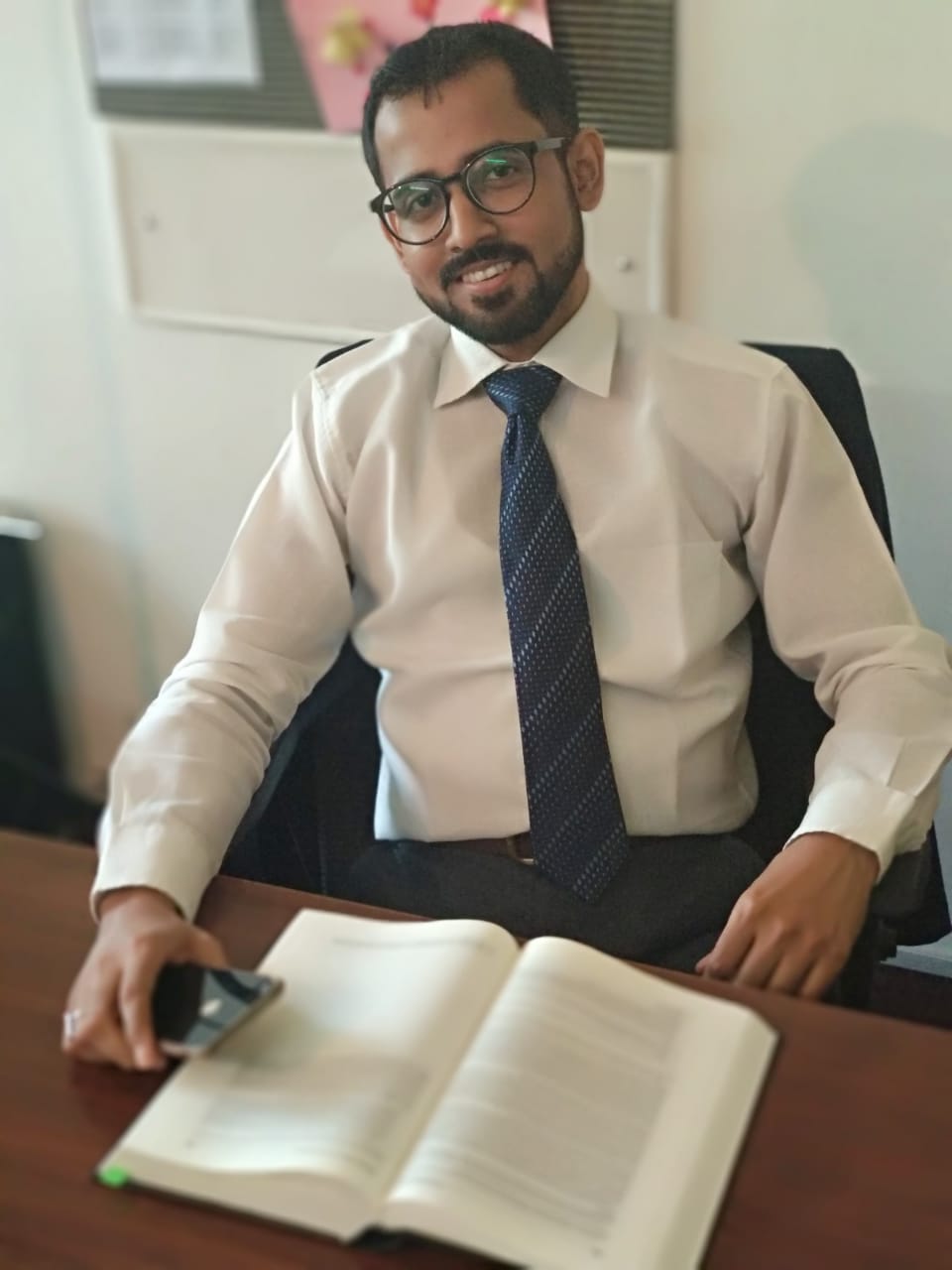
  • “Effective communication with clients and a commitment to upholding justice guide my approach to each case, regardless of its profile and complexity”- Amit Kumar, Advocate at the Supreme Court of India

    “Effective communication with clients and a commitment to upholding justice guide my approach to each case, regardless of its profile and complexity”- Amit Kumar, Advocate at the Supreme Court of India

    This Interview has been published by Pragya Chandni and The SuperLawyer Team

    Can you share with us your journey from studying mathematics to pursuing a career in law? What inspired this transition?

    After studying mathematics, I developed a strong analytical mind-set and problem-solving skills.  However, I realized my passion lies in using these skills to advocate for justice and navigate complex legal issues.  Inspired by the intersection of logic and law, I pursued a career in law to apply my mathematical aptitude to legal challenges, ultimately seeking to make a meaningful impact in society through the legal profession.

    As a criminal defense lawyer, you’ve handled a wide array of cases, including high-profile ones. What drew you specifically to criminal law, and how do you navigate the complexities of such cases?

    From an early stage, I was drawn to criminal law due to its dynamic nature and the opportunity it presents to defend individual’s rights and ensure fair treatment within the legal system.  In navigating complex cases, I rely on thorough research, strategic planning and a deep understanding of both the law and facts.  Effective communication with clients and a commitment to upholding justice guide my approach to each case, regardless of its profile and complexity.

    Founding “The Chambers of Amit Kumar” in 2007 marked a significant milestone in your career. What motivated you to establish your own legal practice, and what were some of the challenges you faced in the early stages?

    Founding ‘The Chambers of Amit Kumar’ in the year 2007 was driven by my vision to provide personalized legal services tailored to clients’ needs.  Motivated by a desire for autonomy and innovation, I sought to create a platform where I could pursue my passion for law while fostering a culture of excellence.  In the early stages, challenges such as building a client base, managing finances, and establishing credibility were prevalent.  However, through perseverance, strategic networking, and a commitment to delivering exceptional results, I overcame these obstacles and steadily grew our practice.

    Could you walk us through how you approach each case uniquely, considering the legal complexities and ethical considerations involved?

    I approach each case uniquely, recognizing that every situation has its own complexities and ethical considerations.  Just as jewellery cannot be crafted with pure gold alone, cases often carry inherent impurities.  I meticulously scrutinize these imperfections, strategically leveraging them to build a compelling defence.  By identifying and addressing these nuances, I aim to achieve favourable outcomes for my clients while upholding ethical standards.

    With extensive experience representing clients in various courts, including the Supreme Court and the Delhi High Court, how do you ensure effective representation while upholding the principles of justice and fairness?

    In representing clients across different courts, my focus remains steadfast on effective advocacy while upholding the principles of justice and fairness.  This involves thorough preparation, detailed discussions with clients, and adherence to ethical standards.  I prioritize understanding the nuances of each case and presenting compelling arguments based on law and evidence.  By maintaining integrity, respect for due process, and a commitment to equity, I strive to ensure effective representation that upholds the highest standards of justice.

    Advocating for causes such as the petition relating to marital rape demonstrates your commitment to social justice issues. What role do you believe lawyers play in advocating for societal change, particularly in addressing sensitive issues like gender-based violence?

    Lawyers play a crucial role in advocating for societal change, particularly in addressing sensitive issues like gender-based violence.  Similar to doctors, lawyers are often at the forefront of observing societal trends and have the opportunity to raise awareness about important social issues through their daily practice.  With this responsibility towards society, lawyers can leverage their expertise to challenge unjust systems, advocate for policy reforms, and provide support for victims of gender-based violence, ultimately contributing to a more just and equitable society.

    Handling cases involving fraud and corruption, such as the JBT recruitment scam and housing society scam, requires a deep understanding of legal intricacies. How do you navigate through the legal complexities of such cases while ensuring transparency and accountability?

    In navigating cases involving fraud and corruption, I prioritize a meticulous approach that combines through legal analysis with a commitment to transparency and accountability.  This involves conducting extensive investigations, research work, collaborating with experts, and presenting compelling evidence in court.  By upholding the principles of due process and ensuring transparency in all legal proceedings, I aim to pursue justice for my client.

    As someone with a significant breadth of experience in the legal field, what advice would you offer to aspiring law graduates who are just starting their careers, especially those interested in criminal law and social justice advocacy?

    My advice to aspiring law graduates interested in criminal law and social justice advocacy is to stay committed to continuous learning, develop strong analytical skills, and cultivate empathy for your clients and their communities.  Seek out diverse experiences, such as internships, pro bono work, and mentorship opportunities, to gain practical insights and build a robust professional network.  Never compromise with the ethical standards.

    Get n touch with Amit Kumar-

  • “The realm of sports law encompasses a spectrum of legal facets, including trademarks, sex discrimination, tax issues, criminal matters, player selection, employment issues, marketing strategies, doping disputes, and various other aspects relating to sports governance and athletes’ rights”- Prof Dr Amaresh Kumar, Advocate Supreme Court of India and Sports Lawyer & Arbitrator

    “The realm of sports law encompasses a spectrum of legal facets, including trademarks, sex discrimination, tax issues, criminal matters, player selection, employment issues, marketing strategies, doping disputes, and various other aspects relating to sports governance and athletes’ rights”- Prof Dr Amaresh Kumar, Advocate Supreme Court of India and Sports Lawyer & Arbitrator

    This Interview has been published by Pragya Chandni and The SuperLawyer Team

    Sir, could you please share with us the journey that led you to pursue a career in law, particularly focusing on your transition from academia and Sports Management to becoming an Advocate in the Supreme Court of India ?

    My journey toward a career in law, particularly my transition from academia and sports management to becoming an advocate in the Supreme Court of India, is rooted in a pursuit of justice and a refusal to succumb to bureaucratic injustices. The pivotal force behind this shift was my late wife, Smt. Mrinal Amaresh. She began her career as an Advocate in the High Court of Madhya Pradesh, Gwalior, and eventually became a leading female advocate in Gwalior. She encouraged me to challenge the discriminatory practices I faced in academia.

    Having completed my Masters at the Lakshmibai National Institute of Physical Education (LNIPE), Gwalior, I joined as a Research Assistant in 1984. Despite sincere dedication, I faced neglect in promotions due to the lack of political connections. Frustrated by the injustice, my wife suggested pursuing a law course to challenge the system. We sought advice from legal stalwarts, including Shri R.C. Lahoty and Shri Arun Mishra, who advised me to focus on the principle of “equal pay for equal work.

    In 1988, Shri Arun Mishra filed a writ petition on my behalf, challenging the unjust selection process. The High Court of Madhya Pradesh, in 1990, ruled in my favor, directing my appointment as a Lecturer from December 1, 1987. However, the government, instead of complying, terminated my services, leading to further legal battles. Shri R.K. Jain defended me in the Supreme Court, where the SLP filed by the authorities was eventually dismissed.

    In 1998, the Central Administrative Tribunal directed LNIPE and Sports Authority of India to consider my appointment as a Lecturer without open competition. Despite this, the authorities attempted to evade the order, leading to contempt petitions. Shri R.K. Jain’s guidance was crucial during these legal battles, culminating in my reinstatement in July 1999 with all consequential benefits.

    Following my reinstatement, I assumed dual responsibilities at LNIPE, showcasing my proficiency in both sports sciences and law. The then Cabinet Minister, Sadhvi Uma Bharti, entrusted me with the task of reviewing and negotiating settlement for numerous cases against LNIPE. I successfully settled over 91 cases out of court, demonstrating the effectiveness of alternative dispute resolution.

    Throughout this journey, my mentors, including my late wife, Shri Arun Kumar Mishra, and Shri R.K. Jain played pivotal roles in guiding and motivating me. Their mentorship and support were instrumental in shaping my career trajectory from academia and sports management to advocacy in the Supreme Court of India.

    You’ve had a diverse range of experiences, from serving as an academician in Sports Management to practicing law. How have these different roles influenced your approach to legal consultancy, especially in the realms of Sports Law and Academic Institutions?

    Over the course of my career, I have had the privilege of engaging in a diverse array of roles, ranging from academia in Sports Management to actively practicing law. This multifaceted journey has significantly shaped my approach to legal consultancy, particularly within the dynamic intersections of Sports Law and Academic Institutions.

    As a sports enthusiast and a legal scholar, my passion for researching sports laws has been a driving force, especially in my capacity to handle legal matters for various institutes, sports players, and governing authorities. Initially, my understanding of sports law was limited to the regulations directly influencing the gameplay. However, a pivotal moment in my exploration was the realization, through interaction with experts such as those at the International Sports Law Centers of the TMC Asser International Law Institute in The Hague, that sports laws extend far beyond mere rules of play.

    I attended the 2nd Workshop of the Court of Arbitration for Sports organised jointly by FIFA and the Swiss Bar Association in Lausanne, Switzerland. There, I found two hundred and ten Sports Lawyers from around the world. They all were either players or Olympians turned to Sports Lawyers. Similarly, while attending the 16th World Congress of Sports Law at Seoul, South Korea, there were 25 Chinese Sports Lawyers in attendance. To my surprise, all of them were former sports players and Sports Teachers in Colleges, Universities and Schools and then turned to Sports Law. With Physical Education and Sports qualifications for high level Sports Participation, like Olympic or International Sports, you can experience the requirement of Sports Persons and Sports disputes.

    Broadly speaking, the realm of sports law encompasses a spectrum of legal facets, including trademarks, sex discrimination, tax issues, criminal matters, player selection, employment issues, marketing strategies, doping disputes, and various other aspects relating to sports governance and athletes’ rights. The breadth of topics spans contracts related to sports events, player associations, and clubs, intellectual property rights, broadcasting rights, tort laws, and the expeditious resolution of sports disputes—a critical consideration given the relatively short peak performance span of players and athletes.

    In the context of India, where I have primarily operated, it’s noteworthy that most sports-related disputes find their way to traditional courts, resulting in prolonged resolution times. This protracted legal process can inadvertently diminish the essence and spirit of sports, a concern that underscores the importance of seeking quicker and more efficient methods of dispute resolution within the realm of sports law.

    Could you tell us about a significant case or project you’ve worked on that stands out to you the most in your career, whether it’s in the field of Constitutional law, Sports Disputes, or Educational Consultancy ?

    Undoubtedly, the Madhya Pradesh Triathlon Association case marked a watershed moment in my legal career, showcasing my proficiency in navigating complex legal landscapes. The Supreme Court’s directive, emphasizing structured dispute resolution mechanisms within sports federations, not only underscored my involvement in high-stakes cases but also highlighted my commitment to upholding the integrity of sports governance.

    Similarly, my contribution to the intervention application in the matter involving Kalyan Chaubey showcased my dedication to ensuring fair play and transparency in sporting organizations. By advocating for the lifting of the stay on the All India Football Federation’s elections, the court’s decision set a precedent for restoring democratic processes within sports bodies after an extended hiatus.

    In the realm of legal innovation, I played a key role in shaping the Code for Sports Arbitration for the Indian Olympic Association in 2012. Responding to a call from Dr. Randhir Singh, the Secretary-General at the time, this initiative demonstrated my forward-thinking approach to address challenges within the National Olympic Movement. The subsequent adoption of the code in 2018 reflected not only legal acumen but also a commitment to international standards of sports governance.

    These experiences collectively underscore my versatility and effectiveness in handling diverse legal challenges within the dynamic field of sports law.

    These are just a fraction of the broader spectrum of legal complexities I’ve encountered and successfully managed in the field of sports law and constitutional matters. My diverse portfolio includes cases for Universities, student unions and teachers handling a myriad of cases, each presenting unique nuances and demanding a tailored legal approach. This breadth of experience has not only honed my legal skills but has also equipped me with a comprehensive understanding of the intricacies inherent in sports-related disputes.

    Your involvement with various International Sports Law Organizations and Institutions is quite impressive. How have these Global Experiences shaped your perspective on Sports Law, especially in the context of Indian Regulations and Practices ?

    Absolutely, my engagement with various International Sports Law Organizations has been a transformative journey that significantly impacted my understanding of Sports Law, particularly in the context of Indian regulations and practices. One pivotal opportunity arose in 2010 when Dr. Randhir Singh, the Secretary of the Indian Olympic Association, entrusted me to represent the association at the 2nd Workshop on “CAS Jurisprudence and New Developments in International Sports Law” organized by the Court of Arbitration (CAS) and the Swiss Bar Association in collaboration with FIFA in Lausanne, Switzerland.

    Attending this workshop was an eye-opener as I interacted with 223 advocates, including eminent sports personalities and graduates in Sports Sciences or Physical Education from Member National Olympic Committees. Exploring the library of the International Olympic Committee, I discovered that the Statutes of the Court of Arbitration for Sports (CAS) were ratified by the International Olympic Committee in India in 1983. 

    As a legal advisor to numerous Educational Institutions and Sports Organizations, what are some common challenges you’ve encountered, and how do you navigate them effectively ?

    Challenges and negativity serve as the roadmap to success in life. We must transform these challenges and negative experiences into opportunities. As the challenges during the coronavirus pandemic have taught the human beings a lot. Due to the challenges faced during the coronavirus pandemic, the judiciary has developed a new mode of filing cases, arguing the matters, and judgments being uploaded online meaning thereby there has been a complete digitization of the Judiciary. I was persuaded for a long time when I had an opportunity to visit the International Court of Justice at the Hague in the year 2010. But this has now become practical after 2020. 

    Similarly, the challenges and negativity in my life, both as an individual and as the legal advisor of numerous educational institutions, have been encountered and effectively shaped. Especially noteworthy is the constant advocacy for the cause of the national language Hindi in my alma mater by way of Legal Activist through a PIL before the Madhya Pradesh High Court referred to as, “AIR 1997 MP:43 Dr. Amaresh Kumar Vs. Lakshmibai National College of Physical Education” now is being advocated by the Prime Minister of India Shri Narendra Modi and Chief Justice of India Shri D.Y. Chandrachud in their Speeches and Practice in various High Courts and Supreme Court of India. Whereas, on 29th October, 2018, I was invited to present my advice and suggestions related to, “Strengthening the Justice Delivery Process before the Department Related Standing Committee on Personnel, Public Grievances, Law and Justice” headed by Shri Bhupendra Yadav, M.P. Rajya Sabha comprised of 31 Members of Parliament of both the houses, where I have suggested followings :

    (i). I suggested that all hearings should be video recorded, a practice that has been initiated due to the coronavirus pandemic. The Hon’ble Chief Justice of India is now giving more weightage to the digitization of the court. 

    (ii). I suggested the selection and promotion of Judges after the Training of Judges/Judicial Officers – which has been started for the Judges as well as for the Advocates

    (iii). The language of courts shall be allowed to file, plead, and argue in their National Language Hindi. – This has been supported by the Prime Minister of Bharat, Shri Narendra Modi during the Conferences of the Chief Justices of the High Courts and Chief Ministers of the States and also during the Dimond Jubilee celebration of the Supreme Court. The Chief Justice Hon’ble Mr. Justice D.Y. Chandrachud has also bated the need to teach Law in Hindi. Speaking at Prayagraj, UP, after inaugurating the maiden academic session of Dr Rajendra Prasad National Law University (RPNLU), Prayagraj, UP, the CJI said, “I appeal to the authorities of the National Law University here at Prayagraj to ensure that the medium of instruction takes place in Hindi, so that the best students from Uttar Pradesh will become the best lawyers that will practice in the high court. I am therefore of firm belief that as in other countries like Russia, Germany and France etc. language of the Courts is of their National Language. In the Amrit Kal of the Swatantra Bharat the Language of the Indian Courts and especially the Supreme Court will be of our National Language. Because nowadays translator machines can be used by Judges who do not understand Hindi in their regional languages. 

    (iv). I suggested that there are no relevancies of the so many Tribunals in the Judiciary systems without there being the Judicial Members. – The Supreme Court of India comprising of the Hon’ble Mr. Justice Surya Kant, Hon’ble Mr. Justice Dipankar Datta and Hon’ble Mr. Justice K.V.Viswathan had advocated for the presence of Judiciary Members in the Tribunals and the Government is also trying to cut short the numbers of the Tribunals. 

    (v). I also suggested the development of ICT support for filing of Petition/Plaint, Summon or issue of Notices to other Parties, Recording of Evidence and Arguments during the Arguments for easy and quick access to the Justice System by the Clients. – The Government and the Chief Justice of India are also of the same view now. 

    (vi). Strengthening Legal AID system and Promoting Alternate Dispute Redressal Mechanism – The Hon’ble Chief Justice of India, the Judges of the various High Courts of India are nowadays putting more stress on the ADR System. Even the Government of India has enacted the Mediation Act, 2023, for advocating the ADR for the Resolution of Disputes. The same will also be encouraged by the AMAMRI Lawyers LL.P. for evolving the ADR in the Resolution of the Sports Related Disputes in Bharat. Which can be availed by Athletes, Sports Persons, Sports Organizations, National Sports Federations, State Olympic Associations, Indian Olympic Association and Sports Business Organizations. 

    You’ve authored several books and publications on Sports Law and related subjects. Could you highlight some key insights or principles that you believe are crucial for understanding the intersection of the law of Sports ?

    Throughout the process of crafting authoritative works on Sports Law and related subjects, my overarching goal was to disseminate a profound understanding of the multifaceted legal landscape to a diverse spectrum of stakeholders. This includes athletes, sports entities, such as sports organizations, national sports federations, state Olympic associations, the Indian Olympic Association, and businesses operating within the sports industry. These publications intricately explore a myriad of legal dimensions governing sports within the Indian context, providing a comprehensive overview encompassing the management and organization of sporting events.

    One of the primary focuses has been to enlighten athletes and sports organizations about the inherent challenges posed by doping and to instill a vigilant approach against the use of prohibited substances. The works also serve a crucial role in educating individuals on the intricacies of contesting doping charges, particularly those initiated by the National Anti-Doping Agency (NADA). It is noteworthy that these publications address the perceived gaps in NADA’s efforts to adequately inform Indian athletes about the potential legal ramifications associated with doping charges.

    In essence, the books aim to act as a beacon of knowledge, empowering individuals within the sports community to navigate the complex legal landscape effectively. By offering comprehensive insights into the legal intricacies of sports, these publications stand as valuable resources for those seeking a nuanced understanding of the legal dimensions governing the dynamic and evolving field of sports law.

    Throughout your extensive career, you’ve actively engaged in social-legal activism, championing causes like advocating for the use of Hindi in examinations and promoting the establishment of Sports Dispute Arbitration Tribunals. How do you manage to strike a balance between your professional legal work and these broader societal initiatives?

    I perceive myself more as a nationalist than merely a professional advocate. I’ve always believed in the importance of contributing to broader societal issues alongside my professional legal work. Advocating for the use of Hindi in examinations and promoting the establishment of Sports Dispute Arbitration Tribunals are causes that align with my values and passion for social-legal activism.

    To strike a balance between my professional legal work and these societal initiatives, I prioritize effective time management and organizational skills. I allocate specific time slots in my schedule dedicated to these causes, ensuring that my professional commitments are not compromised. Having an organization AMAMRI LAWYERS with like-minded peoples helps me to pursue my desires of social activism allowing for a more efficient and impactful approach.

    Furthermore, I integrate aspects of social-legal activism into my professional work wherever possible. This synergy not only allows me to address societal issues but also enhances the relevance and effectiveness of my legal contributions.

    In summary, balancing professional legal work and social-legal activism requires meticulous planning, collaboration, and a strategic integration of these two aspects to create a harmonious and impactful approach.

    As someone who has transitioned between Academia, legal practice and Advocacy, What advice would you offer to law graduates who are just starting their careers, particularly those interested in specializing in Sports Law or pursuing similar interdisciplinary paths?  

    The young advocates aspiring to specialize in Sports Law are embarking on a promising journey within the legal field. Throughout human history, sports have been an integral part of our lives, evolving from personal entertainment to a global industry valued at over $486.61 billion USD in 2022. Projections indicate further growth, with expectations reaching $512.14 billion USD by the end of 2023 and $623.63 billion USD by 2027. The sports industry, one of the largest revenue-generating sectors globally, is poised for even more rapid expansion, fueled by the Internet and other media forms. In India, the sports industry witnessed a remarkable 49% growth in 2022, totaling Rs 14,209 crore, with sponsorships increasing by an impressive 105% to reach Rs 5,907 crore, according to the Financial Express Report. With the industry’s pervasive global presence and worth billions of dollars, it naturally gives rise to disputes, leading to the establishment and evolution of sports law as an independent discipline. My advice to law graduates is to embrace this dynamic field, recognizing the immense opportunities it presents and positioning themselves strategically to contribute effectively to the resolution of legal challenges in the ever-expanding realm of Sports Law.

  • “Never underestimate the importance of mastering cross-examination. Whether you’re dealing with civil or criminal cases, it’s the bread and butter of legal practice.”- Sandeep Chatterjee, Founder at Chatterjee Law Chambers

    “Never underestimate the importance of mastering cross-examination. Whether you’re dealing with civil or criminal cases, it’s the bread and butter of legal practice.”- Sandeep Chatterjee, Founder at Chatterjee Law Chambers

    This Interview has been published by Pragya Chandni and The SuperLawyer Team

    Can you walk us through your journey into the field of law? 

    My journey into law began long before I even stepped foot into a law school. It all started with my mother’s unfulfilled dream of becoming a lawyer—a dream she passed on to me, along with a burning curiosity for all things legal. But unlike most, I took a bit of a detour. Before diving into my LL.B., I pursued a Master’s in Political Science. Why? Because I’ve always believed that understanding the broader political landscape is crucial for any lawyer. Sure, some might see it as an outdated approach, but for me, it’s been nothing but beneficial. It’s given me a deeper perspective on the law, allowing me to approach legal issues from a more practical angle. Instead of just diving into statutes and cases, I first dissect the underlying principles. This “old-school” approach, as some might call it, has been my secret weapon. It helps me craft stronger legal arguments and advocate more effectively for my clients. And in a field as competitive as law, having that extra edge can make all the difference.

    What inspired or motivated you to pursue a career in arbitration and general civil litigation?

    During my internship with Mr. Harish Salve, Senior Advocate, I had the privilege of delving into the world of arbitration—an experience that left an indelible mark on my legal journey. Working alongside Mr. Salve exposed me to the intricate workings of arbitration cases, offering me invaluable insights into this specialized field. Witnessing firsthand the rapid evolution of arbitration in India and its growing significance on the global stage was eye-opening. It became clear to me that arbitration holds immense practical importance and has the potential for significant expansion in our country. Seeing India’s conducive environment for arbitration, I’m inspired by the vision of it becoming a leading hub in this domain, and I’m eager to contribute to its advancement.

    Additionally, I’m drawn to general civil litigation for its diverse practice areas, including property disputes, contract law, and family matters. The bustling demand for legal services in civil matters highlights the constant flow of meaningful work in this field. Starting out as a generalist allows me the opportunity to explore various areas and gradually specialize in those that resonate with me. This journey towards specialization not only fosters deeper engagement but also facilitates continuous development of expertise over time.

    Furthermore, the direct interaction with clients in civil litigation adds a tangible sense of fulfillment to my work. Witnessing the real impact of my efforts on their lives is truly rewarding. The autonomy, flexibility, and ongoing learning opportunities inherent in this field make it an incredibly fulfilling career path for those who are passionate about effecting positive change through the practice of law in India.

    With your extensive experience in various legal roles, could you share some highlights or memorable cases that have shaped your career?

    In my career journey, while I’ve encountered numerous memorable moments, two cases hold particular significance for me. One of them was representing Dr. R. K. Pachauri, which served as a pivotal moment marking my entry into the legal profession as a junior in a law chamber. This case was unique in that it involved aspects of both civil and criminal law, offering me invaluable learning experiences. Through working on this case, I gained a deeper appreciation for the necessity of meticulous clerical work and thorough research in ensuring effective advocacy.

    Another case that remains vivid in my memory involved a service matter with clear legal precedents but unique circumstances for my client. It was a challenging situation that required me to present arguments before the Hon’ble Division Bench of the Karnataka High Court. I vividly remember the pressure and intensity of the courtroom as I meticulously prepared to address the nuanced aspects of the case. With countless hours of research and preparation, coupled with careful attention to every detail, I stood before the bench, advocating for my client’s rights for 4 hours before the bench. The experience was intense, but seeing the judges carefully consider my arguments and ultimately ruling in favor of my client was incredibly rewarding. It was a testament to the importance of dedication, hard work, and attention to detail in achieving success in the legal profession.

    These experiences have truly highlighted for me the critical importance of being thoroughly prepared and having a deep understanding of the intricacies within each case. It’s not just about knowing the law; it’s about going deep into the unique circumstances of every situation. These cases have shown me that with dedication and hard work, even the most challenging situations can be handled successfully. They’ve solidified my belief that true excellence in legal practice comes from this level of commitment and understanding.

    You’ve been recognized for your excellent reputation in delivering high-quality client service. How do you ensure client satisfaction while navigating complex legal matters?

    In my practice, my clients’ well-being is at the heart of everything I do. I believe in real, meaningful communication—not just ticking boxes. I make it a priority to have open and honest conversations with my clients regularly. Every case is different, so I adapt my approach to suit their individual needs, ensuring they have a clear understanding of what to expect. When the going gets tough, I’m not just a legal advisor—I’m a supportive ally. I’m there to provide not just legal expertise, but also a listening ear and a comforting presence during challenging times. I actively seek feedback from my clients because I value their perspective—it helps me refine my strategies and provide even better service. 

    Your educational background includes a Bachelor of Law from Campus Law Centre, University of Delhi as well as a Master’s Degree in Political Science. How did your academic experiences contribute to your professional development in the legal field?

    In addition to my Law Degree, as already mentioned, I’ve pursued a Postgraduate degree in Political Science, a deliberate choice aimed at broadening my understanding of the legal field. I firmly believe that a multidisciplinary approach enhances one’s comprehension of law. Political science has provided me with valuable insights into the historical, social, and ideological factors that shape legal systems and frameworks. Through studying governance, policy-making, and power dynamics, I’ve gained a deeper understanding of the broader context in which legal decisions are made. By integrating these disciplines, I’ve developed a comprehensive perspective that enables me to understand legal matters effectively and advocate for my clients with clarity and depth. 

    As the founder and lead lawyer of Chatterjee Law Chambers, what challenges did you face in establishing your own practice, and what strategies did you employ to overcome them?

    Establishing your own legal practice presents a myriad of challenges that are all too real. One of the biggest hurdle is attracting and retaining clients. It’s not just about being a great lawyer You also need to master the art of networking and marketing to build a solid client base. And once you’ve got clients, keeping them happy and loyal requires constant dedication and delivering top-notch service.

    Financial management is another tough nut to crack. You’ve got to balance your income and expenses, handle billing and collections, and plan for future growth—all while keeping a keen eye on your bottom line.

    Then there’s the administrative side of things, which can feel like a full-time job in itself. From managing paperwork and documentation to overseeing staff and office operations, there’s always something demanding your attention.

    I’ve delved deep into these challenges in an article I wrote titled ‘Challenges Faced by Advocates When Establishing Their Own Chamber.’ In it, I share the gritty realities of starting and running a successful legal practice, along with practical strategies to overcome these obstacles. It’s all about proactive problem-solving and a relentless commitment to making it work, despite the hurdles that come your way.

    Collaboration and teamwork are essential in the legal profession. How do you foster a collaborative environment within your legal team to achieve success in your cases?

    We thrive on open communication, where everyone’s ideas and insights are valued and freely shared. We’ve learned that clearly defining roles and responsibilities is key to keeping things running smoothly and maximizing our efficiency. Plus, having a diverse range of perspectives around the table sparks creativity and helps us tackle problems from all angles.

    Our collaboration isn’t limited to formal meetings; it’s a constant exchange of ideas and information. Whether we’re discussing case strategies over coffee or brainstorming solutions late into the night, everyone’s voice is heard and respected. Technology plays a big role in keeping us connected, especially since we often work remotely. But it’s the personal connections we’ve built—through mentorship, knowledge sharing, and celebrating each other’s successes—that truly bring our team together. And it’s not just about winning cases; it’s about growing together as professionals and as people.

    In addition to your legal expertise, you also possess strong organizational skills and strategic communication abilities. How do these skills play a role in effectively representing your clients’ interests?

    My ability to represent my clients effectively stems from a multifaceted skill set that I’ve gained through my limited years of experience. It’s not just about knowing the law; it’s about being organized, strategic, and an excellent communicator. When it comes to organization, I’m meticulous. I leave no stone unturned in managing every aspect of a case, ensuring nothing slips through the cracks. This attention to detail allows me to plan strategically, tailoring my approach to fit the unique needs of each case and maximizing our chances of success. But it’s not just about what happens in the courtroom. Building and maintaining strong relationships with my clients is equally important. I pride myself on my ability to communicate clearly and transparently, keeping my clients informed every step of the way. Whether it’s explaining legal options, providing updates, or preparing for negotiations, I ensure my clients are empowered to make informed decisions and actively participate in their legal matters.

    Finally, considering your journey and accomplishments, what advice would you offer to fresh graduates aspiring to pursue a career in law, especially those interested in areas like arbitration and civil litigation?

    Here’s some down-to-earth advice I’ve gathered from my own experience: Stay focused and humble. Surround yourself with people who can teach you something new every day. Don’t get sucked into office gossip—instead, listen to the constructive criticism your senior colleagues offer. Leave your ego at the door, especially when dealing with your immediate superiors. It’s crucial for maintaining good professional relationships. And when it comes to choosing a law firm to work for, do your homework. Don’t just settle for any firm out of desperation. It’s better to wait for the right fit than to end up feeling stuck and unfulfilled. 

    Finally, never underestimate the importance of mastering cross-examination. Whether you’re dealing with civil or criminal cases, it’s the bread and butter of legal practice. Approach it with dedication and sincerity, because it’s a skill that will serve you well throughout your career.

    Get in touch with Sandeep Chatterjee-

  • “Seek knowledge and strive for continuous learning and give back to the community to make a positive impact”- Gagan Oberoi, Founder, Oberoi Law Chambers

    “Seek knowledge and strive for continuous learning and give back to the community to make a positive impact”- Gagan Oberoi, Founder, Oberoi Law Chambers

    This Interview has been published by Pragya Chandni and The SuperLawyer Team

    Can you share a bit about your journey into the field of law? What initially sparked your interest, and how did you find your way into practising law, particularly in areas such as Criminal Law, Corporate Consultancy, and Matrimonial Law?

    I founded the firm in the year 2012, with the motto – “JUSTICE FOR ALL”, Oberoi Law Chamber’s is shielded by me having an experience of 14+ years in the industry with efficient lobby and irrefutable liaising across India, along with his team of experienced lawyers to fix all litigation and legal obstacles.

    The firm’s mission is to build & sustain a relationship-driven firm that believes in commitment towards developing and nurturing relationships for the long term with their clients. This is driven by the passion and the ability to provide optimal solutions packaged with professionalism as well as cost efficiency.

    • Criminal Litigation

    • Civil Litigation

    • Matrimonial Litigation

    • Corporate Law

    • Industrial Dispute

    • Debt Recovery

    • Intellectual Property Rights

    You’ve had a diverse range of legal experiences, from litigating in various courts to founding Oberoi Law Chambers. What inspired you to establish your own firm, and how does your mission of “Justice for All” shape the work you do?

    Oberoi Law Chambers was founded with a vision for a client-centric, technology-driven firm with strong ethical values. Overcoming challenges and adapting to change, the founder assembled a team of passionate individuals and embraced innovation. He started his journey in the field of law in the office of Justice Vinod Kumar Sharma and Rahul Sharma – Associate where he worked from June 2008 – November 2012,  Chandigarh. Post which he moved on to establishing Oberoi law chambers. In the city of Ludhiana expanding to the Punjab Haryana High Court and the supreme court. 

    Personalized attention, clear communication, and a secure client portal were prioritized to ensure clients were informed and involved throughout the legal process. The firm also incorporated sustainability initiatives and actively engaged in pro bono legal work, reflecting its commitment to ethical practices. While facing challenges and setbacks along the way, each experience became a learning opportunity, fostering resilience and strengthening the firm’s resolve. Today, Oberoi Law Chambers stands as a testament to its founder’s vision, earning the trust of countless clients, successfully representing them in complex legal matters, and achieving landmark victories. Looking ahead, the firm remains committed to innovation, client service, and ethical practices, aiming to shape the future of legal services and drive positive change in the world.

    The firm’s idea to ensure that our clients get a proper return on their investment; along with expertise, turnaround ability, speedy availability, honest and transparent approach and Partner involvement in every assignment drives the choice for the Client. We also do pro bono litigation for the less privileged and handicapped. For victims of heinous crimes, we provide cost-to-cost service. 

    Could you elaborate on some of the most memorable legal battles you’ve fought for your clients? What were the key challenges you faced, and how did you navigate through them to achieve a satisfactory resolution?

    Since its inception, Oberoi Law Chambers has earned a reputation for excellence and client satisfaction. Here are some key accomplishments:

    • Won landmark cases: Successfully represented clients in high-profile cases, setting precedents and achieving significant legal victories. To name a few cases from the last few months:
    • Master Eric Thind [Changed the laws around surrogacy allowing single biological father to have custody of a child born through surrogacy]
    • Raj Kapoor v. State of Punjab [got case time-bound, proceeding with summary trial in place of summon trial]
    • Zuber bail v. State of Punjab [on account of delayed trial]
    • Nisha Sidhu’s case [dealt with rape victim compensation]
    • Built a diverse and talented team: Attracted and retained top legal talent, fostering a culture of inclusion and collaboration.
    • Developed innovative solutions: Pioneered the use of cutting-edge legal technology and implemented unique strategies to enhance client service.
    • Received client testimonials: Consistently recognized by clients for providing exceptional legal services, personalized attention, and achieving successful outcomes. [They can be found on our website]

    As someone who has worked extensively in litigation, what are some of the essential skills you believe every successful litigator should possess? How do you hone these skills in your own practice?

    My idea is to ensure that our clients get a proper return on their investment; along with expertise, turnaround ability, speedy availability, honest and transparent approach and Partner involvement in every assignment drives the choice for the Client.

    We also do pro bono litigation for the less privileged and handicapped. For victims of heinous crimes, we provide cost-to-cost service. Work Culture drives success. We believe that our strong work ethics and values are essential to providing exceptional legal services to our clients. We avoid conflict of interest and ensure full privacy. We are committed to fostering a collaborative, supportive, and diverse work environment where everyone feels empowered to excel as this leads to High employee satisfaction & engagement, Strong client relationships, Top talent recruitment & retention, and Increased profitability. Our Core Values include:

    • Client Focus: Personalized attention, responsive service, optimal outcomes.
    • Excellence: Continuous learning, ethical standards, striving for the best.
    • Integrity: Honesty, fairness, transparency in all dealings.
    • Respect: Dignity & equality for all.
    • Teamwork: Collaboration, knowledge sharing, mutual support.
    • Innovation: Creative problem-solving, embracing new technologies.
    • Community: Pro bono work and charitable giving.

    Legal research and document preparation are crucial aspects of legal practice. Can you share some insights into your approach to conducting legal research and how you ensure the accuracy and thoroughness of your legal documents?

    We stay updated about legal issues by Regularly reading Supreme Court and High Court Judgments, Acts, and commentaries, attending conferences, and government notifications. Oberoi Law Chambers does not hold back on continuously investing in technology to provide the best possible service to our clients. As it benefits us with Increased efficiency and accuracy, Improved collaboration and client communication, and Valuable insights for better legal strategies. We utilize cutting-edge technology and legal research tools to enhance our services, for the following purposes:

    • Research & Writing
    • Practice Management & Collaboration
    • E-discovery software for streamlining electronic document review.
    • Client Communication & Engagement
    • Business intelligence software for analyzing case data and legal trends.

    Given your expertise in areas such as NRI Law and Customs Law, could you shed some light on the unique challenges and complexities involved in handling cases with international dimensions? How do you navigate through these complexities effectively?

    Oberoi Law Chambers, your trusted name in NRI and Customs law, delves into the labyrinthine world of international legal cases. Here’s a glimpse into the unique challenges and complexities you navigate:

    Jurisdictional Maze: Imagine navigating legal systems across diverse countries, each with its own language and intricacies. Identifying the applicable jurisdiction and reconciling conflicting laws can feel like solving a complex puzzle.

    Evidence Expedition: Gathering evidence from foreign lands becomes a time-consuming and expensive expedition. Unfamiliar legal procedures and securing international cooperation for evidence collection or witness testimony require diplomatic finesse.

    Cultural Crossroads: Successfully navigating legal interpretations, communication, and negotiation strategies demands sensitivity to cultural nuances. Language barriers necessitate skilled interpreters to bridge communication gaps.

    Enforcement Enigma: Enforcing a foreign judgment feels like solving an enigma. Different legal systems and enforcement mechanisms create hurdles, making knowledge of relevant treaties and conventions facilitating cross-border enforcement crucial.

    Navigation Strategies: To conquer these challenges, Oberoi Law Chambers employs a multi-pronged approach:

    • Local Expertise: Partnering with experienced local counsel ensures you navigate local intricacies with ease.
    • International Law Savvy: Lawyers well-versed in international law and relevant treaties guide you through the legal labyrinth.
    • Effective Communication: Building trust and understanding through clear communication and cultural sensitivity is key.
    • Technological Edge: Utilizing technology tools streamlines communication, translation, and legal research, giving you an edge.

    By understanding these challenges and employing these strategies, Oberoi Law Chambers continues to navigate the complexities of international cases, ensuring success for your clients.

    Additionally, we are committed to sustainability and social responsibility, which is reflected in our initiatives:

    • Pro bono legal work: Providing legal services to those who cannot afford them, focusing on underprivileged communities and social justice issues.
    • Environmental sustainability: Implementing practices to minimize our environmental impact, such as reducing paper usage and promoting energy-efficient technologies.
    • Community outreach: Partnering with local organizations and charities to support causes that promote education, healthcare, and social welfare.
    • Diversity and inclusion: Creating a diverse workforce where everyone feels valued and respected, promoting equal opportunities for all.
    • Ethical business practices: Upholding high ethical standards in all our dealings, ensuring transparency, fairness, and responsible conduct.

    With over a decade of experience in the legal field, what advice would you give to fresh law graduates who are just starting their careers? What are some key lessons you’ve learned along the way that you believe would be valuable for them to keep in mind as they embark on their own journeys in the legal profession?

    We are currently working in the northern part of the company, we wish to expand while we remain a trusted partner for our clients, exceeding their expectations and helping them achieve their goals. Seek knowledge and strive for continuous learning and give back to the community to make a positive impact.

    Get in touch with Gagan Oberoi-

  • “While dealing with complex criminal matters, the main challenge one faces sometimes is the lack of knowledge when it comes to these specific subjects”-Lakshmi Raman, Co-Founder & Partner – Criminal Litigation at Numen Law Offices 

    “While dealing with complex criminal matters, the main challenge one faces sometimes is the lack of knowledge when it comes to these specific subjects”-Lakshmi Raman, Co-Founder & Partner – Criminal Litigation at Numen Law Offices 

    This Interview has been published by Pragya Chandni and The SuperLawyer Team

    Can you share with us what inspired you to pursue a career in law, especially specializing in criminal law?
    Being a 1st generation lawyer, the only law I was privy to was on television. I have to confess that it was in my 9th or 10th Standard that the television was what got me intrigued into pursuing law, solely for the reason that a lawyer got to wear a blazer and a gown that looked like Batman’s cape. After my first corporate internship behind a desk all day, I knew corporate law was not meant for me and the court was where I would want to be. I was lucky enough to get an internship under Mr. Satish Maneshinde in my second year of Symbiosis Law School, Pune, and that was where my fondness and passion for criminal litigation began growing. I interned for a brief period with Mr. Siddharth Luthra as well in Delhi and thereafter continued my internship under Mr. Maneshinde until I graduated in the year 2013. It was these periods of my internships wherein I used to observe the court proceedings and arguments, that made me realize that I want to practice criminal litigation.

    With your extensive experience working under Advocate Satish Maneshinde and handling high-profile cases, how did those experiences shape your approach to practicing law?

    Immediately upon graduation, I joined the Chamber of Mr. Satish Maneshinde as a Junior Advocate and that is when I realized, what was studied in college in our CrPC syllabus was 5% of the learning of criminal litigation. It is not the books that will help you practice law in this field, but it is the experiences, practical teachings and observing advocates in court. I was fortunate enough to assist Mr. Maneshinde in various High Courts across the country and the Supreme Court and I realized how the practice is very different in each state, be it inside Maharashtra itself or in Karnataka, Delhi, Hyderabad, Tamil Nadu or Uttar Pradesh. From these experiences I learnt the soft skills which are very important in our practice area.  With respect to the high profile cases, those experiences taught me how important it is to keep calm and no matter who your client may be, in your head, he or she should remain just a client. In high profile cases the stress will be greater, there are people watching you at all times, and thanks to the new generation of paparazzi, your every move can be tracked. It taught me how sometimes it is important to stay shut and just say no comment when the media comes at you, because publicity is not how one should practice law, and sometimes anything that you say or do can be used against your client at a later stage.

    What motivated you to co-found Numen Law Offices, and how does your firm differentiate itself in the legal landscape?

    I always had it in my head to go independent one day, so that motivation was there from the beginning and I was grateful enough to have a boss and colleagues in my chamber who supported and helped me spread my wings, and till date cheer me on. I initially wanted to set up my own chamber practice but then a common friend of Arush, George, Chaitanyaa (my partners) and mine, got the 4 of us together and I guess, we were all at the same page in life so we decided to throw in our personalities and practice areas together and establish Numen Law Offices. We created a Firm wherein the Partners were young, the enthusiasm and passion was high and the determination was shared. Our firm, as of now, captures the best of the two cities in India when it comes to litigation – Bombay & Delhi. After more than 6 years of practice, when we started Numen Law Offices, I had learnt the ropes of dealing with varied criminal cases where the work started from the police station and went all the way up to the Supreme Court. I take up all kinds of criminal cases ranging from serious offences of murder, and rape to cheque bouncing and PMLA, EOW, MPID and other white collar crime matters. My idea was to bring criminal litigation into the law firm space and have all the work done within the firm, instead of outsourcing it. Basically have a mix of chamber practice and a law firm. I myself conduct trials that involve IPC, NIA, CBI, EOW, MPID, POCSO, and cheque bouncing.  

    Apart from having its own specific criminal litigation team that deals in various facets of criminal law including white collar crime, our Firm is truly unique owing to what each Partner brings to the table. We have Arush Khanna who is an officer of the International Bar Association’s Young Lawyers Committee and India’s first ever Ambassador of the Vienna International Arbitral Centre, apart from his regular practice in courts. There is George Thomas, who is an Advocate on Record (a tough exam to crack) in the Supreme Court and deals with all subject matters of law, be it civil, criminal, tax, etc. And there is Chaitanyaa Bhandarkar who practices a variety of commercial law, real estate, arbitration and private clients among other areas. Owing to this wonderful combination of what I would like to call “”the Fantastic 4”, we being a new law firm with very young partners managed to survive covid and are successfully managing to grow our Firm and win various accolades and recognitions from IBLJ, ALB, Legal 500, Benchmark Litigation and Legal Era, apart from getting orders and reported judgements. 

    Could you discuss some of the key challenges you’ve faced while representing clients in complex criminal matters, and how you’ve overcome them?

    Each case in criminal litigation is different and has to be approached and tackled differently. It will hardly ever be the same route as another case. Apart from knowing the law, it is very important to know various other fields such as accounts, medicine, etc. While dealing with complex criminal matters, the main challenge one faces sometimes is the lack of knowledge when it comes to these specific subjects. Without understanding these subjects, it will be difficult to find the right strategy for your client. In the beginning, there were times where I was faced with a challenge of being unable to comprehend some accounting work or unable to understand a doctor’s analysis with medical jargon on a post mortem report and that’s when I turned to my friends. Friends who are CAs or doctors, who I can question time and again and in the manner I would need to in order to find the correct path to get my client out of the mess, which Google and textbooks could not provide. With respect to white collar crime, another challenge has been “how and why has the client done this” because it may make no sense to you at first. To overcome this, I realized, it is as easy and basic as just learning how to get correct instructions from your client and get them to open up and narrate their thought process to you. 

    You’ve been involved in a variety of cases, including white-collar crimes, sexual offenses, and drug-related offenses. Can you walk us through a particularly challenging case and how you navigated through it?

    This would have been 3 years into practice, where I was approached in court by an accused who was standing trial under the POCSO Act and he was requesting me to represent him and it was a pro bono matter. I of course enthusiastically said yes and later got to know the victim was 10 years old at the time of the incident. Then came the court date wherein the child had to be examined by the prosecutor and cross examined by me. Under POCSO, the recording of evidence is dealt with differently. The prosecutor, the defence lawyer and the judge sit on the same table next to the victim. None of us wore our bands or coats or gowns and there was candy on the table for the child to feel comfortable. I think this scenario enabled me to also be comfortable and my human side just kicked in and I was able to ask the questions I wanted to without affecting the child and at the same time carrying out my duty towards my client. Post court, I had a conversation with my sister about it and we discussed the emotions going through me and I realized being an officer of the court is all about representing a person who has a right to be defended. As lawyers we need to perform to the best of our ability for our client, but before everything else, we are officers of the court and we can maintain our humanity while doing so. I did have a candy as well and chose not to be hard on myself for having to do this, because at the end of the day, every person has a right to be defended, so it’s better you do it ethically than another lawyer who may not have been so kind to the child. 

    As a recognized legal leader, you’ve been acknowledged in prestigious lists such as “India’s Future Legal Leaders” and “India’s Rising Stars.” How do you maintain your professional excellence and stay at the forefront of the legal industry?

    It is all about hard work, consistency, being a good lawyer not only in court but towards your clients as well. I am always punctual, be it in court or when it comes to delivering work to a client and updating the client about the status of the case. I realized after getting into the law firm space that networking is integral and I try my best to work on that. At the same time it is crucial to keep reading the latest judgments so I ensure I take time out to read. And sometimes driving my car while blasting music to blow some steam off definitely helped maintain professional excellence. 

    Can you share some insights into your role as an external member of the Internal Complaints Committee under the POSH Act and its importance in ensuring workplace safety and gender equality?

    One of the main advantages of implementing the POSH Act is the establishment of safe and inclusive workspaces. When employees are assured that their workplace is free from sexual harassment, they feel more comfortable and confident. This improved sense of security encourages more women to actively participate in the workforce, leading to better gender representation across all levels of the organization. When carrying out the work as an external member, you have to be responsible as you have a very crucial role to play in the Internal Complaints Committee. This is the member that needs to act as a neutral third party that keeps the bias of the ICC in check and ensures that the management does not influence the decisions. Both parties involved are counting on you to carry out your job independently.

    Lastly, drawing from your rich experiences, what advice would you give to recent law graduates who are embarking on their legal careers, particularly those interested in criminal law?

    Be patient and first train under a senior for a considerable period of time. The only way to ace this field is by observing in court and gaining practical experiences. No book will be able to tell you how to cross-examine. Only observing our seniors in court when they are conducting trials will educate you. Start from the lowest level and learn the procedures upwards. One cannot directly start practicing in the High Court as a criminal lawyer. You need to know the procedures right from the time that a FIR is registered. If you are interested in criminal law you need to know that it does not start and end with white collar crime.

    Get in touch with Lakshmi Raman-

  • “The legal system plays a pivotal role in addressing economic and social disparities, with ongoing efforts to create a more inclusive and equitable society”- Siddhant Sharma, Advocate-on-Record

    “The legal system plays a pivotal role in addressing economic and social disparities, with ongoing efforts to create a more inclusive and equitable society”- Siddhant Sharma, Advocate-on-Record

    This Interview has been published by Pragya Chandni and  The SuperLawyer Team

    Can you share a bit about your background and upbringing, especially how you ended up pursuing law as a career?

    My journey into the field of law is somewhat unconventional, rooted in an upbringing that seamlessly blended athleticism and a commitment to education. Hailing from Himachal Pradesh, I was born in Bangalore and received my education in Patiala, Chandigarh, and Delhi, reflecting the diverse cultural influences that shaped my worldview.

    My parents, with my father being a Dronacharya Award Winner in Judo and my mother serving as the Chief Judo Coach with Sports Authority of India for over 35 years, instilled in me the values of humility and hard work. The mantra that ‘hard work has no substitute’ became a guiding principle, thanks to my father’s wisdom.

    Initially immersed in a promising career in sports, representing Himachal Pradesh in various BCCI tournaments from U-15 to U-23 levels, my trajectory took an unexpected turn due to a sports-related injury. This setback prompted a moment of introspection, leading me to re-evaluate my career path.

    Amidst the contemplation, the decision to transition into law emerged organically. Inspired by a desire to push beyond my comfort zone and propelled by the encouragement of my parents, I embarked on the journey to become an advocate. This shift was marked by rigorous preparation for the Delhi University entrance exam, which I successfully cleared, ultimately choosing to enrol at Campus Law Centre, Delhi University.

    It was during my time at CLC that I discovered the rich legacy of its alumni, further deepening my appreciation for the profession I had serendipitously found myself in. In retrospect, I didn’t so much choose law as it chose me, a realization that has fuelled my commitment to excellence and continuous growth in the legal field.

    I am profoundly grateful for the opportunities that shaped my journey, and I carry forward the invaluable lessons of discipline, resilience, and dedication instilled in me through my unique blend of experiences. Today, as a seasoned lawyer with nine years of experience, I draw upon both my sporting and legal backgrounds to approach challenges with a well-rounded perspective and unwavering determination.

    You completed your LLB from Campus Law Centre, Delhi University. What factors influenced your decision to study law, and were there specific experiences during your academic years that shaped your interest in the legal field?

    Honestly, after cricket I had no other option but to choose law, there is no specific reason or any decision that influenced me to study law.
    I pursued my LLB at Campus Law Centre, Delhi University, and my journey into the legal field was somewhat unconventional. Having initially aspired to pursue a career in cricket, the transition to law emerged organically.

    In my first year, following the advice of my seniors to enjoy the initial phase, I focused on grasping the fundamentals and keeping a balance between academic studies and my passion for cricket. It was during this time that I discovered a genuine interest in Criminal Law, sparking the beginning of my journey in the legal domain.

    As I progressed into my second year, subjects such as Criminal Procedure, Evidence, and Civil Procedure captivated my attention, deepening my understanding and enthusiasm for the legal intricacies. An internship experience further exposed me to the practical aspects of legal work, where I engaged in clerical tasks, gaining invaluable insights into the operational side of the profession.

    The turning point came in my third and final years of college when I made a conscious decision to fully commit to my legal studies. Realizing that my cricketing aspirations were taking a back seat, I explored potential career paths. A pivotal moment occurred in March 2015 when a senior connected me with an internship at Luthra and Luthra, providing me with a firsthand experience of the legal profession.

    Simultaneously, a subsequent internship with Mr. KTS Tulsi, Senior Advocate, in April further solidified my interest in law. The dynamic and challenging nature of the work at both offices fueled my passion, ensuring that each day was intellectually stimulating.

    The opportunities I got was only because of cricket which landed me to my internships, which shaped my professional trajectory. These experiences have not only enriched my legal knowledge but have also instilled in me a deep sense of commitment and enthusiasm for the legal field.”

    You’re currently engaged in independent legal practice, handling a diverse range of cases. Can you walk us through the pivotal moments that led to your decision to transition from working with law firms to establishing your independent practice?

    Embarking on my legal journey, my initial exposure to the legal profession unfolded through internships at Luthra and Luthra, a prominent law firm, and later under the guidance of Mr. KTS Tulsi, Senior Advocate. These experiences, though disparate, were pivotal in shaping my journey as a lawyer.

    During my stint in a law firm, the routine was structured, demanding undivided attention to assigned tasks within the confines of an office. However, my subsequent internship with Mr. Tulsi, Senior Advocate, introduced me to a different world—a dynamic blend of courtroom advocacy and after court management. Witnessing the strategic use of skills, experience, and court craft to win cases ignited a profound fascination within me.

    Despite the allure of firm remuneration, I recognized a deeper passion for the courtroom. The prospect of being confined to an office space without the vibrancy of court experiences did not resonate with my vision for a fulfilling legal career. Driven by a belief instilled in me since childhood—that hard work paves the way to success—I transitioned to LawRato, where I honed my communication skills with clients. However, the confinement of a firm environment eventually led me to seek a more dynamic setting.

    Gratefully, I found mentorship under Mr. Jaspreet Singh Rai, a period that contributed significantly to my growth and gave me a fair bit of experience in Trial Court. Destiny smiled upon me when I secured a position at the Chambers of Mr. Tulsi, a dream opportunity by the support of Mr. Amit Sharma and Mr. Raj Kamal. 

    Before venturing into independent practice, I had the privilege of working with Mr. Karan Bharihoke, Advocate-on-Record who played a transformative role in shaping me from a novice into a confident, independent lawyer. His mentorship instilled in me the courage to appear before the court and the resilience needed to pursue my goals.

    You’ve had significant experience in handling high-profile cases, including criminal matters, civil matters, and more. Could you share a challenging or notable case that you’ve worked on and the lessons you learned from it? 

    In my not so extensive legal career spanning nine years, I’ve had the privilege of handling some high profile cases, each carrying its own weight of significance. High-profile cases, in particular, demand a heightened level of diligence and responsibility, given the elevated stakes involved for both the client and the legal representative.

    Throughout my journey, I’ve had the honor of collaborating with seasoned advocates and independently handling noteworthy cases. One such pivotal experience that stands out is my involvement in the Nirbhaya Case (Appeal) at the Supreme Court, where I assisted my senior who was representing the parents. The magnitude of this case not only underscored the gravity of criminal law but also provided me with a profound insight into the nuances of Supreme Court procedures.

    This experience served as a springboard for my subsequent work, notably in preparing and drafting the Petition in the Arushi Talwar Case. The lessons gathered from these high-profile cases have been instrumental in deepening my understanding of criminal laws and honing my legal skills.

    I am deeply appreciative of the trust placed in me by seniors, which has been a constant source of motivation throughout my career. Every case, regardless of its nature, has been a stepping stone for my professional growth. I firmly believe that embracing and learning from each experience is imperative for continuous development as legal professionals.

    In essence, my journey has been shaped by a commitment to excellence, a deep appreciation for the opportunities afforded to me, and an unwavering belief in the transformative power of every legal experience.

    You’ve worked with esteemed advocates such as Mr. KTS Tulsi, Mr. Harin P. Raval, and others. How has mentorship played a role in shaping your career, and what advice do you have for young lawyers in finding the right mentors?

    In this profession finding the right mentor is what every young lawyer would dream. In my legal career, the significance of mentorship has been profound and instrumental. I have had the privilege of working alongside distinguished advocates such as Mr. KTS Tulsi, Mr. Harin P. Raval, Mr. Karan Bharihoke, and Mr. Raj Kamal, each of whom has played a pivotal role in shaping my professional journey.

    The mentorship I received from Mr. Bharihoke and Mr. Kamal, spanning the entirety of my career, has been invaluable. Their guidance has not only illuminated the path but has been a constant source of support during challenging times. I consider them beacons of wisdom, always approachable for clarifications, and ready to provide insights into the intricacies of the legal profession.

    Reflecting on my experience, I would advise young lawyers to seek mentors who not only possess exceptional legal acumen but are also genuinely invested in nurturing the next generation of legal professionals. The essence of a good mentor lies in their ability to impart knowledge, offer constructive criticism, and share their practical experiences. A mentor should be someone who sees beyond the professional competition, taking the time and effort to contribute to your growth.

    I am deeply appreciative of the guidance I have received, and it has instilled in me the importance of paying it forward. As a seasoned practitioner, my advice to young lawyers is to actively seek mentorship, be receptive to constructive feedback, and cultivate relationships with mentors who prioritize your professional development. In doing so, not only will you acquire valuable skills and insights, but you will also contribute to the perpetuation of a culture of mentorship within the legal community.


    From your perspective, how would you describe the current legal landscape in India, especially in areas like economic offenses, commercial dispute litigation, and recent legal developments? How has technology impacted the practice of law in recent years?

    Thank you for the opportunity to share my perspective on the current legal landscape in India, particularly in the areas of economic offenses, commercial dispute litigation, and recent legal developments.

    The landscape of economic offenses in India has seen significant changes in recent years. The country has witnessed legislative developments aimed at addressing white-collar crimes, with a focus on laws such as the Prevention of Money Laundering Act, 2002, and the Prevention of Corruption Act, 1988. These laws, along with the Companies Act, 2013, and the Indian Penal Code, 1860, form the backbone of India’s regulatory framework against economic offenses. In 2023, pivotal judicial decisions brought clarity and precision to the nuanced aspects of money laundering, including territorial jurisdiction, bail eligibility, and the procedural obligations of enforcement agencies.

    Commercial dispute litigation in India has also evolved, with the establishment of specialized commercial courts designed to provide efficient and timely resolution of conflicts. These courts employ case management techniques to streamline proceedings and encourage parties to explore alternative dispute resolution methods such as mediation and arbitration before proceeding to trial. The trend towards alternative dispute resolution methods is increasingly being embraced by companies in India.

    Recent legal developments in India have been multifaceted, reflecting the complexity of the challenges faced by the nation. The legal system plays a pivotal role in addressing economic and social disparities, with ongoing efforts to create a more inclusive and equitable society. The Supreme Court and High Courts have been active in shaping the legal landscape, with rulings on a wide range of issues.

    Technology has had a profound impact on the practice of law. It has streamlined processes, improved access to legal resources, and enabled more efficient communication. In the context of commercial courts, technology integration has been instrumental in promoting a more effective dispute resolution process.

    Drawing from my nine years of experience in the legal field, I would advise aspiring lawyers to stay abreast of these evolving trends and developments. It’s crucial to understand the interplay between law and technology, and to adapt to the changing dynamics of the legal profession. Always strive for excellence, but remember that the pursuit of justice should be at the heart of all we do as legal professionals.

    In conclusion, the legal landscape in India is dynamic and evolving, shaped by legislative developments, judicial precedents, and the integration of technology. As legal professionals, we must navigate these changes with diligence, adaptability, and a steadfast commitment to justice.

    You’ve been involved in cases that have gained public attention, such as the Aarushi Talwar Murder Case. How do you manage the pressure and public scrutiny that comes with handling high-profile matters?

    Each case, regardless of its prominence, brings unique challenges and learning opportunities. Drawing from my sports background, I understand the importance of timing – knowing when to start and when to stop. This philosophy translates into legal practice, emphasizing a focus on the task at hand.

    Handling high-profile cases, like the Aarushi Talwar Murder Case, demands a blend of professional poise and personal resilience. Recognizing the inevitable pressure and public scrutiny, my approach revolves around a practical mindset.

    I prioritize client objectives over the name of the case, steering away from unnecessary pressure. Overthinking is counterproductive. Trust in thorough preparation and professional competence forms the foundation of my approach.

    Anytime you appear before a court, you always have butterflies running through your stomach. But my only mantra is not to think  much and deal with every case as it comes. My experience in high-profile cases underscores the need for a strategic and composed outlook. Success hinges on maintaining professional rigor while navigating the intense scrutiny, much like delivering a top-tier performance in sports.

    Having excelled academically, how do you balance the theoretical knowledge gained in law school with the practical challenges faced in the legal profession? What advice do you have for fresh law graduates entering the field?

    Honesty, Patience and Hard Work is the advice I shall give fresh law graduates entering the field. In my experience, I’ve noticed a shift among interns and young lawyers, with some placing undue emphasis on stipends and remuneration rather than on learning and professional growth. (I know the younger generation would not like this part). Patience is paramount in our field; the legal profession offers boundless opportunities for those who approach it with dedication and a long-term perspective. 

    Hard work, another cornerstone of success, involves staying focused on your goals, mastering procedural intricacies, understanding the law thoroughly, and presenting your cases with unwavering commitment. Success, I believe, is an outcome of consistent, diligent effort.

    Addressing the evolving nature of law, it’s imperative to keep abreast of daily developments in statutes and judgments. However, the true essence of this profession manifests in the courtroom—where legal theories transform into practiced skills, confidence, and court craft.

    For aspiring legal professionals, my advice is to approach each day as an opportunity to learn, adapt, and refine your skills. Embrace courtroom experiences as they come; there’s an undeniable beauty in the synthesis of theory and practice. As you navigate this dynamic field, you’ll discover the profound fulfilment that stems from a genuine passion for the law.

    I encourage new entrants to the legal field to embrace this journey wholeheartedly, with humility, and to derive satisfaction not only from personal achievements but also from contributing positively to the legal community.

    Considering your achievements and experience, what advice would you like to offer to fresh law graduates who are embarking on their legal careers today? If there’s one piece of advice you wish you had received at the beginning of your career, what would it be?

    I am still learning and I have a lot to achieve in life. As a friend who possesses a little bit of experience over the others who would be graduating soon or have entered the profession.

    Reflecting on my own journey, if there’s one piece of advice I wish I had received at the outset of my career, it would be to find joy in the process of learning. This profession is dynamic and ever-evolving, presenting opportunities for growth at every turn. By immersing oneself in the school of learning, one not only acquires knowledge but also cultivates a mindset that views every experience as a valuable lesson.

    I often share the sentiment that in the legal profession, you never truly lose – you consistently gain insights that contribute to your professional evolution. Aspiring legal professionals should approach their careers with a clear vision, a full commitment to the journey, and an unwavering determination to learn from every experience. In the words of a mantra I hold dear, ‘Clear Eyes, Full Heart Can’t Lose.’ 

    Get in touch with Siddhant Sharma-