Tag: Criminal Law

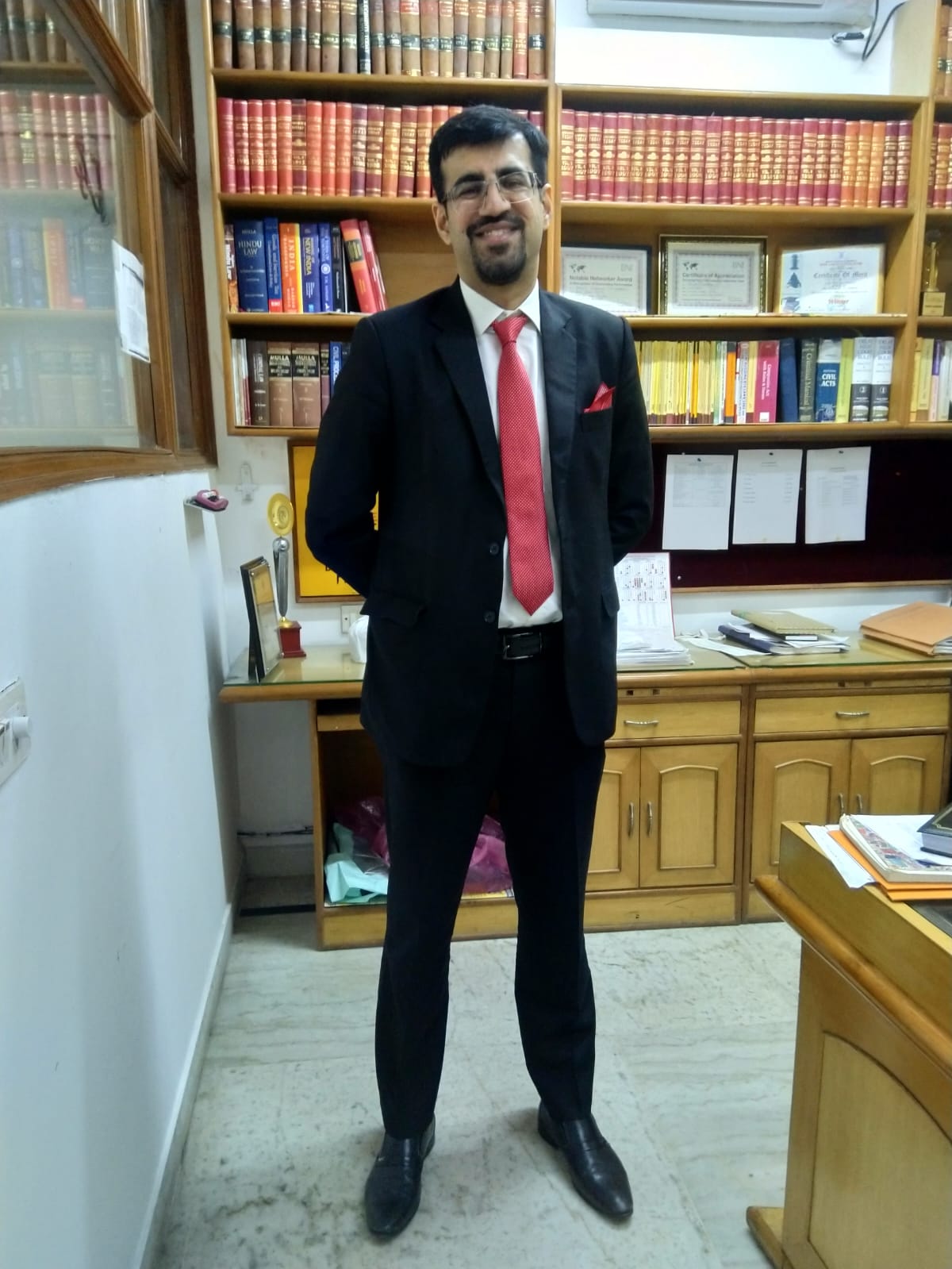
  • “In the dynamic landscape of legal practice, a client-centric approach  stands as the cornerstone of success for lawyers, striving to excel and that means  developing a process for building and sustaining relationships”- Rakesh Kumar Singh, Advocate-on- Record, Supreme Court of India

    “In the dynamic landscape of legal practice, a client-centric approach  stands as the cornerstone of success for lawyers, striving to excel and that means  developing a process for building and sustaining relationships”- Rakesh Kumar Singh, Advocate-on- Record, Supreme Court of India

    This Interview has been published by Pragya Chandni and The SuperLawyer Team
    Can you tell us about your journey into law? What inspired you to pursue an LL.B and later an LL.M in Corporate/Banking & Insurance law?

    My journey into law is not an easy Journey. It was my Childhood dream to  become a lawyer, but initially destiny had planned something else for me and due  to the compelling economic conditions of my family and my zeal to serve the  country, I had joined the Indian Air Force at the age of 17 Years as an Airman in the  year 1996. 

    While serving the Indian Air Force I have pursued my higher education.  When I was posted at Air Force Station, Nashik, I attended evening law college  after my working hours in the Indian Air Force for a law degree. I did my LLM from  Kurukshetra University. 

    I am a first-generation lawyer with no lawyer in the immediate or distant family.  Being from a humble background, I was always inspired by this profession and  believed that lawyers have the unique opportunity to help others and make a  difference in their lives.  

    You have extensive experience in the Supreme Court of India, High Courts, and Tribunals. What were some of the most challenging cases you handled early in your career?

    Most of the cases I handled initially were challenging. I would like  to talk about two of those cases: – 

    There is a reported case of CBI, wherein, we all have encountered a unique  legal issue, that whether the statement of an accused can be recorded under  Section 313 CrPC, Since the accused is not able to write and speak. The Ld. The Trial  Court Judge has cancelled the bail granted to my client (accused) stating that the  accused is deliberately not answering the question put to him under Section 313  of Cr PC. We had only two days’ time to get relief from the higher court. I had  done all the mentioning and could get the case listed on the same day. The Hon’ble  High Court ruled that “As per the medical report, the accused is unable to write  and speak and therefore the Statement under Section 313 of CrPC cannot be  completed.

    In another case, through SLP (Criminal) I ensured cancellation of bail of a  murder accused from the hon’ble Supreme Court of India, in which indirectly I  received threat from the accused side. 

    Your role as in-charge of the Air Force Legal Cell at the HQ Western Air Command is quite intriguing. Can you share some key experiences and challenges you faced during your tenure there?

    As in-charge of the Indian Air Force Legal Cell, one needs to have a much more holistic understanding of law. Right from the management of  litigation in Courts and Tribunals for Union of India and Indian Air Force to  management and conduct of Court Martial and Court of Inquiry, management of  all the applications and 1st and 2nd Appeals related to Indian Air Force under the  Right to Information Act, 2005. Defended 2nd Appeals on behalf of the Indian Air  Force under the Right to Information Act at Central Information Commission,  Management and conduct of Charge Trials for the minor offence committed by  Indian Air Force personnel, to provide general legal administrative and  Secretarial support to Command Judge Advocate. 

    Further, you are not only in charge of the Legal Cell, but you are a trusted  advisor, making sure that the legal department of Command Headquarter and  Units under its area of operations functions properly and smoothly. 

     Managing litigation on behalf of the Union of India/Indian Air Force must have been a significant responsibility. What strategies did you employ to effectively manage and resolve these legal issues?

    Strategy is one of the most critical aspects in effectively managing  and resolving legal issues of an important organization like the Indian Air Force. A  good strategy acts as the bedrock on which the entire legal department functions  efficiently.  

    I started understanding the work and worked closely with Command Judge  Advocate Generals to set clear legal goals that fit with the Organization’s overall  plans. Good and effective Communication within the team members and with  other departments were the key for everyone to work together smoothly and in  tandem. I used to talk regularly with the Unit Legal Cells of the Command to  understand their Legal needs and extend all the possible help round the clock.

    You have a strong background in drafting various legal documents. What do you think are the most critical aspects of drafting effective legal documents?

    Legal Drafting is the most important instrument of legal  Communication. The Skill to draft well, is the skill to think and Communicate  Well.  

    In my legal draft I judiciously select words, phrases and clauses adhering  to the intricacies of the subject matter. Whether it’s contracts, Agreements, or  Petitions, each document necessitates bespoke attention to details. 

    A proficient drafter must bridge the gap between precision and  comprehensibility leaving no room for ambiguity. Documents must not only be  legally sound but also strategically crafted to achieve the desired outcomes for  the clients. 

    One needs to follow the principles of drafting legal documents i.e., clarity  and precision, simplicity and conciseness, specificity and completeness and  compliance with legal requirements. 

    Maintaining excellent relations with clients and legal counsels is vital in your profession. Can you share your approach to building and sustaining these relationships?

    In the dynamic landscape of legal practice, a client-centric approach  stands as the cornerstone of success for lawyers, striving to excel and that means  developing a process for building and sustaining relationships. 

    I make a compelling argument for why clients should choose us. My approach  is to build lasting relationships with the clients and ensure they don’t feel like  mere rupee signs. It is important to understand the client’s needs, the  communication should be transparent, I should be able to manage the expectation  of my client and I should be ready to walk an extra mile by providing exceptional  services. 

    Building and sustaining strong client relationships is paramount in the legal  profession, where trust serves as the CornerStone for Success. For an Advocate  -on-Record, most of the Clients are legal Counsels of High Courts and trial Courts  through whom briefs come.

    You’ve obtained favorable judgments for clients in several high-profile cases, including the Delhi Metro Rail Corporation project and Armed Forces personnel cases. Could you elaborate on these achievements and their impact?

    The legal field is known for being highly competitive with lawyers,  Paralegals and legal professionals all striving to outperform one another. This  intense environment often resembles a constant legal battle where success is the  ultimate prize. In such a challenging arena these achievements become imperative. 

    This was the long pending issue of Delhi Metro Rail Corporation project  due to which DMRC has suffered revenue loss of Crores of Rupees. I had perused  the legal issues of land acquisition and rehabilitation of people from one place to  another place. The said DMRC project was affecting the residents of Trilokpuri. 

    There were multiple litigations pending in various Courts including the Supreme  Court of India on the issue. The 58.6 Kms long Mukundpur Shiv Vihar Corridor  was to be the longest Corridor on Delhi Metro Network. The Delhi Metro had  missed the deadlines for its Phase III project. A Communal twist has prevented  Delhi Metro from relocating nearly 400 families at Trilokpuri. The DMRC was  struggling to resolve this issue. The Delhi Metro was given an alternative land in  Pocket 16,17, and 18 for rehabilitation of People living in pocket 15 in 2014 itself,  but DMRC was not able to carry out the rehabilitation work even after the  completion of the construction of flats due the non verification of documents and  multiple litigation pending in various Courts. 

    I have successfully undertaken the project of rehabilitation of the affected  person to the alternate location by verifying their documents and clearing the way  for the long pending DMRC project, which further settled all the litigations pending  in various courts. 

    In one of the landmark Case of Armed Force, I successfully argued before  the Principal Bench of the Armed Forces Tribunal, wherein, the Hon’ble Bench  has directed the Ministry of Defence and Indian Air Force to issue a No Objection  Certificate (NOC) to Serving personnel of Indian Air Force, Sgt Samant Singh  Sengar, clearing his way to join as an Assistant Professor of History in Madhya 

    Pradesh Public Service/Commission. In 2017, he applied for the post of Assistant  Professor with the Madhya Pradesh Government and cleared the exams. However,  he could not secure permission from the IAF since his current Skill grade did not  qualify him for the post. In the revised Policy of the Air Force, possession of  professional skill grade ‘A’ was added as a mandatory requirement to apply for  Gp A/B Civil exams. 

    This landmark Judgement has paved the way for many similarly situated aspiring airmen. 

    Finally, what advice would you give to fresh law graduates who are just starting their careers? What key skills and mindset should they develop to succeed in this field?

    My advice to fresh law graduates who are just starting their career  is to focus on basic concepts and constantly stay informed about changes. It’s  important to stay updated on new developments and technologies. 

    They should work on and develop analytical abilities to assess the complex  legal issues, analyze statutes and case laws. Effective written and oral  communication skills are paramount in law. The young lawyers should also  develop proficiency in legal research to gather relevant information, examine  precedents to support their legal arguments. 

    Nevertheless, fresh law graduates should always strive to maintain a high  standard of professionalism, ethics and integrity in all their work. Law is a noble  profession, and it’s important to uphold its values and principles.

    Get in touch with Rakesh Kumar Singh-


  • “The field of cyber is ripe for youngsters to enter and the scope is immense. With each new law that is enacted in the field of cyber, the opportunities open up further”- Nappinai N S, Senior Advocate,  Supreme Court & Founder-Cyber Saathi

    “The field of cyber is ripe for youngsters to enter and the scope is immense. With each new law that is enacted in the field of cyber, the opportunities open up further”- Nappinai N S, Senior Advocate,  Supreme Court & Founder-Cyber Saathi

    This Interview has been published by Pragya Chandni and The SuperLawyer Team

    Can you share with us what initially drew you to the field of law, and how your journey began?

    I decided to become a lawyer and declared my intent as early as in my 7th grade and am happy to share that the passion for law burns bright. Whilst I come from a family of lawyers up to my grandfather’s generation, my father’s generation skipped it. My interest in law could have stemmed from the stories I heard of the cases my grandfather handled but I faced the struggles of a first-generation lawyer whilst commencing practice.  

    You’ve handled cases in Constitutional, Criminal, Commercial, IPR, and Cyber laws. You are also a trained mediator. How did you develop such a broad spectrum of expertise, and what challenges did you face along the way?

    My initial focus was on Criminal and Constitutional laws. Interestingly, I studied law to practise criminal law – my interest in this field was strongly rooted on principles of human rights and liberties. I simultaneously also focussed on IPR as it was an evolving field at that time (1991). I value my association with an eminent and revered senior Shri. N. T. Vanamamalai, Senior Advocate for 3 years as a student intern and thereafter continued to practise from his chambers. My other senior during practice was Shri. V. Gopinath, Senior Advocate. The person who recognised my potential and added wind to my wings by making me part of the firm Amarchand Mangaldas Suresh A. Shroff & Co., (as it then was), albeit briefly, was Shri. Cyril Shroff, who I attribute my learning on client handling and composure apart from the skills I acquired in structuring of private equity and debt transactions. Apart from this, each senior counsel I have briefed for cases contributed to developing my skills and approach to law.

    Whilst I honed my skills in Constitutional and criminal laws in my seniors’ chambers, my expertise in IPR was rooted in extensive reading (which in those days of no computers or devices meant opening books and visiting libraries) and applying the same to cases, I was briefed in from early days. I also learnt to apply my learnings from litigation to draft commercial and IPR transaction documentation. My involvement in Cyber evolved from around 1995-96 due to the IPR cases I handled in software licensing. From there I gained expertise in cyber laws reading the evolving legal landscape across foreign jurisdictions and model UN laws and honing my knowledge and skills and simultaneously keeping abreast of technological advances. With cyber being an exponentially evolving field, it was imperative for me to keep reading and honing my knowledge and skills in this field since then.  

    I was truly blessed to have grown in this profession without even an iota of concern over gender bias or obstacles due to the same. I did not face the usual obstacles that I have heard from other practitioners be it those of 1st generation or lady lawyers. This was certainly a boon considering the male-dominated fields of expertise I chose. 

    There were of course the other obstacles of developing clientele from scratch as a first -generation lawyer. I have in effect set up my practice from scratch thrice – first in Chennai, then Mumbai and thereafter before the Supreme Court in Delhi. Each time I believe, at the cost of sounding cliche, that it was sheer hard work that helped. Apart from hard work my sincere advice to the young practitioners is to maintain composure and a pleasant demeanour in Court and with peers, particularly with opponents. We, as practitioners, have to learn to distance ourselves from the briefs we handle and learn to be fair. I can safely confirm that it was my advice to clients to be fair that helped garner the respect and trust of my clients. For, in the long run, the clients benefit more from a balanced approach.

    Mediation is again a passion, which I manifested in multiple forms from handling court referred mediations to assisting in formulation of and setting up of mediation centres. The training helped me to become a better Advocate, particularly whilst handling clients and negotiations such that I was able to successfully conclude litigations that were festering for several decades. Mediation training is another skill set I believe is critical for all law students. 

    Could you tell us more about your experience as Amicus Curiae before the Supreme Court and representing a State Government in the data protection case during the pandemic lockdown? What were the key issues at stake?

    The Amicus Curiae experience in “Re: Prajwala Letter dt.18.2.2015. Violent Videos & Recommendations” was profound. Of the many cases handled, this was a satisfying journey, which gave me the opportunity to contribute to online safety of women and children. I proposed the use of Artificial Intelligence (AI) for this purpose, and argued for use of tech to protect users, which was a first. The consensus proposals mooted through the Government Committee I was part of and the Supreme Court making the same an order of court were seminal steps towards bettering online safety. 

    The case before the Kerala High Court was during the covid pandemic and another satisfying engagement wherein I advised use of anonymisation to protect sensitive personal health information, which the State Government accepted and submitted and was made an order of Court. Significantly, under Section 43A of the Information Technology Act, 2000 (as amended) (“IT Act”) Government is not covered and hence volunteering as above was a proactive measure. 

    What inspired you to start Cyber Saathi®, and what are the primary goals and achievements of the foundation?

    I founded the non-profit – Cyber Saathi Foundation (www.cybersaathi.org), which is focussed primarily on contributing to law and policy making in the field of cyber and emerging technologies and for online safety of women, children and other soft targets (such as LGBTQ+) through awareness and peer first responder support through “Be A Cyber Saathi” (Cyber Saathi translates to “Cyber Friend”).

    I first conceptualised Cyber Saathi in 2016 after a meeting in the UK during my Chevening fellowship, when I realised the gravity and spread of offences against children. The reason for the name is also based on the young adult / child psyche i.e., that they will reach out to a friend first. Hence the name “Cyber Saathi”. I must add here that each of my fellowships have contributed to my evolution and helped me to contribute more to society. My first was the International Visitor Leadership Program – IPR (2005), and then the Cybersecurity Chevening Fellowship in 2016 and thereafter my Stanford CDDRL Fellowship on Democracy, Development and Rule of Law (2019). 

    You train judges, police, armed forces, and intelligence agencies on cyber laws and safety. How do you approach such a critical and diverse audience, and what are some key messages you emphasize?

    My involvement in such training or capacity building initiatives commenced from about 2003 and continues. It has been most gratifying to have been able to contribute to nation building through these initiatives. I have conceptualised and conducted cyber law training programs spanning all subjects on cyber. Anyone who wishes to undertake such initiatives just needs to have the urge to contribute, be willing to set aside time for the same including personal time and be generous and conscientious in the preparation and sharing of knowledge. The field of cyberlaws is constantly evolving. Keeping abreast not only of law but also of technology innovations and developments is critical and ensuring the bridging of tech and law is essential to lend value to such initiatives. 

    You have been involved in various national and international committees, including presenting before the UN’s UNODC Ad Hoc Committee on Cross Border ICT Crimes and the Parliamentary Standing Committee on IT. How do these engagements influence policy and legal frameworks?

    It is more about how much we can contribute to the narrative. I bring my expertise as a practitioner, which I believe is the most critical, as I can speak about the practical impediments to implementing a law at grassroots level. I also contribute, as a civil society member and speak for a balanced approach ensuring protection of human rights whilst enabling law enforcement. My engagement in training and capacity building for judges and police has contributed immensely to enriching discussions and negotiations at policy level. 

    As a prolific writer and author of several seminal books on technology laws, how do you see the role of legal writing in shaping public understanding and policy?

    Books still form the foundation of practise of law and my intent was to contribute to “democratising practise of cyber”. I wanted more practitioners to enter this field of specialisation, particularly youngsters. The move from the structure I adapted in the first book to my second book probably also reflects the evolutionary process in legal writing. Whilst my first book Technology Laws Decoded (2017) published by LexisNexis was in effect a compendium on cyber laws, my second book CSassy Tales – Cybercrime Stories & The Law (2022) published by Oakbridge Publishing takes a unique approach of teaching through storytelling. I am glad to share that both books have been received extremely well both by practitioners and industry and the latter book by users also who were also the target audience.  

    What advice would you give to fresh law graduates who aspire to make a significant impact in the field of law, particularly in emerging areas like cyber law and digital rights?

    The field of cyber is ripe for youngsters to enter and the scope is immense. With each new law that is enacted in the field of cyber, the opportunities open up further. For instance, data protection is a niche field of practice and once the rules are notified in India the floodgates would open up for advisory and adversarial practice. Similarly, cybercrime, IPR and cyber are fields which are already reasonably robust and will get further impetus from emerging laws such as the Digital India Act proposed. 

    Learning basics of the technology that drives a specific field of law, understanding the intersection between law and tech and also of existing and evolving laws and always applying fundamentals irrespective of whichever field of law that a practitioner chooses are my advice to any practitioner who decides to focus on cyber laws. 

    Get in touch with N. S. Nappinai-

  • “The law is not static; it evolves over time through amendments and the introduction of new legislation to reflect changing moral and societal values”- Ashima Mandla, Partner at Mandla & Singh Law Chambers

    “The law is not static; it evolves over time through amendments and the introduction of new legislation to reflect changing moral and societal values”- Ashima Mandla, Partner at Mandla & Singh Law Chambers

    This Interview has been published by Pragya Chandni and The SuperLawyer Team

    Can you share a bit about your journey into the field of law? What inspired you to pursue this career path?

    When I was in school, I was rather drawn to the criminal justice system, whether it was from what was covered in the news in then ongoing cases, criminal novels and shows which piqued my interest. Thereafter, I did my graduation in Psychology Honors from LSR, where my primary field of study was abnormal psychology, being intertwined with criminal laws. Even though during the first year of LL.B, like most of us, I was also equally attracted to the Corporate side and ended up interning for 6 months at Trilegal, the first day I set foot inside the Apex Court while interning with Mr. K.T.S. Tulsi sir, all my aspirations in this field shifted and I knew I wanted to practice criminal laws. 

    As a Partner at Mandla & Singh Law Chambers, what are some of the most rewarding aspects of your work?

    In litigation, mostly everyone aspires to go independent someday and establish their own practice. For me, that juncture came a little earlier than expected and Mandakini Singh, (my senior associate from the Chambers of Tulsi sir) and I started this litigation chamber in 2018. Undoubtedly, it takes significant time and effort to get your independent practice off the ground, especially being first-generation lawyers, but then there were many seniors who were exceptionally kind to us to offer support and even refer work. The most rewarding aspect in running your own practice is the opportunity to not only build cases by formation of a narrative but also to oversee the outcome. It gives you a platform and opportunity to understand your shortcomings and actively work towards growth. 

    Your involvement in drafting legislation such as the Criminal Law Amendment Bill, 2019, reflects a deep commitment to legal reform. What drives your passion for advocating for change within the legal system?

    The law is not static; it evolves over time through amendments and the introduction of new legislation to reflect changing moral and societal values. As our worldview and perceptions shift, so do the nuances of the legal system. Every judgment that explains or expands the scope of any section or act is an active step toward changing the limits and understanding of the legal system. Law and society are intertwined, each contributing to shifting the perspective of the other.

    Could you tell us about a particularly challenging case you’ve worked on and how you navigated through it?

    The most challenging case has been the Tablighi Jamaat case. There were 955 foreigner nationals from 48 countries which were detained for 2 months and when the Habaes Corpus case was preferred before the High Court of Delhi for their release, overnight chargesheets were filed against the foreigners. Even though there was not a single medical report which was placed on record in the chargesheet showing anyone as Covid-19 positive, yet the narrative in the media was running contrary to the evidence on record, which also colored the public perception. The impact and perception of media trials, particularly in sensitive and high-profile cases was highlighted. Media trials can lead to premature judgments and public opinion that may not align with the legal proceedings and the principle of “innocent until proven guilty.”  Furthermore, 2 months into the litigation, it surfaced that there were second FIRs against the foreign nationals and those who were repatriated on humanitarian grounds of plea bargaining after depositing costs to an extent of Rs. 52L to the Government, they were once again estopped from returning to their homes. It led to an arduous and protracted litigation” of 150 hearings, 955 bail applications, 5 writs, 44 discharge applications, 26 quashing petitions, 80 revision petitions, 15 hearings before the Supreme Court and then a trial in a Delhi court over 9 months. Even though there was not a single conviction in Delhi as even all the foreigners who chose to contest the charges in the trial were acquitted, this case was unprecedented under the unforeseen circumstances across the globe.

    The other case, which was recently viewed as a landmark judgment in Pavana Dibbur v. Directorate of Enforcement.,2023 SCC OnLine SC 1586 wherein the Hon’ble Apex Court was pleased to quash the complaint u/s 44/45 of the PML Act, 2002 (akin to chargesheet) on the ground that s. 120-B IPC can be invoked only in reference to a predicate scheduled offence, was rather challenging as a case, as there were no authorities on this issue and all judgments of the Apex Court as well as various High Courts were ambiguous. The coming of this judgment reinforced the confidence that one can build arguments from bare reading of provisions and interpretation of statutes even if there are no judicial precedents precisely on the issue. Needless to say, it would not have been possible without the fierce and structured arguments led by Senior Advocate Meenakshi Arora ma’am.

    Your achievements in both academia and extracurricular activities are impressive. How do you balance your professional responsibilities with your personal interests and commitments?

    I believe that lawyers led stressful lives as is, which makes it imperative to have interests outside of work, to balance out. More often than not, the demands of every day work and deadlines puts personal lives at the backseat. I personally make it a point to travel, even if it is a short trip, whenever the opportunity presents itself. It gives you something to look forward to as well. Apart from that, there are many tournaments organized by various Bar Associations, which are an amazing way to break the ice, forge better bonds with your peers and seniors. 

    Being an Advocate-on-Record before the Supreme Court is a significant achievement. How did you prepare for and approach the examination, especially achieving such a high rank on your first attempt?

    I had started my career at the Apex Court as a junior, so I was always enchanted and inspired to become an Advocate-on-Record before the Apex Court. Truly, with running my own practice, I was able to only devote 20-25 days of study towards the examination and managed to secure a Rank #4. However, the fact that a lot of the concepts tested in this examination especially in the papers of Practice and Procedure as well as Drafting have nexus with everyday practice before the Apex Court, having practiced for 5 years, in terms of drafting, filing and arguments, before appearing in this examination made those papers fairly easy to prepare for. 

    As for the other two papers namely Leading Case and Advocacy and Professional Ethics, most of those cases were a part of the curriculum in college and hence were formative concepts which are widely referred to and relied upon across a spate of judgments and thus, if the basic concepts in law are clear, the examination is not all that tough. Therefore, the syllabus ought to not be viewed as something one can mug up for the examination, but if you truly read the judgments in its entirety, you will benefit in your practice as it will enhance your concepts and knowledge base, with concepts or sub-concepts which were perhaps not completely understood during college.

    With your experience in criminal defense litigation, what do you find to be the most common misconceptions people have about this area of law?

    It is no surprise that the salary for freshers in litigation is not comparable to the corporate sector, which has been a driving factor for an increased number of graduates preferring the latter. However, criminal defence litigation is far more rewarding in all aspects as compared to the corporate sector. Furthermore, another misconception is that criminal defence litigation is not for women, and for most of us, even our families are not comfortable with the thought of women visiting jails, police stations and lower courts. We have legal stalwarts such as Senior Advocates Ms. Meenakshi Arora ma’am, Ms. Indira Jaisingh ma’am, Ms. Rebecca John ma’am, Ms. Shobha Gupta ma’am, who are not just counted as the best female advocates, but in the list of the best advocates.  Therefore, the field is not an old boys club. 

    As someone who has accomplished a lot in their legal career, what advice would you give to recent law graduates who are just starting out in the field?

    Be patient, zealous and persevere. Law demands layers of intricate knowledge which is gathered across a spectrum of fields over a period of time. There are essentially no shortcuts to success and the only way to conjointly sustain and grow is through day-to-day perseverance. The skill-set which needs to be developed in this profession to stand out, are built over years of backbreaking work. Join offices which teach you work, develop your skills and offer you opportunity to grow. 

    Get in touch with Ashima Mandla-

  • “Don’t chase money but try to gain as much experience as you can during your initial years into the profession”- Paritosh Anil, Advocate on Record and Partner at AKS Partners

    “Don’t chase money but try to gain as much experience as you can during your initial years into the profession”- Paritosh Anil, Advocate on Record and Partner at AKS Partners

    This Interview has been published by Pragya Chandni and The SuperLawyer Team

    Can you share with us the story of what initially drew you to pursue a career in law, and what motivated you to specialize in criminal, civil, and arbitration disputes?

    I did my graduation in English (H) and then wanted to pursue either CA or Law. Ultimately, I was more inclined towards law as the pursuit for justice and a desire to make a positive impact on society is something which can only be achieved in this profession. During the 2nd year of my LLB, I realised that litigation is my calling as I was fascinated with the dynamics of the criminal justice system. Later, during my initial training period, I was fortunate enough to have worked under the guidance of Mr. Ramesh Gupta (Senior Advocate) and those initial years of running around in the corridors of Patiala House Court is what further motivated me to pursue litigation as I was a witness to the countless lives which were touched by my senior daily. The relief on the faces of the clients and their gratitude towards the assistance provided to them by their counsel is what makes it all worthwhile at the end of the day. With passage of time, I ventured into civil and matrimonial matters and then from 2015 onwards Arbitrations as a field started gaining pace in India and a natural progression for me was to start delving into this new field.

    As you are aware litigation (specifically criminal and civil litigation) is tough and the initial gestation period is around 5-6 years for any lawyer to start earning a respectable fee. However, if you have the grit and determination to sustain these initial years, then this profession gives you the maximum satisfaction of being a beacon of hope for so many individuals. Additionally, you are constantly learning something new every single day and the learning experience itself keeps you invigorated and makes you a better person and a better professional. This satisfaction of making a difference in someone else’s life by performing my professional duties to the best of my abilities is what motivated me to pursue litigation, and this is my guiding light even today after almost 16 years of being in the profession. 

    Reflecting on your extensive experience, can you tell us about a particularly challenging case you handled, and what you learned from it?

    Well, there have been many memorable and challenging cases which I have dealt with but the one which stands out as being the most challenging of them all would be a CBI case in which allegations of forgery and bribery were levelled against the clients who were builders. The basic allegation was that land acquisition was done based on forged and fabricated sale deeds with the help of officials from tehsildar office. After going through the entire documentary evidence and the purported forged and fabricated sale deeds I managed to identify that the allegation of forgery was prior in time to when my clients had entered into the picture and their sale deeds were based on the previous chain by another person who was not even made an accused in the case whereas the allegations of forgery were of that period. Based on this glaring discrepancy which was highlighted before the Ld. Judge, ultimately my clients were acquitted because of this major flaw in the case put forth by the prosecution. The matter involved meticulous investigation into a lot of documents filed along with the chargesheet and it was all worthwhile in the end. This case taught me to be absolutely thorough with the reading of case documents since a simple date on a document could be the difference between a win or a loss for the client.

    You’ve represented clients before some of the highest courts in India, including the Supreme Court and the Delhi High Court. How do you prepare for such high-stakes cases, and what does a typical day look like when you’re gearing up for a major court appearance?

    Well, for any litigation lawyer a typical day starts at around 7.30-8am in the morning when you start preparing for your court hearing and post court timings it is usually conferences and meetings till later in the evening. Then by the end of the day you are preparing for the cases which are listed on the next day so to sum it up you are working round the clock as a litigation lawyer and that’s what a typical day looks like for me as well. This pressure has only increased since my foray into a firm as now I am also responsible for the work which my entire team is doing, and I must keep them motivated as well to put in their best efforts in all the tasks which are assigned to them.

    There are a few days of temporary respite when there is a long weekend coming up but then that also must be utilised for the purpose of business development meetings. When a high stakes matter is involved then obviously your focus shifts completely for the preparation of that case and rest of the things take a backseat. The team working under me also prioritises on preparation of important matters whenever the need arises, and rest of the work is reallocated accordingly. 

    Your profile mentions your involvement in both substantive and procedural law. Can you explain how you balance these two aspects in your practice and why both are crucial for successful legal representation?

    From my experience I can confidently state that procedural law should be the focus for any fresh graduate who wants to pursue litigation. The learnings from your formative years into the professional when you are either interning or working under a senior, are what will decide on how professionally sound you will be in the future. Substantive law can only provide you with broad guidelines in which you have to move but procedural law is what will determine how you will be able to succeed in a particular case. 

    I was fortunate enough to have worked under seniors who were doing extremely good trial court work and training under their guidance helped me in honing my procedural law skills. For any litigation aspirant practical knowledge of court craft including the art of cross examination of witnesses is the most important aspect of his learning and growth. Once you are confident in the procedural aspects, you automatically gain a better understanding of the substantive aspect of law as then reading through the relevant provisions of any act or rules becomes easier for you. Based on the knowledge and advice imparted to me by my seniors, I had also focused on the procedural and practical aspects of court craft during the formative years of my practice and that is what has helped in becoming a better professional. I keep myself abreast with any new developments in law by reading recent judgments of higher courts, books and commentaries of different fields of law and online articles on topics relating to my field of work. Reading is something which is imperative for any legal professional and that helps you in maintaining the balance between substantive law and procedural law. 

    Public speaking and interaction management with strategic clients and senior counsels are highlighted as your skills. How have these skills contributed to your success in the legal field?

    From my law college days, I used to participate in moot court competitions which helped me in getting over stage fright since I had always been an introvert during my school days. I think doing my graduation in English language also helped me in becoming more confident while interacting in public. Client interaction is something which you get better at with experience and the same holds true for me as well. With time I got better at understanding the needs and requirements of clients since no two clients are the same and you must deal with each client accordingly. Being a good listener is an important skill in any lawyer’s repertoire as clients want a personalised experience where they feel comfortable discussing all their doubts and apprehensions with their lawyer. Ethics and integrity are two other aspects which are non-negotiable in my practice, and I believe that has helped me in retaining many of my clients as clients also appreciate honesty and sound advice from their lawyer.

    I have briefed many seniors during my career and share an extremely cordial and respectful relationship with them. Briefing seniors is an important learning experience as watching them deal with a matter through their own vast experience gives you fresh insight and perspective on how to deal with a particular issue or case. 

    You’ve worked on cases involving the Indian Penal Code, Civil Procedure Code, and numerous other acts. Which legal area do you find the most complex and why?

    All cases are challenging but for me particularly civil matters are more technical in nature and require thorough understanding of the Code and mere procedural defects can lead to unwarranted outcomes. Other than civil matters, cases involving IBC and SFIO are also technical in nature, and these are evolving fields, so they also offer some challenge and excitement due to complexities involved in interpretation of the statute and relevant rules. But to be honest, complexity is what keeps you on your toes and makes you a better professional as the need to learn and evolve constantly is permanent in this profession. 

    In your current role as Partner (Litigation) at AKS Partners, what are some of the significant trends or changes in arbitration and litigation that you’ve observed, and how do you see the field evolving in the next few years?

    This is my first stint in a law firm so transitioning from an independent practitioner to a partner has been an interesting experience. I am thankful to my Managing Partner Mr. Sonal Kumar Singh for reposing his faith in me and for his constant help and guidance. This has been an extremely important learning curve in my professional journey.

    Now to answer your specific question, commercial suits and arbitration have taken precedence over traditional civil litigation since they offer quicker resolution for commercial clients. With the recent amendments in both Commercial Courts Act and Arbitration & Conciliation Act, the lawmakers of the Country have tried to resolve some of the procedural aspects which were causing delays in the trial thereby making the process faster and more efficient.

    One of the main reasons for me to join the firm was to gain more relevant experience in International Commercial Arbitration for myself and to enhance the ‘white collar crime’ practice of the firm. AKS Partners is renowned for its expansive arbitration practice and in recent years Government is also focusing on making India a major hub for conducting International Arbitrations. I see a tectonic shift in the Arbitration landscape of the Country in the near future with establishment of major Arbitration Centres like Delhi International Arbitration Centre as well as establishment of Arbitration Bar of India.

    Finally, what advice would you give to fresh law graduates who are just starting their careers and aspiring to achieve success in the diverse areas of law that you have mastered?

    Try to do as many internships as possible in order to gain experience in all fields of law whether it is corporate or litigation as that will help you in deciding which field attracts you the most. Clarity on this aspect is crucial for your growth as your initial years of training will determine your future in your chosen field of law. 

    If litigation is your chosen path, then be patient during the initial years. Don’t chase money but try to gain as much experience as you can during your initial years into the profession. Try gaining maximum exposure in trial courts for at least 3-4 years as that is where you will learn the procedural aspects of litigation including the art of cross examination of witnesses which I believe is imperative for any litigation lawyer. To all young professionals my most important advice will be to be thorough with the Evidence Act as that is the bread and butter for any litigation lawyer. 

    Finally, don’t be afraid of making mistakes as they will be your greatest teachers in your professional journey. Be faithful to your craft and never compromise on your ethics and professionalism.

    Get in touch with Paritosh Anil-

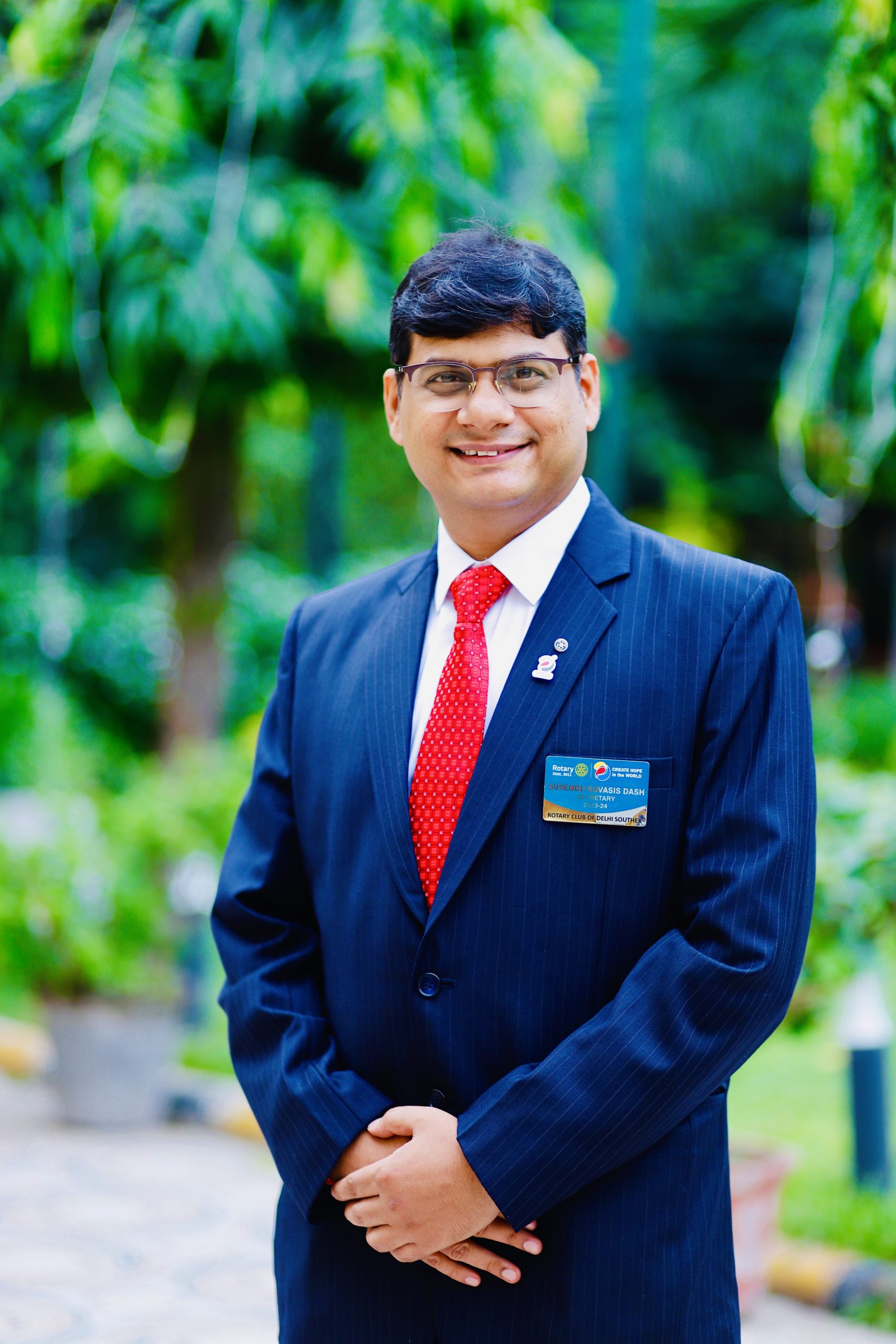
  • “My commitment to pro bono work is motivated by a fundamental belief in justice accessible to all”- Highlighting the role of lawyers in ensuring equitable access to legal representation and advocacy : Suvendu Suvasis Dash, Advocate-on-Record & Managing Partner at Vaibhav & Dash Law Associates

    “My commitment to pro bono work is motivated by a fundamental belief in justice accessible to all”- Highlighting the role of lawyers in ensuring equitable access to legal representation and advocacy : Suvendu Suvasis Dash, Advocate-on-Record & Managing Partner at Vaibhav & Dash Law Associates

    This interview has been published by Namrata Singh and The SuperLawyer Team

    Can you take us back to the beginning of your career? What motivated you to pursue law, and how did you start your journey in this field? 

    My journey into the realms of law began serendipitously as I turned the pages of an old magazine that featured an obituary of the legendary constitutional lawyer, Nani Palkhivala. The year was 2004, and I, a science student at the time, was at a crossroads about my future. Palkhivala’s profound influence on the legal landscape struck a chord with me, prompting my decision to pivot from science to law. This epiphany led me to enroll in a 3-year LL.B course with a deep-set desire to build a career in litigation and emulate Palkhivala’s mastery in constitutional law and interpretation of statutes. My affinity for literature blossomed simultaneously, nourishing my analytical skills and enriching my legal acumen. Eventually I would read a lot of literature on Palkhivala and read many judgments where he had argued. 

    Before pursuing your LL.B., you completed a B.Sc. in Physics. What was your career plan during your time studying physics, and what inspired you to transition to law?  

    While my initial academic pursuit in Physics was driven by a fascination with science and an aspiration to become an air force pilot, my career trajectory took a decisive turn following a series of introspections and a pivotal setback in the air force selection process. The rigorous analytical training from my science background seamlessly transitioned into legal studies, where I discovered a profound passion for law. This newfound path was not just a career choice but a calling to delve into the intricate domains of statutes and societal norms. 

    As an Advocate-on-Record at the Supreme Court, what unique challenges do you face compared to other courts and tribunals?

    Supreme Court practice is a unique ball game in itself. The challenges aren’t many but with constant and consistent preparation, it’s a delight to practice here in the long run. It eventually becomes more rewarding with passing years. As a Supreme Court lawyer, we require to inculcate all the requisite qualities of a good lawyer across all courts and tribunals. The emphasis however is on acquiring more and more knowledge on law, precedents and statutory interpretation. 

    Practicing at the Supreme Court is akin to playing in the major leagues of law where each case can set a precedent or influence national jurisprudence. The key challenges here are the rigorous scrutiny of Special Leave Petitions under Article 136 and the statistically low acceptance rates of such petitions. This requires a deep understanding of both law and material facts to present substantial questions that warrant the apex Court’s intervention. 

    Despite these hurdles, the satisfaction of advocating at India’s highest Court, where the stakes are monumental and the outcomes deeply impactful, is profoundly rewarding. The great thing about the practice in the Court is that it is the last resort of a litigant to get Justice and the Court, in many cases, allows substantial questions of law and also questions of fact to be opened up for rendering Justice to see that Justice is done in the case of deserving litigants. 

    You were associated with Dr. Justice Akshaya Kumar Rath and Mr. Ashok Panigrahi. How did these associations shape your professional path and legal philosophy?

    Both my seniors imbibed in me a sense of industriousness and punctuality during my early years of practice. Dr. Rath was eventually elevated as a Judge of the Hon’ble Orissa High Court. He is a man of unwavering integrity and imbibed in me those principles. He has voracious reading habits and that’s from where I picked up a taste of reading a lot on all subjects- from law to biographies, literature, spirituality, philosophy and science. He keeps himself updated on judgments and precedents and was a very good taskmaster. Subsequent to his retirement, we keep in touch and exchange a lot on our current reading. We talk about foreign judgments and articles in journals like Harvard Law Review etc. Dr. Rath instilled in me the virtues of diligence and broad intellectual curiosity.

    Mr. Panigrahi was very influential during my early years at the Supreme Court. He helped me connect with a lot of people. He reposed a lot of trust in me while pursuing drafting assignments during my early years.  He helped me a lot on the minute nuances in Supreme Court practice and the best methods to prepare a case and brief a Senior Advocate. 

    I shall always remain grateful to my seniors for where I am now and to have helped me set higher standards. These formative associations have not only crafted my legal perspective but have also deeply ingrained a commitment to excellence and ethical practice.

    Given your top position in the Advocates-on-Record Examination, can you elaborate on the importance of this exam for legal professionals and share some tips for aspiring candidates?  

    Passing the Advocates-on-Record examination is a sort of rite of passage into long-term, successful and progressive practice in the Supreme Court. It offers pan-India recognition as a Supreme Court Advocate and builds a great reputation while appearing in various Courts and jurisdictions. The preparation for the examination involves acquiring minutes of Supreme Court practice and procedure, developing deft drafting skills, building up good ethics in the practice of law, sound knowledge on legal principles, interpretation and precedents. The more a person spends time in the Courtrooms, administrative offices and sections of the Court, one builds up a sound practical idea about how things work in the Court. The academic environment in the Supreme Court with illustrious Senior Advocates and colleagues is also very conducive to efficient learning of legal concepts and effective performance of aspiring lawyers. 

    The Advocates-on-Record exam is also a quality control system adopted by the Supreme Court, akin to the Solicitor’s exam, to maintain high quality amongst Supreme Court practitioners. The exam stands as a gateway to distinguished practice in the Supreme Court, signifying a benchmark of competence and credibility. For aspiring candidates, my appeal is to immerse oneself in the daily proceedings of the Court, engage with seasoned practitioners, and maintain an unwavering commitment to the profession’s highest standards. This not only prepares one for the exam but also for a fulfilling career at the bar.

    What are some of your hobbies and personal interests, and how do they help you manage the demands of your legal career?  

    My personal interests—ranging from aviation to literature and community service through the Rotary Club—enrich my life beyond the courtroom and provide a balanced reservoir of calm and resilience. These pursuits offer fresh perspectives and a creative outlet that enhances my professional stamina and mental acuity, crucial for navigating the demanding landscape of legal practice. I relish reading a lot on diverse subjects, travelling, spending quality time with my family and small circle of friends. I find it interesting to keep myself updated on the latest trends in the aviation industry. I’ve been associated with the Rotary club and I am the incumbent secretary of my club where I engage in various social activities. I like going on long drives. I enjoy cooking on holidays. These help me maintain an inner calmness. Reading legal literature, biographies, legal anecdotes, science, fiction and technology related topics helps me build a balanced perspective on life. These activities not only provide relaxation but also keep me grounded and focused, enhancing my productivity and approach to legal practice.

    You recently completed a Diploma in Bhagavad Gita from ISKCON Bhagavata Mahavidyalaya. What inspired you to pursue this diploma, and how has it influenced your personal and professional life?  

    I was amazed as well as intrigued by being introduced to the life led by the Brahmachaaris at ISKCON who have renounced the worldly affairs and have dedicated their lives towards studying and learning of the Vedas and Vedic scriptures, and acquiring knowledge on their underlying philosophies. From them I came to know about the significance of Srimad Bhagavad Gita. Each verse of the Gita is a treasure trove of deep and elegant philosophies of life. The meditation and chanting techniques discussed therein are of a superlative order in the impact that they exert on our thoughts, way of life, and understanding of things, circumstances and people. The way of life enunciated in the Srimad Bhagavad Gita is par excellence. It has helped me gain perspectives in my personal, social and professional life. Recently, I faced something immensely life-threatening. My reference to verses of Gita and my association with instructors from ISKCON helped me face things with courage and positivity. 

    Life’s ephemeral nature coupled with its fledgling possibilities are sufficient reasons for one to study and understand the philosophies from Gita. It certainly helps me maintain equanimity of thoughts in both gains and losses. Pursuing the Diploma in Bhagavad Gita was an exploration into the philosophical bedrock of existence and ethics. The profound wisdom of the Gita provides a powerful framework for personal and professional resilience, guiding me through life’s tumultuous phases. This spiritual grounding enriches my legal practice, allowing me to approach each case with a balanced perspective and deep humanity

    Which area of law are you most passionate about, and what drives your interest in this field? Please share some memorable cases in this area.

    I am passionate about Constitutional Law, Administrative law and Criminal law. The vast amount of literature on the philosophy of law hovering around constitutional law, interpretation, evidence etc. have always drawn my interests. Such fondness helps me take up cases on diverse subjects of law. It helps me take up challenging work for my Law Firm. I have worked in a number of challenging cases both in the private practice arena as well as in the capacity of a government Advocate for the Orissa State. 

    My passion for Constitutional, Administrative, and Criminal Law is driven by the dynamic interplay between law and societal values. These fields offer a platform to address fundamental rights and freedoms, challenging me to forge paths of justice in complex legal terrains. From cases involving civil liberties to intricate administrative disputes, my role as an advocate and a managing partner at Vaibhav & Dash Law Associates provides a continuous engagement with law’s transformative power. I have come across some of my most memorable cases while representing the state in a number of criminal cases involving the offence of murder, cases involving land allotments made by the government, land acquisition cases and service matters involving intricate issues of pay scales and promotions. 

    While dealing with private cases, we were recently able to get an order of quashment of FIR from the Supreme Court in a case involving a purely commercial dispute which was given the cloak of a criminal prosecution. We have also been able to amicably settle a number of disputes before the Supreme Court through effective mediation.

    Can you share some of the pro bono cases you’ve worked on? What drives you to take on these cases, and how do you think they impact the community?  

    My commitment to pro bono work is motivated by a fundamental belief in justice accessible to all. I have worked on a number of pro bono cases in various courts including the Supreme Court. These are mainly criminal cases, consumer disputes, service matters for young recruits and matters for students in cases of admission to educational institutions. By some quirk of fate, I met an auto rickshaw driver in Delhi who was an accused in a death by negligence case. We prepared the case well and he was acquitted by the Trial Court.

    I have appeared in the NCDRC for an insurance claim of a person whose property was stolen during the super cyclone in Odisha. I have represented a person with disability suffering from mental disability while seeking recruitment in the All India Services before the Central Administrative Tribunal and the Delhi High Court. I have appeared for young medical students in matters relating to their fees and admission to post graduate degree courses. These cases reinforce the societal impact of law and underscore the profound responsibility lawyers have towards equity and advocacy.

    You are presently empanelled as Advocate-on-Record for the State of Odisha, Cuttack Development Authority (CDA), Odisha Hydroelectric Power Corporation Ltd (OHPC), and Canara Bank. Could you share some work details and responsibilities involved in these positions?  

    Being an advocate for the government, various public entities and corporations offer immensely enriching experience on diverse subjects. I have garnered a significant amount of professional work experience through working in matters concerning these institutions. While appearing in such matters the advocate is expected to maintain high standards of integrity and assist the Court on facts when needed. The work involves multifarious areas of law and requires a meticulous approach to legal and procedural details, ensuring that the entities I represent adhere to the highest standards of legal conduct and fairness. The responsibilities of a lawyer in these positions are heightened, and so do the standards expected of them from the Courts. It also involves dealing with government officials and advising them properly on the standards expected of their actions in Courts in respect of procedural propriety, fact based approach, correctness in the pleadings and avoidance of tardiness in approaching the Court while taking legal recourse and complying with Court’s orders and directives. 

    The sense of responsibility expected by Courts from state entities, as public trustees and model employers, is far too greater in comparison to ordinary litigants. A lawyer representing the state entities has to, therefore, (as expected and imperatively required) be very vigilant, maintain high standards of responsibility and integrity and act as a facilitating bridge between the Court and the state entities in the quest for justice. 

    Get in touch with Suvendu Suvasis Dash-

  • “If you understand that you follow the reporting protocols and are clear about when you need to accelerate a matter to a more senior person or when to take a matter off the table of a senior person and put it into junior hands, you help yourself a lot”- Roma Bhagat, Founder, Roma Bhagat Associates

    “If you understand that you follow the reporting protocols and are clear about when you need to accelerate a matter to a more senior person or when to take a matter off the table of a senior person and put it into junior hands, you help yourself a lot”- Roma Bhagat, Founder, Roma Bhagat Associates

    This Interview has been published by Pragya Chandni and The SuperLawyer Team

    Can you share with us your journey into the field of law? What inspired you to pursue a career in this domain, particularly focusing on such diverse areas as civil and criminal law, intellectual property, disability rights, and more?

    As a child, I visited a lot of courtrooms with my father and it seemed like a natural progression to find my way there as a qualified Lawyer. My journey, thereafter, in the legal field was just an accident. As I grew older one thing I realized was that law is a profession that didn’t offer me only diversity but also Independence, and I liked it. I joined an Intellectual Property Law Firm in order to gain experience in the field that my father did not practice in. After a point when I realized that it would take me very long to become independent in this field of law, I shifted to Civil Law practice. Along the way, I became associated with an office that was dealing in matters relating to customs, excise, para, and the like. I think I have a very low threshold of boredom and enjoy diversity. So I have done almost any and every matter that has come my way. I recognized as a very junior lawyer that law is nothing but knowing where to find what you need and the old-added seek and ye shall find actually works.  

    I was essentially a civil lawyer till one of my clients got arrested in a customs matter. For some reason, he declared that he would stay in jail rather than be represented by anyone else even though I didn’t practice criminal law. This weight of responsibility made me dive into criminal Law and after that, I didn’t look back. Falling into sports law was also an accident. I had a client who was very passionate about sports and was suffering greatly. I took some matters to Court for him. Before I knew it, I was handling a lot of sports matters. I think my journey in sports law was also helped by the fact that I was a trustee in the Special Olympics for 7 years and as a litigation lawyer I had a distinct advantage in knowing both sides of the system.

    You’ve been deeply involved in advocating for persons with disabilities, working on legal aid, policy advocacy, and training programs. What initially drew you to this cause, and what are some key challenges you’ve encountered in this area of practice?

    Disability is very close to my heart. I have severely impaired vision myself. And I understand disability up close in person, as they say. I think the twin challenges of disability are attitude and awareness. When I was in 9th standard and opted for humanities, my school wanted to know why I wasn’t taking science because I was “a good student”. When my parents informed them that my eyesight precluded me from taking science subjects because I wouldn’t be able to do the required experiments, my school started talking about careers in basket weaving and pottery. In my case, I consider myself lucky that their attitude didn’t influence me or my parents. But in my interactions with disabled persons and the mainstream world, I find this attitude is a two-way street that diminishes the person with a disability and impacts their ability to negotiate their environment.  

    I believe that only concentrating on macro-level cases in disability is problematic. Class action writs, or individual writs for that matter, are necessary to access rights. Stopping short at that is discriminating, in itself. I believe that a disabled person cannot be identified only by their disability. They therefore should have proper representation for cases relating to mainstream law such as property, inheritance, contract, criminal justice, and family. Hence, the legal aid. 

    The importance of training is something that I cannot emphasize enough. And it was for that reason that I will always try and make time for them. One small but telling incident comes to mind. An autistic boy was being questioned by the police and it was a frustrating experience for both. I observed that the police officer would start his questioning by saying “I am going to ask you one to two questions”. The autistic boy would respond to two questions and then wonder. I explained to the police officer that when this “one or two questions” is stated to a non-autistic person, the understanding would be that it would translate to a “few questions”. However, the autistic person would take it as a specific number

    and after two questions will think that the questioning was over. By simply modifying the statement to say that I have some questions to ask, we managed to get the necessary information. This incident, though funny, is also revealing of the fact that if we are able to modify the environment keeping in mind the requirement of a disabled person, things move a lot more smoothly.  

    As someone who has worked with a range of clients from domestic to international corporate houses, what do you believe are the essential qualities or skills that make a lawyer successful in navigating such diverse legal landscapes?

    I think the most important ingredient is inspiring confidence in your client that you will do the job to the best of your ability and it will be a “good best”, that is because you will do your homework. Law is such a vast field that no one person can know it all. It’s good to be aware of this fact and be clear with your client that while you will not have the answer, you have the capability to find it and the acumen to know where to look for it. One of my best clients was the person whose first case I lost. Then when he appeared with another matter, I asked why have you come back to me when I lost your case, and then he replied that I followed you in every step of the case. If anyone would have won it, you would have. It was a bad case but it didn’t stop you from fighting. One thing I’ll add is that clients are clients, national or international, rich or poor, the differences between them are personality-based and cross-cutting. Some clients simply unload their troubles on you and others want to micro-manage and that has nothing to do with what they are paying you. As far as corporate clients are concerned, it is necessary to remember that every company has a certain hierarchy and a way of functioning. If you understand that you follow the reporting protocols and are clear about when you need to accelerate a matter to a more senior person or when to take a matter off the table of a senior person and put it into junior hands, you help yourself a lot.

    Your involvement with organizations like the National Human Rights Commission and the National Trust reflects a commitment to broader social issues beyond legal practice. How do you balance your legal career with your advocacy work and community engagement?

    I believe if you learn to balance your priorities, you can always find time for things you really want to do. Effective time management and assistance of able juniors has always helped me sail through these commitments.  

    You’ve been part of various committees and expert groups focusing on legal reforms and housing policies. Could you shed some light on the role of legal professionals in shaping legislative frameworks and policy decisions, particularly in areas like land reforms and housing?

    When it comes to drafting Bills that eventually translate into Acts, or Policies for that matter, Lawyers have a mind that is already trained to read legal statutes and decode them. Furthermore, people come to the Lawyers with their problems, looking for solutions/effective remedies that would “solve” their problem[s]. Over time, a Lawyer’s mind is trained to analyze a set of facts so as to conceptualize the actual problem, look for the root cause and then offer an effective and efficient solution. This analytical bent of mind, coupled with domain specific expertise, goes a long way in assisting in formulating or shaping Legislative Reforms/frameworks (to cure any mischief) and policy decisions. Furthermore, Lawyers, particularly those who practice in diverse fields, have the capability to assess and understand domain-specific facts in so far as they are material to the matter in hand and be able to use it in that fashion. In my case, my past experience in the domains such as Disability Law and Social Housing and related Land Reforms etc came to my assistance and we were able to bring in targeted reforms.  

    Given your experience in arbitration proceedings, both as an arbitrator and counsel, could you discuss the unique challenges and advantages of alternative dispute resolution methods, especially in international work contracts?

    If conducted properly, arbitration is an extremely efficient way of dealing with dispute resolution. I think the key for me has been due process. If due process is followed then arbitrations move on a fast track. It saves time, stress, and in the long run, opportunity cost. Another advantage of the Arbitration process is having Domain/technical experts as Arbitrators, specifically in the cases of competitive and technical work contracts. I can particularly think of quite many instances where the Arbitrators, being qualified domain experts, understood the

    technicalities of the matter immediately and the proceedings were concluded in record time, with most effective resolutions to the disputes. In the matters relating to International Work Contract[s] sometimes u have conflicting jurisdictions, and in such circumstances, accessing the Domestic Courts and obtaining an Executable Decree can be a challenge. Arbitration overcomes that hurdle. 

    Some of the challenges of Arbitration Proceedings relate to the question of Interim Relief[s] and the enforceability of Awards. I have personally never encountered a situation where an award wasn’t honored, but should that be the case I would imagine there could be issues arising out of the complex nature of the interactions between different sets of, perhaps clashing, domestic Laws .

    Finally, what advice would you offer to law graduates who aspire to build a successful and impactful career in the legal field, considering your wealth of experience and expertise?

    The first piece of advice I have to offer is to recognize and grab every opportunity. The second is to do your homework and be prepared. Thirdly, be organized. You have one shot at the Arguments, be prepared. Fourthly, mistakes will happen. A good lawyer looks for a way to rectify those mistakes, so damage limitation is very important. If you are a civil lawyer then cultivating the ability to think laterally is extremely important, because in civil law there are no straightforward answers. There could be multiple solutions to the same problem. Lastly, seek and ye shall find. Keep working hard and smart. 

    Get in touch with Roma Bhagat-

  • “When we speak of white-collar crime and criminal law, I firmly believe that everyone deserves a chance to be represented vigorously and fairly”- Vaibhavi Sharma, Associate Partner, Prosoll Law

    “When we speak of white-collar crime and criminal law, I firmly believe that everyone deserves a chance to be represented vigorously and fairly”- Vaibhavi Sharma, Associate Partner, Prosoll Law

    This Interview has been published by Pragya Chandni and The SuperLawyer Team

    Can you share what inspired you to pursue a career in law, particularly focusing on criminal law and white-collar crime?

    I would be honest to confess that law was not my first choice. Initially, I did not aspire to become a lawyer, considering the inherent expectations that come with being a second-generation lawyer. For all the years I was growing up, I had observed my Father from close quarters, putting his soul into the profession and it seemed overwhelming at that time. I also deeply admired all my teachers in school and realized the power of academics in shaping an individual’s life. Therefore, I was inclined towards being an educator and I started pursuing Bachelors in Commerce from Daulat Ram College, University of Delhi, thinking that would be my path. The course got me deeper insights into the ecosystem of commerce, and some of the subjects including contracts, commercial law, and taxation piqued my interest. With this new-found interest, law as a subject started pulling me towards it and after a discussion at home, I finally took the plunge to pursue law. You can say it was a ‘what you seek is also seeking you’ moment for me!

    During my tenure in law school, I developed a profound affinity for criminal law, a passion that led me to delve deeper into its various facets. The background in commerce had anyway sharpened my faculties in the field of economics and financial matters, which finally led to my focus gravitating towards white-collar crime. This was also the field where I could get the best mentor in my father who is renowned for his impeccable body of work in this area. I couldn’t have asked for more. So here I am, not where I thought I would be, but definitely where I am meant to be. Turns out, the unexpected detour into law was exactly what I needed.

    With such a diverse range of clients, including high-ranking officials and business ventures, could you elaborate on how you navigate the complexities of representing such varied interests in the legal realm?

    Building and maintaining trust across such a broad spectrum of clients requires more than just legal expertise; it demands a holistic understanding of their background, career trajectory, growth challenges, aspirations, and most importantly the circumstances in which they approach you. The law and its applicability will remain the same, what is differentiating factor in any particular case is the legal strategy, the court craft and the merit in your advocacy when you’re representing a client in the court of law. For me, each client mandate deserves its due attention because while we may be dealing with many clients, for clients we are the only one they have chosen over other service providers. Empathy, prioritization of clients’ needs and giving them an experience that addresses their concerns are the other important aspects that go beyond legal acumen. Effective communication and ethical integrity are other two areas where I would never compromise. All my clients are personally informed by me even for the smallest of updates. This is my way of showing them my respect and that they are not one more ‘case’ in our file. Ethical integrity comes from the moral compass that guides my decisions and actions.

    Your experience spans various aspects of litigation, from arguing cases to drafting legal documents. Could you highlight a particularly challenging case you’ve worked on and the strategies you employed to achieve a favourable outcome?

    I strongly believe that each and every case has its own unique challenges and nuances. However, in a significant case I handled alongside my team at Prosoll Law, a major challenge revolved around an alleged incriminating telephonic conversation crucial to the prosecution’s case. Recognizing the pivotal role of this evidence, we strategically devised a unique approach.

    We formulated a legal strategy focused on elevating crucial issues of law, particularly centered on the contested telephonic exchange. Anticipating the importance of the original call details, we proactively filed Criminal Miscellaneous Petitions before the High Court of Delhi after our initial application was rejected by the Trial Court.

    This helped us in identifying and capitalising on key opportunities. By framing the legal discourse around the need for the original call details, we not only highlighted the criticality of this evidence but also emphasised its potential impact on the case’s outcome.

    This matter always serves as a reminder to me of the importance of employing innovative and effective strategies to overcome challenges in crucial times.

    You’ve been recognized by several esteemed legal publications and platforms for your work in white-collar crime and criminal law. What do you believe sets your approach apart in this field?

    When we speak of white-collar crime and criminal law, I firmly believe that everyone deserves a chance to be represented vigorously and fairly. I approach each case with a deep-understanding of the facts of the case along with the fundamental principle in it. By doing so, I can effectively navigate the substantive as well as procedural aspects, while ensuring that my client’s interests are safeguarded. Our distinction lies in our consistent client base. As lawyers, our commitment is rooted in strong legal knowledge, staying updated with precedents, and honing courtroom skills. When our reputation spreads through word of mouth, our consistent clients truly set us apart.

    As an Associate Partner at Prosoll Law, you appear in matters before various judicial and quasi-judicial forums. Can you shed light on the differences in strategy when presenting cases before different courts or tribunals?

    Ultimately, successful litigation demands a dynamic and adaptable approach. When appearing before an appellate, a more formal and precedent-focused approach is often effective. In contrast, when appearing before quasi-judicial forums or specialized courts, a more technical and specialized strategy is required. These forums often deal with specific areas of law, such as tax, environmental, or administrative law, and demand an in-depth understanding of the subject matter. Curating arguments that align with the technicalities of the court’s jurisdiction and expertise can significantly enhance the case’s prospects.

    Given your involvement in high-profile cases, such as representing a former Chief Minister, could you discuss the unique challenges and responsibilities that come with representing public figures in legal matters?

    Representing public figures in legal matters, especially in high-profile cases, presents a unique set of challenges and responsibilities. While dealing with such cases, one has to maintain a fine balance between legal intricacies and public perception, like in the case you have mentioned about.

    One of the foremost challenges lies in mitigating reputational risks for our clients. Public figures often face intense scrutiny and media attention, which can potentially impact the free and fair investigation and may also adversely impact their public image. My philosophy has always been to primarily prioritize shielding our clients from sensationalism while concurrently formulating a robust defence strategy. This dual focus ensures that the legal proceedings remain the focal point, safeguarding our clients’ reputations from undue damage and media trial.

    In such cases, upholding fairness and justice becomes paramount. I recognize the importance of ensuring that our clients receive a fair trial and are not unduly influenced by external factors, be it media or public discourse

    You’ve co-authored articles on topics such as telephonic surveillance and the Prevention of Corruption Act. How do you balance your legal practice with scholarly pursuits, and how do these academic contributions inform your work?

    Balancing my legal practice with scholarly pursuits is a deliberate and symbiotic process. This dual commitment is not a mere juggling act; rather, it is a synergy that enhances both facets of my professional life. Writing and research are fundamental to a lawyer’s life. They not only sharpen the analytical bent of mind, but also help one in keeping their finger on the pulse of what’s happening. In legal practice, staying ahead requires more than courtroom acumen—it demands a continuous pursuit of knowledge. Writing articles allows me to delve deep into legal research and the evolution of law and its application that takes shape every day in our courts. This ensures that my understanding of the law and evolving jurisprudence remains not only current but also finely nuanced. Similarly, the daily rigours of my legal practice make my writing relevant, real and transfused with experience. Real-world experiences provide insights that add a practical point of view to theoretical frameworks. This infusion of my academic contributions with tangible and practical relevance adds weight to my writing. 

    Finally, what advice would you offer to law students or recent graduates who are embarking on their legal careers, particularly those interested in criminal law and litigation?

    In the realm of legal careers, particularly for those venturing into criminal law and litigation, my foremost advice would be to understand that – there are no shortcuts. Perseverance coupled with merit is the key. The second important aspect is to break the barriers, myths and stereotypes like ‘criminal law is not for women’, As I reflect on my own journey, resilience and grit became my compass as I chose the less trodden path of criminal law. To aspiring students, I emphasize the importance of listening to their true calling. Only when you make your field your primary interest, will you be able to focus on the path to mastery.. With the end-goal in mind, every action becomes a calculated step towards success. 

    Get in touch with Vaibhavi Sharma-

  • “One of the unique challenges of balancing litigation and transactional work is managing priorities and deadlines, while maintaining the highest standards of quality and client service”- JV Abhay, Partner at Shardul Amarchand Mangaldas & Co.

    “One of the unique challenges of balancing litigation and transactional work is managing priorities and deadlines, while maintaining the highest standards of quality and client service”- JV Abhay, Partner at Shardul Amarchand Mangaldas & Co.

    This Interview has been published by Pragya Chandni and The SuperLawyer Team

    Can you walk us through your journey into the field of law, particularly specializing in intellectual property rights? What drew you to this area of practice?

    My initial interest in law began during my school days when I had an interaction with one of my close family friends, who was a well-known lawyer, practicing at the Supreme Court. After high school, I wrote the entrance exams of the first five-year L.LB. (Hons.) course offered by the Guru Gobind Singh Indraprastha University in Delhi. I cleared the exams and joined Amity Law School to pursue the L.LB. (Hons.) course. My plan was to join my relatives after graduation. Unfortunately, this was not to be, as my relative passed away before I graduated in 2004. Unlike the present times, job opportunities were few and far (at least for first generation lawyers) during that time but with a little assistance from one of my batchmates, I was fortunate to get an interview at the Indian Red Cross. I joined the Indian Red Cross as a law officer and worked for almost 2 years. At that time, IP was an upcoming field of law and I wanted to explore it. Incidentally, I came across an opportunity at Remfry & Sagar, an IP Boutique Firm, sometime in 2006. I was interviewed for the Trade Marks (Litigation) practice and was selected. This was the beginning of my journey as an IP lawyer. As a part of my first assignment, I was required to work on a large litigation that was transferred from another Firm. As destiny would have it, I ended up handling this litigation, which over time grew manifoldly, till I was with Remfry & Sagar. Working with a boutique IP firm for more than a decade, helped me learn the intricacies of IP law and practice. Additionally, the firm also taught me the significance of time management and discipline at the workplace, which I value to date. While I was a part of the Trade Marks (Litigation) team, I used to work closely with other teams as well. The dynamic nature of IP law, coupled with its intersection with technology, business, and culture, also led me to specialize in this area of practice.

    Your work experience showcases a significant trajectory from being a Law Officer at the Indian Red Cross Society to now being a Partner at Shardul Amarchand Mangaldas & Co. How did your early experiences shape your career path and your approach to practicing law? 

    My early experiences as a Law Officer at the Indian Red Cross Society provided me with a solid foundation in legal practice. Working in a multifaceted organization like the Red Cross exposed me to diverse legal issues ranging from civil cases, review of complex agreements, international humanitarian law issues and advocacy. I was also involved in organizing IP awareness programs at the Red Cross. The experience taught me the importance of being focused, adaptable, and thinking strategically in navigating complex legal matters. 

    As I progressed in my career, each role I undertook further shaped my approach to the practice of law. All throughout my career, I have always strived to leverage my expertise to achieve best outcomes for clients, while upholding the highest ethical standards. My early experiences taught me the value of diligence, discipline, perseverance, and continuous learning in the profession, traits that I have always tried to hold onto till date. 

    Throughout your career, you’ve handled a variety of cases ranging from civil and criminal cases to IP litigation. Could you share with us a particularly challenging case you’ve encountered and how you navigated through it?

    One particularly challenging case that I encountered involved a high-stakes trade mark dispute between a well-known foreign newspaper and a big Indian publishing house. The case involved complex legal issues pertaining to violation of trademarks and newspaper titles. The case, which started as a singular lawsuit, quickly spread across multiple jurisdictions and forums. Additionally, the case had significant commercial implications for both parties, including potential damage to their respective brand reputations and market share. While dealing with the case, I conducted thorough research, gathered extensive evidence, and assisted in formulating a robust legal strategy tailored to the unique facts of the case. This ensured that we were able to safeguard our client’s interests. This experience underscored the value of diligence, thorough research and strategic thinking and decision making in achieving successful outcomes in litigation.

    As a Partner at Shardul Amarchand Mangaldas & Co., you’re deeply involved in both the litigation and transactional aspects of intellectual property law. How do you balance these different aspects of your practice, and what unique challenges do each present?

    Balancing the litigation and transactional aspects of Intellectual Property Law requires a versatile approach that combines expertise with strategic foresight and commercial acumen to understand clients’ specific business needs. 

    In my present role at Shardul Amarchand Mangaldas & Co., I assist and advise clients in IP litigation, prosecution and transactional IP issues such as licensing, franchising, and technology transfer. To effectively balance these different aspects of the practice, I rely on a combination of strategic delegation, collaboration with colleagues from other practice areas and effective case management. One of the unique challenges of balancing litigation and transactional work is managing priorities and deadlines, while maintaining the highest standards of quality and client service. To address this, I emphasize on strategic planning, and proactive assessment to anticipate potential issues and risks. The goal always is to provide holistic legal solutions while keeping clients’ business needs in mind. 

    In addition to your legal practice, you’ve been actively engaged in speaking opportunities and publications, both nationally and internationally. How do these activities complement your work as a lawyer, and what motivates you to participate in them?

    Speaking opportunities and publications complement my work as a lawyer by allowing me to share insights, expertise, and thought leadership on key legal and industry issues. These activities enhance a person’s professional visibility and credibility and also leads to knowledge sharing with other legal professionals and clients. It also fosters strategic partnerships with industry stakeholders. These activities provide a valuable opportunity for professional development, personal growth, and continuous learning. They challenge me to stay informed, think critically, and push the boundaries of my expertise, thereby enhancing my skills as a lawyer and enriching my overall professional experience. I am of the view that sharing knowledge, experience, and perspectives with others, is the best means for updating oneself with the latest developments in law and strategy.

    Your involvement in administrative decision-making and resource management within the IP practice at your firm indicates a leadership role. What strategies do you employ to effectively manage and empower your team?

    For effective management and empowerment of the team, I have always adopted the “people first” approach. The emphasis is also on proactiveness, leadership, mentorship of other colleagues, and professional development. 

    The approach adopted by me is to foster a culture of client excellence, innovation, and accountability for work. I encourage open communication, mutual respect, and constructive feedback to create a supportive and inclusive work environment, where team members feel valued, motivated, and empowered to excel. Team members are also encouraged to enhance their skills, expand their knowledge, and achieve their career goals. I strive to provide guidance, support, and opportunities for growth that enable team members to realize their full potential and contribute to the success of the IP practice. By investing in the development and well-being of my team members, I believe I have been able to create a team which has achieved sustainable growth and success.

    You’ve been recognized as a top IP lawyer in India and have received awards for your contributions to IP litigation. What do you attribute your success to in this highly competitive field?

    In one word “determination”. My success can be attributed to my determination to be able achieve what I set-out to do at various stages of my career. I have always tried to stay ahead of the curve in terms of legal knowledge, skills, and expertise. Additionally, my ability to build strong relationships, both within the Firm and with clients has contributed to this success. I have been able to forge long-lasting partnerships that have fuelled my professional growth and contributed to my reputation as a trusted advisor to clients in the field of Intellectual Property Law. The support and mentorship of seniors throughout my career has also been instrumental in me being what I am today. 

    Lastly, considering your wealth of experience, what advice would you give to fresh graduates or aspiring lawyers looking to specialize in intellectual property rights or law in general?

    For fresh graduates or aspiring lawyers looking to specialize in Intellectual Property Rights or law in general, my advice would be to cultivate a habit of continuous learning. Also, as cliché as it may sound, there is no shortcut to success, especially for a lawyer. So be ready to put in the hard work; be patient; adhere to your values; build a strong foundation in legal theory, research, writing and develop the ability for critical thinking. All these skills are required, especially for someone wanting to specialize in Intellectual Property Law, as it is a dynamic field that requires a deep understanding of legal principles, industry dynamics, and emerging trends. Also, I would advise aspiring lawyers to stay curious, adaptable, and open-minded, as the legal landscape, especially in the present times where technology and market dynamics have come to play a vital role, is constantly evolving. 

    Get in touch with JV Abhay-

  • “Being a lawyer is not merely a vocation. It is a public trust, and each of us has an obligation to give back to our communities” – Adv Anjana Sharma,  Founder of Anjana Law Offices

    “Being a lawyer is not merely a vocation. It is a public trust, and each of us has an obligation to give back to our communities” – Adv Anjana Sharma, Founder of Anjana Law Offices

    This interview has been published by Namrata Singh and The SuperLawyer Team

    Your journey from a small village in Bengal to becoming a leading figure in the legal industry is truly inspiring. Can you take us back to when you first started your law education and share some of the challenges you faced during those initial stages of your career? How did you overcome them, and what lessons did you learn along the way that have shaped your path to success today? 

    Yes it’s always a difficult journey for everyone who hails from a small area with no opportunities, less exposures, no proper infrastructures and so was mine being  born in a Family where  providing best of educations to girl child ( specially in the legal field) and sending them to English Medium or even to  different cities like Mumbai, Kolkata, Delhi, Varanasi  etc  for getting Higher Education  was so very financially , socially difficult and challenging even for my parents that time.  Gratitude to them. Through sheer perseverance and determination, I’ve managed to carve out a path for myself in this profession. Visualisation, Full Commitments and love towards your work  Resilience and believing in your dreams can take you places. You don’t need to come from a family of lawyers to make it in this field 

    Journey has  been filled with challenges and triumphs that I never could have imagined.  When Arjun asked for guidance, Krishna said the Gita. In it he went to the root of all conflict: the conflict between the human will and the divine will.  See the omniscient has the best plan for everything; When we willingly and intelligently play our part in His plan, we enjoy the fulfillment of love and the achievement of success and that’s what I am doing till date amidst all my challenges and conflicts in this life  Initially, my Father had this vision of me going into civil services or judiciary, but fate had other plans for me. When I  was in Delhi preparing for my UPSC my social passion  in my heart  that we are born on this earth for some purpose,  pulled me towards the law and appeared for the entrance and then did my LLB from Faculty of Law University of  Delhi.  The law faculty days were also  challenging at the same time they were a great life learning lessons from attending faculty classes, contesting Student Union Elections, attending Seminars,  conferences etc  in ISIL,   working with Professional Book Publishers , to  going to  learn basics  Tis Hazari Courts to Supreme Court of India  to gain practical knowledge. I remember it was difficult during those days to get internships in big law firms, with big dignatories in the legal arena as compared to now in this easy digitally approached world.  I was opposed and obstructed by many when I thought after completion of law  to start independently initially Anjana Law Offices from Delhi  many factors were there like  being underestimated ,no family background /generations also initial stage  who will give cases and how will  I manage finances and everything   but I just  went with the Flow as I believe in the Super Power who is there to guide and enlighten and make our path  we are not the doers everything is destined only we have to enlighten ourselves in such a way that we get that light which will show that path and we just have to walk on with our full  dedication by believing in ourselves. 

    Journey as a first-generation and also a female  lawyer to face in a profession that was earlier dominated by men for so long  has been quite a rollercoaster ride 

     Initial struggle days were same like many first generation lawyers from starting with no work no money (not getting clients, cases,  initially with no office space, as it was hard to get one without money and somehow getting both ends meet) and many other issues   to reaching out to this level after 15 years I am living in gratitude always.  With Benedictions of God and well wishers and family we  have now expanded our wings. Deciding to have a law firm office in commercial city Mumbai in Maharashtra, that was also a whole different ball game.  I mean, grappling with a new language, dealing with financial constraints, and not having any family background in law—it was tough, to say the least. But I wasn’t about to let any of that hold me back. I dove headfirst into learning the language, worked tirelessly, often without even getting paid, and I made some incredible connections with fellow enthusiasts along the way.

    As the founder of Anjana Law Offices, you’ve expanded your practice across multiple cities, recently launching a branch office in Chandigarh. What motivated you to establish such a widespread presence, and what challenges did you face along the way?

    As someone who’s deeply connected to spirituality, I have this unwavering belief in the vastness of the world around us. It’s like echoing the timeless wisdom of Sanatan, where even the cosmos itself is in a perpetual state of expansion. I see myself as just a tiny part of this grand essence of Brahma, playing my role in the greater unfolding of things.

    And speaking of expansion, our decision to grow Anjana Law Offices into multiple cities, including our recent branch in Chandigarh, wasn’t merely a strategic move. It was a deep commitment to providing top-notch legal services. Sure, we faced some hefty challenges along the way, like maintaining our high standards and navigating through complex regulations. But our expansion is fueled by a fierce determination to reach out to diverse communities and make a positive impact.

    Through sheer perseverance and a steadfast dedication to our core values, we’ve managed to overcome these obstacles. It’s a testament to our unshakable commitment to ethical excellence in everything we do.

    Your dedication to social causes, especially your work with senior citizens, women, children, and the differently-abled, is commendable. Can you tell us about a particularly impactful case or initiative where your legal expertise made a significant difference in the lives of those you’ve helped?

    Our Constitution of India also ensures that  everyone regardless of their background or financial status has the ability to have their legal rights and grievances properly heard, represented and addressed. However despite its importance, access to justice for many people we see while practicing is a challenge altogether.   Role of lawyers is very important. I firmly believe in this quote “Being a lawyer is not merely a vocation. It is a public trust, and each of us has an obligation to give back to our communities”. 

    In one of my recent case in  the Supreme Court  wherein it  held that the Sessions Court or High Court that would have the power to grant interim/transit anticipatory bail, when the FIR is not registered within the territory of a particular State but in a different State has not only impacted our client life but also will have an impact in many innocent people’s lives  Earlier different courts had different views on such issue but now after this judgment there is a clarity so far as this bail criminal jurisprudence is concerned.
    At our office we also give time in helping people who are really needy  and are victims too to help them come out of their legal problems to the best of their capacity. Through our social projects we have been able to  help many needy people through law. Many times I have even faced threats to my life and limb. I am  grateful for having a great team who is my ALO Pariwar I call who always assists me wholeheartedly whether it be my social initiatives or may it be our corporate business commitments.  Well  there are many cases which  were landmark in  my and my firms growth  covering almost all spheres of laws and cannot be shared in details here  There is a  case which comes to my mind  where a  Senior Citizen  was admitted by children to a renowned Hospital for treatment,   she never had imagined that she would be lying there  for almost 8 months with no visible improvement in her health and also was a victim of medical negligence her health has only become worsen but somehow the hospital managed to rack up a bill of Rs more than 30  lakh  She left to the heavenly abode though but the legal entanglement faced by children is still going on and we are still fighting for her rights. As in medical negligence cases so far as our country is concerned  the fight is real tough the way we find the views of Courts recently MP High Court had quashed petition of medical negligence in case of three doctors, then Karnataka High Court quashed similar petition for want of expert opinion. One divyangjan who lost his life at a port trust his family  got compensation  Recently  I  fought for rights of a victim who was just 36 years old and  he was forced to burn himself alive  before the DSP office for not registering the FIR against culprits and he also had released a video. Beyond legal help we also tried to help him get blood and other requirements when he was admitted. Such cases involves lot of risk to life and limb as it’s a fight with the system is very challenging specially 

    Your commitment to social engineering and providing pro bono legal services to the needy is remarkable. Could you share a story or experience that touched your heart and reinforced your belief in the power of law to bring about positive change in society?

    Indeed Law is a powerful tool if effectively used to spread peace and humanity throughout. Well  at the end justice matters and lawyers are the  powerful social engineers who can bring great transformation to the society.  However though  in practice many times it is seen that justice is delayed however not denied. This happens because when we talk about rule of law and democracy there are wide gaps between policies and practical procedures and also lack of awareness of  basic laws  The Supreme Court of India has priorities and bolstered legal aid by forging a crucial link between Article 21 of the Indian Constitution and the right to free legal assistance, particularly highlighted in the Hussainara Khatoon v. State of Bihar case it was commitment to empower marginalized communities and enhance legal awareness, the Supreme Court established the Supreme Court Legal Services Committee also 

    Well I remember one matter where  helping one girl child from Bihar  and her family trapped in a  false Child Labour Offence case is worth mentioning. I remember not sleeping for a couple of days when we were at this  project with goose bumps. It gave us practical hands-on experience with the darker side of an 94 year old NGO institution whose administration involved abusing physically, mentally and sexually abusing the children. It was a real tough legal battle where we used our  legal knowledge with par excellence and strategizing the case Well  the basic objective of the Child Labour (Prohibition & Regulation) Act, 1986, was  to ban employment of children below the age of 14 years in factories, mines and hazardous employments, and to regulate the working conditions of children in other employments, however how  some syndicates are operating whereby genuine people are trapped also is a big question mark on the government , administration, policy and implementations system. 

    Your authored book, “The Art of Managing Housing Society,” is a notable achievement. What inspired you to write this book, and could you provide us with an overview of its contents and the key insights it offers to readers, particularly those involved in housing society management? 

    “The Art of Managing Housing Society” was inspired by the need to address the unique challenges faced by housing societies in India.  I was  involved in a few society matters where people came to me  to take legal help both from  management committee against their members and members against their management committee corruption exposures.During that time only I had taken a stay order against one management committee notification given to a third party  parking contractor. So I realized that people  are entangled in legal issues from various spheres and most of the cases occurred due to lack of legal knowledge  towards society’s laws. This book offers practical insights tailored to the Indian context, covering legal compliance, administrative best practices, financial management, conflict resolution, and community engagement. Readers gain practical guidance on effectively managing housing societies, promoting harmonious living environments, and fostering a sense of community. Through this resource, I aim to empower readers to navigate the complexities of housing society management and promote a culture of cooperation and well-being.

    Having represented various high-profile clients, political figures, media professionals, and Bollywood personalities, among others, what are some key lessons you’ve learned about navigating the complexities of legal representation in such cases?

    Representing high-profile clients, including political figures, media professionals, and Bollywood personalities, has provided me with valuable insights into navigating the complexities of legal representation in such cases.  Here are key lessons learned: Confidentiality: Strict adherence to privacy and discretion builds trust and credibility. Media Management: Clear communication strategies help shape public perception and protect the client’s reputation. Legal Strategy: Thorough analysis and strategic planning are essential for achieving favourable outcomes. Ethical Standards: Upholding professional ethics safeguards the lawyer-client relationship and the integrity of the legal process. Effective Communication: Transparent communication fosters trust and collaboration between the legal team and the client. Crisis Management: Swift action and proactive planning are crucial for mitigating potential damage. Collaborative Approach: Leveraging diverse expertise ensures comprehensive support tailored to the client’s needs

    As someone who has conducted numerous workshops and training sessions on law and legal awareness, what do you think are the most pressing legal issues facing society today, and how can individuals contribute to addressing them?

    Here are the most pressing legal issues facing society today and how individuals can contribute to addressing them: Access to Justice: Many face barriers in accessing legal services. Individuals can support legal aid organizations and advocate for equal access to justice for all. Discrimination and Gender-Based Violence: Promoting awareness of laws against discrimination and gender-based violence and supporting initiatives that address these issues are crucial steps in protecting human rights. Environmental Protection: Advocating for stronger environmental regulations and supporting conservation efforts can help address environmental challenges such as climate change and pollution. Cybersecurity and Data Privacy: Increasing awareness of online risks and advocating for robust data protection laws are essential in safeguarding individuals’ privacy and security in the digital age. Criminal Justice Reform: Supporting efforts to address systemic inequalities in the criminal justice system, advocating for police accountability, and promoting restorative justice practices are vital for reform. By educating themselves, supporting advocacy efforts, engaging in legal advocacy, and promoting dialogue and collaboration, individuals can contribute to addressing these pressing legal issues and promoting justice and equality  in society.

    You’ve been recognized for your persuasive communication skills and spiritual quotient. How do you incorporate spirituality into your legal practice, and how does it influence your approach to advocacy and mentorship?

    Incorporating spirituality into my legal practice is integral to my approach to advocacy and mentorship. As someone who practices yoga and pranayama techniques and reads spiritual philosophy, I prioritize maintaining a clear head, good health, and spiritual wellbeing. These practices help me rise above stress and short-term thinking, allowing me to approach legal matters with a calm and centered mindset. Spirituality influences my advocacy by fostering empathy, compassion, and a deep understanding of human nature. I strive to connect with clients on a deeper level, recognizing their inherent dignity and worth. This approach enables me to advocate for their rights and interests with authenticity and conviction, seeking outcomes that align with principles of justice and fairness. In mentorship, spirituality guides my interactions with aspiring legal professionals. I emphasize the importance of integrity, ethical conduct, and mindfulness in their legal practice. Through mentorship, I encourage them to cultivate a sense of purpose and meaning in their work, empowering them to make a positive impact in the lives of others. Overall, spirituality infuses my legal practice with a sense of purpose, mindfulness, and compassion. By integrating yoga and pranayama techniques into my daily routine and engaging with spiritual philosophy, I strive to maintain balance, clarity, and spiritual well-being, enriching both my professional and personal life. 

    Apart from your impactful work in the legal field and your dedication to social causes, what activities or hobbies bring you joy and relaxation outside of your professional life? How do you unwind and recharge after a busy day of advocating for justice and supporting those in need?

    Outside of my demanding professional life, finding time for relaxation and rejuvenation is crucial. Though my schedule leaves me with limited free time, I prioritize spending quality moments with my loved ones which brings me immense joy and provides a sense of balance amidst the demands of my work. Additionally, I find solace and fulfillment in pursuing my personal interests, even within the realm of law. I devote time to reading legal texts out of my own volition, continuously seeking to expand my knowledge and deepen my understanding of the field. Furthermore, I am drawn to Indian spiritual and philosophical texts, which offer profound insights and nourishment for the soul. Engaging with these texts not only enriches my spiritual journey but also provides a source of inspiration and perspective beyond the realm of law. In essence, while my professional commitments are demanding, I prioritize finding moments of relaxation and enrichment outside of work. Whether spending time with loved ones, delving into legal literature, or exploring spiritual texts, these activities allow me to unwind, recharge, and find fulfillment beyond the courtroom.  

    Your dedication to mentoring youth and first-generation lawyers is commendable. Can you share a piece of advice or a mantra that has guided you throughout your career and that you pass on to those you mentor?

    For young juniors entering the field of law, trust, confidentiality, patience and diligence are paramount. In advocacy your good behaviour and your communication skills  also matters as people who come to you to seek justice are already in trouble.  Working under a seasoned senior provides invaluable guidance and a platform for learning. Curiosity about the ever-evolving landscape of law is essential, especially in the face of advancing AI technologies and the consequential social and political shifts. Developing strong drafting skills begins with being a voracious reader. Reading extensively about law and related subjects not only enhances knowledge but also hones the ability to craft articulate arguments and documents. With the convenience and accessibility of e-books and smartphones, there’s never been a better time to cultivate a habit of reading. I believe big dreams become pure only after overcoming big difficulties. This is the truth. There is never a shortcut to anything in life. It is necessary to apply it with the spirit of human welfare Your company also matters with whom you sit, it is very important that intention is important, with what intention you are doing the work, it is necessary to surrender to the Master all your acts, be spiritually dedicated towards your work , make it your love  and worship, only then will you  get a stable success and blessings will pour like anything in all  forms  no matter what you do, he will always be with you.

    Get in touch with Anjana Sharma-

  • Change is never brought about overnight, it is small efforts made by various people across professions genders and age groups which contribute to the growth of a country – Shohit Chaudhry, Advocate-on-Record at the Supreme Court of India

    Change is never brought about overnight, it is small efforts made by various people across professions genders and age groups which contribute to the growth of a country – Shohit Chaudhry, Advocate-on-Record at the Supreme Court of India

    This interview has been published by Namrata Singh and The SuperLawyer Team

    Shohit, could you take us through the beginnings of your career in law? What inspired you to pursue a career in law, and what were some of the initial challenges you faced as you embarked on this journey?

    I graduated from National Law University Jodhpur, in 2008. I was very clear that I wanted to do litigation. I joined the offices of Mr. Neeraj Malhotra, (now a Senior Advocate), in Delhi. I worked with him for a year and learnt the basics of litigation. Thereafter, I worked as the member of the legal team of Central Vigilance Committee on Public Distribution System of food grain, a committee appointed by the Hon’ble Supreme Court of India under the chairmanship of Justice (Retd.) D.P. Wadhwa, retired judge of the Supreme Court in the Right to Food Case. The Committee was required to submit a report on the functioning and maladies of the PDS in the entire country and suggest remedies in order to improve the system. The Committee was required to visit the States and prepare a report on each State separately. I visited a total of 9 states across the country in a period of 7 months. The exposure was immense, however, it took me away from litigation.

    I then worked with Zeus Law Associates for 1.5 years and started getting experience in high-stake matters. In August, 2011, I left and started taking on independent work. Alongside, I worked with The Chambers of Law under Mr. Dinesh Chand Mathur, Senior Advocate and Mr. Mohit  Mathur (now a Senior Advocate). This office taught me all the criminal law I know today. In May 2012, I became independent, completely. 

    The challenges I faced in my journey were all to do with the real world. Thanks to the curriculum of our University, we were taught laws, public speaking and were comfortable in appearing in Court from the first day itself. However, I did not know networking, how to get a new Client or how to retain a Client. I am a first-generation litigator and have had to happily work for everything I have. I always believe that there is space for merit and that is the quota I target. I was taught to question everything and seek advice from subject-matter experts. Thus, I did. I spoke to parents, friends, colleagues, and coaches on all that our formal education does not teach us. 

    As the President of the NLUJ Alumni Association, you play a significant role in fostering connections and opportunities for alumni. What inspired you to take on this responsibility, and what initiatives have you undertaken to strengthen the alumni network?

    The National Law University, Jodhpur, is a relatively young institution and we are a very young alumni body. Our first batch passed out in 2006 and our oldest alumni may not be over the age of 41. In June, 2020, when we had a lot of time on our hands, our alumni, a number of whom were in a WhatsApp group, started debating on the usefulness and outreach of the Alumni Association. It is then when I realised the generational difference in the thought process of a graduate of 2006 and that of 2020. The only way to keep such a diverse group united was to bring them under the umbrella of the Alumni Association. 

    Our first election was in 2021. I had the option of becoming the President, however, I chose to become the Secretary, as I realised that the maximum amount of work was to be done by the Secretary. In the next elections, in 2023, I became President. The work that we undertook on behalf of the National Law University Jodhpur Alumni Association (NLUJAA) was – 

    But this is just the beginning. We are in the process of raising our game and increasing the number of activities of the Association. 

    Your work profile spans across various areas of law, from civil and criminal to corporate and constitutional matters. Which aspect of law do you find most challenging yet rewarding to navigate, and why?

    I most enjoy the challenge when the chips are stacked against me. The field of law does not matter. It so happens, I mostly represent the underdog – the parents against the school, the pilot against the airline, the homebuyer against the real estate giant, the poor man in judicial custody, the person seeking to enforce the right against the State and so on.

    A lot of times you have a very tough case and the Court is against you and the other side is packed with senior lawyers. It is at such times when your preparation and court craft matters, when as you argue and contest the case, you actually see the expression of the Court change, the opposing lawyers fumble, and the Court realising that you actually have made out a good case where perhaps there was none. 

    The beauty of matter is the journey it undertakes – how each step in a litigation contributes to the victory at last. 

    You’ve been involved in drafting and amending rules for the Delhi High Court, among other prestigious appointments. Can you share some insights into the challenges and opportunities you encountered during these processes?

    Being part of the team which drafted the Delhi High Court (Original Side) Rules, 2018, has been an honour and the most rewarding assignment of my career, so far. I was the youngest in a team comprising the then Acting Chief Justice of the Hon’ble High Court of Delhi, the Hon’ble Judges presiding over the Original Side of the Hon’ble High Court of Delhi and Senior Advocates. When we litigate, we only represent the interests of one side. However, when we legislate, like we did with these Rules, you have to strike a balance with all sides – the bar, the bench, the litigant, the system and of course, the country. 

    It was a massive learning process. For about 6 months, I used to spend a few hours every day on the formulation of these Rules.  It was a privilege, having got an opportunity to do this after spending only 9 years at the bar. I was the point of contact for all the constituents of the Committee and had to keep the answers handy at all times. I used to prepare for the meetings of the Committee like we prepare final arguments for our matters. Queries used to fly thick and fast and we were required to be ready with answers. 

    I had an opportunity to understand, perceive and observe how Judges and senior lawyers, all with a wealth of experience, discuss and debate the nuances of law. 

    I was rewarded with being Nominated by the Hon’ble High Court of Delhi as Counsel to represent the Hon’ble High Court of Delhi, before various fora. 

    In your media coverage, you’ve addressed significant legal issues ranging from aviation safety to real estate disputes. How do you approach communicating complex legal concepts to the public and media, ensuring accuracy and clarity?

    Simple. People don’t read. You have to make them read. One of my seniors said, your draft should be so simple, even a common man can read it. That is what my endeavour is. Every time a journalist calls me to understand something, I try and break it down in a manner that even a common man with a non-legal background can understand. 

    Your contributions to landmark judgments like ‘Pioneer Urban Land and Infrastructure Limited v. Union of India’ have had a profound impact. What role do you believe legal professionals play in shaping societal norms and policies through such cases?

    The success of Pioneer Urban Judgment ultimately led the government to amend the Insolvency and Bankruptcy Code, 2016. I believe all lawyers do their fair share of work which is towards a cause or an advancement of society. However, influencing policy in an evolving system is the best gift we can give in our profession. 

    Change is never brought about overnight. It is small efforts made by various people across professions, genders and age groups which contribute to the growth of a country. Law is one of the most powerful professions in the world. Apart from doing their day-to-day work, a number of lawyers wear several hats. They are part of societies, boards of Companies, political bodies, governments, sports associations, charitable organizations etc. and are often at the helm of these organizations. One way is to influence society by their actions in each of these organizations. Another is changing the legal system for the bar, bench, litigants and legal professionals by participating in various exchanges of ideas when invited by the Government, the Courts and organizations working in this space. It is easy to complain, however, very few reach out to the system and bring to the knowledge of the relevant person, the challenges being faced. The moment you do so, very often a solution presents itself. The system is designed to work, however, it always requires a fresh perspective. 

    As someone deeply involved in legal education and mentorship, what steps do you believe law schools can take to better prepare students for the practical aspects of legal practice?

    Universities must endeavour to bridge the gap between the theoretical aspects of education and practical use in the real world. They must increase interaction between alumni and students from the perspectives of different fields. This is applicable to all professions and more so, in law. 

    Law Schools must make internships mandatory as that provides exposure to the life of a real professional. Fortunately, our University has a robust system for internships. However, sometimes 5th year students of certain Law Schools have come for internships who have never entered Court. It is their first legitimate internship and they appear clueless. Mentoring them is tougher as they have lesser exposure. 

    For our University, we are in conversation and are in the process of increasing the number of guest lectures by our alumni who are leaders in their respective fields. We are also attempting to increase the exposure of our students to fields of law which are not taught in detail in law schools or are barely touched upon. 

    Could you share a memorable experience from your journey as an advocate-on-record, perhaps a case that presented unique challenges but ended with a satisfying outcome?

    Few instances come to mind – 

    1. A landlord despite being successful in the High Court was unable to get his property vacated from his tenant. We were before the Hon’ble Supreme Court of India having assailed an interim order. The Court stated that the matter had to go back to the High Court. I politely pleaded but to no avail. However, the other side was anxious and in their impatience they said that the matter does not even deserve to go to the High Court. The Judges were not happy and enquired as to the reasons. They then heard the entire matter. They were not satisfied with the arguments of the tenant; were satisfied with mine. Directed the tenant to vacate within a year. My Client was pleasantly shocked. He had been waiting for his property to be vacated for decades. 
    1. We were representing the minority Directors of a Board who were being oppressed and suppressed by the majority in their Company. When the file came to me, in 2012, we had been under fire from the Delhi High Court and the Company Law Board and had various orders passed against us. We were fire-fighting every day. We spent the first two months only getting our house in order, filing replies, filing Applications, and making various compliances, as directed by the Court. We then started going on the offence, filing positive Applications and securing small relief(s) for our Client. After 4 months, we got an order by which our Client got hold of certain valuable information and was able to change the composition of the Board of Directors. For the first time, my Client had the upper hand. The other side settled immediately. 
    1. 5 students were made to sit in the library because their parents were opposing the illegal increase of fees by the School. Matter was ongoing before the Court. An Application was prepared overnight and filed. I argued that everything can be compensated or made good later, however, students missing their classes on the issue of fees was simply not acceptable. The Court ripped into the School and reinstated the students.  
    1. The audit by the Comptroller and Auditor General (CAG) of India of the accounts of the Commonwealth Games Village (CWG) was directed by the Hon’ble High Court of Delhi on our insistence. It revealed a lot. The matter is still pending in Court, so no more comments on that. 
    1. Getting directions to conduct the elections of the Boxing Federation of India, when the people in power were refusing to do so.  

    Outside of your legal practice, do you have any hobbies or interests that help you unwind or maintain a work-life balance?

    I am someone who gets bored very easily. So every now and then I take up a new project. I always believe we should always do something which is bigger than ourselves. Work is constant but variety makes it interesting. In litigation, the diverse fields that I work in, ensure that no day is boring. 

    Beyond litigation, I was part of an international networking organization for 2.5 years (2014 to 2016). In 2014, I did a personal development course which is modelled on life transformation. It opened my mind to the endless possibilities in my life. Since then I have not stopped working on myself. For more than 10 years now, I have been consulting a Life Coach.

    The Delhi High Court (Original Side) Rules, 2018, was a project that came my way in 2017-2018. Thereafter, I try to contribute to the Hon’ble High Court in whichever way possible and as and when I am called upon. It has been a wonderful opportunity to work for the Delhi Arbitration Weekend, 2023 and now 2024. I have now started getting involved in my school alumni group. I also have a few things in the pipeline, however, I will share once they happen. 

    Other than this, I love to travel, however, the details of the same will probably be longer than this interview. I love watching Cricket and follow the game passionately. I am a movie-buff and extremely social. 

    Given your vast experience and success in the legal field, what suggestions or advice would you offer to aspiring law students who are just beginning their journey into the legal profession?

    My constant advice to students is that their decision should be based on 3 criteria – (i) Location (ii) Area of Work and (ii) Money. Please consider what is important for you and decide accordingly. 

    If you want to practice in the Supreme Court, however, you are required in your home city as your parents have certain medical needs, then compromise on your location. Once that is resolved then make the move. Similarly, in case you want to do litigation, however, money is important for you, it is not a bad idea to work for a couple of years doing transactional work with a law firm or work in-house, save your money and then move on litigation. 

    It is likely that at a given point of time, you may not get all three, but that’s fine. Prioritise. Bide your time. You will eventually get where you want to be. 

    Get in touch with Shohit Chaudhry-