Can you share with us the journey that led you to pursue a career in law, and what motivated you to specialize in dispute resolution?
I developed a keen interest in law early in my academic journey, drawn to its complexities and its potential to address societal issues. Additionally, in my formative years, I was heavily inspired by my grandfather who was also a lawyer but never had an opportunity to practice due to certain family obligations. During my LLB course, I engaged in various legal internships, gaining exposure to different areas of law. It was during this time that I discovered a particular fascination with dispute resolution. My dedication to this field grew stronger as I observed its profound impact on individuals and businesses. The prospect of aiding parties in resolving conflicts became a compelling force guiding my career path. During my tenure at both Spectrum Legal and Trilegal, I was given ample opportunities to delve deeper into my interest in dispute resolution, establishing a robust foundation in the process. These experiences afforded me extensive exposure to a diverse range of matters and an overarching understanding of dispute resolution strategies.
Your experience at Spectrum Legal involved handling a diverse range of legal issues. Could you highlight a specific case or project that you found particularly challenging or rewarding and share the key lessons you learned from it?
Due to the confidentiality of several cases I handled, and their ongoing status, I am unable to disclose specific party names. However, I can reference several significant cases I worked on, some of which have been publicly reported on forums such as Bar and Bench. One of the initial cases that I extensively contributed to involved addressing alleged defamatory content posted by a journalistic entity against a highly esteemed startup. This particular case underscored the substantial impact that swift action and a well-thought-out strategy can have on a company’s business, emphasizing the importance of meticulous drafting. The primary challenge in this matter was ensuring the prompt filing of the plaint and getting quick interim relief, as time is crucial in all civil defamation cases.
From your time at Arrow Law Partners, what aspects of being a Partner have you found most fulfilling, and how has your role evolved compared to your previous experiences as an Associate?
This question holds particular interest for me, given that I established Arrow Law Partners just a few months ago, and the experience has been incredibly enlightening. As an associate, one can rely on various colleagues and partners for support and assistance. However, stepping into the role of a partner has meant taking on the sole responsibility of ensuring that I deliver the best possible advice and service to my clients. The most rewarding aspect of this transition has been engaging in discussions with clients, where my focus is on presenting all available options alongside my recommended suggestions for approaching a matter. Recognizing that the initial move in every case may not necessarily involve approaching the court, I find it essential to adopt a holistic and commercially minded approach to achieve the desired result. Consequently, the practice of dispute resolution strategy itself has become a vital component, emphasizing the importance of considering alternatives rather than advising every client to directly pursue court action or initiate arbitration.
In your role at Trilegal, you contributed to the dispute resolution team and participated in due diligence processes for potential mergers. How did this experience shape your perspective on the intersection of litigation and corporate transactions?
My experience at Trilegal has proven to be invaluable in fortifying my expertise in dispute resolution and expanding my perspective on approaching various matters and disputes. Involvement in due diligence and merger applications played a crucial role in deepening my understanding of the commercial aspects inherent in each case. This exposure shed light on the considerations companies weigh before delving into discussions about potential mergers Initially, with my primary interest lying in dispute resolution, I may not have seen the immediate merit in working on such matters. However, through active engagement with these cases and collaboration with other teams, I gained insights into the practical intricacies associated with mergers. This experience illuminated how any dispute could significantly impact the potential success of a merger, providing me with a more comprehensive understanding of the interconnected nature of legal practice.
Given your extensive experience in the legal field, what advice would you offer to recent law graduates who are embarking on their careers, especially those interested in dispute resolution and arbitration?
My primary advice is to immerse yourself in diverse experiences and tackle various types of legal matters by diving in to the deep end. Given the increasing number of law graduates each year, the upcoming generation of dispute resolution lawyers will focus on specialisation. The key to understanding your interests and identifying your niche lies in gaining exposure to a range of cases Starting by actively participating in different aspects of legal work, including running around to handle various tasks, is crucial. This hands-on experience is where you acquire the fundamentals and practicalities of dispute resolution. I often advise new lawyers and interns to attend court sessions and observe proceedings, as it offers valuable insights into argumentative styles, reading the judge, and presenting effective arguments. This exposure is indispensable for honing essential skills in the field.
Your journey from Symbiosis Law School to becoming a Partner at Dua Associates is quite impressive. Can you share a memorable experience or lesson from your early legal career that has shaped your approach as a dispute resolution lawyer today?
A career in law interested me, however, I had little idea as to the enormity of what it would entail. At the time I did not have any family or friends practicing law, so I did not have much guidance either. I was always told by my educators that I had an aptitude for a career in Law. I joined Symbiosis Law School at the age of 17 and have never looked back since. I was an active mooter and debater in law school and having interned with a few reputable legal firms and lawyers, I realized I truly enjoyed the experience of being in Court which led me to choose Dispute Resolution as a career.
It is no secret that passion, hard work and perseverance are the keys to success in any sphere and dimension of life, however, the extent and proportion are not something I had ever imagined. My biggest lesson so far has been that there is a learning in every experience so long as you are open to doing everything that comes your way. I never shied away from doing any task that was assigned to me no matter how little I knew of it or what I thought of it, and my sole purpose was to ensure the job was done. This determination and characteristic have seen me through and brought me where I am today. There have been days that I have singlehandedly attended to tasks otherwise assigned to associates, para legal, court clerks and even stenographers, all while being a Partner, and such days, though challenging, leave me most fulfilled.
With such a diverse range of legal areas you handle, from insolvency to property law, is there a specific area of law that you find particularly challenging yet rewarding to navigate?
Times have changed since I started practicing in 2007. In this era of specialization, I have been extremely fortunate to experience diverse legal areas, all of which I have covered in some depth which include wide-ranging commercial disputes, property law, labour and employment law, company law, transactional work and now insolvency law. In Law the devil is in the details, so every subject requires a fundamental understanding of the nuances involved and then applying such understanding to practical situations.
The law is ever-evolving, requiring all lawyers to remain updated with the latest precedents. The last decade has also seen the emergence of new statutes. As for me, I had no background in insolvency laws, the Code was enacted in 2016 long after I had graduated from law school, therefore, it was all about self-educating. Although, challenging this practice area has been extremely rewarding for me.
You’ve been instrumental in developing and scaling the Insolvency and Bankruptcy practice at Dua Associates. What drew you to specialize in this field, and how do you see the landscape evolving in the coming years?
The Insolvency and Bankruptcy practice is one of the fastest-growing practice areas across law firms. This has more to do with the economy as a whole and the object of the statute. While the statute and the accompanying infrastructure have some distance to travel to realize its true potential, however, there have been several positives such as the revival of mismanaged and indebted corporate persons, securing the interests of creditors, check of corporate frauds, timely resolution of insolvency process amongst others.
There was no intended or conscious effort towards specializing in this area. I along with a very competent team was entrusted with a good amount of work in this area, through which we honed our knowledge and became more and more familiar with the intricacies involved. We have been fortunate to do a lot of work in this space over the last 5 to 6 years, where we have represented all categories of stakeholders in several marquee matters. Dua Associates as a firm has been very supportive enabling me with all the tools to develop and scale up the Insolvency and Bankruptcy practice.
You spent several years as Vice President at HSBC before joining Dua Associates. How was your experience transitioning from a role in a large multinational corporation to your current position as a Partner at a law firm? Are there aspects of your time at HSBC that significantly influenced your approach or perspective in your current role?
Transition is never easy, you will have to walk out of your comfort zone and challenge yourself. I love a challenge; it makes me more determined.
As I look back now, my role at HSBC was diametrically different from what I do today, with its own set of rigours and challenges. Working in-house is attached the misconception that life is easier in comparison to a law firm. Understanding business and your stakeholders/clients is not only key for an in-house profile but is also an absolute must for every lawyer. This is a skill set neither taught in law school nor in any law firm.
Today working as a Partner with a law firm, my outlook on any problem and its consequent solution is viewed from the prism of my client’s business. Understanding the client’s business, personnel, culture and risk appetite is crucial for the legal advise I offer them, which perhaps is my biggest carry-forward from my HSBC days.
Apart from your legal expertise, you’re known for finding innovative solutions to complex issues. Can you share an example where thinking outside the box led to a positive outcome for your client?
Every client is concerned with the end outcome; the process is for the lawyers to take care of suitably. For dispute resolution lawyers, the significance of strategizing is understated and this in my view separates the good from the best. Like a game of chess, dispute lawyers must anticipate their opponent’s every move and try to remain a few steps ahead.
As a team, we have achieved many favourable outcomes before various forums, where our out-of-the-box approach led to protracted litigations being successfully shortened and sizable settlements attained for our clients.
You’ve authored articles on the evolving jurisprudence of insolvency laws. Are there any upcoming changes or trends in the legal landscape that you find particularly noteworthy or anticipate having a significant impact?
The issue of project-wise corporate insolvency resolution process for large real estate sector companies is currently under consideration before the Hon’ble Supreme Court and is likely to have a significant impact in my view. Under the existing legal framework, to factor in the interest of a variety of stakeholders and facts peculiar to each case may weigh heavily before a final decision is pronounced.
We’ve heard about your interest in arbitration and mediation. How do you see alternative dispute resolution methods evolving in India, and what role do they play in your practice?
Alternate dispute resolution has always been of keen interest to me. Given our population, our infrastructure and particularly our Courts are overburdened. The underlying purpose of alternate dispute resolution was to reduce the burden on the Courts, through a formalized and time efficient process of resolving disputes outside of the Court.
In my view, the acceptance of such a process and outcome by the parties involved is key. However, the complexities of the process, timelines, high costs, the acceptability of the final outcome and subsequent rounds of litigation has diminished the value of alternate dispute resolution.
Beyond the courtroom, what’s a passion or hobby that helps you unwind from the intricacies of legal matters?
Given the constraints of time and our hectic life, it is very important for lawyers to pursue activities outside of the workspace. I personally enjoy travelling and sports.
Travelling to see new places, experience different cultures and meeting new people is something I particularly look forward to in my free time.
For aspiring lawyers entering the field of dispute resolution, what advice would you offer based on your own journey?
I believe that being a dispute resolution lawyer is a constant process of evolving, where you are dealing with new challenges, unforeseen circumstances and a wide array of people. It is essential to remain in the present with an eye on the future and keep moving forward one step at a time. Also, every day is a fresh start so never sit on your laurels or let your failures bring you down, they are both equally important parts of your professional journey.
We’d love to know more about your journey in the legal field. Can you share what inspired you to specialize in technology law and pursue a career in arbitration and corporate litigation?
My journey as a lawyer technically started in the year 2010, however, I have regularly interned at different offices since 2006-07 (even during law school). I started my career as a chamber junior to Ms. Manmeet Arora (who is now a Judge at the Hon’ble Delhi High). I can proudly say that I was trained by the best and the initial chamber training prepared me for what I was bound to do in my career. Later I moved to Luthra & Luthra Law offices (which it then was), progressing further to being a Partner at SAM and presently, I am a Partner at CAM. My journey from college days till date has been a roller coaster ride, with different experiences, ranging from doing the Aircel Maxis Spectrum Trial, to representing Tech Giants in almost all spheres, to recently being part of the much celebrated NN Global matter. My interest in Tech law grew with my inquisition towards small issues that we face on a daily basis. If you see, Tech and Arbitration are the two fields that are ever-evolving and I think that’s my inspiration.
As a “Future Star” in arbitration, could you tell us about a particularly challenging or interesting case you’ve worked on recently and what made it stand out for you?
In the order of ranking, the most challenging matters that I have been part of as a briefing Counsel would be HCC Ltd. Vs. UOI & Ors. 2019 SCC Onlibe SC 1520, where the 3-Judge Bench of the Supreme Court struck down Section 87 of the A&C Act, second would be Kal Airways vs. SpiceJet Ltd. & Anr. which is still a landmark on Section 9 A&C Act. Recently, I have argued a few important arbitration matters before the Delhi High Court, including HCC vs. NHPC, 2023 SCC Online Del 819, which decided an important question on bank guarantees and till what point the same have to be maintained in case the arbitral award is under challenge. This was special to me as recently I got a call from a Senior Counsel who told me that they relied on this judgment and got an order before the Rajasthan High Court. The next and very important issue on Section 28(2) of the A&C act which I argued before the Delhi High Court is NHPC vs JP Associates Ltd., 2023 SCC Online Del 3294, i argued on Section 31 and 28 (2) and got the award partially set-aside. As mentioned earlier, recently I have made submissions before the Supreme Court in the case of NN Global which put to rest the issue of stamping. Each case was challenging in its own way. The intricacies you learn from Senior Counsels and how you evolve and transform into arguing the same issues yourself is what stands out for me.
Being a member of the Steering Committee at IAMC, how do you see the landscape of international arbitration evolving, especially in the context of technology-related disputes?
I believe arbitration is one field that runs totally on stakeholder involvement. We as practitioners and arbitrators are constantly evolving the field and ourselves. Being part of an institution gives us the platform to get more ideas. The evolution of arbitration in the international context and specifically technology-related disputes has been increasing recently. I Have recently finished arguments in an arbitration where the underlying issue was the performance of an App designed in a particular way. While we still have time to see big tech-related disputes being referred to arbitration, we are taking baby steps towards it and the future is bright for the generation that is following us.
You’ve represented tech companies on issues related to intellectual property and regulatory frameworks. What, in your opinion, is the most exciting or challenging aspect of navigating the legal landscape in the technology sector today?
As I said earlier, the ever-changing nature of Tech is what is the most challenging part of it. While you learn to deal with one particular issue, you won’t even know that the same is obsolete and you have to move to learn the new version. The IP and regulatory framework issues that I have dealt with personally have also changes their nature and shape. Litigants are becoming smarter by the day and know how to navigate the entire ecosystem.
In your career, you’ve dealt with a wide range of disputes in infrastructure, real estate, and corporate matters. Is there a piece of advice you often find yourself giving to clients facing such diverse challenges?
My first advice to every client, whether it’s an infrastructure, real estate, tech or any other issue is to find out a way to settle the matter, so it is a win-win situation for all. Prolonged litigation is what each corporate now wants to avoid and that makes complete sense when it comes to business efficiency and cost benefit analysis.
Having worked on a variety of international commercial arbitrations, can you share some insights into the differences or nuances you’ve encountered in dealing with disputes on a global scale?
I have never found anything very different even while dealing with an international dispute. The ways and methods may be different, but the approach is the same. Yes, if I have to point out a few distinguishing factors, I would say the sophistication and systematic approach that is adopted internationally, is something we must even adopt in our domestic arbitrations.
Representing major tech giants in various matters is certainly impressive. Can you share a bit about the unique challenges or dynamics involved in handling cases for major social media platforms?
The most unique challenge that a lawyer faces in such cases is that any of your actions/reaction in Court will have a far-reaching impact on the entire industry. So whatever way you are presenting your case- pleadings, submissions or oral arguments, have to be well thought out and based on parameters that do not only do good for your client, but for the industry at large.
Given your extensive experience, what skills or qualities do you believe set apart successful lawyers in today’s competitive environment, and how can law students cultivate these attributes during their academic years?
The ability to keep yourself abreast with the latest changes to law, with knowledge of the first principles is what will set you apart. The learning will never stop but one tips I can give to youngsters is that they should be observant. The Red-car theory is something I always believe in. Never say no to any work that comes your way and dedicate yourself to the profession. During academic years, focus on bare acts and law journals. Once you start practising you will constrain yourself to the books that you will be using in your case, so today is the best time to read]
Many students contemplate between pursuing a career in litigation or opting for judiciary preparation. What factors should they consider when making this decision, and are there benefits to gaining experience in both areas early in one’s career?
I think if someone wishes to pursue judiciary, they should start visiting District Court in as many districts as they can. See what is happening in Courts and are you up for it. For litigation, similarly start early. Observe how trials are done, how lawyers argue, how they act in Court and how the judges react. By following this, one can totally connect with what they would want to do and develop the Rio interest accordingly.
Switching gears a bit, outside of the legal realm, what are your personal hobbies or interests that you enjoy in your free time?
I am a biker and a super bike lover. I love to ride early morning during weekends (if work permits). I also like listening to old songs and ghazals and to justify my surname, I have slight inclination towards poetry 🙂
Lastly, we’d like to know your perspective on mentorship. Have there been mentors or individuals in your career who significantly influenced your professional growth, and what lessons have you carried forward from them?
Mentors play a very important role in this profession. Whether some is teaching you with interest or you learn by just following them, the idea is to learn. The most important part of this mentorship is that no one will come and tell you that they are your mentor. You have to choose yourself and follow them. I am lucky to have many mentors in the profession, starting from Ms. Manmeet Arora (“it’s a people’s profession”), Mr. Gaurav Duggal (“anything is possible if you want”), Mr. RS Suri, Sr. Adv (“money isn’t everything”), Mr. Anirban Bhattacharya (“eat, sleep litigate”) and Mr. Tejas Karia (“build your team”). Each one of them I chose as my mentor and all of them at one point or another have taught me things that have helped me grow as an individual and a lawyer and they all continue to inspire me every day.
Could you share a bit about your professional journey, from your early days in the legal field to your current role as General Counsel at Kotak Alternate Asset Managers?
I still remember that when I started my career as an intern, the first task assigned to me was to draft a joint venture agreement and I had no clue what to write in the contract other than the name of the parties ! Unfortunately there was no google to help so it took me a week to do my research and then draft my first contract at work which was quite appreciated.
I’ve grown up with middle class values and started my professional journey from ground up, whether it was drafting contracts or plaints, attending courts, doing legal research or conducting due diligence exercises.
Subsequently, my international experience of leading complex cross border M&As as well as handling litigations in foreign courts further helped me in taking a more holistic approach on various legal issues.
Legal profession has gone through a sea change in the last two decades. Advent of technology and evolving regulatory framework has made the profession quite interesting. While complexities may have increased, the fundamental principles remain the same.
As someone who has successfully navigated the realms of litigation, dispute resolution, and complex investment banking transactions, how do you approach the challenge of balancing these contrasting worlds, and what strategic approaches have you found effective in doing so?
It’s just like when we are in school, we learn all the subjects with the object of excelling in each one. As a chartered accountant I love finance and numbers that helps me understand complex business transactions, while law has been my passion. So I’ve always adopted a holistic approach towards managing litigations as well as investment banking transactions. I believe that every contract, at inception itself needs to be analysed with the “what if this were to test the courts” scenario to ensure it is robust.
You’ve been a key player in numerous cross-border M&A deals, private equity transactions, and capital market transactions. What insights can you share about the evolving landscape of such transactions, and how do you stay ahead of the curve in this dynamic environment?
M&A and private equity deals have definitely become more complex and that is because the business landscape is dynamic and the regulatory framework has to keep up with the changing pace. But the root of even the most complex deal is a simple business transaction. The effort should be to understand that underlying basic transaction and the rest will fall in place.
Technology is another aspect that one needs to imbibe in the legal profession, as early as possible, to stay ahead of the curve. Use of central repositories, data analytics tools, AI have become a necessity for developing and analysing various alternatives for strategic decision making.
Your involvement in the CII panel for insolvency and bankruptcy laws showcases your thought leadership. How do you contribute to industry forums, and what motivated you to recently publish a research paper on IBC in the Insolvency & Bankruptcy Board’s publication “Anusandhan” (2022)?
I regularly contribute to various industry forums through paper presentations in various seminars and conferences, writing articles in books and journals, providing my inputs on policy matters to market regulators and government bodies through discussion papers etc. This also helps me in staying updated on the latest market as well as regulatory trends.
I have been actively practising and advising on matters relating to the Insolvency and Bankruptcy Code (IBC) for quite some time now and my research paper on IBC, which got published, was an attempt to discuss the emerging trends in the bankruptcy law.
You’ve achieved notable success in NPAs recovery and litigation at Kotak Mahindra Bank. What challenges do you typically face in these areas, and what principles guide your approach in dealing with complex cases?
Litigations whether in relation to contractual breaches or NPA recoveries are like edge of the seat thrillers which keeps you hooked on to them till the climax i.e till a final court verdict is not received. One has to pursue each matter diligently on its own merits till the last. Like one of my seniors once aptly put it “there are only a few arrows available with you in your armoury, the trick is to know which one to shoot and when to shoot”.
Apart from your professional achievements, you’ve been awarded the “Super Mentor” in the ‘Evolve’ Mentoring Program at Kotak Mahindra Bank. How do you approach mentorship, and what advice do you offer to mentees aspiring to succeed in the legal and banking industries?
“Evolve” was an excellent initiative by Kotak Mahindra Bank, in which there was a mentor assigned to each mentee for a year. The aim was to create an informal, meaningful and interactive relationship between the mentor and the mentee to ensure that the mentee is able to utilise the practical insights from the learnings and experience of the mentor.
I believe it’s very important that one constantly shares one’s learnings and experiences with their team members and younger colleagues. This is a two way process in return one also gets to learn from their experiences.
Now, as the General Counsel at Kotak Alternate Asset Managers, what aspect of your current position excites you the most, and how do you foresee the future of PE in India evolving?
Being a part of the strategic decision making process and acting as a business enabler is quite exciting. The role of the General Counsel is that of a “solution provider” and not that of someone who merely “identifies a problem”. Everyday brings new challenges and learnings, so I feel like a student going to school and eager to learn something new.
The PE industry has just started shaping up in India and galloping its way to stand in line with banks and NBFCs as a major source of capital for the industry. A lot can be credited to the “India Story” and the continuous economic reforms coupled with conducive regulatory framework that has drawn the investors towards alternate assets (PE investments). Kotak Alternate Assets, being the largest domestic asset managers today manages assets way over USD 18 billion ( AUM exceeding USD 18 billion). What is now required is that this momentum should carry on.
How do you unwind or indulge your personal interests to maintain a healthy work-life balance, and could you share a bit about your hobbies or leisure activities?
I like reading and watching movies. One can relate to a lot of work life scenarios from books and movies and they can serve as a good break out from the monotony. My other passion is sports, and whenever I get a chance, I play badminton and squash. It’s a natural stress buster.
Given the evolving landscape, how do you see technology influencing the legal profession, especially in areas like alternative assets?
Technology now plays a key role in the legal profession and alternative assets is no exception. We leverage standardized templates for most of the routine contracts and maintain centralized repositories. Proactive communication with all stakeholders is a must to ensure clarity and consistency throughout the investment lifecycle. With continuous risk analysis, transparency, and data-driven insights, we optimize efficiency and resource allocation. One can remain ahead of the curve by continuously learning and embracing emerging technologies.
Given your extensive experience and expertise, what suggestions or advice would you offer to the upcoming generation of legal and financial professionals, especially those aspiring to take on leadership roles in the industry?
I believe that to be a successful professional one has to have a fire in the belly and eyes on the target. A constant hunger for work and learning and by working I mean working smartly, hard work is a given.
Can you share the pivotal moments or experiences that led you to pursue a career in law, especially in dispute resolution?
My journey to law was somewhat pre-destined, but I had not accepted all the signs. Growing up, I frequently visited courts with my father, a trial lawyer. Ironically, those visits initially deterred me from considering a legal career. But my disinterest in traditional science subjects made the writing on the wall clearer. During my higher secondary education, I was introduced to the unique world of law schools. This new perspective piqued my curiosity, and eventually, I found myself at NALSAR.
It was during my time in law school that my path – as a disputes lawyer – became clearer. Reading Justice HR Khanna’s “Neither Roses Nor Thorns” profoundly influenced me. His principled stand in the Habeas Corpus case, especially his dissent, was both inspiring and instructive – this continues to be my favourite judgment and anchor of sorts.
During law school, all my internships, predominantly centred around dispute resolution and this further cemented my interest. I saw first-hand, how enjoyable advocacy was and I resonated with it and took an active interest in moot courts. Come placement time, I heard NSE was visiting college for recruitment. Given that there are only a couple of exchanges in the country, and the role on offer involved litigation management, it made sense to work at NSE. My selection for this position marked a significant turning point.
Working at the Exchange, I was involved in several high-stakes litigation cases. While I prepared for the cases in detail and worked on strategies with external counsel, it was in the courtroom, as an observer, that I felt my calling to litigation. These moments in court crystallized my decision to transition from an in-house role to becoming a litigating lawyer. My mentor at NSE encouraged this shift, and Trilegal, where I now work, gave me the opportunity to realize this aspiration. The rest, as they say, is history.
Your experience at NSE involved handling multi-faceted regulatory disputes. Can you shed light on the challenges you faced and the strategies you employed to navigate such complex regulatory issues?
No matter how much law school prepares us, real life challenges take you by surprise. Although we studied a few of the legislations pertaining to the securities market, it is such a niche area with heavy regulatory oversight that the first few months felt like a return to the academic rigor of college.
The first crucial lesson at NSE was understanding its dual nature. Firstly, it acts as a regulator of first instance, governed not only by a myriad of laws such as SCRA, SECC, and the SEBI Act but also by its own set of Byelaws, Rules, and Regulations. These are essential in overseeing every facet of the Exchange’s operations. Secondly, the Exchange operates like any other business, facing similar risks and requiring innovative strategies to remain competitive. My role was to bridge these two aspects seamlessly. This meant ensuring that new product ideas proposed by the business teams aligned with the regulatory framework established by SEBI. One strategy I personally employed revolved around prioritizing the Exchange’s regulatory responsibilities, ensuring all other initiatives conformed to this framework. A testament to this balancing act was our success in obtaining an exemption from the CFTC, a major U.S. regulator. This achievement, though time-consuming and challenging, was a significant milestone for us.
As a key member of NSE’s proposed IPO team, could you share some takeaways from working on such high-stakes projects?
Working on the NSE’s proposed IPO was a lesson in managing a multifaceted operation involving numerous stakeholders. You have the Company, the selling shareholders, the BRLMs, the Bankers, the Auditors, separate legal counsels for each of these stakeholders etc., and the Exchange’s proposed IPO was a landmark project for all involved. This complex process demanded extensive efforts from every department within the Exchange, with the legal team being no exception. In addition to providing information on the outstanding material litigations, we were also liaising with our internal teams and the Exchange’s external legal counsels (both domestic and foreign), who held the pen on the DRHP. Further, we were negotiating and finalizing all other agreements with the multiple intermediaries, all of which had its own challenges.
For me, the process was immensely challenging yet fulfilling. Successfully filing the DRHP within the established timeframe was a testament to our collective hard work and coordination. The experience underscored a vital management lesson for me: with well-defined goals, clear role delineation, and assigned responsibilities, even the most daunting tasks and deadlines are achievable. This endeavour reinforced the wisdom of the adage, “If you want to walk fast, walk alone. But if you want to walk far, walk together.” It was a powerful reminder of the strength in collaboration and shared purpose.
Apart from the above, another intriguing aspect I gleaned from the IPO process is the concept of “self-listing.” Ordinarily, a company selects a stock exchange for its public listing. However, when stock exchanges themselves decide to go public, they have the option to list on their own platforms, a choice motivated by various factors. This practice is permitted in some jurisdictions, but my understanding is that SEBI ultimately did not endorse this approach. As a result, the country’s exchanges have to list on the competitor bourse.
Transitioning from being a Deputy Manager at the National Stock Exchange to becoming a Counsel at Trilegal seems like a significant shift. What motivated this transition, and how did your role at NSE influence your current focus on dispute resolution?
At its heart, advocacy is about effective communication. This involves understanding the law, applying it to the facts of your case and ultimately seeking a relief for your client. This aspect of the legal profession has always been deeply fulfilling to me. While at NSE, I found myself on the periphery of advocacy, close yet not fully immersed. Thus, my transition from in-house role was motivated by my need to be in the driver’s seat. My confidence in my communication skills drew me towards dispute resolution.
Coming from an in-house background, I had a clear understanding of the motivations behind corporate litigation, whether for strategic positioning, financial gains, reputation management, preserving shareholder value, or avoiding setting precedents. This insight has been invaluable at Trilegal, where I can effectively align with and contribute to our clients’ litigation objectives. My tenure at NSE taught me the importance of understanding the fundamentals first – we had to learn how a service / product worked, the legal and regulatory regime / challenges around it, the external risk-factors etc. and break all of this down to a Judge, who did not necessarily specialize in the securities market. This is an approach I continue to adopt with my current Clients and their cases. By understanding a client’s business and the rationale behind their litigation, I can create a clear and effective legal strategy. Therefore, lessons learnt during my time at NSE continue to be guiding lessons / principles in my current work.
Moving to your current role at Trilegal, you deal with a wide range of matters, from civil / commercial disputes to white-collar crimes. How do you approach these matters across diverse areas of law, and what challenges do you typically encounter?
The firm receives a wide-range of commercial disputes mandates – arising from large shareholder disputes, complex lending transactions, cross-border IP disputes, the list goes on. Similarly, the firm also receives a wide ranging white-collar crime mandates – say internal investigations into corporate espionage, IP theft, misappropriation of funds etc., and these may result into various kind of proceedings before the Criminal Courts. In addition, we routinely appear in mandates challenging local municipal laws, arbitrary government action and the like. The challenges we face in these mandates vary – it could be us dealing with foreign clients who are new to Indian legal ecosystem (and thus managing expectations), not having the luxury of time, logistical challenges in execution of a strategy, to name a few.
The approach I adopt in all these matters, irrespective of the diverse areas of law, is rudimentary. First, we meticulously review all the documents Clients share and prepare a comprehensive chronology of events – noting even seemingly minor details relevant to the case. Second, deep dive into the relevant laws, revisiting first principles, statutes and commentaries rather than relying solely on online resources or case law databases. This critical process helps identify both the strengths and potential obstacles in the client’s case. Third, once we have the legal and factual framework, we strategize the most effective path to achieve the client’s goals. This process will include all stakeholders internally, including the Partner. Once we internally deliberate this, we go back to the Client and give them all the options on how we can drive the matter and go on about executing it, based on their instructions. In my experience, these initial steps are crucial for successful outcomes and managing multiple cases simultaneously.
During your time as a secondee at Allstate India, what was your role? How did this experience impact your perspective on the intersection of legal and business functions?
At Allstate, my role was essentially that of an in-house counsel, a position I was already familiar with. My primary responsibilities included managing contracts and providing internal legal advice. My background in dispute resolution enabled me to identify red flags in the standard contracts and negotiate more effectively with vendors and their legal counsels. Over time, I gained insights into the company’s common legal challenges, leading us to review and streamline their standard contract templates.
In my opinion, most companies see their legal team as cost centres,. he business teams which are keen on getting the revenue, see the legal team as roadblocks or business barriers. This perspective can lead to business teams overlooking crucial contractual provisions such as indemnities, representations, warranties, and dispute resolution clauses, either due to a lack of understanding or the misconception that these are mere boilerplates not warranting attention. While it’s true that these clauses may never be invoked during the life of the agreement if all things go smoothly and as planned, the real value of a well-negotiated indemnity clause, for instance, becomes evident in challenging times, potentially shifting liability away from the company. So this stint reaffirmed my belief that a strong in-house legal team is not merely a cost-centre, but a vital asset that can prevent unnecessary expenditures. Such teams can actually be very effective in ring-fencing the Company from foreseeable and unforeseen risks, thereby preventing value erosion. A competent legal department is instrumental in balancing business aspirations with realistic legal perspectives, ensuring a holistic approach to risk management and decision-making – a message that I reiterate to business teams I work with usually.
With your extensive experience in handling high-value disputes, could you share a specific case that posed unique challenges and the strategies you employed to achieve a favorable outcome?
While there are several cases I could reference, confidentiality constraints prevent me from sharing specific names or details. It is key to note that each case throws unique challenges of its own and as such, our strategies need to be flexible and adaptable. A rigid litigation strategy often leads to less desirable outcomes.
For instance, in a case involving a shareholder dispute with a foreign institutional investor client, the primary conflict was between domestic institutional investors and the company’s promoters, who had made broad allegations that also implicated our client. Initially, we planned to respond to these allegations directly. However, we soon realized that such a strategy would unnecessarily draw attention to our client in a dispute that was primarily between other parties. Consequently, we revised our approach, choosing to specifically address only the most serious allegations and then shifted our focus to the legal intricacies of the case. This allowed us to take a more reserved role. As the conflict escalated, involving cross-appeals and arbitrations, our client began to be perceived as a neutral entity and was gradually removed from the core of the dispute (we were either formal parties or not arrayed as a respondent altogether). This strategic shift not only limited our client’s legal expenses but also enabled them to divest from the company without loss.
Contrastingly, in another shareholder dispute, our approach was entirely different. We aggressively addressed each allegation and actively litigated before various foras, to preserve shareholder value and safeguard company assets, amidst a battle between majority and minority stakeholders. This experience underlined the importance of maintaining a dynamic and responsive strategy in litigation.
As an alumnus of the National Academy for Legal Studies and Research (NALSAR), Hyderabad, what aspects of your legal education do you believe have been most valuable in shaping your career? Additionally, what advice would you give to fresh graduates aspiring to pursue a career in law based on your journey so far?
Reflecting on my academic journey at NALSAR, Hyderabad, I realize it’s a narrative too rich and complex for a brief summary. Suffice to say, the true value of NALSAR lay in its exceptional faculty, who fostered an environment of independent and critical thinking – a mode of learning that was entirely novel to me. Equally significant was the company of my peers, a group of incredibly driven individuals with clear objectives and ambitions. Their presence was a constant source of motivation, pushing me to surpass my perceived limitations and achieve things I never thought possible.
Looking back, the most crucial lesson from my college experience is the belief in the boundless potential within ourselves. To the graduates embarking on their legal careers, I want to impart this wisdom: the path may seem daunting, and it’s natural to feel overshadowed by others who appear more accomplished. However, remember that your journey is unique and will unfold in its own time. Treat yourself with kindness, acknowledge your achievements, and maintain patience, a vital trait for any legal professional. Trust in your journey, and know that perseverance will guide you to your destination.
Lastly, for those looking to have a career in disputes resolution at law firms, do you have any tips / suggestions?
I believe litigation – whether in a law firm or independently – requires the same set of skills. Law firm cases may often be high-stake or involve significant amounts, but the fundamental approach remains the same. A few things to consider:
Integrity is key to this profession and your reputation. Do not rely on shortcuts and keep all your dealings above board.
Patience is crucial. You might find yourself waiting for extended periods in court, only to speak for a brief minute. Achieving the results your client desires often requires persistent effort and time. Stay patient.
Time management is essential, especially early in your career when tasks may seem overwhelming. Gradually, it becomes more manageable. Be prepared to deal with urgent cases and client demands, sometimes with little notice. It’s better to devote extra time to fully understand a case than to be unprepared in court.
Develop a reliable process. Being thoroughly acquainted with both the facts of your case and the relevant law is vital. Establish a method that works for you and apply it consistently to each new client or case.
Emphasize teamwork, particularly in a law firm setting. You’ll likely be handling multiple cases simultaneously, so coordinating effectively with your team is key. Remember, you can’t be in two places (read as court halls) at once, so dependability and ownership are important.
A quick and sharp presence of mind is essential for dispute resolution lawyers. While you can take time to respond to client queries, the same isn’t true in court. Being unprepared could lead to immediate decisions from the judge, potentially unfavourable to your case.
Understanding the concepts is far more important than knowing sections / citations. The concepts should be so clear, that even a common man can understand your iteration of it.
Sir, could you please share with us what inspired you to pursue a career in law, and how did your journey into legal practice unfold, especially in economic offenses and commercial dispute litigation?
I hail from a small village in Bihar and hence my dreams were also moderate. Engineering and UPSC are the most popular options in Bihar as many of the locals perform well in these exams. I was too striving to become an Engineer, however the turning point for me was when I visited my uncle in Delhi who practices as a lawyer in the Supreme Court of India as an AOR. I was enchanted by his work on complex legal issues which created lasting imprints on my pristine mind. My Uncle also advised me to opt for a career in the field of law and with his guidance I took my leap into this exciting world of legalese.
Being garrulous by nature it seemed like a fish finding its natural waters and felt comforted by the mentor from my family who could always guide me past all obstacles that I may encounter charting this unfamiliar terrain. I was charmed by the interaction with a few senior advocates and their view on contemporary issues from the legal point of view which was on a much higher pedestal than many other professions and also afforded me the visibility which was missing in other professions.
The rest of the things then fell into place with single-minded dedication and persistence in clearing the CLAT examination and opted for the curriculum at NIRMA University, Ahmedabad, where the set-up was quite rewarding in terms of the constant encouragement by the Professors and a competitive batch of students who would challenge me to excel and hone my skills.
Economic offences and commercial litigation seem to be the growing albeit nascent field of litigation and have become a natural choice for any newcomer who seeks to grow at an accelerated pace.
Your focus area involves economic offenses, including matters related to the Prevention of Money Laundering Act, Prohibition of Benami Property Transactions Act, and more. What drew you to specialize in this particular field, and what challenges do you find most intriguing in handling such cases?
With the opening of the Indian Economy and integration with the world economic systems, the intricacy of financial matters has acquired greater complexities, and it is important to delve into the nuances of trade and ensure compliance with the rules and regulations of the countries where they impact. Digitisation and internet connectivity have eased vigilance and tracking and often people get trapped into the web of deceit/conundrum of litigation which vexes the common man and in order to aid and assist them a legal professional is well suited to advice and counsel business professionals to safeguard their interest.
Increasingly the burden in litigation is being shifted onto the defendants and well-trained legal minds come to their rescue. Economic offences are the sunrise sector of litigation and hence attract young minds like a bee to the flower for its nectar.
You’ve transitioned from being associated with law firms to establish your independent practice. Could you tell us about the pivotal moments that led to this decision, and how has the experience been as an independent legal practitioner?
One of the special privileges of our profession is that it allows you to sail in two boats and so a person can be associated with a reputed firm and side by side nurture an independent practice of his own to find his ground in due course. I have always chosen to associate with firms that have no restrictive working conditions to hamper my independent practice. In this process, I have lost vital aspects of stability and study earnings with a top-tier law firm, but the confidence gained while straddling two boats has been a fair bargain in my assessment. It is akin to being a co-pilot who after filing in the requisite hours of flying is qualified to occupy the chair of the commander of his own craft.
Nothing is gained without experiencing its share of struggle and the initial formative years shape our destinies. Every young professional is like a diamond which must undergo its share of being cut and shaped by circumstances and chiselled by the artisans who mould them, and I count myself lucky that I got picked by the sharp intellects who are luminaries in their own right and illumine the path for me. I also feel redeemed and gratified when I do pro-bono matters which satisfy not only the mind but also the heart which makes this profession endearing and noble.
Your professional journey includes representing clients before various courts and tribunals on diverse matters. Can you share an experience of handling a particularly challenging or high-profile case and the lessons you learned from it?
With God’s grace and the blessings of my mentors, I have had multiple opportunities to assist in several high-profile matters. It is my belief that every matter imparts a new learning and everything that augments my knowledge is to be counted as high profile as it has uplifted me from the lower echelons to the next level.
I take pride in all the matters that are assigned to me and am committed to giving it my best regardless of the outcome. The end result may not always be to our expectation, since the judges have a mind of their own, but our conscience should not bite us for having left any stone unturned. One hallmark of professional integrity which I strive for is to put the best foot forward with persistence and care. The sporting spirit is my guiding principle that even the best of players/champions encounter defeat in some games, but it never weakens their spirit or resolve.
Having excelled academically during your time at Nirma University, how do you balance the theoretical knowledge gained in law school with the practical challenges faced in the legal profession?
Once you get on the field there is no substitute for experience. Once again, the sports analogy will help understand this – no amount of theoretical knowledge about the intricacies of the sport, the past statistics, the precedents etc can anticipate the uncertainties of playing conditions. The theory brings about awareness and is like a rough diamond, but it is only experience and constant practice that shapes our minds, characters and destinies. Needless to emphasise excelling in academics opens several vistas and avenues for anyone to choose the path for individual glory.
And in this profession, constant updation is the sine qua non for any practicing advocate just like you have new software versions which regularly and periodically update and upgrade your knowledge and provide you with the edge which is the single differentiator of any successful professional. The need to burn the midnight oil is greater in practice than ever in academia. This is also what Steven Covey enlisted as the Seventh Habit in ‘Sharpening the Saw’.
You’ve had the opportunity to learn from some of the best advocates, including senior advocates and government counsels. How has mentorship played a role in shaping your career, and what advice would you give to aspiring lawyers on finding the right mentors?
That the greatest learning in the profession has been that no work is small or unimportant and what is done by one’s own hand shall stay with one for life. It is similar to swimming which once learnt is never unlearnt. Mentors and guides are the lighthouses that safely guide the ships in the vast ocean of life. The role of mentors can never be undermined, and I always look up to them when faced with a quandary. Senior advocates help us understand as to how arguments have to be framed and articulated in any hearing and to steer the course in the direction which shall eventually help the judge decide in our favour. We can learn to craft strategies from the seniors who bring their wealth of experience and maturity and fuse with our exuberance to present our side with vigour and vitality. In all of this it is essential that the facts are garnered from the files and discussions that are compiled and then neatly sifted into a summary which can be helpful in framing the briefs for senior counsels who need to be provided the critical points for their arguments.
Given your extensive experience, could you share your perspective on the current legal landscape in India, especially in areas such as economic offenses, commercial dispute litigation, and the impact of recent legal developments?
The legal domain is fraught with extensive work opportunities and provides an excellent launching pad for assuming leadership roles in society. Technology is quickly upgrading the systems and making it easy to adjudicate matters without logistical constraints. It is therefore necessary to be tech-savvy so that one can stay ahead in matters which are bearing global footprints and have far-reaching ramifications.
What prompted you to write the AOR examination and what do you suggest to any candidate who will appear for these examinations.
For every advocate, it is a dream to work at the pinnacle which is the august body of the Supreme Court, and it was not possible to stay away from this venerable temple of justice. I would appear immodest if I were to claim that this was my goal, but the fact is that one needs to take this exam with great dedication and commitment and at a young age one is required to be enthralled with energy to conquer this peak amongst the many that we set our minds to scale.
Lastly, considering your achievements and the knowledge you’ve gained along the way, what advice would you like to offer to fresh law graduates who are embarking on their legal careers today?
I always draw inspiration from the Mahabharata which asserts and exhorts us to – Stay focused on the eye of the fish only and nature shall conspire to let your wishes come true.
You’ve had an impressive journey in the field of law, especially in Intellectual Property and Commercial laws. Could you share some pivotal moments or experiences that shaped your career since you started practicing in 1994?
I started off my journey as a lawyer in the year 1994 in the field of IP with a very well-known and IP-focused pioneer Firm in India i.e., Remfry and Sagar. The work I did in this firm particularly laid the foundation for me as an IP/Commercial lawyer. I was fortunate enough to have been exposed to various IP forms especially when in the year 2002, I took up a challenging role with UK based International Consultancy Firm, Rouse & Co., in Dubai, UAE. My stints at both these organisations helped me in my career by getting a very wide exposure to various aspects of intellectual property and commercial/transactional laws. Thereafter, in 2010, I was offered the role of a Partner with an Indian Firm, RNA, based out of India. For this Firm, I was heading their trademark prosecution and Transactional law practice. In 2022, I shifted my base once again to Dubai, UAE. I took up the role of a Senior Associate with a full-service law firm, Alsuwaidi and Company, It was founded in the year 1997 by a UAE national, Mr Mohammed Alsuwaidi, who is a very well-known and established Arbitrator in this region. My areas of practice cover intellectual property and commercial corporate matters including contracts, information technology and media laws”.
With a rich legal experience spanning both India and the UAE, how do you navigate the nuances and differences in legal systems and practices between the two jurisdictions?
For navigating the legal nuances between two jurisdictions, it is very important to have an understanding of the basic fabric of the two judicial systems. India’s legal system is derived from common law, civil law and to some extent religious customs as well. In my areas of practice in India i.e., IP and Commercial/Transactional laws, it was mainly the mix of common law and civil law along with precedents – which are given their due importance in judgements – while formulating guidelines and legal opinions. On the other hand, UAE’s Onshore judicial system purely follows civil law and is not precedent-based. Hence, to practice UAE laws it is very important to know the laws and their interpretation as well. For this, it is very important to have access to the practical knowledge base through your interaction with peers within your organisation as these would offer insights into the pragmatic application of laws, local court practices, and nuances that might not be apparent in legal texts. Another key area is educating clients about such laws as what works in one jurisdiction may not work in another and thus customizing strategies to fit the specific legal landscape. Lastly, I would say ‘continuous learning’ which is very important in our profession, especially with changing laws and legal scenarios as only then you can keep yourself abreast with the latest developments in your areas of interest.
Being a facilitator for trademarks in the STARTUP INDIA initiative, how crucial is intellectual property protection for emerging startups, and what advice do you often find yourself giving to them?
Intellectual property protection is extremely crucial for emerging startups not only in India but in any other emerging markets including UAE. It safeguards their innovations, ideas, and brands, giving them a competitive edge and fostering growth. One of the foremost things is to educate
Startups about the different types of IP. Many times, I’m asked this question of what form of protection they can get for their logos/designs or innovations. So, it becomes very important to help them identify their unique assets that require protection. For instance, if they have an innovative product, they might need a patent. If they have a distinct brand name or logo, a trademark is essential. I also advise them to conduct thorough prior searches to ensure their IP doesn’t infringe on any of the existing rights. Similarly, they should protect their innovations promptly to prevent others from claiming similar ideas. Further, Startups should always budget for IP protection in their business plans. Sometimes, Startups overlook this aspect due to budget constraints, but it’s critical for long-term success. I would also guide them on utilizing government initiatives on Startup India that offer support and resources for IP protection including financial assistance. Ultimately, the goal is to help Startups recognize the value of their intellectual property and take proactive steps to protect it. Doing so can significantly impact their ability to attract investors, scale their business, and establish a strong market presence.
You’ve worked on diverse projects, from advising on healthcare services to handling trademark portfolios for Fortune 500 companies. Could you share a project that was particularly challenging or rewarding, and what lessons you drew from it?
One challenging yet immensely rewarding project involved assisting an American Corporation in navigating the intricacies of trademark law while safeguarding its interests in the Indian market. This corporation had developed a unique brand identity and was rapidly expanding its business. The challenge lay in devising a comprehensive trademark strategy(ies) that protected their brand/s while ensuring compliance within the parameters of the law. The rewarding aspect stemmed from successfully guiding the company through this process. This involved conducting thorough trademark searches, advising on the availability of trademarks, maintenance of their registrations, and implementing strategies to safeguard their brand’s identities.
Currently, working as a Senior Associate at Alsuwaidi & Company, how do you balance your role in Intellectual Property with corporate matters, and what unique challenges and opportunities does this dual expertise present?
Balancing roles in Intellectual Property and corporate matters can be intricate but incredibly rewarding. I would say that handling Intellectual Property and corporate matters requires a blend of legal expertise. It is essential to not only know and understand the intricacies of IP law but also the corporate laws including regulations and transactions. This dual expertise helps me in my practice by providing comprehensive solutions especially when it comes to drafting and/or vetting contracts for clients. When advising on corporate strategies, I’m able to integrate IP considerations ensuring that clients safeguard their intellectual property assets while pursuing business objectives. Sometimes, conflicts may arise between IP and corporate interests. For instance, a merger might impact existing IP rights. It is our role to then somehow find a balance that preserves these rights while supporting the corporate transition. Further, in an international market like the UAE, understanding global IP laws and corporate practices becomes crucial. You may face challenges related to harmonizing differing IP laws across jurisdictions while aligning them with corporate goals. For instance, in data protection laws, it is essential to know the local laws and also GDPR as these do come in handy when dealing with any sort of contract that provides for such data protection. It does require a deep understanding of both domains and effective communication with clients to align their interests. The challenges are unique, but so are the opportunities to provide comprehensive legal counsel and help clients maximize the value of their intellectual assets within their corporate strategies.
You have received several accolades in your career. How do these recognitions impact your approach to your work and the legal community at large?
Yes, I did receive accolades and because of this, it becomes incumbent upon me to rightly assess legal perspectives. These certainly boost confidence leading to increased motivation and dedication to maintaining high standards in my work. Further, it has also created a sense of responsibility to give back to the legal community. This has involved mentoring younger professionals within the organisations I’ve worked for, contributing to legal education by writing articles on related topics, being a speaker at events, round tables, seminars, webinars or actively participating in initiatives that benefit the profession or society. Overall, in my view, accolades do often serve as a source of motivation and a reminder of the importance of one’s work within the legal community, potentially pushing individuals to strive for further excellence and innovation.
You’ve been recognized for your expertise in both Traditional and Non-Traditional Trademarks. Can you share an example of a unique or unconventional trademark case that you found particularly interesting or challenging?
Yes, there was this sound mark of an American corporation, a giant in the field of computer processors, which has a distinctive musical note for the presence of their software. Traditionally, trademarks often involve logos or words, so attempting to trademark a sound was a unique challenge and interesting at the same time. We were made to provide the musical notation in the print form to the authorities along with the CD of the sound sought to be registered.
Outside of the legal realm, what are your personal hobbies or interests that provide you with a sense of balance and rejuvenation?
The hobbies and interests which I enjoy outside the legal realm are photography and travelling to different places along with spending time with my family.
With your extensive experience in handling commercial agreements, could you share a piece of advice for businesses, especially startups, when entering into legal agreements to protect their intellectual property?
When dealing with intellectual property in commercial agreements, especially for Startups, IP protection is critical as it often forms the core value of their products or services or for that matter any commercial venture. Taking proactive steps to safeguard it through robust legal agreements is a crucial aspect of business strategy. Given below are some key points to consider while entering into legal agreements to protect intellectual property.
Specify what constitutes your IP, whether it’s patents, trademarks, copyrights, trade secrets, or any other proprietary information including any form of data. Be as precise as possible to avoid ambiguity.
Clearly outline who owns the IP and establish the rights and limitations regarding its use.
Also, determining ownership of any new IP developed during the collaboration is very important to avoid any conflict vis-à-vis ownership at a later date. For this, it is crucial to determine whether the IP remains with the creator or is jointly owned.
Include robust confidentiality clauses to safeguard any sensitive information. This prevents the other party from disclosing or using your proprietary information without permission, even after the agreement ends.
Specify the permitted use of your IP. Define how the other party can use your IP, whether it’s for a specific purpose, duration, or geographic area. Outline any restrictions or limitations clearly.
Include provisions for resolving disputes related to IP, such as arbitration or mediation. This can help avoid lengthy and costly legal battles and resolve issues more efficiently.
Provide details as to what happens to the IP post-termination. Also, provide details as to how the return or destruction of confidential information/IP will be handled to protect your assets.
Review your agreements periodically, especially as your business grows. Ensure that the terms regarding IP protection remain relevant and in line with your business objectives.
Can you share the story of how you chose to pursue a career in law and specifically how you ended up becoming an Advocate on Record at the Supreme Court of India?
I was always fascinated with law and the working of courts. My father being a member of Rajasthan Higher Judicial Services also naturally fuelled my inclination towards law. However, as it is with most people, it was not my first choice. I was preparing for engineering entrances and even scored well in some of them. But when I got through in CLAT, I wholeheartedly chose to join National Law University, Patiala, Punjab where I spent the most important five years of my life.
During my third year, I was fortunate to intern with Ms. Shobha, a distinguished Advocate on Record at the Supreme Court. This particular internship completely changed my perspective and helped me develop a keen interest in the practice of law, especially, at the Supreme Court. By the time I finished college I couldn’t wait to get my bar license and come to Delhi.
I immediately joined the offices of Ms. Aishwarya Bhati in 2014. I was fortunate enough to get invaluable opportunities to work on important legal matters, appear with and assist Seniors in the Supreme Court. Subsequently, I transitioned to the Delhi High Court where I learnt the ropes of original side work under the mentorship of Ms. Mrinalini Sen. The comprehensive exposure to various judicial fora, including district courts and tribunals, during my juniorship, significantly enriched my professional acumen.
With the blessings of my mentors and a couple of briefs in my repertoire, I went into independent practice in 2017 and set up my own office. As soon I became eligible to write the AOR examination, I diligently started preparing for it. However, on account of Covid-19 pandemic, AOR exams were rescheduled twice and came to be scheduled in December. It was extremely challenging to prepare and sit for the exams while also maintaining a running practice. However, all the hard work paid off and I was able to fulfil the dream I had since my third year of college.
With over nine years of experience in handling multifarious litigation, could you highlight a pivotal moment or case that significantly shaped your career as an advocate?
I was fortunate to receive a number of opportunities wherein my seniors and mentors gave me a lot of freedom to independently draft, file and argue matters. The trust reposed by my mentors helped me develop the confidence to venture out on my own. I started taking on independent briefs from the beginning of my practice and achieved several wins, but one matter which will be close to my heart was a pro bono matrimonial matter for maintenance under Section 125CrPC. My client had been suffering from cancer but was extremely diligent in providing inputs and following up with her case. It was one of the first matters I did as an independent counsel where I conducted the entire trial by myself and eventually was able to get maintenance not only for her but even her major but dependent son.
Recently I was able to secure notice in a pension matter of a retired government officer from the Supreme Court. Another pivotal moment has been very recent wherein I was able to secure quashing of criminal proceedings as well as divorce under Article 142 from the Supreme Court for my client.
Your practice spans across various forums, including the High Court of Delhi and the Supreme Court of India. How do you navigate the unique challenges posed by different legal environments and what strategies do you employ to ensure success across these diverse platforms?
Throughout my extensive legal practice across various courts in Delhi, I’ve come to realize that while the fundamental values of the judicial system and an Advocate’s preparation remain constant, the strategies employed must adapt to the distinct practices and procedures of each court. For instance, when dealing with the Supreme Court in a Special Leave Petition under Article 136, the focus lies in crafting a precise synopsis that highlights relevant legal points due to the limited scope. Miscellaneous days demand a quick-witted approach, as benches pose pointed questions, necessitating a thorough understanding of the case. Conversely, in Writ Petitions, where more time is allotted for arguments, a different presentation strategy is required. In trial courts, adherence to statutory timelines, rules of evidence, cross-examination, and knowing the procedural law thoroughly is imperative. My diverse experience has enabled me to tailor strategies on a case-by-case basis, involving clients in the decision-making process. Recognizing the importance of client inputs, particularly in matters of equity, underscores the necessity for effective communication. Staying updated with relevant cases, understanding the court dynamics, and maintaining a positive mindset are integral to my approach.
Given your specialization in Commercial Litigation, Debt Recovery, and Litigation Management, can you elaborate on your approach to handling complex cases involving corporates and companies, especially with a focus on debt recovery?
In handling complex cases involving corporates and companies, particularly with a focus on debt recovery, my approach centres on meticulous case analysis, client consultations to align legal strategies with business objectives and strategic planning tailored to each case’s unique aspects. I prioritize alternative dispute resolution (ADR) mechanisms to expedite resolutions and maintain effective client communication. Staying abreast of industry regulations and providing timely and relevant inputs to devise precise legal strategy is also key. Ultimately, my goal is to secure favourable outcomes for clients while upholding the highest standards of professionalism.
You mentioned taking up pro-bono cases and providing legal consultation to those in need. How do you balance your commercial practice with pro-bono work, and what drives your commitment to providing legal assistance to those who may not afford it?
Managing the balance involves meticulous time management and a strategic approach to workload allocation. I prioritize pro-bono cases that align with my expertise and can make a significant difference in someone’s life. While commercial cases may demand substantial attention, I allocate dedicated time and resources to pro-bono work, treating it with the same level of professionalism and commitment.
As an aspiring speaker and mentor, you’ve presented at webinars attended by law students and legal professionals. What topics do you find most important to discuss with aspiring lawyers, and what advice do you typically offer to those entering the legal profession?
I implore young professionals who are keen to learn the ropes to first conquer good drafting skills, which is the most important aspect of litigation which sets you apart from the competition. Sadly, university education hardly focuses on practical aspects of drafting. Second most important would be to maintain strong work and legal ethics without which it is difficult to build credibility with clients as well as mentors. Third would be to remain reasonably updated about the working of practice and procedure of different courts which builds confidence and independent thinking; and lastly to make lots of friends, develop strong relationships and have fun while you are at it.
Expanding your practice to the Rajasthan High Court at Jaipur indicates a dynamic multi-state approach. Could you share the challenges and opportunities you anticipate in creating and sustaining a multi-state practice?
I have had the opportunity to appear before the courts at Rajasthan and collaborate with like-minded advocates which inspired me to expand my practice across jurisdictions. While there are inherent challenges, including adapting to divergent legal procedures, different client needs and logistical challenges, however, this expansion also brings forth significant opportunities for growth and networking. During the past years I have developed strong professional relationships which will help me overcome these challenges significantly. Additionally, key to growing any practice is meticulous planning and organizational efficiency. I am sure it would be an amazing opportunity for personal and professional advancement.
Lastly, drawing on your extensive experience, what advice would you give to fresh law graduates aspiring to build successful careers in law, especially considering the evolving landscape of legal practice in India?
Every person who enters practice understands litigation differently based on their personal experiences, ambitions and capabilities. Strong work ethic and continuous learning are the basics, while, the more you work on upgrading your knowledge and skill, the more it will help you flourish.
However, it is indeed a very tough profession, a very long and arduous journey. I learnt really late that one should prioritize their mental and physical health to be able to survive and thrive in this profession. Fresh law graduates should learn to manage stress in positive ways and must aim for personal growth besides just professional growth.
As far as the ever evolving legal landscape is concerned, young professionals have wonderful knowledge management resources in the form of legal news portals and online workshops. Moreover, virtual courts, live streaming of constitution bench matters and open access to supreme court judgments are some of the recent welcome steps which can ensure easy access to learning. Fresh law graduates should not feel overwhelmed by the constant information overload by making reading and writing on legal issues a part of their daily or weekly schedule.
Aashdin, it’s a pleasure to have you featured. To start, could you share a bit about yourself and your journey, from your law school days at Mumbai University to becoming a seasoned Principal Associate at Argus Partners?
Like many other emerging professionals, I too grew up in a humble background facing initial hardships. It is at those nascent stages that I found my strength and learned to transform my challenges into opportunities. Growing up, I was always taught to appreciate and value hard work.
Soon after I graduated with B.A. (Psychology) degree from Mumbai University, my journey to become a successful lawyer began. It was with rigorous years of learning which included full day internships at the chambers of prominent counsel in Mumbai.
The practical experiences that I was exposed to during my internship days were intense and overwhelming. Every day, after attending lectures in college (where I met my better half), I would reach the chamber of my senior where I was required to immerse myself in the intricacies of various statutes, legal precedents, and legal theories. I was encouraged by my senior to engage with him in brainstorming sessions and provide legal research which for me at the time seemed very complex.
Upon receiving my law degree, the journey transitioned into a more professional realm as I embarked on a path of building a career as a successful lawyer. My early years as a lawyer were at HSA Advocates, where I got the opportunity to enhance my skills through research, drafting, and courtroom experience under guidance from my seniors.
After spending about half a decade at HSA Advocates, the team along with me, advanced to Argus Partners.
My journey as a lawyer is in progress as I continue to learn from my seniors and juniors. I am grateful to them as they continue to contribute to a career which I absolutely love.
Your career spans over a decade, with notable experiences at HSA Advocates and now at Argus Partners. Can you reflect on some key milestones or cases that have played a significant role in shaping your expertise in dispute resolution and litigation?
Every experience throughout my career has contributed towards my professional and personal growth. While some were joyous, others challenging, but each one of them have shaped my progress in the profession.
While I have been part of and contributed to a few significant cases which may be remembered as an important event, some of my notable experiences were created at the time of preparation and strategizing for hearings at conferences with counsel and colleagues.
Representing clients in cases which are unusual, coupled with the uncertainties connected with litigation, provide for an exciting sense of anticipation which I absolutely yearn for. While my professional journey has included diverse areas of law ranging from, suits for defamation, specific performance of contracts, varied commercial disputes, company petitions for oppression and mismanagement, Insolvency and Bankruptcy laws, laws relating to intellectual property, eviction cases to rent control measures, guardianship petitions and arbitrations including execution petitions, each aspect and involvement has had a significant role in shaping my skill in dispute resolution and litigation.
A few of my experiences which I can recall at this moment, was my first reported case during my initial years at HSA Advocates in which I appeared (of course along with a prominent senior counsel and a well-known advocate from Goa) before the Bombay High Court at Goa. I remember the arguments that took place in court like it was yesterday. This was a case which emerged from an order of the Company Law Board and was an appeal under section 10-F of the Companies Act, 1956 which dealt with the law relating to the provisions of the Limitation Act, 1963 and the Depositories Act, 1996.
Another significant decision given by the Madras High Court, that I can recall, is whereby the High Court held that the mandatory time limit of 120 days to file a written statement in a commercial suit is not applicable to a written statement to a counterclaim. This issue was undecided by a court previously and the arguments and preparations that went in this case were interestingly exhilarated which led to a successful outcome for our client.
Recently also, before the National Company Law Tribunal at Mumbai I was fortunate to have appeared in cases whereby legal aspects of the Insolvency and Bankruptcy Code, 2016 were examined and with the help of judicial precedents the cases led to a successful and logical conclusion.
All that said, I must acknowledge that the key milestones achieved by anyone, either professionally or in the personal chapter is a culmination of a dedicated team effort.
These experiences and milestones have collectively created a mosaic of memories that define my identity and contribute to the richness of my professional experience.
In addition to being a dedicated attorney, you hold a bachelor’s degree in psychology. How has your background in psychology influenced your approach to legal matters, especially in dispute resolution?
I had never thought that after completing my majors in psychology, I would embark upon a journey as a lawyer.
Though, in my years of practice, I have realised that psychology and law intersect in various ways.
Understanding psychological factors of your clients can often be valuable in considering or deciding an appropriate approach towards your clients’ needs and achieving the desired outcomes in a case.
With the increase in litigants and individuals opting for alternate dispute resolution methods, applying psychological principles become important especially for arbitrations, mediation, negotiations and conciliation in order to effectively facilitate communication and resolution between parties.
The integration of psychology and law has enhanced my understanding of human behaviour and decision-making which ultimately lead to more informed and just legal outcomes.
Your commitment to pro bono work and legal education initiatives is commendable. Can you share a specific instance where your pro bono services made a significant impact on someone’s life, and how did it shape your perspective on the role of legal professionals in society?
I was always encouraged to take up pro bono work as a budding lawyer and made to understand that lawyers should contribute their expertise to help people who might not otherwise have access to legal services. This would help me build an ethical practice in the years to come.
I can recall a few instances, one of which was when I advised a security guard and assisted him to recover his dues from his previous employment while on another occasion, I advised an elderly person from a chawl regarding a dispute with the developer relating to an alternate accommodation.
I believe that pro bono work is essential for every professional to contribute towards the community which helps support the disadvantaged and creates a sense of morality and integrity amongst the public and uplifts the status of this profession.
Having worked on both civil and criminal matters, is there a legal area that you find particularly intriguing or intellectually stimulating? What aspect of your work keeps you motivated and passionate about the legal profession?
There is no particular legal area that I find more intriguing or intellectually stimulating than the other as both these practice areas are distinct, each dealing with different types of cases, legal issues, and consequences. I find both equally stimulating and fascinating.
While the majority of my practice area involves civil law, there are a slight number of matters that I take up under criminal law too. Therefore, my focus as a lawyer practicing mainly under civil law, deals with resolving disagreements between the parties, suggesting and advising on the remedies available to my clients.
Being mindful about what the outcome of a civil case or a criminal case could be is crucial for legal professionals and individuals involved in legal matters.
What drives me about the legal profession is the complexities and dynamic nature of law which is constantly evolving be it through legal precedents, social and cultural changes or otherwise.
In your role at Argus Partners, you’ve been involved in a diverse range of matters, from civil and criminal cases to insolvency and arbitration. What aspects of these areas do you find most challenging and rewarding, and how do you approach them?
Though mainly my practice areas involve civil litigation and a small amount of white-collar crime proceedings, I also represent financial institutions and asset reconstruction companies before the National Company Law Tribunal across the country. Each of these practice areas pose different challenges which depend on the peculiar facts of each case. Similarly, as every individual is different and has their own traits, the cases that a lawyer is engaged for are also distinct from each other, therefore applying the law on facts of those cases can be challenging and the ability to do that is rewarding.
Each case must be approached with an open mind and accepting of the possible outcomes with the purpose of providing the best possible resolution to your client.
Beyond your professional pursuits, are there personal interests or activities that contribute to your growth and well-being? How do you manage the demands of a challenging legal career while ensuring personal enrichment?
Well, I have never thought of keeping a boundary between my professional and personal life. I believe that my professional pursuits are very much aligned with my personal interests and passions.
I find it natural that my personal and professional life is integrated in such a way that my professional success ensures personal enrichment.
I know of many professionals that find it challenging to compartmentalize their personal and professional lives, especially if work demands spill over into personal time or when personal issues affect their professional performance – thus, time management and self-awareness is crucial in such situations. However, I believe that being a professional is a full-time job and thus integrating it with your personal life can lead to a fulfilling lifestyle.
With that said, I must add and appreciate that right from my formative years as a lawyer, my seniors have always provided a flexible work environment allowing me to blend my personal and professional responsibilities.
As someone who provides free legal services and encourages students to uphold constitutional values, what advice do you have for young law students aspiring to make a positive impact in the legal field?
From my experiences I have noticed that quite often people have preconceived opinions about individuals based on stereotypes. As lawyers, I would recommend that every young law student aspiring to be a lawyer inculcates principles of equality and ensures that every person who approaches them for their legal advice or assistance on any matter, should be treated fairly and without discrimination.
It is necessary that every individual aspiring to make a positive impact upholds ethical standards and learns from mistakes and challenges, using them as opportunities for personal and professional development rather than being deterred and feeling dejected.
As a student, it is vital that you choose a specific area of law that aligns with your passion and interests. You need to stay informed about changes in the legal landscape, recent case law, and emerging legal trends.
Dedicate some time to pro bono cases, maintain a reputation for honesty and fairness as that will contribute to your long-term success.
Sir, could you please share with us your journey and how you ended up pursuing a career in law, especially with such a diverse background that includes corporate, commercial, and employment law?
Prior to joining Law School (National Law School of India University) I was lucky enough to have interacted with Prof. Dr. N. R. Madhava Menon. It was these interactions that led me to sit for the entrance exam.
At the time I graduated, law firms did not put lawyers into specific practice areas as is the case today. I, therefore, got exposed to various areas of laws during my initial years. At that point of time, the liberalisation of the Indian economy was slowly gathering steam and owing to the same, I ended up doing a lot of corporate and commercial work and found that I enjoyed it.
You have extensive experience in mergers, acquisitions, private equity investments, and joint ventures. Could you tell us about a particularly challenging or memorable deal you’ve worked on and what made it stand out?
Every transaction is memorable since by its very nature a transaction consists of balancing competing interests and arriving at a result which is a win-win. Personally speaking, the learnings from each transaction have been different since nearly all of them required me to ‘re-learn’.
In addition to your work in M&A and private equity, you’ve also advised on real estate transactions. What are some key considerations for clients when navigating the complexities of real estate deals, especially in India?
Real estate practice in India is fairly varied in terms of local practices and on-ground situations. A good real estate practitioner needs to be familiar with multiple laws which impact real estate such as stamp duty laws, succession laws under various communities, environmental laws, land acquisition, etc.
For a good real estate practitioner, balancing commercial needs with on-ground realities and legal protection is key and this is something which requires time and experience. A diligent real estate lawyer is one who is aware of the legal precedents on a continuous basis.
You’ve had the opportunity to work both in India and internationally, including with European clients on investment opportunities in India. What are some key differences you’ve noticed in the legal landscape and business practices between these regions?
One of the key differences I noticed while working abroad was the focus and attention given by law firms to the mental well-being of their lawyers. The other big difference was the way big law firms were structured to ensure focus on quality of deliverables, knowledge management, standardisation of work products, etc. Indian law firms have taken time to walk down this path.
Shareholder and commercial disputes can be intricate and sensitive matters. Can you discuss some strategies or approaches you’ve used to successfully resolve these types of conflicts for your clients?
In India, given the stress our judicial system has, it becomes imperative to resolve disputes efficiently in a time bound manner. This makes alternative modes of dispute resolution including negotiation and mediation particularly important. Drafting commercial agreements which will stand the test of a legal challenge is a first step towards ensuring prevention of such disputes. Furthermore, a key aspect in intricate shareholder and commercial disputes is the careful balancing of interests of both parties that a lawyer must strive for to ensure a speedy redressal of grievances of the parties involved. In my experience, commercial disputes usually arise when the thought process of the people at the time of entering into the transaction has shifted which leads to one of the parties trying to ‘re-interpret’ the intention behind a particular provision of a transaction document. By drafting documents using language which is not capable of multiple interpretations, some of these disputes can be resolved without having to go down a lengthy process of dispute resolution.
In my view, mediation seems to be the way forward, especially for shareholder and commercial disputes considering the many benefits it offers. Lawyers and law firms would be well advised in educating themselves in this area and then advising their clients to use mediation as a process to resolve issues.
Your career has spanned various roles, including Managing Partner at Lumiere Law Partners and Director (Legal) at the Avenue Capital Group. How have these diverse experiences shaped your approach to legal practice and client service?
During my formative years as a legal professional, I was very fortunate to have worked directly under lawyers who I would consider as doyens of the legal profession. Their kindness in taking the time out to mentor me is perhaps the biggest reason why I enjoy what I do even today. While reading and constantly updating oneself is a prerequisite for a lawyer to do well in the profession, client servicing (learning how to deal with clients) is something which is equally important. I built upon my client servicing skills gradually over the course of my career while working at law firms in India and abroad. When I was working at Avenue Capital, I was essentially a client for law firms and that stint was invaluable in giving me the perspective from the other side – how a client ‘measures’ law firms/ lawyers and what he expects from his legal counsel(s).
You’ve been recognized by prestigious legal publications like the Legal 500 and Chambers and Partners. What do you attribute to your success in the legal field, and how do you stay current and relevant in such a dynamic industry?
One of my professors in law school had once made a comment, “Lawyers are not brilliant by birth, they become brilliant only by working hard”. The legal profession is one of those where knowledge trumps everything else. When I started off my career, there was no internet, no google, which have now become an integral part of our lives. Reading and researching, the two essential elements that form a key part of a lawyer’s arsenal, were to be approached differently as compared to today’s times. This, however, is only half the story. Truly brilliant lawyers, in my experience, have a third element which is ‘analysis’. In order to stay relevant in an ever-evolving legal landscape, especially in India, the first order of business is to read as much as possible and then analyse what one has read to see how to best use that learning. Further, having a problem-solving attitude is critical in order to be able to serve your clients effectively and efficiently.
You’re currently the Managing Partner of EVA Law. Can you tell us about your vision for the firm and the areas of law where you see the most growth and potential in the coming years?
The word ‘EVA’ stands for life itself. My vision for EVA Law is not so much for the firm but for the lawyers who work with us. My learning over nearly three decades is that for any vision to be successful, it has to first become a value system for the people in the organization.
My vision for EVA would be threefold:
(a) Building a culture of extraordinary mentorship. Lawyers in EVA Law must instil a culture of thirst for knowledge and achieving excellence. The culture must embrace openness and inclusiveness. The mentorship must encourage everyone to aspire to become leaders and decision makers.
(b) Recognising teamwork is critical. Every team member in EVA Law will be respected and appreciated for their contribution and learn from each other in that process. Younger members of the team must feel committed to the process.
(c) Dealing with mistakes and failures – The work culture must empower people to be secure enough to admit wrong decisions. Failures and mistakes are not about putting blame on someone but learning individually and collectively.
In terms of the areas of law that have a lot of potential, data privacy is right up there. I also feel that with the growing trend towards digitisation, cyber security laws will be in vogue. Also as I mentioned above, mediation will be an important area.
As someone who has achieved remarkable success in the legal profession, what advice would you give to law school graduates and young professionals aspiring to excel in their legal careers?
All the recognitions and accolades that I have received in my career are not by any stretch of imagination attributable to anything extraordinary done by me. They are a reflection of all my team members who have worked extremely hard to ensure that our work got noticed. Success means different things to different people. For me, success is the fact that people who have worked with me have gone on to become remarkable lawyers; success is the fact that lawyers in my team who are less than half my age call me by name; success is the fact that my clients allow me to tell them what they ought to hear rather than what they want to hear. To all the law graduates out there aspiring to make a mark in the legal profession, all I would like to say is that be the lawyer who other lawyers call when they need good advice and (quite importantly) don’t take yourself too seriously.









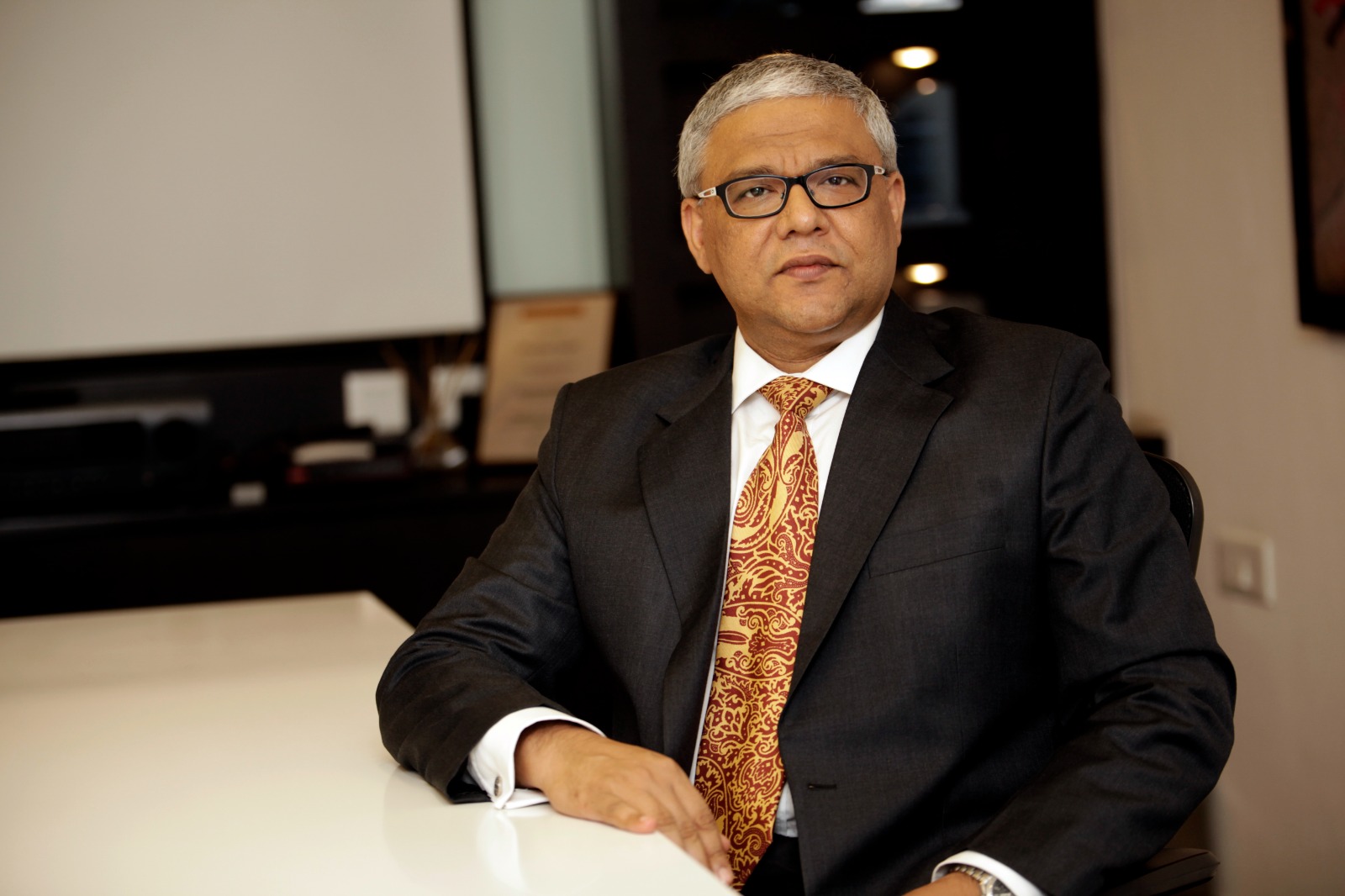


 Allow notifications