Tag: dispute resolution

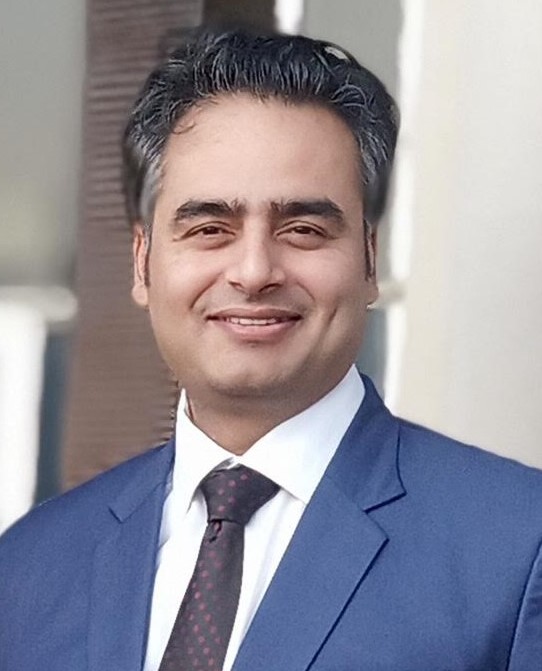
  • “As digital transformation takes the center stage, the generalist vs specialist debate is taking a definitive turn”- Rai S Mittal, Senior Partner, TITUS & CO., ADVOCATES

    “As digital transformation takes the center stage, the generalist vs specialist debate is taking a definitive turn”- Rai S Mittal, Senior Partner, TITUS & CO., ADVOCATES

    This Interview has been published by Pragya Chandni and The SuperLawyer Team

    You’ve had an impressive journey in the legal field spanning over three decades, with experiences ranging from trial court practice to senior partnership at leading law firms. What initially drew you to pursue a career in law, and how did your early experiences shape your path?

    To tell you what drove me, or what motivated me, to pursue a career in law can be an obvious answer but still it requires a bit of self-reflection. My passion for law and interest in becoming a lawyer came largely from it being intellectually challenging. I was perhaps also passionate about legally connected issues during my school and college days. My father being a lawyer and my interest in watching movies and reading crime fiction also contributed a bit in my desire to become a lawyer. Moreover, to be honest, with little understanding of science and lack of interest in accounting and management professions, I was left with just a few options and law was one of them. 

    I’m normally quite a private person, so my journey as a lawyer wasn’t quite easy. As a ‘baby’ lawyer, I worked across many different areas of law. I was fortunate enough to have some amazing experiences very early in my career on a variety of issues including family laws, labour laws, consumer laws, criminal laws, revenue laws and property matters. While the thrill of being in district courts of my small hometown and learning so much in one go was amazing, it just wasn’t the same as practising in a large city in a professional environment with matters having substantial stakes. I then moved to Delhi and have since then practised all kinds of business and corporate laws across different practice areas. 

    Your expertise encompasses various legal domains, from dispute resolution to intellectual property rights. Could you share a pivotal moment or case in your career that significantly influenced your approach to practicing law or shaped your specialization?

    During the initial years of my law practice, I got an amazing opportunity to work on a complicated matter which required substantial skills in a variety of laws including intellectual property laws, trade and contractual issues, criminal laws, foreign collaboration laws, government policies and tax laws as well as skills in court litigation and arbitration. It is then I realised that complexity requires teamwork and collaboration. In order to manage client matters effectively and efficiently, lawyers have to utilize a more diverse group of skills and people. What is also clear is that teamwork and collaboration require heavy doses of trust and shared responsibility. Furthermore, working on this case and many other interesting assignments of different nature ensured that I enjoy offering a range of diverse skills and an intelligent mix of knowledge from a variety of disciplines. 

    As a seasoned business attorney, you’ve worked extensively with multinational corporations, navigating complex legal landscapes across different industries. Could you elaborate on a particularly challenging situation you encountered and how you successfully resolved it?

    Another challenging work situation I encountered during the initial years of my career was when I was assigned a client project with tight deadlines and high expectations. There were several experienced legal teams working on the assignment for different parties from different jurisdictions including India, UAE, Japan and Mauritius. As someone lacking experience, I somewhat struggled with interactions and communication, which made collaborating with diverse teams a bit challenging. However, I soon recognised the importance of effective teamwork and found ways to navigate this situation. To overcome this difficulty, I proactively communicate my needs and concerns to the client and different teams. I asked for clear guidelines and expectations, ensuring that I had a clear understanding of my role and responsibilities. By focusing on my individual strengths, such as attention to detail and problem-solving abilities, I was able to make valuable contributions to the project. This experience taught me the importance of open communication, seeking support when needed, and the importance of meeting small deadlines to meet the primary deadline. 

    Your track record boasts a high success rate and a remarkable ability to manage legal affairs with a commercial mindset. How do you balance legal intricacies with strategic business objectives to deliver optimal outcomes for your clients?

    We live in a world of strategic compliance – or as I like to call it, “Winning at Business Without Landing in Jail.” Gone are the days when legal compliance was seen merely as a back-office function. Today, it is recognized as a key player in shaping business strategies. This shift is partly driven by the increasing complexity of regulatory landscapes across different jurisdictions, especially for global businesses. The rise of technology, data privacy concerns, and the dynamic nature of international trade laws further complicate this scenario. 

    At its core, strategic compliance is about finding a balance. On one side, there are the business goals – growth, profitability, market expansion, and innovation. On the other, there are legal and regulatory requirements, which can often seem like barriers to these objectives. However, instead of seeing these groups as opposing forces, we should focus on integrating compliance into business strategy, thereby enhancing, not hindering, the pursuit of business. 

    In my view, compliance shouldn’t be seen as the party pooper showing up after the decisions are made; it’s part of the party-planning committee, and we need to ensure that the business goals don’t end up with a noise from the legal department. Ideally, in the world of strategic compliance, it’s all about making the law work for you, not against you.

    Throughout your career, you’ve demonstrated exceptional leadership skills by managing teams of attorneys and fostering a collaborative environment. What strategies have you found most effective in leading legal teams, especially in high-stakes situations?

    Becoming more effective in leading a team is certainly more of an art than a science. Often, it can also mean adapting to the team you have or the circumstances at hand. However, the key is to encourage collaboration across people, teams and departments. It is also important to set an organisation vision and communicate the big picture. 

    What will you say on Client Retention vs. Client Acquisition? Where do you think that most law firms go wrong on this? 

    A law firm’s past and existing clients are a huge asset to the firm, so it’s crucial to maintain a strong relationship with them so that they stay loyal and do not leave the firm. And yet most law firms, in particular small to midsize firms, spend most of their marketing budget on finding new clients instead of nurturing the ones they already have or had not too long ago. It is common knowledge that acquiring a new client can cost 5 to 10 times more than retaining an existing client. In my experience, increasing customer retention by 5% to 10% can increase profits from 25% to 100% in mid term. The success rate of selling your services to a client you already have is 50% or more, while the success rate of selling to a new client is just about 10% in most cases. There are some surveys which have found that loyal clients are 5x as likely to repurchase, 5x as likely to forgive, 4x as likely to refer, and 7x as likely to try your new offering, as compared to a new client/potential client.

    What, in your experience, is necessary for a lawyer to stay relevant in the fast changing legal industry? 

    The legal industry is on the verge of a major transition and it has in fact already changed a lot in the last decade or so, which is driven by the introduction of technology. The legal industry is changing because of the introduction of new innovations related to the industry and hundreds of new legal start-ups emerging every year. Today, machine learning is beginning to transform the legal profession in many ways but in most cases it augments what humans do and frees them up to take higher-level tasks such as advising clients, negotiating deals and appearing in courts. In machine learning, computers use an algorithm, analyze data, learn the pattern and glean insights from the data, so a lot of routine or easy work can be taken care of without much involvement of a senior lawyer. Without a doubt, the ecosystem will continuously affect the way lawyers are working and will work in the future. If lawyers learn legal management practice with the latest technology, then only they will be able to survive in the future. 

    Another very important aspect is that the lawyers have to continuously update their knowledge in order to stay relevant. There was a time when lawyers could do well just by having knowledge of general laws of the land or by having understanding of traditional practice areas, like contract law, torts and civil and criminal procedures. That’s no longer the case in view of special laws and tribunals and specialised practice areas that are coming up very fast. 

    Also, I have a strong feeling that lawyers who don’t add value to the client relationship won’t survive in an ever-competitive environment; they will simply become irrelevant. One should therefore be very efficient in delivering the outcome. So get better at management of client assignments. Give commercially pragmatic advice, not just advice that’s legally correct. Keep in touch with the clients regularly with helpful tips and advice, even if you don’t get paid for this. Pass on the knowledge you are getting about their business or industry. Understand clients’ businesses and the industries in which they operate so you can tell them of pitfalls before they arrive.

    A Generalist or a Specialist: What’s the Best Fit for A Lawyer’s Career?

    Personally I have always been inclined to offer a range of diverse skills and an intelligent mix of knowledge from a variety of disciplines. Hence, I have been a generalist lawyer by choice throughout my career.

    Generally speaking, handling diverse roles provides generalists a good understanding of all the functioning parts of the business or industry. Generalists multitask and collaborate to tap into related domains when opportunities arise. This hones their ability to handle unique situations and formulate enduring perspectives. However, there is a limitation in as much as generalists aren’t sometimes that competent in niche projects. Moreover, there is a higher chance of their early burnout as they work across multiple teams and tackle a host of responsibilities, especially if they are in leadership roles. 

    As digital transformation takes the center stage, the generalist vs specialist debate is taking a definitive turn. One should definitely ask oneself the following questions, amongst others, to gain a comprehensive understanding of one’s needs and goal: Do you like a diverse breadth of knowledge or do you prefer deep research on any specific topic? Do you change your career perspective often and prefer taking time to find the niche you are interested in? Or have you already determined your career trajectory? What kind of work ignites your interests and passions? Does it require you to hone different skills or demand specific subject-matter expertise?

    What are the biggest challenges that the legal sector is facing or will be facing in the short to mid term? 

    From economic pressures to cyber threats, lawyers are facing a number of challenges. The economy remains volatile in 2024, marked by ongoing geopolitical tensions. This is making clients even more price conscious when choosing a law firm. There is also an expectation for greater cybersecurity and verifications for online activity as law firms are wary of increased risks of cyberattacks. Most law firms are however yet to implement effective cyber mitigation strategies. Further, even though integrating legal softwares and systems is not a new challenge, it’s increasingly becoming important as law firms strive for increased profitability while improving client service and experience. Talent attraction and retention in the legal sector will also continue to be a significant challenge in 2024. 

    Get in touch with Rai S Mittal-
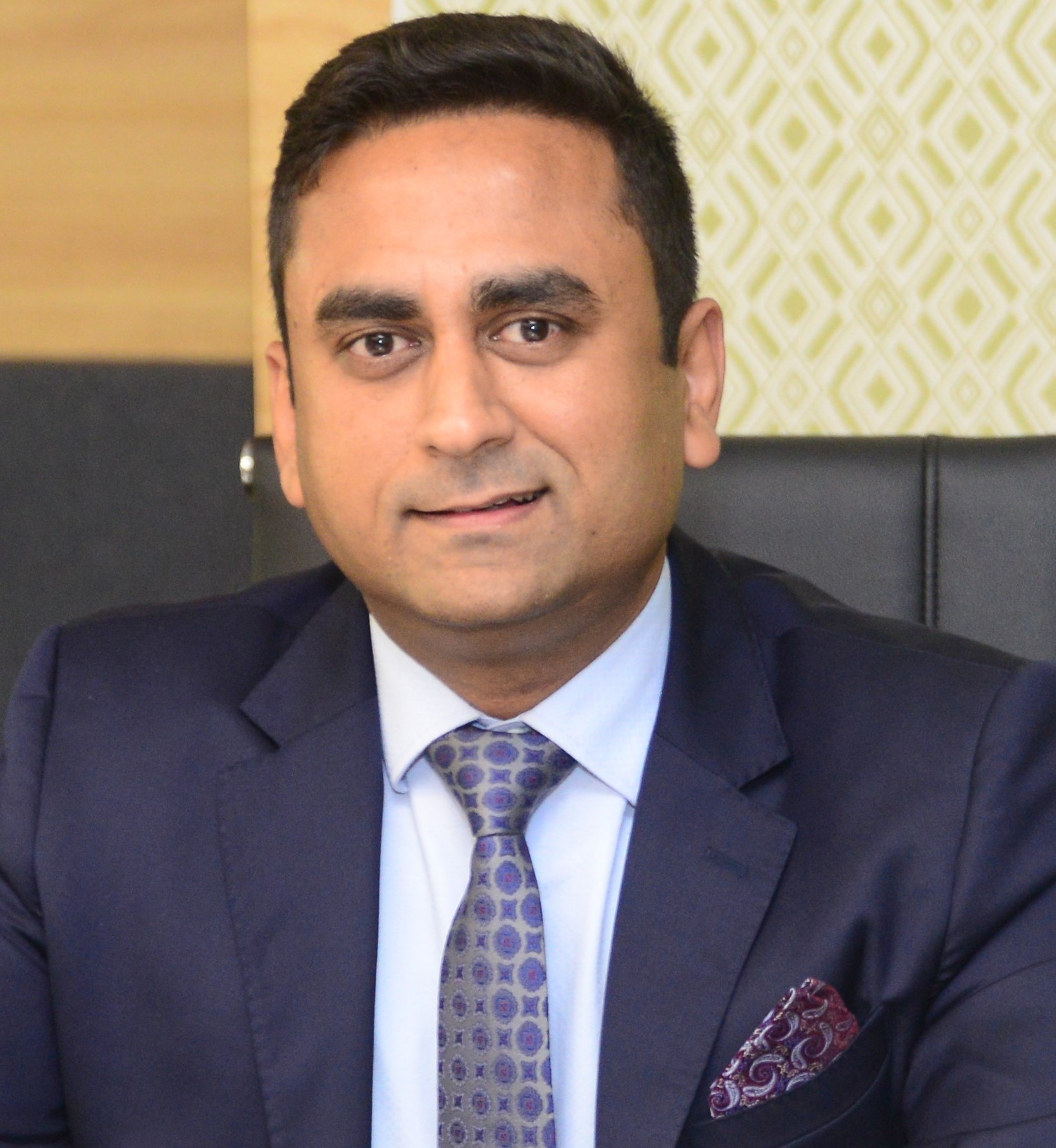
  • “The biggest challenge in solar projects across India is acquisition of land, connectivity and uncertainty of regulatory framework”- Faizur Rehman, Partner-Corporate, Energy & Projects at AKS Partners

    “The biggest challenge in solar projects across India is acquisition of land, connectivity and uncertainty of regulatory framework”- Faizur Rehman, Partner-Corporate, Energy & Projects at AKS Partners

    This Interview has been published by Pragya Chandni and The SuperLawyer Team

    Can you walk us through your journey from being an in-house counsel and company secretary to becoming a business leader and now a practicing lawyer specializing in energy and infrastructure?

    Yes, it has been an exciting journey so far. I started as company secretary and became in-house counsel and later on appointed as Head Legal in Fortum India. I had to set up legal, compliance and secretarial practice for businesses ranging from solar & wind projects, acquisition cases for hydro power, waste to energy and laying out EV charging infrastructure. It was a big shift from my earlier role in Schneider Electric and previous organisations. Fortum was a leadership position and businesses were new sun rising sectors in India, like solar and wind, EV, and biorefinery. Regulations are still evolving, hence, I have to push myself beyond legal knowledge, to acquire business and market understanding, which can help me in providing seamless legal support for business growth. I got opportunities for working on land acquisitions, regulatory approvals, funding of projects, selling of assets and a lot of drafting and contracting. All of this developed my understanding of capturing business true intentions into a legal paper and maybe, I started feeling more comfortable with business leadership. 

    After 6 years of leading legal function, got the responsibility as Country Director & Business Head for leading Biorefinery business (or Bio2X as Fortum calls it). It was a completely different role and I have to broaden my thinking. From finding flaws and identifying risks in business proposals, I have to find solutions, resolve issues and manage a big Joint Venture. Completely different work, but I believe my capability of learning fast, with legal knowledge, sector expertise and understanding of board practices helps me. 

    When last year, I joined AKS, as Partner-corporate, energy and projects, I believed that I am perfectly placed to advise my clients with the highest level of legal services and work with required domain expertise of energy sector as well as of projects. I understand the perspective of the in-house team, their business requirements and how to address matters in the energy sector. 

    Your career has seen you working with esteemed organizations like Schneider Electric, Hero Group, and Fortum India. How have these experiences influenced your approach to legal practice?

    I started my career with a couple of Indian promoters driven by mid-size companies and from the last 15 years worked for MNCs like Schneider Electric and Fortum. In mid-size companies, you have opportunities for growing beyond your key responsibility areas, as all the functions are not hard lined. If you have desire, you may take up tasks beyond your key role and that will prove vital for my growth. 

    While working in MNCs you learn the importance of good corporate governance and putting statutory compliances in place. Working with different jurisdiction lawyers helps you sharpen your skills, and gives you a different perspective of thinking about the same issue. Also, I understood how “LESS IS MORE”. How I can plan and strategize my work to become more effective. Like, a legal document need not be lengthy, but sufficient enough to capture business understanding and required legal provisions.

     Your expertise spans a wide range of areas within the energy sector, including renewable energy, EV charging infrastructure, and biofuels. What drew you to specialize in these specific niches?

    Frankly speaking, when I was joining Schneider in 2009, I was going for a big MNC job, without much understanding of a sector specialisation etc. But, as it happened, a lot of contracts, transactions and legal work came through the energy and infra sector, which started developing my interest in this industry. Big opportunity came for me, in the form of a Fortum leadership position in legal, a decade ago. Fortum came to India, with the ambition of replicating their European businesses of Hydro, Nuclear, Waste to Energy etc. As a Legal Head, I had to gather all the possible knowledge and expertise of the sectors my organization was working. This leads to learning and research into specialised fields like EV charging infra, solar & wind, nuclear etc. For a sector, which is developing, you need to be very close to business and keep yourself updated with the latest happenings in the sector.

    Could you share some insights into the process of establishing groundbreaking joint ventures like the one between Fortum & Chempolis and Numaligarh Refinery Limited for the 2G Ethanol Bio Refinery in Assam?

    This one is special, real hard work, not only from legal, but for developing a business case to create a Joint Venture for setting up the first of its kind bio refinery in the world. JV was bringing new technology in India, which was developed in Finland by a company called Chempolis. I was tasked to work on Joint Venture from a legal perspective, and got so involved that I was entrusted with responsibility of leading Joint Venture as Director and key member in high powered committees. 

    Beautiful learning experiences, working between Indian and European Jurisdiction for technology transfer, IPR protection, funding and governance. With the opportunity of developing relationships with industry leaders, learning the whole business ecosystem. Understanding significance of proper documentation, drafting of contracts, resolving disputes along with true understanding of risk identification and mitigation from ground and not only on papers.

    With your extensive experience in setting up solar projects across multiple states in India, what are some of the key challenges you’ve faced in navigating the regulatory landscape and securing investments for such projects?

    The biggest challenge in solar projects across India is acquisition of land, connectivity and uncertainty of regulatory framework. With resolving these three important factors, India will achieve ambitious targets of renewable energy. In one of the projects, between the stage of LOI to signing of PPA, Govt. levied safeguard duty on import of solar panels. Of course, it was covered under Change in Law, but sudden policy changes create hurdles for investments and pose challenges from a legal perspective.  

    As someone deeply involved in the energy industry, how do you see the role of startups and new technology collaborations shaping the future of energy production and distribution?

    It’s like selecting a cricket team. You need a mix of experience and youth to win a championship. If we are looking to solve the biggest challenge of global warming, while keeping the economic pace of India, we require a lot of new technologies and Startups that bring us close to a circular economy. We need new technology in developing green hydrogen, producing batteries with material available in India, utilising biowaste, etc. Without embracing new technologies, we will miss our targets. I personally believe, new technologies with small companies in Europe and other innovative jurisdictions, have great possibility of commercial success with Indian PSUs & Corporate houses. Likewise, India is also becoming a Startups hub and a lot of promising developments are happening. 

    In fact, we at AKS Partners, have a key focus for startups, either Indian or International for providing them, specially designed legal services and in some cases, maybe beyond legal, like connecting right industry players, some funding opportunities with our connection in the sector.       

    You’ve been actively involved in various industry forums and committees, including serving as a member of the Confederation of Indian Industry (CII) National Committee on Bioenergy. How has your participation in these groups enriched your understanding of the sector?

    Absolutely, it has been a pleasure and privilege to be part of these committees and various similar forums, wherein, I got a chance to put my ideas and perspective and educate myself with experiences shared by other leaders. These platforms, like CII National Committee on bioenergy are good forums to deliberate and exchange ideas and make recommendations to the Government for sector growth. In fact, these things prepare you, what is the upcoming trend in the sector. 

    Lastly, drawing from your journey and expertise, what advice would you give to fresh graduates aspiring to build a career in law, particularly in specialized fields like energy and infrastructure?

    First of all, the Indian economy is growing at an unprecedented pace, along with the aspiration of its people and living standards are rising. We are consuming more energy for home appliances, vehicles, data centres, houses, malls, etc. Therefore, the energy sector is going to rise in India. Solar, wind, green hydrogen, electric vehicles will take centre stage, but traditional sources will continue playing their part like Coal, Oil & Gas, etc.  

    To become a specialist in the energy sector, we need to understand the industry in detail. Energy sector is a highly regulated and capital-intensive business. For our clients, or for our organisations, if we are in-house counsel, we need to keep in mind that we are just a notification away from becoming a viable project to unviable business. Therefore, best practices, challenges of the sector, contentious areas and keeping a pace with regulatory development is a must for the energy sector.

    Get in touch with Faizur Rehman-

  • “While collaborating with legal counsels and law firms, I’ve found that effective communication and alignment of objectives are paramount to successful partnerships and achieving our goals”- Trushil Vora, Head – Legal at Aditya Birla Sun Life Asset Management

    “While collaborating with legal counsels and law firms, I’ve found that effective communication and alignment of objectives are paramount to successful partnerships and achieving our goals”- Trushil Vora, Head – Legal at Aditya Birla Sun Life Asset Management

    This Interview has been published by Pragya Chandni and The SuperLawyer Team

    Could you share a bit about your journey into the field of law, particularly what drew you to specialize in Funds, Banking, Finance, Debt Capital Markets, and Corporate Laws?

    My journey into the field of law has been shaped by a combination of rigorous academic training and hands-on experience across prestigious institutions and diverse sectors. Graduating from Gujarat National Law University (GNLU) and subsequently studying at The London School of Economics and Political Science (LSE) broadened my perspective on legal principles and practices.

    At GNLU, I had the privilege of learning from some of the best legal minds in the country. The practical insights gained from internships at firms like Little & Co., Nishith Desai Associates and ALMT Legal complemented my theoretical learning, providing invaluable exposure to real-world legal challenges.

    Continuing my academic journey at LSE, one of the world’s top law schools, deepened my understanding of global legal frameworks and their intersection with business dynamics. Interacting with students from diverse backgrounds enriched my perspective, fostering adaptability and cultural sensitivity, qualities crucial for navigating the complexities of a globalized legal landscape.

    My passion for law stems from a problem-solving mindset, drawn to complex legal issues that demand innovative and business-friendly solutions. Internships provided me with early exposure to complex legal issues within Funds, Banking, Finance, Debt Capital Markets, and Corporate Laws. Specializing in Funds, Banking, Finance, Debt Capital Markets, and Corporate Laws aligns with my inclination towards strategic thinking and continuous learning. These areas offer a diverse range of legal challenges across various business sectors, avoiding monotony and stimulating intellectual curiosity.

    Throughout my 15-year journey as a legal professional, I’ve had the privilege of working directly under lawyers who are stalwarts in their respective areas of practice. Their mentorship provided invaluable guidance, reinforcing the importance of understanding client business and delivering practical, strategic legal counsel.

    My experiences working across prestigious law firms and in an in-house role at Aditya Birla Sun Life AMC Limited, have honed my skills in navigating complex legal landscapes. Today, as the Head of the Legal Team, I draw upon this diverse background to provide innovative solutions that drive business growth and mitigate risks effectively.

    In essence, my journey into law has been guided by a quest for continuous learning, a passion for problem-solving, and a commitment to delivering value-driven legal solutions. Specializing in Funds, Banking, Finance, Debt Capital Markets, and Corporate Laws allows me to leverage these strengths while contributing to the success of my clients (internal stakeholders in my current role) and organizations.

    As the Head of Legal at Aditya Birla Sun Life AMC Limited, you oversee various legal aspects, including contract management and dispute resolution. What challenges do you commonly face in these areas, and how do you navigate them?

    As the Head of Legal at Aditya Birla Sun Life AMC Limited, I oversee various legal aspects, including contract management and dispute resolution, in a dynamic industry fraught with unique challenges. With our diverse lines of business spanning mutual funds, alternate investment funds, and portfolio management services, navigating the rapidly changing regulatory landscape presents intricate and ever-evolving legal hurdles.

    Our team’s strategic approach to managing these challenges is rooted in a clear and systematic process. We begin by meticulously understanding the nuanced business requirements and objectives, engaging closely with stakeholders across different verticals. This ensures that our legal strategies are not only legally sound but also seamlessly aligned with the company’s overarching goals and group’s values.

    Simultaneously, we systematically analyze legal risks associated with each initiative, conducting thorough due diligence and staying attuned to regulatory developments. Continuous learning and regularly tracking regulations are essential aspects of our legal operations. We subscribe to legal resources and newsletters to remain abreast of the latest legal developments, ensuring our business objectives are consistently aligned with regulatory requirements.

    One common challenge we frequently encounter is understanding the mindset of concerned stakeholders and persuading them to accept a path that is not only legally and regulatorily compliant but also aligned with the company’s overarching goals. This often involves engaging with and convincing stakeholders to deviate from their initial approach in favor of a more legally sound solution.

    We have implemented robust legal policies and processes to ensure that documents, matters, and notices do not escape legal scrutiny, thereby protecting the organization from exposure to legal risks. Additionally, we engage in continuously sensitizing employees and conducting training to ensure they understand the legal processes, rules, and regulations applicable to them, further safeguarding the company against legal risks.

    Leveraging legal technology for contract and litigation management enhances operational efficiency and saves time, enabling us to proactively focus on identifying potential pitfalls and implementing preemptive measures. Each team member plays a defined and vital role, fostering collaboration in resolving legal challenges effectively.

    Whether it’s crafting tailored contracts, providing strategic advice to senior management, or implementing proactive risk management strategies, our actions are guided by a deep understanding of both business imperatives and legal intricacies.

    By following this clear and systematic approach, we not only mitigate legal risk but also contribute to the achievement of our broader strategic objectives. Our focus on understanding business requirements, assessing legal risks, leveraging legal expertise, and harnessing technology for enhanced efficiency ensures that we remain agile and responsive in addressing the evolving legal landscape.

    With your extensive experience in collaborating with legal counsels and law firms, what strategies do you employ to ensure effective communication and alignment of objectives between your team and external legal partners?

    While collaborating with legal counsels and law firms, I’ve found that effective communication and alignment of objectives are paramount to successful partnerships and achieving our goals. One strategy I employ is to establish clear lines of communication from the outset, ensuring that expectations, timelines, and deliverables are clearly defined and understood by all parties.

    Regular communication channels, such as scheduled meetings and status updates, help maintain alignment and ensure that any issues or concerns are addressed promptly. Additionally, I believe in fostering an open and collaborative environment where both internal and external teams feel comfortable sharing ideas, feedback, and insights.

    Furthermore, I prioritize building strong relationships with our external legal partners, fostering trust and mutual respect. By understanding each other’s strengths, capabilities, and areas of expertise, we can leverage our collective knowledge and experience to achieve common objectives.

    Lastly, I believe in the importance of ongoing feedback and evaluation to assess the effectiveness of our collaboration efforts. This allows us to identify areas for improvement and make adjustments as needed to ensure continued alignment and success.

    Overall, effective communication, collaboration, and relationship-building are key strategies I employ to ensure alignment of objectives between my team and external legal partners.

    You’ve been instrumental in implementing legal training programs for employees. How do you approach balancing regulatory adherence with fostering a culture of innovation within the legal department?

    As a leader in the legal department, I’ve been implementing legal training programs for employees, and I approach balancing regulatory adherence with fostering a culture of innovation through a multifaceted strategy.

    Firstly, I prioritize creating a culture of trust and autonomy within the team. This involves providing flexibility for innovative thinking while ensuring strict adherence to regulatory requirements. By empowering team members to think creatively within the bounds of law, I encourage innovative solutions while upholding legal standards.

    Secondly, continuous legal development is crucial. Our organization invests in ongoing education initiatives, such as seminars, workshops, and access to online resources, to keep the team updated with the latest legal developments. This ensures that innovation is informed by a comprehensive understanding of regulatory requirements.

    Additionally, practical exposure and direct interaction opportunities with key stakeholders play a significant role. By involving team members in meetings, negotiations, and other crucial aspects of legal practice, I foster a deeper understanding of legal and regulatory challenges and encourage innovative approaches to address them.

    Ultimately, my approach aims to strike a balance between regulatory adherence and fostering innovation. By creating an environment of trust, investing in continuous legal education, and providing practical exposure, we cultivate a culture where innovation thrives within the applicable legal and regulatory framework.

    Happy to address this alternate question instead – “You’ve handled transactions in banking and project finance, leading negotiations and client meetings. Can you share a particularly challenging project you managed and how you successfully navigated it?”

    One particularly challenging project I managed involved transactions in banking and project finance, where I served as the legal counsel for a consortium of about 20 lenders, comprising significantly large banks. The complexity of the project lay not only in the intricacies of the transaction but also in the sheer scale of stakeholders involved, each with their own unique perspectives and priorities.

    As the legal advisor representing the lenders, one of the most daunting challenges was to navigate the decision-making process among the consortium members. With a large number of stakeholders, each with varying degrees of influence and interests, reaching a consensus on critical legal matters posed a considerable challenge.

    To address this challenge and streamline the decision-making process, I proposed a solution that ultimately proved to be highly effective. I suggested forming a steering committee comprising the top five lenders by contribution and size. This committee would be tasked with making decisions on legal challenges and strategic matters, thereby expediting the decision-making process and ensuring that key decisions were made in a timely manner.

    Despite initial skepticism from some stakeholders, I was able to effectively communicate the benefits of this approach and garner support for the formation of the steering committee. By highlighting the advantages of having a smaller, more agile decision-making body, I was able to overcome resistance and gain consensus among the lenders.

    The implementation of the steering committee proved to be a game-changer for the project. With a more streamlined decision-making process and faster resolutions to legal challenges, we were able to expedite the transaction timeline significantly. By empowering the steering committee to take decisive action, we minimized delays, resolved issues proactively, and ultimately closed the transaction in a remarkably short time frame.

    This experience taught me the importance of creative problem-solving and effective stakeholder management in complex transactions. By proposing a solution that addressed the specific challenges of the project and gaining buy-in from key stakeholders, I was able to navigate a challenging situation successfully and achieve a positive outcome for all parties involved.

    Given your expertise in legal risk mitigation and fraud prevention, could you share some key strategies or best practices for identifying and addressing potential legal risks within financial institutions?

    In my experience, effective legal risk mitigation and fraud prevention within financial institutions require a multifaceted approach that combines proactive measures with ongoing vigilance. Some key strategies and best practices include:

    • Conducting thorough risk assessments: Regularly assess the legal and regulatory landscape to identify emerging risks and vulnerabilities. This involves analyzing regulatory changes, market trends, and internal processes to pinpoint areas of potential exposure.
    • Implementing robust compliance programs: Develop comprehensive compliance programs that are tailored to the specific regulatory requirements and business operations of the financial institution. This includes establishing clear policies, procedures, and controls to ensure adherence to legal and regulatory standards.
    • Enhancing due diligence processes: Strengthen due diligence processes for onboarding clients, vendors, and business partners to mitigate the risk of fraud and misconduct. Conduct thorough background checks, verify credentials, and assess potential risks before entering into any business relationships.
    • Promoting a culture of compliance: Foster a culture of compliance throughout the organization by providing regular training, education, and awareness programs to employees. Encourage open communication channels for reporting potential issues and promote ethical behavior at all levels.
    • Implementing robust internal controls: Establish robust internal controls and monitoring mechanisms to detect and prevent fraudulent activities. This includes implementing segregation of duties, regular audits, and reviews of financial transactions to identify anomalies and potential red flags.
    • Leveraging technology and data analytics: Utilize technology-driven solutions and data analytics tools to enhance fraud detection and prevention capabilities. Implement advanced monitoring systems, artificial intelligence, and machine learning algorithms to identify patterns of suspicious behavior and potential fraud risks.
    • Collaborating with regulatory authorities and industry peers: Maintain open communication channels with regulatory authorities and collaborate with industry peers to share best practices, insights, and emerging trends in legal risk mitigation and fraud prevention.

    By adopting these strategies and best practices, financial institutions can proactively identify and address potential legal risks, safeguarding their reputation, financial integrity, and long-term viability.

    Your career trajectory showcases a progression from Associate to Head of Legal. What were some pivotal moments or lessons learned along the way that contributed to your professional growth and leadership development?

    My career journey from Associate to Head of Legal has been shaped by pivotal moments and invaluable lessons that have contributed significantly to my professional growth and leadership development.

    One such pivotal aspect has been the opportunity to work directly under legal stalwarts in their respective fields. Their mentorship and guidance have been instrumental in shaping my approach to legal practice, imparting invaluable insights and best practices that have enriched my skill set and strategic thinking.

    Moreover, collaborating closely with business heads and key stakeholders has provided me with a deep understanding of their perspectives and priorities. This exposure to the business side of operations has been transformative, enabling me to offer innovative, business-friendly solutions to legal challenges. Understanding the business goals, challenges, and industry dynamics has allowed me to deliver tailored solutions that align seamlessly with our business objectives.

    Furthermore, working across diverse sectors has provided me with a unique perspective, allowing me to view legal issues through the lens of a businessman. This holistic understanding of client expectations and business realities has been particularly invaluable in my current role at Aditya Birla Sun Life AMC Limited.

    In essence, the combination of mentorship from legal experts, collaboration with business leaders, and exposure to diverse sectors has been key to my professional growth and leadership development. These experiences have not only enhanced my legal acumen but also honed my ability to provide strategic counsel that drives business success.

    Finally, what advice would you offer to fresh graduates aspiring to pursue a career in law, especially those interested in the areas of Funds, Banking, Finance, and Corporate Laws?

    For fresh graduates aspiring to carve a career path in law, particularly in the domains of Funds, Banking, Finance, and Corporate Laws, my advice revolves around fostering a strong foundation in legal fundamentals and cultivating a solution-oriented mindset.

    Firstly, it’s paramount to build a robust understanding of core legal principles such as the Contract Act, Companies Act, Transfer of Property Act, and principles of interpretation. These foundational laws serve as the cornerstone upon which specialized areas like finance and corporate law are constructed. By mastering these fundamentals, young lawyers can develop a solid framework for analyzing legal issues and offering effective solutions to clients.

    Additionally, I urge aspiring lawyers to adopt a solution-oriented approach to problem-solving. Clients in fields like finance and corporate law often seek pragmatic solutions to intricate legal challenges. Rather than just identifying problems, young lawyers should focus on crafting innovative and practical solutions that address clients’ underlying needs and objectives. This necessitates critical thinking, creativity, and a readiness to explore alternative legal avenues.

    Moreover, maintaining a curious mindset and a commitment to continuous learning is crucial. Given the dynamic nature of finance and corporate law, staying updated with legal developments and industry trends is imperative. Aspiring lawyers should embrace opportunities for learning, ask pertinent questions, and seek growth opportunities to enhance their problem-solving skills and legal acumen.

    Lastly, I encourage young lawyers to seek mentorship and guidance from seasoned professionals in the field. Learning from experienced practitioners can offer invaluable insights, practical wisdom, and networking opportunities that accelerate career growth and development.

    In summary, my advice to fresh graduates aspiring for a rewarding career in finance and corporate law is to prioritize building strong legal fundamentals, adopting a solution-driven mindset, fostering curiosity and continuous learning, and seeking mentorship from experienced professionals. Embracing these principles equips aspiring lawyers to embark on a fulfilling and impactful journey in the legal profession.

    Get in touch with Trushil Vora-

  • “At the stage when the invocation is a threat, it becomes imperative to swiftly seek guidance from legal experts well-versed in the intricacies of the field.” – Gunjan Chhabra, Dual Qualified (India-Advocate; England & Wales-Solicitor, Partner at Adwitya Legal LLP

    “At the stage when the invocation is a threat, it becomes imperative to swiftly seek guidance from legal experts well-versed in the intricacies of the field.” – Gunjan Chhabra, Dual Qualified (India-Advocate; England & Wales-Solicitor, Partner at Adwitya Legal LLP

    This interview has been published by Namrata Singh and The SuperLawyer Team

    How did you first become interested in pursuing a career in law, and what challenges you encountered during your formative years in the field, and how did you overcome them to establish yourself as a successful legal professional today? Also what inspired you to specialize in commercial litigation and arbitration?

    • Believe it or not I come from a science background. I was studying to become an engineer, and was doing very well. It was somewhere towards the beginning of my +2 where I realized that, along with a strong need for intellectual stimulation, I also required my sense of justice to be met. It was the marriage of these two that got me interested in pursuing a career in law.
    • The challenges I encountered in my formative years emerged from the point of view of being a first-generation lawyer. I needed to pick up various skills apart from the execution aspect, including working on people skills and the psychology of associates, seniors, juniors, clients, etc. The recruitment aspects for us first-generation lawyers are one of the most cumbersome, especially if we do not have strong financial backing. Building trust and reputation also requires an astounding amount of hard work confluenced with luck.
    • Another challenge that I faced was a complete lack of guidance. However, I can say that I have found some of my best friends philosophers and mentors—in my colleagues and my clients. This definitely helps.
    • It is this journey, filled with ups and downs, that has shaped me into the legal professional that I am today.
    • As far as commercial litigation and arbitration go, I would say again that it was a marriage of chance and my inherent skills. I was called to work with a commercial litigation and arbitration firm after I completed my internship there. After that, I would say there was no looking back.

    As someone who is dual qualified and experienced in both Indian and English legal systems, how do you navigate the nuances and differences between the two jurisdictions in your practice?

    • I would say rather than navigating nuances, it forms a unique blend of expertise, enabling a comprehensive understanding of both legal systems. This comes in handy when navigating cross-border disputes.
    • It also helps provide me with a broad legal perspective to identify issues early on. My specialised knowledge of commercial and infrastructure disputes allows me to provide very tailored advice to clients.
    • Moreover, broadening one’s horizons also makes one appreciative of diversity, inclusion, and global perspectives, which is the only way to be successful in today’s internationally integrated business world.

    You have an expertise in infrastructure and construction arbitration. How would you say these disputes are different from the usual disputes?

    • Infrastructure arbitration disputes are multifaceted in many ways that other cases are not. Most other cases have a single issue or, at most, a cluster of issues surrounding one transaction.
    • However, I would describe infrastructure disputes as “live” disputes. A construction or infrastructure project goes on for several years. During this time, there are several thousand correspondences that are exchanged.
    •  There are usually several hundred, if not thousand, complex issues concerning the interpretation of ten to fifteen clauses of the contract together.
    • A lot of these contracts are based on FIDIC models, sometimes called the “Rainbow” suite, which in itself is a contract that,  at first glance, appears quite complex. This is due to the different coloured covers of the model contracts, for nstance, the FIDIC  White Book for the consultancy model agreement, the Red Book for Construction, Plant & Design-Build & EPC/Turnkey Contracts, etc.
    • Apart from the above, in cross-border infrastructure disputes, there can even be a pinata of parallel proceedings just waiting to explode the moment a proceeding is started.
    • Moreover, a quandary of technical issues would require the engagement of expert witnesses as well as factual witnesses. Expert witnesses are often key to winning disputes. Finding a good expert means that such a person’s technical knowledge on the issue cannot be shaken in any cross-examination. Usually delay and quantum experts are employed, but some issues require more nuanced expertise.
    • This is why I believe it is necessary to pre-empt issues and for clients to be involved with experienced counsels right from the contract correspondence stage.

    With your extensive experience in handling disputes related to bank guarantees, what advice would you give to companies to mitigate such risks effectively?

    • The key to mitigating bank guarantee risks is to understand the ground reality of when an employer threatens to invoke a Bank Guarantee. This threat arises when the employer loses confidence in the contractor’s ability to fulfil contractual obligations, say due to delays, defects, too many disputes, etc.
    • At the stage when the invocation is a threat, it is important to immediately rush to legal experts well versed in the field. From this stage on a meticulous review of the underlying contract and the Bank Guarantee is required. Potential breaches, the existence of disputes, and evidence supporting the client’s position need to be documented to gain a detailed understanding.
    • After this, communication must be opened with the employer with a strong legal background and preparation. A middle ground needs to be found. Ultimately, re-tendering is an expensive proposition for an employer, and if the cost of having the client cure breaches is less than re-tendering and employing a new contractor, middle ground can usually be found.
    • During the communication stage itself, it is imperative to continue the background work of collecting supporting evidence due to the impending next stage.
    • In case mutual ground cannot be found and the employer insists on invocation, it is important to immediately move the court or emergency arbitrator to obtain a stay on invocation.

    As an empaneled arbitrator, what do you believe are the key qualities required to effectively adjudicate disputes and maintain neutrality throughout the process?

    • I would say key qualities include a thorough grasp of the subject matter and legal principles; adept problem-solving abilities; meticulous attention to detail; impartiality and neutrality; strong communication and time management skills; and organisational acumen, all of which are essential for ensuring a seamless arbitration process.
    • In instances of international or domestic arbitration or mediation where significant cultural differences exist among the parties or between the parties and arbitrators, it is crucial for an arbitrator to be sensitive to these differences and remain adaptable. This underscores the importance of diversity and inclusion in arbitration.
    • Furthermore, an arbitrator must possess a comprehensive understanding not only of the technical aspects but also of how to draft an award that can withstand challenges, such as those under Section 34 or Section 37. Achieving this level of proficiency requires extensive training in crafting well-reasoned awards and a solid grasp of the grounds for challenging an award. By continually refining these skills and adapting to the evolving landscape of arbitration, an arbitrator can effectively meet the demands of the role.
    • I would also like to add that for specialised disputes such as construction, maritime, or infrastructure disputes, arbitrators with prior experience in these fields are much needed. Sometimes parties overlook these issues in technical matters, and these mistakes cost clients dearly.

    In the realm of construction disputes, what kind of issues usually arise, what strategies do you find most effective in pre-emptively addressing potential conflicts and mitigating the risk of disputes during project execution?

    • The main problem in construction disputes arises from how tendering is done. The contractor with the lowest price usually wins. The terms of these contracts are quite onerous to the contractors, but they feel the need to make at least some profit.
    • The claims in construction contracts usually find their way in “variations”, “change of scope” and other changes to work. Claims also centre around rectification of Defects, eg. works not being in compliance with technical specifications, extension of time claims, centred around delay events causing critical delays in projects, basically having a ripple effect on time and cost, disruption, and acceleration issues.
    • One key strategy I have found works in construction disputes is the quality of correspondence. When the client notices that the other side has suddenly increased the quantity of correspondence or that the quality or tone of the correspondence has changed, they should expect that the other party has engaged someone like us for a certain impending issue. It is at this stage that the client should pre-empt disputes and address potential conflicts by engaging and developing effective strategies with their counsel early on in the dispute.
    • Often, it is mistaken that only the letters in a dispute are important. However, the multitude of emails exchanged and, of course, the messages exchanged on WhatsApp or chat give away certain key defaults on the part of the client.
    • Therefore, it is very important to have a legal expert on board from the outset.

    With your background in international and domestic arbitration, what do you think are the emerging trends in dispute resolution, and how are they shaping the legal landscape?

    • It goes without saying that one of the key trends is Online Dispute Resolution. It is receiving increasing acceptance and adoption.
    • The legal profession used to be known for its resistance to change and holding on to traditions. The pandemic broke through the resistance of lawyers, judges and arbitrators against being online.
    • In today’s world, once dispute resolvers master the richness of the use of more creative models of dispute resolution, it brings about a lot of flexibility. Clients now have access to the best legal minds across the globe at the click of a few buttons.
    • Additionally, ODR and increased technology adoption are cost-effective and sustainable dispute resolution methods.
    • If these new trends are properly leveraged, it is a win-win for all stakeholders.

    Beyond your professional pursuits, do you have any personal hobbies or interests that you find complement or enrich your legal practice?

    • Personally, I feel there is a need for legal professionals to disconnect from the chaos for some time each day and practice mindfulness exercises.
    • Apart from that, I also advocate some form of movement, such as exercise, which helps lower cortisol levels.
    • I also enjoy activities such as painting or other creative pursuits, which help me relax from the highly problem-solving and compulsive nature of our profession.

    You’ve been recognized for your work in advising startups to Fortune 500 companies. Can you elaborate on the specific challenges and opportunities you encounter when providing legal counsel to such a diverse range of clients?

    • I would say tailoring legal advice to suit the specific needs and resources of each client. Startups often operate on limited budgets and may require more cost-effective solutions, while Fortune 500 companies typically have more complex legal needs and resources to address them.
    • Startups are often at the forefront of innovation, requiring legal counsel to be proactive and creative in addressing novel legal issues. On the other hand, Fortune 500 companies may require in-depth knowledge of specific regulatory frameworks and industry standards, which can be intellectually stimulating and rewarding.
    • Being a chameleon to suit the needs of the client is key.

    lawyers and arbitrators who aim to make a significant impact in the profession? Considering your extensive experience and achievements in the legal field, what advice or tips would you offer to the upcoming generation of aspiring

    • One thing is that the current legal industry, or, I would say, the big guns, remain old-school in their practices.
    • However, today, the traditional methods of working or rainmaking will not stand the test of time. There is a need to recognise that the legal industry is evolving and that the traditional linear path is no longer ideal to settle into and retire from.
    • The upcoming generation needs to understand what drives them and to latch on to that passion. This informed passion should guide their big picture worldview, which does not need to be restricted to the traditional models of legal areas.
    • Aspiring lawyers and arbitrators must appreciate that we each need to embrace our own unique qualities and drive our own course in the legal profession. We no longer need to be limited by inherited models of law practice.

    As a recipient of the “Pioneering Women Leadership Award,” what initiatives or changes would you like to see in the legal profession to promote greater diversity and inclusion?

    • Despite the diversity seen in law schools today, I see that it is not translating to the legal industry as much as one would like. There is a clear disconnect.
    • Structural issues are present with many law firms. There is an urgent need for diversification in the legal profession. Representatives of various communities, having a diverse set of values and experiences, enrich any solution that a legal professional is trying to look for.
    • It would truly be foolish to have all this talent and not utilise it to its fullest potential.
    • Therefore, it is very important that the government, the bar, the bench, and large established firms avoid monolithic defence mechanisms that prevent diversity. Steps need to be taken to promote diversity, not due to an obligation but from the recognition of a compelling business need.

    Get in touch with Gunjan Chhabra-

  • “Culture plays a very important role not just in doing business or solving legal issues, but also managing the teams”- Deepak Maharishi,Legal and Contract management Director,  Alstom

    “Culture plays a very important role not just in doing business or solving legal issues, but also managing the teams”- Deepak Maharishi,Legal and Contract management Director, Alstom

    This Interview has been published by Pragya Chandni and The SuperLawyer Team

    Can you share with us the pivotal moments or influences in your life that led you to pursue a career in law, especially considering your background in commerce?

    I finished my CS and Law in the same year and started my career as a Company Secretary in Delhi. Soon after that I realized that a CS was potentially working (and reporting) to either a CFO or a GC. Since I already had a degree in law, I wanted to clearly pursue that path. However, it was only after I was really mentored by the Senior Counsels in GE that I could really see that world as to what their day was like. I tried my hands on small assignments, thanks to my mentors in GE, which were given to me with no formal change in my role, but I was quite happy to see that dimension of profile additionally. This motivated me to then take a step further and eventually move from core CS role to Legal Counsel role in my career.

    You’ve navigated through various sectors, from real estate with Emaar to transportation with Bombardier and now at Alstom. What drew you to specialize in legal affairs within these industries, and how do you adapt your expertise across different sectors?

    In Emaar, I worked as a company secretary where I reported to Head – Legal and CS. I could see how busy but passionate he was in delivering all the assignments making sure that Emaar was progressing well on its growth path in India. It was my first job, so I was handling whatever came my way, which by the way was unbelievably exciting for someone who had just started the career. Apart from litigation management, I believe I was exposed to almost all major corporate transactions during my tenure.

    In GE, again joined as a corporate governance person but with a very small team. Thankfully, I had my previous experience and so managing compliances for a substantially lesser number of companies was quite relaxing. However, here I developed and delivered our solutions on the parameters of cost, speed, and quality. This very concept made me independent in terms of taking my own decisions and selling the ideas to bosses and eventually to other businesses that we were supporting. I also started informally working with senior counsel in GE on legal agreements. I could see how a lawyer / governance person can impact the business and the board of directors do listen to them!

    Bombardier (and now Alstom) has been an entirely different journey. Just after joining, in 4 months I was heading the function which continues till date. This demanded from me that I not only understand the business as a whole or the issue but derive the solution and own it. Whether it is public procurement, competition law, contract laws, numerous agreements, litigation, IPR, investigations, mergers, de-mergers, negotiations with suppliers / joint venture partners / customers,  setting up an entire function, developing teams, simplification, supporting other regions beyond India, handling an international team…thanks to this profile I have done it all and still find every day as exciting as it was my first day.

    Your journey encompasses experiences in both burgeoning companies like Emaar and established giants like General Electric. How have these contrasting environments shaped your approach to legal affairs and leadership?

    A Company like Emaar which was so well established in Dubai was entering into India and at the time when real estate was booking (prior to 2008 financial crises in the US). I witnessed aggressive growth, numerous due diligence exercises, and finally preparing for one of the biggest IPOs in real estate (although didn’t get successful). Within a year we were working with investment bankers independently while tremendously supported by our managers. Everything was a ‘first’ that we did there and brought a unique experience. My core learning has been speedy delivery and workload management here.

    GE on the other exposed me to apply my learnings but in a more organized manner. There we specialised how simplification even in a Governance function can enable the businesses. It was great learning how a governance function can focus on cost, speed and quality and support business.

    Bombardier (now acquired by Alstom) has been an entirely different world where I have seen business very closely. In order to adapt in a company like Alstom (and Bombardier) which works with government for building the railway transportation in the country, the biggest pillars of my profile are enabling the business by anticipating the risk while giving approval; and then immediately after winning the business, making sure that in the project execution we make sound progress by addressing all contingencies and surprises. By far, this very role where I am working in all dimensions (bids, projects, legal affairs, governance and compliance) has taken me to simply great heights in terms of analysing the problem and carving out strategy for resolving the issue for the company.

    Even after working in these different companies and environments, my learning underscores the paramount importance of integrity and a genuine concern for individuals.

    As someone who has managed complex legal matters across multiple regions, what are some of the key challenges you’ve faced in ensuring compliance and effective contract management, especially in diverse cultural and regulatory landscapes?

    Culture plays a very important role not just in doing business or solving legal issues, but also managing the teams. At one point I had the privilege of handling 7 lawyers from 7 nationalities, and this has been a surreal experience.

    From customers and partners standpoint, it is extremely important which are the areas that are most important for them as part of their brand equity or their culture. That area may not be relevant in other regions or strangely enough, in fact customers in one country may definitely want you to provide a better solution compared to the country you are coming from. This is very sensitive and must be handled very carefully. Negotiation, resultantly, becomes extremely crucial as to how we can still put forward our proposal.

    I still remember, I was in South Korea doing one negotiation and the potential local partner asked me a question. I said “yes, agreed”.  And then he continuously asked me the same question. I said “yes” again and again. My European colleague who was a business development director then intervened and said, “which part of Y-e-s is not clear”?  and then we all laughed.

    My learning is that all the efforts must first go into developing trust with a diverse and cross-cultural environment.  This is non-negotiable and anyone can sense it beyond the boundaries of language.

    On Compliance, it is extremely important that the message is understood in the same way it was delivered. A simple training like dawn raid may not be fully understood by a team of engineers sitting in another country who have no relation with such matters and yet you want that everyone must understand it well as you can’t be present in that premises personally.  This is my personal experience when I did a compliance tour in India, Thailand, Malaysia and Singapore. I thought I could repeat the slides which I have done many times, but the fact that I was going to engage with entirely different nationalities made a huge difference. In India, for e.g. for a competition law training, I can bring the BCCI case and cricket.  Not possible for countries which have no relation or craze for cricket for instance.

    Your role involves leading multidimensional teams comprising lawyers, company secretaries, and engineers. How do you foster collaboration and ensure alignment towards common goals within such diverse teams?

    It is a natural reflection of people that probably they are working with their different objectives and have no connection whatsoever with other team members in different profiles. Yet somehow, they must report to one manager. This mindset requires change otherwise function can’t deliver.

    My endeavour is to first of all make them understand in an open meeting what every sub-function is doing and how they contribute to organizational goals. At the same time, they are informed that a decision on a particular matter requires concurrence of these functions together. Beyond the individual objective setting cycle, I don’t shy away from sharing country level larger objectives to practically tell them how they will be achieved by way of collective working.

    Cross alignment is also ensured with one function taking a lead and inputs from other functions are obtained.  For instance, when we are doing a new business review (bids), then legal counsel will take all the lead and work on the risk profile, however, he/she is expected to take the lessons learnt from current projects from a contract manager who happens to be an engineer.  Likewise, a contract manager, while addressing a key item to a customer which can become a potential issue later, must be supported by a lawyer to set the tone, language, intent and evidential value.

    Lastly, there are team motivational ideas which we work on in which all the heads of these 3 sub-functions make a cross functional team and engage with all the members. This has turned out to be a very good tool for us for having camaraderie among the team members.

    With your interest in astrophysics and metaphysics, how do you integrate these seemingly disparate interests into your professional life, and do they influence your approach to legal strategy or problem-solving?

    Both these topics provide a broader perspective and deeper understanding of the world around us.

    I have personally become a better listener after paying attention to these topics. Inclusiveness requires you to open your mind first and destroy the ‘I’ factor. I don’t think there can be any better tool than learning about the Universe and metaphysics for this.

    These topics also touch upon ethical considerations and understanding these concepts can help us make decisions that align with right values.

    It also involves complex and abstract thinking which can improve the problem-solving skills.

    I truly believe that this unlimited and never-ending knowledge of Universe and metaphysics can lead to personal growth and development. This can improve self-awareness and emotional intelligence which are important factors in decision making.

    You’ve been recognized for your contributions to the legal field, receiving awards such as the Asia Law Business Award for Best Transportation Legal Team. Could you share some insights into the strategies or initiatives that have contributed to such recognitions?

    LEGAL: With an astounding amount of around 1 lakh crores of tenders submitted during 2023, the legal teams comprising just 3 members have supported the business with more than 30 tenders during the year. The tenders span across railway stock, railway signalling, and railway services segment with multiple customers in Central and State Governments. The terms and conditions of such tenders are influenced by international funding agencies in addition to Govt of India Public Procurement guidelines, ‘Make in India’ orders and Restriction orders related to land borders; amidst all other legal nuances.  The team also has been engaged in strategic partnership discussion where they play a pivotal role in supporting the business teams. While the team delivers on this key task, their focus continues to remain on adopting legal tech and automation.

    CONTRACT MMANGEMENT: The average project lifecycle is 7 years for urban rail transportation projects and more than 30 years for mainline railways including long term maintenance contracts. With a team size of 20, the contract management team has been successfully executing as many as 50+ large railway contracts with various government customers for delivering the backlog.  Their key deliverable during last year has been successful cost avoidance, cost claim, variation orders, cash negotiations, liquidated damages avoidance.

    CORPORATE GOVERNANCE: With 6 industrial sites, 2 major engineering centers, 3 legal entities including 1 Joint Venture with Indian Railways, Employee trusts, multiple committees, around 14 Directors across entities and 1 Branch Office of foreign associate in India, the company not only caters to domestic project needs, but also delivers for international projects. Corporate Governance in such a scenario becomes extremely important and at the same time crucial for meeting the compliances for the company. Our CS team during last year, has completed a strategic merger, strategic dividing in joint venture, capital repatriation going beyond the routine compliances.

    While we focused and achieved these strategic deliverables, I am very happy and proud to share that our teams have taken special initiatives in process automation, data analytics for risk management, legal tech solutions and developing KPI metrics for themselves.  

    Considering your extensive experience and achievements, what advice would you offer to law graduates aspiring to embark on a successful career in the legal field, particularly in the dynamic landscape of corporate law and compliance?

    I would recommend the following to my young friends:

    1. Education was a ticket through which you have (or will have) entered into an organization. The company hired you for your excellent education but also had expectations in mind that you are capable of picking up what they would like you to do.  They know that you will take time to learn and grow. That’s what you must prove.
    2. Be inquisitive. Start asking questions as soon as you enter an organization. This is extremely important for a lawyer and business counsel. Understanding the business model is extremely important at first than understanding the issue at hand.
    3. Learn the cash cycle of the company / your client as to how a company earns its own money. Always remember that any decisions that you will take as a GC / Practising Advocate eventually will impact the business of the company. Moreover, even if you are preparing to work as a Compliance Manager, this will really help you.
    4. In the initial learning years, unless absolutely necessary, don’t be in a hurry to say “no, this is not my job”. This is one of the most important things that has helped me personally. I have understood the entire business just by helping someone in his problems whether it required a legal opinion or not.
    5. You are a good lawyer if you can derive a solution which helps your company and client. But you are on a path to become a better lawyer if someone has trust in you with his personal issues. Develop that trust!

    Get in touch with Deepak Maharishi-

  • “With each appearance before diverse Courts and Tribunals, I find myself enriched by the unique experiences offered by each legal arena”- Sanjay Sethiya, Managing Partner at Law Square Advocates & Solicitors

    “With each appearance before diverse Courts and Tribunals, I find myself enriched by the unique experiences offered by each legal arena”- Sanjay Sethiya, Managing Partner at Law Square Advocates & Solicitors

    This Interview has been published by Pragya Chandni and The SuperLawyer Team

    Can you walk us through your journey and tell us how you decided to pursue a career in law, especially focusing on Commercial and IP Litigation, Arbitration, Corporate and Real Estate Advisory?

    As I embarked on the journey of establishing my legal career, I found myself drawn to the realm of law despite originally intending to pursue the family business. My initial exposure to the legal field occurred when I commenced my law degree in 2003, prompted by a desire to defer an early arranged marriage proposed by my family for my entry into the business fold. During this time, a fortuitous encounter with a respected Advocate specializing in Commercial and Real Estate law, facilitated by a Chartered Accountant friend of my Mother, shaped my trajectory. The warm reception I received in their Chambers led to an extended internship spanning ten semesters, where I balanced academic pursuits with practical learning, immersing myself in the intricacies of Commercial and Real Estate law.

    Upon qualifying as an Advocate in 2008, my focus shifted towards Corporate Law, prompting my apprenticeship under a Senior Advocate renowned for their expertise in various legal domains, including Arbitrations, Intellectual Property Laws, and beyond. By 2013, when I established my independent practice, I had garnered extensive experience across diverse legal disciplines, ranging from Commercial and IP litigation to Arbitration and Real Estate and Corporate Advisory. These formative years were marked by tireless dedication, often spanning from early morning till late at night within the chambers of my mentors.

    During this period, my passion for law deepened as I delved into the jurisprudential insights offered by the Law Journals of the Supreme Court of India and various High Courts. It was during one such exploration that I encountered the seminal case of Malikchand v. Manikchand trademark dispute. This serendipitous discovery paralleled a client’s approach seeking resolution for a trademark infringement matter, igniting my fervor for Intellectual Property law. Immersing myself in the intricacies of Trademarks Law, particularly pertaining to Passing off and Infringement, I successfully navigated the legal complexities, laying the groundwork for subsequent triumphs in IP litigations. This initial success propelled me towards establishing a robust IP practice, encompassing not only litigation but also registration services, thus allowing me to cultivate a multifaceted IP portfolio.

    As my practice evolved, my vision expanded towards establishing a full-service firm, catering to a diverse array of legal needs, encompassing Commercial and IP litigation, Arbitration, Real Estate, and Corporate advisory.

    As the Managing Partner at Law Square, can you share some insights into the challenges you face in managing a law firm with associate offices across multiple cities in India?

    As the Managing Partner at Law Square, overseeing operations across our associate offices spanning multiple cities in India presents a myriad of challenges. While our headquarters in Bangalore serves as our primary base, our status as a full-service law firm engenders a broad spectrum of cases, including appeals destined for the esteemed chambers of the Supreme Court of India. Furthermore, our specialization in IP litigation frequently necessitates our involvement in matters before the Delhi High Court, prompting the establishment of an associate office in Delhi helmed by a seasoned Advocate on Record. This strategic arrangement enables seamless collaboration between our Bangalore team and our counterparts in Delhi, with periodic travel to the capital for court proceedings.

    Similarly, navigating banking arbitration disputes, predominantly situated in Mumbai, demands a tailored approach, necessitating the deployment of resources from our Mumbai associate office. The complexities of appearing before tribunals such as the NCLAT in Chennai and the IP office in the same city have been streamlined through the adoption of online hearing mechanisms, albeit not without initial challenges.

    The success of our Delhi model inspired replication in Mumbai and Chennai, each bolstered by dedicated teams poised to handle our caseload under the guidance of our Bangalore office. Despite the logistical demands of traversing multiple cities, the intrinsic satisfaction derived from our work mitigates the perceived challenges, reaffirming our commitment to delivering excellence in legal services.

    With your extensive experience appearing before various courts and tribunals, what do you find most rewarding about your practice in dispute resolution and arbitration?

    With each appearance before diverse Courts and Tribunals, I find myself enriched by the unique experiences offered by each legal arena. Whether it’s the art of case presentation, the distinct personas of fellow legal practitioners, or the varying standards of preparation, every setting presents its own tapestry of challenges and nuances. In Delhi, legal practitioners are characterized by their assertiveness and acumen, while Mumbai advocates exhibit remarkable agility and efficiency. Meanwhile, in Chennai, a culture of erudition prevails, reflecting in the meticulousness of legal discourse. Despite the inherent disparities, the ultimate satisfaction in dispute resolution and arbitration lies in transcending these differences and achieving the desired outcomes against all odds. This sense of accomplishment amidst adversities is truly gratifying and serves as a testament to the resilience and efficacy of our legal practice.

    Your involvement in pro-bono initiatives is commendable. Could you tell us about a particularly impactful case or project you’ve worked on through JITO or TPF?

    In my capacity as the Legal Cell Convenor of TPF, we conceived and executed a ground breaking initiative termed ‘TPF Paramersh’. This innovative program utilized a WhatsApp Chatbot platform to facilitate individuals in posting their legal queries, subsequently addressed by a collective of legal experts affiliated with TPF. The swift turnaround time of 1-2 days ensured prompt and accurate legal opinions, catering particularly to the marginalized and those grappling with minor legal quandaries often overlooked. This endeavour has significantly impacted over 10,000 individuals, furnishing them with invaluable legal insights free of charge, thereby bridging a crucial gap in access to justice.

    Similarly, within JITO, our commitment to pro-bono endeavours manifests through a series of legal awareness seminars. These seminars convene distinguished speakers from diverse legal and business domains, delivering insights on pertinent legal topics essential for navigating the complexities of contemporary legal landscapes. Through such initiatives, we endeavour to empower our community with the requisite knowledge and preparedness to thrive in an ever-evolving legal environment.

    Your publications and presentations on legal education and IP laws are quite notable. What inspired you to contribute to legal literature and share your knowledge through speaking engagements?

    My engagement with TPF and JITO has been instrumental in moulding both my professional trajectory and personal ethos. Through my involvement in pro-bono activities within these platforms, I became acutely aware of the pressing need to disseminate crucial legal knowledge to a wider audience. This realization served as a catalyst for me to extend beyond the confines of seminars and delve into the realm of legal literature and public speaking. Consequently, I embarked on a journey of crafting scholarly articles and delivering insightful presentations across various academic institutions, legal circles, and esteemed social and business forums.”

    How do you see the landscape of intellectual property laws evolving in India, and what challenges do you anticipate for businesses in this regard?

    In recent years, the landscape of intellectual property (IP) laws in India has experienced a notable expansion, characterized by a heightened societal awareness regarding the significance of protecting intangible assets. Businesses spanning from burgeoning start-ups to established enterprises now demonstrate a heightened consciousness regarding the imperative of safeguarding their intellectual property. India, in response, has undertaken substantial strides, aligning its IP regulatory framework with global standards and leveraging technological innovations to streamline the registration processes. Moreover, legislative reforms have been enacted to accommodate the evolving dynamics of the digital age.

    However, amidst this commendable progress, the emergence of artificial intelligence (AI) represents a potent challenge to conventional IP paradigms. The intersection of AI with copyright and trademark laws poses intricate questions regarding the attribution and ownership of intellectual creations, spanning from literary works to artistic expressions and brand identities. The rapid pace of AI development underscores the need for a nuanced understanding of its implications on intellectual property rights. Consequently, the legal terrain surrounding AI-driven innovations remains largely uncharted, fostering potential disputes and contentions over ownership claims and regulatory frameworks.

    Could you shed some light on the role of alternative dispute resolution methods like arbitration in easing the burden on traditional court systems, especially in complex commercial disputes?

    The introduction and advancement of Alternative Dispute Resolution (ADR) mechanisms, particularly arbitration, have significantly alleviated the strain on traditional court systems, particularly in the realm of complex commercial disputes. The amendments to the Arbitration and Conciliation Act in 2015, which imposed time-bound procedures, have substantially enhanced the efficacy of arbitration proceedings in India. This regulatory overhaul has not only expedited the resolution process but has also rendered arbitration a cost-effective alternative to traditional litigation.

    In the sphere of commercial disputes, where intricacies abound, arbitration offers a bespoke framework tailored to the specific needs of the parties involved. The flexibility inherent in arbitration proceedings allows for tailored procedures, expert adjudication, and confidentiality, thereby fostering a conducive environment for resolving complex disputes efficiently and effectively. Furthermore, the Indian judiciary has consistently upheld and endorsed the use of arbitration as a preferred method for dispute resolution, evident in a plethora of judicial pronouncements.

    The judiciary’s proactive stance towards promoting ADR mechanisms, coupled with legislative amendments aimed at streamlining arbitration procedures, has bolstered confidence in the arbitration process. These measures have not only reduced the backlog of cases burdening traditional court systems but have also instilled a sense of trust and reliability in the efficacy of arbitration as a viable avenue for dispute resolution.

    Overall, the symbiotic relationship between traditional court systems and arbitration serves to enhance access to justice, foster commercial certainty, and promote a conducive business environment conducive to economic growth and prosperity.

    Finally, considering your extensive experience and achievements, what advice would you offer to law graduates aspiring to build successful careers in the legal field, particularly in the areas you specialize in?

    To aspiring law graduates, I wholeheartedly promote litigation as a preferred path in their legal careers. While the initial years may pose challenges, with meagre salaries and rigorous demands, the field holds boundless opportunities for growth and fulfilment in the long run. Upon completion of their legal education, I urge students to seek apprenticeships in chambers renowned for fostering a culture of flexibility, continuous learning, and hands-on experience. Seizing the opportunity to appear in court proceedings, law graduates should dedicate themselves to mastering the intricacies of the law within stipulated time frames, thereby laying a solid foundation for their professional journey.

    Success in this profession, I believe, is predicated on dedication, hard work, consistency, humility, and integrity, virtues that one accrues and refines over time. Unlike the immediate financial rewards of non-litigation corporate practice, the gratification derived from winning a legal battle before a court of law and witnessing the joy on a client’s face is unparalleled. Patience, persistence, and perseverance are paramount in this profession, for there are no shortcuts to enduring success.

    As law graduates progress in their careers, they should remain open to continual refinement and adaptation to meet the evolving demands of the legal landscape. By embodying these principles and committing to a path of lifelong learning and growth, individuals can ascend to unparalleled heights of achievement and fulfilment within the legal profession.

    Get in touch with Sanjay Sethiya-

  • “The Legal system, with the myriad issues that it deals with, technology can definitely prove to be  increasingly significant in shaping the future of legal practice across various areas”- Vasundhara Shanker, Founder & Managing Partner, Verum Legal

    “The Legal system, with the myriad issues that it deals with, technology can definitely prove to be  increasingly significant in shaping the future of legal practice across various areas”- Vasundhara Shanker, Founder & Managing Partner, Verum Legal

    This Interview has been published by Pragya Chandni and The SuperLawyer Team

    Can you tell us about your journey into the field of law, from your early experiences to your current role as the Founder and Managing Partner of Verum Legal?

    My journey into the field of law has been one of personal growth, with a vision to create a lasting impact. It all began with my fascination for justice and the legal system, sparked during my childhood but my formal journey into law started with my undergraduate studies at SLS, Pune. SLS Pune gave me plenty of opportunities and space to grow into a professional, exactly the way I liked, with the right guidance and support, through it all. I, like all other driven law students, did over 12 internships in 5 years – at law firms, with practicing lawyers, NGOs, et al! 

    After my law school and upon passing the bar exam, I began my career as an associate at an IP firm, believing IP to be my “calling”. While I gained valuable experience at this firm, I had a persistent desire to delve into criminology and criminal laws. This is when I met a stellar female criminal-law advocate – whom I consider a mentor, even today! 

    However, my entrepreneurial spirit and desire for autonomy led me to establish my own firm, Verum Legal. The vision behind Verum Legal was to create a client-centered practice dedicated to providing personalized legal solutions to upcoming technology-focussed clients – both in the Web2 & Web3 space. As the Founder and Managing Partner, I oversee all aspects of the firm’s operations. From developing client relationships to leading a team of talented attorneys, every day presents new challenges and opportunities.

    My journey into the field of law so far, has been a rewarding one, filled with growth, learning, and a deep sense of purpose. 

    With your extensive experience in both litigation and corporate matters, how do you integrate these two areas to provide practical solutions to your clients?

    I honestly believe that, for a lawyer, integrating different skills and experiences is the key aspect of providing comprehensive legal solutions to clients. Choosing on an expertise too soon in one’s career, without exploring opportunities may be detrimental to one’s overall growth. 

    To become an effective lawyer, the first step is to thoroughly understand the client’s needs and goals and then tailor strategies accordingly. For this, lack of understanding of what is important for a client or how legal solutions today can impact them in the future, can be precarious.

    With changing times, a lawyer is also expected to dexterously implement preventive measures to avoid legal disputes, as these disputes can prove to be expensive and tedious for the client.

    A lawyer must also understand that despite preventive measures, disputes may still occur and a lawyer with experience in both litigation and corporate matters can prepare clients for potential litigation scenarios effectively. 

    You’ve worked with several renowned law firms and also in the legal-tech space. How has this diverse experience influenced your approach to legal practice?

    I’ve in fact worked with law firms, chamber lawyers and a legal-tech company before I started Verum Legal. I believe that my experiences have provided me with a unique perspective that greatly influences my approach to legal practice. 

    While my other experiences helped me enhance my legal knowledge, my stint with the legal tech company helped me understand businesses better, helping me provide a more client-centric approach than a traditional legal practice. My experience has been instrumental in providing me with a multi-dimensional approach with better technology exposure, evolved understanding of the market and focussing on client delivery. 

    As someone deeply involved in advising startups and SMEs on legal and business structuring, what unique challenges do you often encounter in this space?

    As an advisor and service provider, I think the most pressing challenge encountered in this space is the obvious one – Startups and SMEs often operate on tight budgets and may not have the financial capacity or inclination to engage legal services. Since seeking legal services also requires the main stakeholders time and efforts, they tend to overlook it, till they are faced with a legal hassle. We pride ourselves on being “startup-friendly” and work on very tight budgets, timelines and innovative perspectives that help new businesses multifolds. We aim to be strategic partners who can provide practical and tailored solutions to address these unique challenges.

    Your interest in Legal-Technology is evident from your experience at MyAdvo. How do you see technology shaping the future of legal practice, particularly in areas like arbitration, dispute resolution, and intellectual property rights?

    Absolutely, in fact, I consider myself to be a flagbearer of technology, especially in the legal domain. The Legal system, with the myriad issues that it deals with, technology can definitely prove to be  increasingly significant in shaping the future of legal practice across various areas. There are sundry applications of technology in the legal space, and it is ever-evolving too. To list a few, I can think of how Online arbitration platforms can allow parties to engage in proceedings remotely and offer secure communication channels, document sharing, and virtual hearings, reducing the need for physical presence and streamlining the arbitration process, while also creating real-time record of the entire process for accountability and precedential value. In fact, Smart contracts, powered by blockchain technology, have immense potential to automate aspects of arbitration and other forms of dispute resolution as well. If executed well, self-executing contracts can automatically enforce agreed-upon terms and trigger arbitration clauses when disputes arise. 

    In Dispute Resolution, I believe Artificial intelligence can be used to predict case outcomes, assess the likelihood of settlement, and recommend optimal strategies for dispute resolution by analyzing historical case data and legal precedents to provide valuable insights to all parties involved.

    For Intellectual Property, AI-driven search tools can quickly scan vast databases to identify prior art, potential infringements, and registration opportunities. In fact, Blockchain technology offers a secure and immutable way to record and protect intellectual property rights. AI tools can monitor IP assets, track deadlines for renewals and filings, and provide insights for strategic IP decision-making.

    From your background in handling white-collar crime issues to your expertise in intellectual property rights and data privacy, you’ve covered a wide range of legal domains. What motivates you to continuously expand your expertise across different areas?

    I guess I am what they call a “Jack of all trades”. I’ve always been enthusiastic about learning, and doing only work that really interests me. There were times when we picked up assignments that we had, perhaps, never worked on before and learnt most about these assignments, on the job! I would say I’m also blessed to have extremely kind and helpful seniors and colleagues around me who have always lent a helping hand. 

    I love this about being a lawyer – the world is really your oyster. There are so many options that one can explore – depending on their inclinations, interests, skills – and keep evolving with experience. You never have a dull day, as a lawyer. I think all lawyers ought to be driven by a desire to grow their skill set and advance in their careers. By expanding expertise into new areas, they can broaden their practice, take on diverse cases, and develop a well-rounded understanding of various legal domains. This not only enhances their value to clients but also opens up new opportunities for professional advancement.

    Can you share some insights into your role as a Co-Founder of JannAwaaz and how it complements your work at Verum Legal?

    JannAwaaz is a project that has always been very close to my heart. JannAwaaz is a social enterprise dedicated to providing legal education, awareness, and assistance to underserved populations, particularly in rural areas. As a Co-Founder of JannAwaaz, my role revolves around leveraging technology to bridge the gap between legal services and accessibility for citizens of India. It’s a platform meant to help Indians raise their voice against all wrongs, violations, breaches and find their rights, using their voice.

    Finally, based on your journey and experiences, what advice would you offer to fresh graduates aspiring to pursue a career in law, particularly in corporate and investment transactions?

    The only advice I’d give to any aspiring lawyer – don’t decide on your “specialisation” too soon. Experience everything. Technology and the Internet have really changed the game for all young professionals today. You have so much information, available at your fingertips. An individual’s career spans over 40-50 years of their lives, spending around a decade to decide what really interests them, before committing to it, is a fair and required investment! That, and the fact that the legal world has more options and opportunities of careers today than perhaps any other profession does – it is only fair that all of us make the very best of it. 

    Get in touch with Vasundhara Shanker-

  • “Proficiency in comprehensive reading and writing is paramount, a robust grasp of knowledge and the ability to communicate effectively in eloquent language are indispensable assets” – Aarti (Shrivastava) Banerjee, Partner – Corporate Legal Advisory, YNZ Legal

    “Proficiency in comprehensive reading and writing is paramount, a robust grasp of knowledge and the ability to communicate effectively in eloquent language are indispensable assets” – Aarti (Shrivastava) Banerjee, Partner – Corporate Legal Advisory, YNZ Legal

    This interview has been published by Namrata Singh and The SuperLawyer Team

    Your journey spans over 17 years, and you’ve worked with reputed law firms and companies. What inspired you to pursue a career in law?

    I was fascinated with UPSC and the legal profession both. I loved reading from my childhood days. We didn’t have a television in our house and considering that the distractions were lesser then, I ended up reading a lot of newspapers. I used to regularly read Hitavada and its Monday supplement: Challenger, an inspirational piece for young students. When I told my family that I wanted to pursue law, my mother supported me and took me to meet a few lawyers and those interactions helped. Realizing that I had no family background in law, the seniors helped me understand that the actual legal world was very distinct from the legal world depicted in movies and that I should be prepared for struggle and a lot of reading and paperwork. 

    Your role involves advising on commercial, contractual, and HR-related issues. How has your diverse experience shaped your approach to legal advisory, particularly in corporate and HR matters?

    Advising on HR matters needs one to adopt a humane approach and I focus a lot on understanding the situation in detail, before jumping to conclusions. With every change in an organization, one comes in contact with people from various backgrounds and genres and every interaction helps individuals grow.

    What do you find most rewarding in your advisory work, and how do you navigate the challenges posed by the dynamic nature of these fields?

    The most rewarding aspect is when the deal gets closed on balanced terms. I always feel that a contract needs the active involvement of the parties along with the lawyers. If we manage to retain the client’s interest despite multiple tracks changed colour-coded versions, the document will truly reflect the understanding and the possibility of dispute is less.

    The challenges posed in this field are no different from the challenges in other fields. Typically, stubbornness is a problem one comes across in contract negotiation. Navigating stubbornness requires a lot of patience along with adopting various methodologies, like independent business team interactions, cogent examples, clear illustrations and so on.

    You’ve been an external member of many ICC(s) and have handled investigations under the POSH Act. What insights have you gained from this experience, and how do you approach creating a safe and inclusive workplace environment?

    POSH issues are very sensitive and delicate. One must understand that POSH is an impact-based law i.e. irrespective of intentions, it’s the impact on the aggrieved woman that matters. Education and training is the only method to handle this issue. If organizations conduct regular training effectively, this issue can be handled. Each organization has its own culture and methods of functioning. Thus, in the case of new employees, it is important to train and sensitize them to these issues.

    In addition to your legal qualifications, you’ve completed a course on Conflict Management from IIT, Madras. How has this course enhanced your skills, and in what ways do you incorporate conflict management strategies in your professional life?

    Conflict management through mediation is the way forward. It’s a very mature way of handling the dispute and requires the parties to be actively involved. We are required to maintain a very objective attitude many times as lawyers, but sometimes there are issues when we tend to get involved, and that’s when the learnings from this course remind us that objectivity is the key in certain roles. 

    As a Legal Advisor for Tata Teleservices Limited, you gained insights into corporate functioning, documentation, negotiation, and risk mitigation. How have these insights influenced your current role, and what key lessons did you take away from your time at Tata Teleservices?

    Tata Teleservices was a delightful experience, more so because of the wonderful corporate legal team that I was part of. While the work of an in-house counsel is different, my stint at TATA ensured I understood the end-to-end process of corporate documentation, right from proposal to the final storage of the executed document. The advantage of working in an organization that is conscious of compliance is that all stakeholders come together and apply themselves together to mitigate the possible risks. Such brainstorming exercises and detailed deliberations are very helpful. 

    You’ve conducted regular POSH training sessions for various organizations. What do you enjoy most about these training sessions, and how do you make legal concepts more accessible to a diverse audience?

    Conveying the delicate concepts of POSH needs a firm demeanour. Apart from regular methods like presentation, videos and interactions, we also use a lot of role-play to demonstrate the proceedings. While my effort is to sensitize the audience about the legal consequences that may arise should an issue arise, I also endeavour to make it clear that the mechanism is not to be misused.  We also suggest that organizations attend vernacular training to ensure that everyone gets the message clearly.

    Your expertise spans from handling litigation matters to advising on real estate transactions and now leading teams at YNZ Legal. Can you share a memorable or challenging experience from your career that has impacted your approach to legal advisory?

    One of my distinct memories related to an interesting company matter that I handled long back. The issue related to oppression and mismanagement and there was an urgency that needed us to get a quick injunction before the AGM. We worked very closely and almost round the clock with clients and counsels to draft effective pleadings to ensure that an injunction was obtained. The case was on a niche legal point and could have turned either way. We researched various cases and prepared written arguments. When the day of the hearing came, the client refused to come to the court and said that he would sit in our office and wait for us since he trusted us completely. While my senior understood, I tried convincing the client to come to the court in case we needed any instructions etc. He persisted and urged me to go on. His confidence and trust in us touched me. Thankfully, the order too came in the client’s favor.

    Apart from your legal expertise, you lead various environment-related initiatives in society. Could you share more about your involvement in these initiatives and how you believe each of us can contribute to sustainability and environmental causes?

    To be very honest, it’s a very small plastic recycling project that we do in our society voluntarily, but we have been consistently doing it since 2017. Till date, our society has contributed almost 35000 kg of plastic for recycling with the active contribution of residents. We work with various organizations who come to collect plastic waste at our doorstep. Each family is expected to segregate every bit of plastic waste that they generate like food wrappings, bottles, milk packets, pens, stationery, toothbrushes and so on for 15 days. The vehicles from these organizations pick up the plastic waste for recycling. 

    I am from Nagpur, a city that has the distinction of being a very clean and green city. I was a part of the nature club in my school days and my teacher had inspired us to be conscious towards the environment then. When I used to travel from Nagpur to Mumbai regularly during my college days, I used to see a lot of plastic being dumped on plants near railway lines. While plastic pollution is a topic for many drawing and essay competitions, concrete steps towards reducing plastic usage need to be taken by each individual and family. Once reduced, these recycling activities can be adapted for unavoidable plastic.

    Balancing a legal career with your other activities like pursuing Bharatnatyam (being a Nritya Visharad) and being an active runner and cyclist is impressive. How do you balance your professional and personal interests, and how do these activities contribute to your overall well-being?

    (Smiling)

    Time management is the key in today’s world. Of course, one cannot do everything at the same time, but if you plan the entire week or month in one go, then it’s easy to find time for most things. Our profession requires a calm and sharp mind and regular breaks with other activities help one to recharge oneself. I rekindled my interest in cycling during the lockdown, thanks to friends and it has stayed on for a long.  Bharatnatyam, again I must thank my teacher who continues to shower her blessings, and despite online classes drives the message of pursuing perfection in every class she takes. 

    Considering the evolving landscape of law and the world, what advice would you give to aspiring legal professionals and advocates who are part of the future generation, and how do you envision the role of legal experts in addressing the challenges and opportunities that lie ahead?

    In-depth reading and writing skills are very critical. As lawyers, it is not possible to learn all the laws, but if one develops the habit of regular reading it can make a difference. Along with reading interesting blogs and legal update channels that are available, I would like to repeat some advice that I got from my senior. He would insist that one should read one judgement daily and when you take the judgement, read it from beginning to end so that you understand how to appreciate the facts, arguments and the decision as well.

    Organizations are getting more and more conscious towards compliance these days. Opportunities are unlimited. Knowledge and effective communication in rich language are key essentials and one must try to develop these skills early on.

    Get in touch with Aarti (Shrivastava) Banerjee–

  • “Put in all your heart and soul in learning all there has to be learnt in whatever field of law you want to practice and trust me truckloads of money will follow you eventually” – Gaurav Miglani, Managing Attorney at Worldwide Intellec.

    “Put in all your heart and soul in learning all there has to be learnt in whatever field of law you want to practice and trust me truckloads of money will follow you eventually” – Gaurav Miglani, Managing Attorney at Worldwide Intellec.

    This interview has been published by Namrata Singh and The SuperLawyer Team

    Starting with your journey, could you share with us how you began your career in law, particularly focusing on your early days and what drew you to specialize in Intellectual Property matters?

    A career in law was almost a given, since I grew up seeing my father, who’s also a lawyer, burn the midnight oil to build up his law practice and how despite putting in hours and hours of his day in his cases, he never seemed to get tired, his determination fuelled by the sense of satisfaction he derived from achieving justice for his clients. Since my father’s practice primarily focuses on IP law, my own interest in this branch of law was undoubtedly influenced by him. However, I also consider myself fortunate to have entered the legal profession during a pivotal moment in India’s legal landscape, when our laws were being amended to ensure they are TRIPS compliant. This period marked a significant turning point in the discourse surrounding intellectual property in India, and I was eager to be a part of the dynamic debate and evolution within this field.

    Being actively involved in organizations like the International Trademarks Association (INTA), what inspired you to take up leadership roles in the organization, and what are some of the key responsibilities you undertake in your current positions?

    I was fortunate to become a part of INTA early in my legal career, joining from the very first year I became a lawyer. INTA has played a crucial role in broadening my understanding of IP law, not just within the context of India but also on a global scale, keeping me informed about the latest developments and trends in the field and forging lifelong friendships with lawyers around the world. As I dedicated my efforts and time to volunteering with INTA to advance its objectives, I found myself taking on leadership roles within the organization.

    Currently, I have the privilege of serving as the Chair of INTA’s enforcement committee, which is an integral part of INTA’s Advocacy Group. In this capacity, my responsibilities are to lead a team of about 180 members from around the world examining legislations and IP policies worldwide, particularly focusing on enforcement issues. We advocate on pressing matters in IP, aligning our efforts with INTA’s established positions on these issues. It’s truly fascinating work, and I find great satisfaction in contributing to the advancement of IP law on a global scale.

    As the Managing Partner of Worldwide Intellec, you hold a significant leadership role within the firm. Could you tell us about your responsibilities in this position and how you navigate the balance between overseeing the firm’s operations and continuing to actively engage in legal practice?

    Running your own firm, regardless of its size, presents a stark contrast to being solely a practicing lawyer. The role of a Managing Partner encompasses a multitude of responsibilities beyond legal matters. It involves overseeing operations, managing human resources, ensuring efficient billing processes, and ultimately taking accountability for anything that goes wrong, regardless of its origins. My responsibilities extend to maintaining a comprehensive overview of all aspects of the firm’s functioning.

    While I refrain from micromanaging every detail, as it’s neither feasible nor conducive to productivity, there are instances where my intervention becomes necessary. Striking the right balance between attending to the firm’s administrative needs and continuing to actively engage in legal practice is indeed a delicate task. It entails allocating time effectively to both facets of my role—nurturing the growth of the firm while also fulfilling my duties as a practicing lawyer.

    In your opinion, what are some of the biggest challenges currently facing the field of Intellectual Property, and what steps do you think can be taken to address them effectively?

    In my opinion, one of the most pressing challenges confronting the field of Intellectual Property (IP) is the rise of artificial intelligence (AI) and its implications for IP law. While it’s challenging to single out one issue as the most significant, the rapid advancement of AI presents a formidable obstacle and challenges the very fundamentals of IP law. The trajectory of AI development is bound to test the boundaries of IP law in unprecedented ways.

    As AI continues to evolve, we’re encountering complex questions regarding ownership, authorship, and the protection of creations generated by machines. It’s inevitable that we’ll need to grapple with the legal frameworks surrounding machine-created inventions. Embracing AI-driven innovations will necessitate a re-evaluation of existing IP laws to ensure they remain relevant and effective in the face of technological progress.

    As the Chair of the Enforcement Committee and Co-Chair of the Global Advisory Council for South East Asia at INTA, what are some of the key initiatives or projects you’ve been involved in, and how do they contribute to the field of Intellectual Property enforcement?

    As part of the Enforcement Committee at INTA, I’ve had the privilege of being part of various initiatives that significantly contribute to the field of Intellectual Property enforcement.

    One notable project we recently undertook within the Enforcement Committee was the comprehensive evaluation of laws pertaining to preliminary injunctions across more than 60 countries worldwide. This involved analysing existing practices and identifying best practices in this aspect of IP law. Additionally, we conducted a thorough examination of laws concerning the grant of damages in several jurisdictions, pinpointing areas where legislative gaps exist and improvements are needed.

    These endeavours resulted in the formulation of board resolutions by INTA, reflecting the collective insights and recommendations of our team. Witnessing the culmination of efforts into concrete policy positions is immensely gratifying. It underscores the importance of collaborative efforts in shaping the landscape of IP enforcement.

    You’ve been invited to speak at various seminars and conferences worldwide on Intellectual Property issues. Could you share a bit about the topics you’ve addressed and the experiences you’ve gained from these speaking engagements?

    I have been fortunate to have the opportunity to share my experiences and insights in the field of Intellectual Property (IP) law at numerous seminars and conferences worldwide. Each of these engagements has played a pivotal role in broadening my perspective and deepening my understanding of various facets of IP.

    From conducting IP awareness programs aimed at educating stakeholders about the importance of intellectual property rights, to delving into complex topics such as digital rights management and copyright law, I have had the privilege of addressing a diverse range of subjects. These speaking engagements have allowed me to engage with audiences from different backgrounds, facilitating meaningful discussions and exchanges of ideas.

    One particularly notable experience was speaking in Geneva at the 15th session of the Advisory Committee on Enforcement (ACE) convened by the World Intellectual Property Organization (WIPO). This platform provided an invaluable opportunity to contribute to discussions on global IP enforcement strategies and initiatives, alongside esteemed delegates from around the world.

    In today’s digital age, online infringement of intellectual property is rampant. How do you approach the challenge of protecting your clients’ IP rights in the virtual realm, particularly in the face of emerging threats like deepfakes and AI-generated content?

    In today’s digital landscape, the rampant infringement of intellectual property (IP) online presents a formidable challenge for lawyers tasked with protecting their clients’ rights. What I’ve learned is that there’s no one-size-fits-all strategy in this world. Each case presents its own unique complexities, and what works in one instance may not be applicable in another.

    Emerging threats like deepfakes and AI-generated content further complicate matters. While it’s tempting to rely solely on legal frameworks to address these challenges, the reality is that a multifaceted approach is necessary. As the saying goes, “When all you have is a hammer, everything looks like a nail.” Instead, the solution lies in a combination of technology and law.

    Integrating technological solutions alongside legal strategies can enhance our ability to combat online infringement effectively. This might involve employing digital tools for monitoring and detecting unauthorized use of IP, implementing robust encryption and authentication measures, and leveraging artificial intelligence for proactive enforcement measures.

    By embracing a holistic approach that incorporates both technological advancements and legal expertise, we can better safeguard our clients’ IP rights in the virtual realm. It’s imperative that we remain adaptable and innovative in our approaches to address the evolving landscape of online infringement.

    Apart from your professional endeavours, do you have any personal hobbies or interests that you enjoy pursuing in your free time?

    Well, between the demands of practicing law and running a firm, free time is a rare commodity. But when I do manage to carve out some moments, I like to retreat to my first love – music. Playing the piano has always been a passion of mine, and I’ve even set up a small recording space of my own. It’s my go-to sanctuary when I need a bit of solitude and creative expression amidst the hustle and bustle of professional life.

    Given your wealth of experience, what advice would you offer to the current generation of professionals aiming to build a successful career in law, particularly in the realm of Intellectual Property?

    The practice of law can be very demanding. Do not give up, and do not work for money in your formative years. Put in all your heart and soul in learning all there has to be learnt in whatever field of law you want to practice. And trust me – truckloads of money will follow you, eventually!

    Get in touch with Gaurav Miglani–

  • “Law is an instrument of socio-economic change for me. Being an Advocate is both a privilege and responsibility.” – Aditya Singh, Founder and Chairman of Alexis Group

    “Law is an instrument of socio-economic change for me. Being an Advocate is both a privilege and responsibility.” – Aditya Singh, Founder and Chairman of Alexis Group

    This interview has been published by Namrata Singh and The SuperLawyer Team

    Aditya, looking back at the start of your career, what were some of the biggest challenges you faced, and how did you overcome them? Could you share a bit about your journey from your early days to where you are now?

    I am a first generation Advocate and lifelong student of law. I transitioned from management consulting to law in my late twenties. At the start of my career, some of the biggest challenges were uncertainty about career direction, lack of social networks within the legal profession, moral and ethical dilemmas, cultural and social barriers, facing rejection from potential clients, getting a fair remuneration, and difficulty in building the personal brand. 

    To overcome these challenges, I started seeking guidance and mentorship from seniors at the Bar, gaining practical experience by assisting them in a variety of matters, exploring different industries, prioritizing time management, viewing rejection as a learning opportunity, engaging in networking activities, pursuing continuous learning, and remaining adaptable to change.

    I believe that by persevering, staying resilient, and embracing opportunities for growth and development, I am navigating through these challenges and progressing in my career. 

    Now, I am working on a wide variety of matters in civil, criminal, commercial, constitutional, corporate, service/employment, and labour & industrial relations domains. My focus is on corporate advisory, dispute resolution, governance and compliances, research and analysis, and legal awareness and education. I also serve as a Legal Advisor or Empanelled Advocate for various companies, firms, and organisations such as the Vodafone Idea Limited, Docland Services Limited, and Uttar Pradesh Kabaddi Association to name a few. 

    You may learn more about me and my journey on www.adityasingh.co

    Could you tell us more about Alexis Law? What kind of work does the law firm undertake, and how do you leverage its resources and network to drive your initiatives in legal practice, public policy, and youth empowerment?

    Alexis Law is a full-service law firm based out of Lucknow. The firm offers wide range of legal services, spanning arbitration and mediation, litigation, corporate advisory, policy advocacy, and more. Leveraging its resources and networks, the firm undertakes pro bono work and community engagement efforts, such as legal clinics, legal awareness camps, and educational seminars. Furthermore, the firm supports youth empowerment initiatives by offering internships, and mentorship programs, thereby promoting diversity in the legal profession. 

    Please tell us about your latest initiative – Alexis Legal? What is your vision for this initiative?

    Alexis Legal is a global alliance of legal and dispute resolution professionals. Our team includes leading advocates, consultants, chartered accountants, company secretaries, cost accountants, and insolvency professionals.

    It is a values driven and membership based organization built on the principles of equity, fairness, and trust. Our core values are Integrity, Excellence, Commitment To Justice, and Continued Innovation.

    This alliance is a one of its kind professional development platform for enhancing the income and impact of legal professionals by improving their discovery and expanding their expertise, practice areas, and jurisdictions.

    As an advocate and consultant, you’ve been involved in various legal matters across different jurisdictions. Can you share a memorable experience or case that has shaped your perspective on the legal profession and advocacy?

    Law is an instrument of socio-economic change for me. Being an Advocate is both a privilege and responsibility. I have joined this noble profession for advancing social justice, protecting human rights, and fostering positive change at both the individual and systemic levels.

    In a recent case argued by me, Hon’ble High Court of Judicature at Allahabad, Lucknow Bench observed that True Love Between Adolescents Can’t Be Controlled Through Rigours of Law or State Action in its reportable judgement.

    It was a case of inter-caste love marriage which turned into an ugly legal battle as the family members of the girl lodged criminal complaints against the boy and his family members. The case was of technical nature due to various stringent sections of IPC and POCSO Acts.

    After dealing the case on technical and maintainability grounds, I presented three crystallised arguments, (a) Love knows no caste boundaries, (b) Romantic relationships between consenting adolescents must not be viewed as criminal acts mechanically, and (c) Happiness and well-being of an innocent couple and their children needs to be protected by the Hon’ble Court using its inherent powers u/s 482 Cr.PC. to uphold rule of law in the society.

    Hon’ble Court graciously allowed the application by accepting our submissions along with relevant judgements and quashed all the criminal proceedings.

    In this case, my team could secure relief for the client and his family in an 11-year-old case. Overall, it was a very fulfilling experience. 

    You’ve been involved in initiatives related to the environment and climate change. How do you see the role of law and advocacy in addressing these pressing global challenges, especially from the perspective of youth engagement?

    Law and advocacy play a vital role in addressing global environmental challenges, with youth engagement serving as a catalyst for positive change. Through policy advocacy, young people can push for the development and implementation of sustainable legislation at various levels of governance. Additionally, they can utilize litigation and legal action to hold governments and corporations accountable for environmental harm, demanding justice for affected communities and action on climate change. By raising public awareness and promoting education, youth-led initiatives can mobilize communities to adopt sustainable practices and advocate for environmental solutions. 

    I firmly believe that innovation and collaboration are fostered through interdisciplinary approaches, technology, and creative solutions, driving systemic change in environmental policy and practices. Furthermore, youth engagement in international forums like the United Nations Climate Change Conferences amplifies their voices on a global scale, fostering solidarity and cooperation in addressing shared environmental challenges. 

    Overall, law and advocacy provide a powerful platform for youth to effect positive change, shaping a more sustainable and resilient future for generations to come. Through strategic engagement in legal and advocacy efforts, young people can play a pivotal role in driving forward the global environmental agenda and promoting a healthier planet for all.

    Your participation in the UN Water Conference in New York and the UN Climate Change Conference in Dubai is quite remarkable. What insights or learnings did you take away from these global platforms, and how do you bring them back to your work in India?

    Last year, I got the opportunity to participate in the UN Water Conference in New York and the UN Climate Change Conference in Dubai as a representative of the Alexis Foundation.

    The 2023 UN Water Conference was held at the UN Headquarters in New York. I led a 7-member delegation and hosted an official side event on the topic – Innovative Solutions for a Sustainable Blue Economy through Water Action, Cooperation and Youth Engagement at the conference. 

    During this conference, I gained a deeper understanding of the global water crisis and the importance of collaborative efforts to address water scarcity, pollution, and access issues. Learning about innovative solutions and best practices from around the world has inspired me to advocate for more sustainable water management practices in India. I have incorporated these insights into my work by promoting water conservation, supporting community-led initiatives, and advocating for policies that prioritize equitable access to clean water for all.

    On the side-lines of this conference, I also met several dignitaries from around the world and Indian leaders and diplomats such as the Hon’ble Minister of Jal Shakti, Government of India, Permanent Representative of India to the United Nations, and Consul General of India, New York.

    The 2023 UN Climate Change Conference was held at the Expo City in Dubai. I led a 5-member delegation to the conference and Alexis Foundation was admitted as an Observer to the United Nations Framework Convention on Climate Change. This conference offered me valuable perspectives on the urgency of addressing climate change and the need for ambitious, collective action at both the global and local levels.

    Witnessing the global dialogue and negotiations first-hand reinforced the importance of interdisciplinary collaboration and stakeholder engagement in tackling climate-related challenges. I have leveraged these insights to advocate for climate resilience measures, renewable energy adoption, and sustainable development policies in India. Additionally, I am working to raise awareness about the impacts of climate change on vulnerable communities and promote climate justice principles in my advocacy efforts.

    Overall, my experiences at these global platforms have deepened my commitment to addressing pressing environmental issues and advancing sustainable development goals in India. By applying the insights and learnings gained from these conferences to my work, I strive to contribute to positive change and empower communities to build a more resilient and equitable future for all.

    Your journey includes several prestigious fellowships and certifications. How have these experiences contributed to your personal and professional growth, and what role do you see continuous learning playing in your career?

    My journey has been instrumental in shaping both my personal and professional growth. These experiences have provided invaluable opportunities for networking, mentorship, and exposure to diverse perspectives, all of which have enriched my understanding of the field of law and expanded my skill set.

    Participating in prestigious fellowships has allowed me to engage with leaders and experts, fostering mentorship relationships that have provided guidance and support in navigating complex professional challenges. These experiences have also exposed me to innovative ideas and approaches, pushing me to think creatively and critically about my work.

    Moreover, earning certifications has demonstrated my commitment to excellence and expertise in specific areas of interest such as Arbitration and Mediation, Constitutional Law, White Collar Crimes, Intellectual Property Law, Technology Law, and Right to Information. These credentials have enhanced my credibility and opened doors to new opportunities for career advancement and impact.

    Continuous learning is essential for staying relevant and effective in any career, but particularly in the ever-evolving field of law. Embracing a mindset of lifelong learning enables me to adapt to changing trends and technologies, deepen my expertise, and remain at the forefront of innovation. Moreover, it allows me to constantly refine my skills, broaden my knowledge base, and drive meaningful progress in my career.

    In essence, my journey through prestigious fellowships and certifications has underscored the importance of continuous learning in my career. By embracing opportunities for growth and development, I have become better equipped to navigate the complexities of the legal field, contribute to meaningful change, and achieve my professional goals.

    Given your background in both law and management, what approach do you employ to drive innovation and strategic thinking within your legal practice and social impact initiatives?

    As someone who has navigated the intersection of law and management, I have integrated Environmental, Social, and Governance (ESG) efforts into the firm’s strategy and operations and recommend the same to my clients and partner organizations.

    In legal practice, innovation means adapting to client needs. Therefore, Alexis Law has embraced technology to streamline processes, and enhance client experiences. Our team members embody the values of empathy, integrity, commitment to justice and continued innovation.

    To sum up, my approach combines legal acumen, management principles, and a commitment to positive change.

    When you’re not immersed in your professional endeavours, how do you like to unwind and recharge? Any hobbies or interests you’d like to share with our readers? 

    I am a firm believer in the philosophy of work-life integration. To unwind and recharge, I take short vacations every quarter and travel around the countryside in India and around the world. As a spiritual and religious person who loves nature, history, art and culture, I prefer to visit ancient temples, forts, palaces, museums and art galleries. My hobbies are photography, numismatics (collecting coins and notes), and philately (collecting stamps).

    What advice would you give to the current generation looking to pursue a career in law or advocacy, considering the evolving landscape of legal practice and social issues?

    For those aspiring to pursue a career in law or advocacy, it’s crucial to stay informed on legal trends, policy changes, and social issues, developing strong communication and critical thinking skills, and embracing technology. I believe that building a professional network, prioritizing ethics, and remaining adaptable and resilient are essential for success in the evolving legal landscape. 

    Furthermore, practical experience through internships and clerkships is invaluable, as is focusing on social impact and contributing positively to the society. Last but not the least, it’s imperative to prioritize self-care and well-being to sustain a fulfilling career amidst the demands of the legal profession. 

    Overall, aspiring legal professionals must strive for a combination of knowledge, skills, ethical integrity, adaptability, resilience and a commitment to making a difference in the society.

    Get in touch of Aditya Singh-