Tag: dispute resolution

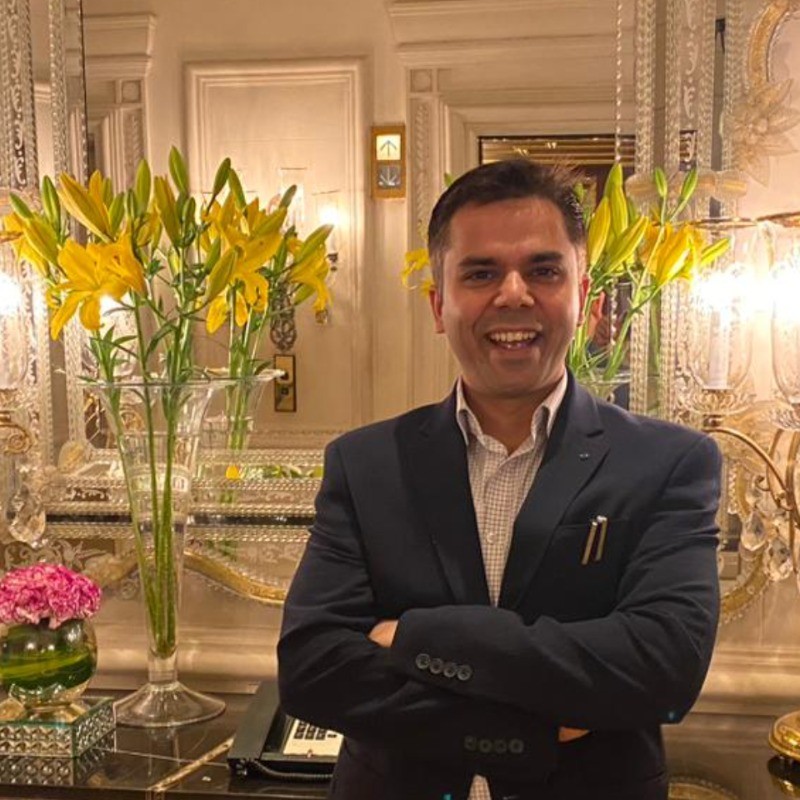
  • “Understanding a law and implementation of law are two different things. Have patience, good things take time.” – Journey from Legal Luminary to Corporate Leader, Amit K Das, Head of Legal, Thermax Limited

    “Understanding a law and implementation of law are two different things. Have patience, good things take time.” – Journey from Legal Luminary to Corporate Leader, Amit K Das, Head of Legal, Thermax Limited

    This interview has been published by Namrata Singh and The SuperLawyer Team

    Could you please walk us through your journey from your early days in law college to becoming a Head of Legal at Thermax Limited? What were some of the challenges you faced when you first started your career in law, and how did you overcome them?

    I am a first-generation lawyer and the decision to pursue law was a completely personal call. From an early age, I developed a special interest in legal subjects. After completing my 12th, without any second thought, I was admitted for a 5 (five) year BA(Law)LLB course with North Bengal University, Department of Law. I was an active student during my law college days and used to take initiative and participated in all events including moot courts, sports, and cultural events. During the 3rd year, I developed a special interest in the law of Jurisprudence. As we had limited resources during our college days, digital education was far from reality during the late 90’s, we used to spend long hours in our law department library reading and preparing notes on various subjects.

    To begin a career in legal, the first challenge is to get into a decent chamber of a senior advocate. Those days legal had very limited career opportunities and being from a small town in Darjeeling District, West Bengal, there was no other option but to start practicing in District Court immediately post completing of LLB. I started my career as a practising advocate under the guidance of the late Shri. Sunil Sarkar, in Siliguri Sub-Divisional Court and Darjeeling District Court handling civil disputes related to properties, etc. In his chamber, I learnt the art of drafting pleadings, cross-examination and trial. To gain exposure on the professional front, in 2003, I moved to Delhi and started working with a Corporate Law Firm, Law Combine Advocates. During my Law combine days, I handled legal work for major MNCs and focused on litigation, commercial contracts, part of the M & A team, IPR and real estate. To have experience in the corporate side, In 2008, I decided to switch and joined a real estate company in Bangalore and gained experience in commercial built-to-suit arrangements. Thereafter, I worked with a FMCG giant heading legal for their export division, managing international contracts and disputes.

    In 2014, I moved to Pune and worked with an engine manufacturing company and in 2022 joined Thermax Limited as Head of Legal which is my current designation.

    For a fresh law graduate, the biggest challenge is where to start and how to start. I was fortunate enough that the Senior’s Chamber I joined at the beginning of my career, gave me a decent amount of work to handle. He used to guide me as a mentor. The more I worked, the faster I was able to get adjusted in this profession. During my court practice days, even when my matters were not listed before the Court, I used to spend hours sitting in open courts watching different proceedings, arguments made by the counsels, court observations, and verdicts. I also used to read a lot. I used to read the entire judgement, doing my research on different laws dealing with different subjects, going through old, executed contracts to understand the transaction and the issues to be addressed in those kinds of transactions. More I focused on work and learning; I realized all the challenges are dealt with over time.

    Transitioning from practicing as an advocate to assuming leadership roles within legal departments of corporations like Thermax Limited involves a significant shift. What inspired you to make this transition, and how has this journey influenced your approach to legal practice and leadership within organizations?

    This was not an overnight shift or transition. If you go through my career path the entire transition was step by step and with constant efforts. It was planned and executed accordingly. I believe if you can’t run then walk, if you can’t walk then at least crawl but keep moving forward. All the changes I made in my career are only with a view of learning new things which is very important for a lawyer. Shifting from a small sub-divisional court practice to a Delhi Corporate law firm practice is only for getting more exposure and learning. Similarly, switching from one industry to another during my corporate journey is also to gain experience and knowledge of different laws and practices applicable to such industries. This journey of continuous learning, curiosity, eagerness, and developing new skill sets brought me where I am today.  Therefore, I will say eagerness to learn new things, getting exposure to different legal areas, and curiosity to learn about different industries and applicable laws and practices, inspired me to make this transition. Another factor that inspired me to move from legal practice to a leadership role in corporate is to make an impact at a larger level. During practice days, I used to give my opinion and advice on a specific legal matter. I never learned how my opinions and advice impact or influence an organization’s culture and policies. With an intent to make an impact, bring a difference and influence all the stakeholders, I decided to move to a corporate leadership role to use my experience and knowledge to make a positive impact on the business and organization practices. Over the period, while working in different formats, and handling different kinds of legal issues, I realized that legal practice is too wide and large. The more I learned about one area, there are several other new areas came up for further learning. My exposure to different formats and working in different industries contributed a lot to my development as a lawyer and made me adequately competent to handle any kind of legal issues or at least know how to find a solution for an issue not dealt with in the past.

    Your profile highlights your expertise in areas like Mergers & Acquisitions, Contract Management, and Litigation & Arbitration. Among these, which aspect of legal affairs do you find most engaging or challenging, and why?

    It all depends upon the complexity of a matter which makes it challenging. I have come across several complex M&A transaction structures, high-stake commercial contracts and complex litigation and arbitration which were too challenging and engaging. Hence, it will be unfair to claim any specific area as engaging or challenging as all the areas are complex, vast, and challenging. Even if you insist on naming one area then considering the nature and complexity of the dispute, sometimes I find managing Litigation and Arbitration is most engaging and challenging. For handling and managing litigation, one must consider all applicable laws, specific sections, various court precedents, and all facts and documentation involved in the dispute. Though the general perception is that litigation & arbitration are handled by external counsels, however, to enable the external counsel to effectively handle any litigation and arbitration, it’s an in-house counsel who provides all the briefing and documentation related to the case. A minor miss can have a major impact on the outcome. Managing legal expenses, while expediting the proceeding is another challenge in litigation and arbitration.

    You’ve been recognized with multiple awards and accolades throughout your career. Can you share a particularly memorable achievement or recognition that holds a special place in your heart?

    All achievements and awards are special for me as they came at different times in my career. The recognition that I receive in-house has a special place in my heart as it shows that my work is making some impact on the business and it’s a direct recognition from my internal stakeholders. Also, the team awards that I have received till date are also very special for me. In the past, I have received team awards as “Best Support to Business Initiatives”, “Most Innovative Legal Team of the Year” and “Best Enabling Function”. All these team awards represent that we as a team are able to provide effective support to our businesses and in return we have been acknowledged and appreciated. But to answer your question, The “Best Enabling Function” award received during the first year of my job with Thermax holds a special place in my heart as I was new in the Organisation and was building an impactful relationship between the Legal Department and Business.

    In addition to your professional achievements, we’d love to know more about your personal interests and hobbies outside of the legal realm. How do you unwind and rejuvenate after a busy day at work?

    I like to participate voluntarily in teaching activities, especially teaching underprivileged kids. I have been associated with a few non-profit organizations and I like spending my weekends helping these NGOs with different activities from teaching to helping the students in getting prepared for their next level of academics and career.

    Listening to music and playing guitar have been my favourite pastimes to unwind myself after a busy day at work. In the past, I had our band with a few of my friends and we spent our free weekends and holidays performing at open clubs. I love to attend music concerts and shows.

    When I feel tired after months of work, I like to unwind by long cross-country drives with my family to places I have never visited, exploring everything about that place from their culture to their staple diet. Talking to unknown people is an immense pleasure and a beautiful experience.

    Given your extensive experience, what advice would you give to the current generation aspiring to pursue a career in law? What skills or attributes do you think are crucial for success in this field today?

    For the current generation, my advice is that there are a lot of opportunities in the legal domain. Over the years, different forms of practices have developed. There are different legal areas to excel and specialize in and a lot of learning opportunities around. Students who are still pursuing law, please take your moot courts and court visits sincerely and develop a habit of reading. Law is not as easy as it seems to be and for every lawyer, it is important to learn something every day. A lawyer should always have a room for learning. Understanding a law and implementation of law are two different things so take advantage of every real-life internship you can, so you can figure out what kind of lawyer you wish to be.

    It’s my request to young guns, please develop a habit of reading and keep learning new things. There are no shortcuts in the legal profession. Online updates and snapshots are okay to get the update but please don’t miss to read those new laws, latest landmark judgements, articles, etc. Have patience, good things take time. Nobody achieves success, knowledge, and experience overnight. All these things take time and constant effort, and hard work will take you to the right places. Don’t expect immediate results in our profession and always remember that your today’s action will have a reaction after a few years. Be humble, meticulous, and good in your research and analytics.

    Given your experience in handling litigations and arbitrations, what do you believe are the critical factors for successful dispute resolution, especially in today’s dynamic business environment?

    The knowledge of Business and Law is very important for a Lawyer in today’s dynamic business environment. Unless we have exposure to both we can’t take the best foot forward and guide our Organisation. Dispute resolution requires you to have a win-win approach for the Organisation. You can’t be too stringent on your approach and have a balanced view of the dispute that is in hand. Be meticulous and have the eye of an eagle regarding attention to detail. An active and effective collaboration between legal and business is of utmost importance for successful dispute resolution. Any dispute can be handled based on evidence on record; therefore, strong documentation and record keeping are of utmost importance to resolve any dispute successfully. There should be a problem-solving approach to resolve any dispute, it will save lots of cost and time for both sides. Timely resolution of disputes is another factor to be considered. In most of the disputes, the purpose of getting into dispute resolution frustrates if it is not concluded in a time bound manner.

    You pursued management development programs from IIEM in 2017 and IIM in 2019. What motivated you to undertake these courses, and how do you believe they have contributed to your growth as a legal professional? Additionally, what are your thoughts on the importance of continuous learning and further education, such as pursuing masters or other specialized courses, in the legal field?

    Opting for courses from IIEM and IIM is part of my continuous learning process.  Through these courses, I have improved my knowledge and exposure to international trade laws as well as improved my leadership skills. Continuous learning and further education are very important parts of any professional, especially lawyers. Law is a dynamic subject and legal professionals need to be up to mark in all day-to-day changes and evolution in the subject. Continuous learning is the ongoing expansion of a person’s knowledge and skill sets. It is not only for the development of new skills and knowledge but also for reinforcing what has been previously learned. A lawyer or legal professional needs to pursue higher education and specialized courses to adapt to changing legal trends, stay competitive and deliver exceptional services. By actively pursuing higher education and specialized courses, legal professionals can refine their skills and position themselves as leaders in their respective practice areas.

    Throughout your career, you’ve undoubtedly encountered a wide array of legal challenges and victories. If you could go back in time and give one piece of advice to your younger self as you embarked on this journey, what would it be and why?

    Most of us desire to be accepted and liked, but the reality is that you can’t please everyone. It took years and years to get here, but knowing what others think doesn’t matter, disengaging from those who are not humble, practicing self-development and learning new areas of law are some of the best things I have ever done for myself. Do not seek validation in the form of other people’s opinions. Lead with kindness and treat people well. To be honest – don’t be afraid to speak your mind.

    Get in touch wit Amit K Das-
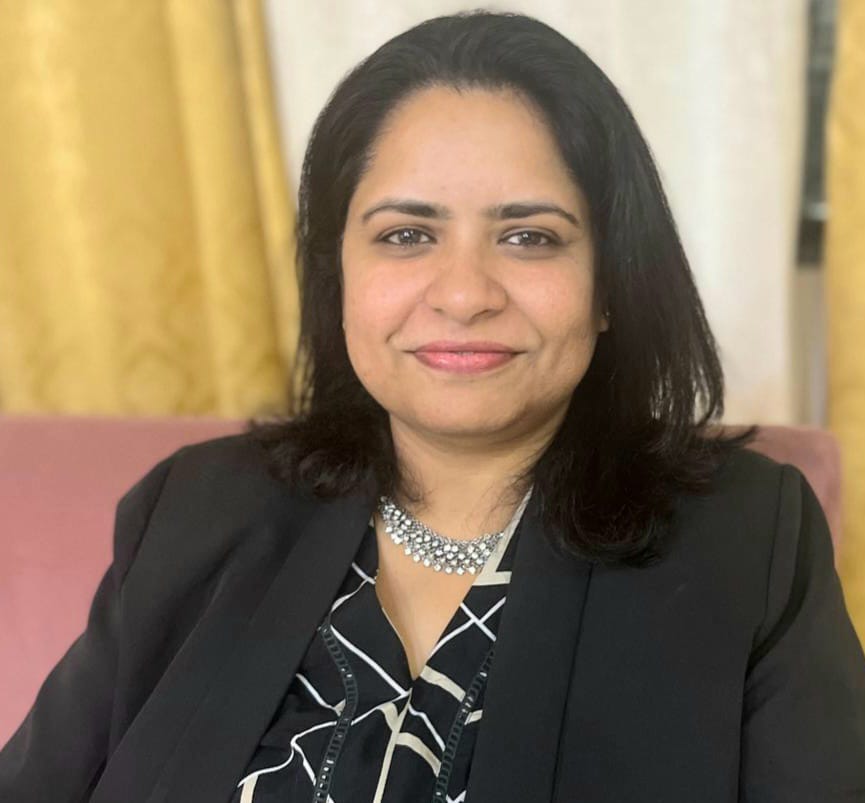
  • “Perseverance and continuous efforts are the two key words which have so far been working for me.” – Embark on the journey of Mayuri Vats, Head Legal at Noida International Airport

    “Perseverance and continuous efforts are the two key words which have so far been working for me.” – Embark on the journey of Mayuri Vats, Head Legal at Noida International Airport

    This interview has been published by Namrata Singh and The SuperLawyer Team

    Your journey from college to becoming the Head of Legal at Noida International Airport is impressive. Could you share some of the key challenges you faced during your early career stages and how you overcame them to reach where you are today?

    Being a first-generation lawyer, I never had the advantage of family connections or right mentors to guide in navigating the legal landscape and I must admit that I had lacked hands-on training as well that those who have a pedigree in the legal field, receive as a part of their daily routine. 

    Hence, I decided to overcome these limitations by focusing on my skills, knowledge and professionalism. I accepted internships without stipends, offered pro bono legal services to gain hands-on practical experience and aimed to build a reputation of being a thorough professional with integrity. 

    I ensured that I proactively network by attending legal seminars and conferences, keep engaging in online legal communities and join professional organizations to meet experienced lawyers and potential employers. In short, “perseverance” and “continuous efforts” are the two key words which have so far been working for me. Touchwood !! 

    Credit also goes to all those few kind people who understood my approach of working, that is, how I can contribute and bring value to the table and then there was no looking back for me.

    What motivated you to transition from litigation to an in-house role, and how has this shift shaped your approach to legal challenges?

    Making that decision was a significant career move. What mainly allured me to the in-house role was the opportunity to be an integral part of a company’s decision-making processes. 

    In order to have a more direct impact on business decisions, the legal function has to work very closely with the business teams and gain deep knowledge of the company’s operations, industry regulations, and strategic goals. I was very clear that this specialized knowledge is invaluable and provides a unique perspective when advising the company on legal matters.

    As an in-house counsel, I got opportunities to be intimately involved in shaping and executing corporate strategies, negotiating contracts, managing litigation, and ensuring compliance. This level of involvement allowed me to see and understand the tangible results of the legal advice. 

    Further, during my litigation days, I realised that a lot of disputes were arising due to some ‘inattentions’ right at the documentation stage. That incited my curiosity about the critical role an in house can play in mitigating such risks right at the start such as making the documents robust enough to firstly prevent disputes from happening and if not then create a good defence.

    Having worked with diverse organizations such as GMR, Accenture, Alstom, and now Noida International Airport, could you share a memorable experience or lesson from each phase of your career that significantly influenced your professional growth?

    In fact, all the places where I have worked so far have taught me the importance of self-awareness and emotional intelligence. Technically they may offer different things to learn (specific to each sector) but a few common things that I absorbed at all such places is that it is very important to understand the Company’s culture. Any initiatives, external interactions and/or negotiation strategy must be aligned with the company’s culture, work environment and company policies.

    I also learnt that productivity is directly proportional to the extent of empowerment. Once I became a part of the leadership group, I realised that empowerment to take decisions is absolutely crucial. Hence, while accepting a new role, I check on the mandates I would be allocated with, without fail.

    On the technical front, organisations such as Amplus (Petronas Group) and EverEnviro (EverSource owned) helped me build a strong business acumen which is very critical for in-house resources in order to enable them to play a strategic role in the business decision-making process. 

    I developed a solid understanding of risk management and operational strategies to effectively contribute to the company’s goals at most of the places I worked at. Further, I got tremendous exposure in the area of framing and administering “compliance” which is especially a challenging area. A change in one aspect, such as corporate governance or any policy or even key managerial personnel, can trigger requirements in multiple entities. As the number of entities and jurisdictions involved rises, so does the risk of non-compliance. I got hands-on experience in project financing for Alstom, Amplus and EverEnviro entities. I remember some very challenging but interesting days from the complex phase of the Amplus acquisition by Petronas, where I lead the Amplus in-house team which handled the complex phases of the acquisition transaction (with adequate support from the external counsels), for the Indian leg of the said transaction.   

    Alstom provided me a platform where I handled some very high-stake transactions such as the transfer of entire transport business by way of slump sale within Alstom entities; It involved extensive due diligence of the existing records, reviewing and drafting the share purchase agreement, the Business Transfer Agreements, letters to the Customers informing them about this transaction, Assignment and Assumption Agreement etc. 

    There have been some instances where law firms/external support supporting us with transactions cited a case law to prove a point and incidentally, those specific cases turned out to be not only steered from the conception and handled by me (including briefing to the senior counsel etc.) but also managed to get favourable orders therein. The reactions that I received from the law firms once I told them about it, was priceless and its something I feel very proud of. 

    You’ve navigated complex transactions and legal landscapes in industries ranging from aviation to waste management. What unique challenges and rewards do you find in working across such varied sectors, and how do you adapt your legal expertise to each industry’s nuances?

    That’s right! I have worked across different sectors and therefore I think am rightly placed to humbly disagree with a common notion specific to the legal field that one must focus on specialising in one dedicated sphere. My experience tells me that working with different sectors and organisations helps bring in ductility in the approach to handle different set of tasks. I find myself in a better position to handle a diverse range of legal issues and adapt quickly to the unique demands of each sector, multi-task, and work collaboratively with cross-functional teams. 

    GMR, Alstom and Noida International Airport helped me gain an insight into the challenges and nuances of working on government contracts and public procurement. Dealing with government contracts is very different from how one negotiates a private contract. Considering the limited room for negotiations in case of the former, the focus is mainly on how to internally mitigate the risk to the maximum extent possible. That’s a very interesting area which provided me with hands-on experience on risk management as an important tool for lawyers and managing complex projects, providing practical advice, and collaborating with clients. Accenture and Amplus (Petronas Group), on the other hand, provided me a platform where I could build a strong business acumen which is very critical for in-house resources in order to enable them to play a strategic role in the business decision-making process.

    As it is with changes happening almost on a daily basis such as advent of AI, change in the tax framework, introduction or restructuring of several legislations have let legal teams under intensifying pressure to meet new demands and match the pace of business change. Hence, agility and wider exposure has become critical tools for the general counsels and their teams to better support the broadening spectrum of risk, compliance, governance, operations and regulatory issues, as well as the need to support the business in the execution of its strategy. If you ask me, the future belongs to the generalists with the role of specialists becoming very limited as compared to the present time.

    In your role at Noida International Airport, you’re contributing to the development of a greenfield airport. Can you share some insights into the legal intricacies and challenges involved in such large-scale infrastructure projects, and how you ensure compliance while fostering growth?

    With any large-scale infrastructure projects or to be specific a Public-Private-Partnership (PPP), one of the biggest challenges is having no scope of negotiations when almost all PPP concessions usually have a term of about thirty (30) years. Running a project of that scale for such a long period on the same terms and conditions is not pragmatic and a major reason for the imbalance that such projects face from time to time. I am not suggesting for a platform to re-negotiate however, public sectors must provide some comfort to the private parties to accommodate events such as prices going up and imports becoming difficult due to for eg. say this Ukrain war. Although there are a lot of changes that are happening where the public sector is becoming sensitive about the day-to-day challenges private sectors have to face while executing the PPP projects, I feel we still have some miles to cover before the former becomes comfortable with the idea that it is okay for the private sector to make some profits. This fundamental understanding will go a long way to regain and/or strengthen investors’ confidence in the PPP projects. 

    Specifically in the case of Greenfield projects, there are some construction related risks such as physical unexpected events that may occur during construction, which can lead to cost and time overruns. Although concessionaires try to hedge these risks by taking security packages from their contractors and sub-concessionaires, the problem with this approach is the timing. For instance, in most cases, one becomes aware of a technical issue only when the impact of the issue may have consumed a good portion of the security package.  

    The best way to tackle such risks in Greenfield projects is to focus more on immediate security than freezing those for future. Some of the effective measures to manage this risk are to have wide supervision capability of the works during construction and to have termination clauses negotiated in a way that will not put the project at risk in case of construction delay or technical challenge, and that will give enough room for investors to cure before it is too late (e.g. incrementing resources to the works, penalizing the EPC contractor for any delay, even within the longstop date).

    One more risk which is personally very close to my interest is “points of friction” when it comes to risk allocation. As everyone is aware that at the heart of every PPP transaction is the allocation of risks between the public and private partners. Hence, the risks should be fairly and justly distributed between the partners. A lot of background work is already undergoing at the Government’s level to fill in these gaps. 

    You’ve amassed a wealth of experience over 15 years in the legal field. What motivated you to pursue a Master’s in Business Law at this stage of your career, and how has it enriched your professional perspective?

    It was the course structure and content which caught my attention. All the legal themes forming part of this course are more than relevant to my day-to-day scope of activities such as Contracts, IPR, Investment and Environmental Law, Taxation and Banking. I was longing to learn better and came across this course at the right time. It definitely equips those who sign up for it better, with deeper insight into legal issues that may impact / affect their daily work.

    You’ve been involved in significant corporate restructuring, including the strategic sale of Amplus to Petronas. What key legal considerations come into play during such transactions, and how do you ensure a smooth legal transition for all parties involved?

    I believe a good hold on the regulatory framework surrounding such transactions is a must. For example: it needs to be ascertained if the deal is possible under the Competition law, FEMA (in case foreign elements are involved), SEBI (primarily for listed companies involved) etc., as a first step. Regulatory framework and all permissions required therein are extremely significant and can make or break a deal since the cost of some regulatory approvals may drastically affect the commercial viability of such transactions. Moreover, overlooking a necessary approval could render the resulting deal void or voidable, nullifying the efforts of the parties.

    Thorough diligence is equally important where depending on what it reveals, the buyer can negotiate on reduction of the price or constrain the target to provide more robust warranties etc. in order for the deal to continue. 

    Compliance is another very critical area. The licensing requirements, approval status etc. play a key role in deciding the fate of the deal and definitely the pricing. Nature of the ongoing or potential litigations, terms and conditions of the lending contracts etc. are another area of importance which covers the lawyer’s scope in such transactions.

    Open communication channels amongst all parties involved, including employees, customers, suppliers, and investors; assertiveness when it comes to seeking critical information and asking tough questions; solution-oriented approach to resolve deadlocks and uncomfortable situations; and meticulous integration planning which is the backbone of a successful acclimatisation are some of the key traits to ensure a seamless transition in case of any corporate restructuring. 

    Your career has shifted from being focused on personal milestones to leaving a lasting legacy. Could you elaborate on this change in perspective and share your thoughts on the impact a professional can have beyond projects and numbers?

    Well, I think “legacy” is a big word when it comes to my career trajectory. I am far away from that but yes, I do aspire to and take each steps towards achieving a reputation where people remember me as a lawyer of an “indomitable character and integrity” and not just for working on a few good projects and saving an X amount of money for a company. Further, I focus on simplifying the complex. Being an in house I mostly deal with non-legal stakeholders on a daily basis who neither know nor are interested in knowing the legalese. Translating the complexities of law in simple and practical language for them requires tutoring myself as a student on a daily basis when it comes to articulating my thought process. As a result, I get approached with a conviction that things will get addressed.

    A legal professional, at least during the initial stages of his/her career, shall focus more on intellectual growth (as the requirement to be educated on current developments that affect the law is a must) and clarity of mind (as it gets trained due to constant thinking of how to apply a law to an apt situation) more than designations and monetary compensation. This profession is one of the few noble ones which helps one develop an overall personality and at the same time provides an opportunity to shape up the society as well. One should leverage that to the fullest extent possible. That will help them leave a lasting legacy.

    Beyond your professional accomplishments, what are your personal interests or hobbies that bring balance to your life outside of the legal realm? How do you unwind from the demands of a challenging and dynamic legal career?

    By focusing on the objective. The work has to be done and no matter how much the pressure is, if one solely focuses on how to get it implemented, it becomes easier to deal with it and avoid the politics around it.

    Also, in order to avoid the negative effects of chronic stress and burnout, I disconnect myself from work and take some time off to replenish and return to the pre-stress level of functioning. This recovery process requires “switching off” from work by having periods of time when I neither engage in work-related activities, nor think about work.

    Work-life balance is very important for me, and it would not have been possible without my extremely supporting family. They have been with me through thick and thin and an integral part of my journey!! Hence, I try to do whatever I can to squeeze out as much time for them as possible, such as I try to finish a lot of work on my commute so that I can save a few hours there and be at home in time to spend some quality time with them. Additionally, I take a few days off every 4 to 5 months to spend some time exclusively with family.

    It would not be fair if I don’t give due credit to some of my very supportive colleagues. Good colleagues and a supportive team are an asset. They will take care of you when you are down or not on the best days at work. So such support functions are a direct blessing from God !! Take my word on it!! 😊

    My leisure time gets consumed in reading books, watching a good movie / documentary and my perpetual stressbuster is discussing politics. I really enjoy having a good conversation around how the geo-political landscape is turning out to be. 

    I ensure that I take one hour at least everyday when I only introspect, listen to music and read an article/book. 

    As someone who has worked internationally and dealt with compliance on a global scale, how do you stay updated on the ever-evolving legal landscape, and what advice do you have for legal professionals aiming for a global perspective in their careers?

    To be updated about the latest legal developments and on a real time basis is not just a choice; it’s a necessity. I try to stay informed with the timely updates with help of professional networks, relevant law firm practice group newsletters/updates that I have signed up for (i.e. the firms regularly provide guidance on legislative and regulatory changes), and by following relevant industry experts, law firms, and other thought leaders on LinkedIn who focuses on regulatory updates and compliance matters. Invest in your knowledge by participating in seminars, conferences, or web-based training sessions that offer guidance on the implementation of new regulations. Alternatively, review professional summaries to ensure you understand key aspects like involved parties, prerequisites, due dates, and penalties. Knowledge is the cornerstone of compliance.

    For those who are aiming high, I would like to make one thing very clear that there are no clear rules of how to operate in the legal industry. On the other hand, unwritten rules are plenty in number! In order to achieve a global reach it is very important to have a global mindset to start with. By global mindset I don’t mean being able to do things but more about the ability to understand the complexities and nuances of global legal frameworks and environment, for eg., to follow, extract and adapt the best practices from other geographies, to be able to understand and tab on the trade-offs between local requirements and global standardisation.

    Get in touch with Mayuri Vats-

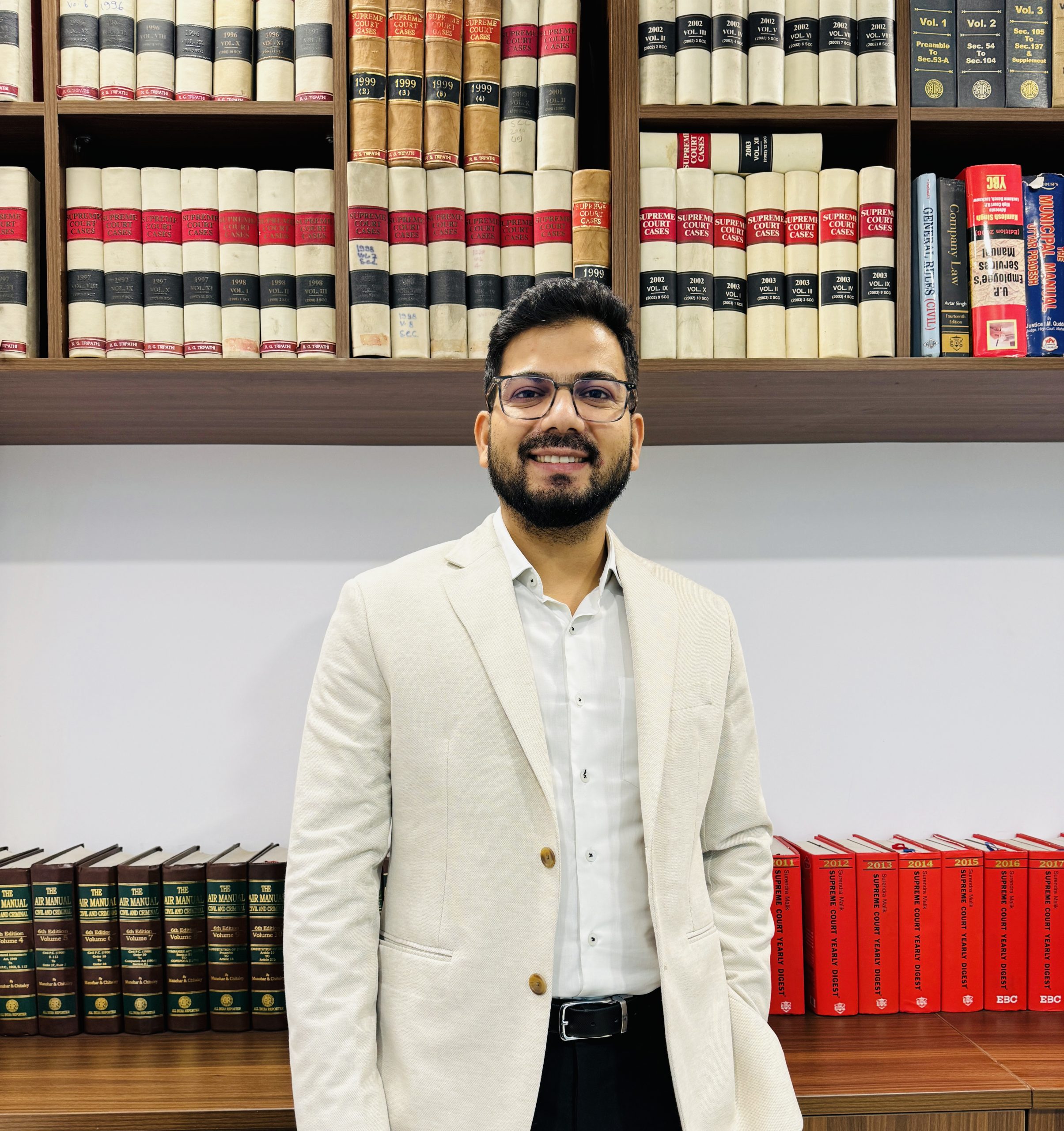
  • “I always believe that litigation is akin to a game of chess where you must anticipate three to four steps of your opponent’s preparation accordingly”-Gaurav Varma, Founding Partner – Integricon Law Offices 

    “I always believe that litigation is akin to a game of chess where you must anticipate three to four steps of your opponent’s preparation accordingly”-Gaurav Varma, Founding Partner – Integricon Law Offices 

    This Interview has been published by Pragya Chandni and The SuperLawyer Team

    Can you share some insights into your journey in the legal profession and how you decided to specialize in dispute resolution, particularly in areas such as arbitrations, insolvency, and regulatory practice?

    Being the fourth-generation lawyer in a family of reputed criminal lawyers, it was clear that I will build my career in dispute resolution. During internships at various prestigious law firms in Delhi, I had the opportunity to work in various areas of practice in litigation, including Arbitrations, Company Law and  Securities Law, which eventually opened new horizons for me. I began to realise that with increasing tribunalisation and diversification of the legal field, one cannot have a short-term vision. I believe that in our legal profession, initial three to five years are most crucial for self-development and therefore, in order to gain as much practical exposure as possible in my initial years, I ventured in all practice areas by associating with senior professionals specialising in different areas like Civil Trials, Company Law, Arbitrations, White Collar Crimes, Telecommunication Law, Electricity Law, Securities Law, Service Law and Constitutional Law.             

    You have extensive experience representing clients in various high-profile cases before different courts and tribunals. Could you highlight a case that you found particularly challenging or rewarding, and what lessons did you learn from it?

    Many of the cases, argued by me, have been widely reported by news and legal journals, ranging from landmark judgments in Arbitration, Insolvency and Commercial Law issues to the judgments granting bail in Delhi Riots case and establishing the principle that ‘holding weapon is not a fundamental right’. I have worked on numerous high-profile cases, including those involving leading FMCG companies, real estate developers, hospitality group, electricity transmission cos., 2G spectrum allocation trial proceedings, challenging constitutionality of provisions of Companies Act, as well as cases related to SFIO, EOW, ED prosecutions involving hundreds of crores, and SEBI and FEMA violation cases. Each of these cases has been a different learning experience, particularly, in forming strategies to build the case in a manner that achieves the desired relief. 

    I always believe that litigation is akin to a game of chess where you must anticipate three to four steps of your opponent’s preparation accordingly. With time, I have also learned the importance of identifying the “fulcrum of the case”, that one crucial point in the brief around which the case needs to be built. Proficiency in drafting and research is invaluable in devising the right strategy. However, it’s important to emphasize that in my philosophy, I do not discriminate between cases or compromise my level of commitment based on factors such as monetary value or property valuation, or the stature of the individual / organisation involved.  

    Your career includes handling SFIO, EOW, ED prosecutions involving hundreds of crores and SEBI and FEMA violation cases. How do you navigate the complexities of economic offences and regulatory issues while dealing with such cases?

    I have handled economic offences, regulatory violation proceedings and white collar crimes ranging from alleged Ponzi Schemes to alleged manipulation of accounts, incomplete disclosures to regulatory authorities and the 2G spectrum allocation process, where the alleged quantum is in multiples of hundred of crores based on initial investigations., These cases are unique as they require an understanding of accounts, commercial law, criminal intent and ultimate loss or injury caused. Additionally, one must gauge the aggrieved party’s nature of loss or injury caused and accordingly analyse the case. When representing clients in such cases, I adopt the simplest approach of assuming the client is placed at the weakest point and start self-questioning regarding the alleged act as presented, level of involvement shown, possible intent and natural consequences or repercussions on others as well as on the client.  

    Having worked with various senior advocates and legal luminaries, how has that shaped your professional growth and influenced your approach to legal practice? 

    In the past 16 years, I have been fortunate to work closely with many legal luminaries, senior advocates, namely Mr. Mukul Rohatgi, Dr. Abhishek Manu Singhvi, Mr. Sudipto Sarkar, Mr. Amit Sibal, Mr. Amarjit Singh Chandhiok, Mr. Dhruv Mehta, Mr. Neeraj Kishan Kaul, Mr. Arvind Nigam, Mr. Ashwini Kumar Mata, Mr. Mohit Mathur, Mr. Vikas Pahwa, Mr. Tarun Gulati, Mr. U.K. Chaudhary and my mentors Mr. Meet Malhotra, Mr. Vivek Kohli and Mr. Sumeet Pushkarna.  

    From my interactions and close work with all these respected senior advocates, I have learned that one must be a master of the facts of their brief. The entire facts, pages and interconnection of different documents must be mapped in your mind so clearly that you can anticipate the questions from the Bench and opponents and be ready with references in the case file instantaneously. While arguing in Court, you cannot leave grip of the facts because sometimes, you need to frame the argument thinking on your feet. Clarity of thought while preparing the case and explaining the case or arguing in Court is the most crucial aspect to be learned.   

    You have worked with government departments such as the Central Government, State Government, departments like Delhi Electricity Regulatory Commission, Delhi Transport Corporation, Delhi Jal Board, Employees’ Provident Fund Organisation. How has your experience with these government bodies influenced your approach to handling cases and managing client expectations?

    Working with Government Regulators and Departments has been an enriching experience for me. I have had the opportunity to handle a variety of issues, ranging from defending constitutionality of Acts / Rules / Regulations to defending discretion in approvals, licensing, allotment of tenders, as well as intent and implementation of policies & schemes and also dealing with service law related issues. 

    Being a government lawyer is a position of utmost responsibility. It requires careful handling of confidential files and also defending executive actions, each of which is taken after detailed deliberation and approvals at different levels within the concerned department and ministry. I must commend government departments for their diligence in adhering timelines granted by Courts for preparation of pleadings or compliance with any interim or final decisions. In recent times, government departments have significantly ramped up recruitment of legal officers, leading to an overall improvement in case management at departmental level. 

    As an Advocate-on-Record with a significant presence in the Supreme Court, could you share some insights into the dynamics of presenting cases before the highest court in India? How do you approach advocacy in such a distinguished forum?

    As an Advocate-on-Record, when filing pleadings or presenting cases before the Hon’ble Supreme Court, it is paramount to be thoroughly knowledgeable about the subject matter of the case. Being well-read extends beyond understanding the legal issues at hand, it also entails being familiar with judicial precedents and legal developments pertaining to the relevant statute. 

    The Hon’ble Supreme Court plays a pivotal role in the ongoing process of evolution of law, adapting to changing societal norms and refining legal complexities. This includes redefining principles of bail, fundamental rights, shaping jurisprudence of economic offences or commercial laws. Therefore, it is imperative to possess a strong foundation of legal knowledge when assisting the Bench.   

    Considering your extensive experience, what advice would you give to law graduates who are entering the legal profession today, especially in terms of specialization and adapting to the ever-changing legal landscape?

    As I mentioned earlier, the initial three to five years in the legal profession are extremely crucial for professional development. Certain good practices, such as reading judgments, if cultivated since the beginning, prove invaluable in the long run. When I refer to “reading”, I don’t mean merely skimming legal news or excerpts of judgments available on various portals but reading the entire judgment – the original text. 

    Learning should not be confined to assignments alone. It’s only when you immerse yourself in reading and compiling research subject-wise that you can not only identify your areas of interest but also be well-prepared to adapt to the ever-changing legal landscape in any field of law.     

    Get in touch with Gaurav Varma-

  • “Prioritize learning, dedication, and perseverance in the legal profession. There are no shortcuts to success; hence, young lawyers should embrace challenges, treat professors as legal gurus, and remain committed to continuous growth.” – Neerav Merchant, Partner at Majmudar & Partners

    “Prioritize learning, dedication, and perseverance in the legal profession. There are no shortcuts to success; hence, young lawyers should embrace challenges, treat professors as legal gurus, and remain committed to continuous growth.” – Neerav Merchant, Partner at Majmudar & Partners

    This interview has been published by Namrata Singh and The SuperLawyer Team

    Could you take us through your journey from college to your first job and eventually to becoming a partner at Majmudar & Partners? What were the pivotal moments or experiences that shaped your career path, and how did you navigate the transitions along the way? 

    I come from a legal background. My father, Mr. Pravin Merchant, was a practicing Solicitor for over 35 years, and as a result, I was exposed to law early on.  I took up different part-time assignments, internships, trainings, etc., even when I was studying in college.  However, my first job (as a legal trainee) was at Kanga & Co., one of the oldest law firms.  Thereafter, I spent few years in private practice with other prominent law firms, such as Vimadalal & Co., and Gagrat & Co., before moving as an in-house counsel. My transition to being an in-house counsel was under tenuous circumstances. My father passed away in 1995 (when I was in second year law) and the pay standards in most law firms in India in the 1990s was not that high, as compared to in-house profile.  Hence, I decided to spend few years as an in-house counsel.  Except in a few cases, not many in-house counsels go back into private practice.  I went in-house at a relatively early stage in my career and after having spent seven (7) years in-house, I felt that my learning curve had hit a plateau.  Though, I had done large private equity deals, negotiated large outsourcing contracts and even built an entire legal department, I needed more challenges, which I thought I could get only in a law firm setting.  This was the genesis of my decision to move back into a law firm.  As regards my choice of Majmudar & Partners, I knew about Majmudar’s stellar reputation and had even seen their work on a private equity deal that they did against the company where I was the general counsel.  The high-quality work, top-tier clientele, and fantastic standing, both domestically and internationally, convinced me that this was the place for me.  The transition from an in-house set-up into a law firm was challenging.  The key challenge that I faced as an in-house counsel was that of changing my mindset and approach, to be able to think like a client.  Additionally, in private practice, lawyers deal with various clients (individuals and companies), which makes it more interesting.  To summarise, the main challenge was to switch gears in my overall thinking and perspective, and to give paramount consideration to the business objectives of the company. I believe, I made this transition quite well, and this helps me in my practice today.

    Having experienced both roles as a partner in a law firm and as in-house counsel for companies like Tata Housing and Patni Computer Systems, what notable differences did you encounter in these positions, and what factors influenced your decision to transition between the two roles?

    Good question.  One should understand that the industry and sector plays a critical role for an in-house counsel as regards adapting to the legal function, whereas when it comes to operating in a law firm, one must adopt to the work ethics, culture, etc. Firstly, the in-house lawyer is required to understand the industry and sector in which he or she operates, especially, because vertical line of business brings different and interesting challenges, compulsions, limitations and risk appetite. Secondly, the management approach and focus vary for each business. Thirdly, government rules, regulations and policies vary according to industry, which is not relevant when one works in a law firm set-up.  All of this makes it imperative for an in-house lawyer to remain focussed on the sector and ensure that nothing is missed in terms of legal strategy, advice, approach, risk mitigation, etc.  I think the foregoing factors did influence my decision whilst working as practicing lawyer as also as an in-house counsel.

    Having more than 25 years of experience, you’ve witnessed significant changes in the legal landscape. What key shifts or trends do you foresee in the field of dispute resolution, arbitration, and intellectual property in the coming years? A lot has changed over the years and much of it has been for better.  Whilst, it will be impossible to identify all the major shifts or trends, the most important shifts that come to mind are that, judiciary has evolved and matured over the years, the use of technology has become more rampant, the present-day judges are commercially savvy, procedural laws have undergone various changes as also laws on arbitration have become more stringent and focussed after taking cues from cross border arbitration cases.  In my view, IPR practice deserves a compliment because it is kind of evergreen in its own right and has gained momentum over the years, especially, with an extensive increase in the use of the internet, matters relating to infringement, counterfeiting, etc., has become more rampant, there is tremendous awareness re brand protection, logos, etc.   

    You’ve represented clients in enforcing an ICC arbitration award in India. Could you share insights into the challenges and strategies involved in the enforcement process, particularly in the Indian legal context?

    This question deserves a comprehensive response, and we could end up writing a complete chapter on this issue. Broadly speaking, over the years enforcement of foreign awards in India has become smoother as the courts have become sensitive towards being pro-enforcement and acknowledging India as a signatory to the New York Convention on enforcement of foreign awards in India.  Moreover, there have been various statutory amendments and judicial pronouncements which have helped in reducing the challenges of foreign awards by Indian parties.  In my view, the biggest challenge that persists is that of asset tracing and seeking an interim injunction against disposal of the assets.

    Your role involves advising on technology and telecommunication matters. With the rapid evolution of technology, how do you stay updated on the latest legal implications and challenges in this dynamic industry?

    I have been fortunate to work in these sectors very early on.  My first stint as in-house counsel was at GTL Ltd, which was in the business of installation of radio-frequency towers, laying down optic fibre cables, and providing other related telecom services. All of this compelled me to continuous learn, read and stay on top of the regulations, interact with governmental officials, and constantly review judicial precedents touching this sector.  I had to adopt a similar approach in the areas of technology. The Information Technology Act was introduced sometime in 2000, which, since then has been the legal backbone in relation to technology law.  There has been constant learning, checking new amendments regularly, focusing on the rationale of changes, and then advising clients on a given scenario.

    In your recent transactions, you’ve been involved in diverse matters, from challenging telecom regulations to high-stakes arbitration involving global players. Could you highlight one or two recent transactions that you found particularly intriguing or challenging, and share the key strategies that led to a successful outcome for your clients?

    In the recent past, we had represented one of the large telecom service providers, operating in the business of mobile portability. The TRAI (telecom regulator) brought in a certain regulation that impacted our client’s ability to do business in India. We assessed the relevant law, regulations and provisions and checked judicial precedents, as also researched on important provisions of the Indian Constitution, and filed a constitutional writ before the Delhi High Court considering that the regulation was impacting our client’s fundamental right to do business.  After some deliberation and with excellent arguments made by eminent Sr. Counsels, we eventually succeeded in obtaining a favourable order quashing the controversial regulation.  This allowed our clients enormous commercial relief and the time and efforts spent by the firm were highly appreciated.

    Amidst your demanding legal career, how do you unwind and recharge? Could you share some of your hobbies or activities that bring you joy and relaxation outside the courtroom or office?

    I agree that having a good work-life balance is critical to reduce stress levels and to enhance productivity.  To manage stress levels, I spend my mornings in doing some physical training, reading interesting articles, etc.  In the evenings, I prefer to simply relax with family and occasionally with friends. My hobbies include reading, going for evening walks, long drives, an occasional movie in the theatre, etc.

    Given your extensive experience in the legal field, what advice would you offer to law students regarding the scope of the profession and the mindset they should cultivate while studying law?

    Firstly, all law students should opt to pursue this profession, only if they are mentally and intellectually driven to pursue such profession, and not because of any other reason. Practicing law is a serious profession as it demands commitment, dedication, and devotion.  If one compares the overall mindset of experienced lawyers versus young law students (including newly graduated lawyers), there will always be a general gap in terms of overall approach, thinking, priorities and perceptions.  In my view, law students (or freshly qualified lawyers) are dynamic, aspirational, and savvy, but they lack patience and perseverance. I would like to urge the younger generation to focus on learning, and hard work, and to treat their professors as legal gurus.  Law students should understand that there are no shortcuts to success; hence, they should not cut corners.  Youngsters should be smart in choosing their internships with firms where they genuinely see interesting client work that can help them apply legal theory in practice.

    As a seasoned lawyer, you’ve advised on foreign investment, general corporate matters, and joint ventures. What advice would you give to young lawyers aspiring to specialize in international law or corporate law?

    A simple advice to all young lawyers is to take up all kinds of work in the earlier years of their career, namely, matters relating to commercial disputes, arbitrations, securities law, foreign exchange law, employment law, or on general commercial queries, doing due diligence, working on a commercial contract, etc.  In other words, never say no to any legal work assigned by one’s senior.  After spending around 2 or 3 years as a generalist lawyer, one can pursue the vertical area of practice that is appealing or interesting.

    Get in touch with Neerav Merchant-

  • “Politeness is an understated skill to possess; it reflects integrity and professionalism in every interaction.” – From navigating high-stakes commercial disputes to advocating for legal reform in Chhattisgarh, Rishabh Garg, Partner at Pransh Law Offices

    “Politeness is an understated skill to possess; it reflects integrity and professionalism in every interaction.” – From navigating high-stakes commercial disputes to advocating for legal reform in Chhattisgarh, Rishabh Garg, Partner at Pransh Law Offices

    This interview has been published by Namrata Singh and The SuperLawyer Team

    Reflecting on your journey from ILS Law College, Pune, to your current position as a Founding Partner at Pransh Law Offices, what pivotal moments or experiences shaped your career in law and What inspired you to establish a legal practice in Chhattisgarh, and what unique approach does Pransh bring to the legal landscape?

    My first encounter with Law was when I was an hour away from my higher secondary mid-term examinations at Symbiosis Junior College, Pune. I had received a call from my inconsolable mother, “Your father has been arrested”. I remember returning to my hometown Korba, Chhattisgarh after my exam and spending months going through the complex legal proceedings. It was then that I studied the law in detail and had a very many meaningful conversations with the lawyers. It took 4 months of hardships before he was discharged of all offences. I believe that’s when I found my true calling and joined ILS Law College in 2008. 

    At ILS, one had to be self-motivated in order to learn since the College did not mandatorily require anyone to partake in any activity other than attending lectures, which too, ended at 10 in the morning. This meant one had ample time to explore and identify one’s area of interest. I did a couple of internships in Corporate Law during the initial years, but it was my internship with a Senior Advocate in the Supreme Court in my penultimate year that made me realise that litigation was what intrigued me. Therefore, after passing out of ILS, I applied to a few law firms and Senior Advocates in Delhi to begin my career in litigation, however, nothing materialised and I was forced to start my career from my hometown in Chhattisgarh. 

    In Chhattisgarh, I realised that although opportunities abounded, the learning curve was slow and Seniors did not take particular interest in teaching the nuances of the law to a young graduate. As such, at the advice of my peers, I left my practice in a year and joined Tech Mahindra in their litigation team in Hyderabad. Tech Mahindra had just taken over Satyam Computers at that time, which meant, being involved in several high stake litigations to deal with. I enjoyed my time at Tech Mahindra but since the goal was always to gain experience and come back to Chhattisgarh, I left that job within a year; pursued a Master’s Degree from the National University of Singapore; and founded Pransh Law Offices in Raipur in July 2016. 

    At Pransh, we believe in keeping things simple. We ensure that our drafts are prepared on time and there are no unnecessary adjournments in Court. We thoroughly research the legal issue involved before giving opinions. We are polite, we do not overcharge, and we keep our Clients up to date with the developments in their matters. We are a team of 11 lawyers who stand shoulder to shoulder in pursuance of holistic growth. We also often collaborate with other firms/lawyers to ensure the best possible outcome for our Clients. 

    Having pursued your LL.M. in International and Comparative Law from the National University of Singapore, how has your international education influenced your approach to legal practice in India?

    Studying at NUS for a year taught me to meticulously draft a legal document after extensive research. It helped me develop analytical skills, since at NUS, we were given reading material a week prior to lectures – where we were supposed to share our thoughts on the reading material. Other than that, the substantive law that I read there has not really helped me yet in my legal practice in India. In fact, a Masters does not really help in litigation, other than the skills one develops, and it is advisable only if academics is one’s calling.

    As a seasoned legal professional, you have extensive experience in high-value commercial disputes and advising clients in various industries. Can you share some insights into the challenges and rewards of practicing law in the domains of DDUGKY, Mining, Construction, and Infrastructure?

    In commercial disputes, it is important to know the business as much as it is important to know the law. These disputes are mainly governed by a Contract in writing, and therefore, a thorough understanding of the Law of Contracts is extremely important. 

    Early on in my practice, I got the opportunity to work on several low-stake commercial matters. Every matter had its own complexity where I made mistakes and learnt from them. Over time, it gave me the confidence to take on high-value commercial disputes; since there is no scope for making mistakes in high-value transactions. 

    One of the many challenges we often face in these domains is to quantify the damages that arise out of breach of the Contract. Courts, after Kailash Nath v/s DDA, have held that even Liquidated Damages have to be proved. Often, Clients – at least in a jurisdiction such as Chhattisgarh – don’t maintain their books of accounts properly to enable lawyers to quantify damages such as loss of profits and profitability. As such, a favourable Award / Order in such circumstances is always rewarding. 

    Pransh Law Offices covers a range of practice areas. Which area do you find the most fascinating or challenging, and why?

    As a firm, my colleagues practice extensively in criminal and civil law; however, I personally don’t have the temperament to practice criminal law. As such, I stick to commercial disputes only. 

    The fascinating part about commercial disputes is that they can be settled; there’s a quietus to the never ending litigation. I think lawyers have a substantial role to play when it comes to settlement, as they are the ones who initially inform their Clients of the merits involved in the matter. An honest opinion can help litigants make an informed choice whether to pursue the matter in Court or settle. 

    Your time with the Global Litigation and Arbitration Team at Tech Mahindra involved handling diverse cases. Can you share an interesting or unexpected challenge you encountered during that phase of your career?

    We were dealing with a litigation against Tech Mahindra in the Courts at Los Angeles, California, filed by a disgruntled employee who was sent Onsite from India. During discovery, we found documents against the employee; however, the legal costs, publicity, and risks of going through a jury trial forced us to settle the matter. It was then as an in-house counsel that I realised that litigation is not just about the law or proving who is right/wrong. There are many variables and considerations, such as costs, bargaining power of the parties involved, and attitude of the Presiding Officer of the Court, among others, that are to be kept in mind while dealing with a dispute. 

    Beyond your legal work, you’ve volunteered as a teacher with Make A Difference. How has your experience in community engagement shaped your perspective, both personally and professionally?

    During my time at Make A Difference, I was tasked with teaching English to a Class of 4 Juvenile Convicts in a Juvenile Home in Pune. Professionally, it was obviously a very enriching experience since it was hands-on learning on how the Juvenile Justice Act worked. Personally, it was an experience that made me culturally sensitive and socially aware. These Juveniles were some of the smartest 10-year-olds I met who were also grateful for the learning opportunity. It made me trust the reformative form of punishment. 

    You’ve been recognized for your contributions. Could you share a bit about any notable publications you’ve authored or awards you’ve received, and what those moments meant to you?

    I have not had the honour of receiving any of the prestigious legal awards.

    My last publication was a result of a sleepless night during COVID-19 graciously published by Bar & Bench on Access to Justice in the State of Chhattisgarh, which can be accessed here:

    https://www.barandbench.com/columns/access-to-justice-or-lack-thereof-in-the-state-of-chhattisgarh

    Although it has been a while since I have done any legal writing, I believe legal writing offers a unique avenue for the expression of creative arguments; which unfortunately, legal pleadings do not provide. Legal writing fosters a dynamic and evolving dialogue within the legal community. I regularly read articles published on “indianconlawphil” and “indiacorplaw”. I can only wish that my practice affords me time to write such enriching articles.  

    As someone deeply connected to Chhattisgarh, how do you perceive the evolving legal landscape in the state, and what role does Pransh play in contributing to that evolution?

    We have been making representations to the Government urging them to establish more Commercial Courts in the State as well as set up other Tribunals like DRT, NGT, and NCLT but to no avail. More Tribunals would mean more opportunities for Lawyers as well as access to litigants. It would also ensure the development of a Commercial Bar in the State, which is non-existent as of date. There is still a long way to go! 

    Beyond the legal realm, what are your hobbies or interests that bring you joy and relaxation outside of work?

    General interests in movies/music aside, I went for a 7-day trek to Har-ki-doon a couple of years ago, which got me hooked on trekking. I make it a point to go on a trek during Court vacations in summer. It allows me to be completely disconnected, reducing the mental strain associated with information overload. 

    What advice do you have for law students and aspiring lawyers who are navigating their way through legal education and considering a career in law?

    a) Politeness is an understated skill to possess; b) Don’t be arrogant, it reflects in Court, and no one likes to deal with an arrogant person – neither the judge nor the client; c) Try and make the job of the Court easier – submit brief written arguments with case compilations, whenever possible; d) Be patient, the learning process is slow; e) Don’t be hard on yourself. 

    Get in touch with Rishabh Garg-

  • “Learning happens with all sorts of firms in different ways and means, each firm offers unique learning opportunities crucial for a fulfilling legal career.” – Adnan Siddiqui, Managing Partner, MAYSS Partners Law Offices

    “Learning happens with all sorts of firms in different ways and means, each firm offers unique learning opportunities crucial for a fulfilling legal career.” – Adnan Siddiqui, Managing Partner, MAYSS Partners Law Offices

    This interview has been published by Namrata Singh and The SuperLawyer Team

    Starting with the basics, can you share a bit about your journey into law and what inspired you to pursue a career in this field?

    I started as a litigating lawyer with Mr. Vivek Chaudhary who was elevated as a HC Judge from Allahabad. Thereafter, I worked with Sr. Adv. Aman Lekhi for some time and went on to become an in-house counsel with CREDAI. Worked with CREDAI for a span of few years and realised that I could call myself a real estate lawyer. I got an offer from MAX subsidiary Antara Senior Living and joined Antara in 2021. I worked with MAX for two years and got an offer from an MNC to lead their real estate team in India. I resigned from Antara only to find out that the company’s culture is bad – hence, instead of finding another job, I ended up making MAYSS Partners with two other colleagues.

    As the Founder of MAYSS Partners Law Offices, can you tell us about the ethos or guiding principles that define your law firm and set it apart in the legal landscape?

    We wish to make a law firm that understands its Client’s business. Very soon, we will be taking up interns and freshers from Tier 3 colleges and try to give them exposure to good Clients and Courts in New Delhi

    You transitioned from the role of Legal Counsel at Antara Senior Living to becoming the Managing Partner at MAYSS Partners. What motivated or inspired this transition, and how has your perspective on the legal profession evolved as a result of taking on a leadership role in your firm?  

    Honestly, it was never planned, it all accidental – A coffee meeting with my Promoter made me think if I should really work for a company that does not have very good intentions for its employees, I resigned immediately after the meeting and thanked the Promoter for being so honest on day one – Ended up making MAYSS Partners

    As a Managing Partner, you lead a team of ten lawyers. What qualities do you look for in team members, and how do you foster a collaborative and productive work environment?

    I honestly believe that everyone can learn and anyone can be trained. Therefore, the idea is to help young professionals from Tier 3 cities come to Delhi and Mumbai and learn the art of practice in these cities.

    Given your expertise in regulatory compliance, what are some key considerations for businesses dealing with RERA, RBI, SEBI, IBC, and other relevant regulatory frameworks?

    The only thing that businesses should bear in mind is that they cannot cheat the investors anymore.

    Looking ahead, what are some trends or developments in the legal landscape that you find particularly intriguing or that you believe will shape the future of legal practice?

    I think AI will bring in a massive change and it is high time that we start learning to use AI.

    With your extensive experience, what are your thoughts on the dynamics of working as legal counsel compared to being a managing partner? How do you navigate the challenges and find fulfilment in these distinct roles?

    In employment, you work for business teams who are your clients and the same goes for a law firm. As long as you are committed to solving a problem, it’s all the same.

    For aspiring law students, internships are often pivotal in shaping their understanding of the legal profession. In your experience, what kind of internship do you believe is crucial for a law student, and what advice would you give on how students can make the most out of their internship experiences?

    I think students must intern with good companies, law firms and lawyers. Students should learn how businesses are run and how do we reach out to the Clients.

    Beyond the legal realm, what are some of your personal interests or hobbies that you find relaxing or rejuvenating?

    I am trying to run five km every day. I love to cook and hang out with my family.

    Considering your extensive experience, what are your thoughts on aspiring legal professionals choosing to intern or work with Tier 1 law firms as opposed to Tier 2 or Tier 3 firms?

    How do you believe the choice of the firm tier can impact one’s career trajectory in the legal field? I think all three are important. Learning happens with all sorts of firms in different ways and means.

    Get in touch with Adnan Siddiqui-

  • “Law graduates should recognize that what they learn in law school is not enough for legal practice”- Anjan Neupane, Partner at Neupane Law Associates

    “Law graduates should recognize that what they learn in law school is not enough for legal practice”- Anjan Neupane, Partner at Neupane Law Associates

    This Interview has been published by Pragya Chandni and The SuperLawyer Team

    Sir, could you please share your journey of becoming a legal practitioner, from your education at the University of Aberdeen to your current position as a partner at Neupane Law Associates?

    Like every other lawyer, my journey of becoming a legal practitioner began during my law school. The most helpful experience I had was volunteering as an advisor at the Citizens Advice Scotland. We advised mostly low-income clientele legal matters relating to debt, bankruptcy, consumer, landlord, family problems, etc. Clients in difficult situations needed quick and effective legal help. There I learnt you had to focus on reaching an effective solution for the clients quickly. This learning has stayed with me until now. 

    At law school, my interest was in commercial law and I enjoyed my elective courses in corporate finance law, corporate insolvency law, and tax law very much.

    After graduating, I worked for around 2 years with a renowned senior advocate with extensive tax and commercial practice in Kathmandu. There I gained first-hand experience of Nepali contract, tax, and company laws. I also gained exposure to construction law and arbitration matters.

    There were not many lawyers with good international exposure and English language skills in Nepal at the time. Commercial law practice was very small and focused mostly on compliance. Nepal was also recovering from a decade long insurgency and foreign investors were slowly returning back. Due to the market scenario at the time, I started getting contract drafting and foreign investment related matters through my personal contacts and references from other lawyers. Thereafter, I started with my current firm Neupane Law Associates serving my own clients. Currently, we are established as a go-to law firm for corporate and commercial matters in Nepal. Our firm’s practice is ranked Band-1 by Chambers and Tier-1 by Legal 500 in Nepal for a number of years now. 

    As a leading legal practitioner in Nepal, specializing in corporate, finance, cross-border transactions, and dispute resolution, could you highlight a particularly challenging case or project you’ve worked on recently and share the key strategies you employed?

    Nepal is a challenging jurisdiction to work in due to vaguely drafted laws and bureaucratic unpredictability. Our approach is to strictly follow the law, while not being afraid to create new market practices. A rewarding experience for me early on in my career was to advise a consortium of foreign and local lenders as local counsel in the first international project finance transaction in over 20 years for Lower Solu Hydropower Project. Bridging the gap between best international practices and Nepali law was challenging. It created a market precedent that set a practice in other similar transactions. Another highlight of my career has been working as a tax and corporate law expert appointed by the Government of Nepal in the ICSID arbitration filed by Axiata. It was the largest legal dispute in Nepal’s history. It was also a learning experience to see leading international lawyers in action. 

    Our team has been working in various shareholder and construction disputes currently. They are naturally challenging and complex. In my view, a good lawyer should have the ability to simplify even the most complex issues. Being solution oriented and getting in-depth into the facts of the case are key strategies we employ.

    Your expertise spans a wide range of areas such as arbitration, litigation, banking, finance, and M&A. How do you stay updated on the evolving legal landscape in Nepal, especially considering the complexities of cross-border transactions?

    Being a transaction and disputes lawyer at the same time is very challenging from a time and knowledge management practice. However, I have found that these practice areas complement each other. I have found that the knowledge and experience gained in transactions can be used during litigation and vice versa. Being a small jurisdiction, many aspects of Nepalese commercial law jurisprudence are still unsettled. Therefore, taking inspiration from what is happening in other jurisdictions is important. Reading good international books and participating in international conferences and seminars has been very helpful in staying updated. 

    Given your involvement in advising world-renowned companies, including Texmaco, IFC, and Alibaba Group, can you share any unique challenges you’ve encountered while facilitating cross-border transactions between Indian companies and Nepal?

    The challenge in Nepal is vaguely drafted laws, unpredictability of government agencies, and lack of established market practice for new and complex transactions. Oftentimes the Nepalese counterparts are also not assisted by an experienced commercial lawyer. Some international clients do not engage a Nepali lawyer at an early stage of the transactions but only do so later. When the client has not taken advice at an early stage, the transaction structure may have to be changed at the documentation stage which becomes a problem and causes delay. Enforceability of Indian seated arbitral awards in Nepal and vice versa has also come up recently as a new challenge due to a recent Supreme Court ruling in the Sangi Brothers case.

    You’ve been recognized for your excellent knowledge of Nepali commercial and contractual law. How do you balance staying rooted in local legal nuances while also navigating the complexities of international law, especially in the context of your cross-border transactions?

    As a lawyer advising in international matters, I find that you are required to have a good command in both Nepali law and law practices internationally. In-depth recognition of the similarities and differences in the laws of Nepal and of other jurisdictions is key to our legal practice. Like I mentioned earlier, I read good international books and exchange views with lawyers in other jurisdictions to balance these aspects. 

    Your recent work includes advising on equity investments in hydropower projects and various financings. What trends do you observe in the current landscape of foreign investments in Nepal, particularly in the energy sector?

    Equity investments and financings in the hydropower sector for foreign clients have recently been challenging as Nepal has not signed power purchase agreements in US dollars and there is a lot of uncertainty about how to hedge currency risk. The Government of Nepal has come up with various hedging guidelines and regulations, however, foreign investors are yet to be convinced. Also, getting a bankable risk allocation in power purchase agreements and concession agreements has been difficult. Nevertheless, the governments of Nepal and India have entered into an agreement for Nepal to export 10,000 MWs of power to India over the next 10 years. This will open the door for Indian sponsors to sell power from Nepal to India and obtain financing from Indian banks.

    Could you shed light on your role in defending lawsuits filed against Nissan Motors by distributors? How do you approach representing clients in the automotive sector, and what unique legal challenges arise in such cases?

    We have been recently involved in a couple of cases of similar nature involving Nissan Motors, Royal Enfield, Preet Tractors and others. In my view, the key to avoiding disputes or having an upper hand when there is one is to have a well drafted distribution agreement and fully complying with the contract provisions and laws during termination. Nepalese courts can grant stay orders if contract terms are ambiguous and if the termination can be seen as unlawful due to non-compliance with contract provisions. This can be very risky and is best avoided. 

    Lastly, what advice would you give to law graduates aspiring to make a mark in corporate law, especially those interested in practicing in Nepal or dealing with cross-border transactions?

    Law graduates should recognize that what they learn in law school is not enough for legal practice. They should extensively read judicial precedents in the practice areas of their interest and international books to stay updated. They should also recognize that the law in theory and the law applied in practice might differ. They should become more commercially aware and solution oriented.

    Get in touch with Anjan Neupane-

  •  “I have come to the conclusion that in the intensely dynamic environment that we live in where the laws are revolving on a constant basis, it is imperative to have at least the bare minimum knowledge of all fields of law, so as to best advise your client” – Shashwat Tripathi, Advocate on record at the Supreme Court of India

     “I have come to the conclusion that in the intensely dynamic environment that we live in where the laws are revolving on a constant basis, it is imperative to have at least the bare minimum knowledge of all fields of law, so as to best advise your client” – Shashwat Tripathi, Advocate on record at the Supreme Court of India

    This Interview has been published by Pragya Chandni and The SuperLawyer Team

    Can you share with us how your journey in law began, and what inspired you to pursue a career in litigation and dispute resolution?

    Specialization and Expertise: Commercial Litigation, Insolvency and Arbitration. 

    To be honest, I belong to a family of lawyers, my father and my elder brother are both lawyers, although both have worked/work in starkly different fields. One (my elder brother), being a hardcore IPR expert and the other (my father) who has seen the growth of litigation in the once colonial town of Allahabad and been actively involved in service matters before various High Courts. 

    As they say, you sooner or later become a victim of your surroundings. However, in my case, it worked for the best and I can turn the statement around and say, “I am a true by-product of my enriching and encouraging surroundings”!

    I would often as a child accompany my father to the court or interact with his colleagues and associates at home as well as in social spheres. In my opinion (of course as lawyers we are bred in a manner to specify our opinions !) my liking and fondness towards the profession began then itself, in my formative years. Thereafter I saw my brother go to law school as well, which is when my intentions to pursue a career in law solidified and I was sure that I wanted to become a lawyer. 

    My decision to pursue litigation is however a result of my internships and work experiences at various law offices. The irony is that my first job offer and might I add, with a hefty pay in a big firm, was NOT in litigation but the General Corporate  team. However, even then, I refused to take up that opportunity and decided to start all over with the process so long as I was given Litigation. Thus, inherently, my brain and heart were always drawn towards litigation. 

    With expertise in civil and commercial disputes, arbitration, intellectual property, and more, what specific aspects of law drew you in, and how did you develop such a diverse skill set over the years?

    My personal favourite has always been the constitution, which is why I was driven to even appear for the Advocates-on Record examination, which I successfully cleared in the year 2022!

    However, over the last couple of years, I have come to the conclusion that in the intensely dynamic environment that we live in where the laws are revolving on a constant basis, it is imperative to have at least the bare minimum knowledge of all fields of law, so as to best advise your client. Let’s say you have a client who approaches you for a simple case of corporate fraud, your advice however will start on the basic provisions of companies act in the north pole and span to filing a criminal complaint in the south pole. For the naked eye, one is a civil remedy and one is criminal, but for me, both are equally important. Thus, I feel, skill sets also develop over the years based on the kind of matters and briefs you receive or work on as well as the happenings  and trivia in the legal fora, which in my view, every budding lawyer should keep pace with. 

    Establishing your own law firm is a significant accomplishment. What motivated you to form Aeddhaas Legal, LLP, and how has the experience of working with accomplished legal professionals influenced your approach to legal practice?

    From the time I decided I wanted to pursue a career in litigation, I had my eyes on like a hawk!! on opening my own law firm and setting up my practice. 

    I was fortunate to have met people who I connected and bonded well with, who echoed the same feeling as mine, and thus, we all got together and created Aeddhaas. 

    One thing I learnt the most from all the stalwarts at the bar as well as all the accomplished legal professionals I have worked with is the golden rule of always being prepared. One thing I preach to every lawyer is that you must always read your brief to the fullest  (of course over time you learn the art of swiftly navigating ) as well as prepare your draft after a detailed research to seal any/all loopholes. A good draft in my opinion is not one which runs into 100 pages but one which briefly summarizes the issue in question. At the same time, a good argument is not the one which involved showing to the court every document (in most cases pleadings exceed 10000 pages!!), but one where the advocate runs through the essentials, to touch the heart of the case. 

    I also learnt the benefits of team work and how to be calm and patient even in the time of an urgency to take the right decisions. 

    Thus, Aeddhaas for me is the final dish, of all such ingredients, hard work, team building, patience (most important virtue of a lawyer) and attentiveness! 

    Your experience in handling matters under the Insolvency and Bankruptcy Code is extensive. Can you share insights into the complexities involved in such cases and the strategic considerations one needs to keep in mind?

    Insolvency and Bankruptcy code is now one of the most commonly invoked statutes in our country. I have always had an affinity towards commercial laws and hence, once the code was published, I was naturally drawn towards the same. 

    To be frank, as it is still fairly new as a law in our country, it still keeps evolving. It’s an extensive statute with various regulations and rules made thereunder. 

    I would recommend that to be abreast, the best way is to read the recent judgments and monthly updates released by various legal media. Nowadays live law and bar and bench upload updates even before the judgments are released online! Life has become easy because of them. So, we must use these mediums to our benefit. 

    For handling matters under the IBC, strategy planning with regard to the end goal at the very initial stage, whether you are for the corporate debtor or the creditors, goes a long way.  

    With a focus on arbitration matters, including those related to construction contracts and commercial agreements, what role do you see arbitration playing in resolving disputes, and how has the landscape evolved during your career?

    Arbitration is the need of the hour. In my opinion an arbitration clause has become as important as a confidentiality clause in any agreement/contract and there has been a paradigm shift worldwide towards arbitrating disputes viz entering into long drawn litigation battles, which in case of international commercial contracts is a nightmare, be it in the initial stages of overcoming the hurdle of jurisdiction or seeking the enforcement of a decree. 

    Having said this, even though the Indian Arbitration Act was enacted to be time bound, today, realistically speaking the Appellate courts are burdened with appeals and challenges to the awards passed by arbitrators, leading to a delay in execution. All in all however, the interim reliefs and ease of dispute management are unparalleled with arbitration. 

    Unlike courts that are often overwhelmed with a high volume of cases each day, comparatively, arbitration provides parties with more time and opportunities to present their arguments. In arbitration proceedings, parties have more flexibility in scheduling hearings and presenting evidence, which can result in a more efficient and streamlined resolution of disputes. This is because arbitration is a private and confidential process, and the parties have more control over the proceedings, including the selection of the arbitrator (who can be a specialist in case of subject matter being technical in nature). As such, arbitration can be a more attractive option for parties seeking a faster and more cost-effective resolution of their disputes.

    Reflecting on your career, what would you consider as the key milestones or turning points, and how have any challenges or setbacks contributed to your growth as a legal professional?

    Well I am fortunate to not come across any setbacks as yet and I hope it continues to be the same. My journey so far has been exactly the way I thought it would be. Turning point is of course setting my own practice and qualifying the Advocates-on Record examination.

    The transition from working for someone else or a law firm to establishing one’s own practice presents numerous challenges beyond just completing tasks. In addition to securing new clients and meeting their expectations, there are other obstacles to overcome such as financial management, marketing, and building a reputation in the legal community. These challenges can be overwhelming, but successfully navigating them is a significant milestone for any lawyer.

    As a legal professional, it is my duty to provide my clients with the most effective solution within a specific timeframe. So far, I have been doing justice to my work and that I think the actual growth one should be aiming for.

    As someone with a wealth of experience, what advice would you offer to law graduates entering the field today, especially those aspiring to build a successful career in litigation and dispute resolution?

    Law is a dynamic field. You could be making policies sitting in the parliament  or  challenging their implementation. You could be the mastermind behind a watertight contract or the person whose job is to find ways to read into the clauses. You could be the one because of whom we resonate a tick to Nike and an apple to Apple) or the one because of whom an acquisition or merger failed.

    My advice is simple, whatever it is that you intend to do, be it corporate, litigation (civil or criminal), be it IPR or policy, one should begin planning their way forward the day you step foot in law school. I am sure there are days when confusion is bound to occur, however, the sooner you surpass that, you will be way ahead of many others by the time you graduate. You would get the advantage of taking up internships in the specific field and building your CV, additional courses, writing papers and attending conferences in the field of your preference. This way, by the time you graduate out of law school, you are not a ripe student looking for direction, but someone who would add value to the place which hires you.

    Get in touch with Shashwat Tripathi-

  • “It’s this impact, the compelling stories of people, and the continuous learning from each case that fuels my passion for law, far beyond any monetary gain”- Anisha Mathur, Partner at Shepherd Law Associates

    “It’s this impact, the compelling stories of people, and the continuous learning from each case that fuels my passion for law, far beyond any monetary gain”- Anisha Mathur, Partner at Shepherd Law Associates

    This Interview has been published by Pragya Chandni and and The SuperLawyer Team

    To start, can you give our listeners a brief introduction to your background and journey in the field of law? How did you initially become interested in pursuing a legal career?

    I love stories! If you carefully hear, everyone has something to share. That’s just the essence of law.

    Growing up, I have harboured a deep love for listening to the stories of other people. Whether engaging with friends facing some challenges or family issues, I always felt a strong desire to offer solutions and guidance. The process of meeting individuals, understanding their problems, and finding ways to help them has been a fascinating aspect of my life.

    This interest and problem-solving attitude that developed in me over the years played a pivotal role in shaping my career aspirations. The realisation that a legal profession could empower me to resolve the problems of others fuelled my passion. As I delved into law subjects, and navigated the intricacies of the legal system during my internships, I became increasingly convinced that this profession was my calling.

    In essence, my journey into law is not merely a career choice but a manifestation of a lifelong passion for understanding and resolving the issues that people encounter on a day to day basis. 

    Whether it’s aiding someone to reclaim what’s rightfully theirs, providing a way out of an abusive relationship, assisting companies in debt recovery or negotiation, or facilitating legal actions, each act is incredibly fulfilling. It’s this impact, the compelling stories of people, and the continuous learning from each case that fuels my passion for law, far beyond any monetary gain. Law has a transformative power in both individual lives and society at large.

    Today, as the founding partner of Shepherd Law and Associates, my journey in law has been both diverse and enriching. With a distinction in my Masters from Queen Mary, University of London, and being NCA qualified in Canada, my practice has spanned various sectors. I have had the privilege of representing a wide range of clients, from individuals to the State of Maharashtra to US-based organisations, across fields such as Pharmaceuticals, Fintech, Artificial Intelligence, Jewellery, and Sports. This breadth of experience has allowed me to develop a versatile approach to legal challenges.


    Your LLM in Intellectual Property Law from Queen Mary, University of London is quite impressive. Could you share what drew you to specialize in intellectual property law, and how has this expertise shaped your legal career? 

    Choosing to specialise in Intellectual Property Law at Queen Mary, University of London was a thoughtful decision because I saw how applicable this area of law is globally, especially in growing industries. The course provided innovative learning opportunities, delving into areas such as the legal implications of 3D printing, the evolving video gaming industry, and emerging concerns in privacy and personality rights. These areas, especially privacy law, have now become pivotal in the global legal arena. 

    My proficiency in these domains has been crucial, from my very first job under the mentorship and guidance of Ms. Vibha Datta Makhija, Supreme Court designated Senior advocate, who has some of the most prominent cases and at the time was representing the Union of India in matters related to privacy laws. The knowledge kept helping me as I continued to guide my clients in crafting comprehensive privacy policies and Terms of Use.

    The option to study Alternative Dispute Resolution (ADR) as one of my course subjects, complemented my expertise, aligning with its growing significance in both personal and corporate dispute resolution today. Skills acquired in negotiation, mediation, and understanding ethical practices have proven invaluable in client counselling and effective case resolution through amicable settlements.

    My choice of IPR, combined with forward-thinking courses, enabled me to address a wide, international market. The course’s emphasis on creative problem-solving and open-ended exam formats, which encouraged innovative thinking over rote memorisation, greatly enriched my learning experience. For instance, my proposal for new legislation in an exam not only showcased my creative legal thinking but also contributed to my distinction in the LLM program.

    Studying abroad extended beyond academic achievements, fostering personal growth, independence, and a deeper appreciation for cultural diversity. This comprehensive experience has not just enhanced my capabilities as a legal professional but also transformed me into a well-rounded individual, prepared to excel in a global environment.

    Having worked with diverse clients across India, Singapore, and the UAE, can you highlight a couple of key experiences or cases that were particularly impactful in your career? How did you navigate the challenges posed by different legal jurisdictions and cultures?

    In my career, working with clients across India, Singapore, and UAE and many other jurisdictions, the key to handling diverse cases successfully has been comprehensive research and robust teamwork. 

    My journey in Indian law began at the Supreme Court and Delhi High Court, under the mentorship of Ms. Vibha Datta Makhija. This experience, particularly on high-profile cases like the Bofors scam and the WhatsApp-Facebook privacy issue, was crucial in understanding the nuances of representing clients in India’s highest courts. My subsequent empanelment with the State of Maharashtra, under the leadership of Mr. Nishant R. Katneshwarkar, Standing Counsel for the State at the time, built upon this foundation. The insights and skills I developed under Ms. Makhija’s guidance proved instrumental in my growth and effectiveness in these roles. The only way to navigate through challenges is to face them.

    Whether dealing with prominent clients in the arena of mixed martial arts in Bahrain, aviation in the UAE, or emerging sectors like Electric Vehicle, Artificial Intelligence, Fintech and sports in India, the approach remains consistent: engaging with industry professionals and learning continuously. This attitude has been fundamental in navigating different legal jurisdictions and cultures.

    Facing new challenges, seeking advice from experts, and always responding professionally and promptly are crucial. My guiding principle is simple: if you commit to a task, give it your all and never stop growing professionally.

    As a partner at Shepherd Law & Associates, you lead a team handling over 500 active litigation cases. How do you approach leadership, especially in a legal setting? And how do you balance strategic decision-making with day-to-day management?

    I believe in leading my team by empowering each member, creating an environment where open communication and collaboration thrive. This ensures that everyone feels valued and contributes meaningfully to our shared goals.

    I maintain a balance between strategic decision-making and day-to-day management by effectively delegating tasks and placing trust in my team’s capabilities. Regular meetings and progress reviews help me stay informed while also giving the team the autonomy they need. This approach not only streamlines our workflow but also fosters professional growth and a strong sense of ownership among team members. My role is to provide direction, instil confidence, and ensure that we meet our client commitments with the highest standards of legal service.

    In managing our practice, I have bifurcated and specialised teams dedicated to corporate matters, intellectual property rights, litigation, and so on. I make it a point to check upon my team and ensure they have a comprehensive understanding of every aspect of a case and deliver holistic solutions to our clients and my team knows that I am always reachable, at any hour of the day. 

    My team understands the unpredictable nature of court appearances. I encourage them to approach each day with a fresh mind-set, understanding that there will be good days and challenging ones, but they just need to do their best, rest everything works out. Following timelines, reaching on time, promptly responding to clients and fulfilling commitments, takes you a long way and also separates you from the crowd. Many struggle to do these things and that’s how you become different.

    Your experience spans multiple countries. Can you share insights into the challenges and advantages of handling legal matters in cross-border contexts? How do you navigate the complexities that arise in international legal representation?

    Handling legal matters in cross-border contexts presents both unique challenges and advantages. One of the main challenges is navigating different legal systems and cultural nuances, which requires extensive research and collaboration with local legal experts. This ensures accurate understanding and application of relevant laws. Another challenge is managing time zone differences and communication barriers, which we overcome through flexible working hours and clear, concise communication.

    The advantages include a broader perspective on legal issues and the opportunity to learn from diverse legal practices. It enhances our adaptability and problem-solving skills, making us more effective lawyers.

    To navigate these complexities, we focus on thorough preparation, building a network of international legal contacts, and staying updated on global legal developments. This approach ensures we provide our clients with informed, comprehensive legal representation in any international context.

    Mentoring seems to be an integral part of your role. How do you approach mentoring junior associates, and what advice do you find yourself giving most often to those starting their legal careers?


    Mentoring junior associates is deeply rewarding, yet it comes with the responsibility of guiding them through the stark realities of legal practice. I often share my own experiences, emphasising that the transition from law school to the courtroom is challenging. The practical aspects of law are much tougher than academic learning, and even something as basic as reading a case file can feel overwhelming at first.

    I remind them that internships, while valuable, are different from the reality of courtroom work, especially in litigation where initial earnings are modest. I started my career with a salary of INR 12,500/- p.m. despite my academic distinction, a stark contrast to peers in other fields. It’s easy to feel disillusioned, but persistence and passion are key.

    The journey in law is filled with learning from mistakes and facing tough feedback from seniors and judges. My advice is to embrace each day as a learning opportunity. If law is your passion, the challenges you face early in your career will eventually lead to rewarding experiences. 

    I encourage them to have faith in their journey, learn relentlessly, and approach every new challenge wholeheartedly. The path may be difficult, but it leads to growth and fulfilment beyond monetary gains.

    Passion in law leads to fulfilling outcomes, and I emphasise the importance of empathy and kindness in professional growth. The goal is to nurture not only skilled lawyers but compassionate individuals who recognise the power they hold to positively impact lives.

    What insights can you share about the motivations and challenges for new lawyers embarking on a litigation career?

    The path of litigation, particularly for first-generation lawyers, is often marked by a focus on service rather than immediate financial gain. 

    Many of us start by handling pro bono cases or assisting friends and family, building our practice without the expectation of significant remuneration. 

    This initial phase is crucial, as responsiveness and competence are key to retaining clients who often hold the misconception that lawyers are unreliable or deceitful. This is especially true for individual clients and small businesses. 

    Being successful in the legal world means being patient and not always focusing on immediate financial gains. This profession is all about learning, and you cannot become an expert overnight. It is more about consistently showing up, being open to new opportunities, and taking things one step at a time.

    When reflecting on my legal journey, I recall the initial years where I was an external member of company’s Prevention of Sexual Harassment (POSH) committee. Despite being a part of their Internal Complaints Committee (ICC), I went beyond my role to assist in problem-solving. This dedication led the same company to later offer a retainer to my firm, entrusting us with the responsibility of handling all their corporate and litigation compliances.

    Similarly, my empanelment with the State of Maharashtra before the Hon’ble Supreme Court of India followed a similar trajectory. Having previously assisted on various matters for the government to the senior, I gained the confidence to represent the State right from day one.

    The lesson learned from these experiences is that in the legal profession, don’t view yourself as a junior but see yourself as a leader, there are abundant opportunities for growth and recognition. By actively contributing and going beyond the expected role, one can build lasting relationships and open doors to new and exciting opportunities.

    Lastly, considering your journey and success in the legal field, what advice would you give to fresh law graduates who are just starting their careers? Are there any lessons you’ve learned that you wish someone had shared with you early in your career?

    Reflecting on my journey, I wouldn’t label it as a success; it’s still unfolding. A crucial understanding I have gained is the importance of compassion in the legal profession. 

    Recognising that everyone handles pressure differently and allowing space for growth and mistakes is vital. We all err, and it’s about learning and improving. Have faith in your team, rely on friends and connect with seniors. Help and seek help, there is no shame in asking what you don’t know yet.

    Early in my career, I was advised to keep going! and it’s something I firmly believe in. To fresh law graduates, my advice is to take it one day, one hour, or even one minute at a time. Be patient with yourself and your seniors. This profession will test you, but the key is to keep getting back up. Many may leave, but those who stay, grow immensely, both intellectually and financially.

    As the founding partner of Shepherd Law, I started with ‘file No.1’ and have now surpassed 500 active case files. This growth symbolises persistence and dedication.

    Another lesson that I have learnt is that one should preserve their mental peace to create a healthy work-life, in the high-pressure world of litigation or corporate, where intense concentration and problem-solving are constant, a hobby serves as a therapeutic escape. It provides a chance to unwind, offering a mental break from the complexities of legal cases and courtroom dynamics.  

    Therefore, my advice is simple, yet on bad days, extremely difficult to follow. ‘Just don’t give up yet!’

    Get in touch with Anisha Mathur-

  • “Conducting cross-examinations is the true test of a disputes lawyer. It tests your drafting, critical thinking, articulation, strategic ability, presence of mind, knowledge of human behavior and much more. The foremost challenge lies in the exhaustive groundwork that precedes the actual cross examination.”- Rohan Batra, Partner, Anagram Partners

    “Conducting cross-examinations is the true test of a disputes lawyer. It tests your drafting, critical thinking, articulation, strategic ability, presence of mind, knowledge of human behavior and much more. The foremost challenge lies in the exhaustive groundwork that precedes the actual cross examination.”- Rohan Batra, Partner, Anagram Partners

    This Interview has been published by Pragya Chandni  and The SuperLawyer Team

    Can you please share the story of how you decided to pursue a career in law, and what specific factors or experiences led you to specialize in disputes, particularly company and commercial disputes?

    The decision to pursue law was not a straight choice but a process of elimination and discovery. Given my family background and as someone who opted for commerce, I was presented with two choices: follow my father’s footsteps as a chartered accountant or pursue my studies in commerce. Right after my boards, I enrolled myself in esteemed colleges like CBS and SRCC.

    In this time, I had developed a keen interest in analysing and comprehending intricate concepts, coupled with a passion for engaging in public speaking. It was during this period that I had the privilege of witnessing the legendary, Late Ram Jethmalani, showcase his extraordinary oral advocacy skills. This experience left an indelible impression, and my intuition directed me to the pursuit of law. Once I decided to pursue law, I naturally gravitated towards disputes or as we litigators colloquially refer to where the real “juice” of the legal profession is. Immediately after the last term, I explored a corporate position placement. However, I ultimately declined, much to the bemusement of my peers who continue to jest about my decision till day.

    With over 12 years of experience in the field, can you walk us through the key milestones and challenges in your career, from joining Shardul Amarchand Mangaldas & Co. to founding your boutique litigation chambers in Delhi in 2019?

    My journey commenced with a stint at a tax litigation firm, Economic Laws Practice. Under the mentorship of Mr. Tarun Gulati, today a distinguished tax senior counsel, who led the Delhi tax litigation practice at the time, I learnt the basics of basics. Transitioning to SAMCO marked a pivotal juncture. Here, I was exposed to the world of arbitration and commercial litigation. I was fortunate to be guided by Mr. Dhruv Dewan, my supervising partner at the time. Under his guidance, I refined my legal acumen and navigated the landscape of challenging yet intellectually stimulating work. In those days, burning the midnight oil was not just a phrase but a frequent reality. I vividly recall a period where I was given the opportunity to single-handedly manage three high stake live arbitrations, overseeing cross-examinations, evidence, and final hearings in a span of twelve months—an arduous yet immensely rewarding experience. Personally, my involvement in the Tata-Mistry legal battle was a watershed moment that transformed my perspective on legal strategy, which was akin to playing a highly strategic chess game. SAMCO, for me, was an institution where every case became a classroom, and every challenge was an opportunity for growth. I am grateful to Mr. and Mrs. Shroff and all my former colleagues for this immensely enriching experience.

    In hindsight and given that I hail from a non-legal background, the decision to establish my boutique litigation chambers in 2019 was characterized more by audacity than meticulous planning. Gratefully, the leap of faith bore fruit. This transition has been instrumental in introducing me to the practice of law, its diverse challenges and putting me on an entrepreneurial journey.

    Your profile mentions your involvement in a 5 Judge constitutional bench, Cox and Kings, before the Supreme Court of India. Could you provide insights into the significance of that case and how it reflects your expertise in arbitration and company disputes?

    My involvement in the constitutional reference before a 5-Judge bench of the Supreme Court of India in Cox and Kings was unexpected. I had the honor of closely working with Mr. Darius Khambata, Senior Advocate, a renowned arbitration expert, in shaping our strategy and articulating our case. Mr. Khambata aptly coined our approach as establishing “guardrails” to manage the expanding purview of the Groups Company Doctrine (GCD)- a legal doctrine rooted in the Chloro Controls India (P) Ltd. v. Severn Trent Water Purification Inc. & Anr. case.

    In the field of arbitration, we observed a concerning trend wherein GCD was being indiscriminately applied to bind non-consenting parties to arbitration. Our task was to conduct a comprehensive analysis of global practices pertaining to the application of GCD, presenting a legal threshold, and spell out safeguards for invoking and applying GCD within the context of arbitration. It is personally gratifying to note that majority of arguments put forth by Mr. Khambata were accepted by the constitutional bench in the Cox and Kings case, which is now the authoritative ruling on GCD in arbitration. For me, this experience underscores the challenge of navigating complex constitutional issues whilst balancing the contemporary challenges in the field of arbitration.

    Congratulations on your Amazon bestseller, “Monk Your Mind: 10 Secrets to Transform the Mind.” What inspired you to write a book, and how do you see the connection between your legal expertise and the themes explored in your book?

    While the direct connection between my legal practice and my debut book is not overt, the book reflects a convergence of two key elements. Firstly, my training as a lawyer played a crucial role in honing the skills necessary for writing a book. Secondly, the professional challenges inherent in my legal career significantly influenced the themes I chose to explore in the book.

    The book fundamentally emphasizes the notion that each individual possesses the capacity to transform their mind and leverage it to achieve their goals. Drawing from the rigors of legal practice I experienced, the book advocates embracing trials in life. It underscores the principle that undertaking difficult endeavors is the catalyst for personal growth and simplifying life, challenging the conventional notion to the contrary.

    What motivated your move to Anagram Partners, and how does your current role differ from your previous experiences, especially in terms of handling alternative dispute resolution, commercial and corporate litigation, insolvency, and bankruptcy?

    Joining Anagram Partners marked the initiation of a new chapter in my professional journey, and the motivation behind this transition was multi-faceted. From a workplace, Anagram Partners distinguishes itself through exemplary work practices- a candid feedback system, constant pursuit of excellence and a focus on executing superior legal strategy.

    Since the inception of Anagram Partners, I have had the privilege of being deeply involved in the disputes practice. Working alongside partners who are eminent legal experts in their respective domains has contributed immensely to my professional growth. It’s here I transitioned from a practice of law to “business” of law. As a firm, we operate as a cohesive unit, and leverage cross-practice expertise. This helps in providing a comprehensive and nuanced approach to handling matters, thereby enriching the quality of advice provided to clients. With its diverse disputes profile, Anagram Partners has not only afforded me the opportunity to refine my legal skills but has also instilled in me a profound understanding of the holistic dimensions involved in legal practice. I am immensely grateful to all my partners for this opportunity.

    Given your proficiency in conducting cross-examinations of witnesses before courts and tribunals, could you share some insights into the strategies you employ and the challenges you face in the process?

    Conducting cross-examinations is the true test of a disputes lawyer. It tests your drafting, critical thinking, articulation, strategic ability, presence of mind, knowledge of human behavior and much more. The foremost challenge lies in the exhaustive groundwork that precedes the actual cross examination. Achieving proficiency in this aspect requires an in-depth understanding of the case from both sides’ perspectives. Prior to formulating questions, I try to wear the hat of not just a lawyer but that also of the witness, the opposing counsel, and even the presiding judge or arbitrator. Although time-consuming, this comprehensive approach not only fosters a nuanced understanding of the case but also provides a strategic edge over potential challenges in the cross-examination process.

    You’ve published pieces on commercial laws, arbitration, and foreign investment. How does your commitment to writing contribute to your legal practice, and how do you approach speaking engagements at both domestic and international fora on arbitration?

    Writing on topics related to commercial laws, arbitration, or the field of law I practice is driven by a genuine desire for self-expression. It is my belief that speaking and writing are strong mediums through which one can articulate, share and influence perspectives on various issues. While the external perspective may be to positiononeself as a thought leader, the intrinsic motivation should stem from the joy of writing and speaking itself. Rather than focusing solely on establishing oneself as a thought leader, authenticity and a true desire to contribute valuable legal insights should guide these endeavours. This is especially if the objective is to be consistent.

    Considering your journey and accomplishments, what advice would you like to share with law graduates who are just entering the field? Are there specific skills, mindsets, or lessons that you believe are crucial for success in the dynamic and challenging world of legal disputes?

    Reflecting on my journey and looking at what lies ahead, thriving in this field requires a combination of specific skills, mindsets, and lessons::

    1. Strong work ethic: The ability to work hard and consistently put in the effort cannot be overstated.
    2. Kaizen Mindset: Embrace a Kaizen mindset- focusing on constant and relentless improvement of your craft. This mindset is key to adapting to the ever-evolving legal landscape.
    3. Openness to learning-  Be willing to learn from everyone, whether they are younger or more senior colleagues. Cultivate the humility of a perpetual student, as there is valuable knowledge to be gained from diverse sources.
    4. Acceptance of Mistakes: Acknowledge and accept mistakes. Ego should not stand in the way of learning and growth.
    5. Ambition: Foster a strong ambition to achieve your goals.

    One thing is certain- a lawyer in a family means the entire family is part of the legal profession. Managing personal and professional aspects, thus, requires constant calibration. There is no optimum work-life balance- it’s the balance that suits you the most.

    In the end, these are only my personal views, which are shaped by my life experiences and observations. Take them with a pinch of salt!

    Get in touch with Rohan Batra-