Tag: dispute resolution

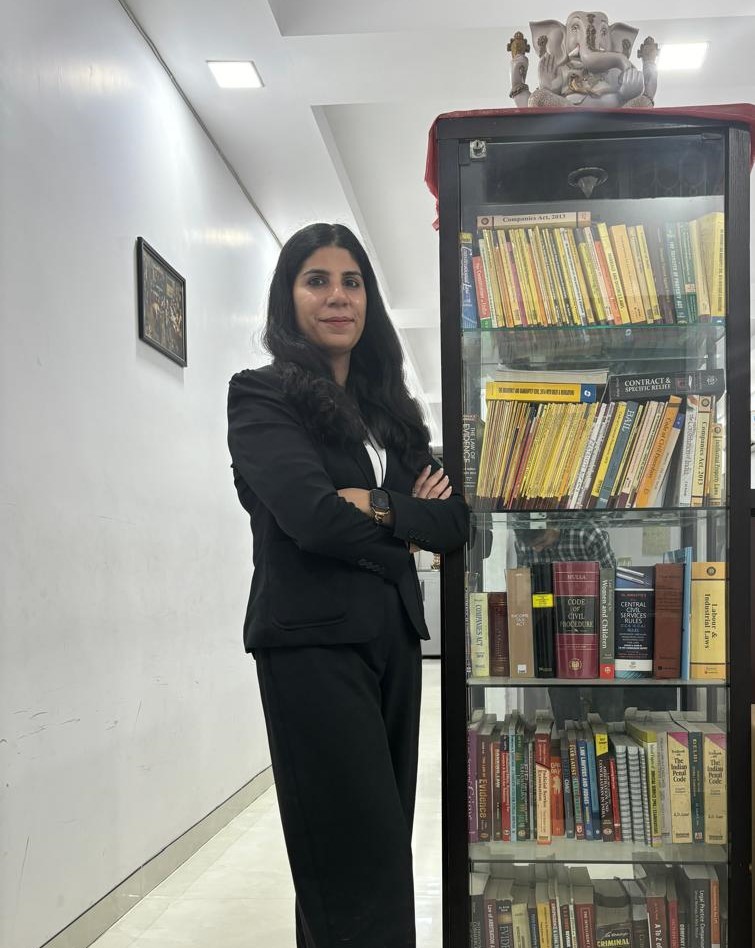
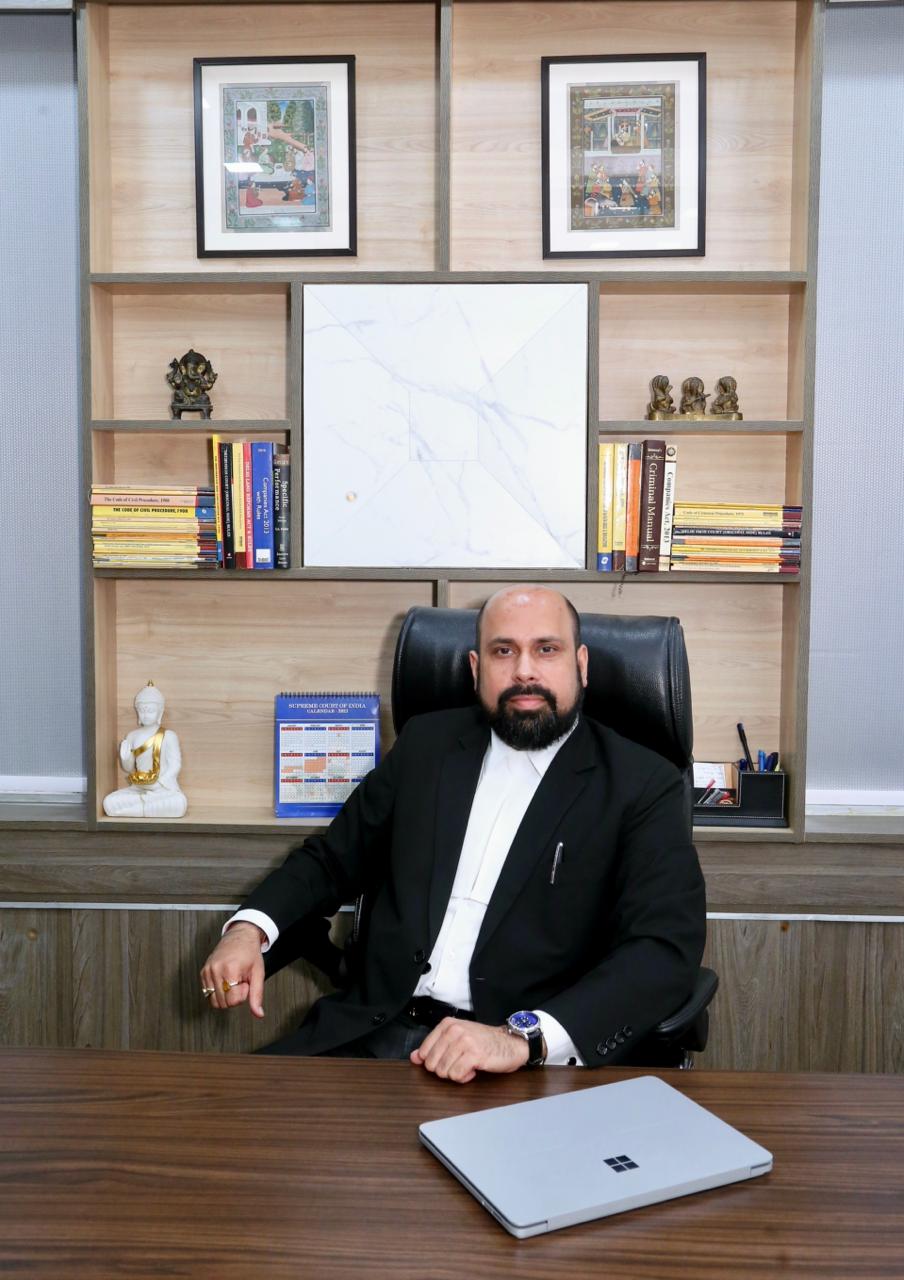
  • “For me, the beauty of being a lawyer lies in the constant pursuit of excellence and the privilege of contributing to a profession that holds justice at its core.” – Advocate on Record Supreme Court of India and Founding Partner at ARCAS LAW.IN.

    “For me, the beauty of being a lawyer lies in the constant pursuit of excellence and the privilege of contributing to a profession that holds justice at its core.” – Advocate on Record Supreme Court of India and Founding Partner at ARCAS LAW.IN.

    This interview has been published by Anshi Mudgal and The SuperLawyer Team
    Your extensive experience and diverse areas of practice are highly admirable. What motivated you to choose a career in law, and what factors influenced your decision to pursue this profession?

    Choosing a career in law was a decision driven by both inspiration and a deep sense of purpose. Over the years, my journey in this profession has only deepened my appreciation for its intellectual rigor and dynamic nature. The legal field is an ever-evolving landscape, and even after a decade of practice, I find myself constantly learning and adapting. Whether it’s interpreting new statutes, analysing evolving precedents, or crafting arguments, the law demands a mindset that embraces lifelong growth and curiosity.

    What continues to motivate me is the unparalleled opportunity to think critically, solve complex problems, and make a meaningful impact on society. The challenges posed by each case remind me of the importance of staying engaged, asking questions, and honing my skills. This profession is not just about mastering the law but about continuously striving to better understand its nuances and applications in a changing world. For me, the beauty of being a lawyer lies in the constant pursuit of excellence and the privilege of contributing to a profession that holds justice at its core.

    After completing your Law degree, what led you to choose the University of Glasgow for your LL.M. in Intellectual Property and Digital Economy? What aspects of this specialization interested you, and how did the university’s teaching approach stand out to you?

    After completing my 5 year course from Institute of Law, Nirma University, I started practising before the Rajasthan High Court and gained some valuable experience. It was during this time that I realised that it was the right time for me to devote some additional time towards academics. Since Intellectual Property was my major subject in law school and I had developed a peculiar interest in it I decided to look for universities offering post graduate degree course in this subject. A few major considerations for me while deciding the university were firstly of course the curriculum and the professors but as I started with my list of universities, apart from the above the next few considerations which came were the cost of living and the expenses to be incurred apart from the tuition fee. While I got offers from University of Manchester, Edinburgh and Warwick, I finally selected the University of Glasgow for it having the most advanced course module which dealt with Intellectual Property in Digital Economy. My course included subjects of brand protection, moral rights in copyright which was also the subject of my thesis at the University. 

    As far as the teaching pedagogy of the University of Glasgow I should admit that I was literally taken aback in the initial weeks as the classrooms were more of discussions where students coming from different backgrounds used to share their insights and their understanding of the subjects. The professors used to share articles and course materials beforehand and the classes usually happened in a manner where the floor was left open for discussion on the understanding of the subject and for sharing the analysis of the material. A significant part of the discussions in the class was having students from different backgrounds where they would shed light on the laws as in their respective countries. I had the privilege of discussing the Indian IP laws and I should say that some of our judgments particularly on fair use of copyrighted material specially course books and patents applications for generic medicine were quite a hit amongst the class. I believe the type of teaching approach followed at the University was absolutely outstanding as in most of the discussions there were no wrong answers, just observations, analysis and critiques by students which helps in gaining a new perspective, something which cannot be done if the classes are merely discussing the views of the authors. 

    As you were starting your career, what were some key experiences that served as valuable learning moments and have stayed with you throughout your journey?

    When I had just begun my practise, a very kind senior of mine told me that as a lawyer, its your duty towards the client as well as the Court that you should always be thoroughly prepared, you should know the facts of the case, the applicable substantive and procedural laws and the relevant judgments on the subject. This commitment to diligence has been my guiding principle. One of the most valuable lessons I’ve gained is that no two cases are alike, and each case presents an opportunity to learn and grow. Whether it’s through direct mentorship, observing senior counsel in court, or engaging in discussions with colleagues, every experience has contributed to honing my legal acumen.

    These experiences, coupled with the guidance from mentors, have shaped the lawyer I am today, and I continue to carry them with me in every matter I handle.

    What inspired you to establish your own practice, Arcas Law? What were some of the early challenges you faced, and how did you overcome them?

    This is something I believe every first generation lawyer dreams of the moment they enter the profession. I have been blessed to have worked with some of the most brilliant minds in this profession who were kind enough to not just help me grow but also taught me the nuances of practice of law and more than anything the art of advocacy. I truly and most humbly believe that having a good senior by your side is the single most important thing in this profession. There are numerous occasions where you just want someone to guide you to the right direction and that is what inspired me. I have been closely associated with people who I have seen working very hard in established law offices and firms and I have seen them set up their own offices and that just lit a spark in me that I too wanted to follow their path. Now that I think of it, I just wanted to be like them because I admired them so much. 

    Initially, yes there are few things which need attention and once you make the switch from being in an office to having your own office it is only then that you figure them out. I was lucky that my colleagues and staff were very accommodative and adjusted well to the change. From day one in our office we had a few ground rules which I carried forward from my previous office where the work is aptly delegated and divided amongst the staff, we have regular meetings to discuss the ongoing work and to also discuss about the functioning in the office, and all of which helps in streamlining and getting work done at the right pace. 

    With your extensive experience as an AOR before the Supreme Court of India and representing high-profile clients such as Mahindra & Mahindra and ICICI Bank, is there one case that particularly stands out as memorable? If so, could you share your experience dealing with that case and how you prepared for it, with our readers?

    I have always believed that no matter is ever big or small and that every case or brief deserves the same amount of respect and dedication. As a matter of practise at our office we always strive to strike a balance between the type of cases that we take up, so on one hand while we are dealing with matters relating to commercial interest of companies and other matters involving substantial transactions, on the other hand we also have matters which we take up on pro -bono basis and  more often than not that it is the latter type which always stands out for me in terms of being memorable. 

    I can tell you about a few recent ones that our office dealt with and I am very happy to share that in one of them the Hon’ble Supreme Court settled the law with respect to the offense of abetment vis-à-vis the offense of bigamy. In this matter we were appearing for the wife whose husband allegedly got married for the second time. However, the Hon’ble High Court allowing the petition filed by the relatives of the second wife held that bigamy is not an offense of wider amplitude and thus there can be no question of its abetment and allowed the Petition thereby setting aside the summoning order. Interestingly, the Petitioner in this case first approached the Legal Services Committee which rejected her case saying that there are no grounds to interfere with the judgment of the High Court as it is on sound principles of law. 

    When the Petitioner approached us we ran through the papers and found that the observations of the High Court were completely uncalled for. We decided to take up the case pro bono and during its preparation our entire office was busy collating judgments and going through commentaries on abetment and bigamy and once we were done we had judgments ranging from 1902 to 2024 covering the subject. We argued our case before the Hon’ble Apex Court and the Bench of the Hon’ble Chief Justice was pleased to note that the observations of the High Court on bigamy were in teeth of the judgments of this Court and further also set the principle that the offense of abetment to bigamy is applicable and can be imposed when conditions are met. 

    Similarly we had another case where we were appearing pro bono for a deaf and mute person and our challenge was that the disability of the person cannot be used as a ground to deny him his basic rights. In order to research for the same we went through a lot of literature on sign language and even the different types of symbols & signs and also learnt how the same sign used can have different meanings as this sign language varies in regional languages. I would say it is always the preparation of these cases that is the most memorable part for me.

    Given your specialization in Intellectual Property law and the growth of e-commerce and technology-driven businesses in India, how do you envision the future of intellectual property protection in the digital economy?

    Every industry player, be it in any kind of industry, wants to make sure that their product or service be associated with their name or mark or their brand and that the customer should not come looking for the service or the product but should come for the name. This is where the role of intellectual property comes in. It is a very vast subject and the implications it can have on one’s business are huge.

    The digital economy is characterised by its global outreach which involves innovations at a rapid pace and places huge reliance on intangible assets. Thus, having a robust and strong IP presence is at the heart of every business strategy. 

    In this dynamic environment, the most important thing that people or consumers look for is authenticity and trust. Intellectual property is literally the backbone of these attributes as it creates a foundation that allows business to distinguish themselves in this crowded digital marketplace. 

    A strong mark creates that bridge of trust between a business and its consumers which is more relevant than ever in the e-commerce era and technology driven sectors as the physical interaction with the product is almost zero and the decision hinges particularly on the reputation and goodwill associated with the brand. 

    But when we talk of the future of IP in this digital economy it hinges on and is intrinsically tied to the ability of stakeholders to adapt to new challenges. On one side we have the global reach of the digital marketplace but we also need to keep an eye on the amplified risks associated with IP infringement in the digital space and as we witness the evolution of AI, there is no dearth of methods that can be used to exploit the gaps in IP protection. I would say that any business that takes Intellectual property as a strategic asset will not only be in a position to safeguard its innovations but will also be able to cement its place in the digital economy. 

    In your experience with real estate law, what do you believe is the biggest challenge facing developers and homeowners in India today?

    I think the aspiration of owning a home contributed a lot towards the development of real estate laws. In fact there was a time when everyday the newspapers used to be filled with advertisements of new housing and commercial projects coming up which would boast about their spacious apartments, extra facilities like gyms, spas, and landscaped gardens. Homebuyers and investors, lured by these promises, poured significant resources into these projects, often viewing them as secure and high-yielding investments.

    However, the real estate market is not immune to macroeconomic factors. Over time, rising inflation, increasing construction costs, and growing interest rates created a ripple effect that significantly impacted the financial ecosystem of this sector. One of the most critical challenges that emerged was the cyclical nature of defaults. A delay or default in payments by homebuyers often strained the liquidity of developers, causing them to default on their financial obligations, including project completion. Conversely, when developers failed to deliver on time, homebuyers faced financial distress, particularly those servicing home loans. 

    The result is a pervasive sense of mistrust and financial instability, which has triggered a flood of legal disputes between developers and homeowners and the same has thus manifested across various legal forums like consumer commissions, RERA and even NCLT. 

    A key challenge that becomes a major issue in the real estate sector is the financial interdependence of buyers and developers. Sometimes delays in payment can cause a domino effect and the entire project suffers. Additionally this sector is also exposed to certain broader economic and policy issues such as land acquisition, inflation, market fluctuation which add to the complexity. 

    Another key challenge for developers is navigating the different regulatory frameworks. While legislations such as the Real Estate (Regulation and Development) Act, 2016 (RERA) aim to ensure transparency and accountability, compliance can be burdensome, particularly for smaller developers. On the other hand, homeowners often face the challenge of enforcing their rights in the face of delays, substandard construction, or outright abandonment of projects. For many, the legal process can be daunting, time-consuming, and financially draining.

    What advice would you offer to young lawyers who aspire to have a successful career like you as an AOR? How can they best prepare for success in these fields, and what challenges should they anticipate?

    The transition from law school to practice can be very overwhelming. Early in the career, lawyers may often feel that the financial returns are not to be commensurate with the effort that is being put in. To all the young lawyers and students reading this I would say patience and perseverance are very crucial in this phase. Litigation demands unwavering commitment, discipline and adaptability. A litigation office often operates like a fire brigade where unexpected challenges arise and immediate action is required. Litigation often involves juggling multiple cases with overlapping deadlines. Time management and prioritization are critical. 

    As an AOR, drafting pleadings and petitions is a significant part of your role. Meticulous research and clear, concise drafting can make or break a case. Cultivate the habit of reading judgments critically and understanding the reasoning behind them. At the same time, young lawyers need to work hard to familiarise themselves with the emerging technologies and be savvy with legal research platforms, case management software, e-filing systems, and virtual court proceedings. 

    To build a successful career as an AOR or as a lawyer preparation and persistence are key. While preparation will always remain first, the art of presentation is as important. Pay attention to how senior lawyers argue their cases in court. Learn the art of persuasion, and work on your confidence and communication skills. 

    Given the demands of your profession, how do you manage to unwind and maintain a healthy work-life balance?

    The profession has its perks. Many would agree that as lawyers, we are fortunate to have the benefit of scheduled vacations—once during the summer, once in the winter, and a handful of breaks throughout the year. While our work philosophy is firmly grounded in the “work comes first” principle, we are also mindful of the challenges posed by such a demanding profession. Balancing personal well-being alongside professional responsibilities is essential.

    For me personally, travel plays a significant role in unwinding and recharging. I’ve discovered that I am more of a “lazy traveller,” someone who eagerly looks forward to new destinations but ends up spending most of the vacation relaxing, sleeping, and taking it slow. This approach allows me to truly disconnect from the pressures of work and focus on re-energizing myself. Whether it’s exploring a new place or simply enjoying a change of scenery, taking time off helps me return to my practice with a renewed sense of purpose and clarity.

    Get in touch with Arpit Gupta –
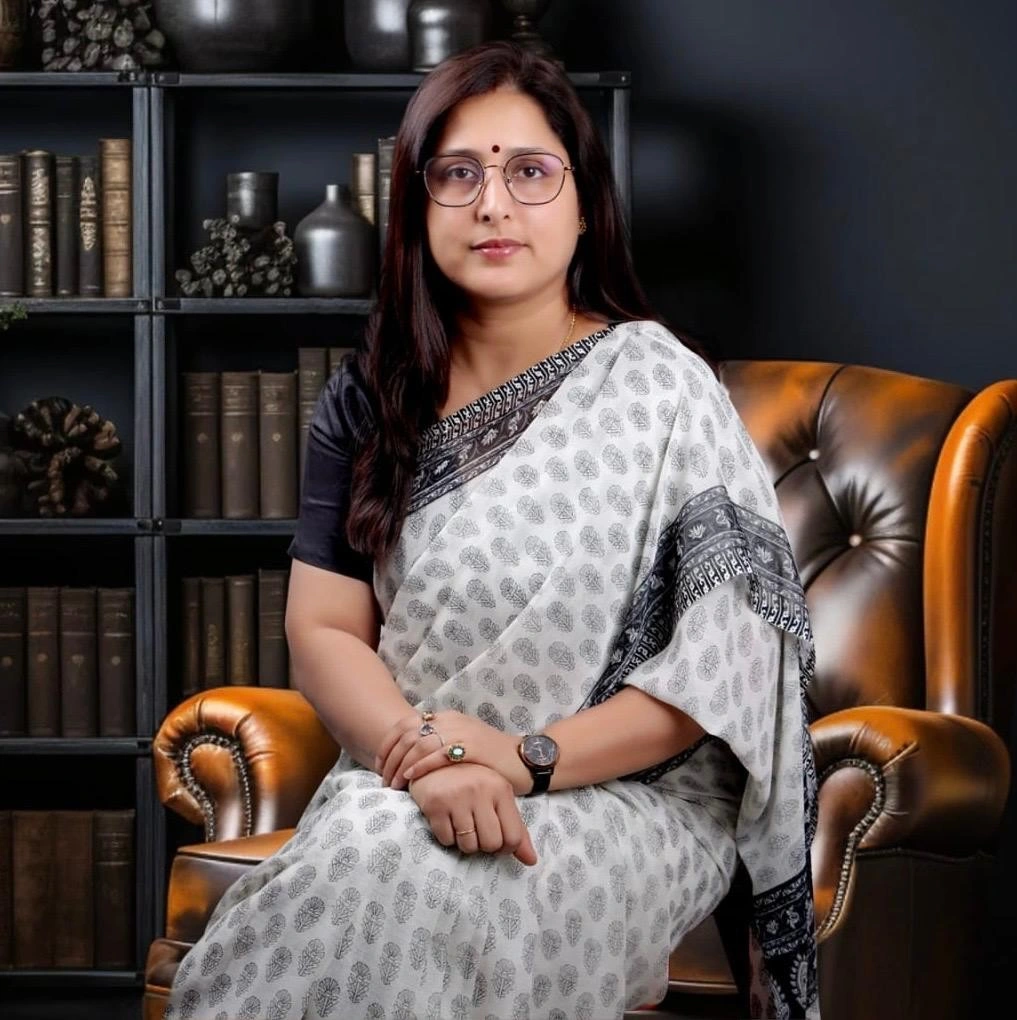
  • “Law was always a calling for me; the discipline, the analytical rigor, and the opportunity to impact society resonated with my drive for meaningful work.” – Manisha Tiwari, Advocate at Bombay High Court and Partner at International Maritime Law Chambers.

    “Law was always a calling for me; the discipline, the analytical rigor, and the opportunity to impact society resonated with my drive for meaningful work.” – Manisha Tiwari, Advocate at Bombay High Court and Partner at International Maritime Law Chambers.

    This interview has been published by Anshi Mudgal and The SuperLawyer Team

    With over a decade of experience in various areas of the law, was law a planned career path for you, and what inspired you to specialize in corporate law, particularly in the maritime and international trade sectors?

    Law was always a calling for me; the discipline, the analytical rigor, and the opportunity to impact society resonated with my drive for meaningful work. My journey to specialize in corporate and maritime law, however, was shaped by my academic background and early exposure to international trade’s vast complexity. Earning my LL.M. in Maritime Law from the Indian Maritime University, where I graduated with a Silver Medal, gave me a solid foundation in both theoretical and practical aspects of maritime law. Corporate and international trade law present a unique set of challenges and rewards that only a global, multidisciplinary approach can address. This field offers a constant intellectual challenge and an opportunity to work at the intersection of law and global business, which I find immensely fulfilling.

    What do you consider the most pressing legal challenges that companies in the shipping and maritime industries face today, especially in the context of cross-border trade?

    Today, maritime companies are navigating a minefield of legal challenges, with compliance and risk management at the forefront. Companies face increasingly stringent environmental regulations—compliance with IMO standards on emissions, for instance, is now critical. Global trade tensions have also intensified the need for adaptable legal strategies, as tariffs, sanctions, and embargoes add layers of complexity to cross-border trade. Additionally, cybersecurity risks are an urgent concern as shipping operations become more digitized, making robust data protection policies and crisis management strategies essential. Having represented clients in international arbitration and cross-border disputes, I’ve seen firsthand how preparation and adaptability are key to meeting these multifaceted challenges.

    Given the evolving nature of corporate governance in India, how do you advise shipping and maritime companies to navigate compliance with both Indian and international regulatory frameworks?

    In today’s regulatory environment, I advise maritime companies to adopt a comprehensive compliance strategy that harmonizes Indian laws with international requirements. With my background in both Indian corporate law and international maritime regulations, I focus on creating frameworks that meet the stringent standards of bodies like the IMO while aligning with Indian regulatory mandates. Regular training and internal audits are invaluable for keeping teams aware of emerging compliance needs. It’s also critical for companies to build relationships with regulators and industry experts, as this fosters an environment of mutual understanding that aids in anticipating and preparing for regulatory changes.

    You have extensive experience in international arbitration. Can you discuss a particularly complex international trade dispute that you’ve been involved in, and the strategies you used to achieve a favourable outcome for your client?

    Well, there are many, but I’d like to share a notable case involving bunker fraud. This was issue with regards to the time charter party, where charterer hired a vessel on a six-month time charter, incurring losses exceeding million dollars due to severe underperformance (over consumption of fuel). Complicated by a penalty clause for early termination, the charterer sought expert guidance to mitigate potential legal risks.

    Our investigation uncovered a Cappuccino bunker fraud conspiracy (cappuccino effect is a type of fuel fraud that occurs when compressed air is introduced into fuel delivery hose during bunkering) involving the ship management company, bunker supplier, and crew. We responded with strategic, multi-jurisdictional legal action: 

    – Initiated criminal proceedings against the supplier in its concerned jurisdiction.

    – Filed parallel arbitration for damages against the owner and ship management company according to Charterparty Arbitration Clause. 

    – Secured the arrest of a sister vessel in admiralty to ensure payment.

    These coordinated efforts across three jurisdictions prompted the respondent to settle, securing justice and recovering our client’s losses. 

    How do you balance your dual roles as a practicing lawyer and a faculty member teaching maritime law? What are the most common gaps in legal knowledge relating to maritime law that you encounter among students and professionals, and how do you address these in your teaching?

    Balancing a legal practice with teaching at institutions like the Indian Maritime University and Narottam Morarjee Institute of Shipping requires a structured approach. Both roles feed into each other: my practice enriches my teaching, allowing me to bring real-world cases to the classroom, while teaching helps me stay sharp and analytical. One common gap I observe is a limited understanding of the global regulatory landscape—students often lack context on how international treaties like UNCLOS and IMO conventions interact with national laws. I address this by emphasizing a global perspective in my lectures, encouraging students to think beyond national boundaries, as maritime law is inherently international. This perspective prepares them to handle the legal and regulatory complexities they will encounter in practice.

    Given your extensive experience in Corporate, Shipping/Maritime & International Trade Law, what motivated you to become a Partner at International Maritime Law Chambers, and what were the initial challenges you faced?

    Joining International Maritime Law Chambers as a Partner was motivated by my commitment to advancing the field of maritime law in India and beyond. As a Partner, I wanted to not only lead complex cases but also mentor young lawyers interested in this specialized area. Initially, building a team that could meet the high standards we set for international arbitration and complex cross-border cases was challenging. Developing a reputation for excellence required establishing trust with clients, consistently delivering favorable outcomes, and positioning our firm as a trusted advisor in high-stakes matters. These early challenges have since translated into rewarding partnerships with clients and an exceptional team dedicated to the firm’s mission.

    How do you balance your corporate law practice and your role as an educator and trainer with your personal life?

    Balancing these responsibilities requires setting clear priorities and respecting my personal time. I believe in structured time management—segmenting the day for client work, research, teaching, and personal commitments. I am fortunate to have a supportive family and a team that enables me to manage my workload effectively. Maintaining a balanced life isn’t just about work—it includes time for self-reflection and rejuvenation, which are vital for sustaining the energy needed in a demanding profession. Ultimately, my roles as a partner, educator, and advocate are deeply fulfilling, as they allow me to make meaningful contributions while honoring my personal values and commitments.

    What advice would you offer to young aspiring lawyers who aim to excel in the field of maritime law?

    For aspiring maritime lawyers, a solid grounding in both Indian and international law is essential. I encourage young lawyers to invest time in understanding treaties, conventions, and the workings of regulatory bodies like the IMO, as maritime law is global by nature. Building expertise in arbitration and cross-border dispute resolution is equally critical, as maritime disputes often require these specialized skills. Finally, cultivate a mindset of continuous learning; maritime law evolves in response to global trade trends, and staying informed will differentiate you in this highly specialized field. As a faculty member, I always remind students that success in this field comes from both expertise and a commitment to lifelong learning. 

    Get in touch with Manisha Tiwari –

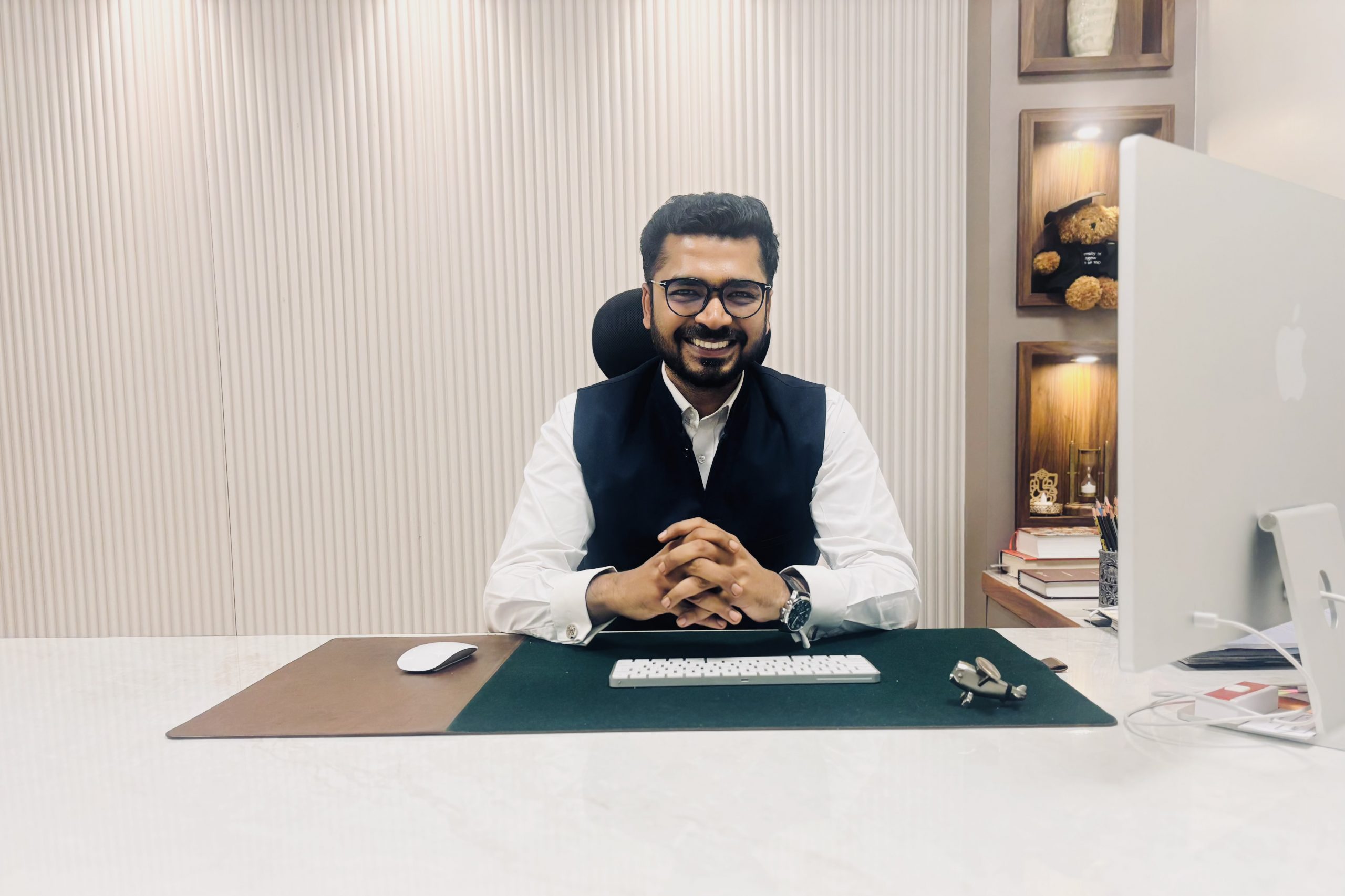
  • “No matter what you did or achieved in college, when you’re out, you’re at the very bottom of a vast and cavernous system that is extremely demanding. So, best to put your head down, loose the chip on your shoulder, and work.” – Gautam Swarup, Principal at Mittal Swarup & Srinivasan Law Chambers.

    “No matter what you did or achieved in college, when you’re out, you’re at the very bottom of a vast and cavernous system that is extremely demanding. So, best to put your head down, loose the chip on your shoulder, and work.” – Gautam Swarup, Principal at Mittal Swarup & Srinivasan Law Chambers.

    This interview has been published by Anshi Mudgal and The SuperLawyer Team

    Your educational background is impressive, spanning from NALSAR to the University of Oxford. Could you share how your journey into law began and how it has shaped your understanding of litigation today?  

    That’s a rather loaded question, and I’ll try and summarise the last 11 years as best as I can. 

    I must confess firstly that pursuing law was by no means my profession of choice initially. Back in 2007 I’d graduated from one military institution (the Rashtriya Indian Military College, Dehradun), and was headed to another (the National Defence Academy, Khadakvasla) as an Air Force cadet; I’d always wanted to be a pilot. However, a series of injuries due to active sports prevented me from going forth with that, and left me in the lurch looking for alternatives to pursue a career in. 

    Thankfully, the first CLAT was held soon after, and the exam itself seemed to be a breeze, so I landed up in NALSAR (which is when my journey in law began). The institution itself is quite phenomenal – at that time NALSAR was an extremely popular law school to be in, and boasted for fantastic faculty, great infrastructure and promised exposure to the very best experiences on offer to a law student in India. Notable faculty for instance were legends of the Bar and academia such as Prof. Vepa P. Sarathi, Prof. Errabi, Prof. Amita Dhanda, Prof. Kalpana Kannabiran, Prof. Sridhar Acharyulu etc. with Dr. Ranbir Singh at the helm – these are folks who really made an impression on a student in their formative years, and their tutelage had tremendous impact on us; so that would be one of the major inputs on my journey in law, being the role model faculty we were fortunate to have at university.

    As it turns out, despite not being academically gifted (so to speak), I enjoyed studying law and doing well at certain academic endeavours I pursued. I recall being quite good at research, drafting and some amount of mooting. I also was fairly diligent at studying beyond classroom teaching. These have all stood me in very good stead throughout my practice in law subsequently. I’ve realised now that each of the smaller extra-curricular academic pursuits do an immense amount in influencing ones outlook to practice later in life. Not only did I end up publishing a lot of my research, I also gained a certain amount of confidence at applying what I knew in theory.  

    One thing I was always clear about through my law school time was that I wanted to be a litigation lawyer; the fancy of transactional law or big law firm money did not allure me. I now know that I was under certain illusions as to the glamour of litigation life, but back then all that I (and some of my close friends) aspired to do was to grow up and argue big constitutional law matters before the constitutional courts. That moment is obviously still yet to come. We were also well aware that the life of a litigator was a long period of drudgery and low pay, an idea that did not bother me. In fact, regular encounters with senior lawyers in college and during internships only fortified our romanticism with litigation.  

    With that goal in mind, I had planned my time in and after law school quite meticulously. Given my inclination to taxation and fiscal laws, I had decided to keep taxation law as my mainstay and be a jack of other trades as far as commercial law was concerned. My trajectory in practice after college (which I discuss later) followed a carefully curated pattern. I’ve been a bit fortunate to have found the right mentors along the way, and also a bit unfortunate to have not gotten the breaks I wanted at the right time. For instance, I always wanted to join a proper chamber of a senior at the Bar, as opposed to litigation firms; then also, I think having worked at a hardcore filing office had significant learning to offer; but somehow these never really worked out, mostly because of timing. But the takeaway here is perhaps that there is no straightjacket formula to ending up and finding your feet in litigation.

    Matriculation at Oxford and my subsequent graduation were only the icing on the cake – while the courses I pursued there were the academic highlight of my time in law, I do not however think that my practice or its trajectory would have been much different had I not gone to Oxford. I’ll address this aspect a bit later.

    You hold an MSc in Taxation from Oxford, which complements your legal expertise. How has this interdisciplinary knowledge impacted your approach to complex tax litigation cases?  

    So to start with, in many ways it was my background in tax law that perhaps influenced how I approached these courses, more than the other way around. By the time I went to Oxford, I had already worked at Nishith Desai Associates, pursued a clerkship on the Tax and Original side of the High Court and later worked at DMD Advocates. In each of these places, I was exposed to the very best that international tax and litigation had to offer. Our training at Nishith Desai was really the building block, and the senior lawyers on the team – Shreya Rao, Rajesh Simhan and Mahesh Kumar etc. ensured that us junior folks were drilled with really solid, fundamental learning in tax law. Shreya has of course been a mentor to me ever since.  Then at DMD, right from the leadership and craft of Ms. Anu Dutt, the culture at the firm and down to the kind of matters we worked on, I believe in many ways we were doing the best matters in international tax at that time. Just as an illustration, in a span of 2 years, we did a batch of 148 appeals for GE before the ITAT, PE issued in Formula 1, the Entry Tax matter before 9 Judges of the Supreme Court, and the massive tax case against NDTV in the ITAT and High Court. These all, interestingly, were hotly discussed case studies in my classes at Oxford. So it was quite visceral to be studying at the foremost University in the world, dealing with many cases I’d already worked on!

    But your question is extremely pertinent in that, even despite having not preferred a career in transactional law and advisory work, I would perhaps not be half the lawyer I hoped to be, had I not done a lot of this work during my formative years. It is also something I advise a lot of youngsters about. A multi-disciplinary approach to law is of paramount importance (I cannot emphasise this enough). Not only does it make you a drastically better lawyer generally, your approach to legal strategy, the ability to advise clients on several different resources and options available, and also your understanding of the background to various disputes, all of these become much more comprehensive. 

    This is in many senses, also the benefit of working in a big law firm, as long as it is a cohesive set-up. The strength of having several practitioners under the same roof and being able to draw from their knowledge and expertise is a very strong foundation to work from. 

    But coming to Oxford a little bit, the takeaway from Oxford itself is so substantial I may not be able to articulate it well. The course I pursued, which was the M.Sc in Taxation, was started only recently by the Law Faculty, and spearheaded by Prof. Judith Freedman and Prof. Philip Baker. These, and the other faculty such as Prof. Richard Collier, Prof. Geln Loutzenheiser, etc., as any tax lawyer will tell you, are individuals who have been at the forefront of international tax law for decades now. My classmates in our small cohort of around 30 students were from every walk of life – there may have been not more than 5-6 lawyers. So our approach to each of our courses was just a fantastic mixed bag of experience and perspective. The learning curve was very steep, and the commercial underpinnings of a highly academic set of courses was my biggest takeaway from it.

    To answer your specific question, an interdisciplinary approach to law, and not just tax litigation, is something that has been my strongest craft, so to speak. Firstly, I learnt that having a commercial understanding of a dispute is always crucial; this involves understanding why transactions were structured in a particular way, what the financial and fiscal motivations may have been, as also specific commercial terms agreed. What being at Oxford helped me gain a fantastic understanding of, was the State’s perspective on the imposition and enforcement of fiscal levies themselves. There is additionally the perspective of the businessman, and the finance professional who are being subject to the fiscal framework. When all of this comes together in a single classroom, filled largely with non-lawyers, finance professionals, representatives of the Revenue, etc., your takeaway ends up being very holistic. This is applicable across disciplines, and hardly to just tax litigation. 

    During your time studying at the University of Oxford, what key differences did you observe between the education system there and your experience at your Indian law college? How did these differences influence your approach to legal education and practice?  

    Despite that Oxford is perhaps the best University in the world, I’d like to answer this in a way that doesn’t reflect very badly on my time in NALSAR. The key difference really would be the amount we were expected to prep for each class, and what we brought to the table. The class at Oxford was a lot more selective, and my peers were extremely bright professionals, who were all at the forefront of what was happening in tax and finance around the world. In some sense, in a class of 25-30 odd students, we were also representing our countries and its legal systems, and that added some degree of pressure; which is very different from the pressure of an 18-23 year old pursuing an undergraduate law program. But besides that, I think the learning curve was equally steep at both places, and while the faculty at Oxford was truly world class, the faculty at NALSAR at least at my time (and earlier) was quite something. 

    With significant experience in international tax and cross-border disputes, what new dimensions do you believe tax law practitioners must be aware of in the rapidly globalizing business world?

    Tax law is rapidly changing, and in fact I’d mark it out as an area of law that may be the most dynamic of legal disciplines. This is not a recent phenomena, but the past decade has perhaps been more vibrant than previously. As you may be aware, international tax law in India has had a very rewarding, but also a slightly tumultuous trajectory. What perhaps began with the recourse to the now infamous Mauritius route, was later subject to enormous judicial and legislative scrutiny over the years. But developments in international tax have been witnessing a rare coming together of developed and developing nations to jointly evolve a new order of international tax law. The most exciting developments in international tax is ofcourse the OECD’s efforts in the Base Erosion and Profit Shifting (BEPS) Framework.  The work on BEPS 2.0 in terms of Pillar 1 and Pillar 2 are quite significant as far as international tax is concerned. Pillar 1 applies largely to reallocate taxable income of large multinationals to market jurisdictions, i.e. where the consumers and users may be situated. This has consequences not just to the effective tax rate, but also in some sense to transfer pricing arrangements. The current rules on these are quite complex, and should be quite an exciting area to study and practice in. Pillar 2 on the other hand deals with the objective of setting down a Global Minimum Taxation of multinational enterprises, so as to abolish double non-taxation of enterprises (i.e. No taxation in the country of source or residence). 

    On the issue of cross-border disputes, there are some very exciting developments as well; my experience so far has mostly been in strategizing litigations in cross-border scenarios. This can be very interesting as it delves into multi-jurisdictional and multi-forum litigations, and really for deploying strategic litigations to achieve commercial/business objectives. India is a bit late to the party in the sphere of complex commercial litigations, and I feel the legal systems and judicial discourse in other jurisdictions appears to be far more evolved; but this jurisprudence is thankfully moving towards India as well, and courts/tribunals appear to be quick to catch on. 

    You have worked extensively in domestic and international arbitrations. What are some of the unique challenges and opportunities you see in arbitration, especially with regard to commercial and cross-border disputes?

    I am not sure if “opportunities” would be the right word for it, but in the realm of commercial disputes (as including court litigation and arbitration), we do sort of specialise in strategizing and conducting multi-pronged legal proceedings across forums and jurisdictions. This has happened perchance, in the sense that one doesn’t get to pick what matters come to us; but we’ve been fortunate enough to be doing a lot of cross-border multi-forum disputes. In the cross border context in particular, we’re seeing a lot of matters in the nature of shareholder disputes; but that itself is now a very broad category of cases. In particular, these could include disputes between co-founders, founders and institutional investors, acquirers and former promoters, lenders (of convertible debt) and the firms themselves, etc. There is a lot of very interesting work happening in all these spheres.

    One component of these tends to be arbitrable disputes, but in the context of tech or IP heavy firms, there are often court focused litigations on intellectual property matters. Then there may be certain recourse before the company courts/tribunals, regulatory proceedings, as well as criminal legal actions (in the genre of white collar crimes). How you deal with each of these, depending on which side of the aisle you’re on, is really quite a creative endeavor and can be very exciting. What is most important is to be steadfast about the interests of your clients, and to not get carried away with the idea of victory. There tend to be few, if not no winners, in such litigations. These may either end up being battles to mitigate damage, or even legal battles of attrition. The objectives will differ from case to case. The problem however, is that these sorts of litigations are very expensive, and therefore the client should have the wherewithal to finance these, and also the stakes should justify engaging in such expansive legal actions. 

    How does your approach differ when handling cross-border disputes versus domestic litigation?  

    Almost everything differs across these two contexts. The most important difference in approach is obviously on account of the procedural trappings that the disputes may be subject to (ie. Domestic procedural law versus institutional rules). There are drastically different considerations while strategizing court litigations (in India in particular) versus while dealing with offshore arbitrations or litigations. The factors weighing in on court litigations in India could perhaps demand its own chapter; these would tend to include considerations towards which court’s you can approach, choice of counsel, and really come down to how well you‘ve cracked the system. I use the word “cracked” in the sense of having learnt with time as to how best to approach and conduct a litigation efficiently to achieve your desired results – everything needn’t be contingent on the “merits” of your case. At the end of the day, everyone is at the mercy of the system, and depending on which end of the stick you’ve drawn, you’re either stuck playing defence or offence. Everyone knows for instance that a first movers’ advantage counts for a lot in Indian courts; this is effectively about how well you’ve managed the first legal action(s) so as to gain the initial favourable orders. Once you’ve got those, things are very difficult for the other side to get around. The system is really well suited in that sense to the initial aggressors. Things would perhaps be a bit different in arbitrations, and even there, vary between ad hoc and institutional settings.

    But purely in the context of cross-border mandates, choice of law becomes a big question, as that determines the extent and limitations of your own role in the disputes. While we are increasingly doing a lot of offshore disputes, this is only where the mandate involves Indian parties or Indian law (which is rare). Working with offshore/local lawyers is always a very enriching experience with a lot of learning. That is something I look forward to a lot. I would also point out that owing to the typical scale and stakes involved in such matters, it is very difficult and rare to act as sole counsel in such matters; Big teams are very important, and so are the resources available at your disposal to conduct these litigations offshore. But very often, despite typically being an arguing counsel before Indian courts, we act more as attorneys/solicitors in cross-border and offshore work. So there are a lot of such considerations that weigh differently in a domestic versus cross-border context.

    Having accumulated a wealth of experience across various legal domains, what do you believe are the key skills young legal professionals need to develop in order to succeed in litigation?

    I would barely count myself as successful at this very early stage in my career; however, I think academic grounding is very important. For those who haven’t put in the effort during their law school years, or perhaps even otherwise, putting in the effort to continue learning is quite important. Lawyers, including myself, have often gotten caught up in the “practice” of law, and don’t devote enough attention to focusing on the academic exercise that underpins our practice. So that is definitely a good skill to have.

    There are several skills that would be quite obvious, such as speed reading, being able to devote singular attention over hours to reading files, being able to prioritize work that needs attention etc. As and when you grow senior, the requirements of your role tend to evolve, so adapting to that change is also quite important. 

    I have recently started using some amount of AI for research and have seen what it can be capable of even in terms of drafting etc. That is definitely the future, and learning how to use AI is definitely a skill I would recommend developing. Most skills otherwise are picked up on the job.

    Since you were a faculty member at Jindal Global Law School, what differences do you see in students of the current generation compared to students from your time? Has technology led to a lack of reading and research skills, or has it made them better prepared for the legal profession?  

    Let me begin by pointing out that I’m not really of a different generation, compared to law students today, so to speak. But even so, as they say, the more things change, the more they tend to remain the same. So I haven’t seen too much of a difference in the current generation versus mine, in a broad sense at least. There’s always a certain component of bright, eager to learn students, and those that are either not terribly bright or not very eager to learn. I think the quality of legal education now is definitely way ahead of what it was when we were students. So the average qualitative benchmark of students graduating from law schools today is, I think, quite good. But then there are attitudinal differences my peers and I notice in students/graduates today, which are not very complimentary. I do not want to comment on it much, but I think the willingness to really “slog it out” (so to speak) is much lower in a lot of the graduates we’re seeing today. This would vary across law schools, cities, practice areas etc. and it wouldn’t be fair to paint them all with the same brush. 

    What’s the one piece of advice or insight that you wish you had known earlier in your career? How can today’s young legal professionals benefit from this knowledge?  

    I’m very bad at lecturing, but let’s just say that if you’re front-side focused on generally being a good lawyer, the right advice will somehow reach you at the time you need it the most, and are ready for it. I’ve received good advice at various points from several of my mentors. To do justice to this question however, I should perhaps narrate some. 

    On the slightly funny side, very early at the Bar, one of my mentors made it a point to tell me that I was essentially a “liability” to the team, and that practice was not the same as law school. No matter what you did or achieved in college, when you’re out, you’re at the very bottom of a vast and cavernous system that is extremely demanding. So best to just put your head down, loose the chip on your shoulder, and work.

    Sometime later, Justice Shakdher, in whose chamber I worked, while I was leaving, gave me the advice that as a litigation lawyer, I would never be able to choose my work, and that it would be the work that would choose me. That was an uncomfortable thing for me to digest, given that I was a meticulous planner of everything. But I now know that to be very true. He also gave the advice that we must treat our work as our god-given duty – this advice tied in with my existing belief system in many ways, so I was glad that my senior saw fit to pass this value on to me.

    With such a demanding career, how do you find time to unwind, and what hobbies or activities help you maintain balance in your personal and professional life?  

    I’m very actively into sports. While not the most gifted athlete, I enjoy playing a lot of squash, and exert at a very high level towards it. I used to also do a lot of long distance running, but am now nursing a few injuries. I must confess that once every few days, I indulge in a game of Age of Empires on the network.

    I also have a very fulfilling role as a dad to an almost 3 year old; so that keeps me occupied plenty. In my life before that, I used to read a tonne of both fiction and non-fiction books. I hope I will get back to those ways soon.

    Get in touch with Gautam Swarup-

  • “Teaching is one of the best ways to learn. It gave me the ability to view complex cases with a broader perspective and has immensely helped in my practice.” – Surya Senthil, Partner at Surana & Surana International Attorneys India

    “Teaching is one of the best ways to learn. It gave me the ability to view complex cases with a broader perspective and has immensely helped in my practice.” – Surya Senthil, Partner at Surana & Surana International Attorneys India

    This interview has been published by Namrata Singh and The SuperLawyer Team

    You began your legal journey under the mentorship of Advocate Radhakrishnan. How did that experience shape your foundational years, and how have those early lessons influenced your practice today? Could you please walk us through your journey?  

    To say the truth, I am fortunate to have two learned seniors who have mentored me. As soon as I passed out of law school, I was propelled by a passion for justice and was initially attracted towards Criminal law practise. My first Senior Late Advocate R. Radhakrishnan used to say that, though I may not continue my law practise in Cuddalore, a district headquarters in the State of Tamilnadu and will eventually move out to Madras High Court, nevertheless, the short stint of Law practise in District and lower courts where one will learn basic advocacy, nuances of conducting a trial and client handling, will help me in the long run career of an advocate. Today I realise the foresightedness of my Senior, when I practically see that I have an edge over others while conducting the trials.

    My first senior helped me understand the art of choosing the right questions to be asked in cross-examination by identifying the loopholes in the evidence given by a witness and drawing a comparison with the documents and statements made by them. Further, I learnt from him the exercise of mentally charting the course of a cross-examination rather than writing it on a piece of paper in question format, unlike most practitioners.

    I used to keenly observe the trials he conducted in criminal cases, wherein he would walk the witness through simple questions based on accepted facts and slowly make the witness comfortable. At this point, he will lead the witness to walk into the trap of reliability where the witness will become at his ease and real self. Subsequently, he will gradually shift the gear and ask about the pertinent contradictions in his statement to elucidate the truth of the witness. Though in criminal cases it worked well I was very sceptical as to how it would work in civil or commercial cases, but to my astonishment, it has worked very well and notably even in a few of my cases the opposite party whom I have cross-examined, has immediately after the cross-examination has proposed for a settlement and the matters have been settled.

    I started my second innings of advocacy under my Senior PS Surana before the Madras High Court in the year 2004 focussing on Intellectual Property law practice. My second senior not only taught me the nitty-gritty of civil litigation, but also the importance of attention to detail and essential qualities to become a successful lawyer. On the personal front, he is also my spiritual guide who has made a significant awakening in realising my inner potential, by practically living through the values of detachment, fearlessness and minimal materialistic needs. For example, though he could afford a luxurious car, he used to always have value-for-money cars. These observations made me realise that there are bigger and better achievements in one’s life rather than going for materialistic comfort.

    As someone who transitioned between academia and active practice, what unique insights did you gain from teaching law, and how did it enhance your approach to complex cases later in your career?  

    Though I was to resume my Court Practice, after the completion of my Master’s in Law, I was pulled into teaching, by my mentor in the NLSIU, Professor Dr. N L Mitra who was not only an academician of excellence but also a Jurist with profound thinking and deep understanding of commercial laws. Just after completing my master’s from NLS, I was offered a teaching job by Professor Mitra at the newly found National Law University, Jodhpur in the year 2003. This was his dream project where for the first time in India courses including BSc LLB and BCom LLB were offered in addition to the traditional BA LLB. 

    I was offered to teach the law of Torts and Commercial Transactions for undergraduate students and Trademark and Copyright laws for Post Graduate students. Though I have taught only for a short stint of 18 months, it was a great experience for me and those students whom I taught are still fond of me and maintain a good relationship with me even today. In my opinion, the teaching profession has still not received its due recognition with lucrative pay and societal respect, which in turn will attract the best talent. It is noteworthy to mention the commendable move by the Bar Council of India to relax its rules in making leading practitioners’ contributions to academia, by way of recognising ‘Professors of Practice’. This transition is only a beginning, and I strongly believe that we still have a long way to go.

    My first takeaway from my teaching experience comes from my exposure to International Jurisprudence, especially the evolution of law from the American courts and the English courts, which immensely helps me to trace the evolution and march of law in a particular subject. This understanding gives me a better perspective, which when presented before our Courts aids them, in interpreting the law more convincingly.

    My second takeaway from the teaching experience is the learning of effective use of case law research tools and the habit of being updated with current legal events. In the era of the internet and the availability of an enormous amount of knowledge in any given field from online resources to students, modern Teachers of law must use these online tools.

    Further, I always feel that ‘Teaching is one of the best ways to learn’.

    Your pro bono work, such as the case advocating for the retrospective regularization of a Tamil Nadu government driver, is commendable. What lessons did this case teach you about the power of law in changing individual lives?

    There are two driving forces I get as a lawyer, when I do pro bono works. Firstly, I get the satisfaction that by using my legal knowledge and acumen, I can get a relief for a person whose rights have been affected by the system since he is not able to defend himself or get the services of a lawyer due to his economic and/or social background. This also comes from my brought up, where my mother always supports the underdogs in any given situation. The next level of satisfaction arising out of pro bono work is when I attempt to challenge a particular law or proposition of law propounded by a case law which in general perception is not conformity with the equity and good conscience. 

    My first pro bono case was for a driver, who was working in Government of Tamil Nadu and has worked under my father, when he was in service. He came to meet my father knowing that I have become an advocate, and he wanted my help to fight his case, as he is not a financial position to engage a lawyer. I fought that service matter for retrospective regularisation from the date of his joining in the service and got a successful order before the Madras High Court.

    I realised the power of the Court especially the Constitutional Courts, to alter a person’s destiny when I handled a case in 2011. A second-year student from Madras Dental college approached me saying that she has scored 200/200 in physics and chemistry and 196 in Biology but was not able to secure an admission in MBBS and therefore got admitted in BDS in Madras Dental College. Subsequently the TN Govt had brought in a G.O wherein any student studying in a professional course and has Witten an improvement exam conducted by TN Higher Secondary Board gets an improved score , then he/she can secure admission in a better professional course on merits as per his/her choice, without having any impediment of studying in another professional course. In that student’s case, she gave the improvement exam and scored an improved score of 200/200 in Biology also. She then applied for MBBS, and she was called for counselling to get admitted in Madras Medical college for MBBS. In the middle of counselling, her candidature was cancelled, based on an order passed by the First Bench of Madras High Court quashing the said Govt. Order as unconstitutional.  I was able to relate myself personally to this as I myself joined an engineering course but had to forcefully discontinue that when I wanted to pursue medicine, as the law at that point stated that one has to discontinue a professional course before the commencement of the semester exam, if they wish to pursue another professional course or one has to wait for 3years after the completion of the first professional course to pursue the 2nd professional course. 

    The rationale given in support of this rule is that if anyone discontinues a professional course in the middle of the Course then that seat cannot be filled and goes waste. Further, another argument put forth was that Government spends a considerable amount to make any student study a professional course and by quitting in the middle, the student is wasting the money spent on his/her studies by the Government. 

    However, the said GO, Government had relaxed that rule and allowed any students to discontinue in the middle of his/her first professional course to join or pursue another professional course of his/her choice if he/she is otherwise eligible. However, the First Bench of the Madras High Court believed that GO was unconstitutional and struck it as violative of Article 14 of the Constitution of India. 

    The student was not keen on challenging as she was already into BDS and bet the odds-on uncertainty. Therefore, I took up the matter as pro bono and convinced my friend Mr. Senthil Jagadeesan who was an AOR then, now a designated Senior Counsel in Supreme Court, and engaged Retired Justice Nageshwar Rao, then a designated Senior Counsel to appear in this matter. We were able to convince the then Chief Justice of India Justice K.G. Balakrishnan, on the point that if a person is determined to study a particular professional course, then he/she would anyway do it after the mandatory cooling off period and therefore such restriction does not seem to be rationale and serve any purpose.

    This particular case was an eye opener for me and I realised the enormous power vested by the Constitution on the High Courts and Supreme Court to mould a suitable relief to the deserving, which made me realise the power of the court to alter a person’s destiny and in which along with the judge, a lawyer also gets to plays a small but vital role.

    Serving on the Intellectual Property Appellate Board (IPAB), you played a key role in landmark decisions, including setting royalty rates for music composers and lyricists. How did these decisions impact the intellectual property landscape in India, and what challenges did you face during such high-profile cases? 

    Intellectual Property Appellate Board served as a specialized tribunal to adjudicate matters pertaining to intellectual property laws and as an appellate body it provided for appeals against decisions of IP offices. I served under Hon’ble Mr. Justice Manmohan Singh of the Delhi High Court (Retd) and gained a significant experience in contributing the bench towards the effective adjudication of complex intellectual property issues. In my tenure of 8 months, was part of the bench deciding on the rate of royalty and the right of claiming it by the IPRS in respect of the broadcast of lyrics and music underlying sound recordings by FM Radio Stations in India. The hearings took place continuously for 28 days and all leading Senior counsels like Mr. Mukhul Rohtagi, Mr. Abhishek Manu Singhvi, Mr. Neeraj Kishan Kaul among others, appeared for the parties to present their arguments. We have judiciously examined their legal arguments, analysed the case laws stated and interpreted the legal provisions pertaining to copyright licensing in India and delivered an order recognising the rights of lyricists and music composers to claim royalties based on the 2012 amendments to the Copyright Act, 1957.  I am glad that the Chairman of IPAB had allowed me to pronounce the order.    

    As a Copyright member of IPAB, we were mandated to fix the Royalty rates by 31-12-2021, before the expiry of the rates fixed by Copyright Board. During that exercise, under the able guidance of Hon’ble Mr. Justice Manmohan Singh, Chairman of the Board, we have not only fixed the royalty rates but also applied the position of law as it stood by recognising the right of the music composers and lyricists through the Copyright Amendment Act 2012. Notably, this order was subjected to judicial scrutiny by way of writ petitions before the High Courts of Bombay and Delhi and subsequently has received affirmations from these Hon’ble courts attesting to the soundness of the decisions made by the IPAB.  

    While adjudicating as a member of IPAB, though for a shorter period, I felt that I have a strong sense of justice and a desire to play a direct role in upholding justice and ensuring the fair application of the law. Though as a member of the bar, I made my earning for my living and contributed my bit to the society and legal fraternity, I have not got the fullest personal satisfaction of making a positive impact on society when compared to my sitting as a part of the Bench.

    Your work has touched both legal practitioners and the broader community. How do you believe your role as a litigator and advisor contributes to helping businesses and individuals protect their intellectual property while fostering innovation?

    As IP practitioner, my foremost duty is to sensitise my client on the value of creating an IP, the significance of lawfully protecting it and to reap the benefits out of it. As it is a negative right, creating a limited monopoly rights for one’s intellectual efforts, it is also my bounden duty to give a fair warning to my client, not to abuse such power by trying to create an absolute monopoly out of it. This delicate balance must be imbibed in the minds of an IP creator/client to fully utilise the IP laws to its letter and spirit. This is the role of an advisor played by me towards my client for fostering innovation and strategic growth in their business. 

    Once, my client’s IP right has been rightfully oriented under the existing IP regime, thereafter my role as a litigator begins in guarding the IP of my client at all possible ways. In my experience, either at the Cease-and-Desist stage or at the Pre suit mediation stage (as mandated by Section 12 A of the Commercial Courts Act) itself matters have resulted in settlement due to the rightful presentation of facts on how the infringer is infringing my client’s IP.

    With the current generation of legal professionals seeking to specialize in areas like intellectual property, what key skills and knowledge areas do you think are crucial for their success in this domain?  

    According to me, specialising in an area like IP needs a broader perspective and an in-depth understanding of the laws. Further, IP laws constantly evolve due to the ongoing International Trade talks through WTO and subsequent normalisation of IP laws in addition to the emerging jurisprudence of IP due to the interpretation by Courts in accordance with the Countries’ specific needs. 

    As a practitioner, one must subscribe to latest journals or website which keeps updating the latest jurisprudential developments along with commentary or viewpoints of the eminent authors. One should also organise/attend conferences and seminars where peers in the field are given a platform to share and brainstorm ideas that have evolved in IP practise. 

    As a legal expert in intellectual property law, how do you see IPR playing a critical role in today’s business landscape, especially in India’s growing tech and innovation sectors?  

    Intellectual Property Rights (IPR) plays a crucial role in shaping the business landscape, especially in a rapidly growing economy like India. Here are some key points highlighting the importance of IPR in India’s technology and innovation sectors.  IP laws encourage innovations by providing legal protection for inventions and innovations, which incentivizes individuals and companies to invest in research and development. This is particularly significant in sectors like Information Technology, Biotechnology, Health care and Renewable Energy. 

    A robust IPR regime is essential for the growth of startups and small and medium-sized enterprises (SMEs). SMEs play a vital role in stimulating the economic growth, providing employment opportunities for large number of people and promoting grass root level innovations which normally results in lot of products which will ease our living and improve our comfort. This potential of the SMEs as a trigger for economic boom is realised by the Government and has the Govt taken lot of measures to promote and support MSME’s at the State and the Central level through various policies and implementation of beneficial schemes.

    By harnessing Intellectual Property and protecting it, companies can have a competitive edge over others in the market. A strong IP culture in their organisation is essential for Indian companies that are looking to leave their footprint Globally and to compete with the MNC giants.

    When we talk about IPR regime and IPR enforcement they are two parts of the same structure. While India has made significant strides in strengthening its IPR regime, challenges remain in terms of enforcement and awareness. A sound strategy to address the issue of enforcement can further enhance the effectiveness of the IPR regime in India, which in turn will attract FDI that will result in economic boost leading to creation of high value jobs. 

    Introduction of commercial courts is one such bold step taken by the Government of India to bring in an effective and efficacious dispute resolution mechanism for the business disputes including IPR related disputes. In my opinion, India’s evolving Commercial Court’s litigation and practice is a strategic move that will promote an environment of growth for technology and innovation sectors. As the country continues to grow, a robust IPR system with proper enforcing mechanism, will be pivotal in sustaining this momentum and ensuring long-term economic prosperity.

    With such a dynamic and demanding legal career, how do you unwind in your personal time, and what hobbies or activities do you pursue to maintain balance and recharge?  

    I unwind by watching movies regularly on weekends, mostly humour or action genre. I also have the habit of listening to music on the way to home and office. Once in 3 or 4 months, I venture out for Trekking, Hiking or biking which rejuvenates me. I have completed the Leh to Manali bike expedition with my wife in 2006 and alone in 2023, which I would say one of most enchanting as well as enduring trip. I have also travelled by car from Chennai to Chardhams with my Parents for a 22-day long pilgrimage tour covering many temples on the way including the famous Siddheswara temple, Kashi, etc. I have climbed multiple times Chaturagiri hills, Agasthya hills, Parvatha malai, Velliangiri hills, Tirupathi hills etc. to name a few.

    Trekking allows you to connect with nature, experience diverse flora and fauna, and enjoy breathtaking view and reminds us about the destruction mankind has done to mother nature in the name of unsustainable development and growth. The serene and picturesque environment of hill stations can significantly reduce stress and anxiety. Being in the nature and breathing the fresh air, boosts mental clarity, improve the general mood and brings inner peace. Once you practise this regularly then you will develop a connection with the universe which will provide a deep sense of fulfilment which cannot be expressed by words until one experience it personally. From health perspective, trekking or hiking in hilly uneven terrains is equal to a tough work out and burns more calories and develop endurance the body. Trekking can be a family activity also, I used to go with my friends, niece and nephews. After marriage, my wife who is a pillar of strength and a guiding factor in all my activities either professional or personal, used to accompany me. 

    You’ve had the opportunity to interact with both senior legal luminaries and upcoming law students throughout your career. What common threads do you see between these generations of legal minds, and how do you think legal education should evolve to address future challenges?

    Definitely, more sharper minds are coming into the profession after the emergence of 5 year Integrated professional course and National Law Schools. Common threads between these generations of legal minds are to protect the rights and defend the vulnerable section of the society. Legal Education also tries to modernise its curriculum to be more practical and legal practitioners should be brought in to interact with students to share their practical knowledge.

    Compared to 30 years ago, when I completed law, the internship opportunities offered by universities today are more structured and systematic whereby it gives a plethora of exposure and versatile experiences. For example, nowadays universities provide a structured guidance wherein first year students are expected to do an internship with an NGO, second year students are expected to do an internship with companies and from 3rd year onwards they can intern with a lawyer or law firm, and they can intern twice a year. Universities should play a vital role in continuous legal education in collaboration with Bar Council/ Bar Association for a structured two-week course on specialised areas such as Arbitration Practise, IP Practise etc for the practising advocates to keep them updated in their respective fields. Further, just like how medical colleges have attached hospitals and patients treated by the final year house surgeons, Law Universities should also facilitate legal aid clinics in law colleges, in which under the guidance of professors, students can provide free legal aid. 

    Get in touch with Surya Senthil-

  • “In the courtroom, it’s not about the length of arguments but the merits—crisp and to the point is my mantra for success.” – Neetica Sharma, Partner at MV Kini Law Firm

    “In the courtroom, it’s not about the length of arguments but the merits—crisp and to the point is my mantra for success.” – Neetica Sharma, Partner at MV Kini Law Firm

    This interview has been published by Namrata Singh and The SuperLawyer Team

    Can you take us through the journey of how you started your legal career, from your early days at Maharishi Dayanand University to becoming a Partner at MV Kini Law Firm?  What made you choose law as your career initially?

    I come from a small city, and I completed my LLB from a small town as well, though Maharishi Dayanand University has always been considered a reputable institution for law courses. Growing up in a small town presents its own set of challenges. When I pursued my LLB, a career in law was typically seen as either practicing in district courts, securing a government job like ADA, or preparing for the judiciary. But I had bigger dreams — I wanted to move to Delhi and carve a different path for myself.

    As a first-generation lawyer, I had to find my own way. The lack of proper resources and guidance, especially compared to those from metro cities, made things difficult for me. My journey began with working in an LPO (Legal Process Outsourcing), where I worked for a brief period. At the time, LPOs were booming.

    After a year, I transitioned to the corporate sector, but I quickly realized it wasn’t where my passion lay. I’ve always been drawn to the courts, so I made the decision that for me, law meant “litigation,” and that’s what I truly wanted to pursue.

    I eventually applied to my current firm, and after years of hard work and dedication, I am now a Partner here. However, the journey was far from easy — it wasn’t a bed of roses. What kept me going was my commitment to hard work, my dedication, and my unwavering love for the courts.

    You’ve appeared before various legal forums, including the Supreme Court, High Court, and Arbitral Tribunals. Could you share the key differences in how cases are presented, argued, and decided across these different courts, and how you adapt your approach based on the forum you’re in?  

    Definitely, there is a difference in how we present and argue cases before different forums, such as Arbitral Tribunals, High Courts, and the Supreme Court. In my view, the key difference is that with each advancing stage, arguments become more concise.

    For instance, when presenting a case before an Arbitral Tribunal, a counsel needs to lay out the case in as much detail as possible. Every relevant factual detail must be presented to the Tribunal without fail. However, when it comes to the High Court, the focus shifts to explaining why an award is flawed in law and how the challenge fits within the legal grounds or criteria.

    Finally, when arguing before the Supreme Court, the presentation should be as brief and precise as possible. The synopsis of the Special Leave Petition (SLP) essentially encapsulates the entire case, and it should be drafted in a manner that allows the judge to grasp the case without needing to delve further.

    As someone who is proficient in handling mainstream commercial litigation, what are some of the emerging challenges in this field, and how should legal professionals prepare to tackle them?  

    Nowadays, commercial dealings are centred around arbitration. Almost every contract agreement includes an arbitration clause, with one of the primary objectives being to secure a speedy remedy that avoids the procedural complexities of court proceedings. However, we are gradually drifting away from the advantages of arbitration. Arbitration proceedings are increasingly resembling court processes, as arbitral tribunals adopt similar procedures. In my view, this should not be the case. If arbitration starts functioning like a court, what is the point of having an arbitration clause?

    I began handling arbitrations in 2010 and have attended almost hundreds of proceedings since then. The way arbitration was conducted back then was very different from how it is now. It was more party-friendly than compared to the current scenario. As a lawyer, one must continuously learn and be open to accepting changes, as the arbitration process evolves over time.

    Your successful representation of NHAI in several landmark cases has set significant legal precedents. Could you share the key factors that contributed to your success in these cases?

    For me, the key factor that helped me getting success in the cases is “to be focussed on the issue”. Just be thorough with the facts, updated on the law point and be very relevant in the arguments. I personally don’t believe in the length of arguments; I believe in the merits of arguments. For me “crisp and to the point” is the mantra. 

    Further, when it comes to arbitration/dispute resolution, law is getting stricter with regard to court’s interference so whenever an award is challenged, it’s very important to just focus on the key points of the case where courts can interfere rather just presenting a long history of case when courts can only deal with question of law. Further, I believe to give a right advice/opinion to my clients and do not encourage habitual litigation. 

    You’ve led litigation teams for several years. How important do you think mentorship is in the legal profession, and what role has it played in shaping your career? Do you actively mentor young advocates?  

    Mentorship is very important in every field. It gives a certain kind of confidence and motivation. I remember I was so naïve when I joined this profession. I have also had my own struggles of coming from a small city. So, I always try to make sure that young lawyers joining the firm get my support, mentorship. I believe in Teamwork.   

    Not every case ends in success. Can you share an experience where the outcome was not in your favor? How did you handle that, and what lessons did you take from it?  

    I have been representing government clients mostly and have been appearing on behalf of the government in very high-stakes and complex matters. I will not feel shy to say that success rate of government is less in comparison to private parties in commercial matters. So, I also have an experience of not getting the outcome in my favour. But what I have learnt is that our approach should be defend or fight for our client to a maximum level possible. In dispute resolution/Commercial litigation, specially in Arbitrations, outcome is not always in the form of black-and-white. For eg. defending a client and getting 5 out of 8 claims rejected is also a win to an extent. In the same way, getting an award of 100 crores out of the claimed amount of 150 crores, is also a win. 

    As a leader in your field, what is your vision for the future of arbitration and litigation in India? What reforms or changes do you believe are necessary to improve the efficiency of the legal process?  

    Without any doubt, future of litigation in India is commercial litigation. After acknowledging the need of developing a strong dispute resolution mechanism in India, amendments of 2015 and 2019 were made in Arbitration and Conciliation Act and Commercial Courts act was introduced. The way Commercial Courts Act has simplified the process of litigation in commercial disputes is commendable. 

    Arbitration has been a continuously growing filed. However, it comes with its own challenges which require to be addressed practically. First and foremost is regarding the cost involved in the arbitrations as arbitration these days has become a luxury litigation. In my view, 3 issues which require immediate attention are: Cost effectiveness, procedural simplification and impartiality. 

    As a female partner at a prestigious law firm, what challenges, if any, have you faced in the male-dominated legal industry, and how have you overcome them? What advice would you offer to women aspiring to reach leadership positions in law?  

    I have been lucky enough to not face any gender-based discrimination at my organisation. However, there is one challenge which I have always felt in this profession is Networking. A male lawyer can easily go out with clients, have a professional dinner (which many a times ends up getting more work) but a female lawyer has to consider many things before doing any such networking. So, even if we don’t face any man-made discrimination but some natural discriminations are there in our society. 

    My advice to young women lawyers is that just keep going, no matter how many struggles come in your way. 

    Given your extensive workload and responsibilities, how do you manage to balance your professional life with your personal life? What do you do to recharge and maintain a healthy balance?  

    Legal profession is a very demanding profession and there is no chance of negotiation. So, to balance it out with my personal life, I try to finish up my work by 7.30 pm and that’s only possible with proper planning. Though our profession is full of surprises when it comes to work but I try to plan everything which makes it possible for me to wrap up major portion of my work by 7.30 pm. Another thing is that I always prefer to reside near office area which helps me save travelling time. 

    When it comes to health, litigation lawyers unlike corporate lawyers remain physically active by walking entire day in court which is a benefit to us. I am not a gym or fitness enthusiast, but I try to do 30 mins brisk walk in my colony park. Whenever I get some more time, I try to do little bit of running. I have also successfully run Delhi Half Marathon (21 kms) twice. 

    Apart from physical health, mental health is equally important. Everybody can see your physical illness, but nobody sees your mental illness. And due to “work pressure” and for some “no work”, lawyers are more vulnerable to it. I am a mental health advocate and want to do something more concrete in this area to spread mental awareness.

    Get in touch with Neetica Sharma-

  • “Litigation is where my true passion lies. My journey in law has been one of continuous growth and learning, each step a testament to my dedication and commitment.” – Shubham Mahajan, Founding Partner of MMA Associates & Senior Panel Counsel for the Union of India

    “Litigation is where my true passion lies. My journey in law has been one of continuous growth and learning, each step a testament to my dedication and commitment.” – Shubham Mahajan, Founding Partner of MMA Associates & Senior Panel Counsel for the Union of India

    This interview has been published by Namrata Singh and The SuperLawyer Team

    Can you share the story of how you started your career in law and the journey that led you to become the Founding Partner of MMA Associates and a Senior Panel Counsel for the Union of India?

    Incipiently, my father encouraged me to pursue judicial services, however as I delved deeper into the field, I realized that litigation was where my true passion lay. Thereafter, I started my law career as an associate Advocate at Ahlawat & Associates, whereby I was afforded opportunities to appear before CAT and DHC, gaining valuable experience in service matters. Following this, I worked as a law researcher with former judge of Delhi High Court Justice VK Jain. This experience broadened my perspective on legal research and judicial reasoning, further solidifying my commitment to the field. After completion of this role, I joined SKV Associates where I specialized in consumer law and appeared in all the DCDRC’s throughout Delhi, SCDRC and NCDRC.

    The next significant phase of my career was at ASA Legal Services LLP, where I joined as a senior litigation associate and after working there for a considerable period of 6 years, whereby I honed skills in litigation and advocacy, which prepared me for the next big step i.e. venturing into private practice. Founding MMA Associates was a natural progression in my career. It allowed me to bring together my experiences and insights to build a practice that prioritizes client-centric solutions and innovative legal strategies. Concurrently, I was honored to be nominated as one of the senior panel counsel to represent the Union of India, a role that has been both challenging and rewarding. In essence, my journey in law has been one of continuous growth and learning and each step has been a testament to my dedication and passion for the legal profession.

    With your extensive experience in handling a wide range of disputes, can you discuss a particularly complex case you worked on and the innovative strategies you employed to achieve a favorable outcome?

    In my career of 14 years, I have encountered numerous cases involving complex issues, however, most recently, in the capacity of a nominated counsel, I received an opportunity to represent the Hon’ble Delhi High Court in a complex matter (Karan S.Thukral versus Registrar Delhi High Court & Ors, WP(C) 6082/2019) which changed the landscape of how filings are done in all District courts in and around Delhi NCR. During the course of the matter, I embarked on an extensive study and research of the existing procedures, including the various modes and manners of filing, record-keeping, and the operational constraints faced by the courts. I delved into understanding the issues related to manpower shortage, space limitations, and how these factors affected the efficiency of the judicial process.

    This experience reinforced my belief that the only strategy that is fruitful, is to ensure that there are no short cuts being employed and irrespective of what the eventual outcome is, one is working in such a manner that at all times the best foot is being put forward and 100 Percent is being given.

    As a nominated counsel for the Hon’ble High Court of Delhi, can you share some insights into the unique challenges and responsibilities that come with representing such a prestigious institution?

    Being a nominated counsel does come with its own share of responsibilities and challenges. One of the unique challenges in this role is the need to coordinate and communicate with multiple departments, to arrive at most appropriate solution.

    Another key responsibility is to present these solutions before the Hon’ble Court, ensuring the same are both legally sound and practically feasible. This involves extensive research, thorough preparation, and a careful balancing of interests to ensure that the recommendations align with the broader objectives of the judiciary as well as public interests.

    Additionally, representing such a prestigious institution demands a high level of professionalism and integrity. There is an expectation to uphold the values and standards of the court, which means being meticulous in your work, transparent in your dealings, and dedicated to achieving fair and just outcomes.

    You have authored a book titled “A Girl with Brain Tumour – A Story with a Happy Ending” How has your passion for writing influenced your legal career, and what inspired you to write this book?

    I am a cancer survivor. I was detected with brain cancer in 2019, which was a life-altering experience. My purpose to write this book was to educate people at large about the term “brain tumor” and how one can come out of it victorious. I felt a deep need to share my story, not just to chronicle the challenges and triumphs I faced, but also to offer hope and guidance to others who may be going through similar battles. I wanted to convey that, despite the odds, it’s possible to emerge victorious. Writing this book has been a therapeutic and empowering experience, allowing me to connect with readers on a personal level and inspire them with a message of hope and perseverance.

    As someone who has transitioned from being a Legal Researcher to a Founding Partner, what key lessons did you learn early in your career that continue to influence your professional decisions today?

    At the very early juncture of my career, I fathomed that a litigating lawyer needs to be a very patient individual and a very good listener. Patience and being a good listener go hand in hand, which gives you enough fuel to understand the perspective of the client and enables you to resolve the respective issue involved. Often as Litigators we come across client(s) whose sole desire is that their version of the issue/lis/dispute be heard and understood by their Advocate and once their counsel listens to them is gives them immense satisfaction.

    What advice would you give to young lawyers who aspire to have a diverse practice area like yours? How should they approach building a career that spans multiple legal disciplines?

    My advice would be to grab every opportunity to work with different firms/advocates/senior advocates during the nascent stage of their career in order to understand/fathom their inclination/path in a particular field of law. They should embrace versatility and remain open to exploring the various fields of law. Irrespective of what task you have been assigned be it inspecting a Researching Judgments, Inspecting Court Records, Assisting the Clerk(s) etc. consider the same as an opportunity to gain knowledge. Start by gaining experience in different practice areas, even if they don’t initially seem to align with your long-term goals. This exposure will broaden your knowledge base and help you discover your strengths and interests. No work is small or big, this is the golden period for budding lawyers and they should try their hand at everything and with time they will understand in which way they want to proceed. Furthermore, if a first generation lawyer like me can do it, then you also can do it but by being curious, adaptable, and willing to learn, which shall enable you to build a career that is both diverse and fulfilling.

    Given the current legal trends, what areas of law do you believe will become more prominent in the next decade, and how should legal professionals prepare for these changes?

    I believe that the concept of Mediation/Conciliation and other forms of ADR will become prominent, and more and more litigants instead of filing the case in respective courts, would pivot towards resolving disputes amicably with the help of legal mechanisms provided under law such as Mediation/Samadhan centers/Online Dispute Resolution Platforms established in each and every court.

    Furthermore, with the advent and advancement of Technology in the recent times in the field of law, we have to embrace the same and be adept enough to inculcate it in our work environment.

    How do you balance your demanding legal career with your personal passions? Please share some of your interests other than profession. How do these interests influence your professional life?

    Personally, I think too much is made out of work life balance, there are days when your work has to be your absolute priority and you wouldn’t want to be any other place apart from your work, whereas there are times when one can afford some down time and do things apart from work, for me personally whenever I get the time I like to travel and explore new places. Movies are also a big interest of mine particularly thrillers and crime dramas, I also like to dance a bit and whenever I can, I like to indulge in it.

    If you could bring about one change in the Indian legal system, what would it be and why? How do you believe this change would benefit the legal community and society as a whole?

    The one change I would want in Indian legal system is to recruit more efficient manpower, on both judicial and administrative side, in order to streamline the pending cases which leads to delayed justice. This change would benefit the legal community by reducing the pressure on existing judges and court staff, allowing them to focus more effectively on each case. It would also lead to more timely justice for litigants, which is crucial for maintaining trust in the legal system. Simultaneously, digitalizing court processes—such as e-filing, virtual hearings, and electronic case management—would streamline procedures, enhance accessibility, and reduce delays.

    This change would benefit the legal community by easing the strain on personnel and improving case handling efficiency. For society, it would mean faster access to justice, reduced case delays, and a more transparent legal system. Digitalization would also make it easier for people to interact with the court system remotely, making justice more accessible and reducing the need for physical presence in courtrooms.

    MMA Associates offers a wealth of experience and expertise. Are there internship or mentorship opportunities available at your firm for aspiring legal professionals, and how can one approach you for such opportunities?

    Yes. Any interested lawyer/law student can approach us at mmatassociates@gmail.com

    Get in touch with Shubham Mahajan-

  • “Focus on building a strong foundation by gaining practical experience and learning from every case and client interaction, proactive engagement and continuous learning are key.” – Juhi Chawla, Partner at Dua Associates

    “Focus on building a strong foundation by gaining practical experience and learning from every case and client interaction, proactive engagement and continuous learning are key.” – Juhi Chawla, Partner at Dua Associates

    This interview has been published by Namrata Singh and The SuperLawyer Team

    You’ve had a remarkable career spanning over a decade in Civil & Commercial Litigation, Arbitration, and Protection of Intellectual Properties. What initially drew you to pursue a career in law, particularly in these specialized areas?

    Reflecting on my journey, it’s incredible to see how far I’ve come since my early days. My interest in law began in an unconventional way. As a science student, I realized that engineering wasn’t my path, supported by my teacher’s advice to explore other options. This pivotal moment led me to law school, where I found myself torn between corporate law and litigation. Ultimately, my passion for the dynamic and strategic nature of litigation drew me in.

    During my time with Justice Rajiv Sahai Endlaw (Retd.), I had the privilege of observing numerous court proceedings. This experience deepened my appreciation for the intricacies of Civil & Commercial Litigation, Arbitration, and Intellectual Property laws. The strategic thinking required in these fields captivated me, particularly the dynamic nature of the work, which allows me to serve a diverse client base. Working on matters deeply entrenched in business operations demands meticulous examination, precise contract interpretation, and strategic planning. This complexity and the need to understand different business operations truly cemented my decision to specialize in these fields.

    My journey in litigation truly began when I found myself managing several matters in a litigation chamber. The immense challenge pushed me to my limits and beyond, but it also provided vast growth opportunities. Winning independent cases built my reputation and boosted my confidence.

    Joining Dua Associates marked a significant milestone in my career. Here, I found a place that resonated with my values and aspirations. Each dispute I handle presents unique challenges with intricate questions of fact and law. I thrive on the intellectual rigor required to navigate these complexities and derive immense satisfaction from crafting innovative legal solutions that align with my clients’ best interests.

    You’ve been involved in a wide range of high-stakes cases, from defending Fortune 500 companies to representing public sector undertakings. Could you share with us one of the most challenging cases you’ve handled and how you navigated through it?

    One of the most challenging cases I handled was defending a Fortune 500 company against an injury claim that arose from a chemical disaster. The brief provided in the case was very unique and extremely challenging, posing very peculiar factual and legal questions for determination—questions that had not been previously considered or dealt with. This one-of-a-kind case involved multiple jurisdictions, requiring an in-depth review and examination of a voluminous record dating back nearly three decades.

    The case also necessitated a thorough study and examination of key principles concerning jurisdictional arguments, particularly from the US standpoint. I played a key role in developing the strategy, coordinating with external counsels, and managing the litigation process. My approach was meticulous, ensuring that every detail was scrutinized and every possible defence explored.

    This experience taught me the importance of strategic planning and thorough preparation. Ultimately, our team secured a favourable outcome for the client, which is now one of the leading cases of the Constitution Bench of the Supreme Court. This outcome was a testament to our rigorous and coordinated efforts, and it reinforced my belief in the power of teamwork and meticulous legal strategy.

    Your profile highlights your involvement as Amicus Curiae with the NCDRC and your recommendation by Legal 500 Asia Pacific Guide. How have these experiences influenced your approach to legal practice and your career trajectory?

    Being appointed as Amicus Curiae by the NCDRC was a significant milestone in my career. Having the privilege of working on several consumer disputes, this appointment was a testament to my consistency before the forum. It allowed me to provide impartial advice and support on complex service-deficiency appeals, enhancing my understanding of consumer protection laws and judicial processes. This role honed my analytical skills and reinforced the importance of ethical practice. I hope to make a significant impact on consumer jurisprudence through my continued efforts in this area.

    Similarly, being recommended by the Legal 500 Asia Pacific Guide for ‘Dispute Resolution-Litigation’ was a recognition of my expertise and dedication. I am grateful for the springboard provided to me by SKV Associates and the platform Dua Associates, which have both played crucial roles in honing my skills. Recognition such as this helps enforce the belief in one’s abilities. But I firmly believe that wins, whether big or small, do not necessarily equate to favourable outcomes. Often, an acknowledgment from the presiding judge, adversary counsel, or positive client feedback can be equally gratifying.

    Dispute resolution often provides instant gratification, whether it comes from a favourable ruling or a simple nod of respect from peers and clients. These moments keep me motivated and committed to my work, driving me to pursue excellence and integrity in every case I handle.

    With such extensive exposure across different courts and tribunals in India, including the Supreme Court, what have been some of the key lessons you’ve learned about effective litigation management and strategy?

    One of the key lessons I’ve learned is the importance of preparation and adaptability. Effective litigation management requires a deep understanding of the case, meticulous preparation of evidence and arguments, and the ability to adjust strategies as proceedings develop. Collaboration with clients and colleagues is crucial to ensure all perspectives are considered and the team works cohesively.

    Being thorough with the facts is essential. Detailed notes and a list of important dates, especially in extensive briefs with multiple orders, assist in memory recall and guide the presentation of correct facts before the court. Clear and concise communication, written and oral is vital for presenting compelling arguments and ensuring the court understands the case’s nuances.

    Sound and comprehensive pleadings must be backed by thorough legal research. While legal arguments can evolve, their foundation should be in the pleadings. Pursuing litigation with vigilance and attention to detail is crucial, as some cases are won on finer points. It’s important to focus on research, know the case against you well, and be prepared to distinguish facts if necessary. Always run an authority check before citing cases.

    Strategically, it’s crucial not to lose sight of the long-term objective while pursuing interim reliefs. Always know the end goal from the client’s perspective while developing your strategy. Adapt strategies as proceedings develop, and don’t reveal all your arguments at once. Hold back some arguments for the right stage in the proceedings. Learn from setbacks and remain practical.

    These lessons have been instrumental in achieving favourable outcomes for my clients and have reinforced my commitment to excellence in litigation management and strategy

    You’ve also delved into trade remedy laws and anti-dumping investigations, securing significant outcomes for your clients. Can you explain the intricacies of these areas of law and how they impact your clients’ business operations?

    Trade remedy laws and anti-dumping investigations are critical for protecting domestic industries from unfair trade practices. These areas involve complex legal and economic analysis to determine whether imports are being dumped and causing injury to the domestic industry. This specialized field requires a deep understanding of legal frameworks and industry dynamics.

    Anti-dumping duties are imposed when foreign companies sell goods at prices lower than their home market or production cost. These duties typically last five years but can be extended or revised if a review investigation finds the conditions for duty imposition continue to exist.

    In any anti-dumping investigation, a proactive approach is essential for exporting companies to defend their interests, mitigate risks, and maintain their competitive position in the global marketplace. The concepts of dumping and injury are central to assessing the impact of imports on the domestic industry and determining the need for anti-dumping measures to restore fair competition and protect domestic producers.

    Dumping occurs when a foreign company sells its goods in an export market at a price below the price it charges in its home market or below the cost of production. “Injury” refers to the harm or adverse effects suffered by the domestic industry as a result of dumped imports. When determining whether to impose anti-dumping duties, the authority assesses whether the domestic industry has been materially injured or is threatened with material injury due to the dumped imports.

    To evaluate injury, the authority examines various economic parameters of the domestic industry, including production, sales, market share, and profitability. The third relevant criterion for recommending duty is the causal link between the dumped imports and the injury.

    My role involves representing clients in investigations, preparing detailed submissions, and regularly appearing before the authority. Favorable outcomes, such as duty waivers or reduced duties, significantly impact my clients’ business operations by protecting their market share and viability.

    Trade remedy investigations and appeals are not just about legal principles but also involve detailed facts, data analysis, and presentation. An in-depth understanding of production processes, industry-specific dynamics, and the ability to gather material information by closely working with clients on data assimilation and analysis is crucial.

    Being part of the actual investigation process provides an edge in cases where appeals are filed before competent Tribunals and higher courts. Navigating these intricacies demands meticulous legal and economic analysis, a thorough understanding of the client’s industry, and strategic thinking. By mastering these complexities, I have helped my clients achieve favorable outcomes and protect their business interests in a highly competitive global market.

    Transitioning from an Associate to a Partner at Dua Associates is a significant achievement. What advice would you give to young lawyers aspiring to advance their careers in law firms, especially in competitive fields like litigation and arbitration?

    For young lawyers, proactive engagement and continuous learning are key. To build expertise in your chosen field, dedicate yourself to tackling challenging cases and stay updated with the latest developments through regular reading. Take advantage of technology for efficient research even during court waiting time.

    Specialization is increasingly important today. Identify your area of interest early and seek mentorship from experienced colleagues. Stay current with legal trends and enhance your skills through practical experience. Consistency, a strong learning attitude, and initiative are vital.

    Networking and fostering professional relationships are equally critical. Showcase your value with consistent, high-quality work and reliability. Balancing professional growth with personal well-being ensures sustained success and fulfilment in your legal career.

    You’ve published articles on Intellectual Property Rights, Arbitration, and Trade Remedies Laws. How important has thought leadership and staying updated with legal developments been in shaping your professional journey?

    Thought leadership has been crucial to shaping my professional journey. Publishing articles on Intellectual Property Rights, Arbitration, and Trade Remedies Laws has kept me abreast of legal developments and enabled me to engage deeply with emerging trends in my fields of expertise. This commitment to staying informed allows me to provide cutting-edge advice and innovative solutions to complex legal challenges for my clients.

    Moreover, my thought leadership has cultivated a strong passion and enthusiasm for the intersection of technology and law. Areas such as data privacy, navigating challenges within current criminal laws in the context of artificial intelligence, responsible adoption and policy frameworks for AI, and the interplay between intellectual property and AI, including gaming laws, have become focal points of interest for me. This exploration fuels my continuous learning and enhances my ability to contribute meaningfully to the evolving legal landscape

    Finally, for fresh law graduates entering the legal profession today, what advice would you offer based on your own experiences and the evolving landscape of legal practice?

    To fresh law graduates, I would say that the legal profession offers immense opportunities for those who are passionate and dedicated. Focus on building a strong foundation by gaining practical experience and learning from every case and client interaction. Embrace the evolving landscape of legal practice, particularly the integration of technology and data analytics, which are becoming increasingly important. Develop strong research, analytical, and communication skills, and be open to continuous learning. Networking and building professional relationships will also play a crucial role in your career. Most importantly, uphold the highest standards of ethics and integrity, as these principles will guide you throughout your career. I’ve learned that success often arises from unexpected situations and that embracing change is a vital part of growth. To all the young lawyers and aspiring legal professionals out there, remember that your path may not always be clear, but every step forward, no matter how uncertain, is a step in the right direction. Embrace the challenges, seize the opportunities, and keep moving forward with unwavering determination. Your journey may surprise you in the most wonderful ways.

    Get in touch with Juhi Chawla-

  • “Two important values that I learned from my mother are the importance of hard work and maintaining one’s integrity. Both are crucial in assessing one’s self-worth.” – Nishant Datta, Founding Partner at D&T Juris

    “Two important values that I learned from my mother are the importance of hard work and maintaining one’s integrity. Both are crucial in assessing one’s self-worth.” – Nishant Datta, Founding Partner at D&T Juris

    This interview has been published by Namrata Singh and The SuperLawyer Team

    Can you please introduce yourself to our readers? As a third-generation lawyer, how has your family legacy influenced your approach to the legal profession and your career choices? How did those early conversations about legal matters shape your understanding of the profession and its nuances?

    I am a third-generation lawyer, born in 1979 in New Delhi, and I recently completed twenty years of law practice. I completed my schooling at Hansraj Model School, New Delhi, in 1997, and thereafter had the privilege of attending Ramjas College, Delhi University, where I earned my Bachelor’s Degree in Commerce, B.Com (Hons), in 2000.

    While graduating, I considered various career options, including MBA and Chartered Accountancy. During this process, I discovered my acumen and passion for law and decided to pursue my LL. B degree from the Campus Law Centre, Faculty of Law, University of Delhi, which I completed in 2003.

    Additionally, I hold a postgraduate diploma in IPR Laws from the Indian Law Institute. I joined the bar in 2003 and began practicing at the High Court of Delhi in New Delhi, joining the family practice, which has now spanned more than 60 years. The practice was started by my grandfather, Mr. O.P. Dutta, and later joined by my father, Mr. Vinod Datta. My late mother, Dr. Savita Datta, was initially a lecturer who taught astrophysics, among other subjects, and went on to become the Principal of two colleges: Deshbandhu College and later Maitreyi College. She was my biggest source of inspiration and was appointed Director of the School of Open Learning, University of Delhi.

    My specialization lies in litigation and arbitration, with a particular focus on cases on the Original Side of the High Court of Delhi as well as in the newly introduced genre of commercial suits.

    I currently run two firms, each focusing on different practice areas within the wide genre of commercial laws, primarily before the Supreme Court of India, the High Court of Delhi, the National Company Law Tribunal, the National Consumer Disputes Redressal Commission, and other tribunals and commissions.

    After completing my law degree, although joining my family’s law practice was a readily available option, I chose to join an outside office to broaden my horizons. During this time, I had the opportunity to intern with a leading law practitioner of the High Court of Delhi. After spending two years in this office and learning the ropes, I joined my family’s law practice, working alongside my father and later my wife, Ruchita. Speaking of the family practice, it began with my grandfather, the late Mr. O.P. Dutta, who moved to India from what is now Pakistan. At the time of Partition, he had a family (wife and children) and was working in a job. While working, he began studying law, completed his degree, and commenced his legal career in the 1960s. My grandfather was primarily a criminal law practitioner, and a successful one at that. My father, the late Mr. Vinod Datta, enjoyed a blend of High Court cases (civil and public law) in addition to trial court-level practice of both civil and criminal cases.

    One of the biggest benefits of growing up in a family of lawyers is that you get to hear your elders talk shop in your younger days. Client handling, in terms of managing expectations and making full disclosures about cases, goes a long way in retaining long-term clients and maintaining fruitful and healthy professional relationships with them. However, the most important aspect of practicing law is to communicate well with clients. Client satisfaction, especially in the legal profession, is directly linked to managing client expectations and maintaining attorney-client communication. Making lofty and unfounded claims that are unlikely to be delivered will lead to a breach in the professional relationship with the client. Thus far, I have been able to fulfill my clients’ expectations and deliver the desired outcomes in almost all of my cases. Therefore, working in accordance with and within these parameters is what makes me stand out from the crowd.

    What inspired you to specialize in litigation and arbitration, particularly focusing on commercial law?

    To understand one’s inclination towards litigation in general, and commercial litigation and arbitration in particular, it is essential to appreciate what lies at its core: strategy. One must grasp the complexity of layers in intricate commercial disputes and formulate appropriate strategies and courses of action aligned with the desired outcomes, which may range from protecting intellectual property rights and preserving properties to handling purely ego-driven battles among rivals. It’s the thrill of the hunt. The early exposure to such discussions at home with my father, and the excitement he experienced in technical and complicated matters (which also came with bragging rights), made the lure of commercial law practice irresistible, and my professional journey has never been monotonous. There is another underlying reason that draws a person towards commercial law practice: with higher stakes and risks come better compensation for the counsel. This specialty, in addition to being the most exciting for me, also pays rather well.

    You’ve emphasized the importance of adopting technology in legal practice. How do you see technology shaping the future of law, and what role does it play in your firm’s operations?

    I believe in constantly innovating and adapting to the changing needs of the legal landscape. One of the key ways I have adopted an innovative approach is by embracing technology in my practice.

    From the early days of my practice, I have digitized my office, making us more efficient and effective in our work by adopting use of applications such as Manupatra, SCC online, Live Law, Bar & Bench and Provakil. I have taken my offices’ legal research capabilities and automation to the next level, we also subscribed to various websites which assist in AI based document drafting. This means we can quickly and easily access documents and information, reducing the time and effort required to complete tasks. I have always been ahead of my peers in adopting the latest technology and software for legal research and dictation in my office. This has helped us stay ahead of the curve and deliver superior service to our clients.

    Another way we have been innovative is by leveraging technology to stay connected with our clients during the COVID-19 pandemic. Despite the challenges posed by the pandemic, we were able to continue serving our clients without interruption by transitioning to virtual consultations and meetings, executing all our work from home using just our laptops.

    This ensured the safety of our clients and staff alike while providing even greater flexibility and accessibility to our clients.

    Given your commitment to providing pro bono and legal aid services, can you share a rewarding experience where your legal expertise made a significant difference in someone’s life?

    We understand the importance of giving back to the community, and we handle pro bono cases for clients who cannot afford to pay for legal services. We take pride in helping those who need legal assistance the most.

    Our commitment to providing fast, efficient, and effective legal solutions, mentoring young lawyers, and giving back to the community has made a positive impact on the industry. We will continue to strive for excellence and provide the best possible service to our clients.

    For young students aspiring to excel in litigation, what actionable steps or practices would you recommend they adopt to distinguish themselves and thrive in the competitive legal landscape?

    The first and most important aspect that young students must understand is that excelling in litigation takes time and tremendous effort. The usual speech that law students get to hear about the three Ps (Patience, Perseverance and Persistence) is spot on. There has to be constant endeavour not only to outdo yourself more than your peers. One thing I picked up on early in my career was that stagnation is the enemy of growth and this encouraged me to handle and pursue litigation in various industries and sectors instead of limiting myself early on in my career to one forum or speciality. Today’s litigation landscape is constantly evolving at a rapid pace, I cannot emphasize enough the importance of being well-acquainted with technological advancements in the legal sphere and the need to adapt and stay ahead of the curve. Consequently, young lawyers must divert their time and energy to pursuing online and certification courses on diverse topics especially in the first ten years of their career.

    Beyond your legal career, you’ve mentioned your mother’s influence and her achievements in academia. How has her legacy impacted your personal values and approach to life?

    My mother was perhaps the hardest-working person I have ever known. Two important values that I learned from her are the importance of hard work and maintaining one’s integrity. Both are crucial in assessing one’s self-worth. In simple terms, being able to look at yourself in the mirror and feel confident and proud only comes from these virtues.

    Get in touch with Nishant Datta-

  • “You should be passionate about what you do, spend time learning the craft and use your knowledge to solve problems for your client”- Sourav Bhagat, Partner at Fox & Mandal

    “You should be passionate about what you do, spend time learning the craft and use your knowledge to solve problems for your client”- Sourav Bhagat, Partner at Fox & Mandal

    This Interview has been published by Pragya Chandni and The SuperLawyer Team

    This Interview has been published by Pragya Chandni and The SuperLawyer Team

    Can you tell us what initially sparked your interest in pursuing a career in law, and how that interest developed during your time at The West Bengal National University of Juridical Sciences?

    I belong to a family of lawyers. I was fascinated by this profession from childhood. I was hugely inspired by watching my father practice as a lawyer. He is still a huge inspiration for me. So, from my very childhood, the legal profession was the only thing in my mind as a profession. When I was in class 12, I saw in the newspaper that Professor Menon would set up WBNUJS at Kolkata. I was fortunate enough to sit for the entrance examination and got through. Five years at WBNUJS were the best five years of my life. These are the formative years for any individual. WBNUJS has given me exposure to diverse fields of law and much beyond. My love for law in general grew further in WBNUJS. I got to interact with professors and other students, who played a huge role in my growth and development as a lawyer. WBNUJS taught us the importance of learning basic skills not only in law but also in life.  

    With 19 years of experience in the legal field, you’ve specialized in areas such as dispute resolution, real estate, and corporate advisory. What aspects of these practice areas do you find most fulfilling, and why?

    Each practice area has its own charm. Since litigation was always my first choice, I am a  little bit biased towards dispute resolution. I have gained experience in diverse areas of law due to my interest in studying different laws and use them to solve problems faced by the client. While in real estate and corporate advisory, you are generally restricted to certain aspects / branches of law, in case of dispute resolution, depending on the nature of disputes, one has to deal with diverse laws. Sometimes, we have to study legal provisions which were unknown to us and do research on such laws to prepare an argument for the client. I think the opportunity to learn laws, interpret them and use them to give relief to the client makes dispute resolution the most fulfilling for me. When our hard work in dispute resolution helps our client get the desired relief from the Court, it gives you a sense of satisfaction.      

    Your practice spans multiple industry sectors, including FMCG, construction, healthcare, and education. How has working across these diverse sectors shaped your approach to legal challenges?

    I love and enjoy learning diverse laws. While dealing with these sectors, I not only learn the laws applicable to these industry sectors but also I have to understand their businesses. Diverse experience in multiple industries and multiple practice areas have helped me acquire diverse skills which, in the era of specialization, give me an advantage in dealing with a client, who may face different legal issues.  Working across these diverse sectors have brought me a wider range of perspectives and approaches to problem-solving, which have enabled me to advise my client on diverse issues in a holistic manner. 

    One of your key strengths is effective knowledge management within your team. Can you elaborate on the strategies you use to keep your team updated with changing legal frameworks and ensure they are well-prepared for complex cases?

    I believe that we lawyers remain students of law throughout our life. We keep on learning. We learn from seniors, colleagues, juniors and clients. Once we stop learning, that will be the end of our profession. Thus, constant learning and sharing of knowledge within the team are very important aspects. We, as a law firm, encourage everyone to be updated with changing legal frameworks and share such updates within the team. In addition to usage of e-mails or WhatsApp, we encourage everyone to discuss with each other new updates – new laws, rules, notifications, judgments, amendments etc. during office hours. Such discussions help everyone gain diverse perspectives of law rather than having his own interpretation only. This helps them to apply the law in diverse cases they handle. 

    You have represented schools in West Bengal in matters related to fees charged during COVID-19 and appeared before both the High Court at Calcutta and the Supreme Court of India. How do you approach such sensitive and high-profile cases to ensure the best outcomes for your clients?

    The education sector is very important in nation building, and was severely impacted by Covid. Physical classes had to be stopped and some of the parents suffered financially. On one hand, the schools have a right to carry out their activities – which are dependent on the fees to be collected from the parents and utilizing the same for educating the students and taking care of its teachers, officers, non-teaching staff and other stakeholders. On the other hand, we have to exercise the rights of the student to get an education. There has to be balance between these two interests, which in fact are not conflicting. The schools we represented adapted very quickly and shifted to online classes for the benefit of the students. Considering the hardships faced by some of the parents, the schools had taken the decision to provide various concessions to the students who needed such concessions. We did not approach the litigation in a generic adversarial mode. We understood that given the situation, the judges would have been sympathetic to the interest of the students, because the future of the students was to be considered. Thus, our approach was to ensure that the Courts also understood the rights of the school authorities – the importance of continuation of fees so that interest of teachers, administrative staff, other staff, contractors and all other stakeholders were also protected and it was important for the students themselves that the schools should survive and be able to continue to provide education to its students. Of course, there was some financial losses to the schools initially, but the schools survived Covid and continue to provide education to its students while protecting the interest of the students, teachers and all other stakeholders.  

    You have also been involved in significant corporate transactions, such as private equity investments and business transfers. What are the most critical factors to consider during such transactions to safeguard your clients’ interests?

    Each private equity investment and business transfer is unique in its character. It is very important to understand the business part of the transaction, you can only use your legal expertise in a particular transaction if you understand the business part of it. Due diligence plays an important role in private equity investment and business transfer. If you are on a buyer side / investor side, then identifying the legal risk in the proposed transaction is very critical to safeguard your clients’ interest. You need to explain the risk to your client and advise your client regarding various ways to mitigate the risk – through changing the structure of the deal, through execution of additional documents or through incorporating appropriate clauses in the documents. It is important for the client to make an informed decision. Our job is to identify the risk and advise the client on mitigating the risk; However, sometimes, the client has to take a business call. Legal expertise should be used as a business enabler and not as a deal breaker.  

    Lastly, what advice would you give to fresh law graduates who are just starting their careers and hoping to make a significant impact in the legal profession?

    Every individual is different and each of them must find their own way to make a significant impact in the legal profession. What may have worked for somebody need not work for all. A fresher must find a right path himself which suits him. Of course he may learn from other professionals / seniors, but such learning has to be suitable for him. However, the basic template to have reasonable success in the legal profession is the same as in any other profession. It is hard work, discipline, dedication and finding the right balance. You should keep on learning and have faith in your ability. You should be passionate about what you do, spend time learning the craft and use your knowledge to solve problems for your client. You will definitely get an opportunity in this profession, you have to be ready for such opportunity and if you are prepared to take advantage of such opportunity with your hard work, you will be able to make an impact in the profession. 

    Get in touch with Sourav Bhagat-

  • “The legal profession requires tireless dedication in the first five years, but it rewards you with identity and success that cannot be easily taken away,” – Nattasha Garg,  Independent Practitioner & Special Counsel for Enforcement Directorate

    “The legal profession requires tireless dedication in the first five years, but it rewards you with identity and success that cannot be easily taken away,” – Nattasha Garg,  Independent Practitioner & Special Counsel for Enforcement Directorate

    This interview has been published by Namrata Singh and The SuperLawyer Team

    How did your journey into law begin? Please walk us through your journey from college to where you are. What were the challenges you faced along the way?  And what inspired you to specialize in disputes and commercial litigation? 

    I hail from a small town, Siliguri in West Bengal and from a business family. While exploring career options after 12th Board exams, I wanted to pursue a career in journalism, given my love for reading and writing. My father however wanted me to study law. He believed in my capability to become a lawyer and nudged me to join ILS Law College, Pune. As luck would have it, I got through the merit list at ILS Pune. 

    In my initial months in Pune, I was quite intimidated while interacting with students from big cities of India and abroad. In fact, almost 60% of my colleagues were from a background of lawyer/ judge families and civil servants. Albeit, right after the first semester results, I started finding my feet, confidence and good friends. 

    Throughout college, I aspired to join the fancy corporate law firms and practice corporate laws. In fact, I participated in most mooting events as a researcher and a compiler to hone my corporate drafting skills. I even joined Khaitan & Partners, Delhi in their Banking and Project Finance Team. I had not thought about becoming a litigator.

    Initial years of practice is all about being open to learning and working on different aspects and subjects of law. I was also open to learning. In fact, when joined as an associate in LakshmiKumaran & Sridharan, I was a common associate for three teams- Corporate and Regulatory Advisory as well as the Litigation Team. I took up every kind of assignment that three partners in the firm were working on. I dawdled between subjects like FEMA, Legal Metrology, Companies Act, SEBI and at the same time assisted the litigation team. Interestingly, my first two litigation assignments were what sparked my interest and love towards litigation. The first matter was an outstation matter before Gujarat Electricity Commission in Ahmedabad where we secured a landmark favourable order and the second one was a heavily contested banking finance litigation before the Delhi High Court. It was while working on the litigation side that I realised that this was where I belonged. 

    As an expert in commercial law, white-collar crimes, and insolvency laws, what trends do you foresee shaping the legal landscape in the coming years?

    In 2016, there was a major overhaul with the introduction of insolvency code, RERA and the commercial courts act and changes in the arbitration act. It was around this time that the ED- money laundering also started becoming active. It is very interesting how these amendments and legislations have completely changed the face and speed of deciding commercial disputes. These changes being relatively new, they have been developing and updating at an astronomical pace. 

    I believe earlier, there were mainly three choices of practice- Criminal, Civil and Corporate Law. Over time, commercial law practice has become a homogenous mix of all of the above, since these legislations include criminal prosecution of directors. Commercial laws, especially insolvency laws have blurred the gap between civil/ criminal since they also entail criminal prosecution and even trial for procedural defaults. For instance, corporates and their management are facing civil and criminal prosecution, money laundering and SFIO proceedings in respect of loan default cases, construction default cases and so on. The same companies are also undergoing insolvency.  The gap therefore has been bridged. 

    Courts are also more accessible to business houses as well as individuals since IBC allows individuals to approach the NCLT for every grievance over their claims, without any pecuniary threshold. Homebuyers for instance are more aware of their rights under law, they have become very powerful in exercising their remedies across forums and manipulating insolvency of big corporates. The High Courts and the Supreme Court have also aggressively promoted these changes, as a result, the Tribunals have become powerful. A lot of jurisprudence is being developed at the Tribunal level. 

    Your educational journey includes both LLB and Company Secretary qualifications. What inspired you to pursue Company Secretaryship alongside your legal career, and how do you believe it has enriched your practice as a lawyer?

    While in college, I aspired to become a corporate lawyer and engage with a fancy law firm. I therefore utilised my time after college to pursue Company Secretaries and certain diplomas in business and cyber laws. Any additional degree, especially something as in-depth as Company Secretaries, always adds up to the otherwise textbook knowledge that is gained in college education. In my case, the fundamentals regarding companies compliances, checklist compliances, basics like examining forms under legal provisions to understand the scope of the provision, really helped me gain better understanding of commercial laws. Eventually, it all added up since it helped me do a lot of FEMA, SEBI and Companies advisory work in the early years of my practice. Even now, while examining the role of companies in money laundering matters, I find it helpful to examine the statutory filings from the MCA and check the relevant forms with the registrar of companies. 

    Beyond your professional achievements, what are some personal interests or hobbies that you’re passionate about? What advice would you give to the current generation looking to pursue a career in law, especially in your specialized areas?

    I love reading books on history, fiction, fantasy and recently added genres- mythological fiction. Lately, I have developed a keen interest in reading the Bhagwad Gita by Devdutt Pattnaik.  I also take time to travel. 

    I believe that the habit of casual reading really helps in loving the profession as well. I always advise my younger colleagues to read newspapers. This one habit- not only helps a lawyer keep updated, but subconsciously keeps the curiosity and hunger that is needed in the profession, going. 

    As opposed to my earlier days, the new generation has it easier on account of law files and entire offices having become digitised, one does not have to carry huge files and journals around, they can read from the comfort of homes, be better prepared because of access to material online. Zoom meetings have made conferences more efficient and less time consuming. With things becoming easier and accessible, the current generation that I have come across, is taking more for granted. 

    I believe that our legal profession requires tireless first five years and intense hard work, long nights and discipline. I would advise freshers to join the profession with this in mind and thereafter, the legal profession rewards with identity and success that cannot be easily taken away. 

    Can you share a memorable moment from your career that reinforced your passion for advocating justice? 

    Recently, the Delhi High Court passed a landmark order, allowing my clients, a group of 250 retired members of the BSF Army, to get possession of their units in a Tower, on as-is-where-is basis from a Company undergoing winding up, instead of them waiting for the liquidator to take steps and then go through the entire payment mechanism under the Companies Act. In doing justice to these set of allottees, the Court exercised its extraordinary jurisdiction in a winding up matter, giving homes to 250 retired persons who had spent most of their life savings for their retirement houses. It has been one of the most fulfilling matters I have done, where not only professionally but personally I have been able to secure justice to ones who deserve.

    I started finding my profession immensely fulfilling when people around me- my domestic staff, their neighbours and my neighbours started reaching out to me for legal aid out of hearsay. I became aware of the power and social responsibility attached and it was deeply satisfying to be able to help them. I strongly believe in the wise words of Justice Ruth Bader Ginsburg- “If you want to be a true professional, do something outside yourself.”

    Your work often involves representing various entities before different courts and tribunals. What key differences do you find while representing different courts and tribunals, and could you share some nuances or insights you’ve gained from navigating these diverse legal arenas?

    Besides the Supreme Court and the High Court, Delhi also is the headquarters for various Tribunals and quasi-judicial bodies. Each of these Tribunals have their own systems in place, filing procedures, and hearings which are peculiar to such Courts.  

    As I have said earlier, a great deal of jurisprudence is being developed in Tribunals because the High Courts and Supreme Courts are rigorously promoting the development of law at this stage and have reduced their interference with orders passed by them. The Tribunals also are focussed on a special kind of law. The preparation for matters before Tribunals is vastly different and much more detailed from the higher courts owing to the uniqueness of process and procedure before each Tribunal.

    Watching the court proceedings, studying the precedents and views taken by the said Tribunal on a subject before approaching them and enquiring from counsels regularly appearing there does go a long way in addressing them better. Over time, it is good to specialise in a few Courts to sharpen the skills and presence in certain courts and Tribunals.  

    Transitioning to independent practice can be a significant milestone in a lawyer’s career. Could you share your experience of practicing independently and shed some light on the challenges one might encounter in this path, along with any key insights you’ve gained along the way?

    As a young lawyer not having any base or family in Delhi, I had never imagined I would get the chance of starting my independent practice and it looked too far-fetched and incredible. The day I took this decision, it was a mixture of uncertainty, turmoil, self- doubt yet some inner voice giving me strength. 

    The first year is often easier, because one has no great expectations with oneself, the struggle begins once you have surpassed your own low expectations- to maintain and to grow.

    Practising independently is a whole new challenge than working in Chambers and law firms. It is a totally uncharted territory whether it is basic day-to-day administration in running the office, or dealing with clients coupled with the uncertainty of a regular monthly income. The same work that one has been doing while working under someone, when done as an independent practitioner, seems like a lot more challenging as the accountability is much more. I have spent days initially, just wondering what fees to quote for a matter. 

    As an independent lawyer, the biggest handicap I face is engaging good juniors to join and retaining them. This is because graduates are always aspiring to join big firms with higher remuneration or some other reason. There is high attrition for that reason. I also believe that clients are much more demanding with independent lawyers in terms of deadlines and bargain hard on payments. 

    Having said this, two things I also credit to the legal fraternity- one that it always gives opportunities to ones who are willing to take on the task and second- I did not face any gender discrimination at least in getting opportunities. By and large, most of the people I have worked with have been extremely encouraging and never fail to put in a good word.

    Among the multitude of cases you’ve handled, could you share with us which one stands out as your personal favourite? One that presented significant challenges yet provided a rewarding experience in your career journey?

    The most memorable dispute which I hold close to my heart was a family dispute arbitration between Ajanta family. I was relatively young and had no experience of arbitration laws and procedure, much less briefing very strict and seasoned senior advocates like Mr. Dushyant Dave, Mr. Gopal Subramaniam and the likes. This matter was a heavily contested litigation, which led me to frequently travel, helped me learn drafting, filing, carrying out a cross examination, handling contempt matters and conducting overall arbitration. The seniors were very patient and kind to me and even the Ld. Arbitrator, Late Justice RC Lahoti appreciated my work and efforts in the Award. 

    Given your extensive experience, what qualities do you look for when hiring interns to join your practice, and how do you nurture their growth and development during their time with you?

    I look for two main things in new joinees- one is their curiosity and passion to learn and explore the legal subject. The second is the effort they are willing to take to quench their curiosity. 

    I have learnt that the legal profession is not just for nerds, it is also for the street-smart. Although I belonged to the former category, I greatly admire smart workers as long as they can get the job done. 

    I always advise my younger colleagues to work with passion, but also have a hobby outside of the office. I also encourage them to have a social network of lawyers, it allows exchange of legal anecdotes, assistance and exchange of information which overall helps in development as a good well informed lawyer. 

    Get in touch with Nattasha Garg-