Tag: DU

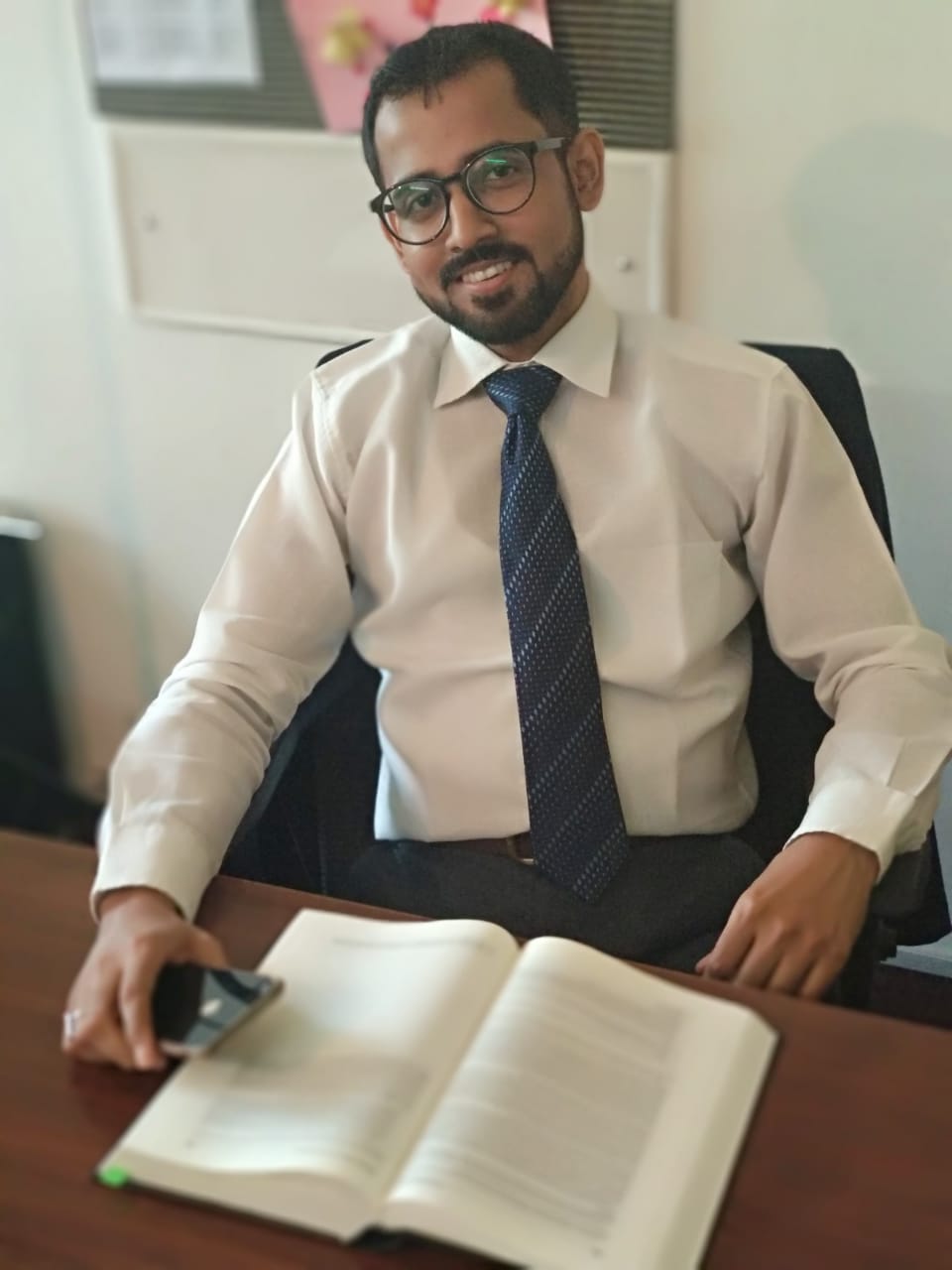
  • “To young lawyers, I say: do not enter this profession only to earn, but also to serve. Cultivate empathy, resilience, and a deep understanding of constitutional values.” – Abhishek Kumar Choudhary, Advocate at Delhi High Court & Supreme Court of India.

    “To young lawyers, I say: do not enter this profession only to earn, but also to serve. Cultivate empathy, resilience, and a deep understanding of constitutional values.” – Abhishek Kumar Choudhary, Advocate at Delhi High Court & Supreme Court of India.

    This interview has been published by Anshi Mudgal and The SuperLawyer Team
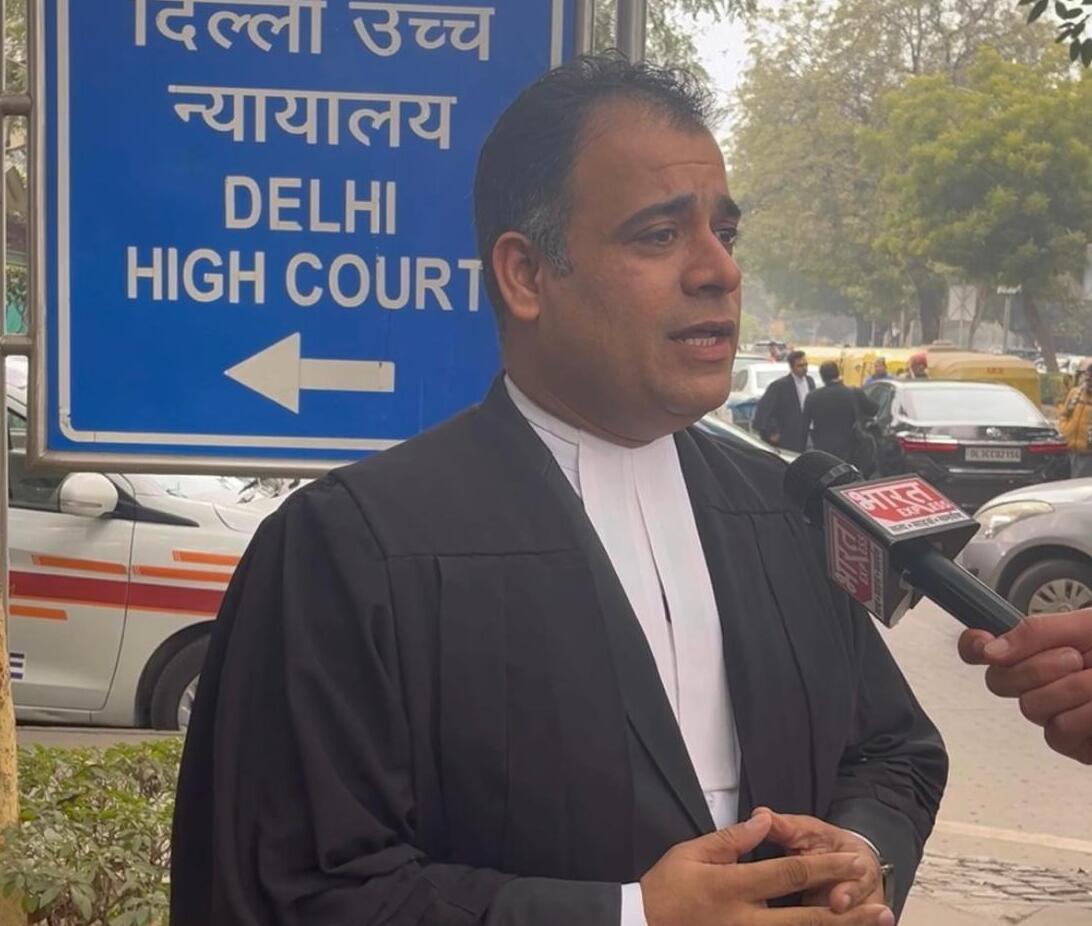
    You have built a 14-year legal journey rooted in public service and constitutional values. What inspired you to pursue a career in law, especially as a first-generation advocate coming from a commerce background?

    My foray into the legal profession was driven not by legacy, but by purpose. I come from a humble background, having topped my Commerce stream at Kendriya Vidyalaya, Ghaziabad with 90% marks overall. I then pursued B.Com (Hons.) at a reputed college under Delhi University. While most of my classmates were preparing for Chartered Accountancy in what felt like a rat race, my journey took a sharp turn during my final year examination.

    One particular incident changed my life. During the final B.Com (Hons.) exam, a mischievous student in our college was caught using unfair means. When the flying squad arrived, he threw the cheating material near an innocent girl student. The squad presumed her guilty and began disallowing her from writing the exam. I was a direct witness to the episode and immediately intervened, raising my voice against the injustice. I requested the squad to verify handwriting and narrated the true sequence of events. One of the senior officials sarcastically asked, ” Kya aap vakeel hain is ladki ke? ” That statement, although meant mockingly, ignited something deep within me.

    From that day, my classmates teasingly began calling me “Abhishek Vakeel,” despite my not even holding a law degree. What was meant as a joke became a badge of honour. It planted the seed that an advocate is the one who defends the innocent when no one else does.

    This awakening found further support in my elder brother, Vivek Choudhary—a Class I Central Government Officer and currently pursuing MBA from IIM Ahmedabad on Government sponsorship. He’s my role model. He took me to visit the Supreme Court, where I witnessed top lawyers arguing passionately, fearlessly answering judicial queries, and defending public causes with intellect and grace. That night, I couldn’t sleep. I dreamt of standing in those very courts, giving voice to those silenced by systemic oppression. My brother recognized this spark, and he invested his income and emotional support to help me pursue law. He is my hero, and I owe the advocate within me to his belief in my purpose.

    Many of your Public Interest Litigations have addressed significant socio-economic challenges. In your view, what role do PILs play in strengthening democratic values and public accountability in India today?

    Public Interest Litigations (PILs) are not merely judicial tools—they are the constitutional lifeline for the voiceless. They provide hope to the one standing last in the queue for justice. To many, courts are like the moon—visible but unreachable due to cost, complexity, and lack of legal awareness. But PILs create a bridge to that lunar surface.

    A PIL is like Ganga Jal—pure and accessible. Like Bhagirath brought the Ganga down for mankind, a bonafide petitioner brings the concerns of the unheard to the court. PILs install fear in law-breakers and deter corporations and individuals with malicious intent. They make the powerful pause and re-evaluate when they see justice knocking at their door on behalf of the powerless.

    The beauty of PILs lies in the fact that no locus standi is needed. Anyone with a genuine concern for public welfare can approach the court. It democratizes justice by empowering individuals to act as the conscience of society. For me, PILs are not cases—they are missions. Whether it’s securing food for paramilitary forces or demanding healthcare for the underserved, PILs are my way of translating constitutional values into real-world action.

    Having had such immense experience over the years, could you share a particular case that was especially challenging for you personally and how you navigated it?

    Every case has its own challenges, but the fight for Martyr Status for Paramilitary Forces stands out. Despite their sacrifices, paramilitary personnel were long denied the dignity of being recognized as martyrs. I had to battle bureaucratic indifference and convoluted policy frameworks. But more than that, I carried the emotional weight of families whose pain had long been ignored. That PIL wasn’t just a legal win—it was a tribute to sacrifice.

    Over the years, I have filed over 36 successful PILs without charging a single rupee, with not one attracting adverse court remarks.

    Another notable case was when Delhi Metro officials held a train hostage at Dwarka Metro Station over a dispute with CISF. Commuters, including students and senior citizens, were locked inside for 45 minutes. I filed a PIL the same day in the Delhi High Court. The result? 56 officials were suspended, and Delhi Metro was declared an Essential Public Service. That PIL sent a message: public inconvenience cannot be held hostage to internal disputes.

    In another instance, I filed a PIL demanding identity protection for brave jawans whose families were endangered due to media interviews revealing names, schools, and addresses. I pleaded with the court to mandate blurring of faces and anonymizing sensitive details.

    I have also sought a special law on road rage, after witnessing its terrifying consequences in Delhi, where innocent commuters are assaulted over minor incidents by muscle-wielding individuals.

    These cases aren’t just files—they are lived experiences of pain, injustice, and eventual hope. And they reaffirm my belief: law can be a healing force.

    In matters such as the Ola-Uber drivers’ strike and the regularization of DTC contractual workers, you have represented often-overlooked issues. What do you see as the key legal and structural challenges addressing issues relating to contractual workers under labour law?

    The biggest issue lies in the legal ambiguity of contract-based employment, which often serves as a loophole for employers to bypass fair wages, job security, and benefits. In the DTC matter, drivers were being paid on a per-kilometer basis. To earn a livelihood, many drove buses for days without rest, leading to fatigue-induced accidents and loss of innocent lives. It was exploitation under the garb of employment.

    Contractors earned crores by billing “minimum wages” under their name, while the actual drivers received only a fraction. There was no social security, no medical aid, and no dignity.

    During the Ola-Uber drivers’ strike, I realized that app-based economies further compound this problem by designating workers as “partners,” removing all accountability for welfare.

    We need enforceable parity, not just legal jargon. The system must acknowledge the humanity of the worker, not just their productivity.

    You have described law as a responsibility toward humanity. What advice would you give to young lawyers aspiring to pursue pro bono or public interest litigation, and what values and skills should they instill in themselves for the next generation of legal professionals?

    To young lawyers, I say: do not enter this profession only to earn, but also to serve. Cultivate empathy, resilience, and a deep understanding of constitutional values. Pro bono and PIL work may not always bring monetary returns, but they enrich your character and sharpen your advocacy skills in unmatched ways. Build your credibility through hard work and sincerity. Learn to listen. Be patient with the system, yet persistent with your purpose. The next generation of lawyers must embody not just knowledge but also compassion and courage.

    In India, a single citizen is directly or indirectly touched by around 3,500 laws—yet ignorance of law is no excuse in our country. Even a rickshaw puller breaking a rule cannot claim he did not know the law; that is where the true responsibility of a lawyer begins: to serve those who do not have the privilege or resources to know the law. Law is like an ocean—vast and deep—and the lawyer must be the boatman for those who cannot swim through its complexities.

    Being the voice of the voiceless is the highest calling—just as only a mother understands the silent cry of her child, a lawyer must develop the instinct to hear the unheard and stand as the voice of the powerless. Trees cannot come to court when they are cut illegally; the air of Delhi cannot file a petition when it is poisoned. It is we, lawyers with vision and a sense of ownership for our nation as our own home, who must stand up. If there is dust in our house, we do not wait for the neighbour to clean it—we clean it ourselves. Similarly, if you see injustice in society, do not wait for someone from America or London to come and fix it. Be the cure yourself.

    Don’t be disheartened if you stand against a senior or well-known counsel. For your client, you are their Ram Jethmalani, because you are the only one they can afford. Treat each client—paid or pro bono—as your most important one. Remember: a single satisfied client becomes your unpaid ambassador to a hundred more.

    As Swami Vivekananda rightly said, “All power is within you. You can do anything and everything. Believe in that.” These are the words I always speak to my juniors, associates, and interns—my office has produced many brilliant legal minds who now carry this spirit forward.

    As a first-generation lawyer, what were some of the key challenges you faced early in your career and how did you overcome them while building a socially driven legal practice?

    Lack of mentorship, limited networks, and financial uncertainty were significant hurdles. Unlike peers with established family chambers, I had to create my own space. After graduating from Campus Law Centre, Delhi University, I initially prepared for the judicial services exams at Mukherjee Nagar. But while my heart was always with litigation, half-hearted preparation could not yield results. After an unsuccessful year, I enrolled for my LL.M. and decided to apply for law researcher positions before Hon’ble Judges of the Delhi High Court.

    Each interview, however, started with the same question: “Who is an advocate in your family? Is there any judge?”—a question that always kept me outside the door. I faced rejection after rejection while seeing my juniors and batchmates being selected. I stopped applying altogether—until I heard that Hon’ble Justice Rajiv Shakdher, then of Delhi High Court and later Chief Justice of Himachal High Court, needed a Law Researcher. I applied again. There were 10-15 candidates that day, but Justice Shakdher asked me only questions related to my legal knowledge—and selected me on the spot. He never asked the question I dreaded.

    My mentor, my Guru, saw not my background but my potential. Justice Shakdher brought out the best in me. During my training under him, I found my calling as a PIL activist. I still remember reading Ghalib’s poetry books from his chamber—a hobby I cherish to this day. I carry with me his wisdom: Abhishek, when your case is strong on merit, you need not argue loudly. But when it is weak, you cannot afford to stay quiet.” His guidance shaped my understanding of the law and the role of the press too “The role of the press is like a mirror—it tells the king when he is naked.”In this profession, a senior’s role is crucial. If your master is Krishna, you will surely become an Arjuna. My mentor was my Krishna—he picked a small-town boy with no connections and made him an advocate for the unheard voices of this nation.

    As panel counsel to various government bodies and PSUs, including NDMC, what kinds of matters do you typically handle and what are some unique challenges that come with representing public authorities?

    I handle a wide spectrum of matters—ranging from service disputes, contractual enforcement, regulatory compliance, to urban development and infrastructure litigation. Representing public authorities like NDMC or Indraprastha Gas Limited means you must defend government action with integrity while ensuring legality, fairness, and public interest remain paramount.

    There is always public scrutiny, frequent bureaucratic hurdles, and complex policy frameworks to navigate. It demands a deep understanding of administrative law and an ability to harmonize governance with justice. I remember a unique matter while representing Indraprastha Gas Limited—where a pipeline connection for residents had to pass beneath the Chief Minister’s official residence in Civil Lines, Delhi. Security protocols disallowed digging there. But by taking the plea of larger public welfare, we convinced the Hon’ble Court to direct the CM’s Secretariat to allow the underground pipeline work so that adjoining residents could get gas connections. This demonstrated how, in matters of genuine public interest, even the Chief Minister’s house can be dug up—because the law always serves the people first.

    You have received recognition for your contributions to socially impactful cases, including improving food quality for paramilitary forces and advocating for alternate employment for UPSC interview-qualified candidates. What motivates you to take up such causes?

    I am deeply motivated by the belief that law must uplift the vulnerable and forgotten. After graduating from Delhi University’s North Campus, I did my coaching for judiciary at Mukherjee Nagar, where many of my friends cracked the UPSC and now serve as IAS and IPS officers. Through them, I learned the harsh reality—sometimes, a candidate misses the final merit by just one mark and, out of despair, takes their own life. I have always felt that any candidate who reaches the UPSC interview stage—clearing the world’s toughest preliminary and main exams—has immense worth. Why should they not get an alternative government job from the pool of interview-qualified candidates?

    Similarly, when I discovered that paramilitary officers and lower ranks were eating food of vastly different quality, I filed a PIL for uniform food standards—because the motherland does not feed one son better than the other. In a family, when a mother cooks food, it is served equally to the elder and the younger. The same must be true for our forces.

    These cases chose me as much as I chose them. They remind me daily that justice delayed is justice denied. I am driven by conscience, not convenience. The path is long, but its impact brings dignity, hope, and change for countless lives.

    Managing a demanding public interest and litigation practice can be intense. How do you maintain personal well-being and avoid burnout amidst such diverse responsibilities?

    Balance is critical, though not always easy. I believe in compartmentalizing my work and carving out moments for reflection and rest. Staying connected with nature, spending time with family, and celebrating small victories keep me grounded. My hobbies—poetry writing, painting, cooking vegetarian food, listening to songs, and playing cricket—recharge me. I even captained my batch’s cricket team at Campus Law Centre.

    Beyond courtrooms, I find purpose in acts of compassion. In Noida and Greater Noida, I noticed stray cows suffering in the scorching summer heat without water. I took the initiative to install water tubs for them and donated these to the Noida authorities. Today, thanks to this step, many cows are saved from thirst and heat waves every year. I have received awards and recognition from NGOs and news channels for this effort, and several housing societies have now adopted similar practices by installing water bowls for stray cattle and animals.

    At the end of the day, when your work is rooted in service, it ceases to feel like a burden. But yes—rest, reflection, and self-care are vital. Only a healthy advocate can truly fight for justice.

    Closing Note

    Thank you, SuperLawyer and LawSikho, for this thoughtful opportunity. If my journey can inspire even one young lawyer to choose justice over convenience, I will consider it time well spent. Law is not just a profession—it is a mission. May we never forget that.

    Get in touch with Abhishek Kumar Choudhary –
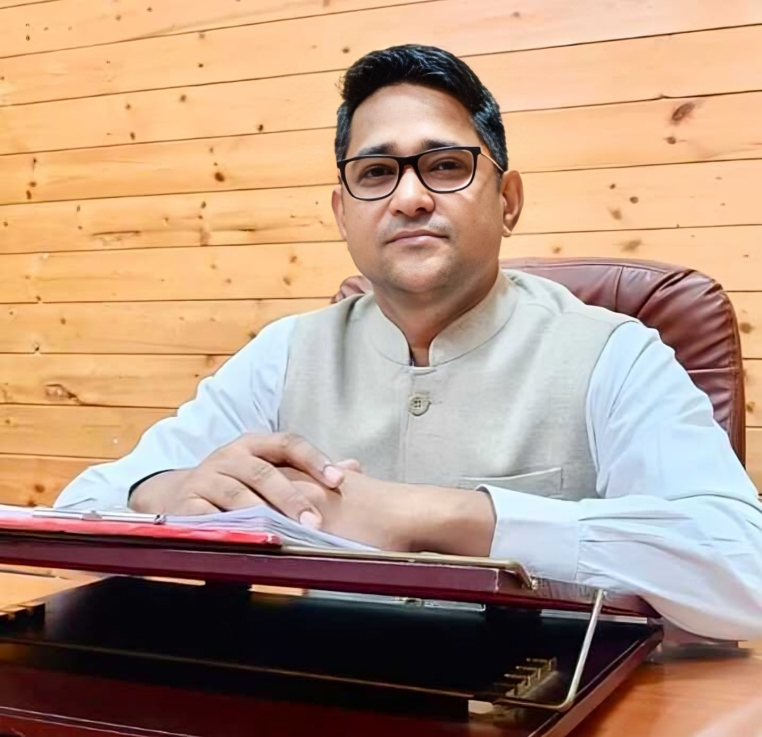
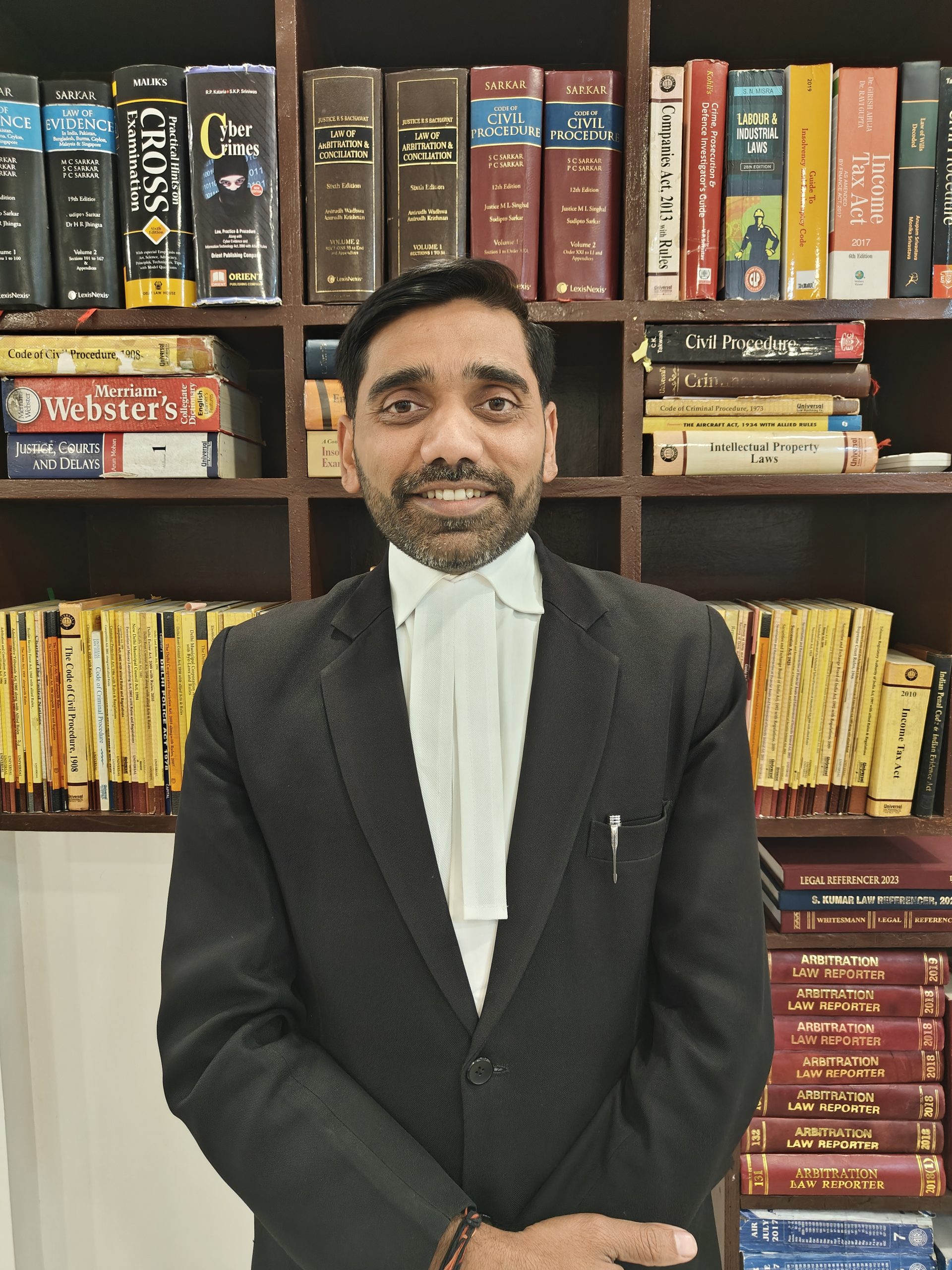
  • Balancing Defense and Prosecution: A Legal Journey Through India’s High-Stakes Criminal Cases. – Akhand Pratap Singh, Special Public Prosecutor for Delhi Police.

    Balancing Defense and Prosecution: A Legal Journey Through India’s High-Stakes Criminal Cases. – Akhand Pratap Singh, Special Public Prosecutor for Delhi Police.

    This interview has been published by Anshi Mudgal and The SuperLawyer Team

    Sir we’ll start with a very prominent question of why and when you decided to do law after UPSC examinations, and what were the decisive moments that may have led you to choose law instead of what you were doing already. What ways do you think that all that experience that you garnered over the years influenced your approach towards the legal profession?

    The reason for me, for doing law after I was not able to qualify for UPSC, the main motive for even preparation for the UPSC was to serve the nation or serve the people of the country, and law is another field where in other ways we are able to serve the society, serve the people, either appearing on behalf of the defense side or on behalf of the prosecution side.

    Basically, we’re there to help the society. If any person is involved in any legal trouble, they approach the lawyer. In that way, we are helping the people. The purpose and the objective for doing law was only for to help the people at the grassroot level.

    “Sir, how did you cope mentally when your UPSC plans didn’t work out, and what motivated you to continue serving society? Could you also share some key challenges and successes that made a real impact on both the people and your own life?”

    I completed my law in the year 2011 and then thereafter from 2011 to 2021, I was mainly a defense counsel on the criminal side of the bar. I was defending the accused persons in cases of Delhi Police, CBI and ED. So, in that way while I was representing the people I also came to know the challenges that the prosecution faces, what type of legal requirements are there to even build up for fool proof cases is the first one.

    So, in that context, the first thing that I came to understand that the nuances of the criminal practice are very demanding and it requires one to go into the nitty-gritties and to get into the details on each and every aspect of the case. The second thing that I have experienced so far is that people are going through so much pain, so what I was trying to do so far was to actually help those people in a proper manner to the best of my capability, and that’s how the journey started first.

    Since 2011 to 2015, I was an associate with my Senior Rajesh Anand and I have learned lot from him about the nuances of the criminal law.

    2015 onwards, I started as an independent practitioner and I will say my first big case as an independent lawyer was the Coal Scam case wherein, I represented one of the Sitting Director, Mines, Jharkhand Government. I was also one of the youngest lawyers amongst those who were representing the other co-accused in the same case and that case was the first in all of the coal scam cases that came to be registered so forth. So that’s how my journey as an independent lawyer started.

    Prior to that as well when I was working with my Senior Rajesh Anand, I got the opportunity to work in some very good cases, one of those cases was the TWG scam, Commonwealth game scam. So that was my first case, I will say, where I got an opportunity to represent the accused in which the CBI was the prosecuting agency and I would say the bulkiest cases in terms of the volumes of the documents, in terms of the volumes of the accused and in terms of the magnitude of the case.

    So that’s how my journey started, and even before that, with my Senior Rajesh Rana, I also got an opportunity to learn from him the nuances of the cross-examination, which I will say is the root thing or the most important thing for any criminal lawyer to understand. The problem is that sometimes there are people who don’t want to get the trial experience.

     However, in my individual opinion, cross examination is the most important aspect for any criminal lawyer, and that is the evidence on which the superior courts whether it be magistrate trial, session court trial, the Honourable High court or the Honourable Supreme court finally decides at the stage of the appeal, either filed by the accused person by the state. Therefore, the most important thing for the purpose of any criminal trial is the recording of the evidence, either by the prosecution or the cross-examination. So, for a defense counsel to learn the art of the cross-examination is the most important thing, and for that, I give my all thanks my Senior Mr. Rajesh Anand.

    There was a time when I was doing most of the MCOCA case for the defence side that being from 2015 to 2021.

    Thereafter, I got an opportunity to represent the Delhi police in one of the case, State Vs. Sukesh Chadrashekhar, where the accused persons were booked under MCOCA and I was approached by the Delhi Police to represent them as a Special Public Prosecutor.

    So that’s how my journey started, being a special public prosecutor to represent the Delhi Police. Thereafter, I represented Delhi Police in a number of cases as a special public prosecutor, the Parliament security breach case being another one. I am also representing the Delhi Police in Norco terrorism cases. Primarily I’m representing Delhi police in cases where MCOCA has been involved against a number of the organized crimes syndicate.

    I’m also representing the Delhi Police in another peculiar case with the Khalistan front angle, where local terrorist and local gangster along with some of the gangsters sitting abroad who have formed a nexus and were indulged in terrorist activities within the territory of India.

    So effectively I’m representing Delhi Police in multiple cases as a Special Public Prosecutor and I’m trying to give my level best.

    Sir, given the intense nature of the cases you’ve handled, how have they impacted your understanding of human psychology, and how do you protect your own mental and moral well-being while staying professionally involved?

    The problem with being an advocate is the work-life balance, and I totally agree with that. There is no hesitation in accepting that. I totally agree with the fact that we as lawyers are able to devote very less time to our family from what is required. Every profession has its own demands. Every profession has its own pros and cons, but once I chose this field, my priority has always been the work along with the life aspects.

    And yes, at times one thing takes a toll on the another, but it shouldn’t be so on the cost of another thing. Secondly thing regarding maintaining, yes, we hardly get time to sleep. I will totally agree with that, but yes, we need to be physically and mentally fit. And the most important thing is the presence of mind, particularly in the court room, because sometimes a query comes from the honourable court on a specific aspect and if we are not able to keep ourself physically and mentally fit, there can be a situation where we will not be able to respond properly, and the ability to respond to such queries comes from the aspect that how much you are prepared with your file.

    My understanding about the criminal law is that every time when you go through the file, you learn a new thing. Because see, there is always everything in the file. I will say that is, in my opinion, either you appear on behalf of the state or either you appear for the defense, file is everything, and reading the file is the most important thing.

    The number of the times you read the file, your orientation or your perspective or you’re understanding about the file changes at instances because maybe there can be an occasion at times you miss certain very important things on the facts of the case. I was doing a drug-trap case, anti-corruption ban, Delhi police case and I was representing one of the accused who was caught red handed, there was also the recording of the entire trap, so for the first time when I read the file, I was unable to gather as to how or in what manner I’m going to represent the accused because being a criminal lawyer we also need to strategize our cases.

    But yes, after going through the file again and again and again and again, finally I got some legal aspect on the ground of which finally I got the video of the trap inadmissible before the honourable court in terms of the evidence.

    I will say my understanding about the reading of the file, my understanding about how to approach the case, and in my opinion, that’s how I tackle the file can be one, but I am also open to my associates because, I need to be receptive with their opinion as well because I am not the person who can say that knows everything.

    Maybe my associate who is less experienced than me in terms of the years in practice, can also have a brilliant idea. He can have a different understanding about the same subject matter in a, which is more helpful to me. So, in that way, we basically go through the file, all the associates, to whom the specific files are marked are open to share their own opinions, ideas, or their understanding about the file. I am ready to share my opinion, ideas with them as well.

    Thereafter, finally we come to the conclusion or strategize how to approach any of the cases. So that’s how I approach any of the case. The same approach is applicable even when I am appearing as a special public prosecutor in any of the cases.

    Any case is dependent upon two things. The first thing is that the fact, facts cannot be changed. But the law is not dependent upon the fact, however the fact is dependent upon the law. Therefore, we have to approach or search for an appropriate law on that subject matter and as and when the situation arises.

    In 2015, you represented an accused in a high-profile coal scam case as the youngest lawyer on record. How did you strategize to stand out among senior advocates, and what key lessons or experiences did you take away from securing your client’s acquittal?

    In 2015, I was representing a client in the name of Vipin Bihari, who happened to be at that point of time, the sitting Director of mines and mineral department, government of Jharkhand, so in that case, I was one of the youngest lawyers of all the counsels who were representing the different accused, and that case was basically registered by the CBI. 

    So, for me, the best way to understand the case was from the perspective of the client and I would say that I was quite blessed that my client was also very, very keen to share the nuances of his case.

    Since he was also a learned person. He has also worked in various departments on behalf of the government of Jharkhand and for the entire 2 years – 2015-2017, I worked almost on every Sunday also. I can say that, because my client used to come from Ranchi to Delhi, so he used to come on Saturday. Then on the entire Sunday, we used to basically discuss about the case and prepare about the strategies and I will also say that the co-operation from the honourable court was also immense. I’m very thankful to the honourable court and also to the presiding officer at that point of time for giving me the confidence to represent such type of case. And I’m quite thankful to you and my way to approach the case was, again, read the file repeatedly because everything is in the file, either for the prosecution side or from the defence side.

    We need to have a command on our file. There is no other way to approaching any file, and if you have a command over your file, you are always one step ahead with your opposition. That is my way to approach the case.

     Sir, it’s eye-opening to hear how deeply you engage with case files something many overlook today. You’ve handled landmark cases like the Unnao rape, Commonwealth scam, and the parliamentary breach. How did you manage such high-profile and sensitive matters simultaneously? Specifically, for the Unnao case, what key factors guided your approach? Could you share an example of a major challenge you faced while maintaining confidentiality and ensuring justice?

     When I started appearing on the Unnao Case, the biggest challenge facing was the time management, first thing. The reason for that is that the Honourable Supreme Court had basically passed an order to complete the trial within a timebound manner. So what we were basically doing, when we were there in the court, cross-examining the witness at some time, even at 7 to 8:00 AM till the night also. That case started from September, 2019, and finally the judgment came in the month of March, 2020.

    The Unno rape incident follows 5 cases. Just for your knowledge. One case is the rape case. One case is the death of the father of the prosecutrix. One case is where the police personnel were charge sheeted for falsely implicating the father of the prosecutrix. Another case is the gang rape case, which was the fourth case. And the fifth case was regarding one accident case, which basically triggered the transfer of all of the cases, bunch of the cases from the state of UP to the city of Delhi. So, I was representing in the murder of the father of the prosecutrix case.

    And in that case, I was representing the Investigating Officer of that case who was basically charge sheeted by the CBI for falsely implicating the father of the prosecutor. I will say it was one of the most challenging cases of my career being a defence counsel, where on a daily basis. In the evening, at around 7 or 8:00 PM we would come to know that these are the two or three witnesses who were summoned for the next day. So again, from the Tis hazari court, we have to rush to our office. At that point of time, my office was in a defence colony, so we had to rush to my office and thereafter, again, entire midnight burning of the oil.

    Because only in the late evening we would come to know that these are the three witnesses, who have been called for the next date for the purpose of the deposition of the witnesses. And within that period of time, we had to prepare. We had to go through the statements recorded under 161 CRPC or 164 CRPC, and further prepare for the purpose of the cross-examination.

    But yes, that gave me a very good sense of the satisfaction, though there was a conviction against my client, I will also say that, but it was one of the most challenging and it also helped me to learn how to tackle the situation where there is extreme urgency, where there is extreme level of involvement required.

    I can say I got a lot of help at that point of time, from all of my associates, from my family members also to that extent I’m thankful to all.

     Sir, you mentioned how deeply these cases impact an attorney’s psyche. Your shift from defense to becoming a Special Public Prosecutor for Delhi Police was a major turning point. What inspired this transition, and how did you adapt to the change in role? How different was your approach when handling cases from the prosecution side? What was going through your mind during this shift, especially after years of defending clients?

    I’ll say that was the biggest challenge for me when I moved from the defence side to the prosecution side, because all of a sudden, I was defending a client on a legal aspect. Thereafter I had to oppose the same purpose, but standing on a different side on the same legal aspect, so that was a very good challenge for me.

    But what attracted me or what I will say pushed me that there is a, in my opinion, a very good sense of satisfaction. When you represent the state and the state is imposing a faith on you, and the duty and the responsibility on your shoulder is increased by many more, because you are there to basically represent a state in those cases where the government has imposed faith on you, despite being the availability of the regular prosecutor, so my job was to work much more harder and to go represent the state to the best of my capability.

    Being a special public prosecutor, there is only a single person who represents the state, but in the same case, there are 10 accused, 11 accused, 5 accused, and for every accused, there are different counsels. So, I had to basically, legally counter all the multiple counsels for those accused persons just for example, there is a case, my first case of Sukesh Chandrashekhar, presently, in which there are 22 accused, so 22 accused are represented by the different counsels.

    So, at the same time I have to, counter those 22 legal opinions or legal arguments, which are advanced by those people in the court. So that requires more preparation, more going into the depth of the issue.

    Sir, you transitioned from conventional criminal cases to complex ones under UAPA and NDPS Acts. What drove this shift, and how did your thought process evolve with such uniquely challenging laws? These cases are quite different in structure and sensitivity how did you approach them? Could you share some of the specific challenges you faced? And how did you manage handling such high-stakes matters?

    By representing the state as a special public prosecutor, it is my duty to help the state in the best of my capability, that’s the first thing. Whenever I get appointed, in any case, the first thing that I do is have a meeting with the investigating officer. Understand the case firstly from their perspective, thereafter understand the case from my perspective.

    Thereafter we strategize as to how to represent that evidence before the honourable court

    Due to this, at some point during the trial the defense council can take benefit of instances where the evidence was not placed properly before the court. So, the first step is to help the investigating officer prepare the case, to the best of their capability.

    Every special act has a different procedures and requirement, for example, requirement under the MCOCA is different, requirement under the UAPA different and the requirement under the NDPS Act is also different.

    So, the understanding of the subject matter of special cases in which I am doing, it’s my first duty to understand the subject matter.

    Thereafter, I will only be in the position to help the state or to represent the state in the best of my capability. That is my way to approach any case to date.

    So, sir throughout your career you have demonstrated a different kind of commitment towards justice. An impressive understanding of complexities is also involved in the kind of high-profile cases that you have gone through. After these many years of handling such intricate and emotionally challenging cases. How have you kept your motivation and passion for criminal law, not only alive, but moving forward as well?

     First of all, I will say that the first day when I entered into this field, I’ll say that I was blessed that I joined that office where most of the cases were pertaining to the criminal law.

    And since that day, I developed a keen interest in the criminal law. And till date, I have never felt as to why I am practicing the criminal law. In my opinion, criminal law is the most challenging, and there is always something more because understanding of the criminal law attracts me. To understand the nuances of the criminal law further motivates me. The best thing with criminal law is that there is no two cases are ever similar to each other. Every case has an independent, different fact, which not at all has any bearing on another case.

    That is why in the beginning, I stated to first have command over the fact and thereafter upon the law. Legal aspects, judgements are going to help you, but if you don’t have control over the facts of the case, then the judgements are not going help you. So, understanding the facts of the case, understanding the subject matter is the most important thing for me.

    There is an inquisitiveness which motivates me to read the file, to go through the judgment passed on a day-to-day basis by the Honourable Supreme Court and the Honourable High Courts and the same attracts me. It cannot be expressed in words, but yes, something’s there.

    Sir, having seen both defense and prosecution sides, I’ve noticed how deeply criminal cases affect one’s psyche. With cases involving serious mens rea and disturbing circumstances, how do you mentally stay strong and not let fear or negativity from such cases affect your daily life? You play a key role in protecting society where does that inner grit come from? Also, with your experience in high-profile cases like Unnao and white-collar crimes, have you ever thought about writing a book exploring the psychology behind such crimes?

     Book will come when it has to. But yes, something is definitely in the pipeline. The second thing, I only get attached to the file. I am least bothered about names of the people which are mentioned in the file, and that is the foremost thing I need to do because if I start getting affected by the names of the accused, either on the defence side, and specifically on the prosecution side, then I would not be representing the state or defending any accused. Because I am there to represent the state according to how case has been filed, I need to be totally disassociated and detached.

    I am not even expected to know why they have committed crime. I believe that if the crime has been committed then, justice should be delivered to people. The thing is that my duty is to represent the state as per requirement of present legal system. For me, any accused is only X, Y, Z, nothing beyond that. So, this is how I get myself psychologically disassociated with any of the accused persons.

    Get in touch with Akhand Pratap Singh –

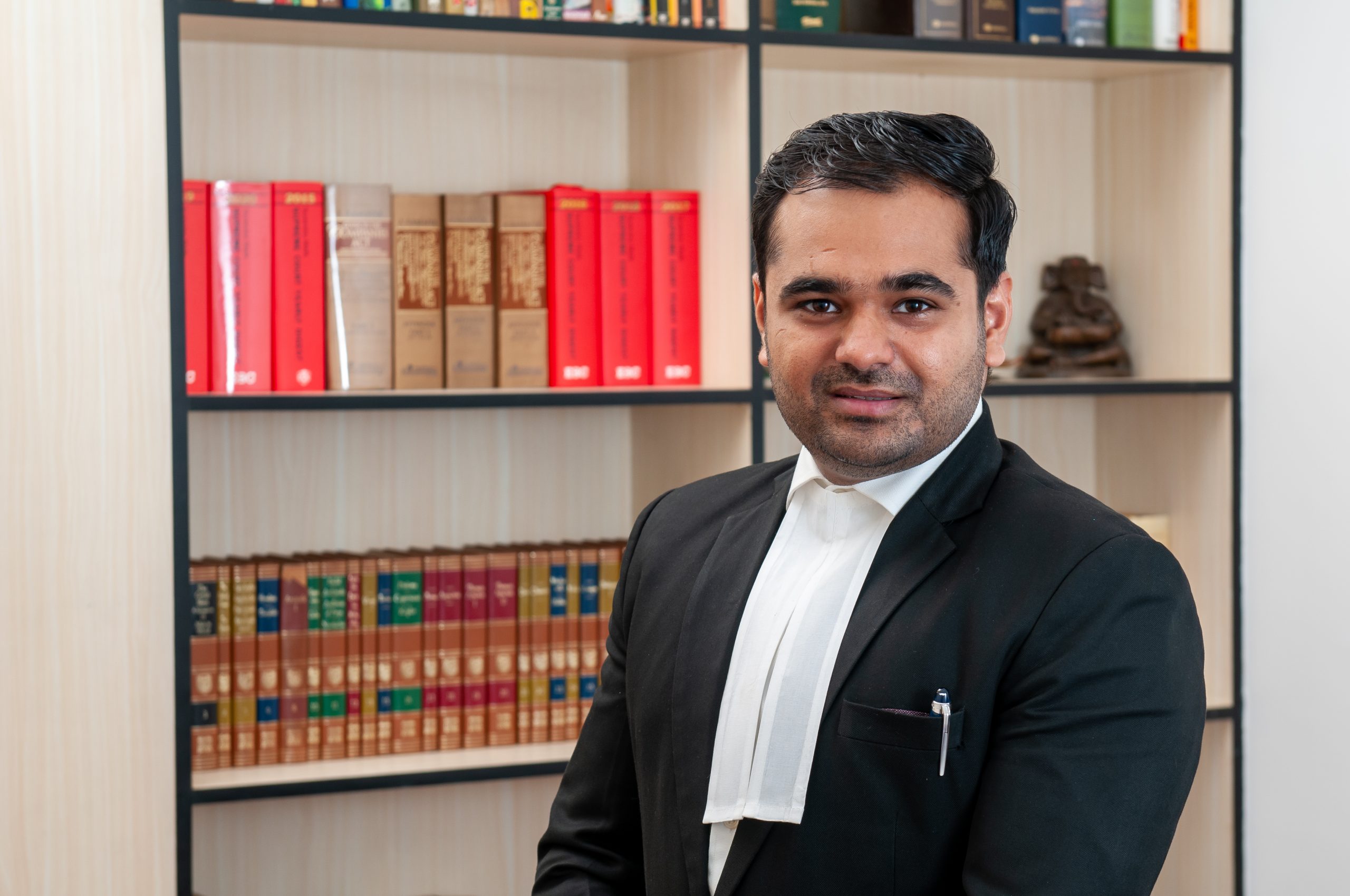
  • “From the standpoint of honing your skill-sets as a lawyer, be a voracious reader, aim at polishing your legal language, keep pace with latest developments, take the study of jurisprudence and statutory interpretation seriously.” – Apoorva Thakur, Partner at MKA Legal Law Offices.

    “From the standpoint of honing your skill-sets as a lawyer, be a voracious reader, aim at polishing your legal language, keep pace with latest developments, take the study of jurisprudence and statutory interpretation seriously.” – Apoorva Thakur, Partner at MKA Legal Law Offices.

    This interview has been published by Anshi Mudgal and The SuperLawyer Team

    Law is often regarded as both intellectually stimulating and socially impactful. What inspired you to pursue a legal career, and was there a pivotal moment or personal experience that influenced this decision?

    The term, ‘Advocate’, unlike a lawyer or law graduate, always used to amuse me since it’s all about championing causes. While growing up, I was almost always appreciated for my ‘gift of gab’, innovative thinking, problem-solving abilities, and my flair for writing. 

    Additionally, my role models and famous personalities about whom I liked to read, namely Dr. BR Ambedkar, Chittaranjan Das, Robin Sharma, Abraham Lincoln, Fali Nariman, etc. were all lawyers.

    On a lighter note, my love for Hindi movies with exaggerated and over-dramatized courtroom-scenes might have subconsciously sown the seeds of embarking on the path of rendering legal services and making a difference to the infamous “taareekh-pe-taarekh” system. 

    After completing your master’s degree, you embarked on an academic career.  What motivated you to take this path, and what valuable learning experiences did you gain during that time?

    My intellectual curiosity got me bitten by the ‘research-bug’, which motivated me to share with aspiring lawyers my learning-takeaways and enthusiasm for new knowledge in this dynamic domain of law. 

    It is pure delight to witness my students get empowered and blossom into successful legal professionals, Magistrates, etc. and receive heartfelt messages from them on Teachers’ Day and invites to their weddings. No fee can match that feeling of joy.

    My brief teaching-stints at CLC (DU), HILSR (Jamia Hamdard), MAIMS (GGSIPU), and NorthCap University gifted me with diverse exposure, pan-India network, and the golden chance to positively impact young and bright minds.  

    Your background as an Assistant Professor and NET-qualified academic in law is impressive. How did you blend your teaching methods with real-world legal practice, and how did your students benefit from your diverse experience in litigation, consulting, and working with corporate and government organizations?

    Creative interpretations of law, interactive case study-discussions, narration of courtroom-anecdotes and real-life client-handling experiences made my sessions interesting, I was told. 

    Guest interactions and internship opportunities with those in my circle, event-sponsoring through my firm, etc. were additional benefits for the students.  

    I have been blessed to have had responsive seekers as my mentees, most of whom resonated with my passion for breaking barriers as a first-generation lawyer, being unapologetically self-made, and experimenting with research on law in multidisciplinary shades.      

    Could you give an overview of the role and contributions of a Resource Person working with various MNCs, organizations, and NGOs? 

    Mainly, the common thread comprises assisting them with navigation through legal complexities in their daily workings, observance of relevant compliances, urgent legal support, policy-making and risk-management strategies.  

    With a client base that includes MNCs, MSMEs, and educational institutions, how do you approach legal consulting for large corporations versus smaller businesses? What unique challenges do you face when working with startups compared to established companies, and how do you tackle those?

    The focus changes, and approach to legal problems also gets affected thereby. 

    It is my observation and experience that startups and smaller businesses focus more on short-term productivity and long-term rapid growth, while larger establishments aim at steady and consistent momentum. The former may be achieved through innovative and tailormade solutions that are cost-effective and sector-specific, while the latter require transaction advisory, stable plans for dispute-resolution, calculated policy-modifications to suit changing times or industry trends or amendments in regulations/laws.

    Could you share your perspective on the role of mediation in dispute-resolution in India, and how its dynamics have evolved over the years? Additionally, how has technology contributed to simplifying the proceedings?

    From our age-old panchayat system to the popular ‘Lok Adaalats’, and from the mandatory pre-litigation mediation under the Commercial Courts Act of 2015 to the recently passed Mediation Act of 2023, this simple-yet-effective out-of-court settlement technique of dispute-resolution has witnessed an evolving landscape in India and is here to stay with a promising future. 

    I personally feel that it offers an expeditious means to reach amicable and self-binding solutions to legal problems.    

    With technological progress nowadays, ODR (online dispute-resolution) through SAMA, AGAMI, and other such portals is the pleasant reality to experience the magic of mediation sitting anywhere in India.

    As a partner at MKA Legal and the head of LAWGYSTIX Foundation, what is your approach and vision for your legal practice? What has been one of the most challenging cases you have dealt with so far, and how did you manage it?

    Bridging gaps between the industry and academia, and awakening students of law to their ‘social engineer’ Advocate self has been my vision for enjoying a ‘rule of law’ based society around us. 

    A holistic, multi-disciplinary, ethical and humanistic approach has always worked wonders for me and kept me grounded.

    Though all matters present unique challenges, I personally cherish the one through which I learnt nuances about powers of the Trial Court hearing Criminal Revision. It wasn’t a cake-walk to get a 1100+ day-limitation condoned in the interest of justice, and to get the charge successfully modified in a murky cross-case involving factual elements of modesty-outrage and attempt to murder. Working on cases related to men’s rights in false complaints under the PoSH law, or intriguing IPR advisory have also been full of learning.

    Client probing, issue analysis, brief preparation, witness examination (if the matter is at trial level), applying knowledge of human psychology, engaging in avid research etc. enable us to effectively assist Courts in delivering justice while helping oneself evolve as a practising counsel. 

    I am deeply indebted towards my mentors in chamber litigation, namely Late Sh. LK Upadhyay, Senior Advocates Gopal Subramaniam, Priya Hingorani, and Anil Sapra who have all nurtured and guided me in their special ways. 

    You’re not only a successful legal professional but also an image consultant, soft skills educator, and energy healer, among other roles. What strategies have you used to maintain a healthy work-life balance? What advice would you give to others trying to balance career aspirations with personal responsibilities?

    Donning multiple hats keeps me on my toes, and the various things I do help me get my ‘battery-recharge’ when needed. 

    Though the Indian law prescribes certain boundaries for licensed Advocates, I have experienced that all domains of knowledge have the ability to fuse into one another, provided we know how to use the integrated version. 

    Following the Hindu way of life and being a practitioner of Nichiren Buddhism, I surrender to cosmic plans for my own inherent wisdom and infinite potential to unleash when necessary. So, no specific strategies.

    On the personal front, my parents are my biggest strength, with my mentors being my compass, friends being my biggest cheerleaders, and marriage being a great teacher.

    Live in constant gratitude, and learn from everyone and everything. There might be crooked turns and deep pits on your way, but see dreams, set your goals, have a vision, wake up to your unique mission every morning, maintain a loving heart, work for others’ growth alongside your own, and keep moving ahead. 

    Once your work becomes your real fuel, your spiritual engine will keep you motivated and wisely guided towards healthy habits and holistic approach towards life.

    With your extensive experience across various areas of practice and academia, what advice would you offer to students aspiring to build a career like yours? Additionally, could you recommend some resources to help them stay informed about the latest legal trends?

    From the standpoint of honing your skill-sets as a lawyer, be a voracious reader, aim at polishing your legal language, keep pace with latest developments, take the study of jurisprudence and statutory interpretation seriously. 

    Rest, from a macro perspective, I would only suggest- focus on the soul’s progress, and the rest will smoothly follow. And trust the divine to unravel your life purpose, since whatever happens, happens for the best.

    As regards resources, the Universe has no dearth of those. However, as they say that, “Beauty lies in the eyes of the beholder”, be a life-long learner and coachable mentee whose appetite is not restricted to judgments, news, interviews, amendments, debates, conferences, publications, social media content, MOOCs, etc. 

    Use your superpowers wisely, and the world will be your playground. Always remember that life is precious, and good karma is the eternal, indestructible currency.

    Get in touch with Apoorva Thakur –

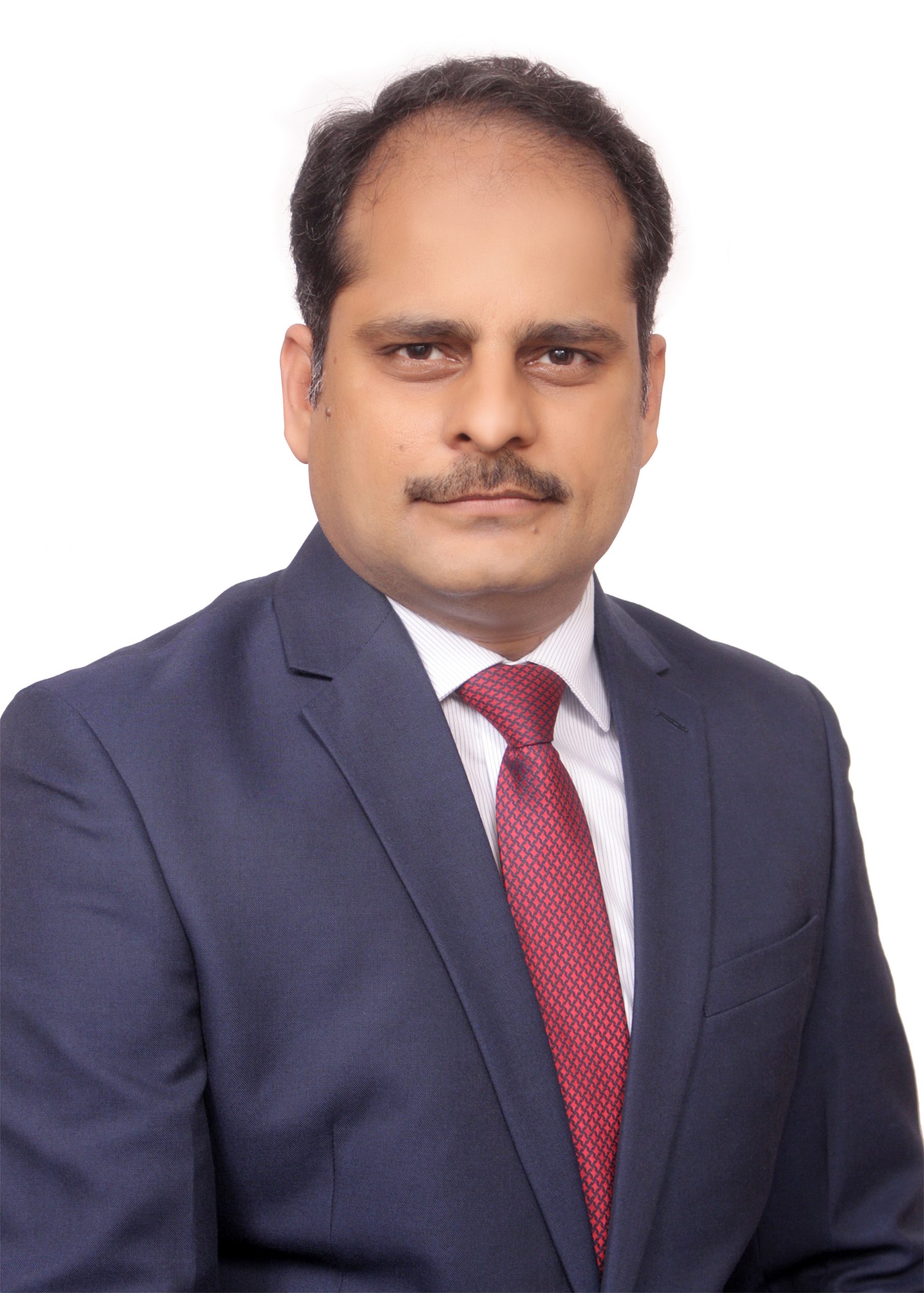
  • “In the current scenario, one must understand that environmental issues are highly critical and should be thoroughly evaluated to avoid huge financial liability for violation of environmental laws”- Dr. Khalid Khan, General counsel for Tenneco, India

    “In the current scenario, one must understand that environmental issues are highly critical and should be thoroughly evaluated to avoid huge financial liability for violation of environmental laws”- Dr. Khalid Khan, General counsel for Tenneco, India

    This Interview has been published by Pragya Chandni and The SuperLawyer Team

    Can you walk us through your journey in the legal profession, from your early days to your current position as General Counsel for Tenneco Inc.’s Indian operations?

    When I started my professional journey back in 1993, demand for in-house counsels was not so promising. You could make your place by really working hard and constantly meeting the expectations of your employer. It is very important for any new in-house counsel to get an opportunity to work under the guidance of a good senior professional. I consider myself lucky to have got that opportunity.

    As you know, learning is a continuous process. I too believe in that, and my quest for knowledge keeps me going.

    When you grow, you have to keep in mind that a good and motivated team plays an important role in your success. I always believe in building teams by having transparency, mutual respect & trust, delegation of authority, counselling & coaching and being there for them. I believe in simplification of legal processes.

    As a highly accomplished legal professional, what have been the most challenging yet rewarding aspects of aligning legal functions with business requirements throughout your career?

    It is a very good question. I always believe that a General Counsel is different from an outside counsel. A GC is expected to understand the business and try to give a solution which not only is in line with the legal framework but always gives a solution to the business. I know this is not easy. One may say that from a legal perspective, either something is permissible or it is not permissible. Based on my experience, I feel that a GC is supposed to provide different workable solutions to the business teams and help them in evaluating and deciding on the best solution.

    Being part of the Board of Directors, I am involved in important business decisions. This gives me an edge to review every transaction from a business perspective and  provide a legal solution in line with the business requirements.

    You’ve navigated through various industries such as Tyre, Financial Services, Chemical, and auto-component sectors. How has your diverse experience shaped your approach to legal strategies and corporate governance?

    Different industries that I have worked with have different challenges, requiring different approaches and strategies. For a GC, it is important to understand who your audience is. You need to have the ability to listen to your internal as well as external customers, understand their issues and provide the best legal options/ solutions.

    Given your extensive involvement in M&A, joint ventures, and divestitures, could you share some insights into the key strategies and considerations you employ when negotiating complex transactions?

    For M&A transactions, the first level of discussion revolves around the feasibility of the new business; what would be its value addition to your existing business and whether it would make a business sense to go for an M&A transaction.

    Once a business decision is taken, the second most important task is to do a thorough due diligence of the entire business involving financial, legal and environmental due diligence. In the current scenario, one must understand that environmental issues are highly critical and should be thoroughly evaluated to avoid huge financial liability for violation of environmental laws.

    For the success of any joint venture, it is important to ensure a lot of transparency in terms of sharing of important information with the JV partner and involve them in all the important decisions. It is very important to build a relationship, based on mutual trust and respect. This would ensure smooth running of the JV as well as future growth.

    How do you balance the need for legal compliance with the demands of business growth, especially in highly regulated sectors such as yours?

    As I said earlier, if you understand the business, you can surely provide a legal solution which aligns with the business.

    With your expertise in corporate governance and securities, what advice would you offer to companies aiming to enhance their governance standards and navigate regulatory landscapes effectively?

    I believe corporate governance is not just complying with the applicable legal provisions. Corporate governance should become part of a company’s culture. It should become the way of life. It has to be followed in the true spirit and, not just as a compliance obligation.

    You’ve been instrumental in implementing legal frameworks and adopting legal tech to support business growth. Can you share some examples of how technology has transformed legal operations during your tenure?

    Automation of processes is the need of the hour. With a lot of focus on having learner legal teams, it is important to keep working on automation. Compliance management tools, litigation management tools and contract management tools are few examples. These tools have not only saved a lot of time but also helped in ensuring accuracy of processes.  

    Lastly, drawing from your vast experience, what advice would you give to fresh graduates aspiring to pursue a career in law, especially those aiming for leadership roles in the corporate sector?

    My advice would be as follows:

    1. First and foremost, it is important to be a good human being. This quality would help you throughout your professional journey.

    2. Always believing in learning new things.

    3. Try to fully understand  and appreciate the perspectives of others. This would help you to provide a better legal solution.

    4. Build a good team. Trust and respect your team members. Always focus on the professional growth of your team members.

    Get in touch with Dr. Khalid Khan-

  • “Even though fintechs are growing rapidly, it is becoming progressively harder and cumbersome for them to match pace with the regulations and compliances for their existing or new products”- Aman Yadav, Legal counsel, OLX Group

    “Even though fintechs are growing rapidly, it is becoming progressively harder and cumbersome for them to match pace with the regulations and compliances for their existing or new products”- Aman Yadav, Legal counsel, OLX Group

    This Interview has been published by Pragya Chandni and The SuperLawyer Team

    Can you share your education journey into the legal field, particularly what motivated you to pursue law after completing your B.A. in Business Economics? 

    During my bachelors I decided to pursue masters in economics or psychology but when I saw the career trajectories of Delhi University law graduates I realized that a Delhi University law degree has tremendous potential and is quite cost-effective. I graduated from the Faculty of Law, Delhi University in 2009 and joined the firm where I interned as an associate. 

    Your profile showcases a diverse range of experiences, from working as a Partner in a law firm to holding leadership roles in major corporations. How did these experiences shape your approach to legal practice? 

    I spent my first 10 years in the general corporate practice of a boutique law firm where I worked on several aspects of law ranging from general corporate to litigation and arbitration, and this varied exposure trained me for a larger role. When I got the 10-year itch I decided to move in-house to experience the business side of law. My first in-house role was eye opening because I had to quickly learn how to juggle a higher work volume but with lesser intensity unlike my law firm days where it was about specific assignments but high quality delivery. My rigorous law firm background helped me extensively in increasing the quality of in-house legal work and deliveries. In-house legal practice is vastly different from law firm practice primarily because almost all legal advice and decision matrix has to be delivered to the internal stakeholders in a simplified version for enabling business decisions but without removing the legal essence. 

    Could you elaborate on your work with the Indian Cyber Crime Coordination Centre (I4C, MHA) ? How did this experience influence your perspective on cybersecurity and online fraud prevention? 

    Cyber frauds between users were quite high in one of our online business verticals and we collaborated with I4C (MHA) in building an online fraud prevention model for intermediaries like us and others. My major learning from this experience was how introducing customer education, multi-check KYC mechanism (during account creation especially) and dynamic algorithmic filters can drastically increase cybersecurity and reduce online frauds to supplement the in-house legal team’s efforts. 

    You’ve been involved in various aspects of fintech. How do fintechs navigate the regulatory complexities while ensuring innovation and growth ?

    Even though fintechs are growing rapidly, it is becoming progressively harder and cumbersome for them to match pace with the regulations and compliances for their existing or new products. Our government is very frequently issuing guidelines, notifications, circulars, and laws which make it difficult for fintechs to quickly design, grow, or tweak products and synchronize with the government’s objectives. I feel that in the near future compliance and regulatory aspects for fintechs will stabilize and the Indian government will have completed building a large part of its fintech regulatory ecosystem. Until then fintechs have to operate on a risk-compliance model to build the most compliant platforms and products which minimize customer, business, and public risk. 

    You’ve filed a DRHP in December 2023 with SEBI for Awfis Space. What are some of the key preparatory points pre-DRHP filing ? 

    Company secretarial documentation and information, promoter identification, consents, litigation disclosures and risk factors form the backbone of a DRHP filing, especially in a company where several investment rounds have occurred and there are pending regulatory litigations. At least 7–8 months prior to DRHP filing it is advisable to be audit ready, collate and complete all secretarial documentation and information, resolve or settle larger vendor payments, litigations, arbitration, and disputes, and avoid new business complexities which can have adverse regulatory or legal impact. 

    You were part of Prosus’ Olx India business sale to Cartrade Tech in August 2023 for USD 65 million. What was a unique aspect of the transaction which you had not anticipated ? 

    It was a really interesting transaction because we first had to merge the classifieds business with the autos business and then sell the combined entity to Cartrade Tech. I had not anticipated the employee related complexities we would face in moving about 400 employees from one Olx business entity to the other. It was a legal and human resources issue where we had to interact and take written consents from all such employees which extended our closing timelines a bit. 

    How is AI changing in-house legal teams in routine legal work ? Any advice for new lawyers on maximizing AI use benefits ? 

    In routine legal work, the positives I see are faster research work and basic drafting. It is easy to generate basic templates for notices, representations, and low-value agreements. The negatives are that new lawyers are not reading articles, books, and case laws and heavily rely and trust AI generated results. Till AI advances to near perfect levels and becomes a default use case, a new lawyer should be able to draft simple documents by writing or typing to hone their legal skills and become comfortable with legalese.

    With your background in public policy, including your involvement in amending the Motor Vehicles Act in April 2023, what advice would you give to fresh law graduates aspiring to make an impact in shaping legislation and regulatory frameworks? 

    If public policy work interests a lawyer then it makes sense to practice for a few years especially in litigation to become comfortable with interpreting legislations and developing legal arguments and then work in the public policy department of a company or non-profit, or join a think tank. A masters degree in social sciences or public policy will add tremendous value and can unlock several opportunities.

    Get in touch with Aman Yadav-

  • “Never underestimate the importance of mastering cross-examination. Whether you’re dealing with civil or criminal cases, it’s the bread and butter of legal practice.”- Sandeep Chatterjee, Founder at Chatterjee Law Chambers

    “Never underestimate the importance of mastering cross-examination. Whether you’re dealing with civil or criminal cases, it’s the bread and butter of legal practice.”- Sandeep Chatterjee, Founder at Chatterjee Law Chambers

    This Interview has been published by Pragya Chandni and The SuperLawyer Team

    Can you walk us through your journey into the field of law? 

    My journey into law began long before I even stepped foot into a law school. It all started with my mother’s unfulfilled dream of becoming a lawyer—a dream she passed on to me, along with a burning curiosity for all things legal. But unlike most, I took a bit of a detour. Before diving into my LL.B., I pursued a Master’s in Political Science. Why? Because I’ve always believed that understanding the broader political landscape is crucial for any lawyer. Sure, some might see it as an outdated approach, but for me, it’s been nothing but beneficial. It’s given me a deeper perspective on the law, allowing me to approach legal issues from a more practical angle. Instead of just diving into statutes and cases, I first dissect the underlying principles. This “old-school” approach, as some might call it, has been my secret weapon. It helps me craft stronger legal arguments and advocate more effectively for my clients. And in a field as competitive as law, having that extra edge can make all the difference.

    What inspired or motivated you to pursue a career in arbitration and general civil litigation?

    During my internship with Mr. Harish Salve, Senior Advocate, I had the privilege of delving into the world of arbitration—an experience that left an indelible mark on my legal journey. Working alongside Mr. Salve exposed me to the intricate workings of arbitration cases, offering me invaluable insights into this specialized field. Witnessing firsthand the rapid evolution of arbitration in India and its growing significance on the global stage was eye-opening. It became clear to me that arbitration holds immense practical importance and has the potential for significant expansion in our country. Seeing India’s conducive environment for arbitration, I’m inspired by the vision of it becoming a leading hub in this domain, and I’m eager to contribute to its advancement.

    Additionally, I’m drawn to general civil litigation for its diverse practice areas, including property disputes, contract law, and family matters. The bustling demand for legal services in civil matters highlights the constant flow of meaningful work in this field. Starting out as a generalist allows me the opportunity to explore various areas and gradually specialize in those that resonate with me. This journey towards specialization not only fosters deeper engagement but also facilitates continuous development of expertise over time.

    Furthermore, the direct interaction with clients in civil litigation adds a tangible sense of fulfillment to my work. Witnessing the real impact of my efforts on their lives is truly rewarding. The autonomy, flexibility, and ongoing learning opportunities inherent in this field make it an incredibly fulfilling career path for those who are passionate about effecting positive change through the practice of law in India.

    With your extensive experience in various legal roles, could you share some highlights or memorable cases that have shaped your career?

    In my career journey, while I’ve encountered numerous memorable moments, two cases hold particular significance for me. One of them was representing Dr. R. K. Pachauri, which served as a pivotal moment marking my entry into the legal profession as a junior in a law chamber. This case was unique in that it involved aspects of both civil and criminal law, offering me invaluable learning experiences. Through working on this case, I gained a deeper appreciation for the necessity of meticulous clerical work and thorough research in ensuring effective advocacy.

    Another case that remains vivid in my memory involved a service matter with clear legal precedents but unique circumstances for my client. It was a challenging situation that required me to present arguments before the Hon’ble Division Bench of the Karnataka High Court. I vividly remember the pressure and intensity of the courtroom as I meticulously prepared to address the nuanced aspects of the case. With countless hours of research and preparation, coupled with careful attention to every detail, I stood before the bench, advocating for my client’s rights for 4 hours before the bench. The experience was intense, but seeing the judges carefully consider my arguments and ultimately ruling in favor of my client was incredibly rewarding. It was a testament to the importance of dedication, hard work, and attention to detail in achieving success in the legal profession.

    These experiences have truly highlighted for me the critical importance of being thoroughly prepared and having a deep understanding of the intricacies within each case. It’s not just about knowing the law; it’s about going deep into the unique circumstances of every situation. These cases have shown me that with dedication and hard work, even the most challenging situations can be handled successfully. They’ve solidified my belief that true excellence in legal practice comes from this level of commitment and understanding.

    You’ve been recognized for your excellent reputation in delivering high-quality client service. How do you ensure client satisfaction while navigating complex legal matters?

    In my practice, my clients’ well-being is at the heart of everything I do. I believe in real, meaningful communication—not just ticking boxes. I make it a priority to have open and honest conversations with my clients regularly. Every case is different, so I adapt my approach to suit their individual needs, ensuring they have a clear understanding of what to expect. When the going gets tough, I’m not just a legal advisor—I’m a supportive ally. I’m there to provide not just legal expertise, but also a listening ear and a comforting presence during challenging times. I actively seek feedback from my clients because I value their perspective—it helps me refine my strategies and provide even better service. 

    Your educational background includes a Bachelor of Law from Campus Law Centre, University of Delhi as well as a Master’s Degree in Political Science. How did your academic experiences contribute to your professional development in the legal field?

    In addition to my Law Degree, as already mentioned, I’ve pursued a Postgraduate degree in Political Science, a deliberate choice aimed at broadening my understanding of the legal field. I firmly believe that a multidisciplinary approach enhances one’s comprehension of law. Political science has provided me with valuable insights into the historical, social, and ideological factors that shape legal systems and frameworks. Through studying governance, policy-making, and power dynamics, I’ve gained a deeper understanding of the broader context in which legal decisions are made. By integrating these disciplines, I’ve developed a comprehensive perspective that enables me to understand legal matters effectively and advocate for my clients with clarity and depth. 

    As the founder and lead lawyer of Chatterjee Law Chambers, what challenges did you face in establishing your own practice, and what strategies did you employ to overcome them?

    Establishing your own legal practice presents a myriad of challenges that are all too real. One of the biggest hurdle is attracting and retaining clients. It’s not just about being a great lawyer You also need to master the art of networking and marketing to build a solid client base. And once you’ve got clients, keeping them happy and loyal requires constant dedication and delivering top-notch service.

    Financial management is another tough nut to crack. You’ve got to balance your income and expenses, handle billing and collections, and plan for future growth—all while keeping a keen eye on your bottom line.

    Then there’s the administrative side of things, which can feel like a full-time job in itself. From managing paperwork and documentation to overseeing staff and office operations, there’s always something demanding your attention.

    I’ve delved deep into these challenges in an article I wrote titled ‘Challenges Faced by Advocates When Establishing Their Own Chamber.’ In it, I share the gritty realities of starting and running a successful legal practice, along with practical strategies to overcome these obstacles. It’s all about proactive problem-solving and a relentless commitment to making it work, despite the hurdles that come your way.

    Collaboration and teamwork are essential in the legal profession. How do you foster a collaborative environment within your legal team to achieve success in your cases?

    We thrive on open communication, where everyone’s ideas and insights are valued and freely shared. We’ve learned that clearly defining roles and responsibilities is key to keeping things running smoothly and maximizing our efficiency. Plus, having a diverse range of perspectives around the table sparks creativity and helps us tackle problems from all angles.

    Our collaboration isn’t limited to formal meetings; it’s a constant exchange of ideas and information. Whether we’re discussing case strategies over coffee or brainstorming solutions late into the night, everyone’s voice is heard and respected. Technology plays a big role in keeping us connected, especially since we often work remotely. But it’s the personal connections we’ve built—through mentorship, knowledge sharing, and celebrating each other’s successes—that truly bring our team together. And it’s not just about winning cases; it’s about growing together as professionals and as people.

    In addition to your legal expertise, you also possess strong organizational skills and strategic communication abilities. How do these skills play a role in effectively representing your clients’ interests?

    My ability to represent my clients effectively stems from a multifaceted skill set that I’ve gained through my limited years of experience. It’s not just about knowing the law; it’s about being organized, strategic, and an excellent communicator. When it comes to organization, I’m meticulous. I leave no stone unturned in managing every aspect of a case, ensuring nothing slips through the cracks. This attention to detail allows me to plan strategically, tailoring my approach to fit the unique needs of each case and maximizing our chances of success. But it’s not just about what happens in the courtroom. Building and maintaining strong relationships with my clients is equally important. I pride myself on my ability to communicate clearly and transparently, keeping my clients informed every step of the way. Whether it’s explaining legal options, providing updates, or preparing for negotiations, I ensure my clients are empowered to make informed decisions and actively participate in their legal matters.

    Finally, considering your journey and accomplishments, what advice would you offer to fresh graduates aspiring to pursue a career in law, especially those interested in areas like arbitration and civil litigation?

    Here’s some down-to-earth advice I’ve gathered from my own experience: Stay focused and humble. Surround yourself with people who can teach you something new every day. Don’t get sucked into office gossip—instead, listen to the constructive criticism your senior colleagues offer. Leave your ego at the door, especially when dealing with your immediate superiors. It’s crucial for maintaining good professional relationships. And when it comes to choosing a law firm to work for, do your homework. Don’t just settle for any firm out of desperation. It’s better to wait for the right fit than to end up feeling stuck and unfulfilled. 

    Finally, never underestimate the importance of mastering cross-examination. Whether you’re dealing with civil or criminal cases, it’s the bread and butter of legal practice. Approach it with dedication and sincerity, because it’s a skill that will serve you well throughout your career.

    Get in touch with Sandeep Chatterjee-

  • “The recent technological developments have brought opportunities as well as challenges for the courts, lawyers as well as clients”- Rajnish Kumar Jha, Founding Partner at Actus Legal 

    “The recent technological developments have brought opportunities as well as challenges for the courts, lawyers as well as clients”- Rajnish Kumar Jha, Founding Partner at Actus Legal 

    This Interview has been published by Pragya Chandni and The SuperLawyer Team

    Can you share with us the journey that led you to pursue a career in law, from your undergraduate studies in Political Science to co-founding Actus Legal Associates and Advocates?

    While I was doing my undergraduate studies in Political Science, I found myself increasingly drawn to the application of law and its role in shaping societies. Throughout my studies, I tried to understand the dynamics of Indian polity and the interplay of power dynamics within legal systems. This academic foundation ignited a passion for law and advocacy within me.

    Upon completing my graduation, I joined Campus Law Centre (CLC, DU). During my time there, apart from my studies, I actively participated in extracurricular activities such as being part of the Placement Assistance Council, Legal Aid, Debating Society etc., to develop a well-rounded understanding of legal practice.

    After obtaining my law degree and gaining valuable experience working at a law firm, I felt compelled to establish my own practice. Alongside my like-minded batchmates, I co-founded Actus Legal Associates and Advocates with the vision of providing comprehensive legal services that prioritize client advocacy, prepare strategy for the clients and maintain absolute integrity. Understanding clients’ needs, concerns, and objectives allowed me to prepare our legal strategies accordingly, fostering trust and long-term relationships.

    Through continuous learning, collaboration with colleagues, and a steadfast commitment to our core values, Actus Legal Associates and Advocates has flourished into a reputable litigation firm known for its professionalism, ethical standards, and unwavering pursuit of legal excellence.

    Starting your career with M/s Bhachawat and Associates, what were some key lessons you learned about law practice during those initial months?

    Starting my litigating career with M/s Bhachawat and Associates was an invaluable experience that provided me with a solid foundation in law practice. During those initial months, I learned several key lessons like a deep appreciation for the importance to the minute details of a case, conducting legal and preparing for the client meetings, that have greatly shaped my approach to legal work. This taught me the importance of thoroughness and precision in all aspects of my work.

    More importantly, I learned the significance of ethical integrity in the practice of law. This foundational lesson continues to guide my decision-making and actions as a legal professional.

    Overall, my brief tenure at M/s Bhachawat and Associates provided me with invaluable lessons that have profoundly influenced my approach to law practice. I am grateful for the opportunity to have learned from seasoned lawyers and am committed to applying these lessons to deliver exceptional service to my clients.

    As a founding partner at Actus Legal, you handle a diverse range of cases, including civil, commercial, and family matters. How do you manage to navigate through such varied areas of law effectively?

    As a founding partner at Actus Legal, navigating through diverse areas of law is both challenging and rewarding. Our firm’s commitment to excellence and client satisfaction drives us to ensure that we provide comprehensive legal services across a broad spectrum of practice areas.

    One of the key strategies I employ to effectively manage this diversity is ongoing education and professional development. Staying updated of the latest legal developments and precedents allows me to maintain a solid understanding of various areas of law. This continuous learning process enables me to confidently navigate through different legal landscapes and provide informed advice to our clients.

    Furthermore, collaboration plays a vital role in our approach. Actus Legal fosters a culture of teamwork and knowledge sharing among partners and associates. Leveraging the diverse expertise within our firm, we regularly engage in case discussions, brainstorming sessions, and peer reviews to collectively address complex legal issues and ensure that our clients receive the highest quality representation.

    Additionally, effective time management and prioritisation are essential when handling a diverse caseload. By carefully allocating resources and delegating tasks where appropriate, we optimise efficiency and productivity while maintaining a high standard of service delivery.

    Lastly, maintaining open lines of communication with our clients is paramount. By fostering strong client relationships built on trust and transparency, we can effectively navigate through diverse areas of law while delivering optimal outcomes for our clients.

    In essence, managing a diverse range of cases at Actus Legal requires a combination of continuous learning, collaboration, efficient resource allocation, and client-centric approach. By embracing these principles, we ensure that we remain attentive and effective in addressing the various legal needs of our clients.

    Being empaneled with various government sectors and PSUs, such as the Sports Authority of India and NBCC (India) Ltd., what unique challenges and opportunities does such clients bring?

    Representing government sectors and Public Sector Undertakings (PSUs) presents a distinct set of challenges and opportunities that shape our legal practice in significant ways.

    It may be noted that government sectors operate within a highly scrutinized environment, where decisions and actions are subject to public scrutiny and accountability. As their legal representatives, we must address these sensitivities with care, ensuring transparency and integrity in all our dealings.

    Furthermore, being empaneled with prestigious government organizations enhances our firm’s credibility and reputation within the legal community. It signifies our capability to handle complex matters and demonstrates our commitment to excellence in legal service delivery.

    In conclusion, representing government sectors and PSUs brings both challenges and opportunities that enrich our legal practice. By leveraging our expertise, fostering collaboration, and maintaining a client-centric approach, we strive to navigate these complexities effectively while delivering impactful outcomes for our esteemed government clients.

    Could you tell us about your experience as a court/local commissioner and receiver, and how those roles have enriched your legal practice?

    Absolutely, serving as a court/local commissioner and receiver has been an immensely enriching experience that has deepened my understanding of the legal system and broadened my skill set as a legal professional.

    In these roles, I have had the privilege of being entrusted by the various Hon’ble courts with the responsibility to act as an impartial officer in various legal matters, ranging from property disputes to a violation of IP rights and family law cases. As a local/court commissioner, I have conducted hearings, wherein evidence of witnesses was recorded, ensuring that evidence is recorded in proper & transparent manner in accordance with the law.

    Moreover, serving as a court commissioner and receiver has underscored the importance of integrity, impartiality, and diligence in the practice of law. Upholding these principles is essential to maintaining the trust and confidence of the court, parties involved, and the broader legal community.

    The position of Court/Local Commissioner has also afforded me the chance to delve into the intricate techniques of cross-examining witnesses. When it comes to conducting a cross-examination, thorough preparation extends beyond simply being well-versed in the case. It necessitates an understanding of the witness’s temperament, their areas of vulnerability and strength, their connection to the case’s facts, and perhaps most crucially, what questions to avoid during cross-examination.

    With over a decade of practice, you’ve argued numerous cases before various courts. Can you share with us a particularly memorable case or achievement in your career so far?

    Certainly, throughout my years of legal practice, numerous cases have left a profound impact on me both personally and professionally. Singling out a specific case would not be prudent. However, I consistently find that each case possesses its own distinct significance and influence on the individuals involved. From the moment a client engages me, I endeavor to craft the best legal strategy, dedicating myself to formulating it from the outset till the final arguments.

    I perceive two pivotal stages in any case: firstly, during the drafting of pleadings, and secondly, when leading evidence. Cross-examination of a witness fascinates me the most! It presents a challenge to extract answers that the witness did not intend to give and likely never anticipated facing during their testimony in court.

    The majority of cases I’ve handled have resulted in favorable outcomes, often due to witnesses either contradicting their positions or providing responses beyond what was initially pleaded. Every judgment represents a significant milestone in my career. I draw continuous inspiration from the challenges and opportunities presented by each new case, remaining steadfast in my commitment to delivering exceptional legal representation to my clients in every instance.

    How do you think the recent technological developments have affected the legal field in general and your practice in particular?

    The recent technological developments have brought opportunities as well as challenges for the courts, lawyers as well as clients. The government success of the digital India initiative for various beneficial policies initiated and implemented by it, has also necessitated the acceptance of overall technological development in the legal professions. Some of the major changes and improvements are as follows: –

           i.            E-Filing and Court Proceedings: The introduction of e-filing systems in Indian courts has digitized various legal procedures, including filing of petitions, pleadings, and other documents. These developments have made legal proceedings more accessible, convenient, and cost-effective, benefiting both lawyers and clients.

         ii.            Legal Research: Technology has revolutionized legal research by providing access to vast databases of case law, statutes, and legal commentary. Online legal research platforms such as Manupatra, SCC Online, etc., allow lawyers to find relevant precedents and statutes efficiently. This has enhanced the quality and speed of legal analysis in my practice as well.

      iii.            Virtual Court proceedings: With the onset of the COVID-19 pandemic, virtual court proceedings became prevalent in India and it is being appreciated by all concerned with the legal issues. With the virtual hearings, it is possible to appear before any Court or the Tribunal within or outside India while sitting in your own office in Delhi. This shift towards remote hearings has improved access to justice by reducing the need for physical presence in courtrooms, saving time and costs for both lawyers and clients.

       iv.            Rise of Legal tech Startups: – The rise of LegalTech startups in India such as Law Sikho has led to the development of innovative solutions for legal practice management, document automation, contract review, and more. These tools help lawyers improve productivity and deliver better services to clients.

         v.            Access to legal Information: – Technology has made legal information more accessible to the general public. Online databases such as the introduction of E-Court Services and digitized court records allow lawyers and individuals to access a vast amount of legal information easily.

    In fact, in our firm’s practice, the aforementioned technological developments have had a profound impact. Our Firm has embraced digital tools for legal research, case management, and communication with clients. Virtual court proceedings have allowed all of us to represent clients in distant jurisdictions without the need for extensive travel.

    You’ve been active in writing articles and sharing legal insights through your YouTube channel, “Legal With Rajnish.” How do you see these platforms contributing to legal education and public understanding of the law?

    Thank you for highlighting my involvement in writing articles and maintaining the ‘Legal With Rajnish’ YouTube channel. These platforms serve as invaluable tools for legal education and public understanding of the law in several significant ways.

    First and foremost, writing articles and creating content for platforms like YouTube allows anyone to address commonly known complex legal concepts and developments into accessible and digestible formats. By explaining key principles in plain language, I aim to demystify the law and make it more comprehensible to a broader audience.

    Overall, I believe that writing articles and producing content for platforms like YouTube play a crucial role in promoting legal understanding, fostering public awareness, and advancing the rule of law.

    At the same, I equally regret to my readers and viewers that I am unable to give sufficient time for writing articles as well as for my You tube channel because of my engagement with the court cases and I am intending to do course correction soon.

    Finally, what advice would you offer to recent law graduates as they embark on their legal careers, based on your own experiences and successes in the field?

    As recent law graduates embark on their legal careers, I offer the following advice based on my own experiences and successes in the field:

    a.     Learning is a continuous process: The legal profession is constantly evolving, and it’s essential to stay updated on changes in laws, regulations, and precedents. Commit yourself to lifelong learning by attending seminars, workshops, and continuing legal education programs to deepen your knowledge and expand your expertise.

    b.     Appreciate mentorship: Seek guidance from experienced lawyers who can offer valuable insights, advice, and mentorship as you advance in your legal career.

    c.      Work on your communication skills: Effective and logical communication is crucial in the legal profession. Practice clear and concise drafting skills, develop strong oral advocacy skills, and cultivate the ability to communicate complex legal concepts in a manner that is understandable to clients and learned judges.

    d.     Respect integrity and professionalism: Uphold the highest ethical standards in all your interactions and endeavors. Integrity and professionalism are the cornerstones of a successful legal career and essential for earning the trust and respect of clients, peers, and the judiciary.

    e.      Be proactive and adaptable: Take initiative in seeking out opportunities to gain practical experience, whether through internships, pro bono work, or extracurricular activities. Be open to new challenges and opportunities, and adapt to changes in the legal landscape with flexibility and resilience.

    f.       Have a strong work ethic: Success in the legal profession requires hard work, dedication, and perseverance. Develop a strong work ethic characterized by diligence, attention to detail, and a commitment to delivering excellence in all your cases.

    g.     Build relationships and networks: Invest time in building relationships with colleagues, clients, and other professionals within the legal community. Networking can open doors to referrals, and collaborations, so prioritize cultivating meaningful connections throughout your career.

    h.     Maintain a healthy work-life balance: It is easier said than done but do not neglect your personal well-being. Strive to maintain a healthy work-life balance by prioritizing self-care, setting boundaries, and making time for hobbies, interests, and relationships outside of work.

    By following the aforementioned points and embracing the challenges and opportunities that come one’s way, one can embark on a fulfilling and successful legal career that makes a positive impact on the lives of others and contributes to the advancement of justice and the rule of law.

    Get in touch with Rajnish Kumar Jha-

  • “I feel each role contributes to your overall growth and helps in your evolution, if performed with full dedication”- Anjali Jain, Partner & Head – Insolvency & Restructuring Practice at Areness

    “I feel each role contributes to your overall growth and helps in your evolution, if performed with full dedication”- Anjali Jain, Partner & Head – Insolvency & Restructuring Practice at Areness

    This Interview has been published by Pragya Chandni and The SuperLawyer Team

    Can you please share the journey of how you ended up specializing in Insolvency and Restructuring practice, considering your educational background in Constitutional and Criminal Law?

    I always had a keen interest in Business, Economics, Finance and Commerce. I started my education with a B.Com (H) from Lady Shriram College, Delhi University and followed it up with LLB from Delhi University itself. While I had delved into Constitutional and Criminal Law for my Masters, my interest continued towards how law affects the economics of businesses and country as a whole, my post-graduation further strengthened my research and interpretation skills. The Insolvency Law in India has taken a rebirth in the year 2016 and post completion of my Masters, the newly enacted Insolvency & Bankruptcy Code, 2016 proved just to be the perfect practice area for me. IBC is one of its kind laws in India, more of a revolution. As I had already groomed myself on how to focus on a specific domain of law, specialising in Insolvency was only a path to be chosen. What really intrigued me about the Code, was how the law was laid from scratch with no baggage or burden of its previous laws and limited subject jurisprudence as well, I had the freedom to explore the various facets of law in light of statutory interpretation, legislative intent and judicial outlook. Also, lastly, I feel that building a practice in such a new law with hardly any precedents, skills developed in my Masters in Law from NLU – Delhi did help a lot. 

    What would you say has been the most challenging case you’ve encountered, and how did you navigate through it?

    Perhaps, every case brings with its own challenges, expectations, anticipations, and anxiety. To be honest, I am not a litigation practitioner, however, as a subject matter expert, we do participate in devising legal strategies. Sometimes the matters are at a very nascent stage where we get ample time for a 360-degree evaluation and then there are those cases where you have to prepare your front-facing team members for split second decisions. Each case brings with it its own experiences and learnings. If you have to ask me the most challenging case, mentioning one would be too unjust for the others, for reasons unknown to me so far, we are more often than not engaged in very typical particular matters only!

    As a member of INSOL International, you’ve been part of various national and international forums. Could you tell us about a specific instance where you felt your participation made a significant impact or contribution to the discussions on Insolvency, Banking, and Corporate Affairs?

    I have been very privileged to have been a part of discussions on law. What started as a resource person for law colleges, went onto being called for forums of policy discussions. Initially, it was more of an academic role with me professing how IBC works to law students. I also am actively involved as an industry resource for the Graduate Insolvency Programme at the Indian Institute of Corporate Affairs. Some time back, I was invited by State Bank of India as a part of a training session of its Law Officers on IBC and its inter-relations with the Banking sector. In one of my most memorable discussions, a global conference held on Insolvency in December 2020 where I discussed the future of IBC, especially in the post CoVid era. Lately, I have been involved in policy discussions at ASSOCHAM.

    Your professional journey involves managing a team, devising legal strategies, and handling financial planning. How do you balance the legal and managerial aspects of your role, and what advice do you have for aspiring legal professionals aiming to take on leadership positions?

    When you transition from a technical or a professional role to a management role, there is a high probability of dilution of your technical skills. For me, it came as a matter of no choice to be honest to you. If I look back, I feel it was also my interest which motivated me to assume responsibilities of Management. As I mentioned earlier, I am really passionate about the Insolvency Law and the Management responsibilities are an additional charge for me. Luckily, I am able to devote time on Practice as well besides the Management, I feel it helps me in my continuous growth and evolution. What has helped me throughout has been a very supportive team. I have also learnt a lot from attending short term Management courses as well as reading Management books. 

    My advice for aspiring legal professionals is to actively participate in various functions at their organisations such as client interviews, research, events, team management, etc. A sense of belonging towards your organisation, zeal to constantly learn and grow, participation in team meetings, events, etc., the leadership journey requires perseverance and persistence and there are countless minor unnoticeable steps which you have to climb to reach that leadership level. But not to miss out, invariable, leadership is a crown of thorns.

    Given your involvement in numerous workshops for legal officials of PSBs, including SBI, what key insights or lessons have you gained from these sessions that you think are crucial for professionals in the field of Insolvency and Banking?

    What I feel today’s times call for super-specialisation in any domain. In our interactions with officials of PSBs, what I have felt is lacking is perhaps being too overburdened with Managerial roles that professionals with such roles fall short of time for upscaling themselves on the subject. A law such as Insolvency is a very fast paced one. Not just the process, but the judicial pronouncements, policies, regulations and rules are almost updated every few days. I feel adequate time has to be devoted by every professional towards keeping himself/ herself updated on the latest developments of law.  

    You’ve been recognized as a Rising Star in 2021 by Legal Era. What do you believe are the key attributes that contributed to this recognition, and how do you continue to stay at the forefront of your field?

    I am not sure I can ever have an answer for that. I believe in simply delivering my responsibilities towards the best of my abilities regularly. However, if I have to answer that, I can only repeat that I push to keep myself updated on the law and the industry. What may have also worked for me is a complete client – centric approach which helps me start with the end in mind when I am assigned with any case, opinion or draft by our clients.

    In addition to your legal practice, you’ve authored several publications and columns. How do you manage to balance your role as a practicing advocate with your commitments as a columnist and resource person for various platforms?

    Balance is my life’s driving motto. I feel each role contributes to your overall growth and helps in your evolution, if performed with full dedication. I will give you an example here. For me, every column and publication gives me an opportunity to read in-depth on a particular proposition which I may not have in our daily professional commercially driven responsibilities. Likewise, every event where I participate as a speaker or a Resource Person, I read through comprehensively to ensure consistency and correctness. In a lot of our research reports, I get an opportunity to gain knowledge from a vantage point. So, you can say, every event, every publication or column also betters me and assists me in delivering my responsibilities as a practising advocate better. Also, it keeps the monotony at bay!!!!

    As someone who has been actively involved in legal education, what advice would you give to fresh law graduates entering the field today, particularly those interested in Insolvency and Restructuring?

    Though I feel it is still early days for me in this profession, still if I have to advise, I will only recommend law graduates to read a lot. As they say, there is no shortcut to success, likewise as much I promote advancement in technology and its use in the field of law as well, however, for a professional, responsibility is magnanimous. In the legal profession, we use our knowledge and skills for our clients at times, as officers of courts at others and for the public as a whole as well. Every judgment I have read through as a whole has helped me learn a lot more than giving me a solution for the matter at hand. Barring those who perhaps prepare for judiciary services, I find few actually even going through the entire statutes. Blogs and tools like ChatGPT can offer quick solutions when there is dearth of time, however, in early years, I would just advise young law graduates to read as much as they can. Lastly, I would say that in the initial years of your career, try to gain as much knowledge as possible and try to strengthen an overall understanding of how law works and over the years, choose a specific domain of law and build expertise in it.

    Get in touch with Anjali Jain-

  • “The legal system plays a pivotal role in addressing economic and social disparities, with ongoing efforts to create a more inclusive and equitable society”- Siddhant Sharma, Advocate-on-Record

    “The legal system plays a pivotal role in addressing economic and social disparities, with ongoing efforts to create a more inclusive and equitable society”- Siddhant Sharma, Advocate-on-Record

    This Interview has been published by Pragya Chandni and  The SuperLawyer Team

    Can you share a bit about your background and upbringing, especially how you ended up pursuing law as a career?

    My journey into the field of law is somewhat unconventional, rooted in an upbringing that seamlessly blended athleticism and a commitment to education. Hailing from Himachal Pradesh, I was born in Bangalore and received my education in Patiala, Chandigarh, and Delhi, reflecting the diverse cultural influences that shaped my worldview.

    My parents, with my father being a Dronacharya Award Winner in Judo and my mother serving as the Chief Judo Coach with Sports Authority of India for over 35 years, instilled in me the values of humility and hard work. The mantra that ‘hard work has no substitute’ became a guiding principle, thanks to my father’s wisdom.

    Initially immersed in a promising career in sports, representing Himachal Pradesh in various BCCI tournaments from U-15 to U-23 levels, my trajectory took an unexpected turn due to a sports-related injury. This setback prompted a moment of introspection, leading me to re-evaluate my career path.

    Amidst the contemplation, the decision to transition into law emerged organically. Inspired by a desire to push beyond my comfort zone and propelled by the encouragement of my parents, I embarked on the journey to become an advocate. This shift was marked by rigorous preparation for the Delhi University entrance exam, which I successfully cleared, ultimately choosing to enrol at Campus Law Centre, Delhi University.

    It was during my time at CLC that I discovered the rich legacy of its alumni, further deepening my appreciation for the profession I had serendipitously found myself in. In retrospect, I didn’t so much choose law as it chose me, a realization that has fuelled my commitment to excellence and continuous growth in the legal field.

    I am profoundly grateful for the opportunities that shaped my journey, and I carry forward the invaluable lessons of discipline, resilience, and dedication instilled in me through my unique blend of experiences. Today, as a seasoned lawyer with nine years of experience, I draw upon both my sporting and legal backgrounds to approach challenges with a well-rounded perspective and unwavering determination.

    You completed your LLB from Campus Law Centre, Delhi University. What factors influenced your decision to study law, and were there specific experiences during your academic years that shaped your interest in the legal field?

    Honestly, after cricket I had no other option but to choose law, there is no specific reason or any decision that influenced me to study law.
    I pursued my LLB at Campus Law Centre, Delhi University, and my journey into the legal field was somewhat unconventional. Having initially aspired to pursue a career in cricket, the transition to law emerged organically.

    In my first year, following the advice of my seniors to enjoy the initial phase, I focused on grasping the fundamentals and keeping a balance between academic studies and my passion for cricket. It was during this time that I discovered a genuine interest in Criminal Law, sparking the beginning of my journey in the legal domain.

    As I progressed into my second year, subjects such as Criminal Procedure, Evidence, and Civil Procedure captivated my attention, deepening my understanding and enthusiasm for the legal intricacies. An internship experience further exposed me to the practical aspects of legal work, where I engaged in clerical tasks, gaining invaluable insights into the operational side of the profession.

    The turning point came in my third and final years of college when I made a conscious decision to fully commit to my legal studies. Realizing that my cricketing aspirations were taking a back seat, I explored potential career paths. A pivotal moment occurred in March 2015 when a senior connected me with an internship at Luthra and Luthra, providing me with a firsthand experience of the legal profession.

    Simultaneously, a subsequent internship with Mr. KTS Tulsi, Senior Advocate, in April further solidified my interest in law. The dynamic and challenging nature of the work at both offices fueled my passion, ensuring that each day was intellectually stimulating.

    The opportunities I got was only because of cricket which landed me to my internships, which shaped my professional trajectory. These experiences have not only enriched my legal knowledge but have also instilled in me a deep sense of commitment and enthusiasm for the legal field.”

    You’re currently engaged in independent legal practice, handling a diverse range of cases. Can you walk us through the pivotal moments that led to your decision to transition from working with law firms to establishing your independent practice?

    Embarking on my legal journey, my initial exposure to the legal profession unfolded through internships at Luthra and Luthra, a prominent law firm, and later under the guidance of Mr. KTS Tulsi, Senior Advocate. These experiences, though disparate, were pivotal in shaping my journey as a lawyer.

    During my stint in a law firm, the routine was structured, demanding undivided attention to assigned tasks within the confines of an office. However, my subsequent internship with Mr. Tulsi, Senior Advocate, introduced me to a different world—a dynamic blend of courtroom advocacy and after court management. Witnessing the strategic use of skills, experience, and court craft to win cases ignited a profound fascination within me.

    Despite the allure of firm remuneration, I recognized a deeper passion for the courtroom. The prospect of being confined to an office space without the vibrancy of court experiences did not resonate with my vision for a fulfilling legal career. Driven by a belief instilled in me since childhood—that hard work paves the way to success—I transitioned to LawRato, where I honed my communication skills with clients. However, the confinement of a firm environment eventually led me to seek a more dynamic setting.

    Gratefully, I found mentorship under Mr. Jaspreet Singh Rai, a period that contributed significantly to my growth and gave me a fair bit of experience in Trial Court. Destiny smiled upon me when I secured a position at the Chambers of Mr. Tulsi, a dream opportunity by the support of Mr. Amit Sharma and Mr. Raj Kamal. 

    Before venturing into independent practice, I had the privilege of working with Mr. Karan Bharihoke, Advocate-on-Record who played a transformative role in shaping me from a novice into a confident, independent lawyer. His mentorship instilled in me the courage to appear before the court and the resilience needed to pursue my goals.

    You’ve had significant experience in handling high-profile cases, including criminal matters, civil matters, and more. Could you share a challenging or notable case that you’ve worked on and the lessons you learned from it? 

    In my not so extensive legal career spanning nine years, I’ve had the privilege of handling some high profile cases, each carrying its own weight of significance. High-profile cases, in particular, demand a heightened level of diligence and responsibility, given the elevated stakes involved for both the client and the legal representative.

    Throughout my journey, I’ve had the honor of collaborating with seasoned advocates and independently handling noteworthy cases. One such pivotal experience that stands out is my involvement in the Nirbhaya Case (Appeal) at the Supreme Court, where I assisted my senior who was representing the parents. The magnitude of this case not only underscored the gravity of criminal law but also provided me with a profound insight into the nuances of Supreme Court procedures.

    This experience served as a springboard for my subsequent work, notably in preparing and drafting the Petition in the Arushi Talwar Case. The lessons gathered from these high-profile cases have been instrumental in deepening my understanding of criminal laws and honing my legal skills.

    I am deeply appreciative of the trust placed in me by seniors, which has been a constant source of motivation throughout my career. Every case, regardless of its nature, has been a stepping stone for my professional growth. I firmly believe that embracing and learning from each experience is imperative for continuous development as legal professionals.

    In essence, my journey has been shaped by a commitment to excellence, a deep appreciation for the opportunities afforded to me, and an unwavering belief in the transformative power of every legal experience.

    You’ve worked with esteemed advocates such as Mr. KTS Tulsi, Mr. Harin P. Raval, and others. How has mentorship played a role in shaping your career, and what advice do you have for young lawyers in finding the right mentors?

    In this profession finding the right mentor is what every young lawyer would dream. In my legal career, the significance of mentorship has been profound and instrumental. I have had the privilege of working alongside distinguished advocates such as Mr. KTS Tulsi, Mr. Harin P. Raval, Mr. Karan Bharihoke, and Mr. Raj Kamal, each of whom has played a pivotal role in shaping my professional journey.

    The mentorship I received from Mr. Bharihoke and Mr. Kamal, spanning the entirety of my career, has been invaluable. Their guidance has not only illuminated the path but has been a constant source of support during challenging times. I consider them beacons of wisdom, always approachable for clarifications, and ready to provide insights into the intricacies of the legal profession.

    Reflecting on my experience, I would advise young lawyers to seek mentors who not only possess exceptional legal acumen but are also genuinely invested in nurturing the next generation of legal professionals. The essence of a good mentor lies in their ability to impart knowledge, offer constructive criticism, and share their practical experiences. A mentor should be someone who sees beyond the professional competition, taking the time and effort to contribute to your growth.

    I am deeply appreciative of the guidance I have received, and it has instilled in me the importance of paying it forward. As a seasoned practitioner, my advice to young lawyers is to actively seek mentorship, be receptive to constructive feedback, and cultivate relationships with mentors who prioritize your professional development. In doing so, not only will you acquire valuable skills and insights, but you will also contribute to the perpetuation of a culture of mentorship within the legal community.


    From your perspective, how would you describe the current legal landscape in India, especially in areas like economic offenses, commercial dispute litigation, and recent legal developments? How has technology impacted the practice of law in recent years?

    Thank you for the opportunity to share my perspective on the current legal landscape in India, particularly in the areas of economic offenses, commercial dispute litigation, and recent legal developments.

    The landscape of economic offenses in India has seen significant changes in recent years. The country has witnessed legislative developments aimed at addressing white-collar crimes, with a focus on laws such as the Prevention of Money Laundering Act, 2002, and the Prevention of Corruption Act, 1988. These laws, along with the Companies Act, 2013, and the Indian Penal Code, 1860, form the backbone of India’s regulatory framework against economic offenses. In 2023, pivotal judicial decisions brought clarity and precision to the nuanced aspects of money laundering, including territorial jurisdiction, bail eligibility, and the procedural obligations of enforcement agencies.

    Commercial dispute litigation in India has also evolved, with the establishment of specialized commercial courts designed to provide efficient and timely resolution of conflicts. These courts employ case management techniques to streamline proceedings and encourage parties to explore alternative dispute resolution methods such as mediation and arbitration before proceeding to trial. The trend towards alternative dispute resolution methods is increasingly being embraced by companies in India.

    Recent legal developments in India have been multifaceted, reflecting the complexity of the challenges faced by the nation. The legal system plays a pivotal role in addressing economic and social disparities, with ongoing efforts to create a more inclusive and equitable society. The Supreme Court and High Courts have been active in shaping the legal landscape, with rulings on a wide range of issues.

    Technology has had a profound impact on the practice of law. It has streamlined processes, improved access to legal resources, and enabled more efficient communication. In the context of commercial courts, technology integration has been instrumental in promoting a more effective dispute resolution process.

    Drawing from my nine years of experience in the legal field, I would advise aspiring lawyers to stay abreast of these evolving trends and developments. It’s crucial to understand the interplay between law and technology, and to adapt to the changing dynamics of the legal profession. Always strive for excellence, but remember that the pursuit of justice should be at the heart of all we do as legal professionals.

    In conclusion, the legal landscape in India is dynamic and evolving, shaped by legislative developments, judicial precedents, and the integration of technology. As legal professionals, we must navigate these changes with diligence, adaptability, and a steadfast commitment to justice.

    You’ve been involved in cases that have gained public attention, such as the Aarushi Talwar Murder Case. How do you manage the pressure and public scrutiny that comes with handling high-profile matters?

    Each case, regardless of its prominence, brings unique challenges and learning opportunities. Drawing from my sports background, I understand the importance of timing – knowing when to start and when to stop. This philosophy translates into legal practice, emphasizing a focus on the task at hand.

    Handling high-profile cases, like the Aarushi Talwar Murder Case, demands a blend of professional poise and personal resilience. Recognizing the inevitable pressure and public scrutiny, my approach revolves around a practical mindset.

    I prioritize client objectives over the name of the case, steering away from unnecessary pressure. Overthinking is counterproductive. Trust in thorough preparation and professional competence forms the foundation of my approach.

    Anytime you appear before a court, you always have butterflies running through your stomach. But my only mantra is not to think  much and deal with every case as it comes. My experience in high-profile cases underscores the need for a strategic and composed outlook. Success hinges on maintaining professional rigor while navigating the intense scrutiny, much like delivering a top-tier performance in sports.

    Having excelled academically, how do you balance the theoretical knowledge gained in law school with the practical challenges faced in the legal profession? What advice do you have for fresh law graduates entering the field?

    Honesty, Patience and Hard Work is the advice I shall give fresh law graduates entering the field. In my experience, I’ve noticed a shift among interns and young lawyers, with some placing undue emphasis on stipends and remuneration rather than on learning and professional growth. (I know the younger generation would not like this part). Patience is paramount in our field; the legal profession offers boundless opportunities for those who approach it with dedication and a long-term perspective. 

    Hard work, another cornerstone of success, involves staying focused on your goals, mastering procedural intricacies, understanding the law thoroughly, and presenting your cases with unwavering commitment. Success, I believe, is an outcome of consistent, diligent effort.

    Addressing the evolving nature of law, it’s imperative to keep abreast of daily developments in statutes and judgments. However, the true essence of this profession manifests in the courtroom—where legal theories transform into practiced skills, confidence, and court craft.

    For aspiring legal professionals, my advice is to approach each day as an opportunity to learn, adapt, and refine your skills. Embrace courtroom experiences as they come; there’s an undeniable beauty in the synthesis of theory and practice. As you navigate this dynamic field, you’ll discover the profound fulfilment that stems from a genuine passion for the law.

    I encourage new entrants to the legal field to embrace this journey wholeheartedly, with humility, and to derive satisfaction not only from personal achievements but also from contributing positively to the legal community.

    Considering your achievements and experience, what advice would you like to offer to fresh law graduates who are embarking on their legal careers today? If there’s one piece of advice you wish you had received at the beginning of your career, what would it be?

    I am still learning and I have a lot to achieve in life. As a friend who possesses a little bit of experience over the others who would be graduating soon or have entered the profession.

    Reflecting on my own journey, if there’s one piece of advice I wish I had received at the outset of my career, it would be to find joy in the process of learning. This profession is dynamic and ever-evolving, presenting opportunities for growth at every turn. By immersing oneself in the school of learning, one not only acquires knowledge but also cultivates a mindset that views every experience as a valuable lesson.

    I often share the sentiment that in the legal profession, you never truly lose – you consistently gain insights that contribute to your professional evolution. Aspiring legal professionals should approach their careers with a clear vision, a full commitment to the journey, and an unwavering determination to learn from every experience. In the words of a mantra I hold dear, ‘Clear Eyes, Full Heart Can’t Lose.’ 

    Get in touch with Siddhant Sharma-

  • “Delegating responsibilities, ensuring clear communication, and fostering a collaborative environment are all aspects of managing a team which will run as a well-oiled machine”- Manish Kumar Mishra, Partner at Inttl Advocare

    “Delegating responsibilities, ensuring clear communication, and fostering a collaborative environment are all aspects of managing a team which will run as a well-oiled machine”- Manish Kumar Mishra, Partner at Inttl Advocare

    This interview has been published by Priyanka Karwa and The SuperLawyer Team

    Can you share the pivotal moments or experiences that led you to pursue a career in law, specifically specializing in Intellectual Property Laws?

    It is said that every person has their own destiny. I had come to Delhi to crack Civil Services. Failure to crack civil services pushed me to try law. It is also true that the interest of the students in particular subjects depend upon the teacher teaching the subject. While pursuing law in Campus Law Centre, University of Delhi the discussions and interactions were very interesting, engaging and different from all the other subjects. That is what piqued my interest in the IP laws and how I decided to pursue my career in IP. My interest further grew when I started PG Diploma in Intellectual Property from Indian Law Institute and then I saw how important it was to protect ideas and creations. This realization further motivated me to explore IP laws.

    This journey has not only shaped my career goals but also fueled my passion for advocating the significance of intellectual property. I am eager to use my legal skills to support and defend the innovations that drive our society forward. 

    Given your extensive experience in handling more than 200 litigations, could you highlight a case that significantly shaped your approach to legal practice or left a lasting impression on you?

    One time, during the early days of my career, I was appearing before a Single Judge of Hon’ble Delhi High Court in an appeal against the order of the Copyright Board. I was assisting my senior who was to argue the matter and was thoroughly prepared with the matter myself. However, when the matter was called, my senior was before another court appearing in another matter. The Passover request was declined by the court and I was asked to argue the matter. I was a bit nervous but presented the facts of the case with energy. However, the Ld. Judge wanted to hear from me the application of ‘Principle of Comity’ to the case which I was unable to. The Ld. Judge then not took the time to explain the principle but also taught the same to me like a teacher. The Ld. Judge definitely sympathized with a junior caught off-guard but that experience taught me that it is not sufficient to only know the facts of your case. It is also important to know how the law applies to those facts and that there is a manner in which laws and facts should be presented before the court for understanding of the judge. I have never forgotten the ‘Principle of Comity’ since and have applied the judgment passed by the Ld. Judge in my favour in various cases handled thereafter.

    You’ve been involved in various contentions cases related to trademarks, copyright, and designs. What drew you to these specific areas within Intellectual Property, and how have you seen these fields evolve over your 15 years of practice?

    I was drawn to specializing in trademarks, copyright, and design within intellectual property because of their dynamic nature and the real-world impact they have on businesses and creativity. These areas require a delicate balance between protecting original ideas and allowing for innovation and competition.

    Over my 15 years of practice, I’ve witnessed significant evolution in these fields. The advent of the digital age has transformed the landscape of IP laws. During my journey, just as an example, I have seen issues about exhaustion of rights in physical sale of products raised for the first time. We then reached an era of online sales and issues such as those of intermediaries and jurisdiction in cases of online sales etc. cropped up before the courts and now, we are discussing the impact of AI in all domains. The changes are not only with respect to the law but also the procedures before the courts. The advent of Commercial courts, special IP Division, digital filings etc. have also made litigation for litigators and litigants hassle-free.

    The ever-changing technological and business landscape continually presents new challenges, making it imperative to stay at the forefront of legal developments. I find it both professionally rewarding and intellectually stimulating to navigate these complexities and contribute to the evolving dialogue within IP laws.

    Being a regular guest on All India Radio and a guest faculty at the Indian Law Institute, can you tell us about the role of education and public outreach in your legal career and how it contributes to your professional growth?

    Being a regular guest on All India Radio and serving as a guest faculty at the Indian Law Institute apart from various other Universities has been instrumental in shaping my legal career.

    Engaging with the public through All India Radio allowed me to simplify legal concepts and make them accessible to a broader audience. My appearances at the AIR were not only limited to talking about IP Laws but also on various other laws which are relevant for socio-economic conditions of society.

    As a guest faculty at universities, I have the opportunity to interact with aspiring legal professionals. Teaching not only allows me to share my practical experiences but also keeps me abreast of the latest developments in legal academia. The exchange of ideas with students fosters a two-way learning process, enhancing my own understanding of legal principles.

    These educational and outreach activities complement legal practice providing a unique perspective about various issues and challenges faced by students and members of the public which I might not have the opportunity to otherwise encounter.

    You’ve been a panelist at the Conclave of Dharmashastra National Law University on the topic of AI and Intellectual Property. How do you see emerging technologies impacting the field of law, specifically in Intellectual Property, and what challenges and opportunities do you foresee?

    As a panelist at the Conclave of Dharmashastra National Law University on AI and Intellectual Property, I had the privilege of discussing the impact that emerging technologies have on the field of law, particularly IP. The intersection of AI and IP presents both challenges and opportunities.

    The advent of AI has streamlined certain aspects of IP processes, such as patent searches and prior art analysis, significantly enhancing efficiency. However, it also raises challenges in addressing issues like AI-generated creations and the attribution of intellectual property rights.

    Opportunities lie in leveraging AI for more robust IP protection mechanisms and the development of innovative solutions to combat piracy and infringement. Additionally, the use of AI in data analysis has proven invaluable in identifying patterns of IP violations.

    On the flip side, challenges include the need for updated regulations to address the unique aspects of AI-generated content and the ethical considerations surrounding AI in the legal landscape. Striking a balance between fostering innovation and safeguarding IP rights in this evolving technological landscape is a complex but essential task.

    Overall, embracing these technological advancements is crucial for the evolution of IP law, and navigating these challenges presents an exciting opportunity to shape a more resilient and adaptive legal framework.

    Having conducted numerous civil and criminal raids, can you share a particularly challenging enforcement situation you encountered and how you navigated through it?

    There was a civil raid in Meerut in around 2014 which comes to my mind. I along with a court appointed Commissioner was visiting a wholesaler engaged in the sale of infringing coffee. Initially, we went to the police station wherein we were declined assistance. However, considering the Commissioner had orders from the Court and there were chances of goods being removed now, since we had given information to the Police, we reached the premises directly. The entire process was obstructed and delayed by the female family members of the shop owner and during that period several nearby shopkeepers and market leaders gathered. We were surrounded by around 80-100 people who all turned aggressive and did not allow us to conduct the seizure or even go back to our car. I then spoke to the president of the market association who was leading the mob and explained to him that the infringing activity that the wholesaler was involved in was not only harming the reputation of the client but the low quality products being sold by the party was also being consumed by the public including the families of various members of the mob. After some explaining and a cool temper kept by us throughout, the mob allowed us to invent the stock, prepare a report and leave without seizing the products.  

    Though I must add, not all civil and criminal raids have such interesting stories. While this story does not paint a pretty picture of how sometimes civil or criminal actions turn out, this also reminds me of how a calm mind, quick thinking and easy communication can help you overcome challenging situations.

    As a lawyer with strengths in team management, litigation, and public speaking, how do you balance these diverse skills in your day-to-day practice, and which aspect do you find most fulfilling?

    As a lawyer and working with an esteemed organization one learns to strike a balance between these and various other aspects of being a professional. In my view, the job of a lawyer demands an all-round capability and one is tested everyday with challenges on these fronts. It is not only required of me to manage the team or prepare for various court cases or attend public speaking sessions but also to participate in other activities such as management of the Firm, attending conferences for business development etc. 

    Delegating responsibilities, ensuring clear communication, and fostering a collaborative environment are all aspects of managing a team which will run as a well-oiled machine. This allows me to streamline workflows and gives me the chance to undertake other works and projects. In order to achieve the same, a robust motivated team is a must. It is my philosophy that my team should pass on the complete knowledge which I possess in all fields, and that is one of the most fulfilling experiences as a professional. I also ensure that my team is motivated and properly trained to effectively complete the delegated works which not only allows me time for other endeavors but also allows them to grow independently.

    Litigation requires meticulous preparation, attention to detail, and the ability to think on my feet. Prioritizing tasks, managing timelines efficiently, and staying adaptable to the evolving nature of legal proceedings are the pillars of effective advocacy. On the other hand, public speaking allows me to not only advocate for my clients but also contribute to legal education and public understanding of the law.

    Looking back at your journey from law school to moderating a topic at INTA in Atlanta in 2024, what advice would you give to fresh law graduates aspiring to specialize in Intellectual Property or follow a similar path in their legal careers?

    My advice to the fresh law graduates aspiring to specialize in IP or pursuing a similar path would be to (i) Build a Strong Foundation by focusing on learning and gaining practical experience in initial years of practice; (ii) Keep yourself updated with the latest legal developments and familiarize yourself with technological tools used in the legal field; (iii) Develop Communication Skills as effective communication, both written and verbal, is crucial for a lawyer. This also includes honing your networking skills which open up various opportunities for one; (iv) Be flexible to adapt to the demanding situations and conditions of the profession.

    Remember, each step contributes to your growth, and perseverance is key in building a successful career.

    Get in touch with Manish Kumar Mishra-