Can you share the story of how you started your career in law and the journey that led you to become the Founding Partner of MMA Associates and a Senior Panel Counsel for the Union of India?
Incipiently, my father encouraged me to pursue judicial services, however as I delved deeper into the field, I realized that litigation was where my true passion lay. Thereafter, I started my law career as an associate Advocate at Ahlawat & Associates, whereby I was afforded opportunities to appear before CAT and DHC, gaining valuable experience in service matters. Following this, I worked as a law researcher with former judge of Delhi High Court Justice VK Jain. This experience broadened my perspective on legal research and judicial reasoning, further solidifying my commitment to the field. After completion of this role, I joined SKV Associates where I specialized in consumer law and appeared in all the DCDRC’s throughout Delhi, SCDRC and NCDRC.
The next significant phase of my career was at ASA Legal Services LLP, where I joined as a senior litigation associate and after working there for a considerable period of 6 years, whereby I honed skills in litigation and advocacy, which prepared me for the next big step i.e. venturing into private practice. Founding MMA Associates was a natural progression in my career. It allowed me to bring together my experiences and insights to build a practice that prioritizes client-centric solutions and innovative legal strategies. Concurrently, I was honored to be nominated as one of the senior panel counsel to represent the Union of India, a role that has been both challenging and rewarding. In essence, my journey in law has been one of continuous growth and learning and each step has been a testament to my dedication and passion for the legal profession.
With your extensive experience in handling a wide range of disputes, can you discuss a particularly complex case you worked on and the innovative strategies you employed to achieve a favorable outcome?
In my career of 14 years, I have encountered numerous cases involving complex issues, however, most recently, in the capacity of a nominated counsel, I received an opportunity to represent the Hon’ble Delhi High Court in a complex matter (Karan S.Thukral versus Registrar Delhi High Court & Ors, WP(C) 6082/2019) which changed the landscape of how filings are done in all District courts in and around Delhi NCR. During the course of the matter, I embarked on an extensive study and research of the existing procedures, including the various modes and manners of filing, record-keeping, and the operational constraints faced by the courts. I delved into understanding the issues related to manpower shortage, space limitations, and how these factors affected the efficiency of the judicial process.
This experience reinforced my belief that the only strategy that is fruitful, is to ensure that there are no short cuts being employed and irrespective of what the eventual outcome is, one is working in such a manner that at all times the best foot is being put forward and 100 Percent is being given.
As a nominated counsel for the Hon’ble High Court of Delhi, can you share some insights into the unique challenges and responsibilities that come with representing such a prestigious institution?
Being a nominated counsel does come with its own share of responsibilities and challenges. One of the unique challenges in this role is the need to coordinate and communicate with multiple departments, to arrive at most appropriate solution.
Another key responsibility is to present these solutions before the Hon’ble Court, ensuring the same are both legally sound and practically feasible. This involves extensive research, thorough preparation, and a careful balancing of interests to ensure that the recommendations align with the broader objectives of the judiciary as well as public interests.
Additionally, representing such a prestigious institution demands a high level of professionalism and integrity. There is an expectation to uphold the values and standards of the court, which means being meticulous in your work, transparent in your dealings, and dedicated to achieving fair and just outcomes.
You have authored a book titled “A Girl with Brain Tumour – A Story with a Happy Ending” How has your passion for writing influenced your legal career, and what inspired you to write this book?
I am a cancer survivor. I was detected with brain cancer in 2019, which was a life-altering experience. My purpose to write this book was to educate people at large about the term “brain tumor” and how one can come out of it victorious. I felt a deep need to share my story, not just to chronicle the challenges and triumphs I faced, but also to offer hope and guidance to others who may be going through similar battles. I wanted to convey that, despite the odds, it’s possible to emerge victorious. Writing this book has been a therapeutic and empowering experience, allowing me to connect with readers on a personal level and inspire them with a message of hope and perseverance.
As someone who has transitioned from being a Legal Researcher to a Founding Partner, what key lessons did you learn early in your career that continue to influence your professional decisions today?
At the very early juncture of my career, I fathomed that a litigating lawyer needs to be a very patient individual and a very good listener. Patience and being a good listener go hand in hand, which gives you enough fuel to understand the perspective of the client and enables you to resolve the respective issue involved. Often as Litigators we come across client(s) whose sole desire is that their version of the issue/lis/dispute be heard and understood by their Advocate and once their counsel listens to them is gives them immense satisfaction.
What advice would you give to young lawyers who aspire to have a diverse practice area like yours? How should they approach building a career that spans multiple legal disciplines?
My advice would be to grab every opportunity to work with different firms/advocates/senior advocates during the nascent stage of their career in order to understand/fathom their inclination/path in a particular field of law. They should embrace versatility and remain open to exploring the various fields of law. Irrespective of what task you have been assigned be it inspecting a Researching Judgments, Inspecting Court Records, Assisting the Clerk(s) etc. consider the same as an opportunity to gain knowledge. Start by gaining experience in different practice areas, even if they don’t initially seem to align with your long-term goals. This exposure will broaden your knowledge base and help you discover your strengths and interests. No work is small or big, this is the golden period for budding lawyers and they should try their hand at everything and with time they will understand in which way they want to proceed. Furthermore, if a first generation lawyer like me can do it, then you also can do it but by being curious, adaptable, and willing to learn, which shall enable you to build a career that is both diverse and fulfilling.
Given the current legal trends, what areas of law do you believe will become more prominent in the next decade, and how should legal professionals prepare for these changes?
I believe that the concept of Mediation/Conciliation and other forms of ADR will become prominent, and more and more litigants instead of filing the case in respective courts, would pivot towards resolving disputes amicably with the help of legal mechanisms provided under law such as Mediation/Samadhan centers/Online Dispute Resolution Platforms established in each and every court.
Furthermore, with the advent and advancement of Technology in the recent times in the field of law, we have to embrace the same and be adept enough to inculcate it in our work environment.
How do you balance your demanding legal career with your personal passions? Please share some of your interests other than profession. How do these interests influence your professional life?
Personally, I think too much is made out of work life balance, there are days when your work has to be your absolute priority and you wouldn’t want to be any other place apart from your work, whereas there are times when one can afford some down time and do things apart from work, for me personally whenever I get the time I like to travel and explore new places. Movies are also a big interest of mine particularly thrillers and crime dramas, I also like to dance a bit and whenever I can, I like to indulge in it.
If you could bring about one change in the Indian legal system, what would it be and why? How do you believe this change would benefit the legal community and society as a whole?
The one change I would want in Indian legal system is to recruit more efficient manpower, on both judicial and administrative side, in order to streamline the pending cases which leads to delayed justice. This change would benefit the legal community by reducing the pressure on existing judges and court staff, allowing them to focus more effectively on each case. It would also lead to more timely justice for litigants, which is crucial for maintaining trust in the legal system. Simultaneously, digitalizing court processes—such as e-filing, virtual hearings, and electronic case management—would streamline procedures, enhance accessibility, and reduce delays.
This change would benefit the legal community by easing the strain on personnel and improving case handling efficiency. For society, it would mean faster access to justice, reduced case delays, and a more transparent legal system. Digitalization would also make it easier for people to interact with the court system remotely, making justice more accessible and reducing the need for physical presence in courtrooms.
MMA Associates offers a wealth of experience and expertise. Are there internship or mentorship opportunities available at your firm for aspiring legal professionals, and how can one approach you for such opportunities?
Yes. Any interested lawyer/law student can approach us at mmatassociates@gmail.com
Can you share the journey of your career from starting your practice at the District and Sessions Court in Dehradun in 2008 to becoming the President of the Youth Bar Association of India?
I got an opportunity to join the Office of Mr. TS Bindra, Advocate in Dehradun, who is having a flourishing practice. His hard work and devotion to the profession is tremendous. I have seen him working as “One Man Army” nay to say, dealing with clients, and then settling the petitions, doing research work i.e. finding the case-laws and finally arguing the matter before the Hon’ble Court. Furthermore, working at the grassroots level i.e. the original side taught me invaluable lessons in legal practice, ethics, and the importance of diligence in serving as a legal practitioner.
During my early years, I handled a diverse range of cases, which provided me with practical experience and a deeper understanding of the complexities of the law. This period was crucial in shaping my foundational skills as a lawyer and instilling in me a passion for justice and advocacy.
As I progressed in my career, I became increasingly involved in various legal forums and associations. These experiences expanded my professional network and fuelled my interest in addressing broader issues within the legal community. I recognised the need to empower young lawyers and advocate for their rights and professional development.
When I started practising on the criminal side, obtaining a copy of FIR was a very troublesome and difficult task. However, it was readily made available to influential lawyers and even the litigants were suggested to engage said lawyers. Poor litigants, having no option, were constrained to engage and pay a hefty amount to such lawyers, in the guise of professional fees. I found the situation to be vulnerable. Apart from this, I noticed that the young lawyers have very limited say and their ideas and voice were throttled. I have seen my friends losing hope in this profession, due to lack of proper guidance and support at the initial stage of practice. That was the moment, which prompted me to have an Association of Young Advocates.
Finally, they discussed the idea with some of my seniors, who mocked it but at the same time, few appreciated this idea. I must mention the names of Mr. Saurabh Pandey, Mr. Nirpendra Singh Rautela, Ms. Anjali Chauhan, Mr. Gaurav Pandey and Mr. Lovekesh Choudary. Ultimately, we got the Society registered under the name of Youth Bar Association of India (in short YBAI) to create a platform to support young lawyers across the country. Serving as President of YBAI has been a privilege and a responsibility that I cherish deeply.
It has allowed me to contribute to initiatives that promote legal education, advocate for reforms beneficial to the legal fraternity, and foster a sense of community among young lawyers. We have conducted various webinars and Virtual Summer School on Mediation, which are available on the YouTube Page.
My journey from starting at the District and Sessions Court in Dehradun to leading YBAI has been marked by continuous learning, dedication to service, and a commitment to advancing the interests of young lawyers in India. I am grateful for the opportunities I’ve had and look forward to continuing to make a positive impact in the legal profession.
What inspired you to pursue a career in law, and how has your father’s influence shaped your legal practice and career choices?
I was inspired to pursue a career in law due to a deep-seated passion for justice and a desire to make a meaningful impact in people’s lives. Growing up, I witnessed firsthand the dedication and integrity with which my father practiced law. His commitment to upholding justice and serving his clients ethically left a profound impression on me.
My father namely S. Bhupendra Singh, had worked in the original civil side at the grass-root level i.e. the District Court. Later in the year 2001, after the creation of the State of Uttarakhand, he got an opportunity to serve as a “Standing Counsel” for the Govt. of Uttarakhand, which he continued for almost 10 years. My father is a first-generation lawyer, who comes from a very humble background. He started his journey with a lot of struggles for sustainability. My mother passed way, leaving the responsibility to me and my younger sibling (Dr. Jaspreet Kaur); I was just 2 years of age. We have spent a considerable long time, in rented accommodation. I have witnessed my father carrying bulky files. Sometimes he has to wait at the taxi stand, as travelling in a sharing cab is cost-effective. His hard work and dedication taught me, the value of money and being humble. At the same time, what is more powerful to learn from him, is he never opted for short cuts and unethical ways. His continuous study and determination still influences me. His influence has been instrumental in shaping my legal practice and career choices. He instilled in me the importance of empathy, integrity, and diligence in every aspect of legal work. His guidance has taught me to approach each case with a holistic perspective, considering not just the legal nuances but also the human aspects involved.
Moreover, seeing my father’s dedication to his clients has motivated me to strive for excellence in my legal career. His mentorship has been invaluable in helping me navigate challenges and make informed decisions that align with ethical standards and the pursuit of justice.
Your wife, Harsheen Anand, played a significant role in the formation of the Youth Bar Association of India (YBAI). Can you elaborate on how her contributions have influenced your professional journey?
She is a vigilant person and more educated than me. Though she has done a Masters in Law, she is currently practicing as a Chartered Accountant. She helped us to give a legal entity to YBAI, which we got registered under the Societies Registration Act. She actively participates in the affairs of YBAI.
I feel, I have been unfair to her, because where both the parents are working, either one has to compromise in terms of career; as the responsibility of kids is fastened upon them. In our case, she has groomed and nurtured the kids more than me, for which I shall always remain indebted to her. However, now, I used to devote my maximum time to the kids. It’s a mesmerising feeling. I have started living my childhood with my kids.
Was practicing independently the choice you made from the beginning of your career, or was there a specific theory or reason behind your decision to establish an independent legal practice? Can you share the thought process and motivation behind this decision?
I must mention here about my appearance at the Supreme Court. I got my first independent case but frankly, the law point involved was not much impressive. However, while discussing the matter with my senior colleagues, particularly Mr. Nagendra Singh Ji, I was made to learn the basics of legal practice, nay ‘not to be judgmental’, as the work of an Advocate is to put forward the grief and facts of the litigant before the Court, which alone has the jurisdiction and competence to decide the same. With the able guidance of my senior colleagues, I prepared the matter and I was made to understand by Mr. Nagendra Singh Ji that he will argue the matter. I still remember it was a cheque bounce matter (U/s. 138 NI Act), the transfer of which was sought from Kolkatta (West Bengal) to Pithoragrah (Uttarakhand). The matter was listed before the Bench of Hon. Justice Altamas Kabir, one of the most humble Judges, who later became CJI. After reaching the court premises, I called Mr. Nagendra Singh Ji, who asked me to argue the matter, as he intended that I must confront the Court. There I was guided by another senior colleague Mr. Rabir Singh Kundu, a very eminent lawyer. Ultimately, I got a favourable order. From that point of time, I made up my mind, to establish my independent legal practice. But at the same time, I got loosely associated with my seniors.
Initially, I joined the chamber of Mr. Jitendra Mohan Sharma Ji, Senior Advocate, with whom I am still associated. He is a most humble person and there is a lot to learn from him. I have worked with and briefed various legal luminaries. When I joined the Supreme Court, Mr. Ram Jethmalani Ji was the President of SCBA and I had attended various legal conferences and programs with him. Age was just the number for him. He was bold and dynamic. His arguments in some cases are tremendous.
Anyways, establishing an independent legal practice was a deliberate choice that evolved throughout my career, influenced by both personal aspirations and professional considerations. From the beginning, I was drawn to the idea of having the autonomy to shape my legal career.
Early in my career, while gaining experience at the District and Sessions Court in Dehradun, I recognized the value of independence in providing legal services that align with my ethical principles. This firsthand experience solidified my belief that establishing an independent practice would allow me to best fulfil my commitment to advocating for justice and serving the needs of litigants effectively. Moreover, the decision was also driven by a desire to contribute to the legal profession in a meaningful way. By founding my practice, I aimed to create a platform where I could apply my expertise, engage in diverse legal matters, and foster a supportive environment for both, clients and colleagues.
Ultimately, the thought process behind establishing an independent legal practice was rooted in the belief that it would afford me the flexibility to pursue my passion for law while upholding the highest standards of integrity and professionalism.
What motivated you to take up the leadership role in the Youth Bar Association of India, and what initiatives have you introduced to support young legal professionals? Please share some insights in your role as a president and your contributions.
As I mentioned earlier, the situation for young, budding advocates has been quite disheartening. There was a lack of mechanisms to address their challenges or offer them the necessary support. Young lawyers often became easy targets for exploitation—they were given inadequate guidance and then reprimanded for unintentional mistakes. Despite being hardworking, many young advocates face discouragement at various levels due to a lack of procedural understanding. What they truly need is a proper mentor to guide them on the right path.
One of the first significant achievements of the Youth Bar Association of India (YBAI) was obtaining a directive that mandated the uploading of every FIR on the police website. This directive can be found in AIR 2016 SC 4136 or 2016 (9) SCC 473, “Youth Bar Association of India versus Union of India and Others.”
YBAI also organized its First National Conference, which was graced by many legal luminaries, including Mr. Soli Sorabji. The Chief Guest was Hon’ble Justice Ranjan Gogoi, the then Chief Justice of India, and the conference was moderated by Senior Advocate Ms. Aishwarya Bhati. The event was a resounding success.
I was motivated to take up the leadership role at YBAI out of a deep commitment to empower and support young legal professionals across India. Recognizing the challenges young lawyers face in their careers, I felt compelled to create a platform where they could thrive, receive mentorship, and advocate for their rights.
As President of YBAI, I introduced several initiatives aimed at enriching the professional lives of young legal professionals. One of our key initiatives is providing educational workshops and seminars to enhance their legal skills and knowledge. These sessions cover a wide range of topics, including legal research, advocacy techniques, and career development strategies. Additionally, we have established mentorship programs where experienced lawyers guide and support young members, helping them navigate the challenges and opportunities within the legal profession. This mentorship not only fosters personal growth but also strengthens our legal community by passing on invaluable insights and experiences.
Another important aspect of my role has been advocating for policy reforms that benefit young lawyers. We actively engage with policymakers to address issues such as access to legal education, professional development opportunities, and equitable representation within the legal system.
Moreover, I have worked to create networking opportunities through conferences, forums, and social events, enabling young lawyers to connect with peers and mentors from diverse legal backgrounds.
We also conducted a Virtual Summer School on the topic of Mediation during the COVID-19 pandemic to ensure that the process of learning continued. All the sessions are available on the YBAI’s YouTube and Facebook pages.
Serving as President of YBAI has been both a privilege and a responsibility that I approach with dedication and enthusiasm. My goal is to continue expanding our initiatives, advocating for the rights of young legal professionals, and fostering a supportive community that empowers the next generation of lawyers in India.
With your vast experience, can you share some insights on the evolution of arbitration law in India and how new lawyers can prepare for the future of these fields?
With the evolution of civil and arbitration law in India, we’ve witnessed significant advancements that have reshaped the legal landscape and opened new opportunities for young lawyers. Civil law has undergone reforms aimed at expediting judicial processes, enhancing access to justice, and promoting alternative dispute resolution mechanisms like arbitration.
Arbitration, in particular, has seen substantial growth as a preferred method for resolving commercial disputes. The enactment of the Arbitration and Conciliation Act, along with amendments to streamline procedures and enforceability of arbitral awards, has bolstered its credibility and efficiency. This evolution reflects a broader trend towards a more robust legal framework that supports both domestic and international arbitration.
For new lawyers aspiring to excel in these fields, preparation involves several key strategies:
Developing a solid understanding of civil procedure codes, arbitration laws, and recent judicial precedents is crucial. Keeping abreast of legal updates and participating in relevant training programs or workshops can provide essential insights.
Actively seeking opportunities to gain hands-on experience through internships, clerkships, or apprenticeships with experienced practitioners in civil litigation or arbitration firms is invaluable. Practical exposure helps bridge the gap between theoretical knowledge and real-world application.
Embracing legal technology tools for research, case management, and document review is becoming increasingly important. Familiarity with e-filing systems and digital evidence management enhances efficiency and client service in civil litigation and arbitration proceedings.
Effective communication, negotiation, and client management skills are essential for success in these fields. Building a professional network through bar associations, legal forums, and industry events facilitates mentorship and career opportunities.
Upholding ethical standards and professionalism is non-negotiable. Demonstrating integrity and reliability enhances credibility and trustworthiness as a legal practitioner.
In summary, the future of civil and arbitration law in India holds promising opportunities for young lawyers who are prepared to adapt to evolving legal trends, leverage technological advancements, and uphold high professional standards. By cultivating specialized knowledge, gaining practical experience, and nurturing essential skills, new lawyers can position themselves for a rewarding and impactful career in these dynamic fields.
Beyond your professional life, what hobbies or personal interests do you pursue, and how do they contribute to your overall well-being and professional effectiveness.
Outside of my professional life, I am passionate about roaming around. I love to visit new places and meet different people. These pursuits play a crucial role in maintaining my overall well-being and enhancing my professional effectiveness in several ways.
Firstly, I love to do matters involving public interest or legal questions, which require the indulgence of the Hon’ble Courts. There are various such matters, wherein YBAI has been successful in obtaining directions. I must mention the case of “Habib Khan versus of State of Uttarakhand”, wherein after many rounds of litigation; the Hon’ble Supreme Court has held that Class-IV employees are entitled to PENSION by reckoning the period of their temporary services i.e. from the date of their initial engagement. Later, the said decision was approved by the larger bench in the case of “Prem Singh versus State of Uttar Pradesh”. This is a case, that is very close to me because the clients were elderly people of having age of about 70 years and I have seen them struggling for livelihood.
Further engaging in outstation matters, provides me with a creative outlet and a sense of fulfilment that rejuvenates me after demanding workdays. This helps me approach challenges with renewed energy and clarity.
What are your views on the importance of pro bono work, and can you share an experience where your pro bono efforts have made a significant impact?
I believe that pro bono work plays a crucial role in ensuring access to justice for underserved communities and advancing the principles of fairness and equality within our legal system. It is not only a professional responsibility but also a moral imperative for lawyers to contribute their skills and expertise to serve those who may not have the means to afford legal representation. Moreover, pro bono work not only enhances professional skills and broadens legal knowledge but also strengthens the bonds between lawyers and the communities they serve. It fosters a sense of civic duty and reinforces the ethical foundations of our legal profession.
In conclusion, pro bono work is not just about providing free legal services; it is about promoting justice, equality, and the rule of law. It is an integral part of my commitment to using my legal skills to make a meaningful difference in the lives of others and to contribute positively to society.
What advice would you give to current law students and young professionals to help them navigate their careers and make meaningful contributions to the legal field?
As someone who has navigated the legal profession and is committed to its advancement, I have several pieces of advice for current law students and young professionals:
Build a Strong Foundation: Focus on developing a solid understanding of foundational legal principles and procedures. Mastering the basics will provide a robust framework upon which you can build specialized knowledge and expertise.
Seek Diverse Experiences: Take advantage of internships, clerkships, and opportunities to work with experienced lawyers in different practice areas. Exposure to diverse legal environments will broaden your perspective and help you discover your interests and strengths.
Embrace Lifelong Learning: The legal landscape is constantly evolving. Stay informed about current legal developments, case law, and legislative changes. Continuously seek opportunities for professional development and continuing legal education.
Cultivate Practical Skills: Beyond legal theory, hone practical skills such as legal research, writing, negotiation, and client management. These skills are essential for effective legal practice and client representation.
Build a Professional Network: Networking is invaluable in the legal profession. Attend industry events, join bar associations, and connect with peers, mentors, and senior professionals. Building relationships can open doors to opportunities for collaboration, mentorship, and career advancement.
Commit to Ethics and Integrity: Uphold the highest standards of ethical conduct and professionalism in all your interactions. Trust and integrity are essential for building a credible and successful legal career.
Engage in Pro Bono and Community Service: Dedicate time to pro bono work and community service. Contributing your legal skills to help those in need not only serves a noble purpose but also enhances your professional growth and fulfillment.
Stay Resilient and Persistent: The legal profession can be challenging, but perseverance pays off. Stay resilient in the face of setbacks, learn from your experiences, and keep striving towards your goals.
Find Balance: Maintain a healthy work-life balance. Taking care of your well-being is essential for sustained success and happiness in your legal career.
Make Meaningful Contributions: Ultimately, aim to make a positive impact through your legal career. Whether it’s advocating for justice, advancing legal reforms, or championing causes you believe in, strive to leave a lasting and meaningful mark on the legal field and society.
By following these principles and continuously refining your skills and knowledge, you can navigate your legal career successfully and make significant contributions to the legal profession.
Last but not least; I would like to thank my intern Ms. Prachi Agarwal, a student of Law College Dehradun who helped in completing this task.
I would also like to thank my current team, namely Mr. Kuldeep Singh, Mr. Bhavya Pratap Singh Rautela, Mr. Amit Kumar, Ms. Ayushi Arya, Mr. Sanyam Thareja and Ms. Japjeet Singh along with Ms. Amitoz Kaur, Mr. Arpit Jain and Ms. Pallavi Tripathi
Your journey in law is both impressive and inspiring. When did you decide to pursue a career in law, what or who inspired you to take this path, and what challenges did you encounter at the beginning of your career?
I am not sure if my journey can be described as either of these descriptors, but first of all, thank you for taking the time to do this. I was initially swayed towards law during a reading spree of John Grisham’s work. Around the same time, I also read ‘A Civil Action’ by Jonathan Harr and that is when I started considering law as a career option. However, when I attempted to search more about this field on the internet, I could not find any useful details and the information I did find was not too encouraging. I then dropped the idea of pursuing law.
Shortly afterwards, I came in contact with a friend’s brother-in-law who had just completed his law course at NLU, Jodhpur. That is when I was introduced to the world of NLUs and the various career options available to law graduates. Our batch eventually became the first to appear in CLAT since up till 2007 all NLUs had their separate entrance exams.
I think the major challenges I faced after graduation were related to career progression and making the right choices. However, thanks to various mentors, colleagues and friends and some self-reliance I was able to overcome these challenges – or at least I think so!
You’ve achieved a rare Reverse Domain Name Hijacking ruling under the INDRP. Could you elaborate on the details of this case and the strategic challenges you faced?
This was an interesting domain name dispute that came our way. Without making this response too academic or technical, the matter involved a generic term that was registered as a domain name by our client. The Complainant attempted to ‘recover’ this domain name under the. IN Domain Name Dispute Resolution Policy [INDRP] claimed trademark rights in the said generic term. We had to conduct a lot of research into the Complainant’s background to establish that our client had registered the domain name before the Complainant started its business in India and that no single entity can have a monopoly on a generic term in typical situations. The matter was a challenging one because we did not have many past precedents under the INDRP to support our arguments and, moreover, a finding of ‘Reverse Domain Name Hijacking’ [RDNH], which we sought, was virtually never accepted under the INDRP. I am grateful that I had a great team and that the client had faith and belief in our strategy, which allowed us to go the full mile in this matter and successfully attempt the best possible outcome.
Having represented Fortune 500 companies, what are some of the emerging trends in data privacy and digital brand management that businesses should be aware of today?
I think that organisations at this point are far more susceptible to liabilities and legal claims due to the ever-increasing use of digital technology. Organisations need to be aware of all new laws and be compliant with them at all times. Moreover, since in many cases, there are no specific laws for emerging technologies such as Artificial Intelligence [AI], Internet of Things [IoTs], etc., it is crucial to self-regulate and follow industry best practices to safeguard the organisation from any unnecessary liability. Unfortunately, but typically, organisations should be wary of cyber fraud, brand abuse, brand impersonation, data breaches, vulnerability attacks, etc. which could very quickly compromise their reputation and operations.
Your expertise spans prosecution, management and protection of IP portfolios, and handling cyber-crimes. How do these areas intersect in your daily practice, and what complexities do they entail?
In my daily practice, managing and protecting IP portfolios, prosecution, and handling cyber crimes naturally intersect and support each other. When I safeguard my clients’ intellectual property, it often involves protecting these assets from cyber threats too. Moreover, data exfiltration/data breaches, data privacy leaks, IP infringement, etc. are closely interconnected and require constant application of both IT laws and IP laws.
The tricky part is dealing with the ever-changing nature of cyber threats and staying updated with new regulations and tech developments. I need to constantly monitor, adapt, and come up with proactive strategies to tackle risks, always striving to stay one step ahead of bad actors. Balancing IP protection with effective cybercrime response requires a well-rounded approach to ensure that our client’s interests are covered from all angles. I also constantly ensure that our clients comply with all applicable data privacy laws, intermediary guidelines/regulations and consumer protection laws to minimize their liability in this evolving technological landscape.
Could you share a bit about your transition from being at Shardul Amarchand Mangaldas & Co. to becoming a Partner at Scriboard? How has this transition influenced your approach to client service and leadership?
Coming back to Scriboard was an interesting transition as I have spent the majority of my time with Scriboard since I started my career. During my time at SAM, I was able to get a first-hand experience of how a large team of nearly 30 members work in close coordination to deliver top-notch legal advice and achieve results in record time. I also had the opportunity to closely work with my Partners and gain insight into how a leading firm in India operates at the highest level. I feel that this broadened my perspective and allowed me to bring a fresh, evolved approach back to Scriboard in my second stint.
You’ve authored several publications on topics like domain name disputes and cyber laws. How do these academic pursuits complement your legal practice, and how do they contribute to the industry’s knowledge base?
I believe that it forces me to stay updated on the latest trends, cases, and regulations, which I can directly use for the benefit of my clients. This also helps to start a discourse where hundreds of articles such as mine are open to everyone’s feedback and inputs and sometimes certain views of readers and other peers can lead to interesting discussions and offer new insights and ideas.
Outside of your legal career, you’ve been involved with People Canvas, focusing on education and environmental impact assessment, and you have also founded an online education initiative and a nonprofit organization. Could you please share something about this and also How have these experiences influenced your professional perspective, and how do you balance your legal career with these endeavors?
Yes, I was part of the founding team of People’s Canvas, a registered NGO that we formed during our law school days. A faculty member of our law school, Dr. Ritumbra Manuvie, and a very good friend of mine, Asst. Prof. Shashi Kant Yadav was the primary driving force behind this NGO which aimed to work in the field of environmental law activism. I also co-founded a vertical called People’s Canvas Online Education along with Asst. Prof. Yadav with a focus on imparting awareness about Environmental Impact Assessments [EIAs] to law students, graduates and others through a first-of-its-kind Online Certificate Course. At the time, it was one of the first completely online short-term courses primarily catering to the legal fraternity. Subsequently, I founded a legal education and research organisation called ‘Student at Law’ to foster awareness and knowledge amongst law students and the legal community through a comprehensive web resource.
I believe that these experiences have played a tremendous role in shaping my professional life. This fair share of an ‘entrepreneurial’ journey during my law school days and early career helped me gain valuable experience, obtain different perspectives, and, most importantly, teach me the importance of discipline and hard work.
As a ‘Rising Star’ in Intellectual Property, according to the Legal 500, what advice would you give to young lawyers aspiring to specialize in IT laws and intellectual property?
Regardless of the practice area you choose, the concept of KISS—’Keep It Simple Silly’—is effective in every situation. This principle can be applied in both personal and professional life. While I am still working on practicing what I preach, I believe that keeping things simple is one of the best skills to acquire and enhance.
In addition, when it comes to the profession, drafting, attention to detail, research, and spoken language are essential skills that everyone should possess, regardless of their practice area. Specifically for IT or IP law, it is crucial to stay updated on developments in both legal and technological advancements to maintain a firm grasp and understanding of the field.
In addition to your extensive legal career, could you share some of your hobbies or interests and how they help you maintain a balanced and fulfilling life?
A few years ago, I would have readily said reading, but I guess I cannot say that anymore because I am now not able to take the time to read more than 3 to 4 books in a year. I am generally fond of Science Fiction, so any books or movies related to it are certainly always on my watchlist or readlist. Apart from that, I have gradually opened up to the idea of travelling and staycations as it provides an opportunity for a few quiet ones. However, during day-to-day, we are parents to a cute little Indie dog and like to spend our time following his instructions.
Could you share with us what initially inspired you to pursue a career in law, and how your early experiences shaped your path?
I cannot say that law was the first choice for a profession, but it was the unanimous opinion of my elders that as conditions for landowners were becoming difficult in the country, an In-house lawyer was required for a land-owning family, and so I was dumped in the quadrant of law. I have a principle in my life that if I must do something I should do it well, so I immersed myself in the study of law with great diligence and unlike most of the lawyers my favourite subject always was Jurisprudence i.e. to understand the philosophy and logic that goes behind all laws. They said that the first laws of the world were the ten commandments, handed over to the Prophet Moses by God himself. Scholars in antiquities like Plato and Manu interpreted these and with the liberal assistance of the British who saw it fit to impose the Anglo-Saxon system upon us.
During the early part of my career, (if I remember correctly), I was a Junior with a senior lawyer who was then the Standing Counsel for the Department of Home Affairs in the State of Andhra Pradesh. However, within six months my Senior was elevated as a District Judge and for a better part of a decade took over his job of standing council for the department of Home Affairs. Later in the early 1990’s, I took up independent practice.
Your educational background is quite extensive, with degrees in commerce and law, as well as research in artificial intelligence. How did your academic journey influence your approach to the legal profession?
On the academic side immediately after LL.B., I joined LL.M. with “Jurisprudence”, as the main subject. However, after LL.M. there was nearly a decade when I undertook the then seemingly impossible subject of Artificial Intelligence with a research topic of “The Human Quest for Assurance in the Dispute settlement mechanism. A study of the Doctrine of Certainty in the Judicial Process”. At a time the subject of Artificial Intelligence was then in its very nascent stage and even though the term Artificial Intelligence, was coined between 1956-1960, and were called “expert system” in the late 80’s. In the early 1990’s the concept of the Heuristic based model of creating a tree of knowledge was proposed and this was the best suited for legal research. Then in Chicago a company called Mead Data Central had managed to convert thousands of American reports into computer readable form and were offering the same to lawyers over various rudimentary tools over FTP and other protocols available then. Mead Data central went down to become the Lexis Nexis of today.
My degree in commerce may have only sharpened my business acumen, not that I can speak about it much. My law degree, being a lover of history, I made it a point to know and understand the rationale and the logic behind every rule of law and its development from the simple societies of antiquity to the complex ecosystems today. My quest in the field of Artificial Intelligence was mostly focused on seeking a sense of certainty in the dispute resolution process for any prospective litigant and practitioner, for in fact this is now enveloped in uncertainty, mainly due to the length of the litigation, the abilities and perception of various parties and lastly the most uncertain area is the exercise of discretion by the court. Sadly, my profession does not use Artificial Intelligence, for its true purpose and purport, and is mostly used to drive home a point, even if the same is wrong or misconceived.
With over four decades of experience in litigation and dispute resolution, what have been some of the most challenging cases you’ve worked on, and what did you learn from them?
As mostly a lawyer in commercial and contractual disputes in private practice my career has been confined to mundane interpretation of civil and contractual laws. In one matter which was for the forbearance for the invocation of Bank Guarantee, a very early case in this country were Courts at that time held that the duty of the bankers to fulfil his obligations was sacrosanct, the doctrine of Egregious frauds was invoked, to put on hold a so-called performance of the bank in favour of the fraudulent beneficiaries. Another Grey area of contractual law is the interpretation and enforcement of written form contracts, that is printed contracts normally thrust upon unsuspecting customers mostly by bankers, insurance companies, and large organisations. The classical theory of contract is an agreement between two persons who have similar bargaining power to arrive at a Consensus Ad idem, or meeting of minds, to form a contract, but this is absent in the matter of Written Form Contract, where the conditionality in the clauses are predetermined by one party. Where one powerful party imposes and dictates terms to a significantly weaker party with no bargaining power this needs to be regulated by Law.
You have significant expertise in international arbitration and mediation. How do you navigate the complexities of framing contracts with enforceable arbitration clauses, especially across different jurisdictions?
In International Commercial Arbitrations, particularly where invocation or denial of insurance claims are concerned, the practitioner must put in a certain degree of his mediation skills into practice also. Enforceability of cross border contracts, particularly were jurisdictional courts are perceived to be biased, careful steps have to be taken first to bring the contracting party to a common forum of arbitration, conduct the arbitration obtained the award in whatever it may be and lastly the sheer vulgarities of domestic Courts and tribunals for the enforcement of the award and the loose seemed framework of the ICC is grossly inadequate to deal with belligerent parties.
Your profile mentions various specialisations, including maritime law, aviation law, and commercial law. What drew you to these particular fields, and how do you manage to stay updated with the ever-evolving legal landscape?
Many of the International commercial disputes, particularly when they deal with goods in transit require knowledge of laws of that particular mode of transportation like by sea and air sometimes in adjudication of contributory negligence and other related defences known to the law of torts. Intricate knowledge of systems of applicable law to the subject as well as territorial application are in play, ascertain aspects of maritime law are also relating to conditionalities.
As the chairman and founding trustee of The Heuristic Foundation and trustee of the Zal Maneck Foundation, how do you balance your legal career with your responsibilities in these educational and real estate management roles?
It was during the formative years of the 1990’s that the Heuristic Foundation was created for the advancement of knowledge in various disciplines and a few institutions are aided by this foundation. In the matter of the Zal Maneck Foundation this is purely a family land holding trust, controlling and managing various vast bits of a Real estate owned by my family personally. After the passing of all my elders, I now head this organisation.
You’ve conducted research on artificial intelligence in law and authored several works. Can you tell us more about your research interests and how you see the role of AI evolving in the legal field?
My thrust in the use of Artificial Intelligence is to see one day an autonomous body of knowledge, uninfluenced of facts and free from political and personal malaises, to provide a support system to the legal community on the merits and demerits of a lis to enable not only the legal practitioner but also all the stakeholders to understand where a judgement can possibly go.
Finally, with your extensive experience and knowledge, what advice would you give to fresh law graduates who are just starting their careers in the legal profession?
As my journey also, has been one of very hard dedicated work, any new entrant in this field, particularly first generation lawyers should know and understand that hard work and thorough knowledge of the particular subject, along with the historical background, and all surrounding circumstances should be well ingrained in the mind of the lawyer, as he stands up to face the bench or when he drafts a contract.
Your journey into Intellectual Property law seems quite diverse and extensive. Could you share some insights into how your career began and evolved to where you are today?
Post my LL.M degree in Intellectual Property law, I was very keen on establishing an IPR practice. However, it is very important for a lawyer to be exposed to many areas of practice before narrowing down to the field of liking. Therefore, I chose to practice general litigation along with IPR. In total, I worked for 4 law firms before starting on my own. Most of my work was in the area of IPR. During my time as a junior associate, I wrote articles on different topics of Intellectual Property to explore the subject. Writing articles on topics you would like to explore is the best way to gain knowledge on the said topic. My articles I posted on LinkedIn actually brought me clients. I also got an opportunity to train MSMEs through MSME DI Chennai which brought the much needed visibility. Patience, perseverance and hard work are the three important pills for a 1st generation Lawyer.
As someone who has practiced in both independent and corporate legal settings, what differences do you find in terms of approach and strategy when handling intellectual property matters?
In both the setups, ultimately the strategy depends on the facts and circumstances of each case. In terms of approach to clients, cases, fees etcA corporate firm is extremely structured and there are systems in place to deal with multiple aspects.
Intellectual property law encompasses various aspects, including patents, trademarks, copyrights, and geographical indications. How do you stay updated with the latest developments and best practices across these diverse areas?
Being a lawyer; to serve your client best it is very important that you keep yourself updated. It is very essential that you read regular law journals and latest judgements, blogs, and international and national blogs. Regular reading is the key.
Your involvement with MSMEs and entrepreneurs suggests a passion for supporting small businesses. How do you tailor your legal advice to meet the unique needs and resources of these clients?
Like I mentioned earlier there are no hard and fast rules as to how to deal with a certain type of client. Requirements of each client, whether a person/ entity is unique and every case requires a tailor made strategy.
Could you share a memorable case from your time at Fox Mandal Little where your expertise in copyright infringement or design registration made a significant impact on your client’s business?
While in Fox Mandal, I was doing more of prosecution than litigation and I remember working on very prestigious brands and clients. Many were international. It is pertinent to mention that it was here in Fox Mandal that I was exposed to the non-contentious and prosecution side of IP practice; wherein my previous and later association with other firms were more of litigation. This experience allowed me to look at and practice IPR in a 360 degree perspective.
Reflecting on your journey thus far, what do you consider your proudest professional achievement, and what lessons have you learned along the way that you would like to impart to others in the field?
My entire journey thus far is an achievement. Being a 1st generation lawyer and without a legal background and guidance, holding my ground so far is a great achievement for me. Apart from that I have many prestigious names in my clientele. Integrity, honesty, sincerity and hard work shall take anybody a long way. However, sometimes smart work is also important.
You’ve authored the IP Digest and conducted numerous IPR training sessions. How do you believe education and awareness in intellectual property rights contribute to innovation and business success?
In my experience, in the Indian scenario I have seen quite highly educated people lacking awareness on Intellectual Property Rights. Many of them are quiet ignorant about the benefits it can offer and also the dangers of not taking certain actions at the right time. That is the very purpose of coming up with this digest so that the laymen and children can learn the importance of IPR. Exploiting one’s IPR is a practical way to success. That is what I try to reiterate in my training sessions.
Your academic journey includes pursuing a Master of Laws (LLM) in Intellectual Property Law from the University of Manchester. Could you share some insights into how the educational experience in Manchester differed from your studies in India, and how that experience has influenced your approach to practicing intellectual property law?
It is mostly self-learning through course works and dissertations. It was however different, and had a different perspective. Some exams were for 1hr 15 min which actually needs you to keep the subject in your fingertips. Overall, it was a good exercise to the brain and a test of your ability and calibre.
You’ve been involved in mediation and copyright infringement cases. How do alternative dispute resolution mechanisms contribute to resolving IP disputes effectively?
There are certain aspects of IPR that can be resolved only through courts. However, there are disputes which could be solved by using alternative dispute resolution mechanisms. Its time saving and faster compared to litigation. It is beneficial under certain circumstances.
How do you typically unwind or recharge outside of your professional responsibilities? Do you have any hobbies or activities that help you relax and maintain a healthy work-life balance?
You will actually know when you need a rest, your brain’s ability to think further stops for a minute. I do have hobbies of which reading books of literature and children’s books give me utmost pleasure. I like to watch legal dramas to keep me motivated and connected. Travel is a must and the best. Nevertheless, the best among them all is to spend quality time with family, cousins and close friends. It rejuvenates like no other.
Can you share what initially inspired you to pursue a career in law and how your journey began?
By a stroke of fate, I found myself on the path to becoming a lawyer just a day before my 12th-grade results. It was a decision made by my father and sister to guide me towards law instead of medicine. Little did I know that this unexpected turn would lead me to a remarkable legal journey. Was fortunate to meet some great people and books in the legal field.
I pursued a Bachelor of Laws degree from Shivaji University in Sangli, Maharashtra. Subsequently, I pursued a Master of Laws in Business Law at Symbiosis Law School, where I had enriching experiences such as internships with the Competition Commission of India, contributing to international publications, and engaging in advanced legal research.
My time at Symbiosis Law School marked the beginning of a remarkable professional journey. I ventured into the corporate sphere, contributing to esteemed organizations such as Kirloskar Brothers Limited, John Deere India, Thermax Limited, and now, Bayer CropScience. Also got the opportunity to work with some great managers.
Your career spans various notable companies and roles. Can you walk us through the major milestones and transitions in your professional journey?
Well, there are many, but few are very special, like high stake arbitrations against dealers, NGO’s or PSU’s where you work hard and obtain favourable orders for your company. Arbitration requires continuance focus, as these matters are not time bound and will finish quickly.
Also implementing a compliances tool from scratch for manufacturing sites, establishments and EPC sites was a great learning experience. Further, implementation of new legislations like HSRP, EPR, Legal Metrology Packaging Rules too enriching experience. Last year I received an award by Legasis for ‘40 Under 40’.
I started my corporate journey with a capital goods manufacturing and EPC company, where I delved into the intricacies of commercial contracts, navigated complex real estate issues, and delved into the realm of Patents and Trademarks. This experience laid the groundwork for my subsequent endeavors, as I transitioned to an automobile company, where I gained invaluable insights into legal operations, statutory compliances, MACT and labour cases, advising on employment laws, and the complex web of EHS regulations.
In my subsequent roles within the power/renewable sector, I found myself immersed in a range of commercial disputes spanning India and various regions across the globe. This journey also brought me face to face with the complexities of MSME and IBC issues, enriching my understanding of the multifaceted legal landscape.
Currently, I stand as a Legal Business Partner for Legal Operations, overseeing sites and their litigations, navigating the contracts, and ensuring adherence to employment laws and EHS regulations.
As the Legal Business Partner at Bayer CropScience, what are some of the key responsibilities and challenges you face in leading legal operations in India?
The role of a Legal Business Partner is to serve as a strategic advisor and collaborator within a business, working closely with various stakeholders. Being a part manufacturing site’s leadership team- understand business needs, collaborate and advise on varieties of issues like License to operate, show cause notices from Govt. authorities, leading arbitration/litigation, dealing with complex real estate issues, negotiating commercial contracts & compliances advice.
India Legal operations have unique challenges- first, Regulatory Complexity- Navigating the intricate web of laws and regulations at the national, state, and local levels, as well as the dynamic nature of regulatory changes, can pose significant challenges for legal operations. Second, Compliance Management-Ensuring real time compliance with a wide array of statutory and regulatory requirements, including labor laws, environmental regulations, tax laws, and industry-specific regulations, requires robust compliance management systems and processes.
You have many notable achievements in resolving high-stake litigation. Can you tell us more about these experiences and what they entailed?
It was a profound experience. It demands a strong legal strategy. Further, it involves analyzing complex legal issues, anticipating opposing arguments and being ready with counter strategy. Being an in-house counsel you have to explain the complex business issue to the lawyer in a simple way and explain complex legal issues to business in a simple way, that is the advantage of being an inhouse counsel. It will also teach you resilience in intense pressure, tight deadlines, and the need to maintain composure. Being a meditation teacher is an advantage.
You will soon find that the reward for good work is more work.
However, I personally believe that litigation and arbitration are expensive, and the recent Mediation Act will play an important role in future legal disputes.
Given your extensive experience in various sectors like agriculture, renewable energy, and manufacturing, what are some unique legal challenges you’ve encountered in these industries?
In any manufacturing industry, more or less, 3 tasks are always there, 1. Employment Laws: Adhering to labor laws, industrial relations, and employment regulations, including issues related to labor disputes, contract labor, and workplace safety, presents legal challenges for manufacturing industries. 2. Product Liability and Consumer Protection: Managing product liability risks, compliance with consumer protection laws, and addressing consumer grievances and product safety standards are critical legal considerations for manufacturers. 3. Environmental Compliance and Pollution Control: Ensuring compliance with environmental laws, pollution control norms, hazardous waste management, and addressing industrial pollution concerns are significant legal challenges for manufacturing entities.
This is not about legal operations, but I believe we should have an institute or organization for in-house legal counsel, similar to those for other professions. This would help in the growth and development of in-house legal counsel.
Compliance with regulatory requirements is a critical part of your role. How do you ensure that your company stays ahead of regulatory changes and maintains compliance across various legal domains?
Technology plays an important role here. We have good numbers of compliance management tools in India, which monitor thousands of compliances and hundreds of legislations in real time. Further, the tool needs to be updated with the latest legislation. In my personal opinion no tool will work on its own, it is people who make the tool work. The success of a tool will depend on how simple and convenient the tool is. Also, we need to acknowledge employees’ efforts on compliances and compliance needs to be celebrated.
Shifting gears, GenAI has the potential to significantly impact legal compliances, it can predict and monitor compliance trends, anticipate regulatory changes, automated compliance reporting and provide Compliance Training. Inhouse counsel needs to take the advantage of the GenAI, my current organization offers a ‘Prompt engineering’ course to employees.
Finally, what advice would you give to fresh law graduates who are about to embark on their legal careers, especially those interested in working in-house within corporate legal departments?
In corporate you need to have Business Acumen, understanding the broader business context, including financial implications, risk management and strategic decision-making. You also need meaningful collaboration. Start your journey being a generalist and then move to specialist. And keep enrolling to new courses/programs.
Your journey spans over 17 years, and you’ve worked with reputed law firms and companies. What inspired you to pursue a career in law?
I was fascinated with UPSC and the legal profession both. I loved reading from my childhood days. We didn’t have a television in our house and considering that the distractions were lesser then, I ended up reading a lot of newspapers. I used to regularly read Hitavada and its Monday supplement: Challenger, an inspirational piece for young students. When I told my family that I wanted to pursue law, my mother supported me and took me to meet a few lawyers and those interactions helped. Realizing that I had no family background in law, the seniors helped me understand that the actual legal world was very distinct from the legal world depicted in movies and that I should be prepared for struggle and a lot of reading and paperwork.
Your role involves advising on commercial, contractual, and HR-related issues. How has your diverse experience shaped your approach to legal advisory, particularly in corporate and HR matters?
Advising on HR matters needs one to adopt a humane approach and I focus a lot on understanding the situation in detail, before jumping to conclusions. With every change in an organization, one comes in contact with people from various backgrounds and genres and every interaction helps individuals grow.
What do you find most rewarding in your advisory work, and how do you navigate the challenges posed by the dynamic nature of these fields?
The most rewarding aspect is when the deal gets closed on balanced terms. I always feel that a contract needs the active involvement of the parties along with the lawyers. If we manage to retain the client’s interest despite multiple tracks changed colour-coded versions, the document will truly reflect the understanding and the possibility of dispute is less.
The challenges posed in this field are no different from the challenges in other fields. Typically, stubbornness is a problem one comes across in contract negotiation. Navigating stubbornness requires a lot of patience along with adopting various methodologies, like independent business team interactions, cogent examples, clear illustrations and so on.
You’ve been an external member of many ICC(s) and have handled investigations under the POSH Act. What insights have you gained from this experience, and how do you approach creating a safe and inclusive workplace environment?
POSH issues are very sensitive and delicate. One must understand that POSH is an impact-based law i.e. irrespective of intentions, it’s the impact on the aggrieved woman that matters. Education and training is the only method to handle this issue. If organizations conduct regular training effectively, this issue can be handled. Each organization has its own culture and methods of functioning. Thus, in the case of new employees, it is important to train and sensitize them to these issues.
In addition to your legal qualifications, you’ve completed a course on Conflict Management from IIT, Madras. How has this course enhanced your skills, and in what ways do you incorporate conflict management strategies in your professional life?
Conflict management through mediation is the way forward. It’s a very mature way of handling the dispute and requires the parties to be actively involved. We are required to maintain a very objective attitude many times as lawyers, but sometimes there are issues when we tend to get involved, and that’s when the learnings from this course remind us that objectivity is the key in certain roles.
As a Legal Advisor for Tata Teleservices Limited, you gained insights into corporate functioning, documentation, negotiation, and risk mitigation. How have these insights influenced your current role, and what key lessons did you take away from your time at Tata Teleservices?
Tata Teleservices was a delightful experience, more so because of the wonderful corporate legal team that I was part of. While the work of an in-house counsel is different, my stint at TATA ensured I understood the end-to-end process of corporate documentation, right from proposal to the final storage of the executed document. The advantage of working in an organization that is conscious of compliance is that all stakeholders come together and apply themselves together to mitigate the possible risks. Such brainstorming exercises and detailed deliberations are very helpful.
You’ve conducted regular POSH training sessions for various organizations. What do you enjoy most about these training sessions, and how do you make legal concepts more accessible to a diverse audience?
Conveying the delicate concepts of POSH needs a firm demeanour. Apart from regular methods like presentation, videos and interactions, we also use a lot of role-play to demonstrate the proceedings. While my effort is to sensitize the audience about the legal consequences that may arise should an issue arise, I also endeavour to make it clear that the mechanism is not to be misused. We also suggest that organizations attend vernacular training to ensure that everyone gets the message clearly.
Your expertise spans from handling litigation matters to advising on real estate transactions and now leading teams at YNZ Legal. Can you share a memorable or challenging experience from your career that has impacted your approach to legal advisory?
One of my distinct memories related to an interesting company matter that I handled long back. The issue related to oppression and mismanagement and there was an urgency that needed us to get a quick injunction before the AGM. We worked very closely and almost round the clock with clients and counsels to draft effective pleadings to ensure that an injunction was obtained. The case was on a niche legal point and could have turned either way. We researched various cases and prepared written arguments. When the day of the hearing came, the client refused to come to the court and said that he would sit in our office and wait for us since he trusted us completely. While my senior understood, I tried convincing the client to come to the court in case we needed any instructions etc. He persisted and urged me to go on. His confidence and trust in us touched me. Thankfully, the order too came in the client’s favor.
Apart from your legal expertise, you lead various environment-related initiatives in society. Could you share more about your involvement in these initiatives and how you believe each of us can contribute to sustainability and environmental causes?
To be very honest, it’s a very small plastic recycling project that we do in our society voluntarily, but we have been consistently doing it since 2017. Till date, our society has contributed almost 35000 kg of plastic for recycling with the active contribution of residents. We work with various organizations who come to collect plastic waste at our doorstep. Each family is expected to segregate every bit of plastic waste that they generate like food wrappings, bottles, milk packets, pens, stationery, toothbrushes and so on for 15 days. The vehicles from these organizations pick up the plastic waste for recycling.
I am from Nagpur, a city that has the distinction of being a very clean and green city. I was a part of the nature club in my school days and my teacher had inspired us to be conscious towards the environment then. When I used to travel from Nagpur to Mumbai regularly during my college days, I used to see a lot of plastic being dumped on plants near railway lines. While plastic pollution is a topic for many drawing and essay competitions, concrete steps towards reducing plastic usage need to be taken by each individual and family. Once reduced, these recycling activities can be adapted for unavoidable plastic.
Balancing a legal career with your other activities like pursuing Bharatnatyam (being a Nritya Visharad) and being an active runner and cyclist is impressive. How do you balance your professional and personal interests, and how do these activities contribute to your overall well-being?
(Smiling)
Time management is the key in today’s world. Of course, one cannot do everything at the same time, but if you plan the entire week or month in one go, then it’s easy to find time for most things. Our profession requires a calm and sharp mind and regular breaks with other activities help one to recharge oneself. I rekindled my interest in cycling during the lockdown, thanks to friends and it has stayed on for a long. Bharatnatyam, again I must thank my teacher who continues to shower her blessings, and despite online classes drives the message of pursuing perfection in every class she takes.
Considering the evolving landscape of law and the world, what advice would you give to aspiring legal professionals and advocates who are part of the future generation, and how do you envision the role of legal experts in addressing the challenges and opportunities that lie ahead?
In-depth reading and writing skills are very critical. As lawyers, it is not possible to learn all the laws, but if one develops the habit of regular reading it can make a difference. Along with reading interesting blogs and legal update channels that are available, I would like to repeat some advice that I got from my senior. He would insist that one should read one judgement daily and when you take the judgement, read it from beginning to end so that you understand how to appreciate the facts, arguments and the decision as well.
Organizations are getting more and more conscious towards compliance these days. Opportunities are unlimited. Knowledge and effective communication in rich language are key essentials and one must try to develop these skills early on.
Can you share with us how your journey led you to pursue a career in law, especially with your diverse experience spanning industries like projects, infrastructure, oil and gas, and pharmaceuticals?
First of all, I would like to thank you for providing me this opportunity to share my journey. What needs to be understood is that while the journey to pursuing a career in law may vary for each individual, having diverse experience across industries can provide valuable insights and perspectives that enrich one’s legal practice and contribute to professional growth and success. Initially I wanted to pursue a career in Journalism but while exploring options after class 12th my father floated this idea of pursuing law and rest as they are history. While working in projects, infrastructure, oil and gas, and pharmaceuticals, I had encountered various legal issues and regulations. Through my experiences, I discovered a genuine interest in legal matters. I more often than not found myself drawn to the complexities of contracts, regulatory frameworks, intellectual property rights, or dispute resolution processes.
With over nine years of experience, you’ve worked in various capacities across different organizations. How have these experiences shaped your approach to problem-solving and finding innovative legal solutions?
My diverse experiences across different organizations have shaped my approach to problem-solving and finding innovative legal solutions by fostering adaptability, providing a holistic perspective, encouraging interdisciplinary insights, promoting creative thinking, and emphasizing continuous learning and improvement. These experiences equip professionals with the skills, knowledge, and mindset necessary to navigate complex legal challenges and drive positive outcomes in diverse contexts. Key things that I learnt are Adaptability, Holistic Perspective, Interdisciplinary Insights, Creative Problem-Solving, Continuous Learning and Improvement.
As someone with experience in drafting and vetting a wide range of commercial agreements, could you highlight the importance of attention to detail in legal writing and review processes?
Attention to detail is paramount in legal writing and review processes for several reasons:
Accuracy: Legal documents often contain complex language and technical terms. Attention to detail ensures that the content is accurate and free from errors, including typographical, grammatical, or factual inaccuracies. Precision in language helps to convey the intended meaning clearly and reduces the risk of misinterpretation or ambiguity.
Legal Compliance: Legal documents must comply with applicable laws, regulations, and contractual obligations. Attention to detail ensures that all relevant legal requirements are met, including citing relevant statutes, regulations, case law, and contractual provisions accurately. Failure to comply with legal requirements can have serious consequences, including legal disputes, financial liabilities, and reputational damage.
Clarity and Coherence: Effective legal writing requires clarity and coherence in conveying complex legal concepts and arguments. Attention to detail helps to ensure that the document is well-organized, logically structured, and easy to understand. Clear and concise writing enhances readability and comprehension, enabling the intended audience to grasp the key points and legal implications effectively.
Risk Mitigation: Inaccuracies or inconsistencies in legal documents can create legal risks and liabilities for the parties involved. Attention to detail helps to identify potential risks, ambiguities, or unintended consequences early in the drafting and review process. Thorough review and scrutiny of legal documents can help mitigate risks and prevent costly legal disputes or litigation down the line.
Professionalism and Credibility: Attention to detail reflects professionalism and attention to quality in legal practice. Meticulousness in drafting and reviewing documents demonstrates a commitment to excellence and instills confidence in clients, colleagues, and stakeholders. Attention to detail enhances the credibility of legal professionals and reinforces trust in their expertise and judgment.
Ethical Considerations: Legal professionals have ethical obligations to provide competent and diligent representation to their clients. Attention to detail is essential to fulfilling these ethical duties by ensuring that legal documents are prepared and reviewed with the utmost care and diligence. Ethical lapses, including negligent drafting or review, can undermine the integrity of the legal profession and erode public trust.
In summary, attention to detail is a foundational aspect of legal writing and review processes. It promotes accuracy, legal compliance, clarity, risk mitigation, professionalism, and ethical practice in legal representation. By prioritizing attention to detail, legal professionals can enhance the quality, effectiveness, and integrity of their work product, ultimately serving the best interests of their clients and upholding the principles of justice and fairness in the legal system.
Your expertise extends to intellectual property rights, including trademark registrations and copyright infringement claims. What advice would you give to businesses looking to protect their intellectual property effectively?
As a lawyer, here is some advice I would offer to businesses looking to protect their intellectual property effectively:
Identify and Understand Your Intellectual Property: Begin by identifying all forms of intellectual property (IP) your business owns or creates, including patents, trademarks, copyrights, and trade secrets. Understand the scope, value, and importance of each type of IP to your business operations and competitive advantage.
Develop an IP Protection Strategy: Create a comprehensive IP protection strategy tailored to your business goals, industry dynamics, and market conditions. Determine which forms of IP protection are most relevant and valuable to your business, and allocate resources accordingly. Consider factors such as the nature of your innovations, competitive landscape, and potential risks of infringement or misappropriation.
Secure Legal Protection: Obtain proper legal protection for your intellectual property assets through patents, trademarks, copyrights, and trade secret protection. Work with experienced intellectual property attorneys to assess the eligibility of your innovations for patent protection, register trademarks and copyrights for brand assets and creative works, and implement confidentiality measures to safeguard trade secrets.
Enforce Your IP Rights: Implement proactive monitoring and enforcement measures to detect and address potential infringements or unauthorized use of your intellectual property. Regularly monitor market activities, competitor behaviour, online platforms, and industry publications to identify instances of infringement or misuse. Take prompt and decisive action to enforce your IP rights through cease-and-desist letters, negotiation, mediation, or legal proceedings when necessary.
Educate and Train Employees: Educate employees about the importance of intellectual property protection and their role in safeguarding IP assets. Implement policies, procedures, and training programs to raise awareness about IP rights, confidentiality obligations, and best practices for handling sensitive information. Foster a culture of respect for intellectual property and encourage employees to report any suspected infringements or security breaches promptly.
Protect Your Brand: Your brand is one of your most valuable assets, so it’s essential to protect it effectively. Register trademarks for your brand name, logo, slogans, and other distinctive elements to prevent others from using similar marks that could cause confusion among consumers. Monitor the marketplace for potential trademark infringements and take appropriate legal action to defend your brand’s integrity and reputation.
Document and Maintain Records: Keep detailed records of your intellectual property assets, including registration certificates, licensing agreements, assignment documents, and enforcement efforts.
Stay Informed and Adapt: Stay informed about changes in intellectual property laws, regulations, and industry trends that may impact your business. Stay abreast of emerging technologies, market developments, and competitive threats that could affect your IP strategy. Continuously evaluate and adapt your IP protection strategy to address evolving business needs, market conditions, and legal requirements.
By following these guidelines and investing in effective intellectual property protection strategies, businesses can safeguard their valuable innovations, brand assets, and competitive advantages, mitigate risks of infringement or misappropriation, and maintain a strong position in the marketplace.
In your role at Cyril Amarchand Mangaldas, you were involved in drafting agreements related to renewable energy generation and handling environmental inquiries. How do you balance legal requirements with environmental sustainability concerns in such projects?
By adopting a holistic and proactive approach that integrates legal requirements with environmental sustainability concerns, renewable energy projects can achieve positive environmental outcomes, contribute to climate mitigation and adaptation efforts, and foster long-term social, economic, and environmental benefits for communities and ecosystems alike.
Balancing involves: Compliance with Environmental Regulations, Adoption of Best Practices and Standards, integration of Environmental Considerations into Project Planning, Engagement with Stakeholders and Communities, Embrace Renewable Energy Technologies and Innovations, Monitor, Evaluate, and Adapt.
Lastly, drawing from your extensive experience, what advice would you offer to fresh law graduates aspiring to excel in the legal field, especially in terms of developing their problem-solving skills and navigating diverse industries?
Continuous Learning and Growth: The legal profession is dynamic and constantly evolving, so commit yourself to lifelong learning and professional development. Stay updated on changes in laws, regulations, and industry trends relevant to your practice areas. Engage in continuing legal education (CLE) programs, attend seminars, workshops, and conferences, and seek mentorship from experienced practitioners to broaden your knowledge and expertise.
Develop Strong Analytical Skills, Enhance Communication Skills, Embrace Interdisciplinary Perspectives,
Seek Diverse Experiences: Be open to exploring diverse practice areas, industries, and professional opportunities to gain valuable experience and expand your skill set. Consider internships, clerkships, externships, and volunteer opportunities in law firms, government agencies, corporations, non-profit organizations, and international institutions to gain exposure to different legal environments and practice settings. Seek out mentors and role models who can provide guidance, support, and insights into various career paths and practice areas.
Cultivate Adaptability and Resilience: The legal profession can be demanding and unpredictable, so cultivate adaptability and resilience to navigate challenges and setbacks effectively. Embrace change, uncertainty, and ambiguity as opportunities for growth and learning. Develop the ability to think on your feet, adapt to new situations, and bounce back from setbacks with resilience and determination.
Maintain Integrity and Professionalism: Uphold the highest standards of integrity, ethics, and professionalism in your legal practice. Act with honesty, integrity, and transparency in all your professional dealings. Respect confidentiality, avoid conflicts of interest, and prioritize your clients’ best interests above all else. Build trust and credibility with clients, colleagues, and the broader legal community through your ethical conduct and professionalism.
For our readers who might be encountering you for the first time, could you share a bit about your journey in the legal profession and your various roles in the realms of cyber law, corporate law, and advocacy? Also what made you choose law as your career.
I am LLM in Corporate laws, I started my legal career as legal executive at Thomson Reuters in 2015. I then shifted from Corporate to litigation and worked with Seth associates under guidance of karnika Seth mam in field of Cyber laws, arbitration and litigation .Then I joined AOR training under guidance of Senior Advocate Supreme Court S Janani mam and started my independent practice in Supreme Court from 2020 and qualified my AOR as well. I had passion for law since the scope of law is very vast and also legal awareness empowers women to exist with respect in society.
In addition to your legal practice, you are actively involved in media as a TV panellist and public speaker. How do you balance these different roles, and how has being a media personality influenced your work in law and advocacy?
Yes I am a media panellist and have appeared on various legal issues and debates in DD news, Republic Bharat, Zee News, TV 100, Nation live and others. I believe it’s also important for lawyers to increase awareness on legal issues to prevent crimes from happening .We can balance our media work when we are free from court hearings and being a media personality certainly adds on to your communication skill and confidence .
You are an international arbitrator and mediator accredited in London and Singapore. How does international arbitration differ from domestic cases, and what challenges and opportunities does it present?
Yes I am an international arbitrator and mediator both and the work of International mediation and arbitration certainly is more accountable since you have to generate work for yourself and also meet International standards. In domestic mediation matrimonial and commercial disputes are handled comfortably and are having good and huge scope to grow. The challenges of young lawyers entering is high since big corporates prefer Singapore as base and also retired judges are preferred as arbitrator hence new arbitrators find it tough. International arbitration is a new arena in India and Singapore leads. We look forward to improving international arbitration in India as well.
As the President of the National Cyber Security Council for Women’s Indian Chamber and Commerce Industry, you play a key role in policy making for cyber laws. What are the most pressing cyber threats faced by individuals and businesses today, and how can one stay vigilant in the digital age?
As president of the Cyber Security Council ,WICCI I actively forward representations to PMO and various ministries for better implementation of cyber laws in India. I worked on regulations of OTT platforms and drafting on Intermediary Guidelines And Digital Media Ethics Code Rules 2021. I believe further amendment on Broadcasting Services (Regulation) Bill, 2023 is must and provision of cable Tv Act and TRAI regulation to further make the regulations of OTT platforms stringent is must .Cyber threats such AI crimes Deepfakes; driverless vehicles as a weapon; tailored phishing; disrupting AI-controlled systems; large-scale blackmail; AI-authored fake new s are latest threat and is must to prevent .
By going through news on various crimes happening and latest measures to prevent crime available on google such as internet security, unique passwords etc can help prevent crimes .
Your expertise was sought during the drafting of Information Technology (Intermediary Guidelines And Digital Media Ethics Code Rules 2021. Can you share a bit about your role in shaping these regulations and the key considerations that were addressed?
Yes representation forwarded to the Ministry on adding Singapore based guidelines on age gradation in content of programmes shown on OTT platform was accepted and also the Writ filed before Supreme Court through our Council assisted in regulation of further provision on Intermediary Guidelines And Digital Media Ethics Code Rules 2021.
Please Describe Work Of IEFCI And Also Your Roles As IEFCI President.
The International Economic Forum of Commerce And Industry is one of the leading business organizations, enabling business to secure peace, prosperity and opportunity for all. IEFCI is the institutional representative of various leading companies across the globe. A non-government, not-for-profit organization, IEFCI is the voice of international business and industry. From influencing policy to encouraging debate, engaging with policy makers and civil society, IEFCI articulates the views and concerns of industry. Our Mission is to make business work for everyone, every day, everywhere. We provide networking forums for Industries, Dispute resolution forum that includes international Court of Arbitration and Mediation, legal consultancy in cyber laws, corporate laws and other legal issues, Policy forum, and various Online Courses to empower the Entrepreneurs and professionals to learn better skills.
As President and founder of Forum I have responsibility to appoint various people to prestigious posts and also implement ideas across India through conferences and seminars and coordinate with people apart from handling ADR and ODR disputes.
Please Explain About The International Council Of Artificial Intelligence, Cyber Security, Research And Development (ICAI CARD) And Your Role As Founder And President
International Council Of Artificial Intelligence, Cyber Security, Research and development (ICAI CARD) is an umbrella organization that provides wide ambit of AI and cyber security solutions to Industries and Government and also works towards attaining goals on UN Sustainability. It’s an initiative of Shruti Bist Socio Legal Foundation registered u/s S 8 of Company Act 2013 , Ministry of Corporate Affairs ,India .www.caics.in
Our mission is to attain a high standard of AI and cybersecurity in the country and attain sustainable development goals that require cyber peace and capacity building for cyber resilient development. Technologies of 5G and AI (Artificial Intelligence) have the potential to revolutionise a variety of industries, including medicine, education, and agriculture. We have a dedicated team to research the latest AI related crimes and technology. Our mission is to provide cyber security to Industries and government via legal and tech team and ensure Cyber Swachh Bharat.
As president of Council I am working towards attainment of our goals and mission and make India Cyber safe. I am working designing innovative courses on AI and Cyber laws in collaboration with other Universities and also implementing innovative challenges in AI and Cyber laws to promote the professional skills and campus recruitment in the field .
In your extensive media appearances and speaking events, you’ve covered topics ranging from women’s rights to cybersecurity. Is there a particular cause or issue that you are most passionate about, and why?
Cybercrime related topics and other topics relating to women’s rights in property, Article 370, women’s role in politics and law are my keen areas of interest since it helps women empower themselves and also defend themselves from the latest crimes happening to them.
You’ve received several awards, including the Virangana Award and the Inspiring Citizens Award. Which recognition holds a special place in your heart, and how have these accolades impacted your professional journey?
Certainly the accolades assist in morale boost, social recognition and also inspires us to work further towards attaining the goals of life .
Being a prominent figure in the field of law, how do you unwind and relax in your personal time? Any hobbies or activities that you find particularly rejuvenating?
I like writing Books, listening to music,Yoga, walking and cooking. Its mind refreshing activities.
As someone deeply involved in legal education, having contributed to conferences, e-books, and online courses, what advice do you have for law students and young professionals looking to build a successful career in law?
I advise them to learn law and co relate various laws together in a way that when they read IPC they should also know the provision of CrPc and Evidence applicable and join an internship to learn practical. Joining courses enhances skills they should learn more through distance mode forums available it increases employability in companies.
Sir, Please tell us about your role as the co-head of the International Dispute Resolution & Investigations Practice at Nishith Desai Associates? What are your main responsibilities and areas of expertise within the firm?
Thank you for reaching out. As co-head of the practice, I keep one eye on the development of the practice itself, which should always be aligned with the mission and vision of the firm, and the other eye on the day to day execution of client matters. This includes matters pertaining to cross-border disputes, internal investigations and, of late, matters pertaining to ESG advisory, especially in the domain of governance.
As a firm of the future, we pride ourselves on identifying industries and practice areas where we feel issues on the planet as well as other countries intersect with India. The logic is that any new technology developed will have an intersect with law, the regulatory system and the tax system of India and consequently, we like to foresee the impact of such new technologies in India well ahead of time. This requires significant amount of time and effort being invested in researching how the introduction of these new technologies will intersect with the laws of India.
You have extensive experience in handling complex matters, including Indian and international arbitrations. Could you share a notable case or challenge you faced and how you approached it to achieve your clients’ goals?
There are many such instances but the one case I think that stands out is where we, interestingly enough, advised the client NOT to file proceedings in India. We were advising a minority shareholder in a global business where a large portion of the business was generated in India, but the structure made it virtually impossible to initiate any proceedings in India.
Consequently, we thought out of the box and developed a strategy to ensure that our client could prosecute proceedings initiated by him in various other jurisdictions globally using data obtained from the Indian entity i.e. from the board as well as shareholder level.
The stakes were large enough to warrant a strategy that required patience and perseverance to play out, all without filing a single legal proceeding in India. Having said that, we were definitely doing global litigation management and working with the client’s legal team in various other jurisdictions to ensure that the commercial objectives were met. This case once again reminded us that today’s world is so small that what happens in one corner will have ramifications all over the place.
In addition to arbitration, you have advised on corporate and commercial laws, civil and constitutional matters, and criminal offenses. How do you approach these diverse areas of law and ensure that your legal strategies align with your clients’ business goals?
In the world of dispute resolution, it is important to understand that arbitration is merely the process undertaken. But in addition to the commercial dispute that is on top, there may be underlying issues that may have implications under corporate law, criminal law or even constitutional law. You will have to know and apply these laws to the case at hand and see how best to further the commercial interests of the client.
It is also important to spend enough time, listen to the client and understand how the dispute arose in the first place. Of late, we are seeing enough situations where initiating legal proceedings may not even be required. A formal mediation process is enough to help the warring parties bridge the gap. In most cases, a tempered and balanced approach may well suffice. In such cases, handling the client is even more critical. They should always know and be on board with the strategy that you are deploying.
Investigations involving issues such as internal fraud, anti-corruption, anti-bribery, and data privacy are also part of your expertise. Can you share an example of an investigation you conducted and the potential ramifications it had under the FCPA or UKBA?
The awareness about internal investigations in India has grown tremendously and it is good to see India Inc. developing policies and handling whistle-blower complainants in the right spirit. Having said that, we are all clear that there is still a long way to go. Investigations are generally of two kinds. The first kind pertains to employee related infractions where it is more of a fact-finding enquiry and the consequent issues that arise. The second kind of investigation is one where the issues have regulatory implications.
Laws such as the FCPA and the UKBA have extra territorial applicability and this means that an Indian subsidiary of a company incorporated in such a jurisdiction may well find itself on the wrong side of these laws. Some instance of an act taking place in India, where an errant employee has done something against the policies and training imparted, may well trigger a wide scale investigation and require self-disclosure to an authority somewhere else in the world. Compliance is critical. Should an issue arise, it becomes incumbent upon such companies to demonstrate the steps taken by them and remedial measures, if any, that are implemented.
You have been recognized as a Future Leader in the Who’s Who Legal Guide for Arbitration 2023 and have also received commendations for your track record in representing clients investigating improper conduct, whistle blowing, and other company law breaches. How do you maintain such high standards and ensure client satisfaction in your work?
We are blessed with a wonderful work culture and excellent colleagues. I’ve also had the good fortune to work closely and learn from the best.
Mr. Nishith Desai or Nishithbhai, as he is affectionately referred to by everyone, is a tremendous leader and encourages us is every possible way. He challenges our thinking and never hesitates to incorporate his international experience to develop best practices and next practices in the Indian context. Similarly, Vyapak Desai, Gowree Gokhale, Vikram Shroff are all rock stars in their own right. In addition, I’ve had the good fortune to work closely with global stalwarts like Zia Mody, Rajendra Barot and Shuva Mandal. When you have the opportunity to work with such legal luminaries, every moment is nothing short of a tremendous learning curve.
Every matter brings deep learning and when you have the benefit of such tremendous experience around you, you must open yourself up to learning by osmosis.
As part of the Asia Advisory Committee of the American Arbitration Association-International Center for Dispute Resolution, what is your role, and how does it contribute to your professional development and the field of international arbitration?
The legal profession is one which has given us a lot. where you must always look for ways to give back to the community. As dispute resolution practitioners at heart, we see that the courts are tremendously overburdened and need support through effective alternative dispute resolution mechanisms. Institutional arbitration is one such mechanism. It has the capability to help us resolve disputes effectively and rebuild the confidence to do business in India for global companies and investors. At the AAA-ICDR, the role is in an advisory capacity and geared towards understanding and growing the ecosystem of institutional arbitration for India. I find that serving on such committees allows us to participate, in some small yet meaningful way, in creating this infrastructure and option for building effective ADR mechanisms.
You have spoken at domestic and international conferences and conducted training sessions for in-house legal teams. Could you share a topic or experience from one of these speaking engagements that you found particularly impactful or rewarding?
Sahil: Rome wasn’t built in a day. Similarly, bringing about change in the legal profession by impacting its practitioners is an ongoing process. We must always encourage experience-sharing since this is the best way for the newer generations to learn. This is not new; even we learnt from the experiences shared by our seniors. These continue to guide us at each step of the way. Infact, speaking at conferences and training sessions is as beneficial to me as it is to the attendees. I find it particularly rewarding when some individual somewhere writes to me on LinkedIn or some other social media and reflects on a particular point that they learnt from our discussion, which they felt was useful to them somewhere. When that happens, you know you are making a positive difference.
Could you share any insights or observations regarding the changing landscape of business regulations in India or any significant trends you’ve noticed in international dispute resolution and investigations?
While India is doing very well on the global stage, there is a clear need to invest in the infrastructure of the judiciary as well as the procedural statutes that govern us. Enough has been said about how the judiciary is woefully understaffed for a country of our population but we must also pay attention to the fact that it is even the pay scales that are required to be improved. On the other hand, while we have the Commercial Courts Act since 2015, the fact is that it has not been implemented as envisaged. Even the Arbitration & Conciliation Act 1996 has gone through several amendments, some of which were arguably not even required. We’ve got some of the best legal minds on the planet in our midst; we just need to get them into a room and pick their mind on how the ecosystem needs to change quickly.
Lastly, With your expertise and experience, what advice would you give to fresh graduates who are considering a career in law? What skills or qualities should they focus on developing to succeed in this field?
Play the long game. I know we live in the world of immediate gratification, but the legal profession is one where the long game is the one where maximum knowledge, impact and wealth is created. I’d break it up into spending the student years getting maximum internships or paralegalships so as to maximize the experience quotient. Once a student graduates, a 2-3 year investment in themselves exploring different practice areas is becoming necessary. This will ensure that the appropriate career path is chosen and an individual, over a period of time, remains happy with their choice. Another key aspect is to be agile. The world is changing quickly and certain skillsets may very well become obsolete overnight. But experience is what one always holds in good stead. Its important to be agile in one’s career choices.
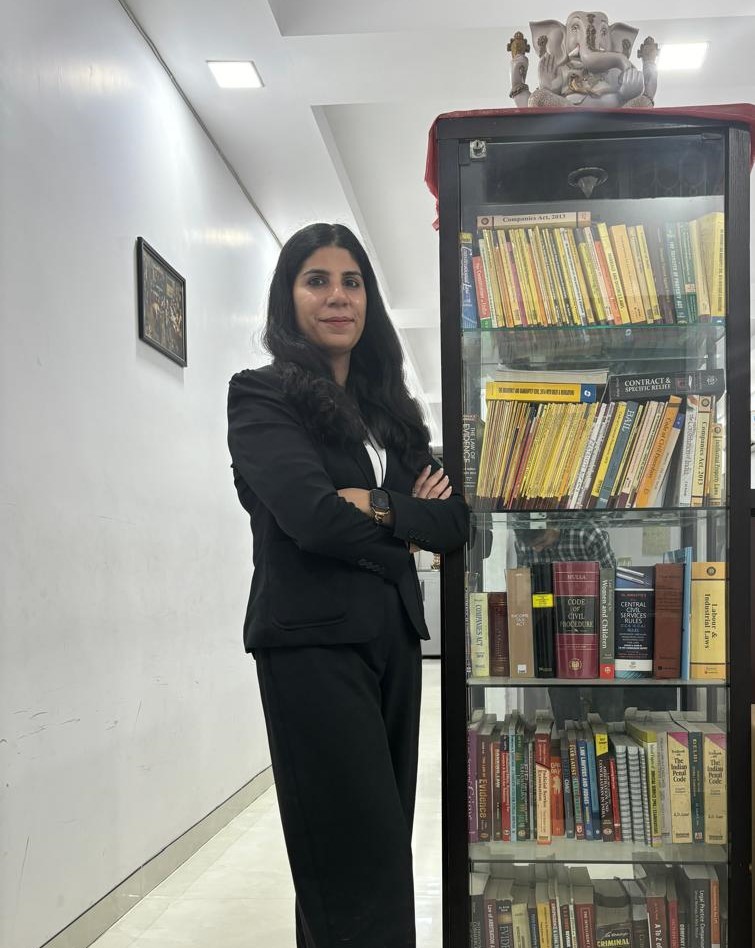




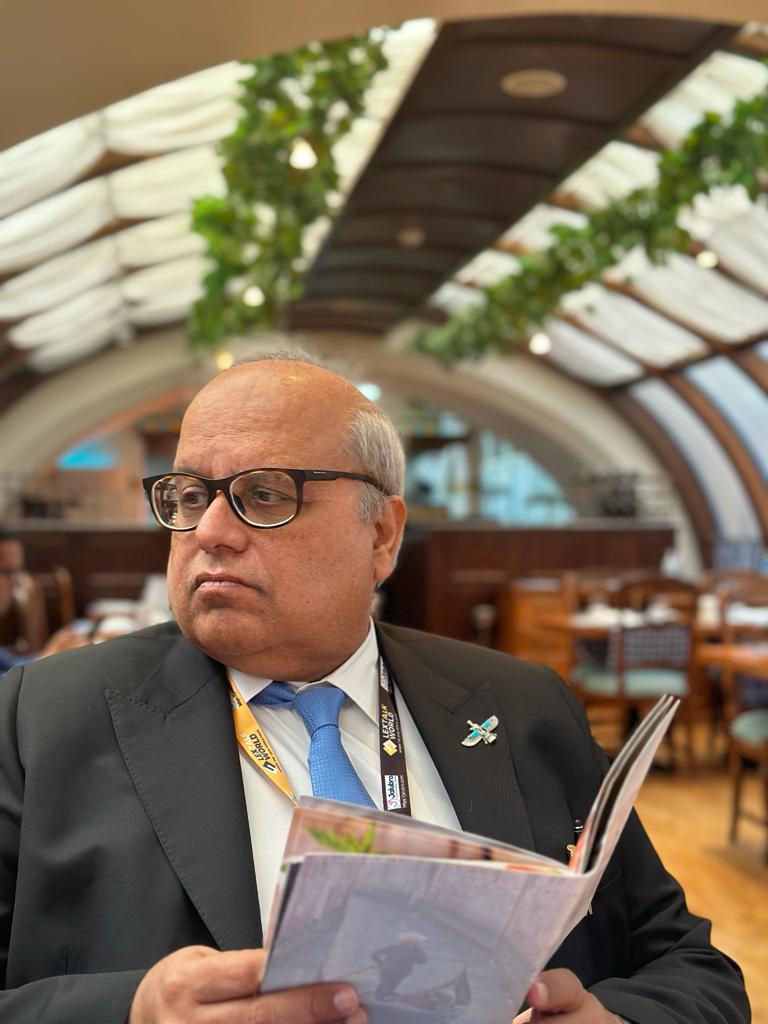

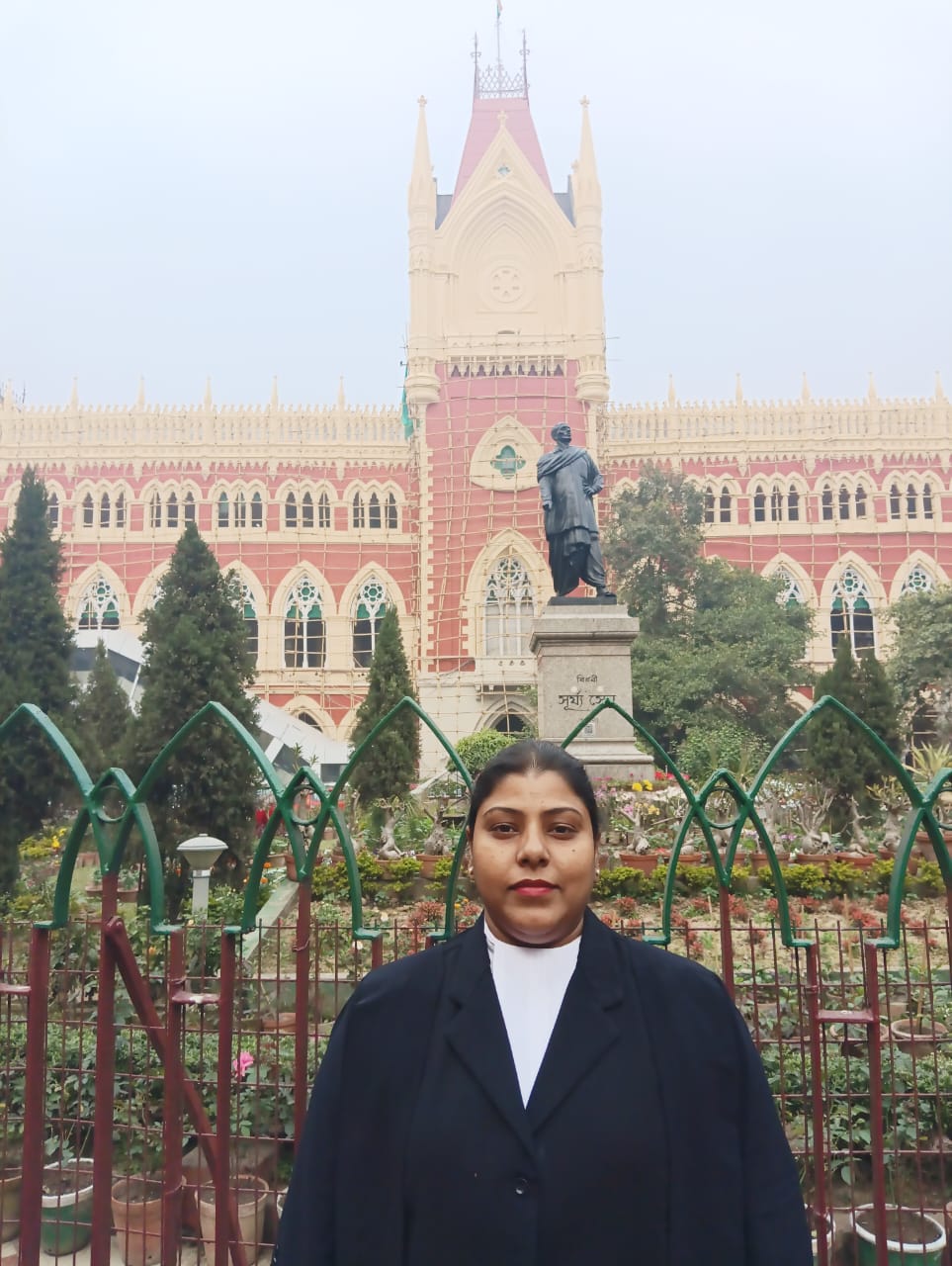

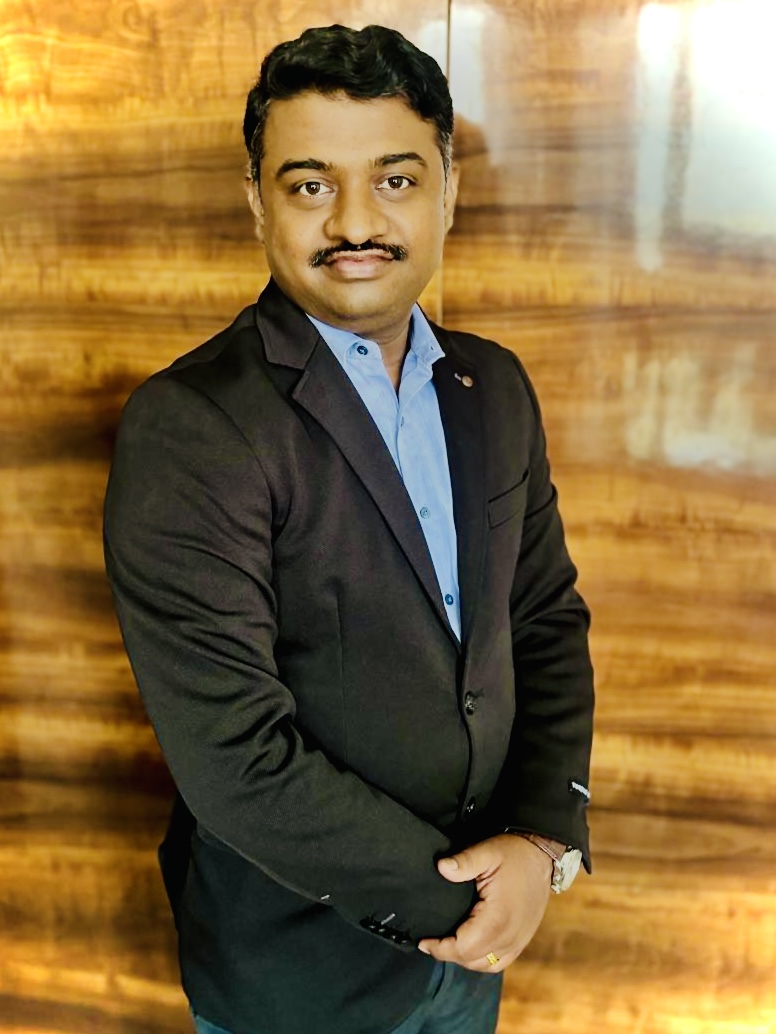


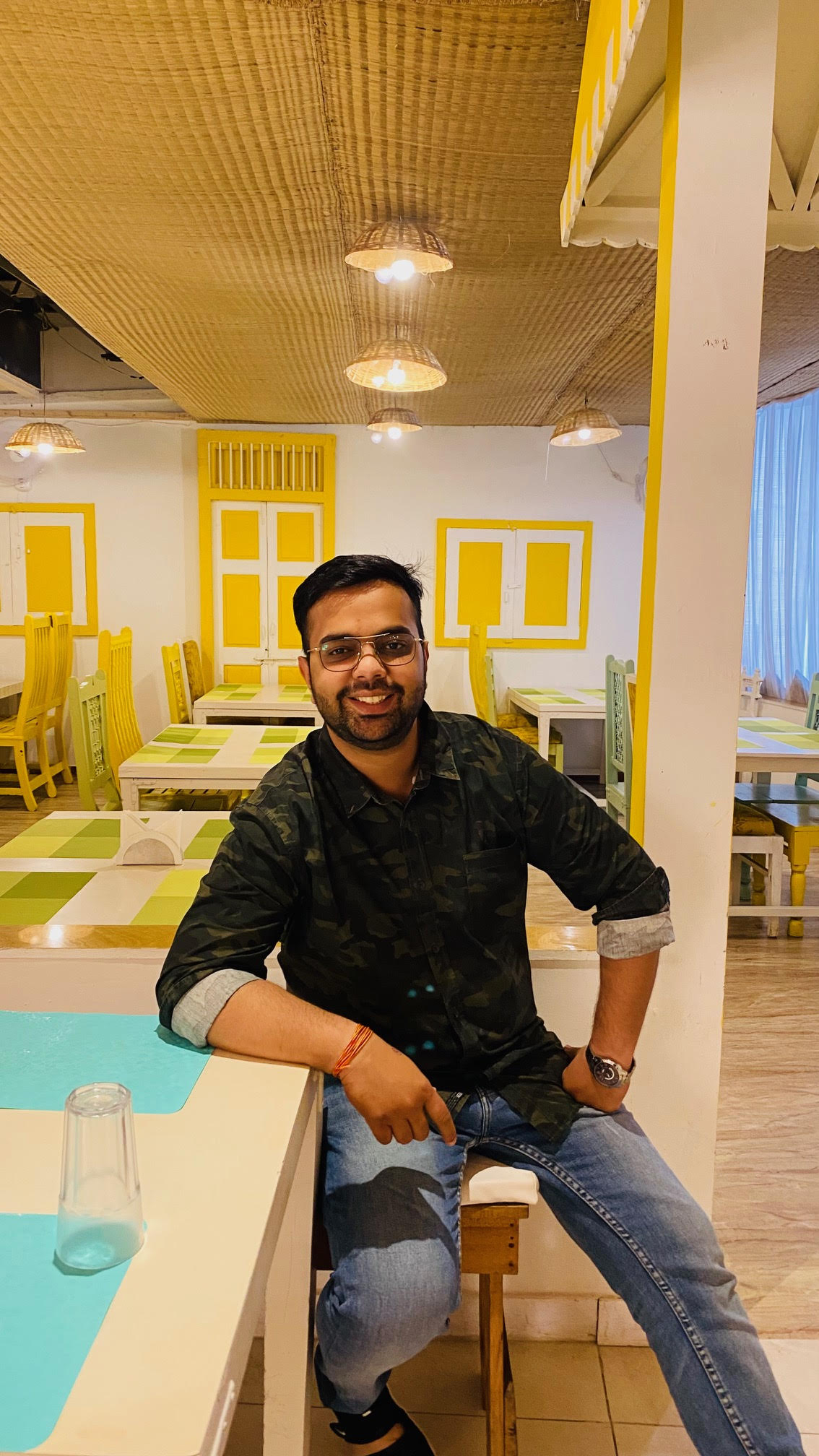





 Allow notifications