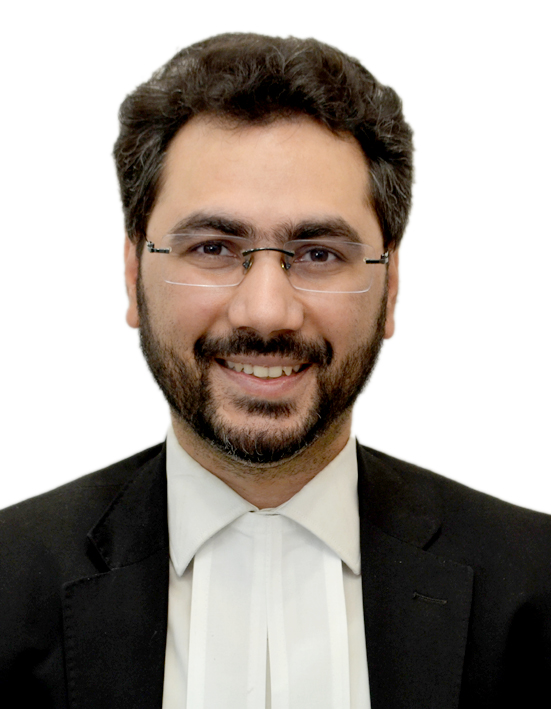
Could you introduce yourself and share a brief overview of your journey from college to becoming a Partner at Fox Mandal & Associates LLP?
I am Saurabh Bindal, a Partner at Fox Mandal & Associates LLP, heading the Disputes and Litigation practice of the Firm in Delhi. I did my Engineering and thereafter, decided to pursue Law from the reputed Indian Institute of Technology, Kharagpur, India. Thereafter, I started practicing in a reputed Intellectual Property Law Firm in National Capital Region. After a short stint at the Firm, I realized my calling to be a litigation and disputes Lawyer. Subsequently, I have worked with different Law Firms in the past in various capabilities.
In my current role, I render dispute resolution support to clients on issues relating to Arbitration law, Intellectual Property law, Privacy law, Information Technology law, Constitution, Company Law, Contract Law, Employment Law, Electricity Law, Insolvency and Bankruptcy Code.
I have eight books to my name and several publications in leading journals. I like to speak on different facets of law and have had the opportunity to represent my clients in different forums, in India and abroad.
With significant experience in diverse areas of law, including Arbitration, Intellectual Property, and Employment Law, what inspired you to pursue such a multifaceted legal career?
Well, you know, I firmly believe that the practice of law is based on continuous learning. I try to learn each day. The inspiration to learn is something that keeps me motivated in life. I have worked on different facets of law as that motivates me to grow. One must find a purpose in life. For me, I tend to believe now that my purpose was in the practice of law. Once, you start practicing law, you must be internally inspired to keep the channels of learning open.
As a Partner at Fox Mandal & Associates LLP, you lead the Alternate Dispute Resolution and Litigation practice. Could you share some insights into the challenges and successes you’ve encountered in this role?
The role I am currently engaged in is quite challenging. Each day there are new hurdles, and you have no other option but to live it up to them. As a leader, one must take everything as a part and parcel of life. In life, your failures become your teachers and your success your enemy. I believe it will be very difficult to point out every challenge faced by an individual in her or his role. However, after some point of time, with one’s hard work, every challenge a person faces in life sometimes becomes an opportunity to strive forward. The only insight I could share with the challenges faced by me in my role is that each challenge has taught me new ways to live a meaningful life.
Aside from being a legal expert, you’re also an author, having written several books on intellectual property law, arbitration law, and privacy law. What inspired you to delve into writing, and how does it complement your legal practice?
The person who brought me pen and paper was Dr Uday Shankar, a Professor at the prestigious Indian Institute of Technology, Kharagpur. It was he who asked me to assist him with a submission. When I look back, I give all the credit in my writing to him for his patience with me. He has been my friend, philosopher, and guide.
I would also like to give credit for my writing to Eastern Book Company. Eastern Book family, and more particularly Mr. Sumeet Malik has been very kind in holding my hands. Majorly, all my books are thoroughly reviewed by him personally and he has contributed much to my life.
You’ve been recognized as an expert public speaker. What’s your favorite topic to speak about, and do you have any memorable experiences or anecdotes from your speaking engagements that you’d like to share?
Like the practice of law, public speaking is also a lifetime learning experience. The more you do it, the more you learn about engaging the audience. I have been constantly trying to master the art. Each event I speak at, makes me realize that speaking in public is also an art, at which, I am just a novice.
Having worked with various law firms, including Desai & Diwanji and Singhania & Partners, what lessons have you learned throughout your career, and how have these experiences shaped your approach to legal practice?
I have only learnt that your hard work will get recognized in life. You will always have people around you to pray for you in life, if you are good. I have always maintained good relationships with every Firm I have left. It is a very important learning in life. This has certainly helped me in shaping my legal practice. A legal practitioner must deal with different clients and as an officer of the Court must assist the Court. I believe, my experiences in life have taught me how to interact with clients and make a long-lasting relationship with them. My work in all the past firms has also taught me that it is only your work which will define you.
Apart from your legal expertise, your profile mentions that you are an insightful writer. When you’re not writing legal pieces, do you have any personal writing projects or genres you enjoy exploring in your free time?
Frankly speaking, I used to read a lot of fiction. Lately, I don’t get time to read fiction and that is something that I miss.
As a lawyer with a keen interest in technology, what’s your take on the evolving landscape of privacy and data protection, and how do you think legal professionals can stay ahead in such a dynamic field?
Intersection of law and technology is always appealing. COVID-19 pandemic taught all the lawyers to accept that intersection. Privacy as a concept is relatively new to India. We are still to see the rules being made under the Digital Data Protection Act, 2023. For legal professionals, it will be my advice that to stay ahead in this dynamic field, they must embrace the change which the Act has brought to India. I am sure that there will be a lot of work which will flow from the Act as it has recognized right of individual to keep his digital data private and talked about the repercussions if sharing of such data leads to any breach.
As someone who has excelled in both professional and personal life, receiving accolades such as the India Business Leader Award and the Young Alumni Achiever Award, what advice would you offer to young legal professionals aspiring to achieve similar success?
My advice to young legal minds would be to read, write, laugh, and enjoy life. One must be passionate about her or his work. If law is something, that you are passionate about, I am sure that everything else will follow. It is only work that will take any person ahead in life.
Can you share the pivotal moments or experiences that led you to pursue a career in law, specifically specializing in Intellectual Property Laws?
It is said that every person has their own destiny. I had come to Delhi to crack Civil Services. Failure to crack civil services pushed me to try law. It is also true that the interest of the students in particular subjects depend upon the teacher teaching the subject. While pursuing law in Campus Law Centre, University of Delhi the discussions and interactions were very interesting, engaging and different from all the other subjects. That is what piqued my interest in the IP laws and how I decided to pursue my career in IP. My interest further grew when I started PG Diploma in Intellectual Property from Indian Law Institute and then I saw how important it was to protect ideas and creations. This realization further motivated me to explore IP laws.
This journey has not only shaped my career goals but also fueled my passion for advocating the significance of intellectual property. I am eager to use my legal skills to support and defend the innovations that drive our society forward.
Given your extensive experience in handling more than 200 litigations, could you highlight a case that significantly shaped your approach to legal practice or left a lasting impression on you?
One time, during the early days of my career, I was appearing before a Single Judge of Hon’ble Delhi High Court in an appeal against the order of the Copyright Board. I was assisting my senior who was to argue the matter and was thoroughly prepared with the matter myself. However, when the matter was called, my senior was before another court appearing in another matter. The Passover request was declined by the court and I was asked to argue the matter. I was a bit nervous but presented the facts of the case with energy. However, the Ld. Judge wanted to hear from me the application of ‘Principle of Comity’ to the case which I was unable to. The Ld. Judge then not took the time to explain the principle but also taught the same to me like a teacher. The Ld. Judge definitely sympathized with a junior caught off-guard but that experience taught me that it is not sufficient to only know the facts of your case. It is also important to know how the law applies to those facts and that there is a manner in which laws and facts should be presented before the court for understanding of the judge. I have never forgotten the ‘Principle of Comity’ since and have applied the judgment passed by the Ld. Judge in my favour in various cases handled thereafter.
You’ve been involved in various contentions cases related to trademarks, copyright, and designs. What drew you to these specific areas within Intellectual Property, and how have you seen these fields evolve over your 15 years of practice?
I was drawn to specializing in trademarks, copyright, and design within intellectual property because of their dynamic nature and the real-world impact they have on businesses and creativity. These areas require a delicate balance between protecting original ideas and allowing for innovation and competition.
Over my 15 years of practice, I’ve witnessed significant evolution in these fields. The advent of the digital age has transformed the landscape of IP laws. During my journey, just as an example, I have seen issues about exhaustion of rights in physical sale of products raised for the first time. We then reached an era of online sales and issues such as those of intermediaries and jurisdiction in cases of online sales etc. cropped up before the courts and now, we are discussing the impact of AI in all domains. The changes are not only with respect to the law but also the procedures before the courts. The advent of Commercial courts, special IP Division, digital filings etc. have also made litigation for litigators and litigants hassle-free.
The ever-changing technological and business landscape continually presents new challenges, making it imperative to stay at the forefront of legal developments. I find it both professionally rewarding and intellectually stimulating to navigate these complexities and contribute to the evolving dialogue within IP laws.
Being a regular guest on All India Radio and a guest faculty at the Indian Law Institute, can you tell us about the role of education and public outreach in your legal career and how it contributes to your professional growth?
Being a regular guest on All India Radio and serving as a guest faculty at the Indian Law Institute apart from various other Universities has been instrumental in shaping my legal career.
Engaging with the public through All India Radio allowed me to simplify legal concepts and make them accessible to a broader audience. My appearances at the AIR were not only limited to talking about IP Laws but also on various other laws which are relevant for socio-economic conditions of society.
As a guest faculty at universities, I have the opportunity to interact with aspiring legal professionals. Teaching not only allows me to share my practical experiences but also keeps me abreast of the latest developments in legal academia. The exchange of ideas with students fosters a two-way learning process, enhancing my own understanding of legal principles.
These educational and outreach activities complement legal practice providing a unique perspective about various issues and challenges faced by students and members of the public which I might not have the opportunity to otherwise encounter.
You’ve been a panelist at the Conclave of Dharmashastra National Law University on the topic of AI and Intellectual Property. How do you see emerging technologies impacting the field of law, specifically in Intellectual Property, and what challenges and opportunities do you foresee?
As a panelist at the Conclave of Dharmashastra National Law University on AI and Intellectual Property, I had the privilege of discussing the impact that emerging technologies have on the field of law, particularly IP. The intersection of AI and IP presents both challenges and opportunities.
The advent of AI has streamlined certain aspects of IP processes, such as patent searches and prior art analysis, significantly enhancing efficiency. However, it also raises challenges in addressing issues like AI-generated creations and the attribution of intellectual property rights.
Opportunities lie in leveraging AI for more robust IP protection mechanisms and the development of innovative solutions to combat piracy and infringement. Additionally, the use of AI in data analysis has proven invaluable in identifying patterns of IP violations.
On the flip side, challenges include the need for updated regulations to address the unique aspects of AI-generated content and the ethical considerations surrounding AI in the legal landscape. Striking a balance between fostering innovation and safeguarding IP rights in this evolving technological landscape is a complex but essential task.
Overall, embracing these technological advancements is crucial for the evolution of IP law, and navigating these challenges presents an exciting opportunity to shape a more resilient and adaptive legal framework.
Having conducted numerous civil and criminal raids, can you share a particularly challenging enforcement situation you encountered and how you navigated through it?
There was a civil raid in Meerut in around 2014 which comes to my mind. I along with a court appointed Commissioner was visiting a wholesaler engaged in the sale of infringing coffee. Initially, we went to the police station wherein we were declined assistance. However, considering the Commissioner had orders from the Court and there were chances of goods being removed now, since we had given information to the Police, we reached the premises directly. The entire process was obstructed and delayed by the female family members of the shop owner and during that period several nearby shopkeepers and market leaders gathered. We were surrounded by around 80-100 people who all turned aggressive and did not allow us to conduct the seizure or even go back to our car. I then spoke to the president of the market association who was leading the mob and explained to him that the infringing activity that the wholesaler was involved in was not only harming the reputation of the client but the low quality products being sold by the party was also being consumed by the public including the families of various members of the mob. After some explaining and a cool temper kept by us throughout, the mob allowed us to invent the stock, prepare a report and leave without seizing the products.
Though I must add, not all civil and criminal raids have such interesting stories. While this story does not paint a pretty picture of how sometimes civil or criminal actions turn out, this also reminds me of how a calm mind, quick thinking and easy communication can help you overcome challenging situations.
As a lawyer with strengths in team management, litigation, and public speaking, how do you balance these diverse skills in your day-to-day practice, and which aspect do you find most fulfilling?
As a lawyer and working with an esteemed organization one learns to strike a balance between these and various other aspects of being a professional. In my view, the job of a lawyer demands an all-round capability and one is tested everyday with challenges on these fronts. It is not only required of me to manage the team or prepare for various court cases or attend public speaking sessions but also to participate in other activities such as management of the Firm, attending conferences for business development etc.
Delegating responsibilities, ensuring clear communication, and fostering a collaborative environment are all aspects of managing a team which will run as a well-oiled machine. This allows me to streamline workflows and gives me the chance to undertake other works and projects. In order to achieve the same, a robust motivated team is a must. It is my philosophy that my team should pass on the complete knowledge which I possess in all fields, and that is one of the most fulfilling experiences as a professional. I also ensure that my team is motivated and properly trained to effectively complete the delegated works which not only allows me time for other endeavors but also allows them to grow independently.
Litigation requires meticulous preparation, attention to detail, and the ability to think on my feet. Prioritizing tasks, managing timelines efficiently, and staying adaptable to the evolving nature of legal proceedings are the pillars of effective advocacy. On the other hand, public speaking allows me to not only advocate for my clients but also contribute to legal education and public understanding of the law.
Looking back at your journey from law school to moderating a topic at INTA in Atlanta in 2024, what advice would you give to fresh law graduates aspiring to specialize in Intellectual Property or follow a similar path in their legal careers?
My advice to the fresh law graduates aspiring to specialize in IP or pursuing a similar path would be to (i) Build a Strong Foundation by focusing on learning and gaining practical experience in initial years of practice; (ii) Keep yourself updated with the latest legal developments and familiarize yourself with technological tools used in the legal field; (iii) Develop Communication Skills as effective communication, both written and verbal, is crucial for a lawyer. This also includes honing your networking skills which open up various opportunities for one; (iv) Be flexible to adapt to the demanding situations and conditions of the profession.
Remember, each step contributes to your growth, and perseverance is key in building a successful career.
From your diverse experience in the legal arena to your recent recognition with the ‘BW 40 Under 40’ award, can you share a bit about what motivates you in your legal journey?
My journey in the legal field has been fueled by a combination of factors. At its core is a deep-seated passion for justice and equality, using the legal platform to advocate for these values in individual cases and broader policy realms. The legal profession’s intellectual demands and ever-changing landscape provide ongoing challenges and learning opportunities, which I find stimulating and rewarding.
The impact of legal work on society is a significant motivator for me, as I aim for excellence and integrity in all my endeavors, understanding the substantial influence my work can have on people’s lives and societal norms.
The recognition and achievements, such as the ‘BW 40 Under 40’ award, validates my efforts and propel me to continue contributing meaningfully to the field.
Being part of a community of legal professionals and mentoring emerging talents enhances my journey, helping to shape the next generation of lawyers. This amalgamation of personal passion, intellectual curiosity, societal impact, professional recognition, community engagement, personal growth, and advocacy for change continues to drive my legal journey.
You’ve had an extensive legal career, from district courts to the Supreme Court. How has your approach to cases evolved over the years, and are there any experiences from your early days that significantly shaped your legal philosophy?
Reflecting on my extensive legal career, which has spanned from district courts to the Supreme Court, I have noticed significant change in my approach to legal cases. I moved to the Supreme Court in 2014 before which, I was at the Punjab and Haryana High Court at Chandigarh for 10 years. I essentially started my practice in 2004 at the District Courts Rohtak and later moved to Chandigarh when I got the opportunity to become an Assistant Advocate General in 2005. I left the office of the Advocate General in 2008 to start my own private practise and became retainer to the Haryana Urban Development Authority. In 2011, I became Additional Advocate General, Haryana.
In my early days, my focus was primarily on learning and applying basic legal principles. However, as I delved deeper into the intricacies of law, my understanding and approach became more nuanced, especially when arguing before the Supreme Court.
One of the most profound changes has been in my analytical skills. Initially, my approach was straightforward, centering on the direct application of the law. But with time and experience, I’ve shifted towards more complex legal reasoning and constitutional interpretation, considering various legal precedents.
Moreover, my legal philosophy has evolved considerably. Landmark cases and mentorships in my early career significantly shaped my views.
I treat every new case with a new perspective and fresh outlook. My first major trial as a young attorney remains an experience that has definitely shaped my legal philosophy. It taught me the importance of thorough preparation and the profound impact of the legal system on an individual’s life. My father’s advice – “a good lawyer is not one who knows the law, rather one who knows where the law is” captures a profound truth about the practice of law. Over time, I realised that what mattered more was developing the skill to research efficiently, understand the context of the laws, and apply them appropriately to different scenarios. It is not just about what you know, but how you use your knowledge to find solutions.
You have worked as an Additional Advocate General for the State of Haryana in the past and presently you have an independent counsel practice at the Supreme Court. What do you think is the difference in both the kinds of practice? Would you go back to being a government counsel?
Transitioning from being an Additional Advocate General (AAG) to an independent counsel practicing at the Supreme Court in India marks a notable shift in roles and responsibilities within the legal profession.
As an AAG, my primary focus was on representing the State’s interests in various legal matters. It involved offering legal advice to government departments, handling constitutional issues, and representing the state in litigation proceedings. Working closely with government agencies, providing legal opinions, and defending the government’s stance in court were key aspects of this role.
In contrast, as an independent counsel at the Supreme Court, I’ve had the opportunity to represent private clients or organizations across a wide spectrum of cases. This entails a broader range of legal issues spanning constitutional law, civil matters, criminal cases, and public interest litigations. The autonomy to select cases and clients and the diversity of legal subjects have been enriching aspects of this practice.
The transition has brought about a shift in focus and clientele. While government counsel primarily revolves around serving the state’s interests, independent practice offers a more varied landscape, allowing me to choose cases aligned with diverse interests and work across multiple areas of law.
The decision to return to government counsel or continue as an independent practitioner depends on various factors. While government service offers a sense of duty and the opportunity to serve the public, independent practice provides flexibility, a wider scope of cases, and personal career growth. My decision would be guided by a balance between these factors and my aspirations within the legal profession.
As a legal professional with a commitment to growth and development, how do you balance your role as an Advocate-on-Record with your position as a Visiting Faculty and your involvement in various professional and academic bodies? How do these diverse roles contribute to your overall professional fulfillment?
Balancing my roles as an Advocate on Record with my position as a Visiting Faculty and an active membership of various professional and academic bodies is indeed challenging but immensely fulfilling. Each role complements and enriches the other. As an advocate on record, I deal with complex legal issues firsthand, which I then bring into my role as a Visiting Faculty, making my lectures more relevant and dynamic. On the other hand, interacting with students keeps me abreast of fresh perspectives and emerging legal theories, which informs my practice. My involvement with various professional and academic bodies allows me to keep myself updated with the latest legal development and professional standards. My diverse roles provide me with opportunities for networking with legal professionals, academicians and students. At times, these interactions lead to collaborative projects, thereby enriching my professional experience and contributing to my growth. Juggling these roles is not just about career advancement; it’s deeply fulfilling. Teaching allows me to give back to the legal community, shaping future legal minds. My court practice keeps me grounded in the practical realities of law, and my involvement in professional bodies lets me contribute to the legal profession’s evolution.
Beyond the courtroom, you’ve been recognized as a BW 40 Under 40 Best Lawyer and Legal Influencer. How did it feel to receive such an award, and what does this recognition mean to you personally and professionally?
I remember quite vividly that I received the email stating that I had won the BW 40 under 40 at 1:30 am at night and I felt extremely elated and joyous. I remember feeling extremely grateful for people who have supported me throughout my career and have pushed me in the right direction. Receiving an award of high stature indeed brings numerous rewards, including recognition and visibility, both personally and professionally. On a personal level, such an honor serves as a validation of my hard work and dedication. It’s a tangible acknowledgment of the countless hours, effort, and perseverance that I have put into my legal career. This recognition goes beyond mere professional achievement; it resonates with my commitment to excellence and the values I uphold in my practice.
Professionally, an award of this nature symbolizes the high standard I have set as a lawyer. It enhances my credibility and reputation in the legal community, signaling to peers, clients, and the industry at large that my contributions are significant and impactful. This visibility can open doors to new opportunities, collaborations, and professional growth.
Moreover, such recognition can serve as an inspiration to others in the legal field, especially emerging lawyers who may see in my journey a path to aspire to. It is a reminder that dedication and quality work are noticed and appreciated.
In essence, while the award is a personal achievement, its implications extend far beyond, enriching my professional journey and potentially influencing the broader legal community.
Your involvement in the Indo-French Chamber of Commerce & Industry highlights your connection to international matters. How do you navigate the legal landscape when working with French companies, and what unique challenges or rewards does this bring to your practice?
My involvement with the Indo-French Chamber of Commerce & Industry indeed adds an international dimension to my legal practice, particularly in navigating the legal landscape when working with French Companies. Working with French companies requires an appreciation of cultural differences in business and legal practices. This includes understanding formalities, negotiation styles, and the general approach to contracts and disputes. Being culturally sensitive and adaptable is key to building strong professional relationships and trust. This provides an opportunity to work on diverse and often complex international legal matters, enhancing my expertise and broadening my professional horizon. It also allows for significant networking opportunities fostering a global perspective.
Outside the legal realm, what activities or hobbies do you engage in to unwind and recharge? Is there a particular hobby or interest that you find complements your legal profession in unexpected ways?
Outside the legal realm, I engage in several activities and hobbies that help me unwind and recharge.
I used to be captain of my University Lawn Tennis Team at the time I was pursuing BA LLB. I really enjoy playing sports, whether it is Lawn Tennis or Cricket or Badminton. I regularly take part in SCBA Cricket Tournaments.
One of my favorite pastimes is reading. Delving into various books, without any specific genre preference, allows me to explore a wide range of ideas, cultures, and philosophies. “Tuesdays with Morrie” by Mitch Albom is a personal favourite of mine. It’s narrative is centered around Morrie’s reflection on life as he confronts ALS, and it provides invaluable lessons on the essence of human existence and relationships.
Apart from this, I greatly enjoy watching movies. They offer a complete escape into different worlds and narratives, providing a mental break from the rigors of law. My favourite movie is The Godfather.
Each of these hobbies, in their own unique way, complements my legal career. They provide balance, enhance skills relevant to my profession, and keep me grounded and focused.
With over two decades in law, what advice would you give to young lawyers starting their journey in the legal field, especially those who aspire to make a significant impact?
The best advice I would give someone who is just starting their legal journey is that there is no substitute for hard work and there is no shortcut to success. A legal professional should always work hard and have faith in what he/she does.
Arguing in court is what every law student strives for. However, initially the focus should be entirely on honing your drafting skills and developing the skills of doing extensive and exhaustive research. In law, learning never ends. Even today, after practicing for 20 years, I continue to learn something new every single day. Law is constantly evolving and changing and you should try to keep yourself updated. Whether it is through legal news apps such as SCCOnLine or LiveLaw or following your mentors and senior lawyers on LinkedIn or through conferences and seminars.
When it comes to arguing in court, it’s okay to stumble occasionally. Everyone has ups and downs. The goal isn’t always to be the best but to make your point clear. Judges often understand and are patient with newer lawyers. Prepare well and present your case in simple terms. A solid grasp of the relevant law and case facts is essential.
Can you share a bit about your background and what motivated you to pursue a career in law, especially in areas like Corporate Criminal Liability and White-Collar Crime?
I completed my five-year integrated law degree from Panjab University, Chandigarh in 2012. I belong to a family of non-lawyers, but my sister, who is also a lawyer, inspired me to join the legal profession and showed me its various aspects. I did not have a clear career goal when I was young, unlike many of my classmates and the current generation of students. The only career options I heard from my parents were engineering or commercial airline pilot. Thankfully, my sister guided me towards the law field and helped me make a wise decision.
I started my legal career as a civil lawyer, focusing on Intellectual Property Rights, at the district court level. That was the stage where I discovered my true passion and direction in the law field. Later, I got the chance to work with HMJ Sanjeev Narula, who was then the standing counsel for various government bodies and also had his private practice. He mentored me at the Delhi High Court and exposed me to various fields of law including White-collar and corporate criminal matters. I gained valuable experience working for agencies like the Serious Fraud Investigation Office, Central Bureau of Investigation, the Enforcement Directorate, Directorate of Revenue Intelligence, and others.
When he was elevated, I changed my path and joined Luthra and Luthra. The firm gave me a different perspective and I started representing corporations and individuals instead of government agencies. I think your goals evolve over time, especially after you find out what you are good at or enjoy in the profession. Nowadays, as it has been for the last few years, the motivation that drives me is the intrinsic nature and complexity of an issue or a dispute, which challenges you to come up with creative solutions.
You’ve had a diverse legal career working in different domains such as international commercial arbitration, indirect taxation, and intellectual property rights. How did you develop expertise in these various areas?
I always liked the idea that a lawyer is a jack of all trades and master of none. I discovered early in my career that I had a curiosity to explore more than one area of law. This notion was reinforced when I worked with Mr. Narula on various matters involving different fields of law. His office had a wide range of work, and I got the chance to experience multiple aspects of law. I enjoyed working on new things as it kept my interest alive and my thinking sharp. So, it’s the opportunities that I got and the skills that I developed for them along the way that led to my diverse portfolio. I would say I am the opposite of today’s profession that requires specialization.
Could you describe some of the most challenging cases you’ve worked on, particularly in the context of corporate criminal liability and white-collar crime? What were the key takeaways from those experiences?
One of the most memorable cases that I recall is the series of petitions that challenged SFIO’s power to arrest for fraud under the Companies Act 2013 when it was notified. I was still working for the government then and SFIO had started taking action against individuals and corporations for committing fraud under the companies act after the notification of its arrest powers. It reminded me of the old days (company law board), when I used to assist Mr. Narula in the petitions filed by the government against Satyam computers. Those were the cases where SFIO had done thorough scientific investigation into the affairs of a company, but due to the lack of authority under the old companies act, the agency could only submit a report before the tribunal and seek civil remedies. This changed with the new companies act and especially in 2017, when the arrest powers were notified. SFIO then had broader powers, similar to those exercised by the Enforcement Directorate under the PMLA. With new powers came new challenges to those powers and we had to defend the SFIO’s powers before the Delhi High Court. Since the provision was new for the agency and for us, working with them to overcome the legal obstacles raised by the Petitioners gave us a lot of insight into how these agencies function.
You have extensive experience representing the Central Government. Could you share some insights into working on high-value matters related to sensitive issues, such as policy, treaty investment, and enforcement matters?
I had the opportunity to represent the government in various policy decisions, including its foreign trade policy, international trade protective measures (countervailing duty, safeguard duty – Anti-dumping), investment treaty arbitration matter et.al. One of the most fascinating and enriching learning experiences was when the government introduced the goods and service tax regime in 2016. At that time, I was still navigating my way around the existing indirect tax regime under the Central Excise act and the Finance Act. With the overall shift from a structure that was in effect for decades, it brought a lot of new challenges, ranging from interpretation to implementation to enforcement and so on. That was one of the moments when I witnessed the government and the judiciary being pragmatic and flexible in their approach with the sole aim to assist the assesses.
Then there was the most unique proceeding that the government initiated when Vodafone decided to initiate a second investment treaty arbitration against India, which was based on similar facts. This was the situation where the host country filed a proceeding before its own courts to restrain a foreign investor from proceeding with an arbitration under a Bilateral Investment Protection Agreement, which according to the host was nothing but an abuse of process. This was essentially my first encounter with issues arising out of international vis a vis domestic law – the overlap, comity of courts and the contours of investment protection agreements. Although the government did get the relief it sought – under the proceedings, despite the case being decided against it, the Delhi High Court rendered a judgment covering a lot of issues for the very first time.
One of the most intriguing issues in the enforcement aspect would be the power of agencies like the ED, DRI under the PMLA & Customs Act to record the statement of a person that can be used as evidence against them in a court of law. This is a tremendous power that is somewhat similar to the powers exercised by the Police under the CrpC, but the absence of similar safeguards in their parent statutes made it a very interesting aspect to work on.
Arbitration is one of your main areas of practice. What are some key considerations for businesses and individuals when choosing between domestic and international arbitration? How do you navigate the complexities of multi-jurisdictional shareholders’ disputes?
The reasons for choosing arbitration are constantly changing, but I have seen my domestic clients choose arbitration for a faster dispute resolution mechanism that promises them a quick resolution, especially when the courts are overloaded with their own backlog. However, these reasons are no longer valid as the post award proceedings before the courts cause significant delays that take years before there is any final determination on the disputes. On the international arbitration front, the demand is very simple: neutrality from a legal system that may favor one over the other.
The multi-jurisdictional disputes raise complex issues of jurisdiction, arbitrability of disputes, conflict of laws, enforceability across various legal systems that often become difficult to navigate. The sensible solution is to work with your domestic counterparts who can give you a better insight on the legal system prevailing in their jurisdiction, rather than trying to re-invent the wheel.
You’ve represented clients on a wide range of issues, including cybercrime and social media. Can you elaborate on the legal challenges and strategies associated with these areas, especially with the ever-evolving landscape of technology and privacy?
Cybercrime is a technical and dynamic phenomenon that poses a serious challenge to the law enforcement agencies. They need to be sensitized and equipped to deal with the various forms and manifestations of cybercrime, such as deep fakes, cyber hate, cyber terrorism, and cyber radicalization, which are constantly evolving and outstripping the existing legal norms and standards. They also need to collaborate and coordinate with other national and international authorities to effectively investigate, prosecute, and deter cybercrime, which often transcends the conventional boundaries and categories of the Indian Penal Code.
With your extensive experience in litigation, could you share some insights on how you approach complex contractual and commercial litigation, as well as constitutional matters?
To handle a complex contractual and commercial litigation, start by grasping the contractual relationship and the commercial transaction at the core of the dispute, along with the applicable legal principles and rules. Then pinpoint the main issues and disputes between the parties, and the potential remedies and reliefs that are available or sought. Based on the facts, evidence, and law, devise a clear and coherent strategy and argument to advance or defend the case. Most importantly, prepare and present persuasive and well-structured pleadings, submissions, and oral arguments, and counter the opposing party’s contentions and objections effectively. Moreover, if need be, explore and pursue alternative dispute resolution methods, such as negotiation, mediation, or arbitration, when appropriate and feasible, to achieve a satisfactory and cost-effective outcome. On the other hand, constitutional matters require identifying and raising the constitutional issues involved in the case, and analysing the relevant precedents and their applicability to the facts. The case also needs to be tested on the basic principles, such as jurisdiction, alternate remedy, delay, and latches, which may affect the admissibility and merit of the challenge. The level of difficulty and scrutiny of the challenge may vary depending on the facts of the case.
In your role as a Partner at your firm, you must provide valuable advice to your clients. What are the essential qualities and strategies you employ to provide practical and effective legal advice?
As a Partner at my firm, I have the responsibility and privilege of providing valuable advice to my clients on various legal matters. Some basic tenets that I stick to while doing that is to first and foremost listen and understand their needs, expectations, and concerns with the aim to identify the key points and issues that require consideration. I use my knowledge and experience to evaluate the strengths and weaknesses of their case. All of this is done to provide them clear and concise advice (sometimes frank) with accurate and relevant information – which includes explaining the legal principles and rules, the possible outcomes and consequences, and the pros and cons of different options and strategies.
Finally, as someone with a wealth of experience in the legal field, what advice would you give to fresh law graduates who are just starting their careers in the legal profession?
The legal profession is a diverse and dynamic field that offers various challenges and opportunities. You may need to try different options and acquire new skills before you find your ideal practice area or job. Don’t be scared to experiment with new things, especially in the initial year, and adjust to changing situations. You may discover new passions and interests that you never expected. You may not always get the guidance or support that you need, but you can always look for resources and mentors that can help you. Don’t wait for opportunities to come to you but try to create them yourself. Don’t depend on others to solve your problems but find your own solutions. There may be times when you may have to handle complex and sensitive issues and deal with a lot of information and documents. Be cautious and meticulous, reliability and consistency will take you a long way. Never forget, that the legal profession is based on relationships and ethics and requires a high level of integrity and courtesy. You need to be respectful and civil in your communication and respect the rights and views of others, especially your seniors.
Your career journey reflects a mix of corporate dynamism and legal finesse. Can you share a defining moment or experience that led you into the world of law and compliance?
Well, thank you for putting it so nicely. In 2011, I joined the compliance team of India bulls right after completing my graduation from Sri Venkatestwara College, University of Delhi. However, my academic tryst with the Law started much earlier in 2008 when I decided to pursue Company Secretary professional course which primarily introduced me to legal world of corporate law as this course involves an intensive study of different branches of laws namely taxation, finance, business ethics, labor, costing, capital market and securities laws, etc which regulate different stages of a business entity viz. incorporation, operations and expansion, merger and amalgamations, infusion of capital, liquidation and winding-up.
While doing my CS internship, I chanced upon an opportunity to review a NDA, instinctively I expressed my interest in vetting other contracts and my superior guided my way through it and encouraged me to study IPR laws and take the DU law entrance exam. Thus, study of one branch of law led me into another and ultimately to the realm of general corporate advisory.
Managing a team at Saga Legal, leading corporate advisory, and handling compliance – it sounds like a lot on your plate! How do you maintain work-life balance, and what’s your go-to stress buster outside the legal realm?
I wish that it is not seen as an endorsement of the 70 hours week rule in any manner whatsoever, having said thatbeing occupied is my ZEN. Honestly, I really do not find my work stressful though meeting deadlines can be overwhelming at times. But what fun life would be without a hustle!
Also, apart from hitting the sack, setting out on a retail therapy/street food hopping/reading are my next best stress busters.
You’ve been recognized for your achievements at HCL, Airtel, and beyond. Could you share a particularly rewarding moment or accomplishment in your career that brought a smile to your face?
Like any other individual, awards and rewards always cheer my heart up and work as a shot in the arm to strive harder to do better than the best.
It is not every day that you wake up going to receive a gold medal. I really thank my stars to have got one from the Indian Law Institute for earning a diploma in IPR Laws.
Awards and recognition become extremely special when you get them at the time when you least expect it and you are quietly doing your good damn job.
Having said that, I do not want to sound less grateful to any of the opportunities or accomplishments that have come my way in the past 12 years of my work experience. Every “thank you” email /text from a colleague or a client, every town hall meet, every R&R session counts. I always believe and say BEST IS YET TO COME!
Your articles at Bar & Bench showcase a depth of legal analysis. Can you take us through your writing process? What inspires your choice of legal topics, and how do you balance the technical aspects for a broader audience?
Interestingly, topics of all these articles so far have been influenced by the real time legal problem statements which I have encountered during my current advisory practices vis a vis latest legal development impacting the same. It is important to write relevant and informative articles.
I put my best efforts in order to ensure that articles are structured in the most lucid way possible. The preface and conclusion usually are drafted in a manner which can be understood by a business and legal person both. The body paragraphs are mainly where the techno-legal analysis is captured, which exhibit insights from domestic as well as international laws, judicial precedences and commercial and economic factors and impact of the issues in hand.
Beyond the legal realm, your education includes a diverse range of experiences, from Commerce to Company Secretaryship and Law. How has this interdisciplinary background shaped your approach to legal problem-solving, and do you see any unexpected connections between these fields that have proven valuable in your career?
Absolutely, having a multi-skill set always helped me in approaching the legal problems in a more holistic way. My interdisciplinary background has equipped me to adopt a threefold approach to arrive at commercially viable and compliant legal solutions for our clients.
Risk Identification: My foremost concern is to identify risk for the organization (legal, commercial, financial, regulatory) attached to the transaction.
Commercial Impact: Once risk is identified, approach is to eliminate/mitigate any terms which can substantially affect the organization commercially/financially.
Compliance Cost Management: As a compliance professional, I always keep an eye open for compliances attached to terms to be agreed under an agreement. Cost of compliance should never exceed the ROI.
In addition to your legal expertise, you’ve volunteered at the Commonwealth Games in 2010. Can you share a memorable experience from that time, and how do you think volunteering contributes to personal and professional growth?
If I can recall it correctly, our country got this opportunity to host CWG 2010 with great effort after beating Canada in one of the bids. I consider myself fortunate to have participated in a historic event like this. I was put to a screening process in Feb, 2010 and got selected along with other 20k odd volunteers. My general and role specific training were organized at Amity University Campus by some of the distinguished personalities. As a volunteer, I was trained for various aspects like medical support, disaster management, gender sensitivity and protocols (VVIP’s, media and athletes protocol).
During my volunteer experience at R.K. Khanna Tennis Stadium, I organically picked up the skills of project management, prompt decision making, creating and rotating a mix of individuals with right skill as well as will to get the show running no matter what.
Talking about experience, for me as a college student back then, it was surreal to witness national as well as international tennis sensations practicing and playing on the ground teaching the importance of resoluteness, consistency and constantly up-skilling one’s game.
Cherry on top was to see our country’s players win the game that evening and the tunes of the national anthem playing in the backdrop. A memory of this event is still so fresh in my mind and I fondly remember the people I met and the positive transformational impact it had on my approach to deal with life personally and professionally.
You’ve been recognized as one of the “Top 10 Best Women Leaders in Legal Consultants 2023” by Women Entrepreneur India. How does it feel to receive such accolades, and what advice would you give to aspiring women leaders in the legal profession?
It feels really awesome to be adjudged and be put next to my contemporaries and senior colleagues in the fraternity who constantly amaze and inspire me with their exceptional work and leadership. My life motto is She who dares, wins. So I would urge aspiring women leaders in the legal profession not to limit themselves to a mere box of existing ideas and ideologies and keep pushing the envelope. Be enterprising enough to command and create a healthy and safe work environment full of nothing but merits and sheer talent.
You’ve had an impressive career in the field of indirect tax advisory, but I’m curious to know what initially drew you to the field of taxation. Could you also share your journey and the factors that led you to pursue law as your career?
Thank you for taking interest in my career journey. I come from a business family, and as I grew up, the plan was always to brace the entrepreneurial journey, so I pursued commerce as the stream. I started looking after the books of accounts of our firms as I was graduating, which drew me closer to the number game in terms of the financial management and tax planning, and that is when I decided to pursue Chartered Accountancy.
During my articleship, as we represented clients before the tax authorities, I saw a scope in pursuing law as a career. I was drawn towards the legal aspect of taxation, since even while defending the clients, we used to always rely on the legal jurisprudence. I therefore decided to develop my legal acumen and use the skills that I acquired during my articleship to step into the legal industry and make the most out of it. The immense support that I received from my family and friends during this phase of my career is unforgettable.
Interestingly, when I joined Lakshmikumaran & Sridharan Attorneys, I was the only Chartered Accountant at their Bangalore office. Since then, the journey has been nothing but a rollercoaster, but one which I have thoroughly enjoyed throughout. I consider myself fortunate enough to be able to pursue indirect tax as my core area of practice. And I think the idea to pursue Law along with Chartered Accountancy has been one of the best decisions of my career. Having said the same, I truly aspire to be amongst the leading indirect tax lawyers in the country.
As a Partner at Lakshmikumaran & Sridharan Attorneys, you play a key role in overseeing business development and client outreach. Can you tell us about a specific strategy or initiative you’ve been involved in that significantly contributed to the firm’s growth and success?
This is an interesting question. It is a well known fact that the outcome of business development and client outreach programmes are some of the key indicators to gauge a partner’s performance in law firms. I have been actively involved in such programmes, wherein we quite often discuss and strategize how to identify issues and support clients to structure their business to align with relevant laws. As part of regular business development activities, we try to generate leads and identify new projects in the areas of taxation. These initiatives have steered me to think out of the box and helped me in associating with new clients and securing new assignments from the existing clients as well.
I use social media platforms like LinkedIn and other applications to identify potential work opportunities, and also to share my views on issues that the industry may be facing. My regular interaction with business associations and Government’s grievance redressal committees not only helps me update myself with ongoing legal issues but also enables me to act as a medium for exchanging information between the stakeholders. I also try to attend as well as serve as a key speaker in important networking events through webinars or seminars. As a partner, it is my endeavour to offer strategic business development advice to the leadership, practice groups, and other associates who are working to strengthen their ties with the clients.
One of the most important things that I have realised throughout my journey is the importance of building trust. If your client does not trust you, they will never come to you. Even while providing them advice on the issues, I try to follow-up with them regularly to ensure that they don’t face any issues in implementation of the advice. I am also very active in updating the clients of any changes that are brought into the law which may have an impact in their business. This sense of involvement in their business has helped me gain their trust and confidence over the years. I strongly believe in building professional relationships with clients, which has worked in my favour over the years.
One of your significant achievements was in the implementation of GST (Goods and Services Tax) for various clients across different sectors. Given the complexity of this tax regime, what challenges have you encountered while working with clients from various industries, and how do you navigate these challenges effectively?
When the GST laws were implemented back in 2017, the industry was caught unprepared. That is when our role as indirect tax practitioners played a key factor in providing requisite support to the clients. I very proactively took up the responsibility of understanding business needs for ensuring a seamless and glitch free implementation and smooth transitioning of the old laws such as Central Excise, VAT and Service Tax into the GST regime.
One major challenge that I faced was that as new as the GST laws were for the clients, it was new for us as well. Therefore, understanding the GST laws in depth and to align them with different business models effectively and efficiently with no room for error was a major challenge initially as it required a lot of brainstorming. Maintaining the finest quality of drafts at the shortest turnaround time was another challenge that we overcame as a strong team. However, with time we ensured smooth transitioning of business from the erstwhile laws to GST law.
Tax laws are ever evolving, and we often face challenges in implementing them in the dynamic business environment. However, my interest in these laws is such that I try to keep myself updated with every minor change that is brought in, to make sure that when my clients need some advice, I am updated enough to be able to provide them with a well-researched and practically implementable opinion.
You provide legal opinions and undertake tax compliance review for your clients. Could you share an example of a particularly complex or interesting case where your expertise in this area made a significant impact?
Well, I would not like to call this complex, but an interesting judgement of the Supreme Court last year changed the position of a well settled law. The Apex Court in the case of Northern Operating Systems held that secondment of expatriates from foreign group companies to its Indian counterpart constitutes provision of manpower services and thereby leviable to tax. The industry under the genuine belief was not discharging GST. Pursuant to pronouncement of the said Judgement, the Industry has been receiving show cause notices from the Department with a proposal to demand GST along with interest and penalty, right from 2017. Since the volume of transactions is huge it has adversely impacted the Industry as it has become a huge cost for them. We are consistently working on this issue to justify the position and defend the same at appropriate forums to ensure that the issue does not have any further adverse effect on the industry and appropriate relief is provided to them in a time bound manner. I am hopeful that the Government would consider our submissions and come out with an eagerly awaited relief package for the industry.
You oversee all tax compliances and tax related disputes of your family business. How did this experience in the corporate sector influence your perspective on tax compliance and advisory work, and what lessons did you carry forward into your legal career?
Well, over the years I have learnt that the tax structure does not drive the business, rather it plays a minute but significant role in the decision making process. My experience in the corporate sector has given me a deep insight into how business decisions are taken. Obviously, the decision-making process in a corporate setup is very different from that of a family run business, but the objective of every organisation remains the same, i.e., to grow by being tax compliant.
The major practical challenge comes when I have to implement any advisory by understanding the business from the client’s perspective. The aim is always to be very certain while providing some advice to ensure that even if the same is challenged in the court, I am confident enough to defend the position. It has only taught me the importance of paying attention to every detail, no matter how small it is. An important lesson I have learnt which I strive to carry throughout my career is to never stop learning – every day is new; every day comes with a new challenge and the learning should never stop. I strongly believe that one should always be open to new challenges and opportunities.
Lastly, I would also like to state that my team plays a crucial role in my success, and I wouldn’t be able to reach where I am without them. There have been many life-long lessons learnt along the way, but the core of what sticks with me is the significance of having good team building and communication skills, and to believe and encourage your people to deliver results as a team.
In your role as a partner and throughout your career, you’ve been involved in recruiting and mentoring juniors. What advice do you have for young professionals looking to excel in the field of indirect tax advisory and taxation law?
I would like to say to all young professionals that the dynamics of tax laws is very interesting. It is very important to start early and keep yourself updated regularly. You should have a really strong memory bank to remember and apply the legal provisions and important judgments as you interact with the clients or even colleagues. Have a proper repository of all important case laws and keep them handy for future usage. Stay focussed, be on your toes and develop skills to have a quick turnaround time. You may not realise it now, but the skills to have good turnaround time really does wonders in the long run.
As a young tax professional, one must try and understand practical nuances of law and significance of or rationale behind any amendment, pay attention to facts of each case, be in regular touch with your clients and understand their business by stepping into their shoes. The scope for professional as well as personal growth of tax lawyers in India is immense considering what a niche field of law this is, so make the most of it. It goes without saying that specialisation in a particular field of law is important, but I also believe that one must have a general understanding of allied laws and regulations which is equally important for professionals who are passionate to excel in the field of indirect tax.
Your career highlights include providing advisory and litigation support for multinational clients. What advice can you offer to businesses, especially those with a global presence, to navigate the complexities of international taxation and compliance effectively?
Navigating through the complexities of taxation and compliance can be challenging for businesses with a global presence. It is crucial to have a well-thought-out strategy and a team of experts to ensure you comply with local regulations while optimizing your tax position. I would really like to emphasize to the companies to have a good understanding of local tax laws. Establish a well-documented transfer pricing policy to determine how your transactions with global entities are priced. This helps prevent disputes with tax authorities and ensures compliance with local regulations on Income Tax as well as Customs front. Be aware of any Tax Treaties or Free Trade Agreements between countries. These treaties and agreements can affect the income tax rates you are subject to and the benefits you may receive on import of goods from outside India.
As a policy, MNCs tend to invest heavily on advanced accounting and tax technology solutions to manage their global financial data. These practices help them to automate reporting, improve accuracy, and provide insights into their international operations. One challenge I have observed during all these years is the preparedness of MNCs when it comes to submission of documents and records to tax authorities. It is crucial to maintain meticulous records of all financial transactions and relevant documents. Companies can strategize on identifying potential risks and uncertainties in their tax positions and back them with legal opinion from experts wherever necessary. They can also develop risk mitigation plans and strategies to deal with disputes or unexpected changes in tax laws with the help of their in-house counsels or external consultants.
A fundamental advice I would like to give to the MNCs is to provide tax and compliance training to the employees who are responsible for undertaking financial transactions or dealing in tax matters. This can help prevent inadvertent non-compliance issues. Conducting regular audits and reviewing tax and compliance practices from time to time go a long way to ensure continued adherence to the ever-evolving tax laws.
Finally, as someone with a wealth of experience in the legal and taxation fields, what advice would you like to give to students and fresh law graduates who are just beginning their journey in the legal profession and may be considering a career in taxation law or advisory?
Starting a career in the legal profession, particularly in an area of law such as taxation can be both challenging and rewarding at the same time. Few pieces of advice for students and fresh law graduates embarking their journey in this field is firstly to build a strong foundation in understanding general principles of law before specialising in tax laws. You have to be very patient since tax laws are complex and are constantly evolving. Develop a professional network early in your career. Attend legal seminars, conferences and events to get accustomed to tax jargon. This will really help you build your confidence and develop good communication skills. Seek out mentors who have experience in tax laws and never be hesitant to ask for help.
As part of the education curriculum, students must work on developing strong research, writing and negotiation skills. Be adaptable in your approach to develop problem solving skills and techniques. Lastly, be humble! Kindness plays a pivotal role in establishing yourself in any firm or organization that you will go to.
As a parting remark, I would like to mention that taxation is one of the oldest coded laws, but a niche area of practice and is certainly worth considering as a long term career option.
Can you share your journey from being a B.A.LL.B (Hons.) graduate to completing your Master’s degree at the University of Oxford, specializing in Corporate Business Taxation and Arbitration? What inspired you to pursue such specific fields of law?
My initial inspiration towards litigation emanated from being a 3rd generation lawyer and seeing both my father and grandfather argue in courts. My journey thereafter was fuelled by my deep interest in litigation and commercial law, and during my undergraduate studies I became captivated by the complexities of business transactions and the legal aspects of taxation and dispute resolution. This fascination motivated me to further my education and seek a deeper understanding of these subjects.
My dream University was of course Oxford for pursuing their coveted Master’s degree immediately after my graduation, due to its renowned academic reputation and rich legal heritage. Specializing in Corporate Business Taxation and Arbitration seemed natural, given the increasing relevance of these fields in our globalized business landscape.
In essence, my academic journey reflects my passion for these two very specific and mutually exclusive fields of law.
Your academic achievements include a Ph.D. from the National Law University, Delhi, and being a Fellow with the Chartered Institute of Arbitrators, United Kingdom. How did these experiences shape your career in law, particularly in arbitration?
A short tete-a-tete with the legal luminary Dr. Abhishek Manu Singhvi propelled me towards embarking on pursuing a Doctorate degree. Completing my Ph.D. in a very niche area of Transfer Pricing provided me with a deep and comprehensive understanding of the intricacies of international tax law and practice. It allowed me to delve into complex legal issues, conduct in-depth research, and contribute to the evolving body of knowledge in this field. This academic journey not only honed my research and analytical skills but assisted me in my dealing of litigation challenges before the Courts while arguing complex issues.
Becoming a Fellow with the Chartered Institute of Arbitrators is a pivotal step in my Arbitration career. This globally recognized qualification not only enhanced my credibility as an arbitrator / practitioner but also exposed me to diverse Arbitration and Award Writing perspectives as well as international best practices in the field. It was a transformative experience that broadened my horizons and equipped me with the skills necessary to handle intricate International arbitrations and disputes.
In essence, these academic achievements have been instrumental in shaping my career by providing me with the knowledge, skills, and global perspective needed to excel in these specialized and rapidly evolving fields.
As the Founder Partner of DRSB Law Chambers, you’ve had an impressive career. Could you tell us about some of the significant milestones or cases that have defined your journey in the legal profession?
Founding and leading DRSB Law Chambers has indeed been a remarkable journey , and I’m proud of the milestones and cases that have defined the Chambers. It’s been more than a decade, so there have been many jewels and it’s a uniquely difficult task to pick out a select few but I’ll highlight two.
One notable case involved representing a Construction corporation in a complex 1000 Crore construction arbitration dispute. This case tested our expertise in not just the legal but the technical aspects around the much talked about Ashram Metro Station. The nuances argued before a 3-SC judges’ panel (retd.) was a challenging but ultimately successful endeavor that showcased the Chambers’ dedication to achieving the best outcomes for our clients as well as meticulous application of the law to the complicated facts.
Another milestone was successfully arguing a transfer pricing case before the Delhi HC on the issue of comparables wherein the uphill task was to distinguish our case with the then settled law pertaining to the ‘question of law’ surrounding the issue of comparables. The facts were not only legally intricate but also strategically significant for our client, an international MNC, given its implications for previous and next several years.
You’re known for your expertise in Domestic & International Arbitration and EPC Construction Claims. What drew you to these particular practice areas, and what challenges have you faced in handling such complex disputes?
My focus on Domestic & International Arbitration and EPC Construction Claims was driven by a combination of factors, as these practice areas have indeed presented both unique opportunities and encounters in my legal career.
The attraction to Domestic & International Arbitration emerged from my early experiences with a few established senior advocates practicing in this area. I was captivated by the idea of resolving disputes outside the traditional courtroom setting, especially in the context of infrastructure disputes. EPC (Engineering, Procurement, and Construction) Construction Claims, became an area of specialization due to the intricate and multi-faceted nature of construction projects. These claims involve complex contractual relationships, technical specifications, and often span multiple jurisdictions. My interest in this area grew as I realized the critical role it played in large-scale infrastructure and development projects worldwide.
While these practice areas have been rewarding, they do come with their fair share of challenges.
In EPC Construction Claims, the complexity lies in dissecting intricate technical details and translating them into legal arguments. Ensuring that both legal and technical aspects align in a claim can be a delicate balance. Additionally, construction claims often involve substantial sums of money, which adds pressure to deliver successful outcomes for clients, especially when involving ongoing projects.
Moreover, the evolving landscape of domestic & international arbitration laws and rules requires practitioners like myself to stay constantly updated and adapt to new norms and regulations. Keeping abreast of these changes while maintaining the highest standards of legal representation is a continuous challenge and opportunity for growth.
In summary, my attraction to Domestic & International Arbitration and EPC Construction Claims stemmed from a fascination with efficient dispute resolution and the complexity of construction projects and though the process can be demanding but eventually, also immensely gratifying.
With your involvement in various legal associations and committees, such as the Chartered Institute of Arbitrators (CIArb), Society for Construction Law (SCL) and the International Fiscal Association (IFA), how have these affiliations contributed to your professional growth and knowledge in the field of arbitration?
My involvement in various legal associations and committees, including the Chartered Institute of Arbitrators (CIArb), Society for Construction Law (SCL), and the International Fiscal Association (IFA), has been instrumental in my professional growth and has significantly enriched my knowledge in my fields.
First and foremost, these affiliations have provided me with invaluable opportunities to network and collaborate with leading experts and practitioners in their respective fields. Being part of CIArb, especially as the Core Committee Member of the YMG (Young Member Group), for instance, has allowed me to engage with a global community of arbitration professionals and mentor young(er) minds. These connections have not only broadened my perspective but have also facilitated the exchange of best practices and innovative ideas in the realm of arbitration. CIArb has the unique distinction of offering excellent mentorship led by Dr. Bhasin, Tejas Karia, Nusrat Hasan and Vyapak Desai, amongst others.
Furthermore, my involvement in the Society for Construction Law under the tutelage of Mr. Ratan Singh has been profoundly interesting, being in a category of a distinct few organizations of entirely focusing on the niche area of construction arbitration both domestic & international. Additionally, participation in these associations has granted me access to a wealth of resources and continuing qualification opportunities. Whether it’s attending seminars, conferences, or accessing specialized publications, these platforms have enabled me to stay updated with the latest developments and emerging trends in arbitration and related areas.
On the other end of the spectrum, two tax spearheads, Mr. Ajay Vohra & Mr. Mukesh Bhutani propelled me towards the IFA membership, where I am currently the Vice-Chairman [IFA India-NRC]. It has provided me with unique insights into the intersection of domestic & International taxation perspectives. This multidisciplinary exposure has been invaluable in understanding the complex legal landscape surrounding working and finance mechanisms of multinational companies, especially when it comes to addressing taxation issues.
These affiliations have also allowed me to contribute actively to the legal community by sharing my knowledge and experiences. Whether it’s through speaking engagements, publications, networking opportunities or committee work, I’ve had the privilege of giving back to the profession and promoting excellence in the field. In summary, my involvement in legal associations and committees, such as CIArb, SCL, and IFA, has been a catalyst for my professional growth.
You’ve presided as the Sole Arbitrator under the administration of DIAC and Delhi High Court appointments. Can you walk us through your experience in this role and some key takeaways from your time as an arbitrator?
Serving as a Sole Arbitrator appointed by the Delhi High Court and under the administration of DIAC (Delhi International Arbitration Centre) has been a fulfilling and enlightening experience. It has allowed me to witness first-hand the dynamics of dispute resolution from a neutral perspective. At the outset, it is easier said than done because once you don the hat of an Arbitrator, you have to ensure impartiality and neutrality on one hand while ensuring procedural efficiency and effective communication on the other hand.
It is essential to approach each case with an open mind, without any preconceived notions or biases. The realization that donned over me while sitting as an Arbitrator in a construction dispute, is combing through the complex factual aspects disputes assessing evidence, and documentary proof, which is crucial for rendering just awards. Fact-Finding Skills is indispensable to the process, especially while drafting the Award. Crafting a clear, comprehensive, and well-reasoned award is the final and critical step in the arbitration process, even in cases where the parties are settling and the Arbitrator is called upon to provide a settlement Award like in my case. The award should reflect the arbitrator’s understanding of the case and the legal principles applied.
In summary, my experience as a Sole Arbitrator has reinforced the importance of impartiality, procedural efficiency, effective communication, legal expertise, fact-finding skills, and adaptability. It has been a continuous journey of learning and growth, and I remain committed to upholding the highest standards of arbitration practice in all my future appointments as well.
In addition to being an advocate in the Supreme Court of India and High Courts, you’re also a voracious writer & author. Could you share some insights into this aspect compared to traditional legal advocacy?
Being both an advocate in the Courts and a writer/ author has been a rewarding dual journey that has allowed me to explore the legal profession from two distinct but complementary angles, where both the legal advocacy and writing complement each other. I have written several articles and even a Book, and this passion for writing and authorship allows me to engage with legal topics on a broader scale, and not just from the limited perspectives of an argument before the court.
Through articles, books, and legal commentary, I can explore complex legal issues in greater depth and detail. Writing provides a platform to share knowledge, insights, and analysis with a wider audience, including fellow legal professionals, scholars, and the public. It allows for a more contemplative and in-depth exploration of legal concepts and developments.
In fact, I feel writing and legal advocacy are not mutually exclusive but rather complementary. Writing enhances my advocacy skills by deepening my understanding of legal principles, enabling me to stay updated with legal developments, and improving my ability to communicate complex ideas clearly. It also helps in building a reputation as a thought leader in specific areas of law, which can enhance credibility as an advocate.
Both legal advocacy and writing offer personal fulfillment, but in different ways. Advocacy provides the satisfaction of directly representing clients and securing favorable outcomes for them. Writing, on the other hand, offers the joy of intellectual exploration and the opportunity to contribute to the legal body of knowledge.
In summary, the roles of an advocate and a writer/author are complementary facets of my legal career and I implore all young professionals starting their careers to embark upon their own writing expeditions.
Finally, as someone with a wealth of experience in commercial law and arbitration, what advice would you give to fresh law graduates who are just starting their legal careers, especially those who may be interested in pursuing a path similar to yours in arbitration and dispute resolution?
To fresh law graduates embarking on their legal careers, especially those considering a path in arbitration and dispute resolution, I offer the following advice:
1. Build a Strong Foundation – Begin by building a solid foundation in the fundamentals of law. Understand the core legal principles, procedures, and jurisprudence. This strong base will serve as the bedrock for your future endeavors.
2. Embrace Continuous Learning – The legal field is ever-evolving. Stay committed to lifelong learning. Attend seminars, workshops, and courses to keep abreast of legal developments, especially in the area of arbitration.
3. Seek Mentorship – Find mentors who can guide you in your legal journey. Experienced mentors can provide invaluable insights, advice, and opportunities for growth.
4. Develop Advocacy Skills – Whether you are interested in arbitration or litigation, honing your advocacy skills is essential. Practice public speaking, persuasive writing, and argumentation. These skills will serve you well in any legal field.
5. Pursue Alternative Dispute Resolution (ADR) Training – If you are interested in arbitration and dispute resolution, consider pursuing specialized training in ADR methods. This can include courses on arbitration, mediation, and negotiation.
In the end be patient and persistent and don’t be discouraged by setbacks or challenges. Also, consider engaging in pro bono work or community service ,as it is not only a way to contribute to society but also an opportunity to gain valuable experience and make a positive impact. Remember that your legal career is a journey, and each step, whether big or small, contributes to your growth and expertise.
Please tell us a bit about your background and how you ended up becoming a lawyer? Your journey seems to have some interesting twists, from your involvement in sailing to your legal career.
The way I went down into the legal career is quite unconventional. In fact, the very reason I decided to become a law student is sailing. I can already “hear” saying: “what sailing has to do with the legal career?”.
Here is what.
At the end of high school, I wanted to become a doctor and in Italy a preliminary test must be taken and passed for registering with the faculty of medicine. When I finished high school that test was scheduled for September 1st. I was due to take such a test until, towards the end of June, I learnt that I was selected for the Italian sailing team to take part in the Junior World Championship to be staged in Poland during the last ten days of August. Sailing was (and is) my life passion: I saw a dream I fought so much for becoming true: I had no doubt, and I chose sailing. Evidently, I was not bound to become a doctor! When I came back from Poland I, somehow, figured out that law was my future.
You mentioned that you come from a family where law wasn’t the traditional path. What drew you towards the legal profession, and how did you navigate your way into the field?
As I said above, I think it was my destiny that drove me into the legal profession.
I think that I was lucky, at the beginning, to find a boutique firm with the right mentor who took me by hand and introduced me to the profession both with day-by-day tasks and with the involvement in complex files and matters, always as if I was the person in charge (this helped to develop a very high sense of responsibility which I now cherish a lot, not so much back then!). He also gave me the chance to interact directly with the clients: I reckon that this does not happen often, especially in large size firms, but I now can say that it was extremely important in learning to have a good and balanced relationship with the clients.
Then I guess it was very much, on one side, my complete dedication, no matter what, to clients and matters/files I dealt with and, on the other side, the constant attention to my education whether in specific law matters/subjects (taking courses, lessons, seminars, every now and then) or about other skills such as personal development (coaching, language). At the end of the day, it has always been my belief that the most important part of one’s career is the beginning.
In all this, I guess I had a tremendous support from my parents and from my wonderful wife: they have always supported me in my aim to develop my career and to improve, to strive for the best.
Your professional experience spans across various law firms, and you’ve been involved in a wide range of sectors. Could you share more about your decision to work in boutique law firms and your approach to customization in your legal practice?
I guess that, again, the destiny shaped the initial part of my career: the start in a boutique firm gave me the opportunity, since day one, to take care of a variety of matters, in the most diverse industries, with a bespoke flavor: nothing pre-prepared, no standard draft or part of it, no standard approach. This is what I liked the most and made me want to stay, almost my entire career, in the same environment (boutique firm).
And in addition to that I am an emphatic person, which is seeking for “personal” relationship in which, whether they are clients or colleagues, the other can feel being special, the one and only to be taken care of, with attention and kindness. After all, who does not like that? I therefore thought that it wanted my clients to feel that way. Given my clients’ appreciation during my entire career, it must have been a good idea!
Your firm, de Bedin & Lee®, is the first Italian/Hong Kong firm in Italy. Could you elaborate on how this partnership came about and the benefits it brings to your clients and the legal industry?
Again, I think that it all went down, at least, at the beginning, to a personal relationship I developed with Claudio de Bedin, a mentor for me, both in my personal and professional life. I met him, with my wife, in Hong Kong in 2005 on my way back from Rizhao (a coastal city in the Shandong province) where I attended, in my capacity of President of the International 470 Class Association (the association of all sailors competing in the Olympic boat named “470”), to the 470 World Championship, the first ever to be staged in China. Claudio, although Italian, was born and raised in Hong Kong, and practiced there for all his life. I believe that we connected since the first time we met, I certainly did for his is an amazing professional and person. We remained in touch at a personal level, and, after some years, he involved me in some cross-border cases. In 2019, we decided to bring that relationship to the next level, becoming the first Italian/Hong Kong firm in Italy.
I believe that the benefits we bring to the table is the combination of expertise, from an Italian perspective (which is one of a civil law country) and from Hong Kong perspective (which is one of a common law country), the mix of efficiency and pragmatism of a Milanese firm and the dynamism and modernity of a Hong Kong one. For Italian and Chinese clients, as well as for foreigner clients of the firm, it is invaluable to have such a diverse, and yet well amalgamated, mix, where the cultural aspects are the key for better understanding them and their needs.
Your areas of expertise include contracts, corporate matters, data protection, M&A, real estate, and sports law. How did you manage to develop such a diverse skill set, and what advice do you have for young lawyers looking to specialize in multiple areas?
The expertise I acquired in such diverse areas was not a result of an express choice, it rather came from the fact that I always worked in a boutique firm, where it is normal to take care of a wide variety of cases, situations. in different industries. With the clients relying on the personal relationship and on my attitude, they want me to go deep into it. Working in multiple areas is interesting, stimulating, never boring, but also demanding as it always requires a lot of studying, researching, investigating.
To be honest, although I see the diversity of the areas I have worked and I work in, I also believe that, given the type on my clients (mainly corporations), those areas are all intertwined: the life of a company is marked by contracts, in corporate matters (they, also, require “contracts”), in M&A deals (again, they require “contracts”), in real estate matters (once again, they require “contracts”), and so on.
If I learnt a lesson in my professional life, that is to find what you like to do, what gives you satisfaction (and for that you have, at least, to go down different patterns!), then be conscious that you cannot do everything when it comes to your table.
You’ve had an impressive involvement in both corporate law and sports law. Could you share some of your experiences working with international clients, including listed companies and those in the sports industry?
Well, it is always difficult to single out some of the working experiences one had, because a lot of them are worth sharing, including for the lessons I learned.
One goes back a few years, and it is about a quite big M&A deal my firm took on. It was for a foreign company, listed in their country, which acquired wind power plants in Italy worth around a billion (the total enterprise value of the deal). It was massive, for a boutique firm like ours, which required working, literally around the clock, 24/7, for more than 6 months, from the due diligence to the negotiation of a very complex sale and purchase agreement. I learned so much, in term of negotiation skills, interaction with clients, colleagues and counterparts, but also, do not be surprised, on personal health side: one must always find time for taking care of his/her body/health because when one is under pressure of workload/deadlines, when one is under stress and shall work long hours, the body is a big ally: the fitter, the better. It might sound strange as our profession is performed while sit at a table, in front of a computer! But, trust me, it is not strange.
The other is recent (2023), and it is about a very complex arbitration on a highly sensitive sport matter, which also had great “political” implications. Working alongside very experienced, world renown and talented professionals, either as my fellow arbitrators or as parties’ lawyers or consultants, was very demanding but also motivating and, at the end of the day, very rewarding. In this case, I was reminded to never lose focus on what really matters (from the legal point of view), especially with hundreds/thousands of pages: sometimes the solution is very simple and it is there, right in front of your eyes.
Your passion for sailing is evident from your impressive sporting and management career in the field. How did your background in sailing influence your approach to law and management?
While I am not sure my career in sailing was as impressive as you kindly defined, I am definitely sure that sailing has shaped my character and my attitude: if I became the accomplished and resolved person I am now, it is largely due to my athlete’s career: I experienced the fatigue and the sacrifices, the pains and the joys, the frustrations and the rewards, I learnt to work in team, to focus on what matters at any given time.
In sailing I learnt the lesson that has been the fil rouge of my life: to never give up (I retired from sailing competition only on two occasions, when my boat suffered serious incidents … one being the falling of the mast!). Never, means never, even when you are exhausted, when you do not see any solutions, when everyone else walks away … that is the moment when you can make the difference. In the legal profession that could mean sometimes to try a different angle, to keep negotiating with your counterpart or to research once more among the cases of law.
I recall a long-distance race on a lake, many years ago. Towards the end of the race, we were in second position. There was a very light wind, the water was almost a “mirror”. The first boat was around 200 meters from the finishing line, stuck with no wind but, nevertheless, closer, much closer, to winning the race than us (we were around 1,5 thousand meters from the finishing line). Believe me, nobody could, in his right mind, seriously think that the first place was still up for grabs. Well, with the persuasion of a very experienced older sailors on our boat, we never gave up in searching the smallest, even insignificant, puff of wind, in reading all the signs one can spot on the water or in the surroundings, and after an exhausting hour and a half, during which, I remember, I could almost physically feel the power of the focus of our minds, in the same light wind … we crossed the finishing line in first position, just few seconds ahead of that boat.
Life has plenty of episodes that may resemble the one I have just mentioned: it is up to us to understand how … never give up!
You’ve held significant positions within the sports industry, including with World Sailing and the International Paralympic Committee. How do you believe your experience in sports management has contributed to your legal career and vice versa?
The positions I held, some of which I am still holding, with several organizations – such as sailing club, Olympic boat association (International 470 Class Association), the world governing body of the sport of sailing (International Sailing Federation, now World Sailing) and the International Paralympic Committee – gave me the chance to grow on the “cultures” side.
I mean when one talks to people coming from complete diverse cultures, from all over the world, one has the occasion to learn how they behave, think, speak, interact, and, why not, eat and drink, and then how one should approach them, talk to them, interact with them, what can be said and what cannot be said, what can be done and what cannot be done. It is a constant exercise which, again, requires dedication and even more a genuine desire to learn about the others, to understand them. Once you learn about them, once you understand them, anything can be achieved. Apply that attitude to the legal profession (whether one has foreign clients/counterparts/colleagues or not, it doesn’t really matter) and I believe that there will be a successful lawyer, who will be able to better understand the clients, their needs, the counterparts and their needs, the colleagues.
On the other side, my legal experience certainly was beneficial for the organizations I served and serve, as I brought to the table the skills of analysis, focus on the goal, effectiveness, and assertiveness, together with my personal calm and kind attitude, learnt and perfected in my profession.
It’s clear that sports played a significant role in shaping your character and values. How have the lessons you learned as an athlete and sports manager translated into your legal practice and leadership roles?
I have already mentioned the “never give up” lesson, resilience.
The other one is “always play by the rules”, no matter what, even when you see others not doing the same, even when it could be easier to take a short cut. Sport is about beating the opponent, on the same ground, with the same rules, just playing better, smarter, wiser, faster, and so on. The (legal) profession is the same, in my opinion: at the end of the day, disobeying the rules, choosing the shortcuts do not pay for anyone, not for the client, nor for the professional, nor for the community, neither for the society/country. And, deep down, it leaves you with the feeling of having been on the wrong side (even if you win), that is just where a lawyer should never be … after all, aren’t we lawyers swearing (at least, I did it my country) to act “in accordance with the means and principles of our legal system”?
Your journey from being the first lawyer in your family to becoming a successful legal professional is inspiring. What advice would you offer to fresh law graduates who are just starting their careers and are looking to make their mark in the legal field?
I do not like to give advice, I rather prefer to tell stories, my stories and if anyone can get something, learn something from those stories I am happy.
I, therefore, want to finish with a true story that happened in Milan which has been a lighthouse in my career.
One day, a client, a very wealthy one, an entrepreneur, asked for an urgent meeting with his lawyer as he had a very pressing matter to deal with. Once the client entered the lawyer’s office erupted into tears, as the matter was serious, one that could really bring his business to an end (it was an insolvency matter). The client and the lawyer discussed the matter at length, and, after a couple of hours, the client left the office, at least not in tears anymore. The evening of the same day, the lawyer went to the famous La Scala (world renown theater in Milan for opera, ballet, and orchestras); as soon as he entered the foyer, he spotted that very same client, enjoying the company of his friends, laughing with them, having fun with them, and talking about the summer holidays. The lawyer could not resist and, after around 10 minutes, approached the client and, after having walked away from the crowd, he asked: “Weren’t you so desperate, in my office, less than 3 hours ago? Has the matter we discussed disappeared? Has anything happened that I do not know? Because I do not really understand how you can enjoy so much with such a serious matter pending over your head like a sword”. The client, with a big smile: “My dear, my dear, you know that I completely trust you, with all my fibers. Now that I have put the matter into your hands, it is not my problem anymore, it is yours. That’s why I am enjoying it so much as you saw”.
Aim at being like such a lawyer and you will live a full, happy, meaningful, and fulfilling professional life (and personal). I aimed at being like such a lawyer. I think I have been like him, in several cases for sure. I can sincerely say now that I have had, so far, a full, happy, meaningful, and fulfilling professional life.
You’ve had a unique upbringing in Dubai, UAE, with a family history deeply rooted in the Gulf region. Can you share how your family’s background influenced your decision to pursue a career in law, especially given your early exposure to your mother’s law office?
I am the fifth generation rooted in the Gulf. My mother, with over two decades of legal practice in Dubai, paved the path in law for our family. My initial aspiration was mechanical engineering, driven by a deep passion for automobiles. However, due to my physics grades falling short, this dream was not achievable.
The idea of me becoming a lawyer was uncertain by my family and friends, as I lacked the skill of argumentation and experienced stage fright on major school events. Despite these doubts, I decided to study law in India.
During my third year of law college, I began interning with an independent advocate, exposing myself to the courtroom dynamics, which gained my interest in the legal profession, particularly in Mumbai. This transition was challenging as I found myself having struggles equivalent to a first-generation lawyer in Mumbai, whereas people till date do look up to me as a second-generation lawyer.
You’ve worked on a wide range of legal matters, from property and municipal laws to consumer and society laws. Could you tell us about a case or project that you found particularly challenging or rewarding during your career so far?
Throughout my career, I’ve encountered various challenging legal cases, each case is unique in its own way. Cases representing a Promoter/Developer in an application under Section 11 of the Maharashtra Ownership of Flats Act (MOFA) before the District Deputy Registrar are challenging at times. These cases often presented intricate legal and factual complexities when opposing them. MOFA mandates a swift resolution within six months of filing, which can be very challenging at times as property laws, society laws and municipal laws have to be kept in mind. Section 11 applications under MOFA are conducted in a summary nature.
I vividly recall a last-minute briefing during the second lockdown, where I was assigned to represent trustees of a Public Trust in a matter listed before the Charity Commissioner the next day. The application sought suspension of trustees, and I requested a one-week adjournment. Despite the papers being voluminous and it not being an urgent matter keeping the pandemic in mind, the Tribunal granted time till the end of the day and kept back the matter, last on board. The bench felt that I shall prepare efficiently on such short notice. This wasn’t those types of matters where adjournments were sought by my clients or their erstwhile advocates.
When the matter was called out again, I strongly opposed and argued against the application for suspension of the trustees. As a result, the request for an interim suspension was denied and the order came in favour of the trustees.
That matter was challenging yet rewarding as today I am regularly briefed by the trustees before the Charity Commissioner and before the Hon’ble Bombay High Court.
Your work history includes being a Partner at Ajure Advocates & Co. and practicing independently. What led you to take on this dual role, and what advantages does it offer in your legal career?
Ajure Advocates & Co. is based in UAE which was founded by my mother. I manage the Firm’s operations in India. I decided to join the law firm to gain global exposure. I am working on attaining global presence.
There are several NRIs in the UAE facing legal concerns and disputes in India and it has been quite convenient for these clients to visit the UAE office and brief the lawyers there, who would further coordinate and brief me with their matters in India. This has proven to be quite efficient and also provided a level of confidence to the NRIs in UAE. This also works vice versa, as there are many clients here in India who have their branch offices of their companies or their properties in the UAE and other parts of the Gulf. They brief me with their legal queries and disputes for UAE and other parts of the Gulf.
Additionally, with regard to my work as an independent practitioner, my colleagues who either have independent practice or firm practice, brief me separately for their matters and I am thereafter able to attend to the same independently.
This dual role encourages connectivity on a global scale. During the pandemic, with the help of networking platforms and technology like Zoom, I got an opportunity to connect with lawyers all across the world.
As a legal professional with a focus on civil law and dispute arbitration, what strategies do you employ when helping your clients navigate complex legal disputes and reach favorable resolutions?
As a legal professional practicing in civil law and dispute arbitration, my primary goal is to always prioritize my clients’ best interests. In order to achieve this, it is necessary to hold conferences with the clients at the early stage of the dispute, to understand the specific outcome they require. Occasionally, during these conferences there is a disparity between the outcome expected by the client and the strategies advised by me. In such instances, it is important that I and my clients are on the same page. Ultimately, being on the same page with your clients is paramount in avoiding adverse orders.
After having conferences with the clients, I also hold brainstorming sessions with my team to determine the strategy, submissions and argument. While pleadings or written statements are being drafted, it is important to have the same drafted under instructions of the clients. I make it a habit to prepare written notes of submissions which includes dates and events in chronology form along with judgements relied. Written notes of submissions are quite helpful.
Additionally, credit also goes to the counsels appointed and my team of juniors who assist me in ensuring that the best outcome for our clients is achieved.
Your work history also includes a role as a junior counsel with various accomplished lawyers. How did these experiences shape your approach to legal practice and your eventual transition to becoming a Partner?
Every lawyer has a different and unique style of practice. Working with them has helped me grow as a professional. When you are a fresher, it is very important for you to find the right mentor and organization which can help you realize your abilities and nurture your potential in the profession. In fact, having the right guidance provides you with the confidence to make mistakes and learn from it in the process.
The seniors I had worked with were helpful. Needless to say, I learnt it the hard way which is best for the long run.
Practicing with an individual advocate not only boosted my legal knowledge but also helped me learn and understand how to operate your own firm. Working with a counsel was challenging when handling high-stakes matters or matters having issues on a law point where errors were not an option due to the close-knit legal community.
After working with such experienced seniors, it is not that I have become perfect in running my own firm or that I am a top notch lawyer today. I still make mistakes and am bound to make them. Today, at this juncture, being at this position, I learn from my own mistakes and make sure they are not repeated.
In your career, you’ve had the opportunity to appear before various legal bodies, from the Bombay High Court to the Debt Recovery Tribunal. Can you share some insights into the key differences and challenges you’ve encountered when practicing in these different forums?
Appearing before the Bombay High Court is different compared to appearing before the DRT, NCLT, District Courts, Family Court or Consumer Forum. A fresher can never start his practice directly before the Bombay High Court. Attaining experience by drafting, appearing and arguing matters before the District Courts and different forums is really needed. For instance, if you appear before the Bombay High Court in a matter pertaining to an Appeal from Order, challenging the impugned order passed by the City Civil Court, would be very difficult to practice it in the appellate side of the Bombay High Court unless and until you aren’t well-versed with the practice of District Courts. Similarly, matters before the original side of the Bombay High Court are of high stakes. Therefore, practicing before the Bombay High Court would not be easy until and unless and until you haven’t gained experience before the District Courts and different forums in conducting few matters.
When I started my practice with an independent advocate, I had the opportunity to appear before the District Consumer Disputes Redressal Commission. Gradually, I appeared before the State Consumer Disputes Redressal Commission. I further assisted my senior in one consumer complaint when he was arguing before the National Consumer Disputes Redressal Commission. Consumer Forums helped me gain confidence in my argumentation skills to appear before other Courts and Tribunals. Thereafter, I started with mentioning matters before the Bombay High Court after one year of appearances in District Courts and different forums which helped in increasing my confidence.
Finally, as someone with experience in personnel development and business administration within a law firm, what advice do you have for young lawyers and recent graduates looking to advance their careers and make a positive impact in their respective firms?
Law as a profession is very vast. Today, there are various law firms that have their specialization in different areas. Young lawyers can explore their opportunities depending upon their areas of interest.
Once associated with a law firm, avenues open to different sorts of exposure altogether. Working with their chamber colleagues ensures team work. This helps firms also as their clients are satisfied in the most effective manner.
My advice to young lawyers would be not to give up hope and just be patient even when things look bleak in their legal practice.
My advice to recent law graduates is to work hard, establish trusting professional relationships, and value ethics. The amount of time they give in this profession is their investment, which will give them great returns.
Law as a profession is growing. In the initial years, keep learning as priority instead of earning. Hard work always pays off.
Ma’am, please share with us how you first became interested in the field of law, and what inspired you to pursue it as a career?
I am a first-generation lawyer. So technically, there was no godfather figure to guide me or who I could look up to. Infact, I didn’t even have anyone in the legal fraternity in my immediate circle of friends and family. Law happened to me by fluke. I was pursuing Political Science (H) from Gargi (the course had a fair bit around constitution, international relations and jurisprudence) and during the final year, while all my colleagues were certain of their career path, I was so lost. I remember this friend of mine so kicked about pursuing law and sitting for entrances. Her enthusiasm, her passion, I think, in hindsight, inspired me to give it a shot. I just came home one fine day and told my parents I want to pursue LLB. I sat for the entrance exams at Jamia and Delhi University and as luck would have it – cleared both. Picked campus law centre at Delhi University and rest is history.
You have over 18 years of experience in M&A, private equity investments, and general corporate commercial law. What drew you to specialize in these areas within the legal field?
I probably chose corporate law over litigation because it offered economic/ financial stability very early in my career. Also, I was never inclined towards constitutional law, criminal law, evidence et al. Having said that, during my internships I did embark on a journey that involved exposure to various facets of law including litigation. But it was the corporate internships that always left a mark. The fast-paced transactions, intense negotiations, intricacies of corporate law gave me an adrenaline rush. The opportunity to work closely with some great minds, aspiring to be like them – their commitment to clients, challenges faced on each transaction, in-depth strategic considerations appealed to me greatly. By the final year of LLB I had pretty much zeroed in on corporate law and was lucky enough to break through with Trilegal.
You’ve represented both domestic and multinational companies in cross-border transactions. Could you tell us about a particularly challenging or memorable transaction that stands out in your career?
Each and every transaction that I have worked on till date has taught me something new which has played a role in my growth curve and developing my personality.
But I guess the very first transaction I did at the start of my professional career left an imprint – this was a joint venture between a USA conglomerate and a major Indian textile manufacturer with the objective to undertake, wholesale trading, designing, marketing, distributing, importing and exporting of branded apparel and related accessories in India. We were representing the overseas entity and it was their very first investment/ venture in India. Law around foreign investment and in particular the trading sector was still evolving. There were a lot of regulatory issues around structuring, approval requirements, company law issues. It was all so overwhelming. And to top it being new in the profession the zeal to take it heads on and impress your boss! Fortunately, or unfortunately, I had a tough boss- but with his guidance, I was able to grasp onto stuff fast and then one fine day he walked up to my workstation and said that I will have to go for negotiations on the matter to Bangalore alone. I did not know what hit me at that time- I completely blanked out. Just the thought of sharing space with the GC, counterparty and its advisors was scary. But somewhere I was thrilled too– I had earned his confidence in a short span. The negotiations stretched for almost a week, besides legal issues the exposure to commercial/ business issues was great. Honestly, not everyone gets this kind of exposure at such an early stage. We signed and closed in record time. This was the most remarkable experience ever! And reaffirmed my passion for corporate law.
Before joining DMD Advocates, you worked with prestigious firms like Trilegal, AZB, and JSA. How did these experiences shape your legal career and the way you approach your work today?
Each of the firms I have been with has helped me grow as a professional. Trilegal was the first. When you are just out of law school what really helps is finding the right mentor and platform to realise your potential. Trilegal offered both. Working with one of the founders from the start, getting that first-hand experience and exposure is rare. My stint at Trilegal laid the foundation of my knowledge of law. All the seniors I worked with at Trilegal were extremely helpful but there was no nepotism. We all learnt it the hard way and I think that’s the best way! AZB was no different – challenging work, high stake transactions, excellent exposure, no spoon feeding and an amazing boss. I think these initial 5-6 years shaped most of me. JSA – my longest stint, offered the platform required to excel and develop the required skill set.
One of your notable deals was advising Prestige Estates Projects Limited on the sale of a $1.5 billion real estate portfolio to Blackstone. Can you share some insights into the complexities of that transaction and how you navigated them?
Due to confidentiality reasons I can’t divulge much, all I can say it was one of the largest real estate portfolio transactions ever done in the country, both in terms of number of assets and deal value. It was quite a complex deal in terms of structuring, kinds of instruments that were issued, and ensuring foreign direct investment and corporate law compliances. CCI approvals were obtained, hold backs structured around NCLT approvals etc. The transaction lasted over a year and the deal size was approx. USD 1.5 billion
In your career, you’ve advised a diverse range of companies, from online exam preparation platforms to hospitality chains. How do you approach legal challenges in different industry sectors, and what skills do you find most valuable for adapting to various clients’ needs?
Advising clients can be very challenging as there is a lot at stake when you are working on transactions. Like I mentioned earlier, each mandate I worked on taught me something new and different. Even if you do repeat transactions, they come with their own set of nuances. Managing expectations, value add, in depth knowledge of the subject, bringing on the table that expertise and maturity are some of the key skills required.
Initially, when we all start our careers, we are very head strong – want to prove our point and in the bargain rationalising becomes difficult. One thing I have learnt over the years is to keep your calm during negotiations- don’t let things get out of control. I know it’s easier said than done- but it is important to get this sorted in initial stages of growth, else it can become a roadblock.
Know when to stop speaking, be patient and focus on your growth.
Like the famous saying goes “It is better to be unique than the best. Because, being the best makes you the number one, but being unique makes you the only one.”
As a final question, what advice would you like to give to fresh graduates or young professionals entering the legal field today? What qualities or strategies should they focus on to succeed and make a positive impact?
There is enough of this advice out there. I would just say stay focused on GROWTH:
G- Gain practical experience;
R- Resilience is the key;
O- Objective approach at all times;
W- Wisdom plays an important role;
T- Teamwork and time management will take you a long way;