Tag: Partner

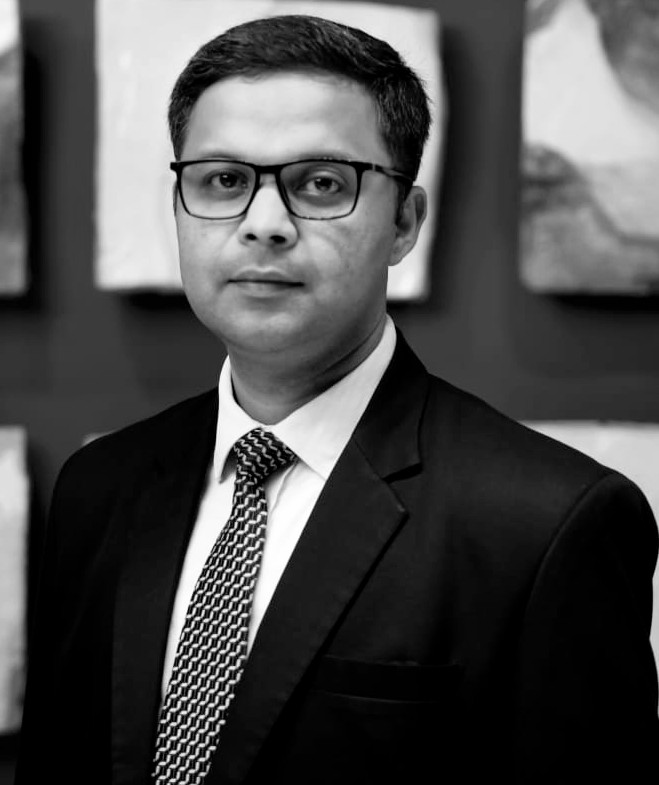
  • “Conducting cross-examinations is the true test of a disputes lawyer. It tests your drafting, critical thinking, articulation, strategic ability, presence of mind, knowledge of human behavior and much more. The foremost challenge lies in the exhaustive groundwork that precedes the actual cross examination.”- Rohan Batra, Partner, Anagram Partners

    “Conducting cross-examinations is the true test of a disputes lawyer. It tests your drafting, critical thinking, articulation, strategic ability, presence of mind, knowledge of human behavior and much more. The foremost challenge lies in the exhaustive groundwork that precedes the actual cross examination.”- Rohan Batra, Partner, Anagram Partners

    This Interview has been published by Pragya Chandni  and The SuperLawyer Team

    Can you please share the story of how you decided to pursue a career in law, and what specific factors or experiences led you to specialize in disputes, particularly company and commercial disputes?

    The decision to pursue law was not a straight choice but a process of elimination and discovery. Given my family background and as someone who opted for commerce, I was presented with two choices: follow my father’s footsteps as a chartered accountant or pursue my studies in commerce. Right after my boards, I enrolled myself in esteemed colleges like CBS and SRCC.

    In this time, I had developed a keen interest in analysing and comprehending intricate concepts, coupled with a passion for engaging in public speaking. It was during this period that I had the privilege of witnessing the legendary, Late Ram Jethmalani, showcase his extraordinary oral advocacy skills. This experience left an indelible impression, and my intuition directed me to the pursuit of law. Once I decided to pursue law, I naturally gravitated towards disputes or as we litigators colloquially refer to where the real “juice” of the legal profession is. Immediately after the last term, I explored a corporate position placement. However, I ultimately declined, much to the bemusement of my peers who continue to jest about my decision till day.

    With over 12 years of experience in the field, can you walk us through the key milestones and challenges in your career, from joining Shardul Amarchand Mangaldas & Co. to founding your boutique litigation chambers in Delhi in 2019?

    My journey commenced with a stint at a tax litigation firm, Economic Laws Practice. Under the mentorship of Mr. Tarun Gulati, today a distinguished tax senior counsel, who led the Delhi tax litigation practice at the time, I learnt the basics of basics. Transitioning to SAMCO marked a pivotal juncture. Here, I was exposed to the world of arbitration and commercial litigation. I was fortunate to be guided by Mr. Dhruv Dewan, my supervising partner at the time. Under his guidance, I refined my legal acumen and navigated the landscape of challenging yet intellectually stimulating work. In those days, burning the midnight oil was not just a phrase but a frequent reality. I vividly recall a period where I was given the opportunity to single-handedly manage three high stake live arbitrations, overseeing cross-examinations, evidence, and final hearings in a span of twelve months—an arduous yet immensely rewarding experience. Personally, my involvement in the Tata-Mistry legal battle was a watershed moment that transformed my perspective on legal strategy, which was akin to playing a highly strategic chess game. SAMCO, for me, was an institution where every case became a classroom, and every challenge was an opportunity for growth. I am grateful to Mr. and Mrs. Shroff and all my former colleagues for this immensely enriching experience.

    In hindsight and given that I hail from a non-legal background, the decision to establish my boutique litigation chambers in 2019 was characterized more by audacity than meticulous planning. Gratefully, the leap of faith bore fruit. This transition has been instrumental in introducing me to the practice of law, its diverse challenges and putting me on an entrepreneurial journey.

    Your profile mentions your involvement in a 5 Judge constitutional bench, Cox and Kings, before the Supreme Court of India. Could you provide insights into the significance of that case and how it reflects your expertise in arbitration and company disputes?

    My involvement in the constitutional reference before a 5-Judge bench of the Supreme Court of India in Cox and Kings was unexpected. I had the honor of closely working with Mr. Darius Khambata, Senior Advocate, a renowned arbitration expert, in shaping our strategy and articulating our case. Mr. Khambata aptly coined our approach as establishing “guardrails” to manage the expanding purview of the Groups Company Doctrine (GCD)- a legal doctrine rooted in the Chloro Controls India (P) Ltd. v. Severn Trent Water Purification Inc. & Anr. case.

    In the field of arbitration, we observed a concerning trend wherein GCD was being indiscriminately applied to bind non-consenting parties to arbitration. Our task was to conduct a comprehensive analysis of global practices pertaining to the application of GCD, presenting a legal threshold, and spell out safeguards for invoking and applying GCD within the context of arbitration. It is personally gratifying to note that majority of arguments put forth by Mr. Khambata were accepted by the constitutional bench in the Cox and Kings case, which is now the authoritative ruling on GCD in arbitration. For me, this experience underscores the challenge of navigating complex constitutional issues whilst balancing the contemporary challenges in the field of arbitration.

    Congratulations on your Amazon bestseller, “Monk Your Mind: 10 Secrets to Transform the Mind.” What inspired you to write a book, and how do you see the connection between your legal expertise and the themes explored in your book?

    While the direct connection between my legal practice and my debut book is not overt, the book reflects a convergence of two key elements. Firstly, my training as a lawyer played a crucial role in honing the skills necessary for writing a book. Secondly, the professional challenges inherent in my legal career significantly influenced the themes I chose to explore in the book.

    The book fundamentally emphasizes the notion that each individual possesses the capacity to transform their mind and leverage it to achieve their goals. Drawing from the rigors of legal practice I experienced, the book advocates embracing trials in life. It underscores the principle that undertaking difficult endeavors is the catalyst for personal growth and simplifying life, challenging the conventional notion to the contrary.

    What motivated your move to Anagram Partners, and how does your current role differ from your previous experiences, especially in terms of handling alternative dispute resolution, commercial and corporate litigation, insolvency, and bankruptcy?

    Joining Anagram Partners marked the initiation of a new chapter in my professional journey, and the motivation behind this transition was multi-faceted. From a workplace, Anagram Partners distinguishes itself through exemplary work practices- a candid feedback system, constant pursuit of excellence and a focus on executing superior legal strategy.

    Since the inception of Anagram Partners, I have had the privilege of being deeply involved in the disputes practice. Working alongside partners who are eminent legal experts in their respective domains has contributed immensely to my professional growth. It’s here I transitioned from a practice of law to “business” of law. As a firm, we operate as a cohesive unit, and leverage cross-practice expertise. This helps in providing a comprehensive and nuanced approach to handling matters, thereby enriching the quality of advice provided to clients. With its diverse disputes profile, Anagram Partners has not only afforded me the opportunity to refine my legal skills but has also instilled in me a profound understanding of the holistic dimensions involved in legal practice. I am immensely grateful to all my partners for this opportunity.

    Given your proficiency in conducting cross-examinations of witnesses before courts and tribunals, could you share some insights into the strategies you employ and the challenges you face in the process?

    Conducting cross-examinations is the true test of a disputes lawyer. It tests your drafting, critical thinking, articulation, strategic ability, presence of mind, knowledge of human behavior and much more. The foremost challenge lies in the exhaustive groundwork that precedes the actual cross examination. Achieving proficiency in this aspect requires an in-depth understanding of the case from both sides’ perspectives. Prior to formulating questions, I try to wear the hat of not just a lawyer but that also of the witness, the opposing counsel, and even the presiding judge or arbitrator. Although time-consuming, this comprehensive approach not only fosters a nuanced understanding of the case but also provides a strategic edge over potential challenges in the cross-examination process.

    You’ve published pieces on commercial laws, arbitration, and foreign investment. How does your commitment to writing contribute to your legal practice, and how do you approach speaking engagements at both domestic and international fora on arbitration?

    Writing on topics related to commercial laws, arbitration, or the field of law I practice is driven by a genuine desire for self-expression. It is my belief that speaking and writing are strong mediums through which one can articulate, share and influence perspectives on various issues. While the external perspective may be to positiononeself as a thought leader, the intrinsic motivation should stem from the joy of writing and speaking itself. Rather than focusing solely on establishing oneself as a thought leader, authenticity and a true desire to contribute valuable legal insights should guide these endeavours. This is especially if the objective is to be consistent.

    Considering your journey and accomplishments, what advice would you like to share with law graduates who are just entering the field? Are there specific skills, mindsets, or lessons that you believe are crucial for success in the dynamic and challenging world of legal disputes?

    Reflecting on my journey and looking at what lies ahead, thriving in this field requires a combination of specific skills, mindsets, and lessons::

    1. Strong work ethic: The ability to work hard and consistently put in the effort cannot be overstated.
    2. Kaizen Mindset: Embrace a Kaizen mindset- focusing on constant and relentless improvement of your craft. This mindset is key to adapting to the ever-evolving legal landscape.
    3. Openness to learning-  Be willing to learn from everyone, whether they are younger or more senior colleagues. Cultivate the humility of a perpetual student, as there is valuable knowledge to be gained from diverse sources.
    4. Acceptance of Mistakes: Acknowledge and accept mistakes. Ego should not stand in the way of learning and growth.
    5. Ambition: Foster a strong ambition to achieve your goals.

    One thing is certain- a lawyer in a family means the entire family is part of the legal profession. Managing personal and professional aspects, thus, requires constant calibration. There is no optimum work-life balance- it’s the balance that suits you the most.

    In the end, these are only my personal views, which are shaped by my life experiences and observations. Take them with a pinch of salt!

    Get in touch with Rohan Batra-
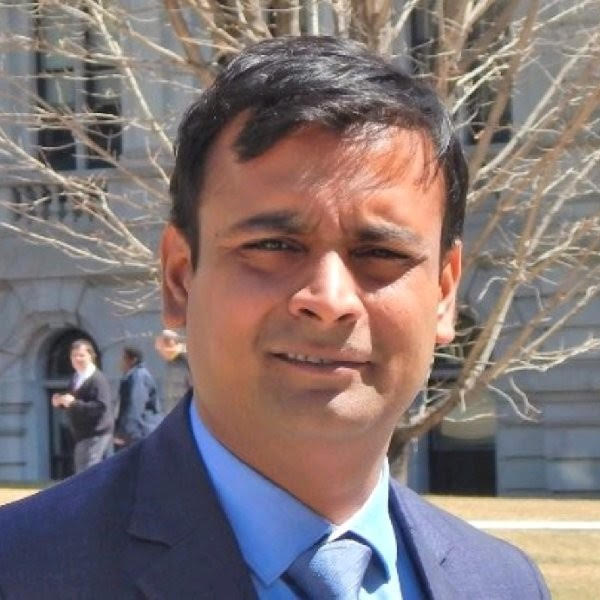
  • “Recognizing that the initial move in every case may not necessarily involve approaching the court, I find it essential to adopt a holistic and commercially minded approach to achieve the desired result”- Adit Shah, Partner at  Arrow Law Partners

    “Recognizing that the initial move in every case may not necessarily involve approaching the court, I find it essential to adopt a holistic and commercially minded approach to achieve the desired result”- Adit Shah, Partner at  Arrow Law Partners

    This Interview has been published by Pragya Chandni and and The SuperLawyer Team

    Can you share with us the journey that led you to pursue a career in law, and what motivated you to specialize in dispute resolution?

    I developed a keen interest in law early in my academic journey, drawn to its complexities and its potential to address societal issues. Additionally, in my formative years, I was heavily inspired by my grandfather who was also a lawyer but never had an opportunity to practice due to certain family obligations. During my LLB course, I engaged in various legal internships, gaining exposure to different areas of law. It was during this time that I discovered a particular fascination with dispute resolution. My dedication to this field grew stronger as I observed its profound impact on individuals and businesses. The prospect of aiding parties in resolving conflicts became a compelling force guiding my career path. During my tenure at both Spectrum Legal and Trilegal, I was given ample opportunities to delve deeper into my interest in dispute resolution, establishing a robust foundation in the process. These experiences afforded me extensive exposure to a diverse range of matters and an overarching understanding of dispute resolution strategies.

    Your experience at Spectrum Legal involved handling a diverse range of legal issues. Could you highlight a specific case or project that you found particularly challenging or rewarding and share the key lessons you learned from it?

    Due to the confidentiality of several cases I handled, and their ongoing status, I am unable to disclose specific party names. However, I can reference several significant cases I worked on, some of which have been publicly reported on forums such as Bar and Bench. One of the initial cases that I extensively contributed to involved addressing alleged defamatory content posted by a journalistic entity against a highly esteemed startup. This particular case underscored the substantial impact that swift action and a well-thought-out strategy can have on a company’s business, emphasizing the importance of meticulous drafting. The primary challenge in this matter was ensuring the prompt filing of the plaint and getting quick interim relief, as time is crucial in all civil defamation cases.

    From your time at Arrow Law Partners, what aspects of being a Partner have you found most fulfilling, and how has your role evolved compared to your previous experiences as an Associate?

    This question holds particular interest for me, given that I established Arrow Law Partners just a few months ago, and the experience has been incredibly enlightening. As an associate, one can rely on various colleagues and partners for support and assistance. However, stepping into the role of a partner has meant taking on the sole responsibility of ensuring that I deliver the best possible advice and service to my clients. The most rewarding aspect of this transition has been engaging in discussions with clients, where my focus is on presenting all available options alongside my recommended suggestions for approaching a matter. Recognizing that the initial move in every case may not necessarily involve approaching the court, I find it essential to adopt a holistic and commercially minded approach to achieve the desired result. Consequently, the practice of dispute resolution strategy itself has become a vital component, emphasizing the importance of considering alternatives rather than advising every client to directly pursue court action or initiate arbitration. 

    In your role at Trilegal, you contributed to the dispute resolution team and participated in due diligence processes for potential mergers. How did this experience shape your perspective on the intersection of litigation and corporate transactions?

    My experience at Trilegal has proven to be invaluable in fortifying my expertise in dispute resolution and expanding my perspective on approaching various matters and disputes. Involvement in due diligence and merger applications played a crucial role in deepening my understanding of the commercial aspects inherent in each case. This exposure shed light on the considerations companies weigh before delving into discussions about potential mergers Initially, with my primary interest lying in dispute resolution, I may not have seen the immediate merit in working on such matters. However, through active engagement with these cases and collaboration with other teams, I gained insights into the practical intricacies associated with mergers. This experience illuminated how any dispute could significantly impact the potential success of a merger, providing me with a more comprehensive understanding of the interconnected nature of legal practice. 

    Given your extensive experience in the legal field, what advice would you offer to recent law graduates who are embarking on their careers, especially those interested in dispute resolution and arbitration?

    My primary advice is to immerse yourself in diverse experiences and tackle various types of legal matters by diving in to the deep end. Given the increasing number of law graduates each year, the upcoming generation of dispute resolution lawyers will focus on specialisation. The key to understanding your interests and identifying your niche lies in gaining exposure to a range of cases Starting by actively participating in different aspects of legal work, including running around to handle various tasks, is crucial. This hands-on experience is where you acquire the fundamentals and practicalities of dispute resolution. I often advise new lawyers and interns to attend court sessions and observe proceedings, as it offers valuable insights into argumentative styles, reading the judge, and presenting effective arguments. This exposure is indispensable for honing essential skills in the field.

    Get in touch with Adit Shah-

  • “Eat well and stay fit – don’t be 50 at 35. No matter how successful you become in life – always respect the Bench.” – Shiv Sapra, Partner at Kochhar & Co.

    “Eat well and stay fit – don’t be 50 at 35. No matter how successful you become in life – always respect the Bench.” – Shiv Sapra, Partner at Kochhar & Co.

    This interview has been published by Namrata Singh and The SuperLawyer Team

    Reflecting on your journey, could you share some insights into your college days at ILS Law College, Pune, and the initial struggles you faced in the early days of your career after graduating? How did those experiences shape your resilience and approach to the legal profession?

    Law School is where you formed your foundations, be it education or friends. ILS Law College was, and remains, one of the most prestigious institutions in Law. It was an incredible learning experience as you came together with aspiring lawyers from all over the country. It was evident from the beginning that the legal profession professed immense competition and that one needed to do more than what was ‘required’ in order to stay ahead of the curve. Whilst at Law School, our version of finding a job was finding an ‘internship’! There was immense competition, if for nothing else, then for bragging rights – which was an undeniable reality. These early experiences were a lesson for later years – that life wouldn’t be easy, or fair. 

    Your legal career spans over 17 years, with a wealth of experience in civil/criminal litigation and commercial arbitration. Can you share a memorable moment or case that significantly shaped your approach to legal practice?

    It was in my second year in the profession where I was faced with the occasion of having to argue a high stakes matter before the Delhi High Court in an arbitration case. As my senior was on his legs at that moment (as is very common), I sought the customary Passover. However, the Hon’ble Judge insisted (read: encouraged) that I present the arguments. Reluctantly, I proceeded with the arguments. My senior arrived mid-way but the Hon’ble Judge insisted I continue. After the hearing, my senior encouraged me to lead the matter, of course, with his support in whatever way needed. We went on to win the matter.

    The takeaway: Judges will always be there to inspire and encourage you, but the hard work will have to be yours alone. You must be able to cash in on opportunities through thorough preparation, of law as well as facts. Your Seniors will also be there to mentor and guide you, but you must win their trust – again, through your work. These are privileges, which must never be misused. 

    I was extremely fortunate to have found the support from my senior during my early years who was pivotal in my learnings, especially that there is nothing like a big or small matter. Every matter is equally important for a lawyer because it carries the trust of a client, which must be reciprocated with competence and responsibility. Also, you either know an answer or you don’t – never faff! Your duty to your client is always first and sacrosanct.

    As a Partner at Kochhar & Co., you handle disputes related to arbitration, insolvency, and commercial litigation. What aspect of your current role do you find most fulfilling and challenging?

    Keeping abreast with the ever evolving concepts of law is one of the most crucial aspects for any practice, be it Arbitration, Insolvency, or any other field. Clients look for solutions from both legal as well as commercial perspectives. Striking a balance between the two remains the most challenging and satisfying aspect. Your skillset must include the ability to provide out of the box solutions. 

    Beyond your legal expertise, you’ve been associated with various publications. What inspired you to write articles?

    As a lawyer, you are constantly exploring ways to hone your skills, especially reasoning and conveyancing. When you write an article, you are free to express your own views on a subject after understanding the jurisprudence and evolution of said subject. But it is not just about sharing your views, rather how to grasp the attention of the reader. This requires a fair amount of research and formulation of opinions based thereon. To articulate and convey your views independent of others is the biggest privilege a lawyer has. 

    Your bio mentions a deep passion for the legal profession, passed down through a family of lawyers. How has this familial connection influenced your journey, and what does the legal profession mean to you on a personal level? 

    Growing up, we were privy to numerous stories and anecdotes emanating from the legal profession. This definitely had an impact on the decision to pursue law, but said decision was never owing to expectation or pressure. We were always free to choose our career path and were always supported in that. From the beginning, we were motivated to make it on our own and not through whom you knew. Case in point: my father refused to consider my candidature for his organization unless I had garnered at least 3-4 years of experience!  

    I have always considered the legal profession as a noble profession. I learned very early that representing a client was an enormous responsibility which could only be shouldered through your understanding of the law and a thorough appreciation of the issues involved. On the other hand, you are also an officer of the Court, which comes with its own set of responsibilities. There must be a sense of pride when you don the gown, but never arrogance.   

    Having been associated with both DSK Legal and Luthra & Luthra Law Offices, what unique aspects of each firm have contributed to your professional growth, and how do these experiences influence your approach as a Partner at Kochhar & Co.? 

    Both organizations had very distinct and unique characteristics.  

    While at Luthra, I was fortunate to have been a part of a wonderful set of lawyers, and human beings alike in a very close knit environment. Our senior colleagues were always ready to help and mentor, which every newcomer looked to. A lot was learnt in the ways of mentorship and on how to hone your skills as a lawyer. In many ways, I learnt my core professional values whilst at Luthra. It taught me the importance of not only learning to deliver quality, but also of the need to guide and assist youngsters. 

    DSK Legal further encouraged you to go beyond the role of a Partner and to grow as an individual. It is with the combined experience garnered from both organizations that I look to assisting my present organization in its visions ahead.

    From your time at The Doon School to being a School Athletics Captain, how do you think your early experiences and leadership roles in school have shaped your professional journey?

    Doon has played a pivotal role in my journey. I was primarily a long distance runner which entailed two main requirements: keep breathing, and keep going – a trait most often needed in today’s profession in many ways! Doon inculcated a strict sense of discipline and leadership from a very early age. These characteristics have been essential to me through the years in the profession. 

    In addition to your legal expertise, you’ve authored articles and judged Moot Courts. How do you balance the roles of an author, mentor, and litigator, and how do these activities contribute to your overall professional satisfaction? 

    All these roles are interlinked. It is crucial to invest in mentoring and undertaking extracurriculars beyond work. Time has always been a constraint but one needs to find the time as these are investments you make in yourself as an individual. Moot Courts are an excellent way to interact with budding lawyers and to get a feeling on how they perceive the law and present themselves. The coming generation is extremely sharp and intelligent, and they certainly offer a fresh perspective, which is often much needed.

    Apart from your professional commitments, how do you unwind and relax? Are there any hobbies or activities that you particularly enjoy in your free time? 

    Travelling has been the best way for unwinding and finding a break from the regular vigour of life. I found my ultimate Xen in Scuba Diving many years back, which I pursue religiously.  

    AI is fast taking charge in developing times. How do you see AI impacting the legal industry?

    Technology has always been a powerful tool in a lawyers arsenal. Online research, though not a substitute for conventional modes, has certainly been a boon over the past many years with access to legal databases merely a click away. Now with the advent of AI, the landscape of the profession is fast changing. Numerous Corporates have already started using this for their professional needs. There is thus a dire need for lawyers to adopt and adapt, lest you miss the bus. 

    AI is well poised to reduce (and in cases, even remove) the reliance on different sources, be it drafting or research. Although human logic and ingenuity is difficult to be substituted, Generative AI is certainly a stiff competition in the field. What will be the endgame in the vista, time will tell. For now, AI is certainly the most powerful tool available to us and its potential must be capitalized. 

    Would you like to share any suggestions or advice for the upcoming generation of lawyers?

    • Read, read, and read! There is no shortcut to hardwork. Every lawyer is unique. 
    • Cherish your relationship with your Mentor, but maintain respect and independence. Read “Letters to a Young lawyer” by Alan M.Dershowitz for more insights.
    • Invest time in networking early – this will be your biggest asset in the later years.
    • Always look out for yourself – you alone will be responsible on setting the trajectory of your career. Don’t let anyone dictate your choices. Have confidence in yourself.
    • Eat well and stay fit – don’t be 50 at 35.
    • Lastly: no matter how successful you become in life – always respect the Bench.

    Get in touch with Shiv Sapra-

  • “Success of a case or project isn’t the result of individual brilliance but rather the outcome of a meticulously orchestrated collaboration”- Mitsu Parikh, Senior Partner at World of Legal Research

    “Success of a case or project isn’t the result of individual brilliance but rather the outcome of a meticulously orchestrated collaboration”- Mitsu Parikh, Senior Partner at World of Legal Research

    This Interview has been published by Pragya Chandni and and The SuperLawyer Team

    Can you share a bit about your educational journey and how you pursue law as a career? 

    I originate from a quaint town in Gujarat where, a decade ago, career choices such as law, journalism, creative writing, and hotel management were not common for females. When I expressed my aspiration to pursue a career in law to my parents, their reaction was beyond surprise. They recommended that I gain firsthand experience by shadowing a seasoned lawyer before making a definitive decision. Consequently, I immersed myself in the legal field, accompanying and observing an accomplished lawyer in various cases spanning banking, constitutional, employment, and family laws. The diverse and intricate nature of the legal profession left a profound impression on me, ultimately solidifying my determination to pursue law as a career. This experience broadened my understanding of the legal landscape and instilled in me a deep appreciation for the multifaceted challenges and responsibilities inherent in the field.

    You’ve pursued advanced degrees in International Law and Legal research. What drew you to specialize in these areas? 

    During my undergraduate studies, I actively participated in moot court competitions, assuming roles as a speaker and researcher. While I thoroughly enjoyed the entire moot court experience, I found a particular passion for research. Delving into legal research became more than necessary; it became a profound interest. This inclination led me to explore opportunities to publish papers and interact with esteemed academicians at conferences and symposiums. Recognizing the significance of contributing substantively to the legal discourse through research and publishing papers, I pursued a master’s degree. Someone once told me that just raising questions doesn’t make you people worthwhile; finding solutions does. 

    You’ve had diverse roles, from Legal Assistant in law firms to your current position as a Senior Researcher and Coordinator. How did these experiences contribute to your growth and specialization in international law? 

    My stint in the corporate sector and various law firms served as a journey of self-discovery, compelling me to confront the realization that these roles may not be my lifelong passion. However, I wholeheartedly acknowledge that each experience played a crucial role in shaping my personal and professional growth. During my internship, a pivotal lesson resonated deeply – the significance of every task, regardless of its scale. It became evident that the success of a case or project isn’t the result of individual brilliance but rather the outcome of a meticulously orchestrated collaboration. Whether assuming the role of a clerk, lawyer, or researcher, every individual in the chain contributes uniquely, and the collective effort propels success. This realization has ingrained in me a commitment to execute my responsibilities to the best of my abilities, regardless of my role in the process. 

    Could you tell us more about your role as a Senior Researcher and Coordinator at the international consultancy World of Legal Research? What kind of research-based consultancy do you provide to the government, law schools, and academicians? 

    We provide a variety of services. Some of the services involve a project where we have to study impact assessment, create analytical research reports, and assist with reviewing the research papers. Additionally, we are more inclined towards assisting our legal fraternity with our efficient legal research team, specializing in diverse fields of law.

    As a Visiting Faculty to many universities in India and abroad, you teach Public International Law and Legal Research Methodology. What inspired you to take up a teaching role alongside your research work? 

    When I was a student, the thought often crossed my mind – what if certain topics were approached differently? Would they become more intriguing? It wasn’t until I visited conferences in the southern part of India that I stumbled upon a fascinating realization. Among the accomplished individuals, be it a thriving businessman, a seasoned lawyer, or a distinguished doctor, there was a common thread – academic involvement. It brought to my mind Chanakya’s words about teachers never being ordinary; they hold the power of construction and destruction. This insight fueled my aspiration to contribute meaningfully to the academic realm. As I transitioned into the role of a researcher, my desire crystallized into a passion for teaching law students the art and science of research. It’s not just about acquiring knowledge but understanding the intricacies and methodologies that make research a captivating and essential facet of the legal profession. 

    Your experience includes working in law firms in Australia and India. How did these experiences shape your understanding of legal practice on an international scale? 

    Lawfirms became my school of perfection, teaching me the invaluable skills of meticulousness and the art of thriving under deadlines. But beyond the technicalities, it was a vibrant classroom where I learned to navigate the intricate tapestry of human diversity. Working with people from different cultures was a daily lesson in understanding, patience, and respect. There were instances where a case forced me to reconcile my personal beliefs with my client’s position. The legal profession throws a unique challenge at you – dealing with ethical dilemmas that demand a delicate balance. The realization that every client, boss, or judge is a distinct chapter in your professional story. Each encounter is an opportunity to embrace diversity, not just in your home country but in foreign lands. It taught me the importance of respecting diverse cultures and opinions, a lesson that goes beyond the legal arena and shapes how I approach life.

    You’ve presented papers on various topics, from health inequalities during COVID-19 to discrimination in legal education. Can you highlight a paper that you found particularly impactful or that received significant attention? 

    In 2023, I had the privilege of presenting a paper at the Center for Criminal Law, University of Oxford (UK), addressing the alarming issue of ancestral rapes in the state of Haryana during the COVID-19 pandemic. This paper garnered recognition and was honored with an award for being the most passionate presentation. Subsequently, I received emails from faculty members and fellow paper presenters at the conference, affirming that this problem extends beyond India to encompass every country and culture. The correspondence highlighted a shared sentiment that societies tend to suppress or disregard such issues, choosing to deny their existence. The suggestions and solutions proposed in my paper resonated with the international audience, earning appreciation from diverse perspectives. It was a powerful acknowledgment of the universality of the problem and the importance of proactive and compassionate approaches to address it on a global scale.

    Your involvement in founding an NGO called ‘Madad’ during the COVID-19 pandemic is commendable. Could you share more about the initiatives and impact of this organization?

    I wouldn’t like to talk much about my NGO as our ancestors say that if you help someone with your right hand, your left hand shouldn’t even know about it. I would just say that at whatever stage you are in life, try to help others, not for the betterment of society, but for yourself, so that you can face yourself in the mirror at the end of the day. 

    You’ve received several awards and honors for your contributions, including the Youngest Leader Award from Rotary International. Which of these achievements holds a special place in your heart, and why? 

    In the third year of my undergrad studies, I received an award for the best position paper at Harvard University. That paper made me realize that regardless of being from a small town or being from the vernacular medium of studies, you can if you really want to achieve something in life.

    You’ve held various editorial roles and served as chairman in some committees while studying at the University of Sydney. How have these positions enriched your professional journey? 

    These positions equipped me with essential skills such as time management and strategic planning. Additionally, they provided valuable lessons on effective teamwork. Each extracurricular engagement in Law School imparts qualities beyond the teachings of books or academic activities.

    Finally, based on your journey so far, what advice would you give law graduates just starting their careers in the legal field? 

    Well, I’m not experienced enough to give any advice. I’d reframe it as learning that I can share from the mistakes I made in my journey. 

    1. Take your internships seriously. You will gain something from every task you do during your internship, even if it is just carrying your senior’s briefcase and/or documents. For example, you’ll be able to be a part of his conversations with clients and people around in court, how one carries his business in the legal field, etc.; this will teach you much more about the practicalities that even a subject in law school wouldn’t. 

    2. Whether you want to join corporate or litigation, publish papers and take part in conferences. Publish or perish is a thumb rule. If someone googles you on the internet, and you have something published, you will get brownie points. 

    3. There is no shortcut to success. It might sound like the cheesiest line. However, life is not 2 minutes noodles. Instant gratification. Instant Fame. All these are not to be focused upon. Do smart work, but don’t get scared away from hard work. Thus, creating a strong base first is very important, because if you sow well, you’ll reap the fruits throughout your life. Choice is always yours.

    Get in touch with Mitsu Parikh-

  • “The intricacies you learn from Senior Counsels and how you evolve and transform into arguing the same issues yourself is what stands out for me.” – Gauhar Mirza, Partner at Cyril Amarchand Mangaldas

    “The intricacies you learn from Senior Counsels and how you evolve and transform into arguing the same issues yourself is what stands out for me.” – Gauhar Mirza, Partner at Cyril Amarchand Mangaldas

    This interview has been published by Namrata Singh and The SuperLawyer Team

    We’d love to know more about your journey in the legal field. Can you share what inspired you to specialize in technology law and pursue a career in arbitration and corporate litigation?

    My journey as a lawyer technically started in the year 2010, however, I have regularly interned at different offices since 2006-07 (even during law school). I started my career as a chamber junior to Ms. Manmeet Arora (who is now a Judge at the Hon’ble Delhi High). I can proudly say that I was trained by the best and the initial chamber training prepared me for what I was bound to do in my career. Later I moved to Luthra & Luthra Law offices (which it then was), progressing further to being a Partner at SAM and presently, I am a Partner at CAM. My journey from college days till date has been a roller coaster ride, with different experiences, ranging from doing the Aircel Maxis Spectrum Trial, to representing Tech Giants in almost all spheres, to recently being part of the much celebrated NN Global matter. My interest in Tech law grew with my inquisition towards small issues that we face on a daily basis. If you see, Tech and Arbitration are the two fields that are ever-evolving and I think that’s my inspiration.

    As a “Future Star” in arbitration, could you tell us about a particularly challenging or interesting case you’ve worked on recently and what made it stand out for you?

    In the order of ranking, the most challenging matters that I have been part of as a briefing Counsel would be HCC Ltd. Vs. UOI & Ors. 2019 SCC Onlibe SC 1520, where the 3-Judge Bench of the Supreme Court struck down Section 87 of the A&C Act, second would be Kal Airways vs. SpiceJet Ltd. & Anr. which is still a landmark on Section 9 A&C Act. Recently, I have argued a few important arbitration matters before the Delhi High Court, including HCC vs. NHPC, 2023 SCC Online Del 819, which decided an important question on bank guarantees and till what point the same have to be maintained in case the arbitral award is under challenge. This was special to me as recently I got a call from a Senior Counsel who told me that they relied on this judgment and got an order before the Rajasthan High Court. The next and very important issue on Section 28(2) of the A&C act which I argued before the Delhi High Court is NHPC vs JP Associates Ltd., 2023 SCC Online Del 3294, i argued on Section 31 and 28 (2) and got the award partially set-aside. As mentioned earlier, recently I have made submissions before the Supreme Court in the case of NN Global which put to rest the issue of stamping. Each case was challenging in its own way. The intricacies you learn from Senior Counsels and how you evolve and transform into arguing the same issues yourself is what stands out for me.

    Being a member of the Steering Committee at IAMC, how do you see the landscape of international arbitration evolving, especially in the context of technology-related disputes?

    I believe arbitration is one field that runs totally on stakeholder involvement. We as practitioners and arbitrators are constantly evolving the field and ourselves. Being part of an institution gives us the platform to get more ideas. The evolution of arbitration in the international context and specifically technology-related disputes has been increasing recently. I Have recently finished arguments in an arbitration where the underlying issue was the performance of an App designed in a particular way. While we still have time to see big tech-related disputes being referred to arbitration, we are taking baby steps towards it and the future is bright for the generation that is following us.

    You’ve represented tech companies on issues related to intellectual property and regulatory frameworks. What, in your opinion, is the most exciting or challenging aspect of navigating the legal landscape in the technology sector today?

    As I said earlier, the ever-changing nature of Tech is what is the most challenging part of it. While you learn to deal with one particular issue, you won’t even know that the same is obsolete and you have to move to learn the new version. The IP and regulatory framework issues that I have dealt with personally have also changes their nature and shape. Litigants are becoming smarter by the day and know how to navigate the entire ecosystem.

    In your career, you’ve dealt with a wide range of disputes in infrastructure, real estate, and corporate matters. Is there a piece of advice you often find yourself giving to clients facing such diverse challenges?

    My first advice to every client, whether it’s an infrastructure, real estate, tech or any other issue is to find out a way to settle the matter, so it is a win-win situation for all. Prolonged litigation is what each corporate now wants to avoid and that makes complete sense when it comes to business efficiency and cost benefit analysis.

    Having worked on a variety of international commercial arbitrations, can you share some insights into the differences or nuances you’ve encountered in dealing with disputes on a global scale?

    I have never found anything very different even while dealing with an international dispute. The ways and methods may be different, but the approach is the same. Yes, if I have to point out a few distinguishing factors, I would say the sophistication and systematic approach that is adopted internationally, is something we must even adopt in our domestic arbitrations.

    Representing major tech giants in various matters is certainly impressive. Can you share a bit about the unique challenges or dynamics involved in handling cases for major social media platforms?

    The most unique challenge that a lawyer faces in such cases is that any of your actions/reaction in Court will have a far-reaching impact on the entire industry. So whatever way you are presenting your case- pleadings, submissions or oral arguments, have to be well thought out and based on parameters that do not only do good for your client, but for the industry at large.

    Given your extensive experience, what skills or qualities do you believe set apart successful lawyers in today’s competitive environment, and how can law students cultivate these attributes during their academic years?

    The ability to keep yourself abreast with the latest changes to law, with knowledge of the first principles is what will set you apart. The learning will never stop but one tips I can give to youngsters is that they should be observant. The Red-car theory is something I always believe in. Never say no to any work that comes your way and dedicate yourself to the profession. During academic years, focus on bare acts and law journals. Once you start practising you will constrain yourself to the books that you will be using in your case, so today is the best time to read]

    Many students contemplate between pursuing a career in litigation or opting for judiciary preparation. What factors should they consider when making this decision, and are there benefits to gaining experience in both areas early in one’s career?

    I think if someone wishes to pursue judiciary, they should start visiting District Court in as many districts as they can. See what is happening in Courts and are you up for it. For litigation, similarly start early. Observe how trials are done, how lawyers argue, how they act in Court and how the judges react. By following this, one can totally connect with what they would want to do and develop the Rio interest accordingly.

    Switching gears a bit, outside of the legal realm, what are your personal hobbies or interests that you enjoy in your free time?

    I am a biker and a super bike lover. I love to ride early morning during weekends (if work permits). I also like listening to old songs and ghazals and to justify my surname, I have slight inclination towards poetry 🙂

    Lastly, we’d like to know your perspective on mentorship. Have there been mentors or individuals in your career who significantly influenced your professional growth, and what lessons have you carried forward from them?

    Mentors play a very important role in this profession. Whether some is teaching you with interest or you learn by just following them, the idea is to learn. The most important part of this mentorship is that no one will come and tell you that they are your mentor. You have to choose yourself and follow them. I am lucky to have many mentors in the profession, starting from Ms. Manmeet Arora (“it’s a people’s profession”), Mr. Gaurav Duggal (“anything is possible if you want”), Mr. RS Suri, Sr. Adv (“money isn’t everything”), Mr. Anirban Bhattacharya (“eat, sleep litigate”) and Mr. Tejas Karia (“build your team”). Each one of them I chose as my mentor and all of them at one point or another have taught me things that have helped me grow as an individual and a lawyer and they all continue to inspire me every day.

    Get in touch with Gauhar Mirza-

  • “Staying abreast of international regulatory changes and having a global network aids in effectively navigating challenges and providing comprehensive solutions”- Apurva Kanvinde, Partner at Juris Corp

    “Staying abreast of international regulatory changes and having a global network aids in effectively navigating challenges and providing comprehensive solutions”- Apurva Kanvinde, Partner at Juris Corp

    This Interview has been published by Pragya Chandni and and The SuperLawyer Team

    Can you tell us about your journey and how you ended up pursuing a career in law, specifically focusing on securities law and debt capital markets?

    Certainly! My journey in the legal field began at Government Law College, Mumbai, where I cultivated a passion for corporate law and legal intricacies. Early on, I worked as a Senior Executive-Legal at SBICAP Trustee Company Ltd, gaining valuable experience. This laid the foundation for my transition to Juris Corp, where I’ve spent over eleven  years honing my skills. My interest in securities law and debt capital markets grew organically as I navigated through various roles, ultimately leading me to head the Securities and Capital Markets Team at Juris Corp.

    Debt capital markets can be quite complex and dynamic. What initially drew you to this particular area of law, and what aspects of it do you find most fascinating?

    The complexity and dynamism of debt capital markets always intrigued me. I was drawn to the challenge of understanding intricate financial structures and regulations. What fascinates me most is the strategic interplay between legal frameworks and financial transactions. It’s a realm where law and finance converge, and I find the synergy between the two truly captivating.

    You’ve played a pivotal role in advising and strategizing on various complex debt capital markets transactions. Could you share an example of a particularly challenging transaction and the key insights you gained from that experience?

    One notable transaction that comes to mind is the issue of global medium term notes by Reliance Industries Limited which was guaranteed by Export Import Bank of India. It was the first transaction guaranteed by Exim Bank. The transaction involved navigating intricate regulatory hurdles and devising innovative structures to meet client objectives and coordinating with various onshore and offshore parties. The challenge was in ensuring compliance while optimizing the financial outcome. This experience reinforced the importance of adaptability and creative problem-solving in the ever-evolving landscape of debt capital markets.

    Your expertise includes representing various foreign portfolio investors, financial institutions, and alternative investment funds. How do you navigate the unique challenges that arise when dealing with international clients and regulatory frameworks?

    Dealing with international clients demands a nuanced understanding of diverse regulatory landscapes. Communication is key. I ensure transparent and open lines of communication, fostering a collaborative approach. Staying abreast of international regulatory changes and having a global network aids in effectively navigating challenges and providing comprehensive solutions.

    You’ve been recognized in various publications and directories as a leading lawyer in debt capital markets. What strategies have you employed to consistently deliver high-quality service to your clients and earn such accolades?
    Consistency in delivering high-quality service involves staying attuned to clients’ needs and industry trends. I prioritize ongoing education to stay ahead of the curve. Building strong client relationships based on trust and transparency has been pivotal. Recognition stems from a client-centric approach and a commitment to delivering value in every transaction.

    The financial and legal landscape is ever-evolving. How do you stay updated with the latest developments and trends in the debt capital markets to ensure your clients receive the best advice possible?

    Staying informed is non-negotiable in our field. I dedicate time to continuous learning through seminars, industry publications, and networking events. Collaborating with colleagues and experts helps exchange insights. Being proactive in monitoring regulatory updates ensures that my advice is not only sound but also aligned with the latest market dynamics.

    In your articles and publications, you’ve covered a wide range of topics related to securities and capital markets. How do you approach breaking down complex legal concepts into easily understandable insights for your readers?

    Simplifying complex concepts is an art. I aim to bridge the gap between legal jargon and accessibility. Analogies, real-world examples, and a step-by-step breakdown are my go-to methods. The goal is to empower readers with a clear understanding, fostering a broader appreciation for the intricacies of securities and capital markets.

    India’s legal and financial environment can present unique challenges. Could you share a specific instance where you had to devise a creative solution to navigate regulatory complexities and achieve your client’s objectives?

    Certainly, there was a case where regulatory hurdles threatened the feasibility of a transaction. is a complex trade involving asset reconstruction companies issuing non principal protection where the returns are linked to security receipts. I proposed a novel structure that adhered to the spirit of the law, we successfully navigated the complexities, achieving the client’s objectives. This reinforced the importance of innovation in problem-solving within the Indian legal landscape.

    You’ve been highly appreciated by your clients for your dedication and determination. How do you maintain a balance between your professional commitments and personal life?

    Maintaining balance is crucial. I prioritize tasks, set realistic expectations, and delegate effectively. Quality, not quantity, is key. Regular breaks and personal time are non-negotiable. It’s about discipline, efficiency and effectiveness in both professional and personal spheres, ensuring that dedication is balanced with a healthy lifestyle.

    As a successful lawyer with substantial experience, what advice would you give to fresh graduates who are considering a career in law, particularly in the field of debt capital markets?

    For fresh graduates entering the legal arena, my advice is to cultivate a deep curiosity for the subject matter. Embrace challenges as learning opportunities, and don’t shy away from interdisciplinary knowledge, especially in finance. Building a strong network, staying adaptable, and continually educating yourself will set a solid foundation. Remember, success in debt capital markets requires a blend of legal acumen and financial understanding.

    Get in touch with Apurva Kanvinde-

  • “Young lawyers should avoid being a generalist and look for specialization. Law is a profession and should be treated as a career which spans 30-40 years.” – Anil Choudhary, Partner at Finsec Law Advisors.

    “Young lawyers should avoid being a generalist and look for specialization. Law is a profession and should be treated as a career which spans 30-40 years.” – Anil Choudhary, Partner at Finsec Law Advisors.

    This interview has been published by Namrata Singh and The SuperLawyer Team

    Your journey includes an LL.M. from Harvard Law School and a B.A. LL.B. (Hons.) from NALSAR. How did your time at these prestigious institutions shape your approach to law, and do you have any memorable experiences you’d like to share from your time at Harvard?

    It was a privilege to be part of the two leading law institutions both in India and the world. As a law student, I was exposed to the best professors and brightest of legal minds which helped me develop my curiosity in law. I understood very early that law as a subject is ever evolving and there are no right answers in law. It is all about thinking in pairs where you need to think both sides of an argument and not rush to conclusions. 

    HLS for me was an exposure to the international world as we had students from more than 50 countries in the LLM batch. I made friends from various countries and understood their culture and thought processes. HLS not only made me a better lawyer but more than that it gave me tools to understand the world and its people better. 

    As a member of the New York Bar, you bring an international perspective to your practice. How has being admitted to practice law in New York influenced your career, and what unique insights do you gain from practicing in both India and the U.S.?

    I can confidently say that NY Bar was the toughest examination I gave in my life and for which I worked the hardest. As a lawyer trained in India, it is more difficult to crack the NY Bar since you would need to unlearn Indian laws and focus on both federal and NY state laws which at times would have conflicting positions. 

    Although I don’t actively practice US laws, having been exposed to securities law jurisprudence of the US- it helps tremendously in my practice in India. Most of Indian securities laws have been made on the similar lines as US laws and while Indian laws are still at a developing stage- US laws have an established history and jurisprudence. I often refer to US laws to draw parallels while assisting securities market players in both advisory and disputes practice.

    Congratulations on co-authoring the book ‘Securities Regulation – Primary Market Offerings in India.’ What inspired you to delve into this subject, and how has the book been received in the legal community?

    In my first few years of practice, I was a capital markets lawyer and had worked on several IPOs. I quickly realized that most of the laws surrounding this practice have been influenced by US laws and the knowledge of US securities laws is essential to excel in the field of securities laws. This motivated me to do my LLM at Harvard and once I returned I was itching to put down on paper a comprehensive legal book on doing IPOs in India. There was no existing literature and for me it was an opportunity to understand the Indian laws contextualizing it to the prevailing US laws. The book was more of a learning experience for me to better understand the policy rationales and choices India has made to regulate the Indian securities market as compared to other developed jurisdictions.

    I have heard that few law schools and MBA colleges use the book as part of curriculum and most law firms also have a copy of the book. I believe it was well received but it would now need an update and reprint for which I am trying to motivate myself.

    Finsec Law Advisors has likely seen various achievements during your tenure as a Partner. Can you highlight a moment or accomplishment that you are particularly proud of, either for yourself or for the firm?

    FLA is one of the very few firms in the country that is a specialist firm in the field of securities laws and financial regulatory space. We have been consistently ranked as the Top Tier in all Indian and global rankings of laws firms specializing in Indian securities laws.

    The Firm over a decade has been the forerunner in thought leadership and policy development of securities laws. We are active in advisory, disputes and policy work in the financial sector laws. Over the years, we have not only advised top marquee clients like top blue chip listed companies, largest mutual funds, stock exchanges, FPIs, AIFs etc. but have been actively assisting the growth of the fintech industry with clients like Zerodha, Smallcase, Navi etc. We are proud to develop a niche practice area focussed on expert and quality services to our clients and forerunner in thought leadership and policy development.

    You’ve been actively involved in academia, giving guest lectures and teaching a credit course on Securities Regulation at NALSAR University of Law. How does your involvement in academia complement your legal practice, and what insights do you gain from interacting with students?

    We as a firm work on a very focussed area of practice and therefore for us it is not only important that talents joining the firm not only have proven academic excellence but also have a keen interest in securities laws. For us law school courses and other academic endeavours help us develop students’ curiosity in the subject and also assist us to go back to basics to explain laws in first principles. Our practice requires specialized skill sets and continuous learning, teaching stints and guest lectures also lead you to re-read the laws and overall help me in my professional growth.

    With over 17 years of experience, you’ve seen the legal landscape evolve. What changes in the legal industry do you find most intriguing or challenging today?

    I think there are two major shifts in the legal industry space- one is technology and the other is specialized skill sets. With the development of technology, starting a legal practice is just one degree and a computer away. Technology has ensured the barriers between clients and experts have been diminished and all services can be provided without requiring any physical meeting or sharing of documents. Now, with AI etc the legal industry would evolve further where the first level of research or first draft of an opinion or suit can be drafted by AI. The human skills would be to review and verify the technology output.

    Since technology would replace general research and drafting skills, top money would be paid by clients only for specialist lawyers. This shows the shift in trends in the legal industry wherein specialist law firms having the technical expertise and experience in narrow practice focus would only survive in the next decade or two. 

    Your expertise extends to regulatory proceedings, including cases of insider trading and securities fraud. Can you share an interesting aspect of this work that people might not be aware of?

    As a securities lawyer, we need to not only understand the regulatory framework but also understand workings of the securities market like trading, settlement, F&O and roles of intermediaries involved such as brokers, clearing members, stock exchanges, custodians etc. It is essential that we understand the securities market eco-system as we regularly need to analyse trading patterns, fund flows etc towards advising our clients. For effective advice, both legal and factual matrix need to be analysed carefully towards providing optimum solutions for the client.

    Also, we assist our clients in development of new products especially in fintech space and policy development wherein we assist in creating a regulatory framework for new services, platforms in the financial industry. We often work on complex technical issues in the space of payment systems, exchange control and other SEBI and RBI regulations that require us to be up to speed with the latest developments both in the field of law and technology.

    Another interesting part of my practice is that I not only get to advise clients on various financial regulations but also I regularly appear before SEBI and SAT to argue matters. Working on policy, compliance and regulatory proceedings/dispute at the same time gives us an edge on the regulator’s mind. We understand why the laws are framed, how the laws should be implemented and lastly, how it is enforced which help us to defend/advise our clients better.
    Thinking about the future generation of lawyers, what advice or insight would you offer to those aspiring to follow in your footsteps and make an impact in the legal field?

    I think young lawyers should follow their heart and choose a field that interests them the most. Only if you enjoy your work can you excel. Young lawyers should avoid being a generalist and look for specialization. Being an expert in one field of law would help them be less reliant on jobs in big law firms and help them set up their independent practice or law firm in the future. Law is a profession and should be treated as a career which spans 30-40 years and one should not look out for short term goals and treat it as a job without any long term goals. Lastly, I would advise young lawyers to be more patient and showcase more perseverance in their chosen field- in law nothing is more rewarding than experience and dedication which leads to self confidence of the lawyer which translates confidence of clients to the lawyer.

    Get in touch with Anil Choudhary-

  • “Today our societal norms and values are seeing rapid changes and thanks to technological advances and social media, people are voicing their concerns more openly and are constantly connected”- Ashish Kumar, Partner, Jurisperitus Law Offices

    “Today our societal norms and values are seeing rapid changes and thanks to technological advances and social media, people are voicing their concerns more openly and are constantly connected”- Ashish Kumar, Partner, Jurisperitus Law Offices

    This Interview has been published by Pragya Chandni and and The SuperLawyer Team

    Your academic journey includes studying law both in India and the USA. How did these diverse educational experiences shape your perspective on the legal profession, and how do you think it contributed to your success in the field?

    While the principles of law are more or less the same everywhere, the manner in which the law is taught varies. It is however the overall experience that enriches you. In India, we studied law from the perspective of the statute and its applicability in different kinds of situations; in the USA we did case studies and advanced our reasoning of the applied law on such cases. What was different was the vast networking opportunities offered even at the institutional level in the USA when compared to India. Some of the friends I made then are now well established and recognized in the legal field and at senior positions in some of the top law firms and in-house. 

    With expertise spanning commercial litigation, arbitration, consumer protection, real estate, and more, how did you decide on such a diverse legal practice? Can you share a pivotal moment or experience that influenced your decision to specialize in these areas?

    My initial interest as a student of law was on the corporate side. I was during the time fascinated (like many students) of the work that corporate lawyers did, the transactions, the numbers etc. But as destiny would have it, after enrolling at the Bar and working for one year as a corporate lawyer, one day in court was all it took. Since that first day in court, I have not looked back while I may admit that I still do general corporate work as well. With respect to specialization, while there was no specific pivotal moment as such, I never wanted to be limited to only one particular area. I have enjoyed all that the learning that the profession has had to offer me. While some may argue a specialization has its own advantages, which I do not doubt, I know that there are many people who feel limited in their ability/outreach because of the specialization whereas I on the other hand am very comfortable appearing before various judicial and quasi judicial fora in different kinds of matters. I am as comfortable appearing before a Consumer Commission in a consumer matter as I would be before the National Green Tribunal in an environment related issue or before the High Court or Supreme Court for a commercial/contractual dispute. 

    As the head of the “Japan Desk” at your Firm, you handle the firm’s Japanese practice. Could you elaborate on the challenges and rewards of managing international legal matters, and how does it tie into your broader practice areas?

    Japan has been very close to my heart for a number of reasons. Not only is the country a close ally of India, the two nations have seen significant growth in bilateral relations through trade and commerce, culture and in the recent few years – cuisine. Anyone who has had the good fortune of being connected or has worked with Japan one way or the other would agree that the experience completely changes the person for the better. From the time I started more than 10 years ago to now, I can confidently say that it has been a rewarding experience. The Japanese build their relationships on trust and respect. If you can earn the respect of a Japanese person, you have earned yourself a lifelong friend. They are very thorough and extremely professional in their approach, which is what is also expected by them from their counsel. Unlike in India, where being late by 10 – 15 minutes for a business meeting and by almost an hour at parties is considered normal, Japanese value and respect your time. You will always see them arrive 10 minutes before the scheduled time so as to timely start the meetings. In case you require assistance, they will go out of their way to ensure that they can help you. Every trip to Japan or my interaction with a Japanese person has taught me something new. At the Firm we follow the policy of ‘Kaizen’ which means continuous improvement. We believe in the combined and collective talents of all our team members irrespective of position or rank, to propel growth of the Firm and to continuously improve ourselves in order to better cater to the needs of our clients. We advise and represent from time to time many Japanese companies including the sogo soshas in their business activities in India apart from hand holding companies that wish to come to India. Japan has a significant investment in the Indian market which is only going to grow with time and we are proud to be a part of this growth story.      

    You’ve had notable achievements, such as being one of the youngest Additional Advocate Generals and receiving recognitions like the 40 Under 40 Rising Star (2023) by Legal Era and 40 Under 40 (2022) recognized lawyer by BW Legal World. How do you balance leadership responsibilities with the demands of your legal practice, and how has this contributed to your professional growth?

    What I am today is the blessing of my seniors who mentored me and my peers who gave me their wholehearted support. Like you cannot clap with one hand, similarly every success story cannot involve only one individual. I have been very fortunate to have been honed by some of the best mentors and seniors in the profession. Growth is never constant and every turn brings with it a new meaning. I was taught to take responsibilities head on from a young age and with such responsibilities also came leadership positions. After a certain stage in life, professional growth does not remain limited only to how well you can execute or how much business you can develop. Professional growth is how you are perceived by your peers and seniors in the profession, by your clients and friends from various walks of life, how much you have contributed back to society and how well you trained your juniors. Ultimately all these and more factors will shape and determine the growth of an individual.

    As far as balancing leadership responsibilities with demands of the legal practice is concerned, it is all inter connected and you cannot fix timelines in a day for either one of them. As the great Mr. Fali Nariman, Ld. Sr. Advocate has said, for lawyers there is no start and end time. You cannot look at the watch and say it is time to go home.

    Given your involvement in diverse leadership roles and professional activities, including being a former Member of the World Economic Forum’s Global Shapers Community and young leader of the Science & Technology in Society Forum (STS Forum) of Japan, how do you see the intersection of law and broader societal issues? How has this influenced your approach to your legal practice?

    Law is one of the most noble professions, second only to that of medicine/doctor. To a great extent our legal system is based on our societal values and beliefs. Today our societal norms and values are seeing rapid changes and thanks to technological advances and social media, people are voicing their concerns more openly and are constantly connected. The Judiciary plays a very critical role in keeping a fine balance between past, present and future requirements of the evolving society. As officers of the court, it is our duty to the best of our ability, to represent and raise the voices of concern of our society, to be the voice of those who are unheard or have limited or no access to justice. The World Economic Forum as well as the STS Forum act as a strategic partner and platforms respectively for world leaders, policy makers, members of the business and professional community to come together, discuss and debate on a host of issues concerning our global society as a whole. The Global Shapers Community was promoted by Klaus Schwab to encourage and train the young leaders of tomorrow. We discussed, debated, raised concerns, held key discussions and representations with those in power, on a number of issues. The result was that we as individuals also got more sensitized to the ills of society and in one way or the other pledged to ourselves to try to make a difference. Similarly, the STS Forum is an excellent platform which discusses the environment, carbon footprint and the rapid growth of technology and AI all of which require regulations and safeguards. These discussions are important from a legal perspective as well as we are able to look at law concerning these areas not only from the point of view of what the law says but holistically for the larger good of society. 

    You’ve successfully represented the State of Rajasthan before the Supreme Court of India and the High Court of Delhi. Can you share a challenging case you’ve worked on and the strategies you employed to secure a favorable outcome for your client?

    You need to do your best for the client. The outcome is the destiny of the client. There have been many challenging cases. But to briefly share, two in specific –  one of the first cases that I had handled and was led by Dr. Manish Singhvi, Ld. Sr. Advocate, pertained to the exercise of powers of the Government in creation / demarcation/ reorganization of the boundaries of gram panchayats and panchayat samities under the provisions of the Rajasthan Panchayati Raj Act, 1994. A constitutional question was involved as the Hon’ble High Court, contrary to the clear bar under Article 243(O), had interfered with the powers of the State Government to perform such exercise. As there was more than one notification, however all notifications connected with each other, the Hon’ble High Court in the impugned order while taking cognizance of the bar under Article 243(O) for one notification, held the other notifications to be void, therefore making the impugned judgment mutually contradictory. We had successfully argued in the Supreme Court that the constitutional bar would equally apply to all notifications and since the elections were around the corner had also obtained a stay on the order of the Hon’ble High Court. This was a matter of critical importance given the significance as well as the timelines. I remember the entire team had worked day and night to get the SLP ready and filed before the winter vacations of the Hon’ble Supreme Court.

    Another interesting matter inter alia involved the argument on the applicability of the doctrine of “proof beyond reasonable doubt” / rules of evidence which govern a criminal trial, in a disciplinary/departmental enquiry. On behalf of the State, I had argued that unlike in a criminal trial, a disciplinary enquiry was not mandated to be governed by the rigor of the said doctrine and that only “preponderance of probabilities” was sufficient to establish guilt in a departmental enquiry. It was argued by the Respondent that since he was acquitted in a criminal trial therefore he should be reinstated in the services. On behalf of the State, while arguing on the applicability of the doctrine above mentioned to departmental enquiries a distinction was also made on the basis of an acquittal which was “honorable” and one which was on the basis of “benefit of doubt”. On the basis of law and arguments on facts, a favourable order was obtained for the State. 

    The strategy adopted for every matter is simple. Know your facts well. Read every document line to line, word to word and understand the implication. Once the facts have been mastered, read and analyze the law and then the judgments both in favour as well as against. Once all three things have been done, you will be in a better position to frame your arguments. I have always made hand written notes for my arguments by bifurcating various arguments and supporting each argument with relevant facts and case law. As an officer of the court it is also your duty to inform the court of any law (judgment) which may be against you and also to do our best to try to distinguish the facts of that matter from yours. Additionally, I always look at the Supreme Court first for judicial precedents. Being the top most court, the decisions are binding on all courts below. Further, in case you are relying on a judgment/order of a High Court or a Tribunal/Commission for matters before such forums, it is imperative to do a check on whether the order/judgment relied upon has been challenged/appealed or stayed or upheld. You do not want to be caught in a situation where you are relying on some law which is no longer applicable. But the first principle is to know your facts. If you are not fully aware of your facts you cannot apply the law. Last but not the least, you have to wear the hat of your client and think why certain contracts/clauses (in case of a commercial matter) were drafted. What was the intention? Once you understand this, you will be able to better understand and appreciate a document in the context of the issue at hand. 

    In addition to your legal pursuits, you are passionate about technology, automobiles, AI, and space science. How do these interests intersect with your legal career, and do they influence your approach to handling cases or advising clients in specific industries?

    Not everything of interest or passion needs to intersect with the career. Having said that, AI is fast gaining importance in the legal field and we all need to be updated with the rapid changes in the field of technology as well as adopt them. AI is a great facilitator with respect to time management, case management and research. However, in the argument of AI vs the human brain, the latter will always prevail. Through technology, it has become easier to get more information to keep one better informed and better prepared. Since time is precious, we have consciously been using various interfaces for virtual conferences to avoid the need to travel either for the client or for the Firm’s counsels, unless absolutely necessary. The Chief Justice of India is a great source of inspiration and encouragement when it comes to technology. Thanks to his persistent efforts to make our judicial system technologically sound, we are able to represent more clients in multiple forums in a timely manner, clients sitting in far away places can participate in the proceedings and see first hand how their matter is progressing instead of solely relying on the word of the counsel, the pressure on physical infrastructure will also with time ease as more and more judicial and quasi judicial fora get technologically sound. With respect to advising clients in specific industries, since I like to understand about technology, I make a special effort to study and understand how my client’s business, machines, industry etc. works. If you are a commercial practice lawyer, it is very important for you to first understand your client’s business and its functioning. Once this is understood you will find yourself in a better position to represent the facts before a court. My other passions, such as automobiles or space science have nothing to do with the profession. I love cars from classic to modern. But I feel that automobile designers in their pursuit for making something different are losing the touch of designing beautiful cars that are pleasing to the eyes as they once were. The study of space and life beyond what we know, the thought that there are other life forms somewhere far away more advanced in every sense than us, has always fascinated me.   

    Finally, drawing from your diverse experiences and achievements, what advice would you give to law graduates entering the field today, especially those interested in pursuing a path similar to yours?

    No path is easy or difficult. You need to have patience and give yourself time to grow. Today I see a trend where law graduates tend to quickly shift from one place to another within a span of 6 months to a year if not less. There is an assumption that one has learned everything one could in this time span. This is not correct. Knowing a particular section or 10 cases for reference is not knowing the law. To evolve as a lawyer you need to be consistent and stable. The sections will always remain, what will change is how you interpret and apply them to different fact situations. That is when you will derive a new meaning. Litigation is an exciting field. Everyday is a new day to learn, to absorb, to experience. My advice to the law graduates looking to enter into this practice would therefore be that they do not restrict themselves to only one court. They should gain experience in all courts. If someday you do not have a matter assigned, take out time and just sit in a courtroom and absorb the proceedings. Understand how the Courts are seeking clarity/asking questions, how the counsels are arguing, how the law is being applied. Specially sit in your respective High Court’s and if possible the Supreme Court and hear the arguments of some celebrated Senior Counsel’s. There is a great deal of learning. The more hands-on experience you will have the better you will learn. In addition to this, never stop reading. We have very good reference books on all areas of practice and subjects which explain concepts clearly. Take out at least one hour every day to spend on reading reference books as well as new cases to enhance your knowledge. Further and most importantly, practice your oratory and legal writing. No amount of knowledge will be beneficial if you cannot fluently put it on paper or argue in court. Last but not the least, take criticism or review in a positive way. The fact that your mentor/senior/colleague has taken out time to point out mistakes is a blessing in disguise meant for you to reflect on and improve.

    Get in touch with Ashish Kumar-

  • “Arbitration procedures have become more and more complex and unpredictable with time while civil procedure is becoming more and more streamlined”- Ankit Parhar, Partner, Poovayya & Co.

    “Arbitration procedures have become more and more complex and unpredictable with time while civil procedure is becoming more and more streamlined”- Ankit Parhar, Partner, Poovayya & Co.

    This Interview has been published by Pragya Chandni and and The SuperLawyer Team

    Can you tell us about your journey and how you ended up pursuing a career in law? What motivated you to choose this profession, and did you always envision yourself working in diverse areas of law?

    The first time I studied the Constitution in school, I was amazed that a single ‘document’ defined our nation, government, laws, freedoms, rights, duties, everything. This got me very interested in the law. As I grew up, becoming a litigator became my default option. Although I was open to exploring other options, nothing else has ever appealed to me.

    After graduating from law school, I was keen on exploring diverse areas of law. In the first few years of my profession, I decided to join law firms that would give me opportunities in as many areas of law as possible. Litigators are always advised to start out at the trial court. So, I joined a firm where I was part of a team handling civil and criminal matters at the trail court.

    In the first five odd years of my career, I was able to gain experience in civil litigation, criminal litigation, arbitrations, regulatory litigation, company litigation, intellectual property matters, consumer matters, tax matters etc. Working in diverse fields in the initial years kept me motivated and gave me the confidence to take on any kind of matter. Even now, having a diverse portfolio of work not only keeps me motivated and excited but also enables me to provide clients with comprehensive and practical advice.

    With over 15 years of experience in civil and commercial litigation, arbitrations, regulatory litigation, and criminal litigation, you’ve had a rich and varied career. What would you say has had the most impact on your professional growth?

    The most memorable and impactful experience for me has been working with excellent seniors, colleagues, and clients over the years. Any complex litigation is always a team effort. Litigation teams mostly work long hours in close quarters. They see each other’s good sides and bad. They challenge and push each other every day. This team dynamic is crucial for every litigator and perhaps plays the most important part in forging your skills.

    Your work seems to span across numerous sectors, from Infrastructure & Real Estate to Banking & Finance to Information Technology. How do you manage to stay well-versed in such diverse areas of law and provide effective representation to clients in each domain?

    It is not only important to identify the areas of law that interest you, but also the areas of law that you have an aptitude for. Once you identify these areas, you need to dedicate some study time every day. I feel that the best way to understand an unfamiliar area of law is to read judgments. I try and read every judgment passed by the Delhi High Court and the Supreme Court in the areas of law that I practice in. It takes a lot of time and discipline, but the insights that you gain are invaluable. Other than that, there are so many good resources to keep yourself updated these days. It is also crucial to meet your clients and other experts in the field and understand the latest developments and issues being faced by them. 

    Arbitrations seem to be a prominent part of your practice. Could you walk us through some of the challenges in handling arbitrations and how you successfully navigate them?

    One of the major reasons that parties choose arbitration is to free themselves from the procedural rigors of civil procedure. The irony is that arbitration procedures have become more and more complex and unpredictable with time while civil procedure is becoming more and more streamlined. The law of arbitration is ever evolving, and legal positions flip every now and then. The recent judgments on Stamp Duty and Arbitration Agreements are a case in point. Therefore, it is very important for an arbitration lawyer to be updated on the present legal position and to anticipate future issues. Failure to do so can land your client in endless procedural hurdles which can take years to resolve. 

    Apart from procedural issues, arbitrations are very fact intensive. For instance, high-stake infrastructure arbitrations normally relate to projects that have taken three to five years to execute. These arbitrations usually involve some technical and scientific issues. There is usually an immense amount of correspondence, records may be scattered, or unavailable, key personnel may have left and so on. Therefore, it is very important for an arbitration lawyer to master the facts to a greater degree than may be required in other proceedings. You need to put yourself in your client’s position and understand the situation that prevailed on the ground. Unless you do this, you cannot present the facts in perspective and ultimately, you will find it difficult to build upon your legal submissions. 

    You’ve also represented clients in proceedings under the Insolvency and Bankruptcy Code. How do you approach these cases?

    The IBC is certainly a work in progress and there are several challenges for every stakeholder. Promotors and Corporate Debtors would say that the law is draconian; Financial Creditors would say that they are frustrated with significant costs, delays, and haircuts; Operational Creditors would say that their interests are not adequately protected; Resolution Applicants would say that they do not get the clean slate that they paid for; the Government and Regulators would say that their claims are being undermined; the Tribunals would say that they are flooded with thousands of petitions and do not have the infrastructure they need. 

    While representing clients in IBC matters, your approach depends on the needs of your client. When representing Creditors, your goal is to get the petition admitted expeditiously. On the other hand, when representing Debtors, your goal is to oppose the admission of the petition or at least provide your client some time or leverage to be able to negotiate a favorable settlement. Representing Creditors and Debtors has its own challenges, but like any litigation, implementing a winning strategy requires preparation and experience. 

    Representing clients in commercial disputes is undoubtedly demanding. What does it take to be a good commercial disputes lawyer? 

    Commercial disputes are very aggressively litigated because of the financial stake involved. When the stakes are high, there is absolutely no scope for any weakness or mistakes. Your pleadings and arguments need to be perfect and precise. Achieving this level of perfection is not easy unless you are willing to work towards it. To handle commercial disputes effectively, you need to have a certain degree of business acumen and a good understanding of the industry. Apart from this, you need to have a strong grasp of contract law and procedural law. Your is not only to resolve the dispute, but to do so as effectively and efficiently as possible. 

    Besides litigation, you have extensive experience in advisory work, providing opinions on commercial contracts, regulatory matters, environmental protection, and more. How do you balance the responsibilities of advisory work with the demands of litigation?

    Balancing litigation and advisory can be challenging at times, but both complement each other. I believe that you can give your clients better advice if you have experience of litigating similar issues in court. Similarly, you can represent your clients better in court if you have been part of the transaction at the implementation stage. For instance, while reviewing a contract, a litigator can provide a new perspective on liquidated damages clauses, limitation of liability clauses, non-compete clauses, dispute resolution clauses and so on. Similarly, if you have advised your client when the contract was being negotiated, you have a better understanding of the transaction and the intent of the parties and can provide better representation should the matter go into litigation. 

    In your secondments with GE India and Wrigley India, you took on in-house roles. How did those experiences differ from working in a law firm, and what insights did you gain from those roles?

    There is a world of a difference between working in a law firm and working in-house. The expectations and requirements are very different. Both have their own advantages and disadvantages. To succeed in either role, you require the same basic legal skills, but you apply these skills very differently. The common thread is that, in both cases, your job is to protect the interests of your client. When you are in-house, you have only one client and when you are working in a law firm you have multiple clients. If you understand this, you can easily transition from one role to the other. 

    Working in-house for some time in the early parts of my career gave me great insights into what in-house legal teams expect from their external counsels. I also understood the day-to-day challenges that in-house legal teams face. This is something that many external counsels do not even consider. At the end of the day, we are providing a service to our clients and understanding their challenges and expectations is crucial.

    As an accomplished professional with years of experience, what advice would you give to fresh law graduates who are just starting their careers in the legal field? 

    The cliché advice about hard work and constant learning holds true without exception. Apart from this, fresh graduates should seek out good mentors and actively build a strong professional network. 

    Get in touch with Ankit Parhar-

  • “Continuous learning, adaptability, seeking mentorship, and maintaining integrity are the keys to building a successful and fulfilling legal career” From In-House Counsel to India’s Top Lawyer – Nitin Jain, Partner at Agama Law Associates

    “Continuous learning, adaptability, seeking mentorship, and maintaining integrity are the keys to building a successful and fulfilling legal career” From In-House Counsel to India’s Top Lawyer – Nitin Jain, Partner at Agama Law Associates

    This interview has been published by Namrata Singh and The SuperLawyer Team

    Nitin, we are extremely delighted to have you with us for this interview. Could you please introduce yourself and share the key milestones in your professional journey that led you to become a Partner at Agama Law Associates?

    Corporate law firms are a testament to the spirit of finding lateral solutions. Being one of the partners managing an established yet ever-expanding corporate law practice, I embrace business agility and dynamism. And I think, serendipitously, every milestone in my professional journey set me up for it. 

    Even before ALA, I have seen legal problems not just through the lens of arguing notable cases, but also through strategic contributions, ultimately culminating in my current role. I was fortunate to wear both hats. It helps to see legal issues from 360 degrees which my role in the house lent itself to Day-to-day contractual and compliance issues, transactions as well as disputes going hand-in-hand at all times leaves very little to be overwhelmed with. Corporate systems are the added icing on cake, demonstrating how everything can be tackled so long as there are systems. On the other hand, being a practitioner I had a front row view to the action in court, the understanding of procedures, the art of drafting was absorbed from the best – the solicitor chambers. Everything has been imperative to now being capacitated to work out client solutions that are not half-baked or with gaps on the practical perspectives.     

    Your professional journey includes senior management positions in various industries, blending in-house and external legal counsel roles. How has this diverse experience shaped your approach to handling commercial disputes, compliance, and regulatory matters at Agama Law Associates?

    A lot of business has to do with expectation management, and there’s nothing better than watching the interplay of multiple sectors as one from within them, to understand various concerns. My journey as In-house Counsel working with logistics, automobiles, chemicals and nutraceutical industries has provided me with a holistic understanding of varied business dynamics. This, coupled with my legal expertise, enables me to approach commercial disputes, compliance, and regulatory matters at Agama Law Associates with a strategic and business-oriented mindset. I strive to align legal strategies with overarching business goals, fostering effective resolution.

    What can readers learn from your extensive experience navigating the international arbitration domain?

    Certainly, one standout moment was successfully representing a client in a high-stakes international arbitration. Navigating intricate cross-border legal nuances and securing a favorable outcome not only showcased the depth of my expertise but underscored the importance of meticulous preparation and a strategic approach in the realm of international arbitration and specially when we have not only got a favourable result for our clients but made a win -win for both parties, which made a memorable moment.

    Beyond your legal prowess, you’ve been acknowledged as India’s Super 50 Lawyer by Asian Legal Business and listed in the 100 Top Lawyer A-List by India Business Law Journal. How do you stay grounded amidst such accolades, and what role do these recognitions play in your professional journey?

    I remain cognizant of the fact that accolades are a reflection of collective efforts of the entire team and not of an individual. These recognitions also serve as reminders to stay committed to excellence and continuous learning. They reinforce the responsibility to uphold high standards in the legal profession and inspire me to contribute to the legal community at large with fostering a positive impact on clients.

    In your role at Agama Law Associates, you focus on developing legal strategies for corporate clients’ new ventures and acquisitions. How do you strike a balance between legal diligence and fostering business growth, especially in the context of complex corporate disputes?

    With Agama’s varied sector experience and having seen challenges for mid-size legal entities to large corporate’s, have a repository of the issues faced by the clients and providing them timely legal strategy and solutions, by anticipating their challenges I actively collaborate with stakeholders, aligning legal strategies with business objectives. This synergy ensures that corporate disputes are addressed strategically, promoting not only legal resilience but also contributing to the overall success and sustainable growth of our clients’ businesses.

    Your involvement as a speaker and author reflects your commitment to thought leadership. What drives you to share your insights, and how do you think such knowledge-sharing events contribute to the legal community’s growth?

    I’m driven to share insights because knowledge-sharing is integral to professional growth. By participating in speaking engagements and authoring content, I contribute to the collective wisdom of the legal community. These exchanges foster a culture of continuous learning, enabling practitioners to stay abreast of industry trends, best practices, and innovative approaches. Ultimately, such knowledge-sharing events serve as catalysts for the legal community’s growth, nurturing a dynamic and informed professional landscape.

    You’ve successfully handled cross-border disputes, insolvency restructuring, and business regulatory advisory. Can you share a challenging situation you’ve encountered in your career and the key strategies you employed to navigate it successfully?

    Cross-border disputes are challenging because of the web of regulatory intricacies – regulation is a fluid beast to foresee and plan for and when it involves international angles, it also weaves in inconsistencies between the approaches of the regulators of all jurisdictions involved. The only strategy that stands a chance is one which considers as many variables as is possible to imagine.  The starting point is always  a comprehensive risk assessment. And the fulcrum that drives the process forward to fruition is to engage in, and maintain, proactive communication with all stakeholders. Collaborating with international legal experts, we crafted a tailored resolution approach that factored in both legal and business considerations. This integrated strategy proved effective, leading to a successful resolution while minimizing potential regulatory hurdles and preserving the client’s business interests.

    Away from the legal arena, what are some of your personal hobbies or interests that provide a break from the complexities of your professional life? How do you unwind and recharge outside of work?

    Outside of work, I find solace in reading, particularly exploring diverse genres to broaden my perspective. Recently finished reading Atomic Habits by James Clear and How to Win Friends and Influence People by Dale Carnegie. Engaging in outdoor activities, whether it’s hiking or simply spending time in nature, helps me unwind and recharge. 

    Considering your extensive experience, what advice would you give to young legal professionals entering the industry today, especially those aspiring to build expertise in commercial disputes resolution and international arbitration?

    For young legal professionals entering the industry, my advice would be to cultivate a robust foundation in legal fundamentals while actively seeking diverse experiences. Patience and perseverance should be their Mantra, since there is no shortcut to success. Embrace continuous learning, stay abreast of industry and legal developments. Building expertise in commercial disputes resolution and international arbitration requires a combination of legal acumen covering various laws and a deep understanding of business dynamics. Actively seek mentorship and be adaptable to change. Lastly, maintain integrity, as it is the bedrock of a successful and fulfilling legal career.

    Get in touch with Nitin Jain-