Category: Academics, Researchers and International Organisations

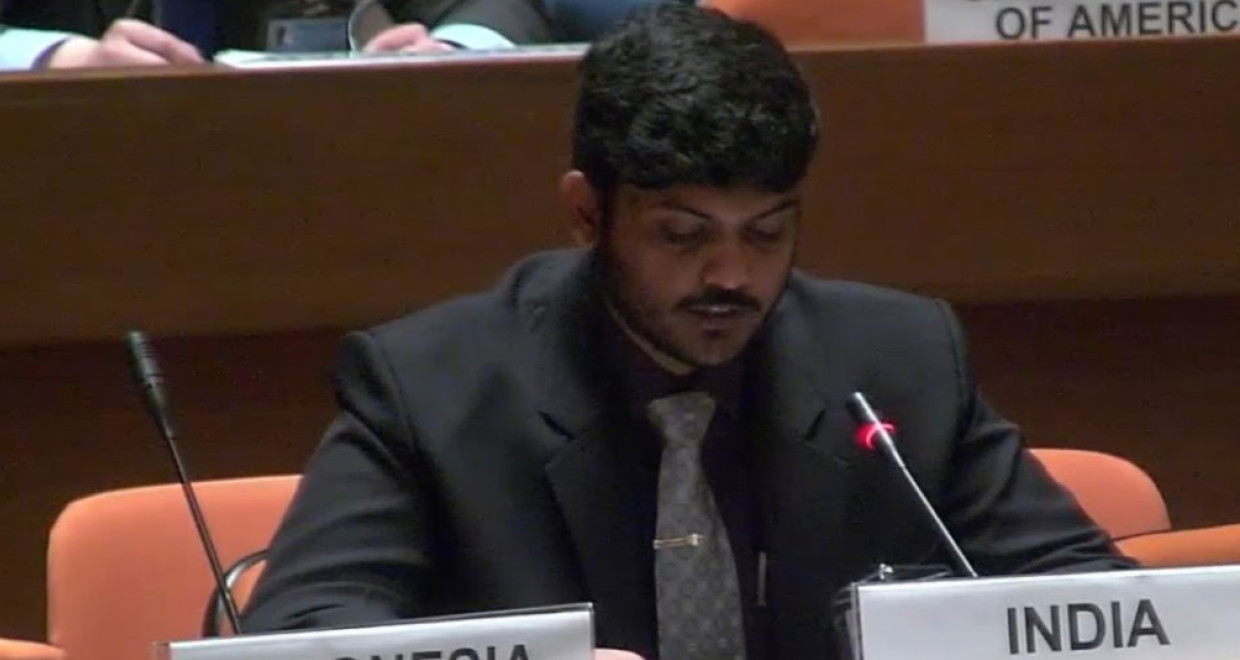
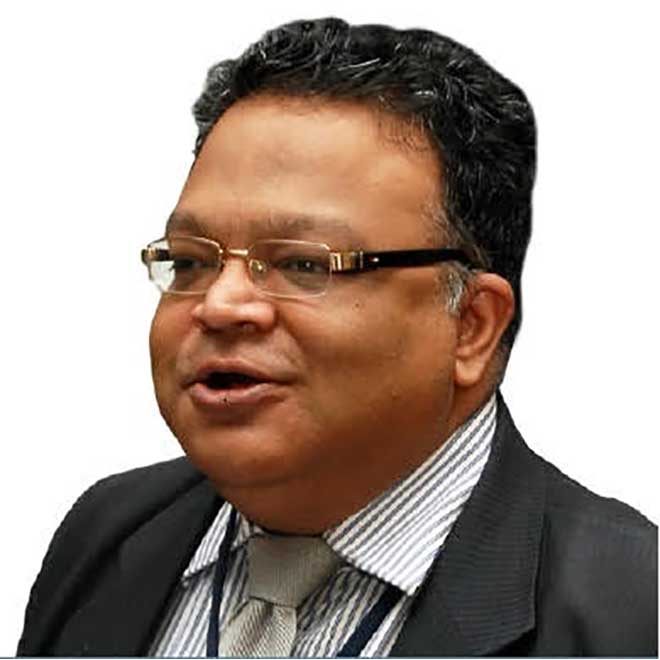
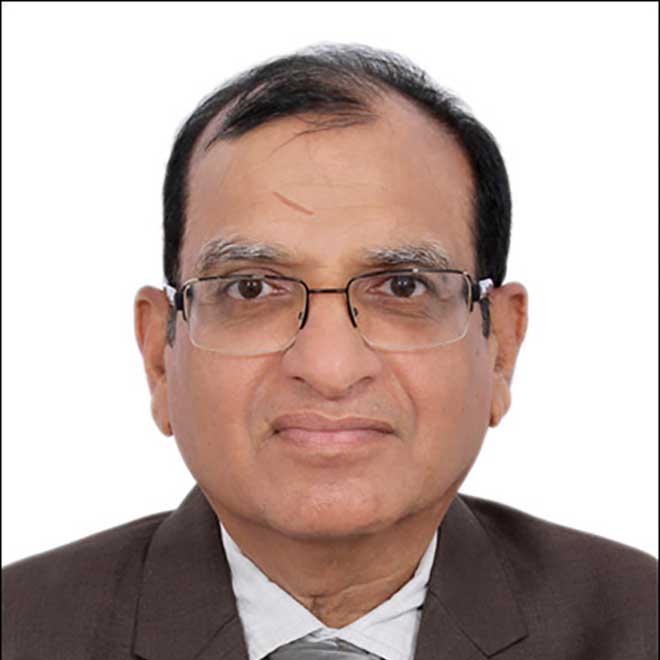
  • Aditya Singh, Founder and Chairman, Alexis Group, on founding Alexis Group, Indian Law Conclave and opportunities for law students

    Aditya Singh, Founder and Chairman, Alexis Group, on founding Alexis Group, Indian Law Conclave and opportunities for law students

    Aditya is founder and chairman of the Alexis group. He has completed his Master of Science in International Management with Merit from the Department of Strategy and Organisation, and Gold Level Certificate in Entrepreneurship from the Hunter Centre of Enterprise, Strathclyde Business School, University of Strathclyde, Glasgow. He also served as the President of Bharat Sansthan (India Society) at the university in the year 2014-15.

    He is a Bachelor of Commerce (Honours) majoring in Finance and Marketing from the University of Delhi. He has also served as a Teach for India Fellow to eliminate education inequity in India.

    Aditya has also been recognised as a Global Shaper by the World Economic Forum and as a Changemaker by the Global Action on Poverty. He was selected as a Hesselbein Fellow by the University of Pittsburgh, USA in recognition of his exemplary leadership and civic engagement skills and as a Prerna Fellow by the Indian Institute of Management Lucknow, one of India’s top b-school in recognition of his exemplary leadership and entrepreneurial skills. He was also conferred the Fellow of CMS Award in recognition of his outstanding leadership and community service.

    He has represented India at various International events including prestigious International Youth Forum Seliger organised by Federal Agency on Youth Affairs, Russian Federation and International Youth Forum Mauritius by Konectenu.

    In this interview we speak to him about:

    • Success of Alexis Group
    • His experience representing India at various International Forums
    • His experience as a TEDx speaker
    • Being a recipient of various Fellowships


    HOW WOULD YOU LIKE TO INTRODUCE YOURSELF TO OUR READERS?

    I am an intuitive and inquisitive person with a blend of entrepreneurial mindset. I love to interact with people, discuss ideas, build institutions, and get things done. On professional front, I am a qualified management consultant with specialisation in strategy, marketing, and policy.

    Furthermore, I adore public speaking and speak on wide range of subjects such as Education, Leadership, Civic Engagement, Development, Entrepreneurship, Excellence, Ethics & Values, Right to Information, Research Methodology, Public Accountability, Cross Cultural Communication, Youth Empowerment, Public Policy, Law, and Politics.


    PLEASE TELL US SOMETHING ABOUT YOUR CHILDHOOD AND COLLEGE LIFE?

    I grew up in campuses of NDUAT Kumarganj, Faizabad and IIM Lucknow as my parents are Professors. I studied at DAV Public School in Faizabad and City Montessori School, Aliganj in Lucknow. Both the schools provided me a very strong foundation of ethics and values and emphasised on the importance of human and divine education along with material education. Overall, I had a very eventful childhood filled with wonderful peers and teachers. I participated in various games, sports, activities and events both in school and campus.

    I pursued Bachelor of Commerce (Honours) from Ramanujan College, University of Delhi. My undergraduate academic experience was very enriching and I have enjoyed every part of it. It enabled me to become an independent person, interact with diverse set of people, understand multiple perspectives, think out of box and widen my horizon. Alongside with my studies, I was also involved with the National Service Scheme throughout the three years of college.

    Later, I pursued MSc in International Management from University of Strathclyde, UK. My postgraduate learning experience was more about reflective learning, learning from peers and putting critical thinking into action in different projects taken by me. Studying with peers from 25 nationalities was indeed a great learning experience. International Management also taught me a lot about people, culture, leadership and diversity apart from different functional areas of management such as Finance, Marketing, Human Resource Management, Entrepreneurship, and Strategy with the International component in all of them.


    WHAT MOTIVATED YOU TO START THE ALEXIS GROUP? WHAT WERE THE CHALLENGES YOU FACED AND WHAT IS YET TO BE ACHIEVED?

    I wanted to create a global youth empowerment platform and develop a pool of young leaders who are passionate about inclusive development, sustainability, and giving back to the society by creating new opportunities and disrupting vicious cycle of poverty.

    I believe envisioning and incorporating an organisation was an easy task (though it seemed very difficult at seventeen). However, aligning my personal and organisational goals, recruiting and managing people, sustaining the organisation, staying true to the vision and creating sustainable positive impact are some challenges faced by me in past and present times too.

    Our motto is Passion for Excellence and remaining true to it, our nine year journey has been a roller-coaster ride. I feel that we have made significant progress in various work areas and empowered several young leaders. However, we still have a long way to go in fulfilling our vision. The journey has just started and I look forward to collaborate with young people from around the world to fulfil this shared vision.


    WHAT ARE THE WORK AREAS THAT ALEXIS GROUP FOCUSED ON?

    Broadly, our work can be divided into Advocacy, Awareness, Consultancy, Education, Events, and Research.

    Our focus areas include Agriculture, Economics, Education, Governance, Healthcare, Human Rights, Technology, Law, Management, Public Policy, Rural Development, Strategy, Women and Youth Empowerment.

    PLEASE SHARE YOUR EXPERIENCE REPRESENTING INDIA AT VARIOUS INTERNATIONAL FORUMS.

    I have represented India at International Youth Forum Seliger Russia, International Youth Forum Mauritius, Global Business Studies Programme at School of Oriental and African Studies, University of London, Hesselbein Global Leadership Academy, University of Pittsburgh, USA and Shape South Asia Conference in Dhaka.

    It has truly been an incredible experience. I have always tried to be an energetic ambassador of India by showcasing our rich Culture and Heritage around the world. Travel and experiencing diversity have really widened my thought process and horizon. This has also enabled me to become more conscious about my choices and decisions.


    WHAT IS THE SCOPE OF WORK FOR A LAW STUDENT AT ALEXIS GROUP?

    Historically, our leadership team has had 80% people from law background. However, now we have a diverse mix of people from management, technology and law in our leadership team.

    Throughout the year, we advertise various leadership and internship opportunities in the following work areas: awareness, research, education, and events. Furthermore, around 60% of our interns come from Law schools. Over 1000+ law students have interned with us in past nine years.


    HOW CAN A LAW STUDENT APPLY FOR INTERNSHIP AT ALEXIS GROUP?

    A law student can fill our Common Application Form available on the Careers page of Alexis Group website: www.alexis.in

    Additionally, they can send their CV to careers@alexis.co.in

    If they have already done some preliminary research and wish to work with a particular member organisation, they can mail their CV directly to the respective member organisation on its official email ID.


    PLEASE TELL US ABOUT THE INDIAN LAW CONCLAVE. HOW CAN LAW STUDENTS PARTICIPATE IN THIS?

    Indian Law Conclave is a three day National Conference organised by Adhrit Foundation, INY Foundation and Model Governance Foundation at International Youth Hostel, New Delhi from 29th June – 1st July 2018.

    The Conclave will have delegates from all over India who will engage in three days of rigorous learning, reflection and sharing of knowledge, skills, experiences, and perspectives. Focus areas of the Conclave would be Alternative Dispute Resolution Mechanism, Constitutional Law, Corporate Law, Cyber Law, Intellectual Property Law, International Law, and Maritime Law.

    The Conclave will have both Formal and Informal events. Formal events include Keynote Presentations, Paper Presentation Competition, and Group Discussions. Informal events include Open Forum, Cultural Night and Ethnic Fashion Show, Life Mapping Exercise, Dance and Music performances. Workshops and Mini Bootcamps on Entrepreneurship, Governance, Leadership, Public Policy, Research Methodology, Self-Management, and Social Media will be also conducted during the Conclave.

    Students can participate by applying on the following website: www.indianlawconclave.com/registration.html


    YOU HAVE ALSO FOUNDED INDIA LAW FORUM. PLEASE SHARE YOUR VISION FOR THIS FORUM.

    India Law Forum is a community for lawyers and law students committed to empower people through legal aid, legal awareness, and legal education. A concept mind map is available on www.indialawforum.com

    The forum will be formally launched on 29th June, 2018 at Indian Law Conclave in New Delhi. As of now, I am interviewing the potential candidates for leadership positions at the Forum.


    YOU ARE THE RECIPIENT OF VARIOUS FELLOWSHIPS. COULD YOU SHARE SOME DETAILS FOR OUR READERS?

    I have received four fellowships:

    Hesselbein Fellowship (2013) – This fellowship is awarded by Hesselbein Global Academy for Student Leadership and Civic Engagement at University of Pittsburgh, USA. Every year, it selects 50 top student leaders from across the world and mentors them to be effective, ethical, and innovative leaders at its Annual Summit.

    Prerna Fellowship (2013) – This fellowship is offered by IIM Lucknow to Top 20 Entrepreneurs every year. It includes an award and 3 day mentorship programme by IIML Faculty and Industry experts.

    Fellow of CMS (2013) – This fellowship is awarded to distinguished alumni of City Montessori School Lucknow who have excelled in their respective fields.

    GAP Changemaker (2017) – This fellowship is awarded by Global Action on Poverty to Changemakers for their ideas and initiatives to eradicate poverty.


    RECENTLY YOU SPOKE AT A TEDX EVENT. WHAT WAS YOUR TALK ABOUT?

    My talk was about Demystifying Collaboration. I shared my learning and experiences of working in the development sector for last ten years. Furthermore, I suggested tools and approaches for making the process of collaboration easy and impactful.


    WHAT WOULD BE YOUR MESSAGE TO OUR READERS INTERESTED IN PURSUING A CAREER IN DEVELOPMENT SECTOR?

    A career in the development sector is both challenging and fulfilling. It provides you an opportunity to bring social and cultural shifts, create positive impact in lives of large number of people and work for sustainable and inclusive development.

    You must be both mentally and physically prepared before you take the plunge, but once you start your journey, there should be no looking back. On the journey, be comfortable with uncertainties because you will have to improvise and reinvent yourself again and again.
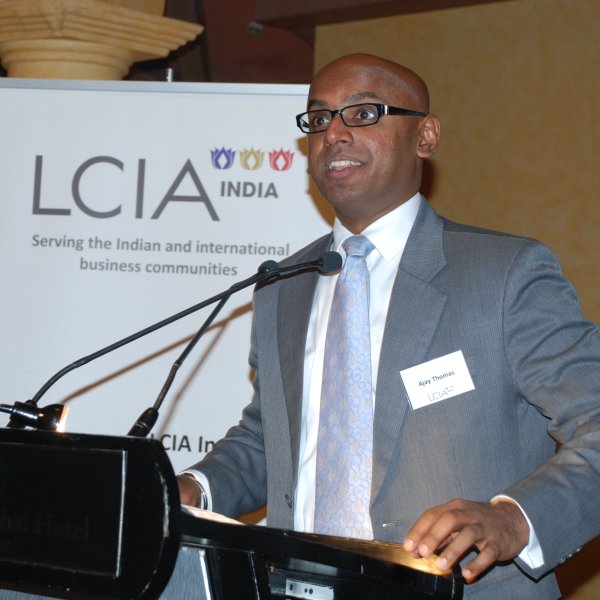


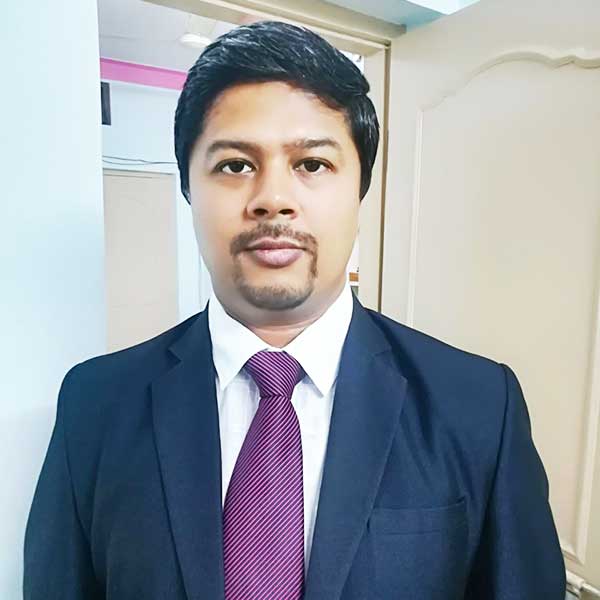
  • Ajay Thomas, Advocate and Arbitrator, on being a good arbitrator and career in International Commercial Arbitration

    Ajay Thomas, Advocate and Arbitrator, on being a good arbitrator and career in International Commercial Arbitration

    Ajay Thomas is an independent arbitrator and advocate based in New Delhi. He is also the Vice-Chair of the ICC’s India Arbitration Group.From 2009-2016, he was Director and Registrar with the Indian subsidiary of the London Court of International Arbitration (LCIA), and also a member of the LCIA India Board of Directors.He graduated from the University of Goa (LLB), and did his LLM from the National University of Singapore (NUS) .

    Prior to joining LCIA India, Ajay was Counsel with the Singapore International Arbitration Centre (SIAC). Ajay was also a member of the expert committee constituted by the Law Commission of India to assist in the preparation of its 246th Report (August 2014) on ‘Amendments to the Arbitration and Conciliation Act, 1996’.

    He is a guest faculty at the Indian Society of International Law (ISIL), New Delhi since 2009, where he teaches international commercial arbitration. Ajay is also Hong Kong 45’s (HK45) Regional Ambassador for India, in addition to serving as the Country Representative for the Asia-Pacific Forum for International Arbitration (AFIA).

    In this interview we speak to him about:

    • Importance of LLM for the career
    • His experience at NUS
    • His roles and responsibilities as the director and registrar of LCIA
    • Skills required for being a successful arbitrator


    HOW WOULD YOU LIKE TO INTRODUCE YOURSELF TO OUR READERS? PLEASE TELL US SOMETHING ABOUT YOUR CHILDHOOD AND PRE-COLLEGE LIFE?

    New Delhi-based independent arbitrator and advocate is what best explains my current professional status.

    Be that as it may, “a serial institutionaliser” is how many in Indian arbitration circles introduce me to their friends and acquaintances. Perhaps, because of the fact that over the past decade or so, I have had the unique distinction of working at four of the world’s leading arbitral institutions: Singapore International Arbitration Centre (SIAC), Singapore Chamber of Maritime Arbitration (SCMA), London Court of International Arbitration (LCIA), and now the International Chamber of Commerce (ICC) – where I have been appointed Vice Chairperson of the ICC’s India Arbitration Group. And, evangelising the cause of arbitration, especially institutional arbitration, has been a very integral part of my professional life.

    I was born in a land situated between the latitudes 14°53′54″ N and 15°40′00″ N and longitudes 73°40′33″ E and 74°20′13″ E, a land blessed with sandy beaches, swaying palms, and magnificent churches. My formative years were spent in the sleepy but charming village of Aldona. Life in those simpler times revolved around school (St Thomas Boys, and later St Britto), the playground which you shared with the neighbourhood water buffalos, and home which was conveniently just a hop, skip and jump away.

    Given my ability to appear at the wrong places at the worst possible times, I had a rather nasty reputation of being a “Jack-in-the box” in primary school, which thankfully evolved to a more respectable “Jack-of-all-trades” in high school. I wasn’t particularly brilliant in studies but was an avid quizzer and excelled in badminton, basketball and the throwing and jumping disciplines on the athletics field.


    WHAT PROMPTED YOU TO BECOME A LAWYER AND WHEN DID YOU THINK OF A CAREER IN INTERNATIONAL COMMERCIAL ARBITRATION?

    Post high school, I enrolled for a Bachelors programme in Commerce, followed it up with an LLB from the Salgaocar College of Law, pursuant to which I spent an eventful few years as a greenhorn litigator at the Bombay High Court.

    I became a lawyer by sheer accident. It was not a conscious well charted journey. Growing up, I was fascinated with being a police officer. Why a police officer? The lure of the khaki, the stars and the Ashoka on your epaulettes, and the bit of idealism left in me that made me think that I could make a difference. When that dream did not materialise, I decided to become a lawyer. But I was clear that I did not want to be a generalist and wanted to find a niche practice area that interested me. I zeroed in on maritime law, and I was extremely fortunate to be accepted as a junior at the Chambers of Senior Advocate S Venkiteswaran (Venki), regarded by many as the guru of maritime and admiralty laws in India.

    Again, it was sheer serendipity that led me to a career in international commercial arbitration. One of the elective courses that I had opted for at the LLM programme at NUS was international commercial arbitration, the teaching for which was led by Adjunct Professor Lawrence Boo, who in those days was the CEO and Deputy Chairman of the SIAC. It so happened that one day during class he mentioned that there was an opening for an India-qualified lawyer at the SIAC and urged the half-dozen Indian lawyers on the course to consider applying for the position. Given the compensation on offer, and the fact that I would be sailing away from maritime law into a totally different arena, I was initially quite hesitant. To cut a long story short, I finally applied and was offered the position subject to me successfully completing my LLM coursework requirements. The SIAC position was effectively my gateway to international commercial arbitration.


    YOU HAVE DONE POSTGRADUATE DIPLOMA COURSES IN ‘INTERNATIONAL LAW AND DIPLOMACY’ AND ‘SHIPPING MANAGEMENT’ HOW FAR HAVE THESE COURSES BEEN HELPFUL?

    My love for ships and the seas, coupled with the desire to specialise in a niche practice area, led me to pursue a “Post Graduate Diploma in Shipping Management”. This held me in very good stead when I started off practicing maritime law at Venki’s Chambers. The course gave me an excellent overview of the dynamics of the shipping industry, which I believe gave me an edge over my peers.

    The course in “International Law and Diplomacy” from the Indian Society of International Law (ISIL) helped me in preparing for the combined civil services exams, where I had opted for law as one of my optional subjects. At the end of the course, fortuitously, I discovered that I had topped the course and was awarded a gold medal, which came in very handy in securing an admission to the LLM programme at NUS.


    CAN YOU PLEASE TELL US ABOUT YOUR EXPERIENCE APPLYING FOR YOUR MASTER’S DEGREE? DO YOU BELIEVE IT IS MORE DIFFICULT FOR NON-NLU STUDENTS TO GET THROUGH INTO FOREIGN UNIVERSITIES?

    Ever since my LLB days, I always wanted to pursue a master’s degree. However, I realised that a couple of years in the profession would make my graduate studies more meaningful and purposeful, and not to mention, more money in the bank to fund my studies. Further, work experience helped me to clarify career objectives and gain invaluable hands-on experience in my area of interest.

    I do think that it takes a bit more effort for non-NLU students to successfully complete the application formalities. I was probably one of the very few students from my college to have applied for an LLM overseas, and consequently I did not have access to the usual advice and war stories from seniors.


    YOU PURSUED AN LLM AFTER HAVING SPENT ALMOST FIVE YEARS IN THE PROFESSION, A LITTLE LATE BY INDIAN STANDARDS. WHAT DO YOU THINK AN LLM DEGREE CAN DO FOR YOUR CAREER?

    An LLM programme in my opinion serves many purposes: for those who have spent some time in the profession, it’s a great way to slow down the pace of life, after the initial rigours and stresses; to look at life from a different perspective; it provides a wonderful opportunity to recharge one’s batteries; and most importantly, it acts as a refresher course to update one’s knowledge and aids in focusing on an area of specialisation.

    A LLM from a foreign university is always appealing to potential employers as it adds a bit of exoticism to your CV which employers love. The fact that you have studied abroad is also quite helpful when it comes to dealing with international clients.

    In my opinion, an LLM is a great option to young lawyers in search for a break from the monotony of a very demanding profession. It gives them some time to stop, ponder and take the right decision as to their future as lawyers. In the bargain, one gets to update one’s knowledge base, acquire new skills and get a hold on one’s life and career.


    WHAT PROMPTED YOU TO CHOOSE THE NATIONAL UNIVERSITY OF SINGAPORE (NUS) FOR YOUR LLM?

    An extremely distinguished faculty; an ambience replete with academic activity; an LLM programme which blended high quality, intensive course work with research; the numerous opportunities to interact with professionals from the legal profession and the commercial world; the hope that the extremely competitive environment at NUS would bring out the best in me, coupled with the fact that Singapore was rapidly emerging as a maritime and arbitration hub were factors that prompted me to choose NUS.

    Further, in those good old days, the fees at NUS and the cost of living in Singapore were relatively reasonable, these were additional but important factors that influenced my decision.


    PLEASE TELL US ABOUT YOUR EXPERIENCE AT NUS?

    The LLM coursework at NUS was extremely demanding, more so in my case, where I was getting back to academia after a very long time. There were hours spent in the library trying to cope with the numerous assignments, and preparation for next day’s classes; the nervous tension to meet deadlines; and copious amounts of Kopi O and Red Bull that were consumed to keep you going. And, now when I look back, I get the feeling that I strangely enjoyed it all.

    The facilities at the Faculty of Law at NUS were brilliant and state-of-the- art. Incidentally, the Faculty of Law along with the School of Public Policy had a bit of exclusivity to it, being located on a lovely secluded hill besides the Singapore Botanic Gardens, and miles away from the crowded main Kent Ridge campus.

    Singapore is also the perfect base to explore the Southeast Asian region. Given the travel bug in me, I took the opportunity of the month-long semester break to explore the region. I spent a few wonderful weeks backpacking through Malaysia, Thailand and Cambodia. It was an amazing journey of discovery!


    NUS IS WELL RENOWNED FOR ITS BRILLIANT FACULTY. HOW WAS YOUR EXPERIENCE WITH THE FACULTY?

    The faculty at NUS were a good mix of regional and international, full-time academics as well as adjuncts-who were usually practitioners from Singapore. I had the good fortune to learn from, and interact with, stalwarts such as Lawrence Boo (international commercial arbitration), Stephen Girvin (maritime law), M Sornarajah (international investment arbitration), and Francis Reynolds QC (admiralty law). I also fondly remember Lee Kiat Seng – who made it a point to treat the entire class to hot coffee, steaming paus (Chinese buns) and curry puffs, perhaps, in the hope that we would be more attentive at our early Saturday morning reinsurance class!


    WHAT WERE YOUR ROLES AND RESPONSIBILITIES AS THE DIRECTOR AND REGISTRAR OF LCIA, INDIA?

    By way of brief background, LCIA India was the established in 2009 as the first independent subsidiary of the London Court of International Arbitration (LCIA) outside of London. The institution aimed at providing a LCIA quality of case-administration services to Indian parties and also international parties doing business in and through India, at localised rates.

    As founding Registrar and Director, I was tasked with establishing the Secretariat in New Delhi, rolling out the India-specific arbitration rules, and popularising the LCIA India arbitration clause amongst end-users – which involved running an extensive and sustained outreach programme, comprising one-on-one meetings, presentations, workshops and conferences. It also fell on me to oversee the administration of cases that came to be referred to LCIA India.

    Being on the LCIA India Board of Directors gave me a great insight into policy making, strategy and planning. And, given that the institution was established as a private limited company, I also donned the hat of defacto General Counsel, ensuring that LCIA India complied with the laws of the land.

    I must say that it was truly a privilege to have been given the responsibility to establish and run an arbitral institution at a relatively young age (thirty two), which would not have been possible but for the unwavering support and guidance from Adrian Winstanley OBE and his hardworking colleagues at 70, Fleet Street.


    WHAT IS THE SKILL-SET REQUIRED FOR A PERSON TO BE A SUCCESSFUL ARBITRATOR?

     Strictly speaking there are no qualifications prescribed to be an arbitrator. In tune with the principle of party autonomy, disputing parties (to quote Professor Gary Born) have the broad freedom to choose dispute resolution mechanisms (and dispute resolvers) “short of authorising trial by battle or more doubtfully by a panel of three monkeys”.

    Be that as it may, I had the recent occasion to meet the Professor Martin Hunter, the author of Redfern and Hunter on International Commercial Arbitration. During the course of our pleasant conversation, over Sula and delicious Delhi kebabs, his advice to young lawyers was that one should never in the early stages of his/her career aspire to be an arbitrator, the emphasis should be to immerse oneself in the theory and practice of arbitration, and aim to be garner as much experience as possible as advocate in arbitration.

    I cannot but agree with Martin that there is nothing like solid work experience to lay the foundations for a future career path as arbitrator. And, whilst one goes about acquiring that broad depth of knowledge and experience, it would be useful to enroll for formal arbitrator accreditation courses such as the Pathways Programme offered by the Chartered Institute of Arbitrators (CIArb). Fellowship of CIArb is one of the minimum qualifications prescribed for formal empanelment as arbitrator with many of the leading international arbitral institutions.


    WHAT WOULD BE YOUR SUGGESTION FOR STUDENTS AIMING FOR A CAREER IN INTERNATIONAL ARBITRATION?

     Work hard, work smart, and tune in to the recent updates to the law and practice of arbitration. It is nice to have a plan, but be open to opportunities, which may not always be what you were hoping for. For all you know it, these opportunities might lead you to a new vista that you never knew existed. Finally, it would be extremely helpful to have an earthly mentor to guide you along the way. Bon voyage!


  • Rudraneel Chattopadhyay, Project Associate, Quality Council of India, on Young India Fellowship and career as a Public Policy Professional

    Rudraneel Chattopadhyay, Project Associate, Quality Council of India, on Young India Fellowship and career as a Public Policy Professional

    Rudraneel Chattopadhyay graduated from ILS Law College, Pune in 2015. In this interview we trace his story from his time at law school to Young India Fellowship at Ashoka University to working as Project Associate at Quality Council of India.  He is passionate about global governance, multilateralism, and the United Nations, currently engaged in harmonising the Indian sustainability standards ecosystem.

    In this interview we speak to his about:

    • Importance of moots and extra curricular activities in law school
    • Participating in MUNs
    • Young India Fellowship
    • Roles and responsibilities as project associate at QCI


    HOW WOULD YOU LIKE TO INTRODUCE YOURSELF TO OUR READERS?

    A confident hodgepodge. Tangled flat-wired earphones. Learning to swim after taking the jump in deeper waters. Anything that can describe a systematic mess. I am still figuring out myself.

    I am a student – that’s the only thing that will never change. My biggest privileges include being born male (and later to identify as cisgender heterosexual) in an extremely loving, caring and cohesive upper caste Hindu nuclear family, who could, to whatever extent possible, fulfil my desires, my education, my emotional needs, and my upbringing in a manner in which I can never complain that I didn’t receive enough. These, coupled with numerous other privileges and experiences, have shaped me and my identities.

    Cooking is passion-hobby and also therapy – if there’s a clean well-stocked kitchen, you will find me there even after a long day’s work.

    Most of the times I keep forgetting what I have done. So, I list them on LinkedIn, and then safely forget. If you’re a recruiter, or someone interested in that kind of stuff, feel free to read it there.


    PLEASE TELL US SOMETHING ABOUT YOUR COLLEGE LIFE. HOW INSTRUMENTAL HAS YOUR COLLEGE BEEN IN SHAPING YOUR CAREER?

    Again, I am still grappling with the what career means to me. College definitely had no role to play in making me question the idea of a career itself. It was actually pretty straightforward.

    However, my law school life was quite a pleasant accident. I wanted to study law, but not particularly from a national law university. I desired more free time for myself, for an outside-of-campus non-law school social life, and an easy-going curriculum. I wanted to explore different things outside the ambit of just law. ILS gave me that space to grow. It had very limited classroom hours, and numerous scope for other voluntary activities. One could tailor-make their experience, and it could be way beyond just law!

    In all those times, I nurtured my interest in international relations, set up Model UN conferences and trained students in UN procedure, worked with professors on a range of topics, published and helped publish, etc. That way, college was quite instrumental in setting the tone of my life till now.


    YOU WERE INVOLVED IN MANY EXTRA CURRICULAR ACTIVITIES AT COLLEGE. HOW IMPORTANT IS IT FOR A LAW STUDENT TO PARTICIPATE IN MOOTS AND OTHER EXTRA-CURRICULAR ACTIVITIES?

    Very much depends on who you are, what you are passionate about, what drives you, and what do you think you want out of the law education. It depends on where your energies go.

    It’s always good to get out of our comfort zones to try out new things – and all the extra-curricular activities that you have not been part of before fall in that space outside of your comfort zone. Sometimes it’s just a one-time thing – could be fun, could also be terrible. The best feeling is when you try something for the first time and you find yourself resonating with it. That suddenly becomes your thing. You would not have found out had you not tried.

    That said, from an evaluator’s point of view – be it for a job or for higher education, co- and extracurricular activities are sometimes taken note of as reflection of a candidate’s holistic academic experience, and sometimes even of their adaptability and interest in problem-solving.


    YOU ORGANISED THE PUNE MUN CONFERENCE IN 2014. HOW IS PARTICIPATING IN MUNs BENEFICIAL FOR LAW STUDENTS?

    Model UN conferences, when done right (and by right, I mean when the procedure, values of the UN are accurately upheld), can be helpful in inculcating a sense of self-discipline and service to people. That’s applicable for everyone.

    If you are a law student in particular, sincere, dedicated and committed participation in MUNs coupled with good pre-training, can aid in sharpening of your UN-related research skills, your drafting abilities, your understanding of international relations, organisations and protocols, and make your art of negotiation more nuanced.

    The pre-conditions to getting the most out of your Model UN experience are honesty in approach, roleplaying the diplomatic character, painstakingly in-depth research, and refraining from acts unbecoming of a diplomat.


    WERE YOU INCLINED TOWARDS PUBLIC POLICY FROM THE BEGINNING OF YOUR TIME AT LAW SCHOOL? WHAT SPARKED YOUR INTEREST?

    Let’s say that I was inclined to join international civil services (likes of UN). This was from almost seventh grade in school, completely fascinated by the idea of the UN and its purposes. I wanted to serve people of the world through an organisation like that. Back in school, I just knew that there is a subject called international relations which one might pursue in order to join the UN. But there was no IR course in India at the Bachelors level. So I thought, what could prepare me for an education in IR at the Masters level? A lot of IR consisted of political science theories, international law, economics, etc.

    Study of the laws appeared to be the most obvious step in that direction – five years of foundational prep for IR, plus domestic laws that could also help me understand how our country functions.

    When I joined law school, I had the opportunity to engage with various developments in the socio-legal policy-making space – thanks to the various Centres and Cells run by the faculty and students of my college, which acted as the initial nudge for me to read up more on issues that I found interesting. Few of them that I was part of was the Centre for Public Law, Environment Law Cell, Gender Studies Cell, Women Studies Centre, Centre for Mental Health Law and Policy – and so on.

    As I said earlier, I continued doing a lot of Model UN conferences, kept engaging with international laws of all kinds – commercial, trade, economic, public, etc – through various advocacy skills activities. I also started working with the Women Studies Centre and Centre for Mental Health Law and Policy on issues dealing with human rights of women, and that of persons with intellectual and psychosocial disabilities. By then, I had parallely begun freelancing on outsourced jobs for self-represented parties from common law jurisdictions outside India, through a firm that a senior of my college had started. That gave me exposure to contract and investment laws in US, Canada, UK, and Australia. I kept doing whatever came my way. Kept exploring. Did not think of what the next good fit for my career would be.

    With time, I became more and more curious about how law-making and policy-making interact, and how people are involved in these processes, and how this affects foreign policies and international relations – all for one end – to serve the peoples of this world. That’s when, somewhere in my fourth year, I felt like – yes, this is something I can spend a good amount of my life and time doing. Let’s explore the intersection between public policy and international law.


    WHAT FACTORS LED YOU TO APPLY FOR YOUNG INDIA FELLOWSHIP AFTER YOUR GRADUATION AND NOT OPT FOR THE TRADITIONAL ROUTES? WHAT IS THE APPLICATION PROCESS FOR YIF?

    Right from the beginning of the third year in law school, I wanted to do the YIF. The Fellowship had an instant match with my values and curiosity; I was especially intrigued by the variety of subjects and fields that it promised to introduce me to.

    I wanted to learn in a setting like that – where I can just take in a wide array of ideas and information in arts and the sciences, and their interconnections. Play around with concepts which would help me apply them to my life. Put in perspective the stories of people. A whole year where I am not expected to force myself into a unidirectional career path, but just push my limits to keep learning. Keep engaging. I wanted to be a part of this environment.

    For someone who was also playing with the idea of a career in public policy, I felt the need for learning in variety in order to have a multi-dimensional approach for every issue. Hence, YIF.

    The application process for YIF involves a pretty straightforward online application, followed by telephonic and personal interviews. There’s shortlisting done at every stage. The only tip for a YIF application is: be honest and express. There’s no one way to ‘crack’ it.


    PLEASE TELL US ABOUT YOUR TIME AT ASHOKA UNIVERSITY

    For those who may not know, the YIF is a programme of Ashoka University. That one year at Ashoka, doing the YIF, was the fastest and shortest year of my life. As an alumnus, the engagement now has only taken another form.

    YIF was all about exploring, experimenting, and evolving. Coming out of comfort zone. Giving everything a chance. Engaging with whatever came our way. The idea was to learn concepts, think about them, contextualise them, and see if and how they play out in life. Coupled with this was the aspect of peer learning; 190+ young people who are highly accomplished in their own fields and who have their own struggles and stories – all under one roof. Free flow of talent, information, expression and learning.

    The best part about the Ashoka experience is our constant struggle to keep romancing with what should be an ideal university – in midst of all externalities of a socio-political system that looks at ‘ideal’ as a subjective end, than as a standard.

    Ashoka constantly endeavours to be that ideal university space, and on most counts, it flourishes. It has a supremely competent management and administration, crème de la crème faculty, committed founders and leadership, forward-looking infrastructure and most importantly, industrious students and alumni who all believe in upholding the ethos of the University and holding every spoke accountable to the purpose of the larger wheel.


    WHAT ARE YOUR ROLES AND RESPONSIBILITIES AS PROJECT ASSOCIATE AT QCI? DOES A BACKGROUND IN LAW HELP YOU IN YOUR WORK?

    Quality Council of India is an autonomous national accreditation body under the Ministry of Commerce and Industry, responsible for setting up and maintaining the quality infrastructure of the country.

    During my tenure at QCI, I have been part of two major initiatives – one, the Skill Management & AccReditation of Training centres (SMART), a project with India’s National Skill Development Corporation, and the other, India National Platform on Private Sustainability Standards (Indian PSS Platform) – along with several other assignments in the areas of trade, education, healthcare, human rights, good agricultural practices, digitalisation, public policy systems transfers, personnel training, and capacity development where my assistance was sought by the organisation.

    In SMART, I have handled and led workstreams which included establishing the assessment and accreditation criteria, ICT platform, call centre, client interface and parts of execution of the final inspection phase of the project.

    Over the last 20 months, as a member of the Secretariat of the Indian PSS Platform, I am responsible for institutionalising the Platform, stakeholder engagement for understanding and resolving PSS-related issues, organising meetings and presentations for the Platform, interface with partner organisations, initiation of projects that will add to the knowledge on PSS in the country, and related documentation and web presence. I am trying to identify and understand whether sustainability standards have any impact on the Sustainable Development Goals in India, and if they could be achieved through standards compliance by businesses, producers and smallholders.

    Whether a background in law helps at work? I feel that an education in laws helps in anything and everything that you are doing. It just makes you think a certain way. You know what’s the skeletal structure for things that put institutions and policies in motion. You know how they are made. You know what you can do if they malfunction.

    In my work especially, my law background has come to aid in situations where important decisions were to be taken based on contractual offers, honouring of memorandums of understanding, researching legislative and legal positions on policy issues, and drafting appropriately to cater to a wide range of audiences – from national leadership to common persons. The law education helps me design a logically sound and nuanced argument in favour of or against something, which decision-makers often find trustworthy to rely upon.


    YOU HAVE ALSO WORKED WITH PRS LEGISLATIVE RESEARCH. WHAT PROJECTS WERE YOU INVOLVED IN?

    Working with PRS was part of my Experiential Learning Module of the Young India Fellowship, whereby a team of 3 Fellows work with an organisation on a project / set of projects to gain professional insights and experiences into the area of work of that organisation.

    My team’s larger prompt was to design and develop citizen engagement products that would enhance participation of people in legislative affairs at the state and national levels. As part of this, we developed online databases of pan-India legislators and speech videos of MPs, session wraps for summing up proceedings of legislatures’ sessions across 12 states in India, and policy briefs for parliamentarians on State Finance and Union Budget. These have now become scaled digital products which Indian citizens are consuming to enhance their knowledge of and participation in legislatures.


    PLEASE TELL US ABOUT YOUR COURSE AT MGG ACADEMY

    Managing Global Governance (MGG) Academy is a central pillar of the MGG programme of the German Development Institute / Deutsches Institut für Entwicklungspolitik, which is a highly reputed think tank and research institution in Germany. The programme is financially supported by the Federal Ministry for Economic Cooperation and Development / Bundesministerium für wirtschaftliche Zusammenarbeit und Entwicklung.

    The dialogue and advanced training course brings together young professionals from rising powers, such as Brazil, China, India, Indonesia, Mexico and South Africa, and from Germany and Europe.

    The Academy draws on the premise that future change-makers need profound content knowledge and the ability to analyse complex interdependencies as well as personal and social skills. The course blends knowledge components on global governance challenges with the development of the participants’ leadership competencies. In an action-oriented component, participants apply the knowledge and competencies they have acquired and develop a collective change project.

    It also strives to enhance the understanding of policymakers and scholars in Germany and Europe about values, worldviews and policy priorities in rising powers.


    WHAT INTERNSHIPS SHOULD A LAW STUDENT UNDERTAKE IF THEY ARE INTERESTED IN PUBLIC POLICY?

    Any place where one’s energy goes. Honestly, there’s no one set of or type of internships for pubic policy. What is essential is that one spends some time to strengthen their understanding of micro and macro-economics. A lot of what public policy is, is driven by theories of economics. Apart from that, internships can be of any kind.


    WHAT IS THE ONE PROFESSIONAL ACHIEVEMENT THAT YOU ARE PROUD OF?

    I am very grateful for being nominated by QCI and the Ministry of Commerce and Industry to represent the organisation and the country as part of the national delegation at the United Nations Economic and Social Commission for Asia and the Pacific, Bangkok, Thailand for the Asia-Pacific Forum on Sustainable Development. I had the honour of representation and participation across the entire agenda of the forum and I could further India’s contributions in shaping the Asia-Pacific regional road-map for achieving the sustainable development goals. One could also find me delivering a country statement as part of the Indian Delegation under the agenda item on localising the SDGs for their better implementation.


    WHAT WOULD BE YOUR WORD OF ADVICE TO YOUNG LAW STUDENTS ?

    If you have reached reading this till here, I firstly want to thank you for engaging with my thoughts. I also want to tell you that I am in no position to offer you advice without knowing you – your context, your life, your strengths, your struggles, what drives you, what leaves you shocked, what makes you who you are. Would not dare do that.

    I can tell you something that I feel I should have been told when I was a law student through five years, and when the competition and grading system around me made me feel that I am just not made for it.

    (There are a lot of things that I wish I was told about – personal and professional; so, this is only about the legal education and career.)

    And that is, it’s all right to not be the textbook definition of good at everything. It’s okay to not score well. It’s okay to not give that exam that you just don’t have the mental bandwidth to engage with. It’s okay to not win that moot or debate; it’s actually completely okay to not be interested in doing one! It’s okay to feel out of place in college. It’s okay to fail an exam or drop a year. It’s okay to not have a ‘career plan’ ready by end of the course, far so to have it ready in year one. It’s okay to not do internships if you don’t feel like you’re ready for them or they do not drive you.

    I spent a lot of time scared about how I do not have life figured out yet, about what do I tell my parents the next time they want to know what my next step is – especially when the numbers in my marksheet looked like I could use some help.

    I do wish that somebody listened to me and my struggles and told me that it’s completely fine for me to take more time to figure out myself without giving into the atmosphere of competition and peer rush. That it is okay to progress on an uncharted path without knowing what’s the next step. After all, every experience is shaping who you are.


  • Pritam Ghosh, Assistant Professor, IFIM Law College, Bangalore on his journey and receiving the Henry Dunant Research Fellowship

    Pritam Ghosh, Assistant Professor, IFIM Law College, Bangalore on his journey and receiving the Henry Dunant Research Fellowship

    Pritam Ghosh graduated from Symbiosis Law School in the year 2008. His deep interest in Political Science and Sociology made him gravitate towards law. Pritam always believed in understanding the nuances of any subject and by thinking beyond the text in a critical and analytical manner which led him to the field of academics. Currently, he is the Assistant Professor of Law (Senior Grade) with IFIM Law College, Bangalore and also a  recipient of the HENRY DUNANT RESEARCH FELLOWSHIP awarded by the INTERNATIONAL COMMITTEE FOR THE RED CROSS (ICRC), South Asian Regional Delegation. With seven years of academic and research experience Pritam has also been the Legal Editor for LexisNexis Butterworths Publications.

    In this Interview, Pritam shares his insights with Rounak Biswas of SLS, Pune on:

    • Henry Dunant Research Fellowship
    • His interest in academia
    • Being a prolific writer


    TELL US A BIT ABOUT YOUR CHILDHOOD AND PRE-COLLEGE LIFE AS WELL AS EDUCATIONAL BACKGROUND.

    Growing up in a nuclear family I was brought up by my parents in a liberal yet traditional manner. They made it a point to inculcate all the basic Indian as well as Bengali traditions, values and intellect in me and above all taught me to be a good human being. I was educated in Calcutta Boys’ School and Sri Aurobindo Institute of Education which happen to be two of the best english medium schools of the city even today. I was also taught how to maintain a balance between academics and personal life which helped me to have my fair share of fun and frolic along with studies as well. My pre-college background in Humanities at the 10+2 level was one of the major reasons that was going to influence my decision to study law later in life.


    HOW DID YOUR INTEREST GRAVITATE TOWARDS LAW?

    It needed a suggestion from my father and his bringing the prospectus of WBNUJS, Kolkata home that sparked my interest towards law and made me deviate from my original choice of studying Psychology (Honours) at the undergraduate level. Also, my interest in Political Science and Sociology in school and orientation from my teachers who told me that these two subjects which I had already done form the basis of law, was another major factor influencing my decision to do law.


    WHICH AREAS OF THE LAW FASCINATED YOU THE MOST AS A LAW STUDENT?

    (Pritam completed his BBA., LL.B (5 years integrated) from Symbiosis Law School, Pune in 2008.)

    During my undergraduate education, I was extremely fascinated with information technology law, international law, criminal law and constitutional law which are areas of teaching and research interest for me even today. I went into the in-depth study of these areas of law by referring to some of the best books and articles written on these subjects including the diploma material on cyber law prepared by the Asian School of Cyber Laws, Pune. Referring to such scholarly materials helped me to understand the nuances of these subjects and also to start thinking beyond the text in a critical and analytical manner.


    DO YOU FEEL THAT THE LEGAL PROFESSION HAS SIGNIFICANTLY CHANGED FROM THE TIME WHEN YOU DECIDED TO STUDY LAW?

    Indeed, the legal profession has changed significantly as compared to my times. The average law student today possesses a sound basic understanding of law right from semester I of the LL.B course and does not take time to find his feet unlike our times. Also, today’s law students are extroverts who realise the importance of networking in the legal industry as well as the positive effect of staying updated on current legal profession. This has changed the way law students study law both inside and outside the classroom. As a result, the boundaries of the teaching-learning process are constantly stretched which requires even teachers to update themselves even more than what was the case fifteen years back during my times.

    Two other positive changes that have come about in the legal profession during the last few years is the use of Information and Communication Technology (ICT) in law teaching and the legal profession generally. Legal information is available these days in digitised format either on the internet or in research databases in a soft format which helps lawyers find instant solutions to their problems online as well as helps teachers like me in making a law teaching session more lively and interesting. The use of ICT has ensured that law teachers can no longer afford to be one-dimensional as apart from teaching what the law is, they also have to teach students the places where the law can be found such as websites, search engines and research databases.

    The other most important change in the recent times in this profession has been the opening up of newer avenues and job profiles such as that of legal editors, legal journalists and startup lawyers who constitute the seemingly off-track branch of the legal profession. This has ensured more job opportunities for fresh pass outs at the entry level as opposed to the conventional practice in the courts of law or law firms that were the only two options during our times.


    BEING THE INTERNSHIP AND PLACEMENT COORDINATOR FOR THE LAST TWO YEARS, HOW RELEVANT ARE INTERNSHIPS FOR A PRESENT LAW STUDENT?

    Internships are extremely important for any law student as they help all law students to get exposed to the practical side of law and also to find out the application of law in real life. However, internships should be planned and executed very carefully by all law students as they help a student to decide about the future options for employment after completion of one’s undergraduate or graduate studies.


    HOW DID YOU DECIDE TO GO INTO ACADEMICS? WHAT WOULD BE YOUR ADVICE TO THOSE LAW STUDENTS WHO WISH TO GO INTO ACADEMIA BUT ARE INSTEAD FORCED TO OPT FOR OTHER FIELDS THAT ARE CONSIDERED MORE LUCRATIVE?

    (Currently, he is the Assistant Professor of Law (Senior Grade) with IFIM Law College, Bangalore.)

    I was oriented and influenced towards making a career in academics during my stint as an LL.M. student at the West Bengal National University of Juridical Sciences (WBNUJS), Kolkata as I discovered that I have the happy knack of discovering new and innovative information in research and also liked delivering presentations and seminars before a large audience which happens to be the basic method and characteristic of law teaching.

    To aspiring law teachers and academicians, my message would be that it is a popular misconception that teaching is not a lucrative profession as long gone are the days of being paid peanuts in academics. Moreover, the 21st century law teacher has several options of earning a fortune by expanding their horizons, acquiring additional skills and knowledge outside one’s basic area of specialisation and trying out new avenues of legal research as well as business such as venturing into online legal education. Academics is a profession which does not leave one exhausted at the end of the day and depending on personal interests, allows law teachers to take up additional employment and business opportunities on a part-time basis as well thereby ensuring good inflow of income as well as substantial contribution to the society.

    However, all law students aspiring to take up academics as a full-time profession need to possess the right kind of attitude and aptitude and also need to realise that teaching is the most difficult profession on this planet earth as this is the only profession where right from day one, teachers have to assess the work of people who are much junior to them in terms of age, experience and maturity. Therefore, this profession is only meant for people who are confident that counselling and orienting is their passion and who have loads of patience to deal with teenagers and adolescents of immature age and understanding. For instance, at times a question asked to a teacher by a student of the first year of an LLB course may seem very childish and foolish, but the teacher should never forget that the question is important for the student as it was posed to clear a doubt and gain knowledge about something.


    HOW DO YOU FIND TIME TO WRITE SO MANY SCHOLARLY ARTICLES?

    (Has also authored a book titled “Prevention of Torture on Detainees by Armed Forces Personnel: Global and Indian Perspectives with Special Reference to the efforts of international organisations” which was released from Germany by LAMBERT ACADEMIC PUBLISHING CO.)

    One of my teachers told me that a teacher who does not publish is no teacher at all. Keeping this important lesson in mind, I always make it a point to read up more and publish my personal opinion on all contemporary issues of law as it helps me to build on the knowledge base and thereafter encourages me to take the additional knowledge gained, to the classroom to be disseminated to students who are always hungry to acquire more knowledge. Personally, I prefer publishing rather than engaging in plain debate and discussion which at times knows no end. So far, I have always used up the time I got during the mid-year semester breaks and vacations at my workplaces to publish at least one research paper on a contemporary issue. Also, this book is a refined and upgraded version of my LL.M dissertation thesis, the publication of which will help me in future to gain more leverage on my work and is also a basic requirement to get international exposure relating to the subject areas involved in the publication. This advise was given to me by a senior colleague of mine for which I am extremely thankful.


    HAVING A  TOTAL OF SEVEN YEARS OF ACADEMIC AND RESEARCH EXPERIENCE INCLUDING LEGAL EDITOR FOR LEXISNEXIS BUTTERWORTHS PUBLICATIONS; PLEASE SHARE SOME OF YOUR EXPERIENCES.

    My experience can be broken up into six years of teaching and one year of corporate experience which has given me exposure to both the theoretical and practical sides of law. Working as a legal editor was particularly beneficial for me as I developed a habit of reading everything with a hawk’s eye and has helped me to take editorial positions with law school journals later on in my life. My professional experiences have taken me across the length and breadth of India into six different cities thereby giving me the opportunity to interact and build on my professional network and a chance to teach students from diverse backgrounds thereby allowing me to gain popularity and make a lot of friends among the student community. I have enjoyed every bit of my career so far and have earned a lot of respect and good wishes of people which has taken me higher in life. I have particularly enjoyed my role as an internship and placement coordinator and career counsellor as this additional responsibility has helped me to discover another side to my personality. I have realized that the more confused students are, the better it is for me as I love to orient and motivate people who are the so called underdogs or the confused lot. I can proudly say that to this point I have successfully oriented and helped many towards making a good CV and choosing the ideal career option.


    WHEN WOULD YOU SAY THAT AN ACADEMICIAN IS SUCCESSFUL?

    The answer to this question has to be given in a different manner. An academician may consider himself successful only when his or her work and contribution to the society as well as to the existing literature is remembered even after his or her death. They may not live to see the effect of their pioneering contribution, but people will always remember them and they will be revered and respected in academic circles. For this, the primary aim of an academician’s career should be to invent or discover something which no academician would have done before and also to constantly get their new scholarly work published for the world to know. Academicians should aim to make pioneering contributions to their areas of expertise so that people remember them as authoritative figures and their scholarly contribution leads to more fruitful research.

    In order to achieve the above objectives, teachers should constantly think about personal development and skill development rather than only restricting their activities within the classroom. A law teacher especially should think about ways in which to get practical exposure and to utilize the knowledge gained through such exposure to enrich the student community as well as to be known as an academician who has the ability to turn academic debate into action.


    WHEN WOULD YOU SAY A LEGAL ACADEMICIAN IS READY TO START WRITING BOOKS?

    A legal academician should not attempt to write books without gaining at least five years of work experience and also sufficient exposure to the theory and practice of law as writing a book involves exercise of one’s intellect at an extremely advanced level, a solid understanding of legal research methodology and the technique of compiling information in hard format by penning down one’s thoughts and personal opinion. Moreover, one needs to possess sufficient amount of critical thinking ability to go beyond the existing literature and formulate new opinion for it to find proper place in a book.


    YOU ALSO APPEARED BEFORE THE HON’BLE KARNATAKA HIGH COURT IN A WRIT PETITION UNDER ARTS.14, 19(1)(G) AND 21 OF THE CONSTITUTION OF INDIA CHALLENGING THE IMPOSITION OF GST BY THE CENTRAL GOVERNMENT ON HIGHER EDUCATIONAL INSTITUTIONS WHO OUTSOURCE THEIR AUXILIARY SERVICES. HOW IMPORTANT WAS THIS MOVE IN THE CURRENT SCENARIO?

    I am extremely thankful to the management at my current workplace for giving me this opportunity to get hands-on experience of the practice of law for a brief period while being on the job. The current result of this petition is that the finance ministry of the Central Government is now thinking about imposing GST on all private educational institutions as a whole without making any sub-categories or discriminating among private higher education institutions only on the basis of who outsources their auxiliary services and who does not. Thus, looking back now, the filing of this petition was an extremely important bold and timely move as well, as it has now got the government thinking and has created awareness among other private higher education institutions. The cause has also been supported by the Education Promotion Society of India (EPSI) which has been pursuing the matter with the Central Government for quite some time now.


    YOU ARE A RECIPIENT OF THE HENRY DUNANT RESEARCH FELLOWSHIP AWARDED BY THE INTERNATIONAL COMMITTEE FOR THE RED CROSS (ICRC), SOUTH ASIAN REGIONAL DELEGATION. PLEASE GIVE US AN INSIGHT TO THIS PRESTIGIOUS MILESTONE.

    I am thankful to my guide Prof. Manoj Kumar Sinha, who is currently working as the director of the Indian Law Institute in New Delhi for encouraging me to apply for the fellowship and also Dr. Sanoj Rajan who is currently working as the director of the School of Law, Ansal University, Gurgaon. He was the then head of the academic division at the ICRC, New Delhi Office and helped me in securing the fellowship. The addition of the fellowship in my CV has helped me to realize my aspiration of specializing in a new and contemporary branch of Public International Law, i.e. International Humanitarian Law and has helped me to publish in the area in combination with the other area of interest I have, i.e. information technology law/internet law.


    WHAT WOULD BE YOUR MESSAGE TO THOSE HARDWORKING LAW STUDENTS WHO DID NOT MAKE IT TO A TOP NLU BUT WANT TO EXCEL IN THE PROFESSION?

    My message to such students would be not to lose hope as all is not lost. Having studied in both the private law school and national law school systems and after having analysed both systems thoroughly as an academician, I have understood that the only criteria that distinguishes national law school and private law school students is exposure and fluency in English. Therefore, all law students studying in private institutions should constantly strive to keep enhancing their CV by participating in more co-curricular and extra-curricular activities, attend seminars and conferences on contemporary issues and most importantly have 2-3 publications during their undergraduate study on various issues of law that they may like to read and research about. They need to identify the areas of law that they like the most and build on those areas with publications and other activities focusing on those areas. Also, these students need to take their internships very seriously and try to repeat their internships in the same organisation, in case if they get through into an organisation that makes students learn the basics of court procedures and the general practice of law.

    Apart from reading the textbooks of law, every student studying in a non-NLU institution should try to improve their fluency in English by completing at least one novel or story book in every semester of the law course which means that they would have read ten good books by the end of the five years integrated LL.B course.


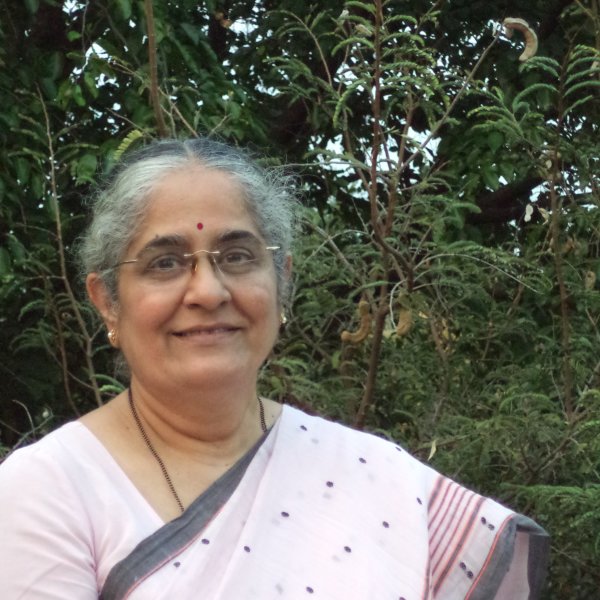
  • Nilima Bhadbhade, Lawyer and Consultant, from being a practicing advocate to Associate Professor at ILS Pune and authoring several law books

    Nilima Bhadbhade, Lawyer and Consultant, from being a practicing advocate to Associate Professor at ILS Pune and authoring several law books

    Nilima Bhadbhade graduated from ILS Law College, Pune in 1982. She started her career as a legal practitioner in Pune District Court and later moved to academia. In this interview we trace her story from being a B. Com student to taking up law and finally moving to academia. She shares her experience as a lawyer, a writer and a teacher.

    In this interview we speak to her about:

    • Her interest in academia
    • Her stint in Pune District for twelve years
    • Her role as a member of the expert committee appointed to examine the Specific Relief Act
    • Being a prolific writer and authoring several law books


    WHAT PROMPTED YOU TO STUDY LAW AFTER COMPLETING B.COM FROM PUNE UNIVERSITY?

    I studied commercial laws, company law and taxation laws at the B. Com course. I liked these subjects, and grasped them better than other subjects.

    Both my grandfathers were lawyers, one practiced general laws in the Osmanabad district and the other practiced criminal law in Pune, and conducted sessions trials throughout Maharashtra. Although I did not have the opportunity to watch them in their practice, this background influenced my decision.

    I was just 18 when I completed B. Com and decided to join law. Career guidance was not in vogue then. Perhaps the decision to join law was prompted by a gut feeling, it was an impulse. But, I had full support of my parents.


    HOW WOULD YOU DESCRIBE YOUR EXPERIENCE IN DISTRICT COURT PRACTICE? WHAT FACTORS INFLUENCED YOUR DECISION TO LEAVE PRACTICE AND TAKE UP TEACHING LAW STUDENTS?

    (She practiced in the Pune District Court for twelve years.)

    I joined the chambers of Advocate V N Mysore. He worked from his chambers, mainly in the field of drafting, conveyancing and consultancy, and visited courts on rare occasions. He impressed upon me the need to observe and learn the nitty-gritty of litigation, and return to him later. That, he said, would give a better understanding of drafting and conveyancing work. I then joined the chambers of Advocate M P Bendre. In the new chambers, I learnt the elementary as well as fine points of advocacy.

    Civil trials are very specialised. Civil trials do not sound attractive. They lack the drama that one associates with criminal trials. Doing civil trials is not easy. One needs to master the fine aspects of the provisions of substantive law (often many laws) involved, and mould the facts of the case into that law, and design the case (pleadings, evidence etc) with a sound backing of the law of procedure (CPC, Limitation, Evidence, Registration, Stamp, Court fees etc.).

    One needs to be patient and steady. One needs to learn the fine aspects of pleadings. My senior always told us that cases can be won simply by presenting pleadings effectively, be it the plaint or the written statement. Learning pleadings requires the guidance of a guru. Examination of witnesses and cross examination was also very challenging. I enjoyed trial more than appellate practice.

    I taught law even while I practised. Teaching complemented practice. One understands a statute or law best when one studies it for the purposes of teaching. Making a provision simple enough for a class requires a deep understanding of that provision and the entire law, and the background in which the law operates.

    Later, I applied for a full time post, sailed through the interview at ILS Law College, and had to decide when I received the selection letter. That was a time when full time teachers could practise if they wished. I did not intend to leave practice. I continued practice for a while, but finally discontinued it as I got more involved in designing and organising co-curricular activities in ILS Law College.

    Much later, the Bar Council required full-time teachers to give up their licence to practice.


    YOU HAD AN EXCELLENT ACADEMIC RECORD IN LAW COLLEGE. PLEASE TELL US ABOUT THE MANNER IN WHICH YOU APPROACHED ACADEMICS WHILE IN COLLEGE.

    I attended classes sincerely. I took notes from the lectures, and from books. I participated in all activities: moot courts, debates, magazine. The library provided opportunities to study and research. The amount received as prizes for topping the University each year went into buying good books on subjects I liked. I had the entire Mulla collection while I was a student.

    Good performance cannot happen without a desire to do one’s best in whatever one does.


    WHAT IN YOUR OPINION SHOULD A LAW STUDENT KEEP IN MIND WHILE CHOOSING A PARTICULAR DOMAIN OF LAW TO PURSUE A CAREER IN THE SAME?

    The current generation of students are fortunate to have so many career options, in terms of nature of work, and opportunities.

    I suggest: Follow your dream. Understand it well first.

    A little introspection can help understand one’s own strength. Am I good at research? Do I write well and effectively? Am I articulate in my expression? Do I have the ability to garner ideas and assemble them? Do I have a head for figures, and for accounts? Am I good at thinking in the abstract? Do I like to solve problems and find solutions?

    All these are different abilities. As a teacher, I found that students have different abilities. I encouraged them to locate their own abilities, and strengthen them first. Then locate those abilities that need strengthening, and work towards developing them. Locating one’s ability will help in the career decision.

    The other aspect is locating one’s goal, in terms of a career and in life generally. It is a good idea to explore and observe persons working in different careers, whether through internships, or just visiting courts. Vacations are useful for this exercise.

    Through the various activities I coordinated at ILS, I attempted to persuade students to join litigation, particularly at trial level. Such litigator is automatically also a consultant. That is the most challenging practice for a law professional. You are your own master.

    Being a judge is an excellent career option. Every year we organised a judgment-writing competition in our College. About 80 to 100 students of the last two years of each course participated. They all loved the experience. They experienced how difficult it is to judge. Judges who visited the competition always told the participants, that being a judge is a great intellectual exercise, and that those who seek intellectual challenges must aspire to become judges.

    I am happy that many of my students (ILS alumni) pursue litigation all over India, and a good number of them are judges.


     WHAT WERE YOUR AREAS OF INTEREST DURING YOUR GRADUATION AND HOW DID YOU GO ABOUT DEVELOPING EXPERTISE IN THEM?

    While in College, I liked family law most. I researched it extensively. I also wrote articles. My interest in contract and property law developed much later.

    How does one become an expert in a law. No one does. One only keeps developing and honing one’s expertise. One must love the subject. One must take keen interest in theoretical perspectives. History of that law gives important insights. One must know principles of interpretation of statutes. One must take keen interest in the contemporary issues in the subject area, or affecting the subject area of one’s interest. One must keep abreast of latest case-law, and developments of that law in other countries. A lawyer is always a student.


    HOW HAS YOUR EXPERIENCE BEEN AS A LAW PROFESSOR? WHAT ADVICE WOULD YOU LIKE TO GIVE TO YOUNG LAWYERS LOOKING TO MAKE A CAREER IN FIELD OF TEACHING?

    My best years have been in academics. It is good to be among the current generation of young persons. They are naturally tech-savvy. In that respect, they have guided me in using technology effectively. Sometimes I learnt from them, and very often they prompted me to learn. They knew about blogging, social networking before I did. Their questions in my IP Laws class compelled me to make friends with the internet.

    A career in teaching will be very satisfying. Each of your student recognizes you. You are bound to run into them in all parts of the world. They remember what you taught them. It is satisfying to receive an email from a student that he applied some principle based on what I taught him, or to get a call from another to tell me how she has preserved the notes she made in my class and uses them for reference.

    One enjoys the freedom of thought and expression as a teacher, more than any other person in the field of law.  One can participate in contemporary debates, express views freely in publications, and of course, on the internet medium, can critique the law and the legal system, and judgments of courts, and contribute effectively in development of law. When a teacher does this with a team of students, she shapes the next generation.


    WHAT WAS YOUR ROLE AS A MEMBER OF THE EXPERT COMMITTEE APPOINTED TO EXAMINE THE SPECIFIC RELIEF ACT?

    (She was a member of the Expert Committee set on examining the Specific Relief Act, 1963)

    I was appointed as a member of the committee appointed by the Ministry of Law to examine and make recommendations for amending the Specific Relief Act 1963, primarily to enable specific performance as a general remedy. The Committee submitted its report. The Government has moved a Bill based on the recommendations of the Committee. It has been passed by the Lok Sabha. It is hoped that the government will publish the report.

    My PhD thesis advocated that specific performance should not be an exceptional remedy, but should be available to anyone who seeks it. This was eventually published as a book titled : Specific Performance of Contracts: The Tests of Inadequacy and Effective Enforcement”. I am happy that my views were noticed, and I could participate in the process where these became part of legislative policy.


    HOW CHALLENGING IS THE TASK OF AUTHORING A BOOK? WHAT WAS YOUR APPROACH WHEN YOU STARTED WRITING AND HAS IT CHANGED OVER THE YEARS?

    (She has revised Mulla’s Indian Contract and Specific Relief Act and Halsbury’s Laws of India-Contracts and authored several books.)

    In the two books: Mulla’s book on Contract and Specific Relief, and Halsbury’s Laws of India (Contracts), I was a revising editor. It was an honour and privilege to be invited to revise them. I had to maintain the existing organisation and style of the two works. My task was to incorporate the latest developments into the works.

    While revising Halsbury’s Laws of India (Contracts), I took special effort to state principles laid down by Indian courts, and was pleasantly surprised to locate, revisit and state the tremendous contribution of Indian judgments on the subject.

    Authoring one’s own book is another task. The book on Specific Performance is different. It deals with contract remedies, and suggests that specific performance (and injunctions in matters relating to contracts) should not be exceptional remedy but available on the asking. It discusses the justification and limitations in adopting this policy. In its appendix, the book gives summary of some judgments relevant for the discussion. I developed my own style while stating these summaries.

    The task of writing a book is challenging. The contents and style depends on its audience.  When I plan to write a text book, and I will use plain language and many examples, mostly drawn from case-law. I will have to choose the most appropriate and relevant case-law that enunciates the principle under discussion. The challenge lies in the magnitude of research and collection of resource material, from India and other countries, and more in selection and expression appropriate to the readers for whom the book is written.


    YOU HAVE ALSO AUTHORED NUMEROUS LEGAL ARTICLES. WHAT ENCOURAGES YOU TO KEEP WRITING? WHAT ADVICE WOULD YOU GIVE TO LAW STUDENTS TO IMPROVE THEIR LEGAL WRITING SKILLS?

    My articles are my expression. There are times when a sudden idea comes to the mind. This has happened to me often while talking in class. An ‘A-HA’ moment that brings to mind  a thought worthy of further exploration, eg, a gap in the law. A question or discussion in the class opens a theme that can be explored. That urges: “I want to find out and say something about it”. A theme for an article is born. I have a list of such questions or themes, and hope to finish stating about them in the coming days.

    The internet is a wonderful medium. People from all parts of the world are able to read what I write, and also participate in a discussion. I was pleasantly surprised to receive an email from a former Justice of the Supreme Court, and another from a former Prime Minister of Bangladesh, stating that they read particular articles and liked them. My article about Stamp duty on Powers-of-Attorney Authorising Sale of Immovable Property that is confined to an amendment to the stamp law in Maharashtra has been viewed 12800 times. Another article about specific performance of development of contract has been downloaded 660 times. This is encouraging.

    Writing requires skills of language, thought and expression. Organising and writing an article consumes some time. The author must understand and digest the subject. He must put together thoughts and organise the content. It is important to avoid the temptation to copy-paste. An effective article must go through multiple drafts before the author makes it final. This applies equally to any well established and experienced author. An author will also be required to reorganise or rewrite some aspects in response to reviewers’ comments.

    My suggestion: Select a theme, decide that you want to write, and start. And be patient.


    WHAT CHANGES DO YOU THINK ARE THE ESSENTIAL IN CURRENT THE LEGAL EDUCATION SYSTEM OF INDIA?

    Legal education can be separated for two categories of professionals. Those who wish to become Advocates, i.e., practice the profession of law in courts, or before Tribunals or other authorities, and those who do not wish to so practice. The latter could be, for example, persons in employment, or working as consultants, or other professionals, who wish to specialise in a particular law with which they are engaged. The latter course can also be made available in the online or external mode.


     AS A CONCLUDING MESSAGE WHAT WOULD BE YOUR ADVICE TO THE CURRENT LAW STUDENTS?

    Be creative. Be original. Be healthy. Be wise. Be happy.


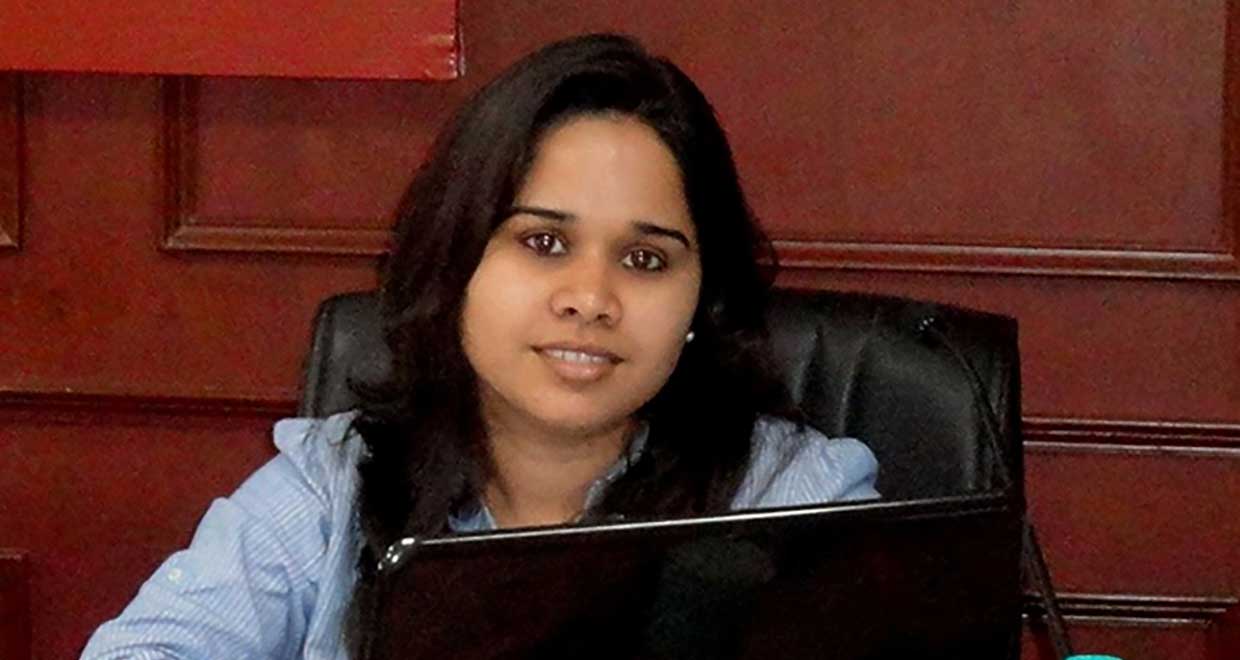
  • Rashna Jehani, LL.M Candidate, Columbia Law School, on choosing higher studies over work experience

    Rashna Jehani, LL.M Candidate, Columbia Law School, on choosing higher studies over work experience

    Rashna Jehani graduated from Government Law College, Mumbai in 2012. After having interned with several top legal firms in India, volunteering with various organizations, publishing some of her legal writing, and working full time as an Associate, Rashna is presently pursuing an LL.M. from Columbia Law School.

    In this interview, she tells our readers about:

    • Co-curricular activities during law school
    • Challenges as a young Associate
    • Experience at Columbia Law School


    How would you like introduce yourself to our readers who are mostly law aspirants, law students and young lawyers.

    I am Rashna Jehani, and I am currently pursuing my Masters in Law at the Columbia Law School. Back in India as a corporate lawyer, even though I was involved in the nuances of commercial law, the focus in every transaction remained on the promotion of the right and prioritizing public virtues over personal gains. My varied work in corporate practice has seen me involved with matters ranging from advising multinational and domestic investors in several private equity and debt transactions to representing a global manufacturer in an arbitration claim and being on the empanelment constituted for a consortium of lenders.


    Tell us about your law school experience and what are some of the co-curricular activities that you took part in?

    I ensured that I paved the path towards achieving my goals by securing a First Class throughout the five years of my LL.B. degree. The study of the subjects provided me with the analytical tools and assisted me in understanding the vagaries of the human mind which turned out to be essential in getting to the grips of the codified laws. I was chosen by my professor (Prof. Pithawalla) to assist him in compiling reference books pertaining to the Civil Procedure Code, 1908, Land Laws and the questionnaire for the All India Bar Examination. As a student who believed that the learnings were beyond the classrooms, I represented the college at several national and state level moot court competitions, volleyball tournaments and won medals in shia and kata karate competitions. My commitment to ethics and social responsibility was demonstrated by drafting bail applications for the under-trial prisoners, organizing colloquia and moderating symposiums under the auspices of the Theosophical Order of Service, conducting debates on public policy and current affairs and being one of the principal organizers who undertook the initiative “Shikhar” an exhibition cum sale to promote the articles made by the underprivileged children. The participation at the Harvard Model United Nations hosted by Harvard University also made me realize that with structured thinking and persuasive negotiations a belief could take the shape of a principle which would find a way into the international law-making process if such beliefs were to fulfil the fundamental requirement of fairness.


    What does being a Paralegal mean? How different is it from being an Associate at a law firm?

    Speaking out of experience, I would say I had the good fortune of working with seniors and partners who did not distinguish between a ‘paralegal’ and say a first year associate as at the end of the day it was the work that mattered. Having said that the learnings as a paralegal were quite crucial which certainly aided on a going forward basis.


    How was your first year after graduation? What were the challenges you faced as a young Associate?

    As a first year associate it is very crucial to be well organized with the assignments, do thorough research and be prepared to defend your views.It would be important to have that readiness of speedily formalising yourself with the relevant regulations as you would then be able to make insightful findings during a diligence or while drafting a transaction document. Lastly display a level of integrity which will take you from meeting the strict requirements of the mandates to contributing effectively towards the development of the firm you are associated with.


    Why did you prefer Masters over your job?

    The matters which I undertook made me conversant with subjects including International Finance Law, Banking Law, Company Law and International Commercial Arbitration where I realised that in the wake of globalization, new approaches to legal and policy will require a domestic lawyer to be thoroughly knowledgeable with international law and practices. With a new India looking towards eradicating poverty and meeting the growing needs of its people by increasing its foreign capital and investments, international and transnational laws play an instrumental role in developing corporate laws to deal with commercial issues and enforce human rights. While editing the economic and foreign policy updates of the firm’s policy dossier, I learnt that issues such as the regulation of the international financial system and the fate of the global problems could be accomplished by consolidated international efforts.


    How did you choose Columbia University over others? How did you go about choosing a university?

    I believed that an LL.M. at Columbia Law School would give me the unique opportunity of creating a course structure which will include the traditional law courses as well as focus on practical courses including corporate finance law, mergers and acquisition, corporate governance, transactional practice and dispute resolution. I have no doubts that the enrolment in this specialized program will provide an opportunity to get a comprehensive understanding of the business and management concepts which will augment my capacity to develop my legal practice. This venture would constitute a novel experience for me as I am benefitting by studying the legal principles in an environment and with people who are honest, public-spirited, thoroughly organized and compassionate towards all the sections of the society, just and cultured.


    Can you share a little about your journey so far at Columbia Law School and other activities you have engaged yourself with?

    (1) Volunteering at the NYC Bankruptcy Assistance Project which provides free legal assistance to low income NY residents facing financial difficulties. The work includes filing bankruptcy petitions for the debtors who then represent themselves through the remainder of the process.

    (2) A Mentor with the Columbia Law School High School Law Institute (“HSLI”) which is a student-run organization that serves talented and motivated high school students throughout New York City. Alongside that a teacher with HSLI’s teaching program where we engage in  academic programming in constitutional law, criminal law, mock trial, and moot court on Saturdays.

    (3) Volunteering with the Human Trafficking Intervention Court Project (HTIC). It is a pro bono project work with Sanctuary attorneys to interview foreign-born individuals with cases before the Human Trafficking Intervention Court to identify any trafficking-based or other immigration remedies potentially available to them.


    Lastly, what would be your parting message for our readers?

    Believing in yourself is the first secret to success.

    Start your day with the following 3 words:

    • Try-For a better future
    • True-To your work
    • Trust-In God

    All your dreams can come true if you have the courage to pursue them.


  • Chaitra Beerannavar, Research Fellow, Cambridge University, on getting a Ph.D, choosing academia, and her passion for teaching

    Chaitra Beerannavar, Research Fellow, Cambridge University, on getting a Ph.D, choosing academia, and her passion for teaching

    Chaitra Beerannavar graduated in law from  University Law College, Dharwad, in 2010. She went on to pursue her Masters from Symbiosis Law School, Pune, batch of 2012. She subsequently pursued her Ph.D from the same university. She is currently Dr. D. C. Pavate Fellow, Department of Politics and International Studies, University of Cambridge, U.K. Her area of research is “India and Its Experience with Bilateral Investment Treaties (BITs): Lessons From BRICS”.

    In this interview we speak to her about:

    • Her interest in academia
    • Being a prolific writer
    • Studying in Cambridge

    What motivated you to take up law?

    I knew many lawyers growing up. My father said I should take the judicial exam to make sure that I followed his suit. I didn’t want to do that but I really had no idea of what I did want to do, beyond choosing law because I was sure that  law as a career opens up the possibility of embarking upon one of the most dynamic and challenging careers available.


    How would you describe your time at ULC Dharwad?

    ULC Dharwad in many ways is self-contained. It focused on life outside the classroom along the themes of off-campus activities, leisure and the arts, and athletics. I had found respite from my studies in activities both solitary and social, on campus and off. During my time, it always focused on engaging with constituencies outside the law school. Alumni/ae and the local and state bar and judiciary were its obvious constituencies. We had an active clinic, which provided greater school outreach to the communities. This kind of non-lawyer support typically took the form of vouching for the law school’s value to the community.


    What are the parameters that must be considered in deciding what the next step should be after graduation?

    Opting for Masters will always broaden one’s horizon. A Masters of Law is internationally recognised, meaning you could study anywhere, and then move anywhere to make use of it. Obviously, there are sometimes limitations (you need to make sure you’ve studied law in the appropriate area). It’s a great opportunity to specialise – whether in taxation law, corporate law or something else entirely. The more obscure an area you’re interested in, the more beneficial you’ll probably find the LLM. If your interest in law lies outside of practising and more in teaching and In order to research and teach about law, you’ll almost certainly need an LLM.

    But when it comes choosing the right one, Students have to decide what matters to them:  scholarly caliber of the faculty?  Numerical credentials of their fellow students?  Clerkships?  Corporate law jobs?  They can narrow down the list of schools to which they’ve been accepted to those they ought to visit and investigate for themselves to see if they’re a good fit for their masters.

    Could you share with our readers some insight on how one can excel in academics and co-curricular activities alike?

    (Chaitra has been awarded with several gold medals right from her LLB days up to her Master’s including several scholarships.)

    Being successful means acknowledging the challenges, so you can deal with them the best that you can before you experience them. Perhaps the key to a successful academic experience is winning the law school mind game. Law school success can be defined in many ways—graduating, getting a job, good grades, creating lifelong relationships. Grades are just part of the equation. If you do not get straight A’s, there are plenty of other ways to make yourself an attractive job applicant. One way to move past bad grades is to acquire practical skills and practical experience. Your GPA is one line on your resume—you need more than that to stand out. If you can create a niche within an area of law—go for it. Independent research and writing classes are a great way to delve into an area that is not covered in class. If you are on law review or a journal, write about a hot-topic in an emerging area of law.


    What was your Ph.D thesis on?

    My Master and Ph.D. theses were based on the research problem of contemporary concern. My Ph.D thesis was on testing the feasibility of Reverse Mergers in Indian capital market. The study is of intricate nature which makes comparative analysis of Reverse Merger with IPO methods.


    When did you decide that teaching was your passion?

    My interest in becoming a law professor began while working as a Research Scholar at Symbiosis Law School, Pune. During my Ph.D., my rigourous doctrinal courses covering a number of fields, serving on law oriented student law journals and in depth intellectual and research relationship with my professors attracted me towards law teaching. Most of all, the relationships students form with their professors allow students to observe how to become and thrive as scholars.


    What do you enjoy most about teaching?

    As a law teacher, I enjoy thinking and talking about the law and working to make the law better and more equitable. Teaching at one’s alma mater can be difficult. Former professors become your colleagues, and you have to overcome the reluctance to challenge or contradict your mentors. You also have to confront suspicions about academic “incest” from outsiders. For me, the experience has been mostly positive.


    What tips would you give students and young lawyers who are inclined to research and academic writing?

    Throughout your career as a lawyer, you’ll be judged professionally on two main things: your interpersonal skills and your writing. Writing a paper engages so much of the lawyer’s art that no other predictor of likely success on the job comes close. A well-written, well-researched, thoughtful paper can clinch that law firm job or clerkship. It is indispensable if you aim to teach. Your pre-law-school writing experience and your first-year writing class will help prepare you for it, but only partly. It’s not easy to create an original scholarly work that contributes to our understanding of the law. So take advanced legal research. Most law schools offer some sort of advanced or specialized legal research course as an elective. But the truth is that there’s never enough time in a legal research class to cover everything. So have continuity in your publications.


    What is the academic environment like at the University of Cambridge? 

    I was a Pavate Fellow at Department of Politics and International Studies, University of Cambridge and also a Senior Member of Sydney Sussex College, UK in the year 2016.

    As far as the fellowship was concerned, it delivered in most aspects. I was adequately trained to read legal and economic articles critically and, write extended pieces coherently and persuasively. Supervisions at the department were also, for the large part, of high quality and I received close guidance from dedicated supervisors and my mentor Prof. James Mayall, Emeritus Sir Patrick Sheehy Professor of International Relations, University of Cambridge, UK.

    Cambridge has a rigid structure, which should, perhaps, come as no surprise, given how steeped in tradition Cambridge is. It tends to focus its course material in such a way that the student is more inclined towards academic thinking. If I could summarise my experience at Cambridge in three words, they would be ‘driven, fulfilling, and challenged’. It was during that time when I truly learnt how to discuss current legal issues and challenge opinions in my readings, essays and thesis, just like any other professional jurist.

    And as far as social life is concerned, I would say that Cambridge was a humbling eye-opener for me. I had the fortune of being friends with some internationally known jurists and scientists at Cambridge. I met some of the most brilliant (in all senses of the word, not just that which extends to intellectual prowess) people in my life and built strong friendships and networks with them.


    Did you have a mentor or guide during the formative years of your career? 

    The single most important thing you can do when you are at a law school is to find and work with a mentor. Ideally, this will be a Professor who teaches you the practice, both substantively and ethically, and serves as a role model.

    When I chose Symbiosis Law School, Pune, it lead me, finally, to Prof.Dr. Shashikala Gurpur, (Fulbright Scholar, Director and Dean of Symbiosis Law School, Pune) who is a legend in Indian Legal academia. This was one of the most impactful mentor relationships that I would ever have. I enjoyed each of her classes immensely, while also learning a lot. That is the greatest gift a professor can give a student, and Professor Gurpur did it repeatedly, not only for me but for so many others over so many years. Professor Gurpur has not only been and remains  a great mentor. I’ve had other great mentors throughout my career, but she was really the first and has guided my adult professional life. She is a tough act to follow but leaves a great legacy, which includes a standard for excellence and dedication that all Law students and professors can learn from.

    Chaitra with Prof. James Mayall, Emeritus Sir Patrick Sheehy Professor of International Relations, University of Cambridge, UK, one of the senior most professors at POLIS, Cambridge, and her mentor and guide.


    What are the challenges you have faced in building up your career as it stands today? 

    It required modest adjustments in what we teach and why we teach it. one of the best ways to learn a field is to teach it and engage in basic research, and this should apply to everyone getting a doctorate in law.

    Down the line, would want peruse my legal research and writing in a more prominent way.

    What books, judgements that you have read would you say have played an integral role in shaping your legal philosophy?

    My early days at law school were highly influenced by many legal philosophers who left their indelible mark on shaping rule of law. As a student of law it is very important to critically examine existing legal philosophies and decisions of courts and legislations from the point of philosophic principles. Most of such readings included William Blackstone’s Commentaries on the Laws of England, John Austin’s theory of sovereign law, Lon Fuller’s The Morality of Law, and Palkiwala’s We the People and We the Nation and few judgements which made the initial law school days more thrilling were that of National Judicial Appointments Commission judgment, basic structure etc.


    Do you feel that law schools have been successful in producing socially relevant lawyers and researchers? 

    Law schools in India have an obligation to produce socially relevant lawyers and researchers. A long way to go in this direction. The role of law schools and legal education must change with new realities of globalization. Most of the Law schools in India are limited in preparing law students to become lawyers, judges, or some other type of legal professional. But even this more limited perspective should recognize the contemporary environment and the coming changes


    What would be your parting message to our readers?

    My experience at law school was always educational. I wouldn’t want to trade those experiences or forget those lessons — they’ve shaped the writer, teacher, friend, and woman I am today.

    Law school is a process of self-discovery. Develop patience to arrive at what you are passionate about.


  • Aditi Ranjan Ojha, Legal Manager, NDTV, on IPR enforcement, litigation, and her diverse experience

    Aditi Ranjan Ojha, Legal Manager, NDTV, on IPR enforcement, litigation, and her diverse experience

    Aditi Ranjan Ojha graduated from Symbiosis Law University, in 2009. She went on to work for Luthra and Luthra as Associate for four years before venturing into independent practice at the Delhi High Court. She is currently Legal Manager at NDTV, where her role entails IPR enforcement.

    In this interview we speak to her about:

    • Her experience in litigation
    • Her role at NDTV
    • Striking work-life balance


    What would you like to say to our readers in the manner of an introduction of yourself?

    I am the first born to a bureaucratic father and a home maker mother. I did my schooling from Delhi (DPS Mathura Road) in the humanities since I was never interested in science and commerce. Thereafter, I did one year of history honours from Daulat Ram College, North campus. In the interim I gave my law entrance exams and joined Symbiosis Law School, Pune. I graduated in 2009 and joined Luthra and Luthra law offices, New Delhi in 2010. Was working there till December 2014. In 2015 I joined NDTV and I am presently here as Manager-Legal.


    What motivated you to take up law as your choice of career? 

    Law was by choice. I was the first one from my family, however there were no challenges as such. Though there were times when what to do and in what manner was a task, however people around me were very supportive especially my parents.


    Did you take part in co-curricular activities while in college? 

    I have done good amount work for some local charitable institutions in Pune outside college, specially working with underprivileged children, Kashmiri immigrants, and sex workers. Even during my short college stint at North Campus I was part of an NGO called Hriday. I have also participated for legal aid services through college.

    In my understanding co-curricular activities can teach you the practicality of the situation which otherwise a college lecture or the lecturer may not be in a position to teach.


    What kind of activities did you undertake in law school that helped you nurture this interest in litigation?

    My interest in litigation was there even before I started studying. I have been a decent orator throughout my student life which also played a pivotal role. Law school nurtured my strengths.


    Could you tell us about the internships you took up, and what you learnt from those experiences?

    Largely I had interned with Luthra & Luthra Law offices only. One of the few thing colleges don’t teach is the manner of drafting. I learned all minor drafting work in Luthras. Also since Luthra offer services in all spheres of law, as interns we were given lot of research work from all legal sectors. These further strengthen overall knowledge.

    From a law student to a lawyer, how will you describe the transition?

    The transition has not been smooth but has been very interesting. I had to put in double the effort as a lawyer in the beginning. Handling clients  and meeting deadlines were not taught in college. Pun intended ;-).  However this also helped me to understand my weaknesses and gave me time to work on it. As a student our prime concern was to clear the papers. Understanding the nature of work, how to interpret law and use it accordingly was taught only once I started working.


    Tell us about your early professional experiences at the Luthra and Luthra. 

    Luthra’s was a wonderful experience both professionally and personally. Since I joined freshly after college, I had no practical experience of the manner in which court functions, how to present an argument or even for that matter how to take an adjournment etc. Luthras gave me the confidence to appear in court. Unlike other law firms Luthra and Luthra believed in crediting junior for their achievements and that was a bonus factor. We were at liberty to do work at our own pace (till my stint their) and this gave us time to analyse things at depth.


    In deciding between Corporate and Litigation practice, what are the parameters that you considered? 

    I have always been interested in wearing the black gown, to voice my opinion, to fight against injustice and since childhood court rooms fascinated me. Corporate was never my choice. Being born in the family of bureaucrats I was always fascinated with litigation. To watch my father discuss provisions of criminal law made me inclined towards litigation all the more.


    On what parameters do you choose the projects you work on? 

    There are no specific parameters. I usually try to do justice with whatever comes my way. I have done matters within different spheres in  litigation as well. From matrimonial matters to copyrights to negotiable instruments I have tried my hand at everything. I believe that one or two matter or ‘interesting cases’ as you have put cannot build your career. I am the kind of person who measures career graph not only through professional growth but also personal growth. One needs to have not only the professional aptitude but also an attitude. Attitude for a litigation lawyer works very well. And by attitude I don’t mean anything negative.


    Given the dynamic nature of the field you practice in, how do you keep yourself updated about the latest developments in the law?

    I read legal journals regularly. Working in a media agency has also played a pivotal role. I now have four lawyers in my immediate family and so they keep me updated at times by choice at times forcefully.


    What books, judgements that you have read would you say have played an integral role in shaping your legal philosophy?

    Philosophy is in itself very vast and talking of legal philosophy being shaped up by way of book and judgments is not just and proper. I am still reading, understanding and still shaping it.


    What are the causes you feel strongly about? 

    No matter how progressive we become Indian mind-set is still patriarchal. Harassment at workplace is one such cause which I feel strongly about. By harassment I not only mean physical, but mental and emotional as well. I am yet trying my best to work towards it.


    As the Legal Manager at NDTV, what does a typical working day look like for you?

    Working in NDTV is exciting and challenging as well. From attending court matters to analysing proposals and moulding them into agreements, I undertake whatever is assigned to me. NDTV is not only into news broadcasting but also indulges in lifestyle channels to creating web platforms for various services. So the nature of work is diverse.


    What does the scope of work you undertake include at NDTV Legal? 

    I am dealing with court matters which are inclusive of defamation, copyright, telecom disputes etc. I also handle agreements such as service, media collaboration agreement, etc. The working atmosphere is very nice. People in NDTV are really helpful and supportive, specially my team. Had it not been for my team I wouldn’t have survived here.


    How do you manage your time between your professional and personal interests? 

    I write poems and also sing, though I am not a trained singer. I do as I am passionate. I also like reading.

    Where would you like your career to take you five years down the line?

    I live each day as it comes. So have never really thought about where will life take me five years from now. I would rather give 100% at present to whatever I am indulging in professionally. This I think would pave a smooth way for the times to come.


  • Dr. Anindya Sircar, Intellectual Property Professional, on getting two doctorates, his journey from science to law, and the scope for IP law

    Dr. Anindya Sircar, Intellectual Property Professional, on getting two doctorates, his journey from science to law, and the scope for IP law

    Dr. Anindya Sircar has a unique distinction for holding two Ph.Ds, one in science and the other in law. He got his doctorate in Intellectual Property Law from NALSAR, Hyderabad, in 2007. After pursuing a doctorate in industrial microbiology, Dr. Sircar had a long stint heading the Intellectual Property Department at Biocon Group, which he was also instrumental in setting up. He is currently engaged in consulting, strategizing, teaching and conducting training programs in the field of Intellectual Property management. His last employment was as AVP and Head of IP with Infosys Limited where he was responsible for all IP activities of Infosys Limited and its subsidiaries. Additionally, he is visiting faculty on Intellectual Property to several universities and law schools.

    In this interview we talk to him about:

    • His journey from science to law
    • The scope and prospects for intellectual property law in India
    • His teaching experience and what he would like law schools to do differently in their approach to IP law


    You were deep rooted in science and got into the field of law for your Ph.D. How did you manage to acquaint yourself with legal terms and processes after being in the field of science for so long?

    I had started off my career in scientific research after my Ph.D in Microbiology. In fact, I had joined the API research unit of Biocon Limited. Exposure to Intellectual Property at that stage was limited to only reading and understanding patents. Moreover, IP was not looked upon as a viable career option in India in the late 90s. It was at that time that the company got involved in an IP issue with another leading pharmaceutical company and I was asked by the CMD to handle the case with the help of external counsels. That was the first time I got an insight into the world of IP. The heat of the case died soon but my passion for IP continued to only grow.

    I went ahead and started an in-house IP Department for the company. I had spent a lot of time with leading IP practitioners of the west. I stared reading relevant stuff and also took up courses, which finally ended up in my 2nd Ph.D. – in Law, specializing in IP. It was around that time Indian had joined the PCT and so there was some buzz in the air. The transition to IP had been quite smooth and my background in science has always been an added advantage in handling complex technical issues that often arise when dealing with IP. In fact it has been a lovely journey and the journey is still on.


    After being involved with Chemistry and Microbiology at the graduate and post- graduate level, at what point did you decide to go for a Ph.D in Intellectual Property?

    I had been heading the IP Department of Biocon at that time and was also teaching in leading law schools and management schools. My days used to be completely engrossed with different facets of IP, both business and academic. Additionally, my reading habits continuously kept feeding me with the recent developments in IP. At this stage, I happened to see an admission notice for Ph.D. and decided to go for it. The then Vice-Chancellor and Registrar of NALSAR were both extremely helpful and in fact the former ended up as my research guide.


    You received your doctorate in Intellectual Property in the year 2007. We are in 2017 now. Can you see significant developments in this area over the decade?

    There has been tremendous development in the field of IP both in India and rest of the globe – more so in India. In India at the policy levels there have been several amendments to existing Acts, compliance with TRIPS, India becoming an ISR, the IP Policy, CRI Guidelines and many more. Needless to say, numerous workshops, conferences and awareness programs focusing around IP have taken place. The most encouraging fact is that today many students are coming forward to study and specialize in IP and there are several courses available too. The biggest achievement in India is that today people consider it a viable professional choice and the field is being sought after.


    If Intellectual Property must be properly understood, what are the factors that one must necessarily have knowledge of? For instance, in studying law, politics plays an important role. Is there any such thing that goes hand-in- hand with Intellectual Property and Patents Law?

    In today’s world there are several super-specializations in Intellectual Property – prior art analysis, drafting and prosecution, analytics and intelligence, infringement studies, audits and due diligence, opinions, free and open source management, contracts, M&As, litigation and a few more. The requirements are really not the same for each of them. A proper blend of scientific and technical understanding and relevant legal knowledge can always prove beneficial. There is enough scope and space for representatives from both scientific/technical and legal fraternities to coexist.


    You are visiting faculty to a number of law schools and you have also had the experience of working in corporate companies at top positions. What is the difference between the academic learning of IP and Patents and its practical application?

    Most law schools have now incorporated IP in their curriculum. This is very encouraging but several needs of the industry in terms of skills do not get adequately addressed. Internships, which are mandatory in law schools, are an effective means of bridging some of these gaps. Some law schools run specialized courses in addition to the regular undergraduate and postgraduate degrees focusing on some of these skills. Many of the sessions in such courses are taken by industry representatives and practitioners. I am personally connected to some of them and strongly feel that some of the skills needed by the industry get taken care of. But requirements of the industry are obviously much higher.

    There might be disputes between companies that are incorporated in different countries. Where does adjudication of the matter happen in those cases?

    This is primarily as per the statute or as governed contractually.


    Do disputes arising out of IP & Patents Law violations resolve through negotiation and arbitration predominantly?

    Statistically, most of these IP disputes land up in the court. Some may get settled out of court, similar to litigation in other areas. Arbitration however is not very common in IP disputes.


    A purely academic question- what are the grey areas in the framework of IP & Patents Law in our country that need immediate attention and rectification?

    The framework and the statute for IP in India have been constantly evolving and more so in the last decade. Although, the CRI Guidelines are out, there are several ambiguities in the document. Additional clarity is desired, the faster the better. This will be of immense help for the ICT and related industries.


    Students of law typically prefer working in corporate law firms or decide to get into litigation. How does the application of Intellectual Property differ in these career platforms?

    There are numerous Corporate Law firms which deal in Intellectual Property. In fact there are several firms which specialize in IP and handle only IP matters. Corporate Law firms mostly deal in all aspects of IP, including litigation. However, the main focus for IP Law firms remains IP prosecution and IP management. Litigation involving IP in India currently is not very high. There are quite a few trademark cases but those involving patents or copyright are low. Additionally, corporates too employ a sizable number for their in-house IP departments.


    You were AVP and Head of IP Cell at Infosys, and have earlier been Global Head – IPR at Biocon Limited. What responsibilities do these roles entail?

    There could be a detailed JD made available for this. Primarily as a head, one is responsible for the overall and complete IP management of the company and its subsidiaries. In layman terms, this involves – IP Value Management, maximising the IP value for the company, and IP Risk Management, minimising the IP risk for the company. I was lucky that in the organizations that I worked, I always had a brilliant team which not only made my work easy but interesting too.

    Assuming that you have to make hiring decisions for in-house or ad-hoc roles, what do you look for in a lawyer’s profile?

    This will primarily depend on the role for which the hiring is being considered as the work scope and expectations will differ greatly. More than academic records I am keen on the internship learnings when it comes to a fresher. Another aspect which influences me is the ability, and more so the interest to learn. There is no room for short-cuts.


    As part of your work profile you must have had to talk to practising lawyers on IPR. Did the thought of practising law ever cross your mind?

    I have been interacting with several practising lawyers for the last two decades and in fact many of the leading lawyers of the country have become good friends. I find the world of IP very absorbing and challenging and never thought of practicing law yet. Now that you have asked this question, I may start thinking.


    What would be your message to our readers who are mostly young law students and lawyers?

    Decide which branch of law you would like to practice, make an early choice, and stick to your choice. Choice of branch should be only on liking and passion and not any other criteria. You can’t do well in something if don’t love the same, hoping that you will be practising that branch every day for the rest of your life. Growth and success are bound to come. And most importantly, there is no short-cut to reach the top.


  • Yogendra K. Batra, Retd. Commissioner of Income Tax , on teaching at ILNU and on building a successful career

    Yogendra K. Batra, Retd. Commissioner of Income Tax , on teaching at ILNU and on building a successful career

    Mr. Yogendra K. Batra retired as Principal Commissioner of Income Tax, Ahmedabad, in 2015, and is currently teaching at the Institute of Law, Nirma University, Ahmedabad. From heading all the top posts in the Income Tax Department to teaching undergraduate and postgraduate students, his expertise in the field of income tax law is unparalleled.

    In this interview he talks to us about:

    • His decision to join Income Revenue Services (IRS) over IPS
    • His views on the current tax laws in India and their implementation.
    • His decision to take up teaching post retirement and his experience thus far
    • His views on the Institute of Law, Nirma University, its teaching methods, and its students


    How would you introduce yourself to our readers?

    I consider myself a learner and seeker of knowledge and that is how I would like people to know me.


    Can you tell our readers a little about your illustrious career?

    I started my career as a Lecturer of Economics at DAV (PG) College, Bulandshahr, and subsequently joined SSV (PG) College, Hapur. In my pursuit for excellence, I kept preparing for Civil services and UP PCS exams. In 1983 I was selected in UP PCS (Accounts) and in 1984 I was selected for the Civil Services and obtained a rank of 206. I joined the Indian Revenue Service and after a training of almost twenty months at the Lal Bhadur Shastri National Academy of Administration, Mussorie and the National Academy of Direct Taxes, Nagpur I joined the Income tax Department in Delhi and in the very first year itself I was posted as the Assistant Commissioner of Income tax (Investigation Circle) wherein I was assigned the work relating to assessment of cases where search seizure operations were carried out. I also acted as Under Secretary, Tax Policy and Legislation under the Central Board of Direct Taxes and contributed to four financial bills (1991-1994). I retired as the Principal Commissioner of Income tax, Ahmedabad, in the year 2015. I have now taken up the role of teaching young minds and mentoring them in their pursuit of excellence.


    You chose the Income Tax Department over the Indian Police Service. What motivated this decision?

    I got the 206th rank in Civil Services Exams of 1983 and was more than eligible for Indian Police Services. I preferred Income tax (IRS) because I wanted a career free from political interference. Since I was a lecturer of Economics, the field of taxation was not unknown territory to me. I enjoyed every bit of my time at the Income Tax Department.


    Having chaired and headed almost all the top posts in the Income Tax Department, what are your views on the current tax laws and their implementation procedure in India?

    I started my career as Assistant Commissioner (Investigation Circle) in New Delhi. This was a very demanding and a very sensitive job considering my experience in the Department. Subsequently I was posted as Assistant Commissioner of Income Tax, Central Circle, Delhi, wherein I assessed group cases of big business houses. Subsequently I was selected as Under Secretary, Tax Policy and Legislation in the Central Board of Direct Taxes, the apex body of Income Tax Department. There I worked for more than three years and contributed to four finance bills, i.e. 1991 to 1994. Incidentally, these were the initial years of economic liberalization in the country and a number of amendments were made to the Income Tax Act. Then I came to Ahmedabad as Deputy Commissioner (nowadays, Joint Commissioner) and worked in various capacities. As Commissioner of Income tax I worked as Appellate Commissioner, Director of Income tax (Investigation), Commissioner (Audit), Commissioner TDS and Principal Commissioner.

    The Tax Laws in India have been simplified over the years.  The tax rates have been reduced and they are comparable to most of the developed countries. The tax regime in India is more taxpayer friendly now. However, a lot is required to be done on the administrative front. It is said that you cannot tax a person and keep him happy simultaneously. Therefore a lot of work is required to be done in order to educate taxpayers about the advantages of taxes and the ill effects of evading tax. A close review of the efforts made by the government on this through media and publicity has yielded desired results. The tax payers are gradually understanding their responsibility  and more taxes are being garnered through voluntary compliance.


    You opted to teach post retirement, despite receiving numerous offers from leading companies. How does this role fit into your overall career goals? How would you describe your ideal job?

    As I mentioned earlier, I am a seeker of knowledge, be it any profession or job I undertake. Teaching has always been close to my heart, since it gives me an opportunity to continuously learn, research and interact with the younger generation- the future of India. It gives me great pride to be a contributor, albeit a small one, in mentoring our future generation. As far as an ideal job is considered, I believe it is different for different individuals, varying according to their aspirations, priorities and specialties. For me, what I do is ideal, and therefore I do with full passion and commitment.


    How would you define good teaching? What do you think are the greatest responsibilities of a good instructor?

    I would like to call myself an educator instead of an instructor. An educator needs to be current in his/her subject, have clarity of concept and thought, be open to new ideas and developments in the subject. Above all, a good instructor should be able to generate interest and curiosity in a student.


    What are your views on the Institute of Law, Nirma University, and its students? What do you think about the pedagogical model being followed at the institute?

    The Institute of Law, Nirma University, is a professional institute where students get enrolled on the basis of their CLAT scores. These aspiring lawyers are well versed in the theoretical as well as practical aspects of the law. There are several specializations available, such as criminal law, taxation law, etc., so that the students can make an important career choice early on. Advocates, legal experts and judges are called for lectures so as to help students get acquainted with a hands-on experience of the vocation. Students are also provided with a state-of-the-art digital library so that they can hone their skills.


    From heading the income tax department to teaching undergraduate and postgraduate students, what are the things you enjoy, and what are the things you would like to to change about your current position?

    Nirma University is a pioneer institute which is grooming a generation of lawyers to come. The institute is improving its nationwide ranking continuously which indicates the high standards the university is constantly aspiring to. The institute is endowed with rich library resources, a dedicated faculty and an exciting campus. The curriculum has been designed immaculately so as to provide an excellent mix of theoretical and practical elements.  However, one must not lose sight of the fact that ultimately, it all boils down to the students’ performance and how they utilize the resources that are made available to them.

    My job as Principal Commissioner of Income Tax was quite different as compared to my teaching role. As a bureaucrat you have to perform your duties within a stringent framework of regulations. Teaching on the other hand, gives you room to innovate and experiment. There is nothing as such which I dislike about my present role. However, a lack of enthusiasm among the students worries me a lot.


    From your experience, what would be your suggestions to the new generation of students? How would you say their education and way of life is different from yours as a student?

    My only suggestion to them is to follow your passion. Identify your strengths and interests first, then set your goal and follow it with commitment and perseverance. The Universe will be at your doorstep- have the courage to ask for it, work for it and believe in yourself.

    This generation has a lot of opportunities, avenues and facilities made available to them, which we did not have in our time. However, they also have a lot more competition and struggle compared to us. Nevertheless, Darwin’s theory, survival of the fittest, is so far apt for all ages and generations. Since the students are in a professional institute they cannot behave like students of a regular college and settle for only routine understanding of any subject. The have to develop a desire for knowledge and have to read beyond what has been discussed in the class.


    Finally, what would be your suggestion or advice to anyone who aspires to have a successful career? What are the dos and don’ts for ensuring success in any field?

    There is no replacement of dedication, commitment and perseverance for anyone wanting to succeed in their career. Strive for excellence in whatever you do and you shall succeed. Give your 101% to what you do because a little bit extra effort makes all the difference. The following mathematical equation is proof that a little extra effort each day can go a long way.

    1.01365 = 37.8
    0.99365 = 0.03

    Students should read at least one case law a day because staying abreast with current affairs is absolutely essential for any lawyer.