Category: Law Firm

  • “Spending hours in a counsel’s chamber helps you develop a unique relationship with each counsel, learn their craft, and eventually shape your own style of argument.” – Sanchari Chakroborty, Founder and Partner at SC&A Legal

    “Spending hours in a counsel’s chamber helps you develop a unique relationship with each counsel, learn their craft, and eventually shape your own style of argument.” – Sanchari Chakroborty, Founder and Partner at SC&A Legal

    This interview has been published by Namrata Singh and The SuperLawyer Team

    Reflecting on your journey from your early days, could you share what inspired you to pursue a career in law? Additionally, what were some of the challenges you encountered during your initial days in the legal profession, and how did you overcome them to carve your path to success?

    Looking back, I can’t claim to have been an exceptional student in school or college. I couldn’t take my studies very seriously and often missed classes due to chronic asthma. My long absence from classes owing to my health conditions made it challenging to keep up with my studies. As I grew older and my health improved, my academic focus increased.

    I pursued humanities instead of science because of my health issues, and my parents never pressured me academically. Despite my humanities background, I always wanted to pursue a professional course. In 2004, during school counseling, I was introduced to the idea of a career in law. The growing importance of corporate law and the growing diverse role of lawyers made this path even more appealing.

    Around 2004 and 2005, the changing landscape in the Indian industry and the shift in macroeconomics globally led me to consider law as a career. Furthermore my personal experiences with family legal issues highlighted the need for proper legal guidance and the challenges faced by the common man. This motivated me to specialize in litigation.

    Starting my legal practice was challenging since I came from a family with no lawyers. I realized I had to actively seek opportunities rather than wait for them. I conducted research online to begin my journey. I listed around 10 to 15 law firms in Kolkata to approach driven by my anxiety before our final exams. Coming from a state university and with no guidance in this filed, starting a career in litigation can be befuddling.

    Alarmed by the situation, I realized it was time to take action. I started knocking on the doors of various law firms, forwarding my CV, and requesting internship opportunities. Among the 14 to 15 firms I approached, one offered me a full-time internship for a month or two in the year 2009.

    I wanted to start with District courts since most litigations in India take place there. I took two months of training in the district courts of West Bengal. In August or September of 2009, I secured an internship at Victor Moses & Co. a reputed law firm in Kolkata, where I would eventually spend seven years and assist the Senior-Most Partner, Mr. D.N.Mitra, who had been a great force behind me always.

    The initial challenge, as a first-generation lawyer, was turning the internship into a job opportunity. It’s crucial for young interns to understand that internships are the chance to demonstrate interest, perseverance, and resilience. During my internship, I sought out work, often staying until 7:30 or 8:00 PM, sometimes even later. It was about becoming an integral part of the firm and getting involved in important projects. This approach turned my internship into an opportunity to work in that Firm.

    As by litigation practice commenced, one of the most initial challenges we encountered revolved around timing. We had to attend late night conferences for the next day matters which often started at 10 .00 PM at the night and went on till late. The absence of modern conveniences such as Uber or Ola, coupled with the lack of a family vehicle, rendered late-night commutes a formidable task. Nevertheless, confronting these adversities served to fortify our resolve. Presently, the advent of technology and the prevalence of virtual conferences (VC) have considerably alleviated such difficulties. In fact Virtual Platform has become the norm today for late night conferences, however, during our time, such luxuries were non-existent, thereby instilling within us a profound appreciation for industriousness.

    Carrying physical copies of briefs, sometimes 10 to 12 volumes, and multiple books was another challenge. Nowadays, an iPad can hold all the necessary documents, but back then, it wasn’t an option. But I feel  these experiences made us tougher and erased any fear of hard work. The challenges we faced then make current tasks seem easier by comparison.

    Another advantage of those early days was building unique relationships with each counsel and their juniors and  clerks in the chambers. Spending hours in a counsel’s chamber allowed us to learn closely from their unique styles of argument and advocacy. This exposure to various schools of advocacy became a foundational stone for later success. It helped in developing my own skillset and the methods that my firm now uses in litigation.

    The initial grind in the litigation industry is a preparation phase that tests resilience and determination, which are essential for surviving in a dispute resolution profession. Once you pass through this phase, it becomes a journey of continual progress.

    As a member of various prestigious institutions like the Confederation of Indian Industry (CII) and Indian Women Network (IWN), how do you think being part of such networks has influenced your professional growth and the growth of SC&A Legal?

    As a lawyer and the founder of a law firm specializing in commercial litigation, staying updated on emerging policies, industry news, and trends is crucial. We must also understand new rules, regulations, and their economic rationale to guide our clients proactively. The Confederation of Indian Industry (CII) plays a significant role, offering a platform for lawyers to engage with key stakeholders across various industries. CII organizes events, conferences, and seminars, facilitating meaningful discussions with business leaders, policymakers, and fellow professionals, which fosters collaboration and knowledge exchange. Additionally, CII’s research reports and policy advocacy efforts keep us informed about emerging trends, regulatory developments, and business opportunities. This enables us to better serve our clients and stay ahead in a dynamic business environment. CII has significantly contributed to our professional growth, helped SCA expand its client base, and kept us updated on industry-specific challenges and opportunities.

    Furthermore, the Indian Women Network (IWN) wing of the CII has been instrumental in connecting me with inspiring women leaders who make exceptional contributions across various industries. As an entrepreneur, facing isolation in your growth path is common, and during such times, support from a community of motivators and inspirers is invaluable. Under the leadership of Sujata Guin, Senior VP of Apeejay Surrendra Park Hotels Limited, and Smita Chatterjee, CEO of Centreax, IWN is reaching new heights and positively influencing many lives.

    SC&A Legal specializes in dispute resolution. How does your firm differentiate itself in this competitive landscape, and what unique strategies do you employ to ensure client satisfaction?

    SC&A Legal believes that the first step in serving our clients is identifying potential disputes because litigation does not begin in the courtroom. It starts in your office, from the moment the seeds of litigation are sown, such as when you enter into a contract, a commercial transaction, or a deal. As specialists in commercial litigation, SC&A Legal’s uniqueness lies in our strategic partnership with clients. We advise them at every step, helping to build their case even when they haven’t yet identified the disputes. Our expertise and leadership in the industry allow us to recognize the early signs of potential conflicts.

    The sooner you identify potential disputes or causes of action, the easier and more effectively you can resolve them. We do not view litigation as an end in itself but as one of many strategies to resolve disputes. Whether through conventional litigation, mediation, or arbitration, our goal is also to give you a stronger bargaining position and achieve better settlements or deals in commercial matters which can be resolved without always burdening the Courts or waiting for the entire litigation span to be over.

    At SC&A, we prioritize complete transparency in our strategies. From day one, we plan the end game with our clients, providing clear information about timelines and costs. Our primary aim is to deliver cost-effective and timely resolutions to our clients’ disputes.

    With offices in Kolkata, Delhi, and Bhubaneswar, how do you ensure seamless coordination and communication among your team members across different locations, especially in the context of complex legal cases?

    I would like to express my gratitude for the advancements in technology and the global acceptance of video conferencing and virtual platforms, especially after COVID. This shift has greatly facilitated seamless handling and coordination among our three offices. Whether dealing with courts, clients, or councils, everyone has become increasingly comfortable with virtual platforms.

    We have conducted numerous arbitrations across various forums and cities in India and abroad using these platforms. Even arbitrators are now more open to holding witness sessions virtually. The litigation industry has experienced significant benefits from technological growth, allowing lawyers to manage multiple offices, litigations, and dispute resolution projects with ease and complete coordination.

    With your involvement in the Incorporated Law Society of Kolkata, how do you contribute to aspiring lawyers’ legal education and professional development? Are there any initiatives or mentorship programs you’re particularly passionate about?

    As a member of the Incorporated Law Society of Kolkata, I actively participate in various initiatives aimed at enhancing legal education and professional development for aspiring lawyers. This involvement not only contributes to the growth of the legal community but also fulfills my passion for encouraging new talents to join the fields of litigation and dispute resolution.

    With your background in real estate and infrastructure law, how do you foresee the legal implications of future urban development projects, especially in the context of sustainable growth and environmental conservation?

    Future urban development projects will likely face increased scrutiny and regulation concerning sustainability and environmental conservation. As awareness of climate change and environmental issues grows, there will be a stronger emphasis on integrating sustainable practices into urban planning and development.

    From a legal perspective, this implies stricter compliance requirements related to environmental impact assessments, zoning regulations, land use planning, and building codes. Lawyers specializing in real estate and infrastructure law must stay updated on evolving environmental legislation and regulations to ensure their clients’ projects meet these standards.

    Additionally, a greater focus will likely be on incorporating renewable energy sources, green building technologies, and eco-friendly design principles into urban development projects. Lawyers will play a crucial role in negotiating contracts, securing permits, and navigating regulatory frameworks to facilitate the implementation of sustainable practices.

    Furthermore, legal challenges and disputes may arise from conflicts between development interests and environmental conservation efforts. Lawyers will need to provide strategic advice and advocacy to resolve these conflicts while balancing the need for economic development with environmental protection.

    As a woman leader in the legal industry, how do you advocate for gender diversity and inclusion within your firm and the broader legal community? What strategies do you employ to ensure equal opportunities for all professionals regardless of gender?

    As a leader, I firmly believe that actions speak louder than words. Therefore, we actively encourage our female associates and team members to assume pivotal roles within our firm. We strive to provide them with a flexible environment that allows them to maintain a balance between their professional responsibilities and personal lives, while also ensuring they remain motivated to look forward

    Our female associates are remarkable advocates when it comes to representing our clients. We not only encourage them to engage in vigorous argumentation and advocacy before various competent forums, but they consistently deliver outstanding performances in these arenas.

    In your experience, how does cultural diversity impact dispute resolution, especially in cases involving multinational clients? Could you share a memorable cross-cultural negotiation experience and the valuable insights gained from it?

    Cultural diversity holds considerable sway over the course of dispute resolution, particularly in scenarios involving multinational clientele, as it inherently shapes communication dynamics, negotiation strategies, and conflict resolution methodologies. The comprehension and adept navigation of these cultural nuances stand as imperative prerequisites for achieving efficacious dispute resolution.

    To surmount these cultural disparities and foster a fruitful negotiation environment, it is paramount to engage in the process with a blend of sensitivity and adaptability. Typically, in these cross-border negotiations, we invest the necessary time to grasp the cultural heritage, communication predilections, and underlying motivations of each involved party. Furthermore, we employ an array of techniques, including active listening, reframing issues through a culturally attuned lens, and seeking common ground, all aimed at cultivating trust and rapport amidst the negotiating factions.

    Through the virtues of patience, empathy, and a readiness to tailor our negotiation methodologies to accommodate cultural variances, we have consistently achieved mutually beneficial resolutions that effectively address the interests and apprehensions of all involved parties.

    With the demanding nature of your profession, how do you unwind and maintain a work-life balance? Could you share some of your favorite ways to relax and recharge outside of your legal endeavors?

    As my years of experience have accumulated, I’ve come to appreciate the significance of practicing detachment in both personal and professional spheres as a means to fostering a balanced life. When engrossed in litigation or a project, dedicating undivided attention and focus is imperative. However, upon its conclusion, regardless of the outcome’s favorability, it’s essential to gracefully transition forward. Recognizing that life is an ongoing journey, we must refrain from being swept away by triumphs or dwelling on setbacks. Each new day presents fresh challenges to conquer.

    Moreover, it’s crucial to incorporate periodic breaks, during which one can fully disconnect from professional obligations and engage in pursuits unrelated to work. This allows for the replenishment of energy and enthusiasm, enabling us to approach tasks with renewed vigor each time.

    Given your journey from a young professional to founding SC&A Legal, what advice or key points would you share with students and young professionals who are just starting their careers in the legal field?

    My first advice to every young law graduate would be to definitely garner experience in a dispute resolution law firm, as that will give you a deeper understanding of various streams of law and thus build a strong foundation for a lifetime. Secondly, never give up on yourself. The legal profession will also give you back your rewards; it’s just a matter of time. Have faith and patience; you will succeed.

    Get in touch with Sanchari Chakroborty-

  • “Every lawyer has their own trajectory, there is no competition. My only contact is God, the rest everyone I meet in the journey is a blessing.” – Esha Mazumdar, Advocate on Record at the Supreme Court of India & Founder of Curare Legal

    “Every lawyer has their own trajectory, there is no competition. My only contact is God, the rest everyone I meet in the journey is a blessing.” – Esha Mazumdar, Advocate on Record at the Supreme Court of India & Founder of Curare Legal

    This interview has been published by Namrata Singh and The SuperLawyer Team

    As a first-generation lawyer, could you walk us through your journey? What was your motivation or inspiration for pursuing a career in law? Additionally, can you share some insights about your childhood and any experiences that shaped your path? What is something unique about you that our readers should know?  

    I think not only for a first-generation lawyer but for every lawyer the journey is very unique in itself. Every lawyer has their own trajectory, there is no competition. The only difference for a first-generation lawyer is the initial years where you build your reputation, where you make a conscious choice regarding your future. The profession no doubt demands a lot of sacrifice especially if you are practising independently. For me personally, discipline and hard work are the most important things. Lot of people advice me that I should build my contacts, my only answer to them is, my only contact is God, rest everyone I meet in the journey is a blessing.

    My father in fact wanted me to become a lawyer, it was he who always encouraged me to start an independent practise. He always taught me that honesty and hard work never go in vain.

    My childhood has played the most important role in shaping my path. I belong to a family of Army and Air Force Officers. The discipline that has been imbibed in me because of my background has stayed with me and discipline in any field takes you a long way. My mother who has been a homemaker has always stressed on the importance of being financially independent.

    Unique I’m not sure but I have come to experience, if I take up a task I do not leave it mid way, I take it to it’s logical conclusion.

    You have acquired your LL.M. in International Business and Commercial Law from the University of Manchester, but as we know, dispute resolution has always been your first love. How has this international LL.M. helped shape your legal perspective and approach to dispute resolution?  

    LL.M. from Manchester has given me immense exposure and on a lighter note, I can proudly say I have friends (who are lawyers) all around the world. That apart, the understanding of different cultures, the idea of seeing things through a wider lens definitely helps in litigation. Litigation is not just about the one case that you are doing, there can be various perspectives, you just have to see which one is best suited for your client.

    Having studied and worked in the UK, what international legal trends do you think could be beneficially adopted in the Indian legal system and What changes or improvements would you like to see in legal education to better prepare future lawyers for the challenges of the profession?

    Legal education should be more practical, industry oriented and should be focussed more on creating independent thinking.

    How do you balance the varied demands of independent practice, being a founder of Curare Legal, and your past role as a Government Counsel? Please share some insights on challenges you faced since you started your firm.

    Well I was a Govt. Counsel for about 4 years, I used to be quite overburdened with Govt. work, not leaving me with much time for private matters. Having said that, I thoroughly enjoyed my work as a Govt. counsel also, I got an opportunity to work with some of the brightest officers. It gave me an opportunity to look at things from a very different perspective. I think every independent practitioner at some point should work on some Government panel. Not to mention I was amazed to see the knowledge that the Section officers or dealing hand had about the matter. It was an amazing experience.

    Independent practise only demands one thing, that is consistency. Consistency is key, be it hard work, be it not giving up after you have had a rough day in Court. The right balance between being open to ideas from your clients and filter when you present your case in Courts.

    The biggest challenge of course was to break even when I started the firm,  and then increase revenue enough to expand the infrastructure and to be able to pay a respectable amount to Associates, paralegals, etc. Even now in fact every month is not the same, so revenue can be a struggle in some months.

    You were the counsel in a landmark case under the new Land Acquisition Act decided by the Delhi High Court. Can you discuss the significance of this case and its impact on land acquisition laws?  

    Yes, that was a case under Section 24(2) of the New Land Act, 2013. Much water has flown since then and the recent Constitution Bench Judgment in Indore Development Authority vs. Manohar Lal & Ors. has brought about some changes in so far as the interpretation of Section 24(2) is concerned. But yes, the impact is that the acquisition under the current regime is much more difficult as it requires social impact assessment etc and even the compensation is much higher that what was provided under the 1894 Act, which was more exploitative in nature.

    What were some of the most challenging and rewarding aspects of your tenure as Additional Standing Counsel for the Government of Delhi?

    Challenging of course the entire work of a Govt. counsel is very challenging. I was handling quite a few matters every day, so waking up at 4 AM in the morning every day, going through the brief thoroughly because as Govt. counsel we mostly defend the interest of the public at large, secondly there’s always a sense of urgency in private clients regarding hearing of their matters, so it’s difficult to get an adjournment as a Govt. counsel.

    Rewarding aspect, of course the grind that I went through has sharpened me to prepare more than 2 briefs for lengthy arguments in about an hour or so. Also I always measure success by the people that we win and my reward is the number of officers and various staff of Departments who are still in touch with me.

    After serving as government counsel, what motivated you to return to private practice in 2021, and how has the transition been for you?   

    So honestly, as a Govt. counsel I was doing only one kind of matters. Since time was still on my side, I wanted to explore a little more and do more variety. As fate had it, I was also blessed with a daughter after I left the panel and I could effectively manage both sides i.e., taking care of my daughter and the independent matters.

    Your first independent matter was a PIL for increasing compensation for rail accident victims. What challenges did you face, and what did you learn from this experience? Being your first case, what was your overall experience, and how did it shape your approach to future cases?

    I have done two PILs, one for increasing compensation for rail accident victims and one for free sanitary pads and education on menstrual hygiene to Govt. School girls, both are very close to my heart. There were no challenges as such but PIL requires a lot of research, so doing all of it at a time when we did not have associates or interns to help with, one of the initial cases being a PIL would mean that we were paying even our office rent from our pocket but as it is said do good and good will come to you, I guess that is what happened with us. The 1996 Rules were amended, the compensation amount payable to rail accident victims was doubled.

    So far as the overall experience is concerned, I think Delhi High Court has this very unique feature of being extremely welcoming towards younger counsels. The warmth, the seriousness with which the Judges take your arguments if you are well prepared, this really helps in boosting your morale. I remember once on the Original Side, we were young, the brief had just come a day before and we were not prepared, in fact we had just gone to seek an adjournment since certain documents were yet to come. So the Judge started recording whatever we would say in the Order sheet including that we are not prepared to argue and all I said was we are very young in the profession, Lordship may kindly remove the observations, just saying that was enough and the observations were removed. So we have the most compassionate and wonderful Judges here, it’s just about having the tact and being honest to yourself and to the Court.

    Given your demanding career, how do you manage work-life balance, and what tips would you offer to other legal professionals?

    Ok I get asked this question a lot and I will not lie here, I have the most wonderful husband who is also a lawyer. He encouraged me to give the Advocate on record exam after we were blessed with a daughter and I qualified it in the first attempt. I think if you are married, having a supportive life partner is a real plus. 

    Secondly, online hearing which is constantly being encouraged by the current CJI, is of great help to women mostly. 

    Tip: I can only say keep the mental state right, as long as you are mentally fine you will sail through one additional hobby, it can be sports, photography, music, movies anything at least once a week, because the profession is very demanding, you cannot limit it to 9-5. It affects you mentally even before you know, so maintain your sanity.

    For young lawyers contemplating a specialization in their legal careers, what factors should they consider, and how did you decide on your focus areas?  Please share some tips for them to excel in their field.

    For younger lawyers, I think firstly please do not focus only on money. You have to know your work first, money will not be a problem thereafter.

    Secondly, one should not just stick to one kind of practise initially, i.e., just criminal or only civil laws. There is a lot of scope and opportunities, give yourself some time. Try different areas before you finally know what you like.

    My focus areas actually just happened to me by the kind of matters that came to me and I am still open to trying different areas. A lawyer never stops learning.

    Lastly for the younger lawyers, just have faith in the process, go through the grind, you will get there gradually.

    Get in touch with Esha Mazumdar-

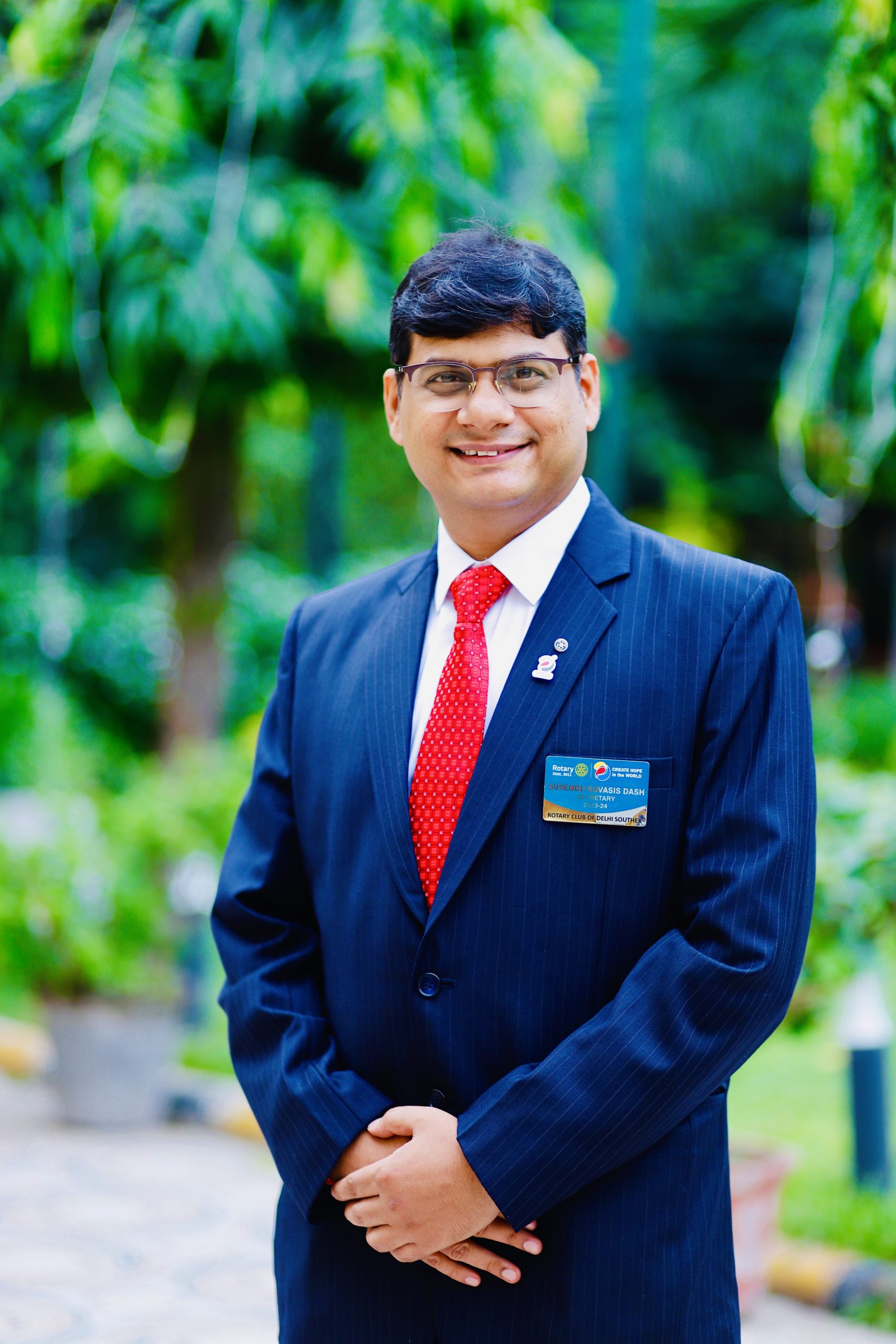
  • “My commitment to pro bono work is motivated by a fundamental belief in justice accessible to all”- Highlighting the role of lawyers in ensuring equitable access to legal representation and advocacy : Suvendu Suvasis Dash, Advocate-on-Record & Managing Partner at Vaibhav & Dash Law Associates

    “My commitment to pro bono work is motivated by a fundamental belief in justice accessible to all”- Highlighting the role of lawyers in ensuring equitable access to legal representation and advocacy : Suvendu Suvasis Dash, Advocate-on-Record & Managing Partner at Vaibhav & Dash Law Associates

    This interview has been published by Namrata Singh and The SuperLawyer Team

    Can you take us back to the beginning of your career? What motivated you to pursue law, and how did you start your journey in this field? 

    My journey into the realms of law began serendipitously as I turned the pages of an old magazine that featured an obituary of the legendary constitutional lawyer, Nani Palkhivala. The year was 2004, and I, a science student at the time, was at a crossroads about my future. Palkhivala’s profound influence on the legal landscape struck a chord with me, prompting my decision to pivot from science to law. This epiphany led me to enroll in a 3-year LL.B course with a deep-set desire to build a career in litigation and emulate Palkhivala’s mastery in constitutional law and interpretation of statutes. My affinity for literature blossomed simultaneously, nourishing my analytical skills and enriching my legal acumen. Eventually I would read a lot of literature on Palkhivala and read many judgments where he had argued. 

    Before pursuing your LL.B., you completed a B.Sc. in Physics. What was your career plan during your time studying physics, and what inspired you to transition to law?  

    While my initial academic pursuit in Physics was driven by a fascination with science and an aspiration to become an air force pilot, my career trajectory took a decisive turn following a series of introspections and a pivotal setback in the air force selection process. The rigorous analytical training from my science background seamlessly transitioned into legal studies, where I discovered a profound passion for law. This newfound path was not just a career choice but a calling to delve into the intricate domains of statutes and societal norms. 

    As an Advocate-on-Record at the Supreme Court, what unique challenges do you face compared to other courts and tribunals?

    Supreme Court practice is a unique ball game in itself. The challenges aren’t many but with constant and consistent preparation, it’s a delight to practice here in the long run. It eventually becomes more rewarding with passing years. As a Supreme Court lawyer, we require to inculcate all the requisite qualities of a good lawyer across all courts and tribunals. The emphasis however is on acquiring more and more knowledge on law, precedents and statutory interpretation. 

    Practicing at the Supreme Court is akin to playing in the major leagues of law where each case can set a precedent or influence national jurisprudence. The key challenges here are the rigorous scrutiny of Special Leave Petitions under Article 136 and the statistically low acceptance rates of such petitions. This requires a deep understanding of both law and material facts to present substantial questions that warrant the apex Court’s intervention. 

    Despite these hurdles, the satisfaction of advocating at India’s highest Court, where the stakes are monumental and the outcomes deeply impactful, is profoundly rewarding. The great thing about the practice in the Court is that it is the last resort of a litigant to get Justice and the Court, in many cases, allows substantial questions of law and also questions of fact to be opened up for rendering Justice to see that Justice is done in the case of deserving litigants. 

    You were associated with Dr. Justice Akshaya Kumar Rath and Mr. Ashok Panigrahi. How did these associations shape your professional path and legal philosophy?

    Both my seniors imbibed in me a sense of industriousness and punctuality during my early years of practice. Dr. Rath was eventually elevated as a Judge of the Hon’ble Orissa High Court. He is a man of unwavering integrity and imbibed in me those principles. He has voracious reading habits and that’s from where I picked up a taste of reading a lot on all subjects- from law to biographies, literature, spirituality, philosophy and science. He keeps himself updated on judgments and precedents and was a very good taskmaster. Subsequent to his retirement, we keep in touch and exchange a lot on our current reading. We talk about foreign judgments and articles in journals like Harvard Law Review etc. Dr. Rath instilled in me the virtues of diligence and broad intellectual curiosity.

    Mr. Panigrahi was very influential during my early years at the Supreme Court. He helped me connect with a lot of people. He reposed a lot of trust in me while pursuing drafting assignments during my early years.  He helped me a lot on the minute nuances in Supreme Court practice and the best methods to prepare a case and brief a Senior Advocate. 

    I shall always remain grateful to my seniors for where I am now and to have helped me set higher standards. These formative associations have not only crafted my legal perspective but have also deeply ingrained a commitment to excellence and ethical practice.

    Given your top position in the Advocates-on-Record Examination, can you elaborate on the importance of this exam for legal professionals and share some tips for aspiring candidates?  

    Passing the Advocates-on-Record examination is a sort of rite of passage into long-term, successful and progressive practice in the Supreme Court. It offers pan-India recognition as a Supreme Court Advocate and builds a great reputation while appearing in various Courts and jurisdictions. The preparation for the examination involves acquiring minutes of Supreme Court practice and procedure, developing deft drafting skills, building up good ethics in the practice of law, sound knowledge on legal principles, interpretation and precedents. The more a person spends time in the Courtrooms, administrative offices and sections of the Court, one builds up a sound practical idea about how things work in the Court. The academic environment in the Supreme Court with illustrious Senior Advocates and colleagues is also very conducive to efficient learning of legal concepts and effective performance of aspiring lawyers. 

    The Advocates-on-Record exam is also a quality control system adopted by the Supreme Court, akin to the Solicitor’s exam, to maintain high quality amongst Supreme Court practitioners. The exam stands as a gateway to distinguished practice in the Supreme Court, signifying a benchmark of competence and credibility. For aspiring candidates, my appeal is to immerse oneself in the daily proceedings of the Court, engage with seasoned practitioners, and maintain an unwavering commitment to the profession’s highest standards. This not only prepares one for the exam but also for a fulfilling career at the bar.

    What are some of your hobbies and personal interests, and how do they help you manage the demands of your legal career?  

    My personal interests—ranging from aviation to literature and community service through the Rotary Club—enrich my life beyond the courtroom and provide a balanced reservoir of calm and resilience. These pursuits offer fresh perspectives and a creative outlet that enhances my professional stamina and mental acuity, crucial for navigating the demanding landscape of legal practice. I relish reading a lot on diverse subjects, travelling, spending quality time with my family and small circle of friends. I find it interesting to keep myself updated on the latest trends in the aviation industry. I’ve been associated with the Rotary club and I am the incumbent secretary of my club where I engage in various social activities. I like going on long drives. I enjoy cooking on holidays. These help me maintain an inner calmness. Reading legal literature, biographies, legal anecdotes, science, fiction and technology related topics helps me build a balanced perspective on life. These activities not only provide relaxation but also keep me grounded and focused, enhancing my productivity and approach to legal practice.

    You recently completed a Diploma in Bhagavad Gita from ISKCON Bhagavata Mahavidyalaya. What inspired you to pursue this diploma, and how has it influenced your personal and professional life?  

    I was amazed as well as intrigued by being introduced to the life led by the Brahmachaaris at ISKCON who have renounced the worldly affairs and have dedicated their lives towards studying and learning of the Vedas and Vedic scriptures, and acquiring knowledge on their underlying philosophies. From them I came to know about the significance of Srimad Bhagavad Gita. Each verse of the Gita is a treasure trove of deep and elegant philosophies of life. The meditation and chanting techniques discussed therein are of a superlative order in the impact that they exert on our thoughts, way of life, and understanding of things, circumstances and people. The way of life enunciated in the Srimad Bhagavad Gita is par excellence. It has helped me gain perspectives in my personal, social and professional life. Recently, I faced something immensely life-threatening. My reference to verses of Gita and my association with instructors from ISKCON helped me face things with courage and positivity. 

    Life’s ephemeral nature coupled with its fledgling possibilities are sufficient reasons for one to study and understand the philosophies from Gita. It certainly helps me maintain equanimity of thoughts in both gains and losses. Pursuing the Diploma in Bhagavad Gita was an exploration into the philosophical bedrock of existence and ethics. The profound wisdom of the Gita provides a powerful framework for personal and professional resilience, guiding me through life’s tumultuous phases. This spiritual grounding enriches my legal practice, allowing me to approach each case with a balanced perspective and deep humanity

    Which area of law are you most passionate about, and what drives your interest in this field? Please share some memorable cases in this area.

    I am passionate about Constitutional Law, Administrative law and Criminal law. The vast amount of literature on the philosophy of law hovering around constitutional law, interpretation, evidence etc. have always drawn my interests. Such fondness helps me take up cases on diverse subjects of law. It helps me take up challenging work for my Law Firm. I have worked in a number of challenging cases both in the private practice arena as well as in the capacity of a government Advocate for the Orissa State. 

    My passion for Constitutional, Administrative, and Criminal Law is driven by the dynamic interplay between law and societal values. These fields offer a platform to address fundamental rights and freedoms, challenging me to forge paths of justice in complex legal terrains. From cases involving civil liberties to intricate administrative disputes, my role as an advocate and a managing partner at Vaibhav & Dash Law Associates provides a continuous engagement with law’s transformative power. I have come across some of my most memorable cases while representing the state in a number of criminal cases involving the offence of murder, cases involving land allotments made by the government, land acquisition cases and service matters involving intricate issues of pay scales and promotions. 

    While dealing with private cases, we were recently able to get an order of quashment of FIR from the Supreme Court in a case involving a purely commercial dispute which was given the cloak of a criminal prosecution. We have also been able to amicably settle a number of disputes before the Supreme Court through effective mediation.

    Can you share some of the pro bono cases you’ve worked on? What drives you to take on these cases, and how do you think they impact the community?  

    My commitment to pro bono work is motivated by a fundamental belief in justice accessible to all. I have worked on a number of pro bono cases in various courts including the Supreme Court. These are mainly criminal cases, consumer disputes, service matters for young recruits and matters for students in cases of admission to educational institutions. By some quirk of fate, I met an auto rickshaw driver in Delhi who was an accused in a death by negligence case. We prepared the case well and he was acquitted by the Trial Court.

    I have appeared in the NCDRC for an insurance claim of a person whose property was stolen during the super cyclone in Odisha. I have represented a person with disability suffering from mental disability while seeking recruitment in the All India Services before the Central Administrative Tribunal and the Delhi High Court. I have appeared for young medical students in matters relating to their fees and admission to post graduate degree courses. These cases reinforce the societal impact of law and underscore the profound responsibility lawyers have towards equity and advocacy.

    You are presently empanelled as Advocate-on-Record for the State of Odisha, Cuttack Development Authority (CDA), Odisha Hydroelectric Power Corporation Ltd (OHPC), and Canara Bank. Could you share some work details and responsibilities involved in these positions?  

    Being an advocate for the government, various public entities and corporations offer immensely enriching experience on diverse subjects. I have garnered a significant amount of professional work experience through working in matters concerning these institutions. While appearing in such matters the advocate is expected to maintain high standards of integrity and assist the Court on facts when needed. The work involves multifarious areas of law and requires a meticulous approach to legal and procedural details, ensuring that the entities I represent adhere to the highest standards of legal conduct and fairness. The responsibilities of a lawyer in these positions are heightened, and so do the standards expected of them from the Courts. It also involves dealing with government officials and advising them properly on the standards expected of their actions in Courts in respect of procedural propriety, fact based approach, correctness in the pleadings and avoidance of tardiness in approaching the Court while taking legal recourse and complying with Court’s orders and directives. 

    The sense of responsibility expected by Courts from state entities, as public trustees and model employers, is far too greater in comparison to ordinary litigants. A lawyer representing the state entities has to, therefore, (as expected and imperatively required) be very vigilant, maintain high standards of responsibility and integrity and act as a facilitating bridge between the Court and the state entities in the quest for justice. 

    Get in touch with Suvendu Suvasis Dash-

  • “A lawyer must be open-minded and adaptable enough to quickly adjust to different circumstances, for a successful legal practice”- Dushyantha Perera, Partner, Sudath Perera Associates

    “A lawyer must be open-minded and adaptable enough to quickly adjust to different circumstances, for a successful legal practice”- Dushyantha Perera, Partner, Sudath Perera Associates

    This Interview has been published by Pragya Chandni and The SuperLawyer Team

    Can you share with us the journey that led you to specialize in Corporate and Commercial law, particularly in the non-contentious aspect?

    I am a second-generation lawyer, so attending law school, especially coming from a South Asian background, was almost a ‘fait accompli’. However, during law school, I discovered a keen interest in contract and commercial law modules. I found myself drawn to these modules much more than those dealing with subjects such as criminal or constitutional law, and I also realized that I had a natural aptitude for them. This interest led me to pursue internships that would allow me to delve deeper into related fields. My first internship was with the legal department of Unilever Sri Lanka, followed by another at a corporate law firm in Sri Lanka (where I got to directly work on M&A transactions and corporate restructurings). From then on, I never looked back.

    What inspired you to pursue your master’s degree in International Trade Law after your undergraduate studies?

    Pursuing a master’s degree was largely circumstantial. I had just returned to Sri Lanka after completing my LLB and was getting ready to sit for my attorney’s exams. I had also started working with a law firm as a legal assistant, which was a full-time commitment. The master’s degree in question was being administered by the Advanced Legal Studies Unit of the Sri Lanka Law College and was a part-time course specifically targeting working lawyers. Incidentally, it was a first of its kind at the time, although external LLM degrees from UK universities are now offered by various institutions in Sri Lanka. So, when I saw the advertisement, given the specialisation, the timing of classes (Saturdays and one evening a week) and the lecture panel (which consisted of some of the most eminent subject matter experts in the country, including two current Supreme Court judges – Justice Janak de Silva and Justice Arjuna Obeysekera), I was very keen to apply. 

    I would generally advise any young lawyer or aspiring lawyer to get some real-world experience before pursuing a master’s degree or doctorate, unless you’re inclined towards an academic career or very passionate about the topic of study. It shouldn’t simply become an exercise in enhancing your resume.  

    With your experience spanning across different regions and legal systems, particularly Singapore and Sri Lanka, what are some of the key differences you’ve observed in handling cross-border M&A transactions?

    I’ve only practiced in Singapore and Sri Lanka, but both have involved a lot of cross-border work. In the last 6 months alone, I’ve handled acquisitions, corporate restructurings and VC transactions in the US, Kenya, India and Singapore. In my current role I’m predominantly a domestic lawyer in Sri Lanka, focusing on transactional and legal advisory work within the country, but I have some clients from my stint in Singapore keeping me occupied on offshore transactions. My firm also specialises in helping Sri Lankan companies expand internationally. Each jurisdiction is different; sometimes their legal systems are easier to reconcile and understand because of a common history. For example, Sri Lanka and India share a lot of similar laws and administrative practices due to both having been British colonies, and sometimes they can be very different (such as in civil law countries, as I experienced on a power sector investment in Germany a few years back). M&A or projects/project financing work in Singapore, as compared to Sri Lanka for instance, generally involves more sophisticated and voluminous documentation but comparatively less administrative or practical hurdles; this can perhaps be attributed to the maturity and size of the Singaporean economy. 

    A lawyer must be open-minded and adaptable enough to quickly adjust to different circumstances, for a successful legal practice. I think this is true regardless of practice specialisation, and it is a perspective and approach that my firm endeavours to instill in all our new trainees.  

    As a former Executive Committee member of the Sri Lanka Singapore Business Council and Vice-President of the Inter-Pacific Bar Association, how have your involvement in these organizations influenced your approach to legal practice?

    It has reaffirmed my belief in the value and power of networking. The IPBA in particular (as well as the International Bar Association – IBA) is a fantastic place for any lawyer to make connections, learn of developments globally as well as in other jurisdictions and engage in knowledge-sharing. 

    Could you walk us through a particularly complex transaction or project you worked on, highlighting the challenges faced and how you navigated through them?

    That’s a fairly difficult question to answer, as almost all large transactions and projects I’ve handled have come with some form of complexity. 

    One transaction does however stand out, just because of the timing and the circumstances. In mid-December 2021, I was engaged by an international law firm to assist in the sale of the majority shareholding in two Sri Lankan listed companies for a foreign headquartered MNC client. Whilst that would ordinarily be a challenging transaction in itself, this one had to be negotiated and completed during the Christmas break, when most offices in Sri Lanka were closed and I was on a wildlife safari with my family in Chitwan, Nepal! I remember navigating four different time-zones, negotiating documents from the back seat of a safari jeep and roaming around the camp at 4am for some internet connectivity to send out emails. Thankfully I almost never travel without my laptop and a roaming data connection. I also had fantastic support from the transaction intermediaries, including the Colombo Stock Exchange, the brokers, bankers and another Sri Lankan law firm which was acting as a share trustee. They went above and beyond, working through Christmas eve and Christmas day to ensure that we completed the transaction on time. 

    I think it’s important for lawyers to build and maintain close business relationships, particularly with regulators and other professional service providers in the market – you may never know when you need to ask for a favour. I think it’s also important, if you’re an M&A lawyer, to be prepared for a transaction to kick off at any time. Admittedly, this might mean less of a ‘work-life balance’ and more of a ‘work-life blend’. 

    In your opinion, what are some emerging trends or developments in corporate law, especially in the context of evolving regulatory frameworks and global economic shifts?

    From a Sri Lankan viewpoint, I can say that we are seeing a lot more economic activity with India. Between 2013 and 2018, China was arguably the largest source of FDI into the country, particularly towards various infrastructure projects under the Belt-Road Initiative. From 2019 onwards, and particularly post Covid-19, India appears to have taken the overall lead in trade & investment relations with Sri Lanka. This is perhaps a result of PM Modi’s ‘Neighbourhood First’ policy, and consistent with a growing international perception that there is an emergent India – one that is utilising its clout and reach, and leveraging on its potential, as the world’s fifth largest economy. India also appears to be an economic beneficiary of worsening US-China relations, with US and European companies seeking to de-risk and diversify their supply chains. 

    Given the cultural and geographical links, as well as the substantial similarities in legal and administrative frameworks, I’ve long been an advocate for greater economic integration between India and Sri Lanka; it is, now more than ever, ‘low hanging fruit’ towards reaching our own development objectives in a mutually beneficial manner. 

    Finally, considering your wealth of experience, what advice would you offer to law graduates aspiring to specialize in corporate and commercial law, especially in today’s dynamic legal landscape?

    I would say go for it. There are so many emerging practice areas to explore now, within the broader framework of non-contentious corporate and commercial law work, from data privacy to the developments in blockchain technology, cryptocurrency and the use and application of AI. The best way is to get insights and hands-on experience through internships and work placements etc. 

    Get in touch with Dushyantha Perera-

  • “The legal profession requires mentorship that emphasizes dedication and consistency over the pursuit of superficial markers of success”- Aditya Parolia, Partner at PSP Legal, Advocates & Solicitors

    “The legal profession requires mentorship that emphasizes dedication and consistency over the pursuit of superficial markers of success”- Aditya Parolia, Partner at PSP Legal, Advocates & Solicitors

    This Interview has been published by Pragya Chandni and The SuperLawyer Team

    Hello and welcome, today, we are honoured to have with us Mr. Aditya Parolia, who is one of the leading counsels in India for Corporate, Commercial, Real Estate and consumer disputes. 

    Sir, could you kindly share your professional journey with us? We would be particularly interested in learning about what motivated you to pursue a career in law. Furthermore, what inspired you to specialize in corporate, commercial, real estate, and consumer disputes?

    Frankly, when I started pursuing law, it was not a common career choice. I don’t recall anyone in my immediate or extended family being a lawyer.

    Coming from a small town, the focus was predominantly on engineering. Schools and colleges emphasized preparing students for IIT and AIEEE exams. In 11th and 12th grades, I chose PCM with computers, expecting to follow the engineering path. However, it never felt right to me. I strongly believe in not pursuing something that doesn’t feel correct.

    In those days, if you told someone in a small town you were studying law, they often thought you were either not very bright or one of the unruly students who couldn’t handle math or science. My school, an ICSE board school, had a particularly bright batch. One of my batchmates topped the country in the 12th exams and got into IIT. The first seven students in my batch secured good ranks in AIEEE.

    When I informed my principal and class teacher about my decision to pursue law, my class teacher was supportive. However, my principal and relatives tried to counsel me, arguing that I was a bright student and should consider other career options. At that time, many schools in small towns didn’t even offer humanities, let alone law. They only had science and commerce sections, so law wasn’t a natural choice for me initially.

    Fortunately, my father was working in Delhi and interacted with many bureaucrats whose children were studying law. He suggested it to me, and it resonated. I found it interesting when I started reading about it. In my hometown, the district court wasn’t even called a district court—it was known as the “divani kachahari.” The infrastructure was poor, and the earning potential for lawyers was low, making the profession unattractive. Few people knew about national law colleges, and entrance exams often clashed, forcing students to choose between them.

    I’m grateful to my parents for supporting my decision to pursue law. Career counselors in schools rarely mentioned law as an option; it was often seen as a last resort. Most would suggest commerce, DU, or competitive exams like UPSC, but not law. Few in my town could name more than a couple of famous lawyers like Mr. Jethmalani, Mr. Salve, or Mr. Sibal. Today, social media and online court proceedings have increased awareness about the legal profession, but back then, it was quite limited.

    Given these circumstances, I chose to study at Indraprastha University in Delhi, which had only five seats for students from outside Delhi. I believed being in the capital, where all courts are located, would be beneficial. At that time, the concept of corporate practice in law was not well-known to us.

    I’m very happy with my decision to pursue law. My younger brother also followed this path and became an Advocate on Record (AOR). Today, in my hometown, there are several law coaching institutes, but during my time, I had to travel to Jaipur or Delhi for preparation. I finished my board exams in March, and the first law entrance exam was in early May, giving me only a month to prepare. Now, there are more resources and opportunities for aspiring law students in small towns.

    Sir, you have made history and continue to do so, and we hope that you keep making history so that we can proudly say we had the chance to interact with you. You have handled cases for around 73,000 aggrieved home buyers. On that note, Sir, we request you to share your experience managing such a significant number of cases, which is no easy feat. Could you please discuss the challenges you faced and the types of cases that arose from this scenario?

    Furthermore, we would love to understand how you became involved in such a substantial case and how you have helped these home buyers. This is a crucial matter, as for many, purchasing a home is a lifetime investment and a matter of survival. Although people may have more options today, I am certain that you are highly respected by those 73,000 home buyers for your efforts.

    Yes, today we can confidently say that we are leading practitioners in this domain. We likely have the highest number of clients in the country, spanning every sector and segment of society. Our clientele includes politicians, actors, retired judges, bureaucrats, corporates, high-net-worth individuals (HNWIs), ultra-high-net-worth individuals (UHNWIs), and private induvials as well. We do not like to say no to anyone who approaches us for help. 

    When we began this practice, we did not specifically aim to specialize in this domain. In litigation, we initially took on every kind of case that came our way. Litigation is not easy; it demands immense effort and versatility. As a renowned lawyer once told me, litigation is like digging a well every day to fetch water, only to start anew the next day.

    A good friend, who was my batchmate, once shared a piece of wisdom that remains close to my heart. He said, “Aditya, everyone wants to specialize in something, but in law, you don’t choose your practice area. It’s like a democracy where people choose for you.” This insight resonated with our experience, as our practice evolved naturally based on the cases that came to us.

    We initially handled a wide array of cases, including civil cases, criminal bail applications, and matrimonial matters. We travelled frequently to places like Allahabad and Chandigarh. However, due to our court engagements in Delhi, I hardly travel now. During this time, the real estate market was booming, and we began to receive more cases related to this sector.

    The real estate market was characterized by rapid buying and selling, often driven by speculative investments. However, there was no regulatory regime in place, leading to overselling and eventual stagnation. This lack of regulation, coupled with the greed of builders, caused numerous projects to halt. As a result, many homebuyers were left without the properties they had paid for.

    During this period, a prominent family from Bollywood approached us with a case against a builder, JP. This was in 2014-15, and the builder had failed to deliver the property by the promised date in 2011. Initially, we suggested using the Consumer Protection Act, but the client wanted to involve other affected buyers. We were surprised to find that there were 242 such buyers. This marked the beginning of a new jurisprudence in India, where class actions became more prevalent.

    As we took on more cases, our practice grew rapidly. We handled high-profile cases, such as those against Amrapali, and our numbers swelled to the point where we had to expand our team significantly. At one point, we had to manage an influx of 3,000 clients in just seven days, which was a logistical challenge.

    Our firm has since become a leading name in handling real estate and commercial disputes. We have played a significant role in shaping the legal landscape in these areas, with our cases often resulting in landmark judgments. Today, our team has grown to around 40-45 members, and we continue to manage a high volume of cases daily.

    Despite the challenges, we are grateful for the trust our clients have placed in us. We always strive to give our best, though it’s impossible to satisfy everyone. The sheer volume of documents we handle is immense, and we have undoubtedly made our ragman very wealthy.

    In conclusion, while we never anticipated specializing in this domain, it has become our primary focus over the past eight or nine years. We are proud of our contributions to the field and grateful for the opportunities that have come our way. Our practice continues to thrive, driven by the love and support of our clients and the dedication of our team.

    Sir, it appears that your specialization chose you, and now you are recognized as the leading authority in this particular legal domain. The remarkable success you have achieved is not only a result of divine favor but also due to the hard work and dedication of your team towards home buyers.

    During this journey, you have been highly active in national media, frequently being invited as a special guest on various channels to discuss legal matters.

    In light of your experiences and insights, what do you believe are the most pressing issues of national importance in the current legal landscape? Considering the disruptions we are witnessing in the legal field, what future developments do you foresee, especially given your role as a prominent disruptor in this domain?

    Nobody can foresee the future; I can assure you of this. Nobody can predict deception. I’ll take your questions one by one, in bits and pieces, but I’ll start from the end with the disruption part. Very frankly, as I said, I did not choose it, nor did we; the people chose it for us. We were just there at the right place at the right time. I always tell everyone that you just have to keep working hard. The Almighty has written your destiny, my destiny, everyone’s destiny. So, if you’re working hard, you’re moving towards your goal.

    When destiny knocks on your door, and you’re there to open it and seize the opportunity, that’s all that is required. If you’re sleeping and waiting for the day to come before you act, it never happens. I’ve worked with some of the best lawyers as a student, and I didn’t work much as a junior or younger colleague. I barely did my traineeship for six months before we decided to open this law office. I’ve always taught my younger colleagues that while you have to put in constant effort and energy, consistency is key. You never know when that door will open or when someone will knock.

    You mentioned the future. Everyone predicts that AI is the future, so you can pursue laws in AI. When I was a student, everyone thought arbitration and intellectual property rights were the right fields to pursue. There are hundreds and thousands of domains nobody has explored. For instance, we specialize in the Consumer Protection Act and the Insolvency and Bankruptcy Code (IBC). Nobody in law school considered a career in these areas because they weren’t even established back then. The Delhi Commercial Courts Act wasn’t there either. So, what went right for us? We were consistent. When opportunity knocked, we seized it and delivered results with a pragmatic approach, informing clients about what could and couldn’t be done. We never assured anyone of a specific outcome because, in law, it’s unethical to do so.

    I’ve also tried my hand in matrimonial law, although I no longer practice it. I respect my sister, who does, because dealing with such cases is not easy. It involves handling emotional trauma, and it takes a significant mental toll. I’ve seen the best lawyers struggle with this.

    Speaking of the future again, AI is a rat race. Students come to me for internships or interviews saying they want to do IBC or intellectual property rights. But I tell them what my dean at law school, Simon Chesterman, told me: read something new and try something different. For example, sports law is a burgeoning field with the rise of leagues like the IPL and Kabaddi. Few lawyers practice it, and it has huge potential. Similarly, gambling laws and laws related to cryptocurrencies are emerging fields.

    I’ll give you an example. Two of my law school classmates are now policy lawyers at Twitter and Facebook. When we were in law school, we never considered such careers. These social media companies have to adhere to national policies and constantly engage with regulators. Policies vary from country to country, and what’s banned in one place might not be in another. This was a domain we never imagined practicing in.

    So, I tell every student to keep their mind open. Don’t decide in your first year of law school that you’re going to be a litigating lawyer or a corporate lawyer. Explore different areas and see what resonates with you. Recently, a younger colleague at our firm realized litigation wasn’t for him and decided to pursue academia. There’s no harm in that. A good lawyer can excel in various fields, not just in corporate or litigation.

    During a tour in Istanbul, I met a lawyer from Chile who was pursuing his master’s in Germany, specializing in Antarctic law, dealing with exploration and sovereignty rights. These are areas most law students wouldn’t even consider. When I did my master’s, I studied aviation law and space law, which are hardly taught in Indian law schools. Today, with the rise of electronic vehicles and companies like SpaceX, these areas are very relevant.

    Younger students should consider these emerging domains. If they work hard and stay consistent, they will do exceptionally well. It’s important to understand the practice area you’re entering.

    Regarding media and news channels, the glamour initially attracts everyone. It’s an opportunity for exposure. When the real estate market crashed and big companies like JP and Amrapali failed, we were called upon to address these issues on news channels. The insolvency laws were new, and there were few experts. But over time, I’ve stopped going on news channels unless it’s something very special. It’s important to balance professional and personal life and give adequate time to family, not just focus on career.

    I hope I’ve answered your question about media involvement.

    Sir, considering your emphasis on maintaining a balance between personal and professional life, my next question pertains to that topic.

    Firstly, how do you achieve this balance? Secondly, once you find that balance, what activities do you enjoy outside of learning about law? For example, you mentioned gaining insights into Antarctic law and sovereignty rights through your travels. Sir, we would love to hear more about this, as it will help our learners understand the various pursuits they can engage in besides studying law.

    It’s 5:40 PM, Madam. By this time, I start packing my bag. The maximum usual time for me to leave the office is 6:30 PM, and I believe my team should also leave around this time. I think my team leaves by 7:30 or 8:00 PM. It is very important that we manage our time. Unfortunately, in our profession, we often talk about stipends and salaries, but we rarely discuss mental health and well-being.

    I believe that once you balance your time with your family, your mental well-being will improve. This is hardly discussed, and I am a strong advocate for maintaining a perfect balance between professional and personal life. Although I am relatively young in this profession, I have seen a lot with my batchmates, peers, and the opportunities we have had. We have the chance to argue cases against the best senior advocates in the country. Every day, we appear in almost every appellate court, which allows us to interact with top equity partners and law firms. However, I feel that younger lawyers, and we as lawyers, often get lost in the race to make more money or excel in a particular field, leading to burnout. Many of my law school batchmates have experienced this.

    Despite not being in practice for long, some of the youngest lawyers I know have burned out and left traditional domains of law. Some have moved to in-house positions, opened their own smaller practices, or left law entirely for academics. I don’t understand people working until 11:00 PM or getting up at 4:00 AM every day. If you wake up at 4:00 AM to do yoga or go for a walk, that’s fine. If you play sports, that’s even better. But I don’t appreciate people calling me after 6:30 PM. Some clients criticize this because they get free from work late, but I tell them that their lack of time management shouldn’t affect my personal life. I am in the office from 9:30 AM to 6:30 PM. You can email me, but I will only work during these hours. If I need to prepare for the next day, I might spend an extra half hour or an hour at night reading files, but I will not jeopardize my personal life for others’ lack of time management.

    A friend of mine, a very gifted lawyer, joined a good law firm and recently got married. He used to come home at 12:00 am, 1:00 am and at times 3:00 AM, by the time he was up the next day, his wife, who is not a lawyer, was leaving for work. Their entire married life was in turmoil. This story is not unique; many people have told me the same thing. I asked another senior friend about this, and we concluded that the work can often be done earlier. However, delegating tasks to younger colleagues at 8:00 PM or 9:00 PM with deadlines of 2:00 AM or 3:00 AM is unrealistic and has become a norm. Trying to satisfy clients by delivering work quickly in this competitive spirit often brings out the worst in us.

    Some of the best lawyers suffer from poor mental health, although it is rarely discussed. I’ve seen younger lawyers develop health issues like high blood pressure and diabetes. I don’t understand why. In law firm culture, I see this problem as well. I run a law firm, and I tell new hires that while we have designations like associate, senior associate, and principal, I am against this hierarchical structure. It is there to keep people happy because they want it, for me a lawyer is a lawyer, designations create unnecessary competition.

    Think about it: if you make lawyers partners at 33 or 34, they have to work until 60. After becoming a partner, their next goal is to become an equity partner. This constant pursuit can diminish their determination, which symbolic goals are achieved so early. You fight to become a partner, and once you achieve that, you might lose the drive. It’s essential to manage your career and life, rather than getting caught up in the rat race of titles and designations.

    Advocates getting designated as senior advocates is different from the law firm hierarchy of associate levels. I believe law firms need to appreciate and possibly do away with this quick succession of designations, adopting a more uniform approach to maintain mental health and well-being.

    There’s an unnatural competition that develops, not just with other law firms but internally, where people vie to become senior associates or managing partners. This should be addressed and highlighted. We need to educate the younger generation that these titles mean nothing if you are not mentally healthy. If you are a good lawyer, success will come no matter what. Don’t get caught in the race for titles. Judges & clients don’t care about your title, it is not that you are getting knighted; they care about your ability to argue a case well and get results.

    The best lawyers always maintain a balance between their professional and personal lives. This profession is a marathon, not a sprint. Your family has supported you, and you have duties towards them. They need your time, and you should fulfill their expectations as well. Dedicating equal time to family is important for your mental peace.

    I’m not saying I am perfect or never get angry, but my partner and I strive to go home early. When we are in the office, we are dedicated to work, but we also play sports, travel with our families, and socialize with our teams. Striking this perfect balance is crucial.

    Sir, considering that some individuals may not enjoy the same privileges as others have had, how do we address this disparity to ensure that new entrants experience similar support and care, particularly those from humble backgrounds who rely on community support? Additionally, do you foresee an increasing focus on mental health discussions within the legal fraternity in the near future?

    “It is imperative that senior members of the bar and the judiciary engage in discussions on crucial topics with the younger generation. It is necessary to elucidate to them that not everyone needs to possess luxury items such as a Mercedes or a Patek Philippe watch. Even individuals from humble backgrounds can thrive without such extravagances. This mindset shift is essential.

    During informal discussions outside the courtroom, I always emphasize to judges the importance of not berating younger lawyers but instead offering them opportunities. 

    Now, turning to the pressing issue of mental health, it is vital for everyone to understand that not all legal paths lead to high-profile cases or lucrative positions. Each individual’s journey in the legal profession is unique, filled with its own challenges and struggles.

    For instance, third or fourth generation lawyers from legacy families face immense pressure to live up to their predecessors’ reputations. Similarly, first-generation lawyers bear the weight of carving out their own paths in an unforgiving profession. It’s crucial for the younger generation to realize that success in law comes in various forms and that comparing oneself to others’ glamorous achievements only tells part of the story.

    My own journey began without a personal vehicle, and relying on buses and metros to commute. However, through perseverance and interactions with seasoned professionals, I learned that success in law is not solely determined by material possessions or prestigious cases.

    For instance, one of my professors from law school Professor Umakanth Varottil, a renowned expert in mergers and acquisitions, transitioned from a successful legal career to academia, demonstrating the importance of evolving and adapting in one’s professional journey. 

    The pressure to excel in high-profile areas of law, such as mergers and acquisitions or banking and finance, can be overwhelming for young lawyers. However, it’s essential to remember that success is not defined by early career choices or external validations.

    The legal profession requires mentorship that emphasizes dedication and consistency over the pursuit of superficial markers of success. Additionally, maintaining good mental health is paramount, as undue stress and burnout can have severe consequences.

    In conclusion, aspiring lawyers should focus on honing their skills, serving their clients diligently, and maintaining their humanity above all else. Success in law is not measured by material possessions or prestigious titles but by one’s integrity, dedication, and contribution to society.”

    Get in touch with Aditya Parolia-

  • “Preparation and patience are the key virtues for any litigation lawyer. You may not get favorable orders every day, and therefore, you should carefully weigh all factors and avoid pushing your luck.” – Arjun Mahajan, Founder and Managing Partner at Expert Legal Services

    “Preparation and patience are the key virtues for any litigation lawyer. You may not get favorable orders every day, and therefore, you should carefully weigh all factors and avoid pushing your luck.” – Arjun Mahajan, Founder and Managing Partner at Expert Legal Services

    This interview has been published by Namrata Singh and The SuperLawyer Team

    Reflecting on your journey, what initially drew you to pursue a career in law, and what inspired you to choose this path? Could you share some of the challenges you faced during your early days in the legal profession and how you overcame them? 

    My first inspiration towards the legal profession came from my father who himself was a lawyer and practiced income-tax for a few years in Jammu and Kashmir. While my father’s initial footsteps were in law, he eventually transitioned to the family business of manufacturing high tension aluminum wires. However, he would always lovingly recount memoirs and anecdotes from his practice days and would consistently motivate me to take up law as a profession. From a very young age, I was exposed to the intricacies of the legal world through his work, experiences and stories. His influence remained a constant in my life, serving as a beacon of inspiration as I forged my own path in the legal profession. His commitment to integrity, diligence, and service instilled in me a deep respect for the law and a desire to become a lawyer.

    Entering the legal profession, I encountered a range of challenges typical of any newcomer to the field. One of the most significant hurdles was navigating the transition from academic halls of college to practical application of law in Courtrooms. The theoretical knowledge gained in law school provided a solid foundation, but applying that knowledge in real-world scenarios required a different skill set altogether. Be that as it may, I guess I always had the vision and belief in myself to navigate these challenges. Even though I come from a small town, Jammu, I decided to practice in the capital of the country, which offers the best exposure to fresh law graduates. I was never attracted to practice in the comfort of my hometown. 

    Another challenge was building credibility and establishing myself within the legal community. As a young lawyer, earning the trust of seniors, clients and colleagues was quintessential for success. I faced skepticism and uncertainty from some quarters, but I approached each interaction with unwavering professionalism, competence, and a commitment to excellence. Over time, through hard work and dedication, I earned a reputation for integrity and competence, gradually gaining the confidence of those around me.

    Despite these challenges, the inspiration that I drew from my father’s example kept me focused and motivated. His unwavering support and blessings and belief in my abilities gave me the strength to persevere during the tough times and celebrate the victories along the way. Reflecting on my journey, I am grateful for the foundation he provided and the lessons he imparted, which continue to guide me in my career as a lawyer.

    Your journey from Associate to founding your own full service law firm, i.e., Expert Legal Services is inspiring. What personal qualities or characteristics do you believe played a significant role in your career progression, and how do you nurture these traits in your team members? 

    Reflecting on my journey, I believe that humility, focus, hard work, attention to detail, approachability and giving precedence to the interest of the client have been the core tenets of my practice. I cannot single out any one quality that helped in my career progression and it is always the right mix of attitude, aptitude, luck and hard work that helps you grow.

    While mentoring my team members, I focus on their all-round development. I give them exposure to deal with clients independently under my supervision and to argue matters before various forums. This provides them with the much-needed exposure and also helps them in learning from their own mistakes and enables them to think on their feet. I always tell them to learn from their lows and to perform better. I am otherwise, in my peers’ view, an easy going and jovial person. This in my view helps them to perform without any stress and anxiety and to give their best in everything that they do. I also encourage open communication and constructive criticism. By fostering an environment, based on core values, we promote collaboration, respect, and continuous growth within our team.

    Given your expertise in litigation, could you share a memorable anecdote that exemplifies the dynamic nature of legal advocacy and the importance of quick thinking under pressure?

    I believe every day in court brings new lessons and stories. Through divine grace, I have been blessed with the opportunity to represent clients in diverse jurisdictions, providing me with first hand insight into the dynamics of these various courts across India. I believe that preparation and patience are the key virtues for any litigation lawyer. You may not get favorable orders everyday and therefore, you should carefully weigh all factors and avoid pushing your luck.  

    While there are many instances in my 17 years of practice, a recent incident that vividly comes to my mind, where a case demanded urgent interim protection for our client in securing a disputed amount. The opposing party was in the process of winding up their operations in the country and therefore, swift action was imperative. We immediately approached the court  and recognizing our urgency, the court directed the party to obtain prior permission before parting with their assets in India. At the end, we had a very happy and contented client. 

    Instances like these are the heartbeat of daily courtroom engagements, offering invaluable learning opportunities for legal practitioners at every level. In the realm of law, growth is perpetual, and each day brings forth new lessons to enrich our understanding.

    Your clientele includes renowned fortune 500 companies spanning different industries. What are some common legal issues or trends you have observed across these sectors and how do you tailor your approach to address their specific needs? 

    In my experience, serving a diverse clientele across various industries has exposed me to several  legal issues and trends. Every industry has its own set of issues and there is an overlapping legal trend as such. Consequently, there is no one-size-fits-all solution when it comes to addressing these diverse challenges. As a lawyer, it is our responsibility to tailor our approach to each unique situation, providing customized solutions that best align with the specific needs and circumstances of our clients.

    One requires a comprehensive understanding of both the legal framework and the practical realities of the business world, to successfully cater the needs of any client. At Expert Legal Services, we try to achieve the best possible outcome for the client while ensuring compliance with legal requirements and ethical standards. Cultivating an approach that prioritizes innovation, collaboration and problem-solving, has helped our clients succeed in an ever-evolving business environment. 

    Collaborating with esteemed legal professionals such as Senior Advocate Mr. Amarjit Singh Chandhiok, Senior Advocate Mr. Siddharth Luthra and Mr. Raian Karanjawala must have provided invaluable insights. Can you share a lesson or mentorship experience that significantly influenced your legal career?

    Certainly, being associated with esteemed legal luminaries like Senior Advocate Mr. Amarjit Singh Chandhiok, Senior Advocate Mr. Siddharth Luthra and Mr. Raian Karanjawala has provided me with invaluable experiences that have profoundly shaped my legal career. These experiences have instilled in me values of perseverance, decision making, hardwork and efficiency. From understanding the minutiae to grasping the broader legal implications, I have learned that attention to detail is of paramount importance. Moreover, the significance of punctuality has also been deeply ingrained in me. 

    One important lesson that I learnt from Mr. Chandhiok was that a good lawyer is one who is not impacted by the outcome of the case. One should always give their best and leave the rest to the judge. 

    As someone deeply entrenched in the legal domain, how do you maintain a work-life balance amidst the demanding nature of the profession? Are there any mindfulness practice or routines that you find particularly beneficial in managing stress and staying focused?

    Balancing work and life in the legal profession, especially in litigation, is indeed a constant juggle. While striving for equilibrium between professional demands and personal well-being, I’ve found that maintaining a structured approach to my workday helps manage this delicate balance. Each task is allocated a specific time slot, allowing for a more disciplined workflow.

    However, the unpredictable nature of legal practice means that flexibility is key. Clients may require urgent assistance at any hour, whether it’s seeking bail or filing a habeas corpus writ. In such instances, attending to these immediate needs takes precedence, often disrupting planned schedules. Nonetheless, amidst the demanding nature of the profession, I make a conscious effort to carve out time for personal pursuits and family. Engaging in hobbies or spending quality time with loved ones serves as a crucial counterbalance to the intensity of legal work.

    Your expertise in navigating anti-bribery and anti-corruption investigations is commendable. What proactive measures do you recommend to prevent such occurrences in businesses?

    To overcome illegal practices, I always advice clients to follow best practices and confirm to ethical standards. It is also important to introduce a system of checks and balances for early detection of any such occurrences.  Swift Action can help the companies to minimize the impact and nip such instances in the bud. Though, one cannot guarantee against any possible leaks but in my view, this shall considerably safeguard the exposure to a significant extent.  

    Beyond legal practice, you’re known for your philanthropic efforts. How do you integrate social responsibility into your professional life, and do you believe there’s a symbiotic relationship between community engagement and legal advocacy?

    Compassion, generosity and large heartedness are again virtues that I have inherited from my parents. Their dedication and persistent desire to help others has left a profound impact on me. I was always taught to help the poor and the needy. This is an extremely relevant trait that I also wish to pass on to my daughters. I also believe that being an advocate comes with a profound responsibility to serve the less fortunate, especially within the context of the legal system. 

    At our firm, we prioritize social responsibility and actively integrate it into our daily practice. We are committed to serving not only our well to do clients but also individuals and causes that may not have the means to afford legal representation. We are engaged in various pro bono matters, dedicating our time and expertise to assist marginalized communities, champion social justice causes, and address systemic inequalities. To give an example, we recently assisted a young boy who had been charged under POCSO and was languishing in jail and helped him in securing bail from the High Court.  I see a clear symbiotic relationship between community engagement and legal advocacy. Our involvement in the community fosters trust, builds meaningful relationships, and amplifies the voices of those who may otherwise go unheard. 

    You’ve been instrumental in mentoring young lawyers throughout your career. What advice do you impart to aspiring lawyers entering the field today, and what qualities do you believe are essential for success in the legal profession? 

    Certainly, mentoring young lawyers has been a rewarding aspect of my career, and I’m always eager to share insights with aspiring lawyers entering the field today. My advice to young lawyers is that success is not an overnight journey and requires considerable hard work, toil and burning the midnight oil. The key to success lies in developing expertise and being consistent and punctual in your work. Invest in your work and you’re bound to reap success. Also, it is important to realize that one should not get disheartened by adversities and remember that the castle of success is not built on victories  but on failure.   

    Get in touch with Arjun Mahajan-

  • “Emerging technologies such as artificial intelligence are poised to revolutionize various aspects of the legal profession. Cultivate resilience by maintaining a positive attitude, embracing adversity as an opportunity for growth” – Ritesh Kumar, Advocate-on-Record, Supreme Court of India

    “Emerging technologies such as artificial intelligence are poised to revolutionize various aspects of the legal profession. Cultivate resilience by maintaining a positive attitude, embracing adversity as an opportunity for growth” – Ritesh Kumar, Advocate-on-Record, Supreme Court of India

    This interview has been published by Namrata Singh and The SuperLawyer Team

    Could you please share with us your journey into the legal profession? What initially inspired you to pursue law, and what challenges did you encounter during your formative years in the field?

    My journey into the legal profession was not pre-planned but rather a serendipitous occurrence that unfolded unexpectedly. 

    While my initial career aspirations varied in many different directions, fate had other plans in store for me.

    I was doing a chartered accountancy course along with my graduation when I took Delhi University’s LLB entrance test in the final year of my graduation and got selected. I completed my law in 2002 from the Campus Law Centre, Delhi University, and that is how my journey into the legal world began. 

    In my initial years into the profession, I had the privilege to work under Hon’ble Justice Siddharth Mridul, who was then the Standing Counsel for Union of India in Delhi High Court and thereafter with Mr. Amarjit Singh Chandhiok, Senior Advocate. Working in the office of a standing counsel does provide a great deal of opportunity and it immensely benefited me too. Working in the most sought-after senior’s chamber in Delhi High Court inculcated discipline. It not only shaped my career but has also enriched my life in ways I could never have imagined.  

    With a special penchant for litigation, I decided against joining a law firm and chose to establish my own independent practice. Despite my enthusiasm, the journey was not without its challenges. As a first-generation lawyer, I lacked the familial connections and resources that are often advantageous in navigating the legal landscape. However, I refused to let these obstacles deter me. Instead, I embraced them as opportunities for growth and learning.

    Yet, it was precisely this avant-garde journey that imbued me with a unique perspective and a tenacity to succeed. I embraced each challenge as an opportunity for growth, seizing every chance to expand my knowledge and hone my skills.

    What motivated you to pursue and successfully complete the Advocate-on-Record (AOR) exam for the Supreme Court of India?

    Initially, I did not realise the importance of being an AoR and did not take the examination despite being eligible in 2007-2008 itself, i.e., after 5 years of practice. However, I realised my mistake when it became evident that Supreme Court practise is an integral part of litigation and being an AoR is a clear advantage, more so, for a first-generation lawyer like me. Many of my peers went on to successfully qualify the exam and with their encouragement and support I also took the exam and became an AoR in my first attempt in 2011. 

    You have been involved in cross-border commercial disputes. Could you elaborate on the unique challenges and strategies required in such cases?

    Since arbitration is a mechanism of resolution of disputes that, unlike court, takes place in private, it is always open to the parties to choose the substantive law and law governing the arbitration agreement as well as the seat and venue of the arbitration. Problems arising out of an arbitration call for the application of proper law of the contract, which is the law governing the contract creating the substantive rights of the parties; proper law of the arbitration agreement; and curial law, i.e., the law governing the conduct of the arbitration. Lawyers are confronted with situations where all these three may differ. Thus, one of the primary challenges in cross-border disputes is jurisdictional issues and matters related therewith. Determining the appropriate forum for resolution can at times be complex, owing to the parties based in different countries with conflicting laws and regulations. Also, building strong relationships with local counsel can be instrumental in achieving successful outcomes in cross-border disputes.

    As a member of Insol International, how does your expertise contribute to resolving insolvency and restructuring matters?

    Development in any other branch of law in India, in all likelihood, cannot be matched by the pace at which the insolvency regime contained in the Insolvency and Bankruptcy Code has evolved in the short period that it has been in existence in India. 

    INSOL International is a federation of national associations of professional who specialise in turnaround and insolvency. It facilitates key stakeholders to come together and share experiences by promoting best practices and providing a forum for debate on key issues facing the industry and the profession. Through this organisation, I am constantly exposed to the latest developments, trends, and best practices in insolvency and restructuring from around the world. This global perspective allows me to adapt and apply innovative strategies that have proven successful in different jurisdictions.

    With your extensive experience in telecommunications and technology-related litigation, how do you anticipate the impact of emerging technologies on future legal disputes?

    The rapid pace of technological innovation has reshaped the legal landscape, presenting both opportunities and challenges for lawyers and their clients.

    Emerging technologies such as artificial intelligence (AI) and machine learning are poised to revolutionize various aspects of the legal profession, including case analysis, document review, and predictive analytics, which have the potential to streamline legal processes, improve decision-making, and enhance the efficiency of legal services. 

    Our Supreme Court has already started publishing the transcript of the hearing in select cases using Artificial Intelligence to transcribe hearings. 

    I see innovative technologies reducing administrative work for lawyers. However, it is unlikely that technologies and AI will replace human lawyers and judges. 

    You’ve been appointed as Arbitrator by the Delhi High Court multiple times. How does this experience contribute to your understanding of legal procedures and responsibilities? Please share some insights from this role.

    The Hon’ble Chief Justice of India had recently remarked that the arbitration space in India resembles an old boy’s club. He highlighted how only retired judges dominate arbitral appointments, and, in the process, several promising candidates (such as lawyers and academicians) are overlooked. 

    I am glad to share that the Delhi High Court does appoint lawyers as arbitrators.  Serving as an arbitrator appointed by the Delhi High Court is a significant and enriching experience that has deepened my understanding of legal procedures and responsibilities in dispute resolution. This role has afforded me invaluable insights into the complexities of arbitration proceedings and the nuances of adjudicating disputes outside the traditional court system. Additionally, this role has underscored the importance of effective case management and maintain procedural integrity in arbitration proceedings.

    Beyond the courtroom, how do you engage in community outreach or pro bono work to promote access to justice and legal literacy among underserved populations?

    Being the first one, in my entire family, to choose law as my profession, I do recognize the barriers that many individuals and communities face in accessing legal assistance. My office is open to everyone and anyone seeking any legal assistance. I am also empanelled with The High Court of Delhi (Middle Income Group) Legal Aid Society and I actively seek opportunities to leverage my skills and expertise to make a positive impact outside of traditional legal settings. My pro-bono work is driven by a deep-seated belief in the importance of promoting access to justice and legal literacy for all. 

    Outside of law, what hobbies or interests do you pursue that contribute to your professional development or enhance your perspective as a legal practitioner?

    Balancing professional with personal interests is essential for maintaining a well-rounded perspective as a legal practitioner. One of my passions outside of law is literature and writing. I try to keep abreast of current affairs and make it a point to read couple of newspapers including financial ones.  Additionally, I am an avid traveller and explorer. Traveling not only exposes me to diverse cultures, languages, and customs but also challenges me to adapt to new environments and navigate unfamiliar terrain—a skill that is invaluable in the legal profession, where each case presents its own unique challenges and complexities.

    Can you share a pivotal moment or case from your career that significantly influenced your approach to law and litigation?

    I have had opportunities to represent the Government of India and was part of the teams led by the Learned Law Officers before the Constitution Benches of the Supreme Court in several matters involving substantial questions of law as to the interpretation of the Constitution of India. I have handled numerous cases which are significant for one reason or another.  

    One pivotal moment in my career that profoundly influenced my approach to law and litigation was a case in the Supreme Court arising out of a controversial phone tapping. The issue involved as to whether a public figure has a reasonable expectation of privacy. Guidelines were issued by the Supreme Court which led to framing of the standard operating procedures (SOP) by the Government for legitimate phone tapping. 

    Having said that, I approach each case, with utmost sincerity, and take it as an opportunity to serve the clients in getting justice which they deserve. 

    With over two decades of experience in the legal profession, what suggestions or advice would you offer to the upcoming generation of aspiring lawyers and legal professionals navigating their way through the complexities of modern legal practice?

    I would like to share with the upcoming generation of aspiring lawyers and legal professionals navigating the complexities of modern legal practice to embrace lifelong learning. The legal profession can be demanding and unpredictable, with its fair share of setbacks and challenges. Cultivate resilience by maintaining a positive attitude, embracing adversity as an opportunity for growth, and developing coping mechanisms to navigate stress and uncertainty effectively. You must uphold the highest ethical standards in all your interactions, prioritize the interests of your clients, and adhere to the rules of professional conduct and legal ethics. 

    Get in touch with Ritesh Kumar-

  • “Ethics and moral values are priceless. Be honest to yourself, to your work, and to the court. No legacy is as rich as honesty.” – Bharat Raichandani, Managing Partner at UBR Legal

    “Ethics and moral values are priceless. Be honest to yourself, to your work, and to the court. No legacy is as rich as honesty.” – Bharat Raichandani, Managing Partner at UBR Legal

    This interview has been published by Namrata Singh and The SuperLawyer Team

    Can you walk us through your journey, starting from your school days at Bombay Cambridge School to becoming a University Gold Medalist in Law from Mumbai University? How did your experiences during those formative years shape your aspirations and eventual career path in law?

    I studied at Bombay Cambridge School. It was one of the finest of our times. I was always a first bencher because of my height and not due to academics. Upto class VII, I was an average student. In class VII, I failed in the History subject. My parents were upset. They never expressed it. That was the lowest point in my academic career. I promised my parents that I would never let them down. From class VIII onwards, I was amongst the top rankers throughout. I belonged to the State Board (SSC). I was a school topper in Class X. I was awarded a trophy for outstanding achievement in academics in 1996 by Shri. Udhhav Thackeray, the then President of Shiv Sena. 

    My grandfather wanted me to pursue medicine as, according to him, I was academically brilliant. Destiny had other plans. I took up commerce at Narsee Monjee College of Commerce and Economics. I participated in various debate and elocution competitions at State Level.  I was part of the organising committee of the first ever National Inter-collegiate festival “Umang”. I was a member of the Drama Committee and performed in theatre plays.

    I pursued law from Mumbai University. Though we did not have formal internships in our times, I had a long term internship with Mr. Subhash Jha, Advocate from Law Global, Advocates and Mr. Anil Balani, Advocate. Under their guidance, I learnt the authentic and functional aspects of working of courts. I was actively participating in Moot court competitions. To my surprise, I even won best speaker at a few of them (though I always felt I was not even close to the other contestants). I was always eager to learn the art of advocacy. I completed the three year law course. I have been a University Gold medalist for all these years. I was awarded the Gold Medal by the then Governor of State of Maharashtra Shri. S. M. Krishna. I was even offered a scholarship for an LLM course at London University of Law. However, I felt I was not worthy of it, neither financially nor academically. I recuse myself. The same was offered to the girl who stood second. I felt she deserved it more. 

    I believe these formative years are the bedrock in your career. It shapes you as a person. It instilled, in me, a mighty infrastructure of legal knowledge, critical thinking skills and commitment to ethical practice. 

    As a University Gold Medalist in Law from Mumbai University, what key lessons from your academic journey do you find most valuable in your practical legal work today?

    All of us must never forget that no education or training goes in vain. Every grade teaches us something new and significant. The most valuable lessons from my academic journey that I apply in my practical legal work today include Research Skills, Analytical Thinking, Effective Communication, Time Management and Ethical Awareness. 

    You have been recognized with prestigious awards such as the “Young Achiever under 40” Legal Award and “TOP individual Lawyer” – Tax by Forbes Legal Power List. How do you rate this recognition?

    I am humbled. These accolades serve as affirmations of my dedication, expertise and contribution to the legal profession. They are a testimony of the fact that I love this profession and everything associated with it. It is my passion and not my profession. I am in love with the courts. I, for one, honestly and firmly believe that the judiciary is the only pillar which holds our constitution together. Every judge, I must applaud them all, right from the district judiciary to the Hon’ble Supreme Court, with limited infrastructure at disposal, is doing a remarkable and phenomenal job. 

    However, these awards come with supplementary responsibility. They serve as reminders of the high standards I must uphold and the expectations I must meet in my role as a legal practitioner and leader within the firm. I am keenly aware of the need to continue striving for excellence, both in terms of the quality of legal services we provide and the ethical standards we uphold. 

    How do such above said accolades impact your professional journey and the responsibilities you bear as a managing partner?

    As the Managing Partner of UBR Legal, I recognize that these awards not only reflect individual achievements but also the collective efforts of our entire firm. I am committed to fostering a culture of excellence, collaboration and mentorship within the firm, empowering every member of our team to reach their full potential and contribute to our shared success. I am honoured by these awards and remain dedicated to upholding the highest standards of legal practice, leadership and service to our clients and the community at large. 

    You have authored articles and publications on intricate legal subjects that demonstrate a depth of understanding and a commitment to disseminating knowledge. Could you share insights into your writing process and how you select topics to address in your articles?

    Certainly! Articles on intricate legal subjects require careful consideration and a structured approach. It is important to stay abreast of developments in the legal landscape and understanding the needs and interests of my target audience is paramount. One needs to conduct a thorough research of the topic which involves case law, statutory provisions, academic literature and expert opinions. 

    Overall, my writing process is guided by a commitment to disseminating knowledge, fostering understanding and providing practical insights. From 2020 onwards, I have introduced a monthly newsletter “Lex Loquitur” that culls out the ratio of some important rulings from various judicial fora in the areas of Indirect tax, Direct Tax, Arbitration and Conciliation Act and Insolvency and Banking Code.

    As an arbitrator appointed by the Hon’ble Bombay High Court, what unique perspectives do you bring to alternative dispute resolution and how does it complement your litigation practice?

    Being appointed as an Arbitrator by the Hon’ble Bombay High Court brings with it a unique set of perspectives and experiences that greatly enrich my approach to alternative dispute resolution (ADR). My background as a legal practitioner and litigator complements my role as an arbitrator, allowing me to apply my substantive legal knowledge and advocacy skills to the arbitration process to, mostly, a resolution to the dispute. 

    As an arbitrator, I am committed to upholding the principles of impartiality and neutrality in resolving disputes. I believe the alternate dispute resolution mechanism is intended to bring a pragmatic approach, emphasizing efficiency, flexibility and procedural fairness. The same aids the litigating lawyer in me to advise and counsel clients approaching me for legal opinions. 

    Reflecting on your time at Advaita Legal and Lakshmikumaran and Sridharan, what were the most significant learnings you garnered from those experiences and how have they influenced your leadership style at UBR Legal?

    During my tenure at Advaita Legal and Lakshmikumaran and Sridharan, I had the privilege of working with some of the most distinguished legal minds in the industry. I worked with Mr. Sujit Ghosh, Senior Advocate at Advaita Legal. However, I am indebted, and shall always be, to Mr. V. Sridharan, Senior Advocate (Founding Partner of Lakshmikumaran and Sridharan) and Mr. R. Nambirajan, Senior Partner LKS. Whatever experience in life I have today, apart from the professional training, I received those valuable lessons from both of them. They taught me that a good man can only be a good lawyer. Ethics were embodied in me by them. 

    The dedication towards research, attention to detail and commitment to delivering high-quality legal services were ingrained in every aspect of our work. This relentless pursuit of excellence has become a cornerstone of my leadership style at UBR Legal, where I strive to uphold the same standards of excellence in all our endeavors. 

    I learned the importance of building strong client relationships based on trust, integrity and responsiveness. This client-centric approach guides my leadership at UBR Legal, where we prioritize client satisfaction and strive to exceed client expectations in every interaction. 

    With your expertise in GST could you elaborate on how you navigate the intricacies of these areas to provide tailored solutions for your clients? 

    GST is a new law. It is technology driven. It is system based. It is at a nascent stage. It would certainly evolve with passage of time. 

    Navigating the complexities of GST requires a deep understanding of the ever-evolving legal and regulatory landscape. At UBR Legal, we approach this by combining our expertise in tax law with a thorough analysis of our clients’ specific needs and circumstances. We tailor solutions for our clients by:

    1. Staying updated on the latest developments in GST, budgetary changes, and service tax regulations through continuous research and training;
    2. We engage in detailed consultations with our clients to understand their business operations, financial structures, and tax obligations; and 
    3. We provide legal advice on strategic tax plans that minimize their tax liabilities, maximize available benefits and incentives and mitigate risks.

    How do you foresee the future landscape of taxation evolving and how does UBR Legal adapt to these changes to best serve its clients’ interests?

    Tax laws are here to stay. Only two things are certain: death and taxation. As long as people exist, laws would exist. As long as laws exist, litigation would exist. At UBR Legal, we adapt the changes by staying ahead of the curve through ongoing education, investment in technology and close monitoring of legislative and regulatory developments. This allows us to anticipate emerging trends and proactively adjust our strategies to best serve our clients’ interests. 

    Beyond your professional endeavors, what personal hobbies or interests do you pursue and how do they contribute to your overall well-being and effectiveness as a legal practitioner?

    I enjoy reading non-fiction and business oriented literature.  Political news also excites me. This habit assists me in my role as leader of a law firm and fuels my legal practice as well. Regular reading also provides mental stimulation and helps maintain focus. I cycle everyday for about 20 kms. I enjoy cycling. It is a natural form of exercise. A healthy body is an expression of a healthy mind. 

    With your wealth of experience and achievements, what advice or suggestions would you offer to the upcoming generation of legal professionals who aspire to follow in your footsteps?

    I am no preacher. I believe I am still learning. All of us are. We are all students of law. Learning never ends. However, I would like to share a few words of advice with the younger generation: 

    First, there is no substitute for hard work. Not everyone is gifted with exceptional talent. However, with hardwork and average intelligence, lawyers can go places. 

    Second, ethics and moral values are priceless. Be honest to yourself. Be honest to your work. Be honest to the court. Life would throw several challenges where your feet would tremble, that’s where the test lies. No legacy is as rich as honesty. 

    Third, conduct, behaviour and demeanour in court is the first court craft a lawyer should learn. Never hoodwink the Judge. Relationship between the bar and the bench is based on mutual trust. Respect your opponent. Respect his/her arguments, even if you do not agree. He/she is fighting for the client, the way you are. 

    Fourth, listen to your parents. Parents are the best teachers. They are the only true well wishers who want to see you succeed. Their blessings are very powerful. 

    Fifth, be and stay humble. Humility is a hallmark of great men. It was pride that changed angels into devils. 

    Get in touch with Bharat Raichandani-

  • “Mediation can be one of the quickest, cheapest, effective, and sustainable methods to resolve disputes, saving numerous hours of court’s time.” – “Bridging the Worlds of Accountancy and Law: Keval Sheth, Founder, Konvêrj-Zeûs

    “Mediation can be one of the quickest, cheapest, effective, and sustainable methods to resolve disputes, saving numerous hours of court’s time.” – “Bridging the Worlds of Accountancy and Law: Keval Sheth, Founder, Konvêrj-Zeûs

    This interview has been published by Namrata Singh and The SuperLawyer Team

    Your educational journey is quite diverse, transitioning from becoming a Chartered Accountant first and then an LL.B. What motivated you to pursue a diverse career in accountancy and law, and how has this multidisciplinary background influenced your approach to risk, forensics, and dispute advisory?

    Though I have qualified as both, I have not practiced as either of them. I have been in consulting for all my professional career, right since my internship days back during 2002-05. I started with a lot of risk advisory and corporate governance work, working with various consulting firms. But it was when I started conducting forensic investigations and when I interacted a lot more with lawyers, I was intrigued enough by their role and wanted to, if not practice as one, but think from their perspective as well.

    What this has done is that while I am conducting the investigations, it helps me wear a lawyer’s hat also and foresee, of course in my limited knowledge and capacity, certain aspects which are distant to someone who is just a forensic accountant. And needless to mention the extra help I get to interpret various documents in my dispute advisory work as well.

    In this context and as an accredited arbitrator and an empanelled mediator, what unique insights do you think you bring to the table to resolve disputes effectively?

    Globally, the arbitration practice as such is led by the legal fraternity and rightfully so. Having said that, in my view, there is good space for technical professionals other than lawyers. Technical experts like accountants, engineers, doctors, architects, etc. can immensely contribute as a neutral to resolve disputes.

    If a technical professional is an appointed neutral on a case, be it as a sole arbitrator or as a co-arbitrator, I think there is a lot of merit in the process. Imagine a complex commercial dispute or a construction dispute, where you have a chartered accountant or an engineer as one of the arbitrators respectively; not to mention if they additionally are qualified lawyers as well. Not only is the arbitrator adept in the legal aspects but also aware of the complex technical aspects of the case, which may lead to a better conclusion on the case. It is also better to understand the prevailing entitlement, causation and quantum of a case.

    With your extensive experience in forensics and dispute advisory, what are some common pitfalls you’ve observed in organizations regarding risk management, and how do you help them navigate these challenges?

    The most common and critical one that I have observed is to not have a risk management framework at all or to have it led by a risk champion who is relatively inexperienced in the role or function.

    Another pitfall is that a lot of corporates have failed miserably in integration of data, systems and people. Multiple fragmented systems and processes lead to inconsistencies and non-standard procedures.

    Over emphasis on financial risks with no or limited attention to operational, reputational and strategic risks are leading corporates to last minute surprises and resort to course corrective actions.

    Policies and procedures are often poorly drafted and hence lead to multiple gaps and loopholes being exploited by the perpetrators.

    In my experience, we are usually brought in largely when there is a crisis in the company and our support is sought to investigate and course correct the situation. However, in a growing number of cases, management does realise that a proactive approach to have a robust fraud risk assessment will be more effective to save money, time and the huge energy that they are drained off of in a reactive approach. So, I would recommend that risk and fraud management frameworks are of utmost importance. These frameworks also help avoid various disputes and compliance issues that may crop up due to identified procedural shortcomings.

    Founding Konvêrj-Zeûs represents a significant milestone in your career. What inspired you to establish your own consulting firm, and what unique approach does Konvêrj-Zeûs bring to the table?

    Yes, it is. Back in September 2021, I thought that the timing was just right. Things were just starting to recoup post the Covid-19.  After working with various well-known accounting / consulting firms of global repute, I thought it made sense to take the plunge and explore new avenues. As a budding professional, you have always dreamt of having something of your own someday. I think the entrepreneurial bug bites you really hard.

    At Konvêrj-Zeûs, we offer multiple consulting services to corporates, banks, other non-banking entities and law firms, which include Risk Advisory, Forensic Investigation, Dispute Advisory, Financial Advisory and Transformation Advisory Services.

    I think being brought up professionally in some of the large consulting firms does develop a professional approach and attitude that is appreciated by clients globally. So, even though Konvêrj-Zeûs is still in its nascent stages of its journey to expand, the kind of work we do is acknowledged to be at par, if not better, with some of the leading consulting firms around.

    I think the ‘attention to detail’ that we pay on each of our projects helps us give our clients exceptional service experience. At the end of the day, we immensely value the trust that our clients place on us.

    Could you elaborate on the intersection between forensic accounting and economic damages assessment, and how this expertise aids in resolving disputes and providing expert witness testimony and also uncovering financial irregularities and providing expert testimony in legal proceedings?

    Forensic accounting is actually a combination of accounting and investigative techniques used to discover financial crimes and as Forensic accountants; we explain the nature of a financial crime to the courts. Many cases, where we are on-boarded, require us to quantify the damages due to certain breaches, for example, or quantify the losses due to fraud or misrepresentation, or value IPs like Trade Secrets / Brands in cases of IP infringements or data theft and so on. So, the investigation does not end at authoring a report and concluding whether a fraud was committed or not, but also goes ahead and quantifies the losses / damages.

    Likewise, in case of disputes, the Tribunal relies more upon and takes into consideration an expert’s report than that from the parties to a dispute, while they decide and award the damages or lost profits as it is from a neutral standpoint. Once the legal tenability is proven, often the question of ‘How Much’ is core to the Tribunal to decide upon, which is where our quantification helps them.

    So apart from the economic analysis, I think the forensic accounting skill set does play a crucial role in setting right the facts and figures of the case and eventually also limiting the assumptions and extrapolations used in the quantum exercise.

    Similarly, in cases where financial irregularities are concerned, we analyse financial data and identify discrepancies that may indicate fraud or other financial crimes. We work closely with law enforcement agencies, attorneys, and other professionals to investigate financial irregularities and provide evidence to support legal proceedings. For doing the same, we use different techniques, tools and technologies to unearth the financial irregularities.

    Your role as a mediator at the High Court of Bombay indicates your involvement in alternative dispute resolution mechanisms. How do you see the role of mediation evolving in the legal landscape, particularly in complex commercial disputes?

    We all know that mediation can be one of the quickest, cheapest, effective and sustainable methods to resolve disputes. It adds advantages to the case, for being informal and of a flexible nature while maintaining confidentiality.

    While a lot of parties do attempt mediation on the first go, a lot of courts have also resorted to mediation before litigation. Also, for a majority of people, the prospect of going to court is daunting both emotionally and in terms of the financial strain it can pose, and it can mean that proceedings take a considerable time.

    When widely accessible, mediation can be a successful way of keeping cases away from the stress and expense of court. This saves numerous hours of court’s time, which can be useful for cases that are not resolvable through mediation.

    Even in complex commercial disputes, it may sometimes be at the parties’ advantage to use mediation as a channel to resolve the dispute. The complex nature of dispute can be simplified by seeking help of technical experts, while the legal aspect can be taken care through mediation. This not only saves the parties huge amounts of effort and money, but it can also give the parties that critical time to decide and make critical decisions after the resolution that they would have lost in a long-standing dispute.

    Given your wealth of experience in the field, what advice or suggestions would you offer to the upcoming generation of professionals aspiring to make a mark in risk management, forensics, and dispute resolution?

    I genuinely believe that there are numerous avenues where one can practice and expertise apart from the traditional fields of professions of a Chartered Accountant and a Lawyer.

    A dual qualification or skill set is always going to be an added advantage, be it of any specialized profession. So, I would always advise one to be on the lookout for opportunities where one can expand the horizon to add the necessary skill set to one’s profile.

    In my case, internal audit led me to risk and corporate governance, which led me to forensics, which led me to expert report & evidence and currently I also support resolving disputes. So, one has to hold on to the leading strings to explore new avenues of consulting.

    Branching out to this particular niche practice area has worked for me until now. For someone else, it can be a different combination. But one has to explore into various formats and see for themselves what suits them. We often are bound to one particular field observing our mentors or seniors or partners around us, but in my view, one has to take some risks in early years to establish a strong foundation.

    For practicing in forensics and dispute resolution, I would finally advise to be qualified or acquire the requisite skill set where one understands the legal and one technical side of things.

    Get in touch with Keval Sheth-

  • “There are no shortcuts to success. Your ability to read and analyze will set you apart from others, Always read the provision or judgment independently before considering others opinion” – Amit Shrivastava, Advocate on Record & Managing Partner at Imperial Law Offices

    “There are no shortcuts to success. Your ability to read and analyze will set you apart from others, Always read the provision or judgment independently before considering others opinion” – Amit Shrivastava, Advocate on Record & Managing Partner at Imperial Law Offices

    This interview has been published by Namrata Singh and The SuperLawyer Team

    It’s a pleasure to have you with us. Could you share with our readers a bit about your journey, from how you embarked on your career in law to becoming the Managing Partner at Imperial Law Offices? What inspired you to choose law as your career path?

    Thank you Namrata and team Super lawyer for having me here. Well my journey in law started with guidance from my best friend’s father Mr. L.D. Borasi, who was an Additional District Judge then in Madhya Pradesh. He knew me personally and was of the view that I could do really well in law. On his encouragement I did my research on the subject and came to know that the legal profession suits my personality.  Then I took admission in BA LLB (Hons.) course in Devi Ahilya VishwaVidyalaya, Indore (M.P.). I completed my law in 2009 and started my practice in Delhi, things started happening. and here I am 15 years later.

    As a co-founder of Imperial Law Offices, what inspired you to establish your own legal practice, and what unique approach do you bring to the legal profession?

    The idea of embarking upon the entrepreneur journey was always there in the back of mind. However, I was very lucky to have an opportunity to work in the top law firms of the country. It was a very enriching experience working there and was a tough decision to quit the job. The idea of starting Imperial Law Offices germinated after meeting my co-partners who themselves having worked in top law firms of the country were looking to start  a law firm. As a law firm we bring to the table a full service law firm for our clients with partners having more than decade and a half years of experience of representing leading Multinational Companies in the country. The Firm’s global perspective is based on its deep knowledge of the sector/industry and the prevalent practices. The team of professionals understand issues across a broad spectrum of business and legal practices. This fluency allows the Firm to bring the right talent and knowledge to deliver commercially pragmatic advice to our clients. 

    Your extensive experience (as a litigation lawyer) spans across various legal domains, including Insolvency & Bankruptcy, Tax, Real Estate and Arbitration. Among these, do you have a particular area that you find most fulfilling to work in? Could you tell us why?

    These are my core practice areas, it is very difficult to choose between them. However, the best thing I like about being a litigation lawyer is that it always keeps you on the edge and keeps throwing new challenges at you. However long you may have practised there will always be something or the other which you will be dealing with for the first time. As they say, you are always a student of law. Each day you learn new things. So there is never a dull day in litigation. This is what keeps you going. Another thing which is very satisfying is the ability to make an impact on society and help others. 

    Given your extensive experience in taxation and insolvency matters, what advice would you give to young lawyers aspiring to specialize in these areas of law?

    Both these fields, especially taxation, are very dynamic in nature. There are lots of amendments, notifications, circulars and clarifications by the government very frequently on these subjects which govern the interpretation of law. Not to mention the day to day case laws coming in from courts/ tribunals. So one of the key features of practicing in these subjects is to be able to trace out the legal history of the provision you are dealing with to understand the mandate of the legislature. Another very important part of practicing in these areas of law, especially while dealing with international taxation matters is that you will have to deal with various international treaties and international jurisprudence. Apart from the above strong knowledge of constitution law and basic understanding of accounting principles are must. So if you have these basics covered, you can excel in these subjects. 

    For the current generation aspiring to build successful legal careers, what would be your top piece of advice or mantra for achieving professional excellence and fulfilment in the legal field?

    To young lawyers my piece of advice is that one should inculcate the habit of reading. There are no shortcuts to success. Your ability to read and analyse will set you apart from others. Also never make your belief on the basis of the opinion of others without actually reading the provision/ judgement yourself independently. First read the provision/ judgement unbiased by the opinion of the others or common belief, then see what others are saying. This habit will give you a closer understanding of the law and will eventually lead you to success. Also your command over language is a very important factor which will contribute towards success.

    In today’s world where there are lots of branches of law apart from litigation, where you can excel relatively easily. Career in litigation, unlike old times, has become a choice. Clearly life in litigation initially is not very financially gratifying, however if you have the bent for it and are willing to put in the long hours, it can prove to be a very enriching career. 

    You’re an Advocate on Record at the Supreme Court of India. Can you shed some light on the challenges and significance of clearing the Advocate on Record exam, and how it has impacted your legal career?

    The Advocate on Record exam is more of a practical knowledge based exam. If you are regularly practising in the Supreme Court and are well aware of the practices and procedure of the Supreme Court it becomes slightly easier to clear the exam. The next big challenge in this exam is that question papers are very lengthy, so you will have to be very clear and concise in your answers, it is only then you will be able to attempt all the questions. 

    Qualifying the exam really helped me as it gave an added advantage as a litigation lawyer. Clients/ friends from high courts started  approaching me to file matters before the Supreme Court. This increased my client base, which was very important for me professionally as my independent practice is quite new. As a law firm we were able to comfort our clients that we can represent their cases till the Supreme Court. Also one of the good things about practicing as an AOR is that you get to do matters from different fields of law, one day you are arguing a criminal law matter and other day you may be dealing with a tax law matter related to transfer pricing. This type of variety is very rare otherwise. So it has been quite an enriching achievement.

    Your involvement in landmark judgments and complex legal matters is evident from your extensive list of reported judgments. Among these, is there a particular case or judgment that you found particularly challenging or rewarding, and why?

    I will tell you about the most recent ones before the Supreme Court and NCLAT. Last year I was approached to file a very complicated criminal matter wherein parties involved were from two rival political parties. In 2017, during a politically charged environment, there was a skirmish between the two parties during an election campaign involving exchange of gunfire, leading to cross FIRs from both sides. In the FIR against my client, SC/ST Act was falsely invoked, just to jeopardize his contention in elections. We were against dismissal of discharge applications by the courts below, especially qua SC/ST Act. There was a battery of senior advocates from both sides. It was a hard fought case, in which we were able to obtain a positive order from the Supreme Court in December 2023. This resulted in my client successfully contesting election this year. It was a very satisfying win, given the pressure situation and the amount of hard work that was put in by us. 

    The other very satisfying win was before NCLAT wherein we were challenging the NCLT order dismissing our petition seeking CIRP (Corporate Insolvency Resolution Process) against a very influential real estate company, on the ground that our debt is barred by limitation. In holding so NCLT had misinterpreted the definition of acknowledgement of debt and had also missed certain documents on the basis of which we were claiming extension of limitation. I argued the matter myself, the bench was initially not convinced, however, after two days of hearing accepted our arguments. This was a very satisfying win as initially the bench was totally against me and was not holding back in communicating the same to me ☺.

    The most recent one was a anticipatory bail application which I argued before the Hon’ble Supreme Court, though it was a very regular matter, I was pleasantly surprised as Hon’ble Mr. Justice Hrishikesh Roy appreciated me for arguing the matter well in open court. It was a very special moment and a huge encouragement.

    Starting your career in chamber practice before the Delhi High Court and Supreme Court must have been quite a journey. What valuable lessons did you learn during those formative years that still resonate with you today?

    It was indeed a very enriching experience, because in a chamber practice being the only junior, I was expected to help my senior with literally everything, right from conferences with new client, coordinating with them and obtaining the documents, researching law points, drafting the petition, filing the petition, preparing for arguments, attending hearing (if you are lucky and your senior is busy in some other court, arguing the matter or at least starting the arguments till your senior reaches the courtroom ☺). And last but not the least raising invoices and making follow ups for like ever ☺. I was very lucky in my initial days, I got a chance to work with very good advocates who have now become Senior Advocate, Senior Partners at leading law firms of the country. I am still in touch with them and they keep helping me whenever I need them.  

    Whatever I have learned is virtually because of the time I had spent with my seniors and their constant encouragement. However, the most important thing which I have learned from my formative years is the importance of  hard work and preparation. You will always be recognized for your hard work and preparation. Till date this habit helps me. Clients always have an eye on you as to how you are handling the matter. When they see your hard work and commitment, they remain with you even if the matter does not go according to your liking. 

    Thank You.