Can you share with us the journey that led you to pursue a career in law, and what motivated you to specialize in dispute resolution?
I developed a keen interest in law early in my academic journey, drawn to its complexities and its potential to address societal issues. Additionally, in my formative years, I was heavily inspired by my grandfather who was also a lawyer but never had an opportunity to practice due to certain family obligations. During my LLB course, I engaged in various legal internships, gaining exposure to different areas of law. It was during this time that I discovered a particular fascination with dispute resolution. My dedication to this field grew stronger as I observed its profound impact on individuals and businesses. The prospect of aiding parties in resolving conflicts became a compelling force guiding my career path. During my tenure at both Spectrum Legal and Trilegal, I was given ample opportunities to delve deeper into my interest in dispute resolution, establishing a robust foundation in the process. These experiences afforded me extensive exposure to a diverse range of matters and an overarching understanding of dispute resolution strategies.
Your experience at Spectrum Legal involved handling a diverse range of legal issues. Could you highlight a specific case or project that you found particularly challenging or rewarding and share the key lessons you learned from it?
Due to the confidentiality of several cases I handled, and their ongoing status, I am unable to disclose specific party names. However, I can reference several significant cases I worked on, some of which have been publicly reported on forums such as Bar and Bench. One of the initial cases that I extensively contributed to involved addressing alleged defamatory content posted by a journalistic entity against a highly esteemed startup. This particular case underscored the substantial impact that swift action and a well-thought-out strategy can have on a company’s business, emphasizing the importance of meticulous drafting. The primary challenge in this matter was ensuring the prompt filing of the plaint and getting quick interim relief, as time is crucial in all civil defamation cases.
From your time at Arrow Law Partners, what aspects of being a Partner have you found most fulfilling, and how has your role evolved compared to your previous experiences as an Associate?
This question holds particular interest for me, given that I established Arrow Law Partners just a few months ago, and the experience has been incredibly enlightening. As an associate, one can rely on various colleagues and partners for support and assistance. However, stepping into the role of a partner has meant taking on the sole responsibility of ensuring that I deliver the best possible advice and service to my clients. The most rewarding aspect of this transition has been engaging in discussions with clients, where my focus is on presenting all available options alongside my recommended suggestions for approaching a matter. Recognizing that the initial move in every case may not necessarily involve approaching the court, I find it essential to adopt a holistic and commercially minded approach to achieve the desired result. Consequently, the practice of dispute resolution strategy itself has become a vital component, emphasizing the importance of considering alternatives rather than advising every client to directly pursue court action or initiate arbitration.
In your role at Trilegal, you contributed to the dispute resolution team and participated in due diligence processes for potential mergers. How did this experience shape your perspective on the intersection of litigation and corporate transactions?
My experience at Trilegal has proven to be invaluable in fortifying my expertise in dispute resolution and expanding my perspective on approaching various matters and disputes. Involvement in due diligence and merger applications played a crucial role in deepening my understanding of the commercial aspects inherent in each case. This exposure shed light on the considerations companies weigh before delving into discussions about potential mergers Initially, with my primary interest lying in dispute resolution, I may not have seen the immediate merit in working on such matters. However, through active engagement with these cases and collaboration with other teams, I gained insights into the practical intricacies associated with mergers. This experience illuminated how any dispute could significantly impact the potential success of a merger, providing me with a more comprehensive understanding of the interconnected nature of legal practice.
Given your extensive experience in the legal field, what advice would you offer to recent law graduates who are embarking on their careers, especially those interested in dispute resolution and arbitration?
My primary advice is to immerse yourself in diverse experiences and tackle various types of legal matters by diving in to the deep end. Given the increasing number of law graduates each year, the upcoming generation of dispute resolution lawyers will focus on specialisation. The key to understanding your interests and identifying your niche lies in gaining exposure to a range of cases Starting by actively participating in different aspects of legal work, including running around to handle various tasks, is crucial. This hands-on experience is where you acquire the fundamentals and practicalities of dispute resolution. I often advise new lawyers and interns to attend court sessions and observe proceedings, as it offers valuable insights into argumentative styles, reading the judge, and presenting effective arguments. This exposure is indispensable for honing essential skills in the field.
Ma’am, could you please share your journey and how you ended up pursuing a career in law? What motivated you to choose this profession?
From a young age I was very bold and would always speak my mind. I also had a very strong desire to help people. I felt like I gravitated towards Law as my elder brother also chose Law as his career path. At that age you are extremely influenced by your siblings. When I started reading different law subjects, I became more and more curious and continue to be curious about everything law has to offer.
I remember feeling so overwhelmed on my first day in court. But I kept accompanying my colleagues / seniors and I slowly became familiar with all the court procedures etc.
My journey has been full of surprises. I have experienced the highest of highs and lowest of lows, but I keep showing up and never despair. I would say litigation is very unpredictable as you never know what will happen in court.
With your extensive experience in handling commercial and civil disputes, insolvency cases, and matters under the Industrial Disputes Act, can you highlight a particularly challenging case that stands out in your career and how you navigated through it?
I represented a company in a case wherein there was an injunctive order against termination of an employee. It was challenging as the company was forced to continue his employment. However, we took the aid of section 14 and section 16 of the specific relief act and were able to demonstrate that contracts solely dependent on personal qualifications cannot be enforced.
Your work involves representing clients in intellectual property rights cases. Could you discuss a memorable case where your skills in IP law played a crucial role in achieving a favourable outcome?
In one of the Intellectual property rights cases there was an ex-parte order operating against our client restraining them from infringing the plaintiff’s trademark. We relied on section 30 of the trademarks act and were able to demonstrate that there was no infringement of trademark as our client was merely showcasing products and was in no way “using the plaintiff’s trademark”. This case was challenging as it is difficult to get an interim order vacated.
From your time at Poovayya & Co., you were involved in representing organizations in electronic and print media. Can you share an interesting experience or case related to media law that you found particularly intriguing or challenging?
An interesting experience was regarding injunctive reliefs against publications (electronic or media) from telecasting defamatory articles / news. In such cases, the plaintiffs tend to include all media channels irrespective of whether they had published defamatory articles. We were representing media houses who were unnecessarily dragged to court who had nothing to do with the alleged defamatory articles. It was an uphill task to demonstrate that the media houses were only reporting facts / actual events that took place.
As someone who has also worked with a Judge of the Supreme Court, could you shed light on how that experience influenced your perspective and approach to practicing law?
This experience was immensely valuable as it gave me first-hand experience as to what the Judge expects from a lawyer irrespective of who he is representing. It made me realise that the arguments must be presented in a manner which can easily be grasped in a short period of time. It also taught me the importance of keeping the pleadings precise and using simple language as opposed to complex sentences.
You’ve been involved in consumer matters and divorce cases. Can you discuss a case that had a significant impact on your understanding of these areas of law, and perhaps a lesson you learned from it?
We had filed a consumer case for an individual wherein the complaint was allowed in part and half of the compensation amount claimed was granted. Although we had good grounds for appeal, it made commercial sense for the client to accept the part compensation considering the costs and time it would take for the Appeal to be decided, finally.
This case provided me with a different perspective of the importance of balancing between the desire to win a case and a feasible remedy for the client.
Your role as an Associate Partner at Klaw involves providing legal advice to various e-commerce platforms. How do you approach the unique challenges and legal issues that arise in the rapidly evolving landscape of e-commerce?
The law pertaining to e-commerce is rapidly evolving and new guidelines are released from time to time. I constantly keep myself updated on the law regarding intermediaries and its interpretation by different courts which equips me with providing the best solution to the client.
Given your diverse experience, what advice would you offer to law graduates who are just starting their careers in the field? What key lessons or insights have you gained that you believe would be valuable for them?
To anyone who is just starting their career, I would advise that gaining practical experience at an early stage would give them an edge over their peers. Exposure to court procedures, being involved in evidence and cross examinations is what they should be aiming at the early stages of their career. They should eagerly look out for opportunities to present arguments be it at the stage of interim hearings or final arguments.
Ma’am, could you please share with our readers how your journey into law began, and what inspired you to pursue a career in the legal field?
Certainly! My journey into the field of law began with a strong desire to have a voice and advocate for what is right. Growing up in India, like many others, I experienced the challenges of a patriarchal society. Having a voice at the right time and articulating oneself intelligently became incredibly important to me.
The legal field stood out as the perfect avenue to channel my passion for justice and equality. It offered the tools and knowledge to not only understand the intricacies of the legal system but also to actively participate in shaping and influencing it. Law, to me, was a means to effect positive change, challenge stereotypes, and work towards a more just and equitable society.
The inspiration to pursue a career in law came from witnessing the power that legal professionals have to make a difference in people’s lives. Whether it’s advocating for the minorities, upholding the principles of justice, or fighting for the rights of individuals, the legal field holds immense potential to drive meaningful change.
I was particularly drawn to the idea of using the law as a tool for social justice and empowerment. My journey into law has been a journey of self-discovery, growth, and a continuous commitment to making a positive impact on the world. It’s a field that allows me to stand up for what I believe in and contribute to a fairer and more equitable society.
In summary, my journey into law was inspired by the desire to have a voice and articulate myself in the right manner, working towards a more just and equitable society where the principles of justice and equality prevail. It has been a fulfilling and purpose-driven path, and I remain passionate about the transformative potential of the legal field.
Given your diverse experiences as a Lawyer at various organizations, what were the key factors that led you to establish Lex Mores as a global law practice?
Pursuing my Masters in Law at Osgoode Hall Law School, York University, in Toronto, Canada, and gaining diverse experiences in both India and Toronto played a pivotal role in leading me to establish Lex Mores as a global law practice.
During my time abroad, I recognized the global perception of law as a noble profession, where clients seek ethical and moral legal guidance. This understanding deeply resonated with me, and it became a top priority to uphold ethical standards in my practice. Hence, I chose the name Lex Mores, which signifies “law with morality.”
My experiences abroad also exposed me to legal ecosystems designed to discourage litigation. Measures such as higher court fees and an informed consumer base facilitated swift dispute resolution. This contrasted with the mindset I encountered upon returning to India, where the focus was often on resolving legal issues rather than preventing them. Here, the importance of legal guidance and establishing clear obligations at the outset of business ventures was frequently underestimated.
My tenure working with one of Canada’s largest retail chains, combined with my Masters in International Business Law, allowed me to draw parallels between business practices in Canada and India. I came to realize the profound impact of legal awareness on business operations. This revelation motivated me to educate my clients, especially startups and MSMEs, about the crucial role of legal counsel right from the inception of their businesses.
While larger companies in India understood the need for corporate legal advice due to their higher stakes, startups and MSMEs often overlooked this essential aspect. I firmly believed that instilling in these smaller businesses the significance of legal guidance from the outset could enable them to structure their operations more effectively and reduce the risk of disputes with partners, employees, vendors, and other stakeholders.
In essence, my international experiences and legal knowledge fueled my passion to establish Lex Mores as a global law practice. My overarching goal has been to empower businesses, especially startups and MSMEs, with the legal insights they need to build well-structured enterprises and contribute to the reduction of litigation in India.
In your role as the Founder and Managing Partner of Lex Mores, how do you navigate the challenges posed by market disruptions and ever-evolving legal landscapes?
As the Founder and Managing Partner of Lex Mores, with over a decade of experience in the legal industry, I have come to appreciate the positive impact of evolution. Change is a constant in life, and I firmly believe that market disruptions and the ever-evolving legal landscape are not challenges but opportunities.
At Lex Mores, we have taken proactive measures to navigate these changes effectively. We understand that disruptions can bring us closer to our purpose, which is to make corporate law accessible and beneficial to startups and MSMEs. To achieve this goal, we entered the realm of Legal Tech through Lex Mores Tech Pvt Ltd, leveraging technology to raise awareness about the importance of corporate law among our clients.
In addition, we have developed a platform called “www.contractbazar.com,” which facilitates proactive legal work conveniently and offers transparent pricing and standardization. This platform is specifically tailored to cater to startups and MSMEs, making it easier for them to establish robust businesses in India.
With the changing dynamics of society, businesses are becoming increasingly aware of the need for the right legal advice. Technology plays a pivotal role in enabling businesses to work with lawyers without the burden of heavy infrastructure investment or exorbitant fees associated with retainers.
In essence, we view disruption as an opportunity to enhance and innovate our services. By embracing technology and adapting to the evolving legal landscape, we can better serve our clients and empower them to thrive in the dynamic Indian market.
Having worked in legal roles across different countries, how do you leverage your global experiences to provide solutions in both developed and emerging economies?
Having worked in legal roles across different countries, I have gained a deep appreciation for the need to adapt to diverse legal systems and cultures. This global experience equips me to better understand the needs, desires, and problems of my clients, allowing me to provide comprehensive solutions to clients operating in both developed and emerging economies.
I leverage my insights from various jurisdictions to offer well-rounded strategies that are not only legally sound but also culturally sensitive. By drawing on the best practices I’ve encountered, I can tailor solutions to address the specific challenges presented by each economy.
In essence, my global experiences enable me to bridge the gap between different legal landscapes and guide clients toward successful outcomes in both developed and emerging markets.
Can you share a memorable or challenging experience from your work experience, either abroad or in India, that has significantly contributed to your professional growth?
Certainly, I have a significant and memorable experience from my legal career, which occurred during my tenure in Canada while working at a law firm. I had the privilege of learning from a senior lawyer while we were providing legal counsel to a small startup entangled in a contractual dispute with a much larger corporation. The founder of the startup was incredibly passionate about his business and was resolute in protecting its interests.
In our initial meeting, the startup founder candidly expressed his concerns, objectives, and the emotional toll the dispute had taken on him. As we delved into the legal complexities of the matter, it became evident that the issue transcended mere contractual terms; it was intricately tied to his dream and vision for his company.
Rather than immediately delving into legal jargon and tactical strategies, my senior chose a different path. He decided to empathize with the founder’s predicament, and we listened attentively, not only to the words but also to the emotions underlying them. This approach allowed us to genuinely comprehend the founder’s ultimate goal.
My senior advised that instead of pursuing litigation, we should explore mediation as a remedy. This approach might require some concessions, but it would help save the company without disrupting its operations, which could have been a possible outcome if the case went against us. This solution served the bigger purpose for the client.
Through this experience, I came to realize that while the legal aspects were undeniably important, what mattered most to our client was not just winning the legal battle but preserving the essence of his startup. It was about safeguarding the dreams and aspirations of his team members who had poured their passion and dedication into the venture.
This experience significantly influenced my understanding of the importance of fulfilling our clients’ expectations as lawyers. However, the professional satisfaction I gain as a lawyer from working in the right manner with my clients and mastering the art of empathy became even clearer when I read the book “Think Like a Monk” by Jay Shetty . The book underscored the concept that true fulfilment comes from meeting the needs of others and highlighted the synergy between “Varna” (passion and skills) and “Sewa” (understanding the needs and serving others). Together, these principles contribute to one’s “Dharma” or purpose in life. This philosophy has since become an integral part of my approach to both my legal career and life as a whole.
As the legal profession increasingly integrates technology, how do you employ cutting-edge legal technology to assist clients in overcoming challenges in today’s economic system?
In today’s evolving legal landscape, technology plays a pivotal role in enhancing the services we offer to our clients. We harness cutting-edge legal technology to efficient and cost-effective solutions. Our focus extends beyond the traditional legal advisory role; we aim to empower clients to make informed business decisions right from the inception of their ventures.
At www.contractbazar.com we are developing solutions that help clients gain a clear understanding of their business needs, enabling them to make strategic decisions. By engaging with corporate lawyers early in their business journey, clients can navigate potential legal challenges with foresight and confidence.
By embracing these technologies, we ensure that our clients are well-prepared to navigate the intricacies of the modern economic system, ultimately helping them achieve their goals effectively and efficiently.
You pursued an LL.M. in International Business Law at York University – Osgoode Hall Law School and then passed NCA exams to be a lawyer in Canada. How has this additional qualification enhanced your capabilities and influenced your approach to handling global legal challenges?
Pursuing an LL.M. in International Business Law at York University – Osgoode Hall Law School and clearing the NCA exams to become a lawyer in Canada has significantly enhanced my capabilities and greatly influenced my approach to handling global legal challenges.
In-Depth Understanding of International Law: The LL.M. program provided me with a comprehensive understanding of international law, trade, and business regulations. This knowledge is invaluable when dealing with cross-border legal issues and international transactions.
Cultural Sensitivity: Studying and practicing law in a diverse and multicultural environment like Canada has heightened my cultural sensitivity. It has taught me to approach legal challenges with an awareness of cultural nuances, which is crucial when working on global matters.
Multi-Jurisdictional Expertise: The NCA exams and subsequent qualification as a lawyer in Canada equipped me with expertise in Canadian law. This dual qualification allows me to navigate legal issues involving multiple jurisdictions with ease and confidence.
Global Network: During my studies and legal practice in Canada, I had the opportunity to build a global network of legal professionals. This network is a valuable resource for gaining insights, collaborating on international cases, and accessing legal expertise from around the world.
Client-Centered Approach: My international legal education and experience have reinforced the importance of a client-centered approach. Understanding the unique needs and goals of clients from diverse backgrounds is essential in providing tailored legal solutions.
Risk Assessment: Handling international business law matters requires a keen ability to assess and mitigate risks. My additional qualifications have honed my risk assessment skills, allowing me to provide proactive legal advice to clients entering global markets.
Adaptability: Dealing with international legal challenges often involves adapting to varying legal systems, languages, and business practices. My education and experience have made me adaptable and resourceful when encountering unfamiliar legal terrain.
Global Perspective: I now approach legal challenges with a broader global perspective. I consider how local and international factors interplay in legal matters, enabling me to provide comprehensive advice that takes into account the bigger picture.
In conclusion, my additional qualifications have not only expanded my legal knowledge but have also shaped my mindset and approach to handling global legal challenges. They have equipped me with the skills, expertise, and perspective needed to navigate the complexities of international business law effectively and provide top-notch legal solutions to clients operating in the global arena.
Considering your journey from being a law student to the Founder of Lex Mores, what advice would you like to give to law students or fresh graduates aspiring to thrive in a dynamic legal environment?
My journey from being a law student to the Founder of Lex Mores has been a rewarding experience filled with valuable lessons. To law students and fresh graduates aspiring to thrive in today’s dynamic legal environment, I offer the following advice:
Embrace Lifelong Learning: The legal field is constantly evolving, and it’s essential to have a thirst for knowledge. Never stop learning, whether through formal education, professional development courses, or staying updated on legal developments.
Develop Soft Skills: While legal knowledge is crucial, soft skills such as communication, negotiation, and problem-solving are equally vital. Focus on honing these skills, as they will set you apart as a well-rounded legal professional.
Build a Strong Network: Networking is key in the legal industry. Cultivate relationships with mentors, peers, and professionals in various legal sectors. A strong network can provide guidance, opportunities, and support throughout your career.
Seek Practical Experience: Practical experience is invaluable. Look for internships, clerkships, or pro bono opportunities to gain hands-on experience and understand how legal theory translates into real-world practice.
Be Adaptable: The legal landscape is dynamic, and adaptability is essential. Embrace change, stay open to new technologies, and be willing to pivot when necessary to meet the evolving needs of clients and the legal profession.
Ethics and Integrity: Uphold the highest ethical standards in your practice. Trust and integrity are the foundation of a successful legal career.
Pursue Your Passions: Find your niche within the legal field that aligns with your passions and interests. Specialization can lead to a more fulfilling and impactful career.
Persistence Pays Off: Success in law often requires persistence and resilience. Don’t be discouraged by challenges or setbacks; they are opportunities for growth.
Balance Work and Life: Achieving work-life balance is crucial for long-term success and well-being. Make time for self-care, family, and personal interests.
Stay Visionary: Have a clear vision of where you want your legal career to go. Set goals, both short-term and long-term, and work diligently towards achieving them.
By embracing these principles, you can not only thrive in the dynamic legal environment but also make a meaningful and lasting impact in your legal career.
Can you share the story of how you embarked on your career in law? What initially drew you to corporate commercial law, litigation, and alternate dispute resolution?
The prompt cause of getting into the legal profession is associated with my father who drew my attention towards this profession in my childhood. While I was growing up I witnessed my father working hard while being always surrounded by his clients and juniors, studying case files, researching All India Reporter, and giving dictation to his typist of cases till late at night. I think those were the facts that played a pivotal role in developing my deep interest in the legal profession.
Immediately, after completing my law from Banaras Hindu University, I started practicing Criminal law before the Hon’ble High Court of Allahabad, at Allahabad Bench, and with the grace of God and my mother’s well wishes I soon presented my very first case and secured the desired order in the form of Direction given by the Hon’ble High Court of Allahabad which boosted my confidence as a lawyer and the journey never stopped after that. While I was practicing in Allahabad High Court, I had opportunities to handle a few corporate matters before the Apex Court which made me realize that I needed to explore my practice to other aspects of law which led me to practice in various Delhi Courts where I explored my practice into the Corporate side of law and matters related to Dispute Resolution since these are new in demand in our industry and becoming primary option of corporates.
Your profile reflects an extensive background in various legal domains, from real estate litigation to corporate litigation at the Supreme Court. How did you navigate these diverse areas, and what motivated you to explore such a wide range of legal practices?
What best worked for me as motivation, is my willingness to learn which I have had from my childhood and I still have so much to learn and I am quite sure that learning will take me to a whole new level of my practice. The pursuit of learning and exploring different aspects of the law have kept me open to the matters of other different dimensions in my law practice where I could deal with the various nature of work including corporate matters such as finalizing Tender with government bodies including RFP/RFQ, LOI, Agreement assimilation, Criminal, Civil, RERA, Consumer matters, matrimonial cases, matter of NDPS, ARMS Act, Environmental issues and especially my Pro Bono works for the Labours.
With a core expertise in winning cases for your clients, can you highlight a specific instance or case that you consider a significant achievement in your career so far?
There have been multiple significant cases that I consider as achievements in my career so far in the duration of the last 10 years, however, I would like to share one of my experiences which has been a milestone case for me till present. I once had the chance to represent a husband who was a victim of false charges under section 308 of IPC and was not able to get released on bail for a long time. Wherein I had the opportunity to Argue before the Hon’ble High Court, extensively based on the medical report of the informant elaborating Medical Jurisprudence related to the Court, and successfully secured the release of my client from jail by filing 3rd Bail Application. Another enthralling experience in the journey of my law practice so far has been pro bono cases that I have been doing across the country for construction laborers whose daily wages are illegally kept by their contractors and sometimes by their principal employer.
Balancing legal management, risk analysis, and project delivery across the country is no small feat. How do you manage such a diverse set of responsibilities, especially when it comes to litigation and arbitration for the company?
I have been blessed with Balancing different dimensions of work with the help of my team in different roles and liabilities as per the requirement of the client. Working across the country on various contracts and projects requires not only a better understanding of the task but also a team effort and leadership. I would say, more than an individual, it is always a collective skill of my team who channelize their expertise and capabilities into their assigned task of legal management and risk analysis of various projects.
Reflecting on your journey from the Bar Council enrollment to your current role, how has your education, including LLB from Banaras Hindu University, contributed to your professional growth?
A lawyer’s journey from the Bar Council Enrollment is always a roller coaster and mine as well is no different as it’s been more than a decade that has passed in this journey which has given me millions of experiences, be it better or worse, complex or simple, all it does is adds up value to my profession as more and more I polish myself into this profession. I still remember being a second-generation lawyer. I started practicing law with nothing in my hand and I kept struggling relentlessly for cases but I made it all meaningful when I got my first case. Even at present, I feel bound to give my best ever effort to every single case I represent before the Court. I would say most lawyers would actually agree when I say that what we study as law students in Law Schools is completely different from what we experience in reality but what remains embedded and enclosed to us during our entire professional journey is the spirit of being a lawyer that has brought us to this journey.
Throughout your career, you’ve worked on diverse cases, including real estate litigation and criminal matters. Can you share a challenging experience that provided valuable lessons and shaped your approach as a lawyer?
In a decade’s journey of practicing law, I would say a few cases were challenging to the level that completely impacted my perspective. I had the opportunity to witness the remarkable change in the Consumer Protection Act while experiencing massive real estate exposure with cases against the Supertech Builders which started from NCDRC with only one client as a home buyer and ended up with a huge bulk of them against the builder before the Hon’ble Supreme Court leading the landmark judgment against Supertech.
Another challenging experience I would say was a pro-bono case when I was approached by a poor laborer for a matter of recovery of his daily wages that were maliciously kept on hold by the Contractor. I took on his case but later on, I started receiving requests from a massive group of laborers for the same issue which made me act on their behalf against not only one big-shot company but a lot of reputed construction companies which were beyond my expectation. Then I realized that the labor class needs representation before big companies for their grievances to get resolved by someone prudent at the ground level because not everyone can gather the courage to file a case before the court and contest it. As a lawyer, I deeply felt it is a big challenge for our fraternity to contribute our service to those classes who are important parts of our society and building our houses but are unable to feed their own family because of lack of knowledge and forced hunger on them.
Drawing from your experiences, what advice would you like to give to fresh law graduates aspiring to build successful careers in law, considering the diverse landscape of legal practice and the dynamic nature of the profession?
Considering the diverse landscape of my legal practice, the only advice I would pass on to the fresh law graduates is that along with building their careers in the legal fraternity they must build up their personalities which reflect their smart work and prudency of the legal knowledge along with its better usage in the society.
Can you share with us your journey and how you ended up practicing law, particularly in the areas of Capital Markets, Derivatives, Financial Services & Regulatory, and Payment and Settlement Systems?
Certainly. Given my interest in commerce, business law and financing I pursued a bachelor’s degree in Commerce. My further interest in the field of law led me to pursue a degree of Bachelor of Commerce (BCom) in 2010. I started my professional career as an Article Clerk at Kanga & Co, gaining valuable experience from August 2011 to August 2013 under the guidance of Mr. Dhaval Vussonji and Ms. Prachi Dave. During this time, I honed my legal skills and developed a keen interest in the intricacies of financial law.
You have a specialization in debt issuances and marked-linked debentures. How did you develop an interest in this area of law, and what are some of the notable projects or transactions you’ve worked on?
My specialization in debt issuances and market-linked debentures evolved over the course of my career. As an Associate at VND & Associates (now Dhaval Vussonji & Associates) and later at Juris Corp, I actively engaged in advising clients on debt issuances, which sparked my interest in this niche area.
As someone who regularly advises the International Swaps and Derivatives Association (ISDA) and various clients in the financial industry, could you tell us about the unique challenges and opportunities that arise in the derivatives market?
Advising ISDA and diverse clients in the financial industry has exposed me to the dynamic landscape of the derivatives market. The challenges often stem from the evolving regulatory framework and the need for precise documentation. ISDA being an industry body requires me as a lawyer to think one-step ahead to foresee the practical challenges that may crop up due to the ever changing legal & regulatory landscape of India and accordingly liaising with them, market participants and the respective regulators to ensure a smooth Indian derivatives market.
ISDA has also been integral in getting my name on the international stage as a derivatives lawyer. I recently went to Singapore to deliver a masterclass on Derivatives and it was a learning experience.
Your involvement with the Fixed Income Money Market and Derivatives Association of India (FIMMDA) and the National Stock Exchange of India Limited (NSE) showcases a broad range of experiences. How has working with these organizations contributed to your expertise in the financial services sector?
Working closely with FIMMDA and NSE has been instrumental in broadening my understanding of the financial services sector. These experiences have provided unique insights into listing compliances, platform establishment, and various facets of the financial markets. Collaborating with these organizations has been a cornerstone in developing a holistic approach to financial law.
The Payment and Settlement Systems Practice is an integral part of your work. Could you shed some light on the role of legal professionals in this area and how it impacts the functioning of financial markets?
In the Payment and Settlement Systems Practice, legal professionals play a crucial role in ensuring the smooth functioning of financial markets. Our responsibilities include navigating regulatory requirements, advising on compliance, and addressing legal challenges to maintain the integrity of payment and settlement systems. By doing so, we contribute to the stability and efficiency of the broader financial ecosystem.
You’ve authored several articles and publications related to derivatives and sustainability-linked financial instruments. Can you discuss the importance of sustainability-linked derivatives in today’s financial landscape and their potential impact on green finance?
Authoring articles on sustainability-linked derivatives reflects my commitment to exploring innovative and responsible financial practices. In today’s landscape, sustainability-linked derivatives play a pivotal role in promoting environmentally conscious investments. These instruments not only align with global sustainability goals but also present opportunities for businesses to contribute to green finance, fostering a more sustainable and responsible financial sector.
Juris Corp is considered a premier law firm in the derivatives space, and you head the derivatives practice there. What sets Juris Corp apart, and how do you ensure the highest level of service for your clients?
Juris Corp stands out in the derivatives space due to its unwavering commitment to excellence and deep industry knowledge. Our team’s collective expertise, coupled with a client-centric approach, allows us to provide tailored solutions. We prioritize staying abreast of industry developments, ensuring that our clients receive the highest level of service backed by cutting-edge legal insights.
Dispute resolution is another aspect of your work, particularly concerning potential disputes arising from derivative transactions. What are some of the common challenges you face in resolving such disputes, and how do you approach these complex situations?
Resolving disputes in derivative transactions presents unique challenges, often rooted in complex financial structures and regulatory nuances. We approach these situations with a meticulous strategy, combining legal acumen with a deep understanding of the financial markets. Our goal is to achieve amicable resolutions while safeguarding our clients’ interests and maintaining the integrity of the financial agreements involved.
Throughout your career, you have conducted presentations and seminars on regulatory changes in the Indian derivatives market. Could you share some key insights from these sessions and how these changes affect derivative products?
Conducting presentations on regulatory changes in the Indian derivatives market has been an enriching experience. Key insights revolve around the need for adaptability in response to evolving regulations. Understanding these changes is vital for crafting effective legal strategies, ensuring compliance, and mitigating risks. Derivative products must align with the regulatory landscape to maintain their relevance and integrity in the market.
As a successful partner and expert in your field, what advice would you give to fresh law graduates or aspiring lawyers looking to pursue a career in the areas of Capital Markets, Derivatives, Financial Services & Regulatory, and Payment and Settlement Systems? What key skills and experiences do you think they should focus on developing?
For fresh law graduates aspiring to excel in Capital Markets, Derivatives, Financial Services & Regulatory, and Payment and Settlement Systems, I recommend focusing on a few key aspects. Firstly, build a strong foundation in financial law through continuous learning and staying updated on industry developments. Develop excellent analytical and problem-solving skills, as these areas often involve intricate legal and financial complexities, this will come with reading case laws. Networking and building relationships within the industry are also crucial, as they open doors to valuable opportunities and insights. Finally, cultivate effective communication skills, as conveying complex legal concepts to clients and colleagues is integral to success in these specialized fields.
Can you tell us about your journey and how you ended up pursuing a career in law, specifically focusing on securities law and debt capital markets?
Certainly! My journey in the legal field began at Government Law College, Mumbai, where I cultivated a passion for corporate law and legal intricacies. Early on, I worked as a Senior Executive-Legal at SBICAP Trustee Company Ltd, gaining valuable experience. This laid the foundation for my transition to Juris Corp, where I’ve spent over eleven years honing my skills. My interest in securities law and debt capital markets grew organically as I navigated through various roles, ultimately leading me to head the Securities and Capital Markets Team at Juris Corp.
Debt capital markets can be quite complex and dynamic. What initially drew you to this particular area of law, and what aspects of it do you find most fascinating?
The complexity and dynamism of debt capital markets always intrigued me. I was drawn to the challenge of understanding intricate financial structures and regulations. What fascinates me most is the strategic interplay between legal frameworks and financial transactions. It’s a realm where law and finance converge, and I find the synergy between the two truly captivating.
You’ve played a pivotal role in advising and strategizing on various complex debt capital markets transactions. Could you share an example of a particularly challenging transaction and the key insights you gained from that experience?
One notable transaction that comes to mind is the issue of global medium term notes by Reliance Industries Limited which was guaranteed by Export Import Bank of India. It was the first transaction guaranteed by Exim Bank. The transaction involved navigating intricate regulatory hurdles and devising innovative structures to meet client objectives and coordinating with various onshore and offshore parties. The challenge was in ensuring compliance while optimizing the financial outcome. This experience reinforced the importance of adaptability and creative problem-solving in the ever-evolving landscape of debt capital markets.
Your expertise includes representing various foreign portfolio investors, financial institutions, and alternative investment funds. How do you navigate the unique challenges that arise when dealing with international clients and regulatory frameworks?
Dealing with international clients demands a nuanced understanding of diverse regulatory landscapes. Communication is key. I ensure transparent and open lines of communication, fostering a collaborative approach. Staying abreast of international regulatory changes and having a global network aids in effectively navigating challenges and providing comprehensive solutions.
You’ve been recognized in various publications and directories as a leading lawyer in debt capital markets. What strategies have you employed to consistently deliver high-quality service to your clients and earn such accolades? Consistency in delivering high-quality service involves staying attuned to clients’ needs and industry trends. I prioritize ongoing education to stay ahead of the curve. Building strong client relationships based on trust and transparency has been pivotal. Recognition stems from a client-centric approach and a commitment to delivering value in every transaction.
The financial and legal landscape is ever-evolving. How do you stay updated with the latest developments and trends in the debt capital markets to ensure your clients receive the best advice possible?
Staying informed is non-negotiable in our field. I dedicate time to continuous learning through seminars, industry publications, and networking events. Collaborating with colleagues and experts helps exchange insights. Being proactive in monitoring regulatory updates ensures that my advice is not only sound but also aligned with the latest market dynamics.
In your articles and publications, you’ve covered a wide range of topics related to securities and capital markets. How do you approach breaking down complex legal concepts into easily understandable insights for your readers?
Simplifying complex concepts is an art. I aim to bridge the gap between legal jargon and accessibility. Analogies, real-world examples, and a step-by-step breakdown are my go-to methods. The goal is to empower readers with a clear understanding, fostering a broader appreciation for the intricacies of securities and capital markets.
India’s legal and financial environment can present unique challenges. Could you share a specific instance where you had to devise a creative solution to navigate regulatory complexities and achieve your client’s objectives?
Certainly, there was a case where regulatory hurdles threatened the feasibility of a transaction. is a complex trade involving asset reconstruction companies issuing non principal protection where the returns are linked to security receipts. I proposed a novel structure that adhered to the spirit of the law, we successfully navigated the complexities, achieving the client’s objectives. This reinforced the importance of innovation in problem-solving within the Indian legal landscape.
You’ve been highly appreciated by your clients for your dedication and determination. How do you maintain a balance between your professional commitments and personal life?
Maintaining balance is crucial. I prioritize tasks, set realistic expectations, and delegate effectively. Quality, not quantity, is key. Regular breaks and personal time are non-negotiable. It’s about discipline, efficiency and effectiveness in both professional and personal spheres, ensuring that dedication is balanced with a healthy lifestyle.
As a successful lawyer with substantial experience, what advice would you give to fresh graduates who are considering a career in law, particularly in the field of debt capital markets?
For fresh graduates entering the legal arena, my advice is to cultivate a deep curiosity for the subject matter. Embrace challenges as learning opportunities, and don’t shy away from interdisciplinary knowledge, especially in finance. Building a strong network, staying adaptable, and continually educating yourself will set a solid foundation. Remember, success in debt capital markets requires a blend of legal acumen and financial understanding.
How would you introduce yourself to our readers, considering your diverse background in law, media, and entertainment, along with your successful stint as a model?
Hello, I’m Sudisha Mukherji. With over eight years of experience as a media and entertainment lawyer and IP attorney, my journey through the media industry has been both diverse and enriching. Prior to my legal career, I delved into the worlds of modelling and theatre. I modelled for renowned brands like Garnier, Lux, and Coke, and walked the ramp for various designers at fashion events such as the Bangalore and Pune Fashion Weeks. These experiences, alongside my legal studies, gave me a unique perspective enabling me to adeptly navigate the complexities of the media and entertainment sectors, both in India and internationally, with a deep understanding of their intricacies.
Your journey into the legal profession is quite intriguing. Could you share some key milestones and experiences that shaped your journey from being a model to becoming an esteemed media and entertainment lawyer? How did your experience in the fashion industry contribute to your current role as a media and entertainment lawyer?
My transition from modelling to law was marked by several significant milestones and enriching experiences. Winning MTV’s “Making the Cut Season 1” and being a finalist in Miss India East 2012 were key highlights. Additionally, my active participation in the theatre production ‘Stories in a Song’ offered me a profound insight into the intricacies of the fashion, media, and theatre industries. Meeting my mentor, Adv. Jamshed Mistry, during my MCom, led me to pursue law. Even before I enrolled in LLB, I was certain about specializing in a specific area of law i.e., media and entertainment. This early clarity and guidance have been pivotal in my legal career. These experiences coupled with mentorship have proven to be invaluable in my legal career.
The opportunity to work in fashion, media, and theatre industries equipped me with a deep and nuanced understanding of the inner workings of these sectors, enabling me to provide effective counsel to a diverse range of clients within the media and entertainment industry. This unique blend of practical industry knowledge and legal expertise allows me to approach each case with a comprehensive perspective, ensuring that I am not just a lawyer, but also a strategic advisor who understands the creative and business aspects of the media world.
Managing both legal practice and involvement in the Ethics Committee of Nowrosjee Wadia Maternity Hospital and Bai Jerbai Wadia Hospital for Children is impressive. How do you balance your professional commitments with your responsibilities in the healthcare sector?
My involvement with the healthcare sector, particularly with Nowrosjee Wadia Maternity Hospital and Bai Jerbai Wadia Hospital for Children, spans over six years. In this role, I serve as a Legal Expert on the Ethics Committee, focusing on ensuring adherence to good clinical practices for collaborative studies and research. This responsibility complements my legal practice rather seamlessly.
In all honesty, I don’t view my role in the healthcare sector as an additional task to manage; rather, it’s an integral part of my professional journey. My work with the Ethics Committee enriches my understanding of legal issues in healthcare. The skills and insights I gain from one sphere often benefit the other.
Balancing these commitments comes down to effective time management and a deep passion for both fields. The synergies between my legal practice and my role in healthcare governance allow me to navigate both areas effectively. My experiences in healthcare have provided me with a broader perspective on legal issues, enhancing my ability to advise clients with a more holistic approach. Therefore, rather than balancing two separate roles, I see them as complementary aspects of my professional life that enrich each other.
Your clientele includes a diverse range of entities, from production houses to hospitals. How do you navigate between such different sectors, and what challenges or rewards come with representing clients with varied interests?
Navigating between diverse sectors like production houses and hospitals presents its unique challenges and rewards, and my experience in both the media and healthcare industries plays a crucial role in this. One of the main challenges is the need to constantly adapt to the distinct legal landscapes of each sector. The media and entertainment industry, for instance, involves a lot of intellectual property, contractual, and compliance issues, while the healthcare sector demands a thorough understanding of medical ethics, privacy laws, and regulatory compliance. My background in both these areas allows me to transition smoothly between these different legal environments.
The rewards of representing such a varied clientele are immense. It provides me with a rich, multifaceted perspective on legal issues. Working with production houses keeps me connected to the creative and dynamic world of media, while my involvement with hospitals grounds me in the impactful and socially responsible realm of healthcare. This diversity in my work not only keeps it intellectually stimulating but also allows me to bring a unique perspective to the table, combining creative problem-solving with a deep understanding of regulatory frameworks. In essence, the variety in my clientele enhances my capability as a lawyer. It enables me to approach legal issues with a broader, more informed perspective.
Your journey involves a transition from a legal consultancy role to being an independent practitioner. What inspired you to take this leap, and how has it influenced the way you approach your work?
The decision to transition from a legal consultancy role to becoming an independent practitioner was not so much a choice as a necessity. At that time, I was struggling to find work that aligned with my interests and expertise. However, once I made the leap, thankfully, my practice started to grow organically through word-of-mouth recommendations and referrals.
This journey has profoundly influenced how I approach my work. One of the key aspects is my perspective on learning. I consider myself a lifelong learner; I learn something new every single day. This mindset has been crucial in my journey as an independent practitioner. I’ve learned everything on the job, and I’m deeply grateful to my mentors and seniors who have offered unwavering support, guidance, and encouragement. Their assistance was invaluable in the early days of my practice, and it remains just as important now, whenever I reach out for insight.
Being an independent practitioner has also instilled in me a sense of resilience and adaptability. It has pushed me to be more proactive in seeking opportunities, developing new skills, and expanding my network. This journey has not only honed my legal skills but also sharpened my entrepreneurial instincts. It has taught me the importance of building and maintaining relationships, understanding client needs deeply, and consistently delivering high-quality work.
In summary, the transition to independent practice has been a transformative experience. It has shaped me into a more versatile, knowledgeable, and resourceful professional, enabling me to offer more comprehensive and personalized legal services to my clients.
During your secondment with Zee Entertainment Enterprises Limited on their digital vertical while working for ANM, how do you perceive the ongoing digital transformation in the media and entertainment industry, and what legal challenges and opportunities does it present?
The digital transformation in the media and entertainment sector, fuelled by online curated content platforms, broadens content variety, targeting diverse audiences. This shift brings legal challenges and opportunities in management of rights and online content regulation. Key areas include managing rights through agreements like co-production and licensing, and handling sensitive content and brand associations. Legal expertise is essential to navigate this evolving digital landscape, ensuring compliance and protecting interests amidst changing regulations and audience dynamics.
Beyond the legal realm, what hobbies or activities do you engage in to unwind and rejuvenate?
Outside of my legal career, I find joy and relaxation in spending time with my family and my two wonderful boys. One of my favourite activities is curating sensory bin activities for them, which is both fun and engaging. Additionally, I enjoy unwinding by taking long drives, and immersing myself in the world of books.
With your extensive experience in media and entertainment law, what advice would you give to aspiring lawyers looking to enter this dynamic and ever-evolving field?
To aspiring lawyers entering the field of media and entertainment law, I advise prioritizing mental health due to the field’s demanding nature, where everything often seems urgent. While it’s a learning-rich profession, remember that you can’t master everything at once. Taking time off for yourself is crucial to avoid burnout and maintain a healthy balance.
Reflecting on your journey from law school to becoming an Advocate-on-Record at the Supreme Court, what were the pivotal moments that shaped your career?
“Qabza dila diya mujhe mere makaan ka
Mere jo hain vakil adeem-un-nazeer hain
Poochho jo unki fees, tou ab us makaan mein
Khud hazrat e vakil rihaaish-pazeer hain.”
-Anwar Masood
(English Meaning-
“My lawyer helped me get possession of my house.
He is blessed with unmatchable foresight. The fees, however, were so high that it cost me to cover the house itself.”
The aforesaid lines I came across in my law school days stirred a profound transformation within me, redirecting my aspirations from a corporate job towards the realm of practicing law and aiding those in need as much as possible. I harbored a persistent dream of exerting every effort to alter the public perception of advocates for the better.
Though my odyssey of the profession of law commencing from law school has not been an easy one but an arduous endeavor. As I was a Hindi Medium Student, even in Law school I encountered myriad problems. I got back in two subjects (English and Economics) in my inaugural semester. My peers hesitated to form a moot team or collaborate on articles with me, exhibiting their professional reservations despite amicable personal relations. In that time some latent sense of inferiority had pervaded my psyche. I don’t blame anyone for this. As humans, everyone wants to be with the best, which I was certainly not in the sight of my colleagues. I decided to fight this and transcend these challenges. I made all possible attempts to hone my linguistic prowess after reading various literature and Judgements. I started writing various articles on different topics. I decided to become the only Speaker in Moot Court competitions to conquer the fear of facing the judges. Colleagues now started trusting me for all kinds of work. Ultimately, I topped my last semester and earned the accolade of Student of Excellence. While I secured a few placements, I opted to practice law in Delhi. I joined the office of my senior with a stipend of Rs. 10,000/- in the Supreme Court of India. However, this was not enough to survive. I also realized that learning the trial court work for any first-generation lawyer is highly essential. Thus, I used to work in Trial Court from 9 am to 6:30 PM and earn Rs. 10,000/-, take personality development classes from 7:30 PM to 9 PM (Monday to Saturday) and earn Rs. 5,000/-, and then work for the Supreme Court drafting from 10 PM to 2 AM and earn Rs. 10,000/-. These circumstances fortuitously instilled in me resilience to confront challenges with unwavering resolve. I also initiated pro bono law classes for the underprivileged students for the preparation of Judicial Services Preparation from 2016. When people around reposed trust in me, they gave a few really challenging cases to fight. I tried my best and the same resulted in fortifying the trust of people in me. I decided to write an AOR exam in 2023. My foundational academic expertise, cultivated through instructing judicial services aspirants, facilitated success in the AOR examination. In the legal profession, while supreme intelligence may be optional, mastery of patience remains an indispensable requisite.
As someone who handles diverse cases, including civil and criminal, could you share an experience that was particularly challenging and how you navigated through it?
Allow me to recount a pivotal case, which was like a litmus test for my tenacity and devotion to the legal profession. It was my first big case, which I got by god’s grace merely after seven months of my practice. I had a very small office in Pocket -2, Mayur Vihar Phase-I, Delhi. It was the evening of 12th of February 2016, which unfolded a narrative that would indelibly mark my legal journey. A group of around 8 to 10 people entered my office and told me that the Government of Delhi was cutting thousands of trees in the green belt area of Sector 15-16 Trilokpuri in order to build flats for the people whose land had been seized by the Delhi government for the Nizamuddin Metro project. Their plea was urgent, as the matter was slated for final arguments in the High Court on February 14. They implored me to initiate proceedings before the National Green Tribunal (NGT) on February 13 and concurrently file an Impleadment application in the High Court on February 14.
Those people divulged to me that since they were unable to get other advocates to file the matters in such a short duration for a reasonable amount of fee, which led them to seek my assistance. They further asked me if I would be able to file the case in such a short duration before NGT and in the High Court. Undaunted, I seized this opportunity without a moment’s hesitation and said “Yes”. Despite lacking experience in filing Original Applications before the NGT and possessing no format for such applications, I committed myself to the challenge. They endowed me with three hundred pages of representation and other notices in Hindi. I enquired about the format of Original Application with other friends. My inquiries among legal peers yielded no guidance, as they were unacquainted with NGT proceedings.
I knew that it was a daunting task to go through the entire file and draft the application in a 12-hour window. I read the file till 5 AM the next day. I thought it was impossible for me to complete the same. I thought of giving up. I was quite broken. Faced with exhaustion and contemplation of capitulation, I discerned a divine test of my dedication to the legal profession. Resilience prevailed, I again started working and completed the draft by 10 AM without any sleep. I filed the matter before NGT after serving the copy of the case to five different counsels on the other side. I mentioned the matter and after fearless arguments secured the stay from NGT on the same day. Next day again I could not sleep because I had to file an impleadment application before the Hon’ble High Court. I filed the application just in time and it was allowed by the Hon’ble High Court. The bench, after giving me a patient hearing, held that it is the duty of the Government to provide home to the aggrieved persons but not at the cost of cutting trees.
This case not only introduced me to local communities but also attracted independent clients seeking my advocacy. I share this experience as a testament to the crucible moments faced by young advocates. In the face of adversity, it is imperative to rise, sprinting with unwavering determination, for it is the endurance forged in such crucibles that propels young advocates forward in this demanding profession.
Your book, “Iudexcracy vs Democracy: Revisiting Fourth Judges Cases,” is noteworthy. What motivated you to write it, and what key message do you hope readers take away from it?
My fervent inclination to contribute to this work predates the NJAC case escalation to the Apex Court. As a law student, I harbored a profound interest in Constitutional law, initiating my engagement with the field early on. With guidance from seniors in Law school, I started writing articles and presenting papers from my first semester itself. In the beginning of sixth semester, my team participated in a Moot Court competition centered on Judicial Appointments and the National Judicial Appointments Commission (NJAC). Later in my final year, I thought of extending the research on Judicial Appointments and NJAC through my dissertation. When I graduated from law school and started practicing law in Delhi, I found that the 99th Constitutional Amendment Act, 2014 along with NJAC Act had been passed in Parliament and the same had been challenged in the Supreme Court. My co-author (who was interning in the Supreme Court at that time) and I diligently used to observe daily proceedings every day from 10.30 AM to 4 PM captivated by the profound legal minds presenting eloquent submissions. Amidst this intellectual panorama, we envisioned ourselves as solitary islands, fervently desiring to contribute our perspectives to this ongoing debate. Our initial intention evolved into a more concrete idea – encapsulating our insights in the form of a book. Then, we were astonished to see the voluminous judgment consisting of more than 1,000 pages. Undeterred, we scrutinized it meticulously, identifying flaws that spurred our decision to conduct a critical analysis. The book meticulously explored judicial appointment procedures in other nations, drawing comparisons with the Indian context. It articulated arguments both for and against the basic structure doctrine, delving into its genesis. Additionally, the book elucidated arguments supporting the constitutionality of the NJAC with few suggestions. The book lauded the dissenting opinion of HMJ Chelameswar and called him an unsung hero because he was the only judge who fearlessly maintained in his dissenting opinion that there is “nepotism” in the judiciary.
Winning the Atam Samman and the Udbhav Cultural Award reflects your significant contributions to the legal field. How do you handle the balance between a successful legal practice and your role in academia?
I am really humbled and honoured to receive these awards. It is my deep interest in academia which has given wings to my legal practice granting me a multifaceted perspective. When any academician studies any law subject for teaching the student, he studies that from beginning to the end. Thus, whenever I find any case to represent in Court be it Civil or Criminal, where interpretation of any provision is required, I in the dual capacity of academician and practicing lawyer can see various angles which may sometimes be overlooked by few practicing lawyers. As far as I have researched, almost all legendary advocates and Judges have been great academicians. For instance, Shri Nani Palikwala, despite his busy practice, used to devote his time to teaching law to students and was a part-time Lecturer at Government Law College, Bombay. He endeared himself to students by his clear exposition of the subject—always with a dash of humour and eloquence (At that time he was lecturing on the Evidence Act.).
I would like to narrate one of my real stories which is connected to academics and legal practice. In the year 2017, when I was waiting for my item to reach before one Single bench in Delhi High Court, one of my colleagues at the Bar was making his submissions before the Court that he sent the representation to the Government. Then the Ld. Judge posed him a question that, “When a Communication of proposal and acceptance is complete and under what provision of law is it provided?”
Then my colleague at the Bar started referring to some Judgements. The Court specifically pointed out that it does not want judgement but provision of law. When the counsel could not answer, Court posed the same question to the members of the bar present in Court to be answered. Upon receiving the opportunity I raised my hand and answered the question, as at that time I was teaching my students Indian Contract Act, 1872 only. The court, acknowledging my response, expedited my case, demonstrating the tangible benefits of a robust academic foundation in legal practice. I believe that the marriage of academia and legal practice is indispensable for cultivating a flourishing and enduring legal career.
Your involvement in guiding judicial services aspirants pro bono is commendable. How important do you believe it is for legal professionals to contribute to legal education and mentorship?
If you have knowledge, let others light their candle in it.-
Margaret Fuller
There is really a dire need in the Society of the “good legal professionals”. I regularly interact with Law students across the country. I feel that they really want to study and aspire to be good advocates but lack proper guidance and mentorship, causing them to veer off course in their pursuit of legal excellence. Problem is many law students are neither given proper practical insights by their law college nor guided by any experienced law professional. One can become a good legal professional only when one gets proper guidance, right mentorship and proper exposure to the law field. Study confined to four walls of law school is not sufficient. One must dive into the ocean of cases to understand the real intricacies and interpretation involved in Law. It is the bounden duty of all experienced legal professionals to extend a guiding hand and to give back to Society whatsoever limited they have. It is the duty of the Law professionals to instill the sense of honesty, integrity and confidence in the young minds for their future. This noble profession demands a commitment to service rather than a mere quest for financial gain, and imparting these values to aspiring lawyers is pivotal. I request all law professionals through this platform to treat law students with respect even if they don’t know anything. They don’t know that is why they are students. Don’t neglect or demean them even if they do not have the basic understanding of law. They would be natured and nurtured through your profund guidance.
You recently spoke at TEDx. Could you share the central theme of your talk and any key takeaways you want the audience to remember?
My TEDx talk was not related to Law or the legal profession. It ventured beyond the legal sphere. The title of my talk was “Why we need to relearn the art of Crying”. It was related to the perception with which we should see the world. I have discussed why we need to let go of our ego, and why it is required to leave everything on nature when we have already acted and when our true faith and the situation has gone beyond karma. I discussed how this nature gives you everything without even demanding it. My talk emphasized the superpower of crying. It explains why respect and power of this world lies under softness (in Hindi “Komalta”) and not under hardness (in Hindi “Kathorta”), and thus why you need to be soft and gentle. I would to place the Urdu couplet from Habib Jalib which matches my TEDx talk and is apt for the people with ego considering themselves as God specifically in the field of law:
“tum se pahle vo jo ik shaḳhs yahāñ taḳht-nashīñ thā
us ko bhī apne ḳhudā hone pe itnā hī yaqīñ thā”
“ab vo phirte haiñ isī shahr meñ tanhā liye dil ko
ik zamāne meñ mizāj un kā sar-e-arsh-e-barīñ thā”
Outside of your legal endeavors, what are your personal hobbies or interests that help you unwind and find balance in your busy schedule?
Beyond the legal realm, I find solace in playing Chess. It is like a booster dose for me. I also love indulging in the rich tapestry of Indian Philosophy (Bharatiya Darshan) from Charvak Darshan to Mimansha Darshan etc. In my free time I also read old Hindi Literature. Nowadays, I have immersed myself in the world of Munshi Premchand as I am reading his novel namely Gaban. It soothes my mind as it takes me to the old lifestyle of the village and makes it dreamy and nostalgic at the same time.
What advice would you give to aspiring legal professionals, considering your own experiences and the evolving landscape of the legal field?
I will give the following advice:
Find your right mentor:
The first and one of the most difficult challenges for any young advocate who wants to dive into law practice is to find his/her right mentor who is not only a good lawyer but also a good human being. A mentor who gives his juniors the opportunity not only to seek adjournments and conduct research but also to argue some small matters in the beginning of his practice. A mentor who does not disrespect his juniors and can show his junior the right path and guide him in case of any need. Thus, the journey of finding the right mentor should start from the first year of law school itself.
Read Judgements consistently:
Cultivate a practice of reading judgments every day. There should not be even a single day when you have not read any judgement. Take small judgements in the beginning and not the long judgements like “Keshavanada Bharti (1973)” or “K. S. Puttaswamy (2017)”. Completing small judgements will boost your confidence. Keep reading it for 6 months without having any expectation. Reading judgements will improve your drafting skills, court language, legal vocabulary, interpretation of law, knowledge, and communication of law.
Do anything and everything to improve your communication Skills:
Recognize that effective communication is as vital as legal knowledge, with the ability to express ideas clearly a hallmark of a successful lawyer.
Try to have positive social media presence specially if are first generation lawyer:
Harness the power of social media specially if you are First generation lawyer, but with caution, ensuring accurate and verified information to avoid negative repercussions.
Try to start your practice from Trial Court or at least learn the work of Trial Court specially if you are First Generation Lawyer:
There are a very limited number of cases which come to the Supreme Court. Thus, the first-generation lawyers who start practicing in the Supreme Court find it difficult to survive after four to five years of practice as they get very few cases. I have witnessed many first-generation lawyers leaving practice and joining firms or companies with meagre salary because of high instability in their legal practice leading them to depression and anxiety. Thus, as far as my opinion and experience is concerned, for first-generation lawyers, gaining experience in Trial Court work is crucial for survival and growth in the legal profession.
Embrace hard work, dedication, and patience:
These virtues are the cornerstone of success in the legal profession, fostering resilience and long-term prosperity.
We are extremely delighted to have you with us for this interview. To start, could you please introduce yourself and share the inspiration behind establishing Pravah Law Offices?
Thank you for having me. I have been a Delhi-based practising lawyer since 2017. The bulk of my practise is at the Supreme Court, which is also the forum where I learnt the maximum work as an associate with my mentors, Ms. Haripriya Padmanabhan and Mr. Gopal Sankaranarayanan.
‘Pravah Law’ is the official designation of my law chambers. The primary motivation behind establishing it was to foster a distinct professional identity that resonates with my core values and expertise, to enhance the efficiency and organization of my practice.
Being awarded the Vice-Chancellor’s Gold Medal for ‘Best Male Student’ is a remarkable achievement. How has your academic journey, including your time at National Law University, Delhi, influenced your approach to law and legal practice?
Getting the Vice-Chancellor’s Gold Medal was a big confidence booster because of what it signifies: it is awarded to two students from each batch, male and female, who graduate with the best all-round performance. Incidentally, even at my school’s farewell function, I was awarded the ‘Best All-Rounder’ trophy—something I cherish more than any other recognition I’ve received. I enjoy being able to handle multiple activities and projects together. In college, I was an avid sportsperson, musician and mooter (in that order) with an interest in many other extra-curricular activities.
As regards academics, those five years were formative. My teachers at NLU Delhi were outstanding in terms of how much they pushed us. For instance, we were made to prepare bulky, complex judgments and other texts within tight deadlines—not just read the material, but also form polished opinions about it. This seemed impossible back then. We kept complaining about being forced to meet unrealistic standards! But I realise with every passing day as to how much edge those exercises can give you in a profession where reading is everything and everything is to be read. I owe a lot to NLU Delhi.
Your LL.M. at the University of Michigan Law School was accompanied by the prestigious Michigan Grotius Fellowship. How did this international exposure shape your perspective on law, and what key lessons did you bring back to your practice in India?
It was a terrific experience. UMich gives you the freedom to design your course by choosing any combination of subjects. So, besides my law subjects (media law, freedom of speech & religion, equality law etc.), I selected a few subjects situated at the intersection of law and philosophy, which significantly contributed to my intellectual growth. My teachers were excellent and my classmates were intelligent and accomplished, which made classes engaging and challenging. It was exactly the kind of quality I wanted in my higher education.
Looking back, my most important learning in Ann Arbor was that there’s always another way—to think of a legal problem, articulate an argument, research case law, and even draft a memorandum—if only one is willing. I find that many colleagues here are used to old methods that may no longer work, at least not as effectively as one would like. The mere willingness to try another way can produce great results. And it requires no earth-shattering effort; sometimes, it is as simple as learning a new technological tool, shortening your drafts, using visual representations (graphs instead of paragraphs), making a LinkedIn profile, or even writing an email that you thought would be futile.
Law Vaarta is a unique blend of Hindi and English, making legal discussions more accessible. What inspired you to start this podcast, and how has the response been from your audience?
I believe that law is not as elusive as it is made out to be. Every citizen is capable of understanding the law, provided it is explained in simple language. Unfortunately, discussions around the law on TV and other media are either superficial or too technical-sounding. That is why I felt that a platform is required where complex legal issues are explained in straightforward language without losing their complexity.
I am delighted with the response the podcast has received. People have been kind in their appreciation as well as criticism, both of which are aimed at improving the quality of the content. I’m learning new things about content creation on the go. In 2024, I intend to increase the reach of the podcast through interactive content that will cater specifically to law students and young litigators, in the hope that litigation can become a more accessible profession.
Your research covers various topics, from constitutional rights to online gaming legislation. What upcoming research projects or areas of interest are you currently exploring?
Over the past couple of years, I have picked up an interest in empirical research on judicial behaviour. I am currently working on two projects relating to preventive detention and one on India’s abortion law. All three projects are geared towards understanding the behaviour of the Supreme Court and High Courts in cases involving the fundamental rights of citizens. For instance, in the preventive detention research, I am trying to map the speed with which our constitutional courts act in habeas corpus petitions against illegal detentions.
The Right to Receive Information is an upcoming publication. Can you give our readers a sneak peek into what conceptual problems you explore in this piece?
In the post-emergency years, the Supreme Court infused many fundamental rights with expansive content. The right to receive information was a product of this exercise. The Supreme Court held that the right to “speak” under Article 19 of the Constitution includes the right to “know”. I find this to be somewhat of a logical jump. There is no doubt that an informed citizen will exercise their right to free speech more meaningfully, but it is hard to agree with the proposition that there is no right to free speech without full or proper information about the subject matter. Anyway, the paper mainly explores the judicial approach to the right to receive information over the years, first, on whether the right is horizontal or vertical, and second, on whether there are any additional grounds on which the right to receive information can be restricted over and above the grounds listed in Article 19(2). The paper finds that the judicial approach on both counts has been thoroughly inconsistent and requires clarity.
On a personal note, outside the legal realm, what are your hobbies or activities that bring you joy and relaxation?
I try and do everything that interests me: poetry, sports, music and beyond. Lately, I have been exploring coding to automate some of my daily tasks as a litigator, which would help me save time on clerical work and focus on the more substantive aspects of the law.
Looking ahead, what are your future goals or aspirations for Pravah Law Offices
As the chamber’s work grows, increasing the size of the team has been on my mind. In fact, Pravah Law recently finished one round of hiring. To my good fortune, I have generous mentors and supportive clients, and I am sure the chamber will grow rapidly with their blessings.
Other than that, I endeavor that Pravah Law remains ahead of the curve in terms of technological infrastructure and awareness. I believe lawyers must upgrade and upskill every year. Artificial intelligence is making path-breaking advances by the minute, and I do not doubt that lawyers will have to catch up to stay relevant.
Considering your multifaceted journey, what advice would you offer to aspiring lawyers, especially those who are interested in a diverse legal practice or engaging in legal academia?
‘Advice’ is a tricky concept. Everyone comes from a different context and must figure out their own ways. But I would pass on the following helpful pieces of advice that I have followed:
“Litigation is 10% intelligence and 90% diligence.”
What prompted you to do Law? and then, what prompted you to move to corporate law? And at the end in the whole journey. What made you establish Agama Law associates?
The question of why law has always intrigued me, dating back to a remarkably early age of around 12 or 13. At that point, my understanding of the legal field was limited, and there were no familial ties to the profession. Nevertheless, something about law captivated me deeply. As a voracious reader during my childhood, I found the prospect of a career where continuous learning was inherent and extended throughout one’s professional life to be highly appealing.
The realization that law touches every aspect of life dawned on me as I grew older. Unlike professions such as medicine, pharma, or engineering, which often specialize in a single domain, the legal profession offers a unique insight into multiple facets of life. Whether practicing medical law, which requires a profound understanding of medicine, or delving into criminal law, where a high understanding of criminal psychology is crucial, the multifaceted nature of law continues to be a source of excitement.
Moreover, my enthusiasm for law extends to the generalist role I currently embrace. In a landscape where specialization is often emphasized, my passion lies in exploring diverse areas of law. This inclination was evident from an early stage, a decision supported by my father. This generalist approach allows me to navigate through various legal territories and maintain a broad perspective, which I find both stimulating and fulfilling.
Reflecting on my journey, the inception of my legal career was marked by this passion and a commitment to continuous learning. It’s a journey that has been shaped by a love for reading, an excitement for the multifaceted nature of law, and a deliberate choice to remain a generalist in a world that often leans towards specialization.
My legal journey commenced under the mentor-ship of a senior counsel, renowned as the leading shipping lawyer in the country at that time. The realm of shipping law was exceptionally thrilling and lucrative, akin to a gold mine in the legal landscape. Although disputes were relatively scarce due to the industry’s prosperity, my exposure was comprehensive. From witnessing ship arrests to navigating shipbuilding contracts, the experience was enlightening. As junior members in a senior’s office, understanding the intricacies of queuing matters and gauging the dynamics of working alongside a seasoned professional fueled my desire to explore beyond the apparent tip of the iceberg.
Subsequently, my journey led me to a solicitor setup, where the practice encompassed both litigation and non-litigation matters. This phase afforded me a diverse range of experiences, delving into project finance and mergers and acquisitions (M&A). Engaging in IPO-related work and handling white-collar matters in the court provided a well-rounded exposure. Frequenting both Criminal Court and the High Court for writ petitions enriched my understanding of legal processes.
Transitioning to a role at AZB marked a grounding experience, characterized by the demanding quality of work and the competitiveness inherent in the firm’s culture. The challenges posed in managing time constraints and a myriad of responsibilities served as a valuable learning curve. This stint prompted a process of unlearning certain approaches, fostering personal and professional growth.
My inclination towards connecting with people on an individual level led to the establishment of Agama. Originating in a single room, this venture symbolizes my quest to reach out independently and make a tangible impact. The journey, from the initial mentorship in shipping law to navigating diverse legal landscapes, has been characterized by continuous learning, adaptation, and the pursuit of meaningful connections.
Your experience spans various sectors, from manufacturing to healthcare. Is there a specific industry that you find particularly intriguing or challenging, and why? And how do you break the boundaries and enter that challenge, because this is for the ones who are entering this amazing field of law as you mentioned.
For lawyers, such as myself, who adopt an industry-agnostic approach, the legal landscape presents a diverse and expansive canvas. Personally, I’ve been fortunate to accumulate a wealth of varied experiences across different sectors. Among the most dynamic and engaging areas of law today is the realm of general corporate law.
Within general corporate law, several sectors stand out as particularly exciting. One such burgeoning industry is logistics, encompassing a spectrum of aspects, from real estate to road and vehicle-related laws. The logistics industry has witnessed remarkable growth, with emerging players like micro-mobility companies and port operators contributing to its dynamism. Advising clients in this field involves addressing a wide range of issues, including labor matters, especially those with an IT-centric focus. Additionally, logistics offers opportunities to provide counsel on data protection and navigate complex cross-border challenges. The sector also presents instances of high-quality arbitration, especially concerning transport, customs, and international trade.
Another compelling and niche area that is currently witnessing the development of legal jurisprudence is the regulatory framework surrounding renewable energy. In this domain, there are relatively few lawyers in the country specializing in this evolving field. Personally, I have been privileged to work on projects related to renewable energy, particularly in assisting a client in setting up solar farms in India. This experience has spanned a broad spectrum, involving M&A, regulatory compliance, and labor issues, making it a truly comprehensive and rewarding endeavor over the past one and a half years.
In the context of fostering growth and cultivating relationships with clients, particularly within the framework of your own firm, could you share insights into how you went about establishing these connections? What strategies did you employ when encountering unfamiliar individuals whom you identified as potential valuable clients for your firm? Additionally, could you elaborate on the foundational values that guided your approach in engaging with clients and ultimately contributed to the development and current standing of your firm?
The foundation of any long term relationship lies in unwavering mutual trust and mutual value addition. For us, as lawyers, trust is given where we uncomplicate. If businesses can trust us to unwind the complexity in a stressful situation, as fast as possible, instead of taking them deeper down the web of intricacy – we have justified our existence. Navigating the intricacies of being a good lawyer revolves around a crucial ability: the aptitude to unravel complex problems and present them in simplistic terms, particularly from the client’s perspective. The foremost skill lies in understanding the client’s desires, pinpointing their current pain points, and crafting viable solutions.
Some of the most renowned lawyers often exhibit this proficiency, breaking down intricate legal matters into comprehensible points for their clients. The challenge arises from the fact that clients may express their problems differently due to a lack of legal understanding. Lawyers need to bridge this gap by deciphering the true legal issues beneath the client’s articulated concerns.
Ultimately, being an effective lawyer hinges on a clear comprehension of what the client wants, an astute understanding of their present challenges, and the ability to provide feasible solutions. The task extends beyond legal expertise, requiring effective communication and translation of legal intricacies into practical and accessible terms for the client.
Certainly, the process involves two distinct facets: understanding clients and acquiring clients. Acquiring clients, relatively, is the more manageable aspect. It often necessitates showcasing one’s abilities, effectively communicating in the client’s language, and establishing a level of comfort that encourages collaboration.
In the contemporary legal landscape, companies tend to engage with multiple legal professionals for diverse needs, disrupting the traditional model where a single firm handled all legal matters. As a result, lawyers need to adapt to this shift and recognize that not every point of contact transforms into a client. Identifying whether a client is attainable, either from the client’s perspective or the lawyer’s, is a nuanced evaluation.
Understanding clients, on the other hand, delves into the core of their challenges and aspirations. It involves deciphering the key issues they face and determining whether the proposed legal solutions align with their objectives. The crux lies in comprehending what the client aims to achieve and guiding them toward feasible solutions. This task stands out as the most intricate part of the process.
While legal documentation and transaction structuring are essential components, they primarily serve as logistical elements. However the foundational value is to get at the core of what a business needs but is not able to put into words. The value is also to minimize logistical efforts, and hence costs, as far as dispensable without compromising on risk-protection. The true essence lies in grasping whether our efforts effectively contribute to realizing the client’s goals. Therefore, the key to success in the legal profession lies in the nuanced understanding of both acquiring and understanding clients, ensuring that legal services align with and contribute to the client’s desired outcomes.
Could you elaborate on how you navigate the delicate balance between intricate legal nuances and the broader business context when serving in an advisory role? Specifically, when recommending clients to others, how do you manage this equilibrium, considering that clients hold the reins in decision-making, and advisory services revolve around facilitating their processes and needs?
As an advisor, I have an obligation to multiple coordination points – the individual seeking advice, the organization the individual is representing, and then the criticalities that both the representing individual as well as the organizational governance may not have full awareness or understanding of and may not have planned to address, yet. It’s crucial to align these aspects. For instance, a client might approach us for a lease agreement, but upon deeper discussion, we may discover they lack essential commercial terms. In such cases, our role evolves beyond legal drafting, extending to advising on business risks and strategic decisions.
While some clients seek legal interpretations, others welcome comprehensive business advice. The distinction lies in understanding their specific needs. Some engagements involve academic legal exercises, while others delve into strategic business decisions. Being part of this decision-making process is equally enjoyable for us.
As an advisor, the key is intuitive understanding—discerning whether clients merely seek legal input or require a deeper exploration of their business context. This process takes time and builds on familiarity, similar to understanding friends. Ultimately, aligning with clients’ objectives is paramount in offering effective advisory services.
Your focus on process-driven risk management systems for startups is noteworthy. What key principles do you believe are crucial for startups to establish a sustainable foundation in terms of legal compliance?
Sustainable business foundations would involve managing foresight and mapping the pie that a business is trying to negotiate for itself, well in advance. In the sharply agile market that we are witnessing in all sectors thanks to tech advancement and artificial intelligence, a business that desires to sustain itself for any amount of term that is markable, the bare minimum requirement is to cover for risks and obligations that will flow much in advance. Mature entrepreneurs have that foresight to an extent, but fledgling start ups don’t. This is where our experience – and the systems and in-built processes that has led to within our advice – comes in.
When startups seek advice, we often encounter two distinct types. Firstly, there are mature entrepreneurs who have prior experience in the field and are advancing their ventures. Dealing with them is relatively straightforward as they possess a solid understanding of the workings, time-frames, and compliance risks. They proactively ask the necessary questions, making the consultation process smoother.
On the other hand, there’s a different category of startups – those with innovative products or disruptive ideas seeking funding and eager to establish and run their systems. Handling these startups requires a unique approach. With mature entrepreneurs, conversations can delve into advanced levels, as they are already aware of the eventual need for compliance. In such cases, simplifying their journey is achievable by providing checklists and connecting them with essential professionals like company secretaries and chartered accountants. We have a well-established network of professionals with whom we collaborate, facilitating these connections.
For the latter type of startups, there is a need for a more persuasive approach. Convincing them of the importance of compliance is crucial. As legal advisors, our role primarily involves guiding them on compliance requirements rather than directly handling compliance matters. By effectively communicating the necessity of adherence to regulations, we aim to bridge this understanding gap and help them navigate the intricacies of legal compliance. Ensuring success in the startup landscape today is imperative, especially considering the vast reach of the Internet. I recently came across an intriguing insight in a doctor’s room that resonates with this—suggesting that if you trust Google for health advice, you might as well ask Google to cure you. In today’s digital age, startups often grapple with misconceptions, and my role involves investing time upfront to dispel any misinformation and guide them in understanding the landscape.
One key area I find crucial is steering startups towards sustainable investments. Beyond mere compliance, many startups, in their early stages, inadvertently sacrifice significant equity and rights. The true victory, in my perspective, lies in assisting startups to secure sustainable investments that will propel the company forward without compromising its core interests. This involves strategic steps to avoid pitfalls and foster the company’s long-term growth.
In my experience, every startup journey unveils distinct challenges and perspectives, which continually enriches my understanding of the dynamic startup ecosystem. It’s fascinating to approach each situation with an open mind, as the nuances and intricacies vary, offering fresh perspectives and learning’s with every new collaboration.
Mergers and Acquisitions form a significant part of your practice. Could you share a memorable experience or deal that posed unique challenges and how you navigated through them?
The turning point in my approach to M&A came when as part of one deal, I had said a big unequivocal “No” on behalf of our clients to one of the deal terms. The counter-party, a significant figure in a large group, was humble and kind enough to not come back aggressively to that position but encourage a dialogue. Which is when it really sunk in how much more are we as “facilitators” instead of hurdles, on deal making, as lawyers. And the art of negotiation is something we can’t ever have honed enough – there’s always some new interpersonal aspect to learn about. Despite his stature, he was kind and humble, encouraging a dialogue to resolve the issue. Such experiences reshape one’s perspective, emphasizing the importance of effective negotiation. Therefore,, when it comes to mergers, the crux, for me, lies in negotiations. This has been the most significant learning for me over the past decade. Working with an entire team provides a certain level of comfort due to the presence of seniors and super seniors. However, the true learning comes from actively negotiating a transaction and seeing it through, which I believe is a crucial skill for lawyers. My advice to young professionals is to actively seek opportunities where they can lead or negotiate transactions rather than being a part of a larger team.
In our practice, we have instilled this philosophy from the beginning. Regardless of their seniority, all associates are encouraged to actively participate in negotiations and discussions. This exposure ensures that they grasp the context of the deal and understand the dynamics involving clients and counter-parties.
One challenge in today’s M&A landscape is the post-deal closures, especially in mergers. While closing the deal itself is significant, the groundwork post-merger is equally crucial. Nowadays, many companies handle this in-house or enlist the help of consultants, making it essential for lawyers to understand the entire process.
Lastly, for young professionals aspiring to excel in M&A, I recommend dedicating effort to understanding the regulatory landscape. Regulatory filings, particularly under the Competition Act, offer a unique perspective. Arguing why a particular combination is not detrimental to competition provides valuable exposure that significantly enhances one’s understanding of M&A in the Indian legal context. If time permits, M&A is an excellent avenue for learning the diverse facets of law.
Your contributions to various publications and your recognition as a thought leader reflect your commitment to sharing insights. What motivates you to contribute, and how do you stay ahead in an ever-evolving legal and business landscape?
Lawyers often claim they don’t read enough due to the fast-paced nature of the legal landscape. However, staying ahead requires continuous reading, networking, and engaging with the legal community. Isolation isn’t conducive to legal work; interacting with peers, meeting business professionals, and fraternizing with others are essential for effective practice.
In terms of recognitions, accolades, and awards, one values recognition for their writing. Encouraging everyone in the company to write, regardless of seniority, expands minds and provides a broader perspective. Writing on various subjects not only benefits the company but also enhances the individual’s understanding of the overall legal landscape. It is most satisfying being approached for stories on POSH and labor-specific law over the past ten years by leading magazines. This recognition, despite not being a senior labor lawyer, is particularly meaningful.
It would do well to acknowledge the significance of industry magazines and editorial efforts, such as IBLJ, for recognizing lawyers. This recognition makes younger lawyers feel like a vital part of the legal community and boosts morale, especially when attempting to create something parallel to established setups. The credit goes to those in editorial roles who contribute to highlighting the achievements and perspectives of lawyers outside the traditional legal hierarchy.
Your recognition as a finalist for “Woman Lawyer of the Year 2023” and other prestigious awards is impressive. How do such recognitions impact your approach to your work, and what advice do you have for young lawyers aspiring to make a mark in the legal field?
Personally, every morning when I wake up, the motivating factor is knowing that clients rely on me. There’s nothing more inspiring than the realization that I can contribute to their businesses. Additionally, my team is waiting for me each day, and our discussions about ongoing issues drive me to be there for them as we work to advise clients. It’s a dynamic mix of client needs and team collaboration that fuels my motivation.
Speaking of recognition’s, it’s a relatively recent trend. When we left law school, there weren’t as many accolades for lawyers. While I value these recognition’s and they undoubtedly make one feel good (who wouldn’t want to be called a top lawyer in the country?), it’s crucial for young professionals to understand the importance of building their CVs continuously. Every task, from writing an article to advising a client, should be documented. Keeping a record of your learning experiences allows for recollection when needed, whether for award submissions or networking. This proactive approach helps people remember you, and at our firm, we ensure everyone records and reflects on their work regularly. It’s about considering what could have been done better, what went right, what went wrong, and identifying areas for improvement. In the fast-paced world, reflective practices might not always be feasible, but being mindful of this can significantly contribute to personal and professional growth, fostering a sense of pride and accomplishment.
In an era of increasing data concerns, you’ve been actively involved in data protection agreements. How do you assist clients, especially those in software creation, in navigating data protection compliance and mitigating associated risks?
In today’s globalized business landscape, privacy has become a crucial factor due to the vast amount of data available to businesses. The handling of data is emerging as a key cost-driving factor, influencing how companies operate. For instance, there is a shift towards keeping data within specific geographical boundaries, like storing Indian data in India and EU data in the EU, driven by government directives, especially in developed countries. While some governments mandate these practices, in India, it’s often seen more as a compliance requirement.
Our approach to reviewing data protection agreements or privacy documents varies based on the client. With Indian clients, we emphasize the need for compliance, advising against drafting anything they can’t adhere to or might require additional funds for compliance. Privacy is considered non-negotiable, and non-compliance, especially for European clients, can result in significant fines. We often assist clients dealing with European parties but processing data in India, guiding them through transfer impact assessments to ensure compliance.
The introduction of the Data Protection Act (DPA) is expected to enhance the infrastructure for protecting citizens’ privacy. However, we acknowledge that the existing Information Technology Act and rules, if implemented effectively, could serve a similar purpose. Enforcement, though, remains a challenge due to the complexity of procedures, such as involving the cyber cell or the legal system. With the DPA, many principles are being codified into law, reflecting legislative intent. While this might not drastically alter the groundwork for companies, it does offer more avenues for data subjects to seek enforcement.
Beyond your professional achievements, what personal interests or activities contribute to your growth and well-being outside the legal realm?
I believe, like many lawyers, I do face challenges when it comes to taking care of my health. I wish I could prioritize my well-being more and achieve a better balance. However, what takes up the majority of my time is my family, as we have a fairly large one. Balancing work and family is a constant challenge, but we make efforts to promote healthier eating habits within our family.
For me, mental well-being is crucial, considering the demands of the legal profession. Small things at home can become sources of stress, so learning to switch off when at work and using tools like reminders helps manage personal commitments. Technology, in this sense, plays a significant role in helping me stay organized, reminding me of tasks such as buying a gift for my son.
While it’s challenging, I’ve learned to establish boundaries between work and home life. Despite the difficulty in today’s fast-paced world, I make an effort not to work when I’m at home. Being part of a family of professionals, with my husband also being a lawyer, helps create routines that prioritize family time, especially on weekends.
Achieving this balance is different for everyone, and I acknowledge that it’s not an easy task. Personally, I wish I could find more time to read nonfiction, as I used to read several books a year, and now finding time for even one or two is a challenge. However, it remains something I’d love to prioritize in the future.
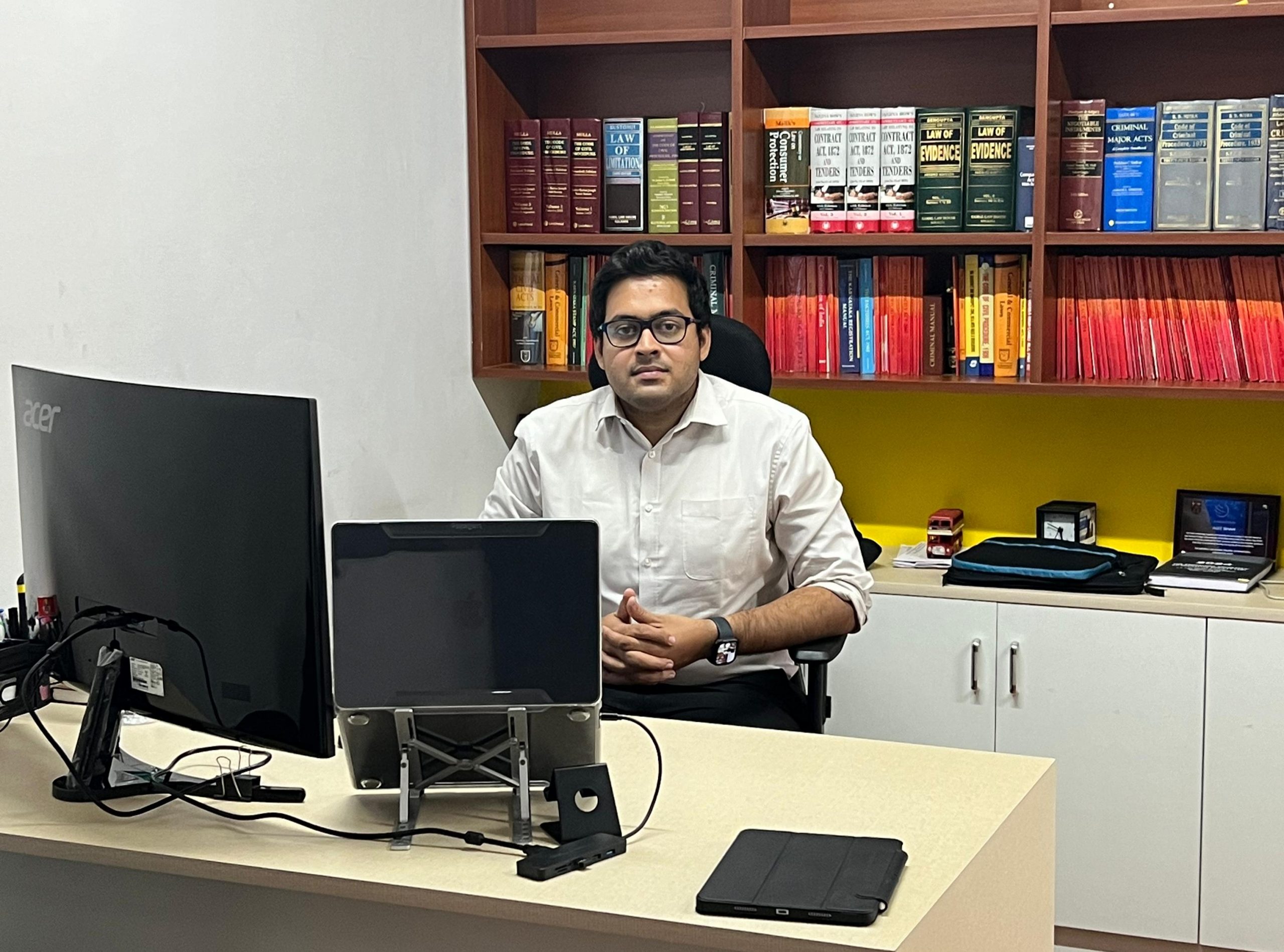

















 Allow notifications