What motivated you to pursue a career in law, and what inspired you to choose the B.P.Sc (Hons.) LLB (Business Law Hons.) program at National Law University, Jodhpur? Looking back at your law school years, what are some key experiences that have had a lasting impact on you?
Growing up, I admired my father, a police personnel, whose commitment to justice and integrity deeply influenced me. Watching him serve the people with courage and dedication inspired me to pursue a career in law. Additionally, I was fascinated by courtroom dramas and legal stories portrayed in movies, which sparked my curiosity about the legal system and advocacy.
I chose the B.P.Sc (Hons.) LLB (Business Law Hons.) program at National Law University, Jodhpur, because I was deeply interested in subjects like Political Science, Sociology, and Psychology. Their focus on understanding human behavior, societal dynamics, and governance aligned perfectly with my passion for law and justice. This interdisciplinary approach not only matched my interests but also provided a strong foundation for pursuing a career in law. During my law school years, participating in moot courts, insightful internships, and collaborating on research projects helped me develop strong analytical and advocacy skills. These experiences, combined with my early inspirations, shaped my approach to solving complex legal challenges.
How did your early experiences at A&A Law Office, particularly in corporate and project finance, contribute to shaping your understanding of joint ventures, regulatory frameworks, and due diligence in commercial transactions?
My early experiences at A&A Law Office played a crucial role in shaping my understanding of joint ventures, regulatory frameworks, due diligence, and intellectual property in commercial transactions. As it was a small law firm, I was involved in a wide range of legal work, from corporate and project finance to intellectual property matters. This exposure taught me how to assess risks, navigate complex regulatory requirements, and ensure IP protection. These experiences provided a solid foundation for strategic legal advisory and commercial law dynamics.
How has your expertise in intellectual property law influenced your corporate advisory work, particularly when handling trademarks, copyrights, and design matters? What are your thoughts on the future evolution of intellectual property rights in the coming years?
My expertise in intellectual property law has significantly influenced my corporate advisory work, especially when handling trademarks, copyrights, and design matters. It enables me to provide strategic guidance on brand protection, licensing, and enforcement, ensuring clients’ intellectual assets are safeguarded while maximizing commercial value. This knowledge also enhances contract drafting, due diligence, and risk assessment in corporate transactions.
Additionally, being a member of some of the world’s most prestigious organizations, such as the International Trademark Association (INTA), International Association for the Protection of Intellectual Property (AIPPI), Asian Patent Attorneys Association (APAA), and World Intellectual Property Forum (WIPF), has significantly contributed to my professional growth. These memberships have provided valuable opportunities to engage with global legal experts, stay updated on international IP trends, and expand my professional network. They have also enhanced my strategic insights and knowledge, enabling me to offer well-rounded and globally relevant legal advice.
Looking ahead, I believe the rapid growth of digital commerce and emerging technologies like AI and blockchain will redefine IP rights. This evolution will demand adaptive legal strategies, international collaboration, and enhanced regulatory frameworks to address complex cross-border IP issues.
Drawing from your experience in the real estate sector, what were some of the most difficult aspects of drafting and negotiating construction contracts and joint development agreements?
Drawing from my experience in the real estate sector, some of the most challenging aspects of drafting and negotiating construction contracts and joint development agreements involved navigating complex regulatory compliance, risk allocation, and aligning the interests of multiple stakeholders. Ensuring clear terms on project timelines, payment structures, and liability clauses required meticulous attention to detail. Additionally, balancing legal safeguards with commercial feasibility while managing client expectations demanded strategic negotiation skills and effective communication. These challenges enhanced my problem-solving abilities and contract management expertise.
Could you describe one of the most challenging cases you’ve handled so far and share your approach to navigating the complexities involved in that case?
One of the most challenging cases I handled involved complex intellectual property litigation with cross-border implications. It required navigating conflicting jurisdictional laws and strategic enforcement of trademark rights. To manage this, I conducted in-depth legal research, collaborated with international counsel, and crafted adaptive litigation strategies to protect client interests. I focused on proactive risk management and effective communication to resolve disputes efficiently. This experience reinforced the importance of strategic foresight, agility, and resilience in high-stakes legal matters.
What are some of the major challenges that businesses in the real estate sector are facing today? Additionally, how has the role of arbitration and other alternative dispute resolution (ADR) mechanisms evolved in this sector?
Businesses in the real estate sector today face challenges like regulatory complexities, fluctuating market dynamics, land acquisition disputes, and financing constraints. Navigating compliance with environmental laws and urban development regulations also adds to the complexity.
Arbitration and other Alternative Dispute Resolution (ADR) mechanisms have become increasingly popular in this sector due to their cost-effectiveness and faster resolution compared to traditional litigation. ADR provides flexibility, confidentiality, and specialized expertise, making it a preferred choice for resolving real estate disputes efficiently.
As someone who has played a pivotal role in high-stakes cases as both a Partner and Counsel, what do you think is the most crucial skill that law students should focus on developing to succeed in the legal field? Also, are there any resources you would recommend to help them stay updated on legal trends and developments?
The most crucial skill for law students is strategic legal analysis combined with effective communication. They should also develop negotiation skills, adaptability to emerging technologies, and resilience in high-pressure situations. Writing articles, case notes, and thought leadership pieces not only sharpens analytical abilities but also enhances visibility in the legal community.
I have authored over 20 publications in reputed journals, which has significantly contributed to my understanding of complex legal issues and trends. To stay updated on legal trends, I recommend using LinkedIn for networking and industry insights. Resources like CiteCase, Bar and Bench, Live Law, Manupatra, and College Law Review Journals provide comprehensive legal updates, case analyses, and emerging legal issues. Engaging with these platforms helps build a strong foundation and keeps one informed about the latest legal developments.
Given the demanding nature of your professional commitments, how do you manage to strike a balance between your work responsibilities and personal life?
Balancing professional commitments with personal life is achievable through strategic time management and leveraging technology. I have automated my legal processes and maintain a paperless office, enabling me to work efficiently from anywhere as a mobile lawyer. This flexibility allows me to manage tasks on the go while staying organized and responsive. By embracing digital tools and maintaining a disciplined schedule, I maximize productivity while also ensuring time for personal well-being and family, achieving a harmonious work-life balance.
Could you kindly share the insights and experiences you’ve gained throughout your entrepreneurial journey?
In addition to my legal career, I have always been passionate about entrepreneurship. I founded InCourt News in 2015, which gained recognition as one of the best mobile applications to have, featured in various magazines for its innovative approach to legal news delivery, and was later acquired by a legal marketplace. I also ventured into the skilling sector with “Skill Funds,” founding startups aligned with the Skill India Mission, aimed at empowering youth with industry-relevant skills. These experiences have enriched my leadership abilities, strategic vision, and problem-solving skills, complementing my legal expertise with an entrepreneurial mindset. Currently, I am running my law firm, Lex Praxis, leveraging my diverse experiences to provide strategic legal solutions.
Your legal journey spans nearly a decade, during which you’ve handled a wide array of cases. Could you share what initially drew you to the field of law and if there were any particular experiences or influences that guided you toward this path?
When I reflect on my journey into law, I can’t point to one single moment or experience that set me on this path. It was more like a gradual, almost magnetic pull. You could say it was a slow evolution, starting from my desire to pursue a career in journalism after my 10th class board exams. At one point, I was seriously thinking about a career in music – I’ve always loved playing the bass guitar, and during my final school years, I would practice for hours, often losing track of time and neglecting my studies and preparations for the law entrance exams. There were nights when I’d be lost in my music, while my textbooks sat untouched.
But then came a pivotal moment. One evening, my father sat me down with a look of concern and said, “You need to make a decision. Choose a path.” And that was the wake-up call I needed. Sure, I still play the bass with as much passion as ever – it’s my way to unwind after a busy day in the courtroom. By day, I’m a lawyer, and by night, I’m a bassist. It’s quite the balance, one that keeps me grounded and inspired.
What draws me to law is its ability to make a real difference. As a lawyer, I have the chance to advocate for people’s rights, help those who need it most, and work toward a fairer society. It’s not always glamorous, and it’s definitely not as simple and straightforward as it might seem from the outside—there are challenges, frustrations, and setbacks along the way. But despite all that, it’s about using the law to level the playing field, ensuring everyone is heard and treated fairly. At the end of the day, it’s about creating tangible change, and that’s something I find deeply fulfilling.
In the early stages of your career, working as an associate must have been a valuable learning experience. Having worked with big names, could you highlight a few key lessons or insights that significantly shaped your understanding of the law and contributed to your professional growth?
I say now in hindsight, particularly for pursuing a long-term career in litigation, but the hardest (and the most important) part of starting your journey in this profession is finding and joining a good Chamber. It can literally decide the course and quality of your career. Honestly, being a first-generation lawyer, I did not have this understanding at the time, but I am grateful as to how life has worked out. I have had the good fortune of working under Mr. A.D.N. Rao (he was an Advocate-on-Record during my days under him) and Mr. Shyam Divan, Senior Advocate, and it has been (and continues to be) an amazing journey.
If I had to highlight the key lessons I’ve learned, it would be threefold. First, it all comes down to hard work. It’s not always easy, and yes, it means sacrificing weekends and putting in long hours. But the more you give, the faster you learn. It’s the foundation for everything that follows.
Second, embrace the diversity of work, especially when you’re just starting out. The more varied your tasks, the broader your understanding of the field. It’s in the variety that you truly grow.
And lastly, be ready to take responsibility for your mistakes, no matter how tough it is. Whether it’s a scolding from a senior over a drafting error or a misstep in court, don’t let it bruise your ego. Mistakes will happen—there’s no way around it. What matters is acknowledging them, learning from them, and using those lessons to become better. Every mistake is a step forward if you let it teach you.
Having appeared before both the Supreme Court of India and several High Courts, you’ve dealt with a wide range of legal issues. How do you approach preparation for such high-stakes cases, especially those requiring in-depth legal analysis and argumentation? What’s one crucial skill you believe every legal professional should cultivate early in their career?
When preparing for high-stakes cases, especially those requiring complex legal analysis, my approach is grounded in thoroughness and meticulous planning. First, I immerse myself in the facts of the case—ensuring that I fully understand every detail before moving to the legal aspects. I believe that every great argument begins with understanding the context. Once I have that, I turn to the law itself—scouring precedents, statutes, and legal commentary. I approach each piece of research with a critical eye, looking for nuances that might not be immediately obvious but could make or break an argument.
Beyond the legal research, I focus on refining my arguments by simulating different scenarios and anticipating possible challenges. This helps me stay flexible and confident in court, ensuring that I can respond effectively to unexpected questions or shifts in direction.
As for one crucial skill, I would say it’s the ability to think critically and analytically. Developing the habit of breaking down problems into their core components and approaching them with a clear, logical mindset is essential. This skill doesn’t just help in court—it’s what will guide you through the toughest cases and the most complicated legal challenges. Cultivating this skill early in your career will set the foundation for everything else that follows.
Your practice covers a wide spectrum of areas, including compliance, agreement drafting, IPR protection, and more. Looking back, what has been the most challenging case you’ve worked on, and what strategies did you employ to navigate the complexities of that matter?
There have definitely been many challenging cases! And let’s be honest, the definition of a “challenge” evolves as you grow. When I first joined the Bar, even my first appearance before the Supreme Court (just a mentioning, mind you) felt like a monumental task. Now, after a few years, I’ve worked on plenty of complex matters, so the “challenge” isn’t necessarily in the complexity anymore—it’s more about maintaining the same level of attention and quality across every case. It’s like trying to keep your enthusiasm for a TV show after the 10th season… You just have to keep the energy up!
But if I had to pick one instance that stands out, it would have to be the Ram Mandir dispute. It was my first day under Shyam Divan Sir, and he handed me the small task of diving straight into over 200 volumes of pleadings and evidence. And, mind you, this was pre-COVID days—so we’re talking about physical volumes here, the kind that could double as gym equipment. And later, it turned out that by the end of the week, I was required to prepare the first draft of the Written Submissions.
Needless to say, I ended up spending my nights in the office, burning the midnight oil every day from the very first week. And honestly, I loved every minute of it. I was grateful for the trust Shyam Sir had placed in me, and I was determined not to let him down. Looking back, I can confidently say that it was one of the most intense but fulfilling experiences of my career. If you ask me now, I wouldn’t trade that first week in his Chamber for anything!
In your advisory role with various companies, especially in the telecom sector, you deal with a constantly changing regulatory landscape. What are some of the biggest challenges you face in this area, and how do you navigate the evolving regulations to ensure compliance?
The biggest challenge is keeping up with the ever-changing regulatory landscape. It’s like trying to catch up with a moving train, except the train keeps changing direction and speed. The simple solution I’ve found is to read—constantly. I devour multiple newspapers and magazines (and thank goodness for Magzter, which has been a lifesaver for both domestic and international updates), and I make it a point to regularly check the websites of regulatory bodies. They’re the first to spill the tea, so I’ve got to be there.
But beyond just staying updated, ensuring compliance is a constant back-and-forth with various departments. I’ll admit, it’s like trying to decode a puzzle at times, but the experience has generally been positive. Most bureaucrats, when approached with an issue, are surprisingly understanding and willing to help clarify things. They get that regulations can be tricky, and they’re usually happy to work towards a solution. I always tell my clients to steer clear of litigation unless absolutely necessary. With regulatory work, litigation should always be the last resort—sort of like trying to use a sledgehammer to crack a nut. It’s far more effective to talk it through first.
Your work in environmental law, particularly as assisting the Amicus Curiae in major Supreme Court cases, speaks to your deep commitment to this field. What first sparked your interest in environmental litigation, and what drives you to keep contributing to this area? Furthermore, how do you assess the evolution of environmental jurisprudence in India, particularly in the context of judicial interpretations of laws like the Forest Conservation Act and the Environmental Protection Act?
To be honest, I didn’t set out to specialize in environmental law or mining law when I first entered the profession—it just happened. It all started because Mr. A.D.N. Rao is the Amicus Curiae in several landmark environmental cases [T.N. Godavarman Case (Forest Conservation Case), M.C. Mehta (Taj Trapezium Case), Goa Foundation (Goa Mining Case), Common Cause (Orissa Mining) and Samaj Parivartana (Karnataka Mining Case)]. He was also very active before the National Green Tribunal. So naturally, I was more than happy to assist him in these high-profile cases. It was chaos, but it was one heck of a learning experience. Mr. Shyam Divan is also the Senior Amicus in Samaj Parivartana.
Fast forward, when I joined Mr. Shyam Divan’s chamber, my work on Samaj Parivartana continued. In fact, some of my colleague’s joke that this case is what officially got me into the Chamber, since it’s how Shyam Sir got to know me—thanks to my constant presence at briefings with A.D.N. Sir. Alongside that, under Shyam Sir, I also became heavily involved in the Krishna and Cauvery River water disputes, which was a whole new world of learning.
Through all of this, I can now confidently say I’ve by now internalized environmental law, mining law, and water disputes law. All the major judgments and orders from these cases are by now permanently etched in my brain.
As for the evolution of environmental jurisprudence in India, I think we’re entering a new phase. In the 1980’s and 1990’s, right up until 2014-2015, the Supreme Court was basically the environmental superhero, swooping in with orders and directions that the government had to follow— It was practically the Court which was running the show.
But now? Things are shifting. This new phase sees the Court stepping back a bit. Why? Well, for one, many of the major environmental issues the Court was grappling with have been resolved or are winding down. Secondly, we now have a dedicated Environmental Tribunal, which takes up a lot of the heavy lifting that the Supreme Court used to earlier. And, of course, the government is playing its part too, providing more clarity in compliance—though some might argue that this clarity is more developer-friendly than environment-friendly, but that’s a debate for another day.
The bottom line is, the Court has moved from being the enforcer of environmental laws to more of a law interpreter, and I think it’s striking a balance between being pro-environment and pro-development. It’s no longer just the hammer; it’s more like the guide. And I think the Court is doing a good job of maintaining an equilibrium.
Enforcing occupational health and safety regulations in India, particularly with respect to the OSH&WC Code, 2020, presents several challenges. From your perspective, what are the key hurdles in ensuring effective enforcement of these regulations? Additionally, could you shed light on your role as a legal consultant in finalizing the standards under the OSH&WC Code, and how your involvement helped shape these regulations?
The biggest hurdle in enforcing the OSH&WC Code? Well, it’s like trying to run a marathon with one shoe—it’s all about infrastructure and resources. On the bureaucratic side, there are still far too many vacancies in government departments, and that’s not changing anytime soon. On the industry side, especially in the MSME sector, it’s a whole other ballgame. Large corporations can foot the bill for compliance, but for micro and small enterprises? It’s like throwing another weight onto an already overloaded backpack. And let’s not forget, many of these enterprises operate in the informal sector, which only makes enforcement more challenging. This has been a long-standing issue, and there is no quick-fix magic wand in the Code or the regulations that will suddenly solve it overnight.
As for my role as a legal consultant, I was brought in when the regulations were getting fine-tuned for submission to the Ministry. And let me tell you, it was a race against time. I practically set up camp at the Headquarters of the Director General Factory Advice Service & Labour Institute (DGFASLI) in Bombay for an entire week. It was me and a team of experts from across the country, working long hours, getting up at the crack of dawn and going till evening, vetting every line of the regulations. We worked even during the weekend. But the real fun for me began when the day’s work was over. I stayed up late into the night fixing all the errors and amendments we had discussed for the portion that was completed, so that the next day, there was an updated draft before the team to confirm and finalise.
On the first night, the DGFASLI staff got a bit of a shock to find me still working past regular office hours into the night. The night guard practically kicked me out of the building so that he could lock up. So the next day, I spoke to the Director and got permission to keep a room in the main building open and running with the guard staying awake to lock up after me. I am pretty sure he was cursing his luck to be stuck with me at night, but hey, we got the job done!
But in the end, it wasn’t just about hitting deadlines—it was about shaping regulations that could make a real difference and make life a little easier for everyone in the industry. Sure, there were some late nights and a few cups of coffee that felt more like lifelines, but the experience was fulfilling, and I’m proud to have played a part in it.
With increasing focus on technology, sustainability, and corporate responsibility, how do you see the future of environmental law and occupational safety evolving in the next decade? What emerging trends do you think young lawyers should be preparing for? Also, what advice would you offer to young professionals aspiring to excel in law, particularly in fields you’re deeply engaged with?
If you asked me what’s changed the most in environmental law, I’d say it’s paper. Pre-COVID, we were practically drowning in it, with piles of pleadings that could take over entire tables, with additional mini towers on the side. Big environmental litigations often run into thousands of pages. But with e-filing and PDFs taking over, paper use has drastically reduced. It’s still a bit of an adjustment for me. I still prefer scribbling down notes on paper with a pen during final arguments, but overall it’s better for the environment, and the back and arms, which were practically crying from the weight of all those files.
Looking ahead, I see compliance becoming even more central to environmental law and occupational safety. With technology, sustainability, and corporate responsibility gaining traction, the pressure to comply with environmental standards will only increase. Add to that the rise of AI, and we’re looking at a future where regulations and compliance will be handled more efficiently (but no less seriously) than ever before.
For young lawyers entering this field, I think the biggest trend to prepare for is the shift towards smaller offices. Technology has already made it possible for lawyers to do what used to require an entire team of stenographers, typists, clerks, and assistants. When I started out, if you didn’t have a good stenographer, you were essentially behind the curve. Now, you can draft petitions on your laptop without needing anyone else to type them out. The upside? It means less overhead costs, making it easier for junior advocates to set up their own practice. The downside? Fewer jobs in law chambers, because there’s less need for large teams to manage all the paperwork.
So, what does this mean for fresh law grads? It means adaptability will be your best friend. If you’re tech-savvy, you’ll have an edge. But, and this is important, you can’t just rely on the machines. AI might help with drafting and research, but nothing beats good old-fashioned brainpower and creativity when it comes to solving legal problems. Similarly, technology may assist with legal procedures, but it can’t replace the art of persuasion or the nuanced skill of court craft. Those come with experience—and time.
So my advice to young professionals is two-fold: First, be a sponge—absorb as much knowledge as you can, and do it fast. The legal world is changing, and you need to keep pace. Second, as you adapt, don’t forget the fundamentals. Stay curious, stay sharp, and remember that no amount of technology can replace the value of your own thinking. And, of course, no matter how advanced AI gets, it will never be able to match your charm in the courtroom. That’s the stuff that wins cases.
As both a legal consultant and advocate-on-record, you manage a broad range of responsibilities. How do you maintain a work-life balance in such a demanding profession? Are there particular habits or practices you’ve adopted to stay focused and energized in this high-pressure field?
It’s tricky, for sure. But I didn’t enter this field by accident—so I’m not about to complain. The reality is, work-life balance in law is more of an ideal than a constant state. It’s hard to achieve it when your schedule is always in flux, whether you’re waiting in court or running to brief a Senior Advocate. There’s also the drafting, vetting, and admin work that’s part of the daily grind.
But here’s the thing—there will never be enough hours in the day to do everything. So instead of stressing over the balance, I focus on making time for what truly matters. I make sure to spend time with my wife and family, because that’s the best way I know to recharge. I’m also a philatelist, and I try to dedicate at least a little time each week to that hobby, even if it’s just 30 minutes.
Beyond that, I walk and meditate when I can. Some days I miss them, and that’s okay. But I also use my car rides—whether I’m heading to the office or coming home—as a chance to think through the day ahead or unwind after a busy one.
So no, I don’t have a perfect “work-life balance” in the typical sense. But I do make time for the things that keep me focused and energized in a profession that demands a lot.
How and when did you decide to become a lawyer and specialize in fraud detection, especially because this is something that influences almost all the communities, be it corporate, private, or public? It depends on which sector you are from.
So my Baba moved here from India in the 1960s over to England. And so I was born and raised here. So I grew up with British and American television. And I grew up watching a lot of television in the 1980s, so, you know, I’m 48 years old now. And during that time, there were some films which were starting then, the Indiana Jones series of films, which was Harrison Ford. And there was an American investigation kind of program called Magnum P.I. with an actor called Tom Selleck. And I was really fascinated with history, with Indiana Jones, and unraveling what the truth of history was, what the true state of affairs was, and learning from things that have happened. To try and piece together a jigsaw of a picture of what really has happened and investigation. So I started to get intrigued about just digging into things, looking into history, looking into working out what’s really going on. And at the same time, there were a few legal dramas coming around and again, US programs, a few UK programs. And that just drove my interest. I have no other lawyers in the family. My Baba was an engineer, and my sister’s an accountant. And there were no lawyers in our family. And I just took an interest in it. I gradually found the opportunity to study law, and right after I qualified, I got interested in some of the criminal side, some of the commercial contract side. And I always liked the idea of working out where there’s been wrongdoing in the workplace and wrongdoing to an individual or to a community and saying, right, how do we solve that? And how do we fix it? And it comes from watching programs like that in the 1980s.
So, sir, we can call you the first-generation lawyer who has made a big name for himself. Way back in 2016, you parted ways with a large international law firm and decided to start your own law firm, Tenet. You have also won recognition for actually disrupting how law firms operate because what I have learned about Tenet is it operates without financial targets, billable hours, or office presentisms. How has this impacted the teams that have joined you, the way the client relationships have been built, and how you have made a whole name for yourself and the firm?
Yeah, it’s interesting. I mean, if I go back to what took me to making those decisions, it was quite simple. So I worked at a large firm called DWF, an international firm, as you mentioned, and I was a partner there and I dealt with the civil fraud disputes and investigations team. That was my role. And I had a really nice time there. They are really wonderful companies to work for, a wonderful law firm to work for. And my boss who I worked for was really supportive, but at the time for me, I left because of burnout issues. My children were young, and work was quite demanding, my Baba was quite ill, in and out of hospital. And I wanted to just have more time to myself, to really manage the family issues more than anything. But I thought I’d been working in this area of law since about 2006, 2007. So by that time, 10 years, I thought I’d go and be a consultant and I set up Tenet to deliver consultancy services, but work quickly found me and I needed lawyers to join. And my wife, who’s not a lawyer, she’s a pharmacist, she said there are lots of women who’ve had children with their families. And they have left their place at work. Lawyers have left their place, but they can’t go back to work part time. And so a couple of my former colleagues were in that situation, and I contacted them about whether they could give me some support and just some extra hours to help me as work started to develop in the practice. And this was all in 2016. I started it in March of 2016. And I realized a few things quite early on. I had probably a chip on both shoulders that I didn’t think you could get the best out of people by driving them towards numbers and taking them away from thinking about the solution of their clients. And I also didn’t think you need to be seeing people in the office or always watching people to know that they were working. We’ve all grown up to be responsible adults. We’ve all invested many hours in our careers to get to a certain point. If we want to do well in our careers, that requires self-discipline. It doesn’t require someone telling you what to do. So I developed the concept around let’s have a firm without targets, without presenteeism. So it’s a traditional litigation law firm. We’ll have billable hours, financial targets, before COVID everyone would be in the office. Our business as usual was to come to the office if you need to, work where you want to, work when you need to, around the client’s demands. But just get the work done. Let’s not worry about the numbers. And what we did was we built a model, which was broadly people first, then the product, and then the profit. And what that means is, if we get the best for our people, ahead of our clients, and create an environment where they’re not distracted. The only focus they have is the solution for the clients. They’re not distracted by, have I made my numbers this week, this month, today. They’re only focused on sorting out the solution. They’re not driven by getting profit out of a client. So they focus on the product and you get the product right. The amazing thing that happens is people recommend you and refer you. So we developed that model of no targets because it gave the best chance for, I guess, creating the art of what’s possible for a client. If we just focus on sorting out that issue for a client, anything is possible. If we start to think about ourselves as part of that journey for a client, it’s a distraction. So my job here is to make the best environment for people, so they can get the best for the clients. And then hopefully life takes care of itself. And we make enough money along the way to be safe and everyone’s secure. Culturally it’s been really fascinating because lawyers are institutionalized in most of the law firms. You probably have experienced it where you think you’ll have lawyers who have a certain number of hours done in a month and then they’ll be asked by their management, what’s your recovery plan? You are behind track. And so what could that lead to? It could lead to bad behaviors. Do you spend more time on work than you need to? I’m not saying that happens, but it’s a risk. Do you hold on to work? Because you need to make up the hours, but that work is getting delayed if it was put in the hands of a colleague. So the client could have their work done quicker if you just passed it over. Well, if you’ve got a target and you hold on to it yourself, you delay the work product for the client. So there are lots of lateral benefits, but for the people themselves, it meant they could just be trusted to get on with their job. And we all just want to be lawyers, don’t we? We just want to be lawyers. And so it just allows people to be lawyers. Yeah, I guess that’s broadly how we’ve done it.
Sir, keeping all that in mind, you already have built a name for yourself, but in a very specialized field of fraud, and especially the fraud cases, they involve sophisticated scheming and all those processes. With the rise of the digital space, with the rise of crypto and everything, how have you seen fraud evolve in the cyberspace and what kind of investigations or cautions have you suggested your clients, especially the ones who are HNIs or who are in fintech or who are SMEs and nowadays startups as well?
So, I mean, we have to go a step back when we think about fraud because one person’s definition of fraud is not the same as somebody else’s. And when you think about cyber, people talk about cybercrime and cyber fraud or cryptocurrency fraud, where there’s not legitimate cryptocurrency, but ultimately cyber or digital age. Or digital mechanisms for committing fraud are just that—they’re just the mechanism for committing the fraud. It’s not the fraud itself. The fraud isn’t cyber, the fraud isn’t crypto, it’s the mechanism used. So the first thing is going back to what is fraud. For some people, fraud is very black and white. It’s misappropriation, it’s diverting assets, it’s breaching duties. For others, it can be more subtle. So, for example, you could have a very simple scenario that you’re in a restaurant with your family or friends, and at the end of the evening, an employee at that restaurant brings out the bill. And if they bring out the bill, and then you notice on that bill that they’ve forgotten to charge you for a drink or some food. And I ask people in training sessions. How many people would own up and would confess that they’ve been undercharged? And typically about 30 percent of people will say they would own up in the restaurant. And then I ask people, look, you know, just this definition of fraud, if your employer overpaid you and it was obviously a mistake, like the restaurant, how many of you would own up? And everybody owns up. And then you have to delve into why, and people don’t realize that taking money from your employer when they’ve overpaid you by mistake or taking the benefit of the restaurant food when they’ve undercharged you are both the same species of fraud. It’s called unjust enrichment, but they’re both fraudulent events, but people’s interpretation of fraud may be in one instance with the employer, but not with the restaurant. So your first concept is understanding, you know, fraud is about interpretation. And then that’s something that has to be a constant in your mind as a lawyer dealing with fraud is how people interpret that because as we’ve moved to this digital age, as you talked about, We are driving all our communications and we’re driving all of our purchases, acquisitions, investments, thought processes around how to utilize our money online, and how we engage with people, how people sell things to us, or how people invite us to invest. It comes down to our interpretation of fraud. What is that area of gray? If someone is optimistic about selling you an investment product, that crypto will get you a certain level of returns. Are they being fraudulent or are they being optimistic in telling you something to invite you to invest? So you have to think about how you interpret fraud? Because from the recipient’s point of view, you have to really be quite clear, the communications you want digitally. What you’re told digitally before you make a decision. Crypto space and cyberspace is really interesting. So in the digital world, now we’re in the situation were certainly around banking and fintechs, all our transactions are online. So in the UK, we have payment services, firms, fintechs, main retail banks. And there is new law that came in in October of last year, 2024, which makes it almost compulsory for banks to refund domestic transaction victims of fraud, if they’ve been tricked into making a transfer. And that law will probably spread as an idea around other Commonwealth countries in time. But we’re driven to do everything online. We’re accustomed to doing everything online in this digital age. And we don’t have enough digital literacy, certainly for the elder generation. And the younger generation think too quickly because they have too much digital access. So they don’t have time to stand back and think, is this behavior consistent? Am I being tricked? Is this too good to be true? So let’s take cyber. You mentioned cyber and I’m sorry, I’m giving quite long answers, but I’m trying to pick up all the points you raised. In the UK, there are three, sorry, crypto. There are three types of cryptocurrency you can think about and being duped on or being defrauded on in the UK. The first level is unlikely to be tricked. That’s where you’ve got a provider, a cryptocurrency exchange platform that is regulated by the Financial Conduct Authority in the UK for money laundering purposes. They are a legitimate enterprise engaging in selling and purchasing cryptocurrency. You are likely to be safe in their hands. The only risk is the fluctuation of the market. Then you have those cryptocurrency exchanges, which are in other countries. They are legitimate in that they are exchanges, but they are not regulated. So it’s slightly more loose and it’s very hard to recover from overseas. And then you have those, which are just smoke and dust. Those criminals that create the impression through very good digital tools that they have a platform for you to invest in. But the platform doesn’t exist. It’s all smoke and dust. It’s all fresh air, and your money is gone. And with any fraud situation, be it in procurement, be it with employees, be it with investments, be it with cryptocurrency, unless you educate yourself about what you’re about to invest in or the party you’re about to contract with, and really understand it yourself and verify independently, you’re having more fraud. And that’s the problem. The digital is the biggest enabler of fraud now, because it is so good at imitating legitimate organizations and people and transactions. And we are as humans, we’re short of time now, we’re all time poor. So we make transactions quicker without thinking, you put those two together, and you’ve got more friction and more risk. So for us, there’s a lot to unravel every time we get an investigation because there are
so many moving parts. You have to check what’s real and what isn’t, and the growing number of fraudsters playing with these new technologies, it’s harder and harder to prevent. As a business, as a law firm, we are constantly looking out for those kinds of things. For instance, we work with financial institutions, and it’s really important for us to make sure we understand everything behind what’s happening, everything behind the platform, everything behind the person and always verifying every step of the way. That’s how we go about it.
At Tenet, you specialize in this particular niche area. Let’s say, we would like to understand if new entrants are interested in this field and how they might navigate their way into the fraud and investigations space. Since you have mastered this area, how would you suggest they move forward, perhaps with a checklist? This could benefit learners, especially in India, who may be looking to qualify for SQ exams and practice in the UK. Is it possible for Indian lawyers to work in this field in the UK, or is there another path they can take to learn and practice there? Yes, on both counts. So, to anyone interested in fraud, I always say it’s important to build a foundation. Whatever you do in life, it should be something that interests you. It could be fraud, sports, or any subject at all. Once you have found something you are passionate about, you need to invest in yourself. This means dedicating time to learn and surround yourself with people involved in that subject.
In the UK, fraud is not just limited to law. There’s a whole financial crime compliance and counter-fraud community across the UK, Europe, Asia, the US, and Africa, dealing with various aspects of financial crime—illicit funds, wildlife trafficking, people trafficking, money laundering, and fraud investigations. This is the ecosystem I love and work in.
When I started showing an interest in this subject in 2006 or 2007, I joined a charity called the Fraud Advisory Panel in England. Anyone worldwide can become a member of this charity. It works to promote best practices for countering and combating fraud and financial crime. There are other organizations like the London Fraud Forum, the Midlands Fraud Forum, and more, but the Fraud Advisory Panel is where I focused my attention.
By becoming a member, I learned about events in the industry, which could be anywhere in India, Asia, or wherever. This allowed me to connect with people who were passionate about fraud. I volunteered countless hours and met senior people from the big four accountancy firms, PwC, and law enforcement. They began trusting me with cases, and that helped me build my career.
So, for anyone entering this field, I recommend joining charity organizations, volunteering, and surrounding yourself with people who have experience in fraud. In the UK, there are many firms that specialize in fraud, and even as a foreign-qualified lawyer, there are opportunities here. Fraud has existed for centuries and will continue to do so, requiring people who are dedicated to unraveling it.
I’d like to ask about your role as a trustee director for the Fraud Advisory Panel, and how public awareness plays a role in combating fraud. You also frequently speak in the media, so what impact do awareness programs have, particularly in your area of work?
Education plays a crucial role in combating fraud. Much like road safety, if we understand the risks and threats, we can be prepared. Awareness about fraud helps people recognize potential risks and avoid falling victim.
I’ve been involved in media campaigns about fraud for years. One such campaign started in 2016, advocating for a law that requires UK banks to refund customers tricked into making transactions to fraudsters. After eight years of media engagement, the law was introduced in 2024. This law was necessary because, years ago, people didn’t think fraud would happen to them. Now, fraud and cybercrime account for 38% of all crime in the UK, though only 1% of the policing budget is allocated to economic crime.
Raising awareness is critical because people tend to think fraud won’t affect them. If we can educate the public, businesses, and government bodies about fraud risks, we can help mitigate the harm. In India, for instance, fraud awareness is still in its early stages, especially when it comes to cybercrimes. It’s an ongoing challenge everywhere, but awareness is the key to fighting it.
Unfortunately, fraud is still under-discussed in India. People may have heard of cybercrimes, but awareness has not fully caught on. This conversation itself is vital for combating the issue. Moving on, you studied law at King’s College, London. How did your college experience shape your thoughts on awareness and your approach to building a community through your work?
King’s College London was a privilege. I wish I had worked harder, but it definitely shaped my understanding of the law. Before law school, I thought law might be dry, but I soon realized it’s about interpretation and human behavior. At King’s, I found that law is not just about rules but understanding the actions behind those rules.
Criminology and tort law were key subjects that sparked my interest in fraud. It was here that I learned how criminal behavior can influence business conduct, particularly in fraud investigations. The diverse international student body at King’s also showed me how law transcends borders, which shaped my global perspective on legal practice.
After qualifying in 2002, I spent 14 years in private practice before founding Tenet. For me, specializing in one area was important, so I chose fraud and financial crime. I decided to focus exclusively on fraud investigations, disputes, and compliance, helping individuals and businesses resolve issues stemming from dishonesty.
Our firm, Tenet Compliance & Litigation, isn’t huge—only 11 people—but we’re highly focused. We’re recognized for our expertise in fraud and financial crime, which is why we win most of our work through recommendations. We make it relatable to clients, focusing on their concerns rather than just the financial aspect.
Cultural aspects certainly influence change, and it’s clear your diverse college experience helped shape your perspective. Sir, outside of work, you are also a guitarist and into fitness. How do you balance these hobbies with your work, and how do you encourage your colleagues to do the same?
Well-being is crucial. It’s not always easy to balance work and personal life, but I encourage my team to have hobbies and time for themselves. We have a “family first” policy, meaning if something comes up for family, you take care of it. I believe in making time for family, especially during the years when children are young.
For me, fitness is a priority. I exercise three or four times a week, and I know that staying healthy improves my performance at work and at home. While I may not always have time to play the guitar or exercise as much as I’d like, I believe it’s important to have hobbies outside of work.
I encourage my team to do the same. If you want your people to perform at their best, they need to have time for themselves. It’s hard to find that time, but it’s essential. We work to live, not live to work. It’s a reminder to experience life, see new places, enjoy theater or movies with friends, and take moments to appreciate life outside work.
In the end, if you’re not living your life, work will lose its meaning. The balance between work and personal life is key to both professional and personal growth.
With nearly a decade of experience, could you share what shaped your decision to pursue a legal career? Was law always your intended path, or did your interest develop over time?
Growing up in different parts of the country, I witnessed diverse cultures and educational experiences. During all these changes, the only thing that remained constant was my love for reading, debating and playing sports. After doing extensive research into various avenues which are better suited to my interests, I realised that law is my calling. Although I am a first-generation lawyer, rigorous participation in moot court, extempore debate and client counselling competitions gave me the motivation and confidence to pursue litigation. My interest in litigation shaped my vision to join a chamber, start my independent practice and ultimately establish a law firm.
You began your legal career at the chambers of Senior Advocate B. M. Chatterji in Mumbai. What were some of the key lessons you learned during this time and how did it help form the foundation of your legal practice?
It is difficult to sum in limited words about the profuse lessons I have learnt from Chatterji sir. Under his tutelage, I learnt the importance of meticulously reviewing documents, to give attention to details, learning to juggle multiple tasks and manage time to handle the demands of legal practice especially when managing a large caseload, the real-world impact of legal decisions, the importance of clear, empathetic communication before the Court, how to approach and conclude complex legal research. He set the foundation of my legal practice and despite going independent, I continue to learn from him and for that I will forever be grateful to him, as once a senior, always a senior.
After gaining significant experience, you founded Bridgehead Law Partners. What inspired you to take the leap and establish your own firm, and what challenges did you face while building your practice from the ground up?
Bombay is the financial hub of India with a plethora of commercial and financial transactions and disputes. My focus area has always been commercial dispute litigation and my Partner Karan Narvekar’s focus area has always been corporate advisory. We teamed up and established Bridgehead Law Partners with the passion and vision to build something from scratch, make a bigger impact, provide a one stop solution to all legal disputes and to take on complex legal matters. Despite multiple challenges, seeing the firm grow from an idea to something that truly makes a difference in the lives of clients and litigants has made this struggle worthwhile. One of the biggest challenges I faced in building my practice was the initial uncertainty, financial risk and pressure to make decisions that would affect not just me, but those who joined me in this journey because team building is one of the key ingredients for ensuring longevity of any institution.
Could you give us an insight into your practice areas? Do you take up a lot of matters before the National Company Law Tribunal and National Company Law Appellate Tribunal?
My practice revolves around various kinds of commercial disputes arising under contracts, domestic and international arbitration, direct and indirect taxation laws, succession matters, admiralty law, insolvency and bankruptcy law specially relating to creditors, resolution professionals, successful resolution applicants and personal insolvency across the country. I also represent clients before the Securities Appellate Tribunal in matters pertaining to securities law disputes. Securities Appellate Tribunal is a special forum with only one bench in Mumbai that hears appeals against decisions made by the Securities and Exchange Board of India, Insurance Regulatory and Development Authority or the Pension Fund Regulatory and Development Authority.
Practice in National Company Law Tribunal and National Company Law Appellate Tribunal is not just about insolvency matters. It also deals with multiple disputes arising under the company law and one of the most common disputes is act of oppression and mismanagement of shareholders in a family-owned business. Indian insolvency law is still evolving and NCLT is already overburdened with the pressure of time bound disposal of insolvency matters, however, constitution of bench with members from legal background as well as practical and technical areas have led to closure of corporate insolvency resolution process of various companies, restored faith of investors and framed the landscape of insolvency laws in this country.
Given your experience in both Indian and international arbitration, how do you manage the complexities of cross-border legal matters? What specific challenges arise when working with foreign clients or navigating international legal systems?
Managing the complexities of cross-border legal matters, especially in arbitration, requires a deep understanding of both the substantive legal issues and the procedural nuances that differ from one jurisdiction to another. Each jurisdiction has its own laws, regulations, and procedures for arbitration. In the case of cross-border arbitration, I ensure that I have a clear understanding of the relevant legal framework in both: the country where the arbitration is seated and the countries involved in the dispute. One must also be well versed with the Arbitration and Conciliation Act, 1996, UNCITRAL Model Law on International Commercial Arbitration, rules of arbitration institution, etc.Managing cross-border arbitration involves a strategic combination of understanding different legal systems, building strong working relationships with local experts, maintaining cultural sensitivity and being adaptable in the face of evolving challenges.
What advice would you offer to young law students or aspiring advocates who wish to pursue a career similar to yours? Are there any particular skills, habits, or mindsets they should focus on developing early in their legal careers?
Early on in my law college, I realised the importance of being updated about legal developments. For me, reading legal articles, judgments and journals was an unavoidable part of my law college journey. It is a habit I continue to follow till date. A successful start to a legal career requires a combination of intellectual rigor, reading, practical experience, internships and personal growth. One advice that I would like to pass on is that law students must participate in moot court competitions to get an insight into the dynamics of presenting a case before a judge, understanding courtroom etiquette building confidence in dealing with the court environment.
Balancing professional growth with personal life can be challenging. How do you manage to maintain this balance? Are there any specific hobbies or activities you enjoy to unwind and relax after a busy day?
Just as I schedule meetings and work-related tasks, I also schedule personal time for activities that help me unwind after a long day. Whether it’s spending time with family and friends, exercising, playing sports, reading books or travelling, treating this time as non-negotiable ensures that I don’t overcommit to work and lose out on life outside of the office. I try to be intentional about how I use my time. Regularly stepping back to reflect on my goals, both professional and personal, helps me stay aligned with what I want from life.
With 15 years of experience and leadership across six continents managing legal operations, what initially sparked your interest in law, and what continues to drive your passion for the field today?
I cannot think of that one aha! moment, when I decided to be a lawyer, but I think the spark was lit by my mother. She saw something in me, long before I could recognize it myself. I was in class 7 when my cousin asked me what I wanted to be when I grew up. I thought for a bit and said maybe a journalist. My mother was sitting across the room and said, “Why not a lawyer, you do love to argue”! That sentence sat with me, and interest slowly turned into curiosity and learning, and then into my goal and journey.
The first few years of my career, I was pulled in different directions, and this was a quite confusing time for me. My masters, followed by relocating to South Africa and moving in house reignited my passion for law. I enjoyed being curious again and realized that the constant learning and variety of being an in-house counsel excites me. My job gives me a chance to add value and enable outcomes, while meeting many brilliant minds while doing so! This drives me and makes me look forward to my work every day.
After your time at a top-tier law firm in India, you decided to pursue a Master’s degree from UCLA School of Law, USA. What prompted this decision, and how did your experiences at UCLA shape your career path? How was the experience of being awarded the Dean’s Tuition Fellowship Award?
2 years into my first job, I felt the hunger to learn and explore. While I enjoyed the comforts of having a stable job- it became increasingly clear that I wanted to step out of my comfort zone. I was eager to explore the world and felt it was time to be a student again. I applied to a few law schools in the US and Europe and was grateful to be accepted into UCLA School of Law. UCLA has a well-rounded Masters Program in Business Laws, Media and Technology Law- and it was the best fit for me. The Dean’s Tuition Fellowship is awarded to students based on merit and need and is a straightforward application process. Being awarded the fellowship came as a blessing and eased the financial burden of pursuing the degree.
Pursuing further education is an investment in yourself- it is resource intensive and expensive. However, like all good investments, value is reaped not immediately but in spurts, and over a long period of time. The academic curriculum of the LLM degree built on the skills I had acquired in my Bachelors and became a strong point in enabling a career outside of my home turf.
However, what has continued to positively impact my career path is the softer skills I acquired such as cultural awareness and adaptability- which was facilitated by the larger educational experience of meeting so many people from different cultures, countries and backgrounds.
What early experiences in your career helped shape your legal expertise and set you on the path to success? After working with several law firms in India, you transitioned to working with the Corporates in South Africa. How did you adjust to the cultural shifts between these environments, and how did you navigate those differences?
After my stint in law firms, I spent 6 months teaching at Christ University, School of Law before moving to South Africa. What began as a journey to teach ended up being a journey of learning. I loved working with the young energy my students brought to the table, their curiosity became a way for me to sharpen my own skillset. My students taught me that preparation gets you closer to success, and good communication gets you there! This lesson became the biggest enabler for my transition into South Africa.
My move to South Africa was a leap of faith, hoping that it would all work out. It was incredibly humbling to be in the job market in South Africa- where the firms I had worked for or the university I graduated from did not carry the weight it carried on home ground. I had to up my game, learn new skills and explore the flavor, politics, laws and people of the country. I volunteered at a few organizations and networked with several professionals in the quest for my next step. It took time to let go, relearn, unlearn and adjust. I landed a job at CNBC Africa about 1 year after my move! By that time, my heart and mind had grown to embrace South Africa, and South Africa embraced me back!
When you are in a law firm, you are the external neutral party bringing in your wisdom and expertise. As an in-house lawyer, you are more like a one-stop shop for all legal solutions- you facilitate outcomes and provide guidance. I had to develop a deeper understanding of the business, the product and the people. Reading, researching and preparation for my daily tasks helped. I had to use my knowledge of familiar systems like India and the US and transfer it to a South African context- conceptually compare them and find real life and real time solutions! It was very exciting and offered a sharp learning curve in legal and people skills.
In your current role, you’re responsible for implementing global privacy strategies. What strategies do you employ to cater to compliance with the diverse privacy regulations across regions? Additionally, can you share an example of a legal dispute you’ve managed relating to privacy compliance and the factors you took under consideration to effectively manage it?
Privacy has emerged as a consistent stream of work, and most in-house teams are now upskilling their resources or getting onboard talent to effectively address this area of work. Another area we have noticed traction in the past couple of years is laws relating to AI.
While the global network of privacy laws has rapidly increased after the enactment of the GDPR, the principles they embody and the efforts they require from an organization are largely similar. Our approach is to assess these legislations and measure our compliance with the most stringent standard. Of course there are times when we have to customize our approach based on the jurisdiction and issue at hand.
A well-built privacy program for a company deals with both proactive and reactive efforts. Our teams proactive efforts include training high touch point teams, awareness campaigns, privacy impact assessments for vendors, diligence and risk assessments for vendors and customers, and data protection agreements. Reactive efforts include things like managing data incidents and addressing data subject requests.
In my experience reactive efforts in managing data privacy and addressing data incidents are a delicate balance between speed and cautiousness, a difficult mix! We manage to navigate complexities through collaborative efforts with teams such as IT, Information Security and Governance and Risk, subject matter experts, external counsel and tools for tracking and monitoring. While there can be a standard approach, it is also critical to customize your approach based on the facts which are unique each time around.
Given your extensive experience managing intellectual property matters across diverse regions such as India, Africa, and the Netherlands, how do you approach the protection of IP assets in these varying legal frameworks? Could you share a specific example of an IP infringement case you’ve encountered, and how you navigated the legal complexities in those different jurisdictions?
Over the past six years my team has relied on specialized IP teams and in house subject matter experts to protect our assets, and my role has been to facilitate their guidance and support. However, during my time with CNBC Africa & Forbes Africa protecting our IP portfolio within my role- and it was interesting because Africa is such an active landscape for IP law, issues and litigation. Being in the media industry, infringement had 2 angles- we had to ensure that our brand was not being infringed, including the content we were putting out every day; and we had to ensure that we were not infringing copyright and other IP rights in the content we created and curated on a real time basis. So there never was a dull day!
My first day at CNBC Africa & Forbes Africa involved finding legal representation in the High Court of Nairobi for a copyright allegation we were defending. I remember reading the paperwork and spending a nerve-wracking night converting my IP law classes in NALSAR and UCLA to the Kenyan context. It was much like a suspense thriller, where I found the right representation and guidance just at the nick of time.
As an in-house counsel covering IP among other tasks, I relied on local counsel and subject matter experts to provide me with in-depth guidance and representation. My value add was in translating this guidance into the context of the business and giving the business a strong assessment of the facts, the risks, timelines, costs and impact on the product and organization, to enable them to make decisions.
As a woman in a leadership position, have you faced any hurdles while managing and motivating a global team of commercial counsels and paralegals across regions? Additionally, what is your idea of supporting and empowering other women in your team to thrive in the workforce? What is one piece of advice or principle that you live by that continues to influence your work today?
While workplaces can present hurdles in terms of navigating complex people and cultural dynamics- the biggest hurdle was often my own self-doubt. When you conquer the conversation in your head about yourself, it breaks you free to do things with confidence. Confidence in myself, helps me add more value to people’s lives at work and home.
I am fortunate to work at an organization where diversity, equity and inclusion forms a part of the social fabric of our work life and is integral to our ethos as a team. Our team actively encourages us to bring our whole selves to work. Supporting and empowering others around you becomes easier when the entire organization and work culture backs you to do it.
Support and empowerment are powerful words but are so human and can be achieved through simple things. A few years ago, I was tired and anxious about a new project, it didn’t help that my daughter was teething, and the sleepless night routine seemed endless. In the middle of the mania, there was an unexpected parcel on my desk! It was a present from my manager which had a teething necklace for my daughter and a scented candle, with a note “relax, you’ve got this”! I was moved by her act of kindness. What struck me is that she had listened to me, listened to what I was telling her, and to the things I was not really telling her. With this small act of kindness, she showed me she cared, she supported and empowered me all at the same time!
I have the honor of working with many strong women across different countries, in different age groups, with different backgrounds and unique perspectives, my way of supporting and empowering them is by showing that I care- this can mean hopping on a call on short notice, sending the contract a day ahead of time, helping on a tough assignment, giving someone an afternoon off, or giving a new mother or grandmother flexibility, pet sitting, or sending a teething necklace!
Women and men have many roles to play outside of their employment, they are parents, caregivers, pawrents, children, siblings and friends. Allowing them to embrace all these aspects of their life allows them to bring their best to work, be more productive and find value in their work. The principle I live by is ‘be kind to the person in front of you, you do not know the battle they fought to be here today’!
What advice would you give to law students or young lawyers aspiring to pursue an international career in legal compliance and advisory? What resources or strategies would you recommend for staying current on the latest global legal trends?
There are many roads to the same destination- so if you are a young lawyer, explore more and find that aspect of law which excites. An international career often begins with a good education or career at home- the Indian law degree is incredibly versatile and prepares you well to understand, compare and transition into common law countries. The core principles which you learn also help in navigating complex legal systems with higher compliance risks.
Please take a chance and explore areas of the law which get you curious, even the less popular ones. You can build on your education and experience by doing an LLM or MBA abroad, joining a multinational company which offers exposure to other jurisdictions, secondments at an international law firm or Indian law firm with offices abroad.
Based on the path you choose, or the path which chooses you- there is no shortage of resources available. From online literature, information groups to resources which specialize in international careers. It is important to find a good mentor in the field of your choice – so invest in connecting with people who have a career graph you aspire to have.
International taxation, laws related to data privacy and AI, international dispute resolution and trade compliance, are some areas which can help with transitioning your degree and experience into an international context.
After taking a parenting break, how did you navigate your return to work, particularly in a leadership role? What strategies or support systems helped you balance your professional responsibilities with your personal life, and how did the experience shape your approach to leadership moving forward?
Before I had my first child, I underestimated the demands of caring for a little human being! I thought I would head back to work in a few weeks. But after my daughter was born- realization hit home that I wanted to be a part of her journey and give her more time. So, I did not rush back- but when the day to head back came around, I still remember being very anxious! I was constantly looking at my phone, waiting for it to ring!
Support systems can come in many forms- mine turned out to be family and flexibility! Since I was far from home, my husband and I had to rely on each other as a support system. We juggled our days and calendars and made sure one of us was around with the little ones. My husband remains my strongest support network- and much of what I do would have been impossible if not for him. My parents and brother pitch in with emotional encouragement, advice and humor- indispensable emotional support!
Flexibility continues to give me the support system I need- my manager and teammates are considerate and provide me with the much-needed flexibility to make it work.
The only strategy I continue to use to help me balance is I let go of my fear and ask for help- from my partner, my family, my employer and manager, my colleagues and friends. Most times people always are willing to help!
To a new parent heading back after a break, please know that it is always scarier in your head! When the day finally comes – whether it is the first day back at work, or having to wear your baby for a meeting, or when you must reschedule your life because work or your child needs you, you find the strength! Don’t be afraid to be transparent and let people know what you need. Most people at work or around you, want to help, but don’t know how they can set you up for success- so ask for what you need, be it flexibility, change in hours or the longer lunch break.
Some skills are life earned and may not always find a place in your CV, but the impact is still there! After several months of consecutive all-nighters and nappy changes- I discovered a newfound confidence in myself. Becoming a parent was the biggest turning point in my life, it impacted me deeply both personally and professionally. I found that I had more compassion, humility and empathy. My passion for work, focus, my ability to prioritize and efficiency improved greatly- making me a better teammate and leader. Overall, my children really have brought out the best in me!
Given the demanding nature of your work, how do you manage to unwind and maintain a healthy balance between your professional responsibilities and personal interests?
Over the years I have learnt the importance and strength of saying no! I try not to spread myself too thin with multiple commitments and social engagements. I try to keep my focus simple for each day, between work and the kids. Even with that, balance looks different on different days- so I truly take it one day at a time.
My personal interests have evolved over time, and at this phase of my life most of my own interests be it theatre, music, staying fit or reading is customized to a child friendly format! We also end our day together through a fam-jam session with music and a meal as a family- which is the best part of my day!
I believe life has phases, and in this phase of my life, my children are small and enjoy my company- I have been told that this doesn’t last forever, so I am trying to make the most it! Me time during this phase is also ‘we time’ with the kids, so a 20-minute workout, a bicycle ride (since I live in the Netherlands)! or reading. As this phase changes, my definition of balance and me time will also change, so I look forward to more adventurous experiments on balance in the seasons to come!
With a background in commerce, what inspired you to pursue a career in law? Were there any specific experiences that guided you in this direction? Additionally, what motivated you to pursue your Master’s from Indian Law Institute?
Background and inspiration:
The transition from commerce to law represents a strategic professional evolution where analytical skills, commercial awareness, and comprehensive understanding of business dynamics become powerful legal assets. Their background enables them to navigate complex legal landscapes with greater strategic insight, particularly in specialized domains like money laundering, corporate law, financial litigations, and business advisory services. The commerce background offers more holistic legal solutions that seamlessly integrate legal expertise with deep commercial understanding.
Specific experiences:
Being a commerce student, I also contested elections at the graduate level (Sh. Bhagat Singh College, University of Delhi) and Law School (Campus Law Centre, University of Delhi). The said experience also enlightened me with the fact that polity and law goes hand in hand. I held various positions like: Cultural Secretary, Sports Secretary, Media President and Spokesperson of Delhi University Students Union. Consequently, I realised the value of possessing a quality legal acumen and the relevance of law in the times when the country ought to be ‘ruled’ by law.
Master’s from Indian Law Institute:
I always wanted to pursue master’s from a country’s top notch institution as it is said that “if you want to learn, learn from the best”. The Hon’ble Chief Justice of India is the ex officio president of the Indian Law Institute. Its exceptional library, international collaborations, and strategic positioning provide students with a transformative educational experience that bridges theoretical knowledge and practical legal expertise. I was a Member, Editorial Board, ILI Law Review. Consequently, I learned and acquired legal knowledge from the top notch faculty in the country.
Early in your career, you worked with several legal organizations. Could you share some of the most memorable or impactful experiences from this period, and how they contributed to your legal development and career path?
It is not possible to figure out any experience as the most memorable or impactful, for my whole journey of leaning was extremely memorable and impactful.
Though the first memory that shall never fade away relates to the times when first time post enrolment, as an Advocate, I started practising under the guidance, mentorship, supervision and association of Mr. Sanjay Mann, Advocate (former CBI Officer and currently empanelled Advocate for SEBI, Delhi & NHAI). Just two months after starting to practise, I encountered a situation at the courtroom wherein the Hon’ble court asked me to cross examine a primary/principal witness and I had no clue whatsoever relating to the methodology involved behind examining a witness as I was merely two months old at Bar. It was an intense moment as the Hon’ble Court grilled me to start the examination, but I could not do so. That was the day I came back to office, narrated the whole courtroom story, and requested my senior and first Guru in the legal profession Mr. Mann to teach me the art of cross examination. Merely having a few months experience at Bar, my senior taught me the methodology involved and the approach towards examining a witness in a particular case. When I became confident about the said art of examination, I started eagerly waiting for that case to come again for cross examination and used to think every time about the questions I am going to put to the witness. I did a rigorous cross examination of the said witness in the same case for the whole day and got the Dasti copy of the said examination on request from the Court. Lately, I was so amused to know that our office won that case based upon the cross examination of the said principal witness.
Apart from the aforesaid experience there are many more as I am learning something unique from every place I worked at like the office of Senior Advocates, law firms, trial Court Chambers etc. I believe, the holistic experience of working under seniors made me realise that this profession is so noble and powerful that possessing a deep/critical legal knowledge and putting in hard labour in the initial phase of the career could do wonders for the welfare of society.
After spending around five years working within the legal field, what drove you to start your own practice? What were the main challenges you faced when starting out, and how did you overcome them?
The first-generation lawyer is like a Karna of Mahabharta who is not in conflict with Arjuna rather in conflict with first generational challenges. After going through an intense legal training under respected seniors, law offices like Zeus Law (where I particularly learned the art of drafting), I decided to start the most difficult phase of profession as early as possible so that the said tough patch may pass during young age and believe you me that starting ‘your own practice’ is a calling, not a conscious decision. Before going independent one must make sure that he/she has learned reasonably under the guidance of seniors so that you may do justice to any legal assignments (in the form of cases) that may come your way.
For any Advocate in initial years of practice there would be three main issues, and all are relating to expenses and income: residential accommodation expenses (if you are not from the place where you are practising although I did not face this issue as I am born and brought up in Delhi), office expenses and clients. So my challenges revolved around the said issues only but then gradually you become mentally tough enough to deal with them. The best way to overcome said challenges is to have a realistic approach (without paying much attention to the virtual world of deceptions), make sure that you are doing something and coming/going out of office in a disciplined manner, and being respectful to the senior members of the legal fraternity.
Working with prominent clients in the construction and engineering sectors, what according to you are the key legal challenges these organizations face in navigating regulatory norms in India? How do you address these challenges in your practice?
In India we have so many kinds of regulations and legislations relating to the concerned sectors and many times said regulations/legislations varies from state to state, so a business entity always has the fear of falling into a situation wherein a particular regulation/legislation might have got violated. For resolving the said issues, we do the legal research in the most diligent manner possible and navigate the norms on their behalf in order to provide them legal advice relating to legal compliances. Also, many times we represent and defend the construction/engineering sector companies/partnership firms in high stake arbitration proceedings with the state or central government bodies.
Considering your involvement in arbitration proceedings for various big clients, what have been some of the most challenging arbitration cases you’ve handled, and what steps did you take to navigate these challenges successfully? Additionally, how do you ensure the efficient resolution of disputes in international arbitration, particularly involving international clients?
The universal challenge in a high-stake arbitration matters, relating to gas, energy, oil, infrastructure, pharmaceutical etc. is to have a several conferences to understand the essence of factually technical processes relating to which a dispute had arisen because in such matter you could not apply the law unless you understood the technicalities of facts. Most of the times I have seen that the parties have been represented without understanding the factual technicalities. Consequently, the best way to resolve any arbitration dispute is to understand the factual technicalities first, focus on provisions of the Arbitration Act and its interpretation through landmark/recent case laws.
You’ve handled numerous high-profile bail cases. Could you describe your approach when dealing with complex criminal cases, such as the AIIMS Government Case or the Faridabad Liquor Scam? Additionally, what do you consider the most crucial aspect when arguing for bail in cases involving cybercrime and other serious offenses?
Yes, I was privileged to handle high profile bails considering the heinous offences attracted and we have an impeccable record of securing relief of bail almost every time we moved the bail application. It is said that the criminal practice is the game of two and a half legislations i.e., Indian Penal Code, 1860, Criminal Procedure code, 1973 and criminal side of Evidence Act, 1872. But I am telling you need to have an art of spontaneity in criminal practice if you want to do exceptionally well. I believe an Advocate should ‘only’ focus on the fundamentals of bail instead of discussing facts not relevant for the purpose of deciding the bail Application. I believe, arguments on bail applications in any high-profile matter should not take more than 15 to 30 minutes (on the higher side). Keeping the submissions confined to fundamentals like, prima facie case not made out, criminal antecedents, necessity of custody of Accused, balancing of accused’s right to personal liberty and I.O. ‘s right to interrogate etc.
In cyber-financial crimes, a vital point to analyse is the financial trails involved and connecting the dots between the accused persons involved with the victim.
Could you share your approach to handling Special Leave Petitions (S.L.P.) and civil appeals before the Hon’ble Supreme Court of India? How do you prepare for presenting a case before the Supreme Court, and what resources or strategies do you use in your preparation?
The sole approach and strategy revolve around an art of navigating the essence of legal issues involved after diligently going through the facts considering records of trail courts and appellate courts/tribunals records. Thereafter, correlating the legal issues with the factual side and boiling down the said correlated issues into limited grounds of appeals considering the fundamental/constitutional rights along with other legislations, regulations etc.
What advice would you offer to young lawyers looking to build a successful career in law? Are there any particular resources, habits, or practices you recommend for staying current with legal developments and expanding their knowledge?
My advice, considering the altered issues in young lawyers due to changing societal thought processes, is firstly, practice discipline if you want to practice law, start from trial Courts, without falling for the glamours of appellate Courts in initial years of profession despite of the fact that someone in your known is doing appellate court practice, focus on law/interpretation of law during juniorship and be respectful to senior members of legal fraternity.
Running your own practice and managing your Chambers comes with substantial responsibilities. How do you balance these responsibilities, and what strategies do you use to manage stress and unwind after a demanding day?
I started my own practice with legal commentaries, a laptop and holy Gita in hand from a single cabin type room taken on rent. I believe, discipline, optimism, regular procurement of legal knowledge, putting in all your efforts to deal with all cases assigned without discriminating between high stake and low stake matters etc have balanced the responsibilities and managed the stressful profession for me.
Having such immense experience in diverse fields, can you share the story behind your choosing law as a career and what kind of moments or experiences have motivated you to continue for almost two decades now?
Well, I think simply because one life is not enough for law. Every day passes by, and you know you have learned something new. There will not be a single day in this profession where you will not go to bed with a feeling that you have learned something new today. And yet when you try to ask yourself, do I really know the subject, the answer will definitely be no, because it’s vast, it’s huge, and it is dynamic.
For example, several of the subjects we practice today, we have not studied in law college. They are new to us, and we learn every day. And the profession, I mean, now, of course, there are various aspects. Once you have your law degree, there are various ways in which you can put your legal education to use. But even if we are just talking about litigation alone, every day you will learn something new. I have been doing this for almost two decades, as you rightly pointed out, but there are still so many areas of law that are new to me, and I’m still looking for an opportunity to learn and grab that.
So I think that’s the romance of law. That’s the whole idea and the fun of being a lawyer: you learn every day. I mean, look at it like this — suppose I were in a different profession, you would have called me a middle-aged woman, but I’m a toddler in the profession still. We have a very long professional life that keeps us young and alive, and that’s the beauty of the profession. That’s why it’s all worth it. When we were in school, the usual thing was that if you’re a good student, you would study science. So, I also wanted to believe that I was a good student. I took maths with biology as a subject in class 12, which clearly shows that I was confused and not very clear about what I wanted to do. But yes, everybody said, we have to now sit for the competitive exam. I had though had one advantage, my parents had studied law. And I think by far, I have, in that sense, inherited my father’s passion for law, for the subject. So, I remember my evenings were earmarked for me with my father. And once, where I think what sparked the interest was when I was in class 7th or 6th, my father was reading Lord Denning’s closing chapter. And he would come back, and, you know, I still have a very vivid memory of the time he would spend with me asking me what I was doing. He would sit on the corner of a sofa and just sit with a book, and perhaps he was so engrossed in reading it.
I thought, who is this bald man who has eaten up all my time? I wanted to know who this bald man was, not knowing that who actually Lord Denning was. And that’s where I started actually going through his books and all. So, very often it happens that we are interested in, or we choose a field because we have a role model, and we want to become something, we want to become a lawyer. So, we want to study law. In my case, it was the other way around. I was so confused about what I wanted to study and what I really enjoyed reading. Today, I am able to articulate it, but when I was a young girl, I had difficulty in articulating or understanding my own interest.
So, while I was interested in stories, history, and all sorts of books around me, when I looked at even science subjects like Math, Physics, Chemistry, and Biology, the ones I was reading to score marks, it was more out of a curious interest. My hobby or the time when I had to recreate or my leisure was all filled with all kinds of books. My father once pointed out to me that, “Look here, this is your bent of mind. This is what you should look at making your profession.” So I would write poems, I would read poems, I would do things, but I was really never able to understand it. And as I was telling you, I did clear an engineering entrance exam.
And a day before I cleared, and interestingly, when we were in school, the whole quest about getting into a law college — there weren’t so many law colleges then — and my father is the old-world person in that sense of the term, believing that if you want to study law, you should have certain maturity. He says, “You can’t teach fundamental rights to a 17-year-old boy.” That’s how he looked at it. So, when I first started expressing myself that I wanted to study law, my father was of the view that I should do a graduation program in any subject I wanted and then take up a three-year law course. Because, as he still believed, how could a 16-year-old person understand jurisprudence or what is a fundamental right? And he would always tell me, “To understand the right to life, you have to live a life.”
There were some five-year law colleges that had come up. So, I finally managed to convince my father to let me sit for an entrance exam. Or, if I can recollect correctly, there was National Law School, Bangalore, which I could not appear for because by the time I convinced my father, the dates had closed. So, the only entrance exam I took was for Symbiosis. In those days, there was only one Symbiosis, which was in Pune and affiliated with Pune University. It wasn’t even a deemed university then. I remember I had my entrance exam at Teen Murti Bhavan, and I enjoyed the entrance exam like anything. I knew the answers at the back of my hand.
See, Maths, Physics, those legal deductions, when you were studying Math in class 12, were like baby steps. It wasn’t difficult at all. General knowledge — I realized that’s where I really understood that I knew almost everything. For example, there was this question, “What does Parliament consist of?” I knew that it was Rajya Sabha, Lok Sabha, and the president. There were questions on legal news and current affairs, and I knew all of that. I remember when my name came up, I was at serial number eight on the list.
So, when I went to my father and said, “Let’s go for this,” and that’s where my mentor, Dr. Akilen Pandey, played a very important role in my final decision. Because, all said and done, even in those days, someone would call you a fool for giving up engineering and studying law. But I was glad I was surrounded by people passionate about law, who were able to guide me and show me how beautiful the subject was. And once I was in college, I remember after the first class, I called up my father and said, “I finally know what I’m going to study for the rest of my life.” My soul had found its place. So, for me, it was more about the passion for law. Even today, you know, while I am a lawyer, I practice law in court, it’s not about what I want to become; it’s always the subject that is the core of everything I do. It’s the love for the subject that takes precedence over everything else.
I enjoyed it, actually. You know, there are two exams that I enjoyed thoroughly. One was my law entrance and the other was my advocate-on-record exam. Even if a bomb would have dropped outside, I would have cared less. I would have perhaps continued participating in the process.
Ma’am, at the very start of your career, you had the option of joining esteemed advocates like Advocate Gopal Subramanium. How did that experience shape your approach towards law, your research, and the way you work today?
You know, the most important thing in a lawyer’s life is the chamber they start from. I had been exceptionally blessed because of the people I worked with, particularly in the initial years. In our profession, we say that the horse is from which stable—that’s your genealogy, your pedigree. And I am very lucky in that way because that’s what shapes you. On the face of it, it may look like we were just assisting them, but the relationship between a senior and junior is very much like a parent and child.
When you are a baby, you hate everything that your parents say. You disagree with them. You don’t understand why they’re doing something. Sometimes, you find them irrational. But as you grow up, you begin to realize why they behave the way they do. And to your nightmare, you’ll realize that you’ve also turned into them.
So, in a way, there are things, like for example, Mr. Subramanium’s chamber — I can bet you, you go to any junior who has come from that office, you will see we all have a style of preparing a note that we take to court. This is the note we used to prepare for sir. I still don’t know how to read a file or go to court without a note in my hand. Now, of course, my notes have shifted to electronic notes, but even today, while I use LiquidText and its features, I still make my note. All my files have a note. It’s a very typical thing, and I can bet any junior today from Mr. Subramanium’s chamber would not have a note in their file. We don’t know how to read our files without the note.
So, it’s like I just said, this is one thing we’ve all imbibed. We’ve all imbibed certain traits, the way we work, the way we think. For example, Mr. Subramanium was an early riser. He would start early in the morning. Now, most offices work late into the night. I have, by default, become an early morning person. I can start early because he worked that way. So we got acclimatized to the way he worked.
Those things you may not realize like I didn’t realize it for a very long time, but now, when I sit back and reflect, I think I’m always more comfortable starting early rather than doing something late at night. I like to read my files, revise them early in the morning, or have a meeting with clients in the morning rather than late at night.
So, it defines almost everything. And it’s not just the people you work with — we also have the benefit of working with some of the stalwarts in the profession, assisting them. Every time we assist them, there’s something you learn from them. By just observing them, watching them. If you ask me, the person who actually teaches you the law is the judge sitting on the other side. That person, and if you want to learn the procedure, the person sitting in the registry will teach you the procedure. So, these two people are actually our gurus in that sense, because we learn while interacting with them. They are the best teachers, actually. The judges are the best teachers in that sense.
Ma’am, you practically take out all that guru factor from everywhere you go—from the registry to judges, to even your juniors, and seniors. Obviously, everyone has their own style. How did you choose your style, and when did you decide to start your own practice? What kind of motivation was behind all of it? Because it’s not always easy, I would say, to make the decision to go independent and start a whole firm for yourself. When and how did you decide to take that step?
So, there wasn’t a particular moment when I decided. I started working at my first chamber, which was an advocate-on-record’s chamber. I had the advantage of being clear in my head that if I wanted to practice in the Supreme Court, I needed to become an advocate-on-record (AOR).
I knew it would take me five years, but effectively six, because our results in Pune University were declared in June, so by the time we got our certificates and enrolled, it was July. The AOR rule requires you to complete one year of training after four years of enrollment before taking the AOR exam. For us, post-April enrollments meant an additional year, so it became a six-year process for me. I started preparing for the AOR exam during this time.
My journey began in the chamber of an advocate-on-record. After that, I got an opportunity to work with Mr. Subramanium. Back then, he was Solicitor General, and his practice was focused entirely on Supreme Court work. I worked with him for a while, but the exposure I gained was mainly in the Supreme Court.
By 2009, after three years of practice, I realized I had zero experience in original side work, trial courts, or High Courts. The only forum I’d worked in was the Supreme Court. However, being based in Delhi, I had the advantage of having access to various courts and tribunals, and I was eager to learn. I started taking up work from different people and assisting whenever I could in trial courts, learning things I hadn’t done before, like drafting plaints.
Then, Mr. Sanjay Ghosh came into the picture, and his practice in the High Court gave me my first exposure to original side work. I also started volunteering for arbitration proceedings, marking them on my calendar and following them as if they were my own cases, even though I had no client or fee.
By the time I became an AOR, I had some matters here and there. But once I passed the exam, my practice truly began to take off. One major benefit of being an AOR is the liberty it offers—you can take on a case pro bono and still handle everything, from drafting to arguing, without needing to depend on anyone else. This flexibility allowed me to build a practice independently and create opportunities for myself.
Ma’am, there are times when people question this aspect as well that if you keep doing things for free, when will you start charging? I’m just stating what has often been said. How have you navigated such challenges and strategized your practice? What suggestions would you have for newcomers or people who want to create their own path? You’ve worked in such diverse areas like service laws, company laws, taxation, civil, constitutional law, etc. How have you managed all of that?
One of the best strategies is not to let an opportunity slip by, even if it seems like something that cannot be monetized immediately. Sometimes, what appears to be free work today can translate into valuable opportunities later.
For example, when the Sexual Harassment Act was passed in 2013, many organizations struggled to set up their sexual harassment committees. Some of my clients from PSUs reached out to me for advice, and though I didn’t charge for it initially, I helped them understand the new rules and how to form committees. It seemed like free work at the time, but it eventually led to more billable work, and what started as a small thing turned into a significant opportunity.
It’s important to note that this doesn’t mean you should work for free indefinitely. In fact, it’s essential to know your worth and charge for your time when it’s appropriate. But early in your career, you must recognize that sometimes giving away a bit of your expertise for free can build trust and open doors.
For instance, my pro bono work with the All India Judges Association started in 2014. Although I wasn’t paid, that work led to other opportunities. Similarly, the work I did for free or at a minimal rate built a foundation for my practice to grow.
The key here is not to have a myopic view of your career. Understand that, as a lawyer, you are not an employee. You are an entrepreneur. It’s different from a regular job where you can clock in and clock out. As a lawyer, particularly if you’re aiming to be an arguing counsel, you need to realize that you’re in charge of your own success.
Once you understand this, everything becomes easier. You won’t get caught up in the conventional expectations of time sheets or packages. You’ll embrace the ups and downs of the profession because you’re building your own practice, and that mindset will ultimately make the journey smoother.
Ma’am, you have also been involved in a lot of gender awareness initiatives, especially your role in the internal complaint committee under the Sexual Harassment of Women at Workplace Act and your position as an external member for organizations such as Rashtrapati Bhavan. What kind of challenges do you face when addressing gender sensitization issues, particularly concerning sexual harassment prevention? How do you assist or advocate for individuals in overcoming these issues, especially with more women entering the workforce in various environments? How have you addressed these challenges under your supervision?
There are two main aspects to the work I’ve done. First, gender sensitization is a subject I’m deeply passionate about. In fact, I’m currently pursuing a PhD in feminist jurisprudence, an area of growing interest for me as I continue working on these issues. I’ve had the opportunity to engage with this law in three capacities: as a lawyer, where I represent clients in court; as a member of an internal committee, adjudicating complaints under the law; and through conducting awareness workshops, which I love doing. These workshops have been conducted in various institutions, each with its own unique challenges.
One of the biggest challenges is that, as a country, we’re still not entirely clear on what constitutes sexual harassment from a legal standpoint. For example, the Vishakha guidelines were established in 1997, and although the 2013 Act is essentially a continuation of those principles, the law remains quite skeletal. It states that sexual harassment includes any unwelcome advance, but what qualifies as an advance is not clearly defined. In the virtual world, what might be considered a form of sexual harassment could be something as simple as sending a WhatsApp message or insisting on a cup of tea when someone is uncomfortable. It’s unclear how these actions should be categorized.
Another issue is the diversity of workplaces – the law applies to a law firm, a school, a multinational company, and even Anganwadi workers, each with distinct sensitivities. For example, in multinational companies, a simple gesture like a peck on the cheek may not be seen as problematic, but in other workplaces, it may be inappropriate. So, determining where the line is between workplace conflict and sexual harassment is often not easy. The definition of sexual harassment is still a point of confusion, even within legal circles.
I’ll give you an example. In 2015, the Ministry of Women and Child Development came out with a handbook categorizing various incidents as “sexual harassment,” “may or may not be,” or “definitely not.” However, this handbook is just a guide and not legally binding. So, even though it can help, it still leaves room for confusion in how to conduct inquiries and address harassment cases.
A particularly common mistake is when people try to substitute their own sensibilities for the person making the complaint. For example, if a woman reports that a man tried to touch her, a person might dismiss it as just a handshake. But we need to understand whether the person making the complaint is genuinely uncomfortable with it. This has been a difficult concept for many, including judges, to grasp. The challenge is to put aside your own sensibilities and view the case from the perspective of the individual making the complaint. We need to ensure we’re not dismissing their feelings just because we would have acted differently. It’s essential to have training that allows us to understand these issues in layman’s terms so that people can really apply these systems with clarity.
Ma’am, you’ve stated that you’ve gone paperless and, in your words, you’ve become a semi-technology-equipped lawyer. With more of our lives going online, such as court appearances and meetings, do you think we’re addressing online harassment in the same way we’re addressing physical harassment? In particular, the psychological impact of online harassment, which can be unforeseen, and what steps are being taken to address that?
That’s a great question. In fact, Rajasthan High Court recently ruled that the concept of “workplace” under the Sexual Harassment Act should also apply to virtual spaces. This means that online meetings and virtual workplaces are covered under the Act, which is a step in the right direction. The issue is now clear: even online harassment is covered. There’s also international precedent, with countries like Australia issuing similar guidelines during the COVID-19 pandemic. Many organizations have updated their sexual harassment policies to ensure that online platforms, emails, and WhatsApp groups are covered.
The challenge is that people often still don’t recognize that online harassment exists. It’s difficult for many to comprehend that harassment can happen without any physical contact. Even in situations where we’re having a conversation online, harassment can occur. That’s why sensitization is so important. People need to understand that harassment isn’t just about physical actions—it’s about respecting another person’s comfort level.
It’s also crucial to recognize that sexual harassment doesn’t always involve a clear sexual offense. Many people confuse harassment with sexual offenses, simply because the word “sexual” is involved. Some individuals believe that their actions, such as making a comment or joking, are harmless because they don’t intend to cause harm. But it’s not about intentions; it’s about whether the other person feels uncomfortable. Understanding each other’s sensibilities is key to creating a respectful environment, whether online or offline.
Ma’am, balancing your roles as an advocate, faculty member, and the head of your law firm is incredibly demanding. There’s also the aspect of mental health in this profession, something that isn’t often discussed. How do you manage to balance all of these responsibilities? What advice would you give to young professionals entering this field, which is both demanding and stressful?
You’ve raised an important issue. The most important thing for a successful lawyer is good mental health, but we don’t talk about it enough. As lawyers, people come to us with problems—emotional, financial, personal—and we bear that burden too. Balancing all the different roles you mentioned requires resilience. For me, it’s essential to find time to laugh, stay positive, and not get overwhelmed. Burnout is a real issue, especially with the long hours we often work. Many of my students, after about 10 years in practice, experience this burnout.
The first thing I would advise young professionals is to pay attention to your health—both mental and physical. Don’t skip meals, don’t compromise on sleep, and make sure you’re doing something that rejuvenates you, whether it’s exercise, reading, or even just watching a movie. I often ask my interns when the last time was that they went out for dinner or watched a movie. Many of them are so stressed out they don’t even want to talk about it. It’s important to take a step back and realize that life isn’t just about work.
As women in this profession, there’s also the issue of “pipeline leakage,” where many women drop out between the ages of 30 and 45, especially when they’re balancing career and family life. It’s a challenging time, and the profession doesn’t always make it easy. But for me, having a supportive environment at home has been a huge privilege. I live with people who are gender-neutral and more progressive than I could ever claim to be, which makes a huge difference.
I always tell young lawyers that there’s no rush. The profession is long, and you don’t need to achieve everything by the age of 30 or 35. Take care of your mental and physical health, and enjoy what you do. If you enjoy your work, it won’t feel like a burden.
Ultimately, work-life balance is individual. Everyone has their own version of balance, and you have to find what works for you. For me, teaching gives me a different perspective and rejuvenates me to come back to my litigation work. So, I stay busy, but I enjoy everything I do. And that’s the key: to find joy in your work and make time for fun along the way.
With over a decade of experience now, what initially sparked your interest in pursuing a career in law? Was it a deliberate decision to enter the legal profession, or was there a specific event or experience that inspired you to take this path?
I never had to look for inspiration beyond home. My father, Justice Ajay Kumar Tripathi, was a first generation lawyer, who in turn was encouraged to pursue law by Prof. N. Madhava Menon, the architect of modern legal education in India. Watching my father burning the midnight oil in preparation for matters, and listening to his stories about particularly challenging days in court was always fascinating. Even as a child I could glean that here was a career that encouraged inculcating intelligence, quick thinking, and an ongoing quest for knowledge coupled with an element of public service.
By the time I was at the cusp of entering college, my father was elevated to the bench, which gave me fresh and unprecedented insight into the gruelling demands of the profession, not only as part of the Bar, but even on the Bench. Having an innate inclination towards humanities over the sciences, I loved studying history and political science and ultimately, decided to appear for the law school entrance exams.
During my time at NUJS, Kolkata I endeavoured to gain a broad spectrum including during internships. In my penultimate year of law school my elder sister, also a lawyer, advised that I apply for an internship with Amarchand & Mangaldas & Suresh A. Shroff & Co., New Delhi (now Shardul Amarchand Mangaldas/SAM). I interned with the Litigation and Disputes Resolution practice area at AMSS. I assisted the associates in active matters with research and drafting. It was exciting and challenging, and led me to realise that litigation was my true calling. Having liked my work, AMSS recruited me while I was still in my 5th year.
Having worked with several distinguished legal chambers and law firms, how did these early experiences shape your approach to legal practice? Are there any key lessons or insights that you gained from these experiences that continue to inform your work today?
My litigation journey started with the Litigation and Disputes Resolution Team at AMSS. AMSS is one of India’s top-tier law firms, while you feel fortunate to be a part of the organization, life at a law firm is gruelling. The long hours, in a high pressure environment is ‘baptism by fire.’ However, working at one of the leading law firms of the country, I learnt to emulate the industry’s best. Law firms give you great exposure, both at a professional and personal level. Handling high stakes matters, I inculcated critical thinking, which makes for a good lawyer, and as a solicitor, I also mastered skills like time and client management. The most important skill I imbibed at AMSS was attention to detail. Another learning from Mrs. Pallavi S. Shroff, the Managing Partner was to always be prepared with the brief, even if you are the junior-most lawyer on the matter. She guided young lawyers to learn every aspect of the matter, including the most fundamental things like ensuring no typographical errors, correct pagination of briefs, preparing proper case compilations, and brief management. Even now in the era of digitisation, these skills continue to serve me well and have set high standards for my final work product.
Wanting to be in courts more regularly, I joined the Chambers of Mr. Paras Kuhad, Senior Advocate and Former Additional Solicitor General of India. The experience at a senior’s chamber after a law firm was equally if not more challenging and demanding. The most important insight Mr. Kuhad provided was that as a litigator one has to marshall the facts of a brief. Arguments may be subjective, depending on the side you are defending, but not the facts. In court, I frequently see Judges calling upon young counsels to apprise them on the facts of a petition. Judges are always encouraging of juniors who are well prepared. As a young counsel, to receive a compliment from the court is an unparalleled feeling, and goes a long way in building your confidence. This also instils a sense of ownership towards the brief.
I also had the privilege of being a part of Mr. P.S. Narasimha, Senior Advocate’s chamber (as he then was). While the volume of work made it a high pressure work environment, it was also the most ideal office, with an exceptionally congenial atmosphere. The biggest insight I garnered during my time there was that – with the right attitude and guidance, people thrive and are encouraged to show up and give their 100% every day. As a part of Mr. Narasimha’s office, I worked on matters, which engaged the attention of the nation. Observing Mr. Narasimha, I learnt that keeping your composure, no matter the complexity of the brief, is the touchstone of a good lawyer, and also of a good human being.
Undoubtedly, the common thread running through all the offices I have been a part of is that there is no substitute for hard work in our profession.
After gaining experience with various legal entities, you chose to establish your own practice. What motivated this decision, and what challenges did you face in the early stages of building your independent practice?
While mentorship under a Senior Advocate helps lay the foundation to your foray into the practise, it is still a bubble. I had already received a taste of solicitor practise, and realised I enjoyed being a litigator more. Therefore, instead of going back to a law firm, I dove into the deep end.
I decided to go independent while the world was still overcoming the rigours of the pandemic. It was daunting, and there were difficult days. Work was slow and sporadic. After being accustomed to working at a 100 miles an hour, 7 days a week, for close to a decade, this was a new normal. I had to make peace with a different pace. As a silver lining, I got time to prepare for the Advocates-on-Record Exam, which I cleared in 2022.
The idea is not to get disheartened. Litigation is a patience game, and the patient are surely rewarded. 4 years later, slowly yet steadily, work and clientele has grown, and life has come a full circle. The familiar hectic nature of the practise, 7 days a week is back. I have come to relish it as I now get to work on my own terms.
Being an Advocate on Record, what are some of the most challenging legal issues you have encountered? How do you approach representing the Government in the Supreme Court, and can you share an example of a significant matter you handled for the Union?
The Advocate-on-Record is a bridge between the clients and the court, ensuring compliance with legal formalities and maintaining the integrity of the judicial process. Managing client expectations along with the strict scrutiny from the Court is a fine balance to be struck on a daily basis.
As Panel Counsel for Union of India, the challenge arises from the multifaceted nature of litigation involving the Government of India. Representing the government requires a nuanced understanding of both legal and administrative issues, with the added pressure of ensuring that the legal positions are consistent with existing policy and legislative frameworks. In cases involving matters of national significance — such as land acquisition, criminal laws, or fiscal regulations — the government’s stance must be defended without compromising on constitutional principles. One dons two hats in such cases, i.e., that of a counsel and also an officer of the court. The responsibility and care when drafting on behalf of the government is also greater. This demands an in-depth grasp of public law, detailed preparation, and an ability to respond swiftly to dynamic legal developments in a high-pressure and high-stakes environment.
My approach to high-stakes matters involves meticulous preparation and intelligent strategizing. One has to be ready for all possible questions that fall from the Bench. By being proactive, I work towards achieving favourable outcomes even in the most complex issues and questions of law.
You represent a variety of public-sector organizations. How do the legal challenges differ when representing government-owned entities compared to private clients? What strategies do you employ to address complex issues, particularly when public interest is at stake?
The most significant challenge is striking a balance between the rights of individuals, the existing policy framework and the larger public interest, especially in cases that involve public welfare or environmental protection. In such cases, stakes are often high, and the outcome can have far-reaching consequences. Additionally, interpretation of laws, particularly in unchartered questions of law and in evolving social and political landscapes, add a layer of complexity that requires constant adaptability and precision.
You have represented clients in arbitration cases involving significant monetary stakes. Can you elaborate on your approach to high-stakes arbitration and the strategies you employ to achieve favourable outcomes? Additionally, how do you navigate the complexities of cross-border disputes, especially those involving international arbitration bodies?
In high-stakes arbitration, my approach centres on a deep understanding of the legal nuances, the facts of the case, and the business interests of my clients. With significant monetary stakes involved, my priority is to build a strategy that is both legally sound and strategically astute.
First, I focus on thorough case preparation. This means not only understanding the applicable law in-depth but also conducting a meticulous review of the evidence, the contract terms, and any prior communications that could impact the dispute. I always anticipate potential challenges and prepare pre-emptive responses. At the same time, I try to understand my client’s broader goals—what outcome they are hoping for beyond just the legal victory—and this informs how I present the case.
A key part of my strategy is identifying and leveraging early opportunities for settlement or negotiation. Arbitration, while a powerful tool, can be a time-consuming and costly process. If we can settle on favourable terms, I pursue that route, ensuring my client secures a win without unnecessary delays. I assisted Mr. Narasimha in drafting the Mediation Bill under the aegis of the Supreme Court Mediation and Conciliation Project Committee. In the course of the same, I realised the merits of Mediation in assisting clients finding speedy resolutions to their disputes, while the courts grapple with pendency. However, when arbitration is the only viable option, I embrace it fully and leave no stone unturned in presenting the case at its strongest.
In terms of navigating the complexities of cross-border disputes, especially involving international arbitration bodies, I recognize that each jurisdiction has its own unique set of rules and procedural nuances. My approach to cross-border disputes is based on a clear understanding of both the international arbitration framework and the local legal systems at play. This includes knowing the procedural rules of the institution governing the arbitration, anticipating enforcement challenges, and managing any potential jurisdictional issues that arise.
International arbitration requires a blend of legal expertise and global perspective. I pay careful attention to jurisdictional choices, as these can have a profound impact on the outcome. A robust understanding of public international law, private international law, and the evolving trends in international dispute resolution ensures that I can effectively navigate the complexities of cross-border disputes and craft arguments that resonate with international tribunals.
Finally, I focus on maintaining effective communication with all stakeholders involved, including clients, opposing counsel, and arbitrators. Building trust and confidence in my representation is critical, especially in high-stakes matters where the pressure is intense.
Looking back, what has been one of the most interesting or difficult cases you have handled? How did you approach and navigate the complexities of that particular matter?
While every case presents its own complexity, in the past couple of years, I have had the privilege of being part of legal teams appearing before Constitution Benches of the Supreme Court. It is incredible. The matters that stood out for me are – the Ayodhya Ramjanmabhoomi Dispute, In Re: Article 370 (the abrogation of Article 370), and the Aligarh Muslim University Minority Status dispute. Apart from being some of the leading cases of their time, these matters also provided the unique opportunity to assist and learn from some of the finest legal minds of our time.
The learning curve in such cases is undoubtedly steep. In such matters, I learnt that one has to navigate two aspects of the matter – One is the preparatory aspect. Each of these matters were highly contentious, with voluminous pleadings, running into thousands of pages. The facts as well as the dispute itself, in each of these cases also presented the unique challenge of spanning decades. There was also the challenge of tight timelines. While the sheer size of the pleadings can initially feel very daunting, it is important to understand that to be able to effectively assist a Senior Counsel in trimming down all the weight to come up with the best arguments, one’s role as a briefing counsel assumes great significance. The briefing counsel has the task of setting up the foundation for the arguments to be put forth by the Senior Counsel. Here, one gets the opportunity to be creative and come up with novel arguments in support of the brief. For this, one has to be well-versed with the matter including facts, arguments, documents and pleadings – both in support of and against one’s case.
It may seem like an oversimplification but in my experience, the only way to do that is to take it head on and get into the depth of the brief. The devil is in the details. The preparatory part of the matter can be gruelling with long hours of research, reading, refining and reshaping of arguments. Of course, it helps that the courts have become committed to going paperless and that makes handling the records in such cases much easier.
The second aspect is the hearings. Constitution Bench matters pose the challenge of being time-bound, which means the matters may be heard on a day-to-day basis, often spanning many days, from morning to evening. As a briefing counsel, one not only has to keep up with the arguments of the day, note the questions and observations falling from the Bench, but also prepare for the next day, alongside assisting the senior in refining arguments as the matter progresses. Cases of such magnitude and public importance, help develop promptness, lateral thinking and the ability to handle pressures.
Having worked in both private practice and public sector legal roles, how do you view the evolving landscape of Indian legal practice, particularly in fields such as arbitration and regulatory disputes? How do you see the role of legal practitioners evolving with the advent of technology into the sector?
The most striking facet of the Indian legal landscape is its dynamism and constant evolution. The ease with which we have been able to navigate hearings before Constitutional Benches of the Supreme Court, such as the ones I mentioned before, is evidence of our profession’s adaptability and the efficacy of going paperless.
The Indian legal sector is undergoing a period of rapid transformation, driven by both domestic shifts and global developments, and I see this as a golden opportunity for young practitioners like myself.
In arbitration, India has become an increasingly attractive hub for both domestic and international arbitration, with courts taking steps to reduce delays and create a more favourable environment for dispute resolution. Government of India’s focus on strengthening arbitration laws through reforms, has been vital in this evolution. I also believe that the growing emphasis on institutional arbitration, alongside India’s position within global arbitration networks, will elevate the country’s standing as a leading arbitration venue.
Regarding regulatory disputes, India’s economic growth and regulatory framework are becoming more complex. Areas like competition law, antitrust, and environmental regulations are seeing increasing levels of scrutiny. Government initiatives to streamline regulations through digital platforms, like the Ease of Doing Business reforms, have also led to a surge in litigation, especially involving corporate governance, compliance, and tax matters. These regulatory shifts require legal professionals to stay ahead of developments and offer creative, proactive solutions to clients who are navigating these dynamic environments.
In my view, the role of legal practitioners in India is evolving in exciting ways due to the integration of technology. Legal tech tools, artificial intelligence (AI), and data analytics are already reshaping how we research, draft, and even negotiate. The use of AI for contract analysis, predictive legal outcomes, and managing case precedents is quickly becoming standard practice. For young lawyers, this means we need to become proficient with emerging technologies to stay competitive.
At the same time, technology provides opportunities to streamline processes, reduce costs, and improve the efficiency of legal services, which can be particularly valuable in high-stakes disputes and regulatory matters where timelines and costs are often significant concerns.
Furthermore, technology is also facilitating greater access to justice, especially through platforms that enable online dispute resolution (ODR). This is a significant shift in the way legal services are being delivered, and I think it will greatly benefit sectors such as arbitration, where parties can engage in virtual hearings, consultations, and settlements. From a strategic perspective, these technological advancements allow legal practitioners to work more effectively, handle higher volumes of work, and cater to a more global client base.
While technology will drive efficiency, I firmly believe that the need for human judgment, creativity, and expertise will always be central to legal practice. The ability to navigate complex regulatory environments, understand nuanced legal principles, and build persuasive arguments for arbitration cases or regulatory disputes cannot be replaced by technology. As such, the evolving role of lawyers will likely involve leveraging these technological tools to enhance their practice while continuing to hone traditional legal skills.
What advice would you give to aspiring legal professionals looking to build a career similar to yours, particularly those interested in litigation, arbitration, and constitutional law? Are there specific areas of law or skills they should focus on to thrive in today’s legal environment? Additionally, could you recommend resources to help them stay informed about the latest legal developments?
It’s heartening to see the competitiveness and acceptability Law as a profession has achieved. It is also wonderful to see the diverse avenues available to law graduates these days, as compared to the time when I went to law school. But I believe with respect to some aspects of the profession, the more things change, the more they remain the same. This is especially true for litigation as a preferred choice of career for young legal professionals. I believe an inherent interest and love for the Law, coupled with deep reserves of patience is an absolute essential if choosing to pursue litigation.
A career in litigation is like a 5-set tennis match. It is important to remember that it is a marathon and not a sprint. To win, one needs to invest time and hard work, while keeping in sight the larger picture. While you may win or lose a particular point, you have to move on and continue to play the next point to win the game, the set and the championship. Similarly, each brief that a client comes to you with, each order, favourable or adverse is a lesson and the building block for sharpening your skills and honing your court craft. The learning never stops. Recently, Mr. Sidharth Luthra, Senior Advocate, happened to see me during arguments. He met me after and gave me very sound advice – the outcome of a matter is a combination of many factors, and it does not matter whether you win or lose. The important thing is to be on top of the matter and give your best. Hence, one must remain committed to putting in the hard yards and give your best shot at every juncture.
Another advice I would like to give to aspiring legal professionals is to initially try and gather as much varied experience as possible. In the initial years it is better to be a jack of all trades. Many young law graduates these days on being asked what their preferred career trajectory is, tend to answer that they would like to pursue a full-time career in one field of law such as arbitration, intellectual property, technology law, etc. While an interest in a specific field of law and clarity in the early years is great, however, the legal arena is ever-expanding. For a well-rounded development as a good litigator, it is advisable to have a general approach so as to learn as much as possible.
As for keeping oneself informed, about the latest legal developments, there is no dearth of information, especially in the era of social media and dedicated portals that update latest legal pronouncements and developments in real time. That being said, one must guard against falling prey to the tendency of the “3-second attention span” and scrolling culture. The idea is not only to be aware but well-informed. Therefore, it is important to read, not just the news flashes but the very judgments and reflect on the same. I am somewhat old school that way and have found in my experience that books and commentaries are great allies when wanting to understand the evolution of the law, and achieve greater clarity on principles of law.
With your career balancing both high-profile legal work and professional responsibilities, how do you manage your work-life balance? What strategies or practices help you maintain personal growth and stay motivated to excel in such a demanding and fast-paced field?
Managing work-life balance in a demanding career requires a combination of personal discipline and regular self-reflection. The hard truth is, the practise of law is not for the faint-hearted. Personally, the concept of work-life balance has eluded me throughout the better part of my career. That being said, court vacations provide a welcome opportunity for respite, offering precious time to reconnect with family and loved ones. Beyond these breaks, I believe it is essential to cultivate at least one hobby or interest outside of work. My mother encouraged me to take up gardening. Spending time in my garden is my favourite way to destress. I also find travel rejuvenating. It helps to reset perspectives and makes returning to the demands of the daily rigmarole more manageable. I also try to catch up on reading. Not just the law books, but good old literature. Sports is also a great way to get centered. I love to swim, play tennis and practice yoga. I try to be regular, even on working days. I recently picked up ballroom dancing. While one’s career is undeniably important, it is only with a healthy body and a healthy mind that one can give their best.
With your extensive experience across various legal areas, what initially inspired you to pursue a career in law, and what continues to fuel your passion for it? How did you first enter the legal profession, and what led you to specialize in civil litigation, cooperative law, and property-related matters?
Initially, I didn’t come from a legal background. After completing my 11th and 12th grades in the commerce stream, I was inclined toward pursuing a career in commerce, banking, and even considering company secretaryship. At that point, law was never really on my radar. However, as I explored both streams, I realized that my true calling was in the legal profession.
This passion continues to fuel my work today. The opportunity to advocate for clients, to navigate complex legal issues, and to contribute to the fair and equitable resolution of disputes is incredibly rewarding. Every case presents unique challenges and opportunities to learn and grow, constantly pushing me to refine my skills and deepen my understanding of the law.
As I began to practice law, I found myself particularly drawn to civil litigation, cooperative law, and property-related matters. Civil litigation appealed to me because of the intellectual challenge and the direct impact it has on resolving disputes. Cooperative law and property law was another area I gravitated toward because Cooperative law and property law encompasses a wide range of legal issues, from internal governance and member disputes to regulatory compliance and commercial transactions. Advocating for my clients, and helping them achieve the best possible outcomes keeps me motivated every day. Ultimately, it’s the law as a tool to make a real difference in people’s lives that continues to inspire me and drive my career forward.
What were some pivotal experiences early in your career that deepened your understanding of the law, particularly in real estate matters, and how did they shape your professional trajectory?
“Early in my career, I had the privilege of working closely with senior advocates at Bhansali Landmarks. This experience proved pivotal in shaping my understanding of real estate law. I was involved in a diverse range of matters, including land acquisition, property disputes, and construction contracts. I also assisted in drafting and reviewing complex real estate agreements, such as sale deeds, leases, and joint venture agreements.
One particularly challenging case involved a complex land dispute that required extensive research and creative legal solutions. Successfully navigating this challenge instilled in me a strong sense of resilience and a deep appreciation for the importance of client advocacy.
These experiences instilled in me a meticulous approach to detail and a deep understanding of the importance of thorough due diligence in all real estate transactions. This foundational knowledge continues to guide my practice today, enabling me to effectively advise clients on a wide range of property-related matters and navigate the complexities of the real estate market with confidence.”
By incorporating these suggestions, you can create a more compelling and impactful narrative that effectively communicates the value of your early experiences in real estate law.
How has your current role evolved, especially in the context of property law? Could you elaborate on your responsibilities and experience with drafting agreements, sale deeds, and handling RERA-related matters?
My role has evolved significantly over time, especially in the context of property law. Initially, I started by focusing on general civil litigation, but as I gained more experience, I became increasingly involved in property-related matters. Over the years, I’ve developed a specialized focus on real estate law, including drafting agreements, handling sale deeds, search titled report and dealing with regulatory issues, especially under the Real Estate (Regulation and Development) Act, or RERA.
Whether it’s ensuring that the terms of a sale deed are clear, protecting my client’s rights in lease agreements, or structuring development agreements in a way that avoids potential disputes, attention to detail is paramount. My meticulous attention to detail has resulted in the successful negotiation and drafting of numerous complex real estate agreements, minimizing potential risks and ensuring favorable outcomes for my clients. I strive to provide clear and concise legal advice to my clients, explaining the implications of different legal options and guiding them through the complexities of real estate transactions.
In terms of RERA-related matters, my experience has expanded significantly over time as the Act has become a central piece of real estate regulation. I advise developers and homebuyers on compliance with RERA, whether it’s ensuring that developers are meeting the timelines and quality standards promised to buyers, or ensuring that homebuyers are aware of their rights under the Act. I have represented clients in disputes involving non-compliance with RERA provisions, such as delays in possession or failure to provide agreed-upon amenities.
I find that my expertise in this field has allowed me to make a significant impact, helping clients navigate the complexities of real estate deals and ensuring that their interests are protected.
Can you share your experience dealing with disputes involving cooperative societies? What are the major legal issues cooperative societies are facing today and how do you handle conflicts between builders, or management?
I have handled a wide range of legal issues involving cooperative societies. One of the primary challenges these societies face today is property disputes, especially those related to ownership and the transfer of titles, particularly the Conveyance Deed. Disputes also arise when there is confusion among society members regarding membership rights, which can lead to complex and prolonged legal battles. Another significant issue is the non-payment of maintenance charges, which often leads to financial instability within the society, triggering legal action for recovery.
When addressing conflicts, especially between builders or management, my approach is to start by thoroughly reviewing all relevant agreements, including builder-buyer contracts, society by-laws, and other related documents. This helps establish a clear understanding of the rights and obligations of each party. However, when these methods fail or prove unsuitable for resolving the issue, I proceed with issuing legal notices or filing a case in court, depending on the severity of the dispute.
My primary focus is ensuring that both the cooperative society and builders comply with applicable laws. Ultimately, my goal is to facilitate a fair resolution that upholds the rights of society members and ensures that all actions taken are in compliance with the governing laws.
When drafting RERA Agreements, what common issues do you encounter from both builders and property buyers? How do you navigate these challenges to ensure the agreements are comprehensive and balanced?
For builders, a common issue is setting realistic project timelines. Builders may face unforeseen delays, but buyers are concerned about delayed possession. It’s essential to clearly define timelines, including grace periods for delays, and establish penalties for non-completion within the agreed time. On the other hand, buyers often face confusion regarding the carpet area vs. super built-up area. Builders may calculate area differently, which can lead to overcharging concerns. To avoid this, I ensure the agreement precisely defines terms like “carpet area” and “super built-up area,” providing clarity on what buyers are paying for.
Another significant issue is the payment schedule and interest clauses. Builders typically want to ensure timely payments, but buyers seek a payment structure tied to project milestones, ensuring that they don’t overpay before the work is completed. Balancing these interests is key, and I work to establish a fair schedule that protects both parties.
Warranty and defect liability periods are also contentious. Buyers often expect a reasonable warranty on construction defects, while builders may try to limit their liability. I ensure that warranty clauses comply with RERA’s provisions, which mandate clear terms for defect liability periods, providing sufficient protection for the buyer.
Lastly, disputes over possession and handover timelines are common. Builders may seek flexibility, while buyers want guarantees of timely possession. In these cases, I ensure that the agreement complies with RERA’s possession timeline rules and includes clear consequences for delay.
To navigate these challenges, I ensure that the agreement is drafted with clarity and precision, making sure all terms are well-defined and in compliance with RERA regulations. I also incorporate fair dispute resolution mechanisms, often using mediation or arbitration, to address potential issues efficiently. Ultimately, my goal is to create an agreement that protects both the interests of the builder and the buyer, ensuring a balanced and legally sound contract.
During your time at AM Legal, you were involved in IPR and commercial litigations. How did these experiences expand your legal expertise, and in what ways do they complement your current focus on property and civil law?
During my time at AM Legal, I had the opportunity to work extensively on Intellectual Property Rights (IPR) and commercial litigation, which greatly expanded my legal expertise. In the commercial litigation domain, I handled a variety of cases related to contracts, breach of agreements, and arbitration. These experiences deepened my understanding of corporate governance, risk management, and dispute resolution strategies. Working with clients on these matters enhanced my ability to analyze contracts, negotiate settlements, and adopt a strategic approach to litigation, which directly complements my current focus on property and civil law.
These skills align seamlessly with my work in property law. Both areas require precise contract interpretation, attention to detail, and the ability to navigate complex disputes.
Moreover, my experience in IPR has given me a broader perspective on the value of protecting assets, which is crucial in property law as well—whether it’s protecting land titles, construction permits, or real estate branding. Overall, these diverse experiences at AM Legal have enriched my legal practice, allowing me to offer a more holistic and well rounded approach to my current work in property and civil law.
Of all the cases you’ve handled, which one stands out as particularly interesting? How did you approach preparing for that case, and what made it unique?
One case that stands out as particularly interesting involved a property dispute between a developer and a housing society. The developer initiated construction without obtaining the mandatory consent from the society, violating Section 7 of the Maharashtra
Ownership Flats Act (MOFA). This legal oversight led to a court order granting an injunction against the developer, effectively staying the construction. The case highlighted the importance of adhering to statutory provisions and safeguarding the rights of housing societies in redevelopment matters.
To prepare for the case, I thoroughly reviewed the contracts, sale deeds, and RERA compliance documents, carefully scrutinizing every clause for potential misrepresentations. I also gathered evidence from property registries and consulted with land experts to verify title authenticity. Given the complexity of the case, I examined the developer’s obligations under RERA, focusing on consumer protection laws and builder-buyer agreements.
What made this case unique was the interplay between property law, consumer protection, and real estate regulations. The case required me to navigate a combination of contractual interpretation, regulatory compliance, and consumer rights while also addressing the emotional concerns of buyers who had invested their savings in the property. My approach not only focused on legal arguments but also considered alternative dispute resolution methods to settle the matter more efficiently. Ultimately, the case was resolved in favor of the buyers, with the developer agreeing to compensation and fulfilling the missing contractual obligations. This case stands out because it was a rare instance where multiple legal frameworks—from property law to consumer protection under RERA—intersected, requiring a nuanced and multi dimensional approach to resolve the matter.
Given your experience, how do you see the real estate industry evolving, particularly in light of the ever-changing rules and regulations that govern it?
The real estate industry is undergoing a significant transformation, driven by evolving regulations and technological advancements. We’re seeing a clear trend towards greater transparency and accountability, fueled by regulations like RERA, which empower buyers and demand ethical practices from developers. This push for transparency is further amplified by the digitalization of land records and transaction processes, reducing ambiguity and potential for fraud. Sustainability is no longer a buzzword but a necessity, with stricter green building codes and environmental clearances becoming the norm. The rise of proptech is revolutionizing how we search, buy, and manage properties, while construction technology is introducing innovative building methods.Simultaneously, the industry is grappling with the need to provide affordable housing, prompting government initiatives and innovative financing models. Looking ahead, we can expect a stronger consumer-centric approach, with regulations further empowering homebuyers and promoting fair practices. However, challenges remain, including the need for the industry to adapt quickly to these changes, balancing regulation with growth, and ensuring effective enforcement. Ultimately, the real estate sector’s future hinges on navigating this evolving landscape effectively, embracing technology, and prioritizing sustainable and inclusive development to build trust and foster long-term growth.
What advice would you offer to young lawyers aiming to build a career in property law and civil litigation? Specifically, what skills should they focus on, how can they effectively network, and what steps should they take for career advancement?
For young lawyers aiming to build a career in property law and civil litigation, my advice is to focus on honing key skills such as legal research, contract drafting, and negotiation. A solid understanding of property laws, regulatory frameworks like RERA and MOFA, and the intricacies of civil litigation will be fundamental to success. Building strong client relationships is also crucial, as property law often involves direct interaction with clients, whether they’re buyers, developers, or housing societies. Effective networking is essential—attending industry events, joining professional associations, and connecting with experienced mentors will open doors to opportunities and valuable insights. Gaining practical experience early on, whether through internships, associate positions, or working on diverse cases, will help you understand the complexities of the field. To advance your career, focus on specializing in a niche area of property law or civil litigation, continue learning through seminars or certifications, and embrace technology to stay ahead in an increasingly digital legal landscape. Finally, maintaining a reputation for integrity and competence is key, as trust and reliability are paramount in both property law and litigation.
You’ve had an impressive legal journey, from working with prestigious firms like Khaitan & Co. to establishing AG Chambers. What inspired you to pursue law?
I have been incredibly fortunate to have had the privilege of working in some of the most respected legal organizations, each of which has played a pivotal role in shaping my career. My legal journey began at Fox Mandal, followed by an enriching experience at the chambers of a senior advocate, and then a significant tenure at Khaitan & Co, where I eventually became a partner…
Each of these roles offered a unique set of challenges and learnings. The exposure to varied legal fields gave me the opportunity to refine my legal acumen and develop a holistic approach to problem solving. Yet, despite the growth I experienced in these firms, I eventually felt the calling to chart my own path—one where I could bring together my accumulated knowledge, my passion for law, and desire to provide clients with more personalized and agile solutions. It was this realization that led me to take the leap and set up my own chambers..
The decision to pursue law was something that came to me naturally. My father, a senior counsel, was my role model, and I had the unique privilege of watching him work tirelessly through his briefs, preparing for court hearings, and discussing cases with his colleagues. The dinner table often turned into an impromptu courtroom, with legal discussions filling the air. These experiences, though subtle, sparked an early interest in the law.
With over 14 years of experience in the legal field, what are some key lessons you’ve learned through handling high-stakes disputes? How can younger lawyers incorporate these lessons into their practices?
High-stakes cases are often characterized by their complexity, both in terms of the factual details and the legal intricacies involved. These cases rarely follow a straightforward path, and the stakes are usually high, meaning that every decision made can have a significant impact on the outcome. In such scenarios, a legal team is typically required to work tirelessly, leaving no stone unturned to protect their client’s interests and to ensure the best possible result.
The first step in managing such complex cases is mastering the facts. One must be thoroughly familiar with every aspect of the case. This often involves sifting through large volumes of case materials and identifying key pieces of information that could make or break the case. It’s critical to stay on top of the facts because they are often the foundation upon which the entire legal strategy will be built.
However, the mere knowledge of facts is often not enough when the case involves specialized technicalities or industry-specific knowledge. In these instances, it is highly advisable to consult with industry experts. These experts can provide crucial insights that go beyond what is written in the case papers, offering a deeper understanding of the technical or sector-specific issues at play.
Additionally, client representatives—especially those working on the ground—can offer a wealth of information that may not be immediately apparent from the case documents. Their firsthand experience can provide unique perspectives on the practical realities of the situation, allowing the legal team to craft a strategy that is both legally sound and grounded in real-world considerations.
As a young professional, handling such high-stakes cases can feel overwhelming at times. The responsibility of navigating complex disputes and managing all the details can be daunting, but it is also an invaluable learning experience. In these situations, it is essential to lean on the support of more experienced colleagues. Their guidance can help clarify the approach to take, provide insight into potential pitfalls, and offer strategies that may not be immediately apparent. Collaboration within a team is key and makes the process of tackling challenging cases much more manageable and strategic.
After years of being a partner at Khaitan & Co, what motivated you to set up your own chambers? What differences in work dynamics and opportunities have you experienced since establishing AG Chambers?
Transitioning from a partner at Khaitan & Co. to setting up my own chambers was driven by a desire for greater autonomy, flexibility, and the opportunity to shape a personal brand that aligns with my professional aspirations and personal values. While my time at Khaitan & Co. provided invaluable experience and exposure, I recognized that to truly explore specific areas of law that resonated with me and to engage with clients in a more meaningful way, I needed the freedom to build something of my own.
One of the most rewarding aspects of running my own chambers has been the ability to cultivate more direct, personal relationships with clients. This deeper engagement has allowed me to gain a more nuanced understanding of their needs and challenges. Rather than focusing solely on legal issues, I am now able to take a more holistic approach, offering solutions that take into account both the legal and personal aspects of each case.
Additionally, there is now a greater sense of responsibility, particularly in the area of business development. Now I am involved not only in legal work but also in the growth and strategic direction of the practice. This responsibility has been both challenging and fulfilling. There is also a constant drive to innovate and diversify the areas of work we handle, ensuring that the practice stays relevant and offers comprehensive services to our clients.
Ultimately, it has brought a renewed sense of satisfaction. The ability to shape my own legal practice, work directly with clients, and create a culture that reflects my values has been incredibly rewarding. It has given me the opportunity to work on projects that I am passionate about, collaborate with a talented team, and continuously grow both professionally and personally.
Your transition from being a Partner at Khaitan & Co. to setting up AG Chambers must have been significant. What challenges did you face in establishing your own practice, and how did you overcome them?
Stepping away from a prestigious firm like Khaitan & Co. to establish my own chambers certainly came with its own set of challenges. Starting from scratch—essentially restarting my practice—required not only a clear vision but also meticulous planning, resilience, and an unwavering determination to succeed.
Running a legal practice involves much more than simply practicing law. From securing office space and setting up the infrastructure, to managing IT systems, accounts, and day-to-day operations, there are many moving parts to consider. Building a team that shares the same commitment to excellence and values is crucial. In addition to internal office management, I also had to convince both existing and potential clients to take a chance with a new establishment.
Fortunately, I was able to ride over the hurdles along the way by leveraging my work experience and network which I have developed over the last 15 years in the profession. I have also been fortunate enough to stitch together a strong, talented and active team, who share my vision and are passionate about the legal profession.
I am quite pleased to say that AG Chambers has in a short span of time, grown rapidly and developed a sizable client base.
Legal practice, especially in high-stakes arbitration and commercial disputes, can be incredibly demanding. What are some of your favorite ways to unwind and maintain a work-life balance amidst such a fast-paced career?
A lawyer’s life, by nature, comes with its fair share of professional hazards. The unpredictable nature of the job means that court matters and deliverables often clash, urgent briefs may arrive late into the night, and clients may impose tight, sometimes steep deadlines. This constant pressure can make it feel as though the work is never-ending.
However, the key to managing these challenges lies in effective prioritization and, perhaps more importantly, knowing when to call it a day. It’s easy to fall into the trap of working continuously, but the reality is that the work will always be there. Learning to set boundaries and manage your time efficiently is essential not just for professional success, but for personal well-being as well.
Ultimately, taking care of oneself is crucial. I believe it’s important to make time for activities outside of work that help you recharge. For me, that often means diving into a good book, unwinding with a Netflix show, or enjoying a meal out with friends or family. These moments of leisure allow me to decompress and return to work with renewed energy and focus.














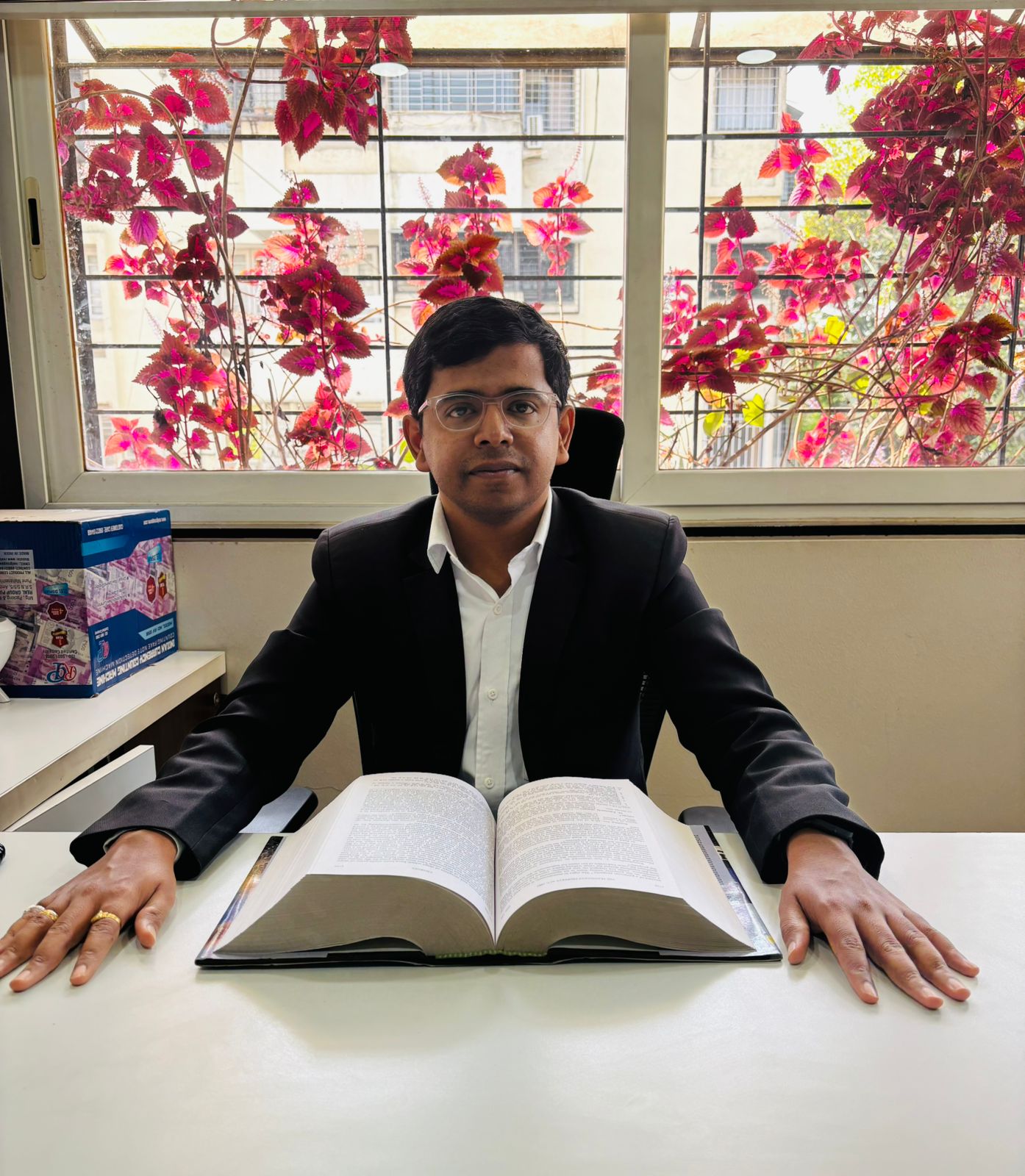




 Allow notifications