We are extremely delighted to have you with us for this interview. Can you please introduce yourself, highlighting your journey from the establishment of AKS Law Associates in 1999 to becoming a prominent figure in the Indian legal fraternity?
I was in the computer field back in the mid-nineties. Back then, I used to occasionally accompany my folks to meet with lawyers, either seeking advice or to engage them in a matter. It was a learning curve, to understand the complexity of law and/or that it was near to impossible to have a clear vision of the road ahead. So, on the one side, I was professionally engaged in the computer field wherein we were promising solutions for business enterprises with a certain amount of predictability, efficiency and transparency whereas, the real-life legal problems had the dusty road ahead. Intrigued, I studied law. Fascinated by the subject of law and its complexity, I started my independent legal practice after training for about a year under my senior. For the first 10 years or so, I was predominantly engaged in chamber practice by advising clients in general corporate law and especially in Real Estate law. After 2009, I started attending Courts regularly and have been conducting matters before courts and tribunals across India. I have had the good fortune of appearing before the Supreme Court of India. There have been interesting cases addressed by me before International Arbitration Tribunals and the High Courts of Delhi, Bangalore and Chennai. As far as possible, I take instructions directly from the client and 9.9999 on 10, do not engage any Senior Counsel. I insist that my young colleagues in office must conduct a trial/argue a matter before the High Court. As far as possible practically, adjournment is not an option in our office. We have a small practice and keep a close connection with our clients. If we do not meet the client’s expectations, we own up to our shortcomings and do not pass the buck. What we try to do, in our first meet which is on the house, is to give the client a road map of their case’s journey to set expectations.
Your areas of practice range from international arbitration to corporate advisory. How do you navigate the diverse challenges posed by different legal domains, and what aspects of your practice do you find most fulfilling?
Every case is unique. I do not take up any matters concerning matrimonial disputes, service matters, direct and indirect tax. A client wants to hear the problem first and the solution thereafter, especially when it comes to corporate advisory in agreements. Due to our varied experiences in litigation, we can quickly identify the potholes and crossroads in an agreement and the challenges that may come up. Clients weigh in on our experiences in litigation to assist them in identifying clauses in an agreement that may be problematic and also offer solutions when such problems do arise. As we work very closely with clients and the owners/ top management we have some understanding of their businesses and what they expect out of a dispute. Once we have clarity as to what is a client’s expectation, then to advise them on the legitimacy of their expectations or what would be the best outcomes is quite straightforward. We do not take up a case that we do not feel that we can address. The broad spectrum of cases we take up is because we are confident that we can address the issue in the matter. This is backed by painstaking research and understanding as to what could be the possible outcomes. If it’s an untrodden field, we take a reasonable lead time and tell the client that we lack prior experience in the matter. Quite often, clients come to us in areas we have never worked with to consider if we would approach the matter differently and many a time this has worked well for the client.
Your commitment to pro bono cases and public interest litigation is commendable. What drives your passion for social justice, and Could you share a memorable experience where your legal expertise made a significant impact on social justice or community welfare?
India is a land of plenty of everything. For over a decade, I have chosen to provide free legal services for economically weaker persons and work towards creating an efficient legal structure in solid-waste management. There are many anonymous Indians who do a lot, yet they do not find a place on the newsfeed and they are not interested either. When we take on a pro bono case, the client gets equal treatment as a paid client. I believe that every legal professional must extend themselves to the community/ persons who need them the most. When you go and have a meal with a person who has had a legal closure of their case and you have had a small role in it, the satisfaction you get is much more than being paid by a corporate. I had a client who came to me with a matter where he had signed an agreement at terms that were patently unfavourable to him and he was forced to sign up for a song, he was in financially difficult circumstances and there was a good possibility that his land was going away. After being turned down by many prominent lawyers, he came to me. I confessed that I had no prior experience in dealing with the matter but I would put in an effort if he agreed. The matter was argued by me successfully from the Trial Court up to the Supreme Court and the client ended up with a fortune.
Your profile reflects a multifaceted personality with diverse interests such as equestrian sports, chess, running, yoga, and continuing education. How do these passions contribute to your life?
You have one life, live it and enjoy it to the fullest! I do enjoy exploring my mind and my fears. Many of my decisions have been taken after a long ride with my horse, Ziggy. The best place to be in the world is on horseback… ride one to know it. Playing chess at school helped me to be patient and analyse people’s moves. Chess is such a challenging game and no two games of chess or players are the same. I tried to be fit and I started yoga to experience my inner and external journey of mind, body and soul, with my teachers at the Iyengar school. Learning is a lifelong process and learning for me is to improve my mental gym.
Upholding the highest ethical standards is a hallmark of your practice. How do you ensure transparency for clients and fairness to opponents while navigating complex legal matters?
Character must not change. You might get a good reputation if you win many cases, which may not be true if you lose many. It’s about being honest to yourself and respecting yourself by asking what would you want as a client, opponent or colleague for that matter. I would always be ready to apologize to anyone if I have made a mistake or hurt someone. Etiquette to your client opponent and colleagues is not limited to good language skills, it’s about being clear and laying all cards on the table. This helps you to have a committed client and respect from your opponent and colleagues. It is very important to note that while you may not be aware, others observe you and learn from your good and bad. Therefore, it does not cost anything to be a good human being, so why not?
Your legal outreach initiative focuses on creating legal awareness and education in local communities. What inspired you to take up this initiative, and how do you see it making a difference in the lives of people?
Many decisions are because you do not know your rights. We spend time educating and creating legal awareness in communities to enhance people’s knowledge about their rights which would help them in making decisions. Some of the most basic legally binding decisions that stare you in the face, are because you did not know better. I have seen this at home. As we come from an army background, going to lawyers was not naturally a done thing unlike how businessmen utilise the services. My folks have had to suffer serious hardships because they were not informed of their legal rights. This has always been in the back of my mind. Therefore, as promised early in my career as a lawyer, I have always been engaged in legal awareness with communities, senior citizens and lonely parents.
You actively mentor younger lawyers to expand access to legal services. How do you approach mentorship, and what advice do you offer to aspiring lawyers entering the legal profession?
I refer to all lawyers as colleagues. Once a lawyer has a license to practice we are all equal. The same lawyer younger in age may turn out to be a judge before whom we have to appear and say ‘M’lord’. That’s the most interesting part of the legal profession, there are no limits as to what you can achieve. It is only dependent on you. If you want to be a paper pusher or adjournment lawyer – you can. Or, if you want to be a Palkhiwala – you can. I spend and invest a lot of my time with my colleagues, running through their cases and preparing them for the matter by reviewing drafts, and agreeing on approaches for trial or final hearing. This helps them to be confident as they are well prepared. My only request to them is to do the same for their colleagues.
What advice would you offer to the coming generation of lawyers, considering the evolving landscape of legal practice and the societal challenges we face? Could you share a personal or professional mantra that has guided you throughout your career and continues to inspire your work at AKS Law Associates?
The legal landscape is changing, it has increasingly no place for paper pushers or adjournment lawyers. The young, dynamic and hardworking professionals are dominating the field as either lawyers or judges. Technology is playing a larger role than ever. International arbitration is now becoming commonplace. If you want to find your niche and grow that practice, do it early. Have a general broader practice so that you can have an ear to the ground and earn a steady income and at the same time focus on growing your niche. Small is big! Clients want your time and they are willing to pay for it so long as you deliver. You don’t need a fancy name to your visiting card or a fancy office to start with; you need to focus on understanding how to resolve the client’s issue and after that it is a home run.
Sir, over 2 decades you have such an amazing professional journey. During this you must have seen different varieties of legal domain. You have excelled in so many of them. I would love to hear your introduction, and also to know what inspired you to embark on this journey of law, particularly in the areas of international law, media and entertainment law and medicine.
I appreciate your patience as I delve into the intricate details of my journey. Born and raised in the vibrant city of Mumbai, I initially pursued my education in Vienna, Austria, before returning to complete my commerce studies at Hr. College in Mumbai. Following this, I embarked on a journey into the world of cost and work accountancy.
However, fate took an interesting turn when my maternal grandmother passed away, leading me to a chartered accountant. This changed the course of my life as he suggested exploring law as a career. Despite my initial reluctance, I enrolled at the KC Law College and later transferred to the Government Law College. The journey into the legal realm was unconventional but intriguing.
A turning point arose when the chartered accountant insisted on me gaining practical experience. He guided me to Mulla and Mulla, Cragie Blunt and Caroe a prominent law firm, where I began my professional journey. Despite my resistance to the idea of working, I found myself donning formal clothes and stepping into the legal world.
My initial years were a blend of studying, interning, and navigating through life. A significant challenge emerged in 1995 due to a legal matter that affected our exam results. This setback altered my plans for pursuing LLM, a unique twist in my academic and professional trajectory.
Undeterred, I sought guidance from the head of the law department, eventually enrolling in a postgraduate diploma in labour law. This period of exploration and learning laid the foundation for my legal career, which officially began in 1996 when I joined another law firm and thereafter to independent Counsel practice.
The advice to accept diverse legal work by my senior Mr. Sudhir Talsania, proved invaluable as I handled civil cases, ranging from Admiralty law to Motor accident claims. In 1998, involvement in a public interest litigation case marked my entry into this impactful aspect of law.
My foray into media and entertainment law began post-college, where my interest in fashion and film grew. Organizing inter-college fashion competitions with friends and working backstage for shows provided insights into the industry. Back then, media and entertainment law was not a subject covered in academic curricula. Driven by curiosity, I took the initiative to approach these artists and request copies of their contracts. Surprisingly, in those days, there was a lack of privacy concerns, and artists willingly handed over their contracts. I accumulated contracts, including Michael Jackson’s, to gain insights into the intricacies of these agreements.
As my legal studies progressed, I encountered instances where former Miss India sought advice from legal experts. This sparked a realization of the correlation between the fashion and media/entertainment industry and the legal intricacies involved. Amidst this exploration, the prevalent issue of entertainment tax emerged as a significant challenge, coexisting alongside the vibrant and dynamic world of fashion and entertainment. The journey of unravelling the legal aspects intertwined with glamour and creativity has indeed been both enlightening and entertaining.
A significant milestone occurred in 2010 when I was sent to Canada for corporate work, marking the beginning of an association with the Canadian Bar. This international exposure broadened my perspective on legal practices and introduced me to the concept of transcripts.
In 2016, recognizing the barriers geography posed to legal collaboration, I initiated the International Legal Alliance. The response from lawyers across 153 countries exceeded expectations, leading to the formation of a global network.
Adopting a practical and economical approach, we leveraged virtual tools well before the pandemic, establishing a network that seamlessly operated across borders. Today, our initiatives extend beyond legal practice, including legal heritage walks and collaborations with Chambers of Commerce.
This journey, spanning over a decade, has been a continuous learning experience, breaking barriers and embracing the evolving landscape of law. As we move forward, the possibilities seem limitless, and the blend of practicality and innovation remains the cornerstone of our endeavours.
It’s truly fascinating how you’ve become an international presence in the legal realm, almost like a “doctors without borders” concept but tailored for lawyers, operating seamlessly in a virtual space. We’re keen to delve deeper into this innovative venture. However, before we proceed, I’d also like to explore your insights on the issues related to live streaming and transcripts. when did the idea for this platform emerge, and how did you envision such a unique space? Additionally, could you share the type of support and impact you’ve witnessed so far?
Understanding how lawyers collaborate is key. My approach is unique – I cover the cost of the domain name and don’t charge our network members a fee. The goal is to bring colleagues together globally, recognizing the limitations of traditional law firms in covering vast geographical areas. Working across borders eliminates such restrictions, fostering collaboration on diverse cases. For instance, we recently handled a case involving a British national in Poland, showcasing the efficiency and cost-effectiveness of our approach.
During the pandemic, we aided a businessperson in validating a contract with an African entity. Collaborating with our network, we conducted due diligence and uncovered fraudulent activities, saving the individual significant financial loss. This highlights the practical benefits of our global legal alliance.
Regarding live streaming and transcripts, the idea struck me while watching a news report on the case filed by Senior Advocate Indira Jaisingh in the Supreme Court. I realized the need for legal transcription, having previously written about its importance during the Kulbhushan Jhadav case in the International Court of Justice. The Karnataka State’s subsequent endorsement and implementation of guidelines underscored the significance of transparency. Demonstrating the functionality of transcripts using a free AI app for the Supreme Court Committee garnered positive results. Now, with the government funding a multi-year plan, we anticipate positive changes in our legal system, emphasizing the crucial role of transcripts in preserving court proceedings.
Delving into legal history, I discovered the earliest transcribed judgment in Para 6 of Bal Gangadhar Tilaks case in 1908!! This finding prompted me to advocate for the revival of transcripts, essential for legal accuracy and accountability. Impressively, our efforts have inspired change beyond borders. A colleague from Pakistan embraced our model, leading to their Supreme Court adopting live streaming and transcripts. These endeavors exemplify how small initiatives can influence legal practices globally.
What kind of impact has your career had on society, and how it has brought in a lot of milestones in your career, emphasizing the wealth of knowledge you’ve accumulated rather than just financial gains? Could you share insights into your journey as an independent counsel and the experiences that have shaped your professional trajectory?
Returning to my journey, I was clear about my aspiration to be an independent practitioner and counsel, realizing the importance of autonomy. While this path offers flexibility, it also brings challenges, requiring self-guidance. In the initial stages, having a mentor was beneficial, but being your own master is a unique experience. Aligning with various lawyers and law firms in Bombay broadened my exposure, allowing me to learn different styles and crafts.
My practice, especially in public interest litigation, addressed various crucial issues. Cases ranged from safety concerns like people falling off suburban railway tracks to environmental issues such as air pollution. Advocating for persons with disabilities became a significant focus, addressing gaps in facilities and recognition under the Disabilities Act. I even argued against my own school in a case concerning learning disabilities, leading to important guidelines.
Among the impactful cases was one involving poor and indigenous patients denied treatment in a public charitable hospital. Through legal intervention, we established a scheme where a percentage of monthly income was set aside for indigent patient care. Another noteworthy case was Nikita Mehta’s abortion case in, where we had to rely on British precedent to persuade the court to form a committee. What we argued then, eventually became the law several years later.
Currently, I am involved in the ongoing “potholes case,” addressing road safety issues. While the impact of these cases on people’s lives is substantial, I believe that, collectively, lawyers should strive to contribute positively to society, upholding the notion of law as a noble profession.
I couldn’t help but notice your involvement in various social causes and organizations beyond the courtroom. Could you shed some light on the causes that hold a special place in your heart and the initiatives you’re particularly passionate about? Additionally, I’m curious to understand how your commitment to these endeavors impacts both your career and personal life.
First and foremost, I owe a huge thank you to my wife and children who have been incredibly understanding and supportive, allowing me the freedom to engage in all these pursuits. Balancing family life while being deeply involved in various causes is crucial, and her support has been invaluable.
As the kids have grown, finding this balance has become more manageable. Enjoying both work and personal life is essential. Personally, I find solace in the traditional approach of using hard copies and making notes, a practice not everyone may agree with in this digital age. There’s a unique magic in handling physical documents.
Public interest litigation has enriched my understanding of diverse areas I was previously unfamiliar with. The ability to rapidly assimilate information, honed through legal practice, has proven invaluable. I still relish reading up on legal matters while travelling, bringing that knowledge straight to the courtroom.
I’m an avid music listener, finding it to be a relaxing escape. I used to play a musical instrument not too long ago, adding another layer of enjoyment to my life. Maintaining a conscious separation between courtroom intensity and personal life is crucial. Once a case concludes, it’s essential to leave any conflicts or stress within the courtroom or, at most, within the professional sphere.
Over time, I’ve learned to manage stress and worries associated with cases. Experience has taught me not to carry the burden beyond its necessary scope. Engaging in various organizations, from the Lions Club to the Rotary Club and Chambers of Commerce, has provided a broader perspective and added value to my life. I’ve come to view these engagements on par with the significance of my law practice.
Exploring spirituality and relishing good food are additional aspects I find joy in. These facets contribute to a well-rounded life and play a role in making important decisions. Overall, the blend of professional commitment, personal interests, and active engagement in various communities has made my journey truly fulfilling and interesting.
Your expertise and involvement with the South Asian Fashion Week and the international South Asian Film Festival have become apparent, especially considering your background in media and entertainment law. You’ve shared about reviewing contracts for renowned stars. How did this passion for fashion and film evolve, and how do you envision the future intersection of law with these dynamic creative industries, especially in the rapidly evolving landscape of AI and technological advancements?
Starting from my college days, I’ve had a keen interest in working with fashion, initially at an amateur level and later professionally. I even did backstage work for a renowned choreographer like Hemant Trivedi many years ago. It’s quite amusing to reflect on it now, realizing that there might be very few lawyers who have experience working backstage in the fashion industry.
What’s fascinating is that the law itself is remarkably creative. It’s a misconception to label it as mundane; there’s an inherent creativity to it. Learning from the creative industries is crucial, and there’s a significant balance required, especially for someone like me working in media and entertainment law. As a media and entertainment lawyer, I cover a wide range of areas, including intellectual property rights, contracts, design, arbitration, mediation, and even criminal law aspects.
Some of the highest-paid lawyers globally are in the media and entertainment sector. Additionally, there’s a remarkable international similarity in this field, transcending jurisdictional boundaries. The dynamics of the industry bring forth unique challenges and opportunities. I’ve been involved in notable initiatives, such as facilitating the audio-visual co-production treaty between India and Canada. These experiences involve engaging in discussions and negotiations, contributing to what can be considered a form of soft skills diplomacy. Cultural arbitration and mediation might be the next significant developments in resolving disputes between countries.
You’ve shared your journey into the field of law with us, detailing how you arrived here. Undoubtedly, along the way, you encountered various challenges. Can you elaborate on how you successfully navigated through those obstacles? Furthermore, what advice would you offer to individuals treading a similar path? Considering that anyone venturing into law is likely to encounter certain challenges, what guidance would you provide for overcoming them?
Each individual possesses unique talents, areas of expertise, or gifts that define them. Identifying and acknowledging these aspects swiftly is crucial. It is imperative to align your pursuits with your intrinsic interests and inclinations. In the early stages, exploring diverse areas of interest within the legal domain is advisable. The legal profession is dynamic and ever-evolving; what holds true today may not necessarily be applicable tomorrow.
As a law student, the primary objective is to immerse oneself in the learning process, absorbing as much knowledge as possible. Post-education, there are varied career paths available, such as joining a legal chamber, opting for corporate law, pursuing litigation, or combining elements of both. Even for those in smaller towns, there is immense potential to excel as a trial lawyer and contribute significantly to the legal landscape.
Indians, in particular, possess an innate ability to think on their feet, a valuable trait in legal practice. Unlike some international counterparts who strictly adhere to established practices, our legal system often demands quick thinking and adaptability. Exposure to courtroom proceedings is invaluable. Nowadays, with the convenience of online platforms like YouTube, observing court sessions globally is more accessible than ever.
Experience remains unparalleled in its educational value. The ability to navigate unforeseen challenges, drawing from a reservoir of past encounters, is the essence of true expertise. Reflecting on previous cases and applying lessons learned adds a layer of depth to one’s legal acumen. Knowing when to assert an argument, when to yield, and when to remain silent are indispensable skills acquired through experience. In essence, experience equips a legal professional to handle any situation, whether or not they had the foresight to prepare for it.
Looking ahead, how do you envision your professional and personal pursuits unfolding in the next few years? Could you shed light on specific goals you have in mind, particularly considering your deep involvement in social causes and other facets? Given your leadership role in the international legal alliance, what projects do you anticipate spearheading in that capacity? Your insights on the future trajectory of your endeavors would be greatly appreciated.
I consider myself a go-with-the-flow kind of person. While I can’t predict the future with certainty, I am optimistic about the progress we will make, particularly in India’s legal landscape. It seems we are on the brink of something significant, especially in terms of fostering international collaborations and constant interaction between nations. My vision involves exposing a greater number of young lawyers to diverse legal practices worldwide, which I believe would be a remarkable achievement.
Additionally, there is a need to establish a legal resource centre distinct from traditional legal aid services. This centre could serve as a comprehensive online platform, offering resources such as law journals and information on various legal domains. Many individuals faced with legal issues often struggle to categorize them under criminal or civil law, let alone identify specific areas like consumer disputes or matters falling under the NCR. This lack of clarity can be overwhelming for those unfamiliar with the legal system.
While such resources are available online, there is a crucial need to correlate and organize them comprehensively. This would significantly ease the process for litigants, allowing them to approach lawyers with a clearer understanding of their issues, thereby reducing the time spent explaining their situation to legal professionals. Establishing such a system across India would prove immensely useful and beneficial for both lawyers and those seeking legal assistance.
Can you walk us through your journey and share what led you to pursue a career in law, particularly with a focus on corporate mergers and transactions?
Many decide their career paths while they are about to enter Class 10 in school. While my mind was always inclined to take science and pursue a career in medicine, destiny took me to Accountancy in my 11th and 12th. Blessing in disguise, as it felt that I got into the subject where I belong. So my journey started there. With the preliminary learning of accountancy, I decided to pursue a career in commerce and took admission in B.Com (H) in Delhi University. It was around the end of 2008, where I was still wondering whether it would make sense to do an MBA (like my peers) and move on to joining a bank or a consultancy in finance, but then again I was destined to be introduced to a subject called ‘Corporate Law’ during my 2nd year of B.Com. It was fascinating as I was always keen to learn about companies and their functioning, given that we grew in the era of blooming joint ventures, international tie ups and growth of Indigenous businesses in India. I was intrigued to know how much running a company is driven by accounts and mathematics, and thus, that’s where it all began. I chose to pursue a career in law. However, maybe I wasn’t prepared enough, and I failed my first attempt into Delhi University (Law Faculty) in the entrance exam. It was 2009, peers had found their place and here I was wondering what I should do now. I decided its time to drop a year, work with a financial advisory company and reattempt the Law entrance exam. I joined Law Faculty in 2010 and graduated in 2013 with a degree in B.Com (H) and LL.B. During my student days at the Faculty I continued interning with different law firms in New Delhi, NCR. My most memorable internships were at J. Sagar Associates (my first job). I was given an opportunity to join JSA in August 2013 and I continued working there for a while before I moved onto other law firms such as Shardul Amarchand Mangaldas. My focus area in all these firms was corporate-commercial and I was given an opportunity to assist team members in ongoing live transactions ranging from business transfers, joint ventures, private equity, and other general corporate advisory services. I believe that if I wasn’t given this chance, life would probably have been very different. Thus, if at all I can say that I have gained knowledge in the field of law, the credit truly goes to those seniors who gave me the opportunity to learn. Thus, through this medium I would like to thank Mr. Jyoti Sagar (Chairman and Founder) and Mr. Upendra Nath Sharma (Partner, JSA).
After years of learning from different lawyers and gradually taking steps to lead transactions and advise clients, in 2020 I set up a small law firm – Gadi & Associates (GnA). It was tough and challenging to make this decision but I believe that sometimes as a lawyer you have to take steps that are beyond your comfort zone to ensure that you give the soundest and best legal advice. Thus, while keeping that thought in mind, I took this decision and set up a shop (a table and a chair in my house and a banner on the window). The shop was now open. I have primarily gained experience in corporate law and so my first instinct drew me to help Clients in contractual matters. It’s not uncommon that once you disassociate with bigger brands, Clients take time to get that confidence in you, but I am grateful to my initial clients who had that faith in me and gave me my first assignment.
2020 was the birth year of GnA with a single member team and today I run a law firm with a strength of 25 (all inclusive).
Given your extensive experience with tier 1 law firms and now as the founder of Gadi & Associates, what motivated you to establish your own legal practice in New Delhi?
The key motivation to establish GnA and to take on this journey was to challenge myself in an environment with cut-throat competition. I genuinely feel that every lawyer has his/ her own way of expressing opinions and assisting clients, so one shoe doesn’t fit all. The key was to demonstrate to clients that my style of thinking and my approach to matters is unique and could yield results which they probably wouldn’t expect. While I never discount my learning years, I did feel that it was time to practice in a style and manner as I independently wished to apply, rather than aiming to make a change in the existing set up of other law firms. Having said that, establishing from scratch without any legacy in the industry did throw its own challenges and sometimes made it difficult to work, but I always kept repeating this to myself – ‘Don’t be ashamed if you fail, be ashamed if you fail without trying’. So I kept at it and kept trying. GnA came into existence and grew bigger and bigger in size, with its first office in 2021 and with now a new office in 2023. What back then in 2020 felt would be impossible, started becoming a reality and now is being lived each day with the focus to make other impossibilities a reality. So I can say this with all conviction that it was not easy to start and was surely not easy to continue, but now when I look back I say to myself that it was not that difficult too. My other motivation was to try and bring a different approach to corporate matters. While as counsel we typically work on agreements and assist clients in negotiations, I try to understand the financial modelling behind each transaction or commercial tie up. Definitely I do not give any opinions on accounts but given my background and keen fondness to learn different aspects of accountancy, it helps in understanding and advising best legal resources and positions to have in such matters. Needless to say that a commercial tie up or a strategic alliance are primarily driven by the accounts behind it, so as a commercial lawyer it is our job to understand that relationship and advise accordingly.
You’ve been involved in a variety of high-value transactions, including representing a global private equity fund in a multi-billion-dollar acquisition. Can you share some insights into the challenges and strategies you employed in such a complex deal?
It wouldn’t be fair to give any critical details in the public domain, but it a few aspects that I would like to share are: (i) Commercial Sense – When I got introduced to the transaction I was only trying to figure out in my head the commercial sense behind the matter and if the deal at that particular value made sense. That gave me an opportunity to learn something new that I hadn’t been introduced to earlier, and that was the economic benefit of the future. Many times I have heard people use the phrase ‘does this make any commercial sense’, even by me while discussing the matter with colleagues. However, I did get the answer to this question in a manner that I hadn’t expected. It wasn’t necessary to see the commercial sense of the matter in the present but rather what it would be in the near future or within a period of time being envisaged by the acquirer. While doing the matter, we get involved with the details of the matter but somehow miss seeing the macro approach of the said industry vis-à-vis other industries. So it wasn’t necessary for just this business to grow but to see how it is important for other industries to flourish and grow at the same time to ensure that the growth of this business continues and eventually that commercial sense comes to light. (ii) Due Diligence – If there is something that helps in undertaking transactions or ensuring that a lawyer is doing his/ her job, it is important to take note of the criticality of due diligence. It is not merely a report, but an action item that can change or mould the frame of the transaction. We do hear of different forms of due diligence reports, but at the end the critical aspect is ‘due diligence’. I believe my key learning here was to be a part of the due diligence team and understanding the different forms of compliances and key requirements to put together one list of critical aspects. If there were any findings that showed any legal issues then it is important to also find the recourse to such legal problems and assist in implementing the solution. We did find a few critical legal challenges here as well, but given the experience of the team I was working with, it was easy to help in implementing the correct solution and take the transaction forward. So in a nutshell as a strategy to a transaction, due diligence is key and must be undertaken with great importance.
Your role involves advising multinational companies, startups, and family-run businesses. How do you tailor your approach when dealing with such diverse clients, each with its unique set of challenges and priorities?
Truly, this journey started with GnA. Prior to starting GnA it was mostly assisting large scale companies in their matters including transactions, general corporate advisory, compliance, etc. It is only when I started GnA that I understood the importance of being a ‘Generalist’. While I do say that my key focus area in law is corporate – commercial, I started branching into other aspects of law and advising diversified clientele in a variety of matters. While the category of clients in question still seem to be hinting more on corporate work, in reality it entails a number of legal aspects such as promoter relationship, family lineage planning with succession plans, asset management under different vehicles for betterment of operations, etc. This may also at times include undertaking real estate transactions, preparing wills and settlements and also managing the operations of smaller set ups in terms of division of roles. One key aspect here to note is that it is not limited to operating out of one vehicle for family businesses, our laws give us many ways of undertaking such plans. For instance a division of businesses is not merely to be driven by settlements, it could be that we divide businesses by way of demergers, slump sale, etc., and the meaning behind these transactions are completely different than what we generally do for other corporations. In the case of start ups, it is critical for a lawyer to understand the drive of the promoter(s). As lawyers it is important to understand that a promoter(s) does not generally know about compliance and applicable laws. It is the duty of a lawyer to ensure that the start up business becomes compliant with all laws while ensuring that the Promoter(s) can stay on course with the project that they initiated.
Having assisted in the acquisition of a refractories plant and the fund raise for a logistics company, could you highlight the key considerations and legal intricacies involved in transactions within the manufacturing and logistics sectors?
The former was an asset purchase transaction, different from the typical slump sale transaction. In an asset purchase the key factor is identified: purchase price of the assets and transfer of each individual asset be it a plant, machinery, equipment, land, etc. Frankly, while the entire transaction was similar to any other asset purchase deal, the critical aspect of this deal was the transfer of real estate. This was probably the first time experiencing a transaction with respect to real estate where my involvement was not limited to preparing the definitive document but also to assist the client in the entire registration process. This experience was beneficial and educational as it helped my journey to start working on more real estate transactions and today at GnA we have a full real estate practice where we help with sale, leasing, mortgage and joint development transactions. The latter was a large-scale private equity transaction, where I was a part of the team that represented the company and the promoters. What was critical here was the fact that the business that we represented was becoming the growing need of the ever-evolving logistic sector of the country assisting ecommerce. As I have said earlier that not many times do you get the commercial sense from the transaction itself, but when you apply it with other sectors that are supportive sectors and see the immense opportunity there, you can co-relate as to why this sector would grow too and therefore, investments in such companies became the growing need. Although as a counsel, I did work on the investment document and assisted in the effective transaction closure in a timely manner.
In addition to your transactional work, you’ve also assisted clients in matters relating to disputes. How do you decide to diversify from corporate to litigation?
Well, as I mentioned, GnA was the reason I thought it was best to be a ‘Generalist’. Where I could have decided to remain a part of other firms and continued working only in corporate law, I did choose the other path and started GnA. Given this decision it became even more important to see the world of law in the Court of Law. Thus, it all started with a simple legal notice in the case of an employee dispute. I was approached by one of my existing clients to pursue a case against an employee involved in embezzlement. This was something that in my other organisations I would have passed onto my colleagues, but at GnA I chose to take this up as my very own and moved on with the mandate. As the matter progressed and went on, I started learning this aspect ‘on the job’. It’s been roughly 3.5 years since that first notice and today I engage in large scale dispute matters ranging from arbitration, company law petitions, insolvency matters, recovery matters, etc. In fact, starting a disputes practice gave me a better understanding of how words in a contract could have different meanings in different situations. Therefore, now drafting a contract makes it critical for me to examine each provision/ clause with such combinations that maybe wouldn’t have been the case if I wouldn’t have stepped into the world of litigation. I sincerely believe that each lawyer (corporate or litigation) should gain experience of both worlds as they are complementary in nature and not as alternate professions.
With a wealth of experience, what advice would you give to law graduates aspiring to specialize in corporate law and mergers and acquisitions?
To the aspiring law graduates who wish to enter the field of corporate law whether for M&A, PE, VC or general corporate advisory, it would help if you start from the basics. It is not necessary to know everything about what a transaction entails in your initial years, but you should either find answers to or have the will to ask questions regarding aspects that are introduced to you. In practice, many seniors use terms and abbreviations which any aspiring law graduate/ intern may not understand (the same happened with me), which makes it even more difficult to comprehend the entire discussion which is taking place. Thus, an on-the-job experience makes it even more important to learn such aspects by either spending time to find the answers or questioning the seniors. A senior colleague of mine once said to me ‘sometimes I forget that my junior colleague has not read this in his life’, which basically means that seniors do know that you are new to this world and will take your own time to learn, but it still will demand your full involvement in the matter by being inquisitive and focussed. A great way to get a kickstart in the field of corporate law is by doing internships with corporate law teams of firms that generally undertake transactions. As a law student who still has a couple of years left before he/ she graduates, if you are keen on becoming a corporate lawyer, you should find data about transactions and the partners of firms who undertook those matters and then try and get internships with those partners to ask them questions about the transaction. Having said that, law is a journey that involves never ending learning and every lawyer has something to share for you to learn.
Can you share with our listeners your journey and what led you to pursue a career in law and arbitration, especially with your background in finance and management?
I have always been a fan of law. This may seem like a stereotypical answer, but imagine, law is one of the very few areas of study which mixes imagination with practicality. Reading a law or an act or a Bill is no different than reading a Grisham Novel. There is logic. There is context. There is ‘masala’ (if I may say so) and then a reader morphs into the lawmaker and thinks from the point of view of what was running in their mind when they wrote this. It is exciting. The same applies to Arbitration. Arbitration has a history which predates the formation of the Republic of India. Then, we have the UNCITRAL and the Model Law in 1996 coupled with the fervour in amending the law multiple times over the years. Finance is a numbers game along with strategy. To me, Law and Finance go hand in hand because, while the former sets the boundary for innovation, the latter sets the boundary for intricate analysis and strategy. Having been in 100+ Arbitrations and being commended by various courts, I can confidently say that the flavour of the two is currently being sought by the legal world.
You’ve been involved in a wide range of arbitration and mediation cases, from finance to art and maritime law. Could you tell us about one particularly challenging case that stands out in your career and the lessons you learned from it?
Contrary to what one may think, all arbitrations look rather similar in nature. I am not being a reductionist, however, when one has seen multiple arbitrations and strategies, it is rather easy to spot where it is heading. The case I am about to share is a case that made me the Lawyer that I am right now. A very senior lawyer was hired in a high-profile arbitration. They called me to represent a counterparty. We concluded the arguments in which I was accused of bias, which the arbitrator quickly dismissed. I was called a ‘Chote bacche’ during the session. I did not respond. The Senior Lawyer invited me for a drink in the evening (I am a teetotaller). I shared the camaraderie and joined them. In that meeting, she asked me how old I was. I quickly quipped “Not young enough to call me Beta, not old enough to call me ‘Uncle’ “. She is someone I still look up to. We became the thickest of friends and I am the Godfather to her grandson. This shows that arbitration hinges not entirely on the law, but in your ability to put up a strong face in spite of the oddities.
Being a certified mediator and arbitrator, what key skills and qualities do you believe are essential for success in your field, especially when dealing with complex international disputes?
Patience and Listening is non negotiable. Everything is a learning in its own might. I believe that everyone is a student of law, no matter how senior they are. Law is so vast that our understanding is miniscule compared to what it has to offer. Once someone is an arbitrator, the job gets harder as every move of yours is questioned.
You’ve worked in various jurisdictions, including India, Singapore, UAE, UK, and more. How do you navigate the different legal systems and cultural nuances when handling international cases?
All legal systems cannot deviate from the basic principle of ‘Justice’ . The way it is delivered may be different. Civil law countries have a system which ensures finality in the process and a certain level of deterrence from bringing vexatious claims. I have seen the UK Pre and post brexit. The nuances may be far more pronounced from, perhaps, wearing a wig (which I do, much to the amusement of my son). In the UK, it is difficult to take a matter to the UKSC unless the point of law in question is framed by the lower courts. They are very picky about what reaches the UKSC. UAE is a superb jurisdiction to practice finance and law, as you have the DIFC as well as the local courts. I sit in various arbitral panels of GCC and have advised them in framing the rules. They are very accepting of changes. I speak 13 languages and it certainly helps.
As a Certified Independent Director and with your extensive background in finance, what unique perspectives do you bring to corporate governance, and how do you see the role of independent directors evolving in today’s business landscape?
Corporate governance in India is going through a difficult phase right now. Primarily, the need for transparency has grown exponentially and is available only through the SEBI. However, integrity in governance is non negotiable in a private entity too. This prompts investors to actively look out for individuals who can be the ‘true independent’ in protecting their investment and also looking out for the shareholders. This has brought in a whole host of ‘stapled agreements’ in the term-sheets which include the clause that ‘such independent director’ shall be appointed and it is not open to negotiation. Being the Ministry of Corporate Affairs certified Independent Director, it is vital that we live up to the expectations of protecting the entity and to give a fair and an independent assessment. Whistleblower protection in private entities is certainly an area that can be strengthened.
Your involvement with the Government in various capacities is intriguing. Could you explain your role and share some insights into the intersection of policy, investment, and arbitration?
I have always felt that I should give back to society. Hence I teach in various schools for the visually challenged. I happened to meet a person who was a teacher in the school. We opened up and I realised that the person was a Secretary in the Government of India. He was very keen about my expertise. That is how the journey started with advising the Government on various bills and amendments. My work on the Arbitration Act of Maldives was appreciated and I was called in regularly as a person who can give a ‘Second Opinion’ on various laws. I consider it pure coincidence that my suggestions are the ones that finally made it to the law. Arbitration is strange.
With your teaching engagements at prestigious institutions and numerous publications, how do you balance your academic commitments with your professional practice? What motivates you to continue teaching and writing in addition to your legal work?
Teaching keeps the student alive in you. I teach at the top 5 NLUs and 2 QS ranked International universities. Ask my students how I balance the commitments and they will rant about how the classes are frequently rescheduled. However, I have always maintained the top ranked visiting professor status. Writing keeps the child in me alive. Since I don’t talk much, perhaps the best way to communicate is to write. Boring as it may sound, I write about law & medicine, and read the most random Wiki pages when exhausted.
Finally, what advice would you offer to law graduates and aspiring professionals who want to follow a similar path in arbitration, mediation, and law in general, especially in an international context?
Find the anchor in the career that you can latch on to. This is the person who you can ask anything and everything. I am what I am because of my juniors and my students. They call me by my first name (you are free to independently verify this). Arbitration is a practice that is more than what it seems and lesser than what you hear about it. Yes, it can be lucrative, but, be careful when you choose this path. Unlike litigation, where there is a fair amount of material available publicly, arbitration does not enjoy that benefit.
It can be exhausting. It can be nerve wrecking. It can feel like everyone out there is trying to put you down. However, if you know your law, nobody can surpass you.
You have an extensive legal career with experience in various roles and different areas of law. can you share the story of how you got started in law and what motivated you to pursue a career in the legal field?
Choosing a career path is often a journey of self-discovery, and mine was no exception. My initial plan was to pursue journalism. I have always been an unabashed talkative soul, fuelled by a desire to communicate and express myself. I have always been fascinated with languages, especially English, Hindi, and German. So, the power of words and the art of expression held a special place in my heart. Political science was another one of my favourite subjects. All of this felt like the perfect backdrop for a successful future in journalism.
Right after my last board exam, my parents suggested that I explore the field of law, in addition to pursuing a career in Journalism. At first, I was somewhat hesitant. But as they say – curiosity is a powerful force. As I delved into the subjects covered in law entrance exams, a transformation occurred. Legal concepts and the intricacies of the justice system began to grip my imagination. The more I learned, the more I realized that law had the power to shape societies, challenge injustices, and, most importantly, provide a platform to voice my convictions.
So I decided to take the plunge and appear for law entrance exams. To my delight, the study of law ignited a profound passion within me. It wasn’t merely an alternative path; it was a calling I couldn’t ignore.
I achieved a commendable rank in the Delhi law entrance exams, and got my admission to Amity Law School, Delhi (Guru Gobind Singh Indraprastha University). At that time i.e. in 2007, Amity Law School, Delhi was recognized as the 7th best law college in India.
My decision to enter the legal profession is not solely rooted in academic interest; it’s also deeply intertwined with a rich family legacy that has shaped my aspirations. From a young age, I heard captivating stories about my grandfather (Dadu), the late Sh. Jadhugopal Majumdar, who was a renowned criminal lawyer in Bangladesh. Unfortunately, I could never see him in person but his reputation as a legal luminary and his unwavering commitment to justice made a lasting impression on me.
In addition to my grandfather, my family boasts another legal stalwart in the form of my father’s maternal grandfather, the late Sh. Sharatchandra Sengupta. His brilliance in the legal profession was so evident that people at that time used to admire him as the sharpest of lawyers in Bangladesh. He selected my grandfather as his son-in-law, recognizing the extraordinary talent and dedication that ran in the family. The union of these two legal luminaries not only enriched our family history but also cemented the importance of the legal profession as a cornerstone of our legacy. Many of our family members hold a firm belief that, following in my grandfather’s footsteps, I have the potential to carry the torch forward.
How do you manage and oversee a diverse team while handling cases across different locations in your current role as the Founder of the Law Office of Paromita Majumdar?
I firmly believe that effective leadership begins with personal growth and capability development. To lead a team successfully, one must first become a credible individual that others can look up to. A leader must lead by example and by themselves demonstrating the values they expect from their team. It’s a principle I hold dear and consider fundamental to any leadership role. This not only builds respect and trust within the team but also provides a solid foundation for effective leadership.
I also believe that as a senior, you should be well-acquainted with the unique strengths of each of your team members. In a dynamic place like Delhi – where there are numerous courts and tribunals to be covered in a single day – it is important to be able to delegate tasks to the team strategically according to their expertise, capabilities and interests. It’s a practice that not only enhances our productivity, but also encourages their personal and professional growth.
However, I won’t sugar-coat the challenges of managing an inter-city legal team. It demands trust, self-discipline, constant evaluation, follow-ups and introspection. The demands of this profession can leave little room for your personal life. Yet, amidst these complexities, there is a deep satisfaction in doing what you love.
I especially relish being involved at every level, from coordinating with associates outside Delhi to personally representing our clients when required. Stepping out of my comfort zone and practicing in courts outside Delhi has been particularly fascinating. While Delhi has always been my primary place of practice, I have a deep appreciation for the unique procedural intricacies of other cities. I love making professional bonds with lawyers practising in different regions of the country. These bonds prove invaluable when our clients require representation in cities beyond Delhi.
Time management in order to make the travel plans is another challenging aspect, sometimes when I have to attend a matter outside Delhi, and there are matters also listed in Delhi Courts, that is when my immediate team in Delhi comes to the rescue.
In essence, managing a legal practice and a dedicated team is a dynamic and intricate process. It requires a shared commitment to delivering the best service to our clients, a willingness to adapt to new situations, and the ability to work together, even when geographically separated. The satisfaction of this journey is not only in the legal victories but also in the bonds forged and the sense of purpose that drives us forward.
Your career includes experiences in different law firms. How has each experience contributed to your growth as a legal professional, and what key takeaways have you gained from working in various law offices?
My path in the legal profession has been a unique and purpose-driven one, guided by a dream to practice in the top court of the country. From the outset, I harboured an ambition to argue cases in the apex court, even without fully comprehending the need to lay a robust foundation in the lower courts first. After graduating, I approached Madam Bina Madhavan, a well-respected legal practitioner, and expressed my desire to work as a chamber junior in the Supreme Court. However, Madam Bina Madhavan provided me with invaluable guidance. She emphasized the importance of acquiring a profound understanding of the trial courts and the fundamental legal procedures before setting my sights on the apex court. Her wisdom resonated with me, and I am forever grateful to her for steering me in the right direction.
And so, I embarked on a journey of exploration and self-discovery. I joined a chamber in Tis Hazari court, Delhi, and spent a significant period, nearly two and a half years, practicing in the District courts of Delhi. During this time, I immersed myself in a diverse array of cases, including bail applications, matrimonial disputes, cheque bounce matters, cases of cheating, theft, and more. This first-hand experience equipped me with a well-rounded perspective on the legal profession.
Crucially, my time in the District courts exposed me to the nuts and bolts of legal work, which I consider essential for every lawyer. Beyond courtroom appearances, I mastered the art of filing, navigating and rectifying procedural defects, re-filing, handling PFRC work, ensuring the proper service of summons and warrants, and the meticulous process of preparing bail surety bonds. It became evident that the role of a lawyer encompasses far more than courtroom advocacy, and I embraced this holistic approach to the profession.
In 2014, I took a significant step towards my dream when I joined Mr. Ankur Mital, an Advocate-On-Record. He generously provided me with the opportunity to assist him in my first matter before the Supreme Court. This experience was akin to taking my first significant step towards my long-cherished goal.
Subsequently, in June 2015, I joined J.S. Wad & Company, a well-regarded Advocate-On-Record office in Delhi, further deepening my understanding of the legal intricacies involved in Supreme Court practice.
From 2018 to 2023, I extended my horizons by associating myself with various law firms in different capacities. This enriching experience allowed me to continually evolve as a first-generation lawyer, discover my true passion, and build a well-rounded foundation in the profession. After 11 years of hard work and learning, I started the Law office of Paromita Majumdar (LOPM) in June, 2023 and have been enjoying the journey till now. Ups and downs are part of the profession; all days are not good days however there is a different kind of mental satisfaction which I get by doing my own work in my own way. I have a wonderful team of associates who are always ready to accept and meet any kind of challenges that are thrown at them be it late night drafting, urgent filing or handling a difficult client or any complicated legal research. Hence I am glad to have my team which is very supportive and never lets me down in situations of crisis.
In essence, my journey reflects a deliberate and dedicated approach to the legal profession. I granted myself the time and exposure needed to learn, grow, and discern my true calling within the legal landscape. Today, I stand before you as a lawyer deeply committed to the pursuit of justice and equipped with a multifaceted skill set, honed through diverse experiences and unwavering determination.
You have worked on a wide range of cases, from civil and commercial matters to bail applications and demolition cases. Can you share a memorable or challenging case from your current role and you approached it?
When one practices at the pinnacle of the country’s legal system, encounters with idiosyncrasies become an inherent aspect of the profession. In such a realm, parties often find themselves at the culmination of their legal journey, having exhausted all available remedies and received unfavorable rulings from lower courts. It is in this ultimate juncture that they turn to the apex court, hoping for some relief. The most formidable challenges arise in cases where petitioners apprehend to get arrested at any moment or the impending demolition of their properties.
In these urgent scenarios, time becomes a scarce resource, and the preparation of Special Leave Petitions (SLPs) is a task that demands overnight dedication. The immediate pursuit of a hearing becomes paramount, leading to SLPs being drafted hastily and filed the next morning. Amidst these high-pressure circumstances, a particular case from my initial days of independent practice stands out—a case which brought me some recognition in the Supreme Court of India.
This memorable case involved individuals hailing from economically weaker section of society, struggling with demolition notices issued by the Municipal Corporation targeting their homes. Initially hesitant due to strong adverse observations from the High Court, I eventually acceded to their persistent requests and filed SLPs on an urgent basis.
The pivotal moment arrived on the day scheduled for the houses’ demolition at 2:00 PM. At 10:30 AM, positioned at the top of the mentioning list in Court No. 1, I presented the matters before the Honorable Chief Justice of India. Describing the urgency and gravity of the situation, I sought the court’s intervention. The Honorable CJI, acknowledging the exigency, graciously granted a 3-day stay order, providing a temporary relief until the matters could be heard on their merits.
Those 72 hours proved crucial, affording the petitioners a breathing space to fortify their case and secure the services of a senior advocate. Although the SLPs were eventually dismissed due to technical reasons, the experience proved to be a defining and challenging chapter for both myself and my team. It not only showcased our dedication to justice but also served as a testament to our resilience in the face of adversity.
You have empanelled with private companies as their legal counsel, handling due diligence, drafting agreements, and advising on legal issues. What are some common legal challenges companies face in their day to day operations, and how do you assist them in addressing these challenges?
I am a legal counsel for some mid-level NGO’s, IT firms and builders. A prevailing concern among the IT enterprises revolves around challenges emanating from employment contracts and the safeguarding of confidential data. A recent case which I am dealing exemplifies the ramifications of a poorly drafted Non-Disclosure Agreement, wherein the company incurred substantial losses. An ex-employee exploited the inadequacies in the agreement, absconding with confidential data, the company laptop, and important softwares, collectively valued at over 10 Lakhs. Civil and criminal proceedings have been duly initiated against the said employee by my office.
Besides, Trademark clashes also stand out as another recurrent issue for such companies. We often are required to draft cease and desist notices, responding to instances where similar marks are utilized by other entities in the same class of services.
On the builder’s front, a pervasive challenge pertains to project completion issues, often resulting in legal actions instigated by aggrieved home-buyers. I recently aided a distinguished builder in Mirzapur to effectively abandon a project, rescind all allotment letters sans legal repercussions, and resolve outstanding litigations. My approach pivots towards proactively seeking solutions rather than dwelling solely on challenges. The overarching goal is to position the client in a win-win scenario, maximizing outcomes with minimal investments.
Apart from handling the litigation and Arbitration work, my practice extends comprehensively to cover a spectrum of contractual work crucial to these businesses, including franchise agreements, collaboration agreements, and more. Emphasizing the importance of articulating clauses with precision to avert ambiguity, my office diligently ensures the legal instruments align seamlessly with the client’s objectives.
Moreover, recognizing the aversion to protracted legal battles, our clients often seek preventive actions to avoid visiting courts. Most of my clients seek my opinion before entering into any agreement or any kind of arrangement with any party in order to avoid any future conflicts. These facets summarizes the multifaceted support my office extends to the companies with which we are currently empanelled, underscored by a close and collaborative working relationship that occasionally leads to on-site visits for document reviews.
In your role at Legacy Law offices, you managed the dispute resolution team and handled arbitration cases, could you elaborate on intricacies of Arbitration , especially in the context of construction contracts and share any notable cases or challenges you encountered?
Arbitration holds a special place in my legal affinity, primarily due to its non-adversarial nature, emphasizing meticulous evaluation of contractual clauses by an impartial arbitrator. In the realm of construction contracts, arbitration has emerged as the preferred method for dispute resolution. Common issues in construction disputes encompass aspects like payment disputes, contract scope, design discrepancies, quality and safety concerns, and losses incurred due to unforeseen events, such as Acts of God.
In the constitution of arbitral tribunals for construction disputes, parties are choosing a judicious blend of technical and judicial members. This ensures that the tribunal comprises individuals possessing a comprehensive understanding of technical intricacies related to construction projects, often including retired government chief engineers and architects etc. Remarkably, detailed dispute resolution mechanisms are now integral components of construction contracts, tailored to the unique demands of each project, promoting efficiency in both time and cost.
Notably, these contracts often incorporate multi-tier dispute resolution processes, encapsulated in escalation clauses. For instance, a Nego-Med-Arb clause may stipulate a sequence of negotiations, formal mediation, and ultimately binding arbitration. In instances where negotiation, conciliation, or mediation fails to yield resolution, parties often progress to binding arbitration.
In India, the Arbitration and Conciliation Act, 1996, governs the procedural aspects of arbitration. This legislation provides clarity on arbitrator appointment procedures, interim relief from courts or arbitrators, judicial interventions, and the setting aside of arbitral awards, encompassing both domestic and international commercial arbitrations. A nuanced understanding of this Act, coupled with the specific dispute resolution clauses within the contract agreements, forms the pathway to effective dispute resolution.
I remember a particularly intriguing arbitration case involving the Food Corporation of India, concerning the construction of food grain silos, a mere ambiguity in a clause led to unreasonable delay in appointment of the Arbitrators and multiple petitions under Section 9, 11 and Section 14 before the Hon’ble Delhi High Court. Meanwhile, our client’s bank guarantees were also encashed. The crux of the matter revolved around whether the reference to certain rules in the clause was mandatory or if parties had the flexibility to mutually choose alternative rules. Ultimately, a three-member arbitral tribunal was appointed by the court, and the disputes were successfully referred to arbitration.
During my tenure as Associate Partner at the Delhi office of Legacy Law offices, I had the privilege of leading a dynamic team in dispute resolution under the astute management of Mr. Gagan Anand, Managing Partner, and Ms. Sadiqua Fatma, Senior Partner—both exemplary mentors. Under their guidance, I navigated several compelling arbitration cases and secured favorable awards for our clients.
A pivotal moment in my professional journey unfolded when I argued on behalf of a contractor in arbitration proceedings related to the construction of a tunnel in Jammu and Kashmir. While the award favored our client, it currently faces challenges before the Hon’ble Delhi High Court. The crux of the matter revolved around a project suspension, an action not expressly covered in the contract. Despite the withdrawal of a writ petition challenging the suspension, the authority attempted to reopen the issue before the learned sole arbitrator, a move promptly disallowed.
In addition to the tunnel project, I’ve had the privilege of handling various arbitrations involving the construction of tunnels, roads, silos, bridges, and dams, each presenting unique challenges and opportunities for resolution
You have briefed and worked with renowned senior counsels in the Supreme Court of India, what is it like to collaborate with such eminent legal professionals, and how does this collaboration influence the outcome of cases?
During the period spanning from 2015 to 2019, while employed with an AOR (Advocate on Record) firm, I routinely found myself in the privileged position of briefing esteemed senior counsels in India, such as luminaries like Mr. Mukul Rohatgi, Dr. Singhvi, and Mr. Kapil Sibal. Engaging in conferences with these legal stalwarts provided me with a unique opportunity to closely observe their cognitive processes and strategic approaches to various cases. In the presence of such legal luminaries, direct instruction was often unnecessary, as their methodical application of law and logic served as an invaluable educational experience for me.
Collaborating with these eminent seniors bestowed upon me the profound advantage of assimilating their distinctive thought processes. Witnessing their adept and precise application of legal principles not only enriched my professional skills but also cultivated a deeper understanding of the nuances within the legal profession. The result-oriented nature of our conferences necessitated the seniors to expeditiously apply their theories and logics to legal questions, formulating effective solutions and strategies customized for the upcoming hearings.
I remember, in a case where we were unable to formally brief Mr. Rohatgi due to his demanding schedule, he reassured us that he would grasp the matter during the court proceedings. Positioned outside the courtroom, with our matter just 10 items away from its turn, I was taken by surprise Mr. Rohatgi appeared suddenly and asked me for a concise overview of the five crucial points of the case, I swiftly adhered to his instructions and provided the briefing within a mere five minutes.
I literally wondered, armed with this brief yet comprehensive understanding of the matter, Mr. Rohatgi entered the courtroom and adeptly presented those five points before the bench. The outcome was a stay order secured promptly for our client. As a budding legal professional, these instances became invaluable take-home lessons for me. Similar encounters with other senior lawyers further compelled me to refine and streamline my approach to applying legal reasoning whenever confronted with a complex legal issue.
Finally, what advice would you give to aspiring lawyers looking to specialise in specific areas of law like business law or arbitration?
My first and foremost advice to aspiring lawyers is to invest ample time in evaluating their areas of interest before making any hasty decisions. Particularly for first-generation lawyers, patience is paramount. The legal profession demands a profound commitment to reading and comprehending the practical dimensions of the law. Reflecting on my early experiences, a seasoned colleague once wisely remarked that the five years of legal education merely serve as a ticket to the movie—the true narrative unfolds when one enters the realm of actual legal practice. There is a huge difference between the theoretical studies and the realities of actual legal practice.
Furthermore, I urge young lawyers to prioritize reading the law thoroughly before dispensing advice to clients. A proficient lawyer is, above all, a diligent reader. Repeated readings of a document can lead to different interpretations, highlighting the nuanced complexity of legal matters. Staying abreast of the latest Supreme Court rulings and legislative amendments, attending seminars, and engaging in continuing legal education is crucial. Being well-versed in the current legal landscape allows you to confront situations armed with the knowledge of prevailing laws, enabling you to apply them judiciously to the specifics of a case and determine the optimal course of action.
When delving into business laws and arbitration, both of which involve extensive document analysis, it’s essential to recognize the inherent significance of each document. In arbitrations, voluminous files are commonplace due to the fundamental role of document interpretation. Understanding the intricacies of a case and securing a favorable order or award for your client hinges on a meticulous examination of these documents. Notably, many of these documents are crafted by corporate entities through their in-house legal advisors, rendering the identification of loopholes challenging. A thorough and patient analysis of these documents is the key to navigating and finding solutions in these intricate areas of law. My last advice would be to always uphold the highest ethical standards in your practice. Integrity is crucial in building trust with clients, colleagues, and the legal community. By steadfastly adhering to the principles, you not only preserve your personal integrity but contribute to the overall credibility and trustworthiness of the legal profession.
Can you tell us about your journey into the field of law and how you eventually became involved in alternative dispute resolution (ADR)?
My interest in Alternative Dispute Resolution (ADR) was piqued during my formative years as a law student. I was deeply engrossed in the philosophies of capitalism and free-market economics, and I saw a parallel between these concepts and ADR. To me, ADR represented a form of judicial privatization, offering a more efficient and effective means of resolving disputes compared to traditional litigation. Recognizing the untapped potential of ADR, I initiated MediateGuru along with my esteemed colleagues, Mr. Aditya Mathur and Ms. Garima Rana. Our mission has been to normalize the practice of mediation and ADR in the legal landscape. I am pleased to say that our efforts have yielded some measure of success, and we continue to work diligently towards making ADR a standard practice in dispute resolution.
You’re the founding partner at MediateGuru, co-founder of LicitElite, and founder of DiploTics. Could you share the inspiration behind starting these initiatives and the impact you aim to make in the legal and ADR sectors?
As the founding partner at MediateGuru, co-founder of LicitElite, and founder of DiploTics, my overarching vision has been to innovate and elevate the standards within the legal and ADR sectors. Each initiative serves a unique purpose but collectively aims to bring about meaningful change.
MediateGuru was born out of a desire to mainstream Alternative Dispute Resolution methods, particularly mediation, as a viable and efficient means of settling disputes. We aim to educate, train, and create awareness about the benefits of ADR, thereby transforming it into a norm rather than an exception in the legal landscape.
The future of dispute resolution is not in the courtroom, but in the meeting room—where mediation and arbitration reign supreme.
LicitElite, on the other hand, focuses on legal research and advocacy. We strive to provide a platform for young legal minds to engage in meaningful research and contribute to the legal discourse. Our goal is to foster a culture of continuous learning and intellectual curiosity within the legal community.
DiploTics is my latest venture, which aims to bridge the gap between diplomacy and technology. In an increasingly interconnected world, it’s crucial to understand the legal implications of technological advancements. DiploTics serves as a think tank that brings together experts from various fields to discuss, analyze, and offer solutions to complex issues at the intersection of law, technology, and diplomacy.
The impact I aim to make through these initiatives is multi-faceted: from making ADR a standard practice to enriching legal research and understanding the confluence of technology and law. I am committed to driving change and setting new benchmarks in each of these areas.”
MediateGuru connects experienced mediators and arbitrators with young lawyers and ADR practitioners in over 150 countries. What led you to create this international platform, and what role do you see it playing in the future of ADR?
In recognizing the transformative potential of Alternative Dispute Resolution (ADR), I felt a compelling need to create MediateGuru as an international platform that could serve as a vital conduit between experienced mediators and arbitrators and the next generation of ADR practitioners. The idea was not just a fleeting thought but a culmination of years of observation, research, and firsthand experience in the field. I noticed a significant gap in the market where young lawyers and ADR practitioners, especially those from developing countries, often lacked the resources, mentorship, and opportunities to excel in this specialized area of law. This observation was juxtaposed with another reality: that seasoned professionals in the field were looking for ways to give back, to mentor, and to pass on their wealth of knowledge to the next generation. MediateGuru was conceptualized to bridge this gap, to create a symbiotic relationship where knowledge could be exchanged, skills could be honed, and the overall quality of ADR practice could be elevated on a global scale.
The international aspect was crucial; ADR is not confined by geographical boundaries. Disputes are increasingly becoming cross-border, and the laws and practices governing them are becoming more harmonized. Therefore, it was imperative that MediateGuru had a global reach, connecting professionals and young practitioners across more than 150 countries. This international dimension adds layers of complexity but also unparalleled opportunities for learning and growth. It allows for the sharing of diverse perspectives, methodologies, and cultural nuances that are incredibly enriching and eye-opening for anyone serious about a career in ADR.
Looking ahead, I see MediateGuru playing a multifaceted role in the future of ADR. First, as a catalyst for change, challenging the status quo and pushing for reforms in how ADR is perceived and practiced globally. Second, as an enabler, providing the tools, resources, and opportunities for anyone interested in ADR to pursue their passion and excel in their career. Third, as a thought leader, contributing to the global discourse on ADR, influencing policy decisions, and setting new benchmarks in practice and ethics. And finally, as a community builder, fostering a sense of belonging, collaboration, and mutual respect among ADR practitioners worldwide. In essence, MediateGuru aims to be more than just a platform; it aspires to be a movement that democratizes access to ADR education and opportunities, thereby playing a pivotal role in shaping the future of this ever-evolving field.”
LicitElite focuses on enhancing legal skills and knowledge for young law students. How do you believe this platform can help shape the careers of aspiring lawyers, and what unique features set it apart from other legal education platforms?
LicitElite is designed with the specific intent of nurturing the foundational skills and knowledge that young law students require to excel in their future careers. Unlike traditional legal education platforms that often focus solely on theoretical knowledge, LicitElite takes a holistic approach by integrating practical skill-building exercises, mentorship programs, and real-world case studies into its curriculum. We believe that the law is not just about understanding statutes and precedents but also about knowing how to apply this knowledge effectively in various professional settings. To that end, LicitElite offers a range of unique features such as interactive webinars with industry experts, hands-on legal research projects, and a peer-to-peer networking platform that allows students to collaborate and learn from each other. These features not only provide students with a comprehensive understanding of the law but also equip them with the soft skills needed to navigate the complexities of the legal profession. In essence, LicitElite aims to be a one-stop solution for aspiring lawyers, offering them the resources, guidance, and community support they need to shape a successful and fulfilling career.
DiploTics focuses on grooming diplomatic and political skills for young people. Could you share some insights into the importance of diplomatic skills in today’s global landscape and how DiploTics contributes to this?
In today’s interconnected and rapidly changing global landscape, diplomatic skills are more crucial than ever. They serve as the linchpin for effective communication, conflict resolution, and international cooperation. Understanding this, DiploTics was established to groom the diplomatic and political acumen of young individuals who are the future leaders and decision-makers. Our platform offers a unique blend of theoretical knowledge and practical exercises, including simulated diplomatic negotiations, crisis management scenarios, and policy analysis workshops. These activities are designed to instill a nuanced understanding of international relations, geopolitics, and diplomacy. Moreover, DiploTics provides access to a network of professionals and experts in the field, offering mentorship and real-world insights that are invaluable for anyone aspiring to make a mark in the realms of diplomacy or politics. In summary, DiploTics aims to be a catalyst in shaping competent, ethical, and globally-minded individuals who can navigate the complexities of the international stage with finesse and integrity.
You’ve published extensively on topics related to human rights, international ADR, and geopolitics. What motivated you to delve into research, and how does your academic work complement your practical experience in ADR?
My motivation to engage in extensive research on topics such as human rights, international ADR, and geopolitics stems from a deep-rooted commitment to contribute substantially to these critical areas. Holding an LLM in ADR has provided me with a robust academic foundation that complements my practical experience. Research allows me to explore the nuances and complexities of these subjects, offering a theoretical lens through which I can better understand and navigate real-world challenges. It also serves as a platform for me to share my insights and findings with the broader academic and professional communities, thereby fostering a dialogue that can lead to more effective and equitable solutions. My academic work and practical experience in ADR are mutually enriching; the research informs my practice, providing me with a well-rounded understanding of the issues at hand, while my practical experience offers a tangible context that adds depth and relevance to my academic pursuits. In essence, the synergy between my research and practical work in ADR enhances not only my own professional development but also contributes to the broader discourse on these vital topics.
Your research on “Property Rights in Space and Analysis of India’s Future Space Law” was published in a SCOPUS-indexed journal. Could you provide a brief overview of this research and its significance?
My research on, ‘Property Rights in Space and Analysis of India’s Future Space Law,’ published in a SCOPUS-indexed journal, addresses the complex issues surrounding property rights in outer space. The paper critically examines existing international treaties and conventions, such as the Outer Space Treaty of 1968, to understand their implications for both state and non-state actors in space activities. It also delves into India’s proposed ‘Space Activities Bill,’ evaluating its potential to encourage private sector involvement in space exploration. This research is particularly significant in today’s context, where commercial activities in space are on the rise. It raises essential questions about ownership, ethical considerations, and the role of national legislation in shaping the future of space exploration. The academic work serves to complement my practical experience by offering a nuanced understanding of property rights, a foundational issue that could become increasingly relevant in dispute resolution scenarios in space activities
Finally, what advice would you like to give to fresh graduates who are just starting their careers in law and alternative dispute resolution, based on your extensive experience and accomplishments in the field?
Embarking on a career in law and Alternative Dispute Resolution (ADR) is an exciting yet challenging endeavour that requires a multifaceted approach. Based on my extensive experience and accomplishments in the field, I have several pieces of advice for fresh graduates who are just starting their careers.
Firstly, invest in continuous learning. The legal landscape is ever-evolving, with new laws, precedents, and technologies constantly emerging. Stay updated by reading legal journals, attending seminars, and participating in workshops. Don’t limit yourself to just the law; understand the socio-economic and political factors that influence legal decisions. This broader perspective will not only enrich your understanding but also make you a more effective advocate or mediator.
Secondly, specialize but don’t silo yourself. While it’s beneficial to have a specialized skill set, especially in niche areas like ADR, it’s equally important to have a broad understanding of various legal disciplines. This multidisciplinary approach will make you more versatile and better equipped to handle complex cases that often involve multiple areas of law.
Thirdly, networking is crucial. The legal profession is built on relationships. Attend industry events, join professional organizations, and don’t hesitate to reach out to senior professionals for advice or mentorship. Your network can provide you with invaluable opportunities and insights that you won’t find in any textbook.
Fourthly, focus on skill development. ADR, in particular, requires a unique set of skills that go beyond legal knowledge. You need to be an excellent communicator, a keen listener, and a skilled negotiator. Practice these skills in real-world settings; offer to mediate small disputes, participate in moot court competitions, or volunteer at legal aid clinics.
Fifthly, embrace technology. We live in a digital age where technology plays a significant role in the legal profession. Familiarize yourself with legal research databases, case management software, and virtual communication tools. Being tech-savvy will give you a competitive edge.
Sixthly, ethics and integrity are non-negotiable. The legal profession is built on trust, and your reputation is your most valuable asset. Always adhere to the highest ethical standards, whether you’re interacting with clients, opposing counsel, or the judiciary.
Seventhly, be patient and persistent. Success in the legal field doesn’t come overnight. You’ll face setbacks, make mistakes, and encounter challenges that test your resolve. It’s essential to remain committed, learn from your experiences, and continually strive for excellence.
Eighthly, contribute to the community. Whether it’s through pro bono work, academic research, or advocacy, find ways to use your skills to make a positive impact. Not only is this personally fulfilling, but it also enhances your professional standing.
Ninthly, take care of yourself. The legal profession can be demanding, both mentally and physically. Make time for self-care, maintain a healthy work-life balance, and don’t hesitate to seek support when needed.
Lastly, never stop dreaming big. Set ambitious goals for yourself and work diligently to achieve them. Whether it’s becoming a partner at a prestigious law firm, establishing your own practice, or contributing to landmark legal reforms, the sky is the limit.
In summary, a career in law and ADR is a marathon, not a sprint. It requires a combination of education, skills, ethics, and perseverance. Equip yourself with these tools, and you’ll be well on your way to a fulfilling and successful career.
Please tell us about your family background, pre-law school life and your experience at Symbiosis Law School, Pune.
I was completely raised by my mother Smt. S. Mohanaranai, who is a Central Government employee and completed my secondary and senior schooling from Delhi Tamil Education Association (DTEA) School. Academically, I was an above-average student and took a keen interest in extra-curricular and co-curricular activities.
Symbiosis Law School, Pune is a confluence of culture, ideas and bright minds. It was then located in the heart of Pune surrounded by plenty of colleges, universities, religious institutions and other centres of excellence and this was surely a boon for any young student far away from home.
Thanks to God almighty, I made great friends and a really supportive peer group, due to which I was able to overcome my initial fears and excel in prestigious Moot Courts and other co-curricular activities including representing my law school at the Williem C. Vis International Commercial Arbitration Moot, Hong Kong.
I am also very blessed that my wife Ms. Harimohana N. too is an Advocate and we support each other in our law practice.
You were one of the initial Law Clerks of Justice Najmi Waziri, popularly known as the Green Judge of the Delhi High Court. Please tell us about your experience with him and your other seniors at Bar.
I was Justice Waziri’s third law clerk. Joining his prestigious chambers, right after law school, was purely a matter of chance and I am very fortunate to have been a part of it. Justice Waziri made a deep impact in my life with his thought process such as respect for law, women, nature and religious beliefs. He was very polite and courteous to everyone. To us Law Clerks, he gave us several opportunities to prepare draft judgments and research on complex legal problems, which laid a strong foundation for me as a lawyer. I was mentored further in the profession by Mr. TK Bhaskar, Mr. Sanjay Kapur and Mr. Shri Venkatesh, who gave me several opportunities to conduct and argue cases.
Please tell us about your law practice, practice areas and the clients whom you represent before Courts.
I founded my law firm VMK Law Offices in the year 2018 and we are located in South Delhi, in close proximity to the Supreme Court of India, High Court of Delhi and other major Tribunals. We have a fairly vast and diverse practice area such as commercial disputes, Energy Regulatory, Insolvency & Bankruptcy, Company, Arbitration, Property, White Collar Crimes, Telecom and Competition. We regularly appear before the Supreme Court, High Courts (Delhi, Madras, Calcutta, Gujarat, Chhattisgarh), APTEL, NCLAT, NCLT, Central / State Electricity Regulatory Commissions, TDSAT, Competition Commission, PMLA / FEMA Appellate Tribunal, District Courts and Arbitral Tribunals. I have represented Public Sector Banks and Undertakings, Statutory Authorities, Multinational Companies, Power Generators (Private and State Owned), Transmission Licensees and Utilities, Distribution Companies, EPC Contractors and Sports Federations.
Please tell us about a few important and challenging cases that you have handled as a lawyer.
To me, no case is less important or less challenging. All the cases that we do, be it before the highest Court or otherwise, are equally prioritised. However, a few of the reported judgments to my credit are below:
SBI Vs. Vibha Agro – (2023) 1 SCC 286
Lalit Kumar Jain Vs. UoI – (2021) 9 SCC 321
SBI Vs. Radhey Shyam Pandey (2020) 6 SCC 438
ARCIL Vs. Bishal Jaiswal – (2021) 6 SCC 366
SSIM Association Vs. UoI – (2021) 8 SCC 511
A. Nabibasha Vs. Small Farmers Agri Business Consortium – 2020 SCC OnLine Del 1250 : 2020 ACD 877 : (2020) 3 MWN (Cri) DCC 51 : (2020) 4 RCR (Cri) 575
SBI Vs. Athena Energy Ventures – 2020 SCC Online NCLAT 774
2021 SCC Online NCLAT 4
2021 SCC Online NCLAT 1621
2022 SCC OnLine NCLAT 27
2020 SCC OnLine NCLAT 717
You are an Advocate-on-Record (AoR) of the Supreme Court of India. How is an AoR different from a non-AoR before the Supreme Court?
As per the Supreme Court Rules, no Advocate other than an AoR can appear, plead and address the Supreme Court unless he is instructed by the AoR. Therefore, an AoR has been statutorily conferred a privilege with respect to cases before the highest Court of the land. However, this privilege comes with enormous responsibility at various stages right from drafting of a petition/appeal, which have to be done with utmost honesty and precision. It is common knowledge that the Supreme Court is a very busy place, therefore, brevity and speed are vital. A crisp Synopsis can win or lose a case before Judges who have 80-100 cases listed before them. Next, strategizing, preparation and thinking out of the box are essential for a Supreme Court practice. It must always be borne in mind that the Supreme Court is the last Court and the result can be a make or break situation for the clients. The AoR system at the Supreme Court equips us to handle these challenges.
What advice would you like to give to young lawyers who are starting their careers?
Young lawyers, who want to be litigation practitioners should carefully choose their seniors and mentors. It is equally important to enjoy the process and seize any and all the opportunities that come your way. Since a litigation practitioner is required to do multiple tasks such as drafting, filing, arguing, briefing, clerical work, client and financial management etc., one must constantly learn and implement new and effective ways to manage the workload. Litigation practice is one of the most thrilling professions and I urge all young lawyers to take a shot at it.
Could you please share your journey and the pivotal moments that led you to pursue a career in Intellectual Property Rights and Corporate Law, especially considering your diverse experience and background?
I am a first-generation lawyer and belong to a through and through business oriented family. So it would be fair to say, Business instinct runs in my genes. My journey in law began with a genuine passion for understanding the intricacies of business and innovation. Throughout my educational years, I was deeply intrigued by how businesses evolve, and the role intellectual property plays in safeguarding creativity and fostering innovation. Those formative years allowed me to delve deep into the nuances of Intellectual Property Rights. It’s not just about trademarks or patents; it’s about safeguarding the very essence of an individual’s or a corporation’s innovative spirit.
Corporate Law, on the other hand, appealed to my analytical side. It provides a framework for businesses to operate, grow, and expand. I was particularly interested in how businesses navigate the complex regulatory landscape, make strategic decisions, and ensure compliance while still being competitive and innovative. Over the years, with my diverse experience, I’ve come to appreciate the nuances, the intricacies, and the beauty of both these fields. They might seem poles apart for some, but to me, they are two sides of the same coin – both essential for a business’s growth and protection.
How has your global academic exposure shaped your perspective and approach in law?
Pursuing my education from the University of Torino and WIPO was a transformative experience that deeply influenced my approach to the legal landscape. The University of Torino, with its rich academic traditions and its location in Italy—a hub of art, culture, and innovation—offered a profound understanding of the historical and contemporary nuances of IP law. This foundation was complemented by WIPO’s expertise, which is the Mecca of IP. The synergy of these two esteemed institutions offered a unique blend of academic rigor and practical insights into the global IP landscape.
Interacting with a diverse group of peers, professors, and industry experts, I gained a holistic view of legal frameworks across various jurisdictions. This experience not only sharpened my technical acumen but also cultivated a global perspective in me. Today, when I advise clients or engage in multifaceted legal cases, I frequently draw upon this reservoir of international knowledge, ensuring that the counsel I provide is both globally informed and locally pertinent.
In fact, this was not just an academic endeavor; it was an opportunity to be part of a global community of legal professionals. This rich network that I cultivated during my L.L.M has since become an invaluable asset in my practice back in India. With this international network at my fingertips, I can confidently assist and represent my clients on a global stage. It ensures that they receive not only locally tailored advice but also benefit from a wealth of international insights and collaborations.
What prompted you to start your own journey and launch your Firm in 2019?
After years of working in the bustling legal environment of Delhi, life took an unexpected turn and led me to relocate to Dehradun in 2019, owing to personal circumstances. Having been deeply rooted in a corporate framework for most of my career, I felt a distinct void in Dehradun’s legal landscape. Rather than viewing this shift as a setback, I saw it as an
opportunity – a chance to create the very ecosystem I thrived in. It was a confluence of this need, my passion, and years of experience that drove me to establish MAK LAW. Launching my own firm wasn’t just about continuing my profession; it was about recreating the dynamic environment I was so accustomed to and contributing to the legal community in Dehradun.
Although launching it single-handedly, especially as a first-generation lawyer, presented its own set of unique challenges, I was not alone in this journey. The wonderful support and guidance of my family, friends, colleagues, mentors, and even my professors were instrumental in helping me take this bold step. Every challenge faced, every hurdle overcome, served to solidify the foundation of MAK LAW, making it the reputable law firm it is today.
Could you shed light on some of the most significant cases you’ve handled, and the complexities or challenges they presented?
Among the cases that deeply resonate with me, the one involving a seasoned Silicon Valley professional with over three decades of experience, engaged our firm in a multi-faceted case encompassing violation of contractual obligations, IP infringement, and theft of intellectual property between his company and two other entities.
The case was particularly challenging due to its international scope, requiring adept handling of both Indian and US laws. However, what sets this case apart was not just the complexity but also the swiftness with which it was resolved. Within a mere span of two months since initiation, we managed to settle the case for an impressive amount of 200 million dollars against a prominent US company. Achieving such a settlement in a short time frame was a testament to our meticulous strategy, transparent communication, and relentless pursuit of our client’s best interests. It’s cases like these, where the stakes are high and the complexities manifold, that truly underscore the essence and importance of the legal work we do at MAK LAW.
You also practice Family Law along with IPR and how does that intersect in your practice, and what inspired your involvement in both areas?
In my practice at MAK LAW, I’ve had the privilege of delving deeply into both Intellectual Property Rights (IPR) and Family Law. While they might seem worlds apart to many, I approach them with equal commitment and passion. My foray into Family Law began organically, initially assisting on pro bono cases and extending a helping hand to friends and family. Over time, this transformed into a specialized vertical within our firm.
Handling intricate matters of Family Law, especially matrimonial disputes, demands a high degree of sensitivity, discretion, and compassion. At MAK LAW, we’ve tackled some of the most challenging familial disputes, always prioritizing the well-being of the aggrieved parties. Being a woman-led firm, I’ve emphasized an approach that is empathetic, yet ensures fairness, striving to offer relief without any gender bias. We are known to have settled family disputes effectively in shorter spans than the usual legal scenarios.
What are the challenges you faced while floating your own law firm and how has that journey been for you?
Launching MAK LAW was both a dream realized and a massive challenge, especially as a first-generation lawyer. Establishing a new law firm in a market already populated with well entrenched firms was not easy. I was resolute that MAK LAW would not just be another firm
but would stand for ‘Legal insight. Business instinct’. Our initial struggles ranged from convincing potential clients to entrust their legal matters to a relatively new firm was a hurdle. However, our emphasis on strong relationships and transparency gradually solidified our reputation in the market. The most difficult to handle was personal pressure: Being at the helm meant my successes were the firm’s successes, but so were my failures. The weight of responsibility, especially in the initial years, was immense.
Despite these challenges, the journey has been immensely rewarding. Each time we win a case, we win a client’s trust, and we solidify our base automatically. The testimonials from satisfied clients have been constant reminders of why I embarked on this journey. It has truly been a path paved with lessons, growth, and sheer hard work.
Given your background and expertise, what do you believe are the most significantchallenges and opportunities in the field of Intellectual Property Rights and CorporateLaw today, and how do you see it evolving in the future?
At MAK LAW, we pride ourselves on navigating the complex arenas of IPR and Corporate Law with meticulous precision and dedication. That said, practicing these domains hasn’t been without its challenges. With technology evolving at a lightning pace, keeping up with IPR changes to safeguard digital creations and inventions has been a continuous effort. Especially in fields like AI, IoT, and blockchain, where the line between innovation and IP often blurs.
Representing clients with global portfolios has meant grappling with diverse IPR laws across countries. Each jurisdiction has its nuances, making it essential to continuously update our knowledge. On top of that, the digital age, while presenting opportunities, has also been a breeding ground for copyright and trademark infringements. Monitoring digital platforms and swiftly acting against violations remains a consistent challenge. Especially in M&A or joint ventures, ensuring IP assets are correctly valued, transferred, or protected can be intricate.
It’s a delicate balance of safeguarding IP while also looking at the broader corporate picture. I envision the realms of IPR and Corporate Law becoming even more intertwined in the future. As businesses increasingly rely on their IP assets for growth, corporate strategies will need to be framed with IP protection and monetization at their core.
In future, I foresee an increased emphasis on digital IP rights, sustainable business practices, and more collaborative, international legal frameworks to address the challenges posed by a globalized business environment. We are continually preparing and adapting for this future, ensuring we remain at the forefront of these evolutions.
Finally, what is your Advice for aspiring law graduates stepping into the legal world?
For those stepping into the legal world, my advice is multifaceted –
– Stay curious, passionate and keep pace with the evolving legal landscape – in short read, read and read the relevant laws and new developments, especially in the world of Artificial intelligence – create your niche.
– Building and cherishing relationships should be paramount; they are as invaluable as your legal skills.
– Engage in continuous internships, stay actively connected with your alumni, and network diligently. Especially for first-generation lawyers, embrace every opportunity and task, no matter how daunting.
– Additionally, never underestimate the importance of your academics and participation in moot courts. They provide the foundational bedrock upon which you’ll build a successful legal career.
Remember, in this profession, the combination of a solid academic base and a strong network often determines your net worth. While at it, please also remember to have fun – this profession is already notorious for being taxing!
Can you tell us about your journey and how you ended up pursuing a career in law? What inspired you to specialize in arbitration law?
My father was a renowned Senior Counsel and at some point in my early years, I was intrigued to choose law as a career. However, I was still going back and forth in making a final decision. I, then met some people from America in Mumbai who had major on-going arbitrations with ONGC. Frankly, the fees that was offered to me as a Junior Counsel was so lucrative that I was immediately attracted to handle arbitrations for them. Yielding successful results for my clients, they recommended my name to a large number of international companies that had their base in India. So, I started getting a lot of international arbitration matters as a Junior Counsel in India.
Graduating with a Gold Medal from Bombay University is a remarkable achievement. How did your academic background influence your career path in law?
Receiving a Gold Medal from the Bombay University dissipated all the uncertainties I previously had, as it gave me the confidence that I obviously had the necessary skills for the legal profession and got even more determined to pursue law as a career.
You completed your degree in Law from the University of Cambridge, UK. How did studying abroad shape your perspectives on law and arbitration?
While studying in Cambridge, I learned how to carry out an in-depth analysis of legal cases. In those days, we did not have NLUs (National Law Universities) and only had very few law colleges, where they opted for a rather standard approach to legal studies. Cambridge taught me how to go about the subjects and understand the very core and nexus of the subjects with a certain amount of depth.
As the Founder and Managing Partner of Advani Law, you’ve become a highly regarded authority on arbitration law. Could you share some key moments or experiences that helped you reach this position?
I had desired to become a Counsel in the Bombay High Court, however, by sheer coincidence, my clients from America, with whom I had developed a long term association, suggested that I establish a law firm as large corporations usually preferred to engage law firms instead of lawyers in their individual capacity. With this understanding, I decided to start my law firm, Advani & Co. It was a very exciting journey, as all international companies I worked with made me travel around the world for many complex arbitrations. I found the work so exhilarating that I decided to focus on international arbitration instead of confining myself to courts in India.
You’ve been actively involved with various arbitral institutions, including SIAC, KLRCA, LCIA, and others. How did you become a member of the SIAC Court, and how has this involvement impacted your career?
I appeared in an arbitration before Michael Pryles, who later became the Chairman of Singapore International Arbitration Centre (SIAC) Court. He found that I would be a suitable candidate for spearheading arbitration work in India. It did not seriously impact my career until the SIAC Board started appointing me as an arbitrator alongside retired Hon’ble Chief Justices and Supreme Court Judges of India, with me being the presiding arbitrator in most cases. Therefore, my career grew as an arbitrator alongside my role as a lawyer.
Serving as the first President of the Indian Arbitration Forum is a significant accomplishment. Could you share some of the challenges and rewards you experienced during your tenure?
There were some conferences in Singapore that I was unable to attend, however, several of colleagues had attended the same and suggested my name as the first President of the Indian Arbitration Forum (IAF). When I arrived from abroad, I was informed that I was the first President of the IAF. I attempted to create an Arbitration Bar, but I was not very successful as more lawyers were not treating arbitration as a specialty at that time. So after several years, I deem its best to be left for the younger lawyers to create an Arbitration Bar for international cases.
Your expertise lies in both Commercial Domestic and International Arbitration. What sparked your interest in working with global players in the oil and gas, infrastructure, construction, and renewable energy sectors?
During the early 2005’s, I was handling the cream of international arbitration work in India. However, from 2005 onwards, all major arbitrations were going to international law firms. Consequently, I started taking on domestic cases where the stakes were higher, and Indian companies began paying more than before.
Enforcement of Awards and Foreign Decrees can be challenging, especially in India. How have you and your firm successfully navigated and enforced international awards in the country’s legal landscape?
Many international law firms are familiar with us and approach us for the enforcement of international arbitration awards and decrees from their courts. As for enforcement overseas, we engage law firms we have known in that territory for a long period of time, as we don’t have an active role in enforcing awards outside India.
You’ve been invited to speak at various organizations, both locally and internationally, on arbitration-related topics. How do you approach these speaking engagements, and what key messages do you aim to deliver to the audience?
Currently, for the last two years, there has been opposition and dissenting views with regards to whether non-signatories can be made party to arbitration proceedings. I strongly believe that Indian courts have taken a proper view that non-signatories can be made a party. Although this view is unpopular in England and Singapore, both of which are common law countries, I believe India has taken a lead in this regard. I have actively promoted this perspective in all the arbitration conferences where I have been a speaker in recent years.
With your wealth of experience in the legal profession, what advice would you give to fresh law graduates who are aspiring to pursue a career in arbitration or dispute resolution?
My first piece of advice to aspiring arbitration specialists would be to gain experience in trial courts where cross-examination is critical. Most high courts do not provide such experience. After gaining experience in trial courts across the nation, you should focus on gaining experience in the High Courts, particularly regarding Section 34 for setting aside awards, as nearly every arbitration in India is challenged in the courts. With experience in both of these areas, you will be well-prepared to establish yourself as an arbitration specialist, handling both international and domestic cases. It’s important to understand that in international arbitrations, you need to collaborate with a lawyer experienced in international arbitration, as they operate quite differently from domestic arbitrations. Armed with this experience, you can confidently handle arbitrations worldwide.
Sir, can you share your journey from working as an Associate to becoming the Managing Partner at The Valid Points Law Offices? What motivated you to establish your own law firm in 2023?
Absolutely, I appreciate the opportunity to share this journey. The trajectory from an Associate to the position of Managing Partner at The Valid Points Law Offices is an intricate tapestry of professional growth, personal revelations, and a deepening commitment to my ethical practice, committed client service and effortless relationship management.
Starting as an Associate, I was initiated into the world of legal practice under the aegis of seasoned professionals. This foundational period was critical. My days were characterized by exhaustive research, drafting legal memoranda, interfacing with clients, and assisting senior attorneys in court proceedings. As an Associate, one learns not just the letter of the law, but its spirit. It was a period of intense learning, where every case and every client interaction added a new dimension to my understanding of the legal profession.
As years rolled by, I gradually climbed the ladder of hierarchy in the firm, transitioning from a Senior Associate to a Joint Partner. This phase was marked by increased responsibilities. I was now leading teams, handling more complex cases, and directly strategizing our approach to advisory and management roles. The transition also brought with it the need to mentor younger associates, something I found deeply fulfilling. It gave me an opportunity to give back, to share the insights I had gleaned over the years, and to shape the next generation of lawyers.
The decision to move towards the role of a Managing Partner was not one I took lightly. It was precipitated by a combination of factors. My vast experience, the trust and respect I had garnered from peers and clients, and an innate desire to shape the direction of the firm all played a part. As a Managing Partner, my role transcended beyond mere legal practice. It now encompassed administrative responsibilities, shaping the firm’s vision and mission, ensuring its financial health, fostering a conducive work environment, and setting high standards of professional conduct and ethics.
The year 2023 was a watershed moment in my career. The decision to establish The Valid Points Law Offices emanated from a deep-seated desire to craft a legal institution that was reflective of my beliefs and principles. Over the years, I had identified gaps in the legal service delivery model, areas that could benefit from innovation, and sectors that were underserved. The Valid Points Law Offices was conceptualized to address these very gaps. Another motivating factor was the rapidly evolving legal landscape. The dawn of the digital age, the globalization of businesses, and the increasing complexity of legal issues demanded a fresh approach, a new kind of law firm that was agile, forward-thinking, and deeply committed to excellence.
Furthermore, my interactions with clients over the years made me realize the importance of a client-centric approach. Clients were not just seeking legal advice; they were in pursuit of holistic solutions, of partnerships that added value to their endeavors. The Valid Points Law Offices was founded with the vision to be not just a law firm, but a trusted partner to our clients, an institution that stood by them through their challenges and triumphs.
In conclusion, the journey from an Associate to the Managing Partner has been both arduous and enlightening. It is a testament to the power of perseverance, continuous learning, and an unwavering commitment to the ideals of the legal profession. Establishing The Valid Points Law Offices in 2023 was a natural progression, a step towards shaping a law firm that was in sync with the needs of the modern world while being deeply rooted in the timeless principles of justice, integrity, and service.
With your extensive background in corporate and commercial law, what inspired you to focus on sectors such as e-commerce, edtech, fintech, and medtech? What unique challenges and opportunities do these sectors present from a legal perspective?
The transition of my focus to sectors like e-commerce, edtech, fintech, and medtech was not merely an arbitrary choice but a conscious decision influenced by a myriad of factors, both personal and professional. The proliferation of the internet and the ubiquitous nature of smartphones and digital devices have fundamentally transformed the way businesses operate and consumers interact. As a legal practitioner with a background in corporate and commercial law, it became imperative for me to remain au courant with these seismic shifts in the market and to understand their implications on the legal domain.
The surge in e-commerce is a direct consequence of the digital revolution. As brick-and-mortar stores gradually gave way to online platforms, new legal challenges emerged. Issues related to consumer protection, data privacy, cross-border transactions, and digital taxation became prominent. What further intrigued me about e-commerce was its inherent interdisciplinary nature. It amalgamated elements of contract law, intellectual property rights, competition law, and more. This confluence presented a rich tapestry of legal challenges and opportunities, making it an irresistible area of focus.
The edtech sector, or educational technology, represents the confluence of education and technology. My interest in this sector was piqued by its potential to democratize education. However, with this potential came a slew of legal challenges. IP issues in content creation, data protection of student information, regulatory compliance for educational institutions operating online, and issues related to accreditation and recognition of online degrees were areas that required legal navigation.
The financial sector’s evolution, spurred by technology, has been nothing short of revolutionary. Digital wallets, cryptocurrency, blockchain technology, and online banking platforms have radically altered the financial landscape. But with these innovations arose a plethora of legal issues. Regulatory compliance, anti-money laundering protocols, digital fraud prevention, and the legal status of cryptocurrencies were areas that demanded in-depth legal scrutiny. The dynamic nature of the fintech sector, coupled with its profound impact on the global economy, made it an area of both challenge and opportunity for a legal professional.
The medtech sector, encompassing innovations in medical technology, stood out due to its direct impact on human lives. With advancements like telemedicine, wearable health devices, and AI-driven diagnostic tools, the medical field witnessed unprecedented growth. But these advancements brought forth legal challenges. Patient data protection, regulatory compliance for medical devices, issues related to medical malpractice in the age of AI, and intellectual property rights in medical innovations became pivotal areas of concern.
From a holistic legal perspective, these sectors presented unique challenges. Given the nascent nature of these sectors, many jurisdictions grappled with regulatory ambiguities. Existing laws often fell short in addressing the unique challenges posed by these sectors, necessitating the formulation of new regulations or the reinterpretation of existing ones. The inherently global nature of digital businesses meant that they often operated across jurisdictions. This brought forth challenges related to jurisdictional disputes, cross-border taxation, and compliance with multiple regulatory frameworks. As businesses transitioned online, the volume of data generated skyrocketed. Protecting this data, ensuring its privacy, and navigating the complex web of data protection regulations became a paramount concern. With innovations driving these sectors, issues related to patents, copyrights, trademarks, and trade secrets gained prominence. Ensuring the protection of intellectual assets while fostering an environment conducive to innovation posed a delicate balance.
On the flip side, these sectors also presented immense opportunities. The dynamic nature of these sectors offered legal professionals an opportunity to craft pioneering solutions, draft innovative contracts, and play a role in shaping emerging legal doctrines. These sectors were not siloed. They offered an opportunity for interdisciplinary engagement, allowing legal professionals to collaborate with technologists, educators, financial experts, and medical professionals. Given the nascent nature of these sectors, there was an opportunity for legal professionals to contribute to policy formulation, ensuring that regulations were both progressive and protective.
In conclusion, my foray into sectors like e-commerce, edtech, fintech, and medtech was a deliberate response to the changing contours of the global business landscape. These sectors, with their unique challenges and opportunities, offered a fertile ground for legal exploration, innovation, and contribution. They provided a platform to not just practice law but to shape it, to contribute to its evolution, and to ensure that it remained a beacon of justice, fairness, and equity in an increasingly digital world.
Over the past two decades, you’ve advised clients on various aspects of Indian business
laws, including entry strategies and due diligence. Could you highlight a particularly
memorable or challenging project that stands out in your career?
My journey over the past two decades, entrenched in the intricate facets of Indian business laws, has been marked by a series of intriguing assignments, each contributing to my professional growth and broadening my perspective. However, if I were to spotlight one project that was especially memorable and challenging, it would be the advisory role I undertook for a major European conglomerate aiming to establish its presence in India’s renewable energy sector.
The early 2010s witnessed an uptick in global interest in renewable energy. India, with its vast geographical diversity and commitment to sustainable growth, emerged as a lucrative destination for investments in solar and wind energy projects. The European conglomerate, having made significant inroads in renewable energy in its home territory, sought to expand its footprint to the Indian subcontinent. Given the potential scale of the investment and the complexity of the Indian regulatory framework, this project was poised to be one of the most challenging undertakings of my career.
India’s renewable energy sector, though promising, was characterized by a rapidly evolving regulatory landscape. Central and state-specific policies, incentive structures, and licensing requirements necessitated a meticulous understanding and navigation strategy. Acquiring land for large-scale renewable energy projects is fraught with complexities in India. Navigating the legal intricacies of land rights, ensuring proper compensation, and addressing local community concerns were paramount. The conglomerate was considering partnerships with local entities. This necessitated exhaustive due diligence to assess the financial health, operational viability, and legal compliance of potential partners. Beyond the black-letter law, there were challenges related to understanding and navigating the Indian business ethos, cultural nuances, and negotiation tactics. India’s taxation laws, especially concerning foreign investments and profit repatriation, required careful strategizing to ensure compliance and fiscal prudence. Protecting the conglomerate’s proprietary technologies in a new jurisdiction involved understanding India’s IP laws and ensuring their robust enforcement.
Given the myriad challenges, a multi-pronged approach was adopted. We constituted a multidisciplinary team comprising experts in energy law, land rights, taxation, and intellectual property. This allowed for holistic strategizing and ensured that all facets of the project were addressed concurrently. Recognizing the importance of local insights, we engaged with local legal experts, community leaders, and industry stakeholders. This provided invaluable on-ground insights and facilitated smoother negotiations. Keeping the client abreast of developments, challenges, and potential solutions was pivotal. Regular briefings ensured that the client was well-informed and could make timely decisions. Given the scale of the investment and the uncertainties in the regulatory landscape, a robust risk mitigation strategy was formulated, covering potential regulatory changes, contract breaches, and unforeseen disputes.
After nearly two years of rigorous legal work, negotiations, and strategizing, the conglomerate successfully established its renewable energy venture in India. The project, today, stands as one of the most significant foreign investments in India’s renewable energy sector.
This project, beyond its professional intricacies, was a lesson in persistence, collaboration, and adaptability. It underscored the importance of understanding not just the letter of the law but its spirit. Engaging with local communities, understanding their concerns, and ensuring that the project was not just legally sound but also socially responsible added a dimension of fulfillment to the endeavor. In summation, this assignment, in its scale, complexity, and impact, stands out as a testament to the multifaceted nature of legal practice. It showcased the interplay between law, business, society, and ethics, and reinforced my belief in the power of legal professionals to shape, facilitate, and guide transformative ventures that have a lasting impact on economies and communities.
Given your experience in advising companies on anti-bribery laws and assisting in the
formulation of internal policies, could you share some insights into the importance of
compliance and ethics in today’s business landscape?
The realm of anti-bribery, compliance, and ethics represents a fundamental pillar in the edifice of modern business practices. In an era marked by globalization, digital transformations, and heightened public scrutiny, the imperatives of adhering to compliance standards and fostering a culture of ethics have never been more pronounced. My experience in advising corporations on these matters has offered a panoramic view of their intricacies, challenges, and undeniable significance.
To comprehend the current emphasis on compliance and ethics, one must glance back at history. The latter half of the 20th century saw a series of corporate scandals, frauds, and instances of bribery that shook the global business community’s very foundations. These events, apart from their immediate economic ramifications, eroded public trust in businesses and underscored the need for robust regulatory frameworks and internal corporate governance mechanisms.
Many jurisdictions worldwide, including the U.S. with its Foreign Corrupt Practices Act (FCPA) and the UK with its Bribery Act, have instituted stringent anti-bribery regulations. Non-compliance with these regulations can lead to severe penalties, both financial and reputational. For businesses operating in multiple jurisdictions, understanding, and adhering to these varied regulations become paramount. In today’s digitally interconnected world, a company’s reputation is one of its most invaluable assets. Instances of bribery or ethical lapses can tarnish this reputation, leading to lost business opportunities, diminished customer trust, and a potential decline in shareholder value. A strong compliance framework is not just about avoiding penalties. It can enhance operational efficiency by streamlining processes, reducing redundancies, and ensuring that all business activities align with regulatory requirements. Comprehensive anti-bribery policies and ethical guidelines serve as a bulwark against unforeseen risks. They provide a roadmap for employees, delineating acceptable behaviors and actions, thus mitigating potential legal and operational hazards.
Assisting companies in crafting their internal policies has revealed certain universal truths. While there are common principles, each company is unique in its operations, culture, and challenges. Internal policies must be tailored to reflect this uniqueness, ensuring they are both effective and implementable. The formulation of policies should not be a top-down approach. Engaging with various stakeholders, including employees, management, and even external partners, can provide valuable insights and foster a sense of collective ownership. Policies, once formulated, are not static documents. Regular training sessions, workshops, and seminars are crucial to ensure that all members of the organization understand, internalize, and adhere to these guidelines. The business landscape, regulatory environment, and societal expectations are in a state of constant flux. As such, internal policies must be periodically reviewed and updated to reflect these changes.
Beyond the black and white of legal compliance lies the gray area of ethics. Ethical considerations, while often intertwined with legal ones, delve into the realm of moral imperatives and corporate social responsibility. Adhering to ethical standards fosters trust among stakeholders, be it customers, shareholders, employees, or the community at large. While unethical practices might offer short-term gains, they are invariably detrimental in the long run. An ethical approach ensures sustainable growth and long-term business viability. Today’s businesses are not mere economic entities. They have a social responsibility, a commitment to the broader community, and the environment. Ethical guidelines often encompass these responsibilities, ensuring businesses contribute positively to society.
In conclusion, the interplay of anti-bribery laws, compliance, and ethics in the contemporary business milieu is profound. It reflects a collective realization that businesses, beyond their profit motives, have a duty to uphold. This duty is towards their stakeholders, the legal frameworks they operate within, and the very fabric of society. My experiences have only reinforced the belief that businesses that embed compliance and ethics into their core DNA are not only better positioned to navigate legal challenges but are also more attuned to their broader purpose and societal role. The importance of this triad – anti-bribery, compliance, and ethics – cannot be overstated, for it is the bedrock upon which sustainable, responsible, and impactful businesses are built.
Your career spans roles in different law firms across multiple cities in India. How have
these diverse experiences shaped your approach to legal practice and leadership as the
Managing Partner of The Valid Points Law Offices?
The trajectory of my career, marked by engagements with diverse law firms across the multifaceted landscape of India, has been both an odyssey of professional growth and a journey of introspection. Each city, with its unique socio-cultural milieu, and each law firm, with its distinct ethos, contributed to the tapestry of experiences that have molded my approach to legal practice and leadership. Let us delve into the intricacies of this journey and understand its profound impact.
Geographical Diversities and Their Influence: India, often referred to as a subcontinent, is a mosaic of cultures, languages, and traditions. Each city has its rhythm, its challenges, and its opportunities. Working in Delhi exposed me to high-stake litigation, intricate corporate transactions, and a clientele that included multinational corporations and high-net-worth individuals. These cities, being the epicenters of commerce and politics, provided insights into the nuances of complex legal matters, ranging from mergers and acquisitions to international arbitrations. My tenure in cities such as Chennai and Bengaluru offered a different flavor. With their burgeoning IT industries and startup ecosystems, the legal challenges here were distinct. Intellectual property rights, tech contracts, venture capital, and startup regulations became focal points. Beyond the professional realm, each city imparted lessons in cultural understanding. Navigating client relationships, understanding local business etiquettes, and even courtroom dynamics varied significantly across regions.
Diverse Law Firm Cultures: Each law firm, much like an individual, possesses a unique character – an amalgamation of its history, its leadership, its successes, and its failures. Engaging with legacy law firms, with their storied histories and established practices, was akin to walking through corridors of tradition. These institutions emphasized rigorous legal research, impeccable drafting, and a mentorship-driven approach to junior lawyers. Boutique firms, often specialized in niche areas, offered a different experience. They fostered a culture of innovation, agility, and deep specialization. Working in such environments honed my skills in specific domains, be it tax law, environmental law, or intellectual property. With the evolution of the legal industry, I also had the opportunity to engage with modern, progressive firms. These firms were characterized by their emphasis on technology, interdisciplinary collaborations, and a global outlook. They championed diversity, inclusivity, and often blurred the traditional hierarchies of legal practice.
Impacts on Legal Practice and Leadership: The cumulative experiences across diverse cities and firms endowed me with a holistic perspective. I learned to appreciate the macro and micro aspects of legal issues, understanding not just the legalities but also the broader socio-economic implications. Exposure to varied clientele, from tech startups to traditional family businesses, reinforced the importance of a client-centric approach. I recognized that legal services, beyond their technicalities, were about solutions, trust, and relationships. The ever-evolving nature of law and the diverse challenges I encountered underscored the importance of continuous learning. It became clear that a successful legal practitioner must be a perpetual student, always curious and always willing to adapt.
As I transitioned into leadership roles, my diverse experiences shaped my leadership philosophy. I championed a mentorship-driven approach, emphasizing collaboration, open dialogue, and a culture of mutual respect. Drawing from the progressive firms I had engaged with, I also became a proponent of technology adoption, diversity, and global collaborations. Working across firms also provided insights into the ethical dimensions of legal practice. Encountering situations of moral ambiguity, witnessing instances of impeccable integrity, and sometimes, unfortunately, lapses in judgment, I realized the indispensable importance of ethical grounding. It became clear that a law firm’s reputation, its most invaluable asset, was built on the bedrock of ethics, integrity, and unwavering commitment to justice.
In summation, my journey across the length and breadth of India’s legal landscape has been profound. As the Managing Partner of The Valid Points Law Offices, these experiences serve as both a compass and a beacon. They guide my decisions, shape my interactions, and influence the very ethos of the firm. Each city, each firm, and each case encountered over the years has been a lesson, a story, and a stepping stone towards crafting a legal practice that is not just about statutes and judgments but about people, principles, and purpose.
You’ve been involved in various dispute resolution processes, including mediation and
arbitration. Can you discuss the advantages of these alternative dispute resolution
methods and when they are most effective for clients?
My engagement with dispute resolution processes over the years has provided me with a vantage point to appreciate the intricate dynamics, advantages, and potential limitations of alternative dispute resolution (ADR) mechanisms, chiefly mediation, and arbitration. The realm of ADR, with its promise of offering avenues beyond traditional litigation, has always intrigued me, both as a practitioner and a proponent of effective legal solutions. I am a trained mediator.
Mediation – The Collaborative Dialogue: Mediation, at its core, is a facilitated negotiation process. It hinges on the principle of collaborative dialogue, with a neutral third-party mediator assisting the disputing parties in reaching a mutually agreeable resolution. What always captivated me about mediation was its inherent flexibility and emphasis on preserving relationships. Given its non-adversarial nature, mediation is particularly effective in disputes where preserving the ongoing relationship between the parties is paramount. This is often witnessed in family disputes, business partnerships, and long-term contractual relationships. Mediation proceedings are confidential, ensuring that the nuances of the dispute, as well as any shared information during the process, remain private. This can be especially crucial for businesses and individuals concerned about reputational risks. Unlike the rigid procedural structures of courts, mediation offers flexibility. The parties can define the process, choose their mediator, and even delineate the boundaries of discussions. Mediation is faster and less expensive than traditional litigation. This becomes a significant advantage in scenarios where parties are keen on a swift resolution without the financial and emotional drain of prolonged court battles. Mediation is particularly effective in situations where the parties have an interest in preserving their relationship or where the dispute involves subjective issues, such as feelings, perceptions, or miscommunications or where is a desire for a swift and confidential resolution.
Arbitration – The Private Adjudication: Arbitration is a process where disputing parties agree to be bound by the decision of an arbitrator (or a panel of arbitrators). It is akin to a private court proceeding, where the arbitrator plays a role analogous to that of a judge. My engagement with arbitration often involved high-stakes commercial disputes, where parties sought a specialized adjudication process.Parties can choose arbitrators with specific expertise relevant to their dispute. This is particularly advantageous in complex technical or commercial disputes where specialized knowledge can aid in a more informed decision-making process. Parties have significant control over the arbitration process. They can decide on the rules, the venue, the language, and even the applicable law. Thanks to international conventions like the New York Convention, arbitral awards are enforceable in over 160 countries. This makes arbitration particularly appealing for cross-border disputes. Like mediation, arbitration proceedings are confidential, protecting the interests of parties concerned about public disclosure. Arbitration is especially effective when the dispute involves technical or specialized knowledge, parties intend to seek a final and binding resolution, the dispute spans multiple jurisdictions and there is a need for an enforceable decision across borders and there is a preference for a structured yet private adjudication process.
Throughout my professional journey, I have always been an advocate of choosing the right tool for the right task. While litigation has its place in the dispute resolution spectrum, the advantages of ADR mechanisms like mediation and arbitration are undeniable. They offer parties an opportunity to craft their narrative, define their process, and seek resolutions that are not just legally sound but also emotionally and commercially satisfying. However, a note of caution I often share with clients is that ADR’s success is contingent on the willingness of parties to engage in good faith, the competence of mediators or arbitrators, and the nature of the dispute itself. There are scenarios where traditional litigation might be more apt, especially when there is a need for judicial precedent or when the power dynamics between parties are significantly skewed.
In conclusion, my experiences with mediation and arbitration have reaffirmed my belief in the power of dialogue, the importance of specialized adjudication, and the potential of alternative avenues in delivering justice. In an ever-evolving legal landscape, ADR stands as a testament to the commitment of the legal fraternity to innovation, efficiency, and the timeless pursuit of equitable resolutions.
With your expertise in data protection and privacy laws, could you elaborate on the key
considerations for businesses operating in the digital age to ensure they are compliant
and protect sensitive information?
In an era emblematically dubbed the “Information Age”, data has emerged as the new currency, driving economies, shaping businesses, and influencing socio-political landscapes. My foray into the domain of data protection and privacy laws was not just a mere professional inclination but a response to the clarion call of the times. The confluence of technological advancements, the proliferation of digital platforms, and the inherent value of data have made data protection and privacy paramount. Let us embark on an elucidation of the vital considerations for businesses in this digital epoch.
The first order of business is to understand and navigate the labyrinthine world of data protection regulations. Numerous jurisdictions have instituted robust data protection frameworks like GDPR (General Data Protection Regulation) in the European Union that has set a benchmark for data protection, influencing similar legislation worldwide and now India’s Digital Data Protection Act, 2023 that reflects data protection and privacy practices tailored to the Indian context.Businesses must ensure they are conversant with the regulations pertinent to their operational regions. This often necessitates a multi-jurisdictional compliance strategy, especially for businesses with a global footprint.
One of the foundational tenets of data protection is the principle of data minimization and purpose limitation. Businesses should collect only the data that is necessary and use it solely for the purpose for which it was collected. This principle serves a dual purpose – it minimizes potential risks associated with data breaches and ensures regulatory compliance. Transparency is the bedrock of trust. Companies must be forthright about their data processing activities. Clear, concise, and comprehensible privacy notices, detailing the nature of data collected, the purposes of processing, and the rights of data subjects, are indispensable. The digital realm, while replete with opportunities, is also fraught with threats. Cyberattacks, data breaches, and unauthorized access are ever-present dangers. Implementing robust cybersecurity measures, ranging from encryption to intrusion detection systems, is non-negotiable. Regular audits, vulnerability assessments, and penetration testing further fortify these defenses.
Modern data protection regulations champion the rights of data subjects. These include the right to access, rectify, erase, and port one’s data. Businesses must institute mechanisms to honor these rights, ensuring timely and effective responses to such requests. In our globalized world, data often traverses borders. Such international data transfers are subject to stringent regulations, especially when moving data from regions with robust data protection laws. Mechanisms like Standard Contractual Clauses, Binding Corporate Rules, or adequacy decisions become pivotal in ensuring compliant data transfers.
In today’s interconnected business ecosystems, data often resides with or is processed by third-party vendors. Due diligence during vendor selection, coupled with stringent data protection clauses in contracts, ensures that the data’s sanctity is maintained throughout the supply chain. Often data breaches are a result of human errors or oversights. Regular training sessions, workshops, and awareness campaigns for employees ensure that they remain the first line of defense against potential data mishaps. Despite the best precautions, breaches can occur. Modern regulations often mandate timely breach notifications to both regulatory authorities and affected data subjects. Having a well-defined breach response and notification protocol is critical. The realms of technology and data protection are in a state of flux. What is deemed compliant today might be obsolete tomorrow. Regular reviews, updates to data protection policies, and staying abreast of regulatory changes ensure that businesses remain compliant.
Throughout my engagements with data protection and privacy, a recurring epiphany has been the realization that data is not just a mere digital entity. It reflects individuals, their identities, their preferences, and their lives. Protecting this data is not just a legal obligation but a moral one. Every byte of data entrusted to a business is a testament to the trust individuals place in that institution. Upholding this trust, ensuring the sanctity of this data, and navigating the intricate web of regulations is not just a professional challenge but a profound responsibility. In summation, as we navigate the digital age, the imperatives of data protection and privacy become not just legal checkboxes but pillars of ethical business conduct. They represent a commitment to individuals, a reverence for their digital footprints, and a pledge to uphold the principles of transparency, integrity, and respect in all data-driven endeavors.
Lastly, as someone with a wealth of experience in the legal field, what advice would you
offer to recent law graduates who are embarking on their own career journeys in law and
looking to make an impact in their respective fields?
Navigating the multifaceted realm of the legal profession, with its myriad challenges and unparalleled rewards, has been akin to a Socratic journey for me, one filled with introspection, discovery, and continuous evolution. As I reflect upon this odyssey and gaze upon the eager faces of recent law graduates embarking on their own quests, a compendium of insights, lessons, and advice crystallizes, seeking to serve as a beacon for these fledgling legal eagles.
Embrace the Journey with Passion:Law, unlike many professions, is not just a vocation; it is a calling. It demands not just intellectual acumen but also a fervent passion. My initial years in the profession taught me that passion serves as the bedrock upon which perseverance, dedication, and excellence are built. So, to every nascent lawyer, I say, find your passion within the vast expanse of the legal field, and let it be the North Star guiding your journey.
Lifelong Learning is the Key:The edifice of law is in perpetual evolution, shaped by socio-economic changes, technological advancements, and the inexorable march of time. The academic rigors of law school, while foundational, are just the beginning. Embrace a mindset of lifelong learning. Attend seminars, engage with legal journals, and never let the flame of curiosity be extinguished.
Cultivate a Holistic Perspective:Law does not operate in a vacuum. It intersects with politics, economics, sociology, technology, and numerous other disciplines. Cultivating a holistic, interdisciplinary perspective enriches legal understanding and fosters innovative solutions. My engagements with complex cases were often illuminated by insights gleaned not just from legal times but from literature, philosophy, and even the arts.
Develop Robust Communication Skills:The power of eloquence, clarity, and persuasion cannot be overstated in our profession. Whether drafting a contract, presenting an argument in court, or negotiating a settlement, effective communication is paramount. Invest time in honing these skills – participate in moot courts, engage in debates, and never underestimate the power of the written word.
Build Relationships and Networks:The legal profession is as much about relationships as it is about laws. Building a robust network, nurturing mentor-mentee relationships, and cultivating camaraderie with peers can open doors, offer fresh perspectives, and provide invaluable support during challenging times.
Uphold Ethics and Integrity:In the grand tapestry of legal practice, the threads of ethics and integrity shine the brightest. They are the very soul of our profession. In every decision, every case, and every interaction, let these principles guide you. The trust of clients, the respect of peers, and the sanctity of our profession hinge on unwavering ethical conduct.
Embrace Technology:In our digital age, technology is revolutionizing legal practice. From AI-driven legal research tools to digital dispute resolution platforms, the confluence of law and technology is undeniable. Embrace these advancements, be tech-savvy, and harness the potential of digital tools to enhance your practice.
Resilience in the Face of Adversity:The path of legal practice is strewn with challenges – difficult cases, professional setbacks, daunting opponents, and moral dilemmas. In these moments of adversity, resilience becomes your greatest ally. Draw strength from past successes, learn from failures, and always remember why you chose this noble profession.
Continuous Self-assessment:Take yourself seriously and train yourself well. Periodically pause and introspect. Assess your growth, realign your goals, and recalibrate your strategies. This self-assessment ensures that you remain on your desired path and allows for course corrections when needed.
Give Back to Society:Law is not just a tool for justice; it is a force for societal betterment. Engage in pro bono work, contribute to legal education, and advocate for the marginalized. In giving back, you enrich not just society but also your own professional and personal journey.
As I offer this mosaic of advice, drawn from the annals of my experiences, I am reminded of my own nascent days in the legal realm, filled with trepidation and excitement. To every young lawyer embarking on this journey, I say cherish every moment, embrace every challenge, and always strive for the confluence of excellence, ethics, and empathy. The legal profession, in its essence, is a commitment to justice, a pledge to society, and a journey of self-discovery. May your legal odyssey be as fulfilling, enlightening, and impactful as you envision, and may you leave an indelible mark on the annals of legal history.

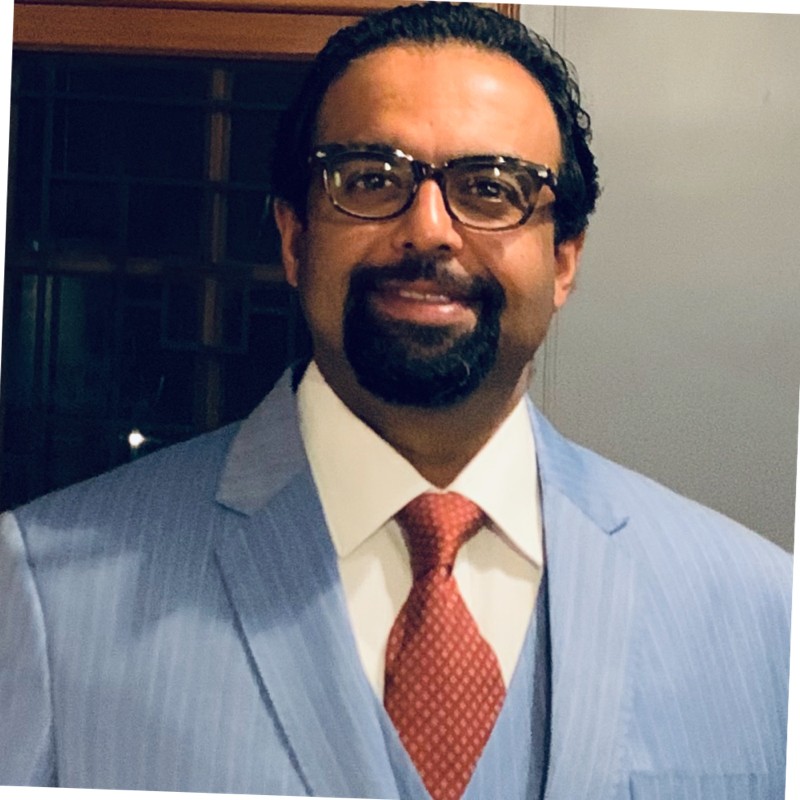





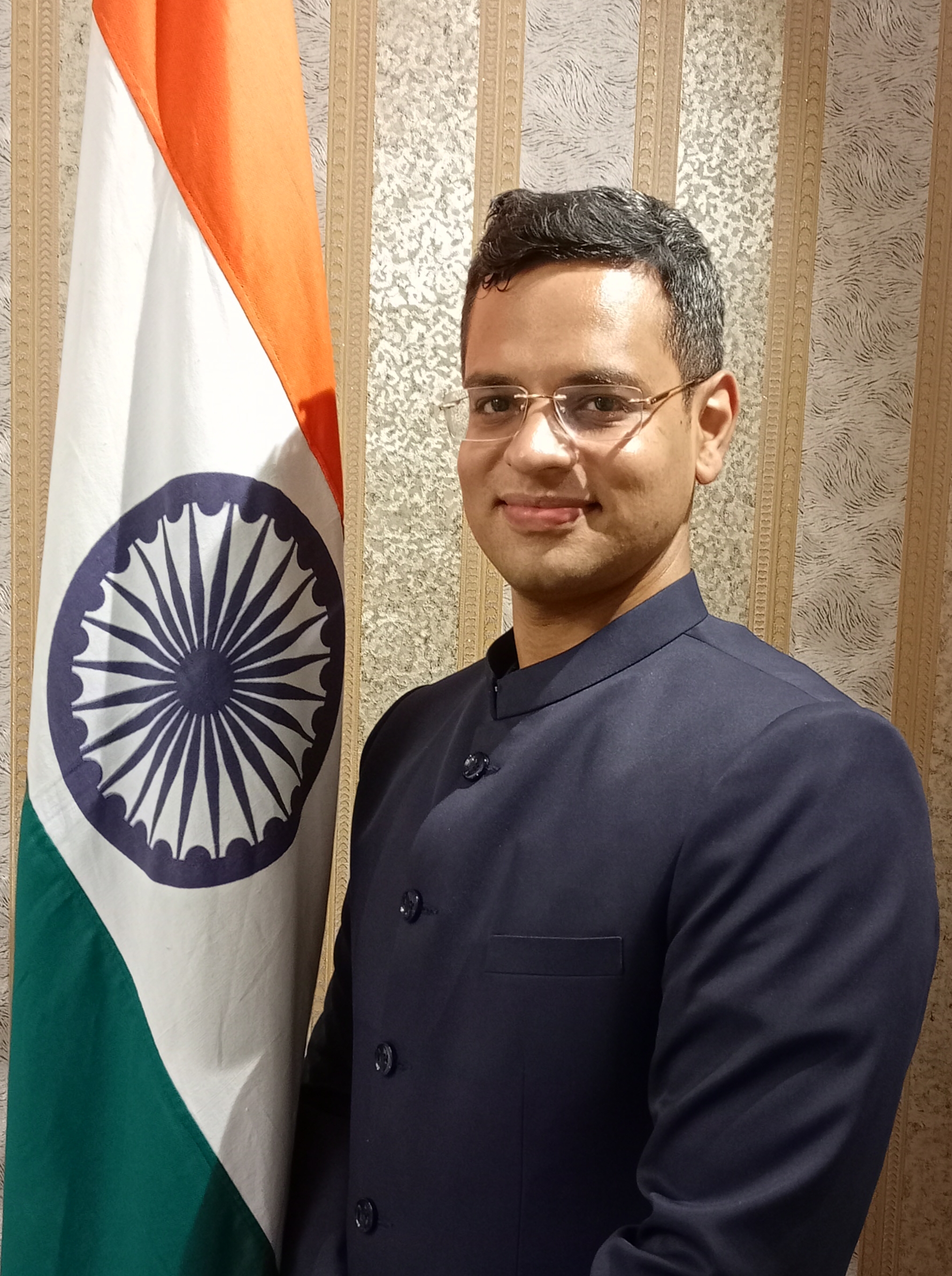












 Allow notifications