Tag: IPR

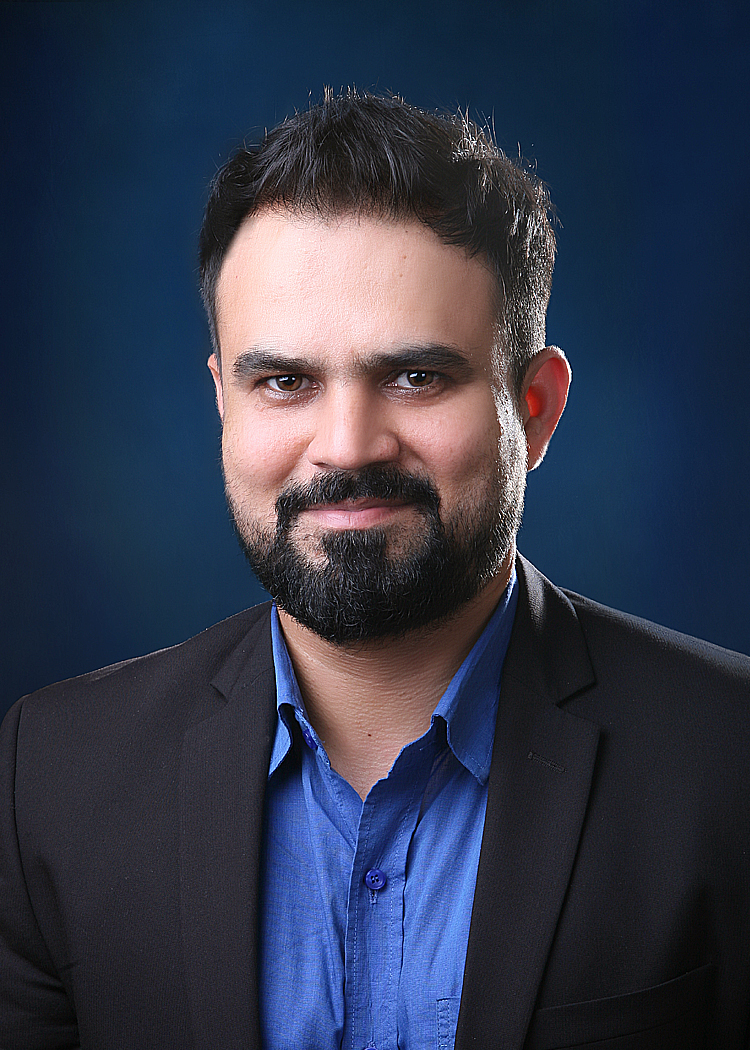
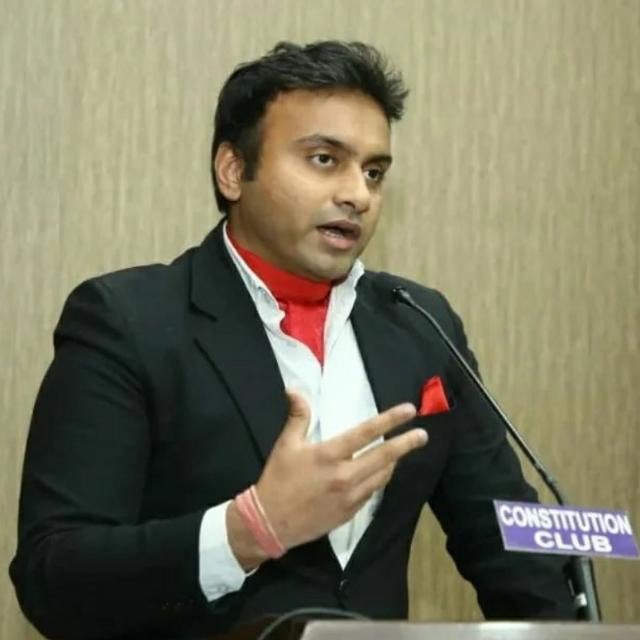
  • Inside the Legal Mind: Navigating the Complexities of Antitrust and Intellectual Property – Dr. Vishnu S. Warrier, Legal Manager at Cochin Shipyard Limited.

    Inside the Legal Mind: Navigating the Complexities of Antitrust and Intellectual Property – Dr. Vishnu S. Warrier, Legal Manager at Cochin Shipyard Limited.

    This interview has been published by Anshi Mudgal and The SuperLawyer Team

    Your remarkable contributions to the legal field are widely recognized. What led you to choose law as a career despite having a background in science? What motivated you to make this shift?

    Thank you so much for your kind words. While my background is in science, I was drawn to law primarily because of the unique freedom and societal impact it offers. Unlike many other professions, law provides the opportunity to engage directly with society and interact with people from diverse walks of life. This ability to affect change, whether by resolving complex issues or advocating for others, truly resonated with me. I found that, in science, while I could contribute through innovation and research, law allows me to apply problem-solving skills in a more immediate and tangible way, often in situations where my services can bring about significant positive change or even happiness for others.

    Moreover, law offers a respected position within society, which is something I deeply value. The idea that legal professionals play a key role in shaping policy, protecting rights, and upholding justice aligns with my desire for a career that combines intellectual challenge with the opportunity to make a real difference. In many ways, law felt like a natural next step for me, allowing me to leverage the analytical and critical thinking skills honed through my science background, while also offering the chance to have a direct and meaningful impact on individuals and communities. 

    After completing law school, you pursued an LLM in Business Law and a PhD in Competition Law. What sparked your interest in these specific areas of law, and how have they influenced and enhanced your professional journey?

    When I completed my undergraduate law studies, I found myself at a crossroads like many of my peers, wondering what direction to take next. I debated whether to enter legal practice or pursue further studies, and if I chose the latter, in which area of law should I specialize? I initially felt some pressure, as many of my friends were pursuing additional qualifications, and I wondered if I was already falling behind.

    However, after careful consideration and introspection, I recognized that my interests were centered around business law related subjects like contracts and intellectual property law. During my final year, I had the opportunity to intern with an IT firm, where I was exposed to contract drafting and gained some insights into the practical applications of intellectual property rights, particularly copyrights and trademarks. This experience sparked a deeper interest in intellectual property law and its potential for specialization.

    I began to understand the value of pursuing a more niche area of law, and this led me to focus on business law as my primary interest. After speaking with my professors and industry professionals, I decided to pursue a Master of Laws (LL.M) with a specialization in Business Law, with a focus on Intellectual Property Law as well. I was fortunate to be admitted to NLIU, Bhopal, through the CLAT, which provided me with a solid foundation for my further studies.

    The two years of my LL.M were transformative. I had the privilege of learning from professors who deeply influenced my career, particularly Dr. GS Bajpai and Dr. Vinod Dixit. Dr. Bajpai ignited my passion for legal research, while Dr. Dixit played a key role in honing my research skills and guiding my LL.M dissertation, which explored the intersection of Intellectual Property and Competition Law.

    During my time at NLIU, I also had the opportunity to intern with Luthra & Luthra, where I assisted in competition law matters. This experience introduced me to the emerging field of competition law in India and further piqued my interest. Since then, competition law has become a key area of my professional passion and expertise. Recognizing the potential of this relatively new area of law, I decided to deepen my expertise and eventually pursued a PhD in Competition Law. 

    With over 14 years of experience as an in-house legal counsel, what have been some of the most valuable lessons you’ve learned from providing legal support to business operations? Can you share an example of a particularly challenging case you’ve worked on and how you approached it?

    As an in-house legal counsel, I have gained several key insights over the years that have been invaluable to my role. One of the most critical lessons is the importance of understanding the company’s business strategy. Legal counsel must go beyond merely interpreting the law; it is essential to integrate our advice within the broader business context. By aligning legal decisions with the company’s goals and objectives, I am able to provide solutions that are not only legally sound but also practically feasible, ensuring that the business can thrive.

    Another essential insight is the understanding that risk management is more important than risk avoidance. Effective legal support is not about eliminating all risks, as some degree of risk is unavoidable and even necessary for business growth and innovation. Instead, my role is to help the company navigate these risks in a way that minimizes potential harm while still allowing for the pursuit of opportunities and business goals. It’s about striking the right balance.

    Additionally, effective communication has proven to be a vital skill. Translating complex legal concepts into clear, actionable advice is critical, as many business stakeholders may not have a deep legal background. It is my responsibility to ensure that legal implications are communicated in a way that is understandable and actionable. Whether addressing compliance requirements or explaining the potential consequences of a business decision, my aim is to make legal advice accessible and valuable to the team.

    Collaboration across different functions has also been one of the most rewarding aspects of my role. Working closely with teams from finance, operations, marketing, and other departments allows me to better understand their priorities and challenges. By being a trusted partner to these teams, I can provide timely and relevant legal support, helping to anticipate potential issues before they escalate.

    Agility and solution-oriented thinking are also key components of being an effective in-house counsel. The business environment is constantly evolving, and I’ve learned to be flexible and adaptable in my approach. Legal solutions must evolve alongside the business, and I strive to find practical solutions to legal challenges. Rather than just identifying potential risks, I aim to contribute to finding solutions that propel the business forward.

    A preventive approach to law has also been one of the most valuable contributions I can make as in-house counsel. By drafting clear contracts, setting up strong internal processes, and offering regular compliance training, I help mitigate potential risks before they become issues. This proactive approach to legal matters helps the business avoid costly disputes and safeguard its reputation.

    Negotiation and diplomacy are critical in my role. Whether I’m involved in contract discussions, dispute resolution, or forming strategic partnerships, it’s crucial to understand the broader context of each negotiation. By recognizing what each party values and finding common ground, I can facilitate agreements that protect the company’s interests while fostering positive, long-term relationships.

    Further, commitment to upholding high standards of compliance and ethics is fundamental to the role of an in-house legal counsel. Ensuring that the company adheres to legal requirements and maintains ethical conduct is essential, especially in industries with complex regulatory environments. Non-compliance can lead to serious legal and reputational risks, so maintaining strict standards is critical to safeguarding the company’s integrity and success.

    I would say that; the role of in-house legal counsel extends far beyond simply providing legal advice. It involves understanding the business, working collaboratively with various departments, and offering practical, solution-oriented legal guidance that supports the organisation’s growth while safeguarding its interests.

    One of the most challenging aspects of my role as in-house legal counsel is navigating the delicate balance between the commercial interests of the organization and our unwavering commitment to legal compliance and ethical practices. In situations like these, it’s crucial to maintain alignment with the company’s goals while ensuring that we don’t compromise on our legal and ethical obligations.

    A key challenge often arises when the business is eager to pursue new opportunities or aggressive growth strategies. These initiatives may involve areas where the legal framework is either ambiguous or highly regulated, creating potential compliance risks. My approach in such cases has been to fully understand the commercial objective behind the decision, and then work closely with the relevant business stakeholders to ensure that the legal risks are clearly identified and communicated.

    Rather than simply telling the business “no” or “this can’t be done,” I strive to offer alternative solutions that satisfy both the commercial intent and legal requirements. For example, when dealing with regulatory compliance or complex contractual terms, I work collaboratively with finance, operations, and other departments to design agreements or strategies that mitigate legal risk while allowing the business to move forward. This may involve structuring deals in a way that complies with the law, negotiating terms that ensure compliance without hindering business flexibility, or even identifying ways to structure the business’ operations so they remain compliant without disrupting its goals.

    One critical component in maintaining this balance is effective communication. I make it a point to explain not just the “what” and “how” of legal compliance, but also the “why”. When business leaders and teams understand the legal rationale behind compliance and ethical guidelines, they are more likely to support and adopt these measures without feeling that they are inhibiting the company’s growth. This transparency also helps to build a culture of compliance within the organization, where legal considerations are viewed as integral to the company’s long-term success rather than as a barrier.

    Ultimately, my goal is to find practical solutions that protect the organization’s commercial interests while also ensuring that we uphold the highest standards of legal compliance and ethical conduct. Balancing these priorities requires constant vigilance, clear communication, and a solution-oriented mindset that supports both business growth and responsible risk management.

    As an author of numerous books and articles, you’ve addressed various facets of India’s competition law landscape. With the rapid advancement of technology and the rise of digital markets, how do you envision competition law evolving to address challenges such as anti-competitive practices in the tech industry?

    As a student of law and research enthusiast who has had the privilege of studying India’s competition law landscape, I believe that the digital revolution and the rapid advancements in technology, especially the rise of big data, will play a critical role in shaping the future of competition law. With technology playing an increasingly dominant role in every sector, competition law must adapt to address new challenges, particularly in the tech industry where anti-competitive practices often thrive.

    The surge in data-driven business models has fundamentally altered the dynamics of competition. Tech giants like Google, Facebook, and Amazon have not only redefined how we interact with digital platforms but also consolidated immense power by controlling vast amounts of data. This concentration of data is creating a new form of dominance, with the potential to distort competition in ways that traditional antitrust frameworks were not designed to address.

    As companies harness data to gain insights and optimize their operations, they inadvertently or deliberately use it as a tool to entrench market dominance. Practices such as exclusionary tactics, discriminatory pricing, and even data-driven collusion are becoming more commonplace, potentially stifling innovation and preventing smaller competitors from gaining a foothold in the market. These practices represent a growing challenge for regulators who must balance fostering innovation with ensuring a level playing field.

    Moreover, the regulatory landscape in India and globally is lagging behind the speed of technological change. Traditional competition law, which primarily focuses on market shares and pricing strategies, must evolve to encompass the unique characteristics of digital markets. The key concern is how we can regulate the misuse of data to preserve both competition and privacy without stifling the very innovation that drives the tech sector forward.

    One of the critical areas that require immediate attention is the abuse of data dominance. When a dominant player in the market collects and controls vast amounts of personal data, it can create barriers for entry and exert undue control over consumers. This can lead to harmful outcomes, such as reduced consumer choice, unfair pricing, and monopolistic behavior. Regulatory bodies must address these issues by not only enforcing traditional competition laws but also developing new frameworks that take data and its role in market dynamics into account.

    I envision the future of competition law evolving through a combination of enhanced enforcement mechanisms, clearer data governance policies, and greater international cooperation. Strengthened regulatory measures can ensure that dominant players cannot leverage their data advantage to undermine competition. These measures must be agile and responsive, given the rapidly changing nature of digital markets.

    Moreover, empowering consumers through transparency and control over their personal data is a key component of a fair and accountable ecosystem. Consumers must be able to understand how their data is being used, have the ability to exercise their rights, and be protected from unfair practices. This empowerment, combined with robust enforcement of competition laws, will help create a more competitive and ethical digital environment.

    Addressing anti-competitive practices in the tech industry, particularly in the era of big data, requires a multi-faceted approach. Competition law must evolve to deal with the complexities of data dominance, market power, and the ethical use of information. By fostering innovation while ensuring fair competition, we can create a balanced, dynamic digital ecosystem that promotes consumer welfare, protects individual rights, and drives responsible technological advancement. It will take collaboration among regulators, businesses, and consumers to navigate this complex landscape, but by doing so, we can ensure a thriving and equitable digital future.

    Your academic and professional achievements are impressive, and your research contributions are highly regarded. What drives you to keep writing and publishing in such a demanding field, and how do you manage to balance these scholarly endeavours with your professional commitments?

    Thank you for your kind words. I am deeply grateful to my teachers, who played a pivotal role in shaping my research skills. As I mentioned earlier, my areas of interest are centered around corporate law, particularly antitrust law. I firmly believe that professionals should focus on emerging areas within their field, as this not only accelerates career growth but also opens doors for new opportunities. I was fortunate to begin my research in competition law just as India’s new antitrust legislation was coming into effect, which created a wealth of learning possibilities.

    It is worth noting that publication requirements, such as the two articles needed for Ph.D. programs, were a key catalyst in increasing my publication output. While I had already published a few articles and three books before enrolling in my Ph.D., the pace of article publication certainly increased after my Ph.D. enrolment. As I mentioned earlier, exploring emerging areas and contributing to them not only enriches one’s work but also ensures that contributions are recognized in the academic community.

    As for managing the balance between scholarly pursuits and professional commitments, this is a question I often encounter. Striking that balance can be challenging, but with the right strategies, it is certainly achievable. The first step is to clarify both your academic and professional goals. Understanding your priorities allows you to allocate your time and energy effectively, ensuring that both areas progress according to your long-term vision.

    Next, I recommend developing a structured schedule that accommodates both academic deadlines and professional responsibilities. Time-blocking is a useful technique to ensure dedicated time for each, so that neither area encroaches on the other. Prioritizing tasks based on deadlines and significance will also help in staying on track.

    Leveraging flexibility within both your academic and professional roles can also be incredibly beneficial. Open communication with your employer about important academic periods can lead to accommodations that allow for better focus on research. Likewise, delegating certain tasks in the workplace can free up valuable time for scholarly work. Similarly, in academia, delegating aspects of your research projects where possible can help manage workload effectively.

    Setting boundaries is essential to prevent feeling overwhelmed. Learning to say no, or negotiating timelines, helps to ensure that you do not overburden yourself. Being mindful of your limits and allowing yourself to shift focus between commitments is key. Where possible, integrating your academic work with your professional role can streamline both efforts. If your scholarly pursuits align with your job, you can create synergies that reduce the effort required to manage them separately.

    Self-care is another critical aspect. Regular breaks, exercise, and relaxation are necessary for maintaining productivity and overall well-being. Stress management techniques, such as mindfulness, can help you stay focused and prevent burnout, ensuring that both your academic and professional commitments remain sustainable.

    Utilizing technology to stay organized is also invaluable. Digital tools like calendars, task managers, and note-taking apps are excellent for keeping track of deadlines and responsibilities, helping ensure nothing is overlooked. Lastly, it’s important to be realistic about your capacity. Some periods will require more attention to either your academic or professional life, and it’s essential to adjust expectations accordingly. Don’t hesitate to scale back when necessary to avoid compromising the quality of your work in either area.

    Seeking support from mentors, colleagues, and academic advisors can provide the guidance needed to navigate the complexities of balancing both domains. Clear communication and mutual understanding can provide flexibility and insight, helping to manage the dual responsibilities effectively. By prioritizing tasks, setting boundaries, practicing self-care, and leveraging available resources, balancing scholarly and professional commitments can be achieved without overwhelming oneself.

    What are the most important elements of intellectual property management that you discuss in one of your works, and why is it critical for businesses to adopt effective IP management strategies?

    In one of my works, I discuss several key elements of intellectual property (IP) management that businesses must consider to effectively safeguard their innovations and sustain a competitive edge. These elements include IP identification, protection, commercialization, and enforcement, all of which are crucial to ensuring the longevity and profitability of intellectual assets.

    The first step in effective IP management is identifying the intellectual assets within an organization. This involves recognizing innovations, trademarks, patents, and other creative works that could be protected under IP laws. It is essential for businesses to have a clear understanding of what constitutes IP within their operations so that valuable assets are not inadvertently overlooked. Without this identification, businesses risk losing control over critical innovations.

    Once IP is identified, the next step is protection. This involves taking the necessary legal measures to secure patents, trademarks, or confidentiality agreements to guard against potential infringement. IP protection forms the foundation of any IP strategy, as it ensures that competitors cannot copy or exploit these innovations, thereby maintaining the business’s unique position in the market.

    Following protection, businesses must look to commercialize their IP. This can be achieved through licensing agreements, partnerships, or the development of new products and services. Effective commercialization not only helps businesses generate revenue but also expands their market presence, turning intellectual property into a powerful revenue stream.

    However, protection and commercialization alone are not sufficient. Enforcement is equally critical. Businesses must be proactive in monitoring the market for potential infringements of their IP and be prepared to take legal action if necessary. This vigilant enforcement ensures that the value of intellectual assets is not undermined, providing companies with the legal standing to defend their innovations.

    Adopting robust IP management strategies is vital for businesses for several reasons. Intellectual property often represents a significant intangible asset, forming the cornerstone of a company’s competitive advantage. Without proper management, businesses risk losing control over their innovations and missing out on opportunities to capitalize on them. Furthermore, effective IP management creates barriers to entry for competitors, helping companies maintain market dominance while fostering a culture of continuous innovation.

    In today’s interconnected global marketplace, businesses are increasingly vulnerable to IP theft or unauthorized use. By implementing sound IP management practices, companies can protect their assets, avoid costly legal disputes, and ensure long-term growth and sustainability. Ultimately, IP management is not just about protecting ideas; it is about strategically leveraging those ideas to drive innovation, revenue, and competitive strength.

    As the founder of Lex-Warrier Law Journal and a frequent speaker at various conferences, what advice would you give to law students aiming to excel in both the legal profession and legal research? Additionally, what resources would you recommend to them to stay informed about the latest developments in the field of competition law?

    My advice to them would be twofold: cultivate a deep commitment to continuous learning and actively seek out opportunities for hands-on experience.

    First, in terms of legal research, I would advise students to focus on building a strong foundation in research methodology. The ability to critically analyze case law, statutes, and legal theories is indispensable in any legal career. However, it’s equally important to develop skills in synthesizing complex legal issues and presenting them in clear, concise writing. Law journals, like Lex-Warrier, provide an excellent platform for students in their initial phase to publish their research and get their work noticed by a wider audience. My advice is to regularly contribute to such journals, not only to gain exposure but also to hone your writing and analytical skills.

    Secondly, practical experience is key to excelling in the legal profession. I strongly recommend that law students seek internships, clerkships, or volunteer work with law firms, judges, or in-house legal departments. These experiences help bridge the gap between theoretical knowledge and real-world application, providing valuable insights into the practice of law. Engaging in moot courts, debates, and legal competitions is also a great way to sharpen practical skills and build confidence.

    To excel in competition law, law students should try to stay updated with the latest developments in the field. The dynamic nature of competition law, with its evolving regulatory frameworks and landmark decisions, demands that professionals remain informed.

    I recommend the following resources for staying up-to-date:

    1. Legal Journals and Publications: Regularly reading law journals which provides access to the latest scholarly articles, case law, and regulatory developments in competition law.
    2. Official Websites: Staying connected with institutions like the Competition Commission of India (CCI) and the European Commission’s competition department is crucial. These websites offer updates on policies, decisions, and ongoing cases that shape the competition law landscape.
    3. Books and Treatises: Foundational texts on competition law, such as those by notable scholars like Richard Whish or Eleanor M. Fox, offer in-depth insights into the principles and nuances of competition law, while also serving as reference points for research and practice.
    4. Webinars and Conferences: Actively participating in webinars, conferences, and seminars, whether in person or virtual, is an invaluable way to engage with the legal community and learn directly from experts. Being a frequent speaker myself, I believe these platforms not only offer learning opportunities but also provide students with networking prospects that can be crucial for their careers.

    By combining a strong commitment to academic excellence, practical exposure, and consistent engagement with the latest industry resources, law students can position themselves to excel both in the legal profession and in legal research, particularly in specialized areas like competition law.

    After managing such demanding professional responsibilities, how do you unwind and relax? Do your hobbies, like chess and cricket, provide a mental break, and in what ways do they contribute to your overall well-being?

    For me, engaging in hobbies like chess and cricket plays a significant role in providing that mental break. These activities not only offer a refreshing escape from the intensity of my professional commitments but also contribute meaningfully to my overall well-being.

    Chess is particularly beneficial as it helps me sharpen my focus and strategic thinking. The game requires deep concentration and foresight, which allows me to temporarily step away from legal complexities and immerse myself in a different kind of mental challenge. It also provides a sense of accomplishment when I can improve my skills or solve difficult puzzles. This mental stimulation helps keep my mind agile and balanced, making it easier to return to work with renewed energy and clarity.

    Cricket, on the other hand, is a great physical and social outlet. The game allows me to disconnect from the day-to-day stress of my professional life and enjoy time with friends or colleagues. Whether playing or simply watching, cricket offers a great way to relieve stress and foster a sense of camaraderie. Physical activity, whether through a casual match or just active participation, is also essential in promoting physical health, which in turn supports to maintain a stress-free mind.

    Both of these hobbies serve as valuable tools for maintaining equilibrium in my life. They provide a structured yet enjoyable way to switch gears, reducing the risk of burnout and improving my productivity when I return to my professional responsibilities. Engaging in activities outside of work also helps me cultivate a sense of joy, creativity, and relaxation, all of which are crucial for maintaining long-term well-being and success.

    Get in touch with Dr. Vishnu S. Warrier –

  • “If you want to build a successful career in IP, there are only two ways to go about it. First is to find your WHY and continue to enrich the answer, and Second is to read as much as you can and as wide as you can.” – Rahul Bagga, Founder of Aumirah.

    “If you want to build a successful career in IP, there are only two ways to go about it. First is to find your WHY and continue to enrich the answer, and Second is to read as much as you can and as wide as you can.” – Rahul Bagga, Founder of Aumirah.

    This interview has been published by Anshi Mudgal and The SuperLawyer Team

    You have a diverse background, both in Patent law and in Chemical Engineering. Can you share what inspired you to transition from a technical field like chemical engineering to a career in Intellectual Property Law? 

    I started with Patent Law, and to practise patent law – one needs to have a science/technology background. So, transition from an engineer to patent attorney was rather smooth and felt natural. However, transitioning to intellectual property law – covering trademarks, copyright, design, geographical indications, plant varieties, contracts etc. has been quite a journey. It was mostly inspired by my own hunger to expand my skills and offerings. The learnings in these areas too felt natural as they seemed like a natural extension of patent law – for the bedrock on which IP laws are framed and promulgated share common or similar pith, substance and motivations. If I am reaching out to a client, I have to then go with an entire set of solutions and deep knowledge on all fronts of IPRs.

    What are some important lessons from the early stages of your career that have stayed with you, and how have they influenced the trajectory of your professional journey?

    First and foremost, lesson that I have taken and retained and continue to expand is about finding my Why. Initially, I wasn’t sure why I am in patent law. Just because it is interesting – I get to work on frontiers of technology and law – wasn’t a good enough answer to Why. It was a self-centered answer. In business and particularly in client facing professions like law – your reasons to pursue those professions cannot be self-centred. You may start with such motivations but you cannot continue and grow with this motivation. Let’s face it – all learning becomes boring after you have spent enough time on it – this is true for me. I learn quickly. I read a lot. I get bored of a subject after having understood its basics/founding principles or first principles and move onto something new.  I continued to expand my Why – which in turn helped me expand my skillset, and which in turn allowed me to offer more and more services – high quality services – to my clients, and this skill or this aspect has shaped my professional journey deeply.  

    Given your extensive experience working with various corporations and legal entities, what inspired you to transition into starting your own practice with Aumirah and what were the initial challenges that you had to overcome?

    Frankly, if you are good at what you do – you won’t face any challenges. High quality clients or Impactful clients will find high quality professionals or Impactful professionals. Also, I have always worked like an entrepreneur. So, when I started Aumirah, for me it was being employed by Aumirah. It is not about entrepreneurship – it is about entrepreneurial mindset – that you can carry  in any form – as an employee or employer.

    Sure, I did face usual problems of cash flow etc. but I didn’t face any problems with respect to the work or getting work itself. For this, I am also obliged to my very dear colleagues who have worked closely with me and understood my “Why”. We have always found friends at the right juncture who took us along on path to growth. I have been blessed with some of the best clients one can get across the domain and they have spread our work far and wide.

    In your role as a mentor to startups, you’ve worked with several incubators like Nexus by the US Embassy and IIITD Incubator. What are the most common IP challenges you see startups facing, and how do you help them overcome these?

    The most common challenges faced by startups is lack of proper advice on IP rights at an early stage. I have seen many established companies with extremely poor IP frameworks and portfolio. Unfortunately, I do not see that improving anytime soon since IP advice right now is being doled out in the market is for sake of making money and not for sake of making the client and especially startups – sail through the initial phase of their journey. We definitely help startups overcome challenges by coming up with advisory on how to defer and when to prioritise what kind of IP. Not all IP is urgent. Not all IP can be deferred. Between these two paradigms – startups can find their right IP framework.

    With your background in chemical engineering, how do you assess the patentability of inventions in the tech or life sciences sectors? What common mistakes do inventors make when filing patents in these industries?

    The assessment of patentability – be it chemical engineering, semiconductors, biotechnology, robotics or automation – is highly similar. Sure, there can be differences in assessment of inventive step – for the context of ontology in each of the mentioned domains – but the first principles are similar. The common mistakes inventors do is to confuse their product as their invention.

    Having extensive experience in Patent Law, can you share a recent case where you helped a client with patent opposition or litigation, and what was the outcome?

    Sure. Recently, we strategized, prepared and litigated in the matter of Falcon Autotech vs Kengic China. We not only got the patent granted but also litigated it against Kengic and got an ex parte injunction in the first hearing itself before Delhi High Court. The matter pertained to sorters used in logistics and warehousing.

    As the leader of Aumirah, how do you foster a culture of innovation and excellence among your team, especially when dealing with high-stakes IP and corporate matters?

    At Aumirah, from very early on, everyone is exposed to clients or clients are exposed to even the junior most associate. This exposure and discussions with clients expose our team to the high stakes and wide range of work that we do, are capable of and can be capable of. The innovation and excellence cannot happen in silos. It is like you cannot be a good boxer if you training only with boxing bags – you have to do technical sparrings, power sparrings and sometimes even a club-level fight routinely to be able to enter the bigger arena eventually. So far, my team has made me proud of the fact that they have very judiciously handled clients. They are miles deep with our clients and also mile wider in law and its applications in handling their matters because of this exposure.

    What advice would you give to aspiring IP professionals who are looking to build a successful career in the field?

    If you want to build a successful career in IP or in fact any field of law – there are only two ways to go about it. First is to find your WHY – and continue to enrich the answer as you go along in your journey. Second is to read as much as you can and as wide as you can and if you cannot read – then keep company of people who read and make sure your choice of reading materials be not restricted to just law or science or business – make it wider – fiction, poetry, news, history, religion, vastu, architecture, biographies – become a sponge – absorb knowledge and become a powerhouse.

    Get in touch with Rahul Bagga –

  • “Attributes like hard work, discipline, determination, self-reflection, and honesty have been pivotal in shaping my professional journey.”  – Daleep Kumar, Partner at RNA, Technology and IP Attorneys.

    “Attributes like hard work, discipline, determination, self-reflection, and honesty have been pivotal in shaping my professional journey.” – Daleep Kumar, Partner at RNA, Technology and IP Attorneys.

    This interview has been published by Anshi Mudgal and The SuperLawyer Team

    Looking at your educational background you initially pursued B.Com from Delhi University and thereafter a Masters in Finance & Control. What motivated you to transition to a career in Law, particularly in Intellectual Property?

    My academic journey began with a focus on commerce, which led me to pursue B.Com and later a Masters in Finance & Control. During this time, I joined a top-tier law firm as a Trademark Assistant, where I was introduced to the dynamic world of Intellectual Property (IP) law. This exposure sparked my interest in IP, as I began to appreciate its vital role in brand protection and innovation. Inspired by the field’s unique impact on business and creativity, I decided to pursue an LL.B. and dedicate my career to IP.

    Transitioning into IP law has been immensely fulfilling, enabling me to work at the intersection of law, business, and creativity. This path allows me to guide clients through complex legal landscapes, helping them safeguard and grow their brands in an increasingly competitive market.

    You began your career with Top-Tier Firms which provided you with a strong foundation in IP fundamentals and allowed you to gain extensive experience. Can you take us back to your key learnings from the period that played a pivotal role in shaping your career?

    Starting my career at a top-tier law firm was invaluable in shaping my path in IP law. Those early years provided a solid grounding in the fundamentals of IP, from understanding the nuances of trademark registration to managing the complexities of opposition and enforcement. Working on a diverse array of cases allowed me to understand the strategic role IP plays in protecting and advancing business interests. 

    One of the key leanings was the importance of precision and attention to detail. IP law demands meticulous attention to both procedure and strategy, as a single oversight can significantly impact a client’s rights. I also gained a deep appreciation for balancing legal rigor with commercial insight. Early exposure to high-stakes cases taught me to think about IP from a business perspective, a skill that continues to shape my approach today.

    Finally, attributes like hard work, discipline, determination, self-reflection, and honesty have been pivotal in shaping my professional journey.

    As a Partner at RNA, Technology and IP Attorneys you oversee various domains such as Trademark Prosecution, Opposition, Litigation etc. What in your experience has been the most interesting case you’ve come across in your vast practice and how do you prepare for such a challenging case?

    Throughout my practice, I have handled a variety of complex and compelling IP enforcement cases. One such case involved trademark and copyright infringement, where a third party was mixing counterfeit products with genuine ones and selling them in packaging that closely imitated our client’s. The primary challenge was tracing the source, as these products were not sold online or stored at any physical outlet, making detection difficult. Moreover, the necessary lab testing sometimes confirmed product authenticity due to the blending of genuine and counterfeit products, further complicating the case.

    This case required innovative legal strategies, extensive evidence gathering through in-house investigations, and close collaboration to refine our arguments. We carefully assessed both sides’ positions, developing a robust plan while maintaining clear communication with the client to keep them informed and engaged.
    Through detailed research, strategic planning, and strong teamwork, we successfully navigated the complexities of the case to protect our client’s interests.

    As someone involved with the Trade Marks Journal and TM Watch Projects, what are the key challenges you encounter in this area? Additionally, how effective do you find the recently launched AI and Machine Learning-based Trademark Search Technology Portal by the Ministry of Commerce & Industry?

    We currently employ a third-party AI-powered tool to streamline the review of Trade Marks Journals, conduct comprehensive clearance searches, and enhance our trademark watch services. A key challenge in these projects is managing the extensive volume of data that requires thorough review and analysis. Ensuring consistency and accuracy in further refining the system-generated results is crucial, as even minor oversights can lead to significant implications for our clients. The team’s meticulous attention to detail is essential in filtering and verifying these reports to uphold the high standards our clients expect.

    The AI and machine learning-powered Trademark Search Technology, introduced by the Union Minister of Commerce & Industry on September 18, 2024, became publicly accessible recently on October 28, 2024. Although its full capabilities and effectiveness are still being assessed, this innovation is anticipated to significantly improve the accuracy and speed of trademark searches, creating a more efficient process for stakeholders and examiners alike. As with any new technology, some refinement may be necessary over time, but I believe that, as it evolves, this tool will become an invaluable asset to IP professionals.

    With more than 15 years in the legal field and your extensive expertise in IP management and strategy, what key changes do you believe the government should implement in the IP landscape to benefit all stakeholders?

    Enhancing IP awareness, particularly among startups, SMEs and law enforcing agencies, is essential. Streamlining IP registration processes to minimize delays and fostering cross-border IP collaboration would significantly benefit stakeholders. Further, integrating advanced tech tools like AI-driven analytics for faster IP clearance and infringement detection could make IP protection more accessible and effective. Strengthening enforcement mechanisms would also provide more robust protection, reinforcing India’s IP infrastructure and making it a stronger player on the global IP stage.

    You mentioned that you participated in the “JPO/ IPR Training Course for Practitioners Specialising in Trademarks” conducted by Japan Patent Office (JPO) and were awarded a Certificate of Appreciation. Can you share with us what that experience was like and what are the key differences in your opinion in the workings of JPO and Office of the CGPDTM?

    The training at JPO was an enriching experience that deepened my understanding of trademark law, especially from an international perspective. The JPO stands out for its remarkable operational efficiency and its forward-thinking use of advanced technology to streamline key processes, including trademark registration. While both the JPO and the Office of the CGPDTM share the goal of safeguarding intellectual property, the JPO’s use of AI in processing applications is a notable difference. Incorporating similar AI-driven solutions at CGPDTM could lead to significant advancements in process optimization and user satisfaction.

    As a Partner, you handle multiple areas, including IP management and strategy, domain name and company name disputes, as well as data privacy and protection laws. How do you balance your demanding workload with your personal life?

    Balancing a demanding workload with personal life requires disciplined time management and a clear prioritization of tasks. I have found that setting boundaries for work and dedicating time to personal interests—such as exercising, meditation, and travel—helps me stay grounded. Additionally, having a strong support system and a talented team at RNA enables me to delegate effectively, ensuring that both my work and personal life receive the attention they deserve.

    As a guest speaker at numerous IP training workshops, what advice would you offer to our young readers who aspire to become successful IPR attorneys like you in the future?

    My advice would be to embrace learning, stay adaptable, and focus on building a solid foundation in IP fundamentals. Understanding the broader implications of IP law on business and innovation is crucial. Equally important is to stay informed about technological advancements and evolving legal landscapes. Finally, developing soft skills—such as communication, resilience, and ethical integrity—is invaluable in this field, as it enables you to connect with clients effectively and grow as a trusted advisor.

    Get in touch with Daleep Kumar-

  • “Nothing comes free in this world. In this profession you have to do the smart work in addition to the hard work” – Dr. Venkat Reddy Donthi Reddy, Senior Advocate at High Court of Telangana.

    “Nothing comes free in this world. In this profession you have to do the smart work in addition to the hard work” – Dr. Venkat Reddy Donthi Reddy, Senior Advocate at High Court of Telangana.

    This interview has been published by Anshi Mudgal and The SuperLawyer Team

    From the Indian Air Force to a Senior Advocate, your career transition is fascinating. Can you share the pivotal moment that inspired you to pursue law while serving in the Air Force?  

    As part of my job in the Indian Air Force (1985 to 2003), I was posted as instructor to NCC cadets at Hyderabad (Posted to the unit – No.2 Air NCC t at Hyderabad). I have availed the opportunity to study LLB and LLM in evening college under Osmania University. It was my goal to excel myself in life instead of working under someone. 

    Truly speaking Studying law is not planned. Once I joined the law course, I decided to prove to myself as one of the distinguished advocates across the legal fraternity and public at large.

    You have a Ph.D. in Trademark Law and are actively involved in international intellectual property forums. What new dimensions have you observed in global IPR law, and how can India contribute to these evolving trends?  

    I did my Ph. D in Trademark Law. I have been studying all through my life. I have also done a PG diploma in ADR, PG diploma in Cyber Laws and Intellectual Property Rights, PG diploma in Human Resources Development etc., While doing Ph. D, I have done extensive research on the topic “Law relating to Trademarks in India – A study with special reference to passing off and Infringement of Trademarks”. Some of the suggestions were given to be implemented.

    Attending the various conferences in IPR across the globe viz., INTA (International Trademark Association), AIPPI (International Association for the Protection of Intellectual Property), WIPF (World Intellectual Property Rights Forum), GIPC (Global Intellectual Property Convention), APAA (Asian Patent Attorneys Association), MARQUES etc., is of immense help. It enhances the awareness on the subject in different countries. Latest developments happening across the globe and evolution of jurisprudence is being shared. Since the subject of Intellectual Property Rights is global, understanding the developments in the courts across the world is essential.

    The kind of orders, Mareva injunction, Anton pillar order, John doe order and quia timet action etc., are the evolution of new jurisprudence, which are only being heard in IP related matters.

    Contribution of India.:

    On a personal note, abolition of IPAB (Intellectual Property Appellate Board) by Tribunal Reforms Act, is discouraging. Globally, the countries across the world are showing great importance to IPR and contra, the steps taken by the  Government of India are not impressive. Lack of qualified personnel in prosecution of the IPR applications, lack of infrastructure, delay in prosecuting the applications and delay in court proceedings is not encouraging.

    Unfortunately none of the cities in India has got infrastructure to host the seminars/conferences like INTA etc.,

    The Government of India shall.:

    1. Organise seminars/conferences/workshops among the entrepreneurs, judiciary, advocates, technocrats to bring awareness of IPR.
    2. Shall be part of the international conferences.
    3. IPR professionals, Judges and employees working in IPR divisions to be compulsorily trained and made to attend the international and national conferences wherein a lot of knowledge sharing happens.

    As the founder of RVR Associates, you built a successful law firm specializing in IPR and other areas of law. What motivated you to step away from the firm and take up the role of a Senior Advocate at the High Court of Telangana in December 2022? How has this new role enriched your legal journey compared to your experience as a law firm founder?  

    On RVR Associates.:

    Incidentally I have not joined any Senior Advocate or law firm after my enrolment in September 2003 except having undergone the internship for a period of 3 months under Late Srinivasa Murthy, the Trademark agent to understand Trademark Prosecution. As I am interested in litigation, I got associated with my LLM classmate and started the firm by name M/s. RVR Associates, IPR attorneys and advocates. My classmate is no more the partner of the firm.

    The discipline of the Air Force, dedication, hard work and zeal to excel in the field of law were instrumental for my success. Being a late entry into the profession, a lot of challenges were faced by me. Having not worked with any senior advocate and as no one to support in my legal practice, it made me work harder.

    As a Senior Advocate.:

    I believe in strong ethics and morals. Because of the IPR practice chosen by me, I had an occasion to argue against the leading law firms for the Indian Companies (the Defendants) in various courts viz., High Courts at Delhi, Chennai, Bombay, Ahmedabad, Aurangabad, Bangalore, Dharwad, Allahabad, Hyderabad, Amaravathi etc., By my performance and recognition across the legal fraternity, I started appearing for multinational companies (Mostly Plaintiffs). Then I realised the importance of the experience and the role of Senior Advocate. It was my dream to be Senior Advocate. On application made by me in pursuance of the guidelines framed in Indira Jaisingh judgement, I am bestowed with the designation as Senior Advocate by the High court for the state of Telangana in December 2022.

    New role as Senior Advocate.:

    It is tougher to be a Senior Advocate to a person like me. Now I started reading more to upkeep justice. It comes with a lot of responsibility. Occasions, where I have given up some of the briefs, where I am not satisfied with the proposition of law, on which I have to argue. Earning money is not the sole criteria. 

    In principle, I cannot be part of my law firm and accordingly, I got disassociated with the firm sooner I become Senior Advocate in December 2022. The principles laid down, work culture and system created by me is being continued with my colleagues/advocates. I always remain a mentor for them. Now I am getting more time to prepare thoroughly for my briefs. Unfortunately, no one can be a master in every branch of the law. This is only the profession; you need to study till you die. More you become senior, the more work and pressure. Keeping good health is a serious concern for every advocate.

    You have appeared for many prestigious clients across India. Could you share one of your most challenging cases and the key learnings that shaped your approach to advocacy?

    The intellectual calibre of the advocate alone will not bring the results. various court crafts would also be taken into consideration in getting the results to the clients. Understanding the law and mindset of the court is very important, which cannot be ignored.

    For the sake of confidentiality and non-disclosure, I am not disclosing the names of clients and cases and few of the interesting cases are as follows.:

    1. In one of the cases, the court has appreciated the arguments and the legal points raised, the suit is dismissed at the interlocutory stage itself, without any application being filed for such relief.
    1. In one another case, the writ was to be dismissed, as the court was not convinced on the point and arguments rendered. As it is posted for counter and in the meantime, it got posted before another bench, that court has taken a different view being convinced with the arguments and I won the case.
    1. Most of the cases are badly drafted and it would result in losing of the cases despite merits in the case. Several cases are won by me without getting into the merits of the case, due to the bad drafting and the mistakes committed by the other side.
    1. One should have a determined client to support you arguing on a particular proposition of law otherwise, the reputation of the advocate will be at stake.

    You’ve been involved in teaching for over 30 years, lecturing at prestigious universities. How have you seen students and the field of legal education evolve over the years? Additionally, what has teaching law taught you about your own practice, and how has it influenced your legal approach? 

    Teaching is my passion. The students at universities are not taught the practical aspects of law. Practicing in the courts is a different ball game. While I discuss the practical aspects with illustrations and examples, students are benefited. This profession is no more by chance, it is by chance and hence it will be more competitive and encouraging in coming days. Many times, I learnt from the students while they argue effectively in moot court competitions for which we are designated as judges.

    What role do you believe non-governmental organizations like ALERT play in improving access to legal education, and how does your work as its president contribute to the success of aspiring legal professionals?  

    As part of my profession, I do a lot of pro bono cases also. Ignorance of law is not an excuse, if so, all citizens would be taught the basics of law. As an NGO, I feel it is to spread the basics of law among the citizens and downtrodden people. Government colleges are not as equipped in all aspects while compared to the national law schools. The role of NGO plays a vital role.

    You’ve been supporting students in government schools for over 30 years. How has this philanthropic work impacted your perspective on education and community building?  Please share some insights.

    My father was a teacher, and all his students still remember him for his contribution towards his profession and in up bringing of the students in all aspects of life. In his remembrance, I do encourage the students for the last 30 years by motivating and supporting them in their endeavours. Students do not know what they have to do for their career while they complete their 12th standard. Lot of motivation and guidance is required. Sometimes I do engage the professional speakers and motivators to teach them regarding the aspects of life and career.

    With such a vast and varied career, what advice would you give to young lawyers looking to create a successful and meaningful career in law, particularly in intellectual property and other specialized fields?  

    My advice to the aspiring lawyers in Intellectual property cases and specialized fields.:

    1. No substitute for hard work
    2. Stick on to senior/law firm for considerable period of time
    3. Practice at lower courts for relevant period before switching to the constitutional courts (high Court and supreme court)
    4. Get yourself decided whether you fit to be in house counsel or arguing counsel. Your interest and skills to be taken into consideration.
    5. Keep attending the seminars and conferences in relevant field of law to know the developments
    6. While learning at initial stages of practice, do not give importance to the earnings until you become an asset to the institution/advocate you are working for.
    7. No case is small or bigger. Every case will teach you something new and we are playing with the lives and career of citizens. So similar attention be given to all cases irrespective of social and financial status of the clients.
    8. Upgrade with the latest technology.

    With such a diverse and demanding career spanning the Indian Air Force and legal practice, how do you find time to unwind and relax? What activities help you maintain a balanced life outside of work?  

    Very interesting question. I do relax, while I travel abroad for seminars and conferences. Credit to be given to family members, for their understanding and co-operation. I believe in the logic/ paraphrases 

    “more you sweat in peace less you bleed in war” – Avoid last minute preparation

    “to get something, you need to lose something” – nothing comes free in this world. In this profession you have to do the smart work in addition to the hard work

    I am a sports person, so I keep attending the gym workouts and swimming.

    Get in touch with Dr. Venkat Reddy Donthi Reddy-

  • “The most important facet an individual should have in the field of law is that he should be a keen observer, good learner, hardworking and have perseverance in attaining the desired results even if it takes time.” – Subrat Sahu, Founder at Legumlatum LLP.

    “The most important facet an individual should have in the field of law is that he should be a keen observer, good learner, hardworking and have perseverance in attaining the desired results even if it takes time.” – Subrat Sahu, Founder at Legumlatum LLP.

    This interview has been published by Anshi Mudgal and The SuperLawyer Team

    Since you belong to a science background, what made you switch your career from Science to Law after attaining degrees such as B.Sc. in Zoology, Animal Biology and M.Sc. in Anthropology?

    Since I have a Science Background I have developed an analytical understanding of things during the course of my study. Also, the knowledge which I acquired was theoretical and which has a limited use. It is only applicable in a limited sphere, only in the realm of my study after that the knowledge is futile. I always wanted to work for the purposes of the poor and downtrodden people.

    Which can be done through addressing the plights of the undertrials and accused persons who do not get any legal help and are being languished in the jails.  The legal profession is dynamic and it gets changed day by day and which requires the technological know-how in a lawyer which is essential for addressing the plights of the litigants and lawyers and the judges who are not tech-savvy. These days the laws or statutes require the basic knowledge of science or scientific temperament in a lawyer to address some technological statutes, such as the IT act 2020, The Data protection Act, The food and adulteration act, The Patents Act-1970, The Mental Health Act, The Medical Termination of Pregnancy Act, Air and Water Pollution Control Act. Further the law provides the application of the knowledge obtained during the scientific studies and can be applied in the legal arena. As Scientific knowledge or scientific temperament is required by the legislators who frame the laws or statutes then comes the lawyers or paralegals who practice or draft the petitions or applications which require the scientific knowledge. Then comes the interpreters, they are the puisne judges, thus a scientific taskforce is needed in the legal framework to cater the techno legal subjects. There is a large demand of Engineers whether they are Civil, Mechanical, Electronics engineers in Patents drafting, and removing the defects mentioned in the Examination Reports of the patents examiner. There is a huge demand of the techno-legal professionals Many engineers, Science Graduates and Post Graduates are qualified lawyers, thus bridging the gap of the application of the technology on law and the law on technology. I specifically being a Science Graduate and Postgraduate driven by the need of the techno-legal professionals considered to go. 

    You have worked with various firms before setting up your own firm Legumlatum LLP. What according to you were the learning experiences that shaped your role as the Founder and Managing Partner of the firm?

    I had worked in different law firms, prior to launching of my own law firm and during the term there, I have learned the time management, the team work, done work diligently with the efforts to perform the work assigned. Also, during the course of the day we had discussions and we used to put all efforts or inputs among the teammates regarding the work assigned. We used to take views from all the team members regarding the work and put the best efforts in it. Thus, I inculcated the habits and the skills which I learnt during my tenures at different organisations. Also, being a first-generation lawyer, I worked hard to learn the nitty gritty of the legal profession and was never before earning the money. As I put my earnest efforts in the learning, during my tenures I did not hesitate in learning things by doing the work assigned, whether it is arranging the legal documents, and in drafting the suits, agreements etc. I never denied to do the work assigned to me as this is not of my domain.

     I paid utmost attention and put the efforts in the completion of the job assigned, for which I had done the research in various databases, like SCC online, Manupatra, DLT. All these efforts which are taken during the working hours made me a workaholic I used to learn from the mistakes of mine and others to cope with the situation in ordinary course.

    You have appeared before multiple legal forums including NCLT, High Courts, and the Supreme Court. How does preparing for and arguing cases at different levels of the judiciary differ, and what has been your approach?

    Preparation of the cases at different forums are altogether different. In the district courts there the wholesome preparation for the trial is needed, whether it is at the pleadings stage where complaint is to be filed and then the pleadings are to be completed, then the evidence stage where evidence has to be tendered in the civil cases the evidence by way of affidavit, then framing of the issues are to be done and arguments are to be tendered. Similarly, during the preparation of the cases at the National Company Law Tribunal, i.e. NCLT the soft copy of the petition is to be uploaded and the hard copy of the petition is to be filed. In the High Court the filing and listing is altogether different, then the listing of the matter after the filing is done by the registry of the High Court. The proceedings at High Court are different than the District Courts. Thus, the legal proceedings at the Supreme Court are different governed by the Supreme Court rules. Thus, it is to be said that the filing, proceedings are different in various legal forums. Thus, the preparation of the different cases at different forums are altogether distinct and the efforts to be put in these cases are different, and accordingly the strategy is being made to dealt with these cases at different forums.

    Being an independent practitioner with such vast experience, you must have come across interesting cases. Can you share with us the most interesting cases you’ve dealt with and your preparation for such cases? 

    I can share a civil case where the plaintiff is a senior citizen about 80 years age. The defendant is the daughter in law of the plaintiff. The plaintiff was allotted a property from the Government being the member of the Schedule Caste category. The plaintiff had allowed his sons and their families to stay in some portion of the allotted property and the Plaintiff was staying in one of the portions. The defendants had sold the property where the plaintiff used to stay to a third party by the registered sale deed by producing the false chain of documents. As per the notification of the government the piece of land which was allotted to the plaintiff can only be transferred to a member of the Scheduled Caste. Thus, there was a conflict to the ownership of the property where there are two parties declaring themselves to be the owner of the property. In the meanwhile, or during the course of the litigation, the plaintiff died and before the death of the plaintiff he had bequeathed the property in the name of his daughter by executing registered will, Power of Attorney, and gift deed.

    I put my submissions before the hon’ble court that the plaintiff is the owner of the said property and consequently his daughter became the absolute owner after the death of the plaintiff by virtue of the registered will, Power of Attorney, and Gift deed in her favour. The hon’ble court accepted my submissions and accordingly made his daughter the absolute owner of the property, thus now the plaintiff’s daughter has stepped into the shoes of her father and she will initiate the legal proceedings against the third party who is claiming to be the owner of the suit property. 

    IPR Law is a vast and dynamic field with new changes coming up every single day. Since you have immense experience in Patent Prosecution how do you think the dynamics have changed over the years including the recent amendment in the Indian Patent Rules,2024?

    Yes, I agree with you that the Patents Act-1970 is dynamic with new changes occurring every day. The Patents Act-1970 had transitioned in the British Era to the present day and is changing day by day. The Patents Act-1970 has taken shape in the form of the act VI of 1856 which was based on the British Patent law of 1852, in which certain exclusive privileges were granted to inventors of new manufacturers for a period of 14 years. In the year 1859 the act was modified as act XV as patent monopolies called exclusive privileges making, selling, and using inventions in India and authorising others to do so for 14 years from the date of filing specifications. 

    In the year 1872 the Patents and Designs protection Act came into force. Then in 1883, the protection of inventions came into force and in the year 1888 the consolidated to Inventions and Designs Act. In the year 1911 the Indian Patents and Designs Act came into existence. Further in the year 1970 the Patents act came into existence. Since 1970 there are six amending acts had shaped the Patents Act-1970. The recent was the Tribunals Reforms Act- 2021 which came into effect from 04.04.2021 after that there were amendments to the Indian Patents Act-1970 by the enactment of the Jan Vishwas (Amendment of Provisions Act, 2023) which decriminalised and rationalised offences to further enhance the trust-based governance for ease of living and doing business. The Indian Patents (Amendment Rules, 2024 were notified on March 15, 2024 which aimed to expedite the patent application process, provide flexibility on certain deadlines, simplify requirements for foreign filings, particulars and working statements and reduce frivolous pre-grant oppositions.

    You have over 15 Years of Experience, what advice would you give to the young generation who are starting out in their careers and wish to pursue the field of IPR?

    My advice to young generation who wish to pursue the field of IPR is that to be clear in the vision regarding the domain which they would require to pursue in IPR whether it is the Patents, Copyrights, or Trademarks or the Commercial law. The youngsters must exercise their choice to practice in the specific field of either IPR or Commercial Law.

    You mentioned being an ardent learner, gaining insights from both your own and others’ mistakes. Could you share an instance where a challenging case taught you a valuable lesson that has influenced your practice?

    As I had mentioned that I am an ardent learner, gaining insights from my and others mistakes, such a mistake from which I had learned is that I was not attentive to the specific timelines which are to be followed in various cases whether it is to be revision, or appeal or other instances. In IPR the filing of the documents is time bound and if the action is not taken in the stipulated time period, then in such cases the application gets abandoned.

    As someone who manages a legal firm and personally handles cases, how do you strike a balance between running the business side of Legumlatum LLP and being actively involved in legal proceedings?

    As I told you that I do manage the business of the Legumlatum LLP and also take care of the cases, I do such cases in the supervisory role in both the instances. I supervise the work done by our associates. I supervise the work done by our associates who are being delegated the work. Further the work which was being done at Legumlatum LLP is the team work.

    What do you think is the most necessary facet a lawyer should have if they wish to have a successful career in the field of law, especially IPR and Commercial Law?

    The most important facet an individual should have in case he has to have a great career in the field of law is that he should be a keen observer, good learner, and hardworking and have perseverance in attaining the desired results even if it takes time. 

    Get in touch with Subrat Sahu-

  • “Whether in litigation or corporate advisory, balancing dynamic challenges requires not just legal skills but also an entrepreneurial mindset.” – Ramaiya Narayan Sharma, General Legal Consultant at R&R Advocates Law Office

    “Whether in litigation or corporate advisory, balancing dynamic challenges requires not just legal skills but also an entrepreneurial mindset.” – Ramaiya Narayan Sharma, General Legal Consultant at R&R Advocates Law Office

    This interview has been published by Namrata Singh and The SuperLawyer Team

    Could you please share what initially sparked your interest in law and how your early experiences at ILS Law College and Crawford Bayley & Co. shaped your legal career?

    Well, an interest in law sparked since it was a technical field for students after high school (12th) who did not want or rather could not become doctors or engineers, could join five five-year integrated law courses. I wanted to pursue a technical field rather than going for a simple graduation of three years and then preparing for civil services (UPSC) or any State government jobs, etc.  The five-year integrated law course was in trend at that time in the year 1998. Further, the third year of the law degree i.e., Bachelor of Socio-Legal Sciences (BSL) of the five-year law course was considered and treated as equivalent to any graduation degree. Hence one had the flexibility to switch from law and pursue a job, take government examinations, etc. after completing the third year of the five-year law course. Lastly, the five-year law course also saved an additional year for those who did not want to graduate from any stream for three years and then pursue the conservative law course for an additional three years.

    As regards ILS Law College Pune, I must say it is a complete institution for shaping someone who wants to make his or her career in law. The campus, the Library and the faculty were at our time and even now the best. At that time in 1998, I also had an offer to join Symbiosis Law College, Pune but I chose ILS for the reasons above.

    After passing out law from ILS Law College Pune, I got placed in Crawford Bayley & Co. Mumbai in their customs and central excise department. It was a Solicitor’s firm where I learnt about how do firms practise and functions. As a novice, I had to do lots of research work, file reading, notes preparation, and brief keeping and assist seniors both in courts as well as back office. Initially working here taught me a lot. 

    From starting as an Advocate Assistant to holding senior roles in renowned companies, how has your understanding of the legal profession evolved over the years?

    I pursued law as a means to earn my bread and butter. Initially, like many, I was unsure of where I would land in this profession because it is such a diverse field. One thing was clear: I had to learn and earn. In my view, what we study or do during our law degree is primarily for passing exams and obtaining a license. The real challenge begins when we have to apply that knowledge practically once we start working. The learning process is never-ending in this profession. Everyone will agree that we are learning every day because the law is always evolving based on facts, needs, and circumstances. Laws are amended, updated, and are dynamic.

    I have learned throughout my journey, starting as an Advocate Assistant in law firms, moving to corporate houses as an in-house counsel and head, and even now as an independent legal counsel. As an in-house counsel, my role focused more on addressing business and commercial needs with the laws applicable to the industries I was supporting. On the other hand, as an independent counsel, I am responsible for ensuring the overall execution of legal strategies.

    As an in-house counsel, I relied heavily on timely feedback and inputs from the business team to achieve the best results. Therefore, networking and maintaining good relationships with the business team were crucial. In both in-house and independent roles, the application of any law, strategy, or action in a given scenario can only be effective when we have the correct and relevant facts.

    Having been part of both in-house and independent setups has given me valuable insight into what is expected from me in any given assignment. Additionally, as lawyers, whether in-house or otherwise, we must stay up-to-date with technology, computers, legal software, and MS Office, as these tools enhance our efficiency and boost overall productivity.

    What motivated you to establish R&R Advocates Law Office in 2020?  

    I have been in a job for a long time either in law firms initially or as an in-house and head legal later with domestic and multinational corporate houses. I wanted to give it a try to independent work. Some of my well-wishers from the industries I worked with, their trust and networking motivated me to establish my office fully in January 2022 although I had initiated the setup in October 2020. 

    With your extensive experience in arbitration, can you share key strategies that have helped you successfully resolve complex disputes without resorting to court battles? 

    The strategies would depend on the stage of the arbitration proceedings one is involved in. If we are defending or initiating arbitration, it may ultimately be difficult to avoid a court battle, as either party is likely to challenge the arbitration award. In my experience, I have not encountered a situation where the parties involved in arbitration have fully accepted the award without further dispute. However, from a commercial standpoint, there may be opportunities for the parties to negotiate before the commencement of arbitration proceedings and mutually agree on a way forward, rather than pursuing arbitration or other legal recourses. This would depend entirely on the commercial aspects, the agreement in place, and the specific facts and circumstances of the case.

    The construction of the agreement is crucial. As an in-house legal professional working with corporates, I always ensured that business agreements were thoroughly vetted, with legal clauses carefully aligned to meet both commercial and industry requirements. This approach left very few loopholes for the other party and allowed us to enforce or negotiate the terms of the agreement in the event of a dispute, thus securing the organization’s rights and minimizing the chances of legal battles in court.

    You’ve worked on matters involving international collaborations, like with IFFCO-TOKIO. How do you navigate the complexities of cross-border legal issues in today’s globalized business environment?

    Before addressing the main part of the question, I would like to mention that while working with IFFCO-TOKIO, I also pursued my Master’s degree in Law (LLM) in 2017 from K.R. Mangalam University. The classes for my Master’s were held after office hours.

    IFFCO-TOKIO operates in the General Insurance sector, and it was crucial to regularly review and adhere to relevant government policies and regulatory circulars to avoid any non-compliance issues that could affect both domestic and international stakeholders.

    Regarding the complexities of cross-border legal issues, it’s essential to ensure that stakeholders and regulatory compliance are properly managed to minimize business risks. Today, technology has advanced to the point where connecting with offshore partners is no longer a challenge. This allows for comprehensive strategies to be planned well in advance, effectively foreseeing and mitigating risks within a set timeframe.        

    You have experience in both litigation and corporate advisory. How do you balance the dynamic challenges of litigation with the strategic nature of corporate legal work?

    The best part of having worked as an in-house counsel with various corporate houses is the exposure to a diverse range of legal issues related to different businesses. This experience has been invaluable in my independent practice, allowing me to better manage the dynamic challenges of corporate legal work. As an independent practitioner, one must also embrace an entrepreneurial mindset. You are responsible for overseeing all aspects of the work, whether you handle it personally or collaborate with others. In this role, you’re not just functioning as a lawyer—you also take on responsibilities in PR, office management, administration, and promotions.

    For current law students or early-career professionals, what areas of law do you think will be most crucial or in-demand in the next decade? 

    In my views there are many but to name few, corporate and commercial laws, Human Rights & labour laws, tax laws, Intellectual Property Rights, Criminal Laws, Consumer Laws, Competition Laws and Arbitration will be in demand. 

    What advice would you give to young legal professionals who are starting their careers? How can they effectively navigate the challenges of today’s legal landscape?  

    In my views there is no fit formula. It is all based upon an individual as to how does he want to mould his career in law. If we go by conservative mechanism, sincerity and continuity in whatever one is doing is important without thinking about what others are doing. One has his own potentials, hence he or she should give the best out of it. To know what is happening around or to say be aware of the environment around him or her to evaluate, calculate and take decision will be important at any stage. Identify your strengths and weaknesses and work upon them but do not waste much time thinking because may are in the race and no one is indispensable.     

    With such a demanding profession, how do you unwind and maintain balance in your life? What activities or practices help you recharge?  

    I have always starved for time management. The more I try, the difficult it gets. While in job there is a fixed schedule of reporting to office with punch in and punch out and many work even after office hours. But till I was in job, I tried not to carry pending work home unless it was unavoidable. I focused on being physically active from very beginning of my career and even before that. Every day for past 20 years I have spent one and half hour daily either going to gym for light exercises and cardio, running, jogging and playing different sports like badminton, cricket, etc. This has helped me staying fit both physically and mentally as not only this profession but any demand good health. I am a teetotaler. I do party very occasionally but not late nights. I spend time with family and my near and dear ones mostly. These are the few things that has kept me going.

    Get in touch with Ramaiya Narayan Sharma-

  • The journey of a first-generation lawyer is never easy, but through hard work, personal networking, and an unwavering commitment to ethics, success is achievable for anyone,” -Vaibhav Mishra, Advocate-On-Record at the Supreme Court of India.

    The journey of a first-generation lawyer is never easy, but through hard work, personal networking, and an unwavering commitment to ethics, success is achievable for anyone,” -Vaibhav Mishra, Advocate-On-Record at the Supreme Court of India.

    This interview has been published by Namrata Singh and The SuperLawyer Team

    Could you share what inspired you to pursue a career in law, and how your journey has evolved from your early days at Campus Law Center, Delhi University, to becoming an Advocate-On-Record at the Supreme Court?  

    In a way, I am an accidental lawyer as after my graduation in 2009 with B.Com (Hons.) course from Zakir Husain Delhi College(erstwhile Zakir Husain College), Delhi University I was preparing for CAT and other MBA entrance exams along with Combined Defence Services examination. I cleared my Combined Defence Services examination and went to 14 SSB (Service  Selection Board) Allahabad around March 2010. Unfortunately, I could not clear the Service Selection  Board interview and later joined Aon Hewitt (erstwhile Hewitt Associates) as a Research Associate.  In the meantime, I had cleared the Faculty Of Law, Delhi University entrance exam and got a decent rank so I took up the 3-year LLB course at Campus Law Centre. 

    During my days at Campus Law Centre, I took part in many Moot Court Competitions all over India and debates within the college itself. The atmosphere in Campus Law Centre is different as compared to other Law Schools’ be it National Law Universities or any other Law School. The vibe of studying at Delhi University, especially on North Campus and the exposure which one gets there develops the personality of an individual holistically. My internship stints in different offices after classes also helped me in making my decision towards taking up litigation as a career.  

    After my graduation in 2013, I was working as a Law Clerk with HMJ. (Retd.) Shiva Kirti Singh in  Hon’ble Supreme Court and later on in many different offices such as Suri & Co., Luthra & Luthra  Law Offices India (erstwhile L&L Partners), Chambers of Sr. Adv. Ajay Verma, C&C Associates,  M/s. Dev Bhumi Cold Chain Pvt. Ltd. before going fully independent. All these offices helped me in becoming a better individual in my professional career and maybe in life as well. The exposure of dealing with different kinds of people and different complex situations has its advantages &  disadvantages which one tries to navigate.  

    I had the opportunity to clear my Advocate-On-Record exam on my second attempt and got the result around April 2023. I think for establishing one’s career in litigation in the Supreme Court although it is not mandatory becoming an Advocate-On-Record does help as a stepping stone.  

    You are currently enrolled in the Professional Final Level of the Company Secretary course. What motivated you to pursue this course at this stage of your career? Do you see it as a strategic move for future growth in your field, or do you have any new plans or directions you aim to explore with this qualification?  

    I think this course will help as an add-on if one still pursues law as a career. I did B.Com  (Hons.) before doing law so I found taking up another course such as Company Secretary as an advantage. But mind you this course does take up quite some time & energy in preparations, even though I  am a bit held up in the Professional Final Level for quite some time. But it is also my opinion that the benefits after clearing this course are quite immense in commercial client buildups for individual practitioners specifically related to NCLT & NCLAT matters and even for those who want to join  Commercial Legal Practice of Law Firms or Corporate In-House jobs. 

    It is also a reality that at the end of the day one might have 2-3 or 7-8 academic/educational course degrees, but if one does not know how to use them practically, then it does not make much of a difference in a practical professional career.  

    As an Advocate-On-Record at the Supreme Court, could you describe the unique responsibilities and challenges associated with this role compared to other legal positions you have held? 

    As an Advocate-On-Record, one must be mindful of the Special Leave Petitions or other drafts drafted and filed in Hon’ble Supreme Court, since the language is explicitly read and re-read by Judges and Counsels in open Court. Anything that is seen as amateurish or even bordering contempt of court can have serious repercussions for the Advocate-On-Record on whose name the document has been filed. The strictness of the Hon’ble Supreme Court is also legitimate since there is no appellate court as per se after the Hon’ble Supreme Court. 

    The stakes are high being an Advocate-On-Record due to the responsibility being attached with cases in Court, hence that will be a big difference as compared to other positions held in my legal career.  

    Could you share some insights or memorable experiences from the high-profile cases you have handled, such as those involving the Delhi Development Authority (DDA) or the Airport Authority of  India? 

    With DDA, most cases were general land acquisitions in the manner of Writ Petitions in the High Court or Arbitrations related to the 2010 Commonwealth Games; henceforth, they were property law or commercial and arbitration-related. 

    However, there was one case while appearing for a private party against the Municipal Corporation of  Delhi wherein a commercial establishment was sealed which was against the Hon’ble Delhi High Court order. I was working at C&C Associates at that time and we had to apply with regard to the same in the High Court, got it mentioned and then listed so that it can be heard as soon as possible.  We argued in the evening and got a favourable order around 5:30-6 P.M. The efforts and the result of doing everything on almost the same day made this case special. 

    While looking after litigation matters at M/s. Dev Bhumi Cold Chain Pvt. Ltd. I had the opportunity to look after a case filed through a local Counsel in the United States Of America in the state of Washington, which required me to see witness depositions in a Court there till 2-4 A.M. in the night (Indian Standard Time) about 3-4 time and mediation attempt between parties couple of times, also had the opportunity to prep up an Indian witness being deposed in the Court in United States. I  must add that based on my experience just like most Indian Courts are not as depicted in Indian movies, similarly courts in the United States are not as depicted in their movies (may I mention A Few  Good Men!).  

    Another case was in Sikkim High Court wherein I flew to Gangtok to argue and get a stay order for the client. We had to file a Special Leave Petition in the Supreme Court to get the stay application heard in Sikkim High Court I think during winter vacation time. The climate terrain in that part of the region during winter is very cold, hence matter of preparation and getting a favourable order in an environment which one is not used to had its charm. I must add that North-East  India is extremely beautiful and if one can then one should see the natural scenery there. 

    What has your experience been like as a Group ‘A’ Panel Counsel for the Central Government, and how do you balance this role with your private practice? 

    Being a Group ‘A’ Central Govt. Counsel in the Hon’ble Supreme Court is a mixed bag, from criminal to tax to service matters all kinds of cases come up. The work quality gives great exposure and managing it with private practice is not that big a task if one gets used to handling it quickly &  efficiently.  

    You have significant experience in arbitration and mediation. What are the key skills a lawyer needs to succeed in these areas, and how do you prepare for arbitration proceedings? 

    I don’t know if I have significant experience in this field as it’s quite broad, but I can say that the preparation for cases in this area should be thorough since commercial arbitration matters have a lot at stake in terms of commercial repercussions. One should know the relevant provisions of law and the procedure before the appointment of an Arbitrator and after the appointment of an  Arbitrator.

    In Mediation proceedings, if parties are willing to settle the issues at hand, then all endeavours should be utilized to do so. Otherwise, prolonged litigation is in the interest of no one in the long run as compared to speedy disposal of a case at hand.  

    You have authored articles and a book on legal topics. How important do you think it is for practising lawyers to contribute to academic discourse, and what impact does it have on their practice? 

    I have written two books one on Patna High Court and its judgments and the other one on my  Grandfather Late Shri Lalit Narayan Mishra (Former Railways Minister). I believe writing is a flare that helps in augmenting the drafting skills of a lawyer. I also contribute articles for The Daily  Guardian, so I’ll encourage writing articles as a scope as well.  

    A practising lawyer should try to contribute to the academic discourse as a Guest Faculty or through any other medium as long as it does not affect the professional practice of the lawyer.  

    As someone with a highly demanding career, how do you manage to maintain a work-life balance,  and what advice do you have for young lawyers struggling with this aspect? 

    In my opinion, work-life balance goes for a toss whether you are an Independent Practitioner or working in a Chambers/Law Firm/In-House Corporate Office. The reason for the same is competition in the market especially when it’s difficult getting clientele for your practice or job in someone’s office.  

    Time management is quintessential in such situations. Although time management is still a work-in-progress for me, those who can handle time durations for work and family along with extracurricular activities such as theatre or sports can still have a decent work-life balance.  

    Based on your extensive experience, what advice would you give to young legal professionals who are just starting their careers, particularly in the areas of civil and commercial law?  

    My advice to someone would be to do your best, so you don’t have too many regrets later. Those who are young in the profession should work on what they can do rather than thinking of  something which might not be in their control for example applying for as much legal empanelment work as possible rather than waiting for work to come. 

    It’s a tough field where different types of people will come across in the profession, some as friends some may be something else. Always remember to value yourself no matter what the situation is while avoiding the fine line between self-confidence and arrogance.  

    The client whether an individual or a corporate house will be posting faith in you as a lawyer, so avoid letting someone down. Be ethical, since shortcuts and cutting corners will lead someone nowhere in the long run. 

    Any newcomer in the field should read the file at hand a lot and should be well-versed with the facts of the case while being updated with the recent judgments on the moot question in the matter. If opportunity is there then one should enjoy the process of arguing before the judge, whether District  Court or Supreme Court to the best of one’s ability; the next client/the next opportunity could very well be watching the proceedings.  

    I also believe that the difference between first-generation and second/third-generation lawyers is in the first few years of the profession, it all gets levelled out based on the hard work and personal networking skills of the individual. There are enough first-generation lawyers in the field who are role models for many. 

    Get in touch with Vaibhav Mishra-

  • “Don’t act as a cribber in the legal system, the world is bad to abuse you at its peak, instead find a solution and move accordingly” – Ajay Sharma, Legal Advisor at CorpoTech Legal 

    “Don’t act as a cribber in the legal system, the world is bad to abuse you at its peak, instead find a solution and move accordingly” – Ajay Sharma, Legal Advisor at CorpoTech Legal 

    This interview has been published by Namrata Singh and The SuperLawyer Team

    Welcome back to the SuperLawyers channel! As our journey as an educational platform continues to grow, we have the privilege of gaining insights from esteemed professionals in the legal fraternity. Today, we are fortunate to have with us Mr. Ajay Sharma, a highly respected figure with over 35 years of experience in corporate law and human resource complexities. He has served as the Chief Legal Advisor for several distinguished organizations and currently holds the position at CorpoTech Legal.

    Sir, on behalf of the entire SuperLawyers team, we extend a very warm welcome to you. We are thrilled to have you with us today and are eager to learn from your vast experience. We look forward to sharing this knowledge with a broader audience.

    Thank you, Akash, for having me here. I’m glad to share my experiences from the last three and a half decades. I prefer to say “three and a half decades” because saying “35 years” might make me seem older than I feel. So, feel free to ask any questions that you think will benefit the audience, especially the upcoming generation and young lawyers. I’m happy to contribute to that.

    Thank you so much, sir. This would be slightly a nostalgic retreat for you because the first question is, even after having three and a half decades of experience in corporate law. If I may ask you, sir, why did you decide to pursue law?

    So, I don’t have a full 35 years of corporate law experience. However, during my post-graduation, when I was pursuing my master’s in psychology, I developed an interest in understanding the legal side of things. After completing my master’s, I enrolled in law school and graduated from Delhi University Law Centre I in 1992.

    The knowledge of law stayed with me. Once you study law, it’s not something you forget—it remains with you. When I entered the world of HR, this legal background gave me an edge compared to other HR professionals who only had an MBA in HR. I had degrees in psychology, a PGD in HR, and law.

    I began exploring how I could apply my legal knowledge, particularly in labor and employment laws, which further fueled my interest. Throughout my career, I worked for both government and private organizations in India and abroad. The knowledge and inclination to learn the laws of the land were always there.

    When I was in Europe, I handled HR for around 13-14 countries, each with its own legal framework. It was both interesting and relatively easy for me to adapt to the local systems, understand their laws, and provide corporate solutions.

    I also gained considerable exposure to contract law, particularly while working with semiconductor companies. There was significant involvement in software licensing and patent work, as the semiconductor industry heavily focuses on patent writing. My role involved encouraging employees to document and write patents, helping them understand how their ideas could be patented, and assisting patent attorneys in advancing those ideas. If an idea wasn’t patentable, I guided them on how to innovate further to create patentable solutions.

    Though I wasn’t a legal professional per se, I applied my legal acumen in my work. That journey has always been a part of me. As I reached a stage in my life where I wanted to formalize my legal expertise, I registered with the Bar Council of Delhi. Now, I’m a practicing advocate, working in the Delhi District Courts as well as the High Court.

    Sir, my next question would be related to your trajectory and also something which is a very important question to someone who has a wealth of experience like you, who has seen the change, especially the technology driven changes, what do you think is the contemporary attitude of the lawyers or Indian lawyers towards this robust, disruptive technology change?

    I think this issue isn’t limited to Indian lawyers; it’s a global phenomenon. I have connections worldwide, and I’ve spoken to lawyers in the US as well. Some lawyers are more tech-savvy than others.

    The key point is that just because legal technology is available doesn’t mean a lawyer will automatically adopt it. We need to see the value it brings. In the last three to four years, as technological advancements have emerged—especially with the advent of generative AI—more solutions have become available. However, some are still rudimentary.

    For example, basic case management is more about automation than high-tech solutions. It can improve productivity for law firms or individual lawyers, but each lawyer evaluates technology based on the value it offers.

    We have a basic maxim in management called WIIFM—What’s In It For Me? Why should I adopt this technology? Does it genuinely help, or is it just another trend? Legal tech providers must ensure their solutions add real value rather than just being another tool.

    The core question is whether the technology provides a solution or is just another piece of technology. Once lawyers understand its value, they will likely adopt it. Another factor is the career trajectory in law. Lawyers typically start young and spend three to four years establishing themselves. By the time they reach their late 30s or 40s, they are deeply involved in their work and may not have the time to learn new technology. So, the technology must present itself as a solution that fits seamlessly into their work.

    I recall an incident in 1996 or 1997 when I was working with a company that wanted to introduce email. Many people questioned why we needed email when memos and peons worked just fine. We organized a three-day program to teach senior executives about email, but they still didn’t see the benefit. We had to show them that email could empower them to communicate directly without relying on their secretaries.

    If I draw a parallel to the legal profession, much of the legal drafting is done by paralegals. But if a lawyer can use AI to draft documents, it could be a significant advantage. However, generative AI is still in its early stages. The results from platforms like Gemini, Perplexity, and Meta AI are not yet perfect. So, as a lawyer, I might think, “Why should I invest my energy in something that isn’t fully reliable?”

    This is a process of evolution, and things will gradually improve. It’s not about Indian versus overseas lawyers; it’s about managing change. Several stakeholders play a role in this. First, legal tech professionals need to work closely with lawyers. You can’t develop a legal tech solution in isolation. Second, the Bar Council of India could get involved to assess what solutions are available and what needs to be developed. Third, lawyers themselves need to engage with younger lawyers.

    I’ve wondered if law firms or senior lawyers could have roles like “legal analysts” who use legal tech tools and assist senior lawyers, helping them appreciate how these tools work.

    Today, there’s a lot of hype around AI, but it’s not a magic solution. It only works well if you input the right data—garbage in, garbage out. In summary, this is a process of change. All stakeholders must support this change management, and gradually, the legal community will start adopting and adapting to these new systems.

    You have mentioned some of the inputs that it’s not only a domestic problem, it’s a global problem. Taking this issue a bit forward, my next question would be, sir, since you have this entire diverse experience of working both with domestic as well as global international organizations, consultancies, and firms, how do you think is the international work culture different from the Indian setup?

    “We need to consider this from two perspectives.

    First, the lawyer as an individual entity, and second, law firms as a whole. In India, we are governed by the rules of the Bar Council of India, which serve as our guiding principles. These rules are different from those in the US or Europe.

    For instance, in the US and Europe, law firms are often treated as profit centers or businesses, so everything operates accordingly. In India, however, law firms are typically centered around individual lawyers. This is evident from the firm names, such as ‘X and X Company’ or ‘X and Associates,’ where the person who founded the firm remains at the top.

    When it comes to management practices, it’s important for those approaching retirement to think about how the next generation should take over. That’s a fundamental aspect of management.

    Abroad, what is written is strictly followed. They are very precise in their approach. In contrast, we Indians are more flexible, often going the extra mile to help clients. There is an advantage to this Indian way of working; our flexibility and adaptability allow us to navigate the unique challenges of our legal system.

    Law isn’t just mechanical; it involves a great deal of emotional intelligence, as we deal with people. Thus, we need to engage with clients on a personal level.

    The ideal approach would be to adopt a system-driven method, as seen in the West, while also incorporating the Indian way of flexibility and going the extra mile. By merging these approaches, we can create an eclectic system that draws the best from both worlds. That’s my submission.”

    Sir, tagging along with this one is when you have described this differentiation in mechanism of working or the difference in attitude, what do you think should be learned from the global work culture?

    The court has mandated that there must be a minimum stipend paid to young lawyers, and I fully support this. The issue is that without adequate financial support, talented individuals may leave the legal profession for higher-paying jobs in other fields. They may start with law, but if they find better-paying opportunities elsewhere, they are likely to pursue them.

    Therefore, it’s essential to have a minimum threshold for stipends, as is common outside India. Another crucial point is the adoption of technology to enhance productivity. I’m very pleased to see the implementation of e-Courts and the e-Filing system. The encouragement for people to use virtual conferencing is a significant change that has taken place over the last three to four years. Our Chief Justice of India strongly supports the transition to these new systems, and we are also moving towards Online Dispute Resolution (ODR).

    Things are moving in the right direction, but there’s still more to be done. For example, why can’t we have a world-class arbitration center in India? Recently, the GIFT City in Ahmedabad started an international arbitration center. We should be developing such systems and processes in India, rather than relying on places like Singapore for arbitration.

    A system-driven approach is crucial. We also need to consider the productivity and well-being of lawyers. Expecting them to work 12, 13, or 18 hours a day can lead to burnout, especially at a young age. We need to create a work-life balance. At a young age, many people are working extremely hard, so it’s important to consider how to create a healthy work-life balance. Law is a profession, not just a relentless pursuit of earning money.

    Additionally, I believe the Bar Council is making efforts in this direction, and I recently saw a judgment from the Madras High Court that reflects this. While I’m not suggesting that we should completely mimic the Western or global approach, we can certainly adopt the best practices from around the world. By combining that with our own ingenuity and the passion we have for our clients, we can create a balanced and effective solution.

    Since you have been involved with providing unique technology solutions, you have been involved with HR automation, and much of your legal advisory also rests on technology. And we have this digitalization push in India also going on for quite a time, especially since after COVID this thing has been increased.

    Sir, we would like to know your views on how important do you think is this digital and technological upskilling in lawyers and what would be your advice or how would you manage this entire technology upskilling operation in your team, or maybe in your organizations. We would love to hear your insights, sir.

    Learning is a lifelong journey—you can’t stop. Even at 59, I’m still attending classes regularly. When it comes to legal education, particularly through alternative channels, it’s quite affordable compared to traditional college programs. Some institutions offer courses that are far less expensive, making continuous learning more accessible.

    I strongly encourage young lawyers, including my own team, to continually take refresher courses because law is an evolving field. The beauty of law is that it’s never stagnant; there’s always something new to learn.

    Take, for example, the recent changes in criminal law—the three new acts that have come into force. If you go through the provisions, you’ll notice that electronic evidence plays a significant role now. Electronic evidence isn’t just about technology law; it’s a form of evidence that is now integral to criminal, civil, and even family court cases. It’s crucial for legal professionals to understand what electronic evidence is and how to secure it, including the cyber forensic aspects.

    In the Bhartiya Saksha Adhiniyam, electronic evidence is treated as equivalent to other forms of evidence, but it requires a certificate that details the source and hash value of the evidence. Now, if a lawyer doesn’t understand what a hash value is, how can they effectively present their case in court? Adapting to new technology is essential, and I always encourage my team—and myself—to stay updated with what’s available online.

    Today, there’s a wealth of information on the internet, but it’s important to approach it in a structured manner. For example, when learning about the new criminal laws, I focus on understanding both the legal changes and the technological aspects, like electronic evidence. This process of continuous learning is ongoing.

    Looking ahead, two significant acts are on the horizon: the Digital India Act, which may replace the IT Act, and the AI Act. Everything is interconnected. For instance, with the AI Act, we need to consider whether AI will be treated as an entity or a support system. If AI manipulates a copyrighted document to create a new one, who bears the responsibility? Is it the AI tool, the owner of the AI platform, or the user? Understanding these complexities requires deep engagement.

    So, my advice to everyone, including myself and my team, is to stay at the cutting edge. Dedicate at least three to four hours each week to learning new developments in the legal field.

    I really liked the way you have presented that there is no plateauing in the learning curve in the legal fraternity, it’s always a rising and so is upskilling. There’s no end to it. And sir, your words are truly powerful. When you see that even after having so much experience, you still choose to learn.

    And that itself is such a motivational dialogue for all youngsters like me and even everyone else in this fraternity. I would like to ask, sir, that with this immense importance of data in today’s world, as is often said, that data is the new oil what are your views on the data legislation framework with reference to India and the other jurisdictions which you might have worked upon?

    Let me rephrase that—data is like fuel. It can energize a system, but it can also cause damage if mishandled. Data has both positive and negative aspects.

    We first started working with data in the corporate world through GDPR and even earlier with SOX compliance. So, data privacy isn’t a new concept for us. Today, we’re seeing the introduction of new laws—GDPR has established itself in Europe, CCPA is in place in the US, and in India, the DPDP Act has been passed, although it’s not yet enacted. But it will be soon.

    The challenge exists on both ends: for those who provide data and for those who collect and process it. For example, how many of us actually read through all the terms when we download an app on our phones? We tend to just accept them without a second thought. The same goes for cookies on websites—we often accept or reject them without fully understanding what we’re agreeing to.

    This is why education on data privacy needs to start at the user level. People should be aware of what constitutes personal and sensitive data, to whom they’re giving it, and for what purpose. Do we know that we have the right to request our data to be erased later? Or if we receive unsolicited calls or messages, do we realize that our data might have been leaked?

    So, the first step is educating users. The second is ensuring those who collect data are also held accountable. Once the new laws are in place, there will be a stronger emphasis on enforcement. However, even with GDPR, I’m not sure how many companies have faced prosecution for data breaches. Enforcement is crucial.

    Data is undoubtedly a powerful tool. We’re constantly surrounded by it, even in our interactions right now—this is all data. Both users and the originators of data, like ourselves, need to be educated to understand the impact of data on individuals, systems, and the world at large

    This was very insightful, sir. I am really excited to approach you that as a professional who has indulged in diverse roles from law to tech to HR automation, what is your success mantra?

    I believe that being a lifelong learner is crucial. The moment you think you’ve learned everything and reached the pinnacle, it’s like you’ve ceased to grow—you’re done. The quest to learn should never end. Even on your last day, you should be thinking, ‘What else can I learn? Is there something I can grasp in the next 10 minutes?’

    Secondly, as professionals, we must learn to balance work and life. I was once like any other young professional, constantly working long hours. This eventually took a toll on my health. Fortunately, I had the opportunity to live in Sweden for a few years, where I met a cultural mentor. He was a simple man with around 55 patents to his name, mostly related to 3GPP and telecom technologies.

    One day, he asked me, ‘Why do people in India, or Indians in general, work so hard?’ I responded, ‘We don’t have the kind of social security system you have here in Sweden.’ He then pointed out something that stuck with me: ‘Look at the average lifespan in India—around 70 years. People work hard until 60 or 65, trying to secure their future. After that, they often fall ill, and soon after, they leave this world. Where’s the life in that?’

    You’d be surprised to know, that in Sweden, there’s a mandatory summer leave for all employees because that’s when they get to see the sun most often. The rest of the year is mostly dark. They believe you need to spend time with yourself and your family. I’m not saying we should imitate them entirely, but there’s a valuable lesson here. As professionals, we often think that our profession or company is everything. But when you reach old age, it’s your body that remains with you, not your job or your clients. The pain you’ll feel will be yours alone, not shared by your organization or clients. So, work-life balance is critical. I’m still working on it myself, but it’s something we all need to practice.

    Lastly, professional integrity is paramount. I’ve never compromised on it. If something is wrong, you must have the courage to call it out and not engage in it. The world isn’t going to change because you decide to bend the rules or circumvent something when no one’s watching. The first gatekeeper is your own conscience. Maintaining professional integrity is essential to being a good professional. At the end of the day, you should be able to sleep peacefully, knowing you haven’t done anything wrong.

    So, to sum up, three key things will help anyone grow: continuous learning, work-life balance, and professional integrity. These are timeless pieces of wisdom that I’ve learned from others and strive to follow.

    Sir, you’ve placed a strong emphasis on sustainability, which is something we are eager to learn more about, especially given your long and distinguished career across various sectors. How do you view sustainability, both in your work and on a personal level? What does sustainability mean to you?

    Sustainability, to me, is about using fewer resources while still achieving your goals. It’s about maintaining what you want to accomplish with minimal impact. This can apply to environmental sustainability, where we focus on preserving our planet, or personal sustainability, where you manage your life with the resources you have.

    We often discuss sustainability in the context of global issues, which is aligned with the United Nations’ Sustainable Development Goals (SDGs). These 17 goals remind us that our purpose extends beyond just sustaining ourselves; we are here to contribute to the world as well.

    Self-sustainability is crucial, but we must also consider the broader implications. For example, if the global temperature rises by two degrees in the coming years, what challenges will we and the next generation face? In cities like Delhi, we’re already experiencing water crises, and these issues are becoming more widespread.

    Resource conservation is key, whether it’s on a personal level, in our homes, offices, or the broader environment. I’m not advocating for a minimalist lifestyle, but it’s important to be mindful of our actions and their impact on the climate. We have a responsibility to the world we live in.

    My basic advice is to understand the resources you are consuming and strive to sustain with those, ensuring that you’re contributing positively to the environment.

    Thank you for your response, sir. It feels like we’re learning from a wealth of experience. I’m sure all of us are trying to absorb these words of wisdom from you.

    Lastly, I’d like to ask, what advice would you give to young lawyers, first-generation lawyers, and anyone who is aspiring or has just begun their journey in the legal fraternity?

    The first and foremost thing is to understand why you are entering the field of law. Are you here to earn money? Are you here to provide justice? Or are you one of those who wants to support and uphold the legal system? This purpose is crucial to define early on.

    I’ve been in the professional world for the last 35 years, and I’ve seen people who become engineers but aren’t engineers at heart. Passing an exam doesn’t make you a true engineer, just like earning an MBBS degree doesn’t necessarily make you a true doctor. A doctor is defined by their inner drive to serve humanity, not just by their title. Similarly, in law, you must have a clear purpose for why you’re entering this field.

    Secondly, I recognize that it can be difficult for young lawyers to find internships and opportunities. I believe the system should do more to support them. My advice isn’t just for young lawyers, but also for seasoned, established lawyers: give opportunities to young professionals. It’s vital because the best way to learn law is through practice, not just by reading books. That’s why we say we “practice” law. You need a real-world platform to apply what you’ve learned.

    Third, the world is changing rapidly. If you find that law isn’t the right fit for you, don’t hesitate to explore other professions. Don’t stay in the field if you don’t have the logical mindset or the empathy needed to understand your client’s needs. Technology is also changing the practice of law, and if you can’t adapt to these changes, consider moving to a different profession.

    Just because you’ve studied law doesn’t mean you’re obligated to remain in the field. Sundar Pichai, for example, did his B. Tech in Metallurgy, but he’s now the CEO of Google. Education should develop your mind, not just secure employment. If studying law has sharpened your logic and awareness, you can apply those skills in other fields. No one is stopping you from becoming a great manager or technocrat.

    In summary, focus your thoughts on whether you truly have the inner drive to be a lawyer. Seek out practical experiences, and if you find that this isn’t the right profession for you, don’t hesitate to make a change. Don’t become someone who constantly complains about the system. Instead, find a solution and move in that direction.

    Thank you so much, sir. Your final statement about avoiding negativity and always seeking opportunities is incredibly inspiring. I’m confident that this message will resonate with young minds and serve as a guiding principle to motivate themselves through both highs and lows.

    Today’s experience has been truly remarkable. It’s not every day that we have the privilege of interacting with someone who has witnessed such significant technological and social changes, both in India and abroad. Your insights have been enlightening for me and the entire SuperLawyers team. On behalf of everyone here, I extend our deepest gratitude for taking the time to address these important issues. It has been a wonderful experience.

    My pleasure. As a parting thought, I’d like to emphasize that years of experience alone don’t hold much value; what truly matters is the wisdom gained. I believe in learning from the younger generation, a concept often referred to as reverse mentoring. As Darwin suggested, evolution implies that younger generations are more intelligent. So, it’s often more beneficial to learn from younger people than to rely solely on repeated years of experience.

    Thank you very much for the opportunity to speak with you. I wish the SuperLawyers team continued success. The way you’re bringing together experiences from people across different stages and fields is sure to benefit the entire legal community. Thank you.

  • “We believe that everyone deserves access to legal representation and justice, and we are dedicated to helping those who face significant challenges.” – Tushar Jain, Advocate-On-Record at the Supreme Court of India the Managing Partner of TJA Law Chambers

    “We believe that everyone deserves access to legal representation and justice, and we are dedicated to helping those who face significant challenges.” – Tushar Jain, Advocate-On-Record at the Supreme Court of India the Managing Partner of TJA Law Chambers

    This interview has been published by Namrata Singh and The SuperLawyer Team

    Can you share the journey of how you started your career in law and the key experiences that have shaped your path to becoming the Managing Partner at TJA Law Chambers?  Please walk us through your journey starting from selecting Law as a career and your time at NLU, Jodhpur.

    My journey in law is deeply rooted in my upbringing in Nagina, a small town in District Bijnor of Uttar Pradesh. Despite our humble background, my parents ensured that we received a quality education from the best convent school in the district. As the youngest of three siblings, I was greatly influenced by my father, a dedicated lawyer practising at the trial Courts. Since the court premises were within walking distance from our home, I spent my summer vacations at my father’s chamber captivated by watching him argue in Court. My father noticed my fascination with court proceedings and envisioned me following in his footsteps, aspiring to become a lawyer in the Supreme Court. 

    Early Challenges and Decision to Pursue Law: Tragically, I lost my father when I was in the 12th standard. This loss left a significant void in my life and threw my future into uncertainty. Until I completed my 12th standard, I had no clear direction for my career path. Although I was a student of science, the influence of my father’s legacy and my desire to honour his dreams led me to opt for a career in law after completing my 12th

    Academic Achievements: I pursued 5-year law degree with determination and dedication, earning a gold medal for being the University Topper. This achievement not only solidified my passion for the field but also opened doors for further opportunities. In my final year of law school, I also enrolled in a postgraduate diploma course in Cyber Laws at the Indian Law Institute, New Delhi, which required me to travel to Delhi every alternate day. The travel experience in UP Roadways and retuning hometown by train was a time to remember.  After completing my law degree, I worked briefly at the Allahabad High Court before deciding to further my legal education by pursuing an MBA-LLM at National Law University, Jodhpur. 

    Time at NLU, Jodhpur: Choosing to pursue an MBA-LLM degree at NLU, Jodhpur, was a pivotal decision. My time there was transformative, providing me with a comprehensive legal education and shaping my professional outlook. The diverse exposure to life experiences, meeting people from across India, and engaging in various activities significantly transformed my personality. Being from a small town, this meant a lot to me. The rigorous academic environment, coupled with opportunities to participate in competitions and internships, honed my analytical and advocacy skills. These experiences were instrumental in building a solid foundation in legal principles and practice, helping me build my practice and learn to read people better.

    All these experiences of highs and lows in life left a fathomless mark on me and somewhere encouraged to make a bold decision to start my own law firm.  

    You began your career from High Court and subsequently held various managerial roles in legal departments before taking the Advocate-On-Record (AOR) exam and founding your firm. How have these diverse experiences across different legal roles and sectors contributed to your approach to managing and running TJA Law Chambers? What insights did you gain from each phase of your career that have shaped your current practice?

    My journey in law has been marked by a series of diverse and enriching experiences that have collectively shaped my approach to managing and running TJA Law Chambers. Each phase of my journey has provided me with unique insights and skills, which I have integrated into my current practice. 

    I began my legal career at the Allahabad High Court, where I initially did my judicial clerkship under the able guidance of Mr. Justice R.K Agrawal, who was later elevated to become a Supreme Court Judge. This initial experience exposed me to the fundamentals of courtroom procedures, legal research, and the importance of meticulous preparation. It also taught me the value of strategic thinking and the complexities involved in litigation. 

    After completing my post-graduation, I joined various reputed companies as an in-house counsel like GMR Energy, Indus Towers Limited and Sterlite Power Limited to name a few. Working in-house was a distinct experience compared to practising law in courts. Supporting the organization and other departments from a legal perspective taught me a lot about corporate governance, compliance, and risk management. It also highlighted the importance of effective communication, teamwork, and aligning legal strategies with business objectives. 

    Before founding my law firm, I had a short stint at a law firm called Advaita Legal. My distinct experiences allowed me to understand the nuances of private practice, client management, and the importance of building a professional network. It reinforced the need for thorough research, strategic thinking, and delivering client-centric legal solutions. 

    Founding TJA Law Chambers: It was always my dream to have an independent practice, but being from a small town and without a godfather in the profession, it was challenging. Nevertheless, I took the plunge and founded TJA Law Chambers in late 2019 with no significant clients in hand. Shortly after, the pandemic hit, which for my legal practice turned out to be a blessing in disguise. Despite the global challenges, I received work directly from foreign clients, which kickstarted the firm’s growth. There has been no looking back since then, and we are now catering to companies like ONGC, NTPC, EESL etc. 

    Advocate-On-Record (AOR) Exam: With my dream to establish my law firm, I also aspired to establish my practice in the Supreme Court, fulfilling my father’s dream. To this end, I started preparing for the Advocate-On-Record (AOR) exam last year and cleared it on the first attempt. This credential not only enhanced my credibility but also deepened my understanding of Supreme Court practices and procedures. The rigorous preparation for the AOR exam honed my analytical abilities and reinforced the importance of staying abreast of legal developments. 

    What motivated you to pursue the Advocate-On-Record (AOR) examination, and how did your mentor or any influential figures support you through this process? What are your thoughts on the significance of the AOR exam in a legal career?  

    Establishing a practice in the Supreme Court was a way to pay tribute to my father and the values he instilled in me. 

    Self-Guided Journey: Unfortunately, I did not have the benefit of a mentor or any influential figures to guide me through the journey of the AOR exam. This made the journey more challenging but also incredibly rewarding. I had to rely on my self-discipline, determination, and resourcefulness. I meticulously studied the Supreme Court rules, procedures, and landmark judgments. I sought out study materials, attended relevant workshops, and engaged in self-study to ensure I was thoroughly prepared for the exam. Achieving success on my first attempt was particularly gratifying and reinforced my belief in the power of perseverance and self-reliance. 

    The AOR exam’s significance in a legal career cannot be overstated, as it enhances credibility, provides exclusive rights, contributes to professional growth, instils client confidence, and opens up numerous career opportunities. I am now reaping the benefits of becoming an AOR. 

    As the Managing Partner and Founder of TJA Law Chambers, what were some of the significant challenges you faced while starting the firm? Now, after five years, how has the firm’s approach evolved in handling complex cases, and what types of cases have become a focus for your team?

    Challenges Faced While Starting the Firm: Starting TJA Law Chambers came with significant challenges, primarily due to the absence of a godfather or established network and the onset of the COVID-19 pandemic. These factors made business development and client acquisition particularly difficult. The pandemic restricted our ability to engage in traditional business development activities and necessitated a shift to remote operations. One of the initial breakthroughs was receiving our first assignment from clients in London and Luxembourg. This opportunity was crucial, as it involved negotiating and drafting high-stakes agreements across various jurisdictions, including China, Hong Kong, the UK, Russia, and Europe. This international work was a ray of hope, helping to establish our reputation on a global scale. 

    Adaptations and Strategies: Despite the pandemic’s constraints, working from home allowed us to save on office expenses, which was a critical advantage during the early stages. By focusing on delivering the best results for every assignment, we demonstrated our commitment and capability. This dedication paid off as our reputation grew, leading to subsequent opportunities and an influx of work. As a result, we were able to secure empanelment with prominent organizations such as ONGC, EESL, DERC, and Kolkata Port. These empanelments were pivotal in solidifying our presence in the legal market. 

    After five years, TJA Law Chambers has evolved significantly. Holding the prestigious Advocate-On-Record (AOR) designation, we are now well-positioned in the legal landscape. Our approach to handling complex cases has matured in several ways. 

    Our firm has developed deep expertise in representing corporate clients and handling complex legal matters across various sectors. Enhanced Services: We provide comprehensive legal services in areas such as energy law, regulatory compliance, dispute resolution, contract management and advisory services. Our practice now spans several key forums, including Arbitration, the Appellate Tribunal for Electricity (APTEL), various Electricity Regulatory Commissions, the National Consumer Disputes Redressal Commission (NCDRC), the National Company Law Appellate Tribunal (NCLAT), and the National Company Law Tribunal (NCLT), in addition to various High Courts and the Supreme Court. 

    Strategic Growth: The firm has strategically focused on building a strong client base and expanding our service offerings. Our growth is driven by a commitment to excellence and adapting to the evolving legal landscape. 

    Client-Centric Approach: We have refined our approach to ensure that we meet the unique needs of each client, providing tailored legal solutions and maintaining strong, transparent relationships. 

    Do you engage in any pro bono work or community service? How does this aspect of your career influence your professional perspective and personal satisfaction?  

    While we prefer not to disclose specific details, I want to emphasize that TJA Law Chambers is committed to supporting those in need. Our office is open to assisting individuals who are unable to afford legal services, regardless of their financial situation. We believe that everyone deserves access to legal representation and justice, and we are dedicated to helping those who face significant challenges. 

    It enhances our professional perspective, provides personal satisfaction, and strengthens our commitment to justice and community service. 

    The legal field is constantly evolving. What are some emerging trends or challenges in commercial litigation and corporate law that new lawyers should be aware of?  

    The evolving landscape of legal practice increasingly emphasizes the growth of Alternative Dispute Resolution (ADR). Mechanisms such as arbitration and mediation are gaining preference over traditional litigation, primarily for their cost-effectiveness and efficiency. Lawyers must grasp these processes to effectively navigate and resolve disputes, harnessing the benefits of ADR to better serve their clients. 

    Additionally, the impact of technology and artificial intelligence (AI) on the legal field cannot be overstated. AI tools are revolutionizing legal research, document review, and case outcome predictions, providing unprecedented accuracy and efficiency. Lawyers are encouraged to leverage these advancements to enhance their practice, embracing the future of legal technology.

    Staying current with new judgments from the Supreme Court and High Courts is also crucial. As laws, such as the Insolvency and Bankruptcy Code (IBC), continue to evolve, understanding the latest judicial decisions is essential for grasping the development and application of the law. Regularly reviewing these judgments ensures that legal professionals remain informed and adept in their practice.

    Could you share some of the landmark cases you’ve handled throughout your career and discuss the key challenges you faced in those cases? How did these experiences contribute to your understanding of the legal field and what lessons can current and aspiring legal professionals draw from them?

    I have had the opportunity to be part of several landmark cases involving important questions of law. However, one case in particular stands out to me. While it may not be a landmark case, handling it independently had a profound impact on me.       

    This was at the inception of my independent practice. An elderly woman had her pension stopped due to a mismatch in her name in government records. This pension was her lifeline, provided due to her late husband’s job. I took up her case, but unfortunately, she passed away before it was resolved. Despite my repeated requests for an early hearing, citing her dire financial and health conditions, the court did not give serious consideration to expediting the case. This was a disheartening moment for me as it felt like our judicial system failed her.

    The second notable case was my first as an Advocate-on-Record (AOR) in the Supreme Court. It involved the rights of homebuyers in the context of insolvency proceedings under the Insolvency and Bankruptcy Code (IBC). The issue was the denial of rights to homebuyers who did not file a claim form. The Supreme Court has issued a notice in this case, and its outcome could become a landmark judgment for homebuyers’ rights. This case is particularly challenging as current IBC provisions and Supreme Court judgments support the exclusion of those who haven’t filed claims. We are eagerly awaiting the court’s decision as it could introduce a new legal precedent.

    With my limited experience in the legal field spanning over 14 years, I could say that every day presents new challenges, and as legal professionals, we must embrace and welcome them. You strive to achieve the best outcomes for your clients, but sometimes, due to court delays or other reasons, you might not get the desired relief. The important thing is to continue fighting for your clients with the same zeal and dedication.

    There will be cases where you face strong opposition. If you have worked on the minute details and thoroughly prepared your brief, even if the law is not on your side, you will earn respect and recognition in the court.

    Beyond your legal career, what are some of your hobbies or interests? How do they contribute to your overall well-being and professional performance?  

    I am an avid adventurer, thriving on the thrill of exploring the great outdoors. I have summited peaks reaching 16,000 and 14,000 feet, embracing the challenges of high-altitude trekking. My passion extends to biking, swimming, and playing cricket, as I constantly seek new ways to stay active and connected to nature. As a true nature lover, I find immense joy in travelling and discovering new places, immersing myself in the beauty and wonder of the natural world. This blend of physical and mental challenges has enriched my professional outlook, enhancing my ability to tackle complex problems and adapt to various situations with a fresh and dynamic approach.

    With your vast experience, what advice would you offer to current legal professionals and law students who aspire to make a significant impact in their careers? 

    Though I feel I am still on my journey if I were to offer advice, it would be this: Embrace life-long learning, clearly define your goals, create a structured plan to pursue them and always be ethical. With dedicated focus and determination, you can achieve anything.

    Get in touch with Tushar Jain-

  • “Balancing IP protection with effective cybercrime response requires a well-rounded approach.” – Navigating the Intersection of IT Law and Intellectual Property, Ravi Goyal, Partner at Scriboard

    “Balancing IP protection with effective cybercrime response requires a well-rounded approach.” – Navigating the Intersection of IT Law and Intellectual Property, Ravi Goyal, Partner at Scriboard

    This interview has been published by Namrata Singh and The SuperLawyer Team

    Your journey in law is both impressive and inspiring. When did you decide to pursue a career in law, what or who inspired you to take this path, and what challenges did you encounter at the beginning of your career?

    I am not sure if my journey can be described as either of these descriptors, but first of all, thank you for taking the time to do this. I was initially swayed towards law during a reading spree of John Grisham’s work. Around the same time, I also read ‘A Civil Action’ by Jonathan Harr and that is when I started considering law as a career option. However, when I attempted to search more about this field on the internet, I could not find any useful details and the information I did find was not too encouraging. I then dropped the idea of pursuing law. 

    Shortly afterwards, I came in contact with a friend’s brother-in-law who had just completed his law course at NLU, Jodhpur. That is when I was introduced to the world of NLUs and the various career options available to law graduates. Our batch eventually became the first to appear in CLAT since up till 2007 all NLUs had their separate entrance exams.

    I think the major challenges I faced after graduation were related to career progression and making the right choices. However, thanks to various mentors, colleagues and friends and some self-reliance I was able to overcome these challenges – or at least I think so!

    You’ve achieved a rare Reverse Domain Name Hijacking ruling under the INDRP. Could you elaborate on the details of this case and the strategic challenges you faced?

    This was an interesting domain name dispute that came our way. Without making this response too academic or technical, the matter involved a generic term that was registered as a domain name by our client. The Complainant attempted to ‘recover’ this domain name under the. IN Domain Name Dispute Resolution Policy [INDRP] claimed trademark rights in the said generic term. We had to conduct a lot of research into the Complainant’s background to establish that our client had registered the domain name before the Complainant started its business in India and that no single entity can have a monopoly on a generic term in typical situations. The matter was a challenging one because we did not have many past precedents under the INDRP to support our arguments and, moreover, a finding of ‘Reverse Domain Name Hijacking’ [RDNH], which we sought, was virtually never accepted under the INDRP. I am grateful that I had a great team and that the client had faith and belief in our strategy, which allowed us to go the full mile in this matter and successfully attempt the best possible outcome. 

    Having represented Fortune 500 companies, what are some of the emerging trends in data privacy and digital brand management that businesses should be aware of today?

    I think that organisations at this point are far more susceptible to liabilities and legal claims due to the ever-increasing use of digital technology. Organisations need to be aware of all new laws and be compliant with them at all times. Moreover, since in many cases, there are no specific laws for emerging technologies such as Artificial Intelligence [AI], Internet of Things [IoTs], etc., it is crucial to self-regulate and follow industry best practices to safeguard the organisation from any unnecessary liability.  Unfortunately, but typically, organisations should be wary of cyber fraud, brand abuse, brand impersonation, data breaches, vulnerability attacks, etc. which could very quickly compromise their reputation and operations.

    Your expertise spans prosecution, management and protection of IP portfolios, and handling cyber-crimes. How do these areas intersect in your daily practice, and what complexities do they entail?

    In my daily practice, managing and protecting IP portfolios, prosecution, and handling cyber crimes naturally intersect and support each other. When I safeguard my clients’ intellectual property, it often involves protecting these assets from cyber threats too. Moreover, data exfiltration/data breaches, data privacy leaks, IP infringement, etc. are closely interconnected and require constant application of both IT laws and IP laws.

    The tricky part is dealing with the ever-changing nature of cyber threats and staying updated with new regulations and tech developments. I need to constantly monitor, adapt, and come up with proactive strategies to tackle risks, always striving to stay one step ahead of bad actors. Balancing IP protection with effective cybercrime response requires a well-rounded approach to ensure that our client’s interests are covered from all angles. I also constantly ensure that our clients comply with all applicable data privacy laws, intermediary guidelines/regulations and consumer protection laws to minimize their liability in this evolving technological landscape.

    Could you share a bit about your transition from being at Shardul Amarchand Mangaldas & Co. to becoming a Partner at Scriboard? How has this transition influenced your approach to client service and leadership?

    Coming back to Scriboard was an interesting transition as I have spent the majority of my time with Scriboard since I started my career. During my time at SAM, I was able to get a first-hand experience of how a large team of nearly 30 members work in close coordination to deliver top-notch legal advice and achieve results in record time. I also had the opportunity to closely work with my Partners and gain insight into how a leading firm in India operates at the highest level. I feel that this broadened my perspective and allowed me to bring a fresh, evolved approach back to Scriboard in my second stint.

    You’ve authored several publications on topics like domain name disputes and cyber laws. How do these academic pursuits complement your legal practice, and how do they contribute to the industry’s knowledge base?

    I believe that it forces me to stay updated on the latest trends, cases, and regulations, which I can directly use for the benefit of my clients. This also helps to start a discourse where hundreds of articles such as mine are open to everyone’s feedback and inputs and sometimes certain views of readers and other peers can lead to interesting discussions and offer new insights and ideas. 

    Outside of your legal career, you’ve been involved with People Canvas, focusing on education and environmental impact assessment, and you have also founded an online education initiative and a nonprofit organization. Could you please share something about this and also How have these experiences influenced your professional perspective, and how do you balance your legal career with these endeavors?

    Yes, I was part of the founding team of People’s Canvas, a registered NGO that we formed during our law school days. A faculty member of our law school, Dr. Ritumbra Manuvie, and a very good friend of mine, Asst. Prof. Shashi Kant Yadav was the primary driving force behind this NGO which aimed to work in the field of environmental law activism. I also co-founded a vertical called People’s Canvas Online Education along with Asst. Prof. Yadav with a focus on imparting awareness about Environmental Impact Assessments [EIAs] to law students, graduates and others through a first-of-its-kind Online Certificate Course. At the time, it was one of the first completely online short-term courses primarily catering to the legal fraternity. Subsequently, I founded a legal education and research organisation called ‘Student at Law’ to foster awareness and knowledge amongst law students and the legal community through a comprehensive web resource.

    I believe that these experiences have played a tremendous role in shaping my professional life. This fair share of an ‘entrepreneurial’ journey during my law school days and early career helped me gain valuable experience, obtain different perspectives, and, most importantly, teach me the importance of discipline and hard work.

    As a ‘Rising Star’ in Intellectual Property, according to the Legal 500, what advice would you give to young lawyers aspiring to specialize in IT laws and intellectual property?

    Regardless of the practice area you choose, the concept of KISS—’Keep It Simple Silly’—is effective in every situation. This principle can be applied in both personal and professional life. While I am still working on practicing what I preach, I believe that keeping things simple is one of the best skills to acquire and enhance.

    In addition, when it comes to the profession, drafting, attention to detail, research, and spoken language are essential skills that everyone should possess, regardless of their practice area. Specifically for IT or IP law, it is crucial to stay updated on developments in both legal and technological advancements to maintain a firm grasp and understanding of the field.

    In addition to your extensive legal career, could you share some of your hobbies or interests and how they help you maintain a balanced and fulfilling life?   

    A few years ago, I would have readily said reading, but I guess I cannot say that anymore because I am now not able to take the time to read more than 3 to 4 books in a year. I am generally fond of Science Fiction, so any books or movies related to it are certainly always on my watchlist or readlist. Apart from that, I have gradually opened up to the idea of travelling and staycations as it provides an opportunity for a few quiet ones. However, during day-to-day, we are parents to a cute little Indie dog and like to spend our time following his instructions.

    Get in touch with Ravi Goyal-