Tag: IPR

  • “My advice to young professionals is to be yourself. Embrace your originality and avoid copying others. You are unique and have your own personality. Strive to discover and develop your true self to the fullest.” – Sameet Gambhir, Sr. Vice President & Group head,  UFLEX Limited

    “My advice to young professionals is to be yourself. Embrace your originality and avoid copying others. You are unique and have your own personality. Strive to discover and develop your true self to the fullest.” – Sameet Gambhir, Sr. Vice President & Group head, UFLEX Limited

    This interview has been published by Namrata Singh and The SuperLawyer Team
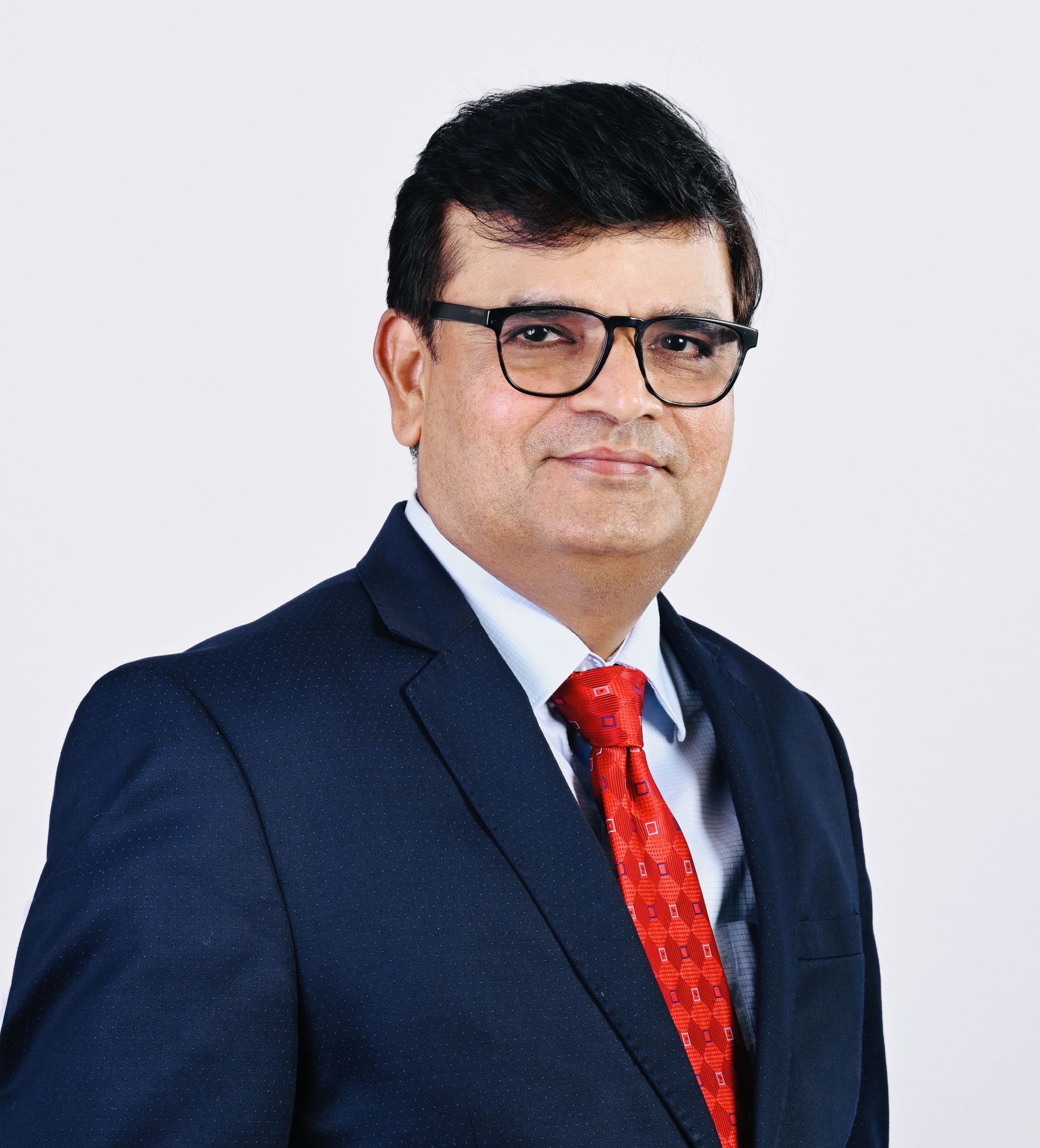
    Can you share with us how you began your career in law and company secretarial work? What inspired you to enter this field, and how did you progress to your current position?  

    Interestingly, my journey towards becoming a legal counsel and law professional started accidentally. When I was in college pursuing my B.Com, I aspired to become a Chartered Accountant. To gain some working experience before enrolling in CA, I joined an organization to work in the accounts function after completing my B.Com. There, I met the Company Secretary and Legal Counsel, and I was impressed by their role, interacting with top management, handling significant matters, and sitting in board meetings. I was fascinated by that role and, instead of CA, I joined the CS course.

    However, as fate would have it (and I believe that destiny plays a very important role in our lives), after becoming a Company Secretary and joining an organization as CS back in the early 90s, I was given the charge of the legal function as well. Since CS work also involves a lot of legal and compliance responsibilities, I was happy to take on this additional role. That’s where my journey as a legal counsel began, and I later completed my graduation in Law as well.

    Since then, I have always worked as a legal counsel or legal head, mostly in-house. It’s been around 30 years since I took on these roles, working with different Indian and multinational organizations. From the moment I was first given charge of the legal function, I realized that this was what I always wanted to do. Initially, I gained exposure in litigation, then contracting, followed by IPRs, brand protection, and all other related fields, including compliance and risk management. Of course, I have continued my role as a Company Secretary and take pride in that.

    The past three decades have flown by like it was yesterday. Presently, I am the Sr. Vice President and Head of Legal at UFlex Ltd., a multibillion-dollar organization and India’s largest multinational flexible packaging and solutions company. UFlex manufactures a wide variety of flexible packaging films for various industry sectors across the world. With headquarters in Noida (National Capital Region), the company has packaging films manufacturing facilities in India and overseas under the global subsidiary packaging films brand ‘Flex Films’ in UAE, Mexico, Poland, Egypt, Russia, USA, Hungary, and Nigeria, with a cumulative capacity of over 609,000 TPA.

    Can you share some of the most challenging legal cases or compliance issues you have faced and what you learned from those experiences? Additionally, what are some emerging trends in the legal field that you believe will shape the future of corporate law and compliance?  

    Data privacy is an important legislation that has a significant impact on all organizations. Cyber risk is another area that requires serious monitoring, review, and an effective framework. Additionally, SEBI’s existing and upcoming regulations and compliance on Responsible Business and Sustainability have brought ESG and sustainability to the forefront of all organizations. This is beneficial not only for the organizations but also for the nation and the world as a whole.

    During your tenure at DCM Shriram Ltd., you held the position of VP (Corp. Law) & Company Secretary for almost a decade. What were some of the key achievements and challenges during this time?  

     In the last ten years, particularly after the new Companies Act and new SEBI regulations, the role of in-house counsel and company secretaries has significantly increased and become very challenging. Compliance with SEBI Listing regulations, SEBI (Prohibition of Insider Trading) Regulations, FEMA compliance, Companies Act, and other corporate compliances require constant attention and a high level of proactiveness. Shareholder governance has also become a new challenge, with shareholder activism on the rise in India. This is beneficial for both the company and the shareholders. Therefore, providing appropriate and accurate disclosures with all relevant information to shareholders and the public has become a priority in governance today.

    Compliance and governance of insider trading and SEBI regulations are complex and challenging roles that require a proactive approach, including regular awareness sessions and training for employees and other connected persons. As we operate multiple businesses, each with its own dynamics, this is crucial.

    Outside of your professional life, do you have any hobbies or interests that you are passionate about? How do they help you maintain a work-life balance?  

    I am very passionate about golf. Every weekend starts with a round with friends. I am truly in love with this game and can’t imagine myself without it. Golf is purely a mind game and teaches you a lot of life lessons. Playing twice or thrice a week is a must for me. If I don’t play in any given week, it feels incomplete. This game not only relaxes and recharges me but also reveals one’s true character on the course. Golf is the best thing that has happened to me, and I could talk about it for pages.

    As a visiting faculty and guest lecturer, what topics do you find most crucial to impart to your students? How do you ensure they are prepared for the evolving legal landscape?  

    I usually teach corporate laws, IPRs, labor laws, and data protection. However, today’s generation needs to be fully geared up with technology in legal, what we call Techlegal. This is the time of AI, ML, and GenAI, and routine tasks will increasingly be handled by technology. To excel in the field, students need to be proficient with technology and demonstrate creativity and new ways of working.

    For students and young legal professionals trying to decide between pursuing a career in litigation or as an in-house counsel, what advice would you give to help them understand which area might be the best fit for them? 

    I think both have their taste. It depends on what is of your interest. However, in both situations, my advice to youngsters is – Be yourself – You are what you are – be original and don’t copy anyone. You are unique and have your personality. Find yourself to the optimum. Of course, there are many things one should learn from the seniors and other leaders that should be part of your development and increase your skillsets but don’t lose your originality, no one can replace you. Further as a career advice, since we are today living in a dynamic time and things are changing so fast that by the time you get to the details of a thing the new version or new avatar is already there. Therefore one needs to get to speed with this. Technical competency is mandatory but being proficient in technology is the need of the time as we are already in the era of AI, M, and Metaverse and it’s a reality. Keeping yourself updated with the time is crucial for the counsels to be successful. The other two most important things – one they should understand the business first before they advise and the second is the quick responsiveness and proper research.

    Get in touch with Sameet Gambhir-

  • “Remain focused and sincere, understanding that there are no shortcuts or substitutes for hard work. Ultimately, what matters most is enjoying what you do and approaching it with passion and pride.” – Mahashwetha Ghosh, Senior legal counsel APAC at Avery Dennison

    “Remain focused and sincere, understanding that there are no shortcuts or substitutes for hard work. Ultimately, what matters most is enjoying what you do and approaching it with passion and pride.” – Mahashwetha Ghosh, Senior legal counsel APAC at Avery Dennison

    This interview has been published by Namrata Singh and The SuperLawyer Team

    Looking back, what ignited your passion for law? Can you walk us through your journey, from those early inspirations to the defining moments that led you from ICICI Bank to your current leadership role at Avery Dennison? 

    When I finished school, the options seemed to be either medicine or engineering, but neither appealed to me as such. As a first generation lawyer, I didn’t know much about anything to do with law, except being intrigued by the popular image of them as fiery  eloquent champions of justice. It started out mostly as wanting to build a career while doing the right thing, being able to stay connected with my long-term fascination with logical reasoning & puzzles to solve problems, and also perhaps from watching too many Bengali courtroom dramas!

    In hindsight, joining ICICI Limited was a great decision because it helped me build a solid foundation in financial transactions and accounting principles – which are the bread and butter basics for a corporate lawyer. It helped that ICICI Limited at the time used to do most of its work in-house, so we got a lot of practice in drafting & reviewing complex contracts and working with (very talented) cross-functional teams. 

    Over the years, I have had a lot of mentors and I would not have been here without the guidance and advice received. I have worked at a couple of law firms, Cisco, United Spirits Ltd and Avery Dennison, and what shaped my path was an abiding  desire to excel, to do challenging work without being afraid to put in the hours needed and to go the extra mile to enable/ support the business teams.

    You worked for a while with Morgan Walker Solicitors in London. How was your experience working there, and what brought you back to India? Can you share the transition part of your career and how it influenced your professional growth? 

    Before joining Morgan Walker Solicitors, I was able to complete the Qualified Lawyer Transfer Test(QLTT) and successfully qualify as a Solicitor in England & Wales. MWS was a deeply useful addition to my UK stint, as I was exposed to complex transactional contracts and the more strategic advice needed for cross-border transactions. 

    I returned to India for personal reasons but am grateful for the years I worked in the UK, because it broadened my perspective significantly, exposing me to a different culture and way of doing things that I integrated into my own approach to the profession.

    As the Executive Sponsor for certain APAC DEI Council initiatives, what initiatives have you implemented to promote diversity and inclusion? How do these initiatives contribute to the overall success and culture of the organization? 

    The three main areas I have focussed on in the past four or five years in the APAC DEI Council are the Safe to Speak Up initiatives, setting up an employee resource group (WeRise) separately for women employees in South Asia distinct from the APAC group and starting a need-based mentoring program in the region. I think we have a long long way to go where DEI is concerned. Yes, the number of diverse employees is increasing and the talent acquisition team is working to balance the playing field at the entry level, but the problems of unconscious bias and years of patriarchy are tough to root out. 

    The initiatives I have chosen to work address three important aspects – providing a platform to raise concerns, bringing women together to support each other and trying to provide advice/ guidance on specific areas identified by employees themselves.

    DEI is something I am deeply passionate about, and I try to stay involved even when there is little bandwidth available. I feel that as a woman leader I should do whatever I can to make things easier for those who have (or will) come after me. Manufacturing is still such a male dominated industry, that women on the shop floor and in leadership roles are limited. The benefits of diversity are too obvious to ignore. But we have to move from mentorship to sponsorship, from silent supporters to active allies, from the safety of status quo to active challenging, from tokenism to owning the outcome.

    You have advised on legislation related to plastic waste management and are involved in sustainability and governance. How do you balance corporate interests with regulatory compliance and environmental responsibilities? 

    Both go hand in hand, specifically to meet the de facto and potentially to surpass the law de jure. At Avery Dennison, we strive to ensure a much higher standard than what legislation prescribes, ensuring that sustainability is upfront and centre of all our products and solutions. While I will not deny there are operational challenges, if the value-add is clearly captured and (if possible) quantified, in my experience there is complete support from the business leadership. 

    Among your many achievements, you’ve been awarded the Global Leadership Excellence Award multiple times. Which project or initiative are you most proud of and why? 

    I have been awarded the Global Leadership Excellence Award four times and I am most proud of the one I received for designing and setting up the Compliance Ambassador Program globally across the company. This program invites participation at the ground level (including the shop floor) from colleagues in a structured program format to help broadbase compliance initiates and messaging, to ensure that we involve every person in building a robust compliance culture in the company. 

    We know to focus on the tone-at -the-top, but it is when the tone-across-the-organisation is in sync with the tone-at-the-top that we can truly change culture and make integrity our true North. I have been amazed and humbled by the talent and motivation of colleagues in finding innovative ways to communicate and engage with all employees on compliance issues and messaging.

    You’ve held leadership positions across India, the UK, and other regions. What are some key differences in navigating legal landscapes across these diverse markets?

    In my current role as Senior Director – Legal for South Asia I support all business divisions of Avery Dennison across India, Bangladesh, Pakistan, Sri Lanka, Indonesia, Malaysia, South Africa and Kenya. While having a wide portfolio is great, it also means a lot more homework, especially when there is a different official language & business culture at play and multiple P&Ls in a matrixed structure. I think there are two critical but oft-ignored components to success as a business partner – familiarity with the legislation, precedents, practices and the ability to find the most suitable support needed for more complex matters. 

    Since we also play an active role in government relations, there is a need to be agile, on the ground and to build key relationships with multiple external stakeholders. Managing crisis and business continuity remotely is, of course,  a completely different ball game.  

    Outside of your professional life, what are some of your personal hobbies or interests that help you maintain a work-life balance?

    First I have to say that personally I think that ‘work-life balance’ is a misnomer! It is almost impossible to find a balance, as work is such a huge part of life itself, therefore impossible to categorise in separate buckets. What works for me is to prioritise what I need to do every day and then not to waste time thinking about my choices! 

    I am the mother of two boys (aged 20 and 16) and love spending time at home with my family as much as I enjoy being a legal professional. Other than that, I travel a lot, enjoy being with friends, cooking and working on various creative crafts (decoupage, resin art, Tanjore painting, crochet, cross-stitch etc). Am also a gardening enthusiast and an orchid addict! I find that being flexible with your hobbies is the key to fitting them into your career in a fulfilling manner. 

    What advice would you give to the current generation of aspiring lawyers who wish to build a successful career in corporate law? 

    Instead of advice, I would call them my tips for a successful career in-house and they would be as follows:

    • Be focused and sincere, and know that there are no short-cuts or substitutes to hard work, which means read, read, read some more and never stop learning; 
    • Be intelligent about how you work, chasing solutions and outcomes, but be wary of being a mere post-box counsel;
    • Appreciate that most corporations are under transformational change in this VUCA world and advising on doing the right thing and finding ethical solutions is becoming more difficult. However, it is not impossible and thats really our job as in-house counsel; 
    • Whether we practice or work inhouse, we lawyers should all uphold the honour of the profession and its standards of conduct; and finally
    • Don’t focus too much on the designation or the job title but on learning and acquiring skills/ knowledge. At the end of the day, what is most important is to enjoy what you do and to do it with passion and pride.

    Get in touch with Mahashwetha Ghosh

  • “There is a growing trend for companies to establish in-house legal teams to manage their legal compliance and requirements internally, rather than outsourcing every task. This shift has created numerous opportunities at every career level”- Prathamesh Sawant, Deputy General Manager – Legal at Sula Vineyards

    “There is a growing trend for companies to establish in-house legal teams to manage their legal compliance and requirements internally, rather than outsourcing every task. This shift has created numerous opportunities at every career level”- Prathamesh Sawant, Deputy General Manager – Legal at Sula Vineyards

    This Interview has been published by Pragya Chandni and The SuperLawyer Team

    Can you tell us what inspired you to pursue a career in law and how your educational background in commerce influenced your legal career?

    My inspiration and interest in pursuing a career in law came from my elder sister, who is also a lawyer and works with a reputed MNC as Head of Legal. During my SY B.COM summer holidays, I had the opportunity to read a few of her books, and I found them incredibly interesting. The subjects were practical in nature, and the knowledge could be implemented in day-to-day life.

    Having a commerce background gives an edge in understanding the commercial transactions of the company and to dissect financial statements which has proved to be beneficial in cases involving corporate litigations, mergers and acquisitions, etc.   

    How did your initial experiences as an intern at Idnani & Idnani Advocates shape your understanding of the legal field?

    My initial experiences as an intern at Idnani & Idnani Advocates played a crucial role in shaping my understanding of the legal field. I started my internship at this esteemed law firm right from the day I enrolled for my LL.B. program and worked there for 18 months. This early exposure was invaluable, as it allowed me to witness firsthand how the theoretical provisions we study in books are implemented in the real world.

    Working at Idnani & Idnani Advocates provided me with hands-on experience in various legal tasks, such as drafting documents, conducting research, and observing court proceedings. This practical experience was invaluable in bridging the gap between academic studies and real-world application.

    Overall, my internship helped me understand the practical aspects of law, enhanced my legal knowledge, and confirmed my passion for pursuing a career in this field.

    You have worked extensively in both litigation and non-litigation areas. How did your role at Auroma Law help you develop a diverse skill set?

    A major part of my litigation experience is derived from my tenure at Auroma Law. As an intern, I was initially responsible for filing matters, issuing summons and warrants from the department, appearing before the Prothonotary and Associates of the High Court, and preparing the first drafts of complaints, petitions, notices, and replies.

    I completed my law graduation while working at Auroma Law and was then absorbed into the firm as an Associate. They handled a large volume of criminal cases, and during my tenure, I independently appeared before all the magistrate courts within the Mumbai District. This provided me with quality exposure to criminal matters and helped me immensely to understand the entire procedure of criminal trials, from filing to final order.

    The experience at Auroma Law helped me develop into an in-house counsel who can manage and mitigate legal risks, strategize litigations and disputes, and protect the interests of the companies I work for.

    At Sharekhan Ltd, you handled a variety of legal matters. Can you share a significant case or project from this time and its impact on your career?

    During my tenure at Sharekhan Ltd, I transitioned my law career from practice to in-house corporate counsel in 2014.

    I vividly recall a high-stakes matter where a customer obtained a favorable order against the company in arbitration, directing us to make a substantial payment. The management urgently instructed us to obtain a stay order on the arbitrator’s decision due to its potential significant impact on the company’s balance sheet. We quickly briefed our counsel, prepared the challenge, filed it, and successfully secured interim relief within just three days of the impugned order.

    Navigating the complexities of share transactions and explaining them to our counsel, resulting in obtaining a stay order in such a short timeframe, was a notable achievement. This action effectively safeguarded the company from a substantial financial impact.

    Working at Mahindra & Mahindra Financial Services Ltd, you dealt with high-stakes litigation and non-litigation matters. What were some of the key challenges and achievements during your tenure there?

    At Mahindra & Mahindra Financial Services Ltd, the substantial volume of cases posed significant challenges in overseeing filings, ensuring order compliance, and timely submissions such as replies and rejoinders.

    One of the key challenges was to establish a streamlined process to manage the entire lifecycle of legal matters. Recognizing the need for efficiency and accountability, I developed and implemented a robust process that facilitated the management of cases from initiation through to conclusion. This involved creating frameworks for tracking deadlines, coordinating with internal teams and external counsel, and ensuring adherence to legal and regulatory requirements.

    At Thomas Cook (India) Ltd, you played a crucial role in the acquisition of trademarks and IP domains. Can you elaborate on this experience and what it entailed?

    At Thomas Cook (India) Ltd, I played a pivotal role in managing high-stakes non-litigation matters, particularly in handling intellectual property rights (IPR) portfolios, mergers and acquisitions (M&A), foreign collaborations, and multi-jurisdictional contracts.

    One of the significant aspects of my role involved overseeing the acquisition of trademarks and IP domains. This included conducting thorough due diligence to assess the value and risks associated with potential acquisitions. I collaborated closely with internal stakeholders and external advisors to negotiate and finalize agreements that safeguarded the company’s intellectual assets across various jurisdictions.

    Navigating the complexities of IP law and international business transactions required meticulous attention to detail and a strategic approach to protect Company’s interests. This experience not only deepened my understanding of intellectual property management but also enhanced my skills in negotiating and executing complex contractual agreements on a global scale.

    Your current role at Sula Vineyards involves leading M&A and IPO projects. What are some critical aspects of managing such high-profile legal initiatives?

    My current role in Sula is a combination of various portfolios I have managed till date in different companies.

    Handling multiple acquisition projects at Sula has provided me with invaluable experience, but it’s the involvement in the IPO process as part of the legal team that has been particularly exciting and promising.

    In such projects, multiple activities happen simultaneously at the same time and tracking your tasks and delivering correctly within the timelines becomes extremely important. There is no room for delay or error. Your strategy has to be full proof as there are multiple stakeholders involved.

    As someone with extensive experience and numerous accolades, what advice would you give to fresh law graduates entering the legal profession today?

    The legal sector has evolved significantly since the beginning of my career to the present day. There is a growing trend for companies to establish in-house legal teams to manage their legal compliance and requirements internally, rather than outsourcing every task. This shift has created numerous opportunities at every career level.

    For fresh law graduates aspiring to build a career in corporate law, I recommend gaining practical experience in a law firm or under a practicing advocate for at least a year or two. This experience helps build a strong foundational understanding of the law and provides invaluable confidence and skills necessary for success in corporate settings, whether in litigation or non-litigation roles.

    Get in touch with Prathamesh Sawant-

  • “Most of the legal assignments are the same irrespective of different industries as they are governed by the law, however some assignments are industry specific which need to be learned”- Alok Saxena, Head – Legal and Compliance, Hippo Homes

    “Most of the legal assignments are the same irrespective of different industries as they are governed by the law, however some assignments are industry specific which need to be learned”- Alok Saxena, Head – Legal and Compliance, Hippo Homes

    This Interview has been published by Pragya Chandni and The SuperLawyer Team

    Could you share with us what initially drew you to pursue a career in law, especially after completing your M.Sc. in IT and B.Sc. in science-related fields?

    Law has been my favourite subject since childhood and I want to serve justice to the needy people who can’t afford the cost of litigation.

    What motivated you to shift from an IT background to a legal career, and how did your science and IT education influence your approach to law?

    I had started my career as a programmer in a MNC but I didn’t get internal satisfaction so I have shifted to the legal field. My IT background gave me an additional advantage to learn various laws including cyber laws.  

    What were some of the key challenges you faced when you first started practicing law, and how did you overcome them?

    Legal field is very wide so whenever I get challenges, I discuss with my seniors and also do detailed R&D on the same.  

    With a diverse background in various industries such as retail, manufacturing, FMCG, education, and real estate, how did you develop your core competencies in areas like contract management, litigation, and intellectual property management?

    Most of the legal assignments are the same irrespective of different industries as they are governed by the law, however some assignments are industry specific which need to be learned. Different industries gave me an opportunity to learn new things and enhance my core competencies.

    Can you walk us through your career progression, from your early roles to your current position as Head – Legal & Compliances at Hippo Homes? What were some pivotal moments or decisions along this journey?

    I have initially practised before the court and later shifted to corporate and worked with various good conglomerates like Dalmia Bharat Group, Blackberrys, GNC. The pivotal moment was shifting to corporate and joining Guardian Pharmacy as Head of Legal and Compliances.    

    You’ve managed complex corporate transactions and legal strategies for major organizations. Can you share a particularly challenging legal case or transaction you handled and the strategies you employed to achieve a successful outcome?

    Starting a new retail business of Dalmia Bharat Group in the name of Hippo Homes and later the said business transferred from Dalmia Cement (Bharat) Limited to Hippostores Technology Private Limited, it was a challenging task and successfully completed.   

    As a leader guiding legal and compliance teams, what strategies do you find most effective in fostering team collaboration, driving performance, and ensuring adherence to compliance standards?

    To understand the competency of team members, their strengths & weaknesses, and   assign the task based on their interest and also support their weakness. 

    What advice would you give to fresh graduates who are entering the legal field today, especially those who are looking to develop a diverse skill set and work across various industries?

    Firstly they should decide their career objective based on their interest and try to achieve the same. They shall not divert their career path due to any challenge or leverage. 

    Get in touch with Alok Saxena-

  • “The field of cyber is ripe for youngsters to enter and the scope is immense. With each new law that is enacted in the field of cyber, the opportunities open up further”- Nappinai N S, Senior Advocate,  Supreme Court & Founder-Cyber Saathi

    “The field of cyber is ripe for youngsters to enter and the scope is immense. With each new law that is enacted in the field of cyber, the opportunities open up further”- Nappinai N S, Senior Advocate,  Supreme Court & Founder-Cyber Saathi

    This Interview has been published by Pragya Chandni and The SuperLawyer Team

    Can you share with us what initially drew you to the field of law, and how your journey began?

    I decided to become a lawyer and declared my intent as early as in my 7th grade and am happy to share that the passion for law burns bright. Whilst I come from a family of lawyers up to my grandfather’s generation, my father’s generation skipped it. My interest in law could have stemmed from the stories I heard of the cases my grandfather handled but I faced the struggles of a first-generation lawyer whilst commencing practice.  

    You’ve handled cases in Constitutional, Criminal, Commercial, IPR, and Cyber laws. You are also a trained mediator. How did you develop such a broad spectrum of expertise, and what challenges did you face along the way?

    My initial focus was on Criminal and Constitutional laws. Interestingly, I studied law to practise criminal law – my interest in this field was strongly rooted on principles of human rights and liberties. I simultaneously also focussed on IPR as it was an evolving field at that time (1991). I value my association with an eminent and revered senior Shri. N. T. Vanamamalai, Senior Advocate for 3 years as a student intern and thereafter continued to practise from his chambers. My other senior during practice was Shri. V. Gopinath, Senior Advocate. The person who recognised my potential and added wind to my wings by making me part of the firm Amarchand Mangaldas Suresh A. Shroff & Co., (as it then was), albeit briefly, was Shri. Cyril Shroff, who I attribute my learning on client handling and composure apart from the skills I acquired in structuring of private equity and debt transactions. Apart from this, each senior counsel I have briefed for cases contributed to developing my skills and approach to law.

    Whilst I honed my skills in Constitutional and criminal laws in my seniors’ chambers, my expertise in IPR was rooted in extensive reading (which in those days of no computers or devices meant opening books and visiting libraries) and applying the same to cases, I was briefed in from early days. I also learnt to apply my learnings from litigation to draft commercial and IPR transaction documentation. My involvement in Cyber evolved from around 1995-96 due to the IPR cases I handled in software licensing. From there I gained expertise in cyber laws reading the evolving legal landscape across foreign jurisdictions and model UN laws and honing my knowledge and skills and simultaneously keeping abreast of technological advances. With cyber being an exponentially evolving field, it was imperative for me to keep reading and honing my knowledge and skills in this field since then.  

    I was truly blessed to have grown in this profession without even an iota of concern over gender bias or obstacles due to the same. I did not face the usual obstacles that I have heard from other practitioners be it those of 1st generation or lady lawyers. This was certainly a boon considering the male-dominated fields of expertise I chose. 

    There were of course the other obstacles of developing clientele from scratch as a first -generation lawyer. I have in effect set up my practice from scratch thrice – first in Chennai, then Mumbai and thereafter before the Supreme Court in Delhi. Each time I believe, at the cost of sounding cliche, that it was sheer hard work that helped. Apart from hard work my sincere advice to the young practitioners is to maintain composure and a pleasant demeanour in Court and with peers, particularly with opponents. We, as practitioners, have to learn to distance ourselves from the briefs we handle and learn to be fair. I can safely confirm that it was my advice to clients to be fair that helped garner the respect and trust of my clients. For, in the long run, the clients benefit more from a balanced approach.

    Mediation is again a passion, which I manifested in multiple forms from handling court referred mediations to assisting in formulation of and setting up of mediation centres. The training helped me to become a better Advocate, particularly whilst handling clients and negotiations such that I was able to successfully conclude litigations that were festering for several decades. Mediation training is another skill set I believe is critical for all law students. 

    Could you tell us more about your experience as Amicus Curiae before the Supreme Court and representing a State Government in the data protection case during the pandemic lockdown? What were the key issues at stake?

    The Amicus Curiae experience in “Re: Prajwala Letter dt.18.2.2015. Violent Videos & Recommendations” was profound. Of the many cases handled, this was a satisfying journey, which gave me the opportunity to contribute to online safety of women and children. I proposed the use of Artificial Intelligence (AI) for this purpose, and argued for use of tech to protect users, which was a first. The consensus proposals mooted through the Government Committee I was part of and the Supreme Court making the same an order of court were seminal steps towards bettering online safety. 

    The case before the Kerala High Court was during the covid pandemic and another satisfying engagement wherein I advised use of anonymisation to protect sensitive personal health information, which the State Government accepted and submitted and was made an order of Court. Significantly, under Section 43A of the Information Technology Act, 2000 (as amended) (“IT Act”) Government is not covered and hence volunteering as above was a proactive measure. 

    What inspired you to start Cyber Saathi®, and what are the primary goals and achievements of the foundation?

    I founded the non-profit – Cyber Saathi Foundation (www.cybersaathi.org), which is focussed primarily on contributing to law and policy making in the field of cyber and emerging technologies and for online safety of women, children and other soft targets (such as LGBTQ+) through awareness and peer first responder support through “Be A Cyber Saathi” (Cyber Saathi translates to “Cyber Friend”).

    I first conceptualised Cyber Saathi in 2016 after a meeting in the UK during my Chevening fellowship, when I realised the gravity and spread of offences against children. The reason for the name is also based on the young adult / child psyche i.e., that they will reach out to a friend first. Hence the name “Cyber Saathi”. I must add here that each of my fellowships have contributed to my evolution and helped me to contribute more to society. My first was the International Visitor Leadership Program – IPR (2005), and then the Cybersecurity Chevening Fellowship in 2016 and thereafter my Stanford CDDRL Fellowship on Democracy, Development and Rule of Law (2019). 

    You train judges, police, armed forces, and intelligence agencies on cyber laws and safety. How do you approach such a critical and diverse audience, and what are some key messages you emphasize?

    My involvement in such training or capacity building initiatives commenced from about 2003 and continues. It has been most gratifying to have been able to contribute to nation building through these initiatives. I have conceptualised and conducted cyber law training programs spanning all subjects on cyber. Anyone who wishes to undertake such initiatives just needs to have the urge to contribute, be willing to set aside time for the same including personal time and be generous and conscientious in the preparation and sharing of knowledge. The field of cyberlaws is constantly evolving. Keeping abreast not only of law but also of technology innovations and developments is critical and ensuring the bridging of tech and law is essential to lend value to such initiatives. 

    You have been involved in various national and international committees, including presenting before the UN’s UNODC Ad Hoc Committee on Cross Border ICT Crimes and the Parliamentary Standing Committee on IT. How do these engagements influence policy and legal frameworks?

    It is more about how much we can contribute to the narrative. I bring my expertise as a practitioner, which I believe is the most critical, as I can speak about the practical impediments to implementing a law at grassroots level. I also contribute, as a civil society member and speak for a balanced approach ensuring protection of human rights whilst enabling law enforcement. My engagement in training and capacity building for judges and police has contributed immensely to enriching discussions and negotiations at policy level. 

    As a prolific writer and author of several seminal books on technology laws, how do you see the role of legal writing in shaping public understanding and policy?

    Books still form the foundation of practise of law and my intent was to contribute to “democratising practise of cyber”. I wanted more practitioners to enter this field of specialisation, particularly youngsters. The move from the structure I adapted in the first book to my second book probably also reflects the evolutionary process in legal writing. Whilst my first book Technology Laws Decoded (2017) published by LexisNexis was in effect a compendium on cyber laws, my second book CSassy Tales – Cybercrime Stories & The Law (2022) published by Oakbridge Publishing takes a unique approach of teaching through storytelling. I am glad to share that both books have been received extremely well both by practitioners and industry and the latter book by users also who were also the target audience.  

    What advice would you give to fresh law graduates who aspire to make a significant impact in the field of law, particularly in emerging areas like cyber law and digital rights?

    The field of cyber is ripe for youngsters to enter and the scope is immense. With each new law that is enacted in the field of cyber, the opportunities open up further. For instance, data protection is a niche field of practice and once the rules are notified in India the floodgates would open up for advisory and adversarial practice. Similarly, cybercrime, IPR and cyber are fields which are already reasonably robust and will get further impetus from emerging laws such as the Digital India Act proposed. 

    Learning basics of the technology that drives a specific field of law, understanding the intersection between law and tech and also of existing and evolving laws and always applying fundamentals irrespective of whichever field of law that a practitioner chooses are my advice to any practitioner who decides to focus on cyber laws. 

    Get in touch with N. S. Nappinai-

  • “There are quite a few challenges. IP, especially prosecution of applications, has become highly commoditized and almost become a packaged service, with costs being a race to the bottom. A lot of the advice that we see is very vanilla advice without real time being spent to determine what is best for the client’s business needs and goals”- Bharadwaj Jaishankar, Partner, at IndusLaw

    “There are quite a few challenges. IP, especially prosecution of applications, has become highly commoditized and almost become a packaged service, with costs being a race to the bottom. A lot of the advice that we see is very vanilla advice without real time being spent to determine what is best for the client’s business needs and goals”- Bharadwaj Jaishankar, Partner, at IndusLaw

    This Interview has been published by Pragya Chandni and The SuperLawyer Team

    Could you share with us what initially sparked your interest in intellectual property law, and how did you decide to pursue it as a career?

    I was lucky enough to get an internship, in my 4th year of law school, with K&S Partners (a leading IP firm in India). I had dabbled in some IP work in my previous internships, and my interest around brands and how they are protected and commercialized was piqued. However, it was at K&S Partners where this interest really became a passion. Based on my internships at K&S Partners, and the type of IP matters and issues I was exposed to, I was clear that I wanted to build my career within IP. I was fortunate enough to get an opportunity to join K&S Partners upon graduation. In my career so far, I have made it a point to get different perspectives on IP, right from working with boutique IP works to working in house, in an IP role, to now working with a full service firm. This all-round approach and experience, particularly working as an in-house counsel, helps me tremendously in my role at IndusLaw. 

    With your extensive experience across various law firms and organizations, could you highlight a particularly memorable case or project that significantly shaped your understanding of intellectual property law?

    There have been several memorable matters I was lucky enough to be a part of and it will be difficult to pinpoint one specific project. That said, working on geographical indication (GI) matters, for the Government of India and for foreign GI owners, was incredibly important and special. GIs, unlike other IPs, are collective communal rights and require a slightly different mindset. I would also say that my stint as an in-house counsel afforded me some incredible opportunities and moments to learn different facets of IP law, including from a commercial lens. The learnings, as an in-house counsel, and seeing IP from the other side of the fence, was an immense learning experience; something which I cherish a lot. I would also say that working, in the past, and, even now, on matters that intersect with technology and IP has been extremely rewarding with a lot of learning opportunities. 

    Given your role as a visiting faculty at a leading law university and your participation in national and international conferences, how do you approach staying updated with the latest developments and trends in intellectual property?

    The simple answer is that time must be made to read and be in touch with new developments and precedents. It is easy to say that calendars are full and there is no time to read. However, if one really wants to keep up-to-date on new case laws and developments, time needs to be carved out. Especially in IP, where issues can be grey, and oftentimes  case laws can be seemingly conflicting with each other; that effort to read and stay updated is a must. I do ensure that, at least during work days, I try and get about 45 mins to read news and key case law updates. On weekends and holidays, I do take out more time. Additionally, within our team, we have a system of daily news updates, that are relevant to our practice, which are shared every evening, which I ensure I read before logging for the day. Another important aspect is also to speak regularly with your peers, clients and, even foreign counsels, to understand trends and developments. It, therefore, does take a combination of sources, coupled with a dedication and discipline to keep learning and staying updated. I also find that, in interacting with universities and students, one can also learn and stay updated as students are also equally updated with new trends and cases and it, therefore, does become a fantastic two way street.     

    Transitioning from working with leading law firms to being the IP and Innovation Counsel for a global FMCG organization must have been quite a shift. What insights did you gain during this transition, and how did it influence your perspective on intellectual property issues?

    The shift from private practice to an in house counsel was certainly very interesting with a lot of learnings and mindset shifts. A couple of the biggest shifts included learning how to become a commercial enabler and adjusting risk profiles. Being an in-house counsel required me to be a business partner, who was incidentally a lawyer. You get into a position where you can’t present options to other teams and say “choose which works for you”. You have to take a call, and that means collaborating and understanding commercial needs. This stint as an in-house counsel is immensely helpful to me now when I work with clients- the idea being an extended arm of their team or an extended arm to their in-house legal team. More and more, especially in IP, clients require external counsels to help them make a decision, rather than just presenting options. This has been one of the biggest shifts in approach for me- how can I, as an external counsel, help my clients meet their business goals.

    As someone deeply involved in protecting and enforcing IP assets, what are some common challenges you encounter in this field, and how do you typically address them?

    There are quite a few challenges. IP, especially prosecution of applications, has become highly commoditized and almost become a packaged service, with costs being a race to the bottom. A lot of the advice that we see is very vanilla advice without real time being spent to determine what is best for the client’s business needs and goals. We also see clients viewing IP as an expense, rather than as an asset which will mature over time. It isn’t uncommon to see IP being compromised or undervalued at the altar of costs. If India really wants to take advantage of the tremendous innovation and talent currently being seen, IP needs to be viewed maturely and beyond just as an expense outlay. This also calls for clients to be smart about who they engage with for their IP advice and strategy. IP forms the backbone of almost all businesses and it isn’t just about filing an application. A strategic mature approach needs to be brought by external counsels when counselling clients on their IP strategies.    

    With your passion for brand building and extensive experience in advising on brand-related matters, could you share some strategies you find particularly effective in nurturing and safeguarding brands in today’s competitive landscape?

    As mentioned before, taking the time to understand clients, their business and their objectives should form the basis of any IP strategy. There are so many intricacies and nuances, even to something as simple as filing a trade mark application. Fitting the legal strategy into the four walls of business objectives is really important. Another bit is not assuming that external counsels know more than clients or in-house legal teams. It pays to listen more. Part of our job is also to get clients to do some homework as well and get them to look at IP as an asset. For me personally, the focus is on building trust and reliance with the client and getting clients comfortable in our interactions and dealings. Today’s landscape does require a great amount of flexibility and transparency in our approaches. 

    Lastly, drawing from your wealth of experience, what advice would you offer to fresh graduates aspiring to build a career in intellectual property law and commercial law?

    I have a few pieces of advice: 

    1. Be ready to put in the graft in the first few years and avoid having an entitlement approach. The first few years in the profession are particularly taxing and there is no substitute other than hard work and graft. 
    1. Invest time in an organisation and avoid making quick shifts from workplace to workplace. The longer one stays at an organisation, especially the right place and with the right approach and attitude, can offer tremendous growth opportunities down the line. 
    1. Take the time to learn about the practice, the landscape of firms and how IP is viewed by law firms and in-house counsels, and then make an informed choice on how to build a career in IP law. In today’s world, the more you are informed (and the more the prep work), the easier it is to figure out the best path to take. 

    Get in touch with Bharadwaj Jaishankar-

  • “Environmental law is a growing field with a broad scope of work encompassing issues related to Pollution Control, Protection of Natural Resources, Waste Management, and Wildlife Protection, etc.”- S S Rai, Senior Manager -Legal, Goods and Services Tax Network

    “Environmental law is a growing field with a broad scope of work encompassing issues related to Pollution Control, Protection of Natural Resources, Waste Management, and Wildlife Protection, etc.”- S S Rai, Senior Manager -Legal, Goods and Services Tax Network

    This Interview has been published by Pragya Chandni and The SuperLawyer Team

    Your journey into law is quite remarkable. Can you share with us what initially inspired you to pursue a career in law?

    Honestly speaking I entered the legal profession not by design, but destiny took me to this profession. Initially, I was quite skeptical and had a lot of hesitation but with time I recognized its worth and started enjoying my profession and the rest is history. I believe that Law colleges play a pivotal role in shaping your career interest and I owe a lot to my alma mater i.e. Faculty of Law, University of Delhi where from day one I got exposure to real case law study with the flair of litigation. Moreover, I feel lucky to have had a great mentor during my juniorship in Delhi High Court for the initial period of struggle who not only mentored me but supported me at every tough phase in my professional journey.

    With your extensive experience in litigation management, can you tell us about some of the most challenging cases you’ve handled and what you learned from them?

    I have dealt with several high-stake writ petitions including PILs filed against the Union of India wherein particular provisions of a Government /State’s Guidelines/ Office Memorandum/ Subordinate legislations etc. are challenged being ultra-vires to the Constitution of India, in addition to seeking interim stay in the matter. Such kinds of cases are very sensitive and require prompt action and timely briefing from the respective department to protect the interest and avoid any adverse order from the Hon’ble Court. Managing the aforesaid crisis is a bit of a challenging task keeping in view the limited time frame, however, having access to the department’s key personnel getting inputs and a good understanding of the court’s craft has helped me deal with such situations.

    You’ve worked on a wide range of legal matters, from Constitutional law to Intellectual Property Rights. Which area of law do you find the most intriguing and why?

    I found Constitutional law most intriguing because it encompasses everything, and all rights and respective duties of Citizens as well as States originate from it. Moreover, I have a very strong affinity for other areas of law including Administrative Law, Service Matters, Corporate Law, GST Law, Intellectual Property Rights, and Data Privacy law.

    Drafting and reviewing complex legal documents like MOUs, NDAs, and contracts require great attention to detail. What strategies do you employ to ensure accuracy and compliance in your work?

    In the corporate legal world drafting and reviewing legal documents including MOUs, NDAs, and Contract hold a very specific importance that not only requires an understanding of the genesis of the transactions based on such documents but also an in-depth knowledge of various branches of laws operating behind such transactions, viz; Contract law, Arbitration, IPR, Data Privacy law in addition to the general provisions of laws dealing with jurisdiction, etc. So far as my approach to dealing with the task above, I believe in the popular proverb ‘two heads are better than one’ which insists on adopting a ‘Four Eyes Principle’ for accuracy in addition to thoroughly checking every clause in line with organizational goals as well.

    Your profile mentions your interest in the Environment, Health Issues, and Data Privacy Law. How do you see these areas evolving in the coming years, and what role do you hope to play in their development?

    Environmental law is a growing field with a broad scope of work encompassing issues related to Pollution Control, Protection of Natural Resources, Waste Management, and Wildlife Protection, etc. Global Warming and Climate change have already taken Centre stage on the world canvas requiring multilateral cooperation amongst the various stakeholders.  Moreover, Health Law in India is yet to be fully explored keeping in view the current state of the health sector in India. Article 47 of the Constitution of India’s Directive Principles imposes the duty on the state to raise the levels of nutrition and the standard of living and to improve public health as among its primary duties. Nevertheless, people are facing numerous health challenges in India which requires well-crafted policy implementation and trained legal professionals to realize the goal enshrined under the Constitution of India. So far as the Data Privacy law is concerned, it is still in its nascent stage in India, nevertheless, in the age of digital and technological advancement striking a balance between organizational goals and ensuring privacy parameters poses a great challenge and fresh opportunity as well. I’m eager to see the full-fledged exploration of potential outcomes impacting the common man’s life in the coming years and have already contributed through my research article etc. spreading awareness in my professional arena.

    Managing litigation for various entities, including government departments, can be quite demanding. How do you balance the high-pressure environment while maintaining your strong work ethics and integrity?

    Managing litigation for Government departments demands specific skill sets and an understanding of the Government’s points of view. A single order or direction against the departments can impact the functioning of the Govt. and sometimes open a Pandora’s box, if not properly defended proactively, considering the high stakes involved. Strong work ethics and integrity are the hallmarks of the legal profession, and the same applies to a person defending the Government’s interest, therefore, every legal professional must strive to act with a high level of professionalism and integrity. Being in the Legal profession for more than a decade I always acted keeping in view the aforesaid principles in all challenging situations.

    You’ve authored several legal research papers and presented at international conferences. How do you think your research has influenced your professional practice and the broader legal community?

    Well, research is a part and parcel of the legal profession wherein one is used to search for case precedence on particular facts and issues. However, researching beyond the court’s case precedence and striving to explore something that is neither being explored nor any precedence is available makes a difference in the long run. Many a time such kind of research may prove a deciding factor in deciding a case or formulating new policy guidelines to be implemented. Some of my research articles have been cited by other researchers to supplement their case/hypothesis thereby broadening the knowledge base. However, such kind of research requires new-age tools and techniques to justify your hypothesis with good analysis of data to come up with plausible solutions to the research problem. Moreover, for me, presenting and publishing a research article/paper at an international conference/ Journal helps me in aiding new insight to many subjects and new thoughts for legal exploration. It offers good networking with peers’ researchers and academia that is an added advantage.

    Outside of your legal practice, what personal hobbies or interests do you pursue, and how do they help you maintain a work-life balance? 

    Outside my legal practice, I love reading good literature, which serves as food for my thoughts. Moreover, I’m very much involved in writing and my latest book “Witnessing the Sacred: Powerful Affirmations for Eternal Happiness and Success, occupies a place of prominence as Amazon Bestseller (https://amzn.in/d/hNPzUgg). I routinely appear as a key Speaker in panel discussions on contemporary socio-legal issues. Additionally, I served as an expert assessor, judging national-level Moot Court and Negotiation Competitions organized by leading Law Schools in India.

    What is your stake in the National Litigation Policy (NLP) that has now been finalized by the Law Ministry?

    The National Litigation Policy (NLP) has been pitched as a major reform aimed at streamlining government litigation. As per the data available on the National Judicial Data Grid, more than 4.48 crore cases are pending in various courts, with the government and its agencies being the main litigants in various courts and tribunals across the country. This reform was much needed, and the judiciary has also emphasized the need for such a policy dealing with the high pendency of litigation. The Hon’ble Supreme Court in Chief Conservator of Forests Govt. of A.P. Vs. Collectors and Ors. 2003 (3) SCC 472 held that the States/Union of India must evolve a mechanism to set at rest all inter-departmental controversies at the level of the Government and such matters should not be carried to a court of law for resolution of the controversy. The Law Commission in its 126th Report, has also stressed the importance of a litigation policy to avoid litigation or reduce it thereby alleviating the burden on the court system. The finalization of NLP at the Ministry level is a welcome step, and I hope its implementation (post approval from the cabinet) will transform the Government into an efficient litigant whose primary responsibility is to protect the rights of citizens.

    Finally, what advice would you give to fresh law graduates who are just starting their careers and aspire to have a successful career like yours?

    The legal profession is a noble profession among all, and it offers numerous opportunities compared to any other profession in the world since it is not just limited to Advocacy or Judgeship. A law graduate has options to make his/her career in the Legal and Compliance Department of PSUs/Government Department /Private Companies/Bank/, NGOs/ International Organizations, and Academics. However, for all the fresh law graduates who are just starting their careers in litigation practice, I would advise being mentally prepared for tough terrain in the beginning. It requires a lot of hard work under intense pressure to perform. Nevertheless, with time, their hard work will pay off not only in terms of money but also in knowledge. However, for all the students aspiring to have a career in the legal field, I must emphasize the importance of choosing your Law College wisely since it plays a very crucial role and can have a lasting impact on your legal career.

    Above all, I would like to say that legal knowledge not only empowers individuals by making them aware of their rights and duties, but it also provides for seeing society differently. A public-spirited lawyer can make a phenomenal impact on society by advocating for the social and economic rights of the people, as the fundamental ethos of the legal profession is the service to society.

    Get in touch wit S S Rai-

  • “Patience, perseverance, and hard work are the three important pills for a 1st generation lawyer,” – Gowthami Reddy D, Founding Partner at Pentallect Partners.

    “Patience, perseverance, and hard work are the three important pills for a 1st generation lawyer,” – Gowthami Reddy D, Founding Partner at Pentallect Partners.

    This interview has been published by Namrata Singh and The SuperLawyer Team

    Your journey into Intellectual Property law seems quite diverse and extensive. Could you share some insights into how your career began and evolved to where you are today?

    Post my LL.M degree in Intellectual Property law, I was very keen on establishing an IPR practice.  However, it is very important for a lawyer to be exposed to many areas of practice before narrowing down to the field of liking. Therefore, I chose to practice general litigation along with IPR. In total, I worked for 4 law firms before starting on my own.  Most of my work was in the area of IPR. During my time as a junior associate, I wrote articles on different topics of Intellectual Property to explore the subject.  Writing articles on topics you would like to explore is the best way to gain knowledge on the said topic. My articles I posted on LinkedIn actually brought me clients. I also got an opportunity to train MSMEs through MSME DI Chennai which brought the much needed visibility. Patience, perseverance and hard work are the three important pills for a 1st generation Lawyer. 

    As someone who has practiced in both independent and corporate legal settings, what differences do you find in terms of approach and strategy when handling intellectual property matters?

    In both the setups, ultimately the strategy depends on the facts and circumstances of each case. In terms of approach to clients, cases, fees etcA corporate firm is extremely structured and there are systems in place to deal with multiple aspects. 

    Intellectual property law encompasses various aspects, including patents, trademarks, copyrights, and geographical indications. How do you stay updated with the latest developments and best practices across these diverse areas?

    Being a lawyer; to serve your client best it is very important that you keep yourself updated. It is very essential that you read regular law journals and latest judgements, blogs, and international and national blogs. Regular reading is the key.

    Your involvement with MSMEs and entrepreneurs suggests a passion for supporting small businesses. How do you tailor your legal advice to meet the unique needs and resources of these clients?

    Like I mentioned earlier there are no hard and fast rules as to how to deal with a certain type of client. Requirements of each client, whether a person/ entity is unique and every case requires a tailor made strategy.

    Could you share a memorable case from your time at Fox Mandal Little where your expertise in copyright infringement or design registration made a significant impact on your client’s business?

    While in Fox Mandal, I was doing more of prosecution than litigation and I remember working on very prestigious brands and clients.  Many were international. It is pertinent to mention that it was here in Fox Mandal that I was exposed to the non-contentious and prosecution side of IP practice; wherein my previous and later association with other firms were more of litigation. This experience allowed me to look at and practice IPR in a 360 degree perspective.

    Reflecting on your journey thus far, what do you consider your proudest professional achievement, and what lessons have you learned along the way that you would like to impart to others in the field?

    My entire journey thus far is an achievement. Being a 1st generation lawyer and without a legal background and guidance, holding my ground so far is a great achievement for me. Apart from that I have many prestigious names in my clientele. Integrity, honesty, sincerity and hard work shall take anybody a long way. However, sometimes smart work is also important.

    You’ve authored the IP Digest and conducted numerous IPR training sessions. How do you believe education and awareness in intellectual property rights contribute to innovation and business success?

    In my experience, in the Indian scenario I have seen quite highly educated people lacking awareness on Intellectual Property Rights.  Many of them are quiet ignorant about the benefits it can offer and also the dangers of not taking certain actions at the right time. That is the very purpose of coming up with this digest so that the laymen and children can learn the importance of IPR. Exploiting one’s IPR is a practical way to success. That is what I try to reiterate in my training sessions.

    Your academic journey includes pursuing a Master of Laws (LLM) in Intellectual Property Law from the University of Manchester. Could you share some insights into how the educational experience in Manchester differed from your studies in India, and how that experience has influenced your approach to practicing intellectual property law?

    It is mostly self-learning through course works and dissertations. It was however different, and had a different perspective. Some exams were for 1hr 15 min which actually needs you to keep the subject in your fingertips. Overall, it was a good exercise to the brain and a test of your ability and calibre.

    You’ve been involved in mediation and copyright infringement cases. How do alternative dispute resolution mechanisms contribute to resolving IP disputes effectively?

    There are certain aspects of IPR that can be resolved only through courts.  However, there are disputes which could be solved by using alternative dispute resolution mechanisms. Its time saving and faster compared to litigation.  It is beneficial under certain circumstances. 

    How do you typically unwind or recharge outside of your professional responsibilities? Do you have any hobbies or activities that help you relax and maintain a healthy work-life balance?

    You will actually know when you need a rest, your brain’s ability to think further stops for a minute. I do have hobbies of which reading books of literature and children’s books give me utmost pleasure. I like to watch legal dramas to keep me motivated and connected. Travel is a must and the best. Nevertheless, the best among them all is to spend quality time with family, cousins and close friends. It rejuvenates like no other.

    Get in touch with Gowthami Reddy D-

  • “Trust yourself the most and have the resilience and faith to shape your career based on your ambitions.” – Tanvi Khanna Agarwal, Founding Partner at TSM LEGAL

    “Trust yourself the most and have the resilience and faith to shape your career based on your ambitions.” – Tanvi Khanna Agarwal, Founding Partner at TSM LEGAL

    This interview has been published by Namrata Singh and The SuperLawyer Team

    You’ve had an impressive journey from graduating at Symbiosis Law School to becoming a Founding Partner at TSM Legal. Could you share some insights into how you started your career and the pivotal moments that led you to where you are today?

    I graduated in the year 2013 and that was the start of learning and understanding how business and legal go hand in hand to scale up an organization. I started working as a Legal Officer at Jyothy Labs. Like any fresh graduate out of college, I was very enthusiastic to start a job at such a well-known FMCG Manufacturing company. As a Legal Officer, I worked on several legal areas such as commercial contracts, intellectual property rights, employment laws and compliance. It was a great learning experience.

    Even today, I still remember and keep in mind the things I learned while working at Jyothy Labs. The General Counsel at my time at JLL is still my mentor and I look up to him for guidance and solutions. Jyothy Labs is the place where I learned that maintaining long-lasting relationships with people is the most important thing, business and money are dynamic. 

    This was my main focus when I started TSM Legal in 2018; to help people forge stronger organizations, build relations, and grow together. Working as an in-house counsel, and then, consequently, in a law firm, helped me understand the gap in the industry. Start-ups and many other companies do not have their own legal teams and it is a challenge for them to avail quality yet affordable legal services. On the other hand many law firms are unable to act as an in-house counsel for a business without the necessary business background. TSM Legal was thus started with the mission to bridge this gap, where we provide affordable solutions being your “external in-house counsel” based on our seamless blend of legal and business knowledge. 

    Could you highlight some key learnings from your previous roles at companies like Tech Mahindra Limited and Legalogic Consulting that have significantly influenced your perspective as a legal professional?

    My next job after Jyothy Labs was at LegaLogic Consulting in Pune. This was my first job as an external counsel at a law firm. For me, working in a company as an in-house counsel and working at a law firm are two sides of the same coin; the coin here being legal knowledge and an in-depth understanding of the business that you are supporting. However, just like two sides have different perspectives, I feel that the same is reflected in these two roles. Working at Legalogic was, perhaps, one of the most significant decisions of my life. I got to experience how a law firm functions, how roles are divided, and of course, not to forget, the urgent TATs! Nevertheless, I learned to work efficiently, quickly and manage timelines for different clients across time zones simultaneously, which is a very important trait for any external lawyer. 

    After working at LegaLogic for 2 years, I knew it was time to transition back to an in-house role, which is how I joined as a Legal Counsel at Tech Mahindra. Tech Mahindra was definitely a step up in my career and working here is an experience of a lifetime. I got the experience of working on high value deals across geographies. Working in a conglomerate, you have to understand the many facades of how a company is run. For me, this is where I learnt how to manage business expectations, facilitate a dialogue amongst all stakeholders (Because, trust me, there are a lot), and provide quick legal solutions to not hamper the revenue generation.  

    Given your extensive experience in dealing with marquee companies in sectors like information technology, e-commerce, and fintech, could you share some unique challenges you’ve encountered and how you navigated through them?

    Running a law firm has been an incredible journey filled with unique challenges and marquee rewarding experiences. One of the toughest hurdles I encountered when I started TSM Legal was acquiring and retaining clients. Of course, I did have the support of some incredible people, and of course my family’s constant motivation. 

    By working with all kinds of clients- whether solo entrepreneurs, SMEs or MNCs and prioritizing quick and seamless closures of documents, I kept growing my network which expanded the trusted client base of the firm. 

    Another hurdle I encountered was making business owners/company management understand the importance of the legal function. It is said that ‘Legal is an Obstacle’, but that’s definitely not the case. This is arguably one of the most substantial aspects that will make or break a business. The firm tries to provide a suitable solution but not everyone is ready to take on the essential legal aspects that will protect their business in the long run. Hence, we need to ensure that all organizations and their owners understand the evident need of legal consultation to secure their interests.  

    Moreover, maintaining a harmonious work-life balance has emerged as a continuous challenge, while being the mother of a toddler at one hand as well as meeting the demands of a growing law practice and building a solid team. Despite these challenges, the journey of building and growing my law firm has been incredibly fulfilling, and I’m abundantly grateful each day for the lessons learnt along the way. 

    After completing your law degree, your first job was with Jyothy Laboratories. How did you decide that you wanted to pursue an in-house role, and what advice would you give to new entrants on choosing their career paths?

    An in-house lawyer is multi-faceted and gets to experience and practice many areas of law without being limited to any one specialization. Specialization of course is important, but I believe diversification and learning about different practice areas is equally, if not more important, at the start of your career. This helps to understand in depth what skills are required to be a great lawyer (which I have covered in detail in the last question). As a fresher I got to understand how a big company/business operates, the ins and outs of finance, sales, marketing, compliances and what is expected from the legal team of the Company. As an in-house lawyer you are expected to facilitate quick closure of contracts to enable revenue generation, facilitate compliances and internal audits, while also ensuring that the Company’s legal rights are protected at every step.

    In your opinion, what are the most significant legal challenges facing startups today, and how do you tailor your services to help them overcome these hurdles?

    Startups today face a myriad of legal challenges that require tailored solutions for success. From safeguarding intellectual property to navigating complex regulatory landscapes, legal service providers play a critical role in helping startups overcome these hurdles. One of the initial challenges that Start-ups may face is ensuring that they enter into robust founding documents. Partnership agreements, founder’s agreements, shareholders’ agreements and such are crucial legal frameworks that define the foundation of any organization. Lack of such documents can create crucial problems in the future, at the time of funding or IPO. Another important aspect that the start-up owners fail to recognize is the presence of strong employment documents. These documents protect the intellectual property, client confidential information and ensure the employees and consultants of an organization adhere to their obligations.

    By offering specialized expertise in areas such as intellectual property, employment laws, regulatory compliance, and contract negotiation, TSM LEGAL guides startups and even established companies through the intricacies of aggressively protecting their ventures. Additionally, providing startup-friendly pricing models, educational resources, regular newsletters and strategic business-friendly advice enables TSM LEGAL to support startups at every stage of their journey. By offering customized legal solutions and strategic guidance, we empower startups to navigate legal complexities effectively, mitigate risks, and achieve their business objectives while remaining compliant with applicable laws and regulations.

    What role do you think corporate social responsibility (CSR) should play in the legal strategies of companies today, and how do you incorporate CSR considerations into your advisory work?

    Incorporating corporate social responsibility (CSR) into the legal strategies of companies today is imperative for several compelling reasons. Firstly, CSR initiatives play a pivotal role in enhancing a company’s reputation and brand image by showcasing its dedication to ethical business practices, social causes, and environmental sustainability. This fosters increased customer loyalty, heightened employee engagement, and augmented investor confidence. Secondly, integrating CSR into legal strategies aids in risk management by mitigating the potential hazards associated with non-compliance with social, environmental, and ethical standards. Proactive engagement in CSR endeavors can minimize the likelihood of legal disputes, regulatory scrutiny, and reputational damage. 

    Moreover, addressing stakeholder expectations is crucial, as customers, employees, investors, and communities increasingly anticipate companies to address social and environmental issues beyond profit generation. Lastly, prioritizing CSR can confer a competitive advantage in the marketplace by differentiating companies from competitors, attracting top talent, and accessing new markets. Thus, integrating CSR into legal strategies not only enhances a company’s competitive positioning and market value but also promotes social progress and environmental stewardship. This integration involves various key approaches, including legal compliance and risk assessment, policy development and implementation, stakeholder engagement and collaboration, due diligence and supply chain management, etc. By embracing these approaches, companies can demonstrate their commitment to responsible business practices, elevate their reputation, and contribute meaningfully to sustainable development.

    Outside of your legal career, what personal hobbies or interests do you pursue, and how do they contribute to your professional life?

    I am really fond of reading- both fiction and non-fiction books. It really helps me expand my thinking capabilities, thereby making me more knowledgeable and confident. Apart from reading, I am a budding artist and have taken up Acrylic painting on canvas since the last 3 years. I am in the process of exploring new painting mediums as well. Painting provides me with the much needed break and peace of mind from work. It is like meditation for me, from the complexities of corporate work, just thinking about the colors and how they blend beautifully on the canvas to create a distinctive piece of art. Lastly, I love swimming as it gives me the stamina and discipline to juggle the various aspects of my life with precision- being a corporate lawyer and entrepreneur working odd hours to support my clients across geographies.

    My hobbies of reading, painting, and swimming contribute to my professional life by promoting stress management, enhancing creativity and problem-solving skills, improving communication abilities, maintaining physical health, and fostering work-life balance.

    Reflecting on your journey thus far, what valuable lessons or insights would you share with aspiring lawyers or entrepreneurs looking to make their mark in the legal industry?

    I believe the most important lesson for any aspiring lawyer or entrepreneur is self-belief and the fait that you can move mountains. Trust yourself the most and have the resilience and faith to shape your career based on your ambitions.

    • Develop Strong Communication Skills: Effective communication is fundamental to success in law. Aspiring lawyers should focus on honing their written and oral communication skills, including clarity, persuasiveness, and the ability to tailor their message to different audiences.
    • Cultivate Critical Thinking and Analytical Skills: Law involves analyzing complex issues, identifying relevant facts, and applying legal principles to reach sound conclusions. Aspiring lawyers should practice critical thinking and analytical reasoning through activities like solving legal problems, engaging in debates, and reading case law.
    • Develop Resilience and Adaptability: Legal practice can be challenging and unpredictable. Aspiring lawyers and entrepreneurs should cultivate resilience and adaptability to navigate setbacks, failures, and changes in circumstances. Developing a growth mindset and the ability to learn from setbacks is essential for long-term success in the legal profession.
    • Develop Time Management and Organizational Skills: Legal practice often involves managing multiple tasks, deadlines, and priorities. Aspiring lawyers should develop effective time management and organizational skills to stay on top of their workload, meet deadlines, and maintain a healthy work-life balance.
    • Cultivate Empathy and Interpersonal Skills: The ability to understand and empathize with clients, colleagues, and adversaries is crucial in the legal profession. Lawyers should cultivate strong interpersonal skills, including active listening, empathy, and conflict resolution, to build rapport, negotiate effectively, and resolve disputes.
    • Stay True to Your Values and Passions: Finally, aspiring lawyers should pursue a legal career that aligns with their values, interests, and passions. Choosing a practice area that resonates with them and allows them to make a positive impact can lead to greater fulfillment and success in their legal careers.

    By embracing these lessons, aspiring lawyers can lay a solid foundation for a successful and fulfilling career in the legal profession.

    Get in touch with Tanvi Khanna Agarwal-

  • “With AI coming in a big way the work of a new age lawyer has become more challenging as now you need to become more aware and be more updated on the legal developments than ever before”- Debashish Josh, Head Corporate Counsel at Wipro Technologies UK

    “With AI coming in a big way the work of a new age lawyer has become more challenging as now you need to become more aware and be more updated on the legal developments than ever before”- Debashish Josh, Head Corporate Counsel at Wipro Technologies UK

    This Interview has been published by Pragya Chandni and The SuperLawyer Team

    Can you share with us what initially drew you to the field of law and how your journey began?

    I come from a family of legal professionals as my father was a tax lawyer and so was my grandfather. Science was my major subject in school and I was good in Maths and like many of my batchmates wanted to become an engineer, however destiny had different plans, After I completed my graduation with honours in English I was encouraged by my father to appear for the various law school exams and consider law as a career option. Thankfully, I scored well and qualified for the University law LLB programme (three year course) and then did well and stood second overall in my LLB course. This success led me to think big and then I got selected for the LLM course (specialisation in Business Law) from NLSIU, Bangalore. However, the real interest in Law really took shape in NLSIU Bangalore with the help of modern analytical way of teaching and under the guidance of reputed professors of law in the University. Want to mention a few eminent teachers like Professor Devidas, Professor Ramakrishna, Professor Jayagovind, Professor Pillai who were key in shaping up my understanding and knowledge of Law and taking the first stepping stone in my career.

    Reflecting on your 16+ years of experience, can you discuss some key milestones that have shaped your career as the Head of Legal for UK & Ireland at Wipro Ltd.?

    Some of the key milestones that have shaped my career as the Head of the function in UK and Ireland are the following:

    • Working on numerous large deals (over 100 Mn GBP) across business lines and executing them efficiently by working closely with the key stakeholders like the Business, Finance, Delivery, Risk, Data Privacy, Human resources. 
    • Being part of the overall UKI leadership team and contributing effectively to the strategic development of the company over the years.
    • Helping the Business et up a new regulated company by ensuring that the right compliances are taken care of especially compliances with respect to FCA ,
    • Managing and supervising a team of lawyers which was working offshore and helping them act as business enablers and grow within the organisation.
    • Working closely as a data protection point of contact for all incidents related to data protection compliance and working with regulatory authorities in case of a data breach incident.
    • Coordinating efficiently with external counsels and seeking advice in case of large disputes and helping the company navigate through the entire lifecycle of a court case.

    You’ve managed litigation and represented clients in various legal proceedings. Can you highlight a particularly challenging case and how you navigated it?

    The case was with a client in the energy sector and lasted for over 4 years and went through two rounds of mediations. It was extremely complex with issues related to contractual breach and here I was required to be very close with our external advisors in close tandem and brief them about the facts which were quite unique and technical. Had to coordinate with solution architects, delivery managers, finance leads to communicate the entire spectrum of facts to the lawyers and experts. It was a long drawn case which demanded every bit of your attention to finer details especially on the factual aspect and eventually got settled recently amicably in the best ineterst of the company.

    Your experience with IT agreements is extensive. What are some of the unique challenges you’ve faced when drafting and negotiating contracts in the rapidly evolving IT sector?

    In the rapidly evolving IT sector what has become more challenging is that the opportunity to really negotiate on contractual terms have come down significantly to what used to happen say five years ago, Now it more of being compliant with the bid/tender terms and conditions and working your way through the various stages of the contract submission stage, where you work closely with the business stakeholders/leaders in understanding the risk and pain areas and then managing or mitigating the risk to the best of the organisation operational and commercial ability.

    You’ve led successful deal closures with significant values. Can you walk us through one of these high-stakes negotiations and what strategies you employed to ensure success?

    This is with regards to one particular deal with a retail client of repute and where we had to work through various stages of negotiation:

    • In the first stage where we had marked up the contract we had numerous points and many were at high level and not necessarily very specific. In the discussions that happened we had a few disconnects with the opposing legal side and had to take many of the contentious points back to re-evaluate and come back.
    • We went back and weighed in our positions and options available with close interactions with all key stakeholders be it HR for transfer of people, IP team for intellectual property clauses, operations for service level agreements, finance for penalties and liquidated damages.
    • We aligned well and our revised positions meet the customer requirements for a successful tender without compromising the business and commercial interest of the organisation.
    • The strategy here was of striking the right balance in our high stake negotiation and also as a legal function being a business enabler which helped our company win such a prestigious deal.

    You’ve worked closely with partners from top global law firms. How has this collaboration influenced your approach to legal practice and client representation?

    Yes indeed as this has certainly being beneficial in not resolving complex issues arising from many of the company deals or disputes but has also helped in building lot of relationships across the industry where you personally have gained through knowing many of the partners, who are experts in their field of practice and have contributed immensely to the legal industry at large through their knowledge in fields of data protection, regulatory matters, employment claims and disputes and contract drafting and negotiations.

    Given your experience with diverse regulatory matters, how do you stay ahead of the ever-changing legal landscape, particularly in areas like data protection and compliance?

    Ever Changing legal landscape is quite fascinating as you understand the new age technology developments in artificial intelligence, data protection , intellectual property etc. With AI coming in a big way the work of a new age lawyer has become more challenging as now you need to become more aware and be more updated on the legal developments than ever before and one way of doing it is to attend as many knowledge disseminating seminars, workshops, summits as much possible and getting out of your comfort zone and walking the extra mile to know more about the technology and the business changes. Trainings are also an integral part in our company and there are various customised training programmes which are designed to help lawyers to go through and learn more on the development on the technology. 

    Finally, what advice would you give to fresh law graduates who are just starting out and aiming to build a successful career in corporate law?

    I think the fundamental thing which is extremely important is the desire to learn and keep learning all the time. Be it research on tools or reading new articles or attending seminars, conferences, workshops etc. Also, please shed all inhibitions and please ask questions and not be shy about anything which apparently seems pretty straightforward as an answer. Also, be as scientific and as rational as possible and keep developing your strengths and improve on your weaknesses. The final point which I feel is highly critical is building relationships and knowing and understanding people from diverse fields in areas of work, though they may belong to different fields like being a technical architect or an enterprise risk manager or a information security associate. One will always do something again if they strike the right conversations.

    Get in touch with Debashish Josh-