Tag: Supreme Court of India

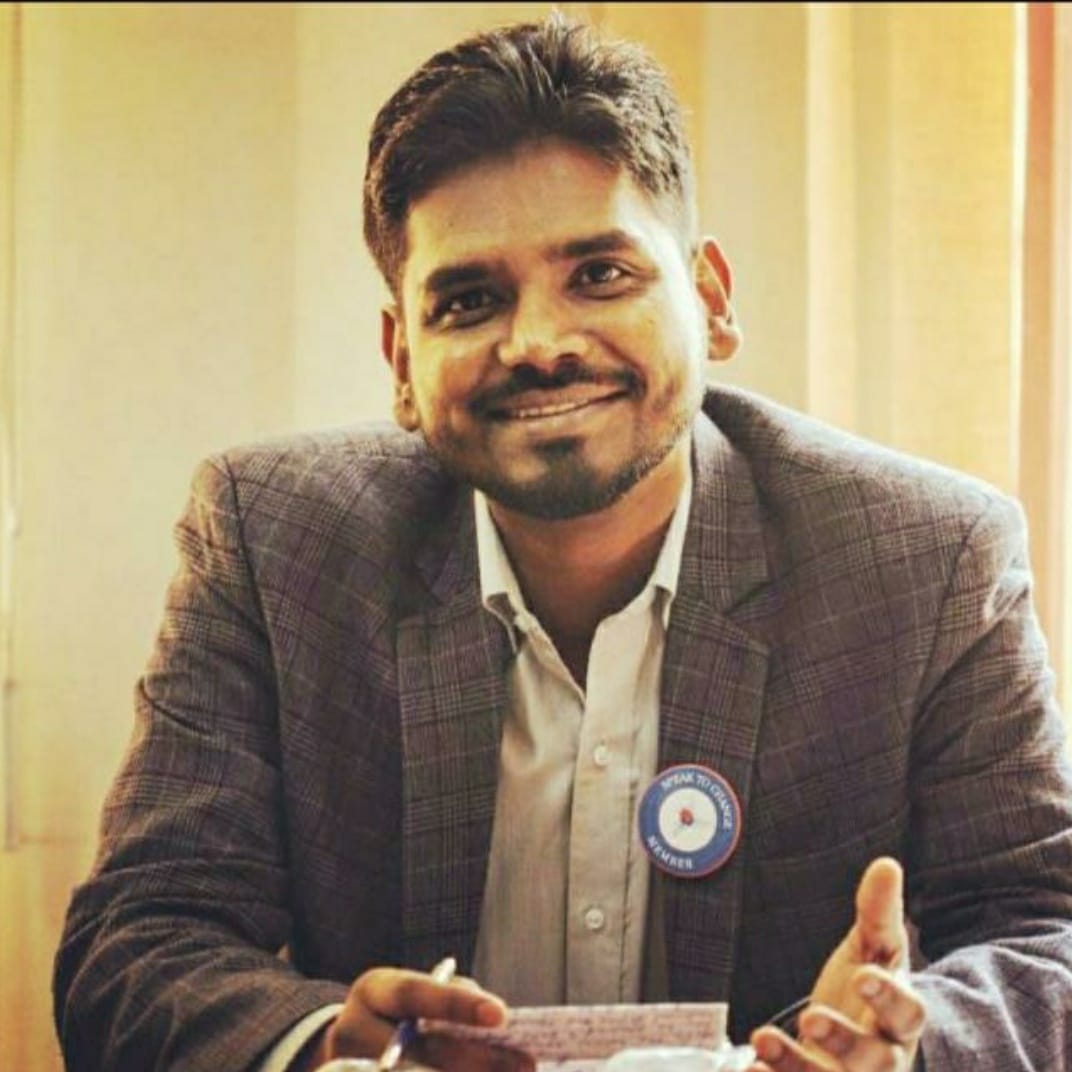
  • “We believe that everyone deserves access to legal representation and justice, and we are dedicated to helping those who face significant challenges.” – Tushar Jain, Advocate-On-Record at the Supreme Court of India the Managing Partner of TJA Law Chambers

    “We believe that everyone deserves access to legal representation and justice, and we are dedicated to helping those who face significant challenges.” – Tushar Jain, Advocate-On-Record at the Supreme Court of India the Managing Partner of TJA Law Chambers

    This interview has been published by Namrata Singh and The SuperLawyer Team
    Can you share the journey of how you started your career in law and the key experiences that have shaped your path to becoming the Managing Partner at TJA Law Chambers?  Please walk us through your journey starting from selecting Law as a career and your time at NLU, Jodhpur.

    My journey in law is deeply rooted in my upbringing in Nagina, a small town in District Bijnor of Uttar Pradesh. Despite our humble background, my parents ensured that we received a quality education from the best convent school in the district. As the youngest of three siblings, I was greatly influenced by my father, a dedicated lawyer practising at the trial Courts. Since the court premises were within walking distance from our home, I spent my summer vacations at my father’s chamber captivated by watching him argue in Court. My father noticed my fascination with court proceedings and envisioned me following in his footsteps, aspiring to become a lawyer in the Supreme Court. 

    Early Challenges and Decision to Pursue Law: Tragically, I lost my father when I was in the 12th standard. This loss left a significant void in my life and threw my future into uncertainty. Until I completed my 12th standard, I had no clear direction for my career path. Although I was a student of science, the influence of my father’s legacy and my desire to honour his dreams led me to opt for a career in law after completing my 12th

    Academic Achievements: I pursued 5-year law degree with determination and dedication, earning a gold medal for being the University Topper. This achievement not only solidified my passion for the field but also opened doors for further opportunities. In my final year of law school, I also enrolled in a postgraduate diploma course in Cyber Laws at the Indian Law Institute, New Delhi, which required me to travel to Delhi every alternate day. The travel experience in UP Roadways and retuning hometown by train was a time to remember.  After completing my law degree, I worked briefly at the Allahabad High Court before deciding to further my legal education by pursuing an MBA-LLM at National Law University, Jodhpur. 

    Time at NLU, Jodhpur: Choosing to pursue an MBA-LLM degree at NLU, Jodhpur, was a pivotal decision. My time there was transformative, providing me with a comprehensive legal education and shaping my professional outlook. The diverse exposure to life experiences, meeting people from across India, and engaging in various activities significantly transformed my personality. Being from a small town, this meant a lot to me. The rigorous academic environment, coupled with opportunities to participate in competitions and internships, honed my analytical and advocacy skills. These experiences were instrumental in building a solid foundation in legal principles and practice, helping me build my practice and learn to read people better.

    All these experiences of highs and lows in life left a fathomless mark on me and somewhere encouraged to make a bold decision to start my own law firm.  

    You began your career from High Court and subsequently held various managerial roles in legal departments before taking the Advocate-On-Record (AOR) exam and founding your firm. How have these diverse experiences across different legal roles and sectors contributed to your approach to managing and running TJA Law Chambers? What insights did you gain from each phase of your career that have shaped your current practice?

    My journey in law has been marked by a series of diverse and enriching experiences that have collectively shaped my approach to managing and running TJA Law Chambers. Each phase of my journey has provided me with unique insights and skills, which I have integrated into my current practice. 

    I began my legal career at the Allahabad High Court, where I initially did my judicial clerkship under the able guidance of Mr. Justice R.K Agrawal, who was later elevated to become a Supreme Court Judge. This initial experience exposed me to the fundamentals of courtroom procedures, legal research, and the importance of meticulous preparation. It also taught me the value of strategic thinking and the complexities involved in litigation. 

    After completing my post-graduation, I joined various reputed companies as an in-house counsel like GMR Energy, Indus Towers Limited and Sterlite Power Limited to name a few. Working in-house was a distinct experience compared to practising law in courts. Supporting the organization and other departments from a legal perspective taught me a lot about corporate governance, compliance, and risk management. It also highlighted the importance of effective communication, teamwork, and aligning legal strategies with business objectives. 

    Before founding my law firm, I had a short stint at a law firm called Advaita Legal. My distinct experiences allowed me to understand the nuances of private practice, client management, and the importance of building a professional network. It reinforced the need for thorough research, strategic thinking, and delivering client-centric legal solutions. 

    Founding TJA Law Chambers: It was always my dream to have an independent practice, but being from a small town and without a godfather in the profession, it was challenging. Nevertheless, I took the plunge and founded TJA Law Chambers in late 2019 with no significant clients in hand. Shortly after, the pandemic hit, which for my legal practice turned out to be a blessing in disguise. Despite the global challenges, I received work directly from foreign clients, which kickstarted the firm’s growth. There has been no looking back since then, and we are now catering to companies like ONGC, NTPC, EESL etc. 

    Advocate-On-Record (AOR) Exam: With my dream to establish my law firm, I also aspired to establish my practice in the Supreme Court, fulfilling my father’s dream. To this end, I started preparing for the Advocate-On-Record (AOR) exam last year and cleared it on the first attempt. This credential not only enhanced my credibility but also deepened my understanding of Supreme Court practices and procedures. The rigorous preparation for the AOR exam honed my analytical abilities and reinforced the importance of staying abreast of legal developments. 

    What motivated you to pursue the Advocate-On-Record (AOR) examination, and how did your mentor or any influential figures support you through this process? What are your thoughts on the significance of the AOR exam in a legal career?  

    Establishing a practice in the Supreme Court was a way to pay tribute to my father and the values he instilled in me. 

    Self-Guided Journey: Unfortunately, I did not have the benefit of a mentor or any influential figures to guide me through the journey of the AOR exam. This made the journey more challenging but also incredibly rewarding. I had to rely on my self-discipline, determination, and resourcefulness. I meticulously studied the Supreme Court rules, procedures, and landmark judgments. I sought out study materials, attended relevant workshops, and engaged in self-study to ensure I was thoroughly prepared for the exam. Achieving success on my first attempt was particularly gratifying and reinforced my belief in the power of perseverance and self-reliance. 

    The AOR exam’s significance in a legal career cannot be overstated, as it enhances credibility, provides exclusive rights, contributes to professional growth, instils client confidence, and opens up numerous career opportunities. I am now reaping the benefits of becoming an AOR. 

    As the Managing Partner and Founder of TJA Law Chambers, what were some of the significant challenges you faced while starting the firm? Now, after five years, how has the firm’s approach evolved in handling complex cases, and what types of cases have become a focus for your team?

    Challenges Faced While Starting the Firm: Starting TJA Law Chambers came with significant challenges, primarily due to the absence of a godfather or established network and the onset of the COVID-19 pandemic. These factors made business development and client acquisition particularly difficult. The pandemic restricted our ability to engage in traditional business development activities and necessitated a shift to remote operations. One of the initial breakthroughs was receiving our first assignment from clients in London and Luxembourg. This opportunity was crucial, as it involved negotiating and drafting high-stakes agreements across various jurisdictions, including China, Hong Kong, the UK, Russia, and Europe. This international work was a ray of hope, helping to establish our reputation on a global scale. 

    Adaptations and Strategies: Despite the pandemic’s constraints, working from home allowed us to save on office expenses, which was a critical advantage during the early stages. By focusing on delivering the best results for every assignment, we demonstrated our commitment and capability. This dedication paid off as our reputation grew, leading to subsequent opportunities and an influx of work. As a result, we were able to secure empanelment with prominent organizations such as ONGC, EESL, DERC, and Kolkata Port. These empanelments were pivotal in solidifying our presence in the legal market. 

    After five years, TJA Law Chambers has evolved significantly. Holding the prestigious Advocate-On-Record (AOR) designation, we are now well-positioned in the legal landscape. Our approach to handling complex cases has matured in several ways. 

    Our firm has developed deep expertise in representing corporate clients and handling complex legal matters across various sectors. Enhanced Services: We provide comprehensive legal services in areas such as energy law, regulatory compliance, dispute resolution, contract management and advisory services. Our practice now spans several key forums, including Arbitration, the Appellate Tribunal for Electricity (APTEL), various Electricity Regulatory Commissions, the National Consumer Disputes Redressal Commission (NCDRC), the National Company Law Appellate Tribunal (NCLAT), and the National Company Law Tribunal (NCLT), in addition to various High Courts and the Supreme Court. 

    Strategic Growth: The firm has strategically focused on building a strong client base and expanding our service offerings. Our growth is driven by a commitment to excellence and adapting to the evolving legal landscape. 

    Client-Centric Approach: We have refined our approach to ensure that we meet the unique needs of each client, providing tailored legal solutions and maintaining strong, transparent relationships. 

    Do you engage in any pro bono work or community service? How does this aspect of your career influence your professional perspective and personal satisfaction?  

    While we prefer not to disclose specific details, I want to emphasize that TJA Law Chambers is committed to supporting those in need. Our office is open to assisting individuals who are unable to afford legal services, regardless of their financial situation. We believe that everyone deserves access to legal representation and justice, and we are dedicated to helping those who face significant challenges. 

    It enhances our professional perspective, provides personal satisfaction, and strengthens our commitment to justice and community service. 

    The legal field is constantly evolving. What are some emerging trends or challenges in commercial litigation and corporate law that new lawyers should be aware of?  

    The evolving landscape of legal practice increasingly emphasizes the growth of Alternative Dispute Resolution (ADR). Mechanisms such as arbitration and mediation are gaining preference over traditional litigation, primarily for their cost-effectiveness and efficiency. Lawyers must grasp these processes to effectively navigate and resolve disputes, harnessing the benefits of ADR to better serve their clients. 

    Additionally, the impact of technology and artificial intelligence (AI) on the legal field cannot be overstated. AI tools are revolutionizing legal research, document review, and case outcome predictions, providing unprecedented accuracy and efficiency. Lawyers are encouraged to leverage these advancements to enhance their practice, embracing the future of legal technology.

    Staying current with new judgments from the Supreme Court and High Courts is also crucial. As laws, such as the Insolvency and Bankruptcy Code (IBC), continue to evolve, understanding the latest judicial decisions is essential for grasping the development and application of the law. Regularly reviewing these judgments ensures that legal professionals remain informed and adept in their practice.

    Could you share some of the landmark cases you’ve handled throughout your career and discuss the key challenges you faced in those cases? How did these experiences contribute to your understanding of the legal field and what lessons can current and aspiring legal professionals draw from them?

    I have had the opportunity to be part of several landmark cases involving important questions of law. However, one case in particular stands out to me. While it may not be a landmark case, handling it independently had a profound impact on me.       

    This was at the inception of my independent practice. An elderly woman had her pension stopped due to a mismatch in her name in government records. This pension was her lifeline, provided due to her late husband’s job. I took up her case, but unfortunately, she passed away before it was resolved. Despite my repeated requests for an early hearing, citing her dire financial and health conditions, the court did not give serious consideration to expediting the case. This was a disheartening moment for me as it felt like our judicial system failed her.

    The second notable case was my first as an Advocate-on-Record (AOR) in the Supreme Court. It involved the rights of homebuyers in the context of insolvency proceedings under the Insolvency and Bankruptcy Code (IBC). The issue was the denial of rights to homebuyers who did not file a claim form. The Supreme Court has issued a notice in this case, and its outcome could become a landmark judgment for homebuyers’ rights. This case is particularly challenging as current IBC provisions and Supreme Court judgments support the exclusion of those who haven’t filed claims. We are eagerly awaiting the court’s decision as it could introduce a new legal precedent.

    With my limited experience in the legal field spanning over 14 years, I could say that every day presents new challenges, and as legal professionals, we must embrace and welcome them. You strive to achieve the best outcomes for your clients, but sometimes, due to court delays or other reasons, you might not get the desired relief. The important thing is to continue fighting for your clients with the same zeal and dedication.

    There will be cases where you face strong opposition. If you have worked on the minute details and thoroughly prepared your brief, even if the law is not on your side, you will earn respect and recognition in the court.

    Beyond your legal career, what are some of your hobbies or interests? How do they contribute to your overall well-being and professional performance?  

    I am an avid adventurer, thriving on the thrill of exploring the great outdoors. I have summited peaks reaching 16,000 and 14,000 feet, embracing the challenges of high-altitude trekking. My passion extends to biking, swimming, and playing cricket, as I constantly seek new ways to stay active and connected to nature. As a true nature lover, I find immense joy in travelling and discovering new places, immersing myself in the beauty and wonder of the natural world. This blend of physical and mental challenges has enriched my professional outlook, enhancing my ability to tackle complex problems and adapt to various situations with a fresh and dynamic approach.

    With your vast experience, what advice would you offer to current legal professionals and law students who aspire to make a significant impact in their careers? 

    Though I feel I am still on my journey if I were to offer advice, it would be this: Embrace life-long learning, clearly define your goals, create a structured plan to pursue them and always be ethical. With dedicated focus and determination, you can achieve anything.

    Get in touch with Tushar Jain-

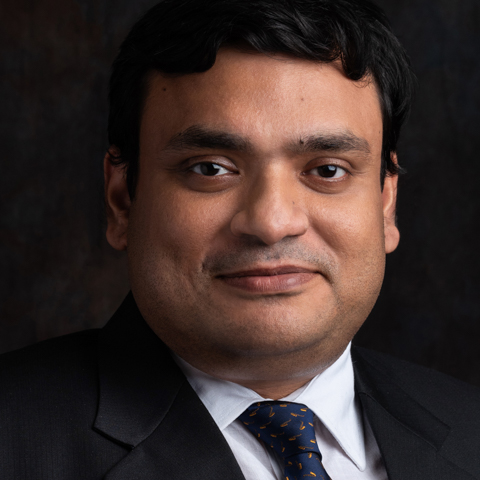
  • “Develop a habit of continuous learning, establish a professional network and uphold high standards of integrity and ethics. These principles are crucial for success in the legal field.” – Nishant Menon, Senior Partner & Co- Founder at  SAMAGRA LAW

    “Develop a habit of continuous learning, establish a professional network and uphold high standards of integrity and ethics. These principles are crucial for success in the legal field.” – Nishant Menon, Senior Partner & Co- Founder at SAMAGRA LAW

    This interview has been published by Namrata Singh and The SuperLawyer Team

    Can you walk us through your decision to study law? What inspired you to pursue a career in the legal field, and how did your time at Campus Law Center, University of Delhi, shape your outlook on the profession? What were some of the initial challenges you faced in launching your career, and how did you overcome them?

    Like many others, I too was uncertain about my career path, so I explored various fields. I had a background in science from school and pursued a Commerce degree in college. It was during this time that I discovered law, which sparked a deep interest in me. 

    My time at the Campus Law Center, University of Delhi, played a pivotal role in shaping my outlook on the legal profession. The dynamic environment, enriched by diverse peers, inspiring mentors, and numerous opportunities, fuelled my enthusiasm. The rigorous academic curriculum, combined with practical experiences, provided me with invaluable insights into the complexities of legal practice.

    Challenges that I Initially faced were transitioning from academia to professional practice, adapting to the practical demands of legal work, such as client interactions, case management, and navigating the intricacies of the legal system, which required a steep learning curve. However, I overcame these challenges through perseverance, continuous learning, and seeking guidance from experienced colleagues and mentors.

    In your experience, what are the most common misconceptions people have about arbitration, and how would you clarify them?

    Some common misconceptions about arbitration include that it is always faster and cheaper than litigation, that the arbitral awards are final and binding and hence cannot be appealed. Actually, arbitration can be more efficient, but not always. Although there are limited grounds for appealing a decision of the arbitrators, they can be set aside. 

    A common misconception that I often come across doubts the integrity of the arbitrators. I have always sought to reassure the clients that arbitrators are bound by strict ethical standards and the selection processes as provided in law ensures impartiality.

    What inspired you to co-found SAMAGRA LAW, and what unique value do you believe your firm brings to clients?

    While working at established firms has its merits, there’s a certain spark that comes with building something new. Perhaps that was my inspiration for Samagra Law to co-found a more dynamic and collaborative legal environment. A place where clients aren’t just cases, but partners in achieving their goals.

    Our team structure prioritizes a well-rounded approach. Senior partners with extensive experience bring a wealth of knowledge and strategic thinking. This, combined with a team of enthusiastic associates, fosters a blend of expertise and fresh perspectives.

    Outside of your professional life, what hobbies or interests do you pursue to maintain a balance? How do they contribute to your work-life balance?

    Balancing the demands of my legal career with personal interests can be quite challenging. Beyond my professional commitments, I prioritize reading and cherish quality time with my family, especially as a dedicated father and son to my aging parents and with childhood friends. While these roles occupy a substantial portion of my time, I also make sure to carve out time for reading, swimming and exercise.

    As someone who handles technically complex cases, what strategies do you employ to communicate effectively with clients who might not have a legal background?

    When dealing with technically complex cases, effective communication with clients who lack a legal background is essential. To ensure that clients understand the complexities of their cases without feeling overwhelmed, I make a conscious effort to use plain language instead of legal jargon. I break down complex legal concepts into clear and simple explanations and use relatable analogies or real-life examples to illustrate key points. Additionally, I actively listen to my clients to understand their concerns and questions, enabling me to tailor my explanations to their specific needs. I encourage clients to ask questions throughout our discussions to create an open dialogue where they feel comfortable seeking clarification on any aspect of their case. Regular updates on the progress of their case are provided in straightforward language to keep clients informed and reassured about the status and next steps. I approach each client interaction with empathy and patience, creating a supportive environment where clients feel empowered and informed. Managing expectations and providing realistic insights about case outcomes and the legal process helps foster trust and reduce anxiety. By implementing these strategies, my goal is to ensure that clients with limited legal knowledge feel informed, supported, and confident in their understanding of their cases and the legal strategies being pursued on their behalf.

    How do you envision the role of technology shaping the future of legal proceedings?

    Over the next few years, technology is poised to take legal proceedings to a whole different level. In my view, artificial intelligence will be vastly applied in legal research and review, which will really speed up the preparation stage of a case and involve reduced costs associated with case preparation. Virtual hearings—the creation of necessity throughout pandemics—will have become much more common, bringing improved accessibility and efficiency. Video conferencing and data analytics are going to further revolutionize courtrooms and litigation strategies. Blockchain technology could provide frontiers in smart contracts and secure document storage. We do, however, have to be very conscious of the challenges that are to be contended with, such as access to technology by all and efficient security and confidentiality processes in the legal proceedings.

    Reflecting on your early days in the legal profession, do you remember the first time you fought a case? Could you share with us some anecdotes or memorable moments that occurred in the courtroom during that experience?

    Yes, I do remember the first case that I fought in court. It was a civil suit filed by a vendor against my client, an automobile manufacturing company before the Agra district court. 

    An interesting anecdote, I used to be very curious every time I went to that court because the tablecloth on the judge’s table, which was white in color but the portion falling on the side where the lawyers used to stand and argue was varying shades of red. I couldn’t help but ask the court master about this and was most amused to hear from him that some of the local lawyers used to wipe their tobacco chewing mouths while making submissions before the court. 

    My opposite counsel was a veteran lawyer of the district court. He was somehow deeply impressed by my dedication to reach the court early in the morning on each date of hearing from Delhi as well as my research skills – citing relevant judgements before the court. I finally succeeded in getting the suit dismissed for lack of cause of action. I was pleasantly surprised when he congratulated me and wished me success in my career. Later, he recommended me to some of his colleagues for their cases before the NCDRC, which was really a sweet gesture from him. 

    With your background in aviation law and dispute resolution, how do you see the landscape evolving in the next decade, particularly in India?

    In the first place, I hope to see specialized tribunals in India at the national level, such as the HCAA in Europe, to deal with aviation-related disputes, therefore providing a forum possessing the necessary expertise in handling complex aviation cases.

    Arbitration is set to play an increasingly prominent role in resolving aviation disputes. It is uniquely suited to the aviation sector because it is fast, confidential, and expert-driven. We may see an increase in institutional rather than ad hoc arbitration to obtain greater consistency in results and to build up a jurisprudence of sorts.

    There is also a growing requirement for more global legislation and arbitration within aviation. Environmental considerations can easily be envisioned to feature largely in aviation law in the future. We are going to witness more sustainability- and reducing-emissions-centered rules and disputes in the near future.

    What advice would you give to young professionals aspiring to succeed in the legal field, especially in areas like litigation and arbitration?

    What I’d like to tell young professionals who want to excel at litigation and arbitration would be:

    • Develop a habit of continuous learning. Laws and regulations are constantly evolving, especially where the field is so dynamic.
    • Specialize in a niche area within litigation & arbitration, as that will further enhance career prospects by showcasing your expertise and differentiation. 
    • Establish a professional network. These are the relationships that will sustain you during your career with colleagues, mentors, and even opposing counsel.
    • Uphold high standards of integrity and ethics. Your character is your most valuable asset in the legal profession.

    In your role representing government regulatory agencies and advising aerospace companies on offset contracts and technology transfer, Please share with us what unique insights have you gained about the intersection of legal frameworks and the rapidly evolving aerospace industry?

    In my previous role, the interface with government regulatory agencies and aerospace companies provided me a vantage view of just how complex the intersection of legal frameworks and an evolving aerospace industry really is. This sector is controlled by a multi-faceted regulatory environment involving agencies like DGCA to AERA, coupled with multiple acts and policies. Consolidation is turning into a trend across global supply chains, driven by digitization and environmental factors. Such consolidation is producing new legal challenges and opportunities, especially within M&A activity, where due diligence is an increasingly important function. 

    Nishant, amidst your diverse legal expertise, is there a particular area of law that you’re especially passionate about or that resonates with you on a personal level? If so, could you share why it holds such significance for you?

    I was introduced to arbitration in 2002 or 2003 and since then my passion for the same has only increased. In subsequent years, I was fortunate enough to be part of domestic and international arbitrations, ad hoc & and institutional arbitrations where I represented foreign clients and sometimes the PSUs. I got to work with some of the finest arbitrators and arbitration expert lawyers. Not only that, it also gave me an opportunity to interact with engineers, IT experts, financial analysts and the valuable takeaways helped me in my future cases. 

    The reason that I like arbitration is that it not only involves months of hard work but also the strategy behind the constitution of the tribunal and the structuring of the claim statement or the statement of defense‌. Conducting cross examination of the opposition witness has always been an enjoyable experience. 

    Besides that, it is an extremely dynamic field where law is constantly evolving, be it by the legislature or the courts. There were also instances where we could not find helpful judicial precedents under the Indian law and therefore had to look at English and other jurisdictions. So, to be constantly updated on various aspects of arbitration is an intellectual challenge that constantly drives me to learn and improve.

    Get in touch with Nishant Menon-

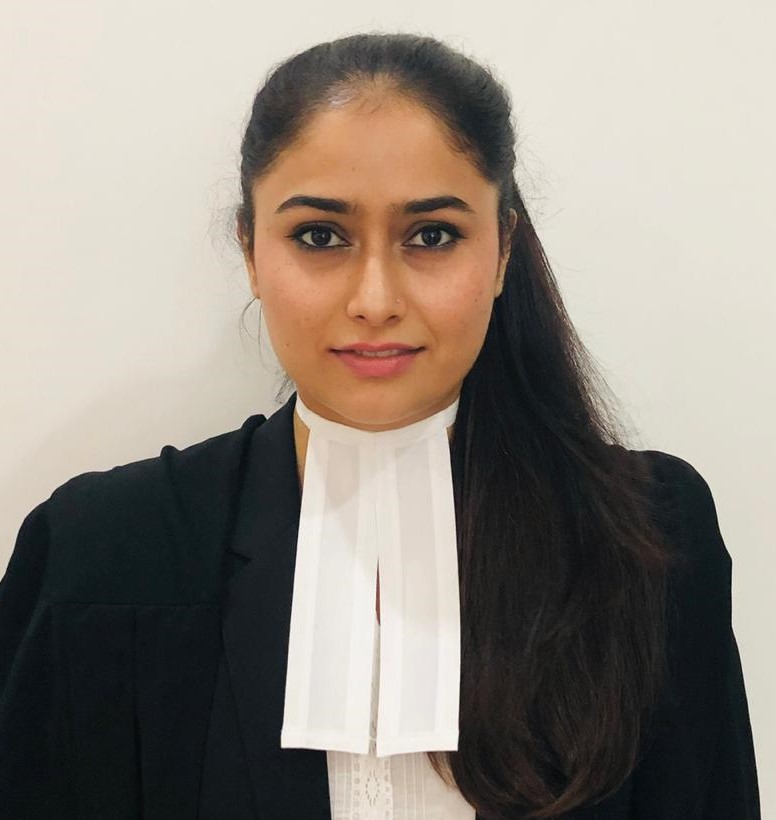
  • “I’m a great believer in luck, and I find the harder I work, the more I have of it.” – Shweta Sharma, Advocate-on-Record at the Supreme Court of India.

    “I’m a great believer in luck, and I find the harder I work, the more I have of it.” – Shweta Sharma, Advocate-on-Record at the Supreme Court of India.

    This interview has been published by Namrata Singh and The SuperLawyer Team

    Could you please introduce yourself to our readers and share your journey from your early days in law to becoming an advocate-on-record at the Supreme Court of India? We’d love to hear about the pivotal moments, challenges, and inspirations that have shaped your remarkable career trajectory.

    After graduating from Symbiosis Law School, Pune in 2009 I joined the Legal (Tax and Regulatory) Department of PriceWaterhouseCoopers (PwC) where I had a short stint of about a year. My work at PwC mainly included doing due-diligences for various organizations and businesses, opening on labour law and employment law queries from pan-india PwC locations. While my time at PwC gave me a lot of exposure to the regulatory side of work, from the point of view of Indian as well as international clients, I felt that I wasn’t being challenged as much – mentally as well as academically. I started speaking to my law school batchmates who were pursuing litigation and that’s when it became clear that I was missing out on the real deal. Even though the economy was in a recession in the year 2009, I did the unthinkable and put in my papers at PwC and joined Parekh & Company, which is a full-service litigation firm. To be honest, it was very difficult to take a 50% pay-cut and say goodbye to the 9 to 5 job where I had the weekends all to myself. Looking back, it was the best decision ever. Upon joining litigation, I realized that there is no concept of weekends and no fixed timings. Juniors were expected to carry work home and make sure the filings were done in time, seniors were briefed well in advance and the clients got the reliefs they wanted. There were moments where I felt I’d bitten off more than I can chew but I just kept at it and before I knew it, I fell in love with the entire process. At Parekh & Co, I was under the guidance of my “first boss” as I call him to this very day – Mr. Sameer Parekh. At Parekh & Co., I had the privilege of working on matters being argued by some of the most distinguished legal luminaries like Mr. Harish Salve, (Late ) Mr. Ashok Desai, (Late) Mr. Ram Jethmalani, Dr. Abhishek Manu Singhvi, (Late) Mr. Goolam Vahanvati, (Late) Mr. T R Andhyarjuna, Mr. Rohinton Nariman, K K Venugopal, Justice P S Narsimha, (Retd.) Justice U. U Lalit to name a few. After working in Parekh & Co. for about three years, I had a short stint at TMT Law Practice which is a technology, media and telecommunications law firm where I had the opportunity to represent clients across the entire spectrum of the media and entertainment industry, including television, films, radio, music, print and publications. Thereafter, I got married to my batchmate from law college – Diggaj Pathak, who was also pursuing litigation full time. Since we had put in about five years into the profession and got a fairly decent amount of work to pull us through, we decided that it was time now to take the plunge and go independent. That was truly the best decision of our lives. Now we were two like-minded individuals ready to take our love affair with litigation to the next level. People say it is difficult to work with one’s spouse and that one mustn’t mix business with pleasure but that has been far from the truth for us and we have had such a successful partnership where both of us have immensely contributed to each other’s growth in this profession. After spending 7 years in litigation, we became eligible to take the Advocate – on – Record examination and cleared it in the first attempt. There was really no looking back after that.  

    You have an impressive portfolio of legal representation spanning various tribunals and courts. Could you share a memorable experience from your early days in the legal profession that shaped your career trajectory?

    Due to the work ethic I was exposed to at Parekh & Co., I learnt that one must never say no to any kind of work and that litigation encompasses more than just the Supreme Court or the High Court. There are so many tribunals and quasi-judicial bodies in Delhi like National Green Tribunal, Ministry of Mines, Central Information Commissions, National Consumer Fourm, Employees Provident Fund Appellate Tribunal, Debt Recovery Tribunal, Central Electricity Regulatory Commission, Armed Forces Tribunal, Appellate Authority for Revenue cases etc. So there is really no dearth of work. There were times when I wasn’t sure if I could do justice to a matter but I was fortunate enough to be surrounded by such encouraging seniors and mentors who provided me with the necessary push so that I could give my 100% to the cases in question. I had the opportunity to appear very frequently before the Telecommunications Disputes Settlement Appellate Tribunal (TDSAT) when Justice Aftab Alam (Retd.) was the Chairman. Justice Alam was extremely encouraging of women practitioners and would often appoint me as Advocate Commissioner in matters which really helped me build my confidence. Similarly, Justice Shiva Kirti Singh (Retd.) also appointed me as Local Commissioner in several cases for which I had to travel outstation and that again really helped me understand the telecommunications and broadcasting sector from close quarters. Apart from TDSAT, I had the privilege of working with Mr. Krishnendu Datta, Senior Advocate on various company matters before the NCLT. I was greatly inspired by Mr. Datta’s work ethic and the way he completely immerses himself into cases really had an impact on me. I also love to brief Mr. Gopal Sankaranarayanan, Senior Advocate for my Supreme Court matters from whom I get to learn so much. He is truly an exceptional individual. Then I had the good fortune of working with Mr. Meet Malhotra, Senior Advocate on several telecommunications and broadcasting matters. Words cannot describe how much Meet Sir helped me in building my practice in the energy sector. His trust and faith in my work has helped me immensely. I am deeply indebted to these individuals.  

    With your extensive involvement in telecommunications and energy sectors, what sparked your interest in these particular areas of law?

    To be honest I never imagined that I would be practicing so extensively in these sectors but that’s the beauty of being a first-generation litigating lawyer – you never know what you’re going to get and sure enough you never say no to any kind of work! Having said that, I had the opportunity to work in the telecommunications sector early on because my partner was already handling the work in that area for a few clients. So, when we started working together, I had to naturally shoulder the responsibilities with him. Some of the cases before TDSAT were extremely high-stakes and in those matters we would brief Mr. Meet Malhotra, Senior Advocate from whom we got to learn so much. As far as work in the energy sector is concerned, I owe most of what I know in this field to Mr. Buddy Ranganadhan. Buddy Sir is an outstanding lawyer and briefing him is such an enriching experience, every single time. 

    Balancing a career in law with personal interests is crucial for holistic well-being. Could you share some of your hobbies or interests outside of the legal realm that help you maintain a sense of balance?

    To be very frank, it is super hard to maintain a work – life balance being a litigating lawyer and even more so if you’re a female litigating lawyer. And if you are a mother, then you need multi-tasking skills of a different level. Even if you ace this time management, be prepared to pay the ‘motherhood penalty’. Yes, the legal profession is not immune to it. Every day of the week, we are in court and the evenings are spent lamenting on the cases listed for the next day. Sometimes, you’re in multiple courts on a single day and your meal-timings go for a toss. Then Saturdays are for the district court cases and Sundays are for drafting assignments, conferences with senior advocates and client meetings. One has to also take out time for social and professional commitments. In all this chaos, it is very easy to actually lose sight of your own health and the health of your loved ones. So, keeping fit – mentally as well as physically – is of utmost importance. I try to be active and take out time to take my toddler out to the park and ensure that I take at least 4 vacations a year. I carry work with me on those vacations too, much to my partner’s dislike, but that’s another story. I also enjoy judging moots and have had the privilege of judging some moot court competitions like the FDI International Arbitration Moot, the KTS Tulsi Mock Trial Competition etc. I also love to interact with young law students, especially first-generation lawyers who are sometimes overwhelmed by litigation practice and have had the privilege of speaking at the Delhi Faculty of Law on the topic of Career as an Advocate-on-Record. I also try to give my services to those who cannot afford it and have done a few pro-bono matters. The appreciation I receive from my pro-bono clients is really immeasurable. 

    Starting a legal career can be daunting for many young aspirants. What advice would you offer to the current generation of law students and aspiring lawyers looking to make their mark in the legal profession?

    There are a couple of things that one must mentally prepare before joining the legal field. Firstly, always and I mean always remain an “eager beaver”. Everyone will see it – Judges, clients, seniors as well as colleagues – it will help you generate new work. Secondly, never say no to any case even if it is small research – you will learn so much from it and that knowledge is to be treasured. Thirdly, be prepared to sometimes miss out on important personal events like weddings, funerals, birthdays etc. as you may have a deadline or the limitation would be expiring in a particular case. If you have taken up some assignment or matter, you cannot leave it halfway no matter what. Having said that, it is also incumbent upon you to then make it up to that family or friend who’s function you missed. Fourthly, there will be times when you may be reprimanded at – by the Judge or your senior. Do not take it to heart, listen to what they are saying as they have experience which you don’t and experience must be respected at all costs. Fifthly, be kind to your support staff – court clerks, driver, office boy, nanny, cook etc. You will be most effective if you have a strong team backing you up. Sixthly, be grounded and grateful. It is easy to lose sight of where you started from when you’re making a lot of money but one must never take any matter – big or small, for granted. Lastly, be fair to your opposite counsel. There is life outside court also. We are a small fraternity and people talk. Not all cases you get would be very high stakes, but be determined to prove yourself. Slowly but surely, the work will start pouring in from all quarters. 

    Being a female practitioner in a male dominated profession do you have any specific advice for women who are keen to join litigation?

    Let’s face it, the ratio of women-to-men in the legal profession is abysmally low. But the demographics are changing over the past few decades. While it is true that the legal profession demands long hours and constant availability, I want to tell these women who want to join litigation that the fruits of the hard work you will put in will be immense. If you are a working mother, and this holds true for any field, you will be perceived as less committed to your career because it is assumed that you choose to work only because you have financial needs to fulfil. Employers are wary of hiring mothers as it is thought that since they have familial responsibilities, they will be less dedicated to their roles. But this notion is completely wrong, and, if at all, only applies to a very small percentage of working women. We can be as passionate, as driven and as ambitious as our male counterparts. We are currently blessed to have Justice D Y Chandrachud as our CJI who is a staunch supporter of increased participation of women in the legal profession. He values inclusivity of women lawyers and makes a mention of it not just in open court but also at every public platform he speaks at. He was very pleased to see a dramatic increase in the number of women appearing virtually before the courts during and post-covid as it provided them the comfort of appearing from the safety of their homes. In 2024, a committee headed by our CJI designated the highest number of female senior advocates that have ever been designated by the Supreme Court in its entire history since 1966. Just imagine, 12 in 75 years and 11 in just one year! Justice Chandrachud has also encouraged more and more women to come forward, contest elections and hold positions of responsibility in the bar associations and the bar councils. He has further advocated for institutional support (like creches in courts) to ensure more and more female lawyers are inducted and retained in the profession. This augurs really well for us women practitioners. We should take full advantage of this changed scenario. In the coming times, I’m sure there will be more designations and more elevations. Personally speaking, I feel so inspired looking at the women senior advocates practicing today. Few senior advocates whom I have briefed and who had a great impact on me include Mrs. V Mohana, Mrs. Madhavi Divan and Mrs. Haripriya Padmanabhan. I hope to one day have the opportunity of working with (Retd) Justice Indu Malhotra, Mrs. Indira Jaisingh and Mrs. Aishwarya Bhati as well, all of whom are outstanding lawyers. So, my advice to young women aspiring to join litigation would be to perform decently at law school, write legal articles, if possible, take your internships very seriously and once you start a career in litigation, just stick with the grind. The results are inevitable. 

    As an advocate-on-record and panel counsel for esteemed organizations like TRAI, WBSETCL, Eastern Coalfields Limited and Central Coalfields Limited, what strategies do you employ to effectively represent your clients’ interests while upholding your own ethical standards?

    Preparation is key obviously. Secondly, I inform the client of all the eventualities because anything can happen in court so one has to be prepared in advance. If the client has been slightly in the wrong, and is informed in advance of the probable reaction from the court, then it can give suitable instructions to his lawyer about the extent of the concession the lawyer can make on its behalf. Thirdly, if there is a senior counsel being briefed in the matter then he/she has to see how invested you are in the case. It makes it all the more interesting for them. Since some of the matters for these clients are very high stakes, I always get instructions in writing to avoid any miscommunication later on. 

    Your educational journey includes international exposure during your schooling in the United States. How do you think such cross-cultural experiences contribute to a lawyer’s ability to navigate diverse legal scenarios?

    I studied in California for about three years and it was such an enriching experience. Since my father was in a transferable job, I changed almost eleven schools and had the opportunity to stay in many different parts of India too. This gave me so much exposure as I had to get used to adapting to a new place every few years. That helped me tremendously. The legal professional is so multi-faceted. You may be able to impress your client with your legal knowledge but if you’re not able to smooth talk your way in a Bihari or a UP accent with the Court Master or the Alhmad to get a certified copy or a shorter date then what is the point of all the fancy education that you have had?  

    Becoming an Advocate-on-Record involves rigorous training and examination. What motivated you to pursue this prestigious designation, and how has achieving it impacted your legal career and approach to advocacy?

    So, it is very important to understand that one doesn’t magically start getting Supreme Court briefs simply because one has cleared the Advocate-on-Record examination. In order for a steady stream of Supreme Court cases to come your way, you have to have what we refer to as a “parent high court” where the advocates from that particular high court keep sending you matters regularly to be filed in the Supreme Court. But the fact of the matter is that many first-generation advocates like myself do not have any such contacts with any high court so the cases initially will be far and few. One has only to ensure that they give their 100 percent to those cases. Soon enough, your client, your colleagues, your seniors will spread the word which will certainly translate into more matters. Having said that, choosing to practice exclusively in the Supreme Court is a completely personal choice and if that is the path you have chosen as a first-generation lawyer then you must keep reaching out to the lawyers practicing at various High Courts to generate Supreme Court work. But I speak for myself, I consciously did not want to restrict myself to practicing only in one court. I took the exam because I wanted to have this added qualification so that in the event a situation arises where I’m required to approach the highest court of the land, I should be able to do so myself without asking anyone else to be my AoR. I was also able to generate supreme court work by practicing in various forums like the National Company Law Appellate Tribunal, TDSAT, National Green Tribunal, Appellate Tribunal for Electricity etc. 

    You’ve been associated with the law office of DPSS, which holds a prominent position in the legal landscape. Could you share some insights into the working of your firm?

    The Law Offices of DPSS was founded by my husband (Diggaj Pathak) and I about ten years ago. Diggaj was my batchmate at law school and we started out with just a handful of matters. We are soon going to complete 1000 files together. Though we have grown since our founding, we are the same agency at heart. We approach each of our clients with fresh eyes to offer them customized and unique strategies. We are result oriented, in as much as we try and get speedy relief for our clients instead of keeping them embroiled in litigation which can sometimes last for several years in our judicial system. If the circumstances permit, then we actively try to mediate and settle the cases for our clients which can sometimes get better and faster results than adversarial litigation. We feel we owe this to our clients and to our judicial system. Ultimately, as lawyers we must not burden our courts unnecessarily and if there is a way to sit across the table and negotiate terms of a settlement then we always explore that option. 

    Get in touch with Shweta Sharma-

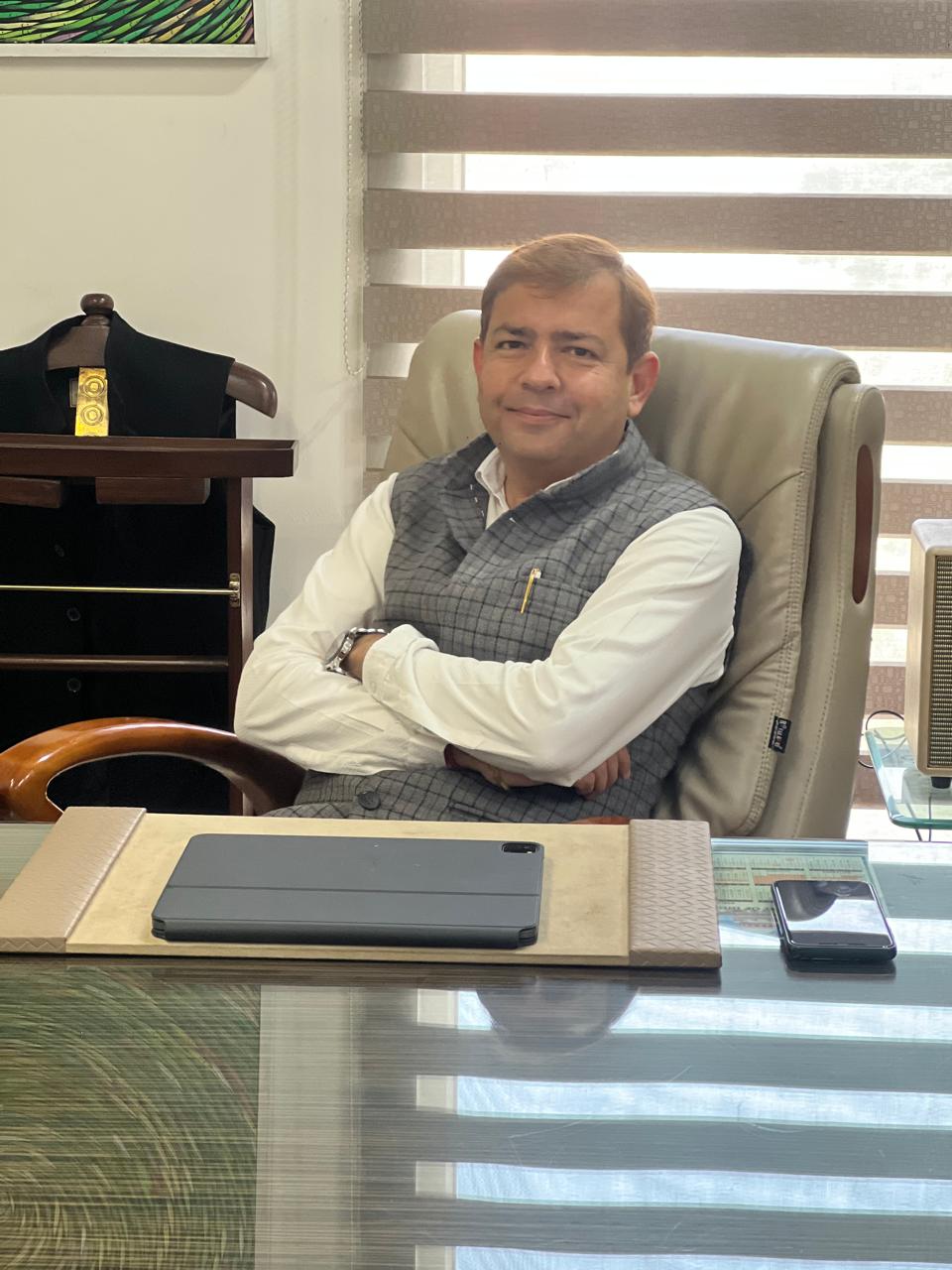
  • “In the dynamic landscape of legal practice, a client-centric approach  stands as the cornerstone of success for lawyers, striving to excel and that means  developing a process for building and sustaining relationships”- Rakesh Kumar Singh, Advocate-on- Record, Supreme Court of India

    “In the dynamic landscape of legal practice, a client-centric approach  stands as the cornerstone of success for lawyers, striving to excel and that means  developing a process for building and sustaining relationships”- Rakesh Kumar Singh, Advocate-on- Record, Supreme Court of India

    This Interview has been published by Pragya Chandni and The SuperLawyer Team

    Can you tell us about your journey into law? What inspired you to pursue an LL.B and later an LL.M in Corporate/Banking & Insurance law?

    My journey into law is not an easy Journey. It was my Childhood dream to  become a lawyer, but initially destiny had planned something else for me and due  to the compelling economic conditions of my family and my zeal to serve the  country, I had joined the Indian Air Force at the age of 17 Years as an Airman in the  year 1996. 

    While serving the Indian Air Force I have pursued my higher education.  When I was posted at Air Force Station, Nashik, I attended evening law college  after my working hours in the Indian Air Force for a law degree. I did my LLM from  Kurukshetra University. 

    I am a first-generation lawyer with no lawyer in the immediate or distant family.  Being from a humble background, I was always inspired by this profession and  believed that lawyers have the unique opportunity to help others and make a  difference in their lives.  

    You have extensive experience in the Supreme Court of India, High Courts, and Tribunals. What were some of the most challenging cases you handled early in your career?

    Most of the cases I handled initially were challenging. I would like  to talk about two of those cases: – 

    There is a reported case of CBI, wherein, we all have encountered a unique  legal issue, that whether the statement of an accused can be recorded under  Section 313 CrPC, Since the accused is not able to write and speak. The Ld. The Trial  Court Judge has cancelled the bail granted to my client (accused) stating that the  accused is deliberately not answering the question put to him under Section 313  of Cr PC. We had only two days’ time to get relief from the higher court. I had  done all the mentioning and could get the case listed on the same day. The Hon’ble  High Court ruled that “As per the medical report, the accused is unable to write  and speak and therefore the Statement under Section 313 of CrPC cannot be  completed.

    In another case, through SLP (Criminal) I ensured cancellation of bail of a  murder accused from the hon’ble Supreme Court of India, in which indirectly I  received threat from the accused side. 

    Your role as in-charge of the Air Force Legal Cell at the HQ Western Air Command is quite intriguing. Can you share some key experiences and challenges you faced during your tenure there?

    As in-charge of the Indian Air Force Legal Cell, one needs to have a much more holistic understanding of law. Right from the management of  litigation in Courts and Tribunals for Union of India and Indian Air Force to  management and conduct of Court Martial and Court of Inquiry, management of  all the applications and 1st and 2nd Appeals related to Indian Air Force under the  Right to Information Act, 2005. Defended 2nd Appeals on behalf of the Indian Air  Force under the Right to Information Act at Central Information Commission,  Management and conduct of Charge Trials for the minor offence committed by  Indian Air Force personnel, to provide general legal administrative and  Secretarial support to Command Judge Advocate. 

    Further, you are not only in charge of the Legal Cell, but you are a trusted  advisor, making sure that the legal department of Command Headquarter and  Units under its area of operations functions properly and smoothly. 

     Managing litigation on behalf of the Union of India/Indian Air Force must have been a significant responsibility. What strategies did you employ to effectively manage and resolve these legal issues?

    Strategy is one of the most critical aspects in effectively managing  and resolving legal issues of an important organization like the Indian Air Force. A  good strategy acts as the bedrock on which the entire legal department functions  efficiently.  

    I started understanding the work and worked closely with Command Judge  Advocate Generals to set clear legal goals that fit with the Organization’s overall  plans. Good and effective Communication within the team members and with  other departments were the key for everyone to work together smoothly and in  tandem. I used to talk regularly with the Unit Legal Cells of the Command to  understand their Legal needs and extend all the possible help round the clock.

    You have a strong background in drafting various legal documents. What do you think are the most critical aspects of drafting effective legal documents?

    Legal Drafting is the most important instrument of legal  Communication. The Skill to draft well, is the skill to think and Communicate  Well.  

    In my legal draft I judiciously select words, phrases and clauses adhering  to the intricacies of the subject matter. Whether it’s contracts, Agreements, or  Petitions, each document necessitates bespoke attention to details. 

    A proficient drafter must bridge the gap between precision and  comprehensibility leaving no room for ambiguity. Documents must not only be  legally sound but also strategically crafted to achieve the desired outcomes for  the clients. 

    One needs to follow the principles of drafting legal documents i.e., clarity  and precision, simplicity and conciseness, specificity and completeness and  compliance with legal requirements. 

    Maintaining excellent relations with clients and legal counsels is vital in your profession. Can you share your approach to building and sustaining these relationships?

    In the dynamic landscape of legal practice, a client-centric approach  stands as the cornerstone of success for lawyers, striving to excel and that means  developing a process for building and sustaining relationships. 

    I make a compelling argument for why clients should choose us. My approach  is to build lasting relationships with the clients and ensure they don’t feel like  mere rupee signs. It is important to understand the client’s needs, the  communication should be transparent, I should be able to manage the expectation  of my client and I should be ready to walk an extra mile by providing exceptional  services. 

    Building and sustaining strong client relationships is paramount in the legal  profession, where trust serves as the CornerStone for Success. For an Advocate  -on-Record, most of the Clients are legal Counsels of High Courts and trial Courts  through whom briefs come.

    You’ve obtained favorable judgments for clients in several high-profile cases, including the Delhi Metro Rail Corporation project and Armed Forces personnel cases. Could you elaborate on these achievements and their impact?

    The legal field is known for being highly competitive with lawyers,  Paralegals and legal professionals all striving to outperform one another. This  intense environment often resembles a constant legal battle where success is the  ultimate prize. In such a challenging arena these achievements become imperative. 

    This was the long pending issue of Delhi Metro Rail Corporation project  due to which DMRC has suffered revenue loss of Crores of Rupees. I had perused  the legal issues of land acquisition and rehabilitation of people from one place to  another place. The said DMRC project was affecting the residents of Trilokpuri. 

    There were multiple litigations pending in various Courts including the Supreme  Court of India on the issue. The 58.6 Kms long Mukundpur Shiv Vihar Corridor  was to be the longest Corridor on Delhi Metro Network. The Delhi Metro had  missed the deadlines for its Phase III project. A Communal twist has prevented  Delhi Metro from relocating nearly 400 families at Trilokpuri. The DMRC was  struggling to resolve this issue. The Delhi Metro was given an alternative land in  Pocket 16,17, and 18 for rehabilitation of People living in pocket 15 in 2014 itself,  but DMRC was not able to carry out the rehabilitation work even after the  completion of the construction of flats due the non verification of documents and  multiple litigation pending in various Courts. 

    I have successfully undertaken the project of rehabilitation of the affected  person to the alternate location by verifying their documents and clearing the way  for the long pending DMRC project, which further settled all the litigations pending  in various courts. 

    In one of the landmark Case of Armed Force, I successfully argued before  the Principal Bench of the Armed Forces Tribunal, wherein, the Hon’ble Bench  has directed the Ministry of Defence and Indian Air Force to issue a No Objection  Certificate (NOC) to Serving personnel of Indian Air Force, Sgt Samant Singh  Sengar, clearing his way to join as an Assistant Professor of History in Madhya 

    Pradesh Public Service/Commission. In 2017, he applied for the post of Assistant  Professor with the Madhya Pradesh Government and cleared the exams. However,  he could not secure permission from the IAF since his current Skill grade did not  qualify him for the post. In the revised Policy of the Air Force, possession of  professional skill grade ‘A’ was added as a mandatory requirement to apply for  Gp A/B Civil exams. 

    This landmark Judgement has paved the way for many similarly situated aspiring airmen. 

    Finally, what advice would you give to fresh law graduates who are just starting their careers? What key skills and mindset should they develop to succeed in this field?

    My advice to fresh law graduates who are just starting their career  is to focus on basic concepts and constantly stay informed about changes. It’s  important to stay updated on new developments and technologies. 

    They should work on and develop analytical abilities to assess the complex  legal issues, analyze statutes and case laws. Effective written and oral  communication skills are paramount in law. The young lawyers should also  develop proficiency in legal research to gather relevant information, examine  precedents to support their legal arguments. 

    Nevertheless, fresh law graduates should always strive to maintain a high  standard of professionalism, ethics and integrity in all their work. Law is a noble  profession, and it’s important to uphold its values and principles.

    Get in touch with Rakesh Kumar Singh-


  • “The field of cyber is ripe for youngsters to enter and the scope is immense. With each new law that is enacted in the field of cyber, the opportunities open up further”- Nappinai N S, Senior Advocate,  Supreme Court & Founder-Cyber Saathi

    “The field of cyber is ripe for youngsters to enter and the scope is immense. With each new law that is enacted in the field of cyber, the opportunities open up further”- Nappinai N S, Senior Advocate,  Supreme Court & Founder-Cyber Saathi

    This Interview has been published by Pragya Chandni and The SuperLawyer Team

    Can you share with us what initially drew you to the field of law, and how your journey began?

    I decided to become a lawyer and declared my intent as early as in my 7th grade and am happy to share that the passion for law burns bright. Whilst I come from a family of lawyers up to my grandfather’s generation, my father’s generation skipped it. My interest in law could have stemmed from the stories I heard of the cases my grandfather handled but I faced the struggles of a first-generation lawyer whilst commencing practice.  

    You’ve handled cases in Constitutional, Criminal, Commercial, IPR, and Cyber laws. You are also a trained mediator. How did you develop such a broad spectrum of expertise, and what challenges did you face along the way?

    My initial focus was on Criminal and Constitutional laws. Interestingly, I studied law to practise criminal law – my interest in this field was strongly rooted on principles of human rights and liberties. I simultaneously also focussed on IPR as it was an evolving field at that time (1991). I value my association with an eminent and revered senior Shri. N. T. Vanamamalai, Senior Advocate for 3 years as a student intern and thereafter continued to practise from his chambers. My other senior during practice was Shri. V. Gopinath, Senior Advocate. The person who recognised my potential and added wind to my wings by making me part of the firm Amarchand Mangaldas Suresh A. Shroff & Co., (as it then was), albeit briefly, was Shri. Cyril Shroff, who I attribute my learning on client handling and composure apart from the skills I acquired in structuring of private equity and debt transactions. Apart from this, each senior counsel I have briefed for cases contributed to developing my skills and approach to law.

    Whilst I honed my skills in Constitutional and criminal laws in my seniors’ chambers, my expertise in IPR was rooted in extensive reading (which in those days of no computers or devices meant opening books and visiting libraries) and applying the same to cases, I was briefed in from early days. I also learnt to apply my learnings from litigation to draft commercial and IPR transaction documentation. My involvement in Cyber evolved from around 1995-96 due to the IPR cases I handled in software licensing. From there I gained expertise in cyber laws reading the evolving legal landscape across foreign jurisdictions and model UN laws and honing my knowledge and skills and simultaneously keeping abreast of technological advances. With cyber being an exponentially evolving field, it was imperative for me to keep reading and honing my knowledge and skills in this field since then.  

    I was truly blessed to have grown in this profession without even an iota of concern over gender bias or obstacles due to the same. I did not face the usual obstacles that I have heard from other practitioners be it those of 1st generation or lady lawyers. This was certainly a boon considering the male-dominated fields of expertise I chose. 

    There were of course the other obstacles of developing clientele from scratch as a first -generation lawyer. I have in effect set up my practice from scratch thrice – first in Chennai, then Mumbai and thereafter before the Supreme Court in Delhi. Each time I believe, at the cost of sounding cliche, that it was sheer hard work that helped. Apart from hard work my sincere advice to the young practitioners is to maintain composure and a pleasant demeanour in Court and with peers, particularly with opponents. We, as practitioners, have to learn to distance ourselves from the briefs we handle and learn to be fair. I can safely confirm that it was my advice to clients to be fair that helped garner the respect and trust of my clients. For, in the long run, the clients benefit more from a balanced approach.

    Mediation is again a passion, which I manifested in multiple forms from handling court referred mediations to assisting in formulation of and setting up of mediation centres. The training helped me to become a better Advocate, particularly whilst handling clients and negotiations such that I was able to successfully conclude litigations that were festering for several decades. Mediation training is another skill set I believe is critical for all law students. 

    Could you tell us more about your experience as Amicus Curiae before the Supreme Court and representing a State Government in the data protection case during the pandemic lockdown? What were the key issues at stake?

    The Amicus Curiae experience in “Re: Prajwala Letter dt.18.2.2015. Violent Videos & Recommendations” was profound. Of the many cases handled, this was a satisfying journey, which gave me the opportunity to contribute to online safety of women and children. I proposed the use of Artificial Intelligence (AI) for this purpose, and argued for use of tech to protect users, which was a first. The consensus proposals mooted through the Government Committee I was part of and the Supreme Court making the same an order of court were seminal steps towards bettering online safety. 

    The case before the Kerala High Court was during the covid pandemic and another satisfying engagement wherein I advised use of anonymisation to protect sensitive personal health information, which the State Government accepted and submitted and was made an order of Court. Significantly, under Section 43A of the Information Technology Act, 2000 (as amended) (“IT Act”) Government is not covered and hence volunteering as above was a proactive measure. 

    What inspired you to start Cyber Saathi®, and what are the primary goals and achievements of the foundation?

    I founded the non-profit – Cyber Saathi Foundation (www.cybersaathi.org), which is focussed primarily on contributing to law and policy making in the field of cyber and emerging technologies and for online safety of women, children and other soft targets (such as LGBTQ+) through awareness and peer first responder support through “Be A Cyber Saathi” (Cyber Saathi translates to “Cyber Friend”).

    I first conceptualised Cyber Saathi in 2016 after a meeting in the UK during my Chevening fellowship, when I realised the gravity and spread of offences against children. The reason for the name is also based on the young adult / child psyche i.e., that they will reach out to a friend first. Hence the name “Cyber Saathi”. I must add here that each of my fellowships have contributed to my evolution and helped me to contribute more to society. My first was the International Visitor Leadership Program – IPR (2005), and then the Cybersecurity Chevening Fellowship in 2016 and thereafter my Stanford CDDRL Fellowship on Democracy, Development and Rule of Law (2019). 

    You train judges, police, armed forces, and intelligence agencies on cyber laws and safety. How do you approach such a critical and diverse audience, and what are some key messages you emphasize?

    My involvement in such training or capacity building initiatives commenced from about 2003 and continues. It has been most gratifying to have been able to contribute to nation building through these initiatives. I have conceptualised and conducted cyber law training programs spanning all subjects on cyber. Anyone who wishes to undertake such initiatives just needs to have the urge to contribute, be willing to set aside time for the same including personal time and be generous and conscientious in the preparation and sharing of knowledge. The field of cyberlaws is constantly evolving. Keeping abreast not only of law but also of technology innovations and developments is critical and ensuring the bridging of tech and law is essential to lend value to such initiatives. 

    You have been involved in various national and international committees, including presenting before the UN’s UNODC Ad Hoc Committee on Cross Border ICT Crimes and the Parliamentary Standing Committee on IT. How do these engagements influence policy and legal frameworks?

    It is more about how much we can contribute to the narrative. I bring my expertise as a practitioner, which I believe is the most critical, as I can speak about the practical impediments to implementing a law at grassroots level. I also contribute, as a civil society member and speak for a balanced approach ensuring protection of human rights whilst enabling law enforcement. My engagement in training and capacity building for judges and police has contributed immensely to enriching discussions and negotiations at policy level. 

    As a prolific writer and author of several seminal books on technology laws, how do you see the role of legal writing in shaping public understanding and policy?

    Books still form the foundation of practise of law and my intent was to contribute to “democratising practise of cyber”. I wanted more practitioners to enter this field of specialisation, particularly youngsters. The move from the structure I adapted in the first book to my second book probably also reflects the evolutionary process in legal writing. Whilst my first book Technology Laws Decoded (2017) published by LexisNexis was in effect a compendium on cyber laws, my second book CSassy Tales – Cybercrime Stories & The Law (2022) published by Oakbridge Publishing takes a unique approach of teaching through storytelling. I am glad to share that both books have been received extremely well both by practitioners and industry and the latter book by users also who were also the target audience.  

    What advice would you give to fresh law graduates who aspire to make a significant impact in the field of law, particularly in emerging areas like cyber law and digital rights?

    The field of cyber is ripe for youngsters to enter and the scope is immense. With each new law that is enacted in the field of cyber, the opportunities open up further. For instance, data protection is a niche field of practice and once the rules are notified in India the floodgates would open up for advisory and adversarial practice. Similarly, cybercrime, IPR and cyber are fields which are already reasonably robust and will get further impetus from emerging laws such as the Digital India Act proposed. 

    Learning basics of the technology that drives a specific field of law, understanding the intersection between law and tech and also of existing and evolving laws and always applying fundamentals irrespective of whichever field of law that a practitioner chooses are my advice to any practitioner who decides to focus on cyber laws. 

    Get in touch with N. S. Nappinai-

  • “You should be passionate about what you do, spend time learning the craft and use your knowledge to solve problems for your client”- Sourav Bhagat, Partner at Fox & Mandal

    “You should be passionate about what you do, spend time learning the craft and use your knowledge to solve problems for your client”- Sourav Bhagat, Partner at Fox & Mandal

    This Interview has been published by Pragya Chandni and The SuperLawyer Team

    This Interview has been published by Pragya Chandni and The SuperLawyer Team

    Can you tell us what initially sparked your interest in pursuing a career in law, and how that interest developed during your time at The West Bengal National University of Juridical Sciences?

    I belong to a family of lawyers. I was fascinated by this profession from childhood. I was hugely inspired by watching my father practice as a lawyer. He is still a huge inspiration for me. So, from my very childhood, the legal profession was the only thing in my mind as a profession. When I was in class 12, I saw in the newspaper that Professor Menon would set up WBNUJS at Kolkata. I was fortunate enough to sit for the entrance examination and got through. Five years at WBNUJS were the best five years of my life. These are the formative years for any individual. WBNUJS has given me exposure to diverse fields of law and much beyond. My love for law in general grew further in WBNUJS. I got to interact with professors and other students, who played a huge role in my growth and development as a lawyer. WBNUJS taught us the importance of learning basic skills not only in law but also in life.  

    With 19 years of experience in the legal field, you’ve specialized in areas such as dispute resolution, real estate, and corporate advisory. What aspects of these practice areas do you find most fulfilling, and why?

    Each practice area has its own charm. Since litigation was always my first choice, I am a  little bit biased towards dispute resolution. I have gained experience in diverse areas of law due to my interest in studying different laws and use them to solve problems faced by the client. While in real estate and corporate advisory, you are generally restricted to certain aspects / branches of law, in case of dispute resolution, depending on the nature of disputes, one has to deal with diverse laws. Sometimes, we have to study legal provisions which were unknown to us and do research on such laws to prepare an argument for the client. I think the opportunity to learn laws, interpret them and use them to give relief to the client makes dispute resolution the most fulfilling for me. When our hard work in dispute resolution helps our client get the desired relief from the Court, it gives you a sense of satisfaction.      

    Your practice spans multiple industry sectors, including FMCG, construction, healthcare, and education. How has working across these diverse sectors shaped your approach to legal challenges?

    I love and enjoy learning diverse laws. While dealing with these sectors, I not only learn the laws applicable to these industry sectors but also I have to understand their businesses. Diverse experience in multiple industries and multiple practice areas have helped me acquire diverse skills which, in the era of specialization, give me an advantage in dealing with a client, who may face different legal issues.  Working across these diverse sectors have brought me a wider range of perspectives and approaches to problem-solving, which have enabled me to advise my client on diverse issues in a holistic manner. 

    One of your key strengths is effective knowledge management within your team. Can you elaborate on the strategies you use to keep your team updated with changing legal frameworks and ensure they are well-prepared for complex cases?

    I believe that we lawyers remain students of law throughout our life. We keep on learning. We learn from seniors, colleagues, juniors and clients. Once we stop learning, that will be the end of our profession. Thus, constant learning and sharing of knowledge within the team are very important aspects. We, as a law firm, encourage everyone to be updated with changing legal frameworks and share such updates within the team. In addition to usage of e-mails or WhatsApp, we encourage everyone to discuss with each other new updates – new laws, rules, notifications, judgments, amendments etc. during office hours. Such discussions help everyone gain diverse perspectives of law rather than having his own interpretation only. This helps them to apply the law in diverse cases they handle. 

    You have represented schools in West Bengal in matters related to fees charged during COVID-19 and appeared before both the High Court at Calcutta and the Supreme Court of India. How do you approach such sensitive and high-profile cases to ensure the best outcomes for your clients?

    The education sector is very important in nation building, and was severely impacted by Covid. Physical classes had to be stopped and some of the parents suffered financially. On one hand, the schools have a right to carry out their activities – which are dependent on the fees to be collected from the parents and utilizing the same for educating the students and taking care of its teachers, officers, non-teaching staff and other stakeholders. On the other hand, we have to exercise the rights of the student to get an education. There has to be balance between these two interests, which in fact are not conflicting. The schools we represented adapted very quickly and shifted to online classes for the benefit of the students. Considering the hardships faced by some of the parents, the schools had taken the decision to provide various concessions to the students who needed such concessions. We did not approach the litigation in a generic adversarial mode. We understood that given the situation, the judges would have been sympathetic to the interest of the students, because the future of the students was to be considered. Thus, our approach was to ensure that the Courts also understood the rights of the school authorities – the importance of continuation of fees so that interest of teachers, administrative staff, other staff, contractors and all other stakeholders were also protected and it was important for the students themselves that the schools should survive and be able to continue to provide education to its students. Of course, there was some financial losses to the schools initially, but the schools survived Covid and continue to provide education to its students while protecting the interest of the students, teachers and all other stakeholders.  

    You have also been involved in significant corporate transactions, such as private equity investments and business transfers. What are the most critical factors to consider during such transactions to safeguard your clients’ interests?

    Each private equity investment and business transfer is unique in its character. It is very important to understand the business part of the transaction, you can only use your legal expertise in a particular transaction if you understand the business part of it. Due diligence plays an important role in private equity investment and business transfer. If you are on a buyer side / investor side, then identifying the legal risk in the proposed transaction is very critical to safeguard your clients’ interest. You need to explain the risk to your client and advise your client regarding various ways to mitigate the risk – through changing the structure of the deal, through execution of additional documents or through incorporating appropriate clauses in the documents. It is important for the client to make an informed decision. Our job is to identify the risk and advise the client on mitigating the risk; However, sometimes, the client has to take a business call. Legal expertise should be used as a business enabler and not as a deal breaker.  

    Lastly, what advice would you give to fresh law graduates who are just starting their careers and hoping to make a significant impact in the legal profession?

    Every individual is different and each of them must find their own way to make a significant impact in the legal profession. What may have worked for somebody need not work for all. A fresher must find a right path himself which suits him. Of course he may learn from other professionals / seniors, but such learning has to be suitable for him. However, the basic template to have reasonable success in the legal profession is the same as in any other profession. It is hard work, discipline, dedication and finding the right balance. You should keep on learning and have faith in your ability. You should be passionate about what you do, spend time learning the craft and use your knowledge to solve problems for your client. You will definitely get an opportunity in this profession, you have to be ready for such opportunity and if you are prepared to take advantage of such opportunity with your hard work, you will be able to make an impact in the profession. 

    Get in touch with Sourav Bhagat-

  • “If at all there is something to chase, chase the might of the white-collar bands which signifies being subservient only to God and be fearless and truthful learned counsel. There is much more than money in-store when you are a dignified and respectable officer of the court.” – Shiv Mangal Sharma, Additional Advocate General, Government of Rajasthan

    “If at all there is something to chase, chase the might of the white-collar bands which signifies being subservient only to God and be fearless and truthful learned counsel. There is much more than money in-store when you are a dignified and respectable officer of the court.” – Shiv Mangal Sharma, Additional Advocate General, Government of Rajasthan

    This interview has been published by Namrata Singh and The SuperLawyer Team

    Your journey in the legal profession has been remarkable, from your early days to founding Aura & Co. Could you please allow us to walk through your journey and share how you came to this profession and what challenges you faced during your initial days?

    Walking into the initial days of my legal career drives me a little nostalgic. However, in response to your question, I initially earned my Bachelor of Science (Honors) degree from B.S.A. Degree College and K R Degree College affiliated with the University of Agra in 1996, followed by a Bachelor of Laws (LL.B.) from the Agra University in 1999. Hence, technically my career as a legal professional commenced/ began in the early 2000s. I was admitted as an Advocate to the Bar Council of Delhi in 2000, and by 2003, I was enrolled as an Advocate with the Supreme Court of India. Since the early days of my practice, I started gaining immense recognition for my expertise in handling complex legal issues. As challenges are concerned, like every practicing advocate, I also faced some minute challenges but my dedication and devotion towards the legal profession, and the immense support of my family members gave me a drive to work hard every day and led me towards the path of becoming a successful advocate.

    As the Managing Partner of Aura & Co., you’ve managed to build a comprehensive legal service covering various aspects of law. What inspired you to establish such a diverse legal platform?  

    From the very inception of my career, I had an aim to provide my expertise in the legal field in various dimensions to society. The only vision that I have been carrying is to provide unprejudiced, unbiased, and unsurpassed legal services to my clients in the relevant legal domain. In response to your question the vision behind establishing the firm is that the firm must be chosen for the clients and take that relationship forward by making ourselves deserving enough to be their business advisers and not just legal service providers. Moreover, it is my ideology that the management of the firm should make sure the echelon and efficient functioning of the firm while providing opportunities and avenues for its members to grow and learn. The main aim to establish the firm was to encourage leadership development and transparency between management and its associates.

    Further, the establishment of the firm aims at the Firm to work with clients engaging with legal teams and the wider business to help them in achieving the right commercial outcome. As a result, the Firm aims to support the client’s technology, outsourcing, corporate and commercial needs. The structuring of the firm is intentionally coupled with effective, timely, and practical solutions the factors that are predominant in choosing the firm by the clients. The vision of the Managing Partner follows the vision the firm that is vision is to provide continued excellent and practical timely solutions to the clients.

    Your tenure as Additional Advocate General for the Government of Rajasthan must have provided unique insights. Could you please share some details of this role and the commitments that come with this? How did this experience influence your approach to legal advocacy?

    It is an opportunity for me to be appointed as Additional Advocate General for the Government of Rajasthan and represent the State of Rajasthan before the Supreme Court of India. It is a matter of immense pride that I have got such an opportunity. Being on this post for the past 3 months, I have experienced a veracity of legal arenas and the enlarged scope of working of the State of Rajasthan.

    Given your extensive background in both civil and criminal law and your involvement in law-making and policy advising at high levels, how do you navigate the complexities of cases that involve overlapping legal areas, and how do you envision the role of legal professionals in shaping public policy? 

    Like every legal practitioner, it is my role to navigate the complexities of the cases. As a matter of fact, there is a plethora of cases where there arises overlapping of legal areas, in such a situation me, and my team are inclined towards the providing best services to our clients in an efficient and ethical manner. We as a team make all possible attempts to get our clients the best legal, practical, and workable solutions for our clients.

    How do you foresee the role of international law evolving in India, and what steps is Aura & Co. taking to prepare for this shift while also promoting legal awareness and education among the general public? 

    In my opinion, India has been a significant and influential player in the global arena. It plays a pivotal role in the intricate relationship between international law and diplomacy. With its vast population, rapidly growing economy, and geopolitical influence, India is uniquely positioned to influence and shape the course of international affairs. India’s approach to international law is characterized by a delicate balance between its commitment to principles of sovereignty and non-interference and its recognition of the importance of international legal frameworks in addressing complex global challenges. India’s multifaceted role in global diplomacy and international law is the complexity of the relationship between these two critical components of international relations. As a rising global power, India’s approach to international law and diplomacy continues to evolve, and its engagements will continue to influence the ever-changing ideology of global governance. In doing so, India reinforces the interdependence of diplomacy and international law, illustrating its vital role in shaping the future of international relations and global governance. As the promotion of legal awareness and education among the general public is concerned, we as a law firm with the help of writing articles, research papers, and attending seminars have attempted to convey our thought process in the society concerning the development in international law. Also, Aura & Company with its associated Lawyers, is a law firm that has a strong international presence. The firm currently has an office in the United Kingdom under the name Aura & Company International Ltd. The firm is also in the process of opening offices in Dubai and Canada. In addition to its services, Aura & Company Lawyers’ sister concern, Auraleagueglobal, provides advice and services to clients involved in international litigation. With its expanding global reach, Aura & Company Lawyers is well-positioned to provide support and guidance to clients operating in various parts of the world.

    As one of the premier law firms in India, what qualities do you look for in potential legal interns, and what advice would you offer to students seeking internship opportunities at Aura & Co.? 

    In my opinion internships play a crucial role in our careers. Working at a competent law firm can give a law student a major competitive edge over others. As the qualities are concerned for the potential legal interns, the firm expects the interns to have a desire to learn, be punctual, be hardworking. Being a premier law firm, we provide opportunities to law students from the different areas of the country.

    Reflecting on your extensive experience, are there any cases or achievements that stand out as particularly rewarding or challenging? What made them memorable?  Also, how do you balance the demands of your various roles, from being a Senior Panel Counsel for multiple state governments to managing a premier eLaw Firm?

    As Professional Achievements are concerned I have over 3000 appearances in the Supreme Court of India.  I have been involved in numerous landmark cases reported in various law reports. I have got an opportunity to Work alongside eminent legal professionals including Harish Salve, Mukul Rohatagi, and K.K. Venugopal. I have actively engaged in seminars and conferences related to legal process outsourcing and innovative legal services. Being a legal counsel, the commitment to the cause of providing clients with professional, responsive, and diligent legal support with the degree of excellence and integrity that one expects from legal advisors. The assistance may be in connection with litigation(s) or advisory work pertaining to disputes before all Courts, Tribunals, Commissions, and other various authorities and boards with our extensive team of lawyers and officers having expertise in respective fields. These are certain reasons that helps me to balance the demands of my various roles, from being a Senior Panel Counsel for multiple state governments to managing a premier eLaw Firm.

    Apart from your professional endeavors, what personal hobbies or interests do you pursue to maintain a work-life balance? 

    I am inclined towards learning new languages.

    What advice would you give to young lawyers who aspire to take on roles as significant and varied as yours in their careers?  If at all, there is something to chase, chase the might of the white-collar bands which signifies being subservient only to God (as the ministers of the church in earlier days felt, from whom the robes and the bands are borrowed for the dress code) and be fearless and truthful learned counsel. There is much more than money in-store when you are a dignified and respectable officer of the court. As an advice to the young lawyer, firstly, a legal professional needs to be proactive. The best juniors take the initiative on seeking out problems, solutions and opportunities. They don’t just wait for these to be handed to them by their supervisor / law firms. Secondly, lawyers should take care of the easy stuff. The real value that juniors provide is all the other stuff within our control and skill level (so that the supervisors don’t have to think about it), such as proofreading and formatting; properly naming and saving documents in the right place; and carefully reading through all email attachments / relevant documents sent to us. Thirdly, communication, a lawyer who is good at communication gives an ad-on advantage to progress in this field.

    Get in touch with Shiv Mangal Sharma-

  • “Change starts with individuals who challenge the status quo and advocate for justice. Building alliances and understanding cultural nuances are key to addressing global human rights issues,” – Dr. Anthony Raju, Advocate at Supreme Court of India & Chairman of Indian National Human Rights Protection Council

    “Change starts with individuals who challenge the status quo and advocate for justice. Building alliances and understanding cultural nuances are key to addressing global human rights issues,” – Dr. Anthony Raju, Advocate at Supreme Court of India & Chairman of Indian National Human Rights Protection Council

    This interview has been published by Namrata Singh and The SuperLawyer Team

    Dr. Anthony, with such an impressive and diverse list of roles – Advocate, Human Rights Activist, TEDx Speaker, and more – could you share with our readers a bit about the journey that led you to wear so many hats?

    My journey began in a very humble setting in Meerut, Uttar Pradesh. Growing up in a poor family, I had to work from a young age, selling newspapers and working in small shops to support my family while pursuing my education. This early exposure to hardship instilled in me a deep sense of empathy and a desire to fight for justice. My legal education and subsequent practice as an advocate opened up avenues for me to address issues I deeply care about, such as human rights and social justice. Over time, my roles expanded naturally as I found myself addressing these issues in various capacities – be it as a lawyer, activist, or speaker. Each role complements the other, enabling me to make a broader impact.

    Juggling between being a lawyer, human rights activist, and so much more must be quite a feat. How do you maintain a balance between your legal profession and your various social and humanitarian roles?

    It indeed requires a delicate balance, but the key lies in passion and prioritization. My legal profession and humanitarian roles are interconnected, as both strive towards the common goal of justice and human dignity. I allocate specific times for my legal practice, social work, and speaking engagements, ensuring that each receives the attention it deserves. Effective time management and a dedicated team also play crucial roles in helping me manage these diverse responsibilities without compromising on any.

    Your dedication to human rights is evident not only in your professional life but also through your social work in tribal and underprivileged areas. What motivates you to spend a significant amount of your time in these communities, both nationally and internationally?

    The motivation stems from my early life experiences and the realization of the stark inequalities that exist in our society. Spending time in tribal and underprivileged areas allows me to directly engage with and understand the challenges faced by these communities. It’s one thing to advocate for human rights from a distance, but it’s entirely different to be on the ground, witnessing the struggles and triumphs of the people. This direct engagement fuels my passion and commitment to making a tangible difference in their lives.

    As a dynamic criminal advocate and human rights ambassador, you’ve spoken at TEDx. Can you share a moment in your career that you consider a turning point or a particularly proud achievement?

    One significant turning point was when I founded the All India Council of Human Rights, Liberties & Social Justice (AICHLS). This platform has allowed me to channel my efforts more systematically and mobilize support for various human rights causes. Another proud moment was speaking at TEDx, where I could share my journey and inspire others to join the fight for justice and equality. Receiving the “International Human Rights Awards” and honorary doctorates were also affirmations of the impact of my work and further motivated me to continue my advocacy.

    You’ve been recognized with several awards, including honorary doctorates and the “International Human Rights Awards.” How do such accolades fuel your commitment to the causes you champion?

    These accolades serve as important validations of the work being done and the causes being championed. They bring attention to critical human rights issues and inspire others to join the movement. For me, these recognitions are not just honors but also reminders of the responsibilities that come with them. They reinforce my commitment to continue advocating for those who cannot speak for themselves and to push for systemic changes that uphold human dignity and justice.

    In addition to your legal practice, you founded the International Human Rights Advisory Council. Can you tell us more about the council’s mission and some of the key initiatives it has undertaken?

    The International Human Rights Advisory Council aims to promote and protect human rights globally through education, advocacy, and direct intervention. One of our key initiatives is providing free legal aid to marginalized communities, ensuring they have access to justice. We also run awareness campaigns on issues such as child rights, women’s rights, and the right to education. Additionally, we collaborate with other organizations to address human trafficking and violence against women. Our mission is to create a world where every individual can live with dignity and freedom.

    How has your venture, Legal and Legal Associates, made a significant difference in people’s lives by providing free legal aid, intersected with your role as a criminal lawyer, and can you share a challenging or interesting case where your dedication and skills played a crucial role in securing justice?

    Legal and Legal Associates has been instrumental in providing free legal aid to those who cannot afford it, ensuring that justice is accessible to all. One particularly challenging case involved a group of tribal women who were falsely accused of theft. My team and I worked tirelessly to gather evidence, advocate for their rights, and eventually secure their acquittal. This case highlighted the intersection of my roles as a criminal lawyer and human rights activist, demonstrating the impact of dedicated legal advocacy in protecting the vulnerable.

    How does your commitment to fostering understanding through the World Inter-Faith Council for Peace & Human Rights align with your initiatives like “Giving with Compassion,” and how do you envision the intersection of human rights and interfaith dialogue inspiring individuals to contribute to social causes on an individual level for a more peaceful world?

    The World Inter-Faith Council for Peace & Human Rights and “Giving with Compassion” both stem from the belief that understanding and empathy are crucial for social harmony. Interfaith dialogue promotes respect for diverse beliefs and fosters a sense of shared humanity. By encouraging individuals to look beyond their differences and unite for common causes, we can inspire them to contribute to social justice initiatives. The intersection of human rights and interfaith dialogue is powerful because it not only addresses legal and social issues but also nurtures the moral and ethical dimensions of peace and justice.

    How has your journey as a change maker shaped your approach to navigating the complexities of international relations as a diplomat and advocate, all while realizing the profound impact that an individual can have on society?

    My journey has taught me that change starts with individuals who are willing to challenge the status quo and advocate for justice. As a diplomat and advocate, I approach international relations with a focus on collaboration and mutual respect. Understanding cultural nuances and building alliances are key to addressing global human rights issues. Realizing the impact one individual can have inspired me to continue pushing for systemic changes and mobilizing others to join the cause. It’s about creating ripples that lead to broader societal transformations.

    On a more personal note, can you share a hobby or interest that you turn to for relaxation and rejuvenation amidst your busy schedule? How does it complement your work-life balance?

    I find solace in reading and meditation. Reading allows me to explore new perspectives and ideas, which is essential for my work as an advocate and speaker. Meditation helps me maintain mental clarity and emotional balance, enabling me to handle the various demands of my roles effectively. These hobbies provide me with the necessary downtime to recharge and stay focused on my mission.

    Aside from your professional endeavors, we’ve heard that you are involved in teaching and training. What advice do you have for aspiring advocates and human rights activists entering the field today?

    My advice to aspiring advocates and human rights activists is to stay committed to the cause, no matter how challenging it may seem. Dedication, hard work, and perseverance are crucial. Always remain empathetic and understand the struggles of those you are advocating for. Continuous learning and staying informed about legal and social issues will equip you to be effective in your efforts. Lastly, never underestimate the power of collaboration and building networks, as collective action can amplify your impact.

    Ge in touch with Dr. Anthony Raju–

  • “Lawyers are tools of social change in society. Observing my surroundings, where there are prevalent economic and social inequalities, I always wished to be a tool for social change.” – MANOHAR PRATAP, Advocate-on-Record at the Supreme Court of India.

    “Lawyers are tools of social change in society. Observing my surroundings, where there are prevalent economic and social inequalities, I always wished to be a tool for social change.” – MANOHAR PRATAP, Advocate-on-Record at the Supreme Court of India.

    This interview has been published by Namrata Singh and The SuperLawyer Team

    Can you share what initially inspired you to pursue a career in law, especially coming from a remote rural area in Bihar? Who showed you this career path of Law? Please allow us to walk through your journey.

    Right from the very beginning, i.e. primary school days, I used to read that most of the freedom fighters, politicians and ministers were lawyers. This fact developed thinking inside my mind that lawyers are tools of social change in society. Observing my surroundings, where there are prevalent economic and social inequalities, I always wished to be a tool for social change. Though initially, I tried social upliftment in the village through arranging plays, cleanliness drives and free tuition after passing intermediate examinations, I decided to choose law as a profession so that my passion could also be fulfilled.

    Transitioning from a Hindi medium school to studying law in English must have been challenging. How did you overcome these hurdles, and what advice would you give to students in similar situations?  

    Transitioning from Hindi Medium to English was the biggest challenge. Initially in school, I learnt translations from books, but later I chose more convenient ways to learn English by listening to Hindi and English news broadcasts respectively. Hindi and English broadcasts of BBC, DW (Deutsche Welle) and All India Radio on short waves helped me to a greater extent. Later in college, I used both Hindi and English medium books to study, however I used to write examinations in English. Watching English movies with subtitles also helped me in gaining vocabulary. After joining the courts, reading judgments regularly improved my English.

    Young students who are in similar situations are advised to read lots and lots of bilingual study materials and switch to English gradually. In the current times, knowledge of the English Language is a must for success at least in Supreme Court and High Courts. However, no one should feel shy in trying even if he/she feels that his English is not perfect. Even today, after almost a decade of law practice, sometimes I fail to find or remember exact English words for feelings that I wish to express to Court or somewhere else. So the most important part is to keep trying and to remember that none of the Indians speak English as their mother tongue and they all have learnt English sooner or later as a second language only.

    You have an extensive background working with legal stalwarts like Mr. K. K. Venugopal and Mr. Kapil Sibal. What are some key learnings you gained from these experiences?  

    Briefing legal stalwarts like Mr. K. K. Venugopal and Mr. Kapil Sibal are insightful. I have briefed them on many occasions in my independent matters. The biggest learning from briefing them is, to hear briefs patiently and carefully. Even though they are themselves an authority on some legal subject matters, but then also they take briefings very patiently and accommodate the viewpoints of juniors. In one of the matters wherein interpretation of the MMDR Act was involved, Mr. K. K. Venugopal, who was the Attorney General of India, had many detailed discussions with me as assisting counsel before giving the final Written Opinion to the State of Chhattisgarh.

    Since shifting your focus to the Supreme Court in 2016, how has your approach to handling cases evolved, and what unique challenges have you encountered?  

    After shifting practice in the Supreme Court, my approach has remained simple and steady. I never draft unnecessary bulky briefs and have never tried to mislead the Hon’ble Court or the opposite party. In the beginning years, my focal point of briefs was scattered but with experience, gradually, I have learnt to pinpoint the main legal issues involved in a case, so that the Hon’ble Court may not waste valuable judicial time in finding legal issues in a brief.

    The most unique challenge I have faced in the Supreme Court is the unbalanced approach of Hon’ble Benches in hearing cases that are led by Senior Advocates and Advocates. There is a general tendency among Judges that if a matter is represented by relatively young counsel, it must not be an important matter. Some benches even get angry and try to dissuade them from appearing in the Supreme Court threatening with costs.  

    You have been involved in various public interest litigations aimed at improving the judicial system. Can you discuss a specific PIL you worked on and its impact on society?  

    I remained part of many PILs. However, the most important PIL was ‘Youth Bar Association of India V Union of India’ reported in (2016) 9 SCC 473 wherein the Hon’ble Supreme Court was pleased to direct all states and Union Territories to upload a copy of FIR on respective websites within 24 hours of its registration. This judgment had a huge impact on the administration of justice. Earlier, common citizens were not able to get copies of FIR even after many attempts, now it can be obtained through some clicks online. In one of PIL ‘Manohar Pratap V Union of India’ W.P. (C) No. 780 of 2019, I raised issues of the deaths of hundreds of children in Bihar due to Encephalitis. The Hon’ble Supreme Court took a serious view in the matter and in reply filed by the State of Bihar, it was found that there is a complete lack of medical services in Bihar. Later the matter was disposed of with liberty to approach the High Court of Patna.

    During your tenure as Deputy Advocate General for the State of Chhattisgarh, what were some significant cases you handled, and what did this role teach you about state-level legal issues?  

    During my tenure as Deputy Advocate General, most of the matters handled by me were related to the MMDR Act and NGT Act. There are no such remarkable judgments to point out, however representing the state I learned about the stage-wise implementation of policies, and lacunas in State machinery leading to non-implementation of judgments.

    As a staunch supporter of mediation in matrimonial cases, how do you see mediation contributing to a more efficient and humane judicial process?  

    Mediation is an important tool for resolving disputes. From my personal experience, I found that there is a 50% success rate for resolving disputes through mediation, which is much better than dragging cases for years.

    As a staunch supporter of mediation in matrimonial cases, how do you see mediation contributing to a more efficient and humane judicial process? Can you elaborate on its effectiveness in resolving disputes compared to traditional litigation?  

    Most mediations are in matrimonial disputes arising from transfer petitions. I don’t do adversarial litigation in matrimonial disputes and always try to find an amicable solution through the help of mediators from the Supreme Court Legal Services Committee. Meditations in matrimonial disputes are completely averse to traditional litigation. When parties in matrimonial disputes go to Courts in traditional hearings, they develop animosity against each other which further deteriorates their relationship, and litigation keeps going on for years and years. However, in Mediation, when parties sit face to face in the presence of a mediator, with the comfort that their words cannot be used against each other in a Court of law, they open up and issues are generally resolved in 1 to 3 hearings. Which saves a lot of judicial time.

    Outside of your legal practice, what personal hobbies or interests do you pursue, and how do they help you maintain a work-life balance? 

    Outside my legal practice, I am a pet lover and I like to travel to serene places. I am a good swimmer. In my free time, I watch a lot of documentaries based on various social and other issues around the world.

    Looking ahead, what are your goals for your independent practice, and how do you plan to continue contributing to the legal field and society at large?   

    My goal in independent practice is to keep gradually rising and make space among already established names in the Supreme Court. For my contribution to society, I do many pro bono cases, mostly for persons in custody. All the matters that I argue in the Supreme Court are aimed towards strengthening the civil liberties and rights of common citizens. I believe that every advocate owes a duty to challenge arbitrary actions of Govts. which are aimed towards curtailing liberty in any manner. 

    Get in touch with Manohar Pratap-

  • “The legal profession is not just about earning big money but making citizens aware of their legal rights and protecting them from being exploited,” – Shipra Ghose, Advocate-On-Record at the Supreme Court of India

    “The legal profession is not just about earning big money but making citizens aware of their legal rights and protecting them from being exploited,” – Shipra Ghose, Advocate-On-Record at the Supreme Court of India

    This interview has been published by Namrata Singh and The SuperLawyer Team

    You have a distinguished career as an Advocate-on-Record at the Supreme Court of India. Could you share with us how you began your journey in law?  And your father, Late Sankar Ghose, was a Senior Advocate at the Supreme Court of India. How did his career influence your decision to enter the legal field, and what lessons did you learn from him?    

    I was always  interested in studying law coming  from a family of lawyers. I graduated in Political. Science (Hons ) from Delhi University  wherein I studied  the Indian Constitution, international relations and other allied subjects and in my third year I had participated in model Parliament organized by the Delhi University and all  these  factors  reinforced my desire to pursue a 3 year LLB course from the  Faculty of law,  Delhi   University  (1988 -1991  batch). Thereafter  I  had wanted to pursue LLM in international law, as my first love was to pursue a  career   in  academia   and  research   however   the   same   didn’t  materialize  and   my   father  motivated  me  to  join  the  legal    profession  as  a  practicing  lawyer. He  felt  that  I  had  good communication  skills. He  also  emphasized  there  was  ample  scope  for  research while  studying   a question  of  law in  a case, the  lawyers needs  to  have clear  understanding  of  law, conduct   legal   research   to  support   the  client’s  case  and stay  updated  with  recent  judgements, laws  and  give  his  client  the  most  appropriate  advice  in  a particular  situation.  

    After  I graduated  in  Law   for  a year  I  worked  with  M/s  Khaitan  &  Company,  Delhi  appearing  in their Delhi High   Court  matters  ( mostly  of  Civil  nature)  and also also  drafting  related documents  and  also conducted a  few admission/denials. My father always  insisted  before  one finally  steps   into  the  Apex  Court  work  one must  learn  the   original   side  work  and  conduct  trials and  master  the  Code  of Civil  Procedure .   

    I  joined  the  legal  profession  in September 1991  and I  passed  the  Advocate  on  Record   Examination  in 1997 in  the  first attempt. My father  was  suffering  from  Prostate  cancer from the year 1996  and I lost him in  February 1998.      

    I  had  an  opportunity  many  a times to  work   with  my  father  while  attending   his  chamber ,  I  researched  on  various   questions  of  law  and  I also drafted   notes  of  Arguments and I learnt from him how to improve upon  them and make them more precise. This  itself was a great learning experience.         

    You have been on the panel of the Supreme Court Legal Services Committee, often dealing with criminal and matrimonial matters, and have served as Amicus Curiae. How do these roles contribute to the legal system, and what impact do you believe your work has on the lives of individuals seeking justice? Additionally, what drives your commitment to pro bono work, and how do you choose the cases you take on?

    I  being  a Panel Counsel  of  the  Supreme  Court   Legal  Services Committee  ( SCLSC)  and Amicus  Curiae   get  an  opportunity  to provide  legal   services  to  the  less  fortunate people in the society  this stems   from   my  belief   nobody   should   be  deprived  to  represent  himself  or  herself  through  a  lawyer  irrespective  of   his  or  her social  status  and  justice  is accessible  to  all. I also  feel  by  doing  pro bono  work  I  am   able  to  give  back  to  society. The  legal  profession  is  not  just  about  earning  big money  but  I  think  we  lawyers  have  a duty  to   make  citizens,  the less  fortunate ones  aware  of  their  legal  rights  and  also  protect  them  from   being  exploited .

    I  have  dealt  with  many criminal  matters being  in  the  above two  panels, in  one  of  my  cases the appellant had already undergone more than 21 years incarceration and I  had  prayed he should be released on sympathetical considerations. The  Apex  Court  observed  since  the appellant has undergone such a long period in custody, he may apply for remission as per the policy of the Government  in vogue and  further directed that even in case, the appellant was not  able to make any application for remission, the State was obliged to consider this aspect in accordance with the policy of the State.  The  Apex   Court  dismissed  the  Appeal  with  the  above  observations(Criminal Appeal No(s). 1681/2013 PANKA VIZ PANKU(s) VERSUS THE STATE OF CHHATTISGARH   decided  on   08. 05.2024). I  feel  the  above  observations  would be  a great  help  to  the  accused. In certain  criminal matters  

    I  also had   an opportunity  to work  on   matrimonial  matters  and  civil  matters  bring  on  the  panel  of  SCLSC  panel ,I  had  an  opportunity  to draft  many  transfer  petitions  for  wifes  and  got  their   matrimonial matters  transferred from one state to another ,these days in some cases the wives are working and well paced , it was not easy to get their matter transferred but one has to convince the Court that the wife is facing genuine difficulties only then one succeeds in getting a transfer.

    I  have  represented  a few  clients   before  the  Supreme  Court  Mediation Cell   where  some  cases  involving   matrimonial   disputes, and  other civil   disputes  were  referred  to  Mediation  Cell  by  the Judges  of Apex  Court wherein  we  the  lawyers  from  both  sides  had an opportunity  to  make  the   parties sit   under  one  platform  under  the  guidance  of  mediators  and  impressed  upon  them that   where  a child  was  involved  in   the  well  being  of  their  child  they  should  live together, were we  failed  to convince  the  parties  to  live together, the  mediator‘s  impressed  upon them that   instead of  filing  contentious  cases  against  each  other  they  should   resolves  all  their  disputes  and  part  amicably. In  some  cases the  meditators  was  able   to  prevent custody  battles  amongst  parents  and  worked   out   a  shared custody  of  the  child  and sharing  of  expenses  for  the  child,  in  some  cases  where the  wife was   not working,  the meditators worked out  a  lump sum  alimony  for  the  wife  and child  and  visitation  rights for  the   father of  the  child. I  feel we  lawyers  should  always give  the  correct  and  appropriate   advice to  our  clients  and  if  there  is  a possibility of  out  of  court  settlement  we  should  encourage  the  same  as  that  it  would  be  beneficial  for  the  client, our  legal  system, save  costs and   not  unnecessarily  prolong  litigation.

    What do you consider the most important qualities and skills that a successful lawyer should possess today? What advice would you give to the new generation of lawyers to help them excel in the field of law? Are there any specific skills or strategies you believe are essential for success in today’s legal landscape?

    To be  a  successful lawyer one  must possess excellent communication skills, analytical  skills, argue with persuasiveness before the Court of Law,  which  can be learned and developed by appearing  in  various  cases  and  watching   and  observing   seniors  argue cases. A lawyer  should  not always take the paths of the precedents  but  should be creative and possess the ability to think out of the box  to   reach  the   best  possible solution.

    I  feel a newcomer  after law school  if   he opts for  litigation, he  should  either join a lawyer with 10-15 years of experience who has a lot of work, or with a government lawyer, or litigation law  firm. I  also  advice   law   students during  their  five  year  law  course  to  do varied internships  like  work  with  a NGO, work  with   a  litigation  law  firm or  corporate  law  field  (whichever  field  they  wish  to choose)  and  make  informed  career  choices. 

    In today’s time  Lawyers have to stay updated with all  legal developments, changes in law and  be techno savvy.

    Given your broad experience across different legal areas, how do you incorporate interdisciplinary approaches in your cases, especially in complex matters that intersect with economics, sociology, or technology? And how do you manage to stay updated and proficient in such diverse fields of law?

    My broad expertise developed through years of studying and practicing law across different domains. I  was   also   an empanelled  ‘B’ counsel of Union of India, Supreme Court from 30.9.2009 to 29.9.2014  wherein  I  had  the  opportunity  to   draft, appear  and  brief   law  officers  and  Senior Counsel  in  matters relating to direct and indirect taxation, Land Acquisition matters, Defence matters/ Military matters, Service matters, Matters relating to Railway, Trade Mark n  Matters, Arbitration matters.

    I  am  also  in the panel of PSU’s, wherein  I had an  opportunity   to  work on cases involving disputes arising out of     Construction Contracts  and therein we  took  assistance  of  engineers  to  understand  the  technicalities of  the   Construction   Contracts . These disputes were often  referred  to  Arbitral   Tribunal.The composition of an arbitral tribunal may involve each of the claimant(s) and the respondent(s) appointing one member each while the two so appointed, nominate the presiding arbitrator. In such a situation, government agencies could consider nominating a technical member on the arbitral tribunal so that the tribunal is not required to seek external expert assistance on matters of technicalities     

    I find the diversity of legal issues fascinating. The intersection of law with other disciplines such as economics, sociology, business, finance, technology etc., are   becoming increasingly  dominant. We   lawyers have  to possess interdisciplinary skills  and  must   sometimes   work   as   a team  of  varied  professionals depending  on  the  nature  of  legal  work   to  provide the best  possible  solution  to  complex legal issues.

    Balancing a demanding career and personal life can be challenging. How do you manage to maintain this balance, and what hobbies or interests do you pursue to unwind?  

    I think  it  is  very  important  to  balance  professional and  personal  life, after  becoming  an  advocate  on  Record  I  embarked  upon  my Independent  Practice, it was initially very challenging to ensure inflow of  regular work  to my office, to continuously follow up  payments and ensure all establishment costs are made.

    However having a home office had its own advantages as  I  had  a growing   daughter, it  was  easier  to  manage  home, work  and  spend  quality  time  with  her. Since  the year 2019 I  have a chamber in the  Supreme  Court, now   my  daughter is  now a working  professional, I can afford  to  spend  more  time  in  my  Supreme  Court  Chambers.

    I  don’t  get  much  time  to  pursue  my  hobbies  but  I am fond  of traveling, photography,  and listening  to  good  music .

    With the increasing integration of technology in the legal field, such as virtual courtrooms and AI-driven legal research, how do you see technology reshaping the practice of law?

    Technology  is  a boon, every  lawyer  needs  to  embrace technology  in today’s era  and  as  the  same helps  in enhancing efficiency  of  lawyers.  Legal Tech provides lawyers with instant access to vast databases of legal information and facilitates faster and  enables lawyers to find relevant precedents, analyze legal issues, and develop stronger arguments. 

    When this COVID pandemic arrived, the Indian courts adopted this new system of  digitalization. Virtual  hearings were  introduced which  have multifarious  advantages  The  above  system  has  introduced  e filing. Physical hearings continue side  by side. Lawyers and parties spread across  different states, and even countries, can file cases and argue their case from the comfort of their home.  Many  Courts  in  India launched a digital platform to ensure that all its orders are available online with digital signatures free of cost for the lawyers and litigants. This provides the dual benefits of cost and time saving. We hope  the  digitalization  of  Courts  in India  will  help to clear  the  backlog of cases.

    As someone who has worked under distinguished legal minds like Late Dipankar Gupta and in firms like Orr, Dignam and Co., how important do you think mentorship is in the legal profession? Also could you please share how these work experiences helped you in nurturing your legal knowledge and expertise?

    My mentors and  seniors  have not merely made  an impact on my approach to practicing law, they have all  shaped  me  into the lawyer and the person I am today. My father  Late   Sankar  Ghose  Senior  Advocate was my first  mentor  who imbibed in me the love for litigation and court craft. I  worked  in the office of  Mr. Late  Dipankar Gupta Senior Advocate  when he  was  the  Solicitor General  of  India  for  a year. I learnt  to work on  Government  Briefs. I learnt how a person of his stature prepares for matters, deals with the pressure, the adulation and the criticism, and keeps the dignity of the Court and the need of the matter at the forefront.

    I had an opportunity to work with the law  firm, ”Orr  Dignam  &  Company  (Solicitors and Advocates  law  firm“ from the year 1995 to 1997 when Rahul Dave, Advocate on Record had taken over the Delhi office  it was a growing  law firm  with  three partners and six associates. I got better opportunities to learn and work on matters independently as  it  was an upcoming law  firm.  I was  looking  after  their  Supreme Court  matters,  drafting  SLPs, TP.s and Writ  petitions  and  also  argued matters  before  the  Apex  Court and briefed Senior Counsels. I got an opportunity to extensively work on Civil, Taxation, indirect taxation  Arbitration matters contractual and criminal matters. I  also got an opportunity  to appear  in various  other  forums like Consumer courts, Company law Tribunal, Delhi High and also have  drafted matters  to  be filed  in  these  forums. 

    The  partners  in the  firm were  encouraging   towards  each  of  their associates. Since I was  regularly doing their Supreme Court work involving  myself  in the process, right from researching to preparation to  drafting to filing, listing and arguing the matter, all  this  severed  as  a ground  work for preparation  for  my Advocate on  Record  exam. Thereafter, I cleared my Advocate on Record exam in the year 1997 in the first attempt  and  embarked  upon  my independent  practice

    You have been in the legal profession for over three decades. Can you share the ups and downs you experienced while establishing yourself, especially considering the challenges of your times? Additionally, please provide some unique insights on the learning and evolution of the legal landscape from when you started to the present day.  

    My  initial years of practice  was  all  about   learning, seizing  each  and every opportunity that came my way wholeheartedly. I  never  said   no  to  any case  be  it a corporate client  or  a  less fortunate  client  (pro bono  cases ) as  I  felt  no case  is big  or  small,  as  every case  provided  an unique  learning  opportunity and   makes  one grow  immensely. Similarly  I  was  open to  learning  all  branches  of  law  be  it  civil, contractual, taxation,  arbitration,  rent  cases, service, criminal  etc.,  on  whatever  I  got  an  opportunity  to  lay  my  hands  on and consequently I emerged  a  an  general  practitioner which   greatly helped  me in  my  practice  as an Advocate on Record  of  the  Supreme  Court  of  India.         

    One  of  the  biggest  challenges  was   passing my  Advocate  on  Record  Examination in  the  first  attempt  in the  year  1997 while I was working in a law firm and my daughter was only 3 years old. After  becoming  an  Advocate  on  record  I  had  an  inflow of some basic works  like  Transfer Petitions,   Service Matters, Land Acquisition matters, Indirect Taxation , Rent matters, Arbitration matters and Criminal matters.

    I also   managed   to  get  some  work   from   the  lawyers  in  Calcutta  High  Court, even  if  a  drafted  SLP had  come  to my  office  I always  went   through  the  drafting   and   ensured  the  every  matter  which  is  filed  through   my   office  is  drafted  in  a language   appropriate   with  the Court  norms.  I  have also   drafted  many  special  leave   petitions, transfer   petitions  and  writ   Petitions,  argued  many matters  independently  and  briefed  Senior  Counsels  as  and  when  required. Sometimes  I  appeared  and  argued as  an AOR  on  cases  involving  a pure question  of law which  involved  extensive  research . One  such case  of  the Apex Court  being   State  of   West   Bengal  vs   Sarkar   &   Sarkar  being   CIVIL APPEAL NO.5939 OF 2007 decided  on 19th  April  2017 where  I  argued and   got  a verdict  in  favor  of  my  client.

    In  another  public   interest  litigation  which I filed  ‘SAYAN MUKHERJEE vs. THE PRINCIPAL SECRETARY TO HIS EXCELLENCY THE GOVERNOR OF WEST BENGAL Diary No.- 12854 – 2024‘  challenging the inaction on the part of the West Bengal Governor Dr C.V. Ananda Bose in giving assent to the West Bengal Universities (Amendment) Bill 2022, which was passed by the State legislature in June 2022, the  Apex Court on 22nd April  2024  issued notice and  has sought a response from the Principal Secretary to the Governor of West Bengal, the Union as well as the Principal Secretary of the Department of Higher Education in this regard.    

    Along with my AOR practice in the Apex Court I continued my practice in other forums like Delhi High Court, consumer courts, district Courts, Debt recovery Tribunal etc. I never  got  any  clients from  my  father  as  he being  Senior  Advocate, never entertained litigants directly. I also had to  build my law practice from scratch and my journey is  full of high and lows and when I was able to get justice for my client, I was happy but at the same time I learnt from every mistake I made.

    Get in touch with Shipra Ghose–