Category: Founder

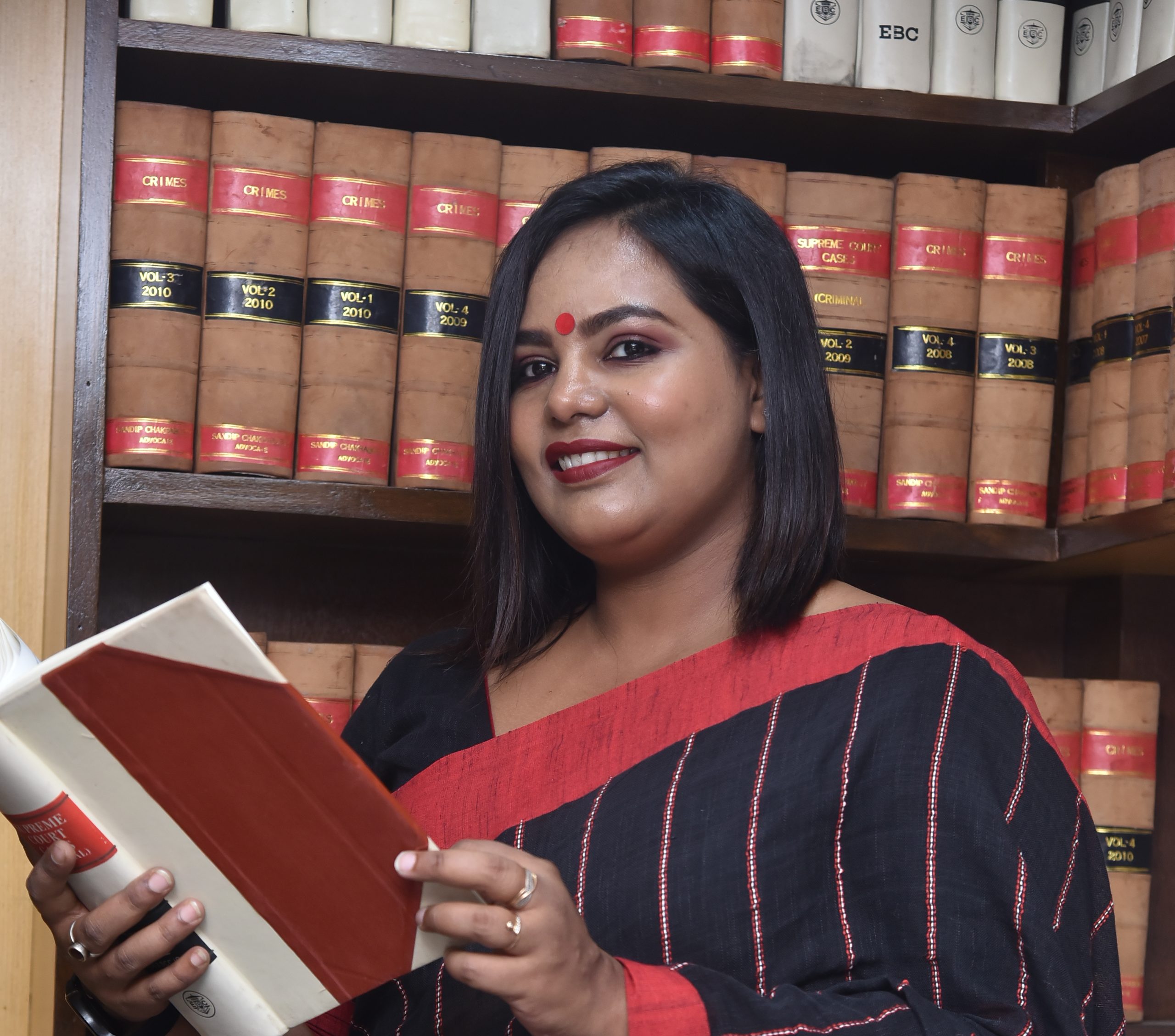
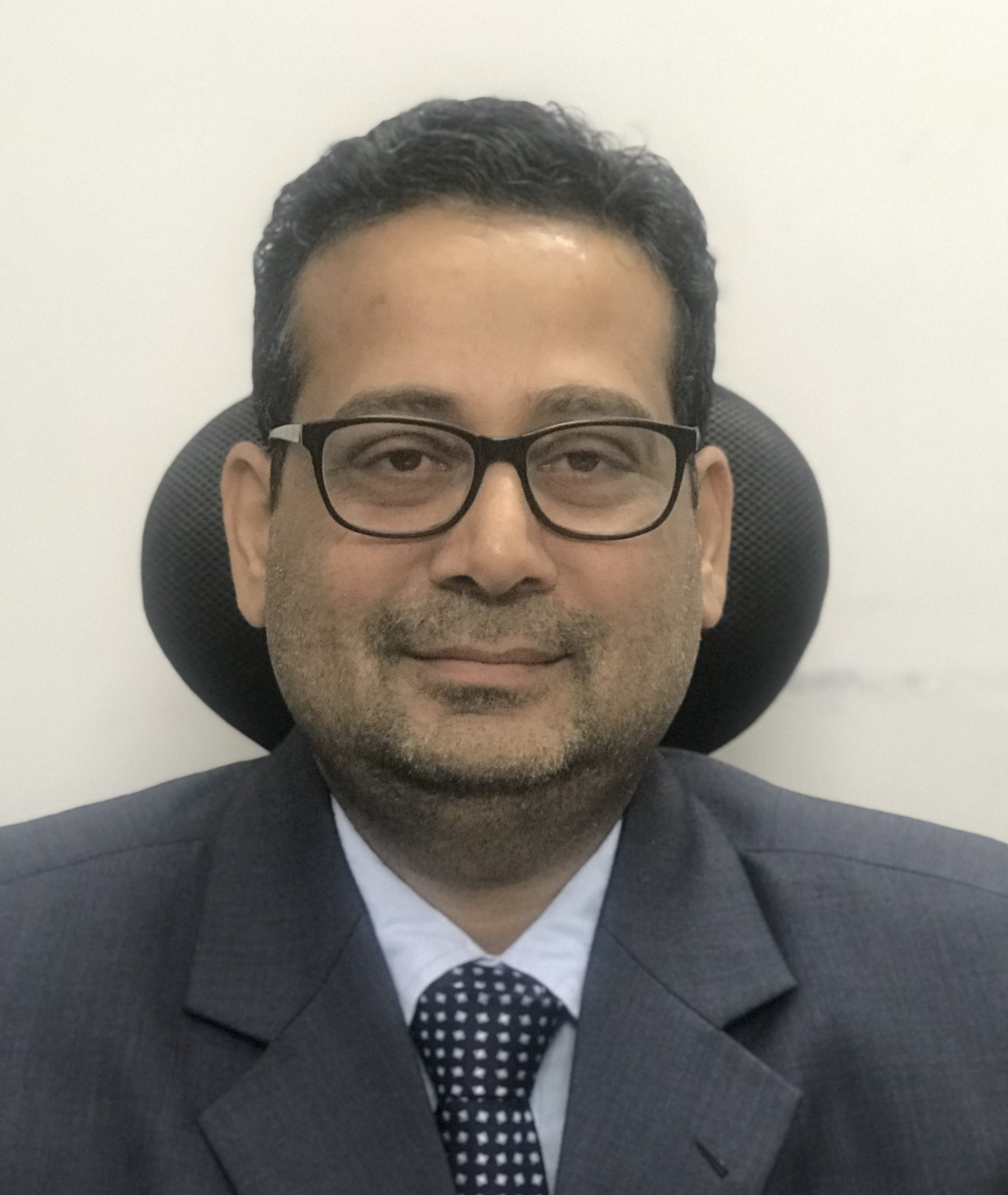
  • “My path to law was a blend of intent and organic evolution, deeply influenced by the strong women in my family.” – Aindrila Biswas, Managing Partner at Lex Meliora Partners and Associates.

    “My path to law was a blend of intent and organic evolution, deeply influenced by the strong women in my family.” – Aindrila Biswas, Managing Partner at Lex Meliora Partners and Associates.

    This interview has been published by Anshi Mudgal and The SuperLawyer Team

    With over a decade of experience in law, what initially drew you to this profession? Was it a deliberate choice from the beginning, or did it develop more organically over time? Also, how would you describe your time at National University of Juridical Sciences (NUJS – Kolkata)? 

    My path to law was a blend of intent and organic evolution, deeply influenced by the strong women in my family. Coming from a lineage where resilience and empowerment were ingrained, I grew up watching my great-grandmother, my grandmother—a dedicated nurse—and my mother, a high school teacher in a small village, fight for their rights and carve their own identities in society. Their strength and determination shaped my worldview and instilled in me the belief that women must assert themselves in every sphere, especially in professions where they are often underestimated.

    From an early age, I was acutely aware of how society tends to give less importance to women’s ambitions and careers. However, my parents always encouraged me to be bold, firm in my convictions, and unwavering in integrity. Their teachings laid the foundation for my passion for advocacy—standing up for what is right and ensuring that justice is accessible to those who need it the most.

    Growing up in a small town, I had no prior knowledge of NUJS. It was through a newspaper article that I first came across the institution. At that time, access to the internet was limited, and mobile phones were not commonplace. Intrigued, I wrote a letter to a Bengali newspaper seeking more information about NUJS and its law program. After reading about the college and understanding its potential, I became determined to pursue law after my 12th grade. I took the entrance exam, and to my surprise, I got selected—something I discovered only seven days after the results were published. 

    However, cracking NUJS was only the first challenge. As a student from a Bengali-medium background, adapting to the rigorous academic environment was daunting. The initial years were particularly tough, but the faculty at NUJS was incredibly supportive, helping me overcome my fears and language barriers. Despite these challenges, I never let adversity deter me. I used every opportunity to gain practical exposure, completing a dozen of internships across India during the entire law course. These experiences not only deepened my legal understanding but also prepared me for the real-world dynamics of the profession.

    NUJS was truly a transformative experience. It provided the academic rigor and practical training that shaped my legal acumen. Surrounded by some of the brightest minds in the country, I learned to think critically, challenge the status quo, and embrace the complexities of the law. Watching legal dramas like Boston Legal during my time there further reinforced my passion for litigation, making me realize how powerful the law can be in shaping lives and businesses.

    The friendships and professional relationships I built during my time at NUJS continue to influence my career today. It was here that I developed the resilience and strategic thinking that ultimately led me to establish my own law firm “Lex Meliora”—a decision driven by my unwavering belief in justice and my desire to make a tangible impact in the legal landscape.

    During the early stages of your career, what experiences stood out as pivotal in shaping your skills and steering you towards success?

    The early years of my career were a whirlwind of challenges and learning opportunities. One of the most pivotal experiences was working on high-stakes corporate transactions where I had to balance legal precision with business strategy. Drafting airtight contracts, negotiating deals, and handling litigation matters—all under immense pressure—taught me resilience and the importance of meticulous preparation.

    Another defining moment was navigating complex intellectual property disputes for multinational companies, where I saw first hand how the right legal strategy could protect innovation and brand value. These experiences solidified my expertise in corporate and IP law while reinforcing my drive to make a tangible impact.

    What motivated your shift from working in law firms and practicing with advocates to the corporate sector? How did you find the cultural differences between these environments, and how did you navigate them?

    My shift from traditional litigation and law firms to the corporate sector was driven by a deeper aspiration—I didn’t just want to be a legal advisor; I wanted to be a strategic partner in decision-making. The corporate sector offered an opportunity to work at the intersection of law and business, where legal frameworks could be leveraged not just for compliance but as tools for growth, brand protection, and innovation.

    During my tenure at Hindustan Unilever Limited (HUL), I was primarily responsible for handling litigation related to intellectual property (IP) infringement and brand protection. This role reinforced how critical it is for companies to safeguard their brand reputation and enforce a zero-tolerance policy against infringers. At HUL, we adopted proactive legal strategies to mitigate risks, taking swift action against counterfeiters and unauthorized use of trademarks. I learned firsthand how legal mechanisms, when effectively utilized, could become a powerful shield against market threats and strengthen brand value in a competitive landscape.

    Later, my experience at Flipkart deepened my understanding of the complexities of e-commerce operations and digital brand protection. With a vast marketplace involving thousands of brands and independent sellers, ensuring brand integrity in a rapidly evolving digital ecosystem was both a challenge and a priority. As part of the legal team, we designed and implemented strategic frameworks to detect and eliminate IP infringements while balancing the interests of both brands and marketplace sellers. The role required not just legal expertise but also cross-functional collaboration, working closely with policy teams, product managers, and enforcement agencies to create sustainable and scalable solutions.

    The transition from law firms to in-house roles also came with a significant cultural shift. Law firms operate in a high-pressure, client-driven environment, where success is often measured by billable hours and case wins. In contrast, the corporate world focuses on long-term risk mitigation, compliance, and internal stakeholder alignment. Adapting to this environment required a shift in mindset—I moved from purely legal problem-solving to a solution-oriented, business-driven approach. Understanding the company’s commercial objectives became just as crucial as legal precision, and my role evolved to ensure that legal strategies aligned seamlessly with business goals.

    This journey not only broadened my perspective on how businesses function but also solidified my expertise in brand protection, IP enforcement, and regulatory compliance in both traditional and digital marketplaces. It ultimately paved the way for me to return to litigation—this time as the founder of my own firm, where I could blend my corporate experience with my passion for advocacy, ensuring that businesses, innovators, and brand owners receive strong, strategic legal representation in an ever-evolving legal landscape.

    In your experience working with data privacy and security issues in the Software as a Service (SaaS) sector, how do you incorporate emerging data protection laws like GDPR, CCPA, and the DPDP Act 2023 into your policy development strategies, and what measures do you take to ensure compliance and manage potential legal risks?

    Data privacy and security in SaaS are evolving landscapes, and compliance isn’t just about ticking legal boxes—it’s about building trust. My approach to integrating GDPR, CCPA, and the DPDP Act 2023 into policy development involves:

    1. Proactive Compliance Frameworks – Instead of reactive measures, I focus on embedding privacy by design into SaaS products from the outset.
    2. Risk-Based Approach – Conducting Data Protection Impact Assessments (DPIAs) to identify potential risks early.
    3. Cross-Border Data Strategies – Given the global nature of SaaS, I ensure that data transfer mechanisms (such as SCCs and BCRs) align with international regulations.
    4. Employee & Stakeholder Training – Compliance is as strong as the people implementing it. Regular training ensures that teams understand the nuances of these laws.
    5. Incident Response & Risk Mitigation – Establishing strong breach notification protocols and working closely with cybersecurity teams to minimize risks.

    The future of SaaS compliance lies in anticipation, not reaction. Laws like GDPR, CCPA, and DPDP Act 2023 are not static; they evolve with technology. I ensure my clients remain ahead of the curve by integrating AI-driven compliance, robust incident response, and adaptive policy frameworks, making data privacy a business enabler rather than just a regulatory hurdle.

    As a strategic IP advisor, what were some of the key challenges you encountered in balancing robust IP compliance with the rapid growth of e-commerce and digital platforms?

    As I was associated with one of the giant E-commerce Platform in India  and was responsible for IP infringement domain charter, I realized the biggest challenge in e-commerce and digital platforms is striking a balance between innovation and regulatory compliance. The rapid growth of online marketplaces has introduced complex legal risks, requiring a multi-layered approach to consumer protection, intellectual property enforcement, fraud prevention, and regulatory adherence. Over the years, I have worked extensively in structuring legal frameworks to safeguard brands, consumers, and businesses operating within these platforms.

    The biggest challenge in e-commerce IP compliance is balancing innovation with regulatory enforcement. The rapid growth of digital platforms has led to increased risks of counterfeit sales, trademark violations, deceptive advertising, and fraud. My approach focused on:  

    1. Proactive IP Enforcement – Implemented AI-driven brand protection tools, automated takedown mechanisms, and legal action against repeat offenders.  

    2. Robust Contractual Safeguards – Strengthened vendor agreements, advertising contracts, and platform policies to ensure compliance and minimize disputes.  

    3. Enhanced Seller Verification & Monitoring – Developed multi-step verification, KYC protocols, and fraud detection frameworks to prevent unauthorized listings and financial fraud.  

    4. Regulatory Compliance & Consumer Protection – Ensured adherence to global advertising laws, GST regulations, and e-commerce policies to prevent misleading claims and legal liabilities.  

    5. Strategic Collaboration & Adaptation– Worked with law enforcement, regulatory bodies, and internal teams to continuously update compliance frameworks in response to evolving threats.  

    By integrating technology-driven enforcement, strong legal frameworks, and collaborative strategies, I helped create a secure, compliant ecosystem that protects brands, consumers, and platform integrity.

    By taking a multi-dimensional legal approach, e-commerce platforms can foster innovation while ensuring a secure and compliant ecosystem—one that safeguards consumers, protects brands, and maintains trust in the digital marketplace.

    Staying ahead of these challenges meant continuously updating legal strategies to match evolving technologies and regulations. The approach needs to be proactive and collaboration with all the stakeholders are important to tackle such risk.  Seller digital agreement, warning, verification, monitoring listings are highly crucial to maintain an integrated platform.

    After gaining extensive experience with top legal firms, what inspired you to start your own practice? What were some of the biggest challenges you encountered in the early stages, and how did you overcome them?

    After years in top legal firms, I realized that true fulfilment lay in autonomy, impact, and purpose. While the experience was invaluable, the constraints of bureaucracy, internal politics, and a misalignment with my values pushed me to take a bold step—starting my own practice. I wanted the freedom to advocate for justice without compromise and create a legal environment where integrity and excellence thrived.

    However, the journey was not without challenges. Establishing credibility, managing finances, navigating litigation unpredictability, and gaining client trust were initial hurdles. With persistence, strategic networking, and a strong support system—my husband, Sandip Chakraborty, and best friend, Valerie Kithan, who are partner  the firm with me—we built a practice grounded in trust, expertise, and client-first advocacy.

    Looking back, stepping away from a toxic work culture was the best decision. It allowed me to reclaim my professional integrity and build something meaningful. Today, our firm stands as proof that when passion and courage align, they create something truly unstoppable.

    As digital technologies advance, how do you foresee the intersection of Intellectual Property (IP) and Cyber Law influencing the future of data protection, online privacy, and digital rights enforcement?

    As digital technologies advance, the intersection of Intellectual Property  and Cyber Law is becoming one of the most dynamic areas of legal evolution. The increasing digitization of content, the rise of artificial intelligence, and the proliferation of cyber threats are forcing regulators, businesses, and individuals to rethink the legal frameworks governing ownership, privacy, and enforcement in the digital age. The rapid growth of AI, digital content, and cyber threats necessitates proactive legal frameworks to balance innovation with enforcement particularly in data protection, online privacy, and digital rights enforcement.

    I believe there are a few key trends shaping the future:

    1. Stronger IP Enforcement Against AI-Generated & Pirated Content
      • AI is accelerating content creation but also increasing digital piracy and misuse.
      • Expect stricter copyright laws, AI-powered infringement detection, and greater platform accountability.
    2. AI-Driven IP Ownership Challenges
      • Traditional IP laws struggle with AI-generated works—who owns AI-created content?
      • Future reforms may introduce hybrid ownership models and AI-specific IP regulations.
    3. Enhanced Data Security & Cyber Law Compliance
      • Rising cyber threats demand stricter regulations (GDPR, CCPA, DPDP Act 2023).
      • Companies will face increased liability for data breaches and cross-border cyber enforcement.
    4. User-Centric Privacy & Digital Rights
      • Laws will give individuals more control over their digital footprints and personal data.
      • Emerging disputes over algorithmic bias, data monetization, and digital IP ownership (e.g., NFTs).

    The future of IP and Cyber Law will be defined by a delicate balance between technological innovation and legal safeguards. The harmonization of global regulations, advancements in AI-driven enforcement mechanisms, and the proactive role of digital platforms will be critical in shaping a fair, transparent, and secure digital ecosystem. The challenge for legal professionals will be to stay ahead of emerging risks while ensuring that laws evolve in tandem with technological advancements.

    Reflecting on your career, what project or initiative stands out as the most fulfilling?

    I have had the privilege of working on multiple projects and initiatives, but one of the most fulfilling and high-impact experiences was leadingcomplex cross-border IP litigation. This case involved securing brand rights across multiple jurisdictions, navigating intricate international IP laws, and addressing challenges posed by varying enforcement mechanisms. The litigation was particularly demanding, requiring strategic legal interventions, coordination with global legal teams, and in-depth jurisdictional analysis. However, the successful outcome not only protected the company’s innovation and market presence but also set a precedent for future IP disputes, reinforcing stronger brand protection strategies in the digital economy.

    One of the most impactful and rewarding aspects of my career has been developing Digital Brand Protection Mechanisms, particularly leading a dedicated Brand Coalition Program for an e-commerce platform. This initiative was instrumental in safeguarding brands against unfair competition, counterfeit products, and trademark infringement, ensuring that intellectual property rights were upheld in the digital marketplace. 

    Moreover, collaborating with customs authorities, enforcement agencies, and the Directorate of Revenue Intelligence (DRI), I actively participated as a Speaker in conducting awareness programs to combat IP infringement. These initiatives not only empowered enforcement officials but also educated students and consumers on the risks of counterfeit goods, helping them make informed choices and avoid fraudulent products.

    Beyond IP enforcement, I have also engaged in legal awareness programs in the healthcare industry, focusing on critical laws related to women and child protection. As a speaker at various industry forums, I have addressed key legal frameworks such as the Protection of Women from Sexual Harassment (POSH) Act, 2013, Protection of Children from Sexual Offences (POCSO) Act, 2012, and Medical Examination Guidelines under the Criminal Law (Amendment) Act, 2013. These sessions aimed at equipping healthcare professionals, including doctors and nurses, with the necessary legal knowledge to handle cases of sexual abuse and victim examination sensitively and in compliance with legal protocols. The intersection of law, business ethics, and social responsibility has been at the core of my work, making these experiences deeply fulfilling and reinforcing my commitment to legal advocacy and reform.

    What advice would you offer to aspiring lawyers aiming to impact multiple areas of law like IP and Cyber Law?

    For aspiring lawyers looking to make a meaningful impact in Intellectual Property  and Cyber Law, my key advice would be to cultivate a mindset of continuous learning and adaptability. The legal landscape is constantly evolving, especially in the digital age, where technological advancements challenge traditional legal frameworks. Staying curious and informed about emerging trends—whether in AI-driven copyright issues, digital piracy, or evolving data protection laws—is essential for staying ahead in these dynamic fields.

    A strong foundation in technology is crucial for IP and Cyber Law practitioners. Understanding how blockchain, AI, and digital platforms operate enables lawyers to provide practical, forward-thinking legal solutions. The intersection of law and technology demands not just legal expertise but also technical awareness to navigate issues such as data security breaches, algorithmic bias, and digital rights enforcement.

    Strategic networking is another powerful tool. Engaging with tech entrepreneurs, cybersecurity experts, and legal professionals opens doors to new opportunities and insights. Attending industry conferences, contributing to legal discussions, and collaborating on interdisciplinary projects can expand one’s professional influence and expertise.

    Finally, adaptability is key. The most effective lawyers are those who not only understand the law but know how to apply it in real-world, business-driven scenarios. Whether it’s structuring IP licensing agreements, tackling e-commerce infringements, or shaping regulatory policies, being able to anticipate challenges and craft innovative legal strategies sets apart exceptional legal professionals in these fields.

    Given the demanding nature of your profession, how do you maintain a healthy work-life balance?

    Maintaining a healthy work-life balance in the legal profession is not about rigidly dividing time but about mindfully integrating work with personal well-being. I have learned that setting boundaries, prioritizing effectively, and embracing flexibility are key. Litigation and corporate advisory can be all-consuming, but I ensure that I carve out time for what truly matters—family, personal growth, and mental well-being. My husband, Sandip, and my best friend, Valerie, who co-founded the firm with me, have been my strongest pillars, reinforcing the importance of having a support system that shares your vision. I also believe in delegation and building a strong, self-sufficient team, which allows me to focus on high-impact work without burnout. Unwinding with books, traveling, and pursuing creative interests keeps me energized, and I make a conscious effort to disconnect from work when needed. Ultimately, balance is not about working less but about working smarter, knowing when to push forward and when to pause, ensuring that passion never turns into exhaustion.

    get in touch with Aindrila Biswas –

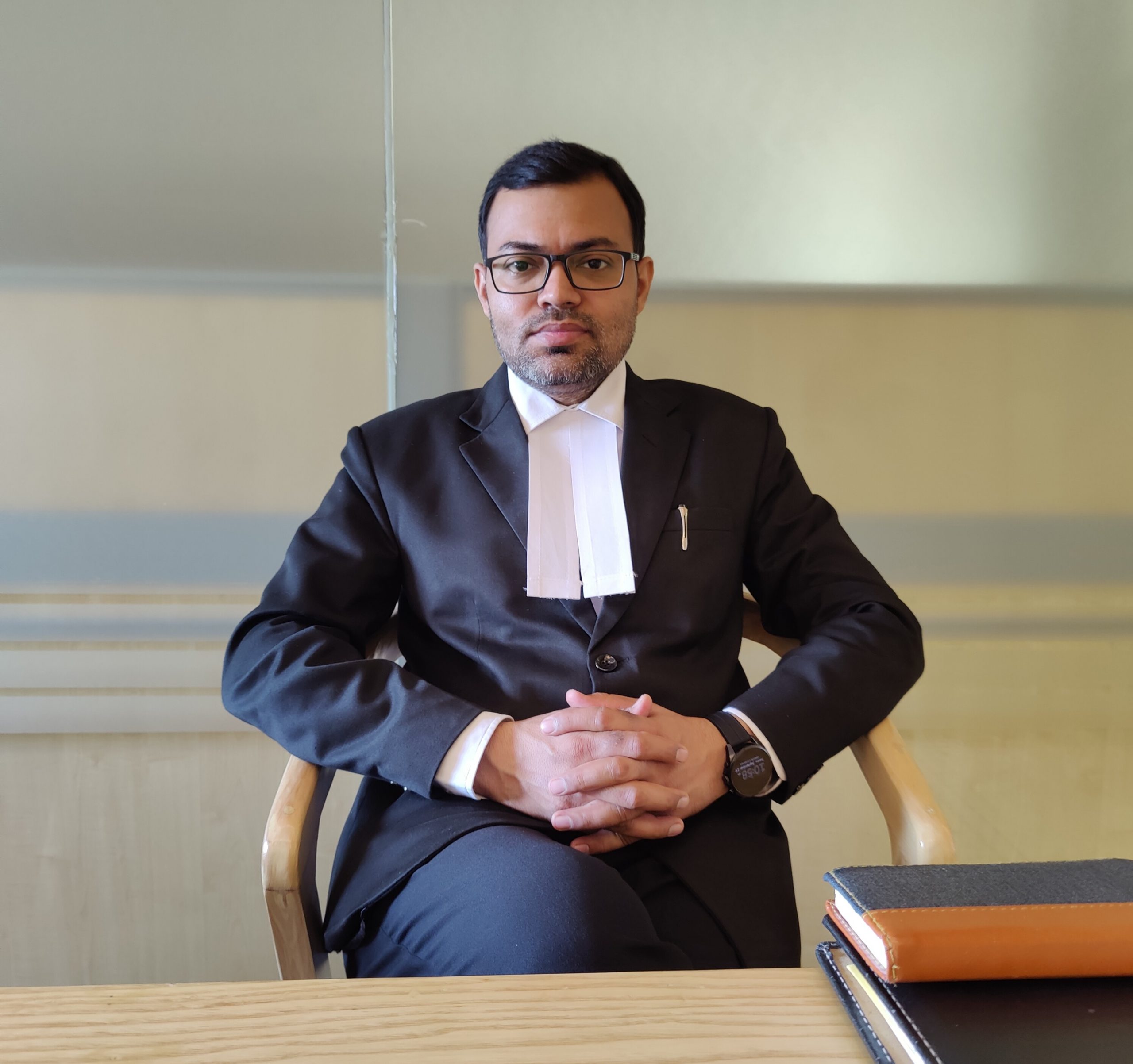
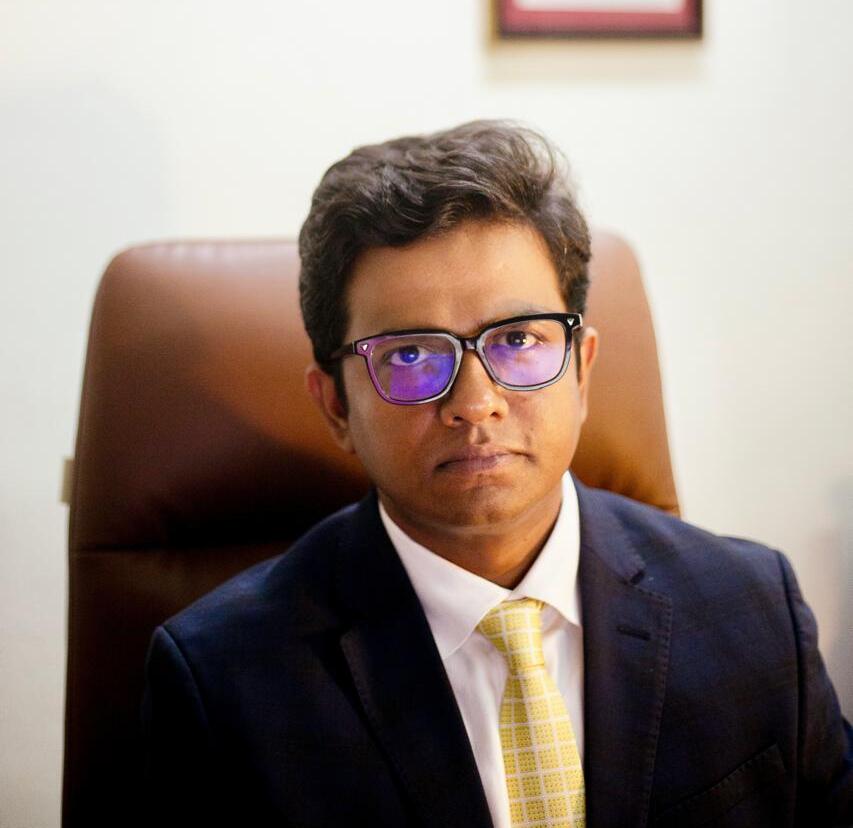
  • “My advice to young lawyers, especially first-generation lawyers, is to not overthink the difficulties of starting an independent practice. Challenges are inevitable, no matter what field you’re in.” – Rohit Chandra, Founder & Principal at the Chambers of Rohit Chandra.

    “My advice to young lawyers, especially first-generation lawyers, is to not overthink the difficulties of starting an independent practice. Challenges are inevitable, no matter what field you’re in.” – Rohit Chandra, Founder & Principal at the Chambers of Rohit Chandra.

    This interview has been published by Anshi Mudgal and The SuperLawyer Team

    As a first-generation lawyer, what motivated you to pursue a legal career, and what challenges did you face early on in your journey? 

    Honestly, not having to study maths anymore was my biggest motivation at first. But as I went through law school and started practicing, I realized what really keeps me going is the ability to make a real difference in people’s lives. There aren’t many professions that give you that kind of impact, and that’s what makes litigation so rewarding for me. Being part of such an esteemed fraternity pushes me to do my job with sincerity and diligence. 

    The challenges in building a legal practice are immense and ever-evolving, irrespective of background. However, as a first-generation lawyer, the journey comes with additional hurdles. Without an established network or a ready-made path to follow, the learning curve is steeper, and access to fair guidance early in one’s career can be limited. Despite these challenges, I firmly believe that resilience, continuous learning, and an unwavering commitment to the profession are what define success in litigation.

    How did your experience at the National Law Institute University, Bhopal, shape your path and influence your legal career? 

    NLIU has played a huge role in shaping me as a legal professional. During my time there, I had the privilege of meeting and building friendships with some incredible people who constantly guided, supported, and motivated me to pursue litigation as an independent advocate. In fact, every major opportunity in my legal career—whether internships, jobs, or other professional breaks—came through the support of my friends and alumni from NLIU. Needless to say, the institution has had a lasting influence on my journey. More than just academics, it helped me build a strong network that has been invaluable in sustaining my legal career, both inside and outside the courtroom. 

    Your career began at the Gwalior High Court, and later joined Advocate-on-Record (Supreme Court) office at New Delhi. What valuable lessons did you learn from these experiences, and how did they contribute to your development as a litigator?

    As a first-generation lawyer, I believe that gaining experience in a chamber is essential before starting an independent practice. For me, these experiences have been invaluable, shaping my approach to the profession and teaching me important lessons about sincerity and dedication in law. Whether in Gwalior or Delhi, I was fortunate to work closely with some incredibly hardworking professionals who mentored me along the way. Their constant support and guidance, even today, help me navigate the complexities of the profession. 

    During your time at RS Prabhu & Co., you had the opportunity to work with major corporations and industry players. What challenges did you face while handling corporate clients, and how did this experience enhance your expertise in corporate law? 

    My time at RS Prabhu & Co. was instrumental in shaping my professional growth. Working with major corporations like Reliance Industries, ONGC, L&T etc. provided me with invaluable exposure to high-stakes corporate legal matters. This experience not only allowed me to engage with some of the biggest industry players but also gave me the opportunity to work alongside and learn from some of the most respected legal pioneers in our fraternity. 

    Handling corporate clients comes with its own set of challenges. Large organizations operate in complex legal and regulatory environments, requiring a deep and constantly evolving understanding of corporate law. Each case or transaction presented unique challenges, pushing me to refine my legal knowledge and skills continuously. The dynamic nature of corporate legal work—ranging from regulatory compliance to high-value contractual negotiations—demanded adaptability, meticulous attention to detail, and a proactive approach to problem-solving. I will always remain grateful to Mr. K.R. Sasiprabhu, whose mentorship and leadership at RS Prabhu & Co. created an environment that nurtured my growth. His guidance not only enhanced my expertise but also gave me the confidence to establish my own practice. The challenges I faced while working with such major corporate clients ultimately strengthened my ability to navigate complex legal issues, making me a more well-rounded legal professional.

    What motivated you to transition from working in established law firms to starting your own independent practice in 2020? What were some of the significant challenges you encountered in building your practice from scratch, and how did you overcome them? 

    Starting my own independent practice was always the plan since my college days. However, the timing depended on several factors. It was during the COVID-19 pandemic, when many offices were shutting down, that I saw an opportunity and decided to take a leap of faith. 

    One of the biggest challenges early on was establishing a steady flow of work, especially since I wasn’t originally from Delhi. Ensuring that my office could sustain itself financially while also keeping myself engaged was a priority. To do that, I took on a wide range of legal work—not just court matters but anything that required legal assistance. Some of these areas were new to me, as I hadn’t dealt with them much during my time with law firms, but they kept me occupied and helped me build a foundation. The early days of independent practice can be exhausting and uncertain, but the constant support and motivation from my family, friends, and mentors made all the difference. Their guidance helped me push through the difficult phases, and over time, I was able to establish a practice that I could sustain and grow. 

    When preparing for and presenting arguments in criminal cases, especially those involving serious offences, what are the key considerations you take into account? 

    When preparing for any case and not just cases involving serious offenses, the first and most important step is to go through the case file thoroughly. Every document needs to be examined in detail to ensure there are no gaps in understanding the facts. A solid argument starts with knowing the case inside out. It’s equally important to carefully study the legal provisions under which the offense is charged. The exact wording of the law matters, and staying updated on recent judgments and legislative changes is crucial. Criminal law keeps evolving, and being aware of these developments helps in building strong and effective arguments. 

    I also make it a point to write down my arguments, no matter how well I remember them. Practicing beforehand allows me to structure my submissions clearly and present them with confidence in court. This ensures that every important detail is covered and arguments are delivered in the most effective way possible.

    What advice would you offer to young lawyers, especially those who are first-generation lawyers, just starting their legal careers? What qualities or skills do you believe are essential for success in today’s competitive legal environment? 

    My advice to young lawyers, especially first-generation lawyers, is to not overthink the difficulties of starting an independent practice. Challenges are inevitable, no matter what field you’re in. Instead of stressing over them, focus on finding something that keeps you going during tough times—whether it’s a strong support system, a particular area of law you enjoy, or just the drive to keep improving. A strong command over the language in which you argue is crucial, and it’s something you need to constantly work on. Never underestimate the importance of hard work—it’s one of the biggest factors in building a successful practice. Also, be disciplined. Always be on time, whether it’s for court hearings or client meetings. Being reliable goes a long way in earning trust and credibility. 

    Most importantly, learn to balance your time between applying your skills and improving them. Keep learning, stay open to feedback, and never stop refining your craft. And no matter how far you go, always be humble and grateful to the people who support you along the way. Success in law isn’t just about what you know—it’s also about how you grow.

    Get in touch with Rohit Chandra –

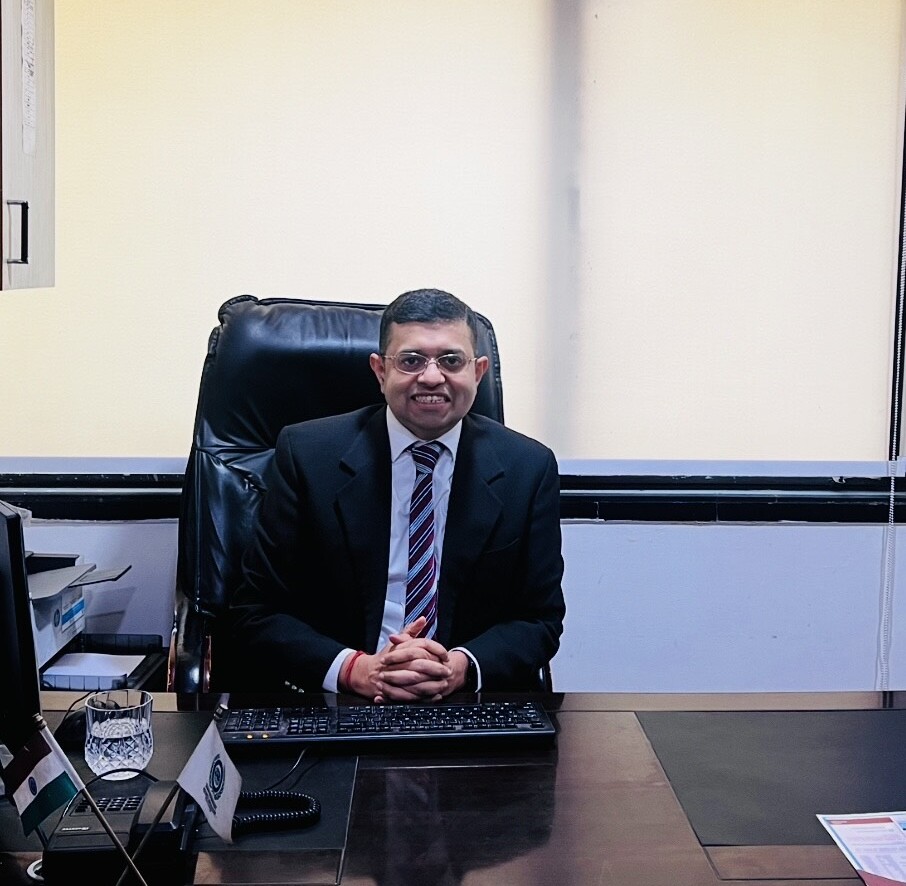
  • “Trial advocacy is story telling. It is the skill of bringing out what really happened and this principle is true no matter the nature of the dispute.” – Mikhail Behl, Counsel, Arbitrator & Mediator at Chambers of Mikhail Behl.

    “Trial advocacy is story telling. It is the skill of bringing out what really happened and this principle is true no matter the nature of the dispute.” – Mikhail Behl, Counsel, Arbitrator & Mediator at Chambers of Mikhail Behl.

    This interview has been published by Anshi Mudgal and The SuperLawyer Team

    Was there any particular experience or realization that solidified your commitment to pursue a legal career?

    Let’s just say that there have been moments in my life as well as in the lives of the people I hold closest to me where we could have benefited from having someone advocate for us. 

    After completing your law degree, you went on to pursue a Master’s at The University of Edinburgh, a highly respected institution. Could you share some insights from your time there and elaborate on why you chose this particular university over others? Additionally, being a recipient of both the University of Edinburgh’s International Masters Scholarship and the R.D. Sethna Memorial Trust Scholarship is an impressive achievement. How did these scholarships impact your academic journey?

    I was considering two schools, Columbia and the University of Edinburgh. Both their LLM programs in IPR were being run by people who I thought were at the forefront of Copyright law, Jane Ginsburg and Charlotte Walde respectively. 

    I opted for the Edinburgh LLM program because I was granted the University’s scholarship for India which together with the RD Sethna scholarship covered tuition. At the time my father who is a veteran of the Armed Forces had just retired from service and honestly without the assistance from these scholarships further studies would not have been possible at all.   

    You were a law clerk in the Bombay High Court. What are your takeaways from your clerkship at the Bombay High Court?

    My clerkship period taught me how important it is to have good people in high office. Ultimately, the justice delivery system is a human agency and as a law clerk in a High Court you will see how immense and immediate an impact it has on the lives of people. 

    After your Masters, you joined the chambers of Senior Advocate Dinyar D. Madon. Describe chamber life and how that period influenced your practice?

    I remember as if it were yesterday walking into Mr. Madon’s Chambers with just my C.V. in hand – no appointment and no references. It was a few days before Courts were to resume after the Diwali vacations and in Mr. Madon walked with his assistant Sanjay bhai carrying his freshly dry cleaned monkey jacket and gown. While I waited for an opportunity to speak with him, I had my first interaction with Cyrus Ardeshir (now himself a Sr. Advocate), his most senior junior at that time. I recall Cyrus stopping the dictation of a draft and speaking to me for a good five to ten minutes. I didn’t know it at the time but I think now that was ‘the interview’.  When I finally had a meeting with Mr. Madon, it was less than a minute and Mr. Madon told me he couldn’t take me in because chambers was full, he told me he had just taken on two more juniors just days before. I asked him to keep my C.V. but resigned myself to this being another rejection. In all, I was probably rejected by 20 chambers across the city most refusing to even see me.    

    A couple of days later, however, I got a call from Mr. Madon asking me to join from coming Monday. I couldn’t believe it, I later learned it was Cyrus putting in a good word for me that convinced Mr. Madon. I treat that moment as the first door that had been opened for me in the profession, every opportunity that I have had thereafter could only have been possible because Mr. Madon and Cyrus took a chance on a young stranger. There was no reason for Mr. Madon to call me back, I was a nobody and had no references to speak on my behalf. But this is who he is at his core, someone who helps. I wish more people knew this about him he is immensely charitable. 

    I know a lot of people probably think Mr. Madon’s chamber is too strict or old fashioned. Chambers had a strictly ‘no stubble’ policy. Interns have been sent away from work for breaking this rule. If we were leaving court for chambers it was bands off and ties on. Ties were mandatory in chambers. I wish I could tell you this was difficult for me, but I come from a very disciplined background, my father is a veteran, his brothers are veterans and his father was a veteran. My grandfather on my mother’s side was also a veteran. I loved it! In a lighter vein being clean shaven came easy for someone who till this day can’t grow a proper beard, so I may have gotten away with just shaving every other day. 

    I think I was very fortunate to join Mr. Madon at that particular phase of his career. He was absolutely flooded with work and would have anywhere between 20 to 40 matters on board on any given day. It was not unusual for evenings to have as many as 10 briefings. Then there was also Cyrus’s work. The juniors in Mr. Madon’s chamber shared a common work area and I think I learned how to draft just by listening to Cyrus dictate his drafts. I probably found my regular briefing attorneys through Cyrus as well who would ask me to fill in if he couldn’t it make it for a matter. All in all the exposure was immense. Chambers had a great library managed by Jairam a savant at whom you could literally throw any random proposition and within minutes he would just magically show up with the citation or source you needed.  

    If you haven’t worked with Mr. Madon, let me tell you he reads vertically and not horizontally and he does this super-fast. Most people think he is just flicking pages until he corrects them about the contents of an Affidavit or pleading. Working with him caused you to develop “coping” or “keep up” abilities that benefit me till this day. For me initially, this meant working very long hours and so I was entrusted with the keys for chambers. I locked up almost every night I was at his chambers. I think my key takeaway however from my period in Chambers was how important it was to develop your first principles. These principles if readily at your disposal are definitive of the fate of a proceeding and obviously also your career.  

    The immense exposure at chambers helped me realise my own strengths, weaknesses and interests. Just being associated with chambers gave me my first opportunities as an arbitrator. Judges knew that I was from his chamber and that everyone from his chambers had both ability and integrity the most important attributes of an arbitrator.  

    With over 50 trials and a breadth of experience across multiple legal domains, what advice would you offer to young lawyers aspiring to develop a diverse practice similar to yours? Which specific skills or qualities do you believe are essential for success in such a competitive and multifaceted field?

    Trial advocacy is story telling. It is the skill of bringing out what really happened. This principle is true no matter the nature of the dispute. Once you understand this things start falling in place. The skills required are actually fairly achievable, I do not personally subscribe to the belief that this is any form of mysterious craft or skill. The ideal trial lawyer builds an understanding of how things should have been or were intended to be and works out the anomalies in the case before them from this understanding. A good trial lawyer should also work on building their intuitive powers, because understanding who they are examining and how those persons think and behave is vital. They will accordingly do well to learn to identify ‘tells’, traits and patters in people as this will help them in any trial. 

    In handling intricate trademark infringement and passing-off cases, you demonstrated remarkable expertise. Can you walk us through your approach in addressing complex issues like packaging similarity, particularly in the context of pharmaceutical products? 

    In these kind of cases, one is really presenting to the Court the likely perceptions of an imperfect and average human being as grounds for granting or refusing relief. Understanding this standard is definitive of success in this area of law.  

    Tell us something about the journey involved in setting up your own chambers and your decision to specialise in ADR?  

    I think setting up one’s independent chambers is fairly universal in the city of Mumbai. The more difficult question is probably the decision to specialise. This requires both introspection and courage. For me mediation and arbitrations fit well into my core skill sets. I think I am a good listener, I actually enjoy listening to people more than I do speaking. I love writing and it is something I think I do well. Over time I think I have developed a very distinct identity in my writing style as well. Writing is the most core ability an arbitrator can possess. Ultimately the entire arbitration is about the arbitrator’s award/order and if this output is lacking the process is meaningless. The fact that the Supreme Court has a constitutional bench mulling over the need for adapting an award is testimony to the importance of a well written award. 

    Balancing a successful legal career with personal life is undoubtedly challenging. How do you maintain this equilibrium? What strategies or routines do you employ to ensure both your professional commitments and personal well-being are well-managed, especially considering the demanding nature of your career?

    I wish I could tell you I have the perfect life. But that would be a lie. I have always wanted to be a “sports and extracurricular dad”. My most recurring dream is me teaching or watching my child learn the sport of their choice. But that dream hasn’t worked out for me. 

    That failing aside, I do have very many interests outside of law and I have no hesitation or shame in saying I am not a slave to the profession. I do not believe law is a jealous mistress. Because I know lawyers benefit from knowing things outside of law! I actively engage with a network of friends outside of the profession. I am always curious to know from them how their businesses’ work and how they deal with variable situations as and when those may arise in their respective fields. This network of friends has given me unimaginable insight into varied areas of commerce and trade. One I could never have obtained from just reading briefs or limiting my interactions to just other lawyers. 

    I am an avid mountaineer and have done several expeditions and treks both solo and through organised treks. My earliest memories are of camping in the Himalayas with my father of learning to pitch a tent probably at the age most kids learn to tie their shoes. I am extremely fond of landscape and architectural photography and have had my photographs featured in exhibitions around the world. 

    Over the last 7 years I have actively invested in learning and becoming proficient in Olympic weightlifting and powerlifting. I have done two accreditation courses as well, though I have no intention of teaching anyone other than myself. This activity in particular is what keeps my health both mental and physical well managed. I wish more lawyers understood the benefits of strength training. It is literally a lifesaving and life enhancing activity. I think most of the stresses lawyers encounter and even the insecurities lawyers have about themselves would disappear if they explored a more healthy life. I have also studied nutrition and follow a good sustainable diet and have a very healthy relation with food. 

    But the number one thing that brings me peace and happiness is spending the weekend with my parents. Every night before I sleep I thank god for my parents, they are truly remarkable people who have overcome such tremendous odds to become extremely well respected and loved people within their community. My father is a renowned oncologist and my mother is an adored educator. Trust me if you knew the circumstances they came from this shouldn’t have been possible. There is pure magic in their spirit. It is such a fortuitous conspiracy that they are my guides in this world. They gave me every opportunity they did not themselves have.  

    As a sole arbitrator in more than 100 arbitral proceedings and a member of several prestigious panels, including those of HKIAC, SIAC, and ADGM, how do you envision the future of Alternative Dispute Resolution (ADR) in India, particularly in relation to complex commercial disputes? How do you see the evolution of ADR in comparison to global institutions?

    I see ADR as the only hope for private dispute resolution in India. The court system is incapable of meeting India’s needs to resolve private disputes efficiently. The court system should in my opinion be limited to a scrutiny of citizen-state actions. The proposed introduction of arbitration appellate tribunals and recognition of emergency arbitrators is a great step towards developing an appropriate eco-system for private dispute resolution. What also needs to be done is to provide a separate execution mechanism and robust measures such as contempt and criminal prosecution against bad actors, both users, lawyers and arbitrators functioning within this private dispute eco-system. 

    Having successfully navigated the Bar Standards Board application process in the U.K. and being granted exemptions based on your experience, how has this international qualification enhanced your legal practice both in India and the U.K.? Furthermore, how has your accreditation as a mediator influenced your dispute resolution strategies and the way you approach conflict in your legal career?

    Becoming a barrister was an ambition I had to put aside for a while as I had to return home after my Masters for personal reasons. For fate to conspire and to later be made a barrister through the accelerated process with full exemptions from all academic and vocational training components was a miracle. Being called to bar at Lincoln’s Inn by none other than the Master of the Rolls was a surreal moment one that is etched in my memory and one I will cherish forever. Being dual qualified now allows me to not only receive instructions as counsel in multiple jurisdictions but to also act as arbitrator in disputes where English law applies. 

    My decision to undergo formal mediation training was born out of past experiences. I have seen far too many likely settlements fail both as counsel and arbitrator to not recognise an underlying failing within me as cause thereof. I am not one to let such failings persist. 

    The mediator training course at the Royal Society of Mediators taught me path breaking techniques that I apply subtly all the time as counsel and arbitrator. I think I am now always silently working away at a likely mediated settlement. When I function as a neutral the pure joy of using these techniques to bring people to a principled dialogue is by far the most satisfying part of my legal practice. To be honest, it has helped me immensely in my personal life as well. It is finely tuned my instincts and improved my communication abilities. An earlier version of me listened to respond and the new me listens to understand.  

    Get in touch with Mikhail Behl –

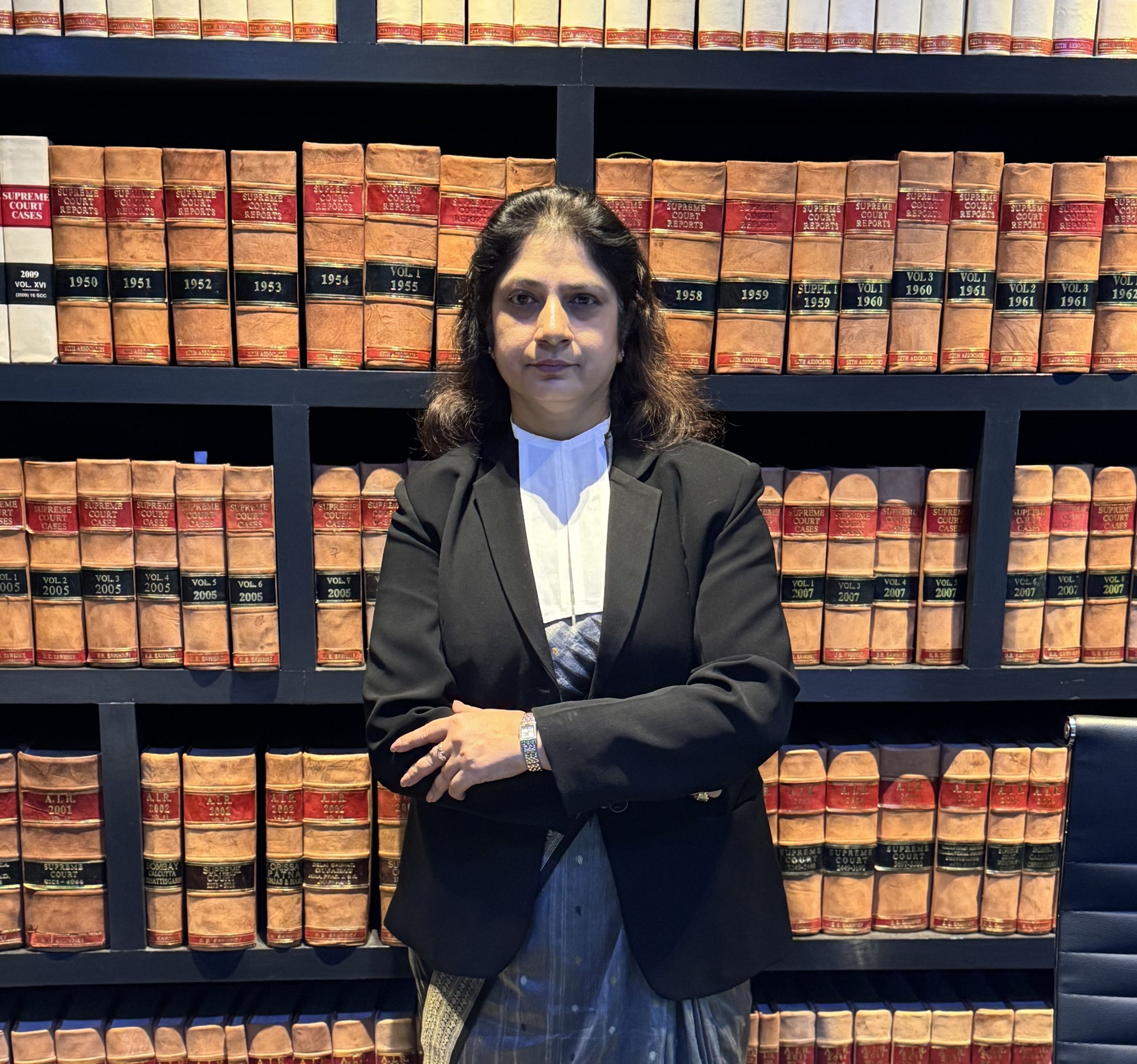
  • “Don’t just focus on learning law. That is essential and mandatory for the litigation career but not sufficient. Keep your eyes and mind wide open.” – Vishal Sharma, Founding and Managing Partner at Sharma & Associates.

    “Don’t just focus on learning law. That is essential and mandatory for the litigation career but not sufficient. Keep your eyes and mind wide open.” – Vishal Sharma, Founding and Managing Partner at Sharma & Associates.

    This interview has been published by Anshi Mudgal and The SuperLawyer Team

    What inspired you to pursue a career in law despite having a background in science? What drove you to choose law as your profession, and how did your B.Sc. (Hons.) Computer Science contribute to your legal career?

    When I completed my B.Sc. (Hons.) in Computer Science from University of Delhi, some of my friends who had completed their engineering were placed in reputed Patent Analysis firms. A good science background is a mandate to work as a Patent Analyst. I found it interesting too and completed a few online primer courses on Intellectual Property Rights (IPR) from World Intellectual Property Organization (WIPO). I also completed a Patent Analyst training program from an institute and thereafter joined a Patent Analysis firm in Noida. During all this I got a good exposure to IPR laws of India. But after some time, I realised that I needed a degree in law to excel more into this field so that I do not remain confined to the corporate offices and thus I resigned. I cracked the entrance exam and joined the prestigious Campus Law Centre, Faculty of Law, University of Delhi for three-year LL.B. 

    A background in science gives me an edge in IPR practice. Apart from this, a good understanding of Computer Science helps me a lot in handling cases of cybercrimes. 

    How was your experience at Campus Law Centre? When did you decide that you will go for litigation?

    In CLC, within no time I realised that it was not just IPR laws that I was interested in but in all types of laws. From my first semester at CLC and till date there has never been a second thought in my mind about litigation. Some of my classmates used to do corporate internships, some used to prepare for government exams, some were planning for LL.M. and some used to prepare for the judiciary. I did none of these. Whenever I got time, I used to go to various courts. I used to watch court proceedings and meet various advocates. 

    From a first-generation lawyer to the Founding and Managing Partner of Sharma and Associates (S&A), how has been your journey? What early experiences in your career were most influential in shaping your understanding of law and motivating you to establish your own practice?

    Immediately after completing my LL.B., I joined the office of a senior in my home town where I got initial exposure to drafting and court craft. I started going to various district courts of Delhi and Haryana and also Delhi High Court. Luckily, I started getting my personal cases also from my relatives and friends. I started accepting my independent cases side by side from the beginning itself which cumulatively later helped me in taking the decision of going independent. 

    I never went for a corporate office. I worked for a very less time with seniors but whatever work I did initially was completely court litigation from morning till evening. I got a full-fledged exposure to the court atmosphere right from the beginning of my career which included interactions with the judges, advocates and court staff. 

    The kind of work that I got from seniors during initial months of my practice played a significant role in shaping my independent practice. I never used to appear with my seniors in the court. I had to handle cases on my own on the basis of the instructions. This created the platform of self-confidence which later helped me in going independent at a very early phase of my career.

    How has your LL.M. (Professional) in Intellectual Property Rights from USLLS, Guru Gobind Singh Indraprastha University, Delhi, helped you tackle complex legal issues in the realm of intellectual property?

    It proved to be a very good decision for my career. The class consisted of practicing advocates, AORs, legal officers, judicial officers and government officers. All used to discuss their works and experiences with each other which significantly increased my understanding of the legal profession. I got a network worth keeping for a lifetime. 

    It was a weekend programme. All the classes and exams used to take place only on Saturdays and Sundays. Thus, my practice did not suffer at all during this course. I recommend this to all practicing advocates in Delhi who wish to pursue LL.M. along with their practice.

    The course was not theory oriented for me. I used to correlate my experiences of IPR practice with the lectures and discussions of the professors. The valuable insights gained during the classes and discussions enhanced the quality of my IPR practice.   

    How do you see the relationship between Alternative Dispute Resolution (ADR) and traditional litigation evolving? When do you think ADR is a more effective alternative compared to litigation in court?

    ADR and litigation go hand in hand these days. There are mediation centres in almost every court with well qualified mediators and staff. There are arbitration clauses in almost every agreement which we come across. Lawyers are common to ADR and litigation. A lawyer can represent his client before any ADR process or court as per the situation. People don’t come to the court to fight cases, they come to the court for relief and solutions. Mediation takes place in so many cases in the court on a regular basis. So, an advocate these days must have an understanding and skills of ADR.

    We at Sharma and Associates have the objective of providing solution-oriented services to our clients whether it be through litigation or mediation or arbitration. We have this strong philosophy that we charge our client not for the case but for the solution. There is a view that if a case gets settled the advocate will not get the fees which is actually not true. People come to court mostly when initial settlement talks fail. So, if an advocate even then gets the case settled between the parties on the basis of his skills, he can always charge his professional fees.

    I always say to the parties in civil and matrimonial disputes that time is money. ADR saves time and money for the litigants. I have personally seen that in settled cases the relation between the parties remains cordial as compared to decided cases. So, ADR is overall good for society as well.  

    Given your vast experience, what have been the most challenging cases you’ve handled? How did you approach the challenges, and what resources or strategies did you employ?

    I had Successfully argued application seeking cancellation of bail of the rape accused before the Additional Sessions Judge (Fast Track Special Court), Tis Hazari Courts, Delhi in 2021. After being granted the bail, the accused had not only launched an aggressive and defaming campaign on Facebook against the victim but had also circulated the victim’s mobile number to various people to harass her. I had been representing the victim pro bono right from the beginning in that case which involved allegations of rape on false pretext of marriage and cybercrime. It took several rounds of arguments by me and consequent detailed investigation by the police team to satisfy the Hon’ble Court about the misconduct of the accused.

    I had Secured Anticipatory Bail for my client in an alleged cheating case (420 IPC) of Rs. one crore related to FMCG goods in 2023 from the Sessions Court in the very first attempt itself. The complainant in that case was a mighty man with very good connections in the Police department and Court. I started my submissions with the clear facts and concluded with the settled laws through case laws. I addressed and satisfied the Court as to why the Custodial Interrogation of the accused was not required in the case. I also relied on the observation of the Supreme Court in Gagan Banga v. Samit Mandal & Anr. [Criminal Appeal No. 463 of 2022] that continuing trend of projecting purely civil financial dispute as criminal matter despite repeated judgments appears extremely disturbing. 

    Considering the demands of your profession, how do you manage to maintain a work-life balance? What strategies do you implement to safeguard your health and well-being while balancing a busy legal career?

    The issue of work-life balance comes before only those people who either take their work as a mandatory burden or who lack interest in their work. For me work and life are not different things. I don’t agree with people saying their work is their life either. Were you not living when you were not working? Will you not live when you will stop working? Work is a very important element of life but remember it is just one of the elements of life. Indulge in your hobbies, spend time with your family and friends, go on vacations and always spare some time for your body and mind. 

    I always ask my team to complete preparations for the cases of the coming month well in advance. I keep a note of pending works whether it be professional or personal in my phone and keep updating it. It is advisable to include different heads in this note like drafting, calls, research, meetings etc. I keep my clothes, bags and files ready for the next day before going to sleep to avoid hurrying in the morning. To be very honest it is not possible for me to go to the gym every day. I wake up a little early in the morning and do light exercises and meditation every day. I practice gratitude in the morning and evening every day to keep myself away from stress. I avoid using lifts whether it be courts or any other places. I can comfortably use stairs for going to the court rooms even on the seventh floor. 

    For aspiring lawyers who wish to make an impact across various areas of law, what advice would you offer? Are there any specific resources or approaches you recommend to stay current with the ever-evolving legal landscape?

    Don’t just focus on learning law. That is essential and mandatory for the litigation career but not sufficient. Keep your eyes and mind wide open. Observe and understand the society around you. Observe and understand the people around you. Your understanding of the society and the people must keep improving. People of all age groups will come to you for their legal problems. Your personality must reflect a certain level of maturity regardless of your age.  

    Networking is another essential requirement for litigation. Don’t meet and network with people just to expect cases from them. I have seen people doing that but trust me it won’t take you long. Keep building long term meaningful relationships and cases will come to you as a side product. 

    There is always a great emphasis on reading judgments of the Supreme Court and the High Courts. That is essential but not sufficient to excel in trial litigation. When I started my practice in trial courts, I adopted a different approach. I used to arrange and read the judgments of the trial courts where my cases were pending. Judgments of the trial courts contain facts, replies, issues, evidence, chief examinations, cross examinations, laws, arguments, relied citations and conclusions. By reading a trial court judgment, you can learn how to fight that type of case on behalf of either of the parties.  

    During initial years of practice, a young lawyer should accept all types of cases and legal queries. This makes your foundation strong. Later you can narrow down your areas of practice as per your interests and circumstances. Try to join a senior who allows you to take up your independent cases. Remember that the habit of salary is a slow poison if you wish to set up your independent practice. Aim to set up your independent practice at a reasonable early phase because later going independent becomes more and more difficult due to financial and other reasons. Some young advocates start their independent practice in partnership with other advocates which gives many benefits if goes well.    

    Get in touch with Vishal Sharma –

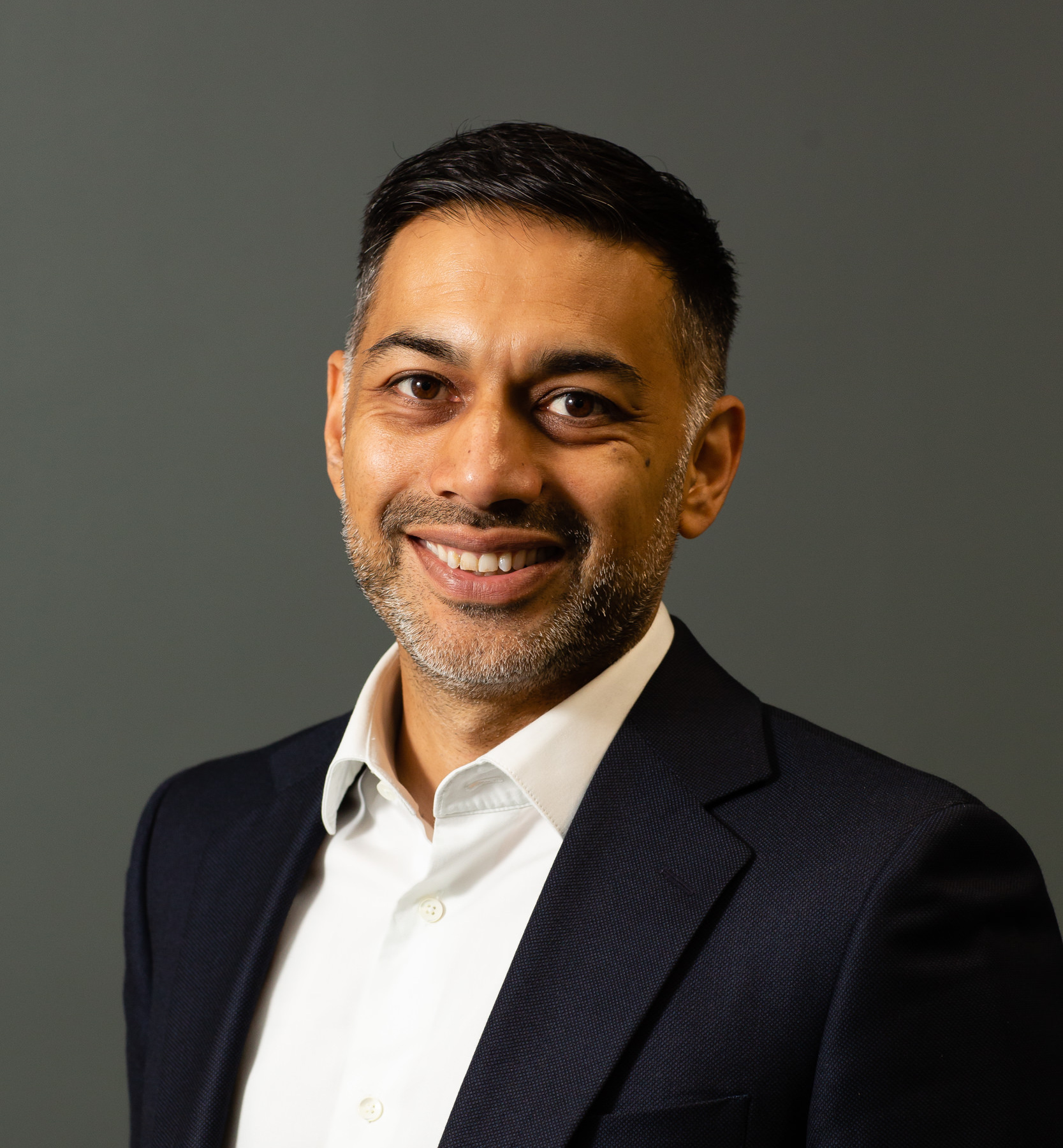
  • From a Passion for Investigation to Founding Tenet Law: The Journey of a Lawyer Specializing in Fraud and Financial Crime. – Arun Chauhan, Founder of Tenet Law.

    From a Passion for Investigation to Founding Tenet Law: The Journey of a Lawyer Specializing in Fraud and Financial Crime. – Arun Chauhan, Founder of Tenet Law.

    This interview has been published by Anshi Mudgal and The SuperLawyer Team

    How and when did you decide to become a lawyer and specialize in fraud detection, especially because this is something that influences almost all the communities, be it corporate, private, or public? It depends on which sector you are from. 

    So my Baba moved here from India in the 1960s over to England. And so I was born and raised here. So I grew up with British and American television. And I grew up watching a lot of television in the 1980s, so, you know, I’m 48 years old now.
    And during that time, there were some films which were starting then, the Indiana Jones series of films, which was Harrison Ford. And there was an American investigation kind of program called Magnum P.I. with an actor called Tom Selleck. And I was really fascinated with history, with Indiana Jones, and unraveling what the truth of history was, what the true state of affairs was, and learning from things that have happened.
    To try and piece together a jigsaw of a picture of what really has happened and investigation. So I started to get intrigued about just digging into things, looking into history, looking into working out what’s really going on. And at the same time, there were a few legal dramas coming around and again, US programs, a few UK programs.
    And that just drove my interest. I have no other lawyers in the family. My Baba was an engineer, and my sister’s an accountant. And there were no lawyers in our family. And I just took an interest in it. I gradually found the opportunity to study law, and right after I qualified, I got interested in some of the criminal side, some of the commercial contract side.
    And I always liked the idea of working out where there’s been wrongdoing in the workplace and wrongdoing to an individual or to a community and saying, right, how do we solve that? And how do we fix it? And it comes from watching programs like that in the 1980s.

    So, sir, we can call you the first-generation lawyer who has made a big name for himself.
    Way back in 2016, you parted ways with a large international law firm and decided to start your own law firm, Tenet. You have also won recognition for actually disrupting how law firms operate because what I have learned about Tenet is it operates without financial targets, billable hours, or office presentisms. How has this impacted the teams that have joined you, the way the client relationships have been built, and how you have made a whole name for yourself and the firm?

    Yeah, it’s interesting. I mean, if I go back to what took me to making those decisions, it was quite simple. So I worked at a large firm called DWF, an international firm, as you mentioned, and I was a partner there and I dealt with the civil fraud disputes and investigations team. That was my role. And I had a really nice time there. They are really wonderful companies to work for, a wonderful law firm to work for. And my boss who I worked for was really supportive, but at the time for me, I left because of burnout issues.
    My children were young, and work was quite demanding, my Baba was quite ill, in and out of hospital. And I wanted to just have more time to myself, to really manage the family issues more than anything. But I thought I’d been working in this area of law since about 2006, 2007. So by that time, 10 years, I thought I’d go and be a consultant and I set up Tenet to deliver consultancy services, but work quickly found me and I needed lawyers to join.
    And my wife, who’s not a lawyer, she’s a pharmacist, she said there are lots of women who’ve had children with their families. And they have left their place at work. Lawyers have left their place, but they can’t go back to work part time. And so a couple of my former colleagues were in that situation, and I contacted them about whether they could give me some support and just some extra hours to help me as work started to develop in the practice.
    And this was all in 2016. I started it in March of 2016. And I realized a few things quite early on. I had probably a chip on both shoulders that I didn’t think you could get the best out of people by driving them towards numbers and taking them away from thinking about the solution of their clients.
    And I also didn’t think you need to be seeing people in the office or always watching people to know that they were working. We’ve all grown up to be responsible adults. We’ve all invested many hours in our careers to get to a certain point. If we want to do well in our careers, that requires self-discipline.
    It doesn’t require someone telling you what to do. So I developed the concept around let’s have a firm without targets, without presenteeism. So it’s a traditional litigation law firm. We’ll have billable hours, financial targets, before COVID everyone would be in the office. Our business as usual was to come to the office if you need to, work where you want to, work when you need to, around the client’s demands.
    But just get the work done. Let’s not worry about the numbers. And what we did was we built a model, which was broadly people first, then the product, and then the profit. And what that means is, if we get the best for our people, ahead of our clients, and create an environment where they’re not distracted.
    The only focus they have is the solution for the clients. They’re not distracted by, have I made my numbers this week, this month, today. They’re only focused on sorting out the solution. They’re not driven by getting profit out of a client. So they focus on the product and you get the product right. The amazing thing that happens is people recommend you and refer you.
    So we developed that model of no targets because it gave the best chance for, I guess, creating the art of what’s possible for a client. If we just focus on sorting out that issue for a client, anything is possible. If we start to think about ourselves as part of that journey for a client, it’s a distraction.
    So my job here is to make the best environment for people, so they can get the best for the clients. And then hopefully life takes care of itself. And we make enough money along the way to be safe and everyone’s secure. Culturally it’s been really fascinating because lawyers are institutionalized in most of the law firms.
    You probably have experienced it where you think you’ll have lawyers who have a certain number of hours done in a month and then they’ll be asked by their management, what’s your recovery plan? You are behind track. And so what could that lead to? It could lead to bad behaviors. Do you spend more time on work than you need to?
    I’m not saying that happens, but it’s a risk. Do you hold on to work? Because you need to make up the hours, but that work is getting delayed if it was put in the hands of a colleague. So the client could have their work done quicker if you just passed it over. Well, if you’ve got a target and you hold on to it yourself, you delay the work product for the client.
    So there are lots of lateral benefits, but for the people themselves, it meant they could just be trusted to get on with their job. And we all just want to be lawyers, don’t we? We just want to be lawyers. And so it just allows people to be lawyers. Yeah, I guess that’s broadly how we’ve done it.

    Sir, keeping all that in mind, you already have built a name for yourself, but in a very specialized field of fraud, and especially the fraud cases, they involve sophisticated scheming and all those processes. With the rise of the digital space, with the rise of crypto and everything, how have you seen fraud evolve in the cyberspace and what kind of investigations or cautions have you suggested your clients, especially the ones who are HNIs or who are in fintech or who are SMEs and nowadays startups as well?

    So, I mean, we have to go a step back when we think about fraud because one person’s definition of fraud is not the same as somebody else’s. And when you think about cyber, people talk about cybercrime and cyber fraud or cryptocurrency fraud, where there’s not legitimate cryptocurrency, but ultimately cyber or digital age.
    Or digital mechanisms for committing fraud are just that—they’re just the mechanism for committing the fraud. It’s not the fraud itself. The fraud isn’t cyber, the fraud isn’t crypto, it’s the mechanism used. So the first thing is going back to what is fraud. For some people, fraud is very black and white.
    It’s misappropriation, it’s diverting assets, it’s breaching duties. For others, it can be more subtle. So, for example, you could have a very simple scenario that you’re in a restaurant with your family or friends, and at the end of the evening, an employee at that restaurant brings out the bill. And if they bring out the bill, and then you notice on that bill that they’ve forgotten to charge you for a drink or some food.
    And I ask people in training sessions. How many people would own up and would confess that they’ve been undercharged? And typically about 30 percent of people will say they would own up in the restaurant. And then I ask people, look, you know, just this definition of fraud, if your employer overpaid you and it was obviously a mistake, like the restaurant, how many of you would own up?
    And everybody owns up. And then you have to delve into why, and people don’t realize that taking money from your employer when they’ve overpaid you by mistake or taking the benefit of the restaurant food when they’ve undercharged you are both the same species of fraud. It’s called unjust enrichment, but they’re both fraudulent events, but people’s interpretation of fraud may be in one instance with the employer, but not with the restaurant.
    So your first concept is understanding, you know, fraud is about interpretation. And then that’s something that has to be a constant in your mind as a lawyer dealing with fraud is how people interpret that because as we’ve moved to this digital age, as you talked about,
    We are driving all our communications and we’re driving all of our purchases, acquisitions, investments, thought processes around how to utilize our money online, and how we engage with people, how people sell things to us, or how people invite us to invest.
    It comes down to our interpretation of fraud. What is that area of gray? If someone is optimistic about selling you an investment product, that crypto will get you a certain level of returns. Are they being fraudulent or are they being optimistic in telling you something to invite you to invest? So you have to think about how you interpret fraud?
    Because from the recipient’s point of view, you have to really be quite clear, the communications you want digitally. What you’re told digitally before you make a decision. Crypto space and cyberspace is really interesting.
    So in the digital world, now we’re in the situation were certainly around banking and fintechs, all our transactions are online. So in the UK, we have payment services, firms, fintechs, main retail banks. And there is new law that came in in October of last year, 2024, which makes it almost compulsory for banks to refund domestic transaction victims of fraud, if they’ve been tricked into making a transfer.
    And that law will probably spread as an idea around other Commonwealth countries in time. But we’re driven to do everything online. We’re accustomed to doing everything online in this digital age. And we don’t have enough digital literacy, certainly for the elder generation. And the younger generation think too quickly because they have too much digital access.
    So they don’t have time to stand back and think, is this behavior consistent? Am I being tricked? Is this too good to be true? So let’s take cyber. You mentioned cyber and I’m sorry, I’m giving quite long answers, but I’m trying to pick up all the points you raised. In the UK, there are three, sorry, crypto.
    There are three types of cryptocurrency you can think about and being duped on or being defrauded on in the UK. The first level is unlikely to be tricked. That’s where you’ve got a provider, a cryptocurrency exchange platform that is regulated by the Financial Conduct Authority in the UK for money laundering purposes.
    They are a legitimate enterprise engaging in selling and purchasing cryptocurrency. You are likely to be safe in their hands. The only risk is the fluctuation of the market. Then you have those cryptocurrency exchanges, which are in other countries. They are legitimate in that they are exchanges, but they are not regulated.
    So it’s slightly more loose and it’s very hard to recover from overseas. And then you have those, which are just smoke and dust. Those criminals that create the impression through very good digital tools that they have a platform for you to invest in. But the platform doesn’t exist.
    It’s all smoke and dust. It’s all fresh air, and your money is gone. And with any fraud situation, be it in procurement, be it with employees, be it with investments, be it with cryptocurrency, unless you educate yourself about what you’re about to invest in or the party you’re about to contract with, and really understand it yourself and verify independently, you’re having more fraud.
    And that’s the problem. The digital is the biggest enabler of fraud now, because it is so good at imitating legitimate organizations and people and transactions. And we are as humans, we’re short of time now, we’re all time poor. So we make transactions quicker without thinking, you put those two together, and you’ve got more friction and more risk.
    So for us, there’s a lot to unravel every time we get an investigation because there are

    so many moving parts. You have to check what’s real and what isn’t, and the growing number of fraudsters playing with these new technologies, it’s harder and harder to prevent.
    As a business, as a law firm, we are constantly looking out for those kinds of things. For instance, we work with financial institutions, and it’s really important for us to make sure we understand everything behind what’s happening, everything behind the platform, everything behind the person and always verifying every step of the way. That’s how we go about it.

    At Tenet, you specialize in this particular niche area. Let’s say, we would like to understand if new entrants are interested in this field and how they might navigate their way into the fraud and investigations space. Since you have mastered this area, how would you suggest they move forward, perhaps with a checklist? This could benefit learners, especially in India, who may be looking to qualify for SQ exams and practice in the UK. Is it possible for Indian lawyers to work in this field in the UK, or is there another path they can take to learn and practice there?
    Yes, on both counts. So, to anyone interested in fraud, I always say it’s important to build a foundation. Whatever you do in life, it should be something that interests you. It could be fraud, sports, or any subject at all. Once you have found something you are passionate about, you need to invest in yourself. This means dedicating time to learn and surround yourself with people involved in that subject.

    In the UK, fraud is not just limited to law. There’s a whole financial crime compliance and counter-fraud community across the UK, Europe, Asia, the US, and Africa, dealing with various aspects of financial crime—illicit funds, wildlife trafficking, people trafficking, money laundering, and fraud investigations. This is the ecosystem I love and work in.

    When I started showing an interest in this subject in 2006 or 2007, I joined a charity called the Fraud Advisory Panel in England. Anyone worldwide can become a member of this charity. It works to promote best practices for countering and combating fraud and financial crime. There are other organizations like the London Fraud Forum, the Midlands Fraud Forum, and more, but the Fraud Advisory Panel is where I focused my attention.

    By becoming a member, I learned about events in the industry, which could be anywhere in India, Asia, or wherever. This allowed me to connect with people who were passionate about fraud. I volunteered countless hours and met senior people from the big four accountancy firms, PwC, and law enforcement. They began trusting me with cases, and that helped me build my career.

    So, for anyone entering this field, I recommend joining charity organizations, volunteering, and surrounding yourself with people who have experience in fraud. In the UK, there are many firms that specialize in fraud, and even as a foreign-qualified lawyer, there are opportunities here. Fraud has existed for centuries and will continue to do so, requiring people who are dedicated to unraveling it.

    I’d like to ask about your role as a trustee director for the Fraud Advisory Panel, and how public awareness plays a role in combating fraud. You also frequently speak in the media, so what impact do awareness programs have, particularly in your area of work?

    Education plays a crucial role in combating fraud. Much like road safety, if we understand the risks and threats, we can be prepared. Awareness about fraud helps people recognize potential risks and avoid falling victim.

    I’ve been involved in media campaigns about fraud for years. One such campaign started in 2016, advocating for a law that requires UK banks to refund customers tricked into making transactions to fraudsters. After eight years of media engagement, the law was introduced in 2024. This law was necessary because, years ago, people didn’t think fraud would happen to them. Now, fraud and cybercrime account for 38% of all crime in the UK, though only 1% of the policing budget is allocated to economic crime.

    Raising awareness is critical because people tend to think fraud won’t affect them. If we can educate the public, businesses, and government bodies about fraud risks, we can help mitigate the harm. In India, for instance, fraud awareness is still in its early stages, especially when it comes to cybercrimes. It’s an ongoing challenge everywhere, but awareness is the key to fighting it.

    Unfortunately, fraud is still under-discussed in India. People may have heard of cybercrimes, but awareness has not fully caught on. This conversation itself is vital for combating the issue. Moving on, you studied law at King’s College, London. How did your college experience shape your thoughts on awareness and your approach to building a community through your work?

     King’s College London was a privilege. I wish I had worked harder, but it definitely shaped my understanding of the law. Before law school, I thought law might be dry, but I soon realized it’s about interpretation and human behavior. At King’s, I found that law is not just about rules but understanding the actions behind those rules.

    Criminology and tort law were key subjects that sparked my interest in fraud. It was here that I learned how criminal behavior can influence business conduct, particularly in fraud investigations. The diverse international student body at King’s also showed me how law transcends borders, which shaped my global perspective on legal practice.

    After qualifying in 2002, I spent 14 years in private practice before founding Tenet. For me, specializing in one area was important, so I chose fraud and financial crime. I decided to focus exclusively on fraud investigations, disputes, and compliance, helping individuals and businesses resolve issues stemming from dishonesty.

    Our firm, Tenet Compliance & Litigation, isn’t huge—only 11 people—but we’re highly focused. We’re recognized for our expertise in fraud and financial crime, which is why we win most of our work through recommendations. We make it relatable to clients, focusing on their concerns rather than just the financial aspect.

     Cultural aspects certainly influence change, and it’s clear your diverse college experience helped shape your perspective. Sir, outside of work, you are also a guitarist and into fitness. How do you balance these hobbies with your work, and how do you encourage your colleagues to do the same?

      Well-being is crucial. It’s not always easy to balance work and personal life, but I encourage my team to have hobbies and time for themselves. We have a “family first” policy, meaning if something comes up for family, you take care of it. I believe in making time for family, especially during the years when children are young.

    For me, fitness is a priority. I exercise three or four times a week, and I know that staying healthy improves my performance at work and at home. While I may not always have time to play the guitar or exercise as much as I’d like, I believe it’s important to have hobbies outside of work.

    I encourage my team to do the same. If you want your people to perform at their best, they need to have time for themselves. It’s hard to find that time, but it’s essential. We work to live, not live to work. It’s a reminder to experience life, see new places, enjoy theater or movies with friends, and take moments to appreciate life outside work.

    In the end, if you’re not living your life, work will lose its meaning. The balance between work and personal life is key to both professional and personal growth.

    Get in touch with Arun Chauhan –

  • Charting a Path in Cyber and Technology Law: A Journey of Innovation, Challenges, and the Evolution of Legal Practice. – (Dr.) Karnnika A Seth, Cyberlaw Expert, Author & Educator, and Founder of Seth Associates Law Firm.

    Charting a Path in Cyber and Technology Law: A Journey of Innovation, Challenges, and the Evolution of Legal Practice. – (Dr.) Karnnika A Seth, Cyberlaw Expert, Author & Educator, and Founder of Seth Associates Law Firm.

    This interview has been published by Anshi Mudgal and The SuperLawyer Team

    Ma’am, with over two decades of experience, when most people didn’t know about cyber laws, intellectual property laws, let alone media laws, what initially inspired you to pursue a career in this field? And what led you to study at the most prestigious King’s College, London? How did you choose this as your specialization?

    Very interesting question at the outset. Well, if I look back at my journey in this field of law, it’s been very fascinating. It’s been evolving just like the dynamic nature of law and technology. Way back when I was studying at Delhi University, I did my law from DU, and at that time, the IT Act 2000 was just enacted, and we were very fascinated to see a new law being enacted in India.

    We were looking at what exactly the nuances of this new field would be, what the challenges would be. Everything was so new that this field of law made me very inquisitive about what could be the legal issues that would arise, considering the inherent nature of the internet would be borderless.

    You know, questions like, will the conventional laws still apply in this medium? How will it change the way people work? How will it change the way people communicate? What kind of complications could arise? For example, jurisdiction issues: if two parties were interacting and contracting online, and there was a dispute, which court would be the right forum to decide? Because there is no global internet court, and there is no global internet law. So that was very, very interesting to think about, and I wanted to read more in-depth into this field, research it further, and contribute to it.

    So, I think it’s basically the fact that it was a completely new and unsaturated area, completely new to explore, and I always like to explore something that is an uncharted avenue of our subject. It makes you brainstorm. And I wanted to do this brainstorming in the field of law.

    And that’s what really kept me energized. Even today, I still feel like a student. Every day, there is so much to learn. So I may have been here for 25 years, but I still feel just like a graduate would. There is so much to learn and contribute. 

    In your early stages, you must have obviously, like us, faced a lot of challenges. There must have been a variety of experiences. As you said, the IT Act had just entered and became a reality. How has all of this understanding helped you make a niche for yourself in technology law? How did you decide where and when to start, what kind of practice you should do, and how you should approach it?

    You are also majorly involved in training and developing public policies with the government sector. How have you shaped your practice around this?

    Well, as I said, the field was unexplored at that time. It was very new. And I wanted to do anything and everything under the sun because this is, you know, learning. And when you’re learning, you can contribute in multifarious ways. As we say, this was a road less traveled, and I took that.

    When I looked at the way in which I could basically learn and gain more experience, I looked at the IT Act. Then I also looked at what was happening across the world. When I studied at King’s, we understood that the approaches to the same issues really varied across various jurisdictions. So we had professors, and we had interactions from different jurisdictions across the world. And with those perspectives and the kind of debates in the classrooms, we discussed issues like criminality. For example, how would criminality apply in the metaverse today? Can we say an avatar is responsible for committing a crime? Is the player liable if it’s an assault in a game that leads to some sort of mental shock to a user? How would one impute criminality in such a scenario?

    We also discussed how jurisdiction would apply if a person commits a crime in one location and damages critical infrastructure in another country. If while deciding a court’s jurisdiction for example, if the protective principle applies, then the courts would pass orders. How would one go about enforcing those orders? These kinds of cross-jurisdictional issues were really at the helm of discussions even at that particular point in time.

    If you look back, the IT Act, when it was just a basic Act, and the way technology developed, the industry grew, cybersecurity became a huge area in itself because with the rising crime, the industry had to catch up. Cyber safety tools were being floated, right from a basic antivirus to spyware to firewalls, and other kinds of technologies. Nowadays, we have blockchain, VPNs, data loss prevention software, and many network safeguards.

    So as the industry developed, they also needed legal compliance, and legal advice. I started advising companies on various issues linked with cyber law, which was also interesting. I helped frame their policies, shape their HR policies, social media policies, and tackled tricky issues like whether companies could scan employee emails in the name of productivity. These policies became very important as e-commerce grew.

    So in this way, my role became more advisory. I was also involved in education. I taught cyberlaw at the Indian Law Institute and Amity University. In fact, I was part of the first batch of PG Diploma in cyber law at AmityI completed after LLB from Delhi University, and that was a significant encouragement and motivation for me to learn more about this field. That was just the beginning, I would say. Then I went on to study Masters at King’s and further pursued my Ph.D. in cyber law.

    It’s been a fascinating journey, but as far as contributions are concerned, there was a need for capacity-building in the country because law was changing. Cybercrime increased phenomenally, so I dealt with those cases, represented clients in various forums, and assisted law enforcement bodies. I also worked on educating and training judicial academies and police academies across India.

    And then came writing, which is also a passion I followed and pursued. I wrote my book on computers, the internet, and new technology laws, which was released in 2012. We have a third edition, the latest edition in the market now. I’ve been writing extensively on this subject, and since it’s been changing so fast, we’ve already had 3 editions since 2012. So you can imagine. This is also one way in which technology has positively impacted me and helped me contribute better to society.

    How do you see the advent of artificial intelligence shaping the kind of technology law that we have? How is it going to influence not only the legal system but all systems, especially the defense system, as you are with the DRDO right now, advising them in different capacities? How do you see all of this being impacted by international AI acts as well? There are so many of them from which we also take a lot of references, like with the DPDP Act, as it happened. Where do you see we lie with artificial intelligence, and what kind of track are we going to take? Obviously, it can only be speculation.
     I’ve been advising the government for more than two decades now, and in my personal experience, it’s been a very enriching journey. The way we have shaped our laws and looked at technology, it’s been a very liberal and progressive approach.

    I do believe, and firmly believe rather, that one should allow technology to advance liberally and support R&D in the country because, truly, India, when we say ‘Make in India,’ ‘Viksit Bharat,’ or ‘Digital India,’ we have seen this revolution, and it is ongoing and in process.

    We are already working towards India at 2047. Looking at that, we are building our roadmaps, and plans are already being implemented. It’s not just in one department; I’m talking about the Ministry of Law, Ministry of Defense, Ministry of IT and Telecom, Ministry of Home, for example—they’re all trying to bring in coordination. There’s scope for more, but with the adoption of the PPP model we see now in AI, India’s AI projects are truly creating a platform for India to progress in the right way.

    There is going to be minimum regulation because if you put too much regulation, it’ll stifle the growth of the industry, and that’s the approach of the government as well. But I do feel that high-risk systems need to be regulated immediately because they can play havoc with people’s lives and bring destruction to countries.

    For that reason, I strongly advocate that there should be a regulation. In fact, in my mind, there should be a separate regulation for AI. As a voluntary initiative to support G20 and as country chair of G100 for AI and cybersecurity, I drafted a proposed code, a proposed Act for India on AI.

    I would like the government to consider it, and in various roundtables with the Honorable Minister, we’ve had discussions. We know the DPDP Act is already there in the offing and it will have provisions for high-risk systems that need to be prohibited and regulated. There will be some regulation to that extent.

    Although I think we’re still far away from having separate AI legislation because there’s no talk on that right now, but you never know. The way technology is progressing, I think this will become indispensable very soon. Let’s see how it goes, but so far so good.

    The government is taking a lot of interest and initiative, and we are truly world leaders in the ‘Make in India’ space, and I think the law will support the government’s approach and initiative because it’s in the interest of the industry.


    With India being quite active in AI, there has been a lot of conversation surrounding its cultural and diversity impact. Ethical concerns and language considerations are important, but cultural aspects must also play a significant role. Where do you see this intersection of culture, ethics, and AI impacting society, and when will these changes be realized by the common man? Currently, a lot is happening at the policy level, but how do you foresee it affecting society when it becomes a reality, especially given that India is a leader in AI yet culturally diverse? How do you see India impacting the global AI scene with its own AI Act, coupled with cyber and intellectual property laws?

     I believe we have already started exploring the key pillars of AI ethics. I’ve been involved in developing ethical frameworks, particularly in national projects and educational institutions, such as my role as a professor at Vivekananda Institute of Professional Studies (VIPS). Here, we’ve introduced an ethical framework for AI, which reflects global principles such as transparency, justice, inclusiveness, sustainable development, and bias elimination. These principles are endorsed globally, though regulations can vary by jurisdiction. In India, while we don’t yet have an AI Act like the EU, we are working on provisions for AI regulation.

    On the industry side, AI development is progressing rapidly, with models being developed for multilingual AI systems that consider India’s diverse languages and cultural contexts. This is already ingrained in the AI models being developed in India, and as a result, the laws need to reflect these cultural nuances as well. However, these laws must also be globally synchronized, given that AI models or data may eventually travel outside India for processing or storage, requiring compliance not only with Indian laws but also global standards.

    Take, for example, the GDPR and its standard contractual clauses (SCC) for data transfers. Similarly, India’s DPDP law also addresses these concerns. While we have cultural diversity, the core principles, like data protection, remain universal. Therefore, I believe we need a harmonized framework that works both for India’s unique needs and the broader global landscape.

    Moreover, there are also concerns about data ownership and intellectual property when training AI models. A current case before the Delhi High Court involving ANI and OpenAI raises these issues, questioning whether permission is required for using copyrighted material in AI training. Such cases highlight the need for clear regulations to determine how intellectual property laws apply to AI and data usage for training.

    AI regulation is already becoming a pressing matter, and I believe it will require global cooperation to set clear principles and enforce them. The lack of a universal convention on cybercrime and AI further complicates enforcement, even when jurisdiction is assumed.

    You’ve managed so much despite being an author, professor, advisor, and now a law firm founder. What motivated you to start your own law firm, especially considering your already extensive involvement in cyberspace and AI law?

    The main driving factor behind starting my law firm was the desire for flexibility. I wanted to contribute to the legal field in multiple ways, integrating the knowledge I gained in various roles—whether it was teaching, advising, policy-making, or litigation. Each experience enriched my understanding of the law, and I believed it was essential to bridge the gap between legal theory and practice.

    Through teaching and advising, I gained deep insights into the law’s practical challenges. When engaging with Public policy, I was able to identify gaps that needed to be filled. For instance, there were complications in the law around intermediary content removal, and after handling cases such as the one involving HubPages and a spiritual guru, I realized how critical it was for the law to evolve with changing technology.

    This interdisciplinary approach—combining litigation, advisory work, policy-making, and teaching—allowed me to contribute meaningfully to law reforms in India, especially in areas like data protection and AI regulation. By establishing my law firm, I could consolidate these experiences and provide a platform for further contributions to legal practice and public policy.

     You’re also well known for your work in women and children’s empowerment, especially in the context of cyber safety. Can you elaborate on your work with organizations like UNESCO and ICMEC, and how these global initiatives are being adapted or modified to protect Indian women and children online?

     Child protection and women’s empowerment have always been at the core of my work, particularly in the realm of cyber law. Online harassment and digital abuse were rising concerns, especially as many women and children lacked awareness of the risks and legal protections. The existing laws were inadequate, and that’s what prompted me to focus on researching and advocating for stronger protections.

    In 2015, I wrote the first book in India on child protection on the internet, which later became the subject of my PhD thesis. In this, I proposed various reforms to strengthen laws such as the Juvenile Justice (JJ) Act and the Protection of Children from Sexual Offences (POCSO) Act. Additionally, I’ve written extensively about women’s rights against cybercrimes, including a book on cyber safety for women.

    Through my work with organizations like UNESCO and ICMEC, I was able to contribute to global policy discussions on child protection and cyber safety. In India, I’ve helped tailor these global frameworks to suit our local context. For instance, I established a not-for-profit organization that focuses on awareness-building in schools and colleges, empowering women and children with cyber safety skills and best practices.

    During the COVID-19 pandemic, we conducted over 50 webinars to raise awareness about online scams, fake emails, and malicious content targeting vulnerable populations. We were able to educate women, children, and educators on how to protect themselves from online threats, and the response was overwhelmingly positive.

    These efforts were particularly rewarding because we saw tangible changes, with many women and children reaching out for guidance, and schools actively engaging in cyber safety education. Through these initiatives, I believe we were able to mitigate harm and empower individuals to navigate the digital world more safely.

    You have also worked extensively in intellectual property protection, particularly in the digital space. Could you share some of the primary challenges you’ve faced in this area and how industries have reached out to you for solutions? Given the rising importance of digital platforms, how can businesses better protect their intellectual property?

    Intellectual property (IP) has grown tremendously over the years, and new laws were needed to address these changes. In the early days, it wasn’t clear whether domain names could be protected like trademarks. But over time, legal clarity emerged, affirming that domain names could indeed be protected as trademarks. I’ve had the privilege of serving as an arbitrator for the National Internet Exchange of India, where I resolved many cross-border disputes involving “.in” domains.

    The expansion of cyber litigation, especially in areas like music piracy, video piracy, and film piracy, has been notable. I also advised Prasar Bharati in overhauling their royalty contracts, ensuring they accounted for the rise of the internet. Many of their contracts, at that time, did not even mention the internet. More recently, we’ve worked on updating these contracts to align with today’s technological landscape.

    Governments and industries are now paying more attention to policies that govern emerging technologies, including AI. In this context, governance and audits have become essential. We must ensure that businesses are not collecting unnecessary data, that the data being used is unbiased, and that proper security measures—such as encryption and data redaction tools—are implemented.

    The protection of trade secrets, copyrights, and trademarks through registration is fundamental. However, in the case of trade secrets, businesses must ensure confidentiality through other means. The development of new technologies, including AI-generated images, music, and art, raises questions of ownership. Who owns AI-generated art—the person who provided the prompt or the AI system itself? These are some of the challenges businesses face, and it’s crucial for them to adopt encryption, anonymization, and pseudonymization to protect sensitive data.

    Moreover, sectors like the social sector, which deal with sensitive data such as donor and beneficiary information, must ensure that data is encrypted and stays within the country. I’ve been advising these sectors on policies, ensuring they comply with legal frameworks. Protecting confidential information is not just the responsibility of the government; the industry must also play its part by adhering to these laws.

    The PPP model is vital. It allows for a collaboration between government resources and industry expertise. The government brings its authority and resources, while the industry contributes its technical know-how and capabilities. When both sectors work together, it results in a win-win situation that benefits the nation’s progress.

    How would you guide aspiring lawyers looking to specialize in fields like media law, cyber law, or IT law, which are expanding rapidly? What skills should they focus on, and are there any particular books, journals, or individuals they should follow?

    To make a meaningful contribution to this field, aspiring lawyers must have the right mindset. You should always consider yourself a student, as there is always more to learn. If you think you know everything, that’s the end of real learning. Passionate research is also key. You cannot delve into the depths of these fields without thorough research and understanding different perspectives. It’s essential to look at how different jurisdictions address similar challenges and tailor those solutions to India’s context.

    Perseverance is another crucial trait. The journey in this field isn’t always easy, and you may face challenges along the way. But consistency and hard work will bring results. The legal profession is full of ups and downs, and while your views might differ from others, time often proves the validity of your perspectives. The world changes, and sometimes the policies you advocate for today become essential in the future. Being open to criticism is important, as it helps you grow.

    Cyber law and IP law are highly specialized fields. Today, we have DPDP laws, AI laws, and entire branches dedicated to IPR, all of which often intersect. A lawyer working in this space needs to have a broad understanding of various legal issues. These fields cannot be treated in isolation, as cases often involve multiple areas of law.

    There are wonderful resources available today that were not accessible when we started law practice. The proliferation of e-learning platforms, educational apps, and online courses is a game-changer. I have personally taken courses such as the Cybersecurity CS50 from Harvard University, which was a fantastic experience. These online platforms provide a wealth of knowledge, allowing students to access information from anywhere.

    Additionally, portals like Manu Patra, SCC Online, and government-backed platforms like Swayam and E Pathshala offer free courses that cover a wide array of subjects. There are also incubation centers at institutions like DSCI and NASSCOM that promote startup culture, which is an excellent opportunity for students to learn hands-on and learn about  new technologies.

    Get in touch with (Dr.) Karnnika A Seth –

  • “I would advise the young lawyer not to take shortcuts and wait till your time arrives till then he should keep working hard.” – Syed Fahim Ahmed, Managing Partner at SFA LEGAL.

    “I would advise the young lawyer not to take shortcuts and wait till your time arrives till then he should keep working hard.” – Syed Fahim Ahmed, Managing Partner at SFA LEGAL.

    This interview has been published by Anshi Mudgal and The SuperLawyer Team

    With nearly 18 years of experience in law, what initially drew you to the legal profession? Was there a particular event or experience that influenced your decision to pursue this path?

    My father was an Engineer and he was always attracted towards law. While he was posted At Lucknow working as Junior Engineer in Public Works department and completed his law from Lucknow University while in service. He always said that a lawyer is a person who is always wanted by society. After completing my 12th from Boys High School  at Allahabad I got admission in I. L.S. Law College Pune, which was one of the best Law Colleges in India in 2000. 

    During your time working with Senior Advocate Mr. Anurag Khanna, what were some of the key lessons or insights you gained that significantly impacted your approach to law?

    My time working with Senior Advocate Mr. Anurag Khanna was very fruitful and a learning experience. The most significant lesson I learned was sincerity, perseverance and honesty. My senior while going through any  file of a case would always look for the best legal point available to get the case admitted on first hearing and obtained a favourable order in favour of the client. His approach was to look for the one bullet point in the case that will force the Judge to pass an order in favour of the client. 

    After gaining valuable experience under the mentorship of a senior advocate, what inspired you to branch out and start your independent practice? What were some of the initial challenges you encountered, and how did you overcome them?

    After working for around 8 years under the mentorship of the Senior Advocate I started feeling that 8 years is a sufficient time to get the insights as a junior and I should start my own independent practice. Once I started my own independent practice initially the work load was less as I had few briefs but slowly with sincerity and perseverance I was able to get more briefs. This profession needs a lot of patience and hard work. That it is really tough for first generation lawyers, who have no background in law. 

    You’ve worked on petitions under Section 391-394 of the Companies Act. Could you share your perspective on the complexities involved in such petitions and some of the challenges you’ve faced? Additionally, in your experience with liquidation matters, what do you consider to be the most common obstacles companies face in these situations?

    The provision relating to amalgamation and mergers or restructuring debt was earlier covered under section 391-394 of the Companies Act, which is now being dealt with by National Company Law Tribunal. The most interesting part was the meetings which were to be conducted of shareholders of the companies, wherein 75% voting was required to be in favour of the scheme then only the scheme of merger or amalgamation could get through. The meetings were conducted in some other cities for which we have to travel. I have participated in such meetings in Jaipur, Mathura, Agra as Chairman and alternate Chairman. The Liquidation matters are the most complex and lengthy litigation which goes on for 10-20 years without being concluded. Sometimes the companies which are in liquidation can also be revived if they have a feasible revival plan. 

    You’ve been involved in land acquisition cases for authorities like NOIDA and handled cases under the Land Acquisition Act. What legal and ethical considerations do you think are crucial in these matters? Could you share an example of a particularly challenging case you’ve worked on?

    The land acquisition matters mostly relate to the land of the farmers which are acquired by Noida and other Authorities for different purposes including Plant Industrial Development. The land acquisition cases are very fulfilling for a lawyer as the Advocate has to fight for the farmers’ rights. Recently I am working on a case wherein illegal classification was made by the Noida Authority between farmers themselves for two categories Pustaini and Gair Pustaini meaning ancestral and non ancestral land owners. The classification has been held to be illegal in the case of Ramesh Chandra Sharma by the Hon’ble Supreme Court but in spite of the judgment of the Hon’ble Supreme Court is not giving the benefit to the farmers for which we have filed various petitions on behalf of farmers and hearing is going on since past one month. 

    Your experience includes dealing with labour disputes under the Provident Fund Act and Industrial Disputes Act. What are the most common labour-related issues companies face today, and how do they typically navigate these challenges?

    The Labor Laws in India are welfare statutes tilted in favour of the laborers. That the companies are being burdened with false cases which are being initiated by the laborers against the company. The most common tactics is to work for more than 240 days in a company and thereafter leave the company to get another job at a higher salary in another company and thereafter raise labour disputes and get benefits under various Labour Laws and also demand back wages. 

    In your role assisting with high-profile criminal cases, such as the Aarushi Talwar case, what are some of the major challenges you’ve encountered in criminal law, particularly with regard to public perception and media coverage?

    In the Indian Democratic system, the media nowadays plays a very vital role as far as high-profile cases are concerned. The best part is that judges are not affected by the media coverage. While assisting Senior Advocate Mr. Anurag Khanna in the Aarushi Talwar case for the Central Bureau of Investigation. I had a chance to work for the prosecution. We were opposing the cases filed by Aarushi Talwar’s parents. The Division Bench of Allahabad High Court gave a verdict in favour of the parents of Aarushi Talwar. It was a great learning experience.

    As technology continues to play a larger role in the legal field, how do you believe it is impacting corporate litigation and legal practice overall? Looking ahead, what trends do you think will become more prominent in the next five to ten years, especially in corporate law and litigation? How do you keep up with emerging legal trends?

    Technology has been playing a very important role in law as one click we can search through lakhs of judgment. Chat GPT and AI will probably become more prominent in the next 5-10 years in corporate law and litigation. Due to technology the judges and lawyers are more updated and are aware of the judgment which is being pronounced every day by different courts throughout India. The technology cannot overtake the legal profession completely and the lawyers, clerks and judges will always be there to take forward the legal system. 

    Finally, what advice would you offer to young lawyers who aspire to make a lasting impact in their careers, particularly those with an interest in corporate and litigation law?

    The young lawyers are the light for tomorrow. I see young lawyers to be very well versed in law and technology but they are lacking patience which is the most important aspect of litigation. I would advise the young lawyer not to take shortcuts and wait till your time arrives till then he should keep working hard. 

    Get in touch with Syed Fahim Ahmed –

  • “Goodwill and relationships, and an overall commitment to excellence are invaluable in the legal profession.” – Govind Manoharan, Founder of Godiyal & Manoharan Chambers.

    “Goodwill and relationships, and an overall commitment to excellence are invaluable in the legal profession.” – Govind Manoharan, Founder of Godiyal & Manoharan Chambers.

    This interview has been published by Anshi Mudgal and The SuperLawyer Team

    With over a decade of experience across various areas of law, do you believe law was always your destined path, or were there particular factors that steered you in this direction?

    For me, it was a mix of both. While studying at Loyola School, Trivandrum, we had only two main options after school: engineering or medicine—there were no streams for humanities or commerce. I initially leaned towards engineering but decided to keep a backup. The year I finished school was the first year of CLAT, which consolidated various law entrance exams into one. Law seemed like a good alternative, partly because my father had a law degree, though he pursued a career in journalism.

    Interestingly, I performed well in my engineering CETs but not in CLAT. Despite this, I was so fatigued by the STEM curriculum that the backup suddenly became my first choice. Eventually, I chose ILS Law College, Pune over GLC in Mumbai because my family felt more comfortable with Pune—though the reasons remain unclear to this day!

    Once I joined ILS, I grew to love the idea of a career in law. After a few internships in Mumbai and New Delhi, I gravitated towards litigation. Mr. Kishore Vussonji at Kanga & Co., with whom I interned a few times, suggested I start practicing in New Delhi rather than Mumbai. I took his advice, and it was the right decision—Delhi has been very kind to me.

    You began your legal journey at the office of an Advocate-on-Record (AOR) at the Supreme Court of India. How did this initial experience shape your understanding of the legal profession and influence your subsequent career choices?

    Until recently, the ‘traditional’ path at the Supreme Court involved starting in an AOR’s office, then moving to a senior counsel’s chamber, and eventually starting independent practice. Though this route is no longer dogma, it’s the one I followed.

    I interned with Mr. Senthil Jagadeesan, Senior Advocate, during my final year of law school. He offered me a position in his chambers post-graduation, which aligned perfectly with my goal to practice at the Supreme Court. His chambers was an AOR office then, and under his guidance, I focused on learning court processes, you know, getting familiar with the Supreme Court, drafting, and understanding the nuances of the profession—the ‘ropes’ as they say. This was foundational. 

    Later, I joined the chambers of Mr. Shyam Divan, a four-year stint that I consider transformative for me. Court craft is something you keenly watch and learn at a senior’s chamber—of course Mr. Divan’s style is inimitable, although I must confess many of us have tried in vain to copy it! Another thing we learnt by watching was the high degree of rectitude and integrity one had to maintain when acting as counsel—towards the court, clients & co-counsel, all. Finally, he would insist that you must always attempt to ‘elevate’ your brief as counsel, especially at the Supreme Court. It matters what you bring to the brief over and above what is written in it. These are lessons that have profoundly shaped my practice.

    Can you share your experience of completing your LL.M. at Harvard Law School? What motivated you to choose this institution, and could you share with us the admission process and criteria for our young readers?

    Harvard Law School was both enriching and humbling. I decided to pursue my LL.M. six years into my career, unlike many Indian applicants who apply straight out of college. Initially, I was hesitant because I didn’t want to lose my small but growing practice. Dr. Menaka Guruswamy, Senior Advocate, among other seniors at the bar encouraged me to consider it, and I eventually decided to apply to U.S. law schools for their rigorous yet compact programs.

    The application process for most Ivy League schools is somewhat same, and involves submitting a strong statement of purpose, solid references, and academic essays. My SOP—which shouldn’t be a flamboyant CV—was a simple, personal essay. Personal essays, I had become fond of as a form having read its champions such as Didion, Sontag and Baldwin, so I felt that was the easier bit. Harvard required an additional academic proposal, which I based on my reflections about the Supreme Court’s role in post-conflict scenarios. This proposal evolved into my dissertation under the guidance of Dean Martha Minow, a renowned scholar in transitional justice.

    I feel my time at Harvard was important to me for two major reasons. Academically, it gave me a framework and a language to express my already brewing concerns about the judicial process. I learnt from the giants of the Critical Legal Studies movement—Roberto Mangabeira Unger, Duncan Kennedy, David Kennedy & Mark Tushnet—and the ideas that were discussed in class spoke to my bare-bones thoughts and reflections. On a personal level, it gave me a huge cohort of friends, strewn all over the world doing great things, and some of whom I get to collaborate with every now and then. Both are important reasons, and I think I’m better off for having spent some time in the little town of Cambridge, MA. 

    After gaining significant experience working with various big names in the legal industry, you chose to start your own practice. What prompted this decision, what challenges did you face in the early stages, how did you overcome them?

    In January 2022, I co-founded Godiyal & Manoharan Chambers with Samiksha Godiyal, a friend and colleague from Mr. Divan’s chambers who shared my vision for a chamber practice. Seniors encouraged us to go independent, and by then, we had experience managing independent briefs alongside chamber work.

    The early challenges were universal: balancing roles as CFO, COO, and CMO while maintaining high standards of legal service. Putting in place systems and strategies has helped overcome these challenges, and prepare the chambers for the long game.  New challenges always crop up, but they are welcome—they keep you sharp and motivated. One of our keen focuses is on more tech-integration in the processes, which we have been able to achieve to an encouraging extend benefiting service excellence, and the practice in general; keeps the chambers future-ready. 

    You’ve been involved in several landmark Supreme Court decisions, such as the marriage equality case, the Cauvery River dispute, the Right to Privacy case, and the decriminalization of consensual same-sex relationships. Could you share one particularly interesting case you’ve worked on and how you prepared for such a complex matter?

    All these cases you have mentioned were very interesting to me and have resulted in mixed outcomes from the Indian Supreme Court. As we speak, we have dismissal from the court on our review petitions in the marriage equality case, something I have been involved in right from 2020 when the first petitions were filed in the Delhi High Court. All briefs are interesting briefs, some make news, others don’t, but that’s the beauty of having a generalist practice, one can never get bored!

    The Cauvery River Water Dispute that you mentioned is the one that ended with a judgment from the Supreme Court in 2018. Now this is a niche area of law, inter-state river water disputes. There are about 10 or so in the history of the country, and I was able to be part of two—the other one was the Mahadayi river dispute among Karnataka, Maharashtra and Goa. This niche area of law involves complex questions of federalism, prior use rights, and equitable water distribution. The Supreme Court’s 2018 judgment marked its first appeal over a water tribunal’s decision. Preparation involved examining over 50 U.S. court decisions on river water sharing to distill first principles of equitable distribution. These principles helped guide the Supreme Court’s analysis of the tribunal’s award. 

    I suppose with climate change we will see more of these disputes not only of a domestic character but also at the global level. There will be more dams as countries try to achieve their national renewable energy goals, and more or less water in rivers to share owing to changing weather patterns. It’s an area of growing importance. 

    You had worked as counsel representing the National Council for Teacher Education (NCTE) before the Delhi High Court for about two years? What key challenges did you encounter in handling regulatory disputes, particularly in light of your experience representing a regulator?

    Representing NCTE was my first experience as counsel for a statutory regulator. I found that judges respond well to state counsel if they are handy with timely instructions on most occasions, and at all times, fair and prepared. I think that was key to assisting the court from the State’s side.

    Often regulatory disputes on the writ side of the high courts or specialised tribunals like APTEL or SAT have to deal with petitions seeking to compel the statutory regulator to do their job or petitions examining the correctness of adjudicatory decisions of the regulator. These are disputes related to the regulatory activity itself. The other cases, which I got to see a fair share of was, disputes on policy—which may enter courts as a vires challenge. My experience at Harvard where the policy-oriented approach is often reflected in case law was useful in litigating these disputes in our courts. Sound policy arguments, alongside technical legal points, are crucial in such cases.

    On the private side of things, like for any other regulated entity in business you are looking out for the commercials while litigating. Something that we try to do at chambers is to understand that the commercials at stake in a case, the ‘pain-point’ so to say—legal arguments and strategies will flow accordingly.  

    As a member of the LAWASIA Human Rights Committee, could you share some of the key initiatives or challenges you have encountered in your role? 

    LAWASIA is a regional association of lawyers, judges, jurists and legal organisations, which advocates for the interests and concerns of the Asia Pacific legal profession. They’ve been around for over six decades, and is one of top associations of lawyers in the region. I’ve been a member for a few years now, and since February 2024, as part of its Human Rights Committee, I focus on the intersection of business and human rights. 

    Apart from being a brilliant network spanning across regions, LAWASIA hosts very significant conferences each year on various areas of the law, apart from its annual conferences. In February this year, LAWASIA along with the Nepal Bar Association is hosting the 5th International Human Rights Conference in Kathmandu. I am able to join friends who are excellent lawyers and scholars from Malaysia, Taiwan, Japan, South Korea & Australia in our committee and also, learn from folks who do brilliant work in Singapore, China, Vietnam and other jurisdictions in the region. 

    LAWASIA’s conferences and webinars provide invaluable insights into regional legal issues, emphasizing both shared experiences and unique challenges. Recently there was a discussion on “Human Rights at Sea,” where we heard from those advocating the cause of stateless fishing communities. These forums offer opportunities to learn and collaborate across jurisdictions.

     As you have written a piece on mental health and the legal profession, could you share some key insights or recommendations on how the legal community can address these issues? Additionally, what role do you believe law firms and legal institutions should play in fostering a healthier work environment? On a personal note, how do you manage the balance between your personal and professional commitments?

    Mental health interventions in the workplace are a dime a dozen. Addressing mental health begins with acknowledging the profession’s high-stress nature and fostering open conversations. 

    Discussions on mental health in the legal profession have significantly evolved since I wrote about the topic in The Caravan in 2016. Back then, it wasn’t a mainstream conversation, but now we see greater awareness, better vocabulary, and even acknowledgement from senior figures like chief justices.. So, that’s a good thing—but then as they say, talk is cheap. 

    I wanted to draw attention to the issue at the time—much like that famous ‘mission statement’ from Jerry Maguire (though thankfully, I didn’t lose my job over it like he did!). Meaningful change requires more than lip service. Judges and senior members of the Bar must lead serious discussions and implement effective systems to make the profession more accommodating.

    Personally, I balance work by spending time with loved ones, enjoying music, and staying active. Remembering that work is only part of life—and learning not to take oneself too seriously—can make a big difference.

    What advice would you give to young lawyers who aspire to build a successful career like yours? How should they approach planning their career trajectory and advancing in the legal profession?

    Goodwill and relationships, and an overall commitment to excellence are invaluable in the legal profession. While financial success is important, pro bono work should not be overlooked—it’s equally rewarding. Success is personal and evolving. Take time to define success on your own terms—if you are able to do that, you’ve solved half the puzzle!

    Get in touch with Govind Manoharan –

  • “The field of litigation is like a pyramid with limited competition at the top! With sincerity and focus any lawyer may reach the top.” – Sarvesh Singh, Advocate-on-Record at Supreme Court of India & Managing Partner at V&S Law Offices.

    “The field of litigation is like a pyramid with limited competition at the top! With sincerity and focus any lawyer may reach the top.” – Sarvesh Singh, Advocate-on-Record at Supreme Court of India & Managing Partner at V&S Law Offices.

    This interview has been published by Anshi Mudgal and The SuperLawyer Team

    Reflecting on your extensive experience, what inspired you to pursue a career in law, despite not coming from a legal background? What motivated your decision to choose the Army Institute of Law for your studies? How did your time there shape your understanding of the law, and how did the integration of Army discipline with legal education influence your approach to practicing law?

    The charm of uniformed service is unmatched. My grandfather was in the Police, and my father was in the Army. Litigation provides an opportunity to wear the band and gown, with no retirement age, and experience the thrill of a duel in an arena while cross-examining a witness, advancing final arguments, and even playing war games with the applications filed in a case! I was inspired to have such a way of life.     

    Army Institute of Law (AIL) offered a 5 year integrated law course. It was a residential Institute with a focus on sports, extracurricular activities, internships, and studies. Being from an Army background, I was certain AIL would nurture the students well. 

    I was told in the first year itself that one is wedded to law!  Being a residential institute, the Professors acted as our guardians and guided us in all walks of life. We were asked to develop the habit of going through the latest law journals which made us understand the divergent views argued and a reasoned judgment on the subject. Moot Court Competitions were another aspect that was extensively undertaken in AIL. 

    The study of law with its application makes it more interesting. Discipline is a common feature in the Army and Law and AIL made us disciplined. The basic traits of being punctual, and being courteous to the Judge as well as the opposite counsel aids in daily practice. The art of advancing arguments is to throw light,  not heat, which I  learned from the Moot Court Competitions.       

    During your time in law school, you completed numerous internships. What were the most valuable lessons you learned from these experiences, and how did they help you build a strong foundation as you transitioned into real-world legal practice?

    Internships are important to enable the student to see the diverse fields of law, be it litigation, working in a law firm, or taking teaching as a profession.  Internships are a distinct feature on a CV and may enable a student to secure a placement.  

    My internships provided great learning experiences and helped me build valuable connections. My first internship was under Mr. R. Venkatramani who is the present Attorney General of India. I had the opportunity to witness the hearings in the Supreme Court during my first internship.      

    However,  to gain exposure, I also interned with Titus and Co., Lall and Sethi, Singhania and Co., Juris Consultants, and the “Indian Society of International Law”. 

      What were your early experiences like working at a top-tier firm? What key lessons did you learn there, and how did those experiences shape the direction of your career?

    I was fortunate to get placed in one of the best law firms, Remfry & Sagar.  Late Dr. Sagar, the founder of the firm, valued the time of associates,  and the firm’s working hours were 9 AM to 5:30 PM, with weekends off. The associates focused and worked diligently during this time rather than the practice in some firms where late evenings are usually spent in the Office.  

    It was a great experience to work with foreign clients and MNCs, I recall Japanese clients being the most punctual in conferences and responding to queries immediately. Needless to say, such clients expected a similar swift response. 

    I realized that the best a lawyer can ensure is punctuality and diligence toward the case entrusted by the client. Even in case of an adverse order, many clients retain the same lawyer to challenge the impugned order or judgment because they have witnessed the lawyer’s diligent work.

    What motivated your decision to transition from working at a top-tier firm to starting your own independent practice? Given the stability of your previous role, what factors influenced this significant decision? Additionally, litigation is often described as thrilling and unpredictable. What aspects of litigation excite you the most, and how do you prepare for its inherent unpredictability?

    It was a good experience to sit comfortably in the Ivory Tower and work for foreign clients. I learned a lot about Intellectual Property Rights. Mr. Ashwin Julka, who was the Managing Partner of the firm, trained me well both in the field of law and the art of dealing with clients.    

    However, I missed the thrill and charm of going to the Court on a daily basis and dealing with different subjects of law. I felt that a lawyer, just like an actor, should not confine themselves to limited roles! One should seek challenging roles as well and the focus should be on learning diverse subjects of law.  

    I started my Advocate-on-Record (AoR) training under the Late Mr. Satya Mitra Garg and Mr. Ashok Panigrahi who had worked in the Chamber of Venkatramani Sir previously. You may just consider how immense internships maybe even after several years of practice. 

    The thrill of a gladiator in litigation comes with some uncertainty. However, the law of averages aids a lawyer, and with grit, strategic patience, and proper networking, one can overcome the cloud of uncertainty. 

     How did your training under various Senior Advocates equip you for the demanding role of an Advocate-on-Record (AoR)? What were some of the major challenges you encountered in the early stages of your practice, and how did you navigate those obstacles?

    In my training days, I drafted petitions concerning diverse fields of law which were either argued by the AoR or a Senior Advocate. As a lawyer, one realized that once a petition is filed, the scope of argument is limited to the grounds raised, and hence drafting a petition well was crucial, and annexing relevant annexures was important. That apart, it was essential to be privy to the Supreme Court Rules, leading cases as well as the latest Supreme Court Cases.    

    The challenge faced in the initial days of independent practice relates to getting clients. I realized that an invisible highway must be built for cases to flow from the respective High Courts and Tribunals. I built a decent network of connections – from lawyers who graduated from AIL to people I interned with. I was helped by Justice Manmeet Arora (then a lawyer), Abhijat Sir, and Ronny Sir in the initial years of my independent practice.

    What led you to specialize in Arbitration, and what makes this area of law distinct in terms of its challenges compared to others? Could you share an example of a particularly challenging arbitration case you worked on, and how you prepared for it? 

    The time frame for making the Award under the Arbitration and Conciliation Act, 1996 is one year from the date of completion of pleadings and the scope of appeal is limited. Therefore, the Arbitration clause is one of the essential elements incorporated in most of the contracts between the parties inter se. Time is of the essence when filing and conducting cross-examinations in arbitration cases, and seeking an adjournment is akin to committing a sin!   

    One of the important Arbitration cases was regarding the denial of payment and the imposition of huge penalties which were imposed clandestinely. Since the other side failed to appoint an Arbitrator, the High Court appointed an Arbitrator.

    It is said that “The truth is often shielded by layers of lies”. The other side filed an application seeking that the claims were fraudulent and hence it was out of the purview of the Arbitration proceedings. We countered by relying upon the wide definition of Section 17 of the Indian Contract Act, 1872 which encompasses the alleged fraud as well. The judgment of Avitel Post Studioz Ltd. & Ors. v HSBC Pi Holdings (Mauritius) Ltd. was relied upon by us. The Arbitrator was pleased to dismiss the application with costs.  

    Interestingly, extensions of the contract were given by the other side. On this aspect, the concerned witness from the other side was cross-examined in detail. After some detailed cross-examination, the concerned witness admitted that extensions were due to the satisfactory services and after compliance with the terms and conditions of the contract. Concerning the issue of penalty, the other side was directed to produce the computation of the penalties as not even a Show Cause Notice was issued. We were able to demonstrate that the other side acted as an emperor with scant regard for the principles of natural justice. Furthermore, the quantum of penalty, though stipulated in the agreement, was excessive, burdensome, coercive, and against the principles of law contained in Section 74 of the Indian Contract Act, of 1872. The judgments of Fateh Chand v. Bal Kishan Das and Kailash Nath Associates v DDA were relied upon by us. 

    The Arbitral Tribunal was pleased to award the amount due without any penalty along with interest and legal costs.   

    Being an AoR and handling your Chambers, you must carry significant responsibilities. How do you manage these responsibilities, and what strategies do you employ to unwind and relax after a long, stressful day?  

    An AoR has to be present in all the proceedings and even the SLP and applications are signed by the AoR, barring the affidavits. The SLP and applications have to be read diligently before filing and I ensure to attend all the proceedings. This has become easier with the online hearings and even the filings are online.  

    I am an avid golfer and do happen to meet different players on the Golf Course. Golf is a social game, so networking is natural. An opponent or a teammate in a game today turns out to be my client tomorrow! I would advise lawyers to pick up any one sport. Apart from health, it may be good for wealth, too!    

    Making the transition to litigation, especially after having a stable job, requires great courage. What advice would you give to law students who are currently navigating their legal journey and aspire to excel in the field? Furthermore, what resources would you recommend to keep them updated on the latest developments, particularly in arbitration law?

    I concede that the initial days in litigation do not appear stable. However, in the long run, the life of an Independent lawyer is stable with no fear of losing a job! If that invisible highway is maintained well, cases are bound to travel from the respective High Courts.     

    My advice to students is to undertake diverse internships and start building connections from their first internship. Secondly, reading the latest law journals is another habit that would aid. In the field of Arbitration, the Indian Contract Act, of 1872 may be studied in detail and one may witness the proceedings in a Commercial Court. 

    Looking back at your journey from law school to becoming an Advocate-on-Record in the Supreme Court, how would you describe your evolution as a legal professional? What key qualities do you believe a law student should possess if they wish to become an AoR and succeed in litigation?

    One has to be agile to adapt to the changing times in the legal profession. The online filings and online hearings sounded unreal pre-COVID time but have now become the norm. In the initial days, all the cases were undertaken by me but now one may weigh the cases and stop counting. In the legal profession, having a student mentality is essential and I don’t hesitate to learn something from my colleague or an intern who has researched well on the subject. 

    With sincerity, focus, and training for one year, it is not difficult to become an AoR. To excel in the legal profession, develop deep and unwavering commitment. Being an independent lawyer is a superpower – you would be a master of your time!   

    Lastly, Litigation is like planting a mango tree, which requires time for the tree to bear fruit.  Do not compare such a tree with a plant whose flowers bloom within a month and wither away in a few days! Furthermore, the field of litigation is like a pyramid with limited competition at the top! With sincerity and focus any lawyer may reach the top. 

    Get in touch with Sarvesh Singh –

  • “Find your purpose, prepare diligently, and persevere—because the impact of a good lawyer extends far beyond the courtroom.” – Karuna Krishan Thareja, Founder of Law Chambers of Karuna Krishan Thareja.

    “Find your purpose, prepare diligently, and persevere—because the impact of a good lawyer extends far beyond the courtroom.” – Karuna Krishan Thareja, Founder of Law Chambers of Karuna Krishan Thareja.

    This interview has been published by Anshi Mudgal and The SuperLawyer Team

    With your extensive and varied experience, what initially drew you to the field of law? Was entering the legal profession a conscious decision, or did a specific experience or event inspire you to pursue this path?

    My journey into the legal profession was both a conscious choice and an organic evolution, shaped by my upbringing, intellectual pursuits, and lived experiences.

    As a child, I was deeply influenced by my father, a Chartered Accountant (FCA) specializing in private tax law. His accounts of tribunal hearings, the complexities of his cases, and the challenges of client management intrigued and inspired me. A self-made man with exceptional intellectual and academic prowess (he was also a topper at Shri Ram College of Commerce) –  his achievements became a blueprint for excellence and perseverance. It was he who instilled in me the qualities of discipline, perseverance, and intellectual curiosity, shaping my approach to both life and law.

    Beyond his profession, he was a deeply philosophical man who, from my early years, personally guided me through Eastern philosophy, introducing me to the works of Swami Vivekananda, J. Krishnamurti, Paramahansa Yogananda, and Ramakrishna Paramahansa. These teachings became the bedrock of my ethical compass.

    Initially, my academic path led me to literature, where I earned an honors degree in English Literature. This was a transformative period—literature’s deep engagement with human conflict, ethics, and justice refined my ability to empathize, analyze, and articulate complex ideas. Little did I know then that these skills would later become indispensable in my legal career.

    Following my graduation, I entered the corporate world, which became both an eye-opener and a catalyst for change. While this phase refined my people and management skills – it also gave me exposure to contract negotiation, drafting agreements, mediations, employment issues and dispute resolution. Corporate workplaces in the early 2000s revealed a stark reality: the pervasive challenges of gender inequality, and workplace harassment, witnessing first-hand how these issues affected individuals, especially women in workplaces. It was here that I saw how the lack of legal awareness perpetuated these injustices, planting the seeds for my eventual pivot to law.

    What ultimately solidified my decision to enter litigation, however, were deeply personal experiences— exposing me to the rigours of the justice system of the country. These experiences were both humbling and galvanizing, reinforcing the urgency of having strong legal advocacy for those who feel powerless.

    In retrospect, law was never just a profession for me—it was a calling. It is what gives my life meaning and purpose as an individual and woman. It gives my life meaning and purpose, both as an individual and as a woman. I can’t imagine myself in any other field. Litigation is a tough career, but it fuels my passion and desire for learning, empowers me, and, most importantly, allows me to empower others in their pursuit of justice.

    In the early stages of your career, working with various organizations, what experiences helped shape your understanding of the law? Which experiences were most influential in your growth and advancement in the legal field?

    I was fortunate that in the initial stages of my career, I had the opportunity to hone my skills across a broad spectrum of courts, from the District Courts to the Appellate Courts. Practicing in District Courts provided me with a solid foundation in procedural laws, particularly in family law pertaining to matrimonial disputes, child custody and criminal law. I gained invaluable firsthand experience in criminal law jurisprudence understanding the initiation and progression of criminal cases inter-alia from the filing of FIRs to the conduct of trials and sentencing including anticipatory bails, regular bail and subsequently the natural transition to appellate work which encompassed appeal against conviction, first appeal from first order, commutation of sentence et all.  

    My practice before the High Court and Supreme Court significantly enhanced my understanding of appellate law, particularly in the area of writ jurisdiction Article 226, 227 and Article 32 of the constitution of India, which has become one of my areas of specialization. A noteworthy case during this period was a PIL before the Allahabad High Court, where the Hon’ble High Court banned the import of Khas Khas from Turkey. The petitioner represented by my senior had sought an investigation into these imports, which were linked to funding arms smuggling. The court’s decision underscored the critical connection between trade policies and national security. This journey eventually led me to white-collar crime cases, where the complexities of financial frauds and corporate misconduct required a nuanced and strategic approach. At the same time, drawing from my corporate background, I continued to work extensively on negotiation and arbitration. One notable case involved an arbitration matter for a company based in Laos, which required navigating cross-border legal and commercial complexities.

    Furthermore, I have been extremely fortunate that in the early stages of my career, I had the privilege of learning from seasoned lawyers and Senior Advocates, which laid the foundation of my legal understanding. One of the most formative experiences was assisting Senior Advocate Ms. Meenakshi Arora in a dowry death case before the Hon’ble Supreme Court of India. This complex appeal against a conviction provided invaluable insight into criminal law, appellate advocacy, and, most importantly, the meticulous preparation required for a criminal appeal before the Apex court.

    Equally impactful has been my work in corporate and company law, particularly with Petronet LNG Ltd. wherein I have drafted, prepared and represented the Board of Directors as well as MD & CEO of the company in matters pertaining to disciplinary proceedings and termination (board-related issues and compliance with the Companies Act, 2013) in writ petitions under Article 226 and Letter Patent Appeal. The notable case Rajeev Agrawal v. Union of India is another reported judgement wherein the Hon’ble High Court of Delhi upheld the legality of disciplinary proceedings initiated by the company. This case was among the first to interpret Section 178(2) of the Companies Act. 

    As counsel for Petronet LNG in the aforesaid matter, I’ve had the privilege of briefing some of the country’s most respected Senior (Sr.) Advocates, including Solicitor General of India Mr Tushar Mehta, Former ASGI Mr Sanjay Jain, Sr. Advocate Dushyant Dave, Sr. Advocate, Mr Sidharth Luthra and Sr. Advocate Ms. Meenakshi Arora, Sr. Advocate Mr Sandeep Sethi among others. These experiences have been instrumental in shaping my advocacy skills and understanding the nuances of working in high-stakes matters.

    Another pivotal experience has been representing Uttar Pradesh Power Transmission Corporation Ltd. in diverse cases which has deepened my knowledge about Electricity laws, including the landmark case before the Hon’ble Supreme Court in relation to indirect taxes (labour cess) BOCW act 1996. In this reported judgement, the Hon’ble Apex court clarified that an arbitration clause does not bar remedies under Article 226 of the Constitution, even in contractual disputes. This judgment not only set a significant precedent but also taught me the importance of navigating the interplay between constitutional remedies and arbitration law. This matter, widely reported in law journals and magazines, gave me invaluable exposure to litigating across various forums including APTEL (Electricity Tribunal) Hon’ble High Court of Allahabad and Delhi, as well as the Hon’ble Supreme Court of India.

    However, what I have come to appreciate the most about my legal journey is witnessing the dynamic evolution of the law and the enactment of significant legislations that have shaped the legal landscape. As a legal professional, witnessing the enactment of the POCSO Act, 2012 and Sexual Harassment of Women at Workplace (Prevention, Prohibition, and Redressal) Act, 2013 (post the Vishakha Judgement), was a significant victory for child and women protection in India. Prior to this legislation, child abuse cases were inadequately addressed under the Indian Penal Code, which was hugely challenging as a lawyer because the older legislations did not address the various violations that a child is subjected to. The significant changes in arbitration law, particularly with the introduction of the Arbitration and Conciliation (Amendment) Act of 2015 and subsequent amendments have made the enactment aligned with international best practices. This constant evolution of the law, responding to societal needs and global benchmarks, has been rewarding to engage with as a legal professional. 

    What inspired you to establish your own legal practice? Were there particular challenges you faced initially, and what factors led you to take the leap into starting your own practice?

    Establishing my own legal practice was non-negotiable for me, inspired by my late father’s vision and the values he instilled in me. A successful chartered accountant with a thriving private practice in tax law since the 1970s, my father exemplified the principles of hard work, a client-centric approach, empathy in the profession, and the importance of autonomy over one’s work and time. Watching him navigate his career left a lasting impression on me and shaped my aspirations.

    While I eventually established my practice, I spent the initial decade of my career in the corporate world, working with firms that primarily served North American and UK clients. This global and multidimensional experience not only broadened my perspective but also honed essential skills like professionalism, clear communication, and efficient case management. I learned how to create detailed case status reports, track deliverables meticulously, and meet international standards for client servicing—all of which have become integral to my practice today.

    These early experiences also reinforced the importance of building a practice that balances professionalism with empathy, ensuring that every client feels supported and understood.

    Of course, there are challenging days. Despite significant strides toward gender equality, women are not “heard” enough in court rooms and remain underrepresented in the judiciary and in senior positions within law firms. This makes persevering in the profession undeniably tough, as pressure to prove one’s competence is undeniably higher for women in the legal profession. As one counsel aptly noted, “the bar is higher for us.”

    That said, true joy in accomplishment comes from overcoming challenges and obstacles along the way.

    Furthermore, having an independent practice allows me the autonomy to manage my own cases while still engaging with Senior Advocates in high-stakes matters and collaborating with senior counsels on national-level cases. Working with such seasoned professionals not only enhances my legal knowledge but also underpins the importance of maintaining integrity, professionalism, and a commitment to excellence in every case I handle.

    This balance has been instrumental in my growth, enabling me to learn from the best while building my own path and niche in the profession. 

    In criminal law, particularly in cases involving white-collar crimes or financial frauds, how do you approach these complex issues? Could you share a particularly fascinating case that stands out to you?

    First and foremost, it’s important to acknowledge that white-collar crimes are rarely straightforward. They often involve intricate layers of collusion, procedural lapses, and complex legal issues. Successfully navigating these cases requires meticulous preparation, strategic foresight, and the ability to adapt to evolving circumstances.

    My approach begins with a disciplined process that I refer to as the “discovery phase.” This phase involves an intensive discussion with the client to thoroughly understand the factual matrix, their position in relation to the case, and the specific grievances they are seeking to address and the relief they are seeking. Reviewing all relevant documents, transactions, and communications is critical to uncovering the core issues and formulating a strategy.

    When representing clients who are apprehended or incarcerated, the approach shifts slightly. My co-counsels and I have often visited clients in custody to gather complete information directly from them. Each case depends significantly on the nature of the client’s involvement—whether they are the aggrieved party seeking relief or a defendant in need of defense. This tailored approach ensures that we build a robust case strategy aligned with the client’s needs and the complexities of the matter.

    Additionally, I place great importance on revisiting the relevant acts and applicable laws for each matter. It’s a habit I’ve observed even among the most seasoned counsels, such as Senior Advocate Kapil Sibal, who I have observed in court emphasize the value of studying the bare act every time. This practice ensures clarity and precision in interpreting the law. Equally important is studying landmark judgments from the Supreme Court and High Courts on critical aspects of white-collar crimes. These judgments provide valuable insights, particularly on issues such as interpretation, recording of statements, admissibility of evidence, and bail considerations for accused and co-accused individuals.

    This foundational work is critical in developing a robust legal strategy that not only addresses the immediate legal issues but also advise the clients on their legal remedies safeguarding their best interests. Maintaining the highest ethical standards and client confidentiality is paramount in these cases

    As a first-generation lawyer—and a woman in this field opportunities to handle high-stakes, complex cases have not always come easily. I have been fortunate to work under the guidance of some of the finest legal minds, including Mr. Shishir Prakash Advocate, a fourth-generation lawyer, whose mentorship has been instrumental in shaping my approach to white-collar crime and associated criminal matters.

    One case that stands out in my career was a complex financial fraud involving embezzlement of hundreds of crores involving a deemed university from a reputed Bank. We represented the bank. The case was multifaceted, requiring us to address systemic collusion, navigate ongoing investigations, and safeguard the bank’s interests. 

    Representing the bank, we uncovered evidence of collusion, the potential influence of the university and the sluggish pace of the police investigation and advised filing a petition in the Hon’ble Allahabad High Court for a court-monitored investigation through an SIT. The investigation resulted in 24 individuals being charge-sheeted, including senior university officials.

    A key challenge was addressing the banking principle that unauthorized payments obligate indemnification. We presented the unique circumstances to the RBI, which deferred any indemnification until the trial concluded. Notably, the university refrained from filing recovery claims. The HOD of the university challenged the charge sheet under Section 482 CrPC before the High Court, which rejected the plea in a detailed judgment. The order was further challenged before the Hon’ble Supreme Court, which dismissed the SLP and directed the trial court to frame charges and expedite proceedings. As a result, the SIT completed the investigation, and 24 individuals were charge-sheeted, including key officials. 

    This case was a masterclass in handling the complexities of white-collar crimes. It required navigating criminal liability, regulatory compliance, and the intersection of civil and criminal law. The outcome safeguarded the bank’s interests and underscored the importance of proactive measures by financial institutions in addressing fraud.

    Most recently, my involvement in the Chhattisgarh money laundering Liquor Scam has been a highlight of my legal career. This case, of significant national importance, involves allegations of money laundering and corruption spanning multiple jurisdictions. Representing key stakeholders required navigating civil, criminal, and PMLA and PC Act domains while managing overlapping investigations by the Enforcement Directorate (ED), Economic Offences Wing (EoW), and State Task Force (STF). Assisting Senior advocates such as Ms. Meenakshi Arora and Mr. Yatin Oza on this case has evolved and sharpened my legal acumen and jurisprudence of bail law in PMLA cases significantly. 

    Having worked on intellectual property rights and cyber law matters, how do you perceive the increasing significance and challenges of these areas in the digital age?

    In a country where internet usage is growing exponentially—with India leading in social media consumption—the next generation must be prepared to navigate digital challenges responsibly. Cyber fraud and scam have off late become alarmingly common, with even close friends and family members falling victim, losing significant sums to scams.

    Adding a new layer to this discourse is the emergence of Artificial Intelligence (AI). AI has brought incredible possibilities but also complex legal and ethical questions. For instance, Justice Pratibha Singh, a sitting judge of the Hon’ble Delhi High Court and a distinguished IP lawyer in her practice days, recently held a training session for lawyers at the Delhi High Court wherein she raised a thought-provoking question: If AI creates an original work, would it be protected under intellectual property laws, and if so, who would own the rights—the programmer, the user, or the AI itself? These questions are at the forefront of today’s legal discourse.

    That said, there are immense positives to the integration of technology and AI into the legal field. I recently presented a white paper titled “Reimagining Justice in the 21st Century: AI and the Future of Judicial Decision Making” at the Ad Meliora 5 International Conference on Artificial Intelligence, Law, and Ethics, organized by the Christ Academy Institute of Law, Bengaluru. In my paper, I explored how AI could enhance judicial processes by improving efficiency, accuracy, and access to justice. At the same time, I raised pertinent questions: Can AI replace the empathic and intuitive dimensions of human decision-making? How can we balance the potential of AI with the necessity for human oversight in the judicial process? This exploration highlighted the duality of technology as both a tool for progress and a source of complex challenges.

    My practical experience aligns with these broader reflections. One notable example is my work on enforcing intellectual property rights in the case of Dr. Kumar Vishwas vs. Zomato India & Ors., where I represented Dr. Kumar Vishwas in a landmark moment of my career. The Delhi High Court permanently restrained Zomato from using his iconic poem, *Koi Deewana Kehta Hai*, without authorization, underscoring the critical importance of protecting creative rights in the digital age. Similarly, my work with artists and creators has reinforced the importance of safeguarding intellectual property in a rapidly evolving digital landscape. For instance, I represented a Dubai-based artist in a copyright infringement case involving an advertising campaign by a leading jeweller in the country. I am pleased to report that we successfully averted protracted litigation by resolving the matter amicably through an out-of-court settlement. There are several matters but the moot point is that there is an urgent need for vigilance and robust legal mechanisms to uphold their rights in an increasingly interconnected world.

    My work in these areas extends beyond litigation to education and advocacy. For example, I have conducted workshops for children from Grade 6 through senior school, helping them understand their internet rights and responsibilities. Topics such as cyberbullying, online privacy, and digital safety are crucial, especially when young children and women are disproportionately affected by cybercrime. In my view, Legal studies, particularly focusing on cyber law, should be made a mandatory part of senior school curriculums. One of the things I strongly advocate for.

    With your experience practicing in both the Supreme Court and High Courts, how does the litigation process differ when representing clients at the Supreme Court compared to High Courts or tribunals? Additionally, how do you prepare for complex cases involving constitutional writs and appeals in criminal cases?

    Practicing in both the Hon’ble Supreme Court and the Hon’ble High Courts has been a fascinating journey, as each forum demands a unique approach. The Hon’ble Supreme Court, the top court in the country primarily deals with matters of constitutional importance and substantial questions of law, requiring arguments that are concise, strategic, and grounded in precedent.

    One striking difference is the time allocated to argue cases. In the Hon’ble Supreme Court of India, particularly in special leave petitions (SLPs), lawyers often have just a matter of minutes to present their case and make an impact. This means every word, every argument, and every reference must be meticulously planned to resonate with the bench. It’s a test of precision and clarity. In High Courts, however, one generally has more time to build and present the case, engaging more deeply with the factual matrix and legal nuances. Furthermore, for constitutional writs, the focus is on articulating fundamental rights violations and aligning the arguments with constitutional principles. Criminal appeals require a meticulous examination of trial records, focusing on procedural lapses, evidentiary errors, or any miscarriage of justice that warrants appellate intervention. In appeals from High Court judgments, a thorough examination of the judgment is essential. One cannot mechanically file appeals simply to satisfy a litigant’s demand or burden the courts unnecessarily—a practice that often exacerbates the issue of judicial backlog.

    I must mention that the role of an Advocate-on-Record (AOR) in the Supreme Court is pivotal to the success of any case, as they bear the responsibility of not only filing pleadings but also ensuring compliance with procedural requirements and maintaining a strategic approach to case management. Working with an AOR like Mr. Mohit D Ram, who brings unparalleled expertise and insight to the table, has been an invaluable experience. Working with AOR Mohit has reinforced the power of collaboration—where a strong, cohesive team enhances efficiency, sharpens legal strategy, and ultimately drives success in complex cases.

    Representing clients in the Hon’ble Supreme Court of India comes with heightened responsibility, as it is often their last avenue for seeking relief. There’s a significant emotional and professional weight to delivering results in this forum.

    In bail matters, however, which directly impact an individual’s liberty, the urgency and gravity of the situation demand swift filing and a well-prepared case that convincingly demonstrates why bail should be granted regardless of the legal forum. Here, Articles 21 and 22 become central to ensuring that due process and personal freedoms are safeguarded.

    My process is rooted in thoroughness and organization. I prioritize gathering detailed information from my clients, ensuring no critical fact is overlooked. This includes a meticulous examination of evidence, careful drafting of submissions, and pre-emptively addressing potential challenges. I believe that a strong foundation of facts and a clear legal strategy are indispensable for success in any matter.

    Ultimately, each case, regardless of the forum, is an opportunity to contribute meaningfully to the pursuit of justice.

    As someone actively involved in pro bono work for child rights organizations like Pratyek.org.in and ICCHR, can you share more about your contributions to child protection under the POCSO Act? What drives you to focus your legal expertise on social causes, and how do you balance pro bono work with your other professional responsibilities?

    Balancing pro bono work with my other professional responsibilities requires careful planning and time management. I allocate specific hours each week to pro bono cases and ensure that my commitments to paying clients and high-stakes matters are met without compromise. It’s not always easy, but I’ve found that the sense of purpose and fulfillment I gain from pro bono work invigorates me and enhances my overall practice. 

    I am privileged to be on the panel of Pratyek.org.in as part of their child protection team, where I provide legal guidance and advice on cases of child sexual abuse under the POCSO Act. My contributions include assisting in navigating the complexities of these cases to ensure that children receive the protection and justice they deserve. Recently, I conducted a workshop on the United Nations General Comment 27, focusing on access to justice for children and its implications. It was an opportunity to highlight how justice systems can be made more inclusive and accessible for young people. 

    Additionally, I contributed to the endorsement of the Election Commission of India’s 2024 guidelines on children’s involvement in election processes. This initiative focused on safeguarding children’s interests and ensuring that their participation, directly or indirectly, aligns with ethical and legal standards.

    I also regularly provide legal advice to women aggrieved by domestic violence, particularly those from modest socioeconomic backgrounds, such as domestic workers and staff. It is shocking to see how many women are unaware of their rights and continue to endure violence and abuse at home. Even something as fundamental as securing their Streedhan—a legal entitlement meant for their financial security—is often overlooked or denied, leaving them vulnerable and without recourse. So one can imagine the lack of awareness pertaining to legal rights in our country and across spectrums.

    I make it a point to speak to young girls whenever I get the opportunity, educating them about their legal rights and the importance of empowerment. In October 2023, I was invited to a university to conduct a workshop on Women’s Autonomy.

    My passion for these causes stems from a deep belief that access to justice is a fundamental right, not a privilege. 

    I also take up causes independently, advocating for change where I see injustice. In 2022, I noticed that CBSE required students to mandatorily mention their father’s name on the OMR sheet, disregarding the realities of single-parent households and in violation of ABC Vs. State (NCT of Delhi), AIR 2015 SC 2569, which emphasizes that the welfare of the child is paramount, and the father’s name is not mandatory to be mentioned. Recognizing the discriminatory nature of this requirement, I wrote to CBSE and the National Commission for Protection of Child Rights (NCPCR). The Education Cell of NCPCR promptly took cognizance of the issue and wrote to CBSE, urging immediate action. They highlighted the mandatory inclusion of the father’s name as discriminatory against children raised by single mothers and referenced the Hon’ble Supreme Court’s judgment.  Acting on these directives, CBSE revised their OMR sheets promptly.

    Under my pro bono work, I represented an RWA President before the UP Pollution Board and assisting the residents of Sector 50 noida in presenting the residents’ plea against the construction of an upcoming mall in a residential area. These efforts reflect my ongoing commitment to advancing justice, inclusivity, and community welfare.

    Given the demanding nature of your practice and your involvement in multiple legal domains, how do you maintain a healthy work-life balance?

    For me, maintaining mental health is not just intentional—it’s an occupational necessity!

    This is an issue I’ve written about in my article published on SCC Online, “Are Women in Litigation Disproportionately Affected by Mental Health Concerns? Unpacking the Intersection of Women, Litigation, and Mental Health.” In the piece, I discussed how women, particularly in litigation, face unique mental health challenges due to systemic biases and the high-pressure environment. But this isn’t just about women—it’s about the legal profession as a whole. 

    The legal profession, by its nature, exposes us to stress and emotionally intense situations whether it’s dealing with traumatic case histories, high-stakes decisions, or simply the pressure to always be at our best. Lawyers and judges often carry the emotional weight of the cases they work on, yet we’re expected to maintain this veneer of resilience. That expectation can make it difficult to seek support or even acknowledge the toll it takes. 

    Recognizing this gap, I started The Inner Lawyer, a pro bono initiative on social media to raise awareness about mindfulness and mental health within the legal community.

    Personally, I was fortunate that my father introduced me to Vipassana meditation during my teenage years, which laid the foundation for mindfulness in my life. Meditation, journaling, listening to classical music (both Indian and western) and moments of quiet reflection are parts of my routine. 

    Lately, I’ve discovered that humor is one of the most powerful remedies for stress. As lawyers, we spend most of our days with a frown, whether it’s dealing with the intricacies of case law or the pressure of clients or opposing counsels or facing adversarial courtroom situations. So, when a Judge or a Senior Advocate lightens up the mood, it’s a welcome relief! Given the gravity of our profession, not taking life too seriously is a valuable perspective. I also enjoy watching light-hearted shows and stand-up comedy—it’s a great way to unwind and decompress! Zakir Khan and Jimmy O. Yang are among my favourites. 

    For young legal professionals aspiring to build a diverse and broad legal career, what advice would you offer based on your own experience and journey?

    For young legal professionals, especially the first generation lawyers aspiring to build a diverse and impactful career, my advice is rooted in three key principles: purpose, preparation, and perseverance.

    First, define your why. Ask yourself why you want to pursue law and what drives you. Is it the allure of courtroom drama, the intellectual challenge, or a deep desire to make a difference? Your purpose will be your compass, guiding you through the highs and lows of this demanding profession.

    Second, invest in preparation. Law is a discipline that thrives on knowledge and understanding. Cultivate critical thinking. Read widely—beyond legal texts. Literature, philosophy, and history provide context to human behavior and the societies we serve. Works by Charles Dickens, Fyodor Dostoevsky, and even contemporary writers like Shashi Tharoor have shaped my perspective, as much as the jurisprudence of Isaiah Berlin, Joseph Raz, and Catherine MacKinnon. Law is deeply intertwined with life; the more you understand the world, the better you’ll serve it. Also, engaging with their philosophies adds depth to a lawyer’s understanding and personality – both.

    Third, cultivate perseverance. Success in law isn’t just about intelligence; it’s about grit and the willingness to keep going when the path gets tough. This profession demands long hours, emotional resilience, and the ability to stay calm under pressure. And here’s something many young lawyers get wrong—it’s not about being aggressive or raising your voice to make your point. The best advocates I’ve seen are composed, clear, and persuasive, winning arguments with substance, not volume. Respect for the bench, seniors, and the legal process is non-negotiable—these relationships and values will shape your growth as a professional.

    Finally, as lawyers, especially in today’s conflict ridden world and escalating disputes, we need to rethink the role we play. The world now needs more mediators, problem solvers, and those committed to finding resolutions. And Lawyers have the unique privilege of truly making a difference in someone’s life. Imagine mediating a family dispute, helping a couple opt for an amicable divorce instead of a contentious one, or counselling clients to pursue peace rather than retribution. As lawyers, we must assess whether a matter truly belongs in litigation or if it can be resolved through mediation or negotiation.

    Ultimately, an aggrieved party looks up to the judicial system for a speedy resolution, not just representation or protracted litigation. It is our duty as officers of the court to also counsel our clients and discourage frivolous and  malicious litigation because that not only clogs an already overburdened judiciary but in my view is a disservice to the country and the justice system.

    As Justice Krishna Iyer put it: “Law is meant to serve the living and does not beat its wing in the jural void.”

    Find your purpose, prepare diligently, and persevere—because the impact of a good lawyer extends far beyond the courtroom.

    Get in touch with Karuna Krishan Thareja –