Can you please share your childhood memories, what were some key experiences or influences that led you to choose a career in law? Was there anyone who particularly inspired or motivated you to pursue this path?
I was raised in a middle-class household in Bulandshahr, Uttar Pradesh, where I was born in 1991. My family moved to Delhi in 1995, and I have lived there ever since. My education consisted of eight classes at Sant Vivekanand Public School, followed by classes nine and ten at Hindon Public School, and classes eleven and 12 at Mukherjee Memorial School. I then completed my B.Sc. (Physics) at the University of Delhi’s Ramjas College. I have no legal family background as such I had no interest in law until my first year of graduation, and I never thought to become a lawyer in the Future. However, as I started my second year of graduating, I learned about the numerous well-known characteristics of the Campus Law Center and its graduates.
Can you share some of the challenges you faced during the initial days of your legal career, and what motivated you to take the Advocate on Record (AOR) exam?
During my time in law school, I decided to pursue a career as an Advocate-on-Record (AOR) in the future. To qualify for the AOR examination, I needed four years of practice as an advocate and one year of training with an existing AOR. Therefore, I decided to start from scratch and join the chamber of Sh. Rajesh Mahindra, a well-known civil advocate at Tis Hazari Court. Under his mentorship, I learned the fundamentals of civil law, drafting, arguments, and procedural aspects.
In 2017, I took a significant step in my career by joining Intelia Law Offices as a Senior Associate, where I worked until 2018. Following this, I embarked on my independent practice at Tis Hazari Court. My dedication and hard work led to my appointment as a panel counsel for the Delhi Legal Services Authority (DLSA). Since then, I have been serving as a panel counsel on the civil panel in the North East and West districts of DLSA, continuing to hone my skills and contribute to the legal community.
How do you manage your multiple roles, including being a legal aid counsel, a media panelist, and an advocate, without compromising on any of them? How do you balance your legal practice with media engagements, and what value do you see in this role?
Balancing multiple roles is challenging but achievable with disciplined time, management, and effective delegation. Media engagements complement my legal practice by enhancing public awareness and professional visibility, ultimately contributing to my growth as an advocate and public servant.
As an Advocate on Record, what are some of the most challenging cases you’ve handled at the Supreme Court, and how did you approach them? Please share your first experience appearing in court? What were the emotions and challenges you faced, and how did that experience shape your perspective on advocacy?
I became an Advocate-On-Record last December only as such I do not have too much experience as an Advocate-On-Record but I have been practicing in the Supreme Court for four years and appeared in hundreds of matters and gained a lot of experience. You can approach the client by your hard work which must be reflected in your case.
How does your work with the Delhi State Legal Services Authority impact the community, and what motivates you to continue providing legal aid?
I have been working with the Delhi State Legal Service Authority since 2017 appeared in more than hundreds of cases and finally left after becoming Advocate-On-Record. Working with DLSA is a different type of experience where you are blessed to help needy people who do not have money to fight for their legal rights. Being a Legal Aid Counsel, you have an opportunity to meet the persons who are needy and don’t have any knowledge, source of income to get justice.
You’ve published many articles and received recognition in various media outlets. How important is it for legal professionals to engage in public discourse and share their knowledge?
Engaging in public discourse and sharing knowledge is increasingly important for legal professionals for several reasons: 1. Public Education and Awareness 2. Professional Credibility and Influence 3. Shaping Legal and Policy Debates 4. Legal professionals can use their platform to advocate for social justice and reforms. 5. Professional Development and Building Public Trust in the Legal System
Overall, legal professionals who engage in public discourse not only benefit their careers but also contribute significantly to society by promoting legal literacy, influencing policy, and advocating for justice.
You attended an advocacy workshop organized by George Washington University Law School. What insights did you gain from this experience, and do you recommend similar workshops for new entrants in the legal field?
By attending a workshop, especially new entrants in the legal field may enhance their communication skills, strategic thinking, practical experience and confidence in the legal Field. I highly recommend similar workshops for new entrants in the legal field. They offer a comprehensive introduction to the practical aspects of legal advocacy and provide foundational skills that are essential for a successful legal career.
Outside of your legal career, what are some of your personal hobbies or interests that help you maintain a work-life balance?
I like playing cricket, archery, and writing poems. It is very difficult to maintain a work-life balance along with Advocacy but when you love your profession everything is possible.
What advice would you give to young lawyers who aspire to practice at the Supreme Court or start their chambers?
I would like to advise young lawyers that they should start their practice from the trial court and read at least one judgment daily on any topic that they like. I do not suggest any young lawyer to start your practice just after passing the LLB. He should work with a senior Advocate for at least three years to explore the practical knowledge of this profession.
What prompted you to establish the Law Chamber of Manish Kumar, and what vision do you have for its future? What are your future goals in the legal profession, and what new dimensions do you hope to explore in your career?
My wife who is also an Advocate encouraged me to start my law office i.e. Law Chamber of Manish Kumar. I do not want to share my future dream but you will have come to know my future goals in future.
Can you take us back to the beginning of your career? What motivated you to pursue law, and how did you start your journey in this field?
My journey into the realms of law began serendipitously as I turned the pages of an old magazine that featured an obituary of the legendary constitutional lawyer, Nani Palkhivala. The year was 2004, and I, a science student at the time, was at a crossroads about my future. Palkhivala’s profound influence on the legal landscape struck a chord with me, prompting my decision to pivot from science to law. This epiphany led me to enroll in a 3-year LL.B course with a deep-set desire to build a career in litigation and emulate Palkhivala’s mastery in constitutional law and interpretation of statutes. My affinity for literature blossomed simultaneously, nourishing my analytical skills and enriching my legal acumen. Eventually I would read a lot of literature on Palkhivala and read many judgments where he had argued.
Before pursuing your LL.B., you completed a B.Sc. in Physics. What was your career plan during your time studying physics, and what inspired you to transition to law?
While my initial academic pursuit in Physics was driven by a fascination with science and an aspiration to become an air force pilot, my career trajectory took a decisive turn following a series of introspections and a pivotal setback in the air force selection process. The rigorous analytical training from my science background seamlessly transitioned into legal studies, where I discovered a profound passion for law. This newfound path was not just a career choice but a calling to delve into the intricate domains of statutes and societal norms.
As an Advocate-on-Record at the Supreme Court, what unique challenges do you face compared to other courts and tribunals?
Supreme Court practice is a unique ball game in itself. The challenges aren’t many but with constant and consistent preparation, it’s a delight to practice here in the long run. It eventually becomes more rewarding with passing years. As a Supreme Court lawyer, we require to inculcate all the requisite qualities of a good lawyer across all courts and tribunals. The emphasis however is on acquiring more and more knowledge on law, precedents and statutory interpretation.
Practicing at the Supreme Court is akin to playing in the major leagues of law where each case can set a precedent or influence national jurisprudence. The key challenges here are the rigorous scrutiny of Special Leave Petitions under Article 136 and the statistically low acceptance rates of such petitions. This requires a deep understanding of both law and material facts to present substantial questions that warrant the apex Court’s intervention.
Despite these hurdles, the satisfaction of advocating at India’s highest Court, where the stakes are monumental and the outcomes deeply impactful, is profoundly rewarding. The great thing about the practice in the Court is that it is the last resort of a litigant to get Justice and the Court, in many cases, allows substantial questions of law and also questions of fact to be opened up for rendering Justice to see that Justice is done in the case of deserving litigants.
You were associated with Dr. Justice Akshaya Kumar Rath and Mr. Ashok Panigrahi. How did these associations shape your professional path and legal philosophy?
Both my seniors imbibed in me a sense of industriousness and punctuality during my early years of practice. Dr. Rath was eventually elevated as a Judge of the Hon’ble Orissa High Court. He is a man of unwavering integrity and imbibed in me those principles. He has voracious reading habits and that’s from where I picked up a taste of reading a lot on all subjects- from law to biographies, literature, spirituality, philosophy and science. He keeps himself updated on judgments and precedents and was a very good taskmaster. Subsequent to his retirement, we keep in touch and exchange a lot on our current reading. We talk about foreign judgments and articles in journals like Harvard Law Review etc. Dr. Rath instilled in me the virtues of diligence and broad intellectual curiosity.
Mr. Panigrahi was very influential during my early years at the Supreme Court. He helped me connect with a lot of people. He reposed a lot of trust in me while pursuing drafting assignments during my early years. He helped me a lot on the minute nuances in Supreme Court practice and the best methods to prepare a case and brief a Senior Advocate.
I shall always remain grateful to my seniors for where I am now and to have helped me set higher standards. These formative associations have not only crafted my legal perspective but have also deeply ingrained a commitment to excellence and ethical practice.
Given your top position in the Advocates-on-Record Examination, can you elaborate on the importance of this exam for legal professionals and share some tips for aspiring candidates?
Passing the Advocates-on-Record examination is a sort of rite of passage into long-term, successful and progressive practice in the Supreme Court. It offers pan-India recognition as a Supreme Court Advocate and builds a great reputation while appearing in various Courts and jurisdictions. The preparation for the examination involves acquiring minutes of Supreme Court practice and procedure, developing deft drafting skills, building up good ethics in the practice of law, sound knowledge on legal principles, interpretation and precedents. The more a person spends time in the Courtrooms, administrative offices and sections of the Court, one builds up a sound practical idea about how things work in the Court. The academic environment in the Supreme Court with illustrious Senior Advocates and colleagues is also very conducive to efficient learning of legal concepts and effective performance of aspiring lawyers.
The Advocates-on-Record exam is also a quality control system adopted by the Supreme Court, akin to the Solicitor’s exam, to maintain high quality amongst Supreme Court practitioners. The exam stands as a gateway to distinguished practice in the Supreme Court, signifying a benchmark of competence and credibility. For aspiring candidates, my appeal is to immerse oneself in the daily proceedings of the Court, engage with seasoned practitioners, and maintain an unwavering commitment to the profession’s highest standards. This not only prepares one for the exam but also for a fulfilling career at the bar.
What are some of your hobbies and personal interests, and how do they help you manage the demands of your legal career?
My personal interests—ranging from aviation to literature and community service through the Rotary Club—enrich my life beyond the courtroom and provide a balanced reservoir of calm and resilience. These pursuits offer fresh perspectives and a creative outlet that enhances my professional stamina and mental acuity, crucial for navigating the demanding landscape of legal practice. I relish reading a lot on diverse subjects, travelling, spending quality time with my family and small circle of friends. I find it interesting to keep myself updated on the latest trends in the aviation industry. I’ve been associated with the Rotary club and I am the incumbent secretary of my club where I engage in various social activities. I like going on long drives. I enjoy cooking on holidays. These help me maintain an inner calmness. Reading legal literature, biographies, legal anecdotes, science, fiction and technology related topics helps me build a balanced perspective on life. These activities not only provide relaxation but also keep me grounded and focused, enhancing my productivity and approach to legal practice.
You recently completed a Diploma in Bhagavad Gita from ISKCON Bhagavata Mahavidyalaya. What inspired you to pursue this diploma, and how has it influenced your personal and professional life?
I was amazed as well as intrigued by being introduced to the life led by the Brahmachaaris at ISKCON who have renounced the worldly affairs and have dedicated their lives towards studying and learning of the Vedas and Vedic scriptures, and acquiring knowledge on their underlying philosophies. From them I came to know about the significance of Srimad Bhagavad Gita. Each verse of the Gita is a treasure trove of deep and elegant philosophies of life. The meditation and chanting techniques discussed therein are of a superlative order in the impact that they exert on our thoughts, way of life, and understanding of things, circumstances and people. The way of life enunciated in the Srimad Bhagavad Gita is par excellence. It has helped me gain perspectives in my personal, social and professional life. Recently, I faced something immensely life-threatening. My reference to verses of Gita and my association with instructors from ISKCON helped me face things with courage and positivity.
Life’s ephemeral nature coupled with its fledgling possibilities are sufficient reasons for one to study and understand the philosophies from Gita. It certainly helps me maintain equanimity of thoughts in both gains and losses. Pursuing the Diploma in Bhagavad Gita was an exploration into the philosophical bedrock of existence and ethics. The profound wisdom of the Gita provides a powerful framework for personal and professional resilience, guiding me through life’s tumultuous phases. This spiritual grounding enriches my legal practice, allowing me to approach each case with a balanced perspective and deep humanity
Which area of law are you most passionate about, and what drives your interest in this field? Please share some memorable cases in this area.
I am passionate about Constitutional Law, Administrative law and Criminal law. The vast amount of literature on the philosophy of law hovering around constitutional law, interpretation, evidence etc. have always drawn my interests. Such fondness helps me take up cases on diverse subjects of law. It helps me take up challenging work for my Law Firm. I have worked in a number of challenging cases both in the private practice arena as well as in the capacity of a government Advocate for the Orissa State.
My passion for Constitutional, Administrative, and Criminal Law is driven by the dynamic interplay between law and societal values. These fields offer a platform to address fundamental rights and freedoms, challenging me to forge paths of justice in complex legal terrains. From cases involving civil liberties to intricate administrative disputes, my role as an advocate and a managing partner at Vaibhav & Dash Law Associates provides a continuous engagement with law’s transformative power. I have come across some of my most memorable cases while representing the state in a number of criminal cases involving the offence of murder, cases involving land allotments made by the government, land acquisition cases and service matters involving intricate issues of pay scales and promotions.
While dealing with private cases, we were recently able to get an order of quashment of FIR from the Supreme Court in a case involving a purely commercial dispute which was given the cloak of a criminal prosecution. We have also been able to amicably settle a number of disputes before the Supreme Court through effective mediation.
Can you share some of the pro bono cases you’ve worked on? What drives you to take on these cases, and how do you think they impact the community?
My commitment to pro bono work is motivated by a fundamental belief in justice accessible to all. I have worked on a number of pro bono cases in various courts including the Supreme Court. These are mainly criminal cases, consumer disputes, service matters for young recruits and matters for students in cases of admission to educational institutions. By some quirk of fate, I met an auto rickshaw driver in Delhi who was an accused in a death by negligence case. We prepared the case well and he was acquitted by the Trial Court.
I have appeared in the NCDRC for an insurance claim of a person whose property was stolen during the super cyclone in Odisha. I have represented a person with disability suffering from mental disability while seeking recruitment in the All India Services before the Central Administrative Tribunal and the Delhi High Court. I have appeared for young medical students in matters relating to their fees and admission to post graduate degree courses. These cases reinforce the societal impact of law and underscore the profound responsibility lawyers have towards equity and advocacy.
You are presently empanelled as Advocate-on-Record for the State of Odisha, Cuttack Development Authority (CDA), Odisha Hydroelectric Power Corporation Ltd (OHPC), and Canara Bank. Could you share some work details and responsibilities involved in these positions?
Being an advocate for the government, various public entities and corporations offer immensely enriching experience on diverse subjects. I have garnered a significant amount of professional work experience through working in matters concerning these institutions. While appearing in such matters the advocate is expected to maintain high standards of integrity and assist the Court on facts when needed. The work involves multifarious areas of law and requires a meticulous approach to legal and procedural details, ensuring that the entities I represent adhere to the highest standards of legal conduct and fairness. The responsibilities of a lawyer in these positions are heightened, and so do the standards expected of them from the Courts. It also involves dealing with government officials and advising them properly on the standards expected of their actions in Courts in respect of procedural propriety, fact based approach, correctness in the pleadings and avoidance of tardiness in approaching the Court while taking legal recourse and complying with Court’s orders and directives.
The sense of responsibility expected by Courts from state entities, as public trustees and model employers, is far too greater in comparison to ordinary litigants. A lawyer representing the state entities has to, therefore, (as expected and imperatively required) be very vigilant, maintain high standards of responsibility and integrity and act as a facilitating bridge between the Court and the state entities in the quest for justice.
Could you please share with us your journey into the legal profession? What initially inspired you to pursue law, and what challenges did you encounter during your formative years in the field?
My journey into the legal profession was not pre-planned but rather a serendipitous occurrence that unfolded unexpectedly.
While my initial career aspirations varied in many different directions, fate had other plans in store for me.
I was doing a chartered accountancy course along with my graduation when I took Delhi University’s LLB entrance test in the final year of my graduation and got selected. I completed my law in 2002 from the Campus Law Centre, Delhi University, and that is how my journey into the legal world began.
In my initial years into the profession, I had the privilege to work under Hon’ble Justice Siddharth Mridul, who was then the Standing Counsel for Union of India in Delhi High Court and thereafter with Mr. Amarjit Singh Chandhiok, Senior Advocate. Working in the office of a standing counsel does provide a great deal of opportunity and it immensely benefited me too. Working in the most sought-after senior’s chamber in Delhi High Court inculcated discipline. It not only shaped my career but has also enriched my life in ways I could never have imagined.
With a special penchant for litigation, I decided against joining a law firm and chose to establish my own independent practice. Despite my enthusiasm, the journey was not without its challenges. As a first-generation lawyer, I lacked the familial connections and resources that are often advantageous in navigating the legal landscape. However, I refused to let these obstacles deter me. Instead, I embraced them as opportunities for growth and learning.
Yet, it was precisely this avant-garde journey that imbued me with a unique perspective and a tenacity to succeed. I embraced each challenge as an opportunity for growth, seizing every chance to expand my knowledge and hone my skills.
What motivated you to pursue and successfully complete the Advocate-on-Record (AOR) exam for the Supreme Court of India?
Initially, I did not realise the importance of being an AoR and did not take the examination despite being eligible in 2007-2008 itself, i.e., after 5 years of practice. However, I realised my mistake when it became evident that Supreme Court practise is an integral part of litigation and being an AoR is a clear advantage, more so, for a first-generation lawyer like me. Many of my peers went on to successfully qualify the exam and with their encouragement and support I also took the exam and became an AoR in my first attempt in 2011.
You have been involved in cross-border commercial disputes. Could you elaborate on the unique challenges and strategies required in such cases?
Since arbitration is a mechanism of resolution of disputes that, unlike court, takes place in private, it is always open to the parties to choose the substantive law and law governing the arbitration agreement as well as the seat and venue of the arbitration. Problems arising out of an arbitration call for the application of proper law of the contract, which is the law governing the contract creating the substantive rights of the parties; proper law of the arbitration agreement; and curial law, i.e., the law governing the conduct of the arbitration. Lawyers are confronted with situations where all these three may differ. Thus, one of the primary challenges in cross-border disputes is jurisdictional issues and matters related therewith. Determining the appropriate forum for resolution can at times be complex, owing to the parties based in different countries with conflicting laws and regulations. Also, building strong relationships with local counsel can be instrumental in achieving successful outcomes in cross-border disputes.
As a member of Insol International, how does your expertise contribute to resolving insolvency and restructuring matters?
Development in any other branch of law in India, in all likelihood, cannot be matched by the pace at which the insolvency regime contained in the Insolvency and Bankruptcy Code has evolved in the short period that it has been in existence in India.
INSOL International is a federation of national associations of professional who specialise in turnaround and insolvency. It facilitates key stakeholders to come together and share experiences by promoting best practices and providing a forum for debate on key issues facing the industry and the profession. Through this organisation, I am constantly exposed to the latest developments, trends, and best practices in insolvency and restructuring from around the world. This global perspective allows me to adapt and apply innovative strategies that have proven successful in different jurisdictions.
With your extensive experience in telecommunications and technology-related litigation, how do you anticipate the impact of emerging technologies on future legal disputes?
The rapid pace of technological innovation has reshaped the legal landscape, presenting both opportunities and challenges for lawyers and their clients.
Emerging technologies such as artificial intelligence (AI) and machine learning are poised to revolutionize various aspects of the legal profession, including case analysis, document review, and predictive analytics, which have the potential to streamline legal processes, improve decision-making, and enhance the efficiency of legal services.
Our Supreme Court has already started publishing the transcript of the hearing in select cases using Artificial Intelligence to transcribe hearings.
I see innovative technologies reducing administrative work for lawyers. However, it is unlikely that technologies and AI will replace human lawyers and judges.
You’ve been appointed as Arbitrator by the Delhi High Court multiple times. How does this experience contribute to your understanding of legal procedures and responsibilities? Please share some insights from this role.
The Hon’ble Chief Justice of India had recently remarked that the arbitration space in India resembles an old boy’s club. He highlighted how only retired judges dominate arbitral appointments, and, in the process, several promising candidates (such as lawyers and academicians) are overlooked.
I am glad to share that the Delhi High Court does appoint lawyers as arbitrators. Serving as an arbitrator appointed by the Delhi High Court is a significant and enriching experience that has deepened my understanding of legal procedures and responsibilities in dispute resolution. This role has afforded me invaluable insights into the complexities of arbitration proceedings and the nuances of adjudicating disputes outside the traditional court system. Additionally, this role has underscored the importance of effective case management and maintain procedural integrity in arbitration proceedings.
Beyond the courtroom, how do you engage in community outreach or pro bono work to promote access to justice and legal literacy among underserved populations?
Being the first one, in my entire family, to choose law as my profession, I do recognize the barriers that many individuals and communities face in accessing legal assistance. My office is open to everyone and anyone seeking any legal assistance. I am also empanelled with The High Court of Delhi (Middle Income Group) Legal Aid Society and I actively seek opportunities to leverage my skills and expertise to make a positive impact outside of traditional legal settings. My pro-bono work is driven by a deep-seated belief in the importance of promoting access to justice and legal literacy for all.
Outside of law, what hobbies or interests do you pursue that contribute to your professional development or enhance your perspective as a legal practitioner?
Balancing professional with personal interests is essential for maintaining a well-rounded perspective as a legal practitioner. One of my passions outside of law is literature and writing. I try to keep abreast of current affairs and make it a point to read couple of newspapers including financial ones. Additionally, I am an avid traveller and explorer. Traveling not only exposes me to diverse cultures, languages, and customs but also challenges me to adapt to new environments and navigate unfamiliar terrain—a skill that is invaluable in the legal profession, where each case presents its own unique challenges and complexities.
Can you share a pivotal moment or case from your career that significantly influenced your approach to law and litigation?
I have had opportunities to represent the Government of India and was part of the teams led by the Learned Law Officers before the Constitution Benches of the Supreme Court in several matters involving substantial questions of law as to the interpretation of the Constitution of India. I have handled numerous cases which are significant for one reason or another.
One pivotal moment in my career that profoundly influenced my approach to law and litigation was a case in the Supreme Court arising out of a controversial phone tapping. The issue involved as to whether a public figure has a reasonable expectation of privacy. Guidelines were issued by the Supreme Court which led to framing of the standard operating procedures (SOP) by the Government for legitimate phone tapping.
Having said that, I approach each case, with utmost sincerity, and take it as an opportunity to serve the clients in getting justice which they deserve.
With over two decades of experience in the legal profession, what suggestions or advice would you offer to the upcoming generation of aspiring lawyers and legal professionals navigating their way through the complexities of modern legal practice?
I would like to share with the upcoming generation of aspiring lawyers and legal professionals navigating the complexities of modern legal practice to embrace lifelong learning. The legal profession can be demanding and unpredictable, with its fair share of setbacks and challenges. Cultivate resilience by maintaining a positive attitude, embracing adversity as an opportunity for growth, and developing coping mechanisms to navigate stress and uncertainty effectively. You must uphold the highest ethical standards in all your interactions, prioritize the interests of your clients, and adhere to the rules of professional conduct and legal ethics.
Can you share with us the story of how you embarked on your journey in the field of law? What inspired you to pursue a career in this challenging yet rewarding profession?
It was a mere coincidence. I was waiting to join medical college and since my rank was a little high my parents were looking at various options, In the interim my mother insisted that I should expand my General knowledge and write some competitive exams. She was always interested in Law and when she read in the Newspaper that the State of Andhra Pradesh (then a combined state) has a National Law University akin to NLS Bangalore, she decided that I should write the entrance and once I wrote the entrance and was qualified, she wanted me to join NALSAR. 10 days into law school, I knew that I belonged there.
Transitioning from being an independent practitioner to partnering with esteemed law firms like Saraf and Partners must have been significant. What motivated you to make these transitions, and what unique opportunities did they offer?
There is a huge difference between being an independent Lawyer to being a Partner in Law firm or being part of a Law firm. I handled work for some Law firms while I was an independent practitioner and I enjoyed the quality and Variety of work that Law firms offered. Hence when I was offered a position in a Law firm, I decided to accept it. Getting an opportunity to work with Foreign Law firms and assisting them with their local disputes is something I enjoy and believe that only a Law firm can offer. The reason is that Foreign Law firms are comfortable engaging a reputed law firm instead of an individual lawyer as it assures them not only of quality of work but the immediate response and confidence of a team being involved instead of an individual.
As an Advocate-on-Record, you’ve represented clients before various legal forums. Could you share insights into how your approach differs when dealing with different types of cases, be it criminal, corporate, or others?
Connecting evidence to build a case and convincing the court to discard the evidence that falsifies your case is crucial in any Criminal matter. I feel what is required is thorough knowledge of facts and procedure and connecting the same with relevant case law wherever required. Sometimes I rely on the peculiarity/uniqueness of the case in the absence of case law to score an order.
Even in a civil dispute, I believe that a strong hold on facts is necessary as it will help you in taking varied steps without having any negative impact on main issue. Problem-solving and immediate relief are two aspects that the party intends to achieve when it is faced with litigation. I look at the problem holistically and adopt a foolproof approach, acknowledge the loopholes in our case and highlight the strength of our case to achieve better results.
In commercial disputes, my focus is mainly on obtaining immediate relief which gives the party an upper hand over the opponent which finally weighs during the final hearing or settlement.
Being appointed as Amicus Curiae by the Supreme Court for complicated criminal matters is quite an honor. Can you share an experience from one such case where your intervention made a significant impact?
The matters that I represented as Amicus curiae were of convicts facing life imprisonment. I cannot claim to have made a significant impact but it definitely gave me an opportunity to assist the court and bring before the court the facts and evidence which were not appreciated by lower courts.
Outside of your legal career, what are some personal hobbies or interests that you find enriching, and how do they complement your professional life?
I always enjoyed meeting new people, making new friends. I am a very outgoing person. Knowing more people and more life stories helps you in becoming a better person. Understanding others point of view brings a different perspective and I feel that guides me in professional life. When I work with a lawyer or against lawyer, I am able to appreciate some of their unique traits as lawyer which enhances their professional self and I am able to absorb the said qualities to the extent it suits me. I feel that it is because of my personal interest of knowing people that I am able to appreciate them.
Reflecting on your journey thus far, what advice would you give to aspiring lawyers looking to build a successful career in the legal field, especially in today’s dynamic and competitive landscape?
Hard work has always been the key to any success story. And updating oneself with all new developments would help in going long way. With emergence of AI, youngsters should brace themselves with appropriate skills to tackle the competition and stand out.
Recognizing your potential, top law firms have partnered with you. What qualities do you believe set you apart as a legal professional and make you a sought-after partner for these firms?
Giving 100% to work, being absolutely dedicated to organisation that I work for, having an intention to uphold the pride of organisation and doing good business to my potential may be the factors. I have been lucky to be associated with such great firms and people.
Having practiced both as an Advocate-On-Record and as a Partner in prominent law firms, how would you describe the differences in the nature of work and professional dynamics between these two roles?
One major difference is that you understand and act towards the desired results of the client better in a law firm setup. As an independent lawyer, you sometimes may tend to prevail over the client and limit his/her expectations as the same may seem to be beyond the purview of the case but sometimes when you listen to the client there are situations when better reliefs are obtained or at least doors have opened to better reliefs
In your extensive career, you’ve encountered a myriad of legal scenarios. Could you share a particularly unconventional or unexpected challenge you faced in a case and how you navigated through it, showcasing your adaptability and creative problem-solving skills?
I will use the latest example where we filed a review petition against the order in Writ Petition. The client had consulted renowned senior advocates at Hyderabad but could not come up with definitive plan and was confused about the way forward. The Opponents who are the third parties to the specific performance suit filed by the client obtained an order by filing a writ petition for registration of suit property in their favour. This was done by misleading the court that there is no injunction order in favour of my client. When the client approached us the issue was three fold
1. What would be the effect of reversing the order in the writ petition
2. Once the sale is complete can it be reversed by order in review.
3. What would be the right approach since a declaration suit filed by the opponent and a suit for cancellation of the sale deed filed by us are pending before other courts.
We have strategized the case and while taking steps simultaneously before different forums to avoid any further damage to the case, we were able to navigate towards success. Today my client has a favourable order for the cancellation of the sale deed of the opponent.
Could you share with us the pivotal moment or series of events that led you to pursue a career in law? Additionally, how has the support of your family influenced your journey, and what challenges did you encounter during your formative years in the legal profession?
I got acquainted with law quite early in my life. My father laid down the foundation of law in our family. During my school days, my father picked me up after school and I used to spend time at his office – Central Agency, Supreme Court of India before heading back home. So, since class IV, I have been visiting the Supreme Court. After completing my school education, I pursued law for graduation and the interest developed. I kept pestering my father about the legal propositions and understanding of judgments. His library became my favourite place to put what I was taught to test. The like came but love happened later. I joined the chambers of Shri Uday U. Lalit (later elevated as Judge of Hon’ble Supreme Court of India and appointed as Chief Justice of India) firstly as an intern and then as a junior, I saw him mastering the art of reading thick paper-books, applying the legal principles and arguing the matter the next day with utmost precision. Over the years I fell in love with the profession.
My family, especially my father, kept pushing me to venture out of his office and explore the diversity which the profession carries. So I developed the habit of sitting in court and observing seniors argue the matters, preparing notes, noting down judgments advanced and later waiting to read that judgment whenever pronounced. I recollect that sometime in 2012-13 I was in Court No. 2 (Supreme Court) and a trademark suit was being heard at its appellate stage about a matrimonial site saying the other one infringed its right. As the question involved online infringement the Ld. A Senior Advocate assisting the court was asked a question as to how the claim is maintainable. Though I was a mere spectator it clicked me to online search on my mobile phone and see what happened and there it was. I explained it to his associate, the senior was impressed immediately and handed the mobile phone to Hon’ble Judges who noticed the issue and granted relief. These experiences keep pushing you and help you think on your feet.
This profession is a hard task master in many ways. One has to keep learning and being updated about the judicial pronouncements while simultaneously managing clientele and keeping the ethics above all. I find the legal profession to be enthralling and at the same time keeping you resilient.
Your reported judgments span various legal domains. Could you share a particularly memorable case and the legal principles it involved?
There are a few, but I guess I have to refer to Awadhesh Kumar v. State of Uttar Pradesh reported as (2019) 10 SCC 323 wherein the High Court had erred in applying Exception 4 to Section 300 IPC and set aside the judgment passed by Trial court which had found the accused guilty under 302 IPC. The accused persons tried to kill the mother of complainant Awadhesh Kumar (whom I was representing) and a case was initially registered under Sections 307, 504, 506/34 IPC, however, subsequently on the death of Awadhesh’s mother, the case was converted into one under Section 302 IPC. The Trial court had found it to be fit case for 302 IPC and had passed life sentences against one of them and acquitted the other three. The convicted accused moved the High Court which modified the conviction to Section 304 Part I IPC sentencing him to 10 years rigorous imprisonment. I filed a Special Leave Petition on behalf of the complainant, who was not a party before the Trial court or the High Court. My submission was that the High Court committed a grave error in modifying the conviction from that of Section 302 IPC to that of under Section 304 Part I IPC as exception 4 to Section 300 IPC would be attracted only when there is a fight or quarrel which requires mutual provocation and blows by both sides in which the offender does not take undue advantage. Hon’ble Supreme court allowed my appeal and set aside the judgment passed by High Court and modified the conviction from Section 304 Part I IPC to Section 302 IPC and the accused were directed to surrender before the Court concerned to undergo life sentence as was imposed by the trial court.
Mr. Awadhesh had tears in his eyes when the judgment was passed as the accused almost got away with his crime but was finally brought to justice.
As someone who successfully cleared the Advocate-on-Record Examination, could you shed some light on the preparation process? What strategies or resources did you find most helpful in preparing for such a rigorous exam?
This I get to answer a lot. The daily court grinding works as a manure and itself becomes part of preparation. If you are regular to the Supreme Court and involve yourself in all the process, right from researching to preparation to drafting to filing, listing and arguing the matter, you are already preparing yourself for the examination.
I guess the difficult part isn’t the examination itself but the transition from a professional to a student all in the same day as you have to do everything above mentioned during work hours and study like a student during the rest of the day.
To the advocates taking this exam, I would suggest taking your time but read thoroughly the Supreme Court Rules, Leading cases, Bar council rules and practice writing as by the time you are preparing for the exam this habit starts fading away.
Beyond your legal career, you’ve been involved in guest lectures and events related to broader societal issues. How do you see your role as a legal professional intersecting with your broader interests and social responsibilities?
As a person practicing law, you automatically become an activist fighting for a cause, a critic of the government, a benefactor of humankind and with it comes responsibilities. I had the privilege of being invited on women’s day to speak on ‘Women Laws in India’ at an event hosted by Vayu Sanginis (Indian Air Force). Amongst the guest lectures, I recollect one at Rashtriya Raksha University, Gandhinagar, Gujarat which was an enriching experience speaking on the topic of Legal Dimensions of Serial Killers.
During the legal rigmarole, we come across certain individuals who are in need of justice but are economically weak and by default I try helping at least a few by taking up cases pro bono. So, whenever I am approached to educate or help someone needy, I try to serve the society with my limited knowledge.
See we are called ‘officers of the court’ and our foremost duty is towards the court and so the demeanour of a lawyer outside court is more important than his obvious humility towards court. It is our collective duty to allocate time while being committed to the cause.
How does the role of an Advocate-on-Record differ from other legal positions, and what unique responsibilities does it entail? Also what are some common misconceptions about the Advocate-on-Record role, and how would you clarify or debunk them?
The Supreme Court Rules provide for an Advocate-on-Record to plead and file an appearance or act for a party in the Supreme Court of India. The rules further say that no advocate other than an advocate-on-record can appear and/or plead before the Supreme Court unless instructed by an Advocate-on Record. So yes, as you become the natural pleader before the Supreme Court, it is a big responsibility.
Misconceptions are quite a few and I would address one of the most common of them: that only Delhi NCR based lawyers can appear in the AOR exam, this is so far from the truth. Any advocate enrolled with the bar council of any state and having completed four years at the bar and having undergone training from an Advocate-on-Record of at least 10 years standing is eligible to appear in the examination. Yes, having an office within 16 km radius of the Supreme Court and appointing a registered clerk comes later but if one is keen on taking up the exam and practicing before the Supreme Court, this is a given.
Outside of your legal profession, what hobbies or personal interests do you pursue to unwind yourself?
I am glad you asked this, as most people think lawyers are hermits. Someone said that it is very necessary to have vices. The legal profession is daunting and requires passionate commitment but unwinding becomes a necessity to give tranquility to the otherwise pandemonium-infused mind. I love to travel, watch movies and I have an ear for music. During my college years I used to do weightlifting for fun and then couldn’t carry on but I recently developed a penchant for weightlifting. I feel it provides peace and relaxes the brain. My wife and I often play badminton in the evenings.
Given your experience, what advice would you give to young lawyers aspiring to practice at the Supreme Court level or aiming to become an Advocate-on Record?
Equip yourself with the knowledge, experience and procedure as much as you can. Young lawyers often think about practicing directly before the Supreme Court, me included, nothing wrong in it. But from my experience I can say that the command on law required at the Supreme Court is at a much higher pedestal. It would not be wrong to say that there is no scope for error. So, my advice to upcoming advocates would be what I actually did. That is to work with an advocate who appears regularly before the Supreme Court for some time. Later find a chamber which allows you to hone up your skills. And finally associate yourself with a senior who lets you argue to again develop that art too. I am grateful to my father and Shri Santosh Kumar Tripathi (Standing Counsel, Delhi High Court) who helped me develop that art.
As a law officer for the Government of Uttar Pradesh, could you shed some light on the specific duties and responsibilities that come with your role, and how these duties contribute to the effective functioning of the government and the administration of justice?
As I have said earlier, assisting the court is our primary duty and being a lawyer, you become a critic of the policies of the government. Being a law officer, one has to walk the sharp sword of fulfilling both the responsibilities. A lawyer appearing for a State or any institution bears the load of conveying the cause behind the action brought in question by the litigant and in some cases bringing justice where the State acts as a bridge to the society.
The balance of power is needed for effective functioning of the government and there comes the administration of justice, we lawyers in our duty as law officers for the government serve as the escapement ensuring that the wheels never collapse and there is a constant transmission between the government and the justice system.
You’ve experienced both independent practice and working within legal teams. What differences do you notice between the two, and do you find yourself missing aspects of teamwork when working independently, or vice versa? How do these experiences shape your approach to collaboration and autonomy in your legal practice?
Litigation itself involves at least three heads, the applicant, the defendant and the judge. We three work together to bring justice to the aggrieved. Now each of the three heads have their own way of working and have a team which helps them fulfill their tasks. So independent practice basically means where you are heading the show and working within a legal team may or not necessarily mean spearheading. No doubt working with a legal team supplements your approach towards a case but if you are not the decision maker sometimes you just wonder whether there could have been a different outcome. Working independently, you have that liberty albeit risk to proceed forward with your school of thought.
Could you please introduce yourself to our readers and share your journey from growing up in a family of lawyers to becoming an Advocate-On-Record at the Supreme Court of India? Additionally, given your family background, did you ever contemplate pursuing a career outside the legal profession, or was the path of becoming a lawyer a natural and predetermined choice for you?
My name is Sunav Rastogi, and I am an Advocate-On-Record at the Supreme Court of India. Presently, I am a practising Advocate based in New Delhi. My journey into the legal profession was deeply influenced by my family background, as I grew up in a family of Advocates. From a young age, I was surrounded by legal discussions and immersed in the world of law.
As the allure of the law was so strong, I, at an early age, have decided to follow in the footsteps of my family members. My academic pursuits led me to pursue a Master of Laws (LLM) degree from Nottingham University, which further solidified my passion for the legal profession.
After completing my education, I embarked on my journey as an Advocate, starting from the District Court and gradually progressing to the High Court and eventually becoming an Advocate-On-Record at the Supreme Court of India. It has been a challenging yet rewarding journey, filled with opportunities to advocate for justice and uphold the rule of law.
Overall, while the path of becoming an Advocate may have been somewhat predetermined by my family background, it was ultimately my passion for justice and legal advocacy that drove me to pursue this career with dedication and determination.
You have extensive experience in handling high-value litigation cases. Could you elaborate on a specific strategy or approach you’ve used that yielded particularly favorable outcomes for your clients in litigation? What difference can we see in banking cases compared to other cases?
In handling high-value litigation cases, a key strategy that has often yielded favorable outcomes for my clients is thorough preparation combined with a deep understanding of laws and regulations.
This means early case assessment and strategic planning. This involves conducting a comprehensive analysis of the facts, legal issues, and potential risks associated with the case at the outset. By understanding the strengths and weaknesses of the case at an early stage, we can develop a tailored strategy to maximize our chances of success.
Additionally, in banking litigation, it’s crucial to leverage specialized knowledge of banking laws and regulations. Banks operate within a highly regulated environment and legal disputes involving banks often entail complex financial transactions, regulatory compliance issues, and intricate contractual arrangements. Therefore, having a deep understanding of banking laws and regulations allows one to navigate the complexities effectively and present a compelling case on behalf of the clients.
Furthermore, in banking cases, the stakes are often higher compared to other types of litigation. Financial institutions deal with substantial assets and liabilities, and the outcome of a legal dispute can have significant implications for their business operations, reputation, and financial standing. As a result, there is often a greater emphasis on resolving disputes efficiently and minimizing potential financial losses.
To conclude I say by combining meticulous preparation and a strategic approach to litigation, we can effectively represent our clients’ interests and achieve favourable outcomes in high-value litigation cases.
Your educational journey took you from Bangalore to Nottingham, shaping your understanding of both Indian and international legal systems. How has this dual perspective influenced your approach to legal practice, especially in cases with cross-border implications?
My educational journey from Bangalore to Nottingham has indeed provided me with a unique perspective on both the Indian and international legal systems. This dual perspective has significantly influenced my approach to legal practice, particularly in cases with cross-border implications.
Firstly, studying in both India and the UK has equipped me with a comprehensive understanding of different legal frameworks, procedures, and jurisprudence. This broad perspective allows me to draw upon diverse legal principles and methodologies when addressing complex legal issues, including those with cross-border elements. By leveraging insights from both the Indian and International legal systems, I can develop innovative strategies tailored to the specific needs of each case.
Moreover, my educational background has instilled in me a deep appreciation for the importance of cultural sensitivity and global legal competence. It has also honed my skills in cross cultural communication and collaboration. In cases with cross-border implications, cultural nuances and differences in legal traditions can play a significant role and my learning thus far has proven invaluable in legal practice, particularly in cases involving multinational clients, cross-border transactions, or disputes spanning multiple jurisdictions. By fostering open communication and understanding between parties from different cultural and legal backgrounds, I can facilitate smoother negotiations and achieve more favorable outcomes for my clients.
As a seasoned professional, you’ve likely encountered situations where the law may not provide a clear solution. How do you approach such scenarios, and what guiding principles do you rely on to navigate legal gray areas effectively?
Encountering situations where the law may not offer a clear-cut solution is indeed a common challenge in legal practice. In such scenarios, I rely on several guiding principles to navigate legal gray areas effectively:
Firstly, thorough research and analysis are paramount. When faced with ambiguity in the law, I invest time and effort into researching relevant statutes, case law, legal commentary, and precedents. By conducting comprehensive research, I strive to identify any applicable legal principles or analogies that may shed light on the issue at hand.
Secondly, consultation and collaboration with colleagues and legal experts can be invaluable. Consulting with colleagues and experts provides diverse perspectives and alternative strategies.
Additionally, ethical integrity is paramount. In navigating legal gray areas, I remain committed to acting in the best interests of my clients while also ensuring compliance with ethical standards and legal obligations. Upholding the principles of fairness, justice, and honesty is essential in maintaining the integrity of the legal profession and fostering trust with clients.
In order to sum up, I approach legal gray areas with diligence, collaboration, ethical integrity, and strategic foresight, upholding the highest standards of legal professionalism and advocacy.
Your work involves representing clients in diverse legal forums, from District & Sessions Courts to the National Company Law Tribunal. How do you adapt your advocacy style to suit the nuances of each forum while maintaining consistency in legal arguments?
Adapting advocacy style to suit the nuances of diverse legal forums, from District & Sessions Courts to the National Company Law Tribunal (NCLT), requires a keen understanding of the unique procedural rules, judicial dynamics, and audience expectations in each forum. While maintaining consistency in legal arguments across different forums is essential, it is equally crucial to tailor the delivery and presentation of those arguments to resonate effectively within each specific context.
To achieve this balance, I employ several strategies such as:
Comprehensive Understanding: Thorough understanding of the procedural rules, judicial preferences, and prevailing practices of each forum. This enables me to anticipate procedural requirements and adapt my advocacy style accordingly.
Strategic Emphasis: While maintaining consistency in legal arguments, I strategically emphasize aspects of the case that are particularly relevant or compelling within the specific forum. This involves highlighting jurisdictional issues, procedural matters, or legal precedents that resonate strongly with the Tribunal or Court.
Flexibility and Agility: Legal advocacy often requires flexibility and adaptability in response to unforeseen developments or judicial inquiries. Being prepared to adjust arguments in real-time while staying true to core legal principles.
Professionalism and Respect: Regardless of the forum, I uphold professionalism and respect for the judiciary, opposing counsel, and all parties involved. This includes adhering to courtroom decorum, presenting arguments cogently and respectfully, and engaging in constructive dialogue with the court or tribunal.
By integrating these strategies into my advocacy approach, I can effectively navigate the nuances of diverse legal forums while maintaining consistency in legal arguments. This adaptive approach maximizes the persuasive impact of my advocacy and enhances the likelihood of achieving favorable outcomes for my clients across various legal proceedings.
As someone deeply entrenched in the legal profession, what advice would you give to aspiring lawyers looking to carve out a successful career in today’s competitive legal landscape?
Aspiring lawyers face a competitive legal landscape today. Here are key tips for a successful career:
Invest in Education: Prioritize continuous learning to stay updated on legal developments.
Develop Strong Legal Skills: Hone your legal research, writing, analytical, and advocacy skills early on. These are the backbone of legal practice and are crucial for providing effective representation to clients.
Gain Practical Experience: Join law firms or independent chambers for hands-on learning and insights into legal practice.
Build Professional Networks: Develop and Maintain relationships with seniors, mentors, and professionals within the legal community. Networking can open doors to opportunities, provide guidance and support, and facilitate professional growth and development.
Embrace Technology and Innovation: Stay current with tech tools to enhance efficiency and client service.
Maintain Professionalism and Integrity: Uphold ethics and integrity for long-term success.
Be Resilient and Persistent: Embrace challenges as opportunities for growth and learning.
Prioritize Work-Life Balance: Cultivate hobbies, interests and relationships for well-being and sustainability.
Given your experience in drafting and vetting consortium documents for loan accounts involving substantial sums, what measures do you take to ensure legal compliance and mitigate potential risks for all parties involved?
Drafting and vetting consortium documents for loan accounts involving substantial sums requires meticulous attention to detail, thorough legal analysis. To ensure legal compliance and mitigate potential risks for all parties involved, I implement the following measures:
Comprehensive Legal Review: Conduct a thorough legal review of all consortium documents, analyzing terms, rights, obligations, and dispute resolution mechanisms to ensure compliance with laws and standards.
Risk Assessment and Mitigation: Identify and mitigate potential legal risks such as compliance issues, contractual ambiguities, and credit risks through clear drafting and robust due diligence.
Customized Legal Solutions: Tailor consortium documents to meet the specific needs and concerns of all parties involved, drafting clear provisions to minimize disputes.
Clear Terms and Conditions: Ensure clarity in all terms related to loan disbursement, repayment, interest rates, collateral, and default provisions.
Documentation Accuracy: Ensure accuracy and completeness in drafting all consortium documents. Any ambiguity or inconsistency in the documents could lead to disputes or legal challenges in the future.
By adopting this proactive and systematic approach, I aim to ensure legal compliance and mitigate risks for all parties involved in consortium arrangements.
Away from the courtroom, what hobbies or personal interests do you pursue to maintain a healthy work-life balance, and do you find any parallels between these activities and your legal work in terms of skills or mindset?
Maintaining a healthy work-life balance is crucial for well-being and productivity. I recharge by pursuing hobbies like traveling, which broadened my horizons and fosters cultural appreciation. Mindfulness and meditation help me cultivate mental clarity and resilience amid the demands of legal work, enhancing focus and decision-making. Engaging in physical activities like playing squash and cycling not only promotes physical health but also reduces stress and boosts energy levels. These hobbies enrich my life, fostering qualities essential for success in both my personal and professional endeavors.
Your dissertation focused on the analysis of non-conventional trademarks. How do you see the evolving landscape of intellectual property law influencing commercial practices, especially in the digital age?
The evolving landscape of intellectual property (IP) law, particularly in the realm of non-conventional trademarks, is profoundly shaping commercial practices, especially in the digital age. As technology advances and consumer behavior evolves, businesses are increasingly relying on innovative branding strategies and creative forms of intellectual property protection to differentiate themselves in the marketplace and safeguard their competitive advantage. Several key trends in IP law are influencing commercial practices in the digital age:
Expansion of Non-Conventional Trademarks: Beyond traditional marks, businesses now use smell, color, sound, motion, and holograms for unique branding experiences.
Digitalization and Online Branding: E-commerce and social media have transformed how brands engage consumers, with trademarks crucial for product distinction, brand loyalty, and fighting online infringement.
Globalization and Cross-Border IP Protection: Global trade demands international IP protection, requiring businesses to navigate complex legal frameworks for safeguarding brands and innovations across borders.
Emergence of New Technologies: AI and VR bring new IP challenges and opportunities, necessitating proactive legal strategies for ownership, licensing, and enforcement.
Focus on Brand Experience and Consumer Engagement: In an increasingly competitive marketplace, businesses are prioritizing brand experience and consumer engagement to drive customer loyalty and retention. Trademarks are not just symbols of origin but also catalysts for immersive brand experiences that resonate with consumers across digital touchpoints.
Adaptation to Evolving Legal Frameworks: Regulatory changes and court rulings are continually shaping the landscape of IP law, particularly in areas such as copyright, patent, and trademark law. Businesses must adapt to evolving legal frameworks, stay compliant with regulatory requirements, and anticipate future developments to protect their intellectual property rights effectively.
Overall, businesses that embrace innovative IP strategies and adapt to evolving legal and technological landscapes will thrive in the dynamic digital marketplace.
In your opinion, what are some of the key challenges facing the legal profession in India today, and how do you think they can be addressed?
Certainly, the legal profession in India faces several challenges that require collaborative efforts from legal professionals, policymakers, regulators, and the judiciary. Some of the key challenges include:
Access to Justice: Marginalized communities need better access to justice. This requires expanded legal aid programs, alternative dispute resolution methods, improved legal literacy, and technological innovations.
Quality of Legal Education and Training: Legal education needs improvement, including updated courses, better teaching methods, enhanced practical skills training, and continuous professional development for lawyers.
Ethical Standards and Professional Conduct: Upholding high ethical standards is crucial. This involves strengthening disciplinary mechanisms, promoting transparency, and increasing awareness of ethical responsibilities among legal professionals.
Legal Reforms and Policy Advocacy: Policymakers and regulators need to undertake legal reforms to address outdated laws, streamline legal procedures, and enhance access to justice. Legal professionals play a crucial role in advocating for legislative and policy changes that promote the rule of law, protect fundamental rights, and advance social justice
Technology and Innovation: Embracing technology and innovation can enhance the efficiency and effectiveness of legal services delivery.
Collaborative efforts from legal professionals, policymakers, regulators, the judiciary, civil society, and the private sector are essential to overcome these challenges and advance the rule of law for all.
💡 Reflecting on your journey, what inspired you to choose law as a career, and could you share about your journey, challenges you faced during your academic and professional pursuits, as well as how you overcame them?
Choosing law as a career was a natural progression for me, deeply ingrained in my family’s legacy. Growing up surrounded by legal discussions, court visits, and a lineage of esteemed lawyers and judges, I developed an innate passion for the field from a young age. Witnessing my parents’ dedication to justice and advocacy instilled in me a profound sense of purpose to follow in their footsteps and contribute to the legal profession.
However, embarking on this path was not without its challenges. Throughout my academic journey, I encountered rigorous academic demands and navigated through complex legal concepts. Balancing academic commitments with extracurricular activities and personal responsibilities posed its own set of challenges. Additionally, as a young woman entering a predominantly male-dominated profession, I encountered skepticism and occasional resistance.
Yet, every challenge became an opportunity for growth. I embraced each obstacle as a chance to learn and evolve. I sought guidance from mentors, drew strength from my family’s support, and remained steadfast in my determination. Perseverance, resilience, and a relentless pursuit of excellence became my guiding principles. Through dedication and hard work, I overcame academic hurdles, excelled in my studies, and honed my legal acumen. Each milestone, whether securing prestigious awards, representing clients in landmark cases, or contributing to legal education and advocacy, reinforced my passion for the law and reaffirmed my purpose.
Moreover, I recognized the importance of championing diversity and inclusion within the legal profession. I seized opportunities to advocate for gender equality, promote access to justice, and challenge systemic barriers. By leveraging my voice and platform, I endeavored to pave the way for future generations of aspiring lawyers, especially women, to thrive in the legal arena. In essence, my journey embodies the transformative power of resilience, determination, and unwavering commitment to one’s passion. Every challenge I faced served as a stepping stone towards personal and professional growth, reinforcing my conviction to make a meaningful difference in the legal landscape.
💡 Your family has a strong legal background, with your grandfather serving as the Judge of Punjab & Haryana High Court. How has this legacy influenced your journey in law, and what values do you carry forward from this lineage?
Growing up in a family with a profound legal legacy has been both a privilege and a source of inspiration for me. The influence of my grandfather, who served as the Judge of Punjab & Haryana High Court, and my parents, who are accomplished lawyers, has been profound in shaping my journey in law.
From a young age, I was immersed in an environment where discussions on legal principles, courtroom strategies, and the pursuit of justice were commonplace. Witnessing their unwavering commitment to upholding the rule of law, advocating for the marginalized, and fostering integrity and ethics in legal practice instilled in me a deep sense of reverence for the profession.
The values instilled by my family’s legacy serve as guiding principles in my own legal journey. Integrity, honesty, and professionalism are non-negotiables in my practice. I carry forward the legacy of upholding the principles of fairness, justice, and equity in every case I undertake.
Moreover, the legacy of my family has instilled in me a profound sense of responsibility to use my legal knowledge and skills to serve society. I strive to emulate their dedication to public service and make a positive impact in the lives of those in need.
Overall, my family’s legal background has not only shaped my career but also imbued me with a deep appreciation for the law’s transformative power and the importance of using it as a tool for social justice and change. Their legacy continues to inspire me to strive for excellence and uphold the highest standards of legal practice.
💡 As a partner at “S N KALRA & CO.,” you’ve been actively involved in handling diverse cases, from civil and recovery matters to corporate and criminal issues. Could you elaborate on the challenges and rewards of managing such a varied caseload, and how do you approach ensuring the best outcomes for your clients across these different legal domains?
Managing a diverse caseload spanning civil, corporate, and criminal matters indeed presents both challenges and rewards. The spectrum of legal issues demands a multifaceted approach, requiring adaptability, diligence, and a deep understanding of each client’s unique needs and circumstances.
One of the primary challenges lies in navigating the complexities inherent in each area of law. From intricate corporate transactions to high-stakes criminal defense cases, each matter requires meticulous attention to detail and a comprehensive understanding of relevant legal frameworks. Moreover, staying abreast of evolving laws and precedents across multiple domains necessitates continuous learning and professional development.
However, it is precisely this diversity that makes the practice of law so rewarding. Each case presents a new opportunity to apply legal expertise creatively, strategize effectively, and advocate zealously on behalf of our clients. Whether it’s securing a favorable judgment in a civil dispute, crafting innovative solutions to complex corporate challenges, or safeguarding our clients’ rights in criminal proceedings, the satisfaction of achieving successful outcomes is unparalleled.
To ensure the best possible outcomes for our clients across these diverse legal domains, we adopt a client-centric approach rooted in collaboration, communication, and proactive problem-solving. We begin by gaining a comprehensive understanding of our clients’ objectives, concerns, and constraints. By forging strong client relationships built on trust and transparency, we can tailor our legal strategies to align with their goals effectively. Moreover, our firm’s interdisciplinary team comprising legal experts from various practice areas enables us to leverage collective knowledge and resources to address multifaceted legal issues comprehensively. We prioritize open communication and regular updates to keep our clients informed and empowered throughout the legal process.
Furthermore, our commitment to excellence drives us to continuously refine our skills, stay updated on emerging legal trends, and leverage innovative technologies and methodologies to enhance our legal services. By embracing a holistic approach that integrates legal expertise with practical insights and a deep understanding of our clients’ industries, we strive to deliver superior outcomes and exceed our clients’ expectations consistently.
In essence, while managing a diverse caseload presents its share of challenges, the rewards of making a positive impact in our clients’ lives and contributing to the administration of justice far outweigh the obstacles. By approaching each case with dedication, professionalism, and a relentless pursuit of excellence, we endeavor to achieve optimal results and uphold the trust placed in us by our clients.
💡In addition to your legal practice, you actively engage in public activism, championing gender equality, and fighting for students’ rights. Could you share a bit about the causes you’re passionate about and the role you believe lawyers play in societal change?
Certainly. Beyond my legal practice, my engagement in public activism stems from a deep-seated commitment to advocating for social justice and equality. Gender equality, in particular, holds a special significance for me, given the persistent disparities and injustices faced by women and marginalized communities.
As a female advocate in a profession historically dominated by men, I recognize the importance of amplifying the voices of women and advocating for equal opportunities and rights. Whether it’s challenging discriminatory practices in the workplace, advocating for gender-sensitive legal reforms, or promoting women’s empowerment through education and economic opportunities, gender equality remains a central tenet of my activism. Moreover, my advocacy extends to championing students’ rights, recognizing the pivotal role education plays in shaping future generations and fostering societal progress. From advocating for inclusive education policies to addressing systemic issues such as bullying, harassment, and discrimination within educational institutions, I strive to create a conducive learning environment where every student can thrive and fulfill their potential.
As lawyers, we occupy a unique position of influence and responsibility in society. Beyond our role as legal practitioners, we serve as advocates for justice, agents of change, and guardians of the rule of law. Our expertise in navigating legal frameworks, understanding complex issues, and advocating for the rights of individuals and communities equips us with the tools to effect meaningful societal change. Lawyers play a critical role in shaping public discourse, influencing policy decisions, and holding institutions and individuals accountable for their actions. By leveraging our legal knowledge, skills, and platforms, we can drive positive change across diverse spheres, whether it’s advancing human rights, promoting environmental sustainability, or combating systemic injustices.
Furthermore, lawyers have a duty to uphold the principles of fairness, equity, and access to justice. By providing legal assistance to marginalized communities, representing underserved populations pro bono, and advocating for systemic reforms to address structural inequalities, we can contribute to building a more just and equitable society.
In essence, lawyers have a profound obligation to use their legal expertise and advocacy skills to advance the common good and promote positive societal change. By embracing our role as catalysts for progress, we can harness the power of law to create a more inclusive, equitable, and just world for all.
💡You’ve filed a PIL against Live Surgery Broadcast by Doctors. What prompted you to take on this specific issue, and what do you hope to achieve through this legal action?
The decision to file a Public Interest Litigation (PIL) against the broadcast of live surgeries by doctors was driven by a profound concern for patient welfare, medical ethics, and the sanctity of the doctor-patient relationship. The practice of live surgery broadcasts, while ostensibly intended for educational purposes, raises significant ethical and legal concerns regarding patient consent, privacy rights, and professional conduct.
First and foremost, live surgery broadcasts entail inherent risks to patient privacy and confidentiality. Broadcasting surgical procedures without adequate consent not only violates patients’ right to privacy but also undermines their dignity and autonomy. Moreover, the potential for exploitation or sensationalization of vulnerable patients for entertainment or commercial purposes further compounds the ethical dilemmas associated with this practice.
Furthermore, live surgery broadcasts raise serious questions regarding medical ethics and professional conduct. Physicians have a duty of care towards their patients, which includes respecting their privacy, maintaining confidentiality, and prioritizing their well-being above all else. Broadcasting surgeries without explicit consent not only breaches these ethical obligations but also undermines public trust in the medical profession.
Additionally, the potential for medical errors or complications during live surgeries poses risks to patient safety and quality of care. The pressure to perform flawlessly in front of a live audience may incentivize surgeons to prioritize spectacle over patient welfare, leading to suboptimal outcomes or adverse events. Through this legal action, my aim is to challenge the legality and ethical implications of live surgery broadcasts and advocate for stricter regulations and guidelines governing this practice. I hope to raise awareness about the potential risks and consequences associated with broadcasting surgeries without adequate safeguards in place.
Ultimately, I seek to uphold the principles of medical ethics, protect patient rights, and safeguard the integrity of the doctor-patient relationship. By holding accountable those who engage in unethical or exploitative practices, I aim to promote a culture of accountability, professionalism, and patient-centered care within the medical community.
In essence, this PIL represents a commitment to advancing the interests of patients, upholding ethical standards in healthcare, and ensuring that medical practices prioritize patient welfare above all else. Through legal advocacy and public awareness, I hope to effect meaningful change and contribute to a healthcare system that is grounded in principles of integrity, compassion, and respect for human dignity.
💡 As the Chairperson of the Legal Wing at NCDWDC, what initiatives or projects are you currently focusing on to promote legal awareness and women’s rights?
As the Chairperson of the Legal Wing at NCDWDC (National Child and Women Development Council), my primary focus is on implementing initiatives and projects aimed at promoting legal awareness and advancing women’s rights, particularly for differently-abled women.
One of the key initiatives we are currently focusing on is legal literacy and empowerment programs tailored specifically for differently-abled women. These programs aim to educate women about their rights under various laws, including those related to disability rights, gender equality, protection against discrimination, and access to justice. Through workshops, seminars, and outreach activities, we seek to empower differently-abled women with the knowledge and tools to assert their rights and navigate the legal system effectively.
Additionally, we are actively engaged in advocacy efforts to raise awareness about the unique challenges faced by differently-abled women and advocate for policy reforms to address their needs. This includes advocating for the implementation of inclusive policies and programs that promote equal access to education, employment, healthcare, and social services for differently-abled women. Furthermore, we are working to establish support networks and resource centers specifically for differently-abled women, where they can access legal assistance, counselling services, and other forms of support tailored to their needs. These centers serve as safe spaces where women can seek guidance, connect with peers, and access resources to address their legal and socio-economic challenges.
Moreover, we are collaborating with government agencies, non-profit organizations, and other stakeholders to mainstream disability rights and gender equality considerations into existing policies and programs. By fostering partnerships and collective action, we aim to create a more inclusive and equitable society where differently-abled women can fully participate and thrive.
Overall, our efforts at NCDWDC’s Legal Wing are guided by a commitment to promoting legal awareness, protecting the rights of differently-abled women, and advancing gender equality and social justice for all. Through our initiatives and advocacy, we strive to create a more inclusive and empowering environment where every woman, regardless of ability, can live with dignity, autonomy, and respect for her rights.
💡 You’ve recently completed your PhD in Law, focusing on the Harmonization of Indian arbitration with UNCITRAL. What inspired you to embark on this academic journey, and how do you envision this research contributing to your career and the legal landscape in India?
Embarking on a PhD in Law, with a focus on the Harmonization of Indian arbitration with UNCITRAL (United Nations Commission on International Trade Law), represents a natural extension of my passion for law and my commitment to advancing the field of arbitration in India.
The inspiration for this academic journey stems from a recognition of the critical importance of arbitration as a mechanism for dispute resolution in the globalised world. As India continues to emerge as a hub for international commerce and investment, it is imperative that our arbitration framework is aligned with international best practices and standards. UNCITRAL, being a leading authority in the development of international trade law and arbitration rules, serves as a benchmark for effective dispute resolution mechanisms.
By focusing my research on the harmonisation of Indian arbitration with UNCITRAL, I aim to contribute to the ongoing discourse on arbitration reform in India and promote the adoption of internationally recognized arbitration principles and procedures. This research is particularly timely given the recent amendments to India’s arbitration laws and the country’s efforts to position itself as a preferred destination for international arbitration.
Furthermore, I envision this research contributing to my career by enhancing my expertise in arbitration law and positioning me as a thought leader in this field. As a practicing advocate, specializing in commercial and corporate disputes, a deep understanding of arbitration principles and procedures is essential for effectively representing my clients’ interests and advocating for fair and efficient dispute resolution.
Moreover, this research has broader implications for the legal landscape in India. By advocating for the harmonization of Indian arbitration with UNCITRAL, I hope to promote transparency, efficiency, and enforceability in arbitration proceedings, thereby enhancing investor confidence and facilitating the resolution of cross-border disputes. Ultimately, my research endeavors to contribute to the development of a robust and internationally competitive arbitration framework in India, which is essential for fostering economic growth, promoting investment, and ensuring access to justice for all stakeholders.
In summary, my pursuit of a PhD in Law, focusing on the harmonization of Indian arbitration with UNCITRAL, is driven by a desire to contribute to the advancement of arbitration law in India, enhance my professional expertise, and promote the interests of my clients and the broader legal community. Through rigorous academic research and engagement with key stakeholders, I aim to make a meaningful impact on the legal landscape and contribute to the realisation of a fair, efficient, and globally competitive arbitration regime in India.
💡Your mission emphasizes the importance of women’s entrepreneurship in the legal field. How do you envision fostering a more inclusive landscape for women in law, especially in leadership roles?
Fostering a more inclusive landscape for women in law, particularly in leadership roles, requires a multi-faceted approach that addresses systemic barriers, promotes mentorship and support networks, and advocates for policy reforms to create a level playing field for women in the legal profession.
First and foremost, it is essential to address the structural inequalities and biases that inhibit women’s advancement in the legal field. This includes challenging gender stereotypes, promoting equal opportunities for career advancement, and eliminating discriminatory practices in hiring, promotion, and compensation.
Moreover, fostering a culture of mentorship and support is crucial for empowering women to pursue leadership roles in law. Providing mentorship programs, networking opportunities, and professional development initiatives tailored to the needs of women lawyers can help cultivate the next generation of female leaders and provide them with the guidance and resources they need to succeed.
Additionally, advocating for policy reforms and institutional changes is essential for creating a more inclusive and equitable legal landscape. This includes implementing measures to promote work-life balance, such as flexible work arrangements and parental leave policies, as well as promoting diversity and inclusion in leadership appointments and decision-making processes.
Furthermore, raising awareness about the importance of women’s entrepreneurship in the legal field and highlighting the contributions of women leaders can help challenge stereotypes and inspire other women to pursue leadership roles. By showcasing diverse role models and success stories, we can break down barriers and create a more inclusive environment where women feel empowered to excel and lead.
Ultimately, fostering a more inclusive landscape for women in law requires a collective effort from all stakeholders, including law firms, legal organizations, government agencies, and individual practitioners. By working together to address systemic barriers, promote mentorship and support, advocate for policy reforms, and celebrate the achievements of women leaders, we can create a more equitable and inclusive legal profession where all individuals have the opportunity to thrive and succeed.
💡In addition to your legal pursuits, what are your personal hobbies or interests that you turn to for relaxation and rejuvenation outside the courtroom?
Outside the courtroom, I cherish moments of relaxation and rejuvenation by indulging in a variety of personal hobbies and interests that nourish my mind, body, and soul.
One of my favorite pastimes is immersing myself in the world of literature. Whether it’s curling up with a captivating novel, exploring thought-provoking non-fiction, or delving into poetry that stirs the soul, I find solace and inspiration in the written word. Reading not only transports me to different realms of imagination but also broadens my perspectives and enriches my understanding of the world around me.
In addition to reading, I have a deep appreciation for the arts, particularly music and painting. I find joy in attending concerts, exploring diverse genres of music, and discovering new artists whose melodies resonate with my spirit.
Nature serves as a source of solace and serenity for me, and I often seek refuge in outdoor activities such as hiking, gardening, or simply taking leisurely walks amidst natural landscapes. Connecting with the beauty of the natural world rejuvenates my spirit and instills a sense of peace and harmony within me.
Moreover, I am passionate about wellness and holistic health practices that promote balance and vitality. Whether it’s practicing yoga to cultivate mindfulness and inner peace, indulging in spa treatments to pamper myself, or savoring nutritious meals that nourish my body, I prioritize self-care and well-being as essential components of my lifestyle.
Finally, spending quality time with loved ones, whether it’s engaging in meaningful conversations, sharing laughter and joy, or creating cherished memories together, brings me immense happiness and fulfillment. Cultivating strong relationships and fostering a sense of connection with others is an integral part of my personal journey. In essence, my personal hobbies and interests encompass a diverse array of activities that nourish my mind, body, and soul, allowing me to find balance, relaxation, and rejuvenation outside the demands of the courtroom. These pursuits not only bring me joy and fulfillment but also contribute to my overall well-being and resilience in navigating life’s challenges with grace and gratitude.
💡Being one of the youngest female practicing advocates on record at the Supreme Court, what advice do you have for the current generation aspiring to make a mark in the legal field?
As one of the youngest female practicing advocates on record at the Supreme Court, I find myself often reflecting on the journey that brought me to this point and the lessons I’ve learned along the way. To those who aspire to make a mark in the legal field, I offer insights gleaned from my own experiences and observations.
My first piece of advice is to pursue your passion with unwavering dedication. The legal profession is vast and multifaceted, offering myriad opportunities for specialization. Whether your interests lie in corporate law, human rights advocacy, environmental law, or any other area, follow your heart and commit yourself wholeheartedly to your chosen path.
However, the road to success in the legal profession is rarely smooth or straightforward. It is marked by challenges, setbacks, and moments of self-doubt. In the face of adversity, resilience and perseverance become invaluable assets. Embrace setbacks as opportunities for growth and learning, and never lose sight of your goals, no matter how daunting the obstacles may seem.
Furthermore, success in the legal profession is not solely determined by individual talent or expertise but also by the strength of your professional relationships and networks. Invest time and effort in building strong connections with peers, mentors, clients, and other stakeholders in the legal community. These relationships can open doors to new opportunities, collaborations, and mentorship relationships that can accelerate your career growth and development.
Moreover, diversity and inclusion are fundamental principles that should guide your journey in the legal profession. Embrace diversity of thought, perspective, and background, recognizing the value of different experiences and viewpoints in shaping a more equitable and just legal system. Advocate for diversity and inclusion within your workplace and the broader legal community, and strive to create environments where everyone feels valued, respected, and empowered to succeed.
Throughout your career, stay true to your core values, principles, and ethics. Uphold the highest standards of integrity, professionalism, and ethical conduct in all your professional interactions and decision-making. Let your values be your guiding light, even in the face of difficult choices or ethical dilemmas.
Lastly, remain adaptable and open-minded in your approach to problem-solving and decision-making. The legal profession is dynamic and constantly evolving, requiring practitioners to embrace change as an opportunity for growth and innovation. Be willing to explore new ideas, technologies, and methodologies that can enhance your effectiveness as a legal professional and position you for success in an ever-changing world
Can you take us through your journey from college to becoming an advocate-on-record at the Supreme Court of India? What inspired you to pursue this path and take the Advocate on Record exam, and what challenges did you encounter during the initial stages of your career?
Law was not an obvious choice, and in fact, I didn’t really fully comprehend what it entails when I opted to study law at CLC, Delhi University. My friend’s father was a sitting judge in Tis Hazari Court. His encouragement to take the DU Law entrance, along with my active involvement in DU student politics, paved the way for my legal career. After this, I can say that I pursued my career in law with the utmost loyalty, and the journey has been fulfilling and enriching so far.
College internships provided practical insights into the legal profession and a glimpse of courtroom procedures. While my peers gravitated towards the lucrative corporate world, I naturally gravitated towards traditional litigation. After completing my law degree, I joined reputed litigation firms, where I had the opportunity to work on diverse cases and regularly and independently appear before courts and tribunals. In late 2016, I decided to go on my own and continued so until last year, when I, along with two other partners, decided to join hands and form a law firm.
Regarding my decision to become an AOR, I can confidently say that almost every lawyer, including myself, aspires for the privilege to appear before the highest court of this country. As my professional trajectory advanced, I decided to become an AOR so that I could independently represent my client and do the filings in my own name.
As far as encountering challenges in the initial stages of my career, I must state that working in law firms has its own set of advantages. Consequently, apart from meeting deadlines and managing court cases with diligence and effectiveness, I encountered no typical initial challenges, especially those concerning sustainability. Having said that, there are challenges that are inherent to this profession, such as the constant need to perform, obtain relief, look out for your client’s best interests, and strive for legal excellence. These challenges are timeless, and I still face them today, every day, and in every matter.
As a co-founder of Sarvagya Legal, what inspired you to establish your own law firm, and what unique perspective do you bring to the table?
I have come from a law firm culture and have always felt most at ease in an environment where people collaborate, a structure is in place, roles are defined, and responsibilities are shared.
After going independent and facing some initial resistance and hiccups, I was able to establish a comfortable practice. However, I still missed the camaraderie and support network that come with being part of a firm. This led to the need to look out for my comrades. Besides this, I have first-hand witnessed the difficulties that individual lawyers face when navigating legal matters. This experience, together with my personal preferences, strengthened my resolve to have a firm that unites like-minded people who prioritise legal excellence and professional ethics. Sarvagya Legal is all I really hoped for. Plus, Mr. Abhishek Birthray and Ms. Reeta Mishra, my partners, have a great deal of experience and expertise. Though Sarvagya Legal is only a year old, I believe the noteworthy standing of its partners is the reason our Firm has already gained a lot of credibility in the fraternity, and I couldn’t be prouder.
One of the unique perspectives I bring to the table is a rational approach to legal representation. I believe that the integration of legal proficiency, client-centricity, and a practical mindset leads to successful outcomes.
With your forte in infrastructure and construction arbitration, could you share a memorable case that taught you significant lessons about navigating such disputes?
For me, each case was memorable and had its own set of learnings and takeaways. One case taught me that in construction arbitration, which is primarily document-driven and involves admitted inordinate delays and cost overruns, a thorough cross-examination of cost overrun claims can reveal duplications and discrepancies. This, in turn, can aid in the huge reduction of overrun claim amounts.
Large-scale construction arbitrations generally involve a multitude of documents and contributory breaches by parties. There, the devil lies in the details. Thus, familiarising oneself with this multitude of documents is crucial.
I have also realised that even though in arbitration one is able to extensively introduce and argue its case and cite innumerable documents, it is a story that sticks. Therefore, introduce your case as a story and then substantiate it with supporting documentation.
Being an advocate-on-record at the Supreme Court of India, what challenges do you face in representing clients before such a prestigious institution, and how do you overcome them?
The first and foremost challenge is that there is intense pressure to secure a favourable outcome for your client, as it is generally the last resort. Clients often have high expectations when their cases reach the Supreme Court. It’s important to manage client expectations realistically and communicate clearly about the legal process and potential outcomes.
The Supreme Court has high standards of advocacy. Every minute that the Supreme Court provides is valuable. Thus, keeping arguments persuasive and succinct is often challenging, especially considering that a case that has already travelled this far involves complex issues and a gamut of facts.
To overcome this challenge, I ensure that I have a thorough understanding of the facts and legal principles involved, so that I can crystallise relevant issues in the simplest form possible. In addition, I attempt to mentally prepare myself to respond to difficult inquiries by practicing potential answers.
You’ve been actively involved in academia, speaking at law colleges and conducting online courses. How does this blend of academic engagement enrich your legal practice?
Maintaining a lifelong commitment to learning is critical, and being actively involved in academia helps me achieve it. Engaging with law students and professionals from non-legal backgrounds allows me to delve deeper into legal propositions from different perspectives. Moreover, these engagements allow me to contribute to the profession in my own little way.
Given your extensive experience, what advice would you offer to young lawyers aspiring to build a successful career in corporate-commercial litigation?
Your attention is your most valuable asset. So pay attention to developing a solid understanding of corporate law and industry knowledge. This foundation will serve as the basis for your expertise and confidence in handling complex cases.
Pay attention to the facts and legal principles involved in the matter. Precision and accuracy are crucial in corporate-commercial litigation, where even small errors can have significant consequences.
Pay attention to maintaining high ethical standards, and remember that trust and respect in the fraternity will be your professional legacy.
Lastly, pay less attention to the noise around you, and remember that there is no strait jacket formula for success; there is no singular definition of success. We all have different paths; what matters is whether we gave it our all.
Could you share a pivotal moment or mentor who significantly influenced your journey as an advocate-on-record?
It’s difficult to narrow down any particular pivotal moment or mentor who significantly influenced my journey. However, I have been fortunate enough to work closely with brilliant professionals and legal luminaries. Their wealth of experience, strategic insights, and dedication to the profession left a lasting impact on me. Their guidance continues to influence my journey, reminding me of the profound impact mentorship can have on one’s career in law. Perhaps that is one of the reasons that I actively dedicate my time to the world of academia.
With your involvement in various government organizations and public sector units, how do you navigate the intersection between legal intricacies and bureaucratic procedures?
While representing government organisations before constitutional courts is a matter of prestige, it comes with its own set of challenges owing to bureaucracy. Therefore, navigating this intersection requires a nuanced approach that involves understanding the organisational workings and a realistic approach, keeping red tapism and bureaucratic barriers in mind. Over the years, I have come to understand that maintaining records of everything in writing, effective communication, and conducting consistent follow-ups are the most effective approaches.
Considering your role as a guest faculty member, what fundamental skills or knowledge do you believe the current generation of law students should focus on to excel in their careers?
I believe the current generation of lawyers is far more committed to the profession, which helps them hit the ground running right after their law college. I was recently extended an invitation to serve as a judge in an international moot, and the calibre of advocacy exhibited by law students was tremendously impressive. Even in my engagement with law students as a guest faculty member, I can see how their legal acumen has evolved given their access to a huge digital database. Considering the availability of such an abundance of information, my advice would be to stay inquisitive and think critically and analytically. Also, read and understand Bare Acts first before delving into the ocean of articles, blogs, research papers, reels, etc.
Beyond your professional endeavors, what personal hobbies or interests do you pursue to maintain balance and rejuvenate?
Outside of my professional endeavours, I prioritise maintaining a healthy work-life balance. As I prefer to start my day at least by 6 a.m., my constant endeavour is to finish my work by 7-8 p.m. Morning strolls, reading literature from different genres, listening to podcasts, and travelling allow me to unwind. Whether it’s a weekend getaway to a nearby destination or an international adventure, I believe that experiencing the world outside of my professional sphere enriches my overall well-being and keeps me motivated.
Shohit, could you take us through the beginnings of your career in law? What inspired you to pursue a career in law, and what were some of the initial challenges you faced as you embarked on this journey?
I graduated from National Law University Jodhpur, in 2008. I was very clear that I wanted to do litigation. I joined the offices of Mr. Neeraj Malhotra, (now a Senior Advocate), in Delhi. I worked with him for a year and learnt the basics of litigation. Thereafter, I worked as the member of the legal team of Central Vigilance Committee on Public Distribution System of food grain, a committee appointed by the Hon’ble Supreme Court of India under the chairmanship of Justice (Retd.) D.P. Wadhwa, retired judge of the Supreme Court in the Right to Food Case. The Committee was required to submit a report on the functioning and maladies of the PDS in the entire country and suggest remedies in order to improve the system. The Committee was required to visit the States and prepare a report on each State separately. I visited a total of 9 states across the country in a period of 7 months. The exposure was immense, however, it took me away from litigation.
I then worked with Zeus Law Associates for 1.5 years and started getting experience in high-stake matters. In August, 2011, I left and started taking on independent work. Alongside, I worked with The Chambers of Law under Mr. Dinesh Chand Mathur, Senior Advocate and Mr. Mohit Mathur (now a Senior Advocate). This office taught me all the criminal law I know today. In May 2012, I became independent, completely.
The challenges I faced in my journey were all to do with the real world. Thanks to the curriculum of our University, we were taught laws, public speaking and were comfortable in appearing in Court from the first day itself. However, I did not know networking, how to get a new Client or how to retain a Client. I am a first-generation litigator and have had to happily work for everything I have. I always believe that there is space for merit and that is the quota I target. I was taught to question everything and seek advice from subject-matter experts. Thus, I did. I spoke to parents, friends, colleagues, and coaches on all that our formal education does not teach us.
As the President of the NLUJ Alumni Association, you play a significant role in fostering connections and opportunities for alumni. What inspired you to take on this responsibility, and what initiatives have you undertaken to strengthen the alumni network?
The National Law University, Jodhpur, is a relatively young institution and we are a very young alumni body. Our first batch passed out in 2006 and our oldest alumni may not be over the age of 41. In June, 2020, when we had a lot of time on our hands, our alumni, a number of whom were in a WhatsApp group, started debating on the usefulness and outreach of the Alumni Association. It is then when I realised the generational difference in the thought process of a graduate of 2006 and that of 2020. The only way to keep such a diverse group united was to bring them under the umbrella of the Alumni Association.
Our first election was in 2021. I had the option of becoming the President, however, I chose to become the Secretary, as I realised that the maximum amount of work was to be done by the Secretary. In the next elections, in 2023, I became President. The work that we undertook on behalf of the National Law University Jodhpur Alumni Association (NLUJAA) was –
Launching the website (https://www.nlujaa.com/) and invite alumni, faculty and students to register on the same
Visit to the University and reach out to the Vice-Chancellor, Faculty Members and students
Launching various City Chapters, including, Delhi, Mumbai, Bangalore, Jaipur, Kolkata, Dubai, Singapore and United Kingdom
Conduct Chapter events. Most of the Chapters have already held or are in the process of holding their 2nd annual meet ups.
Accept Fundraiser requests from all constituents of the Society. We have successfully run fundraisers for students requiring financial assistance.
Assist the University in the recruitment process and also provide a platform for our alumni both to recruit and be recruited through the Job Board on our website.
Assist the University in their academic endeavours such as Guest Lectures and their Legal Aid outreach programmes.
But this is just the beginning. We are in the process of raising our game and increasing the number of activities of the Association.
Your work profile spans across various areas of law, from civil and criminal to corporate and constitutional matters. Which aspect of law do you find most challenging yet rewarding to navigate, and why?
I most enjoy the challenge when the chips are stacked against me. The field of law does not matter. It so happens, I mostly represent the underdog – the parents against the school, the pilot against the airline, the homebuyer against the real estate giant, the poor man in judicial custody, the person seeking to enforce the right against the State and so on.
A lot of times you have a very tough case and the Court is against you and the other side is packed with senior lawyers. It is at such times when your preparation and court craft matters, when as you argue and contest the case, you actually see the expression of the Court change, the opposing lawyers fumble, and the Court realising that you actually have made out a good case where perhaps there was none.
The beauty of matter is the journey it undertakes – how each step in a litigation contributes to the victory at last.
You’ve been involved in drafting and amending rules for the Delhi High Court, among other prestigious appointments. Can you share some insights into the challenges and opportunities you encountered during these processes?
Being part of the team which drafted the Delhi High Court (Original Side) Rules, 2018, has been an honour and the most rewarding assignment of my career, so far. I was the youngest in a team comprising the then Acting Chief Justice of the Hon’ble High Court of Delhi, the Hon’ble Judges presiding over the Original Side of the Hon’ble High Court of Delhi and Senior Advocates. When we litigate, we only represent the interests of one side. However, when we legislate, like we did with these Rules, you have to strike a balance with all sides – the bar, the bench, the litigant, the system and of course, the country.
It was a massive learning process. For about 6 months, I used to spend a few hours every day on the formulation of these Rules. It was a privilege, having got an opportunity to do this after spending only 9 years at the bar. I was the point of contact for all the constituents of the Committee and had to keep the answers handy at all times. I used to prepare for the meetings of the Committee like we prepare final arguments for our matters. Queries used to fly thick and fast and we were required to be ready with answers.
I had an opportunity to understand, perceive and observe how Judges and senior lawyers, all with a wealth of experience, discuss and debate the nuances of law.
I was rewarded with being Nominated by the Hon’ble High Court of Delhi as Counsel to represent the Hon’ble High Court of Delhi, before various fora.
In your media coverage, you’ve addressed significant legal issues ranging from aviation safety to real estate disputes. How do you approach communicating complex legal concepts to the public and media, ensuring accuracy and clarity?
Simple. People don’t read. You have to make them read. One of my seniors said, your draft should be so simple, even a common man can read it. That is what my endeavour is. Every time a journalist calls me to understand something, I try and break it down in a manner that even a common man with a non-legal background can understand.
Your contributions to landmark judgments like ‘Pioneer Urban Land and Infrastructure Limited v. Union of India’ have had a profound impact. What role do you believe legal professionals play in shaping societal norms and policies through such cases?
The success of Pioneer Urban Judgment ultimately led the government to amend the Insolvency and Bankruptcy Code, 2016. I believe all lawyers do their fair share of work which is towards a cause or an advancement of society. However, influencing policy in an evolving system is the best gift we can give in our profession.
Change is never brought about overnight. It is small efforts made by various people across professions, genders and age groups which contribute to the growth of a country. Law is one of the most powerful professions in the world. Apart from doing their day-to-day work, a number of lawyers wear several hats. They are part of societies, boards of Companies, political bodies, governments, sports associations, charitable organizations etc. and are often at the helm of these organizations. One way is to influence society by their actions in each of these organizations. Another is changing the legal system for the bar, bench, litigants and legal professionals by participating in various exchanges of ideas when invited by the Government, the Courts and organizations working in this space. It is easy to complain, however, very few reach out to the system and bring to the knowledge of the relevant person, the challenges being faced. The moment you do so, very often a solution presents itself. The system is designed to work, however, it always requires a fresh perspective.
As someone deeply involved in legal education and mentorship, what steps do you believe law schools can take to better prepare students for the practical aspects of legal practice?
Universities must endeavour to bridge the gap between the theoretical aspects of education and practical use in the real world. They must increase interaction between alumni and students from the perspectives of different fields. This is applicable to all professions and more so, in law.
Law Schools must make internships mandatory as that provides exposure to the life of a real professional. Fortunately, our University has a robust system for internships. However, sometimes 5th year students of certain Law Schools have come for internships who have never entered Court. It is their first legitimate internship and they appear clueless. Mentoring them is tougher as they have lesser exposure.
For our University, we are in conversation and are in the process of increasing the number of guest lectures by our alumni who are leaders in their respective fields. We are also attempting to increase the exposure of our students to fields of law which are not taught in detail in law schools or are barely touched upon.
Could you share a memorable experience from your journey as an advocate-on-record, perhaps a case that presented unique challenges but ended with a satisfying outcome?
Few instances come to mind –
A landlord despite being successful in the High Court was unable to get his property vacated from his tenant. We were before the Hon’ble Supreme Court of India having assailed an interim order. The Court stated that the matter had to go back to the High Court. I politely pleaded but to no avail. However, the other side was anxious and in their impatience they said that the matter does not even deserve to go to the High Court. The Judges were not happy and enquired as to the reasons. They then heard the entire matter. They were not satisfied with the arguments of the tenant; were satisfied with mine. Directed the tenant to vacate within a year. My Client was pleasantly shocked. He had been waiting for his property to be vacated for decades.
We were representing the minority Directors of a Board who were being oppressed and suppressed by the majority in their Company. When the file came to me, in 2012, we had been under fire from the Delhi High Court and the Company Law Board and had various orders passed against us. We were fire-fighting every day. We spent the first two months only getting our house in order, filing replies, filing Applications, and making various compliances, as directed by the Court. We then started going on the offence, filing positive Applications and securing small relief(s) for our Client. After 4 months, we got an order by which our Client got hold of certain valuable information and was able to change the composition of the Board of Directors. For the first time, my Client had the upper hand. The other side settled immediately.
5 students were made to sit in the library because their parents were opposing the illegal increase of fees by the School. Matter was ongoing before the Court. An Application was prepared overnight and filed. I argued that everything can be compensated or made good later, however, students missing their classes on the issue of fees was simply not acceptable. The Court ripped into the School and reinstated the students.
The audit by the Comptroller and Auditor General (CAG) of India of the accounts of the Commonwealth Games Village (CWG) was directed by the Hon’ble High Court of Delhi on our insistence. It revealed a lot. The matter is still pending in Court, so no more comments on that.
Getting directions to conduct the elections of the Boxing Federation of India, when the people in power were refusing to do so.
Outside of your legal practice, do you have any hobbies or interests that help you unwind or maintain a work-life balance?
I am someone who gets bored very easily. So every now and then I take up a new project. I always believe we should always do something which is bigger than ourselves. Work is constant but variety makes it interesting. In litigation, the diverse fields that I work in, ensure that no day is boring.
Beyond litigation, I was part of an international networking organization for 2.5 years (2014 to 2016). In 2014, I did a personal development course which is modelled on life transformation. It opened my mind to the endless possibilities in my life. Since then I have not stopped working on myself. For more than 10 years now, I have been consulting a Life Coach.
The Delhi High Court (Original Side) Rules, 2018, was a project that came my way in 2017-2018. Thereafter, I try to contribute to the Hon’ble High Court in whichever way possible and as and when I am called upon. It has been a wonderful opportunity to work for the Delhi Arbitration Weekend, 2023 and now 2024. I have now started getting involved in my school alumni group. I also have a few things in the pipeline, however, I will share once they happen.
Other than this, I love to travel, however, the details of the same will probably be longer than this interview. I love watching Cricket and follow the game passionately. I am a movie-buff and extremely social.
Given your vast experience and success in the legal field, what suggestions or advice would you offer to aspiring law students who are just beginning their journey into the legal profession?
My constant advice to students is that their decision should be based on 3 criteria – (i) Location (ii) Area of Work and (ii) Money. Please consider what is important for you and decide accordingly.
If you want to practice in the Supreme Court, however, you are required in your home city as your parents have certain medical needs, then compromise on your location. Once that is resolved then make the move. Similarly, in case you want to do litigation, however, money is important for you, it is not a bad idea to work for a couple of years doing transactional work with a law firm or work in-house, save your money and then move on litigation.
It is likely that at a given point of time, you may not get all three, but that’s fine. Prioritise. Bide your time. You will eventually get where you want to be.
Can you tell us about your journey into the field of law, particularly what motivated you to pursue an LL.M. in Corporate Law & Governance after your B.S.L., LL.B. degree?
As far back as I can remember, law as a profession had always piqued my interest. My mind was set on law and ILS Law College, Pune was ranked No. 1 in a popular survey around the time I finished 12th standard. There I was in Pune. I loved that city from the moment I reached the Pune railway station. I had learnt Hindi in school, but it was bookish and my friends thought I was showing off speaking like a poet. The illusion was dispelled quickly when they realised bookish or not, my Hindi was below average. If my Hindi teacher (Late Ms Usha Rajagopalan) had known, she would have quit teaching twice over – once for people thinking I spoke chaste Hindi and once for making it known to the world that all her efforts on me were rather wasted. But there I learnt law, bits and pieces of Hindi and Marathi. I am very fond of my professors from Pune; they were all great mentors. Dr. Jaya Sagade and Ms. Smita Sabne hold a special place in my heart. I also have some of my most cherished memories with friends in Pune.
I decided to complete my post-graduation before entering into the profession. I wasn’t sure I would be able to take a break for further education once I started working. I was naturally inclined towards taxation and corporate law, perhaps due to my commerce background in school. I got into NALSAR University of Law. There I met some great professors and made great friends. I was also happy about extended college life.
How did your educational background, including your diploma in National Security and International Relations, influence your approach to practicing law, especially in the areas of corporate governance and international investment law?
Pune is a city of world-class colleges and educational institutes. I joined as many courses as I could. I was and am fond of politics, international relations and national security. The IR course taught me to see the big picture of domestic policies and regulations. India’s economy and its growth is inextricably linked with a whole set of factors and even a minor difference in the mix would have far reaching ramifications. IR opened my eyes to the consequences and effects (primary, second order and tertiary) of each policy and regulation within the country, their interplay with India’s foreign relations.
Investment law was part of my LL.M. instructed by Professor V. Balakista Reddy. After class, I used to assist him in several of his assignments which gave deeper insights on the subject and the influence it holds over the domestic affairs of India.
Even as we as a nation are growing from strength to strength, I find myself going back to the lessons learnt from these courses. I draw upon these to contribute to the general legal discourse in the country in my own small way. And in my own practice, it helps me ruminate over the wider aspects of any given case.
From my own experience, I would advise every student of law to actively seek and acquire knowledge from diverse disciplines and not restrict oneself to law books alone.
As the managing partner of SA Law, you handle a wide range of legal matters. Could you share with us some memorable cases or experiences that have shaped your perspective on the legal profession?
I have been fortunate to work in a range of cases across several forums and cities. Rather than go into specific instances I will share what I have learnt or what has been reinforced in me.
I have and will always consider myself a student of law. Not just my experiences in managing a Firm, but my experiences even as a junior advocate in the profession have influenced my thoughts and approach to my practice.
I always bear in mind the wisdom imparted by several seniors over the years – be ethical, one’s reputation is more valuable than the money one makes in a matter or a lifetime, be humble and honest with the court, do not hide facts which may be against you and always read and review your own work. These are the broad principles which have guided me. Each day, I realise more and more the importance and truth in these pearls of wisdom.
Be thorough with the facts; prepare to present the matter as if the judges do not know anything and at the same time as if they know everything, that way one will eliminate the room for lacunae in preparation; cross-check every work product prepared by one’s team and also have one’s own work product carefully reviewed; these are the other thoughts which influence my approach to work.
You’ve been involved in advising tech-based businesses and startups on legal and regulatory aspects. What unique challenges do these clients face in terms of technology laws, and how do you navigate them?
In India, we suffer from too much regulation in certain areas and too little regulation in certain others. We are evolving as a nation in this regard. Both the legislature and the judiciary are wise to the regulatory quagmire. There are some promising steps being taken. Technology as an interface will also mitigate several of the challenges faced by both clients and lawyers.
Some clients have to find a way in the labyrinth of regulations and stay on the right-side of law without the burden of compliance sounding the death knell to the business. Some clients have to be told that what is not regulated does not mean that it is prohibited. Especially, newer kinds of business find themselves without any regulatory guidance and often these companies liaison with the regulators to bring about a law to govern their industry. Fintech is a classic example of industry-led regulation. It also has the danger of bias when business lead the way of regulations. But India has done well in that department overall. Of course, one can always improve.
Tech based companies making a foray and disrupting the finance, education or medicine industries find themselves facing unique business as well as legal challenges. Some of these issues were deliberated upon by experts from various fields in the Vichaar 2024 Conclave organised by our Firm. Right from designing the contracts that govern the relationship of the clients inter se, with their vendors and users, to the regulatory obligations under the law, new-age companies present issues which may not have any precedence and defy the template-model of transaction and conveyance practice. Without understanding the business there is no way one can find the thin line between legal and illegal business operations. The first step for any technology lawyer is to first understand the technology and the business. Then one must revisit the principles of law. I always find it useful to re-read the provisions of law and their interpretation before providing any advice. I feel this is especially important for start-ups as any misstep may cost dearly to not only the clients and their investors, but may also adversely impact the technical solutions piloted by such start-ups. And never cut corners.
Cyber law is not a new expression in India’s legal system. But as technology evolves, tech-law also has to keep pace. We are all waiting for life to be breathed into the Data Protection Act. Fast evolving technology like AI is full of possibilities, opportunities and at the same time massively disruptive capabilities. AI would be a game changer in national security, personal privacy and the job market in general. This presents a huge challenge to everyone with stakes in the law and policy field to anticipate, prepare and adapt for the changes while safeguarding the core constitutional promises to citizens.
Your experience includes handling pro bono cases for individuals with meagre incomes and working with NGOs like SEWA Bharat. How has this aspect of your work impacted your overall legal career?
Every case is satisfying in its own way, be it contesting the unsustainable tax demand, bringing defaulting corporate debtors to books, dealing with breach of service law, championing the cause of unjustly terminated labour in getting justice, or representing the parties involved in the criminal justice system.
By nature, I have never been particular about money – not a great quality when you are managing your own practice, but that is what it is. So when I help someone in need, I do not feel altruist or special about it. It is what I am and what I do. But these cases also humble me, and they make me realize more and more the nobility of the profession.
At the same time I would add this: ask any senior in any court and they will tell us to work harder on pro bono cases or cases where we are advocating the cause of some social organisation. These are cases which can shatter the delicate reputation that any lawyer has to build with great diligence and time. I take these words of caution with utmost seriousness.
Could you discuss your role as a senior associate at Lakshmikumaran & Sridharan, particularly your involvement in indirect tax matters and your appearances before various authorities and courts?
I had one of the most enriching experiences of my life at LKS. It was a great learning experience. A large firm like that gives one the opportunity to work with seasoned and consummate professionals at the top of the game. One learns from individuals with great differences in style and approach. Where one senior demands perfection in the draft another would require extensive research even on issues tangential to the matter, just to be thorough and to leave nothing unprepared. I also had the opportunity to work from some of best Senior Advocates involved in indirect tax cases, from Mr. Harsih Salve, Mr. P. Chidambara, Mr. Arvind P. Datar, Mr. Santosh Bagaria, Mr. N. Venkataraman to Mr. V. Sridharan.
I worked closely with Mr. V. Lakshmikumaran during the time the Supreme Court constituted a special tax bench to speedily dispose of long-pending tax cases, including assisting him before the 9-judge bench Entry Tax matter. That was my first constitution bench matter. Thanks to him, I honed my ability to quickly navigate any brief, anticipate the questions and prepare for the same. Under him, I learnt the importance of preparing to explain the most basic points of a subject and at the same also to present the most nuanced and sophisticated points of the same subject. During the time the special tax bench was there, I was fortunate to have worked on more than 200 final hearing cases, which is a very rare opportunity for anyone in the profession. I must say this – the pace of Justice A.K. Sikri and Justice R.F. Nariman on the tax bench kept all of us on our toes and the entire team working on Supreme Court matters would have worked for close to 16 hours a day!
Apart from appearing in the Supreme Court, I have handled cases before the Delhi High Court, CESTAT and at Commissionerate level. In all these, I have been the beneficiary of guidance and friendship of several lawyers of the firm. In no particular order, I am grateful for the time and guidance of Mr. B.L. Narasimhan, Mr. Amit Jain, Mr. Hemant Bajaj, Mr. MP Devnath and Ms. Jenny Verghese. Some of my former colleagues are today friends beyond and outside the profession.
You’ve been actively engaged in conducting seminars and talks on legal issues for law students and professionals. What inspired you to take on this educational role, and what do you hope participants gain from these sessions?
While in college, I read somewhere that the best way to learn a subject is to teach it. I started making presentations purely to learn topics, but I soon realised that I enjoyed the process of learning, sharing what I learnt and learning more in that process. I have since carried on with conducting such sessions with students. It is a way for me to learn more and to also give back to my profession.
I also feel that due to the nature of the profession and the enormous syllabus which needs to be covered in college, nuances and practical aspects cannot be taught solely by the law institutions. Seminars and conferences which bring practical experience to the classroom serve to fill the gap of what can be taught in a traditional environment and what is expected/ required in the market. So our endeavour at the Firm is to bring the niceties of legal practice across to the students and aspiring young professionals.
Lastly, based on your journey from law school to becoming a managing partner and advocate-on-record, what advice would you give to fresh graduates aspiring to enter the legal profession, especially in the areas of corporate law and governance?
Legal profession is a rewarding and at the same time a highly demanding profession. The foremost demand placed by the profession is on the health of the individual, both physical and mental. Focusing on maintaining good health and creating a daily routine around which to organise every aspect of your life comes first. There are time-tested and well-respected qualities expected from any lawyer and law student – commitment, professional knowledge, professional competence, hard work, attention to detail and being well-informed about the developments in the society. By professional competence I don’t mean only written and oral communication skills, but I include adherence to ethical standards and providing honest advice to clients, even if such advice is unpalatable to the client. These are necessary but not sufficient conditions for success in the profession. Consistency, professional and personal integrity, steadfast adherence to professional ethics and building a good network are factors which make or break a career. To add a few words about personal integrity – a lawyer is somewhere between the society at large and the centres of power (though often the roles overlap) and hence, must bear the extra weight of responsibility to the society more so than most other professions and at all times conduct themselves as an ambassador of the profession.
Speaking specifically about corporate law – keeping pace with business and economic development, learning about the evolving business trends, training to put oneself in the shoes of an entrepreneur – these are the qualities one must develop.
I have saved the best for the last. Patience and unwavering self-confidence. These are, of course, empty shells if one doesn’t check all the boxes above.

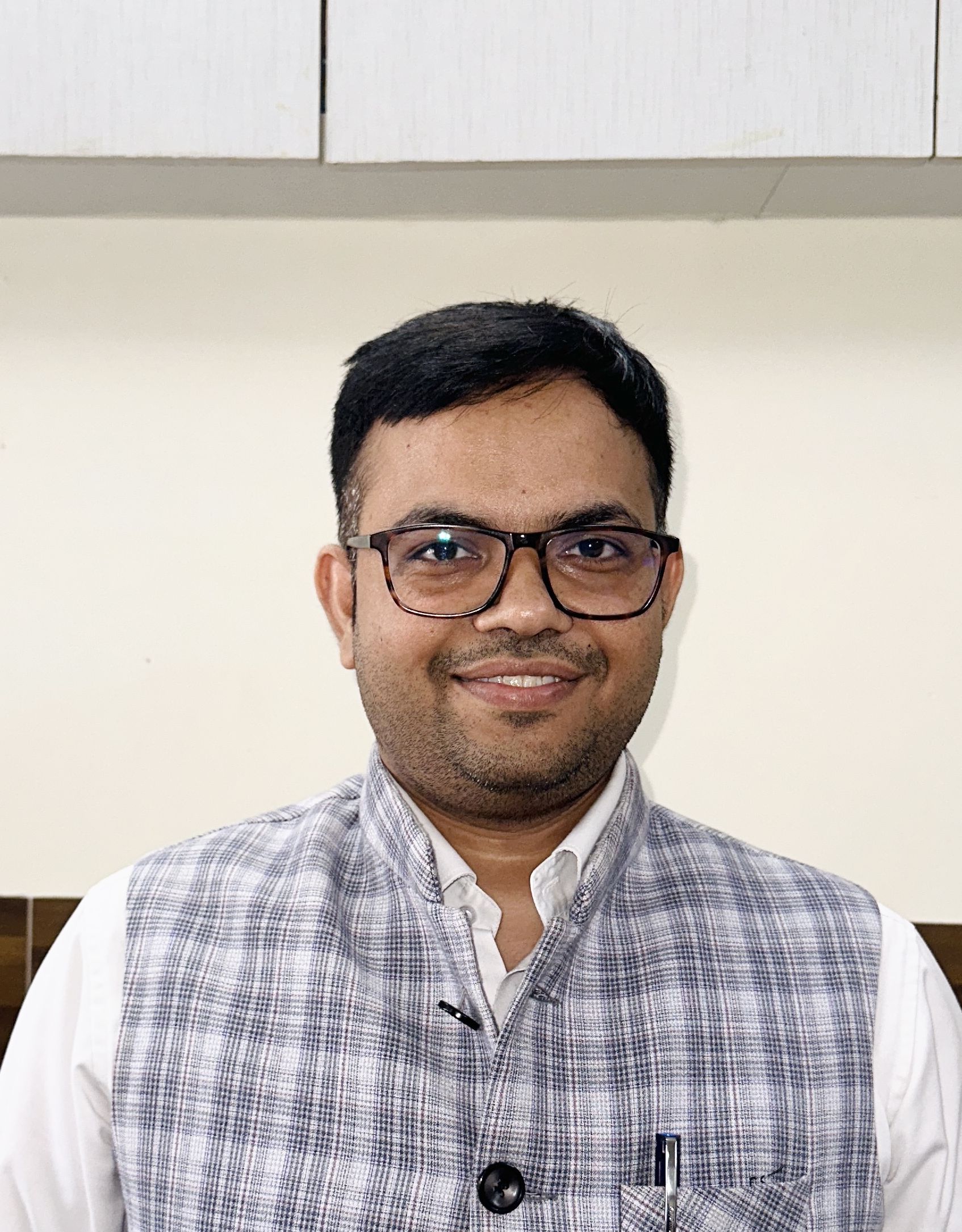





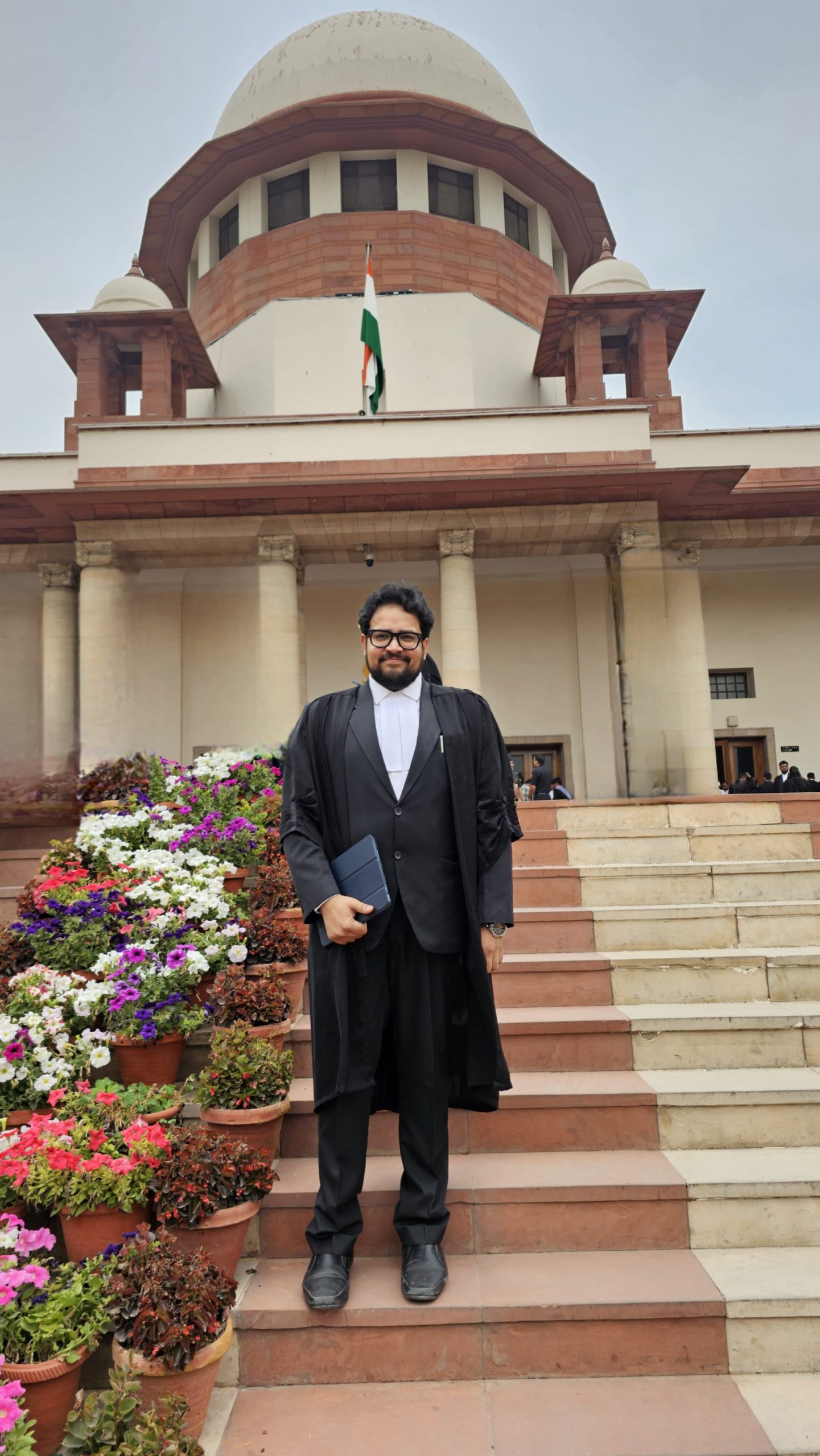




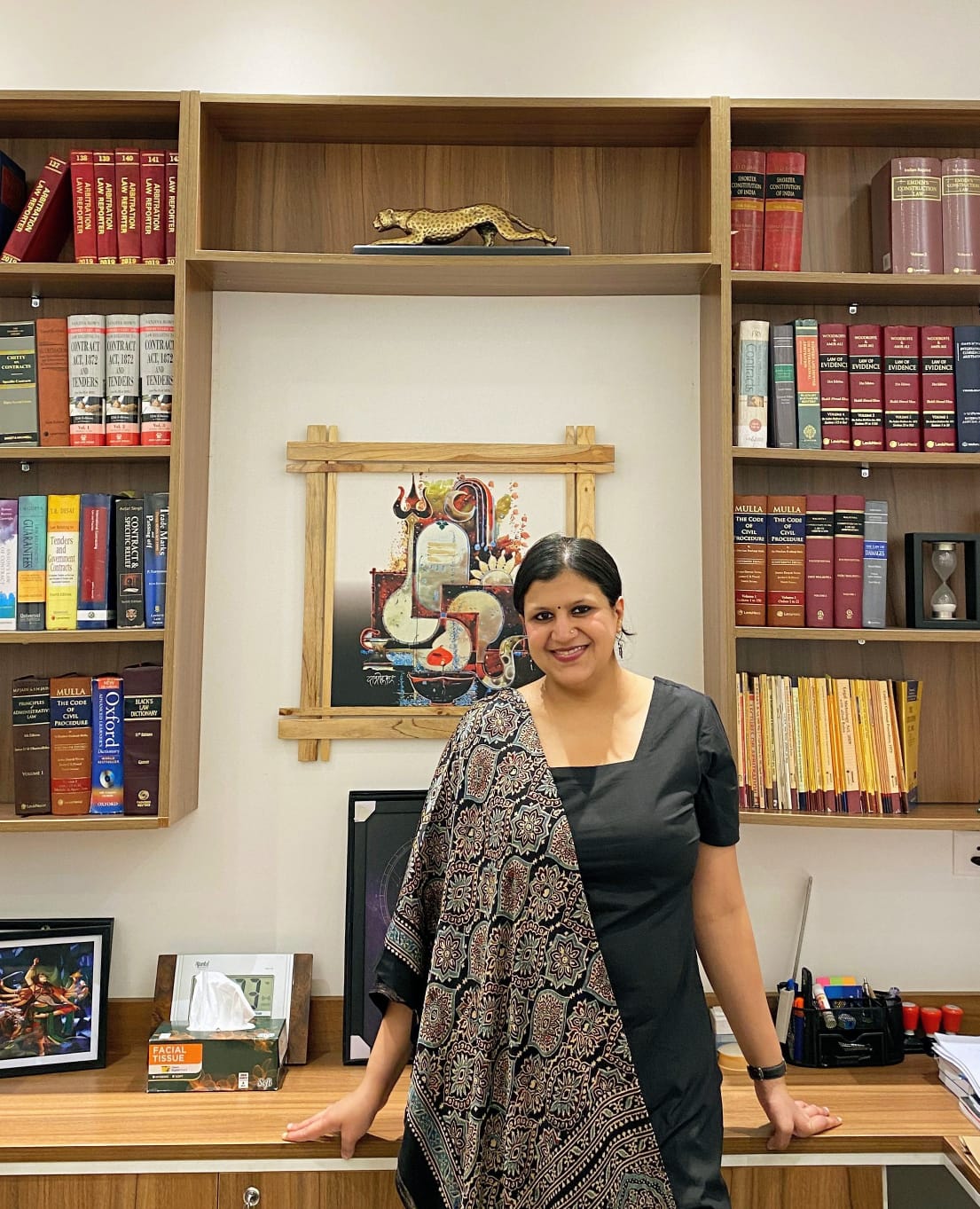





 Allow notifications